LADY LAKE SPECIALTY CARE CENTER AND REHAB
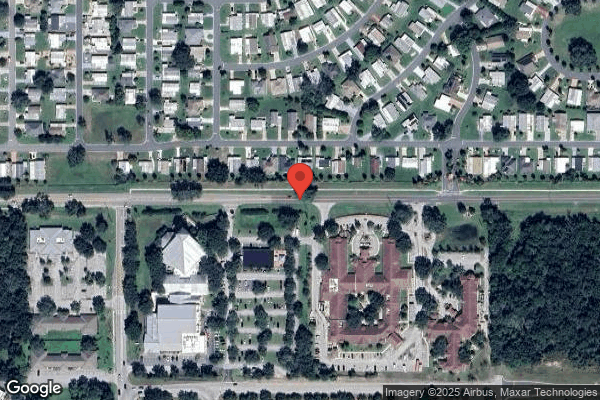
630 GRIFFIN AVENUE, LADY LAKE, FL 32159 (352) 750-6619
For profit - Corporation 145 Beds GOLD FL TRUST II Data: November 2025
Trust Grade
53/100
#367 of 690 in FL
Last Inspection: July 2024

Within standard 12-15 month inspection cycle. Federal law requires annual inspections.

Overview

Lady Lake Specialty Care Center and Rehab has a Trust Grade of C, which means it is average, placing it in the middle of the pack among nursing homes. It ranks #367 out of 690 facilities in Florida and #10 out of 17 in Lake County, indicating it is in the bottom half of local options. The facility is showing some improvement, with the number of reported issues decreasing from 11 in 2023 to 9 in 2024. Staffing is a concern, rated at 2 out of 5 stars, with a turnover rate of 63%, significantly higher than the state average of 42%. While there were no life-threatening issues, there have been several concerns, including failure to label and store medications properly and issues with food safety, such as expired food and unclean kitchen equipment. Overall, while there are some strengths, such as improving trends, families should weigh these against the notable weaknesses in staffing and compliance.

Trust Score
C
53/100
In Florida
#367/690
Bottom 47%
Safety Record
Low Risk
No red flags
Inspections
Getting Better
11 → 9 violations
Staff Stability
⚠ Watch
63% turnover. Above average. Higher turnover means staff may not know residents' routines.
Penalties
⚠ Watch
$13,970 in fines. Higher than 80% of Florida facilities, suggesting repeated compliance issues.
Skilled Nurses
○ Average
Each resident gets 32 minutes of Registered Nurse (RN) attention daily — about average for Florida. RNs are the most trained staff who monitor for health changes.
Violations
⚠ Watch
27 deficiencies on record. Higher than average. Multiple issues found across inspections.
★★★☆☆
3.0
Overall Rating
★★☆☆☆
2.0
Staff Levels
★★★☆☆
3.0
Care Quality
★★★☆☆
3.0
Inspection Score
Stable
2023: 11 issues
2024: 9 issues

The Good

  • Full Sprinkler Coverage · Fire safety systems throughout facility
  • No fines on record

Facility shows strength in fire safety.

The Bad

3-Star Overall Rating

Near Florida average (3.2)

Meets federal standards, typical of most facilities

Staff Turnover: 63%

16pts above Florida avg (46%)

Frequent staff changes - ask about care continuity

Federal Fines: $13,970

Below median ($33,413)

Minor penalties assessed

Chain: GOLD FL TRUST II

Part of a multi-facility chain

Ask about local staffing decisions and management

Staff turnover is elevated (63%)

15 points above Florida average of 48%

The Ugly 27 deficiencies on record

Jul 2024 8 deficiencies
CONCERN (D)

Potential for Harm - no one hurt, but risky conditions existed

Safe Environment (Tag F0584)

Could have caused harm · This affected 1 resident

Based on observation and interview the facility failed to ensure maintenance and housekeeping provided the services necessary to maintain a sanitary and orderly environment for the 200-hall shower roo...

Read full inspector narrative →
Based on observation and interview the facility failed to ensure maintenance and housekeeping provided the services necessary to maintain a sanitary and orderly environment for the 200-hall shower room. Findings include: During an observation on 7/14/24 at 10:00 AM during the initial tour of the 200-hall shower room it was observed that the ceiling, walls, and tiles surrounding the shower area were cracked and/or have holes. The walls of the shower room have streaks of a darkened green and brown substance running down the walls. It was also observed to have dirty linen and personal items that were left in the shower room. During this observation the shower floor was dry as were the walls. (Photographic evidence obtained) During observations on 7/15/24 staff were observed wheeling residents into the shower room on the 200-hall for showers. During an observation on 7/15/24 at approximately 10:00 AM the shower room walls in the shower room on the 200-hall were observed to have streaks of a darkened green and brown substance running down the wall. During observations on 7/16/24 staff were observed wheeling residents into the shower room on the 200-hall for showers. During an observation on 7/17/24 at approximately 9:45 AM the shower room walls in the shower room of the 200-hall were observed to have streaks of a darkened green and brown substance running down the wall. During an interview on 7/17/24 at 10:00 AM, while in the 200-hall shower room, the Maintenance Director stated, This is an area that is a concern. I am aware that it needs to be fixed, it is on my list. The housekeeping lead tells me that they clean the shower room daily. During an interview on 7/17/24 at 10:10 AM the Housekeeping Lead stated, I get a ticket that shows me that the cleaning is completed daily. I do not make a habit of checking after the staff. I can say they [the shower room walls] need to be cleaned. During an interview on 7/17/24 at 10:30 AM the Director of Nursing stated, Staff should not leave personal items, or linens in the shower room. My expectation is that staff are supposed to leave the shower room ready for the next person to use. Review of policy and procedure titled P&P Environmental Services Cleaning Guidelines Issued 4/1/2022, last reviewed 1/25/24 read, Policy: It is the policy of this facility that the workplace will be maintained in a clean and sanitary condition with a written schedule and documentation based on the area of the facility, type of surface to be cleaned, type of soil present and task being performed in the area. Purpose: It is important that a clean, safe and sanitary environment is maintained for our residents.
CONCERN (D)

Potential for Harm - no one hurt, but risky conditions existed

Respiratory Care (Tag F0695)

Could have caused harm · This affected 1 resident

2. During an observation on 7/14/2024 at 09:40 AM of Resident #80 it showed oxygen was being administered at 2.5 liters via nasal cannula. The humidified water bottle was empty. During an observation...

Read full inspector narrative →
2. During an observation on 7/14/2024 at 09:40 AM of Resident #80 it showed oxygen was being administered at 2.5 liters via nasal cannula. The humidified water bottle was empty. During an observation on 7/15/2024 at 2:45 PM of Resident #80 it showed oxygen was being administered at 2.5 liter via nasal cannula. The humidified water bottle was empty, and the humidified water bottle and tubing were dated 7/7/2024. Record review of Resident #80's physician order dated 6/14/2024 read, Change oxygen tubing and humidified H2O [water] weekly and PRN [as needed]. During an interview on 7/15/2024 at 2:55 PM Staff A, License Practical Nurse (LPN) stated, That oxygen tubing and humidification tubing is changed weekly, normally on night shift. The humidification bottle is empty, and the humidification bottle and tubing are dated 7/7/2024. This tubing should have been changed when there was no more water or weekly. During an interview on 7/15/2024 at 3:10 PM Staff C, LPN stated, I am assigned to the resident today and did not assess the oxygen delivery system for the oxygen delivery rate, the humidification bottle or the tubing and the dates on the humidification bottle and tubing. During an observation on 7/15/2024 at 3:11 PM with the Director of Nursing (DON) the DON confirmed the humidified water container was empty and the humidification bottle and tubing was dated 7/7/2024. During an interview on 7/15/2024 at 3:11 PM the DON stated, Humidified water is to be changed when it is empty, and tubing is to be changed weekly. Review of the policy and procedure titled Oxygen Administration Issued 4/1/2022, last reviewed 1/25/24 read, Policy: It is the policy of this facility to provide guidelines for safe oxygen administration. Procedure: .4. Oxygen therapy is administered by way of an oxygen mask, nasal cannula, and/or nasal catheter as is ordered by the physician or required to provide for the needs of the resident. 7. Weekly oxygen tubing changes can be documented in the medical record as a reminder to the staff but is only required to have tubing dated appropriately demonstrating that the tubing was changed to maintain infection control standards. Based on observation, interview, and record review, the facility failed to ensure residents received respiratory care services consistent with professional standards of practice for 2 of 3 residents reviewed for respiratory care services, Residents #591 and #80. (Photographic evidence obtained) Findings include: 1. During an observation on 7/14/24 at 10:00 AM Resident #591 was observed resting in bed wearing a nasal cannula and the oxygen (O2) concentrator was administering oxygen at 5 liters with a humidifier bottle attached. During an observation on 7/14/24 at 1:04 PM Resident #591 was observed sitting at the edge of the bed wearing a nasal cannula and the O2 concentrator was administering oxygen at 5 liters with a humidifier bottle attached. During an interview on 7/14/24 at 1:04 PM Resident #591stated, I don't touch or adjust the settings on the oxygen concentrator. The staff is the one who touches the settings. During an observation on 7/15/24 at 8:09 AM Resident #591 was observed resting in bed eyes closed wearing a nasal cannula and the oxygen concentrator was observed administering oxygen at 3 liters. During an observation on 7/16/24 at 7:45 AM Resident #591 was observed resting in bed eyes closed wearing a nasal cannula and the oxygen concentrator was observed administering oxygen at 3.5 liters. During an interview on 7/16/24 at 7:51 AM Staff F, Licensed Practical Nurse (LPN) stated, I check the O2 setting every day. I know the O2 is supposed to be on 2 liters, I think he changes the setting himself. Review of the physician order dated 6/30/24 at 12:48 PM read, 02 2 L NC [oxygen at 2 liters via nasal canula].
CONCERN (D)

Potential for Harm - no one hurt, but risky conditions existed

Unnecessary Medications (Tag F0759)

Could have caused harm · This affected 1 resident

Based on observation, interview, and record review, the facility failed to ensure the medication error rate was less than 5%. Twenty-eight medication administration opportunities were observed, and tw...

Read full inspector narrative →
Based on observation, interview, and record review, the facility failed to ensure the medication error rate was less than 5%. Twenty-eight medication administration opportunities were observed, and two medication errors were identified for 1 of 6 residents. The medication errors resulted in a medication error rate of 7.14%. Findings include: During an observation on 7/16/2024 at 9:50 AM of Staff C, Registered Nurse (RN) during the medication pass for Resident #62 it showed Staff C administered one Midodrine HCL (hydrochloride) oral tablet 5 mg (milligrams), and one Vitamin D3 tablet 215 mg/equivalent to 5000 IU (international units). Resident #62's blood pressure results were documented as 140/88. Review of Resident #62's physician orders dated 5/6/2024 read, Vitamin D3 oral tablet give 3000 units by mouth in the morning for supplement. Midodrine HCL oral tablet 5 mg give 1 tablet by mouth three times a day for hypotension [low blood pressure] hold if systolic is greater than 110. During an interview on 7/16/2024 at 11:50 AM Staff D, RN stated, Midodrine should not have been given because his [Resident #62] blood pressure was not within the parameters as written, a systolic blood pressure less than110, and the Vitamin D should have been 3000 units not 5000 units. During an interview on 7/16/2024 at 4:15 PM the Director of Nursing stated, Midodrine is to be administered as ordered when the blood pressure falls within the parameters written and all medications are to be given as ordered. Review of the policy and procedure titled Medication Administration revised on 01/25/2024, read, It will be the policy of this facility to administer medications in a timely manner and as prescribed by the physician, unless otherwise clinically indicated or necessitated by the resident. 3.Medication should be administered in a timely manner and in accordance with the physician's orders. 5. Should a dosage seem excessive considering the resident's age and medical condition, or a medication order seems to be unrelated to the resident's current diagnosis or medical condition, the person preparing/administering the medication shall contact the resident's physician or the facility's Medical Director for further instructions. 8. After successfully identifying the resident to receive medication administration, the individual administering the medication should ensure that the right medication, right dosage, right time and right method of administration are verified.
CONCERN (D)

Potential for Harm - no one hurt, but risky conditions existed

Deficiency F0761 (Tag F0761)

Could have caused harm · This affected 1 resident

Based on observation, interview, and policy and procedure review the facility failed to ensure medications were secure allowing access by unauthorized personnel, residents, and visitors when medicatio...

Read full inspector narrative →
Based on observation, interview, and policy and procedure review the facility failed to ensure medications were secure allowing access by unauthorized personnel, residents, and visitors when medications were left unattended on a resident's bed. Findings include: During an observation on 07/14/24 at 1:00 PM, there was a medication cup on Resident #491's bed containing seven pills, one green/white capsule, two white tablets, two pink tablets and two yellow tablets. The resident's bed was made, and the resident was not in the room. The resident's roommate was in the room in bed, with two family members visiting. The unsecured medication was in plain sight of the open doorway, where staff, residents and visitors were observed in the hallway. During an observation on 7/14/24 at 1:19 PM, the unsecured medications continued to be observed on Residents #491's bed. Resident #491 was not in the room. During an observation on 7/14/24 at approximately 1:45 PM of Resident 491's room with Staff E, LPN, she confirmed the medications in the medication cup were on Resident #491's bed and were unattended. During an interview on 7/14/24 at 1:45 PM Staff E, LPN stated, These were from 10:30 AM this morning. I brought them into [Resident 491's room] and she [Resident #491] wasn't here, but then I got distracted by the roommate and the roommate's family, and then I forgot the medications in the room. Staff E identified the medications as lisinopril [for elevated blood pressure], diltiazem [for elevated blood pressure], apixaban [a blood thinner], fluoxetine [for depression], memantine [for dementia], pantoprazole [for gastroesophageal reflux disease], and nitrofurantoin [an antibiotic to treat infection]. During an interview on 07/16/24 at 11:44 AM, the Director of Nursing stated, My expectation is that the nurse must find that resident and give those medications to the resident, stay and watch the resident take those medications. Staff should never have left those medications behind in the room unsecured and unattended. Review of the policy and procedure titled Medication/Biological Storage issued 4/1/2022, last reviewed 1/25/2024 read, Policy: It will be the policy of this facility to store medications, drugs and biologicals in a safe, secure and orderly manner. Procedure: 8. Drugs shall be stored in an orderly manner in cabinets, drawers, carts or automatic dispensing systems.
CONCERN (D)

Potential for Harm - no one hurt, but risky conditions existed

Medical Records (Tag F0842)

Could have caused harm · This affected 1 resident

2. Review of Resident #49's progress note dated 5/8/24 read, Type: Event Note. Effective Date: 5/8/2024 15:43 [3:43 PM]. Note Text: Resident was driving her motorized chair to her room when she lost c...

Read full inspector narrative →
2. Review of Resident #49's progress note dated 5/8/24 read, Type: Event Note. Effective Date: 5/8/2024 15:43 [3:43 PM]. Note Text: Resident was driving her motorized chair to her room when she lost control of her chair and drove it into her bedframe causing a large laceration to her left lower extremity. Bleeding was controlled and 911 called. EMS [emergency medical services] transported Resident to [name of hospital] at 1530 [3:30 PM]. Review of the medical record for Resident #49 did not provide documentation of the transfer form to a higher level of care or for the change in condition for the event dated 5/8/2024. Review of Resident #49's progress note dated 6/5/24 read, Type: Event Note. Effective Date: 6/5/2024 18:06 [6:06 PM]. Note Text: Resident presented with a change of condition by not responding as her usual. Vitals within normal limits. O2 sat [oxygen saturation level] is 97%. Scant twitching noted systemically. Order obtained to send resident to E.R. [emergency room] for further evaluation. Called son to notify. Review of the medical record for Resident #49 did not provide documentation of the transfer form to a higher level of care or for the change in condition for the event dated 6/5/2024. During an interview on 7/16/24 at 2:50 PM the Director of Nursing stated, [Resident #49's name] went out to the hospital on 5/8/24 due to an accident in her wheelchair and came back that night, on 6/5/24 because she was septic. They have their notes [progress notes] in the chart, but there aren't any transfers or change in condition forms. The expectation is that they complete transfer and change in condition forms when they send patients out [to the hospital]. Based on observation, interview, and record review the facility failed to ensure the accuracy of medical records when errors were identified by licensed nursing staff for medication administration for 1 of 5 residents, Resident #491 and failed to ensure accurate and complete records for 1 of 2 residents, Resident #49, reviewed for hospitalizations. Findings include: 1. During an observation on 07/14/24 at 1:00 PM, there was a medication cup on Resident #491's bed containing seven pills, one green/white capsule, two white tablets, two pink tablets and two yellow tablets. The resident's bed was made, and the resident was not in the room. The resident's roommate was in the room in bed, with two family members visiting. The unsecured medication was in plain sight of the open doorway, where staff, residents and visitors were observed in the hallway. During an observation on 7/14/24 at 1:19 PM, the unsecured medications continued to be observed on Residents #491's bed. Resident #491 was not in the room. During an observation on 7/14/24 at approximately 1:45 PM of Resident 491's room with Staff E, LPN, she confirmed the medications in the medication cup were on Resident #491's bed and were unattended. During an interview on 7/14/24 at approximately 1:45 PM Staff E, LPN stated, These were from 10:30 AM this morning. I brought them into [Resident 491's room] and she [Resident #491] wasn't here, but then I got distracted by the roommate and the roommate's family, and then I forgot the medications in the room. Staff E identified the medications as lisinopril [for elevated blood pressure], diltiazem [for elevated blood pressure], apixaban [a blood thinner], fluoxetine [for depression], memantine [for dementia], pantoprazole [for gastroesophageal reflux disease], and nitrofurantoin [an antibiotic to treat infection]. Review of the Medication Administration Record (MAR) on 7/16/24 documented dated 7/14/24 at 9:00 AM lisinopril, diltiazem, apixaban, fluoxetine, memantine, pantoprazole, and nitrofuratoin were administered to Resident #491. Review of the nursing progress notes for 7/14/24 through 7/16/24 at 9:00 AM provided no documentation the medications for Resident #491 were destroyed, were administered late, were not administered, of notification to the physician that medications were not administered as ordered, and/or for orders to administer the medications or to hold the medications. During an interview on 07/16/24 at 03:14 PM, the Director of Nursing stated The nurse did not give the medications to the resident and did not call the doctor. During an interview on 07/17/24 at 09:41 AM the Director of Nursing stated, It is my expectation that the nurse should have called the doctor and family when the medications were not given. The nurses must follow physicians' orders. The nurse should have told the physician the names of the medications, how late it was, and if it can be given now. She then should have charted everything that she did and put in a nurse's note because you cannot reverse what was put on the MAR. This was not done. Review of the policy and procedure titled Medication Administration, last reviewed on 1/25/24, read, Policy: It will be the policy of this facility to administer medications in a timely manner and as prescribed by the physician, unless otherwise clinically indicated or necessitated by other circumstances such as lack of availability of medications or refusals of medication by the resident. Procedure: 7. Medications should be administered within one (1) hour before or after their prescribed time. 12. Should a drug be withheld, refused, or given other than at the scheduled time, the individual administering the medication will document this in the clinical record. 16. Should a resident be away from his/her room or unavailable during the medication pass, it is permissible to return during the appropriate time frame to that resident at a later time to complete the administration.
CONCERN (E)

Potential for Harm - no one hurt, but risky conditions existed

Food Safety (Tag F0812)

Could have caused harm · This affected multiple residents

Based on observation, interview, and record review the facility failed to ensure foods were prepared under sanitary conditions and failed to ensure food temperatures were documented to be at safe leve...

Read full inspector narrative →
Based on observation, interview, and record review the facility failed to ensure foods were prepared under sanitary conditions and failed to ensure food temperatures were documented to be at safe levels prior to meal service to residents. Findings include: An initial tour of the facility kitchen was completed on 7/14/2024 beginning at 9:16 AM. There was a black discoloration on the ceiling surrounding the large air conditioning vent above a food preparation area. There was a black discoloration on the large ceiling vent above the same food preparation area. There were uncovered peeled bananas on the counter underneath the discolored ceiling and ceiling vent. During a follow-up tour of the kitchen on 7/17/2024 beginning at 8:36 AM, there was a black discoloration on the ceiling surrounding the large air conditioning vent above a food preparation area. There was black discoloration on the large ceiling vent above the same food preparation area. There were two large baking sheets of uncovered raw chicken pieces on the counter underneath the discolored ceiling and ceiling vent. During an interview on 7/17/2024 beginning at 8:29 AM, the Dietary Manager acknowledged the ceiling area surrounding the ceiling and the ceiling vent above the food preparation area was dirty and needed to be cleaned. Review of the facility policy and procedure titled Kitchen Sanitation, last reviewed 1/25/2024, read, It is the policy of the facility that the food service area and equipment shall be maintained in a clean and sanitary manner. During a follow-up tour of the kitchen on 7/17/2024 beginning at 8:36 AM, kitchen staff were observed placing breakfast foods on plates for service to residents. Review of the food temperature log dated 7/17/2024 for the morning meal on 7/17/2024 at 8:36 AM, failed to reveal documentation food temperatures had been taken of the morning meal menu items before the meal was served to residents. During an interview on 7/17/2024 beginning at 8:29 AM, the Dietary Manager acknowledged there was no documentation that temperatures of the morning meal menu items had been taken before serving the meal to residents. She stated morning meal service had started at 7:30 AM. Review of the policy and procedure titled Final Cooking Temperatures, last reviewed 1/25/2024, read, Food is to be cooked to specified temperatures and times to mitigate the presence of dangerous microorganisms. Review of the policy and procedures titled Food Temperatures, last reviewed 1/25/2024, read, Foods will be maintained at proper temperature to insure food safety. 3. The cook is responsible to see that all food is at the proper temperature. 4. The temperature will be taken and recorded for all items at all meals. Record temperatures on extended menus.
CONCERN (E)

Potential for Harm - no one hurt, but risky conditions existed

Infection Control (Tag F0880)

Could have caused harm · This affected multiple residents

3. During an observation on 07/15/24 at 01:50 PM, Staff G, CNA (Certified Nursing Assistant) was observed coming into the doorway of a resident's room holding a soiled brief, with gloves on. She stood...

Read full inspector narrative →
3. During an observation on 07/15/24 at 01:50 PM, Staff G, CNA (Certified Nursing Assistant) was observed coming into the doorway of a resident's room holding a soiled brief, with gloves on. She stood in the doorway and spoke with a visitor from another room, and then placed the brief in a trash bag. While wearing the same gloves, Staff G assisted Resident #48 into a wheelchair, she then picked up the resident's hairbrush, brushed the resident's hair and wheeled him out of the room. During an interview on 07/15/24 at 2:10 PM, Staff G, CNA stated, I didn't wash my hands after peri-care. I usually do, if I have time. During an interview on 07/15/24 at 02:55 PM, the Director of Nursing stated, I expect my staff to remove their gloves and wash their hands after providing patient care. Review of the policy and procedure titled Hand Hygiene dated 1/25/2024 read, This facility considers hand hygiene the primary means to prevent the spread of infections. 5. Use an alcohol-based hand rub containing at least 62% alcohol; or alternatively, soap (antimicrobial or non-antimicrobial) and water for the following situations: b. Before and after direct contact with residents; c. Before preparing or handling medications; i. After contact with resident's intact skin. Based on observation, interview, and record review the facility failed to prevent the possible spread of infection by not completing sanitization of blood pressure cuffs, hand hygiene during medication administration, and hand hygiene after the delivery of personal care. Findings include: 1. During an observation on 7/16/2024 at 09:00 AM Staff B, License Practical Nurse (LPN) retrieved the blood pressure cuff from the top of the medication cart and obtained a blood pressure reading for Residents #55. Staff B, LPN returned to the medication cart and placed the blood pressure cuff inside the cart without cleaning/sanitizing the cuff. During an interview on 7/16/2024 at 09:17 AM Staff B, LPN stated, Blood pressure cuffs are to be wiped after each use with Clorox wipes. I should have cleaned the blood pressure cuff after using it. 2. During an observation on 7/16/2024 at 09:25 AM Staff D, Registered Nurse (RN) exited the nutrition room and initiated medication administration for Resident #103. Staff D pulled the wrong medication, then destroyed the wrong medication in a drug buster, opened the bottom drawer of the medication cart, and secured the drug buster. Staff D, RN did not perform hand hygiene and proceeded with preparing the correct medications for Resident #103. Staff D went to administer the medications to Resident #103, Staff D did not perform hand hygiene and attempted to administer the medications. Resident #103 refused to take the medications. Staff D did not perform hand hygiene, exited Resident #103's room, returned to the medication cart and destroyed the medications, did not perform hand hygiene, and proceeded to prepare medications for Resident #122. Staff D did not perform hand hygiene and administered the medications to Resident #122. Staff D did not perform hand hygiene, exited the resident's room, returned to the medication cart, did not perform hand hygiene, and proceeded to prepare medications for Resident #62. Staff D removed the medications from their containers, put them in a bag and crushed the medications for Resident #62. Staff D did not perform hand hygiene and administered the medications to Resident #62. Staff D did not perform hand hygiene, exited Resident #62's room and returned to the medication cart. During an interview on 7/16/2024 at 10:20 AM Staff D, RN stated I did not do hand hygiene and I should before and after medication preparation and administration. During an interview on 7/16/2024 at 12:50 PM the Director of Nursing (DON) stated, The expectation is for hand hygiene to be completed before and after contact with each patient and before and after medication preparation and administration for each resident. The blood pressure cuffs are to be cleaned before and after each resident use.
MINOR (C)

Minor Issue - procedural, no safety impact

Staffing Information (Tag F0732)

Minor procedural issue · This affected most or all residents

Based on observation, interview and record review the facility failed to ensure accurate nurse staffing information was posted on a daily basis for 3 of 6 days. Findings include: Observation of the ...

Read full inspector narrative →
Based on observation, interview and record review the facility failed to ensure accurate nurse staffing information was posted on a daily basis for 3 of 6 days. Findings include: Observation of the displayed nurse staffing information on Sunday, July 14, 2024 at 9:05 AM showed nurse staffing information for Friday, July 12, 2024, Saturday, July 13, 2024 and Sunday, July 14, 2024 was posted in the front lobby area of the facility. A comparison review of the actual staff working hours on Friday, July 12, 2024, Saturday, July 13, 2024, and Sunday, July 14, 2024 with the Staffing Coordinator revealed the posted nurse staffing information did not accurately reflect the total number and actual hours worked by registered nurses, licensed practical nurses and certified nurses aides on Friday, July 12, 2024, Saturday, July 13, 2024 and Sunday, July 14, 2024. During an interview on 7/16/2024 at 10:49 AM, the Staffing Coordinator stated the displayed nurse staffing information were projections and did not accurately reflect the total number and actual hours worked by registered nurses, licensed practical nurses and certified nurses aides on Friday, July 12, 2024, Saturday, July 13, 2024 and Sunday, July 14, 2024. She stated she posted the projected nurse staffing sheets on Thursday evenings for Fridays, Saturdays, Sundays and Monday. Review of the facility policy titled Staff Postings, last reviewed 1/25/2024, read, Policy: It will be the policy of this facility to display staff posting information for visitors, families, residents and staff to be able to see. (1) Data requirements. The facility will post the following information on a daily basis: .(iii) The total number and the actual hours worked by the following categories of licensed and unlicensed nursing staff directly responsible for resident care per shift: (A) Registered nurses. (B) Licensed practical nurses or licensed vocational nurses (as defined under State law). (C) Certified nurse aides. 2. Posting requirements. (i) The facility will post the nurse staffing data specified data on a daily basis at the beginning of each shift.
Apr 2024 1 deficiency
CONCERN (F) 📢 Someone Reported This

A family member, employee, or ombudsman was alarmed enough to file a formal complaint

Potential for Harm - no one hurt, but risky conditions existed

Deficiency F0761 (Tag F0761)

Could have caused harm · This affected most or all residents

Based on observation, interview, and record review, the facility failed to ensure medications were labeled and stored in accordance with professional standards of practice in 6 of 6 medication carts r...

Read full inspector narrative →
Based on observation, interview, and record review, the facility failed to ensure medications were labeled and stored in accordance with professional standards of practice in 6 of 6 medication carts reviewed for medication storage. Findings include: During an observation of Medication Cart #1 on 4/1/2024 at 8:40 AM with Staff A, Licensed Practical Nurse (LPN), there were one opened Humalog insulin with no date opened or expiration date, one opened Lispro insulin with no date opened or expiration date, two unopened Aspart insulin with pharmacy instructions to refrigerate until opened, one opened bottle of olopatadine eye drops with no date opened or expiration date, one opened bottle of Prednisolone eye drops without the original pharmacy packaging and no date opened or expiration date, and two opened bottles of artificial tears with no dates opened or expiration dates. During an observation of Medication Cart #2 on 4/1/2024 at 8:51 AM with Staff A, LPN, there were one opened Humalog insulin with no date opened or expiration date, one opened Lantus insulin with no date opened or expiration date, and one opened Humulin N insulin with date opened of 2/10/2024 with pharmacy instructions to discard after 42 days. During an interview on 4/1/2024 at 8:52 AM, Staff A, LPN, stated, Eye drops and insulin should have labels and dates when opened or when they should expire. Expired insulin should not be on the cart. During an observation of Medication Cart #3 on 4/1/2024 at 8:58 AM with Staff B, LPN, there were one opened Latanoprost eye drops with no date opened or expiration date, one unopened latanoprost eye drops with pharmacy instructions to refrigerate until opened, and one opened Lispro insulin with no date opened or expiration date. During an observation of Medication Cart #4 on 4/1/2024 at 9:05 AM with Staff B, LPN, there were two unopened Humalog insulin with pharmacy instructions to refrigerate, two opened Latanoprost eye drops with no dates opened or expiration dates, one opened Timolol eye drops with no date opened or expiration date, and one opened Brimonidine eye drops with no date opened or expiration date. During an interview on 4/1/2024 at 9:07 AM, Staff B, LPN, stated, We do label all insulin and eye drops with the date we open them, and any medications should be thrown out if they are expired. Insulin should stay in the refrigerator until it is opened. During an observation on 4/1/2024 from 9:12 AM through 9:18 AM, Medication Cart #5 was unlocked and unattended. At 9:18 AM, Staff C, LPN, returned to the medication cart. During the period the medication cart was unattended, there were three staff members and two residents passing by the medication cart. During an interview on 4/1/2024 at 9:18 AM, Staff C, LPN, stated, I shouldn't have left the cart unlocked. During an observation on 4/1/2024 from 9:21 AM through 9:26 AM, Medication Cart #6 was unlocked and unattended. At 9:26 AM, Staff D, Registered Nurse (RN), returned to the medication cart. There were one opened Ofloxacin 0.3% eye drops with no date opened or expiration date, seven bottles of artificial tears with no dates opened or expiration dates, and one unopened Lantus insulin with pharmacy instructions to refrigerate until opened. During an interview on 4/1/2024 at 9:28 AM, Staff D, RN, stated, I should not have left the cart unlocked. We should not have any meds unlabeled. It [insulin] should be in the refrigerator. During an interview on 4/1/2024 at 10:02 AM, the Director of Nursing stated, I expect that all staff will have the medication carts locked at all times when they are away from the carts. All medications should be labeled when they are opened and discarded if they have expired. I expect them to follow our policies. Review of the facility policy and procedure titled Medication/Biological Storage issued on 4/1/2022 read, Policy: It will be the policy of this facility to store medications, drugs and biologicals in a safe, secure and orderly manner. Procedure . 4. The facility should not use discontinued, outdated or deteriorated medications, drugs or biologicals . 7. Compartments (including, but not limited to, drawers, cabinets, rooms, refrigerators, carts and boxes) containing medications, drugs, and biologicals shall be locked when not in use and trays or carts used to transport such items shall not be left unlocked if out of a nurse's view . 10. Medications requiring refrigeration must be stored in a refrigerator located in a drug room at the nurses station or other secured location. Medications must be stored separately from food and must be labeled accordingly.
Mar 2023 11 deficiencies
CONCERN (D) 📢 Someone Reported This

A family member, employee, or ombudsman was alarmed enough to file a formal complaint

Potential for Harm - no one hurt, but risky conditions existed

Notification of Changes (Tag F0580)

Could have caused harm · This affected 1 resident

Deficiency Text Not Available

Read full inspector narrative →
Deficiency Text Not Available
CONCERN (D)

Potential for Harm - no one hurt, but risky conditions existed

Assessment Accuracy (Tag F0641)

Could have caused harm · This affected 1 resident

**NOTE- TERMS IN BRACKETS HAVE BEEN EDITED TO PROTECT CONFIDENTIALITY** Based on record review and interview, the facility failed to ensure the assessment accurately reflected the resident's status fo...

Read full inspector narrative →
**NOTE- TERMS IN BRACKETS HAVE BEEN EDITED TO PROTECT CONFIDENTIALITY** Based on record review and interview, the facility failed to ensure the assessment accurately reflected the resident's status for 1 of 3 residents reviewed for oxygen administration, Resident #65. Finding include: Review of the admission record for Resident #65 revealed the resident was admitted to the facility on [DATE] with diagnoses including primary generalized (osteo) arthritis, age-related osteoporosis without current pathological fractures, chronic pain, cough, insomnia, major depressive disorder, hyperkalemia, and anxiety disorder. Review of the physician order dated 12/9/2022 for Resident #65 reads, Oxygen 2 L [Liter] with humidifier via nasal cannula at night one time a day for oxygen use. Review of Resident #65's Medication Administration Record reads, Oxygen 2 L with humidifier via nasal cannula at night on time a day for oxygen use. Start Date: 12/09/2022 2000 [8:00 PM], The staff initialed the MAR for administration of oxygen from 12/10/2022 through 12/31/2022. Review of Resident #65's Weights and Vital Summary for O2 Saturation revealed 97% (Oxygen via Nasal Cannula) on 12/11/2022 at 11:38 PM and 96% (Oxygen via Nasal Cannula) on 12/7/2022 at 6:16 PM. Review of Resident #65's Quarterly Minimum Data Set (MDS) dated [DATE], reads Section O. Special Treatments, Procedures, and Program . C. Oxygen, 2. While a Resident: No. Review of Resident #65's Quarterly Minimum Data Set (MDS) dated [DATE], reads, Section O. Special Treatments, Procedures, and Program . C. Oxygen, 2. While a Resident: Yes. During an interview on 3/8/2023 at 1:12 PM, the MDS Consultant stated, Oxygen was not coded. Let me look if [Resident #65's name] received oxygen in the lookback. He did get oxygen at night. She missed this one. We will change it now.
CONCERN (D)

Potential for Harm - no one hurt, but risky conditions existed

Deficiency F0645 (Tag F0645)

Could have caused harm · This affected 1 resident

**NOTE- TERMS IN BRACKETS HAVE BEEN EDITED TO PROTECT CONFIDENTIALITY** Based on record review and interview, the facility failed to ensure a Level I Preadmission Screening and Resident Review (PASARR...

Read full inspector narrative →
**NOTE- TERMS IN BRACKETS HAVE BEEN EDITED TO PROTECT CONFIDENTIALITY** Based on record review and interview, the facility failed to ensure a Level I Preadmission Screening and Resident Review (PASARR) was completed to determine whether the resident required special services exceeding those provided by the nursing facility for 2 of 6 reviewed residents, Residents #30 and #123. Findings include: 1. Review of the admission record for Resident #30's revealed the resident was admitted on [DATE] with diagnoses including generalized anxiety, depression, and major depressive disorder. Further review revealed no Level I PASARR. During an interview on 3/7/2023 at 12:33 PM, the Director of Nursing (DON) stated, I was not able to locate a Level I screening for [Resident #30's name]. 2. Review of the admission record for Resident #123 revealed the resident was admitted on [DATE] with diagnoses including hypothyroidism, hyperlipidemia, dementia, major depressive, and anxiety disorder. Further review of medical records revealed no PASARR for Resident #123. During an interview on 3/8/2023 at 11:49 AM, the DON stated, I am unable to locate a PASARR for [Resident #123's name]. Review of the facility policy and procedure titled Role of admission and Social Services in PASRR with a last review date of 1/11/2023, reads, Policy: The facility will ensure each resident in a nursing facility is screened for a mental disorder (MD) or intellectual disability (ID) prior to admission and that individuals identified with MD or ID are evaluated and receive care and services in the most integrated setting appropriate to their needs by coordinating with the appropriate , State-designated authority . Procedure: I. Preadmission Screening: 1. The External Liaison or Internal admission Staff /Designee or [Sic.] will obtain a completed pre-admission screen (PASRR Level I) on all individuals being admitted to the SNF [Skilled Nursing Facility] prior to admission.
CONCERN (D)

Potential for Harm - no one hurt, but risky conditions existed

Comprehensive Care Plan (Tag F0656)

Could have caused harm · This affected 1 resident

Based on observation, record review, and interview, the facility failed to ensure a comprehensive person-centered care plan was implemented for 1 of 3 reviewed residents, Residents #77. Findings incl...

Read full inspector narrative →
Based on observation, record review, and interview, the facility failed to ensure a comprehensive person-centered care plan was implemented for 1 of 3 reviewed residents, Residents #77. Findings include: During an observation on 3/6/2023 at 3:42 PM, Resident #77 was lying flat on his back while resting in bed. There were no pressure relieving cushions observed to float resident's heels. During an observation on 3/7/2023 at 10:05 AM, Resident #77 was laying on his back in bed, wearing yellow nonskid socks. No pressure-relieving cushions were in place to float resident's heels. Review of Resident #77's care plan initiated on 12/28/2022 reads, [Resident's name] has the potential for skin impairment/ pressure ulcers r/t [related to]: impaired mobility, h/o [history of] pressure ulcer. Care plan interventions include float heels while in bed. During an interview on 3/8/2023 at 12:51 PM, Staff E, Certified Nursing Assistant (CNA), acknowledged that Resident #77 did not have heels floated. During an observation on 3/8/2023 at 1:03 PM, Staff F, Licensed Practical Nurse (LPN), acknowledged that Resident #77 did not have heels floated. Review of the facility policy and procedure titled Comprehensive Assessments and Care Plans issued on 4/1/2022 and annually reviewed on 1/11/2023 reads, Guidelines: 1. The facility will conduct initially and periodically a comprehensive, accurate, standardized reproducible assessment of each resident's functional capacity . 8. The facility will develop and implement a comprehensive person-centered care plan for each resident, consistent with the resident rights set forth at 483.10 c (2) and 483.10 c (3), that includes measurable objectives and timeframes to meet a resident's medical, nursing, and mental and psychosocial needs that are identified in the comprehensive assessment.
CONCERN (D) 📢 Someone Reported This

A family member, employee, or ombudsman was alarmed enough to file a formal complaint

Potential for Harm - no one hurt, but risky conditions existed

Deficiency F0658 (Tag F0658)

Could have caused harm · This affected 1 resident

2. Review of the admission record for Resident #189 documented an admission date of 9/16/2022 and the diagnoses including unspecified fracture of lower end of left tibia and displaced comminuted fract...

Read full inspector narrative →
2. Review of the admission record for Resident #189 documented an admission date of 9/16/2022 and the diagnoses including unspecified fracture of lower end of left tibia and displaced comminuted fracture of shaft of left fibula. Review of the after hospital visit summary dated 9/14/2022 for Resident #189 revealed instructions to schedule an appointment with orthopedic surgery as soon as possible for a visit in 1 day. Review of the physician orders for Resident #189 revealed no orders for follow-up appointments. Review of the facility records revealed no documentation of orthopedic surgery appointment for Resident #189. During an interview on 3/9/2023 at 1:15 PM, the Director of Nursing stated, I would expect the admitting nurse to document any appointments the resident needed. As a back-up, our transportation department would also check admissions for needed appointments. The resident had a diagnosis of COVID-19, but it looks like that was resolved before she came here. She was not on isolation and the appointments should have been arranged. I do not know why the appointments were not made. Based on observation, interview, and record review, the facility failed to ensure medications were administered according to professional standards of practice for 1 of 6 residents with gastrostomy tubes, Resident #31, and failed to ensure follow-up appointments were scheduled for 1 of 3 reviewed residents, Resident #189. Findings include: 1. During an observation of medication administration on 3/9/2023 at 5:34 AM, Staff I, Licensed Practical Nurse (LPN), crushed two medications and placed them in a medication cup and poured five milliliters of water into the medication cup from the water pitcher. Staff I mixed the medication with a spoon and removed two large pieces of ice that were heavily coated with medication and threw the ice into the garbage. Staff I then administered the medications leaving a large amount of medication residual in the medication cup. Staff I did not administer a water flush before administering the medications. During an interview on 3/9/2023 at 6:05 AM, Staff I, LPN, stated, I should not have thrown out the ice. It did have a lot of medication on it. I should have flushed the resident's tube before I gave the medication and should have made sure all the medication was administered by adding more water to the cup. I should not have mixed the medications together in the same cup. During an interview on 3/9/2023 at 8:30 AM, the Director of Nursing (DON) stated, I expect that the nurses will verify that medications were actually administered and have not fallen out of their mouths or onto the floor. Medications administered through a gastrostomy tube should be administered separately with water flushes in between and all of the medication should be administered. Review of the facility policy and procedure titled, Medication Administration issued on 4/1/2022 reads, Policy: It will be the policy of this facility to administer medications in a timely manner and as prescribed by the physician, unless otherwise clinically indicated or necessitated by other circumstances such as lack of availability of medication or refusals of medication by the resident. Procedure . 8. After successfully identifying the resident to receive medication administration, the individual administering the medication should ensure that the right medication, right dosage, right time, and right method of administration are verified.
CONCERN (D) 📢 Someone Reported This

A family member, employee, or ombudsman was alarmed enough to file a formal complaint

Potential for Harm - no one hurt, but risky conditions existed

Deficiency F0692 (Tag F0692)

Could have caused harm · This affected 1 resident

Based on record review and interview, the facility failed to ensure that residents maintained an acceptable parameter of nutritional status and were offered intravenous hydration for 2 of 4 residents ...

Read full inspector narrative →
Based on record review and interview, the facility failed to ensure that residents maintained an acceptable parameter of nutritional status and were offered intravenous hydration for 2 of 4 residents reviewed for nutrition and hydration, Residents #191 and #13, in a total sample of 62 residents. Findings include: 1. Review of the admission record for Resident #191 documented an admission date of 4/10/2022 with the diagnoses including cerebral infarction (stroke) due to unspecified occlusion or stenosis of left cerebellar artery, nonrheumatic aortic (valve) stenosis without insufficiency, cerebral infarction, unspecified atrial fibrillation (irregular heartbeat), status gastrostomy (a tube placed in the stomach to provide food), essential (primary) hypertension, altered mental status, hyperlipidemia (high cholesterol), other seizures, mild protein calorie malnutrition, and pneumonitis due to inhalation of food and vomit (aspiration into the lungs). Review of the physician orders for Resident #191 dated 4/10/2022 reads, Nothing By Mouth diet. Nothing By Mouth texture. Nothing by mouth consistency. Review of the physician order for Resident #191 dated 4/10/2022 reads, Flush feeding tube with 150 cc [cubic centimeter] water 5 times daily, five times a day for flush. Review of the physician order for Resident #191 dated 6/13/2022 reads, Enteral Feed Order three times a day Jevity 1.5 carton (237 cc) bolus 3 x [times] per day flush with 50 cc of water pre/post bolus. Review of Resident #191's weight summary documented weights of 205.8 pounds on 4/20/2022, 205.8 pounds on 4/23/2022, no weight in May 2022, 185.2 pounds on 6/12/2022, and 176 pounds on 6/16/2022. Review of the nutritional progress note for Resident #191 dated 6/13/2022 reads, Resident triggers for a significant weight loss of 10% in approximately 2 months since initial admit. Current weight is 185.2# [pounds] and BMI is 26.6 [overweight], usual weight greater than 200# per records. Resident remains NPO [Nothing By Mouth] with TF [tube feeding] for nutrition/hydration. He has been having behaviors of agitation and disconnecting TF when being administered- may account for some weight decline. No current wounds identified at this time by nursing. No recent labs available for review. Current TF regime Jevity 1.5 at 75 milliliters per hour times 20 hours with free water flushes of 300 mils [milliliters] Q [every] 6 hours (1200 mils/d) higher orders are providing 1500 milliliters/day of formula 2250 kcals, (27 kcals/kg), 96 g pro (1.1g/kg) and 1140 mils free water. Due to resident disconnecting TF and weight showing a decreasing trend, will recommend: 1. Change TF to nocturnal feedings of Jevity 1.5 at 80 milliliters per hour times 12 hours (6-6) with bolus feedings of 1 carton Jevity 1.5 TID with flushes 50 mils free water before and after bolus feedings while resident is awake. Continue 300 mils flushes Q 6 hours. New orders will provide 960 mills/d formula at nocturnal feedings 711 mills bolus feedings= 1671 mills/d, 2507 kcals (30 KCALS/kg), 170 G pro (1.3/kg) and 1270 mills free water plus 1500 mills flushes equals 2770 mills/d (33 mls/kg). New order should help better meet needs and allow for time detached from feeding during the day for quality of life. Will continue to monitor weights weekly and follow up with resident as needed. Review of Resident #191's Medication Administration Record (MAR) for June 2022 revealed no information for enteral feeding order for three times a day Jevity 1.5 carton (237 ml) bolus on 6/13/2022 at 6:00 PM, 6/14/2022 at 10:00 AM, 2:00 PM and 6:00 PM, and 6/15/2022 at 10:00 AM, 2:00 PM and 6:00 PM. The MAR had also no information for the order for flushing the feeding tube with 1500 cc water 5 times daily on 6/5/2022 at 2:00 PM, 6/10/2022 at 10:00 AM and at 2:00 PM, 6/12/2022 at 6:00 AM, 6/13/2022 at 2:00 PM, 6/17/2023 at 10:00 PM, 6/19/2022 at 10:00 PM, and 6/20/2022 at 6:00 AM. During an interview on 3/8/2023 at 9:54 AM, the Registered Dietician (RD) stated, This would have caused additional weight loss if the resident was not receiving additional bolus feedings. He would not have the needed calories and free water. I was not aware that he was not receiving his bolus feedings. During an interview on 3/8/2023 at 11:30 AM, the Director of Nursing (DON) stated, I see that he had a significant weight loss and we did a QAPI [Quality Assurance and Performance Improvement] around that time related to weights. There is no evidence in the chart that the doctor or the wife was notified of the significant weight loss. They both should have been notified. I do see that we did not give him the ordered bolus feedings on 6/13, 6/14 and 6/15/2022. I don't see that the nurses documented that they gave these. It would add to weight loss if residents aren't getting the calories to meet their needs. We should have administered the bolus feedings and we should have documented that we did it. Review of the facility policy and procedure titled Weights and Weight Loss issued on 4/1/2022 reads, Policy: It will be the practice of this facility to implement the following systems regarding weight documentation. Procedure . 4. Consistent weight loss noted during the admission weight process will be brought to the attention of the physician and/or RD [Registered Dietician] and responsible party. 5. Significant weight loss shall be addressed by the physician and/or RD through discussion with the resident and/or the resident representative for known preferences and desires and development and implementation of interventions to attempt to address the weight loss. 2. Review of the admission record for Resident #13 documented an admission date of 2/16/2023 with the diagnoses including osteomyelitis (an infection of the bone), unspecified hydronephrosis (swelling in the kidney), hypertensive chronic kidney disease with stage five chronic kidney disease or end stage renal disease, non-pressure chronic ulcer of right foot with unspecified severity, right lower limb cellulitis (infection), paroxysmal atrial fibrillation (irregular heartbeat), essential primary hypertension, hyperlipidemia, anemia and chronic kidney disease, chronic kidney disease, hypothyroidism, irritable bowel syndrome, unspecified osteoarthritis, rheumatoid arthritis, cerebral infarction (stroke) unspecified, gastroesophageal reflux disease, repeated falls, and major depressive disorder. Review of the physician order for Resident #13 dated 3/6/2023 at 3:22 PM reads, Sodium Chloride Solution 0.9%. Use 75 ml/hr [milliliters/hour] intravenously every shift for AKI [Acute Kidney Injury] for 4 days. During an observation on 3/7/2023 at 8:25 AM, Resident #13 had a right upper arm midline single lumen catheter with no intravenous fluids of Normal Saline infusing. During an interview on 3/7/2023 at 8:25 AM, Resident #13 stated, No one has put up any IV [intravenous]. They have given me my antibiotic. During an interview on 3/7/2023 at 8:40 AM, Staff G, Licensed Practical Nurse (LPN), stated, I see that there was an order for IV fluids on her [Resident #13] that was put in yesterday, but the nurse did not acknowledge the order or hang the fluids. They are not being administered yet. I don't know why it wasn't started. During an interview on 3/7/2023 at 9:35 AM, the Director of Nursing (DON) stated, When nurses don't acknowledge orders in PCC [Point Click Care], they will not go over to the MAR. Until the order is acknowledged by a nurse, it isn't seen on the MAR. I don't know why the nurse did not hang the IV fluids. All physician orders should be followed. It is a professional standard of practice to follow a physician order or get it clarified. The nurse should have hung the IV saline and documented if she didn't and why she didn't hang it. The order did say for AKI and it's important to get the fluids up and running. During an interview on 3/8/2023 at 3:14 PM, Staff G, LPN, stated, I was the nurse taking care of her [Resident #13] on the 6th when the order was written. Well, I was not aware that the nurse practitioner wrote an order. Apparently the order was written about 3:15 PM, that is at shift change. The nurse practitioner did not tell me about the order for IV fluids, and it was a very busy evening, and I did not check her pending orders during the shift. I should have. If a patient has acute kidney injury and needs IV fluids, why shouldn't the practitioner have called me and let me know about the new orders. I should have checked my orders, but I had many residents to look after and give meds to, answer lights and do treatments. I just forgot to do it. I know that I should have checked the orders, but many times we have orders and don't know anything about them. I would have made sure that the IV fluids were hung if I knew.
CONCERN (D) 📢 Someone Reported This

A family member, employee, or ombudsman was alarmed enough to file a formal complaint

Potential for Harm - no one hurt, but risky conditions existed

Medical Records (Tag F0842)

Could have caused harm · This affected 1 resident

Based on record review and interview, the facility failed to maintain accurately documented medical records for Residents #338 and 38. Findings include: 1. During an interview on 3/6/2023 at 10:41 AM...

Read full inspector narrative →
Based on record review and interview, the facility failed to maintain accurately documented medical records for Residents #338 and 38. Findings include: 1. During an interview on 3/6/2023 at 10:41 AM, Resident #338 stated, I do not use an apron to smoke. Normally, I will go outside whenever I like. For the most part, there is no staff outside, just other residents that smoke. During an observation on 3/7/2023 at 9:40 AM, Resident #338 was sitting in his wheelchair in the smoking designated area. Resident # 338 was smoking independently without wearing a smoking apron. Review of Resident #338's Smoking Evaluation with an effective date of 2/10/2023 reads, 03. Summary of Review: A. Based on resident evaluation, indicate need for assist with smoking: 2. Resident may smoke unsupervised in designated smoking areas. B. Indicate resident need for safe smoking aides: a. Resident must wear smoking apron at all times [not checked]. B. Resident requires use of cigarette holder [not checked]. Review of Resident #338's Smoking Evaluation with an effective date of 3/8/2023 reads, 03. Summary of Review: A. Based on resident evaluation, indicate need for assist with smoking: 2. Resident may smoke unsupervised in designated smoking areas. B. Indicate resident need for safe smoking aides: a. Resident must wear smoking apron at all times [not checked]. B. Resident requires use of cigarette holder [not checked]. Review of Resident #338's care plan initiated on 2/10/2023 reads, Focus: [Resident #338's name] desires to smoke. Resident has been assessed as able to smoke: independently . Interventions: Maintain smoking materials in designated area, provide assistance with lighting cigarette, apply/remove smoking apron. 2. During an observation on 3/6/2023 at 12:37 PM, Resident #38 was sitting in a wheelchair, smoking in designated area with another resident. No staff supervision noted. During an interview on 3/6/2023 at 12:38 PM, Resident #38 stated, I am able to smoke independently with no staff supervision. We are able to come smoke when we choose. During an observation on 3/8/2023 at 1:03 PM, Resident #38 was sitting in a wheelchair, smoking in designated area sitting next to another resident smoking. No staff was supervising the residents. Review of Resident #38 Quarterly Nursing Comprehensive Evaluation dated 12/12/2022 reads, 7. Smoking Evaluation . 03a. Summary of Review: A. Based on resident evaluation, indicate need for assist with smoking: 2. Resident may smoke unsupervised in designated smoking areas. B. Indicate resident need for safe smoking aides: a. Resident must wear smoking apron at all times [not checked]. B. Resident requires use of cigarette holder [not checked]. Review of Resident #38's Smoking Evaluation with an effective date of 3/8/2023 reads, 03. Smoking Evaluation . 03a. Summary of Review: A. Based on resident evaluation, indicate need for assist with smoking: 2. Resident may smoke unsupervised in designated smoking areas. B. Indicate resident need for safe smoking aides: a. Resident must wear smoking apron at all times [not checked]. B. Resident requires use of cigarette holder [not checked]. Review of Resident #38's care plan initiated on 3/25/2023 reads, [Resident #38's name] desires to smoke. Resident has been assessed as able to smoke: with supervision . Interventions: Accompany resident to designated smoking area and provide supervision, provide assistance with lighting cigarette. During an interview on 3/8/2023 at 1:25 PM, the Director of Nursing (DON) stated, We will have to relook at all smokers and do a full smoking evaluation again to determine accuracy. During an interview on 3/8/2023 at 4:11 PM, the DON stated, The care plans did not correlate with the results of the smoking assessments.
CONCERN (E)

Potential for Harm - no one hurt, but risky conditions existed

Deficiency F0625 (Tag F0625)

Could have caused harm · This affected multiple residents

**NOTE- TERMS IN BRACKETS HAVE BEEN EDITED TO PROTECT CONFIDENTIALITY** Based on record review and interview, the facility failed to ensure a written bed-hold notice that included all required informa...

Read full inspector narrative →
**NOTE- TERMS IN BRACKETS HAVE BEEN EDITED TO PROTECT CONFIDENTIALITY** Based on record review and interview, the facility failed to ensure a written bed-hold notice that included all required information was provided to the residents and/or their representatives for 3 of 3 residents reviewed for hospitalization, Residents #47, #191, and #54. Findings include: 1. Review of the admission record for Residents #47 revealed the resident was admitted to the facility on [DATE]. During an interview on 3/6/2023 at 12:36 PM, Resident #47 stated, I went to the hospital in the beginning of January and the end of December most recently. They did not give me any bed hold notices when I left. What are those anyway? Review of the nursing progress note for Resident #47 dated 1/4/2023 at 4:01 AM reads, On 1/4/23 around 0020 [12:20 AM] the resident put on his room call light to notify nursing staff he was having SOB [Shortness of Breath] and asked if he could now go to hospital to be seen, upon entering the room the resident displayed signs and symptoms of shortness of breath and labored breathing, head of bed was elevated and O2 [oxygen] at three liter nasal cannula was on the resident, vital signs taken, resident O2 saturation noted in the high 70s low 80s, non rebreather was placed on resident, MD [Medical Doctor] contacted new order obtained to send to ER [Emergency Room] for further evaluation. Resident brother [Resident #47's Brother's name] notified of resident condition and transferred to hospital. Review of Resident #47's medical records revealed no evidence the facility provided the resident or resident representative with written information that specified the duration of the bed-hold policy upon transfer to the hospital. During an interview on 3/8/2023 at 3:00 PM, the Director of Nursing (DON) stated, I can't find evidence that there is a bed hold that was provided to the resident or their representatives. I didn't know they weren't being done. I think the nurses or social service should do that when the resident leaves. 2. Review of the admission record for Resident #191 revealed the resident was admitted to the facility on [DATE]. Review of Resident #191's SBAR (Situation, Background, Assessment, Recommendation) interact change of condition dated 6/19/2022 at 9:47 PM documented the resident was unresponsive with low bp (blood pressure), low O2 sat (oxygen saturation) with a recommendation from doctor to send to ER for evaluation. Review of Resident #191's medical records revealed no evidence the facility provided the resident or resident representative with written information that specified the duration of the bed hold policy upon transfer to the hospital. During a telephone interview on 3/8/2023 at 8:35 AM, Resident #191's representative stated, I was not provided any bed hold policy or paperwork from the nursing home. I don't even know what that is. During an interview on 3/8/2023 at 11:30 AM, the DON stated, I don't see any evidence or documentation that we provided the resident or his wife the bed hold policy. 3. Review of the admission record for Resident #54 revealed the resident was admitted to the facility on [DATE]. Review of the nursing progress note for Resident #54 dated 1/14/2023 at 5:39 PM reads, Resident sent out to ER for abnormal labs hemoglobin 6.1. Review of Resident #54's medical record revealed no evidence the facility provided the resident or resident representative with written information that specified the duration of the bed hold policy upon transfer to the hospital. During an interview on 3/7/2023 at 10:22 AM, Resident #54 stated, I went to the hospital in January. I wasn't given any kind of notice about my bed hold. I'm not sure what you are talking about. During an interview on 3/8/2023 at 11:35 AM, the DON stated, There is no bed hold in his chart. It appears we did not give him one. It is the responsibility of the nurses to do this. On 3/8/2023 at 11:35 AM, the DON was requested the facility bed hold policy. No documentation was received.
CONCERN (E)

Potential for Harm - no one hurt, but risky conditions existed

Respiratory Care (Tag F0695)

Could have caused harm · This affected multiple residents

**NOTE- TERMS IN BRACKETS HAVE BEEN EDITED TO PROTECT CONFIDENTIALITY** 2. During an observation on 3/6/2023 at 9:40 AM, Resident #65 was resting in bed with oxygen being administered via nasal cannul...

Read full inspector narrative →
**NOTE- TERMS IN BRACKETS HAVE BEEN EDITED TO PROTECT CONFIDENTIALITY** 2. During an observation on 3/6/2023 at 9:40 AM, Resident #65 was resting in bed with oxygen being administered via nasal cannula at 2.5 liters per minute. During an observation on 3/7/2023 at 8:59 AM, Resident #65 was eating breakfast in his room independently, with oxygen being administered via nasal cannula at 2.5 liters per minute. During an observation on 3/8/2023 at 7:38 AM, Resident #65 was resting in bed with oxygen being administered via nasal cannula at 2.5 liters per minute. Review of the admission record for Resident #65 revealed the resident was admitted to the facility on [DATE] with diagnoses including primary generalized (osteo) arthritis, age-related osteoporosis without current pathological fractures, chronic pain, cough, insomnia, major depressive disorder, hyperkalemia, and anxiety disorder. Review of the physician order dated 12/9/2022 for Resident #65 revealed, Oxygen 2 L [liters] with humidifier via nasal cannula at night one time a day for oxygen use. During an interview on 3/8/2023 at 7:59 AM, Staff D, LPN, Unit Manager, stated, [Resident #65's name] oxygen is at 2.5 liters per minute. It should be at 2 liters. During an interview on 3/8/2023 at 1:37 PM, the DON stated, Nurses should be checking that TAR [Treatment Administration Record] and verifying orders when doing medication rounds. The nurse should be checking oxygen level and getting down to eye level. My expectation is for them to follow orders that is why we put the order there. Review of the facility policy and procedure titled Oxygen Administration reviewed on 1/11/2023, reads, Procedure: 1. Verify that there is a physician's order for this procedure. Review the physician's orders or facility protocol for oxygen administration . 4. Oxygen therapy is administered by way of an oxygen mask, nasal cannula, and/or nasal catheter as is ordered by the physician or required to provide for the needs of the resident. Based on observation, interview, and record review, the facility failed to ensure respiratory care services were provided consistent with professional standards of practice for 2 of 3 residents reviewed for respiratory care, Residents #4, and #65. Findings include: 1. During an observation on 3/6/2023 at 9:20 AM, Resident #4 was sitting in bed receiving oxygen through a nasal cannula. The oxygen concentrator was set on 2.5 liters of oxygen. Review of the admission record for Resident #4 revealed the resident was admitted to the facility on [DATE] with the diagnoses including pneumonia, unspecified organism, pulmonary fibrosis (a disease where the lungs become damaged and scarred), chronic respiratory failure with hypoxia (low oxygen levels), and chronic obstructive pulmonary disease. Review of the physician orders for Resident #4 revealed no written orders for administration of oxygen. During an interview on 3/6/2023 at 11:30 AM, Staff D, Licensed Practical Nurse (LPN), confirmed that Resident #4 was using oxygen through a nasal cannula with the concentrator set at 2 liters of oxygen and there were no orders for oxygen. During an interview on 3/6/2023 at 11:49 AM, the Director of Nursing (DON) stated, If patients need oxygen, a doctor should be called, and orders be written. My expectation of my staff is to follow the doctors' orders.
CONCERN (E)

Potential for Harm - no one hurt, but risky conditions existed

Deficiency F0761 (Tag F0761)

Could have caused harm · This affected multiple residents

**NOTE- TERMS IN BRACKETS HAVE BEEN EDITED TO PROTECT CONFIDENTIALITY** 3. During an observation on [DATE] at 9:14 AM, there was a medication cup containing multiple pills on Resident #103's bedside t...

Read full inspector narrative →
**NOTE- TERMS IN BRACKETS HAVE BEEN EDITED TO PROTECT CONFIDENTIALITY** 3. During an observation on [DATE] at 9:14 AM, there was a medication cup containing multiple pills on Resident #103's bedside table. During an interview on [DATE] at 9:15 AM, Resident #103 stated, I don't know what these pills are. I don't want to take them because I don't know what they are. Review of the medical records for Resident #103 revealed no physician orders for self-administration of medications. During an interview on [DATE] at 9:30 AM, Staff A, LPN, stated, He [Resident #103] had the pills in his hand. I thought he took them, but he didn't. 4. During an observation on [DATE] at 9:37 AM, Resident #46 was in bed with two whole pills resting on his shirt and one capsule on the floor. During an interview on [DATE] at 9:45 AM, Staff A, LPN, stated, The pills on his shirt are the ones I gave him this morning. I do not know what that capsule is on the floor. That was not in the pills I gave him. He didn't swallow them. 2. During an observation on [DATE] at 9:16 AM, there was a bottle of Nystatin Topical Powder on top of Resident #27's bedside table. During an interview on [DATE] at 9:17 AM, Resident #27 stated, This [Nystatin Topical Powder] is an antifungal. The nurse will apply the medication under my armpits, under my chin and underneath my skin folds. Review of the medical records for Resident #27 revealed no physician orders for self-administration of medications. During an observation on [DATE] at 9:40 AM, there was a bottle of Tums on top of Resident #134's left side night table. Review of the medical records for Resident #134 revealed no physician orders for self-administration of medications. During an observation on [DATE] at 10:00 AM, there was a container of Hydrophilic (EQV Eucerin) top cream dated [DATE] in Resident #341's room. During an interview on [DATE] at 9:20 AM, Staff A, License Practical Nurse (LPN), stated, A lot of family members will bring medication for residents that are in rehabilitation and will not let staff know. The medication should not be in [Resident #134's name and Resident #341's name] rooms. Based on observation, interview, and record review, the facility failed to ensure the drugs and biologicals used in the facility were stored and labeled in accordance with currently accepted professional principles in 3 of 5 medication carts and failed to ensure the medications were kept secured. Findings include: 1. During an observation of Medication Cart #1 on [DATE] at 8:55 AM with Staff A, Licensed Practical Nurse (LPN), there were two opened Humulin insulins with no opened or expiration dates, two opened Novolog Insulins with no opened or expiration dates, two Insulin Degludec pens with no opened or expiration dates, one opened Lantus insulin with no opened or expiration dates, two opened Novolog insulins with no opened or expiration dates, two opened bottles of artificial tears with no opened or expiration dates, and one bottle of artificial tears with an expiration date of [DATE] written on the bottle and on the box. There were two medication cups with unlabeled medications, one cup with nine medications and another cup with six medications. During an interview on [DATE] at 9:05 AM, Staff A, LPN, stated, I should not have unlabeled and pre-poured medications on the cart. The eye drops are expired and should be thrown away. All insulins should be labeled. During an observation of Medication Cart #2 on [DATE] at 9:15 AM with Staff B, Registered Nurse (RN), there were one opened Insulin Aspart with no opened or expiration dates and one opened insulin glargine with no opened or expiration dates. There was one cup of medications containing three medications with no label or resident identifier. During an interview on [DATE] at 9:20 AM, Staff B, RN, stated, All insulin should have the date they were opened. I don't know what these medications are. During an observation of Medication Cart #3 on [DATE] at 9:25 AM with Staff C, LPN, there was one medication cup containing nineteen medications with no label or resident identifier. During an interview on [DATE], Staff C, LPN, stated, I should not have pre-poured these medications. The resident was not available. Review of the facility policy and procedure titled Labeling of Medication Containers reviewed on [DATE] reads, Policy Statement: All medications maintained in the facility are properly labeled in accordance with current state and federal guidelines and regulations. Policy Interpretation and Implementation . 3. Labels for individual resident medications include all necessary information, such as . h. The expiration date when applicable.
CONCERN (E)

Potential for Harm - no one hurt, but risky conditions existed

Infection Control (Tag F0880)

Could have caused harm · This affected multiple residents

Based on observation, interview, and record review, the facility failed to ensure staff performed hand hygiene during medication administration to help prevent the possible development and transmissio...

Read full inspector narrative →
Based on observation, interview, and record review, the facility failed to ensure staff performed hand hygiene during medication administration to help prevent the possible development and transmission of communicable diseases and infections. Findings include: 1. During an observation of medication administration for Resident #64 on 3/9/2023 at 5:05 AM, Staff J, Licensed Practical Nurse (LPN), prepared medications without performing hand hygiene, entered the resident's room, assisted the resident in repositioning in bed, administered the medications, exited the room and returned to the medication cart to prepare medications for another resident. During an observation of medication administration for Resident #88 on 3/9/2023 at 5:10 AM, Staff J, LPN, prepared medications without performing hand hygiene. Staff J entered the resident's room, touched the overbed table and siderails, and administered the resident's medications. Staff J exited the room and returned to the medication cart to prepare medications for another resident. During an observation of medication administration for Resident #49 on 3/9/2023 at 5:20 AM, Staff J, LPN, entered the resident's room, obtained the resident's personal accucheck machine, donned gloves without performing hand hygiene, cleansed resident's finger with alcohol, obtained blood sample and accucheck reading. Staff J doffed her gloves, exited the resident's room, and returned to the medication cart to prepare the resident's medications. Staff J entered the resident's room, administered the resident's medications, exited the resident's room and returned to the medication cart to prepare another resident's medications without performing hand hygiene. During an interview on 3/9/2023 at 6:50 AM, Staff J, LPN, stated, Oh, I didn't wash my hands. I should have. I did not wash my hands before or after I put on gloves or took them off. 2. During an observation of medication administration for Resident #31 on 3/9/2023 at 5:34 AM, Staff I, LPN, entered the resident's room, obtained the resident's personal accucheck machine, donned gloves without performing hand hygiene, cleansed the resident's finger with alcohol and obtained blood sample and accucheck reading. Staff I doffed gloves, exited the room without performing hand hygiene, returned to the medication cart and obtained medications. Staff I returned to the resident's room, did not perform hand hygiene, donned gloves and administered medications into Resident #31's gastrostomy tube. Staff I doffed gloves, exited the resident's room and returned to the medication cart to prepare insulin. Staff I unlocked the medication cart, obtained insulin, entered the resident's room and administered the insulin subcutaneously without performing hand hygiene. Staff I removed her gloves, left the room and returned to the medication cart and began to prepare another resident's medication. During an interview on 3/9/2023 at 6:05 AM, Staff I, LPN, stated, I should have washed my hands when I went into the room and when I put gloves on. I don't know why I didn't. I just got nervous I think. Review of the facility policy and procedure titled Medication Administration issued on 4/1/2022 reads, Procedure . 11. Established facility infection control procedures (e.g., handwashing, antiseptic technique, gloves, isolation precautions, etc.) must be followed during the administration of medications. Review of the facility policy and procedure titled Hand Hygiene issued on 4/1/2022 reads, Policy: This facility considers hand hygiene the primary means to prevent the spread of infections. Procedure . 2. All personnel shall follow the handwashing/hand hygiene procedures to help prevent the spread of infections to other personnel, residents, and visitors . 5. Use an alcohol-based hand rub containing at least 62% alcohol; or, alternatively, soap (antimicrobial or non anti-microbial) and water for the following situations . c. Before preparing or handling medications . e. Before and after handling an invasive device (e.g., urinary catheters, IV access sites) . l. After contact with objects (e.g., medical equipment) in the immediate vicinity of the resident; m. After removing gloves . 6. Hand hygiene is the final step after removing and disposing of personal protective equipment. 7. The use of gloves does not replace hand washing/hand hygiene. Integration of glove use along with routine hand hygiene is recognized as the best practice for preventing healthcare-associated infections.
Sept 2021 7 deficiencies
CONCERN (D)

Potential for Harm - no one hurt, but risky conditions existed

Safe Environment (Tag F0584)

Could have caused harm · This affected 1 resident

**NOTE- TERMS IN BRACKETS HAVE BEEN EDITED TO PROTECT CONFIDENTIALITY** Based on observation, record review, and interview, the facility failed to ensure a safe, comfortable, and homelike environment....

Read full inspector narrative →
**NOTE- TERMS IN BRACKETS HAVE BEEN EDITED TO PROTECT CONFIDENTIALITY** Based on observation, record review, and interview, the facility failed to ensure a safe, comfortable, and homelike environment. Findings: During an initial tour of the facility on 9/12/2021 beginning at 9:22 AM, Resident #92's footboard was observed to be cracked in half. One of the halves was already removed, exposing unfinished wood or particle board. There were jagged edges running the height of the footboard, which was approximately 16 inches. The bed was located next to the doorway and visible from the hallway (Photographic evidence obtained). During an interview on 9/12/2021 at approximately 10:30 AM, Resident #92 stated there was something wrong with her bed and pointed toward the footboard. She stated her covers and socks got caught on the footboard all the time. Review of Resident #92's Minimum Data Set, dated [DATE] revealed BIMS (Brief Interview for Mental Status) score of 15 (Intact cognitive response). During an interview on 9/12/2021 at approximately 1:00 PM, the Maintenance Director verified the board needed to be changed immediately. He stated he did not know of the broken footboard and there was no report for it.
CONCERN (D)

Potential for Harm - no one hurt, but risky conditions existed

Deficiency F0645 (Tag F0645)

Could have caused harm · This affected 1 resident

**NOTE- TERMS IN BRACKETS HAVE BEEN EDITED TO PROTECT CONFIDENTIALITY** Based on interview and record review, the facility failed to ensure a recommended Level II evaluation and determination was comp...

Read full inspector narrative →
**NOTE- TERMS IN BRACKETS HAVE BEEN EDITED TO PROTECT CONFIDENTIALITY** Based on interview and record review, the facility failed to ensure a recommended Level II evaluation and determination was completed for 1 of 5 residents, Resident #94, when identified with a possible serious mental disorder. Findings: Review of Resident #94's admission records revealed the resident was admitted on [DATE] with a diagnosis to include unspecified psychosis not due to a substance. Review of Resident #94's Level I Preadmission Screening and Resident Review (PASARR), dated 3/31/21, revealed the resident's admission to the facility was not a provisional admission. Resident #94's Level I PASARR documented the resident was not eligible to be admitted to a nursing facility and required a Level II PASARR evaluation because she had a diagnosis of or a suspicion of serious mental illness. During an interview on 9/13/2021 at 9:59 AM, the Administrator verified a Level II PASARR had not been completed for Resident #94 as recommended by the Level I Preadmission Screening and Resident Review dated 3/31/2021.
CONCERN (D)

Potential for Harm - no one hurt, but risky conditions existed

Deficiency F0655 (Tag F0655)

Could have caused harm · This affected 1 resident

**NOTE- TERMS IN BRACKETS HAVE BEEN EDITED TO PROTECT CONFIDENTIALITY** Based on record review and interview, the facility failed to develop a baseline care plan within 48 hours of admission for 1 of ...

Read full inspector narrative →
**NOTE- TERMS IN BRACKETS HAVE BEEN EDITED TO PROTECT CONFIDENTIALITY** Based on record review and interview, the facility failed to develop a baseline care plan within 48 hours of admission for 1 of 3 residents, Resident #185. Findings: Review of Resident #185's admission record revealed the resident was admitted on [DATE] with a diagnosis to include cerebral infarction, heart failure, benign prostatic hyperplasia with lower urinary tract symptoms, peripheral vascular disease, abdominal aortic aneurysm, essential hypertension, hyperlipidemia, left ventricular failure, atherosclerotic heart disease of native coronary artery without angina pectoris, bladder-neck obstruction, cervicalgia, vitamin D deficiency, rosacea, palmar fascial fibromatosis, malignant neoplasm of colon and low back pain. Review of Resident #185's medical records revealed a baseline care plan form dated 8/3/2021 had not been completed or signed by a nurse with the date completed entered. During an interview on 9/13/2021 at 11:30 AM, the Minimum Data Set Coordinator stated that the assignment to complete Resident #185's baseline care plan was entered into the computer system, but none of the nurses completed it. During an interview on 9/13/2021 at 11:58 AM, Staff B, Licensed Practical Nurse, Unit Manager, stated the facility nurses were responsible for completing residents' baseline care plans. He reviewed Resident #185's baseline care plan form and verified Resident #185's baseline care plan form had not been completed or signed by a nurse.
CONCERN (D)

Potential for Harm - no one hurt, but risky conditions existed

Garbage Disposal (Tag F0814)

Could have caused harm · This affected 1 resident

Based on observation, interview, and record review, the facility failed to ensure the garbage was disposed of properly. Findings: An observation of the dumpster area on 9/13/2021 at 7:06 AM showed one...

Read full inspector narrative →
Based on observation, interview, and record review, the facility failed to ensure the garbage was disposed of properly. Findings: An observation of the dumpster area on 9/13/2021 at 7:06 AM showed one of two dumpster lids open with debris stored to the top of the dumpster. An observation of the dumpster area on 9/15/2021 at 10:55 AM showed one of the two dumpsters had an open lid. During an interview on 9/15/2021 at 10:55 AM, the Kitchen Manager (KM) stated he was unaware of the policy on the dumpsters and dietary responsibility for the dumpsters. Review of the facility policy titled Dispose of Garbage and Refuse, dated October 2019, reads, Policy Statement: It is the center policy all garbage and refuse will collected and disposed in a safe and efficient manner.
CONCERN (F)

Potential for Harm - no one hurt, but risky conditions existed

Deficiency F0761 (Tag F0761)

Could have caused harm · This affected most or all residents

2. An observation of the North Hall medication cart on 9/12/2021 at 10:20 AM with Staff C, Licensed Practical Nurse (LPN), showed ten opened containers of eye drops with no opened or expiration dates,...

Read full inspector narrative →
2. An observation of the North Hall medication cart on 9/12/2021 at 10:20 AM with Staff C, Licensed Practical Nurse (LPN), showed ten opened containers of eye drops with no opened or expiration dates, one opened Advair Discus inhaler with no opened or expiration dates, one opened Azelastine inhaler solution with no opened or expiration date, three opened Lantus insulin pens with no opened or expiration dates, one opened Humalog insulin pen with no opened or expiration dates, and one opened Trulicity Solution Pen-injector with no opened or expiration dates. During an interview on 9/12/2021 at 10:20 AM, Staff C, LPN, stated, Eye drops, inhalers and insulin pens should all have dates written on the container when they are opened, and use is started. An observation of the South Hall medication cart on 9/12/2021 at 10:45 AM with staff A, LPN, showed eight opened containers of eye drops with no opened or expiration dates, two opened nasal sprays with no opened or expiration dates, three opened ProAir Aerosol inhalers with no opened or expiration dates, one opened Trelegy Elipta Aerosol with no opened or expiration dates, one opened Budesonide Aerosol with no opened and no expiration dates, and one opened Ipratropium Bromide inhaler with no opened or expiration dates. During an interview on 9/12/2021 at 10:45 AM, Staff A, LPN, stated, All eye drops, nasal sprays, and insulin pens and vials should be dated when the medication was opened, and the seal was removed. An observation of the Light House South medication cart on 9/12/2021 at 11:30 AM with Staff D, Registered Nurse (RN), showed two opened containers of eye drops with no opened or expiration dates, one opened Budesonide inhaler with no opened or expiration dates, one opened Humulin insulin pen with no opened or expiration dates, one opened Novolin insulin pen with no opened or expiration dates, and one opened Victoza Pen-injector with no opened or expiration dates. During an interview on 9/12/2021 at 11:30 AM, Staff D, RN, stated, All eye drops, insulins, and inhalers should have an open date written on the medication or the box it is stored in. These medications are only good for 30 days after they are opened. An observation of the Magnolia South hall medication cart on 9/12/2021 at 11:50 AM with Staff H, LPN, showed two opened eye drops with no opened or expiration dates, three opened Aerosol inhalers with no opened or expiration dates, one opened Levemir insulin pen with no opened or expiration dates, one opened Lispro insulin pen with no opened or expiration dates, and one opened Aspart insulin pen with no opened or expiration dates. During an interview on 9/12/2021 at 11:50 AM, Staff H, LPN, stated, All eye drops, inhalers, and insulin pens should be dated when they are opened with the date the medication is started. An observation of the Magnolia North medication cart on 9/12/2021 at 12:20 PM with staff I, RN, showed one opened Ventolin inhaler with no opened or expiration dates, three opened Albuterol inhalers with no opened or expiration dates, and one opened Lantus insulin pen with no opened or expiration dates. An observation of the memory care unit medication cart on 9/12/2021 at 12:35 PM with staff I, RN, showed one opened Albuterol inhaler with no opened or expiration dates, and two opened Ipratropium inhalers with no opened or expiration dates. During an interview on 9/12/2021 at 1:05 PM, the Assistant Director of Nursing (ADON) stated, It is my expectation that all eye drops, inhalers, nasal sprays and insulins should have a date written on the medication when they are opened. These medications have a time limit in which they can be used after opening. During an interview on 9/14/2021 at 1:30 PM, the Director of Nursing (DON) stated, It is the policy of this facility that when opening a multi-dose container, the date it is opened is to be recorded on the container. Review of the facility policy titled Administering Medications with a revision date of April 2021, reads, Policy Statement: Medications are administered in a safe and timely manner, and as prescribed. Policy Interpretation and Implementation: .12. The expiration/ beyond use date on the medication label is checked prior to administering. When opening a multi-dose container, the date opened is recorded on the container. Based on observation, interview, and record review, the facility failed to ensure drugs were securely stored for 1 of 3 residents, Resident #9, and failed to label drugs in accordance with currently accepted professional principles for 6 of 6 medication carts. Findings: 1. An observation of Resident #9's room with Staff A, Licensed Practical Nurse (LPN), Unit Manager, on 9/12/2021 beginning at 9:35 AM showed the resident was gone from the room. Visualized from the hallway on the overbed table, there were over the counter medications to include a medium size bottle of Ibuprofen, which was about half empty, and two large and one medium size bottles of leg cramp relief. During an interview on 9/12/2021 at approximately 11:00 AM, Resident #9 stated she needed the medications on her overbed table because of her pain. She could not remember what the medications were called or any details about the medications. She stated she had kept the medications on her table for a long time. During an interview on 9/12/2021 at approximately 9:45 AM, Staff A, LPN, Unit Manager, verified there were unsecured medications at the bedside. Review of Resident # 9's records revealed she had a diagnosis of other symptoms and signs involving cognitive functions and awareness. Further review revealed no documentation indicating the resident was assessed and planned for self-administration of medications. Review of Resident #9's care plan, reads, Focus: [Resident #9's name] has potential/ actual pain r/t [related to] potential pain for impaired mobility and aging process and L [left] foot pain. Date Initiated: 06/01/2016. Revision on 08/17/2021 . Goal: Resident will state/ demonstrate relief or reduction within one hour after receiving interventions through next review date Interventions: . - Administer and monitor for effectiveness and for possible side effects from routine and/or PRN [as needed] pain medications (See MAR [Medication Administration Record]/Physician orders) . - Notify the resident's physician if they do not state/ demonstrate relief or reduction of pain with current pain management regimen. Review of the Medication Administration Record (MAR) for the period from 9/1/2021 through 9/30/2021 revealed no physician's order for Ibuprofen or leg cramp relief. Review of the facility policy titled Self-Administration of Medications, revised in April 2021, reads, 8. Self-administered medications must be stored in a safe and secure place, which is not accessible by other residents. If safe storage is not possible in the resident's room, the medications of residents permitted to self-administer will be stored on a central medication cart or in the medication room. Nursing will transfer the unopened medication to the resident when the resident requests them.
CONCERN (F)

Potential for Harm - no one hurt, but risky conditions existed

Food Safety (Tag F0812)

Could have caused harm · This affected most or all residents

Based on observation, interview, and record review, the facility failed to ensure food was stored and prepared in accordance with professional standards for food service safety. Findings: During the k...

Read full inspector narrative →
Based on observation, interview, and record review, the facility failed to ensure food was stored and prepared in accordance with professional standards for food service safety. Findings: During the kitchen tour with Dietary Manager (DM) on 9/12/2021 at 10:06 AM, an observation of the walk-in cooler showed two large containers of cottage cheese showing an expiration date of 8/31/21 and leftover food with no identification label or date. Further observation showed produce with dark black discoloration and with fluid oozing. An observation of the meat slicer equipment on 9/12/2021 at 11:23 AM with the Dietary Manager (DM) showed a colored debris and food particles on the top and side of the blade. Further observation showed two catch drawers on stove to have a large buildup of black burnt food particles covering the entire surface of the drawer. During an interview on 9/12/2021 at 11:23 AM, the DM stated the food should have been discarded upon the expiration date for the cottage cheese and that the produce should be inspected daily for any signs of damage. The DM stated that all leftover food should be labeled and dated when covered and before placing in the cooler. During an interview on 9/12/2021 at 11:25 AM, the DM confirmed that the meat slicer had colored debris and food particles on the top and side of the equipment. Review of the facility policy titled Food Storage: Cold, reviewed on 9/14/2021, reads, Action Steps: . 5. The Dining Services Director/ Cook(s) insures that all food items are stored properly in covered containers, labeled, and dated and arranged in a manner to prevent cross contaminations. Review of the facility policy titled Food Preparation, reads, Action Steps: . 3. The Dining Services Director or Cook(s) is responsible to ensure that all utensils, food contact equipment, and food contact surfaces are cleaned and sanitized after each use. Review of the facility policy titled Receiving, dated October 2019, revealed that the Dining Services Director or designee shall inspect all refrigerated or frozen supplies for proper temperature maintenance, acceptable quality, that all food will be stored in a manner that ensures appropriate and timely utilization based on the principles of first in-first out (FIFO). Review of the facility policy titled Equipment, dated October 2019, reads, Policy Statement: It is the center policy that all foodservice equipment is clean, sanitary and in proper working order.
MINOR (C)

Minor Issue - procedural, no safety impact

Staffing Information (Tag F0732)

Minor procedural issue · This affected most or all residents

Based on observation, record review and interview, the facility failed to post the nurse staffing data on a daily basis. Findings: An observation on 9/12/2021 at 9:30 AM of the front lobby showed the ...

Read full inspector narrative →
Based on observation, record review and interview, the facility failed to post the nurse staffing data on a daily basis. Findings: An observation on 9/12/2021 at 9:30 AM of the front lobby showed the nurse staffing form posted was dated 9/10/2021. (Photographic evidence obtained). During an interview on 9/13/2021, the Director of Nursing stated the posting at the lobby desk is for the facility. She stated it should be changed daily. Review of the facility policy titled Posting Direct Care Daily Staffing Numbers, reads, Policy Interpretation and Implementation: 1. Within two (2) hours of the beginning of each shift, the number of Licensed Nurses (RNs, LPNs, and LVNs [Registered Nurses, Licensed Practical Nurses, Licensed Vocational Nurses]) and the number of unlicensed nursing personnel (CNAs [Certified Nursing Assistants]), directly responsible for resident care will be posted in a prominent location (accessible to residents and visitors) and in a clear and readable format.
Understanding Severity Codes (click to expand)
Life-Threatening (Immediate Jeopardy)
J - Isolated K - Pattern L - Widespread
Actual Harm
G - Isolated H - Pattern I - Widespread
Potential for Harm
D - Isolated E - Pattern F - Widespread
No Harm (Minor)
A - Isolated B - Pattern C - Widespread

Questions to Ask on Your Visit

  • "Why is there high staff turnover? How do you retain staff?"
  • "Can I speak with families of current residents?"
  • "What's your RN coverage like on weekends and overnight?"

Our Honest Assessment

Strengths
  • • No major safety red flags. No abuse findings, life-threatening violations, or SFF status.
Concerns
  • • 27 deficiencies on record. Higher than average. Multiple issues found across inspections.
  • • $13,970 in fines. Above average for Florida. Some compliance problems on record.
  • • Grade C (53/100). Below average facility with significant concerns.
  • • 63% turnover. Above average. Higher turnover means staff may not know residents' routines.
Bottom line: Mixed indicators with Trust Score of 53/100. Visit in person and ask pointed questions.

About This Facility

What is Lady Lake Specialty And Rehab's CMS Rating?

CMS assigns LADY LAKE SPECIALTY CARE CENTER AND REHAB an overall rating of 3 out of 5 stars, which is considered average nationally. Within Florida, this rating places the facility higher than 0% of the state's 100 nursing homes. This mid-range rating indicates the facility meets federal standards but may have areas for improvement.
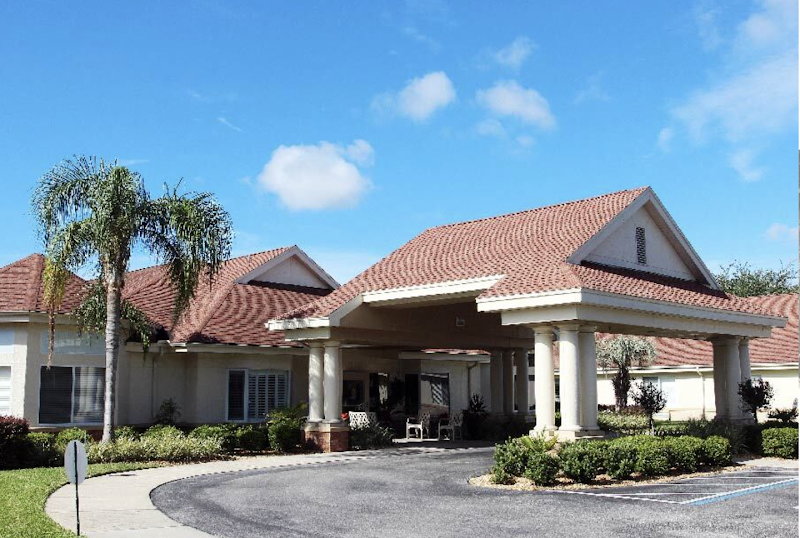
How is Lady Lake Specialty And Rehab Staffed?

CMS rates LADY LAKE SPECIALTY CARE CENTER AND REHAB's staffing level at 2 out of 5 stars, which is below average compared to other nursing homes. Staff turnover is 63%, which is 16 percentage points above the Florida average of 46%. High turnover can affect care consistency as new staff learn residents' individual needs.

What Have Inspectors Found at Lady Lake Specialty And Rehab?

State health inspectors documented 27 deficiencies at LADY LAKE SPECIALTY CARE CENTER AND REHAB during 2021 to 2024. These included: 25 with potential for harm and 2 minor or isolated issues.
Who Owns and Operates Lady Lake Specialty And Rehab?

LADY LAKE SPECIALTY CARE CENTER AND REHAB is owned by a for-profit company. For-profit facilities operate as businesses with obligations to shareholders or private owners. The facility is operated by GOLD FL TRUST II, a chain that manages multiple nursing homes. With 145 certified beds and approximately 136 residents (about 94% occupancy), it is a mid-sized facility located in LADY LAKE, Florida.
How Does Lady Lake Specialty And Rehab Compare to Other Florida Nursing Homes?

Compared to the 100 nursing homes in Florida, LADY LAKE SPECIALTY CARE CENTER AND REHAB's overall rating (3 stars) is below the state average of 3.2, staff turnover (63%) is significantly higher than the state average of 46%, and health inspection rating (3 stars) is at the national benchmark.

What Should Families Ask When Visiting Lady Lake Specialty And Rehab?

Based on this facility's data, families visiting should ask: "How do you ensure continuity of care given staff turnover, and what is your staff retention strategy?" "Can you walk me through typical staffing levels on day, evening, and night shifts?" "Can I visit during a mealtime to observe dining assistance and food quality?" "How do you handle medical emergencies, and what is your hospital transfer rate?" These questions are particularly relevant given the facility's high staff turnover rate and the below-average staffing rating.

Is Lady Lake Specialty And Rehab Safe?

Based on CMS inspection data, LADY LAKE SPECIALTY CARE CENTER AND REHAB has a clean safety record: no substantiated abuse findings (meaning no confirmed cases of resident harm), no Immediate Jeopardy citations (the most serious violation level indicating risk of serious injury or death), and is not on the Special Focus Facility watch list (a federal program monitoring the lowest-performing 1% of nursing homes). The facility has a 3-star overall rating and ranks #100 of 100 nursing homes in Florida. While no facility is perfect, families should still ask about staff-to-resident ratios and recent inspection results during their visit.

Do Nurses at Lady Lake Specialty And Rehab Stick Around?

Staff turnover at LADY LAKE SPECIALTY CARE CENTER AND REHAB is high. At 63%, the facility is 16 percentage points above the Florida average of 46%. High turnover means new staff may not know residents' individual needs, medications, or preferences. It can also be disorienting for residents, especially those with dementia who rely on familiar faces. Families should ask: What is causing the turnover? What retention programs are in place? How do you ensure care continuity during staff transitions?

Was Lady Lake Specialty And Rehab Ever Fined?

LADY LAKE SPECIALTY CARE CENTER AND REHAB has been fined $13,970 across 2 penalty actions. This is below the Florida average of $33,219. While any fine indicates a compliance issue, fines under $50,000 are relatively common and typically reflect isolated problems that were subsequently corrected. Families should ask what specific issues led to these fines and confirm they've been resolved.

Is Lady Lake Specialty And Rehab on Any Federal Watch List?

LADY LAKE SPECIALTY CARE CENTER AND REHAB is not on any federal watch list. The most significant is the Special Focus Facility (SFF) program, which identifies the bottom 1% of nursing homes nationally based on persistent, serious quality problems. Not being on this list means the facility has avoided the pattern of deficiencies that triggers enhanced federal oversight. This is a positive indicator, though families should still review the facility's inspection history directly.