VILLAGES HEALTHCARE AND REHABILITATION CENTER, THE
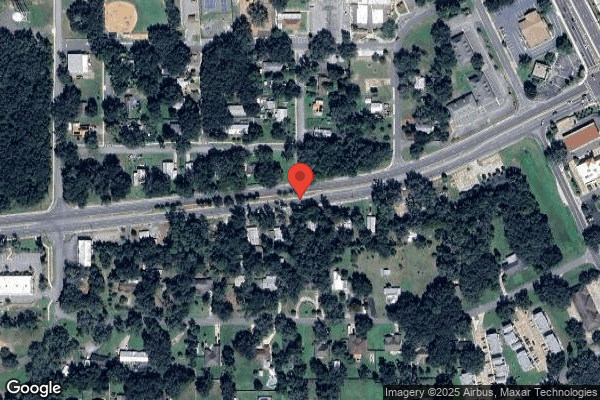
900 HIGHWAY 466, LADY LAKE, FL 32159 (352) 430-0017
For profit - Limited Liability company 120 Beds GOLD FL TRUST II Data: November 2025
Trust Grade
65/100
#437 of 690 in FL
Last Inspection: May 2025

Inspected within the last 6 months. Data reflects current conditions.

Overview

Villages Healthcare and Rehabilitation Center in Lady Lake, Florida has a Trust Grade of C+, indicating it is slightly above average but not particularly impressive. It ranks #437 out of 690 nursing homes in Florida, meaning it falls in the bottom half of facilities in the state, and #16 out of 17 in Lake County, suggesting only one local option is rated higher. The facility's performance is worsening, with reported issues increasing from 3 in 2024 to 8 in 2025. Staffing is a concern, with a rating of 2 out of 5 stars and a turnover rate of 55%, which is significantly higher than the state average of 42%. While there have been no fines, which is a positive sign, the facility has faced multiple incidents, such as food items not being properly labeled and kitchen equipment not being cleaned appropriately, which could pose health risks. Overall, while there are some strengths, such as no fines, the facility's increasing issues and below-average staffing raise concerns for families considering this home for their loved ones.

Trust Score
C+
65/100
In Florida
#437/690
Bottom 37%
Safety Record
Low Risk
No red flags
Inspections
Getting Worse
3 → 8 violations
Staff Stability
⚠ Watch
55% turnover. Above average. Higher turnover means staff may not know residents' routines.
Penalties
✓ Good
No fines on record. Clean compliance history, better than most Florida facilities.
Skilled Nurses
○ Average
Each resident gets 37 minutes of Registered Nurse (RN) attention daily — about average for Florida. RNs are the most trained staff who monitor for health changes.
Violations
⚠ Watch
16 deficiencies on record. Higher than average. Multiple issues found across inspections.
★★★☆☆
3.0
Overall Rating
★★☆☆☆
2.0
Staff Levels
★★★★☆
4.0
Care Quality
★★★☆☆
3.0
Inspection Score
Stable
2024: 3 issues
2025: 8 issues

The Good

  • 4-Star Quality Measures · Strong clinical quality outcomes
  • Full Sprinkler Coverage · Fire safety systems throughout facility
  • No fines on record

Facility shows strength in quality measures, fire safety.

The Bad

3-Star Overall Rating

Near Florida average (3.2)

Meets federal standards, typical of most facilities

Staff Turnover: 55%

Near Florida avg (46%)

Higher turnover may affect care consistency

Chain: GOLD FL TRUST II

Part of a multi-facility chain

Ask about local staffing decisions and management

The Ugly 16 deficiencies on record

Jul 2025 2 deficiencies
CONCERN (D) 📢 Someone Reported This

A family member, employee, or ombudsman was alarmed enough to file a formal complaint

Potential for Harm - no one hurt, but risky conditions existed

Notification of Changes (Tag F0580)

Could have caused harm · This affected 1 resident

**NOTE- TERMS IN BRACKETS HAVE BEEN EDITED TO PROTECT CONFIDENTIALITY** Based on interview and record review, the facility failed to notify the provider for 1 of 3 residents, Resident #2, reviewed for...

Read full inspector narrative →
**NOTE- TERMS IN BRACKETS HAVE BEEN EDITED TO PROTECT CONFIDENTIALITY** Based on interview and record review, the facility failed to notify the provider for 1 of 3 residents, Resident #2, reviewed for change in condition and transfer. Findings include:Review of the nursing progress note for Resident #2 dated 6/30/2025 at 11:16 PM read, Pt's [patient's] wife requested pt. to return to hospital and called 911 for pt. to be transported. Unaware until paramedics arrived. When asked why, pt's wife wouldn't give a reason.Review of the medical record for Resident #2 did not provide for documentation of the resident's physician being notified when Resident #2 was transported to or returned from the hospital on [DATE].During an interview on 07/15/2025 at 4:06 PM, the Assistant Director of Nursing (ADON) stated, If a resident is transferred to the hospital, the nurse should inform the doctor and the DON [Director of Nursing], and document that the provider was notified. When a Resident returns from the hospital, the expectation is for the nurse to obtain vital signs, perform a skin check, complete a physical assessment, check whether there are new orders, and notify the doctor.During an interview on 07/15/2025 at 5:20 PM, Staff B, Registered Nurse (RN) stated, Shortly after [Resident #2's name] arrived at the facility, [Resident #2's name] wife decided we weren't taking good care of him. She called 911 and he went with EMS [emergency medical services] around 7:30 PM. He was only in the facility for around 30 minutes. [Staff A, LPN's name] is a brand-new nurse and may not have known to call the doctor. The procedure that is followed when a resident returns from the hospital is to obtain vital signs, document that the resident has returned, and notify the doctor.During an interview on 07/16/2025 at 5:00 PM, Staff A, Licensed Practical Nurse (LPN) stated, I didn't call the doctor when [Resident #2's name] left. I called [the previous Director of Nursing's name]. He [Resident #2] got back around 10:45 PM. I asked [Staff C, LPN's name] or [Staff B, RN's name] what I should do, and they told me he was taken out of the system. His wife asked not to be bothered. I was new, I asked, and I didn't know what to do.During an interview on 07/16/2025 at 5:21 PM, Staff C, LPN stated, [Staff A, LPN's name] informed me that [Resident #2's name] wife called EMS. I told her that she needs to call the DON.During an interview on 07/17/2025 at 12:53 PM, the Director of Nursing (DON) stated, If the resident or family member calls EMS, the nurse should try to speak to EMS to find out where the resident is going, notify the doctor, notify the family, and document the change in condition and the notifications. When a resident returns, it is my expectation that the nurse will assess the resident, call the doctor, call the family, check for new orders, put any new orders into the computer, and document a skin assessment.During an interview on 07/17/2025 at 3:05 PM, Physician #1 stated, I do not recall being notified that [Resident #2's name] went to the hospital. I do expect to be notified when residents go to the hospital and return from the hospital.Review of the policy and procedure titled, Change in Condition Issued date: 4/1/2022, read, Policy: It will be the policy of this facility to notify the physician, family, resident, and/or responsible party/resident representative (as is applicable) of significant changes in condition and providing treatment(s) according to the resident's wishes and physician's orders. Procedure: 1. Observe resident during routine care and during monthly/quarterly/annual assessment periods to identify significant changes in physical or mental conditions, orientation, change in vital signs, weights, etc. 7. Contact the primary physician to update him/her to the change in condition. In the event the primary physician cannot be notified, attempt to contact the facility's medical director.
CONCERN (D) 📢 Someone Reported This

A family member, employee, or ombudsman was alarmed enough to file a formal complaint

Potential for Harm - no one hurt, but risky conditions existed

Infection Control (Tag F0880)

Could have caused harm · This affected 1 resident

Based on observation, interview, and policy review, the facility failed to prevent the possible spread of infection by failing to ensure staff performed hand hygiene during medication administration f...

Read full inspector narrative →
Based on observation, interview, and policy review, the facility failed to prevent the possible spread of infection by failing to ensure staff performed hand hygiene during medication administration for 2 of 2 residents, Residents #11 and #12, reviewed for medication administration. Findings include:During an observation on 07/16/2025 at 09:00 AM Staff E, Licensed Practical Nurse (LPN) entered Resident #11's room, did not complete hand hygiene, and used an automatic blood pressure cuff on Resident #11's right wrist and obtained the blood pressure reading. Staff E, LPN exited the resident's room, did not perform hand hygiene, walked back to the medication cart, and placed five tablets and one capsule (oral medications) into a medication cup. Staff E, LPN entered Resident #11's room, did not perform hand hygiene and handed Resident #11 the medication cup. Resident #11 proceeded to take the medications orally with water. Staff E, LPN exited Resident #11's room, did not perform hand hygiene, walked back to the medication cart in the hallway, and placed a new medication cup on top of the medication cart. Staff E, LPN stated that he was going to check the blood pressure of another resident and picked up the blood pressure cuff and preceded to a different resident's room.During an interview on 07/16/2025 at 09:10 AM, Staff E, LPN confirmed that he did not perform hand hygiene before or after administering medications to Resident #11. Staff E, LPN stated, I should have cleaned my hands.During an observation on 07/16/2025 at 08:51 AM, Staff D, LPN placed four tablets and one capsule (oral medications) into a medication cup. Staff D, LPN proceeded to enter Resident #12's room, did not perform hand hygiene, handed the medication cup to Resident #12. Resident #12 preceded to take the pills and dropped one pill on her shirt. Staff D, LPN picked up the pill with her bare hand and placed it back into the medication cup. Resident #12 took the remaining pills.During an interview on 07/16/2025 at 08:57 AM, Staff D, LPN confirmed that she did not perform hand hygiene upon entering the resident's room, picked up the pill from Resident #12's shirt without wearing gloves, and placed it back into the medication cup. Staff D, LPN stated, I should have worn gloves to pick up the pill.During an interview on 07/16/2025 at 10:10 AM, the Director of Nursing (DON) stated that her expectation is that nurses are to complete hand hygiene before and after administering medications, and when hands are visibly soiled. The DON stated that when a pill is dropped, the nurse is to pick up the pill using a gloved hand, dispose of the pill, and obtain a new pill for the resident.During an interview on 07/16/2025 at 11:00 AM Staff F, LPN the Unit Manager stated he expects the nurses to perform hand hygiene before and after administering medications to residents. Should a resident drop a pill on themselves or on the floor, if the resident picks up the pill themselves, and takes it, that is the resident's right, however, if the resident does not pick up the pill, the nurse should wear gloves to pick up the pill, dispose of it, and get the resident a new pill.Review of the policy and procedure titled, Medication Administration Issued 4/1/2022, read, Policy: It will be the policy of this facility to administer medications in a timely manner and as prescribed by the physician, unless clinically indicated or necessitated by other circumstances, such as lack of availability of medication or refusals of medication by the resident. Procedure: 11. Established facility infection control procedures (e.g., handwashing, antiseptic technique, gloves, isolation precautions, etc.) must be followed during the administration of medications.Review of the policy and procedure titled, Infection Prevention and Control Program Revised 11/28/2022, read, Policy: The primary mission is to establish and maintain an infection prevention and control program designed to provide a safe, sanitary and comfortable environment and to help prevent the development and transmission of communicable diseases and infections. Procedure: It is the standard that this facility's Infection Prevention and Control program (IPCP), is based upon information from the Facility Assessment and follows national standards to prevent, recognize, and control the onset and spread of infection whenever possible. The Infection Prevention and Control Program includes: h. The hand hygiene guidelines to be followed by staff involved in direct resident contact. Surveillance/Monitoring: h. Safeguards against exposure to a potential source of infection. i. Uses appropriate hand hygiene prior to and after all guidelines. n. Ensures that reusable equipment is appropriately cleaned, disinfected, or reprocessed.
May 2025 6 deficiencies
CONCERN (D)

Potential for Harm - no one hurt, but risky conditions existed

Deficiency F0692 (Tag F0692)

Could have caused harm · This affected 1 resident

Based on observation, interviews, and record reviews, the facility failed to ensure proper hydration for 1 of 3 residents, Resident # 363. Findings include During an observation on 05/05/25 at 11:14 A...

Read full inspector narrative →
Based on observation, interviews, and record reviews, the facility failed to ensure proper hydration for 1 of 3 residents, Resident # 363. Findings include During an observation on 05/05/25 at 11:14 AM Resident #363 was sitting in a wheelchair at his bedside table that had a breakfast tray on it. The resident ate approximately 75% of a bowl of cheerios with milk. Review of Resident #363's physician order dated 4/2/25 read, Sodium Chloride Intravenous Solution 0.45 % (Sodium Chloride) Use 50 ml/hr [milliliters an hour] intravenously [IV] one time a day every Tuesday, Thursday, Sunday for AKI (Acute Kidney Injury), dehydration. 50 ml/hr for a total of 500 milliliters only three days a week. During an interview on 05/06/25 at 12:13 PM, Staff C, LPN (Licensed Practical Nurse) stated A nurse with the last name [Staff D's last name] was on last night, the patient [Resident #363] was not hooked up to any IV fluids when I saw him and gave him meds this morning at around 09:30 AM. Sometimes the night nurses start the IV fluids earlier than ordered so that it will finish by the time the patient is ready to get out of bed in the morning. During an interview on 05/06/25 at 01:26 PM, Staff C, LPN stated the resident often refuses meals, He is not a big drinker or eater. That's why we have to give him supplements and IV fluids. During an observation on 05/06/2025 at 1:26 PM, Staff C administered 120 ml (milliliter) of MedPass 2.0 supplement, (a fortified nutritional shake designed to provide extra calories and protein) to Resident #363. During an observation on 05/06/25 at 1:37 PM Resident #363 was sitting in a wheelchair in his room eating a pudding cup. Resident #363 was not observed to have IV fluids being administered. During an interview on 05/06/25 at 1:37 PM, Resident #363 stated he told the staff he did not want a tray or any food for lunch, and that he does not feel like eating. The resident was unable to recall whether he received IV fluids this morning or last night. During an interview on 05/06/25 at 02:43 PM Staff B, Unit Manager stated that 1/2 normal saline bag was not administered to the patient [Resident #363] last night by [Staff D's name]. Review of Resident #363's care plan read, (Resident #363's name) is at risk for complications r/t [related to] receiving IV therapy. Currently has midline to left upper arm. Is receiving IV fluids for the treatment of: Decrease fluid [Resident #363's name] is at risk for an alteration in nutrition and/or hydration r/t; AKF [Acute Kidney Failure], has had significant weight loss, has variable PO [oral] intakes, receives diuretics. Date Initiated: 02/15/2025. Review of the MAR (electronic medication administration record) read, Sodium Chloride Intravenous Solution 0.45% (Sodium Chloride) Use 50 ml/hr intravenously one time a day every Tuesday, Thursday, Sunday for AKI, dehydration 50 ml/hr for a total of 500 ml only three days a week, Start Date 04/03/2025. The administration time was documented at 0600 [6:00 AM]. Review of the MAR dated 05/06/2025 documented Sodium Chloride Intravenous Solution was administered, per the documented initials, by Staff D. Review of the policy and procedure titled, P&P Medication Administration issued 4/1/2022 read, Policy: It will be the policy of this facility to administer medications in a timely manner and as prescribed by the physician, unless otherwise clinically indicated or necessitated by other circumstances such as lack of availability of medication or refusals of medication by the resident. Procedure: 3. Medications should be administered in a timely manner and in accordance with the physician's orders. Review of the policy and procedure titled, P&P Nutrition and Hydration Assistance, issued 4/1/2022 read, Policy: It will be the policy that this facility will provide the level of assistance required to the residents while maintaining their highest practical level of function and personal preferences.
CONCERN (D)

Potential for Harm - no one hurt, but risky conditions existed

Tube Feeding (Tag F0693)

Could have caused harm · This affected 1 resident

Based on observation, record review, and interview, the facility failed to administer enteral nutrition for 1 of 3 residents, Resident #92, and fluids as ordered for hydration and water flushes as ord...

Read full inspector narrative →
Based on observation, record review, and interview, the facility failed to administer enteral nutrition for 1 of 3 residents, Resident #92, and fluids as ordered for hydration and water flushes as order by the physician. Findings include: During an observation of Resident #92 on 5/5/25 at 10:12 AM the feeding pump was set at 45 milliliter/hour (ml/hr) administering Glucerna 1.5 and 30 ml/hr H2O (water) flush. During an observation of Resident #92 on 5/5/25 at 2:35 PM the feeding pump was set at 45 ml/hr administering Glucerna 1.5 and 30 ml/hr H2O flush. (Photographic evidence obtained) During an observation of Resident #92 on 5/6/25 at 8:36 AM the feeding pump was set at 45 ml/hr administering Glucerna 1.5 and 30 ml/hr H2O flush. During an observation of Resident #92 on 5/6/25 at 12:06 PM the feeding pump was set at 45 ml/hr administering Glucerna 1.5 and 30 ml/hr H2O flush. Review of Resident #92's physician order dated 3/25/25 read, Glucerna 1.5 at 60 ml/hr via pump 24 hrs [24 hours/continuous] and H2O at 55 ml/hr via pump 24 hrs. Review of Resident #92's Nutrition Risk Evaluation dated 3/25/25 read, Resident at nutritional risk related to medical conditions. History of metabolic encephalopathy, diabetes. Has feeding tube. Receiving Glucerna 1.5 at 60 ml/hr daily to achieve adult requirements of 20 kcal/kg [kilocalories per kilogram] and protein needs of 1.0-1.2 g/kg [gram/kilogram] daily. Current weight 247 lbs. [pounds] and 70 inches for a Body Mass Index (BMI): 35.4 (obesity). Nursing staff provides care as ordered by Physician team. Review of Resident #92's dietary progress note dated 4/22/25 by the Dietitian read, RD [Registered Dietitian] monthly TF [tube feed] review weight at 239 lbs., no significant weight changes, BMI 34.3 indicative of obesity. Using adjusted obesity weight of 184 lbs. to calculate estimated nutritional needs. On TF of Glucerna 1.5 at 60ml/hr x 24 hrs with 55 ml/hr of H2O x 24 hrs. Resident is at risk for malnutrition due to NPO [nothing by mouth] on enteral feedings due to dysphagia, obesity, DM [diabetes mellitus], CVA [cerebral vascular accident]. TF provides 100% estimated nutritional needs. Recommend to continue with current nutritional plan of care. During review of Resident #92's weights on 2/24/25, the resident weighed 247 lbs. On 4/10/25, the resident weighed 239 pounds which is a -3.24 % weight loss. During an interview on 5/06/25 at 1:21 PM Staff A, Licensed Practical Nurse (LPN) verified the feeding pump setting, the pump is running at 45 ml/hr with 30 ml/hr flush. Staff A, LPN went to her computer and stated [Resident #92's name] should be on 60 ml/hr with 55 ml/hr of water, the order date is 3/25/25. I have to go by doctor orders. I don't know who changed that setting. During an interview on 5/06/25 at 1:51 PM Staff B, Unit Manager/LPN stated [Staff A's name], did not ask me anything regarding [Resident #92's name] and I am not aware of any changes from the dietitian/nutritionist. You are supposed to check the setting is correct and if you are not sure get clarification from the doctor or Unit Manager. During an observation on 5/6/25 at 2:52 PM with the Director of Nursing (DON) of Resident #92's room showed the feeding pump was set at 60 ml/hr, however the water flush continued to be set at 30 ml/hr. During an interview on 5/6/25 at 2:53 PM the DON stated, The expectation is for the nurse to follow the doctors' orders. When the staff fix the setting it should have been done correctly according to the doctors orders. Review of the policy and procedure titled, P & P Enteral Tube Feeding issued: 1/1/2022 read, Policy: It will be the policy of this facility to provide nourishment to the resident who is unable to obtain adequate nourishment orally via use of enteral tube feeding. Procedure: 1. Verify/obtain physician's order for enteral feeding. Be certain that the order for the enteral feeding tube specifies such as rate, amount, times of administration and any specific orders related to stopping/holding tube feeding.
CONCERN (D)

Potential for Harm - no one hurt, but risky conditions existed

Respiratory Care (Tag F0695)

Could have caused harm · This affected 1 resident

Based on observations, interviews, and record reviews, the facility failed to ensure residents received respiratory care consistent with professional standards of practice for 2 of 4 residents, Reside...

Read full inspector narrative →
Based on observations, interviews, and record reviews, the facility failed to ensure residents received respiratory care consistent with professional standards of practice for 2 of 4 residents, Resident #36 and #363, reviewed for oxygen therapy. Findings Include: 1) During an observation on 05/05/25 at 09:55 AM, Resident #36 was observed lying in bed wearing nasal cannula (NC) with oxygen being administered at 3 liters/minute (l/min). There was no date on the oxygen tubing. Review of the electronic medication administration record (MAR) read, Change, date oxygen tubing and bag weekly every Thursday midnight shift every night shift every 7 day(s) Wash concentrator air filters with soap and water weekly on Thursday midnight shift, be sure oxygen in use sign is on the door. Start Date 05/03/2025. 2) During an observation on 05/05/25 at 11:26 AM Resident #363 was observed lying in bed, holding the oxygen nasal cannula tubing in his hands. The oxygen concentrator was administering oxygen at 4 liters/minute, and the oxygen tubing was not dated. During an observation on 05/06/25 at 02:14 PM Resident #363 was sitting in a wheelchair wearing a nasal cannula with oxygen being administered at 4 liters/min. There is no date on the oxygen tubing. Review the physician's order for Resident #363 read, Change, date oxygen tubing and bag weekly every Thursday midnight shift. During an interview on 05/08/25 at 09:50 AM, the Director of Nursing stated that the nurses are expected to change, label and date the oxygen tubing every seven days on Thursdays. Review of the policy and procedure titled P&P Oxygen Administration issued on 4/1/2022 read, Policy: It is the policy of this facility to provide guidelines for safe oxygen administration. Procedure: 7. Weekly oxygen tubing changes can be documented in the medical record as a reminder to the staff, but is only required to have tubing dated appropriately demonstrating that the tubing was changed.
CONCERN (D)

Potential for Harm - no one hurt, but risky conditions existed

Food Safety (Tag F0812)

Could have caused harm · This affected 1 resident

Based on observations, interviews, and record review, the facility failed to maintain the kitchen equipment in a clean and sanitary manner for 3 of 4 nourishment rooms. Findings Include: During an obs...

Read full inspector narrative →
Based on observations, interviews, and record review, the facility failed to maintain the kitchen equipment in a clean and sanitary manner for 3 of 4 nourishment rooms. Findings Include: During an observation on 5/5/25 beginning at 9:28 AM with the Assistant Dietary Manager showed at 9:54 AM in the 500 Hall nourishment room, there were brown and red splattered substances on the interior base of the freezer. There was an orange sticky substance splattered on the inside walls of the microwave. At 10:03 in the 200 Hall nourishment room, there was a brown splattered substance on the back wall of the refrigerator, there was food build up on the microwave oven plate and opaque splatters on the exterior front glass of the microwave oven, at 10:15 AM in the 100 Hall nourishment room, there was a brown splattered substance on the lower refrigerator drawers, and a brown built up sticky substance on the interior base of the freezer. During an interview on 5/5/25 at 10:20 AM the Assistant Dietary Manager stated, The nutrition rooms should be cleaned daily. I usually do rounds in the morning to make sure the cooks have cleaned them, but I haven't gotten to them this morning. Review of the policy and procedure titled P&P Kitchen Sanitation, with an issue date of 4/1/22 and a revision date of 10/1/23 read, Procedure: 1. Kitchens: kitchen areas and dining areas shall be kept clean, free from litter and rubbish and protected from rodents, roaches, flies and other insects. 2. Utensils, counters, shelves and equipment shall be kept clean, maintained in good repair and shall be free from breaks, corrosion, open seams, cracks and chipped areas that may affect their use or proper cleaning. Seals, hinges and fasteners will be kept in good repair.
CONCERN (D)

Potential for Harm - no one hurt, but risky conditions existed

Medical Records (Tag F0842)

Could have caused harm · This affected 1 resident

Based on observations, interviews, and record reviews, the facility failed to maintain complete and accurately documented medical records for 2 of 5 residents, Residents #365 and #363, reviewed for me...

Read full inspector narrative →
Based on observations, interviews, and record reviews, the facility failed to maintain complete and accurately documented medical records for 2 of 5 residents, Residents #365 and #363, reviewed for medication administration and unnecessary medications. Findings include: Review of Resident #365's physician order read, Metoprolol 25 mg [milligrams] PO [oral] BID [twice daily], 0.5 tablet [1/2 tablet]. Hold for SBP [systolic blood pressure] less than 110, HR [heart rate] below 60 BPM [beats per minute]. Review of Resident #365's Medication Administration Record (MAR) for May 2025 did not provide for documentation of the resident's heart rate or blood pressure as ordered prior to administering metoprolol to Resident #365 on 5/1/2025 at 8:00 AM, 5/2/2025 at 8:00 AM, 5/2/2025 at 9:00 PM, 5/3/2025 at 8:00 AM, 5/4/2025 at 8:00 AM, 5/4/2025 at 9:00 PM, 5/6/2025 at 8:00 AM, and 5/7/2025 at 8:00 AM. During an interview on 05/06/25 at 01:28 PM Staff C, Licensed Practical Nurse (LPN) stated The CNA [Certified Nursing Assistant] gives me the vital signs and I check them before giving medications. Sometimes I will wait and put all the blood pressures in last, so I will put 'NA' [not applicable] in the meantime as a place holder. During an interview on 05/07/25 at 12:06 PM Staff B, Unit Manager stated, I expect the nurses to document the blood pressure and heart rate prior to giving cardiac medications, such as metoprolol. Nurses should not document 'NA' in place of vital signs on the MAR. During an interview on 05/07/25 at 12:10 PM the Director of Nursing (DON), stated, The nurses should document the vital signs on the MAR. Review of physician order for Resident #363 dated 4/2/25 read, Sodium Chloride Intravenous Solution 0.45 % [Sodium Chloride] Use 50 ml/hr [milliliters/hour ] intravenously one time a day every Tuesday, Thursday, Sunday for AKI [acute kidney injury], dehydration. 50 ml/hr for a total of 500 ml only three days a week. During an observation on 05/06/25 at 01:37 PM Resident #363 was observed at lunch time eating a pudding cup in his room. IV (intravenous) fluids were not observed being administered. Review of MAR (electronic medication administration record) read, Sodium Chloride Intravenous Solution 0.45% (Sodium Chloride) Use 50 ml/hr intravenously one time a day every Tuesday, Thursday, Sunday for AKI, dehydration 50 ml/hr for a total of 500 ml only three days a week, Start Date 04/03/2025. The administration time was documented at 0600 [6:00 AM]. Review of the MAR dated 05/06/2025 documented Sodium Chloride Intravenous Solution was administered, per the documented initials, by Staff D. During an interview on 05/06/25 at 12:13 PM Staff C, LPN stated, A nurse with the last name [Staff D's last name] was on last night. The patient [Resident #363] was not hooked up to any IV fluids when I saw him and gave him meds this morning at around 0930 [9:30 AM]. Sometimes the night nurses start the IV fluids earlier than ordered so that it will finish by the time the patient is ready to get out of bed in the morning. During an interview on 05/06/25 at 02:43 PM Staff B, Unit Manager stated, The 0.45% normal saline bag was not hung last night by Registered Nurse, Staff D. Review of the policy and procedure titled P&P Medication Administration issue date, 4/1/2022 read, Policy: It will be the policy of this facility to administer medications in a timely manner and as prescribed by the physician, unless otherwise clinically indicated or necessitated by other circumstances such as lack of availability of medication or refusals of medication by the resident. Procedure: 3. Medications should be administered in a timely manner and in accordance with the physician's orders. Review of Policy and Procedure titled, P&P Charting and Documentation issued, 4/1/2022 reads, Policy: It is the policy of this facility that services provided to the resident, or any changes in the resident's medical or mental condition, shall be documented in the resident's clinical record as is needed. Procedure: 1. Observations, medications administered, services performed, etc., should be documented in the resident's clinical records.
CONCERN (D)

Potential for Harm - no one hurt, but risky conditions existed

Infection Control (Tag F0880)

Could have caused harm · This affected 1 resident

**NOTE- TERMS IN BRACKETS HAVE BEEN EDITED TO PROTECT CONFIDENTIALITY** Based on observations, interviews, and record reviews, the facility failed to prevent the possible spread of infection by failin...

Read full inspector narrative →
**NOTE- TERMS IN BRACKETS HAVE BEEN EDITED TO PROTECT CONFIDENTIALITY** Based on observations, interviews, and record reviews, the facility failed to prevent the possible spread of infection by failing to adhere to posted infection control signage and standards of practice, failing to maintain hand hygiene during medication administration, failing to maintain hand hygiene during wound care, and failing to handle and store tube feeding products per the manufacturer's recommendations. (Photographic evidence obtained) Findings include: 1) During an observation on 5/6/25 at 10:02 AM the door to Resident #61's room had a sign posted for Enhanced Barrier Precautions that read, EVERYONE MUST: Clean their hands, including before entering and when leaving the room. PROVIDERS AND STAFF MUST ALSO: Wear gloves and a gown for the following High-Contact Resident Care Activities. Dressing, Bathing/Showering, Transferring, Changing Linens, Providing Hygiene, Changing briefs or assisting with toileting. Devise care or use: central line, urinary catheter, feeding tube, tracheostomy. Wound Care: any skin opening requiring a dressing. Upon entering Resident #61's room a blue disposable gown was observed hanging inside the room. Review of Resident #61's, medical record documented the resident was admitted on [DATE] with a diagnosis of Clostridium Difficile (C-Diff - a bacterium that can cause severe diarrhea and inflammation of the colon) and placed on contact precautions at that time. Resident #61 completed antibiotic treatment for C-Diff and was no longer symptomatic. Resident #61 went to a higher level of care for an unrelated surgical procedure on 4/11/25 to the left hand. Resident #61 returned to facility with a surgical wound to the left wrist. Review of Resident #61's physician order dated 3/13/25 read: Contact Precautions for C. Difficile bacterium in stool. The order dated 3/13/25 was discontinued on 5/7/25. An order dated 5/7/25 read, Resident requires Enhanced Barrier precautions due to wound. During an observation on 5/6/25 at 12:17 PM of Resident #61's room, a Certified Nursing Assistance (CNA) entered the room; then entered the resident's bathroom to provide care. The CNA was wearing gloves; no other personal protective equipment was donned. During an observation on 5/6/25 at 12:40 PM of Resident #61's room, a disposable blue gown was hanging inside on the back of the door. During an interview on 5/6/25 at 2:01 PM Staff C, Licensed Practical Nurse (LPN) stated I do not know why the gown is hanging in [Resident #65's name] room, it was there when I got here this morning. During an interview on 5/6/25 at 2:52 PM the Director of Nursing (DON) stated, That gown should not be there, it is disposable, that is strange. During an interview on 5/7/25 at 8:36 AM Resident #61 stated, The staff does not wear gowns when they are with me, they haven't in a long time. 2) During an observation on 5/7/25 beginning at approximately 9:17 AM of medication administration Resident #166 was observed to request a pain pill from Staff F, LPN. The pain medication was not available in the medication cart for the resident. Staff F, LPN contacted the pharmacy via phone to receive an authorization code to retrieve the requested pain medication from the Pyxis machine (an automated medication dispensing cabinet for the dispensing of medications). At approximately 9:42 AM Staff F, LPN started toward the 200 unit via a secured corridor, the secured corridor required a pass key to enter. While walking through the corridor the laundry and kitchen rooms were passed. Upon exiting the secured corridor Staff F, LPN requested the assistance of another nurse to retrieve the pain medication from the Pyxis machine. Staff F, LPN entered the code on the Pyxis screen with her bare index finger. The other nurse did the same sequence, and the pain medication was retrieved. Staff F, LPN went through the 200 unit via the secured corridor. Upon exiting the secured corridor Staff F, LPN went directly to the Resident #166's room, did not perform hand hygiene and administered the pain medication to Resident #166. During an interview on 5/7/25 at approximately 9:56 AM Staff F, LPN stated, I should have sanitized my hands before giving the resident their pain medication. During an interview on 5/7/25 at 11:35 AM the Director of Nursing stated, That should not have happened [not performing hand hygiene prior to the medication administration.] Review of the policy and procedure titled, P & P Medication Administration issued on 4/1/2022 read, Policy: It will be the policy of this facility to administer medications in a timely manner and as prescribed by the physician, unless otherwise clinically indicated necessitated by other circumstances such as lack of availability of medication or refusals of medication by the resident. 11. Established facility infection control procedures (e.g., hand washing, antiseptic technique, gloves, isolation precautions, etc.) must be followed during the administration of medications. 3) During an observation on 05/07/25 at 10:35 AM Staff E, CNA (Certified Nursing Assistant) was providing assistance for Resident #56 in the bathroom. Staff E was not wearing personal protective equipment of a gown when assisting the resident in the bathroom. During an observation on 05/07/25 at 10:36 AM there was an Enhanced Barrier Precautions (EBP) Sign posted on Resident #56's door. During an interview on 05/07/25 at 10:38 AM Staff E, CNA stated, I didn't have to wear a gown when taking [Resident 56's name] to the bathroom. Not that I know of. They didn't tell me nothing about that. Review of the physician order dated 3/19/25 for Resident #56 read, Requires enhanced barrier precautions R/T [related to] G-tube [gastric tube]. During an interview on 05/07/25 at 11:35 AM the Director of Nursing (DON) stated, The expectation is for staff to wear gloves and a gown when toileting residents that are on enhanced barrier precautions. We go over enhanced barrier precautions and the need for gowning every week during our town hall meetings. Review of the policy and procedure titled, P & P Enhanced Barrier Precautions issued on 4/1/2024 read, Policy: It will be the policy of this facility to implement enhanced barrier precautions for preventing transmission of novel or targeted multidrug-resistant organisms. 4. For residents for whom EBP (Enhanced Barrier Precautions) are indicated, EBP is employed when performing the following High-contact resident cars activities. a. Dressing, b. Bathing, c. Transferring, d. Providing Hygiene, e. Changing linens, f. Changing briefs or assisting with toileting, g. Devise care or use: central line, urinary catheter, feeding tube, tracheostomy/ventilator. h. Wound Care: any skin opening requiring a dressing. 4) During an observation on 05/05/25 at 10:17 AM, Resident #366 was lying in bed with his eyes closed. A Jevity 1.5 tube feeding bottle was on the table below the television. The Jevity 1.5 bottle was approximately one third full and the bottle was not dated. During an observation on 05/07/25 at 08:18 AM of Resident #366's room it showed there was a bottle of Jevity 1.5 tube feeding on the table in the room. The Jevity 1.5 tube feed bottle was approximately one half full, was not dated, and there was no cap on the bottle. During an interview on 05/07/25 at 08:20 AM Staff B, Unit Manager stated, The tube feeding bottles should be dated and timed. Review of the physician order for Resident #366 dated 4/10/25, read, Jevity 1.5 Bolus Feed 237 ml (milliliters) every 4 hours, 137 ml free water flush with each bolus feed. Review of the [NAME] Nutrition recommendations for Jevity 1.5 for bolus feeding read, Storage and Handling: After Opening: Once opened, the formula should be covered, refrigerated, and used within 48 hours. Review of the policy and procedure titled, P&P Enteral Tube Feeding issued on 1/1/2022 read, Policy: It will be the policy of this facility to provide nourishment to the resident who is unable to obtain adequate nourishment orally via use of the enteral tube feeding. Procedure: 9. For residents receiving enteral tube feeding with the use of a pump or via gravity infusion - Replace infusion sets every 24 hours for open tube systems or 48 hours for closed tube feed systems or per manufacturer's guidelines. 5) During an observation on 05/08/2025 beginning at 8:30 AM of the Wound Care Nurse and the Assistant Director of Nursing (ADON) performing wound care for Resident #316 a wound dressing was not observed on the wound. Resident #316 stated it was just removed since she knew she was going to have the wound dressing changed. The ADON cleansed the wound bed with sterile water and gauze. The ADON did not remove her gloves, perform hand hygiene, don a clean pair of gloves, and applied physician ordered ointment to the wound and covered the wound with the clean wound dressing. During an interview on 05/08/2025 at 8:42 AM the ADON stated, I should have changed my gloves and sanitized my hands after I cleaned the wound.
Feb 2024 3 deficiencies
CONCERN (D)

Potential for Harm - no one hurt, but risky conditions existed

Comprehensive Assessments (Tag F0636)

Could have caused harm · This affected 1 resident

**NOTE- TERMS IN BRACKETS HAVE BEEN EDITED TO PROTECT CONFIDENTIALITY** Based on record review and interview, the facility failed to conduct a comprehensive assessment in a timely manner for 1 of 5 re...

Read full inspector narrative →
**NOTE- TERMS IN BRACKETS HAVE BEEN EDITED TO PROTECT CONFIDENTIALITY** Based on record review and interview, the facility failed to conduct a comprehensive assessment in a timely manner for 1 of 5 residents reviewed for unnecessary medications, Resident #146. Findings include: Review of Resident #146's admission record revealed the resident was admitted to the facility on [DATE] with diagnoses that included infection and inflammatory reaction due to indwelling urethral catheter, presence of urogenital implants, parkinsonism, Alzheimer's disease, unspecified mood disorder and atherosclerotic heart disease of native coronary artery without angina pectoris. Review of Resident #146's Minimum Data Set (MDS) records revealed the resident's admission MDS assessment was not completed. During an interview on 2/14/2024 at 12:16 PM, Minimum Data Set Coordinator 1 confirmed that Resident #146's admission minimum data set assessment was due on 1/16/2024 and that the assessment had not been completed timely. Review of the facility policy and procedures titled MDS Transmission last reviewed on 1/24/2024, showed the policy read, Transmittal Requirements: Within 14 days after a facility completes a resident's assessment, a facility must electronically transmit encoded, accurate, and complete MDS data to the CMS [Centers for Medicaid and Medicare] System, including the following: (i) admission assessment.
CONCERN (D)

Potential for Harm - no one hurt, but risky conditions existed

Quality of Care (Tag F0684)

Could have caused harm · This affected 1 resident

Based on observation, record review, and interview, the facility failed to ensure PICC (Peripherally Inserted Central Catheter) line dressing was changed for 1 of 1 resident with PICC line, Resident #...

Read full inspector narrative →
Based on observation, record review, and interview, the facility failed to ensure PICC (Peripherally Inserted Central Catheter) line dressing was changed for 1 of 1 resident with PICC line, Resident #69. Findings include: During an observation on 2/12/2024 at 10:20 AM, Resident #69 had a PICC line in his right arm. The PICC line was covered with a dressing dated 2/1/24 and the clear covering was cracked and peeling at the upper left edge. During an interview on 2/12/2024 at 10:20 AM, Resident #69 stated, No one has come in to change my dressing for over a week. Review of Resident #69's physician order dated 1/24/2024 read, Change dressing 24 hours post PICC line insertion, then every week and PRN [as needed]. If gauze is used dressing must be changed every 24 hours as need . Start Date: 01/24/2024. During an interview on 2/14/2024 at 9:20 AM, Staff B, Licensed Practical Nurse (LPN), stated, His dressing is compromised and should have been changed when the nurse flushed his line. During an interview on 2/14/2024 at 9:30 AM, the Director of Nursing stated, The dressing is compromised. My expectation is that it should have been changed. The Director of Nursing confirmed the date on the bandage read, 2/1/2024. Review of the facility policy and procedures titled PICC IV [Intravenous] Line issued on 4/1/2022 read, Policy: It will be the policy of this facility to adhere to IV/PICC line administration guidelines as set forth by infection control, state and federal regulations. Licensed nurses shall provide care according to state and federal law . Dressing Changes: Sterile dressing change using transparent dressing is performed: 24 hours post-insertion or upon admission if not dated upon admission, at least weekly, If the integrity of the dressing has become compromised (wet, loose, or soiled).
CONCERN (F)

Potential for Harm - no one hurt, but risky conditions existed

Food Safety (Tag F0812)

Could have caused harm · This affected most or all residents

Based on observation, interview, and record review, the facility failed to ensure food items were properly labeled or discarded upon expiration, failed to ensure test strips were not expired, and fail...

Read full inspector narrative →
Based on observation, interview, and record review, the facility failed to ensure food items were properly labeled or discarded upon expiration, failed to ensure test strips were not expired, and failed to ensure the kitchen environment and equipment were kept clean (Photographic evidence obtained). Findings include: During observation on 2/12/2024 at 9:15 AM while conducting a walk-through tour of the kitchen with the Certified Dietary Manager (CDM), there were pooling of water in the dish room, dirty towels were placed under the juice containers, and test strips expired on 12/1/2023 were being used for the pot and pan sink. During an interview on 2/12/2024 at 9:35 AM, the CDM confirmed the water leak in the dish room, a leak under the juice machine, and the expired test strips being used to check the sanitation. During an observation on 2/13/24 at 7:30AM while conducting follow-up tour of the kitchen with the CDM, there were a buildup of a black and grey substance on the wall behind the dish machine and a small bucket full of water, and numerous dirty towels/rags under the juice machine. In the dry storage room, there were fourteen bags of hot cereal creamy wheat farina with an expiration date of 2/3/2024, two ½ bags of a food product with no identifying label, and one box of buttermilk biscuit mix with an expiration date of April 19, 2023. The mixer had numerous stains and dark brown and cream-colored food particles or debris inside, on the top and sides of the mixer. During an interview on 2/13/2024 at 8:28 AM, the CDM confirmed the presence of a black/grey substance on the wall behind the dish machine, numerous food particles on the top and sides of the mixer. The CDM confirmed that there were products without a label and identified the product as coconut and the expired biscuit mix and farina. The CDM stated that the products should be labeled according to the policy and that all products should be monitored for expiration dates. The CDM stated the dish machine and the juice machine had a leak. Review of the facility policy and procedures titled Kitchen Sanitation last reviewed on 1/24/2024 read, Policy: It will be the policy of the facility that the food service area and equipment shall be maintained in a clean and sanitary manner. Procedure . 14. The Food Services/ Dietary Manager will be responsible for scheduling staff for regular cleaning of kitchen and dining areas. Review of the facility policy and procedures titled Refrigerated Storage last reviewed on 1/24/2024 read, Procedure . 4. Dietary staff will label, date, and monitor refrigerated food, including, but not limited to leftovers to ensure use by use-by dates, or frozen (when applicable) or discarded. Review of the facility policy and procedures titled Refrigerated Storage last reviewed on 1/24/2024 read, Policy: Food contact surfaces are properly cleaned and sanitized before and after use, in order to help prevent foodborne illness and minimize bacterial growth. Non-food contact surfaces are cleaned per individual facility cleaning schedule to maintain optimal cleanliness of kitchen equipment. Procedure . 3. Non-food contact surfaces are washed with soapy water per frequency identified on the facility cleaning schedule- or as visually necessary. These are then wiped down with sanitizer solution (bleach at 100 parts per million).
Sept 2022 5 deficiencies
CONCERN (D)

Potential for Harm - no one hurt, but risky conditions existed

Incontinence Care (Tag F0690)

Could have caused harm · This affected 1 resident

**NOTE- TERMS IN BRACKETS HAVE BEEN EDITED TO PROTECT CONFIDENTIALITY** Based on observation, interview, and record review, the facility failed to ensure residents with an indwelling urinary catheter ...

Read full inspector narrative →
**NOTE- TERMS IN BRACKETS HAVE BEEN EDITED TO PROTECT CONFIDENTIALITY** Based on observation, interview, and record review, the facility failed to ensure residents with an indwelling urinary catheter were assessed for removal of the urinary catheter or had an appropriate diagnosis for catheterization for 1 of 3 residents reviewed, Resident #96. Findings include: An observation on 9/6/2022 at 11:26 AM showed Resident #96 had an indwelling urinary catheter draining to bedside drainage. An observation on 9/8/2022 at 11:52 AM showed Resident #96 was lying in bed with an indwelling urinary catheter. During an interview on 9/8/2022 at 11:53 AM, Resident #96 stated, I still have this catheter. I don't know why I have it. I have only seen the facility doctor [Physician's name] and nobody else. During an interview on 9/8/2022 at 12:01 PM, Staff F, Licensed Practical Nurse (LPN), stated, It does not look like he [Resident #96] has not been seen by urologist. His diagnosis is urinary retention. During an interview on 9/8/2022 at 12:17 PM, Staff H, Registered Nurse (RN), 500 Unit Manager, stated, I don't see that [Resident #96's name] went out to see the urologist. The order came in on the evening shift. [Staff F's name] should have given in report that the resident had an order to go to a Urologist. Appointments can be made by nursing, transport, unit manager. There is no appointment for Resident #96 based upon it still being an active order. If an appointment is scheduled, the appointment will fall off post the scheduled date. I don't know why he has a diagnosis for urinary retention. Review of the medical record for Resident #96 documented that the resident was admitted to the facility on [DATE] with the diagnoses including end stage renal disease, hypotension (low blood pressure), urinary tract infection (UTI), high blood pressure, urinary retention, and multiple myeloma (in remission). Review of the physician order dated 8/9/2022 for Resident #96 reads, Catheter care every shift and PRN [as needed] . Indwelling urinary catheter, indication for use: Urinary Retention. Urologist consultation in 2 weeks with [Urologist's name].
CONCERN (D)

Potential for Harm - no one hurt, but risky conditions existed

Respiratory Care (Tag F0695)

Could have caused harm · This affected 1 resident

**NOTE- TERMS IN BRACKETS HAVE BEEN EDITED TO PROTECT CONFIDENTIALITY** Based on observation, interview, and record review, the facility failed to ensure respiratory care services were provided in acc...

Read full inspector narrative →
**NOTE- TERMS IN BRACKETS HAVE BEEN EDITED TO PROTECT CONFIDENTIALITY** Based on observation, interview, and record review, the facility failed to ensure respiratory care services were provided in accordance with professional standards of practice for 1 of 2 residents reviewed for oxygen administration, Resident #17. Findings include: During an observation on 9/6/2022 at 10:16 AM, Resident #17 was lying in bed, alert, pleasant, and head of the bed elevated. The resident was receiving oxygen via a nasal cannula (n/c) at 3.5 L/Min (liters per minute) with humidification. During an interview on 9/6/2022 at 10:16 AM, Resident #17 stated that he did not adjust his oxygen, that it was done by the nurse. During an observation on 9/7/2022 at 9:57 AM, Resident #17 was lying in bed, alert, pleasant, and head of the bed elevated. The resident was receiving oxygen via a n/c at 3 L/Min with humidification. During an observation on 9/8/2022 at 8:40 AM, Resident #17 was lying in bed, head of the bed elevated, and he was receiving intravenous fluids. The resident was receiving oxygen via a n/c at 3 L/Min with humidification. During an interview on 9/8/2022 at 8:45 AM, Staff G, Licensed Practical Nurse (LPN), confirmed Resident #17's oxygen was being administered at 3 L/Min. She stated that she had not been into the resident's room this morning yet. She stated that oxygen was checked each shift. She confirmed the order read oxygen was supposed to be at 2 L/Min. Review of the admission record for Resident #17 revealed the resident was admitted on [DATE] with diagnoses that included but not limited to chronic kidney disease, extended spectrum beta lactamase (ESBL) resistance, dehydration, fever, COVID-19 (Coronavirus 2019), chronic atrial fibrillation, chronic venous hypertension (idiopathic) with ulcer and inflammation of right lower extremity, venous insufficiency (chronic peripheral), atherosclerotic heart disease of native coronary artery without angina pectoris, paroxysmal atrial fibrillation, localized edema, acute on chronic systolic (congestive) heart failure, and chronic obstructive pulmonary disease (COPD) unspecified. Review of the Minimum Data Set (MDS) Interim Payment assessment dated [DATE] revealed Resident #17 had a BIMS (Brief Interview for Mental Status) score of 13 (cognitively intact) and the resident used oxygen while in the facility. During an interview on 9/8/2022 at 9:00 AM, the Assistant Director of Nursing stated that she couldn't say when the nurses were to check the oxygen administration level, but she would look for a policy on oxygen administration and physician's orders. During an interview on 9/8/2022 at 9:35 AM, Staff C, Registered Nurse (RN), Unit Manager (UM), stated that the oxygen administration level should be checked each shift. She verified that Resident #17 would not be able to reach the oxygen concentrator to change the oxygen himself. She stated the nurses were expected to follow physician's orders and if the oxygen administration needed to be increased, we should call the physician for a new order. Review of the comprehensive resident centered care plan dated 6/30/2022 reads, I have COPD [Chronic Obstructive Pulmonary Disease] with a goal for appropriately oxygenated without complication. Interventions include Check O2 [oxygen] sats [saturation] as ordered, and dated 7/12/22, O2 as ordered 2-3 liters via nasal cannula. Review of the comprehensive resident centered care plan dated 6/30/2022 reads, I have SOB [shortness of breath] r/t [related to] my COPD and fluid overload with a goal to have no complications related to SOB. Interventions include O2 as ordered. Review of the comprehensive resident centered care plan dated 6/30/2022 read, I use O2 @ 2-3 liters via nasal cannula with a goal to have appropriately oxygenated without complications due to SOB. Interventions include Oxygen use via NC per MD orders. Review of the physician's orders dated 7/12/22 reads, Administer oxygen 2 L/Min via n/c prn [as needed] Humidification PRN every shift for SOB. Monitor skin behind ears, neck, and face every shift for irritation or breakdown and apply tube padding PRN.
CONCERN (E)

Potential for Harm - no one hurt, but risky conditions existed

Deficiency F0761 (Tag F0761)

Could have caused harm · This affected multiple residents

2. Review of the physician orders dated 6/24/2022 for Resident #8 reads, Cosopt Solution 22.3-6.8 MG/ML [milligram/ milliliter] (Dorzolamide HCI-Timolol Mal) instill 1 drop in both eyes every morning ...

Read full inspector narrative →
2. Review of the physician orders dated 6/24/2022 for Resident #8 reads, Cosopt Solution 22.3-6.8 MG/ML [milligram/ milliliter] (Dorzolamide HCI-Timolol Mal) instill 1 drop in both eyes every morning and at bedtime for glaucoma. During an observation on 9/6/2022 at 9:55 AM, Resident #8 was sitting in his room eating breakfast. On his table, there was a bottle of Cosopt Solution 22.3-6.8 MG/ML (Dorzolamide HCI-Timolol Mal) with box next to the bottle. During an interview on 9/6/2022 at 9:55 AM, Resident #8 stated his nurse would administer the drops for him. During an interview on 9/9/2022 at 8:49 AM, Staff J, Licensed Practical Nurse (LPN), stated, Resident #8 had orders for Cosopt Solution 22.3-6.8 MGM/L (Dorzolamide HCI-Timolol Mal) but it should be administered by the nurse. Resident #8 has no order to self-administer. He should not have had that in his room. During an interview on 9/9/2022 at 8:51 AM, Staff K, LPN, stated Resident #8 had no orders to self-administer medication and she might had left the medication behind in the resident room. Based on observation, interview, and record review, the facility failed to ensure that the drugs and biologicals used in the facility were labeled and stored in accordance with currently accepted professional principles in 3 of 6 medication carts reviewed, and the medications were not left unattended in the resident rooms. Findings include: During an observation of Medication Cart #1 on 9/6/2022 at 9:06 AM with Staff E, Licensed Practical Nurse (LPN), there were one opened Humalog insulin pen with no opened or expiration dates, and one unopened Humalog insulin pen with the pharmacy instructions to refrigerate until opened. During an interview on 9/6/2022 at 9:10 AM, Staff E, LPN, stated, All insulin should be refrigerated if they aren't opened and have the date they were opened on them. During an observation of Medication Cart #2 on 9/6/2022 at 9:18 AM with Staff F, LPN, there were one bottle of Atropine ophthalmic solution with no opened or expiration dates, one opened bottle of Prednisolone ophthalmic solution with no opened or expiration dates, one opened bottle of Ciprofloxacin ophthalmic solution with no opened or expiration dates, one opened bottle of Latanoprost ophthalmic solution with no opened or expiration dates, one opened bottle of Timolol ophthalmic solution with no opened or expiration dates, two insulin glargine pens with no opened or expiration dates, one Humalog insulin pen with no opened or expiration dates, one Lantus insulin pen with no opened or expiration dates, and one unopened Humalog with the pharmacy instructions to refrigerate until opened. During an interview on 9/6/2022 at 9:20 AM, Staff F, LPN, stated, All eye drops and insulin should have been dated. I don't know why they aren't. During an observation of Medication Cart #3 on 9/6/2022 at 9:25 AM with Staff G, LPN, there were one Travoprost ophthalmic solution with no opened or expiration dates, one Latanoprost ophthalmic solution with no opened or expiration dates, and one Brimonidine ophthalmic solution with no opened or expiration dates. During an interview on 9/6/2022 at 9:32 AM, Staff G, LPN, stated, All the eye drops should be dated when they are opened. 3. During an observation on 9/7/2022 at 9:52 AM, there was a medication cup containing several pills on the resident's overbed table with the breakfast tray in Resident 92's room. During an interview on 9/7/2022 at 9:53 AM, Resident #92 stated, I am slow going this morning, haven't gotten around to taking them yet. The nurse just left them there for me to take. During an interview on 9/7/2022 at 10:00 AM, Staff A, LPN, stated, That was my mistake. I should not have left the medication. During an interview on 9/7/2022 at 10:21 AM, Staff B, Unit 4 Manager, stated, It is not normal for nurse to leave medication at bedside unattended. Review of the policy and procedure titled Storage of Medications with an effective date of 9/2018, and last approval date of 1/22/2022, reads, Policy: Medications and biologicals are stored safely, securely, and properly, following manufacturer's recommendations or those of the supplier. The medication supply is only accessible only to licensed nursing personnel, pharmacy personnel, or staff members lawfully authorized to administer medications. Procedures. I. General Guidance . 2. Only licensed nurses, pharmacy personnel, and those lawfully authorized to administer medications (such as medication aides) are permitted to access medications. Medication rooms, carts, and medication supplies are locked when they are not attended by persons with authorized access . 8. Outdated, contaminated, or deteriorated medications and those in containers that are cracked, soiled, or without secure closures are immediately removed from inventory, disposed of according to procedures for medication disposal, and reordered from the pharmacy if a current order exists . II. Temperature . 4. Medications requiring refrigeration are kept in a refrigerator at temperatures between 36 degrees Fahrenheit (2 degree Celsius) and 46 degrees Fahrenheit (8 degrees Celsius) with a thermometer to allow temperature monitoring. Medications requiring storage in a cool place are refrigerated unless otherwise directed on the label. Controlled substances that require refrigeration are stored within a locked box within the refrigerator that is attached to the inside of the refrigerator in accordance with state regulations and facility policy . III. Expiration Dating (Beyond-Use Dating): 1. Expiration dates (beyond-use dates) of dispensed medications shall be determined by the pharmacist at the time of dispensing . 3. Certain medications or package types, such as IV solutions, multidose injectable vials, ophthalmics, nitroglycerin tablets, and blood sugar testing solutions and strips require an expiration date shorter than the manufacturer's expiration date once opened to ensure medication purity and potency . 4 . b. Drugs dispensed in the manufacturer's original container will carry the manufacturer's original expiration date. Once opened, these products will be acceptable to use until the manufacturer's expiration date is reached and unless the medication is . ii. An ophthalmic medication; iii, An item for which the manufacturer has specified a usable duration and open. 5. When the original seal of a manufacturer's container or vial is initially broken, the container or vial will be dated. a. The nurse shall place a date opened sticker on the medication and record the date opened and the new date of expiration. The expiration date of the vial or container will be 30 days from opening, unless the manufacturer recommends another date or regulation/ guidelines require different dating . 8. All expired medications will be removed from the active supply and destroyed in accordance with facility policy, regardless of amount remaining.
CONCERN (E)

Potential for Harm - no one hurt, but risky conditions existed

Infection Control (Tag F0880)

Could have caused harm · This affected multiple residents

Based on observation, interview, and record review, the facility failed to maintain an infection prevention and control program to prevent the possible development and transmission of communicable dis...

Read full inspector narrative →
Based on observation, interview, and record review, the facility failed to maintain an infection prevention and control program to prevent the possible development and transmission of communicable diseases and infections. The facility failed to ensure staff performed hand hygiene and cleaned the needleless connectors of midline catheters during medication administration in 7 of 9 observations of medication administration. Findings include: 1. During an observation of medication administration on 9/7/2022 at 7:50 AM, Staff G, Licensed Practical Nurse (LPN), did not perform hand hygiene, unlocked the medication cart, poured medications for Resident #93, entered the resident's room, and administered the resident's medications. Staff G left the resident's room and returned to the medication cart and began to prepare another resident's medications. Staff G did not perform hand hygiene. During an observation of medication administration on 9/7/2022 at 7:57 AM, Staff G, LPN, poured medications for Resident #448, entered the resident's room and administered the medications. Staff G returned to the medication cart and began to prepare medications for another resident. Staff G did not perform hand hygiene. During an observation of medication administration on 9/7/2022 at 8:02 AM, Staff G, LPN, poured medications for Resident #35, entered the resident's room and administered the medications. Staff G touched the resident and the overbed table. Staff G returned to the medication cart and began pouring medications for another resident. Staff G did not perform hand hygiene. During an observation of medication administration on 9/7/2022 at 9:21AM, Staff G, LPN, administered 5 ml (milliliters) of normal saline and 5 ml of heparin flush to Resident #18. Staff G removed the IV (intravenous) tubing. Staff G did not scrub or clean the needleless connector prior to administering the normal or the heparin. During an interview on 9/9/2022 at 7:35 AM, Staff G, LPN, stated, I don't think that I would have changed anything about my medication administration. I did not wash my hands or use hand sanitizer before I administered the medications. I should have. When I gave the normal saline and heparin, I was taking down the IV and didn't need to use alcohol. I was just taking the medication down. 2. During an observation of medication administration on 9/7/2022 at 8:10 AM, Staff A, LPN, poured medications for Resident #301, entered the resident's room and administered the medications. Resident #301 requested pain medication, and Staff A left the room, unlocked the keypad on the medication cart, reached into her pocket to remove narcotic keys, and did not find them. Staff A left the medication cart, obtained the keys from other nurse, returned to the medication cart, unlocked the cart using the keypad, unlocked the narcotic drawer, and poured the medication. Staff A entered the resident's room, administered the medication, and returned to the medication cart. Staff A did not perform hand hygiene. During an observation of medication administration on 9/7/2022 at 8:19 AM, Staff A, LPN, poured medications for Resident #302, entered the resident's room, and administered the medications. Staff A touched the resident and the overbed table. Staff A left the room and returned to the medication cart to prepare medications for another resident. Staff A did not perform hand hygiene. During an observation of medication administration on 9/7/2022 at 1:45 PM, Staff A, LPN, prepared the intravenous antibiotic and entered Resident #400's room, cleansed the needleless connector for 1 second and immediately connected the antibiotic. Staff A did not verify line placement by checking for blood return. During an interview on 9/7/2022 at 1:57 PM, Staff A, LPN, stated, Oh, I did not clean the connector long enough. I did not verify that the line was in place before I gave the antibiotic. When I was doing medications, I should have washed my hands or used sanitizer. During an interview on 9/8/2022 at 2:20 PM, the Director of Nursing (DON) stated, All staff should use hand sanitizer before and after administering their medications. Review of the policy and procedure titled, Hand Hygiene, last approved on 1/22/2022 reads, Intent: It is the policy of the facility to perform hand hygiene in accordance with national standards for the Centers for Disease Control and Prevention and the World Health Organization. Procedure . 2. Alcohol-based hand rub may be used for all other hand hygiene opportunities (e.g. when soap and water is not indicated per #1 above). According to the World Health Organization, hand hygiene is to be performed: a. Prior to caring for a resident . d. After caring for a resident including after removing gloves; and e. After contact with the resident environment.
CONCERN (F)

Potential for Harm - no one hurt, but risky conditions existed

Food Safety (Tag F0812)

Could have caused harm · This affected most or all residents

Based on observation, interview, and record review, the facility failed to store food in accordance with professional standards for food service safety and maintain kitchen equipment in a clean and sa...

Read full inspector narrative →
Based on observation, interview, and record review, the facility failed to store food in accordance with professional standards for food service safety and maintain kitchen equipment in a clean and sanitary condition in the main kitchen and 4 of 4 neighborhood kitchens, potentially affecting all 114 residents, and the facility failed to serve food in accordance with professional standards for food service safety in 1 of 2 neighborhoods observed. Findings include: 1. During the initial tour with the Food Services Manager on 9/6/2022 beginning at 9:09 AM, the following were observed: a) Chopped ham and carrots in the walk-in refrigerator that were not labeled or dated, b) Raw frozen hamburger patties open to the air in the freezer, with the plastic covering not closed over the meat, c) A plate containing a pureed meal that was unlabeled and undated in the two door cooks cooler, d) A hotel pan of French fries and a sandwich between two disposable plates that was unlabeled and undated in the dialysis refrigerator, e) a buildup of a black substance inside the door of the oven and the oven deck, f) a brown sticky substance at the top of the point of the triangular shaped opener on the table mounted can opener, g) The fryer was observed covered with baking pans. On removal of the baking pan on the left fryer, the oil was observed to have a film on top of the oil and crumbs on the shelf in the front of the fryer. There were drips of an oily substance down the side of the fryer. During an interview on 9/6/2022 at the time of initial tour, the Food Services Manager confirmed all concerns identified during the tour. 2. During breakfast food service on 9/7/2022 beginning at 9:10 AM with the Food Services Manager, the following were observed: a) Staff C, Community Chef, carried a hotel pan containing link sausages. Staff C inverted the hotel pan and dropped the sausage links into another hotel pan that was on the steam table. He then moved the sausage around in the pan on the steam table with the same gloved hand that carried the hotel pan to the steam table, b) Staff C put two slices of bacon on a plate that had a large dried green colored stain in the center of the dish. Staff C noticed debris on the plate, dumped the bacon slices back into the pan of bacon on the steam table, and put the dirty plate in the dirty dish bin. He then served that bacon on another plate, c) Staff C served oatmeal into 3 large white bowls that had visible dark colored debris in the eating surface and rims of the bowls. The bowls of oatmeal were served to residents, d) Staff C picked up two slices of pancakes with tongs and laid them on the flat surface in front of steam table, put on a glove on one hand and chopped the pancake into small pieces and put the pieces of pancake on the plate with the gloved hand. The surface in front of the steam table had been used for plates, utensils, box of alcohol swabs and thermometer and had not been sanitized or cleaned prior to placing food on the surface, e) Staff C picked up two slices of pancakes with tongs and laid them on the flat surface in front of steam table, put on a glove on one hand and chopped the pancake into small pieces and put the pieces of pancake on the plate with the gloved hand. Staff C then picked up two link sausages with tongs and put them on the flat surface in front of the steam table and chopped the sausages into small pieces and add them to the plate. During an interview on 9/7/2022 at 9:30 AM, the Food Services Manager confirmed that food should not be touched with a gloved hand that has touched other surfaces, the bacon slices should not have been put back on the steam table once it came into contact with the soiled plate, the oatmeal was served in dishes that had dark debris in the eating area of the bowl and rims and that food should not be cut up on the surface in front of the steam table as the surface is not a clean surface to place food to cut. He stated it is not normal to cut food up on the steam table this way. 3. During a tour of the neighborhood kitchens with the Food Services Manager on 9/8/2022 beginning at 7:38 AM, the following were observed: a) Neighborhood 100: The stove had grease on handles of stove and had black substances on the oven deck, b) Neighborhood 400: There were two Styrofoam containers labeled with resident names but without dates in the refrigerator, c) Neighborhood 500: The microwave had yellow greasy substances on the inside of the microwave. The stove had grease on handles of the stove and had black substances on the oven deck. Cheese and butter were open to air in the refrigerator and hot dogs were unwrapped in the freezer. The refrigerator had brown and yellow debris on the shelves and bottom of the refrigerator, d) Neighborhood 200: The oven had black substances on the oven decks. During an interview on 9/8/2022 at 8:30 AM, the Food Services Manager confirmed all concerns identified on the tour of the neighborhood kitchens. He stated there were no cleaning schedules or documentation of cleaning being completed on all food service equipment in the main kitchen or the neighborhood kitchens at this time. Review of the policy and procedure titled, Sanitation, revised in December 2008, and last reviewed on 1/22/22 reads, Policy Statement. The food service area shall be maintained in a clean and sanitary manner. Policy Interpretation and Implementation. 1. All kitchens, kitchen areas and dining areas shall be kept clean, free from litter and rubbish and protected from rodents, roaches, flies and other insects. 2. All utensils, counters, shelves and equipment shall be kept clean, maintained in good repair and shall be free of breaks, corrosion, open seams, cracks and chipped areas that may affect their use and proper cleaning. 3. All equipment food contact surfaces and utensils shall be washed to remove and completely loosen soils by using the manual or mechanical means necessary and sanitizing using hot water and or chemical sanitizing solutions . 7. Cutting boards (acrylic or hardwood) will be washed and sanitized between uses . 11. For fixed equipment or utensils that do not fit in the dish washing machine, washing shall consist of the following steps: a. Equipment will be disassembled as necessary to allow access of the detergent/solution to all parts; b. Removable components will be scraped to remove food particle accumulation and washed according to manual or dishwashing procedures . 17. The Food Services Manager will be responsible for scheduling staff for regular cleaning of kitchen and dining areas. Food service staff will be trained to maintain cleanliness throughout their work areas during all tasks, and to clean after each task before proceeding to the next assignment. Review of the policy and procedure titled, Food Preparation and Service, revised in November 2010, and last reviewed on 1/22/22 reads, Policy Statement. Food service employees shall prepare and serve food in a manner that complies with safe food handling practices. Policy Interpretation and Implementation. Food Service/Distribution . 6. Bare hand contact with food is prohibited. Gloves must be worn when handling food directly. However, gloves can also become contaminated and/or soiled and must be changed between tasks. Disposable gloves are single use items and shall be discarded after each use.
Understanding Severity Codes (click to expand)
Life-Threatening (Immediate Jeopardy)
J - Isolated K - Pattern L - Widespread
Actual Harm
G - Isolated H - Pattern I - Widespread
Potential for Harm
D - Isolated E - Pattern F - Widespread
No Harm (Minor)
A - Isolated B - Pattern C - Widespread

Questions to Ask on Your Visit

  • "Can I speak with families of current residents?"
  • "What's your RN coverage like on weekends and overnight?"

Our Honest Assessment

Strengths
  • • No major safety red flags. No abuse findings, life-threatening violations, or SFF status.
  • • No fines on record. Clean compliance history, better than most Florida facilities.
Concerns
  • • 16 deficiencies on record. Higher than average. Multiple issues found across inspections.
Bottom line: Mixed indicators with Trust Score of 65/100. Visit in person and ask pointed questions.

About This Facility

What is Villages Healthcare And Rehabilitation Center, The's CMS Rating?

CMS assigns VILLAGES HEALTHCARE AND REHABILITATION CENTER, THE an overall rating of 3 out of 5 stars, which is considered average nationally. Within Florida, this rating places the facility higher than 0% of the state's 100 nursing homes. This mid-range rating indicates the facility meets federal standards but may have areas for improvement.

How is Villages Healthcare And Rehabilitation Center, The Staffed?

CMS rates VILLAGES HEALTHCARE AND REHABILITATION CENTER, THE's staffing level at 2 out of 5 stars, which is below average compared to other nursing homes. Staff turnover is 55%, compared to the Florida average of 46%.

What Have Inspectors Found at Villages Healthcare And Rehabilitation Center, The?

State health inspectors documented 16 deficiencies at VILLAGES HEALTHCARE AND REHABILITATION CENTER, THE during 2022 to 2025. These included: 16 with potential for harm.

Who Owns and Operates Villages Healthcare And Rehabilitation Center, The?

VILLAGES HEALTHCARE AND REHABILITATION CENTER, THE is owned by a for-profit company. For-profit facilities operate as businesses with obligations to shareholders or private owners. The facility is operated by GOLD FL TRUST II, a chain that manages multiple nursing homes. With 120 certified beds and approximately 114 residents (about 95% occupancy), it is a mid-sized facility located in LADY LAKE, Florida.

How Does Villages Healthcare And Rehabilitation Center, The Compare to Other Florida Nursing Homes?

Compared to the 100 nursing homes in Florida, VILLAGES HEALTHCARE AND REHABILITATION CENTER, THE's overall rating (3 stars) is below the state average of 3.2, staff turnover (55%) is near the state average of 46%, and health inspection rating (3 stars) is at the national benchmark.

What Should Families Ask When Visiting Villages Healthcare And Rehabilitation Center, The?

Based on this facility's data, families visiting should ask: "Can you walk me through typical staffing levels on day, evening, and night shifts?" "Can I visit during a mealtime to observe dining assistance and food quality?" "How do you handle medical emergencies, and what is your hospital transfer rate?" "Can I speak with family members of current residents about their experience?" These questions are particularly relevant given the below-average staffing rating.

Is Villages Healthcare And Rehabilitation Center, The Safe?

Based on CMS inspection data, VILLAGES HEALTHCARE AND REHABILITATION CENTER, THE has a clean safety record: no substantiated abuse findings (meaning no confirmed cases of resident harm), no Immediate Jeopardy citations (the most serious violation level indicating risk of serious injury or death), and is not on the Special Focus Facility watch list (a federal program monitoring the lowest-performing 1% of nursing homes). The facility has a 3-star overall rating and ranks #100 of 100 nursing homes in Florida. While no facility is perfect, families should still ask about staff-to-resident ratios and recent inspection results during their visit.

Do Nurses at Villages Healthcare And Rehabilitation Center, The Stick Around?

VILLAGES HEALTHCARE AND REHABILITATION CENTER, THE has a staff turnover rate of 55%, which is 9 percentage points above the Florida average of 46%. Moderate turnover is common in nursing homes, but families should still ask about staff tenure and how the facility maintains care continuity when employees leave.

Was Villages Healthcare And Rehabilitation Center, The Ever Fined?

VILLAGES HEALTHCARE AND REHABILITATION CENTER, THE has no federal fines on record. CMS issues fines when nursing homes fail to meet care standards or don't correct problems found during inspections. The absence of fines suggests the facility has either maintained compliance or corrected any issues before penalties were assessed. This is a positive indicator, though families should still review recent inspection reports for the full picture.

Is Villages Healthcare And Rehabilitation Center, The on Any Federal Watch List?

VILLAGES HEALTHCARE AND REHABILITATION CENTER, THE is not on any federal watch list. The most significant is the Special Focus Facility (SFF) program, which identifies the bottom 1% of nursing homes nationally based on persistent, serious quality problems. Not being on this list means the facility has avoided the pattern of deficiencies that triggers enhanced federal oversight. This is a positive indicator, though families should still review the facility's inspection history directly.