BAYA POINTE NURSING AND REHABILITATION CENTER
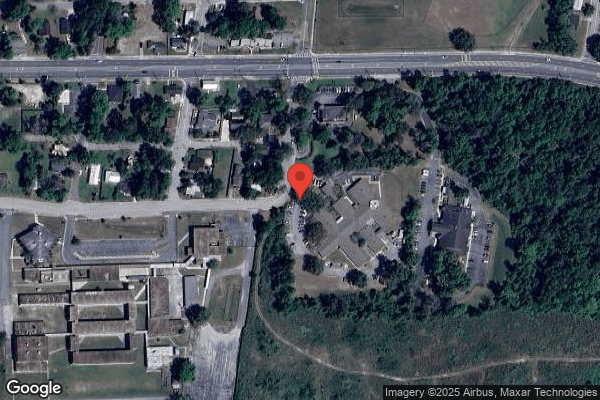
587 SE ERMINE AVE, LAKE CITY, FL 32025 (386) 752-7800
For profit - Corporation 90 Beds ASTON HEALTH Data: November 2025
Trust Grade
55/100
#175 of 690 in FL
Last Inspection: August 2025

Inspected within the last 6 months. Data reflects current conditions.

Overview

Baya Pointe Nursing and Rehabilitation Center has a Trust Grade of C, which means it is average and sits in the middle of the pack among nursing homes. It ranks #175 out of 690 facilities in Florida, placing it in the top half, and #2 out of 4 in Columbia County, indicating only one other local option is better. The facility is improving, with issues decreasing from 12 in 2024 to 4 in 2025. However, staffing is a weakness, rated 2 out of 5 stars, with a concerning turnover rate of 64%, significantly higher than the state average. The center also has substantial fines totaling $157,180, which is higher than 95% of Florida facilities, suggesting ongoing compliance challenges. While they have average RN coverage, some incidents have raised concerns, such as failing to provide prescribed dietary needs for residents, not performing hand hygiene during care, and not following infection control standards, all of which could pose health risks. Overall, Baya Pointe has strengths in its ranking and improvement trend, but families should be aware of the staffing issues and specific care lapses.

Trust Score
C
55/100
In Florida
#175/690
Top 25%
Safety Record
High Risk
Review needed
Inspections
Getting Better
12 → 4 violations
Staff Stability
⚠ Watch
64% turnover. Above average. Higher turnover means staff may not know residents' routines.
Penalties
○ Average
$157,180 in fines. Higher than 70% of Florida facilities. Some compliance issues.
Skilled Nurses
○ Average
Each resident gets 39 minutes of Registered Nurse (RN) attention daily — about average for Florida. RNs are the most trained staff who monitor for health changes.
Violations
⚠ Watch
18 deficiencies on record. Higher than average. Multiple issues found across inspections.
★★★★☆
4.0
Overall Rating
★★☆☆☆
2.0
Staff Levels
★★★★★
5.0
Care Quality
★★★☆☆
3.0
Inspection Score
Stable
2024: 12 issues
2025: 4 issues

The Good

  • 5-Star Quality Measures · Strong clinical quality outcomes
  • Full Sprinkler Coverage · Fire safety systems throughout facility
  • No fines on record

Facility shows strength in quality measures, fire safety.

The Bad

Staff Turnover: 64%

18pts above Florida avg (46%)

Frequent staff changes - ask about care continuity

Federal Fines: $157,180

Well above median ($33,413)

Significant penalties indicating serious issues

Chain: ASTON HEALTH

Part of a multi-facility chain

Ask about local staffing decisions and management

Staff turnover is elevated (64%)

16 points above Florida average of 48%

The Ugly 18 deficiencies on record

Aug 2025 3 deficiencies
CONCERN (D)

Potential for Harm - no one hurt, but risky conditions existed

Quality of Care (Tag F0684)

Could have caused harm · This affected 1 resident

Based on observation, interview, and record review, the facility failed to administer medications as ordered by the physician for 1 of 5 residents, Resident #2, reviewed for unnecessary medications.Fi...

Read full inspector narrative →
Based on observation, interview, and record review, the facility failed to administer medications as ordered by the physician for 1 of 5 residents, Resident #2, reviewed for unnecessary medications.Findings include:Review of Resident #2's admission record documented diagnosis that include end stage renal disease, chronic systolic congestive heart failure, type 2 diabetes mellitus with diabetic chronic kidney disease, and essential primary hypertension.Review of Resident #2's physician order dated 4/29/25 read, Entresto Oral Tablet 24-26 MG [milligrams] (Sacubitril-Valsartan) Give 0.5 tablet by mouth two times a day related to essential primary hypertension.Review of Resident #2's August Medication Administration Record documented Entresto had a chart of code 4 (4=outside parameters) on 8/2/2025 at 0900 (9:00 AM), on 8/3/2025 at 0900 and 2100 (9:00 PM), and on 8/6/2025 at 0900. Review of Resident #2's nursing and medication administration notes for the period of 8/1/2025 through 8/9/2025 did not contain documentation of the physician being notified the Entresto was not being administered as ordered by the physician.During an interview on 8/12/2025 at 2:20 PM Staff F, Registered Nurse (RN), one of the licensed staff who was documented as not administering the Entresto, stated, I did hold her [Resident #2] blood pressure medication. Her pressure was low. There are no parameters for that medication. I could have called the doctor to see. I should follow all doctors' orders.During an interview on 8/13/2025 at 1:05 PM Staff G, Licensed Practical Nurse (LPN), one of the licensed staff who was documented as not administering the Entresto, stated, I did hold her [Resident #2] medicine. I don't see that there are any parameters. I wasn't following the orders to give the med. I should follow them. I didn't call anyone I just held it.Review of the policy and procedure titled, Medication Administration with a last approval date of 4/25/2025 read, Standard: Medications are ordered and administered safely and as prescribed. Procedure: 16. If a drug is withheld, refused, or given at a time other than the scheduled time, the individual administering the medication shall document the rational in the resident's medical record and notify the physician and responsible party.
CONCERN (D)

Potential for Harm - no one hurt, but risky conditions existed

Respiratory Care (Tag F0695)

Could have caused harm · This affected 1 resident

Based on observation, interview, and record review, the facility failed to provide respiratory services consistent with professional standards of practice for oxygen administration for 2 of 5 resident...

Read full inspector narrative →
Based on observation, interview, and record review, the facility failed to provide respiratory services consistent with professional standards of practice for oxygen administration for 2 of 5 residents, Residents #86 and #87, reviewed for oxygen therapy.Findings include:During an observation on 8/12/2025 at 9:37 AM Resident #87 was observed being administered oxygen via tracheostomy mask at 4 liters per minute by an oxygen concentrator. On the oxygen concentrator was a humidification bottle (used to hold distilled water to add moisture to the oxygen therapy airflow to prevent dryness and irritation that can occur from breathing dry oxygen for extended periods) dated 8/12/25 and the bottle was empty. During an observation on 8/12/2025 at 11:35 AM Resident #87 was observed in bed with the head of bed elevated, and was observed with oxygen being administered via tracheostomy mask at 4 liters of oxygen per minute by an oxygen concentrator. On the oxygen concentrator was a humidification bottle dated 8/12/25 and the bottle was empty. Review of Resident #87's admission record documents diagnosis that include encephalopathy, unspecified, acute respiratory failure unspecified whether with hypoxia or hypercapnia, pneumonia due to other specified bacteria, chronic respiratory failure unspecified whether with hypoxia or hypercapnia, and tracheostomy.Review of Resident #87's physician order dated 8/7/2025 read, Trach [tracheostomy]: Encourage and assist resident with use of humidified oxygen 28%/5 liters via trach collar.Review of Resident #87's physician order dated 8/7/2025 read, Trach: Change Oxygen tubing/humidification bottle/mask, etc. Q [every] week and PRN [as needed] every night shift every Sun [Sunday] and as needed.Review of Resident #87's care plan documented a focus of, Resident has a tracheostomy and is at risk for complications regarding tracheostomy status and interventions that include administer O2 [oxygen] as ordered.During an interview on 8/12/2025 at 12:47 PM Staff D, Licensed Practical Nurse (LPN) stated, The amount of oxygen is not right. I will check the order. The humification is empty, I need to change that.During an interview on 8/14/2025 at 1:00 PM the Director of Nursing (DON) stated, They [licensed nursing staff] should be checking oxygen levels and making sure they are accurate. They should follow physician orders. We should have the tracheostomy with humidification at all times and not have it empty. During an observation on 8/11/2025 at 12:32 PM Resident #86 was observed in bed with the head of bed elevated and oxygen being administered at 4 liters per minute via nasal cannula by an oxygen concentrator. The oxygen concentrator was on the side of the bed, not within the resident's reach.During an observation on 8/12/2025 at 8:03 AM Resident #86 was observed having oxygen administered at 4 liters via nasal cannula by an oxygen concentrator. The concentrator was not within the resident's reach.Review of Resident #86's admission record documented diagnosis that include chronic obstructive pulmonary disease (COPD) unspecified, type 2 diabetes mellitus without complications, heart failure unspecified, anemia unspecified, and essential primary hypertension.Review of Resident #86's physician order dated 8/6/2025 read, Respiratory-Oxygen: NC [nasal cannula]/Mask. Encourage and assist resident to use O2 [oxygen] @ [at] 2 (specify Liters) via (specify NC/Mask) as needed for SOB [shortness of breath]/DOE [dyspnea on exertion].Review of Resident #86's comprehensive care plan documented a focus of, The resident is at risk for altered respiratory status/difficulty breathing r/t [related to] COPD/Emphysema. Interventions: administer oxygen as ordered.During an interview on 8/12/2025 at 8:05 AM Staff E, RN stated, Her oxygen [order] is for 2 liters. Staff E confirmed the concentrator was administering oxygen to Resident #86 at 4 liters, then stated, I don't know how that happened.Review of the policy and procedure titled, Oxygen Administration, with a last approval date of 4/25/2025 read, Standard: The purpose of this procedure is to provide guidelines for oxygen administration. Procedure: 1. Review the physician's order for oxygen administration. General guidelines: 3. Adjust the oxygen delivery device so that it is comfortable on the resident and the appropriate flow of oxygen is being administered according to the resident's needs.
CONCERN (D)

Potential for Harm - no one hurt, but risky conditions existed

Infection Control (Tag F0880)

Could have caused harm · This affected 1 resident

Based on observations, interviews, and record reviews, the facility failed to prevent the possible spread of infection when failing to ensure staff followed infection control standards for enhanced ba...

Read full inspector narrative →
Based on observations, interviews, and record reviews, the facility failed to prevent the possible spread of infection when failing to ensure staff followed infection control standards for enhanced barrier precautions for 1 of 3 residents, Resident #88 reviewed for incontinence care and failing to ensure hand hygiene was performed during medication administration for 2 of 6 observations of medication administration.Findings Include During an observation on 8/13/2025 at 9:22 AM there was a sign on Resident #88’s door which read, “Enhanced Barrier Precautions (a set of infection control practices designed to reduce the spread of multidrug-resistant organisms).” Staff A, Licensed Practical Nurse (LPN) and Staff B, Certified Nursing Assistant (CNA) were observed providing incontinent care for Resident #88. Staff A and Staff B were not wearing gowns. During an interview on 8/13/2025 at 9:30 AM the Director of Nursing (DON) verified Resident #88 had a physician’s order for enhanced barrier precautions and staff should have worn a gown and gloves when providing direct patient care. During an interview on 8/13/2025 at 9:33 AM Staff B, CNA stated, “When a resident is on enhanced barrier precautions, we should wear gloves and a gown when providing patient care. When I changed [Resident #88’s name] I was not wearing a gown. I should have been wearing a gown” During an interview on 8/13/2025 at 9:35 AM Staff A, LPN confirmed she and [Staff B, CNA’s name] were changing [Resident #88’s name] and were not wearing gowns. Staff A, LPN stated, “When a resident is on enhanced barrier precautions, we should wear gloves and a gown while providing incontinence care.” Review of Resident #88 medical record documented an admission date of 8/7/2025 with medical diagnoses including gastrostomy (also known as a g-tube, is a surgical procedure that creates an opening in the stomach through the abdominal wall to provide nutrition and medications directly into the stomach). Review of Resident #88’s physician order dated 8/12/2025 read, Enhanced Barrier: Encourage and assist resident to maintain enhanced barrier precautions for GTUBE Review of Resident #88’s care plan dated 8/8/2025 read, Focus: Resident requires Enhanced Barrier Precautions during high contact resident care activities r/t [related to] wounds when colonization or actual MDRO [Multi-Drug Resistant Organism] is present, indwelling medical devices examples include, but are not limited to central lines, indwelling urinary catheters, feeding tubes, tracheostomy tubes. Interventions- Enhanced Barrier Precautions DURING HIGH CONTACT CARE ACTIVITIES dressing, bathing, showering, transferring, providing hygiene, changing linens, changing briefs or assisting with toileting. Review of the policy and procedure titled, “Enhanced Barrier Precautions” with a review date of 4/25/2025 read, “Guideline: The facility will decrease the transmission of multidrug-resistant organisms (MDRO) by maintaining infection control standards. Definitions: Enhanced Barrier Precautions (EBP) refers to an infection control intervention designed to reduce transmission of multi-drug resistant organisms that employs targeted gown and glove use during high contact resident care activities. 1. Enhanced Barrier Precautions (EBP) are used for residents with any of the following: Wounds and/or indwelling medical devices even if the resident is not known to be colonized with MDRO. Indwelling Medical Devices include the following: c. Feeding tubes. 9. Appropriate Personal Protective Equipment (PPE) for EBP would include: a. Gown b. Gloves. 10. Employees should wear appropriate PPE when performing the following duties for residents requiring EBP: a. Dressing. b. Providing hygiene; e. Changing linens; f. Providing pericare such as changing briefs” During an observation of medication administration on 8/14/2025 at 5:05 AM for Resident #88 Staff C, LPN approached the medication cart, reached into their uniform pocket, removed the keys, unlocked the medication cart, activated the computer and typed on the computer without performing hand hygiene. Staff C, LPN removed all the medications order for Resident #88 and crushed each medication separately. Staff C, LPN entered Resident #88's room without performing hand hygiene, moved the bedside table closer to the resident and assembled all the gastrostomy tube supplies. Staff C, LPN returned to the medication cart, did not perform hand hygiene, unlocked the cart, and removed additional supplies. Staff C, LPN then donned gloves and a gown without performing hand hygiene and entered the resident’s room. Staff C, LPN administered the medications, repositioned Resident #88 in the bed, doffed the gown and gloves and returned to the medication cart without performing hand hygiene and began to prepare medications for another resident. During an observation of medication administration on 8/14/2025 at 5:13 AM Staff C, LPN did not perform hand hygiene, prepared Resident #37’s medications and supplies to take a blood pressure and to perform an accucheck (used to monitor blood sugar levels). Staff C entered Resident #37's room without performing hand hygiene, donned gloves without performing hand hygiene, used an alcohol swabbed on the resident’s finger and performed an accucheck. Staff C exited the resident’s room after removing the gloves, went to the medication cart, removed the keys for the medication cart from their pocket, was not able to locate the ordered insulin, lock the medication cart and went to the medication room. Staff C, LPN unlocked the medication room door, obtained the ordered insulin, returned to the medication cart, unlocked the cart after retrieving the keys from their pocket, opened the computer, typed and reviewed the insulin orders. Staff C, LPN returned to the Resident #37's room, donned gloves without performing hand hygiene and administered the insulin and oral medications. Staff C doffed the gloves and returned to the medication cart without performing hand hygiene and began to prepare medications for another resident. During an interview on 8/14/2025 at 5:45 AM Staff C, LPN stated, I should have used the hand sanitizer every time I got the medicines, and before and after I put on or took off my gloves. Review of the policy and procedure tilted “Hand Hygiene Infection Control” with a last approval date of 4/25/2025 read, “Standard: Hand hygiene is the single most important measure for preventing the spread of infection. Guideline: This facility shall require facility personnel to use accepted hand hygiene after each direct resident contact for which hand hygiene is indicated. Procedure: The Facility acknowledges the CDC (Centers for Disease Control) guidelines to improve adherence to hand hygiene in health care settings. The hand hygiene guidelines are part of an overall CDC strategy to reduce infections in healthcare settings to promote resident safety. These guidelines state that hand washing is necessary when healthcare personnel's hands are visibly soiled. When hands are not visibly soiled, the CDC recommends the use of alcohol based hand rubs by health care personnel for resident care to address the obstacles that health care professionals face when taking care of residents. Patients that require hand hygiene include, but are not limited to: before and after direct resident contact (for which hand hygiene is indicated by acceptable professional practice): before and after performing any invasive procedure (e.g. finger stick blood sampling): upon and after coming in contact with residents intact skin (e.g. when taking a pulse or blood pressure, and lifting a resident)
Jun 2025 1 deficiency
CONCERN (D) 📢 Someone Reported This

A family member, employee, or ombudsman was alarmed enough to file a formal complaint

Potential for Harm - no one hurt, but risky conditions existed

Infection Control (Tag F0880)

Could have caused harm · This affected 1 resident

**NOTE- TERMS IN BRACKETS HAVE BEEN EDITED TO PROTECT CONFIDENTIALITY** Based on observation, interview, and record review, the facility failed to ensure staff used appropriate personal protective equ...

Read full inspector narrative →
**NOTE- TERMS IN BRACKETS HAVE BEEN EDITED TO PROTECT CONFIDENTIALITY** Based on observation, interview, and record review, the facility failed to ensure staff used appropriate personal protective equipment (PPE) while providing high contact care for 1 (Resident #5) of 2 residents reviewed for wound care.Findings include: Review of Resident #5's admission record showed the resident was admitted on [DATE] with the diagnoses including unspecified open wound, right knee, subsequent encounter. During an observation on 6/30/2025 at 11:05 AM, there was a sign posted on the door frame of Resident #5's room that indicated she was on Enhanced Barrier Precautions. During an observation on 6/30/2025 at 11:15 AM, Staff A, Licensed Practical Nurse (LPN), gathered wound care supplies and gloves. Staff A proceeded to wash her hands with soap and water and donned a pair of gloves. Staff A provided wound care to Resident #5, wearing gloves as her only form of personal protective equipment (PPE). During an interview on 6/30/2025 at 11:25 AM, Staff A, LPN, stated, Enhanced barrier precautions are for residents with certain isolation needs. Personal protective equipment such as gloves, mask, and [physically indicated] a gown/covering, are used during resident care. During an interview on 6/30/2025 at 12:48 PM, the Director of Nursing stated, For residents on EBP [Enhanced Barrier Precautions], the staff are supposed to wear a gown and gloves when doing direct care activities such as wound care. Review of the facility policy and procedures titled Enhanced Barrier Precautions revised on 5/28/2024, read, Guideline: The facility will decrease the transmission of multidrug-resistant organisms (MDRO) by maintaining infection control standards. Definitions: Enhanced Barrier Precautions (EBP) refers to an infection control intervention designed to reduce transmission of multidrug-resistant organisms that employs targeted gown and glove use during high contact resident care activities. Procedure: 1. Enhanced Barrier Precautions (EBP) are used for residents with any of the following . b. Wounds and/or indwelling medical devices even if resident is not known to be colonized with MDRO. 9. Appropriate PPE for EBP would include: a. Gown, b. Gloves 10. Employees should wear appropriate PPE when performing the following duties for residents . i. Wound care. Review of the facility policy and procedure titled Infection Control - Infection Prevention and Control Program revised in 1/2024 read, Standard: An infection prevention and control program (IPCP) are established and maintained to provide a safe, sanitary and comfortable environment and to help prevent the development and transmission of communicable diseases and infections. Prevention of Infection: 1. Important facets of infection prevention include . c. educating staff and ensuring that they adhere to proper techniques and procedures.
May 2024 12 deficiencies
CONCERN (D)

Potential for Harm - no one hurt, but risky conditions existed

Resident Rights (Tag F0550)

Could have caused harm · This affected 1 resident

Based on observation, interview, and record review, the facility failed to ensure the staff provided privacy while performing wound care for 1 of 5 residents reviewed for skin conditions, Resident #55...

Read full inspector narrative →
Based on observation, interview, and record review, the facility failed to ensure the staff provided privacy while performing wound care for 1 of 5 residents reviewed for skin conditions, Resident #55. Finding include: During an observation on 5/8/2024 at 1:50 PM, Staff A, Registered Nurse (RN), donned gown and entered Resident #55's room with the wound treatment cart and paper treatment record. Staff A entered the resident's restroom and washed her hands. Staff A did not close the resident room door or the blinds of the window facing employee parking lot. Staff members were across the parking lot near cars. While Staff A was providing wound care, another staff member stood at the doorway and thanked Resident #55 for cupcakes his family had provided. During an interview on 5/8/2024 at 2:07 PM, Staff A, RN, stated, I should have closed the door when entering the room to provide privacy while performing care. During an interview on 5/8/2024 at 3:00 PM, the Director of Nursing stated, Staff should be ensuring privacy is provided when providing care for residents. Review of the facility policy and procedures titled Resident Rights with the last review date of 1/15/2024 read, Standard: A facility must treat each resident with respect and dignity and care for each resident in a manner and in an environment that promotes maintenance or enhancement of his or her quality of life, recognizing each resident's individuality. The facility must protect and promote the rights of the residents . Procedure: 1. Federal and state laws guarantee certain basic rights to all residents of this facility. These rights include the resident's right to . t. privacy and confidentiality.
CONCERN (D)

Potential for Harm - no one hurt, but risky conditions existed

Safe Environment (Tag F0584)

Could have caused harm · This affected 1 resident

Based on observation, interview, and record review, the facility failed to ensure a clean and homelike environment in 1 of 4 residential halls (300 Hall) and in the main dining room (Photographic evid...

Read full inspector narrative →
Based on observation, interview, and record review, the facility failed to ensure a clean and homelike environment in 1 of 4 residential halls (300 Hall) and in the main dining room (Photographic evidence obtained). Findings include: 1. During an observation on 5/6/2024 at 10:00 AM, there were black lines along the lower wall of the 300 Hall. On the wall to the right of Resident #3's room, the wallpaper on the lower wall was rippled, peeling away from the wall. During an interview on 5/8/2024 at 12:58 PM, the Maintenance Director stated, The black marks along the wall are from the residents' wheelchairs. The rippled wallpaper outside of [Resident #3's room number]; I don't believe it's due to water damage, it's just old and needs to be replaced. Review of the facility policy and procedures titled Cleaning and Disinfection of Environmental Surfaces last reviewed on 1/15/2024, showed that it read, Policy Statement: Environmental surfaces will be cleaned and disinfected according to current CDC [Centers for Disease Control and Prevention] recommendations for disinfection of healthcare facilities and the OSHA [Occupational Safety and Health Administration] Bloodborne Pathogens Standard. Policy Interpretation and Implementation . 9. Housekeeping surfaces (e.g., floors, tabletops) will be cleaned on a regular basis, when spills occur, and when these surfaces are visibly soiled. 10. Environmental surfaces will be disinfected (or cleaned) on a regular basis (e.g., daily, three times a week) and when surfaces are visibly soiled. 2. During an observation of the main dining room adjacent to the kitchen on 5/6/2024 at 9:08 AM, there was a rolled-up bed linen against the wall with a brown colored stain on one end and brown colored dried flaky liquid on the floor next to it. During an interview on 5/6/2024 at 9:10 AM, the Administrator confirmed the rolled-up bed linen was on the dining room and stated, I do not know why that is there, but it does not need to be there. During an observation on 5/6/2024 at 10:24 AM, three square floor tiles were missing around the drain in the 100 and 200 hall shower rooms. During an interview on 5/10/2024 at 10:25 AM, the Maintenance Director confirmed the tiles were missing and stated, I was not made aware of this.
CONCERN (D)

Potential for Harm - no one hurt, but risky conditions existed

PASARR Coordination (Tag F0644)

Could have caused harm · This affected 1 resident

**NOTE- TERMS IN BRACKETS HAVE BEEN EDITED TO PROTECT CONFIDENTIALITY** Based on record review and interview, the facility failed to ensure the residents with newly evident serious mental disorder wer...

Read full inspector narrative →
**NOTE- TERMS IN BRACKETS HAVE BEEN EDITED TO PROTECT CONFIDENTIALITY** Based on record review and interview, the facility failed to ensure the residents with newly evident serious mental disorder were referred for assessment for 1 of 6 residents reviewed for Pre-admission Screening and Resident Review (PASARR), Resident #23. Findings include: Review of Resident #23's admission record showed the resident was originally admitted to the facility on [DATE]. The resident's diagnoses included major depressive disorder, anxiety disorder, and paranoid schizophrenia (onset date: 3/2/2023). Review of Resident #23's Level I PASARR completed on 2/11/2020 did not indicate diagnosis of schizophrenia. Section IV showed no level II PASARR evaluation was required due to no diagnosis or suspicion of serios mental illness or intellectual disability. Review of Resident #23's quarterly Minimum Data Set (MDS) assessment dated [DATE] showed the diagnosis of schizophrenia under section I. Active diagnoses. Review of Resident #23's records showed no level I PASARR completed after diagnosis of schizophrenia on 3/2/2023. During an interview on 5/8/2024 at 1:30 PM, the Social Services Director confirmed Resident #23 should have had a new Level I screening when diagnosed with paranoid schizophrenia and one was not conducted. During an interview on 5/10/2024 at 1:16 PM, the Director of Nursing (DON) stated the facility did not have a policy on PASARR and they followed the RAI (Resident Assessment Instrument).
CONCERN (D)

Potential for Harm - no one hurt, but risky conditions existed

Comprehensive Care Plan (Tag F0656)

Could have caused harm · This affected 1 resident

**NOTE- TERMS IN BRACKETS HAVE BEEN EDITED TO PROTECT CONFIDENTIALITY** Based on record review and interview, the facility failed to ensure a person-centered care plan was developed for management of ...

Read full inspector narrative →
**NOTE- TERMS IN BRACKETS HAVE BEEN EDITED TO PROTECT CONFIDENTIALITY** Based on record review and interview, the facility failed to ensure a person-centered care plan was developed for management of epilepsy for 1 of 4 residents reviewed for accidents, Resident #54. Findings include: Review of Resident #54's admission record showed the resident was most recently admitted on [DATE] with diagnoses including Parkinsonism, epilepsy, lack of coordination, abnormal posture, muscle weakness, dementia, anxiety disorder, and paranoid schizophrenia. Review of Resident #54's Quarterly Minimum Data Set (MDS) dated [DATE] showed the resident had a diagnosis of seizure disorder or epilepsy under Section I. Active Diagnoses. Review of Resident #54's physician order dated 11/2/2023 read, Divalproex Sodium ER [extended release] Oral Tablet Extended Release 24 Hour 500 mg [milligram] (Divalproex Sodium). Give 1 tablet by mouth at bedtime related to epilepsy, unspecified, intractable, with status epilepticus. Review of Resident #54's physician order dated 11/2/2023 read, Divalproex Sodium Oral Tablet Delayed Release 125 mg (Divalproex Sodium). Give 3 tablets by mouth one time a day related to epilepsy, unspecified, intractable, with statis epilepticus . Administer 3 tabs [tablets] to equal 375 mg. Review of Resident #54's care plan revealed no focus and intervention for epilepsy. During an interview on 5/8/2024 at 10:25 AM, the MDS Coordinator stated, [Resident #54's name] is not care planned for seizures. It should be part of the care plan. Review of the facility policy and procedures titled Plans of Care with the last review date of 1/15/2024 read, Policy: An individual person-centered plan of care will be established by the interdisciplinary team (IDT) with the resident and/or resident representative(s) to the extent practicable and updated in accordance with state and federal regulatory requirements . Procedure: Develop a comprehensive plan of care for each resident that includes measurable objectives and timetables to meet the resident's medical, nursing, mental and psychosocial needs that are identified in the comprehensive assessment.
CONCERN (D)

Potential for Harm - no one hurt, but risky conditions existed

Quality of Care (Tag F0684)

Could have caused harm · This affected 1 resident

**NOTE- TERMS IN BRACKETS HAVE BEEN EDITED TO PROTECT CONFIDENTIALITY** Based on observation, interview, and record review, the facility failed to ensure residents received care in accordance with pro...

Read full inspector narrative →
**NOTE- TERMS IN BRACKETS HAVE BEEN EDITED TO PROTECT CONFIDENTIALITY** Based on observation, interview, and record review, the facility failed to ensure residents received care in accordance with professional standards of practice for 1 of 2 residents with peripherally inserted central catheter (PICC) lines, Resident #47 (Photographic evidence obtained). Findings include: Review of Resident #47's admission record showed the resident was most recently admitted on [DATE] with diagnoses including paraplegia, chronic respiratory failure with hypoxia, cellulitis of right lower limb, acute kidney failure, and metabolic encephalopathy. During an observation on 5/6/2024 at 1:53 PM, Resident #47 had a PICC line dressing to the right upper arm dated 4/26/2024. During an observation on 5/7/2024 at 1:24 PM, Resident #47 had a PICC line dressing to the right upper arm dated 4/26/2024. Review of Resident #47's physician order dated 4/28/2024 read, Ertapenem Sodium Injection Solution Reconstituted 1 GM [gram] (Ertapenem Sodium). Use 1 gram intravenously one time a day related to severe sepsis with septic shock until 05/25/2024, 23:59 [11:59 PM] . IVs [Intravenous]: Evaluate site for leakage/bleeding/signs of infection every shift. Review of Resident #47's physician order dated 4/29/2024 read, IVs: Flush PICC or Midline with 10 cc [cubic centimeter] of normal saline every shift, before and after IV med administration, and as needed two times a day. During an interview on 5/7/2024 at 1:25 PM, the Director of Nursing confirmed the dressing was dated 4/26/2024 and stated, It should have been changed weekly. Review of the facility policy and procedure titled Standards and Guidelines: Peripheral IV Dressing Changes/PICC/Midline revised on 11/2023 read, Standard: This purpose of this procedure is to minimize catheter-related infections associated with contaminated, loosened, or soiled catheter- site dressings. Procedure: 1. Change the dressing if it becomes damp, loosened or visibly soiled and at least every 5 to 7 days.
CONCERN (D)

Potential for Harm - no one hurt, but risky conditions existed

Deficiency F0698 (Tag F0698)

Could have caused harm · This affected 1 resident

Based on record review and interview, the facility failed to ensure 1 of 1 resident receiving dialysis services, Resident #42, received treatment and care in accordance with professional standards of ...

Read full inspector narrative →
Based on record review and interview, the facility failed to ensure 1 of 1 resident receiving dialysis services, Resident #42, received treatment and care in accordance with professional standards of practice. Findings include: Review of Resident #42's physician order dated 3/22/2024 read, Dialysis communication form in the dialysis communication book to be completed by nurse prior to and upon return from dialysis clinic. Two times a day every Tue, Thu, Sat [Tuesday, Thursday, Saturday]. Review of Resident #42's Dialysis Communication Form dated 5/7/2024 showed no vitals including blood pressure, pulse, respiration, temperature, pain, access site, bruit/thrill, and bleeding, were documented upon return. Review of Resident #42's Dialysis Communication Form dated 5/2/2024 showed no vitals including blood pressure, pulse, respiration, temperature, pain, access site, bruit/thrill, and bleeding, were documented upon return. Review of Resident #42's Dialysis Communication Form dated 4/27/2024 showed no vitals including blood pressure, pulse, respiration, temperature, pain, access site, bruit/thrill, and bleeding, were documented upon return. Review of Resident #42's Dialysis Communication Form dated 4/23/2024 showed no vitals including blood pressure, pulse, respiration, temperature, pain, access site, bruit/thrill, and bleeding, were documented upon return. Review of Resident #42's Dialysis Communication Form dated 4/18/2024 showed no vitals including blood pressure, pulse, respiration, temperature, pain, access site, bruit/thrill, and bleeding, were documented upon return. Review of Resident #42's Dialysis Communication Form dated 4/13/2024 showed no vitals including blood pressure, pulse, respiration, temperature, pain, access site, bruit/thrill, and bleeding, were documented upon return. Review of Resident #42's care plan dated 4/9/2021 showed the resident needed hemodialysis related to renal failure. During an interview on 5/9/2024 at 12:54 PM, the Director of Nursing (DON) stated, Nursing staff is expected to fill out the dialysis communication form upon the return of [Resident #42's name] to the facility after dialysis. During an interview on 5/10/2024 at 9:23 AM, Staff O, Licensed Practical Nurse (LPN), stated, [Resident #42's name] has a folder goes out with them and the night shift gets ready. When they come back, we get a weight to make sure it is accurate and full set of vitals. Review of the facility policy and procedures titled Dialysis Care with the last review date of 1/15/2024 read, Procedure . 3. Facility personnel will provide information that is useful or necessary for the care of the resident to the dialysis center as needed.
CONCERN (D)

Potential for Harm - no one hurt, but risky conditions existed

Staffing Information (Tag F0732)

Could have caused harm · This affected 1 resident

Based on observation and interview, the facility failed to ensure nurse staffing data was posted on a daily basis. Findings include: During an initial tour on 5/6/2024 at 9:00 AM, the nurse staffing i...

Read full inspector narrative →
Based on observation and interview, the facility failed to ensure nurse staffing data was posted on a daily basis. Findings include: During an initial tour on 5/6/2024 at 9:00 AM, the nurse staffing information was posted on the left side of the receptionist area upon entrance to the facility, which was dated 5/3/2024. During an interview on 5/8/2024 at 10:02 AM, the Administrator stated, The sheets were filled out, but the receptionist is new and did not know they were in the back of the one dated 5/3/2024. Usually, the staffing coordinator will come in early and review the census and update the sheet. This is done between 8:30 AM and 9:00 AM. We do not have a written policy. We follow the federal guidelines. During an interview on 5/9/2024 at 3:45 PM, the Staff Coordinator stated, I was out on vacation and came back Monday morning. I get in and change the federal staffing around 8:30 AM-9:00 AM. Get with admission before the census. The sheets were filled out. We had a new receptionist. They all will be behind one another all the way until Monday. Monday when I get here, I make sure it is accurate and update it before posting.
CONCERN (D)

Potential for Harm - no one hurt, but risky conditions existed

Food Safety (Tag F0812)

Could have caused harm · This affected 1 resident

Based on observation, interview, and record review, the facility failed to ensure food items were stored in accordance with professional standards for food safety (Photographic evidence obtained). Fin...

Read full inspector narrative →
Based on observation, interview, and record review, the facility failed to ensure food items were stored in accordance with professional standards for food safety (Photographic evidence obtained). Findings include: During an observation while conducting a tour of the nourishment room on the rehabilitation wing conducted with the Certified Dietary Manager (CDM) on 5/7/2024 at 6:50 AM, there were one opened box of cinnamon mini squares, one opened family size box of Honey Bunches of Oats, one opened box of Welch's Juicefuls, and one opened box of Wheat Bran Flakes stored in a cabinet with no open date or resident name. There was also one opened half gallon container of vanilla ice in the freezer with no open date or resident name. During an interview on 5/7/2024 at 6:52 AM, the CDM confirmed the cereal boxes and ice cream were not labeled with an open date or resident identifier. Review of the facility policy and procedures titled Food: Safe Handling for Foods from Visitors revised on 2/2023 and reviewed on 1/16/2024 showed it read, Policy Statement: Residents will be assisted in properly storing and safely consuming food bought into the facility for residents by visitors . Procedures . 4. When food items are intended for later consumption, the responsible facility staff member will . - Label foods with the resident name and the current date.
CONCERN (E)

Potential for Harm - no one hurt, but risky conditions existed

Deficiency F0808 (Tag F0808)

Could have caused harm · This affected multiple residents

**NOTE- TERMS IN BRACKETS HAVE BEEN EDITED TO PROTECT CONFIDENTIALITY** Based on observation, interview, and record review, the facility failed to ensure residents received prescribed therapeutic diet...

Read full inspector narrative →
**NOTE- TERMS IN BRACKETS HAVE BEEN EDITED TO PROTECT CONFIDENTIALITY** Based on observation, interview, and record review, the facility failed to ensure residents received prescribed therapeutic diet for 3 of 5 reviewed residents, Residents #9, #58 and #68. Findings include: 1. Review of Resident #58's admission record showed the resident was admitted to the facility on [DATE] with diagnoses including stage 3 chronic kidney disease, other speech disturbances, and deaf nonspeaking. During an observation on 5/6/2024 at 12:25 PM, Resident #58 received the afternoon meal tray on his bedside table. There was no health shake on the resident's meal tray. During an observation on 5/7/2024 at 8:03 AM, Resident #58 received the morning meal tray on his bedside table containing scrambled eggs, a slice of toast, and a mound of hot cereal. There was no hot or cold fluids, drinks, or house Health shake on the resident's tray. Review of the facility's dining slip dated 5/7/2024 on the morning meal tray for Resident #58 read, Consistent Carbohydrates (CCD) Tuesday Breakfast: Scrambled eggs w/cheese, 1 slice toast, 1 each of diet jelly and margarine, house shake one serving, milk- 8 ounces, coffee or hot tea- 6 ounces, orange juice- 4 ounces. Review of Resident #58's medical record revealed that the resident weighed 138 pounds on 11/7/2023 and 120.6 pounds on 4/2/2024, which is a 12.61% weight loss over the last 180 days. Further review of the record showed a 6.5% weight loss in the last 90 days and a 1.9% weight loss in the last 30 days. Review of Resident #58's Nutritional Review dated 4/23/2024 showed that it read, Consider increasing Health shakes if weight loss continues. Review of Resident #58's physician order dated 4/27/2023 revealed a Health Shake supplement to be given one time a day on the breakfast tray. Review of Resident #58's Medication Administration Record (MAR) for April 2024 for Health Shake intake showed 0% on 4/16/2024, 4/20/2024, 4/21/2024, 4/24/2024, 4/29/2024, and 4/30/2024, and NA (Not Applicable) on 4/17/2024, 4/22/2024, and 4/27/2024. During an interview on 5/8/2024 at 1:04 PM, Staff B, Certified Nursing Assistant (CNA), stated, He [Resident #58] loves the Health Shakes, but the facility runs out quite often. I don't think he's gotten them the past couple of days. During an interview on 5/8/2024 at 11:41 AM, the Dietary Manager stated, Health Shakes are delivered on the trays at mealtime as ordered. We put the Health Shake on their tray. If the resident is scheduled for a Health Shake at another time, like 10 AM or 2 PM, then the nurses can get them out of the nourishment rooms. We stock them in the freezer and in the nourishment rooms. We were out of Health Shakes all day Monday (5/6/24) and for breakfast service on Tuesday (5/7/24). The facility runs out of Health Shakes every week and I do not keep an inventory of how many to order each week. During an interview on 5/9/2024 at 2:13 PM, the Dietary Manager stated, We were out of Health Shakes on Monday and Tuesday but there were substitutes of magic cups or ice cream and the nurses were told we were out and to use the substitutes. I think the administrator or DON [Director of Nursing] told the nurses. During an interview on 5/10/2024 at 12:50 PM, the Director of Nursing stated, I was not told by the Dietary Manager that the facility was out of Health Shakes on Monday and Tuesday. During an interview on 5/10/2024 at 1:25 PM, the Administrator stated, I was not told by the Dietary Manager that the facility was out of Health Shakes on Monday and Tuesday. 2. During an observation on 5/6/2024 at 12:43 PM, Resident #9 was eating lunch independently. The resident received dysphagia advanced diet that included ground cheesy ham, mashed potatoes, and cornbread. There was no House Shake on the tray. Review of Resident #9's meal ticket for lunch on Monday 5/6/2024 showed the ticket included 1 serving of House Shake. During an observation on 5/7/2024 at 8:40 AM, Resident #9 was eating breakfast independently. The tray contained cereal and milk, but no House Shake. Review of Resident #9's meal ticket for breakfast on Tuesday 5/7/2024 showed the ticket included 1 serving of House Shake. Review of Resident #9's physician order dated 4/3/2024 read, Health Shake put Amt [amount] ordered PO [by mouth] in add direc [direct] with meals for weight loss give 4 oz [ounces], document refusals in a progress note. Review of Resident #9's Medication Administration Record for May 2024 for Health Shake intake showed 100 percent on 5/6/2024 at 11:00 AM and 100 percent on 5/7/2024 at 8:00 AM. Review of Resident #9's medical record revealed that the resident had 7.6% weight loss within the last 30 days, 6% weight loss within the last 90 days and 14% weight loss within the last 180 days. During an interview on 5/8/2024 at 11:18 AM, the Registered Dietician stated, [Resident #9's name] BMI 14.7 not in range. Weight fluctuates due to diuretics. The facility runs out of Health Shakes at times on Monday and truck comes on Tuesday. They get one truck a week. Not getting a Health Shake would not affect resident's weight. 3. During an observation on 5/7/2024 at 8:35 AM, Resident #68 was eating in his room. The meal tray contained pureed diet including scrambled eggs and biscuit. There was no House Shake on the tray. Review of Resident #68's meal ticket for breakfast on Tuesday 5/7/2024 showed the ticket included 1 serving of House Shake. Review of Resident #68's physician order dated 3/11/2024 read, Health Shake put Amt ordered PO in add direc [direct] two times a day for supplement. Review of Resident #68's Medication Administration Record for May 2024 Health Shake intake showed 100 percent on 5/7/2024 at 8:00 AM. During an interview on 5/8/2024 at 11:41 AM, the Dietary Manager stated, We did run out of Health Shakes all day Monday and breakfast Tuesday. Review of the document provided by the facility titled Quick Reference Guide dated 7/2016 read, Clinical Practice: Therapeutic snacks and nutritional supplements- a tool to assist the Registered Dietitian in the development of modified meal plans, utilizing therapeutic snacks, and/or supplements in the nutrition care planning process . Definitions . Nutritional Supplement- products that are used to complement a resident's dietary needs . Clinical Thinking Steps . 3. Modification in meal and snack plans are the initial and preferred intervention. A. Indications for modified meal plans may include: i. Insufficient nutrition intake through routine meals and HS [hours of sleep] snack as evidenced by unintended weight loss (significant and insidious).
CONCERN (E)

Potential for Harm - no one hurt, but risky conditions existed

Medical Records (Tag F0842)

Could have caused harm · This affected multiple residents

**NOTE- TERMS IN BRACKETS HAVE BEEN EDITED TO PROTECT CONFIDENTIALITY** 5. Review of Resident #55's admission record showed the resident was admitted to the facility on [DATE], with diagnoses includin...

Read full inspector narrative →
**NOTE- TERMS IN BRACKETS HAVE BEEN EDITED TO PROTECT CONFIDENTIALITY** 5. Review of Resident #55's admission record showed the resident was admitted to the facility on [DATE], with diagnoses including obstructive and reflux uropathy, essential (primary) hypertension, chronic atrial fibrillation, Gastro Esophageal Reflux Disease without esophagitis, ulcerative colitis, benign prostatic hyperplasia, and age-related cognitive decline. Review of Resident #55's physician order dated 2/2/2024 read, Wound to right lateral foot: cleanse with normal saline, pat dry, apply calcium alginate with silver and leptospermum honey, cover with gauze island border Q [every] day. Review of Resident #55's physician order dated 3/11/2024 read, Cleanse lateral side of right foot with NS [normal saline] or soap & water, pat dry, apply medi-honey to wound, cover with a dry dressing every day shift every Mon [Monday], Wed [Wednesday], and Fri [Friday], for wound to lateral side of right foot. Review of Resident #55's physician order dated 3/26/2024 read, Order: Cleanse area to right shin with soap & water or normal saline, pat dry, apply dry dressing. Directions: every day shift. Order: Clean area to left shoulder with soap and water or normal saline, pat dry, cover with a dry dressing every day shift. Directions: every day shift. Review of Resident #55's physician order dated 4/17/2024 read, Apply skin prep to blister on peri wound area. Review of Resident #55's Treatment Administration Record for April 2024 showed no entry documented on 4/29/2024 for cleanse lateral side of right foot, cleansing area to right shin, cleaning area to left shoulder, and applying skin prep to blister on peri wound area. Review of hand-written witness statement form dated 5/9/2024 for Staff A, Registered Nurse (RN), signed by the DON, read, Call placed to [Staff A's name] RN regarding treatments to [Resident #55's name] on 4/29/24 and if they were completed. [Staff A's name] stated, Yes that was a Monday, I know I changed his dressings. When I [the DON] asked [Staff A's name] if she charted in the EMR [electronic medical records] that it was done and she stated, Now that I think about it, I might have forgot to hit save. Review of Resident #55's physician order dated 8/11/2023 read, Weekly skin sweeps. Review of Resident #55's weekly skin assessments from February 2024 through May 2024 showed no skin assessments documented for the weeks of 2/25/2024, 3/11/2024, 4/9/2024, 4/22/2024, and 4/29/2024. Review of Resident #55's Weekly Skin Integrity Review dated 3/25/2024 read, Site: side of right foot irritation. The skin integrity review did not include the wound to the right side of the foot. Review of Resident #55's Weekly Skin Integrity Review dated 3/31/2024 read, Site: side of right foot irritation. The skin integrity review did not include the wound to the right side of the foot. During an interview on 5/9/2024 at 11:13 AM, the DON stated that it was a documentation issue and that the assessments were completed but not documented. Based on observation, interview, and record review, the facility failed to ensure medical records were complete and accurate for 3 of 5 residents reviewed for nutrition, Residents #9, #58, and #68, and for 3 of 5 residents reviewed for skin conditions, Residents #1, #55, and #227. Findings include: 1. During an observation on 5/6/2024 at 12:25 PM, Resident #58 received the afternoon meal tray on his bedside table. There was no health shake on the resident's meal tray. During an observation on 5/7/2024 at 8:03 AM, Resident #58 received the morning meal tray on his bedside table containing scrambled eggs, a slice of toast, and a mound of hot cereal. There was no hot or cold fluids, drinks, or house Health shake on the resident's tray. Review of Resident #58's physician order dated 4/27/2023 revealed a Health Shake supplement to be given one time a day on the breakfast tray. During an interview on 5/8/2024 at 1:04 PM, Staff B, Certified Nursing Assistant (CNA), stated, He [Resident #58] loves the Health Shakes, but the facility runs out quite often. I don't think he's gotten them the past couple of days. Review of Resident #58's Medication Administration Record (MAR) for April 2024 for Health Shake intake showed the resident consumed 100% of Health Shake 5/6/24 and 5/7/24. During an interview on 5/8/2024 at 11:41 AM, the Dietary Manager stated, We were out of Health Shakes all day Monday (5/6/24) and for breakfast service on Tuesday (5/7/24). The facility runs out of Health Shakes every week and I do not keep an inventory of how many to order each week. 6. During an observation on 5/6/2024 at 3:07 PM, Resident #227 had a port on his right clavicle. There was a bandage over the port with a tinge of blood. There was no date on the bandage. Review of Resident #227's History and Physical issued by the local hospital dated 4/30/2024 read, Chief complaint: Frequent Falls . Surgical History: port placement. Review of Resident #227's Admission/re-admission Resident Data Collection dated 5/3/2024 did not document any skin conditions. Review of Resident #227's physician orders did not reveal any order for port care. During an interview on 5/9/2024 at 8:30 AM, Staff I, Licensed Practical Nurse (LPN), stated, I do not remember seeing any orders for bandage change or care relating to a port in the Medication Administration Record (MAR) or Treatment Administration Record (TAR). Review of the facility policy and procedures titled Charting and Documentation last reviewed on 1/15/2024 showed it read, Policy Statement: All services provided to the resident, progress toward the care plan goals, or any changes in the resident's medical, physical, functional, or psychosocial condition, shall be documented in the resident's medical record. The medical record should facilitate communication between the interdisciplinary team regarding the resident's condition and response to care. Policy Interpretation and Implementation . 3. Documentation in the medical record will be objective (not opinionated or speculative), complete, and accurate. 2. Review of Resident #1's Weekly Skin Integrity Reviews dated 3/20/2024 and 3/28/2024 showed the skin was marked as intact. Review of Resident #1's medical records showed no weekly skin integrity review completed for 12/13/2023, 12/20/2023, 12/27/2023, 1/17/2024, 3/13/2024, 4/3/2024, and 4/17/2024. Review of Resident #1's physician order dated 2/28/2024 read, Keep skin glue mesh dressing clean, dry, intact for at least 3 weeks. Review of Resident #1's physician order dated 3/26/2024 read, Monitor pacemaker site until healed, notify MD [Medical Doctor] of any s/sx [signs and symptoms] of infection every shift. Review of Resident #1's physician order dated 3/28/2024 read, Cleanse pacemaker area with NS [Normal Saline], pat dry, apply 4x4 dry dressing until area completely healed every day shift. Review of Resident #1's physician order dated 12/9/2022 read, Weekly skin sweeps every Wednesday 7p-7a every night shift every Wed [Wednesday]. Review of Resident #1's physician order dated 12/28/2022 read, Routine showers on Wed/Sat [Wednesday/Saturday] every day shift. Review of Resident #1's nursing progress note dated 2/28/2024 at 3:25 PM read, return from pacemaker replacement, VS [vital sign] 119/87, 89, 20, 97.8. Left chest site clean dry intact glue intact. order to keep area clean, dry, intact for 3 weeks. Review of Resident #1's nursing progress note dated 2/28/2024 at 4:30 PM read, Nurse from [local hospital's name] in Gainesville called to give a report on post op [operative] pacemaker change for this resident. She stated that the resident is on their way back to the facility & the post op instructions were sent back with the resident. Review of Resident #1's care plan initiated on 12/12/2203 read, Focus: The resident has potential for pressure injury development r/t [related to] HX [history] of ulcers, impaired mobility, incontinence/increased moisture. Review of Resident #1's hospital dressing change order dated 2/28/2204 read, Location: Pacemaker site L [left] chest: Keep skin glue mesh dressing clean, dry, intact for at least 3 weeks. After 3 weeks, carefully peel off from skin/incision using Vaseline to loosen skin glue if needed. During an interview on 5/8/2024 at 11:30 AM, the Regional Nurse stated, These are the skin related documents we found. There are some shower sheets, progress notes, and skin assessments. The procedure will be changing. That is the problem with having orders they think it will remind the nurse but the do the assessment. Nurses should be doing assessments. During an interview on 5/8/2024 at 12:00 PM, the Director of Nursing (DON) stated, Nurses are the ones who do the weekly skin assessments. We try to do it all at once. When a CNA is providing shower, the nurse is assisting the CNA and signing off on skin observation. During an interview on 5/8/2024 at 12:41 PM, Staff E, Licensed Practical Nurse (LPN), stated, I do not see any skin assessment for 5/1/2024 in the chart. I normally put it in the front of chart. She has one due today and assessments are only done by nurses. During an interview on 5/9/2024 at 11:11 AM, Staff E, LPN, stated, If the CNA asks, I will help, but that is their thing. I am not in the room when she is doing the skin assessment. I sign off the shower is done and check the skin assessment if they identify a concern. I go back in and assess. When I do any skin sweep, I always document any abnormalities I see on the skin even if it has been previously listed. During an interview on 5/9/2024 at 1:18 PM, Staff M, CNA, stated, The nurses are to check if the shower has been done. The nurse will ask if we see a new bruise or abnormal in that person's body, but we normally do it alone and they come behind us to make sure. They sign off on the shower sheet. I will notify the nurse of any skin tear or bruise and she will go and look at it. If it is something major, I will step out and have someone call the nurse and then she will come in the shower room and see the situation. During an interview on 5/9/2024 at 11:25 AM, Staff N, CNA, stated, The nurse does not come in to help me. They have shower sheet I fill out and let the nurse know. I am by myself doing the assessment. She is signing off that we gave the resident a shower and if we wrote down any skin issues, she is supposed to go in the room and make sure we did it. During an interview on 5/9/2024 at 11:32 AM, Staff I, LPN, stated, The CNA will do the showers by themselves. We sign off on the shower sheets. If it falls on a shower day, I will go in and see it and then do my sweep separately. During an interview on 5/9/2024 at 1:30 PM, the Director of Nursing (DON) stated, The order for checking the site for the pacemaker should have discontinued if the site was healed and staff were finished monitoring the site. The staff should have documented the information in the system. Review of the facility policy and procedures titled Clinical Guideline Skin and Wound with the last review date of 1/15/2024 read, Overview: To provide a system for identifying skin at risk, implementing individual interventions including evaluation and monitoring as indicated to promote skin health, healing and decrease worsening of/prevention of pressure injury. Process . Licensed Nurse to complete skin evaluation weekly. 3. During an observation on 5/6/2024 at 12:43 PM, Resident #9 was eating lunch independently. The resident received dysphagia advanced diet that included ground cheesy ham, mashed potatoes, and cornbread. There was no House Shake on the tray. During an observation on 5/7/2024 at 8:40 AM, Resident #9 was eating breakfast independently. The tray contained cereal and milk, but no House Shake. Review of Resident #9's physician order dated 4/3/2024 read, Health Shake put Amt [amount] ordered PO [by mouth] in add direc [direct] with meals for weight loss give 4 oz [ounces], document refusals in a progress note. Review of Resident #9's Medication Administration Record for May 2024 for Health Shake intake showed 100 percent on 5/6/2024 at 11:00 AM and 100 percent on 5/7/2024 at 8:00 AM. During an interview on 5/8/2024 at 11:18 AM, the Registered Dietician stated, The facility runs out of Health Shakes at times on Monday and truck comes on Tuesday. They get one truck a week. 4. During an observation on 5/7/2024 at 8:35 AM, Resident #68 was eating in his room. The meal tray contained pureed diet including scrambled eggs and biscuit. There was no House Shake on the tray. Review of Resident #68's physician order dated 3/11/2024 read, Health Shake put Amt ordered PO in add direc [direct] two times a day for supplement. Review of Resident #68's Medication Administration Record for May 2024 Health Shake intake showed 100 percent on 5/7/2024 at 8:00 AM. During an interview on 5/8/2024 at 11:41 AM, the Dietary Manager stated, We did run out of Health Shakes all day Monday and breakfast Tuesday.
CONCERN (E)

Potential for Harm - no one hurt, but risky conditions existed

Infection Control (Tag F0880)

Could have caused harm · This affected multiple residents

Based on observation, interview, and record review, the facility failed to ensure staff performed hand hygiene during medication administration, wound care, and meal service, failed to ensure staff cl...

Read full inspector narrative →
Based on observation, interview, and record review, the facility failed to ensure staff performed hand hygiene during medication administration, wound care, and meal service, failed to ensure staff cleaned medical equipment, and failed to ensure staff followed infection control standards for urinary catheter care to help prevent the possible spread and transmission of communicable diseases. Findings include: 1. During an observation on 5/6/2024 from 11:55 AM to 12:15 PM, Staff F, Certified Nursing Assistant (CNA), and Staff G, CNA, delivered drinks and silverware to residents seated in the dining room at various tables without performing hand hygiene. Staff F donned gloves without performing hand hygiene, scooped some ice into a resident's drink cup, replaced the ice scoop in the ice bucket, and doffed the gloves and did not perform hand hygiene. Staff F and Staff G refilled drink glasses, put cream and sugar in residents' hot drink cups, assisted residents with cutting their food, refilled drinks, brought used plates and dishes to the tray rack, delivered desserts, and picked up garbage from the tables without performing hand hygiene between residents. During an interview on 5/6/2024 at 12:16 PM, Staff G, CNA, stated, I wash my hands before and after meal service. I wash my hands if I get food on them. I wear gloves before scooping the ice. I wash my hands sometimes between every 3 residents. I don't wash my hands between helping every resident. During an interview on 5/8/2024 at 11:41 AM, the Dietary Manager stated, They should be performing hand hygiene between serving the tray to each resident in the dining room. After they deliver the meal tray to the table, they should wash their hands before the next tray delivery. 2. During an observation on 5/8/2024 at 8:18 AM, Staff E, Licensed Practical Nurse (LPN), took the wrist blood pressure cuff from the top of the 100 Hall Medication Cart and entered Resident #45's room without performing hand hygiene. Staff E took the resident's blood pressure, returned to the medication cart, and recorded the findings without performing hand hygiene. Staff E prepared the medications for Resident #45, locked the cart, entered the resident's room, and initiated the medication pass without performing hand hygiene. Staff E returned to the medication cart after the medication pass and picked up the blood pressure cuff and proceeded to Resident #1's room without cleaning and disinfecting the blood pressure cuff or performing hand hygiene. At 8:35 AM, Staff E grabbed the wrist blood pressure cuff, which was not cleaned after use with Resident #45, and proceeded to Resident #1's room and obtained her blood pressure without performing hand hygiene. During an interview on 5/8/2024 at 9:03 AM, Staff E, LPN, stated, I washed my hands between each resident, but I didn't wash my hands after I prepared the medications and locked the medication cart, or before I gave the resident [Resident #45] their meds. I didn't clean the blood pressure cuff between [Resident #45 and Resident #1]. I should clean the blood pressure cuff between residents. 3. During an observation on 5/8/2024 at 9:05 AM, Staff A, Registered Nurse (RN), while standing at the 300 Hall Medication Cart, Staff A dropped a meter-dosed inhaler (MDI) (pressurized aerosol inhaler made up of three parts- metal medication canister, the plastic actuator, and a metering valve) onto the floor. Staff A picked the MDI back up and continued to fit the medication canister into the plastic actuator. Staff A, then, placed the inhaler back into the inhaler medication box and placed the box back into 300 Hall Medication Cart. During an interview on 5/8/2024 at 9:07 AM, Staff A, RN, stated, I dropped it onto the floor. I guess I should have thrown it away. He [Resident #71's name] wouldn't have any medication. I'm not going to give it to him now. I'm going to give it to him later, but it had to be refilled. I guess I could have wiped it down with one of those cloths, but I didn't. During an interview on 5/8/2024 at 9:20 AM, the Director of Nursing stated, The blood pressure cuff should be cleaned between use with each resident. The nurses should be performing hand hygiene before and after each medication pass. They should wear gloves if they are going to assist the resident with the medication. The nurse should not have put the inhaler back without wiping it down first after dropping it on the floor. It touches the resident's mouth. An inhaler can be wiped down. Review of the facility policy and procedures titled Hand Hygiene last reviewed on 1/15/2024, read, Purpose: To reduce the spread of germs in the healthcare setting. Process: Hand hygiene should be performed . Before initiating a clean procedure, before and after patient care, after contact with blood, body fluids, or excretions, mucous membranes, non-intact skin, or wound dressings, after contact with inanimate objects (including medical equipment) in the immediate patient vicinity, when hands are moved from a contaminated-body site to a clean body site during patient care, after glove removal. Review of the facility policy and procedure titled Administering Medications last reviewed on 1/15/2024, read, Policy Statement: Medications are administered in a safe and timely manner, and as prescribed. Policy Interpretation and Implementation . 25. Staff follows established facility infection control procedures (e.g., handwashing, antiseptic technique, gloves, isolation precautions, etc.) for the administration of medications, as applicable. Review of the facility policy and procedure titled Cleaning and Disinfecting Non-Critical Resident-Care Items, last reviewed on 1/15/2024, read, Purpose: The purpose of this procedure is to provide guidelines for disinfection of non-critical resident-care items. General Guidelines . 3. The following categories are used to distinguish the levels of sterilization/disinfection necessary for items used in resident care . c. Non-critical items are those that come in contact with intact skin but not mucous membranes. 1) Non-critical resident-care items include bedpans, blood pressure cuffs, crutches and computers . d. Reusable items are cleaned and disinfected or sterilized between residents (e.g. stethoscopes, durable medical equipment). 6. During an observation on 5/6/2024 at 10:00 AM, Resident #19 was in his wheelchair and his Foley catheter bag was resting on the floor (Photographic evidence obtained). During an observation on 5/7/2024 at 1:09 PM, Resident #19's catheter bag was on the floor. During an interview on 5/7/2024 at 1:20 PM, the Director of Nursing (DON) stated, It is my expectation that catheter bags should not be resting on the floor. During an interview on 5/7/2024 at 1:23 PM, Staff L, Licensed Practical Nurse (LPN), stated, The catheter bag is not supposed to be on the floor. Review of Resident #19's physician order dated 4/22/2024 read, Catheter care every shift and as needed every shift. Review of the CDC (Centers for Disease Control and Prevention) website for catheter-associated urinary tract infections (CAUTI) prevention guidelines (https://www.cdc.gov/infection-control/hcp/cauti/summary-of-recommendations.html) updated on 3/25/2024 read, III. Proper Techniques for Urinary Catheter Maintenance. Recommendation . B2. Keep the collecting bag below the level of the bladder at all times. Do not rest the bag on the floor. 4. During an observation on 5/8/2024 at 1:50 PM, Staff A, RN, donned gown and entered Resident #55's room with the wound treatment cart and paper treatment record. Staff A entered the resident's restroom and washed her hands. Staff A donned gloves and removed supplies from the treatment cart. Without cleaning or placing a clean barrier on top of treatment cart, Staff A placed normal saline vials on the treatment cart surface and placed 2x2 gauze on top of the paper treatment record. Staff A removed a green pen from her pocket and documented on the treatment record. Staff A removed dressing from the right shin without performing hand hygiene and then removed dressing on the left shoulder. Staff A removed her gloves and washed her hands. Staff A donned a new pair of gloves. Staff A cleaned the right shin wound, pat dry the area, and placed new dressing. Staff A removed her gloves, and without performing hand hygiene, donned a new pair of gloves. Staff A cleaned the left shoulder wound, pat the area dry, and placed new dressing without performing hand hygiene. Staff A removed her gloves and positioned the bed flat. Staff A performed hand hygiene and donned gloves. Staff A removed the dressing from the right lateral foot. Staff A cleaned the right lateral foot. The gauze was visibly soiled with drainage. Without hand hygiene, Staff A pat dried the area, applied treatment and new dressing. Staff A removed her gloves and adjusted the bed. Staff A exited Resident #55's room without performing hand hygiene and proceeded to take her green pen out of her pocket and documented on the treatment record. During an interview on 5/8/2024 at 2:07 PM, Staff A, RN, stated, It is not a sterile procedure just an aseptic procedure. We do not have clean barriers. The facility does not provide them. I should have preformed hand hygiene. I do not know what the hand hygiene policy is. Staff A asked, How many times do you need to change your gloves or wash your hands? During an interview on 5/8/2024 at 3:00 PM, the Director of Nursing stated, Nursing staff should preform hand hygiene when moving from one wound to another one. They should remove gloves and wash their hands before donning a new set of gloves. Hand hygiene should be performed after cleaning a wound and before exiting the resident room. 5. During an observation on 5/6/2024 at 10:14 AM, Resident #42 was lying in her bed, with the urinary catheter bag on the floor covered with a privacy bag. During an observation on 5/6/2024 at 11:23 AM, a staff member entered Resident #42's room to assist Resident #42's roommate and exited the room. Resident #42's catheter bag remained on the floor. During an observation on 5/6/2024 at 11:31 AM, Staff M, Certified Nursing Assistant (CNA), entered Resident #42's to provide incontinence care. Then, Staff Q, Licensed Practical Nurse (LPN), Unit Manager, entered the room. After staff finished providing care, the resident's urinary catheter was hanging on the side of the bed. Review of Resident #42's physician order dated 3/22/2024 read, Change Catheter as needed. During an interview on 5/7/2024 at 8:19 AM, Staff Q, LPN, Unit Manager, stated, I did not change the tubing or bag for [Resident #42's name] catheter. During an interview on 5/8/2024 at 12:50 PM, the Director of Nursing (DON) stated, A urinary catheter on the floor is a risk for infection. During an interview on 5/9/2024 at 10:24 AM, the Infection Preventionist stated, A lot of time it depends upon how the bag got on the floor and how long the bag was on the floor. The floor is dirty, so you have a risk of infection. The staff are expected to change the tubing and bag once the urinary catheter falls on the floor. During an interview on 5/9/2024 at 10:47 AM, Staff P, Regional Nurse, stated, The urinary catheter is considered a closed system and should be changed only when it is compromised in order to avoid risk for infection. During an interview on 5/9/2024 at 11:43 AM, Staff M, CNA, stated, The nurse came in after me. We did not clean or do anything with the catheter. I did not see it on the floor.
CONCERN (E)

Potential for Harm - no one hurt, but risky conditions existed

Safe Environment (Tag F0921)

Could have caused harm · This affected multiple residents

**NOTE- TERMS IN BRACKETS HAVE BEEN EDITED TO PROTECT CONFIDENTIALITY** Based on observation, interview, and record review, the facility failed to ensure a safe physical environment for 4 of 6 residen...

Read full inspector narrative →
**NOTE- TERMS IN BRACKETS HAVE BEEN EDITED TO PROTECT CONFIDENTIALITY** Based on observation, interview, and record review, the facility failed to ensure a safe physical environment for 4 of 6 residents reviewed for respiratory services, Residents #14, #16, #42 and #47. Findings include: 1. During an observation on 5/6/2024 at 12:42 PM, there was a portable five-liter oxygen concentrator unit resting up against the right side of Resident #16's bed. The concentrator was plugged into the wall outlet and the unit was turned off. There was nasal cannula oxygen tubing attached to the concentrator unit and the tubing was coiled up on the floor under the bed (Photographic evidence obtained). During an observation on 5/7/2024 at 12:42 PM, a portable oxygen concentrator unit was resting up against the right side of Resident #16's bed. The unit was plugged in, turned off, and the attached nasal cannula oxygen tubing was coiled up on the floor under the resident's bed. During an interview on 5/6/2024 at 12:43 PM, Resident #16 stated, I don't use oxygen. That must be my roommate's tank. I can't see. I am blind. During an interview on 5/7/2024 at 10:30 AM, Staff C, Licensed Practical Nurse (LPN), stated, He [Resident #16] is not on oxygen. [Resident #16's name] is blind and he is a fall risk. Review of Resident #16 admission record revealed the resident had diagnoses including vision loss, type 2 diabetes mellitus, schizoaffective disorder, post-traumatic stress disorder, brief psychotic disorder, and generalized anxiety disorder. Review of Resident #16's active physician orders revealed no orders for oxygen therapy. Review of Resident #16's last quarterly Minimum Data Set (MDS) dated [DATE] revealed no oxygen therapy under section O0110. Special Treatments, Procedures, and Programs. Review of Resident #16's care plan dated 2/22/2024 revealed that the resident was at increased risk for falls related to vision loss, with the interventions for minimizing the risk of falls including keeping personal items within reach, the wheelchair at the bedside. 2. During an observation on 5/6/2024 at 10:24 AM, there was a portable five-liter oxygen concentrator unit on the floor on the right-hand side of Resident #14's bed. There was a green portable oxygen tank in a wheeled holder up against the wall of Resident #14's room, behind the oxygen concentrator unit. Both the oxygen unit and tank were off. The oxygen concentrator unit was plugged into the wall outlet. Nasal cannula tubing was attached to the oxygen concentrator unit and coiled up around the handle of the green portable oxygen tank. During an observation on 5/7/2024 at 9:10 AM, the oxygen concentrator unit and portable oxygen tank were in Resident #14's room on the floor on the right side of the resident's bed. The oxygen unit and the portable oxygen tank were off. The attached nasal cannula tubing was coiled up around the portable oxygen tank. During an interview on 5/7/2024 at 9:30 AM, Staff C, Licensed Practical Nurse (LPN), stated, He [Resident #14] is not on oxygen. He was on oxygen a while ago, but not now. During an observation on 5/8/2024 at 7:55 AM, Staff D, Registered Nurse (RN), wheeled the green portable oxygen tank from Resident #14's room to the office titled Nursing Chart Room and placed the oxygen tank in the corner of the office. During an interview on 5/8/2024 at 9:58 AM, Staff D, RN, stated, I was going over the orders this morning for [Resident #14's name] and there were no orders in the chart in place for him, so I removed the oxygen concentrator unit and the portable oxygen tank from his room. Review of Resident #14's physician orders revealed no current order for oxygen therapy or supplementation. Review of Resident #14's care plan dated 3/27/2024 read, Resident is at risk for falls r/t [related to] weakness, RLS [restless leg syndrome], and Parkinson's [Disease]. During an interview on 5/8/2024 at 10:00 AM, the Director of Nursing (DON) stated, I don't know why the oxygen units would be in the resident's room if they are not on oxygen. 3. During an observation on 5/6/2024 at 10:05 AM, there was a green cylinder oxygen tank standing against the wall stored in Resident #42's shared bathroom (Photographic evidence obtained). Review of Resident #42's physician order dated 3/22/2024 read, Oxygen 2-4 LPM [Liters per minute] via nasal cannula as needed as needed for SOB [shortness of breath] /Drop in O2 [oxygen] saturation. During an interview on 5/10/2024 at 12:30 PM, the DON stated, Oxygen tanks should be stored in a secure manner. I am not sure why the oxygen tank was stored in the bathroom. 4. During an observation on 5/6/2024 at 1:54 PM, there was an oxygen concentrator with oxygen tubing plastic storage bag labeled with Resident #47's name dated 4/26/2024 sitting on the floor next to the resident's bed. The nasal cannula and tubing were wrapped around the bed rail. During an observation on 5/7/2024 at 8:26 AM, there was an oxygen concentrator with oxygen tubing plastic storage bag labeled with Resident #47's name dated 4/26/2024 sitting on the floor next to the resident's bed. The nasal cannula and tubing were wrapped around the bed rail. During an interview on 5/7/2024 at 8:28 AM, Resident #47 stated, I don't have to use oxygen all the time. I just have it in case I need it. Review of Resident #47's physician orders showed no current orders for oxygen therapy. During an interview on 5/7/2024 at 1:17 PM, the DON stated, [Resident #47's Name] had been discontinued and the equipment has now been removed from the room. Review of the facility policy and procedures titled Safety Handling, Storage and Transporting of Compressed Gases: Attachment A- Guidelines for storage requirements read, 7. Storage areas for oxygen should be within a locked access, free of excessive combustible materials, and away from potential flame sources.
Jan 2023 2 deficiencies
CONCERN (D)

Potential for Harm - no one hurt, but risky conditions existed

Deficiency F0761 (Tag F0761)

Could have caused harm · This affected 1 resident

Based on observation, interview, and record review, the facility failed to ensure the drugs and biologicals were stored properly. Findings include: During an observation on 1/9/2023 at approximately 1...

Read full inspector narrative →
Based on observation, interview, and record review, the facility failed to ensure the drugs and biologicals were stored properly. Findings include: During an observation on 1/9/2023 at approximately 12:05 PM, there was a bottle of Tylenol and an inhaler in Resident #45's top drawer of bedside table. During an interview on 1/9/2023 at approximately 12:05 PM, Resident #45 stated that the nurse told her not to keep her medication out in the open but to keep it in her drawer. During an observation on 1/11/2023 at 8:40 AM, there was an unattended medication cup with approximately 10 pills on Resident #45's bedside table. There were a bottle of Tylenol and several loose blister pill-packs in the top drawer of the resident's bedside table. There were no staff members in sight. (Photographic evidence obtained). During an interview on 1/11/2023 at 8:45 AM, Staff C, Registered Nurse (RN), confirmed the medication left unattended at the bedside and in the resident's top drawer. Staff C stated that medications should not be left unattended and that the nurse who administered the medications was new, an orientee. During an interview on 1/11/2023 at 8:45 AM, Staff D, Licensed Practical Nurse (LPN), the orientee, stated that they had no residents currently in the facility that self-administered medication. Review of the facility policy and procedure titled Medication and Medication Supply Storage and Disposal, with an effective date of 11/30/2014 reads, Central storage of medications is required for prescription, prescribed over-the-counter medications and CAM (Complimentary and Alternate Medicine.) Will be kept in a locked area, in their original labeled contained and may not be removed more than 2 hours prior to the scheduled administration. Med will be kept in a medication cart that locks and keys are only accessible to the licensed personnel distributing medication.
CONCERN (D)

Potential for Harm - no one hurt, but risky conditions existed

Infection Control (Tag F0880)

Could have caused harm · This affected 1 resident

Based on observation, interview, and record review, the facility failed to ensure staff followed appropriate infection control precautions during serving the meal trays to prevent the possible develop...

Read full inspector narrative →
Based on observation, interview, and record review, the facility failed to ensure staff followed appropriate infection control precautions during serving the meal trays to prevent the possible development and transmission of communicable diseases and infections. Findings include: During an observation on 1/9/2023 at approximately 12:17 PM, Staff A, Certified Nursing Assistant (CNA), placed the lunch tray on the overbed table in Resident #31's room. Staff A touched the overbed table, the bed linens, and the resident's right arm, and then exited the room. Staff A did not perform hand hygiene after touching Resident #31's overbed table, bed linens and the resident. Staff A removed another lunch tray from the food cart for another resident. During an observation on 1/9/2023 at approximately 12:20 PM, Staff B, CNA, touched the hand grips on Resident #61's wheelchair and positioned the wheelchair. Then, Staff B touched Resident #61's overbed table to position the table in front of the resident. Staff B proceeded to set up Resident #61's food tray, and then exited the room. Staff B then removed a tray from the food service cart and placed the food tray on the overbed table in front of Resident #47. Staff B cut Resident #47's meat and then exited the room and walked to the food service cart. Staff B touched 4 lunch trays on the food service cart, then picked up the tray for Resident #59 and placed the tray on the resident's overbed table. Staff B adjusted the overbed table and exited the room. Throughout the observation, Staff B did not perform hand hygiene. During an interview on 1/9/2023 at approximately 11:25 AM, Staff B, CNA, stated hand hygiene should be performed after resident care and could not state any other time to perform hand hygiene. During an interview on 1/9/2023 at approximately 12:30 PM, Staff A, CNA, stated hand hygiene should be performed after every 2 residents when serving food and hand hygiene would be performed after resident care. During an interview on 1/9/2023 at approximately 12:42 PM, the Director of Nursing (DON), stated that staff should perform hand hygiene after every resident was served a meal, and wash hands after every 3 residents. Review of the facility policy and procedure titled Handwashing/Hand Hygiene dated August 2019 reads, Policy Interpretation and Implementation . 2. All personnel shall follow the handwashing/hand hygiene procedures to help prevent the spread of infections to other personnel, residents, and visitors . 7. Use an alcohol-based hand rub containing at least 62% alcohol; or alternatively, soap (antimicrobial or non-microbial) and water for the following situations . b. Before and after direct contact with residents . p. Before and after assisting a resident with meals.
Understanding Severity Codes (click to expand)
Life-Threatening (Immediate Jeopardy)
J - Isolated K - Pattern L - Widespread
Actual Harm
G - Isolated H - Pattern I - Widespread
Potential for Harm
D - Isolated E - Pattern F - Widespread
No Harm (Minor)
A - Isolated B - Pattern C - Widespread

Questions to Ask on Your Visit

  • "Why is there high staff turnover? How do you retain staff?"
  • "Can I speak with families of current residents?"
  • "What's your RN coverage like on weekends and overnight?"

Our Honest Assessment

Strengths
  • • Licensed and certified facility. Meets minimum state requirements.
Concerns
  • • Multiple safety concerns identified: $157,180 in fines. Review inspection reports carefully.
  • • 18 deficiencies on record. Higher than average. Multiple issues found across inspections.
  • • $157,180 in fines. Extremely high, among the most fined facilities in Florida. Major compliance failures.
  • • Grade C (55/100). Below average facility with significant concerns.
Bottom line: Mixed indicators with Trust Score of 55/100. Visit in person and ask pointed questions.

About This Facility

What is Baya Pointe's CMS Rating?

CMS assigns BAYA POINTE NURSING AND REHABILITATION CENTER an overall rating of 4 out of 5 stars, which is considered above average nationally. Within Florida, this rating places the facility higher than 99% of the state's 100 nursing homes. This rating reflects solid performance across the metrics CMS uses to evaluate nursing home quality.
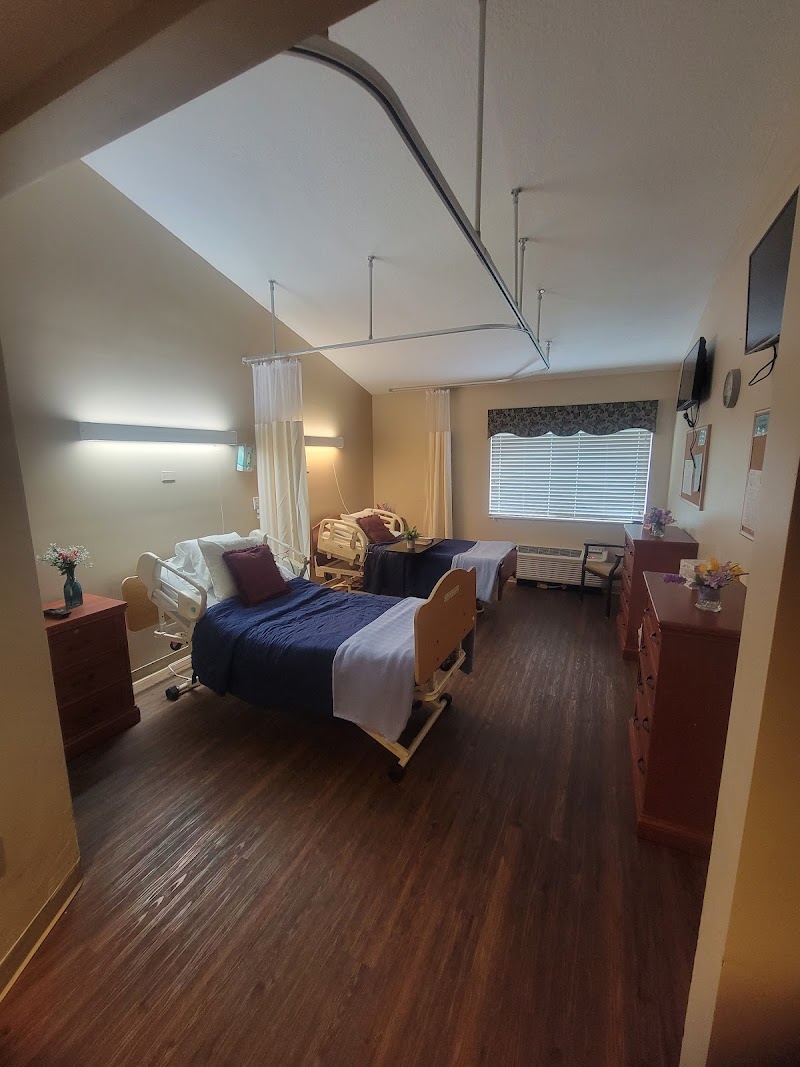
How is Baya Pointe Staffed?

CMS rates BAYA POINTE NURSING AND REHABILITATION CENTER's staffing level at 2 out of 5 stars, which is below average compared to other nursing homes. Staff turnover is 64%, which is 18 percentage points above the Florida average of 46%. High turnover can affect care consistency as new staff learn residents' individual needs. RN turnover specifically is 73%, which is notably high. RNs provide skilled clinical oversight, so turnover in this role can affect medical care quality.

What Have Inspectors Found at Baya Pointe?

State health inspectors documented 18 deficiencies at BAYA POINTE NURSING AND REHABILITATION CENTER during 2023 to 2025. These included: 18 with potential for harm.
Who Owns and Operates Baya Pointe?

BAYA POINTE NURSING AND REHABILITATION CENTER is owned by a for-profit company. For-profit facilities operate as businesses with obligations to shareholders or private owners. The facility is operated by ASTON HEALTH, a chain that manages multiple nursing homes. With 90 certified beds and approximately 77 residents (about 86% occupancy), it is a smaller facility located in LAKE CITY, Florida.
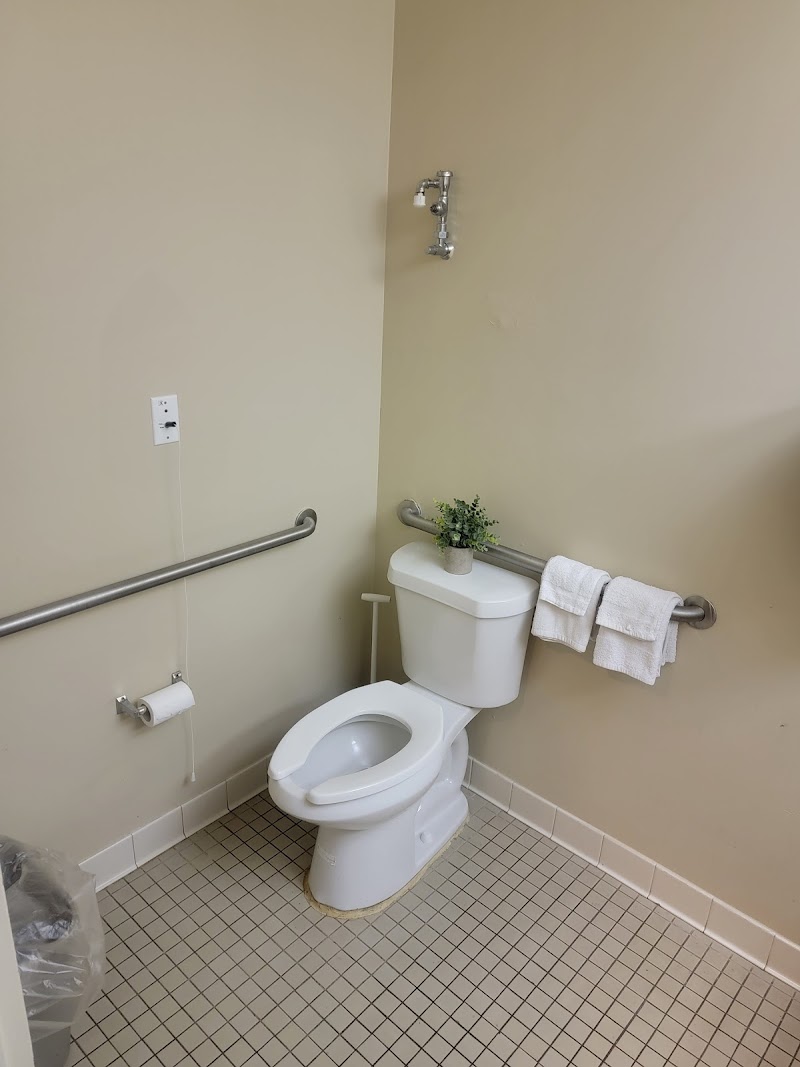
How Does Baya Pointe Compare to Other Florida Nursing Homes?

Compared to the 100 nursing homes in Florida, BAYA POINTE NURSING AND REHABILITATION CENTER's overall rating (4 stars) is above the state average of 3.2, staff turnover (64%) is significantly higher than the state average of 46%, and health inspection rating (3 stars) is at the national benchmark.

What Should Families Ask When Visiting Baya Pointe?

Based on this facility's data, families visiting should ask: "How do you ensure continuity of care given staff turnover, and what is your staff retention strategy?" "Can you walk me through typical staffing levels on day, evening, and night shifts?" "Can I visit during a mealtime to observe dining assistance and food quality?" "How do you handle medical emergencies, and what is your hospital transfer rate?" These questions are particularly relevant given the facility's high staff turnover rate and the below-average staffing rating.

Is Baya Pointe Safe?

Based on CMS inspection data, BAYA POINTE NURSING AND REHABILITATION CENTER has a clean safety record: no substantiated abuse findings (meaning no confirmed cases of resident harm), no Immediate Jeopardy citations (the most serious violation level indicating risk of serious injury or death), and is not on the Special Focus Facility watch list (a federal program monitoring the lowest-performing 1% of nursing homes). The facility has a 4-star overall rating and ranks #1 of 100 nursing homes in Florida. While no facility is perfect, families should still ask about staff-to-resident ratios and recent inspection results during their visit.

Do Nurses at Baya Pointe Stick Around?

Staff turnover at BAYA POINTE NURSING AND REHABILITATION CENTER is high. At 64%, the facility is 18 percentage points above the Florida average of 46%. Registered Nurse turnover is particularly concerning at 73%. RNs handle complex medical decisions and coordinate care — frequent RN changes can directly impact care quality. High turnover means new staff may not know residents' individual needs, medications, or preferences. It can also be disorienting for residents, especially those with dementia who rely on familiar faces. Families should ask: What is causing the turnover? What retention programs are in place? How do you ensure care continuity during staff transitions?

Was Baya Pointe Ever Fined?

BAYA POINTE NURSING AND REHABILITATION CENTER has been fined $157,180 across 1 penalty action. This is 4.5x the Florida average of $34,651. Fines at this level are uncommon and typically indicate a pattern of serious deficiencies, repeated violations, or failure to correct problems promptly. CMS reserves penalties of this magnitude for facilities that pose significant, documented risk to resident health or safety. Families should request specific documentation of what issues led to these fines and what systemic changes have been implemented.

Is Baya Pointe on Any Federal Watch List?

BAYA POINTE NURSING AND REHABILITATION CENTER is not on any federal watch list. The most significant is the Special Focus Facility (SFF) program, which identifies the bottom 1% of nursing homes nationally based on persistent, serious quality problems. Not being on this list means the facility has avoided the pattern of deficiencies that triggers enhanced federal oversight. This is a positive indicator, though families should still review the facility's inspection history directly.