NORTH LAKE CARE CENTER AND REHAB
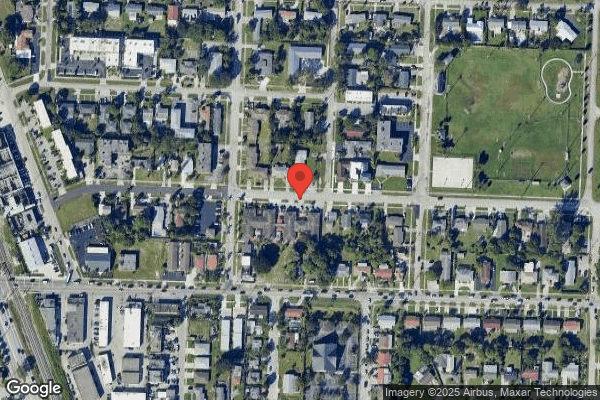
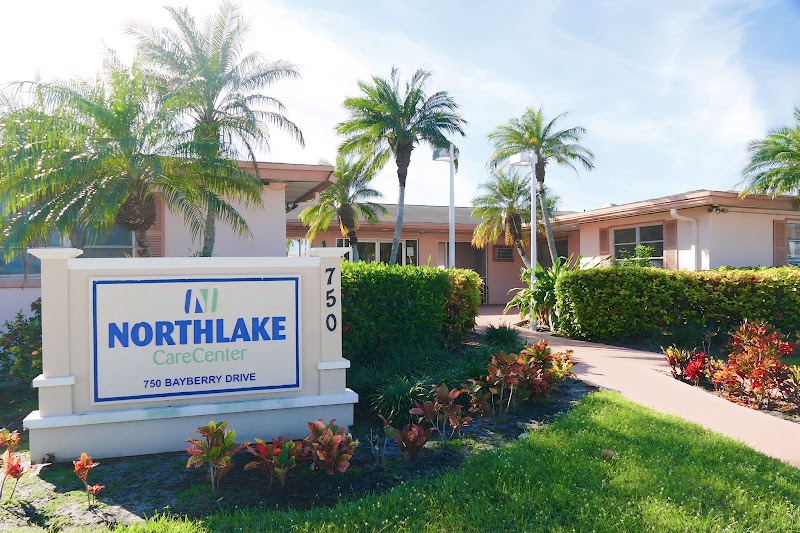
750 BAYBERRY DRIVE, LAKE PARK, FL 33403 (561) 881-8144
For profit - Limited Liability company 85 Beds GOLD FL TRUST II Data: November 2025 1 Immediate Jeopardy citation
Trust Grade
36/100
#534 of 690 in FL
Last Inspection: May 2024

Within standard 12-15 month inspection cycle. Federal law requires annual inspections.

Overview

North Lake Care Center and Rehab has received a Trust Grade of F, indicating significant concerns about the quality of care. Ranking #534 out of 690 facilities in Florida places it in the bottom half, while its county rank of #45 out of 54 suggests that only a few local options are better. The facility is worsening, with issues increasing from 7 in 2023 to 14 in 2024. Staffing is a strength with a rating of 4 out of 5 stars, and RN coverage is good, exceeding 83% of state facilities, which is beneficial for catching potential problems. However, the facility has faced serious issues, such as a resident with severe cognitive impairment being able to exit through an unsecured door, and cleanliness concerns with multiple rooms and areas not being adequately maintained, including clogged sinks and dirty surfaces. While staffing is a positive aspect, the facility's overall quality and safety issues are alarming and warrant careful consideration.

Trust Score
F
36/100
In Florida
#534/690
Bottom 23%
Safety Record
High Risk
Review needed
Inspections
Getting Worse
7 → 14 violations
Staff Stability
○ Average
44% turnover. Near Florida's 48% average. Typical for the industry.
Penalties
✓ Good
$10,206 in fines. Lower than most Florida facilities. Relatively clean record.
Skilled Nurses
✓ Good
Each resident gets 53 minutes of Registered Nurse (RN) attention daily — more than average for Florida. RNs are trained to catch health problems early.
Violations
⚠ Watch
24 deficiencies on record. Higher than average. Multiple issues found across inspections.
★★☆☆☆
2.0
Overall Rating
★★★★☆
4.0
Staff Levels
★★★★☆
4.0
Care Quality
★★☆☆☆
2.0
Inspection Score
Stable
2023: 7 issues
2024: 14 issues

The Good

  • 4-Star Staffing Rating · Above-average nurse staffing levels
  • 4-Star Quality Measures · Strong clinical quality outcomes
  • Full Sprinkler Coverage · Fire safety systems throughout facility
  • No fines on record
  • Staff turnover below average (44%)

    4 points below Florida average of 48%

Facility shows strength in staffing levels, quality measures, fire safety.

The Bad

2-Star Overall Rating

Below Florida average (3.2)

Below average - review inspection findings carefully

Staff Turnover: 44%

Near Florida avg (46%)

Typical for the industry

Federal Fines: $10,206

Below median ($33,413)

Minor penalties assessed

Chain: GOLD FL TRUST II

Part of a multi-facility chain

Ask about local staffing decisions and management

The Ugly 24 deficiencies on record

1 life-threatening
Oct 2024 1 deficiency 1 IJ
CRITICAL (J) 📢 Someone Reported This

A family member, employee, or ombudsman was alarmed enough to file a formal complaint

Immediate Jeopardy (IJ) - the most serious Medicare violation

Accident Prevention (Tag F0689)

Someone could have died · This affected 1 resident

**NOTE- TERMS IN BRACKETS HAVE BEEN EDITED TO PROTECT CONFIDENTIALITY** Based on observations, interviews and record reviews, the facility failed to provide appropriate supervision to 1 of 3 sampled r...

Read full inspector narrative →
**NOTE- TERMS IN BRACKETS HAVE BEEN EDITED TO PROTECT CONFIDENTIALITY** Based on observations, interviews and record reviews, the facility failed to provide appropriate supervision to 1 of 3 sampled residents assessed as at risk for elopement. The deficient practice allowed Resident #1 to exit the facility on 10/12/24 at approximately 8:50 PM, through an unsecured door on the second floor. The findings included: The facility's policy, titled, Wandering and Elopements, with a revision date of March 2019, documented, in part: The facility will identify residents who are at risk of unsafe wandering and strive to prevent harm while maintaining the least restrictive environment for residents. 1. If identified as at risk for wandering, elopement or other safety issues, the resident's care plan will include strategies and interventions to maintain the resident's safety. Record review revealed Resident #1, a resident with severe cognitive impairment, eloped from the facility on 10/12/24 at approximately 8:40 PM. The record revealed Resident #1 was observed by an individual from the community walking west on Silver Beach Road, a two-lane road with one lane traveling in each direction from east and west with a 30 miles per hour speed limit and no lighting. Resident #1 was found in an industrial area approximately 0.3 miles west of the facility. It was determined by the facility's investigation, that Resident #1 left her room and went through the Dining/Activities room to a staircase with two landings and 2 turns. Resident #1 then went through an area that consisted of the Human Resources office, Activities desk, and Staff Development office. At that time, there were no staff in this area as it was after hours and on a Saturday evening. Resident #1 then exited an unlocked door to an outside staircase that led to an unsecured area on the east side of the building with uneven terrain and then traveled west on Silver Beach Road and across Old Dixie Highway, a 4-lane road with two lanes traveling in each direction north and south. Resident #1 had to cross a set of two active railroad tracks used by Brightline, with trains that travel more than 80 miles per hour, as well as other transportation and freight interests/companies. Record review revealed Resident #1 was admitted to the facility on [DATE] and discharged to an Assisted Living Facility with a secure unit on 10/16/24. According to an Admission/Medicare 5-[NAME] MDS, dated [DATE], Resident #1 had a Brief Interview for Mental Status (BIMS) score of 00, indicating that the resident had severe cognitive impairment. The assessment documented Resident #1 did not exhibit wandering or exit seeking behaviors. The assessment documented that the resident required minimal assistance for bed mobility and transfer. Resident #1's diagnoses at the time of the assessment included Arthritis, Alzheimer's Disease, Dementia, Parkinson's Disease, Psychotic Disorder, History of falling and Sarcopenia. An Elopement Risk Evaluation, dated 10/07/24, concluded that the resident was an elopement risk based on: Cognitive status: Resident alert and continuous confusion. History of elopement/wandering: wanders, but has never eloped. Mobility: Ambulates independently with no device. Adjustment to facility placement: content with placement. Resident #1's care plan for elopement, initiated on 10/08/24, documented: Resident has a potential for elopement due to: has cognitive impairment, BIMS score is , has periods of increased confusion, is exit seeking, is (I) ambulatory, wanders the unit & wanders near exit doors 10/12/24 exited facility and redirected back to the facility. The goal of the care plan was documented as: Resident will remain safe and will refrain from leaving facility unsupervised thru the next review date. Interventions in the care plan included: - Discharge planning to a more appropriate level of care. - Facility has secured exit doors on the first floor. - Perform frequent observations of resident's whereabouts every shift. - Provide redirection when observed going towards exit doors. - Encourage resident to participate in activities of choice; provide 1:1s as needed. - Include resident in Elopement Book. - Update physician and responsible party if resident elopes. A Nurse's Progress note, dated 10/12/24 at 20:30, documented by Staff A, Licensed Practical Nurse (LPN), revealed, Note Text: At approximately 8:30p, this writer could not locate resident for her scheduled HS [hour of sleep] medication administration. A thorough search of the premises was initiated immediately. The resident was last seen in bed reading her bible. Facility protocols initiated. Staff conducted a head count and confirmed that resident was not on site. Following facility protocol resident was located outside of facility grounds by staff member. Resident appeared to be in stable condition, laughing, smiling, calm with bible in hand. Resident was assessed upon return to facility. Vital signs taken B/P 99/54, P 97, T 97.1, R 18, and O2 at 96% on room air. No visible trauma noted. Resident denies any pain or discomfort. No complaints voiced. Resident skin assessment completed. Resident skin is intact. 1:1 initiated and continued throughout shift. MD, DON, administrator, and resident primary contact [NAME] Colon made aware. Resident noted resting comfortably in bed at this time. During an interview with the Administrator and the Director of Nursing (DON), on 10/21/24 at 12:10 PM, when asked how Resident #1, a resident with severe cognitive impairment based on a BIMS score of 00, exited the facility, the DON replied, We figured out that she had come up the stairs and exited a door from the second floor. Then we went through an elopement drill and saw that the door was open. This isn't a resident area, and we had all of the doors secured with magnetic box, it was not done up here because it is not a residential area. Her coming up here showed us that residents could get up here. There has never been another resident up here, there is no elevator. Since then, we corrected that. The DON stated that Resident #1 was seen on camera at 8:36 PM around the dining room and then went upstairs. At 8:40 PM, an alarm sounded from the door that the resident exited from. At the time, there was no one in the dining room that would have heard the alarm and no staff in the area upstairs. The Administrator stated that there were no video cameras in the outside area where Resident #1 exited the facility and that the video was not saved. The Administrator stated that they were unable to determine the exact time that the resident exited the facility. When asked where the resident was going, the DON replied, She did not say, she was confused. When I interviewed her, she said that she was in the mountains in Puerto Rico. It was nighttime and she thought she was in the mountains of Puerto Rico. The DON stated that the resident was found approximately 0.3 miles west of the facility in an industrial area west of the facility on Silver Beach Road. The Administrator provided documentation of a Root Cause Analysis that documented: 1. Cognitively impaired and confused Resident exited facility from second floor by HR [Human Resources]. 2. high risk for elopement based on elopement assessment done by nurses scored as a 15. 3. Screamer on the second floor was not audible. 4. During the time, we locked the facility's doors and did not consider the second floor needed to be locked or secured. 5. The second floor was not identified as a risk area due it is not considered a resident common area. 6. Door not secured in a way that was consistent with the other doors. During an interview, on 10/21/24 at 3:30 PM with Staff C, Certified Nursing Assistant (CNA), when asked about Resident #1's elopement, Staff C stated that she was told there was a resident outside, by someone from the community and that she and Staff B, CNA, went outside and found the resident. She stated she was on the street when they found her and she stated the resident was giggling. She stated the resident was not injured. She stated she did not hear any alarms go off in the building when the resident left. During an interview, on 10/22/24 at 12:28 PM, with the Administrator and the DON, when asked about the member of the community coming in and informing the staff about Resident #1 being seen on Silver Beach Road, the DON replied, They heard a code green and then they started searching the areas. They were doing the code green, that was when the gentleman came in. while the two CNAs (referring to Staff B, CNA and Staff C, CNA) went with the individual, the rest of the staff were checking their own patients. One person, Staff A, saw that the door upstairs was open and understood that was where she most likely exited the building from. Once they saw that the patient was out of the building, that was when they called code green. When the Administrator and the DON were asked about the resident being observed on the second floor the previous evening, they stated that they were not aware of the observation. During an interview, on 10/22/24 at 4:49 PM, Staff D, CNA, stated that the resident was seen in the upstairs area the evening prior and redirected. On 10/22/24 at 5:03 PM, the Administrator and the DON were presented with an Immediate Jeopardy (IJ) template by the survey team, and informed that the Agency had determined that the deficient practice was determined to be Immediate Jeopardy. The facility's removal plan and corrective actions for the IJ included: On 10/12/2024, an Ad hoc QAPI (Quality Assurance and Performance Improvement) with Root Cause Analysis was performed with the IDT (Interdisciplinary Team) team, including: the Administrator, the Regional Director of Operations, the Regional Clinical Director, the Regional Maintenance Director. QAPI meetings were scheduled for the last Thursday of each month with the next scheduled meeting on 10/24/24. On 10/13/2024, all current residents' Elopement Assessment were reviewed and updated by nursing. There were no newly identified residents at high risk of elopement. On 10/13/2024, staff education was initiated to include Abuse and Neglect policy and procedure, Elopement policy and procedure, and new processes of closing the dining room door when the room is not in use. The Survey team confirmed via interviews and record reviews that 100% of all staff were provided the training. Elopement drills were conducted daily up to every shift daily to continue on for 14 days, then weekly for 4 weeks, then monthly thereafter. The Survey team confirmed via interviews and record review that 100% of staff participated in multiple elopement drills on all shifts. On 10/14/2024, the Senior Safety and Technology company installed Maglock (mag) on the second-floor exit door next to HR department office and the door between the unit and the Activities/Dining room for added security. The Survey team confirmed that all doors, mag locks and alarms were in working order and that the alarms were audible from a distance. On 10/15/24, education on the Identifying residents with behavioral symptoms that put the residents at risk for elopement was initiated. The Survey team confirmed via interviews and record review that 100% of all staff were provided the training. On 10/13/24, daily audits of the doors and alarms were initiated and the results reported to QAPI/QA Committee of the findings. The Survey team confirmed via observations, interviews and record review of the daily audits of the doors and alarms being audited for lock function and alarm sounding.
May 2024 13 deficiencies
CONCERN (D)

Potential for Harm - no one hurt, but risky conditions existed

Deficiency F0561 (Tag F0561)

Could have caused harm · This affected 1 resident

**NOTE- TERMS IN BRACKETS HAVE BEEN EDITED TO PROTECT CONFIDENTIALITY** Based on interview and record review, the facility failed to ensure showers as per resident preference and facility schedule for...

Read full inspector narrative →
**NOTE- TERMS IN BRACKETS HAVE BEEN EDITED TO PROTECT CONFIDENTIALITY** Based on interview and record review, the facility failed to ensure showers as per resident preference and facility schedule for 1 of 4 sampled residents, Resident #19, reviewed for choices. The findings included: Review of the record revealed Resident #19 was admitted to the facility on [DATE]. Review of the current Quarterly Minimum Data Set (MDS) assessment dated [DATE] documented the resident had a Brief Interview for Mental Status (BIMS) score of 15, on a 0 to 15 scale, indicating the resident was cognitively intact. Further review of this MDS revealed the resident needed set-up assistance of staff for bathing and showering. Review of the comprehensive admission MDS dated [DATE] documented it was very important for Resident #19 to choose between a bath and a shower. During an interview on 05/13/24 at 2:57 PM, when asked if she received baths and / or showers as she would like, Resident #19 stated staff never offer her a shower and she rarely gets them. When asked how often she would like a shower, Resident #19 stated at least weekly. Review of the Certified Nursing Assistant (CNA) documentation revealed the resident's bathing and/or showering schedule was Monday and Thursday on the 3 PM to 11 PM shifts. Further review of this documentation revealed staff documented the completion of the Bathing/Shower task for Resident #19, but the documentation did not reveal if the resident received a bath or a shower. During an interview on 05/15/24 at 2:45 PM, Staff F, CNA, explained they had a shower book that documented the shower schedule for each resident, and then the completion was documented in the electronic medical record (EMR). When asked what happened if the resident refused a shower, the CNA stated she would speak with the nurse first then document the refusal in the EMR, if the nurse could not convince the resident to shower. During a side-by-side record review and interview on 05/16/24 at 1:18 PM, Staff E, Licensed Practical Nurse (LPN)/Unit Manager confirmed the CNAs documented the provision of showers in the EMR. When shown the documentation for Resident #19, Staff E agreed it did not differentiate between a bath and a shower.
CONCERN (D)

Potential for Harm - no one hurt, but risky conditions existed

ADL Care (Tag F0677)

Could have caused harm · This affected 1 resident

Based on interview, record review and observation, the facility failed to maintain residents' fingernails for 2 of 6 sampled residents identified with long fingernails, Resident #45 and Resident #48. ...

Read full inspector narrative →
Based on interview, record review and observation, the facility failed to maintain residents' fingernails for 2 of 6 sampled residents identified with long fingernails, Resident #45 and Resident #48. The findings included: The facility's policy, titled, Fingernails/Toenails Care, from MED-PASS, Inc, (Revised February 2018), under General Guidelines, item 3 documented in part, Unless otherwise permitted, do not trim the nails of diabetic residents or residents with circulatory impairments. a. On 05/13/24 at 3:28 PM, an interview was conducted with Resident #45. At that time, it was noted that Resident #45 had fingernails that extended past his fingertips by about ½ inch, on both hands. When asked about the length of the fingernails, Resident #45 stated he would like to have his nails trimmed. On 05/15/24 at 10:02 AM, a second observation was made, and it was noted that Resident #45 still had untrimmed fingernails. On 05/16/24 at 2:30 PM, Resident #45 showed the surveyor that his fingernails had now been trimmed. The resident stated that the staff had trimmed his nails, and he was satisfied with the result. b. On 05/13/24 at 1:06 PM, an interview was conducted with Resident #48. At that time, it was noted that the resident had fingernails at least ½ inch beyond his fingertips. When asked if he was okay with the length of the fingernails, the resident stated he was not. When asked if he wanted them trimmed the resident stated yes, but they won't do it here (in the facility). The resident stated he has paid for someone to do it in the past. On 05/15/24 at 3:00 PM, an interview was conducted with Resident #48 who expressed that his nails were still not trimmed but he was going to ask the staff for it later. 05/16/24at 2:59 PM, an interview was conducted with Resident #48 regarding his fingernails. The resident revealed his fingernails were now trimmed and the resident was satisfied with the result. On 05/16/24 at 09:19 AM, an interview was conducted with Staff C, Certified Nursing assistant (CNA), who stated the Activities staff does the fingernail trimming but the responsibility for ensuring it is done falls to the nurses and CNAs. Staff C also stated the residents can ask for the nails to be trimmed themselves if they are capable, but the CNAs and nurses are responsible for noting when the nails need to be trimmed. The CNA stated she believed they were not allowed to trim the fingernails for Diabetic residents. She stated they were not allowed to trim toenails for Diabetics but she thought the same was true for fingernails.
CONCERN (D)

Potential for Harm - no one hurt, but risky conditions existed

Accident Prevention (Tag F0689)

Could have caused harm · This affected 1 resident

**NOTE- TERMS IN BRACKETS HAVE BEEN EDITED TO PROTECT CONFIDENTIALITY** Based on observations, interviews and record reviews, the facility failed to ensure the safe transfer for 1 of 27 sampled reside...

Read full inspector narrative →
**NOTE- TERMS IN BRACKETS HAVE BEEN EDITED TO PROTECT CONFIDENTIALITY** Based on observations, interviews and record reviews, the facility failed to ensure the safe transfer for 1 of 27 sampled residents, Resident #18, resulting in skin damage to the resident; and failed provide devices to ensure the safety of the resident while smoking for 1 of 2 sampled residents reviewed for smoking, Resident #80. The findings included: 1. Resident #18 was admitted to the facility on [DATE]. Review of the resident's most recent complete assessment, an Annual Minimum Data Set (MDS), dated [DATE] documented Resident #18 was not assessed for cognition due to 'resident is rarely/never understood'. The MDS documented Resident #18 was dependent upon staff for all Activities of Daily Living (ADLs) and was 'always incontinent' of urine and bowel. Resident #18's diagnoses at the time of the assessment included: Anemia, Atrial fibrillation, Hypertension, Orthostatic hypotension, Peripheral Vascular Disease (PVD), Gastro-esophageal reflux disease (GERD), Obstructive uropathy, Hyperkalemia, Aphasia, Cerebral Vascular Accident (CVA), Quadriplegia, Seizure disorder, Traumatic brain injury, Anxiety disorder, Depression, Cataracts, Encephalopathy, Anoxic brain damage, Idiopathic Peripheral Autonomic Neuropathy, Dysphagia, Contracture of muscle, Pain, open wound to right foot, Personal history of Methicillin Resistant Staph Aureus (MRSA). An interview was conducted with Resident 18's sister, 05/13/24 at 1:35 PM, who stated, on 04/24/24, I came in and he had a scrape on his arm. I was told that his shirt was wet from his feeding tube and they had to change his shirt and that was when she [referring to a Certified Nursing Assistant (CNA)] noticed a 4-inch cut that went to the white meat. I went to the Director of Nursing [DON] she told me that it was pressure (left elbow). I was fine until they told me that it was pressure, there is no pressure on his elbow [Left]. I called the police and he made a report that I am not privy to. They are unable to give me an accurate description of what happened and how he got the big tear on his arm. I called [another agency] for the tube feeding incident and the skin tear. Review of the record documented physician orders that included: 05/06/24 - Cleanse Left Elbow with Normal Saline, pat dry, apply Silverdene Cream I% to affected area, cover with dry protective dressing three times a week until resolved - every day shift every Mon, Wed, Fri [Monday, Wednesday, Friday] for Skin Abrasion. Review of the Nurse note, dated 04/26/24 at 19:31 [7:31 PM], documented, Note Text: All medication and treatment provided to patient on day shift by writer and CNA. Dressing to Left elbow was completed, feedings done and tolerated well. Resident placed in bed and in comfortable position, safety measures are in place, call light within reach. Patients mother and sister came to visit resident on day shift all questions and concerns addressed. Will continue to monitor resident. Review of the Nurse note, dated 04/26/24 at 16:00 [4:00 PM], documented, Note Text: in geri-chair at this time. Sister in room visiting states that she removed dressing to resident's left elbow. On assess shearing noted to left elbow. Treatment in place and consult for Wound care eval [evaluation] with [name of group] wound care group. Dressing reapplied. No grimacing noted. Review of the Nurse note, dated 04/24/24 at 14:40 [2:40 PM], documented, Note Text: This writer called to room by aide to observe open area to resident left elbow. Upon further assessment resident has bilateral hand and forearm contracture. Open area located on the under surface of left elbow. Resident mother present at bedside and verbally notified. This writer cleansed area with normal saline and covered with dry protective dressing. Demonstrates no evidence of pain at this time. MD notified and treatment orders received and initiated. An interview was conducted on 05/16/24 at 12:32 PM with the Director Of Nursing (DON). When asked about the open area to Resident #18's left arm, the DON replied, the CNA was in the room transferring the resident via hoyer with the assistance of his mother. He got some shearing on his elbow from the hoyer lift pad. I asked the aide and she said that his mother was helping. I asked her why the mother was helping and why staff was not and she could not answer me. I called in the staff that worked 3-11 [PM] and 11-7 [PM, AM] and they all said that they did not see anything. The shift that reported was the 7-3 [AM, PM] shift. She said that the mother was in the room, so she asked for help. We don't have a policy for 2 persons hoyer lift. Safety wise, they should use 2 people on the hoyer lift - staff members. We don't have a policy on the hoyer lift. An interview was conducted on 05/16/24 at 3:42 PM with the Social Services Director [SSD] and the Administrator. When asked about staff transferring Resident #18 via the hoyer lift, the SSD replied, Staff H, CNA, was giving care and transferred him from the bed to the chair. During our investigation, it was found out that she did it alone, this is the first I am hearing of the resident's mother helping. I was told that the mom was present. When she was doing the transfer, she noticed the opening. We are assuming that the sling went up and caused the abrasion. There was no other opportunity for it to happen. She [CNA] felt like she was comfortable to do it alone and while the mom was there. She didn't want to wait for anyone to come and help. The DON reported to me [SSD]that she felt that she could do it herself. Staff D was not available for interview due to being out of the country. 2. The facility's policy, titled, Smoking Policy - Residents, most recently revised on 10/05/22, documented, in part: The center will establish and maintain a safe designated smoking area and safe smoking practices for the residents .The center will have safety equipment available in designated smoking areas including: a fire blanket, smoking aprons, smoking aprons, a fire extinguisher, and non-combustible self-closing ashtrays. Record review documented Resident #80 was admitted to the facility on [DATE]. Review of the resident's most recent full assessment, an admission MDS, dated [DATE], documented Resident #80 had a Brief Interview for Mental Status (BIMS) score of 14, indicating the resident was cognitively intact. Resident #80's diagnoses at the time of the assessment included Heart Failure, Hypertension, PVD, GERD, DM, Anxiety disorder, Depression, Post-Traumatic Stress Disorder (PTSD), Chronic lung disease, Acute Respiratory Failure with hypoxia, Pain in thoracic spine, Hereditary and idiopathic neuropathy, Nicotine dependence, Morbid Obesity due to excess calories, Disorder of adrenal gland, Absence of left leg below the knee, Achalasia of Cardia, Chronic pain syndrome, Impingement syndrome of right shoulder. Review of the Smoking evaluation, dated 04/18/24, documented: Resident Smokes safely - Yes. Resident must wear smoking apron at all times. Resident #80's care plan for smoking, initiated on 04/26/24, documented, Resident desires to smoke. Resident has been assessed as able to smoke: with supervision; Resident has been informed of the facility smoking policy. The goal of the care plan was documented as, Resident will demonstrate safe smoking practices through the next review date 04/26/24 with a target date of 07/25/24. Interventions to the care plan included: Apply/remove smoking apron. On 05/13/24 at 10:45 AM, six residents were observed in the designated smoking area with the Activities Director, including Resident #80. It was noted that none of the residents were provided with a smoking apron. On 05/15/24 at 9:04 AM, five residents were observed on the smoking patio, including Resident #80 with supervision provided by Staff D, CNA. It was noted that none of the residents were provided a smoking apron. An interview was conducted on 05/15/24 at 1:48 PM with Resident #80, who when asked stated she has never been offered apron and was not aware of the benefits, Resident #80 further stated, Sometimes I get distracted by watching on my phone and I drop ashes. An interview was conducted on 05/15/24 at 3:36 PM with the Activities Director, who when asked about the smoking aprons, stated, we keep them (aprons) in the Activities closet. We bring them for the residents who need them. We leave them on Division 2 when we leave. An interview was conducted on 05/15/24 at 3:43 PM with the Staffing Coordinator, who when asked, was unable to locate smoking aprons at nurse's station. An interview was conducted on 05/15/24 at 3:53 PM, with Staff E, Licensed Practical Nurse / Nursing Supervisor, who when asked about the residents using smoking aprons, Staff E stated, We have 2 patients that need them, Resident #53 and Resident #80. When Activities leave, they bring the aprons and cigarettes to the nurses' station for the evening nursing staff.
CONCERN (D)

Potential for Harm - no one hurt, but risky conditions existed

Deficiency F0700 (Tag F0700)

Could have caused harm · This affected 1 resident

**NOTE- TERMS IN BRACKETS HAVE BEEN EDITED TO PROTECT CONFIDENTIALITY** Based on observations interviews and record reviews, the facility failed to assess a resident for the risks associated with the ...

Read full inspector narrative →
**NOTE- TERMS IN BRACKETS HAVE BEEN EDITED TO PROTECT CONFIDENTIALITY** Based on observations interviews and record reviews, the facility failed to assess a resident for the risks associated with the use of bed rails, obtain physician's orders for the use of bed rails, and initiate a care plan for the use of bed rails for 1 of 2 sampled residents reviewed for the use of bed rails, Resident #134. The findings included: The facility's policy, titled, Bed Safety and Bed Rails, revised August 2022, documented, in part: Use of Bed Rails 5. If attempted alternatives do no adequately meet the resident's needs the resident may be evaluated for the use of bed rails. This interdisciplinary evaluation includes: a. An evaluation of the alternatives to bed rails that were attempted and how these alternatives failed to meet the resident's needs. b. the resident's risk associated with the use of bed rails. c. input from the resident and/or responsible party. d. consultation with the attending physician. 7. The resident assessment also determines potential risks to the resident associated with the use of bed rails, including the following: a. Accident hazards: (2) The resident or part of his/her body could be caught between rails, the openings, or between the bed rails and mattress. Record review documented Resident #134 was admitted on [DATE]. Review of the resident's most recent full assessment, an admission Minimum Data Set (MDS), dated [DATE], documented Resident #134 had a Brief Interview for Mental Status (BIMS) score of 13, indicating the resident was cognitively intact. The MDS documented the resident was dependent on staff for transfer and bed mobility, was frequently incontinent of urine and was always incontinent of bowel. Resident #134's diagnoses at the time of the assessment included: Anemia, Hypertension, Gastro Esophageal Reflux Disease, Hyperlipidemia, Malnutrition, Chronic Lung Disease, Dependence on Renal Dialysis, Thrombosis due to Vascular Prosthetic, Kidney Transplant Rejection, Toxic Nephropathy, Vitamin D deficiency, and Hypocalcemia. Review of Resident #134's care plan for Activities of Daily Living (ADLs), initiated on 04/26/24, documented, Resident has a selfcare deficit with dressing, grooming, bathing as evidenced by needs assistance with personal care tasks mobility and transfer skills. The goal of the care plan was documented as, Resident will have clean, neat appearance daily thru the next review date; date of 04/26/24 with a target date of 05/28/24. An intervention to the care plan included: May use 1/4 side rails X2 as an enabler for bed mobility. On 05/14/24 at 9:48 AM, Resident #134 was observed in bed with half side rails on the bed. During an interview with the resident and the spouse, when asked about the use of the bed rails, Resident #134 replied, they keep me from falling out of the bed. Resident #134 further stated the bed rails were provided per his request. Review of Resident #134's medical record revealed the resident had not had the bed assessed for the risks associated with the use of the rails. There was no care plan and there were no physician orders for the use of the rails.
CONCERN (D)

Potential for Harm - no one hurt, but risky conditions existed

Pharmacy Services (Tag F0755)

Could have caused harm · This affected 1 resident

**NOTE- TERMS IN BRACKETS HAVE BEEN EDITED TO PROTECT CONFIDENTIALITY** 3. Record review for Resident #68 revealed the resident was admitted to the facility on [DATE] with diagnoses that included: Gen...

Read full inspector narrative →
**NOTE- TERMS IN BRACKETS HAVE BEEN EDITED TO PROTECT CONFIDENTIALITY** 3. Record review for Resident #68 revealed the resident was admitted to the facility on [DATE] with diagnoses that included: Generalized Anxiety Disorder Major Depressive Disorder, Insomnia, and Attention Deficit Hyperactivity Disorder (ADHD) Predominately Hyperactive Type. Review of the Minimum Data Set (MDS) for Resident #6 dated 02/23/24 revealed in Section C a Brief Interview of Mental Status (BIMS) score of 15, indicating cognition was intact. Review of the Physician's Orders for Resident #68 revealed an order dated 05/25/23 for Dextroamphetamine Sulfate 10 MG give 2 tablet by mouth three times a day (6:00 AM, 12:00 PM, and 4:00 PM) for ADHD. Review of the Physician's Orders for Resident #68 revealed an order dated 03/28/23 for Bupropion HCl Extended Release 24 Hour 150 MG give 3 tablet by mouth one time a day for depression. Review of the Physician's Orders for Resident #68 revealed an order dated 05/03/24 Lunesta Oral Tablet 3 MG give 3 mg by mouth at bedtime for Insomnia. Further review of the Physician's Orders for Resident #68 revealed an order dated 05/06/24 Xanax Oral Tablet 1 MG give 1 tablet by mouth every 8 hours as needed for Anxiety for 14 Days. Further review of the Physician's Orders for Resident #68 revealed an order dated 04/07/23 for Outcome codes: Improved=[+], Unchanged=[0], worsened=[W] every day and night shift for monitoring. Review of the Physician's Orders for Resident #68 revealed an order dated 04/07/23 for Intervention Codes: 0= None/ no behaviors noted 1= Redirect 2= 1:1 3= Ambulate/ Exercise 4= Diversion Activity [CP] 5= Give food/ fluids 6= Toileting 7= Repositioned 9= Removed stimulus 10= Psych. Eval 11= Re-approach 12= Other every day and night shift for Monitor. Review of the Physician's Orders for Resident #68 revealed an order dated 04/07/23 for Medication Management: Diagnosis (Dx) Anxiety 0= no behavior 1= Combativeness 2= Verbally inappropriate 3= Sexually inappropriate 4= Disrobing 5= Crying excessively 6= Calling out constantly 7= Screaming excessively 8= Auditory Hallucinations 9= Delusional 10= Resists Care 11= Socially inappropriate 12= Extreme Pacing 13= Restlessness 14= Other every day and night shift for Monitor. Review of the Physician's Orders for Resident #68 revealed an order dated 04/07/23 for side effects related to psychoactive medication: 0= None 1= movement side effects 2= non-movement side effects every day and night shift for Monitoring. Review of the Medication Administration Record (MAR) for Resident #68 for the month of May revealed the Dextroamphetamine Sulfate was administered three times (6:00 AM, 12:00 PM, and 4:00 PM) as ordered. Review of the Medication Actual Administrated times for Resident #68 for Dextroamphetamine Sulfate for the month of May 2024 documented the following: for 9 times out of 45 opportunities the medication was given more than 1 hour late. This included on 05/09/24 when the medication was scheduled for 6:00 AM and was given at 8:02 AM, indicating over 2 hours late. An interview was conducted on 05/13/24 at 9:50 AM with Resident #68 who stated they do not give her the ADHD medications like they are supposed to be given as they are often late and she needs the medication on time or it interferes with her sleep. An interview was conducted on 05/15/24 at 11:35 AM with the Director of Nursing who was asked about medication administration. She said medications are administered as prescribed. When asked what is an acceptable time to give scheduled medications, she said generally it is within an hour to the medication scheduled time. During an interview conducted on 05/16/24 at 9:30 AM with the Director of Nursing and the Regional Clinical Consultant who were asked about Resident #68 and the medication Dextroamphetamine Sulfate when shown the actual medication administration documented time, they acknowledged the medication was given several times outside of the hour before or after the scheduled times. On 05/16/24 at 12:45 PM, an interview was conducted with the Licensed Practical Nurse / LPN who stated she works a 12-hour shift at the facility. When asked if she documents behaviors for the residents who are on any psychotic medications, she said yes, every shift we document behaviors, even if they have no behaviors, we document that as well. When asked where this is documented, she said on the behavior monitoring flowsheet in the Medication Administration Record. When asked about medication administration, she said we have an hour before and an hour after the medication scheduled time to give the medication. On 05/16/24 at 1:00 PM, an interview was conducted with the Registered Nurse / RM who stated she works a 12-hour shift at the facility. She was asked if she documents behaviors for residents who are on any psychotic medications, she said she documents behaviors every shift. When asked where this is documented, she said it is on the MAR (Medication Administration Record). When asked about medication administration, she said we give the medications when they are scheduled. When asked if she did not administer a medication at the exact time, what was acceptable to be considered administered on time, she said it can be an hour before or after the scheduled time. An interview was conducted on 05/16/24 at 1:50 PM with the Consultant Pharmacist who was asked about the medication Dextroamphetamine Sulfate. He stated the medication is a stimulant and he would expect it to not be given later than 6:00 PM or it may interfere with sleep. When asked about Resident #68 having the medication ordered 3 times per day with last dose scheduled for 4:00 PM and given as late as 8:00 PM, he acknowledged it would most likely interfere with this resident's sleep. Based on record review, interview, and policy review, the facility failed to follow physician's orders related to the timing for administration of medication for 3 of 6 sampled residents, Residents #19, #63 and #68, as evidence by: Resident #19 was receiving two medications with a potential drug to drug interaction, in which nursing staff failed to administer at the ordered time; and Residents #63 and #68 complained medications were not provided timely. The findings included: Review of the policy, titled, Administering Medications, revised April 2019 documented, in part, . 7. Medications are administered within one (1) hour of their prescribed time, unless otherwise specified (for example, before and after meal orders). 1. Review of the record revealed Resident #19 was admitted to the facility on [DATE] with diagnoses to include major depression and anxiety disorders. Review of the current Quarterly Minimum Data Set (MDS) assessment dated [DATE] documented Resident #19 was receiving both an antianxiety medication and an antidepressant. Review of the current orders revealed Resident #19 was receiving the antidepressant medication mirtazapine 15 milligrams (mg) which was ordered at bedtime, and scheduled for 9:00 PM. Resident #19 was also receiving the antianxiety medication alprazolam 0.25 mg which was ordered for the evening at 6:00 PM. The order for the alprazolam specifically documented, Please do not administer with mirtazapine. Review of the corresponding Medication Administration Record (MAR) documented Resident #19 was receiving both medications at 9:00 PM. During a side-by-side record review and interview on 05/16/24 at 1:18 PM, when asked about the timing of the mirtazapine and alprazolam, Staff E, Licensed Practical Nurse (LPN)/Unit Manager, agreed with the concern and identified the staff who entered the alprazolam order scheduled it for 9:00 PM, instead of 6:00 PM, upon admission on [DATE]. 2. Review of the record revealed Resident #63 was admitted to the facility on [DATE]. Review of the current admission MDS documented the resident had a Brief Interview for Mental Status (BIMS) score of 14, on a 0 to 15 scale, indicating the resident was cognitively intact. During an interview on 05/13/24 at 11:38 AM, Resident #63 stated he was not getting his night medications at bedtime, but was getting them whenever staff wanted. The resident stated his bedtime medications were given anywhere from 6:30 PM to after midnight. Review of the current orders revealed Resident #63 had the following medications ordered for bedtime, which was scheduled for 9:00 PM: a) Trazodone 25 mg, an antidepressant ordered to help with sleep. b) Flonase Allergy Relief nasal spray. c) Risperidone 1 mg, an antipsychotic medication. Review of the May 2024 Medication Administration Record (MAR) documented these three medications were documented as ordered, as evidenced by a checkmark at the 9 PM time-slot, and with the nurse's computer identification. Review of the Administration Detail for these three medications revealed the timestamp as to when the medication was documented as administered and was as follows: 05/02/24 at 10:59 PM, 05/04/24 at 12:44 AM, 05/06/24 at 3:12 AM, 05/07/24 at 12:06 AM, 05/08/24 at 12:42 AM, 05/09/24 at 2:58 AM, 05/10/24 at 12:09 AM, 05/11/24 at 11:17 PM and 12:15 AM, 05/14/24 at 2:26 AM, and 05/15/24 at 2:38 AM. Upon receipt of the Administration Detail from the Consultant Nurse on 05/16/24, she agreed with the findings.
CONCERN (D)

Potential for Harm - no one hurt, but risky conditions existed

Drug Regimen Review (Tag F0756)

Could have caused harm · This affected 1 resident

**NOTE- TERMS IN BRACKETS HAVE BEEN EDITED TO PROTECT CONFIDENTIALITY** Based on record review and interview, the pharmacist failed to identify a timing issue with a possible drug to drug interaction ...

Read full inspector narrative →
**NOTE- TERMS IN BRACKETS HAVE BEEN EDITED TO PROTECT CONFIDENTIALITY** Based on record review and interview, the pharmacist failed to identify a timing issue with a possible drug to drug interaction for 1 of 5 sampled residents, Resident #19. The findings included: Review of the record revealed Resident #19 was admitted to the facility on [DATE] with diagnoses to include major depression and anxiety disorders. Review of the current Quarterly Minimum Data Set (MDS) assessment dated [DATE] documented Resident #19 was receiving both an antianxiety medication and an antidepressant. Review of the current orders revealed Resident #19 was receiving the antidepressant medication mirtazapine 15 milligrams (mg) which was ordered at bedtime, and scheduled for 9:00 PM. Resident #19 was also receiving the antianxiety medication alprazolam 0.25 mg which was ordered for the evening at 6:00 PM. The order for the alprazolam specifically documented, Please do not administer with mirtazapine. Review of the corresponding Medication Administration Record (MAR) documented Resident #19 was receiving both medications at 9:00 PM. During a side-by-side record review and interview on 05/16/24 at 1:18 PM, when asked about the timing of the mirtazapine and alprazolam, Staff E, Licensed Practical Nurse (LPN)/Unit Manager, agreed with the concern and identified the staff who entered the alprazolam order and scheduled it for 9:00 PM, instead of 6:00 PM, upon admission on [DATE]. Pharmacy reviews from January 2024 through April 2024 lacked any recommendations for Resident #19. During a phone interview on 05/16/24 at 3:32 PM, when asked if he identified that both mirtazapine and alprazolam where being administered at the same time, despite the fact that the order documented not to do so, the Consultant Pharmacist stated it was overlooked. When asked why the medications were not to be administered at the same time, the Consultant Pharmacist explained given together may cause added sedative affects, CNS (Central Nervous System) depression, and respiratory depression.
CONCERN (D)

Potential for Harm - no one hurt, but risky conditions existed

Medication Errors (Tag F0758)

Could have caused harm · This affected 1 resident

**NOTE- TERMS IN BRACKETS HAVE BEEN EDITED TO PROTECT CONFIDENTIALITY** Based on interviews and record reviews the facility failed to monitor behaviors as ordered by physician related to psychotropic ...

Read full inspector narrative →
**NOTE- TERMS IN BRACKETS HAVE BEEN EDITED TO PROTECT CONFIDENTIALITY** Based on interviews and record reviews the facility failed to monitor behaviors as ordered by physician related to psychotropic medications for 5 of 6 sampled residents reviewed for medications, (Residents #35, #64, #68, #236, and #19). The findings included: Review of the facility's policy, titled, Behavioral Assessment, Intervention and Monitoring, dated March 2019, included, in part, the following: Behavioral symptoms will be identified using facility approved behavioral screening tools and the comprehensive assessment. 1. Record review for Resident #35 revealed the resident was originally admitted to the facility on [DATE] with a most recent readmission on [DATE], with diagnoses that included Lymphedema, Major Depressive Disorder, and Anxiety Disorder. Review of the Minimum Data Set (MDS) for Resident #35 dated 02/16/24 revealed in Section C a Brief Interview of Mental Status (BIMS) score of 15, indicating cognition is intact. Review of the Physician's Orders for Resident #35 revealed an order dated 09/06/23 for Medication Management: Dx. Anxiety 0= no behavior 1= Combativeness 2= Verbally inappropriate 3= Sexually inappropriate 4= Disrobing 5= Crying excessively 6= Calling out constantly 7= Screaming excessively 8= Auditory Hallucinations 9= Delusional 10= Resists Care 11= Socially inappropriate 12= Extreme Pacing 13= Restlessness 14= Other. Review of the Physician's Orders for Resident #35 revealed an order dated 09/06/23 for Outcome codes: Improved=[+], Unchanged=[0], worsened=[W] every day and night shift for monitoring. Review of the Behavior Monitoring Flow Sheet for Resident #35 for the month of May 2024 revealed the interventions, the medication management, and side effects were not documented for 8 of 30 opportunities. 2. Record review for Resident #68 revealed the resident was admitted to the facility on [DATE] with diagnoses that included: Generalized Anxiety Disorder Major Depressive Disorder, Insomnia, and Attention Deficit Hyperactivity Disorder (ADHD) Predominately Hyperactive Type. Review of the MDS assessment for Resident #68 dated 02/23/24 revealed, in Section C, a Brief Interview of Mental Status score of 15 indicating a cognitive response. Review of the Physician's Orders for Resident #68 revealed an order dated 04/07/23 for Medication Management: Dx Anxiety 0= no behavior 1= Combativeness 2= Verbally inappropriate 3= Sexually inappropriate 4= Disrobing 5= Crying excessively 6= Calling out constantly 7= Screaming excessively 8= Auditory Hallucinations 9= Delusional 10= Resists Care 11= Socially inappropriate 12= Extreme Pacing 13= Restlessness 14= Other every shift for Monitor. Review of the Behavior Monitoring Flow Sheet for Resident #68 for the month of May 2024 revealed the interventions, the medication management, and side effects were not documented 15 of 30 opportunities. 3. Record review for Resident #64 revealed the resident was admitted to the facility on [DATE] with diagnoses that included Anxiety Disorder, Unspecified Mood Disorder, and Unspecified Psychosis. Review of the MDS assessment for Resident #64 dated 04/18/24 revealed, in Section C, a BIMS score of 5 indicating severe cognitive impairment. Review of the Physician's Orders for Resident #64 revealed an order dated 01/13/23 for Medication Management: Dx. Mood Disorder/Anxiety 0= no behavior 1= Combativeness 2= Verbally inappropriate 3= Sexually inappropriate 4= Disrobing 5= Crying excessively 6= Calling out constantly 7= Screaming excessively 8= Auditory Hallucinations 9= Delusional 10= Resists Care 11= Socially inappropriate 12= Extreme Pacing 13= Restlessness 14= Other every shift for Monitor. Review of the Physician's Orders for Resident #64 revealed an order dated 01/10/23 for Intervention Codes: 0= None/ no behaviors noted 1= Redirect 2= 1:1 3= Ambulate/ Exercise 4= Diversion Activity [CP] 5= Give food/ fluids 6= Toileting 7= Repositioned 9= Removed stimulus 10= Psych. Eval 11= Re-approach 12= Other every shift for Monitor Review of the Behavior Monitoring Flow Sheet for Resident #64 for the month of May 2024 revealed the interventions, the medication management, and side effects were not documented 20 out of 45 opportunities. 4. Record review for Resident #236 revealed the resident was admitted to the facility on [DATE] with diagnoses that included: Dementia, Major Depressive Disorder, and Unspecified Psychosis. Review of the MDS for Resident #236 dated 05/13/24 revealed in Section C, a BIMS score of 0 indicating severe cognitive impairment. Review of the Physician's Orders for Resident #236 revealed an order dated 05/14/24 for Medication Management: Dx. Mood Disorder/Anxiety 0= no behavior 1= Combativeness 2= Verbally inappropriate 3= Sexually inappropriate 4= Disrobing 5= Crying excessively 6= Calling out constantly 7= Screaming excessively 8= Auditory Hallucinations 9= Delusional 10= Resists Care 11= Socially inappropriate 12= Extreme Pacing 13= Restlessness 14= Other every shift for Monitor. Review of the Physician's Orders for Resident #236 revealed an order dated 05/14/24 for Intervention Codes: 0= None/ no behaviors noted 1= Redirect 2= 1:1 3= Ambulate/ Exercise 4= Diversion Activity [CP] 5= Give food/ fluids 6= Toileting 7= Repositioned 9= Removed stimulus 10= Psych. Eval 11= Re-approach 12= Other every shift for Monitor Review of the Behavior Monitoring Flow Sheet for Resident #236 for the month of May 2024 revealed the interventions, the medication management, and side effects were not documented 2 out of 3 opportunities. An interview was conducted on 05/16/24 at 12:00 PM with the Director of Nursing and Regional Clinical Conslutant, who acknowledged the behavior monitoring for Residents #35, #64, #68, #236 were not documented as ordered. 5. Record review revealed Resident #19 was admitted to the facility on [DATE]. Review of the current orders revealed the resident was currently taking an antidepressant and an antianxiety medication. Further review of the orders revealed as of 01/08/24 nursing staff was to monitor for resident behaviors twice daily on day and night shifts, and document any intervention provided and outcomes, and monitor for side effects of these medications. Review of the current May 2024 Behavior Monitoring Flow sheet revealed a lack of monitoring on the 05/01/24 day shift, 05/06/24 day shift, 05/07/24 day shift, 05/08/24 day shift, 05/13/24 night shift, and the 05/14/24 night shift. This resulted in a failure to monitor behaviors on 6 of 29 shifts. Review of the April 2024 Behavior Monitoring Flow Sheet revealed a lack of monitoring on the folowing shifts: 04/02/24 day shift, 04/03/24 night shift, 04/07/24 day shift, 04/08/24 both shifts, 04/09/24 both shifts, 04/10/24 day shift, 04/13/24 day shift, 04/14/24 night shift, 04/16/24 day shift, 04/17/24 night shift, 04/22/24 both shifts, 04/23/24 day shift, 04/24/24 both shifts, 04/26/24 day shift, 04/26/24 day shift, 04/29/24 day shift, and 04/30/24 day shift. This resulted in a failure to monitor behaviors on 20 of 60 shifts.
CONCERN (D)

Potential for Harm - no one hurt, but risky conditions existed

Medical Records (Tag F0842)

Could have caused harm · This affected 1 resident

**NOTE- TERMS IN BRACKETS HAVE BEEN EDITED TO PROTECT CONFIDENTIALITY** Based on interview and record review, the facility failed to ensure accuracy of records for 1 of 3 sampled residents, reviewed a...

Read full inspector narrative →
**NOTE- TERMS IN BRACKETS HAVE BEEN EDITED TO PROTECT CONFIDENTIALITY** Based on interview and record review, the facility failed to ensure accuracy of records for 1 of 3 sampled residents, reviewed as closed records, Resident #83, as evidenced by failure to ensure accurate documenation in the residnet's record that reflected the resident's discharge. The findings included: Record review for Resident #83 revealed the resident was admitted to the facility on [DATE] with diagnoses that included: Anxiety Disorder, Alcohol Abuse, and Nicotine Dependence of Cigarettes. Review of the Minimum Data Set (MDS) assessment for Resident #83 dated 01/29/24 revealed in Section C, a Brief Interview of Mental Status (BIMS) score of 15, indicating an intact cognitive response. Review of the MDS for Resident #83 dated 02/29/24 titled and documented that Discharge Return Anticipated. Review of the MDS for Resident #83, dated 02/29/24, titled and documented that 'Discharge Return Not Anticipated (Modification).' Review of the Nurses Note for Resident #83 dated 03/02/24 documented: 'Report received that patient signed out on 2/29 (02/29/24) and has not returned since.' Review of the Nurses Note for Resident #83 dated 02/29/24 documented: 'Resident alert and oriented x3 verbally responsive left facility ambulated with walker, sign out book.' During an interview conducted on 05/14/24 at 2:30 PM with Staff E, Licensed Practical Nurse/Unit Manager (LPN/UM), she stated she has worked at the facility since the 3rd week in February of 2024. When asked about Resident #83 leaving the facility, she stated on 02/29/24 the resident left the facility after signing himself out. The resident often signed himself out and would return the same day with several bags from various stores. On 02/29/24, the resident told his nurse Staff A, LPN, he would not be back until the following Monday. Staff E stated she believes Staff A told the Administrator and the Administrator called her to go see what was happening. Staff E spoke to Staff A and was informed the resident 'was not planning to return to the facility until Monday, Saturday at the earliest.' Staff E further stated she was able to get in touch with the resident by phone on 02/29/24 and the resident told her he was not planning to return to the facility until Monday. After her conversation with the resident, she notified the Administrator of what had happened, and he instructed her to call the resident back to inform him he would need to return to the facility tonight before midnight or he would be discharged . Staff E attempted to call the resident, but he would not answer his phone. She called the resident's family member who stated she was out of town. Within 5 minutes, the resident called Staff E back and she instructed the resident he needed to return to the facility by midnight, and he said, 'the Administrator messed screwed up his Medicaid, now he will screw him back.' Staff E said that on Monday 03/04/24 when she returned to work at the facility, she was made aware by Staff A that the resident had not returned to the facility. Staff E spoke to the Administrator and Staff E notified the police to request a wellness check. She informed the police they did not have an address for the resident, only a phone number. The police said they would follow up. Staff E said the physician was notified on 02/29/24 that the resident had informed the staff he was not coming back to the facility, and the resident seemed to have slurred speech when she spoke to him on the phone on 02/29/24. Staff E stated she considered the resident gone and left against medical advice (AMA) when he did not return on Monday 03/04/24. When asked about when a resident leaves AMA what the facility does, Staff E LPN/UM said they notify the doctor, notify family, also for safety do a wellness visit (done by police) and document this in the resident's chart. Staff E LPN/UM said if the resident is found, they try to see if the resident will come back and advise them, they have rights to make their own decision. She stated that another agency [name provided] is notified if the resident lacks mental capacity or if suspect manipulation from an outsider. When asked about documentation of the incident with Resident #83, she said she thought she had documented it in the resident's EMR. When it was brought to her attention on 05/14/24 that there was no documentation from her in the resident's chart, she hand wrote a statement to what happened and signed it with the date of 05/14/24. She acknowledged that there was no documentation of the incident or any phone calls in the resident's chart until 05/14/24. During an interview conducted on 05/14/24 at 3:07 PM with Administrator who was asked about Resident #83, the Administrator said the resident left AMA. When asked what the process was for a resident who leaves AMA, he said they call another agency [name provided]. When asked if a resident leaves AMA, do they code the Minimum Data Set (MDS) as discharge return anticipated, he said no. When asked who spoke to the resident or attempted to reach the resident after leaving, the Administrator said it was a combination of nursing and admissions. The Administrator acknowledged there was no documentation in the resident's chart about the resident leaving AMA or any conversation that the resident did not wish to return to the facility. During an interview conducted on 05/16/24 at 9:30 AM with the Administrator who was asked about the process they follow when a resident leaves AMA, such as Resident #83, he stated it is the Director of Nursing's (DON's) responsibility to ensure documentation is in the resident's chart so that the resident can be discharged out of the system. During an interview conducted on 05/16/24 at 1:00 PM with MDS Director who was asked about the coding of the discharge for Resident #83, she stated on 02/29/24 she coded it as discharge return anticipated. When asked when she uses the code discharge return not anticipated, she said she does not document a discharge that way until she sees some supporting documentation that the resident is not returning, this could be in a progress note, or a physician's order. She stated that once she saw the order on 05/14/24 to discharge the resident, she then entered a discharge for the resident that identified the resident as discharged return not anticipated. The MDS Director acknowledged the Discharge Return Not Anticipated was not entered into the resident's chart until 05/14/24.
CONCERN (D)

Potential for Harm - no one hurt, but risky conditions existed

Deficiency F0883 (Tag F0883)

Could have caused harm · This affected 1 resident

**NOTE- TERMS IN BRACKETS HAVE BEEN EDITED TO PROTECT CONFIDENTIALITY** Based on interview, record review and observation, the facility failed to offer, educate, and obtain consent for pneumonia vacci...

Read full inspector narrative →
**NOTE- TERMS IN BRACKETS HAVE BEEN EDITED TO PROTECT CONFIDENTIALITY** Based on interview, record review and observation, the facility failed to offer, educate, and obtain consent for pneumonia vaccine for 5 of 5 sampled residents reviewed for vaccine provision, Resident #53, Resident #35, Resident #22, Resident #18, and Resident #34; as evidenced by Residents #53 and #18 did not have Pneumococcal consents or refusals, and all 5 residents did not have evidence of being offered the vaccines or of being provided education. The findings included: Review of the facility's policy regarding the Pneumococcal Vaccine had documentation, in part, for Policy Interpretation and Implementation that documented as follows: Section Item 3: Before receiving a pneumococcal vaccine, the resident or legal representative receives information and education regarding the benefits and potential side effects of the pneumococcal vaccine . Provisions of such education is documented in the resident's medical record. Item 7: Administration of the pneumococcal vaccines are made in accordance with current Centers for Disease Control and Prevention (CDC) recommendations at the time of the vaccine. The CDC webpage https://www.cdc.gov/vaccines/hcp/vis/vis-statements/pcv.html, with the Edition date of 5/12/23, provides guidelines for Pneumonia vaccines. The guidelines are as follows: Pneumococcal conjugate vaccine helps protect against bacteria that cause pneumococcal disease. There are three pneumococcal conjugate vaccines (PCV13, PCV15, and PCV20). The different vaccines are recommended for different people based on age and medical status. Your health care provider can help you determine which type of pneumococcal conjugate vaccine, and how many doses, you should receive. The limitations for Adults, per the CDC guidance, are listed below: Adults 19 through [AGE] years old with certain medical conditions or other risk factors who have not already received pneumococcal conjugate vaccine should receive pneumococcal conjugate vaccine. Adults 65 years or older who have not previously received pneumococcal conjugate vaccine should receive pneumococcal conjugate vaccine. 1. On 05/15/24 at 1:05 PM, a review of Influenza, Pneumonia and COVID-19 vaccine requirements was initiated. For Resident #53, the Influenza Vaccine was documented as refused under the Immunization tab in the Electronic Health Record (EHR). The same was documented for the Pneumonia vaccine and COVID-19 vaccines. Interview with the Director of Nursing at this time, who is also the Infection Preventionist, revealed consents would be found under the Miscellaneous tab of the EHR. A copy of the consent / refusal form for Influenza was found under the Miscellaneous tab as expected, but there was no consent / refusal found for any of the other vaccines. There was no evidence that education was provided. 2. For Resident #18, the record revealed the resident received the Influenza vaccine with the appropriate consent filed under Miscellaneous. There were no other consents found. There was no evidence that education was provided. 3. All 5 resident records were reviewed, including Residents #22, #34, and #35, for vaccine education provided. None of the 5 residents had evidence that education was provided. On 05/16/24 at approximately 2:20 PM, the DON was questioned about the pneumonia vaccine not being offered the DON explained that she thought the CDC guidelines indicated that the Pneumonia Vaccine was only to be given if a person was [AGE] years old or older. The DON agreed that consents / refusals and education of vaccines should be documented in the Electronic Health Record.
CONCERN (D)

Potential for Harm - no one hurt, but risky conditions existed

Deficiency F0909 (Tag F0909)

Could have caused harm · This affected 1 resident

**NOTE- TERMS IN BRACKETS HAVE BEEN EDITED TO PROTECT CONFIDENTIALITY** Based on observations interviews and record reviews, the facility failed to ensure bed rails were maintained in working conditio...

Read full inspector narrative →
**NOTE- TERMS IN BRACKETS HAVE BEEN EDITED TO PROTECT CONFIDENTIALITY** Based on observations interviews and record reviews, the facility failed to ensure bed rails were maintained in working condition and inspected for fitness and function for 1 of 2 sampled residents reviewed for bed rails. The findings included: The facility's policy, titled, Safety and Bed Rails, revised August 2022, documented, in part: Policy Interpretation and Implementation 6. Maintenance staff routinely inspects all beds and related equipment to identify risks and problems including potential entrapment risks. 7. The maintenance department provides a copy of inspections to the administrator and report results to the QAPI (Quality Assurance Performance Improvement) committee for appropriate action. Copies of the inspection results and QAPI committee recommendations are maintained by the administrator and/or safety committee. 8. Any worn or malfunctioning bed system components are repaired or replaced using components that meet manufacturer specifications. 9. Bed rails are properly installed and used according to the manufacturer's instructions, specifications and other pertinent safety guidance to ensure proper fit (e.g. avoid bowing, ensure proper distance from the headboard and footboard, etc.). Use of Bed Rails 5. If attempted alternatives do no adequately meet the resident's needs the resident may be evaluated for the use of bed rails. This interdisciplinary evaluation includes: a. An evaluation of the alternatives to bed rails that were attempted and how these alternatives failed to meet the resident's needs. b. the resident's risk associated with the use of bed rails. c. input from the resident and/or responsible party. d. consultation with the attending physician. 7. The resident assessment also determines potential risks to the resident associated with the use of bed rails, including the following: a. Accident hazards: (2) The resident or part of his/her body could be caught between rails, the openings, or between the bed rails and mattress. Record review documented Resident #134 was admitted on [DATE]. Review of the resident's most recent full assessment, an admission Minimum Data Set (MDS), dated [DATE], documented Resident #134 had a Brief Interview for Mental Status (BIMS) score of 13, indicating the resident was cognitively intact. The MDS documented the resident was dependent upon staff for transfer and bed mobility, was 'frequently incontinent' of urine and always incontinent of bowel. Resident #134's diagnoses at the time of the assessment included: Anemia, Hypertension, Gastro Esophageal Reflux Disease, Hyperlipidemia, Malnutrition, Chronic lung disease, Dependence on renal dialysis, HIV, Thrombosis due to vascular prosthetic, Kidney transplant rejection, Toxic nephropathy, Disorders of white blood cells, Vitamin D deficiency, and Hypocalcemia. Review of Resident #134's care plan for Activities of Daily Living, initiated on 04/26/24, documented, Resident has a selfcare deficit with dressing, grooming, bathing as evidenced by needs assistance with personal care tasks mobility and transfer skills. The goal of the care plan was documented as, Resident will have clean, neat appearance daily thru the next review date. 04/26/24 with a target date of 05/28/24. An intervention to the care plan included: May use 1/4 side rails X2 as an enabler for bed mobility On 05/14/24 at 9:48 AM, Resident #134 was observed in bed with half side rails. During an interview with the resident and the spouse, when asked about the use of the bed rails, Resident #134 replied, they keep me from falling out of the bed. Resident #134 further stated that the bed rails were provided per his request. It was noted that the rail to the resident's right side of the bed was in the down position and that the resident was using the over bed table and nightstand to lean against. Resident #134 stated that the bed rails has not stayed in a raised position since being admitted . During an interview, on 05/15/24 at 3:25 PM, with the Director of Maintenance, when asked about the bed rails not staying in a raised position as a means to prevent Resident #134 from falling from the bed, the Director of Maintenance stated that he was not aware of the concerns with the rails. On 05/16/24 at 9:29 AM, the Director of Maintenance stated, I fixed it [side rails] last night. After 5:00, they (referring to the facility staff) hoyer lifted him out of the bed and I went in and readjusted the bed rail, tightened the holding mechanism and tightened the pin that holds it in place. If you don't put the pin in the hole, it won't stay up. The bottom bracket was loose, and I tightened it up. It was loose because of the pin. When I went in yesterday, the pin was in place, but the rail was loose. I tightened it and it seems to be operational. When asked about regularly inspecting the rails for fit and function, the Director of Maintenance stated that the Maintenance Department checks the bed rails and mattresses weekly in TELS - electronic system. When asked for documentation of the inspections that were performed, the Director of Maintenance stated that he was unable to generate documentation of audits / maintenance of side rails / bed from the electronic system.
CONCERN (D)

Potential for Harm - no one hurt, but risky conditions existed

Deficiency F0919 (Tag F0919)

Could have caused harm · This affected 1 resident

**NOTE- TERMS IN BRACKETS HAVE BEEN EDITED TO PROTECT CONFIDENTIALITY** Based on observations, interviews, and record review, the facility failed to ensure accessibility and functioning of call bells ...

Read full inspector narrative →
**NOTE- TERMS IN BRACKETS HAVE BEEN EDITED TO PROTECT CONFIDENTIALITY** Based on observations, interviews, and record review, the facility failed to ensure accessibility and functioning of call bells for 2 of 27 sampled residents, Residents #9 and #53. The findings included: Review of the facility's policy, titled, Call System, Resident, dated September 2022, documented, in part: Residents are provided with a means to call staff for assistance through a communication system that directly calls a staff member or a centralized work station. 1. Each resident is provided with a means to call staff directly for assistance from his/her bed, from toileting/bathing facilities and from the floor. 2. Call system communication may be audible or visual. The system may be wireless. 3. The resident call system remains functional at all times. 4. If the resident has a disability that prevents him/her from making use of the call system, an alternate means of communication that is usable for the resident is provided and documented in the care plan. 1. Record review for Resident #9 revealed the resident was originally admitted to the facility on [DATE] and had a most recent readmission to the facility on [DATE] with diagnoses that included Schizophrenia, Major Depressive Disorder Recurrent, and Anxiety Disorder. Review of the Minimum Data Set (MDS) assessment for Resident #9 dated 02/13/24 revealed in Section C, a Brief Interview of Mental Status (BIMS) score of 13 indicating an intact cognitive response. Review of the Care Plan for Resident #9 dated 02/17/23, documented, with a focus on the resident has a self-care deficit with dressing, grooming, bathing r/t [related to]: as evidenced by needs assistance with personal care tasks and mobility skills. impaired mobility, generalized weakness, Resident at times chooses not to participate in ADLs, noted to refuse medications through tube, noting to be combative at times. The goal was for the resident to allow staff to assist with ADLs as deemed necessary for proper hygiene and safety thru the next review date. The interventions included: Provide/assist with range of motion during daily care. Encourage/remind the resident to ask for assistance as needed. On 05/13/24 at 10:20 AM, an observation was made of Resident #9 lying in bed with the call device on the floor next to the resident's bed. Photographic Evidence Obtained. On 05/13/24 at 12:20 PM, an observation was made of Resident #9 sitting in wheelchair next to the bed with no call bell in sight. During an interview conducted on 05/13/24 at 10:20 AM with Resident #9 who was asked if she uses her call device, she said yes, sometimes if she needs help. When asked if she can reach her call device, she said I don't know where it is. During an interview conducted on 05/13/24 at 12:20 PM with Resident #9 who was asked where her call bell was, she stated I have no idea, it is probably somewhere behind me. 2. On 05/14/24 at 10:23 AM, an interview was conducted with Resident #53. The surveyor noticed a blow through straw device for turning on the call bell to right and out of reach for Resident #53. When asked if the device was for his use, Resident #53 stated it was but the device was not working. Resident #53 stated he has been waiting for a new bed for two months because the specially adapted call bell had not been working. Resident #53 stated he calls out to his roommate to get him to use the call bell for assistance. Resident #53 stated that sometimes he has to wake his roommate to have the roommate use his call bell for Resident #53's needs. On 05/16/24 at 9:39 AM, an interview was conducted with the Maintenance Director of the facility regarding the call bell issue experienced by Resident #53. The Maintenance Director stated he was unaware of the issue. The Maintenance Director accompanied the surveyor to re-interview Resident #53 for clarification of the problem. Resident #53 explained that he had informed the Assistant Maintenance Director about the problem when it first occurred. The Maintenance Director contacted his assistant who claimed he told the Maintenance Director. Review of the electronic work record system revealed there was no documentation placed regarding the issue. The Maintenance Director explained to Resident #53 that the problem was not the bed but the straw device itself. The Maintenance Director unsuccessfully attempted to fix the call device. The Maintenance Director arranged for the delivery of a new device for Resident #53. On 05/16/24 at 9:58 AM, an interview with Staff C, Certified Nursing Assistant (CNA), regarding call bell situation for Resident #53. Staff C stated she was aware of the problem and confirmed that Resident #53 was using his roommate to assist with the call bell. Staff C stated he had been on vacation when Resident #53 first reported the problem. Staff C stated she thought the problem had been previously entered into the electronic maintenance reporting system. On 05/16/24 at 10:05 AM, an interview was conducted with the Director of Nursing (DON) regarding call bell. The DON agreed that Resident #53 needed to be able to call for assistance without disturbing his roommate. The DON stated they had implemented a 30-minute watch rotation where staff would check on the Resident #53 every 30 minutes until Resident #53's call system was repaired.
CONCERN (E)

Potential for Harm - no one hurt, but risky conditions existed

Safe Environment (Tag F0584)

Could have caused harm · This affected multiple residents

**NOTE- TERMS IN BRACKETS HAVE BEEN EDITED TO PROTECT CONFIDENTIALITY** Based on observations, and interviews, the facility failed to provide housekeeping and maintenance services in order to maintain...

Read full inspector narrative →
**NOTE- TERMS IN BRACKETS HAVE BEEN EDITED TO PROTECT CONFIDENTIALITY** Based on observations, and interviews, the facility failed to provide housekeeping and maintenance services in order to maintain a clean, comfortable, sanitary and home like environment in 9 of 30 rooms and the Community Shower Room. The findings included: On 05/16/24 at approximately 2:00 PM, an environmental tour was conducted with the Director of Maintenance. The following was observed: a. In room [ROOM NUMBER], the hand washing sink in the bathroom was clogged in a manner that the basin was slow to drain. b. In room [ROOM NUMBER], the toilet was clogged and the faucet at the hand washing sink was not secured to the sink. c. In room [ROOM NUMBER], there was no drain plug in the tub to allow the tub to hold water, and there was duct tape covering a screen on the sides of the window mounted air conditioning unit. d. In room [ROOM NUMBER], the basin and faucets of the tub and the were dirty and there were urinals in need of being changed. e. In room [ROOM NUMBER], the surface of the over bed table for the door bed was worn to a point that the particle board underneath was exposed. f. In room [ROOM NUMBER], there was no overbed table provided to the resident in the door bed. g. In room [ROOM NUMBER], there was duct tape covering screens on the sides of the window mounted air conditioning unit. h. In room [ROOM NUMBER], the rails that were attached to the seat of the toilet were loose to a point that they were not sturdy and the residents would not be able to rely on the rails for support while toileting. i. In room [ROOM NUMBER], there was an accumulation of debris on the floor under the bed. j. In the Community Shower Room, there was an odor similar to smell of sewage from the shower and sinks. At the conclusion of the tour, the Director of Maintenance acknowledged understanding of the findings.
CONCERN (E)

Potential for Harm - no one hurt, but risky conditions existed

Infection Control (Tag F0880)

Could have caused harm · This affected multiple residents

**NOTE- TERMS IN BRACKETS HAVE BEEN EDITED TO PROTECT CONFIDENTIALITY** 2. On 05/16/24 at approximately 1:00 PM, a tour of the facility's laundry room was conducted with the Director of Housekeeping a...

Read full inspector narrative →
**NOTE- TERMS IN BRACKETS HAVE BEEN EDITED TO PROTECT CONFIDENTIALITY** 2. On 05/16/24 at approximately 1:00 PM, a tour of the facility's laundry room was conducted with the Director of Housekeeping and the Director of Nursing (DON) present. The following observations were noted: a. In the dirty laundry room, the floor was noted to have peeling paint with large, loose paint edges on a large area of the floor. Peeling paint with loose edges can break off and with activity and airflow have the potential to get into the sorting bin used to prepare the laundry for washing. b. The sorting bin in the dirty laundry area had a false bottom, which is a suspended platform that is mounted inside the cart with four springs that are cloth covered. The false bottom is removable. Beneath the false bottom, it was noted that there was an accumulation of dirt and refuse. This foreign matter has the potential to become entangled with the laundry and continue through to the clean laundry processing. A second bin was brought into the dirty laundry area by the Housekeeping Director from the clean laundry room. The Housekeeping director indicated that the second bin was used to transport the wet, clean laundry to the dryer and folding room. The second bin also had a false bottom where it was noted that there was debris under the false bottom. c. An observation of the clean laundry folding area was conducted. There were two housekeeping staff folding laundry from a bin with a false bottom. At that time, there was dirt and debris identified by the surveyor under the false bottom. The Housekeeping Director instructed one of the workers to lift the false bottom so he could see the debris. When the worker did this, she saw two washcloths at the bottom of the bin, which she then removed and tossed onto the clean surface of the folding table. One of the cloths struck an item that the second worker was folding. The second worker tossed one of the cloths into a clean rag bin even though the Housekeeping Director requested the items be given to him. d. The dryer tumblers in both Industrial dryers were noted to have foreign matter that was blue in appearance adhering to the drum surface. The blue matter matched in color to the disposable gloves used in the resident care area by staff. The drum in Dryer #1, closest to the door as approaching the dryers, had a dark rough spot with rust colored staining. There is potential for debris from the drum to flake off into the clean clothes/linens just washed. e. The floor in the clean laundry area also had a large areas of peeling paint that could break off and contaminate the clean laundry as people and equipment move throughout the area. Photographic Evidence Obtained. Based on observation and interview, the facility failed to follow facility-wide policies and procedures for 17 of 18 residents on Enhanced Barrier Precautions (EBP), including Residents #9, #1, #29, #236, #18, #13, #45, #54, #48 and #53, as evidenced by no gowns at or outside of the residents' doors; and failed to maintain an appropriately clean environment in the facility's laundry rooms to prevent cross contamination of the laundry with various forms of debris. The census at the time of survey was 83 residents. The findings included: 1. Review of the policy, titled, Enhanced Barrier Precautions, not dated, provided by the Director of Nurses (DON) on 05/16/24 at 1:45 PM revealed the following, in part: .EBPs are utilized to prevent the spread of multi-resistant organisms (MDROs) for residents . Under 11. PPE [Personal Protective Equipment]is available outside of the resident rooms . Review of the Center for Disease Control (CDC) guidelines, as the website provided by the DON, documented, in part, that for residents on EBPs that PPE (gowns and gloves) are to be located at the residents' doors. The CDC website is: CDC_Implementation_Of_Personal_Protective_Equipment_(PPE)_Use_In_Nursing_Homes_To_Prevent_Spread_Of_Multidrug-resistant_Organisims_(MDROs). Observation and review of the posted sign on residents' doors on 05/1624 at approximately 1:20 PM, for Residents #9, #1, #29, #236, #18, #13, #45, #54, #48 and #53, who were designated as being on EBP, noted instructions for staff to wear gowns and gloves when providing care. On 05/16/24 at 1:20 PM to 1:40 PM, observation revealed the following 18 rooms had EBP signs posted on their doors, and there were no gowns at or outside the residents' doors: Division 1 had 7 rooms with an EBP sign posted on the door that stated gowns and gloves were required for care. Division 2 had 2 rooms designated the same as Division 1. Division 3 had 3 rooms designated the same as Division 1. room [ROOM NUMBER], at this time, had a yellow PPE over-the-door holder or caddy with several slots in it. The holder was empty of PPE. Division 4 had 6 rooms designated the same as Division 1. On 05/16/24 at approximately 1:45 PM, an interview was conducted with the Director of Nursing (DON). The DON stated they have a policy they follow for Enhanced Barrier Precautions (EBP) and they follow the CDC guidelines. The DON stated for residents on EBP, the door should have a sign posted on it. She stated PPE gowns are located on 3 Blue linen carts, one for Division 4, one for Division 3, and one shared with Divisions 1 and 2. She stated that extra gowns and gloves were located in the central supply room. She stated gloves were also located in each of the residents' rooms. She stated if needed, masks are available in the central supply room. Observation with the DON on 05/16/24 at approximately 1:50 PM of the units revealed the following: Division 1 and 2: One Blue Cart utilized for both units with a packet of 10 PPE gowns. Division 3: no Blue linen cart, and 2 packets of 10 PPE gowns located in the linen closet. Division 4: no Blue linen cart; and 1 and ½ packets of 10 PPE gowns located in the linen closet. There were no PPE gowns located at or near the residents' doors, except for room [ROOM NUMBER].
Mar 2023 7 deficiencies
CONCERN (D)

Potential for Harm - no one hurt, but risky conditions existed

Deficiency F0658 (Tag F0658)

Could have caused harm · This affected 1 resident

Based on observations, interviews, and record review, the facility failed to meet professional standards for services provided for administering insulin provided in pen style for 1 of 4 sampled s obse...

Read full inspector narrative →
Based on observations, interviews, and record review, the facility failed to meet professional standards for services provided for administering insulin provided in pen style for 1 of 4 sampled s observed for medication observation pass, Resident #11. The Findings included: Review of the FDA and the Institute for Safe Medication Practices provided labelling guidance and recommendations aimed at preventing errors, as documented on their web address included: https://www.fda.gov/downloads/Drugs/. The document included: Do not withdraw insulin from an insulin pen cartridge. Using insulin pens as mini insulin vials, by drawing up insulin into an insulin syringe, can lead to inaccurate dose measurement the next time the insulin pen is used with a pen needle for dose delivery. The reason for this is related to air entering the pen unintentionally, dose interfering with the proper mechanics of the pen. Review of the facility's policy titled, Insulin Administration with a revised date of September 2014 included: To provide guidelines for the safe administration of insulin to residents with diabetes. The nursing staff will have access to specific instructions (from the manufacturer if appropriate) on all forms of insulin delivery system(s) prior to their use. Pens- containing insulin cartridges deliver insulin subcutaneously through a needle. Review of the manufacturer information for the Basaglar Kwikpen - insulin glargine injection, solution included how to prime the pen needle once it is attached to the insulin pen. To prime the insulin pen included: Holding the pen with the needle pointing upwards, press the button until at least a drop of insulin appears. This will prime the needle and remove any air from the needle. Repeat this step if needed until a drop appears, but not more than 4 times. During a medication (med) observation pass conducted on 02/27/23 at 10:50 AM with Staff A, (Registered Nurse/RN) / Wound Care Nurse for Resident #11, the nurse administered Basaglar Kwikpen 6 units which he pulled up into an insulin syringe to administer subcutaneous into the resident's abdomen. On 2/27/23 at 11:10 AM, an interview was conducted with Staff A, RN/Wound Care Nurse, who stated he has been working at the facility for about 1 month. When asked why he drew up the Basaglar insulin from the Basaglar Kwikpen with an insulin syringe, he stated they do not have any of the pen needles to screw onto the end of the insulin pens and hasn't had them since beginning to work here. He stated the pharmacy never sends the insulin pen needles. He stated he never asked the pharmacy or central supply for the needles or reported to a supervisor that his medication cart was out of the pen needles. On 02/27/23 at 3:19 PM, an interview was conducted with Staff B, RN, who has worked with the facility since December 2022. She stated that normally she does not work on the med cart, but noticed one day last week there were no insulin pen needles, and at that time she called pharmacy to order insulin pen needles. The pharmacy never sent any of the insulin needle pens. On 02/28/23 at 8:58 AM, an interview was conducted with Staff C, RN, who stated she has been working with the facility since November 2022, and they have not run out of needles for the insulin pens. The pen needles for the insulin pens are ordered through central supply. If the facility does not have any, they send someone to a local pharmacy to purchase additional insulin pen needles. On 02/28/23 at 9:20 AM, an interview was conducted with Staff D, LPN, (Licensed Practical Nurse), who stated she has worked at the facility about 1.5 years. She stated she uses insulin pen needles with insulin pens and sometimes they run low, but she just calls the pharmacy and they send more. On 02/28/23 at 10:06 AM, an interview was conducted with Staff B, RN, who stated they now have the insulin pen needles for the insulin pens which had arrived at the facility on 02/27/23 at about 8:00 PM. She stated she discovered she needed to fill out a special request form for the pharmacy to send the insulin pen needles. On 02/28/23 at 1:35 PM, an interview was conducted with the facility's Pharmacist who stated she has been working with the facility since December 2015. When asked about insulin pens and drawing up insulin with an insulin syringe, she stated that per the document located on the website, consumermedssafety.org, it is not recommended to withdraw the insulin from the insulin pen with an insulin syringe because it may lead to inaccurate dosing the next time a pen needle is used with the insulin pen that was previously punctured with the insulin syringe. She stated she would have to look up information by each manufacturer for each specific type of insulin pen the facility uses to get their specifications and/or recommendations for each specific type of insulin pen. On 02/28/23 at 2:45 PM, an interview was conducted with the facility's Pharmacist who confirmed the insulin pens that the facility uses, have no recommendations or specifics to use an insulin syringe to draw up the insulin if there is no insulin pen needle available. She stated in drawing up insulin with a syringe from the insulin pen may lead to inaccurate dosing with future use of the inulin pen using a pen needle if the insulin pen is not properly primed. On 03/01/23 at 8:20 AM, an interview was conducted with the Director Of Nursing (DON), who stated that it is best practice to administer insulin pens with a pen needle attached. On 03/01/23 at 8:35 AM, an interview was conducted with Staff A RN/Wound Care Nurse. He was asked to demonstrate and describe how he would prime the insulin pen. He described the steps to include after placing the needle onto the insulin pen, he would hold the insulin pen with the needle facing downward, and depress the injection button, and would know the insulin pen was primed when he saw a drop of insulin come out of the needle.
CONCERN (D)

Potential for Harm - no one hurt, but risky conditions existed

Deficiency F0676 (Tag F0676)

Could have caused harm · This affected 1 resident

Based on observations, records review, and interviews, the facility failed to provide feeding assistance to 1 of 1 sampled resident (Resident #63) during dining, as ordered and required by the residen...

Read full inspector narrative →
Based on observations, records review, and interviews, the facility failed to provide feeding assistance to 1 of 1 sampled resident (Resident #63) during dining, as ordered and required by the resident. The findings included: Review of the clinical record documented Resident #63's diagnoses included Cardiovascular Aneurysm with Hemiparesis, Diabetes Mellitus, Psychosis, Dementia, and Anxiety Disorder. Review of the Annual Minimum Data Set (MDS) section C, dated 12/18/22, documented Resident #63 obtained a score of 11 of 15 on the Brief Interview for Mental Status (BIMS), indicating Resident #63 had cognitive deficits. Section G of the form, titled, Functioning Status, documented the resident required supervision for eating and one-person physical assist. Review of the Care Plan (CP), dated 09/15/22 and updated 12/16/22, revealed Resident #63 was at risk for an alteration in: nutrition and/or hydration related to her receiving therapeutic & mechanically altered diet, having poor dentition, requiring staff assistance at meals, and having visual impairment. On 02/27/23 at 1:24 PM, Resident #63 was observed in her room attempting to eat her meal. The resident was observed haphazardly trying to locate the items on her plate with her hands. Further observation noted that Resident #63 was blind. On 02/27/23 at 1:26 PM, Staff F, Certified Nursing Assistant (CNA), entered Resident #63's room and removed the food tray from the resident's table. It was noted that Resident #63 did not eat the food at all. Staff F said the resident told her that she did not like the food. On 02/27/23 at 1:27 PM, an attempt made to communicate with Resident #63 was unsuccessful. Resident #63 did not answer any of the questions she was asked. Resident #63's answers were not coherent, due to possible serious mental illness and cognitive deficits. At 1:28 PM, Staff F said the resident liked sandwiches and she would have the kitchen staff prepare one for Resident #63. On 02/27/23 at 2:20 PM, the Food Service Manager (FSM) was interviewed and stated she did not know that Resident #63 did not eat her meal. She said that she would inquire about it. At 2:23 PM, the FSM stated that Resident #63 was blind and required setup to eat. She said Resident #63 could feed herself and that Resident#63 had asked for a grilled cheese sandwich, which would be prepared for her. On 03/01/23 at 12:33 PM, Resident #63 was observed in the dining room sitting at the table with another resident who was being fed by Staff H, CNA. Resident #63's had on her tray a cheese sandwich and a cup of apple juice. Resident #63 was overheard counting numbers and she was not eating. As this writer approached the Resident's table, Staff H spontaneously left the other resident whom he was feeding and walked over to Resident #63 and asked her, Do you want me to feed you. Resident #63 agreed. Staff F then asked another CNA (Staff G) to come and assist feed Resident #63. After unsuccessfully trying to feed Resident #63, Staff G concluded on 03/01/23 at 12:48 PM the resident did not want to eat the food. Staff G said they would give Resident #63 a peanut sandwich instead. Staff G stated the resident did not feel well that morning and that might explain her lack of appetite for the food. On 03/02/23, review of the CNAs' documented completed tasks revealed Resident #63 received no assistance during dining on 02/27/23 and 02/28/23 during breakfast & lunch. The resident's dietary care plan, dated 12/30/22, clearly outlined that Resident #63 required one person physical assist during dining. The plan outlined the following: Provide diet as ordered. Offer and provide alternate as needed, honor food preferences. Encourage adequate intake at meals. Encourage adequate fluid intake. Give Supplements as ordered. Observe for signs and symptoms of chewing/swallowing difficulties and aspiration; notify physician if noted. Provide hands on assist with eating at meals and as needed. The support staff provided none of these services on 02/27/23 during lunch, and only attempted to assist the resident on 02/28/23 after observing the surveyor was concerned about the care being provided to Resident #63.
CONCERN (D)

Potential for Harm - no one hurt, but risky conditions existed

Accident Prevention (Tag F0689)

Could have caused harm · This affected 1 resident

**NOTE- TERMS IN BRACKETS HAVE BEEN EDITED TO PROTECT CONFIDENTIALITY** Based on observations, interviews, and record review, the facility failed to ensure smoking evaluations were completed and the c...

Read full inspector narrative →
**NOTE- TERMS IN BRACKETS HAVE BEEN EDITED TO PROTECT CONFIDENTIALITY** Based on observations, interviews, and record review, the facility failed to ensure smoking evaluations were completed and the care plan was updated related to smoking for 1 of 3 sampled residents reviewed for smoking / accidents (Resident #11), and failed to retain and store all smoking materials for 1 of 3 sampled residents reviewed for smoking / accidents (Resident #20). The findings included: Review of the facility's policy, titled, Smoking Policy-Residents with a revised date of 10/05/22, included: The facility will establish and maintain a safe designated smoking area and safe smoking practices for the residents. Smoking is only allowed in the designated outdoor areas of the facility during designated times. Smoking is not allowed during inclement weather. Oxygen is not permitted within 50 feet from the designated smoking areas. The center will have safety equipment available in designated smoking areas including: a fire blanket, smoking aprons, a fire extinguisher, and non-combustible self-closing ashtrays. All smoking on premises is supervised and during established smoking times. Residents that wish to smoke will have an initial smoking assessment, quarterly with a change in condition, and as needed to determine if assistance and/or supervision is required for smoking. If a resident is identified during the smoking assessment by the interdisciplinary team to require assistance and supervision with smoking, the facility will include the appropriate information in the care plan. The facility will retain and store all smoking materials, including matches, lighters, cigarettes, cigars, and any other smoking implement for all residents who wish to smoke. All resident who wish to smoke will sign an agreement attesting to abide by the smoking policies and procedures. 1. Record review for Resident #11 revealed the resident was originally admitted to the facility on [DATE] with readmissions in the past year on 05/16/22 and 11/09/22 with diagnoses that included: Type 2 Diabetes Mellitus and Dependence on Renal Dialysis. Review of Section C of the Minimum Data Set (MDS), dated [DATE], revealed Resident #11 had a Brief Interview for Mental Status (BIMS) score of 15, indicating the resident had an intact cognitive response. Review of Section G of the MDS, dated [DATE], revealed Resident #11 had a bed mobility self-performance of extensive assistance with support of two plus persons physical assist, transfer self-support of total dependence with support of two plus persons physical assist, dressing self-performance of extensive assistance with support of one-person physical assist, eating self-performance of independent with support of setup help only. Review of Section J of the MDS, dated [DATE], revealed Resident #11's current tobacco use was 'yes'. Review of Resident #11's care plan with a revised date of 11/16/22 and a focus on the resident that included 'desires to smoke'. The care plan included: Resident #11 had been assessed as able to smoke: independently. Resident / responsible party have been informed of the facility smoking policy. Resident has been placed on supervised smoking, due to the facility supervises smoking for all residents. Resident had been evaluated and able to smoke independently. Goals documented included: Resident to be monitor by staff at designated time, while out smoking. Resident will demonstrate safe smoking practices thru the next review date. Resident will adhere to the smoking policy daily thru the next review date. Interventions included: Resident may keep her own smoking materials. Accompany resident to designated smoking area as needed. Staff will provide assistance with lighting cigarette as needed and provide redirection if resident is observed in any unsafe smoking practices. To summarize, the smoking care plan for Resident #11 had a goal that included the resident will adhere to the smoking policy with an intervention that the resident may keep her own smoking materials. Review of the record documented a smoking evaluation that was completed on 03/30/22. There were no other smoking evaluations located in the record. During an interview conducted on 03/01/23 at 10:15 AM with the Director of Activities, when asked how they determine which residents are smokers, she said the residents are asked on admission, readmission, quarterly and as needed. She stated as soon as the facility is aware the resident is a smoker, they do a smoking evaluation / assessment and they are conducted on admission, readmission, quarterly and as needed. She stated the will also initiate a care plan for smoking upon determining that the resident is a smoker, and the smoking care plan is updated at least quarterly. When asked if the residents who smoke hold their smoking materials, she stated 'no, the facility holds all smoking materials including cigarettes and lighters'. She stated occasionally a resident will have smoking materials brought in by a family member and the residents are aware that the smoking materials are to be tuned in to any activity staff member or their nurse to be safely stored by the activities department. All of the resident who smoke have signed that they have read or been reads and understand the smoking policy and procedure and will follow it for the safety of all the residents and staff at the facility. When asked if Resident #11 was a smoker, she replied yes, she has been for years. When asked about the smoking evaluations from admission, readmission and quarterly, she stated they are in the electronic medical record for the resident. She then verified on her computer that the resident only had 1 smoking evaluation performed and it was dated 03/30/22. She then stated that there should be many more smoking evaluations for Resident #11. 2. Resident #20 had a Quarterly Minimum Data Set (MDS) assessment completed on 11/23/22. According to the MDS assessment the resident had a Brief Interview for Mental Status (BIMS) score of 15 of 15, indicating the resident was cognitively intact. The MDS assessment indicated that Resident #20 was a smoker. Resident #20 signed the new smoking agreement that indicated smoking materials would be held by the facility. The facility assessed Resident #20 to be a safe smoker at the time of the Quarterly MDS assessment of 11/23/22. Resident #20's care plan, with a review Start Date of 02/23/23, reflected the following Focus: [Resident #20] has been placed on supervised smoking due to the facility new policy and procedure for all residents. He has been evaluated and is able to smoke independently. The following Goal was placed on his Care Plan: Resident will adhere to the smoking policy daily thru the next review date. The following intervention was part of the Care Plan: Maintain smoking materials in designated area. On 02/28/23 at 11:54 AM, during the initial pool process, it was noted that Resident #20 was found outside on the smoking patio. Resident #20 agreed to be interviewed and upon returning to his room Resident #20 removed his package of cigarettes and a lighter from his pocket and placed both on top of his bedside table. When questioned about the facility allowing the residents keep their own cigarettes and lighters in their room, Resident #20 indicated that he was determined safe, so he was able to keep his supplies in his room. During an interview conducted on 03/01/23 at 10:15 AM with the Activities, the Activities Director was asked how the facility keeps the residents' smoking materials including cigarettes and lighters. The Activities Director stated the smoking items were kept in a lock box that is kept in the Social Services office during the day and in a locked closet when smoking hours have ended for the day. The Activities Director showed the locked box to the surveyor. Inside the locked box were packets of cigarettes that were labeled with residents' names and room numbers. The Activities Director explained that she or one her staff will check with the residents every week to see if they have received cigarettes from home or if the residents want the staff to buy more cigarettes. When asked if the locked box contained cigarettes and a lighter for Resident #20, she stated no. The Activities Director was surprised to learn that Resident #20 had his own cigarettes and lighter in his room. The surveyor went with the Activities Director when she went to Resident #20's room. Resident #20 surrendered his cigarette lighter but refused to surrender his cigarette. Resident #20 became offensive and told the Activities Director she could not have his cigarettes, accusing her of attempting to steal his property. The Activities Directory stated that she would need to update the resident's care plan and document that the resident is non-complaint.
CONCERN (D)

Potential for Harm - no one hurt, but risky conditions existed

Deficiency F0761 (Tag F0761)

Could have caused harm · This affected 1 resident

**NOTE- TERMS IN BRACKETS HAVE BEEN EDITED TO PROTECT CONFIDENTIALITY** Based on observations, interviews, and record review, the facility failed to ensure medications were attended and secured relate...

Read full inspector narrative →
**NOTE- TERMS IN BRACKETS HAVE BEEN EDITED TO PROTECT CONFIDENTIALITY** Based on observations, interviews, and record review, the facility failed to ensure medications were attended and secured related to 1 of 1 sampled resident (Resident #15), failed to secure medications at the bedside for 1 of 1 sampled resident (Resident #42), failed to lock an unattended medication cart, and failed to secure medications being returned to the pharmacy. The findings included: Review of the facility's policy, titled, Storage of Medications with a revised date of November 2020, included: The facility stores all drugs and biologicals in a safe, secure, and orderly manner. Drugs and biologicals used in the facility are stored in locked compartments under proper temperature, light and humidity controls. Only persons authorized to prepare and administer medications have access to locked medications. The nursing staff is responsible for maintaining medication storage and preparation areas in a clean, safe, and sanitary manner. Unlocked medications carts are not left unattended. 1. During record review for Resident #15, it was revealed the resident was admitted to the facility on [DATE] with diagnoses that included: Vascular Dementia and Cochlear Implant Status. Review of Section C of the Minimum Data Set (MDS) for Resident #15, dated 12/19/22, revealed a Brief Interview of Mental Status (BIMS) score of 11, indicating the resident had moderate cognitive impairment. During an observation of medication (med) pass conducted on 02/27/23 at 1:11 PM with Staff A, RN (Registered Nurse) / Wound Care Nurse on the Division-2 med cart for Resident #15, the nurse brought a glass of water and Percocet 5/325mg 1 tab into the resident's room. The resident stated she cannot take the medication with water, water is too thin and needs something thicker to drink. Staff A left the medication with the resident, who was holding the pill in her hand while he went behind the privacy curtain and dumped out the water in the bathroom then proceeded to the medication cart in the hallway, out of view of the resident to obtain some thickened liquid. Staff A brought the thickened liquid back to the resident in her room so she could take the Percocet that she still had in her hand. During an interview 2/27/23 at 1:13 PM with Staff A when asked why he left the medication unattended with the resident, he stated he only came to the medication cart in the hallway for a moment and the resident is alert and oriented so it was okay to leave the medication with the resident. 2. Observation was conducted on 03/01/23 at 10:50 AM of wound care performed by Staff A, RN (Registered Nurse)/Wound Care Nurse, with assistance by Staff B RN for Resident #42. Both nurses washed their hands. The nurse gathered supplies, proceeded to the room, introduced himself to the resident, brought the supplies including the Dakin's' 0.5% solution, collagen powder and Calcium Alginate AG and placed them on the over bed table next to the resident. The privacy curtains were pulled around the resident leaving about an 8 inch gap in the privacy curtains (the privacy curtains were blocking the view of the medications on the over bed table from the resident's bathroom area). Both staff members proceeded to the residents bathroom to wash their hands, leaving the medications next to the resident unsupervised and out of both staff members' sight. During an interview conducted on 03/01/23 at 11:15 AM with both Staff A and Staff B, they were asked why when they both went to wash their hands, they both left the medications for the wound care on the overbed table next to Resident #42 unattended and out of their sight, Staff A stated he thought she could see the medications and Staff B said the resident would not be able to grab the medications. 3. During an observation conducted on 02/27/23 at 11:18 AM of the Division-2 Nursing Station with open access by residents and no staff member present at nursing station, there was a cart full of 6 bags for pharmacy. One (1) of the 6 bags was labeled pharmacy returns and was open with numerous medication blister packs inside, and numerous residents sitting in the hall around the corner from the Division 2 Nursing Station. Photographic Evidence Obtained. During an interview conducted on 02/27/23 at 11:29 AM with the Regional Administrator, she verified that the Division-2 nursing station is accessible to residents and there were unsecured medications in bag labeled pharmacy returns in a cart in the Division-2 Nursing Station. She stated they should be in a more secure location and asked a staff member to put the medications in the locked medication room. An interview was conducted on 02/27/23 at 11:35 AM with the Director of Nursing (DON), who stated she put the medications to be returned to the pharmacy behind the Division-2 nursing station on 02/27/23 at 7:30 AM and told Staff A, RN, who was at the Division-2 med cart at that time, that she was leaving the medications to be picked up from pharmacy. 4. During a record review of Resident #30 electronic medical record revealed the resident was admitted to the facility on [DATE] with a most recent readmission on [DATE], with diagnoses that included Metabolic Encephalopathy, Type 2 Diabetes mellitus with Diabetic Peripheral Angiopathy without Gangrene, and Unspecified Dementia. Review of Section C of the Minimum Data Set (MDS) for Resident #30, dated 12/31/22, documented that Resident #30 had a BIMS score of 15, indicating the resident was cognitively intact. Record review of Resident #34 electronic medical record revealed that the resident was admitted to the facility on [DATE] with a most recent readmission on [DATE], diagnoses that included Type 2 Diabetes Mellitus with Diabetic Peripheral Angiopathy without Gangrene and Schizoaffective Disorder Depressive Type. Review of Section C of the Minimum Data Set (MDS) dated [DATE] documented that Resident #34 had a BIMS score of 15, indicating the resident was cognitively intact. During an observation of med pass conducted on 2/27/23 at 11:07 AM with Staff A, the nurse was observed leaving his Division-2 medication cart unlocked and unattended, to go to a treatment cart approximately 50 feet away from the unlocked and unattended medication cart to obtain a cleaning wipe for a glucometer. Resident #30 was sitting in his wheelchair the entire time next to the medication cart was unlocked and unattended. Also, Resident #34 came into the hallway and stopped at the unlocked and unattended medication cart on 02/27/23 at 11:08 AM. During an interview conducted on 02/27/23 at 11:09 AM with Staff A, he acknowledged he left med cart unlocked and unattended and said he only left for a moment and should not have done that.
CONCERN (D)

Potential for Harm - no one hurt, but risky conditions existed

Deficiency F0810 (Tag F0810)

Could have caused harm · This affected 1 resident

**NOTE- TERMS IN BRACKETS HAVE BEEN EDITED TO PROTECT CONFIDENTIALITY** Based on observation, interview and record review, the facility failed to provide special eating equipment and utensils for 1 of...

Read full inspector narrative →
**NOTE- TERMS IN BRACKETS HAVE BEEN EDITED TO PROTECT CONFIDENTIALITY** Based on observation, interview and record review, the facility failed to provide special eating equipment and utensils for 1 of 5 sampled residents reviewed for nutrition (Resident #32). The findings included: During the review of the clinical record of Resident #32 on 02/27/23, the following was noted: Date of re-admission [DATE] Diagnoses included: Heart Failure, ASHD (Atherosclerotic Heart Disease), Vitamin Deficiency, Altered Mental Status, Contracture of Right Hand, and Dysphagia. The current physician orders included: 01/16/21: No Added Salt Diet 03/11/22: Built-Up Utensils with Meals 02/27/23: Divided Plate with Meals. Weight History: 02/8/23 = 158 pounds 01/5/23 = 161 pounds 12//9/22 =162 pounds Ht (height) = 72 inches BMI (body mass index) = 21.4 (Nutritional Risk). MDS: Dated 02/10/23 (Quarterly Assessment) documented: Sec C= BIMS (Brief Interview for Mental Status) =6 (severe cognitive impairment ) Sec D: Low Interest, feeling depressed, Sec G: Eat = Supervision with eating Sec K: No Swallow Issues, 72 inches / 158# (pounds), Unknown wt [weight] loss, Therapeutic Diet Sec M: Risk For Pressure Ulcer. Progress Note: dated 02/15/23: Quarterly review, resident would benefit from a slow weight gain. toward a healthier BMI range. Care plan, dated 02/10/23, documented the following: Risk For Alteration in Nutrition: Provide adaptive equipment as ordered (Specifics for the Built-Up Utensils were not documented and the care plan was not updated to include the Divided Plate with all meals. Observation conducted on 02/28/23 at 8:00 AM noted the breakfast meal tray was delivered to the room of Resident #32. Review of tray card documented only: No Added Salt diet, and Built-Up Utensils (Fork, Knife, and Spoon). Continued observation noted that a Divided Plate was not provided and only a Built-Up fork and spoon was provided. A Built-Up knife was not provided. The resident was alert with some confusion and able to eat independently with set up and the Divvied Plate would help in continued independent eating. Resident #32 was noted to be able to use both hands when eating and could benefit with the use of a Built-Up Knife to cut entrée of Biscuits and Sausage Gravy. Photographic Evidence Obtained Observation of the lunch meal on 03/01/23 at 12:00 PM again noted a lunch meal tray was delivered to the room of Resident #32. Further observation noted the tray did not included a divided plate and a Built-Up Knife. The surveyor requested the Certified Dietary Manger to view the resident's lunch tray and confirmed the findings with the surveyor. Photographic evidence obtained. Observation conducted on 03/2/23 at 8:15 AM noted the resident's meal tray card did not document to include a Divided Plate. The Built-Up utensils were provided. Interview, conducted with the Certified Dietary Manage (CDM) on 03/02/23 ay 10:00 AM, noted that the Built-Up utensils failed to be provided on observed meal trays. The CDM further stated that the dietary department was not notified by department communication form by Skilled Therapy that Resident #32 was assessed to require a Divided Plate and ordered by the physician on 02/27/23. Interview with the Director of Skilled Therapy on 03/01/23 at 11:00 AM confirmed the resident was assessed as to require a Divided Plate to assist in independent eating, and that the Skilled Therapy department failed to notify the Dietary Department via Department Communication Form on 02/27/23 of the physician's order for the Divided Plate with all meals.
CONCERN (E)

Potential for Harm - no one hurt, but risky conditions existed

Menu Adequacy (Tag F0803)

Could have caused harm · This affected multiple residents

Based on observation, interview and record review, the facility failed to follow the approved menu and failed to periodically update the menu for 6 of 52 sampled residents on a Regular Diet (sampled R...

Read full inspector narrative →
Based on observation, interview and record review, the facility failed to follow the approved menu and failed to periodically update the menu for 6 of 52 sampled residents on a Regular Diet (sampled Residents #30, #29, #276, #72, #71, #32); 5 of 14 sampled residents on a Mechanical Soft Diet (sampled Residents #15, #4, #64, #42, #63); 1 of 4 sampled residents on a Pureed Diet (sampled Resident #9); and 1 of 4 sampled residents on a Renal Diet (sampled Resident #9). The findings included: 1. During review of the Approved Menu for the lunch meal of 02/27/23, the following was noted: *3-ounce portion of Honey Glazed Ham to be served to Regular Diet *3-ounce portion of Beef Steak to be served as alternate entree for Regular Diets *Seasoned Roasted Potatoes - to be served to Regular diets. Further review noted no documentation that the mashed potatoes were documented to be served to Mechanical Soft Diets, Purred Diets. Observation of the lunch tray line in the Main Kitchen on 02/27/23 at 11:30 AM, accompanied with the Certified Dietary Manager (CDM) noted the following: At the request of the surveyor, a random portion of the entrees of the Glazed Ham and Beef Steak were weighed on the facility's commercial portion scale. The weights were recorded as follows: Glazed Ham = 2.4 ounces Beef Steak = 2.2 ounces. An interview with the CDM at the time of the observation noted that she was unaware that the portion size of the Glazed Ham and Beef Steak were insufficient and did not meet the documented portion size to be served as per the approved menu. Interview with the Dietitian and CDM at the time of the meal observation noted that the Instant Mashed Potatoes were being served to Pureed Diets and Mechanical Soft Diet. It was discussed that since the Regular Diets received fresh/frozen Roasted Potatoes that the Mechanical Soft and Purred Diets should have been prepared using the same potatoes to ensure that all residents were receiving fresh foods. 2. Review of the approved menu for the lunch meal of 03/02/23 noted the following: *Breaded Fish (Alternate Entree) - no portion size indicated *Breaded Pork - no portion size documented to be served to Renal Diets. *Pureed Garlic French Bread - 4-ounce portion to be served to pureed diets. *1 each Garlic Toast to be served to Mechanical Soft Diet. *1 Each Pound Cake serving to be served to Regular and Therapeutic Diets. *Spaghetti & Meatballs - no portion size documented to be served to Regular Diets and Mechanical Soft Diets. Observation of the tray line assembly in the main kitchen on 03/01/23 at 11:30 AM, accompanied with the Consultant Dietitian and CDM noted the following: At the request of the surveyor, the entree as an average portion of the Breaded Pork Chop and and Breaded Fish Fillet, were weighed. The weights were recorded as follows: Breaded Pork Chop = 3 ounces Breaded Fish Fillet = 3 ounces. It was reviewed with the Dietitian and CDM that the menus are based on a 3-ounce portion entree and that the Pork and Fish were only providing a 2 once portion of protein. It was also reviewed that the 'Breaded' on the Fish and Pork was estimated at 2 ounces per entree portion. Observation of the lunch meal and interview with the CDM noted that the Garlic French Bread and Garlic Toast documented on the approved menu was not prepared or served to Pureed and Mechanical Soft Diet. diets. Review of the facility's 'Next Level approved Diet Manual' documented that the Renal diet may receive up to 3 servings of canned tomato sauce per week. Interview with the Dietitian and CDM noted that the meatballs could have been included on the Renal Diet. Residents with physician ordered renal diets were not receiving any canned tomato on the weeks approved menu. Interview with Resident #30 on 03/01/23, noted to be following a Renal Diet, stated his preference would be the meatballs in place of the Breaded Pork Chop. Observation and interview noted that Plain [NAME] Cake was being served to Regular and Therapeutic Diet residents. Interview conducted at the time of the observation with the CDM noted that Pound Cake was not included on the specific ordering purveyor catalog. The surveyor informed the CDM that cake was served as dessert for the lunch meal of 02/27/23. Interview with the Dietitian and CDM during the lunch meal observation noted the entree serving size for the Meatballs & Spaghetti failed to be documented on the approved menu. 3. Review of the Resident Diet Census for 02/27/23 noted the following: *52 Physician ordered Regular Diets: included sampled Residents #30, #29, #276, #72, #71, #32. *14 Physician ordered Mechanical Soft Diets: included Sampled Residents #15, #4, #64, #42, #63. *4 Physician ordered Puréed Diets: included Sampled Resident #9. *4 Physician ordered Renal Diets: included Sampled Resident #30.
CONCERN (E)

Potential for Harm - no one hurt, but risky conditions existed

Room Equipment (Tag F0908)

Could have caused harm · This affected multiple residents

**NOTE- TERMS IN BRACKETS HAVE BEEN EDITED TO PROTECT CONFIDENTIALITY** Based on observation and interview, the facility failed to maintain mechanical and electrical equipment in the main kitchen in a...

Read full inspector narrative →
**NOTE- TERMS IN BRACKETS HAVE BEEN EDITED TO PROTECT CONFIDENTIALITY** Based on observation and interview, the facility failed to maintain mechanical and electrical equipment in the main kitchen in a safe operating condition. The findings included: During a second kitchen / food service observation tour conducted on 02/28/23 at 11:30 AM and accompanied with the Certified Dietary Manager (CDM), the following were noted: 1. The wall mounted air-conditioning unit located near the dish machine was steadily dripping condensation. Further observation noted the dripping condensation had pooled and was dripping further down onto the dish machine run. It was discussed with the CDM the potentially contaminated condensation could come into contact with clean dishes and staff. The surveyor requested the unit be shut down and repaired prior to further use. It was also reviewed that the unit required to be moved to different location within the kitchen that is not threat to to food or dish contamination. 2. Observation of the exhaust hood system noted a [NAME] pipe ran from the commercial steamer up into the hood exhaust unit. Further observation noted that the steam blowing into the hood melted the grease on the unit's surface. It was noted the hood system did not contain a basin to catch the grease. It was further noted the grease was dripping down onto the food preparation equipment and was a potential for food borne illness. An interview with the facility's administration team at this time revealed that steam pipe exhaust was never completed and that a catch basin was never installed into the exhaust hood. 3. Observation of the ceiling exhaust noted there was a screen covering the exhaust vent. Further observation noted the screen was covered with dead insects. Further observation noted the vent was located near / over the dish machine room and food preparation area sink area, and the clean food transportation carts. Interview with the CDM at the time of the observation revealed the screen requires cleaning daily and it was not being done by the maintenance staff. It was also reviewed with the CDM that the dead insects could fall into clean dishes, clean carts, and prepared foods. 4. Observation of the kitchen ceiling noted there was a large section of peeling paint. Further observation noted the ceiling area was directly near the dish machine room and food preparation sink. The surveyor requested the ceiling be repaired and to ensure that clean dishes and foods are not located below the peeling ceiling area until repaired.
Nov 2021 3 deficiencies
CONCERN (D)

Potential for Harm - no one hurt, but risky conditions existed

Resident Rights (Tag F0550)

Could have caused harm · This affected 1 resident

**NOTE- TERMS IN BRACKETS HAVE BEEN EDITED TO PROTECT CONFIDENTIALITY** Based on observations, interviews and record review, the facility failed to honor residents' rights for dignity regarding isolat...

Read full inspector narrative →
**NOTE- TERMS IN BRACKETS HAVE BEEN EDITED TO PROTECT CONFIDENTIALITY** Based on observations, interviews and record review, the facility failed to honor residents' rights for dignity regarding isolation for 1 of 2 sampled residents on transmission-based precautions, Resident #34. The findings included: Resident #34 was initially admitted to the facility on [DATE] with diagnoses that included End Stage Renal Disease, Dependence on Renal Dialysis, and Type 2 Diabetes Mellitus with diabetic chronic kidney disease. Review of the quarterly Minimum Data Set (MDS) with an assessment reference date (ARD) of 09/22/21 revealed Resident #34 had a Brief Interview for Mental Status (BIMS) of 15 indicating she is cognitively intact. The physician's orders for Resident #34 revealed an order for Isolation Precautions Q (every) shift as precautions due to non-vaccinated status. On 11/16/21, an initial observation of Resident #34 was conducted at 11:00 AM in her room. On the door of her room, signs were hung that indicated the resident was on contact and airborne precautions. Personal protective equipment was by the door. On 11/16/21 at 3:00 PM, an interview was conducted with Resident #34. The resident stated that she does get visitors and they wear a gown, mask and face shield. She stated that she goes to activities with a mask on. She eats in her room. She goes to dialysis three times a week. On 11/17/21 at 9:18 AM, an interview was conducted with the activities director who stated that Resident #34 comes out to all activities wearing a mask when she is not in dialysis. On 11/17/21 at 10:29 AM, an interview that was conducted with Staff A, certified nursing assistant, (CNA), revealed the resident goes to activities on non-dialysis days or outside with other alert residents. An interview was conducted with the Infection Preventionist on 11/17/21 at 12:06 PM. The Infection Preventionist was asked why Resident #34 was on contact and airborne precautions. She replied that it is 'because she is not vaccinated with the COVID-19 vaccine, she needs to be on precautions. The resident, however, is non-compliant and won't stay in her room'. A review of the list of residents in the facility who are not vaccinated with the COVID-19 vaccine revealed there are a total of 14 unvaccinated residents in the facility. Resident #34 is the only resident on isolation precautions. An article from the Centers for Disease Control and Prevention (CDC) titled Interim Infection Prevention and Control Recommendations to Prevent SARS-CoV-2 Spread in Nursing Homes Nursing Homes & Long-Term Care Facilities, updated Sept. 10, 2021, revealed, In most circumstances, quarantine is not recommended for unvaccinated residents who leave the facility for less than 24 hours (e.g., for medical appointments, community outings with family or friends) and do not have close contact with someone with SARS-CoV-2 infection. Quarantining residents who regularly leave the facility for medical appointments (e.g., dialysis, chemotherapy) would result in indefinite isolation of the resident that likely outweighs any potential benefits of quarantine. The Infection Preventionist was asked if she was aware of the CDC guidance for unvaccinated residents who do not leave the facility for less than 24 hours and she stated that she was not aware. According to this CDC article, the facility should not have Resident #34 on isolation and labeled non- compliant when she leaves her room.
CONCERN (D)

Potential for Harm - no one hurt, but risky conditions existed

Deficiency F0761 (Tag F0761)

Could have caused harm · This affected 1 resident

**NOTE- TERMS IN BRACKETS HAVE BEEN EDITED TO PROTECT CONFIDENTIALITY** Based on observation, interview and record review, the facility failed to lock one treatment cart and one medication cart; faile...

Read full inspector narrative →
**NOTE- TERMS IN BRACKETS HAVE BEEN EDITED TO PROTECT CONFIDENTIALITY** Based on observation, interview and record review, the facility failed to lock one treatment cart and one medication cart; failed to secure pills within the medication carts and outside of the medication carts; and failed to dispose of an expired medication. The findings included: Review of the Facility policy titled admission Procedure for All Medications, dated 09/2018 with a revision date of 08/2020, revealed that the medications will be administered in a safe and effective manner. The guidelines in this policy apply to all medications. Nursing policies developed by the facility may supersede the procedures outlined in this policy. Procedure I, titled Security, revealed all medication storage areas (carts, medications rooms, central supply) are locked at all times unless in use and under the direct observation of the direct observation of the medication nurse/aide. Review of the facility policy, titled, Medication Destruction for Non-controlled Medications, dated 09/2018 with a revision date of 08/2020, revealed that discontinued medications and medications left in the facility after a resident's discharge that do not qualify for return to the pharmacy for credit are destroyed. Destruction methods comply with federal and state laws and regulations for medication destruction. Procedure 1. Unused and non-returnable medications should be removed from their storage area and secured until destroyed. On [DATE] at 11:03 AM while on tour of the facility, an observation was made on the Division 3 unit of the Division 3 unit treatment cart. The treatment cart had a protruding lock indicating that the cart is unlocked, and the cart was unattended. This surveyor checked the treatment cart drawers and they was unlocked. Inside the cart, there were medications, including ointments, and supplies, including dressing change items. The cart was left unlocked and unattended for 4 minutes. On [DATE] at 11:11 AM, an observation was made of a medication blister pack containing 1 pill of Bumetanide on the Division 4 unit nursing desk with no staff member in sight. The medication remained on top of the nursing desk unattended for 2 minutes. On [DATE] at 11:44 AM, a review of medication cart-2 on Division 2 with Staff D, Licensed Practical Nurse (LPN), revealed an open box containing approximately 50 single unit doses of lubricant eye drops (Carboxymethylcellulose sodium 0.5%) in the right side of the medication cart. The second drawer from the top revealed 3 loose pills and 1 loose capsule that were unidentified. Also, it was observed that the lubricant eye drops had expired in [DATE]. On [DATE] at 3:35 PM, a review of medication cart-1 on Division 1 with Staff F-LPN, revealed the medication cart had 1 unidentified loose pill in one of the drawers. On [DATE] at 9:53 AM, during medication pass observation with Staff C-LPN, the LPN left the Division 4 medication cart unlocked and unattended while he went into a resident's room to administer insulin. One of the surveyors stayed with the unlocked medication cart and observed a Certified Nursing Assistant pushing a resident with a wheelchair, who passed by the unlocked / unattended medication cart. At 9:57 PM, Staff C-LPN, returned to the medication cart and locked it by pushing the lock in with his left hip. During an interview conducted on [DATE] at 3:57 PM with the Director of Nursing when asked if there are any Nursing policies developed by the facility that may supersede the procedures outlined in the policy above, she stated no. During an interview conducted on [DATE] at 11:07 AM with Staff B-LPN / Unit Manager, who approached the treatment cart on the Division 3 unit and when asked why the treatment cart was left unlocked / unattended, she stated she did not have the key, so she asked one of the nurses to open the treatment cart for her. She then stated we are not supposed to do it this way, the treatment cart is to be unlocked by the nurse with the other nurse present. During an interview conducted on [DATE] at 11:13 AM with Staff C-LPN, as she approached the Division 4 unit nursing desk and picked up the blister pack containing the 1 pill of the Bumetanide and placed it on top of her medication cart. When asked about the blister pack with the pill in it that was left on the nursing desk unsecured and unattended, she stated it must have been the previous shift and they probably did not realize there was a pill still in the blister pack. She said she would take care of it. During an interview conducted on [DATE] at 11:55 PM with Staff D-LPN, when asked about the loose pills / capsule she said she does check the cart for loose pills, but not every day. When asked if she checks the medication expiration date, she said yes but not every day. She properly disposed of the expired medication and loose pills / capsule in the drug buster jug. During an interview conducted on [DATE] at 3:38 PM with Staff F-LPN, when asked why there was loose pills in the medication cart she replied, she checks her cart several times a day every time she works, and it must have happened sometime after she last checked earlier today. During interview conducted on [DATE] at 10:00 AM with Staff G-LPN, when asked if he left the medication cart unlocked, he stated he could have left it unlocked. He said per the facility policy the medication cart should always be locked. .
CONCERN (E)

Potential for Harm - no one hurt, but risky conditions existed

Infection Control (Tag F0880)

Could have caused harm · This affected multiple residents

**NOTE- TERMS IN BRACKETS HAVE BEEN EDITED TO PROTECT CONFIDENTIALITY** Based on observation, interview and record review, the facility failed to properly handle a multiuse eye drop, failed to perform...

Read full inspector narrative →
**NOTE- TERMS IN BRACKETS HAVE BEEN EDITED TO PROTECT CONFIDENTIALITY** Based on observation, interview and record review, the facility failed to properly handle a multiuse eye drop, failed to perform proper hand hygiene when changing gloves, failed to perform hand hygiene as indicated between residents during meal delivery to the residents' rooms and failed to provide an opportunity for residents to perform hand hygiene prior to eating. This affected 13 of 36 sampled residents reviewed related to infection control. The findings included: 1. During the medication pass observation on 11/18/21 at 9:02 AM, Staff G-LPN, (Licensed Practical Nurse), assigned to the medication cart on the Division 2 cart, washed his hands in Resident #35's bathroom while keeping medications in eyesight. Staff G-LPN donned clean single use gloves. Staff G-LPN removed the gloves and exited the room. Staff G-LPN went to the medication cart and obtained the eyedrops that he had forgotten to bring into the resident's room. Staff G-LPN returned to the room and donned new single use gloves without performing hand hygiene of any nature. Staff G-LPN removed the gloves a second time and exited the room. Staff G-LPN returned to the room and donned new single use gloves without performing hand hygiene of any nature. 2. Staff G-LPN administered eye drops to Resident #35, then wiped the top of the uncapped eye drop bottle with a tissue, which produces the possibility of contaminating the top of the bottle. 3. On 11/18/21 at 9:53 AM during med pass observation, Staff G-LPN left the Division 2 medication cart unlocked and unattended while he went into a resident's room. At 9:57 AM, Staff G returned to the cart and stated, I should have washed my hands in between gloving in the room to prevent cross contamination. 4. Review of the facility's policy titled, Assisting the Resident with In-Room Meals line number 11, under the heading for Preparation, the policy stated, Employees must wash their hands before serving food to the residents. It is not necessary to wash hands between each resident tray; however, if there is contact with soiled dishes, clothing or the resident's personal effects, the employee must wash his/her hands before serving food to the next resident. a. During an observation of lunch being served to the residents' rooms, on Division 4, on 11/17/21 at 12:18 PM, Staff H-CNA (certified nursing assistant) did not offer an opportunity to perform hand hygiene to any of the residents that Staff H served the meal to. During an interview conducted on 11/17/21 at 12:38 with Staff H-CNA, when asked if she offers or provides an opportunity for residents to perform hand hygiene prior to eating, she stated 'no she did not'. During an interview, on 11/17/21 at 12:25 PM with Resident #24, who appeared to be alert and oriented at the time of the interview, when asked if the person who brought in his lunch tray provided an opportunity to perform hand hygiene prior to eating, Resident #24 replied that they did not. During an interview, on 11/18/21 at 12:28 PM, with Resident #11, who appeared to be alert and oriented at the time of the interview, when asked if the person who brought in his lunch tray was provided an opportunity to perform hand hygiene prior to eating, Resident #11 stated 'no'. c. During an observation of lunch being served to the residents in their rooms on Division 1, on 11/17/21 at 12:30 PM, it was noted that the Staff delivered the resident meal trays and set them up to eat but they did not offer the residents any hand hygiene before they prior to eating. During an interview, on 11/17/21 at 12:48 PM with Staff H-CNA, Staff H stated, that the staff are supposed to make sure the residents sanitize their hands before eating their meals but the staff don't give the residents the opportunity to. The following residents were interviewed on 11/17/21 from approximately 12:40 PM to 12:48 PM, at the conclusion of the above observation, regarding the staff offering them the opportunity to perform hand hygiene prior to eating the meal, which revealed: Resident #52, with a BIMS Score of 15, indicating 'cognitively intact', was asked on 11/17/21 at approximately 12:40 PM, if the staff provided an opportunity to perform hand hygiene prior to eating, Resident #52 replied 'no'. Resident #45, with a BIMS Score of 12, indicating 'cognitively intact' was asked on 11/17/21 at approximately 12:42 PM, if the staff provided an opportunity to perform hand hygiene prior to eating, Resident #45 replied 'no'. Resident #25, with a BIMS Score of 14, indicating 'cognitively intact' was asked on 11/17/21 at approximately 12:44 PM, if the staff provided an opportunity to perform hand hygiene prior to eating, Resident #25 replied 'no' Resident #22, with a BIMS score of 15, indicating 'cognitively intact' was asked on 11/17/21 at approximately 12:46 PM, if the staff provided an opportunity to perform hand hygiene prior to eating, Resident #22 replied 'no'. Resident #45, with a BIMS Score of 12, indicating 'cognitively intact' was asked on 11/17/21 at approximately 12:46 PM, if the staff provided an opportunity to perform hand hygiene prior to eating, resident #45 replied 'no'. Resident #32, with a BIMS score of 15, indicating 'cognitively intact', was asked on 11/17/21 at approximately 12:48 PM, if the staff provided an opportunity to perform hand hygiene prior to eating, Resident #32 stated that the staff never ask. Resident #32 said that because he can wheel himself to the bathroom, he always sanitizes his hand before eating his meal. b. During observation of lunch being served to residents' in their rooms on the Division 2, on 11/17/21 beginning at 12:35 PM, Staff I-CNA was observed returning to the unit from room [ROOM NUMBER] and proceeded to the trolly that contained the meal trays for the residents. Staff I opened the trolly by the handle and removed a tray from the trolley. Staff I then closed the trolly and re-entered the room with a tray of food for the resident. It was noted that Staff I did not perform hand hygiene of any nature between exiting room [ROOM NUMBER] and returning to the room with a food tray. Staff I returned to the trolley and opened the trolley by the handle and removed another tray of food, closed the trolley by the handle, and proceeded to room [ROOM NUMBER]. Staff I returned to the unit from room [ROOM NUMBER] and proceeded to the nurse's station and washed her hands. During the same observation, Staff J-CNA was observed removing and opening the trolley by the handle and removing a tray of food, closed the door by the handle and proceeded to room [ROOM NUMBER]. Staff J returned to the unit from the room and opened the trolley by the handle and removed another tray, closed the trolley by the handle and took a second tray to room [ROOM NUMBER]. It was noted that there was no indication that Staff J performed hand hygiene of any nature between exiting the room and returning to the room. During an interview, at the time of the observation, with Staff J-CNA, was asked about performing hand hygiene between passing trays to the residents and replied, 'I washed my hands before I started passing trays'. When asked about offering the residents an opportunity to perform hand hygiene prior to eating, Staff I and Staff J both stated that the residents either refused or said that they 'already did'. Interviews were conducted with residents during the lunch meal from approximately 12:40 PM to 12:48 PM on 11/17/21, that had been served the meals by Staff I-CNA and Staff J-CNA. At the conclusion of the observation and interviews with Staff I and Staff J, the resident interviews revealed: When, Resident #9, with a Brief Interview for Mental Status (BIMS) score of 15, indicating 'cognitively intact', was asked on 11/17/21 at approximately 12:40 PM, if staff were observed performing hand hygiene when providing the meal, Resident #9 stated that staff did not. When asked if staff provided the resident with an opportunity to perform hand hygiene, Resident #9 replied that they had not. When Resident #62, with a BIMS score of 15, indicating 'cognitively intact', was asked on 11/17/21 at approximately 12:42 PM, if staff were observed performing hand hygiene when providing the meal, Resident #62 stated that staff did not. When asked if staff provided the resident with an opportunity to perform hand hygiene, Resident #62 replied that they had not. When Resident #64, with a BIMS score of 12, indicating 'cognitively intact', was asked, on 11/17/21 at approximately 12:44 PM, if staff were observed performing hand hygiene when providing the meal, Resident #64 stated that staff did not. When asked if staff provided the resident with an opportunity to perform hand hygiene, Resident #64 replied that they had not. When Resident #35, with a BIMS score of 15, indicating 'cognitively intact', was asked on 11/17/21 at approximately 12:46 PM, if staff were observed performing hand hygiene when providing the meal, Resident #35 stated that staff did not. When asked if staff provided the resident with an opportunity to perform hand hygiene, Resident #35 replied that they had not. When Resident #41, with a BIMS score of 15, indicating 'cognitively intact', was asked on 11/17/21 at approximately 1:48 PM, if staff were observed performing hand hygiene when providing the meal, Resident #41 stated that staff did not. When asked if staff provided the resident with an opportunity to perform hand hygiene, Resident #41 replied that they had not.
Understanding Severity Codes (click to expand)
Life-Threatening (Immediate Jeopardy)
J - Isolated K - Pattern L - Widespread
Actual Harm
G - Isolated H - Pattern I - Widespread
Potential for Harm
D - Isolated E - Pattern F - Widespread
No Harm (Minor)
A - Isolated B - Pattern C - Widespread

Questions to Ask on Your Visit

  • "What changes have you made since the serious inspection findings?"
  • "Can I speak with families of current residents?"
  • "What's your RN coverage like on weekends and overnight?"

Our Honest Assessment

Strengths
  • • 44% turnover. Below Florida's 48% average. Good staff retention means consistent care.
Concerns
  • • Multiple safety concerns identified: 1 life-threatening violation(s). Review inspection reports carefully.
  • • 24 deficiencies on record, including 1 critical (life-threatening) violation. These warrant careful review before choosing this facility.
  • • $10,206 in fines. Above average for Florida. Some compliance problems on record.
  • • Grade F (36/100). Below average facility with significant concerns.
Bottom line: Trust Score of 36/100 indicates significant concerns. Thoroughly evaluate alternatives.

About This Facility

What is North Lake And Rehab's CMS Rating?

CMS assigns NORTH LAKE CARE CENTER AND REHAB an overall rating of 2 out of 5 stars, which is considered below average nationally. Within Florida, this rating places the facility higher than 0% of the state's 100 nursing homes. A rating at this level reflects concerns identified through health inspections, staffing assessments, or quality measures that families should carefully consider.
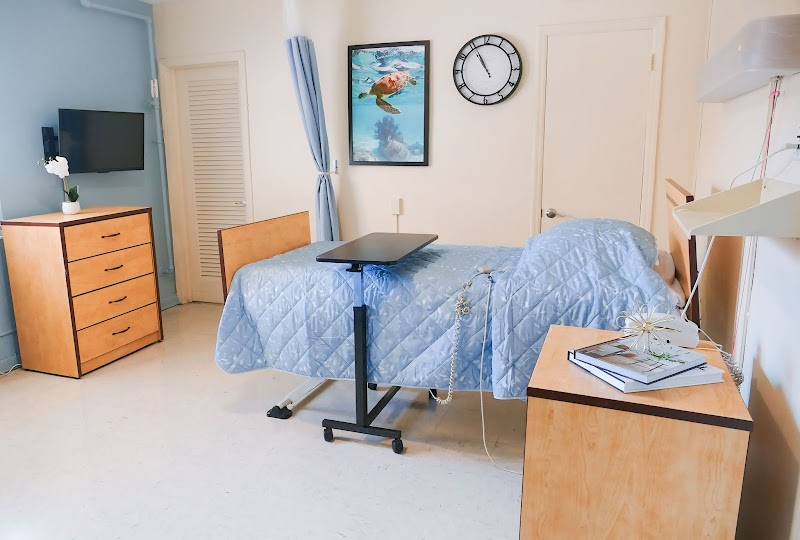
How is North Lake And Rehab Staffed?

CMS rates NORTH LAKE CARE CENTER AND REHAB's staffing level at 4 out of 5 stars, which is above average compared to other nursing homes. Staff turnover is 44%, compared to the Florida average of 46%. This relatively stable workforce can support continuity of care. RN turnover specifically is 61%, which is notably high. RNs provide skilled clinical oversight, so turnover in this role can affect medical care quality.

What Have Inspectors Found at North Lake And Rehab?

State health inspectors documented 24 deficiencies at NORTH LAKE CARE CENTER AND REHAB during 2021 to 2024. These included: 1 Immediate Jeopardy (the most serious level, indicating potential for serious harm or death) and 23 with potential for harm. Immediate Jeopardy findings are rare and represent the most serious regulatory concerns. They require immediate corrective action.
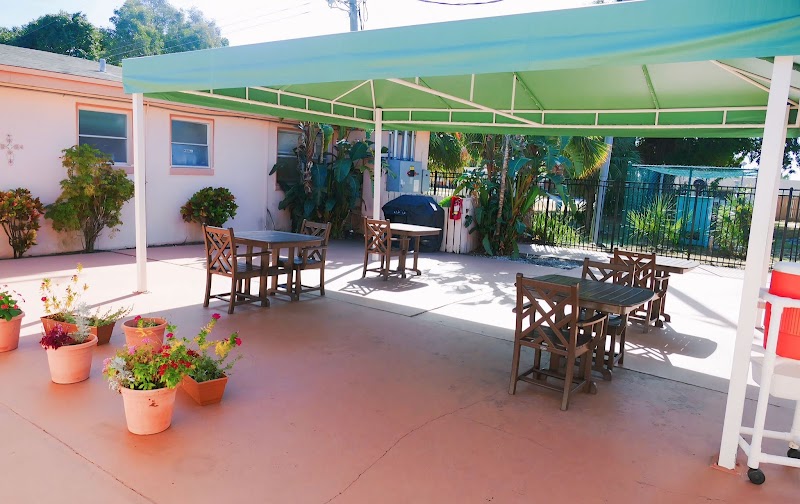
Who Owns and Operates North Lake And Rehab?

NORTH LAKE CARE CENTER AND REHAB is owned by a for-profit company. For-profit facilities operate as businesses with obligations to shareholders or private owners. The facility is operated by GOLD FL TRUST II, a chain that manages multiple nursing homes. With 85 certified beds and approximately 80 residents (about 94% occupancy), it is a smaller facility located in LAKE PARK, Florida.
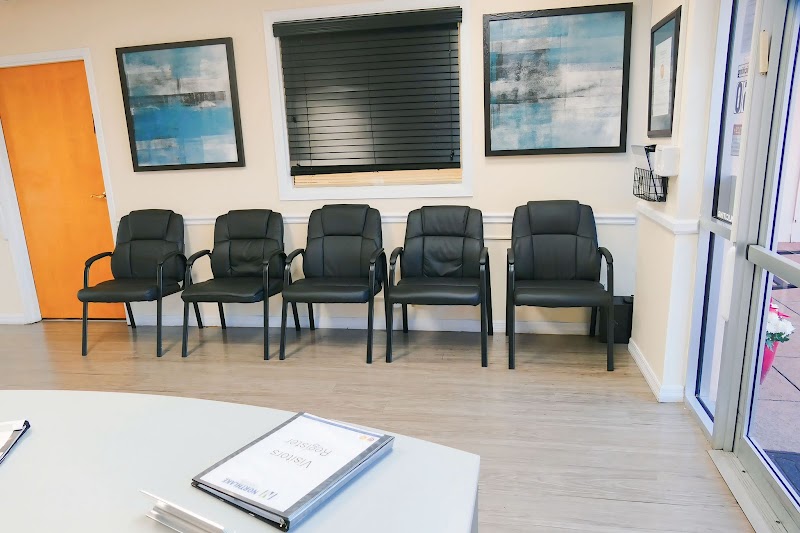
How Does North Lake And Rehab Compare to Other Florida Nursing Homes?

Compared to the 100 nursing homes in Florida, NORTH LAKE CARE CENTER AND REHAB's overall rating (2 stars) is below the state average of 3.2, staff turnover (44%) is near the state average of 46%, and health inspection rating (2 stars) is below the national benchmark.

What Should Families Ask When Visiting North Lake And Rehab?

Based on this facility's data, families visiting should ask: "What changes have been made since the serious inspection findings, and how are you preventing similar issues?" "Can I visit during a mealtime to observe dining assistance and food quality?" "How do you handle medical emergencies, and what is your hospital transfer rate?" "Can I speak with family members of current residents about their experience?" These questions are particularly relevant given the facility's Immediate Jeopardy citations.

Is North Lake And Rehab Safe?

Based on CMS inspection data, NORTH LAKE CARE CENTER AND REHAB has documented safety concerns. Inspectors have issued 1 Immediate Jeopardy citation (the most serious violation level indicating risk of serious injury or death). The facility has a 2-star overall rating and ranks #100 of 100 nursing homes in Florida. Families considering this facility should ask detailed questions about what corrective actions have been taken since these incidents.

Do Nurses at North Lake And Rehab Stick Around?

NORTH LAKE CARE CENTER AND REHAB has a staff turnover rate of 44%, which is about average for Florida nursing homes (state average: 46%). Moderate turnover is common in nursing homes, but families should still ask about staff tenure and how the facility maintains care continuity when employees leave.

Was North Lake And Rehab Ever Fined?

NORTH LAKE CARE CENTER AND REHAB has been fined $10,206 across 1 penalty action. This is below the Florida average of $33,181. While any fine indicates a compliance issue, fines under $50,000 are relatively common and typically reflect isolated problems that were subsequently corrected. Families should ask what specific issues led to these fines and confirm they've been resolved.

Is North Lake And Rehab on Any Federal Watch List?

NORTH LAKE CARE CENTER AND REHAB is not on any federal watch list. The most significant is the Special Focus Facility (SFF) program, which identifies the bottom 1% of nursing homes nationally based on persistent, serious quality problems. Not being on this list means the facility has avoided the pattern of deficiencies that triggers enhanced federal oversight. This is a positive indicator, though families should still review the facility's inspection history directly.