AVANTE AT LAKE WORTH, INC.
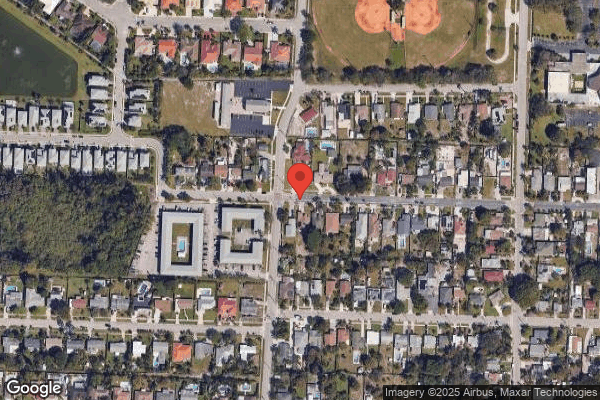
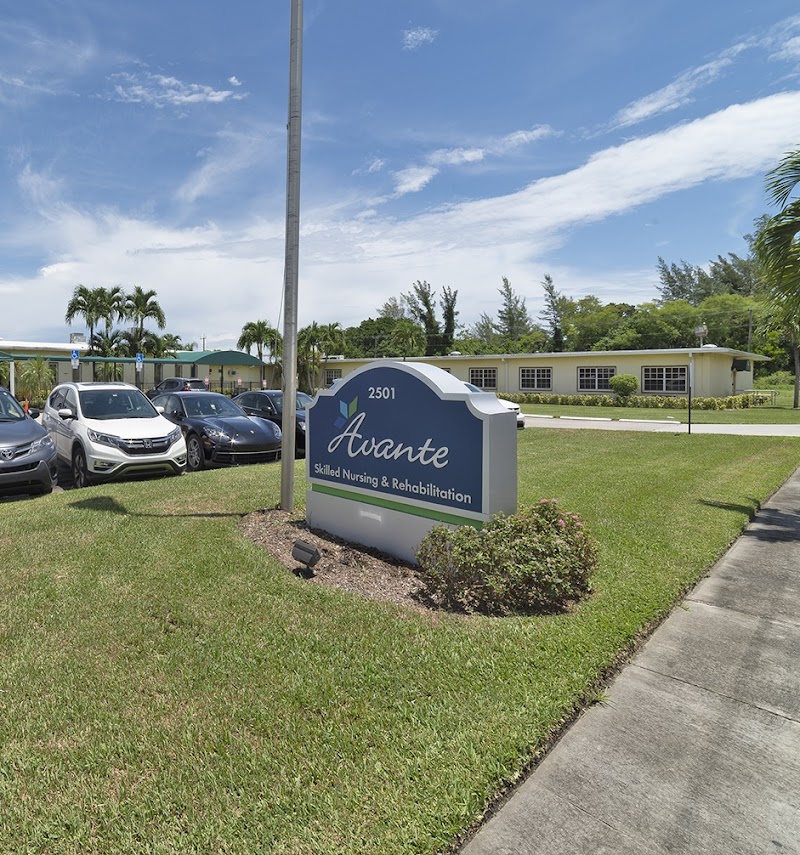
2501 N A ST, LAKE WORTH, FL 33460 (561) 585-9301
For profit - Corporation 138 Beds AVANTE CENTERS Data: November 2025
Trust Grade
50/100
#453 of 690 in FL
Last Inspection: May 2025

Inspected within the last 6 months. Data reflects current conditions.

Overview

Avante at Lake Worth, Inc. has a Trust Grade of C, indicating it is average compared to other nursing homes. It ranks #453 out of 690 facilities in Florida, placing it in the bottom half, and #36 out of 54 in Palm Beach County, meaning there are only a few local options that perform better. The facility's trend is improving, with issues decreasing from 25 in 2024 to 21 in 2025. Staffing is a strength, rated at 4 out of 5 stars, with a turnover rate of 34%, which is below the Florida average. While there have been no fines, there are concerning food safety issues; for instance, inspectors found insects in the food preparation area and food stored at unsafe temperatures, which could affect residents' health. Additionally, there were lapses in providing essential respiratory care for residents with tracheostomies. Overall, while there are some positive aspects, families should be aware of the ongoing concerns regarding food safety and care compliance.

Trust Score
C
50/100
In Florida
#453/690
Bottom 35%
Safety Record
Low Risk
No red flags
Inspections
Getting Better
25 → 21 violations
Staff Stability
○ Average
34% turnover. Near Florida's 48% average. Typical for the industry.
Penalties
✓ Good
No fines on record. Clean compliance history, better than most Florida facilities.
Skilled Nurses
✓ Good
Each resident gets 46 minutes of Registered Nurse (RN) attention daily — more than average for Florida. RNs are trained to catch health problems early.
Violations
⚠ Watch
55 deficiencies on record. Higher than average. Multiple issues found across inspections.
★★☆☆☆
2.0
Overall Rating
★★★★☆
4.0
Staff Levels
★★★★★
5.0
Care Quality
★☆☆☆☆
1.0
Inspection Score
Stable
2024: 25 issues
2025: 21 issues

The Good

  • 4-Star Staffing Rating · Above-average nurse staffing levels
  • 5-Star Quality Measures · Strong clinical quality outcomes
  • Full Sprinkler Coverage · Fire safety systems throughout facility
  • No fines on record
  • Staff turnover below average (34%)

    14 points below Florida average of 48%

Facility shows strength in staffing levels, quality measures, fire safety.

The Bad

2-Star Overall Rating

Below Florida average (3.2)

Below average - review inspection findings carefully

Staff Turnover: 34%

11pts below Florida avg (46%)

Typical for the industry

Chain: AVANTE CENTERS

Part of a multi-facility chain

Ask about local staffing decisions and management

The Ugly 55 deficiencies on record

May 2025 17 deficiencies
CONCERN (D)

Potential for Harm - no one hurt, but risky conditions existed

Deficiency F0554 (Tag F0554)

Could have caused harm · This affected 1 resident

**NOTE- TERMS IN BRACKETS HAVE BEEN EDITED TO PROTECT CONFIDENTIALITY** Based on policy review, observation, record review, and interview, the facility failed to assess for self-administration of medi...

Read full inspector narrative →
**NOTE- TERMS IN BRACKETS HAVE BEEN EDITED TO PROTECT CONFIDENTIALITY** Based on policy review, observation, record review, and interview, the facility failed to assess for self-administration of medication for 1 of 35 sampled residents, as evidenced by no assessment was completed for Resident #68 to self-administer medication. The findings included: Review of the policy titled Self-Administration of Medication Program revised: 06/26/2024, documented in part, It is the policy of the facility to allow the resident the right to self -administer medication when it has been deemed by the interdisciplinary team that it is clinically appropriate .Each resident is offered the opportunity to self-administer medications during the routine assessment by the facility's interdisciplinary team. Resident's preference will be documented on the appropriate assessment in the medical record. The results of the interdisciplinary team assessment are recorded in the resident's medical record. Record review revealed Resident #68 was admitted to the facility on [DATE]. The most recent comprehensive assessment dated [DATE], documented that the resident had a Brief Interview for Mental Status (BIMS) score of 15, on a 0 to 15 scale, indicating no cognitive impairment. During an interview on 05/27/25 at 10:42 AM, in Resident #68's room, a tube of ointment with a prescribed date of 12/19/24 was observed on the bedside table. When asked what the ointment was for, the resident stated It's for my feet. The nurse put it there and I put it on myself. This is the second tube I've had. When asked have the nurses ever applied the ointment, the resident stated No, I can do it myself. Photographic evidence obtained. Further review of the record revealed an order dated 12/19/24, that instructed the staff to apply Ciclopirox Olamine External Cream 0.77 % (antifungal cream) to the bottom of both of Resident #68's feet every shift. Review of the Treatment Administration Record (TAR), on 05/27/25, for the month of May, revealed that the staff had documented on every shift administration of the antifungal cream for Resident #68. During further review of the record, there was no documentation of an assessment completed by the interdisciplinary team for Resident #68 to self-administer medication.
CONCERN (D)

Potential for Harm - no one hurt, but risky conditions existed

Deficiency F0558 (Tag F0558)

Could have caused harm · This affected 1 resident

**NOTE- TERMS IN BRACKETS HAVE BEEN EDITED TO PROTECT CONFIDENTIALITY** Based on observations, interviews, and record reviews, the facility failed to provide a resident choice for showers, for 1 of 35...

Read full inspector narrative →
**NOTE- TERMS IN BRACKETS HAVE BEEN EDITED TO PROTECT CONFIDENTIALITY** Based on observations, interviews, and record reviews, the facility failed to provide a resident choice for showers, for 1 of 35 sampled residents (Resident #103). The Findings included: A review of facility's policy titled, Quality of Care, revised on 03/02/19, revealed facility ensures that each resident receives, and the facility provides the necessary care and services to attain and maintain the highest practicable physical, mental, and psychosocial well-being, in accordance with the comprehensive assessment and plan of care, in accordance with State and Federal Regulations. Resident #103 was admitted on [DATE] with diagnoses that included Central Cord Syndrome, Quadriplegia,Neuromuscular Dysfunction of the Bladder and Major Depressive Disorder. A review of the Minimum Data Set (MDS) under Section C of the Brief Interview of Mental Status (BIMS) revealed a score of 15 indicating Resident #103 had good cognitive function. Section GG revealed Resident #103 was dependent on the ability to bathe self, including washing, rinsing, and drying self. Record review of the Nursing care plan initiated on 04/24/25 revealed Resident #103 was dependent on staff for meeting emotional, intellectual, physical and social needs related to immobility. One of the care plan goals for Resident # 103 was to improve the current level of function with the intervention to provide bath/ shower as necessary, since resident is totally dependent on showering, dressing, toilet use, and transfer. In an interview with Resident #103 on 05/28/25 at 10:15 AM and on 05/29/25 at 12:00 PM, she stated that she has been in the facility for 5 weeks. When asked about her stay, she responded, she was so uncomfortable with her bad smelling, dirty hair and neck. Resident #103 pointed to a cervical collar around her neck area. She added that she had been requesting showers since she arrived at the facility, but staff did not frequently provide her the choice of showers whenever she requested. She received 2 showers in the past 5 weeks. She added the staff stated they will come back and give her showers, but it happened only twice in the past 5 weeks. She told staff multiple times that she desperately needed assistance in showering and did not prefer bed baths. In an interview with Staff O, Certified Nursing Assistant, (CNA) on 05/28/25 at 11:00 AM, she stated she will put the shower schedule on the board for today. She added that the shower schedule must be posted as early as possible so staff can give showers per residents' requests. When asked about the usual time she provides shower to her assigned residents, she stated, It depends on when the resident likes to have one. When asked how many residents' showers she provides during her shift, she responded, It depends, sometimes 2 and 3. When asked if she documents the showers she provides residents, she responded, We have a shower log binder. In an interview with Staff C, a CNA on 05/30/25 10:00 AM, when asked how other staff would know that she already provided a shower to her assigned residents, she responded, We document them in the shower log. When asked if she documented the showers, she provided for Resident #103, she stated she never had this resident. When asked if she could provide a copy of the shower log of her assigned residents, she stated she would ask the Unit Manager. When asked if she could show this surveyor the shower log, she stated, It is at the Nursing station. During an inspection of a binder called the shower log found at the Nursing station, Staff C, a CNA verified that the shower log for residents was not updated. There were no residents' names and shower times documented. This Staff kept on turning pages, but she could not show the surveyor any showers provided to residents. When the Assistant Director of Nursing (ADON) was asked regarding a copy of a shower log for Resident #103 on 05/28/25 at 11:45 AM, she stated it would be provided. But until the last day of the survey no copy of the shower log was provided. In an interview with the Flamingo Unit Manager on 05/29/25 at 10:00 AM, when she was asked about shower schedule, she responded, Shower is scheduled every other day. Each member of the CNA staff is assigned to a resident. The CNA Staff provide residents' showers during day and afternoon, but not during the night shift. She stated any resident can ask for an extra shower but it must be scheduled by staff. When asked if she checks the shower log binder, she responded, Yes. When asked who is responsible for checking the shower log binder, she responded, It is the ADON. When asked to show the shower log for Resident #103, she stated I will print you a copy. Until the last day of survey, no shower log for Resident #103 was provided to the surveyor. In an interview with the Corporate Administrator on 05/29/25 at 11:24 AM, she was asked to print a shower log for Resident #103. She stated she would ask the Director of Nursing (DON) to print a copy. Until the last day of survey, no copy of the shower log for Resident #103 was provided to the surveyor.
CONCERN (D)

Potential for Harm - no one hurt, but risky conditions existed

Notification of Changes (Tag F0580)

Could have caused harm · This affected 1 resident

**NOTE- TERMS IN BRACKETS HAVE BEEN EDITED TO PROTECT CONFIDENTIALITY** Based on policy review, record review, interview and observation, the facility failed to identify and notify of a change in cond...

Read full inspector narrative →
**NOTE- TERMS IN BRACKETS HAVE BEEN EDITED TO PROTECT CONFIDENTIALITY** Based on policy review, record review, interview and observation, the facility failed to identify and notify of a change in condition for 1 of 35 sampled residents (Resident #91) as evidenced by no documentation of a change in condition in the medical record. The findings included: Review of the policy titled Change in Condition Process revised 3/2/19, documented in part, The purpose of this policy is to ensure the facility promptly informs the resident, consults the resident's physician; and notify, consistent with his or her authority, resident's representative when there is a change requiring notification. Situations requiring notification include: an accident involving the resident which result in injury, potential to require physician intervention. Upon identification of a change in condition in a resident the nurse will complete an evaluation of the resident's status and document findings on the Change in Condition in the residents' electronic medical record Review of the record revealed Resident #91 was admitted to the facility 11/12/24. The quarterly assessment dated [DATE], documented the resident had a Brief Interview for Mental Status score of 03, on a scale of 0 to 15, indicating severe cognitive impairment. During an observation on 05/27/25 at 12:03 PM, Resident #91 was sitting in the Dolphin dining area being assisted with eating lunch, scratches were observed on her nose. The scratches had dried blood and scabs. Resident's fingernails appeared short and well groomed. During a brief interview on 05/27/25 at 12:05 PM, when asked if she was aware of how Resident #91 received the scratches on her nose Staff C, Certified Nursing Assistant, stated No, she had them when I came, so I'm not sure. During a interview on 05/27/25 at 12:30 PM, when asked if she was aware of how Resident #91 got scratches on her nose Staff A, Licensed Practical Nurse (LPN), stated No, maybe she scratched or picked at her own nose. Review of a Skin assessment completed on 05/27/25, documented Resident #91 had no new skin areas and there was no documentation of the scratches to the nose. During an interview with the Unit Manger on 05/28/25 at 9:59 AM, when asked if she was aware of the scratches to Resident #91's nose, the Unit Manager stated Yes, and the family and doctor was notified. The family said the resident had a habit of scratching herself. When asked if she documented the conversation she had with the family or doctor, the Unit Manager, stated No. When asked if the behavior of Resident #91 scratching herself was care planned, the Unit Manager stated No. Further record review did not reveal any documentation of progress notes of communication to the family or doctor regarding Resident #91's change in condition. There was no change in condition evaluation completed for the scratches on Resident #91. During an interview on 05/29/25 at 9:50 AM, when asked are you aware of how Resident #91 got the scratches on her nose, the Activities Assistant stated No, when I came a few days ago, I asked the same thing, and no one seems to know. During an interview on 05/29/25 at 9:58 AM, when asked what is your process when a resident sustains a new injury or has a change in condition, the Unit Manager stated, I usually call the family and notify the doctor. When asked did you document that you notified the family or doctor for Resident #91, the Unit Manager stated No, the family was actually here in the facility, and they saw the scratches on her nose. When asked who was the family that was here to visit, the Unit Manger stated, It was two people I'm not sure who they were, you can look on her face sheet. When asked did you do a change in condition assessment for Resident #91, the Unit Manager stated No. When asked does the facility have a change in condition assessment in the computer, the Unit Manager stated Yes. When asked why a progress note or assessment was not completed, the Unit Manager stated I don't know. I should have completed one. During an interview on 05/29/25 at 11:01 AM, when asked what do you do when you notice a resident has a new skin tear or condition, Staff A, Licensed Practical Nurse (LPN) stated, I would ask the nurse I'm relieving what happened and if there is any documentation. When asked what if the incident happened on your shift, Staff A, LPN stated, I would have the wound care nurse see the resident and I will do an incident report. When asked what was done when you noticed the scratches on Resident # 91's nose, Staff A, LPN stated, I asked other nurses what happened, and they said she scratched herself. During a telephone conversation on 05/30/25 at 11:45 AM, with Resident #91's son, when asked when did you last visit with your mother at the facility where she resides, the son stated, I was there about a week and half ago. When asked if he had a conversation with any staff regarding the scratches on his mother's nose, the son stated No, I did not have a conversation with anyone about the scratches on my mother's nose. I don't recall her having any scratches on her nose. The only conversation I had was regarding where the remote was, because she was just lying in the bed staring at the ceiling. When asked if there was anyone with you when you visited your mother the son stated, My wife was with me, she is the one who helped me take care of my mother before we put her in the facility. When asked, did you discuss with any staff about your mother having a habit of scratching herself, the son stated No, I'm not aware of her having a habit of scratching.
CONCERN (D)

Potential for Harm - no one hurt, but risky conditions existed

Deficiency F0605 (Tag F0605)

Could have caused harm · This affected 1 resident

**NOTE- TERMS IN BRACKETS HAVE BEEN EDITED TO PROTECT CONFIDENTIALITY** Based on record review and interview the facility failed to ensure a PRN (as needed) psychotropic medication was addressed in a ...

Read full inspector narrative →
**NOTE- TERMS IN BRACKETS HAVE BEEN EDITED TO PROTECT CONFIDENTIALITY** Based on record review and interview the facility failed to ensure a PRN (as needed) psychotropic medication was addressed in a timely manner for 1 of 5 sampled residents reviewed for unnecessary medications, as evidenced by an anti-anxiety medication prescribed to Resident #36 did not have a discontinue date. The findings included: Review of the record revealed Resident #36 was admitted to the facility on [DATE]. The comprehensive assessment documented that the resident had a Brief Interview for Mental Status (BIMS) score of 03 on a 0 to15 scale, indicating severe cognitive impairment. Review of the record revealed an order for Resident #36, dated 03/26/25, for Lorazepam 0.5 milligrams (mg) every four hours as needed for anxiety (excessive worry) without a date to discontinue. Review of the April and May Medication Administration Record (MAR) for Resident #36, revealed administration of Lorazepam 0.5mg by staff. A pharmacy consultation report dated 04/16/25 and 5/12/25 for Resident #36, recommended that Lorazepam (anti-anxiety medication) be tapered down and discontinued or documentation of a specific diagnosis and indication with a rationale for use be provided, because it had been prescribed for greater than 14 days. The pharmacy consultation reports for 04/16/25 or 5/12/25 were not addressed or signed by the physician. During an interview conducted on 05/29/25 at 4:30 PM with Staff S, the Consultant Pharmacist (CP), she stated she had been working with the facility for years. When asked about Resident #36, Staff S, the Consultant Pharmacist stated, In April the resident was on Lorazepam PRN (as needed) with no stop date and the recommendation was to taper the dose as necessary and add a stop date. In May, the pharmacy recommendation for Resident #36 documented the resident had a PRN order for anxiety medication, which has been in place for greater than 14 days without a stop date, Lorazepam 0.5mg take 1 tablet by mouth every 4 hours as needed for anxiety. During an interview on 05/30/25 at 10:29 AM, the DON stated he had been working at the facility for almost 10 years. When asked if Lorazepam is considered a psychotropic medication, the DON stated, Lorazepam is for anxiety. When asked do you agree that Lorazepam is a psychotropic, the DON stated Yes. When asked how often the physician comes in the facility to review the pharmacy consult recommendation, the DON stated Usually monthly, but I did not know that the family did not want Resident #36 to be seen by psych doctor. I called hospice yesterday, regarding the Lorazepam. When asked who wrote the order for the PRN Lorazepam, the DON stated, It was probably from the hospital. When asked why the physician didn't sign the pharmacy recommendation, the DON stated, The assigned doctor didn't sign the recommendation, because the resident should have been seen by the psych doctor, but the family did not want the resident to be seen. When asked why the recommendation from April by pharmacy to get a stop date for the Lorazepam was not followed through, the DON stated, I've already told you, because the family didn't want the psych doctor to see the resident so that's why I called hospice to review, and they will be in today.
CONCERN (D)

Potential for Harm - no one hurt, but risky conditions existed

Investigate Abuse (Tag F0610)

Could have caused harm · This affected 1 resident

**NOTE- TERMS IN BRACKETS HAVE BEEN EDITED TO PROTECT CONFIDENTIALITY** Based on interviews, record review, and policy review, the facility failed to investigate an allegation of abuse thoroughly for ...

Read full inspector narrative →
**NOTE- TERMS IN BRACKETS HAVE BEEN EDITED TO PROTECT CONFIDENTIALITY** Based on interviews, record review, and policy review, the facility failed to investigate an allegation of abuse thoroughly for 1 of 35 sampled residents (Resident #307). The findings included: A review of the facility's policy on Abuse, Neglect, Exploitation and Injuries of Unknown Origin, effective 03/01/17, clarified that residents must not be abused by anyone, including facility staff, other residents, consultants, volunteers, family members, visitors, or other individuals. It stated that alleged violations involving mistreatment, neglect, or abuse must be immediately reported to the facility administrator and to other officials in accordance with state and federal law and through established procedures. The detailed investigation and reporting procedure for abuse mandated a thorough investigation, and a grievance form for an allegation of physical abuse without evidence of physical injury. [NAME] A review of the medical records for Resident #307 revealed that he was admitted to the facility on [DATE]. His diagnoses included malignant neoplasm of larynx, tracheostomy status, and muscle wasting. A review of the Minimum Data Set (MDS) admission assessment dated [DATE] revealed that Resident #307 had a Brief Interview for Mental Status score of 12, which indicated that he was cognitively intact. A review of the medical records of Resident #85 (he was the roommate of Resident #207) revealed he was admitted [DATE] with diagnoses including Schizophrenia, Brief Psychotic disorder, anxiety, and bipolar disorder. Per Minimum Data Set assessment dated [DATE], Resident #85's BIMS score was 5. This indicated severe cognitive impairment. Resident #85 had behavior problems. His care plan dated 04/03/25 noted that he yelled obscenities in facility hallways, and he hit another resident during a smoke break which was related to poor impulse control. During an initial screening interview with Resident #307, on 05/27/25 at 12:43 PM, when asked if he was ever abused at the facility, he described an incident when his roommate, Resident #85, threw a television remote control at him which hit him in the forehead. Resident #307 said that Resident #85 also lifted up the bottom of the privacy curtain that hung between the beds and threw it over the table. Resident #307 wrote on his communication board that the curtain hit him in the chest. Resident #307 had a trach in place with an exposed open area in between the trach and the surrounding skin (stoma). The surveyor asked him to show with his hands where the curtain hit him, and Resident #307 moved his hands from the bottom of his rib cage to his face while he mouthed the words from my chest to all over my face. When Resident #307 was asked if he reported it to anyone, he said that he told the nurse manager that he wanted Resident #85 arrested, but they only moved him down the hallway. He explained that Resident #85 used awful defamatory language towards nursing every day, and he still heard him from his room. He said they should have moved Resident #85 further away from his room. When Resident #307 was asked if Resident #85 came into his room and threw things at him after his room changed, Resident #307 answered no. Resident #307 mouthed words and wrote full sentences with a stylus on his communication board to communicate effectively. During an interview with the administrator in her office, on 05/27/25 at 1:48 PM, the surveyor reported the incident. The administrator told the surveyor that she knew about the incident that occurred with Resident #307 and his roommate. The surveyor requested all documents that related to that incident. A review of the Resident #307's medical record showed no documentation about the incident. On 05/27/25 at 2:52 PM, the administrator entered the conference room and explained that Staff D, an RN, observed the incident on Saturday. She said that Resident #85 had a diagnosis of tardive dyskinesia and that Resident #85 accidentally moved the curtain into Resident #307. The administrator said that the remote control fell off the table and landed on the resident. She said it was an accident and that Resident #307 agreed with that. On 05/27/25 at approximately 4:00 PM, the administrator provided the surveyor with a Witness Statement signed by Staff D. Staff D wrote that when she was doing rounds on May 24 (2025), at 9:00 AM, she went to the room of Resident #307 and asked the residents if they were ok. Resident #307 reported to her that his roommate hit him with the remote control. She wrote that she discussed the incident with both residents and we conclude(d) it was an accident. She wrote that the roommate tried to pick up his stuff from the floor and the curtain was wrapped around the table. She wrote that's how the remote fell on him. She ended the statement with a note about changing the room of the other resident to prevent more accidents. There was no mention of the name of the roommate in the Witness statement. There was no statement from Resident #307 provided to the surveyor. During an interview with Resident #307 on 05/29/25 at 8:29 AM, the resident said that the top nurse (who he reported the incident to) came to him and spoke about the incident. The surveyor asked Resident #307 if the nurse referred to it as an accident and he answered yes. When asked if he agreed with the nurse that it was an accident, Resident #307 answered: I told her that was bullshit. When Resident #307 was asked how the incident affected him, Resident #307 said that when he saw Resident #85 in the hallway he was horrified. Resident #307 said that the facility should have called the police right away. He said he should have been able to fill out a police report. Again, Resident #307 spoke about the awful defamatory language used by Resident 85 and he asked the surveyor if she heard it. In an interview with Staff D on 05/29/25 at approximately 12:30 PM, the nurse clarified that she did not observe the incident. She also said that the incident was a misunderstanding. An interview on 05/29/25 at 6:31 PM with the administrator, who also holds the position of risk manager, revealed that Staff D texted her on Saturday (05/24/25) to see if she thought it was abuse, neglect, exploitation, or misappropriation. The administrator was asked under what circumstances she interviewed residents herself. The administrator said that she interviewed residents when she was made aware of ongoing concerns. Per the administrator, there weren't any ongoing concerns mentioned. The administrator said she did not have any statements from Resident #307 or Resident #85. During an interview with the Administrator/Risk Manager on 05/30/25 at 9:31 AM, she said she spoke to Resident #307 last night, and that she reported the incident to the police and to the DCF. Per the administrator, DCF didn't accept the case, and the police came out and spoke to Resident #307. Resident #307 declined to press charges, and the police did not take the case. The administrator reported the incident to AHCA (the State Agency) on 05/29/25. This was 5 days after the incident occurred. An interview with Resident #307 on 05/30/25 at 10:39 AM confirmed that the police came to the facility and spoke with him on 05/29/25. When asked how he felt after the discussion with the police, Resident #307 said good. When Resident #307 was asked if Resident #85 came to his room after the incident, he answered no.
CONCERN (D)

Potential for Harm - no one hurt, but risky conditions existed

Deficiency F0645 (Tag F0645)

Could have caused harm · This affected 1 resident

**NOTE- TERMS IN BRACKETS HAVE BEEN EDITED TO PROTECT CONFIDENTIALITY** 3). Resident #56 was admitted on [DATE] with diagnoses that included Metabolic Encephalopathy, Alcohol Dependence with Alcohol-I...

Read full inspector narrative →
**NOTE- TERMS IN BRACKETS HAVE BEEN EDITED TO PROTECT CONFIDENTIALITY** 3). Resident #56 was admitted on [DATE] with diagnoses that included Metabolic Encephalopathy, Alcohol Dependence with Alcohol-Induced persisting Dementia, Unspecified Psychosis, Major Depressive Disorder, and other Persistent Mood Disorders. A record review of Minimum Data Set (MDS) under Section C of the Brief Interview of Mental Status (BIMS) revealed a score of 7 indicating Resident #56 had impaired cognitive function. Section N revealed a yes response to antidepressant. A review of physician orders dated 03/05/25 revealed Trazodone Hydrochloride 50 milligram (mg), to give 0.5 tablet by mouth, two times a day for depression. An additional review of orders revealed the behavior code monitoring every shift as needed for behavior. An additional order revealed Memantine Hydrochloride 5 mg, to give 2 tablets by mouth, two times a day for Dementia. A review of psychiatry progress notes dated 05/08/25 revealed the following This resident struggled with alcohol use resulting in negative consequences on his life. The resident also suffers from psychotic symptoms that are long and lasting. Additional notes revealed to continue Memantine for dementia, Trazodone to treat depression, and Valproic Acid for mood disorder. During a record review of Level I PASARR (Preadmission Screening and Resident Review) dated 08/26/24 , it was found incomplete with no pages 2 and 4. There was no Level II PASARR found on Resident #56's electronic medical record under miscellaneous records. In an interview with the Director of Social Services on 05/30/25 at 2:45 PM, when asked why Resident #56's PASARR Level I was incomplete, she responded, I had been out for a while and was not able to check . When asked if Level II PASARR is indicated for Resident #56, she responded, I agree, but I never found a time to request for one since I had no help, and just came back from being off. Based on policy review, record review, and interviews, the facility failed to ensure that PASRR (Preadmission Screening and Resident Review) Level 1 was documented completely for 2 of 35 sampled residents as evidenced by the PASRR Level 1 for Resident #56 and Resident #91 was not completely filled out, and failure to ensure that the PASRR Level 2 was completed for 1 of 35 sampled residents, as evidenced by the results of the PASRR Level 1 screening for Resident #86. The findings Included: Review of the Policy titled Coordination-Preadmission Screening and Resident Review (PASSR) Program revised 3/2/19, documented in part It Is the policy of the facility to assure that all residents admitted to the facility receive a Pre-admission Screening and Resident Review, in accordance with State and Federal regulations. The facility will coordinate assessments with the pre-admission screening and resident review practicable to avoid duplicative testing effort. Incorporating the recommendations from the PASRR level 2 determination and the PASRR evaluation report into a resident's assessment, care planning, and transitions of care. 1). Record review revealed Resident #86 was admitted to the facility on [DATE]. The quarterly assessment dated [DATE] documented that the resident had a Brief Interview for Mental Status (BIMS) score of 07 on a 0 to 15 scale indicating severe cognitive impairment. Review of Resident #86 medical diagnosis indicated that she had a history of dementia (impairment of mental function that affect daily function) with mood disturbance, major depressive disorder (persistent feelings of sadness), and schizophrenia (mental health condition where people experience a disconnect from reality). Review of the record revealed a PASRR Level 1 dated, 09/20/24 for Resident #86 with documentation in section four of the PASRR Level 1 that indicated that a Level 2 PASRR should have been requested due to her diagnosis of Serious Mental Illness. Review of the care plan dated 3/25/25 for Resident #86 documented the resident has impaired cognitive function/dementia or impaired thought processes related to impaired decision making, diagnosis of Schizophrenia with a goal that the resident will maintain current level of cognitive function through the review date and the resident has a communication problem related to schizophrenia with a goal that the resident will be able to make basic needs known on a daily basis through the review date. Review of a progress note dated 05/16/25, by staff documented that the patient was observed to be highly agitated and upset. Very restless, pacing the hallway and yelling incoherently. Patient reports seeing people in the room with her and in the hallway. Review of physician orders dated 04/25/25, revealed that Resident #86 is prescribed Seroquel (antipsychotic) 50 MG, 1 tablet by mouth at bedtime related to Schizophrenia. A second order dated 05/19/25 revealed that Resident #86 is prescribed Trazodone (antidepressant) 50 MG, 1 tablet by mouth at bedtime for depression related to major depressive disorder. During an interview on 05/28/25 at 8:21 AM, when asked what is your process for making sure the PASRR are filled out accurately, the Social Worker stated Unfortunately a lot of the residents are coming in without the PASRR filled out properly, so I'm having the psychiatrist to evaluate them and then I redo the PASRR after they are seen. I am trying to catch up. I know a lot of them are triggering for needing a PASRR Level 2. When asked if she was aware of Resident #86, the Social Worker stated, I will go and review hers right now. 2). Record review revealed Resident #91 was admitted to the facility on [DATE]. The quarterly assessment dated [DATE] documented that the resident had a Brief Interview for Mental Status (BIMS) score of 03 on a 0 to 15 scale indicating severe cognitive impairment. Review of Resident #91 medical diagnosis indicated that she had a history of bipolar (episodes of mood swings) disorder, dementia (impairment of mental function that affect daily function) with other behavioral disturbance, anxiety (excessive worry). Further record review revealed a PASRR Level 1 dated, 10/11/24 for Resident #91 that was not accurately filled out. The document failed to indicate the resident's mental illness diagnosis but indicated that dementia was the resident's primary diagnosis. Review of the care plan dated 3/5/25 for Resident #91 documented that the resident had self-care performance deficit related to confusion, psychosis and required assistance with activities of daily living with a goal that the resident will maintain current level of function in activities of daily living through the review date. During an interview on 05/28/25 at 8:21 AM, when asked what is your process for making sure the PASRR are filled out accurately, the Social Worker stated Unfortunately a lot of the residents are coming in without the PASRR filled out properly, so I'm having the psychiatrist to evaluate them and then I redo the PASRR after they are seen. I am trying to catch up. I know a lot of them are triggering for needing a PASRR Level 2. When asked if she was aware of Resident #91, the Social Worker stated, I will go and review hers right now.
CONCERN (D)

Potential for Harm - no one hurt, but risky conditions existed

Quality of Care (Tag F0684)

Could have caused harm · This affected 1 resident

**NOTE- TERMS IN BRACKETS HAVE BEEN EDITED TO PROTECT CONFIDENTIALITY** Based on observations, interviews and record reviews, the facility failed to ensure the medications were timely administered for...

Read full inspector narrative →
**NOTE- TERMS IN BRACKETS HAVE BEEN EDITED TO PROTECT CONFIDENTIALITY** Based on observations, interviews and record reviews, the facility failed to ensure the medications were timely administered for 2 of 6 residents observed for medication passes (Resident #80 and Residetn#409). The facility also failed to follow the physician ordered and prescribed medications for 3 of 38 sampled residents (Resident # 41, Resident #8, and Resident #68). The Findings included: A review of facility's policy titled, General Dose Preparation and Medication Administration, with a recent revision date of 11/15/24, it was revealed the following: to administer the medication within timeframes specified by facility policy or manufacturer's information (proc. 5.4; pg. 97); prior to administration of medication, facility staff should take all measures required by facility policy and applicable law, including confirming that the Medication Administration Record (MAR) reflects the most recent medication order (proc. 3- 3.4; pg. 97). 1). Resident #80 was admitted on [DATE] with diagnoses that included Paroxysmal Atrial Fibrillation, Essential Primary Hypertension, Aphasia following Cerebral Infarction, and Hemiplegia/ Hemiparesis following Cerebral Infarction. A review of admission Minimum Data Set (MDS) under Section C of the Brief Interview of Mental Status (BIMS) revealed a score of 5 indicating Resident #80 had severely impaired mental cognition. During a medication pass observation on 05/29/25 at 11:42 AM, with Staff B, a Licensed Practical Nurse (LPN), she stated that she is going to administer the 9:00 AM medication for the resident. She prepared the following medications: Aspirin 81 milligrams (mg), 1 tablet, with an expiration date of 11/26; Atorvastatin 80 mg tablet, 1 tablet, 1time a day, with an expiration date of 02/28/26; Carvedilol 12.5 mg, 1 tablet, 2 times a day, with an expiration date of 12/25; Lisinopril 40 mg, 1 tablet, 1 time a day with an expiration date of 12/31/25; and Zoloft 25 mg, 1 tablet, 1 time a day with an expiration date of 05/10/26. All these medications were administered after 12:00 PM. A review of Resident #80's MAR revealed all the above medications were administered at 9:00 AM. In an interview with Staff B, LPN, when she was asked what the documented administration time of the above medications for Resident #80 was, she responded, 9:00 AM. When asked why she did not document the accurate time of after 12:00 PM, she responded, I do not know how. 2). Resident #409 was admitted on [DATE] with diagnoses including Absence of Epileptic Syndrome Intractable without Status Epilepticus, Metabolic Encephalopathy, Hyperlipoidemia and Obstructive and Reflux Uropathy. A review of the admission Minimum Data Set (MDS) under Section C revealed a Brief Interview of Mental Status (BIMS) score of 14 indicating Resident #409 had good mental cognition. During a medication pass observation using Flamingo Medication cart 1 with Staff E, a Registered Nurse (RN) on 05/28/25 10:45 AM, it was observed that her computer screen produced a pink color on the 9:00 AM medications for Resident #409. When Staff E , an RN was asked what the pink color meant, she responded, I am administering the medications later than the scheduled time. She added that medications must be administered one hour before and one hour after the scheduled time. She added, I think it is still ok. She administered the following medications: Cefuroxime 250 milligrams (mg), 1 tablet, 2 x a day with an expiration date of 04/08/26. This medication was taken by Resident #409 at 11:08 AM; Sertraline 25 mg, 1 tablet, once a day, with an expiration date of 04/30/26. This medication was taken by Resident #409 at 11:05 AM; Keppra 750 mg, 2 tablets by mouth, 1 time day, with an expiration date of 02/31/25. This medication was administered at 11:02 AM. A review of Resident #409's Medication Administration Record (MAR), it was revealed the above medications were documented administered at 9:00 AM, with check marks and 3 letter initials . 2)The findings included: Review of the record revealed Resident #8 was admitted to the facility on [DATE]. The quarterly comprehensive assessment dated [DATE], documented that the resident had a Brief Interview Mental Status (BIMS) score of 13 on a 0 to 15 scale, indicating no cognitive impairment. During an Interview on 05/27/25 at 11:11 AM, with Resident #8, in his room, two tubes of cream in a zip lock bag were sitting on the bedside table. One of the tubes was dated as prescribed on 12/19/24 and the other tube, that had never been opened, was dated 4/24. When asked if the cream was being applied by the nurses the resident stated No. When asked are you capable of applying the ointment yourself, the resident stated No. When asked do you have a fungus on your feet, the resident stated Yes. (photographic evidence obtained) Record review revealed an order for Resident #8 dated 12/19/24, that instructed the staff to apply Ciclopirox Olamine External Cream 0.77 % (antifungal cream) to the bottom of both feet two times a day for fungus. Review of the Medication Administration Record for the month of May revealed that the staff had documented on record indicating that the treatment had been provided to Resident # 8. (photographic evidence obtained) During an interview on 05/28/25 at 11:34 AM, when asked was the cream applied to your feet today, the resident stated No. When asked has anyone on any shift asked you if you wanted the cream on your feet the resident stated No. There were 2 tubes on cream in a zip lock bag observed on Resident #8's bedside table. (photographic evidence obtained) During an interview on 05/29/25 at 1:06 PM, the Unit Manager was taken to Resident #8's room and two tubes of cream in a zip lock bag were observed sitting on the bedside table. When asked where the medication should be stored the Unit Manager stated, It should be on the medication cart. At this time, the Unit Manger was made aware that the cream had been observed on Resident #8's bedside table since 05/27/25 and the unit manager was told that the resident said that he had not been receiving the medication. At this time, the Unit Manager took the zip lock bag with the cream out of the resident's room. 3)The findings included: Record review revealed that Resident #41 was admitted to the facility on [DATE]. The quarterly comprehensive assessment dated [DATE] documented that the resident had a Brief Interview for Mental Status (BIMS) score of 15 on 0 to 15 scale, indicating no cognitive impairment. During an interview 05/27/25 @ 11:28 AM, Resident # 41 stated I can't sit on my bottom because it hurts. When asked have you talked to the wound doctor regarding your wound, the resident stated Yes, but she says I'm diabetic and it will take time to heal. The doctor says it's not open anymore and the ridges on my buttocks will be there. I have a cream they put on the wound. When asked how often the cream is applied, the resident stated, Every time I get changed. Review of the care plan dated 05/07/2025 indicated that Resident #41 has impaired skin related to decreased bed mobility, obesity (overweight), diabetes (increase in blood sugar), Hemiplegia (paralyzed limbs), incontinence and generalized weakness. The areas: the left ischium (hip) shear, right ischium shear, left buttock shear, and right buttock shear, with a goal that the resident will have intact skin, free of redness, blisters or discoloration provided that the staff administer medications as ordered, observe and document side effects and effectiveness of medication, administer treatments as ordered and observe for effectiveness. During an interview on 05/28/25 at 10:25 AM, Staff O, (Certified Nursing Assistant (CNA) observed providing incontinent care for Resident #41. The skin on both buttocks and ischium area was observed to have ridges, excoriation and redness. When asked do you notice any drainage from the wounds on her buttock, Staff O, CNA stated No. There was some white cream observed in a plastic drinking cup with a tongue compressor sitting inside of it. When asked are you applying this cream on Resident # 41 buttocks Staff O, (CNA) stated, Yes. Review of an order dated 3/17/25 for Resident #41 instructed licensed nurse to cleanse left buttock shear and right ischium shear with wound cleanser, pat dry, apply Silver Sulfadiazine (antibiotic cream to treat and prevent wound infection in burns wounds) and leave open to air every day and evening shift for lesion/shear. During an interview on 05/28/25 at 11:52 PM, when asked are you familiar with Resident #41's wounds on her buttocks area, the Wound Care Nurse stated, Yes, but it's not a wound anymore because there's no depth. The resident was recently discharged from the wound care doctor seeing for her. Now, there is an order to apply Silvadene cream to the resident's buttocks area. When asked how often the cream is supposed to be applied, the Wound Care Nurse stated, I will have to look. It's twice a day. When asked who normally applied the cream, the Wound care nurse stated, I apply it in the daytime and on the other shift the evening nurse is to apply the cream. During an interview on 05/28/25 at 4:06 PM, when asked if she provided the wound care treatment for Resident #41, the Wound Care Nurse stated, I went to put the cream on the resident, but Staff N, Licensed Practical Nurse (LPN) said that she had just applied the cream 10 minutes prior after she cleaned the resident. Record review on 05/29/25 at 2:22 PM, revealed that the silver sulfadiazine cream was discontinued by the wound care nurse and a new order written dated 05/28/27 for zinc oxide. During an interview on 05/29/25 at 3:12 PM, when asked why the silver sulfadiazine cream was discontinued for Resident #41, the Wound Care Nurse stated, after having the conversation with you I decided to call the nurse practitioner in regard to changing the treatment since we have been using the silver sulfadiazine cream on Resident #41 for a long period of time. Also, the wound care doctor will evaluate her again on next Monday 4)The findings included: Record review revealed Resident #68 was admitted on to the facility on [DATE]. The quarterly comprehensive assessment dated [DATE], documented that the resident had a Brief Interview for Mental Status (BIMS) score of 15, on a 0 to 15 scale, indicating no cognitive impairment. During an interview on 05/27/25 at 10:42 AM, in Resident #68's room, a tube of ointment with a prescribed date of 12/19/24 was observed on the bedside table. When asked what the ointment was for, the resident stated It's for my feet. The nurse put it there and I put it on myself. This is the second tube I've had. When asked do you have a fungus on your feet, Resident #68 stated Yes, I put on gloves when I put it on my feet. When asked do the nurses ever applied the ointment, the resident stated No, I can do it myself. (photographic evidence obtained) Further review of the record revealed an for Resident #68, dated 12/19/24, that instructed the staff to apply Ciclopirox Olamine External Cream 0.77 % (antifungal cream) to the bottom of both feet every shift. Review of the Treatment Administration Record (TAR), on 05/27/29, for the month of May revealed that the staff had documented that the antifungal cream was administered for Resident #8 on every shift. (photographic evidence obtained) During review of the TAR, on 05/29/25 at 12:15 PM, Staff M, Registered Nurse (RN) had signed the record acknowledging that she administered the cream for Resident #68. During an interview on 05/29/25 at 12:19 PM, when asked what cream you applied for Resident #68's feet, Staff M, RN, went to the treatment cart to find the cream but was having difficulty finding the cream. After a couple of minutes of allowing Staff M, RN to look for the cream, the cream was pointed out to her. The cream was in a box which was dated as ordered on 05/27/25. During a brief interview on 05/29/25 at 12:23 PM, when asked if the nurse applied the cream to his feet, Resident # 68 stated No, not today. I do not want it today. During an interview on 05/29/25 at 1:07 PM, The Unit Manager was made aware of Resident #68 stating that he did not receive or want the antifungal cream on his feet today, but Staff M, RN documented and acknowledged during conversation that she administered the cream for Resident #68.
CONCERN (D)

Potential for Harm - no one hurt, but risky conditions existed

Accident Prevention (Tag F0689)

Could have caused harm · This affected 1 resident

**NOTE- TERMS IN BRACKETS HAVE BEEN EDITED TO PROTECT CONFIDENTIALITY** Based on observations, interview, and record review the facility failed to follow their Safe Smoking policy to reassessa residen...

Read full inspector narrative →
**NOTE- TERMS IN BRACKETS HAVE BEEN EDITED TO PROTECT CONFIDENTIALITY** Based on observations, interview, and record review the facility failed to follow their Safe Smoking policy to reassessa resident quarterlyand after a change in condition and failed to update the smoking care plan for 1 of 1 resident reviewed for smoking (Resident #72). The findings included: Review of the facility's policy titled, Safe Smoking with a revised date of 01/11/19 included in part the following: Screening - A safe smoking screen is performed on admission for a resident who wishes to smoke. Reassessment of the resident occurs annually and/or after a significant change in condition. Record review for Resident #72 revealed the resident was admitted to the facility on [DATE] with diagnoses that included in part Generalized Anxiety Disorder. The Minimum Data Set, dated [DATE] documented in Section C a Brief Interview of Mental Status score of 14 indicating a cognitive response. Review of the MDS for Resident #72 revealed Significant Change dated 08/22/24. The Care Plan for Resident #72 dated 09/19/23 with a focus on the resident is a smoker and is noncompliant with facility's smoking policy. The goal was for the resident to safely smoke at designated times , in designated areas with supervision of staff and have no smoking injuries or incidents x90 days. The interventions included in part the following: Smoking assessment to be completed on admission, quarterly and with any significant change in condition. Smoking will be supervised by staff members. Review of the Smoking Assessments for Resident #72 revealed the following: A Smoking assessment dated [DATE] documented May smoke but must be supervised by staff volunteer or family? answered Yes. A Smoking assessment dated [DATE] documented May smoke but must be supervised by staff volunteer or family? answered No. In summary there was no smoking reassessment performed after the resident had a significant change in condition on 08/22/24 and the facility failed to perform smoking assessment quarterly as documented in the intervention of the resident's care plan with a focus on smoking. On 05/27/25 at 4:30 PM an observation was made of Resident #72 smoking on the smoking patio. Staff member seen through the window observing/monitoring the residents who were on the smoking patio. During an interview conducted on 05/27/25 at 4:32 PM with Resident #72 who was asked if she has always smoked while at the facility, she said yes. The resident said the staff hold her cigarettes and lighter and they provide them to her when she comes to the smoking patio. The resident stated she comes several times a day to smoke on the patio. During an interview conducted on 05/29/25 at 10:30 AM with the Director of Nursing (DON) who was asked when smoking assessments are completed and by whom, the DON stated they are done by nursing on admission and then quarterly if the resident is a smoker. When asked about Resident #72, the DON acknowledged the resident was admitted to the facility on [DATE] and had only 2 smoking assessments (09/14/23 and 12/12/24). The DON stated the smoking assessment should have been done in March of 2025 and was overdue.
CONCERN (D)

Potential for Harm - no one hurt, but risky conditions existed

Deficiency F0692 (Tag F0692)

Could have caused harm · This affected 1 resident

**NOTE- TERMS IN BRACKETS HAVE BEEN EDITED TO PROTECT CONFIDENTIALITY** Based on observations, record reviews, interviews, policy review, and review of professional standards of practice, the facility...

Read full inspector narrative →
**NOTE- TERMS IN BRACKETS HAVE BEEN EDITED TO PROTECT CONFIDENTIALITY** Based on observations, record reviews, interviews, policy review, and review of professional standards of practice, the facility failed to maintain acceptable parameters of nutrition status for 1 of 4 residents investigated for nutrition (Resident #307). The findings included: A review of the facility's policy on Weight Management last revised on 03/02/19 stated that residents were to be weighed on a monthly basis unless otherwise ordered by the physician or deemed necessary by the dietitian and or the interdisciplinary team. Current professional standards of practice recommend weighing the resident on admission or readmission (to establish a baseline weight), weekly for the first 4 weeks after admission and at least monthly thereafter to help identify and document trends such as slow and progressive weight loss. A review of the policy on modified consistency diets provided by the Dietary Manager (DM) described the mechanical soft diet as a diet used for patients/residents with limited chewing ability. The foods included on the mechanical soft diet included ground moist meats, poultry and fish (without bones), canned fruits and vegetables, well-cooked soft vegetables, finely chopped fresh fruits and vegetables as tolerated, soft breads, and desserts. The pureed diet consisted of pureed, homogenous, and cohesive foods. Foods were described as pudding like, with no coarse textured foods allowed. A review of the medical records for Resident #307 revealed that he was admitted to the facility on [DATE]. His diagnoses included Malignant Neoplasm of Larynx, Unspecified Protein-Calorie Malnutrition, and Muscle Wasting. A wound assessment performed on 05/12/25 documented that Resident #307 had a stage 4 pressure ulcer to his coccyx. A review of the Minimum Data Set (MDS) admission assessment dated [DATE] revealed that Resident #307 had a Brief Interview for Mental Status score of 12. This indicated that he was cognitively intact. During an initial resident screening interview on 05/27/25 at 12:43 PM, Resident #307 expressed his concern about weight loss. He said he used to weigh 180 pounds and now he weighed close to 130 lbs. The resident was wearing a hospital gown while lying down in bed. Severe muscle wasting to his clavicles was observed. Resident #307 ate the dessert and drank the 4 ounce carton of Mighty shake, which accompanied his lunch meal. He didn't eat any of the food on the meal plate which contained sweet potato, green beans, pureed chicken/gravy. He didn't eat the peanut butter and jelly sandwich that was served on the side. The resident said he didn't want the peanut butter and jelly (PB&J) sandwich because he was tired of it. He said they sent a PB&J sandwich to him three times a day. Resident #307 said that he asked for a tuna fish sandwich once since he was admitted and he never received it. A record review revealed that Resident #307's diet order since 05/08/25 was a diet with No Added Salt, Mechanical Soft (L3), Pureed Meat (L1) texture, with Thin consistency Fluids. The diet order included directions to provide a soft sandwich with lunch/dinner meals, and whole milk with all meals. During an observation of the dinner meal on 05/28/25 at approximately 5:30 PM, the resident's tray of food included a PB&J sandwich on the side. The tray of food rested on the tray table next to the resident's bed. Resident #307 was asleep. During an observation of Resident 307's breakfast meal on 05/29/25 at 8:47 AM, the surveyor saw that the resident did not eat any of the foods from his breakfast tray. The breakfast foods served to Resident #307 did not comply with the mechanical soft diet with pureed meat. The kitchen sent 1 slice of well-done toast with a piece of cheese on it, 1 slice of well-done toast with scrambled eggs, and ground ham. The crust of the toast was cooked to a brown/black color. Photographic evidence obtained. The bread was not soft as described in the policy for the mechanical soft diet, and the ham should have been pureed, not ground. Resident #307 was on a diet with pureed meat. He was served 2% reduced fat milk instead of the whole milk specified to be served with all meals per Resident #307's diet order. The PB&J sandwich from the night before remained on the resident's tray table. The sandwich had a small insect flying in between the sandwich and the plastic wrap that covered it. The sandwich was dated 05/28/25. Photographic evidence obtained. Resident #307 placed the wrapped sandwich under the plastic dome covering his breakfast and he said he didn't want anything. The surveyor offered to let the kitchen know that he didn't eat his breakfast, and that he would appreciate a soft sandwich. Resident #307 was receptive. The surveyor went to the kitchen and requested a tuna sandwich from the cook. The cook said that there was no tuna available at that time, and that he had some ready-made sandwiches available in the refrigerator. He offered PB&J or turkey/cheese sandwiches. The surveyor requested a turkey /cheese sandwich to be delivered to the resident. The Regional Certified Dietary Manager delivered 2 turkey and cheese sandwiches to Resident #307, and per the resident, he ate 1 sandwich. An observation of the lunch meal on 05/29/25 at 12:57 PM revealed that Resident #307 received a PB&J sandwich with his meal, and then he threw the PB&J out into the garbage. Photographic evidence obtained. During an interview on 05/30/25 at 7:06 AM, the Dietary Manager and the Regional Certified Dietary Manager were shown a photo of the breakfast meal with the identifying meal ticket on the tray that was served to Resident #307 on Thursday, 05/29/25. They agreed that the resident was served ground meat instead of the required pureed meat as specified in his diet order. A record review of Resident #307's medical records revealed that his weight on 05/09/25 was 126.2 lbs. There were no other recorded weights for Resident #307 at the start of the survey. Resident #307's Body Mass Index (BMI) was 15.8. This indicated that he was severely underweight. On 05/29/25 the surveyor requested a current weight for Resident #307. The surveyor observed the nurse zero the scale. Then she assisted Resident #307 to stand-up on the platform scale. On 05/29/25 at 3:44 PM, his weight was 118.4 lbs. His weight decreased 7.8 lbs (6.1%) in 20 days. This weight loss was significant. A record review of Resident #307's Nutrition comprehensive risk screen revealed that it was initiated on 05/13/25, and it was signed (locked) on 05/27/25. Concerns noted in the assessment included the diagnosis Severe Protein-Calorie Malnutrition, the resident appeared cachectic, he was on a mechanical soft diet with puree meat, and he had 4 skin wounds. The assessment included a list of skin impairments: a Coccyx stage 4 wound, a left buttock deep tissue injury, a right buttock stage 4 wound, and a right heel deep tissue injury. A high calorie supplement was recommended and initiated on 05/09/25 to provide additional nutrition support. A protein supplement was recommended and initiated on 05/13/25. The Nutrition assessment included a plan to monitor weights weekly for four weeks. During an interview with the Diet Tech Registered (DTR), when asked how many days to do the nutrition assessment, she said that the assessment was input within 5 days of the resident's admission, and she believed it needed to be completed within 7 days. The assessment was signed 19 days after Resident #307 was admitted . The DTR said that the assessments that she wrote were in collaboration with the RD. The nutrition assessment summary note included the signature of the RD with a note that the documentation was reviewed and approved; and that the RD will continue to collaborate on resident care with the DTR. When the DTR was asked how she decided who should be weighed weekly for 4 weeks, the DTR said that it was our plan for this resident based on his plan of care. The DTR and the surveyor searched Resident #307's medical records for a nutrition care plan and there was no care plan in place for nutrition. The surveyor asked the DTR why the Resident was not weighed weekly, and she said she didn't know and that she will have to look into that. The DTR recommended increases in the high calorie supplement and the protein supplement on 05/30/25 following her review of Resident's weight loss since admission. Interventions for weight loss could have been made sooner if the resident was weighed weekly for four weeks post admission as per recommended professional standards of practice, and per the recommendation of the DTR and RD in the Nutrition Risk assessment.
CONCERN (D)

Potential for Harm - no one hurt, but risky conditions existed

Tube Feeding (Tag F0693)

Could have caused harm · This affected 1 resident

**NOTE- TERMS IN BRACKETS HAVE BEEN EDITED TO PROTECT CONFIDENTIALITY** Based on observations, record reviews, interviews, policy review, and review of professional standards of practice, the facility...

Read full inspector narrative →
**NOTE- TERMS IN BRACKETS HAVE BEEN EDITED TO PROTECT CONFIDENTIALITY** Based on observations, record reviews, interviews, policy review, and review of professional standards of practice, the facility failed to provide the appropriate treatment for enteral feeding to decrease the risk of complications including weight loss and dehydration, for 1 of 7 sampled residents on enteral feeding (Resident #92). The findings included: The facility's policies and procedure for Nutrition/Hydration Status Maintenance revised on 03/02/19 stated that a resident who is fed by enteral means must receive the appropriate treatment and services to prevent complications of enteral feeding including but not limited to aspiration pneumonia, diarrhea, vomiting, dehydration, metabolic abnormalities, and nasal-pharyngeal ulcers. A review of current professional standards of practice to promote the safe provision of enteral feeding recommends that the components of the feeding be included in the doctor's order. These include the following: the kind of feeding and its caloric value, the volume of the formula, the mechanism of administration (e.g., gravity or pump), and the volume and frequency of water flushes. Nurse driven enteral nutrition protocols for volume-based feedings are recommended. The reference for these protocols is the American Society for Parenteral and Enteral Nutrition (ASPEN) 2016: ASPEN Safe Practices for Enteral Nutrition Therapy. Current professional standards of practice recommend weighing the resident on admission or readmission (to establish a baseline weight), weekly for the first 4 weeks after admission and at least monthly thereafter to help identify and document trends such as slow and progressive weight loss. These standards of practice were summarized from the State Operations Manual, Appendix PP - Guidance to Surveyors for Long Term Care Facilities. A record review of Resident #92's medical record revealed that he was admitted to the facility on [DATE]. He was hospitalized on [DATE] and then readmitted to the facility on [DATE]. Resident #92's diagnoses included: Dysphagia following Cerebral Infarction, Dysphagia Oropharyngeal Phase, Gastrostomy Status, Muscle Wasting and Atrophy. Resident #92 was dependent on enteral feeding to provide adequate nutrition, and there was a doctor's order to provide nothing by mouth. This resident's Brief Interview for Mental Status (BIMS) score, per Minimum Data Set (MDS) assessment dated [DATE] was 10. This indicated that Resident #92 had cognitive impairment. A record review of Resident #92's weights revealed that his admission weight on 03/12/25 was 129 lbs. His Body Mass Index, (BMI) was 18.5 which indicated he was underweight for his age. The Nutrition admission assessment dated [DATE] noted that Resident #92 appeared cachectic. On 04/04/25, his weight was 118 lbs. There were no weekly weights recorded following his admission. Resident #92's weight decreased 11 pounds in 23 days. On 05/19/25 Resident #92's weight was 114 lbs. His BMI was 16.4. This indicated that he was severely underweight. A record review of a dietary progress note written on 05/27/25 said Resident #92's weight loss 11.6% since admission, was likely related to recent hospitalization. The resident was hospitalized on [DATE] when he weighed 111.6 lbs (04/21/25). His weight decreased 17.4 pounds, 13.4% prior to being sent out to the hospital. A record review of Resident #92's enteral feeding orders dated 05/01/25 were: two times a day Jevity 1.5 or Isosource 1.5 80ml/hr x20 hours via G-tube. On 2pm, off 10am. A review of the enteral feeding order revealed that the total amount of the formula of Isosouce 1.5 to be administered daily was not included in the order. In addition, a 20-hour feeding every day could not be administered two times per day. An observation of the Kangaroo Omni pump, that was used to administer the enteral feeding formula for Resident #92 on 05/29/25 at 5:30 PM, revealed that the pump was active. The rate of administration of the Isosource 1.5 formula was 80 milliliters per hour. This agreed with the doctor's order. The display on the monitor showed that 272 milliliters was administered since the 2:00 PM start of the feeding. Photographic evidence showed the 1000 ml bag of Isosource and the monitor. The plastic bag of Isosource was dated 05/29/25 with a black marker. Since the doctor's order was for 80 milliliters to be administered for 20 hours, the total volume of the Isosource formula to be administered was 1600 milliliters (per day). At approximately 2:30 AM, the 1000 milliliters bag of formula should have been used up, except for time off for activies of daily living, and second bag of formula was needed to complete the balance of 600 milliliters to complete the volume of the feeding. An observation of the Kangaroo Omni pump, that was used to administer the enteral feeding formula for Resident #92 on 05/30/25 at 8:25 AM revealed that the pump was inactive. Observation of the 1000 ml bag of Isosource 1.5 revealed that approximately 150 milliliters was administered since the start of the feeding. Photographic evidence shows the bag of Isosource was dated 05/30/25, and approximately 850 milliliters of formula remained in the bag. An observation of the Kangaroo Omni pump, that was used to administer the enteral feeding formula for Resident #92 on 05/30/25 at 9:04 AM, revealed that the pump was inactive. An observation of the Kangaroo Omni pump, that was used to administer the enteral feeding formula for Resident #92 on 05/30/25 at 9:48 AM, revealed that the pump was inactive. Observation of the 1000 ml bag of Isosource 1.5 revealed that approximately 150 milliliters was administered since the start of the second bag (dated 05/30/25) needed to complete the desired volume of the feeding. Photographic evidence shows the bag of Isosource had approximately 850 milliliters of formula in the bag. A complete feeding of 1600 milliliters from 2 bags of 1000 milliliters each, would have left 600 milliliters remaining, not 850 milliliters. During this feeding, the resident received 250 milliliters less Isosource 1.5 than the order specified (80 milliliters for 20 hours). A record review of Resident #92's medical record progress notes revealed no notes explaining the reason for the inactive pump from 8:25 AM through 10:00 AM. The scheduled time of administration was to administer the formula from 2:00 PM until 10:00 AM. During an interview with Staff D, on 05/30/25 at 10:05 AM, the surveyor requested that she view the enteral feeding pump for Resident #92. The surveyor made the nurse aware that the pump was observed inactive since 8:25 AM. When the nurse was asked how she managed the resident's enteral feedings, she answered that they follow a schedule. When asked how she knew if he received enough formula, the nurse answered that they weigh him monthly. When asked how much Isosource 1.5 formula he required daily, she said she needs to see the order. The surveyor and the nurse went to the cart and the nurse said that the order was for 80 milliliters per hour times the time of feeding. The surveyor asked the nurse to calculate the amount of each feeding, and the nurse calculated 1600 milliliters per day. The volume of the Isosource 1.5 formula to be administered daily was not included in the order. The surveyor and the nurse went back into Resident #92's room. The surveyor pointed to the bag of formula that showed approximately 150 milliliters of formula was administered. The nurse agreed with this finding. The surveyor asked the nurse if she could look at the history of administration on the pump's display monitor to see how much formula was administered. The nurse was unaware that this was a function of the pump. The surveyor explained how to view the history for the past 3 days, and Staff D pressed the history button and entered 3 days. The display monitor revealed that Resident #92 received 2938 milliliters in the past 3 days. At 10:00 AM, with1600 milliliters ordered per day, Resident #92 should have received 4800 milliliters; 2938 milliliters was 61.2% of the amount of formula that was prescribed. The facility administered less nutrition than was ordered. This put Resident #92 at an increased risk for complications related to enteral feeding such as weight loss and dehydration.
CONCERN (D)

Potential for Harm - no one hurt, but risky conditions existed

Respiratory Care (Tag F0695)

Could have caused harm · This affected 1 resident

**NOTE- TERMS IN BRACKETS HAVE BEEN EDITED TO PROTECT CONFIDENTIALITY** Based on observations, interviews and record reviews, the facility failed to provide tracheostomy care and services consistent w...

Read full inspector narrative →
**NOTE- TERMS IN BRACKETS HAVE BEEN EDITED TO PROTECT CONFIDENTIALITY** Based on observations, interviews and record reviews, the facility failed to provide tracheostomy care and services consistent with the professional standards of practice for 1 of 1 sampled for tracheostomy care (Resident #64); failed to obtain oxygen orders for 2 of 6 residents (Resident #408, and Resident #308); and failed to follow orders for oxygen therapies for 3 of 11 residents receiving oxygen (Resident #7, Resident #23, and Resident #66). The Findings included: A review of facility's policy titled, Policies and Procedures: Respiratory/Tracheostomy Care and Suctioning, with a revision date of 03/26/21, revealed the following: the facility will ensure that residents who need respiratory care including tracheostomy care, and tracheal suctioning , is provided such care consistent with professional standards of practice, the comprehensive person-centered care plan and resident goals and preferences; the facility, in collaboration with the attending practitioner, must perform a comprehensive assessment of the respiratory needs: and based upon the resident assessment, attending physician orders, and professional standards of practice, the facility in collaboration with the resident/resident's representative will develop a care plan that includes appropriate interventions for respiratory care. 1). Resident # 64 was admitted on [DATE] with diagnoses that included Non-traumatic Subarachnoid Hemorrhage from Unspecified Intracranial Artery, Encephalopathy, Type 2 Diabetes Mellitus with Hyperglycemia, and Respiratory Failure. A review of the current Minimum Data Set (MDS) dated [DATE] revealed Section C was not completed due to severely impaired cognition. A record review of physician orders dated 01/03/25 revealed to provide tracheostomy care every day and as needed. Change tracheostomy tie daily and as needed, every evening and night shift for tracheostomy care. During an observation on 05/28/25 at 9:14 AM, 2 pink saline containers were at bedside table together with an open tracheostomy care kit. There was no tracheostomy obturator observed. During another observation on 05/28/25 at 12:07 PM, there was no tracheostomy obturator observed at bedside of Resident #64. During another observation on 05/29/25 at 2:47 PM, there was no tracheostomy obturator observed at Resident #64's bedside. During a tracheostomy care observation with the Assistant Director of Nursing (ADON) and Staff F, Licensed Practical Nurse (LPN), who were both asked about the inner cannula or tracheostomy obturator, both stated that they keep a box of extra tracheostomy tubes at bedside because the Respiratory Therapist used to change the tracheostomy tubes every day when needed. When they were asked if changing the tracheostomy tube is included in facility's tracheostomy care policy, the ADON responded, I will provide you a copy. They both did not show where the obturator is kept for Resident # 64. 2). Resident #408 was admitted on [DATE] with diagnoses that included Surgery of the Circulatory System, Presence of Cardiac Pacemaker, Hypertensive Heart Disease with Heart Failure, and Chronic Obstructive Pulmonary Disease (COPD). A review of Minimum Data Set (MDS) revealed it was not completed due to recent facility admission. During an observation on 05/27/25 at 2:00 PM, there was no oxygen signage on Resident #408's door. During the following days until the last day of the survey, oxygen signage was not observed on Resident #408's door. During an observation on 05/27/25 at 2:30 PM, Resident #408 was observed with a oxygen concentrator at bedside infusing through resident's nasal cannulae at 3 Liters (L) per minute (min). An additional observation on 05/28/25 at 12:13 PM revealed Resident #408 was wearing nasal cannulae on both nares infusing at 3 L/min. There was also an oxygen tank on a standing cart next to the door. A review of physician orders dated 05/27/25 and 05/28/25 revealed no oxygen orders for Resident #408. In an interview with Staffe E, Registered Nurse (RN), on 05/28/25 at 9:10 AM, when asked if Resident #64 is receiving oxygen, she responded, Yes A record review of physician orders revealed an order for oxygen, continuous at 3 L/min via nasal cannula, every shift related to COPD. It was dated 05/29/25 at 11:00 PM 3) Resident #308 was admitted to the facility on [DATE] with diagnoses that included Chronic Obstructive Pulmonary Disease (COPD), Acute and Chronic Respiratory Failure with Hypoxia, and Cardiac Pacemaker. This resident's Brief Interview for Mental Status (BIMS) score, assessed on 05/28/25 was 14. This indicated that Resident #308 was cognitively intact. His care plan for COPD dated 05/27/25 included an intervention that listed oxygen settings per MD order. During an observation on 05/27/25 at 5:22 PM, Resident #308 was sitting in a wheelchair in his room and a nasal cannula was situated to deliver oxygen into his nose. The oxygen concentrator was set at 4 liters per minute. There was no order for oxygen in the electronic medical records. During an observation on 05/28/25 at 5:24 PM, the resident was in his room and receiving oxygen at 4 liters per minute. On 05/29/25 at 11:55 AM, Resident #308 was sitting in the wheelchair in his room. He was receiving oxygen from the concentrator which was set at 3.5 liters per minute. During an interview with Staff G on 05/29/25 at 4:20 PM, the surveyor requested that the nurseto look for an oxygen order for Resident #308 and she didn't see an order. The surveyor and Staff G went to Resident #308's room. On 05/29/25 at 4:38 PM, the surveyor and Staff G observed that the resident received oxygen at 3.5 liters per minute. Staff G agreed with this finding. Staff G was asked if it's important to have an order for oxygen, and she responded, yes. Staff G said that the doctor's order is necessary to know what the resident needs. Staff G called the doctor to follow up accordingly. Photographic evidence obtained. 4). A record review revealed that Resident #23 was admitted to the facility on [DATE]. Her diagnoses included CVA, Tracheostomy status, Dementia, Aphasia, and Acute and Chronic Respiratory Failure. A significant change assessment dated [DATE] showed that Resident #23 had severe cognitive impairment. Her care plan for tracheostomy related to impaired breathing mechanics included an intervention to provide oxygen per MD orders. The doctor's order for oxygen dated 01/20/25 stated oxygen 28%/2 liters via trach collar. During observations on 05/28/25 at 10:55 AM, 05/28/25 at 5:35 PM, and 05/29/25 at 9:35 AM, Resident #23 was in bed receiving oxygen from the concentrator that was set on 4 liters per minute. During an interview with Staff G on 05/29/25 at approximately 4:45 PM, the surveyor and Staff G went to Resident #23's room. The surveyor and the nurse observed the oxygen concentrator, and it was set on zero. Staff G acknowledgedobservation The nurse left the room to get another concentrator, and she returned quickly with another oxygen concentrator. The nurse set the replacement concentrator on 2 liters per minute, per the doctor's order. Photographic evidence obtained. 5). A record review revealed that Resident #66 was admitted to the facility on [DATE]. His diagnoses included Hemiplegia and Hemiparesis following Cerebral Infarction affecting Right Dominant Side, Tracheostomy Status. Per the Minimum Data Set (MDS) significant change assessment dated [DATE], the resident rarely understood and was rarely understood. He had memory problems. Resident #66's had a care plan dated 05/10/23, which focused on his tracheostomy that was related to impaired breathing mechanics, surgery, and respiratory failure. The intervention listed was to administer respiratory treatments as ordered. A record review of the doctor's order for oxygen for Resident #66 was dated 01/20/25. It stated: for Trach - Encourage and assist resident with use of humidified oxygen 28%/2 liters via trach collar every shift for Trach O2 (oxygen). An observation during the initial resident screening, on 05/27/25 at 5:52 PM, revealed Resident #66 lying down in his bed. He received oxygen via the trach collar, and the oxygen concentrator was set on 3 liters per minute. Observations on 05/28/25 at 5:32 PM, and on 05/29/25 at 9:30 AM revealed the oxygen concentrator was set on 3 liters per minute. During an interview with Staff G on 05/29/25 at approximately 4:36 PM, the surveyor and Staff G went to Resident #66's room. The surveyor and the nurse observed the oxygen concentrator, and it was set on 3 liters per minute. Staff G agreed with this finding, and she corrected the oxygen setting to follow the doctor's order to be set at 2 liters per minute. Photographic evidence obtained. 6). A record review revealed that Resident #7 was admitted to the facility on [DATE], and he was readmitted to the facility on [DATE]. His diagnoses included Malignant Neoplasm of the Colon, Morbid (Severe) Obesity, Acute and Chronic Respiratory Failure with Hypoxia, Chronic Obstructive Pulmonary Disease, (COPD) and Pleural Effusion. This resident's Brief Interview for Mental Status (BIMS) score, per the Minimum Data Set (MDS) assessment dated [DATE] was 14. This indicated that Resident #7 was cognitively intact. A record review of Resident #7's care plan for COPD last revised on 11/06/23 listed the intervention for oxygen settings to be administered per MD order. The Doctor's order per the electronic medical record was dated 01/08/2025. It said to administer oxygen continuous at 4 liters per minute via nasal canula for the medical diagnosis of shortness of breath. During observations on 05/28/25 at 10:11 AM, 05/28/25 at 6:32 PM, and on 05/29/25 at 9:47 AM Resident #7 was in bed while he received oxygen via nasal canula. The oxygen concentrator was set on 7 milliliters per minute. On 05/29/25 at 9:58 AM, Resident #7 requested that Staff B fill the water bottle that provided humidification via oxygen concentrator. A few minutes later, Staff B and the ADON entered the room and they explained the process while they added water into the bottle. On 05/29/25 at 11:41 AM, the oxygen concentrator was set to 7 liters per minute. The nurses who added water to the bottle on the oxygen concentrator failed to change the oxygen setting to 4 liters as per the Doctor's order. During an interview with Staff G on 05/29/25 at 4:52 PM, the surveyor and Staff G went to Resident #7's room. The surveyor and Staff G observed that the resident received oxygen at 7 liters per minute. Staff G agreed with this finding. The surveyor asked Resident #7 if he changed the setting on the oxygen concentrator and he responded that he never adjusted the setting for the oxygen. When the nurse approached the concentrator to lower the volume of the oxygen administered to 4 liters per milliliter as per the Doctor's order, Resident #7 adamantly protested. Resident #7 explained that it's been that high for a very long time. He said he needed it that high because without it that high he feared he would get pneumonia. He told the nurse to leave it at 7 milliliters per minute. Staff G said she would speak to the Doctor. Photographic evidence obtained.
CONCERN (D)

Potential for Harm - no one hurt, but risky conditions existed

Deficiency F0698 (Tag F0698)

Could have caused harm · This affected 1 resident

**NOTE- TERMS IN BRACKETS HAVE BEEN EDITED TO PROTECT CONFIDENTIALITY** Based on interviews and record review the facility failed to maintain completed dialysis communication records for 1 of 1 reside...

Read full inspector narrative →
**NOTE- TERMS IN BRACKETS HAVE BEEN EDITED TO PROTECT CONFIDENTIALITY** Based on interviews and record review the facility failed to maintain completed dialysis communication records for 1 of 1 resident sampled for dialysis (Resident #90). The findings included: Review of the facility's policy titled, Dialysis with a revised date of 03/02/19 included in part the following: Nurses will educate the resident and/or family/resident representative on risks of non-compliance and document in the resident's clinical record as needed. The facility and the dialysis center should maintain regular communication and should a change in condition occur before or during dialysis treatment the sending facility should communicate the changes in needs to the receiving facility. Record review for Resident #90 revealed the resident was originally admitted to the facility on [DATE] with most recent readmission on [DATE] with diagnoses that included in part the following: End Stage Renal Disease, and Dependence on Renal Dialysis. The Minimum Data Set, dated [DATE] documented in Section C a Brief Interview of Mental Status score of 13 indicating a cognitive response. Review of the Dialysis Communication Sheets (DCS) for Resident #90 from 05/07/25 to 05/23/25 documented in part the following: The DCS dated 05/07/25 was incomplete. The DCS dated 05/14/25 did not have the resident or the dialysis center name. The DCS dated 05/21/25 was incomplete The DCS with no date no resident or the dialysis center name. was incomplete Review of the progress notes for Resident #90 from 05/07/25 to 05/23/25 documented in part the following: There was no note dated 05/07/25 There was no note dated 05/14/25 There was no note dated 05/21/25 Review of the Physician's Orders for Resident #90 revealed an order dated 02/04/24 for Resident is a dialysis patient with a MWF schedule resident chair time is 1pm and is to report for dialysis. Review of the Care Plan for Resident #90 dated 02/11/25 with a focus on the resident needs hemodialysis related to renal failure Monday, Wednesday, Friday 1:00 PM chair time. Pickup at 12:00 PM. The goals were for the resident to have immediate intervention should any signs/symptoms of complications from dialysis occur and the resident will have no signs/symptoms of complications from dialysis through the review date. The interventions included in part the following: Encourage resident to go for the scheduled dialysis appointments on days the resident receives dialysis. An interview was conducted on 05/27/25 at 10:10 AM with Resident #90 who stated he goes out to dialysis Monday, Wednesday and Fridays. When asked how they give him the dialysis, he said it is through a port in his chest, when he pulled down his gown to show it to surveyor. during an interview conducted on 05/29/25 at 9:45 AM with Staff M Registered Nurse (RN) who was asked about the dialysis communication sheets she said they fill out the top of the form and send the form with the resident to dialysis, the dialysis center fills out their portion in the middle of the sheet and return it with the resident. When the resident returns to the facility they put the vital signs directly into the resident's electronic medical record and the dialysis communication form gets filed into the dialysis book for the specific resident.
CONCERN (D)

Potential for Harm - no one hurt, but risky conditions existed

Pharmacy Services (Tag F0755)

Could have caused harm · This affected 1 resident

**NOTE- TERMS IN BRACKETS HAVE BEEN EDITED TO PROTECT CONFIDENTIALITY** Based on observation, interview, and record review, the facility failed to ensure discontinued controlled medications were remov...

Read full inspector narrative →
**NOTE- TERMS IN BRACKETS HAVE BEEN EDITED TO PROTECT CONFIDENTIALITY** Based on observation, interview, and record review, the facility failed to ensure discontinued controlled medications were removed from the medication carts, and initials and time matched on the MAR and control sheet, for 3 of 10 residents reviewed for controlled medication storage (Residents #91, #20, #97). The findings included 1). Resident #91 was admitted on [DATE] with diagnoses including Primary Hypertension, Unspecified Mood Affective Disorder, Anxiety Disorder, Unspecified Dementia, and Behavioral Disturbances. A review of Minimum Data Set (MDS) dated [DATE], under Section C, revealed a Brief Interview of Mental Status (BIMS) score of 3 indicating Resident #91 had severely impaired mental cognition. A review of Physician orders dated 11/06/24 revealed Lorazepam 0.5 mg, 1 tablet by mouth twice a day for 7 days. A review of Resident #91's Narcotic sheet revealed 12 counts of Lorazepam 0.5 mg tablets were received on 11/16/24. The medication is to be discontinued on 11/23/24 per physician order. A further review of Resident #91's narcotic sheet revealed that on 12/01/24 at 1:45 AM, 1 tablet was given. On 12/04/25, 1 tablet was administered at 02:05 AM. On 12/20/25, 1 tablet was given at 2 PM. A further record review revealed that Lorazepam 0.5 mg was given on 01/26/24 (typographical error for the year 2025) at 5 :00 PM. On 03/02/24 ( typographical error for 03/02/25), 1 tablet was given, but there was no documentation of the time it was given to Resident #91. A further review of Resident #91's narcotic sheet for Lorazepam 0.5 mg revealed there were 6 tablets left which was also the same number on the Bingo medication dispenser. In an interview with the Director of Nursing (DON) on 05/30/25 12:33 PM, he stated that he is responsible for checking that the discontinued medications are removed from the medication carts. He added that Nurses help to make sure unused and discontinued medications are removed from the medication carts, but the ultimate responsibility falls on him. In an interview with the visiting Regional Director on 05/30/25 at 12:30 PM, she stated that upon review of Resident # 91's records, she found that Lorazepam was administered even after it was ordered discontinued. She asked the DON to contact the resident's family and notify resident's attending physician. When was asked why it took 5 months to check Resident # 91's discontinued medication orders, she did not respond. When she was asked who is responsible for verifying discontinued medications are removed from the medication carts, she responded, The facility Nurses and the Director of Nursing. 2) Resident #20 was admitted on [DATE] with diagnoses including Gastro-Esophageal Reflux Disease Type 2 Diabetes Mellitus Anxiety disorder and Major Depressive disorder. A review of current Minimum Data Set (MDS) dated [DATE] under Section C of the Brief Interview of Mental Status (BIMS,) revealed a score of 5 indicating Resident #20 had severely impaired cognition. A record review of Physician orders dated 03/04/25 revealed Lorazepam 0.5 mg, 1 tablet every 24 hours as needed for anxiety for 14 days. A review of Resident #20's Narcotic sheet revealed 13 counts of Lorazepam 0.5 mg were received on 03/16/25 with the Nurse's signature. The medication was ordered to be discontinued on day 14 (03/30/25). A further review of Resident #20's Narcotic sheet, it revealed Lorazepam 0.5 mg, 1 tablet was given, and was removed from the Bingo dispenser card on 05/12/25 at 5:00 PM and at 10:00 PM, with the same Nurse's signature. In an interview with Staff A, an LPN on 05/29/25 at 3:50 PM, who was asked who received the medications and who signed out the medication from Resident #20's Narcotic sheet on 05/12/25 at 5:00 PM and at 10:00 PM, responded she does not know whose Nurse's signatures are on the Narcotic sheet. A record review of May 2025 MAR for Resident #20 revealed no documentation for Lorazepam 0.5 mg . 3) Resident #97 was admitted on [DATE] with diagnoses that included Metabolic Encephalopathy, Dysphagia following Cerebral Infarction, and Chronic Kidney Disease. A review of the current Minimum Data Set (MDS) under Section C revealed a Brief Interview of Mental Status (BIMS) score of 8 indicating Resident #97 had impaired mental cognition. A review of physician orders revealed Oxycodone-Acetaminophen, 10-325 milligrams (mg), 1 tablet by mouth every 6 hours as needed for pain. A review of Medication Administration Record (MAR) dated 05/27/25, it revealed the Oxycodone-Acetaminophen 10-325 mg was administered at 11:34 AM by Staff B, Licensed Practical Nurse (LPN). When compared with Resident #97's narcotic sheet, it was revealed Oxycodone -Acetaminophen 10-325 mg, I tablet was administered at a different time from the documentation in MAR. The medication was administered at 4:34 PM on 05/27/25 with a squiggly m signature. Resident #97's narcotic sheet had documented 5 tablets were left and it was the same number left on the Bingo medication dispenser. In an interview with Staff A, LPN on 05/29/25 at 3:50 PM, who was asked who signed out the medication in the Narcotic sheet on 05/27/25 at 4:34 PM, responded she does not know whose Nurse's signatures are on the Narcotic sheet. When asked if that was the same nurse who documented in MAR, she did not respond.
CONCERN (D)

Potential for Harm - no one hurt, but risky conditions existed

Deficiency F0761 (Tag F0761)

Could have caused harm · This affected 1 resident

**NOTE- TERMS IN BRACKETS HAVE BEEN EDITED TO PROTECT CONFIDENTIALITY** Based on observations, interviews and record reviews, the facility failed to ensure a medication cart was secured for 1 of 5 med...

Read full inspector narrative →
**NOTE- TERMS IN BRACKETS HAVE BEEN EDITED TO PROTECT CONFIDENTIALITY** Based on observations, interviews and record reviews, the facility failed to ensure a medication cart was secured for 1 of 5 medication carts (Flamingo unit). The facility also failed to ensure medications are secured at bedside for 2 of 35 samplef residents (Resident #68 and Resident #8). The findings included: A review of facility's policy titled, General Dose Preparation and Medication Administration with revision date of 11/15/24, revealed the following: the facility staff should not leave medications or chemicals unattended ; and the facility should ensure that medication carts are always locked when out of sight or unattended. 1). Resident #97 was admitted on [DATE] with diagnoses that included Metabolic Encephalopathy, A review of Minimum Data Set under Section C revealed a Brief Interview of Mental Status (BIMS) score of 8 indicating impaired mental cognition. During a medication pass observation on 05/27/25 at 4:31 PM, Staff R, Registered Nurse, (RN), who stated he has been working in the facility for one year, and he will administer the scheduled medications for Resident #97. Staff R, RN unlocked Flamingo medication cart 1 and searched for the medication Cyclobenzaprine 10 mg (milligram), which he stated is scheduled for 3 times a day. After searching the medication drawers for a few minutes, Staff R, RN stated he could not find the medication. He added the medication has been ordered from the Pharmacy. On 05/27/25 at 4:31 PM, after checking Resident#97's blood sugar, Staff R RN stated he would go inside the storage room to check if the medication was delivered there. Staff R, RN left the Flamingo medication cart #1 unattended and unlocked. In an interview with the Director of Nursing (DON) on 05/27/25 at 4:41 PM, he was shown Flamingo medication cart #1 was left unattended and unsecured when the surveyor opened the first 2 top drawers. Staff R, RN came back from the storage room and the DON told him the medication cart was unlocked. 2) Record review revealed Resident #68 was admitted on to the facility on [DATE]. The quarterly comprehensive assessment dated [DATE], documented that the resident had a Brief Interview for Mental Status (BIMS) score of 15, on a 0 to 15 scale, indicating no cognitive impairment. During an interview on 05/27/25 at 10:42 AM, in Resident #68's room, a tube of ointment with a prescribed date of 12/19/24 was observed on the bedside table. When asked what the ointment was for, the resident stated It's for my feet. The nurse put it there and I put it on myself. This is the second tube I've had. Photographic evidence obtained. Further review of the record revealed an order dated 12/19/24, that instructed the staff apply Ciclopirox Olamine External Cream 0.77 % (antifungal cream) to the bottom of both of Resident #68 feet every shift. During an interview on 05/29/25 at 1:09 PM, the Unit Manager was made aware that a tube of Ciclopirox Olamine External Cream 0.77 % (antifungal cream) was observed at the Resident #68's bedside on 05/27/25 at 10:42 PM. 3)Review of the record revealed Resident #8 was admitted to the facility on [DATE]. The quarterly comprehensive assessment dated [DATE], documented that the resident had a Brief Interview Mental Status (BIMS) score of 13 on a 0 to 15 scale, indicating no cognitive impairment. During an Interview on 05/27/25 at 11:11 AM, with Resident #8, in his room, two tubes of cream in a zip lock bag were sitting on the bedside table. One of the tubes were dated 12/19/24 and the other tube, that had never been opened, was dated 4/24. When asked if the ointment was being applied by the nurse the resident stated No. When asked are you able to apply the ointment yourself, the resident stated No. Photographic evidence obtained. Record review revealed an order for Resident #8 dated 12/19/24, that instructed the staff to apply Ciclopirox Olamine External Cream 0.77 % (antifungal cream) to the bottom of both feet two times a day for fungus. During an interview on 05/29/25 at 1:06 PM, the Unit Manager was taken to Resident #8's room and two tubes of cream in a zip lock bag were observed sitting on the bedside table. When asked where the medication should be stored the Unit Manager stated, It should be on the medication cart. At this time, the Unit Manger was made aware that the cream had been observed on Resident #8's bedside table since 05/27/25 and the unit manager was told that the resident said that he had not been receiving the medication. At this time, the Unit Manager took the zip lock bag with the cream out of the resident's room.
CONCERN (D)

Potential for Harm - no one hurt, but risky conditions existed

Medical Records (Tag F0842)

Could have caused harm · This affected 1 resident

**NOTE- TERMS IN BRACKETS HAVE BEEN EDITED TO PROTECT CONFIDENTIALITY** 2). Resident #409 was admitted on [DATE] with diagnoses including Absence of Epileptic Syndrome Intractable without Status Epile...

Read full inspector narrative →
**NOTE- TERMS IN BRACKETS HAVE BEEN EDITED TO PROTECT CONFIDENTIALITY** 2). Resident #409 was admitted on [DATE] with diagnoses including Absence of Epileptic Syndrome Intractable without Status Epilepticus, Metabolic Encephalopathy, Hyperlipidemia and Obstructive and Reflux Uropathy. A review of the admission Minimum Data Set (MDS) under Section C revealed a Brief Interview of Mental Status (BIMS) score of 14 indicating Resident #409 had good mental cognition. During a medication pass observation on Flamingo Medication cart 1 with Staff E, a Registered Nurse (RN) on 05/28/25 10:45 AM, it was observed that her computer screen produced a pink color on the 9:00 AM medications for Resident #409. When Staff E , an RN was asked what the pink color meant, she responded, I am administering the medications later than the scheduled time. She added that medications must be administered one hour before and one hour after the scheduled time. She added, I think it is still ok. She administered the following medications: Cefuroxime 250 milligrams (mg), 1 tablet, 2 x a day. This medication was taken by Resident #409 at 11:08 AM; Sertraline 25 mg, 1 tablet, once a day. This medication was taken by Resident #409 at 11:05 AM; Keppra 750 mg, 2 tablets by mouth, 1 time day, This medication was administered at 11:02 AM. A review of Resident #409's Medication Administration Record (MAR), it was) revealed the above medications were documented administered at 9:00 AM, with check marks and the 3- letter Nurse's initials. During an additional review of MAR, it was revealed that the Nurse who administered the 9:00 AM medication for Resident #409 was not the same Nurse who documented in the medication administration for Resident #409's MAR. In an interview with Flamingo Unit Manager on 05/28/25 11:41 AM, when asked about Staff E's initials for MAR documentation, she stated, I think it is a 2 letter initials. When she was asked the name of the nurse whose initials were 3 letters, she did not respond. In an interview with Staff E, an RN on 05/28/25 at 1:00 PM, who when asked what initials she uses for MAR documentation, responded, I think they were 2 letter initials. When she was asked whose initials were the 3 letters, she did not respond. When she was asked if she documented the medications, she administered for Resident #409 under her initials, she did not respond. When she was asked what the documented time for Resident #409's medication administration, she responded at 9:00 AM. In an interview with the facility Administrator on 05/28 25 at 3:00 PM, when she was asked about the Staff who was using the 3- letter initials, she responded, she will try to find out. In an interview with the Director of Nursing (DON) on 05/30/25 at 12:30 PM, he stated that whoever administered the medication is also the same Nurse whose initials were documented in resident's MAR. A review of medication time stamped documentation submitted by the Administrator on 05/30/25 revealed the above medications were administered on 05/28/25 after 11:00 AM by Staff D, RN. Based on policy review, record review, observation and interviews, the facility failed to accurately document who provided the wound care for 1 of 1 sampled residents with skin condition, as evidenced by falsifying documentation of care provided to Resident #41, and failed to accurately document who administered medication during medication pass observation for 1 of 6 sampled residents as evidenced by not accurately documenting who administered the medication to Resident #409. The findings included: Review of the policy titled Wound Prevention revised 03/2/19, documented in part The purpose of this program is to assist the facility in the care, services and documentation altered to the occurrence, treatment, and prevention of pressure as well as non-pressure wounds. Weekly skin checks will be conducted by licensed nurse. 1). Record review revealed that Resident #41 was admitted to the facility on [DATE]. The quarterly comprehensive assessment dated [DATE] documented that the resident had a Brief Interview for Mental Status (BIMS) score of 15 on 0 to 15 scale, indicating no cognitive impairment. During an interview 05/27/25 at 11:28 AM, Resident # 41 stated I can't sit on my bottom because it hurts. When asked did you talk to the wound doctor regarding your wound, the resident stated yes, but she says I'm diabetic and it will take time. The doctor says it's not open and the ridges will be there. I got an ointment they put on the wound. When asked how often the cream is applied, the resident stated, Every time I get changed. Review of the care plan dated 05/07/2025 indicated that Resident #41 has impaired skin r/t decreased bed mobility, obesity (overweight), diabetes (increase in blood sugar), Hemiplegia, Incontinence and generalized weakness. Left Ischium (hip) shear, Right Ischium shear, left buttock shear with a goal that the resident will have intact skin, free of redness, blisters or discoloration provided that the staff administer medications as ordered, observe and document side effects and effectiveness of medication, administer treatments as ordered and observe for effectiveness. Review of an order dated 3/17/25 for Resident #41 instructed staff to cleanse left buttock shear and right ischium shear with wound cleanser, pat dry, apply Silver Sulfadiazine (a antibiotic cream use to treat and prevent wound infection in burn wounds) and leave open to air every day and evening shift for lesion/shear. Review of a progress note dated 05/19/25, written by the Wound Care Nurse documented, during wound care rounds with the wound care doctor this morning, 5/19/25, it was noted that the right & left ischium & left buttocks wounds have greatly improved, since there is no measurable depth. Just redness remains. The wound care doctor has discharged Resident #41 from their care. The resident is aware of this and was educated on ways to avoid further breakdown. The resident verbalizes understanding. Silvadene cream remains as the preventive treatment. On 05/28/25 at 10:25 AM, Staff O, (Certified Nursing Assistant (CNA) was observed providing incontinent care for Resident #41. The skin on both buttocks and ischium area was observed to have ridges, excoriation and redness. When asked do you notice any drainage from the wounds on her buttock, Staff O, CNA stated No. There was some white cream observed in a plastic drinking cup with a tongue compressor sitting inside of it. When asked are you applying this cream on Resident # 41 buttocks Staff O, (CNA) stated, Yes. During an interview on 05/28/25 at 11:15 AM, When asked if the wound care nurse sees you for wound care. Resident #41 stated The Wound Care Nurse doesn't see me anymore. She used to apply ointment. During an interview on 05/28/25 at 11:52 PM, when asked are you familiar with Resident #41's wounds on her buttocks area, the Wound Care Nurse stated, Yes, but it's not a wound anymore because there's no depth. The resident was recently discharged from the wound care doctor seeing her. Now, there is an order to apply Silvadene cream to the resident's buttocks area. When asked how often the cream is supposed to be applied, the Wound Care Nurse stated, I will have to look. It's twice a day. When asked who normally applied the cream, the Wound care nurse stated I apply it in the daytime and on the other shift the evening nurse is to apply the cream. When asked, have you seen Resident #41 today, the wound care Nurse stated no have you applied the cream to Resident # 41 buttocks today, the Wound Care Nurse stated No, I haven't seen her yet. When asked when the last time you applied the cream to Resident #41 buttocks, the Wound Care Nurse stated, I saw her yesterday. When asked if she knew who gave the cream to the Staff O, CNA this morning to apply on Resident #41 buttocks, the Wound Care Nurse stated, I'm not sure, she must have got it from the night nurse. When asked so the day shift CNA got it from the night nurse, the Wound Care Nurse stated, Well, I'm not sure, I didn't give it to her. During an interview on 05/28/25 at 4:05 PM, when asked where did you get the cream that you applied on Resident #41 this morning during care, Staff O, CNA stated, The nurse gave it to me. When asked which nurse, Staff O, CNA stated Staff N, LPN gave it to me. During an interview on 05/28/25 at 4:06 PM, when asked if she provided the wound care treatment for Resident #41, the Wound Care Nurse stated, I went to put the cream on the resident, but Staff N, Licensed Practical Nurse (LPN) had just applied the cream 10 minutes prior. During an interview on 05/28/25 at 4:08 PM, when Resident #41 was asked if Staff N, LPN applied the cream to her buttocks, the resident stated, No the aide applied the cream, but when the Wound Care Nurse came to apply the cream I had just went to the bathroom again, so I told the wound care nurse that I was dirty and had to be cleaned first. When asked what time the Wound Care Nurse came to see you, Resident #41 stated This was around 2:45 PM, because she said she had to go to a meeting at PM. During an interview on 05/28/25 at 4:21 PM, when asked if the wound care nurse came to see Resident #41, Staff N, LPN stated, Yes, but the resident refused, because she said she needed to be changed. During a record review on 05/28/25 at 5:10 PM, an initial and time stamp verification of the Medication Administration Record of the wound care treatment administered to Resident #41 by staff was requested. Review of the initial and time verification document provided revealed that the Wound Care Nurse had signed that she administered treatment to Resident #41 on 05/27/25 at 10:02 AM and again on 05/28/25 at 7:32 AM. During further record review on 05/28/25 05:54 PM, the skin assessment for Resident #41 was not completed in the record, as scheduled for 05/27/25. There were no documented progress notes on 05/27/25 or 05/28/25 entered by wound care nurse regarding Resident #41 skin status.
CONCERN (D)

Potential for Harm - no one hurt, but risky conditions existed

Infection Control (Tag F0880)

Could have caused harm · This affected 1 resident

**NOTE- TERMS IN BRACKETS HAVE BEEN EDITED TO PROTECT CONFIDENTIALITY** Based on observations, interviews and record reviews, the facility failed to follow Enhanced Barrier Precaution (EBP) guidelines...

Read full inspector narrative →
**NOTE- TERMS IN BRACKETS HAVE BEEN EDITED TO PROTECT CONFIDENTIALITY** Based on observations, interviews and record reviews, the facility failed to follow Enhanced Barrier Precaution (EBP) guidelines for a resident with sacral wounds and failed to initiate a care plan for a resident on EBP for 1 of 25 residents on EBP (Resident #408). The facility also failed to follow the manufacturer's recommendation for disinfection and storage of glucometer (Resident #73 and failed to follow the professional standards regarding glucose strip storage for 1 of 2 observation of glucose monitoring (Resident # 97). The findings included: A review of facility's policy titled, Enhanced Barrier Precautions issued on 04/01/24, revealed the following: all staff receive training on EBP upon hire and at least annually and are expected to comply with all designated precautions; Personal Protective Equipment (PPE) for EBP is only necessary when performing high-contact care activities. A review of Center for Disease Control and Prevention (CDC)'s EBP poster revealed the following: everyone must clean their hands, including before entering and when leaving the room; providers and staff must wear gloves and a gown for high-contact care activities including transferring, changing briefs and assisting with toileting, wound care, with any skin opening requiring a dressing. An additional review of facility's policy titled, Policies and Procedures: Blood Glucose Monitoring, with a revision date of 03/02/19, revealed the following: the nurse will abide by the infection control practices of cleaning and disinfection of the glucometer as per the manufacturer's instructions; the nurse is responsible for cleaning and disinfection of the machine between residents following the manufacturer's instructions (3). A review of the user's guide booklet for Medline Even Care G2 glucometer with a reference number of MPH 1540, provided by the Director of Nursing (DON), revealed the recommended disinfecting products included and Medline Micro- Kill bleach germicidal bleach wipes. An additional review revealed Medline Micro-Kill bleach germicidal bleach wipes (purple top container) have a 3-minute drying time to be effective against various microorganisms. 1) Resident # 408 was admitted on [DATE] with diagnoses including Hypertensive Heart Disease with Heart Failure, Chronic Obstructive Pulmonary Disease (COPD), Encounter for Surgical after care following surgery on the Circulatory System, and Acute and Chronic Respiratory Failure with Hypoxia. A review of Minimum Data Set (MDS) revealed it was in progress. A review of orders dated 05/29/25 revealed EBP for chronic wounds and Multiple Drug-Resistant Organisms (MDRO) precautions. A record review of nursing care plan did not include EBP and interventions related to MDRO. During an observation on 05/29/25 at 9:26 AM, Resident #408's outside wall had PPE supplies and a CDC poster for EBP, while inside the room, two staff were assisting the resident to get out of bed. They stated they are helping with activities of daily living (ADL). The resident was observed with a sacral wound dressing while he was walking towards the bathroom with both staff. Staff P, and Staff Q, from Occupational Therapy (OT) were wearing gloves, but no gowns. Staff P, OT was observed touching resident's arms, and the bathroom doorknob. She did not change gloves after she sat the resident on a toilet. After a few minutes Staff P, OT removed her gloves and left the room. She did not perform hand hygiene before leaving. Staff Q, OT remained with the resident in the bathroom, and stated she is new to the facility. She stated she never put on gown when caring for Resident #408. Staff P, OT came back inside the room, but she did not perform hand hygiene before entering. In an interview when she was asked about EBP, she responded, EBP is for a resident with a PEG tube. She stated she did not put on a gown because the resident has no PEG Tube. When asked if she verified with Nurses for which resident in the room the EBP sign is for, she stated she did not. She knows Resident #408's roommate has a PEG tube, but Resident # 408 has no PEG tube and wound. She added that she has been working with the resident for one week but is working in the facility for 8 years. She never put on a gown when assisting the resident in performing ADL. In an interview with Staff B, Licensed Practical Nurse (LPN) on 05/29/25 at 9:45 AM, she stated gowns, and gloves must be worn when providing care for residents with sacral wounds, and PEG tube. In an interview with Resident #408 on 05/29/25 at 1:08 PM, when asked if Staff put on gowns when caring for him, including when he needed to go to the bathroom, he stated, No. 2) Resident #73 was admitted on [DATE] with diagnoses that included Type 2 Diabetes Mellitus with Hyperglycemia, Dementia, Anxiety, Psychotic, and Mood Disturbance, and Essential Primary Hypertension. A review of quarterly MDS under Section C of Brief Interview of Mental Status revealed a score of 5 indicating Resident #73 had impaired cognitive function. During a medication administration observation on 05/27/25 at 2:03 PM with Staff A, LPN, she stated she will perform a blood sugar test. She opened the drawer of the Dolphin Medication cart and gathered all the supplies she needed without performing hand hygiene. She put on gloves and removed the blue glucometer from a white plastic tray. The glucometer was not contained in a bag. Staff A, LPN placed the glucometer on top of Dolphin medication cart then put the plastic tray at the bottom. She did not perform hand hygiene before and after disinfecting the glucometer using wipes from the purple top container. Staff A, LPN stated the glucose strip expires in 05/01/2026. She took one strip, an alcohol wipe, and the glucometer to the resident. Staff A, LPN did not sanitize hands, before putting on gloves. She pricked the residents' finger on the left hand without first cleaning it, obtained the blood sugar reading and wiped the resident's finger with an alcohol wipe. Staff A, LPN approached the medication cart, opened the drawer with the same gloves she used for obtaining the glucose reading (she did not perform hand hygiene nor remove her gloves after obtaining the resident's blood sugar level). Staff A, LPN opened the medication cart and picked up the purple top container, obtained wipes, and disinfected the glucometer, then without waiting for a few minutes, immediately put the glucometer back inside the top drawer of the medication cart. She did not store the glucometer in a bag. With the same set of gloves, Staff A, LPN put the purple top disinfectant container back at the bottom of the medication cart, then removed her gloves. Staff A, LPN did not perform hand hygiene. When asked when she will perform hand hygiene. She stated she did it before opening the medication cart. When asked how long she must wait after disinfecting the glucometer before she can put it back inside the medication cart, she stated as soon as possible or probably in one minute. When asked what she used to disinfect the glucometer, she stated it is a purple top disinfectant. In an interview with Staff A, LPN on 05/27/25 at 2:05 PM, when asked if she disinfected the glucometer properly after using it according to manufacturer's instruction, she stated she just got confused and did not disinfect it the correct way. She acknowledged that she used a disinfectant incorrectly, because she did not wait for the glucometer to dry and immediately put it inside the Dolphin Medication cart, and she did not contain it in a bag. In an interview with Staff S, Registered Nurse (RN), when asked about glucometer disinfection, she stated, she uses a purple top disinfectant with a drying time of 5 minutes. She added that she waits for 5 minutes before putting the glucometer inside a plastic bag on the top drawer of the medication cart. When he was asked for the proper way to disinfect the glucometer, he responded, According to manufacturer's instructions. When asked how to properly store a glucometer in the medication cart, he responded, After disinfection, it is stored in a plastic bag. In an interview and observation during a medication pass with Staff E, RN, on 05/28/25 at 9:04 AM, she was observed disinfecting the wrist band blood pressure device after resident's use. She stated she is using the purple top Micro-Kill 2 with 2-minutes drying time. She added she will contain the wrist blood pressure device in a plastic container for storage after 2 minutes of drying time. During multiple observations, the commonly used disinfectant inside Flamingo Medication Carts were the Micro- Kill bleach germicidal bleach wipes with 3-minute drying time. 3) Resident #97 was admitted on [DATE] with diagnoses including Metabolic Encephalopathy, Dysphagia, and Type 2 Diabetes Mellitus without Complications. A review of MDS revealed a BIMS score of 8 indicating Resident #97 had impaired cognitive function. A review of physician orders dated 04/09/25 revealed EBP for chronic wound and indwelling medical device every shift for MDRO. Another physician order dated 05/16/25 revealed to flush gastrostomy (G)-tube with 50 milliliter (ml) water every shift for PEG. During a medication administration observation on 05/27/25 at 4:32 PM with Staff T, an RN, he stated he will perform blood sugar test for Resident #97. Staff T went to the nearest sanitizing dispenser and performed hand hygiene. He assembled the supplies including a glucometer, lancets and a glucose strip container. He stated he uses a red top disinfectant for the glucometer with a drying time of one minute. When asked if that is the acceptable glucometer disinfectant, he responded, Yes. He went inside Resident #97's room, donned on gown and gloves after performing hand washing. He obtained the blood sugar level and used alcohol wipes before and after obtaining the blood sugar level from the resident's finger. After discarding his PPE and the used lancet, he went back to the medication cart. Staff T, opened the top drawer, disinfected the glucometer using wipes from a red top container (Sani Cloth plus), waited 1 minute, and returned the supplies including one unused lancet, and a glucose strip container he carried inside the room with an EBP signpost. When he was asked why he returned the unused lancet and the glucose strip container back inside the medication cart, he stated, The glucose strip container is almost full, and the lancet was not used. In an interview with the Director of Nursing (DON) on 05/27/25 at 4:45 PM, he stated that unused lancets should not be brought back inside the medication cart. He stated that the glucose strip container must not be brought inside the resident's room.
CONCERN (E)

Potential for Harm - no one hurt, but risky conditions existed

Food Safety (Tag F0812)

Could have caused harm · This affected multiple residents

**NOTE- TERMS IN BRACKETS HAVE BEEN EDITED TO PROTECT CONFIDENTIALITY** Based on observations and interviews, the facility failed to store and prepare food in accordance with professional standards fo...

Read full inspector narrative →
**NOTE- TERMS IN BRACKETS HAVE BEEN EDITED TO PROTECT CONFIDENTIALITY** Based on observations and interviews, the facility failed to store and prepare food in accordance with professional standards for food service safety. This had the potential to affect 103 residents who were on oral diets. The findings included: On 05/27/25 at 8:45 am, an initial tour of the kitchen was conducted. The Dietary Manager was present, and the following observations were made: 1. The backsplash of the Vulcan stove top was ladened with dark black residue. 2. The Vulcan double oven had dried on white crusty sediment, and thick black residue in the area just beneath the hinge of the oven door. 3. The Dean fryer had light brown flaky sediment along the upper rim of the fryer. When the cook was asked if the fryer was used today, he said that it was not used today. It was last used yesterday at the dinner meal. 4. The American Dish Service dishwasher rinse cycle temperature was 114' F, not the required 120' F as stated on the metal tag affixed to the oven. The plastic crates used to place dishes into the dishwasher, and to carry clean dishes out of the dishwasher, had an accumulation of a thick, white, flaky debris. The DM took his fingernail to it and some of it broke up and flaked off. 5. A stack of sheet pans was ladened with black residue. 6. The hood over the ovens/cooking area had brown and white residue on it. 7. The floor under the shelves of the walk-in refrigerator had the following food items: a plastic bottle of T.G. [NAME] 8 oz milk, several individual use creamers, 2 pieces of green lettuce, plastic wrapping, 2 slices of deli meat, 1 yogurt, dried white residue, brown residue. The Dietary Manager agreed with these findings, and photographic evidence was obtained of the the above findings. A follow-up tour of the kitchen was conducted with the Regional Certified Dietary Manager on 05/27/25 at 3:45 PM. The following was observed: 8. The entrance to the walk in freezer had a build-up of ice near the door. When asked why there was a build-up of ice, the DM said that there was a problem with air leakage at the doorway and that a work order was put in. The temperature of the freezer was 0' F. The foods were frozen solid. There was a buildup of ice on the floor and an open space along the inside door that was not sealed. 9. The walk-in refrigerator was observed to have a loose gasket. The Regional Certified Dietary Manager agreed with these finding. Photographic evidence obtained.
Mar 2025 1 deficiency
CONCERN (D) 📢 Someone Reported This

A family member, employee, or ombudsman was alarmed enough to file a formal complaint

Potential for Harm - no one hurt, but risky conditions existed

Safe Environment (Tag F0584)

Could have caused harm · This affected 1 resident

**NOTE- TERMS IN BRACKETS HAVE BEEN EDITED TO PROTECT CONFIDENTIALITY** Based on observation, interview and record review the facility failed to provide a clean and comfortable environment for 3 of 3 ...

Read full inspector narrative →
**NOTE- TERMS IN BRACKETS HAVE BEEN EDITED TO PROTECT CONFIDENTIALITY** Based on observation, interview and record review the facility failed to provide a clean and comfortable environment for 3 of 3 sampled Residents (Resident #2, Resident #3 and Resident #4). The findings included: 1. Review of the record revealed Resident #2 was last admitted to the facility on [DATE]. Review of the current Minimum Data Set (MDS) assessment dated [DATE] documented Resident #2 had a Brief Interview for Mental Status (BIMS) score of 15, on a 0 to 15 scale, indicating the resident was cognitively intact. During an observation and interview on 03/28/25 at 10:25 AM, when asked if there were any cleanliness concerns regarding the room, Resident #2 stated there were roaches seen all the time. When asked what the facility did about it, Resident #2 stated pest control comes out but believed whatever they are using was not working because she still saw them around. She voiced that they got in her way and went up the walls. It's not acceptable she stated. An observation was made of Resident #2 room, heavy dirt residue was seen on the edges and corners of the floors in the room and bathroom. During an interview on 03/28/25 at 10:30 AM, when asked if there was a pest control problem, Staff A voiced that she had not seen many but believed the company was not effective. I think they should change companies she stated. 2. Review of the record revealed Resident #3 was on an enteral feeding (a method used to provide nutrition directly into the gastrointestinal tract through a tube.) During an interview and observation on 03/28/25 at 10:40AM, was asked how the cleanliness of the room was, Resident #3's representative stated It isn't as clean as I would like it to be. The representative pointed out her areas of concern in the room. Observation conducted on walls, bathroom door, floor near feeding and resident curtains revealed dried tube feeding splashed on them, photographic evidence obtained. Further observation revealed dirt accumulation along the edges and corners of the Resident's room and bathroom. 3. Review of the current Minimum Data Set (MDS) assessment dated [DATE] documented Resident #4 had a Brief Interview for Mental Status (BIMS) score of 3, on a 0 to 15 scale, indicating the resident was severely cognitively impaired. During an observation on 03/28/25 at 11:05 AM, heavy ceiling damage and holes were seen around the curtain tracks in Resident #4's room. Further observation revealed that this room also had heavy dirt debris on the floor corner and edges located in the Resident's room and bathroom. 4. During an interview on 03/28/25 at 12:56 PM, when asked what projects he was working on, the Director of Maintenance and Housekeeping services stated he was working on repairing Resident #4's ceiling. He stated that 2 days ago Resident #4 had pulled out the curtains himself; they were working on transferring the Resident to another room to get his room repaired. When asked how they clean the floors, he stated that they use auto scrubbing machine; for the corners and edges of the floors they use an angle brush and scrappers. When he was made aware of observations and concerns in resident rooms, he stated that their machines had been broken for a month and a half and it has taken a while to get them back due to the parts needed to fix them. When asked how they were deep cleaning without machines, he stated they were hand mopping and he agreed that was not effective. On 03/28/25 at 1:30 PM, an environmental tour was conducted with the Director of Maintenance and Housekeeping services. Resident #3's room was toured and he agreed the room needed to be cleaned, wiped down and repainted. When Resident #4's was observed, the Director of Maintenance and Housekeeping services also agreed that room was unclean and needed attention. During an interview on 03/28/25 at 2:22 PM, the Administrator was made aware of the observations made and concerns voiced by Residents and Resident families regarding cleanliness and pests. The Administrator ackowledged the concerns and findings.
Jan 2025 3 deficiencies
CONCERN (D) 📢 Someone Reported This

A family member, employee, or ombudsman was alarmed enough to file a formal complaint

Potential for Harm - no one hurt, but risky conditions existed

Deficiency F0692 (Tag F0692)

Could have caused harm · This affected 1 resident

**NOTE- TERMS IN BRACKETS HAVE BEEN EDITED TO PROTECT CONFIDENTIALITY** Based on observations, interviews and record review, the facility failed to ensure sufficient fluid intake and tube feeding to m...

Read full inspector narrative →
**NOTE- TERMS IN BRACKETS HAVE BEEN EDITED TO PROTECT CONFIDENTIALITY** Based on observations, interviews and record review, the facility failed to ensure sufficient fluid intake and tube feeding to maintain proper hydration for 1 of 4 residents sampled for tube feeding (Resident #2). The findings included: Record review for Resident #2 revealed the resident was originally admitted to the facility on [DATE] with most recent readmission on [DATE] with diagnoses that included in part the following: Nontraumatic Subarachnoid Hemorrhage from Intracranial Artery, Osteomyelitis of Vertebra, Sacral and Sacrococcygeal Region. Review of the MDS for Resident #2 dated 11/02/24 documented in Section C a BIMS could not be conducted due to resident is rarely/never understood. Review of the Physician's Orders for Resident #2 revealed an order dated 07/02/24 for two times a day Auto water flush at 60 ml/hour x 20 hours (1200 ml total water). Review of the Physician's Orders for Resident #2 reveled an order dated 09/19/24 for Enteral feed order two times a day Jevity 1.5 at 75 ml/hour x 20 hours via G-tube. Turn TF (tube feeding) off at 2:00 PM, turn TF on at 10:00 AM. (This would indicate the TF would only be infusing for 4 hours per day). During an observation conducted on 01/02/25 at 12:30 PM of Resident #2 lying in bed with trach and PEG tube. The feeding pump was on and connected to the resident with hold error alert. The tube feeding bottle was for Jevity 1.5 (formulary type) and a bag of water connected to the feeding pump. During an observation conducted on 01/02/25 at 12:50 PM of Resident #2 still lying in bed with the tube feeding pump on and connected to the resident with the hold error alert still on. During an observation conducted on 01/02/25 at 1:50 PM of Resident #2 still lying in bed but with the tube feeding pump turned off. During an interview conducted on 01/02/25 at 2:10 PM with Staff B, Registered Nurse (RN) who was asked about the tube feeding for Resident #2, she said the resident is receiving tube feeding and water. She acknowledged the order was for the tube feeding to be turned off at 2:00 PM and on again at 10:00 AM. During an interview conducted on 01/02/25 at 2:22 PM with Staff E, Dietetic Technician who stated she has worked at the facility since July 2024. When asked to verify the tube feeding orders for Resident #2 specifically what time the tube feeding for the resident is to start and stop, she acknowledged tube feeding order was incorrect and it stated the instructions read to turn the tube feeding on at 10:00 AM and off at 2:00 PM, but the instructions for the tube feeding should read turn the tube feeding on at 2:00 PM and off at 10:00 AM. When asked if she checks to make sure the tube feeding orders are being followed, she said yes she checks the pumps periodically.
CONCERN (E) 📢 Someone Reported This

A family member, employee, or ombudsman was alarmed enough to file a formal complaint

Potential for Harm - no one hurt, but risky conditions existed

Respiratory Care (Tag F0695)

Could have caused harm · This affected multiple residents

**NOTE- TERMS IN BRACKETS HAVE BEEN EDITED TO PROTECT CONFIDENTIALITY** Based on observation, interviews and record review, the facility failed to ensure that a resident who needs respiratory care, in...

Read full inspector narrative →
**NOTE- TERMS IN BRACKETS HAVE BEEN EDITED TO PROTECT CONFIDENTIALITY** Based on observation, interviews and record review, the facility failed to ensure that a resident who needs respiratory care, including tracheostomy care is provided such care, for 3 out of 5 sampled residents with tracheostomy (Resident #3, #2, and #4) and failed to ensure trach tube at bedside for 2 out of 5 sampled residents for tracheostomy (Residents #4 and #5). The findings included: Review of the facility's policy titled, Tracheostomy Care and Suctioning with an issued date of 03/26/21 included in part the following: The facility will ensure that residents who need respiratory care, including tracheostomy care and tracheal suctioning, is provided such care consistent with professional standards of practice, the comprehensive person-centered care plan and resident goals and preferences. Procedures: 2 The facility will provide necessary respiratory care and services such as oxygen therapy, treatments, mechanical ventilation, tracheostomy care and/or suctioning. 3 Tracheostomy care will be provided according to the physician's orders. 5 The facility will ensure staff responsible for providing tracheostomy care including suctioning are trained and competent according to professional standards of practice. 1.) Record review for Resident #3 revealed the resident was originally admitted to the facility on [DATE] with most recent readmission on [DATE] with diagnoses that included in part the following: Chronic Respiratory Failure with Hypoxia, Tracheostomy Status, and Dysphagia. Review of the Minimum Data Set (MDS) for Resident #3 dated 09/26/24 documented in Section C a Brief Interview of Mental Status (BIMS) score of 13 indicating a cognitive response. Review of the Physician's orders for Resident #3 revealed an order dated 08/11/23 for trach care BID (twice daily) and PRN (as needed). Review of the Physician's orders for Resident #3 revealed an order dated 08/11/23 for SX (Suction) and lavages every shift and PRN (as needed). Review of the Respiratory Administration Record for Resident #3 from 01/01/25 to 01/02/25 revealed no documentation of the trach care or suctioning provided. Review of the Care Plan for Resident #3 dated 06/20/23 with a focus on the resident has a tracheostomy related to impaired breathing mechanics. The goals were for the resident to have no s/s (signs/symptoms) of infection, and will wean as tolerated. The interventions included: Administer respiratory treatments as ordered. Coordinate care with Respiratory Therapy. Maintain trach per MD orders. On 01/02/25 at 12:03 PM, an observation was made of Resident #3 sitting on edge of his bed, he has a trach in place and tube feeding that was infusing via a PEG tube. During an interview conducted on 01/02/25 at 12:03 PM with Resident #3 who was asked if staff provide trach care for him, he said no he does it himself. He said they give him the supplies and he cleans his trach himself once a day. When asked if staff care for his PEG tube, do they wear any PPE (Personal Protective Equipment) including a mask, gown and gloves, he stated they always wear gloves, some wear a mask, and none ever wear a gown. During an interview conducted on 01/02/25 at 12:20 PM with Staff A, Registered Nurse (RN) who stated she has worked at the facility for 3 months. When asked about Resident #3 if he has a trach she said yes. When the RN was asked if she provides trach care for Resident #3, the nurse tried using her phone to translate and asked the ADON (Assistant Director of Nursing) for assistance. When the ADON asked the RN if she had ever provided trach care for Resident #3, she said no, that is respiratory. 2.) Record review for Resident #2 revealed the resident was originally admitted to the facility on [DATE] with most recent readmission on [DATE] with diagnoses that included in part the following: Nontraumatic Subarachnoid Hemorrhage from Intracranial Artery, Osteomyelitis of Vertebra, Sacral and Sacrococcygeal Region. Review of the MDS for Resident #2 dated 11/02/24 documented in Section C a BIMS could not be conducted due to resident is rarely/never understood. Review of the Physician's Orders for Resident #2 revealed an order dated 05/14/24 for trach care BID (twice daily) and PRN (as needed). Review of the Treatment Administration Record for Resident #2 from 0101/25 to 01/02/25 revealed no documentation of trach care provided. Review of Nurse Progress Notes for Resident #2 from 01/01/25 to 01/02/25 revealed no documentation of trach care being performed. 3.) Record review for Resident #4 revealed the resident was admitted to the facility on [DATE] with diagnoses that included in part the following: Acute and Chronic Respiratory Failure with Hypoxia, Tracheostomy Status, and Gastrostomy Status. Review of the MDS for Resident #4 dated 10/29/24 documented in Section C a BIMS score of 3 indicating severe cognitive impairment. Review of the Physician's Orders for Resident #4 revealed an order dated 07/24/24 for suctioning and lavages every shift and PRN. Review of the Physician's Orders for Resident #4 revealed an order dated 07/24/24 for trach care BID and PRN. Review of the Respiratory Administration Record, Medication Administration Record, and Treatment Administration Record for Resident #4 for 01/01/25 and 01/02/25 had no documentation for trach care BID and PRN. Review of the Care Plan for Resident #4 dated 07/25/24 with a focus on the resident has a tracheostomy related to impaired breathing mechanics. The goals were for the resident to have no s/s (signs/symptoms) of infection and will wean as tolerated. The interventions included in part the following: Administer respiratory treatments as ordered, Coordinate care with Respiratory Therapy, Maintain trach per MD orders. Tube Out Procedures: Keep extra trach tube and obturator at bedside. During an interview conducted on 01/02/25 at 12:27 PM Staff B, Registered Nurse (RN) who stated she has been working at the facility for 4 years. When asked if trach care is provided and by whom for residents who have a trach, the RN stated the nurses provide the trach care. When asked how often, she said every shift and as needed. When asked where extra trach tubes are kept, she said each resident has one at the bedside in the drawer and there are additional ones on the respiratory cart in the hallway. Staff B, Registered Nurse (RN) did side by side observation in rooms for Residents #2, #4, and #5 and acknowledged each resident did not have an extra trach tube at their bedside. When asked if she would know what size tube each resident would need if she had to get one from the respiratory cart in the hallway, she said no, she would have to look it up in the resident's chart. When asked if she had training on trach care she said yes they all had to do it last month. When asked if she feels comfortable doing the trach care and suctioning, she said I don't feel really comfortable, but I can do it. 4.) Record review for Resident #5 revealed the resident was originally admitted to the facility on [DATE] with most recent readmission on [DATE] with diagnoses that included in part the following: Hemiplegia and Hemiparesis following Cerebral Infarction Affecting Right Dominant Side, Tracheostomy Status, and Paralysis of Vocal Cords and Larynx. Review of the Minimum Data Set for Resident #5 dated 11/02/24 documented in Section C a Brief Interview of Mental Status was not conducted due to the resident is rarely/never understood. Review of the Physician's Orders for Resident #5 revealed an order dated 12/26/24 for trach - may suction and lavages resident via trach every shift for trach suction. Review of the Physician's Orders for Resident #5 revealed an order dated 12/26/24 for trach - provide trach care every evening and night shift. During an interview conducted on 01/02/25 at 12:55 PM with Staff C, Respiratory Therapist (RT) who stated he has been working at the facility since 4-5 years. When asked about trach care being provided for residents, he said the nurses now do the trach care including suctioning for the residents with trach, he only cares for the resident on ventilator. He said the transition happened about a week or two ago. During an interview conducted on 01/02/25 at 1:05 PM with the wife of Resident #5 who stated she is in the facility for 3-5 hours 5 days a week and other family members come in at various days/times to check on her husband including her son who is a Respiratory Therapist. When asked if the staff provide trach care and suctioning, she said they do but recently the respiratory therapist no longer provide the care, the nurses do, and she feels they do not feel completely comfortable doing the respiratory care. She went on to say if she feels her husband needs to be suctioned, the nurse sometimes will say he was just suctioned, but she feels that her husband needs to be suctioned again, the Respiratory Therapist used to do this in the past because sometimes he would need to be suctioned twice in a very short amount of time due to having a mucous plug. She said she is fully aware of what to look for regarding her husband's trach as her son the respiratory therapist taught her. During an interview conducted on 01/02/25 at 4:30 PM with Staff D, Licensed Practical Nurse (LPN) who stated she has worked at the facility for 1 year. When asked if she had received training for trach care and suctioning, she said yes they all had to do training with the Respiratory Therapist and return demonstration on a dummy in the classroom setting. When asked if she feels comfortable doing the trach care and suctioning, she said she feels good about doing it.
CONCERN (E) 📢 Someone Reported This

A family member, employee, or ombudsman was alarmed enough to file a formal complaint

Potential for Harm - no one hurt, but risky conditions existed

Infection Control (Tag F0880)

Could have caused harm · This affected multiple residents

**NOTE- TERMS IN BRACKETS HAVE BEEN EDITED TO PROTECT CONFIDENTIALITY** Based on observations, interviews and record review, the facility failed to wear Personal Protective Equipment (PPE) mask approp...

Read full inspector narrative →
**NOTE- TERMS IN BRACKETS HAVE BEEN EDITED TO PROTECT CONFIDENTIALITY** Based on observations, interviews and record review, the facility failed to wear Personal Protective Equipment (PPE) mask appropriately when providing trach suctioning for residents on Enhanced Barrier Precautions (EBP) for 1of 1 resident observed for tracheostomy suctioning (Resident #5) and failed to ensure PPE (including disposable gowns) was readily available for 9 out of 9 residents with tracheostomy and failed to have EBP signage on door for resident with trach and PEG tube (Resident #3). The findings included: Review of the facility's policy titled, Enhanced Barrier Precautions with an issued date of 04/01/24 included in part the following: It is the policy of this facility to implement enhanced barrier precautions for the prevention of transmission of multidrug-resistant organisms. Policy Explanation and Compliance Guidelines: 3. Implementation of Enhanced Barrier Precautions: a. Make gowns and gloves available immediately near or outside of the resident's room. Note: face protection may also be needed if performing activity with risk of splash or spray (i.e., wound irrigation, tracheostomy care). 1.) During a tour of the facility was conducted on 01/02/25 at 9:00 AM. There were no gowns (Personal Protective Equipment) located in any caddies in 3 out of 3 units of the facility. 2.) Record review for Resident #3 revealed the resident was originally admitted to the facility on [DATE] with most recent readmission on [DATE] with diagnoses that included in part the following: Chronic Respiratory Failure with Hypoxia, Tracheostomy Status, and Dysphagia Oral Phase. Review of the Minimum Data Set (MDS) for Resident #3 dated 09/26/24 documented in Section C a Brief Interview of Mental Status (BIMS) score of 13 indicating a cognitive response. Review of the Physician's orders for Resident #3 revealed an order dated 08/11/23 for trach care BID (twice daily) and PRN (as needed). Review of the Physician's orders for Resident #3 revealed an order dated 08/11/23 for SX (Suction) and lavages every shift and PRN. Review of the Physician's orders for Resident #3 revealed an order dated 08/11/23 for trach tie changes on Monday AM. Review of the Respiratory Administration Record for Resident #3 from 01/01/25 to 01/02/25 revealed no documentation of the trach care or suctioning provided. On 01/02/25 at 12:00 PM, an observation was made of Resident #3's entrance to room with no Enhanced Barrier Precaution signage, and no gowns (Personal Protective Equipment) in close proximity to the resident's room or inside the resident's room. On 01/02/25 at 12:03 PM, an observation was made of Resident #3 sitting on edge of his bed, he has a trach in place and tube feeding that was infusing via a PEG tube. During an interview conducted on 01/02/25 at 12:03 PM with Resident #3 who was asked if staff provide trach care for him, he said no he does it himself. He said they give him the supplies and he cleans his trach himself once a day. When asked if staff care for his PEG tube, do they wear any PPE (Personal Protective Equipment) including a mask, gown and gloves, he stated they always wear gloves, some wear a mask, and none ever wear a gown. During an interview conducted on 01/02/25 at 12:20 PM with Staff A, Registered Nurse (RN) who stated she has worked at the facility for 3 months. When asked about Resident #3 if he has a trach and Peg tube, she said yes. When asked if he is on EBP, she said she did not understand and pulled out her phone to translate from English to Spanish. The RN still did not seem to understand the question of if Resident #3 was on EBP. The ADON (Assistant Director of Nursing) was nearby and tried to translate to the RN but was unable to do so successfully. When the RN was asked if she provides trach care for Resident #3, the nurse again tried using her to translate and asked ADON for assistance. When ADON asked the RN if she had ever provided trach care for Resident #3, she said no, that is respiratory. When asked if she ever wears PPE when providing PEG tube care for Resident #3, she said she wears gloves and sometimes a mask, but the mask is not mandatory. When asked about a gown, she said no. When asked where gowns are kept, she pointed to the empty caddies on the wall. The ADON intervened and said if gowns are not in the caddy they are in the med storage room, the RN said there were no gowns in the med storage room. The ADON verified there were no gowns in the med storage room and proceeded to the unmarked door to room used for education, the ADON said they keep extra gown in here. Side by side observation was made and ADON verified no gowns were in the unmarked room used for education. 3.) Record review for Resident #5 revealed the resident was originally admitted to the facility on [DATE] with most recent readmission on [DATE] with diagnoses that included in part the following: Hemiplegia and Hemiparesis following Cerebral Infarction Affecting Right Dominant Side, Tracheostomy Status, and Paralysis of Vocal Cords and Larynx. Review of the Minimum Data Set for Resident #5 dated 11/02/24 documented in Section C a Brief Interview of Mental Status was not conducted due to the resident is rarely/never understood. Review of the Physician's Orders for Resident #5 revealed an order dated 12/26/24 for trach - may suction and lavages resident via trach every shift for trach suction. During an interview conducted on 01/02/25 at 1:05 PM with the wife of Resident #5 who stated she is in the facility for 3-5 hours 5 days a week and other family members come in at various days/times to check on her husband including her son who is a Respiratory Therapist. When asked if the staff provide trach care and suctioning, she said they do but recently the respiratory therapist no longer provide the care, the nurses do, and she feels they do not feel completely comfortable doing the respiratory care. She said she is fully aware of what to look for regarding her husband's trach as her son the respiratory therapist taught her. When asked if staff performing trach care for her husband wear Personal Protective Equipment such as gown, gloves and mask, she said she can only speak to when she is here to see them and no they do not. They always use gloves, but some do not wear mask or gown. On 01/02/25 at 4:15 PM, an observation was made of trach suctioning for Resident #5 performed by Staff D, Licensed Practical Nurse (LPN). The LPN applied surgical mask and gown, entered room, performed hand washing, applied gloves, pulled back privacy curtain that was dragging on the floor (approximately 2 feet of the privacy curtain not hanging from ceiling). She checked the resident's oxygen saturation with pulse oximeter was 97%. Resident has closed suction set up, good technique with suctioning, however the LPN's surgical mask was below her nose during the suctioning. During an interview conducted on 01/02/25 at 4:30 PM with Staff D, Licensed Practical Nurse (LPN) who stated she has worked at the facility for 1 year. When asked if she always wears her surgical mask below her nose, she stated no, it fell down, and she should have pinched it so it would stay in place. When asked if she had received training for trach care and suctioning, she said yes they all had to do training with the respiratory therapist and return demonstration on a dummy in the classroom setting. When asked if she feels comfortable doing the trach care and suctioning, she said she feels good about doing it.
Jul 2024 1 deficiency
CONCERN (D) 📢 Someone Reported This

A family member, employee, or ombudsman was alarmed enough to file a formal complaint

Potential for Harm - no one hurt, but risky conditions existed

Medical Records (Tag F0842)

Could have caused harm · This affected 1 resident

**NOTE- TERMS IN BRACKETS HAVE BEEN EDITED TO PROTECT CONFIDENTIALITY** Based on observation, interviews and record review, the facility failed to maintain a complete and organized medical record for ...

Read full inspector narrative →
**NOTE- TERMS IN BRACKETS HAVE BEEN EDITED TO PROTECT CONFIDENTIALITY** Based on observation, interviews and record review, the facility failed to maintain a complete and organized medical record for 1 of 3 residents reviewed for respiratory care (Resident #1). The findings included: Resident #1 was admitted to the facility on [DATE] for diagnoses that included Acute and Chronic Respiratory Failure, Dependence on respiratory ventilator and Muscular Dystrophy. Physician orders included full code, tracheostomy (trach) care and to be on the ventilator at night. Resident #1 was able to breathe without the ventilator during the day with oxygen at 3 liters per minute. Review of the medical record revealed from [DATE]-[DATE] the resident was using oxygen 3 liters per minute during the day and on the ventilator at night. On [DATE] at 8:42 AM, a nursing progress note was written as a late entry. The note stated Resident was found to be unresponsive by RT (Respiratory Therapist) approximately 5:50 AM. Code blue called, CPR initiated, HR (heart rate) diminished at 42, 911 called at 6 AM. 911 came and left with resident at 6:15 AM. No family contact found on face sheet, physician assistant was made aware. On [DATE] at 7:18 PM, a progress note written by a Respiratory Therapist revealed around 5:50 AM, while doing my regular round, I found the resident unresponsive, nurse called, CPR (Cardiopulmonary Resuscitation) started and 911 called, took over and leave with the resident. Further record review revealed that no CPR sheets were available, no transfer form to the hospital was in the medical record, no documentation of which hospital the resident was transferred to was in the medical record. There was no documentation of Resident #1's weight in the medical record and no diet order or nutritional assessment. A review of the resident's care plan revealed a care plan for tube feeding but the resident did not have a feeding tube. An interview was conducted with the Administrator on [DATE] at 1:00 PM regarding lack of notification to Resident #1's representative at the time of the hospitalization because there were no contacts on the face sheet. She stated in November that the contacts that were from the hospital records were not put into the contacts in the facility records and since then the person in that department has been let go. Currently the contacts are put into the facility records. Also discussed that the code blue sheets are missing, and she acknowledged that they are not in the medical record. An interview was conducted on [DATE] at 2:30 PM with Staff A, Minimum Data Set (MDS) Coordinator, that the resident was coded on the discharge MDS as having a feeding tube. She stated she would modify the MDS. On [DATE] at 10:00 AM, an additional interview was conducted with the Administrator. Discussed lack of documentation in the medical record, lack of a contact for the resident representative and lack of a clear timeline of when and where Resident #1 went to the hospital. The Administrator acknowledged the findings.
Feb 2024 21 deficiencies
CONCERN (D)

Potential for Harm - no one hurt, but risky conditions existed

Deficiency F0561 (Tag F0561)

Could have caused harm · This affected 1 resident

**NOTE- TERMS IN BRACKETS HAVE BEEN EDITED TO PROTECT CONFIDENTIALITY** 3) Resident #38 was initially admitted to the facility on [DATE] with diagnoses that included Respiratory failure, Hemiplegia, a...

Read full inspector narrative →
**NOTE- TERMS IN BRACKETS HAVE BEEN EDITED TO PROTECT CONFIDENTIALITY** 3) Resident #38 was initially admitted to the facility on [DATE] with diagnoses that included Respiratory failure, Hemiplegia, and Diffuse Traumatic brain trauma. A review of the resident's Brief Interview for Mental Status (BIMS) score revealed he scored a 10 on the quarterly Minimum Data Set (MDS) dated [DATE]. This revealed the resident had mild cognitive impairment. The MDS also revealed the resident was totally dependent with showering and bathing. The resident's care plan revealed he was totally dependent on 1-2 staff to provide bathing/showering, bed mobility, transfers and requires a Hoyer lift with 2 staff assistance for transfers. On 02/12/24 at 10:00 AM, an interview was conducted with Resident #38 regarding his activities of daily living. The resident stated that he would like to have more showers since he has been getting showers every 2 weeks and not three times a week as he wanted. Resident #38 stated that he needs a Hoyer lift for the shower. This surveyor then spoke with the resident's mother via telephone on 02/12/24 at 10:18 AM and she stated she wished he could have more showers as he was scheduled for. On 02/12/24 at 10:08 AM, an interview was conducted with Staff I, a certified nursing assistant (CNA). Staff I stated she had been working at this facility for 11 months and she would be giving Resident #38 his shower today. This surveyor asked Staff I where she documents what type of bath the resident receives and she stated she does not document in the Electronic Health Record (EHR) since she doesn't have a password. She was asked for documentation of what type of bath/shower she gives Resident #38. She pulled out a book of paper documentation but there was no documentation for Resident #38. An additional interview was conducted with Staff I on 02/12/24 at 3:20 PM. She stated she gave Resident #38 a bed/sponge bath today because there weren't enough pads for the Hoyer lift. An interview was conducted with Staff O, a licensed practical nurse (LPN) who was standing next to Staff I at the time of the interview. Staff O stated all of the CNAs document in the task section of the EHR and that is why there is no paper documentation for showers. An interview was conducted with the Director of Housekeeping on 02/12/24 at 3:30 PM regarding the availability of pads that are used for Hoyer lift for showers. He stated that he has 4-5 pads available for an extra large person and some more in storage so there should never be an issue to obtain a pad. An interview was conducted with the MDS Coordinator on 02/12/24 at 4:03 PM who has worked in this facility for 2 years. She was asked to provide the CNA shower documentation for Resident #38. There were no showers marked for the last 30 days. Based on observations, interviews and record reviews, the facility failed to honor a residents choices for being out of bed for 2 of 4 residents sampled for choices (Residents #37 and Resident #56); failed to honor resident's choice for eating in the Dining room for 3 of 4 residents reviewed for choices (Resident #56, Resident #22, and a resident that wished to remain anonymous); and failed to honor residents choices for showers for 1 of 4 residents sampled for choices (Resident #38). The findings included: 1a). Resident #56 was initially admitted to the facility on [DATE], According to a quarterly MDS, dated [DATE], Resident #56 had a BIMS score of 15, indicating the resident was 'cognitively intact'. The MDS documented that the resident was dependent upon staff for ADLs except for eating. Resident 356's diagnoses at the time of the assessment included: Hemiplegia, Seizure disorder, Anxiety disorder, Depression, Epilepsy. Resident #56's care plan, initiated on 02/11/24, documented, Resident has indicated the following daily preferences are important to her: [Resident #56] prefers to stay in bed on weekend. noted by the MDS Coordinator. The goal of the care plan was documented as, the resident's daily preferences will be honored through the next review date 02/11/24 with a target date of 04/13/24. Interventions to the care plan included: *Offer to assist to get out of bed as per resident preference. *Reevaluate as needed for change in daily preferences. Resident #56's Care plan for Activities of Daily Living (ADLs), initiated on 08/11/21 with a revision date of 10/05/22, documented, Resident has ADL self-care performance deficit related to decreased motility. Requires set-up to total assist of 1 or more persons. Ability varies, diagnoses hemiplegia, obesity, Seizures, Anxiety and generalized weakness. The goal of the care plan was documented as, The resident will maintain current level of function through the review date created on 08/11/22 with a revision date of 12/14/23 and a target date of 04/13/24. Interventions to the care plan included: The resident requires a Hoyer Mechanical lift with two or more staff assistance for transfers. On 02/11/24 at 1:27 PM Resident #56 was observed in bed. The resident called this surveyor into the room and stated that she had not been changed all day and had not been out of bed. During a follow up interview with Resident #56, on 02/12/24 at 11:02 AM, Resident #56 stated that she was not assisted out of bed the previous day until approximately 2:00 PM. Resident stated usually they don't get me out of bed at all (referring to being out of bed on the weekends). During an interview with members of the Resident Council, on 02/12/24 at 2:30 PM, including Resident #56, Resident #56 stated, they didn't get me out of bed today until it was time to get me to the meeting. During an interview with the MDS Coordinator, on 02/13/24, at approximately 2:00 PM, the MDS Coordinator stated that the resident preferred to be in bed all weekend, as documented in the care plan. During an interview, on 02/13/24 at 4:44 PM, with Resident #56, when asked about being out of bed, Resident #56 replied, Partly my choice and partly because the CNA says that they don't want to get me up because they are tired or don't feel like it. I used to get up every Sunday through Friday, and on Saturdays I would take to rest. Sunday to Friday I want to be out of bed at 10:30 every morning. I am the only one on this hall that gets up every day. When asked about the care plan that documented her preference for being in bed all weekend, Resident #56 replied, My care plan meeting was last Wednesday and I have never said that I want to be in bed all weekend. She was never there (referring to the MDS Coordinator). We talked about nothing. They asked me about the food and about how I am feeling and if I want to hurt myself. She was not there. 1b). Resident #37 was initially admitted to the facility on [DATE]. According to a Medicare 5-day Minimum Data Set (MDS), dated [DATE], Resident #37 had a Brief Interview for Mental Status (BIMS) score of 14, indicating that the resident was 'cognitively intact'. The MDS documented that Resident #37 was dependent upon staff for Activities of Daily Living (ADLs) except for eating and oral hygiene. Resident #37s diagnoses at the time of the assessment included: Respiratory failure with hypoxia or hypercapnia, Hemiplegia, Seizure disorder, Malnutrition, Adjustment disorder with depressed mood, Functional Quadriplegia, Tracheostomy status, Gastrostomy status, Cerebral infarction, Hemiplegia following cerebral infarction affecting left nondominant side. Resident #37's care plan for activities, initiated 01/11/24, documented, the resident is independent for meeting emotional, intellectual, physical and social needs noted by the Activities Director. The goal of the care plan was documented as, The resident will maintain involvement in cognitive stimulation social activities as desired through review with a target date of 03/20/24. Interventions to the care plan included: *All staff to converse with resident while providing care. *Encourage ongoing family involvement. Invite the resident's family to attend special events, activities, meals. On 02/12/24 at 12:12 PM, Resident #37 was observed in her wheelchair wearing a hospital gown. When asked why she was still wearing a gown, Resident #37 replied, I don't know. The resident further stated that she would like to be wearing her personal clothing, but nobody helped her to get dressed. On 02/13/24 at 4:31 PM, Resident #37 was observed in bed. When asked about not participating in Bingo earlier in the day, Resident #37 replied, I don't know, I would like to go play Bingo. I've been in my bed all day. I want to get out of bed every day. 2.) During an observation of lunch, on 02/11/24 at approximately 12:00 PM, it was noted that there were no residents eating the meal in the dining room. During the observation, which continued to the Hibiscus unit (Rooms #100 to 128) and the Dolphin unit (Rooms #200 to 222), Resident #56 was noted to still be in bed and served lunch in the room. On 02/11/24 at 12:22 PM, the Administrator reported to a survey team member that it was Resident Council's decision to not eat lunch in the dining room on the weekends. During an observation of lunch being served to the residents in their rooms on the Hibiscus and Dolphin units, on 02/12/24 at approximately 12:00 PM, Resident #56 was noted to be served in her room while still in bed. During a meeting with members of the Resident Council, on 02/12/24 at 2:30 PM, including Resident #22 with a Brief Interview for Mental Status (BIMS) score of 15, Resident #56 with a BIMS of 15, and a resident that wished to remain anonymous with a BIMS score of 15, when asked about having meals in the Dining Room, Resident #56 stated, We don't eat lunch in the dining room on the weekends, because there is not enough staff. I have asked the head cook and he said that there are not enough staff or enough people for us to eat in the dining room (referring to there not being enough staff to assist residents to the dining room). Resident #22 and the resident that wished to remain anonymous also stated that they preferred to eat in the dining room. During an interview, on 02/14/24 at 12:38 PM, with Staff Q, CNA, when asked about residents having meals in the dining room, Staff Q replied, some want the dining room and some don't. When asked about Resident #56 being in bed during lunch, Staff Q replied, I don't know, she is always in the dining room. During an interview, on 02/14/24 at 1:21 PM with the Food Service Director (FSD), when asked about residents wanting to eat meals in the dining room, the FSD replied, it is an ongoing battle. A lot are not even getting offered to go to the dining room.
CONCERN (D)

Potential for Harm - no one hurt, but risky conditions existed

Notification of Changes (Tag F0580)

Could have caused harm · This affected 1 resident

**NOTE- TERMS IN BRACKETS HAVE BEEN EDITED TO PROTECT CONFIDENTIALITY** Based on record review and interview, the facility failed to notify representative for change of condition for 1 of 4 residents ...

Read full inspector narrative →
**NOTE- TERMS IN BRACKETS HAVE BEEN EDITED TO PROTECT CONFIDENTIALITY** Based on record review and interview, the facility failed to notify representative for change of condition for 1 of 4 residents sampled for hospitalizations (Resident #9) and 1 of 3 residents reviewed for falls (Resident #12). The findings included: 1. Resident #9 was admitted to the facility on [DATE]. A comprehensive assessment dated [DATE] documented the resident was moderately cognitively intact. A progress note dated 01/17/24 at 1:13 PM documented the resident was confused and not oriented. The physician/nurse practitioner was called and was in the facility to assess the resident. An order was received to transfer Resident #9 to the hospital for altered mental status for evaluation. Resident #9 was transferred from the facility at 2:50 PM. Further record review did not reveal the resident's representative was notified of the resident's change in condition. 2. Resident #12 was admitted to the facility on [DATE]. A comprehensive assessment dated [DATE] documented the resident was mildly cognitively intact. Record review revealed the resident had a fall on 01/27/24. Further review of Resident #12's record did not reveal the resident's representative was notified of the resident's fall. An interview was conducted with Resident #12's representative on 02/14/24 at 12:00 PM. The representative stated she was not aware the resident had a fall. No one contacted her.
CONCERN (D)

Potential for Harm - no one hurt, but risky conditions existed

Deficiency F0583 (Tag F0583)

Could have caused harm · This affected 1 resident

**NOTE- TERMS IN BRACKETS HAVE BEEN EDITED TO PROTECT CONFIDENTIALITY** Based on observations, interviews, and record review the facility failed to close privacy curtain during wound care for 1 of 2 r...

Read full inspector narrative →
**NOTE- TERMS IN BRACKETS HAVE BEEN EDITED TO PROTECT CONFIDENTIALITY** Based on observations, interviews, and record review the facility failed to close privacy curtain during wound care for 1 of 2 residents sampled for wound care (Resident #20); and failed to provide privacy during medication administration for 1 of 4 residents observed for medication administration (Resident #4). The findings included: Review of the facility policy titled Resident Rights- Exercise of Rights with a revised date of 03/02/19 included the following: The facility will treat each resident with respect and dignity and care for each resident in a manner and in an environment that promotes maintenance or enhancement of his or her quality of life, recognizing each resident's individuality. Each resident will be treated with dignity and respect. 1) Record review for Resident #4 revealed the resident was admitted to the facility on [DATE] with a diagnoses that included: Anoxic Brain Damage, Tracheostomy Status, Other Involuntary Movements, and Unspecified Voice and Resonance. Review of the Minimum Data Set (MDS) for Resident #4 dated 01/18/24 revealed in Section C a Brief Interview of Mental Status score of 15, indicating a cognitive response. During the medication administration observation on 02/11/24 from 9:48 AM to10:30 AM for Resident #4, Staff C, Registered Nurse (RN), did not provide privacy for the resident. Staff C left the resident's door wide open and did not pull the privacy curtain during the medication administration, leaving the resident in full view of any resident, visitor or staff passing by the resident's room. During an interview conducted on 02/11/24 at 10:35 AM with Staff C she stated she knew she made some mistakes (during the medication administration). When asked about providing privacy for Resident #4 during the medication administration, she said she should have provided privacy for the resident. Staff C acknowledged she did not close the resident's door or pull the privacy curtain for the resident (during medication administration). 2) On 02/13/24 at 11:32 AM wound care was observed for Resident #20 with Staff K, a licensed practical nurse (LPN), who is designated as the wound care nurse. Staff K stated she had been working in the facility for 2-3 years and for the last 1.5 years as a wound care nurse. The room where Resident #20 resided contained 4 beds. Two residents were in the room at the time of the wound care observation, Resident #38, and the resident in the bed next to him. The privacy curtain was between them, however, at the start of wound care the privacy curtain was not pulled. The resident in the adjacent bed could see what was being done to Resident #20. Staff K was observed washing her hands, donning gloves, removing the old dressing, doffing her gloves, washing her hands then donning gloves to prepare to apply a new dressing to the wound. At this time, Staff K pulled the privacy curtain closed so the adjacent resident could not visualize Resident #20. After wound care was completed, discussed with Staff K the privacy curtain should be pulled prior to the commencement of wound care.
CONCERN (D)

Potential for Harm - no one hurt, but risky conditions existed

Deficiency F0676 (Tag F0676)

Could have caused harm · This affected 1 resident

**NOTE- TERMS IN BRACKETS HAVE BEEN EDITED TO PROTECT CONFIDENTIALITY** Based on observation, interview, and record review, it was determined that 1 (Resident #79) of 10 sampled residents for nutritio...

Read full inspector narrative →
**NOTE- TERMS IN BRACKETS HAVE BEEN EDITED TO PROTECT CONFIDENTIALITY** Based on observation, interview, and record review, it was determined that 1 (Resident #79) of 10 sampled residents for nutrition review failed to be given the appropriate treatment of supervision and adaptive eating equipment with meals to maintain or improve ability to eat independently. The findings included: During the observation of the lunch meal conducted on 02/11/24 at 12:15 PM, it was noted that the lunch tray was placed in front of resident and staff left room. It was noted that the tray foods were served in bowls and only 1 built-up spoon and regular spoon, fork, and knife were provided on the tray. The resident was noted to have visual impairment and some cognitive impairment. The resident was noted to attempt to eat the foods with the regular spoon but ate with the spoon upside down. The resident was noted to utilize the built -up spoon only for a few attempts with the foods in bowls. Staff were noted not to assist or supervise Resident #79 during the meal, and the resident consumed less than 20 % of the lunch meal. Observation of breakfast meal on 02/13/24 at 8:20 AM noted Mechanical Soft /No Added Salt diet tray served to room. Resident alert with some confusion. All foods served in bowls that included toast, eggs, ground sausage, and cold cereal. A review of the resident's meal tray ticket documented: Grip Spoon (noted only 1 spoon provided, with regular fork , spoon, and knife). Further observation noted resident using regular spoon flipped backwards and attempting to eat . Resident received no assistance from staff during the meal observation. The Occupational Therapist (OT) was noted to be in the resident's room at 8:40 AM and was interviewed by the surveyor. The OT stated to the surveyor that the resident was picked up for therapy a few weeks ago by skilled therapy for eating ability. Further stated that facility staff are not providing the supervision/assistance with meals and not receiving the proper built-up utensils (spoon, knife, fork) to improve the resident's eating ability. Stated the meal tray ticket should be documented all spoon, knife, and fork to be built-up, and that the facility does not have a Restorative Nursing Dining Program and that the resident is legally blind and requires set up and assistance. The meal tray was taken away from the resident and approximately only 20 % of the meal was consumed. ***During the observation of the lunch meal on 02/13/24 at 12:45 PM it was noted that the meal tray was served to the room of Resident #79. Resident noted to be alert with some cognitive impairment and visual impairment. Review of the resident's meal tray ticket documented food to be served in 3 bowls and built-up spoon. Only 2 bowls of foods were served that included only the entrée and vegetable and 1 built-up spoon was provided. The tray should have contained an extra serving of Garlic bread and bowl of cookies, and also 4 ounces of cranberry juice and 8 ounces of water. Resident meal tray was set up by the CNA , however the resident could not eat independently without supervision and assistance. The aide was noted to only spend minimal time with the resident and resident noted to consume less than 50% of the meal tray foods. On 02/13/24 at 1:15 PM the facility's Diet Technician submitted to the surveyor a new meal tray ticket. Review of the meal ticket documented the addition of Grip Fork (1), Grip Knife (1), and Grip Spoon (1) with all meals, and all foods in individual bowls. A review of the clinical record of Resident #79 noted the following: Date Of admission: [DATE] re-admission: [DATE] Diagnoses: Encephalopathy/ COPD/Legal Blindness / Psychosis/Dementia/ Anxiety/ ASHD/Hearing Loss Current MDS: 11/12/23 - Quarterly Section B : Adequate Vision - Usually understood and Understands Section C : BIMS =5 (some cognitive impairment) Section D: No Mood Issues Sec GG : Eat - Set-up Assistance Sec K : No Swallow Disorder/Height=71/Weight=128#-with Unknown Wt Loss Mechanically Altered Diet /Therapeutic Diet Weight History: 2/6 = 120 # (8 pound weight loss) 1/4 = 128 # 1/6/=128 # 10/5 = 128 # BMI = 16.6 (underweight) Ht= 71 IBWR = 160 - 210 pounds Progress Note Review: Record noted no record of DTR/RD Progress Notes or Quarterly Progress Notes. Review of Nutritional assessment dated [DATE] noted: Weight: 120# Height: =71 Usual Body Weight= 128# since admission Diet = No Added Salt/Mechanical Soft Diet Intake = 51-100% Feed: Independent Nutritional Risk : Weight Loss, Risk For Pressure Sores, Legally Blind Summary: Impaired Cognition, unable to review food preferences/ BMI 16.6 = underweight /significant weight loss of 6.2% in 30 days Able to fed self with set up and supervision- needs assist due to legal blindness, Risk for Impaired nutritional status recent weight loss, dementia, current intake insufficient to meet needs. Add Med Pass 2.0 120 ml BID for nutritional support = 480 cal/10 gm Protein. Current Physician Orders: 2/13/24: Adaptive Equip: individual bowls for all meal items (new since interview with OT) 2/13/24: Adaptive eating equipment - must use red foam padded utensils for all meals (new since interview with OT) 02/06/24: Large protein for lunch 2/6/24 -= No Added Salt/Mechanical Soft Meat- bite sized pieces - 02/08/24: = Caloric dense Oral Supplement - Med Pass 2.0 = 120 ml BID. 2/4 - Crush medication in applesauce pudding 2/8 -Seroquel 50 mg Q HS Psychosis Current Care Plan 2/12/24 noted: * Nutritional Problem - The approaches did not doumentent the following: < food in bowls < Built-up utensils < Med Pass 120 ml BID (supplement) * ADL Self Care : < Red padded Utensils for all meals ( Only 1 built-up spoon provided with meals) < Plate Guard ( Should documented all food in bowls) < Eating - set up and supervised assist with meals (not noted during observations) * Impaired Visual Function - <Tell resident where you are placing food items items <The resident uses glasses (no glasess were noted to be worn by the resdient during observations)
CONCERN (D)

Potential for Harm - no one hurt, but risky conditions existed

ADL Care (Tag F0677)

Could have caused harm · This affected 1 resident

**NOTE- TERMS IN BRACKETS HAVE BEEN EDITED TO PROTECT CONFIDENTIALITY** Based on observation, interview, and record review, it was determined that the facility failed to provide 1 (Resident #19) of 10...

Read full inspector narrative →
**NOTE- TERMS IN BRACKETS HAVE BEEN EDITED TO PROTECT CONFIDENTIALITY** Based on observation, interview, and record review, it was determined that the facility failed to provide 1 (Resident #19) of 10 sampled residents who are unable to carry out activities receives the necessary services to maintain good nutrition. The findings included: During resident screenings conducted on 02/11/24 at 10 AM it was noted that Resident #19 appeared underweight/malnourished and was cognitively impaired. Observation conducted on 02/13/24 at 8:30 AM noted regular meal tray served to the room of Resident #19. Staff was noted to only set up the tray in front of the resident and then staff left room. Resident noted to be cognitively impaired and could not eat independently and required supervision and assistance with eating. During the 30 minute observation no staff were noted to enter the room and provide assistance with Resident #19. Resident was noted to consume 0% of the breakfast meal. At 8:45 AM the resident was noted to be sleeping in front of the meal tray and staff were noted to remove the food tray from room. During an observation conducted on 02/13/24 at 3 PM, it was noted that the resident was seated in a chair in the room with the lunch tray located on the over-bed table. Further observation noted that 0% of the lunch foods were eaten and there were no staff noted to coming in/out of the room. The tray foods appeared to be dried out from sitting out uncovered for a long period of time (2 plus hours). Observation of Resident #19 on 02/14/24 at 8:30 AM noted resident sitting in chair with breakfast tray on over-bed table. Resident noted to not be awake and alert. No supervision or assistance noted by staff. Noted to consume less than 20 % of the breakfast meal. Review of the clinical record of Resident #19 on 02/12/24 noted the following: Date Of admission: [DATE] - Hospice Medicaid Diagnoses: Cerebral Arteriosclerosis, Anxiety Disorder, Dementia with Behavioral Disturbance. Current physician orders noted the following: 2/12/24 - Admit to Vitas Hospice 11/11/23 - Regular Diet/Thin Liquids * Noted no physician orders for high calorie/protein supplements. Review of Weight History: 2/7/24 = 108# 1/4/24 = 110# BMI : 21.1 Height: 60 Ideal Body Weight Range: 113-149 # review of current MDS : 11/17/23 - admission Section B : Sometimes Understands Sec C: BIMS Score= 3 (Cognitive Impairment) Sec D : No Moods Sec GG: Eating - Requires Supervision and Touching Assistance Sec K : NO Swallowing Dis , 60/110#, Sec L ; No dental issues Review of Nutrition Assessments/Risk Screen: Date: 11/27/23 - Weight: 110# Ht = 60 Usual Body Weight: Unknown BMI= 21.5 Diet = regular Meal Intake =25-100% Ability to feed self - yes Skin : NO issues Risk Factors:/Inadequate meal intake/Advanced Age Needs: cal =993-1191/Pro = 50-60 gm /fluids: 1500 -1750 Summary: BMI underweight for age [AGE]-26 ideal, Hospice Care average intake 50%, no Labs , Review of current Care Plan noted * Nutritional Problem : Maintain adequate nutritional status /maintain weight * Invite to activities to promote additional intake - (no activities noted for resident from 02/11-14/24) * Observe significant wt loss - (no documentation of weight loss issues) * Obtain labs - No labs ordered * Supplementation (no oral protein/calorie supplements ordered) * Self Care: * Eating - requires supervision to set up, assistance by staff to eat (meal observations from 02/11-14/24 noted no assistance by staff during meals)
CONCERN (D)

Potential for Harm - no one hurt, but risky conditions existed

Deficiency F0679 (Tag F0679)

Could have caused harm · This affected 1 resident

**NOTE- TERMS IN BRACKETS HAVE BEEN EDITED TO PROTECT CONFIDENTIALITY** Based on observations, interviews and record review, the facility failed to provide ongoing activities program for 4 of 4 reside...

Read full inspector narrative →
**NOTE- TERMS IN BRACKETS HAVE BEEN EDITED TO PROTECT CONFIDENTIALITY** Based on observations, interviews and record review, the facility failed to provide ongoing activities program for 4 of 4 residents, Residents #56, 22, 37, and a resident that wishes to remain anonymous. The findings included: The Admissions packet documented, the Activity Department at Avante offers a variety in both group and individual programs designed to meet the needs and interests of our residents. Participation is encouraged but not mandatory. We encourage our residents to continue to do things they have enjoyed in the past, as well as trying new opportunities. Suggestions for programs are welcome and your involvement is encouraged. Programs such as arts and crafts, physical activities, religious programs, bingo, discussion groups, and current events are offered on a daily, weekly, or monthly basis. The facility's policy, 'Activities Meet Interest/Needs of Each Resident', with an issue date of 03/02/19 documented, The facility will provide, based on the comprehensive assessment and care plan and the preferences of each resident, an ongoing program to support residents in their choice of activities, both facility-sponsored group and individual activities and independent activities, designed to meet the interests of and support the physical, mental, and psychosocial well-being of each resident, encouraging both independence and interaction in the community. A review of the Activities Calendar for the month of February 2024 revealed the following: Each Sunday, the only activity is Bible Study at 2:45 PM Each Thursday, the only activities are 'Biggest Loser' at 1:15 PM and Bingo at 2:30 PM. Each Saturday the only activities are Morning News and word search puzzles that are kept at the nurse's stations on the units and are individual activities done by the residents in their rooms. 1). During an interview, on 02/11/24 at 1:37 PM, with the Activities Director, when asked about the activities, the Activities Director stated that Resident #49 leads the 'Bible Study' on Sundays. The Activities Director described the 'Biggest Loser' activity was for residents that had successfully lost weight. The Activities Director stated that the 'Morning News' was just turning the TV on in the residents' rooms. When this surveyor requested a schedule for activities staff, the Activities Director replied, I am the only one, I don't have a staff. There is no money in the budget for additional staff. 2). On 02/11/24 at 1:46 PM, 8 residents were noted to be in the lobby/reception area by the reception desk. When asked why the residents were in the area, Staff R, Receptionist replied, I don't know, they were here when I got back from lunch. During the observation and interview, it was noted that there were no other staff tending to or interacting with the residents. During an interview with Resident #95, a resident with a Brief Interview for Mental Status (BIMS) score of 10, when asked about the observation, Resident #95 replied, it's something to do. 3). Resident #56 was initially admitted to the facility on [DATE], According to a quarterly MDS, dated [DATE], Resident #56 had a BIMS score of 15, indicating the resident was 'cognitively intact'. The MDS documented that the resident was dependent upon staff for ADLs except for eating. Resident 56's diagnoses at the time of the assessment included: Hemiplegia, Seizure disorder, Anxiety disorder, Depression, Epilepsy. Resident #56's care plan for Activities, initiated on 10/06/20, with a revision date of 05/07/21, documented, Resident has a current interest in Recreational activities of choice such as arts & crafts, listening to music, 1:1 visits with Activity therapist, Talking on Phone with daughter, Birthday socials, Movies, Socializing with other residents, Watching television, relaxing in the front lobby with the receptionist. The goals of the care plan included: *Resident will maintain involvement in cognitive stimulation, social activities as desired through review date. *Will not experience any adverse effects throughout the review period 10/06/20 with a revision date of 12/14/23 and a target date of 04/13/24. Interventions to the care plan included: *Establish and record the resident's prior level of activity involvement and interests by talking with the resident, caregivers, and family on admission and as necessary. *Honor residents desire to decline invitation to group activities, providing 1:1 bedside. * In-room activities & visits as needed if unable to attend out of room events due to COVID-19 Procedures. *Lifestyles & Activities - Encourage & Redirect to engage in Therapeutic Activities of choice and enhance the resident's leisure quality of life. *Provide activities which do not involve overly demanding cognitive tasks. Engage in simple, structured activities such as listening to music, reading magazines, Audio books, coloring, coloring books. *Provide items and materials as available to fully engage in preferred self-directed independent activity pursuits as needed. *Provide with monthly activities calendar. Notify resident of any changes to the calendar and offer assistance to & from activities of choice as needed/tolerated. Resident #56's care plan for nutrition, initiated on 01/19/22, documented The resident has a nutritional problem. The goal of the care plan was documented as, the resident will not develop complications related to obesity . 01/19/22 with a revision date of 12/14/23 and target date of 04/13/24. Interventions included: *Develop an activity program that includes exercise, mobility. Offer activities of choice to help divert attention from food. On 02/11/24 at 1:27 PM Resident #56 was observed in bed. The resident called this surveyor into the room and stated that she had not been out of bed. During a follow up interview with Resident #56, on 02/12/24 at 11:02 AM, Resident #56 stated that she was not assisted out of bed the previous day until approximately 2:00 PM. Resident stated usually they don't get me out of bed at all (referring to being out of bed on the weekends). During an interview, on 02/12/24 at 2:30 PM, with members of the Resident Council, including Resident #56, when asked about participating in scheduled activities during this day, Resident #56 replied, they didn't even get me out of bed until it was time for this meeting. The resident stated that she missed out on the 'Hot Chocolate' activity and that she would have participated had she been out of bed. 3). During a meeting with members of the Resident Council, on 02/12/24 at 2:20 PM, including Resident #22, with a BIMS of 15, Resident #56, and a resident who wished to remain anonymous, with a BIMs of 15, when asked about activities, the resident who wished to remain anonymous replied, we don't even have a budget for activities. The Activities director said that there is no budget as well. We have a hard time getting people to come to activities. We used to have a lot of people in the dining room when the former FSD was here. Residents #22 and #56 voiced agreements with the statement made by the resident who wished to remain anonymous. 4). Resident #37 was initially admitted to the facility on [DATE]. According to the 5-day Minimum Data Set (MDS), dated [DATE], Resident #37 had a Brief Interview for Mental Status (BIMS) score of 14, indicating that the resident was 'cognitively intact'. The MDS documented that Resident #37 was dependent upon staff for Activities of Daily Living (ADLs) except for eating and oral hygiene. Resident #37's diagnoses at the time of the assessment included: Respiratory failure with hypoxia or hypercapnia, Hemiplegia, Seizure disorder, Malnutrition, Adjustment disorder with depressed mood, Functional Quadriplegia, Tracheostomy status, Gastrostomy status, Cerebral infarction, Hemiplegia following cerebral infarction affecting left nondominant side. Resident #37's care plan for activities, initiated on 01/11/24, documented, the resident is independent for meeting emotional, intellectual, physical and social needs noted by the Activities Director. The goal of the care plan was documented as, The resident will maintain involvement in cognitive stimulation social activities as desired through review with a target date of 03/20/24. Interventions to the care plan included: *All staff to converse with resident while providing care. *Encourage ongoing family involvement Invite the resident's family to attend special events, activities, meals. On 02/12/24 at 12:12 PM, Resident #37 was observed in her wheelchair wearing a hospital gown. When asked why she was still wearing a gown, Resident #37 replied, I don't know. On 02/13/24 at 4:31 PM, Resident #37 was observed in bed. When asked about not participating in Bingo earlier in the day, Resident #37 replied, I don't know, I would like to go play Bingo. I've been in my bed all day. I want to get out of bed every day. When asked about attending the 'Fat Tuesday Trivia' (Mardi Gras celebration), Resident #37 became upset about missing the activity. When asked why she did not attend, Resident #37 replied, I don't know, they didn't get me out of bed.
CONCERN (D)

Potential for Harm - no one hurt, but risky conditions existed

Quality of Care (Tag F0684)

Could have caused harm · This affected 1 resident

**NOTE- TERMS IN BRACKETS HAVE BEEN EDITED TO PROTECT CONFIDENTIALITY** 2) On 02/12/24 at 9:38 AM, an observation of Resident #48's left foot and leg was done. The areas were red and the resident was ...

Read full inspector narrative →
**NOTE- TERMS IN BRACKETS HAVE BEEN EDITED TO PROTECT CONFIDENTIALITY** 2) On 02/12/24 at 9:38 AM, an observation of Resident #48's left foot and leg was done. The areas were red and the resident was observed scratching the areas. The resident was mostly Spanish speaking and was unable to tell this surveyor if he had seen a physician about this rash. Record review revealed Resident #48 was initially admitted to the facility on [DATE] with diagnoses of Hemiplegia, Hypertension and Peripheral vascular disease. A review of Physician's orders revealed Triamcinolone Acetonide External Cream 0.5% was ordered on 01/07/24 for rash bilateral lower legs for 14 days. This ended on 01/21/24. Nystatin-Triamcinolone External Ointment was ordered on 01/26/24 for bilateral lower leg pain which ended on 02/09/24. On 02/01/24 Staff M, a Nurse Practitioner, wrote a progress note regarding the rash on Resident # 48's lower legs. In the note, Staff M stated he would refer the resident to a dermatologist. On 02/08/24 in another progress note written by Staff M, he again referred to Resident #48 seeing a dermatologist. On 02/12/24 at 4:00 PM, an interview was conducted with Staff L, the staffing coordinator. Staff L was asked if there was a dermatology appointment scheduled for Resident #48 or was there an appointment that was not reflected in the medical record. Staff L stated there was no appointment scheduled and the resident did not have an appointment. An interview was conducted with Staff M, Nurse Practitioner, on 02/13/24 at 3:44 PM. Staff M stated he did want Resident #48 to see a dermatologist. He said he gave a verbal order. He was not aware that the resident had not yet seen a dermatologist and still had the rash. 3) On 02/11/24, an observation was made of Resident #98 in his bed. His call light was observed on the floor next to his bed with the clip attached to a cap (photographic evidence obtained). The resident was unable to answer questions except for a head shake therefore interviews and record review were done to understand the resident's condition. Resident #98 was initially admitted to the facility on [DATE] with diagnoses that included Traumatic subarachnoid hemorrhage, Pain in right shoulder, and Seizures. Section C of the 5-day Minimum Data Set (MDS) with an assessment reference date of 01/09/24 revealed a Brief Interview of Mental Status (BIMS) score of 7 which indicated severe cognitive impairment. Section GG of the same MDS revealed he was dependent with transfers, sitting to lying in bed and toileting. This meant the resident was highly dependent on his call light being next to him. On 12/15/23 the physician prescribed Meloxicam tablet 7.5 mg (milligrams) give 1 tablet for pain every 8 hours for pain for 21 days. Also prescribed was Percocet 5-325mg give 1 tablet by mouth three times a day for pain for 30 days. A review of the Medication Administration Record (MAR) revealed the resident did not have Meloxicam on 02/15/23, 2/18/23, 2/19/23, 12/20/23, 12/21/23, 12/22/23, 12/23/23, 12/24/23, 12/25/23 and 12/26/23. The resident did not get all doses of Percocet on 12/15/23, 12/16/23, and 12/18/23. On 12/15/23 the nurse documented in the progress note that she was awaiting the pharmacy and did not give Percocet and Meloxicam. On 12/16/23 the nurse documented in the progress note that she was awaiting Meloxicam and Percocet-it was on back order. On 12/17/23 at 10:00 PM the nurse documented no reason why the Meloxicam was not given. On 12/17/23 at 6:36 AM the nurse documented the Meloxicam was on backorder. On 12/18/23 at 8:24 AM the nurse documented the Percocet was not given because the resident denied pain but marked the pain level at 9 in the MAR. On 12/18/23 at 7:30 PM the resident was sent to the hospital post fall and returned to the facility on [DATE] at 4:40 PM. On 02/13/24, an interview was conducted with the Director of Nurses (DON). The DON was asked about the delay in receiving Meloxicam and Percocet from the pharmacy for Resident #98. The DON was not able to explain why the medications were delayed. On 02/14/24 at 9:06 AM, an interview was conducted with the Regional Director of Clinical Services regarding the delay in receiving medications for Resident #98. She stated that when a medication is ordered the expected time for delivery is 4 hours for a stat dose and it comes on the next run. If not ordered stat, the medication would be available from the pharmacy the next day. One delivery comes morning and one comes 4:00-5:00 PM. She stated Percocet 5-325mg is in the Omnicell for stat use but Meloxicam is not and could not explain why the nurse did not obtain the Percocet from the Omnicell. A phone interview was conducted with the consultant pharmacist (Staff J) on 02/14/24 at 9:52 AM. She stated if the order is faxed late, the medication should arrive to the facility in the morning run. If it is a morning fax, it should come in the evening delivery. A stat delivery would be take around 4 hours since the pharmacy is in [NAME]. Based on observation, interview, and record review, it was determined that the facility failed to provide treatment and care in accordance with professional standards of practice to ensure that 1 (Resident #31) of 2 sampled residents for dialysis review with meals prior to leaving for dialysis appointments and bagged lunches to take to dialysis treatment appointments; failed to provide 1 (Resident #98) of 2 sampled residents with physician ordered pain medication; and failed to provide a consult for 1 (Resident #48) of 2 residents reviewed for physician ordered dermatology consults. The findings included: 1) During the screening and interview conducted with Resident #31 on 02/12/24 at 8:15 AM, it was noted that she was located in the hallway and stated to the surveyor that the dialysis transport will be at the facility soon to take her to dialysis. Resident #31 further stated that she would be leaving for dialysis transport at 8:30 AM and had not eaten the breakfast meal and she would like to eat her breakfast meal prior to leaving for dialysis. Further interview stated that she rarely is served breakfast meals before dialysis transport on Monday, Wednesday, and Friday and has asked staff repeatedly to have an early breakfast on dialysis days. During the 02/11/24 interview the resident also stated that she is not given a bagged snack/lunch on dialysis day and is very hungry with nothing to eat while at the dialysis treatment center, and states she has had weight loss. It was also noted during the interview with Resident #31 on 02/12/24 at 8:30 AM that the dialysis transport drivers came to pick up Resident #31 and she stated she was not ready to go until she could eat a breakfast meal . The drivers left the facility without taking the resident out of the facility to dialysis appointment . At the end of the 02/12/24 interview the surveyor requested the Corporate Food Service Director to see Resident #31 to set an early breakfast meal tray on dialysis days and to take a bagged lunch with her to dialysis. On 02/14/24 at 8:30 AM, it was noted that the resident was leaving with dialysis transport with a bagged lunch, and the resident also stated that she received an early breakfast tray and thanked the surveyor for his efforts. The resident repeated numerous attempts to get facility staff to provide early breakfast tray and bagged lunch. Clinical record review of Resident #31 noted physician order dated 02/13/24 for an early breakfast tray and bagged lunch on dialysis days. Further clinical record review noted the following: Date Of admission : 9/26/23 Re- admission: [DATE] Diagnoses: ESRD, Fluid Overload, Anxiety, Cirrhosis, and Diabetes Type 2. Current Physician Orders: 01/25/23 - Regular Diet 1/25/24 - Novasource BID 85 ML/Hour X 12 hours on at 8 PM and off at 8 AM via G tube. Flush 2 times water 75 ml X 12 on 2 PM off 8 AM. Weight History: 2/7 = 157 2/5=162 Height = 67 inches BMI=24.6 Ideal Body Weight Range = 140-185 pounds Current MDS: 12/16/23 Sec C: BIMS =14 (NO Cognitive Impairment Sec D: Depressed Sec GG: Eats Independently
CONCERN (D)

Potential for Harm - no one hurt, but risky conditions existed

Respiratory Care (Tag F0695)

Could have caused harm · This affected 1 resident

**NOTE- TERMS IN BRACKETS HAVE BEEN EDITED TO PROTECT CONFIDENTIALITY** Based on observations, interviews, and record review, the facility failed to ensure respiratory equipment was stored in a manner...

Read full inspector narrative →
**NOTE- TERMS IN BRACKETS HAVE BEEN EDITED TO PROTECT CONFIDENTIALITY** Based on observations, interviews, and record review, the facility failed to ensure respiratory equipment was stored in a manner to prevent infection for 2 out of 3 sampled residents for respiratory care (Residents #155 and #60). The findings included: Review of the facility's policy titled, Nebulizer Equipment Storage with a revised date of 02/2019 included: It will be the standard of this facility that nebulizer equipment will be stored according to current best practice guidelines. Between uses store nebulizer parts in a dry, clean plastic storage bag. 1) Record review for Resident #155 revealed the resident was admitted to the facility on [DATE] with a diagnosis of Chronic Obstructive Pulmonary Disease (COPD). Review of the Minimum Data Set for Resident #155 dated12/19/23 revealed in Section C a Brief Interview of Mental Status score of 15 indicating a cognitive response. Review of the Physician's Orders for Resident #155 revealed an order dated 12/20/23 for Ipratropium-Albuterol Solution 0.5-2.5 (3) mg/3ml inhale orally via nebulizer four times a day related to Chronic Obstructive Pulmonary Disease. Review of the Physician's Orders for Resident #155 revealed an order dated 01/16/24 to change nebulizer set up and bag weekly and as needed. Review of the Care plan for Resident #155 dated 07/27/21 with a focus on the resident has potential for altered respiratory status/difficulty breathing related to COPD, SOB (Shortness of Breath). The goal was to have no complications related to SOB through the review date. The interventions included: Administer medication/puffers as ordered. Monitor for effectiveness and side effects. On 02/11/24 at 9:35 AM an observation was made of Resident #155's nebulizer mask sitting on top of nebulizer machine that is located on the floor. The nebulizer was not in a plastic bag. On 02/11/24 at 10:45 AM a second observation was made of Resident #155 nebulizer mask sitting on top of nebulizer machine that is located on the floor. The nebulizer was not in a plastic bag. During an interview conducted on 02/11/24 at 10:50 with Staff D Licensed Practical Nurse (LPN) who was assigned to Resident #155. Staff D LPN was asked if nebulizer masks need to be in a plastic bag when not in use, he stated they should be. Staff D LPN acknowledged the nebulizer mask for Resident #155 was not in a bag and it was sitting on top of the nebulizer machine for Resident #155. 2) Resident #60 was originally admitted to the facility on [DATE]. Diagnoses included Chronic Obstructive Pulmonary Disease. She receives Ipratropium-Albuterol Solution 0.5-2.5 (3) MG/ML (milligrams per milliliter). She receives this every 6 hours for Chronic Obstructive Pulmonary Disease via nebulizer. A nebulizer is a drug delivery device used to administer medication in the form of a mist inhaled into the lungs. On 02/11/24 at 10:51 AM, a nebulizer was observed on a table next to the resident with a bug crawling on it and not in a plastic bag (photographic evidence obtained).
CONCERN (D)

Potential for Harm - no one hurt, but risky conditions existed

Deficiency F0698 (Tag F0698)

Could have caused harm · This affected 1 resident

Based on observation, interview, and record review, it was determined that the facility failed to ensure that 1 (Resident #31) of 2 residents reviewed for dialysis did not receive services consistent ...

Read full inspector narrative →
Based on observation, interview, and record review, it was determined that the facility failed to ensure that 1 (Resident #31) of 2 residents reviewed for dialysis did not receive services consistent with professional standards of practice that included ongoing communication and collaboration with the dialysis facility regarding dialysis care and services. The findings included: During the Dialysis review for Resident #31 on 02/13/24, it was noted that there was no evidence, written or computer, of communication with the dialysis center after each session. A request was made by the surveyor to the Director of Nursing (DON) on 02/13/24 for documentation of communication for all dialysis sessions concerning Resident #31. On 02/13/24 the DON informed the surveyor that the written documentation that was normally kept in a binder at the facility at the 100 Wing Nursing Station was missing. A review of the clinical record of Resident #31 noted that the resident had a current MDS BIMS score of 14. Further review noted diagnoses of Adjustment Disorder with Mixed Anxiety and Depressed Mood. Further review of the clinical record and interview with Resident #31 on 02/12-13/24 noted that all physician ordered medications are refused on a daily basis. Review noted refusals of routine and sliding scale insulin, antihypertensive medications, dialysis medications, antianxiety medication, and gastric enteral tube feedings. Due to the lack of dialysis communication it was unknown what medications and procedures are being refused at the dialysis sessions. Current physician orders originally dated 09/15/23 noted that the resident receives dialysis sessions 3 times per week (Monday/Wednesday/Friday). The facility was unable to provide communication reports from the dialysis center for the 09/15/23 date to present date on 02/12/24. It was noted that the resident was not in the facility from 02/7-9/24, 01/10-14/24, and 12/16-20/23.
CONCERN (D)

Potential for Harm - no one hurt, but risky conditions existed

Deficiency F0725 (Tag F0725)

Could have caused harm · This affected 1 resident

**NOTE- TERMS IN BRACKETS HAVE BEEN EDITED TO PROTECT CONFIDENTIALITY** Based on observations, interviews and record reviews, the facility failed to provide sufficient staffing to accommodate resident...

Read full inspector narrative →
**NOTE- TERMS IN BRACKETS HAVE BEEN EDITED TO PROTECT CONFIDENTIALITY** Based on observations, interviews and record reviews, the facility failed to provide sufficient staffing to accommodate resident's choices for being out of bed, to accommodate residents' participation in activities, and choices for having meals in the dining room. The insufficient staffing has the potential to affect all residents in the facility, including Residents #22, 56, 37 and a resident who wished to remain anonymous. The census at the time of the survey was 108 residents. 1). The Facility Assessment, most recently updated on 01/30/24, did not address the staffing needs to provide activities based on the facility census and the acuity of the residents being provided care. A review of the Activities Calendar for the month of February 2024 revealed the following: Each Sunday, the only activity is Bible Study at 2:45 PM. Each Thursday, the only activities are 'Biggest Loser' at 1:15 PM and Bingo at 2:30 PM. Each Saturday the only activities are Morning News and word search puzzles that are kept at the nurse's stations on the units and are individual activities done by the residents in their rooms. a. During an interview, on 02/11/24 at 1:37 PM, with the Activities Director, when asked about the activities, the Activities Director stated that Resident #49 leads the 'Bible Study' on Sundays. The Activities Director described the 'Biggest Loser' activity was for residents that had successfully lost weight. The Activities Director stated that the 'Morning News' was just turning the TV on in the residents' rooms. When this surveyor requested a schedule for activities staff, the Activities Director replied, I am the only one, I don't have a staff. There is no money in the budget for additional staff. b. During a meeting with members of the Resident Council, on 02/12/24 at 2:30 PM, including Resident #22, with a BIMS of 15, Resident #56, and a resident who wished to remain anonymous, with a BIMs of 15, when asked about activities, the resident who wished to remain anonymous replied, we don't even have a budget for activities. The Activities director said that there is no budget as well. We have a hard time getting people to come to activities. We used to have a lot of people in the dining room when the former FSD was here. Residents #22 and #56 voiced agreements with the statement made by the resident who wished to remain anonymous. Resident #56 stated, they didn't even get me out of bed until it was time for this meeting. The resident stated that she missed out on the 'Hot Chocolate' activity and that she would have participated had she been out of bed. The resident who wished to remain anonymous stated, Staff are always complaining that they are exhausted and tired. we don't even have a budget for activities. The Activities director said that there is no budget as well. We have a hard time getting people to come to activities. We used to have a lot of people in the dining room when [NAME] was here. Resident #56 stated, I was told that nobody wants to come to Activities except for Bingo. We don't eat lunch in the dining room on the weekends, because there is not enough staff. I have asked the head cook and he said that there is not enough staff or enough people for us to eat in the dining room. 2). On 02/12/24 at 12:12 PM, Resident #37 was observed in her wheelchair wearing a hospital gown. When asked why she was still wearing a gown, resident #37 replied, I don't know. On 02/13/24 at 4:31 PM, Resident #37 was observed in bed. When asked about not participating in Bingo earlier in the day, Resident #37 replied, I don't know, I would like to go play Bingo. I've been in my bed all day. I want to get out of bed every day. I was out of bed yesterday. When asked about attending the 'Fat Tuesday Trivia' (Mardi Gras celebration), Resident #37 became upset about missing the activity. When asked why she did not attend, Resident #37 replied, I don't know, they didn't get me out of bed. 3). During an interview with Resident #56, on 02/12/24 at 11:02 AM, Resident #56 stated that she was not assisted out of bed the previous day until approximately 2:00 PM. Resident stated usually they don't get me out of bed at all (referring to being out of bed on the weekends). During a follow up interview, on 02/13/24 at 4:44 PM, with Resident #56, when asked about being out of bed, Resident #56 replied, Partly my choice and partly because the CNA says that they don't want to get me up because they are tired or don't feel like it. I used to get up every Sunday through Friday, and on Saturdays I would take to rest. Sunday to Friday I want to be out of bed at 10:30 every morning. 4). During an observation of lunch, on 02/11/24 at approximately 12:00 PM, it was noted that there were no residents eating the meal in the dining room. During the observation, which continued to the Hibiscus unit (Rooms #100 to 128) and the Dolphin unit (Rooms #200 to 222), Resident #56 was noted to still be in bed and served lunch in the room. On 02/11/24 at 12:22 PM, the Administrator reported to a survey team member that it was Resident Council's decision to not eat lunch in the dining room on the weekends. During an observation of lunch being served to the residents in their rooms on the Hibiscus and Dolphin units, on 02/12/24 at approximately 12:00 PM, Resident #56 was noted to be served in her room while still in bed. During a meeting with members of the Resident Council, on 02/12/24 at 2:30 PM, including Resident #22 with a Brief Interview for Mental Status (BIMS) score of 15, Resident #56 with a BIMS of 15, and a resident that wished to remain anonymous with a BIMS score of 15, when asked about having meals in the Dining Room, Resident #56 stated, We don't eat lunch in the dining room on the weekends, because there is not enough staff. I have asked the head cook and he said that there are not enough staff or enough people for us to eat in the dining room (referring to there not being enough staff to assist residents to the dining room). Resident #22 and the resident that wished to remain anonymous also stated that they preferred to eat in the dining room. During an interview, on 02/14/24 at 12:38 PM, with Staff Q, CNA, when asked about residents having meals in the dining room, Staff Q replied, some want the dining room and some don't. When asked about Resident #56 being in bed during lunch, Staff Q replied, I don't know, she is always in the dining room. During an interview, on 02/14/24 at 1:21 PM with the Food Service Director (FSD), when asked about residents wanting to eat meals in the dining room, the FSD replied, it is an ongoing battle. A lot are not even getting offered to go to the dining room.
CONCERN (D)

Potential for Harm - no one hurt, but risky conditions existed

Drug Regimen Review (Tag F0756)

Could have caused harm · This affected 1 resident

**NOTE- TERMS IN BRACKETS HAVE BEEN EDITED TO PROTECT CONFIDENTIALITY** Based on interviews and record review, the facility failed to identify medications that were not supposed to be crushed for a re...

Read full inspector narrative →
**NOTE- TERMS IN BRACKETS HAVE BEEN EDITED TO PROTECT CONFIDENTIALITY** Based on interviews and record review, the facility failed to identify medications that were not supposed to be crushed for a resident with a PEG tube for 1 of 5 sampled residents reviewed for unnecessary medications (Resident #18). The findings included: Record review for Resident #18 revealed the resident was admitted to the facility on [DATE] with the most recent readmission date of 05/11/23 with diagnosis of Gastrostomy Status. Review of the Minimum Data Set for Resident #18 dated 12/23/23 revealed in Section C a Brief Interview of Mental Status was not conducted due to the resident is rarely/never understood. Review of the Physician's Orders for Resident #18 revealed an order dated 04/05/23 for Flomax oral capsule 0.4mg (Tamsulosin HCL) give 0.4 mg via PEG tube at bedtime. Review of the Physician's Orders for Resident #18 revealed an order dated 05/30/23 for Linzess oral capsule 290mcg give 290 mcg via PEG tube one time daily. Review of the Pharmacy Consultation Report for Resident #18 was as follows: 01/11/24 no recommendation 12/16/23 no recommendation 11/15/23 no recommendation 10/16/23 no recommendation 09/15/23 no recommendation 08/15/23 no recommendation During an interview conducted on 02/14/24 at 9:34 AM with the Consultant Pharmacist, she stated she has been the consultant pharmacist with the facility for a few years. When asked when she does the monthly pharmacy reviews if she reviews all of the medications for each resident, she said yes. When asked if some tablets and capsules can be crushed or opened, she said some can but not all. When asked about Resident #18 if she was aware of the resident having a PEG tube, she said yes, she was aware. When asked about Resident #18 and his order for Flomax capsule 0.4mg, she acknowledged that the capsule should not be opened to be administered via PEG tube. The Consultant Pharmacist stated Per the package label, the capsules should be swallowed whole and not crushed, chewed, or opened. The administration of tamsulosin through nasogastric, gastric, or jejunostomy tubes has not been formally evaluated by the manufacturer; reports suggest that the granules may adhere to the sides of the tube, which complicates administration and increases the risk of tube blockage. When asked about the Linzess capsule 290mcg, the Consultant Pharmacist stated the capsule should not be opened per the manufacturer's instruction.
CONCERN (D)

Potential for Harm - no one hurt, but risky conditions existed

Unnecessary Medications (Tag F0759)

Could have caused harm · This affected 1 resident

**NOTE- TERMS IN BRACKETS HAVE BEEN EDITED TO PROTECT CONFIDENTIALITY** Based on observations, interviews, and record review, the facility failed to ensure the medication error rate was not 5% or grea...

Read full inspector narrative →
**NOTE- TERMS IN BRACKETS HAVE BEEN EDITED TO PROTECT CONFIDENTIALITY** Based on observations, interviews, and record review, the facility failed to ensure the medication error rate was not 5% or greater. The medication error rate was 10%, 3 medication errors were identified while observing a total of 30 opportunities, affecting Residents #4 and #60. The findings included: 1) Record review for Resident #4 revealed the resident was admitted to the facility on [DATE] with diagnoses that included: Anoxic Brain Damage, Chronic Obstructive Pulmonary Disease, Essential (Primary) Hypertension, and Tracheostomy Status. On 02/11/24 at 9:48 AM an observation was made of Staff C, Registered Nurse (RN), performing medication administration for Resident #4. The nurse obtained a blood pressure reading for the resident of 99/63. The nurse stated she was holding the following medications due to the low blood pressure: Amlodipine Besylate 10mg and Lasix (Furosemide) 20mg. Review of the Physician's Orders for Resident #4 revealed an order dated 01/12/24 for Amlodipine Besylate oral tablet 10mg give 1 tablet via PEG tube one time a day for high blood pressure. Review of the Physician's Orders for Resident #4 revealed an order dated 01/12/24 for Furosemide oral tablet 20mg give 1 tablet via PEG tube one time a day for Hypertension. Review of the medication administration record for Resident #4 for 02/11/24 revealed for the two medications, Amlodipine Besylate 10mg and Lasix (Furosemide) 20mg both were documented as not given. Review of the Nursing Progress Notes for Resident #4 for 02/11/24 revealed no documentation of the nurse having notified the physician of holding Amlodipine Besylate 10mg and Lasix (Furosemide) 20mg for low blood pressure. During an interview conducted on 02/11/24 at 10:30 AM with Staff C, RN, who was asked about holding blood pressure medications, she said if the nurse thinks the blood pressure is low, we hold the blood pressure medications. She acknowledged Resident #4 did not have parameters to hold the Amlodipine Besylate 10mg and Lasix (Furosemide) 20mg. During an interview conducted on 02/11/24 at 11:45 AM with Staff C, RN, she acknowledged she did not notify the physician about holding any medications for Resident #4. 2) On 02/11/24 at 10:51 AM, a medication observation pass was conducted with Staff N, a licensed practical nurse (LPN). She was observed preparing 7 medications for Resident #60. One of the medication, Thiamine, was written in the Medication Administration Record (MAR) as Thiamine Capsule give 1 tablet by mouth one time a day for supplement. Staff N looked through the medication cart and only found Thiamine tablets. She stated that she could not give a tablet to the resident because the order said capsule and there were no capsules available in the facility. Staff N proceeded to administer the other medications to the resident. Thiamine is a vitamin. Staff N did not inform the physician that the Thiamine was not administered and there was no note in the Electronic Health Record that she informed anyone that the facility did not have Thiamine capsules.
CONCERN (D)

Potential for Harm - no one hurt, but risky conditions existed

Menu Adequacy (Tag F0803)

Could have caused harm · This affected 1 resident

Based on observation, interview, and record review, it was determined that the facility's approved menu was not prepared in advance and not followed and not reviewed by the facility's dietitian or oth...

Read full inspector narrative →
Based on observation, interview, and record review, it was determined that the facility's approved menu was not prepared in advance and not followed and not reviewed by the facility's dietitian or other qualified nutrition professional, for potentially 75 facility residents. The findings included: 1) During the review of the approved menu for the lunch meal of 02/11/24 it was noted that the menu for Regular, Therapeutic, and Mechanically Altered Diets included: Apple Pork Chops Onion Roasted Potatoes Dill Carrots Roll Pineapple Chunks During the observation of the lunch meal in the main kitchen on 02/11/24 at 9 AM, it was noted that the Cook, Staff E, was preparing canned Beef Ravioli , Carrots, and Pears Halves. The surveyor requested Staff E to provide a copy of the approved lunch menu and replied that she did not have a copy of the approved lunch menu. Staff E provided the surveyor a menu that she stated was left for her by the Food Service Director to prepare for the lunch meal that only included; Ravioli, Vegetable Blend , Garlic Bread, and Pears. The menu did not document portion sizes to be served or specific serving of therapeutic diet, and mechanically altered diets. On 02/11/24 at approximately 10 AM the Food Service Director (FSD) appeared in the main kitchen and was immediately interviewed by the surveyor concerning the lunch menu. The FSD stated that they were substituting the approved dinner menu for 02/11/24 because there were cans (#10) in the store room that were about to expire during February 2024. At the request of the surveyor the cans of Beef Ravioli were taken out of the trash and were noted to all have an expiration date of February 2025. Further interview with the FSD noted that the truth was not told to the surveyor and it was further noted that the Pork Chops were not ordered for timely delivery for the preparation of the lunch meal of 02/11/24. Observation of the lunch meal of 02/11/24 at 11:30 AM revealed pureed Ravioli was not prepared for the 6 physician ordered pureed diets and it was noted that pureed beef was served. The cook stated that she did not have a lunch menu to follow for pureed diets. Further interview with the FSD on 02/11/24 at 10 AM noted that the approved menu for the dinner meal of 02/11/24 would be substituted for the lunch meal of 02/11/24. A review of the approved menu for the dinner menu of 02/12/24 that would be substituted for the lunch meal of 02/11/24 included: Cabbage Soup Ham Sandwich Pickled Beet Pineapples & Oranges During the interview the surveyor requested to see if all the dinner menu items were in stock and it was noted that the Canned Beets (Pickled Beets) and Pineapple and Oranges were not in stock. The FSD stated that Brussels Sprouts would be substituted for the Pickled Beets and had not determined what the dessert would be. Further stated that the canned Beets were not ordered on a timely basis. During the interview with the FSD on 02/11/24 at 10 AM it was discussed that the substitutions of the approved menu for the lunch and dinner menus cannot be conducted without the approval of the facility's Registered Dietitian to ensure that the menu meets the nutrition needs of the residents and that therapeutic and mechanically altered diets are followed to meet the needs. 2) During the observation of the lunch meal on 02/13/24 at 11:30 AM, it was noted that the approved menu for Regular, Therapeutic, and Mechanical altered diets all included the vegetable serving as Cauliflower. Interview with the Corporate Food Service Director (CFSD) at the time of the observation noted that Capri Vegetables would be substituted for the Cauliflower. The CFSD stated that the facility Food Service Director failed plan the menu one week in advance and that the cauliflower was not ordered in time for the lunch meal of 02/13/24. 3) During the review of the approved menu for the lunch meal of 02/14/24 it was noted that the dessert to be served to Regular, Therapeutic and Mechanically Altered Diets was Dreamsicle Gelatin. Observation of the lunch meal in the main kitchen on 02/14/24 at 11:45 AM noted that Apple Pie had been substituted for the Dreamsicle Gelatin. Interview with the Corporate Food Service Director on 02/14/24 noted that the ingredients for the Dreamsicle Gelatin that included: Orange Gelatin Mix, Instant Vanilla Pudding, Mandarin Oranges, and Whipped Cream were not purchased. 4) Refer to F 800 for interviews with Residents #39, #46, and #66, conducted on 02/11/24-02/13/24, for complaints voiced to the surveyor that the menu is either not posted or if posted it is not followed. They stated that they are not aware what will be served for the breakfast, lunch and dinner. The residents stated they have complained without resolution.
CONCERN (D)

Potential for Harm - no one hurt, but risky conditions existed

Deficiency F0804 (Tag F0804)

Could have caused harm · This affected 1 resident

Based on observation, interview, and record review, it was determined facility foods were not palatable and not prepared by methods that conserve nutritive value, flavor, and appearance for potentiall...

Read full inspector narrative →
Based on observation, interview, and record review, it was determined facility foods were not palatable and not prepared by methods that conserve nutritive value, flavor, and appearance for potentially 75 of 75 of the facility's residents. The findings included: 1) During the observation of the lunch meal of 02/11/24 at 10 AM in the main kitchen, it was noted that the approved lunch menu of Pork Chops, Dilled Carrots, Onion Roasted Potatoes, and Pineapple Chunks would be substituted with Beef Ravioli, Cooked Carrots, Tomato Soup, and Pears. During the meal service conducted in the main kitchen on 02/11/24 at 11:45 AM, it was noted that the meal was not appetizing/appealing due to orange color from the Ravioli (tomato sauce) , Carrots, and Tomato Soup. Interview conducted with the lunch [NAME] (Staff E) at the time of the meal observation, and she stated that she was not given a menu to follow for the lunch meal and was unaware of how unappetizing the meal appearance was. A review of the facility's Standardized Recipe for the preparation of Cheese Ravioli noted that the ingredients to be utilized in the preparation included Frozen Cooked Jumbo Cheese Ravioli with Meatless Spaghetti Sauce that are mixed and baked in the oven for 30 minutes. 2) During the review of the approved menu for the lunch meal of 02/12/24 it was noted that entrée of Maple Glazed Fish and Garden [NAME] Blend (starch) to be served. At the request of the surveyor the Standardized recipe for the Maple Glazed Fish and Garden [NAME] Blend were requested and reviewed. The review of the standardized recipe for Maple Glazed Fish noted the following ingredients to be included in the fish preparation: * [NAME] Sugar * Maple Syrup * Lite Soy Sauce * Ground Ginger The review of the standardized recipe for Garden [NAME] Blend noted the following ingredients to be included in the rice preparation: * Garden [NAME] Blend (Commercially Packaged) * Margarine During the the observation of the lunch meal service in the main kitchen on 02/12/24 at 11:40 AM the fish entree and rice blend did not appear to be what the approved menu documented. The lunch cook (Staff E ) was interviewed concerning the preparation of the fish and rice. The [NAME] (Staff E) responded that she did not use the standardized recipe for the fish and rice preparation. The surveyor reviewed the recipes with the Cook, who stated none of the ingredients listed were included in the preparation of the fish and rice. Staff E stated that only spices were added to the fish and only peas were added to the prepared white rice. She also stated she did not know where the standardized recipes are located and does not follow recipes on a regular basis. 3) During the observation of the lunch meal of 02/12/24 at 11:45 AM, in the main kitchen, it was noted that the pan of Broccoli located in the steam table was pale in color (yellowish) and soggy in consistency. Interview with the lunch [NAME] (Staff E) at the time of the observation stated that she was unaware that prolonged cooking of vegetables would negatively effect the appearance , palpability, and nutritive value. The Corporate Food Service Director also viewed the broccoli and agreed with the surveyor's observation. 4) During the observation of the lunch tray assembly line in the main kitchen on 02/12/24 at 11:30 AM, it was noted that a Chef Salad was located on a cart at room temperature. Interview with the lunch cook (Staff E) why the Chef Salad was not in ice or refrigeration to ensure that the temperature of the perishable foods were maintained at the regulatory temperature of 41 degrees F or below. Staff E responded that she was unaware of regulatory temperature requirements. At the request of the surveyor the ingredients of the Chef Salad were taken by the Corporate Food Service Director (CFSD) with the use of the facility's calibrated digital food thermometer. The temperatures were recorded as follows: Boiled Egg Slices: 52 degrees F Turkey Strips: 53 degrees F Cheese Strips: 63 degrees F Copped Lettuce: 68 degrees F Following the observation and food temperature testing, it was discussed with the CFSD that resident foods (salads) are not being kept at regulatory requirements which effects the palability of foods being served to the residents.
CONCERN (D)

Potential for Harm - no one hurt, but risky conditions existed

Deficiency F0805 (Tag F0805)

Could have caused harm · This affected 1 resident

Based on observation, interview, and record review, it was determined that the facility failed to prepare pureed foods in a consistency designed to meet the needs of 6 (includes Resident #12) physicia...

Read full inspector narrative →
Based on observation, interview, and record review, it was determined that the facility failed to prepare pureed foods in a consistency designed to meet the needs of 6 (includes Resident #12) physician ordered pureed diets. The findings included: During the observation of the lunch meal in the main kitchen on 02/13/24 at 11:30 AM, it was noted that the approved menu documented pureed Turkey Goulash and pureed Cauliflower (sub Capri Vegetables). Observation of the tray assembly line noted visible pieces of Turkey were in the Turkey Goulash and visible pieces of vegetables were in the pureed Capri Vegetables. A taste test of the entrée and vegetables conducted by the surveyor and the Lunch [NAME] (Staff F) confirmed pieces of turkey and vegetables in the pureed mixtures. Interview conducted with Staff F at the time of the observation noted that he does not taste test pureed foods to ensure that the pureed mixture is smooth in consistency. Also noted that Staff F was not aware that dysphagia pureed foods must be smooth in consistency when there is a diagnoses of Dysphagia. Review of 02/11/24 and 02/13/24 diet census noted that there were currently 6 facility residents with physician ordered pureed diets (Including Resident #12). Review of the facility's Approved Diet Manual _ Consistency Modified Diets (Pureed) on 02/13/24 documented foods should be Pudding Like with no coarse textures. Any foods that require bolus formation or mastication are excluded. Diet is designed for people with moderate to severe dysphagia. Thin liquids should be thickened as ordered.
CONCERN (D)

Potential for Harm - no one hurt, but risky conditions existed

Medical Records (Tag F0842)

Could have caused harm · This affected 1 resident

**NOTE- TERMS IN BRACKETS HAVE BEEN EDITED TO PROTECT CONFIDENTIALITY** Based on interviews and record review, the facility failed to maintain accurate and complete medical records for 2 of 34 residen...

Read full inspector narrative →
**NOTE- TERMS IN BRACKETS HAVE BEEN EDITED TO PROTECT CONFIDENTIALITY** Based on interviews and record review, the facility failed to maintain accurate and complete medical records for 2 of 34 residents in the final sample (Residents #29 and #92). The findings included: Review of the Frequently Asked Questions About a Do Not Resuscitate Order (DNRO) located at https://www.floridahealth.gov/licensing-and-regulation/trauma-system/_documents/dnro-faq.pdf included: Does it have to be notarized or witnessed? No, the form is simply signed by the patient, health care surrogate or health care proxy as defined in section 765.202, Florida Statutes, and the patient's physician. This is a physician's order. 1.) Record review for Resident #29 revealed the resident was admitted to the facility on [DATE] with most recent readmission on [DATE] with diagnoses that included: Multiple Sclerosis, Tracheostomy Status, Gastrostomy Status, Paraplegia, and Neuromuscular Dysfunction of Bladder. Review of the Minimum Data Set (MDS) for Resident #29 dated 01/25/24 revealed in Section C a Brief Interview of Mental Status (BIMS) was not conducted due to the resident is rarely/never understood. Review of the Physician's Orders for Resident #29 revealed an order dated 01/08/24 for Do Not Resuscitate (DNR). Review of the Care Plan for Resident #29 dated 09/02/23 with a focus on resident has Advanced Directives: DNR status. The goal was for the resident's advanced directives are in effect and their wishes and directions will be carried out in accordance with their advanced directives through the review. The interventions included: Notify physician of resident's wishes regarding life-prolonging procedures as needed. Review of the electronic medical record (EMR) for Resident #29 revealed 2 copies of the same DNR form, neither form signed by physician. During an interview conducted on 02/13/24 at 8:50 AM with the Director of Nursing (DON) who was asked where the DNR forms are kept, he stated they are kept in the DNR book at the nursing stations and uploaded into the residents' electronic medical record (EMR). During an interview conducted on 02/13/24 at 8:55 AM with Staff C, Registered Nurse (RN) she acknowledged the DNR form in the Resident #29's EMR was not signed by the physician. The DNR form in the DNR book at the nursing station did have a DNR form for Resident #29 signed by the physician. 2.) Record review for Resident #92 revealed the resident was admitted to the facility on [DATE] with the most recent readmission on [DATE] with diagnoses that included: Anoxic Brain Damage, Tracheostomy Status and Gastrostomy Status. MDS dated [DATE] revealed in Section C a Brief Interview of Mental Status (BIMS) was not conducted due to the resident is rarely/never understood. Review of the Physician's Orders for Resident #92 revealed an order dated 11/20/23 for Durable Do Not Resuscitate. Review of the Care Plan for Resident #92 dated 09/23/23 with a focus on the resident has advanced directives: DNR (Do Not Resuscitate). The goal was resident's advanced directives are in effect and their wishes and directions will be carried out in accordance with their advanced directives through this review. The interventions included: Notify physician of resident's wishes regarding life-prolonging procedures as needed. During an interview conducted on 02/13/24 at 8:55 AM with Staff C, RN she acknowledged the DNR form in the Resident #92's EMR was not signed by the physician, she also acknowledged the DNR form for Resident #92 in the DNR book was not signed by the physician as well. During an interview conducted on 02/13/24 at 9:33 AM with the DON who stated they did have a signed DNR form for Resident #92 and had a copy of the DNR form for Resident #92 in his hand. When the DON was asked where he got the copy, he said it was in the social worker's office.
CONCERN (D)

Potential for Harm - no one hurt, but risky conditions existed

Infection Control (Tag F0880)

Could have caused harm · This affected 1 resident

**NOTE- TERMS IN BRACKETS HAVE BEEN EDITED TO PROTECT CONFIDENTIALITY** Based on observations, interviews, and record review, the facility failed to administer medications in a safe and sanitary envir...

Read full inspector narrative →
**NOTE- TERMS IN BRACKETS HAVE BEEN EDITED TO PROTECT CONFIDENTIALITY** Based on observations, interviews, and record review, the facility failed to administer medications in a safe and sanitary environment for 1 of 4 residents observed for medication pass (Resident #4); failed to ensure medications are stored in a sanitary manner for 1 of 4 medication carts; failed to provide wound care in a sanitary manner for 1 of 2 residents sampled for wound care (Resident #20); and failed to provide care for laceration in a sanitary manner for 1 of 34 sampled residents (Resident #31). The findings included: Review of the facility's policy titled, Infection Control-Hand Hygiene with a revised date of 03/02/19 included: It is the policy of the facility to perform hand hygiene in accordance with national standards from the Centers for Disease Control and Prevention and the World Health Organization. Soap and water are required for hand hygiene when hands are visibly soiled, after caring for resident with diarrheal infection such as C difficile, after potential exposure to body fluid, before and after eating or handling food, and after personal use of toilet. Alcohol-based hand rub may be used for all other hand hygiene opportunities (e.g. when soap and water is not indicated per above) According to the World Health Organization, hand hygiene is to be performed: prior to caring for a resident, prior to performing a procedure such as blood glucose monitoring or catheter care, when moving from a contaminated body site to a clean body site such as when changing a brief or wound dressing, after caring for a resident including after removing gloves and after contact with the resident environment. Review of Injection safety per the CDC at the following location: https://www.cdc.gov/injectionsafety/patients.html#:~:text=Both%20needle%20and%20syringe%20must,(HBV)%2C%20and%20HIV included the following: Both needle and syringe must be discarded once they have been used. It is not safe to change the needle and reuse the syringe - this practice can transmit disease. Reusing a needle or syringe can put patients in danger of getting hepatitis C virus (HCV), hepatitis B virus (HBV), and HIV. Review of the facility's policy titled, Storage and Expiration Dating of Medications, Biologicals with a revised date of 08/07/23 included: Facility should ensure that food is not to be stored in the refrigerator, freezer, or general storage areas where medications and biologicals are stored. 1.) Record review for Resident #4 revealed the resident was admitted to the facility on [DATE] with diagnoses that included: Anoxic Brain Damage, Tracheostomy Status, Other Involuntary Movements. Review of the Minimum Data (MDS) for Resident #4 dated 01/18/24 revealed in Section C a Brief Interview of Mental Status (BIMS) score of 15 indicating a cognitive response. Review of the Physician's Orders for Resident #4 revealed an order dated 01/12/24 for Heparin Sodium Injection Solution 5000 units/ml. Inject 5000 units subcutaneously one time a day. During a medication administration observation conducted on 02/11/24 from 9:48 AM to 10:30 AM with Staff C, Registered Nurse (RN) for Resident #4 the medications administered to the resident included: Heparin Sodium 5,000 units/ml, inject 5000 units subcutaneous and Dorzolamide-Timolol 2%-0.5% 1 drop both eyes. Staff C, RN did not wash hands before donning gloves, she changed gloves 3 times during the medication administration observation and did not perform hand hygiene between glove changes. The nurse opened the eye drops and put them on a tissue with the open end touching the tissue before she administered the eye drops. The nurse utilized the same needle twice to inject the full amount of Heparin solution that was in the vial to the resident. During an interview conducted on 02/11/24 at 10:35 AM with Staff C, RN, she stated she knew she made some mistakes. When asked about hand hygiene prior to donning gloves and in between glove changes, she acknowledged she did not wash her hands before donning gloves or in between glove changes. When asked if the open end of the eye drops should touch the tissue, she said no, and she acknowledged the open end of the eye drop container touched the tissue before she administered the eye drops. When asked about the injection, she stated the needle does not hold all of the heparin, so she needed to do it twice. When asked why she did not use two separate needles, she stated, This is the only kind of needles we have. The nurse acknowledged she should have used 2 separate needles/syringes, one for each time she injected the resident. 2.) On 02/11/23 at 9:26 AM, during an observation of medication administration with Staff D, Licensed Practical Nurse (LPN) while the nurse was pulling medications out of his cart there was a disposable coffee cup with a lid in the medication drawer with multiple liquid medications. On 02/11/24 at 10:47 AM, a second observation was made of Staff D (LPN) pulling medications out of his cart the disposable coffee cup with a lid in the medication drawer with multiple liquid medications was still there. During an interview conducted on 02/11/24 at 10:47 AM with Staff D, LPN when asked about the coffee cup in the medication cart in the drawer with medications, he stated oh, that is not supposed to be there. Staff D LPN acknowledged it was an infection control issue. 3.) On 02/13/24 at 11:32 AM wound care was observed for Resident #20 with Staff K, a licensed practical nurse (LPN), who is designated as the wound care nurse. Staff K stated she had been working in the facility for 2-3 years and for the last 1.5 years as a wound care nurse. Staff K was observed washing her hands, donning gloves, removing the old dressing, doffing her gloves, washing her hands then donning gloves to prepare to apply a new dressing to the wound. Before applying the new dressing, Staff K touched the bedside table with her clean gloves then continued to apply the clean dressing. Discussed with Staff K after the wound care observation, that she should not have touched the bedside table after washing her hands and donning gloves. 4.) On 02/11/24 at 8:45 AM, an observation was made of Resident #31 sitting in her wheelchair with blood flowing down her left arm. Staff D, a licensed practical nurse (LPN), was observed applying a paper towel to the laceration (photographic evidence obtained). The facility's policy titled, Skin First Aid issued 10/15/17 revealed guidelines to care for minor cuts and scrapes. If needed, gently press the wound with a clean bandage or cloth.
CONCERN (D)

Potential for Harm - no one hurt, but risky conditions existed

Deficiency F0909 (Tag F0909)

Could have caused harm · This affected 1 resident

Based on observation and interview, the facility failed to ensure a low air loss mattress was functioning for 1 of 2 residents reviewed for wound care (Resident #20). The findings included: On 02/11/2...

Read full inspector narrative →
Based on observation and interview, the facility failed to ensure a low air loss mattress was functioning for 1 of 2 residents reviewed for wound care (Resident #20). The findings included: On 02/11/24 at 12:03 PM, during a tour of the facility, the air mattress on the bed for Resident #20 was observed off. The pump was not lit and the mattress was not firm (photographic evidence obtained). The resident was asked if the mattress felt different and he stated that it felt a little lower on one side. The sheets were not fitted on the bed and the resident was lying on the actual mattress in some areas. Resident #20 currently has a Stage 3 wound to his left hip. Discussed this observation with the wound care nurse, Staff K, on 02/13/24 at 11:30 AM. Staff K stated she checks all of the air mattresses Monday thru Friday when she is at the facility and was unsure who checks them on the weekends.
CONCERN (E)

Potential for Harm - no one hurt, but risky conditions existed

Safe Environment (Tag F0584)

Could have caused harm · This affected multiple residents

**NOTE- TERMS IN BRACKETS HAVE BEEN EDITED TO PROTECT CONFIDENTIALITY** Based on observations, interviews and record review, the facility failed to provide maintenance and housekeeping services to mai...

Read full inspector narrative →
**NOTE- TERMS IN BRACKETS HAVE BEEN EDITED TO PROTECT CONFIDENTIALITY** Based on observations, interviews and record review, the facility failed to provide maintenance and housekeeping services to maintain a clean, sanitary and home like environment for 17 of 29 rooms on the Hibiscus unit (Rooms #100 to 128), 6 of 17 rooms on the Dolphin Unit (Rooms #200 to 222), 3 of 3 unit corridors and the common areas that included the Activities/Dining area, lobby/reception area, the laundry, and corridors leading to the units from the lobby/reception area. The findings included: 1). During the Environment Tour conducted on the Hibiscus Unit (rooms 100 to 128), on 02/13/24 at 2:15 PM, accompanied with the Director of Maintenance, the following were noted: room [ROOM NUMBER]: The floor area surrounding the room entry door and throughout the room were noted to be black stained and heavily soiled with dust, dirt, and debris. Small hole (2 diameter) in wall above Bed-A. room [ROOM NUMBER]: The exterior of the room entry door was in disrepair. Room floor and base boards were soiled and stained throughout. room [ROOM NUMBER]: The exterior bases of the two IV poles being utilized for gastric tube feeding pumps for A & B beds were noted to be corroded and rust laden. The privacy curtain was soiled with dried brown matter (Bed-A). Room # 103: The exterior of the room chair handles and legs were heavily worn. room [ROOM NUMBER]: The exterior of the room chair was heavily worn, room base boards were heavily soiled and large areas of black scuff marks, room floor soiled and stained black throughout the room, and the bathroom call bell cord was wrapper twice around the wall handrail and was inoperable when being pulled for testing. room [ROOM NUMBER]: Room floor was heavily soiled and large black stains throughout, and room baseboards were soiled and stained with black scuff marks. room [ROOM NUMBER]: Room floor was heavily soiled and large black stains throughout, and room baseboards were in disrepair and require repainting . room [ROOM NUMBER]: Room floor was heavily soiled and large black stains throughout, and room baseboards were in disrepair and require repainting. room [ROOM NUMBER]: Bathroom call bell was wrapped repeatedly and was tied around the wall handrail and could not be operational when tested. room [ROOM NUMBER]: Room floor was heavily soiled and large black stains throughout, and room baseboards were in disrepair and require repainting. room [ROOM NUMBER]: The walls (4) of the bathroom were noted to be covered with a black mold type substance. room [ROOM NUMBER]: The room floor had a large line (12 feet) of black stain, room floors and base boards were heavily soiled and stained, and exterior of the overbed table (1) was in disrepair and rust laden. room [ROOM NUMBER]: The exterior of the room entry door had large black scuff marks, privacy curtain (Bed-A) was noted to have areas of dried brown matter, bathroom noted to have pervasive urine odor, and 1 of 3 bathroom wall lights were not working. room [ROOM NUMBER]: The room closet door for (Bed-W) was missing. room [ROOM NUMBER]: Room floor was heavily soiled and large black stains throughout, and room baseboards were in disrepair and require repainting. room [ROOM NUMBER]: Resident reporting the television remote control has not been working for approximately 3 days. Resident stated she was afraid to report the issues. room [ROOM NUMBER]: Room floor was heavily soiled and large black stains throughout, and room baseboards were in disrepair and require repainting, and bathroom call light cord was wrapped around the wall handrail several times. Hallway: The ceiling tiles (4) and ceiling vent located outside of the nurses station were soiled, stained, and areas of black mold type matter. Hallway: The ceiling tiles (4) and ceiling vent located outside of resident room [ROOM NUMBER] were soiled, stained, and areas of black mold type matter. Following the 02/13/24 tour, the findings were discussed with the facility Administrator. 2). During the observation tour of the facility's main laundry area on 02/12/24 at 1 PM, and accompanied with the facility's Director of Maintenance, the following were noted: (a)The walls of the soiled/sorting room were noted to have 2 large holes (approximately 3X5). (b) The wash room was noted to have the following: < Large areas of the room ceiling and ceiling tiles (5) were noted to be heavily soiled and falling down from the ceiling tracks. < The room walls (2) were soiled and in disrepair (numerous holes). < The exterior of the ceiling air-conditioning vents (2) were dust laden and layered with black mold type matter. < The wall area and exhaust vents located behind the washing machine (4) were noted to have a thick layer of black mold type matter. < One of two ceiling mounted lights were not operational. < The exterior of the wall mounted commercial fan was noted to be dust laden. The fan was noted to be blowing directly onto the front of the washing machine area. < Only 3 of the 4 commercial washing machines were operational. The Maintenance Director stated that the one washing machine has been out of operation for approximately one year. Further stated that there was no time frame for repair. < The drainage trough (8 feet) located behind the commercial washing machines (4) was noted to have a heavy builld-up of sludge, discarded gloves, and masks. c) The Dryer/Clean Linen Folding room was noted to have the following: < Only three of the four commercial dryers were operational. The Maintenance Director stated that the 1 commercial dryer has been out of operation for a few months. Further stated there was no time frame for repair. < The exterior of the ceiling mounted air-conditioning vent located in the middle of the room was noted to have a thick layer of dust. < The lint trap screens of the 3 operational commercial dryers were noted to be covered with a thick layer of lint. Numerous balls of lint were also noted to be coated in the lint catch area of all three dryers. The surveyor stated to the Director that the lint trap screens appeared not to be cleaned on a regular basis. The Director stated that the lint trap screens are required to be cleaned every 2 hours and to be documented on the Laundry Dryer Log. A review of the Laundry Dryer Log for February 2024 noted no documentation of cleaning every 2 hours from February 1-10, 2024. Further review noted that on 02/12/24 the last 2 hour cleaning was documented at 11 AM. The Director stated that the cleaning of the lint trap screens was not being conducted and documented every 2 hours. It was also discussed with the Director that there was the potential for a dryer fire due to heavy collection of lint. * Review of the facility's Policy & Procedure for the cleaning of the Lint Catch/Screens (no date) noted the following procedure: < Lint Catchers should be cleaned after each load. 3). a. In room [ROOM NUMBER], the surface of the nightstand was worn in a manner that the particle board underneath was exposed and the quarter round molding at the floor and baseboard juncture was worn in a manner that the raw wood underneath was exposed. b. In room [ROOM NUMBER], the closet did not have a door. c. In room [ROOM NUMBER], the floor around the toilet in the shared restroom was not sealed properly, the floor around the toilet was damaged and there was no hot water at the bathroom hand sink. d. In room [ROOM NUMBER], there was no privacy curtain between the A and B beds, the ceiling was not finished where repairs had been made. e. In room [ROOM NUMBER], 1 of the 3 bulbs in the shared restroom had burned out and the fall mat at the window bed was torn. 4). On the Dolphin unit, Rooms 200 to 222, the following were noted: a. The floor at the Dolphin Unit nurse's station was damaged in a manner that could pose a tripping hazard. b. there were several ceiling tiles that were stained in a manner indicative of the tiles being wet around the air conditioning vents and air intake. 5). The handrail outside of room [ROOM NUMBER] had separated in a manner that residents with fragile skin are at risk for obtaining skin tears when used to assist in ambulation. 6). Throughout the facility, including the unit corridors and the common areas, the quarter round at the floor and base board juncture was damaged and the paint was peeling. Following the tours of the Dolphin Unit, the Hibiscus Unit and the common areas, on 02/14/24 at 1:23 PM, with the Director of Maintenance and Housekeeping, they acknowledged the concerns.
CONCERN (E)

Potential for Harm - no one hurt, but risky conditions existed

Deficiency F0800 (Tag F0800)

Could have caused harm · This affected multiple residents

**NOTE- TERMS IN BRACKETS HAVE BEEN EDITED TO PROTECT CONFIDENTIALITY** 4) Resident #51 was admitted to the facility on [DATE] with diagnoses that included Quadriplegia, Adult Failure to Thrive, and H...

Read full inspector narrative →
**NOTE- TERMS IN BRACKETS HAVE BEEN EDITED TO PROTECT CONFIDENTIALITY** 4) Resident #51 was admitted to the facility on [DATE] with diagnoses that included Quadriplegia, Adult Failure to Thrive, and Hypertension. His diet was No added salt, regular texture. His Brief Interview for Mental Status (BIMS) score was 13 on the quarterly Minimum Data Set (MDS) dated [DATE]. This indicated the resident was cognitively intact. An interview was conducted with the resident on 02/11/24 at 11:48 AM. The resident stated he does not have a choice of what he gets for food and can't ask for a substitute because he is not aware what alternate meal is available. He also stated he stays in his room and alternate menu is not available for him to see. His friends bring him snacks so he eats them when he doesn't like what was served. He is told when the meal is delivered that this is what the kitchen made by the staff who delivers the meals. On 02/13/24 at 9:12 AM, an interview was conducted with Staff H, Dietetic Technician, who has been with the facility since November 2023. She was asked about how residents can receive substitutions. On 2/13/24 at 11:00 AM Staff H revealed that she spoke with the resident and gave him an alternate meal menu. 5) Resident #57 was admitted to the facility on [DATE] with diagnoses that included Acute Myocardial Infarction, Acute Kidney Failure and Dementia. His BIMS score was 10 on the quarterly MDS dated [DATE]. This indicated the resident had cognitive impairment. He had a regular diet with regular consistency. On 02/12/24 at 10:51 AM the resident stated that he receives hard boiled eggs every morning and wants something different. He also stated that he is kosher so when pork is served he always gets peanut butter and jelly. He does not know what is on the menu since he does not leave his room. On 02/13/24 at 9:12 AM, an interview was conducted with Staff H, Dietetic Technician, to discuss Resident #57's concerns regarding alternate meals. Staff H stated she will speak with the resident. On 2/13/24 at 11:00 AM Staff H revealed that she spoke with the resident and gave him an alternate meal menu when pork is served. A weekly menu was reviewed with the resident and placed on file with dietary. 6). Resident #32 was admitted to the facility on [DATE]. Resident #32's diet orders included: Consistent Carbohydrate Diet (CCD) diet Regular texture, thin consistency - double portions - 10/03/22. During an interview with Resident #32, a resident with a BIMS score of 15, on 02/11/24 at 9:41 AM, when asked about the food being served in the facility, Resident #32 replied, they are always missing juices, sugar, sweet and low, creamers - condiments for coffee Resident #32 stated that the concern had been ongoing for a couple of months. Resident #32 further stated, If you don't like it on the menu, you can ask for a salad, but sometimes they don't have the tomatoes, lettuce - stuff to make a salad with. They keep not having cottage cheese - I hear other residents asking about it. 7). On 02/11/24 at 10:09 AM, the Food Service Director was observed replacing the lunch menu that was posted outside of the kitchen. When asked why the menu was being changed, the FSD replied, 'Cauliflower hasn't come in yet on the truck so we are changing it to capri vegetables (a mixture of carrots, broccoli, green beans and cauliflower). 8). Resident #56 was admitted to the facility on [DATE]. Resident #56's diet orders included: Consistent Carbohydrate, No Added Salt (CCD, NAS) diet, Regular texture, thin consistency - large portions protein and vegetable per resident request - 06/25/23. During an interview with Resident #56, a resident with a BIMS score of 15, on 02/11/24 at 10:49 AM, when asked about the food being served in the facility, Resident #56 replied, My daughter brings me food 3 times a week. The Administrator won't let them order the right supplies that they need. The budget is in her hands. There is not enough food for all the people that live here. 9). Resident #49 was admitted to the facility on [DATE]. Resident #49's diet orders included: Regular Diet, regular texture, Thin Consistency - Larger portions protein all meals for Weight Maintenance - 01/11/23. During an interview with Resident #49, a resident with a BIMS score of 15, on 02/11/24 at 11:41 AM, when asked about the food being served in the facility, Resident #49 replied, I have to keep sugar because they run out of sugar for my coffee about every other week. They run out of milk for 6 days at a time. The juices run out. 10). During an interview, on 02/12/24 at 2:30 PM, with members of the Resident Council, including Resident #56 with a BIMS score of 15, Resident #22 with a BIMS score of 15, and a resident who wished to remain anonymous with a BIMS score of 15, when asked about the food being served in the facility, the resident who wished to remain anonymous replied, they are running out of stuff all of the time because the people are stealing. They are always out of lettuce and tomatoes. Resident #56 stated, No tomatoes today. At least twice a week they are not serving what is on the menu. They don't have it. The FSD buys milk out of their pocket. The resident who wished to remain anonymous stated, The FSD says that it is not in the budget as an excuse for running out of food. Resident #22 stated, they are having parties for themselves and they don't have a budget for us to have food. Based on observation, interview, and record review, it was determined that the facility failed to ensure reasonable efforts to accommodate individual food preferences, dietary needs, and food quality related complaints for 9 sampled residents that include: Resident's #22, #32, #39, #46, #49, #51, #56, #57, #66, and one resident who requested to stay anonymous. The findings included: 1) During the screening of Resident #39 on 02/11/24 at 10:15 AM, the alert and oriented resident was noted to state that the facility menu is either not posted to view or the posted menu is not followed on a regular basis. The resident further stated he was given the phone number of the kitchen to call food food requests or food issues, however he always gets the answering machine and leaves messages that are never returned. Further stated that he never is served food preferences and is sent food that the quality is terrible and does not eat the meals. On 02/13/24 at 9 AM Resident #39 interviewed again concerning his meal issues and stated no posted menu, if posted the menu is not followed, food preferences not followed, and food is terrible. During the review of the clinical record of Resident #39 on 02/13/24 it was noted an admission date of 10/16/23 and has a current physician ordered regular diet (large portions). The resident's current MDS BIMS Score is 15 (no cognition issues. 2) During the screening of Resident #46 on 02/11/24 at 10:30 AM, the alert and oriented resident stated to the surveyor that the facility food is terrible and poor quality (appearance, taste, not palatable). Further stated that food preferences are not followed and the facility menu is not followed on a daily basis. Stated she has expressed her concerns to the dietary department without resolution. Stated she refuses numerous meals due to the quality of the food. 1/20/24) Observations of the resident's breakfast and lunch meals noted in take of less than 25%. Review of the clinical record of Resident #46 on 02/13/24 noted admission date of 05/01/22, physician ordered Regular Diet, and an MDS (01/20/24) BIMS Score of 13 (no cognitive impairment). 3) During the screening of Resident #66 on 02/11/24 at 10:40 AM, the alert and oriented resident stated to the surveyor the the facility food is either undercooked or overcooked and cannot eat many meals. Further stated he would like to receive a menu that will be followed on a daily basis. Stated he has complained to dietary staff numerous times concerning the quality of the food but nothing has changed. Observation of the breakfast meal on 02/12/24 at 9:15 AM and the lunch meal on 02/12/24 at 12:35 PM noted that resident intake was less than 25 %. Also stated he is being sent a Milkshake on meal trays but will not drink because of the fructose content of the milkshake, and requested the surveyor to help him with the meal quality and type of supplement being served. On 02/13/24 at 9:15 AM, a second interview noted the resident again confirmed the food preparation issues, poor food quality, and lack of menu. A review of the clinical record of Resident #66 on 02/13/24 noted an admission date of 04/01/22, with current physician order for a Carbohydrate Controlled/Mechanical Soft Diet. A review of the resident current MDS (11/30/23) noted a BIMS Score of 13 (no cognitive impairment).
CONCERN (F)

Potential for Harm - no one hurt, but risky conditions existed

Food Safety (Tag F0812)

Could have caused harm · This affected most or all residents

Based on observation and interview, it was determined that the facility failed to store, prepare, distribute and serve food in accordance with professional standards for food service safety that ponte...

Read full inspector narrative →
Based on observation and interview, it was determined that the facility failed to store, prepare, distribute and serve food in accordance with professional standards for food service safety that ponteitiall effected 75 of the facility's residents. The findings included: 1) During the initial kitchen/food service observation tour conducted on 02/11/24 at 8:45 AM, there was no dietary supervisor present. The following were noted during the tour: a) Numerous small black flying insects noted to be in the food preparation and serving area. (b) Upon entering the kitchen it was noted a 1/3 steam table pan of pureed vegetables (10 portions) and 1/3 steam table pan of pureed beef sitting out at room temperature. The breakfast [NAME] (Staff A) stated that the pans included pureed mixed vegetables and pureed ground beef which were prepared earlier in the morning. At the request of the surveyor the temperature of the foods were tested using the facility's calibrated digital food thermometer. The temperatures were recorded as follows: pureed beef 110 degrees F and pureed vegetables 108 degrees F. The surveyor informed the [NAME] (Staff A) that these perishable foods need to kept at the regulatory temperature of 41 degrees F or below or 141 degrees F or above. (c) During the tour Staff A was noted to be taking the temperature of the Beef Ravioli that was the lunch entrée. Further observation noted that Staff A would take the temperature without sanitizing the thermometer prior to testing the food temperature. Staff A stated to the surveyor that the alcohol pads that are being utilized to sanitize the thermometer are locked in the Food Service Directors office and are not available. (d) During the tour it was noted that 2 of 3 red buckets being utilized for sanitized cleaning cloth storage were empty with soiled rags left inside. Staff were noted to be utilizing the soiled rags to clean food preparation surfaces. (e) Observation of the walk-in refrigerator noted that the outside wall/entrance area was heavily soiled, rusted, and mold laden. (f) Observation of the commercial table mounted can opener noted that the blade cutting area was heavily soiled with metal shavings, dried food matter, and black mold type matter. (g) The 2 - wall mounted air-conditioner vents located above the entrance to the walk-in refrigerator was noted to be black in color due to a build-up of dust and black mold type mater. (h) Observation of the wall and entrance to the walk-in freezer was noted to be heavily soiled and rust laden. (i) Observation of the walk-in freezer noted that foods were not properly covered. Specifically a case of chocolate chip cookies and hamburgers (30 ind) was open to the freezer air and were also noted to be freezer burned. (j) During the observation of the dish machine area it was noted that numerous floor tiles in front of the machine were broken and missing. Soiled water was noted to be accumulating in the floor area were the missing tiles were broken/missing. The exterior of the commercial garbage disposable was rust laden. (k) Observation of the color-coded cutting boards (4 of 4 ) were noted to be heavily worn with deep knife cuts and areas of black mold type matter. (l) The ceiling vents (3) located above the food preparation area and food serving areas were noted to be black in color due to the build-up dust and black mold type matter. (m) The exterior of the wall and floor area at the hallway exit door was in heavy disrepair due to wall damage and broken tiles (8). 2) On 02/12/24 at 11 AM, a meeting was conducted with the Corporate Food Service Director (CFSD). During the meeting the surveyor conducted a tour with the CFSD and the sanitation violations originally observed on 02/11/24 were pointed out and acknowledged. 3) During the observation of the tray line assembly lunch meal in the main kitchen on 02/12/24 at 11:30 AM, it was noted that a Chef Salad was left out at room temperature and was located in a cart next to the tray line. At the request of the surveyor the temperature of the Chef Salad ingredients was taken by the CFSD with the facility's calibrated digital food thermometer. The findings on the temperature test noted that the perishable salad ingredients were not being held at the regulatory requirement of 41 degrees F or below. The ingredient temperatures were recorded as follows: Boiled Egg Slices = 52 degrees F Turkey Slices = 63 degrees F Cheese Slices = 63 degrees F Following the temperature testing the surveyor requested to the CFSD that the salad not be served.
Jan 2024 3 deficiencies
CONCERN (D) 📢 Someone Reported This

A family member, employee, or ombudsman was alarmed enough to file a formal complaint

Potential for Harm - no one hurt, but risky conditions existed

Pressure Ulcer Prevention (Tag F0686)

Could have caused harm · This affected 1 resident

**NOTE- TERMS IN BRACKETS HAVE BEEN EDITED TO PROTECT CONFIDENTIALITY** Based on interview and record review, the facility failed to provide appropriate wound care for 2 of 3 residents reviewed, who w...

Read full inspector narrative →
**NOTE- TERMS IN BRACKETS HAVE BEEN EDITED TO PROTECT CONFIDENTIALITY** Based on interview and record review, the facility failed to provide appropriate wound care for 2 of 3 residents reviewed, who were admitted with wounds (Resident #1 and Resident #2). The findings included: 1. Resident #1 was admitted to the facility on [DATE]. A comprehensive assessment dated [DATE] documented the resident was cognitively intact and was admitted with two stage 3 pressure ulcers. A review of Resident #1's orders revealed an order dated 12/22/23 for wound care consult for wounds to head, left knee, right anterior leg, elbow, and abdomen. Further review of Resident #1's orders revealed orders for wound care dated 12/26/23. A progress note dated 12/26/23 at 2:07 PM documented: Second skin assessment completed by wound care nurse. Findings are head/scalp open surgical wound, red in color; right knee open pressure injury red in color; left knee open pressure injury, right thigh/hip area open area pressure injury, this is deep, red in color; right abdomen open wound red color; and right elbow outer open pressure injury, right forearm open wound, red in color. Resident states that all of these wounds are due to a fall where he remained on the floor for days. Treatments initiated as well as interventions. Will have QSM (wound care doctor) assess on next visit. QSM assessed Resident #1 on 01/03/24 and recommended a low air loss mattress (specialty mattress for wounds/wound prevention). There was no documentation of Resident #1's wounds condition, or evidence of any wound care done from admission [DATE] until 12/26/23 when interventions were put in place. 2. A phone interview was conducted with Resident #2's representative on 01/09/24 at 1:00 PM. The representative stated Resident #2 was left in soiled briefs frequently. The representative further stated the resident was observed with 2 briefs and a towel placed in the brief. The representative stated the Director of Nursing witnessed it at the bedside as well, and informed the representative that the staff would be educated as this practice was inappropriate. The representative stated she had again witnessed a towel in the resident's brief again, after that observation with the Director of Nursing. A review of the facility's grievance log revealed a grievance for Resident #2 dated 12/18/23 (after the resident was transferred to the hospital). A review of the grievance was reviewed with the Nursing Home Administrator on 01/10/24 at 1:00 PM. The NHA stated she was made aware by the resident's representative of towels being placed inside the resident's brief. The NHA stated education was provided to staff on incontinent care and no towels to be placed in a resident's brief. An interview was conducted with the Director of Nursing (DON) on 01/10/24 at 1:30 PM. the DON stated he was aware Resident #2 had a towel in his brief. The DON confirmed the resident's representative had pointed it out to him. The DON could not recall the date of the incident. The DON stated he initiated education for the staff. No documentation of such education was provided. Resident #2 was transferred to the hospital on [DATE] with a diagnosis of sepsis per hospital record.
CONCERN (D) 📢 Someone Reported This

A family member, employee, or ombudsman was alarmed enough to file a formal complaint

Potential for Harm - no one hurt, but risky conditions existed

Deficiency F0692 (Tag F0692)

Could have caused harm · This affected 1 resident

**NOTE- TERMS IN BRACKETS HAVE BEEN EDITED TO PROTECT CONFIDENTIALITY** Based on interview and record review, the facility failed to maintain acceptable parameters of nutritional status for 1 of 3 res...

Read full inspector narrative →
**NOTE- TERMS IN BRACKETS HAVE BEEN EDITED TO PROTECT CONFIDENTIALITY** Based on interview and record review, the facility failed to maintain acceptable parameters of nutritional status for 1 of 3 residents reviewed for nutrition (Resident #2). The findings included: Resident #2 was admitted to the facility on [DATE] with a gastrostomy tube (feeding tube). A comprehensive assessment dated [DATE] documented the resident had severe cognitive impairment and required tube feedings for nutritional support. Resident #2 was care planned for nutritional problem or potential nutritional problem related to dependent on tube feedings for all nutritional needs and with increased nutritional needs. Interventions included Registered Dietictian (RD) to evaluate and make diet change recommendations as needed. A review of Resident #2's orders revealed an order dated 10/12/23 for TF diabetasource 55 milliliters an hour (ml/hr), goal rate 100 ml/hr times 20 hours. Titrate up to 20 ml/hr every eight hours to go rate. H2O (water) flushes 40 ml/hr. A nutritional evaluation progress note dated 10/12/23 documented: Resident newly admitted to facility. Dependent on TF for all nutritional needs and pressure injury increasing nutritional needs. Currently receiving diabetasource at 55 ml/hr with 300 ml every 4 hours of H2O flushes. Inadequate for wound healing and weight maintenance. Recommend for increase in rate titrated 20 ml/hr every 8 hours to goal rate of 100 ml/hr times 20 hours and reduce H2O flushes to 40 ml/hr times 20 hours. Recommend protein supplement every day. New plan of care meeting 98% calories greater than 100% protein and 95% fluid needs. Will monitor for tolerance with increased rate and adjust accordingly. Resident at risk for nutritional decline related to dependent on TF for all nutritional needs and with pressure injury increasing nutritional needs. RD will remain available as needed. Resident #2 had an order dated 10/31/23 for TF Every shift diabetasource 100 ml/hr times 20 hours and every shift H2O flushes 40 ml/hr via pump. The resident's weight on 10/12/23 was 187 lbs. On 11/07/23, the resident's weight was 172 lbs. There was no evidence the TF was increased as recommended from 10/12/23 -10/31/23, or the RD followed up on weight loss. No additional weights were available for Resident #2. The Administrator and the Director of Nursing confirmed there was no evidence the tube feeding was adjusted as ordered.
CONCERN (D) 📢 Someone Reported This

A family member, employee, or ombudsman was alarmed enough to file a formal complaint

Potential for Harm - no one hurt, but risky conditions existed

Deficiency F0697 (Tag F0697)

Could have caused harm · This affected 1 resident

**NOTE- TERMS IN BRACKETS HAVE BEEN EDITED TO PROTECT CONFIDENTIALITY** Based on interview and record review, the facility failed to medicate a resident for pain as ordered for 1 of 4 resident reviewe...

Read full inspector narrative →
**NOTE- TERMS IN BRACKETS HAVE BEEN EDITED TO PROTECT CONFIDENTIALITY** Based on interview and record review, the facility failed to medicate a resident for pain as ordered for 1 of 4 resident reviewed for pain (Resident #1). The findings included: A telephone interview was conducted with Resident #1's representative on 01/09/24. The representative stated the resident was admitted to the facility with a wound on the right side of head and right hip. The resident had asked for pain medication and was told by the nurse they could not give any pain medication because it was not on hand. Record review revealed Resident #1 was admitted to the facility on [DATE]. A comprehensive assessment dated [DATE] documented the resident was cognitively intact and required partial assist with activities of daily living. Resident #1 was care planned for alteration in comfort related to low back pain. Interventions included follow up with resident after medicating for pain to evaluate effectiveness of pain control, medicate as ordered, and notify physician if pain control is ineffective. A review of Resident #1's orders revealed orders dated 12/22/23 for percocet one tablet every four hours as need for pain, Tylenol 325 mg x 2 every six hours as needed for pain, and pain verbal scale every shift. A review of Resident #1's Medication Administration Record (MAR), the resident had a pain scale on 12/23/23 of 7 out of 10 on evening shift, and 8 out of 10 on night shift. There was no corresponding note or evidence of medication administered to Resident #1. Percocet was administered to the resident for a pain scale of 7 on 12/27/23. The above was confirmed with the Nursing Home Administrator on 01/10/24 at 12:00 PM.
Nov 2022 1 deficiency
CONCERN (D) 📢 Someone Reported This

A family member, employee, or ombudsman was alarmed enough to file a formal complaint

Potential for Harm - no one hurt, but risky conditions existed

Respiratory Care (Tag F0695)

Could have caused harm · This affected 1 resident

Based on observation, record review and interview, the facility failed to perform tracheostomy care in accordance with professional standards of practice for 1 of 3 sampled resident reviewed for trach...

Read full inspector narrative →
Based on observation, record review and interview, the facility failed to perform tracheostomy care in accordance with professional standards of practice for 1 of 3 sampled resident reviewed for tracheostomy care, Resident #2. The findings included: Review of the facility's competency guidelines for Tracheostomy Care documented a numbered checklist for the specific steps of care: 1. Gathered all necessary supplies. 2. Knock and gain permission to enter resident's room. 3. Identify self, explained the procedure, provided privacy and asked permission to proceed 4. Set up needed supplies on the bedside stand in easy reach. 5. Positioned the bed at a comfortable working position. 6. Washed hands correctly. 7. Opened trach tray and put on one sterile glove. 8. With gloved hand separated basins, with ungloved hand, poured saline or sterile water into basin 9. Donned second sterile glove. Unlocked inner cannula and gently pulled the inner cannula slightly upward and out. This is now clean hand. 10. Placed disposable cannula in red bag 11. Placed clean inner cannula on sterile 4 x 4 gauze pad and dried thoroughly. 12. Replaced inner cannula carefully, stabilizing outer flange of the cannula, with the other hand. 13. Locked the inner cannula by turning the lock to the right so that it was in an upright position and pulled slightly to ensure it was locked 14. Followed infection control protocol (e.g., washed hands, disposed of soiled items in appropriate receptacles, etc.,) 15. Cleansed around tracheostomy site with applicator soaked in normal saline or sterile water. 16. Cleansed outer cannula with separate applicator. 17. Applied precut, nonraveling trach dressing around insertion site (flaps pointing up) and changed tracheal ties if needed. 18. Discarded soiled dressings, tapes, cleaning equipment, and gloves. 19. Performed hand hygiene. The facility's policy, titled, Tracheostomy Care, revised 10/20, documented, in part, a Procedure section that listed the steps for Tracheostomy Care: 4. Provide a clean work surface 6. Position patient to provide best access for procedure 7. [NAME] (PPE) personal protective equipment as needed 8. Open Tracheostomy care kit 9.c Using Aseptic technique, carefully open the sterile field provided in the kit and transfer contents onto sterile field. On 11/21/22 at 11:11 AM, an observation was made of tracheostomy care for Resident #2 by two Respiratory Therapists, Staff A and Staff B. Staff B was in the room as an observer at the time of the procedure. Staff A initiated the procedure by attempting to set up the Tracheostomy Care kit using Resident #2's legs for the set-up instead of using the bedside table. Staff A opened the kit and used the outer covering of the kit as the sterile barrier. Staff A then removed the contents of the kit and placed them on the overbed table by reaching across the sterile barrier. At this point, Staff A stopped because sterility had been compromised. At this time, Staff B decided he would take over the care and a new kit was retrieved. Staff B washed his hands and put on clean gloves. Staff B followed the facility policy and the competency checklist until Staff B put on the sterile gloves. Staff B did not remove the gloves he was wearing and did not wash his hands as required before he put on both sterile gloves over the gloves he had been wearing. Staff B then continued to provide the tracheostomy care. The remaining care was provided as follows: Staff B removed the oxygen from the tracheostomy and removed the split gauze from around the outer canula. Using the sterile water provided in the kit with 4x4 gauze, Staff B cleaned around the outer canula. Staff B removed the disposable inner canula and the neck strap used to anchor the outer canula in place. Staff B replaced the neck strap with a clean one from the kit, placed a new split gauze around the outer canula, replaced the tracheostomy oxygen mask over the tracheostomy outer cannula, removed his gloves, washed his hands, put on clean gloves, removed the oxygen, and placed a new inner canula into the outer canula. Staff B then replaced the oxygen, proceeded to clean-up the used equipment and other trash and removed his gloves. On 11/21/22 at 12:00 PM, an interview was conducted with the Director of Nursing (DON) and the two Respiratory Therapists, Staff A and Staff B, to review the observations made. The DON agreed that Staff A and Staff B did not follow the policy and did not provide care according to the competency guidelines.
Oct 2022 8 deficiencies
CONCERN (D)

Potential for Harm - no one hurt, but risky conditions existed

Quality of Care (Tag F0684)

Could have caused harm · This affected 1 resident

**NOTE- TERMS IN BRACKETS HAVE BEEN EDITED TO PROTECT CONFIDENTIALITY** Based on facility policy, record review and interview the facility failed to follow physician's orders for diagnostic tests in a...

Read full inspector narrative →
**NOTE- TERMS IN BRACKETS HAVE BEEN EDITED TO PROTECT CONFIDENTIALITY** Based on facility policy, record review and interview the facility failed to follow physician's orders for diagnostic tests in a timely manner for 2 of 3 residents reviewed (Resident #71 and Resident #298). The findings included: Facility Policy titled Diagnostic Services documented, It is the policy of this facility to ensure that laboratory, radiology, and other diagnostic services meet the needs of residents, that results are reported promptly to the ordering provider to address potential concerns and for disease prevention, provide for resident assessment, diagnosis, and treatment, and that the facility has established policies and procedures, and is responsible for the quality and timeliness of services whether services are provided by the facility or an outside resource. Facility Policy titled Tuberculosis Screening dated August 2013 documented, The facility will administer and interpret tuberculin skin tests (TST) in accordance with recognized guidelines and pertinent regulations. A qualified nurse of healthcare practitioner will interpret the TST forty-eight (48) to seventy-two (72) hours after administration. 1. Record review for Resident #71 documented an admission date of 08/25/22 with diagnoses that include history of falls, heart disease, lung disease and blindness in one eye. A Minimum Data Set (MDS) resident assessment dated [DATE] documented Resident #71 as being cognitively intact requiring extensive assistance for dressing and toileting and independent for eating. Unwitnessed falls were documented on 08/31/22, 09/09/22, 09/19/22, 09/25/22, 09/26/22, 09/30/22, 10/02/22, 10/04/22 and a witnessed fall on 09/21/22. A care plan dated 08/26/22 documented the resident has bladder incontinence and impaired mobility and to observe for signs and symptoms of urinary tract infection and change in behavior. A physician's order was documented on 09/27/22 for a urinalysis and urine culture to be done with no results documented as of 10/07/22. On 10/06/22 at 12:30 PM a laboratory specimen sample labeled Resident #71, dated 09/28/22 was noted in the specimen refrigerator to be sent to the laboratory. On 10/07/22 at 2:30 PM the Regional Nurse Consultant confirmed that the urinalysis and urine culture ordered 09/27/22 for Resident #71 had not been sent and that it remained in the specimen refrigerator for pick up. Photographic evidence taken. 2. Record review for Resident #298 documented an admission of 09/28/22 with diagnoses that include Heart Disease, Lung Disease, Diabetes and Severe Malnutrition. An admission assessment on 09/29/22 documented the resident as cognitively intact at low risk for falls. On 10/05/22 at 8:28 AM Resident # 298 stated they did a Tuberculosis test on his right forearm, and it turned red and it swelled. Record review for Resident #298 documented a physician's order for Tuberculosis Skin Test 09/29/22, read results 48-72 hours after administration and document results in the immunizations tab of the chart. The medication administration record documented the TST as being administered 10/01/22 at 3:47 PM and read on 10/04/22 at 9 PM, 77 hours and 13 minutes later, not within the timeframe the physician ordered. The Centers for Disease Control documents a Tuberculin Skin Test not read within 72 hours should be rescheduled for another test. On 10/06/22 at 08:25 AM Resident #298 stated sometimes he uses the basin to get to the bathroom because the stool drips on the floor and his stool is liquid yellow. Record review documented a physician's order on 10/03/22 for a stool sample to be sent for Clostridioides difficile bacteria. No results for the stool test were documented in the chart on 10/06/22. The Tasks Record documented Resident #298 had 16 bowel movements charted between 10/03/22 and 10/06/22. The Director of Nurses (DON) stated at 9:46 AM on 10/06/22 that the stool specimen had not been sent although the computer stated it was completed. The DON also stated that if a stool for Clostridioides difficile was ordered and the resident was symptomatic they would start isolation precautions. On 10/06/22 at 10:10 AM Contact Precaution Isolation signs and supplies were placed on Resident #298's door. On 10/06/22 at 11:11 AM a physician's order was documented for a repeat stool for Clostridioides difficile bacteria and a stat chest Xray to rule out tuberculosis. On 10/07/22 at 1:38 PM the Regional Nurse Consultant stated the repeat stool specimen had not been sent although the computer noted it completed. She stated the computer marks it completed after the 24 hours due time even though it was not actually done. She is looking into how to keep the order open until it is completed.
CONCERN (D)

Potential for Harm - no one hurt, but risky conditions existed

Accident Prevention (Tag F0689)

Could have caused harm · This affected 1 resident

**NOTE- TERMS IN BRACKETS HAVE BEEN EDITED TO PROTECT CONFIDENTIALITY** 3. The Facility Policy titled Policies and Procedures: Reporting Accidents and Incidents dated 03/02/19 documented, The facility...

Read full inspector narrative →
**NOTE- TERMS IN BRACKETS HAVE BEEN EDITED TO PROTECT CONFIDENTIALITY** 3. The Facility Policy titled Policies and Procedures: Reporting Accidents and Incidents dated 03/02/19 documented, The facility will ensure each resident receives adequate supervision and assistance devices to prevent accidents. The Facility Policy titled Policies and Procedures: Falling Star Program dated 03/02/19 documented, Document in the Nurses Notes: Neuro-checks. Each nurse, each shift will observe resident and document for 72 hours in the resident's medical record. Neuro-checks (for unwitnessed falls). Record review for Resident #71 documented an admission date of 08/25/22 with diagnoses that include history of falls, heart disease, lung disease and blindness in one eye. A Minimum Data Set (MDS) resident assessment dated [DATE] documented Resident #71 as being cognitively intact requiring extensive assistance for dressing and toileting and independent for eating. Unwitnessed falls were documented on 08/31/22, 09/09/22, 09/19/22, 09/25/22, 09/26/22, 09/30/22, 10/02/22, 10/04/22 and a witnessed fall on 09/21/22. A care plan dated 08/26/22 documented the resident has bladder incontinence and impaired mobility and to observe for signs and symptoms of urinary tract infection and change in behavior. A care plan dated 08/26/22 for falls last revision 10/06/22 documents interventions that include; resident needs a safe environment with even floors free from spills and/or clutter; a working reachable call light; personal items within reach; blood work and urinalysis with urine culture related to increased confusion; resident has poor insight into his deficits; continued education on using the call bell and constant safety reminders about not getting up from bed or wheelchair without assistance; Neuro checks x 72 hours post fall. A physician's order was documented on 09/27/22 for a urinalysis and urine culture to be done with no results documented as of 10/07/22. On 10/06/22 at 12:30 PM a laboratory specimen sample labeled Resident #71, dated 09/28/22 was noted in the specimen refrigerator to be sent to the laboratory. On 10/07/22 at 2:30 PM the Regional Nurse Consultant confirmed that the urinalysis and urine culture ordered 09/27/22 for Resident #71 had not been sent and that it remained in the specimen refrigerator for pick up. Photographic evidence taken. On 10/06/22 the facility's Regional Nurse Consultant provided the documentation for falls regarding Resident #71. Completed documentation for neuro-checks for 72 hours post unwitnessed fall was not noted for 08/31/22, 09/09/22, 09/19/22, 09/25/22, 09/26/22, 09/30/22, 10/02/22, and 10/04/22. Based on observation, interview, policy, and record review the facility failed to provide care and services to ensure resident safety (Resident #20 and #89) and failed to provide supervision to prevent accidents and adequate evaluations post fall (Resident #71) for three of four residents reviewed. Findings included: 1) Resident #20 was admitted to the facility on [DATE] after a stroke which required removal of the right side of his skull due to swelling. He has left sided paralysis, a seizure disorder, heart failure, a tracheostomy and is unable to speak. Due to the lack of skull bone to protect his brain, a protective helmet should be worn as was physician ordered. The most recent MDS assessment from 07/12/22 revealed a BIMS (Brief Interview for Mental Status) score of 15 out of 15 (no cognitive decline). The resident is bed bound and is totally dependent on staff for all activities of daily living. He communicates with his hands, head movement and a simple electronic device that he can write on. In November of 2021, the resident suffered a head injury and a hip fracture from a fall or other unknown circumstance in the facility (previously investigated). Due to increased swelling in his brain from this incident, the previous protective helmet has not fit him since November of 2021. Review of the resident's record revealed a prescription written by the Nurse Practitioner in the facility for: MRI head for helmet fitting, diagnoses status post Craniectomy for decompression. Review of the progress notes revealed entries from the NHA (Nursing Home Administrator) on 3/4/2022 to inform family of appointment for MRI on 03/09/22 then on 03/14/22 after MRI was rescheduled. On 04/12/22 the spouse was contacted by the NHA regarding MRI results and a follow-up call from the neurologist's office per notes. On 5/6/2022 at 12:17 PM the NHA noted speaking with resident's spouse and a call placed to the neurologist office where the NHA received the information for the prosthetic's company that provided the first helmet. The NHA left a message with that company requesting a call back to confer about a new helmet. The text read: They still have not confirmed if they wanted to see the patient or if they are recommending a helmet .and message left to return call to discuss possible consultation. Wife made aware. On 5/24/2022 at 3:50 PM the NHA wrote: Also advised her (spouse) two calls have been placed to the company that the neuro office reported makes helmet for them. Provided her with the number to prosthetic company. She reported she would call them as well. No follow up notes were found in the record after 05/24/22 regarding the helmet. On 10/04/22 at 3:30 PM, the spouse of the resident was interviewed in person at the facility to review the issues. In addition to the fall/injuries and the helmet that hasn't been replaced, she reported significant difficulty when calling the facility to speak with clinical staff who could provide information on her husband when she couldn't be there. She reported no one ever answers the phone. She also expressed dissatisfaction because the facility removed the siderails from her husband's bed due to compliance issues. It was explained to the spouse that the facility is not required to have them on the bed but on a case by case basis they could assess her husband and place them back on the bed once the appropriate documentation was completed and the safety issues were addressed. She verbalized understanding of same. On 10/04/22 at 3:55 PM, the NHA and the Regional Director of Clinical Services (RDCS) were interviewed about the helmet. The NHA reported she has made multiple attempts to obtain the helmet, but ultimately, the neurologist's office was refusing to send a prescription with specifics and measurements from the MRI that is needed to make the helmet. The NHA confirmed that the facility should obtain the helmet and paying for it was not the issue causing the delay. Regarding the side rail issue, the NHA and the RDCS were informed of the same information that was given to the resident's spouse. They were not required to remove the side rails due to non-compliance without other safety interventions in place and residents who need them can have them at the discretion of the facility if all assessments and documentation is in order. On 10/05/22 at 3:18 PM, a message was left by surveyor with the neurologist's office regarding the helmet and requested a call back. On 10/05/22 at 4:00 PM, a staff member at the prosthetics company was interviewed by phone. Their documentation revealed they had previously provided a protective helmet to this patient while he was inpatient in the hospital (a size large protective helmet). She had no documentation supporting communication with the facility about a second helmet and does not have a prescription from anyone for a second helmet. More importantly, she advised the protective helmets are not custom made and can be purchased online (Amazon) in many sizes, which is what her company would do if they ordered through her. No prescription was necessary. On 10/06/22 at 3:58 PM the new findings were reviewed with the NHA and RDCS about purchasing online. A quick internet search revealed multiple options and directions for measurements to ensure correct sizing. On 10/07/22 at 3:21 PM, the neurologist's office returned the call and had already faxed over the MRI results from 02/22 with a new prescription for the helmet to be ordered stat. The helmet should have been provided by the facility to protect the resident's brain in a timely manner and long before surveyor intervention was required. 2) On 10/04/22 at 11:06 AM, Resident #86 reported during the initial interview that the Hoyer Lift tipped over with her in the sling on the Sunday before last (September 25th). The wheelchair was under her, and the staff members present got help from the DON (Director of Nursing) to keep it from falling on top of her. She reported she did not incur any injury. Resident #89 was initially admitted to the facility on [DATE] with diagnoses of Chronic Respiratory Failure, Tracheostomy, Diabetes, Chronic Kidney Disease, Morbid Obesity, Chronic Pain Syndrome, Major Depressive Disorder, and Anxiety. The most recent comprehensive assessment documented a BIMS (Brief Interview for Mental Status) score of 14 out of 15, which indicated minimal to no cognitive decline or memory loss. The resident requires maximum assistance by mechanical lift for all transfers from the bed and extensive assistance with all ADLs (Activities of Daily Living) except eating. On 10/04/22 at 12:00 PM during an interview with the DON and the NHA (Nursing Home Administrator), the DON confirmed the incident did occur and a male respiratory therapist also helped. They held the resident up, disconnected the sling, up righted the lift, and placed the resident in the sling, back on the lift. When asked for documentation or the investigation report, the DON said he may have made a progress note about it but there was no investigation documented. The DON took the mechanical lift to the Maintenance Director the next day who determined no part of the machine was malfunctioning. The DON then acknowledged during the interview that operator error or not following manufacturer's instructions may have caused the machine to tip but confirmed there had been no further investigation to determine the cause. He also agreed determining the cause was necessary to prevent reoccurrence. Staff G and Staff H, both Certified Nursing Assistants (CNA) were operating the equipment at the time of the incident. On 10/07/22 at 3:20 PM, Staff G was interviewed. She said, that Hoyer lift was no good, the legs weren't good but since that happened, we don't use that lift anymore. We have a bigger one, the chair is wider, and the legs go wider. The other one is in storage. On 10/07/22 at 4:35 PM, The Director of Maintenance (DOM) confirmed he looked at the lift and found no mechanical issues. Two storage rooms were checked with the DOM for a smaller mechanical lift. One was found in a storage room which had an orange sticker dated 08/28/22 removing the machine from service and per the DOM, it was only being used for parts.
CONCERN (D)

Potential for Harm - no one hurt, but risky conditions existed

Deficiency F0692 (Tag F0692)

Could have caused harm · This affected 1 resident

**NOTE- TERMS IN BRACKETS HAVE BEEN EDITED TO PROTECT CONFIDENTIALITY** Based on observation, records review, and interviews, the facility failed to follow Physicians' orders to ensure 1 of 30 sampled...

Read full inspector narrative →
**NOTE- TERMS IN BRACKETS HAVE BEEN EDITED TO PROTECT CONFIDENTIALITY** Based on observation, records review, and interviews, the facility failed to follow Physicians' orders to ensure 1 of 30 sampled residents (Resident #143) received a dietary supplement. The findings included: On 10/05/22 at 09:48 AM, Resident #143 was observed in bed; he looked very frail. Resident # 143 spoke Spanish and was incoherent in his speech. The clinical record showed that Resident #143 was admitted to the facility on [DATE]. His admitting diagnoses are: Essential (Primary) Hypertension, Difficulty In Walking, Not Elsewhere Classified Other Pancytopenia; Pneumonia, Unspecified Organism; Unspecified Dementia, Unspecified Severity, without Behavioral Disturbance; Psychotic Disturbance; Mood Disturbance, And Anxiety; Dysphagia, Oropharyngeal Phase; Other Toxic Encephalopathy, Acute Neurologic Post Covid-19 Condition, Other Asthma; Benign Prostatic Hyperplasia Without Lower Urinary Tract Symptoms; Personal History Of Covid-19;Unspecified Protein-Calorie Malnutrition. Review of the Dietary assessment dated [DATE] showed that Resident #143 mental status was severely impaired, he was on regular, puree diet. He was tolerating his diet and was consuming 50-75% of meals per nursing. He had redness on his buttocks per nursing and had, dementia, dysphagia, encephalopathy, and protein-calorie malnutrition; His height is 68 inches, and his admitting weight was 93 pounds. The report indicated that based on the body mass index (BMI) Resident #143 was underweight. He should be 122 pounds. This data was used to estimate his nutritional needs. Due to Resident #143's mental status and diagnoses of dysphagia, and dementia, the dietitian understood that the pre-mentioned may/will negatively impact the Resident's meal intake. Consequently, the following dietary plan was initiated: Interventions: Continue diet regimen; continue to encourage, monitor and document meal intake; provide assistance with meals; if necessary, minimize distractions in the room to further encourage meal intake; obtain weight per facility protocol; recommend Calorically Dense Supplement once daily between lunch and dinner The Goals were to meet and maintain estimated nutritional needs via oral (PO) intake. Review of the Plan of Care dated 9/29/2022 outlined the following: Resident #143 had potential fluid deficit related to his diagnoses. He also had nutritional problem related to his mental status being severely impaired. His PO intake was variable. He had dysphagia and was on mechanicalized meals; he had history of HTN, dementia, encephalopathy, and protein-calorie malnutrition. His mental status, dysphagia, and dementia may/will negatively impact meal intake. The goals are: o He will be free of symptoms of dehydration and maintain moist mucous membranes, good skin turgor. o He will receive an additional 240ml of water PO every 6 hours. o He will meet/maintain estimated nutritional needs via PO intake until the next review date. Review of section K of the MDS dated [DATE] revealed that Resident #143 weighed 93 lbs. and was 68 inches tall. The resident was underweight. The Physicians' orders called for Calorically Dense Oral Supplement one time a day for weight maintenance to be provided between lunch and dinner. Also, as of 9/28/2022 an order for additional 240ml of water PO every 6 hours for hydration was implemented. During an interview with Staff C, a Licensed Practical Nurse (LPN) at 9:36 AM,. Staff C reported that the resident was prescribed a supplement which dietary staff was probably giving to him during dining. Staff C was not sure whether the resident was receiving the supplement or the additional 240 ml of water every 6 hours. In an interview with the Dietary Manager (DM) on 10/06/22 at 09:44 am he said that Resident #143 was one of the newly admitted residents. He was currently on a puree diet and was not getting any supplements. He did not know that an order was in place for Resident #143 to receive dietary/nutritional supplements. The DM also said for a a supplement, they usually serve a nutritional cup or mighty shakes. On 10/06/22 at 10:03 AM, two cups of water were observed in the room untouched. They were filled with water but placed away from the resident. One cup was placed on a nightstand, and another was on a bedside table. This writer could not determine whether the resident could independently reach the water cups to drink. He was observed in bed, covered. On 10/06/22 at 10:17 AM an interview with Staff D, a certified nursing assistant (CNA), revealed that she has been working at this facility for nearly 13 Years. Staff D reported that she did not speak Spanish. Staff D informed that she tried to assist Resident #143 with everything to the best of her ability. Resident #143 ate very good; he consumed 100 % percent daily. Staff D also motioned when questioned about the water that Resident #143 did not like to drink water. Staff D said that she gave him juice because Resident 143 spat a lot. Water is delivered with the meal tray during every meal reported Staff D. Also, Staff D said that she monitored Resident #143 every two hours and asked him to, to which the Resident shook his head to indicate his refusal. Staff D also acknowledged that there were other people who spoke Spanish at the facility, but they did not work on the floor meaning her unit. Resident #143 needed to drink 120 ml of water; she did not know about the supplement. However, Resident #143 had a habit of screaming a lot. When she tried to ask him to drink, he refuses. Staff D concluded that she did not want to force him to drink because he would scream, and people would think that she was hurting him.
CONCERN (D)

Potential for Harm - no one hurt, but risky conditions existed

Deficiency F0697 (Tag F0697)

Could have caused harm · This affected 1 resident

**NOTE- TERMS IN BRACKETS HAVE BEEN EDITED TO PROTECT CONFIDENTIALITY** Based on interview and record review, the facility failed to provide pain medication as physician ordered for one of three resid...

Read full inspector narrative →
**NOTE- TERMS IN BRACKETS HAVE BEEN EDITED TO PROTECT CONFIDENTIALITY** Based on interview and record review, the facility failed to provide pain medication as physician ordered for one of three residents reviewed (Resident #18). The resident missed seven doeses, and there were discrepancies in the documentation. The findings included On 10/04/22 at 10:09 AM, Resident #18 was interviewed. The resident stated, I haven't had my pain medication in three days, if it's charted as given it's a lie. Resident #18 was initially admitted to this facility on 03/14/2020. The most recent comprehensive assessment showed a BIMS (Brief Interview for Mental Status) score of 15/15 which indicated no cognitive decline or memory loss. The resident's care plan notes and intervention to Administer medications as per MD orders. Review of the current physician orders revealed an order for Percocet 10-325 mg, one tablet, every eight hours for pain which started on 06/01/22. Review of the September MAR (Medication Administration Record) recorded only one of the 90 doses for the month was held. For the October MAR, there were seven doses due between 10/02/22 at 2:00 PM and 10/05/22 6:00 AM when the medication was unavailable to administer. Of those seven doses, four were held and three were documented as administered when there was no medication to give. On 10/04/22 at 11:50 AM, Staff M, an RN was asked to find the resident's Percocet stock in the cart. She was not able to produce any Percocet for this resident. There was also no count record in the narcotics book on the cart. The count record for the last shipment of medication was found in a tray at the nurses' station by Staff M. Review of the count sheet showed the last dose available was removed from the cart on 10/02/22 at 2:00 PM. Staff M said she had already contacted the doctor that morning to request a new order be sent to the pharmacy to refill because there was none available. Review of the Resident's orders showed and Medication Administration Record (MAR) showed the dose of Percocet due on 10/03/22 at 6:00 AM was documented as administered by Staff L, a nurse with a pain assessment of four out of ten. The 10/03/22 at 10:00 PM dose (pain was seven out of ten) and the 10/04/22 at 6:00 AM dose (pain was six out of ten) were both documented as administered by Staff N, a nurse, when no medication was available. Staff N was not interviewed regarding this discrepancy. On 10/05/22 at 4:18 PM, Staff N, a nurse, verbalized to Staff M that the correct dose of Percocet needed for Resident #18 was not available in the E-Kit. On 10/05/22 at 4:25 PM, the Nurse Supervisor contacted the servicing pharmacy in the presence of the surveyor to determine if any doses of Percocet or any other controlled medications had been removed from the E-Kit (Emergency Medication Kit kept for urgent medication needs when they are not available). Per [NAME] at the pharmacy, no controlled medications had been withdrawn from the E-Kit for this or any other resident between 10/02/22 and 10/05/22. On 10/05/22 at 4:45 PM during an interview with the Nursing Shift Supervisor and the Regional Director of Clinical Services, they confirmed the E-Kit is the only place to get controlled substance medications if the resident doesn't have any and no medications of any kind should ever be borrowed from another resident. On 10/06/22 at 10:20 AM, Staff L, a nurse was interviewed about where she obtained the dose of Percocet she documented as administered on 10/03/22 at 6:00 AM. Staff L said she was sure there was one dose left in the card to give the resident. She thought the medication was available in the E-Kit but did not try to pull any from it. Staff L did not suggest the documentation was in error and she had no further information about the origin of the medication she charted as given. On 10/06/22 the Shift Change Controlled Substance Inventory Count Sheet was reviewed with the Regional Director of Clinical Services. It was determined the Percocet was received in the facility and documented as such after 11:00 PM on 10/04/22 and before 6:00 AM on 10/05/22. The first dose was given on 10/05/22 at 6:00 AM. On 10/07/22 at 2:30 PM, the Regional Director of Clinical Services acknowledged the discrepancy.
CONCERN (D)

Potential for Harm - no one hurt, but risky conditions existed

Deficiency F0710 (Tag F0710)

Could have caused harm · This affected 1 resident

**NOTE- TERMS IN BRACKETS HAVE BEEN EDITED TO PROTECT CONFIDENTIALITY** Based on Facility Policy, observation, record review and interview the facility failed to have a physician's order for oxygen ad...

Read full inspector narrative →
**NOTE- TERMS IN BRACKETS HAVE BEEN EDITED TO PROTECT CONFIDENTIALITY** Based on Facility Policy, observation, record review and interview the facility failed to have a physician's order for oxygen administration for 2 of 7 Residents reviewed for oxygen administration (Resident #71 and Resident #296) The findings included: Facility Policy titled Oxygen Administration dated 03/02/19 documented, Oxygen is administered under orders of a physician, except in the case of an emergency. 1. On 10/04/22 at 12:51 PM Resident #296 was observed wearing oxygen via nasal cannula at a rate of 3 liters per minute. On 10/05/22 at 08:22 AM Resident #296 was observed wearing oxygen via nasal cannula at a rate of 3 liters per minute. Resident #296 stated he has the oxygen on all the time. Photographic evidence taken. Record review of Resident #296 documented an admission date of 09/26/22 with diagnoses that included Heart Disease, Malignant Cancer, and Diabetes. A Minimum Data Set (MDS) resident assessment dated [DATE] documented Resident #296 as cognitively intact requiring extensive assistance for activities of daily living except for eating which required supervision. No physician's order was documented for oxygen administration. 2. On 10/04/22 at 1:00 PM Resident #71 was observed wearing oxygen via nasal cannula at a rate of 3 to 4 liters per minute. On 10/05/22 at 08:01AM Resident #71 was observed wearing oxygen via nasal cannula at a rate of 5 liters per minute. Photographic evidence taken. Record review for Resident #71 documented an admission date of 08/25/22 with diagnoses that included History of Falls, Heart Disease, Lung Disease and Blindness in One Eye. A Minimum Data Set (MDS) resident assessment dated [DATE] documented Resident #71 as being cognitively intact requiring extensive assistance for dressing and toileting and independent for eating. Progress notes documented oxygen use by Resident # 71 on 09/21/22, 09/25/22, 09/30/22, 10/03/22, 10/04/22 and 10/05/22. No physician's order was documented for oxygen administration. On 10/06/22 at 11:30 AM the Regional Nurse Consultant verified and concurred there were no physician's order for oxygen administration for Resident #296 and Resident #71.
CONCERN (D)

Potential for Harm - no one hurt, but risky conditions existed

Food Safety (Tag F0812)

Could have caused harm · This affected 1 resident

Based on observation and interview, the facility failed to prepare and serve food in a sanitary manner, with the potential to affect all residents. Finding included: On 10/04/22 at 9:35AM conducted an...

Read full inspector narrative →
Based on observation and interview, the facility failed to prepare and serve food in a sanitary manner, with the potential to affect all residents. Finding included: On 10/04/22 at 9:35AM conducted an initial tour in the main kitchen accompanied by the Certified Dietary Manager (CDM). The following was observed: (1) The oven was stained with grease and food. (2) The pot on the stove had black burnt on food. (3) The stove was very greasy. (4) The tray under the burner of the stove was built up with dried burnt food. (5) The walk in Freezer door has black stains. (6) The Floor in front of the walk in freezer was black. (7) The toaster was rusted and dirty. On 10/06/22 at 11:50 AM, conducted a follow up tour of the main kitchen for the lunch meal. The temperatures of two 8oz container of regular milk in a ice bath on the tray line, were 46 .6 and 46.8 degrees. On 10/7/22 at 1:20PM, conducted an interview with the Certified Dietary Manager and the Regional Dietary Manager, and and they were informed of the findings.
CONCERN (E)

Potential for Harm - no one hurt, but risky conditions existed

Infection Control (Tag F0880)

Could have caused harm · This affected multiple residents

**NOTE- TERMS IN BRACKETS HAVE BEEN EDITED TO PROTECT CONFIDENTIALITY** Based on Facility Policy, observation, record review and interview the facility failed to initiate isolation precautions for 4 o...

Read full inspector narrative →
**NOTE- TERMS IN BRACKETS HAVE BEEN EDITED TO PROTECT CONFIDENTIALITY** Based on Facility Policy, observation, record review and interview the facility failed to initiate isolation precautions for 4 of 4 residents reviewed for Transmission Based Precautions (Resident #293, #298 , #68 and #82), failed to maintain oxygen equipment in a sanitary manner for 4 of 7 residents reviewed for Respiratory Care (Resident#26, #28, #71 and #296), and failed to maintain suction equipment in a sanitary manner for 1 of 1 residents reviewed for suctioning (Resident #50). The findings included: Facility Policy titled Infection Control- Standard and Transmission-Based Precautions dated 03/02/19 documented, It is the policy of the facility to ensure that appropriate infection prevention and control measures are taken to prevent the spread of communicable disease and infection in accordance with State and Federal Regulations, and national guidelines; Transmission-based precautions are applied presumptively or upon first suspicion that a resident may have and infection that requires transmission-based precautions; When a resident is placed on transmission-based precautions, a sign indication the type of precautions will be placed on the door; An isolation caddy with personal protective equipment and other supplies will be placed at the entrance of the resident room. Facility Policy titled Oxygen Administration dated 03/02/19 documented, Change oxygen tubing and mask or cannula weekly and as needed if it becomes soiled or contaminated. 1.) On 10/04/22 at 11:00 AM resident#293 stated his mattress and call light were not working. The facility administrator was notified along with the maintenance director who both arrived, inspected, and fixed the mattress and call light. No Isolation Precautions were noted in place. On 10/05/22 at 8:00 AM the surveyor noted that Resident #293 was on Contact Precautions who stated that it started yesterday evening. Record review for Resident #293 documented an admission date of 10/03/22 with diagnoses that include Paraplegia, Heart Disease, Diabetes, Stroke and Pressure Ulcer of the Sacrum. The admission assessment documented Resident #293 as cognitively intact. The Patient Transfer Form dated 10/03/22 documented Infection Control Issues of MRSA (methicillin-resistant Staphylococcus aureus) in wound with Contact Isolation Precautions. The Treatment Administration Record documented a Contact Precautions start date of 10/04/22 at 3 PM with foley care and wound care documented as being completed prior to the initiation of isolation. 2.) On 10/06/22 at 8:25 AM Resident #298 stated sometimes he uses the basin to get to the bathroom because the stool drips on the floor and his stool is liquid yellow. Record review for Resident #298 documented an admission of 09/28/22 with diagnoses that included Heart Disease, Lung Disease, Diabetes and Severe Malnutrition. An admission assessment on 09/29/22 documented the resident as cognitively intact. The Registered Dietician nutritional review dated 09/28/22 documented Resident #298 has had diarrhea since being in the hospital. A Physicians order was documented on 10/03/22 for a stool sample to be sent for Clostridiodes difficile bacteria. No documentation of the results for the stool test were noted in the chart on 10/06/22. The Tasks Record documented Resident #298 had 16 bowel movements charted between 10/03/22 and 10/06/22. The Director of Nurses (DON) stated at 9:46 AM on 10/06/22 if a stool for Clostridioides difficile was ordered and the resident was symptomatic they would initiate isolation precautions. On 10/06/22 at 10:10 AM Contact Precaution Isolation signs and supplies were placed on Resident #298's door. On 10/06/22 at 11:11 AM a physician's order was documented for a repeat stool for Clostridioides difficile bacteria. On 10/07/22 at 1:38 PM the Regional Nurse Consultant stated the repeat stool specimen had not been sent although the computer again noted it completed. She stated the computer marks it completed after 24 hours even though it was not actually done. She is looking into how to keep the order open until it is completed. 3. )On 10/04/22 at 1:01 PM and 10/05/22 at 8:56 AM the oxygen tubing for the tracheostomy collar for Resident #26 was noted to be dated 9/20. Record review for Resident #26 documented an admission date of 04/13/22 with diagnoses that included Respiratory Failure with Tracheostomy, Heart Disease, and Diabetes. A Minimum Data Set (MDS) resident assessment documented Resident #26 as cognitively intact and total dependence for all activities of daily living. A Physician's Order dated 04/14/22 documented change trach mask/piece every Thursday. A care plan for Resident #26 dated 04/14/22 documented maintain trach per physician's orders. 4.) On 10/04/22 at 10:44 AM the oxygen tubing for Resident #28 was noted to be dated 9/20 and the nebulizer tubing was noted to be dated 9/21. Record review for Resident #28 documented an admission date of 07/26/22 with diagnoses that included Cardiac Arrest, Anoxic Brain Damage and Tracheostomy. A MDS resident assessment dated [DATE] documented Resident #28 with moderately impaired cognition and total dependence for all activities of daily living. A Physician's order for Resident #28 dated 07/29/22 documented, change nebulizer set-up weekly and change oxygen tubing connected to oxygen concentrator weekly. 5.) On 10/04/22 at 1:00 PM Resident #71 was observed wearing oxygen via nasal cannula at a rate of 3 to 4 liters per minute and the oxygen tubing was noted not to be dated. Record review for Resident #71 documented an admission date of 08/25/22 with diagnoses that included History of Falls, Heart Disease, Lung Disease and Blindness in One Eye. A Minimum Data Set (MDS) resident assessment dated [DATE] documented Resident #71 as being cognitively intact requiring extensive assistance for dressing and toileting and independent for eating. Record review for Resident #71 revealed no order for oxygen administration. 6.) On 10/04/22 at 1:14 PM, 10/5/22 at 8:22 AM and 10/6/22 at 3:43 PM Resident #296 was observed wearing oxygen via nasal cannula at a rate of 3 liters per minute and the oxygen tubing was noted not to be dated. Record review of Resident #296 documented an admission date of 09/26/22 with diagnoses that included Heart Disease, Malignant Cancer, and Diabetes. A Minimum Data Set (MDS) resident assessment dated [DATE] documented Resident #296 as cognitively intact requiring extensive assistance for activities of daily living except for eating which required supervision. Resident #296 stated he has the oxygen on all the time. No physician's order was documented for oxygen administration. 7.) On 10/04/22 at 12:24 PM, 10/05/22 at 8:30 AM, and 10/06/22 at 9:37 AM an uncovered and undated suction canister was observed on Resident #50's bedside stand containing approximately 1.5 inches of beige-brown fluid. Record review for Resident #50 documented an admission date of 10/29/21 with diagnoses that included Respiratory Failure and Stroke. A Minimum Data Set (MDS) resident assessment documented Resident #50 as cognitively intact requiring extensive assistance to total dependence for all activities of daily living. No orders for suction or canister care were noted in chart. On 10/05/22 @ approximately 2:00 PM the Director of Respiratory Therapy Director stated for tracheostomy and ventilator residents, suction canisters and filters are changed every Sunday and nasal cannulas are changed every Thursday by respiratory therapy. When shown a picture of Resident #26's nasal cannula taken this morning that was dated 9/20 and other findings of nasal cannulas dated 9/20, he stated, that should not be. He stated the nasal cannulas and suction equipment on tracheostomy and ventilator residents are cared for by the respiratory therapy department and nursing is responsible for changing all other nasal cannulas and suction equipment. The Respiratory Therapy Director was shown the undated suction canister containing fluid in Resident #50's room and he stated that nursing is responsible for maintaining her suction equipment and it should be dated and covered. On 10/07/22 at 12:40 PM, Staff I and Staff J stated that the 11PM-7AM staff are responsible for changing the oxygen cannulas. They stated that nurses do not care for the suctioning equipment, it is done by respiratory therapy. 8.) On 10/04/22 at approximately 9:45 AM, the Nursing Home Administrator was asked to identify any residents in the building with Candida Auris and Resident #68 was identified as one of the two currently in the facility. Per the CDC, Candida Auris (C. Auris) is a fungal infection resistant to all three main classes of antifungal drugs. The infection is difficult to identify with standard laboratory methods, and easily misidentified which may lead to inappropriate management. It has caused outbreaks in healthcare settings. C. Auris has caused bloodstream infections, wound infections, and ear and skin infections. It also has been isolated from respiratory and urine specimens. Patients in healthcare facilities often remain colonized with C. Auris for many months, perhaps indefinitely, even after an acute infection (if present) has been treated and resolves. CDC recommends continuing Contact Precautions or Enhanced Barrier Precautions, depending on the healthcare setting, for the entire duration of all inpatient healthcare stays, including those in long-term healthcare facilities. Repeat colonization swabs may alternate between detecting and not detecting C. Auris. Surveillance has identified patients that remained colonized for longer than 2 years. A considerable number of patients have had a positive C. Auris specimen after multiple negative swabs. More than one in three patients with a Candida Auris infection die within one month. These infections are also monitored and under surveillance locally by the Florida Department of Health. The DOH (Department of Health) comes to the facility frequently test the residents with suspected and confirmed cases of the fungal infection. Resident #68 was initially admitted to the facility on [DATE] with diagnoses including but not limited to Cardiac Arrest, Respiratory Failure, Gastric Tube (feeding tube), a Tracheostomy with Ventilator Dependency, Heart Failure, Anxiety Morbid Obesity and Depression. On 10/04/22 at 1:00 PM, Staff M, a staff nurse who sometimes provides care for Resident #68 was asked why the resident was on Contact Precautions. Staff M did not know right away and had to find out. When she returned approximately 15 minutes later with the information about the resident having a Candida Auris infection, she also did not know what it was. On 10/05/22 at 10:10 AM, Staff I, a nurse working on the unit where Resident #68 resides, was asked why the resident was on Contact Precautions. She said she had only been working there a short time and did not know. When asked if she knew anything about Candida Auris, she said she did not. On 10/05/22 at 10:16 AM, Staff O, a nurse also working on the unit where Resident #68 resides, was asked why resident was in isolation. She though it was for MRSA (Methicillin Resistant Staphylococcus Aureus) but would check the chart to be sure. She returned and advised the Contact Precautions were for MRSA in the sputum. On 10/05/22 at 10:30 AM, the Respiratory Therapy Supervisor was asked why the resident was on Contact Precautions and he said he wasn't sure of the reason. On 10/06/22 the resident's record was reviewed, and no diagnosis of Candida Auris or any other documentation about the resident having the infection could be located. On 05/30/22 (most recent re-admission date) a diagnosis of Pulmonary Candidiasis was entered however that does not accurately identify the infection. Review of the visit notes from the Infectious Disease Physician dated 09/27/22 and 10/04/22 did not include any notation of Candida Auris. Both notes read, No overt respiratory infection noted but will need to monitor respiratory status closely and discuss with respiratory therapy at bedside, indicating the Infectious Disease Physician is also unaware of the infection. On 10/06/22 at 1:30 PM, the RDCS was asked to review the record to locate a diagnosis and relevant documentation including body part or system affected. She was also unable to locate any information in the chart. She did recall receiving a phone call from the Department of Health notifying the facility of the positive test result. The RDCS acknowledged the discrepancy of the necessary information missing from the chart. She also confirmed the staff has not had any specific education on Candida Auris other than standard contact precautions. 9.) On 10/07/22 at 9:46 AM, the record for Resident #82 was reviewed prior to observing catheter care. A recent diagnosis of Urinary Tract Infection (UTI) with ESBL (Extended-Spectrum Beta-Lactamases a drug resistant bacteria) from 09/27/22 was identified. The resident had been receiving Meropenem intravenously for the UTI since readmission on [DATE]. The antibiotic was completed on 10/06/22. Review of the Infection Control Policy and Procedure titled Standard and Transmission Based Precautions dated 03/02/19 and last revised 06/29/21 read: It is the policy of the facility to ensure that appropriate infection prevention and control measures are taken to prevent the spread of communicable disease and infections in accordance with State and Federal Regulations, and national guidelines. The procedure section reads: When a resident is placed on Transmission Based Precautions, a sign indicating the type of precautions will be place on the door. Staff will be notified when a resident is placed on precautions, the type of precautions and when a resident is removed from precautions during change of shift reporting. An isolation caddy with (PPE) personal protective equipment and other supplies will be placed at the entrance of the resident room. At a minimum, this caddy will include appropriate personal protective equipment and disinfecting wipes for the type of precautions indicated. Also, Modified Contact Precautions/Enhanced Barrier Precautions could be used for ESBL as long as body fluids are contained. The door to Resident #82's room was observed closed from the hallway on 10/04/22 and surveyor entered the room on 10/05/22, 10/06/22 and 10/07/22. During that time there was never any Contact Precautions/Enhanced Barrier Precautions sign on the door, no PPE caddy and no physician order for isolation or use of contact precautions due to infection. On 10/07/22 at 2:30 PM, the record was reviewed with the Regional Director of Clinical Services at which time she agreed the resident should have been on contact precautions between readmission on [DATE] and 10/06/22 at minimum. 10.) On 10/04/22 at 1:40 PM, two surveyors observed Staff P, a Dietary Aide, exit the kitchen doors and enter the single restroom next to the kitchen wearing blue nitrile gloves. A few minutes later, Staff P, was observed exiting the restroom wearing blue gloves and placed his opened hand on the kitchen door to push it open and enter the kitchen. The NHA was nearby and immediately notified, and she acknowledged the infection control issue.
MINOR (B)

Minor Issue - procedural, no safety impact

Deficiency F0657 (Tag F0657)

Minor procedural issue · This affected multiple residents

Based on interview and record review, the facility failed to ensure that a certified nursing assistant was included in the care plan development process, for 6 of 26 residents reviewed for care plan c...

Read full inspector narrative →
Based on interview and record review, the facility failed to ensure that a certified nursing assistant was included in the care plan development process, for 6 of 26 residents reviewed for care plan conference (Residents 14, 17, 25, 46, 52, and 85). Finding Include: On 10/06/22 at 11:00 AM, the electronic medical records (EMR) for Residents #14, 17, 25, 46, 52, and 85, were reviewed. It was noted there was no documentation found that the certified nursing assistant (CNA) participated in the development of the residents care plan. On 10/06/22 at 1:00 pm, an interview was conducted with the MDS Nurse, she was asked to provide evidence of the (CNA) participation in the care plan development process. She stated there was no documentation that the certified nursing assistant participated.
Understanding Severity Codes (click to expand)
Life-Threatening (Immediate Jeopardy)
J - Isolated K - Pattern L - Widespread
Actual Harm
G - Isolated H - Pattern I - Widespread
Potential for Harm
D - Isolated E - Pattern F - Widespread
No Harm (Minor)
A - Isolated B - Pattern C - Widespread

Questions to Ask on Your Visit

  • "Can I speak with families of current residents?"
  • "What's your RN coverage like on weekends and overnight?"

Our Honest Assessment

Strengths
  • • No major safety red flags. No abuse findings, life-threatening violations, or SFF status.
  • • No fines on record. Clean compliance history, better than most Florida facilities.
  • • 34% turnover. Below Florida's 48% average. Good staff retention means consistent care.
Concerns
  • • 55 deficiencies on record. Higher than average. Multiple issues found across inspections.
  • • Grade C (50/100). Below average facility with significant concerns.
Bottom line: Mixed indicators with Trust Score of 50/100. Visit in person and ask pointed questions.

About This Facility

What is Avante At Lake Worth, Inc.'s CMS Rating?

CMS assigns AVANTE AT LAKE WORTH, INC. an overall rating of 2 out of 5 stars, which is considered below average nationally. Within Florida, this rating places the facility higher than 0% of the state's 100 nursing homes. A rating at this level reflects concerns identified through health inspections, staffing assessments, or quality measures that families should carefully consider.
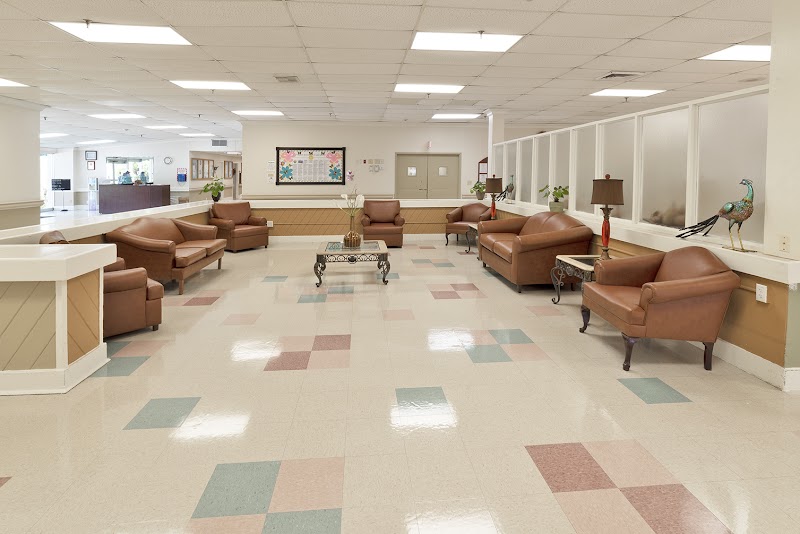
How is Avante At Lake Worth, Inc. Staffed?

CMS rates AVANTE AT LAKE WORTH, INC.'s staffing level at 4 out of 5 stars, which is above average compared to other nursing homes. Staff turnover is 34%, compared to the Florida average of 46%. This relatively stable workforce can support continuity of care.

What Have Inspectors Found at Avante At Lake Worth, Inc.?

State health inspectors documented 55 deficiencies at AVANTE AT LAKE WORTH, INC. during 2022 to 2025. These included: 54 with potential for harm and 1 minor or isolated issues. While no single deficiency reached the most serious levels, the total volume warrants attention from prospective families.
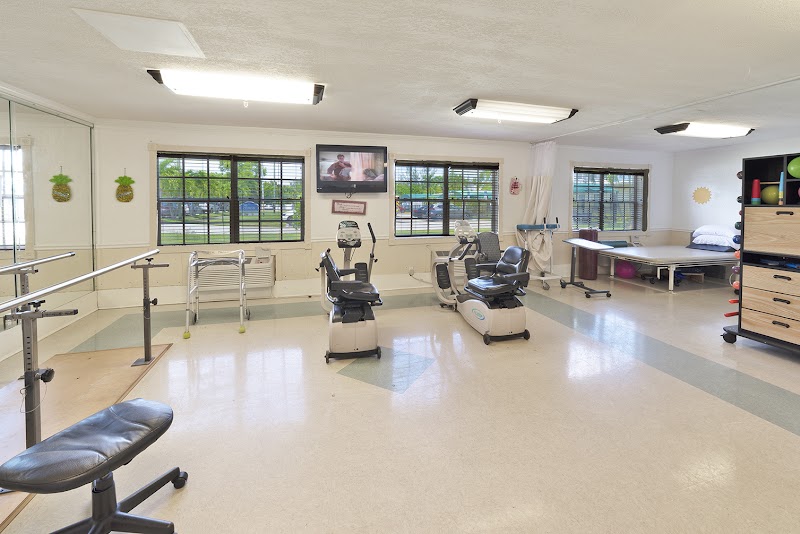
Who Owns and Operates Avante At Lake Worth, Inc.?

AVANTE AT LAKE WORTH, INC. is owned by a for-profit company. For-profit facilities operate as businesses with obligations to shareholders or private owners. The facility is operated by AVANTE CENTERS, a chain that manages multiple nursing homes. With 138 certified beds and approximately 103 residents (about 75% occupancy), it is a mid-sized facility located in LAKE WORTH, Florida.
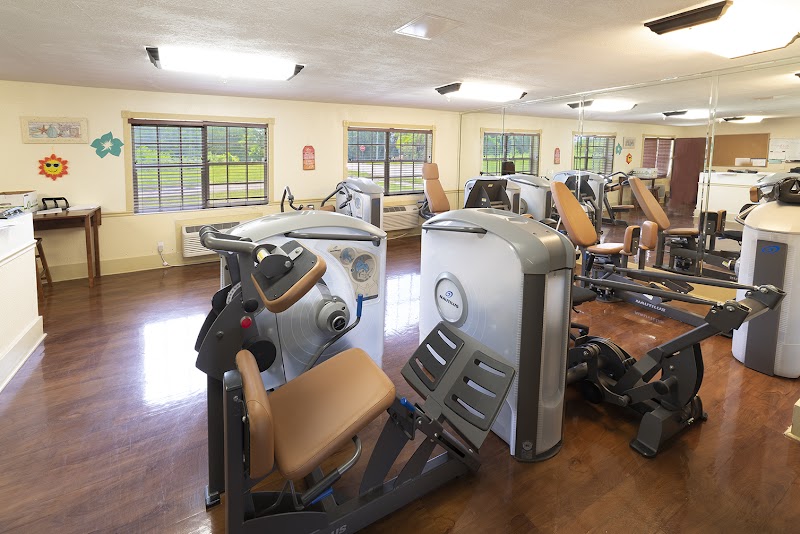
How Does Avante At Lake Worth, Inc. Compare to Other Florida Nursing Homes?

Compared to the 100 nursing homes in Florida, AVANTE AT LAKE WORTH, INC.'s overall rating (2 stars) is below the state average of 3.2, staff turnover (34%) is significantly lower than the state average of 46%, and health inspection rating (1 stars) is much below the national benchmark.

What Should Families Ask When Visiting Avante At Lake Worth, Inc.?

Based on this facility's data, families visiting should ask: "Can I visit during a mealtime to observe dining assistance and food quality?" "How do you handle medical emergencies, and what is your hospital transfer rate?" "Can I speak with family members of current residents about their experience?"

Is Avante At Lake Worth, Inc. Safe?

Based on CMS inspection data, AVANTE AT LAKE WORTH, INC. has a clean safety record: no substantiated abuse findings (meaning no confirmed cases of resident harm), no Immediate Jeopardy citations (the most serious violation level indicating risk of serious injury or death), and is not on the Special Focus Facility watch list (a federal program monitoring the lowest-performing 1% of nursing homes). The facility has a 2-star overall rating and ranks #100 of 100 nursing homes in Florida. While no facility is perfect, families should still ask about staff-to-resident ratios and recent inspection results during their visit.

Do Nurses at Avante At Lake Worth, Inc. Stick Around?

AVANTE AT LAKE WORTH, INC. has a staff turnover rate of 34%, which is about average for Florida nursing homes (state average: 46%). Moderate turnover is common in nursing homes, but families should still ask about staff tenure and how the facility maintains care continuity when employees leave.

Was Avante At Lake Worth, Inc. Ever Fined?

AVANTE AT LAKE WORTH, INC. has no federal fines on record. CMS issues fines when nursing homes fail to meet care standards or don't correct problems found during inspections. The absence of fines suggests the facility has either maintained compliance or corrected any issues before penalties were assessed. This is a positive indicator, though families should still review recent inspection reports for the full picture.

Is Avante At Lake Worth, Inc. on Any Federal Watch List?

AVANTE AT LAKE WORTH, INC. is not on any federal watch list. The most significant is the Special Focus Facility (SFF) program, which identifies the bottom 1% of nursing homes nationally based on persistent, serious quality problems. Not being on this list means the facility has avoided the pattern of deficiencies that triggers enhanced federal oversight. This is a positive indicator, though families should still review the facility's inspection history directly.