LAKE WORTH REHABILITATION CENTER
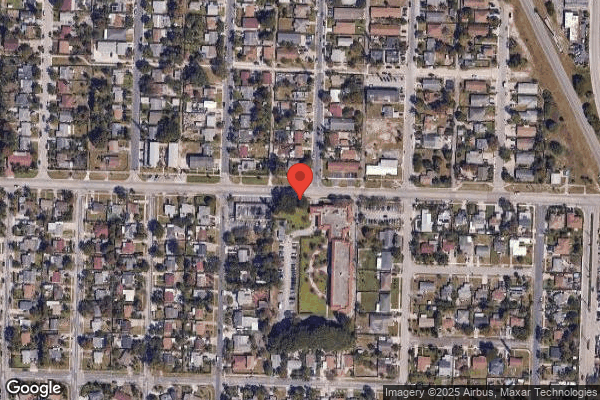

1201 12TH AVENUE SOUTH, LAKE WORTH, FL 33460 (561) 586-7404
For profit - Corporation 120 Beds SOVEREIGN HEALTHCARE HOLDINGS Data: November 2025 1 Immediate Jeopardy citation
Trust Grade
36/100
#516 of 690 in FL
Last Inspection: March 2024

Within standard 12-15 month inspection cycle. Federal law requires annual inspections.

Overview

Lake Worth Rehabilitation Center has received a Trust Grade of F, indicating significant concerns and poor quality of care. It ranks #516 out of 690 nursing homes in Florida, placing it in the bottom half of facilities in the state. The facility's trend is worsening, with issues increasing from 4 in 2023 to 11 in 2024. Staffing is a relative strength, earning a 4 out of 5 stars, but with a turnover rate of 43%, which is average for Florida. However, the facility has faced $9,318 in fines, which is concerning and suggests ongoing compliance issues. Recent inspector findings reveal several serious problems. Notably, a resident was able to leave the facility undetected, walking approximately two miles barefoot before being found by the police, highlighting a failure in supervision. Additionally, food was served in an unsanitary manner, with expired milk and dirty kitchen equipment observed. There were also issues with the cleanliness and safety of the environment, including stained linens and disrepair in resident rooms. While the staffing quality may offer some reassurance, these troubling incidents warrant careful consideration for families researching this facility.

Trust Score
F
36/100
In Florida
#516/690
Bottom 26%
Safety Record
High Risk
Review needed
Inspections
Getting Worse
4 → 11 violations
Staff Stability
○ Average
43% turnover. Near Florida's 48% average. Typical for the industry.
Penalties
○ Average
$9,318 in fines. Higher than 52% of Florida facilities. Some compliance issues.
Skilled Nurses
○ Average
Each resident gets 40 minutes of Registered Nurse (RN) attention daily — about average for Florida. RNs are the most trained staff who monitor for health changes.
Violations
⚠ Watch
28 deficiencies on record. Higher than average. Multiple issues found across inspections.
★★☆☆☆
2.0
Overall Rating
★★★★☆
4.0
Staff Levels
★★★☆☆
3.0
Care Quality
★★☆☆☆
2.0
Inspection Score
Stable
2023: 4 issues
2024: 11 issues

The Good

  • 4-Star Staffing Rating · Above-average nurse staffing levels
  • Full Sprinkler Coverage · Fire safety systems throughout facility
  • No fines on record
  • Staff turnover below average (43%)

    5 points below Florida average of 48%

Facility shows strength in staffing levels, fire safety.

The Bad

2-Star Overall Rating

Below Florida average (3.2)

Below average - review inspection findings carefully

Staff Turnover: 43%

Near Florida avg (46%)

Typical for the industry

Federal Fines: $9,318

Below median ($33,413)

Minor penalties assessed

Chain: SOVEREIGN HEALTHCARE HOLDINGS

Part of a multi-facility chain

Ask about local staffing decisions and management

The Ugly 28 deficiencies on record

1 life-threatening
Aug 2024 1 deficiency
CONCERN (D) 📢 Someone Reported This

A family member, employee, or ombudsman was alarmed enough to file a formal complaint

Potential for Harm - no one hurt, but risky conditions existed

Deficiency F0925 (Tag F0925)

Could have caused harm · This affected 1 resident

**NOTE- TERMS IN BRACKETS HAVE BEEN EDITED TO PROTECT CONFIDENTIALITY** Based on observations, interviews and record reviews, the facility failed to provide an environment free of pests in 4 of 15 roo...

Read full inspector narrative →
**NOTE- TERMS IN BRACKETS HAVE BEEN EDITED TO PROTECT CONFIDENTIALITY** Based on observations, interviews and record reviews, the facility failed to provide an environment free of pests in 4 of 15 rooms on the 2 South Unit (room [ROOM NUMBER], #241, #250 and #251). The findings included: Review of the second floor Maintenance Report Logbook, located at the nurse's station, revealed the following: - Concern regarding roaches in room [ROOM NUMBER]-A on 06/12/24, documented as 'fixed' on the same day. - Infestation of roaches in room [ROOM NUMBER] and 241 on 07/28/24 reported by staff. During a room-by-room tour on 08/12/24 at 10:05 AM, the following observations were made: In room [ROOM NUMBER], 2 (two) live juvenile roaches and multiple dead roaches were observed behind the [NAME]. There was also one dead juvenile roach observed on the resident's bed, while the resident was sleeping. In room [ROOM NUMBER], 2 (two) live and mature roaches were observed on the wall and floor behind vacant bed-A. In room [ROOM NUMBER], 2 (two) live juvenile roaches were observed on the floor in the shared bathroom, live and dead roaches in all stages of life were observed behind a nightstand to the left of the air conditioning unit, and dead roaches were observed by the window bed. In room [ROOM NUMBER], numerous live mature and juvenile roaches were observed behind a closet to the left of the air conditioning unit. Two (2) dead roaches were observed on the floor by the window bed. During a room-by-room tour, on 08/12/24 at 10:43 AM, accompanied by the Maintenance Supervisor and the Director of Nursing (DON), the concerns regarding pests were acknowledged and observed by both the Maintenance Supervisor and the DON. On 08/12/24 at 11:20 AM, the Administrator and the Social Services Manager were made aware of the concerns. During an interview, on 08/12/24 at 11:23 AM, with Staff B, when asked of the presence of roaches, Staff B stated, most of the time it is in the hallway, they have been treating the rooms. During an interview, on 08/12/24 at 11:59 AM, with Staff D, when asked of the presence of pests and roaches, Staff D replied, I have not seen them, but families have reported to me. I haven't heard any since maybe about a month ago. During a review of pest control invoices, dated from 05/09/24 to 08/06/24, it was noted that all the invoices documented no pest activity on the following dates: 05/09/24, 06/12/24, 07/10/24, 07/24/24 and 08/06/24. During an interview, on 08/12/24 at 12:28 PM, with the Pest Control Technician who treats the facility, when asked regarding the presence of pests and roaches, the Pest Control Technician replied, I have seen roach droppings, but they were dry. I have seen signs, but no live activity. The Pest Control Technician acknowledged that he was aware of the current infestation identified by the Surveyor and stated, I requested for them to empty out the resident's nightstands and move the residents so that I can do some extra treatments. The plan will be twice a week.
Mar 2024 10 deficiencies
CONCERN (D)

Potential for Harm - no one hurt, but risky conditions existed

Deficiency F0561 (Tag F0561)

Could have caused harm · This affected 1 resident

**NOTE- TERMS IN BRACKETS HAVE BEEN EDITED TO PROTECT CONFIDENTIALITY** Based on interview, record review, and policy review, the facility failed to ensure showers as per resident preference and sched...

Read full inspector narrative →
**NOTE- TERMS IN BRACKETS HAVE BEEN EDITED TO PROTECT CONFIDENTIALITY** Based on interview, record review, and policy review, the facility failed to ensure showers as per resident preference and schedule for 1 of 2 sampled residents reviewed for choices (Resident #51). The findings included: Review of the policy Shower Policy implemented 10/10/22 documented, Procedures: 1) Administer resident shower twice weekly and/or as often as necessary as per facility protocol. 2) If reasonably practicable, try to accommodate resident's preference in the shower schedule. 3) Shower refusal by the resident shall be relayed by the assigned CNA to the charge nurse. 10) document. Review of the record revealed Resident #51 was admitted to the facility on [DATE]. Review of the current Minimum Data Set (MDS) assessment dated [DATE] documented the resident had a Brief Interview for Mental Status (BIMS) score of 14, on a 0 to 15 scale, indicating he was cognitively intact. Further review of this MDS documented Resident #51 needed substantial assistance for showering. Review of the Annual MDS assessment dated [DATE] documented it was very important for the resident to choose between a bath and a shower. Review of the current care plan initiated on 08/26/22 documented the resident's plan was to remain in the facility as a long-term resident. This care plan documented staff were to consider the resident's preference for care such as showering/bathing time. Review of the Certified Nursing Assistant (CNA) documentation in the Tasks section of the electronic medical record (EMR) documented the shower schedule for Resident #51 was every Tuesday, Thursday, and Saturday during the 7 AM to 3 PM shift. Review of this documentation for the past 30 days lacked any documented provision of showers. Review of the progress notes for the past 30 days lacked any documentation related to showers. During an interview on 02/27/24 at 11:08 AM, when asked if he was receiving baths and or showers as per his preference, Resident #51 stated he should get a shower two or three times a week, but is lucky to get a shower once weekly. During an interview on 02/28/24 at 9:44 AM, Resident #51 was sitting up at his bedside, shaving with an electric shaver. When asked if he got cleaned up that morning, Resident #51 stated he asked for a shower but was told he had one yesterday, so he didn't need one that day. Resident #51 stated he would really like to have a shower daily, as that was what he did prior to his admission at the facility. During an interview on 02/29/24 at 1:59 PM, when asked the process for providing resident showers, Staff A, Certified Nursing Assistant (CNA), explained there was a written shower schedule that was also documented on the large white board (pointing to the white board at the nurses' station that documented the Nurse and CNA room assignments), and that they could also provide showers if requested by a resident. When asked if she documented the provision of a shower, the CNA explained there was a shower book and they filled out a shower sheet. The CNA was asked to locate and provide the shower schedule, shower book and documented shower sheets for the month of February 2024 for Resident #51. During a side-by-side review of the three requested items, Staff A identified Resident #51 was scheduled for showers on Tuesday, Thursday, and Saturday during the 7 AM to 3 PM shift. The CNA found evidence of showers for Resident #51 dated Tuesday 02/13/24, Wednesday 02/21/24, Thursday 02/22/24, Saturday 02/24/24, Monday 02/26/24, and Tuesday 02/27/24. The weekend supervisor found documentation for three additional showers dated Thursday 02/01/24, Saturday 02/03/24, and Tuesday 02/06/24. The weekend supervisor explained the shower sheets were in the supervisor's office as they needed to be signed off by a supervisor. The weekend supervisor also stated there may be some additional shower sheets waiting to be uploaded into the EMR. During an interview on 02/29/24 at 2:32 PM, the Medical Records person stated there was no pending documentation for Resident #51. Documentation revealed Resident #51 received only 9 of the 13 scheduled showers, or of the 29 preferred daily showers.
CONCERN (D)

Potential for Harm - no one hurt, but risky conditions existed

Assessment Accuracy (Tag F0641)

Could have caused harm · This affected 1 resident

**NOTE- TERMS IN BRACKETS HAVE BEEN EDITED TO PROTECT CONFIDENTIALITY** 2) On 02/28/24/ at 08:38 AM, a record review of the resident electronic medical recods revealed that Resident #96 was admitted t...

Read full inspector narrative →
**NOTE- TERMS IN BRACKETS HAVE BEEN EDITED TO PROTECT CONFIDENTIALITY** 2) On 02/28/24/ at 08:38 AM, a record review of the resident electronic medical recods revealed that Resident #96 was admitted to the facility on [DATE] and had a planned discharge home on [DATE]. The documentation in the resident's MDS was not accurate, as it documented that Resident #96 was transfered to the hospital. On 02/29/2024 at 8:56 AM, an interview was conducted with the MDS Coordinator. During this interview, the MDS Coordinator acknowledged the error regarding where the resident was discharged . Based on record review and interview, the facility failed to ensure accurate Minimum Data Set (MDS) assessments for 2 of 32 sampled residents related to oxygen use for Resident #91 and discharge status for Resident #57. The findings included: 1) Review of the record revealed Resident #91 was admitted to the facility on [DATE], was transferred to the hospital on [DATE], and returned to the facility on [DATE]. Review of the current orders documented to keep the resident's oxygen saturation at 90% or greater as of 02/07/24. Although the orders lacked a specific order for as needed oxygen, review of the oxygen saturation levels from 02/07/24 through 02/13/24 in the vital sign section of the electronic medical record (EMR) documented oxygen use on 5 of those 7 days. Review of the current MDS assessment dated [DATE] lacked any documented oxygen use for Resident #91. Review of the corresponding care plan initiated 02/25/24 documented Resident #91 was at risk for altered respiratory status and to administer oxygen as ordered and to monitor the oxygen saturation level as needed. During an interview on 03/01/24 at approximately 1:00 PM, when asked about the lack of documented oxygen use in the current MDS assessment dated [DATE], the MDS Coordinator referred to the order to maintain the oxygen levels at 90% or greater and then referred to the February 2024 Medication Administration Record (MAR) that documented all of the oxygen saturation levels taken each of the three daily shifts were at or above 90%. The MDS Coordinator stated because the oxygen levels were at or greater than 90%, oxygen was not in use by Resident #91. The MDS Coordinator agreed there was no documentation on the MAR as to whether those oxygen levels were taken with or without oxygen. When shown the oxygen saturation levels in the vital sign section of the EMR, that documented the oxygen was used on 5 of the 7 days during the MDS 7 day look-back period, the MDS Coordinator stated he thought it was a documentation error. When asked if the vital signs were taken and documented by the licensed nurses or the certified nursing assistants, the MDS Coordinator stated it was completed by the licensed nursing staff.
CONCERN (D)

Potential for Harm - no one hurt, but risky conditions existed

PASARR Coordination (Tag F0644)

Could have caused harm · This affected 1 resident

**NOTE- TERMS IN BRACKETS HAVE BEEN EDITED TO PROTECT CONFIDENTIALITY** Based on record review and interview, the facility failed to refer 1 of 1 sampled resident for a Level II resident review, as in...

Read full inspector narrative →
**NOTE- TERMS IN BRACKETS HAVE BEEN EDITED TO PROTECT CONFIDENTIALITY** Based on record review and interview, the facility failed to refer 1 of 1 sampled resident for a Level II resident review, as indicated by the pre-admission screening and resident review (PASRR) Level I review completed by hospital staff (Resident #67). The findings included: Review of the record revealed Resident #67 was admitted to the facility on [DATE], transferred to the hospital on [DATE], and returned to the facility on [DATE]. Review of the PASRR Level I screen completed by the hospital on [DATE] documented by checkmark that Resident #67 had depressive disorder as documented in Section 1A, and was currently receiving services for MI (mental illness). Further review of this PASRR documented in Section II.1. there was an indication the individual had or may have had a disorder resulting in functional limitations in major life activities that would otherwise be appropriate for the individual's developmental stage. Section II. 3. A. documented the resident had received recent treatment for a mental illness with an indication of psychiatric treatment more intensive than outpatient care. Section II. 3. B. documented the resident had experienced an episode of significant disruption to the normal living situation, for which supportive services were required to maintain functioning at home, or in a resident treatment environment, or which resulted in interventions by housing or law enforcement officials. The directions on the PASRR Level I form documented, A Level II PASRR evaluation must be completed prior to admission if any box in Section 1.A. or 1.B. is checked and there is a 'yes' checked in Section II.1, II.2, or II.3, unless the individual meets the definition of a provisional admission or a hospital discharge exemption. Further review of this PASRR documented it was not a provisional admission. Section IV of this PASRR lacked documentation the resident may be admitted to the facility, as the section was left blank. Further review of the electronic medical record (EMR) lacked any documented Level II PASRR. Review of the current orders revealed Resident #67 was being administered Risperdal (an antipsychotic medication) every 12 hours for behavioral and psychological symptoms of dementia, Lorazepam (an antianxiety medication) twice daily for anxiety, and Benztropine (an anticholinergic antiparkinson medication used for tremors) at bedtime for extrapyramidal side effects (EPS/drug-induced movement disorders). Resident #67 was being monitored for psychotropic side effects and behaviors. A current care plan initiated on 07/29/22 and revised on 07/19/23 documented the resident had an aggressive history toward staff with multiple documented behaviors. During an interview on 02/28/24 at 11:08 AM, when asked if the PASRR Level I that was completed by the hospital on [DATE] indicated a need for a Level II, the Social Services Director (SSD) stated, I am not real familiar with the form. It is done by the Administrator or DON (Director of Nursing). During an interview on 02/29/24 at 9:43 AM, Administrator confirmed she was responsible for reviewing and completion of the PASRR forms. When asked about the Level II PASRR for Resident #67, the Administrator agreed a Level II should have been completed in January 2023, as indicated on the Level I completed by the hospital at that time. The Administrator stated it had been missed.
CONCERN (D)

Potential for Harm - no one hurt, but risky conditions existed

Deficiency F0657 (Tag F0657)

Could have caused harm · This affected 1 resident

**NOTE- TERMS IN BRACKETS HAVE BEEN EDITED TO PROTECT CONFIDENTIALITY** Based on record review and interview, the facility failed to revise the care plan for 1 of 5 sampled residents reviewed for unne...

Read full inspector narrative →
**NOTE- TERMS IN BRACKETS HAVE BEEN EDITED TO PROTECT CONFIDENTIALITY** Based on record review and interview, the facility failed to revise the care plan for 1 of 5 sampled residents reviewed for unnecessary medications (Resident #33). The findings included: Review of the record revealed Resident #33 was admitted to the facility on [DATE], transferred to the hospital on [DATE] and returned on 07/15/23. Review of the current Minimum Data Set (MDS) assessment dated [DATE] lacked any documented use of opioids (narcotic pain medications). Review of the current physician orders lacked any opioids, and indicated Tylenol was the only medication ordered for pain. Review of the current care plan initiated on 09/04/22 and revised on 02/07/23 documented Resident #33 was at risk for pain or discomfort related to (multiple diagnosis and conditions) . and oxycodone 5 milligrams being administered every eight hours as needed. This care plan also documented an intervention to administer Naloxone (a medication to reverse an opioid overdose) as needed. Further review of the record revealed the previously ordered oxycodone had been discontinued on 07/15/23. During an interview on 03/01/24 at about 1:00 PM, upon review of the current care plan related to pain management for Resident #33, the MDS Coordinator agreed the care plan had not been revised. The MDS Coordinator also agreed that the narcotic had been discontinued on 07/15/23. The MDS Coordinator had no reason for the failure to revise the care plan.
CONCERN (D)

Potential for Harm - no one hurt, but risky conditions existed

Deficiency F0698 (Tag F0698)

Could have caused harm · This affected 1 resident

**NOTE- TERMS IN BRACKETS HAVE BEEN EDITED TO PROTECT CONFIDENTIALITY** Based on observation, interview, and record review, the facility failed to coordinate care between the facility and dialysis for...

Read full inspector narrative →
**NOTE- TERMS IN BRACKETS HAVE BEEN EDITED TO PROTECT CONFIDENTIALITY** Based on observation, interview, and record review, the facility failed to coordinate care between the facility and dialysis for 1 of 2 residents reviewed for dialysis (Resident #29). The findings included: 1) Resident #29 was admitted to the facility on [DATE], with diagnoses included End Stage Renal Disease. A comprehensive assessment dated [DATE] documented the resident had severe cognitive impairment and was receiving Hemodialysis. Resident #29 as care planned for at risk for complications related to hemodialysis. Dialysis Days: M-W-F in house. An intervention included collaborate care services with dialysis center. A review of the facility's Dialysis Resident Communication Report from 01/29/24 until 02/28/24 revealed no documentation in the Dialysis Center Staff section of the Communication Report revealed no documentation of any medicine given in dialysis, except on 02/28/24 (Wednesday), where it was documented Heparin and Micera (medicine to increase Red Blood Cells) 50 micrograms (mcg) was given. A review of Resident #29's orders revealed an order dated 02/22/24 for Micera 100 mcg at dialysis every other Wednesday. 2) Resident #29 was also care planned for at risk for alteration nutrition/hydration. Nepro 1.8 at 60ml/hr x 18 hrs (on at 6P off at 12P). This provides 1944 kcals, 87 gms pro, 785ml free H2O (plus 630ml flushes). She also receives Liquid protein supplement BID for an additional 200 kcals 30 gms pro daily for stage 4 sacrum wound. An interview was conducted with Staff Z, a Registered Nurse on 03/01/24 at 11:00 AM. Staff Z stated Resident #29 get disconnected from tube feedings prior to going to dialysis at approximately 7-8 AM on Mondays, Wednesday, and Friday. Staff Z stated the resident is not reconnected to tube feedings until 6 PM that evening. (tube feedings off for approximately 4 hours early). 3) Further record review for Resident #29 did not reveal any communication with facility Dietitian and dialysis Dietitian.
CONCERN (D)

Potential for Harm - no one hurt, but risky conditions existed

Infection Control (Tag F0880)

Could have caused harm · This affected 1 resident

**NOTE- TERMS IN BRACKETS HAVE BEEN EDITED TO PROTECT CONFIDENTIALITY** Based on observation, interview, and record review, the facility failed to follow infection control practices after wound care f...

Read full inspector narrative →
**NOTE- TERMS IN BRACKETS HAVE BEEN EDITED TO PROTECT CONFIDENTIALITY** Based on observation, interview, and record review, the facility failed to follow infection control practices after wound care for 1 of 2 sampled residents observed for wound care (Resident #43); Failed to follow best practice to prevent transmission of blood-borne pathogens using the ultra-mist machine for 1 of 1 sample residents with specialized wound care (Resident #43); and failed to maintain clean oxygen tubing for 1 of 2 residents reviewed for respiratory care (Resident #91). The findings included: A review of the facility's policy Wound Cleansing and Dressing, revised on 9/25/23, documented: Cleanse the wound using normal saline or wound cleanser. Change gloves and perform hand hygiene as needed to prevent contamination. Apply new dressing after cleansing the wound. 1) A wound care observation for Resident #43 was conducted with the Wound Care Nurse (WCN) on 02/28/24 at 11:50 AM. The wound care nurse cleaned the resident's sacral wound as ordered. The WCN continued wound care with the same gloves on. The WCN dressed Resident #43's wound, and continued to reposition the resident in bed, touching tube feeding pole/pump, etc with the same gloves on and no hand hygiene. An interview was conducted with the WCN on 02/29/24 at 12:00 PM. The WCN acknowledged she did not remove her gloves and perform hand hygiene after she cleaned Resident #43's wound. 2) A review of the facility's policy Ultra Mist Therapy, revised on 02/07/24, documented under cleaning the Ultra Mist System: Do not sterilize the treatment wand including tip with steam, ETO, radiation, gas/plasma, or cold sterilant. May clean and sanitize with regular cleaning materials unless in an isolation room. Disinfect with approved disinfectant if in isolation. Wound care treatment was observed on Resident #43 on 02/28/24 at 11:40 AM. Staff Z, a Physical Therapist (PT), was observed bringing an Ultra Mist System (special wound care equipment that uses ultrasound and Normal Saline mist to aid in the healing of a pressure ulcer) in the resident's room. Along with the system, Staff Z brought in a red biohazard bag, and donned protective eye glasses and a mask. Staff Z explained sometimes the wounds treated can be bloody. Staff Z proceeded to place a disposable applicator on the treatment wand. Staff Z provided treatment with the applicator close to the wound for 4 minutes. Staff Z stated the Ultra Mist System was new to the facility, approximately 3 months, and therapy was trained on how to use it. After treatment of Resident #43's sacral wound, Staff Z stated she was going to wipe the system down with alcohol pads. Staff Z proceeded to grab a container of hand disinfective wipes, and wipe the machine down. Staff Z stated that was what she was trained to do. Further observation of the hand disinfective wipes container revealed the wipes contained 70% alcohol. An interview was conducted with the Nursing Home Administrator (NHA) on 02/28/24 at 3:00 PM. The NHA stated alcohol wipes should not be used to disinfect the Ultra Mist System. The NHA stated bleach wipes should be used to disinfect the machine. An interview was conducted with the NHA and Director of Nursing on 02/29/24 at 10:00 AM. The NHA stated she misspoke when she stated alcohol should not be used to disinfect the Ultra Mist System. The NHA stated she reached out to the company and the company stated via email that 70% alcohol wipes are approved options as indicated on our IFU (instructions for use). The use of certain chemicals can affect the plastic on the Ultra Mist System and can void the warranty of the product. The recommendation is often to use 70% alcohol wipes as they are often on hand, they have less abrasive smell and more likely to be tolerated by the patient population, it removes the variation of needing to dilute the concentration of bleach per the manufacturer's recommendations, some facilities have various types and the concentration can vary, this extra step can lend to confusion in the dilution process. Facilities and clinicians have preferred to not choose this method as the 70% alcohol wipes are equally as effective. The patient is not in contact with the ultra mist device, and there is a single use, per patient disposable component provided for the purpose of sterility. This company does not support the position that the facility should specifically be using bleach to wipe down the Ultra Mist System, and support and further recommend the 70% alcohol option due to the reasons stated above. A review of the Ultra Mist System Instructions for use manual documented to use germicidal wipes for cleaning/disinfecting. An interview was conducted with the Infection Control Preventionist (ICP) on 02/29/24 at 2:00 PM. The ICP stated the nurses clean all equipment such as glucometers (machine to measure blood sugars), as well as medicine carts with bleach wipes. The ICP further stated all nurses carts are stocked with bleach wipes only, because she did not want them to confuse them with the alcohol wipes. The ICP stated she did not know that they were using alcohol wipes to disinfect the Ultra Mist System. The ICP stated alcohol wipes were not appropriate for the facility's setting/population. The ICP stated alcohol was not effective on Multiple Drug Resistant Organism infections such as C-Diff, or any blood borne pathogens. The ICP stated she ordered some Sani -Wipes which contain some bleach, but was less caustic to disinfect/clean the Ultra Mist System. The facility had 3 residents with current orders for the Ultra Mist System. 3) Review of the Oxygen Management Policy revised 05/04/23 documented, 5. Care of Concentrator: c. Nurse responsibilities: i. Change oxygen tubing and mask/cannula weekly and as needed if it becomes soiled or contaminated. Review of the record revealed Resident #91 was admitted to the facility on [DATE], was transferred to the hospital on [DATE], and returned to the facility on [DATE]. Current physician orders dated 02/07/24 documented to keep oxygen saturation at 90% or greater, and to administer Ipratropium-Albuterol nebulizer treatment every 6 hours. Review of the oxygen saturation levels obtained by the nurses, documented Resident #91 utilized oxygen on 13 of 22 days from 02/07/24 through 02/29/24. Review of the current care plan initiated on 02/22/24 documented to change oxygen tubing per facility protocol and or physician order, and as needed. Observations on 02/26/24 at 10:13 AM, 02/26/24 at 3:49 PM, and 02/27/24 at 10:48 AM revealed oxygen tubing that was not dated in any way (Photographic Evidence Obtained). Resident #91 was using the oxygen at 2 to 3 liters/minute. A nebulizer machine was noted on the resident's bedside night stand, with tubing running from the machine into the closed top drawer. Resident #91 gave permission to look in the top drawer. The mask was noted in a clear plastic bag and no date was noted (Photographic Evidence Obtained). An observation on 02/28/24 at 11:52 AM revealed the oxygen tubing had been removed, and the concentrator was no longer in use. The nebulizer tubing remained in the closed top drawer. During an interview on 03/01/24 at 10:11 AM, when asked the process for maintaining the oxygen and nebulizer tubing, Staff D, Licensed Practical Nurse (LPN) explained it was done weekly be the night shift. An observation with Staff D revealed the same nebulizer tubing in the top drawer of the bedside night stand of Resident #91. Upon observation, the LPN was unable to find a date on the tubing or bag. Upon closer observation, the mask was noted with small brown debris inside. The LPN confirmed she had used the mask earlier that day, did not notice the lack of any date, and agreed it needed to be changed.
CONCERN (E)

Potential for Harm - no one hurt, but risky conditions existed

Safe Environment (Tag F0584)

Could have caused harm · This affected multiple residents

**NOTE- TERMS IN BRACKETS HAVE BEEN EDITED TO PROTECT CONFIDENTIALITY** Based on observation and interview, the facility failed to provide a safe, clean, comfortable, and homelike environment for resi...

Read full inspector narrative →
**NOTE- TERMS IN BRACKETS HAVE BEEN EDITED TO PROTECT CONFIDENTIALITY** Based on observation and interview, the facility failed to provide a safe, clean, comfortable, and homelike environment for residents on 1 of 2 units/floors in the facility (2nd floor secured unit). This affected Residents #67, #24, #85, #51, #79, #57, #58, #68, #40, #31, #59, #32, #91, #28). The findings included: The following observations were made during environmental tours on 02/26/24 and 02/27/24 in the secured unit on the second floor of the facility (photographic evidence obtained): room [ROOM NUMBER]B - overbed light string was off; Resident's daughter stated the string pulls off very easily. The daughter must pull on the short little string to turn the light on or off. The toilet in bathroom has debris. room [ROOM NUMBER]A - Stained privacy curtains, bedside chairs, and linens. room [ROOM NUMBER]B - Rust on bottom rail of bed; light string missing from over-bed light and lying over bedside nightstand. room [ROOM NUMBER]B - Over-the-bed table with corner in disrepair. When asked how long it had been like that, Resident # 51 stated, Oh about 3 months or so. My previous roommate broke it. The table was also very wobbly. room [ROOM NUMBER] - Red splattering on window air conditioning unit; the over-the-bed table had one corner in disrepair; privacy curtain was stained. room [ROOM NUMBER]A - IV pole and bed rail near the tube feeding pole were soiled with tube feeding contents; the mattress near the tube feeding pole was splattered with residue from tube feeding contents. room [ROOM NUMBER] - Bed A's nightstand was missing strip along top edge. The bottom cabinet door was missing its knob, and the door was hanging crooked on its hinge. The bathroom toilet tank was missing its cover. room [ROOM NUMBER]A - Over-bed table's edge is separating from the table. The bathroom wall by handrail next to toilet had brown smudge which resembled feces. room [ROOM NUMBER]A - The over-bed table is starting to bubble and separate around edges. room [ROOM NUMBER]A - Over-bed table's corner is coming apart. Toilet brush was left lying on back of toilet tank lid. room [ROOM NUMBER]B - Over-bed table is separating around edges; The bathroom has strong urine smell. The floor around the toilet was soiled. room [ROOM NUMBER]A - Over-bed table is coming apart at the corner; the top drawer's bottom edging on the nightstand is starting to come off along the left side corner. room [ROOM NUMBER]B - The side chair's seat is stained/dirty; The over-bed table is separated around edges and the bathroom toilet seat was soiled with feces. room [ROOM NUMBER]B - Over-bed table edges are separating, with some edges missing; The side chair was soiled/stained. An interview was conducted with Maintenance Director on 02/28/24 at 3:12 PM, he stated that Angel rounds are completed each morning and if there are any environmental concerns, they are put in the maintenance logbook at the nurse's station and maintenance staff will check the logbook periodically (every 1-2 hours). Concerns will also be brought up at the morning meetings. On 02/29/24 at 2:36 PM, a tour was conducted with the Maintenance Director. He acknowledged the concerns presented to him during the tour of the above resident rooms.
CONCERN (E)

Potential for Harm - no one hurt, but risky conditions existed

Deficiency F0679 (Tag F0679)

Could have caused harm · This affected multiple residents

**NOTE- TERMS IN BRACKETS HAVE BEEN EDITED TO PROTECT CONFIDENTIALITY** 6) On 2/26/24 at 11:00 AM, a review of the resident Electonic medical records revealed that Resident #9's Brief Interview for Me...

Read full inspector narrative →
**NOTE- TERMS IN BRACKETS HAVE BEEN EDITED TO PROTECT CONFIDENTIALITY** 6) On 2/26/24 at 11:00 AM, a review of the resident Electonic medical records revealed that Resident #9's Brief Interview for Mental Status (BIMS) was 08 out of 15. She was admitted to the facility on [DATE]. On 02/26/24 at 4:16 PM, the resident was observed in her room. The resident had been seen in her room most of the day. During an interview with Resident #9, she stated that she needed someone to transport her to Activities, and she was bored. The Resident's Care Plan Interventions documented: Provide materials to utilize in room when requested. The resident will be assisted to activities of choice, and verbalize satisfaction with activity plan and social interaction. On 02/28/24 at 9:20 AM, the Activities Director was asked about the activities for Resident #9. The Activities Director stated that she did not have any knowledge or documentation regarding Resident #9's participation in any specific activities. 4) Resident #37 was admitted to the facility on [DATE]. A comprehensive assessment dated [DATE] documented the resident had severe cognitive impairment and was dependent on activities of daily living. Resident #37 was care planned for memory problems due to Dementia. The resident enjoys staying in her room at times or in the lounge area watching TV/movies/news/listening to music/socializing with peers/staff, attending Ice cream socials, going outside with peers and during family visits, getting her nails done by her daughter or staff, and BINGO/Word games/Game shows especially Jeopardy. Her Representative brought her a stuffed animal, her bunny, which she loves to hold and play with throughout the day when she chooses to. Interventions included: Provide materials to utilize in room when requested, and Provide with activity calendar, invite and encourage to attend activities daily, respect wishes to decline participation. Resident #37 was observed throughout the survey 02/26/24 and 03/01/24 in bed without any activities provided. 5) Resident #43 was admitted to the facility on [DATE]. A comprehensive assessment dated [DATE] documented the resident had severe cognitive impairment, and was dependent on activities of daily living. Resident #43 was care planned for none verbal and stay in his room watching TV and getting daily chronicle read to him. Interventions included: Provide with activity calendar, also get room visits 3-5 per week from activities. Resident #37 was observed throughout the survey 02/26/24 and 03/01/24 in bed without any activities provided. 7) Resident #40 was admitted to the facility on [DATE], and she is currently in Hospice. On 02/26/24 at 11:02 AM, Resident #40 was seen lying in bed on her right side. The Resident's eyes were open, but she was unresponsive to my Good Morning greeting or attempts to engage her in conversation. No music was playing in the room at this time. The television was not on. On 02/27/24 at 9:02 AM, Resident is seen with her eyes closed. She appears to be in some discomfort, showing restlessness. The nurse was notified by the surveyor of this observation. The Nurse later documented in her progress notes that the resident was very agitated and restless, and unable to verbalize needs .Orders given by hospice nurse to administer Buspar 5 mg PO [by mouth] twice a day, Lorazepam 1 mg PO every 6 hours PRN [as needed] for agitation [Name] made aware and gave consent to administer. Orders transcribed. No music was playing in the room, and the television was not on. On 02/28/24 at 9:55 AM, Resident was lying in bed on right side. Resident was resting peacefully. No music playing in her room. The television is not on. On 02/29/24 at 2:31 PM, Resident appears to be restless; she is laying uncovered in the bed. No music is playing in her room. Television is not on. A review of Resident #40's latest comprehensive Minimum Data Set (MDS) after a Significant Change (Hospice) on 06/08/23, the MDS documents under section for Activity Preferences that it very important to listen to music I like; and Somewhat important to keep up on news and have newspapers, books and magazines, and do things with groups of people. A review of the Care Plan completed on 12/28/23 documents for Activities: Resident prefers independent activities. Resident to receive friendly visits 3-5 times a week for added socialization. On 02/29/24 at 10:50 AM, an interview was conducted with the Activities Director, she stated, I just started this job on the 6th of this month. My aide started on the 8th. We have been doing just basic activities to get to know the residents since starting. We have just started the 1:1 visits. There are 3 activities personnel; 2 upstairs and 1 downstairs. On 02/29/24 at 1:15 PM, the Activities Director stated, I have done some 1:1 activities with this resident. We are trying to do hand massages with her as a calming activity. Activity Director confirmed that there was no documentation recording the days, times, and type of 1:1 activities being done with the residents requiring 1:1 visits. Interview with the previous Activity Director on 02/29/24, who is now working in Medical Records, confirmed that any documented 1:1 activity should have been documented in the electronic record under Tasks. Review of the electronic Activity Task Sheet shows no group, independent or 1:1 activities done with Resident #40 from 02/06/24 to 02/29/24, except for television on 02/15/24, 02/17/24, 02/20/24 and 02/21/24. Based on observation, record review, interview, and policy review, the facility failed to provide an ongoing activity program based upon assessments, care plans, and personal preferences, for 2 of 2 residents who voiced concerns related to the lack of activities (Resident #51 and #9), and for 5 of 5 residents observed only in their rooms, with a lack of sensory stimulation, and or assessed as needing either one-to-one activities or friendly visits (Residents #79, #91, #37, #43, and #40). The findings included: Review of the Activities Policy implemented 10/16/23 and revised 02/07/24 documented, 3. Our activity programs consist of individual and small and large group activities that are designed to meet the needs and interests of each resident and include, as a minimum: . (The policy then describes multiple different types of activities provided by the facility.) This policy lacked any information for one-to-one or sensory type activities for the cognitively impaired residents. At the time of the survey, the facility lacked any written policy or procedure for one to one activities or friendly visits as documented in resident care plans. 1) Review of the record revealed Resident #51 was admitted to the facility on [DATE]. Review of the current Minimum Data Set (MDS) assessment dated [DATE] documented the resident had a Brief Interview for Mental Status (BIMS) score of 14, on a 0 to 15 scale, indicating the resident was cognitively intact. Review of the Annual MDS assessment dated [DATE] documented it was very important for Resident #51 to participate in his favorite activities and to go outside. Review of a Quarterly Activity Evaluation dated 12/07/23 documented current interests for Resident #51 included books/newspapers/magazines, TV/movies, going outside, and sports. Review of the current care plan initiated on 06/02/22 and revised on 02/25/24 documented Resident #51 preferred to stay in his room watching TV/movies/news and socializing with peers/staff, and enjoys going outside when he chooses. Interventions included to provide the resident with the activity calendar, and to invite, escort, and encourage to attend activities. An additional intervention dated 06/05/23 included for staff to provide friendly visits daily for added socialization. During an interview on 02/27/24 at 11:09 AM, when asked if he participates in any of the activities at the facility, Resident #51 stated, What activities? When asked what he would like to do, the resident stated he enjoyed card games with a group. When asked if there were any card games or card groups at the facility, the resident stated he was not aware of any. An observation of the February 2024 Activity Calendar in the resident's room lacked any scheduled card games (Photographic Evidence Obtained). An observation of the February 2024 activity calendar posted in the common area of the second floor documented card games were scheduled for 02/10/24 at 11:00 AM (Photographic Evidence Obtained). During an interview on 02/29/24 at 2:10 PM, Staff E, Activity Assist assigned to the second floor, explained she had been a Certified Nursing Assistant (CNA) at the facility for about a year, and had joined the activity department about two weeks prior to the survey. Staff E confirmed she worked every other weekend, including the weekend of 02/10/24. When asked if the facility had the Card Games activity on 02/10/24, Staff E stated she was not aware of any card games and had not organized any such activity. When asked what she had been doing in activities, Staff E explained she was assigned to the second floor and she had been doing the group activities. When asked if she had done any one to one activities for the residents in their rooms, Staff E stated only that she goes around and turns on the TVs about 2 PM each day. When asked specifically about Resident #51, Staff E stated when she was a CNA, she would sometimes take him outside after he ate lunch in the downstairs dining room. Staff E stated she hadn't done that for awhile. On 02/29/24 at 2:40 PM, the Activity Director, who had stated she was fairly new to the facility and was still learning the resident's names, and that she worked Monday through Friday, and her activity assistants would rotate weekends. The Activity Director was taken into the room of Resident #51. Upon arrival, Resident #51 stated he had seen that staff down in the dining room, but did not know she was part of the activity program. Resident #51 stated he only knew she was a lady who makes rounds in the dining room. When told she was the new Activity Director, Resident #51 became visibly upset and stated, If it says on that calendar that it's time for a walk or something, when I go to do it, they tell me it's canceled for whatever reason. Resident #51 stated they used to offer to take him outside after lunch, but they don't do that anymore. Resident #51 stated the new director would have to prove herself as he had lost confidence in the program. Review of the documented activities in the Tasks section of the electronic medical record (EMR) lacked any documented activities for the past 30 days, expect for four days of documented Television in Room. 2) Review of the record revealed Resident #79 was admitted to the facility on [DATE]. Review of the current MDS assessment dated [DATE] documented the resident was rarely understood and severely cognitively impaired. Review of the most current Activity assessment dated [DATE] documented Resident #79 was dependent upon staff to manage the television or radio, and would receive one to one staff visits for mental and social stimulation. Review of the current care plan initiated on 10/17/23 documented Resident #79 enjoyed watching the television, listening to music, and getting activities and family visits. An intervention included daily friendly visits for added socialization. Review of the Tasks section of the EMR for the past 30 days documented the television as the only activity on four days. Multiple observations throughout the survey and specifically on 02/26/24 at 4:23 PM, 02/28/24 at 9:42 AM, and on 03/01/24 at 10:12 AM, all revealed Resident #79 in her darkened and quiet room, in bed, with no television, radio, or any other type of sensory stimulation. 3) Review of the record revealed Resident #91 was admitted to the facility on [DATE]. Review of the current care plan initiated on 01/03/24 documented the resident was new to the facility, and enjoyed staying in room at times watching television/movies/news, going outside, enjoyed reading the Bible, surfing the web on his phone, and enjoyed attending group activities. This same care plan documented the resident preferred to pursue Independent activities and visits from family members. An additional intervention documented to provide with friendly visits daily for added socialization. Multiple observations throughout the survey from 02/26/24 through 03/01/24 revealed Resident #91 in his room, always in bed, with no television or music playing. The resident was never observed doing anything but lying in bed with his eyes closed, except for during meals. The EMR lacked any documented evidence of any type of activity. During an interview on 02/29/24 at 10:54 AM, the Activity Director explained she had looked through all the information in the activity department, but had not found any type of one to one resident list or book. The Activity Director stated there was documentation in the EMR for activities, but that she and her staff had not been doing any documentation. The Activity Director stated there were currently two activity aides, one assigned upstairs and one downstairs, who were responsible for both the group and individual activities. The Activity Director explained she had just made a list of residents who she had assessed as needing one to one activities for conversation or sensory stimulation, but again stated she had not been documenting the provision of activities. The Activity Director provided her one to one resident list, which did not include Resident #91. The list did include Resident #79 (example #2). During an interview on 02/29/24 at about 4:00 PM, the Medical Records person, who was the previous Activity Director, stated she did not have any type of one to one resident list or book, but stated she was told just to document the provision of activities in the EMR. The Medical Records person stated she left the activity department on 02/23/24.
CONCERN (E)

Potential for Harm - no one hurt, but risky conditions existed

Room Equipment (Tag F0908)

Could have caused harm · This affected multiple residents

**NOTE- TERMS IN BRACKETS HAVE BEEN EDITED TO PROTECT CONFIDENTIALITY** 2) The following observations were made during environmental tours on 02/26/24 and 02/27/24 in the secured unit on the second fl...

Read full inspector narrative →
**NOTE- TERMS IN BRACKETS HAVE BEEN EDITED TO PROTECT CONFIDENTIALITY** 2) The following observations were made during environmental tours on 02/26/24 and 02/27/24 in the secured unit on the second floor of the facility (photographic evidence obtained):. room [ROOM NUMBER]B - Wheelchair stained; rust on bottom rail of bed; room [ROOM NUMBER]A - IV pole contained much rust. room [ROOM NUMBER]A - IV pole and bed rail near the tube feeding pole were soiled with tube feeding contents; the mattress near the tube feeding pole was splattered with residue from tube feeding contents. room [ROOM NUMBER]A - The resident's reclining wheelchair's footrest is observed to be lopsided, tilting downward on the left side. room [ROOM NUMBER]B - The vinyl on the resident's wheelchair arms is partially missing. room [ROOM NUMBER]B - The vinyl on the wheelchair arms is cracked and coming off. An interview was conducted with Maintenance Director on 02/28/24 at 3:12 PM, he stated that Angel rounds are completed each morning and if there are any environmental concerns, they are put in the maintenance logbook at the nurse's station and maintenance staff will check the logbook periodically (every 1-2 hours). Concerns will also be brought up at the morning meetings. On 02/29/24 at 2:36 PM, a tour was conducted with the Maintenance Director. He acknowledged the concerns identified and presented to him during this tour. Based on observation and interview, the facility failed to maintain resident care equipment in a safe and sanitary condition related to specialized mattress and wheelchairs for 7 of 32 sampled residents (#24, #68, #40, #32, #91, #21, #28). The findings included: 1) Review of the record revealed Resident #28 was admitted to the facility on [DATE] with a large pressure injury to his sacrum. This wound healed and re-opened in June 2023. Review of the current Minimum Data Set (MDS) assessment dated [DATE] revealed Resident #28 was totally dependent on staff for all activities of daily living and had two pressure injuries. Review of the orders documented the initiation of a low airloss specialty mattress as of 10/14/22. This order documented to check for placement and settings every shift. During an observation on 02/26/24 at 11:28 AM, Resident #28 was noted in bed, lying on a specialty air mattress. Observation of the specialty air mattress pump control unit revealed clear packing-type tape wrapped around the cord where it attached to the machine, and the tape continued around the entire machine (Photographic Evidence Obtained). On 02/28/24 at 2:36 PM, the specialty air mattress pump control unit remained the same, with the clear tape wrapped around the machine in the same manner. Staff B, the assigned Certified Nursing Assistant (CNA), who had also worked on Monday 02/26/24, was asked to come to the resident's room, and stated she had not noticed the tape wrapped around the air mattress control unit. The CNA stated she would now report it to a supervisor. Staff F, assigned Licensed Practical Nurse (LPN) on Tuesday 02/27/24 and 02/28/24, was unaware of the tape wrapped around the control unit. The Assistant Director of Nursing (ADON)/second floor supervisor was unaware of the tape wrapped around the control unit. The Administrator arrived at the resident's room and stated she was unaware of the situation. The Administrator explained that any needed maintenance would be logged into the maintenance book at the nurses' station. Review of the maintenance book from December 2023 to the present lacked any documented maintenance concerns for Resident #28. When asked about any type of rounds by the managerial staff, the ADON stated they do daily Angel Rounds for each resident. During an interview on 02/28/24 at 3:12 PM, the Maintenance Director stated he was unaware of the need for a new mattress or control unit for Resident #28 until today, after surveyor intervention. When asked the process for maintenance concerns identified by staff, the Maintenance Director explained all concerns should be documented in the maintenance books located at each nurses' station, and he or his staff will check the books every 1 to 2 hours throughout the day. The Maintenance Director confirmed they do Angel Rounds each morning, and again any concerns would need to be logged in the maintenance books. The director also stated the staff report concerns during the morning meetings. Review of the documented Angel Rounds for Resident #28 revealed they were completed daily by the Director of Rehab (DOR), with the last one completed on Friday 02/23/24. There were no documented concerns for Resident #28. The Director of Rehab was asked to go into the resident's room with the surveyor on 02/29/24 at approximately 3:00 PM. When asked what he observes during his Angel Rounds, the Director of Rehab explained he looks at both the resident and the room to identify any potential needs. The DOR confirmed an observation of the bed, mattress, and specialty air mattress control unit would be part of his routine. The DOR stated he did not see any tape on the specialty air mattress control unit during his rounds on 02/23/24.
MINOR (C)

Minor Issue - procedural, no safety impact

Deficiency F0847 (Tag F0847)

Minor procedural issue · This affected most or all residents

Based on record review and interview, the facility failed to state in their admission Agreement (pg. 15, Item #26) that Arbitration is not a requirement for admission or a requirement to continue to r...

Read full inspector narrative →
Based on record review and interview, the facility failed to state in their admission Agreement (pg. 15, Item #26) that Arbitration is not a requirement for admission or a requirement to continue to receive care at the facility. This affects all current residents who have signed the admission agreement, 100 out of 100 residents. The findings included: A review of the facility's 'Arbitration Agreement Program Guide' and 'Arbitration Agreement' was completed on 02/28/24. The separate 'Arbitration Agreement' and 'Arbitration Program Guide' contained all required regulatory language. However, within the admission Agreement (Agreement between the Facility and Resident/Representative) there is a paragraph on page 15 (Item #26) which states: WAIVER OF RIGHT TO JURY TRIAL. BY SIGNING THIS AGREEMENT RESIDENT AND RESPONSIBLE PARTY ARE WAIVING (A) THE RIGHT TO A JURY TRIAL FOR ANY CLAIM(S) BROUGHT HEREIN AND (B) INSOFAR AS THE ARBITRATION AGREEMENT IS EFFECTIVE ARE AGREEING TO ARBITRATE CLAIMS PROVIDED FOR THEREIN INCLUDING ANY AND ALL CLAIMS ARISING OUT OF OR RELATED TO THE FACILITY SERVICES PROVIDED HEREUNDER TO RESIDENT, INCLUDING, SPECIFICALLY, RESIDNT'S MEDICAL CARE AND TREATMENT. Even if the resident/representative chooses not to sign the separate 'Arbitration Program Guide' and 'Arbitration Agreement,' because the above paragraph is contained within the admission Agreement (Resident Contract), each resident/representative seeking admission to the facility is being required to sign an arbitration agreement as a condition of admission and/or as a requirement to receive care and services at the facility. Nowhere in this paragraph does it inform the resident/representative that they are not required to agree to this Arbitration Agreement as a condition for admission or to receive care and services, nor does it give the resident/representative the right to rescind the agreement within 30 days of signing it. On 02/28/24, an email was sent to the Executive Director informing her of the concern with the Arbitration paragraph (Item #26) on page 15 of the admission Agreement. It was also brought to her attention, in person, on 02/29/24 at approximately 11:30 AM. She stated she would inform the corporate office of the concern.
Jun 2023 1 deficiency 1 IJ
CRITICAL (J) 📢 Someone Reported This

A family member, employee, or ombudsman was alarmed enough to file a formal complaint

Immediate Jeopardy (IJ) - the most serious Medicare violation

Accident Prevention (Tag F0689)

Someone could have died · This affected 1 resident

**NOTE- TERMS IN BRACKETS HAVE BEEN EDITED TO PROTECT CONFIDENTIALITY** Based on interview, observation, and record review the facility failed to provide appropriate supervision to prevent an elopemen...

Read full inspector narrative →
**NOTE- TERMS IN BRACKETS HAVE BEEN EDITED TO PROTECT CONFIDENTIALITY** Based on interview, observation, and record review the facility failed to provide appropriate supervision to prevent an elopement, which resulted in a missing resident, and failed to notify 911 in a timely manner of the missing resident for 1 of 3 sampled elopement risk residents of 7 elopement risk residents in the facility (Resident #1). The deficient practice allowed Resident #1 to exit the facility undetected on [DATE] at 4:47AM and walk approximately 2 miles with bare feet. Resident #1 was found by the police and was transported by Emergency Services to a local hospital for evaluation. There were 109 residents in the facility at the time of the survey. The facility's Administrator was notified of Immediate Jeopardy on [DATE] at 4:54 PM. The findings included: The policy titled Missing Resident, implementation date of [DATE], under the heading Procedure, stated: 1. All personnel are responsible for reporting a resident attempting to leave the premises or suspected missing to the Charge Nurse or Director of Nursing as soon as practical. This includes any resident that did not sign out on a pass and/or did not notify a staff member of his or her leaving. Resident #1 was admitted to the facility on [DATE]. Resident #1's Quarterly Minimum Dataset (MDS) assessment, dated [DATE], revealed Resident #1 had a Brief Interview for Mental Status (BIMS) score of 7 out of 15, which indicates a severe cognitive impairment. The resident had the following pertinent diagnoses: Metabolic Encephalopathy, Psychotic disorder with hallucinations due to known physiological condition, Unsteadiness on Feet, Cognitive Communication Deficit, Unspecified Dementia, Unspecified Severity, With Agitation, and Cortical Age-Related Cataract, Right Eye. These diagnoses contribute to the resident's inability to make appropriate decisions regarding his own safety and wellbeing. The cataract could have contributed to his vulnerability by decreasing his vision and depth perception, which could have led to falls and poor judgement regarding dangers such as distance and speed of approaching traffic. At approximately 4:30 AM on [DATE], Resident #1 left his room, exited the facility into a fenced patio area with large shrubs lining the inside perimeter of the fence, through a door that was unlocked and unalarmed. Video surveillance cameras caught the resident searching for a way to get out of the fenced space. The resident was seen, by camera, going into the shrubs several times until he found an opening that allowed him to climb the 4-foot fence. Once over the fence, the cameras recorded the resident walking off the facility's property on the sidewalk heading west. The resident was bare foot at the time of the incident. The video surveillance recording put the time that the resident left the premises at 4:47 AM. The resident walked approximately 2 miles heading west along a residential street with a speed limit of 25 mph. Approximately 1 large block prior to the street's terminus there is a railroad crossing with a pair of tracks, one heading north and the second heading south. The street terminates at a curved north-south road that parallels a park with a large lake. There is easy access to the park with a path that leads directly to the lake. The resident proceeded south on the road until the road intersected with an east-west 4 lane road, with a 45-mph speed limit, near the northbound entrance ramp to a major north-south highway, with a speed limit of 70 mph, where he was found by the police at approximately 9:40 AM, according to the police report. The resident was off facility property on his own for approximately 5 hours. On [DATE] the weather at 4:47 AM was partly cloudy with a temperature between 71- and 72-degrees Fahrenheit (F). At 9:40 AM, the approximate time the resident was located by the police, the weather was scattered clouds with a temperature between 81- and 82-degrees F. After being found by police, the resident was transported to a local hospital for evaluation, and then returned to the facility. Upon his return to the facility, Resident #1 was reassessed for his BIMS score and was found to have a reduction to a 3 out of 15. This indicated Resident #1 was more severely cognitively impaired than his prior assessment had indicated on [DATE]. While out of the facility, Resident #1 could have gotten lost, struck by a train or car and been severely injured or died, walked to the lake fallen in and drowned, or because of his bare feet, he could have suffered an injury that could have become severely infected leading to the loss of a limb. On [DATE] at 2:33 PM, an interview was conducted with Resident #1 regarding the incident. Resident #1's thought processes were disjointed. Resident #1 did remember going out of the building and out into the patio area. He remembered, with prompting, climbing the fence. When asked about being barefoot Resident #1 stated that he didn't have these, indicating his slippers. Resident #1 did not remember where he went but indicated that he walked a long way. On [DATE] at 2:55 PM, an interview was conducted with Staff A, a Registered Nurse (RN). Staff A stated that she started her shift by reviewing her assignment and organizing her care. She stated that she checked Resident #1's vital signs at around 1:15 AM. Staff A stated Resident #1 was watching TV at that time. Staff A stated she saw Resident #1 between 4:00 AM and 4:30 AM. Staff A indicated her Certified Nursing Assistant (CNA) notified her Resident #1 was missing after 6:00 AM. Staff A instructed the CNA to look in the bathroom and when Resident #1 was not found she and the CNA did a room to room search for the resident. Staff A stated it took about a half-hour to search the first floor then the nurse went to the second floor where she and the second-floor staff searched for Resident #1. When Resident #1 was not found they expanded the search to around the building and in the community. Staff A stated that another nurse took her car and headed east, Staff A took her car and headed west. Staff A stated she took an auxiliary staff member with her to search. Once Staff A returned from looking for the resident then she called the Director of Nursing (DON) to report Resident #1 was missing. Staff A stated that no alarms went off. Staff A stated that at the time of the event she did not think about calling the DON sooner than she did. Staff A stated that the facility re-educated the staff on the different protocols to follow but the facility had not yet conducted drills. On [DATE] at 3:41 PM, a telephone interview was conducted with Staff B, Certified Nursing Assistant (CNA). Staff B stated that at 1:00 AM on [DATE], she made rounds, and all residents were sleeping. Staff B explained that at 3:00 AM she made rounds and noted all of the residents were sleeping. Staff B stated that at 5:00 AM she started her morning rounds which included changing the residents and assisting with morning care. Staff B stated that at approximately 6:00 AM, Staff B went to do morning care for Resident #1, and he was missing. Staff B stated she checked the bathroom and when she did not see Resident #1, she told the nurse. Staff B stated that the nurse informed the other staff and then the nurse and Staff B started checking every room for Resident #1. On [DATE] at 11:00 AM, an interview was conducted with the Director of Nursing (DON) regarding the elopement policy. The DON admitted that when she was notified of the elopement she panicked. The DON explained that by the time the police were contacted regarding the missing resident, the police had already found the resident and informed the DON that he was being transported to the hospital to make sure there was no negative outcomes for the resident, especially since it was warm outside, between 81-82 F, and Resident #1 was bare foot.
Apr 2023 1 deficiency
MINOR (B) 📢 Someone Reported This

A family member, employee, or ombudsman was alarmed enough to file a formal complaint

Minor Issue - procedural, no safety impact

Deficiency F0573 (Tag F0573)

Minor procedural issue · This affected multiple residents

**NOTE- TERMS IN BRACKETS HAVE BEEN EDITED TO PROTECT CONFIDENTIALITY** Based on interview and record review, the facility failed to supply a resident's Health Care Surrogate (HCS) a copy of the resid...

Read full inspector narrative →
**NOTE- TERMS IN BRACKETS HAVE BEEN EDITED TO PROTECT CONFIDENTIALITY** Based on interview and record review, the facility failed to supply a resident's Health Care Surrogate (HCS) a copy of the resident's medical records in a timely manner (Resident #1). The findings included: A review of the facility's policy titled, Release of Information, revealed, in part, the resident may initiate a request to release such information contained in his/her records and charts to anyone he/she wishes. Such request will be honored only upon the receipt of a written, signed, and dated request from the resident or representative (sponsor). Facility has 30 days to give the records requested after establishing legal authority or representation. Resident #1 was admitted to the facility on [DATE]. Review of the comprehensive assessment dated [DATE] documented the resident had severe cognitive impairment. Record review revealed a Health Care Surrogate (HCS) was designated in the event the resident was determined to be incapacitated to provide informed consent for medical treatment and surgical and diagnostic procedures signed on 09/15/22 and witnessed by the facility's former Social Services Director (SSD). Resident #1 was deemed incapacitated on 09/16/22 by the attending physician. Resident #1's HCS had signed a formal request for the resident's medical records on 01/05/23 (which was in effect until 01/01/24). A review of copies of emails from Resident #1's HCS to the facility starting with date of 01/21/23 until 04/24/23 revealed the HCS made multiple attempts to retrieve the medical records for the resident. An interview was conducted with Resident #1's HCS on 04/25/23 at 12:00 PM. The HCS confirmed she had attempted multiple times with multiple personnel to retrieve copies of Resident #1's records. An interview was conducted with Staff A, the facility's Medical Records, on 04/25/23 at 1:00 PM. Staff A acknowledged there was a signed designation of a HCS for Resident #1 on 09/15/22. Staff A further acknowledged the facility's receipt of a written request from Resident #1's HCS for the residents medical records on 01/05/23. Staff A stated corporate was handling the request from the resident's HCS, as she did not have any further details of the case. An interview was conducted with the Director of Nursing (DON) on 04/25/23 at 2:00 PM. The DON acknowledged the above.
Mar 2023 2 deficiencies
CONCERN (D) 📢 Someone Reported This

A family member, employee, or ombudsman was alarmed enough to file a formal complaint

Potential for Harm - no one hurt, but risky conditions existed

Notification of Changes (Tag F0580)

Could have caused harm · This affected 1 resident

**NOTE- TERMS IN BRACKETS HAVE BEEN EDITED TO PROTECT CONFIDENTIALITY** Based on interview and record review, the facility failed to immediately inform the physician and representative when there was ...

Read full inspector narrative →
**NOTE- TERMS IN BRACKETS HAVE BEEN EDITED TO PROTECT CONFIDENTIALITY** Based on interview and record review, the facility failed to immediately inform the physician and representative when there was a significant change and life threatening condition for 1 of 2 sampled residents (Resident #2). The findings included: Review of the facility's policy titled, Change in Condition, dated 3/8/22, documented the following: Policy Interpretation: A. The Charge Nurse will notify the resident's attending physician when there has been: #4. A significant change in the resident's physical, emotional/mental condition. B. A significant change of condition is a decline or improvement in the resident's status that: #1. Will not normally resolve itself without intervention by staff or by implementing standard disease-related clinical interventions (is not self-limiting). Record review revealed, review of the closed clinical record of Resident #2 noted the resident's date of admission to the facility on [DATE] with diagnoses to include; Alzheimer's Disease, Dementia, Osteoporosis, Unspecified Psychosis, and Major Depressive Disorder. Review of the Minimum Data Set annual assessment dated [DATE], documented no score for the Brief Interview for Mental status, indicating the resident was not able to complete the interview. Review of Resident #2's Nurses Note, documented the following entries: 02/08/23 (2:23 PM) - Assessment revealed resident's declining by facial grimacing, refusing both breakfast and lunch. Sip of fluids including supplements as taken. ARNP (Advanced Registered Nurse Practitioner) made aware, awaiting response. Staff will continue to monitor. 02/08/12 (11:28 PM) - Oxygen at 2 Liters in place. Appetite poor but 160 cc of supplement offered and accepted. Blood Pressure 105/51, Pulse 81, Temperature 97.5, Respirations 18. Message left for Physician regarding appetite, awaiting call back from . Staff rendered Activities of Daily Living (ADL) care. 02/09/23 (8:34 PM) - Give 650 mg Tylenol for pain or temperature greater than 100.1 administer. 650 mg = 2 tabs pain. 02/09/23 (9:09 PM) - Oxygen at 2 Liter in place, Blood Pressure 78/65, Pulse 108, Temperature 97, Oxygen Saturation 85%, Resprrations 19, Facial grimacing noted and Tylenol 650 mg administer for general pain. Appetite poor consumed 255 of dinner, MD (Medical Doctor) notified and new order received to send resident to [local hospital] for Hypoxia. Resident left facility 8:05 PM via 911. Interview with Director of Nursing on 03/09/23 at 1 PM noted that the Nurse Practitioner (ARNP) was notified of the change in condition on 02/08/23 at 2:23 PM. Assessment revealed the resident's declining by facial grimacing and refusal of food and fluid and awaiting for response. Further review and interview noted no documentation that the ARNP returned the facility's call concerning the declining condition of the resident. On 02/08/23 at 11:28 PM the attending physician was notified of the residents change in condition. It was not until 02/09/23 at 9:09 PM that the resident's condition continues to decline and the MD ordered the resident to hospital for Hypoxia via 911. It was further discussed that over 29 hours elapsed from the original 02/08/23 call to the ARNP to when the attending physician finally responded on 02/09/23 and ordered Resident #2 to the hospital via 911. It was also noted during the review of the facility's policy for Change in Condition failed to include time frames and frequency for additional notification to the attending for change of condition.
CONCERN (D) 📢 Someone Reported This

A family member, employee, or ombudsman was alarmed enough to file a formal complaint

Potential for Harm - no one hurt, but risky conditions existed

Grievances (Tag F0585)

Could have caused harm · This affected 1 resident

**NOTE- TERMS IN BRACKETS HAVE BEEN EDITED TO PROTECT CONFIDENTIALITY** Based on observation and record review, the facility to document a grievance and ensure prompt resolution for 1 of 2 sampled res...

Read full inspector narrative →
**NOTE- TERMS IN BRACKETS HAVE BEEN EDITED TO PROTECT CONFIDENTIALITY** Based on observation and record review, the facility to document a grievance and ensure prompt resolution for 1 of 2 sampled residents (Resident #2) . The findings included: Review of the closed clinical record of Resident #2 noted the resident's date of admission to the facility on [DATE] with diagnoses to include, Alzheimer's Disease, Dementia, Osteoporosis, Unspecified Psychosis, and Major Depressive Disorder. Review of the Minimum Data Set annual assessment dated [DATE], documented no score for the Brief Interview for Mental status, indicating the resident was not able to complete the interview. During an interview with Resident #2's family member, conducted on 03/09/23, via email, the following timeline occurred regarding communication with the facility and Resident #2's status: 1) 02/09/23 - Informed that Resident #2 was discharged to the hospital on [DATE]. 2) 02/11/23 - It was determined that Resident #2 required Hospice Care . Informed the facility that Resident #2 would not be returning and please gather her belongings and family would be there over the next day or so to pick up. 3) 02/12/23 - Called facility, no one picked up phone and left message to have belongings ready for pick up. 4) 02/13/23 - Called facility around 8 AM and told woman at the front desk that family would be there in about an hour and to have Resident's #2 personal belongings ready for pick up. The facility assured that the belongings would be ready. It was further explained that when Resident #2's family member got to the facility nothing was ready. It was expressed that they waited over 30 minutes until someone brought me a disgusting suitcase that did not belong to [the resident]. Her clothing was just crumpled up and thrown in there. It was further explained that none of the resident's personal belongings were returned including, glasses, Rosary Beads, jewelry (nothing of value), family pictures, and dentures. Resident #2 passed away later that day. The family member was never contacted by the facility for return of Resident #2's personal belongings and the belongings have never been returned. Further review of the clinical record and interview conducted with the Administrator and Director of Nursing on 03/09/23 at 1:00 PM revealed that the facility failed to document an inventory list of Resident #2's belongings on 06/20/22 and 09/10/22. Further interview noted that there was not a discharge summary that should have documented the belongings given to the Power of Attorney/Responsible Party on 02/13/23. The Administrator stated that the belongings were never located nor returned to the family member.
Oct 2022 9 deficiencies
CONCERN (D)

Potential for Harm - no one hurt, but risky conditions existed

Abuse Prevention Policies (Tag F0607)

Could have caused harm · This affected 1 resident

Based on record review and interview, the facility failed to ensure staff recieved training in abuse, neglect, and exploitation upon hire and annually, as per facility policy and facility assessment, ...

Read full inspector narrative →
Based on record review and interview, the facility failed to ensure staff recieved training in abuse, neglect, and exploitation upon hire and annually, as per facility policy and facility assessment, for 8 of 14 sampled staff personnel records reviewed for training (Staff I, Staff J, Staff K, Staff L, Staff M, Staff N, Staff O, and Staff P). The findings included: Review of the facility's policy for abuse, neglect and exploitation dated 01/01/2022 documents new employees should be educated on abuse, neglect, exploitation, and misappropriation of resident property during initial orientation. Existing nursing home staff should receive annual education and in-service training. A review of the Facility Assessment also documents that trainings for new hires at orientation and annually include abuse, neglect, exploitation prevention. Review of 14 staff members for abuse training revealed that 8 did not have abuse training, of the 8 staff files reviewed, 2 were agency staff and 6 were facility staff. The following personnel files were reviewed with the Human Resource Director on 10/27/22 at 2:30 PM, and revealed the following: Staff I, CNA (Certified Nursing Assistant), date of hire 10/01/21, last had abuse training completed on 10/01/21. Staff J, CNA, date of hire 08/18/22, did not have any abuse training in her employee file. Staff K, LPN (Licensed Practical Nurse), date of hire 05/27/22, did not have any abuse training in her employee file. Staff L, Physical Therapist, date of hire 08/15/22, did not have any abuse training in her employee file. Staff M, Registered Nurse date of hire 08/04/22, did not have any abuse training in her employee file. Staff N, Physical Therapist, date of hire 08/07/17, with last date of abuse training dated 12/26/17, did not have any abuse training in her employee file. Staff O, Agency staff, Certified Nursing Assistant, date of hire 05/10/22, did not have any abuse training in her employee file. Staff P, Agency staff, LPN, date of hire 06/07/22, did not have any abuse training in her employee file. During an interview on 10/27/22 at 3:34 PM, the Human Resources Director, who started on 10/03/22, stated that all new hire orientation is completed online through Relias. The staff then do individual orientation with facility. She was asked to show the surveyor the orientation training schedule, but stated she was unable to come up with one. A interview was conducted on 10/27/22 at 5:27 PM with the Abuse Coordinator/Social Service Director who began on 08/08/22. She was asked about recent abuse training she did. She stated she had completed the training and wanted to make sure everyone had availability to her. I didn't do it because there was an issue. When asked about the abuse policy and training, she stated that she did not know the policy on abuse training, and voiced she should do it at least quarterly, once every three months.
CONCERN (D)

Potential for Harm - no one hurt, but risky conditions existed

Investigate Abuse (Tag F0610)

Could have caused harm · This affected 1 resident

**NOTE- TERMS IN BRACKETS HAVE BEEN EDITED TO PROTECT CONFIDENTIALITY** Based on record review and interview the facility failed to ensure there was a documented thorough investigation for 3 of 4 samp...

Read full inspector narrative →
**NOTE- TERMS IN BRACKETS HAVE BEEN EDITED TO PROTECT CONFIDENTIALITY** Based on record review and interview the facility failed to ensure there was a documented thorough investigation for 3 of 4 sampled residents, reviewed for incident investigations (Resident #98, Resident #102 and Resident #172). The findings included: 1) Review of Resident #98's medical record revealed Resident #98 was admitted to the facility on [DATE] with diagnoses to include Alzheimer's Disease, Dementia, Age-related Osteoporosis, Pathological Fracture, Unspecified Psychosis and Major Depressive Disorder. The Annual MDS (Minimum Data Set) dated 09/01/22 documented the BIMS (Brief Interview for Mental Status) with no score which indicated the resident was not able to complete the interview. Review of the Progress Notes, dated 09/05/22 at 2:31 PM, documented the following: the resident was complaining, moaning of pain on left hip. Full assessment completed, no discolorations or bruises noted on the site. On 09/05/22 11:57 X- Ray done and faxed to Medical Doctor (MD) after reviewing it, new order received to send resident to hospital for fracture of the proximal left femur through the lateral cortex. On 09/06/22 9:10 AM, a diagnosis of osteoporosis added per MD. On 10/26/22 the surveyor requested the investigation that was completed for this incident. A review of the incident/investigation documented revealed the following: a AHCA 1 and 5 day was completed; Abuse hotline called and Department of Children and Family came to the facility and only one statement was completed by the nurse who wrote what she put in the progress note on 09/05/22. No other statements or investigation was seen in the document. During a family interview conducted on 10/26/22 with the family member, she stated the family received a call at night saying that the resident had a hip fracture but they were never told how it happened. 2) Review of Resident #102 records revealed he was admitted to the facility on [DATE] with diagnoses to include Difficulty Walking, Muscle Weakness, Psychotic DIsorder with Delusions, Altered Mental Status, Depressive DIsorder and Parkinson's Disease. A review of the Quarterly MDS dated [DATE] documented a BIMS with no score, indicating severe cognitive impairment. Review of the Progress Notes for 07/13/22 at 12:45 PM, documented: the assigned nurse reported to another nurse seeing the resident walking the hallway by his room, with some blood to his face. The resident was assisted to a wheelchair and transferred him back to his room. Nursing assessment revealed a cut to his left forehead; Direct pressure applied; Neuro check initiated along with 911. There was no mental status changes or signs or symptoms of pain observed. The Medical Doctor authorized to send the resident to the hospital. Wheelchair was locked inside the room, armrest checked negative for any sharp objects. Resident wore his proper non skid stocks, floor was dry, no fall hazard noted but some fresh blood. On 07/13/22 8:15 PM, Resident #102 returned from the hospital witha Left forehead laceration with sutures observed due to post fall, covered with dry dressing and no drainage noted. The resident was administered Tylenol 650 mg for pain and a supplement was offered and accepted. Neuro check in progress call light with within reach. The surveyor requested on 10/27/22 at 11:00 AM, to review the investigation. At 12:00 PM, the DON stated she was unable to find an investigation for this incident but did have an incident report. The surveyor reviewed the report dated 07/13/22. The report documented that a nurse saw Resident #102 walking the hallway by his room, with some blood to his face; assisted resident to Wheelchair and transferred back to his room; Nursing assessment revealed a cut to his left forehead; Direct pressure applied; and Neuro check initiated along with 911. This was the same information as in the progress note. The report also documented the resident had an abrasion to top of scalp, laceration to forehead and laceration to forearm, with predisposing physiological factors documented as the resident being confused, gait imbalance, impaired memory, weakness, and incontinent. The documented predisposing situational factors included ambulating without assist, and wanderer. There were no witnesses found. Only 1 interview was completed with the nurse and the investigation was not completed. The DON stated on 10/27/22 at 11:04 AM, she was the Unit Manager on first floor until two weeks ago but was familair with the incident with Resident #98. She stated that a nurse reported that the resident had complained of pain in her hip, when they called the doctor he ordered an X-Ray and the results showed a fracture hip. She had just had a hip replacement on same side a year before, and the doctor sent her out for surgery. During an interview on 10/27/22 at 12:17 PM, with the Social Service Director/Abuse Coordinator, she stated she was not employed by the facility for either of the incidents for Resident #98 or Resident #102. She then stated that the Corporate DON (Director of Nursing) asked her to submit the one and five AHCA report of an injury of unknown origin for Resident #98. She stated it was never brought to her attention about possible abuse. The DON that did the investigation is no longer here. She only got one interview and that was it. During an interview on 10/27/22 at 1:45 PM with Staff R, CNA (Certified Nursing Assistant), revealed Staff R worked the 7AM-3PM shift, had been here for 2 years. On the morning of 09/05/22, she went into Resident #98 room, she was sitting in bed having breakfast. After breakfast she went back into her room to change her, sponge bathe her and get her dressed and put her into her chair to go to activities. She did not complain of anything after breakfast. She stated she sponge bathed her top to go to the bottom, and when she turned her she began to complain her hip hurting, all I did turn her on the other side. She was complaining of pain where I was washing her. I put her back on her back and she then began to complain again. There was no redness, no bruise or inflammation. She said she covered her and kept her in bed and went out of the room to find the nurse who was at the medication cart in the hallway. The nurse came into her room and assessed her. She touched it and checked it and the resident tried to show her where she hurt and nurse said she was going to call the doctor. They sent someone to do X-ray and they found something wrong. When resident was in the hospital, DCF (Department of Children and Family) and police came and questioned her about it. They also spoke to the nurse. The CNA was asked if anyone from the facility interviewed her or had spoken to her about the incident. She stated no. She was asked if she had the Abuse Training and she stated yes, they use to do it monthly and have us sign something but not sure when the last one was but it was less then a year. 3) Review of the Abuse/Neglect log revealed and entry for Resident #172 dated 05/30/22. Review of the record revealed Resident #172 was originally admitted to the facility on [DATE] and transferred to the hospital on [DATE]. On 10/27/22 at approximately 9:15 AM, the Administrator was asked to locate and provide documented evidence of their investigation for alleged abuse and or neglect of Resident #172, from 05/30/22 as per their log. On 10/27/22 at 12:25 PM, the Director of Social Services (SSD) provided the AHCA (Agency for Health Care Administration/State Agency) Five Day Report. The SSD explained she was not an employee of the facility at the time of the incident, and the AHCA report was all that she could find. The SSD voiced she is aware of the need for a documented thorough investigation, but agreed the facility could not provide one. Review of the AHCA report revealed a DCF (Department of Children and Families) representative arrived at the facility on 06/01/22 with an anonymous complaint of neglect of Resident #172. The AHCA report documented the resident's history, condition, and that staff and residents were interviewed. The report documented the allegation was not substantiated. There was no evidence of a documented thorough investigation.
CONCERN (D)

Potential for Harm - no one hurt, but risky conditions existed

Deficiency F0679 (Tag F0679)

Could have caused harm · This affected 1 resident

**NOTE- TERMS IN BRACKETS HAVE BEEN EDITED TO PROTECT CONFIDENTIALITY** Based on observation, record review and interview, the facility failed to ensure that activities meet the needs for 1 of 3 sampl...

Read full inspector narrative →
**NOTE- TERMS IN BRACKETS HAVE BEEN EDITED TO PROTECT CONFIDENTIALITY** Based on observation, record review and interview, the facility failed to ensure that activities meet the needs for 1 of 3 sampled residents reviewed for Activities (Resident #58). The findings included: Record review for Resident #58 revealed an admission to the facility on [DATE]. The resident's MDS (Minimum Data Set) assessment, dated 07/31/22, documented the resident's Brief Interview for Mental Status (BIMS) score was 0, indicating severe cognitive impairment. The resident's function level was documented as total dependence on the staff. Review of Resident #58's care plan for activities documented that the staff should ensure that the resident's TV (television) should be tuned to a Spanish channel as needed, due to the fact the resident is Spanish speaking only. On 10/24/22 at 10:22 AM, Resident #58 was observed in her room in bed and the TV tuned to an English channel. On 10/25/22 at 9:30 AM, an observation of the resident's room revealed the resident was in bed and the television was again tuned to an English channel. On 10/26/22 at 10:01 AM, an interview was conducted with the Activities Director, and she was informed of the findings.
CONCERN (D)

Potential for Harm - no one hurt, but risky conditions existed

Pressure Ulcer Prevention (Tag F0686)

Could have caused harm · This affected 1 resident

**NOTE- TERMS IN BRACKETS HAVE BEEN EDITED TO PROTECT CONFIDENTIALITY** 3. Resident #274 was admitted to the facility on [DATE]. A comprehensive assessment dated [DATE] documented the resident was adm...

Read full inspector narrative →
**NOTE- TERMS IN BRACKETS HAVE BEEN EDITED TO PROTECT CONFIDENTIALITY** 3. Resident #274 was admitted to the facility on [DATE]. A comprehensive assessment dated [DATE] documented the resident was admitted to the facility with a stage 4 pressure ulcer (PU). Resident #274 was care planned for at risk for additional skin breakdown related to immobility. An intervention included a specialty bed surface. A progress note dated 07/23/22 at 11:51 PM documented Resident #274 was admitted to the unit at 6:00 PM from the hospital. The progress note further documented the resident had a deep wound on his coccyx. Record review did not reveal any further documentation of Resident #274's deep coccyx wound, until the resident was seen by Wound Care on 07/26/22. A review of the resident's wound care progress note dated 07/26/22 documented there was no pressure relieving mattress or low air loss mattress in place. The progress note documented Resident #274 was admitted with a stage 4 sacral wound/pressure ulcer. A low air loss mattress was recommended, and treatment orders for daily dressing change and as needed with Santyl and Dakin's solution (debridement treatment). A review of Resident #274's orders revealed an order dated 07/29/22 for a wound care consult, and treatment orders with Dakin's solution only (not what wound care ordered on 07/26/22). A review of Resident #274's Medication Administration Record (MAR) revealed no wound care was done for Resident #274 from 07/23/22-08/03/22. A wound care progress note dated 08/02/22 documented Resident #274 was not on a low air loss mattress (as ordered 07/26/22). The progress note recommended to continue the wound care with Santyl and Dakin's solution daily and as needed. A review of Resident #274's orders revealed an order dated 08/03/22 for dressing changes daily with Santyl and Dakin's solution (as originally recommended by Wound Care on 07/26/22). An interview was conducted with the Director of Nursing (DON) on 10/27/22 at 20:00 PM. The DON acknowledged Resident #274's wound care was not treated in a timely manner, or as ordered. Based on observation, record review, and interview, the facility failed to implement preventative measures of ordered specialty air mattresses, repositioning, offloading, and wound care, to prevent the development or worsening of pressure ulcers for 3 of 4 sampled residents (Resident #84, #109, and #274). The findings included: 1) An observation on 10/24/22 at 9:30 AM revealed Resident #84 lying in bed, dressed, with a Hoyer (a mechanical devise used to transfer a dependent resident from one surface to another) lift pad under the resident. A specialty air mattress was noted, but the power switch was not turned on. The specialty air mattress felt flat and lacked air. A supplemental observation on 10/24/22 at 11:31 AM revealed Resident #84 still in bed, in the same position as noted at 9:30 AM, with the Hoyer lift pad still under the resident. The specialty air mattress was still powered off. An observation on 10/25/22 at 9:10 AM revealed Resident #84 in bed, dressed, with the Hoyer lift pad under her. The specialty air mattress was powered off (photographic evidence obtained). A supplemental observation on 10/25/22 at 10:40 AM revealed two staff getting Resident #84 out of bed using the Hoyer lift. An observation on 10/26/22 at 12:21 PM revealed Resident #84 in a geri-chair (recliner type wheeled chair), in the second floor Day Room, being fed by Staff B, a Certified Nursing Assistant (CNA). On 10/26/22 at 5:10 PM, Resident #84 was still in the geri-chair, but in her room. During an interview at this time, Staff C, the resident's evening CNA, explained she leaves Resident #84 up in the geri-chair for dinner, then puts her back to bed. On 10/26/22 at 6:41 PM Resident #84 was still up in the geri-chair. Staff C stated she was waiting for help with the Hoyer lift. On 10/26/22 at 6:59 PM, Resident #84 was transferred back to bed via the Hoyer lift. The Wound Care Nurse was present for the observation. Upon removal of the resident's adult brief, it was noted to be heavy, sagging when lifted, and saturated with urine. The resident's buttock appeared moist and an open area noted. The Wound Care Nurse confirmed this was a new open area that needed care. Review of the record revealed Resident #84 was originally admitted to the facility on [DATE], and was transferred to her current room on 06/20/22. Review of the current Minimum Data Set (MDS) assessment dated [DATE] revealed Resident #84 had cognitive impairment and was rarely or never understood. This MDS documented the resident required the total assistance of one or two staff for all Activities of Daily Living (ADLs), to include mobility, toileting, hygiene, and eating. This MDS documented Resident #84 was at risk for the development of pressure ulcers, but did not have one at that time. A documented skin observation on 10/25/22 at 8:43 PM revealed Resident #84's skin was intact. An order dated 08/29/22 revealed the specialty low air loss mattress was initiated and staff were to check function and placement every shift. Review of the October 2022 Treatment Administration Record (TAR) documented the function and placement of the specialty air mattress was completed every shift, as evidenced by a check-mark. During an interview on 10/27/22 at 11:18 AM, Staff D, a Physician Assistant (PA) for the wound care physician's group stated Resident #84 has had a pressure injury in the same location in the past, and confirmed the resident now presented with a stage II pressure ulcer. During an interview on 10/27/22 at 11:51 AM, Staff E, a Licensed Practical Nurse (LPN), who had cared for Resident #84 on the day shift during the survey, was asked if there was any reason the air mattress was off on both Monday and Tuesday mornings about 9 AM. The LPN stated she checks the specialty air mattresses every morning during rounds, as sometimes they get turned off. When asked again, the LPN had no answer or reason. During a phone interview on 10/27/22 at 1:50 PM, Staff F, the CNA who cared for Resident #84 during the day shift (7 AM to 3 PM) on 10/26/22, was asked what care was provided to the resident the previous day. Staff F explained that after providing personal care to Resident #84 that morning, she got her up at 11 something and checked her before 2 PM. The CNA stated she was dry so she just left her in the geri-chair for 3 PM to 11 PM staff. When asked how she checked Resident #84 to see if she was wet or dry, the CNA stated she just opened up her diaper and she was dry. When asked if she repositioned the resident in any way while in the geri-chair, the CNA stated that she put a pillow under her legs and feet during the day. When asked if she repositioned the resident in any way off her bottom or back, the CNA stated she did not, she just left her in the chair. The CNA volunteered, I'm just per-diem and don't have her very often. Earlier on 10/27/22 at approximately 1:00 PM, when asked for the phone number for Staff F, the Second Floor Unit Manager stated Staff F always works the second floor (where Resident #84 resides), explaining they have another CNA with the same first name who always works the first floor. When provided the phone number for Staff F, the Staffing Coordinator had stated the CNA had worked at the facility at least since this past summer, further explaining that was when she took over the staffing position. 2) Review of the facility matrix provided to the survey team on 10/24/22 revealed Resident #109 had a facility acquired pressure ulcer. During an observation on 10/26/22 at 12:13 PM, Resident #109 was in bed lying on her back. A specialty air mattress was noted and it was powered off and felt flat (photographic evidence obtained). The Wound Care Nurse arrived in the room during this observation and immediately noted the non-functioning air mattress and turned it on. An observation with the Wound Care Nurse revealed the resident's heels were directly on the non-functioning mattress. When asked if the resident's heels were to be offloaded (not touching the mattress), the Wound Care Nurse stated yes and confirmed the presence of a heel pressure ulcer. During an interview on 10/26/22 at approximately 1:00 PM, the Wound Care Nurse stated he located the resident's boots and placed them on Resident #109, but that she has been noncompliant with wearing the boots in the past. During a wound care observation on 10/26/22 at 1:54 PM, Resident #109 was still wearing the boots without issue. Review of the record revealed Resident #109 was admitted to the facility on [DATE], with the most current readmission as of 08/19/22. Review of the current MDS revealed Resident #109 needed extensive assistance of one staff for bed mobility, transferring, eating, and hygiene, but could walk with supervision. Further review of the record revealed bilateral heel DTIs (deep tissue injury) pressure ulcers were identified, one on 09/05/22 and one on 09/07/22. Documentation revealed the heel wounds were unavoidable related to the resident's non compliance with proper foot ware, and continued pacing throughout the facility, although orders were put in place as follows: 09/13/22 for staff to apply a multi podus boot to the resisdent's left foot every shift. 10/04/22 implementation of an air mattress and staff were to check placement and settings every shift. Review of the record revealed a current care plan initiated on 09/08/22, with revisions on 10/12/22, that Resident #109 has pressure ulcer wounds to bilateral heels and remains at high risk for further skin breakdown related to decrease mobility function, nutritional risk, urinary incontinence, and dementia with cognitive loss. She does not comply with the use of boots, she walks in footwear and pulls out wound dressing. Interventions included to encourage the resident to a sitting position, apply multi podus boot to left foot as ordered, but lacked any intervention related to the air mattress. Review of the October 2022 TAR documented staff were checking the placement and settings of the air mattress every shift, and applying the multi podus boot to the left foot every shift. Observations during the survey revealed Resident #109 in bed, as noted above. An observation on 10/27/22 at 9:23 AM revealed Resident #109 in bed, sitting up eating breakfast, with the multi podus boot to the left foot and a foam boot to the right.
CONCERN (D)

Potential for Harm - no one hurt, but risky conditions existed

Deficiency F0692 (Tag F0692)

Could have caused harm · This affected 1 resident

**NOTE- TERMS IN BRACKETS HAVE BEEN EDITED TO PROTECT CONFIDENTIALITY** Based on observation, record review, interview, and policy review, the facility failed to ensure monitoring of hydration status,...

Read full inspector narrative →
**NOTE- TERMS IN BRACKETS HAVE BEEN EDITED TO PROTECT CONFIDENTIALITY** Based on observation, record review, interview, and policy review, the facility failed to ensure monitoring of hydration status, provision of recommended extra fluids, and timely provision of IV (intravenous) fluids for 2 of 4 sampled residents (Residents #116 and #172). The findings included: Review of the requested policy Critical Values Reporting Procedure (not dated), documented procedures for abnormal lab results, but lacked any specifics related to a critical lab result. This policy included the process that abnormal lab results were to be called or faxed to the attending physician on the same day results were received. Review of the policy titled Physician, Physician Assistant, Nurse Practitioner or Clinical Nurse Specialist Lab Notification dated 04/22/22 documented, Policy: It is the policy of this facility to timely notify the physician, physician assistant, nurse practitioner or clinical nurse specialist of lab results. Definitions: Promptly means that results shall be relayed with little or no delay to the ordering physician, physician assistant, nurse practitioner, or clinical nurse specialist. Policy Explanation and Compliance Guidelines: 1. The facility must promptly notify the attending physician, physician assistant, nurse practitioner or clinical nurse specialist of lab results that fall outside of clinical reference ranges. This policy further explains the receipt of the lab should be documented as received, along with the processes to follow to include implementation of new orders. This policy lacked any specifics related to critical lab results. Review of the Hydration policy revised 05/20/22 documented interventions to include offering a variety of fluids during and between meals, addressing underlying causes of dehydration or fluid imbalance, monitoring the resident's condition and care plan interventions on an ongoing basis, and notifying the physician of the lack of improvement toward goals. This policy also instructed documentation to include the recording of observations pertinent to the resident's hydration status in the nurses' notes, recording beverage intake in designated locations (intake record or MAR/Medication Administration Record), and document physician/family notifications and any responses. 1) Review of the record revealed Resident #116 was admitted to the facility on [DATE]. Labs were drawn on 10/08/22, with results reported to the facility by the lab at 6:49 PM, which indicated Resident #116 was dehydrated, as evidenced by an elevated BUN level of 38 (normal reference range of 7 to 25), and an elevated Creatinine level of 1.62 (reference range of 0.60 to 1.20). The progress notes lacked any documented receipt of the laboratory results or notification to the physician, but the lab result itself documented a handwritten note to encourage hydration 250 cc (ml) q (every) shift and to repeat BMP (basic metabolic panel) 10/24/22. Documentation on the October 2022 Treatment Administration Record (TAR) revealed staff were encouraging the hydration, as evidenced by a checkmark. The electronic record lacked any documentation as to the amount of fluids being consumed by the resident. A progress note by the Registered Dietician (RD) on 10/21/22 recommended extra fluids to be added on the resident's tray. Review of the breakfast, lunch, and dinner menu tickets for Resident #116 lacked any documented provision of extra fluids. Review of the laboratory results of the 10/24/22 BMP revealed the laboratory notified the facility on 10/24/22 at 1:08 PM of critically high results of a BUN of 207, a Creatinine of 5.58, and potassium level of 6.2 (reference range of 3.5 to 5.5). A fax machine time stamp documented the lab result was faxed to the facility on [DATE] at 3:49 PM. This faxed copy included handwritten orders to start IV fluids of half normal saline at 60 cc (ml)/hour for a total of three liters, along with other interventions. A progress note dated 10/24/22 at 2301, by Staff H, a Licensed Practical Nurse (LPN), documented a Midline (type of IV access) was inserted into the resident's right arm at 10:45 PM and the first liter of IV fluids was running. An observation on 10/25/22 at 9:37 AM revealed Resident #116 in bed with IV fluids infusing. The handwritten label documented the fluids had started on 10/24/22 at 10:45 PM (photographic evidence obtained). During an interview on 10/26/22 at 10:44 AM, Staff G, a Certified Nursing Assistant (CNA), confirmed Resident #116 needed assistance drinking fluids and stated she would not drink on her own. Staff G was unsure of the amount of fluids Resident #116 consumed and stated they did not document specific fluid amounts for the resident. During an interview on 10/26/22 at 10:51 AM, Staff E, a Licensed Practical Nurse (LPN) stated she would ensure Resident #116 had her large Styrofoam cup full of water each morning. The LPN stated sometimes she could drink herself and sometimes she could not. The LPN stated she would encourage the resident to drink two or three times daily, and would instruct the CNAs to do the same. When asked if there was any documented fluid intake for Resident #116, the LPN stated there was not. When asked if she received a call from the laboratory about the critical lab results on 10/24/22, the LPN explained she did get the call sometime between 1 and 2 PM. The LPN stated she asked the lab to fax the results to the facility and they did so very quickly. The LPN stated she let the Second Floor Unit Manager know about the pending critical labs, and the Unit Manager said she would take care of them. During an interview on 10/26/22 at 11:03 AM, the Second Floor Unit Manager stated Resident #116 was able to drink if you handed her a cup of water, but that she needed encouragement. The Unit Manager stated she would take a few sips when told, but was unsure as to the amount of fluids she was drinking. When asked about the documentation of the resident's fluid intake, specifically related to the order to encourage 250 ml of fluid each shift, the Unit Manager stated they usually would document that on the TAR, but agreed it was not done for Resident #116. During this continued interview, when asked the facility process related to critical labs, the Second Floor Unit Manager stated they automatically call the doctor to get orders. When asked when she received the critical labs for Resident #116 on 10/24/22, the Unit Manager showed the surveyor the fax time stamp of 1549 (3:49 PM on 10/24/22). The Unit Manager explained her next steps to include calling IV Access (a contracted service to place IV lines) to ask for the IV placement. When asked if she asked for the IV to be STAT (related to the critical labs), the Unit Manager stated she did not, but they had told her the technician would be there in 30 to 60 minutes. The Unit Manager then explained that she gave report to the Evening Nurse Supervisor, and she left the building just before 6 PM. When asked if IV Access had arrived before she left the building, or is she called them to follow up on a time, she stated she did not, but again had handed off to the Evening Nurse Supervisor. During a phone interview on 10/26/22 at 11:36 AM, a representative from Echo lab confirmed the critical lab values were reported to the facility on [DATE] at 1:08 PM, as documented on the lab results. The representative was unable to find who they spoke with, but stated their process is to call the facility with the results, and if there is no answer, they will try up to three times, and then they will fax the results. During an interview on 10/26/22 at 5:51 PM, Staff H, the LPN who worked the 3 PM to 11 PM shift on 10/24/22 and started the IV fluids for Resident #116, confirmed the IV was not started until after 10 PM that night. When asked if he called the physician about the delay, the LPN stated he did not as the Evening Nurse Supervisor had called IV Access a couple of times and it didn't seem that long as he was so busy. When asked if he realized the resident had critical lab values, the LPN stated he did. During an interview on 10/26/22 at 6:21 PM, the Evening Nurse Supervisor explained the Unit Manager had called the physician and called IV Access about the time she arrived for work. The Evening Nurse Supervisor stated the Unit Manager told her the wait time for the IV was 1 or 2 hours. The Evening Nurse Supervisor explained she called IV Access at 7 PM and was told the technician had one more stop, and called again later that evening, when she had another IV order. The Evening Nurse Supervisor stated IV Access usually comes within an hour or so, but when they are busy it's a different story. The Evening Nurse Supervisor stated when the technician arrived, he said there was a lot of traffic and they had been busy. When asked if she thought about calling the physician about the delay in getting the IV started, she stated the Unit Manager told her they were coming and that it was usually within 1 to 3 hours. When asked again about her report from the Unit Manager about the time-frame for IV Access, the Evening Nurse Supervisor stated she was not told by the Unit Manager that they would be there in 30 to 60 minutes, further stating she wasn't given any timeframe. When asked if they had staff that could start IVs, the Evening Nurse Supervisor stated they could do IVs, but their residents were usually hard sticks and they usually needed a Midline for long term IV use. During an interview on 10/27/22 at 1:14 PM, the Registered Dietician (RD) was asked the process when she recommends something and how it gets implemented, like the provision of extra fluids on the meal trays. The RD explained she would talk to the food service director who would add it to the menu ticket and implement. The RD stated she does not recall specifically about Resident #116, but it obviously got missed somehow. 2) Review of the record revealed Resident #172 was originally admitted to the facility on [DATE], with the most current readmission on [DATE], and subsequent transfer back to the hospital on [DATE]. Review of the current Minimum Data Set (MDS) assessment dated [DATE] documented Resident #172 had a Brief Interview for Mental Status (BIMS) score of 04, indicating severe cognitive impairment. This MDS documented Resident #172 needed the extensive assist of one person for eating. A physician order dated 03/01/22 documented, alterations in hydration three times a day for hydration record amt (amount). Review of the March, April and May 2022 Medication and Treatment Administration Records (MARs and TARs) lacked any documented amount of fluid intake. Further review of the electronic record lacked any documentation as to the resident's ability or response to the order for hydration. A side-by-side review of the record with the MDS Consultant of both the current and previous electronic record lacked any documented fluid intake amounts.
CONCERN (D)

Potential for Harm - no one hurt, but risky conditions existed

Pharmacy Services (Tag F0755)

Could have caused harm · This affected 1 resident

Based on observation, interview, and record review, the facility failed to accurately document medicating residents with controlled medications for 2 of 4 sampled residents (Resident #73, and #62). Th...

Read full inspector narrative →
Based on observation, interview, and record review, the facility failed to accurately document medicating residents with controlled medications for 2 of 4 sampled residents (Resident #73, and #62). The findings included: 1) A narcotic medication reconciliation was conducted on 10/27/22 at 9:15 AM for Resident #73. A review of the Medication Monitoring/Control Record revealed the resident was medicated with Percocet (pain medication) on 10/22/22 at 6:30 AM, 10/23/22 at 10:14 PM, and 10/23/22 at 3:10 PM. A review of Resident #73's Medication Administration Record (MAR) did not reflect the resident was administered any Percocet at those times. The Director of Nursing was made aware of the above. 2) A medication storage observation and random narcotic reconciliation was completed on 10/27/22 at 11:39 AM, with Staff E, a Licensed Practical Nurse (LPN) for the medication cart on the 2E unit. Review of the narcotic book revealed Resident #62 had an order for Lorazepam (Ativan/an anti-anxiety medication) to be given every six hours as needed. Further review of this Medication Monitoring/Control Record documented the Lorazepam had been removed from the medication cart three times, including on 10/19/22 at 2:53 AM. Review of the corresponding Medication Administration Record (MAR) lacked any documented evidence of administration to Resident #62 at that time. During an interview at this time, Staff E confirmed the process related to narcotic administration was to sign the medication out of the lock box on the Medication Monitoring/Control Record and also to document the administration to the resident in the corresponding MAR.
CONCERN (D)

Potential for Harm - no one hurt, but risky conditions existed

Deficiency F0761 (Tag F0761)

Could have caused harm · This affected 1 resident

2) An observation of 1 of 2 medication rooms was conducted on 10/27/22 at 12:00 PM with Staff Z, a Licensed Practical Nurse. An opened multidose vial of immunization medication was observed in the ref...

Read full inspector narrative →
2) An observation of 1 of 2 medication rooms was conducted on 10/27/22 at 12:00 PM with Staff Z, a Licensed Practical Nurse. An opened multidose vial of immunization medication was observed in the refrigerator. Further observation of the multidose vial of medication revealed a lack of date and time when the medication was opened. Staff Z acknowledged multidose vials of medication should be labeled with date and time when opened. 3) A review of the facility's policy Destruction of unused drugs, dated 04/01/22, documented: Drugs will be destroyed in a manner that renders the drugs unfit for human consumption. A medication administration observation was conducted with Staff Y, a Licensed Practical Nurse, on 10/26/22 at 9:00 AM. Staff Y was observed handing a medication cup containing pills to a resident. The resident was observed dropping one pill on the floor while attempting to take the medication. Staff Y was observed picking up the pill off the floor and throwing it in the trash can located directly next to the resident. Based on observation, record review, interview, and policy review, the facility failed to ensure proper storage and labeling of drugs and biologicals. Specifically, 1 of 1 treatment carts was left open and unattended during a wound care observation for Resident #109; a medication was improperly disposed of during the medication pass observation for 1 of 7 residents; and an opened PPD (purified protein derivative) vial in the medication refrigerator was not properly labeled. The findings included: Review of the policy Medication Storage dated 04/02/22 documented, General Guidelines: a. All drugs and biologicals will be stored in locked compartments . 1) A wound care observation for Resident #109 was conducted on 10/26/22 at 1:54 PM, with the Wound Care Nurse, who gathered the supplies to include Dakins (a chloride type liquid) and Santyl (a debriding ointment). While gathering the supplies, Resident #99 stood next to the cart, talking to her stuffed animals. The Wound Care Nurse entered the residents room, leaving the treatment cart unlocked against the wall, with the drawers facing outward, accessible to anyone who tried to open them, with Resident #99 still next to the cart. Once inside the residents room, the surveyor informed the Wound Care Nurse of the unlocked treatment cart, for the safety of the residents on this locked unit. The Wound Care Nurse returned to the treatment cart, acknowledged the unlocked cart, and immediately locked it. Resident #99 was still in the hallway nearby, chatting with another confused resident. On 10/26/22 at approximately 6:45 PM, Resident #99 was observed standing at an unattended (locked) medication cart on the same 2E unit, holding her stuffed animals and moving items on top of the cart.
CONCERN (E)

Potential for Harm - no one hurt, but risky conditions existed

Assessment Accuracy (Tag F0641)

Could have caused harm · This affected multiple residents

**NOTE- TERMS IN BRACKETS HAVE BEEN EDITED TO PROTECT CONFIDENTIALITY** Based on interview and record review, the facility failed to ensure of an accurate Minimum Data Set (MDS) assessment was complet...

Read full inspector narrative →
**NOTE- TERMS IN BRACKETS HAVE BEEN EDITED TO PROTECT CONFIDENTIALITY** Based on interview and record review, the facility failed to ensure of an accurate Minimum Data Set (MDS) assessment was completed for for 5 of 23 sampled residents, related to Hospice (Resident #31), catheter (Resident #47), nutrition (Resident #79 and Resident #99), and medications (Resident #121). The findings included: 1) Resident #31 was admitted to the facility on [DATE]. A comprehensive MDS assessment dated [DATE], documented the resident was not on hospice services. A review of Resident #31's physician orders revealed an order dated 07/01/22 for admission to hospice. Resident #31 was also care planned for hospice services. An interview was conducted with the MDS Coordinator on 10/27/22 at 3:00 PM. The MDS Coordinator acknowledged Resident #31 was inaccurately assessed on the MDS assessment dated [DATE]. 2) Resident #47 was admitted to the facility on [DATE]. An MDS assessment dated [DATE] documented the resident had a urinary catheter. A review of the residents orders did not reveal any orders for a urinary catheter. An observation of Resident #47 on 10/24/22 revealed the resident did not have a catheter. An interview was conducted with the MDS Coordinator on 10/27/22 at 3:00 PM. The MDS Coordinator acknowledged Resident #47 was inaccurately assessed on the MDS assessment dated [DATE]. The MDS Coordinator stated the resident did not have a catheter while at the facility. 3) Review of Resident #79 records reveal that she was admitted to the facility on [DATE] with a diagnosis to include Mild Protein-Calorie Malnutrition, Dementia, Anxiety, and Major Depressive Disorder. Further review of Resident #79 records reveals her weights as follows: 06/01/22 weighed 147.4 lbs., 07/07/22. weighed 137.2 lbs., this is a 6.02% weight loss, 08/03/22 weighed 117 lbs., July to Aug is a 14.72% weight loss, and on 10/05/22 weighed 110.2 lbs. which from June to October is a 25.03% weight loss. Reviewing the MDS (Minimum Data Set) Quarterly dated 09/23/22 documents in section K asks has the resident had a weight loss of 5% or more in last month or loss of 10% or more in last 6 months. It was marked No. 4) Review of Resident #99 records reveal that she was admitted to the facility on [DATE] with a diagnosis to include Moderate Protein-Calorie Malnutrition, Parkinson's Disease, Psychotic Disorder with Delusions, Altered Mental Status, and Major Depressive Disorder. Further review of Resident #79 records reveals her weights as follows: 08/03/22 137.8 lbs., 09/06/22 125 lbs., this is a 9.29% weight loss. A review of Resident #99 MDS Medicare 5 day dated 09/13/22 documents under section K swallowing/nutritional status asks the question has the resident had a weight loss of 5% or more in last month or loss of 10% or more in last 6 months. It was marked yes on a weight loss regimen. During an interview on 10/27/22 at 8:10 AM with Dietician and Dietician Consultant acknowledges the MDS coding in not correct for Resident #79 or Resident #99. Resident #79, it should be a yes and not a no and that Resident#99 is not on a weight loss regiment, no one in the facility is. During an interview on 10/27/22 at 8:54 AM with Staff Q, MDS Coordinator and Staff A, MDS Coordinator/RN they were asked to review section K for Resident#79 and Resident#99, both MDS Coordinator acknowledged that the coding is wrong it should have been Yes for weight loss and not a weight loss regiment. They stated that it is the Dietician who fills out section K. 5) Review of the record revealed Resident #121 was originally admitted to the facility on [DATE], with the most current readmission on [DATE]. Review of the current Minimum Data Set (MDS) assessment dated [DATE] documented Resident #121 had received insulin 6 of 7 days, of the 7 day look-back period (10/08/22 through 10/14/22). This MDS also documented Resident #121 received an anticoagulant medication 7 of 7 days. Review of the corresponding October 2022 Medication Administration Record (MAR) revealed Resident #121 received insulin on 10/08/22, 10/10/22, 10/12/22, 10/13/22, and 10/14/22, which would be 5 of the 7 days. Further review of this MAR lacked any documented administration of any anticoagulant during the seven day look-back period. During an interview on 10/26/22 at 4:50 PM, Staff A, a Registered Nurse (RN)/MDS Coordinator was asked to review the medication section of the 10/14/22 MDS. When asked to review the insulin, the MDS Coordinator confirmed Resident #121 only received insulin 5 of the 7 days. When asked what anticoagulant was administered to Resident #121 during that look-back period, Staff A stated the resident was on Axiban (an anticoagulant) earlier in the month, but confirmed the resident did not receive any during the look-back period of this MDS.
CONCERN (F)

Potential for Harm - no one hurt, but risky conditions existed

Food Safety (Tag F0812)

Could have caused harm · This affected most or all residents

Based on observation and interview, the facility failed to serve food in a sanitary manner. The findings included: On 10/24/22 at 9:43AM, during an initial tour of the main kitchen, accompanied by the...

Read full inspector narrative →
Based on observation and interview, the facility failed to serve food in a sanitary manner. The findings included: On 10/24/22 at 9:43AM, during an initial tour of the main kitchen, accompanied by the Food Service Director, the following was observed: (1) The oven was dirty with burnt on grease and food. (2) During an inspection of the walk-in refrigerator, there was a full crate of 8oz (ounces) of fat free milk with a date of 10/19/22. The cartons of milk were observed on the residents' breakfast trays to be served to the resident for breakfast. (3) There were two, 24oz containers of cottage cheese observed. The expiration date for one of the containers was 09/26/22 and the other 10/17/22. (4) A staff nurse was observed in the kitchen. The nurse was not wearing any head covering. (5) The toaster was dirty with baked on bread crumbs. (6) The floor and the ceiling vent in the preparation area was dirty with black dust. On 10/24/22 at 11:25 AM, the Food Services Director was informed of the findings. On 10/26/22 at 11:30 AM, a follow up visit to the main kitchen was conducted, accompanied by the Food Service Director, to observe the lunch service. The following were observed: (7) A 6 ounce glass of juice was noted at 48 degrees Fahrenheit (F), and (8) An 8oz container of regular milk temperature was at 43 F. On 10/26/22 at 2:00 PM, an interview was conducted with the Food Service Director, and he was informed of the findings.
Aug 2021 4 deficiencies
CONCERN (D)

Potential for Harm - no one hurt, but risky conditions existed

Deficiency F0692 (Tag F0692)

Could have caused harm · This affected 1 resident

Based on observation, interview and record review, the facility failed to adeqately intervene to prevent severe weight loss in a timely manner for 1 of 2 sampled residents observed for weight loss (Re...

Read full inspector narrative →
Based on observation, interview and record review, the facility failed to adeqately intervene to prevent severe weight loss in a timely manner for 1 of 2 sampled residents observed for weight loss (Resident #33). The findings included: On 08/23/21 at 2:30 PM during review of the facility matrix, Resident #33 was identified as having excessive weight loss by the facility. Review of the resident's medical record showed the following diagnoses: Chronic Kidney Disease, stage 3, Hypothyroidism, Dementia, major Depressive Disorder, Alzheimer's disease, chronic pain, Hypertension, Asthma and Osteoarthritis. She also had difficulty swallowing (dysphagia). Review of her most recent MDS (Minimum Data Set) comprehensive assessment form of 10/19/20 showed a BIMS (Brief Interview for Mental Status) summary score of 2, indicating severe cognitive impairment and also documented that she is edentulous or missing all/most of her teeth. She needed her meal trays set up and supervision for eating. Current physician orders in the record from 10/16/20 documented: 1. Diet: pureed consistency, no added salt diet with nectar thick liquids; document percentage of food consumed at breakfast, lunch, and dinner; document percentage of morning, afternoon and evening snack consumed. These orders indicate she was already being monitored for unintentional weight loss in October of 2020. the resident's weights were documented as follows: on 02/03/21 = 157.2 pounds; on 03/02/21 = 154.9 pounds; on 04/02/21 = 150.5 pounds; on 05/05/21 = 148 pounds and on 06/02/21 = 144 pounds. This resulted in an accumulative weight loss of 13 pounds in four months. By 07/02/21 she had gained 0.7 pounds but by 08/04/21 she lost the small gain and another two pounds and weighed 140 pounds. On 08/11/21 she weighed 136.2 pounds and on 08/18/21 she gained 2.6 pounds to weigh 138.8. During the survey, no new weight was documented for the week. The surveyor requested a weight and to witness as well. Staff C and the restorative aide weighed her on 08/26/21 at 10:43 AM, and she weighed 135.1 pounds. This a total unintentional weight loss, since 02/03/21 of 22 pounds which is 14% of her previous body weight. Review of the resident's care plan for Risk of malnutrition initiated on 03/16/18 stated she had a non-significant weight loss trend and revealed a long-term goal that read: Resident's weight will have no significant change by next review date. Most of the interventions listed were initiated with the care plan in March of 2018. Most importantly, the intervention of Assist with meals as needed was initiated at that time. On 06/30/20, the approach of weigh monthly and as needed was added. This is commonly the standard practice in most facilities as a minimum frequency for assessing resident weights. On 10/19/20, super potatoes with lunch and puree soup with dinner were added and on 06/21/21, the only intervention for this year, Medpass (a supplement) as ordered, was added. On 01/07/21 the RD documented: She is eating 76-100% of most meals. Current intake of meals should meet her needs with fortified foods to help maximize meal intakes. May be able to discontinue her Megace at this time since she is eating well and has a non-significant weight gain since readmission (census did not show a discharge/readmission to the facility since 10/20). Will continue current diet, monitor intake, weight and labs as available. On 04/05/2021 at 10:42 AM the RD wrote: She is eating 51-100% of most meals. Current intake of meals should meet her needs. Will continue current diet, monitor intake, weight and labs as available. On 06/03/2021 at 4:51 PM the RD wrote: CBW (current body weight): 144 pounds (6/2) Diet: puree No Added Salt, Nectar Thick Liquids with super potatoes and pureed soup. Resident is now total dependent for eating per nursing. She eats 50-100% of her meals. She is showing a non-significant weight loss of 2.7% x 30 days and 5.3% x 180 days. Trialed eating in main dining room but she did not like going. Happier eating in her room. BMI is acceptable. Goal for now is no further significant weight loss. Will monitor her weight and intakes and adjust Plan Of Care as needed. On 06/10/2021 at 2:29 PM the RD wrote: CBW: 142 lbs(6/9), Resident has additional 2 pound weight loss this week. Her meal intakes are variable and at times is eating < 50%. Will resume Medpass 120ml BID (twice daily) (480kcal, 20g protein) to help stabilize her weight. On 06/17/2021 at 12:56 PM the RD wrote: CBW: 141.2 pounds Resident eats 50-100% of her meals and is accepting her Medpass. She should meet her estimated needs with reported intakes. She has no significant weight loss over 30/90/180 days but weight is trending down. Her BMI remains acceptable for her age. Weight loss may be unavoidable related to advanced age and Alzheimer's dementia. At this time, the goal is no significant weight loss through next review date. Will continue diet with supplements. Monitor intakes, weight status and labs as available. On 08/10/2021 at 03:09 PM the RD wrote: CBW: 140 pounds (8/4), Resident continues to eat > 50% of her meals and accepts her supplements. Her weight continues to trend down, but rate of loss is slowing. Reported intakes and supplements should meet her estimated needs. Given her advanced age and Alzheimer's Dementia, weight loss may be unavoidable. Will continue to provide fortified foods, supplements and monitor intakes, weight status and labs as available. On 08/13/2021 the RD wrote: Spoke with resident's son to update him on her weight status. Discussed with him interventions in place. He verbalized understanding and appreciation for the call. Will continue current interventions. Encourage adequate intakes of meals, supplements and fluids. Monitor intakes, weight status and labs as available. On 08/25/21 at 1:00 PM, the resident was observed with her lunch tray. She can feed herself, however no staff assistance was observed. The documented intake was 26-50% for that meal. Review of the documented intake over the last 30 days showed her consumption varies from meal to meal and day to day. Very rarely does she eat 75% or more of what she is given in a day. Most days average around 50% total intake of what is given to her. Review of the documented staff assistance for the month of August revealed that of the 75 meals served, she received assistance from staff for only seven of them. The help she received ranged from limited assistance to total dependence. On 08/26/21 at approximately 4:00 PM, the RD (Registered Dietician) was interviewed and informed of the 3.7-pound weight loss over the recent week. The RD responded by saying, Well now that I know she has lost weight, I will do a nutrition assessment. It could be unavoidable weight loss. The RD further stated that sometimes the resident resists when staff tries to help her eat but not all the time. When asked what else she could do for the resident she said she will add a third dose of Medpass daily. Additionally, she said they could try Magic Cup and some other calorie dense foods/drinks based on the resident's preferences. The resident had been on Megace, an appetite stimulant, earlier in the year but it had been discontinued and she wasn't sure why it was discontinued or why it wasn't restarted. At approximately 5:00 PM, the RD provided a copy of the new interventions and progress note since surveyor intervention. The RD had contacted the physician to notify of recent weight loss and inquire about an appetite stimulant. She spoke with the resident's son to inform him of weight loss and discuss interventions. She added the third dose of Medpass supplement, Magic Cup and will trial juice supplement in the mornings. In addition, she had liberalized the no added salt restriction on her diet to improve taste and increase intake.
CONCERN (D)

Potential for Harm - no one hurt, but risky conditions existed

Pharmacy Services (Tag F0755)

Could have caused harm · This affected 1 resident

**NOTE- TERMS IN BRACKETS HAVE BEEN EDITED TO PROTECT CONFIDENTIALITY** Based on observation, interview and policy review, the facility failed to properly label opened medications and remove expired/u...

Read full inspector narrative →
**NOTE- TERMS IN BRACKETS HAVE BEEN EDITED TO PROTECT CONFIDENTIALITY** Based on observation, interview and policy review, the facility failed to properly label opened medications and remove expired/unusable medication from one of two medication carts reviewed. The findings included: Review of the facility's policy entitled Storage of Medications showed the policy statement as, The facility shall store all drugs and biologicals in a safe, secure, and orderly manner. 1. On [DATE] at 12:47 PM, during the observation of the East Wing Medication Cart with Staff B, an LPN, eye drops for Resident #45 were found in plain view in an upper drawer of the medication (med) cart with the resident's name and pharmacy label displayed upward. The resident was admitted to the facility on [DATE] and an open vial date of 5/22 was handwritten on the front of the box, meaning facility staff had opened and used these drops since the resident's admission. Review of the storage and expiration instructions on the manufacturers packaging revealed the following: After opening, the product may be kept at (36-77 degrees Fahrenheit) for up to 6 weeks. According to the manufacturer's instructions, the product expired for use on or about [DATE], making this medication unsafe for use but it remained in the medication cart for eight weeks past the expiration. Once expired, eye drops can become easily contaminated with bacteria and may become less effective. This particular medication is to reduce the pressure in the eye due to glaucoma to prevent long-term damage which could result in a loss of vision. 2. In addition to the above expired medication, artificial tears for Resident #30 were identified as opened without an open date on the box or the bottle. Manufacturer's instructions on the box indicated that once opened, the eye drops expire after 60 days. 3. The third observation revealed two bottles of glucose meter testing solutions that were opened and also without open dates. These drops are used for ensuring accurate test results on blood glucose meters and are only good for use for 90 days once opened. On [DATE] at 1:45 PM, the DON (Director of Nursing) and the facility's Pharmacist approached the team about the findings. The DON acknowledged that sometimes they keep a resident's home meds in the cart to return to them upon discharge. The Pharmacist said the pharmacy staff inspects the cart monthly and missed this one. Both acknowledged the discrepancy.
CONCERN (E)

Potential for Harm - no one hurt, but risky conditions existed

Food Safety (Tag F0812)

Could have caused harm · This affected multiple residents

Based on observation and interview, the facility failed to serve food in accordance with professional standards for food service safety. The findings included: On 08/23/21 at 10:24 AM, during the init...

Read full inspector narrative →
Based on observation and interview, the facility failed to serve food in accordance with professional standards for food service safety. The findings included: On 08/23/21 at 10:24 AM, during the initial tour of the main kitchen accompanied by the Registered Dietician (RD), the following was observed: (1) All ceiling vents in the kitchen had black dust. (2) The ceiling had rust spots on parts of it. (3) There was dried food on the side of the stove. (4) The stationary can opener and the can opener holder on the tabletop had evidence of dried food. (5) On 08/25/21 at 11:54 AM, during a follow up visit in the main kitchen during the lunch meal, accompanied by the RD, the temperature obtained from an 8-ounce container of milk was 43 degrees Fahrenheit (F). On 08/26/21 at 10:22 AM, an interview was conducted with the RD, who was informed of the findings. She confirmed the findings.
MINOR (C)

Minor Issue - procedural, no safety impact

Garbage Disposal (Tag F0814)

Minor procedural issue · This affected most or all residents

Based on observation, interview and record review, the facility failed to dispose of refuse in a sanitary manner. The findings included: During the initial tour of the main kitchen and dumpster area, ...

Read full inspector narrative →
Based on observation, interview and record review, the facility failed to dispose of refuse in a sanitary manner. The findings included: During the initial tour of the main kitchen and dumpster area, on 08/23/21 at 10:24 AM, accompanied by the Registered Dietitian, it was observed that the dumpster area was littered with debris and that the dumpster was encrusted with food residues. The area around the dumpster had several dirty foam cups and plates with food and coffee; and several partially eaten ice cream cups, dirty napkins and plastic forks and spoons. On 08/26/21 at 10:22AM, an interview was conducted with the Registered Dietitian (RD) to review the findings. The RD confirmed the findings.
Understanding Severity Codes (click to expand)
Life-Threatening (Immediate Jeopardy)
J - Isolated K - Pattern L - Widespread
Actual Harm
G - Isolated H - Pattern I - Widespread
Potential for Harm
D - Isolated E - Pattern F - Widespread
No Harm (Minor)
A - Isolated B - Pattern C - Widespread

Questions to Ask on Your Visit

  • "What changes have you made since the serious inspection findings?"
  • "Can I speak with families of current residents?"
  • "What's your RN coverage like on weekends and overnight?"

Our Honest Assessment

Strengths
  • • 43% turnover. Below Florida's 48% average. Good staff retention means consistent care.
Concerns
  • • Multiple safety concerns identified: 1 life-threatening violation(s). Review inspection reports carefully.
  • • 28 deficiencies on record, including 1 critical (life-threatening) violation. These warrant careful review before choosing this facility.
  • • Grade F (36/100). Below average facility with significant concerns.
Bottom line: Trust Score of 36/100 indicates significant concerns. Thoroughly evaluate alternatives.

About This Facility

What is Lake Worth Rehabilitation Center's CMS Rating?

CMS assigns LAKE WORTH REHABILITATION CENTER an overall rating of 2 out of 5 stars, which is considered below average nationally. Within Florida, this rating places the facility higher than 0% of the state's 100 nursing homes. A rating at this level reflects concerns identified through health inspections, staffing assessments, or quality measures that families should carefully consider.
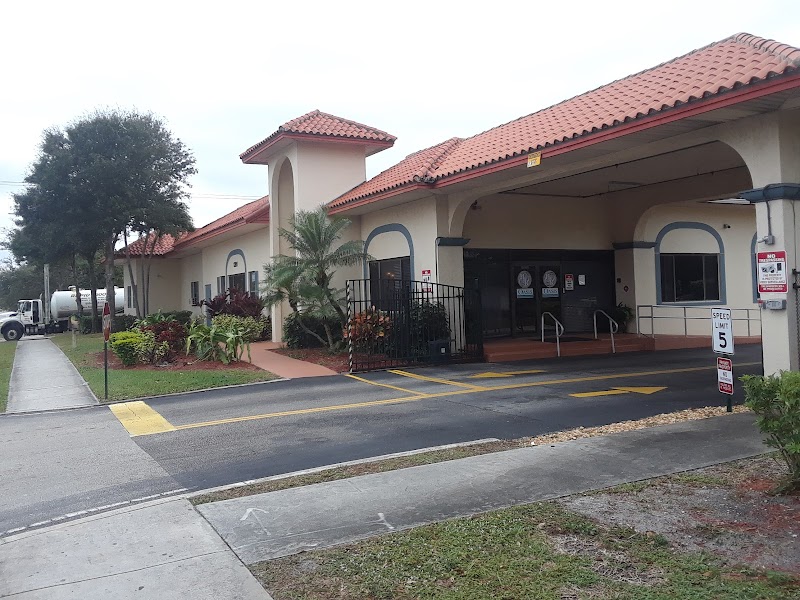
How is Lake Worth Rehabilitation Center Staffed?

CMS rates LAKE WORTH REHABILITATION CENTER's staffing level at 4 out of 5 stars, which is above average compared to other nursing homes. Staff turnover is 43%, compared to the Florida average of 46%. This relatively stable workforce can support continuity of care. RN turnover specifically is 75%, which is notably high. RNs provide skilled clinical oversight, so turnover in this role can affect medical care quality.

What Have Inspectors Found at Lake Worth Rehabilitation Center?

State health inspectors documented 28 deficiencies at LAKE WORTH REHABILITATION CENTER during 2021 to 2024. These included: 1 Immediate Jeopardy (the most serious level, indicating potential for serious harm or death), 24 with potential for harm, and 3 minor or isolated issues. Immediate Jeopardy findings are rare and represent the most serious regulatory concerns. They require immediate corrective action.
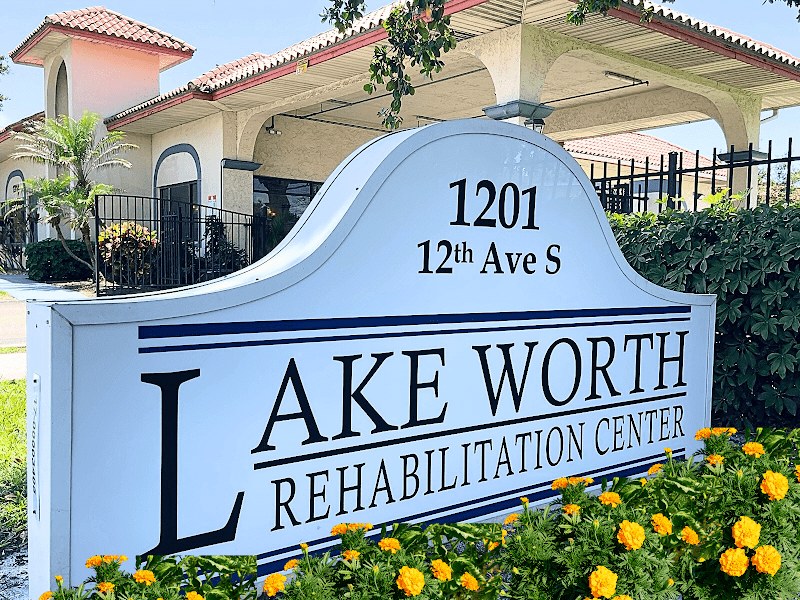
Who Owns and Operates Lake Worth Rehabilitation Center?

LAKE WORTH REHABILITATION CENTER is owned by a for-profit company. For-profit facilities operate as businesses with obligations to shareholders or private owners. The facility is operated by SOVEREIGN HEALTHCARE HOLDINGS, a chain that manages multiple nursing homes. With 120 certified beds and approximately 98 residents (about 82% occupancy), it is a mid-sized facility located in LAKE WORTH, Florida.
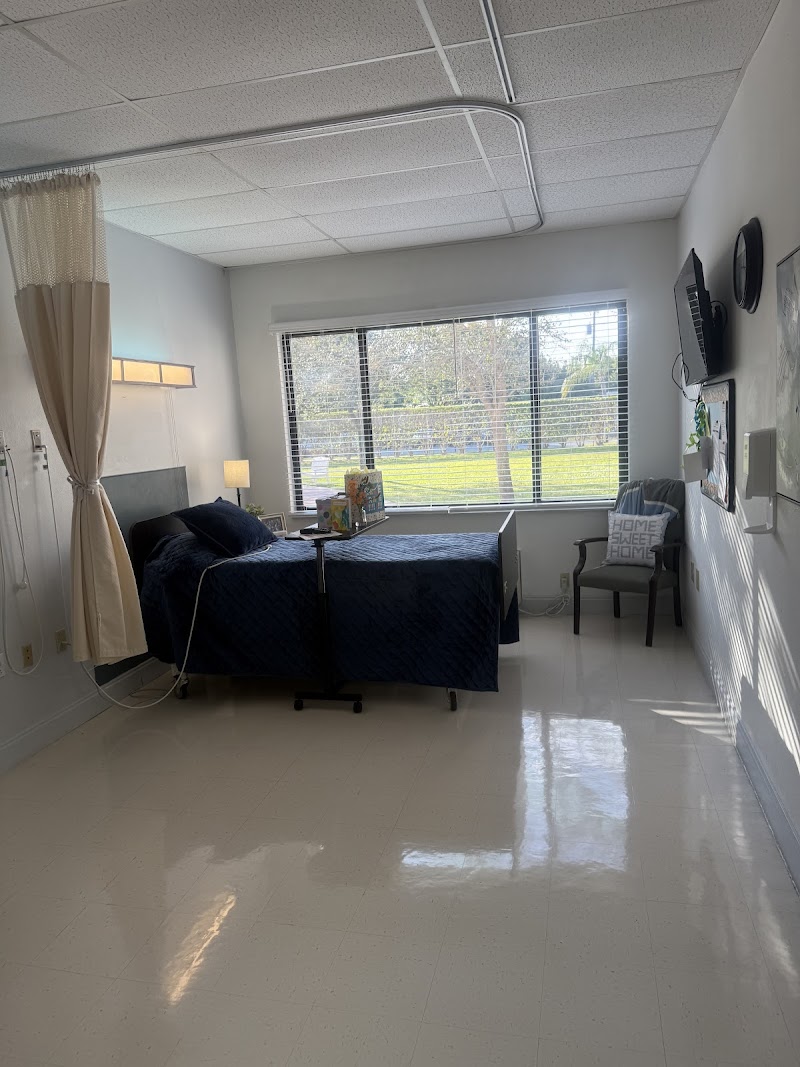
How Does Lake Worth Rehabilitation Center Compare to Other Florida Nursing Homes?

Compared to the 100 nursing homes in Florida, LAKE WORTH REHABILITATION CENTER's overall rating (2 stars) is below the state average of 3.2, staff turnover (43%) is near the state average of 46%, and health inspection rating (2 stars) is below the national benchmark.

What Should Families Ask When Visiting Lake Worth Rehabilitation Center?

Based on this facility's data, families visiting should ask: "What changes have been made since the serious inspection findings, and how are you preventing similar issues?" "Can I visit during a mealtime to observe dining assistance and food quality?" "How do you handle medical emergencies, and what is your hospital transfer rate?" "Can I speak with family members of current residents about their experience?" These questions are particularly relevant given the facility's Immediate Jeopardy citations.

Is Lake Worth Rehabilitation Center Safe?

Based on CMS inspection data, LAKE WORTH REHABILITATION CENTER has documented safety concerns. Inspectors have issued 1 Immediate Jeopardy citation (the most serious violation level indicating risk of serious injury or death). The facility has a 2-star overall rating and ranks #100 of 100 nursing homes in Florida. Families considering this facility should ask detailed questions about what corrective actions have been taken since these incidents.

Do Nurses at Lake Worth Rehabilitation Center Stick Around?

LAKE WORTH REHABILITATION CENTER has a staff turnover rate of 43%, which is about average for Florida nursing homes (state average: 46%). Moderate turnover is common in nursing homes, but families should still ask about staff tenure and how the facility maintains care continuity when employees leave.

Was Lake Worth Rehabilitation Center Ever Fined?

LAKE WORTH REHABILITATION CENTER has been fined $9,318 across 1 penalty action. This is below the Florida average of $33,172. While any fine indicates a compliance issue, fines under $50,000 are relatively common and typically reflect isolated problems that were subsequently corrected. Families should ask what specific issues led to these fines and confirm they've been resolved.

Is Lake Worth Rehabilitation Center on Any Federal Watch List?

LAKE WORTH REHABILITATION CENTER is not on any federal watch list. The most significant is the Special Focus Facility (SFF) program, which identifies the bottom 1% of nursing homes nationally based on persistent, serious quality problems. Not being on this list means the facility has avoided the pattern of deficiencies that triggers enhanced federal oversight. This is a positive indicator, though families should still review the facility's inspection history directly.