MEDICANA NURSING AND REHAB CENTER
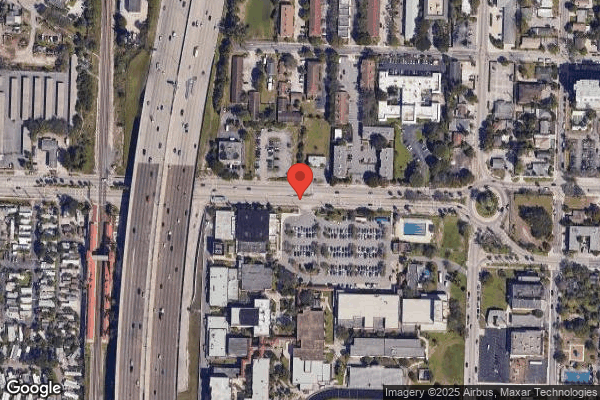

1710 LAKE WORTH ROAD, LAKE WORTH, FL 33460 (561) 582-5331
For profit - Corporation 116 Beds SOVEREIGN HEALTHCARE HOLDINGS Data: November 2025
Trust Grade
65/100
#382 of 690 in FL
Last Inspection: January 2025

Within standard 12-15 month inspection cycle. Federal law requires annual inspections.

Overview

Medicana Nursing and Rehab Center has a Trust Grade of C+, indicating it is slightly above average but not exceptional in quality. It ranks #382 out of 690 facilities in Florida, placing it in the bottom half, and #30 out of 54 in Palm Beach County, meaning only a few local options are better. The facility's trend is worsening, with issues increasing from 3 in 2023 to 11 in 2025, suggesting concerns are growing. Staffing is a positive aspect, with a 4/5 star rating and a turnover rate of 38%, which is below the state average. However, there are notable weaknesses, including reported pest control issues, such as live roaches found in the kitchen and not ensuring personal privacy during medication administration for residents, which raises concerns about the overall care quality.

Trust Score
C+
65/100
In Florida
#382/690
Bottom 45%
Safety Record
Low Risk
No red flags
Inspections
Getting Worse
3 → 11 violations
Staff Stability
○ Average
38% turnover. Near Florida's 48% average. Typical for the industry.
Penalties
✓ Good
No fines on record. Clean compliance history, better than most Florida facilities.
Skilled Nurses
○ Average
Each resident gets 38 minutes of Registered Nurse (RN) attention daily — about average for Florida. RNs are the most trained staff who monitor for health changes.
Violations
⚠ Watch
14 deficiencies on record. Higher than average. Multiple issues found across inspections.
★★★☆☆
3.0
Overall Rating
★★★★☆
4.0
Staff Levels
★★★★☆
4.0
Care Quality
★★★☆☆
3.0
Inspection Score
Stable
2023: 3 issues
2025: 11 issues

The Good

  • 4-Star Staffing Rating · Above-average nurse staffing levels
  • 4-Star Quality Measures · Strong clinical quality outcomes
  • Full Sprinkler Coverage · Fire safety systems throughout facility
  • No fines on record
  • Staff turnover below average (38%)

    10 points below Florida average of 48%

Facility shows strength in staffing levels, quality measures, fire safety.

The Bad

3-Star Overall Rating

Near Florida average (3.2)

Meets federal standards, typical of most facilities

Staff Turnover: 38%

Near Florida avg (46%)

Typical for the industry

Chain: SOVEREIGN HEALTHCARE HOLDINGS

Part of a multi-facility chain

Ask about local staffing decisions and management

The Ugly 14 deficiencies on record

Sept 2025 1 deficiency
CONCERN (D) 📢 Someone Reported This

A family member, employee, or ombudsman was alarmed enough to file a formal complaint

Potential for Harm - no one hurt, but risky conditions existed

Deficiency F0925 (Tag F0925)

Could have caused harm · This affected 1 resident

Based on observations, interviews and record reviews, the facility failed to have an effective pest control program. The findings included: During a tour of the kitchen, on 09/10/25 at 8:50 AM, accomp...

Read full inspector narrative →
Based on observations, interviews and record reviews, the facility failed to have an effective pest control program. The findings included: During a tour of the kitchen, on 09/10/25 at 8:50 AM, accompanied by the Dietary Manager, the following were noted: * One live and mature roach was observed on the door frame at the entrance to the janitorial closet.* One live and mature roach was observed in a container where a bag of sauce was stored.* Live mature and juvenile roaches, too numerous to count, were observed under the steamer around a floor drain where there was an accumulation of debris and residue.* Live mature and juvenile roaches were observed on the floor under and around the hand washing sink and the beverage station that were adjacent to each other. During an interview at the time of the observation, the Dietary Manager stated that the pest control company had just come out and treated the kitchen last week. The Dietary Manager stated, We do it every month (referring to the pest control company servicing the kitchen). Review of the most recent pest control invoices, on 09/10/25 at 10:20 AM revealed the following: * 07/11/25 - Pest Activity found during service - was blank* 08/01/25 - Pest activities found during service: Cockroaches noted during service - Cockroaches seen in kitchen area.* 08/18/25 - Pest Activity found during service: Cockroaches noted during service - Cockroaches seen in the kitchen During an interview, on 09/10/25 at 11:17 AM with the Pest Control Technician from the pest control company, when the findings were brought to his attention, the Pest Control Technician replied, We are treating tonight and that will be done. The plan moving forward is to keep treating until we don't see any. When asked about sanitation issues within the facility that contributed to the presence of pests, the Pest Control Technician replied, Mostly structural stuff. Every once in a while, there might be some issues around the dish pit - all in all it is a lot of wear and tear (the pest control technician was referring to the building and equipment being aged). The night crews are the ones that will be more likely to identify kitchen sanitation issues that contribute to pests because they come in after the kitchen is closed.
Jan 2025 10 deficiencies
CONCERN (D)

Potential for Harm - no one hurt, but risky conditions existed

Deficiency F0583 (Tag F0583)

Could have caused harm · This affected 1 resident

**NOTE- TERMS IN BRACKETS HAVE BEEN EDITED TO PROTECT CONFIDENTIALITY** Based on observation, interview and record review, the facility failed to ensure personal privacy during medical treatment, of a...

Read full inspector narrative →
**NOTE- TERMS IN BRACKETS HAVE BEEN EDITED TO PROTECT CONFIDENTIALITY** Based on observation, interview and record review, the facility failed to ensure personal privacy during medical treatment, of a med (medication) pass for 1 out of 6 sampled residents reviewed for med pass, affecting Resident #88. The findings included: Review of the facility's policy titled, Resident Dignity and Property Privacy with an effective dated of 04/2024, included in part, the following: The center provides care for residents in a manner that respects and enhances each resident's dignity, individuality, and right to personal privacy. Fundamental Information Dignity means that when interacting with residents, staff carries out activities that assist the resident in maintaining and enhancing his or her self-esteem and self-worth. Each resident's right to personal privacy includes the confidentiality of his or her personal and clinical affairs. Procedure: 2. Examine and treat residents in a manner that maintains their privacy. a. Use a closed door, a curtain drawn, or both to shield the resident during all personal care and treatment procedures. Record review for Resident #88 revealed the resident was admitted to the facility on [DATE] with the most recent readmission on [DATE]. The resident's diagnoses included in part, the following: Pancytopenia, Cirrhosis of the Liver, Type 2 Diabetes Mellitus. and Unspecified Dementia. Review of the Minimum Data Set assessment for Resident #88, dated 12/20/24 with a Brief Interview of Mental Status score of 5, indicating severe cognitive impairment. On 01/13/25 at 10:23 AM, an observation of two med passes was performed by Staff A- Licensed Practical Nurse (LPN) for Resident #88. After entering the room, Staff A-LPN, did not provide privacy for the resident. She did not close the door, nor did she pull the privacy curtain around the resident. During an interview conducted on 01/13/25 at 10:25 AM with Staff A-LPN, she stated that she has worked at the facility for about 1 month. When asked why she did not provide privacy for the resident during med pass, she said she forgot. During an interview conducted on 01/14/25 at 8:30 AM with Staff B LPN, Charge Nurse, who was asked about providing privacy for resident during med pass, she said we always close the door and pull the privacy curtain.
CONCERN (D)

Potential for Harm - no one hurt, but risky conditions existed

Comprehensive Care Plan (Tag F0656)

Could have caused harm · This affected 1 resident

**NOTE- TERMS IN BRACKETS HAVE BEEN EDITED TO PROTECT CONFIDENTIALITY** Based on observations, interviews and record review, the facility failed to develop a care plan for 2 of 2 sampled residents, wi...

Read full inspector narrative →
**NOTE- TERMS IN BRACKETS HAVE BEEN EDITED TO PROTECT CONFIDENTIALITY** Based on observations, interviews and record review, the facility failed to develop a care plan for 2 of 2 sampled residents, with a diagnosis of Post-Traumatic Stress Disorder (PTSD), affecting Resident#1 and #86. The findings included: Review of the facility's policy titled, Comprehensive Person-Centered Care Plans with a revised date of 08/2023, included in part, the following: The center will develop a comprehensive person-centered care plan for each resident that includes measurable objectives and timetables to meet a resident's medical, nursing, mental and psychosocial needs that are identified in the comprehensive assessment. Fundamental Information The comprehensive care plan will describe the following: 1. The services that are to be furnished to attain or maintain the resident's highest practicable physical, mental, and psychosocial well-being, as required are provided to the resident to attain or maintain the resident's highest practicable physical, mental and psychosocial well-being. The comprehensive plan of care will include the following: Residents' individual needs, past trauma, strengths and preferences Identify triggers which may re-traumatize residents with trauma history and implement interventions which minimize or eliminate the effect of the trigger. 1. Record review for Resident #1 revealed the resident was admitted to the facility on [DATE] with diagnoses that included, in part, the following: Cerebral Ischemia, Anxiety Disorder Unspecified, Major Depressive Disorder Recurrent Moderate, Primary Insomnia, Post-Traumatic Stress Disorder Acute, Senile Degeneration of Brain and Unspecified Psychosis Not due to Substance or Known Physical Condition. Review of the Minimum Data Set Assessment for Resident #1 dated 10/17/24 documented in Section C a Brief Interview of Mental Status score of 11, indicating moderate cognitive impairment. Review of the Social Services Evaluation for Resident #1 dated 04/24/24 documented under evaluation in section G, TIC (Trauma Informed Care History): 1) Select all that may contribute to the resident - physical abuse 2) Does the event in your past cause you an emotional response, triggered by a sound, smell, touch or circumstance? - Yes 2a) Describe triggers- When people approach him too fast. Review of all of the care plans for Resident #1 revealed no care plan established for PTSD, including any triggers. 2. Record review for Resident #86 revealed the resident was admitted to the facility on [DATE] with diagnoses that included, in part, the following: Bullous Pemphigoid, Post-Traumatic Stress Disorder Chronic and Major Depressive Disorder Recurrent Unspecified. Review of the Minimum Data Set Assessment for Resident #86 dated 12/12/24 documented in Section C a Brief Interview of Mental Status score of 13 indicating a cognitive response. Review of the Social Services Evaluation for Resident #86 dated 12/10/24 documented in Section H- TIC-History: 1) Select all that may contribute to the resident: Emotional abuse, Combat exposure/war, and Post-Traumatic Stress Disorder 2) Does the event in your past cause you an emotional response, triggered by a sound, smell, touch or circumstance -no Review of all of the care plans for Resident #86 revealed no care plan established for PTSD including any triggers. An interview was conducted on 01/13/25 at 10:58 AM with Resident #86 who stated he has PTSD and triggers. He explained briefly of his journey in the war. The resident became teary. An interview was conducted on 01/14/25 at 9:00 AM with Staff B, Licensed Practical Nurse / Charge Nurse she stated that she has worked at the facility since October 2024. When asked if a resident has PTSD how does she know what the triggers are? She stated she would have to go review the diagnosis, the doctor needs to diagnose the resident with PTSD. She said she does not know of any of her assigned resident's with PTSD. She added that the resident can have agitation and that can make the patient trigger. An interview was conducted on 01/14/25 at 1:17 PM with the Social Service Manager (SSM), who stated she has worked at the facility for under 1 year. When asked about residents with diagnosis of PTSD, the SSM said they do a Social Service Evaluation to ask about trauma informed care and the questions built into the form addresses triggers. For residents with a diagnosis of PTSD, we will automatically set them up with psych services. The SSM said once the Social Service Evaluation is completed, it will create a care plan for PTSD based on any identified triggers. She said there are specific questions for the triggers and if they are identified by saying yes to the questions, being asked, the system will automatically create a care plan for PTSD with triggers. When asked about Resident #86 if he has triggers, she said he answered no to triggers, so he would not have a care plan. When asked about Resident #1 if he has triggers, she said he also answered no to triggers and therefore no care plan. An interview was conducted on 01/14/25 at 12:57 PM with Staff E-Licensed Practical Nurse (LPN) / Resident Care Specialist, who the MDS (Minimum Data Set) assessments. She reported that she does not initiate care plans for residents, she updates and revises them for nursing and social worker and dietary do their care plans. She does oversee the care plans. If they need to be updated or revised she will complete that portion. Staff E was asked about care plans for Post-Traumatic Stress Disorder (PTSD) with triggers identified for Resident #86 and #1. She acknowledged neither resident had a care plan for PTSD with triggers identified An interview was conducted on 01/15/25 at 10:10 AM, with Staff D, Restorative Certified Nursing Assistant, who stated she has worked at the facility for 3 years. When asked if she has any residents that have diagnoses of Post-Traumatic Stress Disorder (PTSD), she said she did not really understand the question. When asked if she knows what PTSD is, she said not really. After it was explained to her, she was asked how she would know what, if any, triggers the resident may have and where she could find them. She said by how the resident acts, by what they tell you they remember, and their attitude. When asked if she would find anything in the resident's chart, she said maybe the chart or [NAME]. An interview was conducted on 01/15 25 at 2:00 PM with Staff C Registered Nurse (RN) / Staff Develop Coordinator who stated she has worked at the facility for 3 years. When asked if a resident has PTSD, where she could find out what the triggers are, she said it would be in the care plan.
CONCERN (D) 📢 Someone Reported This

A family member, employee, or ombudsman was alarmed enough to file a formal complaint

Potential for Harm - no one hurt, but risky conditions existed

Deficiency F0661 (Tag F0661)

Could have caused harm · This affected 1 resident

**NOTE- TERMS IN BRACKETS HAVE BEEN EDITED TO PROTECT CONFIDENTIALITY** Based on policy review, record review, and interview, the facility failed to ensure a safe discharge, as evidenced by failing to...

Read full inspector narrative →
**NOTE- TERMS IN BRACKETS HAVE BEEN EDITED TO PROTECT CONFIDENTIALITY** Based on policy review, record review, and interview, the facility failed to ensure a safe discharge, as evidenced by failing to provide necessary medications and reconciliation of all pre-discharge medications with the resident's post-discharge medications, upon discharge for 1 of 1 sampled resident reviewed for discharge (Resident #396). The findings included: The policy titled transfer, and discharge, dated 08/2023, indicated the transfer, and discharge process is designed to provide a safe, orderly transfer, or discharge from the center. The discharge planning process: the center will develop and implement discharge planning process that focuses on the resident's discharge goals and preparing residents to be active partners in post-discharge care, effective transition of the resident from SNF to post-SNF care, and the reduction of factors leading to preventable readmissions. The interdisciplinary team will involve the resident and resident representative in the development of the discharge plan, and communicate to the resident, and resident representative of the final plan encompassing the resident's goals to the extent possible. Documentation of a resident's interest in receiving information regarding returning to the community shall be completed and entered into the clinical record. A discharge order is obtained by nursing from the physician indicating where the resident is being discharged . Why is the resident being discharged , and if the resident is to be discharged with, or without medication. The interdisciplinary team discusses the discharge so that appropriate procedures can be implemented. Provide preparation, and orientation to the residents to ensure safe, and orderly transfer/discharge from the center. Reconciliation of all pre-discharge medications with the resident's post-discharge medications (both prescribed and over-the counter). Record review revealed Resident #396 was admitted to the facility on [DATE] and 09/28/24, and she was discharged on 12/31/24. The quarterly comprehensive assessment reference date 11/20/24 recorded Resident #396 had pertinent diagnoses, including hypertension (high blood pressure), End Stage Renal Disease, and diabetes. The comprehensive assessment recorded a brief interview for a mental status score of 15, which indicated Resident #396 was cognitively intact. Further review of the clinical record showed evidence of a physician order dated 12/26/24 for Resident #396 to be discharged . An additional review of the records showed the following physician orders: 09/30/24 Gabapentin Capsule 300 MG give 1 capsule by mouth at bedtime for Neuropathy. 09/30/24 Rosuvastatin Calcium Tablet 5 MG: Give 1 tablet orally at bedtime related to Hyperlipidemia. 10/28/24 Carvedilol Oral Tablet 6.25 MG (Carvedilol) Give 1 tablet by mouth thrice daily every Tue (Tuesday) and Thu (Thursday) and related to essential (primary) hypertension. 10/28/24 Insulin Lispro Injection Solution (Insulin Lispro) injected as per sliding scale. 10/29/24 Protonix Tablet Delayed-Release 40 MG (Pantoprazole Sodium) Give 1 tablet by mouth in the morning every Tue, Thu, Sat (Saturday), Sun (Sunday) related to gastroesophageal reflux disease. 10/29/24 Calcium Acetate Tablet 667 MG Give 1 tablet by mouth with meals every Tue, Thu, Sat, and for End Stage Renal Disease. 10/29/24 Levoxyl Tablet 50 MCG (Levothyroxine Sodium) Give 1 tablet by mouth in the morning every Tue, Thu, Sat, and Sun for Hypothyroidism and give 1 tablet by mouth in the morning every Mon (Monday), Wed (Wednesday), and Fri for Hypothyroidism. It was determined that Resident #396 was scheduled to receive the following medications: Rosuvastatin 5 mg on January 1st and 2nd at Bedtime. Carvedilol 6.25 MG on January 2nd, 3 times a day. Insulin on January 1st and 2nd as per sliding scale. Protonix 40 mg January 2nd in the morning. Calcium Acetate 667 mg on January 2nd with meals. Levoxyl 50 mg on January 1st in the morning. Review of Nursing progress notes dated 01/03/2025 at 2:25 PM, it was documented, (the writer) received a call from the insurance representative regarding Resident (#396's) medications; as per the resident's family, all her medications were refilled with the exception of 2 medications: Coreg and Rosuvastatin due to recent refills with the pharmacy. The writer informed the insurance representative that the family could come to the facility to pick up the resident's remaining medications for continuity of care. Resident #396's family member arrived at the facility and was provided with all active medications and diabetic supplies, which the resident received while residing at the facility, with additional discharge paperwork, education, and medication instructions. Resident #396's family member verbalized understanding of medications and their use. On 01/16/25 at 9:12 AM, an interview was held with the Director of Nursing (DON); when asked to explain the discharge-to-home process, she revealed the nurses are to obtain an order first, then social services do their part if the resident needs continuity of care. When the resident is ready, the facility provides scripts and medication if needed. Provide patient teaching and present with medication review. If the resident/representative requests the medications, we'll give them to them; for most Medicare patients, we give them their medications. The DON said she received a call from the insurance company; a representative stated, The resident's family member called them about her medications; the family member informed the insurance that Resident (#396) had medications filled upon discharge except for 2 (Rosuvastatin and Coreg). The insurance called the facility on January 3rd, around 10 AM, on behalf of the resident; the insurance indicated the medications were already filled for the month and paid by the insurance company, and the facility told the insurance company the family could come to get the medications from the facility. Resident #396's family member came to the facility and picked up the medications. On 01/16/25 at 10:40 AM, a phone call was placed to Resident #396's family member. She explained that no medications were given to the resident upon discharge, and the facility provided only a paper script; she came on 01/03/25 to pick up the medications, and the resident did not get any medications from 12/31/24 until 01/03/25. She stated, The facility provided the medications on 01/03/25 because the insurance company called them. When she went to the pharmacy, they informed her the script couldn't be refilled; they had already been refilled for the month.
CONCERN (D)

Potential for Harm - no one hurt, but risky conditions existed

Quality of Care (Tag F0684)

Could have caused harm · This affected 1 resident

**NOTE- TERMS IN BRACKETS HAVE BEEN EDITED TO PROTECT CONFIDENTIALITY** Based on record review and interview, the facility failed to ensure antibiotics were administered as ordered for 1 of 3 sampled ...

Read full inspector narrative →
**NOTE- TERMS IN BRACKETS HAVE BEEN EDITED TO PROTECT CONFIDENTIALITY** Based on record review and interview, the facility failed to ensure antibiotics were administered as ordered for 1 of 3 sampled residents, reviewed for antibiotic therapy (Resident #60). The findings included: Resident #60 was admitted to the facility on [DATE]. A comprehensive assessment dated [DATE] documented the resident had moderate cognitive impairment and was dependent for activities of daily living. a). Review of Resident #60's orders revealed an order dated 12/03/24 for Ertapenem (antibiotic) 1 gram intravenously (IV) every 24 hours for a multi drug resistant organism (MDRO) in the urine for 9 days. The antibiotic order was reduced to 7 days (until 12/10/24) on 12/05/24 per antibiotic stewardship suggestion. Review of Resident #60's medication administration record (MAR) revealed the resident received 8 doses of antibiotics in 7 days (given twice on 12/04/24). b). An order dated 12/15/24 for Ceftriaxone (an antibiotic) was ordered for 1 gram every 24 hours for 5 days for an elevated white blood cell (WBC) count. Review of Resident #60's MAR revealed the antibiotic was administered one time on 12/15/24. No documentation was found regarding the other 4 doses ordered. c). An order dated 12/19/24 for Zyvox (an antibiotic) was ordered for 600 milligrams 2 times a day for Bacteriuria (urine infection) for 7 days. A review of Resident #60's MAR revealed the antibiotic was administered 10 out of 14 times over the 7 day period. Further record review revealed no evidence of the physician notified of the discrepancies of the administration of antibiotics.
CONCERN (D)

Potential for Harm - no one hurt, but risky conditions existed

Accident Prevention (Tag F0689)

Could have caused harm · This affected 1 resident

**NOTE- TERMS IN BRACKETS HAVE BEEN EDITED TO PROTECT CONFIDENTIALITY** Based on interviews and record review, the facility failed to ensure smoking evaluations were completed for 2 of 9 sampled resid...

Read full inspector narrative →
**NOTE- TERMS IN BRACKETS HAVE BEEN EDITED TO PROTECT CONFIDENTIALITY** Based on interviews and record review, the facility failed to ensure smoking evaluations were completed for 2 of 9 sampled residents identified as smokers (Residents #66 and #75). The findings included: The facility's policy titled Smoking effective 10/24/22 and revised 09/23 revealed Residents that are active smokers will be identified on admission and reviewed when there is a significant change of status, quarterly, and annually thereafter. 1). Resident # 75 was admitted to the facility on [DATE] with diagnoses that included Chronic Obstructive Pulmonary Disease, Myalgia, and Type 2 Diabetes Mellitus. Her Brief interview for Mental Status (BIMS) score was 15 on the quarterly Minimum Data Set (MDS) with an assessment reference date of 12/28/24. This indicated the resident is cognitively intact. Record review revealed on 04/26/24 Resident #75 had a safe smoking evaluation. On 10/31/24 the resident had another smoking evaluation. There were no additional smoking evaluations. The resident did not have a smoking evaluation in July 2024. In an interview with Resident #75 on 01/15/25 at 10:35 AM she stated she does not keep her cigarettes or lighter, they (the facility) keep them in a locked cart. She further reported that when she goes out to smoke, she is given her lighter and cigarette and someone from the facility stays with the smokers. They can't go out alone. An interview was conducted with the Director of Nurses (DON) on 01/15/25 at 2:30 PM. She stated it is the responsibility of the DON, Unit Manager, and MDS for the smoking evaluations. The Social Service Director created the smoking list and makes sure that it is up to date. Nursing will complete the evaluation on the admission assessment. On 01/16/25 at 11:31 AM an interview was conducted with Staff J, Unit Coordinator and Registered Nurse, regarding the smoking evaluations. She stated she does keep track of the evaluation as to when they are due, but only the residents in her unit. She further stated, now that Resident #75 is on her unit, she will be keeping track of it. 2). Record review for Resident #66 revealed the resident was originally admitted to the facility on [DATE] with a most recent readmission on [DATE] with diagnoses that included Tobacco Use. Review of the Minimum Data Set for Resident #66 dated 01/03/2025 documented in Section C, a Brief Interview of Mental Status score of 15, indicating a cognitive response. A review of the smoking evaluations for Resident #66 revealed evaluations for 11/01/23, 05/13/24, 09/14/24, and 09/27/24. The resident was hospitalized on [DATE]-[DATE]. The resident did not have a smoking evaluation completed in February 2024 and December 2024.
CONCERN (D)

Potential for Harm - no one hurt, but risky conditions existed

Deficiency F0712 (Tag F0712)

Could have caused harm · This affected 1 resident

**NOTE- TERMS IN BRACKETS HAVE BEEN EDITED TO PROTECT CONFIDENTIALITY** Based on interview and record review, the facility failed to ensure physician visits were conducted within the required time fra...

Read full inspector narrative →
**NOTE- TERMS IN BRACKETS HAVE BEEN EDITED TO PROTECT CONFIDENTIALITY** Based on interview and record review, the facility failed to ensure physician visits were conducted within the required time frame, for 1 of 18 sampled residents (Resident #66). The findings included: Record review for Resident #66 revealed the resident was originally admitted to the facility on [DATE] with most recent readmission on [DATE] with diagnoses that included, in part, the following: Bullous Pemphigoid, Venous Insufficiency (Chronic Peripheral), Elevated [NAME] Blood Cell Count Unspecified, Morbid (Severe) Obesity, Tobacco Use and Chronic Gout. Review of the Minimum Data Set Assessment for Resident #66 dated 01/03/25 documented in Section C, a Brief Interview of Mental Status score of 15 indicating a cognitive response. Review of the Physician/Practitioner Progress Note for Resident #66 from 01/01/24 to 01/12/25 revealed the following: On 01/22/24 written by Staff F Primary Physician. On 03/19/24 written by Staff F Primary Physician, which documented in part the following: Visit performed by Staff I APRN. On 05/30/24 written by Staff I Advance Practice Registered Nurse (APRN). On 07/26/24 written by Staff I APRN. On 9/17/24 written by Staff I APRN. On 10/04/24written by Staff I APRN. On 12/12/24written by Staff I APRN. This indicated the last time the resident was seen by the primary physician was on 01/22/24 and visits were not altered every 60 days between the Primary Physician and the APRN. During an interview conducted on 01/15/25 at 12:00 PM, with the Administrator, who was asked physician visit frequencies, she stated the resident is to be seen by the physician every 30 days for the first 90 days after admission then every 60 days thereafter and those visits can be alternated with the nurse practitioner. During a telephone interview conducted on 01/15/25 at 2:34 PM, with Staff F Primary Physician, who was asked how often he visits his residents at the facility, he stated he sees the residents every 30 to 60 days. However, Staff I Advanced Practice Registered Nurse (APRN) is his APRN, and she rounds regularly usually once or twice a week. Staff F Primary Physician said when he rounds he always rounds with Staff I APRN, and they split the census (he was not able to clarify how they split the census). Staff F Primary Physician stated Staff I APRN acts as his scribe and documents on his behalf, he stated he cannot document, and she documents on his behalf. When asked about the Physician/Practitioner Progress Noted for Resident #66 dated 03/19/24 and authored by him, with documentation that included Visit performed by Staff I APRN he could not explain this. During a telephone interview conducted on 01/15/25 at 3:42 PM, with Staff I APRN, who was asked how often she visits the residents, she said she usually sees the residents monthly and as needed. When asked about Staff F Primary Physician visiting the residents, she stated she does most of the documentation for Staff F Primary Physician for the patients seen by him, but he signs. During an interview conducted on 01/15/25 at 4:00 PM with Resident #66 who was asked how often Staff F Primary Physician visits him, he said he does not recognize the name, and asked do you have a picture of him to look at. When asked how often Staff I APRN visits him, he said that name is also not familiar to him and asked do you have a picture of her to look at. When asked how often Staff G Advanced Practice Registered Nurse (APRN) visits, he said he knows her well she comes to see him all of the time. During an interview conducted on 01/15/25 at 4:20 PM with Resident #66 who was shown a photograph of Staff F Primary Physician, the resident said I may have seen him once when I was in the hospital but have not seen him here (in the facility). When Resident #66 was shown the photograph of Staff I APRN, he said he has never seen her. (The photographs shown to the reisdent, were verified by the Administartor on 01/15/25 at 4:15 PM).
CONCERN (D)

Potential for Harm - no one hurt, but risky conditions existed

Deficiency F0849 (Tag F0849)

Could have caused harm · This affected 1 resident

**NOTE- TERMS IN BRACKETS HAVE BEEN EDITED TO PROTECT CONFIDENTIALITY** Based on record review and interview, the facility failed to coordinate care with hospice services for 1 of 1 sampled resident r...

Read full inspector narrative →
**NOTE- TERMS IN BRACKETS HAVE BEEN EDITED TO PROTECT CONFIDENTIALITY** Based on record review and interview, the facility failed to coordinate care with hospice services for 1 of 1 sampled resident reviewed for hospice (Resident #13). The findings included: Record review revealed Resident #13 was admitted to the facility on [DATE]. A comprehensive assessment dated [DATE] documented the resident had mild cognitive impairment and was dependent for activities of daily living. The assessment further documented the resident was receiving hospice services. A review of Resident #13's orders revealed the resident was admitted to hospice services on 11/15/24. Resident #13 was care planned for hospice services. An intervention included to work cooperatively with hospice team to ensure the resident's spiritual, emotional, intellectual, physical and social needs are met. A review of Resident #13's hospice record, located in the facility's hospice binder at the nurse's station, revealed missing hospice documentation. Resident #13's binder only included the initial certification for hospice and a plan of care. The binder lacked assessments, visitation notes, and services provided. An interview was conducted with the Nurse Manager (NM) on 01/16/25 at 10:00 AM. The NM stated when hospice personnel visit Resident #13, they usually leave documentation in the binder. The NM acknowledged there was no documentation of services received. The NM stated she would look in medical records to see if any documentation was to be uploaded. An interview was conducted with the Director of Nursing (DON) on 01/16/25 at 12:00 PM. The DON stated she called hospice to get copies of Resident #13's records/visits.
CONCERN (D)

Potential for Harm - no one hurt, but risky conditions existed

QAPI Program (Tag F0867)

Could have caused harm · This affected 1 resident

Based on observations, interview and record review, the facility's Quality Assurance and Performance Improvement Activities (QAPI/QAA) failed to demonstrate effective plan of actions were implemented ...

Read full inspector narrative →
Based on observations, interview and record review, the facility's Quality Assurance and Performance Improvement Activities (QAPI/QAA) failed to demonstrate effective plan of actions were implemented to correct an identified quality deficiency in the problem area as evidenced by repeated deficient practice for F656, Comprehensive Resident Centered Care plan. This repeated deficient practice had the potential to affect all 85 residents residing in the facility at the time of this survey. The findings included: Review of the facility's survey history revealed the facility was cited at F656, (Comprehensive Resident Centered Care Plan), during the Recertification and Relicensure survey with an exit date of 09/14/23. Review of the QAPI program with the Administrator revealed the lack of an effective corrective action plan for the above deficiency. During an interview with the facility's Administrator on 01/16/25 at 2:43 PM, the Administrator was apprised that this deficiency would be cited on the current survey. This was acknowledged by the Administrator.
CONCERN (D)

Potential for Harm - no one hurt, but risky conditions existed

Infection Control (Tag F0880)

Could have caused harm · This affected 1 resident

**NOTE- TERMS IN BRACKETS HAVE BEEN EDITED TO PROTECT CONFIDENTIALITY** Based on observation, interview, and record review, the facility failed to follow up for a Vancomycin Resistant Enteroccocus (VR...

Read full inspector narrative →
**NOTE- TERMS IN BRACKETS HAVE BEEN EDITED TO PROTECT CONFIDENTIALITY** Based on observation, interview, and record review, the facility failed to follow up for a Vancomycin Resistant Enteroccocus (VRE) (a multi-drug resistant organism) infection and precautions for 1 of 3 sampled residents reviewed for antibiotic therapy (Resident #60), and failed to wear appropriate personal protective equipment (PPE) during of care of resident on enhanced barrier precautions (EBP) (Resident #71). The findings included: 1). Record review revealed Resident #60 was admitted to the facility on [DATE]. A comprehensive assessment dated [DATE] documented the resident had moderate cognitive impairment and was dependent for activities of daily living. Record review revealed Resident #60 was on enhanced barrier precautions for ESBL (a multi-drug resistant organism) in the urine from 12/03/24 - 12/11/24. A review of Resident #60's orders revealed an order dated 12/14/24 for a urinalysis culture and sensitivity. The culture was reported positive for VRE (a multi-drug resistant organism) on 12/18/24. An order dated 12/19/24 for Zyvox (an antibiotic) was ordered for 600 milligrams 2 times a day for Bacteriuria (urine infection) for 7 days. Further record review revealed no evidence of Resident #60 being placed on any precautions, or of any follow-up after the antibiotic was administered.2) Review of the facility's policy titled, Infection Prevention and Control, dated 06/28/24, revealed, Enhanced Barrier Precautions may be implemented for those with a documented or suspected infection or colonization with a multi-drug resistant organism, or have risk of acquiring infections based on portals of entry or indwelling medical devices such as indwelling urinary catheter; g-tube, central lines, tracheostomy, or wounds requiring a dressing; regardless of infection or colonization status, or reported by the infection preventionist laboratory based on the centers' antibiogram when available. Equipment includes the use of gown and gloves during the direct care of resident that consists of close contact such as: bathing, dressing, incontinent care, transferring, indwelling device care, and other activities that may have the resident in close contact with the staff member. Clinical record review revealed Resident #71 was admitted to the facility on [DATE] and 09/25/24, with a diagnosis that included Diabetes. The quarterly comprehensive assessment with a, reference date of 11/01/24, recorded no brief interview for mental status score, indicating Resident #71 was rarely/never understood. Review of additional clinical records evidenced the following physician orders: Dated 12/15/24 for Enhanced Barrier Precautions every 24 hours for Chronic Wound; dated 12/02/24 physical therapy treatment 3 times per week for 12 weeks, for wound care, Low frequency, non-contact, non-thermal ultrasound, Vaporox. Dated 01/01/25 for the right lateral ankle and left heel wound. On 01/15/25 at 12:42 PM, Resident #71 was observed lying in bed, she was receiving wound therapy with the Vaporox machine of the left heel wound. While the surveyor was standing in the room, on 01/15/25 at 12:48 PM, a staff member, Staff K, a physical therapist arrived. Staff K began attending to the Vaporox machine, by removing the bag that covered the left foot, and Staff K raised Resident #71's left foot, and a large wound with drainage was observed to the left heel, during that time, Staff K did not wear a gown while touching Resident #71's foot. On 01/16/25 at 12:37 PM, a phone call was placed to Staff K to inquire about the facility's Enhanced Barrier Precaution (EBP) process and procedure. She voiced that she was aware of the EBP procedure. She acknowledged she didn't wear a gown while providing direct care to the resident. On 01/16/25 at 1:30 PM an interview was held with the Director of Nursing (DON) and she was informed of the breach of infection control by Staff K.
CONCERN (D)

Potential for Harm - no one hurt, but risky conditions existed

Antibiotic Stewardship (Tag F0881)

Could have caused harm · This affected 1 resident

**NOTE- TERMS IN BRACKETS HAVE BEEN EDITED TO PROTECT CONFIDENTIALITY** Based on record review and interview, the facility failed to have an effective antibiotic stewardship program for 2 of 3 sampled...

Read full inspector narrative →
**NOTE- TERMS IN BRACKETS HAVE BEEN EDITED TO PROTECT CONFIDENTIALITY** Based on record review and interview, the facility failed to have an effective antibiotic stewardship program for 2 of 3 sampled residents reviewed for antibiotic therapy (Residents #60 and #62). The findings included: A review of the facility's policy titled Antibiotic Stewardship, dated 10/24/17, documented: The facility will establish a multidisciplinary antibiotic stewardship program that defines optimal antibiotic use and provides guidance for optimal antibiotic prescribed by physician/prescribers. The antibiotic stewardship program and its members will have accountability to the facility's quality assurance/performance improvement committee. The members of the antibiotic stewardship committee should include at a minimum the medical director of the facility, the director of nursing services, and the facilities consultant pharmacist. A. The medical director should set the standards for antibiotic prescribing. B. The director of nursing should establish the standards of nursing for assessment, resident monitoring and the communication of changes in condition when an infection is suspected. C. The consultant pharmacist should review antibiotic orders during interim and monthly medication regimen review to ensure antibiotics are ordered appropriately. 1). Resident #60 was admitted to the facility on [DATE]. A comprehensive assessment dated [DATE] documented the resident had moderate cognitive impairment and was dependent for activities of daily living. Review of Resident #60's orders revealed an order dated 12/03/24 for Ertapenem (antibiotic) 1 gram intravenously (IV) every 24 hours for ESBL (a multi drug resistant organism) (MDRO) in the urine for 9 days. An antibiotic stewardship note dated 12/5/24 documented McGreer not met (McGreer criteria (Stone 2012) are used for retrospectively counting true infections. To meet the criteria for definitive infection, more diagnostic information (e.g., positive laboratory tests) is often necessary.) The antibiotic order was reduced to 7 days (until 12/10/24) on 12/05/24 per antibiotic stewardship suggestion. An order dated 12/15/24 for Ceftriaxone (an antibiotic) was ordered for 1 gram every 24 hours for 5 days for an elevated white blood cell (WBC) count. An antibiotic stewardship note dated 12/16/24 documented McGreer not met. An order dated 12/19/24 for Zyvox (an antibiotic) was ordered for 600 milligrams 2 times a day for Bacteriuria (urine infection) for 7 days. An interview was conducted with the Nurse Practitioner (NP) that ordered the antibiotics for Resident #60 on 01/15/25 at 11:30 AM. The NP stated she does not use the McGreer criteria to determine if a resident needs antibiotics. The NP stated it is used as a guideline only. The NP further stated she does not attend any meetings with the facility and does not communicate with the attending physicians. An interview was conducted with the Infection Control Preventionist (ICP) on 01/15/25 at 12:00 PM. The ICP stated the facility uses the McGreer criteria for infection surveillance to determine if antibiotic use is required. The ICP stated Resident #60's antibiotics were ordered by a Managed Care nurse practitioner (NP), who is not a staff of the facility. The ICP further stated the interdisciplinary team (IDT) meets monthly to discuss facility infections and use of antibiotics. The ICP stated the Managed Care NP does not attend. The surveyor questioned the ICP if she includes/informs the attending physician of the ordered antibiotic use, and the ICP stated no. An interview was conducted with Resident #60's attending physician on 01/16/25 at 10:00 AM. The physician stated he did not know Resident #60 had tested positive and was treated for ESBL and VRE. The physician stated he would look into it. 2). Record review revealed Resident #62 was admitted to the facility on [DATE]. A comprehensive assessment dated [DATE] documented the resident was cognitively intact and was dependent for activities of daily living. Record review revealed an order dated 11/29/24 for Ceftriaxone (antibiotic)1 gram intramuscularly one time only for abnormal labs (elevated white blood cell count). An antibiotic stewardship note dated 11/29/24 documented McGreer not met. An interview was conducted with Resident #62's attending physician on 01/16/25 at 10:00 AM. The physician stated he was not aware of the one time dose of antibiotics the resident received for an elevated white blood cell count.
Sept 2023 3 deficiencies
CONCERN (D)

Potential for Harm - no one hurt, but risky conditions existed

Comprehensive Care Plan (Tag F0656)

Could have caused harm · This affected 1 resident

**NOTE- TERMS IN BRACKETS HAVE BEEN EDITED TO PROTECT CONFIDENTIALITY** Based on observation, record review, and interview, the facility failed to develop a comprehensive care plan related to activiti...

Read full inspector narrative →
**NOTE- TERMS IN BRACKETS HAVE BEEN EDITED TO PROTECT CONFIDENTIALITY** Based on observation, record review, and interview, the facility failed to develop a comprehensive care plan related to activities for 1 of 1 sampled resident who was dependent on the staff for access to activities (Resident #1). The findings included: During observations on 09/11/23 at 12:24 PM, 09/11/23 at 4:21 PM, 09/12/23 at 2:40 PM, 09/13/23 at 12:05 PM, 09/13/23 at 3:12 PM, and 09/14/23 at 1:39 PM, Resident #1 was observed not participating in any type of activity. Review of the record revealed Resident #1 was admitted to the facility on [DATE]. Review of the current Minimum Data Set (MDS) assessment, dated 08/25/23, documented Resident #1 had a Brief Interview for Mental Status (BIMS) score of 5, on a 0 to 15 scale, indicating he was cognitively impaired. The MDS documented Resident #1 needed extensive to total assistance from staff for all Activities of Daily Living (ADLs), except eating. This MDS also documented that staff assessed Resident #1's preferences for activities that included music, pets, news, group activities, time away from the nursing home, and time outdoors. Further review of the record lacked any care plan related to activities for Resident #1. During an interview on 09/13/23 at 9:21 AM, the Activities Manager reported the MDS Nurse was responsible for all resident care plans. During an interview on 9/13/23 at 4:00 PM, the MDS Coordinator reported the Activity Manager completes the preference section of the resident assessment and develops the resident care plan based upon the assessment. During a subsequent interview on 09/14/23 at 10:33 AM, the Activities Manager clarified that she was responsible for the MDS section related to Activity Preferences, and develops the activities portion of the resident's care plan. The Activities Manager agreed with the lack of a care plan related to activities for Resident #1.
CONCERN (D)

Potential for Harm - no one hurt, but risky conditions existed

Incontinence Care (Tag F0690)

Could have caused harm · This affected 1 resident

**NOTE- TERMS IN BRACKETS HAVE BEEN EDITED TO PROTECT CONFIDENTIALITY** Based on observation, interview, record review, and policy review, the facility failed to ensure proper care and services to pre...

Read full inspector narrative →
**NOTE- TERMS IN BRACKETS HAVE BEEN EDITED TO PROTECT CONFIDENTIALITY** Based on observation, interview, record review, and policy review, the facility failed to ensure proper care and services to prevent infection or other complications for 2 of 2 sampled residents with indwelling urinary catheters. Staff failed to provide proper perineal and catheter care, ensure proper anchoring of the catheter tubing, ensure a complete written order, and follow Enhanced Barrier Precautions (EBP) for Resident #4. The record lacked an appropriate order for the indwelling urinary catheter for Resident #40. The findings included: Review of the policy titled, Indwelling Catheter Care revised [DATE] documented, Maintenance: . Keep the drainage tube and collection bag lower that bladder. This policy further explained the need for two separate basins of water, one for catheter care and one for perineal care, cleansing the tubing away from the insertion site, avoid pulling on the catheter while cleaning it, and to provide slack while securing the catheter to the resident's thigh. As per Centers for Disease Control and Prevention (CDC), Enhanced Barrier Precautions (EBP) include the use of both gloves and gowns during resident care, to include residents with urinary catheters. 1) An observation of perineal and urinary catheter care for Resident #4 was made on [DATE] at 10:03 AM, with Staff B, Certified Nursing Assistant (CNA), who was assigned to care for the resident, and with the assistance of Staff C, Restorative CNA, to help position the resident. Upon entering the room, a sign on the door documented Enhanced Barrier Precautions, instructing direct care staff to don both gloves and gowns while providing care, to include urinary catheter care. At no time during the observation did either CNA don a gown. Staff B, direct care CNA, obtained the needed supplies for care while Staff C readied the resident for the care. Upon removal of the covers, the urinary catheter tubing was noted taunt from the resident to the right side of the resident's bed. The anchor clip had become dislodged from the anchor patch attached to the resident's thigh, thus not securing the tubing. During care, the clip slipped up the tubing toward the resident, all the way to the insertion site, at which time Staff B simply moved the clip back away from the resident to continue care. Staff B provided perineal care and urinary catheter care, utilizing two water basins, one for soapy washing water and the other for rinsing. Staff B utilized the same wash washcloth and the same rinse washcloth throughout the entire process. While cleansing the urinary catheter tubing, Staff B failed to secure the tubing at the insertion site, failed to only cleanse away from the insertion site, and maintained the tubing in a taunt position. Upon completion of the care, the two CNAs turned Resident #4 to his left side, and failed to ensure slack in the tubing. During a subsequent observation on [DATE] at 3:53 PM, Resident #4 was sitting up in his wheelchair, wearing long pants, and the urinary catheter tubing was noted coming out of the top of the resident's pants at the waist level, with the anchor clip noted at the waistband, but not secured to the anchor pad. On [DATE] at 4:01 PM, the North Unit Manager was asked to observe Resident #4. Upon entering the room, the North Unit Manager immediately identified the tubing running up higher than the resident's bladder. The North Unit Manager agreed the tubing should be anchored to the anchor thigh. The North Unit Manager was made aware that the urinary catheter tubing was not secured to the resident's thigh during the observed care earlier that same day, and that the anchor clip had been dislodged at that time. When told of the observed personal care by Staff B, CNA, the North Unit Manager agreed with the improper care. Review of the record revealed Resident #4 was admitted to the facility on [DATE]. Review of the current Minimum Data Set (MDS) assessment dated [DATE] documented Resident #4 had a Brief Interview for Mental Status (BIMS) score of 3, on a 0 to 15 scale, indicating he was cognitively impaired. This MDS documented Resident #4 had a urinary catheter and had had a Urinary Tract Infection (UTI) within the past 30 days. Further review of the record lacked any order that documented the type and size of urinary catheter for Resident #4. Review of the current care plan initiated [DATE] revealed Resident #4 had an indwelling catheter. Interventions included to attach leg strap to leg to prevent tugging and pulling of the catheter, proper positioning of the tubing to maintain lower than waist level, along with the use of enhanced barrier precautions. During an interview on [DATE] at 10:38 AM, when asked how she would know the type (i.e. Foley, suprapubic, or condom) and size of a urinary catheter a resident had, Staff D, Licensed Practical Nurse (LPN), stated there would be a physician's order. Upon review of the record, Staff D was unable to locate an order for the type or size of Resident #4's indwelling catheter. 2) During an observation on [DATE] at 10:13 AM, Resident #40 was noted in bed. A urinary drainage device was noted to bedside drainage. During a subsequent interview at 11:00 AM, Resident #40 was unable to inform the surveyor of the type or reason for the urinary catheter. Review of the record revealed Resident #40 was admitted to the facility on [DATE]. Review of the Minimum Data Set (MDS) assessment dated [DATE] documented Resident #40 had an indwelling urinary catheter. Review of the current physician orders lacked the type or size of the indwelling catheter in use for Resident #40. Review of the current care plan initiated [DATE] documented Resident #40 had an indwelling catheter related to neurogenic bladder. During the continued interview on [DATE] at 10:51 AM, Staff D, LPN, was unable to locate an order for the urinary catheter with the type or size documented.
CONCERN (D)

Potential for Harm - no one hurt, but risky conditions existed

Laboratory Services (Tag F0770)

Could have caused harm · This affected 1 resident

**NOTE- TERMS IN BRACKETS HAVE BEEN EDITED TO PROTECT CONFIDENTIALITY** Based on record review and interview, the facility failed to collect a physician ordered stool sample for 1 of 1 sampled residen...

Read full inspector narrative →
**NOTE- TERMS IN BRACKETS HAVE BEEN EDITED TO PROTECT CONFIDENTIALITY** Based on record review and interview, the facility failed to collect a physician ordered stool sample for 1 of 1 sampled resident, who was having active diarrhea during her facility stay (Resident #79). The findings included: Review of the record revealed Resident #79 was admitted to the facility on [DATE], and passed away on 07/18/23. Review of the physician orders revealed an order dated 06/29/23 for staff to collect a stool sample for possible C-diff (clostridioides difficile, a bacterial infection of the colon). Further review of the record lacked any documentation of the attempt or inability to collect the stool sample, or any laboratory results for the test. Review of the Certified Nursing Assistant (CNA) documentation for bowel movement results between 06/29/23 and 07/18/23 revealed four documented medium sized watery and loose (liquid form) stools and 13 large watery and loose (liquid form) stools. During an interview on 09/14/23 at 11:38 AM, the South Unit Manager stated she did not recall, but believed the order may have been entered into the record by mistake. As the Unit Manager hovered over the electronic record order, she believed the order was both entered and discontinued on 06/29/23. Further review of the electronic order documented it was created in the electronic record on 06/29/23, set to be completed in two days as of 07/01/23, and was not discontinued.
Understanding Severity Codes (click to expand)
Life-Threatening (Immediate Jeopardy)
J - Isolated K - Pattern L - Widespread
Actual Harm
G - Isolated H - Pattern I - Widespread
Potential for Harm
D - Isolated E - Pattern F - Widespread
No Harm (Minor)
A - Isolated B - Pattern C - Widespread

Questions to Ask on Your Visit

  • "Can I speak with families of current residents?"
  • "What's your RN coverage like on weekends and overnight?"

Our Honest Assessment

Strengths
  • • No major safety red flags. No abuse findings, life-threatening violations, or SFF status.
  • • No fines on record. Clean compliance history, better than most Florida facilities.
  • • 38% turnover. Below Florida's 48% average. Good staff retention means consistent care.
Concerns
  • • 14 deficiencies on record. Higher than average. Multiple issues found across inspections.
Bottom line: Mixed indicators with Trust Score of 65/100. Visit in person and ask pointed questions.

About This Facility

What is Medicana Nursing And Rehab Center's CMS Rating?

CMS assigns MEDICANA NURSING AND REHAB CENTER an overall rating of 3 out of 5 stars, which is considered average nationally. Within Florida, this rating places the facility higher than 0% of the state's 100 nursing homes. This mid-range rating indicates the facility meets federal standards but may have areas for improvement.
How is Medicana Nursing And Rehab Center Staffed?

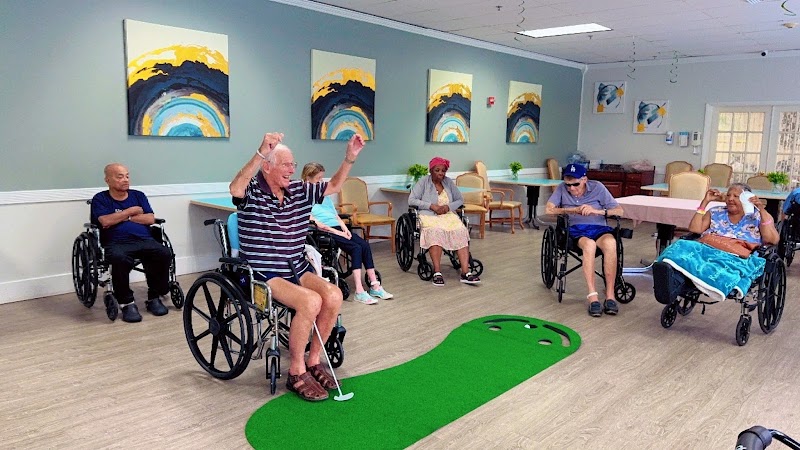
CMS rates MEDICANA NURSING AND REHAB CENTER's staffing level at 4 out of 5 stars, which is above average compared to other nursing homes. Staff turnover is 38%, compared to the Florida average of 46%. This relatively stable workforce can support continuity of care.

What Have Inspectors Found at Medicana Nursing And Rehab Center?

State health inspectors documented 14 deficiencies at MEDICANA NURSING AND REHAB CENTER during 2023 to 2025. These included: 14 with potential for harm.
Who Owns and Operates Medicana Nursing And Rehab Center?

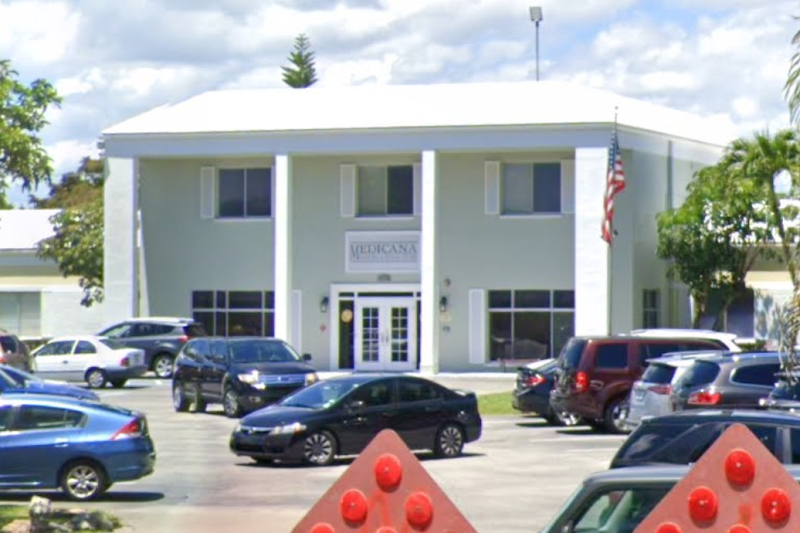
MEDICANA NURSING AND REHAB CENTER is owned by a for-profit company. For-profit facilities operate as businesses with obligations to shareholders or private owners. The facility is operated by SOVEREIGN HEALTHCARE HOLDINGS, a chain that manages multiple nursing homes. With 116 certified beds and approximately 79 residents (about 68% occupancy), it is a mid-sized facility located in LAKE WORTH, Florida.
How Does Medicana Nursing And Rehab Center Compare to Other Florida Nursing Homes?

Compared to the 100 nursing homes in Florida, MEDICANA NURSING AND REHAB CENTER's overall rating (3 stars) is below the state average of 3.2, staff turnover (38%) is near the state average of 46%, and health inspection rating (3 stars) is at the national benchmark.

What Should Families Ask When Visiting Medicana Nursing And Rehab Center?

Based on this facility's data, families visiting should ask: "Can I visit during a mealtime to observe dining assistance and food quality?" "How do you handle medical emergencies, and what is your hospital transfer rate?" "Can I speak with family members of current residents about their experience?"

Is Medicana Nursing And Rehab Center Safe?

Based on CMS inspection data, MEDICANA NURSING AND REHAB CENTER has a clean safety record: no substantiated abuse findings (meaning no confirmed cases of resident harm), no Immediate Jeopardy citations (the most serious violation level indicating risk of serious injury or death), and is not on the Special Focus Facility watch list (a federal program monitoring the lowest-performing 1% of nursing homes). The facility has a 3-star overall rating and ranks #100 of 100 nursing homes in Florida. While no facility is perfect, families should still ask about staff-to-resident ratios and recent inspection results during their visit.

Do Nurses at Medicana Nursing And Rehab Center Stick Around?

MEDICANA NURSING AND REHAB CENTER has a staff turnover rate of 38%, which is about average for Florida nursing homes (state average: 46%). Moderate turnover is common in nursing homes, but families should still ask about staff tenure and how the facility maintains care continuity when employees leave.

Was Medicana Nursing And Rehab Center Ever Fined?

MEDICANA NURSING AND REHAB CENTER has no federal fines on record. CMS issues fines when nursing homes fail to meet care standards or don't correct problems found during inspections. The absence of fines suggests the facility has either maintained compliance or corrected any issues before penalties were assessed. This is a positive indicator, though families should still review recent inspection reports for the full picture.

Is Medicana Nursing And Rehab Center on Any Federal Watch List?

MEDICANA NURSING AND REHAB CENTER is not on any federal watch list. The most significant is the Special Focus Facility (SFF) program, which identifies the bottom 1% of nursing homes nationally based on persistent, serious quality problems. Not being on this list means the facility has avoided the pattern of deficiencies that triggers enhanced federal oversight. This is a positive indicator, though families should still review the facility's inspection history directly.