HAMLIN PLACE OF BOYNTON BEACH
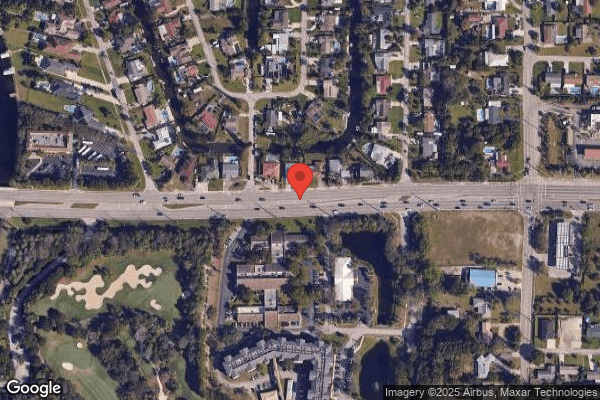

2180 HYPOLUXO ROAD, LANTANA, FL 33462 (561) 582-6711
Non profit - Corporation 120 Beds Independent Data: November 2025
Trust Grade
85/100
#215 of 690 in FL
Last Inspection: June 2024

Within standard 12-15 month inspection cycle. Federal law requires annual inspections.

Overview

Hamlin Place of Boynton Beach has a Trust Grade of B+, indicating it's above average and recommended for families considering care options. It ranks #215 out of 690 facilities in Florida, placing it in the top half, and #15 out of 54 in Palm Beach County, meaning only a few local facilities are rated higher. The facility's trend is improving, having reduced issues from 5 in 2023 to 3 in 2024, and it has low staff turnover at 11%, which is significantly better than the state average. Notably, there have been no fines recorded, which is a positive sign, but there is average RN coverage. However, there are some concerns, including a failure to follow dietary orders for 16 residents and issues with food safety practices in the kitchen. Additionally, one resident was not informed about their rights to timely rehabilitation services, highlighting areas where the facility needs improvement. Overall, while there are strengths in staff stability and cleanliness, families should be aware of these specific concerns when considering care for their loved ones.

Trust Score
B+
85/100
In Florida
#215/690
Top 31%
Safety Record
Low Risk
No red flags
Inspections
Getting Better
5 → 3 violations
Staff Stability
✓ Good
11% annual turnover. Excellent stability, 37 points below Florida's 48% average. Staff who stay learn residents' needs.
Penalties
✓ Good
No fines on record. Clean compliance history, better than most Florida facilities.
Skilled Nurses
✓ Good
Each resident gets 52 minutes of Registered Nurse (RN) attention daily — more than average for Florida. RNs are trained to catch health problems early.
Violations
⚠ Watch
12 deficiencies on record. Higher than average. Multiple issues found across inspections.
★★★★☆
4.0
Overall Rating
★★★★☆
4.0
Staff Levels
★★★★☆
4.0
Care Quality
★★★★☆
4.0
Inspection Score
Stable
2023: 5 issues
2024: 3 issues

The Good

  • 4-Star Staffing Rating · Above-average nurse staffing levels
  • 4-Star Quality Measures · Strong clinical quality outcomes
  • Low Staff Turnover (11%) · Staff stability means consistent care
  • Full Sprinkler Coverage · Fire safety systems throughout facility
  • No fines on record
  • Staff turnover is low (11%)

    37 points below Florida average of 48%

Facility shows strength in staffing levels, quality measures, staff retention, fire safety.

The Bad

No Significant Concerns Identified

This facility shows no red flags. Among Florida's 100 nursing homes, only 1% achieve this.

The Ugly 12 deficiencies on record

Jun 2024 3 deficiencies
CONCERN (D)

Potential for Harm - no one hurt, but risky conditions existed

Deficiency F0552 (Tag F0552)

Could have caused harm · This affected 1 resident

**NOTE- TERMS IN BRACKETS HAVE BEEN EDITED TO PROTECT CONFIDENTIALITY** Based on record review and interview, it was determined that the facility failed to inform 1 of 1 sampled resident (Resident #28...

Read full inspector narrative →
**NOTE- TERMS IN BRACKETS HAVE BEEN EDITED TO PROTECT CONFIDENTIALITY** Based on record review and interview, it was determined that the facility failed to inform 1 of 1 sampled resident (Resident #28) of her rights to receive timely specialized rehabilitation services, physical therapy (PT) and occupational therapy (OT). The finding included: Review of the facility's policy titled, Scheduling Therapy Services revised July 2013 documented, Therapy Services shall be scheduled in accordance with the resident's treatment plan; and Specialized rehabilitative services must be provided under the written order of a physician by qualified personnel. Resident #28 was admitted to the facility on [DATE]. Her admitting diagnoses included: Unspecified Atrial Fibrillation; Atherosclerotic Heart Disease Of Native Coronary Artery. Difficulty In Walking; Pain; Dislocation Of Right Shoulder Joint; Non-displaced Intertrochanter Fracture Right Femur; Low Back Pain; Pain In Right Shoulder; Muscle Wasting And Atrophy; Pain In Left Knee; Chronic Obstructive Pulmonary Disease; Pain In Right Hip; History Of Falling; Primary Osteoarthritis, Right Shoulder. Resident #28 required immediate therapeutic interventions as ordered by her physician. Review of the Physicians' Orders dated 05/17/2024 revealed a physical therapy (PT) and occupational therapy (OT) orders to evaluate and to treat Resident #28. The PT and OT clarification orders dated 06/3/2024 indicated the following: OT treatment 3 x week x 60 days for self-care, wheelchair management, group treatment, manual therapy, and a PT clarification order for PT treatment 3x/week x60 days for therapeutic-exercises, therapeutic activities, gait training, and safety education. In essence, Resident #28 was supposed to receive both physical and occupational therapies three times a week for 60 days. Review of the plan of care dated 05/17/2024, for PT and OT documented Resident #28 had: Alteration in musculoskeletal status related to post fall with diagnosis of right hip nondisplaced fracture. The plan outlined the following objectives: Resident #28 will return to prior level of function after rehabilitation. Resident #28 will return to prior level of function with activities of daily living after rehabilitation, etc. During an interview, the Director of Nursing (DON) stated on 06/13/24 at 9:12 AM that Resident #28 would remain at the facility long-term. The DON also revealed that therapy assessment usually is done within 24-hours of a resident's admission to the facility. Therapy services usually begin between 24-72 hours of the resident's admission. The DON also stated that it is the facility's policy for ensuring that therapeutic services are provided timely. Interviews with the Lead Physical Therapist (Employee A) and the Physical Therapy Consultant on 06/13/24 at 09:16 AM, revealed that the facility has 24-to 48 hours to assess residents' physical needs, or conduct an evaluation for all newly admitted residents. However, therapeutic treatment did not start for Resident #28 until 06/3/2024 for both Physical Therapy and Occupational Therapy. The Rehabilitation Consultant explained that physical therapy services were delayed because of a payor source issue. She added that the Physician Order to evaluate and treat Resident #28 was issued on 05/17/2024, but they were not sure who was going to pay. Also, Resident #28 had a private insurance that had denied the authorization to treat, or to pay for services. The Rehabilitation Consultant further stated that delaying provision of services was an error of their part. They were obliged to evaluate and treat Resident #28, as per physician's orders. During an interview on 06/13/24 at 9:39 AM, the Business Office Manager (BOM) stated before admitting any resident to the facility, the admission Coordinator usually shares with the business office information regarding the incoming resident payor source, whether it is Medicare part A or B, Medicaid or private insurance. The BOM stated once a resident is admitted to the facility, services must be provided. The BOM added there should not be any reason to delay treatment once the physician has given the order to assess and treat the resident. The BOM explained that Resident #28 had a Medicaid case pending but she was eligible for Medicare Part B since her admission to the facility, and was eligible for rehabilitation services. The BOM said that the Rehabilitation Department was supposed to bring the physician order to the business office to initiate the process or authorization for treatment, but they did not bring anything to her. During an interview on 6/13/24 at 9:45 AM, the admission Director (AD) stated that she knew that Resident #28 had [ ] insurance prior to her being admitted to the facility. The facility that the resident was admitted from told her that the resident would no longer receive services from [ .]. The AD stated that they made it clear to Resident #28's legal representative and the family that [ ] would not approve services since Resident #28 had reached her highest physical level from the facility she was being discharge from. The AD stated because of that reason PT and OT treatment was delayed until 06/3/2024. They were waiting for Resident #28 to be disenrolled from the [ ] plan and to enroll in the Medicare part B plan. During an interview on 06/13/24 at 10:41 AM, Resident #28 stated that she was admitted to the facility on [DATE]. She said that when she arrived at the facility, they told her that she had to wait to have therapy. She said that she did not know that she could have been treated within 24-hours of her admission, while her case was being processed. She stated that since she started treatment she has made significant progress, she is now able to stand. However, Resident #28 said that it was brutal laying in bed for three weeks while waiting for approval of her Medicare benefits. She wished someone had explained this to her sooner. The findings were discussed with the Administration at the exit conference on 06/13/2024 at 3:49 PM, and the representatives were offered an opportunity to provide any further information regarding the identified concern. There were no questions. The Administrator acknowledged the findings.
CONCERN (D)

Potential for Harm - no one hurt, but risky conditions existed

Deficiency F0553 (Tag F0553)

Could have caused harm · This affected 1 resident

**NOTE- TERMS IN BRACKETS HAVE BEEN EDITED TO PROTECT CONFIDENTIALITY** Based on interview and record review, the facility failed to provide accommodations to 1 of 1 sampled resident (Resident #28) to...

Read full inspector narrative →
**NOTE- TERMS IN BRACKETS HAVE BEEN EDITED TO PROTECT CONFIDENTIALITY** Based on interview and record review, the facility failed to provide accommodations to 1 of 1 sampled resident (Resident #28) to attend her care plan meeting, The findings included: Resident #28 was admitted to the facility on [DATE]. Her admitting diagnoses included: Unspecified Atrial Fibrillation; Atherosclerotic Heart Disease Of Native Coronary Artery. Difficulty In Walking; Pain; Dislocation Of Right Shoulder Joint; Non-displaced Intertrochanter Fracture Right Femur; Low Back Pain; Pain In Right Shoulder; Muscle Wasting And Atrophy; Pain In Left Knee; Chronic Obstructive Pulmonary Disease; Pain In Right Hip; History Of Falling; and Primary Osteoarthritis, Right Shoulder. Review of the Minimum Data Set (MDS) assessment dated [DATE], section titled Brief Interview of Mental Status recorded Resident #28 had a score of 14 out of 15 on the assessment. This score identified Resident #28 as being cognitively, mentally sound to handle her personal affairs. In addition, the Face Sheet documented Resident #28 is her sole responsible party. During an interview conducted on 06/13/24 at 11:08 AM, the MDS Coordinator stated that she had invited Resident #28 to attend the Care plan meeting held on 05/28/2024, but the resident did not want to get out of bed. The MDS Coordinator stated that she did not offer to have the meeting in the resident's room. Instead, the MDS Coordinator stated that she contacted Resident #28's son, who is identified on record as emergency contact #1, and the resident's daughter is listed as the resident's Power of Attorney (POA) and financial emergency contact #2. Review of the Social Services notes documented, in part: Call placed to Son . and he connected with his sister . for care plan meeting for Resident #28. Team reviewed resident's medication, diagnosis, discharge planning, and answered questions. Review of the Care Plan notes dated 05/28/2024 revealed that the meeting was held without Resident #28 being present. All decisions and plans were made and discussed with and by the interdisciplinary team (IDT), Resident #28's children, and her son-in-law, via phone conference. During that meeting, the team discussed Resident #28's Medications; Resident #28's family wanted resident to continue with taking the pain meds more often, and the facility suggested that the Tramadol be changed to routinely rather than as needed (prn) and everyone agreed. The Pain management Doctor was notified of the family's request. The Family wanted Resident #28 to be out of bed (OOB) for at least 90 mins or as she can tolerates sitting up. The MDS Coordinator documented that she spoke with the resident, who stated the most she can sit upright is no more than 90 minutes because she has spinal stenosis and Arthritic pain. In all, the decisions were made on behalf of Resident #28 while Resident #28 was not given the opportunity to attend the meeting. An interview with the Social Worker (SW) on 06/13/24 at 11:21 AM revealed that he was present during the care plan (CP) meeting. The SW said that the CP was held in the conference room; the resident was not present, and he did not know why. The SW said that the facility should have invited Resident #28 to the meeting. The findings were discussed with the Administration at the exit conference on 06/13/2024 at 3:49 PM, and the representatives were offered an opportunity to provide any further information regarding the identified concern. There were no questions. The Administrator acknowledged the findings.
CONCERN (D)

Potential for Harm - no one hurt, but risky conditions existed

Quality of Care (Tag F0684)

Could have caused harm · This affected 1 resident

**NOTE- TERMS IN BRACKETS HAVE BEEN EDITED TO PROTECT CONFIDENTIALITY** Based on observation, interview, and record review, the facility failed to ensure proper care and services for a rash for 1 of 1...

Read full inspector narrative →
**NOTE- TERMS IN BRACKETS HAVE BEEN EDITED TO PROTECT CONFIDENTIALITY** Based on observation, interview, and record review, the facility failed to ensure proper care and services for a rash for 1 of 1 sampled resident reviewed for skin issues (Resident #67). The findings included: Record review revealed Resident #67 was admitted to the facility on [DATE]. A comprehensive assessment dated [DATE] documented the resident had mild cognitive impairment and required substantial/maximal assist with activities of daily living. Resident #67 was care planned on 04/30/24 for a skin rash with an intervention to administer medication as ordered. An interview was conducted with Resident #67 on 06/10/24 at 12:30 PM. The resident complained of an itchy rash all over her body. The resident was observed with red raised bumps on her left leg, right stump, abdomen, chest, arms, and face. The resident stated she also had the rash on her back and buttocks. Resident #67 stated the facility had given her a cream, but it does not help. The resident stated she asked to see a dermatologist, but has not heard anything yet. Record review revealed Resident #67 had an order dated 05/30/24 for a dermatologist consult for a body rash. Further review of the resident's orders revealed an order dated 06/10/24 for Triamcinolone Acetonide External Cream (medication is used to treat a variety of skin conditions such as eczema, dermatitis, allergies, rash) to apply to face, arms, back topically every shift for rash for 15 days. Further record review revealed an order dated 06/11/24 for Ivermectin (an antiparasitic) one time for Dermatitis for 1 day. An interview was conducted with the Assistant Director of Nursing (ADON) on 06/11/24 at 12:30 PM. The ADON stated Resident #67 did not have scabies, but has had a rash for some time. The ADON stated they used to have a Dermatologist to see residents in the facility, but not anymore. They were in search for a Dermatologist. A second interview was conducted with the ADON on 06/11/24 at 1:00 PM. The ADON stated the earliest appointment they were able to get Resident #67 was on 06/21/24. Class III
Mar 2023 5 deficiencies
CONCERN (D)

Potential for Harm - no one hurt, but risky conditions existed

Deficiency F0582 (Tag F0582)

Could have caused harm · This affected 1 resident

**NOTE- TERMS IN BRACKETS HAVE BEEN EDITED TO PROTECT CONFIDENTIALITY** Based on interview and record review, the facility failed to ensure that 2 of 3 sampled residents (Residents #90 and #153) recei...

Read full inspector narrative →
**NOTE- TERMS IN BRACKETS HAVE BEEN EDITED TO PROTECT CONFIDENTIALITY** Based on interview and record review, the facility failed to ensure that 2 of 3 sampled residents (Residents #90 and #153) received a notification of Medicare Non-Coverage (NOMNC) (CMS Form 200052) informing them of their rights to appeal the decision to terminate skilled services before such services are discontinued and/or before the resident's discharge from the facility. The findings included: 1. Review of the NOMNC for Resident #90 revealed that skilled services started on 12/4/2022 and had an expected end date of 12/29/2022. The Skilled Nursing Facility Beneficiary Protection Notification Review form completed by the facility's Social Worker on 3/30/2023 revealed that the facility initiated the discharge12/27/2022 from Medicare Part A Services (skilled rehabilitation services) when benefit days for Resident #90 were not exhausted. Record review revealed the Electronic Clinical Records documented that Resident #90 was admitted to the facility on [DATE] with the following primary diagnoses: Fracture Of Upper End Of Left Humerus, Fracture With Routine Healing; Disorders Of Bone Density And Structure, Syncope And Collapse; Osteophyte, Vertebrae; Cervical Spine ; Fracture Of Left Pubis, Fracture With Routine Healing; Laceration of Head, Injury Of Head; History Of Falling.; Major Depressive Disorder, Difficulty In Walking, Muscle Weakness (Generalized), And Hypokalemia. Section C of the Minimum Data Set (MDS) assessment dated [DATE] revealed Resident #90 presented with cognitive deficit scoring 10/15 on the Brief Interview of Mental Status, indicating moderately impaired cognition. Review of the activities of daily living (ADL) plan of care dated 2/15/2023 showed that Resident #90's dependance from staff ranged from set-up only, limited assistance, and extensive assistance for ADL's. During an interview with the Social Worker (SW) on 3/20/2023 at 11:55 AM, he informed that Resident #90's family members visit regularly. The SW acknowledged that the family are involved in the Resident's care. He also reported that upon termination of skilled services he had contacted the resident's sister (Not the person with Power of Attorney) to report that Resident #90's skilled services would be discontinued. The SW offered no evidence of what transpired from that conversation. An attempt to interview Resident #90 on 03/30/23 at 12:32 PM was unsuccessful, The resident was not available. Nevertheless, the resident's Nurse informed that the resident had cognitive deficits that would qualify Resident #90 as a poor historian, regarding her care. 2. Review of the NOMNC, showed that Resident #153 started receiving skilled services on 1/21/2023. The last covered day was on 2/19/2023. The NOMNC signed by the SW revealed that the Resident's Representative was contacted via telephone on 2/15/2023. Eventually, the facility discontinued skilled services on 2/19/2022 when Resident #153 had not exhausted all of her Medicare Part A services. On 3/30/2023, during a subsequent interview with the Social Worker, he confirmed that the resident's wife comes to the facility on a regular basis and is very involved in the resident's care. Yet, the NOMNC was not signed by the wife to indicate that she was notified and understood her rights to appeal the decision to discontinue skilled services. Review of the Social Worker (SW)'s progress notes dated February 15, 2023 showed that on 2/15/2023 at 11:55 AM, the Social Worker called Resident #153's family member to inform that the resident would be discharge back to an assisted living facility. However, there were no other notes to indicate that the Social Worker had discussed the termination of skilled services with the family member and their rights to appeal the decision. Record review revealed resident #153 was admitted to the facility on [DATE] and discharged on 2/20/2023. Section C of the Minimum Data Set (MDS) assessment dated [DATE] revealed that Resident #153 obtained a score 3/15 on the Brief Interview for Mental Status. This score indicates that Resident # 153 had severe cognitive deficits. Resident # 153's admitting diagnoses included: Parkinson's Disease, Covid-19, Acute Respiratory Failure with Hypoxia, Shortness of Breath, Personal History of Covid-19, Altered Mental Status, Unspecified, Other Alzheimer's Disease, Metabolic Encephalopathy, Hypertension, Gastro-Esophageal Reflux Disease without Esophagitis, Muscle Weakness, Benign Prostatic Hyperplasia, Abnormalities of Gait and Mobility, Sepsis and Other Acute Kidney Failure. Review of the activities of daily living (ADL) plan of care dated 1/22/2023 showed that Resident #153's dependance from staff ranged from set-up only, extensive assistance, to extensive assistance for ADL's. During the exit conference on 3/30/2023 at 3:30 PM, the facility provided no evidence that the resident's rights to appeal the decision to terminate skilled services were honored and respected.
CONCERN (D)

Potential for Harm - no one hurt, but risky conditions existed

Investigate Abuse (Tag F0610)

Could have caused harm · This affected 1 resident

**NOTE- TERMS IN BRACKETS HAVE BEEN EDITED TO PROTECT CONFIDENTIALITY** Based on records review, interview, and the facility's abuse and fall policies review, the facility failed to thoroughly investi...

Read full inspector narrative →
**NOTE- TERMS IN BRACKETS HAVE BEEN EDITED TO PROTECT CONFIDENTIALITY** Based on records review, interview, and the facility's abuse and fall policies review, the facility failed to thoroughly investigate an incident resulting to injury of unknown origin for 1 of 3 sampled residents (Resident #57); and the facility failed to rule out abuse or neglect subsequent to the incident. The findings included: Review of the Facility's policies and procedures on Falls outlined in section 2, documented: Nurse shall assess and document the following: a. Vital signs b. Recent injury, especially fracture or head injury c. Musculoskeletal function, observing for change in normal range of motion, weight bearing, etc. d. Change in cognition or level of consciousness e. Neurological status f. Pain g. Frequency and number of falls since last physician visit .etc. In section 5 of the Fall Policy it is noted that: The staff will evaluate and document falls that occur while the individual is in the facility; for example, when and where they happen, any observations of the events, etc, In section 6. It is outlined that Falls should be categorized: a. Those that occur while trying to rise from a sitting or lying to an upright position; b. Those that occur while upright and attempting to ambulate; and c. Other circumstances such as sliding out of a chair or rolling from a low bed to the floor. In section 7. It is noted that falls should be identified as witnessed or unwitnessed events. Review of the Abuse Investigation and Reporting Policies outlined pertinent staff duties in investigating incidents of unknown origin be it abuse. mistreatment, neglect or injury of unknown sources. It is documented that all injuries of unknown sources shall be promptly reported and thoroughly investigated by facility management. At a minimum, the investigation should include: h. Interviews with staff members who have had contact with the resident during the period of the alleged incident; i. Interview the resident's roommate. j. Review all events leading up to the alleged incident Review of the Electronic Clinical Record of Resident # 57 showed that he was admitted to the facility on [DATE]. Resident # 57's most recent primary admitting diagnoses included: Segmental and Somatic Dysfunction of Cervica Region, Osteoarthritis of Hip, Acute Kidney Failure, Muscle Weakness, Difficulty in Walking, Hypokalemia, Absolute Glaucoma, History of Falling, Systolic Congestive Heart Failure, Pain and Acute Respiratory Failure with Hypoxia. Section C of the Minimum Data Set (MDS) revealed Resident #57 scored 8 of 15 on the Brief Interview of Mental Status (BIMS), indicating Resident #57 had significant cognitive deficits. Review of the activities of daily living (ADL) performance levels showed that Resident # 57 dependance from staff ranged from set-up only, supervision, extensive assistance to total dependence for ADL's. The Care Plan dated 8/7/2022 noted that: Resident # 57 was at risk for falls related to weakness and decreased endurance. The plan further documented the following: Staff will: o Ensure that Resident # 57 will not sustain serious injury through the review date. o Administer meds as ordered. Monitor for & report adverse side effects. o Place Bed in lowest position for safety o Place Bilateral mats- safety precautions o Keep frequently used items & call bell with easy reach. Encourage use of call bell for assistance. o Ensure that Resident #57 is wearing appropriate footwear when ambulating or mobilizing in w/c. The Nursing Progress Notes dated 11/4/2022 showed a documented incident by Employee C, a Licensed Practical Nurse. Employee C documented: Patient overheard yelling out for help. Upon arriving, assigned Nurse stated that she observed patient halfway in the bed with the right side of his head pressed against the grab bar, slight bleeding noted. Patient can't explain how fall occurred due to confusion. Pressure immediately applied to site. Patient is stabilized in bed awaiting 911 for transfer. Remains alert to self. Denies pain. Call to MD (Medical Doctor) awaiting call back, spouse aware. Report exchanged with ER nurse. The Nursing Progress showed that on 11/4/22 at 5:10 PM, Employees C's notes were struck out as incorrect documentation. However, No new entry was made. No documentation explained why Employee C's notes were incorrect. On 03/29/23 at 10:22 AM, an interview with Employee C revealed that she has been working at the facility since 2011. Employee C stated that Resident #57 is very confused and at times calls 911. Resident # 57 always believed that he was at the Army base. Employee C said that she remembered the incident of 11/4/22, and since that fall, they use floor mats to protect Resident #57. Employee C said that she is not sure why they struck out her notes and documented that her information was incorrect. Employee C said that since the fall incident, they have closely watched Resident# 57 to ensure that he does not fall. On 03/29/23 at 10:31 AM, the Director of Nursing (DON) informed that she has been working at this facility for two years. She said that the reason why Employee C's incident notes were crossed out was because the resident did not actually fall. The DON acknowledged that she crossed-out the nurse's documentation. The DON added that the resident did not fall out of bed as the nurse had reported because the nurse and the Certified Nursing Assistant (CNA) would first have to assess the resident on the floor before putting him back in bed, which was not done. The DON ensued and informed that normally when a staff inadvertently does a wrong documentation, they would discuss the matter with the nurse and have the nurse correct the documentation in Point Click Care (PCC). The DON attested to the fact that the issue was not discussed with Employee C who documented the fall incident of 11/4/22. The DON was then asked to provide documentation of the incident and the Neuro Checks. The DON explained that the nurses' progress notes are usually linked with incident/investigation reports, and once the investigation report is struck out, the nurses' notes are thereby struck out. The DON said, she could not provide evidence of what had actually occurred on the day of 11/4/22. Upon insisting that the struck out incident report be provided, the DON finally acknowledged that she had not conducted an incident investigation, but provided a copy of the incident report. Review of the incident report dated 11/4/22 revealed it was prepared by another unidentified staff member at 5:10 PM, whereas the incident notes were written by Employee C. The report showed that Resident #57 had a skin tear on top of the scalp; he was only oriented to person; For predisposing environmental factors, other was selected; and, there was no witness. Review of the Nurses' Progress notes dated 12/9/22, documenting the fall of that day, showed that Resident #57 slid out of his wheelchair while sitting by the nursing station. He sustained no injury per assessment. Review of the Hospital records dated 11/04/22 at 1:29 PM and referencing the resident's fall/incident of 11/4/22 revealed that Resident #57's Chief complaint was C2 fracture fall out bed. The section of the hospital final report with heading titled History of Present Illness documented the following: Patient is a pleasant [age] male . He apparently fell out of bed and had some complaints of neck discomfort. He states that he feels better at this point in time. Patient denies having prior history of issues with his cervical spine. States that he has no numbness or tingling and no new weakness. He was placed on hard cervical collar was seen in outside facility where CT scan revealed suspicion of a small anterior fracture of the C2 vertebral body. The X-ray diagnostic report completed on 11/6/22 confirmed a fracture of the Cervical spine at the C2 level. The Report concluded that the fracture was a non-displaced fracture C2. There was very little change in position of the cervical spine with attempted flexion and extension. No subluxation. According to the Director of Nursing, none of the aforementioned protocols were followed since Resident #57's injuries were considered fall-related. Yet, no investigation was done to identify its source. On 3/30/2023 at 2:34 PM, during an observation in the room, Resident #57 was observed sitting in his wheelchair. The bed was observed in high position and the floor mats were placed erect on the left side of the bed, by the window. The facility provided no additional information during the exit conference conducted on 3/30/2023 at 3:30 PM with the Administrator, the Director of Nursing, and Associates.
CONCERN (D)

Potential for Harm - no one hurt, but risky conditions existed

Deficiency F0676 (Tag F0676)

Could have caused harm · This affected 1 resident

**NOTE- TERMS IN BRACKETS HAVE BEEN EDITED TO PROTECT CONFIDENTIALITY** Based on observation, interview, and record review, the facility failed to provide care and services that included adaptive eati...

Read full inspector narrative →
**NOTE- TERMS IN BRACKETS HAVE BEEN EDITED TO PROTECT CONFIDENTIALITY** Based on observation, interview, and record review, the facility failed to provide care and services that included adaptive eating equipment to improve and maintain independence in eating for 1 for 7 sampled residents (Resident #70). The findings included: During the observation of the lunch meal conducted on 03/27/23 at 12:30 PM and the breakfast meal conducted on 03/28/23 at 8 AM, it was noted that the meal trays were delivered to the room of Resident #70 and were set up by staff in front of the resident while sitting up in bed. During the meal observations it was noted that the resident had some cognitive impairment, failed to answer surveyor questions and vision issues that included the resident shutting eyes while trying to self-feed. Further observation noted that the resident was having food spillage while attempting to self-feed due to the vision issues. A review of the tray meal tickets did not contain documentation of adaptive eating equipment such as built-up utensils or scoop plate. A review of the clinical record of Resident #70 noted the following: * Date Of admission: [DATE] * date of birth : 2/25/58 * Diagnoses: Legally Blind, DM (Diabetes Mellitus) 2, Chronic Ulcer Lower Left Leg, Pressure Ulcer Left Foot Stage IV, and Bipolar Disorder. Current Physician Orders included: * 9/1/22 - Prostat AWC 30 ml BID (Twice daily) -Wound Heeling * 8/31/23 - Nutrition Intake QID (4 times per day) * 8/31/22 - Hydration Protocol 120 ml /Shift * 8/31/23 - No Concentrated Sweets * 101/10/22 - Med Pass 2 .0 -120 ml QHS (every evening) MDS (Minimum Data Set) assessment dated : 2/16/23: Sec B: Understood & Understands Sec: BIMS= 13, indicating intact cognition Sec G: Supervision with Eating Sec K: 67/146, Therapeutic Sec M: Pressure Ulcer/ Stage IV (1) Care Plan Review: date = 2/15/22 * Risk for Weight Loss/Dehydration= Below Ideal Body Weight, Legally Blind. * Utilizes Rim Plate A review of the tray meal tickets (Breakfast, Lunch, and Dinner) and interview with the Dietary Manager (DM) on 03/28/23 noted no documentation of a Rim Plate to be provided with all meals. The interview with the DM noted that she was not aware that the resident's care plan documented a Rim Pale for all meals to assist the resident with independent feeding and lower meal spillage during eating. Interview with Skilled Therapy Director on 3/29/23 noted the Rim Plate was ordered on by Speech Therapy during dates of service on 2/9/22 - 2/15/22. It was further revealed through submitted documentation that the resident was discharged to the hospital on [DATE]. Further review noted that upon a 08/31/22 readmission back to the facility, all physician orders including the Rim Plate were discontinued. Interview with the North Unit Charge Nurse on 3/29/23 noted that when residents are discharged and readmitted that all physician orders are discontinued. It was further stated that Skilled Therapy should have been reevaluated upon the 08/31/22 readmission, the resident should have been re-screened for the need and use of the Rim Plate to aide in self-feeding. On 03/29/23 the Director of Skilled Therapy submitted a Multidisciplinary Screening Form - PT (Physical Therapy)/OT (Occupational Therapy)/ST dated 03/29/23 that included documentation an Occupational Therapy screen was completed, and Resident #70 will benefit from a Rim Plate during all meals due to blindness and difficulty with self-feeding. Also noted that the resident was referred to Restorative Dining Program for assistance with feeding. The Director confirmed that the the resident failed to be re-screened for the Rim Plate (Assisted Eating Device) upon readmission to the facility 08/31/23.
CONCERN (E)

Potential for Harm - no one hurt, but risky conditions existed

Deficiency F0808 (Tag F0808)

Could have caused harm · This affected multiple residents

Based on observation, interview and record review, it was determined that the facility failed to follow physician ordered therapeutic diet of No Concentrated Sweets/Carbohydrate Controlled Diet for 16...

Read full inspector narrative →
Based on observation, interview and record review, it was determined that the facility failed to follow physician ordered therapeutic diet of No Concentrated Sweets/Carbohydrate Controlled Diet for 16 facility residents that included 2 of 2 sampled residents (Resident #8 and #70). The findings included: During the review of the approved menu for the week of 03/26/23 it was noted that an 8-ounce portion of skim milk was to be included for breakfast and dinner meals for residents with physician ordered No Concentrated Sweet/Carbohydrate Controlled diets. During the observation of the lunch tray line in the main kitchen on 03/28/23 at 7:30 AM, it was noted that an 8-ounce portion of Regular Milk was included on trays prepared to be served to No Concentrated Sweets/Carbohydrate Controlled Diets. An interview conducted with the Dietary Manager (DM) at the time of the meal observation and was noted to state that she was unaware the approved menu documented skim milk for No Concentrated Sweets/Carbohydrate Controlled diets. It was also stated by the DM that the facility does not keep Skim Milk in supply in the dietary department. The surveyor informed the DM that the Regular Milk could not be served for No Concentrated Sweets/Diabetic diets and to inform the Administrator and Consultant Dietitian for swift resolution of the issues. On 03/24/23 at 9 AM the surveyor was informed that an emergency food supply contained 8-ounce portions of shelf Skim Milk and would be used until skim milk could be purchased or delivered to the facility. The surveyor informed the DM that the shelf skim milk is room temperature and needed to be served at a palatable temperature for the residents. Upon review of the facility's Diet Census for 03/28/23, it was noted that there was currently 16 residents with physician ordered No Concentrated Sweets/Carbohydrate Controlled Diet. It was further noted that 2 of 2 sampled resident's Resident #8 and #70 were 2 of the 16 residents.
CONCERN (E)

Potential for Harm - no one hurt, but risky conditions existed

Food Safety (Tag F0812)

Could have caused harm · This affected multiple residents

Based on observation, interview and record review, the facility failed to store, prepare, distribute and serve food in accordance with professional standards for food service safety that included: ens...

Read full inspector narrative →
Based on observation, interview and record review, the facility failed to store, prepare, distribute and serve food in accordance with professional standards for food service safety that included: ensure dish machine is properly sanitizing resident dishware, maintain cleanliness of food storerooms, and proper cleaning of food preparation equipment. The findings included: During the initial kitchen observation tour conducted on 03/27/23 at 9 AM conducted with the Dietary Manager, the following were noted: 1) During the tour, it was noted that the dish machine was in use by facility staff washing resident dishware. The Dietary Manager stated that the dish machine sanitizes by high temperature. At the request of the surveyor a temperature test was conducted by the Dietary Manager (DM). The temperature first test was recorded at 160 degrees F Wash and 160 F degrees Final Rinse. The surveyor informed the DM that the final rinse temperature did not meet the minimum regulatory temperature of 180 degrees F. It was also discussed that dietary staff should have been aware that the dish machine was not sanitizing. The surveyor granted 3 more temperature tests that concluded with the same temperature findings. The surveyor informed the DM that the dish machine could not be utilized until the final rinse temperature of 180 degrees was met. The surveyor also requested documentation if the dish machine required outside vendor repair. The DM stated that resident dishware would be washed and sanitized in the 3-compartment sink and the dish machine repair vendor would be contacted to assess and repair the final rinse temperature. On 03/28/23 at 10 AM the DM submitted documentation of dish machine repairs that documented that the dishwasher was found to be not sanitizing due to mineral build-up in the rinse tubing that would not allow water flow. The rinse piping was cleared with delime solution. Tested and Rinse Gauge indicating 186 degrees F. Further documented that this is an on-going issue and recommend the installation of a mineral/lime removing system, i.e. scale stick, sediment filter etc. in order to prevent sanitation failure in the future. Following the review, it was further discussed with the DM that the system needs to be monitored more closely and to make necessary improvements to the dish machine. 2) During the observation of the dish machine room, it was noted that the wall area behind the machine had numerous areas of dried brown food matter. It was discussed with the DM that the wall areas need to be cleaned on a more regular basis. 3) During the observation of the dish machine room, it was noted that numerous wall tiles located near the base of the wall were broken and missing (6), and the wall area was heavily soiled. It was discussed with the DM that food and debris can become trapped and increase and spread negative bacteria in the dish machine room. 4) Observation of the Food Dry/Canned Food Storage Room, it was noted that the entire floor area was heavily soiled and stained. Floor areas under food shelving were particularly soiled and stained. Room walls were also noted to be soiled and stained. During interview, the DM was noted to state that the room floor is long overdue for replacement. Photographic evidence obtained for example #1 - #4.
Dec 2021 4 deficiencies
CONCERN (D)

Potential for Harm - no one hurt, but risky conditions existed

Quality of Care (Tag F0684)

Could have caused harm · This affected 1 resident

**NOTE- TERMS IN BRACKETS HAVE BEEN EDITED TO PROTECT CONFIDENTIALITY** Based on observation, record review, and interview, the facility failed to follow up on voiced medical concerns for 1 of 1 sampl...

Read full inspector narrative →
**NOTE- TERMS IN BRACKETS HAVE BEEN EDITED TO PROTECT CONFIDENTIALITY** Based on observation, record review, and interview, the facility failed to follow up on voiced medical concerns for 1 of 1 sampled residents (Resident #36) who voiced concerns to both nursing staff and physician staff, of possible skin cancer, and requested to be seen by an outside physician for removal of the skin cancers. The facility failed to follow through with the resident's request. The findings included: During an interview on 11/29/21 at 9:48 AM, Resident #36 was asked if he was receiving the care and services he expected from the facility. Resident #36 stated he was concerned about the skin cancer on his right hand and left ear, further explaining that he had had other skin cancers removed previously. Resident #36 showed the surveyor a prominent growth on the top of his right hand and another on the top of his left ear. His left ear had an obvious indentation and Resident #36 stated that was where a previous dermatologist had removed skin cancer. Resident #36 stated he spoke with a lady who he believed was a Nurse Practitioner about three days ago, who agreed it was skin cancer and walked away. When asked if he had spoken with any other facility staff about his concerns, Resident #36 stated he spoke with the Unit Manager about a month ago. Record review revealed Resident #36 was admitted to the facility on [DATE], with his most current readmission on [DATE]. Review of the most current Minimum Data Set (MDS) assessment dated [DATE] documented Resident #36 had a Brief Interview for Mental Status (BIMS) score of 14 on a scale of 0 to 15, indicating he was alert and oriented. Review of the record lacked any mention of skin cancer or referral to a dermatologist. Review of the progress notes by the Nurse Practitioner from 11/22/21, 11/24/21, and 11/26/21 all lacked any mention of skin cancer or issues, or any mention of a referral for dermatological services. During an interview on 12/01/21 at 9:39 AM, Staff B, a Licensed Practical Nurse (LPN)/Unit Manager stated she was unaware of any skin issues for Resident #36. The Unit Manager stated she would speak with the resident and call the VA (Veterans Administration) for an appointment. On 12/01/21 at 10:08 AM, Resident #36 came up to the nurse's station and spoke to the Unit Manager. Resident #36 was overheard stating, I told the lady . the Nurse Practitioner, and she said 'yea, those are skin cancers and walked away.' During an interview on 12/01/21 at 10:59 AM, Staff G, a Certified Nursing Assistant (CNA) confirmed Resident #36 was very alert and oriented and was able to make his needs known. When asked if the resident had a good recall of things, she stated he did. During an interview on 12/01/21 at 11:05, Staff H, a Nurse Practitioner, was asked if she was aware of the skin cancers on the hand and ear of Resident #36. Staff H stated she was not a dermatologist but confirmed the resident had pointed them out to her recently. The Nurse Practitioner explained the resident had a lot of sun damage. The Nurse Practitioner stated she told Resident #36 the areas were probably skin cancers, and he should probably be seen (by a dermatologist) at some point in time. When asked if she followed up with anyone or told staff at the facility about the voiced concerns from Resident #36, the Nurse Practitioner stated she had not. The Unit Manager was at the nurse's station during the conversation and stated she had now called the VA and was awaiting a return call from the resident's social worker. The Unit Manager agreed the interventions were done after surveyor intervention. During a subsequent interview on 12/01/21 at 3:30 PM, Resident #36 stated he wanted to clarify something. The resident stated he never pointed out his skin issues to the Unit Manager. Resident #36 stated the only persons who knew about it were that Nurse Practitioner and another floor nurse, whose name he could not recall.
CONCERN (D)

Potential for Harm - no one hurt, but risky conditions existed

Pressure Ulcer Prevention (Tag F0686)

Could have caused harm · This affected 1 resident

**NOTE- TERMS IN BRACKETS HAVE BEEN EDITED TO PROTECT CONFIDENTIALITY** Based on observation, interview and record review, the facility failed to provide and maintain specialty air mattress and ensure...

Read full inspector narrative →
**NOTE- TERMS IN BRACKETS HAVE BEEN EDITED TO PROTECT CONFIDENTIALITY** Based on observation, interview and record review, the facility failed to provide and maintain specialty air mattress and ensure proper settings to prevent the worsening of pressure ulcers for 1 of 1 sampled residents (Resident #74) reviewed for Pressure Ulcers. The findings included: Review of the facility policy Pressure Ulcer Preventive Measures revised 04/25/17 documented, 18. For residents in bed, who are completely immobile, use devices that relieve pressure on the heels, most commonly by raising the heels off the bed. Use pillows under the length of the lower leg, suspending the heels. When using a specialty support surface, follow manufacturer's instructions. Review of the Operation Manual for the Signa Relief Alternating Pressure System with Low Air Loss specialty air mattress documented, 7.0 Program Settings: 1. Place the patient in the center of the mattress. Adjust the mattress' internal pressure according to the patient weight by using the weight button on the control panel of the power unit. 1) Record review revealed Resident #74 was admitted to the facility on [DATE] and most recently readmitted for current stay on 11/26/21. According the resident's most recent complete assessment, a Quarterly Minimum Data Set (MDS), completed on 11/08/21, Resident #74 had a Brief Interview for Mental Status (BIMS) score of 15, indicating 'cognitively intact'. The Assessment documented that Resident #74 was dependent upon staff for all Activities of Daily Living (ADLs). Resident #74's diagnoses at the time of the assessment included: Malnutrition; Pressure ulcer of sacral region, Stage 4 Pressure ulcer of right ankle, Stage 3; Pressure ulcer of left heel unstageable; Hemorrhage of anus and rectum; pressure ulcer of right buttock, unstageable and Pressure ulcer of left buttock unstageable. An 'admission Evaluation' dated 11/27/21, documented that the resident's pressure ulcers were present upon re-admission. Resident's orders included: [Name of the equipment company] Air Mattress for Wounds to buttocks 11/27/21. QSM Wound Care Consult for Evaluation and Treatment for open area to right buttock - 11/27/21. The list of Active diagnoses on Resident #74's Baseline Care Plan, dated 11/26/21 (date of readmission), included: Pressure Ulcer of Right Ankle, Stage 3; Pressure Ulcer of Left Heel, Unstageable; Pressure Ulcer of Left Ankle, Stage 3; Pressure Ulcer of Sacral Region, Stage 4; Pressure Ulcer of Left Buttock, Unstageable; Pressure Ulcer of Right Buttock, Unstageable; End Stage Renal Disease; Hemorrhage of anus and Rectum and Malnutrition. The Baseline Care Plan documented that the resident was dependent upon staff for all Activities of Daily Living and was 'Always incontinent' of urine and bowel. A Skin wound note, dated 11/18/21 at 14:07, documented, Resident seen by Wound Physician. Treatment continued to apply calcium alginate with medi-honey to right buttocks, right ankle, left posterior medial heel, left posterior medial heel, left lateral ankle, sacrum, right Ischium, and scrotum. No signs of infection noted. Documentation in the resident's Medication Administration Record (MAR) in the resident's electronic health record documented Resident #74's compliance with intake of supplement to promote wound healing. Further review of Resident #74's electronic medical records revealed no documentation of the resident having or receiving an air mattress per physician's orders. During an interview, on 11/29/21 at 10:45 AM, with Resident #74, when the resident was asked of any skin issues, Resident #74 replied, I've got sores on my backside on my rear end and a little on the lower back. Before I went to the hospital last Friday, I had a air mattress. Since I got back, I don't have the air mattress. I guess they never put me in it. I used to be in [room #] and that is where the bed is. During the interview, it was noted that the resident was positioned on a standard mattress at the time of interview, as evidenced by there not being any controls at the resident's foot of his bed that would control the firmness of the air mattress, should one had been on the resident's bed. During a follow up interview, on 11/30/21 at 3:40 PM, with Resident #74, it was noted that there was an air mattress in place on the resident's bed. When asked about the air mattress, Resident #74 replied, I got it yesterday, late in the afternoon. Resident #74 further stated that the mattress was comfortable and felt better During an interview, on 12/01/21 at 3:11 PM, with Staff A, RN, when asked about Resident #74 having an air mattress, Staff A replied, He always had an air mattress. Whenever we have a patient transfer, we call maintenance to get the mattresses and get the room ready and to move the mattress. When he first came here it was worse (pressure ulcers.) when asked if the resident received an air mattress upon his return from the hospital into a different room from his previous stay, Staff A was not able to recall. During an interview, on 12/01/21 at 3:15 PM, with Staff B, LPN/UM, Staff B stated, He came in the middle of the night on the weekend. The nurses that work on the weekend should have tried to get him one. Maintenance should have had one in storage. During an interview, on 12/01/21 at 3:28 PM, with the Maintenance Director, when asked about getting an air mattress for a resident when ordered, the Maintenance Director stated, I started this job on Monday (11/22/21). I was here on Saturday and there was nobody asking for an air mattress, (Staff C) was here on Sunday. The request would have been put into TELLS (maintenance requisition system) During an interview, on 12/01/21 at 3:40 PM, with Staff C, Maintenance Assistant, when asked of any orders for an air mattress for Resident #74, Staff C stated that there were no orders received. During an interview, on 12/01/21 at 4:29 PM, with Staff D, RN via telephone, when asked about Resident #74 having an air mattress, Staff D replied, He came after I left, I worked with him on Saturday (11/27/21) I didn't see an order in his MAR (Medication Administration Record) or TAR (Treatment Administration Record) for an air mattress. Staff D further stated that a traditional mattress had the potential to worsen the pressure sores that the resident had. During an interview, on 12/02/21 at approximately 9:10 AM, with Staff C and Staff E, Maintenance Assistant, both stated that the facility does not keep air mattresses on site. The Administrator stated that the facility orders air mattress when needed. During an interview, on 12/02/21 at 9:42 PM, with Staff F, LPN, via telephone, when asked about Resident #74 having an air mattress, upon re-admission, Staff F replied, He came in late at night, I know the order was there. I left that morning at around 730 and was off for the weekend and wasn't in the building again until Monday night. I assumed that the mattress was delivered. I was not aware. Before he went out, he had one because of his condition. He had an order for one when he came back, I assumed that they would have delivered one on Saturday from the company. During an interview on 12/02/21 at 10:22 AM, with representative from the equipment supply company that mattresses and equipment are ordered and received, when asked about an order for an air mattress for Resident #74, the representative replied, there was one ordered on October 25th and the order is still in place. When asked about the process for ordering an air mattress, the representative stated, Our office is open 8:00 AM to 7:00 PM and we have a 24-hour answering service so whenever we are closed, one of our associates will call back right away. When asked about the timing between ordering and receiving an air mattress, the representative stated, Within 24 hours if not on the same day, depending on the location and scheduling. On 12/02/21 at 11:12 AM, the Administrator stated, We have air mattresses on site, we have some that are our own, we mostly rent, but we have used our own. 2. During an observation on 11/30/21 at 2:34 PM, the specialty air mattress for Resident #74 was set on static mode and at 325 pounds (photographic evidence obtained). During a subsequent observation on 12/02/21 at 10:30 AM, the Wound Care Physician was in the room of Resident #74. An observation of the specialty air mattress revealed it remained on the static mode at 325 pounds. The Wound Care Physician then looked at the specialty air mattress, looked in the record to obtain resident's weight, and lowered the settings on the specialty air mattress to match his current weight. The physician stated sometimes the settings get accidentally changed, but confirmed it should be set to the resident's weight. When asked if the physician would prefer the setting to be on the static or alternating mode, the physician stated it should be on the alternating mode. Review of the most current weight for Resident #74 was 154 pounds as of 11/29/21.
CONCERN (D)

Potential for Harm - no one hurt, but risky conditions existed

Incontinence Care (Tag F0690)

Could have caused harm · This affected 1 resident

**NOTE- TERMS IN BRACKETS HAVE BEEN EDITED TO PROTECT CONFIDENTIALITY** Based on observation, record review, interview, and policy review, the facility failed to ensure a timely assessment for removal...

Read full inspector narrative →
**NOTE- TERMS IN BRACKETS HAVE BEEN EDITED TO PROTECT CONFIDENTIALITY** Based on observation, record review, interview, and policy review, the facility failed to ensure a timely assessment for removal of an indwelling urinary catheter for 1 of 3 sampled residents reviewed for catheters (Resident #327). The findings included: Review of the policy Indwelling Urinary Catheter Removal Protocol not dated documented two potential pathways to follow. Either the physician chooses to follow nurse driven removal protocol that is imbedded in the orders, or the physician will place a discontinue order when the indwelling catheter should be removed and the nurse will continue to assess catheter necessity daily. During an observation on 11/30/21 at 2:26 PM, Resident #327 was lying in bed, with an indwelling urinary catheter noted in use. Further observations revealed clear yellow urine was noted in the tubing. Resident #327 explained he had been unable to urinate while a patient in the hospital, a bladder scan was done with 800 ml (milliliters) of urine noted in his bladder, so an indwelling catheter was placed. When asked if the facility had addressed removing the catheter, Resident #327 stated they had not. When asked if he was told he has or had any type of obstruction, the resident stated he had not. An observation on 12/01/21 at 9:33 AM revealed Resident #327 still had the indwelling urinary catheter. Review of the record revealed Resident #327 was admitted to the facility on [DATE]. Review of the current Minimum Data Set (MDS) assessment dated [DATE] documented Resident #327 had a Brief Interview for Mental Status (BIMS) score of 15, on a 0 to 15 scale, indicating the resident was alert and oriented. This same MDS also documented the resident had an indwelling urinary catheter. Further review of the record revealed an order dated 11/19/21 for a Foley (indwelling urinary) catheter for obstructive uropathy. The record lacked any imbedded orders for the nurse driven removal protocol and lacked any daily catheter necessity assessment, as per their indwelling catheter removal protocol. Review of the 11/02/21 admission hospital record revealed Resident #327 did have acute kidney failure during that hospitalization that was resolved. The hospital record lacked any attempt to remove the indwelling urinary catheter. During an interview on 12/02/21 at 1:34 PM, Staff B, the Licensed Practical Nurse (LPN)/Unit Manager was asked about the indwelling catheter for Resident #327. The Unit Manager explained as she was leaving the facility the previous evening, and she spoke with Resident #327, who did not know why he had the urinary catheter. The Unit Manager stated the resident told her that he was urinating without any issues prior to his recent hospitalization. The Unit Manager stated she suggested a voiding trial (removal of the indwelling urinary catheter with monitoring of urine output), spoke with the restorative nurse, who was responsible for the voiding trials, and spoke with the Nurse Practitioner who stated he would write an order to discontinue the Foley and do a voiding trial. The Unit Manager looked in the electronic medical record (EMR) and an order had not been written as of yet. Staff I, the Restorative Nurse, joined the conversation at this time. Staff I stated Resident #327 came to the facility with the Foley catheter. The Restorative Nurse stated that today the resident asked why he had the Foley. The Restorative Nurse stated she spoke with the Nurse Practitioner who said he would put the order into the EMR. When asked why the possible discontinuation of the indwelling urinary catheter was not addressed prior to today, the Restorative Nurse stated they were awaiting an MD (physician) order. The Unit Manager then stated, He never asked to get it (the indwelling catheter) removed. During a phone interview on 12/02/21 at approximately 2:00 PM, Staff J, a Nurse Practitioner, was asked about the indwelling urinary catheter for Resident #327. The Nurse Practitioner stated he had spoken with the Restorative Nurse that morning and told her to remove the catheter, and that he was waiting on the nurse to enter the order so that he could sign it. When asked why the possible removal of the indwelling urinary catheter was not addressed prior to today, the Nurse Practitioner stated he was waiting on the Infectious Disease physician to clear him. The Nurse Practitioner also stated the urinary volume had not been good enough and the urine was a little brown last week. The Nurse Practitioner stated he spoke with the doctor who said to wait (to discontinue the catheter). Further review of the record lacked any documented evidence the possible removal of the indwelling urinary catheter was discussed or assessed. Further review of the Nurse Practitioner's progress note dated 11/24/21, the only time the Nurse Practitioner had seen the resident, documented the resident had an indwelling urinary catheter that was draining clear yellow urine. The note lacked any documentation of brown or discolored urine or a low urinary output. During an interview on 12/02/21 at 2:21 PM, Staff K, a Registered Nurse (RN), stated the urine for Resident #327 had been clear with adequate output throughout his stay.
CONCERN (D)

Potential for Harm - no one hurt, but risky conditions existed

Unnecessary Medications (Tag F0759)

Could have caused harm · This affected 1 resident

Based on observation, interview, record review, and policy review, the medication error rate was 8 percent. Two medication errors were identified while observing a total of 25 opportunities, affecting...

Read full inspector narrative →
Based on observation, interview, record review, and policy review, the medication error rate was 8 percent. Two medication errors were identified while observing a total of 25 opportunities, affecting 1 of 6 residents observed (Resident #38). The RN also failed to follow their policy to ensure the five rights of administration of medications, by failing to ensure the right resident, and nearly administered the wrong medication. The findings included: Review of the policy Medication Administration - General Guidelines dated April 2018 documented, Procedures: Preparation . 4. FIVE RIGHTS - Right resident, right drug, right dose, right route an right time, are applied for each medication being administered. A triple check of these 5 Rights is recommended at three steps in the process of preparation of a medication for administration: . A medication pass observation was made with Staff K, a Registered Nurse (RN), for Resident #38 on 11/30/21 beginning at 9:42 AM. Staff K pulled the following tablets/pills for Resident #38: One 100 mg (milligram) tablet of Stool Softener. One 500 mcg (microgram) tablet of Vitamin B12. One 1000 IU (International Unit)/25 mcg tablet of Vitamin D3. One 20 mg tablet of Escitalopram (an antidepressant). One 2 mg tablet of Tolterodine (for overactive bladder symptoms). One 600/400 mg tablet of Calcium with D3. During this observation, Staff K also obtained one 20 mg tablet of Citalopram (an antidepressant) and poured it into the medication cup with the other pills for Resident #38. The surveyor noted the medication was for a different resident. After the RN pulled all the medications for Resident #38, the surveyor asked to look at the pill card for the Citalopram again. The RN pulled the card back out of the medication cart, looked at his eMAR (electronic Medication Administration Record), and looked at the card again and stated the medication was not due at this time. The RN started to put the card back into the medication cart when the surveyor asked the RN to look again at the medication card to ensure the five rights of administration. The RN then noticed the medication that he had obtained for administration to Resident #38, that he thought was just not due at that time, was actually for another resident. Before administration of the medication and after disposal of the Citalopram, the RN verified he had six pills to administer to Resident #38. Review of the physician orders after the administration of the medications revealed the following: Cyanocobalamin (Vitamin B12) 1000 mcg to be given once daily. Vitamin D3 1000 IU/25 mcg, give two tablets daily. Both of these medication orders were written with a start date of 07/02/21. During an interview on 11/30/21 at 10:43 AM, Staff K was asked to pull up the eMAR for Resident #38 and obtain the Vitamin B12 bottle from the medication cart. Staff K immediately noticed the 500 mcg (wrong dose) on the bottle and agreed the order was for 1000 mcg. The RN stated, last week we had the 1000 mcg tablets. Upon review of the order for the Vitamin D3, Staff K also agreed the dosage was for two tablets, and that he administered just one tablet.
Understanding Severity Codes (click to expand)
Life-Threatening (Immediate Jeopardy)
J - Isolated K - Pattern L - Widespread
Actual Harm
G - Isolated H - Pattern I - Widespread
Potential for Harm
D - Isolated E - Pattern F - Widespread
No Harm (Minor)
A - Isolated B - Pattern C - Widespread

Questions to Ask on Your Visit

  • "Can I speak with families of current residents?"
  • "What's your RN coverage like on weekends and overnight?"

Our Honest Assessment

Strengths
  • • Grade B+ (85/100). Above average facility, better than most options in Florida.
  • • No major safety red flags. No abuse findings, life-threatening violations, or SFF status.
  • • No fines on record. Clean compliance history, better than most Florida facilities.
  • • 11% annual turnover. Excellent stability, 37 points below Florida's 48% average. Staff who stay learn residents' needs.
Concerns
  • • 12 deficiencies on record. Higher than average. Multiple issues found across inspections.
Bottom line: Generally positive indicators. Standard due diligence and a personal visit recommended.

About This Facility

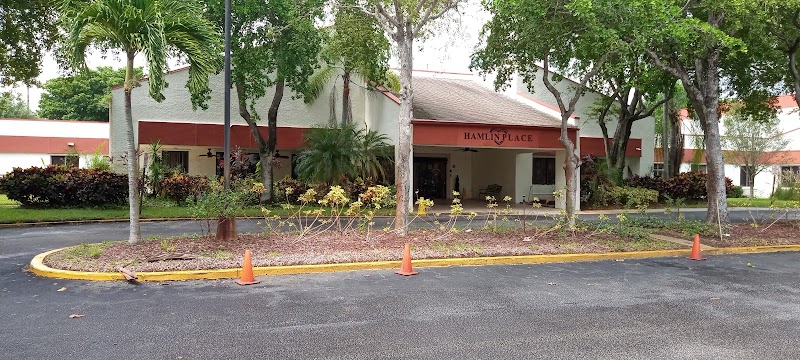
What is Hamlin Place Of Boynton Beach's CMS Rating?

CMS assigns HAMLIN PLACE OF BOYNTON BEACH an overall rating of 4 out of 5 stars, which is considered above average nationally. Within Florida, this rating places the facility higher than 99% of the state's 100 nursing homes. This rating reflects solid performance across the metrics CMS uses to evaluate nursing home quality.
How is Hamlin Place Of Boynton Beach Staffed?

CMS rates HAMLIN PLACE OF BOYNTON BEACH's staffing level at 4 out of 5 stars, which is above average compared to other nursing homes. Staff turnover is 11%, compared to the Florida average of 46%. This relatively stable workforce can support continuity of care.

What Have Inspectors Found at Hamlin Place Of Boynton Beach?

State health inspectors documented 12 deficiencies at HAMLIN PLACE OF BOYNTON BEACH during 2021 to 2024. These included: 12 with potential for harm.
Who Owns and Operates Hamlin Place Of Boynton Beach?

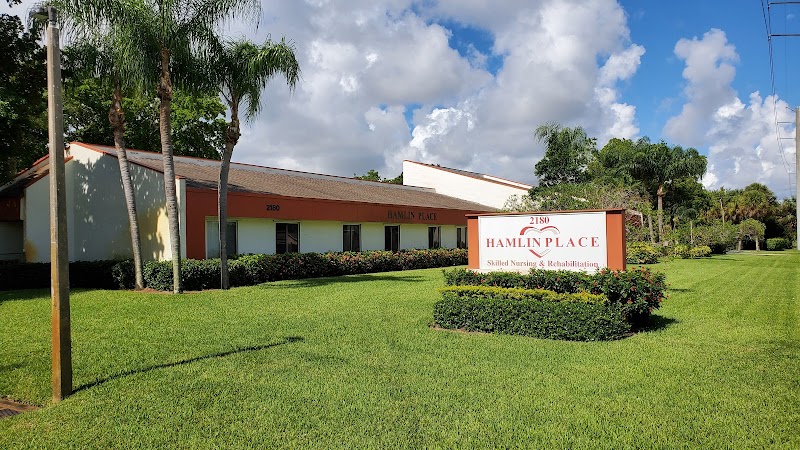
HAMLIN PLACE OF BOYNTON BEACH is owned by a non-profit organization. Non-profit facilities reinvest revenue into operations rather than distributing to shareholders. The facility operates independently rather than as part of a larger chain. With 120 certified beds and approximately 95 residents (about 79% occupancy), it is a mid-sized facility located in LANTANA, Florida.
How Does Hamlin Place Of Boynton Beach Compare to Other Florida Nursing Homes?

Compared to the 100 nursing homes in Florida, HAMLIN PLACE OF BOYNTON BEACH's overall rating (4 stars) is above the state average of 3.2, staff turnover (11%) is significantly lower than the state average of 46%, and health inspection rating (4 stars) is above the national benchmark.

What Should Families Ask When Visiting Hamlin Place Of Boynton Beach?

Based on this facility's data, families visiting should ask: "Can I visit during a mealtime to observe dining assistance and food quality?" "How do you handle medical emergencies, and what is your hospital transfer rate?" "Can I speak with family members of current residents about their experience?"

Is Hamlin Place Of Boynton Beach Safe?

Based on CMS inspection data, HAMLIN PLACE OF BOYNTON BEACH has a clean safety record: no substantiated abuse findings (meaning no confirmed cases of resident harm), no Immediate Jeopardy citations (the most serious violation level indicating risk of serious injury or death), and is not on the Special Focus Facility watch list (a federal program monitoring the lowest-performing 1% of nursing homes). The facility has a 4-star overall rating and ranks #1 of 100 nursing homes in Florida. While no facility is perfect, families should still ask about staff-to-resident ratios and recent inspection results during their visit.

Do Nurses at Hamlin Place Of Boynton Beach Stick Around?

Staff at HAMLIN PLACE OF BOYNTON BEACH tend to stick around. With a turnover rate of 11%, the facility is 35 percentage points below the Florida average of 46%. Low turnover is a positive sign. It means caregivers have time to learn each resident's needs, medications, and personal preferences. Consistent staff also notice subtle changes in a resident's condition more quickly. Registered Nurse turnover is also low at 29%, meaning experienced RNs are available to handle complex medical needs.

Was Hamlin Place Of Boynton Beach Ever Fined?

HAMLIN PLACE OF BOYNTON BEACH has no federal fines on record. CMS issues fines when nursing homes fail to meet care standards or don't correct problems found during inspections. The absence of fines suggests the facility has either maintained compliance or corrected any issues before penalties were assessed. This is a positive indicator, though families should still review recent inspection reports for the full picture.

Is Hamlin Place Of Boynton Beach on Any Federal Watch List?

HAMLIN PLACE OF BOYNTON BEACH is not on any federal watch list. The most significant is the Special Focus Facility (SFF) program, which identifies the bottom 1% of nursing homes nationally based on persistent, serious quality problems. Not being on this list means the facility has avoided the pattern of deficiencies that triggers enhanced federal oversight. This is a positive indicator, though families should still review the facility's inspection history directly.