OAK MANOR HEALTHCARE & REHABILITATION CENTER
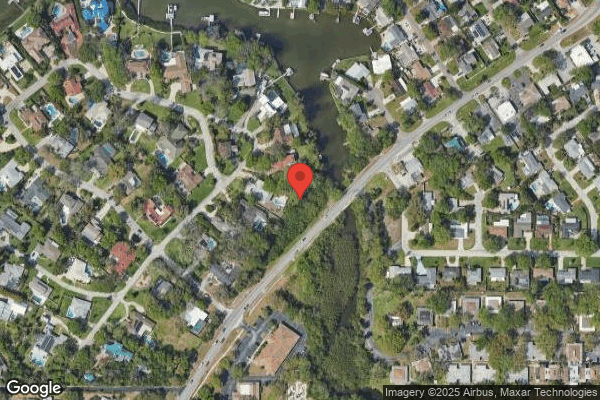

3500 OAK MANOR LANE, LARGO, FL 33774 (727) 581-9427
For profit - Limited Liability company 180 Beds KR MANAGEMENT Data: November 2025
Trust Grade
73/100
#242 of 690 in FL
Last Inspection: January 2024

Within standard 12-15 month inspection cycle. Federal law requires annual inspections.

Overview

Oak Manor Healthcare & Rehabilitation Center has a Trust Grade of B, indicating it is a good choice among nursing homes, providing solid care. It ranks #242 out of 690 facilities in Florida, placing it in the top half of all state facilities, and #9 out of 64 in Pinellas County, meaning it is one of the better options locally. The facility is improving, having reduced its issues from four in 2024 to just one in 2025. Staffing is average, with a 3/5 star rating and a turnover rate of 40%, which is slightly below the state average, but there is concerning RN coverage, as it is lower than 93% of Florida facilities. Recent inspections revealed some issues, including a failure to effectively control pests in the kitchen and inaccuracies in medication records, which could potentially affect resident safety. Overall, while there are strengths such as its good trust grade and improving trend, potential concerns about staffing and specific incidents should be carefully considered by families.

Trust Score
B
73/100
In Florida
#242/690
Top 35%
Safety Record
Low Risk
No red flags
Inspections
Getting Better
4 → 1 violations
Staff Stability
○ Average
40% turnover. Near Florida's 48% average. Typical for the industry.
Penalties
✓ Good
$4,017 in fines. Lower than most Florida facilities. Relatively clean record.
Skilled Nurses
⚠ Watch
Each resident gets only 22 minutes of Registered Nurse (RN) attention daily — below average for Florida. Fewer RN minutes means fewer trained eyes watching for problems.
Violations
⚠ Watch
13 deficiencies on record. Higher than average. Multiple issues found across inspections.
★★★★☆
4.0
Overall Rating
★★★☆☆
3.0
Staff Levels
★★★★★
5.0
Care Quality
★★★☆☆
3.0
Inspection Score
Stable
2024: 4 issues
2025: 1 issues

The Good

  • 5-Star Quality Measures · Strong clinical quality outcomes
  • Full Sprinkler Coverage · Fire safety systems throughout facility
  • No fines on record
  • Staff turnover below average (40%)

    8 points below Florida average of 48%

Facility shows strength in quality measures, fire safety.

The Bad

Staff Turnover: 40%

Near Florida avg (46%)

Typical for the industry

Federal Fines: $4,017

Below median ($33,413)

Minor penalties assessed

Chain: KR MANAGEMENT

Part of a multi-facility chain

Ask about local staffing decisions and management

The Ugly 13 deficiencies on record

Jan 2025 1 deficiency
CONCERN (D) 📢 Someone Reported This

A family member, employee, or ombudsman was alarmed enough to file a formal complaint

Potential for Harm - no one hurt, but risky conditions existed

Safe Environment (Tag F0584)

Could have caused harm · This affected 1 resident

**NOTE- TERMS IN BRACKETS HAVE BEEN EDITED TO PROTECT CONFIDENTIALITY** Based on observations, interviews, and record review, the facility failed to ensure resident walls and ceiling tiles were mainta...

Read full inspector narrative →
**NOTE- TERMS IN BRACKETS HAVE BEEN EDITED TO PROTECT CONFIDENTIALITY** Based on observations, interviews, and record review, the facility failed to ensure resident walls and ceiling tiles were maintained in a clean, sanitary, and homelike environment for three resident rooms (224, 225, and 226) out of three rooms observed on the central wing. Findings included: An observation was conducted on 1/27/25 at 9:50 AM of room [ROOM NUMBER]. There was peeling paint behind both beds in the room and missing paint on the wall near the bathroom door. Behind bed A there was missing paint with exposed wood that was shredded. The air vent was observed to be against a ceiling tile and where the ceiling tile and the air vent meet there was a black and rust-like discoloration on the ceiling tile. (Photographic evidence obtained.) An observation was conducted on 1/27/25 at 9:52 AM in room [ROOM NUMBER]. The air vent was observed to be against the ceiling tile and where the air vent and the ceiling tile meet the ceiling tile had a black and rust-like discoloration. An observation was conducted on 1/27/25 at 9:53 AM in room [ROOM NUMBER]. The air vent was observed to be against the ceiling tile and where the air vent and the ceiling tile meet the ceiling tile had a black and rust-like discoloration. An interview was conducted on 1/27/25 at 10:27 AM with Staff A, Certified Nurse Assistant (CNA) she said she did not know how long the walls in room [ROOM NUMBER] had peeling paint and shredded wood. She said she did not notice the discoloration on the ceiling tile above the air vent. She said when there was a problem whoever saw the problem notified maintence or put it into the work order reporting system. An interview was conducted on 1/27/25 at 12:49 PM with the Maintence Director. He said he did not have a schedule to clean air vents. He reviewed the photographic evidence and said the black and [NAME]-like discoloration was from the moisture of the air vents blowing onto the ceiling tiles. He said he would get notified by the staff of those concerns through the work order reporting system. He said for about a year he had been going room to room and doing renovations including drywall, paint, fixtures, faucets, replacing anything that is out of date. He reviewed the photographic evidence of room [ROOM NUMBER] and said he had a list of the rooms that had been renovated. He provided a map of the facility and said the orange highlighted rooms were the ones that had been renovated. room [ROOM NUMBER] was highlighted orange. The Maintence Director said room [ROOM NUMBER] was renovated but he needed to go back and do it again. He said his problems were electric wheelchairs and staff moving the beds up and down and scraping the walls. An interview was conducted on 1/27/25 at 2:09 PM with the Nursing Home Administrator. She said the facility did angel rounds on the resident rooms and if they saw something in the room that needed repairs, they would report it in the work order reporting system. She said the facility was doing room repairs but she was not sure how long they had been doing the repairs. She said she knew there were damaged walls in the resident rooms and once the room renovation was done there would be FRP [fiber reinforced polymer] wall panels behind the beds. Review of the facility's Environment policy and procedure dated 1/5/24 revealed, Intent: It is the policy of the facility to provide a safe, clean, comfortable and homelike environment, allowing the resident to use his or her personal belongings to the extent possible, according to state and federal regulations. Procedure: .3. The resident has a right to a safe, clean, comfortable and homelike environment, including but not limited to receiving treatment and supports for daily living safely. .7. The facility will provide housekeeping and maintenance services necessary to maintain a sanitary, orderly, and comfortable interior .
Jun 2024 1 deficiency
CONCERN (D) 📢 Someone Reported This

A family member, employee, or ombudsman was alarmed enough to file a formal complaint

Potential for Harm - no one hurt, but risky conditions existed

Comprehensive Care Plan (Tag F0656)

Could have caused harm · This affected 1 resident

**NOTE- TERMS IN BRACKETS HAVE BEEN EDITED TO PROTECT CONFIDENTIALITY** Based on interview and record review, the facility failed to implement a comprehensive person-centered care plan related to woun...

Read full inspector narrative →
**NOTE- TERMS IN BRACKETS HAVE BEEN EDITED TO PROTECT CONFIDENTIALITY** Based on interview and record review, the facility failed to implement a comprehensive person-centered care plan related to wound care orders for one (Resident #1) of three sampled residents. Findings included: Resident #1 was admitted on [DATE] and discharged on 04/08/2024. admission record showed diagnoses included but not limited to spinal stenosis lumbar region, spondylolisthesis lumbar region, low back pain, abnormalities of gait and mobility, and peripheral vascular disease. Review of orders showed offload heels often in bed as tolerated and skin prep heels every shift and wound consult for evaluation and treatment for issues identified. Review showed the physician orders to perform left dorsal wound care was not on the physician orders. Review of the Treatment Administration Record of April 2024 showed no documentation that left foot wound care was performed. Review of wound care specialist provider note dated 04/04/2024, showed wound left dorsal foot is a full thickness mixed and has received a status of not healing. Initial wound encounter measurements are 6 centimeters (cm) x 4 cm x no depth, are of 24 square cm. Moderate amount of serous drainage noted. No odor noted. Pain level of 3/10. The peri-wound was moist. Weeping edema, surrounding petechia of left dorsal foot. Cleanse with normal saline, apply alginate, then super-absorbent pad, wrap with rolled gauze and secure with tape daily and prn. Offload heels. Review of the nursing progress notes dated 04/04/2024 showed Resident #1 was assessed by the wound care specialist Advanced Practice Registered Nurse (APRN). Left foot was assessed due to weeping edema. Left dorsal foot 6 cm x 4 cm x 0 area of weeping edema with surrounding petechia. Arterial Ultrasound was ordered. Resident reeducated on his high risk for further skin breakdown including pressure injury. Resident voices good understanding. Review of care plans showed Edema risk to extremities as of 03/19/2024. Interventions included but not limited to treatment as ordered. During an interview on 06/05/2024 at 11:11 a.m., the Assistant Director of Nursing (ADON)/ Wound Care nurse stated the wound care specialist came in on Thursdays. The resident had weeping edema in his lower extremities. They did arterial and venous ultrasounds that were negative and they ruled out Deep Vein Thrombosis. His heels were clear. His dorsal left foot was observed by the specialist and she wrote it up as a mixed venous arterial wound, 6 cm x 4 cm x 0 depth. The wound was to be treated with super absorbent dressing due to the weeping. She stated the left dorsal foot did not have an open area. The area was surrounded by petechia. During an interview on 06/05/2024 at 1:10 p.m., the Director of Nursing (DON) was unable to locate wound care orders for the left dorsal foot. The DON stated the wound care for the foot was not performed per review of the Treatment Administration Record (TAR). The DON spoke with the (ADON)/ Wound Care nurse and said she was the staff member who normally entered the wound care orders. The DON stated he was not sure why the ADON did not follow up. Review of the facility's policy, Documentation of Wound Treatments, implemented 12/01/2023 showed the facility completes accurate documentation of wound assessments and treatments, including response to treatment, change in condition, and changes in treatment. 4. Additional documentation shall include, but is not limited to: a. date and time of wound management treatments b. modifications of treatments and interventions, e. notification of physician and / or responsible party regarding wound or treatment changes.
Jan 2024 3 deficiencies
CONCERN (D)

Potential for Harm - no one hurt, but risky conditions existed

Deficiency F0657 (Tag F0657)

Could have caused harm · This affected 1 resident

**NOTE- TERMS IN BRACKETS HAVE BEEN EDITED TO PROTECT CONFIDENTIALITY** Based on observation, interviews, and record review, the facility failed to ensure one resident (41) out of thirty-five sampled ...

Read full inspector narrative →
**NOTE- TERMS IN BRACKETS HAVE BEEN EDITED TO PROTECT CONFIDENTIALITY** Based on observation, interviews, and record review, the facility failed to ensure one resident (41) out of thirty-five sampled was care planned for behaviors. Findings included: On 01/22/24 at 2:30 p.m., an observation was made of two residents arguing in their room. Resident #41 was sitting on the edge of her bed with pieces of her landline phone in her hand. Resident #379 seated in a wheelchair, stated her roommate, Resident #41, was coming on her side and taking her stuff from her nightstand. Resident #41 stated her son was coming to pick up her phone and to repair it. Resident #41 then placed the phone down on the bed and reached over to Resident #379's nightstand and grabbed an item. Resident #379 yelled out, that's my bible, leave it alone, put it back, she keeps taking my things. Resident #379 stated not only does she keep taking her things but Resident #41 has struck her twice since Resident #379 has been newly admitted to this room stating, she's hit me twice since I've been with her but I don't strike back. Resident #379 stated she returned from the hospital recently and was placed in this room with her roommate. Immediate assistance from staff members was sought with a speech therapist outside hallway arrived to intervene. The Director of Nursing (DON) was sought out and updated immediately on events. On 01/23/24 at 10:45 a.m., an observation was made of Resident #379 in a new location with a new roommate. Resident #379 stated she was fine with the new move and her roommate stated, I heard what happened to her and I will protect her, she is safe with me. A review of Resident #41 admission has an admission date of 12/13/23 with a primary diagnosis of Urinary Tract Infection (UTI) as well as dementia, anxiety, depression. A review of the admission Minimum Date Set (MDS) dated [DATE] Section C-Cognitive Patterns has Resident #41 with a Brief Interview for Mental Status (BIMS) of 05 suggesting severe cognitive impairment. A review of the progress notes dated 12/27/23 at 12:09 p.m. for Behavior describes resident as, continuing to have periodic episodes of increased anxiety and aggression and is not easily directed. Resident in wheelchair, calling out for her son, grabbing at personal items belonging to other residents. Resident was scheduled to have diagnostic testing; however, refused. Non-pharmacological interventions were noted as soothing conversation, redirection from unsafe areas/situation, therapeutic activity of interest, offering of snack/hydration. A review of the progress note dated 1/10/24 at 7:01 a.m. for Behavior describes resident following CNA [certified nursing assistant] as they were trying to complete rounds during evening shift. Several attempts were made to try and enter other resident's room. She was redirected each time, becoming verbally aggressive towards staff each time. Compliant with HS [evening] meds after 3 attempts. Resident noted to be sleeping between 11pm and 4:30 am. At 04:50, resident started coming down the hall, attempting to go into resident's room. When attempts were made to redirect, resident became verbally and physically aggressive with nurse. Refused to take medications several times then when she agreed, she spit them out. Resident then remained in her room, refusing to allow nurse and CNA to enter the room. A review of Resident #41's Care Plan with a completion date of 12/31/23 showed no Behavior focused care plan. On 1/25/24 at 10:45 a.m. an interview was conducted with Staff J, Registered Nurse (RN). Staff J, RN stated resident #41 is confused sometimes but easily directed. Resident is no longer a 1:1 and had a visit from [a family member] yesterday that may have triggered resident in becoming slightly agitated by stating she wanted to go home but that she was able to calm resident down by offering a book to read. Staff J stated the Interdisciplinary Team (IDT) meets daily to discuss the facility's residents. When asked if Resident #41 should have been care planned for behavior Staff J stated, she should be. A review of the policy entitled, Comprehensive Care Plans revised 01/05/24, revealed, it is the policy of this facility to develop and implement a comprehensive person- centered care plan for each resident, consistent with resident rights, that includes measurable objectives and time frames to meet a resident medical, nursing, and mental and psychosocial needs that are identified in the resident's comprehensive assessment. 1. The care planning process will include an assessment of the resident's strengths and needs and will incorporate the resident's personal and cultural preferences in developing goals of care. Services provided or arranged by the facility, as outlined by the comprehensive care plan, shall be culturally- competent and trauma -informed. 2. The comprehensive care plan will describe, at a minimum, the following: a) the services that are to be furnished to attain or maintain the residence highest practicable physical, mental and psychosocial well-being. b) Any services that would otherwise be furnished but are not provided due to the resident's exercise of his or her rights to refuse treatment. c) Any specialized services or specialized rehabilitation services the nursing facility will provide as a result of PASARR recommendations. d) The resident's goal for admission, desired outcomes, and preferences for future discharge. e) Discharge plans as appropriate. 6. The comprehensive care plan will include measurable objectives and time frames to meet the resident's needs as identified in the resident's comprehensive assessment. The objectives will be utilized to monitor the resident's progress. Alternative interventions will be documented, as needed.
CONCERN (E)

Potential for Harm - no one hurt, but risky conditions existed

Assessment Accuracy (Tag F0641)

Could have caused harm · This affected multiple residents

**NOTE- TERMS IN BRACKETS HAVE BEEN EDITED TO PROTECT CONFIDENTIALITY** Based on interview and record review, the facility failed to ensure the accuracy of the Minimum Data Set (MDS) assessment for th...

Read full inspector narrative →
**NOTE- TERMS IN BRACKETS HAVE BEEN EDITED TO PROTECT CONFIDENTIALITY** Based on interview and record review, the facility failed to ensure the accuracy of the Minimum Data Set (MDS) assessment for three (#126, #127, and #128) of three records reviewed, related to discharge. Findings included: 1. Review of the clinical record for Resident #126 revealed admission to the facility on [DATE] and discharge on [DATE] as per the face sheet. Further review of the Progress notes dated [DATE] revealed the resident was in respiratory distress. Orders were received, the family was notified, and the resident was sent out of the facility to [name of hospital] for further assessment and treatment. Review of the MDS assessment dated [DATE] revealed: Section A, Part F: Death in Facility. Section A, Part A2000: discharge date - [DATE]. Section A, Part A2105: Discharge Status - deceased . 2. Review of the clinical record for Resident #127 revealed admission to the facility on [DATE] and discharge on [DATE] as per the face sheet. Further review of the Progress notes dated [DATE] showed the resident was discharged to [name of Assisted Living Facility (ALF)] with all belongings, medications, and discharge instructions. Review of the MDS assessment dated [DATE] revealed: Section A, Part F: Discharge, Return not Anticipated. Section A, Part A2000: discharge date - [DATE]. Section A, Part A2105: Discharge Status - Short-Term General Hospital (acute hospital). 3. Review of the clinical record for Resident #128 revealed admission to the facility on [DATE] and discharge on [DATE] as per the face sheet. Further review of the Progress notes dated [DATE] showed the resident was discharged to [name of hospital] related to radiology results and a potential deep venous thrombosis. Orders were received and the resident's family was on site and aware. Review of the MDS assessment dated [DATE] revealed: Section A, Part F: Discharge, Return not Anticipated. Section A, Part A2000: discharge date - [DATE]. Section A, Part A2105: Discharge Status - Home/Community. On [DATE] at 9:32am, an interview was conducted with Staff A, Licensed Practical Nurse (LPN), MDS Coordinator. The above MDS assessments were reviewed with Staff A, who confirmed: -Resident #127 was discharged to an ALF and the Discharge MDS assessment, which listed the discharge disposition to a hospital, was incorrect. -Resident #128 was discharged to a hospital and the Discharge MDS assessment, which listed the discharge disposition to Home/Community, was incorrect. Staff A reviewed the MDS assessment and clinical records for Resident #126. She confirmed the resident was discharged to the hospital and the discharge disposition on the MDS Discharge assessment was listed as 'death in facility.' Staff A stated the resident expired in the Emergency Department (ED) of the hospital and as the resident was not admitted to the hospital, the discharge disposition was listed as 'death in facility.' On [DATE] at 9:49am, an interview was conducted with Staff B, LPN, MDS Coordinator. Staff B stated she was taught to use 'death in facility' when a resident expired in the ED of the hospital. Review of the Centers for Medicare and Medicaid Services (CMS) Resident Assessment Instrument (RAI) Version 3.0 Manual dated [DATE], Chapter 2, Assessments for the RAI, Page 2-10 revealed: Death in facility refers to when the resident dies in the facility or dies while on leave of absence (LOA) . On [DATE] at 10:14am, an interview was conducted with the Director of Nursing (DON). The DON confirmed he signs all MDS assessments. He confirmed he does that as the MDS coordinators are LPNs. The DON said he does not always check the MDS assessment, stating, I trust them. Review of a facility-provided policy titled MDS 3.0 Completion and dated [DATE] revealed: 2i. Death Tracking: i. Complete when a resident expires in the facility or when on LOA no later than discharge (death) date + 7 calendar days. 4b. Coding of Assessment: i. All disciplines shall follow the guidelines in Chapter 3 of the current RAI Manual for coding each assessment.
CONCERN (F)

Potential for Harm - no one hurt, but risky conditions existed

Deficiency F0925 (Tag F0925)

Could have caused harm · This affected most or all residents

Based on observations, staff interviews and facility file review, the facility failed to ensure an effective pest control program to include one of one kitchen space, and during two of four days obser...

Read full inspector narrative →
Based on observations, staff interviews and facility file review, the facility failed to ensure an effective pest control program to include one of one kitchen space, and during two of four days observed (1/22/2024 and 1/24/2024). Findings included: On 1/22/2024 at 10:34 a.m. during an initial kitchen tour there were seven to eight black in color small flying insects observed flying around the area. The flying insects were observed flying around the sink wall, around and near the parked meal tray carts, around and near the S plastic water drain pipe under the sink, as well as at, near and under the dish washing machine, specifically near the floor drain. Immediately following the observation an interview was conducted with the Dietary Aide Staff E, who confirmed the small flying insects at and under the dishwashing machine. She confirmed the insects have been in the area on and off for a few weeks but did not know when they first appeared. Further interview with the Certified Dietary Manager, who was in the area, also confirmed the small flying insects at and around the dish washing machine, surrounding parked meal tray carts as well as at and near the hand washing sink. She too was not able to remember when the small flying insects first appeared, but they have been noticing them on and off for the past few weeks. She added the facility does have a pest control company who comes out and they have treated the kitchen for pests to include the small flying insects. The Certified Dietary Manager confirmed she was not sure where the flying insects were coming from but it could be possible from a floor drain or two. On 1/22/2024 at 12:10 during a second tour of the kitchen, and with the Certified Dietary Manager and the Nursing Home Administrator, it was again observed many small flying objects surrounding the dish washing machine area, parked meal tray carts and at and near the hand washing sink. The Certified Dietary Manager again confirmed the small flying insects and she did point out as they were receiving dish washer maintenance, there were some flying insects near the floor drain under the machine. She was not sure if the small flying insects were coming from that area, but would speak to maintenance about de clogging the floor drain. On 1/24/2024 during a third kitchen tour at 10:50 a.m. and after walking up to the hand washing sink; the sink area was observed with over five small black in color flying insects. The insects were noted to fly around the meal tray carts, the hand washing sink, one to two feet from the meal service station, and at and near the dish washing machine. The Certified Dietary Manager, and the head [NAME] Staff G also confirmed the flying insects and again confirmed they have been around the kitchen for some time and that Pest Control services treat but it seems the insects keep coming back. On 1/25/2024 at 8:00 a.m. the Nursing Home Administrator provided the facility's Pest Control program service contract and policy and procedure for review. Review of the Pest Control Agreement revealed a beginning service date of 4/1/2021 and is still current. The contract revealed Roaches, Ants, Silverfish and Rodents were the pests to be routinely controlled. The contract revealed services will be conducted on a monthly basis. Further review of the monthly pest control log revealed routine service visits on 8, 9, 10, 11, 12/2023 as well as 1/2024. The log also revealed request visits during the same timespan reviewed. Months 10/2023 revealed flying ants in the Administration office. There was no other documentation to support treatment for other flying insects, and specifically in the kitchen. The Nursing Home Administrator provided evidence of the type of product that was used to treat the surfaces, walls and ceilings, in order to prevent further outbreaks of flying insects. The date of that treatment was noted on 1/25/2024. Review of the pest control policy and procedure with a revision date of 1/5/2024 revealed; It is the policy of this facility to maintain an effective pest control program that eradicates and contains common household pests and rodents. The definition explained; an Effective pest control program is defined as measures to eradicate and contain common household pest (e.g. bed bugs, lice, roaches, ants, mosquitos, flies, mice and rats). The policy continued; 1. Facility will maintained a written agreement with a qualified outside pest service to provide comprehensive pest control services on a regular and scheduled basis. 2. Facility will ensure that appropriate chemicals are used to control pests but can be used safely inside the building without compromising resident health. 3. Facility will maintain a report system of issues that may arise in between scheduled visits with the outside pests services and treat as indicated. 4. Facility will utilize a variety of methods in controlling certain seasonal pests i.e. flies. These will involve indoor and outdoor methods that are deemed appropriate by the outside pests service and state and federal regulations. 5. Facility will ensure that the outside pest service also treats the exterior perimeter of the facility and any outlying buildings or structures, i.e. dumpster area, etc.
Sept 2023 1 deficiency
CONCERN (E) 📢 Someone Reported This

A family member, employee, or ombudsman was alarmed enough to file a formal complaint

Potential for Harm - no one hurt, but risky conditions existed

Pharmacy Services (Tag F0755)

Could have caused harm · This affected multiple residents

Based on observation, interview, and record review, the facility failed to maintain a system of records to accurately account for all controlled medications in one of three medication carts inspected ...

Read full inspector narrative →
Based on observation, interview, and record review, the facility failed to maintain a system of records to accurately account for all controlled medications in one of three medication carts inspected for six (Resident #2, #5, #6, #7, #8, and #9) of 15 sampled residents. Findings included: An inspection of a medication cart was conducted on 9/18/2023 at 1:00 PM on the Central Wing of the facility with Staff A, Registered Nurse (RN). Staff A was observed at the unit nurse's station with the medication cart's controlled medication log. Staff A stated she was in the process of signing out the controlled medications she administered to residents during the morning medication pass. Staff A stated she would normally sign the controlled medications out at the point of the medication being administered to the resident, but she was having trouble keeping up with her assignment and stated it was hard to stop and go during the medication pass. Staff A addressed several of the resident's controlled medication count sheets would be incorrect as a result of her not signing them out at the time they were administered. The following was revealed during the inspection of the medication cart: - 28 prefilled syringes of Ativan/Benadryl/Haldol (ABH) 0.5 milligrams (mg)/12.5 mg/1 mg cream prescribed to Resident #6. The medication monitoring/control record documented 29 doses remaining. Staff A stated Resident #6 was administered a dose of the medication during the morning medication pass but she did not sign the medication out. - A blister pack containing 11 tablets of Ativan 0.5 mg prescribed to Resident #2. The medication monitoring/control record documented 12 doses remaining. Staff A stated Resident #2 was administered a dose of the medication during the morning medication pass but she did not sign the medication out. - A blister pack containing 10 tablets of Clonazepam 0.5 mg prescribed to Resident #7. The medication monitoring/control record documented 11 doses remaining. Staff A stated Resident #7 was administered a dose of the medication during the morning medication pass but she did not sign the medication out. - A blister pack containing 6 tablets of morphine sulfate 15 mg prescribed to Resident #8. The medication monitoring/control record documented 7 doses remaining. Staff A stated Resident #8 was administered a dose of the medication during the morning medication pass but she did not sign the medication out. - A blister pack containing 9 tablets of Oxycodone/acetaminophen 5 mg/325 mg prescribed to Resident #8. The medication monitoring/control record documented 10 doses remaining. Staff A stated Resident #8 was administered a dose of the medication during the morning medication pass but she did not sign the medication out. - A blister pack containing 16 tablets of Oxycodone/acetaminophen 10 mg/325 mg prescribed to Resident #5. The medication monitoring/control record documented 18 doses remaining. Staff A stated Resident #5 was administered two doses of the medication during the morning medication pass but she did not sign the medication out. - A blister pack containing 13 tablets of morphine sulfate 15 mg prescribed to Resident #9. The medication monitoring/control record documented 14 doses remaining. Staff A stated Resident #9 was administered a dose of the medication during the morning medication pass but she did not sign the medication out. - A blister pack containing 13 tablets of Oxycodone/acetaminophen 7.5 mg/325 mg prescribed to Resident #9. The medication monitoring/control record documented 14 doses remaining. Staff A stated Resident #9 was administered a dose of the medication during the morning medication pass but she did not sign the medication out. - A blister pack containing 4 tablets of Clonazepam 0.5 mg prescribed to Resident #9. The medication monitoring/control record documented 5 doses remaining. Staff A stated Resident #9 was administered a dose of the medication during the morning medication pass but she did not sign the medication out. An interview was conducted on 9/18/2023 at 2:56 PM with the facility's Director of Nursing (DON). The DON stated he would expect nursing staff to complete documentation on the medication monitoring/control record when administering controlled medication as well as in the electronic medical record at the time the medication was administered. The DON stated he would not expect nursing staff to wait until the completion of their medication pass to document on the medication monitoring/control record because it was not best practice and would assume the medication was not administered if it was not documented on either the medication administration record of the medication monitoring/control record. A review of the facility policy titled Control Substance Administration and Accountability, implemented 10/24/2022, revealed under the section titled Policy it is the policy of the facility to promote safe, high quality patient care, compliant with state and federal regulations regarding the use of controlled substances. The facility will have safeguards in place in order to prevent loss, diversion, or accidental exposure. The policy also revealed the following under the section titled Policy Explanation and Compliance Guidelines: F. All controlled substances are accounted for in one of the following ways: I. All controlled substances obtained from an automated dispensing system are accessed through the Remove function on the menu. II. All controlled substances obtained from a non-automated medication cart or cabinet are recorded on the designated usage form. Written documentation must be clearly legible with all applicable information provided. III. All specifically compounded or non-stock Schedule II controlled substances dispensed from the pharmacy for a specific patient are recorded on the Controlled Drug Record supplied with the medication or other designated form as per facility policy. G. In all cases, the dose noted on the usage form or entered into the automated dispensing system must match the dose recorded on the Medication Administration Record (MAR). H. The Controlled Drug Record (or other specified form) serves the dual purpose of recording both narcotic disposition and patient administration. Photographic evidence obtained.
Oct 2021 3 deficiencies
CONCERN (D)

Potential for Harm - no one hurt, but risky conditions existed

Respiratory Care (Tag F0695)

Could have caused harm · This affected 1 resident

**NOTE- TERMS IN BRACKETS HAVE BEEN EDITED TO PROTECT CONFIDENTIALITY** Based on observation, interview, record review, the facility failed to store respiratory equipment in a sanitary manner for one ...

Read full inspector narrative →
**NOTE- TERMS IN BRACKETS HAVE BEEN EDITED TO PROTECT CONFIDENTIALITY** Based on observation, interview, record review, the facility failed to store respiratory equipment in a sanitary manner for one (#376), out of thirteen residents receiving respiratory treatments. Findings Included: On 10/20/21 at 11:29 a.m., an interview was conducted with Resident #376. He confirmed that he received medication via a nebulizer. The nebulizer machine was observed in the first, open drawer of the nightstand. The mask was uncovered, sitting on top of the nebulizer machine (photographic evidence obtained). On 10/21/21 at 12:18 p.m., an interview was conducted with Resident #376. He stated that he used the nebulizer every four hours or as needed. He confirmed that he had used the nebulizer that day. The nebulizer machine was observed in the first, open drawer of the nightstand. The mask was uncovered, sitting on top of the nebulizer machine. (photographic evidence obtained). On 10/21/21 at 12:51 p.m., an interview was conducted with Staff K, Registered Nurse (RN). She confirmed that Resident #376 was currently receiving nebulizer treatments. She provided documentation of the order from the resident's medical record. The physician order revealed that Resident #376 received medication via the nebulizer every six hours or as needed. Review of the Minimum Data Set (MDS) assessment dated [DATE], Section C: Cognitive Patterns, revealed a Brief Interview for Mental Status (BIMS) score of 15, indicating the resident was cognitively intact. Section O: Special treatments, procedures and programs; Respiratory Treatments, oxygen therapy. Review of the care plan, dated 09/30/21, revealed a focus area for oxygen therapy, related to Chronic Obstructive Pulmonary Disease (COPD). Goal: the resident will have no sign and symptoms of poor oxygen absorption through the review date. Intervention: Nebs (Nebulizer treatments) as ordered-proper PPE (personal protective equipment) during treatment as indicated. On 10/21/21 at 3:45 p.m., an interview was conducted with Staff J, Licensed Practical Nurse (LPN). Staff J came into resident #376's room and observed the nebulizer mask sitting in resident #376's drawer. She confirmed that the mask should be stored in a plastic bag and the nurse was responsible for putting it into the bag. Staff J stated that she did not know who placed the mask inside the drawer, she just started her shift, but said Resident #376 moved things around. She said when she had given Resident #376 his medication, she parked her cart in front of the door, and remained at the door until he was finished. Staff J retrieved gloves, put one glove on, and placed the mask into a plastic bag that was attached to the handle of the first drawer of the nightstand. Staff J walked down the hall to her medication cart to confirm Resident #376's order for the nebulizer treatment. Staff J stated that the resident received the nebulizer treatment four times a day. She said the resident's next scheduled time to receive the nebulizer treatment was at 8:00 p.m. On 10/21/21 at 4:12 p.m., an interview was conducted with Staff H, Licensed Practical Nurse (LPN), Unit Manager. Staff H confirmed that the nebulizer mask should be stored in a plastic bag after the medication was administered by the nurse. She said the nurse must don (put on) full PPE and remain in the room until the resident finished the medication. She was going to Resident #376's room to remove the mask, tubing, and plastic bag to replace them with new ones. On 10/22/21 at 10:45 a.m., an interview was conducted with the Director of Nursing (DON). He confirmed that all residents that use respiratory equipment should have a bag with their name and date on it. He said the nebulizer mask for Resident #376 should have been in the plastic bag. He said that respiratory services came into the facility once a week and changed it out. He said it was the nurses' responsibility to make sure this was completed and to follow up with respiratory services as needed. Review of the facility's policy titled, Nebulizer Therapy, revised October 2021, revealed that it was the policy of the facility for nebulizer treatments, once ordered, to be administered by nursing staff as directed using proper technique and standard precautions. The policy revealed under Care of the Equipment, 3. Disassemble parts after every treatment, 4. Rinse the nebulizer cup and mouthpiece with sterile or distilled water. 6. Air dry on an absorbent towel 7. Once completely dry, store the nebulizer cup and the mouthpiece in a zip lock bag.
CONCERN (D)

Potential for Harm - no one hurt, but risky conditions existed

Staffing Information (Tag F0732)

Could have caused harm · This affected 1 resident

Based on observation, interview, and record review, the facility failed to have posted staffing information for all shifts readily accessible to residents and visitors at the main entrance. Findings ...

Read full inspector narrative →
Based on observation, interview, and record review, the facility failed to have posted staffing information for all shifts readily accessible to residents and visitors at the main entrance. Findings included: An observation was conducted on 10/19/2021 at 9:00 a.m. of the main entrance and exit in the facility. Daily staff posting was not observed to be posted anywhere in the main entrance and/or exit area. During a subsequent observation, staffing was not displayed to be posted and visible to residents and visitors at the facility's main entrance and/or exit. Staff A, Receptionist/Screener was asked where the day's staffing was located. She presented a clipboard that was near her at the reception desk which had a white sheet of paper on it that read, Daily Staffing Sheets. The clip board contained the staffing for all units. The posted staffing was not visibly seen, and would not have been known to a visitor or resident to be located on the clipboard that was covered with a piece of paper. An interview was conducted with Staff A, who stated, Someone must ask to see the staff posted numbers for the day. (Photographic Evidence Obtained.) On 10/19/2021 at 11:00 a.m., an interview was conducted with the Director of Nursing (DON) related to posting of the daily staffing and accessibility to residents and visitors. The DON stated, Yes I agree it is not accessible, and I do know what you mean, I will get it corrected immediately. A facility provided policy titled, Nurse Staffing Posting Information,dated April 29, 2021, Page 01 of 01 reads under Policy It is the Policy of this facility to have sufficient staff to provide nursing services to attain or maintain the highest practical physical, mental and psychosocial well-being of each resident and to make staffing information readily available Policy Explanation and Compliance Guidance: 4. The information posted will be b. In a prominent place readily accessible to residents and visitors.
CONCERN (D)

Potential for Harm - no one hurt, but risky conditions existed

Deficiency F0761 (Tag F0761)

Could have caused harm · This affected 1 resident

**NOTE- TERMS IN BRACKETS HAVE BEEN EDITED TO PROTECT CONFIDENTIALITY** 2. On 10/21/21 at 3:45 p.m., an interview was conducted with Staff J, Licensed Practical Nurse (LPN). Staff J was called to Resi...

Read full inspector narrative →
**NOTE- TERMS IN BRACKETS HAVE BEEN EDITED TO PROTECT CONFIDENTIALITY** 2. On 10/21/21 at 3:45 p.m., an interview was conducted with Staff J, Licensed Practical Nurse (LPN). Staff J was called to Resident #376's room to observe an inhaler that sat in a cart filled with Resident #376's personal belongings, next to his bed. She stated that she was not sure whether the resident was supposed to have the inhaler in his possession. Staff J immediately removed the inhaler from the cart with a napkin. When Resident #376 was asked where the inhaler came from, he stated that a nurse gave it to him to use while waiting to receive his nebulizer treatment, but he could not recall who. Staff J stated that the inhaler may have been brought in by a family member. She said the resident had a lot of visitors and received care from hospice services. Staff J walked down the hall to her medication cart to review Resident #376's current orders. She confirmed that he did not have an order to self-administer any medication. Staff J retrieved Resident #376's inhaler from inside the medication cart and confirmed that the inhaler removed from the residents' room was not the facility provided inhaler, that was given to him by the nurses. Staff J placed the two inhalers side by side on her cart (photographic evidence obtained). She checked the inhaler and stated that it was a new inhaler because it had a remainder of 70 out of 80 puffs left in it, indicating it may have been used about five times. Staff J stated that the activities department is responsible for completing the residents initial inventory list, she would check with them to see if the resident came into the facility with the inhaler. Staff J stated that she had never given the resident his PRN (as needed) inhaler that was kept inside the medication cart. Staff J stated that she would find out if the resident would like to self-administer his inhaler. She said she would try to get a physician's order. She said she would educate the resident and watch him use it to ensure that he was able to use it properly. On 10/21/21 at 4:12 p.m., an interview was conducted with Staff H, LPN, Unit Manager. Staff H stated that Resident #376 did not have the inhaler yesterday. She said she checked his room Monday and Tuesday; it was not there. She said the resident had a visit from his stepson yesterday and he could have given it to him. She said hospice also came to see the resident twice a week and last saw him Monday. She said effective immediately, she would place the resident's inhaler in a locked box. She said she informed the Nurse Practitioner (NP) about the inhaler found in his possession and asked for an order to allow the resident to self-administer his inhaler. She said the NP said that it was ok and provided a verbal telephone order. The activities department provided a copy of Resident #376's inventory sheet and the inhaler had not been recorded. Review of Resident #376's medical record revealed an initial admission date of 09/28/21. Diagnoses included chronic obstructive pulmonary disease, personal history of nicotine dependence, and cachexia. Physician orders revealed Ipratropium-Albuterol Solution 0.5-2.5 (3) mg/ml, 3 ml inhale orally four times a day related to Chronic Obstructive Pulmonary Disease (COPD), unspecified. Albuterol Sulfate Aerosol Powder Breath Activated 108 (90 Base) Mcg/Act, two inhalations, inhale orally every four hours as needed for shortness of breath. Administer oxygen at 3 liters via nasal cannula, every shift for respiratory management. Review of the Minimum Data Set (MDS) assessment dated [DATE], Section C: Cognitive Patterns, revealed a Brief Interview for Mental Status (BIMS) score of 15, indicating the resident was cognitively intact. Section O: Special treatments, procedures and programs; Respiratory Treatments, oxygen therapy. Review of the care plan, dated 09/30/21, revealed a focus area for oxygen therapy, related to COPD. Goal: the resident will have no sign and symptoms of poor oxygen absorption through the review date. Intervention: Nebs (Nebulizer treatment) as ordered-proper PPE during treatment as indicated. The Care plan revised on 10/21/21, revealed a focus area for Strength: Resident can self-administer handheld inhaler and self-administer per Dr. orders. Teaching and training given by Unit Manager. Goal: Resident will safely administer inhaler treatment through next review date. Interventions: Instructions and education by nurse given to the resident and signed by resident of understanding on proper procedure. Inhaler must be kept in a locked box with key and instructions, that after use return inhaler to the locked box. On 10/22/21 at 10:20 a.m., an interview was conducted with Resident #376. He was observed in bed, wearing a bracelet with a key on his wrist. The locked box was observed on the second shelf of the resident's cart, that held personal items, next to his bed. Resident #376 stated that he knew how to access the inhaler by putting the key in. He said he felt better now that it had been contained so no one else could get into his box besides himself. Resident stated that he was happy. On 10/22/21 at 10:31 a.m., a follow up interview was conducted with Staff H, LPN, Unit Manager. She stated that Resident #376 told her that he received the inhaler from hospice. She said she had reinforced teaching with the resident and placed the lock box in his room. She explained that Resident #376 had a copy of the medication administration record (MAR) inside a binder in his room, that he must sign and log the time when he administered the medication. She said she had provided him with instructions on how to use it. On 10/22/21 at 10:45 a.m., an interview was conducted with The Director of Nursing (DON). The DON stated that he was notified by Staff H, that Resident #376 got the inhaler from Hospice. He said the resident was educated about self-administration of the inhaler and returned demonstration on how to self-administer. He said the resident was given a lock box with a key. Review of Resident #376's progress notes, dated 10/21/21 revealed, Resident found with inhaler at bedside. Resident made this writer aware that he was given this inhaler on the other side meaning Hospice. This writer asked the resident if he desires to self-administer his prn Albuterol inhaler. Resident verbalizes to self-administer prn inhaler but not nebulizer treatments. This writer made resident aware that nebulizer treatments must remain in bag if not in use. Resident verbalizes understanding, Nurse Practitioner (NP) notified. Order received for resident to self-administer prn inhaler. Medication to remain at bedside in locked box. Lock box obtained. Review of Resident #376's progress notes, dated 10/21/21 revealed, Medication Self Administration: Re-enforced teaching done with resident regarding inhaler use. Resident able to read instructions on medication box. Resident able to make this writer aware that medication is every 4 hours as needed. Resident instructed to rinse and spit after use. This writer made resident aware that medication must be kept in lock box in room. Resident verbalizes understanding. Review of Resident #376's progress notes, dated 10/21/21 revealed, Nursing spoke with son regarding inhaler at bedside. He denies bringing any kind of meds in house. Understands rules and regulations. Review of Resident #376's medical record revealed, a Self-administer assessment was completed 10/21/21 and will be reevaluated on 11/07/21. Review of Resident #376's current physician orders dated 10/22/21, revealed Albuterol Sulfate Aerosol Powder Breath Activated 108 (90 Base) Mcg/Act, two puffs inhale orally every four hours as needed for shortness of breath, Resident may keep at bedside in locked box to self-administer. Review of Resident #376's current physician orders dated 10/21/21, revealed Resident able to self-administer as needed Albuterol Inhaler, as needed (two puffs every four hours as needed) Per Primary care physician order. Medication must be kept in locked box at bedside. Review of the facility's policy, titled Bedside Medication Storage, dated April 2018, revealed that Bedside medication storage is permitted for resident's who wish to self-administer medications, upon the written order of the prescriber and once self-administration skills have been assessed and deemed appropriate in the judgment of the facility's interdisciplinary resident assessment team. Procedures: A) A written order for the bedside storage of the medication is present in the resident's medical record. B) Bedside storage of medications is indicated on the resident medication administration record (MAR) and in the care plan for the appropriate medications. C) For residents who self-administer medications, the following conditions are met for bedside storage to occur. 1) The manner of storage prevents access by other residents. Lockable drawers or cabinets are required only if unlocked storage is deemed inappropriate. Facility management should have a copy of the key in addition to the resident. 2) The medications provided to the resident for bedside storage are kept in the containers dispensed by the provider pharmacy or in the original container if a non-prescription medication. 3) The bedside medication record is reviewed on each nursing shift, and the administration information is transferred to the MAR kept at the nurse's station. Notation of each self-administered dose is made by placing a check mark in the appropriate space and noting in the nursing comments the initials of the nurse who obtained the information from the resident. Based on observation, interviews, and record review, the facility did not ensure that medications were stored according to current accepted professional principles as evidenced by 1. Failure to secure medications in six of six medication carts and 2. Failure to appropriately store respiratory medication for one (Resident #376) of thirteen residents that received respiratory treatments. Findings included: 1. On 10/21/2021 at 3:15 p.m., an observation of medication cart #2 located on Central Hall included ¼ piece of a white tablet, and three medications punch cards, which were seen to be in the back of the fourth drawer from the top of the medication cart, when the drawer was pulled all the way out. Staff B, Licensed Practical Nurse (LPN) confirmed the presence of the unsecured piece of tablet and three medication punch cards behind the fourth drawer. The Director of Nursing (DON) retrieved the three punch cards out from the back of the medication cart. The three medication punch cards were unseen by the DON and Staff B,LPN until the surveyor informed them both that they were unsecured. On 10/21/2021 at 3:30 p.m., an observation of medication cart #1 on Central Hall included three loose pills. Staff C, LPN confirmed the presence in the second drawer from the top of the medication cart of one round white tablet, one pink oval tablet, and in the 3rd drawer, one clear capsule. (Photographic Evidence Obtained.) An observation was made of the medication cart #1 on [NAME] Hall which included ¼ piece of white tablet loose in the second drawer. Staff D, LPN confirmed the presence of the unsecured piece of tablet. An observation was made on 10/21/2021 at 4:00 p.m. of medication cart #1 on the East Hall. During the observation a clear plastic bag was observed containing a resident's Nitroglycerin medication, located behind the fourth drawer from the top of the medication cart when pulled out. Staff L, LPN confirmed the presence of the unsecured medication. On 10/21/2021 at 4 :15 p.m., an observation of medication cart #2 located on East Hall included one loose tablet. Staff E, (Agency LPN) confirmed the presence of the unsecured white tablet in the second drawer from the top of the medication cart. On 10/21/2021 at 4:40 p.m., an observation of medication cart #3 on the East Hall included one loose yellow tablet, behind the fourth drawer from the top of the medication cart when pulled out. The DON confirmed the presence of the unsecured tablet. On 10/22/2021 at 9:16 a.m., an interview was conducted with the DON. During the interview, the DON was informed of all observations made and stated, I did not realize pills can fall behind drawers. There should never be loose pills in the medication carts. A review of the facility's Polaris Pharmacy Policy and Procedure titled, Medication Storage in the Facility, dated April 2018, Pages 47, read under Policy, Medications and Biologicals are stored safely, securely, and properly, following manufacturer's recommendations or those of the supplier. The medication supply is accessible only to licensed personnel, pharmacy personnel, or staff members lawfully authorized to administer medications. Procedures: A. The provider pharmacy dispenses medications in containers that regularly meet requirements, including standards set forth by the United States Pharmacopeia (USP). Medications are kept in these containers. C. All medications dispensed by the pharmacy are stored in the container with the pharmacy label.
Feb 2020 4 deficiencies
CONCERN (D)

Potential for Harm - no one hurt, but risky conditions existed

Deficiency F0688 (Tag F0688)

Could have caused harm · This affected 1 resident

Based on interviews, observations, and record review, the facility did not ensure that one of sixty-one sampled residents (#44,) received adequate treatment and care in accordance with recognized prac...

Read full inspector narrative →
Based on interviews, observations, and record review, the facility did not ensure that one of sixty-one sampled residents (#44,) received adequate treatment and care in accordance with recognized practice standards. Specifically, this was related to the facility did not have orders for Resident #44's thumb splint, hand splint and brace during three of four days. Findings include: An observation was conducted on 2/06/20 at 10:55 a.m. Resident #44 was observed in her room sitting in her wheelchair. She was observed wearing a left leg orthotic brace. A left thumb splint was not observed. The Resident stated the thumb brace had fallen off. She stated they will replace it in therapy when they come get her. On 2/07/20 at 12:36 p.m., Resident #44 was observed in her room, seated in her wheelchair watching TV. Her left hand thumb brace was in place. A blue finger loop hand splint was also observed on top of the side table. Resident stated, The aides put it on when I go to therapy. Review of Resident #44's medical record revealed that Resident #44's initial admission was 8/10/19. The admission Record included medical diagnoses not limited to hemiplegia, hemiparesis, and muscle weakness. A review of Resident #44's Comprehensive Care plans, most recently revised on 10/17/19 revealed there were no focus areas or interventions pertaining to splints or braces. Review of the physician Order summary Report dated 2/7/2020 revealed there were no orders for Adaptive devices such as splints or braces or a Restorative Program. The MDS (minimum data set) dated 11/17/19 revealed: Cognitive Patterns: BIMS (Brief Interview for Mental Status) score of 09, which indicated she had moderate cognitive impairment. Section F Functional Status: resident requires 1-2 person extensive to total dependence assistance with most activities of daily living (ADL's). Under Specialized Treatments/Services: OT (Occupational Therapy): certification period 11/15/19-12/13/2019: use of an adaptive device was checked. On 2/04/20 at 10:37 a.m., Resident #44 was observed in her room seated in her wheelchair. Resident #44 stated she was waiting for therapy. She had a soft splint on her left thumb. Resident #44 stated the splint on the thumb is to straighten the thumb. Review of the OT Recert, Progress Report and Update Therapy Plan (certification period 12/13/19 - 3/11/2020) revealed: continue Short Term Goal (STG) # 3: Patient will increase time out of bed/out of room in her wheelchair with the use of adaptive equipment/devices for 6 hours, in order to improve skin integrity and hygiene, and facilitate weight distribution. Long Term Goal (LTG) #5.0: Patient will safely wear resting hand splint and a hand roll on left hand for up to 8 hours, with minimal S/S (signs and symptoms) of redness, swelling, discomfort or pain. Review of the Restorative Nursing Referral form dated 01/07/2020, revealed that Resident #44 had a resting hand splint with finger loops and a soft thumb extending splint. It was signed by the referring therapist on 01/12/20. An interview on 02/06/20 at 08:42 AM with Staff A, Registered Nurse (RN).Staff A reviewed the 3008 admission form, admission note for 8-24-19, Hard Copy Medical record and did not find information on splints. Staff A stated the resident may have received the splints in therapy because the admission was through Physical therapy/Occupational therapy. Staff A confirmed there were no orders for the Restorative program nor splints in the electronic or hard copy record. Nurse A then stated I'm familiar with the maintenance restorative program usually the devices are taken off at night and placed back on in the morning and residents also have routine skin checks. Restorative nurses take care of the braces. Unless it is maintenance ROM there would be a Restorative program order and I don't see it. An interview on 02/06/20 at 09:06 AM with the Restorative Nurse stated she was new in the position and is also the risk manager. Nurse confirmed the Restorative program referral was dated 1/7/20 and she stated she did not place the order for the resident to begin the restorative program. The Director of Nursing present at the time of interview, confirmed the date of the referral and added that there had been a CNA trained by PT to perform the resident's treatment recommended. The director also stated the restorative CNAs receive a special training. After the duration of the program is completed the resident is reevaluated by physical therapy for further recommendations. The CNAs are trained by PT/OT in the treatment that is recommended. An interview on 02/06/20 at 09:29 AM with the Rehabilitation Director and Staff D PTA (Physical Therapy Assistant). The Director stated the resident has a AFO (ankle foot orthotics) because she was able to stand but was rolling her ankle. The resident consulted with orthotics and they made a custom cast mold. The AFO was made for the resident. Physical Therapy recommended and ordered a hand brace but it was not here yet. The department provided the resident with a temporary one. When the resident transitions to restorative from Physical therapy the department assistants follow the Restorative CNA for a couple of visits to ensure the resident is comfortable and the treatment is being performed correctly. OT (Occupational therapy) gave the resident a finger splint. The Resident is able to put it on and take it off. Rehabilitation director reviewed the Restorative nursing referral form and stated she had been referred to the restorative program January 7, 2020 and that the CNA had been accompanied by Physical Therapy in three occasions to review treatment with the resident. An interview on 02/06/20 at 11:01 AM with staff B MDS RN. Staff B reviewed the care plan and confirmed there were no devices listed in the care plan. An orthotic device should be on the care plan under ADL's, if the resident was in the restorative program there would be a separate care plan for that. Staff B stated the other Restorative Nurse would write the restorative care plan. On 02/07/20 09:05 AM an interview with Rehabilitation Director, she stated an AFO is part of the resident's dressing it is placed in the morning before patient gets up from bed and taken off before going to bed, it is used for transfer. The AFO is one whole piece, shoe and brace with straps, there is really no wrong way to place an AFO, because it is a custom fit device, unless you place it on the wrong foot or the resident has recent edema you might tighten the strap too much. Unlike a hand splint which we have to determine amount of time tolerated the AFO is a dressing piece.
CONCERN (D)

Potential for Harm - no one hurt, but risky conditions existed

Respiratory Care (Tag F0695)

Could have caused harm · This affected 1 resident

**NOTE- TERMS IN BRACKETS HAVE BEEN EDITED TO PROTECT CONFIDENTIALITY** Based on observation, clinical record review, and interview, the facility failed to ensure proper storage of respiratory equipme...

Read full inspector narrative →
**NOTE- TERMS IN BRACKETS HAVE BEEN EDITED TO PROTECT CONFIDENTIALITY** Based on observation, clinical record review, and interview, the facility failed to ensure proper storage of respiratory equipment, of a facemask for two (Resident #102 and Resident #309) of two residents sampled. Findings included: A review of facility policy titled Equipment Storage-Respiratory (Disposable) (oxygen, tubing/cannula, nebulizer administration equipment) with effective date of March 2014, under Procedure, reads as follows: 3. Place respiratory equipment (e.g. excess tubing, cannula, nebulizer mouthpiece/mask, medication chamber) in plastic storage bag labeled with resident's name and store at bedside until next use. On 02/04/20 at 9:38 a.m. Resident #102 was observed to be sitting in a wheelchair wearing oxygen Nasal Cannula (NC) of 2 Liters (L). Respiratory equipment of a nebulizer facemask was observed to be on top of a night-stand table, located next to the resident's bed, and not properly stored in a labeled plastic storage bag. (Photographic Evidence Obtained.) A repeat observation of Resident #102's room was conducted on 02/05/20 at 11:45 a.m. The facemask was noted to be again improperly stored, and in the same spot, on top of the night-stand table. (Photographic Evidence Obtained.) During a subsequent observation of Resident #102's room on 02/06/20 at 10:20 a.m., the nebulizer facemask was again observed not to be stored properly. The facemask was in the same spot located on top of the night-stand next to the bed. (Photographic Evidence Obtained.) Clinical record review for Resident #102 indicated that he was admitted on [DATE] with multiple diagnoses that included Acute and Chronic Respiratory Failure with Hypoxia and Asthma. Further clinical record review of Physician Order dated on 01/06/20 for Resident #102 revealed Albuterol Sulfate Nebulization Solution 2.5 MG/3ML) 0.083% 1 vial inhale orally via nebulizer every 6 hours as needed for SOB/Wheezing. On 2/04/20 at 9:45 a.m., an observation of Resident # 309's room was conducted. The resident was not in her room at the time, and respiratory equipment of a facemask was observed to be on the night-stand next to the resident's bed. The facemask was next to a black nebulizer machine and was not be properly stored in a labeled plastic bag. On 2/05/20 at 9:54 a.m., a second observation was conducted of Resident #309's room. The resident's respiratory equipment of a facemask was observed to be on top of the night-stand next to the black respiratory nebulizer equipment. (Photographic Evidence Obtained.) An interview with Resident #309 was attempted, but she indicated she did not want to say anything to get the staff in trouble. Clinical record review for Resident #309 indicated that he was admitted on [DATE] with multiple diagnoses that included Acute and Chronic Respiratory Failure with Hypoxia, Chronic Obstructive Pulmonary Disease with (Acute) Exacerbation, and Dependence on Supplemental Oxygen. Further clinical record review of Physician Order dated on 01/25/20 for Resident # 309 revealed Ipratropium-Albuterol Solution 0.5-2.5 (3) MG/3ML 1 application inhale orally every 4 hours as needed for Wheezing. On 02/07/20 at 8:24 a.m., an interview was conducted with the Director of Nursing (DON). The [NAME] was informed of numerous observations made of both Resident #102's and Resident # 309's nebulizer facemask, not being stored properly per facility policy by staff. The DON was shown Photographic Evidence of both resident's rooms and their respiratory equipment and facemask not being stored appropriately in a labeled plastic bag. The DON stated, The nebulizer mask should be cleaned, placed and stored in a bag.
CONCERN (D)

Potential for Harm - no one hurt, but risky conditions existed

Deficiency F0698 (Tag F0698)

Could have caused harm · This affected 1 resident

**NOTE- TERMS IN BRACKETS HAVE BEEN EDITED TO PROTECT CONFIDENTIALITY** Based on observations, record review, facility policy review and staff interview, the facility failed to ensure one of five resi...

Read full inspector narrative →
**NOTE- TERMS IN BRACKETS HAVE BEEN EDITED TO PROTECT CONFIDENTIALITY** Based on observations, record review, facility policy review and staff interview, the facility failed to ensure one of five residents who receive Dialysis services, and out of sixty-one sampled total residents (#66), was evaluated for pre and post Dialysis visits. It was determined that the facility's Dialysis communication sheets were not documented with all the required information in order to closely evaluate the residents. Findings included: Review of resident #66's medical record revealed he was admitted to the facility for long term care on 2/12/2017 and again more recently from the hospital on [DATE]. Review of the advance directives revealed resident #66 was his own responsible party and medical decision maker. Review of the diagnosis sheet revealed diagnoses to include but not limited to: ESRD (End Stage Renal Disease), Chronic Kidney Disease, Dependence on Renal Dialysis. On 2/06/20 5:04 p.m. an interview with Resident #66 revealed when he goes to Dialysis they give him a lunch but he doesn't remember what he ate. He feels safe when he is getting transported. When asked about why he was sent to the hospital from the dialysis center the resident said that blood pressure drops sometimes. It doesn't happen a lot but it generally does. He indicated that he doesn't feel pain around his stent. Review of the current POS (Physician's Order Sheet) for the month 2/2020 revealed resident #66 was ordered for: Dialysis schedule Tuesday's, Thursday's, and Saturdays; Diet order No Added Salt, regular consistency with thin liquids. Per review of the order sheet, observations during the survey from 2/4/2020 through to 2/7/2020, and interview with the resident and floor care staff, resident #66 is transported to a Dialysis center three times a week to receive services. Review of the facility's Dialysis Communication Forms, dated from 1/1/2020 through to 2/7/2020, it was determined that six communication sheets were not filled out entirely, to include: a. Form dated 1/11/2020 revealed the section filled out by nurse prior to leaving the facility, revealed lacked vital signs, lack of when the resident had his last meal, and was not signed or dated by the nurse. Further, the section where the Dialysis center fills out, was not signed or dated by a nurse. Additionally, upon return from the Dialysis center, the section for the facility nurse did not document admitting vital signs, nor was it signed and dated by a nurse. b. Form dated 1/14/2020 revealed no section completed with vitals signs, etc., prior to leaving the facility. Further, the section to be completed by facility nurse, upon returning from the Dialysis center, lacked vitals signs and who and when that information was completed. c. Form dated 1/18/2020 revealed the section filled out by the nurse prior to leaving the facility, lacked vital signs, lacked when the resident had his last meal, and was not signed or dated by nurse. Further, the section completed by the Dialysis nurse, was not signed or dated. Additionally, the section to be completed by the facility nurse, upon resident returning from the Dialysis center, it was totally blank and not signed or dated. d. Form dated 1/23/2020 revealed the section filled out by the nurse prior to leaving the facility, lacked vital signs, lacked when the resident had his last meal, and was not signed and dated by the nurse. Additionally, the section to be completed by the facility nurse, upon resident returning from the Dialysis center, it was totally blank and not signed or dated. e. Form dated 1/28/2020 revealed the section filled out by the nurse prior to leaving the facility, lacked vital signs, lacked when the resident had his last meal, and was not signed and dated by the nurse. Additionally, the section to be completed by the facility nurse, upon resident returning from the Dialysis center, it was totally blank and not signed or dated. f. Form dated 2/1/2020 revealed the section filled out by the nurse prior to leaving the facility, lacked vital signs and was not signed or dated by the facility nurse. Additionally, the section to be completed by the facility nurse, upon resident returning from the Dialysis center, it was totally blank and not signed or dated. Interview with the Central Unit Manager on 2/7/2020 at 12:20 p.m. revealed that prior to leaving the facility, those who receive Dialysis are to have their vitals taken and to include Blood Pressure signs. She further indicated that the form goes to the Dialysis center with the resident and that center is responsible for filling out their section. She also indicated that upon return, the facility nurse is to take vitals and fill out the third section of the form to include vital signs. The Unit Manager confirmed that the above listed Dialysis Communication forms were not completed entirely and that they should have. The Unit Manager was asked if the information was documented elsewhere in the chart and she revealed that it was not. On 2/7/2020 at 3:10 p.m. the DON (Director of Nursing) indicated that for residents who go to Dialysis center, and to include resident #66, staff are to initiate every day and to do the following: Facility nurse is to fill out top portion of communication sheet with vitals, weights, med holds, and any other information prudent to Dialysis, and sign and date. The DON further indicated that the communication form goes to the Dialysis center and that nursing staff there are responsible for filling out their section with the same documenting of vitals, weights, med holds, etc. and that a nurse there is to sign and date as well. The DON also explained that the communication form is returned from Dialysis with the resident and upon arriving back, the nurse will again complete and document vitals, weights, med holds, etc. and then sign and date. She confirmed that out of sixteen communication sheets reviewed, six were not filled out completely with either weights not completed, and also staff not signing their section. She further confirmed that after checking the entire medical record and to include progress notes, none of the missing information on these communication sheets were documented and therefore nursing staff would not be able to make good assessment judgements from the lack of information. On 2/7/2020 at 2:45 p.m., review of the facility's Special Care - General Care of the Resident Receiving Dialysis policy and procedure, dated 6/7/2014, under the Procedure section, (I), and #12, revealed, Monitor the resident's blood pressure after the Dialysis treatment, or per Physician's orders.
CONCERN (E)

Potential for Harm - no one hurt, but risky conditions existed

Resident Rights (Tag F0550)

Could have caused harm · This affected multiple residents

Based on observations, resident interview, and staff interviews, the facility failed to ensure residents had a comfortable and dignified dining experience during four of four days observed (2/4/2020, ...

Read full inspector narrative →
Based on observations, resident interview, and staff interviews, the facility failed to ensure residents had a comfortable and dignified dining experience during four of four days observed (2/4/2020, 2/5/2020, 2/6/2020, and 2/7/2020), in one of four dining rooms (the café restorative room). It was observed that residents were 1. Cramped and in the room with staff constantly carrying items over their heads, 2. Residents positioned close to the wall with hand sanitizer stations right at or just above their heads and 3. Residents seated at tables in a manner not able to receive and take bites of food comfortably. Findings included: On 2/4/2020 at 12:10 p.m. the main dining room and back Café restorative room were observed during the lunch meal service. During this time Staff were observed assisting with hydration pass and awaiting the tray cart to pass out and set up meals. The back restorative room was observed with seven tables and with seventeen residents positioned at them. The tray cart arrived at 12:16 p.m. and staff started service immediately. Further observation revealed the tables were positioned in such a way, residents and staff were cramped in. Staff were observed to walk discarded trays and other items while they held them over the heads of residents, who were seated. Some tables were observed with approximately less than two feet of space between each other. Staff were observed at least eight times to pass or walk trays, while carrying them over resident's heads. Also, the room was observed with three hand sanitizer stations hanging on the wall on three of the four walls in the room. There was one resident (#49), who was seated directly next to a hand sanitizer station, which was no more than seven inches from the left side of his head. Various staff were observed to use this station at least twelve times while resident #49 was being assisted with his meal. Resident #49 could not be interviewed related to his dining service. There was also a table in the room that was directly next to another hand sanitizer station, and with two residents seated at it. Staff were observed at least ten times to go directly behind the resident to use the station, which was directly back and over the residents' heads. The lunch meal dining service lasted about one hour and ten minutes. On 2/5/2020 at 12:20 p.m. the small restorative dining room was again observed for the lunch meal service. There were eighteen residents in the room seated at the same seven tables. There were seven staff members observed in the room assisting and interacting with residents. At 12:32 p.m. the meal tray cart arrived for this dining room. The right side of the room and to the back wall was observed with a table used to place empty trays and other various used items. Upon placing/setting up meal trays, staff had to maneuver their way between three tables. Upon doing this, staff had to lift and carry empty trays and various other items directly over the heads of three residents. One resident was seated in a Geri chair. The Geri chair was reclined and positioned in a manner where staff had to squeeze their way by between that resident and another. It was observed that tables needed more spacing so staff would not have to squeeze between residents and carry items over their heads. Further, this was observed to happen over ten times. On 2/6/2020 at 8:10 a.m. the small restorative dining room was observed for the breakfast meal service. There were continued observations of the hand sanitizer stations on the walls, being utilized by staff, with residents seated directly next to and below them. It was observed that Resident #49 was again seated no more than seven inches with his head next to one of the stations. Staff were also observed to maneuver themselves at least ten times between resident #49's head and the wall sanitizer station. On 2/7/2020 at 8:30 a.m. the small restorative dining room was again observed during the breakfast meal service and with the same seven tables positioned tightly throughout the room. There were thirteen residents seated at these tables. Resident #44 still positioned at a table with the hand sanitizer station next to his head. Staff were observed to use the sanitizer station over twelve times as residents were being served meals. The station was seven to nine inches away from the resident's head. Further, while setting up and passing meal trays, staff were still observed to carry discarded/used trays and other items over the heads of several residents, who were in process of eating. The space and walk through area between two tables were tightly cramped. Observations during all four days in the small restorative dining room revealed residents were not interviewable and were not able communicate related to their dining experience. On 2/7/2020 at 1:00 p.m. an interview with both the Director of Nursing (DON), and the Nursing Home Administrator (NHA) confirmed the small restorative dining room is a bit cramped and that the meal service in that room needs to be expanded to two meal services, for both lunch and dinner, so there is more room for residents and staff to move throughout. The NHA further confirmed that the hand sanitizer stations were positioned on the walls directly close to residents and that they need to be addressed as well. Observation on 02/06/2020 Resident #68 at 12:15 p.m., revealed she was seated in her low wheelchair at a table in the small restorative dining room. The Resident's head was turned downward resting in her hand, resulting in the edge of the table being level with her forehead. When the Resident #68 would slightly lift their head upward, the edge of the table was still above the Resident's mouth. An Aide sat in a high-level swivel chair next to Resident #68 and began to assist her with eating. The Aide's shoulder was level with the Resident's top of head. The Aide brought the utensils with food down below the edge of the table to reach the resident's mouth. At 12:19 p.m., another Aide sat next to the Resident #68 in a lower level chair, resulting in the Aide's shoulder being level with the Resident's shoulder and began assisting with eating. The observation during the entire meal service from at least 12:15 p.m. through to 1:00 p.m. revealed resident #68's face and mouth were at or too close to the table's edge, making it very difficult for her to take bites of food comfortably. Interview with Aides in the room revealed resident #68 is seated in a low wheelchair and she does not use a seat booster. None of the Aides had reasoning as to why she was being assisted with her meals at such a low position. Resident #68 was not able to be interviewed related to her positioning and meal service.
Understanding Severity Codes (click to expand)
Life-Threatening (Immediate Jeopardy)
J - Isolated K - Pattern L - Widespread
Actual Harm
G - Isolated H - Pattern I - Widespread
Potential for Harm
D - Isolated E - Pattern F - Widespread
No Harm (Minor)
A - Isolated B - Pattern C - Widespread

Questions to Ask on Your Visit

  • "Can I speak with families of current residents?"
  • "What's your RN coverage like on weekends and overnight?"

Our Honest Assessment

Strengths
  • • No major safety red flags. No abuse findings, life-threatening violations, or SFF status.
  • • $4,017 in fines. Lower than most Florida facilities. Relatively clean record.
  • • 40% turnover. Below Florida's 48% average. Good staff retention means consistent care.
Concerns
  • • 13 deficiencies on record. Higher than average. Multiple issues found across inspections.
Bottom line: Mixed indicators with Trust Score of 73/100. Visit in person and ask pointed questions.

About This Facility

What is Oak Manor Healthcare & Rehabilitation Center's CMS Rating?

CMS assigns OAK MANOR HEALTHCARE & REHABILITATION CENTER an overall rating of 4 out of 5 stars, which is considered above average nationally. Within Florida, this rating places the facility higher than 99% of the state's 100 nursing homes. This rating reflects solid performance across the metrics CMS uses to evaluate nursing home quality.
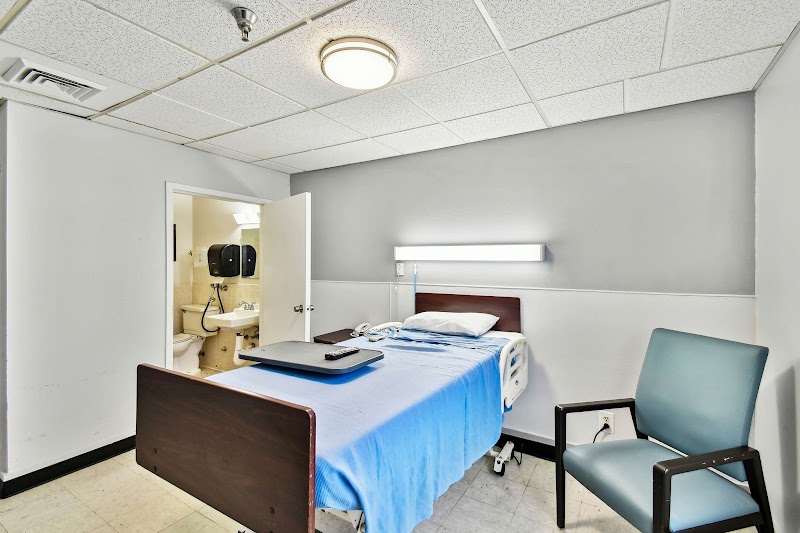
How is Oak Manor Healthcare & Rehabilitation Center Staffed?

CMS rates OAK MANOR HEALTHCARE & REHABILITATION CENTER's staffing level at 3 out of 5 stars, which is average compared to other nursing homes. Staff turnover is 40%, compared to the Florida average of 46%. This relatively stable workforce can support continuity of care.

What Have Inspectors Found at Oak Manor Healthcare & Rehabilitation Center?

State health inspectors documented 13 deficiencies at OAK MANOR HEALTHCARE & REHABILITATION CENTER during 2020 to 2025. These included: 13 with potential for harm.
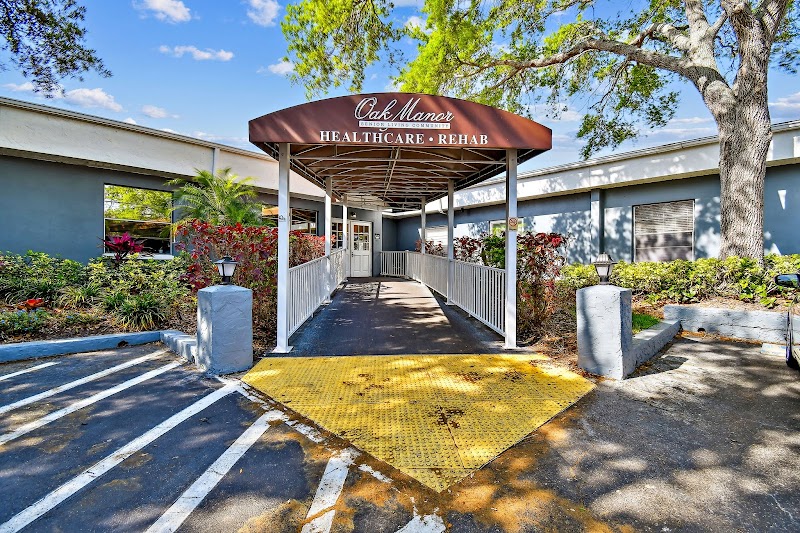
Who Owns and Operates Oak Manor Healthcare & Rehabilitation Center?

OAK MANOR HEALTHCARE & REHABILITATION CENTER is owned by a for-profit company. For-profit facilities operate as businesses with obligations to shareholders or private owners. The facility is operated by KR MANAGEMENT, a chain that manages multiple nursing homes. With 180 certified beds and approximately 125 residents (about 69% occupancy), it is a mid-sized facility located in LARGO, Florida.

How Does Oak Manor Healthcare & Rehabilitation Center Compare to Other Florida Nursing Homes?

Compared to the 100 nursing homes in Florida, OAK MANOR HEALTHCARE & REHABILITATION CENTER's overall rating (4 stars) is above the state average of 3.2, staff turnover (40%) is near the state average of 46%, and health inspection rating (3 stars) is at the national benchmark.

What Should Families Ask When Visiting Oak Manor Healthcare & Rehabilitation Center?

Based on this facility's data, families visiting should ask: "Can I visit during a mealtime to observe dining assistance and food quality?" "How do you handle medical emergencies, and what is your hospital transfer rate?" "Can I speak with family members of current residents about their experience?"

Is Oak Manor Healthcare & Rehabilitation Center Safe?

Based on CMS inspection data, OAK MANOR HEALTHCARE & REHABILITATION CENTER has a clean safety record: no substantiated abuse findings (meaning no confirmed cases of resident harm), no Immediate Jeopardy citations (the most serious violation level indicating risk of serious injury or death), and is not on the Special Focus Facility watch list (a federal program monitoring the lowest-performing 1% of nursing homes). The facility has a 4-star overall rating and ranks #1 of 100 nursing homes in Florida. While no facility is perfect, families should still ask about staff-to-resident ratios and recent inspection results during their visit.

Do Nurses at Oak Manor Healthcare & Rehabilitation Center Stick Around?

OAK MANOR HEALTHCARE & REHABILITATION CENTER has a staff turnover rate of 40%, which is about average for Florida nursing homes (state average: 46%). Moderate turnover is common in nursing homes, but families should still ask about staff tenure and how the facility maintains care continuity when employees leave.

Was Oak Manor Healthcare & Rehabilitation Center Ever Fined?

OAK MANOR HEALTHCARE & REHABILITATION CENTER has been fined $4,017 across 1 penalty action. This is below the Florida average of $33,119. While any fine indicates a compliance issue, fines under $50,000 are relatively common and typically reflect isolated problems that were subsequently corrected. Families should ask what specific issues led to these fines and confirm they've been resolved.

Is Oak Manor Healthcare & Rehabilitation Center on Any Federal Watch List?

OAK MANOR HEALTHCARE & REHABILITATION CENTER is not on any federal watch list. The most significant is the Special Focus Facility (SFF) program, which identifies the bottom 1% of nursing homes nationally based on persistent, serious quality problems. Not being on this list means the facility has avoided the pattern of deficiencies that triggers enhanced federal oversight. This is a positive indicator, though families should still review the facility's inspection history directly.