PALMS CARE CENTER AND REHAB
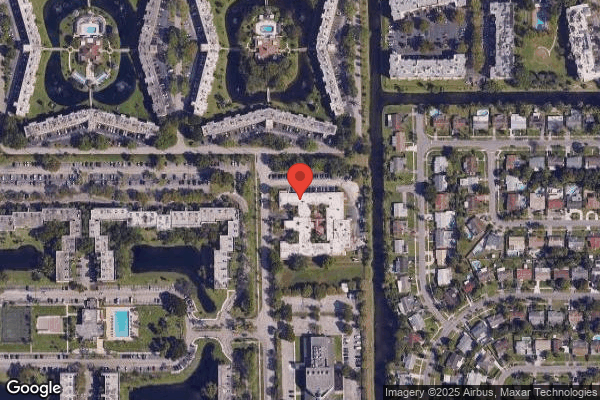
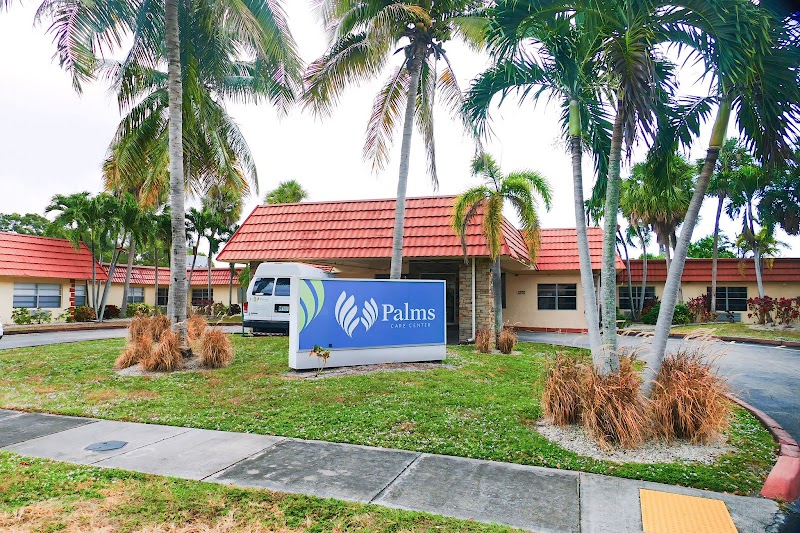
3370 NW 47TH TERRACE, LAUDERDALE LAKES, FL 33319 (954) 733-0655
For profit - Corporation 120 Beds GOLD FL TRUST II Data: November 2025
Trust Grade
61/100
#406 of 690 in FL
Last Inspection: October 2024

Within standard 12-15 month inspection cycle. Federal law requires annual inspections.

Overview

Palms Care Center and Rehab has a Trust Grade of C+, indicating it is slightly above average but not necessarily the best option. It ranks #406 out of 690 facilities in Florida, placing it in the bottom half, and #23 out of 33 in Broward County, meaning only a few local options are better. The facility's trend is worsening, with issues increasing from 7 in 2023 to 10 in 2024, which is concerning. Staffing is a relative strength with a 4/5 star rating and a turnover rate of 28%, significantly lower than the state average. However, the facility faced $11,517 in fines, which is average for Florida, suggesting some compliance issues. There are also specific concerns noted by inspectors, including unsanitary conditions in resident units and common areas, as well as failures to meet nutritional standards for meals served to residents. For instance, the facility did not provide the required daily servings of milk and had expired food items stored in the kitchen. Overall, while there are strengths in staffing, the facility has critical areas needing improvement in cleanliness and food safety.

Trust Score
C+
61/100
In Florida
#406/690
Bottom 42%
Safety Record
Low Risk
No red flags
Inspections
Getting Worse
7 → 10 violations
Staff Stability
✓ Good
28% annual turnover. Excellent stability, 20 points below Florida's 48% average. Staff who stay learn residents' needs.
Penalties
✓ Good
$11,517 in fines. Lower than most Florida facilities. Relatively clean record.
Skilled Nurses
○ Average
Each resident gets 37 minutes of Registered Nurse (RN) attention daily — about average for Florida. RNs are the most trained staff who monitor for health changes.
Violations
⚠ Watch
25 deficiencies on record. Higher than average. Multiple issues found across inspections.
★★★☆☆
3.0
Overall Rating
★★★★☆
4.0
Staff Levels
★★★★★
5.0
Care Quality
★★☆☆☆
2.0
Inspection Score
Stable
2023: 7 issues
2024: 10 issues

The Good

  • 4-Star Staffing Rating · Above-average nurse staffing levels
  • 5-Star Quality Measures · Strong clinical quality outcomes
  • Low Staff Turnover (28%) · Staff stability means consistent care
  • Full Sprinkler Coverage · Fire safety systems throughout facility
  • No fines on record
  • Staff turnover is low (28%)

    20 points below Florida average of 48%

Facility shows strength in staffing levels, quality measures, staff retention, fire safety.

The Bad

3-Star Overall Rating

Near Florida average (3.2)

Meets federal standards, typical of most facilities

Federal Fines: $11,517

Below median ($33,413)

Minor penalties assessed

Chain: GOLD FL TRUST II

Part of a multi-facility chain

Ask about local staffing decisions and management

The Ugly 25 deficiencies on record

Oct 2024 10 deficiencies
CONCERN (D)

Potential for Harm - no one hurt, but risky conditions existed

Deficiency F0676 (Tag F0676)

Could have caused harm · This affected 1 resident

**NOTE- TERMS IN BRACKETS HAVE BEEN EDITED TO PROTECT CONFIDENTIALITY** 2. Record review revealed Resident #82 was admitted to the facility on [DATE] with diagnoses that included hemiplegia and hemipa...

Read full inspector narrative →
**NOTE- TERMS IN BRACKETS HAVE BEEN EDITED TO PROTECT CONFIDENTIALITY** 2. Record review revealed Resident #82 was admitted to the facility on [DATE] with diagnoses that included hemiplegia and hemiparesis, Gastro-esophageal Reflux Disease, Muscle weakness, Muscle wasting and atrophy, Insomnia, Major Depressive Disorder, Anxiety Disorder, and Bipolar Disorder. Review of the Minimum Data Set quarterly assessment, dated 10/10/24, revealed Resident #82's Brief Interview for Mental Status (BIMS) score was 13, which indicated that she was cognitively intact. An interview conducted on 10/21/24 at 11:00 AM, in the resident's language, revealed Resident #82 said that the language was a big barrier. When asked to explain further, Resident #82 said The ladies don't understand me, and I don't understand them. The resident was asked to provide an example of an incident when the language barrier presented a problem. She responded, if I want to request for my feet to be moved into a more comfortable position, or if I need my pillow to be adjusted, the nurses do not understand me. During a second interview, on 10/22/24 at 11:50 AM, the surveyor asked the resident if she participates in activities. Resident #82 said that she participated in the activities that she could understand, like watching TV in her room. When asked if there's an activity that she chose not to participate in because she could not understand English, Resident #82 answered, I can't see the movies because I don't understand them. Record review conducted on 10/24/24 at 9:15 AM revealed that Resident #82s care plan was last revised on 03/29/23. It was noted that no changes were made since its last review. The care plan stated: Resident #82 has a potential for alteration in communication r/t (related to): use of psychotropics, Speech is clear and easily understood and speaks mostly Spanish, patient [sig] uses a communication board. The Goal listed in the care plan said that the resident will continue to voice needs to staff without difficulty through the next review date. One intervention listed in this care plan documented that a Communication Board was provided to the resident along with education on how to use the Board. It also said Resident verbalize to therapist on understanding of the use of communication board. Keep call light within reach; respond to communicated needs. An interview with the Activities Director was conducted on 10/24/24 at 9:33 AM, who said that she knew Resident #82 and that she had worked in this facility for the past four months. When asked if this resident attended activities, the Activities Director responded, not necessarily and doesn't leave her room for activities very often. She added that Resident #82 preferred to stay in her room. The Activities Director said, She joined us 2 days ago in the activity room for coffee. She said Resident #82 preferred to be in her room and watch TV. When the Activities Director was asked if she spoke Spanish, she answered No. In response to how she communicated with Resident #82, the Activities Director said She's able to understand the basics. I ask her simple questions like are you ok and she says yes. The Activities Director informed the surveyor that there were no employees in the Activity Department who spoke Spanish, and she added that she printed out monthly calendars of activities written in Spanish for the seven or eight Spanish speaking residents. The surveyor inquired about showing movies in a group setting and the Activities Director said that showing movies was an activity that she provided to the residents. When asked if she might consider showing a movie in Spanish for her Spanish speaking residents, she answered Yes. That would be great. During an interview with Resident #82 at 10/24/24 at 9:55 AM, the Resident #82 said she wanted to speak more English and that she tries to speak English. She said she knew a few words in English. The surveyor said in Spanish that she would attempt to speak to her in English. The surveyor said, I spoke to the Director of Activities, and the resident shook her head. She did not understand. For that reason, the surveyor continued the interview in Spanish. The resident was asked if she had a communication board. Resident #82 pointed to a communication board posted on the wall next to the window. She said it was too far for her to reach it. She added that it would help her if it was within reach. Photographic Evidence Obtained, showing there was a communication board posted on the wall to the right of the window, that was out of reach for this resident. An interview with the Director of Social Services on 10/25/24 at 11:33 AM revealed that she spoke a few words of Spanish, and that she called Spanish speaking employees when she needed assistance to communicate with Resident #82. She was unaware that Resident #82 had a communication board. Based on observation, interview, and record review, the facility failed to provide care and services for 2 of 2 sampled residents, Residents #23 and #97, who were to receive the restorative dining program; and failed to maintain the residents' ability to communicate and to participate in activities of daily living (ADLs) for 1 of 1 sampled resident, Resident #82, The findings included: 1. Review of the clinical record of Resident #23 on 10/22-23/24 noted a readmission date of 07/30/24 with current diagnoses of Alzheimer's Disease and Dementia. Review of the current physician orders included: On 12/04/23, Mechanical Soft Diet / Fortified Foods and Med Pass 2.0 - 120 ml Every Day, and Restorative Dining Program - Breakfast & Lunch Meals 7 days per week. Review of the resident's weight history documented a current weight of 100 pounds, occurring weight loss, and a BMI (Body Mass Index) of 18.5, indicating the resident was underweight / malnourished. Review of the current care plan dated 10/01/24 documented: Nutritional Problem - consuming 25-50% of meals, requires assistance and supervision with meals. Review of the current interventions noted that a Restorative Dining Program with specific interventions were not documented. The ADL (Activities of Daily Living) functioning care plan noted documentation that the resident requires supervision with feeding and Restorative Dining one meal per day. No Restorative Dining Assessment could be located in the medical record of Resident #23. Review of the clinical record of Resident #97 on 10/23-24/24 noted an admission date of 04/15/24 with current diagnoses to include Bipolar Disease, Dysphagia, and Alzheimer's Disease. The current physician orders noted: Plate Guard with meals (06/22/24), and No Added Salt / Mechanical Soft diet (04/16/24). No physician orders for Restorative Dining Program could be located in the medical record. Review of the current Minimum Data Set (MDS) assessment, dated 09/01/24, noted a Brief Interview for Mental Status (BIMS) score of 4, indicating severe cognition impairment; and assistance was required with eating. Review of weight history noted the weights were stable. Review of the current care plans revealed no Restorative Dining Program care plans could be located. During observation of the lunch meal in the Main Dining Room (MDR) on 10/21/24 at 12:30 PM, it was noted that Residents #23 and #97 were sitting at separate tables in the very rear of the dining room, away from other resident dining tables. Further observation revealed that the facility's Restorative Dining Program occurs in the rear of the Main Dining Room (MDR) and that Residents #23 and #97 were enrolled into that program. Further observation of the lunch meal noted that Resident #23 had some cognitive impairment and would get up and walk away from the table 4 times during the meal. Each time the resident walked away, she was brought back to her table by staff in the dining room area and was told to eat her meal. At no time [NAME] the 45-minute lunch observation did any staff attempt to sit with Resident #23 and attempt to supervise or assist the resident with the meal intake. It was observed that Resident #23 consumed one 4-ounces of juice during the meal and approximately 5-10 % of the Mechanical Soft / Fortified Foods meal served. It was also observed during the same meal observation that Resident #97 had severe cognitive impairment and had position issues during the meal and would spill foods when attempting self-feeding onto his clothing protector and large amounts of pureed foods remained smeared on the resident's face throughout the meal. It was also noted that Resident #97 did not receive any individual restorative supervision and assistance throughout the 45-minute observation. Continued meal observations of Resident's #23 and #97 in the MDR on 10/22/24 (breakfast & lunch), 10/23/24 (breakfast and lunch) and 10/24/24 (lunch) again noted the residents did not receive any restorative dining service that would include supervision and assistance for meals from the restorative nursing staff. On 10/22/24, an interview was conducted with the facility's Minimum Data Set (MDS) Coordinator concerning the facility's Restorative Dining Program. The surveyor requested a list of residents currently enrolled in the program and the restorative dining policies and procedures, that specifically addressed what restorative programs the facility has, who is in charge of the program, what staff are involved, how are residents are assessed to be enrolled into the programs, are physician orders required, what resident documentation is required on a regular basis, how are resident evaluated to remain on the programs, and evaluation of the restorative program on a regular basis. On 10/22/24, the MSD Cordinator submitted a list of the residents currently enrolled in the nursing restorative dining program. A review of the list noted that 2 of the residents listed were discharged from the facility months ago and the 2 other residents currently enrolled were Resident's #23 and #97. The coordinator also stated that there were no current up-to-date policies and procedures for the Nursing Restorative Dining Program. On 10/23/24, the administrator submitted a policy (1/2 page) for Restorative Nursing Services that did not address the requested policies and procedure for Restorative Nursing Services. During the observation of the lunch meal in the MDR on 10/24/24 at 12:30 PM, it was noted that due to surveyor intervention, both Residents #23 and #97 were receiving hands-on restorative dining interventions.
CONCERN (D)

Potential for Harm - no one hurt, but risky conditions existed

Deficiency F0742 (Tag F0742)

Could have caused harm · This affected 1 resident

**NOTE- TERMS IN BRACKETS HAVE BEEN EDITED TO PROTECT CONFIDENTIALITY** Based on observations, interviews, and record review, the facility failed to provide appropriate services to promote and maintai...

Read full inspector narrative →
**NOTE- TERMS IN BRACKETS HAVE BEEN EDITED TO PROTECT CONFIDENTIALITY** Based on observations, interviews, and record review, the facility failed to provide appropriate services to promote and maintain the highest practicable mental and psychosocial well-being for 1 of 1 sampled resident reviewed for Paranoid Schizophrenia (Resident #90). The findings included: Review of the facility's policy, titled, Behavioral Health Services, undated, included the following: Policy Interpretation and Implementation: 2. Residents who exhibit signs of emotional / psychosocial distress receive services and support that address their individual needs and goals for care. Record review for Resident #90 revealed the resident was admitted to the facility on [DATE] and re-admission on [DATE] with the following diagnoses: Paranoid Personality Disorder, Delusional Disorders, Anxiety Disorder, and Paranoid Schizophrenia. Review of Section C of the Quarterly Minimum Data Set (MDS) assessment dated [DATE] revealed Resident #90 had a Brief Interview for Mental Status (BIMS) score of 15, indicating he was cognitively intact. Review of section GG of the same MDS revealed Resident #90 was independent for all Activities of Daily Living (ADLs), including toileting and the ability to bath himself (Does not include transferring in/out of tub/shower). Review of the Physician's Orders documented Resident #90 had an order dated 06/04/24 for Haldol Decanoate Intramuscular Solution 100 mg/ml, Inject 2 ml intramuscularly one time a day every 30 day(s) for Paranoid Schizophrenia. Review of the Care Plan dated 08/08/24 documented Resident #90 has the potential for adverse side effects related to the use of psychotropic medications: antipsychotic for treatment of Delusional Behavioral. The goal was for the resident to remain free from adverse side effects due to use of psychotropic medications thru the next review date. The interventions included: Administer psychotropic medications as ordered. Abnormal Involuntary Movement Scale (AIMS) assessment as indicated. Psychotropic review for dose reduction as able. Psychiatry Services or Psychological Services as ordered. Observe for changes in mood/behavior and report to physician if noted. Review of the Care Plan dated 08/08/24 documented that Resident #90 has potential for self-care deficit with dressing, grooming, and bathing as evidenced by needs assistance with set up/supervision with personal care tasks. Resident #90 often refuses assistance with ADL care. The goal for the resident was: will continue to improve toward previous baseline ADL functioning throughout this review period and will allow staff to assist with ADLs as deemed necessary for proper hygiene and safety thru the next review date. The interventions included: Administer medications as ordered. Cue/encourage the resident to participate in ADL tasks. Allow resident ample time to attempt/complete ADL tasks before intervening. Encourage/remind the resident to ask for assistance as needed. Provide hands-on assistance with dressing, grooming, and bathing as needed. Explain actions during cares. Reapproach as needed. During an observation conducted on 10/21/24 at 10:30 AM of Resident #90's room revealed a strong body odor coming from the room which lingered into the hallway. During an interview conducted on 10/23/24 at 4:46 PM with Staff L, Certified Nursing Assistant (CNA), revealed she has been worked at the facility for 3 years and always assigned to the 3PM-11PM shifts in the north hallway (which included Resident #90's room). She stated Resident #90 sometimes requests towels and washclothes from her, but she has never observed the resident going to the shower room. Staff L noted the shower rooms are kept locked and only staff members have the code to unlock the door. She stated Resident #90 has never given her his personal clothing for laundry services. When asked who did his laundry, she stated she does not know, but the facility has not provided laundry services for Resident #90. An interview was conducted on 10/24/24 at 9:08 AM with the Administrator and Director of Nursing (DON). The Administrator stated Resident #90 has been refusing his medications, but has not shown any change in behaviors. In addition, she stated Resident #90 continues to refuse psychiatry visits, but he is reviewed for medications by psychiatry every month. She acknowledged Resident #90 often refuses showers and they do not receive his personal clothing for laundry services. When asked what the plan was to assist Resident #90 with his personal hygiene due to the foul body odor effecting the hallway and other residents, she stated, 'he likes to be left alone and they cannot force him to shower.' An interview was conducted on 10/24/24 at 11:29 AM with Staff J, Psychiatry Nurse Practitioner (Psych NP), who stated he has worked at the facility since November 2023. He stated he is concerned that Resident #90 continues to refuse his medications and is aware the resident has never taken the Haldol injectable as ordered. He agreed that another route of administration and other medications should have been tried. Staff J acknowledged he has not addressed the strong body odor. He stated the interdisciplinary team (IDT) has discussed Resident #90's hygiene practice, but to the management point, they do not see any solution to help with Resident #90's hygiene care because they can not force the resident to shower. He noted that this is something he would redirect to the psychologist therapist. An interview was conducted on 10/24/24 at 1:08 PM with Staff K, Psychologist Therapist, who stated, 'working at the facility Monday through Friday for 3 years'. He stated he has never had a conversation with Resident #90. Staff K acknowledged Resident #90's room has body odor and he tried to communicate with Resident #90. An interview was conducted on 10/24/24 at 1:51 PM with Resident #75's relative (Resident #90's roommate). She was visiting her brother in his room and stated Resident #90 was verbally aggressive the first couple of times she came to visit her brother. She was aware of the strong body odor in the room, but she cleans her brother's area. She stated Resident #75 cannot communicate clearly and does not want to get anyone in trouble. On 10/24/24 at 2:17 PM an interview was conducted with Staff P, Registered Nurse (RN). She has been working at the facility for about 1 year. When asked about Resident #90, she stated he refuses medications, showers, and the resident can be intermediating scary. She is aware of the strong body odor; but she fears him and does not press the resident to take his medication or a shower. There ws no appropriate service to promote a plan or collective effort to provide hygiene care to Resident #90, as well as not providing laundry services and medication administration in attempt to promote and maintain the highest practicable mental and psychosocial well-being for Resident #90.
CONCERN (D)

Potential for Harm - no one hurt, but risky conditions existed

Medication Errors (Tag F0758)

Could have caused harm · This affected 1 resident

**NOTE- TERMS IN BRACKETS HAVE BEEN EDITED TO PROTECT CONFIDENTIALITY** Based on observations, interviews, and record reviews, the facility failed to adequately monitor behaviors for residents receivi...

Read full inspector narrative →
**NOTE- TERMS IN BRACKETS HAVE BEEN EDITED TO PROTECT CONFIDENTIALITY** Based on observations, interviews, and record reviews, the facility failed to adequately monitor behaviors for residents receiving psychotropic medications for 3 of 6 sampled residents reviewed for psychotropic medications (Residents #90, #89, and #59). The findings included: Review of the facility's policy, titled, Behavioral Assessment, Intervention and Monitoring, revised March 2019, included the following: Policy Statement 1.The facility will provide, and residents will receive behavioral health services as needed to attain or maintain the highest practicable physical, mental and psychosocial well-being in accordance with the comprehensive assessment and plan of care. 6.The facility will comply with regulatory requirements related to the use of medications to manage behavioral changes. Management 1.The interdisciplinary team (IDT) will evaluate behavioral symptoms in residents to determine the degree of severity, distress and potential safety risk to the resident, and develop a plan of care accordingly. Monitoring 1.If the resident is being treated for altered behavior or mood, the IDT will seek and document any improvements or worsening in the individual's behavior, mood, and function. 1. Record review for Resident #90 revealed the resident was admitted to the facility on [DATE] and re-admission on [DATE] with the diagnoses that included: Paranoid Personality Disorder, Delusional Disorders, Anxiety Disorder, and Paranoid Schizophrenia. Review of Section C of the Quarterly Minimum Data Set (MDS) assessment, dated 08/02/24, revealed Resident #90 had a Brief Interview for Mental Status (BIMS) score of 15, which indicated that he was cognitively intact. Review of Section E of the same MDS revealed Resident #90 was not experiencing hallucinations or delusions; but was experiencing physical behavioral symptoms directed towards others (example: hitting, kicking, pushing, scratching, grabbing, abusing others sexually) and the frequency of these behavior occurred 4 to 6 days. Review of the Physician's Orders showed that Resident #90 had an order dated 06/04/24 for Haldol Decanoate Intramuscular Solution 100 mg/ml, Inject 2 ml intramuscularly one time a day every 30 day(s) for Paranoid Schizophrenia. Review of the Physician's Orders showed that Resident #90 had an order dated 06/04/24 for Medication Management: Diagnosis (Dx) Paranoid Schizophrenia, 0 = no behavior, 1= Combativeness, 2= Verbally inappropriate, 3= Sexually inappropriate, 4= Disrobing, 5= Crying excessively, 6= Calling out constantly, 7= Screaming excessively, 8= Auditory Hallucinations, 9= Delusional, 10= Resists Care, 11= Socially inappropriate, 12= Extreme Pacing, 13= Restlessness, 14= Other, every shift for Monitor. Review of the Behavior Monitoring Record (BMR) for Resident #90 from 10/10/24 to 10/24/24 revealed only a check mark in some of the days for each shift (day and night). The documentation does not indicate a number (0 to 14) as ordered for behavior monitoring. There are nine days where a number was recorded but no interventions documented in the nursing notes on those days. There was no documentation on 10/12/24, 10/17/24, or 10/18/24. Review of the Behavior Monitoring and Interventions Task revealed no behaviors were observed from 10/10/24 to 10/24/24. Review of the Behavior Symptoms Task from 10/10/24 to 10/24/24 revealed no symptoms (14 symptoms listed) were observed during those days except on 10/15/24 but in which Resident #90 exhibit the following symptoms: Repeat movements, yelling/screaming, abusive language, and threatening behaviors. Review of the Care Plan dated 08/08/24 documented Resident #90 had exhibited the following behaviors: Hoarding food items, storing sharp objects, and refusing care; The resident yells and screams at staff when he is being educated or redirected. The goal was for the resident to exhibit a decrease in the number of behavior episodes by the next review date. The interventions included: Continue to monitor and assess resident surroundings as needed for compliance. Reinforce and educate resident on objects that are not permitted. Intervene as needed to protect the rights and safety of resident and others: remove from situation as able. Request psychiatric consult as needed. Review of the Florida Preadmission Screening and Resident Review (PASRR) Level II Determination Summary Report dated 06/11/24 included: given the history of Resident #90, care staff should monitor for depressive symptoms, symptoms of anxiety, or symptoms of psychosis, and report any problems to the treatment team. During an observation conducted on 10/21/24 at 10:30 AM of Resident #90's room revealed a strong body odor coming from the room which lingered to the hallway. The resident was in his room with the ceiling-suspended curtains pulled closed and he was speaking with someone, but no one else was in the room. The surveyor attempted to interview Resident #90, but he refused, and then his voice got louder and he continued with his conversation. An interview was conducted on 10/24/24 at 9:35 AM with the Director of Nursing (DON) who has been working at the facility for 3 years. When asked about what does the check marks mean in the BMR since the physician order is to record a number for behaviors, she stated she was not sure and would check the nursing progress notes for documentation. The DON acknowledged there was no documentation in the nursing progress notes. An interview was conducted on 10/24/24 at 11:29 AM with Staff J, Psychologist Nurse Practitioner (Psych NP) who stated he has worked at the facility since November 2023. He stated Resident #90 has not been aggressive towards him or other residents, but Resident #90 had an aggressive episode in June 2024 towards a staff member. Staff J acknowledged that he is concerned that Resident #90 has been refusing his medication and has been exhibiting abnormal thought processes: Paranoid delusions. An interview was conducted on 10/24/24 at 1:45 PM with Staff L, Certified Nursing Assistant (CNA), who stated she has worked at the facility for 3 years. When asked about Resident #90's behavior of aggression towards staff, she stated Resident #90 has never been aggressive towards her, but he has been aggressive towards other staff members. When asked if she would report Resident #90's aggressive behavior to the nurse, she stated not always because he does it all the time and this is his normal behavior. 2 Record review for Resident #59 revealed the resident was admitted to the facility on [DATE] with the most recent readmission on [DATE]. The resident's diagnoses included in part the following: Major Depressive Disorder. Review of the MDS for Resident #59 dated 07/19/24 documented in Section C a BIMS score of 15 indicating an intact cognitive response. Review of the Physician's Orders for Resident #59 revealed an order dated 01/04/24 for Duloxetine HCl Capsule Delayed Release Particles (a psychotropic medication) 60 MG give 1 capsule by mouth two times a day for Depression. Review of the Physician's Orders for Resident #59 revealed an order dated 01/04/24 Trazodone HCl Oral Tablet (a psychotropic medication) 100 MG give 1 tablet by mouth at bedtime for Depression. Review of the Physician's Orders for Resident #59 revealed an order dated 01/05/24for Medication Management: Diagnosis Depression, 0 = no behavior 1 = Combativeness 2 = Verbally inappropriate 3 = Sexually inappropriate 4 = Disrobing 5 = Crying excessively 6 = Calling out constantly 7 = Screaming excessively 8 = Auditory Hallucinations 9 = Delusional 10 = Resists Care 11 = Socially inappropriate 12 = Extreme Pacing 13 = Restlessness 14 = Other, every shift. Review of the Medication Administration Record (MAR) for Resident #59 from 10/14/24 to 10/20/24 documented for medication management a check for each shift (day and night) but did not indicate if there were any behaviors or no behavior. Review of the nursing progress notes for Resident #59 from 10/14/24 to 10/22/24 revealed no documentation of behavior monitoring. Review of the Care Plan for Resident #59 dated 10/25/23 with a focus on the resident has the potential for adverse side effects related to the use of psychotropic medications: antidepressant for treatment of Depression. The goals were for the resident to remain free from adverse side effects related to use of psychotropic medications and for the resident to receive the lowest effective dose of psychotropic medication to ensure maximum functional ability thru the next review date. The interventions included: Administer psychotropic medications as ordered. Observe for effectiveness of psychotropic medications. Observe for adverse side effects r/t psychotropic med use; report to physician if noted. Educate resident/family on potential risk/benefits of psychotropic medication use. AIMS assessment as indicated. Psychotropic review for dose reduction as able. Psychiatry Services or Psychological Services as ordered. Observe for changes in mood/behavior; report to physician if noted. 3. Record review for Resident #89 revealed the resident was admitted to the facility on [DATE] with diagnoses that included in part the following: Unspecified Psychosis Not Due to a Substance Abuse or Known Physiological Condition, Major Depressive Disorder, Brief Psychotic Disorder, Other Specified Persistent Mood Disorders, and Generalized Anxiety Disorder. Review of the MDS for Resident #89 dated 07/19/24 revealed in Section C a BIMS score of 15 indicating an intact cognitive response. Review of the Physician's Orders for Resident #89 revealed an order dated 11/05/23 for Medication Management: Diagnosis Anxiety/insomnia 0 = no behavior 1 = Combativeness 2 = Verbally inappropriate 3 = Sexually inappropriate 4 = Disrobing 5= Crying excessively 6 = Calling out constantly 7 = Screaming excessively 8 = Auditory Hallucinations 9 = Delusional 10 = Resists Care 11= Socially inappropriate 12 = Extreme Pacing 13 = Restlessness 14 = Other, every shift. Review of the Physician's Orders for Resident #89 revealed an order dated 01/25/24 for Trazodone HCl Oral Tablet (a psychotropic medication) 50 MG give 1 tablet by mouth at bedtime for Depression. Review of the Physician's Orders for Resident #89 revealed an order dated 01/26/24 for Ambien CR Oral Tablet Extended Release (a psychotropic medication) 6.25 MG (Zolpidem Tartrate) give 1 tablet by mouth at bedtime for Insomnia. Review of the MAR for Resident #89 from 10/14/24 to 10/20/24 documented medication management documented each shift (day and night) with just a check mark, and no indication of a behavior observed or not behavior observed. Review of the nursing progress notes for Resident #89 from 10/14/24 to 10/20/24 revealed no documentation of behaviors or no behaviors noted for the resident. Review of the Care Plan for Resident #89 dated 08/08/23 with a focus on the resident has the potential for adverse side effects related to the use of psychotropic medications: antianxiety meds for anxiety and Hypnotics for insomnia, and antidepressant for depression. The goals were for the resident to remain free from adverse side effects r/t use of psychotropic medications and to receive the lowest effective dose of psychotropic medication to ensure maximum functional ability thru the next review date. The interventions included: Administer psychotropic medications as ordered. Observe for effectiveness of psychotropic medications. Observe for adverse side effects r/t psychotropic med use; report to physician if noted. Psychotropic review for dose reduction as able. Observe for changes in mood/behavior; report to physician if noted An interview was conducted on 10/24/24 at 1:20 PM with Staff G, Licensed Practical Nurse (LPN), who stated she has been with the facility for 20 years. When asked about behavior monitoring for residents receiving psychotropic medication(s), she said they do monitor for behaviors. When asked where this is documented she said on the MAR. An interview was conducted on 10/24/24 at 1:20 PM with Staff H, LPN, who was asked about behavior monitoring for residents receiving psychotropic medications. She said they do monitor for behaviors. When asked where this is documented, she said on the MAR, and you put the code in for the specific behavior or a zero for no behavior.
CONCERN (D)

Potential for Harm - no one hurt, but risky conditions existed

Deficiency F0761 (Tag F0761)

Could have caused harm · This affected 1 resident

Based on observation, interview and review of policy and procedure, the facility failed to ensure that residents medications were properly stored as evidenced by medications being left on the resident...

Read full inspector narrative →
Based on observation, interview and review of policy and procedure, the facility failed to ensure that residents medications were properly stored as evidenced by medications being left on the resident's night stand for 1 of 1 sampled residents, Resident #26; and one opened bottle of Mucus Relief and one opened box of acetaminophen suppositories, over the counter medications (OTC), observed in the medication room cabinet for 1 of 2 medication storage rooms. The findings included: Review of the facility's policy, titled, Medication Labeling and Storage, revised 02/2023, provided by the Regional Nurse, documented, in part, The facility stores all medications .in locked compartments .the nursing staff is responsible for maintaining medications storage .in a clean, safe and sanitary manner medications are stored in an orderly manner in cabinets, drawers, carts each resident's medications are assigned to an individual cubicle, drawer, or other holding area . 1. On 10/21/24 at 11:02 AM, during initial tour to the facility's south wing, an interview was conducted with Resident #26 who stated she had been in the facility for a few years. Observation revealed an opened over the counter (OTC) Antacid chewable bottle on top of the resident's nightstand. The resident stated she takes the antacid when she gets heartburn. The resident was asked if she told the nurse, stated she had not, and added that one nurse knows about it because the bottle was over on the windowsill and she moved it to the night stand. The resident could not remember the nurse's name. On 10/21/24 at 1:15 PM, observation during lunch time revealed Resident #26 in her room sitting at the edge of bed. Further observation revealed the opened bottle of an Antacid continued to be on top of the nightstand. On 10/23/24 at 10:29 AM, observation revealed Resident #26 in her room sitting at the edge of bed. Further observation revealed the opened bottle of an Antacid continued to be on top of the nightstand. Photographic Evidence Obtained. On 10/23/24 at 11:45 AM, an interview was conducted with Staff G, Licensed Practical Nurse (LPN) who stated she did not have any residents with the medications in their room and that residents were not supposed to. Staff G stated resident's OTC medications should be in the medication cart and had not noticed any medications in the residents' room. Staff G was asked to check Resident #26's night stand for OTC medication. Staff G stated she saw a bottle of Tums (antacid) on the resident's nightstand and added she gave the resident's medications this morning and did not notice it. Staff G was apprised the antacid bottle had been on top of the nightstand since Monday when the survey started. A side-by-side review of Resident #26's Tums (antacid) bottle, removed from the nightstand by Staff G, was conducted and revealed an expiration date on 11/2023. Staff G stated the resident did not have a physician order for Tums. 2. On 10/22/24 at 1:21 PM, a side-by-side review of the facility's south wing medication room was conducted with Staff H, LPN and Staff N, LPN. The review revealed the following: -one opened bottle of Mucus Relief - Guaifenesin 400 mg opening date as of 07/12/24. -one box of 12 acetaminophen suppositories. The box had 10 of 12 suppositories left and did not have an opening date. During the review, Staff H, LPN stated once the medication bottle or a box was opened, it had to be dated and removed from the medication room to the medication cart. Staff H and Staff N confirmed the findings. On 10/22/24 at 2:05 PM, the surveyor was approached by the facility's Regional Nurse who stated the medication bottle in the medication room was an extra as it was an extra one in the medication cart; and had been moved to the medication room. The regional nurse was asked if an opened medication bottle was supposed to be in the medication room cabinet and replied No. On 10/24/24 at 2:55 PM, during an interview, the Administrator stated she was aware of the medication storage task findings.
CONCERN (D)

Potential for Harm - no one hurt, but risky conditions existed

Deficiency F0805 (Tag F0805)

Could have caused harm · This affected 1 resident

Based on observation, interview, and record review, the facility failed to prepare food in a pureed form designed to meet the needs of 2 sampled residents of 14 residents with physician ordered pureed...

Read full inspector narrative →
Based on observation, interview, and record review, the facility failed to prepare food in a pureed form designed to meet the needs of 2 sampled residents of 14 residents with physician ordered pureed diets, Residents #4 and #110. The census at the time of survey was 113 residents. The findings included: Record review of the Nutrition Service Policy and Procedure effective 07/01/23, described the pureed diet as able to be piped, layered, molded if able to retain shape, but should not require chewing if presented in this form. The weekly menus that were labeled Spring / Summer Menus Week 3, from the Optima Solutions Dietary Management System, listed a description of the pureed diet on each menu. It said: Holds shape on spoon; smooth texture; No separated liquid; not firm/sticky. In the dining room on 10/21/24 at 1:04 PM, Resident #4's lunch plate was observed with beef stroganoff that was supposed to be pureed according to the diet listed on the meal ticket. The beef had small lumps in it. The surveyor then went into the kitchen and spoke to the Dietary Manager. Observation revealed that on the tray assembly line at 1:05 PM, a dietary aide placed a plate of pureed Beef Stroganoff on a tray for delivery to the unit. The plate with pureed Beef Stroganoff had a pebbly appearance. A spoonful of pureed Beef Stroganoff was requested and tasted. The texture had small lumps and strings. The Dietary Manager also tasted the pureed beef, and she agreed with this finding. The Dietary Manager removed the pureed Beef Stroganoff from the serving area and gave it to the cook, and asked the cook to puree it to a smooth texture. Photographic Evidence Obtained. In the Dining Room, at 1:25 PM, the pureed chicken on Resident #110's tray appeared to be lumpy. This was brought to the attention of the Dietary Manager in the kitchen. The Dietary Manager requested a taste of the pureed chicken and verified that the pureed chicken was not smooth. The surveyor also tasted the pureed chicken which was not smooth. Photographic Evidence Obtained.
CONCERN (D)

Potential for Harm - no one hurt, but risky conditions existed

Infection Control (Tag F0880)

Could have caused harm · This affected 1 resident

**NOTE- TERMS IN BRACKETS HAVE BEEN EDITED TO PROTECT CONFIDENTIALITY** Based on observations, interviews, facility policies, and record reviews, the facility failed to encourage hand hygiene, provide...

Read full inspector narrative →
**NOTE- TERMS IN BRACKETS HAVE BEEN EDITED TO PROTECT CONFIDENTIALITY** Based on observations, interviews, facility policies, and record reviews, the facility failed to encourage hand hygiene, provide hand hygiene supplies, and assist residents in performing hand hygiene before meals for 6 of sampled 6 residents, Residents #14, #64, #30, #74, #95, and #27. The findings included: Review of polciy, titled, SNF Clinic Handwashing/ Hand Hygiene - F880; Infection Control, submitted by the Administrator documented, in part, considers hand hygiene the primary means to prevent the spread of healthcare associated infection, and #6 explaining Residents are encouraged to practice hand hygiene. 1. Record review revealed Resident #14 was admitted on [DATE] with diagnoses that included Protein-calorie malnutrition, Chronic Obstructive Pulmonary Disease (lung disease that blocks air flow causing difficulty of breathing), Muscle wasting and Atrophy (thinning of muscle). Record review of Minimum Data Set (MDS) assessment Section C dated 09/19/24,revealed a Brief Interview of Mental Status (BIMS) score of 15 indicating intact mental cognition. Section GG-A revealed Resident #14 needed eating set-up or clean-up assistance, and Section GG-I revealed set-up or clean-up assistance in washing and drying hands. An observation was conducted on 10/21/24 at 9:00 AM of an Enhanced Barrier Precautions (EBP) supply box and signage attached on Resident #14's door. In an interview with Resident #14 on 10/21/24 at 9:24 AM, when asked if Staff C provided wet towel with soap before a meal, she stated no. When asked if Staff C encouraged hand hygiene before eating a meal, Resident #14 stated no. An observation on 10/22/24 at 9:19 AM revealed Staff C, admission Coordinator, delivered a breakfast tray to Resident#14. Staff C did not encourage hand hygiene and did not provide hand washing supplies to Resident #14. There was no packet of hand sanitizer observed inside Resident # 14's meal tray. There was no wet towel observed next to the meal tray. 2. Record review revealed Resident #64 was admitted on [DATE] with diagnoses that included Hemiplegia and Hemiparesis (paralysis or weakness on one side of the body) and Cerebral infarction (a condition when the brain blood flow is blocked) affecting the left non-dominant side. Review of quarterly MDS section C dated 08/08/24 revealed a BIMS score of 13 indicating an intact cognitive function. MDS Section GG-A dated 08/20/24 revealed Resident #64 needed set-up or clean-up assistance in eating, while Section GG0115 revealed Resident #64 had one-sided functional impairment on both upper and lower extremities. A further MDS review of Section GG-I revealed Resident #64 required set up or clean-up assistance in washing and drying hands. During an observation on 10/22/24 at 9:22 AM, Resident #64 was hand manipulating a bed control, while Staff E, an Administrator-In-Training was setting up the breakfast tray on the table. While Staff E was centering the meal tray on the table, Resident #64 was picking up a juice container without first performing hand hygiene. Staff E did not encourage hand hygiene or provide hand hygiene assistance and supplies to the resident. The surveyor did not observe any packet of hand sanitizer or a wet towel next to the meal tray. In an interview with Resident #64 on 10/22/24 at 9:28 AM, when asked if Staff E encouraged hand hygiene or aided him in sanitizing his hands before eating, he stated no. When asked if Staff E had offered a wet soapy towel, followed by a dry towel before eating, he stated no. When asked if his meal tray has a packet of hand sanitizer, he said none. 3. Record review revealed Resident #30 was admitted on [DATE] with diagnoses that included Hemiplegia and Hemiparesis following nontraumatic intracerebral hemorrhage (bleeding in or around the brain), affecting right non-dominant side, Essential Primary Hypertension, and Cerebrovascular Disease. Record review of annual MDS Section C dated 07/17/24 revealed a BIMS score of 15 indicating intact mental functioning. Section GG-A revealed Resident #30 required supervision or touching assistance during eating and Section GG-I dated 08/20/24 revealed Resident #30 needed set-up or clean-up assistance in washing and drying hands. During an observation on 10/22/24 at 9:06 AM, Resident # 30 was observed eating breakfast with one hand. He was putting a biscuit with gravy inside his mouth when the surveyor entered the resident's room. When asked if Staff encouraged hand washing before meals, he stated no. Upon closer observation, there was no packet of hand sanitizer inside the meal tray, or a wet towel observed on the table. When asked if staff provided him with a wet soapy towel and a dry towel before eating, he stated no. 4. Record review revealed Resident #74 was admitted on [DATE] with diagnoses that included Benign neoplasm of the brain (non-cancerous mass growing in the brain), and blindness of both eyes. Review of annual MDS Section C dated 09/10/24 revealed a BIMS score of 15 indicating an intact cognitive function. Section B1000 revealed Resident #74's vision is severely impaired, and Section GG-A dated 09/20/24, revealed Resident #74 required set-up and clean-up assistance during eating. During an observation on 10/22/24 at 9:02 AM, Staff M, Medical Records Staff, uncovered the resident's breakfast plate. The resident immediately picked up a fork, then tried to peel a banana. Staff M did not encourage the resident to wash hands or perform hand hygiene. Resident # 74 was observed removing the crusts on her inner eyes and touching hre face before Staff M placed the meal tray on her bedside table. There was no packet of hand sanitizer on the meal tray or a wet towel on the table. In an interview with Resident #74, who was just waking up, on 10/22/24 at 9:05 AM, when asked if Staff M encouraged hand hygiene before breakfast, she stated no. 5. Record review revealed Resident # 95 was admitted on [DATE] with the diagnoses that included Hemiplegia, and Hemiparesis after right cerebral infarction, and Osteoporosis with pathological fracture (broken bone caused by weakness). A review of MDS section C dated 10/10/24 revealed a BIMS score of 04 indicating severe impaired cognition. Section GG revealed Resident #95 had both functional impairments on one upper and one lower extremies. It revealed Resident needs set-up or clean-up assistance during eating, while MDS Section GG-I revealed Resident # 95 requires supervision or touching assistance in washing and drying hands. During an observation on 10/21/24 at 8:45 AM, an EBP (Enhanced Barrier Precautions) supply box and signage was observed attached on Resident 95's door. An observation on10/22/24 at 9:50 AM, Staff F, Certified Nursing Assistant (CNA), went inside the resident's room. Staff F asked the resident if she wanted to eat breakfast. After the resident responded, Staff F left the resident's room and came back with sugar packets. Without performing hand sanitizing, Staff F added the sugar packets contents into Resident #95's oatmeal bowl. Staff F repositioned the resident for breakfast, and without sanitizing Resident #95's hands, allowed her to start eating. Staff F did not encourage the resident to perform hand hygiene before a meal and did not provide hand hygiene supplies to the resident. During interview with Staff F on 10/22/24 at 10:00 AM, she stated that facility staff sanitize hands before entering residents' room with EBP signage. She added the staff were educated to sanitize their hands before getting a meal tray from the meal cart and after delivering the meal tray to the residents' room. When asked if staff encourage the residents to perform hand hygiene before meals, she stated yes. When asked how staff provide hand hygiene to the residents who need mobility assistance, she stated Staff provide residents with towels wet with soap and water then assist the residents in sanitizing hands. 6. Record review revealed Resident #27 was admitted on [DATE] with diagnoses that included Spinal Stenosis of the cervical region (bone disease when neck narrows and puts pressure on the spinal cord and nerves), Chronic Obstructive Pulmonary Disease, Obstructive and Reflux Uropathy (a urinary tract condition that causes urine to flow backwards), and Pyuria (urine containing white blood cells or pus). Review of the quarterly MDS Section C dated 10/02/24 revealed a BIMS score of 15 indicating an intact cognitive response. Section GG0115 of MDS revealed Resident # 27 had impairments on both upper and lower extremities, while Section GG0130A revealed the resident needed supervision or touching assistance during eating. Section GG-I revealed Resident #27 required substantial / maximal assistance in washing and drying hands. Section H dated 10/11/24 revealed a presence of suprapubic catheter, and Section M revealed a presence of Stage 1 pressure ulcer. During observation on 10/21/24 at 8:45 AM, Resident #27's door was observed with an EBP supply box and signage. Observation on 10/22/24 at 9:02 AM reevaled Staff B, [NAME] clerk, placed the breakfast tray on the resident's bedside table. Staff B did not encourage Resident #27 to wash or sanitize hands before eating, and did not provide hand hygiene supplies to the resident. When Resident # 27 was asked if Staff B encouraged her to perform hand hygiene before a meal, she stated no. When asked if Staff B offered her cleaning supplies for her hands, she stated no. There was no wet towel next to the meal tray or a packet of hand sanitizer on the meal tray. In an interview with Staff A, Wound Care Nurse, Licensed Practical Nurse / LPN, on 10/23/24 at 9:30 AM, when asked how staff provides hand hygiene to the residents who required moving and standing assistance, she stated the staff educate residents regarding hand washing before and after meals and activities. Staff A stressed that Staff provide residents who need assistance in getting up, wet towels with soap and water before and after meals. She concluded that staff were educated to encourage and assist residents in hand hygiene, and/or provide hand washing and cleaning supplies to the esidents before and after meals.
CONCERN (E)

Potential for Harm - no one hurt, but risky conditions existed

Safe Environment (Tag F0584)

Could have caused harm · This affected multiple residents

**NOTE- TERMS IN BRACKETS HAVE BEEN EDITED TO PROTECT CONFIDENTIALITY** Based on observation, interview, and record review, the facility failed to provide housekeeping and maintenance services necessa...

Read full inspector narrative →
**NOTE- TERMS IN BRACKETS HAVE BEEN EDITED TO PROTECT CONFIDENTIALITY** Based on observation, interview, and record review, the facility failed to provide housekeeping and maintenance services necessary to maintain a sanitary, orderly, and comfortable homelike interior for 3 of 3 residential units (200, 300, and 400), the Skilled Therapy Department, the Main Dining Room, the Activity Room, and the Main Lobby. The findings included: During the tour conducted on 10/21-22/24, resident meal observations conducted on 10/21-23/24, routine resident observations conducted on 10/21-23/24, and the environment tours conducted on 10/23-24/24 accompanied with the Corporate Maintenance Director, the Maintenance Director, and the Director of Housekeeping, the following were noted: 200 Resident Unit: room [ROOM NUMBER]: Room windows soiled, and window screens torn and in disrepair. room [ROOM NUMBER]: Room windows soiled, and window screens torn and in disrepair. 300 Resident Unit: room [ROOM NUMBER]/#302/#304: main hallway outside of rooms and inside of rooms noted pervasive and offensive body odor and food / garbage odor. Interviews with staff who requested to not be identified at the time of the observation stated that the resident located within room [ROOM NUMBER] is refusing routine room cleaning, routine linen changes, and ADL (Activities of Daily Living) hygiene. room [ROOM NUMBER]: Room walls damaged and in disrepair. room [ROOM NUMBER]: Room floor soiled and stained, and bathroom water pressure too low. room [ROOM NUMBER]: Room walls damaged and in disrepair, and room widow heavily soiled. room [ROOM NUMBER]: Room floor heavily soiled and stained throughout, exterior of room furniture was peeling. Pervasive room urine odor, room windows heavily soiled, and privacy curtains (2) soiled and stained. room [ROOM NUMBER]: Bathroom toilet required re-caulking to the floor. room [ROOM NUMBER]: Old dialysis tubing required to be removed from the walls of the bathroom and main room. The large black tubing runs from the bathroom sinks onto the bathroom walls, through the bathroom walls and out into the mani bedroom walls all the way around to the beds. The black tubes are about waste high. room [ROOM NUMBER]: Bathroom shower chair seat cushion was torn, wood foot bed-frame heavily worn (D-bed), and call bell on floor (D-bed). room [ROOM NUMBER]: Old dialysis tubing required to be removed from the walls of the bathroom and main room. The large black tubing runs from the bathroom sinks onto the bathroom walls, through the bathroom walls and out into the mani bedroom walls all the way around to the beds. The black tubes are about waste high. room [ROOM NUMBER]: Soiled gloves (2) left on the bathroom floor. room [ROOM NUMBER]: Old dialysis tubing required to be removed from the walls of the bathroom and main room, and room windows soiled. The large black tubing runs from the bathroom sinks onto the bathroom walls, through the bathroom walls and out into the mani bedroom walls all the way around to the beds. The black tubes are about waste high. room [ROOM NUMBER]: Old dialysis tubing required to be removed from the walls of the bathroom and main room, and room windows heavily soiled. The large black tubing runs from the bathroom sinks onto the bathroom walls, through the bathroom walls and out into the mani bedroom walls all the way around to the beds. The black tubes are about waste high. room [ROOM NUMBER]: Room widows (2) soiled, and screens were torn. room [ROOM NUMBER]: Old dialysis tubing required to be removed from the walls of the bathroom and main room. The large black tubing runs from the bathroom sinks onto the bathroom walls, through the bathroom walls and out into the mani bedroom walls all the way around to the beds. The black tubes are about waste high. room [ROOM NUMBER]: Resident toothbrush left on bathroom floor. room [ROOM NUMBER]: Old dialysis tubing required to be removed from the walls of the bathroom and main room, and room widows (6) soiled, and screens were torn. The large black tubing runs from the bathroom sinks onto the bathroom walls, through the bathroom walls and out into the mani bedroom walls all the way around to the beds. The black tubes are about waste high. room [ROOM NUMBER]: Old dialysis tubing required to be removed [NAME] the walls of the bathroom and main room, bathroom mirror had desilverization, and room entry door exterior damaged and in disrepair. The large black tubing runs from the bathroom sinks onto the bathroom walls, through the bathroom walls and out into the mani bedroom walls all the way around to the beds. The black tubes are about waste high. Exit Corridor Doors: Do not shut tight and large space between doors noted. Community Shower Room: Private bathroom / toilet area missing the privacy curtain. 400 Resident Unit: room [ROOM NUMBER]: Exterior of room wall air-conditioner soiled and stained, and air conditioner filters (2) were heavily soiled and dust laden. room [ROOM NUMBER]: Room wall air cover was loose and falling off of the unit, and exterior of room entry door was in disrepair and damaged. room [ROOM NUMBER]: Room air-conditioning filters (2) were heavily soiled and dust laden. room [ROOM NUMBER]: Bathroom toilet tank lid off and not fitting, and Room air-conditioning filters (2) were heavily soiled and dust laden, and exterior of wall air-conditioning unit was stained and soiled. room [ROOM NUMBER]: Room air-conditioning filters (2) were heavily soiled and dust laden, and room walls damaged and in disrepair. room [ROOM NUMBER]: Room floor tiles (4) in disrepair, and old dialysis tubing requires to be removed to walls of the bathroom and main room. room [ROOM NUMBER]: Old dialysis tubing required to be removed from the walls of the bathroom and main room. The large black tubing runs from the bathroom sinks onto the bathroom walls, through the bathroom walls and out into the mani bedroom walls all the way around to the beds. The black tubes are about waste high. room [ROOM NUMBER]: Bathroom toilet required re-caulking to the floor. room [ROOM NUMBER]: Numerous large stains and scraped to room floor. Skilled Therapy Room: Parallel Bars: Bars (2) unstable, loose, and wobble. The floor area heavy soiled, worn, stained, and in need of replacement. Training Stairs: Stairs noted to be heavily soiled, stained, and non-slips taping in disrepair. Room Chairs - exterior cushions torn (2). Main Dining Room: Room windows (18) heavily covered in a green algae matter and residents unable to see outside of the room Room floor noted to have numerous and large black stains throughout the entire room. Numerous flying insects on all observations conducted on 10/21-23/24. Room ceiling tiles (40) noted to be soiled, and brown stained throughout the room. Dining room tables (legs / spindles) noted to have areas of peeling black paint. Activity Room: Room walls (2) in need re-painting, and garbage containers (2) requires a lid covering. Main Lobby Area: Exterior of 3 of 3 sitting chairs heavily worn and in disrepair. Following the environment tours conducted on 10/23-24/24, the examples were again reviewed with the Corporate Maintenance Director, and were again discussed and confirmed with the Administrator.
CONCERN (E)

Potential for Harm - no one hurt, but risky conditions existed

Menu Adequacy (Tag F0803)

Could have caused harm · This affected multiple residents

Based on observation, interview, and record review, the facility failed to ensure that its Cycle menus (#1, #2, #3, and #4) met the nutritional requirements for daily milk / dairy servings and that th...

Read full inspector narrative →
Based on observation, interview, and record review, the facility failed to ensure that its Cycle menus (#1, #2, #3, and #4) met the nutritional requirements for daily milk / dairy servings and that the approved menu was being followed for potentially 105 of 113 facility's residents. The findings included: 1. During the review of the current Cycle menu in use (Cycle #3) on 10/21/24, it was noted that only 8-ounces on milk / dairy was being served to residents on a daily basis. An interview conducted with the Corporate Dietary Manager (CDM) at the time of the review to review documentation of why the facility menus did not include the required 16-ounces of milk per day to the residents (55 years or older). The surveyor specifically requested the government tool utilized to develop the facility's cycle menu. On 10/22/24, the CDM submitted to the surveyor a nutritional tool utilized for the development of the menus to be nutritionally adequate, and stated that an approved government tool was not utilized. Further interview and review noted an Optima Solutions Menu Template Nutrition Summary that was outsized for the menu development but the CDM explained to the surveyor that the facility menus did not included the required 2-8 ounces (16 ounce total) of milk per day. The CDM could not explain why the minimum milk requirement was not included on the facility's Cycle menus that included Cycles #1, #2, #3, and #4. The CDM additionally indicated that the menus would be revised on 10/22/24. It was noted that the issues with the milk servings potentially affected 105 of the facility's 113 residents. 2. During the review of the approved Cycle #3's menu for the breakfast meal, it was noted that all residents were to be served an 8-ounce portion of milk which would include whole, 2 %, or fat-free. Observation of the breakfast meal in the main dining room of 10/22/24 at 8:30 AM noted that there were 18 resident's in attendance for the meal. Further observation noted that all of the the residents were receiving only 4-ounces of milk in a juice cup. The milk serving issue was brought to the attention of the Minimum Data Set (MDS) Coordinator who was present during the meal service in the main dining room. The coordinator stated that nursing staff were giving only 4-ounce cups for the milk serving and that a 8-ounce carton was utilized for 2 servings per 2 residents. Interview with the Food Service Manger during the meal revealed that the staff should have issued 8-10 ounce large beverage cups for residents' use to ensure that an 8-ounce portion of milk was being served according to the approved breakfast menu.
CONCERN (E)

Potential for Harm - no one hurt, but risky conditions existed

Food Safety (Tag F0812)

Could have caused harm · This affected multiple residents

Based on observations and interviews, the facility failed to store, prepare, distribute, and serve food in accordance with professional standards for food service safety, sanitary conditions, and the ...

Read full inspector narrative →
Based on observations and interviews, the facility failed to store, prepare, distribute, and serve food in accordance with professional standards for food service safety, sanitary conditions, and the prevention of foodborne illnesses for 110 of 113 residents. The findings included: 1. During the initial tour of the Main Kitchen on 10/21/24 at 9:30 AM, and accompanied by the Dietary Director, CDM (Certified Dietary Manager), the following was observed and noted: a. The walk-in refrigerator contained 2 expired items. The Marmalade was dated 10/11/24. The Chicken Broth was dated 09/25/24. b. The dishwasher was a low temperature dishwasher. The rinse temperature reached 140' F. The sanitization of the dishware depended upon the adequacy of the sanitizing solution. The Dietary Director, CDM, was asked to perform a chlorine sanitizer test to determine if the sanitizing solution was adequate to sanitize the dishware. The first test strip was dipped into the dishwasher solution, and it did not change color. A second test strip trial was performed and again the test strip did not change color. This did not meet the requirement for the concentration of chlorine per the manufacturer's instructions which is 50-100 ppm. Photographic evidence was obtained. c. A chlorine sanitizer test was performed on bucket #2. It turned blue. This indicated that the concentration of the solution was 400 ppm. The sanitizing solution was too strong. The requirement for the concentration of chlorine per the manufacturer's instructions was between 50-100 ppm. d. The dietary storage room for emergency supplies had red and brown stains on the floor. e. The gray plastic trays used to store coffee cups had black scuff marks on the exterior corners and on the lower halves of the trays. This was pointed out to the Dietary Director, CDM. She acknowledged that the items looked worn out. f. The electrical outlets on the walls near the spice rack area were soiled with debris. The walls in the surrounding area had many small spots of exposed wall from peeled off paint. g. The bench mounted commercial can opener had worn off metal exterior with metal shavings present. h. The interior of both Vulcan ovens had thick black residue cooked onto the surfaces of the walls, the doors, and the floors of the ovens. i. The silver wall located to the right of the ovens was splattered with white residue markings that looked like drip marks splattered on a large area of the wall. j. The robocoup (small food processor) was stored with the top plastic cover closed tightly and a pool of water remained inside of the plastic container. k. The Arctic Air Commercial reach in freezer had 2 gaskets that showed areas of detachment from the door, where a wet, dark colored, slimy looking substance was observed located along the folds of the gasket. l. The Victory reach-in freezer's gaskets showed areas of detachment from the door where a wet, dark looking, slimy substance was observed located up and down along the gasket. m. The dry storage room floor in the back corner under the food racks had a white chalky looking substance on the floor and up the side of the adjacent wall. 2. The Nourishment rooms were observed on 10/21/24 at 10:10 AM following the initial tour of the kitchen. The surveyors were accompanied by the Dietary Director, CDM (DD, CDM). The following was observed and noted: A. South wing nourishment room: a. The refrigerator in the South wing nourishment room had a bag of food with a use by date: 10/02/24. b. The interior of the microwave had food stains of various colors including red, purple, brown, and yellow. c. The gasket in the refrigerator was ripped and showed areas of detachment from the door. 3. During a follow-up visit to the Main Kitchen on 10/22/24 at 08:15 AM, accompanied by the Dietary Director, CDM, the following was observed and noted: a. Surveyors observed food service employees placing breakfast foods onto plates and trays for delivery to the dining areas. There were plates and bowls that were stacked on a cart to be used on the breakfast trays. A small, white, plastic bowl had small black markings on it that looked like scuff marks. A plastic white plate was discolored with black marks, yellow splotches, and scratches on it. A plastic white compartment plate was stained with light black marks and 1 very dark black circular mark. These 3 items were given to the Dietary Manager, CDM, who removed them from the cart. Photographic Evidence Obtained of the above findings. The Dietary Director, CDM agreed with these findings.
CONCERN (E)

Potential for Harm - no one hurt, but risky conditions existed

Deficiency F0925 (Tag F0925)

Could have caused harm · This affected multiple residents

**NOTE- TERMS IN BRACKETS HAVE BEEN EDITED TO PROTECT CONFIDENTIALITY** Based on observation, interview, and record review, the facility failed to maintain an effective pest control program so that th...

Read full inspector narrative →
**NOTE- TERMS IN BRACKETS HAVE BEEN EDITED TO PROTECT CONFIDENTIALITY** Based on observation, interview, and record review, the facility failed to maintain an effective pest control program so that the facility is free of pest (flies and roaches). The findings included: 1. During resident screenings and routine observations conducted on 10/21/24 through 10/24/24, numerous sightings of flying insects were noted by the surveyors that included the following: a. On 10/21/24 - Main Kitchen (7, 9 AM), 300 and 400 Units, and Main Dining Room (12:30 PM). Staff stated that flies and roaches are a common daily occurrence. b. On 10/22/24 - Main Dining Room (8 AM) and in resident Hallways (8 AM - 10 AM). Staff and residents stated that flies are a common daily occurrence. c. On 10/23/24 - Main kitchen (7 AM) and the resident Hallways (300 and 400 Unit). Staff stated that flies are a daily common occurrence. d. On 10/24//24 - Main Dining room [ROOM NUMBER] AM and 12 PM, the resident Common Areas, and the resident Hallways (200, 300, and 400 Units). Photographic Evidence Obtained of above. 2. During the review of facility's Pest Sighting Logs for August 2024, September 2024, and October 2024 (10/02-22/24), numerous sightings were documented by staff that included the following: August 2024: Twenty-six documented sightings that included resident rooms and bathrooms and nourishment rooms. The areas were reported to the pest control company and documented as treated. September 2024 - Twenty-two documented sightings in resident rooms and bathrooms, staff offices, and nurses stations. The areas were reported to the pest control company and were documented as treated. October 2024 (10/01-22/24): Twenty-four documented sightings in resident rooms and bathrooms, nursing food pantry's, staff offices, and nurses stations. The areas were reported to the pest control company and were documented as treated. 3. During the review of the facility's pest control documentation for the months of August 2024, September 2024, and October 2024, it was noted the facility is having Bottle / Flesh Fly activity, standing inside water, accumulation of food products, tree / vegetation touching the building, and door gap/damage. Refer to F584 for additional findings. 4. During an interview conducted by the surveyor with the facility pest control technician on 11/24/24 at 11 AM, it was confirmed that the facility has re-occurring monthly issues with flies and roaches. The pest control technician stated that the facility requires twice monthly treatments and as-needed treatments called in by the facility.
Aug 2023 7 deficiencies
CONCERN (D)

Potential for Harm - no one hurt, but risky conditions existed

Resident Rights (Tag F0550)

Could have caused harm · This affected 1 resident

**NOTE- TERMS IN BRACKETS HAVE BEEN EDITED TO PROTECT CONFIDENTIALITY** 2. A medication administration observation pass was conducted on 08/15/23 at 8:50 AM with Staff A, Licensed Practical Nurse (LPN...

Read full inspector narrative →
**NOTE- TERMS IN BRACKETS HAVE BEEN EDITED TO PROTECT CONFIDENTIALITY** 2. A medication administration observation pass was conducted on 08/15/23 at 8:50 AM with Staff A, Licensed Practical Nurse (LPN) for Resident #100. Staff A gathered Resident #100's medications entered Resident #100's room. Staff A entered the resident's bathroom, washed her hands, donned gloves and prepared to administer Resident #100's medications via the gastric tube in Resident #100's abdomen. Staff A neglected to close the room door or the privacy curtain for Resident #100's room. Staff A administered the medications through Resident #100's gastric tube, which left the resident exposed to staff members and residents walking in the main hallway. 3. A catheter care observation was conducted on 08/17/23 at 7:50 AM with Staff G, Certified Nursing Assistant (CNA), for Resident #68. At the end of the catheter care, Staff G realized she did not have an incontinence brief for Resident #68. Staff G stated, I would normally put a 'diaper' on, but I don't have one, so I will get a new 'diaper' and then come back and put the 'diaper' on her. Resident #68 stated she preferred to wear an 'incontinence brief'. Staff G again stated, I will get a new 'diaper' and then come back and put the 'diaper' on her. The above concerns were reviewed with the Director of Nursing, the Assistant Director of Nursing, and the Nursing Educator on 08/17/23. Based on review of policy and procedure, observation, interview and record review, the facility failed to maintain residents' privacy in a dignified manner for 3 of 24 sampled residents observed, Residents #103, #100, and #68. The findings included: Review of the facility policy and procedure on 08/16/23 at 2:45 PM, titled, Dignity, provided by the Director of Nursing (DON) revised February 2021, documented in part, Policy Statement: Each resident shall be cared for in a manner that promotes and enhances his or her sense of well-being, level of satisfaction with life, and feelings of self-worth and self-esteem. Policy Interpretation and Implementation 1. Residents are treated with dignity and respect at all times 11. Staff promote, maintain and protect resident privacy, including bodily privacy . 1. Resident #103 was initially admitted to the facility on [DATE] and re-admitted to the facility on [DATE] with diagnoses that included Cerebral Infarction, Peripheral Vascular Disease, Diabetes Mellitus Type II, Hypertension, Muscle Wasting and Atrophy, Major Depressive Disorder and Generalized Anxiety Disorder. The Minimum Data Set (MDS) assessment documented a Brief Interview Mental Status (BIM) score of 15 or 15 indicating cognition was intact. On 08/14/23 at 11:20 AM, an observation of Resident # 103, from the main North wing resident's room hallway (bedroom door ajar), revealed the resident with both the left below-the-knee (BKA) amputation old incisional site, as well as her uncovered, loosely worn diaper, visibly exposed to other residents, staff members and visitors, who passed the door, for over an hour. Facility staff members were observed walking by the room and not closing the curtains or the resident's bedroom door. Upon entering the resident's room, there was an increased bodily exposure visibility. The two (2) hanging privacy curtains in the room did not provide a full covering of protection for the resident. Photographic Evidence Obtained. During a subsequent observation conducted on 08/14/23 at 2:30 PM, Resident # 103 was again observed from the main North wing resident room hallway (bedroom door ajar) with both her left BKA amputation old incisional site, as well as her uncovered, loosely worn, diaper both visibly exposed for a time period of at least 30 minutes. Facility staff members were observed walking by the room and not closing the curtains or the resident's bedroom door. An interview ws conducted with Resident #103 on 08/15/23 at 2:17 PM, who when asked if the staff treat you with respect and dignity and keep your person covered, at all times, stated, for the most part they do, but on a few occasions the door and curtain were both left opened and the resident stated that she had to remind the staff to close it. An interview was conducted with Staff H, (CNA), on 08/15/23 at 2:18 PM, regarding the resident's privacy curtains and bedroom door, both being left open, Staff H acknowledged the bedroom door and privacy curtains should not be left open, exposing the resident. An interview was conducted with Staff C, Registered Nurse (RN), on 08/15/23 at 2:26 PM, who acknowledged the resident's bedroom door should not be left open in such a way as to expose the resident and her diaper at any time. An interview was conducted with Staff I, North wing RN, Assistant Director of Nursing (RN/ADON), on 08/16/23 at 3:24 PM, who acknowledged the resident's bedroom door should not be left open in such a way as to expose the resident and her diaper at any time. There were no documented behaviors relative to this observation, for this resident noted in either her care plan, or in the progress notes. The Director Of Nursing (DON) acknowledged that on 08/16/23 at 9:40 AM that the resident's bedroom door should not be left open in such a way as to expose the resident's person and her diaper at any time.
CONCERN (D)

Potential for Harm - no one hurt, but risky conditions existed

ADL Care (Tag F0677)

Could have caused harm · This affected 1 resident

**NOTE- TERMS IN BRACKETS HAVE BEEN EDITED TO PROTECT CONFIDENTIALITY** Based on observations, interviews, and record review, the facility failed to provide the appropriate Activities of Daily Living ...

Read full inspector narrative →
**NOTE- TERMS IN BRACKETS HAVE BEEN EDITED TO PROTECT CONFIDENTIALITY** Based on observations, interviews, and record review, the facility failed to provide the appropriate Activities of Daily Living (ADLs), regarding eating assistance, for 1 of 5 sampled residents reviewed for nutrition, Resident #23. The findings included: Review of the policy, titled, Activities of Daily Living, revised in March 2118, showed, in part, the following: appropriate care and services would be provided for residents who cannot carry out ADLs [Activities of Daily Living] independently by the plan of care, including support and assistance with dining. The resident's response to interventions will be monitored, evaluated, and revised as appropriate. Record review documented Resident #23 was readmitted to the facility on [DATE] with diagnoses to include Heart Disease and Dementia. Resident #23 had been placed under hospice services on 05/31/23. The Minimum Data Set (MDS) assessment dated [DATE] documented Resident #23 had a Brief Interview of Mental Status (BIMS) score of 00, indicating severe cognition impairment. The MDS, dated [DATE], for eating under section G, documented Resident #23 required extensive assistance with one person assist. The MDS dated [DATE], under section G, documented Resident #23 needed supervision and set up only for eating. In an observation conducted on 08/14/23 at 12:35 PM, Resident #23 was noted in her room with her lunch tray. Closer observation showed that no staff were in the room to assist Resident #23 with her lunch meal. At 12:42 PM, there was no staff noted in her room, and at 12:55 PM, Resident #23's lunch meal was barely touched. In an observation conducted on 08/15/23 at 8:40 AM, Resident #23 was in her room with Staff F, Certified Nursing Assistant (CNA), helping the resident with her breakfast meal. The meal was about 30% consumed, and at 8:47 AM, Staff F left the room. At 8:50 AM, Resident #23 was trying to eat independently but stopped and the tray was only 30% consumed. Continued observation showed that at 8:57 AM, the tray was taken out of her room. In an observation conducted on 08/15/23 at 1:08 PM, Resident #23 was noted in her room with no assistance provided from staff. Closer observation showed Resident #23 only ate about 20% of her meal. Review of the care plan revised on 08/16/23 showed that Resident #23 has a self-care deficit related to weakness, limited endurance, and terminal diagnoses and hospice care. Review of the progress note dated 08/02/23 showed that Resident #23 has no family or friends involved in her care. Another progress note dated 08/03/23 showed that Resident #23 was assisted by staff with ADLs extensively. Review of the Nutrition Risk Evaluation dated 08/03/23 showed that Resident #23 was inactive, totally dependent, and needed extensive or complete assistance while eating. An interview was conducted on 08/17/23 at 8:38 AM, Staff D, CNA, who stated Resident #23 can eat independently and usually eats about 50% of her meals. An interview was conducted on 08/17/23 at 1:00 PM with the Administrator, and she was told of the findings.
CONCERN (D)

Potential for Harm - no one hurt, but risky conditions existed

Incontinence Care (Tag F0690)

Could have caused harm · This affected 1 resident

Based on observations, interviews, policy review, and record review, the facility failed to provide proper urinary catheter care, as evidenced by cleaning the catheter tubing from the outside to the i...

Read full inspector narrative →
Based on observations, interviews, policy review, and record review, the facility failed to provide proper urinary catheter care, as evidenced by cleaning the catheter tubing from the outside to the insertion site, wiping the buttocks from the top downward into the perinium, lifting the catheter bag above the bladder level, lack of hand hygiene after touching unclean items, and allowing the catheter tubing to be kinked after care, for 1 of 1 sampled resident, Resident #68, reviewed for catheter care. The findings included: Review of the policy, titled, Catheter Care, Urinary, Level III, dated August 2022, revealed, in part, the following: Check the resident to be sure he or she is not lying on the catheter and to keep the catheter and tubing free of kinks. Position the drainage bag lower than the bladder at all times to prevent urine from flowing back into the urinary bladder. Use a washcloth to cleanse the labia-use one area of the washcloth for each downward, cleansing stroke. Change the position of the washcloth and cleanse around the urethral meatus. With a clean washcloth, rinse using the above technique. Use a clean washcloth to cleanse and rinse the catheter from insertion site to approximately four inches outward. Check the drainage tubing and bag to ensure the catheter is draining properly. A urinary catheter care observation was conducted on 08/17/23 at 7:50 AM with Staff G, Certified Nursing Assistant (CNA) for Resident #68. Staff G began her care on the left side of Resident #68's bed. She opened Resident #68's incontinence brief, which appeared to be clean. Staff G then removed her gloves and washed her hands. Staff G completed perineal care on the right and left sides of the perinium. Staff G then cleaned the catheter tubing from the connection point (outward) toward the insertion site. Staff G realized she had no washcloths to continue the care, so she covered the resident and left the room to retrieve washcloths. Upon returning to the room with the washcloths, Staff G moved to the right side of Resident #68's bed and while moving the bedside table, the package of perineal care wipes fell onto the floor. The CNA changed her gloves but did not wash her hands at this time. Staff G stated she was going to lower the head of the bed so Resident #68 could roll to her left side, but she could not find the bed controller. The surveyor located the bed controller on the floor under the bed. Staff G then retrieved the remote control, reposited the head of the bed and asked Resident #68 to roll onto her left side. Wearing the same gloves, Staff G then prepared a washcloth and wiped Resident #68's bottom from top downward (incorrectly). She verbalized she would wash her hands at this time but did not wash her hands and changed her gloves. Staff G removed Resident #68's incontinence brief and the non-disposable incontinence pad, verbalized she would wash her hands but did not, and changed her gloves. Staff G then wet an additional washcloth and cleaned the remainder of the urinary catheter tubing and catheter bag. She then lifted the catheter bag to her (CNA) height and set the catheter bag onto the bed. She verbalized again she would wash her hands but did not but did change her gloves. She then used a dry washcloth and dried the catheter tubing and bag and then placed the catheter bag onto the side of the bed. Staff G began to cover Resident #68, but the surveyor intervened and showed the resident's catheter tubing was kinked. The surveyor asked Staff G to straighten it. The concerns regarding this urinary catheter care were reviewed with the Director of Nursing, Assistant Director of Nursing, and Nursing Educator on 08/17/23, following the observations.
CONCERN (D)

Potential for Harm - no one hurt, but risky conditions existed

Tube Feeding (Tag F0693)

Could have caused harm · This affected 1 resident

**NOTE- TERMS IN BRACKETS HAVE BEEN EDITED TO PROTECT CONFIDENTIALITY** Based on observations, interviews, and record review, the facility failed to follow the correct tube feeding formulary and rate ...

Read full inspector narrative →
**NOTE- TERMS IN BRACKETS HAVE BEEN EDITED TO PROTECT CONFIDENTIALITY** Based on observations, interviews, and record review, the facility failed to follow the correct tube feeding formulary and rate as per the physicians' orders for 1 of 2 sampled residents reviewed for tube feeding, Resident #100. The findings included: Review of the facility's policy, titled, Enteral Nutrition, revised in 2018, showed, in part, the following: The Nurse confirms that orders for enteral nutrition are complete. Complete orders include a. The enteral nutrition product; b. Delivery site (tip placement); The specific enteral access device (nasogastric, gastric, jejunostomy tube, etc.; c. d. Administration method (continuous, bolus, intermittent); e. Volume and rate of administration; f. The volume/rate goals and recommendations for advancement toward these; and g. Instructions for flushing (solution, volume, frequency, timing, and 24-hour volume). Resident #100 was admitted on [DATE] and readmission on [DATE] with diagnoses of Hemiplegia and Muscle Wasting. Review of the physician orders dated 08/10/23 showed an order for Renal Novasource (tube feeding formulary type) to run at 60 milliliters (ml) an hour for 18 hours at 4:00 PM and off at 10:00 AM. In an observation conducted on 08/14/23 at 9:50 AM, Resident #100 was noted in the bed with the tube feeding Jevity 1.5 (tube feeding formulary type and not the ordered Renal Novasource) running at 60 milliliters an hour. The tube feeding Jevity 1.5 at 60 ml an hour provides 1620 calories daily. In an observation conducted on 08/15/23 at 8:35 AM, Resident #100 was noted in bed with the tube feeding Jevity 1.5 (tube feeding formulary type and still not the ordered Renal Novasource) running at 60 milliliters an hour. Review of the Nutrition Risk Evaluation dated 08/10/23 showed that Resident #100 currently receives Jevity 1.5 at 80 milliliters an hour for 18 hours. Resident #100 had a significant weight change due to a week of hospitalization. The estimated caloric needs showed 1890 to 2240 calories daily needs. The tube feeding Jevity 1.5 running at 80 ml an hour would have provided 2160 calories daily. The care plan revised on 07/17/23 showed that Resident #100 is at risk for complications associated with enteral feeding; and to administer enteral feeding and flushes as ordered with routine registered dietitian assessment. An observation conducted on 08/15/23 at 4:00 PM of the facility's supply room showed that they had stocked three types of tube feeding formula: Jevity, Nepro, and Glucerna. There was no Renal Novasource and no other types of tube feeding formulas noted. An interview was conducted on 08/16/23 at 11:00 AM with the Registered Dietitian (RD) who stated any order for tube feeding formulary that is not in-house, they (the nurses) should contact her (RD) in person or by phone for an appropriate substitution. She further stated that her phone number was posted in the nurses' station. An interview was conducted on 08/17/23 at 8:33 AM, Staff A, Licensed Practical Nurse (LPN), who stated that if she had an order for tube feeding, she would take the tube feeding bottles from the general supply. Staff A said they have three types of tube feeding in-house, Jevity, Nepro, and Glucerna. When asked what she would do if there were any orders for tube feeding, they do not have in-house, she said she would notify the Director of Nursing (DON). She further said that they did not have orders this year of tube feeding that they did not have in stock. Staff A reported that if she needed to contact the Registered Dietitian, her number is posted in the nurse's station. An interview was conducted on 08/17/23 at 1:00 PM with the Administrator, and she was informed of the findings.
CONCERN (D)

Potential for Harm - no one hurt, but risky conditions existed

Deficiency F0761 (Tag F0761)

Could have caused harm · This affected 1 resident

Based on observations, interviews, and record reviews, the facility failed to maintain medications, medication carts and treatment carts in a secure manner and during medication administration opportu...

Read full inspector narrative →
Based on observations, interviews, and record reviews, the facility failed to maintain medications, medication carts and treatment carts in a secure manner and during medication administration opportunities, as evidenced by medications left unattended at the bedside for Resident #100 and 22 and failed to dispose of expired medications and supplements properly on 1 of 2 units (the North Unit). The findings included: Review of the policy, titled, Storage of Medications, dated November 2020, revealed in part, the following: Drugs and biologicals used in the facility are stored in locked compartments. Only persons authorized to prepare and administer medications have access. 1. During tour of the facility conducted on 08/14/23 at 9:24 AM, the surveyor observed an unlocked, unattended treatment cart on the North Hallway of the facility. The treatment cart contained various treatments and ointments. Photographic Evidence Obtained. Upon further observation, there were 2 pairs of scissors observed in the top drawer of the wound care cart. During this observation, multiple staff members were noted in the hallway walking past the treatment cart. An additional observation was conducted on 08/14/23 at 9:30 that revealed this treatment cart had been moved from its initial location by the wound care nurse and was in use at a resident's room door. 2. A medication administration observation pass was conducted on 08/15/23 at 8:50 AM with Staff A, Licensed Practical Nurse (LPN) for Resident #100. While preparing the prescribed medications, Staff A noted she did not have the correct form (tablets) of the prescribed Vitamin D, but rather only had the capsule form in the medication cart. Staff A stated she was going to ask another nurse if she had the tablet form of Vitamin D. Staff A walked to the other end of the hallway, approximately 100 meters away, to talk to another nurse on duty. She left the medication cart unlocked, with other medications (tablets and liquids) already poured into medication cups, on top of the medication cart. Photographic Evidence Obtained. There were multiple staff members in the hallway during this time, distributing and collecting breakfast trays from residents. During this observation, Staff A was away from the unlocked, unattended medication cart and medications for approximately 5 minutes. The facility's Assistant Director of Nursing was in the hallway as well and observed this unlocked, unattended medication cart and medications. She intervened and spoke to Staff A who was returning to the cart. Upon entering Resident #100's room to administer the medications, Staff A placed the medications on the bedside table and entered the bathroom to wash her hands. The medications were not within her line of sight. 3. A medication administration observation was conducted on 08/15/23 at 11:33 AM with Staff C, Registered Nurse (RN) for Resident #22. Upon entering Resident #22's room to administer the medication, Staff C placed the medications on the bedside table and entered the bathroom to wash her hands. The medications were not within her line of sight. The above concerns were reviewed with the facility's Director of Nursing (DON), Assistant Director of Nursing (ADON), and Nursing Educator on 08/17/23. 4. During an observation conducted on 08/16/23 at 9:45 AM of the Central Supply room, with Staff J, Central Supply Clerk, and the DON, it was noted that there was a container of Beneprotein powder supplement with an expiration date of July 2023. Photographic Evidence Obtained. 5. During a observation conducted on 08/16/23 at 10:23 AM, with Staff K, Licensed Practical Nurse (LPN), and the DON, of the South Medication Room, it was observed that there were two (2) expired boxes of over-the-counter (OTC) Mineral Oil Enemas, dated 11/21 and 07/22 respectively. Both were located in a cabinet alongside other active / ready-to-use stock medications. Photographic Evidence Obtained. During an interview conducted on 08/16/23 at 10:35 AM with Staff K and the DON, both acknowledged that the expired protein powder and the OTC Mineral Oil Enemas should all have been promptly discarded.
CONCERN (D)

Potential for Harm - no one hurt, but risky conditions existed

Deficiency F0805 (Tag F0805)

Could have caused harm · This affected 1 resident

**NOTE- TERMS IN BRACKETS HAVE BEEN EDITED TO PROTECT CONFIDENTIALITY** Based on observations, interviews, and record review, the facility failed to ensure that the food was prepared and appropriate t...

Read full inspector narrative →
**NOTE- TERMS IN BRACKETS HAVE BEEN EDITED TO PROTECT CONFIDENTIALITY** Based on observations, interviews, and record review, the facility failed to ensure that the food was prepared and appropriate to meet the residents' needs of 4 of 6 sampled residents observed during dining observations, Resident #23, Resident #36, Resident #98, and Resident #83. The findings included: Review of the facility policy, titled, Nutrition Service Policy and Procedures, under mechanical soft diet, dated 07/01/23, showed that this diet consists of moist, smooth textured, and quickly formed into a bolus. Most raw fruits and vegetables, seeds, nuts, and dried fruits are excluded. It further showed that vegetables should be soft, well cooked and less than ½ inch in size, and easily mashed with a fork. Review of the facility's spring-summer menu 2023, week 1, showed the following menus for Monday: under the regular diet: pork roast, parsley egg noodles, and one piece of parsley sprig. Under the mechanical soft diet, it showed: grounded pork roast, parsley egg noodles, and one piece of parsley sprig. 1. Resident #23 was readmitted to the facility on [DATE] with diagnoses of Dementia and Anxiety. The diet order dated 08/03/23 documented a mechanical soft diet. In an observation conducted on 08/14/23 at 12:35 PM, Resident #23 was noted in her room with her lunch tray. Closer observation showed a tray of Mechanical soft diet with chopped pork, mashed potatoes, mixed vegetables, vanilla ice cream, and a piece of raw parsley sprig about 3 inches long. 2. Resident #36 was admitted to the facility on [DATE] with diagnoses of Diabetes and Anemia. The quarterly Minimum Data Set (MDS) dated [DATE] documented a Brief Interview of Mental Status (BIMS) score of 15, indicating cognition was intact. The diet order was noted for no added salt-controlled carbohydrates mechanical soft texture. In an observation conducted on 08/15/23 at 8:45 AM, Resident #36 was in the room eating the breakfast tray. Closer observation showed a tray with chopped breakfast meat and a piece of raw parsley sprig about 3 inches long. 3. Resident #98 was readmitted on [DATE] with diagnoses of Dysphagia and Dementia. The diet order dated 01/25/23 was noted for mechanical soft diet and small bite-size pieces. The annual MDS showed a BIMS score of 03, indicating severe cognitive impairment. In an observation conducted on 08/14/23 at 12:48 PM, Resident #98 was noted with his lunch tray that consisted of a mechanical soft diet with chopped meat and a piece of raw parsley sprig that was about 3 inches long. 4. Resident #83 was readmitted on [DATE] with diagnoses of Schizophrenia and Dysphagia. The diet order dated 08/11/23 noted a mechanical soft texture and pureed vegetables. The Quarterly MDS dated [DATE] showed BIMS of 15, which is cognitively intact. In an observation conducted on 08/15/23 at 8:46 AM, Resident #83 had eaten her food on the breakfast tray. Closer observation showed a breakfast tray with chopped breakfast meat and a piece of raw parsley sprig that was about 3 inches long. An interview was conducted on 08/17/23 at 8:11 AM, with Staff E, Speech Pathologist, who stated they provide three types of diet consistencies: regular, mechanical soft, and pureed. When asked about a mechanical soft diet supplied by the facility, she said it is grounded, moist meats and food on the sticky side. Staff E stated the vegetables need to be small, easily mashed, and not raw vegetables. An interview was conducted on 08/17/23 at 8:30 AM with the Corporate Dietary Manager who acknowledged all findings.
CONCERN (D)

Potential for Harm - no one hurt, but risky conditions existed

Deficiency F0808 (Tag F0808)

Could have caused harm · This affected 1 resident

**NOTE- TERMS IN BRACKETS HAVE BEEN EDITED TO PROTECT CONFIDENTIALITY** Based on observations, interviews, and chart review, the facility failed to provide the correct diet orders and nutritional supp...

Read full inspector narrative →
**NOTE- TERMS IN BRACKETS HAVE BEEN EDITED TO PROTECT CONFIDENTIALITY** Based on observations, interviews, and chart review, the facility failed to provide the correct diet orders and nutritional supplements, and failed to ensure accurate food allergies were followed, for 1 of 5 sampled residents, Resident #23, reviewed for nutrition. The findings included: An observation was conducted on 08/14/23 at 12:35 PM of Resident #23. The resident was observed in her room with her lunch tray. Closer observation revealed a tray of a mechanical soft diet with vanilla ice cream. There was no nutritional supplements noted on this lunch tray. Record review showed that Resident #23 was readmitted to the facility on [DATE] with diagnoses of Heart Disease and Dementia. Resident #23 was placed under hospice services on 05/31/23. The Minimum Data Set (MDS) dated [DATE] showed Resident #23 has a Brief Interview of Mental Status (BIMS) score of 00, indicating severe cognitive impairment. The care plan revised on 08/03/23 documented that Resident #23 was at nutritional risk and to provide supplements as ordered and diet as requested. The paper chart at the nurse's station documented that Resident #23 was allergic to eggs, poultry, milk products, wheat, and chocolate. Further review showed a yellow communication slip with a cardiac diet order written on 08/01/23 but was never updated in the electronic system. The physicians' orders documented the following: Regular diet mechanical soft texture, thin consistency, dated 08/03/23. From 03/16/23 to 07/31/23, the resident had a written order for health shake (nutritional supplement) 3 times a day. This order was noted to not be reordered when Resident #23 was readmitted to the facility on [DATE]. The Nutrition Risk Evaluation dated 08/03/23 documented that Resident #23 was only allergic to eggs. The Nutrition assessment dated [DATE] documented that Resident #23 has allergies to eggs, chocolate, and wheat. Further review of the Nutrition Risk Evaluation dated 08/03/23 showed that Resident #23 received a mighty shake (nutritional supplement) 3 times a week. Review of the Medication Administration / Treatment Record for August 2023 did not show evidence that a mighty shake was given 3 times a day to Resident #23. An interview was conducted on 08/17/23 at 10:00 AM with the Director of Nursing, who stated the yellow communication slips are sometimes placed in the actual paper chart when residents get readmitted to the facility at night or after hours. The yellow slip is then filled and given to the kitchen to prepare the appropriate diet order for the residents. The DON stated the nurse will later place the diet order into the electronic system. When asked about the discrepancies in allergies that were noted in the different assessments for Resident #23, she said that she would look into it. An interview was conducted on 08/17/23 at 1:00 PM with the Administrator, who was informed of the findings.
Apr 2022 8 deficiencies
CONCERN (D)

Potential for Harm - no one hurt, but risky conditions existed

Deficiency F0578 (Tag F0578)

Could have caused harm · This affected 1 resident

**NOTE- TERMS IN BRACKETS HAVE BEEN EDITED TO PROTECT CONFIDENTIALITY** Based on observation, interviews and record review, the facility failed to update an advance directive in a timely manner and fa...

Read full inspector narrative →
**NOTE- TERMS IN BRACKETS HAVE BEEN EDITED TO PROTECT CONFIDENTIALITY** Based on observation, interviews and record review, the facility failed to update an advance directive in a timely manner and failed to update the advance directives care plan for 1 of 1 sampled resident, reviewed for advance directives, Resident #168. The findings included: Review of the facility's policy, titled, Advance Directives, revised in [DATE], documented, .the plan of care for each resident will be consistent with his or her documented .advance directives .changes .of a directive must be submitted in writing to the Administrator .the care plan team will be informed of such changes .so that appropriate changes can be made in the resident assessment Minimum Data Set (MDS) and care plan . Review of the facility's policy, titled, Care Plans, Comprehensive Person-Centered, revised in [DATE], documented, .assessments of residents are ongoing and care plans are revised as information about the residents and the residents' conditions change . Review of Resident #168's clinical record documented an admission to the facility on [DATE] and a readmission on [DATE]. The resident's diagnoses included Major Depressive Disorders, Schizoaffective Disorder Bipolar Type, Anxiety, Seizures, Chronic Osteomyelitis, Peripheral Vascular Disease, Chronic Obstructive Pulmonary Disease, and Non-Pressure Chronic Ulcer of Right Foot. Review of Resident #168's Minimum Data Set (MDS), a 5-day scheduled assessment, dated [DATE], documented a Brief Interview of the Mental Status (BIMS) score of 15, indicating the resident had no cognition impairment. The assessment documented under Functional Status that the resident needed limited assistance for personal hygiene, toilet use and dressing. Review of Resident #168's Minimum Data Set (MDS), quarterly assessment dated [DATE], documented a Brief Interview of the Mental Status (BIMS) score of 15, indicating that the resident had no cognition impairment. The assessment documented under Functional Status that the resident needed supervision with his activities of daily living. On [DATE] at 12:10 PM, review of Resident's clinical record profile / facesheet documented a Code Status: as DNR [Do not Resuscitate], Full Code [Resuscitate], meaning the resident had both statuses, when it was should have documented either DNR or Full Code. Photographic evidence obtained. Review of the physician orders, dated [DATE], documented 'DNR', created by the facility's Infection Control Nurse. Further review revealed a prior physician order dated [DATE] that documented Full Code. Review of Resident #168's care plan, initiated on [DATE] and revised on [DATE], titled, Advanced Directives documented, Resident (name) has expressed the following wishes regarding code status and has the following advanced directives in place: is Full Code with interventions to include Full Code status .honor resident's wishes regarding advanced directives/ CPR (cardiopulmonary resuscitation) status . On [DATE] at 4:05 PM, a side-by-side review of Resident #168 facesheet and medication administration record (MAR) was conducted with Staff E, a Licensed Practical Nurse (LPN). Staff E did not address the resident code status discrepancy (both DNR and full code) as it was visible as soon as the record was opened. On [DATE] at 11:46 PM, an interview was conducted with Resident #168 who stated that he signed off 'to be a DNR'. On [DATE] at 4:05 PM, an interview was conducted with Staff F, an LPN who stated that if a resident codes (cardiac or respiratory arrest occurs), she would call a code and check the chart / record to see if the resident was a DNR or Full code. A side-by-side review of Resident #168's paper record was conducted with Staff F that revealed the Florida state required yellow form for a DNR was in the front of the chart signed by the resident on [DATE]. On [DATE] at 4:08 PM, an interview was conducted with Staff E, LPN who stated Resident #168 was a DNR. Staff E was asked how she could tell Resident #168 was a DNR. Staff E stated that she could see it in the computer. A side-by-side review was conducted with Staff E of the resident profile that revealed the record had been updated to show the DNR status only. Staff E and Staff F were apprised that on [DATE] and [DATE], the record had Resident #168 listed as both DNR and Full code status. Staff E stated she did not know who changed the status. On [DATE] at 9:01 AM, an interview was conducted with the facility's Director of Nursing (DON). The DON stated Resident #168's DNR status order was taken on [DATE] by the Infection Control Nurse. The DON was apprised that the advance directive care plan was not updated as the resident code status was changed on [DATE]. The DON stated the care plan had to be updated. On [DATE] at 9:07 AM, a joint interview was conducted with the Infection Control Nurse (ICN) and the DON. The ICN stated Resident #168 discussed the code status with the Advanced Practice Registered Nurse (APRN) and she obtained a DNR order on [DATE]. She confirmed that Resident #168 had both a DNR and Full Code status in the record. She was asked why the Full Code order was not discontinued and stated the information was passed on during a morning meeting and some else was supposed to discontinue the order. She stated she was not the responsible person to do it and did not know how to do it. She added that the nurses are supposed to check the resident chart. The ICN and the DON were apprised that Resident #168 had inaccurate code status in the record from [DATE] until [DATE] when the surveyor asked for the record to be printed. On [DATE] at 9:16 AM, an interview was conducted with Staff A, a Minimum Data Set (MDS) Coordinator. Staff A stated that residents' care plans are updated as soon as they know there is a change. He added that the change was to be done immediately after their knowledge of a change in the resident's condition / status, when they find out from the Interdisciplinary Team (IDT) member. He stated that care plans are updated whenever something happens, like a new order, or a deviation on care. Staff A stated the team meets daily for morning meetings, clinical meetings, and added that they go over a variety of stuff for whatever happened in the last 24 hrs. Staff A was asked if a new physician order like a DNR order, was a deviation of care, and he stated it was and that he was notified today regarding Resident #168 and his DNR order. Staff A confirmed that the Resident #168's advance directive care plan related to the new DNR order was not updated as of [DATE]. Staff A was apprised that the resident's physician order for DNR was taken on [DATE]. On [DATE] at 10:04 AM, an interview as conducted with the facility's Director of Social Services (DSS). The DSS stated that she had 72 hours to update a resident care plan in case it happened over the weekend. The DSS stated she did not update Resident #168's advance directives care plan related to the new order for DNR and said she had missed it. On [DATE] at 2:14 PM, during an interview, the Administrator stated that on [DATE], she found an error on advance directives while reviewing / printing documents from Resident #168's electronic clinical record. She added that she called the ICN at the time and asked her to fix it. The administrator was shown photographic evidence taken on [DATE] that showed that Resident #168 clinical record had inaccurate information related to his code status, from [DATE] and until a copy of his record was requested by the surveyor on [DATE]. The administrator acknowledged the resident's advance directive care plan was not updated as of [DATE] with the change on the code status from a Full Code to a DNR status.
CONCERN (D)

Potential for Harm - no one hurt, but risky conditions existed

Assessment Accuracy (Tag F0641)

Could have caused harm · This affected 1 resident

**NOTE- TERMS IN BRACKETS HAVE BEEN EDITED TO PROTECT CONFIDENTIALITY** Based on observations, records review, and interviews, the facility failed to ensure that the Minimum Data Set (MDS) assessment ...

Read full inspector narrative →
**NOTE- TERMS IN BRACKETS HAVE BEEN EDITED TO PROTECT CONFIDENTIALITY** Based on observations, records review, and interviews, the facility failed to ensure that the Minimum Data Set (MDS) assessment reflected the actual functional status of 1 of 5 sampled residents, Resident #102, reviewed for range of motion. The findings included: Observation and interview conducted on 04/11/22 at 10:44 AM revealed that Resident #102 was in bed with a visible right-hand contracture. A splint was observed on the bed next to the resident. Resident #102 reported that she needed assistance to put on the splint, after she was asked why she was not wearing it. Subsequent observations on 04/13/22 at 10:02 AM, 04/13/22 at 11:12 AM, and 04/14/22 at 12:42 PM revealed Resident #102 wearing the splint. During an interview with Resident # 02 on 04/14/22 at 12:43 PM, she reported that they do not always put the splint on for her. Resident #102 said that if was only this week that they put it on daily, since Monday April 11, 2022. Review of Section C of the Minimum Data Set (MDS), dated [DATE], documented the resident's cognitive status showed that Resident #102 scored 9 of 15 on the Brief Interview for Mental Status (BIMS) score, indicating moderate cognitive impairment. In Section G of the MDS, respectively in sections G0110 and G0120, staff documented that Resident #102 required Extensive Assistance for personal hygiene, toilet use, dressing, transfer, and Total Dependence for bathing. In section G0400, assessing ROM, it was documented that Resident #102 had no impairment in ROM, which did not coincide with the assessments in sections G0110 and G0120. Review of the Care Plan, dated 12/28/21 and updated on 03/20/22, documented and confirmed that Resident #102 had a self-care deficit with dressing, bathing related to needing assistance with personal care task and mobility skills; cognitive deficit related to Dementia, and generalized weakness. Interventions on the care plan documented staff will provide hands on assistance with dressing, grooming, bathing as needed, and Resident #102 will wear hand splint 'on in the morning and off in the afternoon'. Review of the Occupational Therapy (OT) assessment, dated 03/10/22, showed that Resident #102 was referred to OT due to exacerbation of decrease in range of motion. Subsequently, OT made the following recommendations: 03/10/2022, Patient will wear a resting hand splint on right hand for up to 4 hours with minimal signs and symptoms of redness, swelling, discomfort or pain. From 03/23/22, Patient will wear a resting hand splint on right hand for up to 6 hours with minimal signs and symptoms of redness, swelling, discomfort or pain. On 04/08/22, Patient (Resident #102) will wear a resting hand splint on the right hand in the morning and off in the afternoon. This orthotic device is recommended because of the resident's functional limitations and related to contracture and inability to perform personal hygiene. In an interview with Staff H, a certified nursing assistant (CNA), on 04/14/22 at 12:52 PM, she reported that the resident has been living at this facility for a while. She said that she was informed that the resident must wear the splint. She added that after they (CNAs) perform their required tasks, the nurses are the ones who document the residents' records. Staff H stated that whenever she cared for Resident #102 in her assignment, she makes sure that the resident has the splint on. In an interview conducted with Staff F, a Licensed Practical Nurse (LPN), on 04/14/22 at 12:57 PM, she concurred with the CNA that they do document the residents' records when the CNAs confirmed that that they have put on or taken off the residents' splints. In a follow-up interview, Staff F reported that on 04/11/22, she did not verify nor confirm whether Resident #102 had her splint on or off in the morning; therefore, she could not affirm or deny that the task was completed. In an interview conducted with the MDS Coordinator Staff A in the presence of the MDS consultant, on 04/14/22 at 1:16 PM, they reported that they use the resident assessment instrument (RAI) to complete the MDS assessment. The Consultant agreed after much provided evidence that section G0400 was not accurately completed since it did not coincide with the Occupational Therapist's assessment. The MDS coordinator could not provide much information regarding this assessment given his recency to this position.
CONCERN (D)

Potential for Harm - no one hurt, but risky conditions existed

ADL Care (Tag F0677)

Could have caused harm · This affected 1 resident

**NOTE- TERMS IN BRACKETS HAVE BEEN EDITED TO PROTECT CONFIDENTIALITY** Based on observations, interviews, and record review, the facility failed to provide fingernail grooming for 2 of 4 sampled resi...

Read full inspector narrative →
**NOTE- TERMS IN BRACKETS HAVE BEEN EDITED TO PROTECT CONFIDENTIALITY** Based on observations, interviews, and record review, the facility failed to provide fingernail grooming for 2 of 4 sampled residents reviewed for activities of daily living (ADLs), Resident #17 and Resident #87. The findings included: Review of the facility's policy, titled, Care of Fingernails/Toenails, revised on October 2010, documented the following: The purposes of this procedure are to clean the nail bed, to keep nails trimmed, and to prevent infections. Nail care includes daily cleaning and regular trimming. Review of the Certified Nursing Assistant (CNA) Job Description, revised on 01/01/15, documented that CNAs were to assist residents with nail care (clipping, trimming, and cleaning). 1. Review of the record documented that Resident #17 was re-admitted to the facility on [DATE] with diagnoses that included: Cerebral Infarction, Dementia, Muscle Weakness and Major Depressive Disorder. Review of Section C of the Minimum Data Set (MDS), dated [DATE], documented that a Brief Interview for Mental Status (BIMS) was not conducted as Resident #17 was rarely / never understood. Review of Section G of the MDS, dated [DATE], documented that Resident #17 required extensive assistance with one-person physical assist for personal hygiene. Review of the Care Plan, dated 01/13/22, documented that Resident #17 had a self-care deficit with dressing, grooming, and bathing related to impaired mobility. Interventions were for staff to anticipate resident's needs with activities of daily living (ADLs). During an observation conducted on 04/11/22 at 9:47 AM, Resident #17 stated that she had been in the facility for 2 months. It was noted that Resident #17's fingernails were long, about ¼ inch past the tips of her fingers. When asked if she has had her fingernails cut while in the facility, she stated that she had not. When asked if staff had offered to cut her fingernails, she stated that they had not. During an observation conducted on 04/11/22 at 12:45 PM, Resident #17 was lying awake in her bed. Closer observation showed that Resident #17's fingernails were still long, about ¼ inch past the tips of her fingers. During an observation conducted on 04/12/22 at 10:55 AM, Resident #17 was seated in her wheelchair in her room. Closer observation showed that Resident #17's fingernails were still long, about ¼ inch past the tips of her fingers. During an observation conducted on 04/12/22 at 1:20 PM, Resident #17 was resident seated in her wheelchair in her room. Closer observation showed that Resident #17's fingernails were still long, about ¼ inch past the tips of her fingers. During an observation conducted on 04/12/22 at 3:02 PM, Resident #17 was resident seated in her wheelchair in her room. Closer observation showed that Resident #17's fingernails were still long, about ¼ inch past the tips of her fingers. During an observation conducted on 04/13/22 at 8:49 AM, Resident #17 was lying awake in her bed. Closer observation showed that Resident #17's fingernails were still long, about ¼ inch past the tips of her fingers. The resident was observed awake in bed with long fingernails. During an observation conducted on 04/13/22 at 12:49 PM, Resident #17 was lying awake in her bed. Closer observation showed that Resident #17's fingernails were still long, about ¼ inch past the tips of her fingers. When asked if she wanted her fingernails cut, Resident #17 stated, I want them cut. When asked if staff had offered to cut her fingernails, she stated, No. In an interview conducted on 04/13/22 at 4:09 PM, Staff C, Certified Nursing Assistant (CNA), stated that CNAs were responsible for cutting residents' fingernails. When asked how often residents' fingernails were cut, she stated, When you see it. Staff C further stated that residents' fingernails were checked during care and that fingernails would need to be cut if they were long. Staff C then accompanied the surveyor to Resident #17's room. Staff C looked at Resident #17's fingernails and stated that they were long and needed to be cut. 2. Review of the record documented that Resident #87 was admitted to the facility on [DATE] with diagnoses which included: Alzheimer's Disease, Altered Mental Status, Dementia, Aphasia and Muscle Weakness. Review of Section C of the MDS, dated [DATE], documented that that a BIMS was not conducted as Resident #87 was rarely / never understood. Review of Section G of the MDS dated [DATE] documented that Resident #87 required total dependence with one-person physical assist for personal hygiene. Review of the Care Plan, dated 03/25/22, documented that Resident #87 had a self-care deficit with dressing, grooming, and bathing. Interventions were to provide hands on assistance with dressing, grooming, and bathing as needed, and for staff to anticipate resident's needs with ADLs. During an observation conducted on 04/11/22 at 10:44 AM, Resident #87 was observed lying awake in bed with long fingernails that were about ¼ inch past the tips of his fingers. During an observation conducted on 04/11/22 at 1:05 PM, Resident #87 was observed lying awake in bed with long fingernails that were about ¼ inch past the tips of his fingers. During an observation conducted on 04/12/22 at 8:46 AM, Resident #87 was observed sleeping in bed. Closer observation showed that Resident #87's fingernails were still long, about ¼ inch past the tips of his fingers. During an observation conducted on 04/12/22 at 11:02 AM, Resident #87 was observed sleeping in bed. Closer observation showed that Resident #87's fingernails were still long, about ¼ inch past the tips of his fingers. During an observation conducted on 04/12/22 at 1:21 PM, Resident #87 was observed sleeping in bed. Closer observation showed that Resident #87's fingernails were still long, about ¼ inch past the tips of his fingers. During an observation conducted on 04/12/22 at 2:55 PM, Resident #87 was observed sleeping in bed. Closer observation showed that Resident #87's fingernails were still long, about ¼ inch past the tips of his fingers. During an observation conducted on 04/13/22 at 7:05 AM, Resident #87 was observed lying awake in bed. Closer observation showed that Resident #87's fingernails were still long, about ¼ inch past the tips of his fingers. During an observation conducted on 04/13/22 at 8:51 AM, Resident #87 was observed lying awake in bed. Closer observation showed that Resident #87's fingernails were still long, about ¼ inch past the tips of his fingers. During an observation conducted on 04/13/22 at 12:52 PM, Resident #87 was observed sleeping in bed. Closer observation showed that Resident #87's fingernails were still long, about ¼ inch past the tips of his fingers. On 04/13/22 at approximately 4:15 PM, Staff C accompanied the surveyor to Resident #87's room. Staff C looked at Resident #87's fingernails and stated that they were long and needed to be cut. On 04/13/22 at 4:22 PM, the Director of Nursing was informed of the surveyor's findings and acknowledged the findings.
CONCERN (D)

Potential for Harm - no one hurt, but risky conditions existed

Deficiency F0688 (Tag F0688)

Could have caused harm · This affected 1 resident

**NOTE- TERMS IN BRACKETS HAVE BEEN EDITED TO PROTECT CONFIDENTIALITY** Based on observations, interviews, and records review, the facility failed to provide splints as per therapy recommendations to ...

Read full inspector narrative →
**NOTE- TERMS IN BRACKETS HAVE BEEN EDITED TO PROTECT CONFIDENTIALITY** Based on observations, interviews, and records review, the facility failed to provide splints as per therapy recommendations to 2 of 5 sampled residents, Resident #102 and Resident #44. The findings included: 1. Review of the electronic clinical admission record revealed that Resident #44 was admitted to the facility on [DATE]. The most recent reentry date was on 03/31/20. Resident #44's diagnoses included, in part, Muscle Weakness (Generalized) as of 09/18/20, Aortic Aneurysm without Rupture Cardiovascular, and Coagulations 03/31/20, peripheral vascular disease. Review of the Minimum Data Set (MDS), section C (Cognitive Patterns), dated 02/08/22 revealed that Resident #44 scored 15/15 on the Brief Interview for Mental Status (BIMS), indicating Resident #44's cognition was intact. Section G (Functional Status) revealed that Resident #44 required supervision for all ADLS except dressing for which she required limited assistance. Yet, she was totally dependent on staff for bathing. Review of the care plan (CP) dated 02/22/22 documented that Resident #44 had a potential for complications related to contractures of (L) wrist, and (L) elbow. The contracture interferes with ADL (activities of daily living) ability or increases risk of injury. The CP revealed that staff will ensure that: a. Resident will maintain level of independence with self-care and mobility with use of splints through the next review date. b. Resident will remain free from progression of joint contracture thru the next review date. c. Resident will tolerate splint wearing schedule as established by therapy thru the next review date. d. Left hand splint as tolerated, on and off as ordered; Monitor skin integrity. e. Observe for color, movement, sensation, edema of affected extremity. f. Administer medication as ordered; observe for effectiveness and for signs and symptoms. Review of the physicians' orders for Resident #44 documented: 'Patient to wear (L) [left] hand splint on in am and off in pm, as tolerated. Check skin integrity daily. every shift other active 04/03/20 23:00 [11:00 PM]'. On 04/11/22 at 10:56 AM, Resident #44 was observed in bed laying down. Resident #44's left arm and hand were observed to have contractures. There was no splint on the resident's arm and hand. In an interview on 04/11/22 at about 10:58 AM, Resident #44 reported that she had a splint, but she did not know where it was at that time. She also reported that she needs assistance to put it on. Observation conducted on 04/12/22 at 11:01 AM showed Resident #44 had no left hand splint on. During a follow-up interview with Resident #44 on 04/14/22 at 12:29 PM, she reported that there are times when she asked staff to put the splint on for her, but they ignored her. This week because the State is here, she sees that they are putting it on for her every day since Monday. She thanked the surveyor for intervening. The resident also reported that she completed therapy and they informed her during the treatment that there was nothing else they could do to help improve the arm function. She just needs to continue to wear the splint to prevent worsening of the contractures. In an interview with the Staff (F), a Licensed Practical Nurse, on 04/14/22 at 03:30 PM, she reported that she documented in the treatment administration record (TAR) according to information received from the CNAs. She attested to the fact that she did not verify whether Resident #44 assigned CNAs had actually performed the task of assisting the resident to put on the splint. 2. Review of Resident #102's Section C of the MDS, dated [DATE], documented the resident's cognitive status showed Resident #102 scored 9 of 15 on the Brief Interview for Mental Status (BIMS). In Section G of the MDS, respectively in sections G0110 and G0120, staff documented that Resident #102 required Extensive Assistance for personal hygiene, toilet use, dressing, transfer, and Total Dependence for bathing. In section G0400 assessing ROM (range of motion), they documented that Resident #102 had no impairment in ROM, which did not coincide with the assessments in sections G0110 and G0120. Review of the Care Plan, dated 12/28/21 and updated on 03/20/22, documented and confirmed that Resident #102 had a self-care deficit with dressing, bathing related to needing assistance with personal care task and mobility skills; cognitive deficit related to Dementia, and generalized weakness. As interventions, staff will provide hands on assistance with dressing, grooming, bathing as needed, Resident #102 will wear hand Splint on in the morning and off in the afternoon. Review of the Occupational Therapy (OT) assessment dated [DATE] showed that Resident #102 was referred to OT due to exacerbation of decrease in range of motion. Subsequently, OT made the following recommendations: 03/10/22, Patient will wear a resting hand splint on right hand for up to 4 hours with minimal signs and symptoms of redness, swelling, discomfort or pain. From 03/23/22, Patient will wear a resting hand splint on right hand for up to 6 hours with minimal signs and symptoms of redness, swelling, discomfort or pain. On 04/08/22, Patient #102 will wear a resting hand splint on the right hand in the morning and off in the afternoon. This orthotic device is recommended because of the resident's functional limitations and related to contracture and inability to perform personal hygiene. Observation and interview conducted on 4/11/22 at 10:44 AM revealed that Resident #102 was in bed with a visible right-hand contracture. A splint was observed on the bed next to the resident. Resident #102 reported that she needed assistance to put on the splint, after she was asked why she was not wearing it. Subsequent observations on 04/13/22 at 10:02 AM, 04/13/22 at 11:12 AM, and 04/14/22 at 12:42 PM revealed Resident #102 wearing the splint. During an interview with Resident #102 on 04/14/22 at 12:43 PM, she reported that they do not always put the splint on for her. Resident #102 said that if was only this week that they put it on daily, since Monday April 11, 2022. In an interview with Staff (H), a certified nursing assistant (CNA), on 04/14/22 at 12:52 PM, she reported that the resident has been living at this facility for a while. She said that she was informed that the resident must wear the splint. She added that after they (CNAs) perform their required tasks and the nurses are the ones who document the residents' records. Staff H also stated that whenever she has Resident #102 in her assignment, she made sure that the resident has the splint on. In an interview conducted with Staff (F), a Licensed Practical Nurse, on 04/14/22 at 12:57 PM, she concurred with the CNA that they do document the residents' records when the CNAs confirmed that that they have put on or taken off the residents' splints. In a follow-up interview, Staff (F) reported that on 04/11/22, she did not verify nor confirm whether Resident #102 had her splint on or off in the morning; and could not affirm or deny that the task was completed.
CONCERN (D)

Potential for Harm - no one hurt, but risky conditions existed

Tube Feeding (Tag F0693)

Could have caused harm · This affected 1 resident

**NOTE- TERMS IN BRACKETS HAVE BEEN EDITED TO PROTECT CONFIDENTIALITY** Based on observations, interviews and record review, the facility failed to administer tube feeding as per Physician's Orders fo...

Read full inspector narrative →
**NOTE- TERMS IN BRACKETS HAVE BEEN EDITED TO PROTECT CONFIDENTIALITY** Based on observations, interviews and record review, the facility failed to administer tube feeding as per Physician's Orders for 4 of 6 sampled residents reviewed for tube feeding, Resident #108, Resident #87, Resident #95, Resident #4. The findings included: Review of the facility's policy titled, Enteral Nutrition, revised on December 2008, documented the following: Adequate nutritional support through enteral feeding will be provided to residents as ordered. 1. Review of the record documented Resident #108 was re-admitted to the facility on [DATE] with diagnoses that included: Hemiplegia, Hemiparesis, Type 2 Diabetes Mellitus, Hyperlipidemia, Hypertension and Dysphagia. Review of Section C of the Minimum Data Set (MDS) dated [DATE] documented that Resident #108 had a Brief Interview for Mental Status Score of 00, indicating he was severely cognitively impaired. Review of Section K of the MDS dated [DATE] documented that Resident #108 was on tube feeding. Review of the Physician's Orders documented that Resident #108 had an order dated 03/14/22 for Glucerna 1.5 (tube feeding formula) at 70 milliliters (ml) per hour for 22 hours (on at 8:00 AM; off at 6:00 PM) via percutaneous endoscopic gastrostomy (PEG tube) for a total volume of 1,540 ml. Review of the Care Plan dated 04/06/22 documented Resident #108 was at risk for complications associated with enteral feedings. Interventions were to provide enteral feeding and flushes as ordered. During an observation conducted on 04/13/22 at 7:05 AM, Resident #108 was observed lying in his bed. Resident #108's tube feeding pump was turned off and a bottle of Glucerna 1.5, dated 04/12/22 at 4:00 PM, was hanging from the pole. Closer observation showed that there was about 450 ml out of 1,000 ml of formula remaining in the bottle. This showed that about 550 ml of formula had been infused and that Resident #108 had received 550 ml (825 calories) out of 1,050 ml (1,575 calories) of formula from his Physician ordered tube feeding regimen. During an observation conducted on 04/13/22 at 8:51 AM, Resident #108 was lying awake in bed. Resident #108's tube feeding was running at 70 ml per hour with a bottle of Glucerna 1.5 which was noted with a start date and time of 04/12/22 at 4:00 PM. Closer observation showed that there was still about 450 ml out of 1,000 ml of formula remaining in the bottle. This showed that about 550 ml of formula had been infused and that Resident #108 had received 550 ml (825 calories) out of 1,190 ml (1,785 calories) of formula from his Physician ordered tube feeding regimen. During an observation conducted on 04/13/22 at 12:52 PM (about 20 hours after Resident #108's tube feeding formula was hung), Resident #108 was lying awake in bed. Resident #108's tube feeding was running at 70 ml per hour with a bottle of Glucerna 1.5 which was noted with a start date of 04/12/22 at 4:00 PM. Closer observation showed that there was about 200 ml out of 1,000 ml of formula remaining in the bottle. This showed that about 800 ml of formula had been infused and that Resident #108 had received 800 ml (1,200 calories) out of 1,400 ml (2,100 calories) of formula from his Physician ordered tube feeding regimen. It was further noted that the full bottle of tube feeding formula (1,000 ml) dated 04/12/22 at 4:00 PM should have been infused after approximately 14 hours. In an interview conducted on 04/13/22 at 3:39 PM, Staff D, Licensed Practical Nurse (LPN), stated that Resident #108 was to receive Glucerna 1.5 at 70 ml per hour for 22 hours for a total volume of 1,540 ml. According to her, Resident #108 tolerated his tube feeding well and had not had any issues with his tube feeding. In a subsequent interview conducted on 04/14/22 at 7:06 AM, Staff D stated that nurses were responsible for starting / stopping tube feedings. According to her, tube feedings would be disconnected or put on hold during care, which she stated would take about 30-45 minutes. During an interview conducted on 04/14/22 at 8:27 AM, the Registered Dietitian (RD), stated that residents at high nutritional risk were those with wounds, weight loss, abnormal labs, comorbidities, and tube feeding. The RD stated that Resident #108 was to receive Glucerna 1.5 at 70 ml per hour for 22 hours. According to her, Resident #108 was on tube feeding because he had dysphagia, aphasia, cerebrovascular accident, and did not eat by mouth. When asked how Resident #108 tolerated his tube feeding, she stated, He tolerates it good and no issues have been reported to me. The surveyor informed the RD of the findings and she acknowledged that the tube feeding for Resident #108 was not administered as per Physician's orders. 2. Review of the record documented that Resident #87 was admitted to the facility on [DATE] with diagnoses that included: Dysphagia, Aphasia, Cachexia, Dehydration, Stage 1 Pressure Ulcer of Sacral Region, Hyperlipidemia, and Dementia. Review of Section C of the MDS dated [DATE] documented that a BIMS was not conducted as Resident #87 was rarely / never understood. Review of Section K of the MDS dated [DATE] documented that Resident #87 was on tube feeding. Review of the Physician's Orders documented that Resident #87 had an order dated 03/07/22 for Jevity 1.5 (tube feeding formula) at 50 ml per hour for 22 hours (on at 4:00 PM off at 2:00 PM) via percutaneous endoscopic gastrostomy for a total volume of 1,100 ml. Review of the Care Plan dated 03/25/22 documented that Resident #87 was at risk for an alteration in nutrition and/or hydration related to enteral nutrition support for hydration/nutrition. During an observation conducted on 04/13/22 at 7:05 AM (about 25 hours after Resident #87's tube feeding formula was hung), Resident #87 was lying awake in bed. Resident #87's tube feeding was running at 50 ml per hour with a bottle of Jevity 1.5 which was noted with a start date and time of 04/12/22 at 6:00AM. Closer observation showed that there was about 200 ml out of 1,000 ml of formula remaining in the bottle. This showed that about 800 ml of formula had been infused and that Resident #87 had received 800 ml (1,200 calories) out of 100 ml (1,650 calories) of his Physician ordered tube feeding regimen. It was further noted that the full bottle of tube feeding formula (1,000 ml) dated 04/12/22 at 6:00 AM should have been infused after approximately 20 hours. In an interview conducted on 04/13/22 at 3:39 PM, Staff D, LPN, stated that Resident #87 was to receive Jevity 1.5 at 50 ml per hour for 22 hours for a total volume of 1,100 ml. According to her, Resident #87 tolerated his tube feeding well and had not had any issues with his tube feeding. During an interview conducted on 04/14/22 at 8:27 AM, the RD stated that Resident #87 was to receive Jevity 1.5 at 50 ml per hour for 22 hours. According to her, Resident #87 was on tube feeding because he had a history of dysphagia, cachexia, history of dehydration, and did not eat by mouth. When asked how Resident #87 tolerated his tube feeding, she stated, He tolerates it fine with no issues. The surveyor informed the RD of the findings and she acknowledged that the tube feeding for Resident #87 was not administered as per Physician's orders. 3. Review of Resident #4's clinical record documented a re-admission to the facility on [DATE] with diagnoses that included: Myocardial Infarction, Type 2 Diabetes Mellitus, Hyperlipidemia, Hypertension, Adult Failure to Thrive and Dysphagia. Review of Section C of the MDS dated [DATE] documented that Resident #4 had a Brief Interview for Mental Status Score of 04, indicating she was severely cognitively impaired. Review of Section K of the MDS dated [DATE] documented the resident was on tube feeding. Review of the resident's care Plan, titled, Resident receives enteral nourishment, initiated on 12/21/21 and revised on 04/14/22, documented interventions as to provide enteral feeding as ordered. Review of the Physician's Orders documented Resident #4 had an order dated 02/17/22 for Glucerna 1.5 (tube feeding formula) at 50 milliliters (ml) per hour for 22 hours (on at 4:00 PM; off at 2:00 PM) via percutaneous endoscopic gastrostomy (PEG) for a total volume of 1,100 ml. On 04/11/22 at 12:54 PM, observation revealed Resident #4 lying in bed. Attempted to interview the resident and she was not responding to questions asked. The resident's had a Glucerna (feeding formula) 1.5 cal 1000 cc (centimeters cubic) bottle connected to a feeding pump running at 50 cc/hr. (centimeters cubic per hour). The bottle was dated 04/10/22 at 3:00 PM and had 200 cc was left to be infused. This showed that about 800 ml of formula had been infused and that Resident #4 had received 800 ml out of 1,100 ml of formula from her Physician ordered tube feeding regimen. On 04/12/22 at 9:20 AM, observation revealed Resident #4 sitting in a chair in her room. The feeding formula bottle was disconnected and the feeding pump was turned off. Further observation revealed a Glucerna 1.5 cal bottle hanging from the pole and had approximately 200 cc left in bottle. The feeding formula bottle was labeled as start date on 04/11/22 at 3:15 PM. On 04/12/22 at 3:42 PM, observation revealed Resident #4 lying in bed. The resident's had a Glucerna (feeding formula) 1.5 cal 1000 cc (centimeters cubic) bottle connected to a feeding pump running at 50 cc/hr (centimeters cubic per hour). The bottle had approximately 175 cc left to be infused. Observation revealed the resident's Glucerna formula bottle was the same bottle connected on 04/11/22 at 3:15 PM. This showed that about 900 ml of formula had been infused and Resident #4 had received 900 ml out of 1,100 ml of formula from her Physician ordered tube feeding regimen. On 04/13/22 at 1:01 PM, a side-by-side review of Resident #4's feeding formula bottle was conducted with Staff E, LPN. Staff E stated she stopped the resident's tube feeding for 2 hours from morning care around 9:00 to 9:30 AM. She was apprised that observation revealed the resident was connected at 9:47 AM. Staff E did not respond. (Photographic evidence obtained). Staff E stated she would hang a new bottle around 3:00 PM. Staff E was apprised that Resident #4 tube feeding was not infused as per physician order. Staff E stated she did not have any issues with the resident tube feeding, Staff E added the night nurse may had put the wrong time on the bottle. On 04/14/22 at 8:27 AM, an interview was conducted with the facility's Registered Dietitian (RD). The RD stated that residents at high nutritional risk were those with wounds, weight loss, abnormal labs, comorbidities, and tube feeding. The RD stated Resident #4 was to receive Glucerna 1.5 at 50 ml per hour for 22 hours. The RD stated Resident #4 was tolerating her tube feeding good and no issues had been reported to her. The RD was apprised of the findings and she acknowledged that the tube feeding for Resident #4 was not administered as per Physician's orders. 4. On 04/11/22 at 11:36 AM, Resident #95 was overheard complaining of hunger. An observation revealed that Resident #95 was fed via a Peg-tube. There was no food (enteral feeding) on the pole placed next to the resident's bed. Review of the Physicians' orders dated 03/14/22 revealed the following order: Enteral Feed order two times a day auto flush 25ml/hr x 20hr via PEG. ON @ 1PM OFF @ 9AM. Later on that day, noted on 04/11/22, the order was changed to 'enteral feed twice a day, auto flush 25ml/hr x 20hr via PEG ON 4PM OFF 12PM. And twice a day Nepro @ 50ml/hr x 20hr via PEG. Total volume = 1000ml On @ 4PM Off @ 12PM.' On 04/12/22 at 9:30 AM, Resident #95 was observed in bed and the feeding machine was running. The Nepro 1.8 Cal bag was infusing at a rate of 50 ml/hr. Observation of the bag showed that the feeding started on 4/11/2022 at 3:22 PM. Photographic evidence obtained. There still were 400 cc or 4 hours of Nepro left to be infused. Based on the physician order and the calculations at 9: 22 AM, only 150 ml/cc should have remained. During an interview with Staff-F, LPN, on 04/13/22 at 11:28 AM, she reported that the 1000 CC should run for 20 hours. She could not explain why there were 400 cc left on the Nepro bag at 9:30 AM. She said that she will further investigate to find out what happened. An observation conducted on 04/13/22 at 12:30 PM showed that the resident was being prepared for dialysis and the feeding was discontinued with 200cc remaining in the bag, but the content should have totally been emptied at 12:00 PM. This was a deviation from the physician's order which read enteral feeding two times a day Nepro @ 50 ml/hr via PEG. Total volume =1000 ml; on at 4PM off 12 PM. Staff-F stated in a subsequent interview on 04/13/22 at 12:31 PM that she stopped the feeding to accommodate the dialysis treatment and said that she would place a new one bag of Nepro after the dialysis. Staff F failed to realize that the feeding should have already been completed. Review of the MDS, dated [DATE], section C showed the resident obtained a score of 9 of 15 on the BIMS, indicating moderate cognitive impairment. In Section I, Resident #95 diagnoses were listed as, Malnutrition, Adult Failure to thrive; and Dysphagia Oropharyngeal Phase. In Section G, it was documented that Resident #95 was totally dependent for feeding. Section K of the MDS showed that Resident #95 received 51% of caloric intake through feeding tube daily. Review of the plan of care dated 03/22/22 documented Resident #95 was at risk for an alteration in nutrition and/or hydration related to enteral feeding and or intravenous nourishment. Enteral feeding with flushes must be provided as ordered.
CONCERN (D)

Potential for Harm - no one hurt, but risky conditions existed

Pharmacy Services (Tag F0755)

Could have caused harm · This affected 1 resident

**NOTE- TERMS IN BRACKETS HAVE BEEN EDITED TO PROTECT CONFIDENTIALITY** Based on observation, interviews and record review, the facility failed to ensure controlled substance medication reconciliation...

Read full inspector narrative →
**NOTE- TERMS IN BRACKETS HAVE BEEN EDITED TO PROTECT CONFIDENTIALITY** Based on observation, interviews and record review, the facility failed to ensure controlled substance medication reconciliation was accurate for 5 of 9 sampled residents reviewed during the controlled substance record review at the facility's north and south wings, for Residents #45, #51, #92, #112 and #168. The findings included: Review of the facility's policy, titled, Controlled Substances, revised in December 2016, documented controlled substances must be stored .in a locked container . The policy did not address documentation of reconciliation of the locked controlled substances once it is removed of a locked container. 1. Review of Resident #45's clinical record documented an admission to the facility on [DATE]. The resident's diagnoses included, in part, Cerebrovascular Disease with Hemiplegia and Hemiparesis, Metabolic Encephalopathy, and Seizures. On 04/13/22 10:03 AM, a side-by-side review of the facility's south wing-controlled substance records with Staff F, a Licensed Practical nurse (LPN), was conducted. This review revealed the following: Resident #45's Controlled Drug Disposition form for 'Lorazepam 2 mg/ml (milligrams/millimeters) injectable once daily as needed for seizures' was removed from the locked container on 02/10/22, 02/14/22, 02/22/22 and on 02/25/22. During this review, an interview was conducted with Staff F who stated that once a controlled substance was removed from the container and administered, they had to document it on the resident's MAR. Review of the resident's physician orders for February 2022 lacked evidence of an order for Lorazepam 2 mg/ml (milligrams/millimeters) injectable once daily as needed for seizures. Review of Resident #45's Medication Administration Record (MAR) for February 2022 revealed the lack of documentation / reconciliation for Lorazepam injectable administration on 02/10/22, 02/14/22, 02/22/22 and on 02/25/22. Review of the resident's progress notes lacked documentation of any seizures active during the dates that Lorazepam ordered for seizures was administered. On 04/14/22 at 9:27 AM, a side-by-side review of Resident #45's MARs for February 2022 was conducted with the facility's Director of Nursing (DON). The DON confirmed the lack of documentation / reconciliation in the resident February 2022's MAR. He stated he did not see a physician order noted in the resident medical record for Lorazepam for February 2022. He added because he did not see a physician order for Lorazepam, he asked for the medication to be removed from the refrigerator. The DON stated he did not see any progress notes related to the resident having seizures in February 2022. On 04/14/22 at 10:09 AM, an interview was conducted with the facility's Infection Control Nurse who stated she did not see any progress notes related to Resident #45 having seizures during the month of February 2022. A side-by-side review of the physician order for Lorazepam 2 mg/ml once a daily for seizures was conducted with the Infection Control Nurse. She stated the medication was ordered on 12/02/21 and discontinued on 12/03/21. 2. Review of Resident #51's clinical record documented an admission to the facility on [DATE]. The resident's diagnoses included, in part, Urinary Tract Infection, Alcohol Abuse, Disorders of Bilirubin Metabolism, Altered Mental Status and Other Symptoms and Signs involving Appearance and Behavior. Review of the resident's physician orders, dated 03/14/22, documented, Lorazepam tablet 0.5 mg every 4 hours as needed for Anxiety/Agitation. On 04/12/22 3:17 PM, a side-by-side review of the facility's north wing-controlled substance records with Staff G, a Registered Nurse (RN) was conducted. This review revealed the following: Resident #45's Controlled Drug Disposition form for 'Lorazepam 0.5 mg tablets every 4 hours as needed for Anxiety', was removed from the locked container on 04/08/22 at 7:30 PM and on 04/11/22 at 9:00 PM. During the review, an interview was conducted with Staff G who stated that once a controlled substance was removed from the container and administered, they had to document it on the resident's MAR. On 04/14/22 at 10:41 AM, a side-by-side review of Resident #51's April 2022 MAR was conducted with the DON. The DON confirmed that Lorazepam tablets removed from the locked container on 04/08/22 and on 04/11/22 at 9:00 PM were not documented / reconciled in the resident's MAR. The DON stated that once a medication was removed and administered, the nurses were to document it on the residents MAR. 3. Review of Resident #92's clinical record documented an admission to the facility on [DATE] with a readmission on [DATE], with diagnoses that Bell's Palsy, Diabetes Mellitus with neuropathy, Pain in Left Shoulder, and End Stage Renal Disease. Review of the resident's physician orders, dated 07/14/21, documented, Tramadol tablet 50 MG every 6 hours as needed for Moderate Pain. On 04/12/22 at 3:54 PM, , a side-by-side review of the facility's south wing-controlled substance records with Staff E, LPN, was conducted. This review revealed the following: Resident #92's Controlled Drug Disposition form for Tramadol 50 mg tablets every 6 hours as needed for pain was removed from the locked container on 12/30/21 at 1530 hours (3:50 PM) and on 02/08/22 at 1000 (AM or PM was not documented). During the review, an interview was conducted with Staff E who stated that controlled substance medication administration had to be documented on the controlled disposition form and on the residents MAR. On 04/14/22 at 10:55 AM, a side-by-side review of Resident #92's February 2022 MAR was conducted with the DON. The DON confirmed that Tramadol tablets, removed from the locked container on 12/30/21 at 1530 hours and on 02/08/22 at 1000 (AM or PM was not documented), were not documented / reconciled in the resident's MAR. 4. Review of Resident #112's clinical record documented an admission to the facility on [DATE], with diagnoses that included Fusion of Spine and Dorsalgia (Back Pain). Review of the resident's physician orders, dated 03/23/22, documented, Oxycodone-APAP (Percocet) 10-325 mg every 4 hours as needed for pain. On 04/12/22 at 3:55 PM, , a side-by-side review of the facility's south wing-controlled substance records with Staff E, LPN, was conducted. This review revealed the following: Resident #112's Controlled Drug Disposition form for Oxycodone-APAP (Percocet with acetaminophen) 10-325 mg every 4 hours as needed for pain was removed from the locked container on 04/09/22 at 2046 hours (8:46 PM), 04/10/22 at 2100 hours (9:00 PM), 04/11/22 at 10:00 AM, and on 04/12/22 at 10:00 AM. During the review, an interview was conducted with Staff E who stated that controlled substance medication administration had to be documented on the controlled disposition form and on the residents MAR. On 04/14/22 at 10:35 AM, a side-by-side review of Resident #112's April 2022 MAR was conducted with the DON. The DON confirmed that Oxycodone-APAP tablets removed from the locked container on 04/09/22 at 2046 hours, 04/10/22 at 2100 hours, 04/11/22 at 10:00 AM, and on 04/12/22 at 10:00 AM were not documented / reconciled in the residents MAR. 5. Review of Resident #168's clinical record documented an admission to the facility on [DATE] and a readmission on [DATE], with diagnoses that included: Chronic Osteomyelitis, Peripheral Vascular Disease, Chronic Obstructive Pulmonary Disease, and Non-Pressure Chronic Ulcer of Right Foot. Review of the resident's physician orders, dated 04/07/22, documented, Percocet (Oxycodone-acetaminophen) 5-325 mg every 4 hours as needed for pain. On 04/12/22 at 4:05 PM, , a side-by-side review of the facility's south wing-controlled substance records with Staff E, LPN, was conducted. This review revealed the following: Resident #168's Controlled Drug Disposition form for Oxycodone-APAP (Percocet with acetaminophen) 5-325 mg every 4 hours as needed for pain was removed from the locked container on 04/09/22 at 2145 hours (9:45 PM), 04/11/22 at 1300 hours (1:00 PM) and on 04/12/22 at 12:30 (AM or PM was not documented). On 04/14/22 at 10:39 AM, a side-by-side review of Resident #168's April 2022 MAR was conducted with the DON. The DON confirmed that Oxycodone-APAP tablets removed from the locked container on 04/09/22 at 2145 hours, 04/11/22 at 1300 hours and on 04/12/22 at 12:30 (AM or PM was not documented) were not documented / reconciled in the residents MAR. On 04/14/22 at 11:01 AM, during an interview, the DON was apprised that 5 of 9 residents' controlled substance records were not reconciled appropriately.
CONCERN (D)

Potential for Harm - no one hurt, but risky conditions existed

Medical Records (Tag F0842)

Could have caused harm · This affected 1 resident

**NOTE- TERMS IN BRACKETS HAVE BEEN EDITED TO PROTECT CONFIDENTIALITY** Based on observations, interviews and record review, the facility failed to obtain a physician's order for oxygen therapy for 1 ...

Read full inspector narrative →
**NOTE- TERMS IN BRACKETS HAVE BEEN EDITED TO PROTECT CONFIDENTIALITY** Based on observations, interviews and record review, the facility failed to obtain a physician's order for oxygen therapy for 1 of 1 sampled resident, Resident #168, as evidenced by the resident receiving oxygen therapy via a nasal cannula without a physician order. The findings included: Review of the facility's policy, titled, Physician Medication Orders, revised in April 2010, documented Medications shall be administered only upon the written order .drug and biological's orders must be recorded on the physician's order sheet in the resident's chart . Review of Resident #168's clinical record documented an admission on [DATE] and a readmission on [DATE], with diagnoses to include: Muscle Weakness, History of Falling, Lack Of Coordination, Unsteadiness on Feet, Chronic Osteomyelitis to Right Ankle and Foot, Difficulty in Walking, Chronic Obstructive Pulmonary Disease (COPD), Seizures Essential Hypertension, Emphysema, Anxiety Disorder, and Peripheral Vascular Disease. Review of Resident #168's Minimum Data Set (MDS) a 5-day scheduled assessment dated [DATE] documented a Brief Interview of the Mental Status (BIMS) score of 15 indicating the resident had no cognition impairment. The assessment documented under Functional Status that the resident needed limited assistance for personal hygiene, toilet use and dressing. The assessment did not document the resident oxygen therapy use. Review of Resident #168's Minimum Data Set (MDS) quarterly assessment dated [DATE] documented a Brief Interview of the Mental Status (BIMS) score of 15 indicating the resident had no cognition impairment. The assessment documented under Functional Status that the resident needed supervision with his activities of daily living. The assessment did not document the resident oxygen therapy use. Review of Resident #168's care plan, titled, (Resident name) has a potential for complications of respiratory distress related to a diagnosis of COPD. Resident is a smoker, initiated and revised on 03/29/22. The care plan interventions included administer medications as ordered, observe for effectiveness and side effects .administer oxygen as ordered . Review of Resident #168's physician orders documented the resident's oxygen therapy was discontinued on 11/17/21. Further review of the resident's physician orders from readmission on [DATE] to 04/13/22 lacked evidence of a physician order for oxygen therapy. Review of the resident's Treatment Administration Record (TAR) from 11/19/21 to 04/13/22 lacked evidence of oxygen therapy monitoring/administration. On 04/11/22 at 11:27 AM, an interview was conducted with Resident #168 who stated that he used the oxygen when he was in his room because he had Emphysema. Observation revealed the resident wearing a nasal cannula connected to the oxygen concentrator machine set at 3 liters of oxygen per minute and the oxygen tubing was connected to a humidifier bottle. During the interview, the resident stated that the nurse changed the oxygen tubing two to three days ago. Observation revealed the oxygen tubing was not labeled with a date of change. On 04/13/22 at 12:04 PM, observation revealed Resident #168 lying in bed wearing oxygen via nasal cannula at 3 liters per minute. During an interview, the resident stated he had been using the oxygen since he came back from the hospital back in November 2021. He stated again he used the oxygen when he was in his room. On 04/13/22 at 12:10 PM, an interview was conducted with Staff E, a Licensed Practical Nurse (LPN) who stated Resident #168 used the oxygen as needed when he was in the room. Subsequently, a side-by-side review of the resident using the oxygen was conducted with Staff E, who confirmed Resident #168 was wearing a nasal cannula connected to oxygen at 3 liters per minute. Staff E was asked to show a physician order for the resident's oxygen therapy and was not able to find it. Staff E stated they must have an order because they could not administer the oxygen without a physician's order. Staff E was apprised that there was not an order for Resident #168's oxygen therapy. On 04/13/22 at 12:19 PM, an interview was conducted with the facility's Director of Nursing (DON) and he was apprised of the lack of a physician order for Resident #168's oxygen therapy. Subsequently, a side-by-side review of the resident currently active physician orders was conducted with the DON. The DON stated he did not see a physician orders for oxygen.
CONCERN (E)

Potential for Harm - no one hurt, but risky conditions existed

Menu Adequacy (Tag F0803)

Could have caused harm · This affected multiple residents

Based on observations, interviews, and record review, the facility failed to follow the portion sizes for the approved regular menu for the lunch meal on 04/13/22 for 77 of 77 residents on regular die...

Read full inspector narrative →
Based on observations, interviews, and record review, the facility failed to follow the portion sizes for the approved regular menu for the lunch meal on 04/13/22 for 77 of 77 residents on regular diets, which affected 22 sampled residents (Residents #107, #20, #110, #32, #51, #73, #30, #76, #34, #86, #80, #91, #92, #57, #44, #168, #21, #16, #96, #40, #112 and #81). The findings included: Review of the approved lunch menu for regular diets for 04/13/22 showed that the items to be served included: 4 ounces Salisbury steak. During an observation of the lunch tray line conducted on 04/13/22 at 11:51 AM, Salisbury steak was being plated for the lunch meal. At the request of the surveyor, the Certified Dietary Manager (CDM) calibrated the facility's food scale and measured the weight of the Salisbury steak. The weight of the Salisbury steak was recorded at 3.5 ounces, which was 0.5 ounces below the portion size listed on the approved menu. As the CDM removed the steak from the scale, the calibration dial had shifted from 0 ounces to 0.5 ounces. The CDM acknowledged that the calibration dial had shifted and further stated that this scale was used to measure the raw meat for the Salisbury steaks, which were prepared by hand. She further acknowledged that the Salisbury steaks were below the approved portion size of 4 ounces. In an interview conducted on 04/13/22 at 3:03 PM, the Registered Dietitian (RD) confirmed that the Salisbury steak was supposed to be served as a 4-ounce portion. The RD then acknowledged the surveyor's findings. Review of the diet census, dated 04/13/22, documented that 77 residents were to receive a regular texture diet, which included 22 sampled residents, Residents #107, #20, #110, #32, #51, #73, #30, #76, #34, #86, #80, #91, #92, #57, #44, #168, #21, #16, #96, #40, #112 and #81.
Understanding Severity Codes (click to expand)
Life-Threatening (Immediate Jeopardy)
J - Isolated K - Pattern L - Widespread
Actual Harm
G - Isolated H - Pattern I - Widespread
Potential for Harm
D - Isolated E - Pattern F - Widespread
No Harm (Minor)
A - Isolated B - Pattern C - Widespread

Questions to Ask on Your Visit

  • "Can I speak with families of current residents?"
  • "What's your RN coverage like on weekends and overnight?"

Our Honest Assessment

Strengths
  • • No major safety red flags. No abuse findings, life-threatening violations, or SFF status.
  • • 28% annual turnover. Excellent stability, 20 points below Florida's 48% average. Staff who stay learn residents' needs.
Concerns
  • • 25 deficiencies on record. Higher than average. Multiple issues found across inspections.
  • • $11,517 in fines. Above average for Florida. Some compliance problems on record.
Bottom line: Mixed indicators with Trust Score of 61/100. Visit in person and ask pointed questions.

About This Facility

What is Palms And Rehab's CMS Rating?

CMS assigns PALMS CARE CENTER AND REHAB an overall rating of 3 out of 5 stars, which is considered average nationally. Within Florida, this rating places the facility higher than 0% of the state's 100 nursing homes. This mid-range rating indicates the facility meets federal standards but may have areas for improvement.
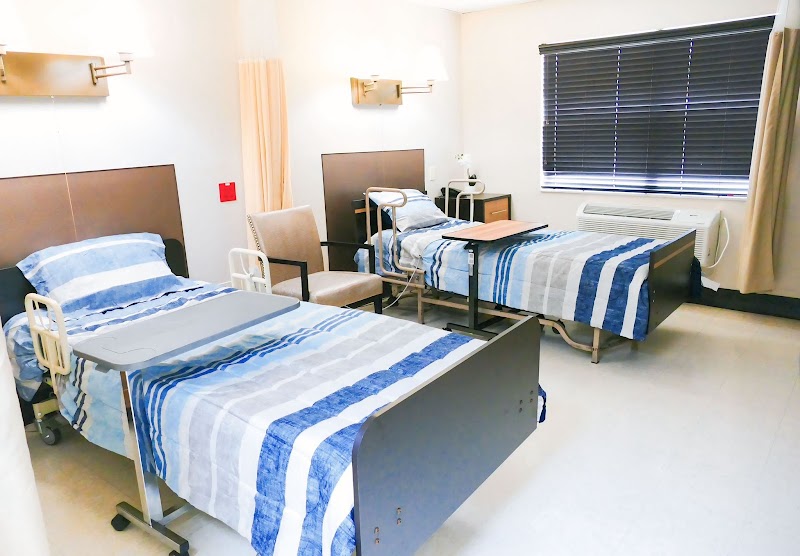
How is Palms And Rehab Staffed?

CMS rates PALMS CARE CENTER AND REHAB's staffing level at 4 out of 5 stars, which is above average compared to other nursing homes. Staff turnover is 28%, compared to the Florida average of 46%. This relatively stable workforce can support continuity of care.

What Have Inspectors Found at Palms And Rehab?

State health inspectors documented 25 deficiencies at PALMS CARE CENTER AND REHAB during 2022 to 2024. These included: 25 with potential for harm.
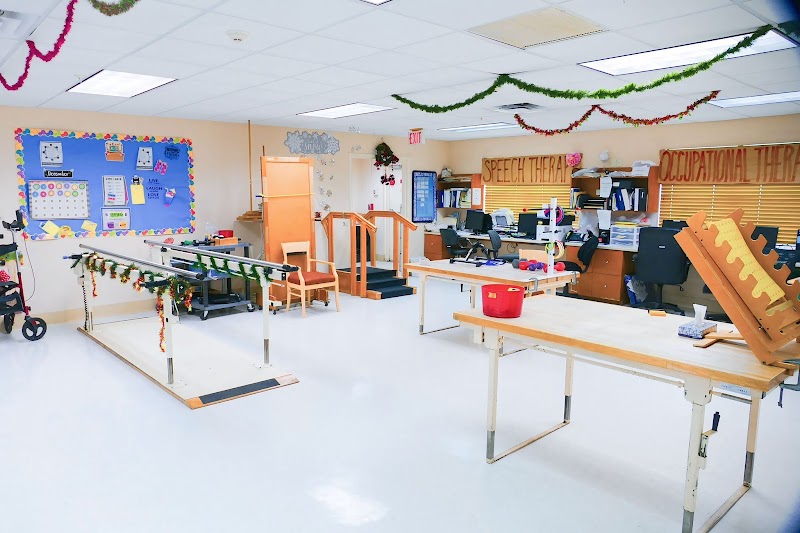
Who Owns and Operates Palms And Rehab?

PALMS CARE CENTER AND REHAB is owned by a for-profit company. For-profit facilities operate as businesses with obligations to shareholders or private owners. The facility is operated by GOLD FL TRUST II, a chain that manages multiple nursing homes. With 120 certified beds and approximately 115 residents (about 96% occupancy), it is a mid-sized facility located in LAUDERDALE LAKES, Florida.
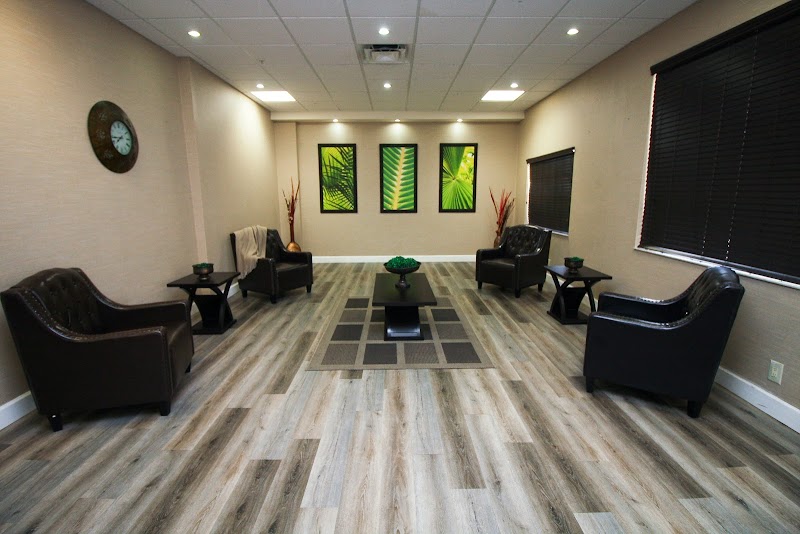
How Does Palms And Rehab Compare to Other Florida Nursing Homes?

Compared to the 100 nursing homes in Florida, PALMS CARE CENTER AND REHAB's overall rating (3 stars) is below the state average of 3.2, staff turnover (28%) is significantly lower than the state average of 46%, and health inspection rating (2 stars) is below the national benchmark.

What Should Families Ask When Visiting Palms And Rehab?

Based on this facility's data, families visiting should ask: "Can I visit during a mealtime to observe dining assistance and food quality?" "How do you handle medical emergencies, and what is your hospital transfer rate?" "Can I speak with family members of current residents about their experience?"

Is Palms And Rehab Safe?

Based on CMS inspection data, PALMS CARE CENTER AND REHAB has a clean safety record: no substantiated abuse findings (meaning no confirmed cases of resident harm), no Immediate Jeopardy citations (the most serious violation level indicating risk of serious injury or death), and is not on the Special Focus Facility watch list (a federal program monitoring the lowest-performing 1% of nursing homes). The facility has a 3-star overall rating and ranks #100 of 100 nursing homes in Florida. While no facility is perfect, families should still ask about staff-to-resident ratios and recent inspection results during their visit.

Do Nurses at Palms And Rehab Stick Around?

Staff at PALMS CARE CENTER AND REHAB tend to stick around. With a turnover rate of 28%, the facility is 18 percentage points below the Florida average of 46%. Low turnover is a positive sign. It means caregivers have time to learn each resident's needs, medications, and personal preferences. Consistent staff also notice subtle changes in a resident's condition more quickly.

Was Palms And Rehab Ever Fined?

PALMS CARE CENTER AND REHAB has been fined $11,517 across 1 penalty action. This is below the Florida average of $33,194. While any fine indicates a compliance issue, fines under $50,000 are relatively common and typically reflect isolated problems that were subsequently corrected. Families should ask what specific issues led to these fines and confirm they've been resolved.

Is Palms And Rehab on Any Federal Watch List?

PALMS CARE CENTER AND REHAB is not on any federal watch list. The most significant is the Special Focus Facility (SFF) program, which identifies the bottom 1% of nursing homes nationally based on persistent, serious quality problems. Not being on this list means the facility has avoided the pattern of deficiencies that triggers enhanced federal oversight. This is a positive indicator, though families should still review the facility's inspection history directly.