LIFE CARE CENTER AT INVERRARY


4300 ROCK ISLAND ROAD, LAUDERHILL, FL 33319 (954) 485-6144
For profit - Limited Liability company 120 Beds LIFE CARE CENTERS OF AMERICA Data: November 2025
Trust Grade
83/100
#64 of 690 in FL
Last Inspection: August 2025

Inspected within the last 6 months. Data reflects current conditions.

Overview

Life Care Center at Inverrary has a Trust Grade of B+, indicating it is recommended and above average compared to other facilities. It ranks #64 out of 690 in Florida, placing it in the top half of the state, and #4 out of 33 in Broward County, which means only three local options are better. However, the facility is experiencing a worsening trend, with issues increasing from 5 in 2024 to 8 in 2025. Staffing is a strong point, with a perfect 5/5 rating and a turnover rate of 26%, significantly lower than the state average, indicating staff stability and familiarity with residents. On the positive side, they have not incurred any fines, which is reassuring, and they provide more RN coverage than 88% of Florida facilities, enhancing care quality. Nevertheless, there are several concerns noted in the inspector findings. For instance, the facility failed to provide double portions of meals for residents who required them and did not consistently provide the correct diet consistency for those on pureed diets. Additionally, there were issues with food safety protocols, including improper sanitization of dishware and maintenance of kitchen areas, which could lead to foodborne illnesses. Overall, while there are strengths in staffing and RN coverage, families should be aware of the recent decline in quality and specific issues highlighted by inspections.

Trust Score
B+
83/100
In Florida
#64/690
Top 9%
Safety Record
Low Risk
No red flags
Inspections
Getting Worse
5 → 8 violations
Staff Stability
✓ Good
26% annual turnover. Excellent stability, 22 points below Florida's 48% average. Staff who stay learn residents' needs.
Penalties
✓ Good
No fines on record. Clean compliance history, better than most Florida facilities.
Skilled Nurses
✓ Good
Each resident gets 69 minutes of Registered Nurse (RN) attention daily — more than 97% of Florida nursing homes. RNs are the most trained staff who catch health problems before they become serious.
Violations
⚠ Watch
22 deficiencies on record. Higher than average. Multiple issues found across inspections.
★★★★★
5.0
Overall Rating
★★★★★
5.0
Staff Levels
★★★★★
5.0
Care Quality
★★★☆☆
3.0
Inspection Score
Stable
2024: 5 issues
2025: 8 issues

The Good

  • 5-Star Staffing Rating · Excellent nurse staffing levels
  • 5-Star Quality Measures · Strong clinical quality outcomes
  • Low Staff Turnover (26%) · Staff stability means consistent care
  • Full Sprinkler Coverage · Fire safety systems throughout facility
  • No fines on record
  • Staff turnover is low (26%)

    22 points below Florida average of 48%

Facility shows strength in staffing levels, quality measures, staff retention, fire safety.

The Bad

Chain: LIFE CARE CENTERS OF AMERICA

Part of a multi-facility chain

Ask about local staffing decisions and management

The Ugly 22 deficiencies on record

Aug 2025 8 deficiencies
CONCERN (D)

Potential for Harm - no one hurt, but risky conditions existed

Resident Rights (Tag F0550)

Could have caused harm · This affected 1 resident

**NOTE- TERMS IN BRACKETS HAVE BEEN EDITED TO PROTECT CONFIDENTIALITY** Based on observation, record review and interview, the facility failed to provide a weekly menu to a resident on contact precaut...

Read full inspector narrative →
**NOTE- TERMS IN BRACKETS HAVE BEEN EDITED TO PROTECT CONFIDENTIALITY** Based on observation, record review and interview, the facility failed to provide a weekly menu to a resident on contact precautions for Clostridium Difficile (C. Diff) for 1 of 1 sampled resident reviewed for contact precautions for C. Diff (Resident #6). The findings include:Record review revealed Resident #6 was admitted to the facility on [DATE] with diagnoses that included Malignant Neoplasm of Temporal Lobe, Malignant Neoplasm of Parietal Lobe, and Enterocolitis due to C. Diff. (C. diff infection is a serious bacterial infection that primarily affects the colon, often causing severe diarrhea and inflammation. C. Diff is highly contagious. A resident who has C. Diff is on contact precautions, which means whoever enters the room must wear a gown and gloves). His Brief Interview for Mental Status (BIMS) score was 11 on the admission Minimum Data Set (MDS) dated [DATE]. This indicated the resident had mild cognitive impairment. Further record review revealed on 07/01/2025, the resident weighed 174.4 pounds. On 08/11/2025, the resident weighed 154.6 pounds, which is a -11.35% Loss.An observation of the breakfast meal at 8:30 AM on 08/13/25 revealed the resident did not eat the scrambled eggs, ham, cereal or toast. He drank the apple juice. An interview was conducted with the resident immediately after the meal observation. The surveyor asked the resident why he did not eat breakfast. The resident stated he was served eggs every morning and he was sick of eggs. He stated the ham was tough. He wished he could get something else to eat. The surveyor asked the resident if he was choosing his meal preferences. He stated that he has not seen a menu in a long time.An interview was conducted with the Diet Technician on 08/13/25 at 8:47 AM. She stated the Dietary Director does the meal preferences.An interview was conducted with the Dietary Director on 08/13/25 at 10:35 AM. She was asked about preferences for Resident #6. She stated that she had no preferences for Resident #6, just that he dislikes fish. She was unaware that he did not want eggs. She has an alternate menu for pancakes, french toast or bagels but she did not get the alternate menu to him because he is on isolation, and he won't answer the phone. She does not want to have him touch a menu and have it brought back to the kitchen. An interview was conducted with Resident #6 on 08/14/25 at 8:50 AM. The resident was observed discontinued off contact precautions and on Enhanced Barrier Precautions. The resident was asked if he ate breakfast today and he stated he did, and it was pancakes. An interview was conducted with the Diet Technician immediately after speaking with the resident. She stated she had brought him (Resident #6) a menu when he first came to the facility (06/30/25). She was asked if the menu was good until now and she stated it was good for a week. She was asked if she brought the menu to him weekly and she stated that is not her responsibility, it is the Dietary Director's responsibility. She stated the Dietary Director did not want to take the paper menu into the kitchen because the resident was on contact precautions. The Administrator heard this conversation and acknowledged the findings.
CONCERN (D)

Potential for Harm - no one hurt, but risky conditions existed

Respiratory Care (Tag F0695)

Could have caused harm · This affected 1 resident

**NOTE- TERMS IN BRACKETS HAVE BEEN EDITED TO PROTECT CONFIDENTIALITY** Based on observations, interviews and record reviews, the facility failed to follow physician orders for oxygen therapy care and...

Read full inspector narrative →
**NOTE- TERMS IN BRACKETS HAVE BEEN EDITED TO PROTECT CONFIDENTIALITY** Based on observations, interviews and record reviews, the facility failed to follow physician orders for oxygen therapy care and management for 2 of 4 sampled residents (Resident #23 and Resident #40), and failed to follow its own policy to ensure the respiratory care and services are in accordance with professional standards of practice by: failing to properly disinfect and store nebulizing masks for 2 of 4 sampled residents (Resident #45 and Resident #100); failed to have an order for a required tracheostomy tube size, and failed to maintain sterility during tracheostomy care for 1 of 2 sampled residents (Resident #1). The facility also failed to provide a readily available tracheostomy inner canula for immediate care for 2 of 2 observations and for 1 out of 2 sampled residents reviewed for tracheostomy care (Resident #9). The findings included:Review of facility's policy titled, Oxygen Administration (Infection Control, Safety, & Storage, undated, revealed the following: Oxygen should be written for specific liter flow required by the resident. Change oxygen supplies (e.g. cannula, tubing, humidifier) weekly, and when visibly soiled. Equipment should be labeled with resident name and dated when set up or changed out. Review of the facility's Tracheostomy Care Policy, with the latest review date of [DATE], revealed the following: The facility will provide and perform tracheostomy care in accordance with physician orders and current standards of care.Use sterile cotton tipped applicator and a sterile gauze pad to clean the stoma site. A review of the facility's policy titled, Tracheostomy tube cannula and stoma care, undated, revealed the following: If a product is expired, is defective, or has compromised integrity, remove it from patient use. Make sure that extra tracheostomy tubes and obturator, as well as the handheld resuscitation bag with an attached oxygen source are readily available for easy access in case of an emergency. Open the tracheostomy care kit using sterile technique.Using sterile technique, pour sterile normal saline solution, sterile water or other cleaning solution, into one of the sterile solution containers. Record review revealed Resident #23 was admitted on [DATE] with diagnoses that included Fracture of Nasal Bones, Fracture of the Orbital Floor, Gastroesophageal Reflux Disease without Esophagitis and Hyperlipidemia. A review of the quarterly Minimum Data Set (MDS) assessment dated [DATE] under Section C of the Brief Interview for Mental Status (BIMS), revealed a score of 5 indicating Resident #23 had severe cognitive impairment. Section O, subcategory, C1. under oxygen therapy revealed a no' response, indicating Resident #23 was not receiving oxygen therapy. An electronic record review of physician orders dated [DATE] revealed the following: Oxygen at 2 liters per minute continuously per nasal cannula, document every shift.Change oxygen tubing and nebulizer circuit, every night shift, every Sunday, label when changed. Oxygen saturation rates, every shift. A review of the Medication Administration Record (MAR) for [DATE], revealed oxygen at 2 Liters per minute, continuously, per nasal cannula, to document every shift. These orders were carried out as indicated by check marks, and Nurses' initials during AM and PM shifts, on the dated columns. During an observation conducted on [DATE] at approximately 11:26 AM, the oxygen calibration ball observed on the oxygen concentrator cylinder, was level at 3.5 Liters per minute, indicating the physician order was not followed. During another observation conducted on [DATE] at 11:02 AM, the oxygen calibration ball was at 2.5 liters per minute level, indicating the physician order was not followed. In an interview conducted with Staff D, Licensed Practical Nurse (LPN) on [DATE] at 10:34 AM, when she was asked regarding oxygen therapy, she stated the doctor's orders must be followed. 2) Record review revealed Resident #40 was admitted to the facility on [DATE] with diagnoses that included Chronic Obstructive Pulmonary Disease, Muscle Weakness, and Anxiety. A review of the annual Minimum Data Set (MDS) assessment, dated [DATE] under Section C of the Brief Interview for Mental Status (BIMS), revealed a score of 13, indicating Resident #40 was cognitively intact. A review of physician orders dated [DATE] revealed oxygen at 2 liters per minute per nasal cannula as needed, for shortness of breath (SOB). An additional review of a physician order dated [DATE], revealed to change oxygen tubing, and nebulizer circuit every night shift, and every Sunday. Review of the [DATE] Treatment Administration Record (TAR) revealed that the oxygen tubing and the nebulizer circuit were changed on the night shift hours on [DATE] and [DATE], as indicated by check marks and Nurse's numbers and initials. During an observation conducted on [DATE] at 10:51 AM, the oxygen tubing connected to the oxygen concentrator for Resident #40, was marked with black ink revealing the date of [DATE] on a white sticker wrapped around the tubing, indicating the doctor's order was not carried out. Additional observations revealed the presence of a clear tubing contained inside a plastic bag with a blue sticker label wrapped around it, but with nothing written on it. The bag where the tubing and mask were contained had no visible dated tag. In an interview conducted with Staff G, Unit Manager on [DATE] at 9:57 AM, when she was asked how often the oxygen tubing and the nebulizing tubing are changed, she responded, Weekly, and as needed, such as when soiled. The facility staff would wrap a sticker around the oxygen and nebulizing tubing. The sticker would include the date, resident's room, number and resident's name. When asked if staff document when the oxygen and nebulizing tubing and supplies were changed, she responded, Yes, in Medication Administration Record (MAR). 3) Record review revealed Resident # 100 was admitted to the facility on [DATE] with diagnoses that included Atrial Fibrillation, Primary Hypertension, Atherosclerotic Heart Disease, Vascular Dementia and Chronic Obstructive Pulmonary Disease with Acute Exacerbation. A review of the quarterly Minimum Data Set (MDS) assessment, dated [DATE], under Section C of the Brief Interview for Mental Status (BIMS), revealed a score of 07, indicating Resident # 100 had severe cognitive impairment. Section O dated [DATE], revealed a yes response to oxygen therapy. An electronic review of a physician order dated [DATE], revealed Ipratropium-Albuterol Inhalation Solution 0.5-2.5, 3 milligrams (mg) per 3 milliliters (ml),1 application inhale orally, two times a day for wheezing. In an interview conducted with Staff D, LPN, on [DATE] at 10:34 AM, when she was asked regarding nebulizing therapy care and management, she stated the doctor's orders are followed. When she was asked how the facility staff disinfect the nebulizing mask, and tubing after resident's usage, she responded, I clean them with warm tap water, I use no soap and leave them to air dry. I usually place a paper towel under them after rinsing, to let them dry. I use warm water from the tap. I usually clean them inside the residents' bathroom. During an observation conducted on [DATE] at 5:13 PM, on top of Resident #100's bathroom sink, a nebulizing face mask and its parts were present. When Staff N, Registered Nurse (RN) was asked why they were on the bathroom sink, she responded that the AM shift nurse did not store it properly after administering the morning nebulizing treatment. When she was asked how they clean the nebulizing face mask and its parts after residents' usage, she responded, We rinse them with tap water and let them air dry. When asked how long it would usually take to air dry the nebulizing mask and its parts, she responded, Not long, probably 20 minutes. The morning shift nurse must have forgotten them in the resident's bathroom. When she was asked when was the last the treatment provided for this resident, she responded, 'Probably at around 9:00 AM. She added that she would provide another nebulizing treatment for this resident at 6:00 PM. When she was asked how they store the nebulizing treatment face mask and other nebulizing supplies, she responded, We usually bag, label, and put them inside the resident's drawer. In an interview conducted with Staff K, LPN, on [DATE] at 4:29 PM, when she was asked regarding nebulizing supplies and face mask care after treatment, she responded, I wash the tubing and mask with soap and water. 4) Record review revealed Resident #45 was admitted to the facility on [DATE] with diagnoses that included Vascular Dementia, Dysphagia, Shortness of Breath, Cachexia, Depression, Parkinson's Disease without Dyskinesia, Cerebral Atherosclerosis, and Bronchitis. A review of the quarterly Minimum Data Set (MDS) assessment, dated [DATE] under Section C, revealed a Brief Interview for Mental Status (BIMS) score of 4, indicating Resident #45 had severely impaired cognition. An electronic record review of a physician order dated [DATE], revealed Ipratropium-Albuterol Solution 0.5-2.5, 3 milligrams (MG) per 3 milliliters (ml), inhale orally via nebulizer, every 6 hours for shortness of breath (SOB). A review of [DATE] MAR revealed the above physician order was carried out as indicated by check marks, and Nurses' initials on the indicated times and dates. During an observation and interview conducted on [DATE] at approximately 2:44 PM, after Resident #45 received a nebulizing treatment from Staff P, LPN, who was asked how she disinfects the nebulizing face mask and its parts after use, responded that she disconnects the removable parts and rinses these different parts and the face mask with tap water inside the resident's bathroom. She was observed rinsing the nebulizing face mask and its 2 removable plastic parts under the sink faucet with running water on [DATE] at 12:47 PM. She then dried them with a paper towel and placed all parts on top of a paper towel onto the bathroom sink. When she was asked if that is the facility recommended disinfection process for the nebulizing face mask and its parts, she responded, That is how we do it. When she was asked how long she would leave the mask and its parts onto the bathroom sink, she responded, About 5 minutes, maximum. I would then place them in a plastic bag. The bag is placed inside the resident's bedside drawer. She was observed performing this task on [DATE] at approximately 12:52 PM. 5) Record review revealed Resident #1 was admitted to the facility on [DATE] with diagnoses that included Unspecified Quadriplegia, Cerebrovascular Accident and Encounter for Surgical After Care following Surgery of the Respiratory System, and Digestive System. On [DATE], a recent Minimum Data Set (MDS) assessment was performed due to a significant change in the resident's condition. Section C of the Brief Interview for Mental Status (BIMS) revealed a score of 13, indicating Resident #1 had no cognitive impairment. Section O revealed a yes response to tracheostomy. A review of an order dated [DATE], revealed tracheostomy at the bedside, but it did not include a specific tracheostomy size. On [DATE], another physician order revealed to change the tracheostomy dressing every 8 hours as needed, and every night shift. During morning observations conducted on [DATE] and on [DATE], there were boxes of Shiley cannula located on top of a dresser at the foot part of resident's bed. One box had reference number 6CN75 H, and the other 2 boxes had the same reference number of 4UN65H. During a tracheostomy care and suctioning observation on [DATE] at 2:35 PM with Staff E, LPN, she stated the tracheostomy care kit she would be using expires in 2028. When she was asked to show this surveyor the expiration date, she responded that she saw the expiration date on the box where she removed the tracheostomy care kit from. Staff E had all the supplies assembled on top of the resident's meal table. She performed hand washing and stated she would start the tracheostomy care and suctioning. She asked another staff member to measure the oxygen saturation and oxygenate the resident. Staff E opened the flap outward of tracheostomy care kit and picked up a sterile glove from it. She did not step backward but kept her unsterile left hand on top of the kit while gloving her right hand. When her right hand was gloved, she tried putting the left glove but contaminated it by touching the skin on her wrist with the right-hand fingers. She continued even after she was informed that she contaminated her gloves. She removed the dressing around the stoma site and disconnected the tie. Another staff member helped her with the tracheostomy tie. Staff E discarded her gloves and put on another set of sterile gloves but did not maintain sterility. With her gloves on, she picked up a pad from the tracheostomy (trach) care kit, opened it, spread it on the left side of trach care kit. Staff picked up the trach care kit and placed it on top of the pad, with her left-hand glove touching the outer edges of the chucks, and her right hand touched the right side of the trach care tray kit and the middle part of the trach care kit on [DATE] 2:49 PM. She was asked why she did that, she did not respond first. Then, she stated to keep it sterile. She was informed that she got unsterile since her left glove touched the outer edges of the pads and her right gloved hand touched the right side and the top portion of the trach care kit. She continued and used her right hand to pick up gauze from the tracheostomy care kit. Then with her left hand she touched the same gauze. Fingers from both hands touched the same gauze. She wiped the area around tracheostomy stoma using the right hand. She did it 2 x with the same gloves. Staff E picked up an unsterile saline solution plastic bottle on top of other supplies at the right side of the resident's table, with her right gloved hand and opened the solution's top seal. Staff E used both gloved hands in opening the unsterile saline plastic container. Staff E poured the saline contents onto the tracheostomy care kit using the right gloved hand. She was asked if she applied sterile technique in opening the saline solution. She stated her gloves are still sterile on [DATE] 2:50 PM. She stated the saline solution had an expiration date of 08/27. On [DATE] at 3:10 PM during continued observation, Staff E, LPN opened the top flap of a suction catheter kit. She stated that it was a size Fr. 14 but with no expiration date. She stated she did not know the expiration date of the suction care kit, but she would use it because the resident needed suctioning. During a continued observation, Staff E, stated she would get another set of sterile gloves to use during tracheostomy suctioning. She was observed taking a package of gloves from a plastic Ziploc bag. The glove package had written notes on it stating, Open outside sterile field. When Staff E, LPN was asked if she thought the gloves were sterile, she responded, Yes, they are inside a Ziploc bag. During an observation and interview with the Director of Nursing on [DATE] at approximately 4:04 PM, she was holding a box of the tracheostomy care kit and showing it to this surveyor. She stated that the tracheostomy care kit had no expiration date. She further stated that the tracheostomy care kit used for Resident #1 came from this box with no expiration date. An interview was conducted with the Registered Nurse Educator on [DATE] at approximately 10:00 AM, who stated she started just a few months ago. She added that she would hold an RN skills fair in December, and she would educate Nurses regarding tracheostomy care. She added that she provided in-services before, but she would do more reviews for tracheostomy care. In an interview conducted on [DATE] at approximately 10:42 AM with Staff D, LPN, who was asked about the tracheostomy's inner cannula size of Resident #1. She responded that it is ordered by the central supply staff. She stated there is no documented physician order for the tracheostomy's inner cannula and the actual tracheostomy size for this resident. She added that the central supply staff knows the size of the tracheostomy tube and inner cannula. 6) Record review revealed Resident #9 was admitted on [DATE] with diagnoses that included Acute Pulmonary Edema, Chronic Respiratory Failure, Chronic Diastolic Congestive Heart Failure, and Encounter for Tracheostomy. A review of the recent Minimum Data Set (MDS) assessment dated [DATE], revealed a blank space for the Brief Interview for Mental Status (BIMS), indicating it was not assessed. Section O revealed a yes response to tracheostomy care. An electronic review of orders dated [DATE], revealed to change the tracheostomy inner cannula weekly and as needed, every night shift, every Saturday, and use sterile gloves only; may change every 8 hours as needed for airway clearance; use sterile gloves only. A review of another order on the same date revealed tracheostomy to size 6 cuffless daily, in the morning. A further review of Medication Administration Record (MAR) and Treatment Administration Record (TAR) for [DATE], revealed a physician order to change the tracheostomy inner cannula every night shift, and weekly, were carried out as indicated by check marks, and Nurses' initials on [DATE] and [DATE]. During an observation conducted on [DATE] at 12:12 PM, there was a Shiley disposable inner cannula box in the room on top of a dresser, but when it was opened, it revealed the box was empty. The Private Aide was asked if there were any more inner cannula boxes in the room. The Private Aide checked the drawers but stated she could not locate any tracheostomy inner cannula boxes. During another interview with Resident #9's Private Aide on [DATE] at approximately 12:49 PM, when asked if facility staff member brought another tracheostomy inner cannula box, she responded, No. She added that yesterday, a staff member took the empty box but did not replace it. She added that she has been watching and waiting for a facility staff to come back with a new box, but no staff member did. When she was asked where the tracheostomy inner cannula box is located daily, she responded, inside the drawer or on top of the drawer, on the foot part of Resident #9's bed. There was no inner cannula box on top of the drawer, and inside the drawer upon inspection by this Private Aide. When she was asked to check the contents of all the drawers, and other areas where the tracheostomy inner cannula box might be, she stated that there was no tracheostomy inner cannula box found inside Resident #9's room. In an interview conducted on [DATE] at 10:34 AM with Staff D, LPN, who was asked about the tracheostomy's inner cannula size for Resident #9, responded that she had never changed the cannula, and she does not know the size. She added that only the central supply person knows the size of resident's tracheostomy tube and inner cannula. When she was asked how often she would normally check if an inner cannula was present inside the room of a resident with a tracheostomy, she responded, Once a day, and I make sure there was more than one box inside the room.
CONCERN (D)

Potential for Harm - no one hurt, but risky conditions existed

Deficiency F0698 (Tag F0698)

Could have caused harm · This affected 1 resident

**NOTE- TERMS IN BRACKETS HAVE BEEN EDITED TO PROTECT CONFIDENTIALITY** Based on record reviews and interviews, the facility failed to follow the professional standards of practice and doctor's order ...

Read full inspector narrative →
**NOTE- TERMS IN BRACKETS HAVE BEEN EDITED TO PROTECT CONFIDENTIALITY** Based on record reviews and interviews, the facility failed to follow the professional standards of practice and doctor's order regarding taking blood pressure (BP) on the dialysis access site for 1 of 1 sampled resident (Resident #5) reviewed for dialysis. The findings included:Record review revealed Resident #5 was admitted to the facility on [DATE] with diagnoses that included End Stage Renal Disease, Acute Post Hemorrhagic Anemia, and Respiratory Tuberculosis. A review of the most recent Minimum Data Set (MDS) assessment, dated 06/08/25, under Section C of the Brief Interview of Mental Status (BIMS) revealed a score of 13 indicating Resident #5 had intact cognition. A review of physician orders dated 06/12/25, documented to not take BP on right arm with fistula/shunt. A further review of BP documentation on Point Click Care (PCC- electronic health record for Nursing Homes), revealed that Resident #5's BP measurements were taken on the right arm during the following dates and times: On 05/14/25 at 10:05 [NAME] 05/16/25 at 10:11 PMOn 06/07/25 at 11:01 [NAME] 06/07/25 at 11:02 PMOn 06/08/25 at 10:21 PMOn 06/11/25 at 9:12 [NAME] 06/12/25 at 9:13 [NAME] 06/25/25 at 11:30 AM On 06/30/25 at 10:10 AM On 07/05/25 at 10:35 PMOn 07/06/25 at 10:20 PMOn 07/19/25 at 9:37 PMOn 07/20/25 at 10:02 PMOn 07/21/25 at 10:13 AM On 07/25/25 at 10:01 PMOn 07/29/25 at 10:34 [NAME] 08/02/25 at 9:31 PM On 08/06/25 at 10:03 AM In an interview conducted with Resident #5 on 08/12/25 at 12:45 PM, he stated that sometimes, facility staff takes his BP on the arm of the dialysis site. In an interview conducted with Staff N, Registered Nurse (RN) on 08/13/25 at 4:36 PM, when she was asked about nursing care of a resident on dialysis, she responded to check for bruit and pulses on the dialysis access site but take the BP on the opposite arm because Staff must not use the dialysis site arm. Staff document in PCC what arm was used during BP monitoring. She added that Nurses document l for left arm and r for right arm, whether the resident was lying or sitting and the time the BP was taken
CONCERN (D)

Potential for Harm - no one hurt, but risky conditions existed

Deficiency F0757 (Tag F0757)

Could have caused harm · This affected 1 resident

**NOTE- TERMS IN BRACKETS HAVE BEEN EDITED TO PROTECT CONFIDENTIALITY** Based on record review and interviews, the facility failed to ensure a resident's medication regimen for psychotropic (antipsych...

Read full inspector narrative →
**NOTE- TERMS IN BRACKETS HAVE BEEN EDITED TO PROTECT CONFIDENTIALITY** Based on record review and interviews, the facility failed to ensure a resident's medication regimen for psychotropic (antipsychotic) medication was monitored appropriately, as evidenced of the lack of written documentation of behavior monitoring for 1 of 5 sampled (Resident #3) residents reviewed for Unnecessary medications. The findings included:Review of the facility policy provided by the Assistant Director of Nursing titled Psychotropic Medication Use revised on 09/15/24 documents .psychotropics medications are drugs that affect .behavior and include .antipsychotics.facility staff should monitor the resident's behavior pursuant to facility policy using behavioral monitoring chart.for residents receiving psychotropic medication.facility staff should monitor behavioral triggers, episodes and symptoms.Review of Resident #3's clinical record documents an admission to the facility on [DATE] with a readmission on [DATE]. Resident #3's diagnoses included Anoxic Brain, Cognitive Communication Deficit, Bipolar Disorder, and Seizures.Review of Resident #3's record documents an active physician order dated 07/03/25 for Seroquel Oral Tablet 25 milligrams (mg), give 12.5 mg by mouth two times a day for Bipolar Disorder; Seroquel Oral Tablet 25 MG give 1 tablet by mouth at bedtime for Bipolar Disorder dated 07/02/25 and discontinued on 07/22/25. Seroquel Oral Tablet 25 MG give 1.5 tablet by mouth at bedtime for Bipolar Disorder dated 07/22/25.Review of Resident #3's July and August 2025 Medication Administration Record (MAR) and Treatment Administration Record (TAR) revealed a lack of written documentation of behavior monitored for the resident's Seroquel, an antipsychotic medication. Review of Resident #3's Minimum Data Set (MDS) admission assessment dated [DATE] documents a Brief Interview Mental Status (BIMS) score of 3 indicating severe cognition impairment. The assessment documents the resident received antipsychotic medication seven (7) days prior of the completion of the assessment. On 08/13/25 at 11:45 AM, a side-by-side review of Resident #3's July and August 2025 MAR and TAR was conducted with the Assistant Director of Nursing (ADON) who stated the resident went out to the hospital and the Seroquel behavior monitoring was not reimplemented. The ADON confirmed Resident #3 clinical record did not contain documentation of behavior monitoring related to Seroquel.On 08/14/25 at 3:30 PM, an interview was conducted with Staff K, Licensed Practical Nurse (LPN) who stated if they have a resident on Seroquel they have to complete behavior monitoring, and it is documented on the resident's MAR or TAR.On 08/14/25 at 3:33 PM, an interview was conducted with Staff N, Registered Nurse (RN) who stated if they have a resident on Seroquel they do monitor side effects and behavior, and it is documented on the TAR.
CONCERN (D)

Potential for Harm - no one hurt, but risky conditions existed

Deficiency F0806 (Tag F0806)

Could have caused harm · This affected 1 resident

**NOTE- TERMS IN BRACKETS HAVE BEEN EDITED TO PROTECT CONFIDENTIALITY** Based on observations, interviews and record reviews, the facility failed to provide food that meets residents' preferences, for...

Read full inspector narrative →
**NOTE- TERMS IN BRACKETS HAVE BEEN EDITED TO PROTECT CONFIDENTIALITY** Based on observations, interviews and record reviews, the facility failed to provide food that meets residents' preferences, for 3 out of 22 sampled residents observed during dining. (Resident #21, Resident #55, Resident #62).The findings included:1. A record review showed that Resident #21 was admitted on [DATE] with diagnosis of unspecified fracture of right femur, subsequent encounter for closed fracture with routine healing and fracture of unspecified part of neck of right femur. The Quarterly Minimum Data Set (MDS) dated [DATE] revealed that the Brief Interview of Mental Status (BIMS) score is 14, which indicates no cognitive impairment.In an observation conducted on 08/11/2025 at 1:15 PM this surveyor observed that Resident #21 meal ticket consisted of Broccoli & Cauliflower under the Allergies and Dislikes section. Resident #21 tray consisted of a mix of vegetables including cauliflower and broccoli. Residents #21 ate everything on the plate except the mixed vegetables. Resident #21 stated that she is tired of explaining that she doesn't eat broccoli or cauliflower, but she always gets them on her tray.2. A record review showed that Resident #55 was admitted on [DATE] and readmitted on [DATE] with diagnosis of anemia and hereditary and idiopathic neuropathy. The Medicare -5 Day Minimum Data Set (MDS) dated [DATE] revealed that the Brief Interview of Mental Status (BIMS) score is 15, which indicates no cognitive impairment.In an observation conducted on 08/11/2025 at 1:18 PM, this surveyor observed that Resident #55 meal ticket consisted of Double Protein in Preferences and Resident #55 tray consisted of a single patty cheeseburger with lettuce and tomato.In an observation conducted on 08/12/2025 at 12:45PM, this surveyor observed that Resident #55 meal ticket consisted of Double Protein in Preferences and Resident #55 tray consisted of a single patty cheeseburger with lettuce and tomato.3. A record review showed that Resident #62 was admitted on [DATE] with diagnosis of cachexia and cognitive communication deficit. The Quarterly Minimum Data Set (MDS) dated [DATE] revealed that the Brief Interview of Mental Status (BIMS) score is 15, which indicates no cognitive impairment.In an interview conducted on 08/11/2025 at 12:36PM, Resident #62 stated that she did not order mashed potato with meat sauce but spaghetti with meat sauce. Resident #62 was very mad and further explained that it's not the first time. In an observation conducted on 08/11/2025 at 12:35 PM, this surveyor observed that Resident #62 tray consisted of mashed potato and meat sauce. Resident #63 showed this surveyor a sheet of paper where she writes what she wants to eat every day for lunch and dinner.In an interview conducted on 08/13/2025 at 2:20 PM, Registered Dietitian stated that a plate with double portions should have a double entree: double protein, double carbohydrate, double vegetable. Like lunch today should have been two slices of meatloaf, two scoops of mashed potato, two scoops of spinach and the dessert and the drink should only be one. RD acknowledged that for a cheeseburger they should have 2 patties.In an interview conducted on 08/13/2025 at 4:00 PM, Certified Dietary Director stated that she has been working for this facility for almost two years. She further explained that the person doing the tray is supposed to read the ticket to the cook. The only way I can make sure that the meal ticket matches the tray is by making sure that the meal ticket is as accurate as they can be. And it also starts with getting the information's from the patients. The Certified Dietary Director acknowledged the findings and admitted that she could of sent the alternative to Resident #21.
CONCERN (D)

Potential for Harm - no one hurt, but risky conditions existed

Infection Control (Tag F0880)

Could have caused harm · This affected 1 resident

**NOTE- TERMS IN BRACKETS HAVE BEEN EDITED TO PROTECT CONFIDENTIALITY** Based on observations, interviews, and record reviews, the facility failed to follow their own policy for Clostridium Difficile ...

Read full inspector narrative →
**NOTE- TERMS IN BRACKETS HAVE BEEN EDITED TO PROTECT CONFIDENTIALITY** Based on observations, interviews, and record reviews, the facility failed to follow their own policy for Clostridium Difficile Infection (CDI) regarding meal tray removal for 1 sampled resident (Resident #6) and failed to follow their policy for disinfection of machine and equipment after residents' use during 2 observations.The findings included:A record review of a policy titled, Clostridium Difficile (CDI) with the latest revision date of 02/22/21, it revealed meal trays should be bagged prior to removal from the room and are then placed on the tray cart (p.2, no.7).An additional record review of a policy titled, Cleaning and Disinfection of Non-Critical Patient Care Equipment, with the latest revision date of 08/22/22, revealed the following: Equipment will be cleaned and disinfected prior to storage (p. 2, no.1). Non-critical items require cleaning followed by either low or intermediate-level disinfection following manufacturers' instructions (Procedure no.1.) Disinfection should be performed with an Environmental Protection Agency (EPA)- registered disinfectant labeled for use in healthcare settings (Procedure no.2). A record review revealed Resident #6 was admitted on [DATE] with diagnoses that included Benign Prostatic Hypertrophy, Hypertension, Diverticulosis, and Hypothyroidism. A positive test result dated, 07/18/25 for Toxigenic B, C. Difficile, put Resident #6 under contact precautions. A review of Minimum Data Set (MDS) assessment, under Section C of the Brief Interview for Mental Status (BIMS), revealed a score of 11, indicating Resident #6 had mild cognitive impairment. During an observation conducted by another surveyor on 08/13/25 at 08:30 AM and at 12:50 PM, it was revealed that staff Certified Nursing Assistants (CNAs), do not contain or bag Resident #6's meal tray when they removed them from the room. In an interview conducted with the Infection Preventionist Registered Nure (IPRN) on 08/13/25 at 3:38 PM, she was asked how she educated Nurses, CNAS and other direct care staff regarding disease transmission and infection control practices, responded she provided in services about contact-based precautions, and Enhanced Barrier Precautions (EBP). When she was asked about the type of utensils and dining supplies used by Resident #6, she responded that this resident uses plastic utensils for eating, but she is not sure. When she was asked if facility staff members were in-serviced regarding containing or bagging supplies such as meal tray when leaving Resident #6's room, she responded, I provided in services for contact-based precautions . When she was asked if she had observed any meal tray removal by direct care staff from Resident #6's room, she responded she had not performed observation of staff bagging the meal tray. When she was asked if observation of facility staff member regarding infection control practices is included in her responsibility as Infection Preventionist RN, she did not respond. When asked how long Resident #6 had been in facility, she responded, since June 2025. When asked why she had not performed observation and education of direct care staff CNAs and Nurses regarding meal tray removal from Resident #6's room, she responded she had not performed these tasks because she was assigned with different tasks for the past few months. In a continuing interview conducted with the Infection Preventionist RN on 08/13/25 at 3:48 PM, when she was asked if she educated kitchen staff about infection control practices and transmission of CDI, she responded that the education is provided by the Certified Dietary Manager (CDM). During an observation conducted on 08/11/25 at 12:58 PM, there were 2 staff members helping a resident move from bed to chair using a machine, inside a resident's room. The machine had a label of Golvo 7007 ES. When the staff members were done with the bed to chair transfer, Staff I, Certified Nursing Assistant (CNA) left the room with the machine. She parked and plugged the machine in front of the Nurses' station on 08/11/25 at approximately 1:12 PM. She left the machine and stated she would wash her hands. When this surveyor asked if she was done with the machine, she responded, Yes. Staff I, CNA did not disinfect the machine after resident's usage. During another observation conducted with Staff F, Certified Nursing Assistant (CNA) on 08/14/25 at 8:57 AM, who was seen rolling a vital signs machine cart out of the resident's room. Staff F, CNA, who has been working in the facility for one year, was seen without gloves. She stopped across the Nurses' station on the second floor and was ready to leave the vital signs machine cart after parking it. She was asked by this surveyor about the care and cleaning of machine and equipment after resident's usage. She responded that she cleaned the vital signs machine cart inside the resident's room using hand sanitizer. When she was asked to repeat, she responded, I used two little hand sanitizer wipes to clean the vital signs machine cart. When she was asked if she could show this surveyor the hand sanitizer wipes, that she just used to clean the vital signs machine cart, she responded, I don't have one anymore, but I will get more from the Nourishment room. She went inside the Nourishment room and started searching for more wipes. When she could not locate them, Staff G, Registered Nurse (RN) Unit Manager, came in and helped her search for the wipes. Staff G, Unit Manager found a box of those wipes and showed them to this surveyor. The wipes came from a box with a tag, Sysco Reliance. When Staff G, Unit Manager was asked if those moist towelettes are the facility's recommended disinfectants for machines and equipment, she did not respond. When she was asked about the chemical disinfectant component of the moist towelettes, she responded that it was not written on the box. In an interview conducted with the Director of Nursing (DON) on 08/14/25 at 9:08 AM, she stated that Sysco Reliance sanitizing wipes are not the recommended disinfectant for machines and equipment for the facility. She added, those sanitizing wipes known as moist towelettes are only used for hand sanitation. In an interview conducted with the Infection Preventionist RN on 08/14/25 at 1:18 PM, who was asked about the types and names of the facility approved disinfectant for machines such as vital signs carts, Hoyer lifts, and other transfer devices, or equipment for residents' use, responded, I do not know, but the staff and DON should know. In an interview conducted with Staff L, CNA on 08/14/25 at 9:37 AM, she stated machines and other equipment used by residents are disinfected with Sani cloth disinfectants which are recognizable due to the purple top lids. She added that these wipes have a drying time of 2 minutes. She uses this disinfectant for the Hoyer lift and for the vital signs machine cart. She added that she must wait 2 minutes after disinfection with these wipes before the machine or equipment can be used by another resident.
CONCERN (E)

Potential for Harm - no one hurt, but risky conditions existed

Menu Adequacy (Tag F0803)

Could have caused harm · This affected multiple residents

**NOTE- TERMS IN BRACKETS HAVE BEEN EDITED TO PROTECT CONFIDENTIALITY** Based on observations, interviews and record reviews, the facility failed to provide double portions for 2 of 2 sampled resident...

Read full inspector narrative →
**NOTE- TERMS IN BRACKETS HAVE BEEN EDITED TO PROTECT CONFIDENTIALITY** Based on observations, interviews and record reviews, the facility failed to provide double portions for 2 of 2 sampled residents (Resident #6 and #107) reviewed for dining observations, and for 1 of 1 tray line observations in the kitchen. This has the potential to affect 8 residents with double portions orders. The facility failed to provide fortified foods during observations in the kitchen, that has the potential to affect 12 residents who are to be served fortified foods. The findings include: 1. During an observation conducted in the main kitchen on 08/13/2025 at 12:00 PM, on three occasions, a Dietary Aid was seen reading the double portion meal ticket to the Cook, Staff A. During the observations, Staff S did not understand what double portion meant. This surveyor had to intervene, as the plate was already placed on the tray with single portions and ready to go on the cart. At the time of intervention, the CDM (Certified Dietary Manager) had to explain to Staff A that double portion meant two scoops of each food item to be served. 2. During an observation conducted in the main kitchen on 08/13/2025 at 12:10 PM with most of the trays in the carts ready to go on the floor, this surveyor asked the Certified Dietary Director to identify the fortified mashed potatoes and that's when they realized that no fortified mashed potato servings were cooked today. At that moment, the Certified Dietary Director then asked a dietary aid to make the fortified mashed potatoes. In an interview conducted on 08/13/2025 at 4:05 PM, the Certified Dietary Director stated that she didn't have an explanation for the cook not understanding the definition of double portions. She further stated that regarding fortified foods, she always identifies the fortified food when she is taking the temperatures, but because she didn't take the temperature today, she did not realize that it wasn't on the tray line. In an interview conducted on 08/13/2025 at 2:20 PM, the Registered Dietitian (RD) stated that she has been working in this facility for 5 years and comes to the facility twice a week (Tuesday and Thursday). She explained that it's very important for a resident to receive fortified food because it's a nutritional intervention. She also explained that the kitchen follows a recipe from corporate for fortified foods. For example, for breakfast they add butter and sugar to the oatmeal which makes it fortified; for lunch they add milk and creamer to the mashed potatoes. RD stated that oatmeal and mashed potatoes are the only fortified foods they offer. Regarding the double portions, the RD stated that a plate with double portions should have double entrée: double protein, double carbohydrates and double Vegetable. For example, the lunch for today should have two slices of meatloaf, two scoops of mashed potato, two scoops of spinach and the dessert and the drink should be one. The RD acknowledges that for a double protein a cheeseburger should have 2 patties. In an interview conducted on 08/14/2025 at 11:00 AM, with the Cook, Staff A, she stated that she has been working in this facility for 5-6 months and she is being trained in the kitchen by the manager. Regarding the double portions, Staff A explained that before the incident, she was under the impression that double portion meant double protein. 3. On 08/11/25 at 12:17 PM, during dining observations at the facility's [NAME] 1 unit, Resident #107 was observed sitting in the dining room and had main dish portions on a small scoop plate. The resident meal ticket documented “Double Portions…scoop plate”. Further observation revealed the plate had one scoop of mashed potatoes, vegetables and meat. The portions were not double as per the meal ticket. On 08/13/25 at 12:20 PM, observation revealed Staff I, Certified Nursing Assistant (CNA) feeding Resident #107. Subsequently, an interview was conducted with Staff I who was asked if Resident #107 had double portions on her plate. Staff I was not able to state if the resident had double portion meal. Resident #107 meal portions were not double. On 08/13/25 at 2:16 PM, a joint interview with the facility Consultant Registered Dietitian (RD) and the survey team were conducted. The RD stated a resident with a double portions order should have double protein, carbohydrate and double vegetables. The RD stated a resident with a scoop plate should have two plates to accommodate double portions and added she believed they did not have any residents on a scoop plate. On 08/14/25 at 11:24 AM, an interview was conducted with the Assistant Director of Nursing (ADON) who stated she had a resident who the family asked for double food portions but was discontinued because of a weight gain. She stated she did not have any resident on double food portions. The ADON was asked who checks the resident's tray to ensure they receive the correct meal and replied that the CNA, the nurses, and herself will check the meal tray to make sure they get the right tray: staff are supposed to know what the resident is to get on the tray. The ADON stated Resident #107 was a set-up before for meals but needs to be fed now. On 08/14/25 at 12:05 PM, an interview was conducted with Staff O, CNA who stated that for a double portion meal, the resident will have two scoops of the food. Staff O was apprised Resident #107 did not receive two scoops of the food on 08/11/25 and on 08/13/25. On 08/14/25 at 12:01 PM, during an interview, the ADON was asked how she can tell if the resident who has a fortified food diet is receiving it as ordered and replied that a resident on a fortified food diet gets a magic cup. On 08/14/25 at 12:07 PM, an interview was conducted with Staff O, CNA who was asked what fortified food is and stated a magic cup and for breakfast they get prepared oatmeal. On 08/14/25 at 12:10 PM, an interview was conducted with Staff K, LPN who was asked what fortified food is and stated the resident on fortified food will get a magic cup. 4. Record review revealed Resident #6 was admitted to the facility on [DATE] with diagnoses that included Malignant Neoplasm of Temporal Lobe, Malignant Neoplasm of Parietal Lobe, and Enterocolitis due to Clostridium Difficile, (C. Diff). (C. Diff is a serious bacterial infection that primarily affects the colon, often causing severe diarrhea and inflammation). His brief interview for Mental Status (BIMS) score was 11 on the admission Minimum Data Set (MDS) assessment dated [DATE]. This indicated the resident had mild cognitive impairment. Record review revealed on 07/01/2025, the resident weighed 174.4 pounds. On 08/11/2025, the resident weighed 154.6 pounds, which is a -11.35% loss. On 07/22/25 the Dietician recommended double portions for weight loss for Resident #6. An observation of lunch was conducted on 08/13/25 at 12;30 PM. The resident's meal ticket documented “Double Portion”. Further observations revealed lunch was delivered with a magic cup, apple juice, 1 meatloaf slice, 2 servings of mashed potatoes, a scoop of spinach and one piece of pie. On 08/13/25 at 2:16 PM, a joint interview with the facility's consultant Registered Dietitian (RD) and the survey team surveyors were conducted. The RD stated a resident with a double portion order should have double protein, carbohydrate and double vegetables. A double portion for Resident #6 for lunch on 08/13/25 should have been 2 slices of meatloaf, 2 scoops of mashed potatoes, 2 scoops of spinach and 1 piece of pie. An interview was conducted on 08/13/25 at 3:56 PM with the Dietary Director. She stated Resident # 6 should have received 2 slices of meatloaf for lunch for double portions. An interview was conducted with Resident #6 on 08/14/25 at 8:50 AM. Resident #6 was asked if he ate breakfast today and he stated he did, and it was pancakes. The resident did not receive the fortified oatmeal.
CONCERN (E)

Potential for Harm - no one hurt, but risky conditions existed

Deficiency F0805 (Tag F0805)

Could have caused harm · This affected multiple residents

**NOTE- TERMS IN BRACKETS HAVE BEEN EDITED TO PROTECT CONFIDENTIALITY** Based on observations, interviews and record reviews, the facility failed to provide the correct diet consistency for pureed die...

Read full inspector narrative →
**NOTE- TERMS IN BRACKETS HAVE BEEN EDITED TO PROTECT CONFIDENTIALITY** Based on observations, interviews and record reviews, the facility failed to provide the correct diet consistency for pureed diets, for 5 of 5 sampled residents (Resident #20, Resident #45, Resident #108, Resident #33 and Resident #15) observed on pureed diets. This has the potential to affect 10 residents receiving pureed diets. The findings include: 1. Record review revealed Resident #20 was admitted to the facility on [DATE] with diagnoses of Degenerative Disease of Nervous System and Encounter for palliative care. The quarterly Minimum Data Set (MDS) assessment dated [DATE] revealed that the Brief Interview of Mental Status (BIMS) revealed that Resident #20 was unable to conduct the interview. A review of Resident #20's orders dated 06/19/25 documented the following: Regular diet, Puree texture, Nectar/Mildly consistency, nectar fluids by teaspoon. In an observation conducted on 08/11/25 at 1:15 PM revealed Resident #20's meal ticket diet consistency read puree regular and nectar fluid. Further observation revealed Resident #20's tray consisted of a lumpy beige pureed food, grainy light brown pureed food and a yellow and brown pureed food with a red sauce. 2. Record review revealed Resident #45 was admitted to the facility on [DATE] with diagnosis of Parkinson's Disease without Dyskinesia and Bronchitis. The quarterly Minimum Data Set (MDS) assessment dated [DATE] revealed that the resident's Brief Interview of Mental Status (BIMS) score was 4, which indicates severe cognitive impairment. A review of orders dated 07/21/25 indicated the following: Regular diet, Puree texture, Honey/Moderately consistency, Fortified Foods with all Meals. In an observation conducted on 08/11/25 at 1:30 PM, observation revealed Resident #45's meal ticket diet included consistency as puree, regular, honey/moderately consistency. Resident #45's tray consisted of a lumpy beige pureed food, a grainy light brown pureed food and a yellow and brown pureed food with a red sauce. In an observation conducted on 08/12/25 at 12:42 PM, observation revealed Resident #45's meal ticket diet consistency is puree, regular, honey/moderately consistency. Further observations revealed Resident #45's meal tray consisted of grainy brown pureed-like food, and orange pureed-like food, a light yellow pureed-like scoop of food and a light brown topped with gravy pureed like food. 3. Record review revealed Resident #108 was admitted to the facility on [DATE] and readmitted on [DATE] with diagnosis of Encephalopathy and Atherosclerotic Heart Disease of Native Coronary Artery without Angina Pectoris. The quarterly Minimum Data Set (MDS) assessment dated [DATE] revealed that the resident's Brief Interview of Mental Status (BIMS) score was 3, which indicates severe cognitive impairment. A review of the orders dated 07/22/25 revealed the following: Regular diet, Puree texture, Nectar/Mildly consistency. In an observation conducted on 08/11/2025 at 1:30 PM this surveyor observed that Resident #108 meal ticket diet consistency was puree, regular, double portions, nectar. Further observations revealed Resident #108's tray consisted of a lumpy beige pureed food, a grainy light brown pureed food and a yellow and brown pureed food with a red sauce. In an interview conducted on 08/13/2025 at 2:20 PM, the Registered Dietitian (RD) stated that a pureed texture is not supposed to be runny nor too thick. Some food may be lumpy, grainy-like depending on the food like bread and pancake but mostly should be smooth. I don't check the tray line for the pureed food because I do more clinical work. She further explained that she hasn't checked the tray line this past week. The RD acknowledged the findings. In an interview conducted on 08/13/2025 at 4:10 PM, Certified Dietary Director stated that pureed food should look like an ice cream scoop but not exactly because it's too dry, so a semi melted ice cream. The Dietary Director acknowledged the findings and said she will find a solution to make sure the pureed foods are very smooth. In an interview conducted on 08/14/2025 at 11:00 AM with the cook, Staff A, she stated that she makes the pureed food in the food processor machine. For the bread you must leave it in the food processor machine a lot. Since I started working here, they always told me all pureed are in the food processor machine. In an interview conducted on 08/14/2025 at 11:30 AM, the Speech and Language Pathologist stated that she has been working for the facility for almost 6 years. She further explained that pureed food should be blended, not runny, cohesive, different than chopped, lumps would be fine like a tapioca pudding would be fine, not grainy with solid parts, mostly smooth, nothing that would need to be chewed. The Speech and Language Pathologist showed the pictures and said it was okay to be a little lumpy. 4. On 08/11/25 at 12:38 PM during dining observations at the facility's [NAME] 1 unit, Resident #33's meal ticket read Puree, Regular diet. Observation revealed the food texture was lumpy and not pureed as ordered. The resident was not interview able and was not able to feed herself. Resident #33's diagnoses included Unspecified Protein-Calorie malnutrition, Dysphagia-Oropharyngeal Phase, Unspecified Dementia, and Cognitive Communication Deficit. 5. On 08/11/25 at 12:40 PM, during dining observations at the facility's [NAME] 1 unit, Resident #15 meal ticket read/documents Puree, regular diet: observation revealed the food texture was lumpy and not puree as ordered. The resident was not unreviewable and was not able to feed herself. Resident #15 diagnoses included Dysphagia-Oropharyngeal Phase, Cognitive Communication Deficit and Alzheimer's. On 8/13/25 at 2:16 PM, a joint interview with the facility consultant RD and the survey team surveyors was conducted. The RD stated that for Puree texture food she makes sure is not running, not too thick, some food may be lumpy and should be smooth. During an interview, a side-by-side review of Resident #15's photographic evidence of puree food served on 08/11/25 was shown to the RD who confirmed the food was lumpy.
Apr 2024 5 deficiencies
CONCERN (D)

Potential for Harm - no one hurt, but risky conditions existed

Quality of Care (Tag F0684)

Could have caused harm · This affected 1 resident

**NOTE- TERMS IN BRACKETS HAVE BEEN EDITED TO PROTECT CONFIDENTIALITY** Based on review of policy and procedure, observation, interview and record review, the facility failed to follow physicians' ord...

Read full inspector narrative →
**NOTE- TERMS IN BRACKETS HAVE BEEN EDITED TO PROTECT CONFIDENTIALITY** Based on review of policy and procedure, observation, interview and record review, the facility failed to follow physicians' orders for medication parameters for an antihypertensive medication; and for a vitamin supplement for 1 of 6 sampled residents, Resident #51, located on the [NAME] wing. The findings included: Review of the facility policy and procedure on 04/16/24 at 1:15 PM titled Administration of Medication provided by the Director of Nursing (DON) reviewed 08/24/23 documented in the Policy Statement: The facility will ensure that medications are administered safely and appropriately per physician order to address residents' diagnoses and signs and symptoms. Review of the record revealed Resident #51 was readmitted to the facility on [DATE] with diagnoses that included Dementia, Hypertension, Atherosclerotic Heart Disease, Anxiety Disorder, Anemia, Depression and Bipolar Disorder. The record documented a Brief Interview Mental Status (BIMS) score of 3, indicating severe cognitive impairment. Review of the April 2024 Medication Administration Record (MAR) documented a physician's orders for the following: Atenolol 25mg one (1) tablet daily for Hypertension, with parameters to hold the medication if the heart rate was less than 60 bpm (beats per minute) and notify the physician; and Multivitamin (MVI) with minerals supplement one (1) tablet daily for Anemia. On 04/15/24 at 9:45 AM, Staff C was observed preparing and administering the Atenolol 25mg one (1) tablet to Resident #51. The documented heart rate of the resident was 55bpm. There was no evidence the physician was notified until the surveyor intervened. Further observation revealed Staff C prepared and administered a 'Multivitamin without the Minerals' to Resident #51. On 04/15/14 at 11:10 AM, an interview with Staff C revealed she was not aware of the parameters for the medication Atenolol but acknowledged it should have been held due to pulse rate of 55 and the physician should have been notified. Staff C further stated the Multi-Vitamin with Minerals Tablet was not administered but just a MVI was given to the resident. In review with the nurse, the eight (8) minerals that were not in the MVI included Pantothenic Acid, Iron, Iodine, Magnesium, Zinc, Selenium, Manganese and Chromium. Staff C acknowledged the MVI she gave did not have the minerals in it and there was no bottle of MVI with Minerals in her medication cart. On 04/15/24 at 11:59 AM, an interview was conducted with Staff D, Registered Nurse (RN) / Assisted Director of Nursing (ADON) / Charge Nurse for the [NAME] wing, regarding the Atenolol and MVI tablet given to Resident #51 by Staff C. Staff D added that Physician's orders should always be followed. The physician was not notified regarding the low heart rate until 2.5 hours later, after surveyor intervention. On 04/15/24 at 2:40 PM, the Director of Nursing (DON) was made aware of the above findings and acknowledged Staff C did not follow the physician orders for the administration of the antihypertensive and the multivitamin.
CONCERN (D)

Potential for Harm - no one hurt, but risky conditions existed

Deficiency F0700 (Tag F0700)

Could have caused harm · This affected 1 resident

**NOTE- TERMS IN BRACKETS HAVE BEEN EDITED TO PROTECT CONFIDENTIALITY** Based on observations, interviews and record reviews, the facility failed to initiate care plans for the use of bed rails/side r...

Read full inspector narrative →
**NOTE- TERMS IN BRACKETS HAVE BEEN EDITED TO PROTECT CONFIDENTIALITY** Based on observations, interviews and record reviews, the facility failed to initiate care plans for the use of bed rails/side rails and accurately assess 5 of 5 sampled residents reviewed for the use of side rails, (Residents #25, #46, #89, #258 and #259); failed to honor a resident's representative declining the use of bed rails/side rails for 1 of 5 sampled residents reviewed for side rails/bed rails, (Resident #258); failed to obtain orders for the use of side rails/bed rails for 1 of 5 sampled residents reviewed for side rails/bed rails, (Resident #259); and failed to assess for the potential risks associated with the use of side rails for 5 of 5 sampled residents reviewed for side rails/bed rails, (Resdents #25, #46, #89, #258 and #259). The findings included: The facility's policy titled, 'Bed Rails - Safe and Effective Use of Bed Rails, most recently revised on 12/03/22, documented: Definitions Bed Rails - Also known as side [NAME], are adjustable metal or rigid plastic bars that attach to the bed .All alternatives should be considered, and bed rails should only be used when identified need outweighs potential risks. Procedure 1. Residents will be assessed upon admission, readmission, or upon initiation utilizing the Evaluation for Use of Bed Rails Assessment (Admission/Readmission/Initial). 2. If bed rails are determined to be appropriate for use with a resident, a reassessment of bed rail(s) use will be assessed at a minimum of quarterly and potentially with a change of condition utilizing the Evaluation for Use of Bed Rails Form (Quarterly). 3. If a bed rail(s) will be utilized the risks and benefits of bed rail(s) usage will be reviewed with the resident and/or resident representative and consent will be obtained prior to installation of the bed rails or as soon as practically possible. The facility should use the Med-Pass Clnsent for Use of Bed Rails. 4. The facility will document alternatives to the use of a bed rail(s) and how these alternatives did not meet the resident's assessed needs prior to the utilization of a bed rail(s). 5. A person-centered care plan will be developed within 48 hours of admission to address the bed rail(s), if indicated. 6. The interdisciplinary team will review and revise the care plan, if indicated, upon completion of each comprehensive, significant change and quarterly MDS for the need to continue the use of bed rail(s). During an interview, on 04/18/24 at 10:11 AM with Staff E, LPN, and Staff F, RN/Unit Manager, when asked about residents being assessed upon admission, Staff E replied, 'head to toe, lung sounds, head, eyes, vitals and then we listen to the bowel sounds, we assess the skin and the heel for openings. We ask why they are here, if they are alert and oriented, we ask them to sign an informed consent for treatment if they are not able to, we call the representative. If the patient is alert, we call the family member to let them know that the resident is admitted to the facility. When asked about assessments for the use of bed rails, Staff E replied, We don't assess them, the next shift does. When asked about initiating care plans for the use of bed rails/side rails, Staff F stated, most of the families and residents request a quarter rail, we call them quarter rail because they don't go all the way to the middle of the bed. MDS does the care plans for side rails. When asked about the use of side rails/bed rails, Staff E stated that the rails were being used as security and as a means to prevent residents from falling from the bed. 1). Resident #25 was admitted to the facility on [DATE]. According to the resident's most recent full assessment, a Quarterly Minimum Data Set (MDS), dated [DATE], Resident #25 had a Brief Interview for Mental Status (BIMS) score of 13 indicating that the resident was 'cognitively intact'. The assessment documented that Resident #25 had no impairments to upper and lower extremities and was independent with transfers. Resident #25's diagnoses at the time of the assessment included: Coronary Artery Disease (CAD), Hypertension, Diabetes Mellitus (DM), Hyperlipidemia, Parkinson's disease, Malnutrition, Depression, Bipolar Disorder, Chronic Lung Disease, Unsteadiness on feet, Lack of Coordination, Gastroesophageal Reflux Disease (GERD), Benign Prostatic Hyperplasia, Altered Mental Status, Acute Embolism and Thrombosis of Left Lower Extremity. Resident #25's orders dated 10/31/23 included: SIDE RAILS FOR SUPPORT AND STABILITY DURING TRANSFERS AND BED MOBILITY. Resident #25's care plan for Activities of Daily Living (ADLs), initiated on 11/06/23 revised on 02/06/24, and a target date of 05/06/24, documented, Resident has an ADL self-care performance deficit r/t (related to) functional decline. The goal of the care plan was documented as, The resident will improve current level of function in toileting and transfers through the review date. Resident will be able to: toilet self with partial/mod assist and transfer with supervision. Interventions to the care plan included: SIDE RAILS: half rails up as per doctors order for safety during care provision, to assist with bed mobility. Observe for injury or entrapment related to side rail use. In the section of a 'Quarterly Evaluation for Use of Bed Rails' dated 01/30/24 the question regarding 'What were the alternatives that were attempted since last review' the facility answered 'none'. An 'Evaluation for Use of Bed Rails', dated 10/31/23, the question, 'Were appropriate alternatives attempted prior to considering bed rails' the facility answered 'yes'. For the follow up question (If yes, describe), the form was left blank. For the question in the evaluation 'Are bed rails being considered related to medical diagnosis; the facility answered 'Yes'. The follow up question (If yes, what is the medical diagnosis), the form was left blank. Further review of the resident's care plans revealed that there was no care plan for side rails and no assessment to determine the potential risks associated with the use of bed rails/side rails. During an interview, on 04/16/24 at 9:13 AM, when asked about the use of side rails, Resident #25 replied, It keeps me from falling out of bed I guess. Resident #25 further stated that he was not able to raise and lower the rails himself. During the interview and throughout the survey, Resident #25 was noted to have side rails that were from the resident's head of bed to approximately the middle of the bed on both sides of the bed. During an interview, on 04/18/23 at 9:20 AM, with the Director of Rehabilitation, when asked about the use of side rails, the Director or Rehabilitation replied, It is an enabler to help him move from side to side in the bed. He should have a quarter rail to use as an enabler. The Director of Rehabilitation confirmed that the rails that were being used for the resident were half rails and not quarter rails/enablers. 2). Record review revealed Resident #46 was admitted to the facility on [DATE]. According to the resident's most recent annual MDS assessment, dated 01/23/24, documented Resident #46 had a BIMS score of 14, indicating the resident was 'cognitively intact'. The assessment documented that Resident #46 had no impairment to upper and lower extremity and was dependent upon staff for transfers. The MDS documented that Resident #46 required Substantial/Maximal assistance to: roll left and right, sit to lying, lying to sitting. Resident #46s diagnoses at the time of the assessment included: Heart failure, Hypertension, Hyperlipidemia, Depression, Chronic lung disease, Syncope and collapse, Muscle weakness, Lack of coordination, Osteoarthritis, Pressure ulcer of sacral region, Need for assistance with personal care, Autonomic Neuropathy, and Atrial flutter. Resident #46's orders dated 10/16/23 included: SIDE RAILS FOR SUPPORT AND STABILITY DURING TRANSFERS AND BED MOBILITY. Resident #46's care plan for activities of daily living, initiated 01/26/21 with a revision date of 04/28/22, documented, The resident has an ADL self-care performance deficit related to (r/t) history (hx) of neuropathy, chronic back pain and limited mobility. The goal of the care plan was documented was, The resident will improve current level of function through the review date. - 01/26/21 with a revision date of 02/02/23 and a target date of 07/22/24. Interventions included: SIDE RAILS: half rails up as per doctor's order for safety during care provision, to assist with bed mobility, rolling supine to sit and self-repositioning. Observe for injury or entrapment related to side rail use. 11/12/21. Further review of the resident's care plans revealed that there was no care plan for side rails and no assessment to determine the potential risks associated with the use of bed rails/side rails. An 'Evaluation For Use of Bed Rails', dated 10/16/23 documented: Is Resident being considered for Bed Rail or assistive device for the bed? NO 'Evaluation For Use of Bed Rails', completed by Staff F, RN/Unit Manager, dated 06/21/23, documented: Bed rail(s) is/are recommended at this time due to:, the facility did not provide an answer. The evaluation documented that the rails were requested by the resident. A 'Quarterly Evaluation For Use of Bed Rails', dated 03/22/23 (most recent full assessment) documented: 1. Are bed rails still appropriate for this resident? Yes 2. What were the alternatives that were attempted since last review? There were no alternatives documented and the question was not answered. 17. Is resident taking medications that require increased safety measures? Yes 17a. If yes, describe. There were no medications listed 21. Physical limitations. Yes 21a. If yes describe. There were no limitations listed. On 04/16/24 at 8:28 AM, Resident #46 was observed in bed eating breakfast independently with half bed rails on both sides of the bed in a raised position. During an interview, on 04/16/24 10:16 AM, when Resident #46 was asked about the bad rails, Resident #46 stated, they suck. When asked why the rails were installed, Resident #46 replied, so I don't fall out (of the bed). Resident #46 further stated he has no issues with falling out of bed and he was unable to raise and lower the bed rails. During the interview and throughout the survey, Resident #46 was noted to have half bed rails in place from the head of the resident's bed to approximately the middle of the bed. During an interview, on 04/18/23 at 9:20 AM, with the Director of Rehabilitation, when asked about the use of side rails, the Director or Rehabilitation replied, it is an enabler to help him move from side to side in the bed. He should have a quarter rail to use as an enabler. The Director of Rehabilitation confirmed that the rails that were being used for the resident were half rails and not quarter rails/enablers. 3). Resident #89 was admitted to the facility on [DATE]. According to the resident's most recent complete assessment, an Annual MDS, dated [DATE], Resident #89 had a BIMS score of 12, indicating that the resident was moderately cognitively impaired. The assessment documented that Resident #89 required 'Supervision or touching assistance' for rolling left and right in the bed, 'Substantial/maximal assistance' for sitting to lying on the bed and from lying to sitting and was dependent upon staff for transfers. Resident #89's diagnoses at the time of the assessment included: Hypertension, Hyperlipidemia, Hemiplegia, Depression, Dysarthria and Anarthria, Muscle Weakness, Lack of Coordination, Pain in Left Knee, Pain in Left Shoulder, Abnormalities of gait and mobility, Need for assistance with personal care. During an interview, on 04/15/24 at 12:59 PM, with Resident #89 and the resident's ex-wife, it was noted that Resident #89 had half bed rails in place from the head of the resident's bed to approximately the middle of the bed. When asked about the bed rails, the resident's ex-wife stated that the rails had been on the resident's bed prior to a fall that occured on 01/31/24. Further review of the resident's care plans revealed that there was no care plan for side rails and no assessment to determine the potential risks associated with the use of bed rails/side rails. An 'Evaluation for Use of Bed Rails', dated 02/07/24, documented: 2. Were appropriate alternatives attempted prior to considering bed rails? No 2b. Per resident request for need for positioning ¼ rail. A 'Quarterly Evaluation for Use of Bed Rails', dated 03/27/23, documented: 1 Are bed Rails still appropriate for this resident? No 1a. contact practitioner to d/c any existing bed rail orders. During an interview, on 04/18/23 at 9:24, with the Director of Rehabilitation, when asked about the use of the bed rails for Resident #89, the Director of Rehabilitation stated, He has one side weakness, they are for mobility and ADLs that he is able to perform. He needs moderate assist for bed mobility, I would say that he needs an enabler (1/4 rail). The Director of Rehabilitation confirmed that the rails that were being used were half rails and not quarter rails. 4). Resident #258 was admitted to the facility on [DATE]. According to an Admission/readmission assessment, dated 04/10/24, Resident #258 required 'Extensive assistance' for bed mobility, and total assistance for ADLs. It was determined that Resident #258 was not interveiwable as the resident did not respond to being greeted by name. Resident #258's orders dated 04/10/24 included: SIDE RAILS FOR SUPPORT AND STABILITY DURING TRANSFERS AND BED MOBILITY. Further review of the resident's care plans revealed that there was no care plan for side rails and no assessment to determine the potential risks associated with the use of bed rails/side rails. An 'Evaluation for Use of Bed Rails', dated 04/10/24 (upon admission), documented: 2. Were appropriate alternatives attempted prior to considering bed rails? No 2b. If no, then bed rails should not be placed on resident's bed. Alternatives must be attempted prior to proceeding with placement of bed rails. If alternatives are attempted and proven unsuccessful, then a new evaluation needs to be completed. A 'Fall Risk Evaluation' dated 04/10/24, documented: E. confined to chair - does not use bed rails, trunk, or limb restraints. A 'Consent for Use of bed rails' signed by the resident's representative on 04/10/24' documented I do not consent to the use of bed rail(s) recommended above and understand related liabilities. On 04/17/24 at 1:07 PM Resident #258 was observed in bed with half rails in raised position to both sides of the bed. On 04/18/24 at 9:17 AM, Resident #258 was observed in bed with half rails in raised position to both sides of the bed. During an interview, on 04/18/23 at 9:24, with the Director of Rehabilitation stated, She is a new admit, PT and OT recommended to enhance mobility. I have her scheduled today. We did a screen with her when she came and determined that she needed PT and OT, but not speech. When asked about the use of bed rails/side rails, the Director of Rehabilitation replied, Bilateral to enhance her functional mobility and ADLs while in bed and to progress to a sitting position. Right now, she is advanced in her Parkinson's. The Director of Rehabilitation confirmed that the rails were half side rails. 5). Resident #259 was admitted to the facility on [DATE]. According to an Admission/readmission Collection Tool, dated 04/11/24 (upon admission), Resident #259 was dependent upon staff for ADLs. An Admission/readmission Progress note, dated 04/11/24, documented, [ .] admitted today from [name of hospital] to room [room #], via [name of company] transportation, accompanied by his daughter, diagnosis with RIGHT SIDED INTRAPARENCHYMAL HEMORRHAGE. Resident alert and oriented x3. Further review of the resident's care plans revealed that there were no orders for bed rails/side rails, no care plan for side rails and no assessment to determine the potential risks associated with the use of bed rails/side rails. An 'Evaluation of Use of Bed Rails' done on admission [DATE]), documented: 2. Were appropriate alternatives attempted prior to consider int bed rails? Yes 2a. If yes, describe: there were no alternatives listed. 8. Are bed rails being considered related to medical diagnosis? Yes 8a. If yes, what is the medical diagnosis? There were no medical diagnoses listed. Will the bed rail assist the resident in: 10. bed mobility? Yes Transfers or to prevent falls? yes 21. Physical limitations: Yes 21a. If yes, describe: there were no physical limitations listed. 25. Would the use of bed rail(s) act as a physical restraint for this resident, impeding movement or limiting their daily activities? The facility did not provide an answer. On 04/17/24 at 1:07 PM, Resident #259 was observed in bed with half rails in raised position to both sides of the bed. On 04/18/24 at 9:17 AM, Resident #259 was observed in bed with half rails in raised position to both sides of the bed. During an interview, on 04/18/23 at 9:24, with the Director of Rehabilitation, when asked about the use of the bed rails/side rails, the Director or Rehabilitation replied, He has left sided weakness, so the goal in therapy is for him to roll from side to side, when he does ADL mobility when they change and clean him, he can use his good side to roll and participate. Half side rails or quarter rails would be beneficial to him.
CONCERN (D)

Potential for Harm - no one hurt, but risky conditions existed

Deficiency F0757 (Tag F0757)

Could have caused harm · This affected 1 resident

**NOTE- TERMS IN BRACKETS HAVE BEEN EDITED TO PROTECT CONFIDENTIALITY** Based on the interview, observation, and records review, the facility failed to ensure that 1 of 5 sampled residents (Resident #...

Read full inspector narrative →
**NOTE- TERMS IN BRACKETS HAVE BEEN EDITED TO PROTECT CONFIDENTIALITY** Based on the interview, observation, and records review, the facility failed to ensure that 1 of 5 sampled residents (Resident #42) was free from unnecessary medications by failing to timely relay recommendations made by the Consulting Pharmacist to decrease Resident #42's psychotropic medication, to Resident #42's Psychiatrist. The findings included: Record review revealed the Pre-admission Screening and Resident Review (PASARR) level I dated 1/15/2019 documented that Resident #42 had diagnoses of: Depressive Disorder; Bipolar Disorder, and Psychosis. The Resident had a primary diagnosis of Dementia. The record showed that the resident did not exhibit or have suspicion of serious mental illness or Intellectual Disability. On 4/17/2024 at 11:29 AM, Resident #42 was observed in her room. Her Private Duty Aide was present sitting a few feet away from the resident. Resident #42 had a dismissive behavior. She refused to participate an the interview. Review of the Physicians Orders revealed Resident #42 was prescribed Risperidone 0.5 MG Tablet Give 1 tablet by mouth at bedtime related to Bioplar Disorder; Sertraline HCL 50 MG Tablet, Give 1 tablet orally one time a day for Depression. Review of the Behavior monitoring sheet documented, in the month of April 2024, that Resident #42's behaviors being monitored were: Depression, Mood Swing, Sadness, Irritabilities, Aggression, and Agitation, since November 29, 2023. Review of the Medication Administration Record (MAR) from 2023 to 2024 showed that Resident # 42 routinely received Risperdal (Risperidone) Oral Tablet 1 MG. The order showed to give 1 tablet by mouth at bedtime related to Other Bipolar Disorder. This dosage was administered since Resident #42's admission to the facility. On July 12, 2023, the dosage of 0.5 mg twice daily (BID) was discontinued to 0.5 mg once daily (QD). Review of the Annual Minimum Data Set (MDS) assessment dated [DATE], section C titled, Cognitive patterns, documented Resident #42 obtained a score of 3/15 on the Brief Interview for Mental Status (BIMS). This score indicated Resident #42's significant cognitive impairment. Section N of the MDS documented that Resident #42 routinely took antipsychotic medications. The Care plan dated 4/19/2024 documented the following: Resident #42's behavior problem was psychosis. Resident #42 was deemed to be not alert or oriented to person, place, or situation. Her Guardian preferred that Resident #42 not to be seen by the facility's Psychiatrist. Interventions include: o Resident #42 would not experience behaviors that are harmful to self and others through next review date. o Administer medications as ordered. o Anticipate and meet the resident's needs. o If reasonable, discuss the resident's behavior. Explain/reinforce why behavior is inappropriate and/or unacceptable to the resident. o Observe behavior episodes and attempt to determine underlying cause. Consider location, time of day, persons involved, and situations. Also, Resident #42 was noted to be resistive to care (refused shower and nail care) o The resident will cooperate with care through next review date The resident has had an actual fall with no injury, Poor Balance, Unsteady gait. o The resident will resume usual activities without further incident through the review date. [Resident] uses psychotropic medications and is at risk for side effects. o The resident will be/remain free of psychotropic drug related complications, including movement disorder, discomfort, hypotension, gait disturbance, constipation/impaction, or cognitive/behavioral impairment through review date. On 04/18/24 at 11:16 AM, the Director of Nursing (DON) confirmed that Resident #42 was prescribed antipsychotic medications. She said that Resident #42 did not exhibit any behaviors and that she had a Private Duty Aid (PDA) for nearly three years or since the Resident's admission to the facility. Resident #42's behavior has been controlled and she did not exhibit any abnormal behaviors. Review of the Pharmacy consultation records documented that from November 2023 to January 2024 Resident #42's medications had no irregularities. However, on January 31, 2024, the Pharmacist recommended that a (GDR) gradual dose reduction be considered. The Consulting Pharmacist recommended a reduction of Risperidone dosage from 0.5 mg QD to 0.25 mg QD and recommended concurrent monitoring for reemergence of target behaviors and/or withdrawal symptoms. On February 2, 2024, the Primary Care Physician (PCP) denied the recommendation and placed a checkmark on rationale #1 of the Consultation Report which stated that: Continued use is in accordance with the current standard of practice and a GDR attempt at this time is likely to impair this individual's function or cause psychiatric instability by exacerbating an underlying medical condition or psychiatric disorder, as documented below. Yet, the PCP did not write any additional note as indicated above. During an interview with the Primary Care Physician on 04/18/24 at 12:05 PM, he said that the resident had a guardian whom he would need to consult for changes on Resident #42's medications, and a personal Psychiatrist who sees Resident #42 on a regular basis who must authorize GDR of Resident #42's psychiatric medications. He said that any recommendation for GDR should have been discussed with the guardian and the Resident's Psychiatrist. The PCP said that he did not yet discuss the GDR recommendation with them. The PCP acknowledged that he should have already discussed the issue with them since the recommendation was made on 1/31/2024. During an interview on 04/18/24 at 12:17 PM, Resident #42's Guardian said that no one had contacted her about discontinuing or reducing the Risperidone dosages. She said that Resident #42's Psychiatrist would need to decide on it. If the Psychiatrist agreed to discontinue the medication, she would have no problem with that. On 04/18/24 at 12:24 PM, the PCP contacted Resident #42's Psychiatrist to inform him of the Pharmacist's recommendation to decrease the dosage of 0.5mg to 0.25 mg QD. The PCP stated that the Psychiatrist said he must meet with the resident to determine whether to discontinue the Risperdal altogether.
CONCERN (D)

Potential for Harm - no one hurt, but risky conditions existed

Deficiency F0761 (Tag F0761)

Could have caused harm · This affected 1 resident

**NOTE- TERMS IN BRACKETS HAVE BEEN EDITED TO PROTECT CONFIDENTIALITY** Based on review of policy and procedure, observation, interview and record review, the facility failed to ensure that it secured...

Read full inspector narrative →
**NOTE- TERMS IN BRACKETS HAVE BEEN EDITED TO PROTECT CONFIDENTIALITY** Based on review of policy and procedure, observation, interview and record review, the facility failed to ensure that it secured 1) over-the-counter (OTC), prescription pill medications; and 2) one (1) Nebulizer treatment medication solution for 1 of 6 sampled residents (Resident #51) observed during a Medication Administration Observation, in 1 of 3 units; the facility's Locked Dementia Unit. The findings included: Review of the facility policy and procedure titled, Long-Term Care (LTC) Facility's Pharmacy Services and Procedures Manual 5.3 Storage and Expiration Dating of Medications, Biologicals revised on 08/07/23, documented in the Policy Statement: Applicability: This Policy 5.3 sets forth the procedures relating to the storage and expiration dates of medications, biologicals, syringes and needles. Procedure: 1. Facility should ensure that only authorized facility staff, as defined by facility, should have possession of the keys, access cards, electronic codes, or combinations which open medication storage areas. Authorized staff may include nursing supervisors, charge nurses, licensed nurses, and other personnel authorized to administer medications in compliance with Applicable Law 3.3 Facility should ensure that all medications and biologicals, including treatment items, are securely stored in a locked cabinet/cart or locked medication room that is inaccessible by residents and visitors 1) Resident #51 was re-admitted to the facility on [DATE] with diagnoses which included: Dementia, Hypertension, Atherosclerotic Heart Disease, Anxiety Disorder, Anemia, Depression and Bipolar Disorder. She had a Brief Interview Mental Status (BIM) score of 3 (severely impaired). On 04/15/24 at 9:39 AM Staff C, a Licensed Practical Nurse (LPN) was initially observed placing Resident #51's cup with eleven (11) different OTC, prescription pill medications, and a Nebulizer treatment medication inhalation suspension on a medication tray on the over bed table, right next to Resident #51's bed, making it accessible to this resident, other wandering residents on the unit, other staff members and visitors. Staff C was then observed leaving Resident #51's bedside to go into the bathroom, beyond a solid wall, to wash her hands for 25-30 seconds leaving the eleven (11) different medications unattended and out of her line of sight, during a Medication Administration, in the facility's Locked Dementia Unit, with a total of at least four (4) residents with Dementia, that ambulate and wander throughout the locked unit. Photographic Evidence Obtained. 2) On 04/15/24 at 9:45 AM, Staff C, was again observed placing Resident #51's medication tray with one (1) Nebulizer treatment medication inhalation suspension on the bedside table. Next, Staff C was observed exiting Resident #51's room to go to her one (1) [NAME] Medication cart, to obtain some additional apple sauce for Resident #51 to take a pill that she had previously prepared to administer to the resident. Thus, leaving the Nebulizer medication inhalation suspension unattended and out of her line of sight, during the same Medication Administration Observation. Photographic Evidence Obtained. For April 2024, the Medication Administration Record (MAR) documented physician's orders for the following (11) different OTC, prescription pill medications, and a Nebulizer treatment medication inhalation suspension as: Aspirin chewable 81mg 1 tablet daily for Atherosclerotic Heart Disease, Tylenol ES 500mg 1 tablet twice daily (BID) for Pain, Vitamin D3 2,000 units daily for Vitamin D Deficiency, Multivitamin with vitamins supplement one (1) tablet daily for Anemia, Eliquis 5mg 1 tablet BID (twice daily) for Deep Vein Thrombosis Prophylaxis, Atenolol 25mg 1 tablet daily for Hypertension, Amlodipine 10mg 1 tablet daily for Hypertension, Sertraline 25mg 1 tablet daily for Depression, Quetiapine 25mg 1 tablet daily for Bipolar Disorder, Losartan 50mg 1 tablet daily for Hypertension, Budesonide Inhalation suspension 0.5mg-2ml inhale 1 vial BID for Asthma, and Ferrous Sulfate 7.5ml BID for Anemia. Side-by-side record review was conducted with Staff C, in which it was noted that neither Resident #51's hard copy chart nor her computerized Point-Click-Care (PCC) medical record indicated that Resident #51 had any self-assessment completed in order for her to be able to administer her own medications. On 04/15/24 at 10 AM, an interview was conducted with Staff C, in which she acknowledged that the OTC, prescription pill medications and Nebulizer treatment medication inhalation suspension should not have been left unattended at Resident #51's bedside. On 04/15/24 at 10:05 AM, an interview was conducted with Staff D, a Registered Nurse (RN)/Assisted Director of Nursing (ADON)/Charge Nurse for the one (1) [NAME] wing, regarding the unattended OTC, prescription pill medications and Nebulizer treatment medication inhalation suspension, and she also acknowledged that the medications should not have been left unattended at the Resident #51's bedside. The DON further recognized and acknowledged on 04/15/24 at 1:28 PM that the unattended eleven (11) OTC, prescription pill medications and Nebulizer treatment medication inhalation suspension, should have been secured and not left unattended at Resident #51's bedside.
CONCERN (D)

Potential for Harm - no one hurt, but risky conditions existed

Infection Control (Tag F0880)

Could have caused harm · This affected 1 resident

**NOTE- TERMS IN BRACKETS HAVE BEEN EDITED TO PROTECT CONFIDENTIALITY** Based on observations, interviews, and record review, the facility failed to clean and disinfect the glucometer per manufacturer...

Read full inspector narrative →
**NOTE- TERMS IN BRACKETS HAVE BEEN EDITED TO PROTECT CONFIDENTIALITY** Based on observations, interviews, and record review, the facility failed to clean and disinfect the glucometer per manufacturer's instructions for 4 out of 4 sampled residents reviewed for blood glucose monitoring (Resident #29, #70, #80, and #93). The facility failed to properly perform hand hygiene during medication administration observation for 4 out of 6 sampled residents reviewed for medication administration (Resident #52, #76, #77, and #78). In addition, the facility failed to implement proper signage for Contact Precautions as per Physician's orders for 1 out of 2 sampled residents reviewed for Transmission-Based Precautions (Resident #311). The findings included: Review of the facility's policy titled, Cleaning and Disinfection of the Glucometer, dated 09/20/23, included the following: To prevent the spread of infection, specifically blood borne pathogens through the use of point of care blood glucose monitoring, by cleaning and disinfecting glucometers after each resident use. Glucometer Reference Manual: To minimize the risk of transmitting blood borne pathogens, the cleaning and disinfection procedure should be performed as recommended in the instructions below. The meter should be cleaned and disinfected after use on each patient. The cleaning procedure is needed to clean dirt, blood and other bodily fluids off the exterior of the meter before performing the disinfection procedure. The disinfecting procedure is needed to prevent the transmission of blood borne pathogens. Only wipes with EPA registration numbers listed below have been validated for use in cleaning and disinfecting the meter. Super Sani-Cloth Germicidal Disposable Wipe EPA #9480-4 Review of the facility's policy titled, 6.0 General Dose Preparation and Medication Administration dated 01/01/22, included the following: This Policy 6.0 sets forth the procedures relating to general dose preparation and medication administration. Procedure 2. Prior to preparing or administering medications, authorized and competent Facility staff should follow Facility's infection control policy (e.g. handwashing). Review of the facility's policy titled, Hand Hygiene, dated 06/13/23, included the following: The facility has adapted the CDC Core Infection Prevention and Control Practices for Safe Healthcare Delivery in All Settings for indications for hand hygiene that are generally consistent with the WHO 5 moments for hand hygiene. Procedure: 2. Associates perform hand hygiene (even if gloves are used) in the following situations: a. Before and after contact with the resident. c. After contact with objects and surfaces in the resident's environment. Handwashing: Wet your hands and wrists and apply soap from a dispenser. Vigorously rub your hands together for at least 20 seconds. Rinse your hands and wrists well. Pat your hands and wrists dry with a paper towel. Review of the facility's policy titled, Transmission-based Precautions and Isolation Procedures dated 05/24/23, included the following: The facility will implement and utilize transmission-based precautions to ensure the mitigation of infection spread and to ensure standards of infection prevention and control are followed. Procedure: 4F. When a resident is placed on transmission-based precautions, the staff should implement the following: The type or type(s) of precautions and the appropriate PPE (Personal Protective Equipment) to be used. Place type precautions signage to be initiated (may be more than one type), on the outside of the resident room in a conspicuous place such as the door or on the wall next to the doorway identifying the CDC category or categories of transmission-based precautions (e.g. contact, droplet, airborne, or enhanced), instructions for use of PPE, and/or instructions to see the nurse before entering. 1) During an observation conducted on 04/16/24 at 3:50 PM noted Staff A, Licensed Practical Nurse (LPN) walking on the 2nd floor Unit with a small box containing lancets, alcohol wipes, and one glucometer placed on top of the lancets. She headed to a resident's room. Further observation revealed Staff A entered other residents' rooms with the same small box containing the above contents. The surveyor approached Staff A and inquired about the box with the lancets, alcohol wipes, and glucometer. She stated that she checked the blood glucose level for four residents (Resident #29, 70, 80, and 93). She also stated that she cleaned the glucometer in between each resident using the alcohol wipes. Staff A also stated that she was not sure if using the alcohol wipes is per facility's policy, however, she is aware that the glucometer must be cleaned prior to each resident's use. At this time, Staff A stored the small box and its contents in the top drawer of the medication cart without cleaning and disinfecting the glucometer. During an interview conducted on 04/16/24 at 5:15 PM with the Director of Nursing (DON), she stated that there are two glucometers in each of the medication carts. In addition, she stated that the reason for two glucometers is to disinfect one after checking resident's blood glucose, and then use the other glucometer for the next resident while the first one is drying. The DON also stated that every medication cart has Sani-Wipes specifically for cleaning and disinfecting the glucometers. 2) A medication administration observation was conducted on 04/16/24 between 3:56 and 4:34 PM with Staff A, LPN for Residents #76, #77, and #52. After administration of medications for Resident #76 and Resident #52, Staff A was observed entering the bathroom to wash her hands and washed her hands for five to six seconds. She then exited the resident's room and went to the medication cart to document on her computer, no hand sanitizer was utilized. Staff A moved to Resident #77's room for administration of the resident's eye drops. Upon entering Resident #77's room, Staff A did not don on gloves and proceeded to administer the eye drops to both eyes of Resident #77. She then stated that since she touched Resident #77's eyes, she would wash her hands. Staff A was observed entering the bathroom to wash her hands and washed her hands for ten seconds. A medication administration observation was conducted on 04/16/24 at 4:45 PM with Staff B, Registered Nurse (RN) for Resident #78. After administration of medications for Resident #78, Staff B was observed exiting the resident's room without performing hand hygiene. She then proceeded to document on her computer. 3) Record review for Resident #311 revealed that the resident was admitted to the facility on [DATE] with the following diagnoses: Acute Osteomyelitis, Left Ankle and Foot. Methicillin Resistant Staphylococcus Aureus (MRSA) Infection as the cause of diseases classified elsewhere. Review of Section C of the Minimum Data Set (MDS) assessment dated [DATE] revealed that Resident #311 had a Brief Interview for Mental Status of 15, which indicated that he was cognitively intact. Review of Section O revealed that Resident #311 was not in isolation or quarantine for active infectious disease while at the facility. Section O also revealed that Resident #311 had an Intravenous (IV) midline access upon admission. Review of the Physician's Orders showed that Resident #311 had an order dated 04/05/24 for Contact Precautions MRSA in the wound. Review of the Care Plan dated 04/05/24 documented that Resident #311 had Infection (MRSA Left great toe). Goals were to resolve infection by review date (04/23/24). Interventions were to Encourage adequate nutrition and hydration, Enhanced Barrier Precautions (EBP), and administer medications as ordered. During an observation conducted on 04/15/24 at 11:57 AM, the surveyor noted an Enhanced Barrier Precaution sign posted on the wall by Resident #311's doorway. Resident #311 refused to speak with the surveyor. During an interview conducted on 04/15/24 at 1:45 PM, with Staff F, Licensed Practical Nurse (LPN) and Unit Manager for 2 West. She stated that Resident #311 is on Enhanced-Barrier Precautions (EBP) because he is receiving antibiotics via an IV line. A tour of the 2 [NAME] Unit was conducted on 04/16/24 at 10:47 AM, the surveyor noted that the EBP sign was still posted on Resident #311's doorway. During an interview conducted on 04/16/24 at 2:30 PM with the DON, the surveyor inquired why Resident #311 was placed under EBP. She stated that Resident #311 has an IV midline for administration of antibiotics. She also confirmed that Resident #311 has a diagnosis of MRSA in the wound. The surveyor asked the DON to review the resident Physician's orders regarding MRSA precautions. At this time, the DON noted that the posted signage on Resident #311's room was not following the Physician's orders for Contact Precautions.
Jan 2023 9 deficiencies
CONCERN (D)

Potential for Harm - no one hurt, but risky conditions existed

Resident Rights (Tag F0550)

Could have caused harm · This affected 1 resident

**NOTE- TERMS IN BRACKETS HAVE BEEN EDITED TO PROTECT CONFIDENTIALITY** 3. Record review revealed Resident #67 was admitted to the facility on [DATE] with diagnoses of Dementia and Dysphagia. The Mini...

Read full inspector narrative →
**NOTE- TERMS IN BRACKETS HAVE BEEN EDITED TO PROTECT CONFIDENTIALITY** 3. Record review revealed Resident #67 was admitted to the facility on [DATE] with diagnoses of Dementia and Dysphagia. The Minimum Data Set (MDS) assessment dated [DATE] under section G for eating showed that she needs extensive assistance with one person assist. Record review revealed Resident #83 was readmitted to the facility on [DATE] with diagnoses of Dementia and Dysphagia. The Minimum Data Set (MDS) assessment dated [DATE] under section G showed the resident needs extensive assistance with one person assist for eating. In an observation conducted on 01/25/23 at 8:10 AM, revealed the meal cart arrived on the west unit. Resident #67 and #83's breakfast trays were noted inside the meal cart. Staff D, Certified Nursing Assistant (CNA), was observed walking toward the meal cart and opening the door. She looked at the meal tickets and asked Staff G, Certified Nursing Assistant (CNA) if she should take the trays into Resident #67 and Resident #83' rooms. Staff G said, no, wait with these trays; they are feeders. A few minutes later, Staff E walked towards Staff D and asked her about Resident #67 and Resident #83's breakfast trays. Staff D then said to Staff G, They are feeders, and continued to pass other breakfast trays. In an interview conducted on 01/27/23 at 9:52 AM, Staff D was asked if it is okay to use the word feeders, when referring to residents who need assistance with dining. Staff D said that she should not have used that word when she asked about Resident #67 and Resident #83 breakfast trays the day before. Based on observations, interviews and record review, the facility failed to treat residents with dignity during dining for 5 of 5 sampled residents (Resident #58, #67, #83, #96 and Resident #352); and failed to avoid the use of labels such as feeders when addressing residents. The findings included: Review of the facility's policy titled Dignity revised on 09/30/22 documented, Each resident has to be treated with dignity and respect .promoting resident independence and dignity while dining, such as Addressing residents by the name or pronoun of resident's choice, avoiding the use of labels for residents such as feeders . 1) Review of Resident #352's, clinical record documented an admission to the facility on [DATE] with no readmissions. The resident's diagnoses included, Fracture of Right Femur, Bipolar Disorder, Legal Blindness, Heart Disease, Dementia and Depression. Review of Resident #352's admission baseline care plan documented Activities of Daily Living Assistance (ADL) .needed to maintain or attain highest level of function . On 01/24/23 at 12:36 PM, during dining observation on the facility's 2-East Unit, observation revealed Staff I, Registered Nurse (RN) told Staff L, Certified Nursing Assistant (CNA) to put Resident #352's lunch tray back in the food cart because the resident was a feeder. On 01/24/23 at 12:40 PM, during dining observation on the facility's 2-East Unit, observation revealed the facility's Director of Nursing (DON) passing residents lunch trays. Surveyor asked the DON for Resident #352's tray and the DON stated the tray was in the cart because Resident #352 was as feeder. The DON was asked what the resident was, and the DON stated again, the resident was a feeder. On 01/26/23 at 8:01 AM, observation revealed Staff K, Restorative Aide, sanitizing Resident #352's hands. Staff K stated the resident was blind and cannot feed herself. On 01/26/23 at 2:49 PM, an interview was conducted with Staff I, RN who was apprised that on 01/24/23 she called Resident #352 a feeder. Staff I stated she should of said needs assistance with feeding, not call the resident a feeder. 2) Review of Resident #58's clinical record revealed an admission to the facility on [DATE] with no readmissions. The resident's diagnoses included Heart Failure, Psychosis, Depression, Chronic Obstructive Pulmonary Disease (COPD), Chronic Kidney Disease and Head Injury. Review of Resident #58's Minimum Data Set (MDS) admission assessment, dated 12/24/22 documented a Brief Interview of the Mental Status (BIMS) score of 0 indicating that the resident had severe cognition impairment. The assessment documented under, Functional Status that the resident was total dependent on the staff for all her activities of daily living including eating. On 01/24/23 at 12:18 PM, during dining observation on the facility's 2-East Unit, observation revealed the facility's Director of Nursing (DON) passing residents lunch trays. The Surveyor asked the DON for Resident #58's tray and the DON stated the tray was in the cart because Resident #58 was as feeder. The DON was asked what the resident was, and the DON stated again, the resident was a feeder. On 01/26/23 at 8:02 AM, observation revealed Resident #58 in bed being set up by Staff L, CNA. During an interview, Staff L stated the resident cannot feed herself and needed assistance with feeding. On 01/27/23 at 8:15 AM, during an interview, the DON was apprised of labeling Resident #58 and #325 as feeders. The DON stated No, I did not do that. The DON was informed she repeated multiple times. The DON stated that she should not have called the residents feeders. 4) During the observation of the breakfast meal on 01/25/23 at 8:15 AM on the second floor, it was noted that the breakfast trays were being passed to the residents rooms. Further observation noted that the breakfast tray was to be served to the room of Resident #96. On three occasions it was noted that the Certified Nursing Assistant (Staff H) yelled out loud to other staff serving trays that Resident #96 is a feeder and not to deliver the breakfast tray until later. Following the third observation the surveyor intervened with Staff H to cease yelling out and referring to Resident #96 as a feeder.
CONCERN (D)

Potential for Harm - no one hurt, but risky conditions existed

Deficiency F0692 (Tag F0692)

Could have caused harm · This affected 1 resident

**NOTE- TERMS IN BRACKETS HAVE BEEN EDITED TO PROTECT CONFIDENTIALITY** 3. A record review showed that Resident #36 was admitted to the facility on [DATE] with diagnoses of Anemia, Anxiety, and Depres...

Read full inspector narrative →
**NOTE- TERMS IN BRACKETS HAVE BEEN EDITED TO PROTECT CONFIDENTIALITY** 3. A record review showed that Resident #36 was admitted to the facility on [DATE] with diagnoses of Anemia, Anxiety, and Depression. The Minimum Data Set (MDS) dated [DATE] showed that Resident #36 had a Brief Interview of Mental Status (BIMS) score of 13, which is cognitively intact. An interview conducted on 01/24/23 at 11:40 AM with Resident #36 stated that she lost some weight because she was very anxious with her previous roommate, who had Dementia. She further said that the noise and the screaming were too much for her, and she had Anxiety and could not eat. In an interview conducted on 01/24/23 at 1:00 PM, Resident #36 was in her room with the lunch tray that just came into her room. Closer observation showed that she ate about 50% of her lunch meal. A review of the weight log showed that on 04/02/22, Resident #36's weight was noted at 135.8 pounds. On 09/09/22, the weight was noted at 129.2 pounds, and on 12/27/22, it was at 121.8 pounds. A 14-pound total weight loss was noted from 04/02/22 to 12/27/22. Another weight was taken on 01/24/22, which showed that Resident #36 was at 120.2 pounds. A review of the Nutrition Quarterly assessment dated [DATE] showed the following: Resident #36 weight was documented at 126 pounds and not the correct weight of 121.8 pounds. It further showed that Resident #36's Usual Body Weight Range is between 126 pounds to 131 pounds. In this note, Staff B stated that Resident did not have any significant weight changes and that her weight is stable. She failed to identify the weight loss and was further recommended to continue with the same plan of care. The continued review did not show any nutritional supplements that were recommended to aid with weight loss. The Care Plan showed that Resident #36 is at risk for weight fluctuation related to her current health status for nutritional decline and recent hospitalization. It further showed that Resident #36's annual review was noted with a weight of 138.4, which was on 02/28/22. The Care Plan showed that Resident #36 would have a stable weight through the review date and monitor the intake of meals. In an interview conducted on 01/26/23 at 9:07 AM, Staff A, Clinical Dietitian, stated that she started working in the facility this past December 2022. She comes to the facility once a week for 8 to 12 hours and works on a consultant basis. Staff A said that when she comes into the facility once a week, Staff B, Dietary Technician, provides her with a list of high nutritional-risk residents that are needed to be seen by her. Some residents considered at high risk are those on enteral feedings, patients with pressure ulcers, patients on dialysis if any, and residents with severe weight loss trends. Staff B attends the weight loss meeting once a week and is aware of any significant weight loss that is reported by staff. According to Staff A, they are two restorative staff who oversee taking the weights on all residents. The weights are then recorded on a piece of paper that is given to the nurses on the unit. All Initial Nutritional Consultations are completed within seven days of admission. Staff B will start the Initial Assessment, which will later be reviewed by Staff A before completing it. Staff A stated that she does not do any of the Quarterly assessments but will only make any follow-up notes on high-risk residents as needed. When asked what is considered significant weight loss, she stated that it is more than 5% for 30 days, 7.5% for 90 days, and more than 10% for 180 days. Staff A reported that for any residents who had significant weight loss, she would go to see them and makes the necessary changes to their food choices and supplements. For residents who are not able to communicate, she looks at the Certified Nursing Assistant's documentation for the percent of intake of meals. This will give her a better indication of how well the residents are eating. Staff A further said that after her recommendations, she expects the Nursing staff and Staff B to follow up on her advice. Since she is given a new list of residents to see every Friday, she needs to follow up on the residents she reviewed the week before. She further stated that the contract only allows her to be in the facility on Fridays and that she is only acting as an oversight for Staff B, and all needed follow up for the week are completed by Staff B. In an interview conducted on 01/26/23 at 10:25 AM, Staff B stated that she has been in this facility for seven months. She provides Staff A with a list of residents with a new wound, significant weight loss, residents on tube feeding, and any concerns she may have about other residents. For all residents who are newly admitted to the facility, she will try and complete their Initial Assessment as soon as possible. Staff B waits to complete all the Assessments after they are reviewed by Staff A on Fridays. Staff B further said that if she notices that a specific resident is losing weight, she will take a reweight to ensure that the weight is accurate. Staff B will speak to the nurse in charge regarding a possible appetite stimulant or nutritional supplement. When asked about the weight policy, she said that weights are taken on all new residents on the first three days, four weeks later, and monthly thereafter. She is in charge of completing the Quarterly assessments and the Annually assessments. The high-risk residents will have a monthly note that is done by Staff A, all nutritional recommendations are emailed to Nursing staff, as well as the weekly weights. Restorative staff is be provided with a list of the weekly weights and the monthly weights on Fridays. After completing the necessary weights, the list is given back to her, and she puts it into the electronic system. Staff B prints out the weekly weights on all residents and reviews any weight loss trends that need following. She then calculates the weight percent to identify any significant weight losses. In an interview with the Director of Nursing (DON) on 01/27/23 at 10:09 AM, she stated that the Dietitian's recommendations are emailed to her and the Assistant Director of Nursing, and they give them to the nursing staff on the floors and in the morning meetings. At times the recommendations are sent to her on Fridays, and she only gets them on Monday morning. Once it is provided to the nursing staff, the Unit Manager oversees implementing these recommendations. Staff B, Dietary Technician, works in the facility on a full-time basis and is here daily. Staff B will give all her recommendations to the Unit Manager as well. 2) Review of Resident #58's, clinical record documented an admission date to the facility on [DATE] with no readmissions. The resident's diagnoses included Heart Failure, Psychosis, Depression, Chronic Obstructive Pulmonary Disease (COPD), Chronic Kidney Disease and Head Injury. Review of Resident #58's Minimum Data Set (MDS) admission assessment dated [DATE] documented a Brief Interview of the Mental Status (BIMS) score of 0, indicating that the resident had severe cognition impairment. The assessment documented under Functional Status that the resident was total dependent on the staff for all her activities of daily living, including eating. Review of Resident #58's care plan titled, The resident has nutritional problem related to a diagnosis of Weakness, History of Gastritis, and Dementia, initiated on 12/22/2022. The care plan interventions included Observe for and report to MD (Medical Director), as needed signs and symptoms of malnutrition: Emaciation (Cachexia),muscle wasting, significant weight loss: 3lbs in 1 week, greater than 5% in 1 month, greater than 7.5% in 3 months, greater than 10% in 6 months . Provide and serve supplements as ordered . RD (Registered Dietitian) to evaluate and make diet change recommendations as needed . Review of Resident #58's clinical record documented the following weight history: 01/24/23- 148.7 Lbs. 01/18/23- 151.0 Lbs. 01/10/23- 158.4 Lbs. 01/03/23- 162.2 Lbs. 12/22/22- 161.8 Lbs. 12/21/22- 163.5 Lbs. 12/20/22- 162.8 Lbs. Review of Resident #58's Nutrition: Assessment/Nutritional Data Collection completed by the facility's Dietary Technician Registered (DTR) on 12/22/22 and reviewed by the Consultant Registered Dietitian on 12/23/22 documented that Resident #58's estimated energy needs were between 1725 to 1875 calories a day. Resident #58's proteins needs were estimated between 75 grams to 85 grams a day. Review of Resident's #58's meals intake documented by the facility's Certified Nursing Assistant (CNAs) between 01/20/23 to 01/25/23 shows the following: Out of 21 meals consumed, the resident had an average of 45% of her intake. The house shakes recommended by the DTR three times a day was providing an additional 35% of estimated caloric needs and 23% of estimated protein needs. An average intake of meals with recommended supplement provided only 80% of Resident #58's estimated energy needs and 68% of estimated protein needs. Review of Resident #58's Nutrition: Assessment/Nutritional Data Collection dated 12/22/22 completed by the facility's DTR and reviewed by the facility's Consultant Dietitian on 12/23/22 documented .1725-1875 Kcal/Day (estimated energy needs) .75-89 Grams/Day estimated protein needs) .Continue to f/u (follow up) making any necessary recommendations . Review of Resident #58's Nutrition/Dietary Note dated 01/20/23 documented .Current weight: 151lb. Weight is down 7.4# x 7 days .PO intake varied per EMR (electronic medical record) .Will recommend house shake with meals to provide additional calories, minimize risks of weight loss. Recommend continue dietary orders and approaches. Will continue to monitor PO intake of meals, weight changes, skin integrity, and nutrition related labs as available in need of further interventions. RD intervene as clinically indicated, remain available PRN. Review of Resident #58's physician orders dated 01/23/23 for House Shakes with meals. Review of the Resident #58's January 2023 Medication Administration Record (MAR) documented House Shakes were started on 01/23/23, three days later after the Dietary Technician recommendations. On 01/24/23 at 10:38 AM, observation revealed Resident #58 in her room. The resident had gross ankle edema. The Surveyor attempted to interview the resident, however, she did not answer any questions asked. On 01/26/23 at 9:32 AM, a side by side review of Resident #58's clinical record was conducted with the Consultant Registered Dietitian (CRD). The CRD stated that the resident's initial weight was 162.8 lbs. and had an 8.5% weight lost in 30 days which was a significant weight loss. The CRD stated she was not aware of the resident's weight loss. The CRD stated that her note dated 01/20/23 recommended house shakes with meals. The CRD stated the resident should have been assessed due to the significant weight loss and stated that she did not see an assessment related to the weight loss. On 01/26/23 at 10:20 AM, an interview was conducted with Staff J, Restorative Aide (RA) who stated she believes Resident #58 has been weighed weekly. Staff J stated that she was able to see when a resident had a significant weight loss and would tell the DTR. Staff J stated that resident's on weekly weights are done on Saturdays. On 01/26/23 10:30 AM, an interview was conducted with Staff K, RA who stated that the residents weight readings are documented in the log and the log which is placed in their office drawer. Staff K added that the DTR then picks the log up and enters the readings in the residents record. Staff K stated she does not call the DTR or tells nursing of residents significant weight change. The readings will be look at by the DTR. On 01/26/23 at 2:21 PM, an interview was conducted with the facility's Dietary Technician Registered (DTR) who stated she completed Resident #58's Nutritional assessment/ admission assessment on 12/22/22. She stated the resident had edema in the lower extremities. The DTR stated residents weights are kept upstairs in a drawer in an office. The DTR added she retrieves the weight and in put them in the (computer) system. The DTR stated she adds interventions, or supplements when there is significant weight loss. The DTR stated the facility had a meeting every Thursday to discuss residents weights. The DTR stated she writes a recommendation sheet and give it to nursing and nursing will put the order in. The DTR stated Resident #58 was put on house shakes with all meals on 01/23/23. The DTR stated that the CRD recommended house shakes on 01/20/23 and added that the CRD at the end of her shift she will e-mail recommendations to nursing, DTR and Food Services Manager. The DTR was asked why Resident #58's House Shakes were not started until 01/23/23. The DTR stated that they (nursing unit managers) are not in the facility on the weekends. The DTR stated she was not aware of Resident #58's weight loss. The DTR stated because of the weight loss she will need to order fortified food and request an appetite stimulant. On 01/27/23 at 10:58 AM, an interview was conducted with Staff I, Registered Nurse (RN). Staff I stated that the facility had a team of staff that goes over the residents weights. Based on observations, interviews, and record review, the facility failed to address weight loss and provide nutritional interventions in a timely manner for 3 of 8 sampled residents reviewed for nutrition (Residents #96, #58, and #36). The findings included: A review of the facility's policy titled Nutrition Assessment, revised on 12/16/21, showed that a systematic approach will be used to optimize a resident's nutritional Status. The process includes identifying and assessing each Resident's nutritional status and risk factors, evaluating/analyzing the assessment information, developing and consistently implementing pertinent approaches, monitoring the effectiveness of interventions, and revising them as necessary. It further showed that the Director of Food and Nutrition Services/ designee provides follow-up visits at least quarterly for all residents or more often if necessary. The Resident's nutritional status is updated as it changes, but no less than quarterly. A review of the facility's policy titled Weights and Heights, revised on 08/16/22, showed that all residents are weighed within 24 hours of admission and weekly for four weeks and as needed after that or more as determined by the RAR committee and physician order. The Resident's height is measured on admission and annually. 1) Observation conducted on 01/24/23 at 12:30 PM, noted a lunch tray placed in front of Resident #96. Continued observation over the next 30 minutes noted resident to be confused, unable to eat independently and not eating. The Surveyor observed no assistance or supervision from nursing staff. It was further noted that Fortified Food was not documented on the meal tray card and not included the on lunch tray (Fortified Mashed Potatoes). The resident consumed less than 10 % of lunch meal. Observation conducted on 01/25/23 at 8:30 AM noted a breakfast tray placed in front of Resident #96 while in bed. Continued observation for the next 30 minutes noted resident with confusion, hard of hearing, not eating and not receiving assistance/supervision from nursing staff. The Fortified Foods was not documented on the meal tray card and not included on the breakfast tray (Pureed Fortified Hot Cereal). Resident #96 consumed less than 10% of the breakfast meal. Observation conducted on 01/25 /23 at 12:30 PM of the lunch meal noted a meal tray served to Resident #96 while in bed. Resident noted to be confused and not eating independently. Staff noted nor to be assisting and supervising during the meal. No Fortified Foods were documented on the meal tray card or served on the lunch tray. Resident consumed less than 10 % of the meal. Observation conducted on 01/26/23 at 8:30 AM of the breakfast meal noted the tray placed in front of Resident #96. Resident noted not to be self feeding. Resident noted to ask the surveyor for help with eating and the surveyor informed nursing staff of the request, and staff was then observed to be in the room assisting the resident with the meal. Noted meal intake to be 50-75%. No Fortified Foods were included on the breakfast tray. Review of the current Snack List revealed the resident's name was not included. Review of the clinical record of Resident #96 noted the following: Date Of admission: [DATE] Diagnoses: Pneumonia, Hypokalemia, Dysphagia, and Reflux Current Physician Orders noted the following: 11/30/22 - Fortified Foods All Meals 12/15/22 - Purred Diet 01/09/23 - House Shake TID (Three times daily) 01/09/23- Dietary Consult for Weight Loss Resident #96 Weight History: 01/24/23 = 110# (Pounds) 01/10/23 = 108# 12/27/22 = 111# 12/02/22 = 127# 12/01/22= 129# Weight Loss = 19 pounds (14.74%) MDS (Minimum Data Set) assessment: Dated 12/25/22 Sec B: Understands & Understood Sec C: BIMS (Brief Interview for Mental Status) score = 14, (Intact cognition) Sec D: No Mood Sec G : Eating = Limited Assist Sec K : 63/111#/ Mechanically Altered Diet Further review of clinical record for Resident #96 and review of Dietary Progress Notes noted the following: 1) There was no documentation in the record that a weight loss consultation was conducted by the facility Dietitian, as per the 01/09/23 physician order . 2) Review of 01/06/23 Weight Change Note documented - weight is down 8 pounds in 30 days. PO (by mouth) intake insufficient and hearing difficulty answering dietary questions. No Pressure Ulcer wound report .Recommend snacks for additional calories BID (twice daily) and Fortified Meals. Continue to monitor and intervene as clinically indicated. Interview conducted with the facility's Consultant Dietitian conducted on 01/26/23 at 10 AM noted that she only is in the facility for eight hours once per week. She further stated that she was not made aware of the physician's order dated 01/09/23 for a dietary consult for weight loss, and further stated that there is no system in place for notification . Further interview noted that the recommendations of the 01/06/23 of Fortified Foods with all meals, and snacks BID was not followed through and the Fortified Foods and Snacks BID are not being served. She further stated that she does not follow through to ensure that dietary recommendations are being ordered and followed. Review of the resident snack list for 10 AM, 2 PM, and HS (hour of sleep) snacks was conducted by the surveyor with the Consultant Dietitian and Dietary Manager (DM) on 01/26/23 noted that Resident #96 was not listed of the list for snacks to be provided twice per day. It was also confirmed that Fortified Foods were not documented of the resident's Breakfast, Lunch, and Dinner meal tray tickets. The DM stated that he was not informed of the Dietitian's order.
CONCERN (D)

Potential for Harm - no one hurt, but risky conditions existed

Tube Feeding (Tag F0693)

Could have caused harm · This affected 1 resident

**NOTE- TERMS IN BRACKETS HAVE BEEN EDITED TO PROTECT CONFIDENTIALITY** Based on observations, interviews, and chart review, the facility failed to follow the practitioner's orders for tube feeding fo...

Read full inspector narrative →
**NOTE- TERMS IN BRACKETS HAVE BEEN EDITED TO PROTECT CONFIDENTIALITY** Based on observations, interviews, and chart review, the facility failed to follow the practitioner's orders for tube feeding for 1 of 2 sampled residents reviewed for tube feeding (Resident #4). The findings included: A review of the facility's policy titled, Enteral Nutrition's Therapy, revised on 08/25/22, showed the following: Verify the practitioner's order, including the patient's identifiers; prescribed route based on the enteral feeding tube tip's location; enteral feeding device; prescribed enteral formula; administration method, volume, and rate; and type, volume, and frequency of water flushes. A chart review showed that Resident #4 was readmitted to the facility on [DATE] with heart failure, Dysphagia, and Chronic Respiratory Failure diagnoses. An order dated 12/19/22 showed Jevity 1.0 (tube feeding formulary) at 75 ml (milliliters) times 20 hours on at Noon and off at 8:00 AM. The care plan dated 11/13/22 showed that Resident #4 depends on tube feeding and has a tracheostomy in place. In an observation conducted on 01/24/23 at 11:14 AM, Resident #4 was noted in his room with the tube feeding running at 75 ml (milliliter) an hour. Closer observation showed that it was started on 01/24/23 at 5 AM. The tube feeding was noted at the 900 ml mark out of a 1000 ml bottle. The tube feeding that began at 5 AM on 01/24/23 should have been at the 775 ml mark out of a 1000 ml capacity bottle if stopped at 8:00 AM as per Physician's tube feeding order. Another observation conducted on 01/24/23 at 12:45 PM showed Resident #4 in his room with the tube feeding bottle running at 75 ml an hour. Closer observation showed that it was started on 01/24/23 at 5 AM. The tube feeding was noted at the 900 ml mark out of a 1000 ml bottle. The tube feeding that began at 5 AM on 01/24/23 should have been at the 775 ml mark if it was stopped at 8:00 AM and at around 700 ml mark if it was started at 12:00 PM as per Physician's tube feeding order. In an observation conducted on 01/25/23 at 7:44 AM, Resident #4 was noted in his room with the tube feeding running at 75 ml (milliliter) an hour. Closer observation showed that it was started on 01/25/23 at 4 AM. The tube feeding was noted at the 850 ml mark out of a 1000 ml bottle. The tube feeding that started at 4 AM on 01/25/23 should have been around the 700 ml mark out of a 1000 ml capacity bottle. In an observation conducted on 01/26/23 at 8:45 AM, Resident #4 was in his bed with the tube feeding on hold. Closer observation showed that the tube feeding bottle was started on 01/26/23 at 2:00 AM. The tube feeding bottle was at the 700 ml mark out of a 1000 ml capacity bottle. The tube feeding bottle should have been at the 550 ml capacity bottle as per the Physician's orders. In an interview conducted on 01/26/23 at 11:00 AM, Resident #4's private caregiver stated that Resident #4 is tolerating his tube feeding well. She further said that the tube feeding was turned off at 8:00 AM this morning by staff. In an interview conducted on 01/27/23 at 12:10 PM, Staff F, Licensed Practical Nurse, stated that Resident #4 tolerates his tube feeding well. She further said that the tube feeding bottle was already running when she started this morning and that she turned it off at 8:00 AM and will resume the tube feeding at Noon. In an interview conducted on 01/27/23 at 1:00 PM with the facility's Administrator, she was told of the findings.
CONCERN (D)

Potential for Harm - no one hurt, but risky conditions existed

Respiratory Care (Tag F0695)

Could have caused harm · This affected 1 resident

**NOTE- TERMS IN BRACKETS HAVE BEEN EDITED TO PROTECT CONFIDENTIALITY** Based on observation, interviews and record review, the facility failed to provide Tracheostomy care using a sterile technique f...

Read full inspector narrative →
**NOTE- TERMS IN BRACKETS HAVE BEEN EDITED TO PROTECT CONFIDENTIALITY** Based on observation, interviews and record review, the facility failed to provide Tracheostomy care using a sterile technique for 1 of 1 sampled residents (Resident #4) reviewed for Respiratory Care. The findings included: Review of the facility's policy/procedure provided by the Director of Nursing titled, Tracheostomy Tube Cannula and Stoma Care revised on 11/28/22 documented, .This procedure should be performed using sterile technique and includes cleaning the stoma, neck, cleaning or replacing the inner cannula .if you must replace the disposable inner cannula, open the package containing the new inner cannula while maintaining sterile technique . Review of Resident #4's clinical record documented an admission date to the facility on [DATE] with a readmission on [DATE]. The resident's diagnoses included Encounter for Attention To Tracheostomy, Encephalopathy, and Chronic Respiratory Failure. Review of Resident #4's physician orders dated 05/14/22 documented, Tracheostomy care every shift and as needed. Review of Resident #4's Minimum Data Set (MDS) Annual assessment dated [DATE] documented a Brief Interview of the Mental Status (BIMS) score of 0, indicating that the resident had severe cognition impairment. The assessment documented under Functional Status that the resident was total dependent on the staff for the activities of daily living, including tracheostomy care. Review of Resident #4's care plan titled Resident #4 has a tracheostomy related to ineffective breathing pattern initiated on 04/17/19 and revised on 05/0/19. The care plan interventions included change tracheostomy inner cannula week . On 01/26/23 at 8:25 AM, observation revealed Resident #4 in bed connected to 5 liters of oxygen via Tracheostomy tube. On 01/26/23 at 11:00 AM, observation of tracheostomy care performed by Staff F, a Licensed Practical Nurse (LPN) and assisted by Staff M, Registered Nurse (RN) was conducted. Observation revealed Staff F and Staff M, performed hand hygiene and donned non-sterile gloves. Observation revealed a clean field set up on the table that contained a tracheostomy care tray, a disposable cannula Shiley, one suction catheter, two gauze packages, oxygen mask and tracheostomy tube holder. Observation revealed Staff F removed Resident #4's oxygen mask and the inner tracheostomy cannula. Staff F removed the non-sterile gloves, performed hand hygiene and donned sterile gloves. Staff F proceeded to clean the Tracheostomy area, removed the sterile gloves, performed hand hygiene and then donned non-sterile gloves. Further observation revealed Staff F removed the disposable tracheostomy inner cannula from the package and placed it into tracheostomy opening. On 01/26/23 at 11:26 AM, an interview was conducted with Staff F who stated that she was supposed to assess Resident #4's lungs sounds before she started the procedure and did not do it. Staff F stated that she was supposed to use sterile gloves to insert the new cannula but used the sterile gloves to clean the area. Consequently, an interview was conducted with Staff M, who was assisting Staff F with the procedure. Staff M confirmed that Staff F used non-sterile gloves to insert the cannula and was supposed to use sterile gloves. On 01/27/23 at 7:57 AM, during an interview, the facility's Director of Nursing was apprised regarding tracheostomy care observation and failure to use a sterile technique while changing the inner cannula. The DON stated Staff F was supposed to use sterile gloves to insert the cannula.
CONCERN (D)

Potential for Harm - no one hurt, but risky conditions existed

Deficiency F0761 (Tag F0761)

Could have caused harm · This affected 1 resident

**NOTE- TERMS IN BRACKETS HAVE BEEN EDITED TO PROTECT CONFIDENTIALITY** Based on observations, interviews and record review, the facility failed to: 1) secure/lock the non-controlled substance e-kit l...

Read full inspector narrative →
**NOTE- TERMS IN BRACKETS HAVE BEEN EDITED TO PROTECT CONFIDENTIALITY** Based on observations, interviews and record review, the facility failed to: 1) secure/lock the non-controlled substance e-kit located in the 2- [NAME] unit's medication storage room; 2) failed to remove an IV (intravenous) start kit with an expiration date on [DATE]; 3) failed to remove a Gastrostomy tube feeding with an expiration date of 09/2017 in the 1- [NAME] unit's medication storage room; and 4) failed to secure/lock 1 of 3 treatment carts located in the 2-East unit. The findings included: Review of the facility's policy provided by the Director of Nursing (DON) titled, Storage and Expiration Dating of Medications, Biologicals revised on [DATE] documented .facility should ensure that all medications and biologicals, including treatment items, are securely stored in a locked cabinet/cart or locked medication room facility should destroy or return all .outdated, expired .medications and biologicals . 1) On [DATE] at 3:45 PM, a side by side review of the facility's 2-West Unit's medication storage room was conducted with the Director of Nursing (DON). The review revealed a combo kit box from the pharmacy that was not secured/locked. During the review, an interview was conducted with the DON who stated the combo kit contains antibiotics and other medications. Further review revealed the combo kit box had three inner trays with medications. Observation revealed one of the three trays was unlocked. The DON stated that the tray and the combo kit box was supposed to be locked. The DON stated the last time the combo kit was opened was on [DATE] by Staff F, Licensed Practical Nurse (LPN). A side by side review of the non-controlled substance E-kit withdrawal form documented that Cephalexin (antibiotic) 250 mg was removed from the box on [DATE]. The combo kit box contained medications that included antibiotics, heart medications, anticoagulants, diuretics, and antipsychotics. Review of Resident #302's clinical record documented a physician order dated [DATE] for Cephalexin 500 mg 1 tablet by mouth four times a day for prophylactic for 5 days. On [DATE] at 8:08 AM, an interview was conducted with Staff F, LPN who stated that on [DATE] she removed two Cephalexin 250 mg, for Resident #302. Staff F stated she got busy and forgot to lock the box afterwards. Staff F added she was supposed to locked with a red tag/string. A side by side review with Staff F of Resident #302's medication administration record was conducted. The review revealed that Staff F documented Cephalexin 500 mg given on [DATE]. On [DATE] at 10:31 AM, an interview was conducted with Staff M, RN who stated that once they removed a medication from the E-kit they had to lock the box, one lock to the trays inside and one lock to the outside. On [DATE] at 9:18 AM, an interview was conducted with the Unit Manager who stated that the nurses are supposed to lock the E-kit box after they remove something from it. 2) On [DATE] at 4:04 PM, a side by side review of the facility's 1-West Unit medication storage room was conducted with Staff O, Registered Nurse (RN). The review revealed one IV (intravenous) start kit with an expiration date on [DATE] and one Gastrostomy Feeding tube with expiration date on 09/2017. Staff O confirmed the medical supplies were expired and removed them from the room. 3) On [DATE] at 10:29 AM, observation revealed the facility's 2-East Unit treatment cart parked by the nurses station and facing the residents dining room. Further observation revealed the treatment cart was unlocked/unsecured. Observation revealed residents and visitors walking by the unlocked cart. Consequently, a side by side review of the treatment cart was conducted with Staff I, RN who noted and acknowledged that the treatment cart was unlocked. During the review, Staff I stated that she did not know who left it unlocked. Staff I stated the nurses get resident's medication/creams from the cart. A side by side review of the cart six drawer was conducted with Staff I. The cart contained multiple residents topical medications that included Diclofenac (pain gel), Clotrimazole (antifungal), Triamcinolone cream (antifungal), Nystatin powder (antifungal) and Bacitracin (antibiotic). On [DATE] at 8:23 AM, an interview was conducted with the DON who was apprised of the observations and findings. The DON stated that the nurses use the IV start kit to start a peripheral IV line.
CONCERN (D)

Potential for Harm - no one hurt, but risky conditions existed

Dental Services (Tag F0791)

Could have caused harm · This affected 1 resident

**NOTE- TERMS IN BRACKETS HAVE BEEN EDITED TO PROTECT CONFIDENTIALITY** Based on interview, record review and review of policy and procedure, it was determined that the facility failed to ensure that ...

Read full inspector narrative →
**NOTE- TERMS IN BRACKETS HAVE BEEN EDITED TO PROTECT CONFIDENTIALITY** Based on interview, record review and review of policy and procedure, it was determined that the facility failed to ensure that it exercised due diligence with regard to not promptly addressing, reporting and following-up on the resident's dental concerns, in a timely manner for 1 of 2 sampled residents observed ( Resident #48). The findings included: Review of the facility policy and procedure, titled Dental Services, provided by the Director of Nursing (DON), reviewed 08/18/22, documented in the Policy Statement: The facility is responsible for assisting the patient in obtaining needed dental services, including routine dental services. The facility will provide or obtain from an outside resource routine and emergency dental services to meet the needs of each patient Skilled Nursing Facilities must provide or obtain from an outside resource .routine and 24-hour emergency dental care/services to meet the needs of each resident Must if necessary, or if requested, assist the resident: In making appointments; Procedure: 2. Arrangements will be made promptly for routine and emergency dental services . Review of facility licensed Social Services Director Job Description, revised 12/06/16 provided by the DON, documented Purpose of your Job Position: Position Summary The Social Services Director plans, organizes, develops and directs the overall operation of the Social Services Department to ensure all medically-related emotional and social needs of patients are met in accordance with all applicable laws, regulations and Life Care standards .Involved with patients, associates, visitors, governmental agencies/personnel, etc. under all conditions and circumstances. Essential Functions: Must be able to implement a social services program that meets the medically-related social and emotional needs of patients as well as State, Federal, Corporate, and Division guidelines Must be able to concentrate and use reasoning skills and good judgment . Record review revealed Resident #48 was originally admitted to the facility on [DATE] and re-admitted to the facility on [DATE] with diagnoses which included Toxic Encephalopathy, Wedge Compression Fracture of Thoracic Vertebra, Malignant Neoplasm of Breast Anxiety Disorder, Gastroesophageal Reflux, Coronary Atherosclerosis, Chronic Obstructive Pulmonary Disease and Shortness of Breath. She had a Brief Interview Mental Status (BIM) score of 15 (cognitively intact). During an observational screening tour conducted on 01/24/23 at 10:15 AM, Resident #48 stated that about 10 years ago, she had a root canal done on her top, back, upper right tooth, located just in front of her wisdom tooth. However, Resident #48 went on to say that just before November 2022 of last year, she believes that a portion of the cap/crown put on the tooth just in front of where the root canal had been done, came off. The resident stated that ever since that time, she has been unable to chew on the upper right side of her mouth and her pain level for that tooth has been 3-4/10. She reported this to the Director of Social Services, who told her that she was placed on the list to be seen by the dentist. However, Resident #48 said she had not been seen by the dentist since August of last year and she doesn't understand why. An interview was conducted with the Director of Social Services Staff on 01/26/23 at 10:44 AM, regarding Resident #48's dental services. She stated that the facility's dental provider visits the facility to see the residents on a monthly basis. The Social Services Director stated that the following services are provided under Resident #48's Medicaid plan: semi-annual Hygienist assessments, semi-annual Dentist examinations, Oral Cancer Screening, Emergency visits, cleanings 6x/year, Denture cleaning six times per year, Fluoride Treatments, X-rays, Fillings, Denture/partials and extractions; some of these services are performed at the bedside depending upon the severity. When asked about the date of Resident #48's last dental visit in the facility, the Social Services Director indicated that it was on August 25th of 2022. She also indicated that she sent an e-mail to the dental services provider on 12/15/22, per Resident #48's request. However, the Social Services Director acknowledged that she did not report this request to Resident #48's nurse, nor did she follow-up with the dental office to ensure that the resident received the appropriate care and services in a timely manner, subsequent to that date. Record review of Resident #48's eligibility verification request documentation revealed that Resident #48 was eligible/approved for Full-Medicaid insurance coverage effective ever since 07/01/22. A side-by-side record review was conducted with the Social Services Director of the August 25th 2022 Oral Assessment in which it was noted that .recession on upper right area, patient stated that she has some sensitivity when eating . This dental note also included a sentence indicating the following .This oral assessment does not replace a Comprehensive Examination by a licensed Dentist. It is advised that this resident establish an ongoing relationship with a Licensed Dental Provider. Record review revealed that the Social Services Director sent an e-mail on 12/15/22 to the Dental Provider Team to include an attached resident face sheet along with a resident referral request for an assessment. Further record review indicated the Social Services Director documented in the computerized progress notes that [Resident #48] requested to be seen by dental services . On 12/06/22, the General Pain Care Plan documented that Resident expresses pain/discomfort. Interventions include: Anticipate the resident's need for pain relief and respond immediately to any complaint of pain Observe and report to Nurse resident complaints of pain (Photographic evidence was obtained.) On 01/27/23 at 12:20 PM, the Dental Provider Team, to include the Dentist, visited the facility to meet with the resident for an examination and x-ray. It was revealed/concluded/determined that Resident #48 was actually found to have a large, deep crack/cavity located in the tooth just in front of where the root canal had been done, on the resident's upper back, the right top side of her mouth. Resident #48 thanked this surveyor for her assistance in expediting the dental follow-up. The DON further acknowledged and recognized that dental care and services were to be provided to the resident during her facility stay, in a timely manner; this was not done.
CONCERN (E)

Potential for Harm - no one hurt, but risky conditions existed

Safe Environment (Tag F0584)

Could have caused harm · This affected multiple residents

**NOTE- TERMS IN BRACKETS HAVE BEEN EDITED TO PROTECT CONFIDENTIALITY** Based on observation and interview, the facility failed to provide housekeeping and maintenance services necessary to maintain a...

Read full inspector narrative →
**NOTE- TERMS IN BRACKETS HAVE BEEN EDITED TO PROTECT CONFIDENTIALITY** Based on observation and interview, the facility failed to provide housekeeping and maintenance services necessary to maintain a sanitary, orderly, and comfortable interior for 1 (Second Floor) of 2 resident living areas. The findings include: During the initial resident screenings conducted on 01/24/23 and the Environment Tour conducted on 01/25/23 at 1 PM accompanied with the Administrator and Director of Maintenance, the following concerns were noted: Second Floor: room [ROOM NUMBER] - Room wall noted to be in disrepair and numerous large black scuff marks; exterior of room chairs were heavily worn; and exterior of end table (A bed) was worn with exposed sharp wood. room [ROOM NUMBER] - Room floor heavily soiled with noted large black stain marks, and exterior of end table (A -bed) was in despair. room [ROOM NUMBER] - Privacy curtain (A-bed) noted to be heavily stained and soiled, exterior of room chair was heavily worn, and exterior of over-bed table (B-bed) was soiled. room [ROOM NUMBER] - Room walls noted to be in disrepair and numerous large black scuff marks, and over-bed light cords missing (A & B beds). room [ROOM NUMBER] - Over-bed light pull cords missing (A & B beds). room [ROOM NUMBER] - The cushion of the room chair noted to have large tears. room [ROOM NUMBER] - Room wall noted to be in disrepair and numerous large black scuff marks, and exterior of room chair was heavily worn. room [ROOM NUMBER] - Exterior of room chairs (2) were heavily worn and cushions were torn, and no over-bed light pull cord (A & B beds). room [ROOM NUMBER] - Room wall noted to be in disrepair and numerous large black scuff marks, and exterior of over-bed table was heavily worn and in disrepair (1). room [ROOM NUMBER] - Exterior of room chairs (2) were heavily worn and seat cushions were torn. room [ROOM NUMBER] - Room wall noted to be in disrepair and numerous large black scuff marks, and bathroom ceiling tiles (2) were heavily stained brown in color. room [ROOM NUMBER] - Exterior of room chairs (2) were heavily worn, and room ceiling tiles (3) were stained brown in color. room [ROOM NUMBER] - Room wall noted to be in disrepair and numerous large black scuff marks, bathroom call light cord was wrapped around the handrail, and no over-bed light pull cord (B bed). room [ROOM NUMBER] - Exterior of room chair was heavily worn, and no over-bed light pull cord (A & B beds). room [ROOM NUMBER] - No over-bed light pull cord (A & B beds). room [ROOM NUMBER] - Room floors noted to be heavily soiled and black stain marks, the exterior of the dresser (A bed) noted to be in disrepair, and room wall noted to be in disrepair and numerous large black scuff marks. T. V. Room/Dining Room - Ceiling tiles (3) noted to be stained brown in color. Physical Therapy Room - Observation of the parallel bars (2) were noted to be not secured and shook from side to side. Bars need to be secured for resident safety and training. Following the 01/25/23 tour, all the findings were again confirmed with the Administrator. It was noted that the facility has a computer TELS system but is not in use for staff to document housekeeping/maintenance issues. The facility relies on maintenance/housekeeping logs located at the 3 nurses stations which are checked by maintenance staff throughout the day. It was further stated that staff are not documenting housekeeping/maintenance issues on the log sheets.
CONCERN (E)

Potential for Harm - no one hurt, but risky conditions existed

Menu Adequacy (Tag F0803)

Could have caused harm · This affected multiple residents

Based on observation, interview, and record review, it was determined that the facility failed to follow the approved resident menu for physician ordered Pureed Diet, Mechanical Soft Diet, and Easy to...

Read full inspector narrative →
Based on observation, interview, and record review, it was determined that the facility failed to follow the approved resident menu for physician ordered Pureed Diet, Mechanical Soft Diet, and Easy to Chew Diet for 31 residents that included 8 of 8 sampled residents (Resident #96, #83, #11, #42, #37, #60, #58 and #35). The findings included: 1) During the review of the approved menu for the lunch meal of 01/24/23, it was noted that a 2-ounce serving of Pureed Bread was to be served to residents receiving special diets, including (1) Pureed Diet, and (2) Mechanically Altered Diet. During the observation of the lunch meal in the main kitchen on 01/24/23 at 11:30 AM, it was noted that the tray line steam table did not contain prepared servings of Pureed bread. Interview with the Dietary Manager (DM) at the time of the observations noted that the Pureed Bread were not prepared as per the approved menu. It was further noted that the approved menu was not reviewed prior to the preparation of the lunch meal to ensure that all foods on the menu were prepared for the 01/24/23 lunch meal. 2) During the review of the approved menu for the breakfast meal of 01/25/23, it was noted that a 2-ounce serving of Pureed Muffin was to be served to residents receiving special diets, including (1) Pureed Diet, and (2) Mechanically Altered Diet. During the observation of the breakfast meal in the main kitchen on 01/25/23 at 7:30 AM, it was noted that the tray line steam table did not contain prepared servings of the Pureed Muffin. Interview with the Dietary Manager (DM) at the time of the observations noted that the Pureed Muffin were not prepared as per the approved menu and pureed bread was prepared with breadcrumbs and water. It was further noted that the approved menu was not reviewed prior to the preparation of the lunch meal to ensure that all foods on the menu were prepared for the 01/26/23 lunch meal. 3) During the review of the approved menu for the lunch meal of 01/26/23, it was noted that a 4-ounce serving of ground Stuffed Peppers was to be served to residents receiving special diets, including (1) Easy to Chew Diet, and (2) Mechanically Altered Diet. During the observation of the lunch meal in the main kitchen on 01/26/23 at 11:30 AM, it was noted that the tray line steam table did not contain prepared servings of Ground Stuffed Peppers. Interview with the Dietary Manager (DM) at the time of the observations noted that the ground Stuffed Peppers were not prepared as per the approved menu. It was further noted that the approved menu was not reviewed prior to the preparation of the lunch meal to ensure that all foods on the menu were prepared for the 01/26/23 lunch meal. 4) A review of the facility's Diet Census for 01/24/23 noted the following; * Physician Ordered Pureed Diet = 15 facility residents, which included sampled Resident #11, #37, #42, #83, and #96 * Physician Ordered Easy To Chew Diet = 8 facility residents, which included sampled Resident #60, and #58 * Physician Ordered Mechanically Altered Diet = 8 facility residents, which included Resident #35
CONCERN (F)

Potential for Harm - no one hurt, but risky conditions existed

Food Safety (Tag F0812)

Could have caused harm · This affected most or all residents

Based on observation, interview, and record review, the facility failed to store, prepare, serve, and distribute food in accordance with professional standards for food safety that include: ensure tha...

Read full inspector narrative →
Based on observation, interview, and record review, the facility failed to store, prepare, serve, and distribute food in accordance with professional standards for food safety that include: ensure that the dish machine is sanitizing as per regulation, maintenance of ceiling panels to ensure food borne illness does not occur, cleaning of dish room walls to prevent mold growth, on-going preventive maintenance on refrigeration units, and ensure that food storage containers are being cleaned on a regular basis. The findings included: During the initial kitchen/food service observation tour conducted on 01/24/23 at 9 AM and accompanied with the Dietary Manager (DM), the following were noted: (a) Observation of the dish room noted that the dish machine was in use by facility staff. Interview with the DM at the time of the observation noted that the dish machine sanitizes resident dishware by the use of hot water (Final Rinse Minimum 180 degrees F (Fahrenheit) by regulation. Observation of the dish machine noted that the temperature gauges were broken and non-operational. The DM stated that the machine is tested to be sanitizing by regulation by the use of a food thermometer being put through the wash/rinse cycle. At the surveyors request the food thermometer was put through the dish machine for testing of the final rinse hot water temperature cycle. Three attempts were made by the DM and each test reached a maximum temperature of 152 degrees F. The surveyor informed the DM that the dish machine was note sanitizing at the minimum required regulatory temperature 180 degrees F and staff must cease utilizing the dish machine for dish washing until a final rinse temperature of 180 degrees F was obtained. The DM stated that the service company must be called for repairs and that disposable dishware would be utilized for the resident's lunch and dinner meal on 01/24/23. On 01/25/23 at 7 AM the DM submitted a invoice that the dish machine company was required to replace both of the thermometer gauges and replace the machine's heating element. The invoice also documented that the final rinse temperature was working properly upon departure. At the request of the surveyor the dish machine was tested by the DM and it was noted that after 3 tests the final rinse was recorded at 180-190 degrees F. The surveyor informed the DM that the machine was properly sanitizing and could now be used for dish washing. (b) Observation of the kitchen ceiling noted that numerous tiles located over food preparation areas (2), food serving areas (1) , and food storage area (1) were covered with area of dried food matter, dust/dirt, and brown stains. It was estimated that approximately 20 ceiling tiles required replacement. (c) During the tour it was noted that 2 soiled jackets were hung on food storage shelves and were coming into direct contact with foods being stored on the shelves that included containers of thickened milk and juices. The surveyor informed the DM that the jackets were soiled and are potentially contaminating the milk and juice containers. (d) Observation of the door gaskets of the walk-in refrigerator noted that there were 2-large tears (3-4 inches) in the plastic gasket. The surveyor requested that the gasket be replaced to ensure that the temperature of the unit remain at 41 degrees F or below. (e) Observation of the exterior surfaces of the walk-in refrigerator and freezer was noted to be rust laden. The surveyor discussed with the DM that repairs are required to the exterior to prevent potential food borne illness. (f) The exterior covers of the sugar and flour ingredient bins were noted to be heavily soiled with dirt and dried food matter. The surveyor discussed with the DM that each time the bins are opened there is the potential for food contamination from the dirt and dried food matter falling into the ingredient bins. (g) Observation of the convection oven noted that the exterior bottom had a heavy buildup of dried food matter. The surveyor discussed with the DM that the oven was not being cleaned on a regular scheduled basis. (h) During the observation of the dish machine room it was noted that the wall next to the clean dish run was covered with a large area of black type mold matter. The surveyor requested that the area be cleaned and sanitized prior to continued use of the dish machine .
Understanding Severity Codes (click to expand)
Life-Threatening (Immediate Jeopardy)
J - Isolated K - Pattern L - Widespread
Actual Harm
G - Isolated H - Pattern I - Widespread
Potential for Harm
D - Isolated E - Pattern F - Widespread
No Harm (Minor)
A - Isolated B - Pattern C - Widespread

Questions to Ask on Your Visit

  • "Can I speak with families of current residents?"
  • "What's your RN coverage like on weekends and overnight?"

Our Honest Assessment

Strengths
  • • Grade B+ (83/100). Above average facility, better than most options in Florida.
  • • No major safety red flags. No abuse findings, life-threatening violations, or SFF status.
  • • No fines on record. Clean compliance history, better than most Florida facilities.
  • • 26% annual turnover. Excellent stability, 22 points below Florida's 48% average. Staff who stay learn residents' needs.
Concerns
  • • 22 deficiencies on record. Higher than average. Multiple issues found across inspections.
Bottom line: Generally positive indicators. Standard due diligence and a personal visit recommended.

About This Facility

What is Life At Inverrary's CMS Rating?

CMS assigns LIFE CARE CENTER AT INVERRARY an overall rating of 5 out of 5 stars, which is considered much above average nationally. Within Florida, this rating places the facility higher than 99% of the state's 100 nursing homes. This rating reflects solid performance across the metrics CMS uses to evaluate nursing home quality.

How is Life At Inverrary Staffed?

CMS rates LIFE CARE CENTER AT INVERRARY's staffing level at 5 out of 5 stars, which is much above average compared to other nursing homes. Staff turnover is 26%, compared to the Florida average of 46%. This relatively stable workforce can support continuity of care.

What Have Inspectors Found at Life At Inverrary?

State health inspectors documented 22 deficiencies at LIFE CARE CENTER AT INVERRARY during 2023 to 2025. These included: 22 with potential for harm.

Who Owns and Operates Life At Inverrary?

LIFE CARE CENTER AT INVERRARY is owned by a for-profit company. For-profit facilities operate as businesses with obligations to shareholders or private owners. The facility is operated by LIFE CARE CENTERS OF AMERICA, a chain that manages multiple nursing homes. With 120 certified beds and approximately 106 residents (about 88% occupancy), it is a mid-sized facility located in LAUDERHILL, Florida.
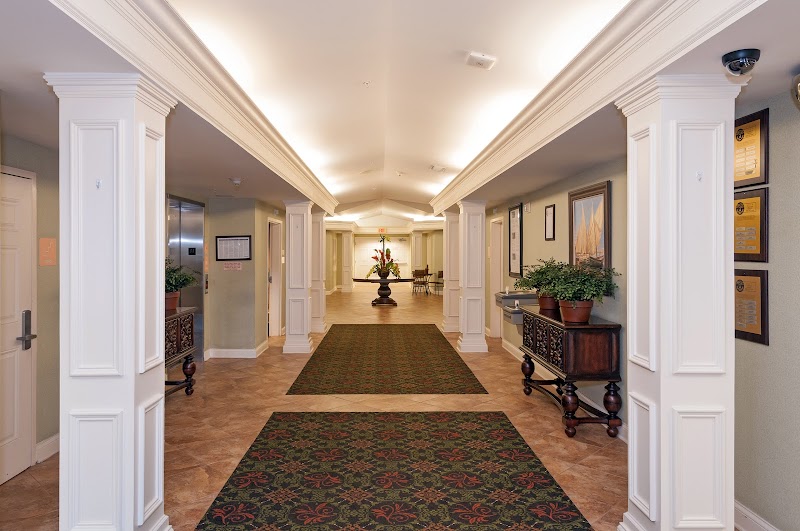
How Does Life At Inverrary Compare to Other Florida Nursing Homes?

Compared to the 100 nursing homes in Florida, LIFE CARE CENTER AT INVERRARY's overall rating (5 stars) is above the state average of 3.2, staff turnover (26%) is significantly lower than the state average of 46%, and health inspection rating (3 stars) is at the national benchmark.

What Should Families Ask When Visiting Life At Inverrary?

Based on this facility's data, families visiting should ask: "Can I visit during a mealtime to observe dining assistance and food quality?" "How do you handle medical emergencies, and what is your hospital transfer rate?" "Can I speak with family members of current residents about their experience?"

Is Life At Inverrary Safe?

Based on CMS inspection data, LIFE CARE CENTER AT INVERRARY has a clean safety record: no substantiated abuse findings (meaning no confirmed cases of resident harm), no Immediate Jeopardy citations (the most serious violation level indicating risk of serious injury or death), and is not on the Special Focus Facility watch list (a federal program monitoring the lowest-performing 1% of nursing homes). The facility has a 5-star overall rating and ranks #1 of 100 nursing homes in Florida. While no facility is perfect, families should still ask about staff-to-resident ratios and recent inspection results during their visit.

Do Nurses at Life At Inverrary Stick Around?

Staff at LIFE CARE CENTER AT INVERRARY tend to stick around. With a turnover rate of 26%, the facility is 20 percentage points below the Florida average of 46%. Low turnover is a positive sign. It means caregivers have time to learn each resident's needs, medications, and personal preferences. Consistent staff also notice subtle changes in a resident's condition more quickly. Registered Nurse turnover is also low at 18%, meaning experienced RNs are available to handle complex medical needs.

Was Life At Inverrary Ever Fined?

LIFE CARE CENTER AT INVERRARY has no federal fines on record. CMS issues fines when nursing homes fail to meet care standards or don't correct problems found during inspections. The absence of fines suggests the facility has either maintained compliance or corrected any issues before penalties were assessed. This is a positive indicator, though families should still review recent inspection reports for the full picture.

Is Life At Inverrary on Any Federal Watch List?

LIFE CARE CENTER AT INVERRARY is not on any federal watch list. The most significant is the Special Focus Facility (SFF) program, which identifies the bottom 1% of nursing homes nationally based on persistent, serious quality problems. Not being on this list means the facility has avoided the pattern of deficiencies that triggers enhanced federal oversight. This is a positive indicator, though families should still review the facility's inspection history directly.