NSPIRE HEALTHCARE LAUDERHILL
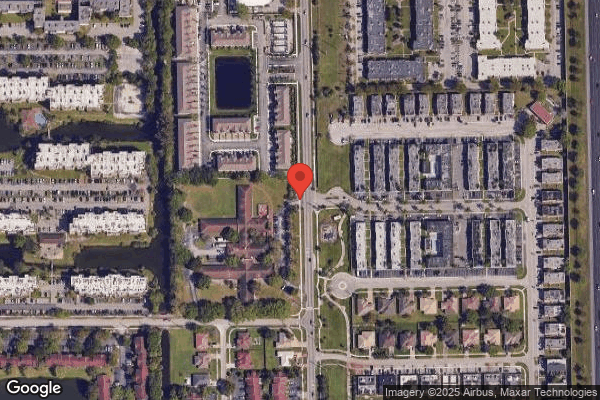
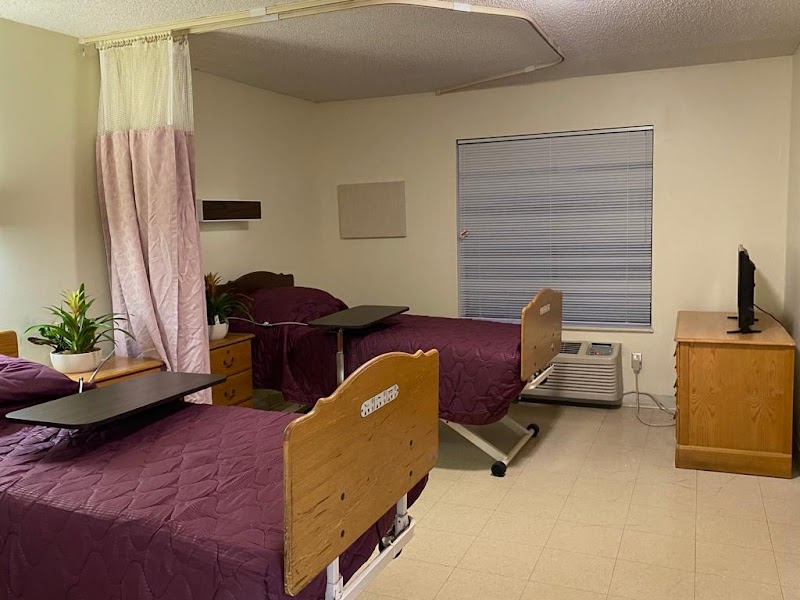
2599 NW 55TH AVE, LAUDERHILL, FL 33313 (954) 485-8873
For profit - Corporation 109 Beds CONSULATE HEALTH CARE/INDEPENDENCE LIVING CENTERS/NSPIRE HEALTHCARE/RAYDIANT HEALTH CARE Data: November 2025
Trust Grade
65/100
#391 of 690 in FL
Last Inspection: September 2024

Within standard 12-15 month inspection cycle. Federal law requires annual inspections.

Overview

Nspire Healthcare Lauderhill has a Trust Grade of C+, indicating it is slightly above average but not particularly strong compared to other facilities. It ranks #391 out of 690 in Florida, placing it in the bottom half of nursing homes statewide, and #21 out of 33 in Broward County, suggesting there are better options nearby. The facility is improving, with a decrease in issues from 12 in 2024 to just 2 in 2025, which is a positive trend. Staffing is rated at 4 out of 5 stars, with a low turnover rate of 25%, indicating that staff tend to stay and are familiar with the residents. However, there were concerns regarding the timely completion of discharge plans and the competency of staff administering IV medications, along with issues related to the dignity of residents during dining. Despite these weaknesses, there have been no fines recorded, which is a good sign of compliance. Additionally, the average RN coverage means that while there is sufficient nursing support, it may not be as robust as some families would prefer.

Trust Score
C+
65/100
In Florida
#391/690
Bottom 44%
Safety Record
Low Risk
No red flags
Inspections
Getting Better
12 → 2 violations
Staff Stability
✓ Good
25% annual turnover. Excellent stability, 23 points below Florida's 48% average. Staff who stay learn residents' needs.
Penalties
✓ Good
No fines on record. Clean compliance history, better than most Florida facilities.
Skilled Nurses
○ Average
Each resident gets 34 minutes of Registered Nurse (RN) attention daily — about average for Florida. RNs are the most trained staff who monitor for health changes.
Violations
⚠ Watch
34 deficiencies on record. Higher than average. Multiple issues found across inspections.
★★★☆☆
3.0
Overall Rating
★★★★☆
4.0
Staff Levels
★★★☆☆
3.0
Care Quality
★★★☆☆
3.0
Inspection Score
Stable
2024: 12 issues
2025: 2 issues

The Good

  • 4-Star Staffing Rating · Above-average nurse staffing levels
  • Low Staff Turnover (25%) · Staff stability means consistent care
  • Full Sprinkler Coverage · Fire safety systems throughout facility
  • No fines on record
  • Staff turnover is low (25%)

    23 points below Florida average of 48%

Facility shows strength in staffing levels, staff retention, fire safety.

The Bad

3-Star Overall Rating

Near Florida average (3.2)

Meets federal standards, typical of most facilities

Chain: CONSULATE HEALTH CARE/INDEPENDENCE

Part of a multi-facility chain

Ask about local staffing decisions and management

The Ugly 34 deficiencies on record

Apr 2025 2 deficiencies
CONCERN (D) 📢 Someone Reported This

A family member, employee, or ombudsman was alarmed enough to file a formal complaint

Potential for Harm - no one hurt, but risky conditions existed

Deficiency F0660 (Tag F0660)

Could have caused harm · This affected 1 resident

**NOTE- TERMS IN BRACKETS HAVE BEEN EDITED TO PROTECT CONFIDENTIALITY** Based on record reviews and interviews, the facility failed to complete in a timely manner, based on the resident's needs and in...

Read full inspector narrative →
**NOTE- TERMS IN BRACKETS HAVE BEEN EDITED TO PROTECT CONFIDENTIALITY** Based on record reviews and interviews, the facility failed to complete in a timely manner, based on the resident's needs and included in the record, the resident's discharge needs and discharge plan for 1 of 2 sampled residents, Resident #1. The findings included: Record review of the provided document, titled, SS-160, Discharge Planning, with an effective date of 11/30/14, revealed that discharge planning begins the day of admission. Statement #2 revealed that discharge planning record will be completed within seven days after admission. Statement #6 revealed that within 24 to 48 hours, or the next day after discharge to home, a follow-up phone call, or if necessary, a home visit will be made to ascertain that community services / referrals are indeed being provided according to the discharge plan. Record review documented Resident #1 was admitted to the facility on [DATE] with diagnoses that included Sepsis following a Hospital Procedure, Acute Respiratory Failure, Alkalosis, and Osteomyelitis. The resident was discharged on 03/21/25. Review of the admission Minimum Data Set (MDS) assessment under Section C of the Brief Interview for Mental Status (BIMS) revealed Section C was disabled by question C600, indicating Resident #1 had signs and symptoms of delirium. Under Section N, it was revealed that Resident #1 was receiving anticoagulant, antibiotic, and opioid medications. Review of Nursing care plan, initiated on admission [DATE]) and updated with Intravenous use, did not include any focus, goals and interventions for Resident #1's discharge. Review of the Nursing progress notes dated 03/06/25 revealed an order for, Cefepime HCL intravenous solution, 1 GM (Gram)/50 ml (milliliter), use 2000 mg intravenously every 12 hours for bone and joint infection for 27 days. Review of the physician order revealed Resident #1 was to be discharged on 03/21/25 with an order for, Home Health services (Registered Nurse (RN)/ Physical Therapy (PT)/Occupational Therapy (OT)/ Home Health Aide (HHA), Durable Medical Equipment (DME) such as wheelchair, commode, and shower chair, home infusion of Intravenous (IV), and to follow up with Primary Care Physician (PCP). Review of the Nursing progress notes dated 03/21/25 at 9:48 AM revealed Resident #1 left the facility accompanied by the son and the transporter. Resident #1 had an intact and patent peripherally inserted central catheter (PICC) line to left arm. Review of the record did not reveal any follow-up call to Resident #1 and/or family by Social Services staff or other members of the the clinical care team, a day after discharge. Review of the Nursing progress notes dated 03/22/25 at 3:01 PM revealed a call was received from Resident #1's son stating the IV medications were not received at his house. Resident #1's son came to the facility and was told by the Physician Assistant (PA) that the IV scripts were faxed to pharmacy and a copy was given to Resident # 1's son. Further review of the progress notes revealed Resident #1's son came back to the facility again stating the pharmacy, where the order was faxed, was unable to provide the IV medications, so the PA informed the facility's Pharmacy to provide a 3-day supplies of IV antibiotics and to follow up with Resident #1's insurance. There was no documentation on 03/23/25 regarding follow up with Resident #1's insurance and a follow up from any facility staff regarding the IV antibiotics. Review of Nursing progress notes, dated 03/24/25, revealed Resident #1's son called the facility again stating the IV antibiotics were not received from the Pharmacy. An additional review of the Nursing progress notes dated 03/25/25 revealed the IV antibiotics were still not received by Resident #1. Review of the Social Services (SS) progress notes dated 03/27/25 revealed the SS staff contacted Resident #1's son for a follow up. Resident #1's son stated that the durable medical equipment (DME) was not received. The Social Worker (SW) contacted the DME company [name provided] to inquire about the delay. The DME company's representative stated that the company [name provided] did not send the clinical history for equipment. The SW contacted the company [name provided] to get documentation sent to the DME company and she had remained on the line for confirmation. The company's [name provided] representative faxed the clinical documents to the DME company. Resident #1's son was notified and was appreciative of the facility's assistance. An interview was conducted with Staff B, Licensed Practical Nurse (LPN), on 04/09/25 at 11:06 AM, who when asked if she had given the IV antibiotics to Resident #1, responded, 'yes'. When asked if she had given the discharge instructions to the resident's family regarding IV antibiotics, she responded, 'yes'. Staff B also stated it is the responsibility of the Social Worker to make sure the resident has IV antibiotics medications instructions with the pharmacy information. An interview was conducted with Staff C, Director of Social Services, on 04/09/25 at 11:19 AM, who stated that she did not confirm the pharmacy receipt of the IV antibiotic prescribed for the resident. She did not document the discharge instructions for the IV medications. She remembered that Resident #1's family had to call the facility on 03/24/25 and on 03/27/25 to make sure the medication was faxed to the pharmacy. When asked about the discharge process, Staff C responded that she usually calls the day after the resident leaves the facility for follow up. When asked why she did not follow-up call the day after Resident #1 was discharged from the facility, she did not respond.
CONCERN (D) 📢 Someone Reported This

A family member, employee, or ombudsman was alarmed enough to file a formal complaint

Potential for Harm - no one hurt, but risky conditions existed

Deficiency F0726 (Tag F0726)

Could have caused harm · This affected 1 resident

**NOTE- TERMS IN BRACKETS HAVE BEEN EDITED TO PROTECT CONFIDENTIALITY** Based on record reviews and interviews, the failed to facility to ensure Licensed Practical Nurses (LPNs) have the competencies ...

Read full inspector narrative →
**NOTE- TERMS IN BRACKETS HAVE BEEN EDITED TO PROTECT CONFIDENTIALITY** Based on record reviews and interviews, the failed to facility to ensure Licensed Practical Nurses (LPNs) have the competencies and skill sets necessary to provde residents' needs of Intravenous (IV) antibiotics for 1 of 2 sampled residents, Resident #1, as evidenced by lack of required IV training and certificate. The findings included: Review of the professional key standard for Licensed Practical Nurses (LPNs) documented: LPNs must be certified in IV [intravenous] therapy and have completed 30 hours of post-graduation IV hydration training, including 4 hours dedicated to central line care. Record review revealed Resident #1 was admitted on [DATE] with diagnoses that included Sepsis following a Hospital Procedure, Acute Respiratory Failure, Alkalosis, and Osteomyelitis. Review of admission Minimum Data Set (MDS) assessment under Section C of the Brief Interview for Mental Status (BIMS) revealed that Section C was disabled by question C600, indicating Resident #1 had signs and symptoms of delirium. Section N revealed Resident #1 was receiving anticoagulant, antibiotic, and opioid medications. Review of the physician orders dated 03/17/25 revealed an order for: Cefepime HCL intravenous [IV] solution, 1 GM (Gram)/50 ml (milliliter), use 2000 mg intravenously every 12 hours for bone and joint infection for 27 days. Review of the Medication Administration Record (MAR) for 03/2025 revealed Staff B, Licensed Practical Nurse (LPN), administered the IV medication Cefepime on 03/17/25 and 03/20/25 at 12:00 PM. An additional review of 03/25 MAR revealed Staff B performed peripheral IV line flushing using 5 ml (milliter) Normal Saline every 12 hours, to maintain patency of IV access on 03/11/25, 03/12/25, 03/17/25 and 03/20/25 at 9:00 AM. An interview was conducted with Staff B on 04/09/25 at 11:06 AM, who when asked if she administered IV antibiotics to Resident #1, who stated, Yes, I hung IV antibiotics for her. She added IV medications and antibiotics can be administered by LPN alone without RN supervision at this facility. An interview was conducted with Staff E, Regional Registered Nurse (RN) Consultant, on 04/09/25 at 2:49 PM, who when asked if LPNs need IV certifications before administering IV medications, she responded, They do not need certifications. An additional interview was conducted with Staff B on 04/09/25 at 3:00 PM, who when asked if she has IV certification to hang IV antibiotics, she responded, No. An interview was conducted with Staff F, LPN, on 04/09/25 at 3:14 PM, who when asked if she performs IV flushing and administering IV medications, she responded, No, I am still working on getting my IV certification. An interview was conducted with the Director Of Nurses (DON) on 04/09/25 at 3:30 PM, who stated that LPNs who provide IV antibiotics administration and IV access line flushing have IV certifications. When asked to provide a copy of the IV certification of Staff B, LPN, she stated, she would provide it later because the Human Resource Staff already left for the day. She added it would be emailed to the surveyor. No IV certification of Staff B, LPN, was provided to this surveyor 2 days after the survey.
Sept 2024 12 deficiencies
CONCERN (D)

Potential for Harm - no one hurt, but risky conditions existed

Resident Rights (Tag F0550)

Could have caused harm · This affected 1 resident

**NOTE- TERMS IN BRACKETS HAVE BEEN EDITED TO PROTECT CONFIDENTIALITY** Based on observations, interviews, and record review, the facility failed to ensure that residents were treated in a dignified m...

Read full inspector narrative →
**NOTE- TERMS IN BRACKETS HAVE BEEN EDITED TO PROTECT CONFIDENTIALITY** Based on observations, interviews, and record review, the facility failed to ensure that residents were treated in a dignified manner during dining for 8 of 21 sampled residents, Resident #8, Resident #19, Resident #29, Resident #76, Resident #90, Resident #5, Resident #26 and Resident #83; and failed to provide assistance with Activities of Daily Living (ADLs) regarding dining for 1 of 1 sampled resident reviewed for ADLs, Resident #73. The findings included: Record review revealed Resident #19's Quarterly Minimum Data Set (MDS) assessment dated [DATE] showed a Brief Interview of Mental Status (BIMS) score of 07, indicating moderate to severe cognitive impairment. Record review revealed Resident #90's Quarterly MDS assessment dated [DATE] showed a BIMS of 03, indicating severe cognitive impairment. Record review revealed Resident #73's Quarterly MDS assessment dated [DATE] had a BIMS score of 03, indicating severe cognitive impairment. Record review revealed Resident #83's Quarterly MDS assessment dated [DATE] had a BIMS score of 03, indicating severe cognitive impairment. In an observation conducted on 09/09/24 in the main dining room from 12:10 PM to 12:30 PM, 21 residents were observed eating their lunch meals in the main dining room. Three (3) round tables were observed with the following: a. A table had two residents sitting for the lunch meal. Resident #8 was observed eating her lunch meal while Resident #19 was still waiting on their lunch meal. b. Three residents were sitting at a table for the lunch meal. Resident #29 and Resident #76 were eating their lunch meals, while the third, Resident #90, was still waiting on his lunch meal, observing the other two residents eating. c. Two residents sat at a table for the lunch meal. Resident #5 was eating his lunch meal while Resident #73 was waiting for her lunch meal. In an observation conducted on 09/09/24 at 12:40 PM, Resident #26 was eating her lunch tray in the room, and her roommate, Resident #83, did not get her lunch tray. The observation continued at 1:05 PM, 25 minutes later, and Resident #83 did not get her lunch tray. It was at 1:15 PM, 35 minutes later, that Resident #83 received her lunch tray. An interview was conducted on 09/11/24 at 2:50 PM with Staff A, Certified Nursing Assistant, (CNA), who stated she was educated on dignity during dining. She always knocks on the door before entering the room and ensures she sits down at an eye level while feeding residents. An interview was conducted on 09/11/24 at 3:00 PM with Staff E, Registered Nurse, who stated he was educated on treating residents dignifiedly during dining. When serving in the main dining room, they must ensure that one table at a time is served to all residents before moving on to the next table. 2. Record review revealed Resident #73 was admitted to the facility on [DATE] with diagnoses to inlcude Hyperlipemia, Alzheimer's Disease, a History of falling, and Muscle Weakness. The Quarterly Minimum Data Set (MDS) assessment dated [DATE] revealed Resident #73 had a Brief Interview of Mental Status (BIMS) score of 03, indicating severe cognitive impairment. Section GG of the MDS revealed Resident #73 needs substantial maximum assistance for eating. In an observation conducted on 09/09/24 at 9:35 AM, Resident #73 was noted in the room with the breakfast tray untouched. Closer observation revealed that Resident #73's roommate was already done eating her breakfast tray. In an interview conducted on 09/09/24 at 9:40 AM, Resident #73's family member stated she [Resident #73] needs assistance with her eating and someone to check in on her during mealtimes. She holds food and liquids in her mouth and, at times, forgets to swallow, [Resident #73] eats better when staff assisting her to eat, and she (familiy member) was worried [the residnet] was skinny and did not eat much. An observation conducted on 09/10/24 at 12:55 PM revealed Resident #73 eating her lunch meal with no staff in the room. A closer observation revealed that Resident #73's tray was 100% untouched. At 1:10 PM, 15 minutes later, the tray was still 100% untouched. The observation was continued at 1:25 PM, 30 minutes later, and no staff member in the room was assisting Resident #73 with her lunch tray. The lunch meal was about 5% consumed. An interview was conducted on 09/9/24 at 12:30 PM with Staff A, Certified Nursing Assistants (CNA), who stated that some days, Resident #73 eats about 40% of her meals, and some days, she needs assistance from staff. Staff A stated Resident #73's eating habits are not predictable. Review of the Care Plan initiated on 01/4/2023 showed Resident #73 has impaired cognition related to dementia. Resident #73 is at nutritional risk related to an altered diet and impaired cognition. An interview was conducted on 09/10/24 at 3:21 PM with the Staff MDS Coordinator, who stated she would look at the rehab report and the initial evaluation to determine what status to code residents under Section GG for eating. She stated she often spends time with the residents to get to know them and find out what they are able to do and what they can not do. After spending time with the residents, she gets to know them and what they can and cannot do. When asked by the surveyor what it means when a resident is coded in the MDS for 'substantial maximum assistance for eating,' she stated the following, the resident cannot finish the meal without someone assisting them. This means that they need lots of help during mealtimes, and they have maximum assistance from staff who would be right next to them to assist them at all times.
CONCERN (D)

Potential for Harm - no one hurt, but risky conditions existed

Deficiency F0558 (Tag F0558)

Could have caused harm · This affected 1 resident

**NOTE- TERMS IN BRACKETS HAVE BEEN EDITED TO PROTECT CONFIDENTIALITY** Based on review of policy and procedure, observation and interview, the facility failed to ensure the bathroom Emergency call li...

Read full inspector narrative →
**NOTE- TERMS IN BRACKETS HAVE BEEN EDITED TO PROTECT CONFIDENTIALITY** Based on review of policy and procedure, observation and interview, the facility failed to ensure the bathroom Emergency call light system was accessible and within easy reach of the residents and staff members for 7 of 53 residents observed (Resident #95, Resident #45, Resident #3, Resident #29, Resident #17, Resident #76 and Resident #23), in the secure, locked unit. The findings included: Review of the facility policy and procedure on 09/12/24 at 11:44 AM, titled, Call Bell System, provided by the Administrator effective date 11/30/14, documented, in part, in the Policy Statement: Resident must have, at all times, a system to notify staff when assistance is needed Procedure: .will be placed within reach of any resident . Record review revealed Resident # 95 was admitted to the facility on [DATE] with diagnoses that included Dementia, Diabetes Mellitus Type II, Hypertension and Depression. Resident #95 ambulates in and out of her bathroom throughout the day. She had a documented Brief Interview Mental Status (BIMS) score of 12, indicating moderate cognitive impairment. Record review revealed Resident # 45 was re-admitted to the facility on [DATE] with diagnoses that included Autistic Disorder, Schizophrenia, Parkinsonism and Hypertension. The resident's BIMS score was not documented but it indicated moderate cognitive impairment. Record review revealed Resident #3 was re-admitted to the facility on [DATE] with diagnoses that included Chronic Obstructive Pulmonary Disease, Schizophrenia, Dementia, Parkinsonism and Generalized Anxiety Disorder. Resident #3 self-propels in his wheelchair in and out of his bathroom throughout the day. He had a BIMS score of 2 indicating severe cognitive impairment. Record review revealed Resident #29 was admitted to the facility on [DATE] with diagnoses that included Hemiplegia and Hemiparesis affecting the right dominant side, Dementia, Diabetes Mellitus Type II, Major Depressive Disorder and Repeated falls. Resident #29 self-propels in her wheelchair in and out of her bathroom throughout the day. She had a BIMS score of 4, indicating severe cognitive impairment. Record review revealed Resident #17 was admitted to the facility on [DATE] with diagnoses that included Heart Failure, Depression, Diabetes Mellitus Type II, Anxiety Disorder and Hypertension. She had a BIMS score of 4, indicating severe cognitive impairment. Record review revealed Resident #76 was re-admitted to the facility on [DATE] with diagnoses that included Hemiplegia and Hemiparesis affecting right dominant side, Diabetes Mellitus Type II, Cerebral Infarction, Anemia and Unsteadiness on feet. Resident #76 self-propels in his wheelchair in and out of his bathroom throughout the day. He had a BIMS score of 14, indicating he was cognitively intact. Record review revealed Resident #23 was re-admitted to the facility on [DATE] with diagnoses that included Dementia, Systolic Congestive Heart Failure, Depression, Epilepsy, Asthma, Parkinsonism, Altered mental status and Hypertension. Resident #23 self-propels in his wheelchair in and out of his bathroom throughout the day. He had BIMS score of 8, indicating moderate cognitive impairment. During an observational room tour conducted of the 100-hallway locked area unit, between the three (3) days of 09/09/24 through 09/11/24, the following four (4) resident rooms were observed to have their bathroom Emergency call lights not accessible and not within easy reach for the residents and facility staff's use. Photographic Evidence Obtained. a. On 09/09/24 at 10:53 AM, Resident #95's bathroom was observed to have the bathroom Emergency cord was noted to be tied around the bathroom bar. On 09/10/24 at 10:04 AM, Resident #95's bathroom was still observed to have the bathroom Emergency cord was noted to be tied around the bathroom bar. On 09/11/24 at 9:20 AM, Resident #95's bathroom was still observed to have the bathroom Emergency cord was noted to be tied around the bathroom bar. b. On 09/09/24 at 11:21 AM, Residents #45's and Residents #3's bathroom was observed to have no pull cord attached to the bathroom Emergency call system in the bathroom. On 09/10/24 at 10:08 AM, Residents #45 and #3's bathroom was still observed to have no pull cord attached to the Emergency call system in the Resident's bathroom. On 09/11/24 at 9:23 AM, Residents #45 and #3's bathroom was still observed to have no pull cord attached to the Emergency call system in the Resident's bathroom. c. On 09/09/24 at 11:48 AM, Residents #29 and #17's bathroom was observed to have the bathroom Emergency call light cord wrapped around the bathroom handrail. On 09/10/24 at 10:15 AM, Residents #29 and #17's bathroom was still observed to have the Emergency call light cord wrapped around the bathroom handrail. On 09/11/24 at 9:25 AM, Residents #29 and #17's bathroom was still observed to have the bathroom Emergency call light cord wrapped around the bathroom handrail. d. On 09/09/24 at 12:07 PM, Residents #76 and #23's bathroom Emergency bathroom cord was tied to the toilet faucet connection above the toilet x 1 on the first day of the survey. Following the observational room tour, an interview was conducted on 09/11/24 at 9:31 AM with the Maintenance Director, the Housekeeping Director, the Director of Nursing (DON), the Regional Nurse, the Regional Maintenance Director and the Administrator, regarding the residents' bathroom emergency call lights all being observed as inaccessible. Each acknowledged that the residents' bathroom call lights should be readily accessible for both the residents and staff use, in the event of an emergency. Three (3) of the four (4) residents bathroom's emergency call lights had not been made easily accessible and within reach, to both the residents and staff for those resident rooms, until after surveyor inquisition/intervention. On 09/12/24 at 11:36 AM, Residents #29 and 17's room was still observed, on a fourth (4th) observation, with the Administrator present, to have the bathroom emergency call light in the exact same position as it had been on three (3) previous days, wrapped around the bathroom handrail. The Administrator further recognized and acknowledged that on 09/11/24 at 10:31 AM, the facility should ensure that the bathrooms' emergency call lights should always be readily accessible and within reach for both resident and staff use, in the event of an emergency.
CONCERN (D)

Potential for Harm - no one hurt, but risky conditions existed

Comprehensive Care Plan (Tag F0656)

Could have caused harm · This affected 1 resident

**NOTE- TERMS IN BRACKETS HAVE BEEN EDITED TO PROTECT CONFIDENTIALITY** 2. Record review for Resident #88 revealed the resident was admitted to the facility on [DATE] with diagnoses including in part:...

Read full inspector narrative →
**NOTE- TERMS IN BRACKETS HAVE BEEN EDITED TO PROTECT CONFIDENTIALITY** 2. Record review for Resident #88 revealed the resident was admitted to the facility on [DATE] with diagnoses including in part: Essential (Primary) Hypertension and Unspecified Atrial Fibrillation. Review of the MDS assessment for Resident #88 dated 08/15/24 documented in Section C, a Brief Interview of Mental Status score of 8 indicating moderate cognitive impairment. In Section N, documented under Anticoagulant, is taking - yes. Review of the physician's orders for Resident #88 revealed an order dated 08/16/24 for Eliquis (Apixaban) 5mg, give 1 tablet by mouth two times a day for A-fib (Atrial Fibrillation). Review of the physician's orders for Resident #88 revealed an order dated 08/15/24 for Anticoagulant Medication - monitor for discolored urine, black tarry stools every shift. Review of the Care Plan for Resident #88 revealed no care plan for the anticoagulant or for risk of bleeding. An interview was conducted on 09/11/24 at 11:07 AM with the MDS Coordinator who stated she has been working at the facility for less than 1 year and started in October 2023. When asked if a resident is on an anticoagulant would the resident have a care plan related to anticoagulant for at risk for bleeding. She stated, of course they would have to have a care plan for risk of bleeding if they are on an anticoagulant. She said that is very important. Based on observation, interview and record review, the facility failed to implement a care plan for Post Traumatic Stress Disorder (PTSD) and failed to implement a care plan for an anticoagulant for 1 of 24 sampled residents, Resident #88. The findings included: 1. Record review revealed Resident #88 was admitted to the facility post hospitalization on 08/14/24, with admitting diagnoses that included Unspecified Cirrhosis of Liver, Coronary Artery Disease, Non-Alzheimer's Dementia, and Post Traumatic Stress Disorder. Review of the admission Minimum Data Set (MDS) with an assessment reference date of 08/15/24, documented a Brief Interview for Mental Status (BIMS) score of 8 indicating the resident had moderate cognitive impairment. Section I of this MDS revealed the resident had Post Traumatic Stress Disorder (PTSD). Review of the record revealed there was no care plan that addressed PTSD. An interview was conducted with the MDS Coordinator on 09/10/24 at 3:10 PM, who was responsible for putting a care plan in place for PTSD. The MDS Coordinator stated this would be her job. She was asked why there was no care plan for PTSD for this resident and she stated she would put one in today.
CONCERN (D)

Potential for Harm - no one hurt, but risky conditions existed

Deficiency F0685 (Tag F0685)

Could have caused harm · This affected 1 resident

**NOTE- TERMS IN BRACKETS HAVE BEEN EDITED TO PROTECT CONFIDENTIALITY** Based on interviews and record review, the facility failed to ensure residents received assistance with making eye appointment f...

Read full inspector narrative →
**NOTE- TERMS IN BRACKETS HAVE BEEN EDITED TO PROTECT CONFIDENTIALITY** Based on interviews and record review, the facility failed to ensure residents received assistance with making eye appointment for 1 of 1 sampled resident reviewed for vision, Resident #89. The findings included: Record review revealed Resident #89 was admitted to the facility on [DATE] with diagnoses that included in part the following: Unspecified Dementia Unspecified Severity with Agitation, Altered Mental Status, Delirium Due to Known Physiological Condition, and Psychotic Disorder with Hallucinations Due to Known Physiological Condition. Review of the Minimum Data Set (MDS) for Resident #89 dated 05/22/24 documented in Section B under Corrective lenses (contacts, glasses, or magnifying glass) used in completing B1000, Vision was answered yes. Documentation in Section C revealed a Brief Interview of Mental Status score of 6 indicating severe cognitive impairment. A telephone interview was conducted on 09/10/24 at 10:22 AM with the family member of Resident #89 who stated she brought it to attention of staff that she would like the resident seen by eye doctor about 2 months ago because the resident had no eyeglasses. She had bought the resident a pair of over the counter reading glasses in the meantime. The family member stated the social worker told her they would have the eye doctor see the resident, but she has not heard of any appointment being set or of the resident having seen the eye doctor. An interview was conducted on 09/10/24 at 2:02 PM with the Social Service Director (SSD) who was asked if Resident #89 was seen by the eye doctor. She said she believes the resident was seen by the eye doctor, but they have not received the paperwork yet. An interview was conducted on 09/11/24 at 2:00 PM with the SSD who was asked about the documentation for the eye exam for Resident #89. The SSD stated the resident had not been seen by the eye doctor. The SSD stated she had spoken to Resident #89 and the resident had informed her that a family member had brought her some glasses. When brought to the SSD attention that the resident has severe cognitive impairment, the SSD said I know but I thought the glasses were lost and then they were found. The SSD acknowledged she did not arrange for Resident #89 to be seen by the eye doctor as requested by Resident #89's family member. The SSD further acknowledged she did not have any additional conversation with the family member regarding eyeglasses after she spoke to the resident.
CONCERN (D)

Potential for Harm - no one hurt, but risky conditions existed

Deficiency F0692 (Tag F0692)

Could have caused harm · This affected 1 resident

**NOTE- TERMS IN BRACKETS HAVE BEEN EDITED TO PROTECT CONFIDENTIALITY** 2. Record review revealed Resident #7 was admitted on [DATE] with the diagnoses that included Essential Primary Hypertension, Ty...

Read full inspector narrative →
**NOTE- TERMS IN BRACKETS HAVE BEEN EDITED TO PROTECT CONFIDENTIALITY** 2. Record review revealed Resident #7 was admitted on [DATE] with the diagnoses that included Essential Primary Hypertension, Type 2 Diabetes, Hyperlipidemia, and Atherosclerotic Heart Disease. Review of the Minimum Data Set (MDS) assessment dated [DATE], in Section C revealed a Brief Interview of Mental Status (BIMS) score of 03 indicating the resident had severe cognitive impairment. Section K of MDS revealed no complaints or difficulty or pain when swallowing. Additional data under Section K showed Resident #7 weighed 116 pounds (Lbs/#) on 08/05/24 indicating no weight loss of 5 % in the last month and no weight loss of 10% or more in the last 6 months. Review of the laboratory result dated 05/28/24 revealed Resident #7 had low total protein of 6.0 g/dl (gram per deciliter is the sum concentrations of all individual serum protein), indicating resident's level was on the bottom spectrum of the normal values of 6 g/dl to 8.3 g/dl.) and an albumin level of 3.0 gm/dl. (indicating below the normal range of 3.5 to 5.5 grams per deciliter which could indicate an underlying medical condition related to kidney, liver, and heart and could also indicate nutritional deficiencies). Review of records showed a nutrition care plan for altered nutrition and hydration, swallowing problems related to coughing or chocking during meals or swallowing medications. Care plan for potential pressure ulcer, impaired cognition related to dementia, complications of diabetes mellitus, previous CABG (Coronary Artery Bypass Graft) related to Hypertension and lifestyle choices were noted. Review of Assessment, titled, Nspire Daily Skilled Notes, dated 09/09/24, documented, in part, the following: ADL (Activities of Daily Living) status is assisted, Resident receives PT (Physical Therapy), and OT (Occupational Therapy), swallowing problems were not noted. Review of Task under Percentage of Meals eaten showed the following data for Resident 7: 0n 08/30/24, consumed 25% at breakfast, 50% at lunch and 75% at dinner. On 08/31/24, consumed 25% at breakfast, 74% at lunch 75% at dinner. On 09/01/24, consumed 0% for breakfast, 50% at lunch, and 75% at dinner. On 09/02/24, consumed 50% at breakfast, 75% at lunch, 100% at dinner. On 09/03/24, consumed 50% at breakfast, 50% at lunch, 25% at dinner. Review of weight records showed the following data: 114.2 pounds on 09/03/24, 117.2 pounds on 08/30/24; 116.2 pounds on 08/05/24; 119.4 pounds on 07/05/24; 120.8 pounds on 06/03/24; 125 pounds on 05/02/24, and 122.2 pounds on 04/03/24. This indicated a weight loss of 2.66 % in a month and 6.55 % weight loss in 6 months. Review of the physicians' order dated 11/03/22 showed that Resident #7 was to be provided with one carton (120 ml [milliliters]) of NSA (No Salt Added) House Shake, twice daily with lunch and dinner. On 02/05/24, the orders showed the resident was to receive a regular textured diet order. On 08/02/24, an order was documented to give Resident #7 snacks daily at HS (hour of sleep) one time at night. On 09/09/24, an order for a NSA supplement was added, increasing the supplement to three times a day. Review of the Registered Dietician (RD) notes, dated 06/03/24, showed the facility staff addressed Resident #7's moderate protein calorie malnutrition by documenting fluctuating appetite (mostly eating 25-50% of meals, and occasionally 75 0r 100 of meals). Review of the RD notes, dated 06/03/24, documented Resident #7 had 5.6 % weight loss in 5 months (126.4 Lbs weight on 02/05/24 to 120.8 Lbs on (06/03/24). Additional notes documented a 4.2 Lbs weight loss in one month (120.8 Lbs on 06/03/24 from 125.0 Lbs. on 05/02/24) with a BMI (Basal Metabolic Index ) of 19.5. Review of the RD notes, dated 06/03//24 documented the following interventions: to monitor laboratory (albumin, total protein, pre-albumin), weight and PO [oral] intake, to continue aggressive PCM (Protein Calorie Malnutrition) treatment with supplements, house shake one carton BID (two times a day) at lunch and dinner, NSA (No Salt Added) of 120 ML (milliliters), QID (4x a day). It added that staff assist with meals. In an interview with Resident #7 on 09/10/24 at 09:30 AM, she stated she sometimes does not like to eat, and only drinks tea in the morning. During lunch observation on 09/10/24 at 1:30 PM, Resident # 7's lunch tray remained untouched. There was no supplement noted on the meal table. There was no assistance from staff observed. Resident #7 returned her meal tray to the meal cart with staff observing. Staff did not ask if she wanted to have an alternate lunch. During an observation conducted on 09/11/24 at 9:26 AM, Resident #7 stated that she drank tea, but did not touch breakfast. The breakfast tray was delivered before 9:00 AM and remained untouched at 9:50 AM. No staff approached the resident to encourage her to eat or asked her if she wanted something else. In an interview with Staff I, Certified Nursing Assistant (CNA), on 09/11/24 at 9:30 AM, she stated that Resident #7 eats when the food is interesting. She stated that Resident #7 eats only 50% of her meal most of the time. When asked if she had seen Resident #7 drinking nutritional supplement during breakfast and lunch, she stated no. When asked if she assisted Resident #7 in eating, she answered no. She stated Resident #7 likes to drink tea but refuses food on the breakfast tray. When asked if she offered Resident #7 a different breakfast, she responded, no. She added that Resident #7 likes to eat her lunch. An interview was conducted with the Registered Dietician (RD) on 09/11/24 at 10:06 AM. She said that she was not concerned about Resident #7's weight loss because it was a weight loss trend and not a weight trigger for significant weight loss in the electronic system. When the surveyor reviewed with her the weight loss of Resident #7, which went down to 114.2 pounds on 09/03/24, from 117.2 pounds on 08/30/24, and 125 pounds on 05/12/24, she stated she knew about the weight loss trend, but it was not significant weight loss and considered it not important. When asked by the surveyor why she modified the nutritional supplement order to 3 times a day on 09/09/24, she stated that she increased the volume of the supplement because of Resident #7's weight loss trends. During an interview with the Director of Nursing (DON) on 09/12/24 at 2:00 PM, the above findings were reviewed. Based on observations, interviews and record review, the facility failed to identify weight loss, and provide nutritional intervention in a timely manner for 2 of 5 sampled residents reviewed for nutrition, Resident #32 and Resident #7. The findings included: Review of the facility's policy, titled, Weighing the Resident, revised on 05/06/2022, showed the following: Record weight and alert nurse to any significant change. Notify the Physician of any significant weight change and consult the Dietitian. Record review revealed Resident #32 was admitted to the facility on [DATE] with diagnoses that inclluded Muscle wasting, History of falling, Dementia, Muscle weakness, and Anemia. The Quarterly Minimum Data Set (MDS) dated [DATE] revealed Resident #32 had a Brief Interview of Mental Status (BIMS) score of 03 indicating severe cognitive impairement. In an observation conducted on 09/10/24 at 8:48 AM, Resident #32 received her breakfast tray. At 9:00 AM, the Director of Nursing (DON) came into the room and sat near Resident #32 to help her with the breakfast tray. At 9:03 AM, the DON left the room with the breakfast tray and said to the surveyor, She does not want to eat. I will bring her cereal from the kitchen. In an observation conducted on 09/11/24 at 8:45 AM, Resident #32 received her breakfast tray. At 9:00 AM, Resident #32 was observed eating on her own and only ate one bite of her bread and a few teaspoons of the cereal. Continued observation at 9:15 AM, which was 30 minutes later, revealed Resident #32 did not eat any more of the food on her breakfast plate from the earlier observation at 9:00 AM. Review of the physician's orders showed the following: give 120 milliliters (ml) of nutritional support three times a day, dated 08/30/24; give a house shake with lunch one time a day, dated 09/04/24; and give a regular texture diet, dated 03/04/24. Review of Resident #32's weight log showed the following weights: On 05/06/24, 130.8 pounds (#). On 06/03/24, 129.8 #. On 07/02/24, 125.4 #. On 08/06/24, 121.6 #. The weight loss over 2 months was 6.4% weight loss. The weight on 09/03/24 showed a weight loss of 8.9% in 3 months from 06/03/24 to 09/03/24. Review of the Certified Nursing Assistants, (CNAs), documentation of the amount of meals consumed revealed that from 08/13/24 to 08/30/24, Resident #32's daily intake (3 meals a day) was an average of 46%. Review of the Clinical Dietitian's progress note dated 08/30/24 showed the following: trending non-significant weight loss past 180 days. Resident #32 is eating between 25% and 50% of her meals. Suggest increasing nutritional supplements 120 ml to 3 times a week. This clinical note addressing the above weight loss was completed 24 days after the 6.4% weight loss was identified on 08/06/24, with a weight of 121.6 pounds. Review of the Clinical Dietitian's progress note dated 09/04/24 showed the following: significant weight loss in 90 days. Resident #32 is eating between 25% and 50% of her meals. An additional house shake (nutritional supplement) was added to the lunch meal for additional calories and protein. An interview was conducted on 09/11/24 at 10:06 AM with the facility's Clinical Dietitian, who started working in the company for about one year. She stated she comes into this facility one time a week as well. A significant weight loss is when a resident loses 5% in one month, 7.5% in 3 months, and 10% in 6 months. A severe weight loss will populate in the electronic system, letting her know if any residents have severe weight loss. She will try to follow up on the residents within 24 to 48 hours. She would address any trending weight loss as soon as she could, within 24 hours to 48 hours. Resident #32 weight loss trend was addressed about 24 days later. When asked by the surveyor why she addressed the weight loss 24 days later, she did not know. In an interview conducted on 09/12/24 at 1:00 PM, with the Director of Nursing, she was told of the findings.
CONCERN (D)

Potential for Harm - no one hurt, but risky conditions existed

Tube Feeding (Tag F0693)

Could have caused harm · This affected 1 resident

**NOTE- TERMS IN BRACKETS HAVE BEEN EDITED TO PROTECT CONFIDENTIALITY** Based on observations, interviews, and record review, the facility failed to follow the physicians' orders for tube feeding for ...

Read full inspector narrative →
**NOTE- TERMS IN BRACKETS HAVE BEEN EDITED TO PROTECT CONFIDENTIALITY** Based on observations, interviews, and record review, the facility failed to follow the physicians' orders for tube feeding for 1 of 1 sampled resident reviewed for nutrition, Resident #69. The findings included: Record review revealed Resident #69 was readmitted to the facility on [DATE] with diagnoses that included Hemiplegia, History of falling, Muscle Weakness, and Chronic Kidney Disease. Review of the Physician's orders revealed the following: a. On 09/04/24, Enteral feeding continuous with Jevity 1.5 (tube feeding formulary type), at 75 milliliters (ml) an hour for 20 hours or until 1500ml has infused with off feeding time at 10:00 AM. b. On 09/10/24. Enteral feeding is continuous with Jevity 1.5 (tube feeding formulary type) at 75 milliliters (ml) an hour for 20 hours or until 1500ml has been infused. c. On 09/11/24. Enteral feeding two times a day for one day bolus feeding with Jevity 1.5 (237ml) times 2 for one day. Review of the weight log for Resident #69 showed the following: On 05/02/24, a weight of 121 pounds. On 06/03/24, a weight of 118.6 pounds. On 07/05/24, a weight of 113 pounds. On 08/07/24, a weight of 111 pounds. On 08/19/24, a weight of 110.8 pounds. On 09/03/24, a weight of 107 pounds. This showed a 9.8% weight loss in 3 months. In an observation conducted on 09/10/24 at 7:30 AM, Resident #69 was noted in bed with the tube feeding running at 75ml an hour, which started on 09/10/24 at 6:00 AM. The tube feeding was noted at the 1000ml mark out of a 1000ml capacity bottle. In an observation conducted on 09/10/24 at 10:15 AM, Resident #69 was noted in bed with the tube feeding running at 75ml an hour, which started on 09/10/24 at 6:00 AM. The tube feeding was noted at the 850ml mark out of a 1000ml capacity bottle. The tube feeding that started at 6:00 AM in the morning, running at 75ml an hour, should have been at the 700ml mark out of a 1000ml capacity bottle. In an observation conducted on 09/10/24 at 11:30 AM, Resident #69 was noted in bed with the tube feeding running at 75 ml an hour which started on 09/10/24 at 6:00 AM. The tube feeding was noted at the 750ml mark out of a 1000ml capacity bottle. The tube feeding that started at 6:00 AM in the morning running at 75ml an hour should have been at the 600ml mark out of 1000ml capacity bottle. In an observation conducted on 09/10/24 at 1:00 PM, Resident #69 was noted in bed with the tube feeding running at 75 ml an hour which started on 09/10/24 at 6 :00AM. The tube feeding was noted at the 600ml mark out of a 1000ml capacity bottle. The tube feeding that started at 6:00 AM in the morning running at 75ml an hour should have been at 475 ml mark out of 1000ml capacity bottle and not at the 600ml mark as observed. In an observation conducted on 09/11/24 at 12:47 PM, Resident #69 was noted in the room with the tube feeding running. The tube feeding was noted with Jevity 1.5 at 75ml an hour, which started on 09/11/24 at 6:45 AM. About six hours later, the tube feeding bottle was noted at the 900ml mark out of the 1000ml capacity bottle. Review of the Clinical Dietitian progress note dated 08/23/24 revealed the following: weight loss trigger with no enteral feeding intolerances reported per nursing. Feeding increases related to significant weight loss. Review of the Clinical Dietitian progress note dated 09/06/24 revealed that Resident #69 has been losing weight, and the Dietitian updated the orders to change to continuous feedings. Review of the care plan dated 04/19/24 showed that Resident #69 requires tube feeding and needs to see the doctor's orders for current tube feedings. Resident #69 will maintain adequate nutritional and hydration status. An interview was conducted on 09/11/24 at 1:32 PM with Staff C, Licensed Practical Nurse, who stated she provided Resident #69 with bolus tube feeding at 9:30 AM this morning and at 12:00 PM today. She further said that Resident #69 is tolerating her tube feeding well. An interview was conducted on 09/11/24 at 1:42 PM with the Registered Dietitian, who stated she was told by nursing there was a malfunctioning of the tube feeding pump for Resident #69, and an order was placed for bolus feeding to meet the additional feeding of her needs for the tube feeding that started this morning. She confirmed that the tube feeding observed on 09/10/24 at 10:15 AM should have been at the 700ml mark and not at the 850ml mark as observed. The Registered Dietitian stated that she changed the tube feeding order from bolus to continuous to ensure that Resident #69 received the estimated calories and protein needs. An interview was conducted on 09/11/24 at 2:00 PM with the Director of Nursing, who stated Resident #69 used to pull her tube feeding out, which may have caused some of the weight loss. When asked for any documentation regarding the tube feeding behaviors, she was not able to provide any further documentation.
CONCERN (D)

Potential for Harm - no one hurt, but risky conditions existed

Deficiency F0742 (Tag F0742)

Could have caused harm · This affected 1 resident

Based on observation, interview, record and policy review, the facility failed to timely assess a resident with a diagnosis of Post Traumatic Stress Disorder (PTSD) and failed to provide psychosocial ...

Read full inspector narrative →
Based on observation, interview, record and policy review, the facility failed to timely assess a resident with a diagnosis of Post Traumatic Stress Disorder (PTSD) and failed to provide psychosocial services to meet the need for PTSD diagnosis for 1 of 1 sampled resident reviewed for PTSD, Resident #88. The findings included: The facility's policy, titled, PTSD Procedure and Policy, effective 08/14/20 and revised 11/20/20, documented, in part, Upon admission, all residents will be screened for potential PTSD using a standardized tool, such as the PTSD Checklist for DSM-5 (PCL-5) and Residents identified with PTSD will be offered individualized care plans that include: trauma-informed therapy or counseling, medication management (if appropriate). Record review revealed Resident #88 was admitted to the facility post hospitalization on 08/14/24, with admitting diagnoses that included Unspecified Cirrhosis of Liver, Coronary Artery Disease, Non-Alzheimer's Dementia, and Post Traumatic Stress Disorder. Review of the Minimum Data Set (MDS) assessment documented the Brief Interview for Mental Status (BIMS) with a score of 8, indicating moderate cognitive impairment. Section I of this MDS revealed the resident had PTSD. An interview was conducted with the resident on 09/10/24 at 1:25 PM. He stated he was a veteran, has PTSD and was in the hospital with a flashback before he was admitted here. He stated sudden loud noises remind him of the war like a car backfiring or loud car noises. An interview was conducted with Staff F, Registered Nurse (RN), on 09/10/24 at 1:40 PM, who stated she was aware of the PTSD diagnosis but was unaware of the triggers. She stated that he never spoke about it. An interview was conducted with the Social Service director on 09/10/24 at 1:45 PM. She was asked what she would do with a resident admitted with PTSD. She stated she does not deal with PTSD and she thinks a nurse does. When asked who would do a care plan for PTSD, she stated that the surveyor should talk to the MDS person. An interview was conducted with the MDS Coordinator on 09/10/24 at 3:10 PM, who stated she had been working in this facility for 11 months. She was asked what was the process if a resident was admitted with a diagnosis of PTSD. She stated the resident would be followed by psychiatry. She was asked who would talk to the resident about why he had PTSD and what his triggers were. She stated she would rather the psychiatrist talk to him about that. The MDS coordinator was asked if the resident had been seen by a psychiatrist yet and she stated she would put him on the list to be seen. The surveyor asked why has the resident not been seen since he has been here for a month already and she did not know. She stated that it is her job to put a care plan in for PTSD. She was asked why there was no care plan for PTSD for this resident and she stated she would put one in today. The PTSD policy was received by the surveyor on 09/12/24 at 10:00 AM and reviewed. An interview was conducted with the Regional Nurse Consultant who stated they have no PTSD tool. If they did, the Social Service Director would do the assessment. She stated that no resident has been screened with the PTSD checklist because they are not using the tool at this time and will have to re-evaluate this policy. An interview was conducted with the Psychiatrist on 09/12/24 at 11:50 AM, who had completed the assessment of Resident #88 that morning (09/12/24). The Psychiatrist stated the resident is confused and he has a lot of brain problems and encephalopathy and his current ammonia level is normal. He is hearing voices and hearing soldiers marching and because he is hallucinating he started him on Seroquel. (Seroquel is an antipsychotic medication used for the treatment of schizophrenia, bipolar disorder and major depressive disorder.) He does not seem distressed by it. He will see him next week. He thinks someone admitted with PTSD should be seen by a psychiatrist but since no one made him aware of it, he is seeing him today.
CONCERN (D)

Potential for Harm - no one hurt, but risky conditions existed

Deficiency F0745 (Tag F0745)

Could have caused harm · This affected 1 resident

Based on observation, interview, record and policy review, the facility failed to provide psychosocial services to meet the need for Post Traumatic Stress Disorder (PTSD) diagnosis for 1 of 1 sampled ...

Read full inspector narrative →
Based on observation, interview, record and policy review, the facility failed to provide psychosocial services to meet the need for Post Traumatic Stress Disorder (PTSD) diagnosis for 1 of 1 sampled resident reviewed for PTSD, Resident #88. The findings included: The facility's policy, titled, PTSD Procedure and Policy, effective 08/14/20 and revised 11/20/20, documented, in part, Upon admission, all residents will be screened for potential PTSD using a standardized tool, such as the PTSD Checklist for DSM-5 (PCL-5) and Residents identified with PTSD will be offered individualized care plans that include: trauma-informed therapy or counseling, medication management (if appropriate). Review of the job description for the Director of Social Services revealed the purpose of the job position is to ensure that the medically related emotional and social needs of the resident are met/maintained on an individual basis. The duties and responsibilities of the Social Service Director include conduct and document a social services evaluation, including identification of resident problems/needs. Record review revealed Resident #88 was admitted to the facility post hospitalization on 08/14/24, with admitting diagnoses that included Unspecified Cirrhosis of Liver, Coronary Artery Disease, Non-Alzheimer's Dementia, and Post Traumatic Stress Disorder. Review of the Minimum Data Set (MDS) assessment documented the Brief Interview for Mental Status (BIMS) with a score of 8, indicating moderate cognitive impairment. Section I of this MDS revealed the resident had PTSD. An interview was conducted with the resident on 09/10/24 at 1:25 PM. He stated he was a veteran, has PTSD and was in the hospital with a flashback before he was admitted here. He stated sudden loud noises remind him of the war like a car backfiring or loud car noises. An interview was conducted with the Social Service director on 09/10/24 at 1:45 PM. She stated she had been working in the facility for one year. She was asked what she would do with a resident admitted with PTSD. She stated she does not deal with PTSD, and she thinks a nurse does. When asked who would do a care plan for PTSD she stated that the surveyor should talk to the MDS person. Review of the social services evaluation for Resident #88 dated 08/23/24 did not include the diagnosis of PTSD. Question 12 of the assessment asks, Have you even been through anything life threatening or traumatic? The question was answered as N/A. On 09/11/24 at 10:21 AM, the Social Service Director was asked why she marked N/A for question 12 on the evaluation. She stated the resident did not answer the question regarding PTSD. She put N/A but she should have put refused to answer. She stated she does not know what his triggers are and why he has PTSD. The PTSD policy was received by the surveyor. An interview was conducted with the Regional Nurse Consultant who stated they have no PTSD tool. If they did, the Social Service Director would do the assessment. She stated that no resident has been screened with the PTSD checklist because they are not using the tool at this time and will have to re-evaluate this policy.
CONCERN (D)

Potential for Harm - no one hurt, but risky conditions existed

Pharmacy Services (Tag F0755)

Could have caused harm · This affected 1 resident

**NOTE- TERMS IN BRACKETS HAVE BEEN EDITED TO PROTECT CONFIDENTIALITY** Based on interview and record review, the facility failed to ensure drug records were in order and that an account of all contro...

Read full inspector narrative →
**NOTE- TERMS IN BRACKETS HAVE BEEN EDITED TO PROTECT CONFIDENTIALITY** Based on interview and record review, the facility failed to ensure drug records were in order and that an account of all controlled drugs is maintained and periodically reconciled for 2 of 6 sampled residents reviewed for medication reconciliation, Residents #19 and #306. The findings included: 1. Record review revealed Resident #19 was admitted to the facility on [DATE] with diagnoses that included the following: Obesity, Other Abnormalities of Gait and Mobility and Muscle Weakness (generalized). Review of the physician's orders for Resident #19 revealed an order for Tramadol HCL 50mg give 50mg by mouth every 12 hours as needed for pain. Review of the Medication Monitoring / Control Record for Resident #19 for the medication Tramadol HCL 50mg documented the medication was given on 07/15/24 at 9:00 PM and again on 08/25/24 at 4:33 PM. Review of the MAR for Resident #19 for the month of July 2024 revealed no documentation for the medication Tramadol HCL 50mg being administered on 07/15/24. Review of the MAR for Resident #19 for the month of August 2024 revealed no documentation for the medication Tramadol HCL 50mg being administered on 08/24/24. An interview was conducted on 09/12/24 at 11:30 AM with Staff C, Licensed Practical Nurse (LPN) who was asked about the process for documenting when a controlled medication is administered, Staff C stated when you remove a controlled medication from the cart, you are supposed to sign it off on the Medication Monitoring / Control Record and sign it off as given on the Medication Administration Record in the resident's chart. When asked about the Medication Monitoring / Control Record for Resident #19, she acknowledged there was no date or time documented on the Medication Monitoring / Control Record and stated that is a problem. An interview was conducted on 09/12/24 at 12:30 PM with Staff H, Registered Nurse (RN), who stated she has worked at the facility for 4 months. When asked about the Medication Monitoring / Control sheet for Resident #19's Oxycodone, she stated she should have put the day and time on the form but believes she got distracted that day. She acknowledged she did not complete the Medication Monitoring / Control Record with the day and time. 2. Record review for Resident #306 revealed the resident was admitted to the facility on [DATE] with diagnoses that included, in part, the following: Hemiplegia and Hemiparesis Following Cerebral Infarction Affecting Left Non-Dominant Side and Type 2 Diabetes Mellitus. Review of the physician's orders for Resident #306 revealed an order dated 09/06/24 for Oxycodone HCL 5mg give 1 tablet every 6 hours as needed. Review of the Medication Monitoring / Control Record for Resident #306 for the medication Oxycodone HCL 5mg revealed the medication was signed out but did not indicate the date or time. Review of the Medication Administration Record (MAR) for Resident #306 for the month of September 2024 revealed the medication Oxycodone HCL 5mg was documented as administered on 09/10/24 at 2:41 PM.
CONCERN (D)

Potential for Harm - no one hurt, but risky conditions existed

Deficiency F0805 (Tag F0805)

Could have caused harm · This affected 1 resident

**NOTE- TERMS IN BRACKETS HAVE BEEN EDITED TO PROTECT CONFIDENTIALITY** Based on observations, interviews, and record review, the facility failed to provide the appropriate diet consistency for a Mech...

Read full inspector narrative →
**NOTE- TERMS IN BRACKETS HAVE BEEN EDITED TO PROTECT CONFIDENTIALITY** Based on observations, interviews, and record review, the facility failed to provide the appropriate diet consistency for a Mechanical soft diet for 2 of 27 residents, Residents #7 and #41, during dining observation. This had the potential to affect 27 residents who were on a mechanical soft diet. The findings included: Review of the facility's 'National Dysphagia Diet Level 3 Advanced' revealed the following: The advanced diet consists of food of varying textures except for very hard, sticky, or crunchy foods. Foods need to be served moist and ground, chopped, or in bite-size pieces less than 1 inch long. It further showed foods to avoid, such as undercooked fibrous, tough, or stringy vegetables, such as cabbage, asparagus, and celery. Review of the Quarterly Minimum Data Set (MDS) assessment dated [DATE] revealed Resident #73 had a Brief Interview of Mental Status (BIMS) score of 03, indicating severe cognitive impairment. Review of orders revealed an order, dated 02/8/23, for a No Added Salt (NAS) diet with Mechanical soft texture. Review of the MDS dated [DATE] showed that Resident #41 had a BIMS score of 09, which indicated the resident had moderate cognitive impairment. A review of orders revealed an order for a Regular Mechanical soft diet dated 12/08/22. Review of the facility's menu showed the following foods for Monday 09/09/24 for the lunch meal: Glazed meatloaf, mashed potatoes, red cabbage, wheat roll, margarine, apple pie, and coffee, or juice. In an observation conducted on 09/09/24 at 12:20 PM in the main dining room, Resident #73 was observed eating her lunch meal with the MDS Coordinator feeding her the lunch meal. The meal tray consisted of a mechanical soft diet with mashed potatoes, chopped meatloaf, and cooked red cabbage. The cabbage was in strips of approximately 2-3 inches in size. Resident #73 was observed coughing after taking a bite of the cooked red cabbage. The surveyor attempted to cut through the cooked red cabbage with a fork. A force was used to cut through the red cabbage, which was hard to cut. In an observation conducted on 09/09/24 at 1:10 PM, Resident #41 was eating his lunch meal in his room with no staff in attendance. The meal plate was noted with the following: chopped meatloaf, mashed potatoes, bread and cooked red cabbage with each piece about 2-3 inches long. In an interview conducted on 09/12/24 at 10:34 AM, Staff G, Speech Language Pathologist, stated that residents on a mechanical soft diet at the facility follow the Level 3 Advanced Dysphagia diet. Vegetables should be cooked so that a fork can crush through them without forced use. The vegetables needs to be within the width of the fork that is used. She was aware that the cooked red cabbage on Monday 09/09/24 for the lunch meal was inappropriate for the diet consistency of the mechanical soft diet. She spoke to the Clinical Dietitian and the Dietary Manager regarding the lunch that was served on Monday. She questioned how long it was cooked and stated that it was still tough to cut and not cooked enough before being served to residents on a mechanical soft diet.
CONCERN (D)

Potential for Harm - no one hurt, but risky conditions existed

Food Safety (Tag F0812)

Could have caused harm · This affected 1 resident

Based on observation and interview, the facility failed to store, prepare, distribute and serve food in accordance with professional standards for food service safety. This was observed during 1 of 3 ...

Read full inspector narrative →
Based on observation and interview, the facility failed to store, prepare, distribute and serve food in accordance with professional standards for food service safety. This was observed during 1 of 3 visits conducted in the Main Kitchen. The findings included: In a tour of the Main Kitchen conducted on 09/09/24 at 9:00 AM with the Kitchen Manager, the following were noted: a. Small flying insects were noted in the dishwashing area near an opened round garbage dumpster. A Drainage treatment system that was not connected was noted underneath the dishwashing machine. In this observation, the Kitchen Manager said that she called an outside company to come and treat the flying insects that were observed last week in the kitchen. She did not know why the treatment system was disconnected and said, It is not connected to the main tube. She then proceeded to connect the treatment system to the correct tubing. b. The walk-in refrigerator had an internal thermometer, which showed a temperature of 55 degrees Fahrenheit and not the recommended 40 degrees Fahrenheit or below. The walk-in refrigerator was noted to have water condensation, and the carton boxes were not cold to the touch and felt wet. In this observation, the kitchen manager stated that the internal thermometer was probably not working and removed it from the walk-in refrigerator. c. The Dry Storage Room had a reach-in freezer that had an internal thermometer that showed a temperature of 38% and not the recommended 0 degrees Fahrenheit or below. In this observation, the kitchen manager stated that the internal thermometer was probably not working and removed it from the reach-in freezer. d. The walk-in freezer contained an opened package of frozen tortillas that were not labeled or dated for the expiration date. e. In the Dry Storage Room, one package of cheesecake filling was opened and observed at the bottom of the box. The Dietary Manager discarded the opened package and cleaned the bottom of the box. f. In an observation conducted on 09/10/24 at 8:53 AM, Staff D, Activity Coordinator, was sitting near Resident #73 for her breakfast meal. When asked for her name by this Surveyor, Staff D stopped feeding Resident #73 and looked into her pocket, touching keys and pens with her bare hands, looking for her name badge. She then continued feeding Resident #73 without washing her hands first.
MINOR (B)

Minor Issue - procedural, no safety impact

Assessment Accuracy (Tag F0641)

Minor procedural issue · This affected multiple residents

**NOTE- TERMS IN BRACKETS HAVE BEEN EDITED TO PROTECT CONFIDENTIALITY** Based on interviews and record reviews, the facility failed to ensure the Minimum Data Set (MDS) assessment was accurate for 2 o...

Read full inspector narrative →
**NOTE- TERMS IN BRACKETS HAVE BEEN EDITED TO PROTECT CONFIDENTIALITY** Based on interviews and record reviews, the facility failed to ensure the Minimum Data Set (MDS) assessment was accurate for 2 of 2 sampled residents reviewed for high risk medications, Residents #2 and #32. The findings included: 1. Record review for Resident #2 revealed the resident was admitted to the facility on [DATE] with a most recent readmission on [DATE]. The diagnoses included in part the following: Unspecified Intracapsular Fracture of Left Femur Subsequent Encounter for Closed Fracture with Delayed Healing, and Type 2 Diabetes Mellitus without Complications. Review of the Minimum Data Set (MDS) assessment for Resident #2 dated 08/09/24 revealed in Section C, a Brief Interview of Mental Status (BIMS) score of 12 indicating moderate cognitive impairment. Documented in Section N under high risk medications: 'antiplatelet is taking' was answered 'no'; and 'anticoagulant was taking' was answered 'yes'. Review of the Physician's Orders for Resident #2 revealed an order dated 08/06/24 for aspirin 81 mg give 1 tablet by mouth daily for CAD (Coronary Artery Disease). Review of the current and discontinued Physician's Orders for Resident #2 revealed no order for an anticoagulant. 2. Record review for Resident #32 revealed the resident was admitted to the facility on [DATE] with a readmission on [DATE]. The diagnoses included in part the following: Unspecified Fracture of Left Femur Initial Encounter for Closed Fracture, History of Falling and Anemia. Review of the MDS assessment for Resident #32 dated 06/08/24 revealed in Section C, a BIMS score of 3 indicating severe cognitive impairment. Documented in Section N under high risk medications: 'antiplatelet is taking' was answered 'no', and 'anticoagulant is taking' was answered 'yes'. Review of the physician's orders for Resident #32 revealed an order dated 06/04/24 for Procrit Injection Solution 20,000 unit/ml, inject 20,000 units subcutaneously one time a day every Tuesday and Saturday for anemia. Review of the current and discontinued physician's orders for Resident #32 revealed no order for an anticoagulant or antiplatelet. An interview was conducted on 09/11/24 at 11:07 AM with the MDS Coordinator who stated she started working at the facility in October 2023. When asked what medications are classified as an anticoagulant, she stated Eliquis / Apixaban and Clopidogrel / Plavix are some of the anticoagulants. When asked what medications are classified as an antiplatelet, she said sometimes aspirin, but it would depend on the dosage. She stated if they are on a low dose aspirin (81 mg), she would not consider that an antiplatelet, only if it were a higher dose of 325 mg. The MDS Coordinator then stated if she has any question, she will confer with the Corporate MDS person. When asked about how she determines if a resident is on an anticoagulant or antiplatelet, she said she would look at the orders for the resident and based on if they were ordered or received either an anticoagulant or antiplatelet within the 7 day look back period (prior to the MDS date), she would mark it in Section N of the MDS. When asked if Procrit is an anticoagulant or an antiplatelet, she said no it is neither. The MDS Coordinator called the Corporate MDS personnel and asked if Eliquis / Apixaban and Clopidogrel / Plavix were anticoagulants. The Corporate MDS personnel stated Eliquis / Apixaban is an anticoagulant and Clopidogrel / Plavix are antiplatelets. When the MDS coordinator was asked about Resident #2, she acknowledged the resident was on aspirin 81 mg and the MDS dated [DATE] documented in Section N, Resident #2 was taking an anticoagulant. The MDS Coordinator stated that was a mistake, it should not be an anticoagulant, it should have been antiplatelet. When asked about Resident #32, she acknowledged the resident had not ever had an order for an antiplatelet or anticoagulant. She further acknowledged the MDS for Resident #32 dated 06/08/24 documented the resident was receiving an anticoagulant. The MDS Coordinator stated Resident #32 received 1 injection Procrit and that was why she had indicated in the MDS that the resident was on an anticoagulant. The MDS Coordinator stated she did not know why she did that, and she may have gotten the medications confused. She acknowledged she had made a mistake with the coding of anticoagulant for Residents #2 and #32. She then stated I guess I was overwhelmed.
Jul 2023 8 deficiencies
CONCERN (D)

Potential for Harm - no one hurt, but risky conditions existed

Resident Rights (Tag F0550)

Could have caused harm · This affected 1 resident

**NOTE- TERMS IN BRACKETS HAVE BEEN EDITED TO PROTECT CONFIDENTIALITY** Based on observations, interviews, and record review, the facility failed to treat residents in a dignified manner for 1 of 1 sa...

Read full inspector narrative →
**NOTE- TERMS IN BRACKETS HAVE BEEN EDITED TO PROTECT CONFIDENTIALITY** Based on observations, interviews, and record review, the facility failed to treat residents in a dignified manner for 1 of 1 sampled resident reviewed for dignity, Resident #13. The findings included: Resident #13 was admitted on [DATE] with diagnoses of Dementia and Cerebral Atherosclerosis. The care plan dated 07/10/23 revealed that Resident #13 is rarely understood with communication problems related to Dementia. In an observation conducted on 07/10/23 at 9:55 AM, Resident #13 was observed in her bed with her shirt lifted and fully exposing her bare breast, visible from the doorway. Closer observation showed that her curtain was fully opened. Staff members were observed walking by the opened door and not making any attempts to close the door or pull the curtains around Resident #13. In another observation conducted on 07/10/23, at 10:20 AM, 25 minutes later, Resident #13 was observed in her bed with her shirt lifted and fully exposing her bare breast, visible from the doorway. Closer observation showed that her curtain was fully opened. Staff members were observed walking by the opened door and not making any attempts to close the door or pull the curtains around Resident #13. An interview conducted on 07/13/23 at 9:25 AM with Staff H, Certified Nursing Assistant (CNA), stated that she was in-serviced on treating all residents with dignity and respect. She will knock and ask permission before entering residents' rooms, identify herself, no name tags on any clothing, and cover up any exposed private body parts. In an interview conducted on 07/13/23 at 9:33 AM, Staff I, Certified Nursing Assistant (CNA), it was stated that during morning care, she will make sure that the curtains are pulled around the resident, especially if any private body parts are exposed. She will use a sheet to cover up the residents or close the door during her morning care. On 07/14/23, in an interview with the Director of Nursing, she was told of the findings.
CONCERN (D)

Potential for Harm - no one hurt, but risky conditions existed

Safe Environment (Tag F0584)

Could have caused harm · This affected 1 resident

**NOTE- TERMS IN BRACKETS HAVE BEEN EDITED TO PROTECT CONFIDENTIALITY** Based on observation and interview, the facility failed to provide a safe, clean, and homelike environment on 1 of 4 units, the ...

Read full inspector narrative →
**NOTE- TERMS IN BRACKETS HAVE BEEN EDITED TO PROTECT CONFIDENTIALITY** Based on observation and interview, the facility failed to provide a safe, clean, and homelike environment on 1 of 4 units, the 400 unit. The findings included: During observations of residents' rooms conducted on 07/10/23 and 07/11/23, and a subsequent facility observation tour conducted on 07/12/23 at 8:09 AM with the Maintenance Director, the following environmental concerns were noted: 400 rooms unit: (a) 413 - bathroom floor linoleum was bubbling up and was uneven, bathroom sink cabinet was damaged, and the door was broken, overhead lights were not working and the closet wood was broken. (b) 412 - bathroom sink was loose, and the floor was stained. (c) 408 - bathroom sink cabinet was damaged and the baseboard around was loose. (d) 406 - the wall behind the bed was in disrepair. (e) 405 - baseboard behind the dresser was loose. (g) 402 - bathroom wall paint needed a touch up; bathroom cabinet was damaged and baseboard around it was loose. (h) 400 - the room television was on, and no picture noted. During the tour Staff C, Certified Nursing Assistant (CNA), stated she noticed that the television picture was not on but did not tell anybody. (i) Resident #88's wheelchair had padded arm rests that were in disrepair. On 07/12/23 at 8:40 AM, during the tour, Staff C, CNA, confirmed that the wheelchair belonged to Resident #88 and stated that the staff have to tell maintenance when the wheelchair arm rest were broken. During the tour, the Director of Maintenance stated the building was going through minor renovations, and that he ordered some resident's dresser and flooring. The Director was asked to submit invoices for flooring and dresser ordered. (j) On 07/12/23 at 9:52 AM, observation revealed the flooring bubbling up between the 400 unit's nurses station and the pantry. An interview was conducted with the Regional Nurse who stated that she told the Maintenance Director last week and he had ordered the flooring. Subsequently, an interview was conducted with the Maintenance Director who provided an invoice for flooring, which was dated 07/10/23 for flooring. The Maintenance Director stated the flooring was ordered for room [ROOM NUMBER] and the hallway. The flooring was ordered after surveyor identified the flooring issue in room [ROOM NUMBER] on 07/10/23. At the end of the survey, no invoices for the residents' dresser, as requested, were submitted.
CONCERN (D)

Potential for Harm - no one hurt, but risky conditions existed

Deficiency F0645 (Tag F0645)

Could have caused harm · This affected 1 resident

**NOTE- TERMS IN BRACKETS HAVE BEEN EDITED TO PROTECT CONFIDENTIALITY** 2. Resident #299 was admitted to the facility on [DATE] and [NAME] Acted on 05/30/23 for aggressive behavior. A [NAME] Act provi...

Read full inspector narrative →
**NOTE- TERMS IN BRACKETS HAVE BEEN EDITED TO PROTECT CONFIDENTIALITY** 2. Resident #299 was admitted to the facility on [DATE] and [NAME] Acted on 05/30/23 for aggressive behavior. A [NAME] Act provides emergency services and a temporary detention for mental health services and treatment when required. Resident #299 had diagnoses that included Unspecified Psychosis, Suicidal Ideation, Dementia and Auditory Hallucination. The documented Brief Interview for Mental Status (BIMS) was not able to be done for this resident indicating the resident was not able to answer the questions on the BIMS. Review of the Electronic Health Record (EHR) and hard copy chart documented a PASRR form dated 06/05/23. PASRR level I is to be done prior to an admission to the facility. It is done to see if a resident will need a level II for any mental illness or disabilities, to see if the resident meets the level of criteria and that the facility can provide the services that the resident needs. An interview was conducted with the Administrator on 07/12/23 at 11:45 AM regarding Resident #299's PASRR dated 06/05/23. The Administrator stated he was aware that the facility who discharged the resident did not send a PASRR and he asked them for it but they never sent it. They did not have time to do the PASRR before the resident was discharged from the facility. The Administrator stated they were not aware of the resident's aggressive behavior prior to admitting the resident on 05/30/23. The findings of the PASRR level I determined that the resident did need a level II to be done due to serious mental illness, but by the time the level I was done, the resident had been discharged . Based on observation, interview, record and policy review, the facility failed to complete a Preadmission Screening and Resident Review (PASRR) form for 2 of 2 sampled residents reviewed for PASRR, Residents #46 and #299. The findings included: Review of the facility's policy, titled, Pre-admission Screening revised on 11/30/14 documented .the pre-admission screening is completed by the referring human service agency .the company will review the pre-admission screening upon receipt . 1. Review of Resident #46's clinical record documented an admission on [DATE], and no readmissions. The resident's diagnoses included Unspecified Malignant Neoplasm of Skin, Diabetis Mellitus (DM), Anxiety, Parkinson's Disorder, Dementia, Depression and Psychosis. Review of Resident #46's Minimum Data Set (MDS) significant change assessment dated [DATE] documented a Brief Interview of the Mental Status (BIMS) score of 3 indicating the resident had severe cognition impairment. Review of Resident #46's revealed a hand written Preadmission Screening and Resident Review (PASRR) form dated 09/21/20. Review of the form section III, titled, PASRR, screen for Provisional admission or Hospital Discharge Exemption documented that Resident #46 was admitted under the 30-day Hospital Discharge exemption. On 07/12/23 at 10:45 AM, an interview was conducted with the facility's Social Services Director (SSD) who stated she had been working at the facility for over a year. The SSD stated she was not working at the facility in 2020 when Resident #46 was admitted and added she was not sure exactly what happened related to the residnt's PASRR. The SSD stated that a PASRR level I is done prior to an admission to the facility. The SSD stated that the screening is done to see if the resident needed a level II for any mental illness or disabilities, to see if the resident meets the level of criteria and that the facility can provide the services that the resident needs. The SSD stated the admission department will request the PASRR prior to admission, then the screen form is passed on to the SSD. The SSD added that if the facility does not receive a PASRR, she checks the clinical record and then she will complete the PASRR form. During the interview, a side by side review of Resident #46's PASRR on file was conducted with the SSD. The SSD stated that Resident #46's PASRR was handwritten and it was inappropriate. The SSD stated the PASRR was not done through Kepro portal that would of indicated if a level II was needed at the time of admission on [DATE]. The SSD confirmed that Resident #46 had no readmissions to the facility. The SSD stated that the resident did not have any mental illness or disabilities. The SSD stated she would have to update Resident #46's PASRR through Kepro and confirmed that the resident did not have a valid PASRR. On 07/12/23 at 11:05 AM, an interview was conducted with the Admissions Director (AD) who stated she had been working at the facility since 05/2023. The AD stated for new admissions usually she receives clinical documents and reviews them, then if the patient gets accepted, then she request from the hospital, a copy of the PASRR. The AD stated the residents come to the facility with a completed PASRR and added that sometimes the resident comes without it and she will go to the hospital to get it.
CONCERN (D)

Potential for Harm - no one hurt, but risky conditions existed

Deficiency F0761 (Tag F0761)

Could have caused harm · This affected 1 resident

**NOTE- TERMS IN BRACKETS HAVE BEEN EDITED TO PROTECT CONFIDENTIALITY** Based on review of policy and procedure, observation, interview and record review, the facility failed to secure over-the-counte...

Read full inspector narrative →
**NOTE- TERMS IN BRACKETS HAVE BEEN EDITED TO PROTECT CONFIDENTIALITY** Based on review of policy and procedure, observation, interview and record review, the facility failed to secure over-the-counter (OTC) medication packets for 1 of 24 sampled residents observed during initial pool process, Resident #75; failed to secure OTC nasal spray and chest rub for 1 of 24 sampled residents observed during initial pool process, Resident #71; failed to secure an unidentified, unsecured, loose pill capsule outside of the main dining room floor in the hallway; failed to secure an unlocked and unattended medication cart for 1 of 4 medication carts on North wing, cart 300 hallway; failed to properly dispose a controlled substance during Medication Administration for Resident #83; and failed to keep the medication cart trash-can lid closed on the North wing 400 hallway. The findings included: Review of the facility policy and procedure on 07/13/23 at 10 AM, titled, Medication Storage in the Facility, revised January 2018, provided by the Director of Nursing (DON), documented, in part: In the Policy Statement: Medications and biologicals are stored safely, securely and properly, following manufacturer's recommendations or those of the supplier. The medication supply is accessible only to licensed nursing personnel, pharmacy personnel, or staff members lawfully authorized to administer medications. Procedures: B. Only licensed nurses, pharmacy personnel, and those lawfully authorized to administer medications (such as medications aides) permitted access medications. Medication rooms, carts, and medication supplies are locked when attended by persons with authorized access H. Outdated, contaminated, or deteriorated medications and those in containers that are cracked, soiled, or without secure closures are immediately removed from inventory, disposed of according to procedures for medication disposal 1. Resident #75 was admitted to the facility on [DATE] with diagnoses that included Alzheimer's / Dementia, Coronary Artery Disease, Psychotic Disorder, Anxiety Disorder and Anemia. He had a Brief Interview Mental Status (BIMS) score of 12, indicating moderate cognitive impairment. During an initial observational room tour on 07/10/23 at 9:30 AM, Resident #75 was observed with a total of ten (10) Over The Counter (OTC) medicaitons and supplements, in which some were opened and some unopened packets of OTC Vitamin A & D ointment at his bedside. All were with an expiration date of 05/2025. These OTC medication packets were clearly visible, unsecured and accessible to other 'wandering' residents on the locked unit, staff members and visitors. they were sitting atop the resident's bedside table and bedside dresser. Photographic Evidence Obtained. During a second observational tour conduced on 07/10/23 at 11:30 AM, Resident #75 was still observed with a total of ten (10) packets of OTC, as above, at his bedside. During a third observational tour conduced on 07/12/23 at 8:57 AM, Resident #75 was now observed with one opened and used packets of OTC Vitamin A & D ointment on his bedside table. During a brief interview with Resident #75 on 07/10/23 at 11:35 AM, the surveyor asked about the OTC medication packets on his bedside table. The resident replied that these OTC medication packets are used for his feet, and he added that they are applied by the nurses. An interview was conducted on 07/12/23 at 8:49 AM with Resident #75's nurse, Staff E, Registered Nurse (RN), regarding the OTC medication packets observed on Resident #75's bedside table, who she acknowledged the OTC medication packets should not have been there. A side-by-side record review was conducted with Staff E, in which it was not noted in either of Resident #75's hard copy chart or computerized Point-Click-Care (PCC) medical record that the resident had any self-medication assessment completed, in order for him to administer his own medications. There was no order on the Resident #75's Medication Administration Record (MAR) for this OTC medication to be administered to this resident. 2. Resident #71 was admitted to the facility on [DATE] with diagnoses which included Hypertension, Anemia, Anxiety Disorder and Depression. She had a Brief Interview Mental Status (BIMS) score of 9, indicating moderate cognitive impairment. During an initial observational room tour conducted on 07/10/23 at 10:55 AM, Resident #71 was observed with two (2) open and used OTC medications: Nasal Relief Nasal Decongestant Oxymetetazoline HCL 0.05% with an expiration date of 05/2025 and Medicated Chest Rub Topical Analgesic Cough Suppressant with no expiration date. They were observed in a porous plastic box sitting atop her bedside table. These OTC medication containers were visible, unsecured and accessible to other wandering residents on the locked unit, staff members and visitors, atop her bedside table and bedside dresser. Photographic Evidence Obtained. During a brief interview with Resident #71 on 07/10/23 at 11 AM, the surveyor inquired of Resident #71, regarding the OTC nasal spray and medicated chest rub on her bedside table. The resident acknowledged that the nasal drops were for her nose and that the chest rub was for her chest. During a second observational room tour conducted on 07/10/23 at 1:27 PM, Resident #71 was still observed with have two (2) open and used OTC medications: Nasal Relief Nasal Decongestant Oxymetetazoline HCL 0.05% and Medicated Chest Rub Topical Analgesic Cough Suppressant, in a porous plastic box sitting atop her bedside table. During a third observational room tour conducted on 07/11/23 at 10:26 AM, Resident #71 was observed with two (2) open and used OTC medications: Nasal Relief Nasal Decongestant Oxymetetazoline HCL 0.05% and Medicated Chest Rub Topical Analgesic Cough Suppressant, in a porous plastic box sitting atop her bedside table. During a third observational room tour conducted on 07/11/23 at 1:49 PM, Resident #71 was again observed with two (2) open and used OTC medications: Nasal Relief Nasal Decongestant Oxymetetazoline HCL 0.05% and Medicated Chest Rub Topical Analgesic Cough Suppressant, in a porous plastic box sitting atop her bedside table. During a fourth observational room tour conducted on 07/11/23 at 8:39 AM, Resident #71 was observed with two (2) open and used OTC medications: Nasal Relief Nasal Decongestant Oxymetetazoline HCL 0.05% and Medicated Chest Rub Topical Analgesic Cough Suppressant, in a porous plastic box sitting atop her bedside table. An interview was conducted on 07/12/23 at 8:52AM with Resident #71's nurse, Staff E, an RN, regarding the OTC nasal spray and medicated chest rub observed on Resident #71's bedside table. The nurse acknowledged the OTC medications should not have been there. A side-by-side record review conducted with Staff E, indicated that in neither Resident #71's hard copy chart or her computerized Point-Click-Care (PCC) medical record, that the resident had any self-assessment completed in order for her to be able to administer her own medications. There was no order on the Resident #71's Medication Administration Record (MAR) for this OTC medication to be administered to this resident. The container of OTC nasal spray and the medicated chest rub were not removed from this resident's bedside, until after surveyor inquisition. 3. On 07/10/23 at 1:06 PM, during an observational facility tour, it was noted that there was an unidentified, unsecured, loose cream-colored pill capsule on floor just outside main dining room on the floor in the hallway at lunch time. This unidentified, unsecured, loose cream-colored pill capsule was clearly visible, unsecured and accessible to other wandering residents on the locked unit, staff members and visitors. This surveyor briefly interviewed the Director Of Nursing (DON) who acknowledged the pill capsule should not have been there, should have been secured, and it was not. Photographic Evidence Obtained. 4. On 07/12/23 at 10:30 AM, during an observational facility tour, it was noted by two (2) nurse surveyors, that the medication cart on the North wing 300 hallway was left unlocked, unattended, unsecured, and accessible to other wandering residents on the locked unit, staff members and visitors. Photographic Evidence Obtained. On 07/12/23 at 8:41 AM, the Director of Nursing (DON) further acknowledged and recognized that the OTC medications should not have been left at either of the residents' bedsides, the unidentified, loose pill capsule should not have been left in the main hallway dining room unsecured and the medication cart should have been locked at all times. This was not done. 5. Review of the facility's policy, titled, Disposal of Medications and Medication-Related Supplies: Controlled Substance Disposal, revised on January 2018, documented in part, .when a dose of a controlled substance medication is removed from the container for administration but .not given for any reason .it is destroyed in the presence of two licensed nurses .when controlled medications are destroyed at the facility, licensed staff as allowed by stated law will witness the destruction . Review of Resident #83's clinical record documented an initial admission on [DATE] and a readmission on [DATE]. The resident diagnoses included Encephalopathy, Dementia with Behavioral Disturbances, Psychosis and Anorexia. Review of Resident #83's Minimum Data Set (MDS) quarterly assessment dated [DATE] documented a BIMS score of 5 indicating that the resident had severe cognition impairment. The assessment documented under Functional Status that the resident needed limited to extensive assistance from the staff to complete the activities of daily living. Review of Resident #83's physician orders dated 06/30/23 documented, Clonazepam give 0.5 milligrams (mg) by mouth every 12 hours for anxiety. Review of Resident #83's Medication Monitoring Control Record documented, Clonazepam 0.5 mg give one tablet every 12 hours. The record documented under record of waste and spoilage that the medication fell on floor and was signed by Staff E (RN) and Staff F (LPN). On 07/11/23 at 8:22 AM, a medication administration observation pass for Resident #83 was performed by Staff F, LPN. Observation revealed Staff F retrieved one tablet of Clonazepam 0.5 mg from the controlled substance box and poured the tablet into a medication cup, crushed up the tablet, then mixed it with apple sauce. Continued observation revealed Staff F walked to Resident #83's room, entered the resident's room, placed the medication cup on top of the table, turned her back to the medication cup and then immediately turned around, touched the table and the resident's medication cup fell on the floor and spilt on the floor. Further observation revealed Staff F, LPN, wiped the apple sauce / medication with a paper towel off the floor, came out of the room, walked to the medication cart and discarded the paper towel and the medication cup into the medication cart's trash can. Observation revealed Staff F left the medication cart's trash can lid opened. The medication cup revealed some leftover of the controlled substance into the medication cup. During the observation, Staff F stated she had to waste the medication that spilled on the floor and added she needed someone, another nurse, to sign on the waste. The observation revealed Staff F dated and signed Resident 83's Clonazepam controlled sheet-record of waste, without another nurse witnessing the waste. Staff F asked the surveyor if she could get a nurse to sign the waste. Staff F was informed that the surveyor could not give her instructions on what to do. On 07/11/23 at 8:37 AM, observations revealed Staff F proceeded to retrieve another Clonazepam 0.5 mg from the controlled box, crushed the tablet and mixed it with applesauce. Staff F walked to Resident #83's room, entered the resident's room, and administered the resident's Clonazepam medication. Staff F returned to the medication cart and documented the medication administered. On 07/11/23 at 8:46 AM, observation revealed Staff F, LPN approached Staff E, Registered Nurse (RN) and asked Staff E to sign the waste-controlled sheet. Further observation revealed Staff E and Staff F standing by the medication cart. Staff E asked Staff F to show her the Clonazepam medication tablets left in the box. Staff E then proceeded to check the Clonazepam (controlled substances medication) in the box and the controlled sheet-record of waste. Staff E then signed the controlled sheet-record waste and left the area. Observation revealed Staff E did not ask Staff F for the wasted medication, and did not ask Staff F where she wasted the medication. On 07/11/23 at 1:39 PM, an interview was conducted with Staff F, LPN, who stated that she was supposed to flush the medication down the toilet, then she said she was supposed to put into the drug buster. Staff F stated she was ashamed because she did not do it right. Staff F stated that she should have discarded the Clonazepam, a controlled substance medication, in front of another nurse. On 07/11/23 at 1:52 PM, during an interview, the Director of Nursing (DON) and the Regional Nurse, the DON stated she was aware of Staff F discarding medication into the medication cart's trash can. On 07/12/23 at 9:10 AM, an interview was conducted with Staff E, RN, who stated the facility's protocol for discarding controlled substances was that two nurses are to see the medication being wasted. Staff E, RN, stated that Staff F, LPN, told her that the Resident #83's controlled medication had spilt all over the floor. Staff E added that Staff F was supposed to collect the medication with a spoon and call her to witness the waste, but she did not. Staff E was apprised that Staff F discarded left over medication into the medication cart's trash can. 6a. On 07/11/23 at 8:33 AM, during the medication administration observation pass for Resident #83 performed by Staff F, LPN, revealed Staff F walked to Resident #83's room, entered the resident's room, placed the medication cup on top of the table, turned her back to the medication cup and then immediately turned around, touched the table and the resident's medication cup fell on the floor and spilled on the floor. Further observation revealed Staff F, LPN wiped out the apple sauce/medication with a paper towel off the floor, came out of the room, walked to the medication cart parked between rooms [ROOM NUMBERS] and discarded the paper towel and the medication cup into the medication cart's trash can. Observation revealed Staff F left the medication cart's trash can lid opened. The medication cup revealed some left over of the controlled substance into the medication cup. On 07/11/23 at 8:50 AM, observation revealed the 400 room's hallway medication cart parked between rooms [ROOM NUMBERS]. The medication cart's trash can lid continued to be wide open. The trash can contain the medication cup with the leftover of wasted controlled substance discarded in the trash can at 8:33 AM. The cart was unattended. On 07/11/2023 at 9:10 AM, observation revealed the 400 hallway medication cart's trash can lid continued to be opened. Staff F was at the cart preparing medications. 6b. On 07/11/23 at 9:27 AM, observation revealed Resident #92 walking by the 400 rooms medication cart with the trash can lid opened. The cart was unattended. Review of Resident #92's Minimum Data Set (MDS) quarterly assessment dated [DATE] documented a Brief Interview of the Mental Status (BIMS) score of 0 indicating that the resident had severe cognition impairment. On 07/11/23 at 9:57 AM, observation revealed the 400 room's hallway medication cart's trash can lid continued to be opened. Staff F was at the medication cart crushing medications. On 07/11/23 at 9:59 AM, observation revealed Staff F, LPN, walked away from the medication cart and did not close the trash can lid that contained a left over controlled substance medication cup in it. Further observation revealed the medication cart continued to be parked unattended between residents' rooms 400-402. On 07/11/23 at 10:01 AM, observation revealed Staff F returned to the medication cart and did not close the trash can lid. Further observation revealed the DON came out of her office located in the 400 rooms hallway, walked by the medication cart parked between room [ROOM NUMBER] and 402, entered room [ROOM NUMBER] and did not close the medication cart's trash can lid. On 07/11/23 at 10:04 AM, observation revealed Staff F moved the medication cart next to the nurses station. The medication cart's trash can lid continued to be opened. On 07/11/23 at 10:10 PM, observation revealed the Consultant Pharmacist and Staff F standing by the 400 hallway's medication cart parked by the nurses station. Further observation revealed the consultant pharmacist closed the medication cart's trash can lid. Subsequently, a joint interview was conducted with the consultant pharmacist and Staff F, LPN. The consultant pharmacist was apprised the medication cart's trash can lid was observed opened since medication administration observation performed by Staff F at 8:30 AM. Staff F confirmed the lid had been open since and should have been closed. 7. On 07/12/23 at 9:43 AM, observation revealed the 400 rooms hallway's medication cart was parked, unattended between resident's room [ROOM NUMBER] and 408. Further observation revealed the medication cart's trash can lid was opened. Staff G, RN, was att he cart preparing medications. On 07/13/23 at 12:36 PM, an interview was conducted with Staff G, RN who stated she was supposed to keep the medication cart's trash can lid closed at all times.
CONCERN (D)

Potential for Harm - no one hurt, but risky conditions existed

Deficiency F0801 (Tag F0801)

Could have caused harm · This affected 1 resident

Based on interviews and record review, the facility failed to have a qualified Registered Dietitian to supervise and monitor the Dietetic Technician Register (DTR) scope of practice for high nutrition...

Read full inspector narrative →
Based on interviews and record review, the facility failed to have a qualified Registered Dietitian to supervise and monitor the Dietetic Technician Register (DTR) scope of practice for high nutritional risk residents for 2 of 2 sampled residents reviewed for tube feeding initial assessments, Resident #251 and Resident #42. The findings included: A review of the Academy of Nutrition and Dietetics: Scope of Practice for the Dietetic Technician, Registered (DTRs) dated June 2013, showed, in part, the following: For DTRs, the scope of practice focuses on food and nutrition and related services provided by DTRs who work under the supervision of an RD when in direct patient / client nutrition care, and who may work independently in providing general nutrition education to healthy populations, consulting to foodservice business and industry, conducting nutrient analysis, data collection and research, and managing food and nutrition services in a variety of settings (https://www.jandonline.org/article/S2212-2672(12)01935-1/fulltext). Record review showed that Resident #251 was on tube feeding as the primary source of nutrition. Further review of the Nutritional Evaluation Initial Assessment, completed on 07/06/23 with estimated nutritional needs, revealed it was completed by the Registered Dietary Technician. Record review showed that Resident #42 was on tube feedings for nutirition. Further review of the Nutritional Evaluation Initial Assessment, completed on 05/15/23 with estimated nutritional needs, revealed it was completed by the Registered Dietary Technician. In an interview with the facility's Registered Dietary Technician on 07/12/23 at 9:02 AM, she stated that they do not have a Registered Dietitian. She can complete most of the assessment and the progress notes but feels uncomfortable completing any Initial Nutrition Assessments or the Reassessment of any high nutritional risk residents on tube feeding. When asked why, she said, It is not within my scope of practice. She further said she felt uncomfortable completing the estimated nutritional needs part of the above assessments. She said they had a Registered Dietitian, but they left last month. According to the Registered Dietary Technician, she sometimes consults with another Registered Dietitian working at another sister facility. When asked if she was the one who completed and signed the Nutritional Evaluation Initial with recommended estimated needs for Resident #251 and Resident #42, she said yes. An interview with the Administrator was conducted on 07/12/23 at 12:09 PM who stated that he is aware of the need for a Registered Dietitian that can overlook and monitor the Diet Technician assessments. He further said they are actively looking to fill the position at this facility. According to the Administrator, the Registered Dietitian working at the other sister facility may be unable to help at times. An interview was conducted on 07/14/23 with the Director of Nursing and she was made aware of the findings.
CONCERN (D)

Potential for Harm - no one hurt, but risky conditions existed

Deficiency F0808 (Tag F0808)

Could have caused harm · This affected 1 resident

**NOTE- TERMS IN BRACKETS HAVE BEEN EDITED TO PROTECT CONFIDENTIALITY** Based on observations, interviews, and record review, the facility failed to ensure that a system was in place to ensure residen...

Read full inspector narrative →
**NOTE- TERMS IN BRACKETS HAVE BEEN EDITED TO PROTECT CONFIDENTIALITY** Based on observations, interviews, and record review, the facility failed to ensure that a system was in place to ensure residents received the correct enhanced food items on their meal trays as per physicians' orders during dining observations for 3 of 3 sampled residents observed, Resident #13, Resident #23 and Resident #25. The findings included: A review of the facility's recipe book showed they have four food items that may be used as Enhanced foods: Enhanced Pudding, Enhanced Potatoes, Enhanced Cereal, and Enhanced Scrambled Eggs. 1. Record review showed Resident #13 was admitted to the facility on [DATE]; and had a physician order for an enhanced diet, pureed texture, dated 10/05/20. In an observation conducted on 07/11/23 at 8:31 AM, Resident #13 was noted in her room with her breakfast tray. Closer observation showed a tray with a meal ticket for Enhanced Pureed. The tray was noted with different types of pureed texture food items, but no identification was noted on which food item was the enhanced food for that meal. 2. A chart review showed Resident #23 was admitted to the facility on [DATE]; and had a physician order for an enhanced diet, and regular texture, dated 07/15/21. In an observation conducted on 07/10/23 at 12:55 PM, Resident #23 was noted in her room with her lunch tray. Closer observation showed a tray with a meal ticket for enhanced regular. The tray was noted with different types of regular-texture food items, but no identification was noted on which food item was the enhanced food for that meal. 3. Record review showed Resident #25 was readmitted to the facility on [DATE]; and had a physician order for an enhanced diet, pureed texture, dated 02/02/23. In an observation conducted on 07/10/23 at 1:11 PM, Resident #25 was noted in her room with her lunch tray. Closer observation showed a tray with a meal ticket for enhanced pureed foods. The tray was noted with different types of pureed food items, but no identification was noted on which food item was the enhanced food for that meal. In an interview conducted on 07/11/23 at 8:20 AM with the facility's Register Dietary Technician, she was asked as to what food was enhanced for the breakfast meal this morning. She stated that the eggs this morning were enhanced on the meal trays. In an interview conducted on 07/11/23 at 8:28 AM with Staff J, Cook, he was asked as to what food was enhanced for the breakfast meal this morning. He reported that it was the cream of wheat that was enhanced and that he made two types of cream of wheat. One type is the regular cream of wheat, and the other is the enhanced cream of wheat. He was then asked if it is labeled as enhanced when it is placed on the meal trays, and he said no. According to Staff J, he makes sure to check which cream of wheat is Enhanced and which one is the regular cream of wheat. In an interview conducted on 07/12/23 at 9:02 AM with the facility's Register Dietary Technician, she said that for the Enhanced food items, it is usually the hot cereal in the morning that is enhanced. For lunch, it is mashed potatoes or mac and cheese, and for dinner, it is the same two options. She was asked if they have a specific meal plan that was completed as to what type of enhanced food is picked on that particular day, and she said no. In an interview conducted on 07/14/23 with the Director of Nursing, she was told of the findings.
CONCERN (D)

Potential for Harm - no one hurt, but risky conditions existed

Food Safety (Tag F0812)

Could have caused harm · This affected 1 resident

**NOTE- TERMS IN BRACKETS HAVE BEEN EDITED TO PROTECT CONFIDENTIALITY** Based on observations, interviews, and chart review, facility staff failed to practice adequate hand hygiene for 2 of 2 sampled ...

Read full inspector narrative →
**NOTE- TERMS IN BRACKETS HAVE BEEN EDITED TO PROTECT CONFIDENTIALITY** Based on observations, interviews, and chart review, facility staff failed to practice adequate hand hygiene for 2 of 2 sampled residents during dining observations, Resident #13 and Resident #6. The findings included: Review of the facility policy, titled, Dietary, revised on 09/18/2018, showed that Staff must sanitize before passing each tray and wash hands before delivering the next tray if they have handled room items or Resident clothing. 1. Record review showed Resident #13 was admitted on [DATE] with diagnoses that included Dementia and Cerebral Atherosclerosis. The care plan dated 07/10/23 revealed that Resident #13 is rarely understood. The Quarterly Minimum Data Set (MDS) dated [DATE] showed that under section G for eating, Resident #13 needs extensive assistance with one-person physical assistance. In an observation conducted on 07/10/23 at 12:50 PM in the memory lock unit, Resident #13 was noted in her room. Continued observation showed Staff A, Certified Nursing Assistant (CNA), looking at her private cell phone in the hallway. She then returned the phone to her pocket and entered Resident #113's room. She touched the curtains, the chair, and the head of the bed with her dirty bare hands. She proceeded to step outside the room and grabbed Resident #13 meal tray, and took it into Resident #113's room. Staff A sat near Resident #13 and assisted her with her lunch meal. During the observation, Staff A did not use hand sanitizer or hand washing before assisting the resident with her meal. 2. Record review showed that Resident #6 was admitted on [DATE] with diagnoses that included Dementia and Depressive Disorder. The Annual Minimum Data Set (MDS) dated [DATE] showed that under section G for eating, Resident #6 needs extensive assistance with one-person physical assistance. In an observation conducted on 07/11/23 at 5:19 PM, Resident #6 was in her bed. Staff B, Certified Nursing Assistant (CNA), was observed walking into Resident #6's room and placing the dinner tray on the side table. She was observed adjusting the side table and picking up a chair from the corner of the room, and placing it near Resident #6. Staff B then touched her hair and continued to touch the food items and the silverware on the tray. Staff B started feeding Resident #6 her dinner meal. Staff B did not use hand sanitizer or wash her hands during this observation. An interview was conducted on 07/13/23 at 9:25 AM with Staff H, Certified Nursing Assistant (CNA), who stated she was educated on using a hand sanitizer or handwashing during meal delivery last week. She was told to wash her hands between 2 to 3 tray deliveries. Staff H further said that if she touches any items in the residents' rooms, she would also clean her hands. An interview was conducted on 07/13/23 at 9:33 AM, Staff I, Certified Nursing Assistant (CNA), who stated she was educated on using a hand sanitizer or handwashing during meal delivery. She further noted that when the meal carts arrive on the unit, she would use a hand sanitizer before taking the trays into the rooms. An interview was conducted on 07/14/23 with the Director of Nursing, who was made aware of the findings.
CONCERN (D)

Potential for Harm - no one hurt, but risky conditions existed

Deficiency F0847 (Tag F0847)

Could have caused harm · This affected 1 resident

**NOTE- TERMS IN BRACKETS HAVE BEEN EDITED TO PROTECT CONFIDENTIALITY** Based on interviews and record review, the facility failed to ensure that the binding arbitration agreement explicitly granted t...

Read full inspector narrative →
**NOTE- TERMS IN BRACKETS HAVE BEEN EDITED TO PROTECT CONFIDENTIALITY** Based on interviews and record review, the facility failed to ensure that the binding arbitration agreement explicitly granted the resident or their representative the right to rescind the contract within 30 calendar days of signing it for 3 of 3 sampled residents reviewed for arbitration agreements, Resident #61, Resident #38, and Resident #399. The findings included: 1. Record review showed that Resident #61 was admitted to the facility on [DATE] and that she had entered into a binding arbitration agreement. Further review showed that the agreement needed to be signed and dated by Resident #61. Review of the Quarterly Minimum Data Set (MDS) dated [DATE] showed that Resident #61 has a Brief Interview of Mental Status (BIMS) score of 05, which indicated moderate to severe cognitive impairment. Review of the arbitration agreement that the facility provided did not show that the resident / family had the right to rescind the contract within 30 calendar days of signing it. 2. Record review showed that Resident #38 was admitted to the facility on [DATE] and that she had entered into a binding arbitration agreement. Further review showed that Resident #38's daughter had signed the agreement. Review of the arbitration agreement that the facility provided did not show that the resident / family had the right to rescind the contract within 30 calendar days of signing it. 3. Record review showed that Resident #399 was admitted to the facility on [DATE] and that she entered into a binding arbitration agreement. Further review showed that the agreement was signed by Resident #399's representative. Review of the arbitration agreement that the facility provided did not show that the resident / family had the right to rescind the agreement within 30 calendar days of signing it. An interview was conducted on 07/12/23 at 2:00 PM, the facility's Administrator who stated that the arbitration agreement is part of the admission packet. He further noted that it is an agreement that lets the residents know of the options and care areas that are available to them. In an interview conducted on 07/12/23 at 3:32 PM, the admission Director stated that the arbitration contract is part of the admission packet. She explains to the residents and their families that if they have an issue with the facility, it will be done internally, using their lawyers if they want to sue the company. A signed copy is then given to the resident / family, and one is kept in the facility.
Mar 2022 12 deficiencies
CONCERN (D)

Potential for Harm - no one hurt, but risky conditions existed

Notification of Changes (Tag F0580)

Could have caused harm · This affected 1 resident

**NOTE- TERMS IN BRACKETS HAVE BEEN EDITED TO PROTECT CONFIDENTIALITY** Based on observation, interview and record review, the facility failed to inform the physician in a timely manner when a change ...

Read full inspector narrative →
**NOTE- TERMS IN BRACKETS HAVE BEEN EDITED TO PROTECT CONFIDENTIALITY** Based on observation, interview and record review, the facility failed to inform the physician in a timely manner when a change in condition was identified for 1 of 1 sampled resident reviewed for Change in Condition, Resident #71, as evidenced by a delay in notification Resident #71 was experiencing acute right hip pain as a result of a right hip fracture. The findings included: Review of the facility policy for Notification of Change in Condition, dated and revised 12/16/20 stated in part, 'The Center to promptly notify the Patient / Resident, the attending physician, and the Resident Representative when there is a change in the status or condition. Procedure: The nurse to notify the attending physician and Resident Representative when there is an Accident; Significant change in the patient's/resident's physical, mental, or psychosocial status.' Review of the clinical record revealed Resident #71 was admitted to the facility on [DATE] with diagnoses to include Alzheimer's Disease, Dementia, Depression and Anxiety. Further review of the clinical record revealed Resident #71 was transferred to the acute care hospital on [DATE] with a right hip fracture and was readmitted on [DATE] after receiving right hip surgery. Review of the Minimum Data Set (MDS) comprehensive Annual Resident Assessment, dated 10/03/21, coded under Section C, Cognitive Patterns, Cognitive Skills for Daily Decision Making, Resident #71 was moderately cognitively impaired; decisions poor; and cues / supervision was required. On 02/28/22 at 9:45 AM, Resident #71 was observed in her room laying in bed talking to herself. An attempt to interview the resident was unsuccessful as the resident continued to talk to herself and was not seemingly aware of a visitor in her room. On 03/02/22 at 3:45 PM, an interview was conducted with Licensed Practical Nurse (LPN), Staff H(b), on the facility process for radiology results notification. Staff H(b)-LPN stated when they get an order from the physician for a test, they put a call into the radiology company and they will come out to do the test. She stated the results are sent only electronically if the results are normal, but if there is an abnormal result, the report will be faxed and the radiology company will call to ensure we have received the report. She stated they then call the physician right away to see what he wants done or if he wants the resident sent to the hospital. On 03/02/22 at 4:10 PM, an interview was conducted with the Director of Rehabilitation and an inquiry made of the events leading up to Resident #71 being sent to the hospital with a fractured right hip. The Director of Rehabilitation stated that the Physical Therapist (PT) did an evaluation on Resident #71 as a result of a Certified Nursing Assistant (CNA) mentioning to nursing staff the resident was not as mobile as she had been. This is when therapy was advised which had prompted the screening. He stated the evaluation was completed on 10/18/21. He stated the PT noted the resident was having pain on her right side and the PT notified the resident's nurse of the findings and recommended an x-ray on 10/18/21. The Director of Rehabilitation provided the work schedule for the PT who conducted the evaluation of Resident #71 on 10/18/21 and her work hours were from 3:40 PM to 9:24 PM. Review of the Physical Therapy PT Initial Evaluation conducted on 10/18/21 documented under Reason for Referral: Patient referred to PT due to patient exhibits new onset of decreased strength of bilateral lower extremities, decreased transfers, decreased tolerance, decreased standing balance, and decreased ambulation at this time. Under Sensation is documented, Pain is Present. Clinician's response to reported pain = Communicated with Nursing, Pain Assessment Method = Verbal. Location: right hip / knee (recommended X-ray). Review of the Physical Therapy PT Discharge summary, dated [DATE], documented under Summary of Care: Right lower extremity not completed due to complain of pain right hip / knee, recommend X-ray, nursing reported. Review of the clinical record revealed no evidence of the Nursing Progress Note documentation on 10/18/21 regarding the PT completing the PT evaluation, identifying Resident #71 was experiencing acute right hip pain, or that an x-ray was recommended to determine the cause of the pain. Review of a Nursing Progress Note, dated 10/19/21 at 5:57 PM, written by Staff D-LPN documented, 'Resident was evaluate by physical therapy and an x-ray was order resident was unable to put weight on right side we continue to monitor.' Review of the Physician Order revealed the order was dated 10/19/21 at 6:04 PM for a portable right hip x-ray, a day after the PT's evaluation recommended a right hip x-ray to determine the cause of the resident's acute pain. Review of the Radiology Report revealed the x-ray examination was conducted on 10/19/21 with the results reported to the facility on [DATE] at 10:57 PM. The Significant Findings of the right hip x-ray and Impression documented an acute fracture of the right hip at the intertrochanteric region. Further review of the Nursing Progress Notes from 10/19/21 at 6:38 PM through 10/20/21 at 6:10 AM, revealed no evidence of documentation that Resident #71's physician was notified of the x-ray results revealing a right hip fracture. Review of Physician Orders revealed an order, dated 10/20/21 at 7:07 AM, to 'Transfer resident to hospital.' The right hip fracture was identified on x-ray with results reported to the facility on [DATE] at 10:57, however the physician was not notified until 7:07 AM on 10/20/21. Review of a Nursing Progress Note, dated 10/20/21 at 7:41 AM, the night shift LPN documented 'X-ray to right hip done per orders; results noted fracture; call placed to MD service, call return from Nurse Practitioner made aware. New orders received to transfer resident to hospital.' On 03/03/22 at 1:10 PM, an interview was conducted with the Director of Nursing (DON) who stated the resident was complaining of pain to her right hip so an x-ray was ordered which showed the fracture and that is when they sent her out to the hospital right away. The DON could not explain why it took from 10/18/21 to 10/20/21 to notify the physician, obtain the right hip x-ray and send the resident out to the hospital with a fractured right hip. On 03/03/22 at 2:00 PM, an interview was conducted with the Administrator regarding the incident involving Resident #71. In reviewing the facility investigative report revealed the incident occurred on 10/18/21. There was no evidence of documentation of an immediate report submitted to the regulatory agency within 24 hour of occurrence. The first evidence of mandatory reporting of the adverse incident was not completed until 11/04/21. Review of the report documented under 'Outcome: The resident suffered a fracture or dislocation of bones or joints; Any condition that required the transfer of the resident, within or outside the facility to a unit providing a more acute level of care due to the adverse incident.' An inquiry was made to the Administrator why it took so long to report and notify the physician that Resident #71 was experiencing pain to which he stated the resident has chronic pain and that is what they thought it was, so there was no sense of urgency to contact the physician. The Administrator was reminded per the documentation, the PT recommended an x-ray because of the pain which was presenting as more acute than chronic, to which the Administrator stated the resident had pain that they were giving Tylenol for and when they realized the medication was not working that is when they called the physician. The Administrator was reminded per the Nursing Progress Notes and Medication Administration Records, the resident was only medicated with Tylenol on 10/20/21 at 6:10 AM for a pain level of 8 out of 10, but she had been complaining of pain since 10/18/21. The Administrator was asked again why it took so long to contact the physician to which he stated he believes it was an issue with an inability to reach him on time and when they reached him they got the order for the x-ray, got the x-ray right away and when it came back as a fracture they called the physician right away and received the order to send the resident to the hospital. The Administrator was reminded the PT evaluation was conducted on 10/18/21 and an x-ray was recommended which was not followed up on timely. The physician was not called until late on 10/19/21 and the right hip x-ray was not done until later on 10/19/21 with results returning around 11:00 PM on 10/19/21. The physician was not notified of the positive fracture until the morning of 10/20/21. The Administrator reiterated there was an issue with reaching the physician. An inquiry was made if there was a process for following up or chain of command if the physician did not call back in a timely manner to which he stated they did reach the physician. Review of the facility policy for Notification of Change in Condition further documents under 'Procedure: The nurse will contact the physician. In the event that the attending physician does not respond in a reasonable amount of time, the Medical Director may be contacted.' On 03/03/22 at 2:30 PM, an interview was conducted with Staff D-LPN regarding the incident with Resident #71 on 10/18/21. An inquiry was made when the PT advised her on 10/18/21 Resident #71 was having pain to her right hip the PT recommended an x-ray on 10/18/21, however the x-ray was not done until the evening of 10/19/21 and the hip fracture results were not relayed to the physician until the morning of 10/20/21. LPN Staff D stated she remembers the therapist telling her about the pain and she called the physician and they got an x-ray, but she cannot remember why there was a delay in notifying the physician, further stating maybe she was busy, she did not remember, it happened a while ago. She further stated she was not working the day the resident went out to the hospital so she was not sure what happened. There was no explanation forthcoming from Nursing or Administrative staff of why on 10/18/21 Resident #71's physician was not notified that the resident was experiencing acute right hip pain. There was no explanation forthcoming of why it took until the evening of 10/19/21 to notify the resident's physician of the right hip pain and obtain an order for a right hip x-ray. There was no explanation of why the physician was not notified until 10/20/21 of the x-ray results showing a right hip fracture. Furthermore, there was no evidence of any proactive measures implemented to prevent reoccurrence of a delay in physician notification in the future.
CONCERN (D)

Potential for Harm - no one hurt, but risky conditions existed

Assessment Accuracy (Tag F0641)

Could have caused harm · This affected 1 resident

**NOTE- TERMS IN BRACKETS HAVE BEEN EDITED TO PROTECT CONFIDENTIALITY** Based on interview and record review, the facility failed to accurately complete the Minimum Data Set (MDS) assessments related ...

Read full inspector narrative →
**NOTE- TERMS IN BRACKETS HAVE BEEN EDITED TO PROTECT CONFIDENTIALITY** Based on interview and record review, the facility failed to accurately complete the Minimum Data Set (MDS) assessments related to discharge MDS and Quarterly MDS for 2 of 24 sampled residents, Residents #2 and #239. The findings included: 1. Chart review showed that Resident #2 was readmitted on [DATE] with Psychosis, Depressive Disorder and Muscle Weakness. The last Quarterly Minimum Data Set (MDS) compled was on 10/03/21. Further review showed that no Quarterly MDS was completed for Resident #2, which should have been done in January 2022. 2. Chart review showed that Resident #239 was admitted to the facility on [DATE] and was discharged on 11/20/21. Further chart review did not show that a discharge MDS was completed for Resident #239 before discharge. An interview conducted on 03/02/22 at 3:45 PM with the MDS coordinator who stated that she is the only MDS coordinator in the facility and that another consultant MDS overlooks her work daily. She further noted that every day the electronic system would give her a pop-up alert on which MDSs are due that day, but once that day ends, the reminders go away. The only way to follow up on which MDSs are due is to go into each resident's system individually. The MDS coordinator also stated that she keeps a list of when each resident's MDS is due. She said that it is challenging to keep up with all the due dates of the different MDSs. She further acknowledged that Resident #2's MDS was 44 days overdue, and Resident #239's MDS was 88 days overdue.
CONCERN (D)

Potential for Harm - no one hurt, but risky conditions existed

Deficiency F0657 (Tag F0657)

Could have caused harm · This affected 1 resident

**NOTE- TERMS IN BRACKETS HAVE BEEN EDITED TO PROTECT CONFIDENTIALITY** 3. Record review for Resident #36 revealed that the resident was admitted on [DATE] with diagnoses that included Encephalopathy,...

Read full inspector narrative →
**NOTE- TERMS IN BRACKETS HAVE BEEN EDITED TO PROTECT CONFIDENTIALITY** 3. Record review for Resident #36 revealed that the resident was admitted on [DATE] with diagnoses that included Encephalopathy, Moderate Protein-Calorie Malnutrition, Mental Disorders Due to Known Physiological Condition, Anxiety and Parkinson's Disease. The 5-day minimum data set (MDS) dated [DATE] revealed in Section C a brief interview of mental status (BIMS) score of 13 indicating intact cognitive response, and Section G revealed transfer self-performance of supervision and support of setup help only. An order, dated 02/25/22, revealed Bacitracin Ointment 500 UNIT/GM Apply to Left Lower Extremity topically every day and night shift for redness. An order, dated 03/03/22, revealed Ciprofloxacin HCl Tablet 500 MG Give 1 tablet by mouth two times a day for LLE (left lower extremity) Cellulitis. Record review for Resident #36 revealed no care plan for a left front thigh wound. The treatment administration record for February 2022 and March 2022 revealed the resident did receive treatment to his left lower extremity as ordered. On 02/28/22 at 1:22 PM, an observation was made of Resident # 36 with a blood soiled bandage, dated 02/27/22, to his left upper leg. During an interview conducted on 02/28/22 at 1:23 PM with Resident #36, when asked what happened to his left upper leg, he stated it was something small like a bite, he kept scratching it and it got infected. On 03/01/22 at 2:46 PM, an observation was made of Resident # 36 left thigh anf the wound was uncovered. During an interview conducted on 03/01/22 at 2:46 PM with Resident #36, he stated they removed the bandage from his leg, and he is waiting for them to come back and put a new bandage on it. On 03/01/22 at 2:46 PM, an observation was made of Resident #36 wound to left leg (with no bandage). The redness was approximately 8 centimeters across with an open beefy red center that was approximately 2 centimeters across. During an interview conducted on 03/01/22at 2:50 PM with Staff O-CNA, she stated that she is taking care of Resident #36 today and has not seen a bandage on his thigh today. She stated he has had the wound since last Thursday or Friday. Based on observations, interviews, and record review, the facility failed to revise the care plan according to the resident's needs and follow the care plan according to the resident's needs for dining assistance for 2 of 24 sampled residents, Resident #56 and Resident #33. The findings included: 1. Record review showed that Resident #56 was readmitted on [DATE] with diagnoses, in part, of Dementia and Alzheimer's disease. Review of the Minimum Data Set (MDS) dated [DATE] showed that for eating under Section G, Resident #56 needed extensive assistance with one person assist. A review of the Care Plan, dated 02/25/22, showed Resident #56 has impaired cognitive function / dementia or impaired thought process related to Dementia. In an observation conducted on 02/28/22 at 12:52 PM, Resident #56 was noted in his room eating the lunch meal. Closer observation showed that staff was in the room assisting with the lunch meal. In an observation conducted on 03/01/22 at 8:10 AM, Resident #56 was noted in his room waiting on his breakfast tray. At 8:12 AM, staff came into the room to set up the breakfast tray and left to deliver the meal trays to other residents. At 8:25 AM, Resident #56 was observed attempting to eat on his own with the tray untouched. Closer observation showed Resident #56 asleep with his hand on the fork and the juice cup. An observation made at 8:45 AM showed that Resident #56 ate 20% of his breakfast meal with no assistance from staff (photographic evidence obtained). An observation conducted on 03/02/22 at 8:40 AM, showed Resident #56 eating his breakfast meal independently with no assistance from staff. Closer observation showed that the tray was 100% untouched. In an interview conducted on 03/02/22 at 3:15 PM, Staff B, Certified Nursing Assistants (CNA), stated that Resident #56 required assistance with eating. She further noted that Resident #56 could feed himself, but sometimes he does not want to eat and needed encouragement from the staff. The surveyor asked Staff B-CNA to clarify if the resident eats better when she is assisting him in eating, and she replied 'yes, he eats better when she is helping him with his meals'. 2. Record review showed that Resident #33 was readmitted to the facility on [DATE], with diagnoses in part of Depressive Disorders and Alzheimer's Disease. Review of the Minimum Data Set (MDS) dated [DATE] showed that for eating under Section G, Resident#33 needed supervision with setting up only. In an observation conducted on 02/28/22 at 1:05 PM, Resident #33 was observed in her room eating her lunch meal with no assistance from staff. At 1:20 PM, the lunch tray was observed 100% untouched, and at 1:25 PM, the meal tray was still 100% untouched with no assistance from staff. Continued observation showed that at 1:32 PM, Resident #33 ate 10% of her lunch meal and was playing with the fork inside her soup. In an observation conducted on 03/01/22 at 8:15 AM, Resident #33 was observed eating her breakfast meal in her room with Staff A- CNA assisting her at the bedside. At around 8:26 AM, Resident #33 was observed to have eaten 25% of her meal. Staff A-CNA took the tray out of the room at 8:32 AM. In an interview conducted on 03/01/22 at 8:26 AM, Staff A-CNA, stated that Resident #33 always needs help with her meals and cannot eat well on her own.
CONCERN (D)

Potential for Harm - no one hurt, but risky conditions existed

Deficiency F0661 (Tag F0661)

Could have caused harm · This affected 1 resident

**NOTE- TERMS IN BRACKETS HAVE BEEN EDITED TO PROTECT CONFIDENTIALITY** Based on interviews and records review, the facility failed to develop a discharge summary which included a complete recapitulat...

Read full inspector narrative →
**NOTE- TERMS IN BRACKETS HAVE BEEN EDITED TO PROTECT CONFIDENTIALITY** Based on interviews and records review, the facility failed to develop a discharge summary which included a complete recapitulation of residents stay and reconciliation of all the pre/post-discharge medications; and failed to develop a post-discharge plan of care that included discharge instructions for 1 of 3 sampled residents reviewed for discharge, Resident #238. The findings included: Record review revealed Resident #238 was admitted to the facility on [DATE] and was discharged from the facility on 11/24/21. The diagnoses included, Unspecified Dementia without Behavioral disturbance among others. A family member was delegated as the representative / durable power of attorney. During an interview conducted with Resident #238's authorized representative (AR) / Power of Attorney (POA) on 03/03/22 at 9:58 AM, the POA stated that Resident #238 was discharged from the facility on 11/24/21. She was contacted by the Social Services Director (SSD) of the facility who informed her that the nurse had forgotten to give her Resident #238's new prescription and some of other medications belonging to the resident. She was requested by the caller to come get them. The POA/AR reported that because Resident #238 was discharged without his required medications, he was subsequently readmitted to a community hospital for two days. Review of the nursing progress notes (NP) Discharge summary, dated [DATE], documented that: Resident discharged from the facility to home in stable condition. BP [blood pressure]125/83, P [pulse] 60, R [respirations] 18, 02 sat [oxygen saturation] 97 and T [temperature] 96.8. There was no indication that the resident's authorized representative or power of attorney (POA) was given any discharge instructions and a list of all medications that the resident was taking or was supposed to take. There was not a complete recapitulation of the resident's stay at the facility. Review of the 'Facility's Discharge plan and Instructions (p.4-p7)' regarding nursing care and medications showed no instructions of medications to be taken. There was no documentation that the facility provided a listing of the medications to the resident. The Brief Interview for Mental Status (BIMS), dated 11/24/21, showed that Resident #238 had a score of 8 out of 15, indicating moderate cognitive impairment. An interview was conducted on 03/03/22 at 11:50 AM with Staff H(a)-Registered Nurse / RN, who completed the discharge summary. She stated she remembered Resident #238 and he was discharged from the facility around December 2021. She stated that she provided the list of medications to the social worker (SW) upon discharge. She added that the list was retrieved from the computer and a copy printed before giving it to the SW. She also stated that the actual medications remained with the facility, and they only provided the list. She said that the unused medications are usually placed in the medication room for Pharmacy to dispose of them as per the facility's protocol. Review of the Social Service Notes, dated 11/22/21, revealed the following: Writer returned call to resident's [representative / POA] today. D/C (discharge) plans discussed for Resident #238. A NOMNC was issued. Resident will be d/c on 11/24/21 as per request. Home health services will be provided. Representative [Rep] declined DME [Durable Medical Equipment]. Writer requested d/c address. Rep provided such. Rep, informed that she will provide transportation for resident. Writer acknowledged and thanked her for her cooperation. The Social workers' notes, dated 11/26/21, showed the following: Writer telephoned resident's (AR)[representative/POA], to do a post d/c check on former Resident #328. She indicated he was doing well. She stated that some of his clothing were sent with him, and that there were other residents clothing in his luggage. Writer acknowledged, and informed her to bring them back, and that his will be searched for. She acknowledged. Writer informed her that there were additional scripts to be picked up for resident. She acknowledged. There was no evidence that a discharge plan that included the pre/post medications was given to the resident or his authorized representatives. There was no documentation that the facility had developed a post-discharge plan of care that included discharge instructions for Resident #238 related to his medications. Interview with the resident's representative was conducted on 03/03/22 at approximately 10:00 AM. The representative stated the facility did not give Resident #238 the medications he needed to control his mood, and other medications. As a result of him being discharged from the facility without all his medications, he had an episode with hallucinations and was transported back to a community hospital and was readmitted for two days.
CONCERN (D)

Potential for Harm - no one hurt, but risky conditions existed

Deficiency F0679 (Tag F0679)

Could have caused harm · This affected 1 resident

**NOTE- TERMS IN BRACKETS HAVE BEEN EDITED TO PROTECT CONFIDENTIALITY** Based on observation, interview and record review, the facility failed to ensure 1 of 4 sampled residents reviewed for Activitie...

Read full inspector narrative →
**NOTE- TERMS IN BRACKETS HAVE BEEN EDITED TO PROTECT CONFIDENTIALITY** Based on observation, interview and record review, the facility failed to ensure 1 of 4 sampled residents reviewed for Activities, Resident #54, was offered and provided with preferred activities as evidenced by Resident #54 was not provided with activities of his choice. The findings included: Review of the clinical record revealed Resident #54 was admitted to the facility on [DATE] with diagnoses to include Traumatic Subdural Brain Hemorrhage, Parkinson's Disease, Anxiety Disorder, Seizures, Aphasia (inability to communicate verbally) and Dysphagia (inability to eat or drink by mouth). Resident #54 has a feeding tube for all his nutrition and hydration needs, with the tube feeding commencing at 2:00 PM daily and infusing over a 20-hour period. Resident #54 is dependent on staff for all activities of daily living. Review of the facility's Activity Program Policy and Procedure, revised 11/01/15, stated in part, 'An ongoing wide range of therapeutic programs, interventions and techniques designed and offered to resident, endeavoring to meet the spiritual, intellectual, emotional, psychosocial, physical and leisure needs of each resident.' Review of a Care Plan, initiated on 01/27/22, documented, 'Focus - The resident is dependent on staff for meeting emotional, intellectual, physical and social needs. Diagnosis is dementia, bipolar disorder, anxiety, Parkinson's disease and dysphagia. Goal - The resident will maintain involvement in cognitive stimulation, social activities as desired through review date. Interventions - provide a program of activities that is of interest and empowers the resident by encouraging/allowing choice, self expression and responsibility. The resident enjoys listening to [NAME] and the Sunshine/80's music and watching western movies. He also enjoys the outdoors, western shows on the TV and social/cultural events. The resident needs assistance/escort to activity functions.' Review of a Minimum Data Set comprehensive resident admission Assessment, dated 01/28/22, under Section F, Preference for Routines & Activities, documented under - How important is it to you to listen to music you like? Somewhat important; How important is it to you to do things with groups of people? Somewhat important; How important is it to you to do your favorite activities? Somewhat important; How important is it to you to go outside to get fresh air when the weather is good? Very important. Review of the clinical record revealed an Activities Evaluation, dated 02/07/22, documenting Resident #54 finds strength in religion; he has interest in life/activities; he is interested in small group activities; his preferred location for activities is documented day/activity room; he is interested in TV; his demeanor is identified as depressed/anxious and withdrawn. On 02/28/22 at 9:15 AM, an initial observation was conducted of Resident #54 in his room in bed. At this time, he was wearing a hospital gown. The privacy curtain was closed blocking the view of the hallway. Additionally, the privacy curtain was closed between his bed and his roommate's bed. Tube feeding was infusing via a pump. An attempt was made to interview the resident, however, he was aphasic and unable to communicate verbally. Despite this, Resident #54 seemed to be able to understand and looked like he was attempting to communicate with his arms and by making vocal noises and he seemed like he was happy to have company. Observations on the North Unit and South Unit on 02/28/22 at 10:00 AM, revealed no large Activity Calendars posted at or near the nursing stations to view what activities were being offered each day. Observation in resident rooms revealed one small Activity Room Calendar with small font posted on the wall by the door bed. Review of this Activity Room Calendar revealed on 02/28/22, activities suited to Resident #54 included Outdoor / Exercise at 10:00 AM and Movie at 4:00 PM. On 02/28/22 at 11:05 AM, 12:30 PM and 1:00 PM, Resident #54 was observed in his room in bed wearing a hospital gown with the privacy curtain closed to the hallway and closed between his bed and his roommates. The tube feeding was infusing via a pump. There was no television or radio playing. On 02/28/22 at 1:30 PM, Resident #54 was observed in his room in bed wearing a hospital gown with the privacy curtain closed to the hallway and closed between his bed and his roommates. The tube feeding was now turned off. There was no television or radio playing. On 03/01/22 at 9:25 AM, Resident #54 was observed in his room in bed wearing a hospital gown with the privacy curtain closed to the hallway and closed between his bed and his roommates. The tube feeding was infusing via a pump. There was no television or radio playing. Review of the Activity Room Calendar posted in Resident #54's room next to his bed revealed on 03/01/22, activities suited to Resident #54 included Outdoor / Exercise at 10:00 AM, Mardi Gras Party at 2:30 PM and Movie at 4:00 PM. On 03/01/22 at 11:13 AM, Resident #54's door was closed, the privacy curtain was drawn between his bed and his roommates. The tube feedings were off. Resident #54 was in bed, now wearing a red shirt and only had adult briefs on. Resident #54's roommate had a television on, however, it was not visible or audible to Resident #54. At 11:14 AM, an observation was made of 4 residents in the activity room listening to music. On 03/01/22 at 1:05 PM, Resident #54 was observed in his room in bed with one leg hanging off the side of the bed. The curtain to the hallway was closed and the privacy curtain was drawn between the 2 beds. The tube feeds were off at this time. Resident #54's roommate was eating lunch at this time with the odor of the food wafting in room. On 03/01/22 at 2:40 PM, Resident #54 was observed in his room in bed with the privacy curtain closed to the hallway and the privacy curtain drawn between the 2 residents. The television was on for the roommate, however, was not visible or audible to Resident #54. The tube feedings were infusing at this time with the resident laying almost flat in the bed. On 03/02/22 at 9:30 AM, Resident #54 was observed in bed wearing a hospital gown. The privacy curtain was closed to the hallway and the privacy curtain was drawn between the 2 residents. The tube feeding was infusing via the pump. The television was on for the roommate, however, was not visible or audible to Resident #54. Review of the Activity Room Calendar posted in Resident #54's room next to his bed revealed on 03/02/22, activities suited to Resident #54 included Outdoor / Exercise at 10:00 AM, Sensory Games at 11:00 AM and Movie at 4:00 PM. On 03/02/22 at 10:20 AM, 8 residents were observed in the activity room for a coffee social and singing to music. On 03/02/22 at 10:25 AM, Resident #54 was observed in his room in bed wearing a hospital gown. The privacy curtain was closed to the hallway and the privacy curtain was drawn between the 2 residents. The television was on for the roommate however was not visible or audible to Resident #54. On 03/02/22 at 10:45 AM, 10 residents were observed in the activity room with Reggae music playing. Seen (7) residents were engaged in the music and 3 residents were at tables coloring. On 03/02/22 at 11:35 AM, Resident #54's door was closed. The privacy curtain was drawn around his bed and between the 2 residents. The resident was in bed wearing a hospital gown. The tube feeding was infusing via the pump. The resident's roommate's television was on however not visible or audible to Resident #54. On 03/02/22 at 11:37 AM, 10 residents were observed in the activity room with reggae music still playing. Three (3) residents were dancing to the music, 2 were doing puzzles and the other 5 residents were engaged in the music. On 03/02/22 at 12:30 PM, Resident #54 was observed in his room in bed wearing a hospital gown. The door was open but the privacy curtain was pulled around the bed blocking the view of hallway and the privacy curtain was drawn between the 2 residents. The tube feedings were off at this time. The resident's roommate was eating his spaghetti lunch with the aroma wafting in the room. The roommate's television was on, however not visible or audible to Resident #54. On 03/02/22 at 2:50 PM, Resident #54 was observed in his room in bed wearing a hospital gown. The door was open but the privacy curtain was pulled around the bed blocking the view of the hallway and the privacy curtain was drawn between the 2 residents. The tube feedings were infusing via the pump. The roommate's television was on, however not visible or audible to Resident #54. On 03/02/22 at 3:00 PM, 4 residents were observed in the activity room. Lively music was playing. Three (3) residents were doing puzzles and 1 resident was getting her nails done by the Activity Director. On 03/02/22 at 3:50 PM, Resident #54 was observed in his room in bed wearing a hospital gown. The door was open but the privacy curtain was pulled around the bed blocking the view of the hallway and the privacy curtain was drawn between the 2 residents. The tube feedings were infusing via the pump. The roommate's television was on, however not visible or audible to Resident #54. It was noted Resident #54's eyes light up when he sees someone in the room, trying to communicate with his arms and vocal noises. On 03/02/22 at 3:55 PM, an observation was conducted of the activity room with dance music playing loudly with some residents dancing away and having a good time. One resident was having her nails done by the Activity Director. Review of the One to One Residents list provided by the Activity Director for the residents receiving in room one to one visits by the activities department, included 2 residents of the facility, which has a census of 82 residents. Resident #54 was not one of the 2 residents listed. Review of the Daily Recreation Activity Program Documentation form for February 2022 provided by the Activity Director documented for the month of February 2022, Resident #54 was provided with and active with Music / Singing, Socialization and Television/Movies on a daily basis. For the past 3 days, Resident #54 has been observed in his bed with no sensory stimulation and Resident #54 does not have a television in the room that is visible to him. On 03/03/22 at 9:10 AM, Resident #54 was observed in his room in bed wearing a hospital gown. The door was open but the privacy curtain was pulled around the bed blocking the view of hallway and the privacy curtain was drawn between the 2 residents. The tube feedings were infusing via the pump. The roommate's television was on, however not visible or audible to Resident #54. On 03/03/22 at 11:35 AM, an interview was conducted with the Activity Director and an inquiry made if Resident #54 is receiving one to one room visits to which the Activity Director stated he is not on their list of receiving one to one room visits. A further inquiry was made about what activities Resident #54 participates in. She stated the resident says he does not like to leave his room. An inquiry was made how could he say he does not want to leave his room when he is unable to verbally communicate, to which she had no response. An inquiry was made what activities the resident is interested in and what do they provide for him, to which she replied the television is on everyday and they play music for him. A request was made for her to show this surveyor the resident's television. Upon entering the resident's room, the privacy curtain was pulled blocking a view of the hallway and the other privacy curtain was pulled between the 2 beds. The television was not visible or audible to Resident #54. The Activity Director stated, See the television is on. An inquiry was made how the resident was supposed to see it with the curtain pulled. She proceeded to pull the curtain back so the resident could see the television. An inquiry was made if she could hear the television volume and she stated if there was not so much noise from the hall she could. The room door was closed and she concurred the volume was low and not audible to either resident. An inquiry was made how they can document daily that the resident was participating in television, socializing and music/singing when for the last 4 days the privacy curtains have been closed to the hallway and between the beds and the room door has been closed. Further, the resident has been dressed in a hospital gown for 3 of the 4 days and has not been out of the bed to a chair or wheelchair or out of his room. She stated, He has been like this for 4 days? The Activity Director was assured Resident #54 has been in bed looking at a wall and curtains with no sensory stimulation for 4 days. The Activity Director stated she will get the aide to address this as she is not allowed to touch the resident. On 03/03/22 at 12:40 PM, Resident #54 was observed in his room in bed wearing a hospital gown. The privacy curtain to the hallway was pulled so the hallway could not be viewed. The television was on but not visible to the resident. Music was now playing and a radio was observed on the nightstand between the beds. Resident #54 smiled when this surveyor mentioned the music playing. On 03/03/22 at 12:42 PM, an inquiry was made to Licensed Practical Nurse (LPN), Staff H(b), if there was a reason why the privacy curtains in Resident #54's room have been closed all week so he cannot see out of the room. She stated there is no reason for it and went to the room. She pulled the curtain back so the resident could have a view of the hallway. She then proceeded to pull the curtain between the 2 residents so now Resident #54 was able to watch his roommate eating lunch, when Resident #54 is not allowed to eat or drink anything by mouth. An inquiry was made if it was appropriate for Resident #54 to be able to see his roommate eating and she said He is NPO. (nothing to eat or drink by mouth). An inquiry was again made if it was appropriate for Resident #54 to be able to watch his roommate eat when he is not able to eat to which she stated, He cannot have anything by mouth. She then pulled the privacy curtain so the roommate could no longer be viewed. Taking the conversation out into the hall, Staff H(b)-LPN was asked why Resident #54 does not go to activities to which she stated he has tube feeding going, they start at 2:00 PM. An inquiry was made if residents who have feeding tubes are not allowed to leave their rooms because they have feeding tubes to which she stated, no they can leave their rooms, it would be ok for them to go to activities. Staff H(b)-LPN was informed Resident #54 has been observed in a hospital gown for 3 of the 4 days, to which she stated he does not have many clothes, I guess we should call the family. On 03/03/22 at 12:50 PM, the Activity Director stopped this surveyor in the hallway and said she had the aides reposition the resident, further stating they are the ones who put the radio in the room. She stated she and her assistant will be on top of this to ensure the resident gets involved in activities. On 03/03/22 at 1:10 PM, an interview was conducted with the Director of Nursing apprising her of the observations of Resident #54 for the past 4 days. She had no comment. On 03/03/22 at 3:00 PM, Resident #54 was observed seated in a recliner chair in the hallway close to the nursing station. The feeding bag hanging on a pole was covered with a privacy cover. Resident #54 was observed with his eyes wide open and he was smiling as he was watching the other residents and staff walk by.
CONCERN (D)

Potential for Harm - no one hurt, but risky conditions existed

Pressure Ulcer Prevention (Tag F0686)

Could have caused harm · This affected 1 resident

**NOTE- TERMS IN BRACKETS HAVE BEEN EDITED TO PROTECT CONFIDENTIALITY** Based on observation, interview and record review, the facility failed to ensure measures were implemented to prevent the develo...

Read full inspector narrative →
**NOTE- TERMS IN BRACKETS HAVE BEEN EDITED TO PROTECT CONFIDENTIALITY** Based on observation, interview and record review, the facility failed to ensure measures were implemented to prevent the development of pressure ulcers for 1 of 1 sampled resident, Resident #68, reviewed for Pressure Ulcer/Injury, as evidenced by physician recommendations for pressure ulcer prevention were not followed, increasing the risk of pressure ulcer development for Resident #68. The findings included: On 02/28/22 at 9:45 AM, an initial observation was conducted of Resident #68 seated in his wheelchair in the hallway outside of his room. In an attempt to conduct an interview, it was noted the resident was cognitively impaired and was not able to provide appropriate answers to the questions asked. An observation was then conducted inside of the resident's room and his bed was observed to have an air mattress on it with the air mattress compressor box attached to the foot board of the bed. Further observation revealed the air mattress compressor box was not turned on. When the end of the mattress was pushed down on, it felt hard and flat. Review of the clinical record revealed Resident #68 was admitted to the facility on [DATE] with diagnoses to include Alzheimer's disease and Psychosis. Review of the February 2022 current Active Physician Orders revealed an order from Resident #68's primary care physician dated 01/27/22 for a Pressure Relief Mattress. Review of a Wound-Weekly Observation Tool dated 02/16/22 documented Resident #68 had an in-house acquired unstageable deep tissue injury pressure ulcer to the left buttock. The date documented as being in-house acquired was 01/25/22. Under the section Special Equipment/Preventative Measures is documented Pressure Relief Mattress; Resident is on turning and repositioning routine. Review of the Braden Scale for Predicating Pressure Sore Risk assessment dated [DATE] scored Resident #68 at a 16, indicating Resident #68 was 'At Risk' for developing a pressure sore. Further review of the clinical record revealed a Progress Note from the Wound Care Physician dated 02/16/22, documenting the resident had an in-house acquired unstageable deep tissue injury pressure ulcer to his left buttock with dressing changes ordered to be done daily. Under the section Support Surface documented an intervention to include a chair gel cushion as a wound preventative measure. On 02/28/22 at 1:45 PM, Resident #68 was observed seated in his wheelchair in his room eating lunch. There was no cushion observed on the seat of his wheelchair. The air mattress compressor box attached to the resident's bed was not turned on. On 03/01/22 at 9:30 AM, 11:05 AM and 1:05 PM, Resident #68 was observed seated in his wheelchair in the hallway. There was no cushion observed on the seat of his wheelchair. In the resident's room, observations of the air mattress compressor box attached to the resident's bed revealed it was not turned on. On 03/01/22 at 2:40 PM, Resident #68 was observed seated in his wheelchair in the hallway by the nursing station. There was no cushion observed on the seat of his wheelchair. The resident was wearing a short sleeved shirt and the skin on his arms looked very fragile with multiple bruising and old skin tear looking sites. An inquiry was made to the resident if he had any pain on his arms related to the bruising and discolorations to which he looked at his arms and stated, I have bad skin. An observation was then conducted of the resident's room revealing the air mattress compressor box attached to the resident's bed was not turned on. On 03/02/22 at 9:30 AM, Resident #68 was observed seated in his wheelchair in his room next to his bed. There was no cushion observed on the seat of his wheelchair. The air mattress compressor box attached to the resident's bed was not turned on. On 03/02/22 at 10:20 AM and 12:30 PM, Resident #68 was observed seated in his wheelchair in the hallway outside of his room. There was no cushion observed on the seat of his wheelchair. In the resident's room, observations of the air mattress compressor box attached to the resident's bed revealed it was not turned on. On 03/02/22 at 11:15 AM, a request was made to the Director of Nursing (DON) to observe the wound care of the left buttock being conducted for Resident #68. The DON stated the wound care physician was in yesterday and stated the wound has resolved. A request was made to be provided with the wound care Physician notes, as there were no nursing notes to review in the clinical record documenting of the resolution of the left buttock wound. Review of the wound care physician Wound Evaluation and Management Summary report, dated 03/01/22, provided by the DON on 03/02/22 at approximately 12:30 PM, documented under History of present illness - prior healing wound has improved and requires confirmation of current clinical status and evaluation with preventative recommendations to prevent recurrence. Documentation under Support Surface - Chair - gel cushion. Under Coordination of Care documented, This patient was discussed with another health care provider Director of Nursing during this visit. Will sign off, please re-consult as needed, discontinue vitamin C and zinc sulphate (if applicable), continue present skin care and breakdown prevention. Review of the March 2022 current Active Physician Orders revealed an order from Resident #68's primary care physician, dated 03/01/22, for a Pressure Relief Mattress. On 03/02/22 at 2:50 PM, Resident #68 was observed seated in his wheelchair in his room next to his bed. There was no cushion observed on the seat of his wheelchair. The air mattress compressor box attached to the resident's bed was not turned on. On 03/03/22 at 11:25 AM, Resident #68 was observed in his room laying on his left side in bed with his wheelchair next to his bed. There was no gel cushion observed on his wheelchair seat. The air mattress compressor box was not turned on. At 11:26 AM, a request was made to Staff H-LPN, Resident #68's nurse, to observe Resident #68's skin on his backside. Staff H-LPN elicited the assistance of Certified Nursing Assistant (CNA) Staff N. In the resident's room, a comment was made that this was the first time in 3 days Resident #68 has not been observed to be in his wheelchair, to which Staff H-LPN stated Resident #68 can independently transfer himself from the wheelchair to the bed and gets in and out of bed throughout the day when he wants to. It was pointed out to Staff H-LPN that there was no gel cushion on his wheelchair seat per the wound care physician recommendations. Staff H-LPN had a confused look on her face. It was further pointed out the air mattress compressor was not turned on and has not been on for the past 4 days. Staff H-LPN stated, Are you sure? Staff H-LPN was assured the air mattress has not been observed to be on for the past 4 days. Staff H-LPN proceeded to pull on the electrical cord of the compressor which met with resistance. Staff N-CNA went to the head of the bed and pulled the bed away from the wall slightly and plugged the cord in fully and the air mattress compressor box lit up with green and red lights. Staff H-LPN reset the compressor settings and the compressor could be heard running. Once the air mattress was functioning, Staff H-LPN, with the consent of the resident, removed the resident's briefs on his right buttocks area. The right buttocks area was observed to be red with redness around the buttocks crack. Staff N-CNA and Staff H-LPN repositioned the resident to his right side and removed the resident's briefs from his left buttocks area. The left buttocks area was observed to be red with slight excoriation (non-intact skin) at the area of the prior deep tissue pressure injury. Staff H-LPN concurred the resident's bilateral buttocks were red, stating she will take care of it. Review of a Care Plan, dated as initiated on 03/02/22, documented, under 'Focus' - The resident has a DTI (deep tissue injury) to left buttock and has potential for pressure ulcer development related to urinary incontinence, cognitive loss, impaired skin integrity and restricted mobility. The 'Goal' documented - The resident will have intact skin, free of redness, blisters or discoloration by/through next review date. The 'Interventions' documented to include - Pressure relief mattress; Follow facility policies/protocols for the prevention/treatment of skin breakdown. On 03/03/22 at 1:10 PM, an interview was conducted with the Director Of Nursing (DON), apprising her that Resident #68's air mattress has not been functioning for the past 4 days, the lack of a gel cushion to the resident's wheelchair and observation of the redness and excoriation of Resident #68's buttocks area. An inquiry was made who reviews the progress notes and recommendations from the wound care physician, in particular the recommendation for a gel cushion for the resident's wheelchair to minimize the pressure on his bottom. The DON stated she reviews the notes and sometimes the wound care physician comes in late on Tuesday, so she will get the notes from the physician on Wednesday to review. The DON stated the wound care physician does not write orders and they get the information from the notes and will call the primary physician for orders. The DON stated she gets all the changes from the notes and if there are changes in treatment. She confirmed it could take a couple of days to implement them, depending on when the notes are reviewed. The wound care physician note, dated 03/01/22, was reviewed with the DON related to the recommendation to continue the present skin care and breakdown prevention and a recommendation, if applicable, to discontinue the Vitamin C and Zinc, to which she confirmed she was not aware of this note and has not contacted the primary physician to see if she wanted the medications discontinued. The DON did not comment on no gel cushion for the resident's wheelchair, why the air mattress has not been functioning for the past 4 days or of the redness and excoriation observed on the resident's buttocks on 03/03/22 at 11:30 AM.
CONCERN (D)

Potential for Harm - no one hurt, but risky conditions existed

Tube Feeding (Tag F0693)

Could have caused harm · This affected 1 resident

**NOTE- TERMS IN BRACKETS HAVE BEEN EDITED TO PROTECT CONFIDENTIALITY** Based on observations, interviews and record review, the facility failed to follow up on tube feeding regimen changes in a timel...

Read full inspector narrative →
**NOTE- TERMS IN BRACKETS HAVE BEEN EDITED TO PROTECT CONFIDENTIALITY** Based on observations, interviews and record review, the facility failed to follow up on tube feeding regimen changes in a timely manner for 1 of 1 sampled resident reviewed for tube feeding, Resident #64. The findings included: A review of the facility's policy, titled, Nutritional Assessment, dated 09/17/18, showed that Residents at high nutritional risk will be assessed in a timely manner by the Dietitian. It further showed that the nutritional care plan is communicated to the rest of the interdisciplinary team. In an observation conducted on 02/28/22 at 10:13 AM, Resident #64's tube feeding was observed running with Jevity 1.5 (formulary) at 50 millimeters (ml) an hour. It further showed that the tube feeding bottle was started at 2:00 AM the night before. A review of the chart showed that Resident #64 was readmitted to the facility on [DATE] with diagnoses to include Dysphagia, and Schizophrenia. A review of the Physician's orders showed the following tube feeding changes: On 01/12/22, the tube feeding Jevity 1.5 at 70 milliliters (ml) an hour for 20 hours to start at 2 PM until 1400 ml has infused (which was dated 01/12/22); and on 02/12/22, an order for tube feeding Jevity 1.5 at 50 milliliters an hour for 20 hours to start at 2 PM and let it run until 1000 ml has infused (which was dated 02/12/22). Review of the care plan, dated 02/14/22, showed that Resident #64 is at risk for altered nutrition and hydration status and is with history of multiple hospitalizations. It further showed that Resident #64 became a hospice resident on 02/07/22 and that the Dietitian will evaluate and make diet change recommendations as needed. A review of the Nutritional Evaluation, dated 01/16/22, showed that Resident #64 was readmitted from a hospital stay for a change in condition. It further showed involuntary weight loss from a hospital stay and underweight status. In this assessment, the Dietitian estimated the daily caloric needs to be between 1769 and 1876 calories a day. The protein needs were estimated at 80 grams of protein a day. A review of the Nutritional Evaluation, dated 01/27/22, showed that Resident #64 is with tube feeding Jevity 1.5 at 30 ml an hour and to increase to 70 ml an hour. In this assessment, the Dietitian estimated the daily caloric needs between 1953 and 2187 calories a day. The protein needs were estimated at 78 grams of protein a day. It further showed that the tube feeding that Resident #64 is currently receiving is the main source of nutrition. A Dietitian's progress note, dated 02/07/22, prior to the tube feeding order change as above, showed that the tube feeding was held due to emesis and that they are no new recommendations at this time. Continued review of the Dietitian progress notes or assessment did not show any notes written after 02/12/22, regarding the tube feeding change in rate from 75 ml an hour to 50 ml an hour and from 1000 ml to 1400 ml. In an interview conducted on 03/02/22 at 11:00 AM, Staff G, Dietary Technician (DT), stated that the tube feeding order change was not picked up by dietary and that she was not aware that Resident #64 tube feeding was decreased and changed from 75 ml an hour to 50 ml an hour. When asked as to who made the recommendations to decrease the tube feeding rate, she did not know. In a phone interview conducted on 03/03/22 at 11:30 AM, Staff L, Registered Dietitian (RD), Staff L-RD stated that she has been covering for the other Dietitian that is out sick. She stated that a follow-up note is done monthly for all residents on tube feeding and when there is a change in the tube feeding regimen. Staff L-RD also reported that any change in tube feeding orders is usually brought up in the morning meeting or an email is sent to the Dietitian letting her know of the change. When asked as to why no follow-up or reassessment was done for Resident #64 after the tube feeding order was changed, she said, the diet was changed, and we were not aware. Staff L-RD further acknowledged that a follow-up note should have been done regarding the changes on the tube feeding regimen for Resident #64.
CONCERN (D)

Potential for Harm - no one hurt, but risky conditions existed

Menu Adequacy (Tag F0803)

Could have caused harm · This affected 1 resident

**NOTE- TERMS IN BRACKETS HAVE BEEN EDITED TO PROTECT CONFIDENTIALITY** Based on observations, interviews, and record review, the facility failed to follow the residents' approved menu during dining o...

Read full inspector narrative →
**NOTE- TERMS IN BRACKETS HAVE BEEN EDITED TO PROTECT CONFIDENTIALITY** Based on observations, interviews, and record review, the facility failed to follow the residents' approved menu during dining observation for 2 sampled Residents #51 and #56, of the 13 residents receiving puree diets. This could affect all 13 residents receiving pureed diets. The findings included: A review of the Cycle 1, Week 2 Regular Diet menu showed the following: Glazed meatloaf, new potatoes, red cabbage, wheat roll, margarine, and apple pie. In an interview conducted on 02/28/22 at 1:50 PM with Staff E, Cook, he stated that because he didn't have enough red cabbage for all of the residents, he decided to substitute the menu on the pureed diet for green beans. 1. In an observation conducted on 02/28/22 at 1:24 PM, Resident #51 was observed with her lunch meal. Closer observation showed the following: pureed glazed meatloaf, pureed potatoes, and pureed green beans. A record review was conducted for Resident #51. She was originally admitted to the facility on [DATE]. Noted in her Quarterly Minimum Data Set completed on 01/15/22 in the section regarding cognitive patterns, it showed that a Brief Interview for Mental Status was unable to be conducted due to her mental status. She has a medical history of dementia and major depressive disorder. She has an order for a controlled carbohydrate, no added salt diet of pureed texture that was written 10/13/21. 2. Observation on 02/28/22 at 1:20 PM, showed Resident #56 was observed with their lunch meal. Closer observation showed the following: pureed glazed meatloaf, pureed potatoes, and pureed green beans. A record review was conducted for Resident #56. He was originally admitted to the facility on [DATE]. Noted in his Significant Change Minimum Data Set completed on 01/19/22 in the section regarding cognitive patterns, it shows that a Brief Interview for Mental Status was unable to be conducted due to his mental status. He has a medical history of schizophrenia, psychosis, anxiety, Alzheimer's/dementia, dysphagia, muscle weakness, and major depressive disorder. He has an order for a no added salt diet of pureed texture ordered 12/25/21.
CONCERN (D)

Potential for Harm - no one hurt, but risky conditions existed

Deficiency F0804 (Tag F0804)

Could have caused harm · This affected 1 resident

**NOTE- TERMS IN BRACKETS HAVE BEEN EDITED TO PROTECT CONFIDENTIALITY** Based on observations, interviews, and record review, the facility failed to provide food and drink that is palatable, attractiv...

Read full inspector narrative →
**NOTE- TERMS IN BRACKETS HAVE BEEN EDITED TO PROTECT CONFIDENTIALITY** Based on observations, interviews, and record review, the facility failed to provide food and drink that is palatable, attractive, and at a safe and appetizing temperature for 3 residents of 3 sampled residents observed during dining, Resident #27, Resident #51, and Resident #20. The findings included: 1. In an observation conducted on 02/28/22 at 12:45 PM, the first tray cart arrived on the 100's unit with the lunch meals. The cart was placed in the hallway, and the staff was observed passing the lunch trays to all residents. Continued observation showed that Patient #51's lunch tray was left on the meal cart while all the other lunch trays were given to the residents. At 1:25 PM, 40 minutes later, the staff took the lunch meal from the meal cart and brought it into Resident #51's room. A record review was conducted for Resident #51. She was originally admitted to the facility on [DATE]. Noted in her Quarterly Minimum Data Set completed on 01/15/22 in the section regarding cognitive patterns, it shows that a Brief Interview for Mental Status was unable to be conducted due to her mental status. She has a medical history of dementia and major depressive disorder. She has an order for a controlled carbohydrate, no added salt diet of pureed texture that was written 10/13/21. 2. In an observation conducted on 02/28/22 at 12:52 PM, the second tray cart arrived on the 100's unit with the lunch meals. The cart was placed in the hallway, and the staff was observed passing the lunch trays to all residents. Continued observation showed that Resident #27's lunch tray was left on the meal cart while all the other lunch trays were given to the residents. At 1:30 PM, the lunch tray for Resident #27 was still left on the meal cart. At 1:42 PM, the lunch meal was taken from the meal cart and brought into Resident's #27 room, 50 minutes later. A record review was conducted for Resident #27. She was originally admitted to the facility on [DATE]. Noted in her Quarterly Minimum Data Set completed on 12/30/21 in the section regarding cognitive patterns, it shows that a Brief Interview for Mental Status was unable to be conducted due to her mental status. She has a medical history of dementia and extrapyramidal movement disorder. She has an order for a regular diet of pureed texture written 03/22/21. 3. In an observation conducted on 02/28/22 at 12:52 PM, the second tray cart arrived on the 100's unit with the lunch meals. The cart was placed in the hallway, and the staff was observed passing the lunch trays to all residents. Continued observation showed that Resident #20's lunch tray was left on the meal cart while all the other lunch trays were given to the residents. At 1:20 PM, the lunch tray for Resident #20 was still left on the meal cart. At 1:28 PM, the lunch meal was taken from the meal cart and brought into Resident's #20 room, 36 minutes later. 4. In an observation on 03/01/22, the second meal cart arrived on the 100 unit at 8:13 AM. At 8:30 AM, the staff brought the tray into Resident #20's room and left the meal tray at the resident's bedside. Continued observation showed that the breakfast meal was unattended at the bedside. At 8:43 AM, staff came into the room to assist Resident #20 with their breakfast tray which had been sitting for 30 minutes.
CONCERN (D)

Potential for Harm - no one hurt, but risky conditions existed

Deficiency F0808 (Tag F0808)

Could have caused harm · This affected 1 resident

**NOTE- TERMS IN BRACKETS HAVE BEEN EDITED TO PROTECT CONFIDENTIALITY** Based on observations, interviews, and record review, the facility failed to provide the correct consistency for the mechanical ...

Read full inspector narrative →
**NOTE- TERMS IN BRACKETS HAVE BEEN EDITED TO PROTECT CONFIDENTIALITY** Based on observations, interviews, and record review, the facility failed to provide the correct consistency for the mechanical soft diet during dining observation for 4 sampled residents, Residents #49, #17, #29, and #70, of the 14 residents ordered to receive mechanical soft diets. The findings included: Review of the Nutrition Care Manual under section Dysphagia Level 3: Advanced or Mechanical Soft, showed the following: no hard sticky or crunchy foods, foods should be moist, meat cut up and chopped, food particles are served in bite-sized pieces and less than 1 inch, and crunchy bread are not allowed (https://www.nutritioncaremanual.org/topic.cfm?ncm_toc_id=273657). 1. A record review was conducted for Resident #49 that showed initially being admitted to the facility on [DATE]. The Quarterly Minimum Data Set was completed on 01/17/22 in the section regarding cognitive patterns. It is shown that a Brief Interview for Mental Status was unable to be conducted due to her mental status. She has a medical history of Dementia, Psychosis, difficulty walking, falls, Major Depressive Disorder, and Dysphagia. She has an order for an enhanced/no added salt diet of soft mechanical consistency that was written on 04/14/21. In an observation conducted on 02/28/22 at 12:59 PM, it was noted that Resident #49 was attempting to eat her lunch meal without help from staff. Closer observation showed the following: meatloaf that was unevenly chopped with some pieces that were larger than 2 inches and rough to the touch; cooked cabbage with pieces bigger than 2 inches and firm to the touch; whole dinner roll larger than 3 inches that had a hard crust; a slice of double-crust apple pie that was dry and firm to touch. Continued observation showed that Resident #49 was unable to chew the food with unchewed food in her lap and on her clothes. (The surveyor explained the consistency of the food). In an observation conducted on 03/01/22 at 8:29 AM, Resident #49 was being assisted with her breakfast meal by the facility's DON. It was noted that she had a breakfast biscuit on her breakfast plate. Closer observation showed that it was dry, crusty, and hard to the touch. 2. A record review was conducted for Resident #17. He was originally admitted to the faculty on 11/18/21. Noted in his five-day Medicare Minimum Data Set completed on 12/08/21 in the section regarding cognitive patterns, a Brief Interview for Mental Status, his score is 13. He has a medical history of dementia, seizures, and falling. An order for no added salt diet of soft mechanical texture written 11/18/21. In an observation conducted on 02/28/22 at 12:55 PM, Resident #17 was observed with his lunch tray. Closer observation showed a meal ticket for mechanical soft with no added salt. The meal tray consisted of meatloaf that was unevenly chopped with some pieces that were larger than 2 inches and rough to the touch; cooked cabbage with pieces bigger than 2 inches and firm to the touch; whole dinner roll larger than 3 inches that had a hard crust; a slice of double-crust apple pie that was dry and firm to touch. 3. A record review was conducted for Resident #29. She was originally admitted to the facility on [DATE]. Noted in her Quarterly Medicare Minimum Data Set completed on 12/31/21 in the section regarding cognitive patterns, a Brief Interview for Mental Status was unable to be conducted due to her mental status. She has a medical history of Alzheimer's, major depressive disorder, anxiety, psychosis, muscle weakness, abnormal gait. She has an order for a regular diet of soft mechanical texture with nectar-like consistency for liquids written 12/15/21. In an observation conducted on 03/02/22 at 8:35 AM, Resident #29's breakfast tray was on her bedside table. The surveyor noted there was a breakfast biscuit on her tray. Closer observation showed the biscuit was dry, crusty, and hard to the touch. In an observation conducted on 03/03/22 at 8:28 AM, it is noted that Resident #29's breakfast tray was served a dry, crusty sliced waffle that was cut into pieces that were larger than 4 inches. (Photographic evidence obtained). In an interview conducted on 02/28/22 at 1:15 PM with the clinical food manager, she was asked if Resident #49 had the appropriate consistency for a mechanical soft diet on her lunch tray. She stated that a mechanical soft diet has to be a diet with chopped soft foods and that the consistency would have to be soft. In this interview, the surveyor attempted to cut through the roll and cabbage and could not without using extra force. The clinical food manager acknowledged that the food items on the mechanical soft tray were not the right consistency for the ordered diet. Record review of the Quantified Recipe for Glazed Meatloaf used by staff in the kitchen showed the following: For ground or chopped menu items, grind or chop food to appropriate consistency; all food pieces must be less than or equal to 15mm x 15mm in size. Further record review of the Quantified Recipe for Red Cabbage showed the following: cook until well cooked, and the product should be cooked until it is easily mash-able with a fork. In an interview with the Director of Nursing (DON) on 03/01/22 at 8:32 AM, the DON said she was not feeding Resident #49 the biscuit because it was too tough. During this interview, the surveyor attempted to cut through the biscuit and could not without using extra force. In an interview conducted on 03/01/22 at 9:18 AM with Staff G, Dietary Technician, she reported that all residents on mechanical soft diets are allowed to have biscuits according to today's menu. When asked to see the interpretation/breakdown on what is permitted on a mechanical soft diet, she stated, I don't have it, but I know that bread is allowed. When asked by the surveyor if that was her interpretation or taken from a reputable source, she replied, That is my interpretation. When asked by the surveyor if there are different types of mechanical soft diets, she stated there is a level 2 and a level 3 mechanical soft diet but could not provide the exact food items allowed on each diet. In a second interview conducted 03/01/22 at 11:00 AM with Staff G, Dietary Technician, she stated that they currently do not have any residents on Dysphagia Level 2 Mechanical Altered Diet. She further stated that they have residents on a dysphagia level 3 advanced diet and that it is based on the menus that are sent by Sysco (food company), which states a Dysphagia Level 2: Mechanically Altered Diet consists of soft foods that are easy to chew and swallow and that bread must be served with margarine. Also, meats are ground or chopped, based on the resident's tolerance. In an interview conducted on 03/03/22 at 9:20 AM with the speech therapist, the surveyor asked her to clarify how many stages of mechanical soft diet they follow at this facility. She said they only use 1 level, which is ground mechanical soft. When asked what size the pieces of food should be, she replied that the food should be no bigger than a quarter of an inch. She also said all fruits and vegetables should be cooked until they are moist and soft. When asked to clarify if it is ok for a resident on the mechanical soft diet to be given undercooked or raw fruits or vegetables, she stated it is unacceptable for residents to receive these foods on their meal trays. When shown the picture of the burger and fries given to Resident #29 for dinner on 03/02/22, she said that is unacceptable. When told that the Diet Technician said the kitchen follows two types of mechanical soft diets, she said that it is incorrect-they only follow 1 type. 4. On 03/02/22 at 4:55 PM, during a medication pass observation conducted with Licensed Practical Nurse (LPN) Staff H(b) for Resident #29, the dinner meal tray was observed on the resident's overbed table. The meal ticket documented Reg M/S (Regular Mechanical Soft) Nectar Thick (liquids). While waiting for Staff H(b)-LPN to wash her hands, the plate lid was removed to reveal the dinner meal consisted of a whole hamburger bun with chopped up meat inside and a side of curly crispy seasoned fries. Photographic evidence was obtained. When Staff H(b)-LPN finished administering the medications to Resident #29, an inquiry was made to her what diet Resident #29 was on. Staff H(b)-LPN looked at the meal ticket and stated, regular. An inquiry was made what M/S meant to which she stated the resident is on a regular mechanical soft diet. A request was made to lift the plate lid. Staff H(b)-LPN observed the meal and said This is mechanical soft. A request was made for her to try to cut the curly crispy fries. Using a fork, Staff H(b)-LPN had to exert pressure to cut the curly crispy fry in half. Staff H(b)-LPN was advised to not let the resident eat this meal as curly crispy fries were not suitable for a mechanical soft diet. Upon exiting the room, the Administrator was observed to be walking down the hallway and an inquiry was made to him if there was any staff available to speak to from the dietary department. One minute later, the Administrator arrived with Dietary Manager (DM), Staff F. Staff F-DM was shown the picture of Resident #29's mechanical soft dinner. An inquiry was made to Staff F-DM if there were concerns addressed with her about the mechanical soft diet consistency 2 days ago, to which she stated the meat is mechanical soft. She further stated, We thought it was ok. Staff F-DM was shown the picture of the whole hamburger bun and curly crispy fries again and was advised Staff H(b)-LPN had to exert pressure to cut the curly crispy fries with a fork. Staff F-DM stated she would go to the kitchen to change the meal. 5. On 03/02/22 at 5:25 PM, during a medication pass observation conducted with Staff O-LPN for Resident #70, the dinner meal tray was observed on the resident's overbed table with the plate lid removed. The meal ticket documented M/S thickened (liquids). Resident #70 was starting to eat. The dinner meal consisted of a whole hamburger bun with chopped up meat inside and a side of curly crispy seasoned fries in addition to a bowl of fresh strawberries. Staff O-LPN was advised this is not a mechanical soft diet consistency and is not appropriate for this resident who has been ordered a mechanical soft diet. Staff O-LPN was unsure of what to say or do at this moment and just stood in front of the resident staring at the meal tray. A request was made to locate the Director of Nursing (DON) who had been observed in the hall prior to the observation of the medication pass for Resident #70. On 03/02/22 at 5:30 PM, an interview was conducted with the DON showing her Resident #70's mechanical soft diet consisting of a whole hamburger bun, curly crispy fries and fresh strawberries. An inquiry was made if it was believed the mechanical soft diet consistency concerns had been addressed with dietary staff 2 days ago, to which she stated she thought that it had, but guessed now it had not.
CONCERN (D)

Potential for Harm - no one hurt, but risky conditions existed

Food Safety (Tag F0812)

Could have caused harm · This affected 1 resident

Based on observations and interviews, the facility failed to keep food safety requirements with storage, preparation, and distribution that is in accordance with professional standards for food servic...

Read full inspector narrative →
Based on observations and interviews, the facility failed to keep food safety requirements with storage, preparation, and distribution that is in accordance with professional standards for food service safety that included failure to maintain sanitary conditions. The findings included: An initial tour of the kitchen was conducted on 02/28/22 at 8:51 AM with Staff F, Dietary Manager (DM), Staff E, Cook, and the Maintenance Director (MD). The following observations were noted: 1. In the food preparation area, 1 bin containing a bag of thickener powder was left open to air (Photographic evidence obtained) 2. Also in the food preparation area, a garbage can lid was left open (Photographic evidence taken) 3. In the plate warmer were 5 discolored scoop plates and 5 discolored plates noted (photographic evidence obtained) 4. In the walk-in refrigerator, it was noted that the ceiling had a moderate amount of black, spotty residue. 5. In the dry storage room, it was noted that a box of split bananas were on a shelf (Photographic evidence obtained); and there was a heavy accumulation of debris noted under the rolling shelves (Photographic evidence obtained). 6. An observation was made upon entering the kitchen that Staff E, Cook, was preparing the breakfast meal without wearing a beard covering or a facial mask. Staff E-Cook was observed to have a beard and mustache. In an interview conducted at 9:03 AM with Staff E-Cook, Staff E-Cook when asked as to why he was not wearing a mask or beard guard in the kitchen preparing food, he replied, I'm so sorry, and walked to the office and put on a mask but not a beard guard. In an interview with the Administrator on 03/03/22 at , he acknowledged all findings.
CONCERN (D)

Potential for Harm - no one hurt, but risky conditions existed

Garbage Disposal (Tag F0814)

Could have caused harm · This affected 1 resident

Based on observation and interviews, the facility failed to dispose of garbage and refuse properly to ensure a potential health hazard. The findings included: During the initial kitchen / food servi...

Read full inspector narrative →
Based on observation and interviews, the facility failed to dispose of garbage and refuse properly to ensure a potential health hazard. The findings included: During the initial kitchen / food service observation tour conducted on 02/28/22 at 9:10 AM, the outside dumpster area was noted with the following: 1. 1 large green garbage dumpster was noted to be overflowing with clear garbage bags on top. 2. The area surrounding the dumpster had dirty used gloves, debris, and broken glass with a flying insect around it. In an interview conducted on 02/28/22 at 9:11 AM, the facility's Maintenance Director stated that the garbage gets picked up 3 or 4 days a week but was unsure of the times and days of the week. In another interview conducted on 02/28/22 at 10:00 AM, the facility's Maintenance Director stated that he checked the schedule and that the garbage gets picked up 3 days a week.
Understanding Severity Codes (click to expand)
Life-Threatening (Immediate Jeopardy)
J - Isolated K - Pattern L - Widespread
Actual Harm
G - Isolated H - Pattern I - Widespread
Potential for Harm
D - Isolated E - Pattern F - Widespread
No Harm (Minor)
A - Isolated B - Pattern C - Widespread

Questions to Ask on Your Visit

  • "Can I speak with families of current residents?"
  • "What's your RN coverage like on weekends and overnight?"

Our Honest Assessment

Strengths
  • • No major safety red flags. No abuse findings, life-threatening violations, or SFF status.
  • • No fines on record. Clean compliance history, better than most Florida facilities.
  • • 25% annual turnover. Excellent stability, 23 points below Florida's 48% average. Staff who stay learn residents' needs.
Concerns
  • • 34 deficiencies on record. Higher than average. Multiple issues found across inspections.
Bottom line: Mixed indicators with Trust Score of 65/100. Visit in person and ask pointed questions.

About This Facility

What is Nspire Healthcare Lauderhill's CMS Rating?

CMS assigns NSPIRE HEALTHCARE LAUDERHILL an overall rating of 3 out of 5 stars, which is considered average nationally. Within Florida, this rating places the facility higher than 0% of the state's 100 nursing homes. This mid-range rating indicates the facility meets federal standards but may have areas for improvement.
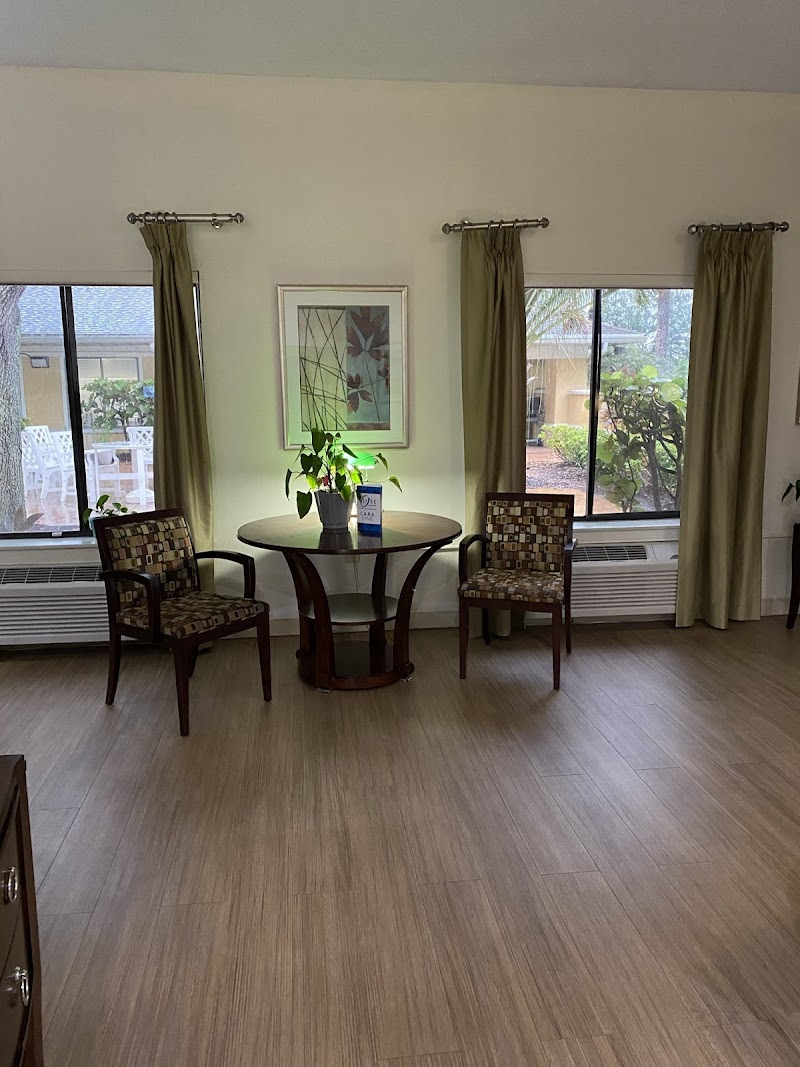
How is Nspire Healthcare Lauderhill Staffed?

CMS rates NSPIRE HEALTHCARE LAUDERHILL's staffing level at 4 out of 5 stars, which is above average compared to other nursing homes. Staff turnover is 25%, compared to the Florida average of 46%. This relatively stable workforce can support continuity of care.

What Have Inspectors Found at Nspire Healthcare Lauderhill?

State health inspectors documented 34 deficiencies at NSPIRE HEALTHCARE LAUDERHILL during 2022 to 2025. These included: 33 with potential for harm and 1 minor or isolated issues.
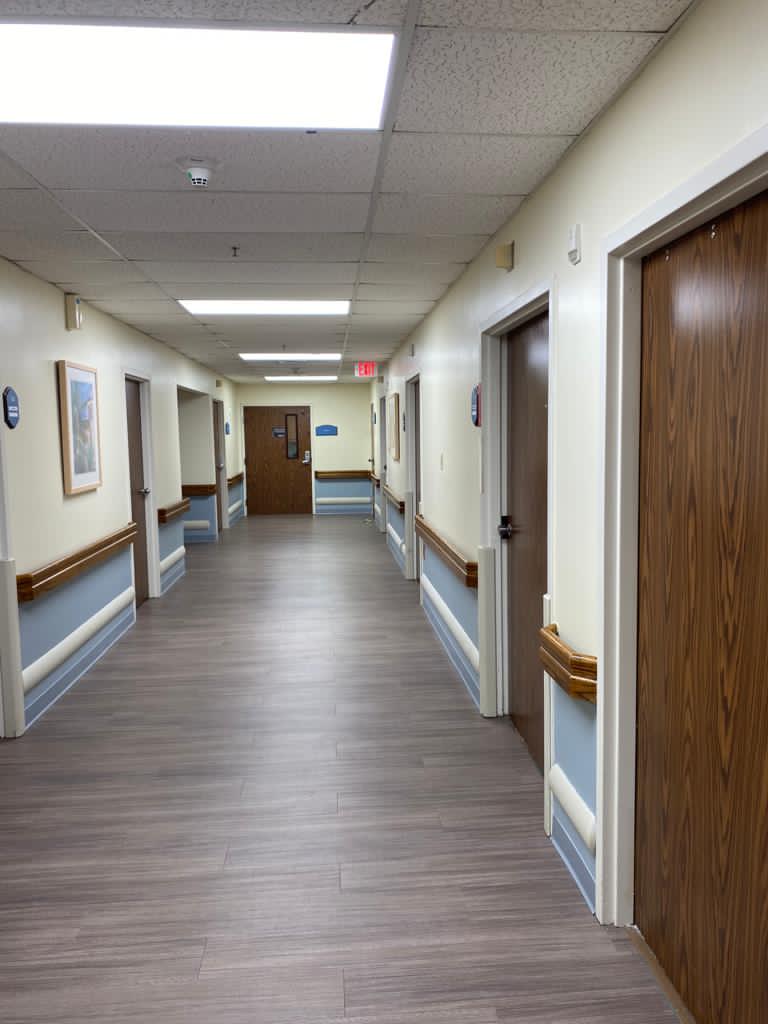
Who Owns and Operates Nspire Healthcare Lauderhill?

NSPIRE HEALTHCARE LAUDERHILL is owned by a for-profit company. For-profit facilities operate as businesses with obligations to shareholders or private owners. The facility is operated by CONSULATE HEALTH CARE/INDEPENDENCE LIVING CENTERS/NSPIRE HEALTHCARE/RAYDIANT HEALTH CARE, a chain that manages multiple nursing homes. With 109 certified beds and approximately 104 residents (about 95% occupancy), it is a mid-sized facility located in LAUDERHILL, Florida.
How Does Nspire Healthcare Lauderhill Compare to Other Florida Nursing Homes?

Compared to the 100 nursing homes in Florida, NSPIRE HEALTHCARE LAUDERHILL's overall rating (3 stars) is below the state average of 3.2, staff turnover (25%) is significantly lower than the state average of 46%, and health inspection rating (3 stars) is at the national benchmark.

What Should Families Ask When Visiting Nspire Healthcare Lauderhill?

Based on this facility's data, families visiting should ask: "Can I visit during a mealtime to observe dining assistance and food quality?" "How do you handle medical emergencies, and what is your hospital transfer rate?" "Can I speak with family members of current residents about their experience?"

Is Nspire Healthcare Lauderhill Safe?

Based on CMS inspection data, NSPIRE HEALTHCARE LAUDERHILL has a clean safety record: no substantiated abuse findings (meaning no confirmed cases of resident harm), no Immediate Jeopardy citations (the most serious violation level indicating risk of serious injury or death), and is not on the Special Focus Facility watch list (a federal program monitoring the lowest-performing 1% of nursing homes). The facility has a 3-star overall rating and ranks #100 of 100 nursing homes in Florida. While no facility is perfect, families should still ask about staff-to-resident ratios and recent inspection results during their visit.

Do Nurses at Nspire Healthcare Lauderhill Stick Around?

Staff at NSPIRE HEALTHCARE LAUDERHILL tend to stick around. With a turnover rate of 25%, the facility is 21 percentage points below the Florida average of 46%. Low turnover is a positive sign. It means caregivers have time to learn each resident's needs, medications, and personal preferences. Consistent staff also notice subtle changes in a resident's condition more quickly. Registered Nurse turnover is also low at 29%, meaning experienced RNs are available to handle complex medical needs.

Was Nspire Healthcare Lauderhill Ever Fined?

NSPIRE HEALTHCARE LAUDERHILL has no federal fines on record. CMS issues fines when nursing homes fail to meet care standards or don't correct problems found during inspections. The absence of fines suggests the facility has either maintained compliance or corrected any issues before penalties were assessed. This is a positive indicator, though families should still review recent inspection reports for the full picture.

Is Nspire Healthcare Lauderhill on Any Federal Watch List?

NSPIRE HEALTHCARE LAUDERHILL is not on any federal watch list. The most significant is the Special Focus Facility (SFF) program, which identifies the bottom 1% of nursing homes nationally based on persistent, serious quality problems. Not being on this list means the facility has avoided the pattern of deficiencies that triggers enhanced federal oversight. This is a positive indicator, though families should still review the facility's inspection history directly.