AVANTE AT LEESBURG, INC


2000 EDGEWOOD AVE, LEESBURG, FL 34748 (352) 787-3545
For profit - Corporation 116 Beds AVANTE CENTERS Data: November 2025
Trust Grade
55/100
#315 of 690 in FL
Last Inspection: April 2025

Within standard 12-15 month inspection cycle. Federal law requires annual inspections.

Overview

Avante at Leesburg, Inc. has received a Trust Grade of C, which indicates that it is average compared to other nursing homes. It ranks #315 out of 690 facilities in Florida, placing it in the top half, and #8 out of 17 in Lake County, meaning only seven local facilities are rated better. Unfortunately, the trend is worsening, with issues increasing from 4 in 2024 to 10 in 2025. Staffing is a concern here, with a below-average rating of 2 out of 5 stars and a high turnover rate of 65%, significantly above the state average of 42%. The facility has not received any fines, which is a positive sign, but it has less RN coverage than 87% of Florida facilities, potentially impacting the quality of care. Specific incidents include unsafe food storage practices, such as improperly stored sugar and rice, and failure to provide proper oxygen therapy for residents, which raises concerns about adherence to care standards. Additionally, the kitchen conditions were noted to be unsanitary, with dirty cooking equipment and a lack of proper food storage. While the lack of fines is a positive aspect, the increasing number of deficiencies and concerning staffing levels highlight significant areas for improvement.

Trust Score
C
55/100
In Florida
#315/690
Top 45%
Safety Record
Low Risk
No red flags
Inspections
Getting Worse
4 → 10 violations
Staff Stability
⚠ Watch
65% turnover. Above average. Higher turnover means staff may not know residents' routines.
Penalties
✓ Good
No fines on record. Clean compliance history, better than most Florida facilities.
Skilled Nurses
⚠ Watch
Each resident gets only 26 minutes of Registered Nurse (RN) attention daily — below average for Florida. Fewer RN minutes means fewer trained eyes watching for problems.
Violations
⚠ Watch
21 deficiencies on record. Higher than average. Multiple issues found across inspections.
★★★☆☆
3.0
Overall Rating
★★☆☆☆
2.0
Staff Levels
★★★☆☆
3.0
Care Quality
★★★☆☆
3.0
Inspection Score
Stable
2024: 4 issues
2025: 10 issues

The Good

  • Full Sprinkler Coverage · Fire safety systems throughout facility
  • No fines on record

Facility shows strength in fire safety.

The Bad

3-Star Overall Rating

Near Florida average (3.2)

Meets federal standards, typical of most facilities

Staff Turnover: 65%

19pts above Florida avg (46%)

Frequent staff changes - ask about care continuity

Chain: AVANTE CENTERS

Part of a multi-facility chain

Ask about local staffing decisions and management

Staff turnover is elevated (65%)

17 points above Florida average of 48%

The Ugly 21 deficiencies on record

Apr 2025 9 deficiencies
CONCERN (D)

Potential for Harm - no one hurt, but risky conditions existed

Assessment Accuracy (Tag F0641)

Could have caused harm · This affected 1 resident

**NOTE- TERMS IN BRACKETS HAVE BEEN EDITED TO PROTECT CONFIDENTIALITY** Based on record reviews and interviews, the facility failed to ensure resident assessment accurately reflects the resident's sta...

Read full inspector narrative →
**NOTE- TERMS IN BRACKETS HAVE BEEN EDITED TO PROTECT CONFIDENTIALITY** Based on record reviews and interviews, the facility failed to ensure resident assessment accurately reflects the resident's status for 2 (Resident #2, #14) of 7 residents reviewed for nutrition and dialysis. Findings include: 1) During an observation on 4/15/2025 at 8:30 AM, Resident #2 was eating in his room independently. On the meal tray there were two boiled eggs, coffee, grits, and ground meat. Meal ticket read fortified foods and double portions. During an observation on 4/15/2025 at 12:14 PM, Resident #2 was eating independently in his room. Meal tray included cooked carrots, mashed potatoes, ground meat, dessert, frozen treat, nutrition shake, and coffee. Meal ticket read fortified foods and double portions. Review of Resident #2's physician order dated 11/27/2024, read, Regular diet mechanical soft, texture thin consistency, large portions; fortified foods. Review of Resident #2's physician order dated 10/22/2024, read, Calorically dense oral supplement three times a day 120ml (milliliters). Review of Resident #2's physician orders dated 10/22/2024, Health shake two times a day with lunch and dinner. Review of Resident #2's Minimum Data Set titled Modified of Quarterly dated 2/21/2025,,documented resident was not receiving a therapeutic diet. During an interview on 4/17/2025 at 11:08 AM, the Minimum Data Set Regional Specialist stated, [Resident #2 Name] needed to be coded as therapeutic diet due to his fortified foods order. During an interview 4/17/2025 at 11:55 AM, the Register Dietitian stated, [Resident #2 Name] has had weight loss, for him (Resident #2) fortified foods and any additional supplements are considered therapeutic due to the weight loss. Review of the policy and procedure titled Resident Assessment Instrument (RAI), last review date of 2/19/2025 read, Policy: It is the policy of the facility to adhere to the following procedures related to the proper documentation and utilization of a resident's Minimum Date Set (MDS) to ensure a comprehensive and accurate assessment of residents will be completed in the format and in accordance with time frames stipulated by the Department of Health and Human Services Center for Medicare and Medicaid Services. The assessment system will provide a comprehensive, accurate, standardized, reproducible assessment of each resident's functional capacities and assist staff to identify health problems for care plan development. 2) Review of the admission record for Resident #17 documented the resident was admitted to the facility on [DATE] with diagnosis that included chronic kidney disease and type 2 diabetes mellitus. Review of Minimum Data Set (MDS) admission assessment, dated 4/6/2025, documented that Resident #14 was receiving dialysis services while a resident at the facility. Review of physician orders for Resident #14 documented no orders for dialysis. During an interview on 4/14/2025 at 9:24 AM, Resident #14 stated, I am not on dialysis. During an interview on 4/17/2025 at 1:15 PM, the Travel MDS Coordinator stated, We review the physician orders, hospital discharge documents, assessments and progress notes when completing the MDS. I was not here at this time. During an interview on 4/17/2025 at 2:20 PM, the Director of Nursing (DON), stated, It is expected that the MDS is updated immediately upon change of situation/condition. That reflects any and all changes regarding residents.
CONCERN (D)

Potential for Harm - no one hurt, but risky conditions existed

Deficiency F0645 (Tag F0645)

Could have caused harm · This affected 1 resident

**NOTE- TERMS IN BRACKETS HAVE BEEN EDITED TO PROTECT CONFIDENTIALITY** Based on interview and record review the facility failed to ensure Preadmission Screening and Resident Review (PASRR) was accura...

Read full inspector narrative →
**NOTE- TERMS IN BRACKETS HAVE BEEN EDITED TO PROTECT CONFIDENTIALITY** Based on interview and record review the facility failed to ensure Preadmission Screening and Resident Review (PASRR) was accurately completed for 3 (Resident #55, #66, #70, ) of 7 residents reviewed for mood and behavior Findings include: 1)Review of Resident #70 Stated of Florida Agency for Health Care Administration Preadmission Screening and Resident Review (PASRR) dated 3/8/2024 did not document depressive disorder. Review of Resident #70 admission record resident was admitted on [DATE] with diagnosis included but not limited to anxiety disorder, depression, low back pain, and auditory hallucinations. Review of Resident #70 physician order dated 12/12/2024 Sertraline HCI Oral Tablet 50mg (milligrams) give 50mg by mouth one time a day for depression. During an interview on 4/16/2025 at 5:15 PM with [NAME] President of Clinical Operations stated , [Resident #70's name] depressive disorder should have be included in the level one before admission to the facility. Social Services reviews the PASRR and checks for accuracy and if they need to correct anything they will tell a nurse to correct it. During an interview on 4/16/2025 at 5:43 PM with the Director of Nursing stated, [Resident #70 name] PASRR was missed it should have been updated when she [Resident #70] came in from the hospital, but it was missed. Review of the facility policy and procedure titled Coordination-Pre-admission Screening and Resident Review (PASRR) Program with a last review date 2/19/2025 read, Policy: It is the policy of the facility to assure that all residents admitted to the facility received a Pre-admission Screening and Resident Review in accordance with State and Federal Regulation. 2.) Review of Preadmission Screening and Resident Review (PASRR) dated 10/19/2022 read that Resident #55 did not have or was not suspected of having any mental illness. Review of physician order dated 9/18/2024 for Resident #55 read, Fluoxetine HCL Oral Capsule 20 mg (milligram), give 40 mg by mouth one time a day related to Major Depressive Disorder, Recurrent, Moderate. Review of physician order dated 1/24/2025 for Resident #55 read, Depakote Sprinkles Oral Capsule Delayed Release Sprinkle 125 mg, give 2 capsules by mouth every 8 hours related to unspecified Dementia, unspecified severity, with other behavioral disturbances. Review of physician order dated 3/25/2025 for Resident #55 read, Trazodone HCL Oral Tablet 100 mg, give 0.5 tablet by mouth one time a day for depression related to Major Depressive Disorder, single episode, moderate. Review of psychiatry subsequent note dated 3/25/2025 for Resident #55 read, This is a [AGE] year-old patient with a past psychiatric history of depression, anxiety, dementia, insomnia and bipolar disorder .Today, I saw the patient as it was reported to me that the patient is unstable requiring psychiatric assessment. Review of psychiatry subsequent note dated 4/1/2025 for Resident #55 read, Today, I saw the patient to assess tolerability and effectiveness after recent medication changes .As per the collected information and interview, it appears that the patient is doing well overall. During an interview on 4/17/2025 at 11:30 AM with the DON, she stated, The PASRR is incorrect, and a new one should have been completed. 3.) Review of Preadmission Screening and Resident Review (PASRR) dated 10/25/2023 read that Resident #66 did not have or was not suspected of having any mental illness. Review of physician order dated 2/21/2024 for Resident#66 read, Escitalopram Oxalate Oral Tablet 10 mg (milligram), give 1 tablet by mouth one time a day for depression related to major depressive disorder, single episode, mild. Review of physician order dated 7/2/2024, Depakote Sprinkles Capsule Sprinkle 125mg, give 2 capsules by mouth two time a day for mood disorder. Review of psychiatry subsequent note dated 3/25/2025 for Resident #66 read, This is a [AGE] year-old patient with a past psychiatric history of depression, anxiety, dementia, mood disorder .Today, I saw the patient to initiate gradual dose reduction (GDR). Review of psychiatry subsequent note dated 4/1/2025 for Resident #66 read, Today, I saw the patient to assess tolerability and effectiveness after recent medication changes .As per the collected information and interview, it appears that the patient is doing well overall. During an interview on 4/17/2025 at 11:30 AM with the DON, she stated, The PASRR is incorrect, and a new one should have been completed.
CONCERN (D)

Potential for Harm - no one hurt, but risky conditions existed

Comprehensive Care Plan (Tag F0656)

Could have caused harm · This affected 1 resident

Based on observation, interviews and record review, the facility failed to develop and implement a comprehensive care plan for 1 (Resident #70) of 6 resident reviewed for medication management and 1 (...

Read full inspector narrative →
Based on observation, interviews and record review, the facility failed to develop and implement a comprehensive care plan for 1 (Resident #70) of 6 resident reviewed for medication management and 1 (Resident #42) of 6 residents reviewed for Hospice. Findings include: Review of Resident #70's physician order dated 12/12/2024, read, Sertraline HCI Oral Tablet 50mg (milligrams) give 50mg by mouth one time a day for depression. Review of Resident #70's Psychiatry Subsequent Note dated 4/8/2025 read, Chief complaint: Depression, anxiety, mood disorder and schizophrenia . Review of Resident #70's comprehensive resident centered care plan did not document a focus for depression. During an interview on 4/17/2025 at 10:50 AM, the Regional MDS (Minimum Data Set) Specialist stated, [Resident #70' s Name] antidepressant focus was resolved and had to be included again in the resident's care plan. Review of the policy and procedure titled Comprehensive Care Plans with a last review date of 2/19/2025 read, Policy: It is the policy of the facility to promote seamless interdisciplinary care for our residents by utilizing the interdisciplinary plan of care based on assessment, planning, treatment, service and intervention. It is utilized to plan for and manage resident care as evidence by documentation from admission through discharge for each resident .The care plan will identify priority problems and needs to be addressed by the interdisciplinary team, and will reflect the residents strengths, limitations and goals. The care plan will be complete, current, realistic, time specific and appropriate to the individual needs for each resident.
CONCERN (D)

Potential for Harm - no one hurt, but risky conditions existed

Quality of Care (Tag F0684)

Could have caused harm · This affected 1 resident

Based on observations, interviews, and record reviews, the facility failed to ensure care and treatment was provided in accordance with professional standards of practice for 2 (Resident #84, #395) of...

Read full inspector narrative →
Based on observations, interviews, and record reviews, the facility failed to ensure care and treatment was provided in accordance with professional standards of practice for 2 (Resident #84, #395) of 8 residents reviewed for central venous access devices and skin conditions. Findings include: 1) During an observation on 4/14/2025 at 9:39 AM, Resident #84 was lying in bed, there was a dressing on Resident #84 left upper and forearm dated 4/10/2025. There was a pink gentle border dressing on Resident #84 upper right arm with no date or initials. (photographic evidence obtained) During an interview on 4/14/2025 at 9:39 AM, Resident #84 stated, I had a fall, and I got a few skin tears. During an observation on 4/16/2025 at 8:21 AM, Resident #84 was sitting up in bed eating breakfast. Resident #84's left upper and forearm had a dressing dated 4/10/2024. There was a pink gentle border dressing on Resident #84's upper right arm with no date or initials. Review of Resident #84's physician orders resident did not have wound care orders for skin tear prior to 4/11/2025. Review of Resident #84's physician order dated 4/11/2025 read, Clean skin tears with NS (normal saline), xeroform, gauze bandage. Review of Resident #84's physician order dated 4/14/2025 read, Clean skin tears with wound cleanser, pat dry, apply xeroform to skin tear, wrap with rolled gauze 3 x week (3 times a week) and prn (as needed) every day shift every Tue, Thu, Sat (Tuesday, Thursday, Saturday) for skin tear. Review of Resident #84's Weekly Skin Observation dated 3/25/2025 read, Skin conditions: 16) left antecubital skin tear, 17) right elbow skin tear, 37) Right knee (front) skin tear, and 38) left knee (front). Review of Resident #84 Weekly Skin Observation dated 4/4/2025 read, Skin conditions: 16) left antecubital skin tear, 17) right elbow skin tear, 37) Right knee (front) skin tear, and 38) left knee (front) skin tear. Review of Resident #84 Weekly Skin Observation dated 4/10/2025 read, Skin conditions: 16) left antecubital skin tear, 17) right elbow skin tear, 37) Right knee (front) skin tear, and 38) left knee (front) skin tear. During an interview on 4/16/2025 at 11:13 AM with Staff B, Wound Care, License Practical Nurse (LPN), stated, I was the one who put those dressing in place [left upper and forearm dressing] on 4/10/2024. [Resident #84's Name] wound care is done three times a week. Maybe the nurse did not know he would not be seen by the wound care doctor since they are skin tears. I am not sure why he has a dressing on his upper right arm. During an interview on 4/16/2025 at 11:57 AM, the Director of Nursing stated, Nursing staff should perform wound care as per doctor's orders and document appropriately and accurately the services provided to the residents. Review of the policy and procedure titled Wound Management, with a last review date of 2/19/2025, read, Policy: The purpose of this program is to assist the facility in the care, services, and documentation related to the occurrence, treatment and prevention of pressure as well as, non-pressure related wounds. Procedure: 1 .The admitting nurse/nurse identifying a skin integrity issue, will then be responsible for initiating the appropriate intervention such as ensuring treatment order(s) are in place . 2) During an observation on 4/14/2025 at 9:40 AM, Resident #395 was lying in bed; there was a single lumen picc (peripherally inserted central catheter) line on resident's right arm with a transparent dressing dated 4/1/2025. (photographic evidence obtained) Review of Resident #395's physician order dated 3/31/2025, read, PICC/MID line: Change dressing to insertion site (insert site) every 7 days and prn (as needed) using sterile technique. as needed. Review of Resident #395's physician order dated 3/31/2025, read, PICC/MID Line: RIGHT ARM) Dressing change 24 hours after insertion one time only for 24 hours after insertion for 1 day change dressing. During an interview on 4/16/2025 at 12:31 PM, the Director of Nursing stated, Intravenous dressing changes should be done weekly and as needed. Review of the policy and procedure titled PICC/Midline/CVAD (central venous access device) Dressing Change, with a last review date of 2/19/2025, read, Policy: It is the policy of this facility to change peripherally inserted central catheter (PICC), midline or central venous access device (CVAD) dressing weekly or if soiled, in a manner to decrease potential for infection and/or cross-contamination. Physician's orders will specify type pf dressing and frequency of changes.
CONCERN (D)

Potential for Harm - no one hurt, but risky conditions existed

Laboratory Services (Tag F0770)

Could have caused harm · This affected 1 resident

Based on interviews and record reviews, the facility failed to ensure physician ordered laboratory services were completed for 1 (Resident #59) of 6 residents reviewed for medication regimen. Finding...

Read full inspector narrative →
Based on interviews and record reviews, the facility failed to ensure physician ordered laboratory services were completed for 1 (Resident #59) of 6 residents reviewed for medication regimen. Findings include: Review of Resident #59's physician's order dated 11/13/2024, read, Lipid Panel q (every) 3 months every night shift every 3 months starting on the 13th for 1 day (s) related to Hyperlipidemia. Review of Resident #59's Health link Diagnostic Laboratories Inc dated 12/13/2024 documented lipid studies done. Review of Resident #59's laboratory results for the Month of March did not documented any laboratory services done for a Lipid Panel. During an interview on 4/16/2025 at 5:43 PM, the Director of Nursing stated, [Resident #59 name] lab was missed. It will be taken care of. Review of the policy and procedure titled Laboratory, Radiology, and other Diagnostic Services, with a last review date of 2/19/2025, read, Policy: It is the policy of this facility to ensure that laboratory, radiology, and other diagnostic services meet the needs of residents, that results are reported promptly to the ordering provider to address potential concerns and for disease prevention, provide for resident assessment, diagnosis, and treatment, and that the facility has established policies and procedures, and is responsible for the quality and timeliness of services whether services are provided by the facility or an outside resource.
CONCERN (D)

Potential for Harm - no one hurt, but risky conditions existed

Medical Records (Tag F0842)

Could have caused harm · This affected 1 resident

Based on observations, interviews and record reviews, the facility failed to maintain complete and accurately documented medical records for 3 (Resident #84, #395, and #70) of 12 residents reviewed fo...

Read full inspector narrative →
Based on observations, interviews and record reviews, the facility failed to maintain complete and accurately documented medical records for 3 (Resident #84, #395, and #70) of 12 residents reviewed for skin conditions and medication management. Findings include: 1) During an observation on 4/14/2025 at 9:39 AM, Resident #84 was lying in bed, there was a dressing on Resident #84 left upper and forearm dated 4/10/2025. There was a pink gentle border dressing on Resident #84 upper right arm with no date or initials. (photographic evidence obtained) During an interview on 4/14/2025 at 9:39 AM, Resident #84 stated, I had a fall, and I got a few skin tears. During an observation on 4/16/2025 at 8:21 AM, Resident #84 was sitting up in bed eating breakfast. Resident #84's left upper and forearm had a dressing dated 4/10/2024. There was a pink gentle border dressing on Resident #84's upper right arm with no date or initials. Review of Resident #84's physician orders did not reveal any wound care orders for skin tear prior to 4/11/2025. Review of Resident #84's physician order dated 4/11/2025 read, Clean skin tears with NS (normal saline), xeroform, gauze bandage. Review of Resident #84's physician order dated 4/14/2025 read, Clean skin tears with wound cleanser, pat dry, apply xeroform to skin tear, wrap with rolled gauze 3 x week (3 times a week) and prn (as needed) every day shift every Tue, Thu, Sat (Tuesday, Thursday, Saturday) for skin tear. Review of Resident #84's Treatment Administration Record for the month of April 2025 documented dressing change for skin tear done on 4/15/2024. During an interview on 4/16/2025 at 11:13 AM with Staff B, Wound Care, License Practical Nurse (LPN), stated, I was the one who put those dressings in place [left upper and forearm dressing] on 4/10/2024. [Resident #84's Name] wound care is done three times a week. Maybe the nurse did not know he would not be seen by the wound care doctor since they are skin tears. I am not sure why he has a dressing on his upper right arm. During an interview on 4/16/2025 at 11:57 AM, the Director of Nursing stated, Nursing staff should perform wound care as per doctor's orders and document appropriately and accurately the services provided to the residents. During an interview on 4/16/2025 at 2:39 PM, Staff C , Licensed Practical Nurse, (LPN), stated, I did not do wound care on [Resident #84's Name] this Monday (4/15/2025). I thought the resident was on the wound care list to be seen by the wound care doctor. That was my mistake for not double checking to see if wound care had been done. Review of the policy and procedure titled Wound Management, with a last review date of 2/19/2025, read, Policy: The purpose of this program is to assist the facility in the care, services, and documentation related to the occurrence, treatment and prevention of pressure as well as, non-pressure related wounds. Procedure: 1 .The admitting nurse/nurse identifying a skin integrity issue, will then be responsible for initiating the appropriate intervention such as ensuring treatment order(s) are in place .3. The admitting nurse will be responsible for informing the Unit Manger or other designated supervisor of the wound so that the wound can be then documented on the appropriate tracking log within benchmarks. Review of the policy and procedure titled, Documentation, with a last review date of 2/19/2025, read, Policy: Each resident's medical record shall contain an accurate representation of the actual experiences of the resident and include enough information to provide a picture of the resident's progress through complete, accurate, and timely documentation. 2) During an observation on 4/14/2025 at 9:40 AM, Resident #395 was lying in bed; there was a single lumen PICC (peripherally inserted central catheter) line on resident's right arm with a transparent dressing dated 4/1/2025. (photographic evidence obtained) Review of Resident #395's physician's order dated 4/2/2025, read, Right anterior leg: cleanse with wound cleanser, pat dry, apply calcium alginate silver, cover with bordered gauzed as needed for soiled/displaced/wound rounds. Review of Resident #395's physician's order dated 4/2/2025, read, Right anterior leg: cleanse with wound cleanser, pat dry, apply calcium alginate silver, cover with bordered gauze every evening shift every Tue, Thu, Sat (Tuesday, Thursday, Saturday) for trauma. Review of Resident #395's physician's order dated 4/9/2025, read, Wound Care: Right anterior leg-cleanse with wound cleanser, pat dry, apply calcium alginate silver, cover with bordered gauze as needed for soiled, displaced, or wound rounds. Review of Resident #395's physician's order dated 4/9/2025, read, Wound Care: Right anterior leg: cleanse with wound cleanser, pat dry, apply calcium alginate silver, cover with bordered gauze every evening shift every Tue, Thu, Sat (Tuesday, Thursday, Saturday) for trauma wound. Review of Resident #395's physician's order dated 4/15/2025, read, Wound Care: Right anterior leg-cleanse with wound cleanser , pat dry, protect peri wound with skin prep. Apply medi honey, calcium alginate silver, cover with bordered gauze as needed for Soiled, displaced, or wound rounds. Review of Resident #395's physician's order dated 4/15/2025, read, Wound Care: Right anterior leg-cleanse with wound cleanser, pat dry, protect peri wound with skin prep. Apply medi honey, calcium alginate silver, cover with bordered gauze every evening shift every Tue, Thu, Sat for Trauma Wound. Review of Resident #395's Treatment Administrator Record for the Month of April 2025 did not document wound care treatments provided to resident. During an interview on 4/16/2025 at 11:55 AM, Staff B, Wound Care License Practical Nurse, stated, I do wound care on [Resident #395's Name] three times a day. Wound care group has their own nurse, and they are responsible for putting their orders in the system. The reason wound care is not showing in the treatment record is because they [wound care group] were not clicking to include the order in the TAR (Treatment Administration Record) they were clicking appointments. 3) Review of Resident #70's physician order, dated 12/12/2024, read, Midodrine HCI Oral Tablet 5mg (milligrams) give 5 mg by mouth three times a day for orthostatic hypotension [is a form of low blood pressure that happens when standing after sitting or lying down]. Review of Resident #70's Medication Administration Record (MAR) for the month of March 2025, Midodrine 5 mg was held at 0900 [9:00AM] on 4/1/2025, 4/2/2025, 4/3/2025, 4/6/2025, 4/9/2025, 4/10/2025, 4/12/2025, 4/13/2025, 4/14/2025; at 1300 [1:00PM] 4/2/2025, 4/3/2025, 4/5/2025, 4/9/2025, 4/11/2025, 4/12/2025, 4/13/2025; and at 1700 [5:00PM] on 4/1/2025, 4/2/2025, 4/3/2025, 4/4/2025, 4/7/2025, and 4/8/2025. During an interview on 4/16/2025 at 11:35 AM, Staff D, Registered Nurse, Unit Manager, stated, [Resident #70's Name] order for Midodrine should have parameters in place. During an interview on 4/16/2025 at 5:21 PM, the Director of Nursing, stated, I spoke to the provider and the medication needed to have parameters. Review of the policy and procedure titled, General Dose Preparation and Medication Administration with a last review date of 2/19/2025 read, Procedure. 4. Prior to administration record of medication, Facility staff should take all measures required by Facility policy and Applicable Law, including, but not limited to the following: 4.1.2 Confirm that the MAR reflects the most recent medication order. Review of the policy and procedure titled, Medication Administration with a last review date of 2/19/2025, read, Policy Explanation and Compliance Guidelines: 8. Obtain and record vital signs, when applicable or per physician orders. When applicable hold medication for those vital signs outside the physician prescribed parameters.
CONCERN (D)

Potential for Harm - no one hurt, but risky conditions existed

Infection Control (Tag F0880)

Could have caused harm · This affected 1 resident

**NOTE- TERMS IN BRACKETS HAVE BEEN EDITED TO PROTECT CONFIDENTIALITY** 3) During the initial tour on 4/14/25 at 10:12 AM, a housekeeping aide was observed to have just left the room of Resident #62. ...

Read full inspector narrative →
**NOTE- TERMS IN BRACKETS HAVE BEEN EDITED TO PROTECT CONFIDENTIALITY** 3) During the initial tour on 4/14/25 at 10:12 AM, a housekeeping aide was observed to have just left the room of Resident #62. An observation of Resident 62's room showed the floor under the sink was extremely dirty, sink was not draining, and there was no hand soap. (photographic evidence). During an observation on 4/15/25 at 3:12 PM of Resident #62's room, the floor under sink was extremely dirty and hand soap dispenser was empty. During the observation on 4/16/25 at 8:30 AM, a housekeeping aide was observed to be on the unit where room [ROOM NUMBER] was located. Resident 62's room showed the floor under sink was extremely dirty, the sink was draining very slowly, the water was pooling in sink, and there was no hand soap in dispenser. During an interview on 4/16/25 at 8:40 AM, the Housekeeping Manager stated, The housekeeping aides are responsible for filling the soap dispensers, soap should have been replaced. During an interview on 4/16/25 at 8:43 AM, the Maintenance Director stated, The sink was fixed Monday afternoon, I see water is not draining. During an interview on 4/17/25 at 10:40 AM, the Administrator stated that they do not have a policy for soap dispensers and cannot say what the housekeepers look for when they are in the room. The soap was filled in the room once it was reported on Wednesday and she stated that she didn't know if there was a checklist for housekeepers to follow. During an interview on 4/17/25 at 10:50 AM, Staff E, housekeeping aide, with Administrator present, stated I was trained since orientation in August 2024 that when I'm cleaning a room I am to check for the soap dispenser and hand sanitizer. If the dispensers are empty we are to change them. No, there is not a check list [to follow]. We are trained to check dispensers. During an interview on 4/17/25 at 11:53 AM, Staff F, Registered Nurse (RN), Unit 2 Manager/Assistant Director of Nursing (ADON), stated If we notice that a dispenser is empty, we notify housekeeping. 4) An observation on 4/14/25 at 10:10 AM, Resident #68's Diabetasource 1.2 [prescribed nutritional tube feeding] was running at 80 milliliters (ml)/hour (hr) with flush 60 ml/hr on a pump. There was no date on tubing or water bag. (photographic evidence obtained) An observation on 4/15/25 at 8:10 AM, Resident #68's Diabetasource was running at 80 ml/hr on the pump. There was no date on tubing or water bag. An observation on 4/16/25 at 9:15 AM, Resident #68's Diabetasource was not running and the resident was still connected to the feeding. There was no date on tubing or water bag. During an interview on 4/16/25 at 9:15 AM, Staff A, Licensed Practical Nurse (LPN) stated, The tubing [for nutritional feeding] should be changed daily and dated. I don't see a date on the water bag or tubing. The feeding was just stopped to provide [Resident #68's Name] care. During an interview on 4/16/25 at 10:00 AM, the Director of Nursing (DON) stated, That is unacceptable, it is nursing 101. It is a nursing standard of practice. Based on observations, interviews, and record reviews, the facility failed to ensure and maintain an infection prevention and control program to provide a safe, sanitary and comfortable environment and to prevent the possible development and transmission of communicable diseases and infections for 3 (Resident #248, #246 and #68) of 7 residents for personal protective equipment, transmission based precautions, and tracheostomy care and 1 of 4 hallways for a sanitary environment. Findings include: 1) During an observation on 4/16/2025 at 1:50 PM, Staff D, Registered Nurse, Unit Manager, (RN UM) did not perform hand hygiene before entering Resident #246's room. Staff D donned a gown, gloves and a face shield. Staff D entered the room and removed her gloves without performing hand hygiene. Staff D removed her gloves and proceeded to put on sterile gloves. Staff D, while donning the sterile gloves, touched the sterile glove on her right hand with her left hand that did not contain a glove, breaking the sterility of the glove. After donning the Sterile gloves, Staff D proceeded to rearrange Resident #246's drawer and water cups. Staff D removed the suctioning catheter from on top the drawer which was place inside an open package for the suction catheter. Staff D began to suction Resident #246. Staff D removed all personal protective equipment and performed hand hygiene. During an interview on 4/16/2025 at 2:00 PM, Staff D, RN UM, stated, I should have performed hand hygiene before entering the room and should have been more careful with keeping sterility. I normally reuse the suction catheter throughout the shift and then when the new shift comes they get a new one. During an interview on 4/17/2025 at 8:30 AM, the Director of Nursing stated, Staff should perform hand hygiene before donning gloves or entering a patient room. Tracheostomy suctioning is a sterile procedure, and the nurse should keep one hand clean and one dirty at all times throughout the procedure. The suction catheter can be reused. Review of the policy and procedure titled, Tracheostomy Care, with a last review date of 2/19/2025 read, Policy: The facility will ensure that residents who need respiratory care, including tracheostomy care and tracheal suctioning, is provided such care consistent with professional standards of practice, the comprehensive person-centered care plan and resident goals and preferences. Review of the policy and procedure titled, Tracheostomy Suctioning, with a last review date of 2/19/2025, read, 8. Open suction catheter kit using sterile technique and put on sterile gloves. Review of the policy and procedure titled, Infection Control-Hand Hygiene, with a last review date of 2/19/2025, read, Policy: It is the policy of the facility to perfume hand hygiene in accordance with national standards from the Centers for Disease Control and Prevention and the World Health Organizations. Procedure. 2. Alcohol Based hand rub may be used for all other hand hygiene opportunities . a. prior to caring for a resident. Review of the facility policy and procedures titled, Infection Control-Standard and Transmission-Based Precautions, with a last review date of 2/19/2025 read, Policy: It is the policy of the facility to ensure that appropriate infection prevention and control measures are taken to prevent the spread of communicable disease and infections in accordance with State and Federal Regulations and national guidelines. Procedure. Standard Precautions: 1. All staff are to adhere to standard precautions. b. Personal protective equipment include gloves, gown, masks, googles, and or face shield. Transmission-based Precautions.14. Contact precautions are implemented most often for residents who have infection due to an epidemiologically important organism such as multi-drug resistant organism (MDRO). a. staff are to put on gowns and gloves upon entry and remove gown and gloves upon exit of resident room. 2) During an observation on 4/14/2025 at 10:15 AM, Resident #248's room door had a contact precaution sign and personal protective equipment was observed outside of room. During an interview on 4/14/2025 at 10:23 AM, Staff C, License Practical Nurse (LPN) stated Resident #248 was on contact precautions due to a wound on his leg. During an observation on 4/14/2025 at 11:22 AM, Staff B, Wound Care LPN, entered Resident #248's room and donned gloves but did not don a gown. Staff B kneeled in front of Resident #248 and started to perform wound care on Resident #248 lower extremity. During an interview on 4/16/2025 at 11:21 AM, Staff B, Wound Care LPN stated, Resident #248 has trauma wounds on his leg. He was on enhance barrier precautions. I should have donned a gown when I was doing his wound care. I was just caught up in the moment. During an interview on 4/17/2025 at 8:30 AM, the Director of Nursing stated, The staff member came to tell me what happened. I expect staff to follow the order and don appropriate personal protective equipment when providing direct care. If resident is on contact precautions, the staff should gown before entering the room.
CONCERN (E)

Potential for Harm - no one hurt, but risky conditions existed

Respiratory Care (Tag F0695)

Could have caused harm · This affected multiple residents

Based on observations, interviews, and record reviews, the facility failed to ensure respiratory care and services were provided in accordance with professional standards of practice for 3 (Resident #...

Read full inspector narrative →
Based on observations, interviews, and record reviews, the facility failed to ensure respiratory care and services were provided in accordance with professional standards of practice for 3 (Resident #195, #82, and #36) of 6 residents reviewed for oxygen therapy and respiratory treatments. Findings include: 1) During an observation on 4/14/25 at 10:17 AM, Resident 195's oxygen (O2) setting was on 4.5 liter (ltr), the O2 tubing is dated 4/6/25. (photographic evidence obtained) During an observation on 4/15/25 at 9:02 AM, Resident 195's oxygen (O2) setting was on 4.5 ltr, the O2 tubing is dated 4/6/25. During an observation on 4/15/25 at 3:36 PM, Resident 195's oxygen (O2) setting was on 4.5 ltr, the O2 tubing is dated 4/6/25. During an observation on 4/16/25 at 9:05 AM, Resident 195's oxygen (O2) setting was on 4.5 ltr, the O2 tubing is dated 4/6/25. Review of Resident 195's admission record documented an original admission date of 1/5/2025 and a readmission date of 3/1/2025 with diagnosis that included COPD (Chronic Obstructive Pulmonary Disease), asthma and severe protein malnutrition. Review of Resident 195's physician's order dated 3/8/25, reads, change oxygen set up and bag weekly and as needed. every night shift on Saturday. Review of Resident 195's physician's order dated 3/3/25, reads, Oxygen at 3 liters/min (minute) via nasal canula for SOB (shortness of breath). 2) During an observation on 4/14/25 at 1:35 PM, Resident #82's oxygen (O2) tubing date appears to be written over and with multiple numbers overlapping. It is unclear as to what the date actually is. During an interview on 4/14/25 at 1:35 PM, Resident #82 stated, I watch the staff change the date on oxygen tubing without actually changing the tubing. You can see they tried to put another date on top of the previous date, if you look at my roommate she did the same thing to his. I don't know her name, it was at night, they shouldn't do that. That is wrong. (Photographic evidence obtained) During an observation on 4/15/25 at 3:15 PM, Resident #82's O2 tubing was marked with multiple numbers overlapping, same as yesterday (4/14/25). During an interview on 4/15/25 at 3:15 PM, Resident #82 stated, it is still the same, no one has changed it. During an interview on 4/16/25 at 9:15 AM, Staff A, Licensed Practical Nurse (LPN), stated, The oxygen tubing should be changed weekly. I see the date; that should not be. During an interview on 4/16/25 at 9:15 AM, Resident #82 stated, I watch the staff change the date, the nurse did it right in front of me. During an interview on 4/16/25 at 10:00 AM, the Director of Nursing (DON) stated, that is unacceptable [changing date and not tubing], it is nursing 101; it is nursing standards of practice. Review of the policy and procedure titled, Tracheostomy Care and Suctioning/Oxygen, last reviewed on 2/19/25, reads, Policy: The facility will ensure that residents who need respiratory care, including tracheostomy care and tracheal suctioning, is provided such care consistent with professional standards of practice, the comprehensive person-centered care plan and resident goal and preferences. Procedures. 2. The facility will provide necessary respiratory care and services, such as oxygen therapy as ordered by physician, treatments, mechanical ventilation, tracheostomy care and/or suctioning. 4. Based upon the residents assessment, attending physician's order's, and professional standards of practice, the facility in collaboration with the resident/resident's representative will develop a care plan that includes appropriate interventions for respiratory care. 3) During an observation on 4/15/25 at 10:10 AM, Resident #36 was lying in bed. On top of bedside table there was a nebulizer mouthpiece not bagged and tubing that was not dated. (photographic evidence obtained) During an observation on 4/16/25 at 9:30 AM, Resident #36 was lying in bed. On top of bedside table there was a nebulizer mouthpiece not bagged and tubing that was not dated. Review of Resident #36's physician's orders documented no orders for respiratory therapy tubing changes. Review of Resident #36's physician's order dated 3/25/25 read, Ipratropium-Albuterol Solution 0.5-2.5 (3) MG (milligrams)/3ML (milliliters) 3 ml inhale orally every 4 hours as needed for SOB (shortness of breath) or wheezing via nebulizer. During an observation on 4/16/25 at 11:37 AM with Staff D, Registered Nurse, Unit Manager (RN UM), Resident #36 was lying in bed. A nebulizer mouthpiece was lying on top of the resident's nightstand without a bag and tubing was not dated. During an interview on 4/16/25 at 11:37 AM, Staff D, RN UM, stated, The nebulizer mouth piece should be bagged when not in use and the tubing should be dated and changed every 7 days. During an interview on 4/16/25 at 11:57 AM, the Director of Nursing (DON) stated, After use, the nebulizer mouthpiece should be stored in a bag. The tubing should be dated and changed every 7 days.
CONCERN (E)

Potential for Harm - no one hurt, but risky conditions existed

Food Safety (Tag F0812)

Could have caused harm · This affected multiple residents

Based on observations, interviews, and record review, the facility failed to ensure food was safely stored, dated in a manner that preserves the nutritional value, and sanitation was maintained in the...

Read full inspector narrative →
Based on observations, interviews, and record review, the facility failed to ensure food was safely stored, dated in a manner that preserves the nutritional value, and sanitation was maintained in the kitchen. Findings include: A walk-through tour of the kitchen was conducted on 4/14/25 at 9:35 AM with the facility Certified Dietary Manager (CDM). During the tour observations revealed a window above the 3-compartment sink with dishes stored on sill that were not inverted with a variety of plastic containers and lids. The sill appeared to have a ledge that had black stains and cracks. Directly across the ice machine a mop, broom, dustpan alongside of 2 carts that had buildup of dirt on the top and hand bar used to transport food. The deep fryer was full of very dark dirty oil and a buildup of food particles on the deep fryer top, edges, sides and the floor underneath the fryer had a buildup of thick black/brownish substance. The cooking range had a buildup of black food particles, black buildup on stainless steel backsplash and the front of the oven had buildup on the edges. There was a stainless steel bin with a serving utensil with burnt handle sitting on top of stove. The dry pantry had a number of small, lidded bowls in a large gray bin with initials and no dates on bowls were observed. The walk in freezer had ice that dripped down the entire front, top to bottom, of the shelves. The ice was encrusted on bags and boxes. There were 2 bags of unlabeled and undated food product that was frozen solid and unable to identify the contents of blue bag. (photographic evidence) A follow-up visit to the kitchen was made on 4/15/25 at 11:00 AM. The CDM was observed 3 times grabbing paper towels to close the water faucet valve and then, proceeded to dry hands with the same paper towel that was used to close the water faucet valve. During an interview on 4/14/25 at approximately 10:00 AM, the CDM stated there should be no storage on windowsill and when stored the dishes should be inverted, mops and brooms are not supposed to be there [across from ice machine]. The deep fryer and range was last cleaned several weeks ago. The CDM further acknowledged the number of small, lidded bowls in a large gray bin were set up for tomorrows breakfast and the initials stood for the contents of cereal; however they were not dated and should be. CDM stated he had not noticed the freezer had ice dripped on shelves and food product. An interview was conducted with the Regional Dietary Manager on 4/16/25 at 8:00 AM related to expectations for the kitchen and dietary services. The Regional Dietary Manager stated that it is his expectation that the dietary manager and dietary staff follow the policies storage and labeling of food and cleaning of equipment with good sanitation practices. CDM should not be drying his hands with the same paper towel used to shut off faucet. We know we have a problem with the kitchen. The CDM is brand new. Review of the policy titled Sanitation Inspection, revised 1/1/25 and last reviewed on 2/19/25, read, Policy: It is the policy of the facility as part of the department sanitation program, to conduct inspection to ensure food service areas are clean, sanitary in compliance with applicable State and Federal regulations. Policy Explanation and Compliance Guidelines. 1. All food service areas will be kept clean, sanitary, free from litter, rubbish and protected from rodents, roaches, flies and other insects. Review of the policy titled Dietary Services - Food and Drink, revised 3/2/19 and last reviewed on 2/19/25, read, Policy: It is the policy of the facility to assure that the nutritive value of food is not compromised and destroyed because of prolonged; food storage, light and air exposure; or cooking of foods in a large volume of water; or holding on steam table.
Jan 2025 1 deficiency
CONCERN (D) 📢 Someone Reported This

A family member, employee, or ombudsman was alarmed enough to file a formal complaint

Potential for Harm - no one hurt, but risky conditions existed

Quality of Care (Tag F0684)

Could have caused harm · This affected 1 resident

Based on record review and interview, the facility failed to ensure residents received services as ordered by physician for 1 of 3 sampled residents, Resident #1. Findings include: During an intervie...

Read full inspector narrative →
Based on record review and interview, the facility failed to ensure residents received services as ordered by physician for 1 of 3 sampled residents, Resident #1. Findings include: During an interview on 1/31/2025 at 3:44 PM, Resident #1 stated, I have not seen a urologist or pulmonologist. I cannot make my own appointments because I am new to the area and don't know what doctors to call. Review of Resident #1's physician order dated 10/22/2024 showed it read, Urology Consult. Review of Resident #1's physician order dated 10/22/2024 showed it read, Pulmonologists consult for lung cancer. Review of Resident #1's physician order dated 10/22/2024 showed it read, Oncology consult to manage lung cancer. Review of Advanced Practice Registered Nurse (APRN) #1 visit note for Resident #1 dated 10/21/2024 showed it read, History of Present Illness . Reports that he feels well. Denies any issues of concern. Continue to monitor. Patient would like to see pulmonology, urology, oncology, and pain management. Referral given to nursing. Review of APRN #1 visit note for Resident #1 dated 11/18/2024 showed it read, History of Present Illness . Reports feeling well. Reports that he saw ID and was told he is doing well. Patient reports that he would like to see Urology. He is working closely with the scheduler to set that up. No issues reported from nursing. Continue to monitor. Review of the facility's transportation log from 11/1/2024 through 1/31/2024 did not show Resident #1 scheduled for a urologist consult, pulmonologist consult, or oncologist consult. During an interview on 1/31/2025 at 1:23 PM, the Director of Nursing (DON) stated, The staff review the chart and put an order in the system. The scheduler makes the appointment and arranges transportation. During an interview on 1/31/2025 at 2:52 PM, Staff E, Medical Records, stated, I have been in this position for two weeks. I reached out to the last scheduler and could not find any information on appointments for urology, oncology or pulmonology being scheduled for [Resident #1's name]. During an interview on 1/31/2025 at 2:55 PM, the DON stated, [Resident #1's name] mentioned his prostate and history of cancer this past Monday or Tuesday. I was going to call FL [Florida] Cancer Center and contact his primary to address. I started here on November 13, 2024. Prior to Monday, [Resident #1's name] had not verbalized any concerns to me regarding cancer treatments. Patients that require cancer treatments have no issues in getting treatments while in the facility. The residents are allowed to make their own appointments. We have residents that do schedule their own appointments and just let the scheduler know. During an interview on 1/31/2025 at 4:01 PM, the APRN #1 stated, I see him once a month. I know he has a catheter. Really the doctor appointments [Resident #1's name] is requesting are follow ups they are not urgent. I gave all the orders to the nurses. The facility has gone through transition and has had a lot of changes. Maybe making the appointment has fallen through. He has had chest x-ray for upper respiratory infection and course of treatment has been provided. He is not coughing. He will complain over every little thing and referrals and appointments can take weeks. Pulmonologists can wait for outpatient it is not asap (as soon as possible). It is not a broken hip that needs to be seen in a certain time frame. He came from the outside world with all these issues, you treat for what he came in for until discharge. The appointments are not urgent. He is the one requesting the follow ups which can be managed outpatient. He also has a phone and an ipad and could be able to make his own appointments. He is never happy. The appointments are based on his [Resident #1] request not on medical need, They are not urgent or detrimental to his health. Review of the facility policy and procedure titled Quality of Care revised on 3/2/2019 showed it read, Policy: It is the policy of the facility to ensure it identifies and provides needed care and services that are resident centered, in accordance with the resident's preferences, goals for care and professional standards of practice that will meet each resident's physical, mental and psychosocial needs.
Jan 2024 4 deficiencies
CONCERN (D)

Potential for Harm - no one hurt, but risky conditions existed

Quality of Care (Tag F0684)

Could have caused harm · This affected 1 resident

Based on observation, record review, and interview, the facility failed to ensure residents received care and services in accordance with professional standards of practice for 1 of 4 residents with g...

Read full inspector narrative →
Based on observation, record review, and interview, the facility failed to ensure residents received care and services in accordance with professional standards of practice for 1 of 4 residents with gastrostomy tubes (GT), Resident #42. Findings include: During an observation on 1/23/2024 at 8:21 AM, Staff C, Licensed Practical Nurse (LPN), initiated medication administration for Resident #42. Staff C did not complete hand hygiene or check the GT for correct placement or residual prior to administering medication. At 8:33 AM, Staff C administered 50 milliliters (ml) of water via GT and crushed oral medication (mixed with 15 ml water). Staff C administered the medication via GT. The medication would not flow via gravity. Staff C pushed the medication through with 50 ml of water. During an interview on 1/23/2024 at 8:30 AM, Staff C stated, I am supposed to complete hand hygiene, check for tube placement and residual before I give the medication. During an interview on 1/23/2024 at 8:50 AM, the Director of Nursing stated that all gastrostomy tubes were to be checked for placement and residual prior to administering medications and hand hygiene was to be completed before and after administration of medication. Review of Resident #42's physician order dated 9/20/2023 showed the order read, Check/verify GT placement Q [every] shift and before use by checking residual. If unable to verify notify MD [Medical Doctor]. Review of the facility policy and procedure titled Enteral Feeding Medication Administration last reviewed on 12/29/2023, showed the policy read, Policy: It is the policy of the facility to provide appropriate medication administration to residents who receive their medications via an enteral feeding tube to ensure that residents attain or maintain the highest practicable physical, mental, and psychosocial well-being in accordance to State and Federal regulation. Procedure . 6. Prior to the flushing of a feeding tube, the administration of medication via a feeding tube, or the providing of tube feedings, the nurse performing the procedure ensures the proper placement of the feeding tube . 8. Universal precautions and clean technique will be utilized when stopping, starting, flushing, and giving medications through the feeding tube.
CONCERN (D)

Potential for Harm - no one hurt, but risky conditions existed

Infection Control (Tag F0880)

Could have caused harm · This affected 1 resident

Based on observation, record review, and interview, the facility failed to ensure staff performed hand hygiene during medication administration to help prevent the possible spread of infection and com...

Read full inspector narrative →
Based on observation, record review, and interview, the facility failed to ensure staff performed hand hygiene during medication administration to help prevent the possible spread of infection and communicable diseases. Findings include: During an observation on 1/23/2024 at 8:21 AM, Staff C, License Practical Nurse (LPN), exited Resident #77's room and pushed the medication cart to Resident #42's room. Staff C entered the room and obtained vital signs from right arm for Resident #42. Staff C did not wear gloves or perform hand hygiene. Staff C returned to the medication cart, verified physician orders, and began retrieving medications and placing medications into a medication cup. Staff C did not have gas relief medication. Staff C left the medication cart at 8:25 AM, leaving the containers of multiple medications on top of the cart unattended. Staff C returned to the medication cart, did not perform hand hygiene and proceeded to pour liquid medications including Lactulose oral solution 10 grams/15 milliliters (ml), Sucralfate oral suspension 1 gram /10 ml and Potassium Chloride liquid 20 milliequivalent (meq)/15 ml (10%) 30 ml into separate medication cups. Staff C crushed oral medications including Cyanocobalamin oral tablet 500 micrograms (mcg), Cranberry tablet, and Cholecalciferol tablet together. Staff C returned to Resident #42's room, did not perform hand hygiene, and administered the medications via gastrostomy tube. During an interview on 1/23/2024 at 8:30 AM, Staff C, LPN, stated, I know I should complete hand hygiene before and after medication administration. I always crush all her medications and give them at one time. During an observation on 1/24/2024 beginning at 8:17 AM, Staff F, Registered Nurse (RN), popped medication tablet from bubble packet for Resident #81. The tablet landed on medication cart. Staff F picked up the tablet with bare hands and placed the tablet in the medication cup. Staff F administered the medication to Resident #81. During an interview on 1/24/2024 at 8:25 AM, Staff F, RN, stated that she should have thrown the contaminated tablet away and obtained a new tablet for administration to Resident #81. During an interview on 1/24/2024 at 2:08 PM, the Director of Nursing stated, Hand hygiene is to be completed before and after administration of medication and pills that are dropped should be thrown away and a new medication obtained. Review of the facility policy and procedure titled Enteral Feeding Medication Administration last reviewed on 12/29/2023, showed the policy read, Policy: It is the policy of the facility to provide appropriate medication administration to residents who receive their medications via an enteral feeding tube to ensure that residents attain or maintain the highest practicable physical, mental, and psychosocial well-being in accordance to State and Federal regulation. Procedure . 8. Universal precautions and clean technique will be utilized when stopping, starting, flushing, and giving medications through the feeding tube. Review of the facility policy and procedures titled Infection Control- Hand Hygiene last reviewed on 12/29/2023 showed the policy read, Policy: It is the policy of the facility to perform hand hygiene in accordance with national standards from the Centers for Disease Control and Prevention and the World Health Organization. Procedure . 2 . According to the World health Organization, hand hygiene is to be performed: a. Prior to caring for a resident . d. After caring for a resident including after removing gloves; e. After contact with the resident environment. 3. The Centers for Medicare and Medicaid State Operations Manual indicates that hand hygiene should be performed . i. Upon and after coming in contact with a resident's intact skin (e.g. when taking a pulse or blood pressure, and lifting a resident). Review of the facility policy and procedures titled Infection Control- Medication Administration last reviewed on 12/29/2023 showed the policy read, Policy: It is the policy of the facility to ensure that appropriate infection prevention and control measures are taken to prevent the spread of infection in accordance with State and Federal Regulations, and national guidelines. Procedure: 1. Hand hygiene is performed prior to handling any medication . 10. If the sterility of a medication is compromised, or suspected of being compromised, the medication is discarded.
CONCERN (E)

Potential for Harm - no one hurt, but risky conditions existed

Unnecessary Medications (Tag F0759)

Could have caused harm · This affected multiple residents

Based on observation, interview, and record review, the facility failed to ensure the medication error rate was not 5 percent or greater. The medication error rate was 20 percent. Findings include: D...

Read full inspector narrative →
Based on observation, interview, and record review, the facility failed to ensure the medication error rate was not 5 percent or greater. The medication error rate was 20 percent. Findings include: During an observation on 1/23/2024 beginning at 8:21 AM, Staff C, License Practical Nurse (LPN), administered Resident #42's medication via gastrostomy tube (G-tube, GT). Staff C administered Cholecalciferol oral tablet 125 micrograms (mcg) and one multivitamin and mineral tablet. The following medications were not administered during 9:00 AM medication pass: Midodrine oral tablet 5 mg (milligram) (Blood pressure 97/57); Artificial Tears ophthalmic solution 1.4% polyvinyl alcohol; and Metamucil oral powder 28.3% (Psyllium) 1 scoop. Review of Resident #42's physician orders dated 9/20/2023 showed the order read, Artificial Tears Ophthalmic Solution 1.4% (Polyvinyl Alcohol) Instill 1 drop in both eyes two times a day for dry eyes . Cholecalciferol Oral Tablet (Cholecalciferol) Give 25 mcg via G-tube one time a day for supplement . Multivitamin & Mineral Oral Liquid (Multiple Vitamins w/ [with] Minerals) Give 10 ml (milliliter) via G-tube one time a day for supplement . Midodrine HCl [Hydrochloride] Oral Tablet 5 mg (Midodrine HCl) Give 1 tablet via G-tube three times a day for hypotension hold if SBG [Systolic Blood Pressure] greater than 110. Review of Resident #42's physician order dated 12/21/2023 showed the order read, Metamucil Oral Powder 28.3% (Psyllium) Give 1 scoop via G-tube one time a day for diarrhea. During an interview on 1/23/2024 at 8:30 AM, Staff C, LPN, stated, I forgot to give the eye drops, Midodrine, and Psyllium. During an observation of medication administration for Resident #81 on 1/24/2024 beginning at 8:17 AM, Staff F, Registered Nurse (RN), did not administer Bumex 1 mg during medication pass. Review of Resident #81's physician order dated 9/28/2023 showed the order read, Bumex Oral Tablet 1 mg (Bumetanide) Give 1 tablet by mouth two times a day for diuretic. Review of Resident #81's Medication Administration Record (MAR) for January 2024 showed Bumex was on hold from January 1, 2024 through January 24, 2024. Review of Resident #81's physician note dated 1/18/2024 showed the note read, Continue Bumetanide Tablet, 1 mg, 1 tablet, Orally, twice a day. During an interview on 1/24/2024 at 2:00 PM, Staff F, RN, stated, Bumex 1 mg was on hold because the patient always refused it. I don't know who placed the medication on hold. During an interview on 1/24/2024 at 2:17 PM, the Advanced Registered Nurse Practitioner (ARNP) stated, Omitting the Midodrine for [Resident #42's name] was not critical. The patient's blood pressure fluctuates all the time. I did not place [Resident #81's name] Bumex on hold. The nurses should continue to try to encourage her to take the medication and if she refuses just document that she refuses. She needs to continue the Bumex. During an interview on 1/24/2024 at 2:30 PM, the Director of Nursing (DON) stated, All medications are to be administered as ordered. The medications were omitted in error. Review of the facility policy and procedures titled Infection Control- Medication Administration last reviewed on 12/29/2023, showed the policy read, Policy: It is the policy of the facility to ensure that appropriate infection prevention and control measures are taken to prevent the spread of infection in accordance with State and Federal Regulations, and national guidelines. Procedure . 4. Verify medication name and label compared to physician order or medication administration record (MAR), verify dosage, and verify route of administration (i.e. orally, intravenous, or subcutaneous) . 6. Document medication taken, or refused by resident, including time and resident response to medication.
CONCERN (E)

Potential for Harm - no one hurt, but risky conditions existed

Deficiency F0761 (Tag F0761)

Could have caused harm · This affected multiple residents

Based on observation, interview, and record review, the facility failed to ensure the drugs and biologicals were stored and labeled in accordance with currently accepted professional principles in 3 o...

Read full inspector narrative →
Based on observation, interview, and record review, the facility failed to ensure the drugs and biologicals were stored and labeled in accordance with currently accepted professional principles in 3 of 4 medication carts and failed to ensure medications were secured in 1 resident room, Resident #94. Findings include: 1. During an observation of Medication Cart 2 on the 200 Hall of Wing 2 on 1/22/2024 at 9:59 AM with Staff A, License Practical Nurse (LPN), and Staff B, LPN, there were two opened multidose vials of Sulfamethoxazole 800 mg (milligrams)/10 ml (milliliters) and Trimethoprim 160 mg/10 ml with no dates or resident names written on the vials. During an interview on 1/22/2024 at 10:02 AM, Staff B, LPN, stated that the multiple dose vials should not be on the cart and should be dated when opened. During an interview on 1/22/2024 at 10:02 AM, Staff A, LPN, stated that the vials should not be in the cart and if they are opened, they should have the date opened written on the vials. During an observation of Medication Cart 1 on 100 Hall of Wing 1 on 1/22/2024 at 10:30 AM, there were one Insulin Glargine -YFGN U 100 pen with an expiration date of 1/11/2024 for Resident #95, and one Insulin Aspart 100 unit/ml pen with an expiration date of 1/19/2024 for Resident #262. There was one unopened insulin pen for Resident #310 delivered from pharmacy on 1/21/2024. During an interview on 1/22/2024 at 10:30 AM, Staff C, LPN, stated, The insulin pens in Cart 1 were expired and should not be used after they are expired. When the insulin is delivered, we are supposed to put the insulin in the refrigerator until it is removed for use for a resident. We will date it when we remove it from the refrigerator and open it for the patient. During an observation of Medication Cart 2 on 100 Hall of Wing 1 on 1/22/2024 at 11:48 AM, Staff E, LPN, there was one insulin pen for Resident #44, opened on 12/11/2023 and expired on 1/9/2024. During an interview on 1/22/2024 at 11:48 AM, Staff E, LPN, stated When the insulin is removed from the refrigerator, we put the open date and expiration date on the bag and pen and the insulin is supposed to be thrown away when expired. During an interview on 1/23/2024 at 10:40 AM, the Director of Nursing stated, All carts are to be checked by nursing and expired medications are to be thrown away and replaced. Insulin is to be stored in the refrigerator until it is needed for patient use. Then, it is opened and dated at that time. Review of the guideline provided by the facility titled Drug Storage Guide last reviewed on 12/29/2023, showed it read, Medication Cart Check . Supplements are refrigerated or dated as per manufacturer instructions . Documents . Multi-dose vials to be used for more than one resident are kept in a centralized medication area and do not enter the immediate resident treatment area (e.g., resident room). If multi-dose vials enter the immediate resident treatment area they should be dedicated for single resident use only. Multi-dose vials which have been opened or accessed (e.g., needle-punctured) should be dated and discarded within 28 days unless the manufacturer specifies a different (shorter or longer) date for that opened vial. 2. During an observation on 1/22/2024 at 9:28 AM, Resident #94 was holding a medication cup that contained 7 pills of various shapes and colors in her hand. There was no nurse in Resident #94's room. During an interview on 1/22/2024 at 9:28 AM, Resident #94 stated that the pills were her medications. During an observation on 1/23/2024 at 9:43 AM, there was one white pill on Resident #94's bedside table. During an interview on 1/23/2024 at 9:43 AM, Resident #94 stated the white pill was an Imodium because she had an issue with diarrhea. Review of Resident #94's medication administration record for January 2024 showed the resident received Loperamide HCL (Imodium) oral tablet 2 milligrams by mouth as needed for diarrhea on 1/12/2024. During an interview on 1/23/2024 at 9:46 AM, Staff D, LPN, who was administering morning medications stated, I didn't leave a cup of meds [medications] in there [Resident 94's room]. It [the medications] could have been from the night shift. Sometimes her husband brings in medication. The Imodium could have been from before or brought in. Review of Resident #94's medication administration record for January 2024 showed documentation medications had been administered to Resident #94 on the 1/21/2024 evening shift. Review of Resident #94's medical records did not document a physician order or an assessment for the self-administration of medications. During an interview on 1/24/2024 at 10:37 AM, the Director of Nursing stated that she could not find a physician order or assessment for self-administration of medications for Resident #94 in the resident's medical record. Review of the facility policy and procedures titled Storage and Expiration Dating of Medications, Biologicals last reviewed on 12/29/2023 read, Procedure . 3.3. Facility should ensure that all medications and biologicals, including treatment items, are securely stored in a locked cabinet/cart or locked medication room that is inaccessible by residents and visitors. 5. Once any medication or biological package is opened, Facility should follow manufacturers/supplier guidelines with respect to expiration dates for opened medications. Facility staff should record the date opened on the primary medication container (vial, bottle, inhaler) when the medication has a shortened expiration date once opened or opened . 5.3. If a multi-dose vial of an injectable medication has been opened or accessed (e.g., needle-punctured), the vial should be dated and discarded within 28 days unless the manufacturer specifies a different (shorter or longer) date for that opened vial . 10. Facility should ensure that medications and biologicals are stored at their appropriate temperatures according to the United States Pharmacopoeia guidelines for temperature range . 15. Facility should ensure that medications and biologicals for expired or discharged or hospitalized residents are stored separately, away from use, until destroyed or returned to the provider.
Aug 2022 7 deficiencies
CONCERN (D)

Potential for Harm - no one hurt, but risky conditions existed

Deficiency F0558 (Tag F0558)

Could have caused harm · This affected 1 resident

Based on record review and interview, the facility failed to ensure residents received services with reasonable accommodation of needs for 1 of 3 residents observed for accommodation of needs, Residen...

Read full inspector narrative →
Based on record review and interview, the facility failed to ensure residents received services with reasonable accommodation of needs for 1 of 3 residents observed for accommodation of needs, Resident #51, in a total sample of 51 residents. Findings include: During an interview on 8/2/2022 at 11:08 AM, Resident #51 stated, I have missed about four or five appointments because the facility has told me they could not provide me with transportation to my appointments or they did not send all of the information required with me to my appointments, such as disk instead of just the reports of x-rays. I was supposed to have surgery on my hip, and I have not had the surgery as of yet. I went out for an appointment and the doctor did not want to see me because I needed to have the X-ray disk and report. The unit manager keeps getting things mixed up. Review of the physician orders for Resident #51 reads, Order Summary: Follow with [Name of the Pulmonologist] . Order Date: 02/24/2022 . Order Summary: Follow up with [Name of Pain Clinic] on 6/21/2022 @ [at] 3:30 PM . Order Date: 06/09/2022 . Order Summary: F/U [Follow-up] app [appointment] with [Name of the Medical Doctor] 1 week around 6/21/2022 . Order Date: 6/15/2022. During an interview on 8/3/2022 at 8:50 AM, the Unit Manager, Licensed Practical Nurse (LPN), stated, I do not see where the resident went to these appointments except for the one you found for 6/8/2022. During an interview on 8/3/2022 at 3:30 PM, the Director of Nursing stated, When a resident returns from an outside appointment, the resident usually gives the appointment card to the nurse or the scheduler to schedule any future appointments. I received the transportation list from the transport company that shows the appointments she was transported to. The nurse should be documenting in the record when and where the resident is going for an appointment and if they refused to go to an appointment or if the appointment is rescheduled. I do not see any documentation to show the resident went to see the Pulmonologist based on the 2/24/2022 physician's order. There is no documentation to show the resident went to the [name of pain clinic] based upon her 6/9/22 order for her to be seen 6/21/2022. There is no documentation to show that the resident went to see the Orthopedic surgery specialist based upon her 6/15/2022 order. When she went out to her doctor's appointment on 8/2/2022, she did not have her x-ray disk. Her appointment will have to be rescheduled.
CONCERN (D)

Potential for Harm - no one hurt, but risky conditions existed

Quality of Care (Tag F0684)

Could have caused harm · This affected 1 resident

**NOTE- TERMS IN BRACKETS HAVE BEEN EDITED TO PROTECT CONFIDENTIALITY** Based on observation, interview, and record review, the facility failed to ensure the residents received care for peripherally i...

Read full inspector narrative →
**NOTE- TERMS IN BRACKETS HAVE BEEN EDITED TO PROTECT CONFIDENTIALITY** Based on observation, interview, and record review, the facility failed to ensure the residents received care for peripherally inserted central catheters in accordance with professional standards of practice for 1 resident with central venous access devices, Resident #4, in a total sample of 51 residents. Findings include: During an observation on 8/1/2022 at 11:09 AM, Resident #4 was sitting up in a wheelchair with a right arm midline catheter with a transparent dressing with a 2 x 2 gauze under the dressing. The dressing was dated 7/31/2022. Review of Resident #4's record revealed the resident was admitted to the facility on [DATE] with the diagnoses including osteomyelitis of the left foot (an infection in the bone), non-pressure chronic ulcer of left heel and midfoot, type 2 diabetes mellitus, essential hypertension (high blood pressure), hyperlipidemia (high cholesterol), major depression, and anxiety disorder. Review of Resident #4's physician orders read, Order Summary: Meropenem Solution Reconstituted 500 mg [milligrams], use 500 mg intravenously every 6 hours for wound infection for 19 days. Order Date: 07/27/2022 . Order Summary: Normal Saline Flush Solution (Sodium Chloride Flush) use 10 milliliters intravenously every 12 hours for flush, flush 10 ml [milliliter] after IV [intravenous] medication. Order Date: 07/25/2022 . Order Summary: MID Line: Change Dressing to insertion site Right Upper Arm every 7 days and PRN [as needed] using sterile technique, one time a day every 7 day(s). Order Date: 07/21/2022 . Order Summary: MID Line: Change Dressing to insertion site Right Upper Arm every 7 days and PRN using sterile technique, as needed. Order Date: 07/21/2022. During an observation of intravenous (IV) medication administration by Staff B, Licensed Practical Nurse (LPN), for Resident #4 on 8/2/2022 at 11:51 AM, Staff B assembled all supplies and entered Resident #4's room. Staff B did not perform hand hygiene and donned gloves. Staff B removed an end cap from the right midline needleless connector, cleaned the needleless connector with alcohol for 2 seconds, connected a 10 ml (milliliter) syringe of 0.9% normal saline, and without checking for blood return, administered the normal saline. Staff B let go of the needleless connector, which rested on the resident's clothing. Staff B attached the IV line to the needleless connector without cleaning the connector. Staff B placed the IV line into the IV pump and received an air in line error message, removed the IV line from the IV pump and disconnected the IV line from the needleless connector. The needleless connector was resting on Resident #4's clothing. Staff B removed the air from the IV and connected the IV line to the needleless connector without cleaning the connector. The right arm midline catheter dressing was dated 7/31/2022 and had a 2 x 2 gauze under the transparent dressing. During an interview on 8/2/2022 at 12:10 PM, Staff B, LPN, stated, I should have cleaned the needleless connector for longer than I did. I did not check for blood return before I gave the normal saline and after I found air in the line. I should have cleaned the connector again. The dressing doesn't need to be changed. It was changed on 7/31 and it is good for a week even with gauze under it. During an observation of Resident #4 on 8/3/2022 at 11:31 AM, the right arm midline catheter dressing was dated 7/31/2022 with a 2 x 2 gauze under the transparent dressing. During an interview on 8/3/2022 at 12:00 PM, the Director of Nursing (DON) stated, All central line dressings should have a transparent dressing on them. If there is gauze under the transparent dressing, it gets changed every 2 days. Review of the facility policy and procedures titled 5.1 Central Vascular Access Device (CVAD) Flushing and Locking last revised on 6/1/2021 and approved on 1/21/2022, reads: Considerations . 4. Flushing/locking is performed to ensure and maintain catheter patency and to prevent the mixing of incompatible medications/solutions. 5. Needleless connectors require vigorous cleansing with alcohol prior to accessing to reduce the risk of catheter related bloodstream infection . Guidance . 5. Catheter patency must be verified prior to each medication administration. To assess patency, aspirate the catheter to obtain positive blood return. The aspirated blood should be the color and consistency of whole blood . Procedure . 4. Perform hand hygiene. 5. Assemble equipment and supplies on clean work surface. 6. [NAME] gloves. 7. Vigorously cleanse needleless connector with alcohol. Allow to air dry . 9. Attach syringe filled with prescribed flushing agent to needleless connector. Aspirate the catheter to obtain positive blood return to verify vascular access patency. Review of the facility policy and procedures titled 5.2 Central Vascular Access Device (CVAD) Dressing Change last revised on 6/1/2021 and approved on 1/21/2022 reads, Considerations . 2. The catheter insertion site is a potential entry site for bacteria that may cause catheter-related infection. 3. A transparent dressing is the preferred dressing, if the patient is allergic to the transparent dressing, a sterile gauze and sterile tape dressing may be used . Guidance . 2. When a transparent dressing is applied over a sterile gauze dressing it is considered a gauze dressing and is changed: . 2.2 Every 2 days.
CONCERN (D)

Potential for Harm - no one hurt, but risky conditions existed

Medical Records (Tag F0842)

Could have caused harm · This affected 1 resident

**NOTE- TERMS IN BRACKETS HAVE BEEN EDITED TO PROTECT CONFIDENTIALITY** Based on observation, interview, and record review, the facility failed to maintain complete and accurately documented medical r...

Read full inspector narrative →
**NOTE- TERMS IN BRACKETS HAVE BEEN EDITED TO PROTECT CONFIDENTIALITY** Based on observation, interview, and record review, the facility failed to maintain complete and accurately documented medical records for 1 of 3 residents reviewed for closed records, Resident #90, in a total sample of 51 residents. Findings include: Review of the medical records for Resident #90 revealed the resident was admitted to the facility on [DATE] with the diagnoses including malignant neoplasm of the prostate (prostate cancer), secondary malignant neoplasm of the bone (bone cancer), primary generalized osteoarthritis, type 2 diabetes mellitus, atherosclerotic heart disease of native coronary artery (heart disease), atrial fibrillation (an irregular heart beat), peripheral venous insufficiency, and primary (essential) hypertension (high blood pressure). Review of Resident #90's progress note dated 6/6/2022 authored by Advanced Practice Registered Nurse (APRN) reads, Assessments: 1. Atherosclerotic heart disease of native coronary artery without angina pectoris, 2. Paroxysmal Atrial fibrillation, 3. Retention of Urine, unspecified, and 4. Hypotension, unspecified. Treatment: 3. Retention of urine unspecified: Notes: Foley catheter placed given patient was complaining of distention and tenderness upon palpation of bladder. 550 cc [cubic centimeters] of dark concentrated urine noted in bag. U/A [urinalysis] and Urine cx [culture] sent. 4. Hypotension, unspecified: Notes: Patient with low b/p [blood pressure]. O2 [oxygen] placed as patient looked pale and was clammy. EMS [Emergency Medical Services] arrived and per their criteria patient meet the sepsis [a life-threatening complication of an infection] protocol criteria. Will follow up further workup from hospital. Review of the nursing progress notes for Resident #90 revealed no documentation of urinary catheter insertion. Review of Resident #90's vital signs records revealed no blood pressure documented on 6/6/2022. Review of Resident #90's physician orders revealed no physician order to transfer to hospital. During an interview on 8/2/2022 at 1:10 PM, the Director of Nursing stated, I do not see any physician orders or nursing progress notes to indicate why he went out to the hospital. There are no notes indicating he had a Foley catheter inserted and there are no blood pressures documented on the day he was transferred. There is a note from the APRN, which details what occurred. But we should have recorded vital signs and transfer notes. The transfer form does have the date of 12/17/2021 as the day of transfer, which is not correct. There should be documentation from the nurse, and I can't tell you why there isn't. Review of the facility policy and procedures titled Notice Requirements Before Transfer/Discharge revised on 3/2/2019 and approved on 1/21/2022 reads, Procedure: 1. Before the facility transfers or discharges a resident, the facility will: a. Obtain a physician's order for the transfer and or discharge . d. Record the reasons for the transfer or discharge in the resident's medical record.
CONCERN (E)

Potential for Harm - no one hurt, but risky conditions existed

Deficiency F0582 (Tag F0582)

Could have caused harm · This affected multiple residents

Based on record review and interview, the facility failed to ensure 2 of 3 residents discharged from Medicare Part A Skilled Services, Residents #340 and #52, were provided the Skilled Nursing Facilit...

Read full inspector narrative →
Based on record review and interview, the facility failed to ensure 2 of 3 residents discharged from Medicare Part A Skilled Services, Residents #340 and #52, were provided the Skilled Nursing Facility Advanced Beneficiary Notice (SNFABN) (Form CMS-10055) to inform the resident of potential liability for payment and related standard claim appeal rights. Findings include: Review of SNF Beneficiary Protection Notification Review form for Resident #52 reads, Medicare Part A Skilled Services Episode Start Date: 4/1/22. Last covered day of Part A Service: 5/20/22. Further review revealed no SNFABN, Form CMS-10055, was provided to the resident. Review of SNF beneficiary Protection Notification Review form for Resident #340 reads, Medicare Part A Skilled Services Episode Start Date: 5/14/22. Last covered day of Part A Service: 6/20/22. Further review revealed no SNFABN, Form CMS-10055, was provided to the resident. During an interview on 8/3/2022 at 1:27 PM, the Social Services Director verified that the SNFABNs, were not sent out to Residents #52 and #340. During an interview on 8/3/2022 at 1:27 PM, the Executive Director confirmed that the SNFABNs were not sent out to Residents #52 and #340.
CONCERN (E)

Potential for Harm - no one hurt, but risky conditions existed

Respiratory Care (Tag F0695)

Could have caused harm · This affected multiple residents

**NOTE- TERMS IN BRACKETS HAVE BEEN EDITED TO PROTECT CONFIDENTIALITY** 3. During an observation on 8/1/2022 at 8:38 AM, Resident #20's oxygen delivery tubing was dated 7/17/2022. During an observatio...

Read full inspector narrative →
**NOTE- TERMS IN BRACKETS HAVE BEEN EDITED TO PROTECT CONFIDENTIALITY** 3. During an observation on 8/1/2022 at 8:38 AM, Resident #20's oxygen delivery tubing was dated 7/17/2022. During an observation on 8/2/2022 at 9:28 AM, Resident #20's oxygen delivery tubing was dated 7/17/2022. During an interview on 8/2/2022 at 1:18 PM, Staff A, License Practical Nurse (LPN), stated that respiratory tubing was changed on 11 PM-7 AM shift by nursing nightly. Staff A confirmed that Resident #20's oxygen tubing was dated 7/17/202 and was not changed as ordered. Review of the medical records for Resident #20 revealed the resident was admitted on [DATE] with the diagnoses including heart failure, atrial fibrillation, tobacco use, and shortness of breath. Review of the physician orders dated 7/8/2021 for Resident #20 revealed the order for changing the oxygen set up and bag weekly and as needed. Based on observation, interview, and record review, the facility failed to ensure the residents received respiratory care services consistent with professional standards of practice for 3 of 6 residents reviewed for oxygen administration and respiratory care, Residents #41, #59, and #20, in a total sample of 51 residents. Findings include: 1. During an observation on 8/1/2022 at 10:29 AM, Resident #41 was sitting in bed with an oxygen mask around his tracheostomy. The oxygen tubing was labeled with a date of 7/17/2022. There was an undated empty water humidification bottle. There was tubing for a passive nebulizer that was laying on the overbed table without a plastic bag and suction tubing with a flexible suction catheter connected to the tubing that was laying on nightstand with no plastic bag or packaging covering the tubing. There was a dried tannish brownish secretion in the suction catheter. The oxygen concentrator was set on 3 liters of oxygen. Review of the medical records for Resident #41 revealed the resident was admitted to the facility on [DATE] with the diagnoses including chronic obstructive pulmonary disease, tracheostomy (a surgical opening of the windpipe to help breathing), malignant neoplasm of laryngeal cartilage (cancer of the larynx), dysphagia, essential primary hypertension, and hyperlipidemia (high cholesterol). Review of the physician orders for Resident #41 reads, Order Summary: Oxygen continuous at 2 liters/ min via trach (tracheostomy). Medical DX [diagnosis]: laryngeal mass. Every shift . Order Status: Active. Order Date: 08/03/2022 . Order Summary: Oxygen continuous at 5 liters/ min via trach. Medical DX: trach. Every shift . Order Status: Discontinued. Order Date: 12/10/2021. Start Date: 12/10/2021. End Date: 08/02/2022. Review of the physician orders for Resident #41 reads, Order Summary: Ipratropium-Albuterol Solution 0.5-2.5 (3) MG [milligrams]/3 ML [milliliters] 1 dose via trach every 8 hours as needed for sob [shortness of breath] related to chronic obstructive pulmonary disease . Order Summary: Ipratropium-Albuterol Solution 0.5-2.5 (3) MG/3 ML 1 dose via trach every 8 hours for sob related to chronic obstructive pulmonary disease . Order Summary: Change oxygen set up and bag weekly and as needed every night shift every sat [Saturday]. Place in labeled O2 [oxygen] bag and tie to handle of O2 concentrator. Further review of the physician orders indicated there were no physician orders for tracheostomy care. During an observation on 8/1/2022 at 1:45 PM, Resident #41 was sitting in bed with a tracheostomy mask and tubing labeled 7/17/2022. There was an undated empty water humidification bottle. There was tubing for a passive nebulizer that was laying on the resident's overbed table. There was a suction cannister on the resident's nightstand with a flexible suction catheter that was not in packaging or plastic bag and without date laying on the nightstand. The oxygen concentrator was set on 3 liters. During an interview on 8/1/2022 at 1:50 PM, Resident #41 stated, I have been out of water in the bottle for yesterday and today. I suction my own trach. The nurses never ask about when I suction myself. The nurses haven't done any trach care. They haven't changed it. They only do it when I ask them to. I guess I ask every week to have it changed and cleaned. During an interview on 8/1/2022 at 1:50 PM, Staff C, Licensed Practical Nurse (LPN), stated, Oh, the humidification bottle is empty and should not be. His oxygen is at 3 liters, and it is ordered for 5 liters and his tubing should be labeled when it is changed. His mask for his nebulizer should be in a bag not on the table. I don't know when his trach care is done. I know he suctions himself, so I don't suction him. I have not done his trach care. During an observation on 8/2/2022 at 7:05 AM, Resident #41 was in bed with tracheostomy mask with unlabeled and undated tubing, and a suction cannister on the nightstand. There was a flexible suction catheter that had tannish brown secretions within the tubing laying on the nightstand, not in a plastic bag or the original packaging. There was a passive nebulizer tubing on the resident's overbed table that had plastic bag. Oxygen was running at 3 liters via concentrator. During an interview on 8/2/2022 at 12:30 PM, the Unit Manager, LPN, stated, There should be trach care orders. If we don't have any, then we can't prove we have given the care. We should follow doctor's orders and make sure if the resident has any concerns with the order that we call and let the doctor know and get new orders. The nurses should be making sure that the tubing is labeled and in a plastic bag and that after the resident uses suction tubing it gets thrown away. During an interview on 8/2/2022 at 12:55 PM, the Director of Nursing stated, [Resident #41's name] suctions his own trach, but we should be checking his tubing and throwing it out after each use. I am not sure why he doesn't have orders for trach care, he should. Nurses should check oxygen when they are giving their medications. We should not have respiratory equipment out of a plastic bag when it isn't being used. Review of the facility policy and procedures titled Quality of Care revised on 3/2/2019 and approved on 1/21/2022 reads, Policy: It is the policy of the facility to ensure that each resident receive and the facility provides the necessary care and services to attain or maintain the highest practicable physical, mental, and psychosocial well-being, in accordance with the comprehensive assessment and plan of care, in accordance with State and Federal Regulations. Definitions: Quality of care is a fundamental principle that applies to all treatment and care provided to facility residents. Based on the comprehensive assessment of a resident, the facility must ensure that residents receive treatment and care in accordance with professional standards of practice, the comprehensive person-centered care plan, and residents' choices. Procedure . 12. The facility will ensure that a resident, who needs respiratory care, including tracheostomy care and tracheal suctioning, is provided such care, consistent with professional standards of practice, the comprehensive resident-centered care plan, the residents goals and preferences.2. An observation on 8/1/2022 at 11:56 AM showed Resident #59's humidification bottle was dated 7/17/2022. The oxygen tubing was also dated 7/17/2022. During an interview on 8/1/2022 at 12:00 PM, Staff E, Licensed Practical Nurse (LPN), stated, [Resident #59's Name] does not like his tubing to be changed because he states the new tubing stinks. The humidification should have been changed. The humidification bottle should be changed every week. Review of the medical records for Resident #59 revealed the resident was most recently admitted on [DATE] with the diagnoses including chronic obstructive pulmonary disease (COPD), major depressive disorder, dry eye syndrome, hallucinations, and anxiety. Review of the physician orders dated 5/19/2022 for Resident #59 revealed the prescription for oxygen continuous at 2 liters via nasal cannula for COPD.
CONCERN (E)

Potential for Harm - no one hurt, but risky conditions existed

Infection Control (Tag F0880)

Could have caused harm · This affected multiple residents

Based on observation, interview, and record review, the facility failed to maintain an infection prevention and control program to prevent the possible development and transmission of communicable dis...

Read full inspector narrative →
Based on observation, interview, and record review, the facility failed to maintain an infection prevention and control program to prevent the possible development and transmission of communicable diseases and infections. The facility failed to ensure staff performed hand hygiene during medication administration in 6 of 9 observations of medication administration and followed infection control standard of practice in 3 of 8 observations of urinary catheter care. Findings include: 1. During an observation of medication administration on 8/2/2022 at 8:18 AM, Staff A, Licensed Practical Nurse (LPN), prepared medications for Resident #44, entered the resident's room and administered the medications without performing hand hygiene. Staff A exited the room and went to the central supply room to find additional medication for Resident #44. Staff A returned to the medication cart and performed hand hygiene. Staff A took a bottle of Vitamin D, removed a black permanent marker from her pocket and dated the bottle, opened the bottle, removed the protective lining on the opening, poured the medication, locked the medication cart, and returned to Resident #44's room. Staff A administered the additional medication, exited the room, returned to the medication cart, and began preparing medications for another resident. Staff A did not perform hand hygiene. During an observation of medication administration on 8/2/2022 at 8:28 AM, Staff A, LPN, prepared medications for Resident #28, entered the resident's room and administered the medications without performing hand hygiene. Staff A returned to the medication cart and began preparing medications for another resident. Staff A did not perform hand hygiene. During an observation of medication administration on 8/2/2022 at 8:35 AM, Staff A, LPN, prepared medications for Resident #1, entered the resident's room and administered the medications and exited the room. Staff A returned to the medication cart and began preparing medications for another resident. Staff A did not perform hand hygiene. During an interview on 8/2/2022 at 8:45 AM, Staff A, LPN, stated, I was nervous being watched, but I should have used hand sanitizer or washed my hands when I was giving the meds. During an observation of intravenous (IV) medication administration by Staff B, LPN, for Resident #4 on 8/2/2022 at 11:51 AM, Staff B assembled all supplies and entered the resident's room. Staff B did not perform hand hygiene and donned gloves. Staff B removed an end cap from the right midline needleless connector and cleaned the needleless connector with alcohol for 2 seconds. Staff B did not allow the needleless connector to air dry and administered 10 milliliters (ml) of 0.9% normal saline. Staff B connected the IV antibiotic to the IV tubing and connected the tubing to the needleless connector without cleaning the needleless connector and started the IV antibiotic. Staff B removed gloves and exited the room without performing hand hygiene. During an interview conducted on 8/2/2022 at 11:58 AM Staff B, LPN stated, I should have washed my hands before putting on my gloves, I should have cleaned the connector for longer and after I gave the saline, I should have cleaned it again before I hung the IV. During an observation of medication administration on 8/3/2022 at 8:33 AM, Staff G, Registered Nurse (RN), performed a blood glucose check on Resident #8. Staff G returned to the medication cart and prepared Resident #8's medications without performing hand hygiene. Staff G administered the medications and returned to the medication cart. Staff G did not perform hand hygiene. During an observation of medication administration on 8/3/2022 at 8:45 AM, Staff G, RN, prepared medications for Resident #65, administered the medications and returned to the medication cart and began preparing medications for another resident without performing hand hygiene. During an observation of medication administration on 8/3/2022 at 8:55 AM, Staff G, RN, prepared medications for Resident #61, administered the medications, and returned to the medication cart and began preparing medications for another resident without performing hand hygiene. During an interview on 8/3/2022 at 9:10 AM, Staff G, RN, stated, I should have washed my hands or used hand sanitizer when I was administering my meds. During an interview on 8/3/2022 at 2:10 PM, the Director of Nursing stated, I would expect staff to follow our infection control principles and wash their hands. When staff administer IV meds, they need to clean the connector for 15 to 20 seconds before connecting the IV. Review of the facility policy and procedures titled 6.0 General Dose Preparation and Medication Administration last revised on 1/1/2022 reads, Procedure . 2. Prior to preparing or administering medications, authorized and competent Facility staff should follow Facility's infection control policy (e.g., handwashing). Review of the facility policy and procedures titled Infection Control- Hand Hygiene revised on 3/2/2019 and approved on 1/21/2022 reads, Policy: It is the policy of the facility to perform hand hygiene in accordance with national standards from the Centers for Disease Control and Prevention and the World Health Organization. Procedure . 2. Alcohol-based hand rub may be used for all other hand hygiene opportunities (e.g. when soap and water is not indicated per #1 above). According to the World Health Organization, hand hygiene is to be performed . d. After caring for a resident including after removing gloves. Review of the facility policy and procedures titled 5.1 Central Vascular Access Device (CVAD) Flushing and Locking last revised on 6/1/2021 and approved on 1/21/2022, reads: Considerations . 5. Needleless connectors require vigorous cleansing with alcohol prior to accessing to reduce the risk of catheter related bloodstream infection . Procedure . 4. Perform hand hygiene. 5. Assemble equipment and supplies on clean work surface. 6. [NAME] gloves. 7. Vigorously cleanse needleless connector with alcohol. Allow to air dry. Review of the procedure titled Intravenous (IV) Medication Administration approved on 1/21/2022 reads, Considerations for IV Medication Administration . Scrub needleless connector for a minimum of 15 seconds prior to each use. 2. During an observation on 8/1/2022 at 10:03 AM, Resident #78's indwelling Foley catheter bag was lying on the floor. During an observation on 8/1/2022 at 10:09 AM, Resident #16's indwelling Foley catheter bag was lying on the floor on the right side of his bed near the door. During an interview on 8/1/2022 at 10:30 AM, Staff E, LPN, stated, The catheter bag should not be lying on the floor. The bag should be hanging on the side of the bed. I am not sure how the catheter bag got on the floor. During an observation on 8/2/2022 at 3:10 PM, Resident #48 was propelling herself in her wheelchair down the hallway near the administrative offices and her Foley catheter drainage bag was dragging behind her wheelchair on the floor. The Administrator observed the Foley catheter drainage bag dragging on the floor. During an interview on 8/2/2022 at 3:14 PM, the Administrator stated, I see the Foley catheter drainage bag is dragging on the floor. The bag is not supposed to be dragging on the floor.
CONCERN (F)

Potential for Harm - no one hurt, but risky conditions existed

Food Safety (Tag F0812)

Could have caused harm · This affected most or all residents

Based on observation, interview, and record review, the facility failed to store food in accordance with professional standards for food service safety. Findings include: During the initial tour of th...

Read full inspector narrative →
Based on observation, interview, and record review, the facility failed to store food in accordance with professional standards for food service safety. Findings include: During the initial tour of the facility's kitchen on 8/1/2022 at 7:15 AM, there was a clear plastic container with blue lid containing sugar, with a small plastic bowl lying on top of the sugar; and a clear plastic container with blue lid containing rice, with the lid not closed tightly and a small clear plastic bowl lying on top of the rice. During an interview on 8/1/2022 at 7:18 AM, the Food Services Director confirmed the food storage containers should be tightly closed at all times and should not have any utensils in them being used as scoops. Review of the facility policy titled Food Storage: Dry Goods dated 5/2014 and approved on 1/21/2022 reads, All dry goods will be appropriately stored in will be appropriately stored (SIC) in accordance with the FDA [Food and Drug Association] Food Code . Procedures . 5. All packaged and canned food items will be kept clean, dry, and properly sealed.
Understanding Severity Codes (click to expand)
Life-Threatening (Immediate Jeopardy)
J - Isolated K - Pattern L - Widespread
Actual Harm
G - Isolated H - Pattern I - Widespread
Potential for Harm
D - Isolated E - Pattern F - Widespread
No Harm (Minor)
A - Isolated B - Pattern C - Widespread

Questions to Ask on Your Visit

  • "Why is there high staff turnover? How do you retain staff?"
  • "Can I speak with families of current residents?"
  • "What's your RN coverage like on weekends and overnight?"

Our Honest Assessment

Strengths
  • • No major safety red flags. No abuse findings, life-threatening violations, or SFF status.
  • • No fines on record. Clean compliance history, better than most Florida facilities.
Concerns
  • • 21 deficiencies on record. Higher than average. Multiple issues found across inspections.
  • • Grade C (55/100). Below average facility with significant concerns.
  • • 65% turnover. Above average. Higher turnover means staff may not know residents' routines.
Bottom line: Mixed indicators with Trust Score of 55/100. Visit in person and ask pointed questions.

About This Facility

What is Avante At Leesburg, Inc's CMS Rating?

CMS assigns AVANTE AT LEESBURG, INC an overall rating of 3 out of 5 stars, which is considered average nationally. Within Florida, this rating places the facility higher than 0% of the state's 100 nursing homes. This mid-range rating indicates the facility meets federal standards but may have areas for improvement.
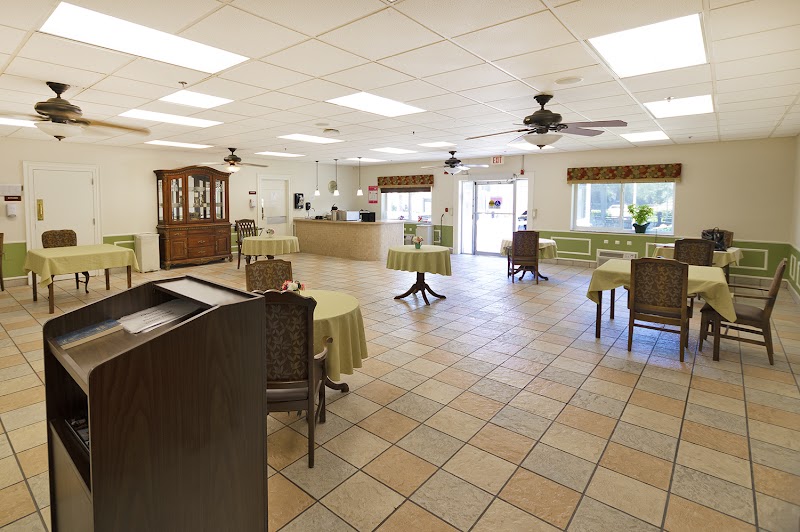
How is Avante At Leesburg, Inc Staffed?

CMS rates AVANTE AT LEESBURG, INC's staffing level at 2 out of 5 stars, which is below average compared to other nursing homes. Staff turnover is 65%, which is 19 percentage points above the Florida average of 46%. High turnover can affect care consistency as new staff learn residents' individual needs. RN turnover specifically is 92%, which is notably high. RNs provide skilled clinical oversight, so turnover in this role can affect medical care quality.

What Have Inspectors Found at Avante At Leesburg, Inc?

State health inspectors documented 21 deficiencies at AVANTE AT LEESBURG, INC during 2022 to 2025. These included: 21 with potential for harm.
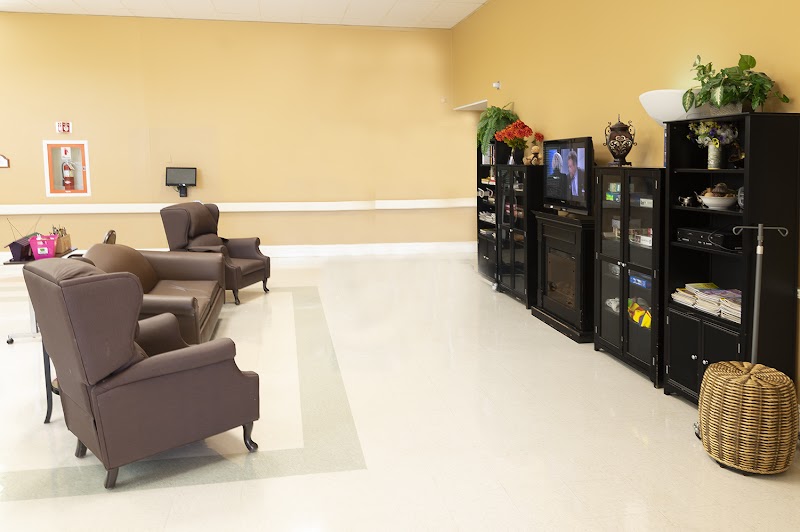
Who Owns and Operates Avante At Leesburg, Inc?

AVANTE AT LEESBURG, INC is owned by a for-profit company. For-profit facilities operate as businesses with obligations to shareholders or private owners. The facility is operated by AVANTE CENTERS, a chain that manages multiple nursing homes. With 116 certified beds and approximately 96 residents (about 83% occupancy), it is a mid-sized facility located in LEESBURG, Florida.
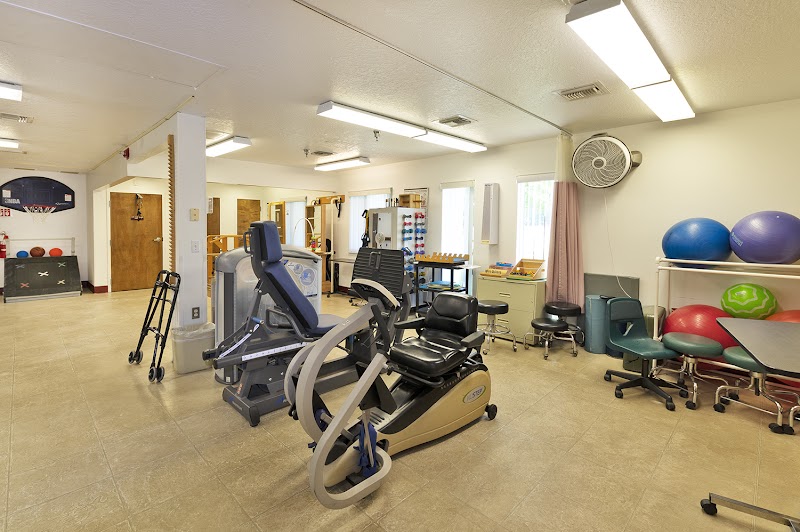
How Does Avante At Leesburg, Inc Compare to Other Florida Nursing Homes?

Compared to the 100 nursing homes in Florida, AVANTE AT LEESBURG, INC's overall rating (3 stars) is below the state average of 3.2, staff turnover (65%) is significantly higher than the state average of 46%, and health inspection rating (3 stars) is at the national benchmark.

What Should Families Ask When Visiting Avante At Leesburg, Inc?

Based on this facility's data, families visiting should ask: "How do you ensure continuity of care given staff turnover, and what is your staff retention strategy?" "Can you walk me through typical staffing levels on day, evening, and night shifts?" "Can I visit during a mealtime to observe dining assistance and food quality?" "How do you handle medical emergencies, and what is your hospital transfer rate?" These questions are particularly relevant given the facility's high staff turnover rate and the below-average staffing rating.

Is Avante At Leesburg, Inc Safe?

Based on CMS inspection data, AVANTE AT LEESBURG, INC has a clean safety record: no substantiated abuse findings (meaning no confirmed cases of resident harm), no Immediate Jeopardy citations (the most serious violation level indicating risk of serious injury or death), and is not on the Special Focus Facility watch list (a federal program monitoring the lowest-performing 1% of nursing homes). The facility has a 3-star overall rating and ranks #100 of 100 nursing homes in Florida. While no facility is perfect, families should still ask about staff-to-resident ratios and recent inspection results during their visit.

Do Nurses at Avante At Leesburg, Inc Stick Around?

Staff turnover at AVANTE AT LEESBURG, INC is high. At 65%, the facility is 19 percentage points above the Florida average of 46%. Registered Nurse turnover is particularly concerning at 92%. RNs handle complex medical decisions and coordinate care — frequent RN changes can directly impact care quality. High turnover means new staff may not know residents' individual needs, medications, or preferences. It can also be disorienting for residents, especially those with dementia who rely on familiar faces. Families should ask: What is causing the turnover? What retention programs are in place? How do you ensure care continuity during staff transitions?

Was Avante At Leesburg, Inc Ever Fined?

AVANTE AT LEESBURG, INC has no federal fines on record. CMS issues fines when nursing homes fail to meet care standards or don't correct problems found during inspections. The absence of fines suggests the facility has either maintained compliance or corrected any issues before penalties were assessed. This is a positive indicator, though families should still review recent inspection reports for the full picture.

Is Avante At Leesburg, Inc on Any Federal Watch List?

AVANTE AT LEESBURG, INC is not on any federal watch list. The most significant is the Special Focus Facility (SFF) program, which identifies the bottom 1% of nursing homes nationally based on persistent, serious quality problems. Not being on this list means the facility has avoided the pattern of deficiencies that triggers enhanced federal oversight. This is a positive indicator, though families should still review the facility's inspection history directly.