
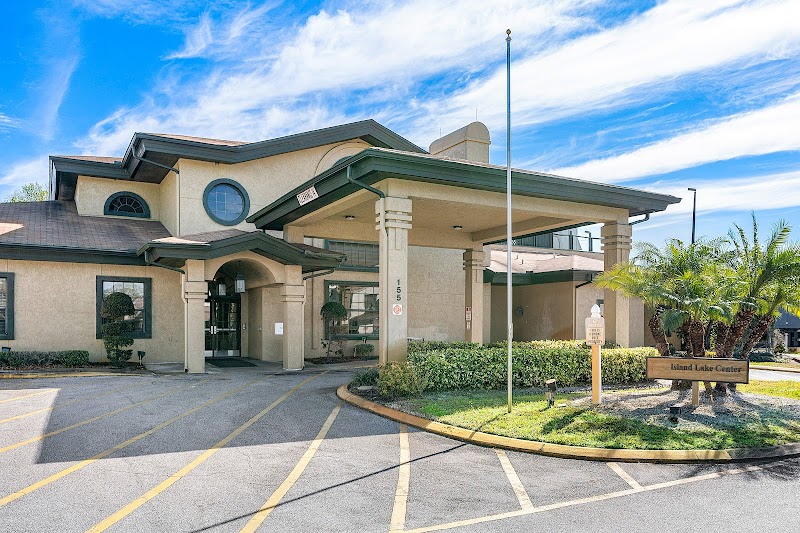
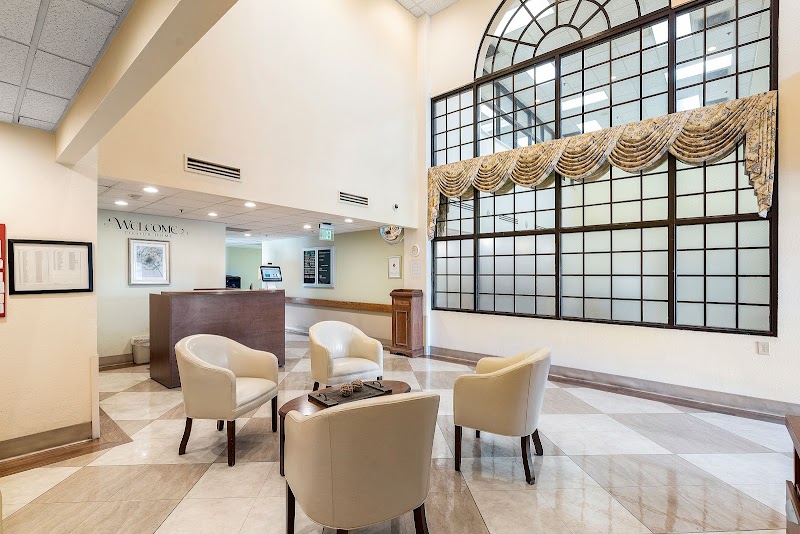
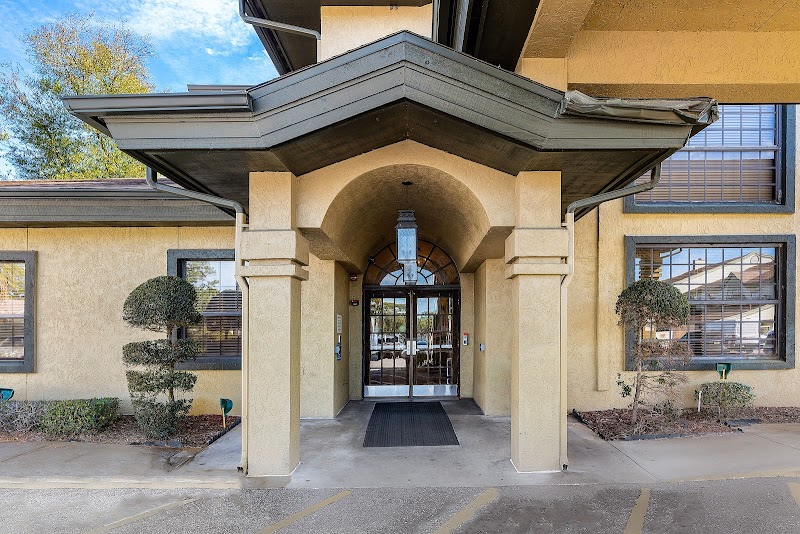
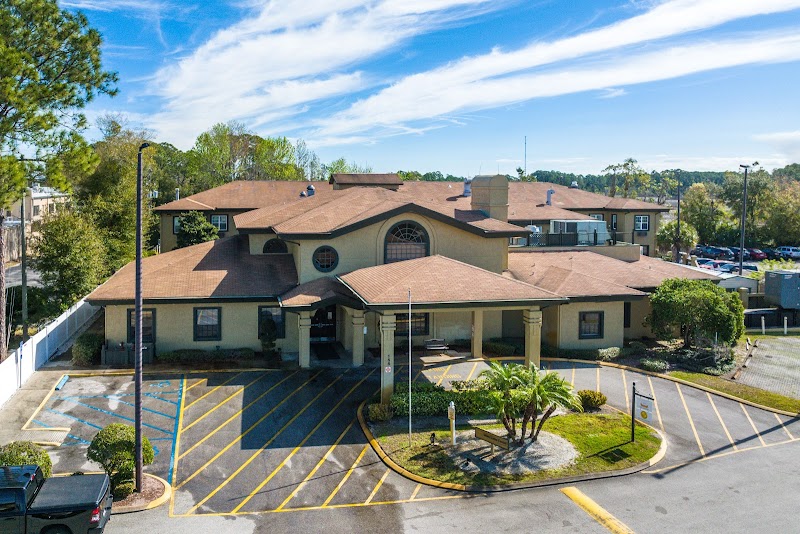
ISLAND LAKE CENTER

155 LANDOVER PLACE, LONGWOOD, FL 32750 (407) 830-7744
For profit - Individual 120 Beds ASTON HEALTH Data: November 2025
Trust Grade
80/100
#221 of 690 in FL
Last Inspection: January 2025

Within standard 12-15 month inspection cycle. Federal law requires annual inspections.

Overview

Island Lake Center in Longwood, Florida, has a Trust Grade of B+, which means it is above average and recommended for families considering this facility. It ranks #221 out of 690 nursing homes in Florida, placing it in the top half, and #2 out of 10 in Seminole County, indicating that only one other local option is better. However, the facility is showing a worsening trend, with the number of issues increasing from 2 in 2023 to 4 in 2025. Staffing is average with a 3 out of 5 star rating and a turnover rate of 52%, which is higher than the state average. Fortunately, there have been no fines recorded, suggesting compliance with regulations. Despite its strengths, there are notable weaknesses, including concerns about the dining experience for residents and medication administration. For instance, the dining area lacked a homelike atmosphere, with tables unprepared and inappropriate music playing. Additionally, one resident was found to be using a medication without proper evaluation or a physician's order, raising safety concerns. Overall, while there are positive aspects to Island Lake Center, families should weigh these against the identified issues.

Trust Score
B+
80/100
In Florida
#221/690
Top 32%
Safety Record
Low Risk
No red flags
Inspections
Getting Worse
2 → 4 violations
Staff Stability
⚠ Watch
52% turnover. Above average. Higher turnover means staff may not know residents' routines.
Penalties
✓ Good
No fines on record. Clean compliance history, better than most Florida facilities.
Skilled Nurses
○ Average
Each resident gets 33 minutes of Registered Nurse (RN) attention daily — about average for Florida. RNs are the most trained staff who monitor for health changes.
Violations
○ Average
10 deficiencies on record. Average for a facility this size. Mostly minor or procedural issues.
★★★★☆
4.0
Overall Rating
★★★☆☆
3.0
Staff Levels
★★★★☆
4.0
Care Quality
★★★★☆
4.0
Inspection Score
Stable
2023: 2 issues
2025: 4 issues

The Good

  • 4-Star Quality Measures · Strong clinical quality outcomes
  • Full Sprinkler Coverage · Fire safety systems throughout facility
  • No fines on record

Facility shows strength in quality measures, fire safety.

The Bad

Staff Turnover: 52%

Near Florida avg (46%)

Higher turnover may affect care consistency

Chain: ASTON HEALTH

Part of a multi-facility chain

Ask about local staffing decisions and management

The Ugly 10 deficiencies on record

Jan 2025 4 deficiencies
CONCERN (D)

Potential for Harm - no one hurt, but risky conditions existed

Deficiency F0554 (Tag F0554)

Could have caused harm · This affected 1 resident

**NOTE- TERMS IN BRACKETS HAVE BEEN EDITED TO PROTECT CONFIDENTIALITY** Based on observation, interview, and record review, the facility failed to ensure a resident was evaluated for safe self-adminis...

Read full inspector narrative →
**NOTE- TERMS IN BRACKETS HAVE BEEN EDITED TO PROTECT CONFIDENTIALITY** Based on observation, interview, and record review, the facility failed to ensure a resident was evaluated for safe self-administration of medication and failed to obtain a physician order for self-administration of medication for 1 of 10 residents reviewed for medication, of a total sample of 40 residents, (#65). Findings: Resident #65 was admitted to the facility on [DATE] with diagnoses that included mild Neurocognitive disorder, chronic kidney disease and lack of coordination. Review of resident #65's annual Minimum Data Set assessment dated [DATE] indicated resident #65 had mild cognitive impairment. On 1/27/25 at 1:20 PM, a bottle of Vicks VapoRub was seen on the floor in resident #65's room. She explained she applied the Vicks VapoRub under her nose nightly from the jar which she had dropped on the floor. Review of resident #65's physician's order summary for January 2025 revealed no order for Vicks VapoRub or for self-administration of medication. Review of the medical record revealed no documentation of a self-administration of medication assessment. On 1/27/25 at 1:30 PM, Licensed Practical Nurse (LPN) L stated she was unaware resident #65 had the medication Vicks VapoRub in her room and applied it to herself. LPN L went to resident #65's room and saw the medication in resident #65's possession. A short time later when LPN L returned from resident #65's room, she said she had given the bottle of Vicks VapoRub to the Unit Manager (UM). On 1/27/25 at 3:00 PM, the Caribbean Cove UM acknowledged resident #65 had a bottle of Vicks VapoRub in her room that she self-administered. She verified there was no physician's order for the Vicks VapoRub, nor had there been an Interdisciplinary team assessment to determine resident #65 was safe to self-administer medication which was required before self-administration of medication.
CONCERN (D)

Potential for Harm - no one hurt, but risky conditions existed

Deficiency F0657 (Tag F0657)

Could have caused harm · This affected 1 resident

**NOTE- TERMS IN BRACKETS HAVE BEEN EDITED TO PROTECT CONFIDENTIALITY** Based on interview, and record review, the facility failed to ensure a resident was involved in developing and making decisions ...

Read full inspector narrative →
**NOTE- TERMS IN BRACKETS HAVE BEEN EDITED TO PROTECT CONFIDENTIALITY** Based on interview, and record review, the facility failed to ensure a resident was involved in developing and making decisions regarding her care plan for 1 of 1 resident reviewed for care planning, of a total sample of 40 residents, (#24). Findings: Resident #24, a [AGE] year-old female was admitted to the facility on [DATE], with a most recent readmission on [DATE]. Her diagnoses included muscle wasting and atrophy, traumatic subdural hemorrhage without loss of consciousness, diabetes type II, repeated falls, dementia, and major depressive disorder. Review of the resident's quarterly Minimum Data Set (MDS) assessment dated [DATE] revealed the resident's cognition was moderately impaired with a Brief Interview for Mental Status score of 11 of 15. On 1/27/25 at 2:41 PM, resident #24 stated she was not invited to her care plan meetings, and did not know if her son was invited to the care plan meetings either. Review of the Interdisciplinary Plan of Care Plan Meeting (IPOC) documents in the resident's electronic clinical record, revealed on 3/26/24, and 7/02/24, the IPOC indicated the resident's son attended the care plan meeting via telephone. There was no documentation to indicate the resident was ever invited/attended/declined or participated in her care plan meeting. On 10/01/24 documentation on the IPOC did not indicate if the resident or the resident's representative was in attendance or had participated. Documentation read, IDT attempted to call son with no answer. Left voice mail to return call. On 1/29/25 at 11:52 AM, the Vista View Unit Manager (UM) stated the facility's protocol pertaining to care plan meetings was that the MDS Coordinator provided a list of residents with scheduled care plan meetings to the Receptionist, who would then send emails to family/resident representatives regarding the scheduled care plan meetings. She stated if the resident was awake, alert, and oriented, the Receptionist or the MDS Coordinator would provide the resident with the schedule of the care plan meeting, and on the day of the care plan meeting, the UM would remind the resident of the meeting. The LPN/UM said if the resident attended the care plan meeting, it would be documented on the IPOC, and the resident's signature would be obtained. On 1/29/25 at 12:07 PM, MDS Coordinator N explained that upon completion of an MDS assessment, the next schedule would be opened and added to the care plan calendar. She stated the Receptionist received a copy of the schedule and sent an email notification of the care plan meeting schedule to the resident's family. If the resident was awake, and alert, a notification of the meeting would be provided to the resident. She verbalized if the resident's cognition was impaired, they would still be invited to the care plan meeting, and on the morning of the scheduled meeting, staff would go around to let the Certified Nursing Assistants know which residents needed to be up and ready for their care plan meeting. MDS Coordinator N said if the resident attended the care plan meeting, the resident would sign the IPOC document to indicate they attended. She stated that typically MDS would call the resident's son, and on the day of the care plan meeting they would ask the resident if they wanted to attend. She said resident #24 usually did not attend, and documentation on the IPOC document should have indicated that the resident declined. The resident's IPOC dated 3/26/24, 7/02/24, and 10/01/24 were reviewed with the MDS Coordinator. She acknowledged there was no documentation to indicate the resident was invited /attended/ or participated in her care plan meetings. MDS Coordinator N stated she would review the resident's clinical records as sometimes a progress note regarding the care plan meeting would be documented by the UM. A review of the clinical records showed no additional documentation regarding the resident's invitation/attendance or participation in her care plan meetings. This was acknowledged by MDS Coordinator N. On 1/29/25 at 2:09 PM, MDS Coordinator N stated the facility did not have a policy regarding residents' participation in the care plan meeting process, but they followed the MDS 3.0 Resident Assessment Instrument Manual . On 1/30/25 at 11:26 AM, the Director of Nursing (DON) stated residents were always invited to their care plan meetings and encouraged to participate. The resident's clinical records were reviewed with the DON. She acknowledged that there was no documentation to indicate the resident was invited/attended/declined or participated in her care plan meetings on the dates identified. The Center For Medicare & Medicaid Services Long-Term Care Facility Resident Assessment Instrument 3.0 User Manual Version 1.19.1 dated October 2024 described care planning as Establishing a course of action with input from the resident (resident's family and/or guardian or other legally authorized representative) . that moves a resident toward resident-specific goals utilizing individual resident strengths and interdisciplinary expertise; crafting the how of resident care. Chapter 4 of the Manual titled Care Area Assessment Process and Care Planning directs that care plans should be developed by Involving resident, resident's family and other resident representatives as appropriate.
CONCERN (D)

Potential for Harm - no one hurt, but risky conditions existed

Infection Control (Tag F0880)

Could have caused harm · This affected 1 resident

**NOTE- TERMS IN BRACKETS HAVE BEEN EDITED TO PROTECT CONFIDENTIALITY** Based on observation, interview, and record review, the facility failed to maintain a sanitary environment by not ensuring reusa...

Read full inspector narrative →
**NOTE- TERMS IN BRACKETS HAVE BEEN EDITED TO PROTECT CONFIDENTIALITY** Based on observation, interview, and record review, the facility failed to maintain a sanitary environment by not ensuring reusable oxygen humidifier bottles were cleaned per manufacturer's guidelines for 1 of 3 residents reviewed for humidified oxygen use, of a total sample of 40 residents, (#52). Findings: Resident #52 was admitted to the facility on [DATE] with diagnoses that included chronic obstructive pulmonary disease, heart failure, sick sinus syndrome, and COVID-19, onset date of 1/18/25. On 1/28/25 at 10:05 AM, resident #52 was observed with the Director of Nursing (DON) in his room. He had his nasal cannula connected to an oxygen concentrator with a reusable humidifier bottle. Clear liquid bubbled inside the reusable humidifier bottle. The DON verified the humidifier bottle was dated 10/31/24 as written on the reusable humidifier bottle. Review of the undated oxygen concentrator user's manual, in the section regarding cleaning of the humidifier bottle, the next step after cleaning the bottle was to disinfect the humidifier parts by immersing them in a disinfection solution, then rinse under running water, and dry. On 01/29/25 at 10:35 AM, Licensed Practical Nurse (LPN) F said he was the Weekend Supervisor. He explained that on 1/25/25 he did an audit of residents who received supplemental oxygen including cleaning resident #52's reusable humidifier bottle with soap and water. LPN F said he dried the bottle with paper towels, added sterile water to the bottle, and reconnected it to the concentrator for use. LPN F said the reusable humidifier bottles should be cleaned weekly and replaced with a new bottle once a month. He stated he did not recall seeing the date 10/31/24 written on resident #52's reusable humidifier bottle, and acknowledged he did not date the bottle himself. LPN F verified he did not document that he cleaned resident #52's reusable humidifier bottle in the resident's medical record. He confirmed he did not know the bottle should be disinfected after washing as recommended by the manufacturer. On 1/29/25 at 2:50 PM, the Assistant Director of Nursing (ADON) reviewed clinical in-service education regarding infection control for oxygen use dated 12/07/24, 12/08/24, and 12/09/24. The in-service information entitled, Standards and Guidelines: Oxygen with revision date December 2024, noted in the general guidelines that when utilizing humidified oxygen staff should follow manufacturer recommendations for guidance. The ADON could not elaborate if such guidance was discussed or what it comprised. On 1/30/25 at 10:19 AM, the DON confirmed the oxygen concentrator user's manual noted that disinfection should occur after washing. She thought the Facility Management Director and his staff completed the disinfection. The Facility Management Director confirmed he and his staff had not been completing the disinfection but preferred to replace the reusable humidifier bottle instead. The DON verified there was no documentation regarding resident #52's reusable humidifier bottle having been cleaned nor disinfected in the medical record .
CONCERN (E)

Potential for Harm - no one hurt, but risky conditions existed

Safe Environment (Tag F0584)

Could have caused harm · This affected multiple residents

Based on observation, and interview, and record review, the facility failed to provide a homelike environment for resident dining in the upstairs Vista View unit dayroom for 9 of 40 residents sampled....

Read full inspector narrative →
Based on observation, and interview, and record review, the facility failed to provide a homelike environment for resident dining in the upstairs Vista View unit dayroom for 9 of 40 residents sampled. Findings: On 1/27/25 at 11:55 AM, in the Vista View dayroom nine residents were sitting around tables waiting for lunch. There were no tablecloths or centerpieces on the tables and staticky music was playing from a radio in the background. The Social Services Assistant (SSA) changed the channel several times in an attempt to find appropriate dining music but the static persisted. A short time later at 12:07 PM, lunch trays were delivered to the residents in the dayroom. The plates, cups, bowls and eating utensils were left on the trays and not set on the table for dining. On 1/30/25 at 12:00 PM, approximately eight residents were engaged in an activity in the Vista View dayroom. The meal cart with residents' lunches sat in the hall unattended. A few minutes later, the meal trays were passed to residents in their rooms and residents were guided back to their rooms to eat. No one ate lunch in the dayroom. On 1/30/25 at 12:15 PM, the Activities Director (AD) explained the upstairs Vista View unit's dayroom also functioned as a dining room. The AD stated the residents did not always eat meals in the dayroom but often ate in their rooms. On 1/30/25 at 12:34 PM, the Vista View Unit Manager (UM) stated sometimes the staff had residents eat in the dayroom, but there were often activities going on when the lunches came, so the residents ate in their rooms. She added it was different downstairs who received their meal trays on carts organized for the residents who ate in the dayroom. The Vista View UM explained they didn't use tablecloths for the dining room because some residents pulled on them. She explained staff didn't take the dishes off the meal trays because the tray provided a limitation of space for residents to know what items were theirs and to prevent them from going after other resident's food. She added for the assisted diners, the facility liked them to eat in their room because they felt there were less distractions. The Vista View UM acknowledged it was good practice to have residents dine in the dining room to promote socializing and created a more homelike environment. She explained the main dining room downstairs was larger and the residents there had better cognition. The Vista View UM acknowledged staff could prevent residents from pulling tablecloths off the tables and said the facility did not always encourage residents to eat in the dining room because it sometimes conflicted with activities. She confirmed dishes and silverware left on the trays for dining was not home-like. On 1/30/25 at 12:53 PM, the Director of Nursing (DON) stated there was no reason for dishes to be left on the trays during meals in the dining room and explained the facility encouraged residents to eat in the dining room for the social experience. The DON acknowledged residents being allowed to eat in the dining room in a home-like setting was a dignity issue. A short time later at 1:20 PM, the Vista View UM and the AD joined the DON and the AD explained that earlier, residents ate in their rooms because an activity was taking place in the dayroom and the meal trays arrived on two separate carts. The AD continued, residents whose meals came on the first cart had to eat in their room while residents whose trays were on the second cart continued with the activity until the second cart arrived. The DON, UM and AD agreed dining in their rooms or without tablecloths or trays removed was not a homelike dining experience for the residents. The facility's policy entitled Standards and Guidelines for Dining Services dates July 2023 indicated the facility should provide a pleasurable dining experience in a courteous and dignified manner. The document included that an appropriate number of nursing personnel should be stationed in the dining room to assist with eating.
May 2023 2 deficiencies
CONCERN (D)

Potential for Harm - no one hurt, but risky conditions existed

Deficiency F0694 (Tag F0694)

Could have caused harm · This affected 1 resident

Based on observation, interview, and record review, the facility failed to provide intravenous (IV) care and services according to standards of practice for 1 of 1 resident reviewed for IV care, out o...

Read full inspector narrative →
Based on observation, interview, and record review, the facility failed to provide intravenous (IV) care and services according to standards of practice for 1 of 1 resident reviewed for IV care, out of 32 total sampled residents, (#215). Findings: Resident #215 was admitted to the facility from an acute care hospital on 5/4/23 with diagnoses including fractured sacrum, diabetes, chronic kidney disease, and muscle weakness. Review of resident #215's medical record revealed a physician order dated 5/5/23 for 1 liter NS (normal saline) solution 0.9% at 75 ml. (milliliters) per hour x 1 only for BUN 111 (blood urea nitrogen) for 3 days. Blood urea nitrogen is a medical test that measures the amount of urea nitrogen found in blood . Normal human adult blood should contain 6 to 20 . (www.wikipedia.com). On 5/7/23 at 10:20 AM, resident #215 was observed lying in bed in her room. She had a midline IV inserted in her left upper arm with undated gauze dressing over the IV site. She was alert and oriented and stated she was getting IV fluids for dehydration. The 1000 ml. bag of 0.9% NS was hanging on the IV pole and was attached to the resident's midline IV left upper arm but was not infusing. The NS bag had 400 ml. of fluid remaining and was dated 5/5/23 with the time of 11:55 PM. A midline catheter is put into a vein by the bend in your elbow or your upper arm . The midline tube ends in a vein below your armpit .midline catheter may allow you to receive long-term intravenous (IV) medicine or treatments .(www.drugs.com). Review of the medical record revealed a contracted company's Registered Nurse (RN) had placed a midline IV catheter on 5/5/23 at 5:48 PM in resident #215's left basilic vein. On 5/7/23 at 10:35 AM, Licensed Practical Nurse (LPN) F said she was resident #215's assigned nurse yesterday and today on the day shift and was not aware the resident had an IV or fluids as she did not receive this information in report. LPN F validated the resident had NS bag of fluids still connected to the IV line dated 5/5/23 and timed 11:55 PM and it was not infusing. The nurse then opened the clamp on the IV tubing and the fluid did not drip. The LPN looked at the dressing and acknowledged it was gauze over the left upper arm IV site with no date. The LPN stated, IV tubing and fluids should be changed at least every 24 hours. On 5/7/23 10:45 AM, the Director of Nursing (DON) acknowledged resident #215's bag of IV fluids NS dated 5/5/23 with 400 ml. of fluid remaining and the IV site left arm with gauze over insertion site that was not dated. After reviewing the medical record, the DON verified that resident #215 had a 1-time order for IV fluids for hydration. The DON explained the nurse on 5/5/23 did not enter the batch orders into the electronic medical record and a task would not be generated for nurses to monitor the IV site each shift or make sure the fluids were infusing. She reported that 3 nurses worked on Saturday 5/6/23 and did not document monitoring the IV site or the bag of fluids hanging on the IV pole adjacent to the resident. The DON said nurses should have questioned the bag of normal saline IV hanging with no orders for monitoring. The DON added any of the nurses could have entered the needed batch orders for IV care/services for resident #215 whose fluids should have been completed by Saturday 5/6/23 at 1 PM. On 5/7/23 at 1:26 PM, after further review of the medical record, the DON said that although LPN D documented she hung the IV fluids on 5/5/23 at 11:54 PM, it was done by RN C. The DON added since RN C hung the IV fluids, he should have signed the medication administration record instead of LPN D. The DON verified there was no evidence in the medical record that once the IV was inserted and fluids were started on 5/5/23 that any further care/services were provided until the concerns were identified by the surveyor on 5/7/23 at 10:35 AM. The DON noted that because the orders were not entered correctly of Friday 5/5/23, the weekend supervisor RN was not aware the resident had an IV or IV fluids. The DON verbalized the IV batch orders included monitoring IV site, dressing changes and flushes. On 5/9/23 at 3:48 PM, during a telephone interview, LPN B verified she worked the 3 PM to 11 PM shift on Saturday 5/6/23 and was assigned to resident #215. She explained she did not receive report from the off going nurse that resident #215 had IV or was getting IV fluids. The nurse verbalized, she did see the bag of IV fluids hanging on the IV pole for resident #215 during her shift but did not look at the IV site left arm, nor did she notice if the fluids were infusing. LPN B stated she should have checked for the IV orders and if there were no orders, she should have informed the weekend supervisor or the DON. By the end of the survey, on 5/10/22, the DON did not provide an interview from LPN A who was agency nurse assigned to the resident on 5/6/23 to 5/7/23 on the 11 PM to 7 AM shift as the nurse would not return her calls. The facility's policy and procedure, Intravenous Administration of Fluids and Electrolytes, revised 3/28/2018, read, Staff will be knowledgeable regarding the safe and aseptic administration of intravenous fluids and electrolytes for hydration .Assessment: Inspect intravenous catheter and insertion site for signs and symptoms of complications at scheduled intervals [per facility policy], during routine site care and changing administration sets .Inspect solution for leaks, cracks, precipitate, and expiration dated .When infusion is complete: For intermittent therapy: Clamp tubing and disconnect from catheter. If tubing will be reused, replace sterile cap. Flush catheter per protocol .Documentation: The following information should be recorded in the resident's medical record .The condition of the IV site before and after administration .Quote from resident stating how they tolerated the procedure .Notify provider, supervisor, and oncoming shift of complications .Report other information in accordance with facility policy and professional standards of practice. The facility's policy and procedure, Midline Dressing Changes and Care, revised April 2016, read, The purpose of this procedure is to prevent catheter related infections associate with contaminated, loosened, or soiled catheter site dressing and care of the site .Care of Midline Site: Observed site for signs and symptoms of infections, redness, presence of edema or purulent drainage every shift. Observe for signs and symptoms of pain or discomfort at IV site and intervene appropriately .
CONCERN (D)

Potential for Harm - no one hurt, but risky conditions existed

Drug Regimen Review (Tag F0756)

Could have caused harm · This affected 1 resident

**NOTE- TERMS IN BRACKETS HAVE BEEN EDITED TO PROTECT CONFIDENTIALITY** Based on interview, and record review, the facility failed to act on physician order as per pharmacy recommendations for 1 of 5 ...

Read full inspector narrative →
**NOTE- TERMS IN BRACKETS HAVE BEEN EDITED TO PROTECT CONFIDENTIALITY** Based on interview, and record review, the facility failed to act on physician order as per pharmacy recommendations for 1 of 5 residents reviewed for Medication Regimen Review (MRR) from a total sample of 32 residents, (#3). Findings: A review of the medical record revealed resident #3 was admitted to the facility on [DATE] and readmitted from an acute care hospital on 5/08/2022 with diagnoses including dementia, psychosis, delusional disorder, depression, anxiety, malnutrition, hemiplegia, diabetes, and hyperlipidemia. The Order Summary Report showed the resident had active medication orders including Risperidone 1 milligram (MG) at bedtime, and 0.5 MG once daily for psychosis, Lexapro 5 MG once daily for depression, Melatonin 3 MG at bedtime for sleep, Tramadol 50 MG as needed for pain, and Pravastatin 40 MG at bedtime for high cholesterol. The MRR dated 1/27/2023 noted a lipid profile blood test was recommended to monitor effects of Risperidone and Pravastatin. On 2/02/2023, the physician signed orders to follow the pharmacist's recommendations. Review of the February 2023 Treatment Administration Record documented nurses signed laboratory blood testing was completed on 2/02/2023 and 2/07/2023 for a lipid profile. Review of the resident's laboratory results showed there was not a lipid profile test completed on 2/02/2023 or 2/07/2023. On 5/10/2023 at 4:10 PM, the Director of Nursing said she was not able to locate records to show the physician's order for lipid profile on 2/02/2023 was completed. She explained the order should have been completed on 2/02/2023 or 2/07/2023 when nurses signed it as completed. She stated, I can't believe it didn't get done. The facility's policy titled, Medication Regimen Reviews dated May 2019, read, 4. The goal of the MRR is to promote positive outcomes while minimizing adverse consequences and potential risks associated with medication., 5. to prevent, identify, report, and resolve medication related problems. f. potentially significant medication-related adverse consequences or actual signs and symptoms that could represent adverse consequences.
Jul 2021 4 deficiencies
CONCERN (D)

Potential for Harm - no one hurt, but risky conditions existed

Assessment Accuracy (Tag F0641)

Could have caused harm · This affected 1 resident

**NOTE- TERMS IN BRACKETS HAVE BEEN EDITED TO PROTECT CONFIDENTIALITY** Based on observation, interview, and record review the facility failed to accurately assess Activities of Daily Living (ADL) ass...

Read full inspector narrative →
**NOTE- TERMS IN BRACKETS HAVE BEEN EDITED TO PROTECT CONFIDENTIALITY** Based on observation, interview, and record review the facility failed to accurately assess Activities of Daily Living (ADL) assistance with eating for 1 of 2 residents reviewed for tube feedings of a total sample of 38 residents, (#37). Findings: Resident #37 was admitted to the facility 4/24/18 and readmitted on [DATE]. His diagnoses included Parkinson's disease, dysphagia, diabetes type II, dementia, and gastrostomy. The quarterly Minimum Data Set (MDS) assessment with assessment reference date 5/12/21, revealed the resident's cognition was severely impaired with a Brief Interview of Mental Status (BIMS) score of 4/15. The resident required extensive assistance for bed mobility, transfers, toilet use, and had total dependence for dressing, and personal hygiene. Eating was assessed as activity did not occur. Observations on 7/12/21 at 10:04 AM, 7/13/21 at 10:05 AM, and 5:13 PM showed resident #37 with gastrostomy tube (GT) feed Glucerna 1.2 Cal infusing at 65 milliliter/hour (ml/hr.). On 7/14/21 at 11:37 AM, Registered Nurse (RN) E stated resident #37 was on GT feed Glucerna 1.2 Cal at 65 ml/hr. with physician order for feeds to be on at 2 PM, and off at 10 AM. On 7/14/21 at 2:53 PM, the MDS Coordinator stated assessments were completed by doing a seven day look back of the resident's medical records, interviews with staff involved in the resident's care, and observations of the resident. A review of the resident's quarterly MDS was conducted with the MDS coordinator. He acknowledged the assessment was not correct, and stated the ADL assistance required for eating should have been assessed as total dependence, since the resident received nourishment via gastrostomy tube. The policy Comprehensive Assessments and the Care Delivery Process Revised December 2016 read, Comprehensive assessments will be conducted to assist in developing person-centered care plans.
CONCERN (D)

Potential for Harm - no one hurt, but risky conditions existed

ADL Care (Tag F0677)

Could have caused harm · This affected 1 resident

**NOTE- TERMS IN BRACKETS HAVE BEEN EDITED TO PROTECT CONFIDENTIALITY** Based on observation, interview and record review, the facility failed to provide nail care for 2 of 5 dependent residents revie...

Read full inspector narrative →
**NOTE- TERMS IN BRACKETS HAVE BEEN EDITED TO PROTECT CONFIDENTIALITY** Based on observation, interview and record review, the facility failed to provide nail care for 2 of 5 dependent residents reviewed for activities of daily living (ADL) out of a total sample of 38 residents, (#8, #29). Findings: 1. Resident #8 was admitted on [DATE] with diagnoses of Parkinson's Disease, Diabetes Mellitus Type 2, Hemiplegia and Hemiparesis affecting left non-dominant side and muscle contracture. The quarterly Minimum Data Set (MDS) assessment with reference date 07/04/21 revealed resident #8 had a Brief Interview for Mental Status (BIMS) Score of 15 indicating her cognition was intact. The assessment noted the resident was totally dependent on 1 staff person for personal hygiene and bathing. On 07/12/21 at 11:13 AM, resident #8 was in bed, alert and watching television. Both of her hands were noted to have tremors while at rest. Her finger nails were observed to be 3/4 to 1 centimeter (cm) long, some jagged, with hardened, reddish-brown debris underneath. She stated she would like her nails cut as she looked at them. She was unable to recall the last time her nails were trimmed. On 07/13/21 at 10:22 AM, and on 07/14/21 at 11:40 AM, the resident's nails remained the same. She stated nobody had asked if she wanted them trimmed. On 07/14/21 at 2:24 PM, Certified Nursing Assistant (CNA) H said the resident was totally dependent on 1 staff for personal hygiene and bathing. She added the resident had never refused ADL care. CNA H explained CNAs were expected to trim the finger nails of their assigned residents when needed. On 07/15/21 at 9:38 AM, the Unit Manager (UM) observed resident #8's finger nails and acknowledged her nails were long and needed to be trimmed. Resident #8 told the UM she preferred to have her finger nails trimmed so she didn't scratch herself. The UM said either CNAs or nurses could file or trim fingernails. On 07/15/21 at 1:15 PM, the Director of Nursing (DON) stated the facility did not have specific policy for nail care because it was part of grooming. She said when CNAs provided showers, they were expected to clean and trim the residents' finger nails. If the resident refused, the CNA would inform the nurse so the refusal could be documented. A review of the resident's Care Plan dated 04/01/21 showed the resident required assistance with ADLs due to Parkinson's disease and right sided weakness. Interventions included to ensure that resident was clean and had neat appearance daily. 2. Resident #29 was admitted to the facility on [DATE] with diagnoses of compression fractures, altered mental status, muscle weakness, and lack of coordination. The resident's admission MDS assessment dated [DATE] showed he required two person extensive physical assistance for personal hygiene needs such as grooming and nail care. He required total dependence of two persons physical assist for bathing. He required total dependence of one person physical assist for toileting needs. The resident's Brief Interview for Mental Status (BIMS) score was 8 which indicated his cognition was moderately impaired. On 7/12/21 at 1:34 PM, the resident was resting in bed. He spoke in short one and two word sentences. His fingernails on both hands were long and uneven, about 1/4 over the tips of his fingers. His fingernails had black, dark brown residue underneath them. On 7/13/21 at 11:50 AM and 7/14/21 at 1:45 PM, the resident's fingernails remained long with black, dark brown, debris underneath the nails. On 7/14/21 at 1:50 PM, the resident's assigned caregiver, CNA A stated she did not take care of him often and that her assignment had been shifted. CNA A said she was not familiar with the specifics of the resident's care and added that his regularly assigned CNA would know better. The resident's [NAME] and Shower Schedule were reviewed. It revealed that resident #29's regularly scheduled bathing and shower days were on Mondays and Fridays during the 7 AM - 3 PM shift. On 7/14/21 at 2:15 PM, the Unit Manager said that residents' nails were expected to be cleaned and clipped by the CNA during personal hygiene care and bathing. The UM observed the resident's nails and acknowledged his nails were long with brown residue underneath them. She said his fingernails needed to be cleaned and trimmed. Review of resident #29's care plan for ADLs initially dated 5/2/21 indicated he required assistance with personal hygiene needs. It included, Ensure clean neat appearance daily. Policy and procedure on ADLs revised on March 2018 indicated that appropriate care and services will be provided for residents who are unable to carry out ADLs independently, with the consent of the resident and in accordance with the plan of care, including appropriate support and assistance with: a. hygiene (bathing, dressing, grooming, oral care) .
CONCERN (D)

Potential for Harm - no one hurt, but risky conditions existed

Deficiency F0688 (Tag F0688)

Could have caused harm · This affected 1 resident

**NOTE- TERMS IN BRACKETS HAVE BEEN EDITED TO PROTECT CONFIDENTIALITY** 2. Resident #16 was admitted to the facility on [DATE]. Her diagnoses included vascular dementia with behavioral disturbance, he...

Read full inspector narrative →
**NOTE- TERMS IN BRACKETS HAVE BEEN EDITED TO PROTECT CONFIDENTIALITY** 2. Resident #16 was admitted to the facility on [DATE]. Her diagnoses included vascular dementia with behavioral disturbance, hemiplegia and hemiparesis following cerebral infarction affecting right dominant side, Alzheimer's disease, contractures to right hand and right ankle. The resident's physician orders dated 5/18/21 noted right Ankle Foot Orthosis (AFO) for 4-6 hours as tolerated, and right-hand splint 4-6 hours or as tolerated. The quarterly Minimum Data Set (MDS) assessment, with assessment reference date 4/12/21, revealed the resident was rarely/never understood, and required extensive assistance for bed mobility, transfers, and had total dependence for dressing, eating, toilet use, and personal hygiene. The assessment revealed the resident had limitation in Range of Motion (ROM) with impairment on one side for her upper and lower extremities. Observations on 7/12/21 at 9:51 AM, and 2:00 PM, 7/13/21 at 9:35 AM, and 5:09 PM, and on 7/14/21 at 11:28 AM, and 12:56 PM, showed resident #16 in her room. Her right hand was contracted, and she was not wearing a splint. She was also not wearing a right AFO. On 07/14/21 at 11:30 AM, Registered Nurse (RN) E stated the resident's right hand was contracted, and she provided ROM, when she administered medications to the resident. The resident's room was entered with RN E and she acknowledged the resident's contracted right hand and right ankle without splint or AFO. The resident's physician orders were reviewed with RN E, and she verbalized the orders for the right-hand splint and right foot AFO. On 07/14/21 at 11:46 AM the UM stated resident #16 had contractures and was supposed to have splints. The UM explained the resident was previously on the Restorative Nurse Program (RNP), and the splint and AFO were now being applied by the restorative CNAs. She said the RNP was discontinued approximately one month ago, and since then, the floor CNAs were applying the splints. The UM stated she was aware the resident's splint and AFO were not being applied as ordered. She said, placement of the splint, and AFO was up and down, due to the discontinuation of the RNP. The resident's physician's orders were reviewed with the UM, and she acknowledged the orders for the resident's right hand splint, and right foot AFO. On 7/14/21 at 12:02 PM, CNA D acknowledged the resident had contracture of her right hand and verbalized that she had the resident in her assignment and had not applied her splint or AFO. On 7/14/21 at 12:55 PM, the Rehab Director said resident #16 had orders for a right-hand splint and right foot AFO. The Rehab Director said that due to the pandemic, the RNP was merged with nursing, so CNAs on the floor could apply splints. She verbalized that when resident #16 was on Occupational Therapy (OT) caseload, therapy ensured the resident wore the splint for up to 3 hours. The Rehab Director explained the splint was to prevent the risk for further contractures. If the splints were not placed, the contractures could become worse. She stated she had no report from nursing regarding difficulty with placing the resident's splint, and no report of the resident refusing the splint. The Rehab Director said the splint should be placed after activities of daily living (ADL) care, and ROM. On 7/14/21 at 1:06 PM, the DON said the facility had a formal RNP, and the Restorative CNAs would place splints. She explained that splinting and other RNP tasks were assigned to the CNAs on the floor and added to the resident's [NAME]. The DON stated the facility did an audit of all splints, reviewed care plans, and Kardexes, and did in service with the CNAs, to inform them that splint application was included in their assignment. The DON acknowledged that resident #16's splint and AFO should have been applied as ordered. Review of the resident's OT Discharge Summary with dates of service: 11/8/2019-12/11/2019, revealed the following documentation, Establish a RNP to maintain functional movement of the B UE (bilateral upper extremities) and decrease risk of further contractures . 12/11/19 RNP established for splinting and PROM (passive range of motion) ex (exercise) for R hand.' Pt made the following progress in OT since SOC (start of care): tolerated R hand splint x 3 hrs. with no adverse reaction noted; maintained ROM on shoulders and elbows. RNP was established for PROM ex for R UE and for R hand splint to maintain ROM and prevent risk of further contractures. The Rehab/Restorative Nursing training Agreement dated 11/26/2019 noted right upper extremity splint, donning/doffing for 3 hours to maintain skin integrity/ and reduce the risk of progressing contracture. Staff in-service date was documented as 11/20/2019. Tasks documented on the [NAME], the CNAs care plan included: Right hand splint-apply x 4-6 hours or as tolerated. Dressing/Splint Care: Right AFO for 4-6 hours as tolerated .for prevention of further ankle contracture. The resident's care plan Self-care performance deficit related to cognitive deficit, cardiovascular accident with right side paralysis and contracture right arm, created on 7/02/19 with revision on 10/07/20 included interventions dated 6/22/20 for, makes use of a right-hand splint. The policy Resident Mobility and Range of Motion revised July 2017 read, Residents with limited range of motion will receive treatment and services to increase and/or prevent a further decrease in ROM. Residents with limited mobility will receive appropriate services, equipment and assistance to maintain or improve mobility unless reduction in mobility is unavoidable. AMENDED 8/05/21 Based on observation, interview and record review, the facility failed to provide hand splints and foot orthotic device treatments for 2 of 3 sampled residents reviewed for limited range of motion of a total sample of 38 residents, (#71, #16). Findings: 1. Resident #71 was admitted to the facility on [DATE] after a fall resulting in right upper arm humerus fracture. His diagnoses included repair of right humerus fracture, right hand flexion contractures, diabetes, and dementia. On 7/14/21 at 1:15 PM, resident #71 was observed in bed. His right hand was noted to be contracted and the resident was not wearing a splinting device. Review of the resident's Treatment Administration Record (TAR) and Certified Nursing Assistant (CNA) [NAME] care plan, both dated July 2021, did not include splinting management for his hand contractures. Review of resident #71's medical record showed a written physician's order for hand splint. The order dated 3/30/21 read, Right progressive hand splint with air bladder for contracture management 6-8 hours/day as tolerated, may be removed during activities of daily living (ADL) care. Review of the current physician orders in the electronic medical record revealed the physician order for the right hand splint had not been entered in the electronic medical record. On 7/14/21 at 2:25 PM, the resident's assigned Certified Nursing Assistant (CNA) D said the resident did not have a splint for his hand. On 7/14/21 at 2:25 PM, the Unit Manager (UM) said she did not recall if the resident had a hand splint. On 7/14/21 at 3:40 PM, the Therapy Director said resident #71 had a right hand splint for flexion contractures. She explained that since last year, the CNAs on the floor had assumed restorative duties for splinting and contracture management. She said they were educated by the therapy staff regarding each resident's splint. She added that the nurse's station had a notebook of residents who required splints with a photo of the correct placement of each splint. The Therapy Director then entered resident #71's room along with the UM and pulled the right hand splint from the bedside table drawer. She then placed the right hand splint onto the resident's hand without any resistance from the resident. Review of the Customer Photo-Educational Tool notebook at the nurse's station with the Therapy Director and UM revealed resident #71 had a right hand contracture. It included a photo and instructions for resident #71's right hand splint to be applied every shift. CNA D had initialed that she had received the inservice education regarding resident #71's hand splint on 4/15/21. The Therapy Director said the residents' assigned CNAs were supposed to follow the directions in the notebook. The UM acknowledged the splint treatment was not on the CNA [NAME] and the physican order for the splint was not entered in the resident's electronic medical record. On 7/14/21 at 3:55 PM, in a follow up interview, CNA D recalled the resident had a hand splint in the past but she was not aware he still required one. She acknowledged she signed the therapy Photo Educational Tool training but noted she had not been applying the right hand splint for resident #71. Review of the Occupational Therapist's (OT) Discharge summary dated [DATE] for the certification period of 4/12/21-5/11/21 included, Patient will be provided right hand splint for 6-8 hours as tolerated to increase joint alignment, mobility and decrease further contracture. The discharge recommendation dated 5/13/21 read: Patient is now able to tolerate right hand splint provided 2-4 hours as tolerated to increase joint alignment, mobility, and decrease further contracture On 7/14/21 at 5 PM, the Director of Nursing and UM acknowledged that therapy had provided education, photos, and description of splinting care to the CNAs and the CNA should have provided restorative splinting services for resident #71. The DON also acknowledged that orders for splinting needed to be placed in the electronic medical record for the nurses and CNAs to follow.
CONCERN (E)

Potential for Harm - no one hurt, but risky conditions existed

Food Safety (Tag F0812)

Could have caused harm · This affected multiple residents

Based on observation, interview, and record review, the facility failed to provide proper storage and sanitation practices for the clean storage of nested pans and cooking sheets, failed to provide ap...

Read full inspector narrative →
Based on observation, interview, and record review, the facility failed to provide proper storage and sanitation practices for the clean storage of nested pans and cooking sheets, failed to provide appropriate and scheduled cleaning of kitchen equipment, and failed to provide proper training for the washing and storage of pots and pans to prevent potential food contamination. Findings: On 07/12/21 at 9:57 AM, during the initial kitchen observation, the cook and dietary aides prepared food that would be placed onto the steam table for the lunch meal and prepped the steam table with metal warming pan inserts. An open rack of washed and nested metal pots and pans was observed on the wall by the walk-in freezer. There were five steam table pan inserts that were 6 inches deep noted to be wet and nested on top of each other. Drops of water were observed on the pans when removed from on top of each other. There were 2 metal baking sheets that were also wet on the same rack nested on top of each other. At this time, the Dietary Manager (DM) acknowledged the warming inserts and baking sheets were not dry. She stated that for food safety purposes, washed pots and pans needed to be air dried before being stored. She explained the evening shift dietary Cook/Aide B was new to the facility and had stacked the pots and pans after washing them the night before. On 07/12/21 at 10:00 AM, a portable fan in the dish washing room was observed mounted in the corner of two adjoining walls. The fan was observed to have stringy gray lint residue on the outer metal wire cover. There was dark residue located in the inner grooves of the fan paddles. The fan was on high speed, blowing air onto clean drinking cups and plate covers that were drying on racks. The inside of the cups and plate covers were exposed to the blowing air. The DM said, the room gets really steamy and hot. The fan helps to cool it off. She revealed the fan had not been cleaned in three weeks, since the first day she started in her role as DM. Review of the equipment cleaning log with the DM showed the dish washing room fan was not included in the cleaning schedule. She acknowledged the fan was not included in the cleaning schedule. On 7/14/21 at 11:20 AM, the evening Cook/Dietary Aide B said he started work at the facility October 2020. He acknowledged he had stacked the wet pans onto the rack. He said he did not realize they were wet when he stacked them. Review of his orientation paperwork did not reveal any specific education about the importance of air drying pots and pans to prevent potential food contamination. Review of the facility's Policies and Procedures for Washing Pots and Pans and for Sanitation/Infection Control included the sanitary practices of air drying pots and pans after being washed to reduce the possibility of food contamination. It included the Dietary Manager and Consultant Dietician were responsible to develop a cleaning schedule and responsible for supervising and training all personnel in proper sanitation procedures for storing, preparing, and servicing foods.
Understanding Severity Codes (click to expand)
Life-Threatening (Immediate Jeopardy)
J - Isolated K - Pattern L - Widespread
Actual Harm
G - Isolated H - Pattern I - Widespread
Potential for Harm
D - Isolated E - Pattern F - Widespread
No Harm (Minor)
A - Isolated B - Pattern C - Widespread

Questions to Ask on Your Visit

  • "Can I speak with families of current residents?"
  • "What's your RN coverage like on weekends and overnight?"

Our Honest Assessment

Strengths
  • • Grade B+ (80/100). Above average facility, better than most options in Florida.
  • • No major safety red flags. No abuse findings, life-threatening violations, or SFF status.
  • • No fines on record. Clean compliance history, better than most Florida facilities.
Concerns
  • • No significant concerns identified. This facility shows no red flags across CMS ratings, staff turnover, or federal penalties.
Bottom line: Generally positive indicators. Standard due diligence and a personal visit recommended.

About This Facility

What is Island Lake Center's CMS Rating?

CMS assigns ISLAND LAKE CENTER an overall rating of 4 out of 5 stars, which is considered above average nationally. Within Florida, this rating places the facility higher than 99% of the state's 100 nursing homes. This rating reflects solid performance across the metrics CMS uses to evaluate nursing home quality.

How is Island Lake Center Staffed?

CMS rates ISLAND LAKE CENTER's staffing level at 3 out of 5 stars, which is average compared to other nursing homes. Staff turnover is 52%, compared to the Florida average of 46%.

What Have Inspectors Found at Island Lake Center?

State health inspectors documented 10 deficiencies at ISLAND LAKE CENTER during 2021 to 2025. These included: 10 with potential for harm.

Who Owns and Operates Island Lake Center?

ISLAND LAKE CENTER is owned by a for-profit company. For-profit facilities operate as businesses with obligations to shareholders or private owners. The facility is operated by ASTON HEALTH, a chain that manages multiple nursing homes. With 120 certified beds and approximately 115 residents (about 96% occupancy), it is a mid-sized facility located in LONGWOOD, Florida.

How Does Island Lake Center Compare to Other Florida Nursing Homes?

Compared to the 100 nursing homes in Florida, ISLAND LAKE CENTER's overall rating (4 stars) is above the state average of 3.2, staff turnover (52%) is near the state average of 46%, and health inspection rating (4 stars) is above the national benchmark.

What Should Families Ask When Visiting Island Lake Center?

Based on this facility's data, families visiting should ask: "Can I visit during a mealtime to observe dining assistance and food quality?" "How do you handle medical emergencies, and what is your hospital transfer rate?" "Can I speak with family members of current residents about their experience?"

Is Island Lake Center Safe?

Based on CMS inspection data, ISLAND LAKE CENTER has a clean safety record: no substantiated abuse findings (meaning no confirmed cases of resident harm), no Immediate Jeopardy citations (the most serious violation level indicating risk of serious injury or death), and is not on the Special Focus Facility watch list (a federal program monitoring the lowest-performing 1% of nursing homes). The facility has a 4-star overall rating and ranks #1 of 100 nursing homes in Florida. While no facility is perfect, families should still ask about staff-to-resident ratios and recent inspection results during their visit.

Do Nurses at Island Lake Center Stick Around?

ISLAND LAKE CENTER has a staff turnover rate of 52%, which is 6 percentage points above the Florida average of 46%. Moderate turnover is common in nursing homes, but families should still ask about staff tenure and how the facility maintains care continuity when employees leave.

Was Island Lake Center Ever Fined?

ISLAND LAKE CENTER has no federal fines on record. CMS issues fines when nursing homes fail to meet care standards or don't correct problems found during inspections. The absence of fines suggests the facility has either maintained compliance or corrected any issues before penalties were assessed. This is a positive indicator, though families should still review recent inspection reports for the full picture.

Is Island Lake Center on Any Federal Watch List?

ISLAND LAKE CENTER is not on any federal watch list. The most significant is the Special Focus Facility (SFF) program, which identifies the bottom 1% of nursing homes nationally based on persistent, serious quality problems. Not being on this list means the facility has avoided the pattern of deficiencies that triggers enhanced federal oversight. This is a positive indicator, though families should still review the facility's inspection history directly.