LUXE AT LUTZ REHABILITATION CENTER (THE)

19091 N DALE MABRY HWY, LUTZ, FL 33548 (813) 751-0557
For profit - Limited Liability company 120 Beds Independent Data: November 2025
Trust Grade
25/100
#526 of 690 in FL
Last Inspection: April 2024

Within standard 12-15 month inspection cycle. Federal law requires annual inspections.

Overview

Luxe at Lutz Rehabilitation Center has received a Trust Grade of F, indicating significant concerns and poor overall quality. Ranking #526 out of 690 facilities in Florida places it in the bottom half, and #21 out of 28 in Hillsborough County suggests that only a few local options are better. Although the facility is improving, having reduced issues from 8 in 2024 to 5 in 2025, it still faces serious challenges, including a concerning staffing turnover rate of 79%, much higher than the state average. The facility has been fined $50,225, which is higher than 82% of Florida facilities, pointing to recurring compliance issues. Specific incidents include a resident experiencing respiratory distress due to inadequate oxygen therapy and staff failing to follow infection control procedures by not wearing proper protective equipment in isolation rooms, highlighting both critical weaknesses in care and management.

Trust Score
F
25/100
In Florida
#526/690
Bottom 24%
Safety Record
Moderate
Needs review
Inspections
Getting Better
8 → 5 violations
Staff Stability
⚠ Watch
79% turnover. Very high, 31 points above average. Constant new faces learning your loved one's needs.
Penalties
⚠ Watch
$50,225 in fines. Higher than 91% of Florida facilities. Major compliance failures.
Skilled Nurses
✓ Good
Each resident gets 42 minutes of Registered Nurse (RN) attention daily — more than average for Florida. RNs are trained to catch health problems early.
Violations
⚠ Watch
25 deficiencies on record. Higher than average. Multiple issues found across inspections.
★★☆☆☆
2.0
Overall Rating
★★★☆☆
3.0
Staff Levels
★★★☆☆
3.0
Care Quality
★★☆☆☆
2.0
Inspection Score
Stable
2024: 8 issues
2025: 5 issues

The Good

  • Full Sprinkler Coverage · Fire safety systems throughout facility
  • No fines on record

Facility shows strength in fire safety.

The Bad

2-Star Overall Rating

Below Florida average (3.2)

Below average - review inspection findings carefully

Staff Turnover: 79%

33pts above Florida avg (46%)

Frequent staff changes - ask about care continuity

Federal Fines: $50,225

Above median ($33,413)

Moderate penalties - review what triggered them

Staff turnover is very high (79%)

31 points above Florida average of 48%

The Ugly 25 deficiencies on record

1 actual harm
May 2025 5 deficiencies 1 Harm
SERIOUS (G) 📢 Someone Reported This

A family member, employee, or ombudsman was alarmed enough to file a formal complaint

Actual Harm - a resident was hurt due to facility failures

Respiratory Care (Tag F0695)

A resident was harmed · This affected 1 resident

**NOTE- TERMS IN BRACKETS HAVE BEEN EDITED TO PROTECT CONFIDENTIALITY** Based on interviews and record review, the facility failed to ensure continuous oxygen therapy was provided in consistent with p...

Read full inspector narrative →
**NOTE- TERMS IN BRACKETS HAVE BEEN EDITED TO PROTECT CONFIDENTIALITY** Based on interviews and record review, the facility failed to ensure continuous oxygen therapy was provided in consistent with professional standards of practice, related to failure to ensure the resident's record included accurate and active physician orders and on-going assessment of the resident's respiratory status and response to oxygen therapy, for two (#18 and #12) of two residents reviewed, resulting in Resident #18 experiencing respiratory distress requiring emergency hospitalization. Findings included: 1. Review of the admission record showed Resident #18 was originally admitted to the facility 2/22/24 and readmitted on [DATE] with diagnoses of acute bronchiolitis due to respiratory syncytial virus, acute chronic respiratory failure with hypoxia, and Chronic obstructive pulmonary disease (COPD). Review of a hospital History and Physicals for Resident #18 dated 5/5/25 revealed under history of presenting complaint, This is an [AGE] year-old male resident of an extended care facility with a history of COPD, congestive heart failure, chronic kidney disease, atrial fibrillation. He was brought to the emergency room with complaints of increased shortness of breath. At the time the EMS [Emergency Medical Services] got the patient 02 [oxygen] saturation was 82% on 2 L[liters] of nasal cannula oxygen. The patient was placed on nonrebreather mask and brought to the emergency room for further evaluation. In the emergency room, the patient transitioned to BiPAP [Bilevel Positive Airway Pressure]. This morning, he is currently doing better and placed back on nasal cannula oxygen, feeling much better compared to when he came to the hospital. The consultation showed, EMS responded to a call at the patient's rehabilitation facility, where they found the patient in distress with an oxygen saturation of 82% on 2L via a non-rebreather mask.The patient reported a decreased appetite over the past few days, with occasional nausea that has since resolved. He is currently on apixaban and furosemide for anticoagulation therapy. Chest x-ray shows central pulmonary vascular congestion, as well as right-sided small pleural effusion. He was started on IV [Intravenous] antibiotics and IV diuretics in the ER [Emergency Room]and was subsequently admitted to the ICU [Intensive Care Unit] for further management. Further review under medical decision making showed, the patient will be admitted for acute hypoxic respiratory distress. VBG [venous blood gas] in the ED [Emergency Department] shows hypercapnia [too much carbon dioxide (CO2) in the bloodstream]. Patient started on BiPAP to help blow off CO2. However, patient with worsening repeat measurements and becoming more sedated. Discussed with patient's power of attorney/who is his [family member]. Confirms that patient is a DNR [Do Not Resuscitate]/DNI [Do Not Intubate]. Will admit to ICU [intensive Care Unit], maximize supportive care. Started on IV antibiotics and IV diuretics. IV diuretics dosage carefully chosen due to history of hypotension requiring midodrine for Vaso [blood vessels] support. Family is not opposed to palliative care consult. On 5/7/25 at 12:23 p.m. an interview was conducted with Staff D, Licensed Practical Nurse (LPN). She stated she sent Resident #18 to the hospital on 5/5/25 because his oxygen saturations were low. She stated a CNA (Certified Nursing Assistant) was trying to transfer him from the bed when he gave out. She said, he was not himself, I called for him, he did not answer, he had a lethargic look, eyes fixed and not moving, I tried to arouse him. He was not responding. Staff D, LPN stated she asked the CNA to stay with him, and she went to get help. She stated another staff member got the DON (Director of Nursing) and the cart. Staff D, LPN stated, I continued to call him, and he did not respond, he was disoriented. Staff D, LPN stated Resident #18 was supposed to be on oxygen all the time, had compromised breathing, and had a similar episode before. Review of active physician orders for Resident #18 showed an oxygen order dated 3/28/25, O2 (oxygen) at 3L (liters) NC (nasal cannula). The order was noted verbally received. The order did not show scheduling or order administration scheduling details. Review of a Hospital Transfer Form dated 5/5/25 showed under respiratory treatments, the resident received O2 at 2L/Min (minute), Chronic. Review of an SBAR (Situation Background Assessment and Recommendation) form dated 5/5/25 showed the Change In Condition (CIC) reported on this CIC Evaluation are/were: Seems different than usual Tired, Weak, Confused, or Drowsy. Since this started it has gotten: Worse. At the time of evaluation resident/patient vital signs, weight and blood sugar were:- Blood Pressure: BP 142/60 - 5/5/2025 14:45 Position: Lying l/arm - Pulse: P 75 - 5/5/2025 14:45 Pulse Type: Regular - RR: R 19.0 - 5/5/2025 15:16 - Temp: T 98.0 - 5/5/2025 15:16 Route: Forehead (non-contact) - Pulse Oximetry: O2 88 % - 5/5/2025 14:45 Method: Oxygen via Nasal Cannula. The mental status evaluation showed increased confusion and disorientation. Functional status evaluation showed general weakness. Review of the notification section showed the Primary Care Physician (PCP) was notified with orders to send to ER (Emergency Room). Review of a physician encounter progress note dated 4/7/25 showed the Reason for Appointment: Cardiac Consultation. Chief Complaint / Nature of Presenting Problem: Cardiovascular disease management during admission for rehab. History Of Present Illness: . [Resident # 18] was admitted to the facility on [DATE] for COPD exacerbation with PNA (pneumonia) 2/2 (Secondary to) RSV (Respiratory Syncytial Virus). Today, patient is lying bed. He says he is doing ok. He voiced no concerning cardiovascular complaints. His BPs (blood pressures) continue to be low at times. Since last visit, patient was discharged to ALF (Assisted Living Facility). He then developed SOB (Shortness of Breath) and was readmitted to hospital for HF (Heart Failure) and COPD exacerbation. Upon discharge he was advised to use 3L NC O2. Returned to [name of facility] as of 3/27/2025. Nursing notes, Physician/ARNP (Advanced Registered Nurse Practitioner) notes, hospital records, labs, imaging, and VS (Vital Signs) trends were reviewed. Review of a document titled Respiratory Assessment and Recommendation Form - dated 4/9/25 showed Resident #18 was assessed and his FIO2 (Fraction of inspired oxygen) was documented at 3L. Breath sounds were documented to be diminished RLL [Right Lower Lobe] and LLL [left lower lobe]. The report confirmed an oxygen concentrator was in use. Review of a physician encounter progress note dated 4/21/25 showed Resident #18 was seen for a follow -up. Under respiratory assessment, reduced NC O2 to 3L diminished bases due to poor inspiratory effort was documented. Review of a care plan for Resident #18 initiated and revised on 3/6/25 showed the resident is at risk for altered respiratory status/difficulty breathing r/t (related to) recent RSV infection and pneumonia, CHF (Congestive Heart Failure), COPD and need for supplemental oxygen. Interventions included: Encourage adequate rest periods in between tasks/activities. Encourage and assist resident to elevate head of bed to facilitate breathing as tolerated. Monitor for s/sx. (Signs and Symptoms) of respiratory distress and report to MD PRN (Medical Doctor, As needed) increased Respirations; Decreased Pulse - oximetry; Increased heart rate (Tachycardia); Restlessness; Diaphoresis; Headaches; Lethargy; Confusion; Hemoptysis; Cough; Pleuritic pain; Accessory muscle usage; Skin color changes to blue/grey. Administer medication/inhalers/nebulizers as ordered. Administer oxygen as ordered. Monitor 02 saturations as ordered/PRN. Change tubing per MD order and PRN. Notify MD as indicated. Encourage sustained deep breaths by: Using demonstration (emphasizing slow inhalation, holding end inspiration for a few seconds, and passive exhalation); Using incentive spirometer (place close for convenient resident use); Asking resident to maintain a clear airway by encouraging resident to clear own secretions with effective coughing. If secretions cannot be cleared, suction as ordered/required to clear secretions. Use pain management as appropriate. Monitor/document side effects and effectiveness. Review of a skilled services progress note dated 5/5/25 showed Resident #18 was redirected for anxiety. Refused alternate meal or snacks. Resident lethargic with low saturation this afternoon. MD notified. Resident became more aroused gradually with 02 and non-rebreather. Resident then asked to go to ER. MD notified. EMS and family also notified. Review of a skilled services progress note dated 5/4/25 showed [Resident #18] has complaints of SOB (shortness of breath) this afternoon, PRN (as needed) nebulizer treatment provided and are effective. Review of a medication administration progress note dated 4/27/25 showed to encourage and assist the resident to elevate HOB (head of bed) for ease of breathing/SOB (shortness of breath) while lying flat every shift related to acute bronchiolitis due to respiratory syncytial virus, acute and chronic respiratory failure with hypoxia and chronic obstructive pulmonary disease. Review of a summary of skilled services note dated 4/17/25 showed, New orders received for desaturation [a decrease in the amount of oxygen in the blood]. Review of progress notes dated 4/17/25 showed Resident #18 had a CIC. At the time, his oxygen was 89%. The nurse practitioner was notified of desaturation despite O2 and nebulizer treatments. New orders for STAT (without delay) CXR (Chest X-Ray) and Lasix 40mg (milligrams) p.o. (by mouth) once. Review of a physician encounter note dated 4/15/25 showed, today patient is lying in bed. BP (blood pressure) remains labile with hypotension intermittently. Denies any recent falls. States breathing is worse, O2 4L increased recently. Under respiratory assessment it was noted, congestion and attempting to cough but cannot, increased NC 4L, diminished bases due to poor inspiratory effort. Review of physician orders for Resident #18 did not show the orders to increase oxygen to NC 4L as ordered on 4/15/25. On 5/7/25 at 12:23 p.m. an interview was conducted with Staff D, Licensed Practical Nurse (LPN). Staff, LPN denied knowing of the order to increase oxygen to 4L on 4/15/25 stating, he has always been on oxygen. I don't remember new orders. She stated it was a nursing expectation to monitor his oxygen with a pulse oximeter and document. She stated she could not speak of the MAR/TAR (Medication Administration Record /Treatment Administration Record) documentation that was missing. She stated to ask the DON. Review of a nursing note dated 4/9/25 showed Resident #18 exhibited sob and wheezing this morning. Upon assessment, resident's lung sounds are diminished both lower lobes. Writer gave resident his scheduled inhaler. Notified [staff member] with Respiratory therapy. Resident already has DuoNeb (a combination of two medicines) scheduled q6 (every 6 hours), we will continue that order and add PRN DuoNeb q4 (every 4 hours) for sob/wheezing. MD was notified. Review of a skilled services progress note for Resident #18 dated 4/7/25 showed Resident is A/O (alert and oriented) x3 is able to make needs known, Resident has HX (history) of Respiratory issues. Oxygen on at O2 3L via N/C, NEB TX (nebulizer treatment) in place Q6. Review of a nursing readmission evaluation dated 3/27/25 showed O2 94% on 3/27/2025 21:16 Method: Oxygen via Nasal Cannula. Resident respirations appear even and unlabored. The resident does not exhibit or report current respiratory issues. No respiratory issues noted/observed. On the question if the resident utilizes the following respiratory devices or equipment, it is noted None. Under notifications the assessment showed physician order treatment plan of care, medications discharge planning reviewed with resident and/responsible party. Medication reconciliation completed with medical provider. All orders confirmed and verified. Review of a progress note dated 3/23/25 showed patient complained of SOB, checked pulse Ox stating at 86%. Patient stated he wanted to go to the hospital. Notified MD of change, Per orders the patient will be sent out. Review of a Social Services progress note dated 3/14/25 showed, resident stated he has oxygen at ALF. He would like a portable one and resident has a wheelchair at facility. Review of an IDT(Interdisciplinary Team) progress note dated 3/6/25 showed resident is on supplemental oxygen and states he becomes short of breath of lying flat. Care plan was updated. Review of a general admission progress note for Resident #18 dated 3/5/25 showed upon arrival the resident's O2 was 90% - - 3/5/2025 18:04 Method: Oxygen via Nasal Cannula. Resident respirations appear even and unlabeled. The resident current exhibits or has reported the following respiratory symptoms: cough short of breath while lying flat short of breath at all times. The resident utilizes the following respiratory devices or equipment: oxygen. The residents along sounds are adventitious: right upper lobe has audible wheezes, right lower lobe has audible wheezes, and the left lower lobe has audible wheezes. Review of all progress note types for Resident #18 effective 3/7/25 to 5/8/25 did not show documentation related to on-going assessment of the resident's respiratory status and response to oxygen therapy. On 5/6/25 at 3:33 p.m. an interview was conducted with the DON. The DON stated Resident #18 went out to the hospital yesterday (5/5/25) because of low oxygen. She said, He has had a history of it, he was out of it. We called the doctor. He was able to stabilized with the O2 we administered. The DON stated Resident #18 came around before the EMS arrived. The DON stated he wanted to go the ER, so they sent him out due to shortness of breath. The DON stated she could not comment on the lack of oxygen monitoring documentation in the MAR/TAR. She said, I will look at it and get back with you. On 5/7/25 at 12:41 p.m. an interview was conducted with the DON, Nursing Home Administrator (NHA) and the Regional Nurse Consultant (RNC). The RNC stated Resident #18 was sent out due to hypoxia (low levels of oxygen in the body tissues). Reviewing the residents electronic medical record (EMR), the RNC stated the resident had an oxygen order dated 3/7/25 -3/14/25 which was discontinued when he was sent out to the hospital. The RNC stated Resident #18 returned on 3/28/25. The DON, RNC, and NHA reviewed the residents record and confirmed the oxygen order was not transcribed completely. The RNC said, The nurse should have clarified the level of oxygen and how often it should be administered. They confirmed the order was put in wrong. The RNC stated the nurses were not able to document in the MAR/TAR because it was transcribed wrong. They all reviewed the MAR/TAR and confirmed the resident was not being monitored for oxygen use from 3/28/25 to 5/5/25 when the resident was sent out for emergency care. The DON said, I see, it was entered incorrectly. The RNC and DON could not speak of the order to increase oxygen on 4/15/25 and why the administration orders were not documented. 2. Resident #12 was originally admitted to the facility on [DATE], readmitted on [DATE] and discharged on 1/19/25. The resident was admitted with diagnoses to include chronic respiratory failure with hypoxia and chronic obstructive pulmonary disease. Review of progress notes dated 1/19/25 showed Resident #12's family member came to the facility and was upset the resident was not on oxygen . Resident with a history of COPD. All orders checked, and resident has no orders for oxygen at this time. Hospital discharge paperwork reviewed, and oxygen was discontinued upon discharge from the hospital patient readmitted on [DATE]. The family member called 911 and the resident was transferred to the hospital stating, [Resident #12] needed to be on oxygen. Review of the TAR for Resident #12 dated 1/1/25 - 1/31/25 showed Oxygen: NC/mask continuous. Encourage and assist resident to use O2 at 2 liters. The TAR showed oxygen was administered on 1/1/25 and 1/2/25. It was discontinued on 1/3/25 when Resident #12 went to the hospital. The TAR did not show the oxygen order was reinstated upon returning from the hospital on 1/19/25. Review of the TAR for Resident #12 dated 12/1/24 - 12/31/24 revealed documentation of continuous oxygen administered at 2 liters, documented on day, evening, and night shift. Review of Resident #12's care plan initiated on 11/11/24 showed the resident had difficulty breathing related to diagnosis of chronic respiratory failure, COPD, and dependent on supplemental oxygen. Interventions included to administer oxygen as ordered. Monitor O2 saturations as ordered/change tubing per facility protocol/MD order. Notify MD as indicated. Review of physician orders summary report for Resident #12 showed the history of oxygen orders as follows: On 12/7/24: Oxygen 2L/min via nasal cannula at continuing as needed for (left blank) On 12/7/24: Oxygen 2L/min via nasal cannula at continuing. The review showed the most recent oxygen orders dated 12/7/24, were not discontinued. Review of an admission/readmission nursing evaluation dated 1/9/25, showed Resident #12 was readmitted from the hospital. Under notifications the evaluation showed: Physician order treatment of care medications discharge planning reviewed with Resident and/resident responsible party, medications reconciliation completed with medical provider. All orders confirmed and verified. This evaluation did not indicate discontinuing of oxygen orders for a resident with a known COPD diagnosis and historical use of oxygen. On 5/7/25 at 2:13 p.m. an interview was conducted with the DON and the RNC. The DON stated she had reviewed Resident #12's orders and said, He had no orders at the time. The DON reviewed the EMR and could not show physician orders to discontinue oxygen use for Resident #12 who was dependent on oxygen. The RNC reviewed the hospital discharge record for Resident #12 and stated he was admitted for cardiac issues. He confirmed the oxygen orders were not discontinued by the hospital. The RNC stated he would have expected the nurse to call the doctor and re-instate the oxygen orders. Requested and did not receive the facility's policy on oxygen administration.
CONCERN (D) 📢 Someone Reported This

A family member, employee, or ombudsman was alarmed enough to file a formal complaint

Potential for Harm - no one hurt, but risky conditions existed

Comprehensive Care Plan (Tag F0656)

Could have caused harm · This affected 1 resident

**NOTE- TERMS IN BRACKETS HAVE BEEN EDITED TO PROTECT CONFIDENTIALITY** Based on observation interview and record review, the facility failed to ensure a post fall care plan was updated and interventi...

Read full inspector narrative →
**NOTE- TERMS IN BRACKETS HAVE BEEN EDITED TO PROTECT CONFIDENTIALITY** Based on observation interview and record review, the facility failed to ensure a post fall care plan was updated and interventions were implemented in a timely manner for one (#21) of two residents reviewed for falls. Findings included: On 5/7/25 at 12:02 p.m. Resident #21 was observed sitting in his wheelchair outside his room. He stated he fell in his room a few days ago. He said, I stumbled and fell in my room. I was trying to get to the bed. The resident stated the bed was high and he could not sit on it. He stated he was hurt and went to the hospital. The resident was observed with an open area on his right arm close to the elbow and stiches to his forehead. The resident stated at the moment he was not in pain. Resident #21 was admitted to the facility on [DATE] with diagnoses to include metabolic encephalopathy, unspecified dementia, other secondary Parkinsonism, muscle weakness and difficulty in walking. Review of a progress note for Resident #21 dated 5/5/25 at 2:45 p.m. showed pt (patient) found on the floor post fall with an open head lack and right arm skin tear. MD (Medical Doctor) made aware and ordered to have pt sent out, POA (Power of Attorney), DON (Director of Nursing) notified. Review of a Change in Condition (CIC) evaluation on 5/6/25 at 4:27 p.m. revealed the evaluation initiated on 5/5/25 at 9:03 p.m., had not been completed to document the resident/patient's evaluation and review of notifications. Review of a Change in Condition (CIC) evaluation on 5/7/25 at 11:44 a.m. revealed the evaluation initiated on 5/5/25 at 9:03 p.m., had not been completed to document the resident/patient's evaluation and review of notifications. Review of a progress note dated 5/6/25 at 2:45 p.m. showed the pt. (patient) was received back from [Name of Hospital]. Pt. received stitches and CT (Computed Tomography) unremarkable. Pt. was placed in [a specialized chair designed for individuals with limited mobility] upon arrival and has already attempted to get up two times. Review of a care plan for Resident #21 on 5/07/25 at 11:20 a.m. showed a focus, the resident is at risk for falls R/T (related to) weakness, assistance required for mobility and transfers, pain and pain meds, psychotropic medication, incontinence and comorbidities Date Initiated 4/29/2025 and revised on 4/29/2025 . The goal showed the resident's potential for sustaining a fall-related injury will be minimized by utilizing fall precautions/interventions though next review date. Date Initiated: 4/29/2025 and Target Date: 7/28/2025. Interventions initiated on 4/29/25 included - Encourage and assist resident to use bed in the lowest position as tolerated. Encourage and remind resident to use call bell and to wait for staff assistance with transfers, ambulation, toileting, etc. as indicated. Encourage and assist the resident to wear appropriate footwear such as rubber-soled shoes, non-slip bedroom slippers, non-skid socks, etc. when ambulating, transferring, or mobilizing in w/c. Physical and Occupational therapy consult as needed. The review showed the resident's care plan was not updated/revised following the fall with injury on 5/5/25. On 5/7/25 at 12:06 p.m. an interview was conducted with Staff F, Certified Nursing Assistant (CNA). She stated the resident was positioned outside his room so she can easily monitor him and four other residents observed nearby. She stated the resident was normally confused but he can be aware of his surroundings sometimes. She stated he fell 2 days ago, had some skin tears and stated he must have hit his head. She stated he was taken out to the hospital. Staff F stated Resident #21 was slowly getting back to self. Staff F, CNA stated the resident was assisted with all ADLs, and all transfers and was dependent on staff. On 5/7/25 at 12:10 p.m. an interview was conducted with Staff E, Licensed Practical Nurse (LPN) assigned to the resident. She stated she was not at the facility when the resident fell. She stated they were supposed to be monitoring him closely. She stated most of the time this resident was confused and did not know where he was or what the time was. She stated he required close supervision all the time. Staff E stated when a resident falls, the nurse completes the Change in Condition evaluation and a post fall assessment. She stated the care plan should be updated if there were new interventions. During an interview on 5/7/25 at 11:29 a.m. with the DON and the Regional Nurse Consultant (RNC), the RNC stated Resident #21 was observed on the right side of the bed on the floor. He stated the resident had a forehead laceration and skin tear. He stated the fall was not witnessed. He said, He was found on the floor, there was blood from a laceration on his forehead. He was sent out. During this interview and record review, the DON confirmed the resident fell on 5/5/25 and a CIC was initiated and not completed. She reviewed the resident's record and stated, It should have been completed fully. She stated the resident had an injury, a hematoma to the face, and was found on the floor. Review of the care plan with the DON and the RNC revealed there were no post fall interventions. The DON stated she just updated the care plan. She stated it should have been updated in timely manner. Review of a facility policy titled, Standards and guidelines: Falls - Managing, preventing and documentation, dated 1/2024 showed, a standard - based on previous evaluations and current data, the staff will identify interventions related to the resident's specific risks and causes to try to prevent the resident from falling and to try to minimize complications from falling. Guideline - The residents plan of care will be developed and followed accordingly to prevent or minimize the risk of falls or fall related injuries Under Resident-Centered Approaches to Managing Falls and Fall Risk, the policy showed: - The staff will implement a resident-centered fall prevention plan to reduce the specific risk factor(s) of falls for each resident at risk or with a history of falls. - If a systematic evaluation of a resident's fall risk identifies several possible interventions, the staff may choose to prioritize interventions (i.e., to try one or a few at a time, rather than many at once). - Examples of initial approaches might include bed in lowest position, call light in reach, improving footwear, changing the lighting, etc. - If falling recurs despite initial interventions, staff will implement additional or different interventions or indicate why the current approach remains relevant. - If underlying causes cannot be readily identified or corrected, staff will try various interventions, based on assessment of the nature or category of falling, until falling is reduced or until the reason for the continuation of the falling is identified as unavoidable. - Staff will identify and implement relevant interventions to try to minimize serious consequences of falling. - The facility is a restraint free environment. Meaning, bed alarms, chair alarms, side rails solely for fall prevention, and chemical interventions for fall prevention are not utilized.
CONCERN (D) 📢 Someone Reported This

A family member, employee, or ombudsman was alarmed enough to file a formal complaint

Potential for Harm - no one hurt, but risky conditions existed

Quality of Care (Tag F0684)

Could have caused harm · This affected 1 resident

**NOTE- TERMS IN BRACKETS HAVE BEEN EDITED TO PROTECT CONFIDENTIALITY** Based on observations, interviews, and record review the facility did not ensure wound care orders were put in place and complet...

Read full inspector narrative →
**NOTE- TERMS IN BRACKETS HAVE BEEN EDITED TO PROTECT CONFIDENTIALITY** Based on observations, interviews, and record review the facility did not ensure wound care orders were put in place and completed timely for one resident (#1) and did not ensure medications were administered appropriately for two residents (#10 and #22) out of twenty-two sampled residents. Findings included: 1. Review of admission Record showed Resident #1 was admitted on [DATE] with diagnoses including hereditary and idiopathic neuropathy, chronic pain syndrome, morbid obesity, and primary generalized (osteo)arthritis. Review of Resident #1's Weekly Skin checks showed resident had clear skin on 4/9/25. The Weekly Skin check on 4/16/25 documented Left toe-open ulcer with current treatment in place. Review of Resident #1's physician orders showed an order for Mupirocin External Ointment 2%. Apply to left 2nd toe topically every day shift for rash. Start date 2/19/25. Discontinued 4/29/25. Review of Resident #1's provider notes showed the resident went to an outside foot specialist on 4/8/25. The Assessment/Plan showed Ulcer of left foot- Dressing changes daily, Dakin's moist/dry dressing left 2nd toe and Cellulitis of left food-Dakins solution 0.25%. 1 application every day by miscell. For 30 days. The doctor noted Dakin's Solution 0.25% 1 application every day by miscell for 30 days as prescribed. Review of Resident #1's physician orders showed the orders from the outside foot specialist were not put in place. Further review of Resident #1's provider notes showed the resident returned to the outside foot specialist on 4/22/25. The Assessment/Plan showed Ulcer of left foot- Dressing changes daily, Dakin's moist/dry dressing left 2nd toe. MRI of foot without contract. Review of Resident #1's physician orders showed the order for Apply Dakins moist/dry dressing to left 2nd toe daily. Every day shift for ulcer left 2nd toe. Started 4/23/25. Discontinued 4/28/25 Review of Resident #1's April 2025 Treatment Administration Record (TAR) showed this order was not completed on 4/23, 4/25, and 4/28/25. On 4/26 and 4/27/25 it was documented as 9, Other/See Nurse Notes. The progress notes for those day showed cleansed documented. Review of Resident #1's physician orders showed the wound care order was changed on 4/28/25 to Cleanse left 2nd toe with normal saline, gently pat dry, soak gauze with Dakins (1/4) strength solution, apply soaked gauze to toe wound, cover with dry gauze, wrap with rolled gauze, secure with tape. Change daily on 7-3 shift and PRN (as needed) if dressing becomes soiled or dislodged. May use normal saline for wet-to-dry dressing if Dakins is not available. An interview was conducted on 5/6/25 at 10:40 a.m. with the Minimum Data Set (MDS) Director who was observed on the 200 unit and stated she helped with nursing tasks when needed. She reviewed Resident #1's medical record and confirmed there were no wound care orders put into place until 4/23/25 for the 2nd left toe. She said the doctor should have been notified when the skin check was completed on 4/9/25 showing the open ulcer because no treatment orders were in place. An interview was conducted on 5/6/25 at 11:20 a.m. with the Director of Nursing (DON). She reviewed Resident #1's weekly skin checks, progress notes, and orders. She confirmed the order for Mupirocin External Ointment 2%. Apply to left 2nd toe topically every day shift for rash would not be considered wound care orders for an open ulcer on the left 2nd toe. The DON said she did not see any progress notes documenting a provider was notified. An interview was conducted on 5/7/25 at 12:48 p.m. with Staff D, Licensed Practical Nurse (LPN). She said when a resident goes to an outside provider, they sometimes come back with paperwork and the nurse will put new orders in. She said if the resident does not have paperwork, they will ask any family that may have accompanied the resident or they will call the provider to get orders and the nurse will enter them into he medical record. A follow-up interview was conducted on 5/7/25 at 1:00 p.m. with the DON. She said when a resident goes to an outside provider they typically come back with paperwork with new orders. She said if they do not, medical records will call and follow-up. The DON reviewed the provider's notes for Resident #1's visit to the foot specialist on 4/8/25. She said she had not seen the notes until 5/6/25. The DON stated someone must not have followed up. She confirmed the wound care orders were not put in place until 4/23/25 after the resident had a second visit to the foot specialist. An interview was conducted on 5/7/25 at 11:17 p.m. with the Nursing Home Administration (NHA). The NHA said she was the risk manager and looked at concerns related to Resident #1's wound care. She said on the weekend of 4/26-4/27/25 the nurse did not use Dakins solution because it was locked in the wound care office. She said she was under the impression a provider was called to change the order. The NHA reviewed Resident #1's medical record and confirmed the call and change in orders was not completed until 4/29/25. The NHA was unaware of the outside foot specialist orders from 4/9/25. Review of a facility policy titled Clean Dressing Changes, revised 1/2024, showed: Standard: the purpose of this procedure is to provide guidelines for the application of dry, clean dressings. Procedure: 1. Verify that there is a physician's order for this procedure period (Note: this may be generated from a facility protocol.) 2. Review the resident's care plan, current orders, and diagnoses to determine if there are special resident needs. . 9. Document completion of procedure in the resident record. 10. If the resident refused the treatment, the reason for refusal and the resident's response to the explanation of the risks of refusing the procedure, the benefits of accepting and available alternatives. Document family and physician notification of refusal. Reporting: Notify the supervisor if the resident refuses the dressing change. Report other information in accordance with facility policy and professional standards of practice. 2. Review of Resident #10's admission Record revealed she was admitted to the facility on [DATE] with diagnoses to include insomnia, aftercare following joint replacement surgery, and anxiety disorder. Review of the Resident #10's January 2025 Medication Administration Record (MAR) revealed the following orders: Zolpidem Tartrate Oral Tablet 10 MG (Zolpidem Tartrate), Give 1 tablet by mouth at bedtime for Insomnia. oxyCODONE HCl Oral Tablet 10 MG (Oxycodone HCl), Give 1 tablet by mouth every 4 hours as needed for Pain Review of the January 2025 MAR revealed the sleep medication Zolpidem Tartrate was marked with a chart code of 9 on 01/18/25, 01/19/25, 01/20/25 and 01/21/25; marked as given on 01/22/25; marked with the cart code 5 on 01/23/25. The chart code 9 is defined as Other/See nurses notes. And 5 is defined as Hold/see nurses notes. Review of resident #10's MAR for January 2025 revelaed there were no nurses notes related to this medication, indicating the medication was not given. Further review of the January 2025 MAR revealed the pain medication oxycodone was not given on 01/18/25 or on 01/20/25 3 An observation and interview was conducted with Resident #22 on 05/07/25 at 12:35 p.m. Resident #22 was observed lying in bed dressed in day clothes. Resident stated she almost left this morning because she could not get her pain medications, and this is not the first time. She stated it has been going on since she got here on 05/02/25. She stated they do not give her pain medications when she requests them. She requests them every day. She stated I was in so much pain I was sick to my stomach; I get a different excuse each time I ask for pain medication. She stated it is something different each time such as we don't have it, or it's on order, the pharmacy has to bring it, and we're still waiting for it She stated it has been horrible since she got here and she has gotten her pain medication so sporadically that her pain is not controlled. She stated pain management was in this morning, and she has now gotten her medications, so she feels okay currently but is very upset. She went on to state she chose to come here for recovery and feels like she can't because she is in so much pain. She stated she just wishes she could get her pain medications on time. A review of Resident #22's admission Record revealed Resident #22 was admitted to the facility on [DATE] with diagnoses to include infection and inflammatory reaction due to internal right hip prosthesis, abscess of bursa, right hip, unspecified mononeuropathy of bilateral lower limbs, generalized anxiety disorder. A review of Resident #22's most recent Brief Interview of Mental Status (BIMS) showed a score of 15 indicating she is cognitively intact. A Review of Resident #22's Order Summary Report revealed the following orders: - OxyCODONE HCl Tablet 15 MG Give 1 tablet by mouth every 6 hours as needed for moderate pain - Lyrica Capsule 150 MG (Pregabalin) Give 1 capsule by mouth two times a day for Neuropathy A Review of the May 2025 MAR revealed the medication Lyrica was not given twice on 05/03/25, twice on 05/04/25, and once on 05/05/25. On 05/03/25 it was marked with 12 indicating the medication was on order from the pharmacy/MD [Medical Doctor] aware. On 05/04/25 it was marked with 5 indicating hold/see nurses notes Review of resident #22's MAR for MAY 2025 revelaed there were notes were found in the medical record to indicate the medical doctor was aware. Further review of of the May 2025 MAR showed the medication oxycodone was not given on 05/02/25, and 05/04/25. On 05/07/25 at 12:43 p.m. an interview with Staff E, Licensed Practical Nurse (LPN) was conducted. She stated when a resident is admitted , once we reconcile the medications the pharmacy will bring them. It depends on when the resident arrives. She went on to state if there is a medication such as pain medication like oxycodone, we have an Emergency Drug Kit (EDK) that we can pull from if we have the order or prescription for the medication. If we cannot get a medication for a resident such as a medication prescribed for pain, we would call the doctor. On 05/07/25 at 3:40 p.m. an interview with the Director of Nursing (DON) was conducted. She stated if a resident is prescribed pain medication it would not be appropriate for the resident to not get the medication. A review of policy titled Standards and Guidelines: Medication Administration with a revision date of 01/2024 revealed the following: Policy: Standard: Medications are ordered and administered safely and as prescribed. Procedure: 3. Medications are administered in accordance with prescriber orders . 16. If a drug is withheld .the individual administering the medication shall document the rational in the resident's medical record and notify the physician.
CONCERN (E) 📢 Someone Reported This

A family member, employee, or ombudsman was alarmed enough to file a formal complaint

Potential for Harm - no one hurt, but risky conditions existed

Medical Records (Tag F0842)

Could have caused harm · This affected multiple residents

Based on observation, staff interview and policy and procedure review, the facility did not ensure resident medical records and confidential medical information were safeguarded in a confidential mann...

Read full inspector narrative →
Based on observation, staff interview and policy and procedure review, the facility did not ensure resident medical records and confidential medical information were safeguarded in a confidential manner that would prevent unauthorized access on two (100 and 200) of two halls toured. Findings included: A tour of the 200 hall was conducted on 5/5/25 at 9: 32 a.m. A two-tiered rack was observed in the hallway. The rack contained white binders with room numbers on them, and a DNR ( Do Not Resuscitate) book containing resident specific information. The binders were observed to be easily accessible to anyone walking down the hallway to include residents, family members, vendors and visitors. Subsequent tours of the 200 hall were conducted on 5/5/25 at 4: 45 p.m. and 5/6/25 at 10: 44 a.m. The two-tiered rack containing white binders with room numbers and resident specific information and the DNR book were observed to remain in the hallway during these times,easily accessible to anyone walking down the hallway. Upon opening one of the white binders it was observed to contain a Resident Face Sheet and an AHCA (Agency for Healthcare Administration) form 3008, containing resident specific information including but not limited to resident name, date of birth ,. diagnoses and insurance information. During a facility tour on 5/5/25 at 4: 46 p.m., residents paperwork was observed on top the nursing station counter which contained resident specific medical information, this medical information was observed to be easily accessible to anyone who walked up to the nursing station counter. There were no staff observed at the nursing stations during these observations. A tour of 100 hall was conducted at approximately 9:32 a.m. to 10: 00 a.m. revealing a two-tiered rack observed in the hallway. The rack contained white binders with room numbers on them, and a DNR ( Do Not Resuscitate) book containing resident specific information. The binders were observed to be easily accessible to anyone walking down the hallway including residents, family members, vendors and visitors. Subsequent tours of the 100 hall were conducted on 5/5/25 between 4: 45 p.m. and 5 p.m. and 5/6/25 at 10 :31 a.m. The two-tiered rack containing white binders with room numbers and resident specific information and the DNR book were observed to remain in the hallway during these times easily accessible to anyone walking down the hallway. Upon opening one of the white binders it was observed to contain a resident face sheet and an AHCA form 3008 containing resident specific information including but not limited to resident names, date of birth , diagnoses and insurance information. On 5/6/25 at 10:31 a.m. and at 3:43 p.m., a book containing resident's specific laboratory (lab) information was observed on the nursing station counter, easily accessible to anyone who walked up to the nursing station counter. There were no staff observed at the nursing stations during these observations. An interview was conducted with the DON (Director of Nursing) on 5/6/25 at 4: 00 p.m. The DON stated the resident records have always been out in the hall on the cart, and not secured behind the nurse's stations. She stated papers should not be left on the medication carts or counters without being turned over. The DON observed the photographic evidence of the paperwork left on top of the 200-hall nursing station and stated it was a weight sheet and belonged to a CNA (Certified Nursing Assistant). She stated it should not have been left out to be seen by anyone walking by. An interview was conducted with the Nursing Home Administrator (NHA) on 5/6/25 at 4:00 p.m. The NHA stated the resident records have been in the hallway since she got here. She agreed they are easily accessible by all residents and visitors or anyone in the halls and there was no barrier to prevent anyone from accessing the resident's records. The NHA stated staff should not leave papers with resident information out on the counters or medication carts. Review of a facility policy titled, Resident Rights, issued 9/2021 Revised 01/2024 showed- Resident Rights Standards and Guidelines: Standard - A facility must treat each resident with respect and dignity and care for each resident in an environment that promotes maintenance or enhancement of his or her quality of life, recognizing each residents individuality. The facility must protect and promote the rights of the residents. Guideline: Employees stall treat all residents with kindness, respect, and dignity. Procedure: 3. The unauthorized release, access, or disclosure of resident information is prohibited, All release, access or disclosure or resident information must be in accordance with current laws governing privacy of information issues. All inquiries concerning the release of resident information should be directed to the HIPAA compliance officer. A facility policy titled, Administration Standards and Guidelines: Medical Records, Issued 3/2018, Revised 01/2024 showed - Standard: Medical Records will be maintained within the facility per federal requirements. ( Photographic Evidence Obtained )
CONCERN (E) 📢 Someone Reported This

A family member, employee, or ombudsman was alarmed enough to file a formal complaint

Potential for Harm - no one hurt, but risky conditions existed

Infection Control (Tag F0880)

Could have caused harm · This affected multiple residents

**NOTE- TERMS IN BRACKETS HAVE BEEN EDITED TO PROTECT CONFIDENTIALITY** 3- An observation was conducted on 5/5/25 at 4:46 p.m. of Staff C, Activities Assistant, who entered room [ROOM NUMBER] with no ...

Read full inspector narrative →
**NOTE- TERMS IN BRACKETS HAVE BEEN EDITED TO PROTECT CONFIDENTIALITY** 3- An observation was conducted on 5/5/25 at 4:46 p.m. of Staff C, Activities Assistant, who entered room [ROOM NUMBER] with no PPE on. The room had a Contact Isolation sign posted on the door and a PPE cart outside the door. The staff member was observed standing at the resident's bedside with a cart of supplies. She was then observed shaving the resident's face with no gown or gloves on. At 4:47 p.m. a second staff member, Staff G, Certified Nursing Assistant (CNA), walked into room [ROOM NUMBER] with no PPE on, went to the resident's bedside to talk to Staff C, then exited the room without performing hand hygiene. An interview was conducted on 5/5/25 at 4:48 p.m. with Staff G, CNA. She confirmed room [ROOM NUMBER] had a contact isolation sign and she did not wear PPE. She said she had been trained on the signs and PPE, but she did not see the sign. An interview was conducted on 5/5/25 at 4:57 p.m. with Staff C, Activities Assistant. Staff C exited room [ROOM NUMBER] with her supply cart and confirmed there was a contact isolation sign on the door. She said she saw the sign, but these are the ones if you are doing care with urine or stool you put on PPE. Staff C said she didn't know she had to wear PPE to go in the room and didn't know she shouldn't have taken her cart in the room. She said room [ROOM NUMBER] was her last room for one-to-one activities and she was going to wipe the cart down anyway. Staff C said she had training on PPE and isolation precautions. On 5/5/25 at 4:49 p.m. an observation was conducted on the 200 unit of a clean linen cart in the hall. There were additional items such as toothpaste, plastic bags, lotion, body wash, and gloves being stored on the shelf with clean linen inside the cart. An interview was conducted on 5/6/25 at 3:23 p.m. with the Director of Nursing (DON). She said all staff are trained in infection control and PPE use. She said her expectation if a Contact Isolation sign is on a door is for anyone that entered the room to have on a gown, glove, and mask. The DON said she would not be surprised to hear staff were in a contact room with no PPE on. She said they constantly educate but a lot of staff don't care or become so lackadaisical. She confirmed an activities cart should not have been in a contact isolation room either. The DON also confirmed no items should be stored in the clean linen cart except clean linen. A follow-up interview was conducted on 5/7/25 at 3:26 p.m. with the DON. The DON was asked why the facility had three different versions of Droplet Precaution signs with different instructions on different rooms. She said she was unaware there were different droplet precaution signs. She reviewed pictures of different droplet precaution signs and agreed it could cause confusion. The DON said she would look at the signs, but her expectation would be for anyone entering the room to have on a gown, gloves, eyewear, and masks. Review of a facility policy titled Transmission Based Precautions, revised 2/24, showed: Guideline: All staff received training on transmission-based precautions upon hire and at least annually. Procedure: 2. Contact Precautions a. Intended to prevent transmission of infectious agents which are spread by direct or indirect contact with the resident or the resident's environment. c. Healthcare personnel caring for residents on Contact Precautions wear a gown and gloves for all interactions that may involve contact with the resident or potentially contaminated areas in the resident's environment. d. Donning personal protective equipment (PPE) upon room entry and discarding before exiting the room is done to contain pathogens. 3. Droplet Precautions a. Intended to prevent transmission of pathogens spread through close respiratory or mucous membrane contact with respiratory secretions (i.e. respiratory droplets that are generated by a resident who is coughing, sneezing, or talking) c. Healthcare personnel wear a surgical mask for close contact with infectious resident. Photographic evidence obtained. Based on observations interviews and policy review, the facility failed to ensure proper infection control practices were in place for two (100 and 200) out of two halls related to use and availability of personal protective equipment (PPE) and performing hand hygiene. Findings included: On 05/05/25 at 9:33 a.m. an empty PPE supply cart was observed located outside of room [ROOM NUMBER]. room [ROOM NUMBER] was observed with a contact isolation sign present. The observation revealed the facility staff did not have readily available PPE to provide care for a resident on contact isolation. An observation of lunch service on 5/5/2025 at 12:36 p.m., room [ROOM NUMBER] revealed a contact precautionsign hanging above door. Staff A, Certified Nursing Assitant (CNA), was observed entering the room without performing hand hygiene prior to entering the room. Staff A, CNA was observed putting on the gown at bedside. Staff A, CNA proceeded to touch the resident with bare hands, positioned the resident for meal and proceeded to feed the resident. Staff A,CNA did not don gloves, or wash hands or apply sanitizer during the care process. An interview was condcuted with Staff A, CNA on 5/6/2025 at 1:31 p.m. She stated she knew the resident was on contact precautions and she would normally wear the Personal Protective Equipment (PPE). Staff A, CNA stated she knew how to put on PPE. Staff A, CNA stated any staff can restock the supplies if the supply carts were empty. During a tour of Facility on 5/6/2025 at 10:35 a.m. the following was observed. An observation of room [ROOM NUMBER] revealed a Contact Precautions sign posted at the doorway. The supply cart outside of the room did not have gowns or gloves. An observation of room [ROOM NUMBER] revealed an Enhanced Barrier Precautions sign posted at the doorway. The supply cart outside of the room did not have gowns or gloves. An observation of room [ROOM NUMBER] revealed an Enhanced Barrier Precautions sign posted at the doorway. The supply cart outside of the room did not have gowns. An observation of room [ROOM NUMBER] revealed an Enhanced Barrier Precautions sign posted at the doorway. The supply cart outside of the room did not have gowns. An observation of room [ROOM NUMBER] revealed a Contact Precautions sign posted at the doorway. The supply cart outside of the room did not have gloves. An observation of room [ROOM NUMBER] revealed an Enhanced Barrier Precautions sign posted at the doorway. The supply cart outside of the room did not have gowns. An observation of room [ROOM NUMBER] revealed an Enhanced Barrier Precautions sign posted at the doorway. The supply cart outside of the room did not have gowns. An observation of room [ROOM NUMBER] revealed a Droplet Precautions sign posted at the doorway. The supply cart outside of the room did not have masks or eyewear. An observation of room [ROOM NUMBER] revealed a Droplet Precautions sign posted at the doorway. The supply cart outside of the room did not have gowns or eyewear. The observations revealed the facility staff did not have readily available PPE to provide care for a residents who were on isolation. An observation of Staff B, Housekeeper, in room [ROOM NUMBER] revealed she was in the room mopping the floor near the resident. Staff B had a surgical mask placed below her nose, no gloves, gown, or eyewear. The Droplet Precautions sign posted at the doorway indicated that staff must always wear a facemask (N-95 or higher), wear eye protection, a gown, and gloves. An interview was conducted with Staff B, Housekeeper, on 5/6/2025 at 1:55 p.m. Staff B, Housekeeper, stated she did know the resident in room [ROOM NUMBER] was on droplet precautions. Staff B, Housekeeper stated she does know how to put on PPE. Staff B, Housekeeper stated she does not know where to obtain supplies or who restocks the supply carts outside the doorway. An observation was made of Staff C, Activities Assistant entering room [ROOM NUMBER] at 1:34 p.m. There was a Droplet Precautions sign posted at the doorway, which indicated staff must always clean hands when entering and leaving the room, wear a facemask (N-95 or higher), wear eye protection, a gown, and gloves. An observation of Staff C, Activities Assistant revealed the staff member did not perform hand hygiene before entering the room. She had a surgical mask on but not an N-95 or higher. Staff C, Activities Assistant was observed writing on a clip board that was resting on the resident's dresser Staff C, Activities Assistant was observed leaving room [ROOM NUMBER] at 1:45 p.m. performed hand hygiene with Alcohol Based Hand Rub (ABHR). Staff C did not sanitize the clipboard or pen and did not wear an N-95 mask, gloves, gown, or eyewear. An interview was conducted with Staff C, Activities Assistant on 5/6/2025 at 1:47 p.m. Staff C, Activities Assistant said, a mask is required for Droplet Precautions . Staff C, Activities Assistant, stated she knows how to put on PPE and she knows where PPE is located and stored within the facility. Staff C did not explain why she did not wear proper PPE. An observation on 5/7/2025 at 1:03 p.m. revelaed room [ROOM NUMBER] had a droplet precaution signage. An unidentified therapy staff member was observed in the room not wearing eye wear.The unidentified staff member was assessing the resident for safe transfer into a wheelchair. The resident had a visitor in the room and the visitor was not wearing any PPE. A request was made to the Director of Nursing (DON) to provide information about PPE staff education. As of 5/7/2025 at 5:30 p.m., the education was not provided. An interview was condcuted with the Director of Nursing (DON) and Regional Nurse Consultant (RNC) on 5/7/2025 at 1:40 p.m. said No, it would not be appropriate for staff to be in the room without PPE. The DON said, We encourage visitors to wear the right PPE, but we can't make them. We educate them on admission to the facility.
Apr 2024 8 deficiencies
CONCERN (D)

Potential for Harm - no one hurt, but risky conditions existed

Resident Rights (Tag F0550)

Could have caused harm · This affected 1 resident

**NOTE- TERMS IN BRACKETS HAVE BEEN EDITED TO PROTECT CONFIDENTIALITY** Based on observations, record review and interview, the facility failed to ensure the resident's right to privacy was upheld rel...

Read full inspector narrative →
**NOTE- TERMS IN BRACKETS HAVE BEEN EDITED TO PROTECT CONFIDENTIALITY** Based on observations, record review and interview, the facility failed to ensure the resident's right to privacy was upheld related to staff and visitors knocking at resident doors prior to entering for 3 of 36 (#51, #38 #55) sampled residents and 6 of 12 (Rooms 122, 123, 124, 127, 129, 130) random resident rooms on TCU unit. Findings included: 1. During an interview with Resident #51 in her room on 04/16/24 at 09:01 AM Staff G, Certified Nursing Assistant (CNA) was observed to enter the resident's room without knocking. During an interview with Staff G at this time she reported that she usually knocks but because the room door was open, and she knows the resident is in the room she thought that it was ok. Review of Resident #51's electronic record revealed that she was admitted to the facility on [DATE] for orthopedic aftercare. Review of the residents Minimum Data Set (MDS) Brief Interview For Mental Status (BIMS) dated 3/19/24 revealed a score of 14 (Cognitively intact). 2. During an interview with Resident#38 on 04/16/24 at 10:20 AM Staff E, Physical Therapist Assistant (PTA) entered the residents room without knocking and waiting to be invited in. During an interview with Staff E at this time she reported that she was sorry for entering the room without knocking, and that she should have knocked on the door. Review of Resident #38's electronic record revealed that she was admitted to the facility on [DATE]. Review of the residents MDS BIMS dated 3/22/24 revealed a score of 15 (Cognitively intact). 3. Observations on 04/16/24 at 10:28 AM of the TCU hallways revealed a visitor with a dog going from room to room entering the rooms without first knocking. The visitor with the dog was observed to rooms 122, 124, 123, 127, 130, and 129 without knocking and waiting to be invited in by the residents. During the observation the visitor with the dog entered Resident #55's room without knocking and the resident was in the door bed told the visitor No, no I don't want dogs. Review of Resident #55's electronic record revealed that she was admitted to the facility on [DATE] for Hereditary and Idiopathic Neuropathy. Review of the residents MDS BIMS dated 4/11/24 revealed a score of 15 (Cognitively intact). 4. Interview on 04/16/24 at 10:32 AM with Staff A, Licensed Practical Nurse (LPN), Unit Manager revealed that visitors and staff should be knocking at doors. She reported that everyone should knock on residents doors and wait to be invited in, and that this rule applies to all staff and all visitors. She reported that Pet Therapy should definitely knock on doors and wait to be invited in. Interview on 04/16/24 10:38 AM with Acting Activities Director revealed that dog therapy volunteers should be knocking on doors and waiting to be invited into the resident rooms. She reported that staff typically will walk around the facility with the dog therapy volunteers to ensure that they are not going into isolation rooms and to make sure that they do not go into rooms that resident do not like dogs. 5. Review of the facility policy titled Resident Rights with an issued date of 09/2021 and a revised date of 01/2024 revealed the following: -A facility must treat each resident with respect and dignity and care for each resident in a manner and in an environment that promotes maintenance or enhancement of his or her quality of life, recognizing each resident's individuality. The facility must protect and promote the rights of the residents. -Federal and state laws guarantee certain basic rights to all residents of this facility. These rights include the residents right to: b. be treated with respect, kindness, and dignity; t. privacy and confidentiality;
CONCERN (D) 📢 Someone Reported This

A family member, employee, or ombudsman was alarmed enough to file a formal complaint

Potential for Harm - no one hurt, but risky conditions existed

Notification of Changes (Tag F0580)

Could have caused harm · This affected 1 resident

**NOTE- TERMS IN BRACKETS HAVE BEEN EDITED TO PROTECT CONFIDENTIALITY** Based on interview and record review, the facility failed to ensure the physician and resident representative was informed of me...

Read full inspector narrative →
**NOTE- TERMS IN BRACKETS HAVE BEEN EDITED TO PROTECT CONFIDENTIALITY** Based on interview and record review, the facility failed to ensure the physician and resident representative was informed of medications not given as well as weights not performed for one of 40 sampled residents (#56). Findings included: Resident #56 was admitted on [DATE] and discharged to the hospital on [DATE]. Review of the admission record showed diagnoses included but were not limited to acute respiratory failure, pneumonitis due to inhalation of food and vomit, Chronic Obstructive Pulmonary Disease (COPD), heart failure, hypertensive heart disease with heart failure, malignant neoplasm of thyroid gland, secondary malignant neoplasm of liver and intrahepatic bile duct, secondary malignant neoplasm of lymph node, obesity, muscle weakness, and anxiety disorder. Record review of the admission Minimum Data Set, dated [DATE] showed Section C, Cognitive Patterns a Brief Interview for Mental Status (BIMS) score of 15 out of 15, indicating the resident was cognitively intact. Review of the physician orders and Medication Administration Record (MAR) and Treatment Administration Record (TAR) for March and April of 2024 showed: -Weigh resident daily x [times] 3 days then weekly x 4 months. -Acetazolamide 375 mg [milligrams] twice a day for elevated bicarbonate was ordered as of 03/27/2024. The MARs showed the medication was given on 03/27/24 p.m. and 03/28/24 both a.m. and p.m. Both of the 03/29/24 doses as well as the a.m. dose on 03/30/24 were shown as not given. The 03/30/24 p.m. dose as well as both doses on 04/01/24 and the a.m. dose on 04/02/24 were shown as given. Review of the Weights and Vitals Summary showed a weight on 03/19/2024 of 251.6 pounds. Review of Progress notes: -On 03/19/24 at 19:13, weigh resident daily x 3, weekly x 4 months; unable to obtain weight -On 03/20/24 at 20:10, weigh resident daily x 3, weekly x 4 months, unable to obtain weight -On 03/29/24 at 08:16: Acetazolamide 375 mg by mouth two times a day for elevated bicarb, medication on order (from pharmacy) -On 03/29/24 at 16:48 Acetazolamide 375 mg by mouth two times a day for elevated bicarbonate, on order (from pharmacy) -On 03/30/24 at 08:26 Acetazolamide 375 mg by mouth two times a day for elevated bicarbonate, awaiting pharmacy Review of Resident #56's care plans showed he had altered cardiovascular status related to Congestive Heart Failure (CHF), Hypertension, pneumonia and obesity. The Care plan was initiated on 03/18/2024. The goal was for the resident to be free from complications of cardiac problems. Interventions included but were not limited to Monitor vital signs / weights as ordered/ PRN (as needed). Notify MD of significant abnormalities/changes as ordered/indicated. Administer medications per MD order. Monitor/document/report PRN any changes in lung sounds on auscultation, edema and changes in weight. During an interview on 04/16/2024 at 12:12 p.m. Staff A, Licensed Practical Nurse (LPN) Unit Manager (UM), stated the resident came in with respiratory failure. He had been intubated and extubated while at the hospital. He was on oxygen at 4 liters per minute. She stated he was having some edema. The nurse was supposed to create a nursing note, if unable to obtain the weight, notify the physician and get a new order, if needed. Staff A, LPN, UM verified the weights were not performed on the 03/16/24, 03/17/24, 03/18/24 per the order. She stated the assigned nurse did not acknowledge or check off that the weight had been performed. The UM stated she walked the resident to the scale on 03/19/24 and weighed him herself. The resident was able to walk. She reviewed the TAR for 03/20/24, and verified it showed cannot obtain weight. She stated again he could walk to the scale. She stated she would expect to see the weights per the physician orders. The weights should have been performed on the March 16th, 17th, 18th, 20th, and 27th, and scheduled for April 3rd. The negative outcomes for not performing his weights included he had a diagnosis of CHF, fluid overload and respiratory failure with CHF. The medication Acetazolamide. was not in the Emergency Drug Kit (EDK), Lasix was. The LPN, UM stated for any medications not given, the physician should have been notified. She stated she would check the pharmacy slips as to why no more than two days of Acetazolamide was delivered. The LPN, UM provided a pharmacy slip which showed Acetazolamide 250 mg and 125 mg was delivered on 03/29/2024. Review of the facility's policy, Medication Administration, revised on 01/2024 showed 16. If a drug is withheld, refused, or given at a time other than the scheduled time, the individual administering the medication shall document the rationale in the resident's medical record and notify the physician and responsible party, if indicated. Review of the facility's policy, Physician Orders, revised 01/2024 showed 1. Medication shall be administered upon the written order of a person duly licensed and authorized to prescribe such medications in this state as soon as practicable. 9. Physician orders should be followed as prescribed, and if not followed, the reason should be recorded on the resident's medical record during the shift. The physician should be notified and responsible party if indicated.
CONCERN (D)

Potential for Harm - no one hurt, but risky conditions existed

PASARR Coordination (Tag F0644)

Could have caused harm · This affected 1 resident

**NOTE- TERMS IN BRACKETS HAVE BEEN EDITED TO PROTECT CONFIDENTIALITY** 4. Review of Resident #388's admission record showed Resident #388 was admitted to the facility on [DATE] with diagnoses of unsp...

Read full inspector narrative →
**NOTE- TERMS IN BRACKETS HAVE BEEN EDITED TO PROTECT CONFIDENTIALITY** 4. Review of Resident #388's admission record showed Resident #388 was admitted to the facility on [DATE] with diagnoses of unspecified dementia, unspecified severity, with other behavioral disturbance, and depression, unspecified. The level I PASRR dated 04/05/2024 showed in Section I-part A MI (Mental Illness) or suspected MI (Mental Illness) check all that apply was blank. Section II: Other Indications for PASRR Screen Decision-Making questions 1 through 7 were marked no. Section III: PASRR Screen Provisional admission or Hospital Discharge Exemption Not a Provisional Admission was marked. Section IV: PASRR Screen Completion, Individual may be admitted to a Nursing Facility (check one of the following): No diagnosis or suspicion of Serious Mental Illness or Intellectual Disability indicated. Level II PASRR evaluation not required was marked. Registered Nurse (RN) from St Joseph's Hospital North signed and completed the PASRR on 04/05/2024. Interview on 04/18/2024 at 11:50 a.m. with ADON stated she just started handling the PASRR. The ADON reviewed resident #388's PASRR and confirmed the PASRR was not completed and should have been corrected at admission of resident #388. Based on record reviews, and interviews, the facility failed to confirm the accuracy of the Pre-admission Screening and Resident Review (PASRR) and to correct the document for six (#2, #24, #43, #49, #238, and #388) out of twenty-four residents sampled. Findings Included: 1. An interview with the Assistant Director of Nursing (ADON) was conducted on 4/18/2024 at 12:30 PM. The ADON stated that the facility does not have a policy and procedure for completing the PASRR. Review of the clinical record for Resident #24 revealed: -Review of the electronic medical record/admission record dated 4/18/2024 showed that Resident #24 was originally admitted on [DATE] and most current admission on [DATE]. -Review of the electronic medical record/admission record dated 4/18/2024 revealed the following diagnoses for Resident #24: Traumatic hemorrhage of the cerebrum, dementia, Schizoaffective disorder, major depressive disorder, anxiety disorder. -Review of the electronic medical record/physician orders dated 4/18/2024 for Resident #24 revealed: monitor side effects of anti-depressant medications, monitor behaviors, consult psych services and or psychology as needed, monitor effects of psychotropic medications, pain management monitoring, trazodone for depressive disorder, Review of electronic medical record/Minimum Data Set (MDS) dated [DATE] for Resident #24 revealed. -Section A - Identification information - entry date 11/20/2023, observation date 2/15/2024 -Section C - Cognitive Patterns - Brief Interview for Mental Status (BIMS) score of 15 -Section I - Active Diagnoses - non-Alzheimer's dementia, traumatic brain injury (TBI), anxiety disorder, depression, schizophrenia, -Section N - medications - antidepressant is taking, and indication noted, Review of electronic medical record/PASRR Level I dated 4/3/2024 for Resident #24 revealed: -Section I - A anxiety disorder and depressive disorder checked. B. finding based on documented history and medications checked. Section IV - no diagnosis or suspicion of serious mental illness or intellectual disability indicated. Level II PASRR evaluation not required. Review of electronic medical record/care plan focus for Resident #24 revealed: discharge planning, pain management, advanced directive, Compliance with medications related to diagnoses of schizoaffective disorder, dementia, and anxiety disorder, impaired cognitive functioning/impaired thought processes related to diagnoses of dementia, anxiety disorder, and schizoaffective disorder, mood management related to diagnoses of depression, anxiety, and schizoaffective disorder and medication use. Review of electronic medical record/psychoactive medication consent dated 3/12/2024 for Resident #24 for the medication trazodone. An interview was conducted with the ADON on 4/18/2024 at 12:30 PM. The ADON stated that the Level I PASRR did not have the correct information documented and the diagnoses of schizoaffective disorder was absent, and level II should be completed. 3. A review of the admission face sheet for Resident #43 revealed an admission date of 3/18/2024 with a primary diagnosis of osteomyelitis of vertebra lumbar region. Secondary diagnosis included but not limited to alcoholic cirrhosis of liver without ascites, generalized anxiety disorder, and unspecified depression. A review of the care plan dated 4/09/24 has focus of uses anti-anxiety medications related to anxiety disorder, at risk for complications associated with long term use at risk for falls with sedative effects of medications. Resident # 43 was care planned with the following focus: at risk for alteration in mood and /or behavior related to diagnosis of depression and anxiety and the goal to have a stable mood without signs of symptoms of depression, anxiety, or sadness. A review of physician orders includes the following but not limited to: Citalopram Hydrobromide oral tablet 40 milligrams (mg) to give one tablet by mouth one time a day for depression; Mirtazapine oral tablet 15 mg to give one tablet my mouth at bedtime for depression; Alprazolam oral tablet 0.5 mg to give one tablet by mouth every twelve hours related to generalized anxiety disorder. A review of the Preadmission Screening and Resident Review (PASRR) dated 3/13/2024 Section I: PASRR Screen Decision -Making Section A. Mental Illness or suspected Mental Illness does not have anxiety, depression nor alcohol dependency checked. A review of the admission face sheet for Resident #49 revealed an admission date of 3/03/2024 with a primary diagnosis of osteomyelitis of vertebra lumbar region. Secondary diagnosis included but not limited to unspecified depression and generalized anxiety disorder. A review of the admission care plan has a focus on mood problems related to mood disorder, depression, and anxiety, with the goal to have a stable mood without signs of symptoms of depression, anxiety, or sadness. A review of the Preadmission Screening and Resident Review (PASRR) dated 4/03/2024 Section I: PASRR Screen Decision -Making Section A. Mental Illness or suspected Mental Illness does not have depression checked. A review of the admission face sheet for Resident # 238 revealed an admission date of 4/08/2024 with a primary diagnosis of Parkinson's disease without dyskinesia without mention of fluctuations. Secondary diagnosis include but are not limited to neurocognitive disorder with Lewy Bodies, generalized anxiety disorder, unspecified depression, and post-traumatic stress disorder (PTSD). A review of the admission care plan initiated 4/09/24, has a focus for at risk for alteration in his mood and/or behavior related to diagnosis of depression, Lewy Body dementia, Parkinson's disease, PTSD, and insomnia. A review of the Preadmission Screening and Resident Review (PASRR) dated 3/25/2024 Section I: PASRR Screen Decision -Making Section A. Mental Illness or suspected Mental Illness does not have depression, anxiety, PTSD checked. 2. A review of the admission Record showed Resident #2 was initially admitted to the facility on [DATE] with diagnoses of anxiety disorder and bipolar disorder. The admission Record revealed a new diagnoses of adjustment disorder with anxiety on 06/22/20, major depressive disorder on 01/04/21, and persistent mood disorder on 06/01/21. Review of Resident #2's PASRR Level I Screen dated 04/03/24 and completed by the Assistant Director of Nursing (ADON) only showed a qualifying diagnosis of anxiety disorder and indicated no PASRR Level II was required. On 04/18/24 at 11:42 a.m., the ADON reported they started doing audits on PASRRs because there were a lot of diagnoses not listed on the PASRRs. She confirmed she completed the PASRR for Resident #2 during the audit. She confirmed that all her current diagnoses were not listed on the PASRR. She stated she only looked at physician orders to complete the PASRR and not the list of diagnoses. On 04/18/24 at 1:30 p.m., the Director of Nursing (DON) reported that PASRRs were not complete and accurate, so they started doing audits. They started the audits on 03/08 and they were reviewed by the clinical team. The concern with Resident #2's PASRR was reported, and he stated he would have to readjust the audits to look at all diagnoses as well.
CONCERN (D) 📢 Someone Reported This

A family member, employee, or ombudsman was alarmed enough to file a formal complaint

Potential for Harm - no one hurt, but risky conditions existed

Comprehensive Care Plan (Tag F0656)

Could have caused harm · This affected 1 resident

**NOTE- TERMS IN BRACKETS HAVE BEEN EDITED TO PROTECT CONFIDENTIALITY** Based on interview and record review, the facility failed to implement the Comprehensive Resident-Centered Care Plan related to ...

Read full inspector narrative →
**NOTE- TERMS IN BRACKETS HAVE BEEN EDITED TO PROTECT CONFIDENTIALITY** Based on interview and record review, the facility failed to implement the Comprehensive Resident-Centered Care Plan related to administering medications and performing weights for one of 40 sampled residents (#56). Findings included: Review of Resident #56's care plans showed he had altered cardiovascular status related to Congestive Heart Failure (CHF), Hypertension, pneumonia and obesity. The Care plan was initiated on 03/18/2024. The goal was for the resident to be free from complications of cardiac problems. Interventions included but were not limited to Monitor vital signs / weights as ordered/ PRN (as needed). Notify MD [medical doctor] of significant abnormalities/changes as ordered/indicated. Administer medications per MD order. Monitor/document/report PRN any changes in lung sounds on auscultation, edema and changes in weight. Resident #56 was admitted on [DATE] and discharged to the hospital on [DATE]. Review of the admission record showed diagnoses included but were not limited to acute respiratory failure, pneumonitis due to inhalation of food and vomit, Chronic Obstructive Pulmonary Disease (COPD), heart failure, hypertensive heart disease with heart failure, malignant neoplasm of thyroid gland, secondary malignant neoplasm of liver and intrahepatic bile duct, secondary malignant neoplasm of lymph node, obesity, muscle weakness, and anxiety disorder. Record review of the admission Minimum Data Set, dated [DATE] showed Section C, Cognitive Patterns a Brief Interview for Mental Status score of 15 of cognitively intact. Review of the physician orders and Medication Administration Record (MAR) and Treatment Administration Record (TAR) for March and April of 2024 showed: -Weigh resident daily x [times] 3 days then weekly x 4 months. -Acetazolamide 375 mg [milligrams] twice a day for elevated bicarbonate (diuretic) was ordered as of 03/27/2024. The MARs showed the medication was given on 03/27/24 p.m. and 03/28/24 both a.m. and p.m. Both of the 03/29/24 doses as well as the a.m. dose on 03/30/24 were shown as not given. The 03/30/24 p.m. dose as well as both doses on 04/01/24 and the a.m. dose on 04/02/24 were shown as given. Review of the Weights and Vitals Summary showed a weight on 03/19/2024 of 251.6 pounds. Review of Progress notes: -On 03/19/24 at 19:13, weigh resident daily x 3, weekly x 4 months; unable to obtain weight -On 03/20/24 at 20:10, weigh resident daily x 3, weekly x 4 months, unable to obtain weight -On 03/29/24 at 08:16: Acetazolamide 375 mg by mouth two times a day for elevated bicarb, medication on order (from pharmacy) -On 03/29/24 at 16:48 Acetazolamide 375 mg by mouth two times a day for elevated bicarbonate, on order (from pharmacy) -On 03/30/24 at 08:26 Acetazolamide 375 mg by mouth two times a day for elevated bicarbonate, awaiting pharmacy During an interview on 04/16/2024 at 12:12 p.m. Staff A, Licensed Practical Nurse (LPN) Unit Manager (UM), stated the resident came in with respiratory failure. He had been intubated and extubated while at the hospital. He was on oxygen at 4 liters per minute. She stated he was having some edema. The nurse was supposed to create a nursing note, if unable to obtain the weight, notify the physician and get a new order, if needed. Staff A, LPN, UM verified the weights were not performed on the 03/16/24, 03/17/24, 03/18/24 per the order. She stated the assigned nurse did not acknowledge or check off that the weight had been performed. The UM stated she walked the resident to the scale on 03/19/24 and weighed him herself. The resident was able to walk. She reviewed the TAR for 03/20/24, and verified it showed cannot obtain weight. She stated again he could walk to the scale. She stated she would expect to see the weights per the physician orders. The weights should have been performed on the March 16th, 17th, 18th, 20th, and 27th, and scheduled for April 3rd. The negative outcomes for not performing his weights included he had a diagnosis of CHF, fluid overload and respiratory failure with CHF. The medication Acetazolamide. was not in the Emergency Drug Kit (EDK), Lasix was. The LPN, UM stated for any medications not given, the physician should have been notified. She stated she would check the pharmacy slips as to why no more than two days of Acetazolamide was delivered. The LPN, UM provided a pharmacy slip which showed Acetazolamide 250 mg and 125 mg was delivered on 03/29/2024. Review of the facility's policy, Weight Assessment, revised 08/2023 showed that the guideline is to determine a baseline and an ongoing record of the resident's body weight. Weight Assessment: 1. With the resident's permission the nursing staff will measure the resident's weight within 72 hours of admission, weekly for three weeks and monthly thereafter or as determined by the physician or per the resident's preference. Review of the facility's policy, Medication Administration, revised on 01/2024 showed 16. If a drug is withheld, refused, or given at a time other than the scheduled time, the individual administering the medication shall document the rationale in the resident's medical record and notify the physician and responsible party, if indicated. Review of the facility's policy, Physician Orders, revised 01/2024 showed 1. Medication shall be administered upon the written order of a person duly licensed and authorized to prescribe such medications in this state as soon as practicable. 9. Physician orders should be followed as prescribed, and if not followed, the reason should be recorded on the resident's medical record during the shift. The physician should be notified and responsible party if indicated.
CONCERN (D)

Potential for Harm - no one hurt, but risky conditions existed

ADL Care (Tag F0677)

Could have caused harm · This affected 1 resident

**NOTE- TERMS IN BRACKETS HAVE BEEN EDITED TO PROTECT CONFIDENTIALITY** 2. Observation and Interview on 4/15/2024 at 11:05 am resident #10 was observed in her bed dressed in a gown. The resident was o...

Read full inspector narrative →
**NOTE- TERMS IN BRACKETS HAVE BEEN EDITED TO PROTECT CONFIDENTIALITY** 2. Observation and Interview on 4/15/2024 at 11:05 am resident #10 was observed in her bed dressed in a gown. The resident was observed to have strands of white facial hair on her chin. Resident #10 at this time revealed that she does not like the hair on her chin and that she would like the facial hair to be gone. Otherwise, she is happy and feels like she is well taken care of, and she has no concerns. Observation and Interview on 4/16/2024 at 9:45 am resident #10 was observed in bed in a gown watching tv. Resident was happy in nature. She was observed to have strands of white facial hair on her chin. The resident reported that the staff have helped her get washed up, but that no one has asked or offered her assistance with the hair on her chin. Review of Resident #10's record revealed that the resident was admitted to the facility on [DATE] and had diagnosis that included muscle weakness, morbid (severe) obesity due to excess calories, dysphagia, oropharyngeal phase. Review of the residents 5-day Minimum Data Set (MDS) dated [DATE] revealed a Brief Interview for Mental Status (BIMS) score of 06 (Moderate Cognitive Impairment). Continued review of the MDS revealed that the Resident is dependent with substantial/maximal assist with Shower bath self. During an Interview on 04/17/2024 at 9:45a staff B, Certified Nursing Assistant (CNA) stated she helps residents with their daily living activities such as brushing teeth, changing clothing, taking showers, and combing hair. She stated if a resident would like to be shaved, they just must ask her so that she is aware of their preferences. During an interview on 04/17/2024 at 2:15p with staff A, Licensed Practical Nurse (LPN) stated that CNA's provide care for the residents on the floor. They assist residents with dressing, bathing, shaving, brushing teeth and combing hair. She stated that if residents need to be shaved, they will help them upon the request of the resident. Based on observations, record review and interview, the facility failed to provide Activities Of Daily Living (ADL) for 2 of 3 (#10, #55) residents sampled for ADL care related to personal hygiene. Findings included: 1. Observations of Resident #55 on 04/16/24 at 12:52 PM the resident was observed sitting up in her bed eating her midday meal. The resident was noted with gray facial hair on her chin. Interview with Resident #55 at this time revealed that she does not like having the hair on her face and that no one has offered to assist her with removing the facial hair. Observations on 04/17/24 at 09:08 AM revealed Resident #55 sitting up in her bed. The resident indicated that it's still there! as she wiped her hand over her chin. The resident reported that they still have not shaved her. Review of Resident #55's electronic record revealed that she was admitted to the facility on [DATE] with diagnosis that included muscle weakness, Osteoarthritis, and Spinal stenosis. Review of the residents Minimum Data Set (MDS) Brief Interview For Mental Status (BIMS) dated 4/11/24 revealed a score of 15 (Cognitively intact). Review of the residents admission Nursing Evaluation dated 3/22/2024 revealed that the resident had an Occupational Therapy referral with interventions that included a. ADL training hygiene/grooming Review of the Minimum Data Set (MDS) dated [DATE] revealed that the resident has impairment on both sides of her upper extremities. the MDS indicated that the resident is dependent for shower/bathing self Review of resident #55's care plan revealed a care plan dated 3/22/24 related to ADL self-care deficit r/t weakness d/t dx: neuropathy, lumbar stenosis, obesity. The care plan included interventions to: Encourage and assist with all ADL tasks as indicated, as tolerated by resident, including locomotion/ambulation, bathing, bed mobility, transfers, toileting tasks, meals, personal hygiene, etc. ADL care: Assist Resident #55 x1 or x2 for ADL care. This may fluctuate with weakness, fatigue, and weight bearing status. Interview on 04/17/24 at 09:14 AM with Staff H, CNA revealed that she is assigned to this resident. She reported that she assists residents with bathing, grooming, and transferring. Staff H reported that residents have scheduled showers 2 times a week and can request a shower at any time. She reported that she will shave men as part of their grooming if needed and that sometimes shave women if it is needed. Interview with Staff A Licensed Practical Nurse (LPN), Unit Manager on 04/17/24 at 09:17 AM revealed that residents get scheduled showers twice weekly. She reported that there is no set time to shave residents but for female residents when you see the hair they should be assisted with shaving if they want it. Interview on 04/17/24 at 09:35 AM with the Director of Nursing (DON), revealed that his expectation related to grooming that residents receive at least 2 showers a week, that they can ask for more. He reported that he expects that as tolerated staff will wash hands and face, comb their hair, and would expect that on those days the resident would get a shave based on their preference. The DON reported that this applies to everyone. The DON reported that the CNA would identify the need for a shave, and it would be reasonable for staff to ask the resident if they would like to be shaved. He reported that staff should know to refer to the [NAME]. The DON reported that nurses should identify that something needs to be done and direct the CNA's to do it, if the resident declines then the CNA should make the nurse aware.
CONCERN (D)

Potential for Harm - no one hurt, but risky conditions existed

Quality of Care (Tag F0684)

Could have caused harm · This affected 1 resident

**NOTE- TERMS IN BRACKETS HAVE BEEN EDITED TO PROTECT CONFIDENTIALITY** 2. During Observation and Interview on 4/15/2024 at 11:00 am, resident #389 was observed sitting in his wheelchair dressed for t...

Read full inspector narrative →
**NOTE- TERMS IN BRACKETS HAVE BEEN EDITED TO PROTECT CONFIDENTIALITY** 2. During Observation and Interview on 4/15/2024 at 11:00 am, resident #389 was observed sitting in his wheelchair dressed for the day. The resident was observed with bandages on his right leg and right arm which he states they are taking care of but not as well as he would hope. He states the bandages just fall off. The bandages to his right elbow and right arm were not dated. The bandages to his right and left lower legs were labeled with a date of 4/12. During Observation and Interview on 04/16/2024 at 9:30 am, resident #389 was observed lying in bed. He stated it was a little loud the previous night, so he was still resting. The resident had 3 Bandages to his right upper arm, on his right elbow and on his right forearm. All three of the bandages were white and were not dated. He also had bandages on his right and left lower legs that were not dated. A review of Resident #389's active physician orders showed a physician order dated 04/02/2024 for, cleanse right knee, left Knee, posterior left ankle, and right elbow with NS [normal saline], pat dry, apply xeroform, cover with border dressing QOD [every other day] and PRN [as needed] every day shift every other day for skin tear and as needed for skin tear. A review of the Treatment Administration Record (TAR) for April showed the same orders of cleanse right knee, left Knee, posterior left ankle, and right elbow with NS, pat dry, apply xeroform, cover with border dressing QOD and PRN every day shift every other day for skin tear and as needed for skin tear. The TAR showed the treatment was completed for 7 out of the 8 instances. During an Interview on 04/18/2024 at 9:45 AM, with Staff B, Registered Nurse (RN) states nurses are responsible for bandage changes; she says they use the orders in [name of electronic medical record] to know how often to change the bandages and what type of dressing and cleaning solution to use. She stated bandages are to be labeled with the date the bandage was applied to the resident. Interview on 04/18/2024 at 2:00p with Director of Nursing (DON) states he expects the nurses to follow the orders for the patient that are in [name of electronic medical record]. He stated it is expected of the nurses to label bandages with the correct date when they are changed. Interview on 04/18/2024 at 2:40p with Staff A, Unit Manager (UM) states she expects the nurses to follow the orders and their facility protocols for each resident. She stated their facility protocol is to label bandages each time they are changed. Based on observations, record reviews, and interviews, the facility failed to ensure 2 of 39 (#340, #389) sampled residents received treatment and care in accordance with professional standards of practice related to unlabeled dressings. Findings included: Review of the facility policy titled Wound Care and Treatment with an issue date of 03/2020 and a revised date of 01/2024 revealed the following: 13. Dress wound. Pick up sponge with paper and apply directly to area. [NAME] tape with initial, time, and date and apply to dressing. 1. Review of Resident #340's record revealed that this resident was admitted to the facility on [DATE] with diagnosis that included: hemiplegia and hemiparesis following cerebral infraction affecting right side. Review of the residents physician orders revealed orders with a start date of 4/15/24 and an end date of 4/16/24 for [bloodwork/labdraws]in AM every night shift for 1 day Observations of Resident #340 on 04/16/24 at 09:12 AM revealed the resident lying in bed. Attempt to communicate with the resident was unsuccessful. During the observation the resident was noted with a dressing to his left hand which was unlabeled/undated. (Photographic evidence obtained). Interview on 04/16/24 at 10:40 AM with the resident's spouse in person and resident's son on phone revealed the resident was admitted to the facility yesterday and was very confused about his surroundings. They reported that he did not arrive to the facility with a dressing to his left hand that it must have been put on after he was admitted . Interview with Staff A, Licensed Practical Nurse (LPN), Unit Manager revealed that she is not sure about the dressing the resident is a new admission and may have received bloodwork.
CONCERN (D)

Potential for Harm - no one hurt, but risky conditions existed

Unnecessary Medications (Tag F0759)

Could have caused harm · This affected 1 resident

Based on observations, record reviews, and interviews, the facility failed to ensure the medication error rate was less than 5.00%. Forty-four medication administration opportunities were observed and...

Read full inspector narrative →
Based on observations, record reviews, and interviews, the facility failed to ensure the medication error rate was less than 5.00%. Forty-four medication administration opportunities were observed and fourteen errors were identified for three residents (#42, #241, #24) of eight residents observed. These errors constituted a 25% medication error rate. Findings include: On 4/17/24 at 8:45 a.m., medication administration observations were made with Staff J, Licensed Practical Nurse (LPN) for Resident # 42. The staff member dispensed the following medications: -Amiodarone 200 milligram (mg) one tablet -Plavix 75 mg one tablet -Lasix 20 mg one tablet -Potassium chloride 10 milliequivalent (mEq) one tablet -Ferrous Sulfate 325 mg one tablet During observation and interview, Staff J, LPN stated the resident has Metoprolol 12.5 mg and Eliquis 2.5 mg due but there were none available in the medication cart. Staff J, LPN wrote on a notepad the two missing medications and administered the medication pulled above to the resident and informed the resident two medications are not available currently. Staff J, LPN stated because she is agency, she does not have the key to the locked medication room to obtain missing medications and she will let the Unit Manager know whenever she sees her. Staff J, LPN stated the notepad is her way of keeping a list of missing medications. On 4/17/24 at 10:40 a.m., an interview was conducted with Staff J, LPN regarding medication for Resident #42. Staff J, LPN stated she was complete with her medication administration for her hallway. Staff J, LPN admitted to not administering or following up with Resident #42's medication. Staff J, LPN stated the medications should be requested electronically through the electronic Medication Administration Record. Staff J, LPN stated the Eliquis was ordered on 4/14/24 but could not state why the medication had not been in the medication cart. Staff J, LPN ordered the Metoprolol as a demonstration on how to send a message to the pharmacy team. The Metoprolol was not requested until Staff J, LPN stated she forgot to put the request in earlier and forgot to inform the Unit Manager to inform of the missing medication for Resident #42 but will do this now. On 4/17/24 at 10:50 a.m., an interview was conducted with Staff L, Registered Nurse/Unit Manager (RN/UM). Staff L, RN/UM was not aware of Resident #42 missing two medications. Staff L, RN/UM stated if Staff J, LPN had informed her of the missing medications, she would have assisted the nurse to access the medication emergency supply and contact the physician of the delayed administration. A review of Resident #42's April Medication Administration Record (MAR) identified the resident was to be administered Metoprolol Succinate ER Oral Tablet extended Release 24 hour, give 12.5 mg by mouth in the morning for hypertension hold if systolic blood pressure is less than 110 or heart rate less than 60, swallow whole due at 0900, and Eliquis Oral Tablet (Apixaban) Give 2.5 mg by mouth every morning and at bedtime related to paroxysmal atrial fibrillation scheduled for 0900 and 2100. On 4/17/24 at 10:09 a.m., medication administration observation was made with Staff K, LPN for Resident # 241. The staff member dispensed the following medications: -Levemir 30 units SQ -Tylenol 325 mg two tablets -ASA 81 mg enteric coated one tablet -Pepcid 10 mg two tablets -Amiodarone 2.5 mg one tablet -Eliquis 2.5 mg one tablet -Lasix 40 mg- one tablet -Lisinopril 20 mg one tablet -Metoprolol 50 mg one tablet Staff K, LPN stated Calcium Carbonate or TUMS was due as well but stated she does not have any in her cart. After administration of currently pulled medication and insulin, Staff K, LPN returned to her cart and began to talk to the Nurse Practitioner waiting for Staff K regarding Resident #241. Staff K, LPN took a verbal order for new medications for Resident #241 and started to move the medication cart to the next resident for administration. When asked if the medication was complete for Resident #241, Staff K, LPN stated yes. A review of Resident #241's April (MAR) has Vitamin D3 capsule 400 unit give one capsule by mouth two times a day for supplement and Calcium Carbonate tablet 600 mg give one tablet by mouth two times a day for supplementation both to be administered by 0900. All the medications administered had a 09:00 administration time. On 4/18/24 at 9:25 a.m., medication administration observation was made with Staff M, RN for Resident # 24. The staff member dispensed the following medications: -Acidophilus 500 million- one tablet -Caltrate 600 mg -one tablet -Ferrous Sulfate 325 mg -one tablet -Hydroxychloroquine sulfate 200 mg one tablet -Thera -M one tablet -Colace 100 mg one tablet -Minocycline HCL 100 mg - one tablet -AREDS -one tablet -Norvasc 10 mg gave 4 tablets of 2.5 mg A review of Resident #24's April (MAR) has Sodium Chloride (NaCl) Tablet Give 2 gram by mouth every morning and at bedtime for Hyponatremia. Staff M, RN did not have NaCl tablets in medication cart and a request was made to the UM, Staff L. Staff L returned with Sodium Bicarbonate as the only medication available throughout the facility. Staff M, RN refused stating the medications are not the same. Staff L, RN/UM stated the medication was eventually purchased by their Regional Nurse Consultant at a local pharmacy down the street. On 4/17/24 at 11:05 a.m., an interview was conducted with the Director of Nursing regarding the missing medications, over the counter medications' availability and the timeliness of medication administration. The DON agreed agency nurses do not have access to the emergency administration cart for safety reasons and accountability. The DON agreed multiple factors contribute to timeliness and is working on educating staff to focus solely on medication administration and to avoid distractions. A review of the facility's policy entitled, Standards and Guidelines: Medication Administration, revised January 2024 state the following standard: medications are ordered and administered safely and as prescribed. . 3. Medications are administered in accordance with prescribed orders, including any required time limit. . 6. Medications are administered within one hour before or after their prescribed time, unless otherwise specified (for example, before and after meal orders, at bedtime). . 19. Staff follows established facility infection control procedures hand washing, aseptic technique, gloves, isolation precautions, for the administration of medications, as applicable. . 22. Medications will be reordered as needed with practitioner approval unless otherwise indicated, for example, auto refill from pharmacy, emergency medication supply use, etcetera.
CONCERN (E)

Potential for Harm - no one hurt, but risky conditions existed

Infection Control (Tag F0880)

Could have caused harm · This affected multiple residents

**NOTE- TERMS IN BRACKETS HAVE BEEN EDITED TO PROTECT CONFIDENTIALITY** 4. Observation on 04/15/2024 at 12:53p Staff C, Certified Nursing Assistant (CNA) was observed entering residents' rooms passing...

Read full inspector narrative →
**NOTE- TERMS IN BRACKETS HAVE BEEN EDITED TO PROTECT CONFIDENTIALITY** 4. Observation on 04/15/2024 at 12:53p Staff C, Certified Nursing Assistant (CNA) was observed entering residents' rooms passing lunch trays. Staff C, CNA was observed entering a resident's room raising the bed, moving the bedside table, she exited the room, went to the cart where the lunch trays were being held, grabbed another tray, and continued to the next resident's room. She continued this pattern down hall passing lunch trays without performing hand hygiene in between residents. 3. On 4/15/24 at 9:45 a.m., an observation and interview were conducted with the resident in room [ROOM NUMBER], who was on Contact Isolation. The outside of the resident's room had a sign indicating the following instructions: wash hands, wear gown and glove prior to entering room with an additional instruction for visitors to ask the staff if there were any questions or concerns. Upon entering the room, the resident stated the staff does not wear personal protective equipment (PPE) when entering her room. Upon doffing PPE there was no proper size garbage pail located in the resident's room and subsequently utilized a small waste pail basket located in the resident's bathroom. On 4/17/24 at 10:09 a.m., an observation and interview were conducted during medication administration for the resident on Contact Isolation. Staff K, Licensed Practical Nurse entered the resident's room without wearing appropriate PPE indicated on the Contact Isolation sign outside of the resident's room. When Staff K, LPN was asked about the instructions for isolation and what should be worn, Staff K, LPN read the sign and stated this is for family and visitors only. Staff K, LPN administered medication to resident without wearing the stated PPE on the sign. On 4/17/24 at 10:28 a.m., an interview was conducted with the Infection Control Preventionist/Assistant Director of Nursing (ICP/ADON). The ICP/ADON stated all entering the resident's room must wash their hands and don a gown and gloves. The ICP/ADON stated this is the only resident in the facility to be in contact isolation and education is needed for the entire facility. On 4/15/24 at 12:03 p.m., an observation was made of lunch in the main dining room. Observations of hand hygiene among staff in between passing and setting up lunch for residents were sporadic. Three unidentified residents refused the main entry and Staff N, Certified Nursing Assistant/Activities offered peanut butter and jelly sandwiches to these residents. One unidentified resident required assistance with the sandwich. Staff N, CNA/Activities unwrapped the sandwich and proceeded to cut the sandwich into bite size pieces, using her bare left hand to hold down the sandwich. Based on observation, record review and interview, the facility failed to ensure it had an effective infection control program related to hand hygiene on 2 of 4 units (TCU, Lakeview) , sharps containers, and use of Personal Protective Equipment (PPE) for one of one residents on Transmission Based Precautions (room [ROOM NUMBER]). Findings included: 1. Observations of meal distributions on TCU unit from 04/15/24 at 12:48 PM revealed that the meal cart arrived on the unit. Continued observations at this time revealed that that Staff I entered random rooms to deliver meal trays. Staff I was not observed to sanitize or wash his hands. Additional observations revealed the following: -04/15/24 at 12:52 PM Staff I entered room [ROOM NUMBER] (enhanced barrier room) and delivered a meal tray. No hand sanitizing or washing noted before entering the room or after exiting the room. -04/15/24 at 12:48 PM Staff I delivered meal tray to room [ROOM NUMBER]. No hand sanitizing or hand washing noted before entering the room or after exiting the room. -04/15/24 at 12:55 PM Staff I took two trays into room [ROOM NUMBER], adjusted resident in the window bed, and then set up the resident's tray. Staff I then proceeded to set up the meal tray for the resident in the door bed with no hand sanitizing or handwashing noted. -04/15/24 at 12:57 PM Staff I entered room [ROOM NUMBER], set up the meal tray for the resident in the door bed, after physically interacting with the resident in the window bed. Staff I was not observed to sanitize or wash his hands before entering the room or after exiting the room. Interview on 04/15/24 at 1:05 PM with Staff I, CNA revealed that he is a CNA on the TCU unit and loves working with the residents and helping them. Staff I said he was not aware that he did not sanitize his hands at any time during meal distribution. Review of the facility policy titled Hand Hygiene Infection Control with an issue date of 10.2014 and a revised date of 6.2023 revealed the following: -This facility shall require facility personnel used accepted hand hygiene after each direct resident contact for which hand hygiene is indicated. -Situations that require hand hygiene include, but are not limited to: Before and after direct contact (for which hand hygiene is indicated by acceptable professional practice) Before and after assisting a resident with meals 2. Observations of the Lakeview nurses station on 04/15/24 at 11:03 AM revealed a medication cart parked in close vicinity of the nurses station. The medication cart was locked with no staff person present in the area. Closer observation of the medication cart revealed that it had a sharps container attached to the right side of the cart directly above the mounted trash can. The sharps container was noted to be full of items visible and reachable and the flap was unable to be closed due to the container being full. Observations of the Lakeview nurses station on 04/15/24 at 12:44 PM revealed that a medication cart was still parked in close vicinity to the nurses station, and that the sharps container was still full and open with sharps accessible to all. An interview at this time with the Director of Nursing (DON) revealed that the sharps container was full, that nothing should be reachable in the container, and that the flap on the container should be closed. Review of the facility policy titled Sharp Disposal with an issue date of 02/2019 and a revised date of 01/2024 revealed the following: -Guideline: To provide storage of potentially hazardous supplies and to minimize the potential risk of sticks caused by used needles.
Nov 2023 2 deficiencies
CONCERN (D) 📢 Someone Reported This

A family member, employee, or ombudsman was alarmed enough to file a formal complaint

Potential for Harm - no one hurt, but risky conditions existed

Report Alleged Abuse (Tag F0609)

Could have caused harm · This affected 1 resident

**NOTE- TERMS IN BRACKETS HAVE BEEN EDITED TO PROTECT CONFIDENTIALITY** Based on interviews, and record reviews the facility failed to implement policies and procedures for ensuring the reporting of r...

Read full inspector narrative →
**NOTE- TERMS IN BRACKETS HAVE BEEN EDITED TO PROTECT CONFIDENTIALITY** Based on interviews, and record reviews the facility failed to implement policies and procedures for ensuring the reporting of resident neglect related to an elopement for one resident (#4) out of three residents sampled for elopement risk. Findings included: An interview was conducted on 11/13/23 at 1:40 p.m. with Staff D, Licensed Practical Nurse (LPN). Staff D, LPN stated around 5:00 a.m. on 10/20/2023 she was in a resident room with the door shut and she heard an alarm going off for about a minute and a half. She stated, when she was able, she stopped what she was doing and walked into the hall. She said Staff E, Certified Nursing Assistant (CNA) also came into the hall from another resident room. Staff D, LPN said she did not see any residents and Staff E, CNA told her she did not see any either. She stated they shut an alarm off, at a door to the service hall, because they thought a staff member may not have shut the door all the way. She stated once the alarm was shut off, another alarm was still beeping. She said the two of them (Staff D and Staff E) went to the exit door and looked outside. She stated Resident #4 was observed outside on the sidewalk. Staff D, LPN said once she opened the door Resident #4 started walking towards her. She stated she asked the resident why he was in the parking lot, and he said he was waiting for his family member to come pick him up. She said the resident agreed to come wait inside and she and Staff E, CNA were able to get him back inside easily. Staff D, LPN said she believed Resident #4 was outside for 1 ½ to 2 minutes. Staff D, LPN said she did not see the resident walk out the door, the resident was already outside with the door shut when she saw him. She said the resident had not attempted to get out of the facility throughout the night and had not voiced concern about wanting to go home. Staff D, LPN said when she found the resident outside, he was alert and oriented times two but was confused. Staff D, LPN said she reported this information to the Director of Nursing (DON) and the resident's family member. A review of the admission Record showed Resident #4 was admitted on [DATE] with diagnoses including urinary tract infection, unspecified dementia, difficulty in walking and repeated falls. A review of Resident #4's care plan showed a focus area in place for Elopement Risk, dated 10/13/23. Interventions included distract resident from exit seeking by offering pleasant diversions, activities, food, conversation, encourage family to visit as able, identify pattern of wandering, provide structured activities, toileting, walking inside and outside, reorientation strategies, psychological services as ordered/indicated, and electronic monitoring device alert system. A review of Resident #4's physician orders showed an active order for an electronic monitoring device, dated 10/13/23. A review of the facility's Abuse Log 2023 did not show any reports had been filed related to Resident #4. On 10/13/23 at 9:30 a.m. the Nursing Home Administrator (NHA) confirmed the list of reported incidents was accurate. A review of Resident #4's progress notes showed the following note dated 10/20/23 at 8:23 a.m. written by Staff D, LPN: [Electronic monitoring system] alarm activated @ emergency exit door outside of room [ROOM NUMBER] (to back parking lot 5:35 a.m.), resident observed near tiled patio ambulating toward back parking lot. Writer and staff CNA introduced selves, approached resident. Resident stated, I'm waiting for my [family name], she's coming to get me. Writer, and CNA encouraged resident to wait for [family member] inside in his room. Resident in agreement. Writer, and CNA escorted resident back inside building, and to bed. DON & [family member] advised. Resident placed on Q [every]15 min safety checks. 7-3 nurse advised of above. Resident remains as per baseline. [Electronic monitoring device] intact and functioning wnl [within normal limits] LT [left] wrist. A review of Resident #4's progress notes showed the following IDT (Interdisciplinary Team) note dated 10/20/23 at 9:05 a.m. written by the DON: IDT met to review incident this morning. Based on interview with staff members, [Resident #4] was found in the hallway by his room, walking towards the emergency exit. The Nurse rushed to get to him, however, the resident had pushed on the door activating alarm. Another staff member who was in the room adjacent to the door responded to the alarm approached the resident who stated, I am waiting for my [family member]. The two staff members were able to easily direct resident back to his room by approximately 5:45 a.m. Resident was placed on Q15 minute checks. A staff member was assigned to sit in the hallway with line of sight to the resident's room at 6:40 a.m. At approximately 8:35 a.m., resident's [family member] who was informed about the incident arrived and assumed responsibility for the safety of the resident. IDT met with the resident's [family members] and explained that the resident is expressing wishes to go home. Explained the resident's functional levels; which is supervision for all ADLs [activities of daily living] including ambulating indoors. Resident's [family members] agreed that he would do better at home and can provide the required supervision for him. Psychiatric consult was initiated and completed. Resident to DC [discharge] home with HH [home health]. An interview was conducted on 11/13/23 at 3:06 p.m. with the DON and the NHA. The NHA stated an elopement is when a confused resident goes out the door without anyone knowing about it. He said on 10/20/23 the DON spoke with the staff members regarding the situation with Resident #4. He said he did speak with Resident #4's family that morning. The NHA said the family told him the resident gets anxious when he doesn't see his family members and it was best if they took the resident home. The DON said an elopement is when someone leaves a safe area unsupervised to an area that could be potentially unsafe. The DON said on 10/20/23 she got statements via phone from Staff D, LPN and Staff E, CNA, since they were the only two staff members who responded to the alarm. The DON said the nurse called her and said Resident #4 exited one of the side doors. The DON said the nurse told her she was in a resident room when she heard an alarm and responded. She said the nurse told her she saw the resident at the door and the door opened and the resident went out. The DON said the CNA came out of a room and both the LPN and CNA could visualize the resident outside. The DON provided a typed statement from Staff D, LPN for review. The statement showed the following: On 10/20/23 at approximately 5:35 a.m. I was outside of room [ROOM NUMBER] preparing medications when I heard the alarm for the emergency exit by room [ROOM NUMBER]. I saw [Resident #4] at the door. I walked down the hallway toward him when the door released and opened and closed behind him before I could get to the door. [Staff E, CNA] came out of room [ROOM NUMBER], she and I were both at the door and could see [Resident #4] just outside the door approximately 5 feet away from the door still on the sidewalk. I never lost sight of him from the hallway. I just could not get to the door before it closed. I opened the door and went outside, upon approach I introduced myself and asked him to come back in the building. He told me he was waiting for his [family member]. I was able to redirect him back into the building and to his room where he would wait for her to arrive. He was placed on 15-minute safety checks. He remained in his room for the remainder of my shift. The statement was signed by the DON and the Assistant Director of Nursing (ADON.) Staff D, LPN did not sign the statement. An interview was conducted on 11/13/23 at 3:50 p.m. with Staff E, CNA. Staff E, CNA said on 10/20/23 she was changing a resident. She said she heard an alarm but didn't know which alarm it was. She said she went ahead and finished changing the resident then hurried out the door. She said the alarm was going off for probably 1-2 minutes at that point. She said when she came out of the resident room Staff D, LPN was walking to the back door. Staff E, CNA said when they opened the door, they could see Resident #4 outside. She said he turned and started walking towards them and they got him back inside easily. She said Resident #4 wanted to see his family member. An interview was conducted on 11/13/23 at 2:52 p.m. with the ADON. The ADON said she does staff training, and she teaches staff, As soon as they [residents] cross the outside door that is an elopement. She added if the resident opens an exit door and does not tell any staff then it is an elopement. The ADON said she didn't know exactly what happened with Resident #4 on 10/20/23. She said the DON did the investigating and statements. She said she thinks she was in the office when the DON talked to Staff D, LPN on the phone about Resident #4. She said she does not remember Staff D, LPN saying anything about being in the hallway and seeing the resident. The ADON said she thought the resident was already outside, but she doesn't remember the details. When asked if she signed the statement made by Staff D, LPN, she said I sign so many papers I don't know. A follow-up interview was conducted on 11/14/23 at 8:56 a.m. with Staff D, LPN. Staff D, LPN said she had just gotten off work and while she was there, she reviewed her note about Resident #4's elopement to make sure she had remembered the details correctly. She said while reviewing she also read the IDT note that was entered by the DON on 10/20/23 at 9:05 a.m. She stated the IDT note Is not what happened. Staff D, LPN said she never reported she was in the hall and saw the resident go to the door. She said she told the DON she was in the resident room when she heard the alarm going off. She said she never told anyone she was in the hall and saw the resident walking out. A follow-up interview was conducted on 11/14/23 at 12:45 p.m. with the NHA and the DON. The DON said she would normally get the person to sign their statement on an incident but I didn't follow back up with them to get them signed. The NHA said he noticed the note IDT wrote contradicted the note Staff D, LPN wrote on 10/20/23. He said he talked to the DON about following up with Staff D, LPN because what the IDT note said was not how the nurse explained the incident. The NHA said he never spoke with Staff D, LPN about what happened, the DON told him what the nurse said. He said he did not report the elopement because the DON said Staff D, LPN never lost sight of the resident. Review of a facility policy titled Elopement Risk & Missing Resident, undated, showed the following: Policy statement: The facility will implement measures to monitor residents at high risk for elopement while providing the most homelike environment possible. Review of a facility policy titled Abuse, Neglect, Exploitation, Misappropriation, Mistreatment, and injury of Unknown Origin (ANEMMI), reviewed 10/2022, showed the following: Standard: Our residents have the right to be free from abuse, neglect, misappropriation of resident property, exploitation, and mistreatment. Reports of resident abuse (including injuries of unknown origin), neglect, exploitation, or theft/misappropriation of resident property and mistreatment, collectively known and referred to as ANEMMI and hereafter defined, will not be tolerated by anyone, including staff, residents, volunteers, family members, legal guardians, resident representatives, friends, or any other individuals. The Health Center Administrator is responsible for assuring that Resident's Rights of personal privacy, confidentiality and dignity will be respected for all aspects of care and services and that resident safety, including freedom from risk of ANEMMI, holds the highest priority. Definitions: 2. NEGLECT: The failure of the facility, its employees or service providers to provide goods and services to a resident that are necessary to avoid physical harm, pain, mental anguish, or mental illness. Neglect occurs when the facility is aware of or should have been aware of goods or service that a resident(s) requires but a facility fails to provide them, to the resident (s), that has resulted in or may result in physical harm, pain, mental anguish, or emotional distress. Neglect includes cases where the facility's indifference or disregard for resident care, comfort, or safety, resulted in or could have resulted in physical harm, pain, mental anguish or emotional distress. Reporting and Response Policy: All allegations of possible ANEMMI will be immediately reported to the Abuse Hotline by the Administrator or Designee and will be evaluated to determine the direction of the investigation. Procedure: Any and all staff observing or hearing about such events must report the event immediately to the Administrator, Immediate Supervisor, AND one of the following: Directors of Nursing, ANEMMI Prevention Coordinator, or Risk Manager, so that appropriate reporting and investigation procedures take place immediately. It will also be reported to other officials in accordance with State and Federal Regulations. A. IMMEDIATE REPORT Ensure that all alleged violations involving abuse, neglect, exploitation, mistreatment, including injuries of unknown source and misappropriation of resident property, are reported immediately, but not later than 2 hours after the allegation is made, if the events that cause the allegation involve abuse or result in serious bodily injury, or not later than 24 hours if the events that cause the allegation do not involve abuse and do not result in serious bodily injury, to the administrator of the facility and to other officials (including to the State Survey Agency and Adult Protective Services where state law provides for jurisdiction in long term care facilities) in accordance with State law through established procedures. The ANEMMI Prevention Coordinator will also submit to The Agency for Health Care Administration (AHCA) Federal Immediate/5-day Report.
CONCERN (D) 📢 Someone Reported This

A family member, employee, or ombudsman was alarmed enough to file a formal complaint

Potential for Harm - no one hurt, but risky conditions existed

Deficiency F0745 (Tag F0745)

Could have caused harm · This affected 1 resident

**NOTE- TERMS IN BRACKETS HAVE BEEN EDITED TO PROTECT CONFIDENTIALITY** Based on interviews and record review the facility failed to implement an effective discharge planning process by not ensuring m...

Read full inspector narrative →
**NOTE- TERMS IN BRACKETS HAVE BEEN EDITED TO PROTECT CONFIDENTIALITY** Based on interviews and record review the facility failed to implement an effective discharge planning process by not ensuring medical follow-up related to home health care was initiated for one resident (#1) of two residents sampled for discharge. Findings included: A review of Resident #1's admission Record revealed the resident was admitted to the facility on [DATE] with diagnoses that included fracture of right femur, history of falling, need for assistance with personal care, muscle weakness, and difficulty in walking. The record revealed Resident #1 was discharged from the facility on 10/07/2023. A review of the Minimum Data Set, dated [DATE], revealed a Brief Interview For Mental Status (BIMS) score of 14, indicating the resident was cognitively intact. A review of Resident #1's progress notes revealed the following: -9/25/2023 1:10 p.m. Discharge planning, SSD (Social Service Director) spoke with resident and [family member] to discuss discharge plan. Resident will return home alone. Resident will remain a FULL CODE. -10/3/2023 3:46 p.m. Communication with family, [Family member] and resident have appealed discharge, appeal packet sent to insurance vendor, Case ID [number]. -10/4/2023 10:24 a.m. Discharge Planning/Summary, Resident appealed discharge, if appeal not in her favor; Discharge plan is resident scheduled to be discharged home on Friday 10/06. Home Health Services will be set up through Home Health Vendor for PT(physical therapy)/OT (occupational therapy). DME (durable medical equipment) is a Wheelchair ordered via DME vendor. Resident informed to follow up with PCP (primary care provider). Resident's [Family member] will pick up. -10/5/2023 2:53 p.m. Care plan note, Care plan meeting held with IDT (interdisciplinary team) and [Family member]. Resident declined to attend. SSD: Resident remain a FULL CODE and discharge home with family. Family refused to sign care plan paperwork. She stated she has no concerns. -10/6/2023 3:44 p.m. Discharge planning/summary, SSD spoke with resident's [Family member] at her request, [family member] states she has decided to not wait the 14 days for the appeal process and will take resident home on [DATE]. SSD informed her that Home Health vendor will be providing home health, and I will have to notify them that resident will be discharging on 10/07/2023. Explained to [family member] that home health will not begin on tomorrow and will have to notify DME coming, and wheelchair will be delivered to residents home upon authorization from insurance vendor, [family member] expressed understanding. -10/6/2023 3:51 p.m. Skin/Wound, SSD contacted Home Health Vendor regarding, resident discharge, message left for Home Health to contact resident's [Family member]. -10/6/2023 3:56 p.m. Communication with family, SSD called DME vendor and spoke with Representative, states wheelchair will be scheduled for delivery on Monday 10/9/23 and will contact [family member] to inform her on delivery. An interview was conducted on 11/13/2023 at 4:19 p.m. with Staff A, Social Worker and Staff B, Social Worker. Staff B reported the resident was discharged home with a home health vendor. She reported she was unsure if the resident received home health services after discharge. She reported she typically does not call families after discharge to ensure that discharge was appropriate. Staff B reported the receptionist typically sends out a survey, but she does not see them. Staff B reported she contacted the Home Health Agency and set up care for discharge. Staff B confirmed she wrote the progress note dated 10/6/2023 at 3:51 p.m. and she contacted the Home Health vendor and left a message. She was unable to verbalize if the Home Health vendor received the message. Staff B reported she typically would not follow up if she does not hear back from the Home Health agency and if there is a problem the vendor will contact her. She reported the resident would also contact the vendor because they get the contact information at the time of discharge. A phone interview was conducted on 11/13/2023 at 4:29 p.m. with Staff C, Home Health Community Liaison. Staff A, and Staff B were present in conference room. Staff C stated they receive referrals by email or fax and once they get the referral, they run the resident's insurance. She stated on 10/4/2023 she received a fax to her office for anticipated services for Resident #1. Staff C reported the resident's insurance was run on 10/4/2023 and identified the resident's insurance was out of network and they could not accept the resident. She stated she communicated with [Staff B] on 10/4/2023 via email that the insurance was out of network, and they would be unable to accept the resident. An interview was conducted on 11/13/2023 at 4:34 p.m. with Staff B. She stated she did not remember or have documentation of an email from the Home Health vendor declining resident. An interview was conducted on 11/14/2023 at 1:45 p.m. with the Nursing Home Administrator (NHA). The NHA stated they did not have a discharge summary for Resident #1. He stated the discharge summary is the paperwork the resident signs at discharge. A review of the facility policy titled Transfer or Discharge, Preparing a Resident for, undated, revealed the following: Policy Statement: Residents will be prepared in advance for discharge. Policy Interpretation and Implementation: 1-Nursing services is responsible for: -a. Obtaining orders for discharge or transfer, as well as the recommended discharge services and equipment; -b. Preparing the discharge summary and post-discharge plan; -d. Providing the resident or representative (sponsor) with required documents (i.e., Discharge Summary and Plan); . A review of the Social Worker job description revealed the following: Overview: The social worker will work with residents in the nursing home by identifying their psychosocial, mental, and emotional needs along with providing, developing, and/or aiding in the access of services to meet those needs. Responsibilities: . -Coordinate the resident discharge planning process and make referrals for appropriate home care services prior to the resident's return to the community. --Social Services Director must maintain monthly resident discharge log of residents for the purpose of follow-up calls.
Mar 2023 1 deficiency
CONCERN (D) 📢 Someone Reported This

A family member, employee, or ombudsman was alarmed enough to file a formal complaint

Potential for Harm - no one hurt, but risky conditions existed

Deficiency F0559 (Tag F0559)

Could have caused harm · This affected 1 resident

**NOTE- TERMS IN BRACKETS HAVE BEEN EDITED TO PROTECT CONFIDENTIALITY** Based on interview and record review, the facility failed to inform residents or their representatives of a room change for thre...

Read full inspector narrative →
**NOTE- TERMS IN BRACKETS HAVE BEEN EDITED TO PROTECT CONFIDENTIALITY** Based on interview and record review, the facility failed to inform residents or their representatives of a room change for three (Resident #2, #3 and #4) of three sampled residents. Findings included: A medical record review was conducted for Resident #2 which revealed he was admitted to the facility on [DATE] to [room number]. He was transferred to a different room [room number] on the same day, 3/11/23. The resident was admitted at 4:58 p.m. and changed rooms at 10:47 p.m. The facility failed to inform the resident or his representative of the room change. Resident #3 was admitted to the facility on [DATE] with a re-admission date of 2/21/2023. Resident #3 was admitted to [room number] and moved to a different room without notification of the room change to the resident or their representative. Resident #4 was admitted to the facility on [DATE] to [room number]. On 3/23/23, the resident was moved to a different room. The facility failed to inform the resident or their representative of the room change. In a review, the medical records for Resident #2, #3 and #4 were silent to the reason for the move or any type of notification to the resident or their representative. On 3/27/2023 at 2:34 p.m., the Director Nursing reported she did not see any progress notes for the room changes and would ask the Social Service Director (SSD). On 3/27/2023 at 3:00 p.m., the SSD provided Room Change forms for the three residents without the resident or representative signatures to verify if they had agreed to or were notified of the move. The form was submitted incomplete and not part of the medical record. Policy was reviewed titled: Room Change/Roommate Assignment indicates under #2; Prior to changing a room or roommate assignment all parties involved in the change/assignments (e.g., residents and their representatives (sponsors) will be given a ____ hour/day advanced notice of such change. #8. Documentation of a room change is recorded in the resident;s medical record.
Feb 2022 7 deficiencies
CONCERN (D)

Potential for Harm - no one hurt, but risky conditions existed

Quality of Care (Tag F0684)

Could have caused harm · This affected 1 resident

**NOTE- TERMS IN BRACKETS HAVE BEEN EDITED TO PROTECT CONFIDENTIALITY** During a facility tour on 02/02/22 at 01:18p.m., Resident #69 was observed laying on her bed with a dressing noted on her right ...

Read full inspector narrative →
**NOTE- TERMS IN BRACKETS HAVE BEEN EDITED TO PROTECT CONFIDENTIALITY** During a facility tour on 02/02/22 at 01:18p.m., Resident #69 was observed laying on her bed with a dressing noted on her right leg, dated 01/30/22. photographic evidence was obtained. A record review of Resident #69's physician orders on 02/2/22 showed Resident #69 did not have any orders for dressing change, or concerns documented related to the skin condition on the right shin. Review of an admission record printed on 02/03/22 showed Resident #69 was admitted to the facility on [DATE]. Resident #69 was admitted with diagnoses to include other fracture of upper and lower end of left fibula, subsequent encounter for closed fracture with routine healing, history of falling, type 2 diabetes, other idiopathic peripheral autonomic neuropathy, and generalized muscle weakness. A 5-day Minimum Data Set (MDS) dated [DATE] under section C, Cognitive patterns showed Resident #69 has a Brief Interview of Mental Status (BIMS) of 15, indicating intact cognition. Section G showed Resident #15 required extensive assistance with two + persons for activities of daily living. A care plan for Resident #69 with a revision date 01/18/22 showed a focus area indicating Resident # 69 was at risk for skin breakdown related to decreased mobility, anemia, and incontinence. Interventions included to administer skin treatment as ordered, complete [name of assessment] tool on admission and as indicated, report any signs and symptoms of skin breakdown to nurse practitioner or wound team, and to perform skin checks weekly, and as indicated. A second focus area in the care plan showed Resident #69 had impaired skin integrity issues with bruise to right upper extremities /left (RUE/L) shoulder. Interventions included to perform skin checks weekly and as indicated and to report any signs and symptoms of breakdown to the nurse practitioner or wound team. Review of Resident #69's most recent [name of assessment tool] scale for predicting pressure sores or risk assessment dated , 01/30/22 showed there were no apparent problems with friction and shear. A skilled medical management evaluation / observation note dated 01/30/22, scribed by Staff F, LPN showed no documented concerns related to Resident #69's right leg injuries. Review of Resident #69's skin assessments dated 01/08/22, 01/24/22, and 01/31/22 did not show any documentation related to the injury on the right leg or the reason for the dressing applied on the right shin. During a facility tour on 02/03/22 at 10:12 a.m., the same dressing was noted on Resident #69's right shin with the previously observed date, 01/30/22. Review of a medication administration record and treatment administration record for Resident #69 dated 01/01/22 - 01/31/22 showed no orders or treatment documentation related to the right leg injury. Review of a medication administration record and treatment administration record for Resident #69 dated 02/01/22 - 02/28/22 showed new orders to treat right lower leg every shift with a start date of 02/03/22. On 02/03/22 at 12:05 p.m. an interview was conducted with Resident #69. she was observed in her room, noted without the dressing previously observed on the right shin. An abrasion approximately 15 cm long was noted with dark scabbing, indicating a healing process. Resident #69 stated she has had the injury for a while, but she could not say how long. Resident #69 stated she thought she might have scratched herself with her left boot. Resident #69 stated a nurse had looked at it 3 or 4 days earlier, applied some ointment and applied a bandage. Resident #69 stated the same nurse had removed the dressing today, [02/03/22] to allow the wound to air. An interview was conducted with Staff F, RN on 02/03/22 at 12:22 p.m., Staff F stated she did not know if there were orders to treat the injury on Resident #69's right shin. Staff F confirmed there were no orders for treatment when she first applied the dressing on 01/30/22. Staff F stated she did not know what caused the injury. Staff F stated she did not report the incident and did not contact the physician per facility policy. Staff F stated she did not complete a skin assessment related to the injury. Staff F said, It's my fault. There was no order treat the right leg. Staff F stated an order had just been put in, to apply a topical cream, BLE (bilateral lower extremities) twice daily. On 02/03/22 at 12:30 p.m., a follow - up interview was conducted with the Director of Nursing (DON.) The DON stated she became aware in the morning that Resident #69 had received treatment without an order. The DON confirmed the injury was unknown and unreported. The DON stated the expectation would be to report the incident, notify the physician to obtain orders for skin prep. 02/03/22 12:35 p.m., an interview was conducted with Staff G, LPN, Unit Manager. Staff G stated she had educated the nurse involved related to providing care without an order. Staff G stated she reviewed Resident's #69 chart and there were no orders related to the right leg injury. Staff G stated their expectation is to notify family and the physician whenever there is an injury of unknown origin. Staff G stated they would investigate to try and figure out what caused the injury. Staff G stated she had spoken to the Advanced Registered Nurse Practitioner (ARNP), and she had stated to start skin prep and monitor. Staff G stated the resident did not know what had happened. Staff G stated she had reviewed the skin assessments since Resident #69's admission date of 01/07/22 and there was no indication of injury on her right leg. Staff G stated they conduct weekly skin checks per facility policy. Staff G said, someone should have caught the injury by now. It looked more than 7 days old. Staff G confirmed a skin assessment should have been documented and the physician should have been notified prior to treating the resident. A second review of physician orders for Resident #69 with a print date 02/03/22 at 12:40 p.m. showed new orders had been initiated to apply house cream to BLE (bilateral lower extremity) twice daily every day and evening, and to apply skin prep to the right lower extremity scab every shift. On 02/04/22 at 11:33 a.m., an interview was conducted with the DON and the Regional Nurse. The DON confirmed there were 3 skin checks documented, without indication of injury on right shin. The DON stated the nurse was completing a new skin assessment today [02/04/22]. The DON confirmed it should have been noted during the last assessment. The Regional nurse said, a skin assessment should have been completed when the injury was first noted, and the doctor should have been notified. A follow-up interview with the ARNP on 02/04/22 at 12:09 p.m. The ARNP stated the nurse should have called the doctor upon discovery of new skin conditions. The ARNP said, nurses should not treat a resident without orders. The physician should be notified first. The ARNP stated skin assessments should be completed per facility protocol weekly, and upon indication of new conditions. The ARNP stated she would expect to see documentation related to the injury or new skin concerns. Review of facility's nurse's meeting minutes dated 01/26/22 showed on-going concerns related to completion of weekly skin assessments. Review of a facility policy titled, Accidents and incidents - investigating and reporting, revised July 2017, showed all accidents or incidents involving residents . occurring on our premises shall be investigated and reported to the administrator. (#2.) (b.) the nature of the injury / illness e.g., bruise shall be included on the report of incident or accident form. Review of a facility policy titled, Physician services, revised April 2013, showed the medical care of each resident is under the supervision of a licensed physician. (#1.) stated that the resident's attending physician participates in the resident's assessment and care planning, monitoring changes in resident's medical status, providing consultation or treatment when called by the facility, and overseeing a relevant plan of care for the resident. Resident #294 was admitted on [DATE]. The admission Record for the resident included diagnoses not limited to Wedge compression fracture of T11-T12 vertebra, history of falling, and unspecified mood disorder due to known physiological condition. An observation on 2/1/22 at 2:16 p.m., revealed two (2) undated dressings, one tan-colored and one white-colored, attached to the right forearm of the Resident #294. The resident stated no she had not banged the arm as she looked at her left forearm. On 2/2/22 at 11:15 a.m., an observation of Resident #294 identified the two undated dressings continued to be attached to the residents right forearm, the tan-colored island dressing was located above the wrist and the white island dressing located between the tan dressing and the residents elbow. The observation also identified steri-strips were applied to the residents' left forearm. An observation, on 2/3/22 at 9:54 a.m., revealed the tan-colored dressing was not attached to the right forearm and the white-colored dressing had visual staining and continued to be undated. The observation and interview with the resident, on 2/4/22 at 11:03 a.m., revealed the right forearm did not have any dressings, the area had multiple skin tears without approximated edges, and the steri-strips were attached to the residents left forearm. The resident explained that she had gotten too close to the door frame. A review of Resident #294's physician orders, on 2/1/22 at 3:13 p.m., identified an order to cleanse left arm with Normal Saline, pat dry, apply Xeroform, cover with dry dressing every 3 days (q3days), every day shift every 3 days, dated 2/1/22 and to start on 2/2/22. The review of physician orders on 2/1/22 did not include physician orders related to the dressings observed on the resident's right forearm. The admission Data Collection, dated 1/28/22, identified tears to Resident #294's left antecubital. The admission Data did not identify any issue to the residents right forearm. The Skilled: Wound/Skin Assessment, dated 1/30/22 at 11:53 a.m., identified a skin tear to the residents left elbow, with no other skin issues. A review, on 2/4/22 at 10:42 a.m., of the Skin Check - Weekly or Other, dated 1/31/22 at 7:58 a.m., indicated the resident had a left arm skin tear treatment (tx) in place. The Skin Check - Weekly or Other, effective 1/31/22 at 7:58 a.m., identified a left arm skin tear with no new skin issues. A review of the Skilled: Medical Management Observation/Evaluations for Resident #294 identified: - Effective 2/1/22 at 3:00 p.m., No NEW Skin issues noted at this time and did not indicate that the resident suffered any other skin issues which included skin tear. - Effective 2/2/22 at 6:56 p.m., No NEW Skin issues noted at this time and did not indicate that the resident had any other skin issues which included skin tear. - Effective 2/3/22 at 2:47 p.m., No NEW Skin issues noted at this time and did not identify that the resident had any other skin issues including skin tear. The progress notes, indicated the following documentation: - 1/28/22 at 10:45 p.m., Resident was admitting via stretcher. The progress note did not identify that the resident had any skin issues. - 1/30/22 at 11:53 a.m., Late Entry Skilled: Wound/Skin note, did not include any further documentation. - 1/30/22 at 1:42 p.m., Skilled: Wound/Skin note, incorrect documentation. The note indicated this note was struck out at 11:57 a.m. on 2/4/22. On 2/3/22 at 5:24 p.m., Staff Member J, Licensed Practical Nurse (LPN), stated she had changed the dressing on Resident #294's arm today and confirmed that the previous dressing was not dated. She stated the area on the right forearm was a skin tear that was unable to approximate the edges. The LPN reviewed the physician orders and confirmed the treatment was for the left arm and did not include an order for treatment for the right forearm. During an interview on 2/4/22 at 8:22 a.m., the Director of Nursing (DON) stated she would expect documentation would describe how the Resident's skin conditions had happened and that the family and physician was notified. She stated if its not documented it wasn't done. The DON stated a dressing should be dated. A Situation, Background, Appearance, Review and Notify (SBAR) Summary note, dated 2/4/22 at 12:02 p.m., identified the Change in Condition (CIC) evaluation revealed a skin wound or ulcer. The nursing observations were Skin tear to right elbow/forearm area. Treatment order in place. The note indicated it was completed by the Assistant Director of Nursing and the Advanced Registered Nurse Practitioner (ARNP) was notified and a treatment (tx) order was in place. The SBAR evaluation, signed by the ADON, identified a skin wound or ulcer had occurred on Resident #294 on 2/3/22. The summarization of the SBAR identified Skin tear to right elbow/forearm area. Treatment order in place. The review and notify portion of the SBAR indicated the Primary Care Clinician was notified at 11:00 a.m. on 2/4/22 and the family of the resident was notified at the same time as the Primary Care Clinician. The Skin Check - Weekly or Other, effective 2/4/22 at 12:28 p.m., identified the following areas: - Vertebrae (upper-mid): scattered moles - Right elbow: 3 areas minor skin tears near outer elbow, 0.9 x 0.4 centimeter (cm), 2nd area - 2 outer below elbow, 0.5 x 0.4 cm, 3rd area 0.1 x 0.3 cm; no redness or drainage and no swollen treatment (tx) in place. - Left elbow: outer elbow dry skin; per patient psoriasis - Bilateral Lower Extremity (BLE) scattered bruises currently on blood thinner - right forearm scattered bruises The Order Summary Report, dated 2/4/22 at 12:21 p.m., included the following the physician orders: - Dated 2/4/22, Cleanse right arm skin tear with normal saline, pat dry. Apply Xeroform and cover with dry clean dressing every 2 days until resolved. May change as needed (prn) for dislodgement. As needed for dislodgement. - Dated 2/4/22, Start Date 2/5/22, Cleanse right arm skin tear with normal saline, pat dry. Apply Xeroform and cover with dry clean dressing every 2 days until resolved. May change as needed (prn) for dislodgement. Every day shift every 2 day(s) for Wound care. The care plan for Resident #294 indicated that the resident had impaired skin integrity which included a Left (L) antecubital skin tear which was resolved on 2/4/22 and a right forearm skin tear on 2/4/22. The interventions regarding the impaired skin integrity included: - Administer skin treatment as ordered, initiated 1/31/22. - Report any sign/symptom (s/s) skin breakdown to NP/wound team, initiated on 1/31/22. - Skin checks weekly and as indicated, initiated 1/31/22. The DON reported, on 2/4/22 at 1:19 p.m., the skin tear to the residents' left arm was healed and the facility had determined that between the night shift on 1/31 and the day shift on 2/1/22 someone had put a dressing on the right forearm. The policy, Change in a Resident's Condition or Status, revised May 2017, identified Our facility shall promptly notify the resident, his or her Attending Physician, and representative (sponsor) of changes in the resident's medical/mental condition and/or status (e.g., changes in level of care, billing/payments, resident rights, etc.). The Interpretation included: - The nurse will notify the resident's Attending Physician or physician on call when there has been a (an): b. discovery of injuries of an unknown source. - Prior to notifying the Physician or healthcare provider, the nurse will make detailed observations and gather relevant and pertinent information for the provider, including (for example) information prompted by the Interact SBAR Communication Form. - Unless otherwise instructed by the residnet, a nurse will notify the resident's representative when: a. The resident is involved in any accident or incident that results in an injury including injuries of an unknown source. - the nurse will record in the resident's medical record information relative to changes in the resident's medical/mental condition or status. Based on observations, interviews and record review, the facility did not ensure skin conditions were addressed and assessed for 3 (Resident #69, #294 and #27) of three sampled residents. Findings included: On 02/01/22 at 10:00 a.m. ,during the initial tour, an observation was made of Resident #27. Resident #27 was noted with excessive skin discoloration on both arms (dark purple to black coloring). Resident #27 was asked if he knew the cause of the skin discoloration, he reported he did not know, and he has had it for some time. When asked if the facility had addressed the purple deep black color markings on his arms, he reported no one has come in to talk about it. Resident #27 is alert and oriented with a Brief Interview of Mental Status (BIMS) score of 15, indicating cognitively intact. A medical record review was conducted for Resident #27 which revealed he was admitted to the facility on [DATE] with multiple diagnoses, including but not limited to, COPD (chronic obstructive pulmonary disease), chronic respiratory failure with hypoxia and pneumonia. A review of Resident #27's nursing admission assessment dated [DATE] revealed no indication of the skin discoloration. An interview with staff member (S) revealed she was not aware if the physician had been notified of the discoloration. She believes it's because he has issues with his veins. (dry dark purple coloring from his wrist to upper left/right extremity). On 02/03/22 at 9:42 a.m. an interview with the Director of Nursing (DON) was conducted in regards to Resident #27's skin discoloration and the lack of medical record documentation. She confirmed she did not see any skin assessments reflecting his upper extremities discoloration. She stated the assessments should reflect accurate conditions. The DON reported she would look for any additional documentation regarding following up with concerns for Resident #27. On 02/04/22 11:24 a.m. an additional Interview with the DON confirmed the medical record is silent regarding any follow ups for the bruising. She has made calls to the family and is awaiting documentation for the reason of the skin discoloration.
CONCERN (D)

Potential for Harm - no one hurt, but risky conditions existed

Deficiency F0692 (Tag F0692)

Could have caused harm · This affected 1 resident

**NOTE- TERMS IN BRACKETS HAVE BEEN EDITED TO PROTECT CONFIDENTIALITY** Based on observations, record reviews, and interviews the facility failed to ensure weight variances were addressed for two (#4 ...

Read full inspector narrative →
**NOTE- TERMS IN BRACKETS HAVE BEEN EDITED TO PROTECT CONFIDENTIALITY** Based on observations, record reviews, and interviews the facility failed to ensure weight variances were addressed for two (#4 and #40) out of thirty-eight sampled residents. Findings included: Resident #4 was admitted on [DATE]. The admission Record for the resident identified diagnoses not limited to unspecified systolic (congestive) heart failure, unspecified viral hepatitis without hepatic coma, and hypertensive heart disease with heart failure. An observation and interview was conducted, on 2/3/22 at 12:57 p.m., with Resident #4. The resident reported a weight loss and that no one from the facility had talked to her about it. The resident stated, don't worry about it, I have enough. A review of Resident #4's Annual Minimum Data Set (MDS), dated [DATE], identified a Brief Interview of Mental Status (BIMS) score of 13, indicating the resident was cognitively intact. The MDS Section K - Swallowing/Nutritional Status indicated the resident weighed 152 pounds and a loss or gain of 5% or more in the last month and the loss or gain of 10% or more in the last 6 months was no or unknown. The review of Resident #4's AHCA form 3008, dated 1/15/21 indicated the resident weighed 83 kilogram (kg), 182.984 pounds (#). The electronic record included one NUTRITION - Dietary Profile that was completed on 1/19/21 and one NUTRITION -Comprehensive Assessment that was completed on 1/22/21. The documentation identified one Nutrition At Risk progress note on 3/10/21 that indicated the resident weighed 175# and was noted to have significant gain in 30 days. The record identified one Quarterly Nutrition Assessment, dated 4/27/21, had been completed for the resident. A Nutrition Full Assessment, dated 2/3/22 at 4:53 p.m., was in progress. The review of the clinical record for Resident #4 did not include any further nutritional assessments had been completed for the resident. A review of Resident #4's weights included the following: - 1/16/21, 187.0# struck out as incorrect documentation on 2/9/21. Struck out after the Dietary Profile dated on 1/19 and the Comprehensive assessment dated on 1/22/21. - 1/20/21, 160.8# (did not indicate type of scale used). - 1/27/21, 163.1# (did not indicate type of scale) - 2/3/21, 160# via hoyer lift - 2/9/21, 173.8# via wheelchair, indicated a 13.8# weight gain in 6 days. - 3/10/21, 175# via wheelchair - 4/28/21, 177# via wheelchair - 7/26/21, 168.5# via sitting - 8/1/21, 155.8# (did not indicate type of scale) - loss of 7.54% of body weight in 6 days. - 9/6/21, 153.9# via wheelchair - 9/27/21, 186.0 via hoyer, struck out as incorrect documentation on 9/30/31. - 10/27/21, 187.1# (did not indicate type of scale) - struck out as incorrect documentation on 10/28/21. - Weights taken on 9/27/21 and 10/27/21 were struck out as incorrect documentation without any weights retaken, identifying that no corrected weights had been obtained from 9/6 to 11/29/21. - 11/29/21, 152.7# via mechanical lift - 12/6/21, 182.6# via hoyer. Struck out as incorrect documentation on 12/9/21. No corrected weight was obtained on 12/9/21. - 12/27/21, 152.6# via wheelchair. - 1/3/22, 175.4# via wheelchair. Struck out as incorrect documentation on 1/13/22. No weight was obtained on 1/13/22. - 1/24/22, 151.2# via mechanical lift. - 1/27/22, 176.8# via mechanical lift. (gain of 25.6# in three days) - 1/31/22, 175.6# via mechanical lift. - 2/4/22 at 9:27 a.m., 176.4# via hoyer. An interview was conducted on 2/3/22 at 4:32 p.m., with the Director of Dietary - Dietician. The Dietician reported being at the facility since May 2021. She stated the aides (Certified Nursing Assistants, CNA) obtain weights and the nurses enter them into the computer. She reported running two reports weekly: monthly weights and weight variances. She stated at the beginning of the month she would look at 30-90 day and 6 month weights. The Dietician stated the weights are crazy, they are all over the place, reported weights are discussed during morning meetings, and one day a resident will weigh 150 pounds the next day (will weigh) 250. She stated if there are discrepancies she would ask for re-weighs. She stated she has attempted to address variances with weights and one time resident would be weighed with a Hoyer lift, the next time with a wheelchair scale. The Dietician stated an admission, quarterly, as needed, and annual nutritional assessments are done. She reported she has brought up the variances of weights at different meetings and has requested a weight meeting. The Dietician reviewed Resident #4's weights and stated the 25 pound weight gain in three days, from 1/24 to 1/27/22 was not realistic. She reported speaking with the previous Administrator, the Director of Nursing (DON), and during the nursing meetings regarding the discrepancies. She stated her expectation would be that the nurse entering the weights look at the previous weight before entering, obtain another weight if not realistic, and to use the same scale, if able. The Dietician reviewed the Nutritional Assessments for Resident #4 located in the clinical record and stated the ones available were old ones and after reviewing the clinical chart she was unable to locate any documentation that she had completed for the resident. She confirmed the last assessment completed for the resident was on 4/27/21, prior to her arrival to the facility. The Dietician stated she was going to do an annual assessment on the resident tomorrow. During an interview on 2/3/22 at 5:24 p.m. Staff Member J, Licensed Practical Nurse (LPN), reported that Certified Nursing Assistants (aides) and nurses weigh the residents and the nurses and concierges enter weights into the computer. The staff member stated she does look at previous weights and if there is a discrepancy, she has the resident re-weighed. The Director of Nursing reviewed the documented weights of Resident #4 on 2/4/22 at 8:15 a.m., and stated that a 25# weight gain in three days was not possible. She stated during the Standard of Care (SOC) meetings, the facility discusses weight changes, increase and/or decreases. She stated her expectation was that the residents be re-weighed and the physician be notified of the weight gain. A review of Resident #4's progress notes from 1/20 to 2/4/22 did not indicate that the physician was notified of the residents 25# weight gain. A review of the clinical record for Resident #4, on 2/4/22 indicated that the Dietician was not offered as an author, when attempting to filter results by author. An interview was conducted, on 2/4/22 at 1:27 p.m., with the Regional Director of Nursing (RDON), the Director of Nursing (DON), and the Assistant Director of Nursing (ADON). The RDON stated the facility had an issue with the current Dietician and there was a discrepancy in the communication regarding weight changes. The DON stated prior to 2/4/22, nurses were entering weights into the record and that critical thinking was just not done. The ADON stated, on 2/4/22 at 1:50 p.m. the Advanced Registered Nurse Practitioner (ARNP) had been notified of Resident #4's weight discrepancies. She stated the Dietician had struck off weights on 9/30/21, 10/28/21, 12/9/21, and 1/13/22 and that the weights struck out by the Dietician were the correct weights. An interview was conducted, on 2/4/22 at 2:12 p.m., with Staff Member E, Corporate Registered Dietician (RD). The RD reviewed Resident #4's record and stated the reason that documentation could not be filtered by the Dietician's name was that she had not done any documentation for the resident. She confirmed the Nutritional Assessment was started on 2/3 and did not locate any further documentation from the Dietician. On 2/4/22 at 2:16 p.m., the Nursing Home Administrator stated the Dietician should be reviewing weights weekly and at 2:48 p.m., she reported being notified on Monday 1/31/22 of the residents weight change. The Care Plan for Resident #4 identified the resident was at an increased nutritional risk related to advanced age, altered nutrition related labs, heart disease, and hepatitis, 4/27: weight stable x 30, significant (sig) gain in 90 days, oral (po) intakes good, 7/22: no sig changes, good po intakes. The interventions related to the nutritional risk of the resident instructed staff to Monitor weight regularly per facility protocol and notify MD as indicated. Review of Resident #40's record revealed the resident was admitted to the facility on [DATE] with diagnosis that included Dysphasia, oral phase, Morbid obesity due to excess calories, Type 2 Diabetes Mellitus without complications, Anemia, Adult failure to thrive. Observations on 02/03/22 at 12:52 p.m. of Resident #40 revealed him sitting up in his bed with his midday meal on his over bed table. Interview with the resident at this time reported that his meal is good but he could eat more. The meal consisted of Kielbasa on a hot dog bun, au gratin potatoes, sauerkraut. Juice, and hot beverage. The resident reported he does not ask for more food because in his culture it cost to much money for extra food. Review of the residents record revealed on 10/13/2021, the resident weighed 228.0 lbs. On 01/24/2022, the resident weighed 191.0 pounds which is a -16.23 % Loss. On 01/17/2022, the resident weighed 192.3 lbs. On 01/24/2022, the resident weighed 191 pounds which is a -0.68 % Loss. On 12/31/2021, the resident weighed 225.0 lbs. On 01/24/2022, the resident weighed 191 pounds which is a -15.11 % Loss. Review of the residents weights revealed the following: 12/31/21 225.0 lbs (Re-admission) 1/1/22 223.8 lbs a loss of 1.2 lbs 1/10/22 221.6 lbs an additional loss of 2.2 lbs 1/17/21 192.3 lbs an additional loss of 29.3 lbs 1/24/22 191.0 lbs an additional loss of 1.3 lbs The documentation indicated that the resident had a total loss of weight of 34.0 lbs since his re-admission on [DATE]. Interview on 02/04/22 at 09:30 a.m. with the residents spouse, she reported that her husband is always hungry even at home when he eats a big meal. She reported that as far as she knows he eats all his food and she brings him additional food from home. Interview on 02/04/22 at 01:38 p.m. with the Registered Nurse (RN), Assistant Director Of Nursing (DON), revealed if a resident is on weekly weights the weights are completed on Mondays by floor staff. If the aide reported there are changes in a residents weight the resident would be given a a re-weight by restorative staff and the re-weight would be sent to the Registered Dietician (RD). The ADON reported she would always send a email to the RD about the weight change. The ADON reported her expectation is that the RD should be checking weights. Phone Interview on 02/04/22 at 01:50 PM Staff D, covering RD revealed she, as of today, is the covering RD but has no access to previous RD notes and is not familiar with the residents in this facility. She reported typically if there is weight loss for any resident that it is addressed. in some way. Phone interview on 02/04/22 at 02:00 p.m. with Staff E, Regional Dietary Consultant, RD revealed she is assigned to this facility and conducts audits to determine how the assigned RD is completing the their tasks. She reported if the RD is not doing documentation recommendations are made to the RD and that this information is sent to the Nursing Home Administrator (NHA). Staff E reported she completed the last audit in 12/21. She reported Resident #40's weights were reviewed on 2/1/22. She confirms follow up to a residents weight change should not wait for over a month to be reviewed. Staff E reported as soon as a weight change happens nursing is to do a re-weight to confirm the weight loss and the RD should initiate interventions right away. Interview on 02/04/22 at 02:15 p.m. with the NHA revealed the RD should be reviewing for weights accordingly to plan if the person has orders for daily,weekly, monthly weights. She reported Resident #40 should have been reviewed a lot sooner than 2/1/22. The policy, Weight Assessment and Intervention, revised September 2008, identified The multidisciplinary team will strive to prevent, monitor, and intervene for undesirable weight loss for our residents. The policy indicated the following: - 3. Any weight change of 5% of more since the last weight assessment will be retaken the next day for confirmation. If the weight is verified, nursing will immediately notify the Dietitian in writing. Verbal notification must be confirmed in writing. - 4. The Dietitian will respond within 24 hours of receipt of written notification. - 5. The Dietitian will review the unit Weigh Record by the 15th of the month to follow individual weight trends over time. Negative trends will be evaluated by the treatment team whether or not the criteria for significant weight change has been met. - 2. The Dietitian will discuss undesired weight gain with the resident and/or family.
CONCERN (D)

Potential for Harm - no one hurt, but risky conditions existed

Unnecessary Medications (Tag F0759)

Could have caused harm · This affected 1 resident

Based on observations, interviews, and record review, the facility failed to ensure the medication error rate was less than 5.00%. Twenty-nine medication administration opportunities were observed, an...

Read full inspector narrative →
Based on observations, interviews, and record review, the facility failed to ensure the medication error rate was less than 5.00%. Twenty-nine medication administration opportunities were observed, and three errors were identified for three (#296, #295 and #69) of five residents observed. These errors constituted a 10.34% medication error rate. Findings included: 1. On 2/2/22 at 12:18 p.m., an observation of medication administration with Staff Member Q, Licensed Practical Nurse (LPN), was conducted with Resident #296. The staff member was observed dispensing and administering the following medication: - Admelog Solostar insulin pen - 2 units. The staff member identified a blood glucose level of 170 was previously obtained for Resident #296. Staff Q applied a needle to the Solostar pen and dialed the pen to 2 units. As the staff member was walking to the residents room, holding the pen slightly perpendicular to the floor, she was observed turning the dosage selector again. The staff member stated she had to make sure the pen worked, she confirmed that she had primed the pen with the needle cap on. The manufacturer instructions, accessed at www.admelog.com/how-to-use-admelog, instructed users to Do a safety test. The instructions indicated users were to Select 2 units by turning the dose selector until the dose pointer is at the 2 mark. Press the injection button all the way in. The manufacturer identified that when insulin comes out of the needle tip, your pen in working correctly. The illustration indicated that the Solostar insulin pen was held upright with the needle pointing up as the injection button was pressed. The literature indicated the following: - If no insulin appears: --You may need to repeat this step up to 3 times before seeing insulin. - If no insulin comes out after the third time, the needle may be blocked. If this happens: -- change the needle (see Step 6 and Step 2), then repeat the safety test (Step 3). -- Do not use your pen if there is still no insulin coming out of the needle tip. Use a new pen. -- Do not use a syringe to remove insulin from your pen. - If you see air bubbles: -- You may see air bubbles in the insulin. This is normal, they will not harm you. On 2/4/22 at 8:28 a.m., the Director of Nursing stated insulin pens should be primed while the needle cap was off and held vertical. 2. On 2/2/22 at 12:43 p.m., Staff Member R, Licensed Practical Nurse (LPN) stated she would have to call the physician for two residents, which she pointed to a different hall on the unit. The Unit Manager assisted the staff member in calling the provider prior to the below observation and receiving okay to administer the late medications. On 2/2/22 at 12:53 p.m., an observation of medication administration with Staff R, was conducted with Resident #295. The staff member was observed dispensing and administering the following medications that were due at 9:00 a.m.: - Omeprazole 20 milligram (mg) Delayed Release (DR) tablet - Calcium with Vitamin D 600 mg/10 microgram (mcg) tablet - Vitamin B12 500 mcg - 2 tablets - Cardizem 120 mg tablet - Eliquis 5 mg tablet - Finasteride 5 mg tablet - Furosemide 40 mg tablet - Metformin 1000 mg tablet - Potassium chloride micro 20 milliequilivalents (meq) Extended Release (ER) capsule - Vitamin B-6 25 mg tablet During the dispensing of the medications, Staff R removed 2 Lidocaine 4% topical patches from the cart then stated she would have to call pharmacy as the order was for 5%. The staff member was observed administering the above oral medications. The Order Summary Report identified the following orders: - Lidocaine cream 5% - Apply to back topically in the morning for pain, start date 1/22/22. - Aspercreme Lidocaine patch 4% - Apply to lower back topically every morning and at bedtime for chronic back pain, on in a.m., off at bedtime (hs), start date 2/4/22. The February Medication Administration Record for Resident #295 indicated that Lidocaine 5% cream was documented as 9 and the notes indicated the Lidocaine 5% cream was applied, at 12:29 p.m. on 2/2/22 to Resident #295's lower back by Staff R. 3. On 2/3/22 at 9:24 a.m., an observation of medication administration with Staff Member F, Registered Nurse (RN), was conducted with Resident #69. The staff member was observed dispensing and administering the following medications: - Ondansertron 4 milligram (mg) tablet - Allopurinol 100 mg tablet - Amiodarone 200 mg tablet - Carvedilol 3.125 mg tablet - Docusate Sodium 100 mg softgel - Eliquis 5 mg tablet - Escitalopram 20 mg tablet - Folic Acid 1000 microgram (mcg) - Lisinopril 2.5 mg tablet - Pregabalin 50 mg capsule - Diclofenac 1% gel - Acetaminophen 325 mg 2 tablets Staff Member administered the oral medications and applied the Diclofenac gel to bilateral knees then administered the two tablets of Acetaminophen, per resident request. A review of Resident #69's Order Summary Report indicated that Diclofenac Sodium 1% gel was to be applied to left knee topically two times a day for apply 1 gram for pain. The policy, Specific Medication Administration Procedures, dated April 2018, indicated that, Review and confirm medication orders for each individual resident on the Medication Administration Record PRIOR to administering medications to each resident.
CONCERN (E)

Potential for Harm - no one hurt, but risky conditions existed

Food Safety (Tag F0812)

Could have caused harm · This affected multiple residents

Based on observation, interview and record review the facility failed to maintain the kitchen in a safe and sanitary manner related to ensuring equipment is maintained in a clean manner and free from ...

Read full inspector narrative →
Based on observation, interview and record review the facility failed to maintain the kitchen in a safe and sanitary manner related to ensuring equipment is maintained in a clean manner and free from debris, related to 3 of 4 (Kitchen, Fern Unit, TCU Unit) ice machines, dish machine, and kitchen walls. Findings included: During an initial tour of the kitchen on 02/01/22 at 10:40 a.m. revealed the following: -The kitchen housed a large free standing Ice machine. Inspection of the the interior of the ice machine revealed there was a black substance noted on the plastic dispensing rim. -Debris was noted on top of the dish machine and its surrounding area. -Black substance was noted on backsplash behind the dish machine table. Observation of the kitchen 02/03/22 at 08:06 a.m. of the morning meal tray line revealed the following: -The kitchen housed a large free standing Ice machine. Inspection of the the interior of the ice machine revealed there was a black substance noted on the plastic dispensing rim. (Photographic Evidence Obtained) -Debris was noted on top of the dish machine and its surrounding area. (Photographic Evidence Obtained) -Black substance was noted on backsplash behind the dish machine table.(Photographic Evidence Obtained) Tour of the kitchen 02/03/22 at 11:15 AM with the Certified Dietary Manager confirmed there was debris on top of the dish machine and its surroundings, there was a black substance on the backsplash behind the dish machine, and a black substance was noted on the interior of the ice machine on the plastic dispenser. Tour of the nourishment rooms on 02/03/22 at 11:30 AM revealed the ice/water dispensers located on Lake Fern Unit and TCU Unit were noted to have a white substance coating ice/water dispensing spouts and the catch trays. (Photographic Evidence Obtained) Interview with the CDM revealed she will address the issues right away and include maintenance in the areas that they address. Review of the facility policy titled Sanitization with an effective date of 1/15/2021 revealed the following: 2. All utensils, counters, shelves, and equipment shall be kept clean, maintained in good repair and shall be free from breaks, corrosions, open seams, cracks, and chipped areas that may affect their use or proper cleaning. Seals, hinges and fasteners will be kept in good repair.
CONCERN (E)

Potential for Harm - no one hurt, but risky conditions existed

Infection Control (Tag F0880)

Could have caused harm · This affected multiple residents

**NOTE- TERMS IN BRACKETS HAVE BEEN EDITED TO PROTECT CONFIDENTIALITY** Based on observations, record reviews, interviews and review of the Center for Disease Control and Prevention (CDC) guidelines, ...

Read full inspector narrative →
**NOTE- TERMS IN BRACKETS HAVE BEEN EDITED TO PROTECT CONFIDENTIALITY** Based on observations, record reviews, interviews and review of the Center for Disease Control and Prevention (CDC) guidelines, the facility failed to implement and maintain an infection prevention and control program to mitigate the spread of COVID-19 related to: 1) not ensuring 2 staff members (K and P) disposed of Personal Protective Equipment (PPE) in the recommended manner when exiting one of nine rooms on the COVID positive unit and one (#179) of rooms where two resident (#282 and #289) were under Enhanced Barrier Precautions for COVID-19 and 2) not ensuring one staff members (N) complied with the wearing of required PPE when entering one (#177) out of thirteen rooms posted for Enhanced Barrier precautions. Findings included: An observation, on 2/1/22 at 11:05 a.m., was made of Staff Member K, Licensed Practical Nurse (LPN), in the hallway of the COVID positive unit, which housed nine positive residents, rolling up a yellow disposable gown and threw it away in the trash can located in the hallway. Staff Member L, Certified Nursing Assistant (CNA) stated, at the time of the observation, that staff do not wear gowns in the hallway of the unit but do wear a N95 mask and face shield. The hallway had multiple trash receptacles outside of the resident rooms. During observations, on 2/3/22 that began at 9:13 a.m., multiple swing-top and foot-controlled trash receptacles were observed on two units (rooms 122-134 and rooms 174-184) in the hallways. The observations revealed that the receptacles contained unfolded disposable yellow and blue isolation gowns. On 2/3/22 between 9:15 and 9:43 a.m., rooms 123, 124, 125, 127, 128, 129, 130, 131, 132, 174, 177, 178, and 179 was posted for staff to observe Enhanced Barrier precautions while caring for residents in High-Contact Resident Care Activities. Photos obtained. On 2/3/22 at 9:56 a.m., Staff Member P, CNA, stated that she does remove isolation gowns in the hallway. The staff member donned a yellow disposable gown and entered room [ROOM NUMBER] that was posted for staff to adhere to Enhanced Barrier precautions. Staff P was observed, at 10:10 a.m. on 2/3/22, came out of room [ROOM NUMBER], wearing the yellow disposable gown and after removing the gown disposed of it in the trash receptacle outside the doorway in the hallway. On 2/1/22 Staff Member N, Physical Therapy Assistant (PTA) was observed propelling Resident #286 into the residents' room which was posted for Enhanced Precautions, then at 11:25 a.m. on 2/1/22, the staff member was observed standing in front of an over-the-bed table with #286 on the other side of the table. The PTA was observed assisting the resident with opening a soda bottle. Staff Member M, Registered Nurse (RN) observed the PTA inside the room without wearing Personal Protective Equipment (PPE) and stated that the PTA was supposed to have a gown on. Staff M asked Staff N to come to the doorway and explained to her that she needed to be wearing a gown, face shield, and N95 while in the room. Staff N exited the room and confirmed that she should have been wearing a gown while assisting the resident. On 2/4/22 at 11:59 a.m., the Infection Control Preventionist (ICP) stated that disposing of Personal Protective Equipment (PPE) outside of rooms posted with Enhanced Barrier and Special Droplet/Contact precautions was inappropriate. The ICP observed and confirmed that trash receptacles in the hallways outside rooms posted with Enhanced precautions, she stated she would be putting them into the rooms. The Centers of Disease Control and Prevention (CDC) described the doffing of PPE, as: 1. Remove gloves. 2. Remove gown. 3. Health Care Personnel may now exit patient room. 4. Perform hand hygiene. 5. Remove face shield or goggles. 6. Remove and discard respirator (or facemask if used instead of respirator). 7. Perform hand hygiene after removing the respirator/facemask. This information was located at: (https://www.cdc.gov/coronavirus/2019-cov/downloads/A_FS_HCP_COVID19_PPE.pdf).
CONCERN (E)

Potential for Harm - no one hurt, but risky conditions existed

Deficiency F0885 (Tag F0885)

Could have caused harm · This affected multiple residents

**NOTE- TERMS IN BRACKETS HAVE BEEN EDITED TO PROTECT CONFIDENTIALITY** Based on record reviews and interviews, the facility failed to notify residents, resident representatives, and staff members of ...

Read full inspector narrative →
**NOTE- TERMS IN BRACKETS HAVE BEEN EDITED TO PROTECT CONFIDENTIALITY** Based on record reviews and interviews, the facility failed to notify residents, resident representatives, and staff members of the positive COVID-19 test results in a timely manner. Findings included: During an interview, on 2/3/22 at 12:57 p.m., Resident #4 reported that she had not been notified when a resident or staff member had tested positive for COVID-19. The Annual Minimum Data Set, dated [DATE], identified a Brief Interview of Mental Status (BIMS) score of 13 out of 15, indicating an intact cognition. The admission Record for Resident #4 indicated the resident was own responsible party and did have a health care surrogate. An observation on 2/1/22 at 11:05 a.m., identified nine residents who had tested positive for COVID-19. The listing of positive COVID-19 staff members and residents identified the following: - 3 staff members tested positive on 1/15/22. - 1 staff member tested positive on 1/28/22. The facility provided January notifications which indicated that after staff members had tested positive on 1/15/22, Families notified via sign postage and phone calls on 1/17/22. The staff were notified on 1/17/22 via posted signage. The listing of notifications identified that after one staff member had tested positive on 1/28/22, families were notified via [electronic messaging system] on 2/1/22 and staff were notified via posted signage. The facility identified that the Nursing Home Administrator, (NHA) was responsible for notifying all residents, representatives, and families of confirmed or suspected COVID-19 cases in the Center. On 2/4/22 at 11:27 a.m., the electronic notifications of COVID-19 were received from the NHA with a note attached that read Families - *sent via [electronic messaging system]. New NHA received access after 1/31, prior posted in facility. The copy of notification for staff, dated 2/4/22, indicated *posted @ time clock. The NHA stated that there had been a posting in the lobby prior to her getting access to the electronic notification and notification was posted at the time clock for staff members. The NHA stated the facility also called families by using a list and checking off names. The NHA did not provide lists of checked off names of those notified. On 2/4/22 at 12:49 p.m., an observation was made with the Infection Control Preventionist of the staff posting of COVID positive results at the time clock. The notification was posted on a bulletin board across from the time clock amongst testing information, COVID vaccine information, and candidate referral information. The policy, procedure, and information regarding COVID-19, effective 1/1/20, identified that All facilities will follow the directives of local, state, and federal guidelines for COVID-19 reporting and testing (facilities in their respective states).
CONCERN (E)

Potential for Harm - no one hurt, but risky conditions existed

Room Equipment (Tag F0908)

Could have caused harm · This affected multiple residents

Based on observations, record review and interview the facility failed to maintain its kitchen equipment in a safe operating condition, related to a 6 burner stove. Findings included: Observations dur...

Read full inspector narrative →
Based on observations, record review and interview the facility failed to maintain its kitchen equipment in a safe operating condition, related to a 6 burner stove. Findings included: Observations during the initial tour of the facilities kitchen on 02/01/22 at 10:40 AM revealed that the kitchen housed a 6 burner stove which was located in the center of the kitchen. Inspection of the stove with Staff A, cook, and Staff B, Certified Dietary Manager (CDM) present revealed that the right front burner did not light when the knob was placed to the on position. The cook was noted to light a piece of paper towel from a lit burner and light the front right burner with the lit paper towel. Observations of the 6 burner stove during the comprehensive tour of the kitchen on 02/03/22 at 08:06 AM revealed that pilot light on the top left burner and the bottom right burner were out. Attempts of Staff A:, cook lighting the burners by turning on the knobs were unsuccessful. Interview with the CDM on 02/03/22 at 11:15 AM revealed that she will address the issues right away and include maintenance in the areas that they address. Review of the daily inspection checklist from 1/23/22 to 2/5/22 revealed no entries that would indicate that the burners on the stove had been checked and/or serviced to ensure appropriate functioning. Review of the facility policy titled Sanitization with an effective date of 1/15/2021 revealed the following: 2. All utensils, counters, shelves, and equipment shall be kept clean, maintained in good repair and shall be free from breaks, corrosions, open seams, cracks, and chipped areas that may affect their use or proper cleaning. Seals, hinges and fasteners will be kept in good repair.
Oct 2020 2 deficiencies
CONCERN (D)

Potential for Harm - no one hurt, but risky conditions existed

Unnecessary Medications (Tag F0759)

Could have caused harm · This affected 1 resident

**NOTE- TERMS IN BRACKETS HAVE BEEN EDITED TO PROTECT CONFIDENTIALITY** Based on observation, interview and record review, the facility did not ensure that the medication error rate was below 5.00%. A...

Read full inspector narrative →
**NOTE- TERMS IN BRACKETS HAVE BEEN EDITED TO PROTECT CONFIDENTIALITY** Based on observation, interview and record review, the facility did not ensure that the medication error rate was below 5.00%. A total of twenty-seven medications were observed administered and two errors were identified for one (Resident #356) of four residents observed. These errors constituted a medication error rate of 7.41 percent. Findings included: An observation of medication administration on 10/29/2020 at 9:15 a.m., resulted in Staff D (LPN), not giving Resident #356 two (2) medications of Fluticasone Suspension 50 MCG/ACT and Ivabradine HCL Tablet Give 5 mg. During the observation Staff D (LPN) indicated she was running late on medication administration, and did not say or provide further information when asked, as to why her medications were late. On 10/29/2020 at 11:21 a.m., a record review was conducted of Resident #356's medications that were administered at 09:00 a.m. During the record review it was observed that Staff D (LPN) did not give Resident #356 his physician ordered medications of Fluticasone Suspension 50 MCG/ACT and Ivabradine HCL Tablet Give 5 mg. (Photographic Evidence Obtained.) An immediate interview was conducted with Staff E, Unit Manager (UM), who was informed of the observations and asked if Staff D (LPN) had reported to her that the medications were late. Staff E (UM) revealed that she had not told her about the medications not being given to Resident #356. The Regional Corporate Nurse revealed that both medications were given at 11:40 a.m., by Staff D (LPN). She further indicated that both medications were located, the Fluticasone Suspension 50 MCG/ACT was in another medication cart. The medication Ivabradine HCL Tablet Give 5 mg was found in Staff D's (LPN) medication cart, under the brand name of Corlander, that Staff D (LPN) did not recognize, so she did not give it to Resident #356 during the morning medication administration at 09:00 a.m. Record review of active physician orders for the Resident #356 included Fluticasone Propionate Suspension 50 MCG/ACT 2 sprays in each nostril, one time a day, to be given at 9:00 a.m. for Allergy Symptoms/Nasal Congestion, and Ivabradine HCL Tablet Give 5mg by mouth every morning to be given at 09:00 a.m. and at 9:00 p.m. for diagnosis of Congestive Heart Failure (CHF.) A further record review for Resident #356 indicated he was admitted on [DATE] with multiple diagnoses that included Pneumonia, Atherosclerotic Heart Disease of Native Coronary Artery Without Angina Pectoris, Hypertensive Chronic Kidney Disease and Left Non-Dominant side, Hemiplegia and Hemiparesis following Cerebral Infarction affecting left non-dominant side. Review care plan dated revised on 10/28/2020 denotes under Focus area reads At risk for cardiac complications related t diagnosis of hypertension, A-Flutter and history of Cerebrovascular Accident (CVA), and under Interventions reads to administer cardiac medications as ordered. An interview was conducted with the Director of Nursing (DON) on 10/29/2020 at 11:50 a.m. The DON was notified of the medication administration observations made of Staff D (LPN) for Resident #356. The DON stated, For Medications that are late, the staff has to make the MD aware of it, and find out potential outcomes, getting physician orders if there are any. At 2:46 p.m. an interview, was conducted with the Pharmacy Consultant. The Pharmacy Consultant informed the surveyor that the facility notified him of Staff D (LPN) not administering both medications in a timely manner to Resident #356. He indicated that it was unfortunate the nurse did not recognize the name of the one medication, and stated I will have to get our clinical nurse to educate the nurses in the facility and make sure the nurses are taking responsibility for the medications. A facility provided policy titled, Miscellaneous Special Situations, IF11 Unavailable Medications, revision date April 2018, Page 80, 88 and 90 reads under Policy and Procedure, The facility must make every effort to ensure that medications are available to meet the needs of each resident. B. Nursing Staff shall: Notify the attending physician of the situation and explain the circumstances, expected availability and optional therapy(ies) that are available. Administration-12. Medications are administered within 60 minutes of scheduled time.
CONCERN (E)

Potential for Harm - no one hurt, but risky conditions existed

Food Safety (Tag F0812)

Could have caused harm · This affected multiple residents

Based on observations, staff interviews and record review, the facility did not ensure the kitchen and cooking equipment were maintained in a clean and sanitary manner related to the dishwashing machi...

Read full inspector narrative →
Based on observations, staff interviews and record review, the facility did not ensure the kitchen and cooking equipment were maintained in a clean and sanitary manner related to the dishwashing machine not reaching the required hot water temperature which had the potential to negatively impact 75 of the 77 residents in the facility. Findings included: On 10/27/20 at 9:45 AM, a tour of the kitchen was conducted with the Dining Manager and the Registered Dietician (RD). On 10/27/20 at 10:00 AM, Staff B, Dishwasher, was observed running the last load of breakfast dishes on the dishwashing machine. Staff B was requested to run the cycle again. The temperature gauge was noted rising to 122 degrees. The Dining Manager confirmed that the temperature of 122 degrees on a wash cycle was below the minimum requirement of 155 degrees. (photographic evidence obtained). During the observation, the Dining Manager intervened and stated the washer was working okay this morning. The temperature log was reviewed. A reading of 157 degrees for the wash and 185 for the rinse were documented for the date 10/27/20 on the breakfast wash column. The Dining Manager proceeded to run the machine a second time and the temperature gauge stopped at 122 degrees for the wash cycle and 160 for the rinse cycle. The Dining Manager reported that he would call and get it fixed right away. He stated, We will use disposables for serving meals until the dishwasher is fixed. At 10/27/20 at 10:10 AM, an observation was made of a posting on the wall by the dishwasher reading; the wash temperatures should be at a minimum of 155 degrees, and the rinse temperatures should be at a minimum of 180 degrees. An interview was conducted with the RD on 10/27/20 at 10:15 AM. She acknowledged the dishwasher temperature concern and stated that the vendor would be out by the end of the day. On 10/29/20 at 9:00 AM, an interview was conducted with the Nursing Home Administrator (NHA) who brought the invoice to show the dishwasher had been repaired. She reported that they found the root cause of the temperature issue and that it was addressed.
Understanding Severity Codes (click to expand)
Life-Threatening (Immediate Jeopardy)
J - Isolated K - Pattern L - Widespread
Actual Harm
G - Isolated H - Pattern I - Widespread
Potential for Harm
D - Isolated E - Pattern F - Widespread
No Harm (Minor)
A - Isolated B - Pattern C - Widespread

Questions to Ask on Your Visit

  • "Why is there high staff turnover? How do you retain staff?"
  • "Can I speak with families of current residents?"
  • "What's your RN coverage like on weekends and overnight?"

Our Honest Assessment

Strengths
  • • Licensed and certified facility. Meets minimum state requirements.
Concerns
  • • 25 deficiencies on record, including 1 serious (caused harm) violation. Ask about corrective actions taken.
  • • $50,225 in fines. Extremely high, among the most fined facilities in Florida. Major compliance failures.
  • • Grade F (25/100). Below average facility with significant concerns.
  • • 79% turnover. Very high, 31 points above average. Constant new faces learning your loved one's needs.
Bottom line: Trust Score of 25/100 indicates significant concerns. Thoroughly evaluate alternatives.

About This Facility

What is Luxe At Lutz Rehabilitation Center (The)'s CMS Rating?

CMS assigns LUXE AT LUTZ REHABILITATION CENTER (THE) an overall rating of 2 out of 5 stars, which is considered below average nationally. Within Florida, this rating places the facility higher than 0% of the state's 100 nursing homes. A rating at this level reflects concerns identified through health inspections, staffing assessments, or quality measures that families should carefully consider.
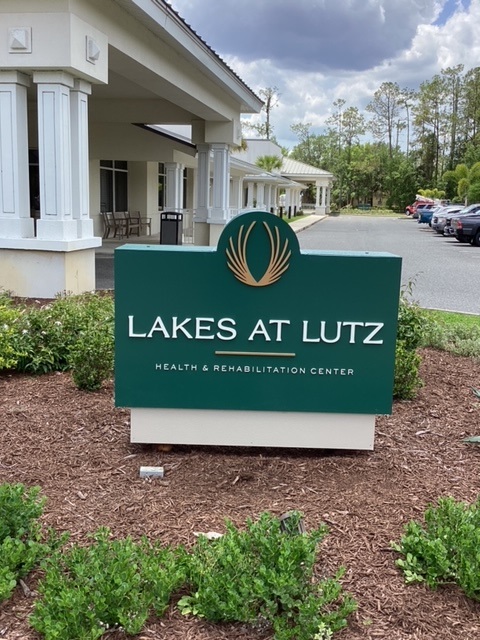
How is Luxe At Lutz Rehabilitation Center (The) Staffed?

CMS rates LUXE AT LUTZ REHABILITATION CENTER (THE)'s staffing level at 3 out of 5 stars, which is average compared to other nursing homes. Staff turnover is 79%, which is 33 percentage points above the Florida average of 46%. High turnover can affect care consistency as new staff learn residents' individual needs. RN turnover specifically is 82%, which is notably high. RNs provide skilled clinical oversight, so turnover in this role can affect medical care quality.

What Have Inspectors Found at Luxe At Lutz Rehabilitation Center (The)?

State health inspectors documented 25 deficiencies at LUXE AT LUTZ REHABILITATION CENTER (THE) during 2020 to 2025. These included: 1 that caused actual resident harm and 24 with potential for harm. Deficiencies causing actual harm indicate documented cases where residents experienced negative health consequences.
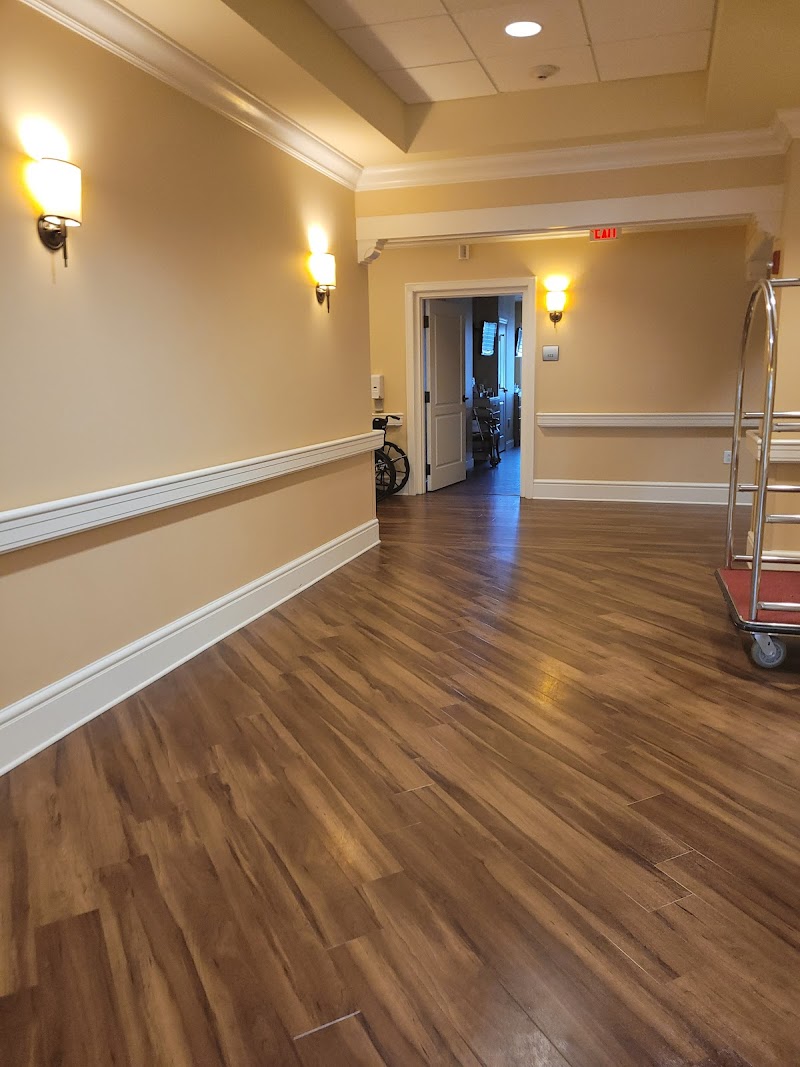
Who Owns and Operates Luxe At Lutz Rehabilitation Center (The)?

LUXE AT LUTZ REHABILITATION CENTER (THE) is owned by a for-profit company. For-profit facilities operate as businesses with obligations to shareholders or private owners. The facility operates independently rather than as part of a larger chain. With 120 certified beds and approximately 102 residents (about 85% occupancy), it is a mid-sized facility located in LUTZ, Florida.
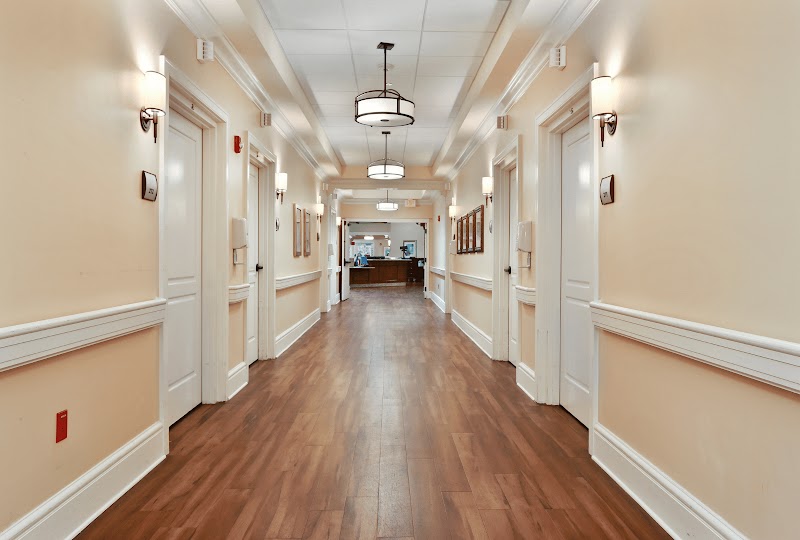
How Does Luxe At Lutz Rehabilitation Center (The) Compare to Other Florida Nursing Homes?

Compared to the 100 nursing homes in Florida, LUXE AT LUTZ REHABILITATION CENTER (THE)'s overall rating (2 stars) is below the state average of 3.2, staff turnover (79%) is significantly higher than the state average of 46%, and health inspection rating (2 stars) is below the national benchmark.

What Should Families Ask When Visiting Luxe At Lutz Rehabilitation Center (The)?

Based on this facility's data, families visiting should ask: "How do you ensure continuity of care given staff turnover, and what is your staff retention strategy?" "Can I visit during a mealtime to observe dining assistance and food quality?" "How do you handle medical emergencies, and what is your hospital transfer rate?" "Can I speak with family members of current residents about their experience?" These questions are particularly relevant given the facility's high staff turnover rate.

Is Luxe At Lutz Rehabilitation Center (The) Safe?

Based on CMS inspection data, LUXE AT LUTZ REHABILITATION CENTER (THE) has a clean safety record: no substantiated abuse findings (meaning no confirmed cases of resident harm), no Immediate Jeopardy citations (the most serious violation level indicating risk of serious injury or death), and is not on the Special Focus Facility watch list (a federal program monitoring the lowest-performing 1% of nursing homes). The facility has a 2-star overall rating and ranks #100 of 100 nursing homes in Florida. While no facility is perfect, families should still ask about staff-to-resident ratios and recent inspection results during their visit.

Do Nurses at Luxe At Lutz Rehabilitation Center (The) Stick Around?

Staff turnover at LUXE AT LUTZ REHABILITATION CENTER (THE) is high. At 79%, the facility is 33 percentage points above the Florida average of 46%. Registered Nurse turnover is particularly concerning at 82%. RNs handle complex medical decisions and coordinate care — frequent RN changes can directly impact care quality. High turnover means new staff may not know residents' individual needs, medications, or preferences. It can also be disorienting for residents, especially those with dementia who rely on familiar faces. Families should ask: What is causing the turnover? What retention programs are in place? How do you ensure care continuity during staff transitions?

Was Luxe At Lutz Rehabilitation Center (The) Ever Fined?

LUXE AT LUTZ REHABILITATION CENTER (THE) has been fined $50,225 across 1 penalty action. This is above the Florida average of $33,581. Fines in this range indicate compliance issues significant enough for CMS to impose meaningful financial consequences. Common causes include delayed correction of deficiencies, repeat violations, or care failures affecting resident safety. Families should ask facility leadership what changes have been made since these penalties.

Is Luxe At Lutz Rehabilitation Center (The) on Any Federal Watch List?

LUXE AT LUTZ REHABILITATION CENTER (THE) is not on any federal watch list. The most significant is the Special Focus Facility (SFF) program, which identifies the bottom 1% of nursing homes nationally based on persistent, serious quality problems. Not being on this list means the facility has avoided the pattern of deficiencies that triggers enhanced federal oversight. This is a positive indicator, though families should still review the facility's inspection history directly.