LAKE PARK OF MADISON NURSING AND REHABILITATION CE
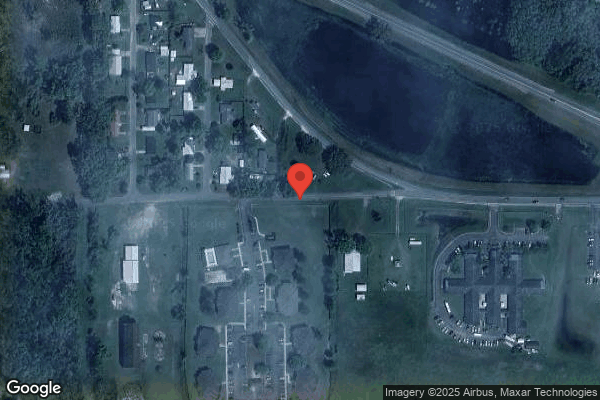
259 SW CAPTAIN BROWN RD, MADISON, FL 32340 (850) 973-8277
For profit - Corporation 103 Beds MAXIMUS HEALTHCARE GROUP Data: November 2025
Trust Grade
90/100
#62 of 690 in FL
Last Inspection: October 2024

Within standard 12-15 month inspection cycle. Federal law requires annual inspections.

Overview

Lake Park of Madison Nursing and Rehabilitation has an impressive Trust Grade of A, indicating an excellent reputation and high level of care. Ranked #62 out of 690 facilities in Florida places them in the top half, and they are the best option among the three nursing homes in Madison County. The facility is improving, having reduced their issues from 6 in 2023 to just 1 in 2024. Staffing is a notable strength, with a perfect rating of 5/5 stars and a turnover rate of 32%, which is better than the state average of 42%. However, there are concerns regarding RN coverage, which is less than 81% of Florida facilities, and recent inspections revealed cleanliness issues in shower and laundry areas, as well as failures in properly assessing and planning care for residents with significant weight loss. Overall, while there are some weaknesses, the facility has strong staffing and is on a positive trend.

Trust Score
A
90/100
In Florida
#62/690
Top 8%
Safety Record
Low Risk
No red flags
Inspections
Getting Better
6 → 1 violations
Staff Stability
○ Average
32% turnover. Near Florida's 48% average. Typical for the industry.
Penalties
✓ Good
No fines on record. Clean compliance history, better than most Florida facilities.
Skilled Nurses
○ Average
Each resident gets 32 minutes of Registered Nurse (RN) attention daily — about average for Florida. RNs are the most trained staff who monitor for health changes.
Violations
○ Average
8 deficiencies on record. Average for a facility this size. Mostly minor or procedural issues.
★★★★★
5.0
Overall Rating
★★★★★
5.0
Staff Levels
★★★★☆
4.0
Care Quality
★★★★☆
4.0
Inspection Score
Stable
2023: 6 issues
2024: 1 issues

The Good

  • 5-Star Staffing Rating · Excellent nurse staffing levels
  • 4-Star Quality Measures · Strong clinical quality outcomes
  • Full Sprinkler Coverage · Fire safety systems throughout facility
  • No fines on record
  • Staff turnover below average (32%)

    16 points below Florida average of 48%

Facility shows strength in staffing levels, quality measures, fire safety.

The Bad

Staff Turnover: 32%

14pts below Florida avg (46%)

Typical for the industry

Chain: MAXIMUS HEALTHCARE GROUP

Part of a multi-facility chain

Ask about local staffing decisions and management

The Ugly 8 deficiencies on record

Oct 2024 1 deficiency
CONCERN (D)

Potential for Harm - no one hurt, but risky conditions existed

Safe Environment (Tag F0584)

Could have caused harm · This affected 1 resident

Based on observations and interviews, the facility failed to maintain a clean and sanitary environment in the shower rooms, soiled utility rooms, and laundry room (photographic evidence obtained). The...

Read full inspector narrative →
Based on observations and interviews, the facility failed to maintain a clean and sanitary environment in the shower rooms, soiled utility rooms, and laundry room (photographic evidence obtained). The findings include: A tour of the facility was conducted on 10/31/24 at 11:00 AM with the facility's Administrator and Maintenance Director. During this tour, the following areas of concern were identified: In the East Side Shower Room, 3 of 3 shower stalls were observed to have a large build-up of dark matter on the walls, grout lines, and floors. In the [NAME] Side Shower Room, 2 of 3 shower stalls were observed to have a large build-up of dark matter on the walls, grout lines, and floors. In the East Side Soiled Utility Room, 2 garbage cans were observed without lids. One laundry cart was observed without a cover. Within the laundry cart, the surveyor observed soiled linen present which was not secured in a bag. Also within the laundry cart was a large amount of garbage present under the moveable bottom of the cart. A large build-up of ice in the freezer of the specimen refrigerator located in this soiled utility room was also observed. In the [NAME] Side Soiled Utility Room, 1 laundry cart was observed without a cover. Within the laundry cart, there was soiled linen present which was not secured in a bag. Also within the laundry cart was a large amount of garbage present under the moveable bottom of the cart. The surveyor observed a large build-up of ice in the freezer of the specimen refrigerator located in this soiled utility room as well. In the soiled area of the laundry room, 2 uncovered garbage cans and 2 uncovered laundry bins were observed. The inner liner of 1 of the 2 laundry bins was observed to have numerous rips around the top edge of the bin. Both laundry bins had a large build-up of dirt and debris present in the bottoms. In the dryer room, 2 of 3 dryers had a large build-up of lint and other foreign substances, such as nuts, coins, razor guards, drinking straws, water bottle caps, and plastic lighter parts were present in the lint trap areas. An interview was conducted with Staff A, Laundry Aide, during the laundry room tour. She stated the laundry staff clean the lint traps every 2 hours and the maintenance department cleans the lint traps monthly. The Maintenance Director confirmed that the maintenance department performed monthly maintenance on the dryers.
Jul 2023 6 deficiencies
CONCERN (D)

Potential for Harm - no one hurt, but risky conditions existed

Comprehensive Assessments (Tag F0636)

Could have caused harm · This affected 1 resident

Based on interviews and record review, the facility failed to complete a comprehensive assessment for 1 of 5 residents sampled for nutrition. (Resident #54) The findings include: A review of Resident...

Read full inspector narrative →
Based on interviews and record review, the facility failed to complete a comprehensive assessment for 1 of 5 residents sampled for nutrition. (Resident #54) The findings include: A review of Resident #54 electronic medical record revealed the following recorded weights: 2/1/23- 113.8 pounds (lbs.) 3/4/23- 111.6 lbs. 4/5/23- 106.0 lbs. 5/4/23-106.2 lbs. 6/4/23- 102.4 lbs. 7/5/23- 94.6 lbs. These weights indicate that Resident #54 had a weight loss of 16.9% of the resident's total body weight within a six month time frame. A review of the Minimum Data Set (MDS- a comprehensive standardized assessment of each residents' functional capabilities and health needs) dated 5/3/23 revealed that the facility marked No/Unknown for the question asking if the person has experienced a weight loss, loss of 5% or more in the last month or loss of 10% or more in the last 6 months. On 7/20/23 at approximately 12:04 PM, an interview was conducted with the Chief Operating Officer, who confirmed that the MDS quarterly assessment on 5/3/23 did not appropriately capture the significate weight loss for Resident #54. A review of the Policy titled MDS 3.0 Completion provided by the facility which did not have a date reviewed/revised or date implemented stated, Policy: Residents are assessed, using a comprehensive assessment process, in order to identify care needs and to develop an interdisciplinary care plan.
CONCERN (D)

Potential for Harm - no one hurt, but risky conditions existed

Comprehensive Care Plan (Tag F0656)

Could have caused harm · This affected 1 resident

**NOTE- TERMS IN BRACKETS HAVE BEEN EDITED TO PROTECT CONFIDENTIALITY** Based on observations, interviews, and record review, the facility failed to develop a comprehensive care plan for 1 of 5 reside...

Read full inspector narrative →
**NOTE- TERMS IN BRACKETS HAVE BEEN EDITED TO PROTECT CONFIDENTIALITY** Based on observations, interviews, and record review, the facility failed to develop a comprehensive care plan for 1 of 5 residents sampled for nutrition. (Resident #38). The findings include: A review of the electronic medical record for Resident #38 revealed that the resident's weight on 2/17/23 was documented as 117.6 pounds. On 7/17/23, the resident's weight was documented as 103.2 pounds, which is a 12.24% weight loss. Review of the Minimum Data Set (MDS) dated [DATE] revealed that the facility did record that the resident experienced significant weight loss, but was not on a physician-prescribed weight loss regimen. Review of the Comprehensive Care Plan for Resident #38 revealed no documentation concerning significant weight loss or nutritional needs. On 7/20/23 at approximately 10:30 AM, an interview was conducted with the MDS coordinator in reference to the care plan for Resident #38. The MDS coordinator confirmed that the resident was coded on the MDS for weight loss but that there was not a care plan for nutritional needs or weight loss for Resident #38. The MDS coordinator agreed that weight loss should have been included and stated, It somehow got missed. On 7/20/23 at approximately 10:35 AM, an interview was conducted with the Director of Nursing (DON), who stated that it was her expectation that residents with weight loss to be care planned for nutrition. Review of the facility policy titled Comprehensive Care Plans date reviewed/revised 1/4/23 revealed: Policy: It is the policy of this facility to Develop and Implement a Comprehensive Person-Centered Care Plan for each resident consistent with resident rights, that includes measurable objectives and timeframes to meet a resident's medical, nursing, and mental and psychosocial needs that are identified in the resident's Comprehensive Assessment.
CONCERN (D)

Potential for Harm - no one hurt, but risky conditions existed

Quality of Care (Tag F0684)

Could have caused harm · This affected 1 resident

Based on observations, interviews, and record review, the facility failed to provide quality of care for the treatment of a skin tear for 1 of 2 residents sampled for skin conditions (non-pressure). (...

Read full inspector narrative →
Based on observations, interviews, and record review, the facility failed to provide quality of care for the treatment of a skin tear for 1 of 2 residents sampled for skin conditions (non-pressure). (Resident #48) The findings include: Observations of Resident # 48 were made for the following dates and times: On 7/18/23 at approximately 1:30 PM, a skin tear was noted to the top of the left hand which appeared to be scabbed over and redness was noted to the base of the area. At this time, an interview was conducted with Resident #48, who stated that he was being changed by the staff and holding onto the rail. However, when he went to turn over, he hit his hand on the over bed table. On 7/19/23 at approximately 8:45 AM, Resident #48 was observed to be lying in bed watching television with no dressing observed to the top of the resident's left hand. On 7/19/23 at approximately 11:20 AM, Resident #48 was observed lying in bed watching television, still with no dressing to the top of his left hand observed. A review of Resident #48's medical records revealed that there was no order written for the treatment of the top of the left hand. A review of the nurses progress notes revealed no documentation concerning the area to the top of the left hand. On 7/19/23 at approximately 2:10 PM, an interview was conducted with Nurse B, a Licensed Practical Nurse (LPN), concerning the area to the top of Resident #48's left hand. Nurse B stated, I think he got the skin tear to his hand a couple of weeks ago. Nurse B confirmed there was no order for treatment in the resident's medical record. On 7/19/23 at approximately 2:30 PM, an interview was conducted with the Director of Nursing (DON). When informed that there was no documentation concerning the area to the top of Resident #48's left hand, and no treatment orders noted in the resident's records, the DON stated she would look into that. On 7/19/23 at approximately 3:30 PM, a follow up interview was conducted with the DON, who stated that there was an incident report filled out for the skin tear by the night nurse and that the family and physician were notified. The DON went on to state that the night nurse did not write the treatment order for the skin tear in Resident #48's chart, so it was missed. The DON went on to state that the nurse was given a verbal counseling and that they have already started an in-service for the staff concerning skin tears and incident reports. A review of the incident report, dated 7/11/23 at 11:56 PM, revealed, Aid notified this writer that resident had blood to hand. When entered room noted skin tear to left hand. Resident stated he hit his hand on bedside table. Notified provider of skin tear. Clean left hand with NS (normal saline) applied steri-strips (tape that holds the skin together) and three layers of Visco paste and dry dressing. Made several attempts to notify family with no answer and no call back. Notified resident of new treatment order to hand. The policy titled Incidents and Accidents (dated 1/4/23) revealed: Policy: It is the policy of this facility for staff to report, investigate, and review any accidents or incidents that occur or allegedly occur, on facility property and may involve or allegedly involve a resident. Compliance Guidelines: 6. in the event of an incident or accident, immediate assistance will be provided, or securement of the area will be initiated unless it places one at risk of harm. 7. Any injuries will be assessed by the licensed nurse or practitioner and the affected individual will not be moved until safe to do so. First aid will be given for minor injuries such as cuts or abrasions. 9. The nurse will contact the resident's practitioner to inform them of the incident/accident, report any injuries or other findings, and obtain orders, if indicated, which may include transportation to the hospital dependent upon the nature of the injury(ies). 12. The nurse will enter the incident/accident information into the appropriate form/system within 24 hours of occurrence and will documents all pertinent information. 13. Documentation should include the date, time, nature of the incident, location, initial findings, immediate interventions, notifications and orders obtained or follow-up interventions.
CONCERN (D)

Potential for Harm - no one hurt, but risky conditions existed

Accident Prevention (Tag F0689)

Could have caused harm · This affected 1 resident

Based on observation, interview, and policy review, the facility failed make ashtrays made of noncombustible materials accessible to all residents in the smoking area for 4 of 4 sampled residents for ...

Read full inspector narrative →
Based on observation, interview, and policy review, the facility failed make ashtrays made of noncombustible materials accessible to all residents in the smoking area for 4 of 4 sampled residents for observation during smoking. (Resident #21) The findings include: On 7/17/23 at approximately 1:15 PM, an observation of residents in the designated smoking area was conducted. Staff Member A, a Restorative Certified Nursing Assistant (CNA), was present to assist and observe the residents during smoking. There were 4 residents (Residents #8, # 20, # 21, and #25) who were smoking around a dust pan. The surveyor observed all 4 of the residents bumping cigarette ashes into the dust pan. The dust pan had multiple extinguished cigarettes in it. The smoking area had 2 other ashtrays located on the other side of the smoking porch. The nearest safety ashtray was more than 15 feet away from the 4 residents during the observation. 2 of the 4 residents who were using the dust pan utilized a wheelchair for mobility. An interview was conducted with Resident #21. He was asked why the residents were using the dust pan. He explained that the other ash trays were difficult to reach. (Photographic evidence was obtained) On 7/17/23 at approximately 1:25 PM, an interview was conducted with Staff Member A, CNA. She was asked if she was responsible for observing the residents during the smoking. The surveyor pointed out to Staff Member A that 4 of the residents were utilizing a dust pan as an ash tray. The surveyor explained that it appeared that the residents might not be able to reach an ashtray. She was asked if they should be utilizing a dust pan instead of a safe ashtray. Staff Member A did not respond but immediately went out to the smoking porch to move an ashtray closer to the 4 residents. On 7/20/23 at approximately 9:15 AM, a second observation was made in the designated smoking area. The same 4 residents were smoking around a dustpan and using it as an ashtray. The dustpan had multiple extinguished cigarettes and ashes in it. Staff Member A was again supervising smoking. The Facility Administrator (FA) was notified. An interview was conducted in the designated smoking area with the FA at approximately 9:20 AM. During the interview, Residents #8, # 20, # 21, and #25 continued to utilize the dust pan as an ashtray. The FA immediately removed the dust pan. She asked Residents #8, # 20, #21, and #25 not to utilize a dustpan for cigarettes or ashes any more. She placed a safety ashtray next to the 4 residents. The administrator was asked for a copy of the facility smoking policy. The FA was asked if the residents should be utilizing a dust pan as an ashtray. She said: Absolutely, no they should not. On 7/20/23 at approximately 10:15 AM the FA provided a copy of the facility's smoking policy along with a purchase order for an additional new flip top floor ashtray that had just been ordered for the smoking area. The FA also provided a copy of a retraining that was just conducted with Staff Member A regarding safety on the smoking porch. The training stated that residents on the smoking porch are not to utilize anything but smoking urns to extinguish cigarettes and ashes. A review of the facility policy titled Resident Smoking was conducted. The policy listed that the facility would provide ashtrays made of non-combustible materials and safe design.
CONCERN (D)

Potential for Harm - no one hurt, but risky conditions existed

Pharmacy Services (Tag F0755)

Could have caused harm · This affected 1 resident

Based on observation, interviews and policy review, the facility failed to assure that services being provided meet professional standards of quality for 1 of 6 residents sampled for Medication Admini...

Read full inspector narrative →
Based on observation, interviews and policy review, the facility failed to assure that services being provided meet professional standards of quality for 1 of 6 residents sampled for Medication Administration review. (Resident #61) The findings include: A record review was conducted for Resident #61 which revealed orders for Metoprolol Tartrate Tablet 25 milligrams (MG), give 1 tablet by mouth one time a day for atrial fibrillation (A-fib, an abnormal heart rhythm) and Digoxin (medication to maintain normal heart rate) 125 micrograms (MCG), give 1 tablet by mouth one time per day, and Midodrine HCl (medication to treat low blood pressure) Tablet 10 MG, give 1 tablet by mouth every 8 hours as needed for Hypotension (low Blood Pressure). On 07/19/23 at approximately 09:30 AM, an medication administration observation was made of Nurse B, a Licensed Practical Nurse (LPN). Nurse B was observed to dispense all routine medication into a medication cup and approached Resident #61 who was sitting upright in bed. A Blood Pressure (BP) was obtained by wrist cuff with residents' right arm lying at her side with a reading of 74/44. The nurse prepared to assist Resident #61 to take her medications as ordered. After observing the BP reading, Nurse B was asked if she thought she should give the Metoprolol, as this medication is usually contraindicated for anyone with a low blood pressure reading. Nurse B responded, this lady has a history of low BP, and she is getting Metoprolol for her A-Fib not her BP. Nurse B was asked if there were BP Parameter orders to hold the drug. Nurse B then reviewed the orders and verified that there were no parameters. On 07/19/23 at approximately 10:50 AM, an interview with the LPN Unit Manager was completed. The Unit Manager reported that Nurse B had informed her of Resident #61's BP of 74/44 and that she had repeated the BP with a standard arm cuff but there was no documentation of the result. The BP obtained with a standard cuff was 90/60. Nurse B was asked if she had called care provider to advise of findings of BP 74/44. She responded she had notified the Assistant Director of Nursing (ADON) of the findings, and he was to notify the APRN (Advanced Practice Registered Nurse) to obtain follow up orders so she could continue with medication administration. On 07/19/23 at approximately 11:00 AM, an interview was conducted with the ADON. He reported that he had notified the APRN of the resident's BP and that the Metoprolol was being held. He stated that the APRN wanted to review residents record before giving any further orders. On 07/19/23 at approximately 11:49 AM, the Director of Nursing (DON) was interviewed regarding her expectations for nursing staff if they assess a BP of 74/44. She responded, I would expect them to lay the patient down, verify BP, if still low, hold the drug, notify the physician. On 07/19/23 at approximately 12:07 PM, a telephone interview was conducted with the APRN, who stated We do not typically write parameter orders for Metoprolol; I would expect a nurse to hold the drug and call me. I would expect them to repeat the BP reading with a manual cuff or Dynamap (an automatic machine used to assess blood pressure electronically). The APRN verified that the Midodrine order should have parameters for administration. She reports that the order had been given by a previous provider. She stated, I am not certain what the outcome would have been had the drug been given because I am not certain that the BP obtained was accurate, but if was it could have sent her to the hospital. A further review of the Electronic Medication Record (EMAR) for Resident #61 revealed a new order per APRN dated 7/19/2023 stating, 11:56 a.m.: Metoprolol Tartrate Tablet 25 MG Give 1 tablet by mouth one time a day for A-fib HOLD IF SYSTOLIC IS LESS THAN 100. On 07/20/23 01:03 PM, the DON provided a document titled Teachable Moment dated 7/19/2023 which revealed a written nursing in-service on what to do for a patient with a BP less than 100/60. (photographic evidence obtained). A review of the Medication Administration Policy (Revised date 1/2/2023) revealed: Policy: Medications are administered by licensed nurses, or other staff who are legally authorized to do so in this state, as ordered by the physician and in accordance with professional standards of practice, in a manner to prevent contamination or infection. Policy Explanation and Compliance Guidelines: 8. Obtain and record vital signs, when applicable or per physician orders. When applicable, hold medication for those vital signs outside the physician's prescribed parameters. 9. Position resident to accommodate administration of medication. 17. Sign MAR after administered. For those medications requiring vital signs, record the vital signs onto the MAR. 18. Report and document any adverse side effects or refusals. 20. Correct any discrepancies and report to nurse manager . A review of article dated February 19, 2023, in Stat Pearls for the National Institute of Health National Library of Medicine reveals, Hypotension is a decrease in systemic blood pressure below accepted low values. While there is not an accepted standard hypotensive value, pressures less than 90/60 are recognized as hypotensive. Review of Libre Text Nursing Pharmacology (Open RN) 11.04, Chapter 4 revealed: 5.a. Before administering metoprolol, the nurse should always assess the patient's blood pressure and pulse. 5.b. If the systolic blood pressure is less than 100 mm Hg or the apical heart rate is less than 60 beats per minute, the medication should be withheld and the provider notified unless other parameters are provided in the order. Review of Proper use of a wrist cuff instructions presented by the American Medical Association (AMA) revealed: Using a wrist cuff to measure your blood pressure 1. Apply the cuff to your wrist 2. Keep your elbow on table or desk with your forearm bent 3. Place your wrist at the level of your heart 4. Keep your arm relaxed and your hand resting against your body 5. Measure your wrist blood pressure without moving your arm from seated position.
CONCERN (D)

Potential for Harm - no one hurt, but risky conditions existed

Infection Control (Tag F0880)

Could have caused harm · This affected 1 resident

Based on observation, interviews and policy review, the facility failed to maintain its infection prevention and control program for 2 of 6 residents sampled for Medication Administration review. (Res...

Read full inspector narrative →
Based on observation, interviews and policy review, the facility failed to maintain its infection prevention and control program for 2 of 6 residents sampled for Medication Administration review. (Residents # 27 and #61) The findings include: On 7/19/2023 at approximately 9:08 AM, an observation was made of Nurse B, a Licensed Practical Nurse (LPN), taking a blood pressure on Resident #27 with a wrist cuff (a piece of medical equipment designed to measure blood pressure on the wrist of a patient). This wrist cuff was taken from the med pass cart prior to providing Resident #27 with her morning medications. Nurse B then placed the wrist cuff on top of medication cart while she prepared medications for Resident #61 in the next room. The nurse then picked up the medication cup and the same wrist cuff and proceeded into Resident #61's room, where she then obtained a blood pressure with wrist cuff for Resident #61. The wrist cuff was not wiped down with disinfectant between the use for these two residents. On 7/19/2023 at approximately 9:40 AM, an interview was conducted with Nurse B concerning infection control policy for multiuse equipment. When asked if there was a policy for cleaning of multiuse equipment between residents, Nurse B stated I'm not sure. When asked if the equipment should be disinfected between residents, Nurse B replied probably. On 7/19/2023 at approximately 10:00 AM, an interview was conducted with the Assistant Director of Nursing (ADON) concerning the policy for disinfection of multiuse equipment. The ADON responded I will check. On 7/19/2023 at approximately 10:10 AM, a follow up interview was conducted with the ADON, who verified that multiuse equipment was to be disinfected between residents with each use per facility policy. A copy of the policy was requested. Review of the Policy titled Cleaning and Disinfection of Resident-Care Equipment (revision date 01/04/23) revealed: Policy: Resident-care equipment can be a source of indirect transmission of pathogens. Reusable resident-care equipment will be cleaned and disinfected in accordance with current CDC recommendations in order to break the chain of infection. 1. Staff shall follow established infection control principles for cleaning and disinfecting reusable, noncritical equipment. General guidelines include: a. Verify whether the equipment is single-use or reusable. Discard single-use items after use. b. Each user is responsible for routine cleaning and disinfection of multi-resident items after each use. c. Direct care staff are responsible for cleaning single-resident equipment when visibly soiled, and according to routine schedule (where applicable). d. Multiple-resident use equipment shall be cleaned and disinfected after each use.
Mar 2022 1 deficiency
CONCERN (D)

Potential for Harm - no one hurt, but risky conditions existed

Comprehensive Care Plan (Tag F0656)

Could have caused harm · This affected 1 resident

Based on record review, staff interview and policy review, the facility failed to develop a comprehensive care plan for 1 of 5 residents sampled for unnecessary medication review (Resident #15) and 1 ...

Read full inspector narrative →
Based on record review, staff interview and policy review, the facility failed to develop a comprehensive care plan for 1 of 5 residents sampled for unnecessary medication review (Resident #15) and 1 of 3 residents sampled for respiratory care (Resident #14). The findings include: Resident #14 A review of Resident #14's clinical record was conducted. Review of the admission Minimum Data Set (MDS - a comprehensive, standardized assessment of each resident's functional capabilities and health needs) with an assessment reference date of 12/20/2021 revealed the following under Section I - Active Diagnoses: chronic obstructive pulmonary disorder and respiratory failure. Review of Section N - Medications revealed the resident received several medications for shortness of breath. Review of the resident's physician orders revealed Ipratropium-Albuterol Solution 0.5-2.5 3 mg/3 ml every six hours and Fluticasone-Salmeterol Aerosol 115-21 mcg/ACT (micrograms per actuator) 2 puffs inhale orally every 12 hours for shortness of breath. Review of the resident's comprehensive care plan dated 12/01/2021 did not indicate the facility was providing respiratory care to the resident. On 03/23/2022 at approximately 11:00 AM, an interview was conducted with the facility's MDS Coordinator. The MDS Coordinator reviewed Resident #14's clinical record and confirmed the resident had respiratory issues that were being addressed by the facility. The MDS Coordinator further confirmed that the comprehensive care plan did not address this area. Resident #15 A review of Resident #15's clinical record revealed the resident received Losartan Potassium 50 mg daily for hypertension since 05/20/2021 and Tylenol with Codeine #3 three times a day routinely for pain since 12/31/2021. The significant change MDS with an assessment reference date of 01/06/2022 revealed hypertension under Section I - Active Diagnoses. Review of Section J - Health Conditions revealed the resident receives a scheduled pain medication regimen and indicates the resident had pain or hurting in the last 5 days. Review of the resident's current comprehensive care plan revealed no care plan related to hypertension or pain. On 03/23/2022 at 11:07 AM, an interview was conducted with the MDS Coordinator. He stated he missed care planning Resident #15 for hypertension and pain and confirmed this should have been included in the care plan. A review of the Care Plans, Comprehensive, Person-Centered, Culturally Competent and Trauma Informed (revised December 2016) policy and procedure indicated a comprehensive, person-centered care plan that includes measurable objectives and timetables to meet the resident's physical, psychosocial and functional needs is developed and implemented for each resident. Item #8 states the comprehensive, person-centered care plan will: g. incorporate identified problem areas; h. incorporate risk factors associated with identified problems.
Understanding Severity Codes (click to expand)
Life-Threatening (Immediate Jeopardy)
J - Isolated K - Pattern L - Widespread
Actual Harm
G - Isolated H - Pattern I - Widespread
Potential for Harm
D - Isolated E - Pattern F - Widespread
No Harm (Minor)
A - Isolated B - Pattern C - Widespread

Questions to Ask on Your Visit

  • "Can I speak with families of current residents?"
  • "What's your RN coverage like on weekends and overnight?"

Our Honest Assessment

Strengths
  • • Grade A (90/100). Above average facility, better than most options in Florida.
  • • No major safety red flags. No abuse findings, life-threatening violations, or SFF status.
  • • No fines on record. Clean compliance history, better than most Florida facilities.
  • • 32% turnover. Below Florida's 48% average. Good staff retention means consistent care.
Concerns
  • • No significant concerns identified. This facility shows no red flags across CMS ratings, staff turnover, or federal penalties.
Bottom line: Generally positive indicators. Standard due diligence and a personal visit recommended.

About This Facility

What is Lake Park Of Madison Nursing And Rehabilitation Ce's CMS Rating?

CMS assigns LAKE PARK OF MADISON NURSING AND REHABILITATION CE an overall rating of 5 out of 5 stars, which is considered much above average nationally. Within Florida, this rating places the facility higher than 99% of the state's 100 nursing homes. This rating reflects solid performance across the metrics CMS uses to evaluate nursing home quality.

How is Lake Park Of Madison Nursing And Rehabilitation Ce Staffed?

CMS rates LAKE PARK OF MADISON NURSING AND REHABILITATION CE's staffing level at 5 out of 5 stars, which is much above average compared to other nursing homes. Staff turnover is 32%, compared to the Florida average of 46%. This relatively stable workforce can support continuity of care.

What Have Inspectors Found at Lake Park Of Madison Nursing And Rehabilitation Ce?

State health inspectors documented 8 deficiencies at LAKE PARK OF MADISON NURSING AND REHABILITATION CE during 2022 to 2024. These included: 8 with potential for harm.

Who Owns and Operates Lake Park Of Madison Nursing And Rehabilitation Ce?

LAKE PARK OF MADISON NURSING AND REHABILITATION CE is owned by a for-profit company. For-profit facilities operate as businesses with obligations to shareholders or private owners. The facility is operated by MAXIMUS HEALTHCARE GROUP, a chain that manages multiple nursing homes. With 103 certified beds and approximately 91 residents (about 88% occupancy), it is a mid-sized facility located in MADISON, Florida.

How Does Lake Park Of Madison Nursing And Rehabilitation Ce Compare to Other Florida Nursing Homes?

Compared to the 100 nursing homes in Florida, LAKE PARK OF MADISON NURSING AND REHABILITATION CE's overall rating (5 stars) is above the state average of 3.2, staff turnover (32%) is significantly lower than the state average of 46%, and health inspection rating (4 stars) is above the national benchmark.

What Should Families Ask When Visiting Lake Park Of Madison Nursing And Rehabilitation Ce?

Based on this facility's data, families visiting should ask: "Can I visit during a mealtime to observe dining assistance and food quality?" "How do you handle medical emergencies, and what is your hospital transfer rate?" "Can I speak with family members of current residents about their experience?"

Is Lake Park Of Madison Nursing And Rehabilitation Ce Safe?

Based on CMS inspection data, LAKE PARK OF MADISON NURSING AND REHABILITATION CE has a clean safety record: no substantiated abuse findings (meaning no confirmed cases of resident harm), no Immediate Jeopardy citations (the most serious violation level indicating risk of serious injury or death), and is not on the Special Focus Facility watch list (a federal program monitoring the lowest-performing 1% of nursing homes). The facility has a 5-star overall rating and ranks #1 of 100 nursing homes in Florida. While no facility is perfect, families should still ask about staff-to-resident ratios and recent inspection results during their visit.

Do Nurses at Lake Park Of Madison Nursing And Rehabilitation Ce Stick Around?

LAKE PARK OF MADISON NURSING AND REHABILITATION CE has a staff turnover rate of 32%, which is about average for Florida nursing homes (state average: 46%). Moderate turnover is common in nursing homes, but families should still ask about staff tenure and how the facility maintains care continuity when employees leave.

Was Lake Park Of Madison Nursing And Rehabilitation Ce Ever Fined?

LAKE PARK OF MADISON NURSING AND REHABILITATION CE has no federal fines on record. CMS issues fines when nursing homes fail to meet care standards or don't correct problems found during inspections. The absence of fines suggests the facility has either maintained compliance or corrected any issues before penalties were assessed. This is a positive indicator, though families should still review recent inspection reports for the full picture.

Is Lake Park Of Madison Nursing And Rehabilitation Ce on Any Federal Watch List?

LAKE PARK OF MADISON NURSING AND REHABILITATION CE is not on any federal watch list. The most significant is the Special Focus Facility (SFF) program, which identifies the bottom 1% of nursing homes nationally based on persistent, serious quality problems. Not being on this list means the facility has avoided the pattern of deficiencies that triggers enhanced federal oversight. This is a positive indicator, though families should still review the facility's inspection history directly.