ATLANTIC SHORES NURSING AND REHAB CENTER
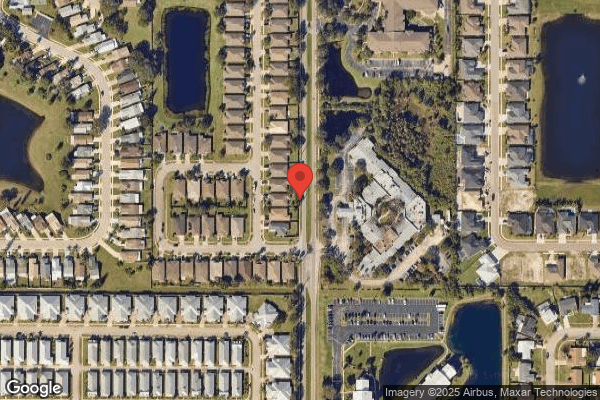

4251 STACK BLVD, MELBOURNE, FL 32901 (321) 953-2219
For profit - Corporation 120 Beds SOVEREIGN HEALTHCARE HOLDINGS Data: November 2025
Trust Grade
75/100
#161 of 690 in FL
Last Inspection: September 2024

Within standard 12-15 month inspection cycle. Federal law requires annual inspections.

Overview

Atlantic Shores Nursing and Rehab Center in Melbourne, Florida, has a Trust Grade of B, indicating it is a good choice for families, offering solid care. It ranks #161 out of 690 facilities in Florida, placing it in the top half, and #3 out of 21 in Brevard County, meaning it has limited local competition. The facility is improving, with issues decreasing from 2 in 2024 to 1 in 2025, and it has no fines on record, which is a positive sign. However, the staffing rating is average at 3 out of 5 stars, with a turnover rate of 44%, which is on par with the state average, and it has less RN coverage than 89% of Florida facilities, raising some concerns about oversight. Specific incidents include a failure to involve family members in care planning for residents, which can impact the quality of care, and a nurse not administering oxygen at the correct flow rate for a resident with respiratory issues, potentially affecting their health. Overall, while the facility has strengths, such as a good trust grade and no fines, it also has areas needing improvement in staffing and care planning communication.

Trust Score
B
75/100
In Florida
#161/690
Top 23%
Safety Record
Low Risk
No red flags
Inspections
Getting Better
2 → 1 violations
Staff Stability
○ Average
44% turnover. Near Florida's 48% average. Typical for the industry.
Penalties
✓ Good
No fines on record. Clean compliance history, better than most Florida facilities.
Skilled Nurses
⚠ Watch
Each resident gets only 24 minutes of Registered Nurse (RN) attention daily — below average for Florida. Fewer RN minutes means fewer trained eyes watching for problems.
Violations
⚠ Watch
15 deficiencies on record. Higher than average. Multiple issues found across inspections.
★★★★☆
4.0
Overall Rating
★★★☆☆
3.0
Staff Levels
★★★★☆
4.0
Care Quality
★★★★☆
4.0
Inspection Score
Stable
2024: 2 issues
2025: 1 issues

The Good

  • 4-Star Quality Measures · Strong clinical quality outcomes
  • Full Sprinkler Coverage · Fire safety systems throughout facility
  • No fines on record
  • Staff turnover below average (44%)

    4 points below Florida average of 48%

Facility shows strength in quality measures, fire safety.

The Bad

Staff Turnover: 44%

Near Florida avg (46%)

Typical for the industry

Chain: SOVEREIGN HEALTHCARE HOLDINGS

Part of a multi-facility chain

Ask about local staffing decisions and management

The Ugly 15 deficiencies on record

Jan 2025 1 deficiency
CONCERN (D) 📢 Someone Reported This

A family member, employee, or ombudsman was alarmed enough to file a formal complaint

Potential for Harm - no one hurt, but risky conditions existed

Quality of Care (Tag F0684)

Could have caused harm · This affected 1 resident

**NOTE- TERMS IN BRACKETS HAVE BEEN EDITED TO PROTECT CONFIDENTIALITY** Based on interview, and record review, nurses failed to follow physician's orders and failed to monitor condition changes in a t...

Read full inspector narrative →
**NOTE- TERMS IN BRACKETS HAVE BEEN EDITED TO PROTECT CONFIDENTIALITY** Based on interview, and record review, nurses failed to follow physician's orders and failed to monitor condition changes in a timely manner for 1 of 3 residents reviewed for Change of Condition, of a total sample of 4 residents, (#4). Findings: Review of the medical record revealed resident #4, an [AGE] year old male was admitted to the facility on [DATE], re-hospitalized on [DATE], and re-admitted from an acute care hospital on [DATE]. The resident's diagnoses included hemiplegia and hemiparesis following cerebral infarction (stroke), aphasia (language communication dysfunction), dysphagia (difficulty swallowing), end stage kidney disease, seizures, encephalopathy (brain dysfunction), hypertensive (high blood pressure) urgency, dialysis dependence, anemia, primary hypertension, and coronary (heart) artery disease (CAD). The Minimum Data Set 5-Day assessment with an Assessment Reference Date of 11/06/24 showed during the look back periods, resident #4 scored 13 out of 15 on the Brief Interview for Mental Status exam that indicated he was cognitively intact. The assessment noted there were no behaviors or rejections of evaluation or care, received scheduled pain medications, received one injection, high-risk anti-platelet, and anti-convulsant medications, and hemodialysis while a resident. The Comprehensive Care Plan included focuses, interventions, and goals for altered cardiovascular status related to CAD, hypertension, anemia with interventions for nurses to monitor for changes and complications, and hemodialysis therapy with interventions for nurses to observe and monitor for complications and side effects including elevated blood pressure. The December 2024 Order Recap report included physicians medication orders for: Carvedilol 25 Milligrams (MG) once daily every Monday, Wednesday, Friday, and Sunday morning, and once in the evening on Tuesday, Thursday, and Saturday for high blood pressure, Clonidine 0.3 MG three times daily every Monday, Wednesday, Friday, and Sunday, and once in the evening every Tuesday, Thursday, and Saturday for high blood pressure, Hydralazine 100 MG three times daily every Monday, Wednesday, Friday, and Sunday, and once in the evening every Tuesday, Thursday, and Saturday for high blood pressure, Isosorbide Mononitrate 30 MG once daily every Monday, Wednesday, Friday, and Sunday morning, and once in the evening on Tuesday, Thursday, and Saturday for angina with a hold for blood pressure parameters, Metoprolol 100 MG twice daily every Monday, Wednesday, Friday, and Sunday, and once in the evening every Tuesday, Thursday, and Saturday for high blood pressure, and Nifedipine 60 MG twice daily every Monday, Wednesday, Friday, and Sunday and once in the evening every Tuesday, Thursday, and Saturday for high blood pressure. Review of the Nurse Progress Note completed by Licensed Practical Nurse (LPN) B on 12/12/24 at 12:48 AM, revealed the nurse received an additional as needed physician's medication order of Clonidine 0.2 MG to treat resident #4's elevated blood pressure reading of 232/91 mmHg (millimeters of mercury). The Order Audit Report noted on 12/11/24 at 11:03 PM, LPN B entered physician's medication orders for Clonidine 0.2 MG every six hours as needed for systolic blood pressure greater than 170 or diastolic blood pressure greater than 90 mmHg. The eINTERACT Change In Condition Evaluation completed by LPN A and the South Unit Manager on 12/12/24 documented the dialysis center contacted the facility to report that resident #4 required emergency transport to the hospital when he arrived at the dialysis center for treatment in the afternoon on 12/12/24. On 1/28/25 at 10:55 AM, in a telephone interview, LPN B recalled that on 12/12/24 during the 11:00 PM to 7:00 AM shift, resident #4 had an elevated blood pressure which she reported to the nurse practitioner by phone. LPN B said she obtained medication orders and administered the medication. She explained she recorded subsequent blood pressures during the night in the medical record. On 1/27/25 at 2:15 PM, LPN A recalled that on 12/12/24, she took resident #4's blood pressure before he went to dialysis and administered medication for an elevated reading. She said the same afternoon, a little while after he left for dialysis, the facility was notified by the dialysis center they had initiated 911 for emergency transport to the hospital. LPN A said LPN B had not mentioned during oncoming report on 12/12/24 that resident #4's blood pressure was high and the provider had been notified. Review of the Weights and Vitals Summary report noted resident #4's blood pressure was recorded as 167/91 on 12/11/24 at 10:47 PM, by LPN B but was not documented again until 12/12/24 at 12:41 PM by LPN A, approximately 12 hours later. The December 2024 Medication Administration Record (MAR) noted the only as needed dose of anti-hypertensive blood pressure medication was the Clonidine 0.2 MG which was administered by LPN A on 12/12/24 at 12:41 PM. On 1/27/25 at 2:25 PM, the South Unit Manager recalled at lunchtime on 12/12/24, she noticed resident #4 was lying in bed which was different than his normal routine of being out of bed in his wheelchair. She said she thought he may not be feeling great and noticed hadn't eaten any of his lunch. She explained nurses took the resident's blood pressure which was elevated, so an as needed dose of medication was administered before he went to dialysis treatment at approximately 1:00 PM. She said she remembered seeing a note earlier that morning from the night shift nurse about the resident's blood pressure that required a provider notification and additional medication orders. Review of the pharmacy delivery invoice noted resident #4's Clonidine 0.2 MG medication was delivered to the facility on [DATE] at 12:30 PM. On 1/28/25 at 12:07 PM, the South Unit Manager checked resident #4's medical record and acknowledged LPN B had not completed a Change Of Condition evaluation nor did the MAR show she administered the as needed blood pressure medication as ordered by the nurse practitioner. The Unit Manager said she expected nurses to complete the Change Of Condition form and LPN B should have documented any medication that was administered. She said Clonidine 0.3 MG was available in the electronic medication dispensary machine, and questioned that LPN B might have given the medication that was available but did not document it. On 1/29/25 at 12:19 PM, in a joint interview with Director of Nursing (DON) and Nursing Home Administrator, the DON explained she expected nurses to monitor, follow up, and complete a Change In Condition evaluation when the provider was notified of any concerns. She recalled on 12/12/24, resident #4 went to dialysis and stated, I believe he was acting up with the driver. She checked the medical record and could not find any documentation that LPN B administered resident #4's additional order for blood pressure medication nor monitored the resident after the nurse practitioner was notified. The DON conveyed that LPN B may have administered the medication on hand of Clonidine 0.3 MG instead of 0.2 MG and mis-transcribed the order. She said LPN B would be re-educated for the incident. On 1/29/25 at 1:30 PM, the DON stated, there is no policy for change in condition. Review of the Facility assessment dated [DATE] documented the facility provided care for residents with combinations of conditions that require complex medical care and management, . Management of medical conditions, Assessment, early identification of problems/deterioration, management of medical and psychiatric symptoms and conditions .
Sept 2024 1 deficiency
CONCERN (D)

Potential for Harm - no one hurt, but risky conditions existed

Deficiency F0554 (Tag F0554)

Could have caused harm · This affected 1 resident

**NOTE- TERMS IN BRACKETS HAVE BEEN EDITED TO PROTECT CONFIDENTIALITY** Based on observation, interview, and record review, the facility failed to conduct medication self-administration assessment to ...

Read full inspector narrative →
**NOTE- TERMS IN BRACKETS HAVE BEEN EDITED TO PROTECT CONFIDENTIALITY** Based on observation, interview, and record review, the facility failed to conduct medication self-administration assessment to ensure safety for 1 of 1 resident reviewed for self-administration of medications, of a total sample of 39 residents, (#57). Findings: Resident #57 was admitted to the facility on [DATE] with diagnoses including pneumonitis due to inhalants of food and vomit, adult failure to thrive, hypertensive heart disease, anemia, CVA with Left-sided hemiparesis. Review of the Minimum Data Set admission assessment with an assessment reference of 8/30/24 revealed resident #57 had a Brief Interview for Mental Status score of 2 out of 15, which indicated she was severely cognitively impaired. On 9/23/24 at 11:59 AM, resident #57 was observed lying on her back in bed watching television. Her nightstand had a square basket with personal items, including a bottle of 15 millimeter (ml) Visine eye drops and B& C Ointment wound dressing with a 60-gram tube observed at the bedside. The resident, unable to communicate verbally pointed to a paper with a phone number for her daughter. Resident #57's daughter was then interviewed by telephone. She said she brought the eye drops to the facility and placed the bottle in the basket on her mother's nightstand. The daughter also stated she put the drops into her mother's eyes each time she visited because the drops made her eyes feel better. She stated her mother used eye drops previously when she was at home. On 9/23/24 at 2:01 PM, the resident's nightstand was observed by assigned Registered Nurse (RN) A. She acknowledged the Visine eye drops 15 ml and B& C Ointment wound dressing 60 grams tube. A few minutes later she reviewed the resident's physician orders and acknowledged there were no orders for the Visine eye drops and B & C ointment found on the resident's nightstand. RN A explained before a resident could self-administer medication, they must have a self-administration evaluation completed and a physician order initiated. RN A confirmed there was no order for the Visine eye drops or the B & C ointment. She also confirmed the resident had not had a self-administration evaluation to determine if she was able to self administer the medications. On 9/25/24 at 9:36 AM, the Director of Nursing stated the self-administration assessment should be done by the Interdisciplinary Team (IDT) to ensure the resident could safely self-administer medications. She acknowledged resident #57 would not be safe to self-administer based on her severe cognitive impairment. Review of the facility's policy and procedure for Medication Administration dated 8/23 revealed, A resident may only self-administer medications after the (IDT) has determined which medications may be self-administered.
Mar 2024 1 deficiency
CONCERN (D) 📢 Someone Reported This

A family member, employee, or ombudsman was alarmed enough to file a formal complaint

Potential for Harm - no one hurt, but risky conditions existed

Deficiency F0694 (Tag F0694)

Could have caused harm · This affected 1 resident

**NOTE- TERMS IN BRACKETS HAVE BEEN EDITED TO PROTECT CONFIDENTIALITY** Based on observation, interview, and record review, the facility failed to ensure nurses administered Intravenous (IV) medicatio...

Read full inspector narrative →
**NOTE- TERMS IN BRACKETS HAVE BEEN EDITED TO PROTECT CONFIDENTIALITY** Based on observation, interview, and record review, the facility failed to ensure nurses administered Intravenous (IV) medications according to physician's orders for 1 of 4 residents reviewed for Quality of Care and Treatment, of a total sample of 10 residents, (#1). Findings: A review of the medical record revealed resident #1, a [AGE] year old female was admitted to the facility on [DATE] from an acute care hospital with diagnoses of fractures of the right arm and shoulder, severe aortic (main heart artery) valve stenosis (narrowing), severe malnutrition, need for assistance with personal care, and osteoporosis. On 2/09/24, she was diagnosed with a stage four pressure wound to her sacrum (tailbone), sacral osteomyelitis (infection of bone), deep tissue pressure wounds to her left and right heels and ankles, and a non-pressure wound to her right elbow. The Minimum Data Set (MDS) Modified admission assessment with Assessment Reference Date (ARD) 1/19/24 noted resident #1 scored 15 out of 15 for the Brief Interview for Mental Status (BIMS) which indicated she was cognitively intact, and did not reject evaluations or care. The assessment showed the resident required staff assistance to complete Activities of Daily Living (ADLs), was incontinent, and she had one stage three pressure ulcer documented as present upon admission during the look-back period. The MDS Discharge Return Anticipated assessment with ARD 2/18/24 showed the resident had one stage four, and four deep tissue pressure ulcers that were not present upon admission during the look-back period. The Comprehensive Care Plan included focuses for osteomyelitis infection with interventions to administer physician ordered IV medications and treatments, pressure wounds to sacrum, both heels and ankles, and right elbow with interventions to administer physician ordered medications and a wound vacuum (negative-pressure therapy). The Order Summary Report noted physicians' orders for antibiotic (infection) medications included Doxycycline 100 Milligrams (MG) every 12 hours for osteomyelitis on 2/02/24, Cefdinir 300 MG every 12 hours on 2/09/24 for infection, Peripherally Inserted Central Catheter (PICC) line insertion for IV medications, Vancomycin HCI 750 MG IV solution every morning for osteomyelitis on 2/09/24, and Levaquin 500 MG once daily for osteomyelitis on 2/16/24. On 3/20/24 at 11:19 AM, Licensed Practical Nurse (LPN) A explained nurses had 24/7 access to certain medications that included IV solutions and supplies from the Pyxis(automated dispenser). She showed the surveyor where the machine was located and demonstrated how nurses accessed it with written laminated administration instructions secured to the machine. On 3/20/24 at 11:29 AM, the North Unit Manager accessed the Pyxis and printed an Inventory Report that showed there were several vials of Vancomycin IV solution. She explained nurses could access the machine for medications if needed. She said she was not aware the IV form was there, and nurses, Usually wait for the pharmacy. Review of the February 2024 Medication Administration Report (MAR) showed IV Vancomycin HCI Solution was signed as administered on 2/12/24, 2/13/24, and 2/18/24 at 6:00 AM. The report did not show any documentation that nurses administered the IV Vancomycin HCl Solution on 2/10/24, 2/11/24 or 2/17/24. A Nurse Progress Note completed by LPN B on 2/09/24 at 4:48 PM read, IV not ready yet. A Nurse Progress Note completed by the North Unit Manager on 2/09/24 at 2:38 PM read, Patient will be on IV Vanco (Vancomycin) after PICC line insertion. Another Nurse Progress Note documented by LPN B on 2/10/24 at 7:43 AM read, Awaiting pharmacy delivery. The Physician/Practitioner Progress Note completed on 2/13/24 at 6:15 AM by the Infectious Disease Advanced Practice Registered Nurse (APRN) read, Wound culture has been obtained and grew MRSA (Methicillin-resistant Staphylococcus aureus) (bacteria) . Another Physician's Progress Note completed by the Medical Director on 2/10/24 at 3:30 PM, read, . worsening leukocytosis (excess white blood cells that fight infections) starting IV Vancomycin and omnicef . consult ID (Infectious Disease) . On 3/20/24 at 12:00 PM, the Director of Nursing (DON) reviewed the medical record and explained pharmacy delivery records showed resident #1's IV medication was delivered on 2/10/24 at 7:48 AM which was after the night nurse had given report to the oncoming day shift nurse at 6:00 AM. She said if the medication was not delivered, nurses would pass it on and let the oncoming shift know so they administered it after delivery. She could not explain why nurses had not accessed the Pyxis (automated dispensary). She stated the first dose was administered 2/11/24 at 6:00 AM and could not explain why the MAR showed nurses had not signed the medication was administered on 2/11/24. She said the 2/10/24 day shift nurse should have administered the medication. On 3/20/24 at 11:48 AM, the North Unit Manager said IV medications should be started immediately after they were obtained from the pharmacy who delivered routinely twice daily with emergency deliveries in between if needed. The IV Services progress note documented on 2/09/24 at 4:45 PM, read the Registered Nurse placed a PICC in the resident's left arm. In an interview with the Medical Director on 3/20/24 at 12:27 PM, he recalled resident #1 and explained he had ordered IV antibiotic medication to treat her sacral (tailbone) osteomyelitis (infection of bone) on 2/09/24. He said he was not aware the resident's treatment was delayed when nurses had not administered the medication until 2/11/24 at 6:00 AM as reported by the DON, or that the MAR was not signed for 2/11/24. He acknowledged at best; the delay was 37 hours after the IV catheter access was placed. He said the facility had emergency kit medication resources, and nurses were expected to administer critical medications as soon as possible and no later than within a few hours. He said if problems arose with obtaining medications, nurses needed to let him know and stated, They should've contacted me. The facility's standards and guidelines titled Intravenous Therapy Policy SHCRC30005.01 read, . 3. Record in the progress notes: . results of interventions, care provided, adjustments in the interventions . Review of the facility's standards and guidelines dated 12/13/23 titled LTC (Long Term Care) Facility's Pharmacy Services and Procedures Manual revealed that facilities may use an Automatic Medication Dispensing System to access emergency medications, first dose medications, or scheduled medications, per applicable laws. Review of the Center Assessment Tool dated 10/27/23 revealed the facility was able to care for residents who required Special Treatments including IV Medications.
Dec 2022 7 deficiencies
CONCERN (D)

Potential for Harm - no one hurt, but risky conditions existed

Comprehensive Assessments (Tag F0636)

Could have caused harm · This affected 1 resident

**NOTE- TERMS IN BRACKETS HAVE BEEN EDITED TO PROTECT CONFIDENTIALITY** Based on interview, and record review, the facility failed to complete and submit the Minimum Data Set (MDS) comprehensive annua...

Read full inspector narrative →
**NOTE- TERMS IN BRACKETS HAVE BEEN EDITED TO PROTECT CONFIDENTIALITY** Based on interview, and record review, the facility failed to complete and submit the Minimum Data Set (MDS) comprehensive annual assessment within the required 366 days of the previous comprehensive assessment for 1 of 5 residents reviewed for completion of MDS annual assessments of a total sample of 42 residents, (#63). Findings: Resident #63 was admitted to the facility on [DATE]. A review of the resident's medical record revealed the MDS comprehensive annual assessment with Assessment Reference Date (ARD) 12/01/22 was not completed. In interviews on 12/20/22 at 2:54 PM, and on 12/22/22 at 12:15 PM, the Licensed Practical Nurse MDS Coordinator confirmed resident #63's comprehensive annual assessment ARD was 12/01/22 and should have been completed and submitted by 12/15/22. She explained she had not completed the assessment as she had too much on her plate. On 12/22/22 at 12:17 PM, the Regional Director of Clinical Services stated her expectation was the MDS assessments were completed and submitted by the ARD date. The facility's Resident Assessment Instrument Process policy revised 3/27/18, contained the regulatory timeframes for MDS assessments and directed staff must follow the schedule for opening, completing and transmitting MDS assessments. The document noted the specific timing of the completion date to be within 366 days from the most recent comprehensive resident assessment and within 14 days of the ARD.
CONCERN (D)

Potential for Harm - no one hurt, but risky conditions existed

Deficiency F0638 (Tag F0638)

Could have caused harm · This affected 1 resident

**NOTE- TERMS IN BRACKETS HAVE BEEN EDITED TO PROTECT CONFIDENTIALITY** Based on interview, and record review, the facility failed to complete and electronically transmit Minimum Data Set (MDS) assess...

Read full inspector narrative →
**NOTE- TERMS IN BRACKETS HAVE BEEN EDITED TO PROTECT CONFIDENTIALITY** Based on interview, and record review, the facility failed to complete and electronically transmit Minimum Data Set (MDS) assessments timely for 1 of 5 residents reviewed for MDS assessment completion and submission from a total sample of 42 residents, (#75). Findings: Resident #75 was admitted to the facility on [DATE]. A review of resident #75's medical record revealed the MDS quarterly assessment had an assessment reference date (ARD) of 11/11/22. Review of the history of the quarterly MDS assessment showed it was completed on 12/19/22, locked and accepted on 12/19/22. On 12/20/22 at 2:54 PM, the Licensed Practical Nurse MDS Coordinator reviewed the resident's medical record and stated his quarterly assessment was due 14 days from the ARD date, 11/25/22. She confirmed the quarterly assessment was not completed and submitted until 12/19/22, 24 days late. The MDS Coordinator stated she was responsible for ensuring MDS assessments were submitted timely and explained she had too much on her plate at that time. On 12/20/22 at approximately 3:00 PM, the Director of Nursing acknowledged resident #1's MDS quarterly assessment was late as noted by the MDS Coordinator. He stated he became aware of the late MDS assessments near the end of November 2022. The facility's Resident Assessment Instrument Process revised 3/27/18 contained the regulatory timeframes for MDS assessments and directed staff must follow the schedule for opening, completing and transmitting MDS assessments. The document noted the specific timing of the completion date to be, within 14 days of the Assessment Reference Date .
CONCERN (D)

Potential for Harm - no one hurt, but risky conditions existed

MDS Data Transmission (Tag F0640)

Could have caused harm · This affected 1 resident

**NOTE- TERMS IN BRACKETS HAVE BEEN EDITED TO PROTECT CONFIDENTIALITY** Based on interview, and record review, the facility failed to electronically transmit Minimum Data Set (MDS) quarterly assessmen...

Read full inspector narrative →
**NOTE- TERMS IN BRACKETS HAVE BEEN EDITED TO PROTECT CONFIDENTIALITY** Based on interview, and record review, the facility failed to electronically transmit Minimum Data Set (MDS) quarterly assessments timely for 2 of 2 residents reviewed for MDS assessments, from a total sample of 42 residents, (#73, #72). Findings: 1. Resident #73 was admitted to the facility on [DATE] . A review of the resident's medical record revealed the MDS quarterly assessment dated [DATE] had not been transmitted. 2. Resident #72 was admitted to the facility on [DATE] with a previous admission on [DATE]. A review of the resident's medical record revealed the MDS quarterly assessment dated [DATE] had not been transmitted. On 12/20/22 at 2:53 PM, the Licensed Practical Nurse (LPN) MDS Coordinator stated MDS Quarterly, Annual and Discharge assessments submissions were due in 14 days from the Assessment Reference Date (ARD). She validated the Quarterly assessments for resident #73 and resident #72 were greater than 120 days, and was not submitted timely. She stated her superiors as well as corporate personnel were aware she was late with MDS assessment submissions. She stated, it is my responsibility to make sure Quarterly assessments are transmitted timely. Review of LPN MDS Coordinator job description of Resident Care Specialist Manager signed and dated on 12/1/22, showed under Summary Within the scope of practice as defined by the state, develops, implements, and coordinates the RAI process. Maintains compliance in accordance with current professional practice standards, physician's orders, company policies and procedures, and local state, and federal regulations. The facility's Resident Assessment Instrument (RAI) Process Policy revised 3/27/18 revealed PROCEDURE 5. The facility must follow the schedules for all MDS assessments and tracking forms as set forth in the RAI manual. This includes the timing for opening, completing and transmitting of the assessments.
CONCERN (D)

Potential for Harm - no one hurt, but risky conditions existed

Deficiency F0655 (Tag F0655)

Could have caused harm · This affected 1 resident

**NOTE- TERMS IN BRACKETS HAVE BEEN EDITED TO PROTECT CONFIDENTIALITY** Based on interview, and record review, the facility failed to develop a baseline/interim care plan related to fall risk for 1 of...

Read full inspector narrative →
**NOTE- TERMS IN BRACKETS HAVE BEEN EDITED TO PROTECT CONFIDENTIALITY** Based on interview, and record review, the facility failed to develop a baseline/interim care plan related to fall risk for 1 of 2 residents reviewed for hospitalization of a total sample of 42 residents, (#99). Findings: Resident #99 's medical record revealed she was admitted to the facility on [DATE] from an acute care hospital with diagnoses of dizziness, repeated falls, and muscle weakness. The AHCA (Agency for Healthcare Administration) Form 5000-3008 dated 9/23/22 showed primary diagnoses included orthostatic (to stand up) falls and patient risk alerts included falls. The form noted the resident ambulated with an assistive device and needed assistance of 1 staff person for transfers. The 5 Day Minimum Data Set (MDS) assessment dated [DATE] showed the resident had 1 fall without major injury since her admission to the facility. The baseline care plans created on 9/28/22 included ADL (Activities of Daily Living) Self Care Performance, Decreased Nutritional Status, Impaired Communication, Impaired Gas Exchange, Impairment to Skin Integrity, Person Centered Care and Plan to Return Home with Family. There was no evidence that a Fall Risk interim/baseline care plan was initiated. On 10/9/22 resident #99 was transferred to the hospital after a fall with skin tear and did not return to the facility as of 12/21/22. There was no baseline care plan initiated to address risk for falls or interventions to mitigate the risk. On 12/21/22 at 3:47 PM, the MDS Coordinator verified resident #99 did not have a care plan initiated for falls. She explained a care plan for fall risk should have been initiated as the resident was at risk and had history of falls. She noted it had been difficult to keep up with the care plans as she was the only staff person doing the assessments since June 2022. The facility's Baseline (Interim/Initial/IPOC) Plan of Care, revised 2/18/19 read, The facility must develop and implement a baseline care plan for each resident that includes the instructions needed to provide effective and person centered care of the resident that meet professional standards of quality care .A comprehensive care plan can be developed in place of the Baseline Care Plan .including, but not limited to .physician orders .The nurse will consider the following areas when developing individualized care plan for each resident .Update the Interim (Initial) Plan of Care on and ongoing basis, as necessary, until the Comprehensive Plan of Care is finalized .
CONCERN (D)

Potential for Harm - no one hurt, but risky conditions existed

Drug Regimen Review (Tag F0756)

Could have caused harm · This affected 1 resident

**NOTE- TERMS IN BRACKETS HAVE BEEN EDITED TO PROTECT CONFIDENTIALITY** 3. Resident #63 was admitted to the facility on [DATE] with diagnoses that included hypertension, anxiety disorder, major depres...

Read full inspector narrative →
**NOTE- TERMS IN BRACKETS HAVE BEEN EDITED TO PROTECT CONFIDENTIALITY** 3. Resident #63 was admitted to the facility on [DATE] with diagnoses that included hypertension, anxiety disorder, major depressive disorder, alcohol abuse, and bone density disorder. Resident #63's care plan for acid reflux disease initiated 4/12/22 included intervention to give medications as ordered. Review of the physician's orders revealed an order for Protonix tablet delayed release 40 milligrams (mg) by mouth twice a day for acid reflux disease dated 5/03/22. Protonix (Pantoprazole) is a drug that decreases the amount of acid produced in the stomach. It is recommended to be used at the lowest dose for the shortest amount of time needed to treat the condition. Published observational studies suggest use of this drug was associated with an increased risk of severe colon infection and bone density related fractures when taken more than once a day over a long period of time (retrieved on 12/28/22 from www.drugs.com). Review of the Medication Administration Report for November and December 2022 revealed resident #63 received the Protonix tablet delayed release 40 MG tablet twice a day from 11/01/22 to 12/21/22. Review of the consulting pharmacy Consultation Report for 10/01/22-10/31/22 revealed a recommendation to change the ordered Pantoprazole (Protonix) 40 MG twice a day to Omeprazole 20 MG once daily unless there was an indication that required it to be given twice a day. The rationale given for the recommendation was, dosing more frequently than once daily may increase the risk for adverse effects like bone density type fractures and colon infections. The report listed several references the consulting pharmacist used to make the recommendation. In interviews on 12/22/22 at 1:07 and 1:53 PM, the Director of Nursing (DON) explained he was new and stated the Consultant Pharmacist emailed the monthly reviews to himself and the Assistant Director of Nursing. He indicated the reviews would then be printed and given to the Unit Managers to review any recommendations with the physicians. The DON stated he could not find the physician signed consultation report from October for resident #63 and did not know if any physician had even reviewed it. He stated he did not know how the previous DON ensured pharmacy recommendations were reviewed by the physicians. He said he realized, The system was broken previously. On 12/22/22 at 2:16 PM, during a telephone interview, the Consultant Pharmacist stated he was on vacation and did not have his computer so he would not be able to answer any questions about specific residents. He explained his process was to review the medication regimen of all residents including new admissions monthly and make recommendations as necessary. He said he emailed the all consults to the facility monthly but if something is urgent, I would contact the Director of Nursing. He explained the physician did not have to agree with his recommendations, but had to respond to them. The Consultant Pharmacist described the purpose of having the pharmacist review the medications was to benefit the resident and improve their medication safety. He stated he felt as a pharmacist the recommendations were important to ensure the therapy the residents were on were the best for them. The Medication Regimen Review policy and procedure document with most recent revision date 3/03/20, described the procedure for staff to ensure the physician or other responsible parties received the medication review and acted upon the recommendations contained in them. The document described the procedure for the attending physician to document in the resident's health record that any irregularity was reviewed and what if any action was taken to address it, including any rationale if no changes were made. Additional procedures included actions for the facility staff to make if the recommendations were not addressed by the attending physician in a timely manner. Based on interview, and record review, the facility failed to ensure drug regimen review was done monthly for 2 of 5 residents, (#7 and #67), and failed to address a pharmacy recommendation for 1 of 5 residents (#63) reviewed for unnecessary medications of a total sample of 42 residents. Findings: 1. Resident #7 was admitted to the facility on [DATE] with diagnoses to include heart disease, diabetes, dementia, heart failure, anxiety, and schizophrenia. Review of the Medication Regimen Review Report revealed no monthly pharmacy reviews for resident #7 to indicate the pharmacist had reviewed the resident's drug regimen for the months of July, August and September 2022. 2. Resident #67 was admitted to the facility on [DATE] with diagnoses of diverticulosis, peptic ulcer, suicidal ideations, mood disorder, anxiety disorder, and post-traumatic stress disorder. Review of the Medication Regimen Review Report revealed no monthly pharmacy reviews for resident #67 to indicate the pharmacist had reviewed the resident's drug regimen for the months of July, August, and November 2022.
CONCERN (E)

Potential for Harm - no one hurt, but risky conditions existed

Deficiency F0657 (Tag F0657)

Could have caused harm · This affected multiple residents

**NOTE- TERMS IN BRACKETS HAVE BEEN EDITED TO PROTECT CONFIDENTIALITY** Based on record review, and interview, the facility failed to involve residents and/or their representatives in the care plannin...

Read full inspector narrative →
**NOTE- TERMS IN BRACKETS HAVE BEEN EDITED TO PROTECT CONFIDENTIALITY** Based on record review, and interview, the facility failed to involve residents and/or their representatives in the care planning process for 3 of 3 residents reviewed for care planning of a total sample of 42 residents, (#19, #44, #67). Findings: 1. Review of resident #19's medical record revealed she was admitted to the facility on [DATE] with diagnoses that included dementia, depression, and anxiety. Review of resident #19's Minimum Data Set (MDS) Change in Status assessment with Assessment Reference Date (ARD) 9/08/22 revealed she had a Brief Interview for Mental Status score of 0 which indicated she was severely cognitively impaired. On 12/20/22 at 9:29 AM, during a telephone interview, resident #19's daughter and Power of Attorney (POA) stated she had only been invited to and attended one care plan meeting since her mother was admitted to the facility. She explained the care plan meeting was held around the summer time and she had not heard of any other care planning meetings since then. On 12/20/22 at 3:08 PM, the MDS Coordinator explained her responsibilities included completing assessments, inviting residents and/or representatives to care plan meetings, and attending the meetings. She stated she scheduled care plan meetings 2 weeks after the ARD. She indicated care plan meetings were held a couple of times per week and included participation from members of the interdisciplinary team such as social services, dietary, activities, the resident and/or resident representative. She indicated she used a form to invite residents. She said she was behind inviting people to care plan meetings. When asked for copy of the letters she had sent to resident #19's POA, she stated she did not have very many. She stated she wrote it in her calendar. Later at 3:37 PM, she provided a copy of a Care Plan Attendance Log dated 5/19/22 which showed participation of resident #19's POA via phone conference. The MDS Coordinator stated she was only able to find this conference log. She explained there should have been another care plan meeting in August, but she could not find evidence of any other meetings. She indicated the purpose of care plan meeting was to review and update the care plan and provide an opportunity for the resident or representative to voice any concerns. 2. Resident #44 was admitted to the facility on [DATE] with diagnoses to include end stage renal disease, type 2 diabetes, osteoarthritis, asthma, and dementia. The resident's quarterly MDS assessment dated [DATE], revealed the resident was cognitively intact. On 12/20/22 at 12:37 PM, the resident stated she did not know anything about a care plan meeting. She stated no one had ever said anything about attending a care plan meeting and she had never received a written invitation to a care plan meeting. Review of the resident's medical record revealed she was admitted on [DATE] and had an admission and Medicare 5-day MDS assessment completed on 8/19/22 and a quarterly MDS assessment on 11/18/22 that was still in progress. There was no documentation in the record to indicate the resident had attended a care planning meeting. 3. Resident #67 was admitted to the facility on [DATE], with diagnoses to include peptic ulcer, mood and anxiety disorder. Her MDS quarterly assessment dated [DATE], revealed she was cognitively intact. On 12/20/22 at 12:39 PM, the resident stated she had never attended a care plan meeting. Review of the resident medical record noted an admission and Medicare 5-day MDS assessment completed on 7/29/22. A quarterly MDS assessment was completed on 10/29/22. There was no documentation in the record to indicate the resident had attended a care planning meeting. On 2/20/22 at 3:12 PM, the MDS Coordinator stated care plan meetings were scheduled two weeks from the Assessment Reference Date and quarterly assessments. She stated a care plan invite form was filled out and taken to the resident room and she invited the family using a letter or a phone call. She said residents #44 and #67 have not had a care plan meeting to date. I am behind because there are usually 2 people in MDS but I have been by myself pretty much since June. She explained corporate office helped with the assessments and would send someone to help when they could. Review of the Care Plan Conference policy, revised date 2/18/19 revealed: Facility staff have a responsibility to assist resident to engage in the care planning process, e.g., helping residents and resident representatives, if applicable understand the assessment and care planning process; holding care planning meetings at the time of day when the resident is functioning best; planning enough time for information exchange and decision-making; encouraging a resident's representative to participate in care planning and attend care planning conferences. Fundamental Information: The interdisciplinary team, in conjunction with the resident, resident's family, surrogate or representative, will develop the plan of care based on the comprehensive assessment. The care plan conference is held to identify resident needs, establish obtainable and measurable goals. Review of the Resident Care Specialist (MDS Coordinator) job description revealed the following:Direct Care Related Responsibilities: Work directly with the resident to evaluate their needs, document the evaluation, develop the residents care plan, and discuss the care plan with the resident's family and other team members in accordance with applicable laws, regulations, and standards. Indirect Care Related Responsibilities: Assure that care planning component is developed with input from staff, physician, resident, and family.
CONCERN (E)

Potential for Harm - no one hurt, but risky conditions existed

Respiratory Care (Tag F0695)

Could have caused harm · This affected multiple residents

**NOTE- TERMS IN BRACKETS HAVE BEEN EDITED TO PROTECT CONFIDENTIALITY** 4. Resident #38 was admitted to the facility on [DATE] with diagnoses of acute respiratory failure, chronic obstructive pulmonar...

Read full inspector narrative →
**NOTE- TERMS IN BRACKETS HAVE BEEN EDITED TO PROTECT CONFIDENTIALITY** 4. Resident #38 was admitted to the facility on [DATE] with diagnoses of acute respiratory failure, chronic obstructive pulmonary disease, anxiety, and atrial fibrillation. Review of the resident's medical record revealed a physician order dated 1/24/22 for oxygen via nasal canula at 3 liters per minute, every shift. The resident's care plan for oxygen therapy included intervention to administer oxygen as indicated and as per physician orders. The Minimum Data Set, quarterly assessment dated [DATE], reflected the resident had shortness of breath on exertion, when sitting, at rest, and when lying, and used oxygen. On 12/19/22 at 11:30 AM and 1:23 PM, resident #38's oxygen concentrator showed it was set at two liters per minute. On 12/19/22 at 1:25 PM, LPN C reviewed the resident's physician orders and stated the oxygen was ordered at 3 liters per minute. LPN C then checked the resident's oxygen flow rate and acknowledged it was set at 2 liters. She noted the resident had breathing issues and her oxygen should be on the liter flow ordered by the physician. Based on observation, interview and record review, the facility failed to obtain a physician order for 1 of 1 resident receiving oxygen, failed to follow physician ordered dosage for oxygen administration for 2 of 2 residents, and failed to monitor water in the oxygen humidifier for 1 of 1 resident out of 8 residents reviewed for oxygen therapy of a total sample size of 42 residents, ( 89, 551, 76, 38). Findings: 1. Resident #89 was admitted to the facility on [DATE] with diagnoses of anxiety disorder, vascular dementia, and transient ischemic attack. Review of the resident's medical record showed a Minimum Data Set (MDS) admission assessment dated [DATE] that did not show oxygen therapy. Review of the care plan dated 9/26/22 showed no focus, goals, or interventions for oxygen. Review of the resident's physician orders active and discontinued from 9/26/22 to current showed no orders for oxygen. On 12/19/22 at 10:49 AM and 12:16 PM, resident #89 was noted with oxygen via nasal cannula infusing at 2 liters per minute. On 12/19/22 at 12:37 PM, Licensed Practical Nurse (LPN) A stated resident #89 received oxygen at 2 liters per nasal cannula. He stated the resident's oxygen was checked in the mornings. LPN A reviewed resident #89's physician orders and said there were no orders for oxygen. The LPN did not explain why the resident received oxygen therapy when there were no physician orders for oxygen to be administered. 2. Resident #551 was admitted to the facility on [DATE] with diagnoses of chronic obstructive pulmonary disease, pneumonia, acute respiratory failure with hypoxia, and emphysema. Review of resident's care plan dated 12/6/22 revealed a focus for impaired gas exchange/ineffective airway clearance with interventions for medications and treatments to be given as ordered. Review of the resident's physician orders dated 12/6/22 showed oxygen via nasal cannula at 2 liters per minute every shift. Review of nurse's progress note dated 12/8/22 at 11:30 PM, read oxygen infusing at 3 liters per minute. On 12/19/22 at 9:57 AM, and 12:14 PM, noted the resident's oxygen infusing flow meter set at 3 liters per minute. On 12/19/22 at 12:31 PM, the resident's assigned nurse, LPN A acknowledged the resident's oxygen was set at 3 liters per minute. LPN A reviewed the physician orders and reported a physician order dated 12/6/22 showed oxygen was ordered at 2 liters per minute. He stated the resident's oxygen was checked in the morning but added he had not checked for the correct flow rate. 3. Resident #76 was initially admitted to the facility on [DATE] with diagnoses of chronic obstructive pulmonary disease, and acute chronic respiratory failure with hypoxia. Review of the resident's Minimum Data Set (MDS) assessment dated [DATE] showed the resident received oxygen. Review of the care plan initiated on 3/28/22, and revised on 10/28/22 revealed focus, goal and interventions for impaired gas exchange. On 12/19/22 at 12:15 PM, the resident was observed with oxygen infusing at 3 liters per minute with humidifier bottle. The humidifier bottle was empty. On 12/19/22 at 12:44 PM, LPN A acknowledged the humidifier was empty and was unsure how long it had been empty. On 12/19/22 at 12:48 PM, the Director of Nursing (DON) stated the nurses were responsible to ensure oxygen was administered as ordered, and should follow physician orders. He said, if a resident was receiving oxygen, there has to be a doctor's order for the oxygen. Review facility policy Physician Orders revised 10/24/17 revealed PURPOSE Physician orders are obtained to provide a clear direction in the care of the resident. Review of the facility's Policies and Procedures for Oxygen Administration revised 5/22/18 showed under PROCEDURE 1. Check Physician's Order. 9. If using a reusable humidifier, fill bottle to the correct level with distilled water and attach to the oxygen unit. 11. Turn the unit on to the desired flow rate and assess equipment for proper functioning.
Feb 2021 5 deficiencies
CONCERN (D)

Potential for Harm - no one hurt, but risky conditions existed

Assessment Accuracy (Tag F0641)

Could have caused harm · This affected 1 resident

**NOTE- TERMS IN BRACKETS HAVE BEEN EDITED TO PROTECT CONFIDENTIALITY** Based on interview and record review, the facility failed to accurately assess functional range of motion (ROM) of the upper ext...

Read full inspector narrative →
**NOTE- TERMS IN BRACKETS HAVE BEEN EDITED TO PROTECT CONFIDENTIALITY** Based on interview and record review, the facility failed to accurately assess functional range of motion (ROM) of the upper extremity for 1 of 2 resident reviewed for mobility of a total sample of 40 residents, (#53). Findings: Resident #53 was admitted to the facility on [DATE], and readmitted on [DATE]. Her diagnoses included hemiplegia and hemiparesis following unspecified cerebrovascular disease affecting right dominant side, heart failure, and abnormal posture. The quarterly Minimum Data Set (MDS) assessment, with assessment reference date 1/13/21, revealed the resident's cognition was severely impaired, with a brief interview of mental status (BIMS) score of 03/15. The resident required extensive assistance for bed mobility, transfers, dressing, toilet use, and personal hygiene. For Functional Limitation in Range of Motion the assessment indicated the resident had no impairment to her upper extremity (shoulder, elbow, wrist, hand). Observations on 02/08/21 at 11:26 AM and at 12:39 PM, showed resident #53 in her room. Her right hand was contracted and the resident did not have a splint on her right hand. On 02/10/21 at 11:33 AM, observation with Licensed Practical Nurse (LPN) D showed resident #53 out of bed, sitting in a chair. Her right hand was contracted and the resident did not have a splint. The findings were noted by LPN D. On 02/11/21 at 2:48 PM, the MDS coordinator was not available, so the resident's quarterly MDS assessment was reviewed with the Director of Nursing (DON). The DON acknowledged the assessment was not correct as the resident had impairment of her right upper extremity.
CONCERN (D)

Potential for Harm - no one hurt, but risky conditions existed

Comprehensive Care Plan (Tag F0656)

Could have caused harm · This affected 1 resident

**NOTE- TERMS IN BRACKETS HAVE BEEN EDITED TO PROTECT CONFIDENTIALITY** Based on interview and record review, the facility failed to develop a person-centered care plan for vision for 1 of 2 residents...

Read full inspector narrative →
**NOTE- TERMS IN BRACKETS HAVE BEEN EDITED TO PROTECT CONFIDENTIALITY** Based on interview and record review, the facility failed to develop a person-centered care plan for vision for 1 of 2 residents reviewed for vision/hearing of a total sample of 40 residents, (#11). Findings: Resident #11 was admitted to the facility on [DATE] and readmitted on [DATE]. Her diagnoses included cerebral infarction, cerebral ischemia, dementia and schizoaffective disorder. The resident's quarterly Minimum Data set (MDS) assessment with assessment reference date 12/03/20 revealed the resident's vision was assessed to be highly impaired with no corrective lenses. Her cognition was severely impaired, with a brief interview of mental status (BIMS) score of 0/15. A review of the resident's clinical records revealed a care plan for vision could not be found. On 02/11/21 at 10:24 AM, the Corporate Senior Resident Care Specialist stated the facility did not have a current MDS Coordinator. She said that MDS assessments were completed by doing a seven day look back at the resident's clinical records, and included interviews with staff, and residents as needed. On 02/11/21 at 2:08 PM, the Director of Nursing (DON) stated that care plans were developed from the MDS assessment. The DON added the Social Services Director was responsible to develop the vision care plan. Review of the resident's MDS revealed the section for vision was assessed by the Corporate Senior Resident Care Specialist. On 02/11/21 at 2:48 PM, the DON stated that in review of the resident's clinical records, she could not identify a care plan for vision for the resident. The DON said that a vision care plan should have been developed and stated that the Corporate Senior Resident Care Specialist was not available for interview. The facility's policy, Comprehensive Person-Centered Care Plans revised on 2/18/2019 read, The facility must develop a comprehensive person-centered care plan for each resident that includes measurable objectives and timetables to meet a resident's medical, nursing, mental and psychosocial needs that are identified in the comprehensive assessment.
CONCERN (D)

Potential for Harm - no one hurt, but risky conditions existed

Deficiency F0688 (Tag F0688)

Could have caused harm · This affected 1 resident

**NOTE- TERMS IN BRACKETS HAVE BEEN EDITED TO PROTECT CONFIDENTIALITY** Based on observation, interview and record review, the facility failed to ensure hand splints were applied as per physician orde...

Read full inspector narrative →
**NOTE- TERMS IN BRACKETS HAVE BEEN EDITED TO PROTECT CONFIDENTIALITY** Based on observation, interview and record review, the facility failed to ensure hand splints were applied as per physician orders for 2 of 2 residents reviewed for mobility of a total sample of 40 residents, (#53, #68). Findings: 1. Resident #53 was admitted to the facility on [DATE] and readmitted on [DATE]. Her diagnoses included, hemiplegia and hemiparesis following unspecified cerebrovascular disease affecting right dominant side, heart failure, and abnormal posture. The resident's physician orders dated 1/12/21 noted right resting hand splint to be applied daily by nursing during morning care and worn as tolerated by resident. The quarterly Minimum Data Set (MDS) assessment, with assessment reference date 1/13/21, revealed the resident's cognition was severely impaired, with a brief interview of mental status (BIMS) score of 03/15. The resident required extensive assistance for bed mobility, transfers, dressing, toilet use, and personal hygiene. Observations on 02/08/21 at 11:26 AM, and at 12:39 PM showed resident #53 in her room. Her right hand was contracted and she was not wearing a splint. On 02/10/21 at 11:06 AM, Licensed Practical Nurse (LPN) D stated the resident's right hand was contracted, but she was not sure if the resident had splints. The resident's physician's orders were reviewed with LPN D. The LPN stated that an order for right resting hand splint was entered in the resident's electronic medical record on 1/12/21 by the Rehab Program Manager. LPN D said the resident did not have any splints on currently and did not have a splint on when she was in the resident's room approximately one hour ago. On 02/10/21 at 11:33 AM observation with LPN D showed resident #53 out of bed, sitting in chair. Her right hand was contracted, and the resident was not wearing a splint on her right hand. On 02/10/21 at 12:13 PM, Certified nursing assistant (CNA) E acknowledged the resident's right hand was contracted, and the resident did not have a splint for her right hand. On 02/10/21 at 2:11 PM, the Rehab Manager stated that resident #53 was discharged from Occupational Therapy (OT) on 1/12/21. An order for right hand resting splint was placed on 1/13/21, and the resident's activities of daily living (ADL) self-care deficit care plan was updated on 1/12/21 with an intervention for splint application. The Rehab Manager stated that a list of residents to wear splints was provided to the Director of Nursing (DON). The Rehab Manager added that nursing and therapy were responsible to ensure splints were applied to residents. The Rehab Manager added the resident had a standard hand splint, and all CNAS were trained by therapy to don/doff the standard splint. She said staff were to document when the splint was applied, when it was taken off, and the resident's tolerance for the splint. Review of the clinical records at this time did not identify documentation of donning/doffing of the right-hand splint for the resident. The Rehab Manager acknowledged there was no documentation of donning/doffing of the splint. Review of the OT Evaluation and Plan of Treatment for certification period 12/23/20-3/22/21 for resident #53 revealed the short term goal was, Staff will increase ability to don/doff splint .using R(right) elbow orthosis and R wrist/hand orthosis wearing schedule during daily tasks in order to .maintain joint integrity and prevent contracture progression . On 02/10/21 at 2:39 PM, the resident's physician's orders, and ADL- self-care deficit care plan were reviewed with the DON. She acknowledged there was an order for right hand splint for the resident. She also acknowledged the care plan included an intervention for daily splint application. The DON stated that the order for splint was not entered correctly in the electronic medical records and did not populate on the resident's Treatment Administration Record (TAR) for sign off by nursing. She stated the order populated in the general order, and nursing should have followed up for splint application. The DON noted that orders were reviewed by the Interdisciplinary Team (IDT) in the morning meetings. She said a twenty-four hour order listing was also conducted, and the team would be aware of residents on splint by review of the list provided by therapy. She stated the order for the resident's splint was missed. The DON noted that nurses were responsible to review the physician orders to ensure orders were implemented. She added that nursing should have ensured the resident's splint was applied. On 02/11/21 at 10:00 AM, the Rehab Manager stated that splints were ordered to prevent further contractures and if the splint was not applied, contractures could increase/worsen. The resident's care plan Self-care deficit related to decreased strength and endurance created on 11/16/18 with revision on 1/24/20 included interventions dated 1/12/21 for, Right Resting Hand splint to be applied daily by nursing during AM care and worn as tolerated by resident. 2. Resident #68 was admitted to the facility on [DATE]. His diagnoses included hemiplegia and hemiparesis following cerebral infarction affecting left non-dominant side, and contracture of left hand. The resident's physician order dated 1/13/21 read, Left resting hand splint to be applied daily by nursing during AM care and worn as tolerated by resident. The quarterly MDS assessment with assessment reference date 1/27/21, revealed the resident's cognition was intact with a brief interview of mental status (BIMS) score of 15/15. The resident required extensive assistance with bed mobility, dressing, toilet use, and personal hygiene. He was totally dependent on staff for transfers and had impairment on one side of his upper extremities. The resident's OT Evaluation and Plan of Treatment for the certification period 12/4/20-1/15/21 read, .Nursing is managing patient's contracture impairment, RNP (Restorative Nursing Program) for splinting to be set up. The OT Discharge Summary revealed the resident received OT therapy from 12/4/20-1/4/21. The summary noted, Restorative Nursing Program set up for L(left) UE (upper extremity) orthosis, staff to demo. OT Treatment Encounter Note dated 1/4/21 read, .Pt made aware of discharge from skilled OT services to begin Restorative Nursing Program for UE exercises and for splint application. The resident's care plan Requires assistance with ADL self-care performance created on 6/03/19 and revised on 1/13/21 included, Left resting Hand splint to be applied daily by nursing during AM care and worn as tolerated by Resident. Skin checks pre/post application. On 02/10/21 at 10:47 AM, resident #68 was lying in bed on his back. His left hand was contracted and the resident was not wearing a splint. On 02/10/21 at 11:35 AM, resident #68 stated he wore a splint on his right hand, but the splint took feet and went away. Resident #68 stated that when he first went to Rehab, he was given the left-hand splint. He said he did not know where the splint was and had asked the staff about it. At this time, LPN D acknowledged resident #68 was not wearing a splint to his left hand. A review of the resident's physician orders with LPN D noted an order for resting hand splint dated 1/13/ 21. On 02/10/21 at 11:15 AM, CNA F stated that resident #68 required assist of two persons for most of his ADLs and did not have a splint for his left hand. On 02/10/21 at 2:11 PM, the Rehab Manager stated that if residents required splints, therapy would train the Restorative CNA to don and doff the splint. This task would then be transitioned to nursing after twelve weeks. The Rehab Manager stated resident #68 was discharged from OT on 1/04/21 and an order for splint was placed on 1/13/21 for left upper orthosis. On 02/10/21 at 2:39 PM, the DON stated that trials of splints were started by therapy prior to residents' discharge from therapy. The resident would then be discharged from therapy with recommendation to nursing status post training of the Restorative CNA for donning/doffing. A review of the resident's orders and care plan was conducted with the DON. She acknowledged the physician order for daily application of splint and stated that nursing should ensure splint was applied as ordered. She stated that nurses were responsible to review the resident's physician orders, to ensure orders were implemented. On 02/11/21 at 10:00 AM, the Rehab Director stated that resident #68 had a splint prior to his admission to the facility, and therapy monitored the resident to ensure the splint was still applicable and appropriate. She said the splint was ordered to prevent further contracture, and if it was not applied, the contracture could worsen. If that happens, therapy would have to do ROM, to open the resident's hands, and would possibly have to change his splint. The Rehab Manager stated that therapy and nursing were responsible to monitor splints in the facility. She stated there was a breakdown in communication. The Facility Assessment dated October 23,2020 indicated that services and care offered based on the residents' needs included Mobility .contracture prevention/care.
CONCERN (D)

Potential for Harm - no one hurt, but risky conditions existed

Respiratory Care (Tag F0695)

Could have caused harm · This affected 1 resident

**NOTE- TERMS IN BRACKETS HAVE BEEN EDITED TO PROTECT CONFIDENTIALITY** Based on observation, interview and record review, the facility failed to obtain physician orders for 1 of 2 residents dependent...

Read full inspector narrative →
**NOTE- TERMS IN BRACKETS HAVE BEEN EDITED TO PROTECT CONFIDENTIALITY** Based on observation, interview and record review, the facility failed to obtain physician orders for 1 of 2 residents dependent on oxygen therapy of a total sample of 40 sampled residents, (#12). Findings: Resident #12 was initially admitted to the facility on [DATE] then readmitted on [DATE]. His diagnoses included acute respiratory failure, pneumonia, chronic obstructive pulmonary disease, lung transplant status and dependence on supplemental oxygen. The 5-day Minimum Data Set (MDS) assessment dated [DATE] revealed the resident was cognitively intact and required oxygen therapy. On 02/08/21 at 2:06 PM, resident #12 was resting in bed. He was alert and oriented. He had oxygen via nasal cannula attached to a concentrator with setting of 4 liters per minute (LPM). He stated he was dependent on oxygen especially when walking in the room as he had a hard time breathing. He said he did not touch the control knob of the oxygen concentrator as he did not want to be liable if something happened. On 02/09/21 at 9:57 AM, resident #12 was reclining in bed. He was receiving oxygen by nasal cannula at 4 LPM. He stated he needed to be on oxygen continuously. On 02/09/21 at 2:29 PM, Licensed Practical Nurse (LPN) B stated resident #12 required continuous oxygen at 2 LPM. She added he needed to be reminded to put it on. She also stated that nurses had to make sure the concentrator was calibrated correctly. She noted that nurses were to follow the physician's order because oxygen was considered a medication. On 02/09/21 at 2:42 PM, the Unit Manager (UM) observed resident #12's oxygen flow setting and stated it was set at 4.5 LPM. She checked the physician's orders and said there was no current oxygen order for this resident. She then reviewed the hospital discharge orders and stated there was an order for oxygen to be administered at 3 LPM via nasal cannula continuously. She said the hospital order was not transcribed onto the resident's current medication regime. On 02/11/21 at 10:37 AM, the Director of Nursing (DON) stated that upon admission to the facility, the admitting nurse should have called the physician to verify orders. She said there was no evidence the physician was notified of the hospital oxygen order. A review of the Policy and procedure on Oxygen Administration with a revised date of 05/22/2018 indicated that under Procedure #1. Check physician's order.
CONCERN (D)

Potential for Harm - no one hurt, but risky conditions existed

Drug Regimen Review (Tag F0756)

Could have caused harm · This affected 1 resident

**NOTE- TERMS IN BRACKETS HAVE BEEN EDITED TO PROTECT CONFIDENTIALITY** Based on interview and record review, the facility failed to ensure the physician provided a rationale for declining a pharmacy ...

Read full inspector narrative →
**NOTE- TERMS IN BRACKETS HAVE BEEN EDITED TO PROTECT CONFIDENTIALITY** Based on interview and record review, the facility failed to ensure the physician provided a rationale for declining a pharmacy recommendation and failed to provide an order for gradual dose reduction (GDR) for psychotropic medications, for 1 of 5 residents in a total sample of 40 residents, (#51). Findings: 1. Resident #51 was admitted to the facility on [DATE] with diagnoses including, depression, and anxiety. A review of the monthly pharmacy Consultation Report dated 12/02/20 revealed a recommendation to attempt a gradual dose reduction (GDR) for the antidepressant Citalopram 10 milligrams (mg) for resident #51. The form revealed the physician gave a verbal order on 12/20/20 to decline the recommendation for a GDR but did not include a rationale. On 2/11/21 at 4:24 PM, the Director of Nursing (DON) acknowledged there was no rationale included in the physician's order to decline the GDR. The DON did not provide an answer as to why the physician order did not include a rationale. 2. A further review of the monthly pharmacy Consultation Report showed the consultant pharmacist made a recommendation on 8/10/20 to attempt a GDR for the antidepressant, Trazadone 50 milligrams (mg) at bedtime for resident #51. The physician's response dated 9/27/20 revealed he accepted the recommendation for a GDR, however the physician did not specify the reduced dose of Trazadone. A review of Medication Administration Record (MAR) from September 2020 to February 2021 revealed resident #51 received Trazadone 50 mg daily at bedtime. The Medication Review Report revealed the dose for Trazadone was not reduced as per the pharmacist's recommendation and the resident continued to receive Trazadone 50 mg for 4.5 months after the recommendation was made by the pharmacist. On 2/11/21 at 4:45 PM, the UM acknowledged there was an order for a GDR for Trazadone 50 mg for resident #51. The UM did not explain why the GDR was not followed up with an order for dose reduction. On 2/11/21 at 4:22 PM, the Director of Nursing (DON) acknowledged the physician ordered a GDR for Trazadone 50 mg but did not specify a reduced dose. She stated that any new order should have been acted upon by the physician by providing an order for reduced dose. A review of Policy and Procedure Medication Regimen Review (MMR) effective date 11/28/16, revealed the following: .Physician/Prescriber to either accept and act upon the recommendations contained within the MRR or reject all or some of the recommendations contained in the MRR and provide an explanation as to why the recommendation was rejected.
Understanding Severity Codes (click to expand)
Life-Threatening (Immediate Jeopardy)
J - Isolated K - Pattern L - Widespread
Actual Harm
G - Isolated H - Pattern I - Widespread
Potential for Harm
D - Isolated E - Pattern F - Widespread
No Harm (Minor)
A - Isolated B - Pattern C - Widespread

Questions to Ask on Your Visit

  • "Can I speak with families of current residents?"
  • "What's your RN coverage like on weekends and overnight?"

Our Honest Assessment

Strengths
  • • No major safety red flags. No abuse findings, life-threatening violations, or SFF status.
  • • No fines on record. Clean compliance history, better than most Florida facilities.
  • • 44% turnover. Below Florida's 48% average. Good staff retention means consistent care.
Concerns
  • • 15 deficiencies on record. Higher than average. Multiple issues found across inspections.
Bottom line: Generally positive indicators. Standard due diligence and a personal visit recommended.

About This Facility

What is Atlantic Shores Nursing And Rehab Center's CMS Rating?

CMS assigns ATLANTIC SHORES NURSING AND REHAB CENTER an overall rating of 4 out of 5 stars, which is considered above average nationally. Within Florida, this rating places the facility higher than 99% of the state's 100 nursing homes. This rating reflects solid performance across the metrics CMS uses to evaluate nursing home quality.
How is Atlantic Shores Nursing And Rehab Center Staffed?

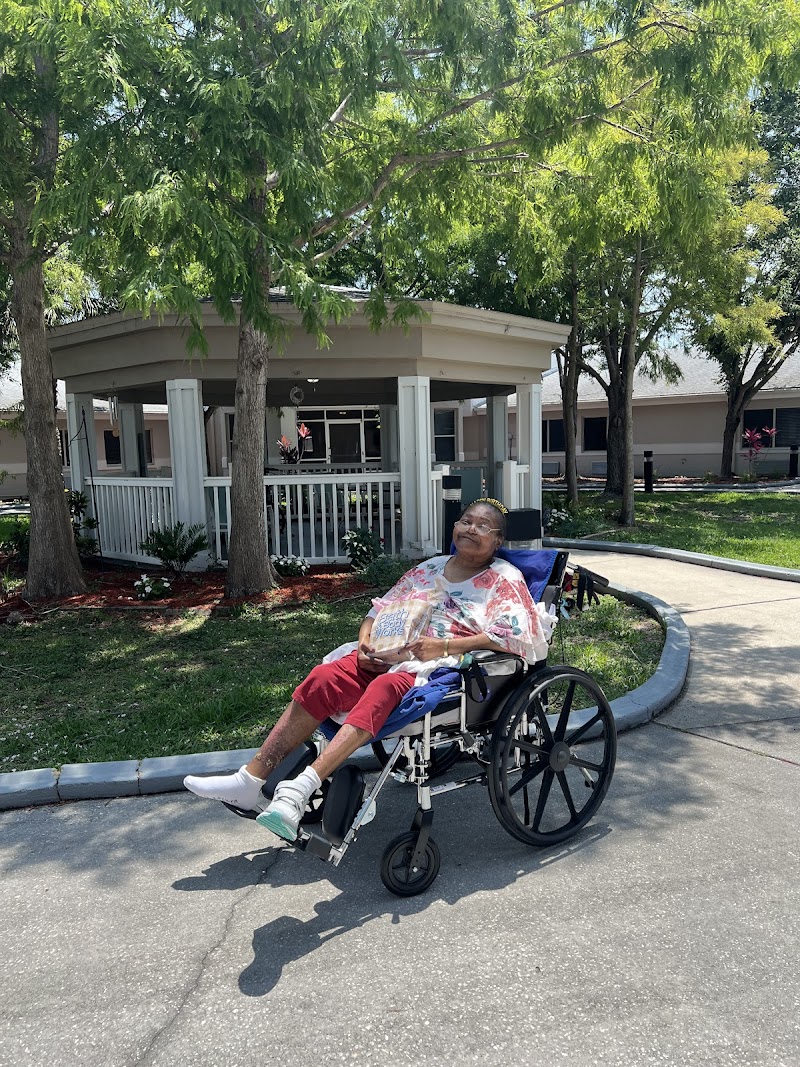
CMS rates ATLANTIC SHORES NURSING AND REHAB CENTER's staffing level at 3 out of 5 stars, which is average compared to other nursing homes. Staff turnover is 44%, compared to the Florida average of 46%. This relatively stable workforce can support continuity of care.

What Have Inspectors Found at Atlantic Shores Nursing And Rehab Center?

State health inspectors documented 15 deficiencies at ATLANTIC SHORES NURSING AND REHAB CENTER during 2021 to 2025. These included: 15 with potential for harm.
Who Owns and Operates Atlantic Shores Nursing And Rehab Center?

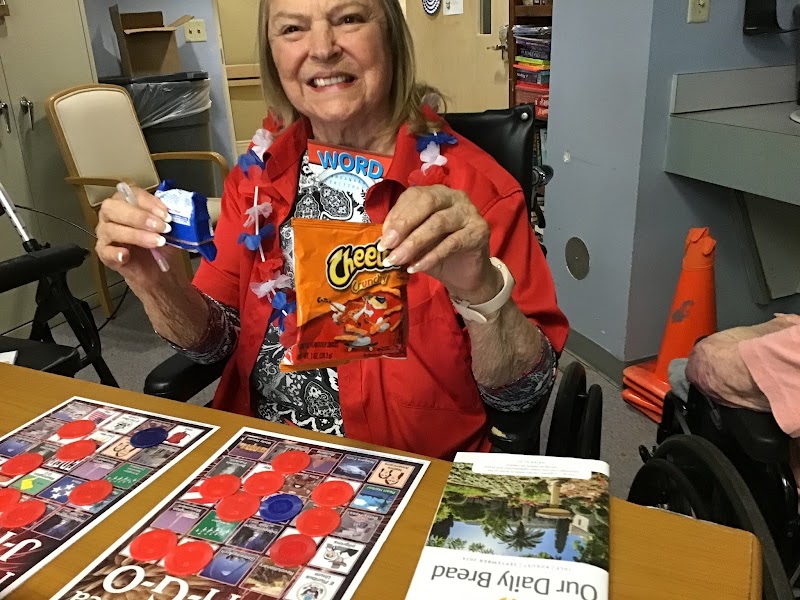
ATLANTIC SHORES NURSING AND REHAB CENTER is owned by a for-profit company. For-profit facilities operate as businesses with obligations to shareholders or private owners. The facility is operated by SOVEREIGN HEALTHCARE HOLDINGS, a chain that manages multiple nursing homes. With 120 certified beds and approximately 108 residents (about 90% occupancy), it is a mid-sized facility located in MELBOURNE, Florida.
How Does Atlantic Shores Nursing And Rehab Center Compare to Other Florida Nursing Homes?

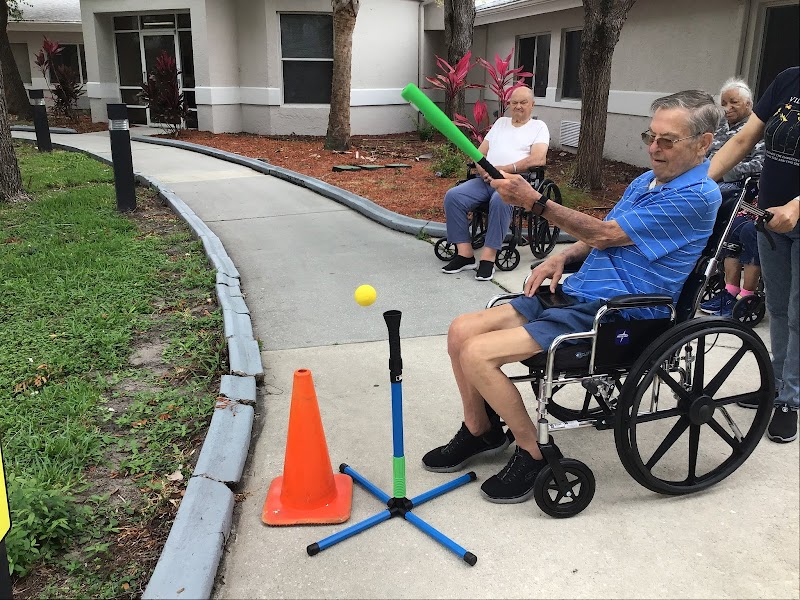
Compared to the 100 nursing homes in Florida, ATLANTIC SHORES NURSING AND REHAB CENTER's overall rating (4 stars) is above the state average of 3.2, staff turnover (44%) is near the state average of 46%, and health inspection rating (4 stars) is above the national benchmark.

What Should Families Ask When Visiting Atlantic Shores Nursing And Rehab Center?

Based on this facility's data, families visiting should ask: "Can I visit during a mealtime to observe dining assistance and food quality?" "How do you handle medical emergencies, and what is your hospital transfer rate?" "Can I speak with family members of current residents about their experience?"

Is Atlantic Shores Nursing And Rehab Center Safe?

Based on CMS inspection data, ATLANTIC SHORES NURSING AND REHAB CENTER has a clean safety record: no substantiated abuse findings (meaning no confirmed cases of resident harm), no Immediate Jeopardy citations (the most serious violation level indicating risk of serious injury or death), and is not on the Special Focus Facility watch list (a federal program monitoring the lowest-performing 1% of nursing homes). The facility has a 4-star overall rating and ranks #1 of 100 nursing homes in Florida. While no facility is perfect, families should still ask about staff-to-resident ratios and recent inspection results during their visit.

Do Nurses at Atlantic Shores Nursing And Rehab Center Stick Around?

ATLANTIC SHORES NURSING AND REHAB CENTER has a staff turnover rate of 44%, which is about average for Florida nursing homes (state average: 46%). Moderate turnover is common in nursing homes, but families should still ask about staff tenure and how the facility maintains care continuity when employees leave.

Was Atlantic Shores Nursing And Rehab Center Ever Fined?

ATLANTIC SHORES NURSING AND REHAB CENTER has no federal fines on record. CMS issues fines when nursing homes fail to meet care standards or don't correct problems found during inspections. The absence of fines suggests the facility has either maintained compliance or corrected any issues before penalties were assessed. This is a positive indicator, though families should still review recent inspection reports for the full picture.

Is Atlantic Shores Nursing And Rehab Center on Any Federal Watch List?

ATLANTIC SHORES NURSING AND REHAB CENTER is not on any federal watch list. The most significant is the Special Focus Facility (SFF) program, which identifies the bottom 1% of nursing homes nationally based on persistent, serious quality problems. Not being on this list means the facility has avoided the pattern of deficiencies that triggers enhanced federal oversight. This is a positive indicator, though families should still review the facility's inspection history directly.