LIFE CARE CENTER OF MELBOURNE


606 E SHERIDAN RD, MELBOURNE, FL 32901 (321) 727-0984
For profit - Corporation 120 Beds LIFE CARE CENTERS OF AMERICA Data: November 2025
Trust Grade
78/100
#229 of 690 in FL
Last Inspection: May 2024

Within standard 12-15 month inspection cycle. Federal law requires annual inspections.

Overview

Life Care Center of Melbourne has a Trust Grade of B, indicating it is a good choice among nursing homes but not the top tier. It ranks #229 out of 690 facilities in Florida, placing it in the top half, and #4 out of 21 in Brevard County, meaning only three local options are better. Unfortunately, the facility is currently experiencing a worsening trend, with the number of issues rising from 3 in 2023 to 7 in 2024. Staffing is a strong point, with a rating of 4 out of 5 stars and a turnover rate of 25%, significantly lower than the state average, suggesting that staff members are stable and familiar with residents. Although there have been no fines, some concerning incidents were noted, such as a nurse serving a drink with her fingers touching the rim of the glass, which poses a risk of contamination, and failures in ensuring medications were securely stored and self-administration procedures were followed for a resident with cognitive impairment. Overall, while there are strengths in staffing and a good trust grade, families should consider the recent increase in issues and the specific incidents that could impact resident care.

Trust Score
B
78/100
In Florida
#229/690
Top 33%
Safety Record
Low Risk
No red flags
Inspections
Getting Worse
3 → 7 violations
Staff Stability
✓ Good
25% annual turnover. Excellent stability, 23 points below Florida's 48% average. Staff who stay learn residents' needs.
Penalties
✓ Good
No fines on record. Clean compliance history, better than most Florida facilities.
Skilled Nurses
○ Average
Each resident gets 38 minutes of Registered Nurse (RN) attention daily — about average for Florida. RNs are the most trained staff who monitor for health changes.
Violations
⚠ Watch
14 deficiencies on record. Higher than average. Multiple issues found across inspections.
★★★★☆
4.0
Overall Rating
★★★★☆
4.0
Staff Levels
★★★★★
5.0
Care Quality
★★★☆☆
3.0
Inspection Score
Stable
2023: 3 issues
2024: 7 issues

The Good

  • 4-Star Staffing Rating · Above-average nurse staffing levels
  • 5-Star Quality Measures · Strong clinical quality outcomes
  • Low Staff Turnover (25%) · Staff stability means consistent care
  • Full Sprinkler Coverage · Fire safety systems throughout facility
  • No fines on record
  • Staff turnover is low (25%)

    23 points below Florida average of 48%

Facility shows strength in staffing levels, quality measures, staff retention, fire safety.

The Bad

Chain: LIFE CARE CENTERS OF AMERICA

Part of a multi-facility chain

Ask about local staffing decisions and management

The Ugly 14 deficiencies on record

May 2024 7 deficiencies
CONCERN (D)

Potential for Harm - no one hurt, but risky conditions existed

Deficiency F0554 (Tag F0554)

Could have caused harm · This affected 1 resident

**NOTE- TERMS IN BRACKETS HAVE BEEN EDITED TO PROTECT CONFIDENTIALITY** Based on observation, interview, and record review, the facility failed to ensure an evaluation for self-administration of medic...

Read full inspector narrative →
**NOTE- TERMS IN BRACKETS HAVE BEEN EDITED TO PROTECT CONFIDENTIALITY** Based on observation, interview, and record review, the facility failed to ensure an evaluation for self-administration of medication was completed, failed to obtain a physician's order for self-administration of medications, and failed to ensure medications were stored securely at the resident's bedside for 1 of 5 residents reviewed for choices, of a total sample of 41 residents, (#51). Findings: Resident # 51, an [AGE] year-old female was admitted to the facility on [DATE], with diagnoses that included, toxic encephalopathy, wedge compression fracture of Thoracic (T) 7-T8 vertebra, diabetes with diabetic neuropathy, chronic obstructive pulmonary disease, lack of coordination, and anxiety disorder. Review of the resident's admission Minimum Data Set assessment dated [DATE], revealed the resident's cognition was moderately impaired, with a Brief Interview For Mental Status score of 10 out of 15. On 5/07/24 at 10:30 AM, resident # 51 sat in her wheelchair in her room, with her tray table positioned in front of her. A vial of Brimonidine Tartrate Ophthalmic Solution 0.2%, and a vial of Timolol Ophthalmic Solution 0.5 % was noted on the resident's tray table. Resident #51 said she always kept the eye drops with her, and when asked how many drops she placed in her eyes, the resident stated, However many drops can get in there. Brimonidine eye drops is used alone or together with other medicines to lower pressure inside the eye that is caused by open-angle glaucoma or ocular (eye) hypertension, (retrieved on 5/10/24 from mayoclinic.org). Timolol is used to treat glaucoma . it works by decreasing the pressure in the eye, (retrieved on 5/10/24 from medlineplus.gov). On 5/07/24 at 10:38 AM, Licensed Practical Nurse (LPN) A stated resident #51 was ordered two different eye drops which she self-administered. Review of the resident's physician orders conducted with LPN A showed orders dated 4/23/24 for Brimonidine Tartrate Ophthalmic Solution 0.2%, and Timolol Ophthalmic Solution 0.5%, with instructions to instill one drop in both eyes two times a day for glaucoma. An order for self-administration of the medications could not be identified. This was acknowledged by the LPN. The resident's Electronic Medical Record (EMR) indicated the medications were to be administered by the clinician, and the options unsupervised/supervised administration was not checked. An assessment/ evaluation for self-administration of medication could not be identified for the resident. This was acknowledged by the LPN, and he explained a resident must be evaluated for self administration, and have a physician's order to self-administer any medication. On 5/07/24 at 10:47 AM, the 100/200 Unit LPN/Unit Manager (UM) stated for a resident to self-administer medication, an assessment for self-administration had to be completed, and if medications were to be stored at the resident's bedside, they would be kept in a locked drawer. The resident's clinical records were reviewed with the LPN/UM and revealed no documentation or physician's orders to indicate the resident was evaluated and approved for self-administration of medications. The LPN/UM stated if the medications were to be administered by the resident, it would be indicated on the physician's orders, and self-administration would be selected. On 5/08/24 at approximately 10:00 AM, the Director of Nursing (DON) stated she was made aware of the medications at resident #51's bedside. She stated residents had to have an evaluation, and physician's order in place, to self-administer medications. Review of the Medication Self-Administration Review completed on 5/07/24 after resident #51 was observed by the surveyor with eye drops in her room that were self-administered by the resident , indicated the resident required assistance to correctly read label and/or identify each medication, and to administer eye drops or eye ointment correctly. The document instructed staff to, Complete this assessment prior to resident self-administration of medication. The evaluation read, Resident may NOT self-administer medications. The policy Self-Administration of Medication issued 9/06/2017, revised 10/13/21, and reviewed 08/29/23 read, The facility will ensure that each resident who requests to self-administer medications is assessed by the interdisciplinary team (IDT) to determine if the resident is safe to self-administer medications . Bedside medication storage is permitted only when it does not present a risk to confused residents who wander into the room of, or room with, residents who self-administer.
CONCERN (D)

Potential for Harm - no one hurt, but risky conditions existed

PASARR Coordination (Tag F0644)

Could have caused harm · This affected 1 resident

**NOTE- TERMS IN BRACKETS HAVE BEEN EDITED TO PROTECT CONFIDENTIALITY** Based on interview and record review, the facility failed to refer a resident with a newly evident mental disorder for Level II ...

Read full inspector narrative →
**NOTE- TERMS IN BRACKETS HAVE BEEN EDITED TO PROTECT CONFIDENTIALITY** Based on interview and record review, the facility failed to refer a resident with a newly evident mental disorder for Level II Preadmission Screening and Resident Review (PASARR) evaluation and determination for 4 of 4 residents reviewed for PASARR, of a total sample of 41 residents, (#24, #47, #59 and #93). Findings: 1. Resident #24 was admitted to the facility from an acute care hospital on 8/01/22 with diagnoses that included paranoid schizophrenia, type II diabetes mellitus (DM), depression, bilateral below the knee complete traumatic amputation, and patient noncompliance with medication regimen. Review of resident #24's PASSAR Level I Screen dated 6/08/22, revealed a diagnosis of depressive disorder. Although he was identified as having received services for mental illness (MI) in the past, the MI did not affect his daily life, and there was no diagnosis of dementia. The document indicated a PASSAR Level II Screen was not required. The Minimum Data Set (MDS) Quarterly assessment dated [DATE], revealed resident #24 had a Brief Interview for Mental Status (BIMS) score of 15/15 indicating intact cognition. He had frequent depressed moods, low energy, and social isolation. He did not display any behaviors and was independent for personal care, mobility, and incontinence care. Active diagnoses included depression and schizophrenia with use of antipsychotic medications. Review of active orders dated 5/09/24 on the summary report revealed resident #24 was taking several medications to include Depakote prescribed for bipolar disorder, Paroxetine for depression, and Vraylar, an antipsychotic used to treat paranoid schizophrenia. He also had orders for monitoring of side effects from antipsychotic medications. Review of progress notes for resident #24 revealed a behavior note dated 3/31/24 that stated, CNA (Certified Nursing Assistant) attempted to provide patient care, resident became extremely upset, began yelling/cussing and using derogatory terms towards aide. Redirection attempted but ineffective resident just became increasingly upset. Review of the medical record for resident #24 revealed several care plans with review date of 3/26/24 for ADL (activities of daily living), psychotropic medications, and behaviors. The ADL care plan stated the resident had a performance deficit related to activity intolerance with shower refusals. There was a care plan for monitoring of psychotropic medications related to depression, anxiety, schizophrenia, and bipolar disorder. Interventions included medication administration, changes in behavior/mood/cognition, decline in ADL ability, hostility, aggressive or impulsive behavior, and social isolation. Resident #24 had a behavior care plan, revised on 4/12/24, which stated he had a problem with poor boundaries with staff and making inappropriate comments including sexual comments towards female staff and racial remarks. Interventions included medication administration and reporting behaviors to psychiatrist. On 05/06/24 at 12:14 PM, Resident #24 was observed in his room sat up in bed. His face was unshaven but clean and he was wearing clean clothing. He appeared sweaty and agitated. Resident #24's side of the room was disorganized and there was a smell of feces. There were several areas where dried feces were observed including the bedside commode, bedside table, hand sanitizer bottle on nightstand, and bed sheet. On 05/09/24 at 01:21 PM, the Director of Nursing (DON), stated resident #24 had behavior issues and would get upset very easily. She stated there were only certain staff members who could redirect his behavior when he was upset. His mother was very involved in his care because she would help calm him down. The DON explained they had tried to clean his room, but he would not allow it. She stated he had refused care in the past including personal care and showers. She acknowledged she was unaware a new PASSAR Level I Screen was needed for the newly identified MI diagnoses. 2. Resident #93 was initially admitted to the facility on [DATE] and re-admitted on [DATE] from an acute care hospital. His diagnoses included a history of cerebral infarction, type II DM, delusional disorder, and depression. Review of resident #93's PASSAR Level I Screen dated 11/15/22, revealed no MI or dementia diagnosis. The document indicated a PASSAR Level II Screen was not required. The MDS Quarterly assessment dated [DATE], revealed resident #93 had a BIMS score of 9/15 indicating moderate cognitive impairment. He had no moods or behaviors and required substantial assistance for personal care. Active diagnoses included depression and psychotic disorder. Review of the admission MDS dated [DATE] revealed there were no active MI disorders and a later Quarterly MDS assessment dated [DATE] had a diagnosis of psychotic disorder. Review of the active orders summary report dated 5/09/24 revealed resident #93 had orders for Lexapro to be given in the morning for mood. Lexapro is an antidepressant medication used to treat certain types of anxiety and depression, (retrieved on 5/20/24 from www.drugs.com). Review of resident #93's progress notes revealed a nursing note dated 3/22/23 asking for medication consent for antipsychotic medication due to increased agitation, and increased behaviors signed by the physician and the psychiatrist. On 4/12/24 a psychotherapy note indicated staff described the resident as being agitated, generally unhappy, and noncompliant. The resident was referred to psychiatric services for depression, anxiety, and to assess adjustment due to staff concerns about resistance to care. The psychiatrist's diagnosis was adjustment disorder with mixed anxiety and depressed mood. Review of the medical record for resident #93 revealed a care plan revised on 1/14/24 for antidepressant medication use related to depression. Interventions included observe for side effects of change in behavior, mood, and cognition. A care plan revised on 1/24/24 revealed resident #93 was resistant to care related to adjustment to nursing home placement with episodes of medication refusal, refusal of care, and refusal of assistance with personal care. On 5/06/24 at 03:13 PM, observed resident #93 wandering the hallway in his wheelchair with a sad demeanor. He stated he was doing ok and that he had not eaten lunch because it was not good. On 05/09/24 at 10:29 AM, Licensed Practical Nurse (LPN) H stated she had worked with resident #93 for a while and was very familiar with him. Resident #93 refused care sometimes when he was not in the mood. LPN H described resident #93 as sometimes non-compliant with wearing his splint, but did not have behaviors often. On 05/09/24 at 01:28 PM, the DON confirmed resident #93 had a PASSAR Level I completed on initial admission. She acknowledged the resident had a diagnosis of depression and delusional disorder on initial admission to the facility and therefore the initial PASSAR Level I was incorrect. She confirmed no new PASSAR Level I's was completed for the MI diagnoses. 4. Resident #47 was admitted to the facility on [DATE] and readmitted on [DATE] from the hospital. Her diagnosis included cognitive communication deficit, transient ischemic attack, and depression. She had new diagnoses after her admission that included psychotic disorder on 5/18/22, delusional disorder on 8/30/22, anxiety disorder on 10/25/22, and unspecified dementia, unspecified severity, with psychotic disturbance on 10/25/22. Resident #47's Annual MDS assessment with an ARD of 3/10/24 revealed the resident scored 3 out of 15 on the BIMS which indicated she had severely impaired cognitive skills for daily decision making. The assessment noted the resident received antipsychotic, antianxiety, and antidepressant medications. The MDS also noted the resident did not exhibit behavioral symptoms or rejection of care necessary to achieve the resident's goals for health and well-being. Review of resident #47's medical record revealed a care plan initiated on 2/04/22 and revised on 3/12/24 indicated the resident used psychotropic medications related to diagnoses to include delusions, psychotic disorder, and behavior management. The interventions included following up with the psychiatric medical doctor as needed. On 5/08/24 at 8:45 AM, the Nursing Home Administrator (NHA) and the DON conveyed it was the Social Service Director and the DON's responsibility to ensure the resident's PASARRs were completed and submitted timely. The NHA stated the expectation was the Social Service Director audit all residents on admission and collaborated with the DON if there was a change in diagnosis for a new PASARR screen to be completed. The DON verified resident #47's PASARR level I dated 1/28/22 prior to admission from the hospital was incorrect and she could not find an updated PASARR level I. The DON also stated the resident had a new diagnosis of dementia, delusional disorder, and psychotic disorder for which a new PASARR level I was not performed. The DON acknowledged the resident should have had another PASARR level I performed upon admission and again when the resident was diagnosed with a new mental disorder. The facility's PASARR policy read, The facility will ensure that potential admissions are screened for possible serious mental disorders or intellectual disabilities and related conditions. This initial pre-screening is referred to as PASARR Level I and is completed prior to admission to a nursing facility. A negative Level I screen permits admission to proceed and ends the PASARR process unless a possible serious mental disorder or intellectual disability arises later .Any resident with newly evident or possible serious mental disorder, ID (intellectual disability) or a related condition must be referred, by the facility to the appropriate state-designated mental health or intellectual disability authority for review .Individuals who may not have previously been identified by PASARR to have MD(mental disorder), ID or a related condition include, but is not limited to a resident whose intellectual disability or related condition was not previously identified and evaluated through PASARR. 3. Resident #59 was admitted to the facility on [DATE] with diagnoses including type 2 diabetes mellitus, chronic kidney disease, heart failure, dementia and chronic obstructive pulmonary disease. Review of the MDS quarterly assessment with assessment reference date (ARD) of 3/26/24 revealed resident #59 had a BIMS score of 06/15 which indicated he had severe cognitive impairment. The document indicated her active diagnoses included anxiety disorder, depression, bipolar disorder and schizophrenia. A care plan initiated 6/13/23 and revised 9/25/23 read, The resident is dependent on staff for meeting emotional, intellectual, physical, and social needs [related to] muscle weakness, heart failure, dementia, and schizoaffective disorder. Review of resident #59's electronic medical record (EMR) revealed diagnoses of schizoaffective disorder with an onset date of 2/24/21, bipolar disorder with an onset date of 2/24/21, anxiety disorder with an onset date of 12/27/22 and depression with an onset date of 12/27/22. The record contained a Level I PASARR screening form dated 2/24/21 which did not indicate the resident had a MI or suspected MI. The record did not contain a Level II PASARR screening form.
CONCERN (D)

Potential for Harm - no one hurt, but risky conditions existed

Deficiency F0655 (Tag F0655)

Could have caused harm · This affected 1 resident

**NOTE- TERMS IN BRACKETS HAVE BEEN EDITED TO PROTECT CONFIDENTIALITY** Based on interview and record review the facility failed to develop a baseline care plan for nutrition in the required timeframe...

Read full inspector narrative →
**NOTE- TERMS IN BRACKETS HAVE BEEN EDITED TO PROTECT CONFIDENTIALITY** Based on interview and record review the facility failed to develop a baseline care plan for nutrition in the required timeframe for 1 of 4 residents reviewed for nutrition, of a total sample of 41 residents, (#165). Findings: Resident #165 was admitted to the facility on [DATE], with diagnoses including diabetes type II, cognitive communication deficit, dementia, and dysphagia. On 5/07/24 at 12:28 PM, resident #165's meal ticket showed the resident was on a mechanically altered diet. Certified Nursing Assistant (CNA) E removed the resident's meal tray, and stated the resident consumed approximately 20 to 25% of her meal. On 5/08/24 at 12:03 PM, resident #165 sat in her wheelchair in her room, with her lunch tray set up on the over bed table positioned in front of her. The resident's eyes were closed, and she was not eating. Review of the resident's physician's orders revealed the resident was on a mechanically altered texture, consistent carbohydrate diet. A Mini Nutritional assessment dated [DATE] indicated the resident was at risk of malnutrition. A review of the resident's clinical records revealed no baseline care plan, nor a comprehensive care plan for nutrition could be identified. On 5/09/24 at 8:49 AM, the 100/200 Licensed Practical Nurse/ Unit Manager (LPN/ UM) stated nursing staff completed the Mini Nutritional Assessment for resident #165, and a baseline care plan for nutrition should have been initiated for the resident based on results of the assessment. Review of the resident's clinical records was conducted with the LPN/UM, and she acknowledged neither a baseline nor a comprehensive care plan to address the resident's nutrition risk was identified. On 5/09/24 at 8:52 AM, the Director of Nursing (DON) stated baseline care plans were developed by the admitting nurse and were completed within 48 hours of admission. The resident's clinical records were reviewed with the DON, and neither a baseline care plan nor a comprehensive care plan for nutrition was identified. She stated the resident was admitted to the facility on a mechanical soft diet and acknowledged the Mini Nutritional Assessment conducted for resident #165 dated 4/26/24 indicated the resident was at risk for malnutrition. She said a baseline care plan should have been developed. The policy Baseline Care Plan issued 8/28/2017, and reviewed 8/11/2023 read, The baseline care plan must-be developed within 48 hours of a resident's admission. Include the minimum healthcare information necessary to properly care for a resident including .Dietary orders .The facility may develop a comprehensive care plan in place of the baseline care plan if the comprehensive care plan is developed within 48 hours of the resident's admission.
CONCERN (D)

Potential for Harm - no one hurt, but risky conditions existed

Deficiency F0658 (Tag F0658)

Could have caused harm · This affected 1 resident

**NOTE- TERMS IN BRACKETS HAVE BEEN EDITED TO PROTECT CONFIDENTIALITY** Based on observation, interviews, and record review, the facility failed to identify an accurate diagnosis for anti-psychotic me...

Read full inspector narrative →
**NOTE- TERMS IN BRACKETS HAVE BEEN EDITED TO PROTECT CONFIDENTIALITY** Based on observation, interviews, and record review, the facility failed to identify an accurate diagnosis for anti-psychotic medication use for 1 of 5 residents reviewed for unnecessary medications, of a total sample of 41 residents, (#71). Finding: Review of the medical record revealed resident #71, a [AGE] year-old female was admitted on [DATE], and re-admitted on [DATE] from an acute care hospital with diagnoses that included dementia, anxiety disorder, bipolar disorder current episode mixed mild, and schizoaffective disorder, unspecified. The Minimum Data Set (MDS) 5-day Assessment with Assessment Reference Date 3/06/24 showed the resident scored 12 out of 15 on the Brief Interview for Mental Status that indicated she was moderately cognitively impaired. She had no indicators of psychosis (hallucinations/delusions) or behavioral symptoms. The assessment noted she required staff assistance to complete activities of daily living (ADLs), she had active diagnoses of non-Alzheimer's dementia, anxiety disorder, bi-polar disorder, and schizophrenia. She did not require the use of restraints or alarms, and she received high risk anti-psychotic, anti-anxiety, and hypnotic medications during the look-back period. The Preadmission Screening and Resident Review (PASARR) (Agency for Health Care Administration MedServ Form 004, Part A, March 2017) form completed by the hospital on 3/06/22 indicated a mental illness (MI) or suspected mental illness (SMI) of bipolar disorder. The comprehensive care plan included focuses for self-care performance deficits, dementia/impaired cognition, mood or behavior changes, adverse effects of sedative and anti-depressant medications, and read, The resident uses antipsychotic medications DX: (Diagnosis) bipolar mania, schizoaffective disorder and is followed by psychiatry. The Order Summary Report noted active physician's medication orders for Zolpidem (hypnotic)10 Milligrams (MG) for insomnia, Mirtazapine (anti-depressant) 15 MG for depression/appetite, and Olanzapine (anti-psychotic) 2.5 MG for bipolar disorder and schizoaffective disorder. On 5/07/24 at 10:13 AM, resident #71 was observed in her room sitting in a recliner. She stated she was not interested in participating in conversation with the surveyor. On 5/08/24 at 11:43 AM, Certified Nursing Assistant I stated resident #71 was often included on her assignment and knew her well. She said the resident enjoyed spending time in her room watching television and relaxing in a recliner. On 5/09/24 at 9:19 AM, The Director of Nursing (DON) explained the behavioral health monthly meetings were conducted with facility staff, the pharmacy, and psychiatric providers. She said residents' psychiatric plans of care were discussed and included any behavioral changes, gradual dose reductions of medications, and appropriate diagnoses. The DON stated resident #71's diagnosis of schizoaffective disorder was used because it had been noted on hospital records. She did not explain why the record was not revised to reflect the facility's psychiatrist diagnosis assessments. Review of the medical record revealed a revised PASARR form was completed by the DON on 2/06/24 and marked for a MI or SMI of anxiety disorder, bipolar disorder, and schizoaffective disorder. On 5/09/24 at 10:14 AM, the MDS Lead Coordinator said she completed assessments, and diagnoses were auto populated from the electronic medical record into the MDS. She explained she followed the Resident Assessment Instrument (RAI) instructions and checked the accuracy of active diagnoses with reviews of the most recent physician's progress notes and orders. She said psychiatric diagnoses that required clarification were obtained from the treating psychiatrist to ensure they were correct. She checked the medical record and acknowledged the psychiatrist's notes did not include a diagnosis of schizophrenia or schizoaffective disorder. She reviewed the 3/06/24 MDS and said it was marked for schizophrenia and was not active according to the doctor's notes. Psychotherapy notes completed by the psychologist from 5/03/23 to 9/01/23 noted diagnoses of bipolar disorder and anxiety. The weekly Psychiatric Follow Up notes completed by the psychiatrist from 2/20/23 to 3/13/24 documented the resident was assessed to have bipolar disorder and grief. In an interview with the facility's psychiatrist on 5/09/24 at 8:38 AM, he recalled resident #71, and said he treated her at the facility. He said he conducted face to face evaluations and documented his assessments on the Psychiatric Follow Up Notes which indicated the proper diagnosis. He said he rarely used a diagnosis of schizoaffective disorder and stated, Sometimes they just put that in there. Review of the facility's standards and guidelines dated 8/22/23 and titled Comprehensive Care Plans and Revisions read, The facility will ensure the timeliness of each resident's person-centered, comprehensive care plan, and to ensure that the comprehensive care plan is reviewed and revised by an interdisciplinary team composed of individuals who have knowledge of the resident and his/her needs, and that each resident representative, if applicable, is involved in developing the care plan and making decisions about his or her care. a. The instructions for completing the RAI are found in the Centers for Medicare & Medicaid Services (CMS) Long-Term Care Facility Resident Assessment Instrument Instruction User's Manual 3.0 . Review of the CMS RAI version 3.0 Manual read, . Steps for Assessment 1. Medical record sources for physician diagnoses include the most recent history and physical ., progress notes, and other resources as available. Identify diagnoses: The disease conditions in this section require a physician-documented diagnosis (or by a nurse practitioner, physician assistant, or clinical nurse specialist if allowable under state licensure laws) in the last 60 days.
CONCERN (D)

Potential for Harm - no one hurt, but risky conditions existed

Medication Errors (Tag F0758)

Could have caused harm · This affected 1 resident

**NOTE- TERMS IN BRACKETS HAVE BEEN EDITED TO PROTECT CONFIDENTIALITY** Based on interview and record review, the facility failed to indicate the duration of as needed (PRN) anti-anxiety/anxiolytic me...

Read full inspector narrative →
**NOTE- TERMS IN BRACKETS HAVE BEEN EDITED TO PROTECT CONFIDENTIALITY** Based on interview and record review, the facility failed to indicate the duration of as needed (PRN) anti-anxiety/anxiolytic medications for 1 of 5 residents reviewed for unnecessary medications and psychotropic medications, of a total sample of 41 residents, (#47). Findings: Review of the medical record revealed resident #47 was admitted to the facility on [DATE] and readmitted on [DATE] from the hospital. Her diagnosis included cognitive communication deficit, transient ischemic attack, and depression. She had new diagnoses after her admission that included psychotic disorder 5/18/22, delusional disorder 8/30/22, anxiety disorder 10/25/22, and unspecified dementia, unspecified severity, with psychotic disturbance 10/25/22. Resident #47's Annual Minimum Data Set (MDS) assessment with an assessment reference date of 3/10/24 revealed a score of 3/15 on the Brief Interview for Mental Status exam which indicated she had severely impaired cognitive skills for daily decision making. The Annual MDS noted the resident received antipsychotic, antianxiety, and antidepressant medications. The MDS assessment also noted the resident did not exhibit behavior symptoms or rejection of care that is necessary to achieve the resident's goals for health and well-being. Review of resident #47's medical record revealed a care plan initiated on 2/04/22 and revised on 3/12/24 indicated the resident used psychotropic medications related to diagnoses including delusions, psychotic disorder, and behavior management. The interventions included follow up with the psychiatric medical doctor as needed. Resident #47's Order Summary Report and the Medication Administration Record (MAR) showed the resident had an active order dated 11/27/24 for Lorazepam 1 milligram (mg) by mouth every 6 hours PRN for anxiety with no stop date. A psychotropic drug is any drug that affects brain activities associated with mental processes and behavior. These drugs include but are not limited to anti-anxiety medication. Based on a comprehensive assessment of the resident, the facility must ensure that PRN orders for psychotropic drugs are limited to 14 days. If the attending physician or prescribing practitioner believes it is appropriate for the PRN order to be extended beyond 14 days, he or she should document their rationale in the resident's medical record and indicate the duration for the PRN order, (retrieved on 5/14/24 from www.ecfr.gov). Review of the MAR revealed the resident received 24 doses of Lorazepam PRN between 11/30/23 and 5/07/24. The 14-day duration for the PRN medication should have been 11/27/23 to 12/11/23. The MAR indicated the resident received 17 doses of Lorazepam after the 14- day duration had passed. Further review of the medical record revealed the physician did not provide a rationale for the extended time-period for Lorazepam use and did not indicate a specific duration for the anti-anxiety PRN order. On 5/08/24 at 12:42 PM, Registered Nurse (RN) B stated if a PRN medication was administered for anxiety, it should only be given for 14 days unless the doctor gave a new order with a rationale for it to be continued. RN B confirmed resident #47 had an active order for Lorazepam PRN for anxiety since 11/27/23 with no stop date which should have been limited to 14 days. He acknowledged he administered the medication to the resident yesterday, 5/07/24. RN B also confirmed there was not a provider rationale for continuing the medication past the 14 days. He stated he could not provide an answer as to why resident #47's PRN Lorazepam did not have a rationale for continuing the medication past the 14 days. On 5/8/24 at 12:51 PM, the Director of Nursing (DON) stated PRN psychotropic medications should be discontinued after 14 days unless the physician assessed the resident and documented the reason the medication needed to be continued. She acknowledged resident #47's PRN Lorazepam order should have had a 14-day stop date and the psychiatric follow-up note dated 4/04/24 by the psychiatrist showed Lorazepam with no duration or rationale for continued use. The facility's Psychotropic Medication Management Policy read, A psychotropic drug is defined in the regulations at 483.45 (c) (3), as 'any drug that affects brain activities associated with mental processes and behavior.' Psychotropic drugs include but are not limited to the following categories: anti-psychotics, anti-depressants, anti-anxiety, and hypnotics .Based on a comprehensive assessment of a resident, the facility must ensure .limiting the timeframe for PRN psychotropic medications, which are not antipsychotic medications, to 14 days, unless a longer timeframe is deemed appropriate by the attending physician or the prescribing practitioner .The resident's medical record must show documentation of adequate indications for a medication's use.
CONCERN (D)

Potential for Harm - no one hurt, but risky conditions existed

Medical Records (Tag F0842)

Could have caused harm · This affected 1 resident

**NOTE- TERMS IN BRACKETS HAVE BEEN EDITED TO PROTECT CONFIDENTIALITY** Based on interview, and record review, the facility failed to ensure documentation in the medical record was complete and accura...

Read full inspector narrative →
**NOTE- TERMS IN BRACKETS HAVE BEEN EDITED TO PROTECT CONFIDENTIALITY** Based on interview, and record review, the facility failed to ensure documentation in the medical record was complete and accurate according to accepted professional standards and practices regarding self-administration of medications for 1 of 5 residents reviewed for choices, of a total sample of 41 residents, (#51). Findings: Resident # 51, an [AGE] year-old female was admitted to the facility on [DATE], with diagnoses including, toxic encephalopathy, wedge compression fracture of Thoracic (T) 7-T8 vertebra, diabetes mellitus with diabetic neuropathy, chronic obstructive pulmonary disease, lack of coordination, and anxiety disorder. The resident's physician orders dated 4/23/24 was for Brimonidine Tartrate Ophthalmic Solution 0.2%, and Timolol Ophthalmic Solution 0.5%, with instructions to instill one drop in both eyes two times a day for glaucoma. Brimonidine eye drops is used alone or together with other medicines to lower pressure inside the eye that is caused by open-angle glaucoma or ocular (eye) hypertension, (retrieved on 5/15/24 from mayoclinic.org). Timolol is used to treat glaucoma . it works by decreasing the pressure in the eye, (retrieved on 5/15/24 from medlineplus.gov). On 5/07/24 at 10:30 AM, resident # 51 sat in her wheelchair in her room with her tray table positioned in front of her. A vial of Brimonidine Tartrate Ophthalmic Solution 0.2%, and a vial of Timolol Ophthalmic Solution 0.5 % was noted on the resident's tray table. Resident #51 said she always kept the eye drops with her, and when asked how many drops she placed in her eyes, the resident stated, However many drops can get in there. Review of the resident's Medication Administration Record (MAR) for the period 4/23/24 through 5/09/24 revealed nurses' signatures to indicate the medications were administered by the clinician. There was no physician order for self-administration of the medications. On 5/07/24 at 10:38 AM, Licensed Practical Nurse (LPN) A stated resident #51 was ordered two different eye drops which she self-administered. A review of the resident's physician orders conducted with LPN A revealed the medication was to be administered by the clinician. LPN A acknowledged the, Unsupervised/supervised administration box was not checked. On 5/07/24 at 10:57 AM, LPN A stated the resident's family wanted her to self-administer the eye drops and made the request approximately two weeks ago. The LPN stated there was no documentation regarding the request. He said when he gave medications to the resident's roommate, resident #51 instilled her eye drops. He acknowledged the documented administration was not done by him. On 5/08/24 at 3:29 PM, Registered Nurse (RN) C confirmed she was resident #51's primary nurse. She stated she opened the lid of the eye drops and offered to give them for resident #51, but the resident gave them on her own. The RN said she signed off on the resident's MAR indicating the eye drops were administered by staff. Review of the MAR for the period 4/23/24 through 5/09/23 revealed LPN A's signature on 4/25/24, 4/29/24, 4/30/24, and on 5/06/24. RN C's signature was noted on 4/24/24, 4/28/24, 5/01/24, 5/02/24, and on 5/05/24 indicating the resident's eye drops were administered by the clinician. However, the resident self-administered the medication for an unknown length of time during the period reviewed. On 5/09/24 at 12:32 PM, the Licensed Practical Nurse/Unit Manager (LPN/UM) for the 100/200 units stated she was not aware resident #51 self-administered her eye drops. She stated some nurses said they watched the resident administer the eye drops. The LPN/UM acknowledged the documentation/order for unsupervised/supervised self-administration of the eye drops for resident #51 could not be identified, and the medications were to be administered by the clinician. A review of the resident's MAR for the period 4/23/24 through 5/09/24 was conducted with the LPN/UM. She acknowledged signatures by nurses on the MAR indicated the eye drops were administered by the nurses. The LPN/UM stated the expectation was for nurses to ensure documentation was complete and accurate.
CONCERN (E)

Potential for Harm - no one hurt, but risky conditions existed

Infection Control (Tag F0880)

Could have caused harm · This affected multiple residents

**NOTE- TERMS IN BRACKETS HAVE BEEN EDITED TO PROTECT CONFIDENTIALITY** 4. During lunch observation in the main dining room on 5/06/24 at 12:02 PM, a resident requested a drink refill. The Minimum Dat...

Read full inspector narrative →
**NOTE- TERMS IN BRACKETS HAVE BEEN EDITED TO PROTECT CONFIDENTIALITY** 4. During lunch observation in the main dining room on 5/06/24 at 12:02 PM, a resident requested a drink refill. The Minimum Data Set (MDS) Licensed Practical Nurse (LPN) took the glass from the resident's table. She was observed holding the glass in her left hand with her thumb and fourth finger directly touching the rim of the glass. She held the straw in the glass between her first and second fingers which overlapped the top of the glass and and also touched the rim. The MDS LPN asked another staff member where the pitcher of juice was located. She then proceeded to the area, put the glass down and filled it with juice. The MDS LPN then picked up the glass and headed toward the resident's table. When asked if she was going to serve the glass she had touched the rim of to the resident, she stated, Yes, why? The MDS LPN was reminded she had touched the rim of the glass with four of her fingers. She stated she did not realize she had done that and acknowledged she would not want to drink from a glass which had been handled by the rim. During an interview with the Infection Preventionist on 5/09/24 at 12:23 PM, she stated staff were to handle cups and glasses by holding the sides of the glass. She demonstrated the proper way to handle a glass when served to a resident. The Infection Preventionist confirmed staff handling glassware by the rim was a problem and acknowledged it presented a potential to spread infection. She explained staff members should always handle cups and glasses away from the rim to avoid potential cross contamination and should never touch the rim. Based on observation, interview, and record review, the facility failed to ensure blood glucose monitors were cleaned and disinfected appropriately between resident use to prevent the potential for transmission of blood borne pathogens on 1 of 3 Units, (Unit 200), failed to ensure appropriate Personal Protective Equipment (PPE) was donned as required prior to room entry for 1 of 1 resident on Transmission Based Precautions (TBP), (#165), failed to ensure indwelling catheter drainage bag was kept off the floor to prevent the potential of infection for 1 of 1 resident reviewed for indwelling catheter, (#165), and failed to ensure proper handling of glassware by staff during dining, of a total sample of 41 residents. Findings: 1. On 5/06/24 at 11:52 AM, during medication administration observation, Licensed Practical Nurse (LPN) A monitored blood glucose (BG) for resident #164. On 5/06/24 at 11:55 AM, LPN A proceeded to clean the glucose monitor he used with an alcohol prep pad. The LPN stated he had two glucose monitors in his medication cart, he alternated the use, then cleaned the glucose monitors with alcohol prep between resident use. On 5/06/24 at 11:56 AM, LPN A monitored BG for resident #16. He then proceeded to clean the glucose monitor again with alcohol prep. LPN A stated he used Super Sani-cloth (purple top) wipe for cleaning his medication cart but did not use the Super Sani-cloth wipes for cleaning/disinfecting the glucose monitors, he confirmed he used alcohol prep for the glucometers. Review of the manufacturers' guide for the glucose monitors used by the facility revealed only wipes with Environmental Protection Agency (EPA) registration numbers listed in the guide were to be used to clean and disinfect the blood glucose monitor. The list included the bleach germicidal wipes (yellow top), and the Super Sani-cloth wipes. Alcohol prep was not listed as a recommended cleaning/disinfecting agent for the glucose monitors. On 5/06/24 at 12:10 PM, and at 1:03 PM, the Registered Nurse/Infection Preventionist (RN/IP), stated staff could use alcohol prep, yellow top bleach germicidal wipes, or the Super Sani-cloth purple top wipes to clean the reusable blood glucose monitor. The manufacture's guide was reviewed with the RN/IP and revealed only wipes with EPA registration numbers listed in the guide were recommended for use to clean and sanitize the glucose monitors. The information was acknowledged by the RN/IP, and she stated staff were supposed to follow the manufacturer's guide. She said she thought alcohol was ok for use on the glucose monitors. On 5/06/24 at 1:11 PM, the LPN/Unit Manager (UM) stated glucose monitors must be cleaned and disinfected as recommended. On 5/07/24 at 9:35 AM, LPN A stated during his shift he had four residents who needed blood glucose monitoring. Record review revealed six residents on LPN A's assignment actually required blood glucose monitoring, and none of the residents had a diagnosis of a blood borne pathogen. On 5/08/24 at 9:06 AM, the Staff Development Coordinator (SDC) stated cleaning/disinfecting of the glucose monitor was taught using the facility's Infection Prevention and Control Program (IPCP) and Plan, in combination with the manufacturer's guide. She stated education was conducted on hire, during orientation, and annually, and competency for glucose monitor cleaning had to be completed for all nurses. The Staff Development Coordinator explained there were two glucose monitors on each medication cart which the nurses used alternately. She stated the glucose monitor must be cleaned and disinfected. She said alcohol prep could be used to clean the monitors, but the Super Sani-wipe cloth (purple top) wipes must be used to disinfect the glucose monitors. Review of the Competency checklist for Glucometer Cleaning Procedures revealed nurses were checked off for the cleaning and disinfecting procedures. The document read, Open cap of the disinfecting container and pull out 1 towelette. The use of alcohol prep was not documented/indicated. 2. Resident #165 was admitted to the facility on [DATE], with diagnoses including diabetes mellitus type II, cognitive communication deficit, dementia, and dysphagia. Observation on 5/07/24 at 10:15 AM, showed signage for contact precautions posted on resident #165's door, and an overdoor container with the required, and adequate supply of PPE noted. Review of the medical record revealed a physician's order dated 5/01/24 for contact precautions for ten days due to Extended-Spectrum Beta-Lactamase (ESBL) in the urine, with end date of 5/11/24. ESBLs are enzymes or chemicals produced by germs like certain bacteria. These enzymes make bacterial infections harder to treat with antibiotics, (retrieved on 5/15/24 from webmd.com). On 5/07/24 at 12:12 PM, Certified Nursing Assistant (CNA) E was observed in the resident's room leaning over her bed, not wearing any gown or gloves. On exit from the room, the CNA stated she went in to remove the resident's meal tray. She stated the resident was on contact isolation, and acknowledged she leaned over the resident's bed and could have come in physical contact with the resident's bed linen. When asked why she had not worn the appropriate PPE as directed by the posted signage, she said it was a, Bad habit, and confirmed she should have donned gown and gloves prior to entry into the resident's room. On 5/07/24 at 12:31 PM, RN D stated resident #165 was on contact isolation for ESBL in her urine. The RN said directives from the Infection Preventionist was for staff to wear gown, and gloves while coming in contact with linen, emptying the Foley catheter, providing activities of daily living care, or if there was the possibility of them coming in physical contact with the resident's environment. On 5/07/24 at 12:36 PM, the LPN/ UM for the 100/200 Units, stated the protocol for contact isolation was for staff to wear a gown, and gloves if coming in contact with the resident. On 5/09/24 at 12:27 PM, the Infection Preventionist stated the appropriate PPE must be worn if staff was coming in contact with the resident's linen or environment. The Center for Disease Control and Prevention signage for Contact Isolation used by the facility directs that Providers and Staff must also: Put on gloves before room entry .Put on gown before room entry. 3. Resident #165 was admitted to the facility on [DATE], with diagnoses including diabetes mellitus type II, cognitive communication deficit, dementia, and dysphagia. A physician's order dated 4/26/24 for indwelling catheter to straight drainage, with instructions to change for infection, obstruction or when the closed system was compromised. Observations on 5/07/24 at 10:15 AM, and 11:09 AM, noted the drainage bag of the indwelling catheter was on the floor. On 5/07/24 at 12:12 PM, CNA E acknowledged resident #165 was included in her assignment, and verbalized the resident had an indwelling catheter. The CNA stated she checked the resident's indwelling catheter every two hours. Observation of the indwelling catheter was conducted with CNA E. She acknowledged the indwelling catheter drainage bag was on the floor. When asked why the drainage bag should not be on the floor, CNA E said she was not sure. On 5/07/24 at 12:25 PM, LPN A acknowledged the indwelling catheter drainage bag was on the floor, and stated the drainage bag should not be on the floor for several reasons including the potential for infection. On 5/07/24 at 12:31 PM, RN D, the resident's primary nurse stated the indwelling catheter drainage bag should not be on floor due to the potential of infection. On 5/07/24 at 12:36 PM, the LPN/ UM for the 100/200 Unit confirmed the indwelling catheter drainage bag was not supposed to be on floor. The policy Indwelling Urinary Catheter (Foley) Management issued 4/01/2022, and reviewed 8/24/2023, instructed the indwelling catheter collecting bag was not to rest on the floor.
Feb 2023 3 deficiencies
CONCERN (D)

Potential for Harm - no one hurt, but risky conditions existed

Deficiency F0554 (Tag F0554)

Could have caused harm · This affected 1 resident

Based on observation, interview, and record review, the facility failed to ensure proper administration of medications for 1 resident assessed for self-administration of medications of a total sample ...

Read full inspector narrative →
Based on observation, interview, and record review, the facility failed to ensure proper administration of medications for 1 resident assessed for self-administration of medications of a total sample of 33 residents (#84). Findings Resident #84's medical record reflected an admission date of 3/20/22 and diagnoses including heart failure, cardiomyopathy, chronic obstructive pulmonary disease, rheumatoid arthritis, and anxiety. The resident's quarterly Minimum Data Set (MDS) assessment with Assessment Reference Date of 12/23/22 revealed the resident's cognition was intact with a Brief Interview for Mental Status (BIMS) score of 15/15. The assessment noted the resident required supervision with assistance of one person for toileting and bathing. On 2/07/23 at 9:08 AM, resident #84 sat on the side of her bed with her overbed table in front of her with medications spread out on the table. The resident stated her nurse left the medications there for her to take. The resident stated she had not taken any of the pills. There were nine pills on the table and one pill on the floor. The resident's nurse was not in the resident's room and was not seen outside the room in the hallway. On 2/07/23 at 9:09 AM, the Unit Manager observed the medications on the overbed table and verified the nurse was not in the room or hallway. She stated it is not the practice of the facility to leave medications unattended with residents unless the Interdisciplinary Team (IDT) completed an assessment to allow residents to administer their own medications. On 2/07/23 at 9:10 AM, Licensed Practical Nurse (LPN) A stated she was resident #84's nurse. Observation of the medications left on the resident's bedside table was conducted with the LPN. She confirmed that she left the medications with the resident. She said, the resident asked me check on her vitamin because it was a different color, so I went out to check and got called to another room. It is not my practice to leave the medications in the room with the residents. On 2/08/23 at 12:16 PM, the Director of Nursing stated her expectation was for the nurse to follow the five rights of medication administration. If the resident is not eligible to administer their own medications, which requires an assessment, then the nurse must remain with the resident until all the medications are taken. Review of resident #84's physician's orders and the Medication Administration Record (MAR) revealed the following medications were left at the bedside for the resident to take: Aspirin 81 milligrams (mg.) for peripheral vascular disease, Jardiance 10 mg. for diabetes, Vitamin D supplement, Florastor 250 mg. probiotic, Furosemide 20 mg. diuretic for edema, Metoprolol 25 mg. for hypertension, Potassium 10 mEq supplement, Multivitamin supplement, Robaxin 500 mg. for pain, and Norco 10-325 mg. for pain. The facility's policy Self-Administration of Medication issued 9/06/17, revised 10/03/21, and reviewed 8/26/22 read, If the resident desires to self-administer medication, the IDT will contact the resident's primary physician to make them aware of the resident request. The IDT in consultation with the primary physician for the resident will conduct an assessment of the resident's cognitive, physical, and visual ability to carry out this responsibility.
CONCERN (D)

Potential for Harm - no one hurt, but risky conditions existed

ADL Care (Tag F0677)

Could have caused harm · This affected 1 resident

**NOTE- TERMS IN BRACKETS HAVE BEEN EDITED TO PROTECT CONFIDENTIALITY** Based on observation, interview and record review, the facility failed to assist a dependent resident with Activities of Daily L...

Read full inspector narrative →
**NOTE- TERMS IN BRACKETS HAVE BEEN EDITED TO PROTECT CONFIDENTIALITY** Based on observation, interview and record review, the facility failed to assist a dependent resident with Activities of Daily Living (ADL) care related to the cleaning of nails for 1 resident reviewed for ADL care of a total sample of 33 residents (#176). Findings: Resident #176's medical record reflected the resident was admitted to the facility on [DATE] with diagnoses including paralysis to the left side of his body after a stroke, lack of coordination, muscle weakness, speech and language deficits after stroke and type 2 diabetes mellitus. The resident's Minimum Data Set (MDS) admission assessment, dated 1/25/23, revealed the resident could understand others and be understood. The assessment showed a Brief Interview for Mental Status score of 5 which indicated severe cognitive impairment. The assessment showed he had no behaviors towards others or himself and had no rejection of care during the look back period. Section G of the assessment revealed resident #176 required extensive assistance from one staff for dressing, toileting, personal hygiene, and bathing. The assessment indicated he had impairment in his functional range of motion on one side of both his upper and lower body. Resident #176's care plan for activities of daily living (ADL) reflected that he required assistance and therapy services to maintain or attain his highest level of function. Interventions included staff assistance with mobility and ADLs as needed. Resident #176 had an additional care plan for ADL self-care performance deficit. Interventions included staff assistance with bathing, dressing and personal hygiene. The resident's Certified Nursing Assistant (CNA) task flowsheet for Personal Hygiene: Self Performance revealed tasks such as how the resident maintained washing and drying of face and hands were included as part of the ADL care. Personal hygiene was documented as performed by staff on all 14 days of the lookback period from 1/25/23 to 2/07/23 at least once a shift. The resident's CNA [NAME] revealed Personal Hygiene/Oral Care as part of the care CNAs would provide for resident #176. The document described the resident required assistance with care for personal hygiene and oral care but did not give any specific direction on what that care consisted of or how much assistance was required by staff. On 2/05/23 at 5:54 PM, resident #176 was alert and oriented to person and place. He sat up in bed with his finished meal tray on his bedside table. He stated his left arm was flaccid from a previous stroke and was at the facility for therapy. The nails on his right, dominant hand were dirty with a blackish substance underneath them. Resident #176 stated someone had cut his nails previously, but he wanted them to be cleaned and cut again. He explained no one from the facility had offered to clean them. On 2/07/23 at 10:34 AM, resident #176 sat up in bed wearing a hospital gown. He stated he was waiting for therapy. He stated he needed a shower and again stated no one had cleaned his nails. He showed his right hand in which every fingernail had the blackish colored substance underneath. He was unable to lift his left hand except by using his right hand to grab it and lift it up. On 2/07/23 at 5:31 PM, resident #176 was in his room in bed, alert and oriented to self. He showed his right hand, and all five nails were still dirty with blackish substance under them. He again reiterated he would like someone to clean his nails for him. At approximately 5:36 PM, CNA A delivered resident #176's dinner tray and he began to eat using his right hand with the dirty nails. The resident was not assisted with cleaning his hands before his meal. On 2/07/23 at 5:39 PM, CNA A stated she was the assigned CNA for resident #176. She explained daily care of residents included mouth care, bathing, and dressing. She explained hands and faces were cleaned before dinner and nails should be cleaned daily. CNA A stated she usually checked the nails before dinner then confirmed resident #176's nails were dirty while he was eating his dinner. She acknowledged resident #176 was unable to clean his nails himself due to the paralysis of his left arm and she apologized to him. On 2/07/23 at 5:45 PM, Licensed Practical Nurse (LPN) B stated CNAs should clean resident's nails when they do their daily care. She confirmed resident #176's nails were dirty with a black colored substance underneath them. LPN B stated CNAs should ask residents if they wanted their nails cleaned or trimmed whenever they give care. At that time, resident #176 indicated to LPN B he did want his nails cleaned. On 2/07/23 at 5:49 PM, the 100/200 Unit Manager (UM) stated nails should be checked every day when CNAs gave hygiene care on every shift. She explained nails were trimmed on nail day but the cleaning of nails should be done with bathing every shift. The 100/200 UM confirmed the CNA in resident #176's room was now cleaning his dirty nails. She acknowledged resident #176 was unable to move his left arm and thus unable to clean his right hand and nails himself and depended on staff to provide the care for him. Review of the Activities of Daily Living (ADLs) policy and procedure, last reviewed 8/22/22, read, The resident will receive assistance as needed to complete activities of daily living (ADLs). The document indicated the facility must provide care and services for ADLs in accordance with professional standards, the person-centered care plan and the resident's choices for ADLs including fingernail care. The Certified Nursing Aide (CNA) Job Description revealed the CNA was responsible for providing routine daily nursing care to assigned patients to assure patient safety and attain or maintain the highest practicable physical, mental, and psychosocial well-being of each patient.
CONCERN (D)

Potential for Harm - no one hurt, but risky conditions existed

Quality of Care (Tag F0684)

Could have caused harm · This affected 1 resident

**NOTE- TERMS IN BRACKETS HAVE BEEN EDITED TO PROTECT CONFIDENTIALITY** Based on observation, interview, and record review, the facility failed to change wound dressing per physician orders for 1 of 3...

Read full inspector narrative →
**NOTE- TERMS IN BRACKETS HAVE BEEN EDITED TO PROTECT CONFIDENTIALITY** Based on observation, interview, and record review, the facility failed to change wound dressing per physician orders for 1 of 3 residents reviewed for skin conditions of a total sample of 33 residents (#104). Findings: Resident #104' medical record revealed he was admitted to the facility on [DATE] with diagnoses of malignant neoplasms of nasal cavity, middle ear, and sinuses. The resident was alert and oriented and able to answer questions appropriately. On 02/05/2023 at 2:00 PM, the resident was resting in bed and his wife and daughter were in the room. A dressing was noted on top of the resident's head, dated 1/31/23, that was loose and peeling off. The resident stated it had been a week since it was last changed and thought maybe the doctor would change it at his appointment this week. On 02/06/2023 at 12:00 PM, resident #104 was in his room. At 3:26 PM, the dressing to the back of resident's head remained the same. It was dated 1/31/23, was loose and coming off. The resident stated he did not know when it was due to be changed. On 02/07/23 at 8:45 AM, the resident's dressing to the top of his head remained the same, dated 1/31, was loose and coming off. The resident stated he was going for a dermatology appointment today and maybe his dressing would be changed at the dermatologist's office. The resident's medical record revealed a physician order dated 1/09/23 at 9:00 PM for wound care that read, Apply skin prep to lesion on scalp, cover with border foam for comfort-one time a day every Tuesday, Thursday, Saturday and as needed for if loose or soiled. A review of the Treatment Administration Record (TAR) noted wound care to scalp lesion was signed as being completed on Thursday 2/02/2023 and Saturday 2/04/2023. A weekly skin inspection was noted as completed on 2/06/2023. On 2/07/23 at 9:00 AM, the Unit Manager (UM) checked the resident's orders and stated the resident had a cancerous lesion to the top of his head and his dressing should have been changed on Saturday 2/04/2023. She reviewed the TAR and noted the dressing change to the resident's head was signed as being done on 2/04/2023. On 2/07/23 at 9:05 AM, the resident sat up in his wheelchair and the dressing to his head had been removed. He stated the nurse had just removed it and would be back in a few minutes. The Wound Nurse returned to the resident's room and said she removed the resident's dressing as it was coming off and discarded the dressing. She stated she did not see the date of 1/31/23 on the dressing. At 9:30 AM, the UM acknowledged the dressing was not done on 2/04/2023 as indicated on the TAR.
Apr 2021 4 deficiencies
CONCERN (D)

Potential for Harm - no one hurt, but risky conditions existed

Comprehensive Assessments (Tag F0636)

Could have caused harm · This affected 1 resident

**NOTE- TERMS IN BRACKETS HAVE BEEN EDITED TO PROTECT CONFIDENTIALITY** Based on observation, interview and record review, the facility failed to accurately assess Minimum Data Set (MDS) assessment fo...

Read full inspector narrative →
**NOTE- TERMS IN BRACKETS HAVE BEEN EDITED TO PROTECT CONFIDENTIALITY** Based on observation, interview and record review, the facility failed to accurately assess Minimum Data Set (MDS) assessment for 1 of 45 residents, (#357). Findings: Review of resident #357's medical record revealed she was admitted to the facility on [DATE] with diagnoses of fractured right femur, dementia, right artificial hip joint and cognitive communication deficit. Review of the Medicare five-day Minimum Data Set (MDS) assessment dated [DATE] revealed she had moderate cognitive impairment, and required extensive assistance of two staff for activities of daily living (ADL). Section J1800 of the MDS documented the resident did not have any falls since admission. Review of the falls/ incident report revealed resident #357 fell in her room on 3/19/2021 at 7:30 AM during shift change while trying to get up on her own. Review of the care plan for resident #357 documented she was at risk for falls related to a history of a fall with fracture prior to admission, cognitive impairment, and dementia and had an actual fall after admission. Review of resident #357's nursing progress notes dated 3/19/2021 at 8:01 AM, noted she had an unwitnessed fall and was observed lying on the floor between the left side of the bed and the wall. The resident had said she was trying to turn the air off. The progress note indicated that physician orders were obtained to get an x-ray of her right hip and the care plan was updated. Observations conducted on 03/29/2021 at 3:53 PM and on 03/30/21 at at 9:45 AM and 10:31 AM revealed resident #357's bed in the lowest position and falls mats on the floor by the bedside. Interview with Licensed Practical Nurse E on 3/31/2021 at 10:21 AM revealed she was the nurse who received report the day the resident was found on the floor and recalled it was during shift change. She indicated the fall was discussed with the team. On 4/1/2021 at 2:32 PM, the Registered Nurse (RN) MDS Coordinator stated the facility had a new MDS staff member. She stated the MDS staff missed documenting resident #357's fall on the MDS assessment. She said, our procedure is that we go to the morning meeting, discuss the falls, update interventions and communicate frequently about what is happening with residents. We review risk reports every morning before we go to morning meeting. She reviewed the Medicare five-day MDS dated [DATE] section J, question 1800 and said, we missed it.
CONCERN (D)

Potential for Harm - no one hurt, but risky conditions existed

Respiratory Care (Tag F0695)

Could have caused harm · This affected 1 resident

**NOTE- TERMS IN BRACKETS HAVE BEEN EDITED TO PROTECT CONFIDENTIALITY** 3. Review of resident #12's medical record revealed she was admitted to the facility on [DATE] with diagnoses of congestive hear...

Read full inspector narrative →
**NOTE- TERMS IN BRACKETS HAVE BEEN EDITED TO PROTECT CONFIDENTIALITY** 3. Review of resident #12's medical record revealed she was admitted to the facility on [DATE] with diagnoses of congestive heart failure and chronic obstructive pulmonary disease. Review of the five-day Minimum Data Set (MDS) assessment dated [DATE], revealed she was cognitively intact, and received oxygen therapy. Review of the physician's orders dated 3/29/2021 noted to administer oxygen at 2 liters per minute and clean the O2 concentrator filter with soap and water weekly every Sunday. On 3/29/21 at 12:45 PM, 3/30/21 at 10:21 AM, 1:56 PM, 4:19 PM and 3/31/21 at 11:14 AM revealed both O2 concentrator filters were dusty and dirty. On 3/31/21 at 2:51 PM, Licensed Practical Nurse E acknowledged both O2 concentrator filters were dusty and dirty. 4. Review of resident #361's medical record revealed she was admitted to the facility on [DATE] with diagnoses of asthma, obstructive sleep apnea, chronic obstructive pulmonary disease, and dependence on supplemental oxygen. Review of the admission MDS dated [DATE] revealed she had severe cognitive impairment, and received O2 therapy. Review of the resident's physician's orders dated 3/29/21 noted to administer O2 at 3 liters per minute. Observations conducted on 3/30/21 at 12:43 PM and 4:26 PM revealed resident #361's oxygen concentrator filter was dusty and dirty. On 03/31/21 at 2:55 PM, the Central Supply Coordinator stated he changed oxygen tubing and filters every week whenever he could get to it, but not on any particular day. He did not explain why the concentrator filters were dirty and dusty. Review of the facility policy for Oxygen Administration/Safety/Storage/Maintenance dated 5/15/20-infection control #4. Clean exterior of the concentrators weekly with EPA registered hospital disinfectant .the external filter should be checked daily and all dust should be removed. Filters should be washed with soap and water once each week and as needed. Dry with a towel and reinsert. Discard and replace when damaged. The Facility Assessment tool dated 1/11/21 noted the facility was able to care for residents with Chronic Obstructive Pulmonary Disease (COPD), Pneumonia, Asthma , Chronic Lung Disease and Respiratory Failure. Staff training Education and Competencies including Specialized Care including oxygen administration. Based on observation, interview and record review, the facility failed to maintain oxygen flow rate as per physician order for 1 of 4 residents (#86) and failed to ensure oxygen concentrator filters were clean for 4 of 4 residents reviewed for respiratory care out of 18 residents receiving oxygen therapy, (#86, #52, #12, #361). Findings: 1. Resident #86 was admitted to the facility in May 2020 with diagnoses of dementia, Corona Virus Disease 2019 and pneumonia. On 3/30/21 at 11:00 AM, resident #86 sat in her wheelchair. She wore a nasal cannula and received oxygen (O2) via concentrator. The O2 flow rate was set at 2.5 liters per minute (LPM). The rear filter in the concentrator was noted to be covered with white dust like particles. A review of the March 2021 physician orders dated 3/9/21 noted O2 at 2 LPM via nasal cannula. Clean oxygen concentrator filter with soap and water weekly every Sunday starting 2/28/21. On 3/30/21 at 1:58 PM, Licensed Practical Nurse (LPN) C said she had just assisted the resident to eat dessert. She stated she did not notice the O2 concentrator was set at 2.5 LPM. LPN C and the Unit Manager (UM) checked the flow rate and acknowledged the flow rate was set at 2.5 LPM and not at the physician ordered rate of 2.0 LPM. The UM also acknowledged the concentrator was dirty with white dust around the edges. 2. Resident #52 was admitted to the facility on [DATE] with diagnoses of Chronic Obstructive Pulmonary Disease (COPD) and shortness of breath. On 3/30/21 at 4:49 PM, resident #52 was in her wheel chair. She received oxygen via nasal cannula. On 3/31/21 at 11:27 AM, she was laying in bed with her head elevated and the nasal cannula in place. The filter in the concentrator was dusty around the edges. Upon lifting the edge of the filter from the concentrator, the internal side of the filter was covered in dust. The Unit Manager (UM) acknowledged the concentrator filter was completely covered with dust. Review of physician orders for resident #52 dated 5/19/20 noted to clean oxygen concentrator filter with soap and water weekly every Tuesday.
CONCERN (D)

Potential for Harm - no one hurt, but risky conditions existed

Infection Control (Tag F0880)

Could have caused harm · This affected 1 resident

**NOTE- TERMS IN BRACKETS HAVE BEEN EDITED TO PROTECT CONFIDENTIALITY** Based on observation, interview and record review, the facility failed to maintain an infection control program to prevent the p...

Read full inspector narrative →
**NOTE- TERMS IN BRACKETS HAVE BEEN EDITED TO PROTECT CONFIDENTIALITY** Based on observation, interview and record review, the facility failed to maintain an infection control program to prevent the potential spread of infection by failing to wash hands between glove changes during and after wound care for 1 of 3 residents reviewed for pressure ulcers out of a total sample of 45 residents, (#4). Findings: Resident #4 was admitted to the facility on [DATE] with diagnoses of dementia and pressure ulcer to right heel. Review of the Quarterly Minimum Data Set (MDS) assessment dated [DATE], revealed she had short-and long-term memory deficits and required extensive assistance of 2 staff for activities of daily living. The assessment indicated she had a stage 3 pressure ulcer to her right heel. On 4/01/21 at 7:30 AM, during wound care observation, Licensed Practical Nurse (LPN) A washed her hands and donned clean gloves. LPN A lifted resident #4's right heel and observed the pressure ulcer area using both her gloved hands. She stated the dressing had fallen off during morning care. She removed her soiled gloves, and donned a clean pair of gloves without washing her hands. LPN A then cleansed the pressure ulcered area of the right heel with saline. There was small amount of serous drainage. She then patted area dry, removed and discarded her soiled gloves. She did not wash or sanitize her hands before donning another pair of clean gloves. LPN A continued and completed the wound dressing change for resident #4. She then removed her soiled gloves into a disposable bag. LPN A, then gathered the disposable bag and exited resident #4's room without washing or sanitizing her hands before exiting. LPN A then entered the soiled utility room, disposed the bag and exited the room without washing her hands. On 04/01/21 at 7:40 AM, LPN A stated that was her process. She stated, I don't know the facility policy regarding washing or sanitizing hands during a wound dressing change. On 04/01/21 at 7:43 AM, the Unit Manager of the 300-400 hallway said the process for wound care included washing hands whenever gloves were removed. On 04/01/21 at 9:19 AM, the Director of Nursing (DON) said the expectation was for nurses to wash their hands after a dressing change. She noted the expectations was that staff followed the policy and procedure as outlined in the resource manual for hand hygiene. Review of the facility's policy for Wound Care Treatment Clean Dressing Change page 2 Chapter 4: Treatment Wound Care Resource Manual revealed Procedure Note . Follow hand hygiene protocol, .Cleanse the wound as directed. Remove your gloves and discard them. Follow hand hygiene protocol. Put on new gloves and perform wound care as ordered .Secure the dressing with tape if indicated. Remove your gloves and discard them .Follow hand hygiene protocol . Review of facility policy Hand Hygiene Chapter 6 General Resident Care A Guide to Infection Prevention and Control Purpose To decrease the risk of transmission of infection by appropriate hand hygiene. Review of resource manual Procedures- Hand Hygiene revised May 15, 2020 page 1-Using an alcohol-based hand rub is appropriate for decontaminating the hands before direct patient contact: before putting on gloves; .after contact with a patient; when moving from a contaminated body site to a clean body site during patient care; after contact with body fluids, excretions, .nonintact skin, or wound dressings (If hands aren't visibly soiled); after removing gloves; and after contact with inanimate objects in the patient's environment.
CONCERN (E)

Potential for Harm - no one hurt, but risky conditions existed

Food Safety (Tag F0812)

Could have caused harm · This affected multiple residents

Based on observation and interview, the facility failed to ensure steam table insert pans used to serve resident food was left in the sanitizing solution for sufficient time to allow for proper sanita...

Read full inspector narrative →
Based on observation and interview, the facility failed to ensure steam table insert pans used to serve resident food was left in the sanitizing solution for sufficient time to allow for proper sanitation. Findings: On 3/29/21 at 10:10 AM, [NAME] D washed steam table inserts at the 3 compartment sink. She washed the pans in sink 1, rinsed the pans in sink 2 and dipped the pans in sink 3 that had quaternary ammonia sanitizer solution. She then set the inserts on clean side of the sink to air dry. She said the pans should stay in the sanitizing solution for 2 seconds. The manufacturer's directions were posted on the wall above the 3 compartment sink. The posters outlined the process to wash, rinse, and leave in sanitizer for a minimum of 10 seconds. On 4/01/21 at 3 PM , the Food Service Director presented the recent food service education on proper sanitation procedures that was done on 2/15/21. The education included manual washing and sanitizing times. [NAME] D signed that she had participated in the education on 2/15/21.
Understanding Severity Codes (click to expand)
Life-Threatening (Immediate Jeopardy)
J - Isolated K - Pattern L - Widespread
Actual Harm
G - Isolated H - Pattern I - Widespread
Potential for Harm
D - Isolated E - Pattern F - Widespread
No Harm (Minor)
A - Isolated B - Pattern C - Widespread

Questions to Ask on Your Visit

  • "Can I speak with families of current residents?"
  • "What's your RN coverage like on weekends and overnight?"

Our Honest Assessment

Strengths
  • • No major safety red flags. No abuse findings, life-threatening violations, or SFF status.
  • • No fines on record. Clean compliance history, better than most Florida facilities.
  • • 25% annual turnover. Excellent stability, 23 points below Florida's 48% average. Staff who stay learn residents' needs.
Concerns
  • • 14 deficiencies on record. Higher than average. Multiple issues found across inspections.
Bottom line: Generally positive indicators. Standard due diligence and a personal visit recommended.

About This Facility

What is Life Of Melbourne's CMS Rating?

CMS assigns LIFE CARE CENTER OF MELBOURNE an overall rating of 4 out of 5 stars, which is considered above average nationally. Within Florida, this rating places the facility higher than 99% of the state's 100 nursing homes. This rating reflects solid performance across the metrics CMS uses to evaluate nursing home quality.

How is Life Of Melbourne Staffed?

CMS rates LIFE CARE CENTER OF MELBOURNE's staffing level at 4 out of 5 stars, which is above average compared to other nursing homes. Staff turnover is 25%, compared to the Florida average of 46%. This relatively stable workforce can support continuity of care.

What Have Inspectors Found at Life Of Melbourne?

State health inspectors documented 14 deficiencies at LIFE CARE CENTER OF MELBOURNE during 2021 to 2024. These included: 14 with potential for harm.
Who Owns and Operates Life Of Melbourne?

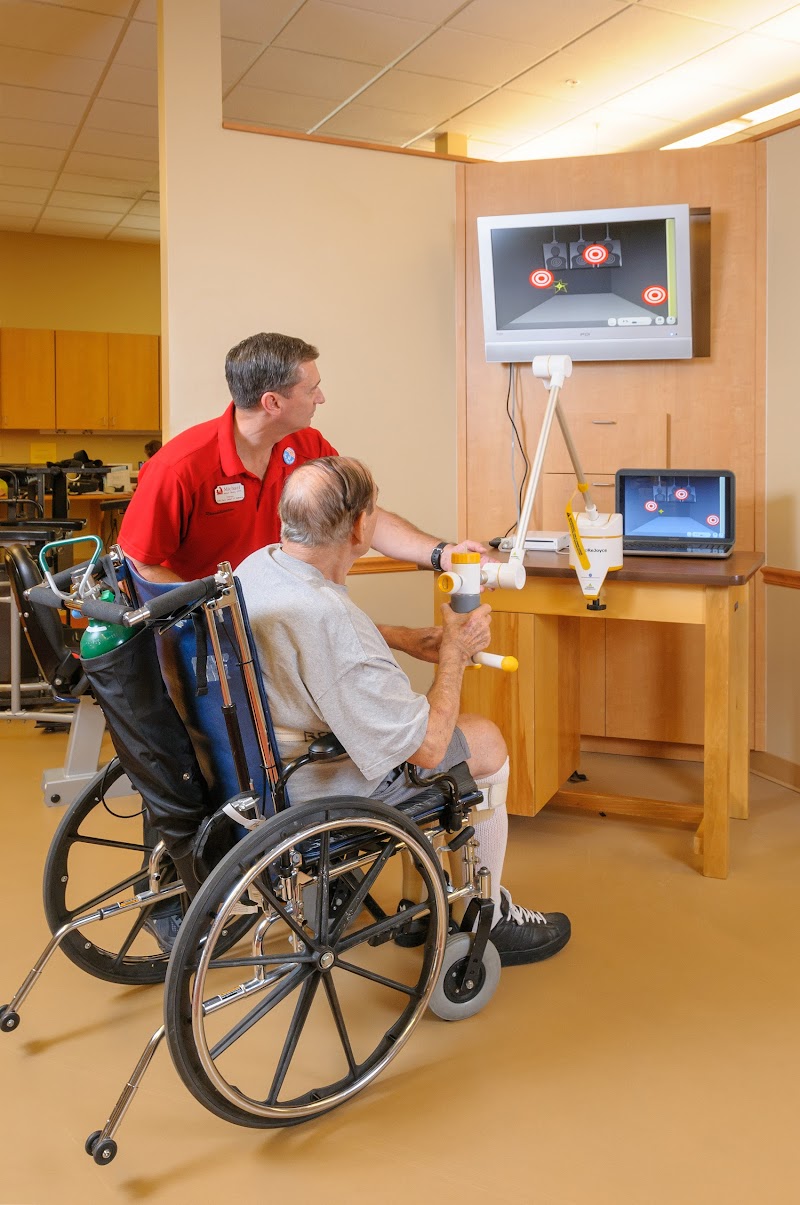
LIFE CARE CENTER OF MELBOURNE is owned by a for-profit company. For-profit facilities operate as businesses with obligations to shareholders or private owners. The facility is operated by LIFE CARE CENTERS OF AMERICA, a chain that manages multiple nursing homes. With 120 certified beds and approximately 116 residents (about 97% occupancy), it is a mid-sized facility located in MELBOURNE, Florida.
How Does Life Of Melbourne Compare to Other Florida Nursing Homes?

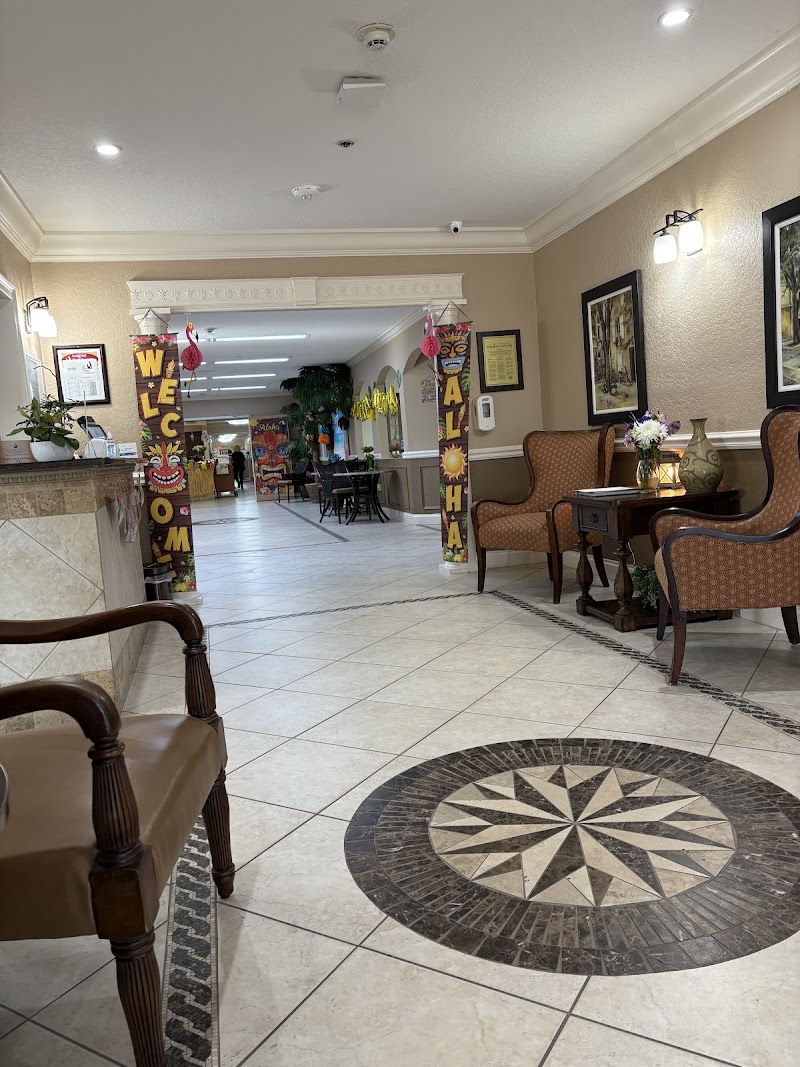
Compared to the 100 nursing homes in Florida, LIFE CARE CENTER OF MELBOURNE's overall rating (4 stars) is above the state average of 3.2, staff turnover (25%) is significantly lower than the state average of 46%, and health inspection rating (3 stars) is at the national benchmark.

What Should Families Ask When Visiting Life Of Melbourne?

Based on this facility's data, families visiting should ask: "Can I visit during a mealtime to observe dining assistance and food quality?" "How do you handle medical emergencies, and what is your hospital transfer rate?" "Can I speak with family members of current residents about their experience?"

Is Life Of Melbourne Safe?

Based on CMS inspection data, LIFE CARE CENTER OF MELBOURNE has a clean safety record: no substantiated abuse findings (meaning no confirmed cases of resident harm), no Immediate Jeopardy citations (the most serious violation level indicating risk of serious injury or death), and is not on the Special Focus Facility watch list (a federal program monitoring the lowest-performing 1% of nursing homes). The facility has a 4-star overall rating and ranks #1 of 100 nursing homes in Florida. While no facility is perfect, families should still ask about staff-to-resident ratios and recent inspection results during their visit.

Do Nurses at Life Of Melbourne Stick Around?

Staff at LIFE CARE CENTER OF MELBOURNE tend to stick around. With a turnover rate of 25%, the facility is 21 percentage points below the Florida average of 46%. Low turnover is a positive sign. It means caregivers have time to learn each resident's needs, medications, and personal preferences. Consistent staff also notice subtle changes in a resident's condition more quickly. Registered Nurse turnover is also low at 12%, meaning experienced RNs are available to handle complex medical needs.

Was Life Of Melbourne Ever Fined?

LIFE CARE CENTER OF MELBOURNE has no federal fines on record. CMS issues fines when nursing homes fail to meet care standards or don't correct problems found during inspections. The absence of fines suggests the facility has either maintained compliance or corrected any issues before penalties were assessed. This is a positive indicator, though families should still review recent inspection reports for the full picture.

Is Life Of Melbourne on Any Federal Watch List?

LIFE CARE CENTER OF MELBOURNE is not on any federal watch list. The most significant is the Special Focus Facility (SFF) program, which identifies the bottom 1% of nursing homes nationally based on persistent, serious quality problems. Not being on this list means the facility has avoided the pattern of deficiencies that triggers enhanced federal oversight. This is a positive indicator, though families should still review the facility's inspection history directly.