MELBOURNE HEALTHCARE AND REHABILITATION CENTER
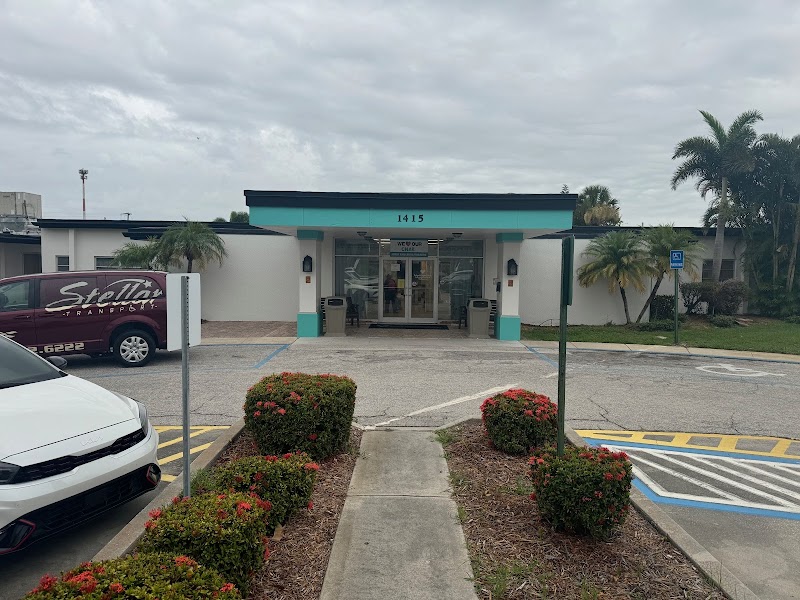
1415 S HICKORY ST, MELBOURNE, FL 32901 (321) 723-1321
For profit - Individual 138 Beds EXCELSIOR CARE GROUP Data: November 2025 2 Immediate Jeopardy citations
Trust Grade
0/100
#650 of 690 in FL
Last Inspection: March 2025

Within standard 12-15 month inspection cycle. Federal law requires annual inspections.

Overview

Melbourne Healthcare and Rehabilitation Center has received a Trust Grade of F, indicating significant concerns and poor quality of care. It ranks #650 out of 690 facilities in Florida, placing it in the bottom half statewide, and #20 out of 21 in Brevard County, meaning only one other local option is better. The facility's situation is worsening, with issues increasing from 4 in 2024 to 10 in 2025. Staffing is somewhat of a strength, rated 4 out of 5 stars, with turnover at 43%, which is about average for the state, and the center has good RN coverage, exceeding that of 76% of Florida facilities. However, there are serious concerns, including $59,140 in fines, which is higher than 82% of Florida facilities, suggesting ongoing compliance problems. Notably, there have been critical incidents where a cognitively impaired resident was allowed to leave the facility unsupervised, posing a significant risk of serious harm or even death. Also, there was a failure to adequately address a resident's care needs, leading to an unplanned discharge without proper documentation. Overall, while staffing and RN coverage are decent, the serious safety issues cannot be overlooked.

Trust Score
F
0/100
In Florida
#650/690
Bottom 6%
Safety Record
High Risk
Review needed
Inspections
Getting Worse
4 → 10 violations
Staff Stability
○ Average
43% turnover. Near Florida's 48% average. Typical for the industry.
Penalties
✓ Good
$59,140 in fines. Lower than most Florida facilities. Relatively clean record.
Skilled Nurses
✓ Good
Each resident gets 48 minutes of Registered Nurse (RN) attention daily — more than average for Florida. RNs are trained to catch health problems early.
Violations
⚠ Watch
24 deficiencies on record. Higher than average. Multiple issues found across inspections.
★☆☆☆☆
1.0
Overall Rating
★★★★☆
4.0
Staff Levels
★★★★☆
4.0
Care Quality
★☆☆☆☆
1.0
Inspection Score
Stable
2024: 4 issues
2025: 10 issues

The Good

  • 4-Star Staffing Rating · Above-average nurse staffing levels
  • 4-Star Quality Measures · Strong clinical quality outcomes
  • Full Sprinkler Coverage · Fire safety systems throughout facility
  • No fines on record
  • Staff turnover below average (43%)

    5 points below Florida average of 48%

Facility shows strength in staffing levels, quality measures, fire safety.

The Bad

1-Star Overall Rating

Below Florida average (3.2)

Significant quality concerns identified by CMS

Staff Turnover: 43%

Near Florida avg (46%)

Typical for the industry

Federal Fines: $59,140

Above median ($33,413)

Moderate penalties - review what triggered them

Chain: EXCELSIOR CARE GROUP

Part of a multi-facility chain

Ask about local staffing decisions and management

The Ugly 24 deficiencies on record

2 life-threatening 1 actual harm
Mar 2025 10 deficiencies
CONCERN (D)

Potential for Harm - no one hurt, but risky conditions existed

Deficiency F0554 (Tag F0554)

Could have caused harm · This affected 1 resident

**NOTE- TERMS IN BRACKETS HAVE BEEN EDITED TO PROTECT CONFIDENTIALITY** Based on observation, interview, and record review, the facility failed to conduct a medication self-administration assessment t...

Read full inspector narrative →
**NOTE- TERMS IN BRACKETS HAVE BEEN EDITED TO PROTECT CONFIDENTIALITY** Based on observation, interview, and record review, the facility failed to conduct a medication self-administration assessment to ensure safety for 2 of 2 residents reviewed for self-administration of medications, of a total sample of 62 residents, (#44, and #92). Findings: 1. Resident #44 was admitted to the facility on [DATE] with diagnoses including chronic respiratory failure with hypoxia, emphysema, and general anxiety disorder. A review of the Minimum Data Set (MDS) admission assessment, with an assessment reference date of 12/09/24, revealed resident #44 had a Brief Interview for Mental Status (BIMS) score of 15/15, indicating she was cognitively intact. On 3/03/25 at 4:12 PM, resident #44 was observed with an Albuterol Tartrate HFA inhaler on her overbed table. The resident stated she took it as needed. On 3/3/25 at 4:33 PM, primary care nurse, License Practical Nurse (LPN) C observed and acknowledged the resident's inhaler at her bedside. LPN C stated the resident had physician orders that she may have the inhaler at the bedside. Review of the Electronic medical record (EMR) revealed a physician order dated 1/16/25 for Levalbuterol Tartrate inhalation Aerosol 45 micrograms/actuation (MCG/ACT) 2 packet inhale orally every 6 hours as needed for shortness of breath. There was no order to keep the medicine at bedside or for the resident to self-administer the medication. 2. Resident #92 was admitted to the facility on [DATE] with diagnoses including chronic respiratory failure with hypoxia, major depression, and emphysema. A review of the MDS Quarterly assessment, with an assessment reference date of 1/29/25, revealed resident #44 had a BIMS score of 15/15, indicating she was cognitively intact. On 3/03/25 at 4:41 PM, LPN C, the primary nurse, acknowledged resident #92 with her inhaler in her jacket pocket. LPN C stated that resident #92 had a physician order that allowed her to keep her inhaler at the bedside. A review of the EMR reflected a physician order dated 4/30/24: Proventil HFA Aerosol Solution 108 (90 Base) MCG/ACT (Albuterol Sulfate HFA) 1 puff inhale orally every 4 hours as needed for SOB. The resident may have at the bedside. On 3/02/25 at 5:10 PM, the Assistant Director of Nursing searched the EMR for orders for self administration for residents #44 and #92. The ADON confirmed there was a physician order for resident #92 to keep the inhaler at bedside, but resident #44 did not. On 3/06/25 at 10:45 AM, the Director of Nursing (DON) explained before a resident could keep medications at the bedside, an assessment for self-administration should be performed by nursing staff. The DON continued, that if a resident wanted to self-administer medications, they needed to have a physician's order for self-administration, a self-administration evaluation was completed and a care plan for self-administration of drugs was initiated. The DON acknowledged that staff had not followed the facility's policy and procedures to ensure resident self-administration safety for resident #44 and #92. Review of the facility's policy and procedure for administering medication dated 2/21/23 revealed, residents may self -administer their medications only if the attending physician, in conjunction with the Interdisciplinary Care Planning Team, had determined that they had the decision-making capacity to do so.
CONCERN (D)

Potential for Harm - no one hurt, but risky conditions existed

Deficiency F0645 (Tag F0645)

Could have caused harm · This affected 1 resident

**NOTE- TERMS IN BRACKETS HAVE BEEN EDITED TO PROTECT CONFIDENTIALITY** 2. Resident #26 was initially admitted to the facility on [DATE] with a diagnosis of metabolic encephalopathy. She was discharge...

Read full inspector narrative →
**NOTE- TERMS IN BRACKETS HAVE BEEN EDITED TO PROTECT CONFIDENTIALITY** 2. Resident #26 was initially admitted to the facility on [DATE] with a diagnosis of metabolic encephalopathy. She was discharged from the facility on 4/26/24 and readmitted on [DATE] following a right hip fracture. The admission Record or face sheet listed diagnoses including dementia with behavioral disturbances, insomnia, depression, and psychotic disorder with delusions due to known physiological condition, and anxiety. A psychiatry consult from 6/26/24 revealed that resident #26 was admitted with medications for diagnoses of dementia and insomnia. Resident #26 was started on Depakote sprinkles 250 milligrams (mg) two times a day for psychotic disorder on 1/02/24. Resident #26's care plan initiated on 7/12/24 indicated the resident had impaired cognition which affected communication, functional abilities, decision making, and judgement related to psychosis and dementia. The resident's PASARR forms dated 11/03/23 and 6/24/24 were completed by prior to admission to the facility. The form had no diagnosis listed under Section IA Mental Illness or suspected Mental Illness. On 3/05/25 a new Level I PASARR, completed by the Lead MDS Coordinator, was added to the Resident's clinical record. Under Section 1: Mental Illness or Suspected Mental Illness the following diagnoses were listed: anxiety disorder, depressive disorder and insomnia. The Lead MDS Coordinator on 3/05/25 at 10:44 AM, stated the facility had been reviewing and updating PASARRS of residents within the facility. She reviewed resident #26's PASARR from 3/05/25 and confirmed that the diagnosis of anxiety disorder, depressive disorder and insomnia were listed under Section 1 on the PASARR. The Lead MDS Coordinator confirmed that the PASARR she had just completed was incomplete as it did not have psychotic disorder with delusions listed. She then stated, I'm old and miss things sometimes. On 3/05/25 at 1:2 PM, the Lead MDS Coordinator revealed that the facility initiated a Performance Improvement Project following a discussion with the Psychologist Consultant and a subsequent email on 2/26/25. The email revealed, here is the info for the PASRRs from today's patients followed by a 25 resident names with diagnoses next to them. Resident #26 was listed with the diagnoses of depression, insomnia and dementia next to her name. When asked if the diagnoses next to the resident's names were current diagnoses or instead what was listed on the PASARR at the present time, she replied I'm not sure. But I think they are either missing or need to be added to the PASARR. On 3/05/25 at 1:45 PM, the Social Service Director revealed that the diagnosis listed in the email was the same diagnoses that should be listed on the PASARR. The Social Service Director was unable to answer whether if a diagnosis was not listed next to a resident's name, it meant that the diagnosis was no longer current and thus did not need to be on the PASARR. She stated the facility was performing daily audits but was unable to clarify how she was able to complete these audits herself every day. The facility policy titled Social Services - PASARR indicated, the facility shall ensure each resident in a nursing facility is screened for a mental disorder or intellectual disability prior to admission and that individuals identified with a mental disorder or intellectual disability are evaluated and receive care and services in the most integrated setting appropriate to their needs. Based on interview, and record review, the facility failed to rensure an accurate Preadmission Screening and Resident Review (PASARR) level I and level II evaluation was completed for 2 of 2 residents reviewed for PASARRs, of a total sample of 62 residents, (#55, and #26). 1. Review of the medical record revealed resident #55 was admitted to the facility on [DATE] from an acute care hospital. Some of her diagnoses included type 2 diabetes, morbid obesity, hypothyroidism, pain, major depressive disorder, panic disorder, anxiety disorder and Post-Traumatic Distress Disorder (PTSD). Resident # 55's Quarterly Minimum Data Set (MDS) assessment with assessment reference date of 11/30/24 revealed the resident scored 15 out of 15 on the Brief Interview for Mental Status which indicated she had no cognitive impairment. Her active diagnoses listed under Psychiatric Disorders included anxiety, depression and PTSD. On 3/04/25, upon further review of resident #55's electronic medical records, the PASARR dated 2/22/24 Level I screen was found to have not been updated since anxiety disorder was the only Mental Illness diagnosis listed in Section 1A of the form. The diagnoses included on the Level I screen did not include major depressive disorder, panic disorder or PTSD. On 3/05/25 at 1:45 PM, the Lead MDS coordinator acknowledged resident # 55's Level I PASARR was missing the diagnoses and was inaccurate.
CONCERN (D)

Potential for Harm - no one hurt, but risky conditions existed

Quality of Care (Tag F0684)

Could have caused harm · This affected 1 resident

**NOTE- TERMS IN BRACKETS HAVE BEEN EDITED TO PROTECT CONFIDENTIALITY** Based on observation, interview, and record review, the facility failed to ensure residents received treatment and care in accor...

Read full inspector narrative →
**NOTE- TERMS IN BRACKETS HAVE BEEN EDITED TO PROTECT CONFIDENTIALITY** Based on observation, interview, and record review, the facility failed to ensure residents received treatment and care in accordance with professional standards of practice, the comprehensive person-centered care plan, and the residents' choices for 1 of 8 residents reviewed for choices, of a total sample of 62 residents, (#93). Findings: Resident # 93 was admitted to the facility on [DATE] from an acute care hospital with diagnoses of Parkinsonism, anemia, syncope and collapse, and hypertensive heart disease without heart failure. Her most recent Minimum Data Set (MDS) showed the resident had a Brief Interview for Mental Status (BIMS) score of 15 out of 15 which meant she had no impairment in cognition. On 3/03/25 at 4:47 PM, resident #93 explained she and facility staff were very careful with her blood pressure because she passed out a few times and so she spent most of the day at the therapy gym. Review of the physician orders included Vital signs every shift and Midodrine HCL oral tablet 10 milligrams (mg). Give one tablet via G-Tube three times a day for hypotension. Parameters included Hold for Systolic Blood Pressure greater than 120 millimeters of mercury. A review of resident # 93's Care Plan initiated on 12/17/24 revealed a focus on the potential for alterations in blood pressure had interventions which included administer medication as ordered, blood pressure as indicated or as ordered and to report signs and symptoms of complications related to alterations in blood pressure. Review of the blood pressure summary for resident # 93 since admission on [DATE] indicated that the resident's blood pressure had been measured only once after 2/26/25, on 3/03/25. There were no record of blood pressure measurements for 3/04/25 or 3/05/25. Upon further review, no blood pressure measurement was documented for 2/01/25 through 2/08/25 nor from 1/11/25 through 1/17/25. At 12:56 PM, the assigned nurse Registered Nurse (RN) A stated she administered the morning medication Midodrine and checked resident #93's blood pressure. She was unable to show where she documented the blood pressure in the resident's electronic medical record. RN A could not find documentation anywhere. RN A checked her report sheet but confirmed she did not record the blood pressure there either. She stated she would have held the Midodrine if the systolic blood pressure was greater than 120. RN A in reference to the documentation of resident #93's blood pressure reading, said there was something missing. On 3/05/25 at approximately 1:02 PM, the South Wing Unit Manager confirmed the findings that blood pressure was not documented and explained that it may have been when their electronic record system changed over. She acknowledged from the record, the blood pressure measurement was not done but medication was given. The South Wing Unit Manager did not know if the medication was administered within the prescribed parameters. On 3/05/25 at 1:17 PM, the Director of Nursing (DON) said that based on what was documented, the resident's blood pressure was not taken but the medication was administered. The DON acknowledged she was not here during that time and that supplemental orders for blood pressures to be recorded were now in the system. A review of the facility's policy for Administering Medications with an effective date of 4/01/22 and revised on 2/21/23 revealed the purpose was to ensure that medications were administered in a safe and timely manner and as prescribed. Section 9 b. indicated that vital signs were checked, if necessary, for each resident prior to administering medications.
CONCERN (D)

Potential for Harm - no one hurt, but risky conditions existed

Respiratory Care (Tag F0695)

Could have caused harm · This affected 1 resident

**NOTE- TERMS IN BRACKETS HAVE BEEN EDITED TO PROTECT CONFIDENTIALITY** Based on observation, interview, and record review, the facility failed to ensure respiratory care and services were provided in...

Read full inspector narrative →
**NOTE- TERMS IN BRACKETS HAVE BEEN EDITED TO PROTECT CONFIDENTIALITY** Based on observation, interview, and record review, the facility failed to ensure respiratory care and services were provided in accordance with professional standards of practice, and per physician orders for 2 out of 2 residents reviewed for respiratory care, of a total sample of 62 residents, (#35, & #85). Findings: 1. Resident #35 was admitted to the facility on [DATE]. Her diagnoses included chronic obstructive pulmonary disease (COPD), major depressive disorder, anxiety disorder, unspecified ulcerative colitis, celiac disease, pulmonary embolism (PE) and history of breast cancer. A review of the annual Minimum Data Set (MDS) assessment with reference date 2/12/25 revealed resident #35 had no cognitive impairment, no behaviors, no rejection nor refusal of care and required the use of oxygen. The physician orders for oxygen read continuous oxygen at 2 liters per minute (LPM) via nasal cannula. Resident #35 had a plan of care for shortness of breath related to COPD, recent pneumonia and PE with interventions that included oxygen as ordered and for staff to notify the physician if the resident refused oxygen therapy. On 3/03/25 at 3:51 PM, resident #35 was observed sitting up in bed and explained she was here for rehabilitation. The level of oxygen on the oxygen concentrator was set at 3 LPM and she stated it was at 3 LPM of oxygen because her oxygen levels kept dropping. On 3/04/25 at 12:48 PM, resident #35 was up in her wheelchair with a portable oxygen tank set at 3 LPM of oxygen. She said she was comfortable and had no complaints at the time. On 3/05/25 at 10:47 AM, the assigned nurse Licensed Practical Nurse (LPN) A confirmed the amount of oxygen resident #35's concentrator was set to as 3 LPM of oxygen. Resident #35 then told LPN A that the Pulmonologist had seen her and said that 3 LPM of oxygen was ok. LPN A confirmed the physician order was for 2 LPM. LPN A stated she knew to check the orders to ensure the resident was on the correct amount of oxygen. She confirmed she did not do it this morning. A few minutes late the Unit Manager for the South wing verified the resident was recently seen by the Pulmonologist but they had not written anything in the notes about increasing her oxygen to 3 LPM. She also indicated that the Pulmonologist does not enter orders by herself, instead, she would have written an order for facility staff to enter new orders. The Director of Nursing (DON) was also present at the nurses' station and along with the South Wing Unit Manager (UM) acknowledged that oxygen orders were not followed for resident #35. On 3/06/25 at 3:52 PM, the DON stated her expectation was that nurses would check the oxygen orders and verify the concentrator setting so that the resident received oxygen as ordered. The facility's Policy on Oxygen Administration dated 4/01/22 indicated The purpose of the procedure is to provide guideline for safe oxygen administration and the preparation in section 1. described, Verify that there is a physician order for this procedure. Review the physician's orders or facility protocol for oxygen administration. 2. Resident #85 was admitted on [DATE] with diagnoses of type II diabetes mellitus, abnormal posture and unsteadiness of feet, muscle weakness, sepsis, hypertensive disease with heart failure, chronic kidney disease, and heart failure. The MDS assessment dated [DATE], revealed the resident was assessed with a BIMS of 15/15, which indicated he was cognitively intact. Section O of the MDS revealed the resident was not on oxygen at admission nor during this stay at the facility. On 3/03/25 at 1:32 PM, resident #85 was in his room with his sister. He was receiving 2 liters of oxygen from an oxygen concentrator, connected to a nasal cannula. The resident stated he arrived with oxygen from the hospital and used it daily, even when he received dialysis. He reported he had labored breathing and was short of breath without it. Resident #85 added nursing staff changed the oxygen tubing every Sunday night or early Monday morning, but they didn't do it this week. On 3/05/25 at 12:37 PM, LPN F confirmed there was no order for oxygen, nor an order for changing oxygen tubing, that was active or discontinued during the resident's current stay. LPN F verified resident #85 received oxygen and stated assigned nurses were supposed to ensure the tubing was changed weekly by checking the date on the tubing during their daily shift rounds. LPN F checked the date on resident #85's oxygen tubing and found it to be dated 2/24/25, 9 days prior. She removed the oxygen nasal cannula from the resident's nose and told him she needed to change the tubing. LPN F confirmed resident #85 had been receiving oxygen during his stay without a physician's order and the tubing had not been changed in the past 9 days. Review of the hospital discharge form indicated resident #85 received continuous oxygen at 2 LPM. The facility-admission NURSING Data collection form indicated the resident was admitted on [DATE] with an oxygen saturation rate of 96% from oxygen via nasal cannula. In error, the form indicated in the Respiratory Risk section; the resident did not have any issues which might create a risk for respiratory complication such as Congestive Heart Failure (CHF). Review of nine Nursing and APRN Progress Notes from between 2/13/25 to 2/18/25 revealed resident #85 received oxygen through a nasal cannula and the APRN's Note on 2/13/25 confirmed the resident did have CHF. On 3/06/25 at 10:24 AM, the Administrator stated it was her expectation for nursing to not provide patient care treatment without Physician orders. The Administrator confirmed in addition to nurses checking dates on tubing, staff were also to check oxygen tubing dates during angel rounds as a back-up for increased accuracy of compliance to infection control policies. The facility's policy entitled Nursing-Physician orders dated 4/01/22 and revised 3/10/23, stated its purpose was to ensure the plan of care is followed in accordance with the orders established by the physician or nurse practitioner. It added, medications and treatments would be administered only upon the written order of a person duly licensed to prescribe them.
CONCERN (D)

Potential for Harm - no one hurt, but risky conditions existed

Drug Regimen Review (Tag F0756)

Could have caused harm · This affected 1 resident

**NOTE- TERMS IN BRACKETS HAVE BEEN EDITED TO PROTECT CONFIDENTIALITY** Based on observation, interview, and record review, the facility failed to ensure Pharmacist recommendations were addressed by t...

Read full inspector narrative →
**NOTE- TERMS IN BRACKETS HAVE BEEN EDITED TO PROTECT CONFIDENTIALITY** Based on observation, interview, and record review, the facility failed to ensure Pharmacist recommendations were addressed by the physician for 1 of 5 resident reviewed for unnecessary medications, of a total sample of 62 residents, (#57). Findings: Resident #57 was admitted to the facility on [DATE] with diagnoses of nontraumatic intracerebral brain hemorrhage, muscle weakness, abnormalities of gait and mobility, moderate protein-calorie malnutrition, anxiety, depression, and hypertension. The resident's Care Plan dated 12/16/24 stated the resident was at risk for falls due to weakness and adverse effects of psychotropic medications with intervention to watch for signs and symptoms such as gait disturbance, sedation, lightheadedness, dizziness and change in mental status, mentation, and mood. Review of the medical record revealed on 1/13/25, the pharmacist submitted a recommendation for the physician to evaluate the order for the antidepressant, Mirtazapine (Remeron), and to consider tapering the dose from 15 milligrams (mg) to 7.5 mg per night or implementing an alternative treatment due to resident's recent fall. The record revealed this recommendation was never addressed by the physician. On 1/13/25, the pharmacist recommended the physician evaluate possible causal relationship between resident receiving Gabapentin for neuropathy and anxiety at 200 mg, three times day and his recent fall. They also recommended to consider a trial to taper this medication to 200 mg, two times per day if appropriate. Review of the record revealed this recommendation was never addressed by the physician. On 3/06/25 at 9:30 AM, the Director of Nursing (DON) confirmed resident #57's Pharmacist drug regimen reviews and recommendations had not been addressed prior to her starting at the facility, nor had they been addressed yet by her. She stated she was trying to catch up on the incomplete work from the previous DON. On 3/06/25 at 10:24 AM, the Administrator started her expectation was for the DON to address pharmacist recommendations by notifying the physician and documenting their response in a timely manner. She added that she was not aware some of them from January had not been addressed, but that the new DON was trying to catch up. The facility's policy entitled Pharmacy Services-Drug Regimen Review dated 1/10/25 indicated the drug regimen of each resident should be evaluated at least monthly by a licensed pharmacist, and any irregularities reported to the attending physician, Medical Director, and DON. It continued, the attending physician shall document the recommendation that has been reviewed, and what, if any, action has been taken to change the medication and their rationale for doing so.
CONCERN (E)

Potential for Harm - no one hurt, but risky conditions existed

Resident Rights (Tag F0550)

Could have caused harm · This affected multiple residents

3. Review of resident #25's record revealed an admission date of 11/23/23. His diagnoses include unspecified atrial fibrillation, acquired absence of right leg below knee, and acquired absence of left...

Read full inspector narrative →
3. Review of resident #25's record revealed an admission date of 11/23/23. His diagnoses include unspecified atrial fibrillation, acquired absence of right leg below knee, and acquired absence of left leg below knee. His quarterly 11/29/24 Minimum Data Set included a Brief Interview of Mental Status score of 15/15, which indicated intact cognition. On 3/03/25 at 11:05 AM, resident #25 said he had a skin growth on the left side of his nose since his admission to the facility in 2023. He explained in October 2024 he requested help from the facility's Business Office Manager to recertify his health insurance, Medicaid. He said the dermatology group that visited the facility did not take the type of Medicaid he had when he attempted to be seen by them last year; so, he waited for a dermatology visit to be arranged with an outside provider who took his insurance. He said he found out in last December 2024 from the outside dermatology appointment he did not have any active health insurance. He said he has missed a specialty appointment for another skin issue below his right eye, after he was seen by a dermatologist who provided care in the facility in January 2024. On 3/05/25 at 9:12 AM, the Business Office Manager said on 10/14/24 she faxed resident #25's recertification paperwork to maintain his health insurance, Medicaid, and then she did not check on the status after that fax went through until she emailed contact #1 at the Florida Department of Children and Families on 12/26/24 after she was told that resident #25 did not have active health insurance. She said she applied for Medicaid online for resident #25 on 1/30/25. She said she lost an electronic report which maintained her history of inquiries to check if resident #25's Medicaid eligibility had been reinstated. On 3/05/25 at 4:15 PM, the Social Services Director said that she has known since 3/04/24 of resident #25's desire to move to an assisted living facility. On reviewing her notes she said in November 2024 he had a plan to move into Assisted Living Facility #1 when an apartment was available. She said his Medicaid not being active had been holding up the process for him to be admitted into Assisted Living Facility #1. Review of resident #25's medical record revealed a dermatology referral for wound care note dated 1/02/25 that resident #25 should be referred to an outside ophthalmologist or local general dermatologist for right lower eyelid growth removal. It also noted resident #25 should be seen for the follow up in 1 month. On 3/05/25 12:08 AM, the Medical Records Coordinator, who also coordinates referrals for healthcare appointments outside the facility, did not recall when she was asked to make an outside dermatology referral for resident #25. She recalled in December 2024 when resident #24 went to an offsite dermatologist he was told he did not have active health insurance. She said she knew his Medicaid was still pending in status in January 2025 because she said the facility paid for the dermatology group who provided services within the facility to see resident #25 for care. She verified it had been 2 months since that appointment when a referral was requested by the inhouse visiting dermatology group until a follow-up ophthalmology appointment was scheduled. In a telephone interview on 3/06/25 at 11:53 AM, the Business Office Manager's contact #1 at the Florida Department of Children and Families stated that the October 2024 application to continue resident #25's Medicaid was never received. He verified that the submission done on 1/30/25 was considered a late recertification and a recertification that was sent in August 2024 was too early a submission. In a telephone interview on 3/06/25 at 3:40 PM, contact #1 at Assisted Living Facility #1 said she was the Admissions Coordinator for Assisted Living Facility #1. She recalled that resident #25 had been on their wait list since August 2024. She said it was due to the facility not obtaining resident #25's appropriate Medicaid that had delayed the process in his transferring to Assisted Living Facility #1. She said he was currently on their waitlist and April or May 2025 she thought he would potentially be able to move in if the facility did their part regarding supporting resident #25 with his Medicaid. The facility's policy entitled Resident Right- Exercise of Rights dated 4/01/22, stated all activities and interactions with residents shall focus on assisting the resident in maintaining and enhancing his or her self-esteem and self-worth and incorporating the resident's goals, preferences, and choices. Based on observation, interview, and record review, the facility failed to honor resident's with dignity by using labels when referring to residents, such as feeders, and failed to timely protect and promote the rights of a resident who requested support with insurance, for 1 of 1 residents reviewed for healthcare coordination support, (# 25), of a total sample of 42 residents. Findings include: 1. On 3/03/25 at 12:24 PM, residents were observed in the dining room for the lunch meal service. A few minutes later at 12:36 PM, two staff members moved several residents to a large table in the dining room when the Activities Director stated to Certified Nursing Assistant (CNA) E to leave spaces between the residents for staff to help the feeders. On 3/03/25 at 4:39 PM, Licensed Practical Nurse (LPN) F stated the nurses took turns to assist the residents with dining and rotated through dining room. LPN F described helping in the dining room earlier in the day and referred to the dependent diners, as you could see, we had a lot of feeders. On 3/06/25 at 10:24 AM, the Administrator acknowledged staff should not label dependent diners as feeders. The Administrator stated staff had been educated on the importance of dignity of all residents including not using labels, such as feeders for them. The facility's policy entitled Quality of Life-Dignity dated November 2010 indicated staff should not label or refer to residents by their room number, diagnosis or care needs.
CONCERN (E)

Potential for Harm - no one hurt, but risky conditions existed

Safe Environment (Tag F0584)

Could have caused harm · This affected multiple residents

**NOTE- TERMS IN BRACKETS HAVE BEEN EDITED TO PROTECT CONFIDENTIALITY** Based on observation, interview, and record review, the facility failed to provide a homelike environment by failing to de-empha...

Read full inspector narrative →
**NOTE- TERMS IN BRACKETS HAVE BEEN EDITED TO PROTECT CONFIDENTIALITY** Based on observation, interview, and record review, the facility failed to provide a homelike environment by failing to de-emphasize the institutional character of the dining room for one of one dining room reviewed for dining and failed to maintain a sanitary and comfortable interior of the resident rooms for 3 of 3 residents rooms reviewed for cleanliness, (#13, #20, and #62). Findings: 1. On 3/03/25 at 12:24 PM, in the main dining room, 36 residents were observed eating lunch. There were no table cloths, no centerpieces on the tables and there was no music playing to create a homelike atmosphere for dining. At 12:33 PM, loud country music was started. On 3/05/25 between 10:25 AM and 12:00 PM, residents were observed eating morning snacks at the dining tables in the dining room. A short time later a couple of tables were moved so residents could exercise in an open area of the dining room. Later, the tables were moved back so residents could eat lunch, but no dining room table additions such as tablecloths or centerpieces were added to create a homelike environment for the residents. On 3/06/25 at 9:31 AM, the Director of Activities, acknowledged the lack of tablecloths or centerpieces to create a homelike environment. She stated they used to have centerpieces for the dining tables and had tablecloths, but no longer did. The Director of Activities stated she could not say why the tablecloths or centerpieces were not being utilized for the residents. She added she believed the facility still had some of the seasonal centerpieces. 2. On 3/03/25 at 1:00 PM, upon entrance to residents #13's room the floor had dirty shoe marks and gray smudge lines about 6 to 8 inches long in the middle of the floor. The area outside the bathroom floor was brown and dingy with dirt the whole length of the doorway. The bedroom and bathroom floors were very sticky and dirty, and stuck to the bottom of any shoes. A large patched area of a wall was seen that had not been repainted. Resident #13 agreed the room floors and baseboards looked dirty and stated housekeeping had already come to clean the room that day, (photographic evidence obtained). On 3/04/25 at 8:30 AM, the floors resident #13's room had more grime and dirty shoe marks than seen the previous day. Resident #13 acknowledged the dirty floors. Certified Nursing Assistant (CNA) E who came in the room, stated a cup of juice had been spilled and tracked through the room which made the floors sticky. He added, he had told housekeeping to use two mop heads instead of just one because the floor was so dirty, (photographic evidence obtained). On 3/05/25 at 10:11 AM, Housekeeping staff G was observed deep cleaning room [ROOM NUMBER]. She explained resident rooms were cleaned between 7 AM to 3 PM. She stated she mopped the floor with premeasured soap and water, but if other staff used too much soap, the floor got sticky. She stated she used one mop head per room but did not change the mop water throughout the course of her shift and added that no one did. She stated that for floor edges, she sprayed with a cleaner and then wiped or mopped to see if the dirt came out. She demonstrated on the wall and baseboards of the room but stated the areas were not able to come clean. On 3/05/25 at 2:53 PM, the Environment Director stated four rooms were deep cleaned daily, which included cleaning the air conditioner filter, the blinds, dusting the furniture, moving furniture, and cleaning beds after blankets were removed. When observing the room that was deep cleaned today by Staff G, he acknowledged it looked like the baseboards were missed. The Environment Director stated he expected housekeeping staff to use fresh floor cleaning water first thing in the morning and get fresh water again when the food carts arrived on the resident units around lunch time. The Environmental Director provided a Deep Cleaning Schedule for February and March 2025, which indicated four resident rooms at the facility were deep cleaned that day by the staff during their usual cleaning shift. He also provided instructions from the Housekeeping Operations manual which stated each housekeeper was responsible for one complete room cleaning per day which required cleaning of corners and edges using a scrubbing pad (doodlebug pad), wall washing, and floor buffing and burnishing (which is assigned to the porter assigned to that section). 3. On 3/03/25 at 12:13 PM, observation of resident #20's room revealed shoes stuck to the floor as one walked around the bilateral sides and foot of resident #20's bed. On 3/04/25 at 12:31 PM, shoes stuck to the floor of resident #20's room as one walked around the bilateral sides and foot of the bed. On 3/04/25 at 4:49 PM, resident #20's family member said they or their significant other visited resident #20 almost daily. Resident #20's family member confirmed the brown hue within the abraded surface of the toilet seat and the notable sewer-like odor within the bathroom itself. Resident #20's family member and their significant other noted the stickiness of the floor on both sides of the bed and at the foot of the bed as well. They said they often experienced the floor being sticky when they visited resident #20. On 3/05/25 at 10:31 AM, shoes stuck to floor as one walked around both sides and the foot of resident #20's bed. On 3/05/25 at 10:32 AM, numerous white splatters were observed on the wall area below the light switch in resident #20's room. Multiple scraped, dented areas of plaster and missing paint were noted below the light switch area and above the baseboard. A notable damaged area, that was irregularly shaped and of irregular depth to the plaster was observed to be approximately 1 foot by 1 foot. 4. On 3/03/25 at 12:24 PM, black and gray colored debris was observed on the floor at the head of resident #62's bed and to the floor on the window side of bed. On 3/03/25 at 3:51 PM, resident #62's family member said they visited often, and felt her room was dirty. Gray and black colored debris was observed on the floor at the base of resident #62's feeding pump pole. Scratched, peeling paint was observed at the head of resident #62's bed. On 3/05/25 at 10:44 AM, the Environmental Director verified there was stickiness on both sides and at the foot of resident #20's bed. He also verified the notable sewer odor in resident #20's bathroom-he was not sure of the source of the odor. He noted the brown hue within the abraded toilet seat. He was unclear what caused the brown hue. Next he observed and confirmed the gray black debris on the floor at the head of resident #62's bed. The Environmental Director explained staff should clean the floor under the beds, as well as under the small furniture like the three drawer chest of drawers. He said he spot checked the cleanliness of the rooms on Monday through Friday. He said he did not keep a record of environmental concerns expressed to him. The Environmental Director said he tried to address concerns as they arose. Scratched peeling paint was observed behind resident #62's bed. He removed resident #62's air conditioning filter and noted what he described as more than a week's worth of debris on the filter. He said the air conditioning filter cleaning should be done Monday, Wednesday, and Friday of each week. He acknowledged he needed to review the work of his staff more to ensure they cleaned sufficiently. On 3/05/25 at 11:39 AM, the Maintenance Director observed the wall area under the light switch in resident #20's room. He said he was not sure what caused the numerous white splatters between the light switch and the baseboard. He stated he was not aware of the plaster damaged area, that was irregularly shaped and of irregular depth that was approximately 1 foot by 1 foot. The facility's policy entitled Resident Rights-Safe, Clean, Comfortable Homelike Environment dated 4/01/22, indicated the resident had a right to a safe, clean, comfortable and homelike environment, and the facility should provide the housekeeping and maintenance services necessary to maintain a sanitary, orderly, and comfortable interior.
CONCERN (E)

Potential for Harm - no one hurt, but risky conditions existed

Staffing Information (Tag F0732)

Could have caused harm · This affected multiple residents

Based on observation, interview, and record review, the facility failed to post the nursing staffing hours daily, which identified the number of staff working in the facility on the form posted. Findi...

Read full inspector narrative →
Based on observation, interview, and record review, the facility failed to post the nursing staffing hours daily, which identified the number of staff working in the facility on the form posted. Findings: On 3/03/05 at 10:24 AM, 3/04/25 at 10:15 AM, 3/05/25 at 8:34 AM, and 3/06/25 at 8:37 AM, the daily Nurse Staffing Form located by the receptionist in the lobby failed to identify the number and type of nursing staff working in the facility on the form posted. On 3/06/25 at 9:53 AM, the Staffing coordinator stated she was responsible for posting the form. The Staffing Coordinator acknowledged that the facility name was not on the Nurse Staffing Form, and that the form did not identify the number and type of staff working. The Coordinator stated the company was undergoing changes, so she was not sure what company name to put on the sheet. ON 3/06/25 at 1:03 PM, the Administrator stated there was a staffing meeting at about 11:00 AM daily. The Administrator explained that last week, the facility received a call that their name was changing, so we stopped putting the facility name on the posted daily staffing sheet. The Administrator confirmed the posting was for public viewing, so it should reflect the facility's name.
CONCERN (E)

Potential for Harm - no one hurt, but risky conditions existed

Infection Control (Tag F0880)

Could have caused harm · This affected multiple residents

Based on observation, interview, and record review, the facility failed to establish a system for the prevention of communicable diseases by failing to ensure all residents were offered and encouraged...

Read full inspector narrative →
Based on observation, interview, and record review, the facility failed to establish a system for the prevention of communicable diseases by failing to ensure all residents were offered and encouraged to perform hand hygiene before meals for all residents eating meals in the dining room. Findings: On 3/04/25 at 12:00 PM, in the main dining room, approximately 28 residents were observed eating lunch. Several of the residents stated they were not offered a way to clean their hands prior to meals while one resident stated he was only offered a napkin. On 3/05/25 at 10:25 AM, approximately ten residents were observed finishing a morning snack in the main dining room, after which they proceeded to move to the front of the dining room for morning exercise. A short time later at 11:00 AM, 12 residents were observed participating in exercises to music while sitting in their wheelchairs, after which most of these residents moved to the dining tables to eat lunch. None of these residents, nor others who joined the dining room afterwards, were offered a means to clean their hands before the meal was served. On 3/05/25 at 12:13 PM, Recreation Aide H stated many of the residents who participated in the morning snack then stayed in the dining room for lunch. She stated if they requested to wash their hands, they used the sink in the dining room that the staff used to wash their hands. Recreation Aide H explained if the residents' hands were very dirty, staff would take the resident back to their rooms for the CNA to clean them. She stated the residents were cleaned in the morning before they came to morning activities. Then after lunch, they would take them back to their room to be changed and cleaned again before Bingo at 2 PM. On 3/06/25 at 9:31 AM, Activities Director stated as an activity person, they sent the residents back to their room to be cleaned up and she expects that if a resident goes to their room, they will be changed and their hands washed. She acknowledged that some residents will go to therapy or somewhere else on their own, but it never occurred to her to wipe or disinfect their hands right before meals and she will discuss this with the Administrator. The facility' policy entitled Hand Hygiene and Resident Cleanliness Policy During Meal Times stressed the importance of hand hygiene to prevent the spread of infection and to maintain a safe, sanitary environment for both residents and staff. It included a Reminder to ensure staff clean resident's hands and face before and after eating and that wet wipes were to be available at all times.
CONCERN (F)

Potential for Harm - no one hurt, but risky conditions existed

Food Safety (Tag F0812)

Could have caused harm · This affected most or all residents

Based on observation, and interview, the facility failed to store food in accordance with professional standards for food service safety and failed to follow proper sanitation practices to prevent the...

Read full inspector narrative →
Based on observation, and interview, the facility failed to store food in accordance with professional standards for food service safety and failed to follow proper sanitation practices to prevent the outbreak of foodborne illness. This had the potential to affect all residents at the facility who eat food prepared in the kitchen. Findings: 1. On 3/03/25 at 10:00 AM, during the initial kitchen tour with the Assistant Dietary Manager I, observations in the walk-in found there were four, one-third steamtable pans of leftover food items including mechanical soft pork dated 3/1 and use by 3/07/25, sweet potatoes dated 3/2 and use by 3/08/25, corn dated 3/1 use by 3/07/25, and mashed potatoes dated 3/2 use by 3/08/25. Assistant Dietary Manager I stated their policy was to keep leftover fish, meat, and poultry for three days after prepared, and vegetables for five days. She could not explain why it was written to keep all these food items for six days each. There were two packages of hard-boiled eggs, unsealed and left open to the air, and undated; and a carton of whole eggs was open and did not have a date as to when it had been opened. There was a bag which contained approximately 20 pieces of tilapia fish inside the cardboard box, the bag was open to the air and undated. A bag of approximately 15 fried eggs was also left open to the air and undated in the cardboard box. Assistant Dietary Manager I threw away the eggs and fish. In a plastic bin with other cheese items, were two bags of what the Assistant Dietary Manager I thought was unlabeled and undated, rancid shredded mozzarella. Assistant Dietary Manager I eventually decided the unlabeled food was hash brown potatoes. In the same bin, there were two bags of shredded mozzarella cheese dated 2/11 (20 days ago) with a marker and 1/28/25 (33 days) indicated on a sticker label. Assistant Dietary Manager I was unsure which date was accurate and how long the bags of cheese should be kept. She threw the hash browns and cheese away. 2. In the walk-in freezer was a storage bag of leftover pork and a bag of salisbury steak. Both items had frost built up on the meat and were not dated. Assistant Dietary Manager I stated these items were old and should have been thrown away. There was also a bag of approximately 20 chicken tenders, undated as to when they were opened, which she threw away. 3. In the cook's reach-in refrigerator, in an unlabeled, round plastic bin, there were two stacks of approximately 15 American cheese slices wrapped in plastic wrap and two unwrapped stacks of approximately 35 slices of American cheese. There were no dates on any of this cheese. Assistant Dietary Manager I stated they were from sandwiches made yesterday and she meant to put them in storage bags and date them. She stated this cheese should not be kept for more than one week. There were also two covered plastic tubs, one with leftover peaches and the other with leftover fruit cocktail; both were unlabeled and undated and Assistant Dietary Manager I discarded them. 4. In the dry storage room, there was an unlabeled and undated bin with a bag of sugar inside and a bag of opened and resealed, but undated evaporated milk. There was also a dirty tray which held approximately 15 clean drinking glasses which Assistant Dietary Manager I stated the glasses were used for residents in the dining room. 5. Under the cook's food preparation table, there were three dry storage bins. All three were lined with a large plastic (garbage) bag. The lining bag was dirty on the outside of the bin labeled FLOUR and inside this bin were two paper (original shipping) bags of flour. One of the paper shipping bags indicated the flour was manufactured on 1/07/24, but had no date that indicated when it was received or opened. There was a flying insect that hovered outside of the dirty flour bin. None of these three bins had a date for when these items were received, opened, and/or stored in these bins. In the kitchen was also a dirty sheet pan with approximately 16 glasses of juice that had been poured for today's upcoming lunch meal, sitting on the dirty tray (photo evidence acquired)). 6. On 3/5/25 at 11:25 AM, during the follow-up visit to the kitchen, it was noted the kitchen floor tiles and grout had a build-up of a black substance which was also prevalent on and around the floor drains. (pictures taken). The facility's policy entitled Food Storage: Dry Goods dated 9/17 indicated all dry goods would be stored appropriately in accordance with the Food and Drug Administration (FDA) Food Code and would be date marked as appropriate. The policy entitled Food Storage: Cold Foods and dated 9/17 and revised 4/18, stated all foods would be stored wrapped or in covered containers, labeled, and dated. The provided Healthcare Services Group Labeling and Dating Inservice (undated) indicated all foods should be dated upon receipt before being stored with the food name, date of preparation, receipt, and/or removal from the freezer, and the use by date. It added, the manufacturer's expiration date may be used as the use by date for unopened items and the manufacturer's instructions for discarding of opened items may be used. If not available, the day of preparation or opening was considered as day one when establishing a use by date and all ready-to-eat and time/temperature controlled for safety food items would be labeled and dated with a prepared date (day one) and a use by date (day seven).
Dec 2024 1 deficiency
CONCERN (D) 📢 Someone Reported This

A family member, employee, or ombudsman was alarmed enough to file a formal complaint

Potential for Harm - no one hurt, but risky conditions existed

Report Alleged Abuse (Tag F0609)

Could have caused harm · This affected 1 resident

**NOTE- TERMS IN BRACKETS HAVE BEEN EDITED TO PROTECT CONFIDENTIALITY** Based on interview, and record review, the facility failed to ensure an allegation of neglect was reported to the relevant State...

Read full inspector narrative →
**NOTE- TERMS IN BRACKETS HAVE BEEN EDITED TO PROTECT CONFIDENTIALITY** Based on interview, and record review, the facility failed to ensure an allegation of neglect was reported to the relevant State Agencies within the regulatory timeframe for 1 of 2 resident reviewed for Abuse and Neglect, (#1). Findings: Resident #1, a [AGE] year-old female was admitted to the facility on [DATE]. Her diagnoses included cerebrovascular disease, hypertension, dysphagia (difficulty swallowing), anxiety disorder, and dementia. Review of the resident's quarterly Minimum Data Set assessment dated [DATE], revealed the resident was rarely/never understood, and was dependent on staff assistance for her activities of daily living (ADLs). Review of the facility's incident log reflected the resident had a fall on 11/01/24, and review of the reportable log revealed an entry for resident #1 dated 11/01/24, classified as neglect. On 12/02/24 at 1:40 PM, the entries for the resident on the facility's incident and reportable logs were discussed with the Director of Nursing (DON). She recalled that on 11/01/24 the Evening Supervisor called her and reported that the resident fell. The DON explained that on 11/01/24 at 10:45 PM, Certified Nursing Assistant (CNA) A called for help, and when the resident's assigned nurse responded, she found resident #1 lying on the floor on her right side, blood was coming from the resident's right temple. The DON recalled she asked the resident's assigned nurse Registered Nurse (RN) B how the fall happened, since the resident was bedbound. She said the RN explained that while CNA A was providing incontinence care for the resident, the CNA pulled the resident towards her using the bed linen, she then turned the resident away from her, and the resident rolled to the opposite side of the bed, fell to the floor, sustained a laceration/injury to her right temple, and was sent out to the hospital. The DON stated the incident happened because CNA A rolled the resident away from her, instead of towards her. She explained that after each fall, the Interdisciplinary (IDT) team would meet to discuss the fall, evaluate, and implement interventions to prevent a fall from happening again, and during the IDT meeting on 11/04/24, the facility decided that the incident was possible neglect, and an immediate [State Survey Agency] report should be submitted. When asked why an Immediate Report was not submitted as per regulatory guidelines of two hours after an allegation was made, or within 24 hours if no serious bodily injury occurred, the DON stated that when a fall occurred on a Friday, the IDT would meet on the following Monday to discuss the fall. She stated that while watching the re-enactment of the event by CNA A on 11/04/24 she saw where the error was, and the management team decided then that it was a reportable incident. However, the CNA's action of turning the resident away from her, instead of towards her was discussed and reported to the DON on 11/02/24 by RN B. On 12/02/24 at 3:37 PM, in an interview conducted with CNA A, who was accompanied by the Assistant Director of Nursing, the CNA confirmed that on 11/01/24 she was resident #1's assigned CNA. She stated the resident required total care with her ADLs, and verbalized that prior to the resident's fall on 11/01/24, the resident required one person assist for ADLs, and mechanical lift with two persons for transfers. CNA A recalled that on 11/01/24 at approximately 9:00 PM to 10:00 PM while providing incontinence care for the resident, she turned the resident to her left side away from her, by crossing the resident's legs, and pulling the pad or bedsheet. She said the resident was lying on her left side and demonstrated that she was standing on the right side of the resident's bed. CNA A said resident #1 reached towards the bedside table on the left of her bed and fell from the bed. She said she tried to grab the resident but could not hold on to her, and the resident sustained an injury to her right temple. On 12/02/24 at 4:48 PM, the Evening Supervisor recalled that on 11/01/24 at approximately 10:00 PM-11:00 PM, she was called to the South Wing. She verbalized that Licensed Practical Nurse B, and CNA A were with resident #1, who was lying on the floor on her back. The Supervisor said she observed a scratch to the resident's right temple, and the nurse was applying pressure to the area and monitoring the resident's blood pressure. She recalled CNA A stated the resident rolled out of bed when she was trying to change her. She recalled that after the resident was sent to the Emergency Room, CNA A re-enacted the scene for her, and she notified the DON. The Supervisor said in the reenactment the CNA had turned the resident away from her to provide care. On 12/03/24 at 8:22 AM, in a telephone interview, the resident's family member stated the resident had dementia, spoke English but had reverted back to her native language Hungarian. The family member said the resident could not move her body, could not grab something or move if asked/told to. She recalled that on 11/01/24 the facility notified the family that the resident had a fall and had to go to the hospital. She said the facility dropped the resident, and recalled the resident's roommate at the time told her that at approximately 10:00 PM, resident #1 soiled herself, and needed changing. The roommate recounted that one CNA came in, pulled the bedsheet, and rolled the resident off the bed, and she hit the ground hard. The family member said she completed a grievance on 11/02/24 and documented negligence in the care of resident #1. On 12/03/24 at 11:38 AM, the DON acknowledged that an Immediate [State Survey Agency] report should have been completed for the incident on 11/01/24. She stated she had access to the reporting system on the weekend, but at the time of the incident she was focusing on the fact that CNA A followed the resident's plan of care pertaining to the number of persons required to provide incontinence care for resident #1. On 12/03/24 at 12:01 PM, the Social Service Director (SSD) recalled that on 11/04/24 she received a grievance pertaining to resident #1 that was documented by the resident's daughter on 11/02/24 at 12:00 PM and placed under the SSD's door. The SSD stated that on 11/04/24 she along with the Administrator and the DON called the resident's daughter, and at that time the daughter wanted to vent her frustration and kept using the word neglect. The SSD stated the facility then decided to do a reportable, since the resident's daughter wanted, more than a grievance process. Review of the grievance documented by the resident's daughter dated 11/02/24 at 12:00 PM, indicated the resident fell out of bed, due to the negligence of her CNA. Interviews with staff involved and record review of resident #1's medical record revealed the incident with resident #1 occurred on 11/01/24 at approximately 10:45 PM. CNA A neglected to use the proper technique for turning/positioning while providing incontinence care for the resident. A grievance alleging negligence was documented on 11/02/24 at 12:00 PM, however this was not acknowledged or acted upon until 11/04/24. An Immediate [State Survey Agency] report pertaining to neglect was not submitted until 11/04/24 at 6:26 PM, 42 hours after the allegation was made. The facility's policy Abuse: Florida dated April 1, 2022, read, The facility will ensure that all alleged violations involving .neglect .are reported immediately, but not later than 2 hours after the allegation is made .or not later than 24 hours if the events that cause the allegation do not involve abuse and do not result in serious bodily injury, to the administrator of the facility and other officials (including to the State Survey Agency).
Nov 2024 3 deficiencies 2 IJ
CRITICAL (J) 📢 Someone Reported This

A family member, employee, or ombudsman was alarmed enough to file a formal complaint

Immediate Jeopardy (IJ) - the most serious Medicare violation

Free from Abuse/Neglect (Tag F0600)

Someone could have died · This affected 1 resident

**NOTE- TERMS IN BRACKETS HAVE BEEN EDITED TO PROTECT CONFIDENTIALITY** Based on observation, interview, and record review, the facility failed to protect the resident's right to be free from neglect ...

Read full inspector narrative →
**NOTE- TERMS IN BRACKETS HAVE BEEN EDITED TO PROTECT CONFIDENTIALITY** Based on observation, interview, and record review, the facility failed to protect the resident's right to be free from neglect by not ensuring staff implemented measures to mitigate risks to prevent elopement for 1 of 5 residents reviewed for elopement, of a total sample of 6 residents, (#1). These failures contributed to the elopement of resident #1 and placed him at risk for serious injury, harm, and/or death. While resident #1 was out of the facility unsupervised, there was likelihood he could have sustained serious life-threatening injuries, become lost, been accosted by unknown persons, drowned, or hit by a motor vehicle or high speed train and died. On [DATE] at approximately 8:05 PM, a physically and cognitively impaired resident exited the facility's front entrance when an unknown staff person unlocked the door and allowed him to leave the facility unsupervised. Resident #1 wandered through the parking lot in the dark, crossed a two lane road, and proceeded approximately 0.7 miles along a four lane road with moderate traffic at speed limits of 35 miles per hour. The route along the way had uneven terrain and curbs. Approximately 0.1 miles from the facility was a large lake, and approximately 0.4 miles, there was a high speed railroad crossing. The facility was unaware of the resident's elopement until a Registered Nurse (RN) realized he was missing but they failed to search for him for approximately 90 minutes. At approximately 9:50 PM, staff located the resident in the parking lot of a shopping center. The facility staff were unaware of the resident's whereabouts for approximately two hours until the resident's son called to inform them of his location. Findings: Cross reference F689 Review of the medical record revealed resident #1, a [AGE] year-old male, was admitted to the facility from an acute care hospital on [DATE]. His diagnoses included dementia, diabetes, speech and language deficits following stroke, abnormalities of gait (walking pattern) and mobility, unsteadiness on feet, and history of falls. The Minimum Data Set (MDS) Quarterly Assessment with an Assessment Reference Date (ARD) of [DATE] revealed resident #1 scored 8 out of 15 on the Brief Interview for Mental Status (BIMS) that indicated he was cognitively impaired. Functional Abilities and Goals showed the resident required staff assistance with eating, self-care, mobility, and to complete Activities of Daily Living (ADL). The assessment noted the resident required skilled Physical Therapy, insulin for diabetes, anti-platelet medication to prevent blood clots, and diuretics (fluid removing) medications. The MDS admission Assessment with ARD of [DATE] noted it was very important to the resident to be outside to get fresh air in good weather, and he fell within the previous month, and fell prior to his admission to the facility. The admission Data Set assessment dated [DATE] revealed resident #1 was only oriented to himself and he required extensive staff assistance of 1 person for transfers, mobility, ADLs, and ambulated with the assistance of a walker. The Florida Agency for Health Care Administration 5000-3008 Medical Certification for Medicaid Long Term Care Services and Patient Transfer Form dated [DATE] revealed resident #1 required a surrogate for decision making, a front-wheeled walker for ambulation and 1 assistant for transferring. Review of the Order Summary Report noted active physician's medication orders included: Jardiance (blood sugar lowering) 10 Milligrams (MG) once daily, Glargine Insulin 7 Units once daily for diabetes, Humalog Lispro Insulin 100 Units/Milliliter before meals and at bedtime if needed, Atorvastatin 40 MG at bedtime for cholesterol, Metoprolol 25 MG once daily for blood pressure, Midodrine 10 MG every 8 hours for blood pressure, Aldactone (diuretic) 12.5 MG once daily for excess fluid, Entresto (heart receptor response) 24-26 MG once daily and at bedtime for heart failure, Plavix (anti-platelet) 75 MG once daily for heart disease, Xarelto (blood thinner) 10 MG once daily for heart disease, Trazodone (anti-depressant) 100 MG at bedtime for depression, and Lithium Carbonate (mood stabilizer) 150 MG three times daily for mood. Medications due when the resident eloped were Entresto, Atorvastatin, and Humalog Insulin at 9:00 PM, and Midodrine at 10:00 PM. Physician orders included behavior monitoring for wandering, (initiated on [DATE]), wandering/elopement risk ([DATE] and [DATE]), close monitoring for safety ([DATE]), one on one with sitter for exit seeking behavior ([DATE]). and wanderguard (alerting bracelet) placement and monitoring ([DATE]). A comprehensive Care Plan included potential for abnormal bleeding related to anticoagulant and antiplatelet medications, potential for falls/fall related injuries related to weakness, potential for elopement related to being ambulatory with intermittent confusion, and pacemaker ([DATE]), impaired cognition affecting communication, decision making, and judgement ([DATE]). Interventions in the care plan included to assist the resident as needed to specific destinations such as activity room or dining room, assist outside to patio if requested, divert from exits as needed, if goes outside, stay with resident and then assist back inside and report to nursing, report any noted exit seeking behaviors such as verbalizations of wanting to go home, verbalizations of plans to leave, and physical attempts to leave facility, ([DATE]). Elopement Risk Screens dated [DATE], [DATE], and [DATE] showed nurses determined resident #1 was at risk for elopement due to cognitive impairment, mobility, poor decision-making skills, wandering oblivious to safety needs, and his ability to exit the facility. Instructions indicated that if the resident exhibited any of the above behaviors, staff were to report to the Director of Nursing (DON). There were no other interventions noted. The Social Services Initial Social assessment dated [DATE] noted resident #1 fell and hit his head prior to admission to the facility, and he was slow in making decisions with memory problems. The Social Services Update note dated [DATE] showed the resident had short term and long term memory problems with slow cognition, communication, and decision making abilities. Fall Risk Screens dated [DATE], [DATE], and [DATE] noted resident #1 fell at the facility. The Physical Therapist (PT) Evaluation and Plan of Treatment Assessment Summary completed on [DATE] noted diagnoses of unsteadiness on feet, abnormalities of gait and mobility, generalized muscle weakness, and abnormal posture. The resident was referred for skilled physical therapy following notable changes in function since his skilled therapy was discontinued on [DATE]. The assessment noted the resident had impaired hip, knee, and ankle strength, had increased difficulty with transfer, ambulation and balance, felt unsteady when walking, and worried about falling. The Plan of Treatment dated [DATE] noted resident #1 had an uneven step length and wide support base with Fall Predictors due to asymmetrical stance and discontinuity of steps with a Risk Factors of falls. The daily shift Behaviors records from [DATE] to [DATE] documented the resident had wandered 22 times prior to elopement. The Elopement Book used for staff to identify residents at high risk of elopement included resident #1's record dated [DATE], more than two months before the resident eloped. The psychiatric provider's progress notes dated [DATE] indicated resident #1 was diagnosed with Adjustment Disorder and noted agitation, wandering, verbal or physical aggressiveness, and safety concerns of fall risk. The [DATE] note revealed resident #1 was assessed for dementia with impaired insight and judgement, and the inability to complete instrumental or basic ADL activities without staff assistance. The report read, . Staff counseled regarding safety concern: Fall risk, risk of wandering, and physical aggression . According to historical data by zip code, on [DATE] between 8:00 PM and 10:00 PM the outside temperature was 75 degrees Fahrenheit (retrieved from timeanddate.com on [DATE]) and sunset was at 5:42 PM (retrieved from aa.usno.navy.mil on [DATE]). On [DATE] at 6:19 PM, resident #1 was observed in his room sitting on the bed supervised by Certified Nursing Assistant (CNA) E. The resident said he remembered leaving the facility, but not why he left and stated, I went home. I didn't make it because I stopped, this is the place where they crash people. The CNA said she knew the resident well, and was regularly assigned to his care. She added, he doesn't know where he is; he thinks he's at an apartment right now. On [DATE] at 2:15 PM, resident #1 was observed in his room walking to the bathroom with the assistance of a walker. The resident walked with short steps, and his feet did not fully clear the floor. The resident attempted to walk without the walker and visibly became unbalanced after two steps. In a telephone interview on [DATE] at 12:58 PM, RN B said he worked the 7:00 PM to 7:00 AM shift on [DATE] and was assigned to resident #1. The RN recalled after he received off going report at approximately 8:05 PM, he was unable to locate resident #1, so he began looking around the building because the resident was known to wander everywhere. He said CNA D told him she last saw the resident around the time he received report. The RN explained he tried to locate resident #1 himself for about 30 minutes. He said the Wound Care Nurse was the Supervisor, and at approximately 8:45 PM, he told her he could not find resident #1. He explained at approximately 9:15 PM, he told the Supervisor a second time he still had not located resident #1. On [DATE] at 3:18 PM, CNA D said she knew resident #1 well and he was often included in her assignments during the 3:00 to 11:00 PM shift. The CNA described the resident as shaky, he wandered the facility, and often told staff he wanted to go home. She said the resident's son lived close by and visited frequently which made the resident feel better. The CNA recalled she was assigned to the resident #1's care on [DATE] on the evening shift and last saw him in his room between 7:45 PM and 8:00 PM, before he eloped. On [DATE] at 5:59 PM, Licensed Practical Nurse (LPN) C noted resident #1 was exit seeking and paced all over the place; he walked up and down the building. She recalled on [DATE] at approximately 9:00 PM, RN B asked her if she had seen resident #1. She said she checked back with the RN at 9:15 PM and he had not located the resident. She explained she was concerned the RN did not seem overly worried. She remembered within about 15 minutes, at approximately 9:30 PM, an elopement/missing resident alert was initiated and all staff engaged in an active search for the resident. On [DATE] at 11:00 AM, the Wound Care Nurse/Supervisor said she worked in her office and supervised staff during the 3:00 PM to 11:00 PM shift on [DATE]. She recalled LPN C called her at 9:33 PM to let her know staff were unable to locate resident #1. She explained she called the Director of Nursing (DON) who assisted her by telephone as she implemented the facility's missing resident/elopement protocol. She explained that while they searched for the resident, the resident's son telephoned and informed them the resident was at a nearby shopping center. Review of a nursing progress note written by RN A on [DATE] noted on [DATE] at 9:30 PM, the RN was alerted a resident was missing and a facility wide search was initiated. The note showed during the search, resident #1's son called the facility to inform them the resident was at a nearby shopping center and two nurses drove to the location and brought the resident back to the facility. On [DATE] at 7:44 PM, RN A said she knew resident #1 well and said he frequently wandered around the facility with his walker. The RN recalled on [DATE] at approximately 9:30 PM, she assisted with the search and drove around the surrounding area in the dark looking for resident #1. She said she returned to the facility after she was unable to locate the resident and received a call from the resident's son to let staff know resident #1 was at a nearby shopping center. She said the resident's son was concerned as his father was lost and did not know how to get back to the facility. She explained she immediately drove to the shopping center and saw the resident in the parking lot with LPN C. The RN stated, he said he went for a ride and there was a lady at the door. On [DATE] at 5:59 PM, LPN C recalled on [DATE] at approximately 9:50 PM, they found resident #1 lost and alone without his walker in the nearby shopping center parking lot. She said the resident told her he went for a walk. The nurse said she was concerned about the resident because his gait was unsteady, and he needed his walker. The LPN stated, I couldn't believe he got that far, I was worried because there's water right over there, and his cognition is off. In a telephone interview on [DATE] at 10:03 AM, CNA G said he worked during the 3:00 PM to 11:00 PM shift on [DATE] but was not assigned to resident #1. He said he assisted residents for a group smoke break from about 9:00 PM to 9:30 PM. The CNA explained all staff started a search for resident #1 at approximately 9:30 PM and stated, I didn't even know what he looked like. On [DATE] at 1:31 PM, the DON explained on [DATE], the Wound Care Nurse was in the building during the evening shift and covered staff supervision. The DON recalled at approximately 9:30 PM, she received a call from her and learned resident #1 was missing. She said she directed her to implement the facility's missing resident policy. On [DATE] at 11:18 AM, resident #4 who was cognitively intact said he was resident #1's roommate for a few months, including the day he eloped. Resident #4 recalled resident #1 often told staff he was leaving and stated, especially when he got mad. On [DATE] at 11:33 AM, PT I explained the resident required assistance of a walker for stability, to walk safely, and to decrease his risk for falls. He said the resident was assessed outside for unleveled surfaces and curb navigation. The PT said the resident required increased staff assistance while outside with the additional obstacles and stated, he does not walk very fast; I would say he had no shot navigating streets independently; if it's dark outside, it's even worse. On [DATE] at 12:07 PM, the South Unit Manager said staff were expected to notify her if any resident was noted to be exit seeking or if they verbalized they wanted to leave. She explained nurses completed an Elopement Risk Assessment and Change In Condition form, and the Elopement Books contained information of residents at risk for elopement. She stated the facility utilized additional one to one supervision when at risk residents verbalized they wanted to leave. She said she was never notified by any staff that resident #1 verbalized threats or the desire to exit the facility. On [DATE] at 12:26 PM, the North Unit Manager said staff were expected to notify the supervisors when residents at risk for elopement expressed desire to leave. She explained, any identified issues were discussed daily with the Interdisciplinary Team (IDT) as additional interventions may be required to prevent elopement and the physician and family were notified. On [DATE] at 12:32 PM, the Social Services Director said she participated in resident #1's care planning, care plan meetings, and IDT discussions. She recalled she was never asked to initiate any interventions nor participated in discussions about the resident's risk for elopement or his verbal expressions to leave the facility. On [DATE] at 12:43 PM, CNA L said he knew resident #1 well. He explained the resident was confused, and he did not walk very well without his walker because his balance was poor. The CNA recalled a month or two prior to the incident, resident #1 was distressed and told staff he wanted to go home. He said the resident packed a bag and nurses had to call his son to come to the facility to calm him down. The CNA stated, he loved to pack his things in a bag, like he's ready to go. On [DATE] at 3:45 PM, RN K said she sometimes worked the 7:00 PM to 7:00 AM shift and she knew resident #1 well. She said resident #1 often had trouble using his phone to call his son and she had to help him. The RN recalled an occurrence before the resident eloped when he said he wanted to go home. She discussed the resident being out in the dark by himself and said the resident could have easily fallen and hit his head because he had a shuffled gait. The RN stated, I never thought he would go out of the building. On [DATE] at 3:45 PM, CNA Q said he worked on [DATE] during the 3:00 PM to 11:00 PM shift. The CNA recalled he assisted in the search to locate resident #1, but he did not know what the resident looked like, so he checked the computer. The CNA explained he started work at the facility approximately two weeks prior to the incident and he did not recall receiving education about how to locate missing residents during his new employee orientation. The CNA stated, the active search was mostly word of mouth. On [DATE] at 3:19 PM, the DON said before resident #1 eloped, he was included in the Elopement Books for staff reference, and the Electronic Health Record (EHR) noted special instructions to alert staff of his elopement risk. She explained nurses and CNAs were expected to know who the high risk residents were and they relied on the binders and EHR to alert them. In a telephone interview on [DATE] at 11:22 AM, resident #1's son recalled on [DATE] at approximately 9:50 PM, he spoke to his father by phone. He said the resident told him the phone was not working, he was lost and did not know how to get home. The resident's son stated, he was incoherent, calling me about money and the phone. He said he determined through their conversation the resident was close to a nearby grocery store. He explained he immediately hung up, called the facility to let them know where the resident was, and called his father back while he maintained the call until the resident was located by facility staff. The resident's son conveyed he was very concerned because it was dark and there was a train crossing and open water nearby where his father could have fallen into. He stated, he has in an out confusion and needs a walker just to get to the bathroom. He explained the resident had history of falls and wandered into traffic. He recalled he informed staff that police had once found his father laying down on a 4 lane road at 3:00 AM. He added, he didn't know where he was, or which way to go. He explained his father had a simple flip-style cellular phone with my name in it so it's easier for him to call me. He stated it was a wonder his father managed to call him when he eloped as he usually could not remember how to use the phone. He recalled about a month ago, he was asked to come to the facility to calm the resident down and added, he was packing his stuff to leave. On [DATE] at 10:17 AM, the DON explained she expected staff to immediately initiate the facility's elopement protocols when they were unable to locate a resident. She said she was not aware the resident often verbalized he wanted to leave and stated, he wasn't exit-seeking; if he was, I would put him on one to one immediately. The DON conveyed staff did not act timely or with a sense of urgency after they realized the resident was missing. She stated, it wasn't activated per policy. On [DATE] at 3:30 PM, the DON was asked why local police were not called to assist their search to which she replied, that's a great question; they should have called the police before they called me. The DON acknowledged resident #1 was subjected to dangerous hazards while out in the dark unsupervised and she did not explain why she did not direct staff to call law enforcement after she was notified the resident was missing. In a telephone interview on [DATE] at 11:21 AM, the Medical Director recalled the facility notified him resident #1 eloped. He said he was not familiar with the resident and conveyed he expected the facility to ensure residents at risk for elopement were kept safe with appropriate interventions and re-evaluations when behaviors escalated. Review of the facility's standards and guidelines dated [DATE] titled Nursing Elopement Prevention read, . it is the policy of this facility to provide a safe environment for all residents and to eliminate and/or control elopement behavior of residents. The facility shall do all that is reasonable to identify and prevent unsafe wandering and/or elopement and to act quickly and prudently should either occur. Examples of wandering or elopement behaviors include . exit seeking with or without rational purpose, verbalization of plans to leave the facility . if the resident is not located promptly, the Administrator/Director of Nursing should notify the local police (or 911) . Review of the facility's standards and guidelines dated [DATE] titled Nursing Missing Resident/Elopement read, . the staff who noted the resident to be missing should notify the Nursing Supervisor immediately. The Nursing Supervisor/designee on duty should be responsible for: I. Organizing a search team . Review of the facility's standards and guidelines dated [DATE] titled Abuse, Neglect, Exploitation, Misappropriation, Mistreatment, Injury of Unknown Source and Investigation read, . Neglect is the failure of the facility, it's employees or service providers to provide goods and services to a resident that are necessary to avoid physical harm, pain, mental anguish, or emotional distress . Review of the immediate actions to remove the Immediate Jeopardy implemented by the facility as noted in their accepted Immediate Jeopardy Removal Plan revealed the following, which were verified by the surveyors: *On [DATE], the resident was returned to the facility and immediately received a nursing physical assessment with no findings of injuries or identified concerns. The physician and resident representative were notified of the event. *On [DATE], the Elopement Risk Alert Binder was reviewed to ensure all residents at risk for elopement had a picture and demographics in place. The affected resident remained on 1:1 supervision. *On [DATE], the facility conducted a head count of all current residents; all were safe and accounted for. *On [DATE] and [DATE], all exit doors were assessed by the Executive Director and Maintenance Director to ensure proper functioning; no issues or concerns were identified. *On [DATE], re-evaluations/review of all current residents for elopement risk was conducted. *On [DATE], all door codes were changed. *On [DATE], an Immediate Federal Report was filed. *On [DATE], DCF (Florida Department of Children and Families) agent arrived to investigate inadequate supervision with findings unsubstantiated. *On [DATE] and [DATE], the DON/designee reviewed elopement binders to ensure residents at risk for elopement were present and identified. *On [DATE], the Executive Director/designee and DON/designee began reviews to ensure the safety and well-being related to elopement was maintained by the continued participation, evaluation, and intervention through maintaining the Quality Assurance/Performance Improvement (QAPI) process. *On [DATE], weekly audits were initiated on the components of elopement care management system with emphasis on adequate supervision. Audit findings were reported to the QAPI Committee weekly until a committee determination of substantial compliance and recommendation of monthly monitoring by the Regional Director of Clinical Operations when completing their systems review. *On [DATE], French door magnetic lock system was reactivated by maintenance. The front door screamer system was assessed and found to be working properly; the volume was increased. *On [DATE], review of all residents identified at risk for elopement was completed by Unit Manager/designee for Elopement Screen, Care Plans related to wandering risk, CNAs [NAME] reflective of resident status, and presence in Elopement Binders. *On [DATE], the Maintenance Director contacted local electrical vendor for door alarm and nurse call system inspections; inspections were completed [DATE], with no identified concerns. *From [DATE] to [DATE], the DON/designee educated staff on: components of regulation F600 with an emphasis on abuse, neglect, and adequate supervision with posttests. *On [DATE], 100% of actively working staff were re-educated in person and/or via telephone; no inactive or scheduled staff were permitted to work without prior receipt of in-person education. Any future newly hired employees were to receive the same education with orientation. *On [DATE], electrician provider was contacted for addition of wanderguard (alerting bracelet) system installation. *On [DATE], 24-hour door monitors were scheduled until the wanderguard system installation completion. *On [DATE], Ad Hoc QAPI attended by Medical Director, DON, and Regional [NAME] President (in place of Nursing Home Administrator), and Regional Nurse Consultant was convened to review the components of ongoing elopement, the Charter Performance Improvement Plan (PIP) that included education, drills, resident evaluations, door and alarm checks, elopement risk binders placement and accuracy, french door at lobby exit magnetic lock functioning, 24-hour door monitors, new wanderguard system in place and audits completed, and systemic change and effectiveness review. *[DATE], plans and interventions in place were determined by the facility to be effective. Review of the facility's attendance records noted staff participated in education on the topics listed above. *From [DATE] to [DATE] interviews were conducted with 32 staff members who represented all shifts. The facility's staff included 37 licensed nurses and 67 CNAs. Interviewed staff included 6 RNs, 6 LPNs, 14 CNAs, 1 Certified Dietary Manager, 1 Housekeeper, 1 Physical Therapy Assistant, 2 Receptionists, and 1 Maintenance Director. All interviewed staff verbalized understanding of the education provided. The resident sample was expanded to include 4 additional residents at risk for elopement/neglect. Observations, interviews, and record reviews revealed no concerns related to elopement for residents #2, #3, #5 and #6.
CRITICAL (J) 📢 Someone Reported This

A family member, employee, or ombudsman was alarmed enough to file a formal complaint

Immediate Jeopardy (IJ) - the most serious Medicare violation

Accident Prevention (Tag F0689)

Someone could have died · This affected 1 resident

**NOTE- TERMS IN BRACKETS HAVE BEEN EDITED TO PROTECT CONFIDENTIALITY** Based on observation, interview, and record review, the facility failed to provide adequate supervision and a secure environment...

Read full inspector narrative →
**NOTE- TERMS IN BRACKETS HAVE BEEN EDITED TO PROTECT CONFIDENTIALITY** Based on observation, interview, and record review, the facility failed to provide adequate supervision and a secure environment to prevent elopement for 1 of 5 residents reviewed for Elopement, of a total sample of 6 residents, (#1). These failures contributed to the elopement of resident #1 and placed him at risk for serious life-threatening injury, harm, or even death. While resident #1 was out of the facility unsupervised, there was likelihood he could have sustained serious life-threatening injuries, become lost, been accosted by unknown persons, drowned, or hit by a motor vehicle or high speed train and died. On [DATE] at approximately 8:05 PM, a physically and cognitively impaired resident exited the facility's front entrance when an unknown staff person unlocked the door and allowed him to leave the facility unsupervised. Resident #1 wandered through the parking lot in the dark, crossed a two lane road, and proceeded approximately 0.7 miles along a four lane road with moderate traffic at speed limits of 35 miles per hour. The route along the way had uneven terrain and curbs. Approximately 0.1 miles from the facility was a large lake, and approximately 0.4 miles, there was a high speed railroad crossing. The facility was unaware of the resident's elopement until a Registered Nurse (RN) realized he was missing but they failed to search for him for approximately 90 minutes. At approximately 9:50 PM, staff located the resident in the parking lot of a shopping center. The facility staff were unaware of the resident's whereabouts for approximately two hours until the resident's son called to inform them of his location. Findings: Cross reference F600 Review of the medical record revealed resident #1, a [AGE] year-old male, was admitted to the facility from an acute care hospital on [DATE]. His diagnoses included dementia, diabetes, speech and language deficits following stroke, abnormalities of gait (walking pattern) and mobility, unsteadiness on feet, and history of falls. The admission Data Set assessment dated [DATE] revealed resident #1 was only oriented to himself and he required extensive staff assistance of 1 person for transfers, mobility, Activities of Daily Living (ADLs), and required a walker to walk safely. The Minimum Data Set (MDS) Quarterly Assessment with an Assessment Reference Date (ARD) of [DATE] revealed resident #1 scored 8 out of 15 on the Brief Interview for Mental Status (BIMS) that indicated he was cognitively impaired. Functional Abilities and Goals showed the resident required staff assistance with eating, self-care, mobility, and to complete Activities of Daily Living (ADL). The assessment noted the resident required skilled Physical Therapy, insulin for diabetes, anti-platelet medication to prevent blood clots, and diuretics (fluid removing) medications. The MDS admission Assessment with ARD of [DATE] noted it was very important to the resident to be outside to get fresh air in good weather, and he fell within the previous month, and fell prior to his admission to the facility. The Speech and Language Pathologist (SLP) Evaluation and Plan of Treatment completed [DATE] noted the resident's memory function and cognitive impairments were unsafe for participation in daily life tasks with risk factors that read, fall risk. The SLP Discharge summary dated [DATE] showed the resident required cues to recall important information. Review of Elopement Risk Screens dated [DATE], [DATE], and [DATE] showed nurses determined resident #1 was at risk for elopement due to cognitive impairment, decreased mobility, poor decision-making skills, wandering oblivious to safety needs, and his ability to exit the facility. Instructions indicated a positive risk finding was to be reported to the Director of Nursing (DON). No other interventions were noted. The Social Services Initial Social assessment dated [DATE] noted the resident fell and hit his head prior to admission to the facility, and he was slow in making decisions with memory problems. The Social Services Update note dated [DATE] noted the resident had short term and long term memory problems with slow cognition, communication, and decision making abilities. In a telephone interview on [DATE] at 11:22 AM, resident #1's son recalled on [DATE] at approximately 9:50 PM, his father called him and told him he was lost and did not know how to get home. The resident's son stated, he was incoherent, telling me about money and the phone. He said he determined through their conversation that his father was close to a nearby grocery store. He explained he immediately hung up, called the facility to let them know where the resident was, and called his father back while he maintained the call until the resident was located by facility staff. The resident's son conveyed he was very concerned because it was dark and there was a train crossing and open water nearby that his father could have fallen into. He said, he has in an out confusion and needs a walker just to get to the bathroom. He explained the resident had history of falls and wandered into traffic. He recalled he informed staff that police had once found his father laying down on a 4 lane road at 3:00 AM. He added, he didn't know where he was, or which way to go. He explained his father had a simple flip-style cellular phone with my name in it so it's easier for him to call me. He stated it was a wonder his father managed to call him when he eloped as he usually could not remember how to use the phone. He recalled about a month ago, he was asked to come to the facility to calm the resident down and added, he was packing his stuff to leave. According to historical data by zip code, on [DATE] between 8:00 PM and 10:00 PM at the facility, the outside temperature was 75 degrees Fahrenheit (retrieved from timeanddate.com on [DATE]) and sunset was at 5:42 PM (retrieved from aa.usno.navy.mil on [DATE]). On [DATE] at 3:45 PM, RN K said she knew resident #1 well. She said resident #1 often had trouble using his phone to call his son and she had to help him. The RN recalled an occurrence before the resident eloped when he said he wanted to go home. She said the resident could have easily fallen and hit his head when he left the facility in the dark as his gait was not steady and he shuffled. On [DATE] at 6:19 PM, resident #1 was observed in his room sitting on the bed supervised by Certified Nursing Assistant (CNA) E. The resident said he remembered leaving the facility, but not why he left and stated, I went home. I didn't make it because I stopped, this is the place where they crash people. The CNA said she knew the resident well and was regularly assigned to his care. She added, he doesn't know where he is; he thinks he's at an apartment right now. On [DATE] at 2:15 PM, resident #1 was observed in his room walking to the bathroom with the assistance of a walker. The resident walked with short steps, and his feet did not fully clear the floor. The resident attempted to walk without the walker and visibly became unbalanced after two steps. On [DATE] at 11:33 AM, Physical Therapist I explained the resident required assistance of a walker to stabilize and walk safely. He said the resident required increased staff assistance while outside with the additional obstacles and stated, he does not walk very fast; I would say he had no shot navigating streets independently; if it's dark outside, it's even worse. On [DATE] at 12:43 PM, CNA L said resident #1 was confused, and he did not walk very well without his walker because his balance was not good. He said CNAs were expected to check residents who wandered every 15 minutes. He noted that before resident #1 eloped, he was not aware of all the high risk residents, only those he was assigned to or informed of by other staff. The CNA recalled a month or two prior to the incident, resident #1 was distressed and told staff he wanted to go home. He said the resident packed a bag and nurses had to call his son to come to the facility to calm him down. The CNA stated, he loved to pack his things in a bag, like he's ready to go. On [DATE] at 10:22 AM, CNA O explained before resident #1 eloped, residents who were a high risk for elopement and falls were checked by CNAs every 15 minutes and after the alerting bracelet system was implemented, checks were changed to every hour. She said if a resident was missing, she reported it to the nurse and staff started a facility wide head count. On [DATE] at 3:45 PM, CNA Q said he worked on [DATE] during the 3:00 PM to 11:00 PM shift. The CNA recalled he assisted in the search to locate resident #1, but he did not know what the resident looked like so he checked the computer. The CNA explained he started work at the facility approximately two weeks prior to the incident and he did not recall receiving education about how to locate missing residents during his new employee orientation. The CNA stated, the active search was mostly word of mouth. On [DATE] at 5:59 PM, Licensed Practical Nurse (LPN) C noted resident #1 was exit seeking and paced all over the place; he walked up and down the building. She recalled on [DATE] at approximately 9:00 PM, RN B asked her if she had seen resident #1. She said she checked back with the RN at 9:15 PM and he had not located the resident. She explained she was concerned the RN did not seem overly worried. She remembered within about 15 minutes, at approximately 9:30 PM, an elopement/missing resident alert was initiated and all staff engaged in an active search for the resident. In a telephone interview on [DATE] at 12:58 PM, RN B said he worked the 7:00 PM to 7:00 AM shift on [DATE] and was assigned to resident #1. The RN recalled after he received off going report at approximately 8:05 PM, he was unable to locate resident #1, so he began looking around the building because the resident wandered everywhere. He said CNA D told him she last saw the resident around the time he received report. The RN explained he tried to locate resident #1 himself for about 30 minutes. He said the Wound Care Nurse was the supervisor that evening and at approximately 8:45 PM, he told her he could not find resident #1. He explained at approximately 9:15 PM, he told the Wound Care Nurse a second time he still hadn't found the resident. The RN explained when he worked after hours, staff left the inside lobby french doors opened. He recalled when he worked on [DATE] he passed the lobby on his way to get report and, the two double doors were not locked, and residents could get into the lobby. On [DATE] at 3:18 PM, CNA D said she knew resident #1 well and he was often included in her assignments during the 3:00 to 11:00 PM shift. The CNA described the resident as shaky, he wandered the facility, and often told staff he wanted to go home. She said the resident's son lived close by and visited frequently which made the resident feel better. The CNA recalled she was assigned to the resident #1's care on [DATE] on the evening shift and last saw him in his room between 7:45 PM and 8:00 PM, before he eloped. On [DATE] at 9:50 AM, the Wound Care Nurse recalled on [DATE] at 8:11 PM, she sent a group text asking if a new admission was expected because ambulance personnel had arrived with a patient. The nurse said CNA Q assisted her in the lobby and entered the code to unlock the front entrance doors to let the ambulance personnel out. She explained the inside lobby french doors did not lock and made a sound to alert staff when they opened. The nurse stated, we try to have the inside doors open. On [DATE] at 3:45 PM, CNA Q recalled on 10/26//24 at approximately 8:15 PM, he assisted the Wound Care Nurse with ambulance personnel at the front lobby entrance. The CNA explained prior to resident #1's elopement, the inside lobby double doors were never closed. On [DATE] at 4:49 PM, Receptionist F explained visitors were required to sign in and out at the reception desk and there was an Elopement Book with photos and information kept there to alert staff of residents that were high risk. She said she activated the front door exit alarms when she left for the day and staff had to use the keypad code to unlock it. She recalled on [DATE] at approximately 4:45 PM, she left for the day and after that, the staff were responsible for the front keypad visitor entrance/exit access. On [DATE] at 8:17 AM, the Maintenance Director recalled before resident #1 eloped, the inside lobby double doors were not alarmed. He explained, the former Nursing Home Administrator (NHA) was aware the doors required an electrical inspection in order to use the alarm box because it was connected to the fire panel alarm system for magnetic doors. He said the double doors never had a lock. On [DATE] at 7:44 PM, RN A said she knew resident #1 well and staff knew he frequently wandered around the facility with his walker and he paced. The RN recalled on [DATE] at approximately 9:30 PM, she assisted the search and drove around the surrounding area which was more difficult to see in the dark. The nurse said she returned to the facility after she was unable to locate the resident and received a call from the resident's son to let staff know resident #1 was at a nearby shopping center. She said the resident's son was concerned as his father was lost and did not know how to come back. She explained she immediately drove to the shopping center and saw the resident in the parking lot with LPN C. The RN stated, he said he went for a ride and there was a lady at the door. On [DATE] at 11:00 AM, the Wound Care Nurse said she worked in her office and supervised staff during the 3:00 PM to 11:00 PM shift on [DATE]. She said according to her phone record, LPN C called her at 9:33 PM to let her know staff were unable to locate resident #1. She explained she called the DON who assisted her by telephone as she implemented the facility's missing resident/elopement procedures. The nurse said while staff searched, a call came in from the resident's family member who informed them the resident was at a nearby shopping center. Review of a nursing progress note written by RN A on [DATE] noted on [DATE] at 9:30 PM, the RN was alerted a resident was missing and a facility wide search was initiated. It was noted during the search, resident #1's son called the facility to inform them the resident was at a nearby shopping center; two nurses drove to the location and he was transported back to the facility. On [DATE] at 5:59 PM, LPN C recalled on [DATE] at approximately 9:50 PM, she found resident #1 lost and alone without his walker in the nearby shopping center parking lot. She said the resident told her he went for a walk. The nurse said she was concerned about the resident because his gait was unsteady and he needed his walker. The LPN stated, I couldn't believe he got that far; I was worried because there's water right over there, and his cognition is off. On [DATE] at 3:19 PM, the DON said before he eloped, resident #1 was included in the Elopement Books for staff reference, and the Electronic Health Record (EHR) noted special instructions to alert staff of his elopement risk. She explained nurses and CNAs were expected to know who the high risk residents were and they relied on the books and EHR to alert them. Review of the Elopement Book used for staff to identify residents at high risk of elopement included resident #1's record dated [DATE], more than two months before the resident eloped. On [DATE] at 1:31 PM, the DON recalled on [DATE], the Wound Care Nurse was in the building during the evening shift and covered staff supervision. She said at approximately 9:30 PM, she received a call from the nurse to inform her resident #1 was missing and she assisted her over the phone to implement the facility's elopement policy. The DON explained after 5:00 PM on weekends, the front exit doors were unlocked by keypad and all staff had the code. She said between approximately 8:00 PM and 8:15 PM, the front lobby exit doors were unlocked by staff for entry of ambulance personnel with a stretcher. She said after the incident, resident #1 was interviewed and gave a physical description of CNA G who was outside in the parking lot when he exited. She concluded the CNA may have been outside on a smoke break. The DON said resident #1 left his walker and told them when transportation personnel exited, he got to the door before it latched and she stated, as his words, I high-tailed it; I had to move fast. On [DATE] at 10:17 AM, the DON explained she expected staff to immediately initiate the facility's resident/elopement protocols when they were unable to locate a resident. She said she was not aware resident #1 often verbalized he wanted to leave and stated, he wasn't exit-seeking; if he was I would put him on one to one supervision immediately. The DON conveyed staff did not act timely or with a sense of urgency after they realized the resident was missing and noted, it wasn't activated per policy. On [DATE] at 3:30 PM, the DON was asked why local police were not called to assist their search and she replied, that's a great question, they should have called the police before they called me. The DON acknowledged resident #1 was subjected to dangerous hazards while out in the dark unsupervised and she did not explain why she did not direct staff to call law enforcement after she was called. In a telephone interview on [DATE] at 11:21 AM, the Medical Director recalled that some time shortly after the incident, the facility notified him resident #1 eloped. He said he was not familiar with the resident and conveyed he expected the facility to ensure residents at risk for elopement were kept safe with appropriate interventions and re-evaluations when behaviors escalated. Review of the facility's standards and guidelines dated [DATE] titled Nursing Elopement Prevention read, . it is the policy of this facility to provide a safe environment for all residents and to eliminate and/or control elopement behavior of residents. The facility shall do all that is reasonable to identify and prevent unsafe wandering and/or elopement and to act quickly and prudently should either occur. Examples of wandering or elopement behaviors include . exit seeking with or without rational purpose, verbalization of plans to leave the facility . if the resident is not located promptly, the Administrator/Director of Nursing should notify the local police (or 911) . All staff are to be aware of the potential wandering/elopement attempts and be prepared to intervene: a. All door alarms must be operational 24 hours per day . Review of the facility's standards and guidelines dated [DATE] titled Nursing Missing Resident/Elopement read, . the staff who noted the resident to be missing should notify the Nursing Supervisor immediately. The Nursing Supervisor/designee on duty should be responsible for: I. Organizing a search team . Review of the facility's standards and guidelines dated [DATE] titled Visitor Sign In Policy stated the facility's policy ensured residents were not accidentally let out of the facility. Review of the immediate actions to remove the Immediate Jeopardy implemented by the facility as noted in their accepted Immediate Jeopardy Removal Plan revealed the following, which were verified by the surveyors: *On [DATE], the resident was returned to the facility and immediately received a nursing physical assessment with no findings of injuries or identified concerns. The physician and resident representative were notified of the event. *On [DATE], the Elopement Risk Alert Binder was reviewed to ensure all residents at risk for elopement had a picture and demographics in place. The affected resident remained on 1:1 supervision. *On [DATE], the facility conducted a head count of all current residents; all were safe and accounted for. *On [DATE] and [DATE], all exit doors were assessed by the Executive Director and Maintenance Director to ensure proper functioning; no issues or concerns were identified. *On [DATE], re-evaluations/review of all current residents for elopement risk was conducted. *On [DATE], all door codes were changed. *On [DATE], an Immediate Federal Report was filed. *On [DATE], DCF (Florida Department of Children and Families) agent arrived to investigate inadequate supervision with findings unsubstantiated. *On [DATE] and [DATE], the DON/designee reviewed elopement binders to ensure residents at risk for elopement were present and identified. *On [DATE], the Executive Director/designee and DON/designee began reviews to ensure the safety and well-being related to elopement was maintained by the continued participation, evaluation, and intervention through maintaining the Quality Assurance/Performance Improvement (QAPI) process. *On [DATE], weekly audits were initiated on the components of elopement care management system with emphasis on adequate supervision. Audit findings were reported to the QAPI Committee weekly until a committee determination of substantial compliance and recommendation of monthly monitoring by the Regional Director of Clinical Operations when completing their systems review. *On [DATE], French door magnetic lock system was reactivated by maintenance. The front door screamer system was assessed and found to be working properly; the volume was increased. *On [DATE], review of all residents identified at risk for elopement was completed by Unit Manager/designee for Elopement Screen, Care Plans related to wandering risk, CNAs [NAME] reflective of resident status, and presence in Elopement Binders. *On [DATE], the Maintenance Director contacted local electrical vendor for door alarm and nurse call system inspections; inspections were completed [DATE], with no identified concerns. *From [DATE] to [DATE], the DON/designee educated staff on: components of regulation F600 with an emphasis on abuse, neglect, and adequate supervision with posttests. *On [DATE], 100% of actively working staff were re-educated in person and/or via telephone; no inactive or scheduled staff were permitted to work without prior receipt of in-person education. Any future newly hired employees were to receive the same education with orientation. *On [DATE], electrician provider was contacted for addition of wanderguard (alerting bracelet) system installation. *On [DATE], 24-hour door monitors were scheduled until the wanderguard system installation completion. *On [DATE], Ad Hoc QAPI attended by Medical Director, DON, and Regional [NAME] President (in place of Nursing Home Administrator), and Regional Nurse Consultant was convened to review the components of ongoing elopement, the Charter Performance Improvement Plan (PIP) that included education, drills, resident evaluations, door and alarm checks, elopement risk binders placement and accuracy, french door at lobby exit magnetic lock functioning, 24-hour door monitors, new wanderguard system in place and audits completed, and systemic change and effectiveness review. *[DATE], plans and interventions in place were determined by the facility to be effective. Review of the facility's attendance records noted staff participated in education on the topics listed above. *From [DATE] to [DATE] interviews were conducted with 32 staff members who represented all shifts. The facility's staff included 37 licensed nurses and 67 CNAs. Interviewed staff included 6 RNs, 6 LPNs, 14 CNAs, 1 Certified Dietary Manager, 1 Housekeeper, 1 Physical Therapy Assistant, 2 Receptionists, and 1 Maintenance Director. All interviewed staff verbalized understanding of the education provided. The resident sample was expanded to include 4 additional residents at risk for elopement/neglect. Observations, interviews, and record reviews revealed no concerns related to elopement for residents #2, #3, #5 and #6.
CONCERN (E) 📢 Someone Reported This

A family member, employee, or ombudsman was alarmed enough to file a formal complaint

Potential for Harm - no one hurt, but risky conditions existed

Administration (Tag F0835)

Could have caused harm · This affected multiple residents

Based on observation, and interview, the facility's administration failed to implement it's resources to maintain effective elopement prevention measures to ensure the safety of residents known to be ...

Read full inspector narrative →
Based on observation, and interview, the facility's administration failed to implement it's resources to maintain effective elopement prevention measures to ensure the safety of residents known to be at high risk of elopement. On 10/26/24 at approximately 8:05 PM, a physically and cognitively impaired resident exited the facility's front entrance when an unknown staff person unlocked the door and allowed him to leave the facility unsupervised. Resident #1 wandered through the parking lot in the dark, crossed a two lane road, and proceeded approximately 0.7 miles along a four lane road with moderate traffic at speed limits of 35 miles per hour. The route along the way had uneven terrain and curbs. Approximately 0.1 miles from the facility was a large lake, and approximately 0.4 miles, there was a high speed railroad crossing. The facility was unaware of the resident's elopement until a Registered Nurse (RN) realized he was missing but they failed to search for him for approximately 90 minutes. At approximately 9:50 PM, staff located the resident in the parking lot of a shopping center. The facility staff were unaware of the resident's whereabouts for approximately two hours until the resident's son called to inform them of his location. Findings: On 11/17/24, it was noted the facility's inside lobby doors and alerting bracelet alarm systems were not activated. Facility staff stated the former Nursing Home Administrator (NHA) was aware of the problems since approximately March 2024, however measures required to fully inspect and activate the equipment were not taken, for 9 months. In an interview on 11/20/24 at 8:17 AM, the Maintenance Director recalled when he began work at the facility approximately nine months prior, the facility's magnetic lock system was not working properly. He said the inside lobby double door alarm worked, but it was not being utilized by staff. He said equipment was installed prior to his employment however, it was connected to the fire alarm system and unknown if the double door alarm box was programmed for proper functioning without arming the fire alarms. He said a certified service company was required for electrical and alarm inspections to ensure there were correct operations. He said approximately four to five months prior, partial inspections were completed but required additional fire system operational revisions which were not completed until after resident #1 eloped. He said on 7/29/24, invoices were provided to secure the alarms and alerting bracelet systems and stated, it was very costly; the administrator said the person before him wanted to get it started, but he never got it started. I believe it was on the back burner for some time. Review of an Invoice and Call Summary for services provided on 7/25/24 read, . wiring mag (magnetic) locks on front door . unable to test . need to get door locks to activate before testing . In a telephone interview on 11/18/24 at 12:58 PM, Registered Nurse (RN) B recalled on 10/26/24, at approximately 7:45 PM, he passed the lobby on his way to receive shift report. He said there was no receptionist on duty and the inside double doors were open, the double doors were not locked and residents could get into the lobby. On 11/20/24 at 3:19 PM, the Director of Nursing (DON) recalled when she began working at the facility approximately 5 months prior, she was concerned the facility did not have an alerting bracelet system. She said the former NHA relayed there was an equipment box installed at the front exit doors that was not activated. She explained she asked about having the system implemented and was aware of a very high cost requirement. The DON stated, it was constantly at my forefront trying to get the system. We were always told it was being looked at but never given a reason why the system wasn't fixed. On 11/18/24 at 1:45 PM, the Regional Nurse Consultant said the NHA was not available and was not working at the facility. Review of the facility's standards and guidelines dated 4/01/22 and titled Administration/Governing Body read, . Policy Interpretation and Implementation: . provision of a safe physical environment equipped and staffed to maintain the facility and services . Review of the facility's standards and guidelines dated 4/01/22 and titled Nursing-Elopement Prevention read, . If identified as high risk for elopement, the nurse should apply an electronic monitoring device to the resident, initiate an elopement risk care plan and obtain an MD (Medical Doctor) order for the electronic monitoring device. Review of the facility's undated job description with the job title, Nursing Home Administrator read, . Collaborates with consultants, contractors, referring physicians, community resources, government agencies and advocacy groups. Implements operational and financial objectives of Management and allocates resources in an efficient and economical manner to attain or maintain the highest practicable physical, mental and psycho-social well-being of each resident.
Jun 2023 7 deficiencies
CONCERN (D)

Potential for Harm - no one hurt, but risky conditions existed

Deficiency F0578 (Tag F0578)

Could have caused harm · This affected 1 resident

**NOTE- TERMS IN BRACKETS HAVE BEEN EDITED TO PROTECT CONFIDENTIALITY** Based on interview, and record review, the facility failed to ensure a Do Not Resuscitate Order (DNRO) form was signed and prope...

Read full inspector narrative →
**NOTE- TERMS IN BRACKETS HAVE BEEN EDITED TO PROTECT CONFIDENTIALITY** Based on interview, and record review, the facility failed to ensure a Do Not Resuscitate Order (DNRO) form was signed and properly completed for 1 of 1 resident reviewed for advanced directives from a total sample of 36 residents, (#52). Findings: Review of medical record revealed resident #52 was admitted to the facility on [DATE] from an acute care hospital with diagnoses of heart and circulatory disease, stroke, speech and language deficits, malnutrition, and dysphagia (difficulty swallowing), schizoaffective disorder and moderate dementia with behavioral disturbance. The record showed the resident was placed under Hospice care and services on 11/07/2022. Review of the Minimum Data Set quarterly assessment with Assessment Reference Date 5/21/2023 noted staff assessed the resident was rarely or never understood, had cognitive skills for decision making that were severely impaired, disorganized thinking was continually present, inattention was present and fluctuated, and the resident had not rejected evaluation or care. The assessment showed the resident required extensive staff assistance to complete activities of daily living, was frequently incontinent of urine and bowels, received antidepressant medications for 7 out of 7 days, was under hospice care and services, and there were no active plans for him to be discharged from the facility during the look back period. The Order Summary Report included active physician's orders dated 12/18/2021 for the resident's code status as, Do Not Resuscitate (DNR). The Determination of Incapacity dated 2/03/2022 showed a physician determined the resident lacked capacity to provide informed consent to make medical decisions and he had no reasonable medical probability of recovering mental and physical capacity to directly exercise his rights. The Health Care Proxy document scanned to the medical record noted the resident's daughter was appointed as his health care decision maker on 2/04/2022. The comprehensive care plan included focus items for, DNR advanced directives with interventions to verify the presence of yellow DNR form and the physician's order, appointed health care surrogate for health care decisions, and the goal was to ensure the advanced directives were in effect and carried out, on an ongoing basis, dated 11/25/2020. The electronic health record and paper chart kept at the North Unit nurses station contained a yellow-colored State of Florida DNRO (DH Form 1896 revised December 2002) that was signed by the physician on 11/19/202. The form did not have any applicable boxes checked for surrogate, proxy, court appointed guardian, or durable power of attorney as required when no informed consent could be directly obtained from the patient. The Patient's Statement portion noted an undated signature line that included the handwritten name of the resident's son and the word, verbal. The Care Plan Conference Sheet noted on 5/11/2022 a meeting was held and the resident's son participated with discussions that included, code status, dc (discharge) plans will remain at (facility name) long term care. On 6/21/2023 at 2:25 PM, the Social Services Director stated she was responsible for the advanced directives and DNR documents process. She explained the DNRO yellow form for incapacitated residents must include a box checked under the patient's statement with a physical signature and date. She said there was a process in place to secure signatures for family representatives who could not complete it with her face to face at the facility. She checked the medical record and acknowledged resident #52's DNRO form was not signed, nor was the resident's son the appointed health care surrogate. She stated the form also did not have any of the required applicable boxes checked. She said the form was completed before she began working at the facility and could not explain why it was not completed properly or later verified for accuracy. She said resident #52's DNRO was, not valid. Review of the facility's policies and procedures form CCG 00521 dated 2020 read, VIII. The Facility shall: A. not be required to provide care that conflicts with an advanced directive . PROCEDURE I B. The facility shall update and disseminate amended information as soon as possible, but no later than 90 days from the effective date of the changes .
CONCERN (D)

Potential for Harm - no one hurt, but risky conditions existed

PASARR Coordination (Tag F0644)

Could have caused harm · This affected 1 resident

**NOTE- TERMS IN BRACKETS HAVE BEEN EDITED TO PROTECT CONFIDENTIALITY** Based on interview and record review, the facility failed to complete a Preadmission Screening And Resident Review (PASARR) for ...

Read full inspector narrative →
**NOTE- TERMS IN BRACKETS HAVE BEEN EDITED TO PROTECT CONFIDENTIALITY** Based on interview and record review, the facility failed to complete a Preadmission Screening And Resident Review (PASARR) for a later identified Mental Illness (MI) for 1 of 1 resident reviewed for PASARR from a total sample of 36 residents, (#52). Findings: Review of resident #52's medical record revealed the resident was admitted to the facility on [DATE] from an acute care hospital with diagnoses including metabolic encephalopathy (brain function abnormality), rhabdomyolysis (muscle injury), and stroke. Diagnoses of other schizoaffective disorders, adjustment disorder with mixed anxiety, anxiety disorder, moderate dementia with behavioral disturbance, speech and language deficits, malnutrition, and dysphagia (difficulty swallowing) were added to the resident's plan of care after he was admitted . The medical record showed a PASARR screen was completed on 1/25/2021 by acute care hospital staff. Section I noted there was no Mental Illness (MI) present or suspected. The diagnosis of other schizoaffective disorders noted as, during stay was added to resident #52's plan of care, effective 8/04/2021. On 6/21/2023 at 1:46 PM, the Social Services Director said residents' PASARRs were reviewed by Admissions staff and any clinical questions or concerns were reviewed by the Director of Nursing (DON). She explained the former DON had completed any updates for residents who remained in the facility, and she was not a designated screener. On 6/22/2023 9:10 AM, the Interim DON provided a copy of the PASARR completed on 1/25/2021 located in the resident's medical record. She acknowledged the form indicated there were no known or suspected mental illnesses and schizoaffective disorder was included on the list in section I. She said the medical record showed on 8/04/2021 the diagnosis of other schizoaffective disorders was added and noted, during stay. On 6/21/23 at 4:33 PM, the Interim DON said she had not completed any PASARRs and she had just started working at the facility on 6/19/2023. She explained she was not aware who the designated screener was for the facility, and the former DON completed them. She could not explain why a PASARR was not completed for the resident after a mental illness was diagnosed. Review of the facility's policies and procedures dated 4/01/2022 titled, Pre-admission Screening and Resident Review (PASRR) program, read, 2. Coordination includes: . b. Referring all level II residents and all residents with newly evident or possible serious mental disorder, intellectual disability, or a related condition for level II resident review . , and 5., A nursing facility must notify the state mental health authority, as applicable, promptly after a significant change in the mental or physical condition of a resident who has mental illness or intellectual disability for resident review.
CONCERN (D)

Potential for Harm - no one hurt, but risky conditions existed

Deficiency F0645 (Tag F0645)

Could have caused harm · This affected 1 resident

**NOTE- TERMS IN BRACKETS HAVE BEEN EDITED TO PROTECT CONFIDENTIALITY** Based on interview and record review, the facility failed to complete a Preadmission Screening and Resident Review (PASARR) leve...

Read full inspector narrative →
**NOTE- TERMS IN BRACKETS HAVE BEEN EDITED TO PROTECT CONFIDENTIALITY** Based on interview and record review, the facility failed to complete a Preadmission Screening and Resident Review (PASARR) level I for possible Serious Mental Illness (SMI) for 1 of 1 resident from a total sample of 36 residents (#55). Findings: Review of resident #55's medical record revealed the resident was admitted to the facility on [DATE] from an acute care hospital with diagnoses to include schizoaffective disorder, major depressive disorder, psychotic disorder with delusions, unspecified dementia. A level I PASARR screen was completed on 2/11/2022 by acute care hospital staff. Section I inaccurately noted there was no Mental Illness (MI) present or suspected. The medical record revealed all the above diagnoses to be present on admission. Review of physician orders included Lexapro for depressive disorder with a start date of 2/16/22, Seroquel for schizoaffective with a start date of 5/12/23. On 6/21/23 at 10:00 AM, the Director of Nursing (DON) stated the Social Service Director (SSD) and the Director of Admissions should ensure the resident has an accurate PASARR upon admission. She stated the PASARR should be reviewed by the DON for accuracy when the resident was admitted to the facility. The DON said the SSD should also review it for accuracy. Review of the facility's policy and procedure titled, Pre-admission Screening and Resident Review (PASRR) program, dated 4/01/2022 read: The facility will coordinate assessments with the pre-admission screening and resident review (PASRR) program. Coordination includes: Referring all level II residents and all residents with newly evident or possible serious mental disorder, intellectual disability, or a related condition for level II resident review upon a significant change in status assessment.
CONCERN (D)

Potential for Harm - no one hurt, but risky conditions existed

Deficiency F0676 (Tag F0676)

Could have caused harm · This affected 1 resident

**NOTE- TERMS IN BRACKETS HAVE BEEN EDITED TO PROTECT CONFIDENTIALITY** Based on observation, interview, and record review, the facility failed to implement care and services to maintain or prevent de...

Read full inspector narrative →
**NOTE- TERMS IN BRACKETS HAVE BEEN EDITED TO PROTECT CONFIDENTIALITY** Based on observation, interview, and record review, the facility failed to implement care and services to maintain or prevent decline in Activities of Daily Living (ADL) abilities, for 1 of 3 residents reviewed for Rehabilitation and Restorative services from a total sample of 36 residents, (#98). Findings: Review of the medical record revealed resident #98 was admitted on [DATE] and re-admitted on [DATE] from an acute care hospital and had diagnoses that included stroke, encephalopathy (brain dysfunction), aphasia (difficulty speaking/understanding speech), dysphagia (difficulty swallowing), malnutrition, gastrostomy dependence (feeding tube), lack of coordination, muscle weakness, syncope (fainting) and collapse, heart failure, dependence on supplemental oxygen, type 2 diabetes mellitus, and depression. The Minimum Data Set (MDS) admission assessment with Assessment Reference Date (ARD) 5/22/2023 noted the resident was unable to complete the Brief Interview for Mental Status and was assessed by staff to have moderately impaired cognitive skills for decision making, inattention fluctuations, and no behaviors or rejections of evaluation or care for health and well-being. The assessment noted it was very important for the resident to participate and engage in her daily routines and preferences. She was noted to be totally dependent on staff to complete ADLs, required an indwelling urinary catheter, was incontinent of bowel, received more than 51% of nutrition from a tube feeding, was at risk for developing pressure injuries, received skilled Speech and Language (SLP) therapy services for 3 days, Occupational Therapy (OT) for 5 days, and Physical Therapy (PT) for 5 days during the lookback period. On 6/19/2023 at 2:30 PM, resident #98 was observed awake in bed and her daughter was sitting at her bedside. The resident's daughter stated that her mother had been hospitalized for a while after she had a massive stroke before coming to the facility. She explained she was distressed that the resident had not received therapy services for at least a week after she had progressed and improved over the past month. She said the only range of motion or muscle exercise assistance her mother received since then was provided by her when she visited every day. She indicate her mother had already gotten worse with moving in bed. She said therapy staff told her they had tried to get approval to continue therapy but they weren't able to. She was visibly upset while she explained therapy stopped providing services because, we can't pay. The Order Summary Report included physician's orders for Full Code status, left resting hand splint, skilled PT services 5 times per week for 30 days starting on 5/17/2023, speech therapy for 30 days with 20 total visits, starting on 5/17/2023, and OT 5 times per week for 30 days starting on 5/16/2023. On 6/21/2023 at 12:23 PM, the Therapy Director said residents' length of skilled therapy services was sometimes affected by contractual payment agreements between the discharging hospital and the facility, because the hospital was paying for a specific number of days. She reviewed the resident's medical record and explained the resident was discharged from therapy services because it was her, last covered day. She said after therapy services ended on 6/13/2023, therapy staff developed a functional maintenance/restorative program of exercises to be provided by nursing services so the resident could maintain the progress she made and prevent declines. She provided an undated copy of the Functional Maintenance Program Instructions form that outlined an individualized program of exercises for the resident. She could not explain why there was no date on the form and stated the services should have been started on 6/14/2023. She said she had given the form to the Director of Nursing (DON) to implement. Review of the medical record revealed a letter of agreement was completed by the hospital prior to the resident's admission to the facility for payment of care and services including skilled therapy for 30 days. The comprehensive care plan included focus items that showed the resident was interested in her choice of activities, had impaired communication with an intervention for SLP treatment, risk for skin injury, risk for respiratory complications with interventions to assist with positioning to maximize lung functioning, ADL and mobility impairment with dependence on staff assistance and a goal to minimize complications through nursing and therapeutic interventions. The OT Evaluation and Plan of Treatment assessed the resident required services to facilitate her increased ability to participate in functional daily activities, and the use of a left-hand splint to reduce the risk of further immobility. The report noted skilled services were required to gain strength, restore cognitive and perceptual abilities, and maximize rehabilitation potential and without treatment, the resident was at risk for further decline in function, immobility, compromised general health, and decreased ability to return to her prior level of supervision. The OT Discharge Summary completed on 6/12/2023 noted the resident had responded and consistently progressed during the last 30 days of treatments but she had not reached her, highest practicable level. The prognosis for functional maintenance was, good with consistent staff follow-through with a risk of developing contractures (muscle tightening) and further decline in her ADL functioning abilities without maintenance exercises. The PT Evaluation and Plan of Treatment noted the resident required services to facilitate improvement in self-functioning with treatments for restoration/compensation, use of assistive devices, compensatory strategies to minimize falls, and enhance the resident's quality of life by improving her ability to return to her prior level of functioning. The PT Discharge Summary completed on 6/13/2023 noted the resident had made consistent progress throughout the plan of treatment, recommendations for an exercise program to continue, long term care, and a good prognosis to maintain her level of functioning abilities with, consistent staff follow-through. The Functional Maintenance Program Instructions form for the resident noted instructions for staff to provide active and passive range of motion activities 3 to 5 times per week and transferring from the bed to a high back wheelchair for 4 to 6 hours, 3 to 5 times per week. Review of the Task Listing Report for Certified Nursing Assistants (CNAs) did not include instructions or tasks to complete resident #98's Functional Maintenance Program exercises. On 6/22/2023 at 10:03 AM, the interim South Unit Manager said she received the Restorative/Functional Maintenance program on 6/21/2023 to enter into CNA tasks so Restorative CNAs could complete exercises with the resident according to the individualized plan. She explained the resident's program had not been implemented because she was not aware of, nor had she been provided the plan of care. She stated that Restorative CNAs reported to her, and they documented completion of Restorative/Functional Maintenance exercises in the CNA task software. On 6/21/2023 at 4:37 PM, the interim DON said resident #98 had not received functional maintenance/restorative nursing services because there was a delay in receiving the program from the Therapy Director. She said she received the plan earlier that day right after it had been developed. She explained that she was unable to locate restorative program forms for any residents and she did not know which residents were received restorative services. She stated, I'm not sure they every existed. Review of the facility's policies and procedures dated 4/01/2022 titled Specialized Rehabilitative and Restorative Services, read, 4. The facility will provide restorative services such as . walking, transfer training, . Range of Motion (ROM), splint and brace, eating and/or swallowing, . care and communication, when necessary as indicated by the assessment of the Interdisciplinary team.
CONCERN (D)

Potential for Harm - no one hurt, but risky conditions existed

Respiratory Care (Tag F0695)

Could have caused harm · This affected 1 resident

**NOTE- TERMS IN BRACKETS HAVE BEEN EDITED TO PROTECT CONFIDENTIALITY** Based on observation, interview, and record review, the facility failed to obtain a physician order for oxygen therapy for 1 of ...

Read full inspector narrative →
**NOTE- TERMS IN BRACKETS HAVE BEEN EDITED TO PROTECT CONFIDENTIALITY** Based on observation, interview, and record review, the facility failed to obtain a physician order for oxygen therapy for 1 of 1 resident reviewed for oxygen of a total sample of 36 residents, (#79). Findings: Resident #79 was admitted to the facility on [DATE] with diagnoses of Chronic Obstructive Pulmonary Disease, and anxiety. On 6/20/23 at 1:36 PM, the resident was seen lying in bed with oxygen at 2 liters per nasal cannula. On 6/21/23 at 9:10 AM, the resident was seen sitting up in bed with oxygen at 2 liters per nasal cannula. On 6/21/23 at 9:20 AM, a review of resident #79's medical record revealed no order for oxygen therapy. Review of the Medication Administration Record and Treatment Record reflected no documentation of oxygen being administered for resident #79. On 6/21/23 at 9:30 AM, Registered Nurse B stated resident #79 was on oxygen but he could not find an order in the computer for the resident's oxygen liter flow. He stated it may be in the hospice book. On 6/21/23 at 9:40 AM, the South wing Unit Manager (UM) acknowledged there was no physician order for oxygen therapy for resident #79. The UM stated the hospice nurse gave the facility written orders to place in the electronic medical record (EMR) because they did not have access to the EMR. She clarified there was no order for oxygen in the resident's hospice chart. On 6/22/23 at 12:48 PM, the Director of Nursing stated her expectation was that residents on oxygen would have a physician order for oxygen.
CONCERN (D)

Potential for Harm - no one hurt, but risky conditions existed

Deficiency F0757 (Tag F0757)

Could have caused harm · This affected 1 resident

**NOTE- TERMS IN BRACKETS HAVE BEEN EDITED TO PROTECT CONFIDENTIALITY** 2. Resident #55 was admitted to the facility on [DATE] with diagnoses to include schizoaffective depression, psychotic disorder,...

Read full inspector narrative →
**NOTE- TERMS IN BRACKETS HAVE BEEN EDITED TO PROTECT CONFIDENTIALITY** 2. Resident #55 was admitted to the facility on [DATE] with diagnoses to include schizoaffective depression, psychotic disorder, anxiety disorder, and mood disorder. Review of the physician active orders noted antianxiety medication, Lorazepam (Ativan) Gel 25mg/ml, apply to wrist topically every 8 hours as needed for anxiety, antipsychotic medication, Seroquel 100 mg once a day and 300 mg at bedtime for schizoaffective disorder, antidepressant medication, Trazadone 100 mg at bedtime for depression. There was no order noted for behavior monitoring. Review of the MAR and TAR reflected no documentation of behavior monitoring for any of the psychotropic medications. On 6/21/23 at 3:53 PM, the interim DON stated resident's new orders and admission orders were reviewed Monday through Friday and in clinical morning meeting, which is how they ensured behavior monitoring, and side effect monitoring was ordered for residents on psychotropic medications. The DON did not explain how behavior and side effect monitoring was missed. Review of the facility's policy for Psychotropic Drug Use with no effective date showed each customer receiving antipsychotic medications for organic mental disorders is observed for episodes of the behavioral symptoms being treated and /or manifestation(s) of the disordered thought process, adverse reactions and side effects. Based on observation, interview, and record review, the facility failed to ensure behavior monitoring and side effects of antipsychotic medication were documented for 2 of 5 residents reviewed for unnecessary medications out of a total sample of 36 resident, (#55, #67). Findings: 1. Resident #67 was readmitted to the facility on [DATE] with a previous admission on [DATE] with diagnoses of dementia, Alzheimer's disease, malignant neoplasm of prostate, bipolar disorder, and hallucinations. Review of quarterly Minimum Data Set (MDS) with assessment reference date of 4/30/23 revealed short- and long-term memory problems. The resident's care plan initiated 1/23/23 revealed a focus for potential side effects related to psychotropic medications with interventions to observe for potential side effects, notify physician and psych services to follow. Review of the resident's physician orders revealed antipsychotic medication, Risperidone 1 milligram (mg) ordered 1/27/23 to be given by mouth twice a day for dementia, psychotic disturbance, mood disturbance, anxiety, hallucinations, and bipolar disorder. A physician order dated 4/29/23 noted antianxiety medication, Diazepam 2 mg, give 1 mg by mouth at hours of sleep for anxiety. Review of behavioral note dated 7/25/22 showed monitor for mood and behaviors. Psych note dated 4/4/23 revealed resident #67 has a history of dementia with behaviors and is taking Risperidone for bipolar disorder. Psych note dated 5/1/23 and 6/1/23 showed staff to document and monitor behaviors. Review of resident #67 physician orders for the month of June 2023 revealed no order for behavior or side effect monitoring, and no documentation noted on medication administration record (MAR) or treatment administration record (TAR) for behavior or side effects monitoring. On 6/21/23 at 10:57 AM, the interim Director of Nursing said behavior monitoring and side effect monitoring were done for residents receiving psychotropic medications. She stated it is a batch order and it has to be activated by nursing and documented on the MAR. She stated the unit managers monitored nursing documentation but ultimately, she was responsible. On 6/21/23 at 1:10 PM, Licensed Practical Nurse (LPN) H stated nurses were to assess and document on residents' psychotic medications for behavior monitoring and side effects. On 6/21/23 at 1:24 PM, Registered Nurse (RN) B stated resident #67 had no behaviors, and did not yell out. He stated they were supposed to monitor, and document behaviors and side effects on the MAR if a resident received psychotropic medications. He stated the resident received the medication for dementia. Review of physician orders entered into the MAR with RN B revealed medications related to unspecified Dementia, unspecified severity, without behavioral disturbance, psychotic disturbance, mood disturbance, and anxiety, hallucinations, unspecified bipolar with dementia. On 6/21/23 at 5:02 PM, during a telephone interview, the facility's consultant pharmacist stated behavior monitoring for psychotropic medications was a routine part of their drug regimen review, and she could not explain how it was missed for resident #67.
CONCERN (D)

Potential for Harm - no one hurt, but risky conditions existed

Medication Errors (Tag F0758)

Could have caused harm · This affected 1 resident

**NOTE- TERMS IN BRACKETS HAVE BEEN EDITED TO PROTECT CONFIDENTIALITY** Based on interview, and record review, the facility failed to ensure psychotropic medications that were ordered as needed (PRN),...

Read full inspector narrative →
**NOTE- TERMS IN BRACKETS HAVE BEEN EDITED TO PROTECT CONFIDENTIALITY** Based on interview, and record review, the facility failed to ensure psychotropic medications that were ordered as needed (PRN), did not exceed beyond 14 days without documented rationale for 1 of 5 residents sampled for unnecessary medications of a total sample of 36 residents, (#55). Findings: Resident #55 was admitted to the facility on [DATE] with diagnoses of schizoaffective disorder, depression, psychotic disorder, anxiety disorder, and mood disorder. Review of the physician orders dated 4/26/23, Lorazepam (Ativan) gel 2 milligrams per milliliter (mg/ml), apply to wrist topically every 8 hours as needed (PRN) for anxiety. The order did not have a stop date. Review of the medical record revealed no rationale to continue the Lorazepam order beyond the 14 day period. On 6/21/23 at 4:08 PM, the Director of Nursing stated antianxiety medications that were ordered PRN must be stopped after 14 days and the doctor must see the resident to renew the order. On 6/22/23 at 5:37 PM, Registered Nurse B stated if the PRN psychotropic medications such Lorazepam did not have a stop date, it should be given only 7 to 14 days. She added that if the physician did not write a stop date, I guess the resident needs the medication so I would continue to give it.
May 2023 1 deficiency 1 Harm
SERIOUS (G) 📢 Someone Reported This

A family member, employee, or ombudsman was alarmed enough to file a formal complaint

Actual Harm - a resident was hurt due to facility failures

Transfer Requirements (Tag F0622)

A resident was harmed · This affected 1 resident

**NOTE- TERMS IN BRACKETS HAVE BEEN EDITED TO PROTECT CONFIDENTIALITY** Based on interview, and record review, the facility failed to allow a resident to remain in the facility, failed to provide rati...

Read full inspector narrative →
**NOTE- TERMS IN BRACKETS HAVE BEEN EDITED TO PROTECT CONFIDENTIALITY** Based on interview, and record review, the facility failed to allow a resident to remain in the facility, failed to provide rationale as to why the resident's care needs could not be met at the facility and failed to document attempts at meeting those needs before transfer for 1 of 3 residents reviewed for transfers of a total sample of 5 residents, (#1). Findings: Resident #1 was admitted to the facility on the evening of 4/04/23 from an acute care hospital with diagnoses that included heart failure, chronic lung disease, anxiety disorder, left great toe amputation and alcohol abuse. The admission Record dated 5/05/23 indicated resident #1 had a previous admission to the facility in March of 2019 with primary diagnosis of acute respiratory failure and additional diagnoses of alcohol abuse and anxiety disorder. Resident #1 had a Minimum Data Set (MDS) Entry dated 4/04/23. A second MDS Discharge assessment was dated 4/05/23 and indicated resident #1 had an unplanned discharge to a nursing home and was not expected to return. Section C of the assessment which assessed mental status was not completed. Section D which assessed the resident's mood was not completed. Section E which assessed behaviors indicated resident #1 had wandered 1-3 days. The behavior assessment also documented resident #1 had no physical, verbal or other behaviors, rejection of care nor any psychosis during the look back period. Review of a late entry progress note dated 4/04/23 at 11:00 PM, revealed the Director of Nursing (DON) received a phone call from the charge nurse who reported resident #1 was disruptive, loud, cursing and trying to enter other sleeping residents' rooms. The DON recommended one to one supervision with a male Certified Nursing Assistant (CNA) and instructed the nurse to call the attending physician for resident #1's behavior and for medication review related to disruptive behavior. Review of an admission Summary dated 4/05/23 at 2:12 AM, revealed Licensed Practical Nurse (LPN) B, documented resident #1 was alert, but confused and experiencing tactile and visual hallucinations upon admission. LPN B documented resident #1 was very agitated and uncooperative during the assessment. She wrote that although his speech was clear and he was alert to person, he was agitated, and she was unable to orient him to the facility. Review of a progress note dated 4/05/23 at 2:57 AM, by LPN C noted resident #1 was very agitated and aggressive toward staff earlier that evening with cursing and threats to get physical with staff. She wrote resident #1 stated he would not go to his room and was monitored while he sat on a chair in front of the nurses station. The progress note read that he eventually stopped cursing, became tired and staff was able to direct him back to his room to sleep. Review of a Progress Note dated 4/05/23 at 6:45 AM, by the DON indicated the charge nurse told her resident #1 had eaten during the night and calmed down on his own without any medications. She documented resident #1 was in bed that morning and the physician had been notified of resident #1's behaviors with no new orders received. She wrote the charge nurse affirmed resident #1 was on one to one staff supervision at that time. Review of an additional Progress Note by the DON dated 4/05/23 at 7:45 AM, read that she and the Nursing Home Administrator went to see resident #1 in his room to follow up on the reported disruptive behavior from the previous night. She explained resident #1 was not in his room and a search of the facility was initiated when he could not be located. The progress note showed the resident was located by staff and redirected back inside for breakfast. She described resident #1 as conversive and in a pleasant mood, but his thoughts were nonsensical. She indicated he was able to ambulate on his own with no injuries sustained. A few hours later the DON wrote another Progress Note dated 4/05/23 at 10:45 AM, which revealed, Writer notified PCP [Primary Care Physician] of resident behavior. PCP provided orders for resident to transfer to secured unit. Arrangements made to facilitate resident relocation. Review of the last Progress Note dated 4/05/23 at 3:11 PM, written by LPN A revealed, Resident transferred to (name of facility) in [NAME] to a locked down unit. On 5/04/23 at 10:59 AM, the Admissions Director stated resident #1 had been a resident at the facility previously so he was preapproved to return during the admission process from the hospital. She explained he was preapproved because the facility had cared for the resident previously and thus they could care for the resident again. The admission Director stated the DON came to her when she got to work on the morning of 4/05/23, after resident #1's elopement to say he had a change and she needed to look for alternative placement on a more secure unit. She explained she contacted every facility with a locked unit in the area and eventually expanded her search to [NAME] and Miami when local facilities could not accommodate him in their locked units. The admission Director explained she informed resident #1 and told him, The clinical team could not meet his care needs, and there were other facilities that would do his wound care that were more secure, and he gave her the approval to search for another facility. She elaborated, It all happened by noon and they picked him up before 4:00 PM. In a telephone interview on 5/04/23 at 10:37 AM, the resident's assigned nurse, LPN C, stated when she came in for her night shift at 7:00 PM on 4/04/23, resident #1 was pacing the halls, ranting, and mumbling to himself in an unintelligible way. She described resident #1's behavior as threatening to herself and the other staff, so she called the DON who directed her to place him on 1:1 observation and to call the doctor to see if there were any medications to help with his behaviors. LPN C explained a short time after that phone call resident #1 calmed himself down, was sleepy and went to bed in his room. She said they didn't have any problems with him the rest of the night and the one to one sitter remained with him. She stated sometime during the early morning he had an episode of incontinence, and he allowed the CNAs to assist him with incontinence care and change into clean clothes. LPN C then explained the procedure when residents were transferred or discharged from the facility was for the nurse to have the resident or their representative sign the Agency for Healthcare Administration (AHCA) transfer form. On 5/04/23 at 11:20 AM, LPN A stated she was the assigned day shift nurse for resident #1 when he eloped and was discharged to [NAME]. She described after resident #1 returned from outside she was told by another manager that he was going to another facility. LPN A stated she signed the transfer form but said she didn't have the resident sign it because she didn't think he would sign. Review of resident #1's medical record revealed during less than 24 hours of his stay at the facility, he signed at least 14 documents on both 4/04/23 and on 4/05/23. These documents included the clinical consent to treat, the baseline care plan, the bed hold policy, the influenza and pneumonia vaccine consents, and the use of psychotropic drug therapy form. Review of the AHCA Nursing Home Transfer and Discharge Notice dated 4/05/23 revealed the reason for discharge was, Your needs cannot be met in this facility. The section for a brief explanation to support this action was left blank and no explanation as to what services could not be provided by the facility or what was to be provided at the receiving facility was given. The document was signed by LPN A on 4/05/23 but the resident signature was left blank as well as the section that indicated notice was given to the resident or representative. In an interview on 5/04/23 at 11:33 AM, CNA D stated she was assigned to sit with resident #1 when he was brought back to the facility. She said although he was a bit confused, he seemed to know where he was, and he was pleasant. She stated he was, ok and she had no problems with him nor felt threatened by him during her several hours observing resident #1 during one to one supervision in his room. She stated he did not curse, pace, or act angry and added he didn't have any inappropriate behavior during her time with him. In an interview on 5/04/23 at 12:00 PM, CNA E stated she was assigned to resident #1's care on 4/05/23 during the day shift. She described seeing resident #1 on the South wing at the nurse's station sitting in the weight chair, fussing but not carrying on. She offered him coffee which he declined, and she didn't see him again until he was brought back from outside after the elopement. She stated CNA D provided one to one supervision and she was in and out of the room during her shift several times. She described resident #1 as, okay, not upset, yelling or anything. She stated he never caused any problems the rest of her shift until he discharged in the afternoon. CNA E explained when the transport company arrived and tried to get resident #1 in the wheelchair he initially refused and wanted to walk, but after being re-directed, he complied with no problems. Review of the consult note dated 4/05/23 by the Psychiatric Advanced Practice Registered Nurse (APRN) revealed the chief complaint was new evaluation. The history and physical section described resident #1 upon arriving to the facility on 4/04/23 being placed on one to one observations due to his non-compliance and being intrusive. The APRN continued that resident #1 was able to exit the facility that morning and was brought back to the facility unharmed. She documented when she interviewed resident #1 he was in bed, alert and cooperative. He was able to describe to her that he lived on the streets and his intent was he thought he was going home. The APRN documented resident #1 had excessive anxiety and worry with aggravating factors of ongoing medical problems, life stressors and being in the facility. She indicated emotional and social support would help with these factors. She recommended regular follow up, psychiatric medication adjustment depending on the residents' presentation as long as he resided in the facility. The APRN documented, The patient denies homicidal ideation; has no intention of hurting others. She continued, Considering risks and protective factors, the patient appears to be at low risk of harming self or others intentionally. Review of the Order Summary Report dated 5/05/23 revealed resident #1 had orders for daily blood pressure medication, pain medication, and antipsychotic medication for agitation. Review of the Medication Administration Record for April 2023 revealed that although resident #1 had orders for medications he received none of the medications ordered during his approximate 18 hour stay from 4/04/23 to 4/05/23. Review of the Baseline Care Plan dated 4/04/23 and signed by resident #1 indicated problems, or potential concerns for falls, impaired skin integrity, recent infection, pain, assistance with activities of daily living and constipation. There were no care plans selected for behaviors or history of behaviors nor for use of psychoactive medications and therefore no interventions put into place. In interviews on 5/03/23 at 12:08 PM, and on 5/05/23 at 12:19 PM, with the DON, Administrator and the Regional Nurse, the DON stated she was at the facility for an early morning meeting on 4/05/23 and staff on the South wing told her the resident was good, he was resting and not to bother him. The staff had taken resident #1 off one to one monitoring as his behaviors had improved overnight and it was no longer a concern. She explained that a short time later she and the NHA discovered resident #1 was not in the facility and started a search. He was found outside a short time later and brought back to the facility. The DON described resident #1 as being easily re-directed back to the facility, and he was easily appeased with food, He liked eating. She said after the physician laid eyes on resident #1 that morning the team got together and as a group decided he needed to be discharged to a safer place. The physician wrote a discharge order to a secure unit based on his alcoholism. The DON explained that neither she nor the Administrator gave the AHCA transfer form to resident #1 and was not sure whether the nurse did. She stated she felt resident #1 being discharged to a secure unit in [NAME] was the best thing for resident #1, the other residents in the facility and the staff. The DON acknowledged the facility could not show what needs the resident had that could not be met by the facility and could not show what interventions had been made to provide the needed care to resident #1. She was unable to explain why they felt the facility was unable to care for resident #1 when he had no further elopement attempts and his behaviors were described by staff and the psychiatric consult as cooperative, calm, and non-threatening. She explained she felt resident #1 wanted to skedaddle out, and felt he was totally unpredictable. The DON stated we didn't know what was going to happen with his behavior, and explained he was discharged to [NAME] in too short a time to say what would happen. In a telephone interview on 5/05/23 at 10:32 AM, the physician stated he gave the order to discharge resident #1 to a secure unit as a mutual decision with facility administration. He stated resident #1 was aggressive, difficult, and non-compliant with an, explosive attitude. The physician explained he felt resident #1 posed a risk for the nursing staff and himself because he could not control his anger. He explained he did not feel he needed to send him back to the hospital for emergency psychiatric care and said when he was fine he was nice, but if you set limits on him he could explode. The physician stated he felt the staff at the facility was not equipped to take care of resident #1 at the time, because he needed more psychiatric help or closer supervision, but he agreed the fact that resident #1 had eloped from the facility also was a factor in the decision. The physician reiterated he was the covering physician and had tried to do what was best at the time. The admission Nursing Data Collection dated 4/05/23 at 2:08 PM, revealed documentation by Licensed Practical Nurse (LPN) A that resident #1 was oriented to person, place, time, and situation. He was able to transfer and ambulate independently. The document indicated he had depression or other mental health conditions which should be taken to care plan and a mental health consult requested. The Discharge and Orientation to Center section of the document indicated the plan to discharge, Once cellulitis is gone. LPN A documented she oriented resident #1 that afternoon to call lights, staff, life enrichment schedule, business office, schedule, mealtimes, lighting and overbed table. In a telephone interview on 5/05/23 at 5:01 PM, in response to previous phone attempt made on 5/04/23 and on 5/05/23 the DON from the [NAME] skilled nursing facility where resident #1 currently resided stated he was on their secured, locked unit and asked him if he would agree to speak with the surveyor. He answered the phone and stated his name and knew he was in a facility in [NAME] but did not know how he had come to be there. He recalled he was originally from [NAME] and indicated several times he was worried about his stuff that was still in [NAME] somewhere. Resident #1 stated he had family including a brother and sister in [NAME], but he didn't think they knew he was in [NAME]. He relayed he had not had any visitors since he arrived in [NAME], nor had he spoken to any of his family as they didn't know where he was. Resident #1 again explained he did not remember how he came to be in [NAME], did not know how long he would be there and said he would like to return to [NAME] but was worried how he would get there. In a telephone interview on 5/10/23 at 2:05 PM, from a returned call placed on 5/03/23 at 2:27 PM, the brother of resident #1 stated he and his family were shocked when he received a phone call from him on Monday saying he was in a nursing home in [NAME]. Resident #1's brother stated neither he nor any of resident #1's other family knew where resident #1 was after he was discharged from the hospital in April. He said no one from the facility contacted him to let him know his brother was being transferred to [NAME], explaining, I didn't know where he was. He said he had visited his brother in the hospital in [NAME] and was upset he was so far away he could not visit him there. He stated his brother was upset he was so far from his family and could not remember how he ended up in [NAME]. His brother told him he would try and figure out how he could get back to [NAME]. Review of the Facility Assessment Tool dated 12/10/22 revealed Psychiatric/Mood disorders were common diagnoses such as impaired cognition, psychosis, depression, anxiety and behavior that needs interventions that made up their resident profile and required complex medical care and management. The assessment indicated on average the facility had 4 residents with behavioral symptoms and cognitive performance in the last 3 months of the assessment. Section 2.1 of the assessment detailed the facility was able to give care to residents in the area of mental health and behavior to manage the medical conditions and medication related issues causing psychiatric symptoms and behavior and staff was able to assess, identify and manage deterioration of medical and psychiatric symptoms. Review of the Resident Transfer and Discharge Policy and Procedure dated 4/01/22 revealed the facility would maintain a transfer and discharge process that complied with regulatory requirements and maintained the resident's quality of care. The procedure detailed residents may be transferred or discharged as a result of different conditions including those necessary for the resident's welfare and the resident's needs cannot be met in the facility. The policy described that all transfers or discharges must be documented in the medical record and must include, The basis for the transfer, and, The specific resident need(s) that cannot be met, facility attempts to meet the resident needs and the service available at the receiving facility to meet the need(s). The policy indicated the previous documentation must be made by the resident's physician. The document further indicated that the facility should provide and document sufficient preparation and orientation to residents to ensure safe and orderly transfer or discharge for the facility in a form and manner the resident can understand.
Mar 2023 1 deficiency
CONCERN (E) 📢 Someone Reported This

A family member, employee, or ombudsman was alarmed enough to file a formal complaint

Potential for Harm - no one hurt, but risky conditions existed

Pharmacy Services (Tag F0755)

Could have caused harm · This affected multiple residents

**NOTE- TERMS IN BRACKETS HAVE BEEN EDITED TO PROTECT CONFIDENTIALITY** Based on observation, interview, and record review, the facility failed to ensure routine scheduled medications were administere...

Read full inspector narrative →
**NOTE- TERMS IN BRACKETS HAVE BEEN EDITED TO PROTECT CONFIDENTIALITY** Based on observation, interview, and record review, the facility failed to ensure routine scheduled medications were administered within scheduled timeframes for 16 out of 31 residents on the South Wing (#2, #6, #7, #8, #9, #10, #11, #12, #13, #14, #15, #16, #17, #18, #19, #20 and failed to ensure scheduled pain medications were administered as ordered for 2 of 4 residents reviewed for pain management, (#2, #20). Findings: Review of resident #2's medical record documented she was admitted to the facility on [DATE] with diagnoses of mononeuropathy, osteoarthritis, thoracic spine pain and opioid dependence. Review of the annual Minimum Data Set (MDS) assessment dated [DATE], showed she was cognitively intact, received pain medications on a regular basis, was in pain constantly and received opioids 7 days a week for pain. Review of resident #2's plan of care included chronic pain and opioid dependence with interventions to provide pain medications as ordered by the physician. Review of resident #2's physician orders for March 2023 noted the following medications scheduled to be administered at 9 AM: Aspirin (ASA) 81 milligrams (mg) by mouth (po), Bisacodyl Enteric Coated 10 mg po, Calcium Carbonate-Vitamin D 600-400 mg po, Cozar 25 mg po, Fluticasone Proplonate 50 micrograms 2 sprays in each nostril, Lasix 60 mg po, Metoprolol 100 mg po, Multivitamin Tablet with Minerals 1 tablet po, Potassium Chloride 10 milliequivalents (mEq) po, Dicyclomine 10 mg po, Famotidine 20 mg po, LiquiTears Solution 1 drop in each eye, Metformin 1000 mg po, Simethicone 80 mg po, and Oxycodone 20 mg po. On 03/29/23 at 11 AM, resident #2 stated, My medications were late again today and I need my Oxycodone which is ordered every 4 hour for pain. If I don't get my pain medication on time it's hard to get relief. On 03/29/23 at 11 AM, Registered Nurse (RN) A stated she was assigned to resident #2 and she had given resident #2 her medications but they were late. She explained she had 31 residents and she was doing the best she could. Resident #2's medications were due at 9 AM but she had actually given her medications at 10:49 AM. RN A said she was aware that medications scheduled for 9 AM can be administered between 8 AM-10 AM. Everything administered after 10 AM is considered late. Review of resident #2's Medication Administration Record (MAR) revealed her 9 AM medications had been administered at 10:49 AM. RN A said she had communicated her concerns for needing help to the Staffing Coordinator, however, she had not spoken to the South Wing Unit Manager (UM) or the Director of Nursing (DON). On 03/23/23 at 11:10 AM, the South Wing UM indicated she was not aware that RN A was having issues with timely medication administration. I am aware the nurse has 1 hour before and 1 hour after the scheduled medication administration times and any medication administered after the 1 hour timeframe was considered to be late. On 3/29/23 at 11:30 AM, the Staffing Coordinator explained RN A had approached her earlier with concerns of her workload on South Wing with 31 residents. The staffing Coordinator stated, I told Human Resources but I did not inform the South Wing UM or the DON of RN A's concerns. On 03/29/23 at 11:45 AM, the DON stated she had not been informed that RN A was having issues with timely medication administration on the South Wing. The DON explained that medications scheduled for 9 AM were to be administered between 8 AM-10 AM. Any medications administered after 10 AM are considered to be late. At 12:15 PM, the DON stated she had spoken with RN A and she was still administering the scheduled 9 AM medications to the residents on the unit. At 12:25 PM, the DON stated the resident's medications were late. On 03/30/23 at 10 AM, the DON stated that there were a total of 16 residents on the South Wing that had not received their scheduled 9 AM medications on time on 03/29/23. On 03/30/23 at 12:30 PM, a review of residents #2, and #6 to #20 (16 residents') Medication Administration Records for 03/29/23 revealed their scheduled 9 AM medications were administered at the following times: Resident #6's Coumadin 3.5 mg po, Cyanocobalamin 1000 mg po, Escitalopram 5 mg po, Folic Acid 1 mg po, Lexapro 5 mg po, Lovastatin 10 mg po, Pantoprazole 40 mg po, Lisinopril 10 mg po, and Sotolol Hydrochloride 80 mg po were administered more than 4 hours late, at 2:05 PM. Resident #7's Gabapentin 900 mg po, Rivaroxaban 2.5 mg po, Senna 8.6 mg po, Duloxetine Hydrochloride 30 mg po, Pantoprazole 40 mg po, Amlodipine 5 mg po, and Aspirin 81 mg po were administered 4 hours late, at 1:52 PM. Resident #8's Folic Acid 1 mg po, Multivitamin-Minerals 1 tablet. Thiamine Hydrochloride 100 mg po, Acidophilus 1 capsule, Apixaban 2.5 mg po, Cefdinir 300 mg po, Furosemide 20 mg po, and Metoprolol 75 mg po were administered more than 4 hours late, at 2:07 PM,. Resident #9's Levothyroxine 100 micrograms (mcg) po, Losartan Potassium 25 mg po, Pantoprazole 40 mg po, Pravastatin 10 mg po, Quetiapine 50 mg po, Bevespi Aerosphere Inhalation Aerosol 9-4.8 mcg/act 2 puffs po, and Diclofenac Sodium External Gel 1% topical to lower extremities were administered more than 3 hours late, at 12:43 PM. Resident #10's Famotidine 20 mg po, Lovenox 60 mg Subcutaneous, Rosuvastatin 5 mg po, Sennosides 8.6 mg po, Colace 100 mg po, and Duloxetine Hydrochloride 60 mg po were administered almost 4 hours late, at 1:39 PM. Resident #11's Diclofenac External Gel 1% topical, Indomethacin 25 mg po, Pantoprazole 40 mg po, Metformin Hydrochloride 750 mg po, Acetaminophen 650 mg po, Apixaban 5 mg po, Multivitamin-Minerals 1 tablet po, Vitamin D3 50 mcg po, Amlodipine 5 mg po and Calcium Carbonate 600 mg po were administered about 2 hours late, at 11:57 AM. Resident #12's Ferrous Sulfate 324 mg po, Multivitamin-Minerals 1 tablet po, Vitamin D3 25 mcg po, Gabapentin 100 mg po, Quetiapine 50 mg po, Beveapi Aerosphere Inhalation Aerosol 9-4.8 mcg/act 2 puffs orally, Diclofenac Sodium External Gel 1% topically, Losartan Potassium 25 mg po, Pantoprazole Sodium 40 mg po, Pravastatin Sodium 10 mg po, Levothyroxine 100 mg po, Cefdinir 300 mg po, Thiamine 100 mg po, Acidophilus 1 capsule po, Apixaban 2.5 mg po, Folic Acid 1 mg po, and Multivitamin-Minerals 1 tablet po were administered more than 3 hours late, at 1:18 PM, Resident #13's Clopidogrel 75 mg po, Empagliflozin 10 mg po, Lisinopril 5 mg po, Metolazone 10 mg po, Miconazole Nitrate Powder 2% topical, Multivitamin-Minerals 1 tablet po, Tamsulosin Hydrochloride 0.4 mg po, Aripiprazole 5 mg po, Eliquis 5 mg po, and Metoprolol 25 mg po were administered more than 3 hours late, at 1:10 PM, Resident #14's Amlodipine 5 mg po, Clopidogrel 75 mg po, Ditropan Extended Release 5 mg po, Escitalopram 10 mg po, Flonase Allergy Relief Nasal Spray 50 mcg/act 1 spray each nostril, Gabapentin 300 mg po, Metoprolol Expended Release 0.5 mg po, Seroquel 25 mg po, and Metformin 1000 mg po were administered about 5 hours late, at 2:50 PM. Resident #15's Aspirin 81 mg via Gastrostomy Tube (GT), Donazepam 0.5 mg GT, Dulcolax Suppository 10 mg, Megesterol Acetate Suspension 400 mg 10 ml GT, Miralax 17 grams GT, and Sennosides 8.6 mg GT were administered at 1:04 PM. Resident #16's Amlodipine 5 mg po, Finasteride 5 mg po, Lexapro 10 mg po, Multivitamin/Minerals 1 tablet po, Gabapentin 100 mg po, Levetiracetam 500 mg po, Lisinopril 20 mg po, Namenda 10 mg po, and Trazodone 50 mg po were administered at 11:04 AM. Resident #17's Multivitamin-Minerals 1 tablet, Metoprolol 50 mg po, and Clonidine 0.2 mg po were administered at 10:21 AM, Resident #18's Aspirin 81 mg po, Colace 100 mg po, FerrouSul 325 mg po, Multivitamin-Minerals 1 tablet po, Gabapentin 200 mg po, Metoprolol 25 mg po, Quetiapine 25 mg po, and Timolol Maleate Optic Solution 0.25% 1 drop each eye were administered at 11:52 AM. Resident #19's Aspirin 81 mg po, Lexapro 10 mg po, Multivitamin-Minerals 1 tablet po, Keppra 500 mg po, and Maxitrol Opthalmic Suspension 3.5-10000-0.1 1 drop in both eyes were administered at 12:20 PM,. Resident #20's Morphine Sulfate Solution 100 mg po, Percocet 10-325 mg po, Memantine 28 mg po, Multivitamin-Minerals 1 tablet, and Bicalutamide 50 mg po were administered almost 2 hours late, at 11:29 AM. The DON confirmed the above findings and stated, On 03/29/23 residents #2 and residents #6 to #20 (16 residents) on the South Wing received there scheduled 9 AM medications late. Review of resident #2's physican orders documented Oxycodone 20 mg po every 4 hours for pain (6 doses per day). Review of the MAR revealed the Oxycodone 20 mg po was scheduled for 1 AM, 5 AM, 9 AM, 1 PM, 5 PM and 9 PM. Review of the Medication Monitoring/Control Record revealed: On 03/18/23 Oxycodone 20 mg had been pulled at 12:30 AM, 5 AM, 10:30 AM (late), 2:20 PM (late), 5:24 PM and no 9 PM dose pulled. On 3/19/23, Oxycodone 20 mg had been pulled at 1 AM, 5 AM, 10:10 AM, 1:45 PM, 6:30 PM (late) and 9 PM. On 03/22/23, Oxycodone 20 mg had been pulled at 1 AM, 5 AM, 9:36 AM, 4:20 PM, 6:34 PM, 9 PM which did not follow physician orders for every 4 hours. Resident #2 received the Oxycodone 20 mg po 2 hours apart and not every 4 hours as ordered. On 03/28/23 Oxycodone 20 mg had been pulled at 1 AM, 5 AM, 12:30 PM and 7:15 PM.(1 hour and 15 minutes late), and 11 PM (1 hour late). Resident #2 missed the 9 AM dose of Oxycodone 20 mg. Review of resident #20's medical record noted he was admitted to the facility on [DATE] and readmitted on [DATE] with diagnoses including malignant neoplasm of prostrate, dementia, hydronephrosis with renal and ureteral calculous obstruction,and injury of kidney. Review of resident #20's physician orders read, Morphine 5 mg po every 4 hours for non acute pain (6 doses per day). Review of the MAR revealed Morphine 5 mg was scheduled to be administered at 1 AM, 5 AM, 9 AM, 1 PM, 5 PM and 9 PM. Review of the Medication Monitoring/Control Record revealed on 03/29/23 Morphine 5 mg had been pulled at 1:10 AM, 6:16 AM (late), 2:27 PM (late), 6 PM and 9 PM. Resident #20 missed the scheduled 9 AM dose of Morphine 5 mg po for pain. Review of resident #20's physician orders documented Percocet 10-325 mg po every 6 hours for non acute pain (4 doses per day). Review of the MAR revealed Percocet 10-325 po was scheduled to be administered at 12 AM, 6 AM, 12 PM and 6 PM. Review of the Medication Monitoring/Control Record revealed: On 03/25/23 Percocet 10-325 mg had ben pulled at 12 AM, 6 AM, 2:11 PM (1 hour and 11 minutes late), and 6 PM. On 03/26/23 Percocet 10-325 mg had been pulled at 12 AM, 6 AM, 2:40 PM (1 hour and 40 minutes late), and 6 PM. On 03/28/23 Percocet 10-325 mg had been pulled at 12 AM, 6 AM, 12:15 PM and 9:49 PM (2 hours and 49 minutes late). On 3/30/23 at 12 PM, resident #20 was observed in bed. He stated, I am receiving pain medications and the pain is just okay. I get my medications but they are sometimes late. Review of the Facility's Medication Administration Policy, dated April 1, 2022, read, . Policy: Medications shall be administered in a safe and timely manner, and as prescribed. Protocol: . 3. Medications must be administered in accordance with orders, including any required time frame . 8. Medications may not be prepared in advance and must be administered within 1 hour of their prescribed time . Review of the Facility Assessment Tool, dated 11/10/2022, revealed the facility provided staff who were competent through an orientation process, mandatory on-site and on-line education, and annual competencies to ensure care and services are provided for residents requiring pain management .
Aug 2021 1 deficiency
CONCERN (E)

Potential for Harm - no one hurt, but risky conditions existed

Food Safety (Tag F0812)

Could have caused harm · This affected multiple residents

Based on observation, interview and record review, the facility failed to ensure the kitchen pantry and the walk-in cooler were clean and in good repair, and failed to ensure the walk-in freezer was m...

Read full inspector narrative →
Based on observation, interview and record review, the facility failed to ensure the kitchen pantry and the walk-in cooler were clean and in good repair, and failed to ensure the walk-in freezer was maintained to prevent the potential of food contamination. The facility also failed to use non-expired sanitizing strips to ensure proper concentration of the sanitizer in the manual washing sinks. Findings: 1. On 8/02/21 at 10:23 AM, the main kitchen pantry had black biofilm like substance that had leaked on the wall from the pipelines that went into the walk-in freezer. The Kitchen Manager (KM) acknowledged the black biofilm substance on the wall and said that it had been there for weeks. On 8/04/21 at 11:46 AM, the refrigeration service representative said there was air extraction and infiltration from the walk-in freezer around the fire tape seal in the pantry which allowed penetration of moisture into the pantry. On 8/02/21 at 10:23 AM, the walk-in cooler had a sour milk-like odor. On 8/03/21 at 11:08 AM, the walk-in refrigerator still had a sour odor present. The floor tiles in front of the freezer door were broken and did not allow for the floor to be thoroughly cleaned. On 8/05/21 at 10:18 AM, dietetic technician (DT) and the KM said there was a routine cleaning schedule for the walk-in refrigerator which included mopping the floors. It did not include removing and wiping the refrigerator racks or the milk storage area in the refrigerator. They said there was no specific written protocol for cleaning of the cooler, such wiping down racks to maintain cleanliness. On 8/05/21 at 3:26 PM, assistant maintenance staff said that the tiles had not been replaced in the refrigerator because it was always too moist to allow replacing the tiles. On 08/02/21 at 10:23 AM, the walk-in freezer entrance door had ice build-up on the corner of the door. The freezer door had an ice moisture streak approximately 8 inches from handle side at floor and around seal of door. Inside the freezer was ice buildup on the ceiling, the back wall and on the evaporator fan unit. Directly under the evaporator fan unit were a case of strawberries, 2 packages of English muffins, wrapped dinner rolls, and ice cream. These food items did not allow proper air circulation in the freezer. There was a potential of the ice contaminating food products stored throughout the freezer. At 10:32 AM, the KM said the ice buildup had been a problem for months; maintenance had looked at it a few times, but it was still happening. On 8/03/21 at 11:08 AM, the walk-in freezer still had ice buildup. On 8/04/21 at 11:46 AM, the refrigeration service representative said there was a lot of infiltration of air from the refrigerator into the freezer from the damaged freezer door gasket. 2. On 8/02/21 at 10:35 AM, the quaternary ammonium (quat) sanitizer concentration of the 3-compartment sink was tested and showed less than 200 parts per million (ppm). The test strips expired in May 2021. A new package was used to test the sanitizer. The concentration was greater than 400 ppm. The quat sanitizer solution should not be greater than 400 ppm. High levels of quaternary ammonium concentrations may result in chemical contamination of food. The KM acknowledged the testing strips were expired and retesting was greater than 400 ppm. On 8/05/21 at 1:45 PM, the Administrator stated the facility identified a concern with kitchen staff blocking the air circulation of the evaporator fan which created the ice buildup in the walk-in freezer in February 2021. She explained education was provided to dietary staff related to ice buildup including food storage. She acknowledged that the ice buildup was still an issue.
Understanding Severity Codes (click to expand)
Life-Threatening (Immediate Jeopardy)
J - Isolated K - Pattern L - Widespread
Actual Harm
G - Isolated H - Pattern I - Widespread
Potential for Harm
D - Isolated E - Pattern F - Widespread
No Harm (Minor)
A - Isolated B - Pattern C - Widespread

Questions to Ask on Your Visit

  • "What changes have you made since the serious inspection findings?"
  • "What safeguards are in place to prevent abuse and neglect?"
  • "Can I speak with families of current residents?"
  • "What's your RN coverage like on weekends and overnight?"

Our Honest Assessment

Strengths
  • • 43% turnover. Below Florida's 48% average. Good staff retention means consistent care.
Concerns
  • • Multiple safety concerns identified: Federal abuse finding, 2 life-threatening violation(s), 1 harm violation(s), $59,140 in fines. Review inspection reports carefully.
  • • 24 deficiencies on record, including 2 critical (life-threatening) violations. These warrant careful review before choosing this facility.
  • • $59,140 in fines. Extremely high, among the most fined facilities in Florida. Major compliance failures.
  • • Grade F (0/100). Below average facility with significant concerns.
Bottom line: This facility has a substantiated abuse finding. Extreme caution advised. Explore alternatives.

About This Facility

What is Melbourne Healthcare And Rehabilitation Center's CMS Rating?

CMS assigns MELBOURNE HEALTHCARE AND REHABILITATION CENTER an overall rating of 1 out of 5 stars, which is considered much below average nationally. Within Florida, this rating places the facility higher than 0% of the state's 100 nursing homes. A rating at this level reflects concerns identified through health inspections, staffing assessments, or quality measures that families should carefully consider.
How is Melbourne Healthcare And Rehabilitation Center Staffed?

CMS rates MELBOURNE HEALTHCARE AND REHABILITATION CENTER's staffing level at 4 out of 5 stars, which is above average compared to other nursing homes. Staff turnover is 43%, compared to the Florida average of 46%. This relatively stable workforce can support continuity of care. RN turnover specifically is 62%, which is notably high. RNs provide skilled clinical oversight, so turnover in this role can affect medical care quality.

What Have Inspectors Found at Melbourne Healthcare And Rehabilitation Center?

State health inspectors documented 24 deficiencies at MELBOURNE HEALTHCARE AND REHABILITATION CENTER during 2021 to 2025. These included: 2 Immediate Jeopardy (the most serious level, indicating potential for serious harm or death), 1 that caused actual resident harm, and 21 with potential for harm. Immediate Jeopardy findings are rare and represent the most serious regulatory concerns. They require immediate corrective action.
Who Owns and Operates Melbourne Healthcare And Rehabilitation Center?

MELBOURNE HEALTHCARE AND REHABILITATION CENTER is owned by a for-profit company. For-profit facilities operate as businesses with obligations to shareholders or private owners. The facility is operated by EXCELSIOR CARE GROUP, a chain that manages multiple nursing homes. With 138 certified beds and approximately 114 residents (about 83% occupancy), it is a mid-sized facility located in MELBOURNE, Florida.
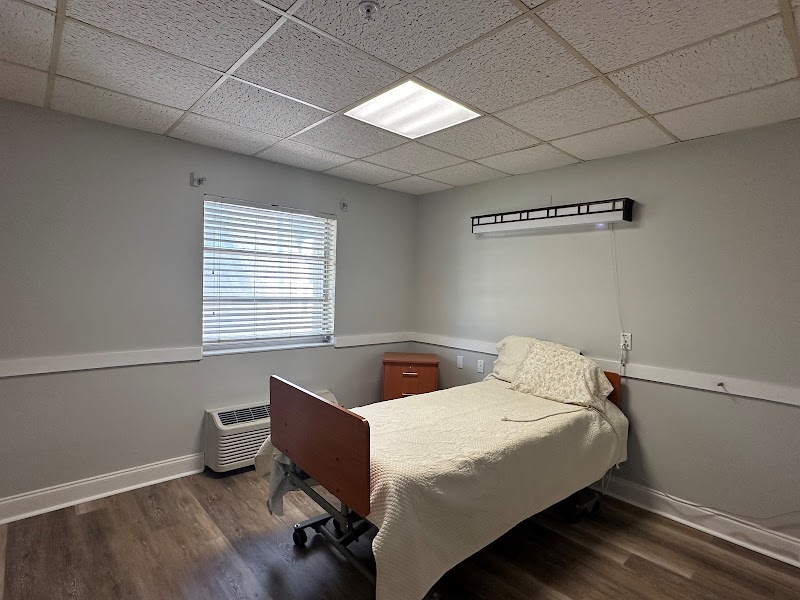
How Does Melbourne Healthcare And Rehabilitation Center Compare to Other Florida Nursing Homes?

Compared to the 100 nursing homes in Florida, MELBOURNE HEALTHCARE AND REHABILITATION CENTER's overall rating (1 stars) is below the state average of 3.2, staff turnover (43%) is near the state average of 46%, and health inspection rating (1 stars) is much below the national benchmark.

What Should Families Ask When Visiting Melbourne Healthcare And Rehabilitation Center?

Based on this facility's data, families visiting should ask: "What changes have been made since the serious inspection findings, and how are you preventing similar issues?" "What safeguards and monitoring systems are in place to protect residents from abuse or neglect?" "Can I visit during a mealtime to observe dining assistance and food quality?" "How do you handle medical emergencies, and what is your hospital transfer rate?" These questions are particularly relevant given the facility's Immediate Jeopardy citations and the substantiated abuse finding on record.

Is Melbourne Healthcare And Rehabilitation Center Safe?

Based on CMS inspection data, MELBOURNE HEALTHCARE AND REHABILITATION CENTER has documented safety concerns. The facility has 1 substantiated abuse finding (meaning confirmed case of resident harm by staff or other residents). Inspectors have issued 2 Immediate Jeopardy citations (the most serious violation level indicating risk of serious injury or death). The facility has a 1-star overall rating and ranks #100 of 100 nursing homes in Florida. Families considering this facility should ask detailed questions about what corrective actions have been taken since these incidents.

Do Nurses at Melbourne Healthcare And Rehabilitation Center Stick Around?

MELBOURNE HEALTHCARE AND REHABILITATION CENTER has a staff turnover rate of 43%, which is about average for Florida nursing homes (state average: 46%). Moderate turnover is common in nursing homes, but families should still ask about staff tenure and how the facility maintains care continuity when employees leave.

Was Melbourne Healthcare And Rehabilitation Center Ever Fined?

MELBOURNE HEALTHCARE AND REHABILITATION CENTER has been fined $59,140 across 3 penalty actions. This is above the Florida average of $33,670. Fines in this range indicate compliance issues significant enough for CMS to impose meaningful financial consequences. Common causes include delayed correction of deficiencies, repeat violations, or care failures affecting resident safety. Families should ask facility leadership what changes have been made since these penalties.

Is Melbourne Healthcare And Rehabilitation Center on Any Federal Watch List?

MELBOURNE HEALTHCARE AND REHABILITATION CENTER is not on any federal watch list. The most significant is the Special Focus Facility (SFF) program, which identifies the bottom 1% of nursing homes nationally based on persistent, serious quality problems. Not being on this list means the facility has avoided the pattern of deficiencies that triggers enhanced federal oversight. This is a positive indicator, though families should still review the facility's inspection history directly.