MELBOURNE TERRACE REHABILITATION CENTER
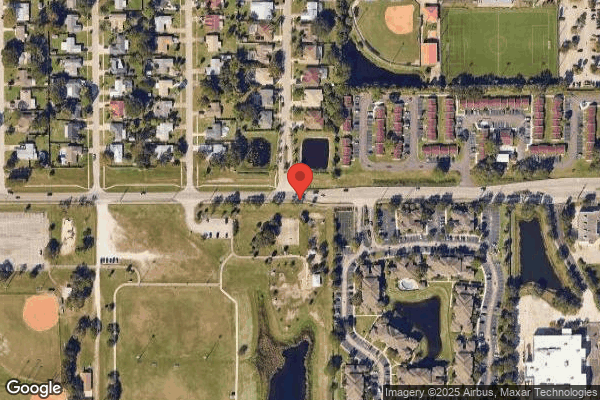

251 FLORIDA AVE, MELBOURNE, FL 32901 (321) 725-3990
For profit - Limited Liability company 179 Beds CLEAR CHOICE HEALTHCARE Data: November 2025 2 Immediate Jeopardy citations
Trust Grade
44/100
#383 of 690 in FL
Last Inspection: December 2024

Within standard 12-15 month inspection cycle. Federal law requires annual inspections.

Overview

Melbourne Terrace Rehabilitation Center has a Trust Grade of D, indicating below-average performance and some concerns that families should consider. It ranks #383 out of 690 facilities in Florida, placing it in the bottom half of all nursing homes in the state, but #7 out of 21 in Brevard County means there are only a few local options that are better. Unfortunately, the facility is worsening, with issues increasing from 1 in 2023 to 8 in 2024. Staffing is average with a rating of 3 out of 5 stars and a turnover rate of 45%, which is close to the state average. However, it has concerning RN coverage, being less than 85% of Florida facilities, which could impact the quality of care. Specific incidents reported include a critical failure to prevent a resident from eloping, putting her at risk for serious injury while unsupervised for 13 hours, and another instance of inadequate food safety practices, where food items were not properly dated or labeled, posing potential health risks to residents. While the facility has some strengths, such as average health inspection and quality measure ratings, these serious concerns highlight the need for careful consideration when choosing this home for your loved one.

Trust Score
D
44/100
In Florida
#383/690
Bottom 45%
Safety Record
High Risk
Review needed
Inspections
Getting Worse
1 → 8 violations
Staff Stability
⚠ Watch
45% turnover. Above average. Higher turnover means staff may not know residents' routines.
Penalties
✓ Good
$15,646 in fines. Lower than most Florida facilities. Relatively clean record.
Skilled Nurses
○ Average
Each resident gets 31 minutes of Registered Nurse (RN) attention daily — about average for Florida. RNs are the most trained staff who monitor for health changes.
Violations
○ Average
9 deficiencies on record. Average for a facility this size. Mostly minor or procedural issues.
★★★☆☆
3.0
Overall Rating
★★★☆☆
3.0
Staff Levels
★★★★☆
4.0
Care Quality
★★★☆☆
3.0
Inspection Score
Stable
2023: 1 issues
2024: 8 issues

The Good

  • 4-Star Quality Measures · Strong clinical quality outcomes
  • Full Sprinkler Coverage · Fire safety systems throughout facility
  • No fines on record

Facility shows strength in quality measures, fire safety.

The Bad

3-Star Overall Rating

Near Florida average (3.2)

Meets federal standards, typical of most facilities

Staff Turnover: 45%

Near Florida avg (46%)

Higher turnover may affect care consistency

Federal Fines: $15,646

Below median ($33,413)

Minor penalties assessed

Chain: CLEAR CHOICE HEALTHCARE

Part of a multi-facility chain

Ask about local staffing decisions and management

The Ugly 9 deficiencies on record

2 life-threatening
Dec 2024 6 deficiencies
CONCERN (D)

Potential for Harm - no one hurt, but risky conditions existed

Resident Rights (Tag F0550)

Could have caused harm · This affected 1 resident

**NOTE- TERMS IN BRACKETS HAVE BEEN EDITED TO PROTECT CONFIDENTIALITY** Based on observation, interview, and record review, the facility failed to promote dignity in dining for 1 of 2 residents review...

Read full inspector narrative →
**NOTE- TERMS IN BRACKETS HAVE BEEN EDITED TO PROTECT CONFIDENTIALITY** Based on observation, interview, and record review, the facility failed to promote dignity in dining for 1 of 2 residents reviewed for dignity, out of a total sample of 47 residents, (#66). Findings: Review of resident #66's medical record revealed he was initially admitted to the facility on [DATE]. Resident #66 had diagnoses including malnutrition, senile degeneration of the brain and muscle weakness. Review of the Minimum Data Set quarterly assessment with Assessment Reference Date of 9/11/24 revealed resident #66 was dependent on staff for activities of daily living, including eating. On 12/04/24 at 12:19 PM, Certified Nursing Assistant (CNA) D explained she needed to assist three residents with their meals. She said resident #66 was a feeder and she often assisted her feeders. Later at 1:02 PM, CNA D was observed as he entered resident #66's room and noticed he had not yet eaten his lunch. CNA D moved the bedside table closer to resident #66's bed, removed the lid from the plate and began feeding the resident while standing. At 1:55 PM, CNA D validated she was not seated when assisting resident #66 with his lunch and stated she knew she was supposed to sit down, face the resident and be at eye level. She explained during her orientation, she had not learned it was inappropriate to call the residents feeders. On 12/04/24 at 12:47 PM, CNA E stated residents who needed assistance with their meals were called assisted feeders. She explained a lot of them are not exactly feeders because they get finger foods. On 12/04/24 at 2:06 PM, the East Wing Unit Manager (UM) explained there was no specific way to refer to residents who needed assistance with meals. She stated they should not be called feeders due to respect and dignity issues. The UM validated using labels were against their rights. On 12/05/24 at 12:35 PM, Licensed Practical Nurse (LPN) F indicated sometimes CNAs sat and other times they stood up while assisting residents with their meals because sitting was not always conducive to reaching the patient's mouth to get them to eat. LPN F concluded, They should be sitting but [it was] not always feasible, [it] depends on the resident. On 12/04/24 at 4:59 PM, the Director of Nursing (DON) stated residents who needed assistance with meals should be referred to as assisted diners. The DON explained residents should not be called feeders because it was a dignity issue. The DON indicated CNAs should be sitting next to the resident at eye level, but in resident #66's case, CNA D raised the bed to be at the same level. The DON then clarified CNAs should be sitting when assisting residents to eat. Later at 5:43 PM, the DON stated they had no policy and procedure for dignity or resident rights. Review of the Orientation Education/In-Service Record completed by CNA D on 11/05/24 revealed they included Resident Rights, Dignity and Preferences. Review of the facility's Resident's [NAME] of Rights undated read, Every resident of the Facility shall have the following rights: . The right to be treated courteously, fairly, and with the fullest measure of dignity . Review of the Facility Assessment revised on 2/24/24 revealed all staff received education about resident's rights upon hire, general orientation and annually.
CONCERN (D)

Potential for Harm - no one hurt, but risky conditions existed

Deficiency F0554 (Tag F0554)

Could have caused harm · This affected 1 resident

**NOTE- TERMS IN BRACKETS HAVE BEEN EDITED TO PROTECT CONFIDENTIALITY** Based on observation, interview, and record review, the facility failed to ensure a resident was assessed to self-administer med...

Read full inspector narrative →
**NOTE- TERMS IN BRACKETS HAVE BEEN EDITED TO PROTECT CONFIDENTIALITY** Based on observation, interview, and record review, the facility failed to ensure a resident was assessed to self-administer medications safely for 1 of 1 residents reviewed for self-administration of medications, of a total sample of 47 residents, (#84). Findings: Resident #84 was readmitted to the facility on [DATE] with diagnoses including type 2 diabetes, dysphagia (difficulty swallowing), lack of coordination, muscle weakness, and cognitive communication deficit. Review of the Minimum Data Set (MDS) quarterly assessment with Assessment Reference Date of 11/25/24 revealed resident #84 had a Brief Interview for Mental Status score of 6 out of 15 which indicated he was cognitively impaired. The MDS assessment noted no behaviors and no rejection of care necessary to obtain goals for his health and well-being. Review of resident #84's medical record revealed a care plan for impaired cognitive function or impaired thought processes related to (r/t) history of cerebrovascular accident (stroke) revised on 9/21/22. The interventions directed the nurses to Administer medications as ordered . Cue, reorient, and supervise as needed. Another care plan for activities of daily living self-care performance deficit r/t activity intolerance, impaired mobility, left sided hemiplegia r/t history of stroke revised on 9/21/22. The interventions included Provide the amount of assistance/supervision that is needed. On 12/02/24 at 2:31 PM, resident #84 was observed in bed with two pills, a long brown capsule and a round pink tablet, in a disposable medicine cup. A tube of Benadryl cream was also on his bedside table. When asked, resident #84 stated he asked his nurse to leave the medicine cup with the pills there for him to take later. He mentioned whenever he asked the nurses to leave his pills, they did, but sometimes they watched him until he took the medications. He indicated he applied the Benadryl cream on his left buttock two times at night. On 12/02/24 at 2:37 PM, Licensed Practical Nurse (LPN) F entered resident #84's room and noticed the medication cup with the pills in it and told him, You got me in trouble. I am getting written up, [resident #84's name]. LPN F stated the pills were Gabapentin and Hydralazine. She said, I know better. When asked about the Benadryl cream at the bedside table, LPN F said, Oh, I do not even know where that came from. LPN F handed the tube to the surveyor and stated it was empty and discarded it. The tube read, Benadryl extra strength itch stopping gel. Outside the resident's room, LPN F stated she left the pills at bedside about 10 minutes ago because someone else called for help and she left them for resident #84 to take. She explained resident #84 had taken the cup in his hands but, he did not take them, I guess and she left his room prior to ensuring he took them. She indicated before today she always made sure he took his medications before she left the room. LPN F stated she was supposed to ensure the resident took his pills before she left the room because someone else could wander into his room and take them and it was also important for him to take his medications. She mentioned no one on her assignment was authorized to self administer medications for themselves. Review of resident #84's physician's orders included Gabapentin 300 milligrams (mg) three times a day (TID) for neuropathy (nerve pain) and Hydralazine 10 mg TID for hypertension. The Medication Administration Record showed Gabapentin was scheduled to be given at 9:00 AM, 2:00 PM and 6:00 PM. Hydralazine was scheduled for 6:00 AM, 2:00 PM and 9:00 PM. Review of the Medication Admit Audit Report showed Hydralazine and Gabapentin were administered on 12/02/24 at 2:09 PM and 2:10 PM respectively. On 12/03/24 at 10:14 AM, the East Wing Unit Manager (UM) stated medications were not kept at bedside for residents' safety. She indicated resident #84 was not deemed safe to self-administered medications. She explained if a resident refused his medications, she expected the nurse to discard the medications, notify the physician and document the refusal. On 12/04/24 at 4:01 PM, the Director of Nursing (DON) explained if a resident wanted to self-administer their medications, a nurse would complete a self-administration evaluation to determine if it was safe for the resident to take by themselves. She indicated after the assessment, the nurse would obtain a physician's order and the care plan would be updated to reflect this. The DON indicated her expectation was nurses stayed with residents until medications were taken and not left at bedside. Review of resident #84's medical record did not reveal a Self-Administration of Medication Evaluation or a physician's order for self-administration of medications. Review of resident #84's physician's orders did not include an order for Benadryl extra strength itch stopping gel. Review of the Employee Coaching Report for LPN F on 12/02/24 included a document titled, Principles of Medication Administration which directed nurses to give medication administration complete attention and to never leave medications unattended, even for a moment. Review of the facility's policy and procedures titled Self Administration of Medication dated 2008 revealed one of the purposes was, To provide evaluation process to determine if a resident is capable of self-administration . To maintain the safety and accuracy of medication administration. The procedure list included the interdisciplinary team (IDT) would assess the competence of the resident to participate by completing a Self Administration of Medication Evaluation and based on the IDT assessment, a decision was made as to whether or not the resident was a candidate for self-administration. Then the nurse would obtain a physician's order and educate the resident regarding reaction and side effects of the medication.
CONCERN (D)

Potential for Harm - no one hurt, but risky conditions existed

Deficiency F0657 (Tag F0657)

Could have caused harm · This affected 1 resident

**NOTE- TERMS IN BRACKETS HAVE BEEN EDITED TO PROTECT CONFIDENTIALITY** Based on observation, interview, and record review, the facility failed to develop a comprehensive care plan for 1 of 1 resident...

Read full inspector narrative →
**NOTE- TERMS IN BRACKETS HAVE BEEN EDITED TO PROTECT CONFIDENTIALITY** Based on observation, interview, and record review, the facility failed to develop a comprehensive care plan for 1 of 1 resident reviewed for hearing, of a total sample of 47 residents, (#25). Findings: Review of resident #25's medical record revealed he was initially admitted to the facility on [DATE] and readmitted from a short-term, acute hospital on 9/17/23. His diagnoses included dementia, anxiety, dysphagia (difficulty swallowing) and speech and language deficits following cerebral infarction. Review of the Annual Minimum Data Set (MDS) assessment with Assessment Reference Date (ARD) of 8/21/24 revealed a Brief Interview for Mental Status (BIMS) score of 9 out of 15, which indicated moderate cognitive impairment. The MDS assessment showed resident #25 had moderate difficulty hearing and did not use hearing aids or other hearing appliances. The Quarterly MDS assessment with ARD of 11/21/24 revealed a BIMS score of 12 out of 15. The assessment noted moderate difficulty hearing and no use of hearing aids or other hearing appliances. On 12/02/24 at 12:31 PM, resident #25 stated he could not hear well. He reported to be deaf on his left ear. He mentioned he needed a hearing aid. Review of resident #25's discontinued physician orders showed orders dated 1/19/23 and 2/08/23 for consults with audiology. An order dated 4/03/23 and 4/11/23 indicated appointments with the audiologist scheduled for 4/06/23 and 6/29/23 respectively. Review of resident #25's comprehensive care plan revealed hearing was not a focus area developed after the completion of the annual MDS assessment on 8/21/24 or the quarterly MDS assessment on 11/21/24. Review of the Hearing section of the admission / readmission Evaluation dated 9/17/23 included resident #25 hears only when the speaker makes special efforts (e.g. louder voice) and he used no hearing aids. Review of the Nursing Quarterly Evaluation dated 5/22/24, 8/21/24 and 11/21/24 revealed resident #25 had hearing impairment. The evaluation date 5/22/24 included a comment he was not a candidate for hearing aids per audiology. Review of the Speech Therapy Screen forms dated 2/29/24, 5/15/24, 7/30/24 and 10/22/24 read, The resident is hard of hearing and hearing aides are not currently used. Review of the Social Service Initial History form dated 9/28/23 showed resident #25's sensory impairment was hearing. Review of a Psychiatric Follow Up Encounter progress note dated 9/18/23 read, Patient is hard of hearing and communication was difficult though achieved through talking loudly. On 12/05/24 at 11:17 AM, the MDS Lead explained whoever completed the MDS assessments determined what would be included in the care plan. She indicated each care plan was specific and individualized. She stated staff referred to the care plan for any questions about the resident's care. She indicated a communication care plan would be created for a resident with a hearing impairment. After reviewing Section B of the last two most recent MDS assessments for resident #84, the MDS Lead validated there should had been a care plan addressing the hearing impairment. She explained there was a care plan for hearing, but it was resolved on 6/06/23 because the MDS assessment with ARD of 5/31/23 was coded with adequate hearing. She validated there was documentation in the medical record that showed hearing impairment and therefore the care plan should include it. She stated it was important to include it in the care plan because the deficit may affect communication with others and the staff needed to know what interventions to use. On 12/05/24 at 11:51 AM, during a telephone interview, the Social Services Director (SSD) stated resident #25 was beyond hard of hearing. She explained he was seen by audiology last year and was told he was, beyond help because his hearing was that bad. The Administrator, present during the telephone interview, explained resident #25 was not included in the current list of residents to be seen by their new audiology provider because of his previous exam results. The SSD stated resident #25's hearing was far gone, and hearing aids would not benefit him. Review of the audiologist visit note dated 6/29/23 revealed the Chief Complaint was difficulty hearing in the right ear within 1-2 years. The Assessment/Plan section included, Sensorineural hearing loss, bilateral - pt (patient) has severe hearing loss in both ears with no speech discrimination in right ear and only 16% in left ear. Pt is not a hearing aid candidate. On 12/05/24 at 1:34 PM, Certified Nursing Assistant (CNA) G stated resident #25 was able to communicate his needs but, You have to talk loud to him because he is hard of hearing. She said, He always says he cannot hear. but sometimes he can hear her. She shared he has asked her to speak a little louder. She indicated she had never seen him wearing hearing aids. She explained she would ask the nurse or refer to the care plan if she was not familiar with the care of one of her residents. On 12/05/24 at 2:05 PM, the East Wing Unit Manager stated resident #25 was hard of hearing but could communicate with her. She indicated hearing impairment affected communication with others, hearing music, or alarms. On 12/05/24 at 2:42 PM, the Director of Nursing (DON) stated the care plan included all information pertaining to the resident's care. The DON indicated there should have been a care plan to correlate with the hearing impairment. Later at 3:26 PM, the DON stated the facility did not have a policy and procedure for care plans. Review of the Facility Assessment revised on 2/24/24 revealed the facility provided person-centered/directed care. The document read, Find out what resident's preferences and routines are; what makes a good day for the resident; what upset him/her and incorporate that information into the care planning process. Make sure staff caring for the resident have this information.
CONCERN (D)

Potential for Harm - no one hurt, but risky conditions existed

Infection Control (Tag F0880)

Could have caused harm · This affected 1 resident

**NOTE- TERMS IN BRACKETS HAVE BEEN EDITED TO PROTECT CONFIDENTIALITY** Based on observation, interview, and record review, the facility failed to follow appropriate hand hygiene and personal protecti...

Read full inspector narrative →
**NOTE- TERMS IN BRACKETS HAVE BEEN EDITED TO PROTECT CONFIDENTIALITY** Based on observation, interview, and record review, the facility failed to follow appropriate hand hygiene and personal protective equipment (PPE) practices per infection control standards when assisting a resident with his meal for 1 of 12 residents observed during dining, (#66), and 1 of 5 residents observed for medication administration, (#318), of a total sample of 47 residents. Findings: 1. Review of resident #66's medical record revealed he was initially admitted to the facility on [DATE]. Resident #66 had diagnoses including malnutrition, senile degeneration of brain and muscle weakness. Review of the Minimum Data Set quarterly assessment with Assessment Reference Date of 9/11/24 revealed resident #66 was dependent on staff for activities of daily living, including eating. On 12/04/24 at 1:02 PM, Certified Nursing Assistant (CNA) D entered resident #66's room and noticed he had not yet eaten his lunch. CNA D moved the bedside table closer to resident #66's bed, then grabbed a pair of gloves from a box inside the resident's room and donned the gloves without washing her hands. CNA D began feeding the resident and stated she needed to put on gloves because sometimes he spits while eating. Later at 1:55 PM, CNA D validated she did not perform hand hygiene prior to donning gloves. She explained she was required to perform hand hygiene when entering a resident's room and when done caring for the residents. She stated she was also supposed to wear a gown and gloves before helping him with his lunch because he was on enhanced barrier precautions. The East Wing Unit Manager (UM), present during the interview, explained there was a green sticker by resident #66's name on the door which indicated he was on enhanced barrier precautions. The UM indicated staff was required to don PPE when providing any direct care to a resident on enhanced barrier precautions. CNA D stated hand hygiene was important to keep all residents safe and using the proper PPE was part of universal precautions. On 12/05/24 at 12:22 PM, CNA E was near the meal cart and was asked to show how much resident #66 ate for lunch. She took a pair of gloves from a bin near the meal cart and donned gloves without performing hand hygiene. When asked, CNA E stated she forgot but was supposed to perform hand hygiene when donning and doffing gloves. 2. Review of resident #318's medical record revealed she was admitted to the facility on [DATE] with diagnoses including metabolic encephalopathy, pneumonitis and dementia. On 12/03/24 at 9:31 AM, during a Medication Administration pass observation, Registered Nurse (RN) C retrieved a mobile vital signs device with stand from near the nurse's station in the 500 hallway and brought it into resident #318's room. She did not disinfect the mobile vital signs device before using it. She obtained resident #318 blood pressure, heart rate and temperature. She exited resident #318's room and prepared the 9:00 AM medications for resident #318 without performing hand hygiene or cleaning the mobile vital signs device. She returned to resident #318's room with the medications, crushed in applesauce, and administered it to the resident. She noticed applesauce around resident #318's mouth and grabbed a pair of gloves, donned the gloves, without performing hand hygiene, and cleaned the resident's mouth. RN C then removed her gloves and discarded them in a garbage bin inside the resident's room. She exited the room without performing hand hygiene. When asked, RN C indicated she was supposed to perform hand hygiene before and after taking the vital signs, before preparing the medications and when done giving them to the resident. She explained she was supposed to perform hand hygiene before donning and after doffing gloves. She validated she did not disinfect the mobile vital signs device before or after use. She mentioned she did not know if the last person who used it before her disinfected it. She stated wipes were kept in the mobile vital signs device's basket which she could have used. She indicated hand hygiene was important to reduce the risk of infection to the residents and avoid cross contamination. On 12/03/24 at 10:28 AM, the UM stated nurses were expected to perform hand hygiene with soap and water or hand sanitizer before preparing medications, and when entering and exiting resident's room. She explained the mobile vital signs device should be disinfected prior and after each use. She indicated the first line of defense to prevent infection was washing hands which helped avoid the spreading of infection. On 12/04/24 at 4:39 PM, the Director of Nursing (DON) indicated nurses were expected to sanitize their hands before and after medication preparation and administration. She stated staff was expected to perform hand hygiene if they had to don or change gloves during care. She mentioned nurses were expected to clean the mobile vital signs device before and after use. The DON stated these were important for infection control. Review of the policy and procedure titled Infection Surveillance - Infection Prevention Overview dated 2013 read, The facility uses prevention strategies to reduce the risk of transmission of infections including, but not limited to, barrier precautions, immunizing residents, cleaning, disinfecting, and education. Review of the Facility Assessment revised on 2/24/24 revealed all staff received education about Infection Control upon hire, general orientation and annually. The infection prevention and control program education included the written standards, policies and procedures for the program.
CONCERN (E)

Potential for Harm - no one hurt, but risky conditions existed

QAPI Program (Tag F0867)

Could have caused harm · This affected multiple residents

Based on interview, and record review, the facility failed to ensure the Quality Assessment & Assurance (QAA) / Quality Assurance and Performance Improvement (QAPI) committee conducted performance imp...

Read full inspector narrative →
Based on interview, and record review, the facility failed to ensure the Quality Assessment & Assurance (QAA) / Quality Assurance and Performance Improvement (QAPI) committee conducted performance improvement activities to ensure prior improvement measures were sustained. Findings: Review of the facility's current QAPI Plan revealed the facility would use a performance improvement focus to increase quality throughout the facility. This process included identifying areas of weakness to create potential solutions. The plan indicated these solutions would be identified on the Performance Improvement Plan (PIP) which would be monitored by associates using specific audit tools to determine if changes were successful. The plan indicated the sources of data monitored through QAPI included quality measures and state and federal survey results. Review of the previous survey results revealed the facility had a deficiency cited at F812 related to food safety during the previous recertification survey conducted from 4/10/23 through 4/13/23. The facility was found to be in noncompliance with holding temperatures for food on the steam table. During the current survey process, concern for food safety at F812 was again determined when numerous food items in the walk-in refrigerator, dry storage and walk-in freezer were found unlabeled, undated, expired and sometimes left uncovered/opened as observed during the initial kitchen tour with the Certified Dietary Manager (CDM) on 12/02/24. Meat was found in the walk-in freezer over two years old, pans of unrecognizable and unlabeled food items were partially uncovered with food inside exposed. Previously opened cheese in the walk in refrigerator was found undated and some with dates had been open for over a month. Pans of unrecognizable, unlabeled, and undated leftover food were also found in the refrigerator. The CDM acknowledged the department policy on labeling and dating of foods items and to ensure food safety by discarding foods past the dates determined by their policy and procedures. She said staff were responsible to follow these policies and procedures. As a result of the repeat deficiency, it was identified that audits performed by the facility and reported to QAPI were insufficient and lacked appropriate oversight to prevent the citation. On 12/05/24 at 2:42 PM, the Administrator reported QAA/QAPI meetings were held monthly. She explained each department conducted audits and reports that were presented to the committee for review. She stated a PIP would be developed and implemented for any issue identified as needing improvement. She stated audits would be conducted to verify the results. The Administrator was asked if the QAA/QAPI committee was aware of any of the concerns identified during the current survey which included the repeat deficiency at F812 for food safety. She explained the facility developed a plan of correction which included audits to resolve the deficiency. The Administrator described audits performed weekly in the kitchen for sanitation which included labeling and dating of food by the Assistant Administrator and similar audits completed by the Dietitian monthly. The audits revealed open and undated food was observed in the kitchen only in April and August 2024, but could not explain the numerous food items found as a concern during the initial kitchen tour. The Administrator presented education attendance logs dated 4/04/24 and 10/09/24 regarding opened and undated food items. She could not explain why numerous opened and undated items were still found after education and audits were being performed. The Administrator acknowledged the CDM let standards slip and the system failed.
CONCERN (F)

Potential for Harm - no one hurt, but risky conditions existed

Food Safety (Tag F0812)

Could have caused harm · This affected most or all residents

**NOTE- TERMS IN BRACKETS HAVE BEEN EDITED TO PROTECT CONFIDENTIALITY** Based on observation, interview, and record review, the facility failed to ensure food items were stored in a safe manner by fai...

Read full inspector narrative →
**NOTE- TERMS IN BRACKETS HAVE BEEN EDITED TO PROTECT CONFIDENTIALITY** Based on observation, interview, and record review, the facility failed to ensure food items were stored in a safe manner by failing to accurately label and date food items, keep food items properly contained, and used by the discard date. This failure had the potential to negatively affect all 165 of the 165 residents who consumed food by mouth at the facility. Findings: 1. On 12/02/4 at 10:15 AM, during the initial kitchen tour with the Certified Dietary Manager (CDM) in the walk-in refrigerator, a previously opened plastic container of chicken base and another of beef base were noted to not have dates as to when they had been opened. The CDM verified this and removed these from the refrigerator to discard. She stated all opened food items were to be dated with the date when they were opened. Two of five previously opened mayonnaise containers were found to also be undated. The CDM verified this and removed them to discard. A previously opened and undated container of barbeque sauce and one of garlic cloves were also noted and removed from the refrigerator by the CDM to be discarded. A large, deep steamtable pan which held several previously opened cheese products was noted. It contained one undated plastic bag with about 15 slices of Swiss cheese and one resealed package of about 20 Swiss cheese slices dated 11/20 (13 days previous). The CDM verified these findings and stated their policy was to use an opened package of cheese within seven days of opening. She removed these items along with an undated plastic bag of approximately 25 slices of American cheese and another with 10 slices dated 11/02 (31 days previous). There was also a previously opened, resealed and undated half-full bag of shredded mozzarella cheese which the CDM removed to discard. There were three unlabeled and undated 1/3 size steamtable pans noted, each contained a resealed plastic bag of an unrecognizable food item. The CDM stated the first one contained leftover scrambled eggs that were from breakfast and the other two bags contained pureed bread. She removed these items to discard. An unlabeled, undated, and unsealed (open to the air) plastic container of soup, which the CDM stated was chicken enchilada soup was also found and removed by the CDM along with a 1/2-size steam table pan that contained an unlabeled, undated, and unsealed (open to the air) bag of diced chicken. A cardboard box contained two plastic bags of hot dogs which were open to air and undated so staff would know when they had been opened. The CDM removed the hot dogs along with a box containing two packages of unsealed and undated pork sausages. A pre-prepared plastic container contained approximately two cups of chicken salad which was dated 11/21 (12 days previous) along with another container that held approximately four cups of egg salad that was dated 11/23 (10 days previous). These were verified by the CDM who removed the items to discard. The CDM stated their policy was to use or discard these products within seven days of being opened. A resealed, unlabeled and undated approximately 1 by 3 cube of cream cheese was noted along with an undated plastic bag of whipped topping. These items were also verified by the CDM and removed to discard along with an unlabeled and undated sheet pan of a prepared, leftover fish dish. 2. A short time later at approximately 10:45 AM on 12/02/24, the dry storage room was toured with the CDM. Spaghetti noodles, egg noodles, and elbow macaroni were seen in their original but previously opened plastic bags, now wrapped in plastic wrap along with 2 cardboard boxes that contained dry oatmeal and a previously opened package of mashed potatoes. None of these food items had been dated with the date when they were received or when they were opened. There were also three boxes of paper supplies (drinking cups and wrapped eating utensils) found stacked on the floor in the overflow paper product storage area. 3. At approximately 11:00 AM on 12/02/24 in the walk-in freezer, a half steamtable pan of an unrecognizable, unlabeled and undated food item was found. The CDM thought it might be chicken and removed it from the freezer to discard. On a shelf in the lower left corner of the walk-in freezer, were three full-sized steamtable pans of unrecognizable food items dated 11/28 and labeled, only Tavern. The foil covering for one of these pans had ripped and the food was exposed, open to the air. The CDM was not able to identify what the food items were, but stated the employee responsible for preparing the meals for the Tavern food service area would know what they were. She agreed all leftover food items should be labeled with their contents in case another staff retrieved them for service. The CDM acknowledged this would be important for resident safety including food preferences and/or possible food allergens. In the same corner of the freezer were two unlabeled, sealed plastic bags of what the CDM stated was chicken. The bag of chicken had an imprinted date of [DATE]. The other bag she said she thought was beef, was dated December 2022, both dates over two years ago. The CDM was not able to verify when these items were received but stated their policy was to use or discard food from the freezer within one year of receiving it. The CDM stated the cooks and dietary aides were adults and should be responsible to follow the department's policies for food storage including the labeling and dating of food items. On 12/05/24 at 1:52 PM, the Assistant Administrator stated their research did not provide any information as to when the meats found in the freezer with dates from 2022 were received by the facility. He stated it was important to know when all food received into the facility should be used or discarded by to prevent foodborne illness and keep the residents safe. He explained the guidelines and policies were so foods could be tracked and handled properly. He stated the cooks were responsible for dating foods when they opened a container, but the facility was responsible for their oversight. He added it was important for food items to be labeled as to what they were when they were stored so when someone went to use it, the user would know what it was and what ingredients were in it so they wouldn't provide it to someone with allergies to a food item. The facility's food storage policy labeled from the Dietary Guideline Manual entitled Food Storage Overview, with a copyright date of 2015, stated for dry storage, plastic containers with tight-fitting covers were to be used for storing cereals and broken lots of bulk foods and their containers were to be labeled. In addition, the policy stated food should be dated with the date received as it was placed on the shelves and all stock was to be rotated with old stock used first. For refrigerator storage, the policy stated leftover food was to be stored in covered containers or wrapped securely, and each item was to be clearly labeled and dated with the month, date and year before being refrigerated. It also stated leftover food was to be used within two days or discarded. For freezer storage, the policy indicated all foods should have a careful rotation procedure and food items should be covered, labeled, and dated to include the month, day and year. The frozen foods including any leftovers should be discarded after six months.
Sept 2024 2 deficiencies 2 IJ
CRITICAL (J) 📢 Someone Reported This

A family member, employee, or ombudsman was alarmed enough to file a formal complaint

Immediate Jeopardy (IJ) - the most serious Medicare violation

Free from Abuse/Neglect (Tag F0600)

Someone could have died · This affected 1 resident

**NOTE- TERMS IN BRACKETS HAVE BEEN EDITED TO PROTECT CONFIDENTIALITY** Based on interview, and record review, the facility failed to protect the resident's right to be free from neglect by not ensuri...

Read full inspector narrative →
**NOTE- TERMS IN BRACKETS HAVE BEEN EDITED TO PROTECT CONFIDENTIALITY** Based on interview, and record review, the facility failed to protect the resident's right to be free from neglect by not ensuring staff implemented measures to mitigate the risk to prevent elopement for 1 of 5 residents reviewed for elopement, of a total sample of 5 residents, (#1). These failures contributed to the elopement of resident #1 and placed her at risk for serious injury, impairment, and/or death. While resident #1 was out of the facility unsupervised, there was likelihood she could have fallen, been accosted by unknown persons, become lost or been hit by a vehicle. On 8/04/24 at approximately 7:45 PM, the facility failed to prevent resident #1, a newly admitted female with a documented risk of elopement from exiting the facility unsupervised. The facility was unaware of resident #1's whereabouts for approximately 13 hours until law enforcement located her at an Assisted Living Facility approximately 8 miles away at 9:00 AM the next morning. The resident was transported to a local hospital for minor injuries and dehydration. The route resident #1 likely traveled was along heavily trafficked roads noted to have uneven pavement, retention ponds, train tracks, and ran along a large body of water. The facility failed to ensure resident #1 was adequately supervised to ensure vulnerable residents did not exit the facility unsupervised. The facility's failure to identify the need for adequate supervision and ensure a secure environment contributed to resident #1's elopement and placed all residents who wandered at risk. This failure resulted in Immediate Jeopardy starting on 8/04/24. The Immediate Jeopardy was determined to be removed on 8/06/24 after verification of the immediate actions implemented by the facility. The Immediate Jeopardy was determined to be past noncompliance as of 8/20/24 after verification of the facility's corrective actions. Findings: Cross reference F689 Review of the medical record revealed resident #1 was admitted to the facility from an acute care hospital on 8/02/24 with diagnoses including cerebrovascular disease, type 2 diabetes mellitus, hypertension, major depressive disorder and dementia without behaviors. The Florida Agency for Health Care Administration 5000-3008 Medical Certification for Medicaid Long Term Care Services and Patient Transfer Form dated 8/02/24 revealed the resident was admitted with a diagnosis of altered mental status and urinary tract infection. The form listed the resident as needing a surrogate for making healthcare decisions, and as alert, but disoriented. Under the section Patient risk alert the options of fall risk and elopement risk were checked by hospital staff. A Physical Therapy Evaluation dated 8/03/24 revealed resident #1's level of function prior to being at the facility was independent for indoor mobility. Her level of functional cognition prior to being at the facility was dependent. The assessment summary for cognition was listed as severely impaired for decision making ability for routine activities. Her reasons for needing physical therapy were listed as decreased balance, decreased functional capacity, decreased insight, and decreased safety awareness. An Occupation Therapy Evaluation dated 8/03/24 revealed the resident walked too fast and could be unsteady on her feet. Under the section cognitive and communication assessment it described resident #1 as moderately impaired in decision making ability for routine activities, and as having impaired safety awareness. Resident #1's admission assessment dated [DATE] indicated the resident was unable to ambulate and needed the use of a manual wheelchair. Review of the fall risk section indicated resident #1 as a possible fall risk. Review of the elopement section revealed the resident was listed as alert and oriented to person, place, time and situation in contrast with the Hospital transfer form completed the same day. The assessment described resident #1 as independent with a wheelchair. The elopement score indicated resident #1 was not a risk for elopement. Resident #1 had a care plan initiated on 8/03/24 for a risk for falls related to poor safety awareness as well as gait and balance problems. There were no care plans in place for risk for elopement, wandering, or other related behaviors. Review of the medical record revealed physician orders for Memantine 5 milligrams (mg) twice a day for dementia and Risperidone 0.5 mg once a day for psychosis. Both had a start date of 8/02/24. There were no physician orders for an electronic wander prevention bracelet or other elopement prevention measures such as increased supervision in the medical record. Namenda (Memantine is a drug used to treat moderate to severe Alzheimer's type dementia, (retrieved on 10/02/24 from www.drugs.com). Review of resident #1's hospital discharge record from 8/02/24 revealed she was brought to the emergency room on 7/23/24 due to resident being confused and disoriented. The record revealed she had a Geriatric Consult on 7/25/24 for dementia with behavioral disturbances. The history of present illness noted the resident was recently diagnosed with dementia and started on Namenda (Memantine). The record indicated the resident's daughter, who was the resident's legal guardian, was the main historian. The resident previously had lived with her son but had not been taking her medications including the dementia medication. The history described the resident as combative and irritable, and at risk for wandering, for falls and for elopement. The physician documented the resident had a diagnosis of major cognitive disorder for approximately 2 to 3 years, now with worsening behavioral symptoms. The resident was noted to have a history of abnormal brain imaging and possible lesions to the brain. Review of the hospital progress note from 7/28/24 revealed the resident continued to be confused and lacked capacity. On 9/17/24 at 10:02 AM, video footage obtained from the evening of 8/04/24 was reviewed with the Administrator. Two visitors were seen walking into the front lobby, up to the reception desk to sign out on the electronic visitor system after their visit. Receptionist D was noted to be looking up towards the two visitors who were signing out instead of towards resident #1 who then entered the lobby a few seconds behind the two visitors. Resident #1 was seen to hesitate for a minute, then took a few steps to the right of the reception desk, toward the Administrator's office. She was seen to quickly change course and walk out the front of the unlocked lobby door. The resident did not use any assistive devices, and was dressed in a long sleeve shirt, pants and shoes. In a telephone interview on 9/18/24, with receptionist D she stated she assumed the resident was accompanying the two visitors who were signing out. She explained that often when visitors left the facility, one visitor signed out for all of them and the other visitors hung back by the door until it opened. The receptionist assumed that any residents who were an elopement risk would have an electronic wander prevention bracelet on, and the alarm would have alerted her to their presence. She said she also presumed all elopement risk residents would look confused, disheveled and more than likely use a wheelchair. The receptionist described resident #1 as relatively young looking. Review of the disciplinary action form dated 8/05/24, the receptionist acknowledged she had understood the protocol for checking visitors in and out of the facility but did not follow the procedure. In interviews with the Director of Nursing (DON) and the Administrator on 9/16/24 at 9:58 AM, and continued at 10:22 AM, the Administrator explained the resident's daughter who previously worked at the facility as an Advanced Practice Registered Nurse (APRN) told them her mother would not leave the building and must be hiding somewhere due to the thunderstorms. The DON said the daughter did not feel the resident was an elopement risk. The Administrator revealed they were aware of the hospital discharge paperwork from 8/02/24 which showed in multiple places that resident #1 was an elopement risk prior to her being admitted to the facility. They described resident #1's daughter had recently become her legal guardian, and the DON stated she discussed the resident being labeled as an elopement risk throughout the hospital paperwork with her daughter, but she insisted she was just an, avid walker, and not an elopement risk. The DON stated resident #1's daughter was present during admission to the facility and on the following days, and did not report any instances where she thought her mother was an elopement risk. The DON stated upon admission nurses performed an elopement assessment, and her score was a 3 which meant she was not a risk for elopement, based on the information provided by her daughter. When asked if resident #1 was evaluated by the facility's in house physician to determine cognition and elopement risk, they replied that she was admitted on a Friday night and would not have been seen by the physician until Monday. She explained all orders and hospital paperwork were reviewed and verified by on-call provider at that time. In a phone interview with Registered Nurse (RN) A on 9/18/24 at 2:50 PM, he confirmed resident #1 was on his assignment the night of 8/04/24 on the evening shift. He stated he had not been informed that resident #1 had a history of being an elopement risk. He stated he did not read the hospital discharge paperwork or any of the documents sent from the hospital at time of admission, so he did not know she was at risk for elopement. He explained he typically only read that paperwork if he was the admitting nurse, which he was not. He explained, as a floor nurse, he did not have time to sit and read through the charts and paperwork due to his workload. He would typically rely on the off-going nurse to pass along any behaviors or risks in shift report. Nurse A described when new patients arrive and the nurse has a full patient load, things can get rushed. He stated sometimes they didn't have the time they would like to spend on assessments of the new residents. He stated there were multiple interventions that could have been put into place to prevent resident #1's elopement, if he knew the risk such as a wanderguard or 48-hour checks. He explained 48-hour checks were hourly checks staff perform on the resident for a total of 48-hours. The facility's policy and procedure titled, Resident Mistreatment, Abuse and Neglect Prohibition dated 2017 revealed that, Neglect is failure to provide goods and services necessary to avoid physical harm, metal anguish or mental illness. Review of the facility's corrective actions were verified by the survey team and included the following: * Resident #1 identified to have exited the facility on 8/04/24 and located on 8/05/24 at a local Assisted Living Facility, she was transported to the hospital. * Missing Resident Process initiated by the weekend supervisor on 8/04/24. * The weekend supervisor and Director of Nursing verified 159 of 160 residents to be in the facility on 8/04/24 (the one resident not present was resident #1). * 10 of 10 door guardians and 12 of 12 screamer alarms inspected by the Maintenance Assistant, with proper function verified on 8/04/24. * The Administrator and Director of Nursing verified staffing level appropriate: licensed nurses (1.51) and certified nursing assistants (2.42) on 8/04/24. * On 8/05/24 facility Administrator notified the Department of Children and Families of resident #1's elopement. * A Federal; Immediate Report was also submitted on 8/05/24. * Identified receptionist provided education by the Administrator related to responsibilities/functions of a receptionist on 8/05/24 and subsequently suspended on 8/05/24. * With census of 160, 157 residents were assessed and deemed not at risk for elopement. Reviewed for accuracy of evaluation and care plan verified by the Director of Nursing on 8/05/24. * 2 of 2 residents deemed at risk for elopement reviewed for accuracy of evaluation and care plan verified by the Director of Nursing on 8/05/24. * 11 of 12 facility employees who function as receptionist provided education by the Administrator related to the responsibilities and functions of receptionists including but not limited to sign-in/sign-out process initiated 8/05/24 and completed 8/06/24. One employee was currently on maternity leave, to be educated upon return. *210 of 333 facility employees received education provided by the Director of Nursing and the Staff Development Coordinator related to abuse, neglect, and misappropriation. Education includes but is not limited to 8/04/24 up until 8/06/24. * 49 of 67 current facility nurses were educated to review transfer paperwork to ensure elopement prevention intervention (electronic wander prevention bracelet) implemented if indicated to prevent neglect. Education initiated 8/04/24 and completed by 8/06/24. * 3 of 3 admission employees have received education provided by the facility Administrator related to accurately reflecting resident conditions including but not limited to history of wandering/elopement on 8/06/24. * 11 of 12 facility employees who function as a receptionist provided education by the Administrator related to responsibilities/functions of receptionist including but not limited to sign/in-sign/out process initiated 8/05/24 and completed 8/06/24. One employee who functions as receptionist is currently on maternity leave and will have competency verified prior to return. Review of the in-service attendance sheets noted staff participated in education on the topics listed above. From 9/15/24 until 9/19/24, interviews were conducted with 20 staff members across all shifts. This included 8 Licensed nurses, 6 Certified Nursing Assistants, 2 receptionists, 2 housekeepers, 1 Dietary aide, and 1 Physical therapist who verbalized their understanding of the education provided. The resident sample was expanded to include 4 additional residents identified as at risk for elopement. Observations, interviews, and record reviews revealed no concerns related to elopement for residents #2, #3, and #4.
CRITICAL (J) 📢 Someone Reported This

A family member, employee, or ombudsman was alarmed enough to file a formal complaint

Immediate Jeopardy (IJ) - the most serious Medicare violation

Accident Prevention (Tag F0689)

Someone could have died · This affected 1 resident

**NOTE- TERMS IN BRACKETS HAVE BEEN EDITED TO PROTECT CONFIDENTIALITY** Based on interview, and record review, the facility failed to provide adequate supervision and a secure environment to prevent e...

Read full inspector narrative →
**NOTE- TERMS IN BRACKETS HAVE BEEN EDITED TO PROTECT CONFIDENTIALITY** Based on interview, and record review, the facility failed to provide adequate supervision and a secure environment to prevent elopement of 1 of 5 residents reviewed for elopement, of a total sample of 5 residents, (resident #1). On 8/02/24 resident #1 a cognitively impaired [AGE] year-old female was admitted to the facility from the hospital. While at the hospital she was determined to be at risk of falls, wandering, and elopement. On 8/04/24, at approximately 7:45 PM, resident #1, exited the facility's front entrance when the receptionist, distracted by other departing visitors unlocked the front door and allowed her to leave from the facility unsupervised. The facility was unaware of her whereabouts overnight, for approximately 13 hours. Due to her cognitive deficits and diagnosis of dementia, the elopement placed her at risk of serious injury, being abducted, or hit by a motor vehicle and die. The walking distance from the facility to the Assisted Living Facility (ALF) where she was found was approximately 8 miles from the facility, depending on the route taken, (retrieved on 10/02/24 from www.googlemaps.com). The temperature in [NAME] on the evening of 8/04/24 was approximately 81 degrees Fahrenheit, with a relative humidity of 80 percent, (retrieved on 10/02/24 from www.timeanddate.com). The facility's failure to identify the need for adequate supervision and ensure a secure environment contributed to resident #1's elopement and placed all residents who wandered or were at risk for elopement at risk. This failure resulted in Immediate Jeopardy starting on 8/04/24. The Immediate Jeopardy was determined to be removed on 8/06/24 after verification of the immediate actions implemented by the facility. The Immediate Jeopardy was determined to be past noncompliance as of 8/20/24 after verification of the facility's corrective actions. There were a total of 4 residents who were identified as at risk for elopement. Findings: Cross reference F600 Resident #1 was a [AGE] year-old female admitted to the facility on [DATE] with diagnoses which included cerebrovascular disease, type 2 diabetes mellitus, hypertension, major depressive disorder and dementia without behaviors. The Florida Agency for Health Care Administration 5000-3008 Medical Certification for Medicaid Long Term Care Services and Patient Transfer Form dated 8/02/24 revealed the resident was admitted with a diagnosis of altered mental status and urinary tract infection. The form listed the resident as needing a surrogate for making healthcare decisions, and as alert, but disoriented. Under the section Patient risk alert the options of fall risk and elopement risk were checked by hospital staff. Review of resident #1's hospital discharge record from 8/02/24 revealed she was brought to the emergency room on 7/23/24 due to resident being confused and disoriented. The record revealed she had a Geriatric Consult on 7/25/24 for dementia with behavioral disturbances. The history of present illness noted the resident was recently diagnosed with dementia and started on Namenda (Memantine). The record indicated the resident's daughter, who was the resident's legal guardian, was the main historian. The resident previously had lived with her son but had not been taking her medications including the dementia medication. The history described the resident as combative and irritable, and at risk for wandering, for falls and for elopement. The physician documented the resident had a diagnosis of major cognitive disorder for approximately 2 to 3 years, now with worsening behavioral symptoms. The resident was noted to have a history of abnormal brain imaging and possible lesions to the brain. Review of the hospital progress note from 7/28/24 revealed the resident continued to be confused and lacked capacity. Resident #1's admission assessment dated [DATE] indicated the resident was unable to ambulate and needed the use of a manual wheelchair. Review of the fall risk section indicated resident #1 as a possible fall risk. Review of the elopement section revealed the resident was listed as alert and oriented to person, place, time and situation in contrast with the Hospital transfer form completed the same day. The assessment described resident #1 as independent with a wheelchair. The elopement score indicated resident #1 was not a risk for elopement. Resident #1 had a care plan initiated on 8/03/24 for a risk for falls related to poor safety awareness as well as gait and balance problems. There were no care plans or interventions in place for risk for elopement, wandering, or other related behaviors. Review of the medical record revealed physician orders for Memantine 5 milligrams (mg) twice a day for dementia and Risperidone 0.5 mg once a day for psychosis. Both had a start date of 8/02/24. There were no physician orders for an electronic wander prevention bracelet or other elopement prevention measures such as increased supervision in the medical record. Namenda (Memantine is a drug used to treat moderate to severe Alzheimer's type dementia, (retrieved on 10/02/24 from www.drugs.com). A Physical Therapy Evaluation dated 8/03/24 revealed resident #1's level of function prior to being at the facility was independent for indoor mobility. Her level of functional cognition prior to being at the facility was dependent. The assessment summary for cognition was listed as severely impaired for decision making ability for routine activities. Her reasons for needing physical therapy were listed as decreased balance, decreased functional capacity, decreased insight, and decreased safety awareness. Occupation Therapy Evaluation from 8/3/24 revealed the resident walks too fast and could be unsteady on her feet. Under the section cognitive and communication assessment it was revealed that the resident was moderately impaired in decision making ability for routine activities, and as having impaired safety awareness. An Occupational Therapy Evaluation dated 8/03/24 revealed the resident walked too fast and could be unsteady on her feet. Under the section cognitive and communication assessment it described resident #1 as moderately impaired in decision making ability for routine activities, and as having impaired safety awareness. On 9/17/24 at 10:02 AM, video footage obtained from the evening of 8/04/24 was reviewed with the Administrator. Two visitors were seen walking into the front lobby, up to the reception desk to sign out on the electronic visitor system after their visit. Receptionist D was noted to be looking up towards the two visitors who were signing out instead of towards resident #1 who then entered the lobby a few seconds behind the two visitors. Resident #1 was seen to hesitate for a minute, then took a few steps to the right of the reception desk, toward the Administrator's office. She was seen to quickly change course and walk out the front of the unlocked lobby door. The resident did not use any assistive devices, and was dressed in a long sleeve shirt, pants and shoes. The video footage did not capture which direction the resident proceeded after she left the facility. In a telephone interview with receptionist D on 9/18/24 at 2:26 PM, she recalled speaking with two visitors who were signing out on the electronic system the facility uses for visitors to the facility on the evening of 8/04/24. She explained when she saw resident #1 by the door, she assumed she accompanied the two departing visitors. Receptionist D described that often when visitors are leaving, one visitor signed out while the other visitors hung back by the door, waiting for them. Receptionist D stated she had assumed any residents who were an elopement risk would have an electronic wander prevention bracelet on, which would alert her if they came near the door. She explained she had assumed that any residents with elopement risk would look confused, disheveled and more than likely would use a wheelchair. The receptionist described resident #1 as looking relatively young and wearing regular clothes, so she didn't take her to be a resident. Review of the Police Case Report and Incident Details dated 8/05/24 revealed an officer was called to an ALF on 8/05/24 at 9:00 AM. An unknown caller to 911 reported the resident was found at the door of the facility. The Incident Details indicated the call response was changed from missing person in progress to found. The report described for the County Sheriff's office to Call off the bloodhounds (search dogs). The document also described Emergency Medical Personnel were requested as the resident was, Wet, cold and has been out, possibly on foot all night. The reporting officer documented that resident #1 told him she was in bed all night and lived at home with her daughter. He reported resident #1 did not know what year it was, how many quarters in a dollar or her date of birth . She was transported to the hospital by Emergency Medical Personnel for treatment. Review of the hospital Emergency Department documentation dated 8/05/24 noted the resident to be shivering and her clothing soaking wet. The documentation showed Resident #1 had facial trauma including abrasions to her forehead and nose as well as bruises to her bilateral knees. Further hospital workup revealed a diagnosis of pneumonia. Resident #1 was noted to have no recollection of the events leading up to the hospitalization. In interviews with the Director of Nursing (DON) and the Administrator on 9/16/24 at 9:58 AM, and continued at 10:22 AM, the Administrator stated once she was alerted, she immediately drove over to the facility to help with the search. She explained the resident's daughter who previously worked at the facility as an Advanced Practice Registered Nurse (APRN) told them her mother would not leave the building and must be hiding somewhere due to the thunderstorms. The DON stated they repeatedly searched inside the building for the resident at the daughter's insistence. She said the daughter never mentioned the resident was an elopement risk. The Administrator said then she looked at the cameras and saw the resident walk out the front door. She stated that was when she called 911. The Administrator explained the resident was not brought back to the facility. She revealed they were aware of the hospital discharge paperwork from 8/02/24 which showed in multiple places that resident #1 was an elopement risk prior to her being admitted to the facility. They described resident #1's daughter had recently become her legal guardian, and the DON stated she discussed the resident being labeled as an elopement risk throughout the hospital paperwork with her, but the daughter insisted she was just an, avid walker, and not an elopement risk. She stated resident #1's daughter was present during admission to the facility and on the following days, and did not report any instances where she thought her mother was an elopement risk. The DON stated that upon admission nurses performed an elopement assessment, and her score was a 3 which meant she was not a risk for elopement, based on the information provided by her daughter. When asked if resident #1 was evaluated by the facility's in house physician to determine cognition and elopement risk, they replied that she was admitted on a Friday night and would not have been seen by the physician until Monday. She explained all orders and hospital paperwork were reviewed and verified by on-call provider at that time. On 9/16/24 at 1:08 PM, the Regional [NAME] President stated he was familiar with resident #1's daughter who was an APRN and had reached out to him regarding the resident being admitted to the facility. He stated the resident had previously been denied admission to the facility for insurance reasons. He explained he had asked the DON to talk to the daughter related to the medical side of the admission and asked the daughter to do the same. He stated the daughter told him she was aware of what the hospital documented in the resident's chart about her mother being an elopement risk. The Regional [NAME] President stated the daughter explained by saying providers at the hospital just copied and pasted the information and did not write accurate notes. The Regional [NAME] President explained the daughter discussed some family conflicts and told them she had just recently become her mother's legal guardian. In a telephone interview with resident #1's daughter on 9/17/24 at 8:47 AM, she confirmed she was an APRN at the facility about 5 years ago and she left on good terms to pursue her specialty. She explained her mother had short term memory loss, but she did not consider her to be an elopement risk. She confirmed she had told the facility that she felt the hospital documentation was inaccurate because she felt the providers did not properly assess the patients and often copied and pasted the information. She stated she felt the most devastating part was that the receptionist had not paid attention when she unlocked the front doors, and let her mother slip out. In a phone interview with Registered Nurse (RN) A on 9/18/24 at 2:50 PM, he confirmed resident #1 was on his assignment the night of 8/04/24 on the evening shift. He stated he had not been informed that resident #1 had a history of being an elopement risk. He stated he did not read the hospital discharge paperwork or any of the documents sent from the hospital at time of admission, so he did not know she was at risk for elopement. He explained he typically only read that paperwork if he was the admitting nurse, which he was not. He explained, as a floor nurse, he did not have time to sit and read through the charts and paperwork due to his workload. He would typically rely on the off-going nurse to pass along any behaviors or risks in shift report. Nurse A described when new patients arrive and the nurse has a full patient load, things can get rushed. He stated sometimes they didn't have the time they would like to spend on assessments of the new residents. He stated there were multiple interventions that could have been put into place to prevent resident #1's elopement, if he knew the risk such as a wanderguard or 48-hour checks. He explained 48-hour checks were hourly checks staff perform on the resident for a total of 48-hours. In a telephone interview with RN B on 9/18/24 at 1:09 PM, she described after RN A informed her of the missing resident around 8:45 PM, she checked the Bistro and the Tavern where many residents tended to congregate. She continued when she did not find her in those areas, she alerted the team to start a search including places such as the courtyard. She then paged the resident's name overhead three times and returned to her room to check for the resident. When she still could not be found, she notified the DON. Nurse B stated she did not have access to the camera so she could not check those. She stated she continued to check inside the facility and in the surrounding areas. Review of the facility's standards and guidelines dated 2017 titled Resident Elopement Risk Management Guidelines revealed the facility will strive to provide a safe environment for residents and implement measures to identify residents at risk for elopement, as well as preventative to ensure to minimize elopement occurrences. The Facility Assessment updated 2024 revealed the facility maintained it would consistently look for ways to enhance their skilled nursing and rehabilitation services. The facility would have approved guidelines for various diseases including Dementia. The assessment described the facility took an individualized and personalized approach to care and services. The assessment indicated the facility would develop an individualized plan of care focused on patient safety and skill level. The assessment also described staff competencies related to elopement were given to all staff upon hire and annually. Elopement individualized training would occur as the need arose. Review of the facility's corrective actions were verified by the survey team and included the following: * Resident #1 identified to have exited the facility on 8/04/24 and located on 8/05/24 at a local Assisted Living Facility, she was transported to the hospital. * Missing Resident Process initiated by the weekend supervisor on 8/04/24. * The Weekend Supervisor and Director of Nursing verified 159 of 160 residents to be in the facility on 8/04/24 (the one resident not present was resident #1). * 10 of 10 door guardians and 12 of 12 screamer alarms inspected by the Maintenance Assistant, with proper function verified on 8/04/24. * The Administrator and Director of Nursing verified staffing level appropriate: licensed nurses (1.51) and certified nursing assistants (2.42) on 8/04/24. * Identified receptionist provided education by the Administrator related to responsibilities/functions of a receptionist on 8/05/24 and subsequently suspended on 8/05/24. * With census of 160, 157 residents were assessed and deemed not at risk for elopement. Reviewed for accuracy of evaluation and care plan verified by the Director of Nursing on 8/05/24. * 2 of 2 residents deemed at risk for elopement reviewed for accuracy of evaluation and care plan verified by the Director of Nursing on 8/05/24. * 11 of 12 facility employees who function as receptionist provided education by the Administrator related to the responsibilities and functions of receptionists including but not limited to sign-in/sign-out process initiated 8/05/24 and completed 8/06/24. One employee was currently on maternity leave, to be educated upon return. * 210 of 333 facility employees received education provided by the Director of Nursing and the Staff Development Coordinator related to sign-in/sign-out process, leave of absence/pink card process and elopement/wander process, including but not limited to review of transfer paperwork to ensure elopement prevention intervention (electronic wander prevention bracelet), implemented if indicated. Education initiated 8/04/24 and completed 8/06/24. Review of the in-service attendance sheets noted staff participated in education on the topics listed above. From 9/15/24 until 9/19/24, interviews were conducted with 20 staff members across all shifts. This included 8 Licensed nurses, 6 Certified Nursing Assistants, 2 receptionists, 2 housekeepers, 1 Dietary aide, and 1 Physical therapist who verbalized their understanding of the education provided. The resident sample was expanded to include 4 additional residents identified as at risk for elopement. Observations, interviews, and record reviews revealed no concerns related to elopement for residents #2, #3, and #4.
Apr 2023 1 deficiency
CONCERN (E)

Potential for Harm - no one hurt, but risky conditions existed

Food Safety (Tag F0812)

Could have caused harm · This affected multiple residents

Based on observation, interview, and record review, the facility failed to ensure potentially hazardous foods were at a hot holding temperature of 135 degrees Fahrenheit, or above, to prevent foodborn...

Read full inspector narrative →
Based on observation, interview, and record review, the facility failed to ensure potentially hazardous foods were at a hot holding temperature of 135 degrees Fahrenheit, or above, to prevent foodborne illness. Findings: On 4/11/23 at 11:55 AM, observation of 1 of 2 facility kitchenettes/dining areas called The Tavern was conducted. Dietary Aide A used a thermometer to check the hot food temperature on the steam table but failed to remove the thermometer probe cover. The temperature of the shredded barbeque pork read 99 degrees Fahrenheit. Dietary Aide A then removed the probe cover and calibrated the thermometer in ice water. The Certified Dietary Manager arrived at the mini kitchenette and proceeded to check the temperature of the food items on the steam table with the calibrated thermometer. The barbeque pork had a holding temperature of 131 degrees Fahrenheit and the sliced pork loin was 126 degrees Fahrenheit. The Certified Dietary Manager stated the holding temperature was supposed to be between 120 to 130 degrees Fahrenheit. On 4/12/23 at 5:11 PM, a follow up interview was conducted with the Certified Dietary Manager. She stated safe holding temperature for food items on the steam table/tray line should be 135-degrees Fahrenheit or above to ensure that bacteria do not grow. The United States Food and Drug Administration's Food Code 2017, noted that potentially hazardous foods, need to be at a holding temperature of 135 degrees or above.
Understanding Severity Codes (click to expand)
Life-Threatening (Immediate Jeopardy)
J - Isolated K - Pattern L - Widespread
Actual Harm
G - Isolated H - Pattern I - Widespread
Potential for Harm
D - Isolated E - Pattern F - Widespread
No Harm (Minor)
A - Isolated B - Pattern C - Widespread

Questions to Ask on Your Visit

  • "What changes have you made since the serious inspection findings?"
  • "Can I speak with families of current residents?"
  • "What's your RN coverage like on weekends and overnight?"

Our Honest Assessment

Strengths
  • • Licensed and certified facility. Meets minimum state requirements.
Concerns
  • • Multiple safety concerns identified: 2 life-threatening violation(s). Review inspection reports carefully.
  • • 9 deficiencies on record, including 2 critical (life-threatening) violations. These warrant careful review before choosing this facility.
  • • $15,646 in fines. Above average for Florida. Some compliance problems on record.
  • • Grade D (44/100). Below average facility with significant concerns.
Bottom line: Trust Score of 44/100 indicates significant concerns. Thoroughly evaluate alternatives.

About This Facility

What is Melbourne Terrace Rehabilitation Center's CMS Rating?

CMS assigns MELBOURNE TERRACE REHABILITATION CENTER an overall rating of 3 out of 5 stars, which is considered average nationally. Within Florida, this rating places the facility higher than 0% of the state's 100 nursing homes. This mid-range rating indicates the facility meets federal standards but may have areas for improvement.

How is Melbourne Terrace Rehabilitation Center Staffed?

CMS rates MELBOURNE TERRACE REHABILITATION CENTER's staffing level at 3 out of 5 stars, which is average compared to other nursing homes. Staff turnover is 45%, compared to the Florida average of 46%. This relatively stable workforce can support continuity of care.

What Have Inspectors Found at Melbourne Terrace Rehabilitation Center?

State health inspectors documented 9 deficiencies at MELBOURNE TERRACE REHABILITATION CENTER during 2023 to 2024. These included: 2 Immediate Jeopardy (the most serious level, indicating potential for serious harm or death) and 7 with potential for harm. Immediate Jeopardy findings are rare and represent the most serious regulatory concerns. They require immediate corrective action.

Who Owns and Operates Melbourne Terrace Rehabilitation Center?

MELBOURNE TERRACE REHABILITATION CENTER is owned by a for-profit company. For-profit facilities operate as businesses with obligations to shareholders or private owners. The facility is operated by CLEAR CHOICE HEALTHCARE, a chain that manages multiple nursing homes. With 179 certified beds and approximately 164 residents (about 92% occupancy), it is a mid-sized facility located in MELBOURNE, Florida.

How Does Melbourne Terrace Rehabilitation Center Compare to Other Florida Nursing Homes?

Compared to the 100 nursing homes in Florida, MELBOURNE TERRACE REHABILITATION CENTER's overall rating (3 stars) is below the state average of 3.2, staff turnover (45%) is near the state average of 46%, and health inspection rating (3 stars) is at the national benchmark.

What Should Families Ask When Visiting Melbourne Terrace Rehabilitation Center?

Based on this facility's data, families visiting should ask: "What changes have been made since the serious inspection findings, and how are you preventing similar issues?" "Can I visit during a mealtime to observe dining assistance and food quality?" "How do you handle medical emergencies, and what is your hospital transfer rate?" "Can I speak with family members of current residents about their experience?" These questions are particularly relevant given the facility's Immediate Jeopardy citations.

Is Melbourne Terrace Rehabilitation Center Safe?

Based on CMS inspection data, MELBOURNE TERRACE REHABILITATION CENTER has documented safety concerns. Inspectors have issued 2 Immediate Jeopardy citations (the most serious violation level indicating risk of serious injury or death). The facility has a 3-star overall rating and ranks #100 of 100 nursing homes in Florida. Families considering this facility should ask detailed questions about what corrective actions have been taken since these incidents.

Do Nurses at Melbourne Terrace Rehabilitation Center Stick Around?

MELBOURNE TERRACE REHABILITATION CENTER has a staff turnover rate of 45%, which is about average for Florida nursing homes (state average: 46%). Moderate turnover is common in nursing homes, but families should still ask about staff tenure and how the facility maintains care continuity when employees leave.

Was Melbourne Terrace Rehabilitation Center Ever Fined?

MELBOURNE TERRACE REHABILITATION CENTER has been fined $15,646 across 2 penalty actions. This is below the Florida average of $33,235. While any fine indicates a compliance issue, fines under $50,000 are relatively common and typically reflect isolated problems that were subsequently corrected. Families should ask what specific issues led to these fines and confirm they've been resolved.

Is Melbourne Terrace Rehabilitation Center on Any Federal Watch List?

MELBOURNE TERRACE REHABILITATION CENTER is not on any federal watch list. The most significant is the Special Focus Facility (SFF) program, which identifies the bottom 1% of nursing homes nationally based on persistent, serious quality problems. Not being on this list means the facility has avoided the pattern of deficiencies that triggers enhanced federal oversight. This is a positive indicator, though families should still review the facility's inspection history directly.