NURSING & REHABILITATION CENTER OF MELBOURNE
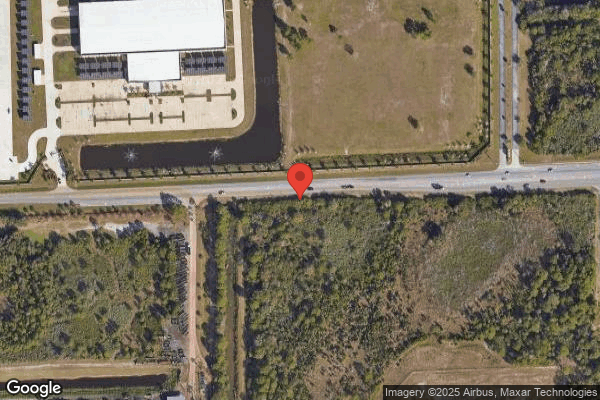
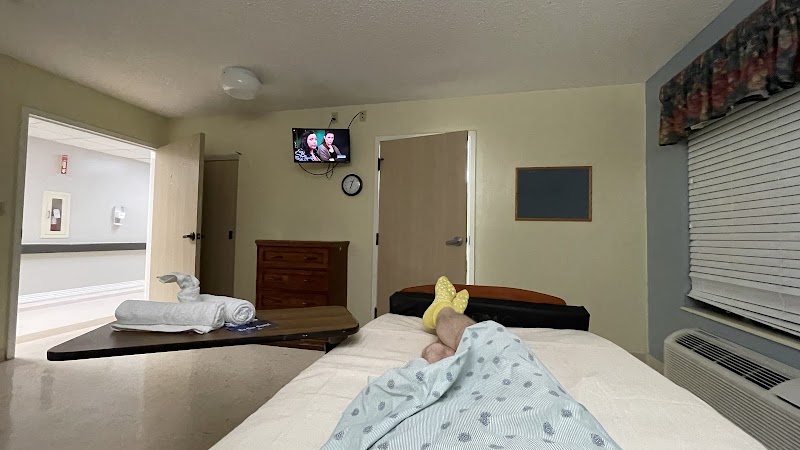
3033 SARNO RD, MELBOURNE, FL 32934 (321) 255-9200
For profit - Corporation 167 Beds Independent Data: November 2025
Trust Grade
51/100
#537 of 690 in FL
Last Inspection: November 2023

Within standard 12-15 month inspection cycle. Federal law requires annual inspections.

Overview

The Nursing & Rehabilitation Center of Melbourne has a Trust Grade of C, which means it is average and sits in the middle of the pack among nursing homes. It ranks #537 out of 690 facilities in Florida, placing it in the bottom half, and #11 out of 21 in Brevard County, indicating that only one other local option is better. Unfortunately, the facility is worsening, with issues increasing from 11 in 2022 to 18 in 2023. Staffing is a relative strength, rated 4 out of 5 stars with a turnover rate of 28%, better than the state average, which suggests that staff members tend to stick around and know the residents well. However, the facility has $22,331 in fines, which is average but highlights some ongoing compliance issues, and there are concerns such as failing to respond to resident grievances about staff communication and dietary concerns, as well as not providing proper financial notices for residents.

Trust Score
C
51/100
In Florida
#537/690
Bottom 23%
Safety Record
Low Risk
No red flags
Inspections
Getting Worse
11 → 18 violations
Staff Stability
✓ Good
28% annual turnover. Excellent stability, 20 points below Florida's 48% average. Staff who stay learn residents' needs.
Penalties
○ Average
$22,331 in fines. Higher than 71% of Florida facilities. Some compliance issues.
Skilled Nurses
○ Average
Each resident gets 35 minutes of Registered Nurse (RN) attention daily — about average for Florida. RNs are the most trained staff who monitor for health changes.
Violations
⚠ Watch
37 deficiencies on record. Higher than average. Multiple issues found across inspections.
★★☆☆☆
2.0
Overall Rating
★★★★☆
4.0
Staff Levels
★★★★☆
4.0
Care Quality
★★☆☆☆
2.0
Inspection Score
Stable
2022: 11 issues
2023: 18 issues

The Good

  • 4-Star Staffing Rating · Above-average nurse staffing levels
  • 4-Star Quality Measures · Strong clinical quality outcomes
  • Low Staff Turnover (28%) · Staff stability means consistent care
  • Full Sprinkler Coverage · Fire safety systems throughout facility
  • No fines on record
  • Staff turnover is low (28%)

    20 points below Florida average of 48%

Facility shows strength in staffing levels, quality measures, staff retention, fire safety.

The Bad

2-Star Overall Rating

Below Florida average (3.2)

Below average - review inspection findings carefully

Federal Fines: $22,331

Below median ($33,413)

Minor penalties assessed

The Ugly 37 deficiencies on record

Nov 2023 17 deficiencies
CONCERN (D)

Potential for Harm - no one hurt, but risky conditions existed

Deficiency F0561 (Tag F0561)

Could have caused harm · This affected 1 resident

**NOTE- TERMS IN BRACKETS HAVE BEEN EDITED TO PROTECT CONFIDENTIALITY** Based on observation, interview, and record review, the facility failed to honor the right to make choices about significant asp...

Read full inspector narrative →
**NOTE- TERMS IN BRACKETS HAVE BEEN EDITED TO PROTECT CONFIDENTIALITY** Based on observation, interview, and record review, the facility failed to honor the right to make choices about significant aspects of activities of daily living related to the preferred method and frequency of baths for 2 of 5 residents reviewed for choices, out of a total sample of 63 residents, (#624 & #617). Findings: 1. Review of the medical record revealed resident #624 was admitted to the facility on [DATE] with diagnoses including heart disease, left leg below-knee amputation, generalized muscle weakness, and need for assistance with personal care. The Minimum Data Set (MDS) admission assessment with assessment reference date (ARD) of 10/22/23 revealed resident #624 had clear speech, was able to express his ideas and wants, and understood others. The document showed the resident's Brief Interview for Mental Status (BIMS) score was 15 out of 15 which indicated he was cognitively intact. Section F of the MDS assessment, Preferences for Customary Routine and Activities, revealed resident #624 felt it was very important to choose between a tub bath, shower, bed bath, and sponge bath while in the facility. The document showed the resident needed partial assistance from staff for self-care including bathing. On 10/30/23 at 11:47 AM, resident #624 stated he was admitted to the facility almost three weeks ago, and he had not yet received a shower. The resident confirmed he mentioned his preference for a shower to staff. He explained he managed to wash his hair twice at the bathroom sink but he now had an unpleasant body odor. Resident #624 said, It's been three weeks. I'm getting rank now. On 10/30/23 at 11:54 AM, Registered Nurse (RN) B reviewed the unit's Shower Assignment schedule and stated resident #624 was to receive showers on Tuesdays and Fridays during the 3:00 PM to 11:00 PM shifts. He explained two showers weekly was a minimum, and the resident could request and receive additional showers according to his preference. RN B reviewed the binder with completed shower sheets and confirmed there was no evidence resident #624 received a shower since admission. On 10/30/23 at 11:57 AM, resident #624 informed RN B that he had not been showered since admission. RN B asked if he told any staff and the resident recalled he asked for a shower once, but the person never returned. RN B stated the situation was not acceptable as residents were to get showers if and when they chose. On 10/31/23 at 10:27 AM, resident #624 stated he received a shower earlier that morning only after he insisted he had the right to choose. He said, They were giving me grief, and said I had certain days. I told them what you said, that I could get it when I asked, and they ended up giving it to me. The resident explained he felt it was important to shower this morning because he had an appointment with his doctor in the afternoon. 2. Review of the medical record revealed resident #617 was admitted to the facility on [DATE] with diagnoses including left hip fracture, unspecified fall, heart failure, and anxiety. Review of the MDS admission assessment with ARD of 10/30/23 revealed resident #617 had clear speech, was able to express his ideas and wants, and understood others. The document showed the resident had a BIMS score of 11 out of 15 which indicated moderate cognitive impairment. The MDS assessment revealed resident #617 felt it was very important to choose between a tub bath, shower, bed bath, and sponge bath while in the facility. He required partial to moderate assistance from staff for showering or bathing. On 10/30/23 at 12:32 PM, resident #617 stated he had been in the facility for eight days and staff had not offered him a shower. He recalled a few days ago, a Certified Nursing Assistant (CNA) washed his back only. The resident stated over the past week he asked staff about a shower and they told him he would have a scheduled shower day. Resident #617 said, At home I shower every day or every other day. I would like to wash my hair. Review of the unit's Shower Assignment schedule revealed resident #617 was to receive showers on Mondays and Thursdays during the 3:00 PM to 11:00 PM shifts. Review of the CNA flowsheet from 10/23/23 to 10/29/23 revealed no documentation of showers or refusals. On 10/31/23 at 4:01 PM, the Short Stay Unit (SSU) Unit Manager (UM) explained on admission to the facility, either nurses or CNAs would inform residents of their scheduled shower days. She explained if residents chose additional days or a different time of day, facility staff would cater to their preferences. The SSU UM said, We educate CNAs to honor residents' choices. On 11/02/23 at 10:48 AM, the Director of Nursing (DON) confirmed the facility offered a minimum of two baths a week for every resident. She stated nursing staff were expected to write the shower days on the white boards in each room and relay the information verbally to residents within 24 hours of admission. The DON stated on a scheduled shower day, the assigned CNA should offer a shower and ask what time the resident would want it. The DON verified facility staff should provide as many showers as requested, according to residents' preferences. The facility's Shower Sheet for CNAs informed staff that showers were an important part of overall health. The document read, A shower should be offered at least 3 times during your shift. The facility's policy and procedure for General Resident Rights (undated) revealed the intent that all interactions with residents would enhance their self-esteem and self-worth, and incorporate their goals, preferences, and choices.
CONCERN (D)

Potential for Harm - no one hurt, but risky conditions existed

Deficiency F0578 (Tag F0578)

Could have caused harm · This affected 1 resident

**NOTE- TERMS IN BRACKETS HAVE BEEN EDITED TO PROTECT CONFIDENTIALITY** Based on interview, and record review, the facility failed to ensure residents wishes for a Do Not Resuscitate Order (DNRO) were...

Read full inspector narrative →
**NOTE- TERMS IN BRACKETS HAVE BEEN EDITED TO PROTECT CONFIDENTIALITY** Based on interview, and record review, the facility failed to ensure residents wishes for a Do Not Resuscitate Order (DNRO) were honored for 1 of 2 residents, (#6), and failed to ensure residents had the capacity to make health decisions and sign for a DNRO for 1 of 2 residents reviewed for Advanced Directives, from a total sample of 63 residents, (#107). Findings: 1. Review of the medical record revealed resident #6 was admitted from an acute care hospital on [DATE] with diagnoses of stroke, atherosclerosis (arterial narrowing and clotting) of the heart and both legs, heart rhythm malfunction, presence of a cardiac pacemaker, and paranoid schizophrenia. The Minimum Data Set (MDS) Annual Assessment with Assessment Reference Date (ARD) of [DATE] noted the resident scored 14 out of 15 on the Brief Interview for Mental Status (BIMS) that indicated she was cognitively intact. The assessment showed she had disorganized thinking that fluctuated in severity, and had not rejected evaluation or care. The Comprehensive Care Plan noted the resident was dependent on staff to meet her emotional, intellectual, physical, and social needs that required staff to redirect her fixations and delusions, and she planned to remain in the facility for long term care placement. The Advanced Directives Discussion Document dated [DATE] showed resident #6 wished to withhold Cardiopulmonary Resuscitation (CPR), and she had signed a Do Not Resuscitate Order (DNRO). The DNRO form (DH Form 1896, Revised [DATE]) scanned to the Electronic Health Record (EHR) noted resident #6 and her physician signed the order on [DATE] that indicated the resident did not wish to receive life sustaining measures that included CPR in the event of cardiac or respiratory arrest. The Physician's Evaluation Of Resident's Capacity To Make Health Care Decisions Or Provide Informed Consent signed by resident #6's physician on [DATE] indicated she was incapacitated to make health care decisions. On [DATE] at 12:24 PM, the Social Services Director said residents with a DNRO who later underwent court proceedings for guardianship required court processing. Review of the Petition To Determine Incapacity signed by the facility's former Social Services Assistant on [DATE] was filed through the courts to designate a legal guardian for the resident. The Order Appointing Plenary Guardian Of Person And Property (Incapacitated person-no known advanced directive) was signed and ordered by a judge on [DATE]. The Letters of Plenary Guardianship Of The Person And Property signed by a judge on [DATE] read, . No known advance directives have been executed by the ward. The Order Summary Report indicated on [DATE], physician's orders were revised to discontinue the DNRO and implement resident #6's code status to Full Code (CPR). In a telephone interview on [DATE] at 3:17 PM, resident #6's court appointed guardian checked the records and said the intake documents to initiate guardianship received from the facility did not include the resident's DNRO. She stated the record showed subsequent annual reports and care plan updates to the court that specifically addressed Advanced Directives, and resident #6's records indicated there were no known Advanced Directives. She explained the normal process when facilities requested guardianship was to honor a resident's previous DNRO with an additional court order, and that it would have been requested if they had received the DNRO documents the resident signed from the facility. She said it was very important for guardians to honor a resident's wishes. During a joint interview on [DATE] at 2:20 PM, the Social Services Director and Nursing Home Administrator said they could not locate resident #6's guardianship request records submitted by the facility. The Social Services Director acknowledged there was a DNRO in the EHR the resident signed prior to her determination of incapacity or her guardianship order. She said she was not working at the facility when the request was submitted, and she conveyed the document should have been included with the initial request so it would have been properly processed to ensure the resident's wishes were honored. 2. Review of the medical record revealed resident #106 was admitted to the facility from an acute care hospital on [DATE], with diagnoses of stroke, heart failure, repeated falls, chronic pain syndrome, presence of a heart valve, heart dysrhythmias (abnormal heartbeat), expressive speech dysfunction, and dementia. The MDS Quarterly Assessment with ARD of [DATE] noted the resident scored 9 out of 15 on the Brief Interview for Mental Status (BIMS) that indicated he was moderately cognitively impaired. The assessment showed he felt down, depressed, or hopeless for several days, sometimes felt lonely or isolated. had not rejected evaluation or care, and there was no discharge plan in place for him to return to the community. The Comprehensive Care Plan noted the resident had difficulty with his speech and abilities to complete sentences, was able to make his needs known to staff, and had advanced directives of a Do Not Resuscitate code status. Two Physician's Evaluation Of Resident's Capacity To Make Health Care Decisions Or Provide Informed Consent forms signed by different physicians on [DATE] and [DATE] indicated he was incapacitated to make health care decisions. The DNRO form (DH Form 1896, Revised [DATE]) was signed by resident #106 and his physician on [DATE] that indicated in the event of his cardiac or respiratory arrest, he did not wish for life sustaining measures or CPR. The Order Summary Report showed an active physician's order for Do Not Resuscitate (DNR) was implemented on [DATE]. On [DATE] at 4:15 PM, the Social Services Director explained DNRO forms were signed by residents who were determined to be competent to make their own health decisions, and when residents were deemed incapacitated by a physician, they could not sign a DNR, and the form required a guardian or Health Care Surrogate's signature. She checked the medical record and acknowledged resident #106 had an active letter of incapacity, and he was not able to make his own health decisions since [DATE]. She checked the record and acknowledged the resident signed his own DNRO on [DATE]. On [DATE] at 8:36 AM, the Social Services Director recalled she assisted resident #106 when he signed his DNRO form, and she was not aware of the physician's determination of incapacity. She stated she had not checked to verify his capacity status when he signed the form. She said Advanced Directives were reviewed every quarter and the error was missed. She explained the DNRO had not been valid for 18 months. On [DATE] at 11:36 AM, the Director of Nursing said a resident with a designation of incapacity was not able to make their own health care decisions or sign a DNRO. She recalled resident #106's medical record profile always indicated he was his own decision maker. She said the Social Services Director was responsible for completing and processing Advanced Directives, determinations of capacity, DNRO reviews, and changes. She explained she was very concerned when she was recently informed the resident signed his own DNR while under incapacity because nurses relied upon the accuracy of residents' code status to initiate or withhold CPR and honor one's wishes. The facility's undated policy and procedure titled Resident Right - Advanced Directive Tracking Program read, Intent: It is the policy of the facility to honor the advanced directives of all residents and to make information available to the resident on how to prepare such directives, should the resident not have them in place or to change existing directives. 4. Social Services or the appropriate designee will carefully review any and all advanced directive related documents to ensure that the information is complete and that the requirements of the law are met. If there is a question it is the responsibility of the reviewer to seek clarification.
CONCERN (D)

Potential for Harm - no one hurt, but risky conditions existed

Assessment Accuracy (Tag F0641)

Could have caused harm · This affected 1 resident

**NOTE- TERMS IN BRACKETS HAVE BEEN EDITED TO PROTECT CONFIDENTIALITY** Based on observation, interview and record review, the facility failed to ensure Minimum Data Set (MDS) assessments accurately r...

Read full inspector narrative →
**NOTE- TERMS IN BRACKETS HAVE BEEN EDITED TO PROTECT CONFIDENTIALITY** Based on observation, interview and record review, the facility failed to ensure Minimum Data Set (MDS) assessments accurately reflected transfer status, (#1), and vision status, (#15), at the time of the assessments, for 2 of 63 sampled residents. Findings: 1. Review of the medical record revealed resident #1 was admitted to the facility on [DATE] with diagnoses including cerebral atherosclerosis, heart disease, anxiety and depression. Review of the MDS Quarterly assessment with assessment reference date (ARD) of 8/24/23 indicated resident #1 required extensive assistance from two or more staff for transfers between surfaces including to or from the bed and wheelchair. On 10/31/23 at 10:10 AM, Certified Nursing Assistants (CNAs) Q and R transferred resident #1 from her bed to a reclining wheelchair with a mechanical lift. CNA R explained the resident required a mechanical lift for all transfers as she could not stand, follow directions, or assist staff. On 11/01/23 at 11:47 AM, CNA P stated she was regularly assigned to care for resident#1. She confirmed she always used a full-body mechanical lift, which required assistance from another staff member, to transfer the resident between her bed and wheelchair. On 11/01/23 at 12:03 PM, the Lead MDS Nurse explained MDS nurses would complete assessments after conducting a comprehensive head to toe evaluation of residents, interviewing the residents if possible, reviewing progress notes, and discussing the residents with the nurses and CNAs. The Lead MDS Nurse stated she would usually ask CNAs to describe how they transferred residents. She reviewed resident #1's MDS Quarterly assessment and validated the document showed the resident required extensive assistance of two or more staff for transfers. She acknowledged the MDS assessment was inaccurate as a full body mechanical lift transfer should have been documented as total dependence on two or more staff for transfers. 2. Review of the medical record revealed resident #15 was admitted to the facility 9/26/19 with diagnoses including anxiety, need for assistance with personal care, depression, and mild cognitive impairment. Review of the MDS Quarterly assessment with ARD of 9/14/23 revealed resident #15 had a Brief Interview for Mental Status score of 13 which indicated she was cognitively intact. The assessment showed the resident had adequate vision and did not use corrective lens. Review of the medical record revealed resident #15 had a care plan for glasses to correct visual impairment, initiated on 8/31/22 by the Lead MDS Nurse, and revised on 7/05/23. The interventions included to remind the resident to wear her glasses when up, and ensure her glasses were clean, free from scratches, and in good repair. On 10/31/23 at 9:50 AM, resident #15 explained she had a history of cataract surgery and vision problems. She stated she used to have glasses in the past, but no longer had them. Resident #15 stated she did not see properly without glasses and could not read or see the television. On 11/01/23 at 12:21 PM, the MDS Licensed Practical Nurse acknowledged resident #15 was interviewable and would have been able to answer questions related to her vision during the data collection period prior to completion of the MDS Quarterly assessment. She reviewed resident #15's MDS Quarterly assessment and acknowledged the section related to the resident's vision was inaccurate based on her report of missing glasses and the existing care plan for glasses. Review of the facility's policy and procedure for Resident Assessment - Resident Assessment Instrument (undated) revealed it was the policy of the facility to properly document and utilize the MDS to ensure comprehensive and accurate resident assessments and assist staff to identify health problems. The policy read, The assessment will accurately reflect the resident's status.
CONCERN (D)

Potential for Harm - no one hurt, but risky conditions existed

PASARR Coordination (Tag F0644)

Could have caused harm · This affected 1 resident

**NOTE- TERMS IN BRACKETS HAVE BEEN EDITED TO PROTECT CONFIDENTIALITY** Based on interview and record review, the facility failed to refer residents with a newly evident mental disorder for Level II P...

Read full inspector narrative →
**NOTE- TERMS IN BRACKETS HAVE BEEN EDITED TO PROTECT CONFIDENTIALITY** Based on interview and record review, the facility failed to refer residents with a newly evident mental disorder for Level II Preadmission Screening and Resident Review (PASARR) evaluation and determination for 2 of 6 residents reviewed for PASARR, out of a total sample of 63 residents, (#37 and #83). Findings: 1. Resident #37 was admitted to the facility on [DATE] with diagnoses including type 2 diabetes, heart failure and unspecified dementia. Review of the Minimum Data Set (MDS) annual assessment with assessment reference date (ARD) of 10/09/23 revealed resident #37 had a Brief Interview for Mental Status (BIMS) score of 14 which indicated she was cognitively intact. The document indicated her active diagnoses included depression (other than bipolar), psychotic disorder (other than schizophrenia) and unspecified mood [affective] disorder. Review of resident #37's electronic medical record (EMR) revealed diagnoses of major depressive disorder with an onset date of 7/18/17, unspecified psychosis with an onset date of 9/23/22 and unspecified mood [affective] disorder with an onset date of 12/09/22. The record contained a Level I PASARR screening form dated 5/12/17 which did not indicate resident #37 had a mental illness (MI) or suspected MI. The record did not contain a Level II PASARR screening form. 2. Resident #83 was admitted to the facility on [DATE] with diagnoses including end stage renal disease, type 2 diabetes mellitus, vascular dementia and chronic pain syndrome. Review of the MDS admission assessment with ARD of 8/16/23 revealed resident #83 had a BIMS score of 15 which indicated he was cognitively intact. The document indicated his active diagnoses included depression (other than bipolar) and psychotic disorder (other than schizophrenia). Review of resident #83's EMR revealed diagnoses of brief psychotic disorder with an onset date of 8/09/23, major depressive disorder with an onset date of 8/11/23 and unspecified psychosis with an onset date of 8/12/23. The record contained a Level I PASARR screening form dated 8/08/23 which did not indicate resident #83 had an MI or suspected MI. The record did not contain a Level II PASARR screening form. On 11/02/23 at 12:42 PM, the Social Services Director (SSD) stated new admissions from the hospital should have a Level I PASARR Screening completed by the hospital prior to admission. She explained she reviewed the PASARR upon admission. If the screening form was identified as inaccurate, the SSD and Director of Nursing (DON) would complete a new Level I PASARR. The SSD and DON reviewed the Level I PASARR and current diagnoses for residents #37 and #83. The SSD and DON acknowledged neither PASARR reflected each resident's MI diagnoses. The SSD explained the facility did not review the PASARR after admission. She stated she was not aware a resident with a newly evident or suspected MI diagnoses after admission needed to be referred for a Level II PASARR evaluation and determination.
CONCERN (D)

Potential for Harm - no one hurt, but risky conditions existed

Quality of Care (Tag F0684)

Could have caused harm · This affected 1 resident

**NOTE- TERMS IN BRACKETS HAVE BEEN EDITED TO PROTECT CONFIDENTIALITY** Based on observation, interview, and record review, the facility failed to follow policies and procedures and adhere to professi...

Read full inspector narrative →
**NOTE- TERMS IN BRACKETS HAVE BEEN EDITED TO PROTECT CONFIDENTIALITY** Based on observation, interview, and record review, the facility failed to follow policies and procedures and adhere to professional standards related to wound care and treatment for 1 of 5 residents reviewed for non-pressure skin conditions, out of a total sample of 63 residents, (#47). Findings: Review of the medical record revealed resident #47 was admitted to the facility on [DATE] with diagnoses including acute respiratory failure, generalized muscle weakness, lack of coordination, muscle wasting and atrophy of the lower legs, and difficulty walking. Review of the Minimum Data Set (MDS) Medicare Part A Stay assessment with assessment reference date of 10/06/23 revealed resident #47 had a Brief Interview for Mental Status score of 12 which indicated moderate cognitive impairment. The document showed he had skin tears and nonsurgical dressings. Review of the medical record revealed resident #47 had a care plan for fall-related skin tears to his right and left arms, initiated on 10/12/23. The goals noted the resident would remain free of skin tears and the skin tears to both forearms would heal. The interventions read, If skin tear occurs, treat per facility protocol and notify [physician], family.monitor/document location, size and treatment of skin tear. On 10/30/23 at 11:28 AM, resident #47 stated last night he was seated on the side of the bed, slipped on the bedspread, and fell to the floor. He stated he injured himself and showed a white dressing on the back of his left hand. The dressing was not dated or initialed and there was an area of dark brown drainage in the middle of the dressing. Resident #47 could not recall who applied the dressing to his hand. On 10/30/23 at 11:30 AM, resident #47's assigned nurse, Licensed Practical Nurse (LPN) F, was informed the resident said he fell last night, and that he had an undated dressing on his left hand. She stated she was not aware of a recent fall or any new injuries. LPN F validated the dressing on the dorsal surface of resident #47's left hand was not dated. She explained the facility's policy was to notify the attending physician of new wounds or any injury of unknown origin, obtain a treatment order, and apply the dressing. During review of the medical record with LPN F, she confirmed there were no progress notes or change in condition forms regarding resident #47's left hand injury, and no associated treatment order. On 10/31/23 at 4:12 PM, the Short Stay Unit (SSU) Unit Manager (UM) verified it was essential to notify the physician of skin injuries and implement orders for wound care. She acknowledged there was no wound evaluation or treatment order for resident #47 until after LPN F was notified of the undated dressing on the resident's left hand. The SSU UM acknowledged it was important to obtain and document orders including treatment frequency and to date the dressing applied. She explained dressings needed to be applied and changed as ordered to prevent infection and allow for regular assessment to ensure the wound was not deteriorating. Review of the facility's policy and procedure for Wound Management (undated) revealed the purpose of the program was .to assist the facility in the care, services and documentation related to the occurrence, treatment, and prevention of pressure as well as, non-pressure related wounds.
CONCERN (D)

Potential for Harm - no one hurt, but risky conditions existed

Deficiency F0685 (Tag F0685)

Could have caused harm · This affected 1 resident

**NOTE- TERMS IN BRACKETS HAVE BEEN EDITED TO PROTECT CONFIDENTIALITY** 2. Review of the medical record revealed resident #154 was admitted to the facility on [DATE] from an Assisted Living Facility, ...

Read full inspector narrative →
**NOTE- TERMS IN BRACKETS HAVE BEEN EDITED TO PROTECT CONFIDENTIALITY** 2. Review of the medical record revealed resident #154 was admitted to the facility on [DATE] from an Assisted Living Facility, with diagnoses of abdominal wall abscess (infection), stroke, mood disorder, anxiety, and dementia. The most recent Minimum Data Set (MDS) Quarterly Assessment with an Assessment Reference Date of 8/23/23 noted the resident scored 14 out of 15 on the Brief Interview for Mental Status (BIMS) that indicated the resident was not cognitively impaired. The assessment showed he required staff support and assistance to complete Activities of Daily Living (ADLs), and he did not have corrective lenses. On 10/30/23 at 12:15 PM, resident #154 stated he couldn't see well and needed glasses. He said he had been waiting to see the eye doctor for a few months, and he didn't know why it was taking so long. Review of the Comprehensive Care Plan included a focus initiated on 7/14/23, that the resident had potentially impaired visual function, with an intervention that when required, the facility would arrange eye care services. The Order Summary Report noted on 5/16/23, the physician ordered, Optometry/Ophthalmology (Vision/Eye care) as needed. A (Provider Name) Permission Slip form that was signed on 7/12/23 by the resident's family representative noted the resident's eye problem and condition was decreased vision, with a request to receive on-site eye care services. On 11/02/23 at 10:07 AM, the Social Services Director said the vision care provider came to the facility every month to provide exams and glasses to residents, and they received services annually and as needed. She explained, resident #154's glasses had not been ordered because there was an overdue balance that the resident's family representative still had not paid. She provided a Statement of Charges and Payments from the vision care provider addressed to the facility dated 11/02/2023 that noted the resident was examined for a glasses prescription on 8/02/23, three months prior. Review of a Social Services Progress Note dated 8/23/23 read, . (resident name) was referred to eye care services in late July for reports of eye discomfort. He will be seen on their next visit. He currently has orders for eye drops. Review of an email dated 11/2/23 to the Social Services Director from the eye care provider read, We are waiting on payment. Once we receive that we will get them (glasses) sent to the lab to be made. On 11/02/23 at 12:39 PM, the Business Office Manager said she had worked at the facility for approximately 18 months. She stated she had never received an invoice to pay the facility liability for any resident's vision care services. She explained, residents who were recipients of Medicaid received vision services and glasses that were included with their benefits. On 11/02/23 at 2:24 PM, the Nursing Home Administrator said resident #154's unpaid balance for vision services was the, left over after Medicaid benefits were paid directly to the provider. She stated the amount due was the facility's responsibility, and not the resident's nor the resident's representative. She did not explain why the resident's glasses had not been ordered since his exam, three months prior. The facility's undated policy and procedure titled, Quality of Care - Treatment/Devices to Maintain Hearing/Vision read, INTENT: It is the policy of the facility to ensure it identifies and provides needed care and services that are resident centered, in accordance with the resident's preferences, goals for care and professional standards of practice that will meet each resident's hearing and vision needs. PROCEDURE: 1. The facility will ensure that resident's receive proper treatment and assistive devices to maintain vision and hearing abilities, the facility will, if necessary, assist the resident: . 2. The Director of Social Services or Designee will coordinate the care and services related to vision and hearing needs of our residents. Based on observation, interview, and record review, the facility failed to arrange services in a timely manner to ensure access to appropriate prescription glasses, (#15); and failed to provide glasses to maintain vision abilities, (#154), for 2 of 6 residents reviewed for Vision/Hearing out of a total sample of 63 residents. Findings: 1. Review of the medical record revealed resident #15 was admitted to the facility on [DATE] with diagnoses including Multiple Sclerosis, seizures, chronic pain, insomnia, and need for assistance with personal care. Resident #15 had a care plan for glasses to correct visual impairment initiated on 8/31/22 and revised on 7/05/23. The goal noted the resident would not experience a decline in visual function or have indicators of acute eye problems. The interventions included arrange consultation with an eye practitioner as required, monitor and report symptoms of acute eye problems, and remind the resident to wear her glasses when up. On 10/31/23 at 9:50 AM, resident #15 explained she had a history of cataract surgery and vision problems. She stated she used to wear glasses in the past, but no longer had them. Resident #15 stated she did not see properly without her glasses and was unable to read and watch television. The resident could not recall when she last had glasses but confirmed she had complained to staff about the issue. On 11/01/23 at 11:37 AM, Registered Nurse (RN) B received permission from resident #15 to check her personal belongings for her glasses. RN B searched the resident's bedside table, a plastic bin, all dresser drawers, the closet, and two purses, but found no glasses. RN B stated although he worked on the unit regularly and was familiar with the resident, he had never seen her with glasses. On 11/01/23 at 12:49 PM, the Social Services Assistant (SSA) recalled an Activities Department staff member came to her office and notified her that resident #15 was having vision issues as she complained of difficulty seeing the bingo cards. The SSA said, That is what triggered the referral. The SSA explained after referrals were sent to the contracted mobile vision provider, representatives would come to the facility to test residents and prescribe glasses if indicated. She reviewed an email dated 7/06/23 and noted the facility contacted the vision provider to follow up on an earlier referral. The SSA was informed resident #15 still did not have glasses. On 11/01/23 at 1:15 PM, the Social Services Director (SSD) stated she contacted the vision provider and discovered the company never received the referral for resident #15. The SSD acknowledged nobody from the facility followed up to ensure the resident had an eye exam and received glasses. She explained the vision provider visited the facility monthly but she did not realize resident #15 was not seen even after she sent the email in July 2023. The SSD validated not having glasses for months was a concern and might even contribute to the resident's behavioral symptoms. She said, It's a quality of life issue. Review of the medical record revealed a Social Services Progress Note dated 2/02/23 that read, SSD sent a referral to [name of vision provider] for a check up for [name of resident]. There were no additional Social Service progress notes regarding arrangements for vision services from February to November 2023. On 11/01/23 at 5:09 PM, the SSD acknowledged she was not able to locate original documents or provide confirmation that the referral was sent to the vision provider with the necessary paperwork. She verified she wrote the Social Services Progress Note in February 2023 and thought she sent the referral. On 11/01/23 at 4:13 PM, the Activities Assistant recalled one day as he assisted resident #15 out of the activity room, she kept asking for glasses. He stated he took the resident directly to the Social Services office as he knew that department arranged residents' vision services. The Activities Assistant recalled resident #15 had glasses in the past but he could not remember when he last saw her wear them. He explained she needed glasses to participate in some activities. Review of the facility's policy and procedure for Quality of Care - Treatments/Devices to Maintain Hearing/Vision (undated) revealed the intent to identify and provide needed resident-centered care and services, in accordance with the resident's preferences and goals for care to meet residents' vision needs. The procedure indicated the SSD or designee would coordinate vision services. Review of the job description for Director of Social Services (undated) revealed she would be a resident advocate who was responsible for the provision of services for the highest psychological and social well-being of residents. Job responsibilities included coordinate and monitor needed available services for residents.
CONCERN (D)

Potential for Harm - no one hurt, but risky conditions existed

Respiratory Care (Tag F0695)

Could have caused harm · This affected 1 resident

**NOTE- TERMS IN BRACKETS HAVE BEEN EDITED TO PROTECT CONFIDENTIALITY** Based on observation, interview, and record review, the facility failed to ensure oxygen therapy was administered according to p...

Read full inspector narrative →
**NOTE- TERMS IN BRACKETS HAVE BEEN EDITED TO PROTECT CONFIDENTIALITY** Based on observation, interview, and record review, the facility failed to ensure oxygen therapy was administered according to physician orders for 2 of 4 residents reviewed for respiratory care, out of a total sample of 63 residents, (#56 and #57). Findings: 1. Review of the medical record revealed resident #57 was admitted to the facility on [DATE] with diagnoses including shortness of breath, dementia, and cognitive communication deficit. The Minimum Data Set (MDS) Significant Change in Status assessment with assessment reference date (ARD) of 8/24/23 revealed resident #57 used oxygen. The resident had a care plan for oxygen therapy related to shortness of breath initiated on 6/16/23. The interventions included oxygen setting of 2 liters per minute (L/min) continuously via nasal cannula. Review of the medical record revealed resident #57 had a physician order dated 8/03/23 for oxygen at 2 L/min as needed that was discontinued on 10/26/23. On 10/30/23 at 12:08 PM, resident #57 wore his nasal cannula with one prong in his left nostril and other prong rested on his face to the left of his nose. The flow meter on the oxygen concentrator was set at 3 L/min. The resident explained he did not like to use oxygen and he removed the cannula and dropped it on the floor beside his bed. On 10/30/23 at 12:10 PM, Registered Nurse (RN) B was informed resident #57's nasal cannula was on the floor. The resident informed RN B that the oxygen irritated his nose and he did not want to wear it. RN B validated the concentrator was set at 3 L/min. RN B reviewed resident #57's medical record and discovered the resident did not have an active order for oxygen therapy. On 10/30/23 at 12:22 PM, Certified Nursing Assistant (CNA) D stated resident #57 was regularly on her assignment and to her knowledge, he should have continuous oxygen. CNA D confirmed the resident had the nasal cannula in place when she started the 7:00 AM shift this morning. CNA D said, He does not like it. But whenever I come in, I make sure it's on, and if I go out and he takes it off, I put it back on again. On 10/31/23 at 3:36 PM, CNA E stated nurses applied resident #57's oxygen and he monitored that the resident kept it on. On 10/31/23 at 3:53 PM, RN S stated resident #57 had been on his assignment for several months with a physician order for continuous oxygen. RN S explained typically, oxygen orders were noted in the Treatment Administration Record (TAR) and nurses would monitor and document oxygen administration and oxygen levels every shift. RN S stated he could not explain how assigned nurses had missed that there was no physician order for resident #57's for oxygen. On 10/31/23 at 4:05 PM, the Short Stay Unit (SSU) Unit Manager (UM) recalled during rounds on the unit during the previous week, RN A informed her resident #57 had good oxygen levels and no longer needed oxygen therapy. The SSU UM stated she called the resident's physician and obtained an order to discontinue oxygen therapy. She acknowledged she did not remove the concentrator from the resident's room after she wrote the new order. The SSU UM explained it was the responsibility of each nurse assigned to the resident to check that his his oxygen was applied at the correct flow rate at the start of the shift, and document as required by the end of shift. She confirmed none of the assigned nurses noted the absence of an oxygen order for the resident. 2. Review of the medical record revealed resident #56 was admitted to the facility on [DATE] with diagnoses including chronic obstructive pulmonary disease (COPD), chronic rhinitis, and dependence on supplemental oxygen. The MDS Quarterly assessment with ARD of 8/18/23 revealed resident #56 used oxygen. The resident had a care plan for emphysema/COPD related to smoking, shortness of breath, coughing, and wheezing, initiated on 11/13/18. The interventions included administer oxygen at 2 L/min via nasal cannula as needed. Review of the medical record revealed resident #56 had a physician order dated 9/05/23 for oxygen at 2 L/min continuously. On 10/30/23 at 12:15 PM, resident #56 had a nasal cannula with oxygen infusing at 3.5 L/min. The resident stated he required oxygen at all times but he was unsure of ordered flow rate. RN B validated the concentrator was set at 3.5 L/min. He reviewed the resident's medical record and stated the physician order was for oxygen at 2 L/min. On 11/02/23 at 11:19 AM, the Director of Nursing stated nurses were expected to treat oxygen as a medication and it was important to follow physician orders.
CONCERN (D)

Potential for Harm - no one hurt, but risky conditions existed

Deficiency F0761 (Tag F0761)

Could have caused harm · This affected 1 resident

**NOTE- TERMS IN BRACKETS HAVE BEEN EDITED TO PROTECT CONFIDENTIALITY** Based on observation, interview, and record review, the facility failed to maintain safe and secure storage of medication to pre...

Read full inspector narrative →
**NOTE- TERMS IN BRACKETS HAVE BEEN EDITED TO PROTECT CONFIDENTIALITY** Based on observation, interview, and record review, the facility failed to maintain safe and secure storage of medication to prevent access by unauthorized persons for 1 of 2 medication carts on the East Wing (400 hall). Findings: On 10/30/23 at 5:47 PM, Registered Nurse (RN) G stood at his cart and prepared medications for administration. He removed one pill from a blister pack and placed it in a small plastic cup. RN G recalled he had not yet checked the resident's blood pressure and pulse, so he placed the cup in top drawer of the medication cart and entered room [ROOM NUMBER]. The medication cart was located against the wall, across and down the hallway from room [ROOM NUMBER]. RN G did not lock the medication cart and on inspection, all drawers opened freely and medications were easily accessible. While RN G was in room [ROOM NUMBER], a resident exited the room next to the medication cart and propelled his wheelchair in close proximity to the open drawers. When RN G exited room [ROOM NUMBER], he acknowledged he left the medication cart unlocked. He confirmed there were residents on the 400 hallway and other areas on the East Wing who were ambulatory or able to self-propel in wheelchairs, and some residents were cognitively impaired. RN G verified his medication cart should have been locked as it was out of his line of sight. On 10/30/23 at 5:50 PM, the East Wing Unit Manager stated her expectation was nurses would ensure medication carts were locked appropriately to ensure medications were secured and residents were safe. The Director of Nursing validated a medication cart should never be unlocked if the nurse was not present at the cart. Review of the facility's policy and procedure for Storage of Medication, dated September 2018, revealed medications were to be stored properly and .shall be accessible only to licensed nursing personnel, pharmacy personnel, or staff members lawfully authorized to administer medications. The policy indicated medication storage areas should remain locked when not in use or when authorized persons were not in attendance.
CONCERN (D)

Potential for Harm - no one hurt, but risky conditions existed

Dental Services (Tag F0791)

Could have caused harm · This affected 1 resident

**NOTE- TERMS IN BRACKETS HAVE BEEN EDITED TO PROTECT CONFIDENTIALITY** Based on observation, interview, and record review, the facility failed to provide follow up dental services for 1 of 2 resident...

Read full inspector narrative →
**NOTE- TERMS IN BRACKETS HAVE BEEN EDITED TO PROTECT CONFIDENTIALITY** Based on observation, interview, and record review, the facility failed to provide follow up dental services for 1 of 2 residents reviewed for Dental out of a total sample of 63 residents, (#154). Finding: Review of the medical record revealed resident #154 was admitted to the facility on [DATE] from an Assisted Living Facility, with diagnoses of abdominal wall abscess (infection), stroke, mood disorder, anxiety, and dementia. The most recent Minimum Data Set (MDS) Quarterly Assessment with an Assessment Reference Date of 8/23/23 noted the resident scored 14 out of 15 on the Brief Interview for Mental Status (BIMS) that indicated the resident was not cognitively impaired. The assessment showed the resident required staff support and assistance to complete Activities of Daily Living (ADLs). On 10/31/23 at 11:38 AM, resident #154 was visibly distressed when he explained he had been waiting for follow up dental services for months since he was seen by the facility's Dentist. He said the provider recommended partial dentures, and he really needed them. Review of the Comprehensive Care Plan included a focus initiated on 5/17/23 for oral/dental health potential problems with an intervention to coordinate arrangements for dental care as needed. The Order Summary Report showed active physician's orders for, Dental as needed ordered 5/16/23. On 11/01/23 at 3:07 PM, the Social Services Director said the facility's dental provider came to see residents every month and provided services. She provided a document that listed the names of residents who were scheduled to be seen. Resident #154 was not included on the list. Review of a Social Service Progress Note completed by the Social Services Director on 5/26/23 noted resident #154 required a dental evaluation for, loose and missing teeth. A (Provider Name) Services Screening Report dated 6/12/23 noted the resident was to receive partial dentures, and Social Services was to follow up for approval. The medical record included two (Provider Name) Confirmation of Authorization forms that showed consent for dental services was signed by resident #154's family representative on 7/13/23 and 8/29/23. A Social Service Progress Note completed by the Social Services Coordinator on 8/23/23 read, . also referred for dental services. He will be evaluated by the dentist and hygienist on their next visit. A Social Service Progress Note completed by the Social Services Coordinator on 10/31/23 read, On this date, (resident name) approached SSC (Social Services Coordinator) and reported he was experiencing tooth discomfort. SSC subsequently send a referral to (Provider name) . On 11/02/23 at 2:25 PM, during a joint interview with the Nursing Home Administrator and Social Services Director, the Social Services Director said resident #154 was evaluated by the dental provider on 6/12/23. She said she had not followed up on the recommendations and ensured the resident was properly processed to receive continued services for partial dentures. She said the resident should have been seen again within 30 days of the recommendation. She explained her department's follow up and tracking were flawed, and they needed to revisit their process. The facility's undated policy and procedure titled Dental Services, read, INTENT: It is the policy of the facility to ensure that residents obtain needed dental services, including routine dental services, to ensure the facility provides the assistance needed or requested to obtain these services . PROCEDURE: 1. The facility will provide from an outside source routine and 24-hour emergency dental services to meet the needs of each resident.
CONCERN (D)

Potential for Harm - no one hurt, but risky conditions existed

Deficiency F0810 (Tag F0810)

Could have caused harm · This affected 1 resident

**NOTE- TERMS IN BRACKETS HAVE BEEN EDITED TO PROTECT CONFIDENTIALITY** Based on observation, interview, and record review, the facility failed to ensure required built up utensils and weighted cup we...

Read full inspector narrative →
**NOTE- TERMS IN BRACKETS HAVE BEEN EDITED TO PROTECT CONFIDENTIALITY** Based on observation, interview, and record review, the facility failed to ensure required built up utensils and weighted cup were provided for 1 of 5 residents reviewed for nutrition of a total sample of 63 residents, (#41). Findings: Resident #41 was admitted to the facility on [DATE] with diagnoses that included stroke, difficulty swallowing after stroke, chronic lung disease, protein-calorie malnutrition, muscle wasting and weakness. Review of the Minimum Data Set assessment dated [DATE] revealed resident #41 was cognitively intact but required one-person physical assist for eating supervision. Review of the Order Summary Report dated 11/02/23 revealed resident #41 had a physician's order for a regular diet with regular texture and nectar thickened fluids. The order report also showed an Occupational Therapy (OT) clarification order for resident #41 to have a blue 8 ounce (oz.) weighted cup with blue lid and built-up utensils with all meals dated 7/27/23. Resident #41 had a care plan for increased nutritional risk related to his medical diagnoses and history of pneumonia from food aspiration. The goal was for resident #41 to maintain adequate nutrition. Interventions included the same OT clarification for the resident to have a blue 8 oz. weighted cup with blue lid and built-up utensils with all meals dated 8/07/23. Another intervention included staff to assist resident #41 with all meals. On 10/30/23 at 1:00 PM, resident #41 was observed sitting partially up in bed with his lunch in a Styrofoam container. There was a sign taped to the wall that noted the resident should be seated upright as much as possible and gave other suggestions to aid with his eating. The meal ticket on his tray indicated he was supposed to have a weighted cup and built-up utensils. His lunch tray contained disposable plastic utensils and a carton of thickened beverage with a straw in it. There were no built-up utensils nor the blue lidded 8 oz. cup with his meal. Resident #41 used his hands in an attempt to eat the ham provided for lunch. He stated he was not able to use the plastic disposable utensils that came with the meal. On 10/30/23 at 5:47 PM, resident #41 was observed sitting in his room with his dinner tray. Built up utensils had been provided but the blue lidded and weighted 8 oz. cup was not. Resident #41 had a patty melt sandwich but struggled to eat it. He stated he could not cut the sandwich himself because he could only use one hand due to his previous stroke and staff had not assisted him. On 10/31/23 at 12:18 PM, resident #41 was observed in bed with his lunch of a cheeseburger and cake. On the tray were standard metal silverware and a standard red plastic mug for his drink. The cake was covered and the condiments for his burger sat in the package unopened. He stated he could pick up the burger to eat with his hands, but he could not open the packages himself for the condiments and no staff had assisted to set his meal up. Resident #41 said he could not eat the cake with the silverware that was provided. On 11/01/23 at 12:52 PM, Certified Nursing Assistant (CNA) O delivered resident #41's lunch tray and assisted him to uncover the food items. The built-up utensils were present on the tray but there was no 8 oz blue weighted and blue lidded cup. Resident #41 stated he didn't have the strength to open things himself and needed staff to assist. CNA O stated the kitchen was supposed to send the blue weighted cup and the built-up silverware, but they had not been sending them. CNA O indicated resident #41 could just use the regular red cup that was sent on his tray, but he explained he could not use that one very well, and the blue cup was easier for him to manage. He said he had not seen the blue weighted cup since last week. CNA O stated she was going to ask the kitchen for the blue cup and returned a few minutes later with it. This blue cup had a white disposable type lid that did not fit on the cup and fell off when resident #41 lifted it up to take a drink which allowed the beverage inside to easily spill. Resident #41 stated this was not the weighted blue cup with lid he usually had. On 11/01/23 at 2:52 PM, Occupational Therapist M stated she had worked with resident #41 on his ability to feed himself when he returned from the hospital from [DATE] to 8/04/23. She stated resident #41 had tremors so it helped him to have the weighted cup with lid and the built-up utensils to aid his grip and to prevent food spillage. OT M explained she submitted the clarification order detailing the needed adaptive equipment for nursing staff after his OT evaluation and also submitted an order for the kitchen to supply the weighted, blue 8 oz. lidded cup and built-up utensils to resident #41 with every meal. On 11/01/23 at 3:20 PM, the Certified Dietary Manager (CDM) explained once they received an order from therapy for adaptive devices, it was entered into their computer-based meal tracking system. The computer system listed the required adaptive devices for each meal ticket along with a picture of the device and a description of the items. The CDM stated there was a bin for adaptive equipment for the kitchen staff to utilize when they set up the meal trays on the tray line, and CNAs should fill the weighted cup with the appropriate beverage once they received the tray. The CDM stated residents should receive the appropriate adaptive device even if the facility used disposable tableware due to the broken dishwasher as occurred on the previous Monday 10/30/23. She could not say why resident #41 had not received his built-up silverware or weighted blue cup and said it should be muscle memory for the kitchen staff to put the appropriate adaptive equipment on the trays. The CDM also could not explain why resident #41 did not receive his weighted cup all week until requested at lunch that day nor why it did not have the appropriate lid. She explained she later learned when the CNA came to the kitchen to ask for the cup at lunch, the kitchen staff told her they did not have the lid and gave her a disposable lid instead which did not fit the cup. The CDM stated if she did not know about the problems she could not fix them. Review of the undated Food and Nutrition Services policy and procedure revealed the intent of the facility to ensure facility staff support the nutritional well-being of the residents. #12 of the procedure section detailed the facility would provide special eating equipment and utensils for residents who need them and appropriate assistance to ensure that the resident can use the assistive devices when consuming meals and snacks.
CONCERN (E)

Potential for Harm - no one hurt, but risky conditions existed

Deficiency F0565 (Tag F0565)

Could have caused harm · This affected multiple residents

Based on interview and record review, the facility failed to respond to grievances identified by resident council. Findings: During Resident Council meeting on 11/01/23 at 3:30 PM, members of Residen...

Read full inspector narrative →
Based on interview and record review, the facility failed to respond to grievances identified by resident council. Findings: During Resident Council meeting on 11/01/23 at 3:30 PM, members of Resident Council verified they met monthly. The members stated several grievances had been voiced regarding laundry, linen, nurse staffing, staff speaking other languages and dietary. The residents in attendance agreed the same concerns were voiced month after month without a resolution. The group expressed no one ever responded to the grievances and informed them of what was done. The resident council members were not aware of any grievances that had been filed on behalf of Resident Council. Review of Resident Council minutes from May 2023 through October 2023 revealed several repeat grievances concerning staff not speaking English, staff on cell phones, quality of linen and various dietary concerns. On 11/01/23 at 5:00 PM, the Activity Director stated she attended every Resident Council meeting along with her assistant. She explained the Resident Council agreed to have an open invitation to any management staff member who wanted to attend. She stated residents were encouraged to express grievances during Resident Council and she noted those under the appropriate department. The Activity Director stated she provided a copy of the Resident Council minutes to the Resident Council President and to the facility Administrator. She explained she brought up the issues in morning report and each department was supposed to address those issues. She acknowledged she did not fill out any grievance forms for resident council. The Activity Director acknowledged resident council members reported they did not feel like anyone was listening to them. On 11/01/23 at 5:22 PM, the Social Services Director (SSD) stated the Administrator was the primary grievance officer. She stated social services received the grievances and the grievances were shared with department heads in morning meetings. She explained the Administrator assigned the grievances to department heads to handle. The SSD stated grievances could include concerns about food, staff not speaking English, complaints about call lights, customer service and quality of care. She explained any grievance from Resident Council would be brought to social services and a grievance form was completed. The SSD reviewed the Grievance Log and verified there were no grievances submitted on behalf of Resident Council. She acknowledged there would be no way to show what was done to resolve the issue without a grievance and follow-up. On 11/01/23 at 5:47 PM, the Administrator verified she was the primary grievance officer. She explained her expectation was for the Activity Director to bring concerns from Resident Council to daily department head meeting which would then be assigned to the appropriate department to be addressed. She acknowledged they did not complete a grievance form. The Administrator explained the facility had completed grievance forms for Resident Council in past but was not sure why that stopped. She was unable to produce the facility's response to Resident Council grievances. Review of the facility's policy and procedure for Grievances Program revealed that a grievance would be documented on the facility Grievance Report, listed on the facility Grievance Tracking Log and investigated accordingly. The document indicated the grievance decision would be documented on the grievance form and include dates, summary statement of resident's grievance, and summary of findings, statement confirming or not confirming grievance, correction actions as indicated, and the date that the written decision was issued to the person filing the grievance.
CONCERN (E)

Potential for Harm - no one hurt, but risky conditions existed

Deficiency F0582 (Tag F0582)

Could have caused harm · This affected multiple residents

**NOTE- TERMS IN BRACKETS HAVE BEEN EDITED TO PROTECT CONFIDENTIALITY** Based on interview and record review, the facility failed to provide the appropriate notices of financial liability for 2 of 3 r...

Read full inspector narrative →
**NOTE- TERMS IN BRACKETS HAVE BEEN EDITED TO PROTECT CONFIDENTIALITY** Based on interview and record review, the facility failed to provide the appropriate notices of financial liability for 2 of 3 resident reviewed for Skilled Nursing Facility (SNF) Beneficiary Protection Notification, out of a total sample of 63 residents, (#53 and #96). Findings: 1. Resident #53 was admitted to the facility on [DATE] and re-admitted on [DATE] with diagnoses including anemia, gastrointestinal hemorrhage, unspecified mood affective disorder and personal history of transient ischemic attack. Review of resident #53's financial record revealed she began Medicare Part A skilled nursing stay on 4/01/23 with last covered day on 4/28/23. She had Medicaid as her primary payer effective 4/29/23. A SNF Beneficiary Protection Notification Review revealed resident #53 received a Notice of Medicare Non-Coverage (NOMNC) at the end of her Medicare Part A stay but did not receive a Skilled Nursing Facility Advance Beneficiary Notice of Non-Coverage (SNF ABN). 2. Resident #96 was admitted to the facility on [DATE] with diagnoses including acute metabolic acidosis, adult failure to thrive, dysphagia and atherosclerotic heart disease. Review of resident #96's financial record revealed he began Medicare Part A skilled nursing stay on 6/01/23 with last covered day on 7/31/23. He had Medicaid as his primary payer effective 8/01/23. A SNF Beneficiary Protection Notification Review revealed resident #96 received a NOMNC at the end of his Medicare Part A stay but did not receive a SNF ABN. Review of residents discharged from a Medicare Part A stay in the last six months revealed there were 57 residents who discharged from a Medicare Part A stay without using all available days and remained in the facility. On 11/02/23 at 3:58 PM, the Social Services Director (SSD) explained she was not aware that a resident who discharged from a Medicare Part A stay with days remaining and stayed in the facility required a SNF ABN to be provided. She acknowledged she had not provided a SNF ABN to any of the 57 residents who remained in the facility following a Medicare Part A stay without exhausting their benefit days. The facility's policy and procedure for Resident Right - Medicaid/Medicare Coverage/Liability Notice read, If the Facility provides the beneficiary with the SNF ABN, the facility has met its obligation to inform the beneficiary of his or her potential financial liability and related stand claim appeal rights.
CONCERN (E)

Potential for Harm - no one hurt, but risky conditions existed

Transfer Notice (Tag F0623)

Could have caused harm · This affected multiple residents

**NOTE- TERMS IN BRACKETS HAVE BEEN EDITED TO PROTECT CONFIDENTIALITY** Based on interview, and record review, the facility failed to notify the State Long Term Care Ombudsman in writing, by phone, or...

Read full inspector narrative →
**NOTE- TERMS IN BRACKETS HAVE BEEN EDITED TO PROTECT CONFIDENTIALITY** Based on interview, and record review, the facility failed to notify the State Long Term Care Ombudsman in writing, by phone, or in person for a facility-initiated emergency transfer/discharge for 2 of 2 residents reviewed for [NAME] Act and 1 of 3 residents reviewed for hospitalization out of a total sample of 63 residents, (#561, #562 and #626). Findings: 1. Review of the medical record revealed resident #561 was admitted to the facility on [DATE] and re-admitted on [DATE] from the hospital. His diagnosis included type II Diabetes, hypertensive heart disease with heart failure, mood disorders, history of traumatic brain injury, suicidal ideation, and anxiety disorder. The Minimum Data Set (MDS) Discharge-Return Anticipated assessment with assessment reference date of 3/16/22 revealed resident #561 had severely impaired cognitive skills for daily decision making. Review of the resident's medical record revealed the physician's progress note dated 3/16/22 indicated the resident was emergently transferred to the hospital due to the immediate risk of harm to self and others. The facility-initiated transfer met the criteria for [NAME] Act. Further review of the medical record indicated that the resident's Guardian was notified, however there was no evidence in the medical record that the State Long Term Care Ombudsman was notified of the emergency transfer. On 10/31/23 at 12:53 PM, the Social Service Director (SSD) stated the resident's Guardian was notified immediately of the resident's transfer, but the Ombudsman was not notified in writing, by phone, or in person. She did not know why the resident's discharge did not populate to the discharge report to be faxed monthly to the Ombudsman. The SSD acknowledged the facility did not contact the Ombudsman by phone or in person for [NAME] Act transfers. On 11/1/23 at 12:26 PM, the Director of Nursing (DON) stated the facility's process for facility-initiated emergency transfers was to contact the Ombudsman by fax monthly and they did not contact the Ombudsman by phone or in person. On 11/1/23 at 1:27 PM, the SSD confirmed the resident's name did not appear on the facility's March discharge report that was faxed to the Ombudsman and that she had not phoned or spoken in person to the Ombudsman regarding the emergency transfer. 2. Review of the medical record revealed resident #562 was admitted to the facility on [DATE] from the hospital. Her diagnosis included spinal stenosis, cardiomyopathy, major depressive disorder, anxiety disorder, schizoaffective disorder-depressive type, and mood (affective) disorder. The MDS Quarterly assessment with assessment reference date of 8/14/22 revealed the resident's cognition was intact with a Brief Interview Mental Status (BIMS) score of 15 out of 15. Review of the resident's medical record revealed the progress note dated 10/27/22 indicated the resident was emergently discharged to the hospital due to violent behaviors that posed harm to self and other residents in the facility. There was no documentation in the medical record that indicated the State Long Term Care Ombudsman was notified of the facility-initiated discharge. On 10/31/23 at 12:53 PM, the Social Service Director (SSD) stated the Ombudsman was not notified in writing, by phone, or in person of the [NAME] Act. She did not know why the resident's discharge did not populate to the discharge report to be faxed monthly to the Ombudsman. The SSD acknowledged the facility does not contact the Ombudsman by phone or in person for [NAME] Act discharges. On 11/1/23 at 1:27 PM, the SSD confirmed the resident's name did not appear on the facility's October discharge report that was faxed to the Ombudsman and that she did not phone or speak in person to the Ombudsman regarding the emergency transfer. The SSD acknowledged that the Ombudsman should have been contacted regarding the emergency [NAME] Act transfer. 3. Review of the medical record revealed resident #626 was admitted to the facility on [DATE] with diagnoses including quadriplegia, heart disease, osteomyelitis or bone infection, chronic kidney disease, and muscle wasting. Review of the Minimum Data Set (MDS) Discharge-Return Anticipated assessment with assessment reference date of 6/18/23 revealed resident #626 had an unplanned discharge. A Hospital Transfer Form dated 6/18/23 at 3:40 AM, indicated the resident was transferred to the hospital for evaluation and treatment of a change in condition. Review of the facility's policy and procedure for Notice Requirements Before Transfer/Discharge (undated) revealed the facility would send copies of transfer/discharge notices to the Office of the State Long-Term Care Ombudsman. On 11/02/23 at 12:25 PM, the Social Services Director (SSD) provided a copy of paperwork she faxed to the Ombudsman's office in July 2023 with the names of residents who were discharged from the facility in June 2023. Review of the Admission/Discharge To/From Report from 6/01/23 to 6/30/23 revealed resident #626's name was not included on the form. The SSD validated the resident's name was missing from the list. In addition, the SSD explained she was not able to find the fax confirmation sheet to prove the list was received by the Ombudsman's office. On 11/02/23 at 3:19 PM, the SSD stated she was still not able to figure out why resident #626's name was not on the list of discharged residents. She confirmed although she was responsible for sending the list to the Ombudsman's office once monthly, she did not review the document thoroughly before transmittal. She said, I trust the list is accurate. The SSD acknowledged there had to be a reason why resident #626's name did not show up. Closer review of the document revealed the list had a filter applied that specified, No Discharges selected. The document listed only admissions for June 2023 and was dated 11/02/23 rather than July 2023. The SSD stated she searched but did not find the fax confirmation sheet. She acknowledged the facility was unaware notification to the Ombudsman was not made as required. In response to a request for verification of notification, an email received on 11/06/23 from the Office of State Long-Term Care Ombudsman revealed the office had no documentation regarding the facility's transfers and discharges for June 2023.
CONCERN (E)

Potential for Harm - no one hurt, but risky conditions existed

Deficiency F0657 (Tag F0657)

Could have caused harm · This affected multiple residents

**NOTE- TERMS IN BRACKETS HAVE BEEN EDITED TO PROTECT CONFIDENTIALITY** 4. Review of the medical record revealed resident #154 was admitted to the facility on [DATE] from an Assisted Living Facility, ...

Read full inspector narrative →
**NOTE- TERMS IN BRACKETS HAVE BEEN EDITED TO PROTECT CONFIDENTIALITY** 4. Review of the medical record revealed resident #154 was admitted to the facility on [DATE] from an Assisted Living Facility, and had diagnoses of abdominal wall abscess (infection), stroke, mood disorder, anxiety, and dementia. The most recent Minimum Data Set (MDS) Quarterly Assessment with an Assessment Reference Date of 8/23/23 noted the resident scored 14 out of 15 on the Brief Interview for Mental Status (BIMS) that indicated the resident was not cognitively impaired. The assessment showed the resident had behaviors of inattention and disorganized thinking that were present and fluctuated; for one to three days he rejected evaluation or care necessary to achieve goals for health and well-being that had not been addressed with the resident or family by discussion or care planning, he required staff support and assistance to complete Activities of Daily Living (ADLs), and he was incontinent of bladder and bowel functioning during the 7 day look back period. On 10/30/23 at 12:09 PM, resident #154 was observed in his room lying in bed with an active intravenous (IV) infusion of antibiotic medication administered through an IV catheter in his left forearm. He said he was confused and concerned about multiple areas on his skin that had been infected for a long time that were not healing. The resident stated he was not invited to any meetings to review his plan of care, and he was visibly distressed when he explained he had been at the facility since May 2023 and said, I don't see nobody. Review of the Order Summary Report noted active physician's medication orders that included Augmentin (antibiotic) 500-125 Milligrams (MG) for abscess, Cipro (antibiotic) 500 MG for abscess, Doxycycline (antibiotic)100 MG for abscess, Depakene (anti-seizure) 500 MG for mood disorder, Lasix (fluid removal) 20 MG for edema, Lorazepam (anti-anxiety) 0.5 MG for anxiety, Mupirocin-Lidocaine ointment 2-2% for skin abscess. The Comprehensive Care Plan included focus that resident #154 was dependent on staff to meet his emotional, intellectual, physical, and social needs related to cognitive deficits, with goals that he would maintain involvement in cognitive stimulation and social activities. Interventions included to encourage ongoing family involvement in his care and activities and to monitor his anxiety, fear, and distress by encouraging him to discuss his feelings and concerns. The Care Conference Record showed resident #154's Comprehensive plan of care and treatment was reviewed and signed by the Lead MDS Coordinator and other facility staff on 5/30/23 and 9/5/23. Both reviews noted the resident's Power of Attorney (POA) was included in the reviews by telephone. The record did not show the resident participated in either review. Nursing Progress Notes dated 5/26/23 and 9/1/23 noted the Lead MDS Coordinator called the resident's POA to inform her of scheduled care plan review meetings, and the POA indicated she would attend by telephone. On 11/1/23 at 11:42 AM, the Lead MDS Coordinator said she scheduled care plan review meetings, and residents who had a BIMS score that showed they were able to participate, the family representative, and the Interdisciplinary Team (IDT). She said reviews were intended to ensure treatment and plans for care were person-centered and they were done on admission, quarterly, and as needed. She checked resident #154's medical record and said his BIMS score was 14 out of 15, and he had good cognition to participate. She provided a copy of the resident's Care Plan Conference sign in records that showed she herself had attended his last two reviews. She said the resident should have been invited to attend the meetings, and his input was important to evaluate his needs and concerns. She could not recall or explain why the resident was not invited to either review. On 11/02/23 at 11:54 AM, the Director of Nursing explained that MDS staff was responsible for coordinating the care plan reviews and meeting schedules. She conveyed it was important that residents were invited so they actively participated in their care planning reviews and revisions, and stated, especially if they know what's going on. Review of resident #154's Care Plan Conference schedule invitations addressed to, Resident Representative for reviews scheduled 5/30/23 and 9/5/23 both read, The team at (facility name) believes a meeting with the resident and/or resident representative is an important part of our planning process in order to provide the highest quality of Patient Centered Care. The facility's undated policy and procedure titled, Comprehensive Care Plan - Comprehensive Care Plans, read, . Resident's Goal refers to the resident's desired outcomes and preferences for admission, which guide decision-making during care planning. Person-centered care means to focus on the resident as the focus of control and support the resident in making their own choices and having control over their daily lives. 4. The resident will have the right to participate in the development and implementation of his or her person-centered plan of care . a. The right to participate in the planning process, including the right to identify individuals or roles to be included in the planning process, the right to request meetings and the right to request revisions to the person-centered plan of care. b. The right to participate in establishing the expected goals and outcomes of care, the type, amount, frequency, and duration of care, and any other factors related to the effectiveness of the plan of care . d. The right to see the care plan, including the right to sign after significant changes to the plan of care. 5. The facility will inform the resident of the right to participate in his or her treatment and shall support the resident in this right. 6. The planning process will: a. Facilitate the inclusion of the resident. 5. Resident #148 was admitted to the facility on [DATE] with diagnoses including cerebral infarction, type 2 diabetes, arteriosclerotic heart disease, traumatic brain injury with loss of consciousness and hypertension. Review of resident #148's electronic medical record revealed an active physician order dated 7/27/23 for Do Not Resuscitate and a State of Florida Do Not Resuscitate Order form dated 7/23/23 and signed by the physician on 7/27/23. Review of the Medication Administration Record (MAR) dated October 2023 identified resident #148's advance directive as Do Not Resuscitate. The Advance Directive care plan initiated 4/06/23, revised 7/07/23 identified resident #148's advance directive as Full Code. The interventions included to discuss advance directives with resident or his representative. On 11/01/23 at 1:17 PM, the Social Services Director (SSD) stated she was responsible for reviewing and discussing advance directives with the resident or their representative upon admission and throughout their stay. She explained if a resident or their representative made a change to their advance directives, it was social services responsibility to ensure the facility is provided with the updated information which included updating the care plan. The SSD reviewed resident #148's care plan and acknowledged it had not been updated to reflect the resident's current code status. She stated, I missed it. Based on interview and record review, the facility failed to revise care plans to reflect current transfer status for 1 of 4 residents reviewed for accidents, (#1); accurate oxygen administration orders for 2 of 4 residents reviewed for respiratory care, (#56 and #57); failed to provide the opportunity to participate in review and revision of the plan of care for 1 of 2 residents reviewed for Care Planning, (#154); and failed to updated code status for 1 of 5 residents reviewed for Advance Directives, (#148), out of a total sample of 63 residents. Findings: Review of the facility's policy and procedure for Comprehensive Resident Centered Care Plans revealed the intent .to promote seamless interdisciplinary care for our residents by utilizing the interdisciplinary plan of care based on assessment, planning, treatment, service and intervention. The document indicated the purpose to ensure residents received individualized, goal-directed care based on their needs through appropriate interventions, and provide a means of interdisciplinary communication to promote continuity of care. The procedure revealed residents had the right to participate in the development and implementation of his/her person-centered plan of care. The care planning process would facilitate the inclusion of residents and/or their representatives. The policy indicated care plans would be discussed with the resident or representative in scheduled care conferences or when there was a significant change in status. Care plans could be modified at the time of the care conference or between conferences when appropriate to meet current needs. The document revealed care plans should be updated to reflect changes in interventions or new goals, diagnoses, and medications. 1. Review of the medical record revealed resident #1 was admitted to the facility on [DATE] with diagnoses including cerebral atherosclerosis, heart disease, anxiety and depression. Review of the medical record revealed resident #1 had a baseline care plan dated 5/17/23, developed on admission, for activities of daily living self-care deficit. The document showed the resident required assistance of one staff member for transfers. A Transfer/Mobility Status Criteria form dated 5/17/23 revealed resident #1 was independent with transfers and did not require help or staff oversight. The document indicated resident #1 required oversight, encouragement, cuing, and use of a gait belt, and no lifting aid was to be used. Review of resident #1's medical record revealed her comprehensive care plan included a focus area of limited physical mobility related to weakness, initiated on 5/30/23. The care plan interventions instructed staff to provide supportive care and assistance with mobility as needed. The document did not include any interventions regarding the resident's transfer status including required equipment and level of assistance. Review of the Certified Nursing Assistant (CNA) care plan or [NAME] revealed no care directives related to transfer method and/or equipment for resident #1. On 10/31/23 at 10:10 AM, CNA R explained the resident required a mechanical lift for all transfers as she could not stand, follow directions, or assist staff. On 10/31/23 at 0:14 AM, CNA Q reviewed resident #1's [NAME] and validated there was no information regarding use of a mechanical lift for transfers. On 11/01/23 at 11:47 AM, CNA P stated she was regularly assigned to care for resident#1. She confirmed she always used a full-body mechanical lift, which required assistance from another staff member, to transfer the resident between her bed and wheelchair. On 10/31/23 at 5:30 PM and 11/01/23 at 12:03 PM, the Lead Minimum Data Set Nurse (MDS) confirmed she was the facility's care plan coordinator. She acknowledged information regarding transfer assistance should be on resident #1's nursing and CNA care plans. the Lead MDS Nurse reviewed resident #1's care plans and validated the document was not updated or revised to show the resident required a mechanical lift for transfers until 10/30/23. She confirmed resident #1 had care conferences on 6/06/23 and 9/05/23, but MDS staff did not identify that transfer information was missing. The Lead MDS Nurse said, I don't always review the current interventions. 2. Review of the medical record revealed resident #56 was admitted to the facility on [DATE] with diagnoses including chronic obstructive pulmonary disease (COPD), chronic rhinitis, and dependence on supplemental oxygen. Review of the medical record revealed resident #56 had a physician order dated 9/05/23 for oxygen at 2 liters per minute (L/min) continuously. The resident had a care plan for emphysema/COPD related to smoking, shortness of breath, coughing, and wheezing, initiated on 11/13/18. The document included an intervention to administer oxygen at 2 L/min via nasal cannula as needed, initiated on 11/13/18. The care plan was not revised to reflect the updated physician order for continuous oxygen therapy. 3. Review of the medical record revealed resident #57 was admitted to the facility on [DATE] with diagnoses including shortness of breath, dementia, and cognitive communication deficit. Review of the medical record revealed resident #57 had a physician order dated 8/03/23 for oxygen at 2 L/min as needed. The order was discontinued on 10/26/23. The resident had a care plan for oxygen therapy related to shortness of breath initiated on 6/16/23. The document included an intervention to administer oxygen at 2 L/min continuously via nasal cannula, initiated on 6/16/23. The care plan was not revised to show resident #57 no longer needed oxygen therapy. On 11/02/23 at 11:25 AM, the Director of Nursing (DON) explained MDS staff were responsible for reviewing care plans at least every three months and as needed. She stated care plans should be revised as indicated to show the current care needs for each resident. The DON verified it was important for care plans to be accurate and accessible to all nursing staff. On 11/02/23 at 3:56 PM, the Lead MDS Nurse stated she relied mainly on physician order summaries to revise care plans. She explained new orders for medications, treatments, and consults provided information on changing care needs. She noted resident #57's care plan was not revised to reflect his discontinued oxygen, as she reviewed active orders only and did not use filters to select discontinued or completed orders. The Lead MDS Nurse acknowledged care plans should be person-centered and revised to reflect all changes, not only physician orders.
CONCERN (E)

Potential for Harm - no one hurt, but risky conditions existed

Food Safety (Tag F0812)

Could have caused harm · This affected multiple residents

Based on observation, interview and record review, the facility failed to ensure dishes were rinsed at the appropriate temperature and with the proper level of sanitizer with regard to the dish machin...

Read full inspector narrative →
Based on observation, interview and record review, the facility failed to ensure dishes were rinsed at the appropriate temperature and with the proper level of sanitizer with regard to the dish machine's data plate and manufacturer's instructions and failed to maintain equipment in a safe condition. Finding: On 10/30/23 at 10:25 AM, during kitchen observation, staff were observed running dishes through the dish machine. The temperature dial on the dish machine did not register the rinse temperature. The Data Plate on the machine noted the rinse temperature should be 120 degrees Fahrenheit (F). The Certified Dietary Manager (CDM) acknowledged the gauge was not registering the water temperature on the rinse cycle. She explained the dish machine was a low-temp chemical machine. Dietary Aide K was observed as she removed wet plates from the dishwasher, stacked them and placed them in the plate warmer with other plates. The CDM asked Dietary Aide K to test the chemical parts per million (ppm). Dietary aide K removed a container of test strips from the top of the dish machine, opened the container and tipped it to allow test strips to come out. Water poured out of the container into her hand along with the test strips. She took the test strip and attempted to test the chemical ppm, but it did not register. The CDM instructed Dietary Aide K to get the other container of test strips which were also on top of the dishwasher. When she opened it, water also came out of the container. The CDM acknowledged the test strips were not any good and could not be used to test the chemical ppm. Dietary aide K reported she had not tested the chemical ppm that morning and was unaware the strips were unable to be used. The CDM stated she may have some test strips in her office and went to check. Dietary aide K continued to remove items from the dishwasher. She removed wet serving trays, stacked them and turned them upside down on a cart on top of other serving trays. CDM returned and stated she only had test strips for the 3-compartment sink. She verified those would not work to test the chemical ppm for the dish machine. The CDM was made aware of the items being stacked wet on top of other items. The CDM acknowledged items should be allowed to air dry and should not be stacked wet due to the risk of bacterial growth. The CDM stated they were going to re-wash all the dishes from the previous wash that day once the machine was repaired and she obtained chemical testing strips. On 11/01/23 at 12:41 PM, the CDM confirmed the repairman had come to the facility around 3:30-3:45 PM on 10/30/23 and repaired the temperature dial for the rinse cycle and gave the CDM new test strips at that time. The CDM reviewed the temperature and ppm test log which showed wash and rinse temperatures and chemical ppm levels recorded for both breakfast and lunch on 10/30/23. The CDM acknowledged the form was completed and should not have been. She could not explain why the staff had done so. The Food and Drug Administration 2017 Food Code notes in section 4-501.15 A, that a warewashing machine and its auxiliary components shall be operated in accordance with the machines data plate and other manufacturer's instructions. On 11/01/23 at 11:44 AM, during tray line observation, two dietary aides and one cook were performing meal service. The CDM and the Dietary Aide Supervisor were in the kitchen but were not consistently watching the tray line. A cart with stacked serving trays used for meal service was observed next to the tray line. The first dietary aide removed the trays and placed them on the line. They were prepared as the tray traveled down the line where the second Dietary Aide placed the completed tray in the meal cart for delivery. Several of the stacked trays were noted to be chipped and in disrepair. The dietary staff did not remove these trays from the line. The first meal cart for the 500 unit was completed and staff began to close the door for delivery. The dietary staff were asked who was responsible for monitoring the tray line. The CDM indicated it was the cook and the two Dietary Aides on the line who monitored the tray line. The CDM and the Dietary Aide Supervisor were made aware there were four trays on the cart ready for delivery that were chipped in multiple places and had a rust-colored substance on the trays. The Dietary Aide Supervisor stated most of the trays were like that. The CDM acknowledged meals should not be served on those trays and instructed the Dietary Aide Supervisor to remove them and place the meals on different trays for delivery.
CONCERN (E)

Potential for Harm - no one hurt, but risky conditions existed

QAPI Program (Tag F0867)

Could have caused harm · This affected multiple residents

Based on interview, and record review, the facility failed to ensure the Quality Assurance and Performance Improvement (QAPI) program developed and implemented timely and appropriate plans of action t...

Read full inspector narrative →
Based on interview, and record review, the facility failed to ensure the Quality Assurance and Performance Improvement (QAPI) program developed and implemented timely and appropriate plans of action to prevent repeat deficient practices related to respiratory care. Findings: Cross reference F641, F657, and F695 Review of the facility's survey history revealed repeat deficiencies related to accuracy of Minimum Data Set (MDS) assessments, timing and revision of care plans and failure to ensure oxygen delivery per physician order during the current survey ending on 11/02/23. Past deficiencies revealed systemic concerns with similar findings on the previous recertification survey dated 2/03/22 for accuracy of MDS assessments and revision of care plans and on the past two previous recertification surveys (2/03/22 and 10/20) for oxygen delivery per physician orders. In an interview on 11/02/23 at 4:48 PM, the Administrator was unable to say what changes were made after the last survey to ensure the same concerns with MDS assessments, care plans and oxygen delivery did not reoccur. She stated they tried to keep a focus on it, and she felt they had a good resolution since the last survey. She said the facility was aware, oxygen was an issue, but they did not currently have an audit or performance improvement project in place. She explained the QAPI committee was not aware the other concerns brought to their attention during the survey were a current problem. The Administrator noted the QAPI committee usually tried to bring up the concern for 3 months in their meetings and then did spot checks. She said then they asked for opinions on how the audits went, and asked how other departments felt about the issue? She explained they tried to use an audit form when they conducted random spot checks and reported back to the committee. She indicated the team had successfully completed all of their performance improvement projects this year. The Administrator detailed the committee monitored an issue to determine if it had been corrected usually for 3 months and said if there were no concerns, it was considered completed. The Administrator said after the last survey, they were able to get a second Social service Director and they did three months of regular audits and then 3 months of random audits and felt confident the changes had been implemented. Review of the undated Quality Assurance and Performance Improvement policy/procedure revealed the following, These policies are intended to ensure the facility develops a plan that describes the process for conducting QAPI/QAA activities, such as identifying and correcting quality deficiencies as well as opportunities for improvement, which will lead to improvement in the lives of nursing home residents, through continuous attention to quality of care, quality of life and resident safety. The QAPI plan policy addressed that the facility must take action to track performance to ensure improvements are realized and sustained. The plan also detailed the facility would develop and implement policies that addressed how the facility would monitor the effectiveness of its performance improvement activities to ensure improvements were sustained.
CONCERN (E)

Potential for Harm - no one hurt, but risky conditions existed

Infection Control (Tag F0880)

Could have caused harm · This affected multiple residents

**NOTE- TERMS IN BRACKETS HAVE BEEN EDITED TO PROTECT CONFIDENTIALITY** 2. On 10/31/23 at 12:21 PM, Certified Nursing Assistant (CNA) I was observed on the [NAME] wing assisting the resident in room [...

Read full inspector narrative →
**NOTE- TERMS IN BRACKETS HAVE BEEN EDITED TO PROTECT CONFIDENTIALITY** 2. On 10/31/23 at 12:21 PM, Certified Nursing Assistant (CNA) I was observed on the [NAME] wing assisting the resident in room [ROOM NUMBER]-B to open dishes and cut up the food. CNA I left the room without washing her hands at the sink or sanitizing her hands with hand sanitizing gel and went to the tray cart parked in the 100-unit hallway. She pulled out a new tray and took it to room [ROOM NUMBER]-B. CNA I did not sanitize her hands, set the lunch tray on the bedside table, and then uncovered the food on the tray and placed the napkin on the resident's chest. Then she moved the tray table closer to the resident. CNA I was observed again not washing or sanitizing her hands when she exited that room and went to the meal cart in the hallway to get another tray. She then took room [ROOM NUMBER]-B their lunch tray, came out of the room again without performing hand hygiene and got another tray from the meal cart in the hallway and delivered it to room [ROOM NUMBER]-A. CNA I then came out without performing hand hygiene and picked up a new tray and delivered it to room [ROOM NUMBER]-B without performing hand hygiene. She dropped off the tray on the bedside table and adjusted the curtain between the beds. CNA I exited the room, again not performing any hand hygiene, then adjusted the front of the surgical face mask she was wearing while she spoke to a resident in the hallway. She did not perform hand hygiene after touching her face mask and then retrieved another meal tray and delivered it to room [ROOM NUMBER]-A. CNA I exited the room without performing hand hygiene, went to the meal cart where she adjusted some of the trays inside and wheeled the cart down to the 200 hall and cleaned her hands with hand sanitizer. On 10/31/23 at approximately 12:27 PM, CNA J was observed delivering beverages to the residents on the 100 hall while CNA I delivered the meal trays. CNA J came out of a resident room and returned to the beverage cart parked in hallway. She prepared a drink and entered room [ROOM NUMBER] without performing hand hygiene. CNA J dropped off the drink to the resident in 108-A then touched the divider curtain between the residents and left the room without performing hand hygiene. She then went to her cart, poured a drink, and returned to 108-A also without performing hand hygiene. CNA J then left the room, again without hand hygiene and walked down the hall to the unit pantry. She came out a few minutes later after she touched the door handle to the pantry and entered room [ROOM NUMBER] where she delivered a coffee in a disposable cup and again did not perform hand hygiene coming in or out of the room. CNA J then handled the trash bag hanging from her cart and pushed the cart to the 200 hall, with no hand hygiene performed. On the 200 hall at approximately 12:34 PM, CNA L was observed exiting room [ROOM NUMBER]-A with no hand hygiene performed. She moved the cart down the hall, took a tray, and without performing hand hygiene delivered it to room [ROOM NUMBER]-A. She set the tray down on the resident's bedside table, uncovered the food and unwrapped the silverware and placed it down on the tray. CNA L then took a dirty tray from the previous meal, left the room without hand hygiene, and placed the tray on top of the meal cart. CNA L grabbed the next clean tray and went to room [ROOM NUMBER]-B again without hand hygiene, delivered the tray and came out of the room with no hand hygiene. She then touched another staff member's back who was bent over preparing drinks and when she reached the clean meal cart, got another tray out of the cart and delivered it to room [ROOM NUMBER]-B without hand hygiene going in or out. CNA L then got the dirty trays and took them back to a cart near the kitchen. On 10/31/23 at approximately 12:39 PM, CNA L stated she was supposed to either wash her hands or use alcohol-based hand gel between delivering each resident's meal tray. She was unaware she did not perform hand hygiene while being observed delivering lunch trays on the 200 unit and after touching another staff and touching dirty trays. CNA L acknowledged this observation and said she might have forgotten to perform hand hygiene but said she usually cleaned her hands. On 10/31/23 at approximately 12:41 PM, CNA I acknowledged she was supposed to perform hand hygiene between each resident and room when delivering meal trays. She said she might have forgotten to clean her hands when she was delivering the trays. On 10/31/23 at 12:43 PM, the [NAME] wing Unit Manager (UM) said staff should wear gloves when handling resident's food. She said she was unsure of the policy, and said she felt it would be better if CNAs wore gloves when handling food. The [NAME] wing UM explained staff should perform hand hygiene both before and after putting on the gloves and then agreed staff should also perform hand hygiene both before and after going in and out of residents' rooms. In interviews on 10/31/23 at 3:29 and 3:57 PM, the Director of Nursing (DON) said she was not aware if staff were supposed to wear gloves when handling resident food like cutting it up or removing the covers and was also not sure if staff were supposed to perform hand hygiene between each resident or only between the rooms. She asked if she could verify their new policy. The DON then said staff should not wear gloves when handling resident's food, but they should be doing hand hygiene when delivering the meal trays. She explained the facility's policy said hand hygiene should be performed between handling each resident's environment to prevent the spread of infection or bacteria between residents. She acknowledged it was important to sanitize hands after touching someone's dirty tray or other things. On 11/01/23 at 12:52 PM, CNA N and CNA O were observed preparing to deliver the lunch trays to the 100 hall. The alcohol-based hand sanitizer gel receptacles were mounted on the walls of the 100 hall by the shower at one end of the hall and the next container was about 42 steps away between rooms [ROOM NUMBERS]. CNA N was observed delivering a tray and then had to walk down to the end of the hall to the nearest alcohol-based sanitizer gel receptacle to perform hand hygiene then walk back up the hall to get the next tray. CNA O then took the disposable alcohol-based hand sanitizer gel bottle from the nearby nurse's medication cart and placed it on top of the meal tray so they would not have to walk down the hall to perform hand hygiene. On 11/01/23 at 3:20 PM, the Certified Dietary Manager (CDM) stated she was not aware CNAs were not performing hand hygiene when delivering meal trays at lunch. She was not aware the alcohol-based hand sanitizer gel receptacles were so far apart on the halls and that some halls did not have them in the resident rooms. The CDM stated she had not considered putting disposable containers of alcohol-based hand gel on top of the carts but agreed it would be easier for staff to utilize if it was more available for staff to easily access. Review of the undated Infection Control- Hand Hygiene Policy/Procedure revealed the intent of the facility was to perform hand hygiene in accordance with national standards from the Centers for Disease Control and Prevention and World Health Organization. The procedure described that soap and water was required for hand hygiene before and after eating or handling food. The procedure also detailed that alcohol-based hand rub may be used when soap and water was not indicated, and hand hygiene was to be performed after contact with the resident environment and before and after assisting a resident with meals. Based on observation, interview, and record review, the facility failed to adhere to proper infection control practices for cleaning of a glucometer to prevent the potential transmission of bloodborne pathogens for 1 of 2 residents tested for blood glucose levels, (#75), out of a total sample of 63 residents; and failed to ensure staff used proper hand hygiene during meal service with the potential to spread infection to residents on the [NAME] Wing. Findings: 1. Review of the medical record revealed resident #75 was admitted to the facility on [DATE] with diagnoses including type 2 diabetes and end stage renal disease with dependence on hemodialysis. Review of the Medication Administration Record revealed resident #75 had a physician order dated 10/14/23 for Novolog Flexpen ReliOn Subcutaneous Solution Pen-injector 100 units per milliliter to be injected according to a sliding scale, two times daily. Resident #75 had a care plan for Diabetes, initiated on 5/20/22, which directed nurses to obtain blood glucose levels via finger sticks and administer insulin as ordered. On 10/30/23 at 4:40 PM, Licensed Practical Nurse (LPN) H prepared to check resident #75's blood glucose level prior to insulin administration. She removed the blood glucose meter or glucometer from the top right drawer of the medication cart and confirmed it was the only device in that cart. LPN H opened a package that contained one alcohol wipe and used the wipe to clean the glucometer. She entered resident #75's room, placed the device on top of a tissue on the resident's tray table, and obtained a blood sample from his finger which she tested with the glucometer. LPN H returned to the medication cart and again cleaned the glucometer with an alcohol wipe before she returned it to the drawer. On 10/30/23 at 4:46 PM, LPN H validated she used alcohol wipes to clean the glucometer before and after use for resident #75. When asked if alcohol wipes were adequate to disinfect the device, she paused briefly, then opened the bottom drawer of medication cart and retrieved a container of disinfectant wipes. LPN H acknowledged she should have used the disinfectant wipes instead of alcohol wipes to properly disinfect the glucometer as it was shared between residents. On 10/30/23 at 4:51 PM, the East Wing Unit Manager (UM) stated her expectation was nurses would disinfect glucometers with wipes provided by the facility to avoid contamination and exposure to bloodborne diseases from improperly disinfected devices. Review of the facility's policy and procedure for Infection Control - Point of Care Devices and Injection Safety (undated) revealed the facility would .ensure that appropriate infection prevention and control measures are taken to prevent the spread of infection. The document revealed shared point of care devices were to be cleaned and disinfected before and after each use with a disinfectant wipe. Review of educational material used by the facility titled Cleaning and Disinfecting the Meter revealed the goal to minimize the risk of transmitting bloodborne pathogens. The document indicated glucometers should be cleaned and disinfected after use on each patient. The cleaning procedure was needed to clean dirt, blood, and other bodily fluids from the exterior of the glucometer and was to be performed before disinfecting. The disinfecting procedure was needed to prevent the transmission of bloodborne pathogens. The educational material instructed nurses to use one wipe for cleaning and another for disinfecting.
Jan 2023 1 deficiency
CONCERN (E) 📢 Someone Reported This

A family member, employee, or ombudsman was alarmed enough to file a formal complaint

Potential for Harm - no one hurt, but risky conditions existed

Report Alleged Abuse (Tag F0609)

Could have caused harm · This affected multiple residents

Based on interview, and record review, the facility failed to ensure facility investigative findings for allegations of abuse were submitted to the Agency for Healthcare Administration (AHCA)within th...

Read full inspector narrative →
Based on interview, and record review, the facility failed to ensure facility investigative findings for allegations of abuse were submitted to the Agency for Healthcare Administration (AHCA)within the required 5 business days for 6 of 6 residents reviewed for abuse, (#2, #3, #4, #5, #6, and #7). Findings: On 01/24/23 at 10:30 AM, an interview was conducted with the Administrator and Social Service Director (SSD) related to abuse allegations investigations for residents #2, #3, #4, #5, #6 and #7. The following incidents were reviewed: On 07/20/22 at approximately 1 PM, a witnessed altercation between residents #2 and #3 was observed by Certified Nursing Assistant (CNA) A and the Director of Nursing (DON). Both residents made physical contact with each other and the residents were separated. Resident #2 sustained a bruise to his face which required a facial x-ray which was negative for fracture. Resident #3 complained of pain in his hand which required x-rays. The x-ray was negative for fracture. The Administrator stated the required 5 Day AHCA Report had been submitted on 07/26/22. Review of the facility's electronic AHCA Nursing Home Reporting Log revealed the Immediate AHCA Report had been submitted on 07/20/22 at 1 PM and the 5 Day AHCA Report was submitted on 08/21/22 at 9:31 PM, 17 days past the required submission date of 07/27/22. On 08/16/22, resident #5 informed the SSD that she had been struck by resident #4 on the right side of her head. The SSD stated she had observed a bruise on the right side of resident 5's head behind her ear. Resident #5 required an x-ray of her skull which was negative for fracture. The Administrator stated the 5 Day AHCA Report was submitted on 08/21/22. Review of the facility's electronic AHCA Nursing Home Reporting Log revealed the Immediate AHCA Report was submitted on 08/16/22 at 4:45 PM and the 5 Day AHCA Report was submitted on 11/17/22 at 1:43 PM, 62 working days past the required submission date of 08/23/22. On 11/22/22 at approximately 1 PM, resident #6's responsible party alleged an allegation of abuse by a CNA B during incontinence care. The Administrator stated the required 5 Day AHCA Report was submitted on 11/27/22. Review of the facility's electronic AHCA Nursing Home Reporting Log revealed the Immediate AHCA Report was submitted on 11/22/22 at 1 PM and the 5 Day AHCA Report was submitted on 12/21/22 at 9:17 PM, 16 working days past the required submission date of 11/29/22. On 12/13/22, resident #7 alleged she had been struck on her right arm by CNA C. An x-ray of resident #7's right forearm was negative for fracture. The Administrator stated the required 5 Day AHCA Report had been submitted on 12/21/22. Review of the facility's electronic AHCA Nursing Home Reporting Log revealed the Immediate AHCA Report had been submitted on 12/13/22 at 1 PM and the 5 Day AHCA Report was submitted on 12/21/22 at 9:05 PM, 1 day past the required submission date of 12/20/22. On 01/24/23 at 3:30 PM, the Administrator explained she was aware of the requirement for submitting the required 5 Day AHCA Reports for allegations of abuse. She stated, I know the 5 Day AHCA Reports for residents #2, #3, #4, #5, #6, and #7 were submitted late and the facility Reportable Event Log dates had not accurately reflected the actual dates the reports were submitted. The Administrator did not explain why the 5 Day AHCA Reports had not been submitted timely. She stated, They were late. Review of the Facility's Abuse Neglect Exploitation Mistreatment and Misappropriation of Property Prevention Policy, not dated, read, . VII. Reporting/Response: Report all alleged violations and all substantiated incidents to the state agency and all the agencies as required, . 4. Report of the results of all investigations to the administrator or his or her designated representative and to other officials in accordance with State law, including to the State Survey Agency, within 5 working days of the incident .
Feb 2022 11 deficiencies
CONCERN (D)

Potential for Harm - no one hurt, but risky conditions existed

Deficiency F0645 (Tag F0645)

Could have caused harm · This affected 1 resident

**NOTE- TERMS IN BRACKETS HAVE BEEN EDITED TO PROTECT CONFIDENTIALITY** Based on interview and record review, the facility failed to complete a Level II Preadmission Screening and Resident Review (PAS...

Read full inspector narrative →
**NOTE- TERMS IN BRACKETS HAVE BEEN EDITED TO PROTECT CONFIDENTIALITY** Based on interview and record review, the facility failed to complete a Level II Preadmission Screening and Resident Review (PASARR) to ensure appropriate placement and evaluation for specialized services for 1 of 1 resident reviewed for Level II PASARR, of a total sample of 65 residents, (#62). Findings: Resident #62 was initially admitted to the facility on [DATE], and most recently readmitted on [DATE]. His diagnoses included End-Stage Renal Disease, chronic atrial fibrillation, major depressive disorder, heart failure, schizoaffective disorder, and hepatic failure. Review of the resident's Level I PASARR dated 9/17/21 revealed Section IV: PASARR Screen Completion read, Individual may not be admitted to a Nursing Facility. Use this form and required documentation to request a Level II PASARR evaluation because there is a diagnosis of or suspicion of indicated a Dx [diagnosis] of/or suspicion of . Serious Mental Illness. Guidance included in Appendix PP of the State Operations Manual read, The resident's Level II PASARR identifies the specialized services required by the resident (retrieved on 2/18/22 from www.cms.gov). The Preadmission Screening and Resident Review (PASARR) Notice of the Need for Further Evaluation dated 9/17/21 and addressed to resident #62 read, There are two screening levels. You have done Level I the results are below. Signs of a serious mental illness were found. Level II screening is needed. Results of screening will be sent to you when done. The Kepro PASARR program provides protections in line . with federal and state laws . to ensure that anyone with a serious mental illness . is served in the least restrictive setting (retrieved on 2/08/22 from www.floridapasrr.kepro.com). On 2/03/22 at 11:12 AM, the Social Services Director (SSD) stated if a Level II PASARR evaluation was required, she would provide the paperwork to the Director of Nursing (DON) and/or Assistant Director of Nursing (ADON). She explained they would complete the form and request the Level II screening from Kepro. On 2/03/22 at 11:21 AM, the Interim DON confirmed a Level II PASARR would be completed by the DON and/or ADON. During review of resident #62's clinical record with the Interim DON, she validated the Level I PASARR dated 9/17/21 indicated a Level II screening was required. The Interim DON could not say if a Level II evaluation was requested for the resident. She confirmed there was no documentation regarding a Level II evaluation request or report from Kepro. On 2/03/22 at 2:33 PM, the SSD stated she could not locate any documentation or a report from Kepro related to a Level II evaluation for resident #62. On 2/03/22 at 7:20 PM, the correspondence from Kepro dated 9/17/21 regarding resident #62's signs of serious mental illness and need for a Level II screening was reviewed with the Interim DON. She stated she never saw the letter and she would contact the SSD to check if the facility received a report from Kepro for this resident. On 2/03/22 at 7:55 PM, the Interim DON stated the facility did not have a report from Kepro based on a Level II PASRR report. The Interim DON could not confirm that a Level II evaluation was requested for the resident prior to admission to the facility, nor that the facility followed up to ensure the Level II evaluation was completed.
CONCERN (D)

Potential for Harm - no one hurt, but risky conditions existed

Deficiency F0655 (Tag F0655)

Could have caused harm · This affected 1 resident

**NOTE- TERMS IN BRACKETS HAVE BEEN EDITED TO PROTECT CONFIDENTIALITY** Based on interview and record review, the facility failed to develop and implement a baseline care plan to address necessary car...

Read full inspector narrative →
**NOTE- TERMS IN BRACKETS HAVE BEEN EDITED TO PROTECT CONFIDENTIALITY** Based on interview and record review, the facility failed to develop and implement a baseline care plan to address necessary care and services for tracheostomy, oxygen, suctioning, feeding tube, activities of daily living, and pain management for 1 of 9 newly admitted residents, (#111); and failed to ensure the baseline care plan summaries were reviewed with the resident or resident representative within 48 hours for 3 of 9 newly admitted residents, (#111, #303, #258), out of a total sample of 65 residents. Findings: 1. Resident #111 was admitted to the facility on [DATE]. His diagnoses included chronic respiratory failure with hypoxia, convulsions, tracheostomy status and gastrostomy status. Review of the medical record revealed an Admission/readmission Data Collection form dated 1/11/22 at 9:39 PM, which showed special treatments and procedures for oxygen, tracheostomy, seizures, and percutaneous endoscopic gastrostomy (PEG) tube. On 2/03/22 at 5:45 PM, review of resident #111's medical record with Registered Nurse (RN) D revealed the baseline care plan had no problems, goals or interventions for tracheostomy, oxygen, suctioning or feeding tube care. There were no signatures or dates to indicate the baseline care plan was reviewed by a nurse or a family representative. On 2/03/22 at 5:50 PM, the Lead Minimum Data Set (MDS) Coordinator validated resident #111's baseline care plan showed no focus areas for suctioning, tracheostomy, oxygen, seizures, or PEG tube. He stated MDS staff did not put baseline care plans in the medical chart until after initial care plan meetings, and the nursing department was responsible for completing baseline care plans. On 2/03/22 at 6:00 PM, the Interim Director of Nursing (DON) stated the facility's practice was to fill out the baseline care plan on admission. She explained the admission nurse completed the baseline care plans on paper and it was to be reviewed with the residents and/or family as soon as possible. She stated MDS staff were responsible for completion of baseline care plans and review with the family. The Interim DON stated baseline care plans were reviewed by the interdisciplinary team and MDS staff in daily clinical meetings. She acknowledged resident #111's baseline care plan was incomplete and said, I do not know what happened. Review of the facility's in-service education system revealed all staff completed education on completion of baseline care plans between 6/03/21 and 12/17/21. 2. Resident #303 was admitted to the facility on [DATE] with diagnoses of left femur fracture and generalized muscle weakness. Review of the clinical record revealed a baseline care plan was not completed for resident #303. The baseline care plan form included the resident's name, room number, and the admission date and time of 12/17/21 at 2:30 PM. There was no documentation on the form regarding orders and services, equipment needed, problem, goal and interventions that were necessary for the resident. 3. Resident #258 was admitted to the facility on [DATE] with diagnoses of cerebral infarction, heart failure, acute embolism and thrombosis, and hemiplegia and hemiparesis affecting the left non-dominant side. Review of the clinical record revealed a baseline care plan with the resident's name and signatures of the resident and nurse on 1/20/22. However, no problem areas or interventions were identified or checked on the form. On 2/01/22 at 11:54 AM, the East Wing Unit Manager (UM) stated baseline care plans were usually done by the admission nurse and should be completed within 48 hours of admission for every resident. The East Wing UM stated chart reviews were conducted during the daily clinical meetings, and baseline care plans would be signed off by UMs. He explained if a baseline care plan was not completed, it would be returned to the admission nurse for completion. The UM verbalized the baseline care plan was completed to identify services residents required for care, and to identify any issues that needed to be addressed. He validated resident #258's baseline care plan was not completed as required. On 2/02/22 at 11:30 AM, RN C stated baseline care plans were initiated by the nurse admitting the resident, and should be completed, discussed with the resident, and then signed by the nurse and the resident or representative. The baseline care plans for residents #303 and #258 were reviewed with RN C. He validated the baseline care plans were not completed as no care areas were addressed. On 2/02/22 at 4:37 PM, the Interim DON stated a baseline care plan was initiated on admission and reviewed for completion the following day in the daily clinical meeting. She explained incomplete baseline care plans should be identified and completed at that time. The Interim DON reviewed the baseline care plans for residents #303 and #258 and acknowledged they were not completed as required. The facility's policy Plans of Care with effective date 11/30/2014 and revision date 9/25/2017 read, Develop and implement an Individualized Person-Centered baseline plan of care within 48 hours of admission that includes, but not limited to, initial goals based on the admission orders, physician orders, dietary orders . and other areas needed to provide effective care of the resident that meets professional standards of care to ensure that the resident's needs are met appropriately until the Comprehensive plan of care is completed.
CONCERN (D)

Potential for Harm - no one hurt, but risky conditions existed

Comprehensive Care Plan (Tag F0656)

Could have caused harm · This affected 1 resident

**NOTE- TERMS IN BRACKETS HAVE BEEN EDITED TO PROTECT CONFIDENTIALITY** Based on interview and record review, the facility failed to develop comprehensive care plans related to oxygen use for 1 of 4 r...

Read full inspector narrative →
**NOTE- TERMS IN BRACKETS HAVE BEEN EDITED TO PROTECT CONFIDENTIALITY** Based on interview and record review, the facility failed to develop comprehensive care plans related to oxygen use for 1 of 4 residents reviewed for respiratory care, (#138). Findings: 1. Resident #138 was admitted to the facility on [DATE] with diagnoses that included chronic obstructive pulmonary disease, congestive heart failure and atrial fibrillation. Review of resident #138's Minimum Data Set (MDS) admission assessment dated [DATE], Section O, revealed she was received oxygen while a resident and prior to admission to the facility. Section J of the MDS assessment indicated resident #138 suffered from shortness of breath or trouble breathing with exertion, when sitting at rest, and when lying flat. Review of the medical record revealed a physician's order dated 12/17/21 that read, oxygen as needed PRN 2 liters via [nasal] cannula. The order was discontinued and a new order dated 2/01/22 read, Oxygen as Needed PRN (as needed) 4 liters/via [nasal] cannula. Review of resident #138's medical record revealed there were no care plans for oxygen use or respiratory care. On 2/01/22 at 11:53 AM, resident #138 requested a breathing treatment. The resident was seated in a wheelchair with oxygen set at 4 liters per minute (LPM) via nasal cannula. On 2/03/22 at 6:11 PM, the Lead MDS Coordinator stated he reviewed the Medication Administration Record form in residents' charts to obtain information to answer section O of the MDS assessment. He stated the MDS Coordinator was responsible for creating the residents' care plans and confirmed resident #138 did not have a care plan for oxygen use. The Lead MDS Coordinator acknowledged resident #138's shortness of breath and oxygen use made care plans for oxygen and/or respiratory care pertinent. He said, It was just missed. The facility's policy and procedure for Plans of Care revised on 9/25/17 read, Develop a comprehensive plan of care for each resident that includes measurable objectives and timetables to meet the resident's medical, nursing, mental and psychosocial needs that are identified in the comprehensive assessment. The document revealed the interdisciplinary team would ensure care plans addressed residents' needs. The policy indicated care plans were . oriented toward attaining or maintaining the highest practicable physical, mental and psychological well-being.
CONCERN (D)

Potential for Harm - no one hurt, but risky conditions existed

Deficiency F0657 (Tag F0657)

Could have caused harm · This affected 1 resident

**NOTE- TERMS IN BRACKETS HAVE BEEN EDITED TO PROTECT CONFIDENTIALITY** Based on interview and record review the facility failed to develop comprehensive care plans within 7 days of completion of the ...

Read full inspector narrative →
**NOTE- TERMS IN BRACKETS HAVE BEEN EDITED TO PROTECT CONFIDENTIALITY** Based on interview and record review the facility failed to develop comprehensive care plans within 7 days of completion of the comprehensive Minimum Data Set (MDS) assessment for 1 of 1 resident reviewed for catheter (#61) and for 1 of 5 residents reviewed for participation in care planning (#149), of a total sample of 65 residents. Findings: 1. Resident #61 was admitted to the facility on [DATE] with diagnoses of diabetes type II, intervertebral disc degeneration lumbar region, anxiety disorder, cardiac pacemaker, benign prostatic hyperplasia, and obstructive and reflux uropathy. Review of the resident's medical record revealed physician's orders dated 11/29/21 for a urinary catheter size 16, change catheter as needed, and catheter care every shift as needed. Review of the resident's admission MDS assessment with Assessment Reference date (ARD) of 12/04/21, revealed the resident's cognition was intact with a Brief Interview for Mental Status (BIMS) score of 14/15. Section H of the MDS assessment revealed the resident had an indwelling catheter. Resident #61 had a care plan for admitted with indwelling catheter due to obstructive uropathy initiated on 1/31/22, 57 days after the completion of the resident's comprehensive MDS assessment. On 1/31/22 at 3:45 PM, resident #61 was in bed with the tubing attached to his indwelling catheter and a drainage bag clearly visible. The resident stated the urinary catheter was placed in the hospital prior to his admission to the facility. On 2/03/22 at 10:05 AM, and at 4:00 PM, the Lead MDS Coordinator and the MDS Coordinator stated MDS assessments were completed by doing a 7-day look back and review of the resident's clinical records, therapy notes, and interviews with the resident and staff. The Lead MDS Coordinator stated care plans were developed as soon as the MDS assessment was completed, and the facility had until day 21 after admission to develop comprehensive care plans. The resident's admission MDS with ARD 12/04/21, and care plan for indwelling catheter initiated on 1/31/22 were reviewed with the MDS Coordinators. They stated a baseline care plan would not cover that extensive period and a comprehensive care plan should have been developed. When asked why a comprehensive care plan was not initiated until 1/31/22, the Lead MDS Coordinator said, I have no excuse 2. Resident #149 was admitted to the facility on [DATE] with diagnoses of chronic kidney disease stage 3, dementia, diabetes type II, and atrial fibrillation. The resident's admission MDS with ARD of 1/18/22 revealed the resident's cognition was severely impaired with a BIMS score of 3/15. Review of the resident's medial record revealed comprehensive care plans were initiated on 2/02/22, 15 days after the completion of the comprehensive MDS assessment. On 1/31/22 at 11:34 AM, resident #149 stated no one could tell him why he was at the facility. He stated his care plan was never discussed with him and although he kept asking, he had not received a straight answer. On 2/03/22 at 10:05 AM, the Lead MDS Coordinator #1 stated day 8 of the resident's admission was used to complete the admission assessment. He explained the process included observation of the resident, an interview if the resident was interviewable, clinical record review, and interview of staff involved in the resident's care. The Lead MDS Coordinator stated he then made a list of issues that required a care plan, and as the care plans were developed and entered into the electronic system, they would be taken off his list. The Lead MDS Coordinator explained comprehensive care plans were developed as soon as the comprehensive assessment was completed. During review of resident #149's care plans with the Lead MDS Coordinator, he confirmed the care plans were initiated on 2/02/22 and were not developed within the required timeframe. On 2/03/22 at 10:20 AM, the MDS Coordinator stated a care plan meeting was held with resident #149's representative on 2/01/22. She validated the resident's care plans were initiated on 2/02/22, which exceeded the regulated timeframe. The facility's policy Plans of Care with effective date 11/30/2014 and revision date 9/25/2017 read, Develop and implement an Individualized Person-Centered comprehensive plan of care by the Interdisciplinary Team that includes but is not limited to- the attending physician, a registered nurse with responsibility for the resident . and other appropriate staff or professionals in disciplines as determined by the resident's needs or as requested by the resident . within seven (7) days after completion of the comprehensive assessment (MDS).
CONCERN (D)

Potential for Harm - no one hurt, but risky conditions existed

Quality of Care (Tag F0684)

Could have caused harm · This affected 1 resident

**NOTE- TERMS IN BRACKETS HAVE BEEN EDITED TO PROTECT CONFIDENTIALITY** Based on observation, interview, and record review, the facility failed to schedule follow-up care with an orthopedic physician ...

Read full inspector narrative →
**NOTE- TERMS IN BRACKETS HAVE BEEN EDITED TO PROTECT CONFIDENTIALITY** Based on observation, interview, and record review, the facility failed to schedule follow-up care with an orthopedic physician in a timely manner for 1 of 1 resident with a right wrist /hand fracture and right-hand cast, of a total sample of 65 residents, (#58). Findings: Resident #58 was admitted on [DATE] with diagnoses of Corona Virus 2019 disease, wedge compression fracture 5th lumbar vertebra, fracture of the right wrist and hand, generalized muscle weakness, and fall. Review of the Medical Certification for Medicaid Long-Term Care Services and Patient Transfer Form dated 11/20/21 revealed the resident's diagnoses included right radius fracture, and she had a closed reduction the right radius surgical procedure performed. Discharge instructions from the hospital dated 11/25/2021 read, To make appt [appointment] for MD [Medical Doctor], GI [Gastroenterologist], Oncology, Pulmonology. An undated, handwritten note read, Patient needs a follow-up ortho appointment for cast and screws in the right arm following a right radius fracture and closed reduction of the right radius . The resident's Admission/readmission Data Collection form dated 11/26/21 read, . The primary dx [diagnosis] is right radius fracture . A closed reduction surgery was performed on the right distal radius as well as an L5 (lumbar) Kyphoplasty with bone biopsy . The Physical Therapy initial evaluation with start of care 11/27/21 read, Pt [patient] presents with pain and deficits in strength, balance, and functional mobility following recent compression fracture of L5 (Lumbar) and fracture of R [right] wrist. Pt is NWB [non-weight bearing] to her RUE [Right upper extremity] . splint + cast to RUE and L5 kyphoplasty . Review of the resident's progress notes revealed documentation on 11/26/21, 11/28/21, and 11/29/21 which indicated Cast on Rt . There was no documentation regarding follow up with the orthopedic surgeon as noted in the hospital discharge instructions. On 1/31/22 at 1:34 PM, resident # 58 was observed with a cast to her right arm. The resident stated the cast had been on for more than 10 weeks and she did not know when it was to be taken off. She stated she had not seen a physician about her arm since admission to the facility. On 2/02/22 at 2:46 PM, Registered Nurse (RN) C stated resident #58 was admitted to the facility with a cast to her right arm and had not yet had a follow up appointment with an Orthopedic surgeon. RN C stated the resident asked him today, 2/02/22, when the cast would be removed. RN C stated the resident's hospital records were reviewed on admission, and if there were any follow-up appointments, they would be noted by Medical Records` personnel who would schedule the follow up appointment(s). RN C stated resident #58 was not admitted with orders for a follow-up orthopedic physician appointment. When asked what would be done if a resident was admitted without an order for a follow up appointment, RN C verbalized that the resident's hospital records would be reviewed to identify the surgeon and an appointment would be scheduled for the resident. He stated no one could identify the name of resident #58's surgeon, and he was not sure what was done regarding a follow up appointment for the resident. On 2/02/22 at 3:04 PM, RN L stated the resident informed him on 2/01/22 that she did not have a follow up appointment with an Orthopedic surgeon. RN L stated he reviewed the resident's hospital medical records but did not identify any information regarding a follow up orthopedic appointment. He verbalized that during the record review he identified the surgeon's name, and he wrote a note for the Unit Manager (UM) and the Interim DON to inform them the resident needed a follow-up appointment with the Orthopedic surgeon. He explained he also provided the name of the hospital where the surgery was done. RN L stated he provided a copy to the scheduler this afternoon, 2/02/21, to schedule an appointment for resident #58. RN L stated follow up appointments would usually be noted on admission, and copies of the information would be given to the scheduler and the UM, and a physician's order would be placed in the resident's electronic medical record. RN L verbalized that a follow-up appointment for Orthopedic was not sent from the hospital and was missed on the resident's admission to the facility. On 2/02/22 at 3:32 PM, the Medical Records Director/Scheduler stated resident #58 had follow up appointments with GI, Oncology, and Pulmonology which were cancelled by the resident on 12/21/21, 12/15/21, and 1/05/22 respectively. The Medical Records Director/Scheduler stated the original hospital form did not have a follow-up visit with an Orthopedic physician listed. He explained he received a handwritten note documented on the hospital form today regarding scheduling an appointment for the resident with an Orthopedic physician. On 2/02/22 at 3:54 PM, and at 04:37 PM, the Interim DON stated resident # 58 was admitted with a cast to her right arm. The Interim DON stated residents were usually admitted with follow up appointment(s) already set up from the hospital. She stated if the resident was not admitted with any instruction regarding follow-up, the UM would investigate. The hospital discharge form with follow appointments, with the handwritten note regarding an Orthopedic follow up was reviewed with the Interim DON. She stated the handwritten note was not on the form when it was received from the hospital. She could not say when it was documented and stated she believed RN L documented the note on 2/01/22. The Interim DON stated the facility should have looked up the surgeon in the hospital discharge paperwork. She verbalized the surgeon was contracted by the hospital to follow up with patients for 90 days. She stated the surgeon should have been contacted by the facility for an appointment to obtain instructions regarding the resident's cast. The Interim DON stated all charts for new admissions were reviewed by the Interdisciplinary team for clarification of orders, physician visits, and signed consents. Any follow up orders would be given to the Medical Records Director/Scheduler for scheduling of appointment(s). Clinical record review revealed no documentation regarding the resident's cast, or follow-up appointment with the Orthopedic surgeon, this was confirmed by the Interim DON. She stated if the resident was admitted without an Orthopedic follow-up appointment, the expectation was the UM would follow up with the surgeon, and have an appointment set up for the resident. The Interim DON explained the UM was currently out of the country and said, There is no way to verify that this was done. On 2/03/22 at 12:54 PM, resident #58 stated she reminded the nurse about her cast yesterday, 2/02/22. She stated she was overdue to see the orthopedic surgeon, and still did not know if a follow up appointment had been made. On 2/03/22 at 3:47 PM, the Interim DON stated an appointment with the Orthopedic surgeon was scheduled for 2/21/22. She acknowledged the facility should have identified the need for a follow up appointment, and ensured it was scheduled.
CONCERN (D)

Potential for Harm - no one hurt, but risky conditions existed

Deficiency F0694 (Tag F0694)

Could have caused harm · This affected 1 resident

**NOTE- TERMS IN BRACKETS HAVE BEEN EDITED TO PROTECT CONFIDENTIALITY** Based on observation, interview, and record review, the facility failed to provide dressing changes for seven days for a midline...

Read full inspector narrative →
**NOTE- TERMS IN BRACKETS HAVE BEEN EDITED TO PROTECT CONFIDENTIALITY** Based on observation, interview, and record review, the facility failed to provide dressing changes for seven days for a midline intravenous (IV) catheter according to current professional standards of practice for 1 of 2 residents with IV catheters of a total sample of 65 residents, (#260). Findings: Resident # 260 was admitted to the facility on [DATE] with diagnoses including sickle cell disease, convulsions, and respiratory failure. An admission / readmission Data Collection form dated 1/28/22 indicated the resident was alert and oriented to person, place, and time, and had no vascular access IV present. On 2/02/22 at 11:30 AM, resident #260 had a midline IV catheter noted in his right upper arm with a dressing dated 1/25/22. The transparent dressing that measured approximately 4 centimeters (cm) x 5 cm and covered the midline IV insertion site. The edges of the dressing were noted to be loose and not secured to the skin. Resident #260 said, I came from the hospital with this midline dressing. I told the nurse who flushed it yesterday that the dressing needs to be changed. A midline IV catheter is put into a vein by the bend in your elbow or upper arm. The midline tube ends in a vein below your armpit. This type of IV catheter may allow you to receive long-term IV medicine or treatments (retrieved on 2/08/22 from www.drugs.com). On 2/02/22 at 5:28 PM, Licensed Practical Nurse (LPN) A validated resident #260 had a midline to his right arm with a dressing dated 1/25/22. LPN A said, The IV midline dressings are changed weekly at any place I have worked. LPN A confirmed there was a physician order in the electronic medical record that directed nurses to change the IV dressing on admission, then weekly and as needed. LPN A explained resident #260's IV dressing should have been changed on admission as ordered, and when noted to be loose and/or dirty to prevent infection. The following day, on 02/03/22 at 8:15 AM, resident #260 still had the same loose dressing dated 1/25/22 to his right upper arm midline site. On 2/03/22 at 8:24 AM, the East Wing Unit Manager (UM) stated that resident #260's midline IV dressing should have been changed within 72 hours of admission and at least weekly. The UM explained dressing changes were a standard of care and were necessary to prevent infection. On 2/03/22 at 1:16 PM, Registered Nurse C confirmed the admission / readmission Data Collection form did not accurately reflect resident #260's IV access site.
CONCERN (D)

Potential for Harm - no one hurt, but risky conditions existed

Respiratory Care (Tag F0695)

Could have caused harm · This affected 1 resident

**NOTE- TERMS IN BRACKETS HAVE BEEN EDITED TO PROTECT CONFIDENTIALITY** Based on observation, interview and record review, the facility failed to ensure oxygen (O2) therapy was administered as per phy...

Read full inspector narrative →
**NOTE- TERMS IN BRACKETS HAVE BEEN EDITED TO PROTECT CONFIDENTIALITY** Based on observation, interview and record review, the facility failed to ensure oxygen (O2) therapy was administered as per physician's orders for 1 of 3 residents reviewed for O2, of a total sample of 65 residents, (#62). Findings: Resident #62 was initially admitted to the facility on [DATE] and readmitted on [DATE]. His diagnoses included End Stage Renal disease, chronic atrial fibrillation, major depressive disorder, heart failure, schizoaffective disorder, and hepatic failure. Review of the medical record revealed a physician's order dated 1/31/22 for Oxygen 3 liters per minute (L/min) continuously every shift for shortness of breath (SOB). A progress note dated 2/01/22 at 5:52 PM indicated resident #62 had labored breathing SOB on exertion SOB lying flat . Oxygen is used via nasal cannula 3 L/min . On 2/01/22 at 9:46 AM, resident #62 was observed with O2 infusing via nasal cannula at 4.5 L/min. The resident stated he was not sure of the correct setting for his oxygen. On 2/01/22 at 9:52 AM, Registered Nurse (RN) C reviewed resident #62's medical record and validated the resident had a physician order for O2 at 3 L/min continuously. During observation of the O2 setting with the RN C, he confirmed the gauge was set at 4.5 L/min rather than 3 L/min as ordered. RN C stated he did not know who adjusted the setting and verbalized only a nurse could adjust O2 settings. He explained O2 was a medication and should be administered as ordered. RN C stated he did not check the O2 setting for resident #62 earlier that morning and was not sure how long the resident was receiving O2 at 4.5 L/min instead of 3 L/min as ordered by the physician. On 2/01/22 at 12:10 PM, the East Wing Unit Manager (UM) stated the assigned nurse was responsible for ensuring O2 was administered at the prescribed rate. The UM confirmed the resident's O2 order was for 3 L/min continuously. On 2/02/22 at 4:37 PM, the Interim Director of Nursing (DON) stated nurses were supposed to check residents' O2 settings at the beginning of their shifts, when providing care, and when giving medications, to ensure the setting corresponded with the physician's orders. The interim DON stated O2 was considered a medication and should be administered only according to the physician's order. The resident's baseline care plan, Altered Cardiac/ Respiratory Functioning dated 1/4/22 included the intervention O2 therapy as ordered. The facility's policy Oxygen Therapy with effective date of 11/30/2014, and revision date 8/28/2017 read, Review physician's order . Start O2 flowrate at the prescribed liter flow .
CONCERN (D)

Potential for Harm - no one hurt, but risky conditions existed

Drug Regimen Review (Tag F0756)

Could have caused harm · This affected 1 resident

**NOTE- TERMS IN BRACKETS HAVE BEEN EDITED TO PROTECT CONFIDENTIALITY** Based on interview and record review, the facility failed to ensure 10 of 12 required monthly drug regimen reviews were complete...

Read full inspector narrative →
**NOTE- TERMS IN BRACKETS HAVE BEEN EDITED TO PROTECT CONFIDENTIALITY** Based on interview and record review, the facility failed to ensure 10 of 12 required monthly drug regimen reviews were completed for 1 of 5 residents reviewed for Unnecessary Medications, Psychotropic Medications and Medication Regimen Review, out of a total sample of 65 residents, (#2). Findings: Resident #2 was admitted to the facility on [DATE], and readmitted on [DATE] with diagnoses including depressive disorder, hypertension, long term use of insulin, type 2 diabetes and left hip pain. Review of the medical record revealed resident #2 had physician orders for Duloxetine 60 milligrams (mg) daily for depression, Hydroxyzine 25 mg three times daily for anxiety, Aspartame insulin 100 units/ml (milliliter) inject four units three times a day for diabetes, Detemir Solution insulin 100 units/ml inject 20 units at bedtime for Diabetes, Spironolactone 25 mg give once daily for diuresis, Trulicity Solution Pen-Injector 0.75 mg/0.5ml inject 1 dose every Saturday morning for diabetes, Hydrocodone-Acetaminophen 5-325 mg every six hours as needed for pain, and Xarelto 20 mg give 1 tablet once daily in the evening. Further review of resident #2's medical record and the facility's monthly medication regimen review binders revealed no documentation of pharmacy review for irregularities, recommendations, or gradual dose reduction consultation reports for the months of March, May, June, July, August, September, October, November, and December 2021. The facility was unable to provide a pharmacy review consultation form for January 2022. On 2/03/22 at 7:15 PM, the Interim Director of Nursing (DON) explained she was responsible for making sure pharmacy recommendations were addressed by the physician and forms were completed. She stated the facility's consultant pharmacist reviewed residents' medications monthly and emailed the list of all residents who were reviewed and any recommendations to the facility. The Interim DON stated although she received recommendations for residents she did not receive a list of residents who were reviewed and had no recommendations or irregularities found. She acknowledged she could therefore not reconcile monthly medication review forms and reports to ensure there no recommendations were overlooked. Review of policy and procedure Monthly Drug Regimen Review effective 4/21/17 revealed a procedure To ensure the requirement is met for monthly drug regimen review the [Executive Director]/DON should implement the following process: . Discuss the recommendations not responded to and develop a plan for completing.
CONCERN (E)

Potential for Harm - no one hurt, but risky conditions existed

Safe Environment (Tag F0584)

Could have caused harm · This affected multiple residents

Based on observation, interview, and record review, the facility failed to maintain smoking pole ashtrays to promote a safe environment in the designated smoking area; and failed to ensure hot water w...

Read full inspector narrative →
Based on observation, interview, and record review, the facility failed to maintain smoking pole ashtrays to promote a safe environment in the designated smoking area; and failed to ensure hot water was available in two of three shower stalls in the [NAME] Wing shower room. Findings: 1. On 1/31/22 at 1:13 PM, during a tour of the facility's designated smoking area, a moderate amount of smoke was noted coming from the holes at the top of a smoking pole ashtray. The Activities Coordinator was alerted to the smoke by a resident who stood nearby. He quickly walked towards the ashtray, removed the top half of the unit, and used a nearby green plastic watering can to put out smoldering cigarette butts in the base of the container. The Activities Coordinator validated the base of the ashtray contained a thick layer of cigarette butts over two inches deep. Inspection of the two additional smoking poll ashtrays in the smoking area revealed they contained a thick layer of butts, also over two inches deep. He acknowledged ashtrays left in this condition could be fire hazards. He stated either the maintenance department or housekeeping staff were responsible for emptying the ashtrays. On 2/01/22 at 1:12 PM, the Activities Coordinator stated after discovery of the unemptied ashtrays on the previous day, he informed his supervisor, the Activity Director. The Activities Coordinator stated there was a discussion about whether housekeeping or maintenance was responsible for cleaning the smoking area, but he was still not sure of the outcome. He reiterated that an ashtray left smoldering was a concern. On 2/01/22 at 1:24 PM, the Activities Director stated her department was responsible for creating and maintaining a list of smokers. She explained her staff supervised the smokers in the designated smoking area at 9AM and 1 PM and the nursing department supervised the area at 4 PM and 7 PM. She acknowledged the Activities Coordinator informed her yesterday that all ashtrays were full, and she asked the housekeeping staff to empty them this morning. She explained she should have addressed the concern yesterday but only had the opportunity to get it done today. The Activities Director confirmed the ashtrays posed a safety hazard until they were emptied. On 2/03/22 at 12:00 PM, the Housekeeping Manager stated his department was not responsible for emptying the ashtrays in the smoking area. He explained the task was the responsibility of the maintenance department. On 2/03/22 at 12:40 PM, the Maintenance Director acknowledged his department was responsible for ensuring the ashtrays in the smoking area were maintained in a safe condition. He stated the Maintenance Assistant should check and clean all smoking pole ashtrays daily, after the 4 PM smoke break. On 2/03/22 at 1:26 PM, the Maintenance Assistant stated he was just informed today that he was responsible for emptying the smoking pole ashtrays. He stated he was not aware this duty had been assigned to him and was one of his job responsibilities. Review of the policy and procedure for Smoking-Supervised revised on 2/07/20 read, The Center will provide a safe, designed smoking area for residents. Review of the policy and procedure Aspects of Care effective 11/30/14 revealed the maintenance department would provide and arrange for a safe and comfortable environment for all residents. 2. On 1/31/22 at 12:23 PM, resident #32 stated he was upset that he was given a cold shower a week ago Monday. He recalled one of the shower knobs in the shower room appeared to be broken and the water in one of the stalls was cold. On 2/01/22 at 2:26 PM, during the tour of the [NAME] Wing shower room, there were three shower stalls noted. The stall nearest to the door had hot water, but the water in the middle stall remained cold despite being left to run for over 5 minutes with the knob at maximum temperature. The shower stall furthest from the door had a knob that spun but no water flowed from the sprayer. On 2/03/22 at 12:49 PM, during a tour of the [NAME] Wing shower room with the Maintenance Director, resident #32 shouted from his room across the hallway to confirm that he was given a cold shower the previous week. The Maintenance Director used a thermometer to check the water temperatures in each shower stall. He stated the water temperature was 108 degrees in the stall nearest to the door but the temperature in the middle stall did not go above 80 degrees. He explained the mixer device used to control the water temperature was defective and needed to be replaced. He checked the water temperature in the furthest stall from the door and confirmed the maximum water temperature was tepid. The Maintenance Director stated no staff reported concerns to him regarding water temperature in the [NAME] Wing shower room. On 2/03/22 at 12:55 PM, Certified Nursing Assistant (CNA) E stated she was regularly assigned to resident #32 and other residents on the [NAME] Wing. She acknowledged the water temperature in the shower room was cold except for one stall. CNA E confirmed she had been aware of the lack of hot water for approximately one week but had not reported it to anyone. Review of the policy and procedure for Maintenance effective 11/30/14 revealed The facility's physical plant and equipment will be maintained through a program of preventative maintenance and prompt action to identify areas/items in need of repair. The document indicated the facility would conduct daily rounds to ensure the building was in proper physical condition. All staff were expected to report equipment in need of service.
CONCERN (E)

Potential for Harm - no one hurt, but risky conditions existed

Assessment Accuracy (Tag F0641)

Could have caused harm · This affected multiple residents

**NOTE- TERMS IN BRACKETS HAVE BEEN EDITED TO PROTECT CONFIDENTIALITY** 4. Resident #27's MDS admission assessment with ARD of 11/05/21 revealed in section G0400 Functional Limitation and Range of Mot...

Read full inspector narrative →
**NOTE- TERMS IN BRACKETS HAVE BEEN EDITED TO PROTECT CONFIDENTIALITY** 4. Resident #27's MDS admission assessment with ARD of 11/05/21 revealed in section G0400 Functional Limitation and Range of Motion he had no impairment of his upper or lower extremities. Section I Active Diagnoses indicated the resident had no active diagnoses. Section L0200 Dental revealed resident #27 had no natural teeth or tooth fragments and was edentulous. Review of resident #27 medical record revealed he had active diagnoses of stroke with left side weakness and paralysis, anxiety disorder, depressive disorder, convulsions, hypertension, heart failure and neuropathy. The Admission/readmission Data Collection dated 10/29/21 revealed resident #27 had loose teeth and full lower dentures that did not fit properly. On 1/31/22 at 11:41 AM, resident #27 showed his tightly contracted left hand, and demonstrated he was unable to open his fingers easily. The resident explained he had contractures of left arm and weakness of the left leg as a result of a stroke. The resident stated he had his own teeth, no dentures, and was interested in having a dental consult. On 2/03/22 at 1:20 PM, the Lead MDS Coordinator and the MDS Coordinator assessed resident #27 and validated the resident had upper and lower natural teeth and impaired range of motion of his left arm and left leg. The Lead MDS Coordinator confirmed that the resident's MDS assessment did not accurately describe his status. 5. Resident #32's MDS admission assessment with ARD of 10/31/21 revealed in Section L0200 Dental that resident #32 had no natural teeth or tooth fragments and was edentulous. On 1/31/22 at 12:27 PM, resident #32 reported he would like to see a dentist to address ongoing concerns with his teeth. He showed upper and lower natural teeth that appeared to be in good condition. On 2/03/22 at 1:22 PM, the MDS Coordinator interviewed resident #32 regarding his dental status and she confirmed he had upper and lower natural teeth. She acknowledged the MDS assessment was inaccurate. On 2/03/22 at 1:36 PM, the Lead MDS Coordinator explained sometimes assessment errors were caused by a wrong click. He stated the facility's corporate office provided guidance on identification of residents as edentulous. He acknowledged the corporate definition did not reflect either the residents' status or instructions in the Residents Assessment Instrument (RAI) manual. He confirmed MDS accuracy was essential to ensure care plans were appropriate and residents needs were met. On 2/03/22 at 07:29 PM, the Lead MDS Coordinator explained the MDS department did not conduct regular audits to ensure assessment accuracy. He stated MDS staff obtained information on residents from assessments and documentation in the chart, but only sometimes went out onto the units to actually assess and evaluate residents. The Lead MDS Coordinator said, We are so rushed. It's no excuse. We have to get things done so fast. Review of the policy and procedure MDS revised on 9/25/17 revealed the facility would conduct comprehensive assessments that included collection of data related to functional status using the RAI manual. The procedure indicated each person who completed a section of the MDS assessment would sign it to attest to its accuracy. 3. Resident #1 was admitted to the facility on [DATE] with diagnoses that included malignant neoplasm of tongue and lymph nodes, and schizoaffective disorder. Review of a nursing progress note dated 11/10/21 revealed resident #1 went to a hospice facility on 11/9/21 for an overnight stay to evaluate pain management efficacy. Review of the discharge MDS assessment with assessment reference date 11/9/21 revealed Section A, Identification Information, A2100. Discharge Status was answered as resident #1 went to an Acute hospital. The Resident Assessment Instrument (RAI) instructions for A2100 read, Code 07, hospice: if discharge location is a program for terminally ill persons where an array of services is necessary for the palliation and management of terminal illness and related conditions. On 2/03/22 at 6:27 PM and 7:30 PM, the MDS Director and MDS Coordinator explained hospice is an option under discharge status. The MDS coordinator stated they were under the impression resident #1 went to get treatment for pain management and was returning to the facility. The MDS coordinator indicated the MDS coordinators received a Daily Census Report with the disposition for the discharged residents. He stated resident #1 was taken out of the facility but they were not informed where. The MDS Director explained he inaccurately chose acute hospital but should had been hospice as resident #1 went to a hospice facility according to the Daily Census Report dated 11/9/21. The MDS Director indicated it was unclear if resident #1 was to return to the facility and said, We are so rushed, and trying to get things done. The facility's policy and procedure titled MDS dated 9/25/17 read, Each person completing a section or portion of the MDS signs the Attestation Statement indicating its accuracy. Based on observation, interview, and record review, the facility failed to ensure Minimum Data Set (MDS) assessments accurately reflected Range of Motion (ROM) for 2 of 2 residents reviewed for ROM (#258, #27) failed to accurately assess bowel continence for 1 of 1 resident (#61), failed to identify discharge status for 1 of 1 resident reviewed for discharge, (#1), failed to accurately assess dental status for 2 of 3 residents reviewed for dental, (#32, #27) and failed to accurately assess active diagnoses for 1 of 5 residents, (#27) out of a total sample of 65 residents. Findings: 1. Resident #258 was admitted to the facility on [DATE] with diagnoses of cerebral infarction, heart failure, acute embolism and thrombosis, and hemiplegia and hemiparesis affecting left non dominant side. Review of the Hospital Discharge Summary revealed the resident had chronic contracture left upper and lower extremity consistent with previous CVA (Cerebrovascular Accident), left sided weakness. The resident's admission MDS assessment with Assessment Reference Date (ARD) of 1/27/22 revealed the resident's cognition was severely impaired with a Brief Interview For Mental Status (BIMS) score of 06/15. Section G0400: Functional Limitation in Range of motion was coded as 0 indicating the resident had no impairment of his upper and lower extremities. Review of the resident's Occupational Therapy (OT) notes, with start of care on 1/21/22, revealed the resident's left upper extremity was non- functional and patient needs to use compensatory methods for dressing/toileting/hygiene tasks. On 02/01/22 at 11:23 AM, and 12:40 PM, observations showed resident #258 lying in bed with contracted right hand/arm, and no splint applied. The resident verbalized his arm/hand was contracted, and he stated he did not have a splint for his arm. On 02/02/22 at 3:43 PM Licensed Practical Nurse (LPN) A stated resident #258's left arm was contracted, and he would not allow her to touch or moisturize his left arm. On 02/03/22 at 6:01 PM, the MDS Coordinator stated the resident's admission MDS assessment with ARD 1/27/22 was completed on 2/02/22. He stated a 7 day look back review of clinical records was used to complete the assessment, and OT notes were also reviewed. Section G0400 was reviewed with the MDS Coordinator. He stated the MDS assessment was inaccurate and did not reflect the resident's status. 2. Resident #61 was admitted to the facility on [DATE] with diagnoses of diabetes type II, intervertebral disc degeneration lumbar region, anxiety disorder, cardiac pacemaker, and obstructive and reflux uropathy. Review of the resident's admission MDS assessment with ARD 12/04/21, revealed the resident's cognition was intact with a BIMS score of 14/15. Section G: Functional Status revealed the resident required extensive assistance with one-person physical assist for toilet use, and personal hygiene. Section H0400 Bowel Continence was coded 9 not rated, resident had an ostomy or did not have a bowel movement for the entire 7 days. 01/31/22 at 3:42 PM, resident #61 stated he had been having diarrhea on and off for approximately one month and verbalized that some medications helped. Resident #61 did not verbalize any episode of constipation. On 01/31/22 at 4:20 PM, Registered Nurse (RN) C stated the resident had Irritable Bowel Syndrome, and sometimes would have loose stool. On 2/03/22 at 4:00 PM, the MDS Coordinator and Lead MDS Coordinator stated MDS assessments were completed by doing a 7 day look back and review of the resident's clinical records, therapy notes, and interviews with the resident and staff. Section H0400 of the resident's admission MDS and physician's orders were reviewed with the MDS Coordinators. Documentation revealed the resident had a bowel regime for constipation in place, and the Medication Administration Record for December 2021 showed the bowel regime was not given during the review period. The MDS Coordinators verbalized the assessment was inaccurate. On 02/03/22 at 4:12 PM, the accuracy of the MDS assessment was discussed with the Interim Director of Nursing. She stated she was responsible to review the assessments for accuracy and she signed them as completed. When asked if the MDS assessments were reviewed for accuracy, she stated she was told by the previous DON to just sign them. The facility's policy MDS with effective date 11/30/2014, and revision date 9/25/2017 read, Each person completing a section or portion of a section of the MDS signs the Attestation Statement indicating its accuracy.
CONCERN (E)

Potential for Harm - no one hurt, but risky conditions existed

Deficiency F0688 (Tag F0688)

Could have caused harm · This affected multiple residents

**NOTE- TERMS IN BRACKETS HAVE BEEN EDITED TO PROTECT CONFIDENTIALITY** Based on observation, interview, and record review, the facility failed to provide care and services for splinting to prevent wo...

Read full inspector narrative →
**NOTE- TERMS IN BRACKETS HAVE BEEN EDITED TO PROTECT CONFIDENTIALITY** Based on observation, interview, and record review, the facility failed to provide care and services for splinting to prevent worsening of contractures for 4 of 5 residents reviewed for mobility of a total sample of 65 residents, (#27, #46, #74, and #137). Findings: 1. Resident #27 was admitted to the facility on [DATE] with diagnoses including cerebrovascular disease, stroke with left side weakness and paralysis affecting left dominant side, and nerve damage to hands and feet. The Minimum Data Set (MDS) admission assessment with assessment reference date (ARD) of [DATE] revealed resident #27 had a Brief Interview for Mental Status (BIMS) score of 15 which indicated he was cognitively intact. The assessment showed the resident did not reject evaluation or care that was necessary or his health and well-being. The MDS assessment did not include the resident's active diagnoses and it did not reflect his functional limitation in Range of Motion (ROM). The documents indicated resident #27 did not received therapy or Restorative Nursing Program (RNP) services in the look back period. Review of the Order Summary Report revealed resident #27 had active physician orders dated [DATE] for Speech Therapy, Physical Therapy (PT), Occupational Therapy (OT) and restorative/maintenance program as needed. Resident has an order for weekly skin sweeps every Sunday on the 7 AM to 3 PM shift. Resident #27 had a care plan for limited physical mobility related to weakness initiated on [DATE]. Intervention included, monitoring, documenting, and reporting any signs and symptoms of immobility, contractures forming or worsening and skin breakdown. The document directed staff to initiate PT and OT referrals as ordered and provide gentle ROM as tolerated with daily care. A contracture develops when normally stretchy tissues are replaced by non-stretchy fiber-like tissue which prevents normal movement. Contractures affect range of motion and function and often cause pain (retrieved on [DATE] from www.medlineplus.gov). Review of Progress Notes from [DATE] to February 2022 revealed resident #27 was assessed by the physician and/or Advanced Practice Registered Nurse on [DATE], [DATE], [DATE], [DATE], [DATE] and [DATE]. All progress notes included a recommendation for PT evaluation for left side weakness. On [DATE] at 11:41 AM, resident #27 demonstrated he was unable to open the fingers of his tightly contracted left hand. He stated he did not have a splinting device to maintain his hand in an open position. The resident said, They asked a bunch of questions the first day I was here, but no splint yet. He explained he had significant pain in his contracted left hand and required pain medications regularly. On [DATE] at 1:12 PM, resident #27 still did not have splint for his tightly clenched left hand. On [DATE] at 4:18 PM, the Director of Rehab stated resident #27 had never been on therapy case load. He explained the therapy department generally screened all newly admitted residents and made referrals for the appropriate type of therapy as indicated. The Director of Rehab confirmed resident #27 never received a therapy screening and could not explained why it was not be done. He said, If it's not documented it's not done. If we didn't do the screen, we didn't do the screen. He explained if services were deemed necessary after admission, nursing staff should complete referral forms located at the nurses' stations on each unit. The Director of Rehab provided a splint order list dated [DATE] which indicated resident #27 required a left large progressive hand splints and left large elbow splint. He explained the order was submitted to Central Supply staff but could not provide any documentation that resident #27 ever received the splints. The Director of Rehab confirmed using splints would prevent worsening of resident #27's contractures. He acknowledged since the resident was not screened on admission, the degree of his contractures was not measured and therefore it would be impossible to know if it had worsened. The Director of Rehab confirmed resident #27 had been without a splint for three months and said, Three months is too long. On [DATE] at 4:43 PM, the Director of Rehab assessed resident #27 contracted left hand. He gently pried the resident's tightly clenched fingers open. Resident #27 said, Sometimes it can get painful. Sometimes it can get mighty dirty in there and I try to clean it out with a paper towel. He informed the Director of Rehab that he was measured for hand and elbow splint so after admission, but never received any devices. The Director of Rehab acknowledged although the process was initiated, there was no follow through regarding the resident's splints. On [DATE] at 5:23 PM, the Director of Nursing (DON) stated if nurses noticed a decline in ROM or increase in pain, they were to make a therapy referral. She explained nurses conducted weekly skin assessments for all residents and Certified Nursing Assistants (CNAs) also the opportunity to observed skin during daily care. The DON stated all nursing staff were educated on the therapy referral process and by completing referral forms. She confirmed splints were necessary to prevent skin breakdown and worsening contractures. The Therapy referral form read, Nursing and rehab collaboration is critical in ensuring quality of life for the residence. The document indicated staff would advocate for necessary services, communicate with screening tool and nursing documentation and collaborate with the interdisciplinary team to ensure residents' needs were met. OT and PT triggers for therapy referrals included use of extremities, weakness, pain, limited ROM, contractures and the splinting. On [DATE] at 10:30 AM, the OT explained residents with contractures required splints to prevent skin breakdown, decease pain, and avoid decreased ROM. She stated new residents were screened on admission and the degree of contracture was measured and documented. The OT confirmed the Rehab department had some splints on site, and if none was available staff could use rolled wash cloths or towels while awaiting for order. 2. Resident #74 was admitted to facility on [DATE]. His diagnoses included stroke with weakness of paralysis and muscle spasms. The MDS Quarterly assessment with ARD of [DATE] revealed the resident had a BIMS score of 12 which indicated moderate cognitive impairment. The document indicated resident #74 did not reject evaluation or care. Had Impaired ROM in one upper and one lower extremities. The MDS assessment revealed resident did not receive therapy or RNP services in the look back period. Review of the Order Summary Report revealed resident #74 had an order dated [DATE] for RNP program for sit to stand exercises and ROM for his legs. A physician order dated [DATE] directed staff to conduct weekly skin evaluation every Thursday. There were orders dated [DATE] for PT and OT to evaluate and treat as indicated. Review of splint order list dated [DATE] revealed resident #74, required a left medium progressive hand splint and left medium elbow splint. Resident #74 had a care plan for Activities of Daily Living (ADL) self-care deficit initiated on [DATE]. The care plan did not address splinting or other preventative nursing interventions. On [DATE] at 11:02 AM, the Director of Rehab and the OT assessed resident #74. The OT confirmed the resident had a tightly contracted left hand and left elbow. Resident #74 used his right hand to hold left hand and arm close to his chest. The resident stated he never had a splint. The OT attempted to extend the residents elbow contracture but stopped when he complained of pain. The resident grimaced as the OT gently tried to open his left hand, and she discovered the resident had very long fingernails. When asked how his hand was cleaned the resident stated he did it himself with a washcloth. Resident #74 stated he had regular pain in his left arm and hand. The OT described the condition of the resident's contracture and fingernails as not acceptable. On [DATE] at 11:06 AM, Licensed Practical Nurse (LPN) H, confirmed resident fingernails were all longer than half inch. She stated she was aware the resident had a contracture and but she had never seen him with a splint or reported the contractures to therapy. On [DATE] at 11:17 AM, Restorative CNA stated he provided ROM services for resident #74 and worked with him on transfers and exercised his elbow. He stated never performed ROM on resident hand therefor never saw his fingernails. Review of Therapy Communication to Restorative Nursing Program form dated [DATE] revealed no instructions to perform ROM on resident #74 upper extremities. 3. Resident #46, was admitted to facility on [DATE]. Her diagnoses included traumatic brain injury, joint contractures, and generalized muscle weakness. The MDS Quarterly assessment with ARD of [DATE] revealed the resident had a BIMS score of 11 which indicated moderate cognitive impairment. She did not reject evaluation or care and had impairment of all extremities. The MDS assessment revealed the resident did not received therapy or RNP services. Review of the Order Summary Report revealed resident #46 had no active orders for RNP, splints or therapy. Review of the medical records revealed resident #46 had a care plan for ADL self-care performance deficit initiated on [DATE]. Interventions included observe and report decline in abilities. A care plan for Impaired skin integrity initiated on [DATE]. Directed staff to observe the skin under the resident splint and report any abnormalities. Review of splint order list dated [DATE] revealed resident #46, required a right small resting hand splint. On [DATE] at 10:50 AM, resident #46 informed the Director of Rehab and OT she did not have a splint. They confirmed she had a right-hand contracture and no splint. The Director of Rehab and OT searched the residence room with her permission and confirmed there was no splint in the bed side table drawers, closet, dresser. On [DATE] at 10:55 AM, CNA G stated she was regularly assigned to care for resident #46 and was not aware the resident ever had a splint. 4. Resident #137 was admitted to facility on [DATE]. Her diagnoses included multiple sclerosis and generalized muscle weakness. MDS Quarterly assessment with ARD of [DATE] revealed resident #137 had a BIMS score of 14 which indicated she was cognitively intact. She did not reject evaluation or care. The assessment showed the resident had functional limitation in ROM and one upper extremities and both lower extremities. Resident #137 did not received therapy services in the look back period but received active and passive ROM on 5 days. Review of the Order Summary Report revealed resident #137 had an order dated [DATE] orders for RNP to provided ROM to her left hand. There was no order noted for splints. Review of splint order list dated [DATE] revealed resident #137, required a left small comfy resting hand splint and left small elbow splints. On [DATE] at 11:09 AM, resident #137 informed Director of Rehab and OT that she did not have a splint. Review of policy and procedures for Contractures, Prevention revised on [DATE], revealed a goal to To prevent contracture of extremities for those residence who no longer have full use of their extremities. The document indicated the facility would evaluate every resident on admission, readmission, and as needed for contracture prevention procedures as indicated. The policy provided instructions to place either commercial hand rolls or roll wash cloths in any hand that a resident could not move.
Oct 2020 8 deficiencies
CONCERN (D)

Potential for Harm - no one hurt, but risky conditions existed

Deficiency F0554 (Tag F0554)

Could have caused harm · This affected 1 resident

Based on observation, interview and record review, the facility failed to ensure a resident was assessed to self-administer eye drops and oral pain relief gel medication for 1 of 76 total sampled resi...

Read full inspector narrative →
Based on observation, interview and record review, the facility failed to ensure a resident was assessed to self-administer eye drops and oral pain relief gel medication for 1 of 76 total sampled residents, (#95). Findings: On 10/07/20 at 4:15 PM, resident #95 was sitting in bed watching television. There was a nightstand with drawers between her bed and the window. On top of the nightstand were 3 different types of eye drops for dry, itchy eyes and a tube of oral pain relief gel. At 4:16 PM, the resident's Licensed Practical Nurse (LPN) D was asked to come to resident #95's room. LPN D stated the medications on the nightstand were not from the facility. She said the facility checked all resident rooms frequently. She said she last checked resident #95's room on 10/02/20 and had not seen the medications on the nightstand. At this time, resident #95 said, I have had them (eye drops) for about a month and they have been right there (on top of the nightstand). The resident said she got the oral pain relief gel today because her gums hurt. She stated she asked the Activities Director to pick them up from the store. On 10/07/20 at 4:30 PM, the Activities Director was interviewed with the Director of Nursing. The Activities Director said she purchased the eye drops today when she did shopping for the residents. She stated she was not aware that over the counter drops and gels were considered medications. She said she bought the eye drops for resident #95 awhile ago and had purchased the oral pain relief gel today. Review of the medical record revealed that resident #95 did not have documented eye issues or an assessment to self administer medications. Review of the October 2020 physicians order noted an order for an ophthalmology consult dated 9/17/20, signed by the physician on 10/05/20. There was no recommendations or an order to assess for self administration for the eye drops. Review of the most recent plan of care completed on 9/15/20 revealed no plan of care for self administration of medications.
CONCERN (D)

Potential for Harm - no one hurt, but risky conditions existed

Deficiency F0645 (Tag F0645)

Could have caused harm · This affected 1 resident

**NOTE- TERMS IN BRACKETS HAVE BEEN EDITED TO PROTECT CONFIDENTIALITY** Based on record review and interview, the facility failed to ensure that the Pre-admission Screen and Resident Review (PASRR) wa...

Read full inspector narrative →
**NOTE- TERMS IN BRACKETS HAVE BEEN EDITED TO PROTECT CONFIDENTIALITY** Based on record review and interview, the facility failed to ensure that the Pre-admission Screen and Resident Review (PASRR) was completed prior to admission or as soon as identified after admission for 4 of 9 sampled residents, of a total sample of 76 residents, (#69, #7, #93, #112). Findings: 1. Resident #69 was admitted to the facility from home on 8/14/20 with diagnoses of depressive disorder, dementia and hypertension. Record review revealed Pre-admission Screen and Resident Review (PASRR) was not completed prior to admission or as soon as identified after admission. 2. Resident #7 was admitted to the facility from an acute care setting on 1/14/20 with previous admission on [DATE] with diagnoses of dementia, heart failure, anemia and hypertension. Record review did not display a Pre-admission Screen and Resident Review (PASRR) completed prior to admission or as soon as identified after admission. 3. Resident #93 was admitted to the facility from acute care setting on 5/21/20 with diagnoses of schizoaffective disorder, dementia, Parkinson's Disease and anxiety. Record review did not show a Pre-admission Screen and Resident Review (PASRR) completed prior to admission or as soon as identified after admission. 4. Resident #112 was admitted to the facility from acute care setting on 9/8/20 with diagnoses of heart disease, hypertension, and hyperlipidemia. Record review did not reveal the Pre-admission Screen and Resident Review (PASRR) completed prior to admission or as soon as identified after admission. On 10/07/20 at 1:25 PM, the Business Development Coordinator stated the hospital originally completed the PASRR. She stated that residents directly admitted to the facility do not have PASRR and the form is completed in the facility as soon as possible. On 10/7/20 at 2:16 PM, the Director of Nursing (DON) stated the PASRR was started by social services director but was not completed before admission. He added, I was not aware it was not completed. He stated the facility process is admission informs the DON or social services director the day before residents were admitted and the process is initiated on the resident's profile. He stated the responsibility lead was the Social Services Director with the DON following up to ensure everyone has a PASRR on admission. Review of the CONSULATE HEALTH CARE Pre-admission SCREENING FOR SERIOUS MENTAL ILLNESS (SMI) AND INTELLECTUALLY DISABLED (ID) INDIVIDUALS (PASRR), dated 9/2017, read, The center will assure that all Serious Mentally Ill (SMI) and Intellectually Disabled (ID) residents (PASRR) receive appropriate pre-admission screening according to Federal/State guidelines. The purpose is to ensure that the residents with Serious Mental Illness (SMI) or are Intellectually Disabled (ID) receive the care and services they need in the most appropriate setting.It is the responsibility of the center to assess and assure that the appropriate pre-admission screenings, either Level I or Level II, are conducted and results obtained prior to admission and placed in the appropriate section of the resident's medical record.
CONCERN (D)

Potential for Harm - no one hurt, but risky conditions existed

Deficiency F0692 (Tag F0692)

Could have caused harm · This affected 1 resident

**NOTE- TERMS IN BRACKETS HAVE BEEN EDITED TO PROTECT CONFIDENTIALITY** Based on observation, interview and record review, the facility failed to implement appropriate dietary recommendations to treat...

Read full inspector narrative →
**NOTE- TERMS IN BRACKETS HAVE BEEN EDITED TO PROTECT CONFIDENTIALITY** Based on observation, interview and record review, the facility failed to implement appropriate dietary recommendations to treat significant weight loss, for 1 of 6 residents reviewed for nutrition, of a total sample of 76 residents, (#107). Findings: Resident #107 was admitted to the facility on [DATE] with diagnoses including dysphagia or difficulty swallowing, and generalized weakness. Review of the hospital transfer form AHCA Form 5000-3008 dated 4/12/20, revealed resident #107 was 5 feet 1 inch tall, weighed 114 pounds and had dietary instructions for regular pureed meals and thickened liquids. The document indicated resident #107 did not receive a nutritional supplement. The Minimum Data Set quarterly assessment with assessment reference date of 9/12/20 revealed resident #107 required supervision with set up help only for eating and did not have a swallowing disorder. Resident #107 was 61 inches tall and weighed 96 pounds which was a loss of 5% or more in the last month or loss of 10% or more in last 6 months that was not part of a weight loss regimen prescribed by a physician. Resident #107 had a care plan for nutritional problem related to advanced age and low Body Mass Index (BMI), initiated on 4/20/20. BMI is a height to weight ratio that . can be used to screen for weight categories that may lead to health problems . A normal BMI is 18.5 to 24.9, and a BMI less than 18.5 indicates a person is underweight (Retrieved on 10/14/20 from www.cdc.gov). The care plan goal, revised on 7/01/20, was she would maintain adequate nutritional status and experience no significant weight changes. The interventions included obtain weights as ordered, and monitor for and report significant weight loss, i.e. greater than 5% in 1 month, 7.5% in 3 months or 10% in 6 months, to the physician. The care plan indicated the Registered Dietitian (RD) would evaluate resident #107 and make diet change recommendations as needed. Review of the Admission/readmission Data Collection form dated 4/12/20 revealed resident #107 weighed 114 pounds on admission. The medical record indicated she weighed 110.2 pounds on 4/21/20, a weight loss of 3.3% in 9 days. On 7/13/20, she weighed 105.4 pounds, a weight loss of 7.5% in the 3 months since admission to the facility. On 8/03/20, 3 weeks later, resident #107 weighed 102.4 pounds, a total weight loss of more than 10% since admission. On 9/09/20, her weight continued on a downward trajectory to 95.5 pounds, and her most recent weight on 10/04/20 was 95 pounds. Resident #107 lost 19 pounds, which represented 16.6% of her total body weight, during less than 6 months in the facility. The Nutritional Evaluation Initial and Annual RD Only assessment dated [DATE] revealed resident #107 had a BMI of 21.5 and was at risk for altered nutritional status and weight fluctuations. The document indicated the RD would follow resident #107's weight trends, intake patterns and provide follow up as needed. A Nutritional Evaluation Initial and Annual RD Only assessment dated [DATE] revealed resident #107 had lost weight and would require an additional 500 calories per day to meet her caloric needs. The assessment indicated resident #107's weight was trending down and she had difficulty swallowing. The RD's Summary and Prognosis included recommendations for a fortified nutritional supplement drink, 90 milliliters (ml) to be administered 3 times daily at medication pass times. The RD noted the supplement would provide resident #107 with an additional 540 calories and 22.5 grams of protein every day. Review of the Order Summary Report retrieved on 10/07/20 revealed no active or discontinued physician's order for a nutritional supplement drink as recommended by the dietitian. A Nutritional Review completed on 9/14/20 revealed resident #107 weighed 95.5 pounds, with a BMI of 18 which is categorized as underweight. The document inaccurately noted her usual body weight was 96 pounds. The evaluation identified a weight trend of -10% in the last 180 days. However, there were no additional recommendations related to changes in nutritional requirements and the current plan of care was continued. On 10/06/20 at 2:02 PM, resident #107 had consumed 50% of her lunch. She stated she did not want any more and explained she was a fussy eater sometimes . On 10/07/20 at 12:19 PM, Licensed Practical Nurse (LPN) G stated resident #107 had a poor appetite. She said, I try to ask what she likes and then communicate with dietary. She gets tired in the evening, and dinner is not her biggest meal of the day. LPN G explained residents' weights were reported to unit managers and the dietitian who developed appropriate interventions. She stated nurses were responsible for administering nutritional supplements and documenting how much the residents drank. LPN G described resident #107's weight loss as gradual and continuous and confirmed she did not have a nutritional supplement ordered. On 10/07/20 at 5:40 PM, the Certified Dietary Manager (CDM) stated he completed quarterly nutritional assessments for all residents that included a review of meal consumption patterns. The CDM recalled resident #107 experienced weight loss and stated she consumed about 75% of each meal. On 10/08/20 at 12:49 PM, the Director of Nursing (DON) stated the facility's dietitian reviewed residents' weights regularly and provided recommendations for residents with weight changes. The DON stated he was not aware of the RD's recommendation for a fortified nutritional supplement for resident #107. The DON stated the facility held a weekly meeting during which all residents who had significant weight loss were reviewed. He stated the team discussed and developed appropriate new interventions or determined the effectiveness of current interventions. The DON could not explain how the team failed to notice the RD's recommendation for a supplement to treat resident #107's significant weight loss was not implemented. He stated it could have been .a possible miscommunication. On 10/08/20 at 1:03 PM, during a telephone interview the RD, she stated her responsibilities included reviewing residents who had significant weight changes and communicating her findings and recommendations to the DON and/or CDM. The RD explained after a conversation with the CDM on the previous afternoon, she reviewed resident #107's weights. The RD said, I realized there were no interventions in place. On 6/18/20, I recommended [a fortified nutritional supplement]. I sent [the DON] a nutrition recommendation form electronically, through e-mail on 6/18 . The RD stated she reviewed weights in September 2020, but was not aware resident #107 continued to lose weight. In addition, the RD was not aware her recommendation for a nutritional supplement for resident #107 was never implemented. She said, I do not have an explanation for why I missed her. I would have expected to have been told there was an issue if I missed. On 10/08/20 at 1:27 PM, the DON stated located the dietary recommendation for resident #107. He stated he received the document from the RD via e-mail in July 2020, not in June 2020. The DON provided a Medical Nutrition Therapy Assessment Recommendations form dated 7/13/20, that included the recommendation for 90 ml of a fortified nutritional supplement drink, 3 times daily for weight loss and increased needs due to a fracture. The policy and procedure Nutrition Assessment effective 11/30/14, revealed residents would be assessed by a dietitian to . determine nutritional problems and risks. The procedure indicated the dietitian was expected to review the medical record to identify factors affecting nutritional status. The assessment would be used . to identify nutritional problems, formulate measurable resident goals, and plan intervention strategies for the identified problems. The policy and procedure Med Pass Supplement effective 11/30/14, revealed residents who were deemed nutritionally at risk would be referred to the dietitian for significant weight loss over 30 days . or a trend of progressive weight loss over 3-6 months. Other criteria were conditions that required increased caloric intake and a BMI less than 20 with consumption of less than 50% of most meals. The document indicated the supplement would be ordered by the physician and administered by nurses with documentation of the percentage consumed on the medication administration record. The policy and procedure revealed residents who received the supplement would be evaluated regularly by the dietitian . to assess progress toward nutritional goals and to determine need for continuation . Review of the job description for the Registered Dietitian (undated), revealed responsibilities including . planning, organizing, developing, and directing the nutritional care of the resident . The dietitian was expected to consult with other members of the interdisciplinary team regarding residents' plans of care.
CONCERN (D)

Potential for Harm - no one hurt, but risky conditions existed

Respiratory Care (Tag F0695)

Could have caused harm · This affected 1 resident

**NOTE- TERMS IN BRACKETS HAVE BEEN EDITED TO PROTECT CONFIDENTIALITY** Based on observation, interview and record review, the facility failed to ensure continuous supplemental oxygen was provided as ...

Read full inspector narrative →
**NOTE- TERMS IN BRACKETS HAVE BEEN EDITED TO PROTECT CONFIDENTIALITY** Based on observation, interview and record review, the facility failed to ensure continuous supplemental oxygen was provided as ordered by the physician, for 1 of 1 resident reviewed for respiratory care and services, of a total sample of 76 residents, (#107). Findings: Resident #107 was admitted to the facility on [DATE] with diagnoses including shortness of breath and history of pulmonary embolism. A pulmonary embolism is a blockage caused by blood clots in one of the arteries in the lungs. This condition is life-threatening because the blood clots inhibit normal blood flow to the lungs. A common symptom is shortness of breath (Retrieved on 10/12/20 from www.mayoclinic.org). Review of the hospital transfer form AHCA Form 5000-3008 dated 4/12/20 revealed resident #107's oxygen saturation level was 94% and she required continuous oxygen at 2 liters / minute. The Admission/readmission Data Collection form dated 4/12/20 revealed resident #107 had oxygen at 2 liters / minute continuously when she was admitted to the facility. Review of resident #107's medical record revealed an Order Summary Report that included a physician's order dated 4/14/20 for oxygen at 2 liters / minute continuously for a diagnosis of shortness of breath. An order dated 4/23/20 directed nurses to check resident #107's oxygen saturation level every shift. Oxygen saturation refers to the level of oxygen circulating in the blood. It is measured with a small device called a pulse oximeter that clips onto the finger. A normal reading ranges from 95% to 100% (Retrieved on 10/12/20 from www.mayoclinic.org). The Minimum Data Set quarterly assessment with assessment reference date of 9/12/20 revealed resident #107 did not reject evaluation or care . that is necessary to achieve the resident's goals for health and well-being. The assessment indicated in the previous 14 days resident #107 received oxygen therapy. Resident #107 had a care plan for oxygen therapy via nasal cannula related to shortness of breath, initiated on 4/23/20. A nasal cannula is a thin tube with prongs that sit in each nostril. The nasal cannula's tubing is connected to either an electric oxygen concentrator machine or a portable oxygen tank. It is used to deliver oxygen at the rate prescribed by the physician. Resident #107's care plan had a goal that she would have no signs and symptoms of poor oxygen absorption. The interventions were to give medication as ordered and maintain an oxygen setting of 2 liters / minute via nasal prongs as ordered by the physician. On 10/05/20 at 12:40 PM, resident #107 sat in a wheelchair in her room eating lunch. An oxygen concentrator was noted on the left side of her bed. It was not turned on and resident #107 did not have a nasal cannula in place. Later that afternoon at 3:03 PM, resident #107 remained in her room in the wheelchair. A portable oxygen cylinder was observed in a bag on the back of the wheelchair. There was no regulator attached to the cylinder, therefore no way to connect a nasal cannula and tubing to the oxygen source. The concentrator beside the bed remained off. On 10/06/20 at 9:32 AM, resident #107 was in bed. The oxygen concentrator was off and a nasal cannula and oxygen tubing were coiled and stored in bag attached to concentrator. Later that day at 12:06 PM, resident #107 was out of bed and again seated in a wheelchair with no oxygen applied. The oxygen concentrator was off and the tubing remained coiled in the plastic bag. The portable oxygen cylinder, still without a regulator, was in the bag on the back of her wheelchair. A red magnetic sign on door frame read Oxygen in Use. Observations of resident #107 on 10/06/20 at 12:44 PM and 2:13 PM revealed she did not have a nasal cannula in place and no oxygen was in use. On 10/07/20 at 8:38 AM, resident #107 was in bed finishing her breakfast. The oxygen concentrator was off and the nasal cannula and tubing were noted in the plastic bag. A few hours later at 11:06 AM she received assistance from staff with personal hygiene while in bed, still without use of supplemental oxygen. On 10/07/20 at 11:24 AM, resident #107 sat in the wheelchair with the portable oxygen cylinder in the bag. The cylinder had neither a regulator nor oxygen tubing attached. On 10/07/20 at 12:19 PM, Licensed Practical Nurse (LPN) G reviewed resident #107's orders and confirmed there was a physician's order for continuous oxygen. She stated it was her responsibility as the assigned nurse to ensure oxygen was in place. She explained resident #107 required supplemental oxygen for a diagnosis of shortness of breath and a history of pulmonary embolism. LPN G was informed resident #107 had not been observed with oxygen applied as ordered on day and evening shifts from 10/05/20 to 10/07/20. She confirmed oxygen was a medication, and the physician's order should be followed. LPN G said, I know she has it in her room and I will go and put it on her now. I think she refuses it sometimes. Thank you for bringing that to my attention. Observation of resident #107 with LPN G revealed there was no supplemental oxygen in use. LPN G validated the portable cylinder on the wheelchair had no regulator and could not be used without one. LPN G used a pulse oximeter to check resident #107's oxygen saturation level and obtained a reading of 82%, significantly lower than a minimum normal reading of 95%. LPN G moved the device to a finger on resident #107's other hand, but was not able to get a reading. She stated it was important to monitor oxygen saturation levels as a resident might not appear to have shortness of breath although the oxygen level could be critically low. A blood oxygen level lower than 89% indicates there is inadequate oxygen in your blood to meet the body's needs (Retrieved on 10/12/20 from www.webmd.com). On 10/07/20 at 12:49 PM, LPN G stated she was unable to obtain a higher oxygen saturation reading despite multiple interventions and attempts over the previous 30 minutes. She explained she would call the physician and notify him that resident #107 had not received continuous supplemental oxygen as ordered and had very low oxygen saturation levels. On 10/07/20 at 1:27 PM, resident #107's treatment administration record (TAR) was reviewed with LPN G. She confirmed she signed the document on the previous day, 10/06/20, to indicate resident #107 received oxygen during the day and evening shifts from 7:00 AM to 11:00 PM. LPN G acknowledged the TAR was not accurate as she did not administer oxygen to resident #107. On 10/08/20 at 6:36 AM, LPN H stated she was regularly assigned to care for resident #107 on the 11:00 PM to 7:00 AM shift. She stated resident #107 should have supplemental oxygen in place continuously. LPN H said, It is not always on when I start my shift at 11:00 PM, so I put it on. Without oxygen, her [oxygen saturation levels] are usually in the low 80s, and are as low as 82%. I make sure she has it on on the nights I work with her. She needs it. LPN H explained it was important to obtain accurate oxygen level readings for resident #107. She stated shortness of breath was not the only factor used in deciding whether supplemental oxygen was necessary. LPN H stated even after having oxygen at 2 liters / minute via nasal cannula throughout the night shift, resident #107's oxygen saturation level was 95% when checked within the past hour. She stated oxygen was a medication and nurses should follow physician's order for administration as with any other medication. LPN H stated although resident #107 sometimes stated she did not need oxygen, she never resisted or refused, and was cooperative when reminded the physician ordered it. Review of nursing progress notes from 8/01/20 to 10/08/20 revealed no documentation of resident #107 refusing supplemental oxygen therapy. On 10/08/20 at 7:49 AM, the Director of Nursing (DON) stated he could not explain why documentation on the TAR indicated resident #107's oxygen saturation level was 95% and above on the shifts she went without supplemental oxygen. The DON stated his expectation was nurses would follow physicians' orders for oxygen administration and checking oxygen saturation levels. He explained nurses should ensure documentation in the electronic medical record was accurate. Review of the policy and procedure Oxygen Therapy revised on 8/28/17, revealed the purpose of oxygen therapy was to treat low oxygen levels, decrease respiratory effort, decrease the workload of the heart and reverse or prevent tissue damage. The procedure included placing oxygen on the resident via the appropriate delivery device, at the rate ordered by the physician. The document indicated portable oxygen cylinders required a regulator with a flow meter in order to attach the delivery device.
CONCERN (D)

Potential for Harm - no one hurt, but risky conditions existed

Pharmacy Services (Tag F0755)

Could have caused harm · This affected 1 resident

**NOTE- TERMS IN BRACKETS HAVE BEEN EDITED TO PROTECT CONFIDENTIALITY** Based on interview and record review, the facility failed to monitor the heart rate as ordered by the physician for 1of 7 reside...

Read full inspector narrative →
**NOTE- TERMS IN BRACKETS HAVE BEEN EDITED TO PROTECT CONFIDENTIALITY** Based on interview and record review, the facility failed to monitor the heart rate as ordered by the physician for 1of 7 residents reviewed for unnecessary medications in a total sample of 76 residents (#102). Findings: Resident #102 was admitted to the facility on [DATE] with diagnoses of essential hypertension (HTN), encephalopathy, dementia, and anxiety. A review of the physician's orders from 8/27/2020 through 10/8/2020 showed an order for Nifedical XL extended release 24-hour 30 milligrams (mg) tablet to be given at 9:00 AM. Instructions included to give 1 tablet by mouth (PO) one time a day, and hold medication, if the systolic blood pressure (SBP) was <110 or heart rate (HR) was <55. A review of the electronic medication administration record (eMAR) revealed the facility failed to monitor the heart rate before the administration of Nifedical XL from admission until 10/8/2020. A review of the vital signs record revealed the resident's heart rate was not monitored in conjunction with the administration of Nifedical XL medication for 5 of 5 days in August, 29 out of 30 days in September and 8 out of 8 days in October. On 10/08/20 at 12:47 PM, Licensed Practical Nurse (LPN) D, stated that the eMAR directs the nurse to enter the physician ordered parameters before the nurse can check off the medication has been administered. On 10/08/2020 at 1:12 PM, the East Wing Unit Manager (UM) stated if there was an order with parameters, then the eMAR will not let you click the box that you administered the medication until you enter the data for the parameters. The facility nurses enter the parameters with each order. She reviewed the physician's order for Nifedical XL, and stated that only the blood pressure was selected as a parameter needed for this order. Review of the monthly Pharmacy Consultant Report dated 9/13/20 did not identify the lack of monitoring of the heart rate per physician's order for Nifedical XL extended release 24- hour 30 mg tablet. A review of the care plan for hypertension, revised on 9/14/2020, for resident #102 documented the resident had hypertension related to the use/side effects of medication, with goals to remain free of complications related to hypertension through review date. The interventions interventions included to check blood pressure as ordered and as needed (PRN), report significant abnormalities to the physician, monitor/ record use/ side effects of medication and report to the physician as necessary.
CONCERN (D)

Potential for Harm - no one hurt, but risky conditions existed

Drug Regimen Review (Tag F0756)

Could have caused harm · This affected 1 resident

**NOTE- TERMS IN BRACKETS HAVE BEEN EDITED TO PROTECT CONFIDENTIALITY** Based on interview and record review, the facility failed to act upon pharmacy recommendations for 1 of 7 residents reviewed for...

Read full inspector narrative →
**NOTE- TERMS IN BRACKETS HAVE BEEN EDITED TO PROTECT CONFIDENTIALITY** Based on interview and record review, the facility failed to act upon pharmacy recommendations for 1 of 7 residents reviewed for unnecessary medications, (#71). Findings: Resident #71 was admitted on [DATE] with diagnoses that included anxiety, schizophrenia, insomnia, and Alzheimer's disease. Review of the May and June 2020 monthly pharmacy recommendations indicated the resident was taking antipsychotic medications, Olanzapine 10 milligram (mg) 1 tablet in the morning since 5/15/20 and Quetiapine Fumarate 150 mg two times a day since 6/23/20. The pharmacist noted that the medications may cause involuntary movements including tardive dyskinesia. A recommendation was made to do the Abnormal Involuntary Movement Scale (AIMS) or Dyskinesia Identification System Condensed User Scale (DISCUS) tests. A pharmacy recommendation dated 8/14/20 noted that recommendations made to do the AIMS on 5/15/20 and 6/18/20 had not been done. A pharmacy recommendation dated 9/13/20 noted the AIMS or DISCUS assessment had not been completed in the previous months since admission and again recommended the AIMS test be completed. A review of the medical record did not reveal any AIMS or DISCUS tests done for resident #71. On 10/08/20 at 2:48 PM, the director of nursing (DON) noted the pharmacy recommendation issued on 5/15/20, 6/18/2020 and 9/13/2020 requesting AIMS/DISCUS test be done. The DON stated that the AIMS test had not been completed per the pharmacy recommendation. The DON did not explain why the recommendations were not followed.
CONCERN (E)

Potential for Harm - no one hurt, but risky conditions existed

Safe Environment (Tag F0584)

Could have caused harm · This affected multiple residents

**NOTE- TERMS IN BRACKETS HAVE BEEN EDITED TO PROTECT CONFIDENTIALITY** 6. On 10/5/2020 at 10:58 AM, the bathroom toilet in room [ROOM NUMBER] had a dark black area under the toilet base with a strong...

Read full inspector narrative →
**NOTE- TERMS IN BRACKETS HAVE BEEN EDITED TO PROTECT CONFIDENTIALITY** 6. On 10/5/2020 at 10:58 AM, the bathroom toilet in room [ROOM NUMBER] had a dark black area under the toilet base with a strong urine smell noted. 7. On 10/5/2020 at 11:53 AM, the air conditioning unit in room [ROOM NUMBER] had 2 white towels under it. The towels were completely saturated with water. 8. On 10/5/2020 at 11:40 AM, the bathroom faucet handle in room [ROOM NUMBER] was broken and rotated a complete 360 degrees and only cold water came out. 9. On 10/6/2020 at 10:40 AM, the lower portion of the wall between rooms [ROOM NUMBERS] was noted with a large dried brown soiled area. On 10/6/2020 at 2:25 PM and 10/07/20 at 9:25 AM the wall between room [ROOM NUMBER] and 502 remained soiled. 10. An observation of room [ROOM NUMBER] on 10/6/2020 at 10:40 AM revealed an overhead light without a cover on it, a 6-drawer dresser missing one drawer and damage to the dry wall behind the head of the bed. The night table next to bed A had the top drawer hanging and could not be opened or closed properly. On 10/07/20 at 2:43 PM, the Clinical Manager noted that rooms were expected to be in good repair before admitting residents in them. A room inspection of room [ROOM NUMBER] was conducted with the Maintenance Director on 10/7/2020 at 10:20 AM. He noted the room conditions of missing light bulb cover, drawers missing, walls not repaired and stated that no one should have been moved into this room due to all of this, and then said, I had just fixed the ceiling because it had fallen in. 11. On 10/05/20 at 2:52 PM, a saturated white sheet was observed on the floor under the wall air conditioning (AC) unit in room [ROOM NUMBER]. There was a damp towel on the bathroom floor in front of the toilet. There was a thick, black substance around the base of the toilet and between the tiles surrounding the toilet. The residents who occupied the semi-private room explained sheets and towels on the floors in the room and bathroom had to be changed at least twice daily as they absorbed the leaks. Resident #33 explained they brought the concerns to the attention of many people including nurses, the nurse manager and the person who was assigned to check the room during rounds every morning. The resident stated the issues were unchanged despite repeated complaints and requests for repairs over the past few months. Resident #33 said, We are still just changing the wet towels for dry ones. On 10/06/20 at 9:37 AM, the sheet noted under the AC unit in room [ROOM NUMBER] the day before had been replaced by a white blanket. Small pools of water were noted around the saturated blanket. Resident #33 said, It's still leaking. Nothing has changed. She stated the person who usually did room rounds walked past the doorway earlier that morning, but did not enter the room. A few hours later on 10/06/20 at 12:08 PM, the Maintenance Assistant worked in room [ROOM NUMBER]'s bathroom replacing an electrical outlet on the wall opposite the toilet. The black substance was still noted around the toilet and in between the tiles. There was a wet towel on the floor in front of the toilet and the saturated blanket remained under the AC unit. 12. On 10/05/20 at 12:16 PM, there was a strong odor of urine noted from the doorway of room [ROOM NUMBER]. Observation of the floor revealed a dark amber-colored area that measured approximately 18 inches by 6 inches on the right side of bed B. A urine collection bag hung from the bed frame directly above the stained area on the floor. On 10/06/20 at 9:42 AM, the stained area on the floor under the urine collection bag was unchanged. A distinct, pungent odor of urine still rose from the floor. There was a rust-colored stain on the floor to the left of the bed. Later that day on 10/06/20 at 12:00 PM, after housekeeping staff had completed cleaning room [ROOM NUMBER], the dark amber-colored stained area on the floor and the strong odor of urine were still present. 13. On 10/05/20 at 12:28 PM, there were sticky, light brown spots on the floor in room [ROOM NUMBER] beside bed B. The spots ranged from half an inch to 2 inches in diameter and were located around the base of the stand that held a pump and a bottle of liquid tube feeding. On 10/06/20 at 12:02 PM, the sticky spots of tube feeding residue on floor were still noted around the base of tube feeding pump stand. On 10/07/20 at 9:01 AM, all maintenance and housekeeping concerns noted on 10/05/20 and 10/06/20 in rooms 301, 302 and 308 were unchanged. On 10/07/20 at 9:09 AM, the Minimum Data Set (MDS) Coordinator was on the 300 hallway doing room rounds. She explained she was assigned to monitor all the rooms and residents on that hallway. The MDS Coordinator stated the facility provided a checklist to be used during rounds to ensure specific issues related to residents' care, concerns and the environment were identified. She stated she gave the form to her supervisor after her daily rounds and he was responsible for presenting the findings to the management team. The MDS Coordinator stated she did not have a checklist with her and would have to get one. A few minutes later, on 10/07/20 at 9:16 AM, the MDS Coordinator returned with the Mock Survey form (revised March 2014) designed for use during room rounds. The checklist directed staff to monitor their assigned rooms for concerns including cleanliness of bathrooms and tube feeding pumps and poles, and residents' grievances. During observation of room [ROOM NUMBER] with the MDS Coordinator, she stated she had reported the leaking AC unit and the black areas around the base of the toilet in the last week. The MDS Coordinator stated she did not know the toilet was leaking. Resident #33 reminded the MDS Coordinator they had reported concerns regarding the AC unit and toilet to her on more than one occasion. In room [ROOM NUMBER], the MDS Coordinator stated she reported the rust-colored stain on the floor to the left of bed in the past. She acknowledged there was an odor of urine and a stain on the floor to the right of bed B. In room [ROOM NUMBER], the MDS Coordinator validated there was spilled tube feeding formula dried onto the floor. She noted rooms 301, 302 and 308 did not provide a homelike environment for the residents. On 10/07/20 at 9:32 AM, the Maintenance Director stated he was aware of the leaking AC unit in room [ROOM NUMBER], but had failed to find an effective solution to resolve the issue and prevent leaking. He stated he had not been informed of the leaking toilet either verbally or with a written requisition. The Executive Director stated the black substance around the toilet in 301 was reported in a management meeting on 10/01/20, but not the leak. The Maintenance Director inspected the toilet, acknowledged it was leaking and discovered a hairline crack at the back of the toilet. He stated the toilet needed to be replaced and explained it had evidently been leaking for more than a week or two, long enough to damage the surrounding tiles and cause the black substance to accumulate. The Maintenance Director stated the repair would be extensive because he had not been informed in a timely manner. On 10/07/20 at 9:42 AM, a tour of rooms 301, 302 and 308 was conducted with the Housekeeping Manager (HM). In room [ROOM NUMBER] he validated the thick, black build-up around base of toilet and black substance between the tiles all around the toilet. The HM stated the appearance of the bathroom floor tiles, the base of the toilet and the area under the leaking AC in the bedroom would not be expected in anyone's home. He stated housekeepers were to clean every room at least once daily, including sweeping, wet mopping and dusting. The HM could not explain how housekeepers could have swept and mopped room [ROOM NUMBER] and not identified or reported the condition of the AC unit and the toilet. The HM said, In this case, communication was not done. In room [ROOM NUMBER], the HM validated the strong odor of urine and the stained floor tiles on the right side of bed B. He stated this was not an acceptable condition for anyone's bedroom. In room [ROOM NUMBER], the HM observed the dried tube feeding on the floor beside bed B. He was informed the residue had been on the floor for 3 days. The HM stated if room [ROOM NUMBER] had been mopped during daily cleaning, there would be no tube feeding residue on the floor. Housekeeper F, who stood in the hallway outside 308, stated he cleaned the room on 10/05/20 and 10/06/20 but offered no explanation regarding the sticky residue that remained on the floor for at least 3 days. The HM acknowledged the floors in rooms 301, 302 and 308 were dirty, scuffed and showed no evidence of adequate recent sweeping or mopping. Review of the facility's policy and procedure for Maintenance effective 11/30/14, revealed the facility would be . maintained through a program of preventive maintenance and prompt action to identify areas/items in need of repair. The procedure included daily rounds by the Director of Environmental Services, routine periodic maintenance and reporting of any concerns by all facility employees. The Daily Work Routine - Light Housekeeper assignment form indicated a housekeeper was scheduled to clean rooms [ROOM NUMBERS] every day between 10:30 AM and 12:00 PM. The required cleaning tasks included sweeping, dust mopping, wet mopping and Clean Commode/Base. The Complete Room Cleaning Schedule October 2020 revealed in addition to regular daily cleaning, a complete cleaning was scheduled for room [ROOM NUMBER] on 10/05/20, and for room [ROOM NUMBER] on 10/06/20. Based on observation, interview and record review the facility failed to ensure a homelike environment on 4 of 6 hallways on the East and [NAME] Wings in 11 of 89 resident rooms including maintaining furniture and light fixtures in good repair, cleanliness of rooms, privacy curtains and enteral feeding pumps. The facility also failed to keep hallway walls clean and emergency exit door in good repair on the 500 hall (rooms 605, 502, 606, 608, 507, 508, 510, 204, 301, 302 & 308). Findings: 1. On 10/05/20 at 11:00 AM, in room [ROOM NUMBER] A, the wall partially behind the computer station, near the headboard had a deep gouge approximately 3 inches () wide and 8 inches long through part of the dry wall. Interview with the Maintenance Director at this time noted the resident was recently relocated into the room. He said, I did not repair the wall before the resident moved into the room. 2. On 10/05/20 at 10:00 AM, room [ROOM NUMBER]-A had a mattress with a rectangular tear approximately 6 wide by 14 long in the middle of the mattress with exposed foam. On 10/06/20 at 10:44 AM, the mattress remained in the same condition. On 10/07/20 at 9:22 AM, the mattress in room [ROOM NUMBER] bed A was observed with the Maintenance Director. He stated the mattress was damaged and should have been replaced. He said he was not made aware to replace the mattress. 3. On 10/05/20 at 12:44 PM, a feeding tube pole was noted in room [ROOM NUMBER] bed B. The base of the feeding pole had dried enteral formula. The floor under the stand and the bedside table drawers were also soiled with dried feeding formula. On 10/06/20 at 11:21 AM, the floor area and the tube feeding stand remained soiled. On 10/07/20 at 9:36 AM, resident #76 said the floor was very sticky and the spill had been there for several days. 4. On 10/05/20 at 1:38 PM, the privacy curtain between the beds in room [ROOM NUMBER] was soiled with a reddish brown stain. On 10/08/20 at 7:21 PM, the stain was still present. At this time, the Housekeeping Supervisor said, we usually check the curtains every day but this one wasn't done. 5. On 10/07/20 at 9:26 AM, the emergency exit door had a gap approximately 1/2 at the bottom allowing light to reflect on the floor. The Maintenance Director said the bottom door strip was missing and needed to be replaced.
MINOR (C)

Minor Issue - procedural, no safety impact

Staffing Information (Tag F0732)

Minor procedural issue · This affected most or all residents

Based on interview and record review, the facility failed to retain posted daily nurse staffing data for a minimum of 18 months as required. Findings: On 10/07/20 at 4:36 PM, the Staffing Coordinator ...

Read full inspector narrative →
Based on interview and record review, the facility failed to retain posted daily nurse staffing data for a minimum of 18 months as required. Findings: On 10/07/20 at 4:36 PM, the Staffing Coordinator (SC) stated she was responsible for calculating the facility's nurse staffing hours and creating the document that was posted in the lobby. The SC stated she handed the form to the receptionist in the morning and the receptionist was responsible for posting it. She was asked to provide forms that were posted 15 months before, in July 2019. The SC returned a few minutes later at 4:40 PM and stated she was not able to provide the requested data. She explained she checked with the receptionist and was told the nurse staffing forms were thrown out every day when replaced with a new form. On 10/07/20 at 5:08 PM, the Business Office Manager (BOM) stated she was responsible for supervising receptionists, but did not train them. She explained experienced receptionists trained anyone new to the position. The BOM said, I was not aware the forms had to be retained. I don't touch those. She stated she did not recall any information about nurse staffing forms in the training plan for new receptionists. On 10/08/20 at 8:09 AM, the receptionist stated she had been in her position for about 2 months. She explained her duties included posting the nurse staffing form provided by the SC. The receptionist stated she was trained by the previous full-time receptionist and said, I was never trained on retaining the form so I have been throwing them out. On 10/08/20 at 2:44 PM, the Executive Director (ED) stated she was aware daily nurse staffing data should be retained for a minimum of 18 months. She stated staff informed her within the past 24 hours that the forms were being discarded. Review of the Daily Nursing Staffing Form revised November 2015, revealed the instruction Required to be retained for 18 months (includes full survey cycles) prominently printed at the bottom of the form.
Understanding Severity Codes (click to expand)
Life-Threatening (Immediate Jeopardy)
J - Isolated K - Pattern L - Widespread
Actual Harm
G - Isolated H - Pattern I - Widespread
Potential for Harm
D - Isolated E - Pattern F - Widespread
No Harm (Minor)
A - Isolated B - Pattern C - Widespread

Questions to Ask on Your Visit

  • "Can I speak with families of current residents?"
  • "What's your RN coverage like on weekends and overnight?"

Our Honest Assessment

Strengths
  • • No major safety red flags. No abuse findings, life-threatening violations, or SFF status.
  • • 28% annual turnover. Excellent stability, 20 points below Florida's 48% average. Staff who stay learn residents' needs.
Concerns
  • • 37 deficiencies on record. Higher than average. Multiple issues found across inspections.
  • • $22,331 in fines. Higher than 94% of Florida facilities, suggesting repeated compliance issues.
  • • Grade C (51/100). Below average facility with significant concerns.
Bottom line: Mixed indicators with Trust Score of 51/100. Visit in person and ask pointed questions.

About This Facility

What is Nursing & Rehabilitation Center Of Melbourne's CMS Rating?

CMS assigns NURSING & REHABILITATION CENTER OF MELBOURNE an overall rating of 2 out of 5 stars, which is considered below average nationally. Within Florida, this rating places the facility higher than 0% of the state's 100 nursing homes. A rating at this level reflects concerns identified through health inspections, staffing assessments, or quality measures that families should carefully consider.
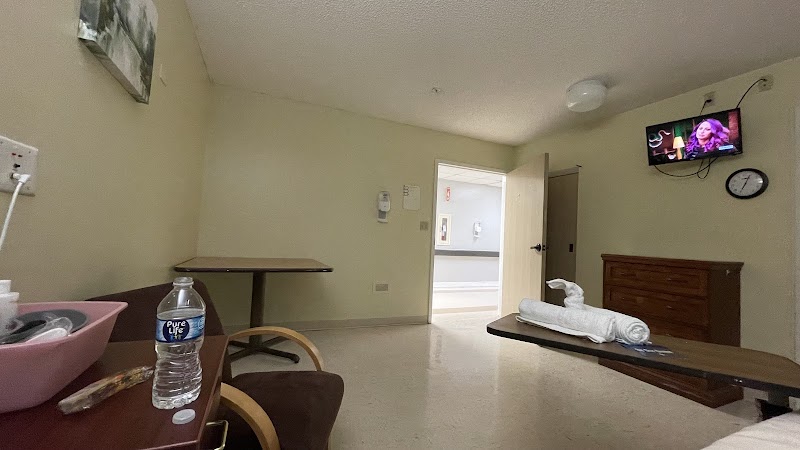
How is Nursing & Rehabilitation Center Of Melbourne Staffed?

CMS rates NURSING & REHABILITATION CENTER OF MELBOURNE's staffing level at 4 out of 5 stars, which is above average compared to other nursing homes. Staff turnover is 28%, compared to the Florida average of 46%. This relatively stable workforce can support continuity of care.

What Have Inspectors Found at Nursing & Rehabilitation Center Of Melbourne?

State health inspectors documented 37 deficiencies at NURSING & REHABILITATION CENTER OF MELBOURNE during 2020 to 2023. These included: 36 with potential for harm and 1 minor or isolated issues.
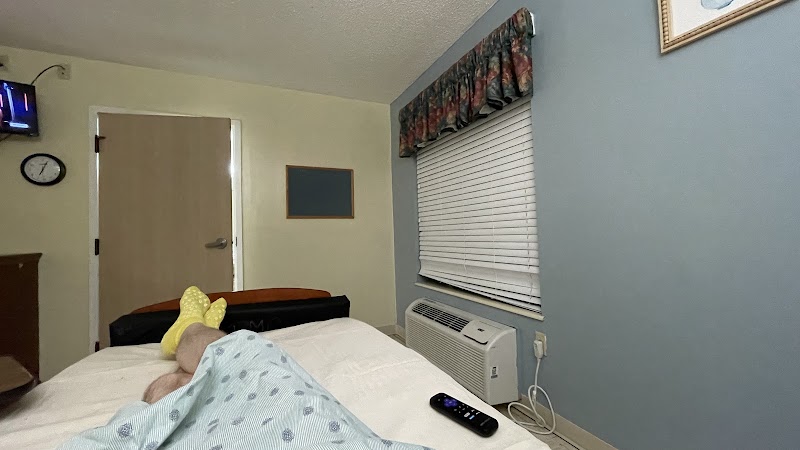
Who Owns and Operates Nursing & Rehabilitation Center Of Melbourne?

NURSING & REHABILITATION CENTER OF MELBOURNE is owned by a for-profit company. For-profit facilities operate as businesses with obligations to shareholders or private owners. The facility operates independently rather than as part of a larger chain. With 167 certified beds and approximately 157 residents (about 94% occupancy), it is a mid-sized facility located in MELBOURNE, Florida.

How Does Nursing & Rehabilitation Center Of Melbourne Compare to Other Florida Nursing Homes?

Compared to the 100 nursing homes in Florida, NURSING & REHABILITATION CENTER OF MELBOURNE's overall rating (2 stars) is below the state average of 3.2, staff turnover (28%) is significantly lower than the state average of 46%, and health inspection rating (2 stars) is below the national benchmark.

What Should Families Ask When Visiting Nursing & Rehabilitation Center Of Melbourne?

Based on this facility's data, families visiting should ask: "Can I visit during a mealtime to observe dining assistance and food quality?" "How do you handle medical emergencies, and what is your hospital transfer rate?" "Can I speak with family members of current residents about their experience?"

Is Nursing & Rehabilitation Center Of Melbourne Safe?

Based on CMS inspection data, NURSING & REHABILITATION CENTER OF MELBOURNE has a clean safety record: no substantiated abuse findings (meaning no confirmed cases of resident harm), no Immediate Jeopardy citations (the most serious violation level indicating risk of serious injury or death), and is not on the Special Focus Facility watch list (a federal program monitoring the lowest-performing 1% of nursing homes). The facility has a 2-star overall rating and ranks #100 of 100 nursing homes in Florida. While no facility is perfect, families should still ask about staff-to-resident ratios and recent inspection results during their visit.

Do Nurses at Nursing & Rehabilitation Center Of Melbourne Stick Around?

Staff at NURSING & REHABILITATION CENTER OF MELBOURNE tend to stick around. With a turnover rate of 28%, the facility is 18 percentage points below the Florida average of 46%. Low turnover is a positive sign. It means caregivers have time to learn each resident's needs, medications, and personal preferences. Consistent staff also notice subtle changes in a resident's condition more quickly. Registered Nurse turnover is also low at 23%, meaning experienced RNs are available to handle complex medical needs.

Was Nursing & Rehabilitation Center Of Melbourne Ever Fined?

NURSING & REHABILITATION CENTER OF MELBOURNE has been fined $22,331 across 5 penalty actions. This is below the Florida average of $33,302. While any fine indicates a compliance issue, fines under $50,000 are relatively common and typically reflect isolated problems that were subsequently corrected. Families should ask what specific issues led to these fines and confirm they've been resolved.

Is Nursing & Rehabilitation Center Of Melbourne on Any Federal Watch List?

NURSING & REHABILITATION CENTER OF MELBOURNE is not on any federal watch list. The most significant is the Special Focus Facility (SFF) program, which identifies the bottom 1% of nursing homes nationally based on persistent, serious quality problems. Not being on this list means the facility has avoided the pattern of deficiencies that triggers enhanced federal oversight. This is a positive indicator, though families should still review the facility's inspection history directly.