SPACE COAST HEALTHCARE AND REHABILITATION CENTER
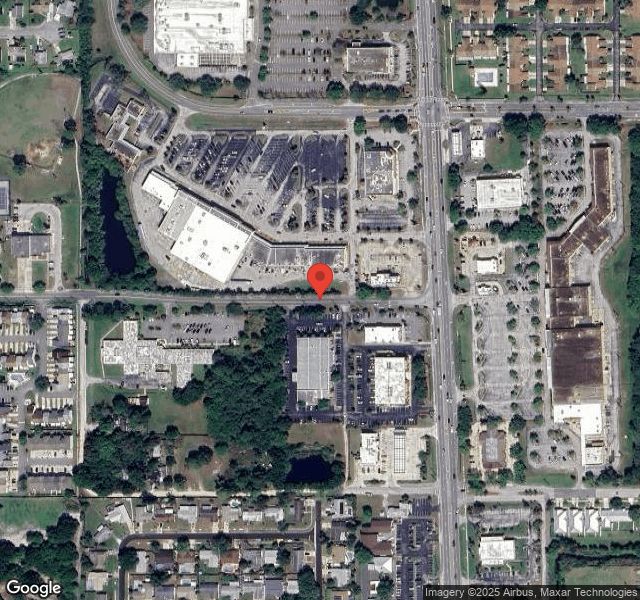

125 ALMA BLVD, MERRITT ISLAND, FL 32953 (321) 453-0202
For profit - Corporation 120 Beds EXCELSIOR CARE GROUP Data: November 2025 3 Immediate Jeopardy citations
Trust Grade
0/100
#566 of 690 in FL
Last Inspection: January 2025

Within standard 12-15 month inspection cycle. Federal law requires annual inspections.

Overview

Space Coast Healthcare and Rehabilitation Center has received a Trust Grade of F, which indicates significant concerns about the facility's quality of care. It ranks #566 out of 690 nursing homes in Florida, placing it in the bottom half of all facilities. The situation appears to be worsening, as the number of reported issues has escalated from 3 in 2024 to 21 in 2025. While staffing is relatively strong with a 4/5 star rating, indicating that staff tend to stay longer than average, the turnover rate of 58% is concerning compared to the state average of 42%. Notably, the facility has faced critical incidents, including a failure to manage diabetes care for a resident, leading to a life-threatening condition called Diabetic Ketoacidosis, which resulted in an emergency hospitalization. Overall, while there are strengths in staffing, serious weaknesses in care coordination raise significant concerns for families considering this facility.

Trust Score
F
0/100
In Florida
#566/690
Bottom 18%
Safety Record
High Risk
Review needed
Inspections
Getting Worse
3 → 21 violations
Staff Stability
⚠ Watch
58% turnover. Above average. Higher turnover means staff may not know residents' routines.
Penalties
✓ Good
$10,949 in fines. Lower than most Florida facilities. Relatively clean record.
Skilled Nurses
○ Average
Each resident gets 38 minutes of Registered Nurse (RN) attention daily — about average for Florida. RNs are the most trained staff who monitor for health changes.
Violations
⚠ Watch
44 deficiencies on record. Higher than average. Multiple issues found across inspections.
★★☆☆☆
2.0
Overall Rating
★★★★☆
4.0
Staff Levels
★★★★★
5.0
Care Quality
★☆☆☆☆
1.0
Inspection Score
Stable
2024: 3 issues
2025: 21 issues

The Good

  • 4-Star Staffing Rating · Above-average nurse staffing levels
  • 5-Star Quality Measures · Strong clinical quality outcomes
  • Full Sprinkler Coverage · Fire safety systems throughout facility
  • No fines on record

Facility shows strength in staffing levels, quality measures, fire safety.

The Bad

2-Star Overall Rating

Below Florida average (3.2)

Below average - review inspection findings carefully

Staff Turnover: 58%

11pts above Florida avg (46%)

Frequent staff changes - ask about care continuity

Federal Fines: $10,949

Below median ($33,413)

Minor penalties assessed

Chain: EXCELSIOR CARE GROUP

Part of a multi-facility chain

Ask about local staffing decisions and management

Staff turnover is elevated (58%)

10 points above Florida average of 48%

The Ugly 44 deficiencies on record

3 life-threatening
Aug 2025 6 deficiencies 3 IJ
CRITICAL (J) 📢 Someone Reported This

A family member, employee, or ombudsman was alarmed enough to file a formal complaint

Immediate Jeopardy (IJ) - the most serious Medicare violation

Free from Abuse/Neglect (Tag F0600)

Someone could have died · This affected 1 resident

**NOTE- TERMS IN BRACKETS HAVE BEEN EDITED TO PROTECT CONFIDENTIALITY** Based on interview, and record review, the facility neglected to ensure necessary care and services were provided by ensuring nu...

Read full inspector narrative →
**NOTE- TERMS IN BRACKETS HAVE BEEN EDITED TO PROTECT CONFIDENTIALITY** Based on interview, and record review, the facility neglected to ensure necessary care and services were provided by ensuring nurses coordinated with physicians to provide proper provision of care for 1 of 1 resident reviewed for insulin-dependent Diabetes Mellitus with an insulin pump, of a total sample of 5 residents, (#1). The facility failed to recognize the critical need for insulin orders and blood glucose finger sticks upon admission and failed to implement physician ordered finger stick blood glucose monitoring after it was prescribed. These combined failures in care coordination resulted in a lack of proper blood glucose monitoring and treatment for eight days, during which the resident developed Diabetic Ketoacidosis (DKA), a life-threatening condition. The resident required emergency 911 transfer to the hospital and re-hospitalization with Intensive Care Unit (ICU) level care, for 5 days. DKA is a life-threatening complication that affects people with diabetes and requires immediate medical attention. DKA happens when your body doesn't have enough insulin (an essential hormone that helps your cells use sugar for energy). Lack of insulin causes your liver to break down body fat for energy causing your blood to become acidic, which creates an emergency medical situation. People with type 1 diabetes can develop DKA at any point if they don't get enough insulin. Without treatment, DKA is fatal. Causes of DKA include missing a dose or more of insulin shots, or a clogged or empty insulin pump. DKA is diagnosed if your blood glucose level is above 250 milligrams/deciliter (mg/dL), your blood is acidic, you have ketone (acid molecules) in your urine or blood, and your blood bicarbonate level is lower than 18 milliequivalents/ liter. An insulin pump is a wearable medical device that supplies a continuous flow of rapid-acting insulin underneath your skin. Most pumps are small, computerized devices that are roughly the size of a juice box or a deck of cards. Finger stick tests are primarily used to monitor blood glucose levels, which is crucial for managing diabetes. Regular monitoring can prevent complications associated with high or low blood sugar, (retrieved from my.clevelandclinic.org on 8/08/25). Resident #1 was hospitalized for five days requiring critical care in the ICU, and an intravenous (IV) insulin drip. She returned to the facility on 5/23/25 for continued recovery and therapy until 6/18/25, when the resident had a planned discharged to an inpatient rehabilitation hospital. From admission on [DATE], the facility's nurses did not coordinate vital care needs with the on-call provider to ensure finger stick blood glucose monitoring and insulin orders were implemented on admission. On 5/13/25, the Interdisciplinary Team (IDT) reviewed resident #1's hospital records and admission orders. The IDT failed to recognize finger stick and insulin orders were missing for a high-risk resident with an insulin pump. On 5/14/25, the attending physician and Advanced Practice Nurse Practitioner (APRN) jointly assessed resident #1. On 5/15/25, the attending physician entered an order for finger stick blood glucose testing in the Electronic Medical Record (EMR). Nurses failed to properly finalize the order to link to the Medication Administration Record (MAR) in which prompts notified nurses to perform the tests. The resident's primary care providers did not recognize test results were missing that if implemented, would have detected resident #1's unstable blood glucose levels and prevented complications, worsening of condition, and mitigated the risk of serious injury/impairment/death with the implementation of appropriate interventions. Eight days after resident #1 arrived at the facility, on Monday, 5/19/25, a nurse observed the resident sitting on the floor in her room. After performing two finger stick blood glucose tests with readings of high (exceeded device measurement parameters), physician's orders were obtained to transport the resident to the hospital via 911 Emergency Medical Services (EMS) for dangerously high blood sugar. The facility's neglect to recognize and implement proper provision of care and services for a high-risk resident with type I Diabetes Mellitus and an insulin pump contributed to the destabilization of resident #1's medical conditions and placed all residents at risk for neglect and serious injury/impairment/death. For eight days, the facility was unaware resident #1 was missing critical clinical monitoring and insulin until the resident's condition worsened with weakness and altered mental status and she fell. This failure resulted in Immediate Jeopardy which began on 5/12/25.Findings: Cross reference F635 and F726 Review of the medical record revealed resident #1, a [AGE] year old female was admitted to the facility from an acute care hospital on 5/12/25 with diagnoses that included: acute metabolic encephalopathy (brain dysfunction), diabetes mellitus, hyperglycemia (high blood sugar), other seizures, pneumonia, hypotension (low blood pressure), dependence on renal (kidney) dialysis, and history of venous thrombosis/embolism (blood clot). The Minimum Data Set (MDS) 5-day Assessment with an Assessment Reference Date of 5/19/25 showed during the look-back period, resident #1 scored 15 out of 15 on the Brief Interview for Mental Status that indicated she was cognitively intact. The assessment noted resident #1 had an altered level of consciousness that fluctuated and changed in severity. No behaviors or rejections of evaluation or care were noted. The assessment showed no insulin injections were administered during the lookback period but did receive high-risk opioid and anticonvulsant medications. The resident received hemodialysis before admission and during the stay. Resident #1's pre-admission clinical documents faxed from the hospital Case Manager on 5/08/25 for the facility's pre-admission review and acceptance noted the resident was admitted to the hospital on [DATE] for multiple episodes of loss of consciousness, and possible seizure. The History of Present Illness (HPI) section of the physician's notes indicated the resident's family reported that no recent doses of medications were missed. The documents detailed that hyperglycemia was treated with sliding scale insulin and finger stick blood glucose monitoring. The notes showed her home medications included Omnipod 5 Dexg7g6 Pods (Gen5) 1 dose daily via insulin pump, Lantus Insulin 4 Units (IU) subcutaneous (SQ) daily, and Lispro Insulin 2 IU SQ three times daily before meals. The Agency for Healthcare Administration (AHCA) Form 5000-3008 signed by the hospital provider dated 5/12/25 documented resident #1's Discharge Summary and Discharge Medication List reports were attached. The hospital discharge physician's ordered medication list dated 5/12/25, documented orders to continue home medications which included: Insulin Pump Omnipod 5 Dexg7g6 Pods (Gen 5) cartridge, 1 dose SQ daily; Insulin Glargine (Lantus), 4 IU SQ daily; and Insulin Lispro, 2 IU SQ three times daily before meals. Review of the admission Packet sent with resident #1 from the hospital on 5/12/25 for facility admission revealed physician's ordered discharge medications included, New: Oxycodone immediate release 10 Milligrams (MG) every 4 hours as needed for 3 days, Tylenol 650 MG every 6 hours as needed, Minoxidil 60 Gram Foam, topical (on skin) daily. The medication list directed the resident continue taking the following medications: Insulin Pump Omnipod 5 Dexg7g6 Pods (Gen5), 1 cartridge, 1 dose SQ daily, Lantus Insulin 4 IU SQ daily, and Lispro Insulin 2 IU SQ three times daily before meals, Creon 36,000 IU three times daily, Divalproex Sodium 500 MG twice daily, Lacosamide 100 MG twice daily, Levothyroxine 50 Micrograms (MCG) once daily, Midodrine 10 MG three times daily, Gabapentin 300 MG at bedtime, In a telephone interview on 7/29/25 at 10:06 AM, the Director of Admissions explained she received hospital referrals and was responsible for screening/accepting potential admissions to the facility. She said she did not have any clinical or medical professional credentials and sent off any potentially complicated or special clinical needs referrals to the facility Director of Nursing (DON) or designee and the Corporate Office for further review and approvals. She recalled she received resident #1's first referral via facsimile and didn't see anything that required further approval, so she independently accepted the resident for admission. She said she had worked at the facility for approximately a year and a half and didn't recall any previously admitted residents with an insulin pump and stated, I don't necessarily consider that something we can't handle. On 7/29/25 at 10:40 AM, the DON recalled there was not a pre-admission clinical review completed for resident #1's 1st admission, and the facility had not previously accepted any residents with an insulin pump in the last few years since she worked at the facility. The DON said she didn't think the Director of Admissions was aware the resident had an insulin pump and if she had known, additional clinical review was required. In a telephone interview with APRN D, the DON, and the Assistant Director of Nursing (ADON) on 7/28/25 at 12:24 PM, APRN D said insulin pumps could not be administered by nurses at the facility, and they required special monitoring with an outpatient specialist. The APRN could not recall any other residents with an insulin pump at the facility prior to resident #1. On 7/31/25 at 9:24 AM, the Director of Operations explained the facility did not have a written policy for what conditions, devices, etc. the facility did or did not accept. She said there were practices the facility followed that dictated when additional clinical review was required. Resident #1's Care Plan Report showed a care plan was initiated on 5/13/25 and revised on 6/03/25 for Activities of Daily Living (ADLs) self-care performance deficit related to diabetes mellitus type I, history of recent DKA, encephalopathy, history of acute kidney injury, dependence on dialysis, chronic hypotension, and asthma. Interventions included for nurses to monitor/document/report any changes or declines in function. Other care plans included on 5/13/25 diabetes mellitus with a goal for no complications, and interventions for diabetes medication as ordered by doctor, medication education with verbal understanding, labs, food/nutrition substitutions, and nurse monitoring for abnormal blood glucose signs/symptoms. On 5/13/25 a care plan for risk for falls related to weakness, limited mobility, seizure history, hypoglycemic use, hypotension, neuropathy, fall risk score, and fall history was implemented. On 5/13/25 a care plan for pain and pain medication, right chest dialysis catheter monitoring, nutritional problems related to diabetes, kidney disease, and dialysis, altered respiratory status was begun and on 5/16/25 a care plan related to adverse effects of high-risk medication monitoring, risk for pressure injuries. The discharge care plan initiated on 5/13/25 noted the resident wished to be discharged from the facility to community/prior living arrangements (home). There were no care plans addressing resident #1's insulin pump from 5/12/25 to 5/19/25. The May 2025 Medication Administration Report (MAR) showed resident #1's 5/12/25 admission physician's ordered medications included: Bumetanide (diuretic) 2 MG once daily for pneumonia, Gabapentin (anti-convulsant) 300 MG at bedtime for diabetic neuropathy, Levothyroxine 50 Micrograms (MCG) once daily for hypothyroidism, Keppra 1000 MG twice daily for seizures, Lacosamide 100 MG twice daily for seizures, Creon (pancreatic enzymes) 12000-38000 Units (IU) three times daily for dialysis dependence, Midodrine 10 MG three times daily for low blood pressure, and Oxycodone 10 MG every 6 hours as needed for pain. After the resident returned from the hospital on 5/23/25, orders were added that included: Lantus Insulin 4 (IU) once daily for diabetes mellitus increased to 6 IU on 5/31/25, Lispro Insulin 2 IU before meals and changed on 5/24/25 to Novolog Aspart Insulin 2 IU before meals with finger sticks and parameters to notify the APRN for readings of less than 60 mg/dL, or more than 250 mg/dL for diabetes mellitus, and blood glucose finger sticks twice daily with parameters to notify the MD (Medical Doctor) when less than 60 mg/dL, or more than 400 mg/dL. Review of the physician's orders placed on admission to the facility admission on [DATE] included all of medications listed on the hospital physician's discharge medication orders, except for the insulin orders, Insulin Pump Omnipod 5 Dexg7g6 Pods (Gen 5) cartridge, 1 dose SQ daily; Insulin Glargine (Lantus), 4 IU SQ daily; and Insulin Lispro, 2 IU SQ three times daily before meals. No finger sticks were ordered. The Nursing admission Evaluation Comprehensive Nursing Assessment completed by Registered Nurse (RN) F on 5/13/25 included a skin assessment with a body map. The image and description did not document areas on resident #1's body with the dialysis catheter or insulin pump. The Special Needs section indicated no catheters or devices were present. The Drug Regimen Review section of the Comprehensive Assessment documented that a review of all medications was performed, no significant medication issues were found, and that the physician was notified on 5/12/25 with no response from the provider noted. The list of medication classes (categories) was marked positive for diabetic medication. A Diabetic Medication Care Plan was checked and initiated with an intervention for diabetic medication as ordered by the physician and to monitor/document for side effects and effectiveness. In a telephone interview with RN F on 7/30/25 at 1:20 PM, the nurse explained the facility practice for new admissions included nurse's review of the hospital's history and physical and discharge medications. She said the documents were sometimes already scanned to the Electronic Medical Record (EMR), and an envelope with photocopies came with the resident from the hospital. She said the normal practice was to notify the on-call provider, provide a report of the resident's medical history, and review the hospital discharge medication orders. The RN recalled resident #1 had an insulin pump and said that finger sticks should have been entered by either herself or the on-coming nurse, as she was a diabetic. She recalled admission orders were obtained from APRN E who wanted the resident's long-acting insulin further evaluated for appropriate orders with the pump. The RN stated, they need finger stick blood sugar orders; I'm not sure if it was an oversight on my part or my co-worker. On 7/29/25 at 10:46 AM, APRN D recalled she participated in the IDT meeting on 5/13/25, the morning after resident #1 was admitted . She explained that APRN E gave admission orders to hold the insulin. She said the resident's hospital records were reviewed which noted the resident had type 1 Diabetes, and it was common knowledge to do finger stick checks for all diabetics with insulin, especially those who were very brittle with an insulin pump. She said pumps could not be managed in a Skilled Nursing Facility (SNF). The APRN said she had assumed there were already orders in place for finger sticks twice a day and she did not recall if the records were checked during the meeting for confirmation. Brittle diabetes is a healthcare term used to describe diabetes that's difficult to manage because of severe swings in blood sugar levels that can cause hospitalization. Swings can cause low blood sugar (hypoglycemia) or high blood sugar (hyperglycemia) which mainly affects people with type 1 diabetes, often due to other physician or mental health conditions. Symptoms of low blood sugar include weakness, confusion, clumsiness and seizures. Symptoms/complications of hyperglycemia include fatigue, increased infections including yeast infections, confusion, nausea and vomiting, (retrieved on 8/14/25 from www.myclevelandclinic.org). In a telephone interview on 7/30/25 at 9:15 AM, APRN E explained she was the on-call provider on weekends and Monday nights. The APRN said she followed the hospital physician's discharge medication orders for new admissions, and said she never gave orders to hold newly admitted resident's routine insulin. She did not recall resident #1 specifically, but stated, I would still give orders for blood glucose finger sticks, especially if they had an insulin pump. APRN D's Admit Visit progress note dated 5/13/25 and signed on 5/15/25 listed resident #1's hospital discharge medications but did not include any insulin. The hospital records with laboratory results were noted as reviewed with a blood sugar result of 240 mg/dL. The Diabetes Mellitus diagnosis had comments noted as, blood glucose trends were stable and within normal limits and no medications were taken, but review of finger stick blood glucose monitoring was not mentioned in the report. Nowhere in the note including the Physical Exam section mentioned the insulin pump on resident #1's body although there was at least 60 minutes documented as time spent assessing the resident. The MD (Medical Doctor) History & Physical progress note dated 5/14/25 with 50-94 minutes of assessment duration documented resident #1's most recent comprehensive laboratory results were reviewed with a blood glucose serum level of 244 mg/dL. The Diabetes Mellitus with hyperglycemia diagnosis had comments that noted that no blood glucose finger sticks were available for review and physician's orders were placed for daily blood glucose finger sticks to evaluate insulin. There was no other mention of insulin in the note. In a telephone interview with resident #1's primary care physician on 7/29/25 at 11:20 AM, she explained she expected hospital physician's discharge orders to be followed for medications and said blood glucose finger stick orders were standard protocol for all diabetics with insulin. She explained when she saw resident #1 on 5/14/25 she did not recall there were any insulin orders. The physician recalled the resident's blood glucose was over 200 mg/dL with a diagnosis of diabetes mellitus which needed to be evaluated for insulin coverage. She stated she sent a text message the same day to APRN D with directives to follow up. She said she was unaware up until this interview that the resident used an insulin pump. In an interview on 7/31/25 at 10:02 AM, APRN D recalled on 5/14/25, she jointly assessed resident #1 with the primary care physician. She said on 5/13/25, she ordered labs to check a longer blood glucose history which showed the resident's blood glucose had previously been stable with insulin/insulin pump coverage. The APRN said the physician gave orders to check finger sticks twice daily and they both expected nurses had performed the tests. On 7/31/25 at 10:02 AM, APRN D recalled on 5/14/25, two days after resident #1 was admitted to the facility, she let the physician know more medical records were needed. She said a blood test indicated the resident had stable blood sugars with the previous insulin regimen. The APRN explained the same day during a joint assessment of the resident with the physician, it was determined finger sticks were needed twice daily to see how often she would need insulin coverage. APRN D did not say why she never followed up on the blood glucose finger stick monitoring results or need for insulin. The APRN said the facility never had a resident with an insulin pump before and stated, she's on dialysis and that further complicates her condition. Review of resident #1's Order Audit Report showed the primary care physician entered orders on 5/15/25 at 2:47 PM for blood glucose finger stick monitoring every morning for five days for diabetes. The report noted Licensed Practical Nurse (LPN) C confirmed the order on 5/15/25 at 3:23 PM, three days after resident #1's admission to the facility. On 7/29/25 at 2:48 PM, LPN C explained it was the facility's practice to implement finger sticks for newly admitted residents who had been on insulin. The nurse explained when physicians entered their own orders into the computer, nurses verified the entry and confirmed it. The LPN recalled after the physician entered resident #1's Accu-Chek orders on 5/15/25, she confirmed it however, she later learned from the DON that it wasn't categorized properly. The nurse explained the order didn't go into the MAR to alert nurses to perform the test, and therefore the order was never implemented. APRN D's Follow Up Progress Note dated 5/15/25 documented time spent on resident #1's assessment took at least 55 minutes. No new glucose laboratory results were mentioned, and the section for Diabetes Mellitus diagnosis noted, no medications, and blood glucose trends revealed levels were stable and within normal limits, which was in conflict with the only result for blood glucose testing performed on 5/13/25 and resulted on 5/14/25 was 244 mg/dL. The note read, Hospital and facility records including but not limited to laboratory findings, radiology, clinical record, medication review, medication administration record reviewed in detail. Normal or target blood sugar levels for diabetes are less than 100 mg/dL for fasting blood sugar, 70-130 mg/dL before a meal, and less than 180 mg/dL after a meal. If you have unstable diabetes you may need to check your blood sugar multiple times a day, (retrieved on 8/14/25 from www.medicinenet.com). APRN D's Follow Up Progress Note dated 5/19/25 and signed at 11:43 AM, noted resident #1's assessment took at least 55 minutes. No new laboratory results were mentioned and there was no diagnosis of Diabetes Mellitus included under the Assessment/Plan. The note mentioned the hospital and facility records were reviewed in detail. The note contained an addendum dated 5/20/25 that documented staff had called to report resident #1 was found to be unresponsive and non-verbal with her right hand shaking or seizing; blood glucose level was obtained and read high. It was noted the resident was sent out to the emergency room (ER) for evaluation due to altered mental state and elevated blood glucose. The note indicated at 5:00 PM the resident was re-admitted to the hospital ICU with DKA (undated). In an interview on 7/31/25 at 2:48 PM, LPN B recalled on 5/19/25, resident #1 was part of her assignment. The nurse explained she observed the resident on the floor in her room beside the bed in an altered mental state with weakness, drowsiness, but no apparent injuries. The LPN said she notified APRN F who directed her to check the resident's blood sugar. She immediately attempted two finger sticks that both read, high, which was reported to APRN F who gave orders to send the resident out via 911 to the hospital. The nurse said she was unaware the resident was diabetic with an insulin pump until she called resident #1's mother about the change in condition. She said the resident's mother asked about finger stick results and was concerned about possible DKA. The Change In Condition (SBAR) [Situation Background Assessment Recommendation] notes completed by LPN B on 5/12/25 at 1:45 PM, revealed resident #1 was observed with increased confusion/disorientation, lethargy (fatigue/drowsiness), and a blood sugar machine reading of high. The SBAR noted at 12:30 PM, the physician was notified and gave orders to send the resident to the ER via 911 Emergency Medical Services. In a joint interview with the DON and ADON on 8/01/25 at 10:40 AM, the DON reviewed resident #1's 5/19/25 fall incident record. The DON explained that LPN B entered the resident's room at 12:20 PM and observed her sitting on the floor to the side of the bed. They said LPN B assessed the resident with no injuries and found a high blood glucose reading. They explained APRN D had seen the resident earlier that morning and was contacted by phone of the event. The DON stated, they got an order to send her out because of the high reading. The EMS Patient Care Record dated 5/19/25 noted an Emergency Dispatch (EMD) Complaint for, Diabetic Problem and a primary clinical impression of Diabetic Hyperglycemia for resident #1. The ED triage note dated 5/19/25 at 2:01 PM, indicated resident #1 arrived from the facility with a chief complaint of hyperglycemia (high blood glucose). The treatment initiated prior to arrival was a blood glucose check with a result of 582 mg/dL. The Primary Assessment section of the triage indicated resident #1 was awake, alert, and oriented to person, place and time. The ED RN documented, arrived via EMS for hyperglycemia. She wrote that EMS reported resident #1's blood glucose was 582 mg/dL, and upon arrival to ED fingerstick blood glucose was 560 mg/dL. The ED nurse documented resident #1 denied pain and was alert and oriented to person, place, time and situation, but said she felt weak. The hospital physician's admission notes dated 5/19/25 read, The patient is critically ill requiring high-risk and invasive therapies, intensive monitoring, and complex medical decision-making to prevent otherwise inevitable life-threatening organ system decompensation if untreated. The hospital primary care physician's notes indicated during emergency and ICU care, resident #1's blood glucose levels were, in the 600's. The Order Reconciliation Home Medications on hospital records dated 5/19/25 and the hospital Discharge Progress Notes Medication Update dated 5/23/25 for facility re-admission included Lispro Insulin 2 IU three times a day before meals, and Lantus Insulin 4 IU once a day. The Weights and Vitals Summary report showed resident #1 didn't receive any finger stick glucose checks from 5/12/25 to 5/19/25, for eight days. Over eight days from 5/12/25 until 5/19/25, while resident #1 did not receive the needed care and services for her type 1 diabetes, there were nine licensed nurses over three shifts, two APRNs, and one physician who evaluated, assessed, and made critical clinical decisions about resident #1's plan of care. In a telephone interview on 7/17/25 at 4:39 PM, resident #1's stepmother explained the facility had not properly monitored resident #1's diabetes which caused her to be re-hospitalized . She said since the incident, the resident's condition had declined, she required further therapy at an inpatient rehabilitation facility and stated, she's not doing very well. In a telephone interview from the inpatient rehabilitation facility on 8/02/25 at 10:08 AM, resident #1 explained she used the insulin pump at home before she was hospitalized in early May 2025. She said before her hospitalization, her mother assisted her with managing the insulin pump and to obtain prescriptions. Resident #1 had a broken speech pattern with delayed thought processing which caused frequent pauses. The resident said she never told any of the nurses or providers that she didn't use insulin. She relayed she had hoped to return home from the nursing home with her mother but needed additional therapy at an inpatient rehabilitation hospital to get better. She said she was weaker after her re-hospitalization on 5/19/25 and believed her condition had worsened since then. Review of the Care Conference Record dated 6/12/25 noted resident #1's mother was present at the meeting and expressed concerns to the facility regarding medication administration during her daughter's first admission to the facility from the hospital on 5/12/25. On 7/30/25 and 7/31/25, two unsuccessful attempts were made by telephone to interview resident #1's mother. On 7/29/25 at 11:20 AM, a telephone interview was conducted with resident #1's primary care physician. The doctor explained in May 2025, she was also the Medical Director of the facility and stated, I remember this case very specifically; I even texted the APRN, and I saw they didn't follow my orders for finger sticks; I was very upset. She recalled when she assessed resident #1 on 5/14/25, there were no insulin orders in the resident's EMR. The physician said she did not have all the hospital information when she assessed the resident and had she known about the insulin orders/pump, the plan of care would have been much different and included closer monitoring and more testing. The doctor said insulin pumps were dangerous, especially for someone on dialysis and could not be used in a Skilled Nursing Facility (SNF). The physician stated, She should have been monitored, it was a week [without insulin], and it could have been prevented; definitely she could have died. On 8/01/25 at 12:08 PM, the current Medical Director was interviewed. The physician said he had recently started in the role since mid-July 2025. He explained it was critical for nurses to inform doctors of an insulin pump, and he always expected finger stick orders to monitor blood glucose for diabetics with insulin, especially brittle ones. He said he assessed resident #1 after she returned from the hospital and her dialysis dependence made it even more crucial to monitor her diabetes condition closely. The physician explained that DKA was a serious complication and relayed the re-hospitalization could have been prevented if the resident was monitored during the seven days prior to the event, so that irregular or concerning highs and lows in blood glucose would have been caught. Review of resident #1's hospital admission records dated 5/19/25 confirmed the resident's admitting diagnosis was for Diabetes Mellitus with Ketoacidosis with blood glucose readings of greater than 600 ml/dL that required IV insulin, and ICU admission. Review of the ED treatments flowsheet dated 5/19/25 at 3:40 PM, revealed a foley urinary catheter was ordered and inserted by the nurse for urine output monitoring in the critically ill patient and to manage acute urinary retention. Review of her hospital Discharge Summary for her admission from 5/19/25 to 5/23/25 revealed the reason for hospitalization was DKA and the principal discharge diagnosis was DKA, resolved. The secondary diagnosis on discharge was candiduria, urinary tract infection. The HPI section documented by the hospital physician on 5/24/25 included this was a [AGE] year old female who presented to the emergency department from the [name of the SNF] with reported hyperglycemia. Past medical history included type 1 diabetes mellitus and end stage renal disease with dialysis. In the Discharge Summary the physician documented resident #1's blood sugar was in the 600's mg/dL, and her CO2 (Carbon Dioxide) was 16. The Hospital Course section detailed resident #1 was admitted to the hospital ICU due to DKA, given intravenous fluids and intravenous insulin drip. The physician described a urinalysis which was concerning for a UTI, so she was initially placed on an antibiotic, but after urine culture showed the infection was actually Candida she was switched to an antifungal medication. Normal carbon dioxide levels in the blood range from 20 to 29 millimoles/liter. Low CO2 levels can be a signal of health problems such as too much acid in the blood or ketoacidosis (DKA), (retrieved on 8/14/25 from myclevelandclinic.org). Candida fungal species are considered important parts of microbial normal flora in the mouth, ear and vagina in healthy people, and candida is normally colonized on the external side of the urethral opening in healthy females. This normally occurring yeast may turn opportunistic causing UTI due to predisposing factors in some people such as women, diabetics, having indwelling catheters, and malnutrition, (retrieved on 8/14/25 from nlm.nih.gov). Review of an undated statement completed by the facility's MD Consultant and presented during the survey by the facility, revealed in the MD statement, [resident #1's name] is a [AGE] year-old female with a complex medical history, including type 1 diabetes complicated by diabetic ketoacidosis. In conflict with the hospital physician's discharge summary, the consultant physician wrote that resident #1's primary reason for her admission was a Urinary Tract Infection (UTI), which is a well-documented cause of acute mental status changes. The consulting physician felt this was also the case with resident #1. The statement indicated the absence of any abnormal blood glucose levels during her hospitalization, made it .clear that there were no indications of acut
CRITICAL (J) 📢 Someone Reported This

A family member, employee, or ombudsman was alarmed enough to file a formal complaint

Immediate Jeopardy (IJ) - the most serious Medicare violation

Deficiency F0635 (Tag F0635)

Someone could have died · This affected 1 resident

**NOTE- TERMS IN BRACKETS HAVE BEEN EDITED TO PROTECT CONFIDENTIALITY** Based on interview, and record review, the facility failed to implement and review physician's admission orders for 1 of 3 resid...

Read full inspector narrative →
**NOTE- TERMS IN BRACKETS HAVE BEEN EDITED TO PROTECT CONFIDENTIALITY** Based on interview, and record review, the facility failed to implement and review physician's admission orders for 1 of 3 residents reviewed for admission orders, of a total sample of 5 residents, (#1). The facility did not verify, implement, or initiate expected treatments and prescribed medications consistent with the resident's medical status and as listed in the hospital discharge summary. The Interdisciplinary Team (IDT) failed to recognize that essential components of the admission orders to maintain a chronic condition, including critical medications were missing or not transcribed into the Electronic Medical Record (EMR). This failure resulted in a lack of proper blood glucose monitoring and insulin medication for eight days, during which the resident developed Diabetic Ketoacidosis (DKA), a life-threatening condition. The resident required emergency 911 transfer to the hospital and re-hospitalization with Intensive Care Unit (ICU) level care, for five days. DKA is a life-threatening complication that affects people with diabetes and requires immediate medical attention. DKA happens when your body doesn't have enough insulin (an essential hormone that helps your cells use sugar for energy). Lack of insulin causes your liver to break down body fat for energy causing your blood to become acidic, which creates an emergency medical situation. People with type 1 diabetes can develop DKA at any point if they don't get enough insulin. Without treatment, DKA is fatal. Causes of DKA include missing a dose or more of insulin shots, or a clogged or empty insulin pump. An insulin pump is a wearable medical device that supplies a continuous flow of rapid-acting insulin underneath your skin. Most pumps are small, computerized devices that are roughly the size of a juice box or a deck of cards. Finger stick tests are primarily used to monitor blood glucose levels, which is crucial for managing diabetes. Regular monitoring can prevent complications associated with high or low blood sugar, (retrieved from my.clevelandclinic.org on 8/08/25). While hospitalized for five days, resident #1 required emergency Intravenous (IV) insulin and re-hospitalization with ICU care. She returned to the facility on 5/23/25 for continued recovery and therapy until 6/18/25, when the resident had a planned discharged to an inpatient rehabilitation hospital. On 5/12/25, the facility's nurses did not coordinate vital care needs with the on-call provider to ensure finger stick blood glucose monitoring and insulin orders were implemented on admission. On 5/13/25, the IDT reviewed resident #1's hospital records and admission orders but failed to recognize finger sticks and insulin orders were missing for a high-risk resident with an insulin pump. The resident's primary care providers did not recognize test results were missing that if implemented, would have detected resident #1's unstable blood glucose levels and prevented complications, worsening of condition, and mitigated the risk of serious injury/impairment/death. Eight days after resident #1 arrived at the facility, Monday, 5/19/25, a nurse observed her sitting on the floor in her room. After performing two finger stick blood glucose tests with readings of high (exceeded device measurement parameters), physician's orders were obtained to transport the resident to the hospital via 911 Emergency Medical Services (EMS) for dangerously high blood sugar. The facility's failure to recognize and implement proper provision of care and services with admission physician's orders for immediate care for a high-risk resident with type I Diabetes Mellitus and an insulin pump contributed to the destabilization of resident #1's medical conditions and placed newly admitted diabetic residents at risk for serious injury/impairment/death. For eight days, the facility was unaware resident #1 was missing critical medications and clinical monitoring until the resident's condition worsened with weakness, altered mental status and a subsequent fall. This failure resulted in Immediate Jeopardy which began on 5/12/25.Findings:Review of the medical record revealed resident #1, a [AGE] year old female was admitted to the facility from an acute care hospital on 5/12/25 with diagnoses that included: acute metabolic encephalopathy (brain dysfunction), diabetes mellitus, hyperglycemia (high blood sugar), other seizures, pneumonia, hypotension (low blood pressure), dependence on renal (kidney) dialysis, and history of blood clot. The Minimum Data Set 5-day Assessment with an Assessment Reference Date of 5/19/25 showed during the look-back period, resident #1 scored 15 out of 15 on the Brief Interview for Mental Status that indicated she was cognitively intact. She was noted with an altered level of consciousness that fluctuated and changed in severity. No behaviors or rejections of evaluation or care were noted. The assessment showed no insulin injections were administered. The assessment indicated the resident received hemodialysis before admission and during the stay. Brittle diabetes is a healthcare term used to describe diabetes that's difficult to manage because of severe swings in blood sugar levels that can cause hospitalization. Swings can cause low blood sugar (hypoglycemia) or high blood sugar (hyperglycemia) which mainly affects people with type 1 diabetes, often due to other physician or mental health conditions. Symptoms of low blood sugar include weakness, confusion, clumsiness and seizures. Symptoms/complications of hyperglycemia include fatigue, increased infections including yeast infections, confusion, nausea and vomiting, (retrieved on 8/14/25 from www.myclevelandclinic.org). Resident #1's pre-admission clinical documents faxed from the hospital Case Manager on 5/08/25 for the facility's pre-admission review and acceptance noted the resident was admitted to the hospital on [DATE] for multiple episodes of loss of consciousness, and possible seizure. The History of Present Illness section of the physician's notes indicated the resident's family reported that no recent doses of medications were missed. The physician notes detailed that hyperglycemia (high blood sugar) was treated with sliding scale Insulin and Accu-Cheks (finger sticks). Resident #1's home medications were listed as Omnipod 5 Dexg7g6 Pods (Gen5) 1 dose daily via insulin pump, Lantus Insulin 4 Units (IU) subcutaneous (SQ) daily, and Lispro Insulin 2 IU SQ three times daily before meals. Review of the admission Packet sent with resident #1 from the hospital on 5/12/25 for facility admission revealed hospital physicians ordered discharge medications that included new medications and to continue taking other medications that were previously ordered including Insulin Pump Omnipod 5 Dexg7g6 Pods (Gen5), 1 cartridge, 1 dose SQ daily, Lantus Insulin 4 IU SQ daily, and Lispro Insulin 2 IU SQ three times daily before meals. Lantus is a prescription drug used to help manage blood sugar levels in adults with type 1 and type 2 diabetes. It is a long acting insulin that is injected under your skin to add to or replace your body's natural insulin. Insulin Lispro is a prescription drug for managing blood sugar that is taken as an injection under your skin, intravenously or by insulin pump. This medicine acts quickly to lower your blood sugar, (retrieved on 8/14/25 from www.healthline.com). The Agency for Healthcare Administration (AHCA) Hospital Transfer Form 5000-3008 signed by the hospital provider dated 5/12/25, documented resident #1's Discharge Summary and Discharge Medication List reports were attached. The hospital discharge physician's ordered medication list dated 5/12/25 documented continued home medications included: Insulin Pump Omnipod 5 Dexg7g6 Pods (Gen 5) cartridge, 1 dose subcutaneous (SQ) daily, Insulin Glargine (Lantus), 4 units SQ daily, and Insulin Lispro, 2 units SQ three times daily before meals. Review of the May 2025 Medication Administration Report (MAR) showed physician's ordered admission medications on 5/12/25 included: Bumetanide (diuretic) 2 Milligrams (MG) once daily for pneumonia, Gabapentin (anti-convulsant) 300 MG at bedtime for diabetic neuropathy, Levothyroxine 50 Micrograms (MCG) once daily for hypothyroidism, Keppra 1000 MG twice daily for seizures, Lacosamide 100 MG twice daily for seizures, Creon (pancreatic enzymes) 12000-38000 IU three times daily for dialysis dependence, Midodrine 10 MG three times daily for low blood pressure, Oxycodone 10 MG every 6 hours as needed for pain. There were no orders for insulin or blood glucose monitoring noted on the MAR for May 2025. Review of resident #1's admission physician's orders dated 5/12/25 revealed the orders included all of the medications listed on the hospital physician's discharge medication orders, except for the insulin orders. No point of care blood glucose testing (finger sticks) was ordered. On 5/13/25 a care plan was initiated for Diabetes Mellitus with a goal for no complications, included interventions for diabetes medication as ordered by doctor, medication education with verbal understanding, labs, food/nutrition substitutions, and nurse monitoring for abnormal blood glucose signs/symptoms. Additional care plans dated 5/13/25 for risk for falls related to weakness, limited mobility, seizure history, hypoglycemic use, hypotension, neuropathy, fall risk score, and fall history; and for pain and pain medication, right chest dialysis catheter monitoring, nutritional problems related to diabetes, kidney disease, and dialysis, altered respiratory status. On 5/16/25 a care plan was initiated for adverse effects of high-risk medication monitoring, and risk for pressure injuries. In a telephone interview with Registered Nurse (RN) F on 7/30/25 at 1:20 PM, the nurse explained the facility's practice for new admissions included a review of the hospital's history and physical and discharge medications. She said the documents were sometimes scanned ahead of time to the EMR and an envelope with copies came with the resident from the hospital. The nurse explained normal practice was to notify the on-call provider, provide a report of the resident's medical history, and review the hospital discharge medication orders. The RN recalled resident #1 had an insulin pump and said finger sticks should have been ordered by either herself or the on-coming nurse. She explained admission orders were obtained from Advanced Practice Registered Nurse (APRN) E who wanted the resident's long-acting insulin to be further evaluated for appropriate orders with the pump. The RN stated, they [diabetic residents] need finger stick blood sugar orders; I'm not sure if it was an oversight on my part or my co-worker. In a joint interview with the Director of Nursing (DON) and Assistant Director of Nursing (ADON), on 7/28/25 at 12:18 PM, the DON explained in addition to the admitting nurse's review, all new admissions were also reviewed every morning by the IDT to ensure accuracy and make any needed revisions. They confirmed APRN D was present for this meeting. The DON recalled there was a discussion about resident #1's insulin pump and it was unclear if it was used. The DON stated, she (APRN) reviews the discharge orders and if there are any discrepancies she covers that. At 12:24 PM, APRN D joined the interview by telephone. APRN D recalled resident #1's admission on [DATE] and said she was at the IDT meeting on 5/13/25. She said she presumed twice daily finger stick orders were already in place, but she didn't confirm it in the EMR, nor did she recall if anyone else checked. A review of APRN D's Admit Visit progress note dated 5/13/25 and signed on 5/15/25 listed resident #1's medications but did not include any insulin. The APRN documented that the hospital records with laboratory results were reviewed with a blood sugar result of 240. The Diabetes Mellitus diagnosis had comments including, blood glucose trends were stable and within normal limits and no medications were taken. Finger stick monitoring was not mentioned in the report. The Physical Exam did not note an insulin pump on her body but mentioned at least 60 minutes was spent assessing the resident. The Nursing admission Evaluation Comprehensive Nursing Assessment completed by RN F on 5/13/25 included a Drug Regimen Review section with documentation that a review of all medications was performed, no significant medication issues were found, and the MD was notified on 5/12/25. No response from the provider was noted. The list of medication classes was marked positive for diabetic medication. A Diabetic Medication Care Plan was checked as positive with an intervention for diabetic medication as ordered by the doctor and to monitor/document for side effects and effectiveness. In a telephone interview on 7/30/25 at 9:15 AM, APRN E explained she was the on-call provider on weekends and Monday nights. The APRN said she followed the hospital physician's discharge medication orders for new admissions, and she did not ever give orders to hold routine insulin. She did not recall resident #1 specifically but stated, I would still give orders for [blood glucose finger sticks], especially if they had an insulin pump. The MD History & Physical progress note dated 5/14/25 with 50-94 minutes of assessment duration, contained documentation that resident #1's most recent comprehensive laboratory results were reviewed with a blood glucose serum level of 244. The Diabetes Mellitus with hyperglycemia diagnosis had comments written that no blood glucose finger sticks were available for review and physician's orders were placed for daily blood glucose finger sticks to evaluate insulin. The EMR showed RN F admitted resident #1 on 5/12/25 at 10:00 PM during the 3:00 PM to 11:00 PM shift and handed off care to RN A on 5/12/25 for the 11:00 PM to 7:00 AM shift, on 5/13/25. In a telephone interview on 7/30/25 at 11:31 AM, RN A explained nurses relied on the hospital discharge medication orders and normally continued whatever insulin regimen was listed and always included finger sticks. The nurse said the medication list was scanned ahead of time into the EMR and/or copies were in an envelope (admission Packet) that came from the hospital with the resident. She explained the admitting provider was informed when residents had been on insulin. The RN said she worked during the 11:00 PM to 7:00 AM shift but could not recall if she specifically had resident #1 on her assignment for the 5/12/25 to 5/13/25 shift. On 7/29/25 at 2:48 PM, Licensed Practical Nurse (LPN) C explained it was the facility's practice to implement finger sticks for newly admitted residents who had been on insulin. The nurse recalled she usually worked the 7:00 AM to 3:00 PM shift and resident #1 had previously been part of her assignment. She said she was unaware the resident was diabetic and confirmed she should have at least received finger sticks with admission orders if the hospital records showed she was on insulin. The nurse said all new admission paperwork included an Admissions Checklist form. In a telephone interview on 8/01/25 at 11:55 AM, LPN J said she usually worked the 3:00 PM to 11:00 PM shift and recalled resident #1 was assigned to her a few times during her admission to the facility. The nurse said the evening shift received most of the new admissions from the hospital. She explained nurses used the hospital discharge summary and medications list, contacted the on-call provider, and obtained admission orders. The nurse said it was common and accepted practice for physicians to approve whatever medications were listed in the discharge orders. The nurse explained it was expected practice to initiate blood glucose finger stick orders for all diabetics who had insulin orders. In an interview with LPN B on 7/28/25 at 2:41 PM, the nurse recalled that approximately mid-morning on 5/19/25, she contacted resident #1's mother because she had a change in condition. She said the resident's mother told her she was supposed to be receiving insulin with finger sticks to check her blood sugar. The nurse said she explained that nurses got orders from the physician for whatever medications were listed on the hospital discharge medication list. The LPN stated, I'm not sure why insulin wasn't put on the admission orders, the family said she was supposed to be on insulin. The Change in Condition (SBAR) [Situation Background Assessment Recommendation] notes completed by LPN B on 5/12/25 at 1:45 PM, revealed resident #1 was observed with increased confusion/disorientation, lethargy (fatigue/drowsiness), and a blood sugar machine reading of high (unreadable over the machine's range). At 12:30 PM, the physician was notified and gave orders to send the resident to the emergency room (ER) via 911 EMS. Tight control of sugar in the blood with intensive insulin therapy reduces the risk of diabetic complications. Typical range for a point of care blood glucose machine is from 20 mg/dL to a high of 600 mg/dL, (retrieved on 8/15/25 from www.nlm.nih.gov). Review of the Weights and Vitals Summary report revealed no finger stick blood glucose checks were completed for resident #1 from 5/12/25 to 5/19/25, a total of eight days. In a joint interview with the DON and ADON on 7/28/25 at 12:18 PM, the DON explained hospital records were received both prior to admission and photocopies that contained the history and physical and physician's ordered discharge medications/treatments came later with the resident. She said it was the facility's practice, and her expectation that nurses reviewed the hospital medical history summaries and discharge medication list, contact the physician regarding the findings of the review, obtain admission orders, and enter/process them into the EMR. She recalled when resident #1 was admitted , the discharge medication list had handwritten marks by the insulin orders indicating for the APRN to review. A photocopy of the hospital's Follow-up and Plan - Discharge Orders Medications: Continue dated 5/12/25 that was scanned into resident #1's EMR showed handwritten stars marked beside the four insulin orders, as mentioned by the DON and ADON. The Emergency Medical Services Patient Care Record dated 5/19/25 indicated an Emergency Dispatch (EMD) Complaint for, Diabetic Problem and a primary clinical impression documented by the medics of Diabetic Hyperglycemia. The hospital physician's admission notes dated 5/19/25 read, The patient is critically ill requiring high-risk and invasive therapies, intensive monitoring, and complex medical decision-making to prevent otherwise inevitable life-threatening organ system decompensation if untreated. The hospital primary care physician's notes indicated during emergency and ICU care, resident #1's blood glucose levels were, in the 600's. In a telephone interview with resident #1's primary care physician on 7/29/25 at 11:20 AM, the doctor explained she expected hospital physician's discharge medication orders to be followed for new admissions and said blood glucose finger sticks were standard orders for all diabetics with insulin. She recalled when she saw resident #1 on 5/14/25 she did not know of any insulin orders and the EMR didn't have all the hospital records for her to review. She recalled the resident's blood glucose lab result was over 200 with a diagnosis of Diabetes Mellitus which needed to be evaluated for insulin. She said she was unaware until informed during the interview that the resident had an insulin pump and recalled resident #1's hospital records were later found after she assessed her on 5/14/25. In a telephone interview on 7/17/25 at 4:39 PM, and a written statement from 7/22/25 resident #1's stepmother explained the resident was an insulin dependent, brittle diabetic that had medication orders from the discharge hospital for insulin but did not receive them during her stay at the facility. Resident #1's stepmother indicated her daughter was unable to administer or ask for her medications herself due to her medical condition. She said while her daughter was at the facility they did not properly monitor her diabetes which caused her to be re-hospitalized . Resident #1's stepmother said she was found unresponsive by a nurse and sent to the hospital with DKA where she could have died. She said since the incident, the resident had declined and required further therapy at an inpatient rehabilitation facility and stated, she's not doing very well. On 7/30/25 and 7/31/25, two unsuccessful attempts were made by telephone to interview resident #1's mother. Review of the Care Conference Record dated 6/12/25 noted resident #1's mother was present for a care plan meeting and expressed concerns to the facility at that time regarding medication administration during her daughter's first admission to the facility from the hospital on 5/12/25. In an interview with the DON and NHA on 8/02/25 at 9:25 AM, the DON recalled on 6/13/25 during a care review meeting, it was identified that resident #1's finger stick orders entered on 5/15/25 were never implemented but she failed to explain why the admission insulin orders were missed. She explained an Ad Hoc meeting was held on 6/17/25 where a performance improvement plan (PIP) was developed for correction and monitoring to ensure accuracy of the EMR processing steps linked nurse prompts to the MAR, so tests would not be missed but they again failed to address why a newly admitted type 1 diabetic resident did not receive the hospital ordered insulin or why staff did not identify the resident's insulin pump and take action. The DON acknowledged resident #1's high blood sugar readings that were too high to register on the glucose monitor, but said they believed resident #1 was transferred to the ED because of the fall. The facility did not recognize the fall may have been an effect of the acutely high blood sugar readings. In a telephone interview from the inpatient rehabilitation facility on 8/02/25 at 10:08 AM, resident #1 explained she used the insulin pump at home before she was hospitalized in early May 2025. Resident #1 had a broken speech pattern and said she had delayed thought processing. This caused her to respond slowly to questions. Resident #1 stated she never told the facility about her insulin pump during the week before she was re-hospitalized , nor did she tell them she had not used her insulin pump recently. She could not recall if she or the facility staff ever spoke about finger stick blood glucose monitoring but explained before her initial hospitalization her mother assisted her to manage the device and obtain prescriptions. She relayed she had hoped to return home from the nursing home with her mother but now needed additional therapy at an inpatient rehabilitation hospital to get better. She said she felt weaker after her re-hospitalization on 5/19/25 and believed her conditions had worsened since then. On 7/29/25 at 11:20 AM, a telephone interview was conducted with resident #1's primary care physician. The physician said that in May 2025, she was also the Medical Director of the facility and stated, I remember this case very specifically; I even texted the APRN, and I saw they didn't follow my orders for finger sticks; I was very upset. She recalled when she assessed resident #1 on 5/14/25, there were no insulin orders in the resident's EMR. The physician said she did not have all of the hospital information when she assessed the resident and had she known about the insulin orders and pump, the plan of care would have been much different. She said the care would include closer monitoring of someone on dialysis and that an insulin pump could not be used in a Skilled Nursing Facility (SNF). The physician stated, She should have been monitored, it was a week, and it could have been prevented; definitely she could have died. On 8/01/25 at 12:08 PM, the current Medical Director was interviewed. The physician said he had recently started in the role mid-July 2025. He explained it was critical for nurses to inform physicians of a resident with an insulin pump, and he always expected finger stick orders to monitor blood glucose for diabetics with insulin, especially brittle ones. He said he assessed resident #1 after she was re-admitted from the hospital and her dialysis dependence made it even more crucial to monitor her diabetes condition closely. The physician explained that DKA was a serious complication and relayed the re-hospitalization could have been prevented if the resident was monitored during the prior seven days because irregular or concerning highs and lows would have been caught. Resident #1's unsigned Admissions Checklist form dated 5/12/25 noted 19 steps for nurses to follow that included: Verify medications with MD/NP (Medical Doctor/Nurse Practitioner), Complete the medication reconciliation, and put in medication orders. Review of the facility's standards and guidelines titled Nursing - Physician's Orders dated 3/10/23 noted nurses were responsible for monitoring orders including blood sugar. Review of the immediate actions implemented by the facility to remove the Immediate Jeopardy were verified by the survey team and included the following:*On 5/19/25, resident #1's physician was notified of a fall and change in condition with a blood sugar reading of high. The physician provided orders to send the resident to the hospital via 911 emergency for further evaluation. On 5/23/25, resident #1 returned to the facility from the hospital. Physician's admission Orders were implemented for Insulin and finger stick blood sugar monitoring.*From 6/13/25 to 6/17/25, nurse re-education was provided on the order entry EMR process, with specific focus on physician clarification, transcription and implementation of physician's orders. On 7/31/25, education was added for attention to orders related to the treatment of diabetes according to accepted standards of practice and facility standard practices. On 8/01/25, 82% of licensed nurses received the education that included retention verification with posttests. Any remaining nurses will be educated prior to working their next scheduled shift. Newly hired nurses will receive the education on Day 1 Orientation.*On 7/31/25, an audit was completed for 100% of current residents. Orders were verified as transcribed to reflect accurate eMAR (electronic medication administration record) and eTAR (electronic treatment administration record) documentation Identified concerns/discrepancies were corrected.*On 7/31/25, an audit was completed of all admitted /re-admitted residents in the previous 30 days. Physician's orders were verified to ensure appropriate orders consistent with accepted standards of practice and facility standard practices for the treatment of diabetes. No concerns were identified.*On 7/31/25, education for all licensed nurses was initiated for the following: 1. Hospital record review to include medication reconciliation, treatments, and order verification with the attending physician to ensure appropriate orders for the treatment of diabetes in accordance with accepted standards of practice and facility standard practices. 2. admission chart reviews during clinical meeting with two nurses to review all ordered medications and treatments. 3. Order Listing review for accuracy of all medications and treatments and their transcription to the eMAR. On 8/01/25, 82% of all licensed nurses had completed with posttests for retention validation. Remaining licensed staff were required to receive the education prior to working their next scheduled shift. Any newly hired staff will receive the education on day 1 orientation.*On 7/31/25, an Ad hoc (for this purpose) Quality Assurance Performance Improvement (QAPI) meeting was conducted that included Medical Director review of the F635 Immediate Jeopardy (IJ) template and the facility's immediacy removal plan of action. Upon review, the Medical Director approved the facility's proposed plan. Review of the in-service attendance sheets noted staff participated in education on the topics listed above.From 8/01/24 to 8/02/24, interviews were conducted with 11 licensed nurses who represented all shifts. 5 RNs and 6 LPNs verbalized their understanding of the education provided.The resident sample was expanded to include 4 additional residents identified with Diabetes Mellitus. Observations, interviews, and record reviews revealed no concerns related to admission orders or Diabetes for residents #2, #3, #4, and #5.Effective 8/01/25, the scope and severity were reduced to a level D.
CRITICAL (J) 📢 Someone Reported This

A family member, employee, or ombudsman was alarmed enough to file a formal complaint

Immediate Jeopardy (IJ) - the most serious Medicare violation

Deficiency F0726 (Tag F0726)

Someone could have died · This affected 1 resident

**NOTE- TERMS IN BRACKETS HAVE BEEN EDITED TO PROTECT CONFIDENTIALITY** Based on interview, and record review, the facility failed to ensure nursing staff had the appropriate competencies and skills t...

Read full inspector narrative →
**NOTE- TERMS IN BRACKETS HAVE BEEN EDITED TO PROTECT CONFIDENTIALITY** Based on interview, and record review, the facility failed to ensure nursing staff had the appropriate competencies and skills to obtain and implement critical physician medication admission orders for the care of a resident admitted from the hospital with a diagnosis of Type 1 Diabetes Mellitus for 1 of 3 residents, reviewed for admission orders, of a total sample of 5 residents, (#1).For eight consecutive days following admission, for all three nursing shifts and involving nine different licensed nurses, the facility did not obtain or implement physician orders for routine blood glucose monitoring (finger sticks) or insulin administration. This failure resulted in resident #1 developing severe hyperglycemia (high blood sugar) and Diabetic Ketoacidosis (DKA) requiring emergency transfer to the hospital, admission to the Intensive Care Unit (ICU), and emergency intravenous insulin therapy.DKA is a life-threatening complication that affects people with diabetes and requires immediate medical attention. DKA happens when your body doesn't have enough insulin (an essential hormone that helps your cells use sugar for energy). Lack of insulin causes your liver to break down body fat for energy causing your blood to become acidic, which creates an emergency medical situation. People with type 1 diabetes can develop DKA at any point if they don't get enough insulin. Without treatment, DKA is fatal. Causes of DKA include missing a dose or more of insulin shots, or a clogged or empty insulin pump. DKA is diagnosed if your blood glucose level is above 250 milligrams/deciliter (mg/dL), your blood is acidic, you have ketone (acid molecules) in your urine or blood, and your blood bicarbonate level is lower than 18 milliequivalents/ liter. An insulin pump is a wearable medical device that supplies a continuous flow of rapid-acting insulin underneath your skin. Most pumps are small, computerized devices that are roughly the size of a juice box or a deck of cards. Finger stick tests are primarily used to monitor blood glucose levels, which is crucial for managing diabetes. Regular monitoring can prevent complications associated with high or low blood sugar, (retrieved from my.clevelandclinic.org on 8/08/25).This failure placed the resident in a situation in which serious injury/harm/impairment/death was likely to occur and resulted in the resident's hospitalization with life-threatening DKA requiring ICU-level care.Findings:Review of the medical record revealed resident #1, a [AGE] year old female was admitted to the facility from an acute care hospital on 5/12/25 with diagnoses that included acute metabolic encephalopathy (brain dysfunction), diabetes mellitus, hyperglycemia (high blood sugar), other seizures, pneumonia, hypotension (low blood pressure), dependence on renal (kidney) dialysis, history of blood clot, and hypothyroidism (low thyroid function).The Minimum Data Set 5-day Assessment with an Assessment Reference Date of 5/19/25 showed during the look-back period, resident #1 scored 15 out of 15 on the Brief Interview for Mental Status that indicated she was cognitively intact. She was noted with altered level of consciousness that fluctuated and changed in severity. No behaviors or rejections of evaluation or care were noted. The assessment showed no insulin injections were administered. The resident received high-risk opioid and anticonvulsant medications. The assessment indicated the resident received hemodialysis before admission and during her stay.Review of the admission Packet sent with resident #1 from the hospital on 5/12/25 for facility admission revealed physician ordered discharge medications included, New: Oxycodone IR 10 Milligrams (MG) every 4 hours as needed for 3 days, Tylenol 650 MG every 6 hours as needed, Minoxidil 60 Gram Foam, topical (on skin) daily. Medications to continue included: Insulin Pump Omnipod 5 Dexg7g6 Pods (Gen5), 1 cartridge, 1 dose SQ (subcutaneous) daily, Lantus Insulin 4 IU (International Units) SQ daily, and Lispro Insulin 2 IU SQ three times daily before meals, Creon 36,000 IU three times daily, Divalproex Sodium 500 MG twice daily, Lacosamide 100 MG twice daily, Levothyroxine 50 Micrograms (MCG) once daily, Midodrine 10 MG three times daily, Gabapentin 300 MG at bedtime.Review of the May 2025 Medication Administration Report (MAR) showed resident #1's 5/12/25 admission physician orders included, Bumetanide (diuretic) 2 MG once daily for pneumonia, Gabapentin (anti-convulsant) 300 MG at bedtime for diabetic neuropathy, Levothyroxine 50 Micrograms (MCG) once daily for hypothyroidism, Keppra 1000 MG twice daily for seizures, Lacosamide 100 MG twice daily for seizures, Creon (pancreatic enzymes) 12000-38000 international units (IU) three times daily for dialysis dependence, Midodrine 10 MG three times daily for low blood pressure, Oxycodone 10 MG every 6 hours as needed for pain. There were no orders for insulin or blood glucose monitoring noted on the MAR for May 2025.After the resident returned from the hospital on 5/23/25, orders were added that included Lantus Insulin 4 IU once daily for diabetes mellitus increased to 6 IU on 5/31/25, Lispro Insulin 2 IU before meals and changed on 5/24/25 to Novolog Aspart Insulin 2 IU before meals with finger sticks and parameters to notify the APRN (Advance Practice Registered Nurse) for readings of less than 60, or more than 250 for diabetes mellitus, and Accu-Chek (blood glucose monitoring finger sticks) twice daily with parameters to notify the MD (Medical Doctor) when less than 60, or more than 400.The Agency for Healthcare Administration (AHCA) Form 5000-3008 signed by the hospital provider dated 5/12/25 documented resident #1's Discharge Summary and Discharge Medication List reports were attached.The hospital discharge physician ordered medication list dated 5/12/25 documented continued home medications included: Insulin Pump Omnipod 5 Dexg7g6 Pods (Gen 5) cartridge, 1 dose SQ daily, Insulin Glargine (Lantus), 4 IU SQ daily, and Insulin Lispro, 2 IU SQ three times daily before meals.Resident #1's physician's facility admission orders for 5/12/25 included all medications listed on the hospital physician's discharge medication orders, except for insulin. No finger sticks were ordered.Resident #1's Care Plan Report showed a care plan was initiated on 5/13/25 and revised on 6/03/25 for Activities of Daily Living (ADLs) self-care performance deficit related to Diabetes type I, history of recent DKA, encephalopathy, history of acute kidney injury, dependence on dialysis, chronic hypotension, neuropathy, hypothyroidism, and asthma. Interventions included for nurses to monitor/document/report any changes or declines in function. Other care plans included: (5/13/25) Diabetes Mellitus with a goal for no complications and interventions for Diabetes medication as ordered by doctor, medication education with verbal understanding, labs, food/nutrition substitutions, and nurse monitoring for abnormal blood glucose signs/symptoms, (5/13/25) risk for falls related to weakness, limited mobility, seizure history, hypoglycemic use, hypotension, neuropathy, fall risk score, and fall history, (5/13/25), pain and pain medication, right chest dialysis catheter monitoring, nutritional problems related to diabetes, kidney disease, and dialysis, altered respiratory status, (5/16/25) adverse effects of high-risk medication monitoring, risk for pressure injuries, (5/27/25) seizure history, and indwelling urinary catheter with failed voiding trial, dehydration or potential fluid deficit related to diuretic medication, hemodialysis, type I diabetes with recent DKA, and (6/02/25) hypoglycemia. The discharge care plan initiated on 5/13/25 noted the resident wished to be discharged from the facility to community/prior living arrangements (home).In a telephone interview on 7/30/25 at 1:20 PM, Registered Nurse (RN) F explained the process for new admission included a review of the hospital's history and physical and discharge medications. She stated the normal practice was to notify the on-call physician, provide a report of the resident's medical history, and review the hospital discharge medication orders. The RN recalled resident #1 had an insulin pump and relayed that finger sticks should have been entered by either herself or the on-coming nurse. She explained admission orders were obtained from APRN E who wanted the resident's long-acting insulin further evaluated for appropriate orders with the pump. The RN stated, they need finger stick blood sugar orders, I'm not sure if it was an oversight on my part or my co-worker.On 7/29/25 at 10:46 AM, APRN D recalled she participated in the Interdisciplinary team (IDT) meeting on 5/13/25, the morning after resident #1 was admitted . She explained APRN E gave admission orders to hold the insulin. She said the resident's hospital records were reviewed which noted the resident had type 1 Diabetes, and it was common knowledge to do finger stick checks for all diabetics with insulin, especially those who were very brittle with an insulin pump. She said pumps could not be managed in a Skilled Nursing Facility (SNF). The APRN said she assumed there were already orders in place for finger sticks twice a day and she did not recall if the records were checked during the meeting for confirmation.Brittle diabetes is a healthcare term used to describe diabetes that's difficult to manage because of severe swings in blood sugar levels that can cause hospitalization. Swings can cause low blood sugar (hypoglycemia) or high blood sugar (hyperglycemia) which mainly affects people with type 1 diabetes, often due to other physician or mental health conditions. Symptoms of low blood sugar include weakness, confusion, clumsiness and seizures. Symptoms/complications of hyperglycemia include fatigue, increased infections including yeast infections, confusion, nausea and vomiting, (retrieved on 8/14/25 from www.myclevelandclinic.org).In a telephone interview on 7/30/25 at 9:15 AM, APRN E explained she was the on-call provider on weekends and Monday nights. The APRN said she followed the hospital physician's discharge medication orders for new admissions, and she never gave orders to hold new admission routine insulin. She did not recall resident #1 specifically and stated, I would still give orders for finger stick blood glucose monitoring, especially if they had an insulin pump.Review of APRN D's Admit Visit progress note dated 5/13/25 and signed on 5/15/25 listed resident #1's hospital discharge medications but did not include any insulin. The hospital records with laboratory results were noted as reviewed with a blood sugar result of 240. The Diabetes Mellitus diagnosis had comments noted as, blood glucose trends were stable and within normal limits and no medications were taken. Blood glucose finger stick monitoring or review was not mentioned in the report. The Physical Exam did not note an insulin pump on resident #1's body but the note mentioned at least 60 minutes was spent assessing the resident.The physician's History & Physical progress note dated 5/14/25 with 50-94 minutes of assessment duration documented resident #1's most recent comprehensive laboratory results were reviewed with a blood glucose serum level of 244. The Diabetes Mellitus with hyperglycemia diagnosis had comments that noted no blood glucose finger stick results were available for review, so physician orders were placed for daily blood glucose finger sticks to evaluate the need for insulin.In a telephone interview with resident #1's primary care physician on 7/29/25 at 11:20 AM, the doctor explained she expected hospital physician discharge orders to be followed for medications, and blood glucose finger sticks were standard orders expected for all diabetic residents with insulin. She explained when she saw resident #1 on 5/14/25 she did not recall any insulin orders. She did recall the resident's blood glucose was over 200 with a diagnosis of Diabetes Mellitus which needed to be evaluated for insulin coverage. The doctor stated she sent a text message the same day to APRN D with directives to follow up. She said she was unaware until the surveyor's telephone interview that the resident had an insulin pump.In interviews on 7/29/25 at 10:46 AM, and 7/31/25 at 10:02 AM, APRN D recalled on 5/14/25, she jointly assessed resident #1 with the MD. She said on 5/13/25, she ordered labs to check a longer blood glucose history that showed the resident's blood glucose was stable with insulin/insulin pump coverage. The APRN said the MD gave orders to check finger sticks twice daily and they both expected nurses had done them. APRN D recalled on 5/14/25, two days after resident #1 was admitted to the facility, she let the MD know more medical records were needed. She said a blood test showed the resident had stable blood sugars with the previous insulin regimen. The APRN explained the same day during a joint assessment of the resident with the physician, it was determined finger sticks were needed twice daily to see how often she would need insulin coverage and recalled the pump was on her torso, but she didn't see it or remember how it was hooked up. The APRN said the facility never had a resident with an insulin pump before and stated, she's on dialysis and that further complicates her condition. APRN D referred to resident #1 and stated, When her records were reviewed in the morning, we saw she was a type 1 (diabetic); usually there are standing orders; all diabetics should have finger sticks; it's common knowledge to do finger sticks for all diabetics; when she came back from the hospital (5/23/25), it was apparent she was unpredictable.Review of resident #1's Order Audit Report showed the primary care physician entered orders on 5/15/25 at 2:47 PM, for blood glucose finger stick monitoring daily for 5 days in the morning for diabetes. The report noted Licensed Practical Nurse (LPN) C confirmed the order on 5/15/25 at 3:23 PM.On 7/29/25 at 2:48 PM, LPN C explained that it was the facility's practice to place newly admitted residents who had been on insulin with finger stick blood glucose monitoring orders. The nurse explained when doctors entered their own orders into the computer, nurses verified the entry and confirmed it. The LPN recalled after the physician entered resident #1's finger stick blood glucose monitoring orders on 5/15/25, she confirmed it however, she later learned from the Director of Nursing (DON) that it wasn't categorized properly, so it didn't get entered into the MAR to alert nurses to perform the test. The nurse said she was not aware resident #1 had an insulin pump and stated, we don't do insulin pumps.In a telephone interview on 7/30/25 at 11:31 AM, RN A said she worked the 11:00 PM to 7:00 AM shift. She said hospital admissions usually arrived during the 3:00 PM to 11:00 PM shift and most of the time, physician admission orders were already entered and processed during that shift before she came in. The nurse explained she did not recall if on 5/13/25 the previous shift's nurse informed her that resident #1 needed insulin or finger stick orders clarified. The nurse said she had never received report from other nurses of any resident at the facility with an insulin pump.In a telephone interview on 8/01/25 at 10:53 AM, RN I explained medication orders for residents admitted from the hospital were transcribed from the physician's discharge orders list. The nurse recalled resident #1 was included in her assignments when she worked all shifts. She said she never received information in nurse-nurse reports that the resident had an insulin pump. The RN explained licensed nurses were expected to use proper nursing judgement when they cared for insulin-dependent diabetic residents. She added, nurses were trained to contact the provider when they noticed finger stick or insulin orders were missing and stated, it's basic nursing.On 8/01/25 at 1:14 PM, in a telephone interview, RN H recalled resident #1 and was unsure if the resident had an insulin pump. The RN explained all nurses were expected to know residents who had been on insulin, especially with a pump, were likely unstable and required close blood glucose monitoring. The nurse said when skin assessments were done, any device on the resident's body was supposed to be noted on the assessment. She said it was important for nurses to pay attention to diabetics for insulin and finger stick orders and the physician needed to be informed to obtain orders if they were missing.In a telephone interview on 8/01/25 at 11:19 AM, LPN J recalled resident #1 was included in her assignments throughout her stay. She said nurses were expected to note any devices or ports with their locations on the skin assessments, and she didn't remember the resident having an insulin pump. The LPN explained nurses were expected to ensure finger stick orders were in place for any resident with insulin. The nurse stated, I would need to contact the provider for finger sticks.On 8/01/25 at 10:51 AM, LPN G recalled when resident #1 came to the facility the first time, she was on orientation and there was nothing significant about her condition. The nurse said she didn't remember seeing an insulin pump or any discussions/reports from other nurses and stated, I'm surprised nobody captured that; she was undressed many times.On 8/01/25 at 3:38 PM, LPN K said she worked the 3:00 PM to 11:00 PM shift. The nurse said she did not recall anything about an insulin pump for resident #1. She explained that anyone with an insulin pump should have finger sticks and stated it was concerning if she didn't see those orders. The LPN stated, I would question why there aren't finger sticks; it's nursing 101.On 7/28/25 at 2:41 PM, LPN B said she worked the 7:00 AM to 3:00 PM, shift and resident #1 was included in her assignments. The nurse recalled around mid-morning on 5/19/25, she was alerted by a Certified Nursing Assistant (CNA) that something was wrong with the resident. The LPN said she called the resident's mother about a change in condition and was informed the resident was insulin-dependent and at risk for DKA. The nurse explained she had not received that information in nurse-nurse report from the out-going shift and wasn't sure why the resident wasn't on insulin. She performed two finger sticks that both read high which meant it was too high for the glucometer to read. After the LPN contacted APRN D to inform her of the readings, the APRN gave orders to send the resident via 911 emergency transportation to the hospital.Review of resident #1's admission and weekly skin assessments throughout her stay from 5/12/25 to 5/19/25, revealed no documentation of insulin pump device present.The EMS (Emergency Medical Services) Patient Care Record dated 5/19/25 noted an Emergency Dispatch (EMD) Complaint for, Diabetic Problem and a primary clinical impression of Diabetic Hyperglycemia.Review of resident #1's hospital admission records dated 5/19/25 confirmed the resident's admitting diagnosis was for Diabetes Mellitus with Ketoacidosis (DKA) with blood glucose readings of greater than 600 milligrams per deciliter that required IV insulin, and ICU admission.The hospital physician admission note dated 5/19/25 read, The patient is critically ill requiring high-risk and invasive therapies, intensive monitoring, and complex medical decision-making to prevent otherwise inevitable life-threatening organ system decompensation if untreated.Review of the Care Conference Record dated 6/12/25 noted resident #1's mother was present and expressed concerns regarding medication administration during her daughter's first admission to the facility from the hospital on 5/12/25.On 7/28/25 at 12:40 PM, the DON said she became aware of resident #1's missing finger sticks on 6/13/25 after a routine chart review. She explained the nurse had not properly confirmed the order in the EMR after it was entered by the MD on 5/15/25. The DON said the error prevented prompts from appearing on the nurse's MAR which directed the nurses to perform the tests, so they were not done. On 7/30/25 at 11:01 AM, in a joint interview with the DON and Assistant DON (ADON), the DON said the clinical team reviewed all hospital re-admissions including resident #1's on 5/19/25. The DON stated, we didn't connect the missed orders.Nursing progress notes from 5/12/25 to 5/18/25 contained no documentation history of blood glucose checks nor notations that resident #1 indicated to anyone she had not recently used her insulin pump at home.The admission Nursing assessment dated [DATE] identified diabetes as an active diagnosis but did not include physician orders for blood glucose monitoring or insulin administration.Interviews with eight licensed nurses confirmed awareness of the resident's diabetic status but no action to clarify or obtain orders for glucose monitoring or insulin administration.On 7/29/25 at 11:20 AM, a telephone interview was conducted with resident #1's primary care physician. The doctor said in May 2025, she was also the Medical Director of the facility and stated, I remember this case very specifically; I even texted the APRN, and I saw they didn't follow my orders for finger sticks; I was very upset. She recalled when she assessed resident #1 on 5/14/25, there were no insulin orders in the resident's EMR. The physician said she did not have all the hospital information when she assessed the resident and had she known about the insulin orders/pump, the plan of care would have been much different and included closer monitoring and more testing. The doctor said insulin pumps were dangerous, especially for someone on dialysis and could not be used in a Skilled Nursing Facility (SNF). The physician stated, She should have been monitored, it was a week, and it could have been prevented; definitely she could have died.On 8/01/25 at 12:08 PM, the current Medical Director was interviewed. The physician said he had recently started in the role since mid-July 2025. He explained it was critical for nurses to inform doctors of an insulin pump, and he always expected finger stick orders to monitor blood glucose for diabetics with insulin, especially brittle ones. He said he assessed resident #1 after she returned from the hospital and her dialysis dependence made it even more crucial to monitor her diabetes condition closely. The physician explained that DKA was a serious complication and relayed the re-hospitalization could have been prevented if the resident was monitored during the seven days prior to the event, and that irregular or concerning highs and lows would have been caught.Review of the EMR revealed after resident #1 returned to the facility from the hospital, from 5/23/25 through 6/18/25, she required routine and sliding scale insulin coverage with finger stick checks twice daily, and before meals. Prescribed insulin doses were revised three times when her blood sugar levels were unstable until she was discharged on 6/18/25.In a joint interview with the DON and ADON on 8/01/25 at 10:40 AM, the ADON explained she was the facility's clinical educator and conducted nurse training for new hire orientation and re-education. The ADON said education was provided for nurses that covered the facility's policies and procedures and a competency checklist. She said competency was validated using observation, demonstration, and the checklist. The DON explained re-hospitalizations were reviewed during the IDT clinical meetings every weekday morning. The DON stated when the IDT reviewed resident #1's 5/19/25 re-hospitalization, they found the resident had high blood sugar.Review of the facility's nurse's orientation program on 8/02/25, included education for physician's order processing and accuracy review. Blood glucose monitoring via finger stick education noted that nurses were expected to contact the physician for needed follow-up/clarifications.The LPN job description dated May 2022 listed Duties and Responsibilities that included consultation and coordination with the IDT and health care professionals to assess, plan, implement, and evaluate individual resident care plans. Specific Requirements included the ability to plan and provide procedures necessary to provide quality care, the ability to communicate information concerning a resident's condition, and knowledge of nursing and practices and procedures.The RN Job Description dated May 2022 listed Duties and Responsibilities that included consultation and coordination with the IDT and health care professionals to assess, plan, implement, and evaluate individual resident care plans. Essential functions included monitoring the chronic health conditions of residents; being familiar with reportable changes and potential causes for concern. Specific Requirements included the ability to plan and provide procedures necessary to provide quality care, the ability to communicate information concerning a resident's condition, and knowledge of nursing and medical practices and procedures.The DON's Job Description dated October 2020 noted the primary purpose included to ensure that the highest degree of quality care was maintained at all times. Duties and Responsibilities included to ensure that competent and qualified individuals provided nursing care. Nursing care functions included monitoring of residents for preventable decline, and monitoring medication passes and treatment schedules to ensure medications and treatments were provided as scheduled.The undated Nurse Practitioner Job Description noted the APRN was the go-to person for ensuring the best patient care and medical guidance was achieved. Responsibilities included examining patients and their medical records, ordering and studying diagnostic tests, prescribing medications, maintaining accurate schedules and records, and proposing treatments for chronic conditions and illnesses.The Facility Assessment Tool dated 2/01/25 noted the facility provided services for medication administration/assessment/management, management/early identification of problems/deterioration of medical conditions including diabetes. Staff training/education and competencies were noted as verified upon orientation, at least annually, and as needed designed to ensure competency for all staff. Review of the immediate actions implemented by the facility to remove the Immediate Jeopardy were verified by the survey team and included the following:*On 5/19/25, resident #1's physician was notified of a fall and change in condition with a blood sugar reading of high. The physician provided orders to send the resident to the hospital via 911 emergency for further evaluation. On 5/23/25, resident #1 returned to the facility from the hospital. Physician's admission Orders were implemented for Insulin and finger stick blood sugar monitoring.*On 7/31/25, licensed nurse education on Diabetes Management was initiated that included recognition of residents with high-risk type 1 Diabetes Mellitus and blood sugar treatment and monitoring requirements to prevent severe complications. On 8/01/25, 71% of all licensed nurses received the education that included retention verification with posttests. Any remaining nurses will be educated prior to working their next scheduled shift. Newly hired nurses will receive the education on Day 1 Orientation.*On 7/31/25, 100% of current residents with diagnosis of diabetes were audited to ensure blood sugar monitoring was performed and documented per physician's orders.*On 7/31/25, licensed nurse education was initiated that included: 1. Diabetic management on type 1 diabetes and signs and symptoms of hypoglycemia and hyperglycemia and when to notify the physician. On 8/01/25, 71% of all licensed nurses received the education that included retention verification with posttests. Any remaining nurses will be educated prior to working their next scheduled shift. Newly hired nurses will receive the education on Day 1 Orientation.*On 7/31/25, an Ad hoc (for this purpose) Quality Assurance Performance Improvement (QAPI) meeting was conducted that included Medical Director review of the F726 Immediate Jeopardy (IJ) template and the facility's immediate removal plan of action. Upon review, the Medical Director approved the facility's proposed plan. Review of the in-service attendance sheets noted staff participated in education on the topics listed above.From 8/01/24 to 8/02/24, interviews were conducted with 11 licensed nurses who represented all shifts. 5 RNs and 6 LPNs verbalized their understanding of the education provided.The resident sample was expanded to include 4 additional residents identified with Diabetes Mellitus. Observations, interviews, and record reviews revealed no concerns related to admission orders or Diabetes for residents #2, #3, #4, and #5.
CONCERN (E) 📢 Someone Reported This

A family member, employee, or ombudsman was alarmed enough to file a formal complaint

Potential for Harm - no one hurt, but risky conditions existed

Report Alleged Abuse (Tag F0609)

Could have caused harm · This affected multiple residents

Based on interview, and record review, the facility failed to report an incident involving possible neglect to the State Agency (SA) within the required timeframes for 1 of 3 residents reviewed for ne...

Read full inspector narrative →
Based on interview, and record review, the facility failed to report an incident involving possible neglect to the State Agency (SA) within the required timeframes for 1 of 3 residents reviewed for neglect, of a total sample of 5 residents, (#1). The facility did not report possible neglect regarding a rehospitalization involving a resident with type 1 diabetes and an insulin pump who had not received physician's ordered finger stick blood glucose monitoring or insulin and was subsequently re-hospitalized for Diabetic Ketoacidosis (DKA). The deficient practice had the potential to place residents at risk for unreported neglect and delayed investigation. DKA is a life-threatening complication that affects people with diabetes which requires immediate medical attention. DKA happens when your body doesn't have enough insulin (an essential hormone that helps your cells use sugar for energy). Lack of insulin causes your liver to break down body fat for energy causing your blood to become acidic, which creates a medical emergency. People with type 1 diabetes can develop DKA at any point if they don't get enough insulin, and without treatment, DKA is fatal. Causes of DKA include missing a dose or more of insulin shots, or a clogged or empty insulin pump. An insulin pump is a wearable medical device that supplies a continuous flow of rapid-acting insulin underneath your skin. Finger stick tests are primarily used to monitor blood glucose levels, which is crucial for managing diabetes. Regular monitoring can prevent complications associated with high or low blood sugar, (retrieved from my.clevelandclinic.org on 8/08/25).Findings:Review of resident #1's Minimum Data Set (MDS) Discharge Return Anticipated Assessment with an Assessment Reference Date (ARD) of 5/19/25 showed the resident was discharged from the facility to an acute care hospital. The MDS 5-day Assessment with an ARD of 5/19/25 showed during the look-back period, resident #1 scored 15 out of 15 on the Brief Interview for Mental Status that indicated she was cognitively intact. She was noted with an altered level of consciousness that fluctuated and changed in severity. No behaviors or rejections of evaluation or care were noted. The assessment showed no insulin injections were administered. The resident received hemodialysis before admission and during the stay.Resident #1's Care Plan Report showed a care plan was initiated on 5/13/25 and revised on 6/03/25 for Activities of Daily Living (ADLs) self-care performance deficit related to Diabetes type I, history of recent DKA, encephalopathy, history of acute kidney injury, dependence on dialysis, chronic hypotension, neuropathy, hypothyroidism, and asthma. Interventions included for nurses to monitor/document/report any changes or declines in function. Other care plans included: (5/13/25) Diabetes Mellitus with a goal for no complications and interventions for diabetes medication as ordered by doctor, medication education with verbal understanding, labs, food/nutrition substitutions, and nurse monitoring for abnormal blood glucose signs/symptoms; (5/13/25) risk for falls related to weakness, limited mobility, seizure history, hypoglycemic use, fall risk score, and fall history; (5/13/25), pain and pain medication, right chest dialysis catheter monitoring, nutritional problems related to diabetes, kidney disease, and dialysis; (5/16/25) adverse effects of high-risk medication monitoring, risk for pressure injuries, (5/27/25) seizure history, and indwelling urinary catheter with failed voiding trial, dehydration or potential fluid deficit related to diuretic medication, hemodialysis, type I diabetes with recent DKA, and (6/02/25) hypoglycemia. A Change in Condition (SBAR) [Situation Background Assessment Recommendation] note completed by Licensed Practical Nurse (LPN) B on 5/12/25 at 1:45 PM, revealed resident #1 was observed with increased confusion/disorientation, lethargy (fatigue/drowsiness), and a blood sugar machine reading of high. At 12:30 PM, the physician was notified and gave orders to send the resident to the emergency room (ER) via 911 emergency medical services (EMS).In an interview on 7/31/25 at 2:48 PM, LPN B recalled that on 5/19/25, resident #1 was part of her assignment. The nurse explained she observed the resident on the floor in her room beside her bed in an altered mental state with weakness, drowsiness, and no apparent injuries. The LPN said she notified Advance Practice Registered Nurse (APRN) F who directed her to check the resident's blood sugar. She immediately attempted two finger sticks that both read, high, which was reported to APRN F who gave orders to send the resident out via 911 to the hospital. The nurse said she had been unaware the resident was diabetic with an insulin pump until she called the resident's mother about the change in condition. She said the resident's mother inquired what her daughter's finger stick results and was concerned about possible DKA. The hospital physician's admission notes dated 5/19/25 read, The patient is critically ill requiring high-risk and invasive therapies, intensive monitoring, and complex medical decision-making to prevent otherwise inevitable life-threatening organ system decompensation if untreated. The hospital primary care physician's notes indicated during emergency and Intensive Care Unit (ICU) care, resident #1's blood glucose levels were, in the 600's.Review of the medical records revealed both the Order Reconciliation Home Medications on hospital records dated 5/19/25 for the resident's initial admission to the facility and the hospital Discharge Progress Notes Medication Update dated 5/23/25 for re-admission to the facility included Lispro Insulin 2 international units (IU) three times a day before meals, and Lantus Insulin 4 IU once a day.Lantus is a prescription drug used to help manage blood sugar levels in adults with type 1 and type 2 diabetes. It is a long acting insulin that is injected under your skin to add to or replace your body's natural insulin. Insulin Lispro is a prescription drug for managing blood sugar that is taken as an injection under your skin, intravenously or by insulin pump. This medicine acts quickly to lower your blood sugar, (retrieved on 8/14/25 from www.healthline.com).The Weights and Vitals Summary report showed resident #1 didn't receive any finger stick blood glucose checks from 5/12/25 to 5/19/25, for eight days. Over eight days from 5/12/25 until 5/19/25, 9 licensed nurses over 3 shifts, 2 APRNs, and 1 Medical Doctor (MD) evaluated, assessed, and made critical clinical decisions about resident #1's plan of care, yet she did not receive regular blood glucose monitoring or insulin medication.On 7/28/25 at 12:40 PM, the DON said she became aware of resident #1's missing finger sticks on 6/13/25 after a routine chart review. She explained the nurse had not properly confirmed the order in the electronic medical record (EMR) after it was entered by the physician on 5/15/25. The DON said the error caused the nurses' medication administration record (MAR) to not prompt the nurse to perform the tests, so they were not done. On 7/30/25 at 11:01 AM, in a joint interview with the DON and Assistant Director of Nursing (ADON), the DON said the clinical team reviewed all hospital re-admissions including resident #1's on 5/19/25. The DON stated, we didn't connect the missed orders.On 8/02/25 at 9:25 AM, in a joint interview with the Director of Nursing (DON) and Nursing Home Administrator (NHA), the DON explained that clinical staff reviewed all SBARs and hospital transfers. She said their investigation found that resident #1 had a fall with high blood glucose readings so the provider wanted the resident to go to the ER and stated, we contributed the elevated blood sugar to a Urinary Tract Infection (UTI). The DON recalled during a routine meeting on 6/13/25, the clinical team identified resident #1's physician's orders entered by the physician on 5/15/25 and confirmed by a nurse were not properly linked to the MAR for nurses to perform finger sticks. The NHA explained adverse incidents and possible neglect were discussed monthly as well as regulatory compliance, facility investigations and risk management issues. The NHA recalled the facility determined resident #1's hospital transfer on 5/19/25 was because of a fall so they did not feel there was possible neglect or a requirement to report to the SA. The NHA described neglect as, neglect is intentionally or unintentionally withholding services to a resident.Review of the Care Conference Record dated 6/12/25 noted resident #1's mother was present for care plan meeting and expressed concerns at that time regarding medication administration during her daughter's first admission to the facility from the hospital on 5/12/25. On 7/30/25 and 7/31/25, two unsuccessful attempts were made by telephone to interview resident #1's mother.The EMS (Emergency Medical Services) Patient Care Record dated 5/19/25 noted an Emergency Dispatch (EMD) Complaint for, Diabetic Problem and a primary clinical impression of Diabetic Hyperglycemia.On 7/31/25, after the facility was made aware of surveyor's concerns related to resident #1 not receiving insulin or regular blood glucose monitoring during her first admission to the facility, the facility completed an Immediate Facility Reported Incident (FRI) report for possible neglect of resident #1 to the State Agency.Review of the Risk Manager Job Description dated October 2020 detailed Duties and Responsibilities that included incident investigations and ensuring neglect allegations were thoroughly investigated with appropriate corrective actions. The facility's standards and guidelines titled Abuse, Neglect, Exploitation, Misappropriation, Mistreatment, Injury of Unknown Source and Investigation dated 4/01/22 showed the facility reported suspected neglect to the SA using Immediate and 5-day Federal reports no later than 24 hours the facility conducted their own internal investigations, analyzed occurrences to identify adverse events, and utilized committees for review of regulatory compliance.
CONCERN (E) 📢 Someone Reported This

A family member, employee, or ombudsman was alarmed enough to file a formal complaint

Potential for Harm - no one hurt, but risky conditions existed

Investigate Abuse (Tag F0610)

Could have caused harm · This affected multiple residents

Based on interview, and record review, the facility failed to ensure a thorough investigation was conducted for a rehospitalization involving possible neglect when a resident with type 1 diabetes did ...

Read full inspector narrative →
Based on interview, and record review, the facility failed to ensure a thorough investigation was conducted for a rehospitalization involving possible neglect when a resident with type 1 diabetes did not receive physician's ordered blood glucose monitoring or insulin resulting in rehospitalization for Diabetic Ketoacidosis (DKA) for 1 of 5 residents reviewed for neglect, of a total sample of 5 residents, (#1). DKA is a life-threatening complication which requires immediate medical attention which can affect people with diabetes. DKA happens when your body doesn't have enough insulin (an essential hormone that helps your cells use sugar for energy). Lack of insulin causes your liver to break down body fat for energy causing your blood to become acidic, which creates a medical emergency. People with type 1 diabetes can develop DKA at any point if they don't get enough insulin, and without treatment, DKA is fatal. Causes of DKA include missing a dose or more of insulin shots, or a clogged or empty insulin pump. An insulin pump is a wearable medical device that supplies a continuous flow of rapid-acting insulin underneath your skin. Finger stick tests are primarily used to monitor blood glucose levels, which is crucial for managing diabetes. Regular monitoring can prevent complications associated with high or low blood sugar, (retrieved from my.clevelandclinic.org on 8/08/25).Findings:Review of resident #1's Minimum Data Set (MDS) Discharge Return Anticipated Assessment with an Assessment Reference Date (ARD) of 5/19/25 showed the resident was discharged from the facility to an acute care hospital. The MDS 5-day Assessment with an ARD of 5/19/25 showed during the look-back period, resident #1 scored 15 out of 15 on the Brief Interview for Mental Status that indicated she was cognitively intact. She was noted with an altered level of consciousness that fluctuated and changed in severity. No behaviors or rejections of evaluation or care were noted. The assessment showed no insulin injections were administered. The resident received hemodialysis before admission and during the stay.Resident #1's Care Plan Report showed a care plan was initiated on 5/13/25 and revised on 6/03/25 for Activities of Daily Living (ADLs) self-care performance deficit related to diabetes type I, history of recent DKA, encephalopathy (brain dysfunction), history of acute kidney injury, dependence on dialysis, chronic hypotension, and asthma. Interventions included for nurses to monitor/document/report any changes or declines in function. Other care plans included: (5/13/25) Diabetes Mellitus with a goal for no complications and interventions for diabetes medication as ordered by doctor, medication education with verbal understanding, labs, food/nutrition substitutions, and nurse monitoring for abnormal blood glucose signs/symptoms; (5/13/25) risk for falls related to weakness, limited mobility, seizure history, hypoglycemic use, hypotension, neuropathy, fall risk score, and fall history; (5/13/25), pain and pain medication, right chest dialysis catheter monitoring, nutritional problems related to diabetes, kidney disease, and dialysis; (5/16/25) adverse effects of high-risk medication monitoring, risk for pressure injuries. The Change in Condition (SBAR) [Situation Background Assessment Recommendation] notes completed by Licensed Practical Nurse (LPN) B on 5/12/25 at 1:45 PM, revealed resident #1 was observed with increased confusion/disorientation, lethargy (fatigue/drowsiness), and a blood sugar machine reading of high. At 12:30 PM, the physician was notified and gave orders to send the resident to the emergency room (ER) via 911 emergency medical services (EMS).In interviews on 7/28/25 at 2:41PM, and 7/31/25 at 2:48 PM, LPN B recalled on 5/19/25, resident #1 was part of her assignment, and she was new to her at that time. The nurse explained she observed the resident on the floor in her room beside her bed in an altered mental state with weakness, drowsiness, and no apparent injuries. The LPN said she notified Advanced Practice Registered Nurse (APRN) F who directed her to check the resident's blood sugar. She immediately attempted two finger sticks for blood glucose that both read, high, which was reported to APRN F. The APRN gave orders to send the resident out via 911 to the hospital. The nurse said she was unaware at that time the resident was a diabetic with an insulin pump until she called resident #1's mother about the change in condition. She said the resident's mother inquired about the results of blood glucose finger sticks and was concerned about possible DKA. LPN B stated she was not sure why insulin was not put on the admission orders as the family said resident #1 was supposed to be on insulin.The EMS Patient Care Record dated 5/19/25 noted an Emergency Dispatch Complaint for, Diabetic Problem and a primary clinical impression of Diabetic Hyperglycemia.The hospital physician's admission notes dated 5/19/25 read, The patient is critically ill requiring high-risk and invasive therapies, intensive monitoring, and complex medical decision-making to prevent otherwise inevitable life-threatening organ system decompensation if untreated. The hospital primary care physician's notes indicated during emergency and ICU care, resident #1's blood glucose levels were, in the 600's.The Order Reconciliation Home Medications on hospital records dated 5/19/25 and the hospital Discharge Progress Notes Medication Update dated 5/23/25 for re-admission to the facility included Lispro Insulin 2 IU three times a day before meals, and Lantus Insulin 4 IU once a day.Lantus is a prescription drug used to help manage blood sugar levels in adults with type 1 and type 2 diabetes. It is a long-acting insulin that is injected under your skin to add to or replace your body's natural insulin. Insulin Lispro is a prescription drug for managing blood sugar that is taken as an injection under your skin, intravenously or by insulin pump. This medicine acts quickly to lower your blood sugar, (retrieved on 8/14/25 from www.healthline.com).The Weights and Vitals Summary report showed resident #1 didn't receive any finger stick blood glucose checks from 5/12/25 to 5/19/25, for eight days. Review of the Medication Administration Report (MAR) for the time period of 5/12/25 to 5/19/25 revealed no insulin or other medications to treat her blood glucose were administered to resident #1 during for that time frame. Over eight days from 5/12/25 until 5/19/25, 9 licensed nurses over 3 shifts, 2 APRNs, and 1 Medical Doctor (MD) evaluated, assessed, and made critical clinical decisions about resident #1's plan of care.On 8/02/25 at 9:25 AM, in a joint interview with the Director of Nursing (DON) and Nursing Home Administrator (NHA), the DON explained that clinical staff reviewed all SBARs and hospital transfers. She said their investigation found that resident #1 had a fall with high blood glucose readings and the provider wanted the resident to go to the emergency room and stated, we contributed the elevated blood sugar to a Urinary Tract Infection (UTI).On 7/28/25 at 12:40 PM, the DON said she became aware of resident #1's missing finger sticks on 6/13/25 after a routine chart review. She explained that the nurse had not properly confirmed the order in the electronic medical record (EMR) after it was entered by the MD on 5/15/25. The DON said the error prevented the nurses MAR prompts to perform the tests and they were not done. On 7/30/25 at 11:01 AM in a joint interview with the DON and ADON, the DON said the clinical team reviewed all hospital re-admissions including resident #1's on 5/19/25. The DON stated, we didn't connect the missed orders. Review of the Care Conference Record dated 6/12/25 noted resident #1's mother was present and expressed concerns regarding medication administration that occurred during her daughter's first admission to the facility from the hospital on 5/12/25.On 7/30/25 and 7/31/25, two unsuccessful attempts were made by telephone to interview resident #1's mother.On 8/02/25 at 9:25 AM, in a joint interview with the DON and NHA, the DON recalled during a routine meeting on 6/13/25, the clinical team identified resident #1's physician's orders entered by the physician on 5/15/25 and confirmed by a nurse were not properly linked to the MAR for nurses to perform finger sticks. She explained that on 6/17/25 an Ad Hoc meeting was held when a Performance Improvement Plan (PIP) was developed for the EMR processing error. The NHA explained the team discussed regulatory compliance, possible neglect, facility investigations and risk management issues and stated, neglect is intentionally or unintentionally withholding services to a resident.Review of the Risk Manager Job Description dated October 2020 detailed Duties and Responsibilities that included incident investigations and ensuring neglect allegations were thoroughly investigated with appropriate corrective actions. The DON Job Description dated October 2020 detailed Duties and Responsibilities that included rehospitalization reviews and participation in risk management and safety to mitigate risk factors.The facility's standards and guidelines titled Abuse, Neglect, Exploitation, Misappropriation, Mistreatment, Injury of Unknown Source and Investigation dated 4/01/22 showed the facility conducted their own internal investigations, analyzed occurrences to identify adverse events, and utilized committees for review of regulatory compliance.
CONCERN (E) 📢 Someone Reported This

A family member, employee, or ombudsman was alarmed enough to file a formal complaint

Potential for Harm - no one hurt, but risky conditions existed

QAPI Program (Tag F0867)

Could have caused harm · This affected multiple residents

Based on interview, and record review, the facility failed to ensure the Quality Assurance and Performance Improvement (QAPI) program effectively identified and addressed a systemic process failure re...

Read full inspector narrative →
Based on interview, and record review, the facility failed to ensure the Quality Assurance and Performance Improvement (QAPI) program effectively identified and addressed a systemic process failure related to physician's admission orders for immediate care. Following a resident's rehospitalization for Diabetic Ketoacidosis (DKA) due to not receiving physician's ordered blood glucose monitoring or insulin, the facility did not identify an underlying electronic order error until approximately three weeks later. Approximately one month later, the QAPI committee initiated only an Ad hoc review, and a limited Performance Improvement Plan (PIP) focused solely on the electronic order error, without evaluating broader systemic factors. This narrow scope delayed the implementation of broader corrective actions and placed residents at risk of harm due to unaddressed deficiencies. Findings: Review of the facility's standards and guidelines titled Quality Assurance and Performance Improvement dated 3/10/23 defined an adverse event as, an untoward, undesirable and usually unanticipated event that causes death or serious injury, or the risk thereof. The policy detailed Performance Improvement (PI) identified areas of opportunity and underlying causes and provided approaches to correct systemic problems or barriers to improvement. QAPI was defined as taking a systematic, interdisciplinary, comprehensive, and data-driven approach to maintain and improve safety and quality. The program's intent noted plans were focused on safety, health, and outcomes that ensured accepted standards of quality care and services.In a joint interview with the Director of Nursing (DON) and Nursing Home Administrator (NHA) on 8/02/25 at 9:25 AM, the DON recalled on approximately 5/13/25, an Interdisciplinary Team (IDT) that included nurse managers and Advanced Practice Registered Nurse (APRN) D reviewed resident #1's rehospitalization. The DON explained the resident fell on 5/12/25 and had a blood glucose reading of high (exceeded glucometer parameters) and the provider wanted the resident to go to the Emergency Room. She relayed a Urinary Tract Infection (UTI) was attributed to resident #1's severely high blood glucose reading. The DON said on 6/13/25 during a routine care review meeting, it was identified that resident #1's finger stick orders entered on 5/15/25 were never implemented. The DON explained a week later on 6/17/25, an Ad Hoc meeting was conducted where a PIP was developed for correction and monitoring to ensure accuracy of the Electronic Medical Record (EMR) processing steps to link nurse prompts to the electronic Medication Administration Record (eMAR) and ensure tests/treatments were not missed. The DON recalled that all committee members were present and included the former Medical Director who was also resident #1's primary care physician. The NHA explained regular QAPI meetings were held monthly and on 6/18/25, the next day, the sole new PIP developed on 6/17/25 was discussed during the June meeting along with regular items that included departmental reports, concerns for possible additional PIPs, pattern tracking, risk management, falls, customer service, grievances, adverse event reporting, regulatory compliance, rehospitalizations, and any outside agency visits or past and outstanding non-compliance. The NHA explained the IDT discussed all events where it was determined if SA reporting was necessary. Review of resident #1's hospital admission records dated 5/19/25 confirmed the resident's admitting diagnosis was for Diabetes Mellitus with Ketoacidosis (DKA) with blood glucose readings of greater than 600 milligrams per deciliter that required Intravenous (IV) insulin, and Intensive Care Unit (ICU) admission.In a telephone interview on 7/28/25 at 12:24 PM, APRN D recalled after resident #1 returned from the hospital, her blood sugars were very unstable. The APRN stated, she was very brittle; after she got back, we realized how brittle she really was.Review of the EMR revealed after resident #1 returned to the facility from the hospital, from 5/23/25 through 6/18/25, she required routine and sliding scale insulin coverage every day with finger stick checks twice daily, and before meals. Prescribed insulin doses were revised three times when her blood sugar levels were unstable until she was voluntarily discharged from the facility to an inpatient rehabilitation hospital on 6/18/25.On 7/29/25 at 11:20 AM, a telephone interview was conducted with resident #1's primary care physician. The doctor said in May 2025, she was also the Medical Director of the facility and stated, I remember this case very specifically; I even texted the APRN, and I saw they didn't follow my orders for finger sticks; I was very upset. She recalled when she assessed resident #1 on 5/14/25, there were no insulin orders in the resident's EMR. The physician said she did not have all of the hospital information when she assessed the resident and had she known about the insulin orders/pump, the plan of care would have been much different. She explained the care should have included closer monitoring and more testing. The doctor said insulin pumps were dangerous, especially for someone on dialysis and she felt they could not be used in a Skilled Nursing Facility (SNF). The physician recalled later the facility reviewed resident #1's order error and she suggested finger sticks for all newly admitted residents with diabetes for five days however, she was no longer the Medical Director. On 8/01/25 at 12:08 PM, the current Medical Director was interviewed. The physician said he had recently started in the role since mid-July 2025. He said he assessed resident #1 after she was re-admitted from the hospital and her dialysis dependence made it even more crucial to monitor her diabetes condition closely. The physician explained that DKA was a serious complication and relayed the re-hospitalization could have been prevented if the resident was monitored during the 7 days prior to the event, and that irregular or concerning highs and lows would have been caught. The physician relayed he was only recently involved in the facility's QAPI meetings and was aware of surveyor's concerns that were identified during the survey.
Jan 2025 15 deficiencies
CONCERN (D)

Potential for Harm - no one hurt, but risky conditions existed

Resident Rights (Tag F0550)

Could have caused harm · This affected 1 resident

**NOTE- TERMS IN BRACKETS HAVE BEEN EDITED TO PROTECT CONFIDENTIALITY** Based on observation, interview, and record review, the facility failed to ensure that dignity was maintained for 2 of 2 residen...

Read full inspector narrative →
**NOTE- TERMS IN BRACKETS HAVE BEEN EDITED TO PROTECT CONFIDENTIALITY** Based on observation, interview, and record review, the facility failed to ensure that dignity was maintained for 2 of 2 residents reviewed for dining, of a total sample of 59 residents, (#13, and #88). Findings: 1. Resident #13 was admitted to the facility on [DATE] with diagnoses that included dementia, stroke, history of traumatic brain injury, and history of falls. The resident's Significant Change Minimum Data Set (MDS) assessment with Assessment Reference Date (ARD) of 11/23/24 revealed the resident's cognition was severely impaired. The assessment noted she was dependent for all Activities of Daily Living (ADLs). The assessment noted the resident did not have any documented behaviors during the lookback period. On 1/13/25 at approximately 12:45 PM, the resident was observed eating lunch in the B wing dining room. She used a built-up spoon to assist with her meal. When she began to eat her dessert, instead of using the spoon she picked up the bowl of pudding and held it in both hands and licked the pudding out of the bowl. She also had a frozen treat cup and held it in both hands and licked the ice cream until it was gone. On 1/16/25 at 1:50 PM, the resident was observed eating her frozen treat cup and then pudding by holding the container and licking the food out of it. Further observation revealed the built-up spoon was too big to fit in the dessert cups she was given. No staff were present in the dining room at that time to observe resident #13 licking the food out of the container. 2. Resident #88 was admitted to the facility on [DATE] with diagnoses that included wedge compression fracture, dementia, and need for assistance with personal care. The resident's Quarterly MDS assessment with ARD of 12/18/24 revealed the resident's cognition was severely impaired. On 1/13/25 at approximately 12:45 PM, the resident was sitting at a table in the B wing dining room with another resident who was eating her lunch. Resident #88 sat at the table watching resident #13 eat her lunch for 45 minutes before staff served her lunch. On 1/13/25 at 1:05 PM, Certified Nursing Assistant (CNA) G took a box of wipes to resident #88 and told her to wipe her mouth and hands. She was informed that resident #88 had not received her lunch yet. She stated she thought the resident had finished eating and said she would go to the kitchen and get her a tray. There were no staff in the dining area while the residents were eating. On 1/13/25 at 1:15 PM, CNA J served resident #88's lunch tray she stated the kitchen had run out of food. On 1/15/25 at 1:40 PM, the Certified Dietary Manager stated on Monday they had to cook a 2nd portion of meals and were having trouble with the oven. She said she was not sure if the intern expressed to the staff that the trays would be late. On 1/16/24 at 3:30 PM, the Director Of Nursing (DON) stated her expectation was for staff to observe residents in the B Wing dining area while they were dining. She acknowledged resident #13 should not have to lick her food from the bowl and should have utensils to accommodate the food being eaten. The DON also acknowledged that residents seated at a table should receive their meals at approximately the same time.
CONCERN (D)

Potential for Harm - no one hurt, but risky conditions existed

Deficiency F0554 (Tag F0554)

Could have caused harm · This affected 1 resident

**NOTE- TERMS IN BRACKETS HAVE BEEN EDITED TO PROTECT CONFIDENTIALITY** Based on observation, interview, and record review, the facility failed to ensure 2 of 2 residents were evaluated for safe self-...

Read full inspector narrative →
**NOTE- TERMS IN BRACKETS HAVE BEEN EDITED TO PROTECT CONFIDENTIALITY** Based on observation, interview, and record review, the facility failed to ensure 2 of 2 residents were evaluated for safe self-administration of medications and failed to obtain a physician order for self-administration of medication for 2 of 9 residents reviewed for choices, of a total sample of 59 residents, (#37, #95). Findings: 1. Resident # 37, a [AGE] year-old female was admitted to the facility initially on 11/18/19, with her most recent readmission on [DATE]. Her diagnoses included diabetes type II, generalized muscle weakness, hypertension, chronic obstructive pulmonary disease, and age-related osteoporosis. Review of the resident's annual Minimum Data Set (MDS) assessment dated [DATE] revealed the resident's Brief Interview For Mental Status (BIMS) score was 15/15 indicating the resident's cognition was intact. On 1/13/25 at 11:44 AM, resident #37 was lying in bed in the supine position. A bottle of nasal spray was noted on the resident's tray table. On 1/15/25 at 9:57 AM, the resident was sitting up in bed, and a bottle of nasal spray was on her tray table. Resident #37 stated the nurses were aware she had the nasal spray, and she self-administered the nasal spray. She said she was tested and passed the test to be able to self-administer the nasal spray. Clinical record review revealed no assessment for self-administration of medications, and a physician's order for the nasal spray, or for self-administration of the spray could not be identified. On 1/15/25 at 10:41 AM, Licensed Practical Nurse (LPN) A explained that if a resident would like to self-administer medication, the resident had to be assessed, and a physician's order for self-administration of the medication would be obtained. On 1/15/25 at 11:06 AM, observation of the nasal spray was conducted with LPN A. She acknowledged that a bottle of nasal spray was observed on the resident's tray table. The resident reiterated that nurses knew she had the nasal spray, and she was tested to be competent. Resident #37 said sometimes her nostrils got clogged up, and she had to use the nasal spray, otherwise she got very anxious. LPN A said the nasal spray should be kept on the medication cart. Review of the physician's orders conducted with LPN A revealed no orders for the nasal spray, or for self-administration of the medication. The findings were acknowledged by the LPN. 2. Resident #95, a [AGE] year-old female was admitted to the facility on [DATE]. Her diagnoses included fracture of the right femur, dementia, and essential hypertension. Review of the resident's Medicare-5-day MDS dated [DATE], revealed the resident's cognition was intact, with a BIMS score of 13 of 15. On 1/13/25 at 10:57 AM, resident # 95 was observed sitting on the side of her bed, with the top drawer of her bedside table open. In the drawer a bottle of Vitamin B-12, and a pharmacy container labeled Rosuvastatin was noted. The resident said she gave herself the Vitamin B-12, and did not consider it a medication. She said she was not sure if the nurses documented or knew about the Vitamin B-12. Vitamin B-12 (cobalamin) plays an essential role in red blood cell formation, cell metabolism, nerve function and the production of DNA, (retrieved on 2/03/2025 from mayoclinic.org). Rosuvastatin (Crestor) is commonly used to lower bad cholesterol levels . and fats (triglycerides) in the blood. It also increases good cholesterol levels (HDL), (retrieved on 2/03/2025 from webmd.com). In a review of the resident's clinical records, an order for self-administration of Vitamin B-12, and an assessment for self-administration of medication could not be identified. On 1/15/25 at 10:41 AM, LPN A stated Vitamin B-12 was an over-the-counter medication that was provided on the medication cart, and any medications taken by the resident should have a physician's order to prevent drug interaction with other medications. The LPN said nurses needed to know what medications a resident took, and the medications should be documented. On 1/15/25 at 11:17 AM, LPN A reviewed the resident's clinical records, and shared that a physician's order for vitamin B-12, nor an order for the resident to self-administer the medication could not be found. On 1/15/25 at 11:23 AM, an observation conducted in the resident's room with LPN A revealed two bottles of vitamin B-12, 1000 microgram (mcg), and an empty pharmacy container labeled for Rosuvastatin in the top drawer of the resident's bedside table. Resident #95 stated she took the Vitamin B-12 every day. On 1/15/25 at 11:24 AM, LPN A notified the Director of Nursing (DON) of the nasal spray retrieved from resident #37's room, the two bottles of Vitamin B-12, and the empty pharmacy container labeled for Rosuvastatin retrieved from resident #95's room. The DON stated that for residents to self-administer medications, the resident(s) had to have an assessment for self-administration of medications, and a physician's order had to be obtained. She stated if the medications were to be stored at bedside, a lock box should be in place to secure the medications. The DON acknowledged that resident #37 and resident #95 did not have a physician's order for self-administration of the nasal spray, or Vitamin B- 12, and an assessment for self-administration was not conducted for the residents as required. The facility's policy Nursing-Self Administration Medication Program with an effective date of 4/01/22 read, If a resident requests to self -administer drugs, it is the responsibility of the IDT (Interdisciplinary Team) to determine that it is safe for the resident to self-administer drugs, before the resident may exercise that right .The nurse or designee should complete a Self-Administration of Medication Evaluation and report the findings to the Unit Manager or designee .Once the resident has been deemed safe by the IDT an order should be obtained from the resident's physician . listing the medication(s) that may be self-administered.
CONCERN (D)

Potential for Harm - no one hurt, but risky conditions existed

Deficiency F0583 (Tag F0583)

Could have caused harm · This affected 1 resident

Based on observation, interview, and record review the facility failed to ensure the privacy, and confidentiality of resident records was maintained for 1 resident, of a total sample of 59 residents, ...

Read full inspector narrative →
Based on observation, interview, and record review the facility failed to ensure the privacy, and confidentiality of resident records was maintained for 1 resident, of a total sample of 59 residents, (#519). Findings: On 1/16/25 at 10:20 AM, the computer on medication cart #1 located to the left of the nurses' station on the A Wing was noted with the screen open, facing the hallway. Pertinent information regarding resident #519 was visible to other staff, residents, and any visitors walking by the medication cart. On 1/16/25 at 10:24 AM, Registered Nurse (RN) F was standing at medication cart #1. She verbalized that she had previously locked her computer screen when she walked away from the medication cart. On 1/16/25 at 10:29 AM, the Assistant Director of Nursing (ADON) confirmed the computer screen on medication cart #1 was locked by RN F. The ADON stated she logged on to the computer at medication cart #1 to ascertain the correct spelling of resident #519's name and forgot to lock the screen when she walked away. She acknowledged that leaving the computer screen open was a Health Insurance Portability and Accountability Act (HIPAA) violation. The policy Health Information Privacy And Accountability Act with effective date of 4/01/22, and revision date of 2/21/23 read, The Center shall protect the privacy of our residents .as related to their personal health information and maintain compliance with HIPAA laws in order to protect the privacy of health care information and privacy of the resident . Staff should lock/log off computers or tablets when not in use.
CONCERN (D)

Potential for Harm - no one hurt, but risky conditions existed

Grievances (Tag F0585)

Could have caused harm · This affected 1 resident

**NOTE- TERMS IN BRACKETS HAVE BEEN EDITED TO PROTECT CONFIDENTIALITY** Based on interview, and record review, the facility failed to follow the grievance process to make a prompt effort to resolve th...

Read full inspector narrative →
**NOTE- TERMS IN BRACKETS HAVE BEEN EDITED TO PROTECT CONFIDENTIALITY** Based on interview, and record review, the facility failed to follow the grievance process to make a prompt effort to resolve the grievance and keep the resident apprised of the progress toward resolution for 1 of 5 residents reviewed for personal property, of a total sample of 59 residents, (#56). Findings: Review of resident #56's medical record revealed she was admitted to the facility on [DATE] with diagnoses including atherosclerotic heart disease, type 2 diabetes, and osteoarthritis. Review of the Minimum Data Set significant change in status assessment with Assessment Reference Date of 11/12/24 revealed resident #56 had a Brief Interview for Mental Status score of 15 out of 15 which indicated she was cognitively intact. On 1/13/25 at 1:42 PM, resident #56 shared she lost her cell phone in her previous room, a few weeks ago. She explained she reported it to staff, they searched for it, but it was not found, and the facility did not replace it. She indicated she had to buy a new phone. She recalled she had to borrow her roommate's cell phone to contact her cell phone company to report it lost. She mentioned her daughter lived in England and she had not spoken to her in a month because of her missing phone. She recounted she could not speak with her daughter on Christmas or on her daughter's birthday at the beginning of January. She stated she reported the phone lost but it was hard to get someone from the facility for a follow-up discussion. Later, on 1/15/25 at 10:19 AM, resident #56 stated she should not have to pay the almost $80.00 she spent on the new phone for which she indicated she could hardly afford. She mentioned she had been without a phone for almost a month and both the charger and phone disappeared. She could not recall the staff she informed about her missing phone but recalled her assigned Certified Nursing Assistant (CNA) along with several CNAs and her assigned nurse at the time searched her room for the phone but did not locate it. She said, All they said was they could not find it. She stated when she spoke with the Social Services Director requesting a room change, she told the Social Services Director about her missing phone and she made sure everyone knew about the missing phone. Review of the medical record census revealed resident #56 was moved to her current room on 1/01/25. Review of the Grievance Log from December 2023 to January 13th, 2025 did not reveal any grievances for resident #56. Review of resident #56's Inventory of Personal Effects dated 10/17/24 included 1 cell phone, and 1 charger. On 1/16/25 at 2:05 PM, the Social Services Director confirmed she was the Grievance Officer. She explained Grievance forms were located on both nursing units, and anyone could complete the form, including residents, families, or any staff. She indicated grievances were discussed during management morning meetings and given to the appropriate department for investigation and resolution. Later at 3:13 PM, the Social Services Director indicated resident #56 had come to her office today about her missing phone. The Social Services Director stated she would write up a grievance form tomorrow when resident #56 provided the copy of the receipt showing purchase of her new phone. She indicated the resident had to return to her room so she could not complete it at that time. The Social Services Director explained resident #56 told her she had informed the CNAs about the missing phone, and she responded that the CNAs sometimes forgot to tell her because they got busy. She indicated she would request a refund because she looked on the inventory sheet and confirmed resident #56 had a cell phone and the charging cable. She explained the expectation was for staff to write up a grievance form or personally let her know when residents reported missing items or shared any concerns. She indicated she or her assistant attended the care plan meetings. The Social Services Assistant, who was present, showed a notebook where she had taken notes during care plan meetings. The Assistant mentioned she had an entry in her notebook during the last care plan meeting on 12/03/24 that resident #56 requested bed rails and shared a concern about call light response on the 3:00 PM to 11:00 PM shift. She indicated resident #56 did not mention the missing phone at that time. When asked why a grievance form was not completed for those concerns shared on 12/03/24 during the care plan meeting, she answered she was hoping nursing would document it. She looked in resident #56's progress notes and confirmed she did not see any notes from nursing addressing the bed rails request. On 1/17/25 at 10:50 AM, CNA L recalled resident #56's assigned CNA informed the B-Wing Unit Manager (UM) the resident had lost her cell phone. She explained she was not her assigned CNA, but was sitting by the nurses' station and overheard the conversation. She stated this incident happened before resident #56 was transferred to her new room. CNA L stated the UM instructed that CNA to fill out a witness statement, to cover everyone. She confirmed she had assisted on the search for the phone but it was not found. She recalled when resident #56 moved rooms, the CNA who moved her room emptied all of her things and her cell phone was not there. CNA L mentioned resident #56 told her since losing her cell phone, she could not communicate with her daughter, and she was ordering a new one. On 1/17/25 at 11:03 AM, the B-Wing UM stated she learned resident #56 lost her phone sometime in December when a CNA brought it to her attention at the nurses' station. She mentioned that it occurred over a weekend and the CNA had searched her room trying to find it. The B-Wing UM indicated she also tried looking for the cell phone herself. She confirmed she asked the CNA to write a statement and brought it to the Social Services Director, then it was discussed during the morning meeting. She stated she did not keep a copy of the statement she gave to the SSD and confirmed she collected a witness statement from the CNA who informed her and searched for the phone. The UM said, Apparently I should have gotten a different form, it should had been a grievance form, but the Social Services Director received the witness statement. On 1/17/25 at 11:13 AM, the Social Services Director stated the UM told her she had a witness statement, and she instructed the UM to complete a grievance form. She remembered during the morning meeting the UM said something about the phone, and she told her to write it up on a grievance form. The Social Services Director stated since she did not receive the grievance form, she figured they had found the phone. Review of the facility's policy, Social Services - Grievance Process revised on 2/21/23 revealed the Grievance Coordinator was responsible for overseeing and implementing the grievance procedure; receiving and tracking grievances through to their conclusion; and leading any necessary investigations by the facility. The document included grievances could be voiced as verbal or written complaints to a staff member or the Grievance Coordinator. The procedure listed grievances would be documented on the facility Grievance Report, listed on the facility's Grievance Tracking Log, investigated accordingly, and the facility should make prompt efforts to resolve the grievances.
CONCERN (D)

Potential for Harm - no one hurt, but risky conditions existed

ADL Care (Tag F0677)

Could have caused harm · This affected 1 resident

**NOTE- TERMS IN BRACKETS HAVE BEEN EDITED TO PROTECT CONFIDENTIALITY** 3. Resident # 87, a [AGE] year-old male was admitted to the facility on [DATE]. His diagnoses included heart failure, need for a...

Read full inspector narrative →
**NOTE- TERMS IN BRACKETS HAVE BEEN EDITED TO PROTECT CONFIDENTIALITY** 3. Resident # 87, a [AGE] year-old male was admitted to the facility on [DATE]. His diagnoses included heart failure, need for assistance with personal care, atrial fibrillation, cardiac pacemaker, anxiety disorder, and psychotic disorder. Review of the resident's significant change MDS assessment dated [DATE] revealed the resident's cognition was moderately impaired with a Brief Interview For Mental Status score of 11 of 15. The assessment revealed the resident had functional limitation in range of motion on both sides of his lower extremities and was dependent on the assistance of one staff for toileting hygiene, and personal hygiene. A care plan for ADL self-care performance deficit related to activity intolerance was initiated on 6/14/24, with revision on 7/02/24. An intervention initiated on 6/17/24 was to, check nail length and trim and clean on bath days and as necessary. Observations on 1/13/25 at 10:30 AM, 1/14/25 at 10:33 AM, and on 1/15/25 at 9:05 AM, showed resident #87's fingernails on his bilateral hands were untrimmed, with a dark substance underneath the fingernails of the resident's left hand. Resident #87 stated his fingernails were trimmed approximately one month ago. On 1/15/25 at 9:17 AM, CNA C stated nail care was provided for residents on shower days, and during ADL care. The CNA acknowledged that resident #87 was included in her assignment, and verbalized he was assigned to her also on 1/13/25, but she did not provide nail care. The resident's fingernails were observed with the CNA. She acknowledged that the resident's fingernails on bilateral hands were untrimmed, with a dark substance underneath the nails. The CNA stated nail care should have been provided for the resident. On 1/15/25 at 9:57 AM, the A Wing Unit Manager (UM) stated nail care was provided by the CNAs, who should clean and file the residents' nails on shower days and as needed. The observations of the resident's fingernails on 1/13/25, 1/14/25, and 1/15/25 were discussed with the UM, who stated she would address the resident's nail care. The facility's policy Nursing-Activities of Daily Living with effective date of 04/01/22 read, A resident who is unable to carry out activities of daily living shall receive the necessary services to maintain good nutrition, grooming, and personal and oral hygiene. Based on observation, interview, and record review, the facility failed to provide nail care and removal of chin hair for 3 of 3 residents observed for Activities of Daily Living (ADL) care of a total sample of 59 residents, (#13, #87, and #88). Findings: 1. Resident #13 was admitted to the facility on [DATE] with diagnoses to include dementia, stroke, history of traumatic brain injury, history of falls. The resident's Significant Change Minimum Data Set (MDS) assessment with Assessment Reference Date (ARD) of 11/23/24 revealed the resident's cognition was severely impaired. The assessment noted she was dependent on staff for all ADLs. The assessment noted the resident did not have any behaviors toward herself or others. On 1/13/25 at approximately 12:45 PM, the resident was eating lunch in the B wing dining room, and was seen picking up food with her hands. Her nails were long and had a dark substance under each nail. Resident #13 had an ADL care plan dated 10/03/24, which directed staff to, Check nail length and trim and clean on bath day and as necessary. On 1/15/25 at 11:12 AM, Registered Nurse (RN) I acknowledged resident #13 had long, dirty nails on both hands and stated the Certified Nursing Assistants (CNAs) knew they were supposed to clean and trim the resident's nails on shower days and as needed. She stated they should have been looking at the resident's nails every day. 2. Resident #88 was admitted to the facility on [DATE] with diagnoses that included wedge compression fracture, dementia, and need for assistance with personal care. The resident's Quarterly MDS assessment with ARD of 12/18/24 revealed the resident's cognition was severely impaired. The assessment noted she required substantial maximum assistance for personal hygiene (which included shaving). The assessment noted the resident did not have any behaviors toward herself or others. On 1/13/25 at approximately 12:45 PM, the resident was sitting at a table in the B wing dining room for lunch. She had long facial hair on her chin. The resident was observed several times over the next two days with the facial hair present on her chin. On 1/15/25 at 11:09 AM, RN I acknowledged the hair on the resident's chin and stated the CNAs know they were supposed to remove facial hair from the female residents' faces unless told not to do so. She stated the hair should have been removed on the resident's shower day or anytime it was noticed. She also stated the resident did not refuse care. On 1/16/25 the Director of Nursing (DON) stated her expectation was for the CNA to ensure the residents' nails were kept clean and trimmed. She also stated the female residents should not have facial hair and it should be removed on shower days and when seen. She said the CNAs had all received education regarding ADL care for residents. The Activities of Daily Living policy implemented on 4/01/22, revealed, The facility shall provide care and services for the following activities of daily living as needed based on the individual care plan of each resident. Hygiene- bathing, dressing, grooming, and oral care. A resident who is unable to carry out activities of daily living will receive the necessary services to maintain good nutrition, grooming, and personal and oral hygiene.
CONCERN (D)

Potential for Harm - no one hurt, but risky conditions existed

Deficiency F0679 (Tag F0679)

Could have caused harm · This affected 1 resident

**NOTE- TERMS IN BRACKETS HAVE BEEN EDITED TO PROTECT CONFIDENTIALITY** Based on observation, interview, and record review the facility failed to provide an on-going program of activities to meet the ...

Read full inspector narrative →
**NOTE- TERMS IN BRACKETS HAVE BEEN EDITED TO PROTECT CONFIDENTIALITY** Based on observation, interview, and record review the facility failed to provide an on-going program of activities to meet the needs and preferences for 3 of 4 residents reviewed for activities, of a total sample of 59 residents, (#13, #40, and #88). Findings: 1. Resident #13 was admitted to the facility on [DATE] with diagnoses to include dementia, stroke, history of traumatic brain injury, history of falls. The resident's Significant Change Minimum Data Set (MDS) assessment with Assessment Reference Date (ARD) of 11/23/24 revealed the resident's cognition was severely impaired. The assessment noted she was dependent on staff for all Activities of Daily Living (ADLs). The assessment noted the resident did not have any behaviors toward themselves or others. Section F (Activities) indicated the following to be very important to the resident: music that she liked, going outside when the weather is good, activities that she enjoys with a group, reading magazines, newspapers and hearing the news. The resident's care plan dated 11/07/18 and revised on 8/24/21 indicated the resident was dependent on staff for social needs. On 1/13/24 at 10:50 AM, resident #13 was observed in the day room sitting in her wheelchair looking out the window. On 1/14/25 at 12:55 PM, the resident was observed sitting in the day room at a table, with no activities. On 1/15/25 at 12:45 PM, the resident was observed in the day room sitting at a table with the TV on, but the resident was not watching television. On 1/15/25 at 4:15 PM, observed the resident in the day room sitting at a table with no activities available. On 1/16/25 at 8:30 AM, the resident was observed lying in bed with her eyes open. She stated she ate her breakfast. There was no television on in her room. On 1/16/25 at 11:00 AM, the resident was observed lying in bed with no television on and no radio seen or heard in the room. On 1/16/25 at 3:00 PM, the resident was observed lying in bed, staring at the wall. Review of the resident's record revealed no notes from Activity staff that indicated resident #13 was offered activities and declined. 2. Resident #40 was admitted to the facility on [DATE] with diagnoses including adjustment disorder, respiratory failure, contractures, and abnormal posture. The resident's Quarterly MDS assessment with ARD of 11/19/24 revealed the resident's cognition was moderately impaired. The assessment noted the resident was dependent on staff for all ADL activities. Section F (Activities) indicated reading books, magazines, newspapers; listening to music he liked; keeping up with the news; doing things with a group, and participating in his favorite activities to be somewhat important to the resident. Review of the resident's care plan dated 10/26/23, indicated when the resident chose not to participate in organized activities, the resident preferred to watch television or go outside for social and sensory stimulation. On 1/13/25 at 10:30 AM, and 2:00 PM, the resident was lying in bed with his eyes closed and the television was off. On 1/14/25 at 8:35 AM, and 1:39 PM, the resident was lying in bed with his eyes closed and the television was off. On 1/15/25 at 8:43 AM, and 11:40 AM, the resident was lying in bed with his eyes closed and the television was off. On 1/16/25 at 8:32 AM, the resident was lying in bed with his eyes open and the television was off. The resident asked staff for his breakfast. Review of the resident's medical record revealed no notes from Activity Staff which indicated the resident was offered activities and declined. 3. Resident #88 was admitted to the facility on [DATE] with diagnoses that included wedge compression fracture, dementia, and need for assistance with personal care. The resident's Quarterly MDS assessment with ARD of 12/18/24 revealed the resident's cognition was severely impaired. The assessment noted the resident did not have any behaviors toward themselves or others. Section F (Activities) indicated doing favorite activities, going outside, doing things with groups of people, being around pets, and listening to music was important to her. The residents' Activity Care Plan dated 10/01/24, indicated the resident was dependent on staff for meeting emotional, intellectual, physical, and social needs. On 1/13/25 at 10:50 AM, resident #88 was observed in the day room sitting at a table with her hands folded, with no activities observed, On 1/14/25 at 8:40 AM, observed the resident in the day room sitting at a table, with no activities noted. On 1/14/25 at 11:15 AM, observed the resident was sitting in the day room with her head on the table. No activity was seen. On 1/14/25 at 1:49 PM, the resident was observed sitting in the day room rocking back and forth in her wheelchair, no activities were observed. On 1/15/25 at 11:30 AM, observed the resident sitting in the day room in her wheel chair at a table. No activity. On 1/15/25 at 2:10 PM, the resident was observed in the day room looking around the room with no activity. On 1/16/25 at 8:30 AM, the resident was observed lying in bed in her room. She was staring at the curtains, with no television or radio playing. On 1/16/25 at 11:30 AM, the resident was observed lying in bed with her eyes closed. On 1/16/25 at 2:10 PM, the resident was observed lying in bed with her eyes open. There was no activity occurring in the room, including the television or radio. Review of the resident's record revealed no notes from Activity Staff that indicated the resident was offered activities and declined. On 1/17/25 at 2:26 PM, the Activity Director stated all the activities were done in the main dining room. He stated if the residents self-isolated they usually did not come to activities. When asked about the residents who were cognitively impaired, he said, the families will do things with them, or they don't want to do anything. He said his department did room rounds for the residents who did not get out of bed. He said he had three assistants, and they did 1:1 activities for about 30 residents a month. He stated they usually did their documentation at the end of month. The Activity Director was asked for written documentation of the 1:1 interactions with those residents and he provided a handwritten paper he said was completed during a 1:1 activity. The paper read: Bedrock Activities One-On-One. The paper was a questionnaire with a series of questions including: resident name, room number, how did the resident feel about the care they received, how was the meals/food, was there anything they would like to report/ any issues, brief summary of the conversation during the one-on-one. The paper did not indicate any actual activity being provided to the residents. Review of the records did not provide any documentation of activities provided to the residents. The Community Life Program Policy, dated 4/01/22 read: The Community Life Department as part of the Multidisciplinary care team, provides comprehensive leisure programming geared to the enhancement of the social, emotional, intellectual, physical, creative and spiritual well-being of our resident population. The Community Life Program should be made available to all members of the resident population through service delivery in different areas: large group programs, small groups, special interest groups, special events, outside community trips, and individual intervention.
CONCERN (D)

Potential for Harm - no one hurt, but risky conditions existed

Deficiency F0685 (Tag F0685)

Could have caused harm · This affected 1 resident

**NOTE- TERMS IN BRACKETS HAVE BEEN EDITED TO PROTECT CONFIDENTIALITY** Based on interview, and record review, the facility failed to ensure a resident received proper and timely treatment to maintain...

Read full inspector narrative →
**NOTE- TERMS IN BRACKETS HAVE BEEN EDITED TO PROTECT CONFIDENTIALITY** Based on interview, and record review, the facility failed to ensure a resident received proper and timely treatment to maintain his vision for 1 of 3 residents reviewed for vision and hearing, of a total sample of 59 residents, (#32). Findings: Review of resident #32's medical record revealed he was readmitted to the facility on [DATE]. His diagnoses included type 2 diabetes, absence of right and left leg above the knee, and glaucoma. Review of the Minimum Data Set quarterly assessment with Assessment Reference Date of [DATE] revealed resident #32 had a Brief Interview for Mental Status score of 15 out of 15 which indicated he was cognitively intact. On [DATE] at 11:45 AM, resident #32 stated he was told by his optometrist he had bleeding behind his left eye and needed to see a specialist. He explained she wrote it on her visit note last year but the facility did not follow up timely. He indicated when he finally saw the specialist, a treatment of injections was started but he was told the bleeding might not stop because he should have been seen sooner. Review of resident #32's optometrist Eye Exam Report dated [DATE] read, Set up external retinal consult in 1-2 weeks. Review of resident #32's optometrist Eye Exam Report dated [DATE] read, Still haven't had OMD (Ophthalmologist) consult yet. Rewrite TO (telephone order) to set up external retinal consult 1-2 weeks . Will discuss with Social Service. Review of resident #32's optometrist Eye Exam Report dated [DATE] read, Still haven't had OMD consult yet. Rewrite TO for the 3rd time to set up external retinal consult in 1-2 weeks . Will email and discuss with social service and DON (Director of Nursing). Review of resident #32's physician orders revealed the following orders: Set up appointment with retina specialist for diabetic retinopathy was entered on [DATE]. The order was discontinued on [DATE] and entered as prescriber written. Set up appointment with retina specialist for diabetic retinopathy was entered on [DATE]. The order was entered as verbal order. Consult external Ophthalmology for diabetic retinopathy and glaucoma eval (evaluation). Please schedule appointment and arrange transportation. The order was entered on [DATE]. Review of resident #32's care plan revised on [DATE] revealed a focus for impaired visual function related to risks for diabetic retinopathy, retinal hemorrhage, severe diabetic retinopathy with macular edema, and glaucoma. The interventions included, Appointment for eye exam as ordered initiated on [DATE], Arrange consultation with eye care practitioner as required and Consult Retina specialist as ordered initiated on [DATE]. Another intervention initiated on [DATE] read, Ophthalmologist/retinal consult ASAP (as soon as possible) as ordered. On [DATE] at 7:46 AM, the Social Services Director stated she did not find any email messages from the Ophthalmologist except for the notes already uploaded into his medical record. On [DATE] at 9:12 AM, the DON stated she did not recall any details of resident #32's eye consultation. On [DATE] at 9:46 AM, the transportation and scheduler for residents' appointments explained she was responsible for setting up outside specialty physician's appointments. She explained the process included the clinical team entered the order and she pulled a daily report to identify and schedule the appointment. She indicated after the appointment was set up, she entered the information on a calendar she placed in a scheduling binder located on each nursing unit and shared a digital calendar among the clinical team so they could see residents' upcoming appointments. She explained for the order to show up in her report it must be entered as a verbal or telephone order. She indicated any order entered as prescriber written did not come across on her consults report. She stated she had communicated this to the clinical team more than once. She verified her report dated [DATE] and stated resident #32's order for the retina specialist was not included. She indicated that order was entered on [DATE] as prescriber written so it did not show in the report. She explained the second order entered on [DATE] was entered as verbal with an expiration of 3 days and the order expired on [DATE] at 8:59 AM. She stated she pulled the report on [DATE] at 3:25 PM, and the order was not there, even though she used a range of dates from [DATE] to [DATE]. She indicated the third order was entered by the primary physician and confirmed by a nurse on [DATE] as prescriber entered so it did not show on her report. She stated when she ran her report on [DATE], she saw the consult order, and she worked on it. She indicated she made the specialist appointment and set up transportation for [DATE] and resident #32 went by himself. She explained she communicated to the clinical team to let all the providers who entered orders know that a telephone or verbal order was needed or the clinical team needed to ensure it was entered correctly so she did not miss setting those appointments as ordered. Review of the Progress Notes from the Ophthalmologist consult on [DATE] revealed, significant evidence of advanced diabetic retinopathy on today's exam. The patient was explained that diabetic retinopathy is the most common diabetic eye disease and a leading cause of blindness around the world. Frequent examinations are important . Review of the Facility Assessment updated on [DATE] revealed they work with the current clinical professionals to ensure they retained medical practitioners who were adequately trained and knowledgeable in the care of residents. The document read, The Medical Director and Director of Nurses works closely to ensure that care and services rendered legally and appropriately.
CONCERN (D)

Potential for Harm - no one hurt, but risky conditions existed

Deficiency F0694 (Tag F0694)

Could have caused harm · This affected 1 resident

**NOTE- TERMS IN BRACKETS HAVE BEEN EDITED TO PROTECT CONFIDENTIALITY** Based on observation, interview, and record review, the facility failed to ensure an intravenous (IV) dressing was changed as or...

Read full inspector narrative →
**NOTE- TERMS IN BRACKETS HAVE BEEN EDITED TO PROTECT CONFIDENTIALITY** Based on observation, interview, and record review, the facility failed to ensure an intravenous (IV) dressing was changed as ordered for 1 of 2 residents reviewed for IV therapy, of a total sample of 59 residents, (#513). Findings: Resident #513 was admitted to the facility on [DATE] with diagnoses including encounter for surgical aftercare following surgery on the skin and subcutaneous tissue, other staphylococcus as the cause of diseases classified elsewhere, local infection of the skin and subcutaneous tissue, personal history of methicillin resistant staphylococcus aureus (MRSA) infection. MRSA is a type of bacteria that is resistant to several antibiotics. The risk is increased for people in nursing homes or exposure to crowded, unhygienic places. If left untreated MRSA infections can cause sepsis or death, (retrieved from cdc.gov/mrsa on 2/03/25). Review of the Minimum Data Set admission assessment with assessment reference date of 1/01/25 revealed resident #513 had a Brief Interview for Mental Status score of 14/15 which indicated she was cognitively intact. She did not exhibit any behavioral symptoms and did not reject care that was necessary to achieve her goals for health and well-being. The document revealed resident #513 had a diagnosis of wound infection and received IV antibiotics. A care plan for IV Medications was initiated on 1/06/25. The care plan indicated resident #513 received IV antibiotics related to a wound infection. Interventions included to observe IV dressing to left upper arm, change dressing and record observations per physician order and facility protocol. Review of resident #513's electronic medical record (EMR) revealed a physician order dated 12/27/24 which instructed licensed nurses to measure upper arm circumference and external catheter length on admission, with each dressing change and as needed one time a day every 7 days. A second order directed licensed nurses to change dressing on admission or 24 hours after insertion and weekly thereafter and as needed. Review of the Medication Administration Record (MAR) for January 2025 revealed documentation the IV dressing was changed on 1/03/25. The MAR had no documentation for dressing change on 1/10/25 and was next scheduled to be changed on 1/17/25 and 1/24/25. There was no documentation on the MAR to show where an as needed dressing change was performed on 1/07/25. On 1/13/25 at 11:02 AM, resident #513 was observed in bed with head of bed elevated, watching television. An IV medication bag was hanging from the IV pole but not connected. Resident #513 stated she received antibiotics through the IV site once a day. The IV site was covered by the resident's clothing and she was unable to pull the sleeve up far enough to be observed. On 1/15/25 at 10:39 AM, resident #513 was observed supine in bed with staff at bedside. Licensed Practical Nurse (LPN) E lifted resident's sleeve. She verified the IV site was covered with a transparent dressing dated 1/07/25. She reviewed resident #513's EMR and reported the dressing was scheduled to have been changed every 7 days. LPN E stated the dressing should have been changed on 1/14/25. On 1/15/25 at 10:52 AM, the Director of Nursing (DON) stated the 7 AM-3 PM shift usually changed IV dressings. She reviewed resident #513's EMR and reported Registered Nurse (RN) F changed the IV dressing on 1/03/25. She was unable to locate documentation on the MAR or in the progress notes for the IV dressing change per the IV site for 1/07/25. She verified the possibility a nurse would likely not change the IV dressing on 1/10/25 if he or she saw a date of 1/07/25 on the dressing. The DON acknowledged the MAR would not show the need for another dressing change until 1/17/25 which would be a total of 10 days since the bandage was changed last if an as needed dressing change was not performed prior to then. On 1/15/25 at 2:14 PM, the Regional Nurse Consultant (RNC) stated she looked at the as needed order for the IV dressing change and realized it was not set up correctly. She explained the way it was set up would not allow anyone to document an as needed dressing change. The RNC reported resident #513's IV dressing was changed on 1/15/25 and the as needed order was adjusted to enable documentation for as needed IV dressing changes. The facility's policy and procedure for midline dressing changes revised 1/17/19 indicated the IV dressings would be changed at specified intervals, or when needed, to prevent catheter-related infections associated with contaminated, loosened or soiled catheter-site dressings. The document contained components of documentation which included date and time dressing was changed, location and objective description of insertion site, type of dressing placed and signature and title of the person recording the data.
CONCERN (D)

Potential for Harm - no one hurt, but risky conditions existed

Drug Regimen Review (Tag F0756)

Could have caused harm · This affected 1 resident

**NOTE- TERMS IN BRACKETS HAVE BEEN EDITED TO PROTECT CONFIDENTIALITY** Based on interview, and record review, the facility failed to implement pharmacy recommendations and physician orders and failed...

Read full inspector narrative →
**NOTE- TERMS IN BRACKETS HAVE BEEN EDITED TO PROTECT CONFIDENTIALITY** Based on interview, and record review, the facility failed to implement pharmacy recommendations and physician orders and failed to document a physician rationale for not following pharmacy recommendations for 3 of 5 residents reviewed for Medication Regimen Review (MRR), of a total sample of 59 residents, (#61, #11, and #34). Findings: 1. Resident #61 was admitted to the facility on [DATE] with diagnoses to include dementia, breast cancer, anxiety, delusional disorders, anemia, hypertension, and pain. The Order Summary Report revealed the resident had active medication orders included, Remeron 15 milligrams (mg) for insomnia, Lorazepam 0.5 mg daily for agitation, Norco 5/325 mg for pain, Pantoprazole 40 mg for acid reflux, Risperdal 0.25mg for adjustment disorder, Senna tab 8.6 mg for constipation, Singular 10 mg for asthma, Zoloft 50 mg for depression, and Melatonin 5 mg at bedtime for insomnia. Review of the Medication Regimen Review (MRR) recommendations for resident #61 included: In July 2023 resident #61 received Temazepam 15 milligrams (mg) at bedtime. Please attempt a gradual dose reduction of Temazepam to 7.5 mg at bedtime. There was no response from the physician. For September 2023, the pharmacist wrote, Currently receiving Lorazepam which can increase falls. Medical record with recent falls. Consider tapering dose or implementing alternative treatment if necessary. There was no decreased dose noted in the medical record and no response noted from the physician. In July 2024, the pharmacist indicated, Currently with active order for hemmorrhoidal cream 5% which has not been used in over 30 days. Please evaluate current need and discontinue if appropriate. The response from the physician was disagreed. No rationale was provided for the response. In September 2024 the pharmacist documented, Currently receiving Pantoprazole 40 mg daily with order to crush med. Pantoprazole is enteric coated and cannot be crushed. Consider switching to Famotidine 40 mg at bedtime. The response was agreed by the physician but, there was no change to the order noted in the medical record. The pharmacist also indicated, Currently receiving Senna 1 tablet twice daily. Consider switching to Senna 2 tablets at bedtime for equal efficacy. The response was agreed to by the physician, but there was no change to the order noted in the medical record. Next the pharmacist reviewed, Receiving Bisacodyl which cannot be crushed. Please evaluate and discontinue (d/c) if appropriate. The response by the physician was to d/c on 9/18/24. The medication order was not discontinued in the medical record. The pharmacist also documented, Currently with active order for hemmorrhoidal cream which has not been used in over 30 days. Please evaluate current need and discontinue if appropriate. The physican response was to d/c the medication on 9/18/24. The medication order was not discontinued in the record. Finally, the pharmacist recommended, Receiving as needed (PRN) Guaifenesin tablets which cannot be crushed. Consider switching to Guaifenesin liquid if appropriate. The physician response was d/c this order on 9/18/24. The medication was not discontinued until 11/08/24. In October 2024 the consulting pharmacist documented, Currently receiving Montelukast which has been associated with mood and behavior changes including insomnia, agitation, anxiety, depression, and similar problems. Please evaluate risk vs (versus) benefit. Consider trial discontinue if appropriate. The physician response was disagreed, with no rationale given. In November 2024 the consulting pharmacist indicated, Receiving Risperidone (Reisperdal) which can increase risk for falls. Resident with recent falls, please evaluate, consider tapering dose or implementing alternative treatment, if appropriate. Response was disagreed by the physician with no rationale given. On 1/17/25 at approximately 3:30 PM, The Director of Nursing (DON) stated she was aware of the problems with the MRR, and said she would be addressing them with the physicians and nurses. 3. Review of the medical record revealed resident #11 was readmitted to the facility on [DATE] with diagnoses including bipolar disorder, osteoarthritis, congestive heart failure and type 2 diabetes. Review of the Medication Regimen Review form dated 9/17/24 included the following pharmacist recommendation, Currently receiving Psyllium (Metamucil). Please consider adding instructions to mix with 8 ounces of water to ensure proper administration. The physician checked the Agree; Will do box and signed the form on 9/18/24. Review of the Medication Regimen Review form dated 10/15/24 included the following pharmacist recommendation, Currently with active order for sliding scale insulin coverage with has mostly not been used this month. Please evaluate current need. Consider discontinue insulin coverage and taper fingerstick order to two times a week, AM and PM, notify MD (physician) if below 70 or above 50, if appropriate. The physician checked the Agree; Will do box and signed the form on 10/17/24. Review of resident #11's active physician orders revealed the following: An order dated 9/04/24 for Insulin Aspart to inject subcutaneously per the sliding scale before meals and at bedtime. The physician approved changes to the insulin order from 10/17/24 were not found. An order dated 9/06/24 for Psyllium Husk Powder to give 2.4 gram by mouth one time a day for hard stools. The order did not contain the added instructions suggested by the pharmacist and approved by the physician. On 1/17/25 at 7:58 AM, the DON explained when she received the pharmacist recommendations they were handed out to the physicians for review. She indicated they implemented the changes as ordered once the form was returned signed from the physicians. She indicated the process generally took around seven days. She explained due to a high turnover with Unit Managers, the Assistant DON and herself handled this process. The DON stated she noticed not all physicians included a rationale when disagreeing with the recommendations and she would address them. The DON reviewed the recommendations for resident #11 and confirmed the physician's orders were not followed. She validated recommendations for Psyllium and insulin were not implemented. Review of the Administering Medications policy revised on 2/21/23 revealed a purpose to ensure medications were administered in a safe and timely manner, and as prescribed. The General Guidelines included, Medications are administered in accordance with prescriber orders, and current standards of practice. 2. Resident #34 was admitted to the facility on [DATE] with diagnoses including type 2 diabetes mellitus, acquired absence of left leg below knee, acquired absence of right leg below knee, anxiety disorder, depression, insomnia and unspecified pain. Review of the Minimum Data Set (MDS) quarterly assessment with assessment reference date of 11/05/24 revealed resident #34 had a Brief Interview for Mental Status score of 15/15 which indicated he was cognitively intact. He had impairments to both sides of his lower extremities. The assessment revealed resident #34 had two or more falls in the last three months; experienced pain frequently; and received antidepressant, hypnotic, hypoglycemic and scheduled and as needed (prn) pain medications. Review of the consulting pharmacist Medication Regimen Review reports for March 2024 revealed recommendations for added stop date for use of prn Oxycodone, tapered dosage of scheduled Oxycodone due to increased risk of falls and increased dosage of basal insulin with eventual discontinuance of sliding scale insulin; September 2024 contained recommendations for tapered dosages of Trazodone and Sertraline due to increased risk of falls; October 2024 contained a recommendation to evaluate risk versus benefits for the use of Zolpidem (Ambien) due to increased risk for falls; and November 2024 contained a recommendation for increased the dosage of basal insulin to Glargine at bed time. The physician disagreed with each recommendation but did not supply a rationale for the decision on the Medication Regimen Review report or in resident #34's medical record. On 1/17/25 at 9:21 AM, the DON reviewed the Medication Regimen Review reports for resident #34 and acknowledged the physician had not provided a rationale for times when she disagreed with pharmacy recommendations.
CONCERN (D)

Potential for Harm - no one hurt, but risky conditions existed

Medication Errors (Tag F0758)

Could have caused harm · This affected 1 resident

**NOTE- TERMS IN BRACKETS HAVE BEEN EDITED TO PROTECT CONFIDENTIALITY** Based on interview, and record review, the facility failed to ensure an as needed (PRN) order for a psychotropic drug was limite...

Read full inspector narrative →
**NOTE- TERMS IN BRACKETS HAVE BEEN EDITED TO PROTECT CONFIDENTIALITY** Based on interview, and record review, the facility failed to ensure an as needed (PRN) order for a psychotropic drug was limited to fourteen (14) days for 1 of a total sample of 59 residents reviewed, (#30). Findings: Resident #30, a [AGE] year-old male was initially admitted to the facility on [DATE], with his most recent readmission on [DATE]. His diagnoses included schizophrenia, psychosis, dementia, depression, seizures, and chronic kidney disease. Review of the medical record revealed a physician order dated 10/01/24 for Xanax 1 milligram (mg) every 12 hours as needed for agitation. The order did not have a stop date. Xanax is used to treat anxiety disorders and anxiety caused by depression, (retrieved on 2/03/25 from www.drugs.com). On 1/16/25 at 9:05 AM, the A Wing Registered Nurse/Unit Manager (RN/UM) stated PRN Xanax was normally prescribed for 14 days. She stated that if the medication was used occasionally, it could be continued for 30 days, and if not used the medication should be discontinued. On 1/16/25 at 11:05 AM, the Director of Nursing (DON) stated that PRN psychotropic medications had a 14 day stop date and then had to be reevaluated. Record review of the resident's physician's orders were conducted with the DON. She acknowledged that resident #30 had an order for PRN Xanax which was dated 10/01/24, and a stop date was not noted. A review of the resident's progress notes conducted by the DON from October 2024 to current date did not reveal any documentation regarding a stop date for the Xanax. The DON stated the medication should have been re-evaluated for continuation, and a stop date should have been included. The facility's policy, Administering Medications with effective date of 4/01/22, and revision date of 2/21/23 did not address a stop date protocol for PRN psychotropic medications, but instructions were that if a resident uses PRN medications frequently, the Attending Physician and the Interdisciplinary Care Team .shall reevaluate .examine the individual as needed, determine if there is a clinical reason for the frequent PRN use, and consider whether a standing dose of medication is clinically indicated.
CONCERN (E)

Potential for Harm - no one hurt, but risky conditions existed

Deficiency F0568 (Tag F0568)

Could have caused harm · This affected multiple residents

**NOTE- TERMS IN BRACKETS HAVE BEEN EDITED TO PROTECT CONFIDENTIALITY** Based on interview, and record review, the facility failed to follow generally accepted accounting principles to handle resident...

Read full inspector narrative →
**NOTE- TERMS IN BRACKETS HAVE BEEN EDITED TO PROTECT CONFIDENTIALITY** Based on interview, and record review, the facility failed to follow generally accepted accounting principles to handle residents' funds for 2 of 2 residents reviewed for personal funds, of a total sample of 59 residents, (#32, and #47). Findings: 1. Review of resident #32's medical record revealed he was readmitted to the facility on [DATE]. His diagnoses included type 2 diabetes, absence of right and left leg above the knee, and glaucoma. Review of the Minimum Data Set (MDS) quarterly assessment with Assessment Reference Date (ARD) of 10/19/24 revealed resident #32 had a Brief Interview for Mental Status (BIMS) score of 15 out of 15 which indicated he was cognitively intact. On 1/13/25 at 11:31 AM, resident #32 said, They hardly have money in here. He explained last week he attempted to access his money three or four times and every time he was told they did not have any money available. He spoke with Receptionist K, who handed out the money. He indicated he needed to buy phone cards which the Activities Director purchased for him. Resident #32 stated he placed the request approximately 2 weeks ago and he still did not receive them. He mentioned the Administrator was aware and has done nothing to fix it. Resident #32 shared he had not received his quarterly statements in at least six months. He said he was, tired of not having money. The next day, 1/14/25 at 12:37 PM, resident #32 stated the Activities Director told him he may not have access to the money, until God knows when. He mentioned it was not right for him not to have access to the money in his account to recharge his calling cards. Review of a Grievance Report dated 5/13/24 filed by resident #32 read, not being able to get our money for a while and we are suppose [sic] to be able to get money daily. The follow-up comment added by the Business Office Manager (BOM) on 5/17/24 read, New company that issues checks for us to deposit in our accounts. Once check clears we withdraw the funds and place them in the petty cash box. The form did not show resident #32 was notified of the resolution. Review of resident #32's Resident Trust statement from 3/01/24 thru 1/17/25 revealed a balance of $6,901.43. The statement showed 2 transactions posted on 12/10/24 for cash withdrawals dated from August to September 2024 as follows: 8/15/24 cash withdrawal $112.94 9/12/24 cash withdrawal $92.28 2. Review of resident #47's medical record revealed she was admitted to the facility on [DATE]. Her diagnoses included atherosclerotic heart disease, type 2 diabetes, and polyarthritis. Review of the MDS quarterly assessment with ARD of 9/28/24 revealed resident #47 had a BIMS score of 13 out of 15 which indicated she was cognitively intact. On 1/13/25 at 10:46 AM, resident #47 stated she used to get $50.00 approximately three times a month but was recently told she did not have any money in her account. She indicated she was getting money and now she owed them about $400.00, so the facility would keep the new deposits until her negative balance was paid off. She indicated she did not sign anything and was just told she had to pay for it. Review of resident #47's Resident Trust statement from 3/01/24 thru 1/17/25 revealed a balance of negative $370.33. The statement showed 8 transactions posted on 12/10/24 for cash withdrawals dated from April to September 2024 as follows: 8/15/24 cash withdrawal $18.45 4/05/24 cash withdrawal $50.00 5/16/24 cash withdrawal $50.00 5/16/24 cash withdrawal $20.12 9/03/24 cash withdrawal $50.00 6/11/24 cash withdrawal $50.00 6/13/24 cash withdrawal $16.88 6/06/24 cash withdrawal $50.00 On 1/16/25 at 8:58 AM, the BOM explained her responsibilities included handling the resident trust accounts. She stated residents' quarterly statements were mailed out by a third-party company since April 2024. She indicated prior to April 2024 they hand delivered the statements to the residents and obtained their signature on a copy as proof of delivery. She mentioned now she had no way to confirm if residents received their quarterly statements. The BOM explained residents could get up to $50.00 daily from their petty cash. She added if more than $50.00 was needed, they could cut a check to the resident, responsible party or a vendor. She repeated if cash was needed, residents could get $50.00 every day from 9 AM to 4 PM. She shared when the box ran low of cash, she requested a replenishment check, so there could be a day or so when the box was empty. She indicated they had experienced this in the last couple of months since the transition to the new company. She explained when they had about 60 of them trying to all get money at the same time they could run out of money, and this was mostly an issue during the holidays. She stated residents shared their concerns about access to their funds with her, and once she explained the process they were okay. She mentioned she had never written any grievances if they left upset about it although she was aware of the grievance process. She indicated there were concerns with Activities purchasing debit cards with resident trust account for resident #32. The BOM stated the last purchase of items for resident #32 was in November 2024 and did not include calling cards. She mentioned they were now waiting for the check to clear, which usually took two days, but the money would be available to residents today. She indicated resident #32's calling cards would be purchased through the resident shopping done by Activities. She explained last November, she requested three months of statements from their third-party company and performed a house audit and noticed there were transactions not posted into several resident accounts. She stated she identified four residents whose accounts were negative. She shared resident #47's account was negative $370.00. She stated she questioned how this was possible because she emailed the third-party billing company daily all transactions to be posted into the resident trust accounts. She indicated resident #47 did not come to get money very often. She explained they noticed account balances were not what she anticipated them to be, account balances were off, and she explained to the residents they were completing an audit. She stated when they confirmed account discrepancies, she informed the four residents affected by a negative balance and they were understanding of it but it still does not make it right though. She mentioned they received their monthly $160.00 allowance into their account but since they overdrew the account, they kept the money to cover the negative balance. She stated she did not have them sign anything because they understood why their accounts were overdrawn. She validated this was their billing error, and not the residents fault. She indicated the Administrator was aware of the issue. Later at 1:20 PM, the BOM explained the decision was made in December to post back transactions and deduct the money from the residents' accounts. On 1/16/25 at 9:45 AM, the Activities Director confirmed he purchased the minutes cards for resident #32 when he ordered them. He explained each card cost approximately $30.00 to $35.00. He indicated resident #32 may have called Receptionist K and added his name to the shopping list. He explained he went every two weeks but, It has not been obviously done because of the transfer [from current facility name to the new one]. He indicated it had been a while since he last purchased the cards for resident #32 and he handed the receipts to the business office. On 1/16/25 at 9:47 AM, Receptionist K confirmed resident #32 called to request money a couple of days ago and was told they did not have it. She explained to him the money was not available but should be soon. She indicated there were a lot of times the box was empty because they could not get a new check to replenish it until the box was low. Review of the facility's Resident Trust Fund (RTF) Policy - Florida dated 4/24/24 revealed the purpose was, To ensure that the facility residents have access to, and are able to manage, their personal funds. The document included, . the facility must provide cash within one day of request or a check within 3 days. The policy read, The facility acts as a fiduciary of its resident's funds and has established and maintains a system that assures fill sand [sic] complete and separate accounting, according to generally accepted accounting principles, of each residents' personal funds entrusted to the facility on the resident's behalf in a clear and understandable manner. The document revealed proper bookkeeping techniques were to be employed, by which staff could determine, upon request, the amount of individual resident funds.
CONCERN (E)

Potential for Harm - no one hurt, but risky conditions existed

Safe Environment (Tag F0584)

Could have caused harm · This affected multiple residents

Based on observation, interview, and record review, the facility failed to provide a homelike environment for residents who ate their meals in the B Wing dining room to ensure resident dining did not ...

Read full inspector narrative →
Based on observation, interview, and record review, the facility failed to provide a homelike environment for residents who ate their meals in the B Wing dining room to ensure resident dining did not resemble an instutional experience. Findings: On 1/13/25 at 12:50 PM, during meal observation in the B wing day/dining room, seven residents were observed seated at three tables that had been prepared for lunch. There were no tablecloths or centerpieces on any of the tables, the walls of the room were bare, with no pictures, or posters. There was no music, leaving the room very quiet. Each resident had a serving tray on the table in front of them which contained their lunch. The plates, cups, bowls and eating utensils were not removed from the trays and placed on the table. When the trays were served, the staff left the room. On 1/14/25 at 12:45 PM, the lunch meal observation revealed the same observations. The dining area was lacking decorations, tablecloths, centerpieces, and/or music. The residents had their serving tray in front of them with the utensils and dishware on top. Once the trays were served the staff left the room. On 1/14/25 at 1:30 PM, Certified Nursing Assistant (CNA) J was in the dining room collecting trays. She acknowledged the residents' meals arrived on the floor in a cart full of trays, and each resident was served their meal on a tray in the dining room. She acknowledged there were no tablecloths on the table and the room was usually silent. On 1/16/25 at 8:56 AM, the Administrator observed the B wing dining room and acknowledged it was not home-like and needed some work. The Policy and Procedure, Guideline: Resident Rights-Safe/Clean/Comfortable Homelike Environment with effective date 4/02/22, read, It is the policy of this facility to provide the residents with a safe, clean, comfortable home-like environment in such a way that it acknowledges and respects the residents' rights.
CONCERN (E)

Potential for Harm - no one hurt, but risky conditions existed

Garbage Disposal (Tag F0814)

Could have caused harm · This affected multiple residents

Based on observation, interview, and record review, the facility failed to ensure waste was disposed of in a sanitary manner. Findings: During Kitchen observation on Monday 1/13/25 at 9:45 AM, an unc...

Read full inspector narrative →
Based on observation, interview, and record review, the facility failed to ensure waste was disposed of in a sanitary manner. Findings: During Kitchen observation on Monday 1/13/25 at 9:45 AM, an uncovered dumpster was observed located at the back of the facility. The dumpster was designed to have two parallel lids to cover the container. One lid was noted to be missing, and the other lid was warped and half torn from the hinge preventing it from sealing the dumpster. Two adult briefs were observed on the ground in front of the dumpster. The Certified Dietary Manager (CDM) acknowledged the container should have lids that closed to prevent pests and rodents from getting inside the container. She stated the maintenance department was responsible for maintaining the dumpsters. On 1/13/25 at 9:48 AM, the Maintenance Director acknowledged the dumpster did not have lids that closed and fit securely which could attract rodents and insects. He stated the dumpster had been in this condition for about 2 months. He explained the regional maintenance consultant was aware the dumpster needed to be replaced. On 1/13/25 at 09:54 AM, the Administrator stated he had not been informed the dumpster was in disrepair and needed to be replaced. He stated he would call the garbage collection company to have it replaced. On 1/14/25 at 10:20 AM, the broken dumpster was observed with garbage bags and boxes inside. The garbage bags contained food items, drink cans, plastic utensils, paper products and adult briefs. One bag was noted to be torn open. On 1/16/25 at 11:22 AM, the Administrator verified the facility continued to use the dumpster despite the missing and warped lids as they did not have anywhere else to dispose of the refuse. He stated a new dumpster was scheduled for delivered next week but the facility would have to use the dumpster until then. The Food and Drug Administration's 2017 Food Code referred to the use of outside receptacles for waste in chapter 5-501.15(A). Receptacles and waste handling units for refuse, recyclables and returnables used with materials containing food residue and use outside the food establishment shall be designed and constructed to have tight-fitting lids, doors, or covers.
CONCERN (E)

Potential for Harm - no one hurt, but risky conditions existed

QAPI Program (Tag F0867)

Could have caused harm · This affected multiple residents

Based on interview, and record review, the facility failed to ensure the Quality Assurance and Performance Improvement (QAPI) committee conducted performance improvement activities to ensure prior imp...

Read full inspector narrative →
Based on interview, and record review, the facility failed to ensure the Quality Assurance and Performance Improvement (QAPI) committee conducted performance improvement activities to ensure prior improvement measures were sustained. Findings: Review of the facility's policy and procedure for Quality Assurance and Performance Improvement revised 3/10/23 revealed the QAPI program included comprehensive data-driven activities that focused on indicators of the outcomes of care and quality of life. The policy indicated the QAPI program took a systematic, interdisciplinary, comprehensive and data-driven approach to maintain and improve safety and quality. The facility had deficiency cited at F584, F585, F694 and F814 during the previous recertification survey conducted 5/15/23 through 5/19/23. During the current survey, the facility was found to be in noncompliance with F584, F585, F694 and F814. As a result of the repeat deficiencies, it was identified there was insufficient auditing and oversight to correct the deficiencies. On 1/17/25 at 3:54 PM, the Administrator stated the QAPI committee met monthly and included staff from various departments. He explained the committee reviewed and discussed the previous month's data gathered by departments. The committee determined what Performance Improvement Plans (PIPs) to put in place to address the identified areas. The Administrator clarified audits were a part of PIP monitoring and were brought to QAPI to evaluate the effectives of the plan. He explained PIPs continued to be addressed until the committee determined the facility had reached a level of substantial compliance. The Administrator verified PIPs were developed and implemented based on survey outcomes. He explained the goal of QAPI activities was to make and sustain improvements in identified areas. The Administrator acknowledged repeat citations were identified during the current survey. He stated there was no excuse and acknowledged there was obvious system breakdown which needed to be addressed.
CONCERN (E) 📢 Someone Reported This

A family member, employee, or ombudsman was alarmed enough to file a formal complaint

Potential for Harm - no one hurt, but risky conditions existed

Infection Control (Tag F0880)

Could have caused harm · This affected multiple residents

Based on observation, interview, and record review, the facility failed to ensure correct signage was posted for Enhance Barrier Precaution (EBP), failed to ensure Personal Protective equipment (PPE) ...

Read full inspector narrative →
Based on observation, interview, and record review, the facility failed to ensure correct signage was posted for Enhance Barrier Precaution (EBP), failed to ensure Personal Protective equipment (PPE) was readily available for residents on EBP, and failed to ensure proper infection control measures were practiced, by failing to store residents' equipment in a sanitary manner on 1 of 2 Wings, (A wing). Findings: On 1/14/25 at 9:23 AM, observation showed signage on resident #5's room door for contact Isolation, a container with the appropriate PPE was not noted. Certified Nursing Assistant (CNA) D was sitting in the resident's room, and stated the contact isolation was for resident #5 due to wounds and explained she was providing one-on-one observation to the resident for safety. The CNA stated that gloves were in the room, but no other PPE was in place. On 1/14/25 at 9:27 AM, Licensed Practical Nurse (LPN) A stated resident #5 was on contact isolation due to a wound. On 1/14/25 at 9:30 AM, the Infection Preventionist (IP) who explained she was also the Assistant Director of Nursing. She stated resident #5 was on EBP due to a wound. The signage posted on the resident's door was observed with the IP. She acknowledged the signage was incorrect, and should have been for EBP, not contact isolation, and acknowledged that the appropriate PPE was not in place. The IP stated EBP was initiated for residents with wounds, gastrostomy tubes (GT), and indwelling catheters. However, resident #31 was currently receiving GT feed, and had no signage in place regarding EBP, and PPE was not readily available. This was acknowledged by the IP. She verbalized that a total of thirty (30) residents were currently on EBP but was unable to say if signage was posted for them. She shared that prior to 1/01/25 signage was posted, and caddies with PPE were outside of the resident doors in the hallways, but the caddies were removed from the hallways due to pillage'. The IP stated PPE were available in the CNA's supply room at the nurses' station. On 1/16/25 at 8:52 AM, CNA B stated that when providing care for residents on EBP, she had to retrieve PPE from the CNA supply room by the nurses' station, prior to going into the resident's room. She said it was a lengthy process. On 1/16/25 at 9:00 AM, Licensed Practical Nurse (LPN) E stated signage for EBP was posted on the walls in the resident's room, and PPE would be in a container at the resident's door. LPN E stated she had some residents on EBP, and signage was posted on the wall in the resident's room, but PPE was not available at the doors, or in the residents' rooms. The LPN stated if she had to do catheter care she would need PPE and would have to go to the CNAs supply room at the nurses' station instead of having it readily available at the resident's room. On 1/16/25 at 9:29 AM, the IP stated that a Quality Assurance and Performance Improvement (QAPI) meeting was held on 1/15/25 for implementing that EBP signs would be placed above the residents' bed in a sleeve. PPE would be made available in the supply room at the nurses' station, and she considered that as being readily available. She shared that prior to the QAPI, Transmission Based Precaution signage was posted on the residents' doors, and caddies with the appropriate PPE were outside the rooms. However, since 1/01/25, the caddies were removed from the hallways, gloves were available in each room, and gowns and other PPE had to be retrieved from the supply closet at the nurses' station. The policy Enhanced Barrier Precautions with effective date of 4/01/24, and revision date of 4/03/24 read, Make gown and gloves available inside of the resident's room .Signage indicating enhanced barrier precautions to be placed inside of resident room. PPE to be kept inside resident room and easily accessible for use. 2. On 1/13/25 at 10:48 AM, and on 1/16/25 at 1:20 PM, observations showed two basins on the floor in the bathroom of room #A-17. The basins were not labeled with the individual resident's name and were not stored in a plastic bag. On 1/16/25 at 1:23 PM, Registered Nurse (RN) F stated that in a perfect world resident's equipment/ basin should be labeled, placed in a plastic bag, and stored in the resident's closet, not stored on the floor. On 1/16/25 at 1:25 PM, an observation of the basins on the bathroom floor was conducted with the IP. She acknowledged the findings, and stated for proper infection control practices, the basins should not be stored on the floor, they should be labeled and placed in the individual residents' closet/drawer to prevent cross contamination. On 1/16/25 at 1:38 PM, CNA M stated bed pans, and basins for residents should be placed in a plastic bag, labeled, and stored in the resident's closet or empty drawer. The facility's policy Nursing-Infection Control Prevention and Control Program with effective date 2/21/23 did not address storage of resident equipment.
May 2024 1 deficiency
CONCERN (D) 📢 Someone Reported This

A family member, employee, or ombudsman was alarmed enough to file a formal complaint

Potential for Harm - no one hurt, but risky conditions existed

Accident Prevention (Tag F0689)

Could have caused harm · This affected 1 resident

**NOTE- TERMS IN BRACKETS HAVE BEEN EDITED TO PROTECT CONFIDENTIALITY** Based on observation, interview, and record review, the facility failed to prevent a mentally impaired resident from exiting the...

Read full inspector narrative →
**NOTE- TERMS IN BRACKETS HAVE BEEN EDITED TO PROTECT CONFIDENTIALITY** Based on observation, interview, and record review, the facility failed to prevent a mentally impaired resident from exiting the facility unsupervised and failed to provide adequate supervision and a secure environment for 1 of 4 residents reviewed for elopement, out of a total sample of 12 residents, (#2). Findings: Review of the medical record revealed resident #2 was readmitted to the facility on [DATE] with diagnoses including osteomyelitis (infection in the bone caused by bacteria or fungi) of the right ankle and right foot, type 2 diabetes with foot ulcer, cognitive communication deficit, difficulty walking, delusional disorders, schizoaffective disorder, and anxiety. Review of the annual Minimum Data Set (MDS) assessment with Assessment Reference Date of 2/26/24 revealed resident #2's Brief Interview for Mental Status score of 6 out of 15, which indicated severe cognitive impairment. The MDS assessment showed resident #2 sometimes felt lonely or isolated from those around him. The assessment revealed resident #2 exhibited other behaviors symptoms not directed toward others from 1 to 3 days. Examples of the behaviors listed included pacing and rummaging, and they put the resident at a significant risk for physical illness or injury. The assessment noted he used an elopement alarm daily. Review of a care plan revised on 10/18/23 revealed he was an elopement risk related to history of attempts to leave facility unattended, impaired safety awareness, history of hallucinations/delusions. The goal listed resident #2 would not leave the facility unattended through the review date of 6/09/24. The interventions included placing an electronic monitoring device to his left ankle, redirect resident, and to approach him in a calm manner. A care plan for impaired cognition function/dementia or impaired thought process was initiated on 3/23/23. The care plan directed staff to cue, orient, and supervise as needed. Review of Elopement Risk Evaluation forms dated 10/18/23 and 12/01/23 revealed resident #2 was assessed and deemed at risk for elopement. An Elopement Risk Evaluation completed on 4/18/24 identified resident #2 as cognitively impaired, independently mobile, poor decision-making skills and ability to leave facility but he was incorrectly deemed not at risk for elopement. Review of a SBAR (Situation-Background-Assessment-Recommendation) Communication Form dated 4/23/24 identified a change in condition as behavior symptoms of aggression. The primary care clinicians recommended to move resident's room. A SBAR Communication Form dated 2/26/24 revealed a change in condition as behavior and read, punched window stating he needed more oxygen and the window was bolted shut. A SBAR Communication Form dated 11/16/23 revealed a change in condition as altered mental status, personality change, and read, slamming doors, exit seeking. Review of a behavioral progress note dated 4/24/24 revealed he was seen per facility request due to altercation with another resident the previous day. The note mentioned he was seen in his room in a wheelchair in day clothing. The psychologist noted resident #2 told her, I get anxious, I don't have enough cigarettes and smoking is relaxing for me, it helps my stress. The note included the resident denied being involved in an altercation the previous day. Review of a Progress Notes dated 4/24/24 read, Patient was returned to this facility with staff to this writers care. Evaluation was done no new injuries were found. Treatment to bilateral feet was completed because current bandages were soiled. Patient is his own responsible party but MD (physician) was notified of situation. Patient has been on close continuous monitoring and will continue until further notice. On 5/13/24 at 11:38 AM, Certified Nursing Assistant (CNA) A stated at approximately 11:30 AM on 4/24/24 she was in the staffing office when she learned resident #2 was missing. She recalled she went to the front for further instructions and the staff were counting all residents. She indicated she walked outside with the Director of Nursing (DON) to start the search outside the facility. She stated she was heading back inside to get her car keys as each person was going in their own car to cover more ground. She recalled while getting back to the facility, Licensed Practical Nurse (LPN) B and the B-Wing Unit Manager (UM) were exiting the facility to join the search. CNA A stated she went with them in the same car. She recounted the route they followed until she spotted resident #2 walking on the sidewalk of the busy road. She indicated she asked him what he was doing, and he responded he was looking for a job. She stated she asked him how he got out of the facility, and he said out the window. She recalled he was wearing non-skid socks with no shoes. She stated it was not safe for resident #2 to cross the highway alone because that was a busy road. On 5/13/24 at 12:22 PM, LPN B stated she was in the MDS office which is in the same hallway as resident #2's room, when the MDS Lead came in and stated resident #2 was not in the building. She indicated she came out of the office and met with CNA A and the B-Wing UM. She recalled they got into her car to search for resident #2. She explained they spotted resident #2 walking near an intersection. She indicated resident #2's cognition fluctuated, at times he was verbally aggressive, and he was a smoker. She mentioned she could not recall if he wore an elopement bracelet. She explained residents who wore elopement bracelets had an assessment which identified them as a high risk for elopement. She explained the purpose was to avoid or alert staff to a possible elopement and minimize the risk. She stated none of their residents was safe to be out there without supervision because that was a major highway, and they could be hit by a car. On 5/13/24 at 12:54 PM, CNA C stated she was assigned to resident #2 when he eloped. She explained she did not observe anything unusual with him that morning. She indicated he was a smoker and his routine included eating breakfast, going to the smoking patio, returning to his room to watch television. She recalled he talked to himself a lot. She stated when she noticed he was not in his room, she told LPN D, the nurse assigned to resident #2. She recounted she started checking rooms with LPN D as she was trying to figure out how he left. She said, I was searching and freaking out because he was my resident. She stated she was with LPN D when resident #2 was returned to the facility and she observed his foot wound dressing was bloody. She explained after resident #1 returned to the facility, she was assigned to do one on one (1:1) observation with him. She stated while he was out, she was afraid he could get hit by a car because there were so many cars and it was not safe for him to be out there by himself. On 5/13/24 at 1:30 PM, LPN D stated resident #2 was alert and oriented with some confusion. She explained he wore an elopement bracelet due to a previous incident, and he had broken a window because he wanted to get cigarettes, but he was caught. She stated he had been transferred to a new room because of an incident with his roommate. She recalled the morning resident #2 eloped, he took his medications as usual, went to the smoking porch and walked up and down the hallway a couple of times, all which was normal behavior for him. She mentioned when the A-Wing UM told her resident #2 had gotten out she checked his room. She stated the window blinds were kind of funny but the window was closed. She indicated she went out in her car to look for him but did not see him and returned to the facility a few minutes later. She stated when resident #2 returned to the facility, she took his vital signs, performed a head-to-toe skin sweep, and performed wound care. She stated he was not wearing shoes, only non-skid socks. She mentioned he had an open area on the bottom of his right foot and had an old amputation of all the toes on his left foot. She recalled resident #2 stated he left to get a job so he could buy cigarettes. She stated she did not know he had no or was low on cigarettes as that was something not communicated to her. On 5/13/24 at 2:31 PM, during a telephone interview, Registered Nurse E, a hospice nurse who visited residents in the facility, stated at approximately 11:30 AM, he returned to the facility, and told the receptionist he saw resident #2 walking and heading south on the parkway. On 5/14/24 at 10:22 AM, the Maintenance Director stated he learned resident #2 left the facility when he saw commotion with the staff near the B-Wing's nurses station. He indicated he knew who resident #2 was because he had slammed the punch clock machine and slammed the window of his room a few months back. He stated he secured that window so the resident could not open it anymore. He indicated the windows were not alarmed and he did not check the new room resident #2 was moved into on 4/23/24. He explained he inspected the window resident #2 exited from and the latch was broken. He stated checking the windows was not part of his daily inspections before the elopement occurred. He said, Now I have something else to check. He indicated had he known resident #2 was transferred to that room, he would have checked and secured the window. On 5/14/24 at 11:07 AM, the B-Wing UM stated resident #2 resided on the B unit until 4/23/24, the day before he eloped. She indicated his orientation varied and he had chronic non-healing wound on the plantar and lateral right foot. She mentioned he walked on that foot despite the wounds and was a smoker. She explained resident #2 had broken a window before but she never learned why he did that. She indicated it was not safe for him to be out of the facility by himself. She recalled on the day resident #2 eloped, she went out to search for him with CNA A and LPN B and returned him to the facility. She said, Safety definitely failed. She indicated they did not ensure he was kept safe and prevent him from going out. She explained communication was also an issue. She mentioned he should have been on 1:1 after the incident with his roommate the day before. On 5/14/24 at 12:36 PM, the A-Wing UM stated she did not know about the window incident in resident #2's room until after the elopement. She indicated when she learned resident #2 was missing, she told LPN D. She stated she noticed the window in his room was closed and he was not in the bathroom. She recalled they searched all the rooms as she was unaware someone had seen him outside the facility. She mentioned he had an elopement bracelet, and the exit doors would have triggered the alarm. She stated the receptionist told her someone reported seeing him outside and staff were searching for him outside. She mentioned they went into his room, checked how the window opened, and noticed a screw on the windowsill. She recalled they were able to open the window and it did not take a lot of strength to open it. She said, He was smart enough to know what he was doing. Who would have thought the window? On 5/14/24 at 1:21 PM, the Assistant Business Office Manager (ABOM) stated she recalled receiving a call from one of the vendors stating he saw resident #2 walking down the street. She stated she immediately notified the DON and the Administrator. She mentioned before the elopement, they tried to keep him away from the front door. She recalled every time he saw a new face at the reception desk, he would say he wanted to go out and sit on the bench. She indicated they redirected him with no problems. On 5/15/24 at 11:49 AM, the Assistant DON stated the elopement risk she completed on 10/18/23 could have been from something resident #2 said or a discussion during their clinical meeting. She reviewed the elopement risk evaluation she completed for resident #2 on 10/18/23 and indicated there would have been documentation of any previous attempts to exit the facility unsupervised. She stated after reviewing the progress notes in his medical record there was a discussion about the elopement bracelet placement, but no specific incident was noted. She said she was not certain what triggered the elopement risk evaluation, elopement bracelet placement and care plan that was initiated on 10/18/23. On 5/15/24 at 4:10 PM, the MDS Lead stated the care plan helped staff identify interventions appropriate for the care of each resident. She explained she updated the care plan with new interventions discussed and agreed upon by interdisciplinary team during clinical meetings. The MDS Lead reviewed resident #2's elopement care plan initiated on 10/18/23 and stated she would have received the information she included in the care plan from progress notes or the elopement risk assessment. The MDS Lead stated she was not clear on the reason he left the facility. On 5/14/24 at 2:25 PM, the Administrator and DON reviewed the investigation into resident #2's elopement on 4/24/24. The Administrator stated at approximately 11:20-11:25 AM on 4/24/24, the Assistant Business Office Manager told him the hospice representative came to the building and told her he had seen resident #2 by a nearby bank. The Administrator stated he hopped into his liaison's car, and they went out to search for resident #2. The DON stated she went to the A-Wing unit and checked resident #2's room, noted his window was closed, and checked all exit doors. The DON stated she left in her car at approximately 11:40 AM to look for resident #2. They stated they did not see resident #2 and returned to the facility. The Administrator stated while on hold with the non-emergency police department, he received a call from his staff informing him resident #2 was found safely. The Administrator stated resident #2 was returned to the facility at approximately 12:05 PM. The Administrator indicated they learned resident #2 was outside by the hospice nurse who alerted them. He stated during the investigation he learned resident #2 was told he did not have any cigarettes left. Later at 4:04 PM, the Administrator stated he interviewed the smoking attendants and learned resident #2 was told he did not have any cigarettes. He explained resident #2 went to the receptionist and this started the whole thing. The Administrator indicated he was informed resident #2 had broken a window because he was told he could not go out to smoke. The Administrator stated the window in the new room resident #2 was transferred to the day before was not checked because he was not actively exit-seeking. The Administrator said they did not consider or thought the window could be a problem. He indicated they identified the root cause as failure to ensure the resident's window was secured, failure to notice an increase in behaviors and the need to increase supervision. On 5/16/24 at 8:03 AM, the Medical Director, during a telephone interview, stated resident #2 was for the most part stable but prone to behaviors from his underlying mental illness. He explained one of his concerns included resident #2 was not wearing shoes and had a wound on his foot, and anything could happen once outside the facility. Review of the policy and procedure titled Elopement: Missing Resident Procedure/Drill dated 7/03/22 revealed it was the facility's policy to provide a safe and secure environment for all residents. The policy revealed its primary goal was to maintain resident safety for all residents at high risk of elopement from the facility. Review of the Facility Assessment Tool updated on 1/23/24 revealed the facility was able to care for residents with psychiatric/mood disorders including psychosis, impaired cognition, mental disorders, and behavior that needed intervention. The document indicated the facility would identify and implement interventions to help support individuals with issues such as dealing with anxiety and care of someone with cognitive impairment. Care and services were individualized and personalized to each resident preference. The form mentioned every staff member had knowledge competency in abuse, neglect, and identification of condition change.
Mar 2024 1 deficiency
CONCERN (D) 📢 Someone Reported This

A family member, employee, or ombudsman was alarmed enough to file a formal complaint

Potential for Harm - no one hurt, but risky conditions existed

Investigate Abuse (Tag F0610)

Could have caused harm · This affected 1 resident

**NOTE- TERMS IN BRACKETS HAVE BEEN EDITED TO PROTECT CONFIDENTIALITY** Based on observation, interview and record review, the facility failed to report suspected staff abuse of a resident to the stat...

Read full inspector narrative →
**NOTE- TERMS IN BRACKETS HAVE BEEN EDITED TO PROTECT CONFIDENTIALITY** Based on observation, interview and record review, the facility failed to report suspected staff abuse of a resident to the state licensing authority for 1 of 4 residents reviewed for Abuse, of a total sample of 12 residents, (#5). Findings: Review of the medical record revealed resident #5, a vulnerable [AGE] year old male was admitted to the facility from an acute care hospital on 1/23/23 with diagnoses of spinal stenosis (narrowing), failure to thrive, malnutrition, impaired cognitive functioning and awareness symptoms, peripheral vascular disease (impaired circulation in the limbs), Chronic Obstructive Pulmonary (Lung) Disease, right foot drop, and contractures (muscle/tendon shortening/rigidity). The Minimum Data Set Quarterly Assessment with Assessment Reference Date 10/26/23 noted resident #5 scored 9 out of 15 on the Brief Interview for Mental Status that indicated he was moderately cognitively impaired. The assessment showed the resident had no indicators of psychosis, and he had not rejected evaluation or care. The resident had functional and range of motion limitations of his upper and lower limbs, was dependent on staff to complete Activities of Daily Living (ADLs) and mobility functions in and out of bed, was always incontinent of bowel and bladder functions, and received high-risk anti-depressant medication during the look-back period. The Order Summary Report documented resident #5 had active physician's medication orders that included Remeron 15 milligrams at bedtime for depression. On 3/27/24 at approximately 2:00 PM, resident #5 was in his room lying in bed and stated, I don't want to talk. Review of the Comprehensive Care Plan included focuses for malnutrition, psychosocial well-being risks, limited physical mobility, ADL self-care performance deficits, impaired cognitive function/dementia and thought processes, memory loss, dependence on staff for meeting emotional, intellectual, physical, and social needs related to cognitive deficits, immobility, and chronic disease processes, and communication deficits with interventions that included to ensure/provide a safe environment. The August 2023 Reportable Event Log noted an allegation of abuse concerning resident #5 occurred on 8/17/23 at 9:45 PM. On 3/27/24 at 3:15 PM, Certified Nursing Assistant (CNA) B recalled an incident that occurred during the 3:00 PM to 11:0 PM shift on 8/17/23. She explained she had assisted CNA A to provide resident #5 incontinence care. She said she was uncomfortable with the actions of CNA A towards the resident, and she reported it to the nurse. She said the same day, she provided a hand-written statement to the former Unit Manager. In an interview on 3/26/24 at 1:54 PM, the Nursing Home Administrator (NHA) recalled on 8/17/23, he submitted online State Agency (SA) reports and contacted local law enforcement after he learned CNA B reported resident abuse allegations against CNA A. He explained the incident was investigated, the facility had substantiated the allegation, and CNA A was suspended immediately after the incident and subsequently her employment was terminated. The NHA could not recall if a licensing board complaint was submitted online or by telephone. At 3:54 PM, the NHA said he understood the facility's investigative responsibility included submission of a complaint to the state licensing board and he believed a letter was mailed however, he had not located any documentation for confirmation. On 3/27/24 at 11:15 AM, the Director of Nursing (DON) said she recalled resident #5's incident in August 2023. She explained that she was not involved with the state board reporting nor aware of where the record or case number confirmation was located. She said the facility's investigation found CNA A's actions toward resident #5 were unacceptable and her employment had been terminated. Attempts to reach CNA A by telephone on 3/26/24 at 3:01 PM and 3/27/24 at 2:28 PM were unsuccessful. Review of a the state online Department of Health Administrative Actions record provided by the NHA noted one public complaint against CNA A had been previously reported on 8/19/14. On 3/28/24 at 9:05 AM, the facility provided a copy of an Online Complaint for CNA A with a case number confirmation that was submitted to the state licensing board by the NHA on 3/27/24. On 3/28/24 at 1:40 PM, the NHA said the state licensing board was investigating the complaint and requested additional information from the facility. On 3/27/24 at approximately 11:15 AM, the DON conveyed it was important to protect vulnerable residents and report suspected staff abuse to the licensing board for investigation. Review of the facility's standards and guidelines titled Abuse Policy Document ID# 42023686 dated 10/18/22 read, . if licensed staff member is found at fault - must be reported to the applicable licensing board. Complaints about a nursing assistant must be reported to the State Specific Agency for Nursing Assistants.
Feb 2024 1 deficiency
CONCERN (E) 📢 Someone Reported This

A family member, employee, or ombudsman was alarmed enough to file a formal complaint

Potential for Harm - no one hurt, but risky conditions existed

Pharmacy Services (Tag F0755)

Could have caused harm · This affected multiple residents

Based on observation, interview, and record review, the facility failed to ensure scheduled medications were administered as ordered and according to professional standards of practice for 17 of 18 re...

Read full inspector narrative →
Based on observation, interview, and record review, the facility failed to ensure scheduled medications were administered as ordered and according to professional standards of practice for 17 of 18 residents reviewed for medication administration out of a total sample of 19 residents, (#1, 4, 8, 9, 10, 11, 12, 13, 14, 15, 16, 17, 18 & 19). Findings: On 2/12/24 at 11:09 AM, Registered Nurse (RN) A was observed at her medication cart on the A wing. She explained she had just finished administering morning medications. She acknowledged the morning medications were administered late. On 2/12/24 at 11:03 AM, Licensed Practical Nurse (LPN) B stated the usual nurse staffing for day shift at the facility was four nurses, two on each wing. LPN B explained that occasionally, like yesterday they were staffed with only 3 nurses so one nurse had a split assignment between the two units. She noted that when this occurred, medications were often given late, as they did not receive help from Administrative staff such as the Director of Nursing (DON), the Unit Managers (UM) or the Minimum Data Set (MDS) nurse. On 2/12/24 at 10:23 AM, RN C stated when a nurse called off, they had only 3 nurses working on the medication carts. She confirmed she did not receive help from the UM or DON to ensure medications were administered timely. On 2/13/24 at 10:35 AM, LPN D was at the medication cart on the A wing. She confirmed she was late in administering medications and indicated she had not yet started on the 1-9 hall of the A wing. She noted the residents in rooms 1-9 would not receive their medication on time. LPN D stated a nurse had called off today and I have been putting out fires all morning. She explained since this was her first time working on the A unit, she did not want to rush and make a mistake. On 2/13/24 at 10:42 AM, the A wing UM stated she did not realize medications were late for 1-9 hall of the A wing. She confirmed with LPN D that she had not yet administered 9:00 AM medications for residents in rooms 1-9 of the A wing, and that LPN D had not asked anyone for help. The A wing UM stated there were nurses available who could assist LPN D to administer medications such as the MDS nurses. The A wing UM stated it was facility policy to administer medications an hour before or an hour after they were scheduled. She stated nurses were supposed to notify the physician if the medications were late and get an order to either hold them or give them late. The A wing UM stated it was best practice to give medications on time and consistently so that medications could work optimally and for best efficacy as the physician ordered. On 2/13/24 at 11:50 AM, LPN D was observed administering medications on the 1-9 hall of the A wing. She said she was almost finished administering 9:00 AM medications, but no one came to assist her. LPN D stated she did not want to be the one to complain, everyone is late, this is what happens when there is a call out. On 2/13/24 at 12:12 PM, the Director of Nursing acknowledged administration of medications within one hour before and one hour after the scheduled time was the accepted professional standard for nursing practice. Review of the Medication Admin Audit Report for 2/13/24 as of 1:01 PM, revealed the following: Resident #11 as of 1:01 PM on 2/13/24, had not received her 9:00 AM medications including Apixaban 5 milligrams (mg) tablet for atrial fibrillation, Memantine Hydrochloride (HCL)-Donepezil HCl capsule 24 hour 28-10 mg for dementia, Losartan Potassium 50 mg tablet for atrial fibrillation, Metoprolol Tartrate tablet 12.5 mg for atrial fibrillation, Quetiapine Fumarate 25 mg tablet for delusions, and Divalproex Sodium 500 mg tablet for depression, more than four hours late. Resident #1 had not received her scheduled 8:00 AM medication Ribavirin tablet 200 mg for liver cirrhosis until 11:19 AM, more than three hours late. She received her 9:00 AM scheduled medications including Lantus (insulin glargine) Pen- Injector for diabetes mellitus, Gabapentin capsule 100 mg for peripheral neuropathy, Amlodipine Besylate tablet 5 mg for hypertension, Keflex oral capsule 500 mg for Bacteriuria, and Carvedilol tablet 6.25 mg for hypertension after 11:13 PM, more than two hours late. Resident #4 received his 9:00 AM scheduled medications including 10 milliliter (ml) Normal Saline flush of his intravenous line at 12:33 PM, 150 mg of Pregabalin for neuropathy at 12:34 PM, Amiodarone HCl 200 mg tablet at 12:35 PM, and Baclofen 5 mg tablet for muscle spasms at 12:35 PM, three hours late. Resident #8 received his scheduled 9:00 AM medications which included Amlodipine Besylate 5 mg for hypertension, 20 mg of Furosemide tablet for chronic systolic heart failure, and Brimonidine Tartrate Ophthalmic Solution 0.025 % for glaucoma over two hours late at 11:05 AM. Resident #9 received 9:00 AM scheduled Ativan tablet 0.5 mg for anxiety and Norco Oral tablet 5-325 mg for acute pain more than two and a half hours late at 11:38 AM. Resident #10 received her 9:00 AM scheduled medications which included Dorzolamide HCl Opthalmic Solution 2% for glaucoma almost 4 hours late at 12:49 PM. Other 9:00 AM medications she received late that day were Budesonide Oral Capsule 9 mg for acute respiratory failure at 12:47 PM, Amlodipine Besylate 5 mg for hypertension at 12:46 PM, Advair Diskus Inhalation Aerosol at 12:45 PM, Dicyclomine HCl 10 mg capsule for Crohn's Disease at 12:48 PM, Alogliptin Benzoate 25 mg tablet for Type 2 diabetes mellitus at 12:46 PM, Sertraline HCl 50 mg tablet for anxiety disorder, Metoprolol Tartrate 50 mg tablet for hypertension at 12:51 PM, Metformin HCl 1000 mg oral tablet for Type 2 diabetes mellitus at 12:51 PM, and Timolol Maleate Opthalmic Solution 0.5% for glaucoma at 12:54 PM. Resident #12 received his 9:00 AM medications, Furosemide 20 mg tablet for heart failure at 12:24 PM and Amlodipine Besylate 10 mg tablet for hypertension at 12:23 PM, more than 3 hours late. Resident #13 received her 9:00 AM medications, Midodrine HCl 5 mg tablet for hypotension at 12:25 PM, Escitalopram Oxalate 10 mg oral tablet for depression and Meclizine HCl 12.5 mg tablet for dizziness more than 3 hours late at 12:27 PM. Resident #14 received 9:00 AM scheduled Heparin Sodium injection 5000 unit/ml for therapeutic, and Meloxicam 7.5 mg tablet for inflammation at 12:07 PM, more than three 3 hours late. Resident #15 received ordered 9:00 AM medications, Ciprofloxacin HCl 500 mg tablet for urinary infection, Metoprolol Succinate ER oral tablet 100 mg for hypertension, Amlodipine Besylate 5 mg tablet for hypertension, Doxazosin Mesylate 2 mg oral tablet for hypertension, Dexamethasone tablet 6 mg for symptoms involving musculoskeletal system, and Torsemide 20 mg tablet for acute kidney failure at 11:35 AM, more than two and half hours late. Resident #16 received 9:00 AM ordered Amitriptyline HCl tablet 50 mg for anxiety disorder and 750 mg Keppra tablet for epilepsy at 11:31 PM, more than two and half hours late. Resident #17 received 9:00 AM scheduled Omeprazole tablet 20 mg for gastroesophageal reflux disease at 11:52 AM, almost three hours late. Resident #18 received 9:00 AM Insulin Glargine subcutaneous solution 36 units for antidiabetic at 11:06 AM, more than 2 hours late. Resident #19 received Gabapentin capsule 100 mg for neuropathy pain, Metoprolol Succinate tablet 25 mg for hypertension, Apixaban 5 mg tablet for atrial fibrillation, Lubiprostone 8 micrograms for bowel habit changes and Ticagrelor tablet 45 mg for cerebral infarction at 12:01 PM, three hours late. Review of the Medication Administration Times/Schedules undated provided by the facility revealed once a day medications were scheduled for the time frame 9:00 AM. Twice a day medications were scheduled for 9:00 AM and 9:00 PM. The Administering Medications policy dated April 2013 described medications should be administered in a safe and timely manner and as prescribed. Policy interpretation and implementation included medications must be administered in accordance with orders including any required time frames.
May 2023 12 deficiencies
CONCERN (D)

Potential for Harm - no one hurt, but risky conditions existed

Grievances (Tag F0585)

Could have caused harm · This affected 1 resident

**NOTE- TERMS IN BRACKETS HAVE BEEN EDITED TO PROTECT CONFIDENTIALITY** Based on interview and record review, the facility failed to follow the grievance process related to missing personal items for ...

Read full inspector narrative →
**NOTE- TERMS IN BRACKETS HAVE BEEN EDITED TO PROTECT CONFIDENTIALITY** Based on interview and record review, the facility failed to follow the grievance process related to missing personal items for 1 of 3 residents reviewed for personal property in a total sample of 42 residents, (#35). Findings: Review of resident #35's medical record revealed he was readmitted to the facility on [DATE] with diagnoses including bilateral above the knee amputation and type 2 diabetes. Review of the quarterly MDS assessment dated [DATE] revealed a Brief Interview for Mental Status score of 15 which indicated intact cognition. On 5/17/23 11:41 AM, resident #35 stated he was missing two shirts he purchased a few months ago, and the facility did not want to refund him because he had no receipt. He explained he had charged his credit card for this purchase, but he was unable to obtain a copy of the statement as he did not recall the exact date of the purchase and there was a fee to get the copies. He shared he had mentioned it to the staff and requested to see the Social Services Director (SSD) but she had not visited him yet. He stated he completed a written grievance form when the shirts went missing. On 5/18/23 at 3:43 PM, the SSD stated she was the grievance officer. She explained the grievance process for missing items included searching for the item and if not found, the facility issued a refund. The SSD acknowledged resident #35 filed a grievance on 12/06/22 for the two missing shirts. She explained the form showed one t-shirt was found and reimbursement was to be processed for the other one. The SSD indicated there was no evidence the refund was processed. Review of the Complaint/Grievance Report form dated 12/06/22 filed by resident #35 revealed he lost 2 high school t-shirts. The Documentation of Investigation section revealed one t-shirt was found and the other one was to be reimbursed. The facility's former Administrator signed the Resolution section of the form on 12/12/22. Review of the policy and procedure Complaint/Grievance revised 10/24/22, revealed the intent to . support each resident's right to voice a complaint/grievances. make prompt efforts to resolve the complaint/grievance and informed the resident of progress towards resolution. The document indicated the grievance process included initiation of a grievance form, submission to the grievance officer, and follow up by the appropriate department. The Procedure read, The grievance follow-up should be completed in a reasonable time frame; this should not exceed 14 days.
CONCERN (D) 📢 Someone Reported This

A family member, employee, or ombudsman was alarmed enough to file a formal complaint

Potential for Harm - no one hurt, but risky conditions existed

Deficiency F0635 (Tag F0635)

Could have caused harm · This affected 1 resident

**NOTE- TERMS IN BRACKETS HAVE BEEN EDITED TO PROTECT CONFIDENTIALITY** Based on record review, and interview, the facility failed to obtain immediate admission physician orders to for wound care, and...

Read full inspector narrative →
**NOTE- TERMS IN BRACKETS HAVE BEEN EDITED TO PROTECT CONFIDENTIALITY** Based on record review, and interview, the facility failed to obtain immediate admission physician orders to for wound care, and urinary catheter care for 1 of 2 residents reviewed for admission orders out of a total sample of 42 residents, (#102). Findings: Resident #102 was admitted to the facility on [DATE] with diagnoses of fractured right femur, type 2 diabetes, pressure ulcer sacral region, muscle weakness, and cognitive communication deficit. Review of the Certification for Long Term Care Services and Patient Transfer form dated 1/2/23 revealed resident #102 was alert, oriented, followed directions, and had an indwelling catheter. Review of the Nursing Admission/readmission Data Collection form with an effective date of 1/3/23 at 4:16 PM, showed the resident was alert to person, place, and memory was okay. Section K under Bladder revealed Appliance/Program Catheter used. Section M skin revealed coccyx 1-inch open area with discoloration front of right and left leg from knee to ankle, and hematomas. Review of the baseline care plan dated 1/3/23 showed no goal or interventions for catheter care. A goal for altered skin to prevent, heal improve skin breakdown or injury and interventions to follow facility skin protocol and report skin break down to charge nurse. The careplan initiated on 1/4/23 revealed no focus, goal or interventions for indwelling catheter. A focus for pressure injury and skin impairment that included skin tear right lower extremity, right inner knee, left elbow, left and right heel deep tissue injuries with interventions to administer treatments as ordered, follow facility policies for skin breakdown prevention, weekly skin treatment documentation, assess, record, monitor and report to medical doctor. Review of nurse's notes from 1/3/23 at 6:15 PM, to 1/5/23 at 3:27 AM, did not reveal documentation regarding open area on coccyx, or immediate admission physician orders for catheter care or wound care. The physician order sheet revealed no immediate admission physician orders on the medication administration record (MAR) or the treatment administration record (TAR) for indwelling catheter care or services during residents stay at facility and no immediate admission physician orders for wound care. Further review of medical record revealed wound management visit on 1/6/23 that listed unstageable left heel, unstageable right heel, skin tear right lower medial leg, pressure area right shin with physician orders for wound care treatments dated 1/6/23. On 5/18/23 at 4:10 PM, resident #102's MAR, TAR, nurses' notes and physician orders were reviewed with the Director of Nursing (DON). She acknowledged physician orders for wound care and indwelling catheter care were not obtained until 1/6/23, 3 days after admission. She explained the expectation was to put in treatment orders at admission, that was the admission nurse's responsibility. She validated there was no evidence that catheter care was provided during resident's stay from 1/3/23 through 1/6/23. On 5/19/23 at 10:16 AM, the DON stated orders for new admission were reconciled on admission, and the unit managers were responsible for checking the orders and documentation. On 5/19/23 at 10:24 AM, Registered Nurse (RN) U stated she was the admitting nurse for resident #102. She indicated she would have called the physician to let them know about the indwelling catheter, and wound but got pulled away. Facility Policies and Procedures Physician Orders Effective Date: 11/30/2014 Revision Date: 3/3/2021 showed Policy: The center will ensure that Physician orders are appropriately and timely documented in the medical record. Procedure: admission ORDERS: Information received from the referring facility or agency to be reviewed, verified with the physician and transcribed to the electronic medical record.
CONCERN (D)

Potential for Harm - no one hurt, but risky conditions existed

PASARR Coordination (Tag F0644)

Could have caused harm · This affected 1 resident

**NOTE- TERMS IN BRACKETS HAVE BEEN EDITED TO PROTECT CONFIDENTIALITY** 2. Review of the medical record revealed resident #17 was admitted to the facility on [DATE] from an inpatient psychiatric hospi...

Read full inspector narrative →
**NOTE- TERMS IN BRACKETS HAVE BEEN EDITED TO PROTECT CONFIDENTIALITY** 2. Review of the medical record revealed resident #17 was admitted to the facility on [DATE] from an inpatient psychiatric hospital with schizoaffective disorder, bipolar type, other schizophrenia, and mild cognitive impairment. The Minimum Data Set quarterly assessment with Assessment Reference Date 2/22/2023 showed the resident scored 10 out of 15 on the Brief Interview for Mental Status, which indicated the resident was cognitively impaired. The assessment noted the resident had received antipsychotic medications for 7 out of 7 days during the look back period. The comprehensive care plan included focuses for potential ADL self-performance deficits related to schizophrenia and anxiety, refusals of medications, mild cognitive impairment, and monitoring for adverse effects of antipsychotic medication use. The Order Summary Report noted active medication orders for Zyprexa 15 milligrams (MG) once daily at bedtime for delusions and paranoia, and Divalproex Sodium 500 MG twice daily for hallucinations and delusions. The level 1 PASARR form completed by the facility on 6/24/2020 noted the resident did not have nor was he suspected of having mental illness based on documented history. On 5/18/2023 at 3:14 PM, the DON said the PASARR dated 6/24/2020 was the only level 1 screen completed for resident #17. She stated the resident's mental illness diagnoses were correct, and the resident should have had a level 1 screen completed that included mental illness diagnoses to ensure further evaluation was not needed. The facility's policies and procedures titled, Preadmission Screening and Resident Review (PASRR) SS-402 dated 11/08/2021, read, Policy: The Center will assure that all Serious Mentally Ill (SMI) and Intellectually Disabled (ID) residents receive appropriate pre-admission screenings according to Federal/State guidelines. The purpose is to ensure that the residents with SMI or are ID receive the care and services they need in the most appropriate setting. Based on interview, and record review, the facility failed to refer a resident with a newly evident mental disorder for Level II Preadmission Screening and Resident Review (PASARR) evaluation and determination for 2 of 4 resident reviewed for PASARR, out of a total sample of 42 residents, (#6, #17). Findings: 1. Resident #6 was admitted to the facility on [DATE] with diagnoses including unspecified convulsions, bipolar disorder current episode depressed, seizures, chronic migraine without aura, anxiety disorder and unspecified atrial fibrillation. Review of the Minimum Data Set (MDS) annual assessment with assessment reference date (ARD) of 2/23/23 revealed resident #6 had a Brief Interview for Mental Status (BIMS) score of 15 which indicated she was cognitively intact. The document indicated her active diagnoses included non-Alzheimer's Dementia, seizure disorder, anxiety disorder, depression and bipolar disorder. Review of resident #6's care plan revealed a behavior care plan initiated 9/18/18, revised 5/13/20 and a psychotropic medication use care plan initiated 12/27/22. The care plan interventions included administer medications as ordered; observe for symptoms/signs of bipolar disorder, depression and insomnia; and monitor/record occurrence of target behavior symptoms: pacing, wandering, disrobing, inappropriate response to verbal communication, violence/aggression towards staff/others. Review of resident #6's electronic medical record (EMR) revealed a diagnosis of bipolar disorder with an onset date of 3/06/15, anxiety disorder with an onset date of 8/23/22, depression with an onset date of 10/01/21 and mixed obsessional thoughts and acts with an onset date of 10/01/15. The record contained a Level I PASARR screening form dated 6/24/20 which did not indicate the resident had a mental illness (MI) or suspected MI. The record did not contain a Level II PASARR screening form. On 5/18/23 at 12:30 PM, the Director of Nursing (DON) explained she and the Assistant Director of Nursing (ADON) were responsible for the PASARR process due to the social worker not having a Master's degree. The DON reviewed the EMR for resident #6 and verified the Level I PASARR did not indicate the resident had a mental illness (MI) diagnosis. She stated the facility had been working on updating PASARRs but was unsure as to whether resident #6 had an updated Level I PASARR screen or had been referred for a Level II PASARR screening. On 5/18/23 at 3:09 PM, the DON stated she was unable to locate an updated Level I PASARR screening for resident #6. She explained resident #6 had not been referred for a Level II PASRR screening since she was not identified as having a MI on the Level I PASSAR. The facility's policy and procedure for Preadmission Screening and Resident Review [PASARR] dated 11/08/21 read, It is the responsibility of the center to assess and assure that the appropriate preadmission screenings, either Level I or Level II, are conducted and results obtained prior to admission. The document clarified, If it is learned after admission that a [PASARR] Level II screening is indicated, it will be the responsibility of Social Services to coordinate and/or inform the appropriate agency to conduct the screening and obtain the results.
CONCERN (D)

Potential for Harm - no one hurt, but risky conditions existed

Deficiency F0645 (Tag F0645)

Could have caused harm · This affected 1 resident

**NOTE- TERMS IN BRACKETS HAVE BEEN EDITED TO PROTECT CONFIDENTIALITY** Based on interview, and record review, the facility failed to refer 1 resident for a level 2 Preadmission Screening and Resident...

Read full inspector narrative →
**NOTE- TERMS IN BRACKETS HAVE BEEN EDITED TO PROTECT CONFIDENTIALITY** Based on interview, and record review, the facility failed to refer 1 resident for a level 2 Preadmission Screening and Resident Review (PASARR), (#4), and failed to submit a level 1 PASARR in accordance with the state process for 1 resident, (#77) out of 4 residents reviewed for PASARR from a total sample of 42 residents. Findings: 1. Review of the medical record revealed resident #4 was admitted to the facility on [DATE] and readmitted on [DATE] from an acute care hospital with diagnoses including schizophrenia, depression, anxiety, affective mood disorder, and stroke. The Minimum Data Set quarterly assessment with Assessment Reference Date 3/21/2023 showed the resident was unable to complete the Brief Interview for Mental Status and noted he was severely cognitively impaired. The assessment noted the resident was dependent on staff to complete Activities of Daily Living (ADL), and received opioid medication for 3 out of 7 days during the look back period. The comprehensive care plan included focus for dependence on staff to meet emotional, intellectual, physical, and social needs related to schizophrenia and physical limitations, refusal of care and treatments, physical aggression, combativeness, ADL self-performance deficits related to schizophrenia, depression, pain, and limited mobility, impaired cognition, and monitoring for adverse effects of psychoactive medication use. The Order Summary Report noted active medication orders for Valproic Acid 250 milligrams (MG) every 6 hours for anxiety, hydrocodone-acetaminophen 5-325 MGs every 6 hours for pain, and oxycodone 7.5-325 MGs as needed every 6 hours for pain. The medical record showed a level 1 PASARR screening was completed by an acute care hospital on [DATE], and noted a level 2 evaluation was required for further evaluation of serious mental illness before admittance to a nursing home. The form did not document a level 2 evaluation was requested. On 5/18/2023 at 3:14 PM, the Director of Nursing said the level 1 PASARR from 10/29/2020 was the only screen completed for resident #4. She explained there was no record of a level 2 evaluation request or evaluation for the resident. She stated a level 2 evaluation should have been requested to ensure appropriate placement for the resident, and she could not explain why it was not done. 2. Review of the medical record revealed resident #77 was admitted to the facility on [DATE] from the community and had diagnoses including bipolar disorder, epilepsy, lack of coordination, need for assistance with personal care, malnutrition, and Parkinson's disease. The Minimum Data Set admission assessment with Assessment Reference Date 4/2/2023 showed the resident scored 15 out of 15 on the Brief Interview for Mental Status, which indicated the resident was cognitively intact. The assessment noted the resident required staff assistance to complete ADL, and had received antipsychotic medication 3 out of 7 days, and antidepressant medication for 4 out of 7 days during the look back period. The comprehensive care plan included focus for dependence on staff to meet emotional, intellectual, physical, and social needs related to cognitive deficits and physical limitations, ADL self-performance deficits related to activity intolerance, Parkinson's disease, rheumatoid arthritis, limited physical mobility, and monitoring for adverse effects of antipsychotic, antidepressant, and anxiolytic medication use. The Order Summary Report noted active medication orders for Austedo 9 MGs twice daily for bipolar disorder, Vraylar 3 MGs once daily for delusions and paranoia, and Venlafaxine 225 MGs for bipolar disorder, sadness, and crying. The medical record did not include a level 1 PASARR screening. On 5/18/2023 at 3:14 PM, the Director of Nursing said the level 1 PASARR was not submitted for resident #77 because she could not remember her password to access the electronic portal. She explained a level 1 screen should have been completed in compliance with the state process to ensure further evaluation was not needed. The facility's policies and procedures titled, Preadmission Screening and Resident Review (PASRR) SS-402 dated 11/08/2021, read, Policy: The Center will assure that all Serious Mentally Ill (SMI) and Intellectually Disabled (ID) residents receive appropriate pre-admission screenings according to Federal/State guidelines. The purpose is to ensure that the residents with SMI or are ID receive the care and services they need in the most appropriate setting.
CONCERN (D) 📢 Someone Reported This

A family member, employee, or ombudsman was alarmed enough to file a formal complaint

Potential for Harm - no one hurt, but risky conditions existed

Comprehensive Care Plan (Tag F0656)

Could have caused harm · This affected 1 resident

**NOTE- TERMS IN BRACKETS HAVE BEEN EDITED TO PROTECT CONFIDENTIALITY** Based on interview and record review, the facility failed to implement physician's orders to arrange specialized consult service...

Read full inspector narrative →
**NOTE- TERMS IN BRACKETS HAVE BEEN EDITED TO PROTECT CONFIDENTIALITY** Based on interview and record review, the facility failed to implement physician's orders to arrange specialized consult services for 1 of 1 resident out of a total sample of 42 residents, (#104). Findings: Review of resident #104's medical record revealed she was admitted to the facility on [DATE] with diagnoses including syncope and collapse, ileostomy status, orthostatic hypotension, and gastroesophageal reflux disease. Review of the quarterly Minimum Data Set (MDS) assessment dated [DATE] revealed a Brief Interview for Mental Status score of 15 which indicated she was cognitively intact. Review of the physician's orders revealed an order dated 11/28/22 for a Cardiologist appointment, follow up in 2 weeks. There was also an order dated 11/30/22 for Gastroenterology (GI) consultation due to history of ulcers. The orders showed a second GI consult dated 12/28/22 due to abdominal pain and weight loss Review of a Dietary Progress Note dated 12/23/22 revealed resident #104 had a weight loss of 9.1% from 11/29/22. The note revealed the Advanced Practice Registered Nurse (APRN) was made aware of the weight loss and the poor meal intake. A Progress Note dated 12/28/22 read, Discussed with IDT (Interdisciplinary Team), GI consult noted. A Dietary Progress Note dated 1/06/23 read, 10.6% change from 12/7/22 . GI consult pending. Review of a Change in Condition dated 12/8/22 revealed resident #104 was sent to the emergency room due to increased abdominal pain and dark stool. Review of the physician's Progress Note dated 12/25/22 read, . seen and examined today as a follow up for nausea and vomiting . She reported her GI doctor recommended close monitoring of her GI abnormalities. A Progress Note dated 12/28/23 read, Patient is being followed for evaluation of weight loss and abdominal pain. Per reports, patient has lost 14 pounds in the last month and has been complaining of abdominal pain. GI has been consulted for further evaluation. On 5/16/23 at 8:22 AM, during a telephone interview, resident #104 stated she became very ill, was unable to eat and lost 34 pounds in 10 days. She indicated she was told the physician ordered a scope (endoscopy) but the nurses would say they did not get the order and it never got done. She explained she changed physicians because she thought he was not doing anything. She said, We are people and have feelings. We want to be treated as human beings. On 5/18/23 at 12:25 PM, the Transportation and Appointment Scheduler stated she was responsible for scheduling all follow up appointments and setting up transportation to and from appointments for the residents. She explained she received orders from the Unit Manager (UM) or the Assistant Director of Nursing. She indicated when she received a request for appointments including specialty consults, she identified the provider, scheduled the appointment, and kept notes in her agenda. She explained she then emailed a trip request to the corporate office, they checked with the resident's insurance to determine if the insurance covered transportation services, and she received the transportation details they set up. She then searched her agenda and stated she had not received a request to schedule the GI consults or cardiologist appointments for resident #104. She explained whoever entered the orders did not inform her. She stated she did not check orders but was able to run a report and explained if the order was not entered as a consult, she was unable to see it. While explaining the process, she ran the Consults Report from November 2022 to January 2023 and stated there was no data found for resident #104. She validated she did not make a GI or cardiologist appointments for resident #104. On 5/19/23 at 9:30 AM, ARPN N recalled resident #104 had a history of ulcers and complaints of abdominal pain. She stated she remembered resident #104 had two orders entered for GI consults, one by her former physician and one entered by her, with no appointment made by the facility. She explained the facility had a computer glitch in December. She indicated resident #104 complained of pain and she gave the order for a GI consult even though they had not taken over her care. She noted the physician saw resident #104 on 1/6/23 and due to history of gastric sleeve, nausea and vomiting and wight loss, he wanted resident #104 to be seen by GI. On 05/19/23 at 11:39 AM, the Director of Nursing (DON) stated she did not know why this was not scheduled and tried calling her former Unit Manager but did not get an answer. She stated she was under the impression resident #104 was going to follow up as outpatient after her discharge from the facility. She acknowledged the notes and orders from the physicians and validated physicians' orders were not followed. Review of the facility policy and procedure titled Physician Orders revised on 3/03/21 read, The center will ensure that Physician orders are appropriately and timely documented in the medical record. Review of the facility policy and procedure titled Transportation dated 11/30/14 read, It is the policy of The Company to ensure residents access to medical services.
CONCERN (D)

Potential for Harm - no one hurt, but risky conditions existed

Deficiency F0694 (Tag F0694)

Could have caused harm · This affected 1 resident

**NOTE- TERMS IN BRACKETS HAVE BEEN EDITED TO PROTECT CONFIDENTIALITY** Based on observation, interview, and record review, the facility failed to provide intravenous (IV) care and services according ...

Read full inspector narrative →
**NOTE- TERMS IN BRACKETS HAVE BEEN EDITED TO PROTECT CONFIDENTIALITY** Based on observation, interview, and record review, the facility failed to provide intravenous (IV) care and services according to standards of practice and plan of care for 1 of 1 resident reviewed for IV care out of 42 total sampled residents, (#68). Findings: Resident #68's medical record revealed she was initially admitted to the facility on [DATE] and readmitted on [DATE] with diagnoses to include femur fracture, dementia, and cystitis. Review of the Minimum Data Set (MDS) Modification of admission assessment dated [DATE] showed a Brief Interview for Mental Status (BIMS) score of 05 out of 15 which indicated resident #68 had severe cognitive impairment. Review of the medical record for resident #68 revealed physician orders dated 4/17/23 that read, Insert Peripherally Inserted Central Catheter (PICC) for long term IV antibiotic administration. PICC line is a long, thin tube that's inserted through a vein in your arm and passed through to the larger veins near your heart . A PICC line gives your doctor access to the large central veins near the heart. It's generally used to give medications . A PICC line requires careful care and monitoring for complications, including infection and blood clots (retrieved on 6/09/23 from www.mayoclinic.org). The physician orders also included an order to evaluate site for leakage/bleeding/signs of infection every shift, and change dressing to PICC once weekly and as needed. On 5/15/23 at 2:30 PM, resident #68 was observed lying in bed with her eyes closed. An IV infusion pump was noted next to her bed. The resident was wearing a long-sleeved shirt covering both arms. Licensed Practical Nurse (LPN) L stated the resident does have an IV. She removed resident #68's left arm from the shirt sleeve and there was an occlusive dressing (not dated) on the residents upper arm. LPN L removed the occlusive dressing and the PICC dressing was dated 5/01/23. The nurse stated she did not know the resident because she worked on the other unit. On 05/17/23 at 2:42 PM, the A wing Unit Manager (UM) stated she was aware that resident #68 had a dressing dated 5/01/23 covering her PICC line on 5/15/25. She said, I expect the dressing to be changed as ordered by the physician. The UM explained the resident pulled the PICC line out in the past, so it was covered with an occlusive dressing so resident #68 would not see it. When asked how the staff could assess the site, she said the occlusive dressing could be removed and replaced easily after rechecking the site. She could not explain how the site was assessed every shift and no one noticed the date on the dressing. On 05/18/23 at 3:38 PM, the DON acknowledged she was made aware that resident #68 had not had her PICC dressing changed as ordered. She said, It is my expectation that if a resident has a PICC line or an IV, the dressing would be changed every seven days and as needed (PRN). She stated the staff should not be using occlusive dressings to cover an IV. They could use mesh or long sleeves to cover it. She added, the dressing needs to be changed every 7 days and as needed to prevent infection. The dressing cannot be covered with an occlusive material because the staff need to be able to assess the site. On 5/19/23 at 12:48 PM, during a telephone interview, LPN K stated she thought she changed resident #68's dressing on 5/01/23 and documented in the record on 5/03/23. She said the resident would sometimes play with the dressing causing it to become loose and that is why she changed it on 5/01/23. She did not explain why she did not document the dressing change until 5/03/23. Review of the facility policy and procedure, Guidelines for Preventing Intravenous Catheter-Related Infections, dated revised August 2014, revealed: Change transparent, semi permeable membrane dressings on Central Venous Access Devices every 5-7 days or PRN if damp, loosened, or visibly soiled. This does not require a physician's order.
CONCERN (E) 📢 Someone Reported This

A family member, employee, or ombudsman was alarmed enough to file a formal complaint

Potential for Harm - no one hurt, but risky conditions existed

Safe Environment (Tag F0584)

Could have caused harm · This affected multiple residents

**NOTE- TERMS IN BRACKETS HAVE BEEN EDITED TO PROTECT CONFIDENTIALITY** 3. On 5/17/2023 at 10:39 AM, CNA I recalled there had been no hot water provided in Unit B's resident rooms for 5 to 6 months. S...

Read full inspector narrative →
**NOTE- TERMS IN BRACKETS HAVE BEEN EDITED TO PROTECT CONFIDENTIALITY** 3. On 5/17/2023 at 10:39 AM, CNA I recalled there had been no hot water provided in Unit B's resident rooms for 5 to 6 months. She explained she assisted the residents on Unit B who preferred to bathe in their room either at the bathroom sink with cold water, or at the bedside with a basin of cold water from the bathroom faucet. She said she observed residents were uncomfortable when they received baths with cold water. On 5/17/2023 at 11:33 AM, the B Wing Unit Manager recalled it had been months since Unit B residents received hot water in their rooms. She said she assisted residents with baths at the bathroom sink with cold water. She explained earlier that morning, she assisted resident #28 with bathing at the bathroom sink. She stated she had apologized to the resident for the cold water. She said the resident told her, I'm used to it, and added, it's sad that she's used to it. On 5/19/2023 at 9:44 AM, the Maintenance Assistant explained the B unit required major repairs and had been without hot water in resident rooms for months because of problems that began in January 2023. He said in March 2023 a partial repair was completed to restore hot water to the Unit B shower room only. The Facility Assessment, dated 1/19/2023, read, Resident support/care needs 2.1 . we provide based on the individual needs. bathing, showers . , and 3.8 . Physical Resource Category . bathing tubs, sinks for residents and for staff. Based on observation, interview, and record review, the facility failed to provide maintenance services necessary to maintain a sanitary, orderly, and comfortable interior in 32 of 32 rooms on 1 of 2 units, (B-Wing). Findings: 1. During an initial tour of the B-Wing on 5/15/23 at 11:27 AM, it was observed that no hot water came out of the faucet when turned on in rooms 1, 2, 3, 4, 5, 6, 7, 8, 9 and 10. On 5/16/23 at 9:27 AM, a family member of resident #6 stated there had been no hot water on B-Wing for about 5 months. She explained cold water was available in resident rooms but not hot water. She expressed her family member had no hot water in her room to wash her hands or get a bed bath. On 5/16/23 at 9:58 AM, the Maintenance Assistant stated the B-Wing had been without hot water since December 2022. He explained the underground pipe broke and the decision was made to run all new pipes rather than attempt a repair due to the age of the original piping. The Maintenance Assistant recalled a plumbing company came out about 2 months ago and ran new pipes to one shower room on B-Wing but hot water had not been restored to resident rooms, the sink in shower room or the beauty and barber salon. During a tour of B-Wing with the Maintenance Assistant, he verified no hot water was available in rooms 1, 4, 10, 14 and 17. The Maintenance Assistant stated the hot water pipe to B-Wing had been cut and was not attached to the hot water heater for the B-Wing. On 5/16/23 at 11:50 AM, resident #6 stated she received showers twice a week. She stated her unit did not have hot water and she had to go to A-Wing to get a shower. Resident #6 explained on the days she did not get a shower, she had to use cold water in her room to wash herself. On 5/17/23 at 11:23 AM, Certified Nursing Assistant (CNA) F stated residents received showers twice per week. She explained on non-shower days, she would give the resident a bed bath with resident in bed or on the side of the bed. She stated she would use a basin with water obtained from the sink in resident's room. CNA F recalled she gave a bed bath to a resident in room [ROOM NUMBER] on B-Wing earlier. She stated she filled the basin with cold water from the sink in the resident's room. On 5/17/23 at 11:32 AM, Licensed Practical Nurse (LPN) G stated residents were scheduled to receive showers twice a week. She stated on non-shower days, the resident received a light bed bath with a basin of water which was obtained from the sink in the resident's room. 2. On 5/15/23 at 12:15 PM, resident #29 stated there was hot water in the common shower room but not in the bathroom sink for 6 months. He stated he had to use cold water to wash himself on non-shower days. On 5/15/23 at 12:24 PM, resident #35 stated there was no hot water and he had not been able to wash, including his hair, in 5 months. He explained he performed his bed bath but had not been able to do it because the water was ice cold. He stated he had repeatedly told staff and tried to speak with the Administrator all last week unsuccessfully. He stated he was a schoolteacher and he was not used to not cleaning his body or hair for so long. He mentioned the facility's hairdresser had not been able to do anyone's hair because of the cold water. He noted the Maintenance staff told him repair was going to take a long time because of an issue with the pipes. On 5/16/23 at 5:05 PM, Certified Nursing Assistant (CNA) C stated she was told issues with cold water in the B-Wing had been going on since August of last year. She indicated some residents were used to the cold water when she provided care to them, and some refused their bed bath because of the cold water.
CONCERN (E)

Potential for Harm - no one hurt, but risky conditions existed

Accident Prevention (Tag F0689)

Could have caused harm · This affected multiple residents

**NOTE- TERMS IN BRACKETS HAVE BEEN EDITED TO PROTECT CONFIDENTIALITY** Based on observation, interview, and record review, the facility failed to ensure the resident's environment was free from accid...

Read full inspector narrative →
**NOTE- TERMS IN BRACKETS HAVE BEEN EDITED TO PROTECT CONFIDENTIALITY** Based on observation, interview, and record review, the facility failed to ensure the resident's environment was free from accident hazards and each resident received adequate supervision to prevent accidents for 4 of 4 residents reviewed for smoking out of a total sample of 42 residents, (#17, #29, #42, and #74). Findings: 1. Review of resident #17's medical record revealed he was admitted to the facility on [DATE] with diagnoses that included schizoaffective disorder, mild cognitive impairment, and glaucoma. Review of the quarterly Minimum Data Set (MDS) assessment with Assessment Reference Date (ARD) of 2/22/23 revealed resident #17's Brief Interview for Mental Status (BIMS) score was 10 out of 15, which indicated moderate cognitive impairment. He required supervision for bed mobility, transfers, locomotion, dressing, toilet use and personal hygiene. The annual MDS assessment with ARD of 8/24/22 noted resident #17 used tobacco. Review of a care plan dated 4/16/20 revealed resident #17 was to be supervised while smoking. Interventions included Staff only to light cigarettes and The resident's smoking supplies are stored in the smoke box. The Smoking Evaluation form dated 3/12/23 indicated resident #17 was assessed by a nurse and deemed to require supervision with smoking. Question #3, Resident is able to light cigarette safely with a lighter . was unanswered. 2. Review of resident #29's medical record revealed he was readmitted to the facility on [DATE] with diagnoses that included paraplegia, non-pressure ulcer of the left lower leg and anxiety. Review of the quarterly MDS assessment with ARD of 3/29/23 revealed resident #29's BIMS score of 15 out of 15, which indicated intact cognition. He required extensive assistance with bed mobility, transfers, dressing, toilet use and personal hygiene and supervision for locomotion. The annual MDS assessment with ARD of 12/27/22 noted resident #29 used tobacco. Review of a care plan revised on 9/10/22 revealed resident #29 was a smoker and had the tendency to go across the street to smoke. Interventions included Educate and remind resident to turn in lighter. May keep cigarettes (only) in room. Staff to light cigarettes. requires supervision while smoking. A care plan with a focus for refusal of care revised on 9/5/22 showed interventions for Staff to distribute cigarettes to resident and Staff to keep smoking paraphernalia locked up. The Smoking Evaluation form dated 3/12/23 indicated resident #29 was assessed by a nurse and deemed to require supervision with smoking. The original evaluation noted resident #29 was not able to light cigarettes safely with a lighter. Review of a Nursing Progress Note dated 1/27/23 read, .notified by CNA that resident (#29) and/or roommate was smoking in room. went to evaluate. The bathroom appeared to smell of smoke. Resident denied smoking in room. This writer informed Administrator of situation. Additional nursing progress notes dated 1/31/23, 2/14/23, 3/1/23 and 5/5/23 revealed resident #29 was discussed in Standards of Care meeting with the Interdisciplinary Team for smoking and the care plan and [NAME] were reviewed and current. 3. Review of resident #42's medical record revealed he was readmitted to the facility on [DATE] with diagnoses that included hemiplegia and hemiparesis following cerebral infarction affecting his right dominant side and schizophrenia. Review of the annual MDS assessment with ARD of 2/16/23 revealed resident #42's BIMS score was 6 out of 15, which indicated severe cognitive impairment. He required limited assistance for bed mobility, transfers, and personal hygiene. The annual MDS assessment with ARD of 12/27/22 noted resident #42 used tobacco. Review of a care plan for smoking dated 6/15/20 revealed interventions included, Staff only to light cigarettes and The resident's smoking supplies are stored at Nurses station. The Smoking Evaluation form dated 3/12/23 indicated resident #42 was assessed by a nurse and deemed to require supervision while smoking. Question #2, . able to communicate the risks associated with smoking and #3, . able to light cigarette safely with a lighter . were answered No. 4. Review of resident #74's medical record revealed she was admitted to the facility on [DATE] with diagnoses that included hemiplegia affecting the right dominant side, contracture of the right shoulder, right elbow, and right hand. Review of the quarterly MDS assessment with ARD of 3/02/23 revealed resident #74's BIMS score was 10 out of 15, which indicated moderate cognitive impairment. She required extensive assistance with bed mobility, transfers, dressing and personal hygiene and was totally dependent on staff for toileting and locomotion. A significant change in status MDS assessment with ARD of 11/30/22 noted resident #74 used tobacco. Review of a care plan for smoking dated 9/29/22 revealed interventions included Smoking supplies to be kept with Nursing department. The Smoking Evaluation form dated 4/04/23 indicated resident #74 was assessed by a nurse and did not require supervision while smoking. On 5/15/23 at 11:08 AM, resident #74 stated she was allowed to smoke three times a day. She explained staff kept cigarettes and lighters. She indicated staff did not keep count of how many cigarettes were used each break and were less strict with some residents by allowing them to smoke more than 2 cigarettes per break. Later on 5/19/23 at 11:21 AM, resident #74 indicated she kept her own cigarettes and some residents kept their cigarettes and lighters but technically is not supposed to be. She said, many times there is no lighter and cigarettes go missing. On 5/15/23 at 4:13 PM, during a tour of the designated smoking area, resident #29 was observed smoking a cigarette and a lighter could be seen inside his fanny pack bag. At 4:20 PM, he lit a second cigarette by himself. At 4:18 PM, Certified Nursing Assistant (CNA) I sat down in the smoking patio and looked down at a cell phone for approximately a few minutes while 14 residents were smoking. On 5/15/23 at 4:42 PM, CNA I stated there were smoking breaks at 9 AM, 1 PM, 4 PM, and 7 PM which lasted approximately 15 minutes and different CNAs were assigned each time. She indicated cigarettes and lighters were kept by staff but there were some residents who were deemed competent to keep their lighters. She stated there were 2 residents who kept their cigarettes but could not recall their names. She stated if you tried to get the lighter or cigarettes from them, 'It will get ugly and she tried not to get confrontational with them. She indicated there was no documentation required during the smoking task and no list or specific information about each resident. On 5/16/23 at 5:05 PM, CNA C stated residents who smoked were not supposed to keep lighters or their cigarettes with them because some liked to smoke in their bathrooms. She indicated whoever was assigned the smoking task should ensure residents did not keep the lighter or cigarettes. She stated the staff were supposed to light cigarettes for the residents. On 5/17/23 at 4:00 PM, during a second tour of the designated smoking area, resident #29 was observed smoking and had a pack of cigarettes and a lighter in his fanny pack bag. Resident #42 had a pack of cigarettes and a lighter with him. Resident #42 lit a cigarette by himself while CNA H distributed smoking paraphernalia to waiting residents. There were 10 residents in the smoking patio, and one was observed assisting other residents to light their cigarette with his cigarette. At 4:13 PM, resident #17 gave his lighter to another resident who lit his own cigarette unaware by CNA H. At 4:20 PM, resident #29 left the smoking patio with his cigarettes and lighter. On 5/17/23 at 4:24 PM, CNA H stated residents on the smokers list could come out to smoke, but she did not have the list. She explained boxes with cigarettes were labeled with the residents' names in the cart. She explained she was supposed to watch everyone while they smoked and make sure they were safe. She added she was supposed to light the cigarettes. She stated she was told residents were not supposed to keep their lighters, but some could keep them. She stated whoever had a lighter could keep them in their rooms. She indicated she had not confirmed if this was correct or which residents could keep their lighters. She noted some names were not in the boxes where they kept cigarettes, which meant those residents kept their cigarettes and lighters. She confirmed she meant whoever she saw with their cigarettes and lighters could keep them. She stated she believed smoking details for each resident who smoked could be found in their [NAME] (Care Plan used by CNAs). At 4:43 PM, CNA H reviewed the [NAME] for resident #29. She stated it included, staff to light cigarettes and he required supervision while smoking, doesn't mention keeping the lighter. She stated she could have used the [NAME] to verify the information. She looked in the cart with smoking paraphernalia and stated there were no cigarettes or lighter for resident #29. On 5/17/23 at 5:08 PM, the B-Wing Unit Manager (UM) explained smoking occurred on the B-wing patio. She stated she kept a list of approved smokers in her office and a binder located by the nurses station. She indicated smokers were identified upon admission to the facility. She noted they performed assessment and determined if they were a safe smoker or not. She stated according to the policy, residents were not supposed to keep cigarettes or lighters but when she started working, she saw residents who kept their cigarettes and lighters. She indicated the former Administrator said it was okay for the residents to have their own lighters and cigarettes. She explained smoking assessments were performed quarterly. She recalled a staff member informed her there were 2 residents smoking in their room, not sure if staff saw it or smelled smoke. She indicated she went to resident #29's room and she smelled the smoke. She noted resident #29 rolled his cigarettes and kept his lighter in his room. She stated in the time she had been the UM he always kept his lighter. She indicated she brought this issue up with the new Administrator and he said he was going to speak with resident #29 but she didn't know what happened. Staff acknowledged staff were to light the residents' cigarette. She explained lighters and cigarettes kept by residents posed a risk for accidents because there were residents who wandered into rooms and some residents used oxygen. On 5/18/23 at 1:51 PM, the Administrator stated he met with resident #29 and removed the lighter and explained it needed to be locked up. He indicated he reviewed the smoking policy with resident #29 and confirmed resident could roll his own cigarettes, he just can't have the lighter on him. He indicated he explained to resident #29 this was a safety concern. He stated he did not recall any staff addressing concerns regarding smoking or he would have discussed it with the Quality Assurance and Performance Improvement Committee and put a Performance Improvement Plan in place to correct it. He stated every time staff brought him the name of a resident they saw with smoking paraphernalia, he addressed it and he put the lighter in the cart. He stated he told residents why they could not keep lighters with them. He indicated smoking agreements were updated, re-signed and smoking privileges explained to the residents. Review of the facility's policy and procedure (P&P) Smoking - Supervised effective 11/30/14 and revised on 2/07/20 read, For the safety of all residents the designated smoking area will be monitored by a staff member during authorized smoking times. The P&P included, If a resident is identified during the smoking evaluation to require assistance of supervision with smoking, the Center will include the appropriate information in the care plan.
CONCERN (E)

Potential for Harm - no one hurt, but risky conditions existed

Food Safety (Tag F0812)

Could have caused harm · This affected multiple residents

Based on observation, and interview, the facility failed to store food safely to prevent foodborne illness for residents residing in the facility. Finding: On 5/15/23 at 10:05 AM, the initial kitchen ...

Read full inspector narrative →
Based on observation, and interview, the facility failed to store food safely to prevent foodborne illness for residents residing in the facility. Finding: On 5/15/23 at 10:05 AM, the initial kitchen inspection was conducted with the Certified Dietary Manager (CDM). The walk in refrigerator contained food items that were either previously opened or cooked that were not labeled to identify the food item and or the open/discard date. In the walk-in refrigerator there was a box on the bottom shelf that had sausage links in a hermetically sealed plastic bag that had been opened with no open/discard date. There was also a bag of chicken in a metal pan that was thawing and it did not have a label to indicate when the chicken was placed in the refrigerator for thawing, the intended date of use or discard date. There was a dinner plate with an egg sandwich covered with plastic wrap. There was no indication as to when the sandwich had been made or a discard date. There was also a small bowl of mandarin oranges, a small container filled with what looked like gelatin, two containers with salad, two small containers filled with fruit, which were all topped with plastic lids that were not labeled with contents, or open/discard dates. The dry storage shelf contained a half empty bag of potato chips that were folded over and sealed with plastic wrap which covered the expiration date and had no open/discard date. There was also a box with an opened bag of rice on the shelf undated. The CDM was unable to explain why nothing was labeled or dated. The scoop for the ice machine was lying uncovered on top of the ice machine next to a bag of soap (used for the soap dispenser). Review of the Healthcare Services Group, Labeling and Dating Inservice revealed the following: Food labels must include: The food item name, the date of preparation/receipt/removal from freezer The use by date. Items that are removed from a labeled case in the freezer and placed in the refrigerator for thawing should be labeled with the date of removal from the freezer and an appropriate use by date. The facility was responsible for ensuring that all food was stored and distributed in a safe sanitary and ensure the potentially hazardous foods that are subject to time/temperature are maintained or discarded to prevent the growth of pathogens that are capable of causing disease of toxin formation.
CONCERN (E)

Potential for Harm - no one hurt, but risky conditions existed

Garbage Disposal (Tag F0814)

Could have caused harm · This affected multiple residents

Based on observation, and interview, the facility failed to maintain the area surrounding the dumpster in a clean and sanitary manner. Findings: On 5/15/23 at approximately 10:05 AM, the dumpster area...

Read full inspector narrative →
Based on observation, and interview, the facility failed to maintain the area surrounding the dumpster in a clean and sanitary manner. Findings: On 5/15/23 at approximately 10:05 AM, the dumpster area was observed with the Certified Dietary Manager (CDM). There were two dumpsters with doors closed but refuse and debris were noted on the ground around the dumpsters. There were clear plastic cups, Styrofoam cups, cup lids, surgical face mask and disposable gloves on the ground. The CDM stated he usually checked every morning to ensure the area around the dumpsters was clean. He acknowledged the facility staff needed to ensure the dumpsters and the proximal area were maintained in a sanitary manner to prevent the harborage and feeding of pests.
CONCERN (E) 📢 Someone Reported This

A family member, employee, or ombudsman was alarmed enough to file a formal complaint

Potential for Harm - no one hurt, but risky conditions existed

Deficiency F0837 (Tag F0837)

Could have caused harm · This affected multiple residents

Based on observation, and interview, the facility's Governing Body failed to implement policies regarding the management and operation of the facility to ensure the building's hot water was maintained...

Read full inspector narrative →
Based on observation, and interview, the facility's Governing Body failed to implement policies regarding the management and operation of the facility to ensure the building's hot water was maintained to ensure residents comfort for bathing and hygiene in 32 resident bathrooms on 1 of 2 units, (Unit B). During a complaint, and recertification and relicensure survey that began on 5/15/2023, it was identified that 32 resident room bathrooms on 1 of 2 units were not supplied with hot water. Facility staff stated the problem started in late January 2023 due to plumbing damage that caused an outage to the entire B unit. The facility's governing body approved funding that allowed the facility to partially complete repairs in March 2023 which provided hot water to the Unit B shower room only. Findings: On 5/15/2023 between 10:56 AM and 2:09 PM, it was identified there was no hot water in any resident room bathrooms on Unit B of the facility. On 5/18/2023 at 1:35 PM, the facility's Administrator explained the former Maintenance Director reported to him that per the Regional Plant Operations Director, the fix for partial repairs for hot water on Unit B was done because there was underground pipe damage that required major repairs involving destruction and restoration of the Unit B floor to restore hot water in resident rooms. The Administrator acknowledged hot water was expected to be provided to residents in their room for bathing and hygiene as this was their home. He said, it took a very long time to get hot water. On 5/17/2023 at 3:06 PM , the Maintenance Assistant said the hot water outage on Unit B started in late January 2023 when a leak in the floor was identified. He said no hot water was available in resident rooms on Unit B since late January and it took until 3/17/2023 to restore hot water to the Unit B shower room. He recalled he had communicated this to the Administrator and it was discussed during morning meetings since then that residents frequently asked him when the issue would be fixed. He said he knew there were additional costs for repairs for installing a copper line in the ground and recalled he had been told by the former Maintenance Director that Corporate didn't want to pay for that. He stated Corporate Operations were responsible for approval of major work orders and the Administrator told him corporate management staff were aware and were working on it. On 5/19/2023 at 1:43 PM, the Administrator explained he had been in frequent contact over the past 6 months with the former Regional Corporate Plant Operations Director and Chief Executive Officer about restoring the hot water to resident rooms and didn't receive responses or was told it was a work in progress. He said he had completed all the requests to the Executive team, and there's nothing else I can do. The facility's policies and procedures titled, Governing Body, dated 5/03/2022 read, The Governing Body shall be . actively engaged with the management of the facility . conduct meeting with the Administrator, Director of Nursing, and Medical Director weekly to. discuss any operational or clinical issues facing the facility.
CONCERN (E)

Potential for Harm - no one hurt, but risky conditions existed

Room Equipment (Tag F0908)

Could have caused harm · This affected multiple residents

Based on observation, interview and record review, the facility failed to maintain the walk-in refrigerator in a safe and clean operating condition. Findings: On 5/15/23 at 10:15 AM an observation of ...

Read full inspector narrative →
Based on observation, interview and record review, the facility failed to maintain the walk-in refrigerator in a safe and clean operating condition. Findings: On 5/15/23 at 10:15 AM an observation of the walk-in refrigerator (milk cooler) revealed a 48 inch x 1 inch separation along in the entire width of the metal floor in the center of the refrigerator. Various areas of the floor separation had water seeping through the gaps. Along the separation were gaping holes measuring 6 inches x 7 inches, 3 inches x 1/12 inches, and 1/1/2 inch x 2 inches. Two gaps in the metal floor had adjoining areas with a 3/8 inch rise on the floor. A water stain measuring 48 1/4 inches long x 2 inches wide was noted along the north side of the walk-in refrigerator. The Certified Dietary Manager (CDM) acknowledged the holes in the floor and the water seepage into the holes. Review of work orders dated 12/28/22, 3/31/23, and 4/20/23 were submitted with high priority for a floor in milk cooler but the repairs had not been done.
Nov 2022 2 deficiencies
CONCERN (E) 📢 Someone Reported This

A family member, employee, or ombudsman was alarmed enough to file a formal complaint

Potential for Harm - no one hurt, but risky conditions existed

Safe Environment (Tag F0584)

Could have caused harm · This affected multiple residents

**NOTE- TERMS IN BRACKETS HAVE BEEN EDITED TO PROTECT CONFIDENTIALITY** Based on observation, interview, and record review, the facility failed to ensure comfortable sound levels were maintained on 2 ...

Read full inspector narrative →
**NOTE- TERMS IN BRACKETS HAVE BEEN EDITED TO PROTECT CONFIDENTIALITY** Based on observation, interview, and record review, the facility failed to ensure comfortable sound levels were maintained on 2 of 2 units (units A and B), and failed to prevent unwanted noise for 4 of 6 residents reviewed for environmental concerns from a total sample of 9 residents, (#25, #26, #30 & #31). Findings: 1. On 11/29/2022 at 10:10 AM, a staff member exited the unit B soiled linen room, and an excessively loud bang was heard when the door shut. On 11/29/2022 at 10:11 AM, resident #25 was seated in a wheelchair outside his room located opposite the Unit B soiled linen room. He stated he frequently heard the soiled linen room door banging loudly. Resident #25 emphasized the noise often disturbed his sleep, especially around 2:00 AM and prevented him from resuming rest. He explained the noise was excessively loud, enough to wake him even when he closed his room door. On 11/29/2022 at 10:15 AM, the Maintenance Assistant was asked to demonstrate how the unit B soiled linen door closed. There was a significantly loud bang heard upon closure of the door. Resident #25 interrupted during the interview with the Maintenance Assistant and insisted the door was an easy fix because it only needs washers. The Maintenance Assistant stated he had been aware of the banging door for about 6 months and explained the door required a new hydraulic door closer to minimize the noise. He stated the part was on back order. The Maintenance Assistant explained in the interim he applied a foam strip to the door frame to act as a bumper. The Maintenance Assistant again opened the door to demonstrate its closure and despite the thin foam padding applied, the noise was not reduced. Review of the resident #25's medical record revealed he was admitted to the facility on [DATE] with diagnoses including anxiety, chronic pain, chronic migraine, and insomnia. Resident #25's Minimum Data Set (MDS) 5-day assessment with assessment reference date (ARD) of 10/31/22 showed the resident had no behavioral problems or refusal of care. Resident #25's medical record included a physician order dated 10/28/22 for Melatonin 5 milligrams (mg) at bedtime for sleep. Resident #25's care plan for use of a sleep aid, initiated on 9/16/22, included interventions to provide or accompany hypnotic use by other interventions to try to improve sleep, decrease noise level . The care plan for pain, initiated on 10/1/21 showed resident #25 suffered from migraine headaches and chronic pain. The goal was the resident would have minimal interruption in normal activities. 2. On 11/29/22 at 10:20 AM, during a tour of unit A, the Maintenance Assistant demonstrated closure of the soiled linen room door. The door slammed loudly and measured 90 decibels per a mobile phone application. According to the Centers of Disease Control and Prevention (CDC), sound is measured in decibels and a level of 80 to 85 decibels is equivalent to the sound of a gas powered lawn [NAME] or leaf blower. A sound level of 95 decibels is equivalent to a motorcycle engine (retrieved on 12/12/22 from www.cdc.gov). The Maintenance Assistant acknowledged the door slammed loudly and the closer required replacement. On 11/29/22 at 10:38 AM, Licensed Practical Nurse (LPN) A stood at the unit A nurses station confirmed the unit soiled linen room door continuously slammed loudly. LPN A stated the banging from the kitchen door was worse. On 11/29/22 at 10:39 AM, the Director of Nursing (DON) was on unit A when the soiled linen room door slammed. She stated she was surprised by the loud, sharp noise, and commented, At least it's not a gunshot. On 11/29/22 at 10:42 AM, the Maintenance Assistant, Dietary Manager, and DON were present when the kitchen door was checked. The Maintenance Director opened the kitchen door wide, and allowed it to close. The heavy door slammed shut with an excessively loud bang. On 11/29/22 at 10:43 AM, the Dietary Manager validated the noise was very loud. He stated the kitchen door noise had been ongoing for approximately two years. 3. Review of resident #26's medical record revealed she was admitted to the facility 3/27/13, with diagnoses including vascular headache, pain, chronic migraine, and anxiety. Resident #26's MDS quarterly assessment with ARD of 9/18/22 showed the resident's hearing was adequate, she was cognitively intact, did not experience sleep trouble, and received anti-anxiety and hypnotic medications. Resident #26's care plan for pain revised on 3/08/33 included interventions to observe and report changes in usual routine, sleep patterns, decrease in functional abilities . Resident #26's care plan also showed use of sedative/hypnotic therapy for insomnia, with interventions including administration of medications, and, evaluate other factors potentially causing insomnia, for example environment (excessive heat, cold, or noise). Resident #26 had a physician order dated 10/11/22 for Ambien, a hypnotic medication for sleep. Resident #26's medical record showed an interdisciplinary (IDT) progress note dated 10/18/22 at 3:56 PM that read, unable to fall asleep/unable to stay asleep. On 11/29/22 at 10:48 AM, resident #26 was interviewed and required use of an elevated voice as she was very hard of hearing. She described the environment as generally noisy, and added she experienced unwanted noise from a door closing loudly while she slept. The resident explained the loud noise interrupted her sleep approximately twice weekly. The resident stated she was a light sleeper and even though she was hard of hearing, she still heard loud banging noises when her room door was closed. On 11/29/22 at 10:56 AM, the Maintenance Director confirmed he was aware new door closers were needed and he was waiting approval from the Regional Maintenance Director to order the parts. He stated he was aware the Maintenance Assistant added a bumper to the Unit B soiled utility room door. He validated doors had needed repairs for about one year. He explained the facility's process for addressing maintenance repair requests involved staff requests by electronic software or verbal notification to maintenance staff. He added maintenance issues were addressed during facility department management meetings. The Maintenance Director could not provide neither paper nor electronic documentation of requests, follow ups, or resolutions for work orders related to the malfunctioning doors. On 11/30/22 at 1:35 PM, Certified Nursing Assistant (CNA) B stated she heard the unit B soiled linen room door slamming loudly for at least six weeks. She explained several nurses and CNAs complained to management about the noise associated with the malfunctioning doors. CNA B stated she and other staff members attempted to minimize the noise at times by placing a towel between the door and the door frame. She confirmed staff entered and exited the soiled linen rooms constantly throughout the shift. CNA B recalled resident #30 complained to her about the door noise disturbance many times. During the interview with CNA B, the unit B soiled linen door continued to bang loudly as staff accessed the room. 4. Review of resident #30's medical record revealed she was admitted to the facility on [DATE], with diagnoses including pain, depression, and insomnia Resident #30's MDS quarterly assessment with an ARD dated 9/13/22 showed the resident was moderately cognitively impaired. Resident #30's care plan for terminal prognosis, initiated on 6/7/22 included a goal to maintain comfort, and interventions to keep the environment quiet and calm. On 11/30/22 at 1:51 PM, resident #30 said, I bet you get a lot of complaints about the door banging. The resident stated she heard loud noises all day, every day from doors banging, and the noise hurt her ears. 5. Review of resident #31's medical record revealed she was admitted to the facility on [DATE] with diagnoses including anxiety. Resident #31's MDS admission assessment with an ARD of 9/26/22 showed the resident received hypnotic medication for three of seven days in the look back period. On 11/30/22 at 2:01 PM, resident #31 was interviewed in her room which was close to the kitchen door. The resident stated she sometimes noticed banging door noise which was loud enough to wake her from sleep. On 11/30/2022 at 5:17 PM, the DON acknowledged the kitchen door was loud, especially for residents nearby, and she verified loud doors could be very disruptive as the facility is the resident's home. She acknowledged staff frequently used soiled linen doors on both units and the kitchen door. The facility policy and procedures, titled Maintenance effective 11/30/14, read, The facility's physical plant and equipment will be maintained through a program of preventative maintenance and prompt action to identify areas/items in need of repair.
CONCERN (E) 📢 Someone Reported This

A family member, employee, or ombudsman was alarmed enough to file a formal complaint

Potential for Harm - no one hurt, but risky conditions existed

Grievances (Tag F0585)

Could have caused harm · This affected multiple residents

Based on observation, interview, and record review, the facility failed to record and resolve grievances related to unwanted noise in a timely manner for 3 of 6 residents reviewed for grievances from ...

Read full inspector narrative →
Based on observation, interview, and record review, the facility failed to record and resolve grievances related to unwanted noise in a timely manner for 3 of 6 residents reviewed for grievances from a total sample of 9 residents, (#25, #26 & #30). Findings: 1. On 11/29/2022 at 10:11 AM, resident #25 stated he was aware of constant loud banging from the unit B soiled linen door for approximately two years. He explained complaints were made to multiple staff including the Maintenance Assistant and Maintenance Director several times. Resident #25 emphasized there was no response or follow up from the facility as the loud disturbance did not change. He exhibited signs of distress as he described the lack of action by the facility. The resident recalled he was often disturbed by the loud noise overnight while he tried to rest and sleep. On 11/29/2022 at 10:15 AM, resident #25 reminded the Maintenance Assistant he previously complained about the ongoing noise disturbance from the unit B soiled linen door. The Maintenance Assistant acknowledged he was aware of the problem for about six months and explained the door required a hydraulic part on back order. 2. On 11/29/22 at 10:48 AM, resident #26 stated she complained to the current and previous Directors of Nursing (DON) about the loud noise from a banging door that interrupted her sleep approximately twice weekly. She said the DONs told her the complaint would be investigated. 3. On 11/30/22 at 1:51 PM, resident #30 recalled complaints reported to the Maintenance Director and the Nursing Home Administrator (NHA) about ongoing loud noise all day, every day from doors banging and the noise hurt her ears. She explained she was informed by the NHA the door required closing in that manner because of fire and police department regulations. A review of the facility's grievance log for the period 6/01/22 to 11/30/22 showed there were no grievances related to door disturbances or a noisy environment. On 11/29/22 at 10:56 AM, the Maintenance Director explained the facility's process for addressing maintenance repair requests was initiated by staff via the electronic software or by verbal notification to maintenance staff. He added maintenance concerns were discussed during morning and afternoon management meetings. On 11/30/22 at 3:14 PM, the Maintenance Assistant stated he was aware of the loud banging of doors for about six months. He explained he reminded the Maintenance Director of the ongoing issue about loud doors, but never reported it to the rest of the management team during morning meetings. The Maintenance Assistant recalled a resident approached him in June 2022 concerning loud noise disturbances from the doors and he installed a thin strip of foam to the door frame. He acknowledged he did not report the resident's complaint as he was not aware of the facility's grievance process. On 11/30/22 at 4:20 PM, the Maintenance Director acknowledged he was aware of loud door closure noise for about one year and thought the problem had been ongoing for approximately two years. He confirmed the Maintenance Assistant made him aware of the issue and he had informed his supervisor two to three times over the last five months. He recalled over the past four to six weeks, he overheard three residents in the hallway complain about the loud noise caused by banging doors. The Maintenance Director stated the noise concerns were discussed during afternoon management meetings; however, he did not initiate the facility's grievance process. On 11/30/22 at 5:17 PM, the Nursing Home Administrator stated management staff conducted regular room rounds in the facility and no one mentioned disruption caused by loud doors closing. She said neither the Maintenance Assistant nor the Maintenance Director reported residents' complaints. The DON stated she conducted regular unit rounds and noticed the loud slamming kitchen door for the first time the previous day. A review of the facility's policies and procedures, titled Complaint/Grievance revised 10/24/22, read, The Center will make prompt efforts to resolve the complaint/grievance and [inform] the resident of progress towards resolution. The document indicated staff who received grievances from residents would initiate a grievance form and submit it to the facility's grievance officer. The policy showed follow up should be completed within fourteen days and complaints should be noted on the monthly grievance log.
Jun 2021 6 deficiencies
CONCERN (D)

Potential for Harm - no one hurt, but risky conditions existed

Deficiency F0554 (Tag F0554)

Could have caused harm · This affected 1 resident

**NOTE- TERMS IN BRACKETS HAVE BEEN EDITED TO PROTECT CONFIDENTIALITY** Based on observation, interview, and record review, the facility failed to ensure that a resident was assessed to be safe and cl...

Read full inspector narrative →
**NOTE- TERMS IN BRACKETS HAVE BEEN EDITED TO PROTECT CONFIDENTIALITY** Based on observation, interview, and record review, the facility failed to ensure that a resident was assessed to be safe and clinically appropriate to self-administer an Albuterol inhaler for 1 of 1 resident reviewed for self-admisnitration (#192). Findings: Resident #192 was admitted to the facility on [DATE] from the hospital with diagnoses of Chronic Obstructive Pulmonary Disease (COPD) with Acute Exacerbation, Hypertension, and Shortness of Breath. Chronic Obstructive Pulmonary Disease with acute exacerbation is a long-term lung condition that makes it hard for you to breathe with flare ups of more trouble breathing. (retrieved on 6/17/21 from www.webmd.com). Review of the Admission/readmission Data Collection-CHC form, dated 6/10/21, revealed resident #192 was alert, oriented to person, place and time, made herself understood and had the ability to understand others. Review of physician orders showed a medication order, dated 6/10/21, for Albuterol Sulfate HFA Aerosol Solution 1 puff by oral inhalation every 4 hours as needed for shortness of breath. Albuterol Sulfate inhaler is a medication that prevents spasms or narrowing of the airways in the lungs for people with certain types of COPD and asthma. (retrieved on 6/17/21 from www.drugs.com). On 6/14/21 at 11:33 AM, an Albuterol Sulfate inhaler was observed on resident #192's bedside table. She stated she self-administered the inhaler and used 2 puffs every 4 hours when needed. This conflicted with the physician's ordered dosage of 1 puff every 4 hours. On 6/17/21 at 10:17 AM, resident #192 stated she used an Albuterol inhaler at home or when out shopping. She said, It is always in my hand or close by when it is needed. Observations on 6/15/21 at 11:15 AM and 2:00 PM, and 6/16/21 at 11:10 AM revealed the Albuterol inhaler remained on resident #192 bedside table, available for self-administration as needed. Resident #192's medical record did not reveal an Evaluation for Self-Administration of Medication or a physician's order for self-administration of Albuterol inhaler medication. On 6/16/21 at 11:11 AM, Licensed Practical Nurse (LPN) A, stated residents needed a physician's order to self-administer medications, an assessment to ensure they were capable of accurate self-administration of the medication, and an updated care plan. Upon review of resident #192's medical record with LPN A, she stated that the resident did not have an order to self-administer medication and a completed evaluation. She stated the evaluation was usually completed upon admission and nurses were responsible. Review of the baseline care plan did not reveal any interventions for self-administration of medications. On 6/16/21 at 11:30 AM, the Minimum Data Set Regional Director stated nurses were responsible for completing self-administration evaluations. She explained that an appropriate intervention should be placed on the baseline care plan. On 6/16/21 at 1:22 PM, the A Wing Unit Manager stated that if residents did not have orders to keep medications at the bedside but they wanted to do so, then nurses would do a self-administration evaluation and obtain a physician's order. She stated, residents' care plans should be updated for self-administration of the medication. On 6/17/21 at 10:38 AM, the Director of Nursing stated the expectation was if a residents expressed a desire to keep medications at the bedside, nurses would do an assessment to validate their capability. She explained nurses would obtain an order from the doctor and re-evaluate the resident quarterly to ensure it was still appropriate for the medication to remain at bedside. She stated if nurses knew a medication was kept at the bedside, they were expected to follow the facility's process. The policy and procedure for Self-Administration of Medications at Bedside, revised in August 2017, read, The resident may request to keep medications at bedside for self-administration in accordance the Resident Rights. The policy directed nurses to verify the resident had a physician's order to self-administer the specific medication, and to complete the required evaluation.
CONCERN (D)

Potential for Harm - no one hurt, but risky conditions existed

Safe Environment (Tag F0584)

Could have caused harm · This affected 1 resident

Based on observation, interview, and record review, the facility failed to provide housekeeping services necessary to maintain a sanitary, orderly, and comfortable interior in 1 of 32 rooms on 1 of 2 ...

Read full inspector narrative →
Based on observation, interview, and record review, the facility failed to provide housekeeping services necessary to maintain a sanitary, orderly, and comfortable interior in 1 of 32 rooms on 1 of 2 units (B-Wing, B23). Findings: On 6/15/21 at 9:08 AM, the privacy curtain in room B23 was soiled with stains. The curtain had more than 10 dried stains from light to dark brown. The stains covered an area of about 3 feet (ft.) by 3 ft. and were a penny to a quarter in size. On 6/16/21 at 12:32 PM, observation of room B23's privacy curtain was conducted with the Housekeeping Manager. He acknowledged the brown colored stains and stated the curtain needed to be changed right away. He stated the housekeeper was responsible to check the curtains every day when cleaning the room, and if dirty, remove and replace it with a clean one. He stated he performed weekly random rooms audits that included inspecting the curtains. Review of the Cubical Curtain Audit form for June 2021 revealed that room B23's privacy curtain was inspected, identified as dirty, removed and replaced on 6/07/21. On 6/17/21 at 6:17 PM, the Housekeeping Manager explained deep cleaning was performed once a month for each residents' room. The Housekeeping Manager presented the Deep Clean Schedule calendar for May and June 2021 which showed room B23 was last deep cleaned on 5/25/21. The Deep Clean Verification Sheet (undated) included to check the privacy curtain for soilage. The Housekeeping Manager stated he needed to pay extra attention to that room because the resident had a habit of spitting on the curtain. Review of the Healthcare Services Group, Inc. Job to be Done: Clean Cubicle Curtains protocol, dated 1/01/2000, detailed the steps to do the job. It included, If curtain is stained, remove immediately. Review of the facility policy and procedure titled, Cleaning Procedures, dated 1/2007, read, the facility shall be cleaned and sanitized to provide a safe and pleasant environment.
CONCERN (D)

Potential for Harm - no one hurt, but risky conditions existed

Grievances (Tag F0585)

Could have caused harm · This affected 1 resident

**NOTE- TERMS IN BRACKETS HAVE BEEN EDITED TO PROTECT CONFIDENTIALITY** Based on observation, interview and record review, the facility failed to follow the grievance process related to missing person...

Read full inspector narrative →
**NOTE- TERMS IN BRACKETS HAVE BEEN EDITED TO PROTECT CONFIDENTIALITY** Based on observation, interview and record review, the facility failed to follow the grievance process related to missing personal items for 2 of 2 residents reviewed for personal property in a total sample of 52 residents (#26 & #49). Findings: 1. Resident #26 was admitted to the facility on [DATE] with diagnoses that included aphasia, bilateral deafness, and dementia. Review of the quarterly Minimum Data Set (MDS) assessment, dated 3/22/21, revealed the Brief Interview for Mental Status (BIMS) screening was not conducted because the resident was rarely or never understood. The MDS assessment indicated he had memory problems and his cognitive skills were severely impaired. Resident #26's medical record showed his sister was his responsible party. On 6/15/21 at 2:01 PM, during a telephone interview, resident #26's sister stated on her brother's admission to the facility in September 2020, she brought him new items including socks, bedroom slippers, pajamas, t-shirts, and shoes. She explained she was not able to visit her brother inside the facility until April of 2021 due to visitation restrictions from the COVID-19 pandemic. Resident #26's sister stated when she had the chance to visit him inside the facility, the items were not in his room. She stated she expressed her concerns regarding the missing items to the nursing staff and they directed her to the laundry room. Resident #26's sister said she searched the laundry room and found 2 shirts. She stated she then provided a picture of the missing items via text message to the Social Services Director (SSD). On 6/16/21 at 11:21 AM, during a visit to the facility, resident #26's sister showed her cell phone with the text message and picture of the missing items. She stated it was sent to the SSD in April 2021. On 6/16/21 at 11:35 AM, the SSD explained the facility's grievance process involved completing a grievance form, providing a status update if the issue could not be resolved within a 24-hour period, and informing the resident or family member of the resolution. The SSD stated any staff member could bring concerns to her attention, and grievance forms were located throughout the facility, easily accessible to everyone. The SSD recalled receiving a text message from resident #26's sister but stated she would already have deleted it. She stated she remembered talking to the Laundry Manager and Activities Director (AD) about the missing clothing, but she could not recall anything. The SSD acknowledged she did not complete a grievance form for resident #26 and assumed the clothing had been found. She said, Normally I would write a grievance, but I didn't. On 6/16/21 at 12:16 PM, the AD stated she was not aware resident #26 had missing clothing. She explained if a resident reported missing items to her, she would bring it to the SSD's attention. The AD explained she sometimes completed grievance forms, but this was usually done by the SSD. On 6/16/21 at 12:25 PM, the Laundry Manager recalled resident #26's sister searched the laundry and found 2 of her brother's missing shirts. On 6/16/21 at 4:10 PM, the Administrator confirmed that concerns related to missing items were discussed in daily morning meetings and the SSD was responsible for completing the associated grievance forms. The Administrator stated she was not aware of resident #26's missing clothing, or his sister's unresolved grievance. On 6/16/21 at 5:10 PM, the Administrator stated she searched resident #26's closet and found a pair of socks and one boxer brief that was brought by his sister in September 2020. When asked if the facility had followed the grievance process, she confirmed that although some of the items had been found, the facility had not followed the grievance process. On 6/16/21 at 6:35 PM in a telephone interview, resident #26's sister stated the text message was sent to the SSD on 4/22/21 at 12:49 PM. She stated the SSD's response to the message read, Next time label them. The sister recalled she also had a face-to-face discussion regarding the missing items with the SSD in April 2021. 2. Resident #49 was admitted to the facility on [DATE] with diagnoses that included bilateral above the knee amputation and type 2 diabetes. Review of the quarterly MDS assessment, dated 4/15/21, revealed he had a BIMS score of 15 that indicated he was cognitively intact. On 6/14/21 at 12:12 PM, resident #49 stated he purchased two sliding boards for use when transferring between the bed and the wheelchair. Resident #49 stated both sliding boards disappeared from his room, and he had not seen them since. Resident #49 stated he informed Physical Therapy Assistant (PTA) C that his sliding boards were missing. On 6/17/21 at 10:24 AM, during an interview with the Rehabilitation (Rehab) Director and PTA C, the Rehab Director was informed resident #49's sliding boards were missing from his room. PTA C confirmed resident #49 told him about the missing sliding boards about 2-3 months ago. PTA C stated he was aware the resident purchased the sliding boards for personal use after discharge from the facility. PTA C was asked if he was knowledgeable of the facility's grievance process and he said, I did not report this to the social worker. The Job Description for the Manager of Social Services (Social Worker) revealed that the purpose consisted of following established policies and procedures. The social worker job responsibilities included, Review complaint and grievances made by the resident and make a written/oral report to the Executive Director indicating what action(s) were taken to resolve the complaint or grievance. Follow facility's established procedures. The facility's Complaint/Grievance Report form revealed 3 sections that were to be completed by the SSD or designee. The sections were complaint and grievance details, documentation of the investigation and summary of the resolution. The facility's Clinical Guideline-Complaint/Grievance, revised 8/09/2018, read the intent was to support each resident's right to voice grievances .and to assure that after receiving a complaint/grievance, the center actively seeks a resolution and keeps the resident appropriately appraised of its progress toward resolution. The document indicated the grievance process included initiation of a grievance form, submission to the grievance officer, and follow up by the appropriate department. The Clinical Guideline read, The grievance follow-up should be completed in a reasonable time frame; this should not exceed 14 days.
CONCERN (D)

Potential for Harm - no one hurt, but risky conditions existed

Transfer Notice (Tag F0623)

Could have caused harm · This affected 1 resident

**NOTE- TERMS IN BRACKETS HAVE BEEN EDITED TO PROTECT CONFIDENTIALITY** Based on interview and record review, the facility failed to notify the Ombudsman of a transfer to the hospital for 1 of 2 resid...

Read full inspector narrative →
**NOTE- TERMS IN BRACKETS HAVE BEEN EDITED TO PROTECT CONFIDENTIALITY** Based on interview and record review, the facility failed to notify the Ombudsman of a transfer to the hospital for 1 of 2 residents reviewed for hospitalization, of a total sample of 52 residents (#36). Findings: Resident #36 was admitted to the facility on [DATE] with diagnoses including cerebral infarction, and end stage kidney disease requiring renal dialysis. A progress note dated 11/10/20 read, Resident sent to hospital, sitting in wheelchair waiting to go to dialysis. He was unable to hold self up in wheelchair would look at staff and not speak. Physician ordered to send to ER. Resident #36 was unable to recall why he was sent to the hospital and stated the reason would be in his record. Review of the medical record revealed the resident was hospitalized on 10/29 to10/30/20, 11/10 to17/20, and 11/25 to 12/04/20. On 6/17/21 at 3:00 PM, the Director of Social Services (DSS) stated the resident went to the hospital before she began working at the facility and she was unable to retrieve the former DSS's records. She stated she had no way of knowing if the paperwork was sent to the Ombudsman. The DSS confirm the information for all resident transfers and discharges should be faxed to the Ombudsman's office at least once monthly. On 6/17/21 at 5:58 PM, the Regional Director of Clinical Services validated the facility was unable to provide documentation regarding notification sent to the Ombudsman. Review of the policy and procedure for Transfer/Discharge Notification and Right to Appeal dated 3/26/2018 revealed instructions regarding notice required for resident transfers. The policy read, The Center must send a copy of the notice to a representative of the Office of the State Long-Term Care Ombudsman.
CONCERN (D)

Potential for Harm - no one hurt, but risky conditions existed

Deficiency F0655 (Tag F0655)

Could have caused harm · This affected 1 resident

**NOTE- TERMS IN BRACKETS HAVE BEEN EDITED TO PROTECT CONFIDENTIALITY** Based on interview and record review, the facility failed to initiate baseline care plans and/or provide copies of baseline care...

Read full inspector narrative →
**NOTE- TERMS IN BRACKETS HAVE BEEN EDITED TO PROTECT CONFIDENTIALITY** Based on interview and record review, the facility failed to initiate baseline care plans and/or provide copies of baseline care plans to 4 of 4 residents or their representatives, of a total sample of 52 residents (#32, 43, 72 & 82). Findings: 1. Resident #32's medical record reflected the resident was admitted to the facility on [DATE] with diagnoses including paraplegia (paralysis of the legs and lower body), depression, and chronic pain syndrome. The medical record did not contain a baseline care plan. On 6/17/21 at 3:41 PM, the A Wing Unit Manager (UM) stated the admitting nurse should complete the baseline care plan and review it with the resident or the resident's representative. She explained the resident or the representative should receive a copy of the baseline care plan at that time. The A Wing UM searched through resident #32's chart and was unable to find a baseline care plan. On 6/17/21 at 4:00 PM, resident #32 stated he was unable to recall if anyone ever discussed a care plan with him. 2. Resident #42's medical record revealed the resident was admitted to the facility on [DATE] with diagnoses including sepsis (a severe blood infection), pressure ulcer of the right buttock, right hip, and sacrum, and dementia. The medical record contained a baseline care plan dated 4/29/21 that was signed by only a nurse. The signature line designated for resident or representative was blank. 3. Resident #72's medical record revealed the resident was admitted to the facility on [DATE] with diagnoses including sepsis, stage 5 kidney disease, and heart failure. The medical record contained a baseline care plan dated 5/03/21, signed only by a nurse. The signature line for the resident or resident representative was blank. 4. Resident #82's medical record revealed the resident was admitted to the facility on [DATE] with diagnoses including right hip replacement, dementia, and psychosis. The medical record contained a baseline care plan, dated 5/17/21, only signed by a nurse. The signature line for the resident or resident representative was blank. On 6/17/21 at 3:41 PM, the A wing UM stated the baseline care plan should be signed by the resident or the representative at the time it is reviewed. She explained if a care plan review is done over the phone, the nurse should indicate it was a telephone conversation and follow-up as needed to have the document signed. On 6/17/21 at 4:12 PM, the Director of Nursing confirmed that nurses should review baseline care plans with residents or their representatives, have them sign the document, and provide them with a copy of the care plan.
CONCERN (D)

Potential for Harm - no one hurt, but risky conditions existed

Pressure Ulcer Prevention (Tag F0686)

Could have caused harm · This affected 1 resident

**NOTE- TERMS IN BRACKETS HAVE BEEN EDITED TO PROTECT CONFIDENTIALITY** Based on observation, interview, and record review, the facility failed to provide appropriate care and treatment to promote hea...

Read full inspector narrative →
**NOTE- TERMS IN BRACKETS HAVE BEEN EDITED TO PROTECT CONFIDENTIALITY** Based on observation, interview, and record review, the facility failed to provide appropriate care and treatment to promote healing of a left heel pressure ulcer for 1 of 1 resident reviewed for pressure ulcers in a total sample of 52 residents (#23). Findings: Resident #23 was admitted to the facility on [DATE] with diagnoses including muscle weakness, coronary artery disease, peripheral vascular disease, and dementia. A diagnosis of stage 3 pressure ulcer (PU) of the left heel was added on 2/26/21. A stage 3 PU is a Full-thickness loss of skin, in which subcutaneous fat may be visible in the ulcer and granulation tissue and epibole (rolled wound edges) are often present. Slough and/or eschar may be visible but does not obscure the depth of tissue loss. The depth of tissue damage varies by anatomical location; areas of significant adiposity can develop deep wounds. Undermining and tunneling may occur. Fascia, muscle, tendon, ligament, cartilage and/or bone are not exposed. If slough or eschar obscures the wound bed, it is an Unstageable PU/PI. (Centers for Medicare & Medicaid Services). Resident #23's quarterly Minimum Data Set (MDS) assessment, dated 3/19/21, revealed a stage 3 pressure ulcer. His Brief Interview for Mental Status score was 6 out of 15, which indicated severely impaired cognition. The MDS assessment revealed resident #23 required extensive assistance with bed mobility and dressing due to dementia and unsteady balance; he had not refused care. Resident #23's wound care physician's progress note, dated 6/15/21, revealed that the resident had a stage 3 PU of the left heel. The note included the current measurement as 0.3 centimeters (cm.) in length by 0.4 cm. in width by 0.3 cm. in depth. It listed the previous measurement as 0.3 cm. by 0.4 cm. by 0.1 cm. The progress note included the PU had 10% slough and 90% granulation tissue with a scant amount of serous drainage. Serous drainage is mostly clear or slightly yellow thin plasma that is just a bit thicker than water. (6/17/21 from woundsource.com). Resident #23's 6/16/21 physician' orders revealed an updated treatment order to the pressure ulcer of the left heel. It read, cleanse area with left heel with normal saline, pat dry, apply skin prep to peri wound (tissue surrounding a wound), apply Xeroform and cover with boarder gauze every day shift. Physician's order dated 1/23/21 read, Offload heels while resident in bed every shift for redness. On 6/16/21 at 1:25 PM, Certified Nursing Assistant (CNA) F stated she was not aware of any wound dressings for resident #23. CNA F stated she would inform the nurse if a wound dressing was soiled or dislodged. On 6/16/21 at 2:34 PM, an observation of wound care was conducted with Licensed Practical Nurse (LPN) G. LPN G gathered her supplies and prepared to perform wound care to resident #23's left heel PU. After removing the sock from resident #23's left foot, LPN G stated there was no dressing on the left heel. She acknowledged there was an order for a dressing to cover the PU. No drainage was observed from the left heel PU, and the area around the wound was red. LPN G performed the wound care to the left heel PU as ordered. On 6/16/21 at 3:06 PM, resident #23's Unit Manager (UM) for the B-Wing explained the wound care physician had seen the resident on the previous day. She stated the nurse was supposed to dress the left heel PU after the physician visited but did not. The UM could not explain why the dressing was not applied. The UM stated the dressing was necessary to help prevent infection and promote healing. At this time, observation of resident #23 with the UM found him lying in bed but his heels were not offloaded as ordered. The UM acknowledged there was an order for his heels to be offloaded when in bed. The UM looked for the off-loading device and found the soft boot in his bedside drawer. The UM stated the staff was responsible to offload the heels while he was on bed. On 6/16/21, the Treatment Administration Record for June 2021 showed wound care for the left heel PU was not checked off as completed on 6/15/21. There was no follow-up code or progress note entered as of to why the dressing treatment order was not followed on 6/15/21. On 6/17/21 at 10:11 AM, the UM stated the reason the wound dressing for resident #23 was not applied on 6/15/21 as ordered was due to a breakdown in communication. Resident #23 PU care plan, initiated on 3/07/21, included the interventions administer treatments as ordered and monitor for effectiveness. The facility policy and procedure titled Clinical Guideline Skin & Wound, dated 4/01/17, outlined the process that included evaluation and monitoring to promote skin health, healing and decreasing worsening of pressure injury.
Understanding Severity Codes (click to expand)
Life-Threatening (Immediate Jeopardy)
J - Isolated K - Pattern L - Widespread
Actual Harm
G - Isolated H - Pattern I - Widespread
Potential for Harm
D - Isolated E - Pattern F - Widespread
No Harm (Minor)
A - Isolated B - Pattern C - Widespread

Questions to Ask on Your Visit

  • "What changes have you made since the serious inspection findings?"
  • "What safeguards are in place to prevent abuse and neglect?"
  • "Why is there high staff turnover? How do you retain staff?"
  • "Can I speak with families of current residents?"
  • "What's your RN coverage like on weekends and overnight?"

Our Honest Assessment

Strengths
  • • Licensed and certified facility. Meets minimum state requirements.
Concerns
  • • Multiple safety concerns identified: Federal abuse finding, 3 life-threatening violation(s). Review inspection reports carefully.
  • • 44 deficiencies on record, including 3 critical (life-threatening) violations. These warrant careful review before choosing this facility.
  • • $10,949 in fines. Above average for Florida. Some compliance problems on record.
  • • Grade F (0/100). Below average facility with significant concerns.
Bottom line: This facility has a substantiated abuse finding. Extreme caution advised. Explore alternatives.

About This Facility

What is Space Coast Healthcare And Rehabilitation Center's CMS Rating?

CMS assigns SPACE COAST HEALTHCARE AND REHABILITATION CENTER an overall rating of 2 out of 5 stars, which is considered below average nationally. Within Florida, this rating places the facility higher than 0% of the state's 100 nursing homes. A rating at this level reflects concerns identified through health inspections, staffing assessments, or quality measures that families should carefully consider.

How is Space Coast Healthcare And Rehabilitation Center Staffed?

CMS rates SPACE COAST HEALTHCARE AND REHABILITATION CENTER's staffing level at 4 out of 5 stars, which is above average compared to other nursing homes. Staff turnover is 58%, which is 11 percentage points above the Florida average of 46%. High turnover can affect care consistency as new staff learn residents' individual needs.

What Have Inspectors Found at Space Coast Healthcare And Rehabilitation Center?

State health inspectors documented 44 deficiencies at SPACE COAST HEALTHCARE AND REHABILITATION CENTER during 2021 to 2025. These included: 3 Immediate Jeopardy (the most serious level, indicating potential for serious harm or death) and 41 with potential for harm. Immediate Jeopardy findings are rare and represent the most serious regulatory concerns. They require immediate corrective action.

Who Owns and Operates Space Coast Healthcare And Rehabilitation Center?

SPACE COAST HEALTHCARE AND REHABILITATION CENTER is owned by a for-profit company. For-profit facilities operate as businesses with obligations to shareholders or private owners. The facility is operated by EXCELSIOR CARE GROUP, a chain that manages multiple nursing homes. With 120 certified beds and approximately 107 residents (about 89% occupancy), it is a mid-sized facility located in MERRITT ISLAND, Florida.

How Does Space Coast Healthcare And Rehabilitation Center Compare to Other Florida Nursing Homes?

Compared to the 100 nursing homes in Florida, SPACE COAST HEALTHCARE AND REHABILITATION CENTER's overall rating (2 stars) is below the state average of 3.2, staff turnover (58%) is significantly higher than the state average of 46%, and health inspection rating (1 stars) is much below the national benchmark.

What Should Families Ask When Visiting Space Coast Healthcare And Rehabilitation Center?

Based on this facility's data, families visiting should ask: "What changes have been made since the serious inspection findings, and how are you preventing similar issues?" "What safeguards and monitoring systems are in place to protect residents from abuse or neglect?" "How do you ensure continuity of care given staff turnover, and what is your staff retention strategy?" "Can I visit during a mealtime to observe dining assistance and food quality?" These questions are particularly relevant given the facility's Immediate Jeopardy citations, the substantiated abuse finding on record, and the facility's high staff turnover rate.

Is Space Coast Healthcare And Rehabilitation Center Safe?

Based on CMS inspection data, SPACE COAST HEALTHCARE AND REHABILITATION CENTER has documented safety concerns. The facility has 1 substantiated abuse finding (meaning confirmed case of resident harm by staff or other residents). Inspectors have issued 3 Immediate Jeopardy citations (the most serious violation level indicating risk of serious injury or death). The facility has a 2-star overall rating and ranks #100 of 100 nursing homes in Florida. Families considering this facility should ask detailed questions about what corrective actions have been taken since these incidents.

Do Nurses at Space Coast Healthcare And Rehabilitation Center Stick Around?

Staff turnover at SPACE COAST HEALTHCARE AND REHABILITATION CENTER is high. At 58%, the facility is 11 percentage points above the Florida average of 46%. High turnover means new staff may not know residents' individual needs, medications, or preferences. It can also be disorienting for residents, especially those with dementia who rely on familiar faces. Families should ask: What is causing the turnover? What retention programs are in place? How do you ensure care continuity during staff transitions?

Was Space Coast Healthcare And Rehabilitation Center Ever Fined?

SPACE COAST HEALTHCARE AND REHABILITATION CENTER has been fined $10,949 across 3 penalty actions. This is below the Florida average of $33,188. While any fine indicates a compliance issue, fines under $50,000 are relatively common and typically reflect isolated problems that were subsequently corrected. Families should ask what specific issues led to these fines and confirm they've been resolved.

Is Space Coast Healthcare And Rehabilitation Center on Any Federal Watch List?

SPACE COAST HEALTHCARE AND REHABILITATION CENTER is not on any federal watch list. The most significant is the Special Focus Facility (SFF) program, which identifies the bottom 1% of nursing homes nationally based on persistent, serious quality problems. Not being on this list means the facility has avoided the pattern of deficiencies that triggers enhanced federal oversight. This is a positive indicator, though families should still review the facility's inspection history directly.