MIAMI SPRINGS NURSING AND REHABILITATION CENTER
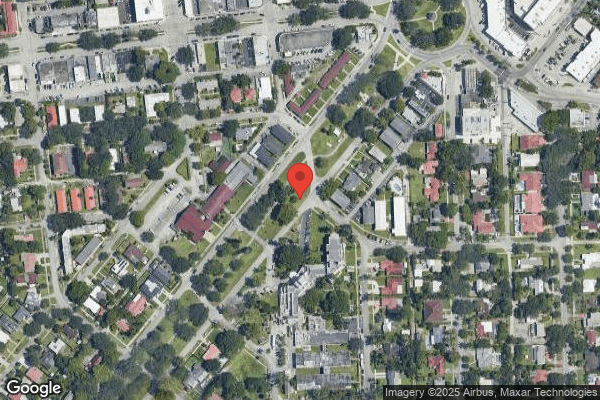
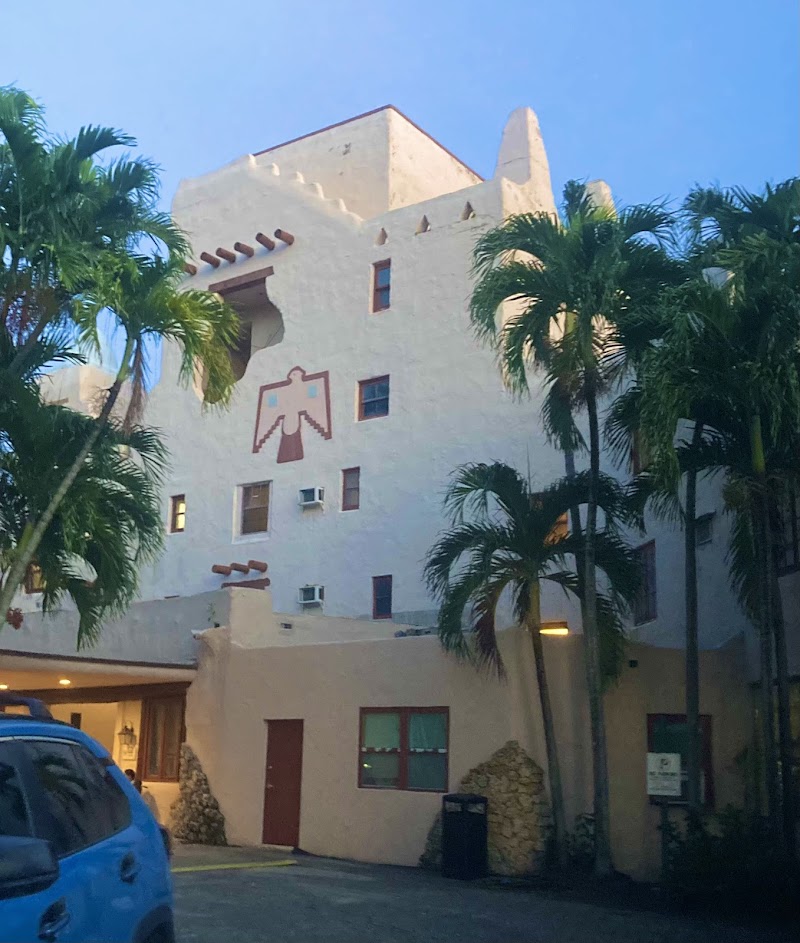
201 CURTISS PKWY, MIAMI SPRINGS, FL 33166 (305) 887-1565
For profit - Limited Liability company 269 Beds VENTURA SERVICES FLORIDA Data: November 2025
Trust Grade
63/100
#385 of 690 in FL
Last Inspection: May 2025

Inspected within the last 6 months. Data reflects current conditions.

Overview

Miami Springs Nursing and Rehabilitation Center has a Trust Grade of C+, which means it is slightly above average but not particularly outstanding. It ranks #385 out of 690 facilities in Florida, placing it in the bottom half, and #36 out of 54 in Miami-Dade County, indicating that there are better local options available. The facility is improving, with the number of identified issues decreasing from 9 in 2023 to 7 in 2025. Staffing is a strength, rated at 4 out of 5 stars with a low turnover rate of 26%, which is significantly better than the state average. However, there have been some concerns, such as non-functioning telephones for residents and improper food storage practices, which could affect the health and well-being of the residents. On a positive note, the facility has no fines on record, and their RN coverage is higher than 93% of Florida facilities, which helps ensure better oversight of patient care.

Trust Score
C+
63/100
In Florida
#385/690
Bottom 45%
Safety Record
Low Risk
No red flags
Inspections
Getting Better
9 → 7 violations
Staff Stability
✓ Good
26% annual turnover. Excellent stability, 22 points below Florida's 48% average. Staff who stay learn residents' needs.
Penalties
✓ Good
No fines on record. Clean compliance history, better than most Florida facilities.
Skilled Nurses
✓ Good
Each resident gets 69 minutes of Registered Nurse (RN) attention daily — more than 97% of Florida nursing homes. RNs are the most trained staff who catch health problems before they become serious.
Violations
⚠ Watch
24 deficiencies on record. Higher than average. Multiple issues found across inspections.
★★★☆☆
3.0
Overall Rating
★★★★☆
4.0
Staff Levels
★★★★☆
4.0
Care Quality
★★★☆☆
3.0
Inspection Score
Stable
2023: 9 issues
2025: 7 issues

The Good

  • 4-Star Staffing Rating · Above-average nurse staffing levels
  • 4-Star Quality Measures · Strong clinical quality outcomes
  • Low Staff Turnover (26%) · Staff stability means consistent care
  • Full Sprinkler Coverage · Fire safety systems throughout facility
  • No fines on record
  • Staff turnover is low (26%)

    22 points below Florida average of 48%

Facility shows strength in staffing levels, quality measures, staff retention, fire safety.

The Bad

3-Star Overall Rating

Near Florida average (3.2)

Meets federal standards, typical of most facilities

Chain: VENTURA SERVICES FLORIDA

Part of a multi-facility chain

Ask about local staffing decisions and management

The Ugly 24 deficiencies on record

May 2025 7 deficiencies
CONCERN (D)

Potential for Harm - no one hurt, but risky conditions existed

Deficiency F0583 (Tag F0583)

Could have caused harm · This affected 1 resident

2) Observation on 05/06/2025 at 10:05 AM of Staff J, Registered Nurse (RN) performing medication administration revealed; Staff J, RN prepared Resident # 152's medications. The door to Resident #152's...

Read full inspector narrative →
2) Observation on 05/06/2025 at 10:05 AM of Staff J, Registered Nurse (RN) performing medication administration revealed; Staff J, RN prepared Resident # 152's medications. The door to Resident #152's room was open and from the hallway the resident was seen seated in his room. Staff J, RN entered Resident # 152's room with the prepared medications, did not close the door, identified the resident, did not close the privacy curtain and administered the medications. Interview on 05/06/2025 at 10:32 AM Staff J, RN was asked about professional standards related to privacy during medication administration. Staff J, RN revealed the door, and the privacy curtain should have been closed. Staff J, RN stated: That is one of the most important things. On 05/08/2025 at 03:43 PM, the Assistant Director of Nursing (ADON) was informed of the identified privacy concerns. The ADON revealed staff had made her aware of the identified privacy concerns. Based on observations, records reviewed and interviews, the facility failed to ensure privacy of confidential information on one (2 North) out of two Nursing Stations on the facility's 2nd floor, as evidenced by observation of an unattended unlocked computer screen with residents' information visible. 2) Failed to provide privacy during medication administration for one (Resident # 152) out of five residents observed during medication administration. There were 185 residents residing in the facility at the time of the survey. The findings included: 1) On 05/05/2025 at 11:49 AM, observation on the 2nd floor of North Nursing Station revealed an unattended unlocked computer screen with visible resident formation. (Photographic evidence). On 05/05/2025 at 11:53 AM, Staff E, Registered Nurse (RN) was notified of the unattended unlocked computer screen. Staff E, RN revealed the supervisor was currently logged in and stated: I will notify the supervisor. On 05/05/2025 at approximately 11:57 AM, Staff G, RN Supervisor was asked about the facility's protocol related to protecting and securing residents' information. Staff G stated: The computer screen should be off when unattended. I left it open by mistake because I was rushing to attend to residents. Review of a Policy titled; HIPAA Security Measures date implemented: 6/2020 revealed Policy: It is the facility's policy to implement reasonable and appropriate measures to protect and maintain the confidentiality, integrity, and availability of the resident's identifiable information and or records that are in electronic format.
CONCERN (D)

Potential for Harm - no one hurt, but risky conditions existed

Assessment Accuracy (Tag F0641)

Could have caused harm · This affected 1 resident

**NOTE- TERMS IN BRACKETS HAVE BEEN EDITED TO PROTECT CONFIDENTIALITY** Based on observation, record review and interview, the facility failed to accurately code the Minimum Data Set (MDS) for one (Re...

Read full inspector narrative →
**NOTE- TERMS IN BRACKETS HAVE BEEN EDITED TO PROTECT CONFIDENTIALITY** Based on observation, record review and interview, the facility failed to accurately code the Minimum Data Set (MDS) for one (Resident # 184) out of three sampled residents; as evidenced by the resident was discharged to an Assisted Living Facility, and the MDS was coded to indicate that the resident was discharged to a Short-Term General Hospital. The findings included. Review of Resident # 184's clinical records revealed the resident was admitted to the facility on [DATE] from a Short-Term General Hospital (acute hospital). Medical diagnosis includes Traumatic Subdural Hemorrhage without loss of consciousness, subsequent encounter and Fracture of unspecified part of neck of left femur, subsequent encounter for closed fracture with routine healing. Review of the Physician's Discharge summary dated [DATE] documented: The patient will be discharged to [facility name] Assisted Living Facility (ALF) on 4/16/2025. Review of Social Services Note dated 04/17/2025, documented: Resident was discharged to [facility name] ALF. Review of Resident # 184's MDS Discharge assessment - return not anticipated Assessment Reference (ARD) Date/Target Date: 04/16/2025 revealed in the section for cognitive pattern that Resident #184 is cognitively intact. The Discharge Status Section coding indicated the resident was discharged to a Short-Term General Hospital (acute hospital). During an interview on 05/08/2025 at 03:26 PM the Assistant Director of Nursing revealed Resident # 184 was discharged to an ALF as planned on 04/16/2025. During an interview on 04/08/2025 at 3:35 PM, The MDS and Care Plan Coordinator (Staff K) revealed Resident # 184 was admitted from a hospital on [DATE] and was discharged to an ALF on 04/16/2025. Staff K was shown Resident #184's Discharge MDS; Staff K acknowledged the incorrect coded information and stated: I did that one.
CONCERN (D)

Potential for Harm - no one hurt, but risky conditions existed

Comprehensive Care Plan (Tag F0656)

Could have caused harm · This affected 1 resident

**NOTE- TERMS IN BRACKETS HAVE BEEN EDITED TO PROTECT CONFIDENTIALITY** Based on observation, record review, and interviews, the facility failed to implement fall risk and seizure care plans for three...

Read full inspector narrative →
**NOTE- TERMS IN BRACKETS HAVE BEEN EDITED TO PROTECT CONFIDENTIALITY** Based on observation, record review, and interviews, the facility failed to implement fall risk and seizure care plans for three residents (Resident #106, Resident # 88 and Resident #56) out of three sampled residents; as evidenced by observations of missing padding on one side rail for Resident #106, Resident #88, and Resident # 56. There were 36 residents with orders for padded side rails at the time of this survey. The findings included: Resident # 88: On 05/05/25 at 9:58 AM, Resident #88 was observed in bed the left side rail was in the upward position and padded. The right-side rail was in the down position. Two staff members were in the room tending to other residents. On 05/08/2025 at 12:37 PM Staff E, Registered Nurse (RN) was informed about the padding that was not on side rail. Staff E, RN acknowledge the concern and stated, I received an in-service yesterday about it. Record review of Resident #88's demographic sheet revealed the resident was admitted on [DATE] with diagnosis that included: Epilepsy. Record review of an Annual Minimum Data Set (MDS) reference dated 4/23/25 revealed a Brief Interview of mental Status (BIMS) score of 6 out of 15 meaning Resident # 88 is severely impaired cognitively, has no potential indicators of psychosis, and dependent on transfers. Record review of a care plan initiated on 06/08/2021 and revised on 08/27/2021 revealed Resident #88 has the potential for complications related to seizure disorder with a goal to minimize the risk of injury during seizure through the next review date. The interventions included: Bilateral half side rails while in bed with padding for safety related to diagnosis: Seizures. Record review of a Physician Orders Sheet revealed an order dated 11/18/2024 for bilateral half side rails while in bed with padding for safety related to diagnosis: Seizures for every shift related to and monitor for placement/safety. Resident # 56: On 05/06/25 at 9:45 AM Resident # 56 was observed in bed with both side rails in the upward position and the left side rail was not padded (photo evidence). There were no staff members in the room. During an interview on 05/06/25 at 9:45 AM, (with translation assistance by Staff H, Registered Nurse RN MDS coordinator) Staff C, Certified Nursing Assistant (CNA) was asked if paddings are required on both side rails; Staff C, CNA stated, I know the padding should be on both side rails to prevent injury but I removed it and left the room to get something and forgot to replace it. Record review of Resident #56's demographic face sheet revealed the resident was admitted on [DATE] and readmitted on [DATE] with diagnosis that include: Seizures, Muscle Wasting and Atrophy. Record review of a Quarterly MDS reference dated 2/10/25 revealed Resident #56 is moderately impaired cognitively and dependent on transferring. Record review of a care plan initiated 8/31/2023 and revised on 08/192024 revealed Resident # 56 is at risk for falls related to diagnosis that include: Alzheimer's disease and Seizures with a goal to be free of fall related injuries by next review date. The interventions included: Bilateral half side rails with padding while in bed for safety. Record review of Resident # 56's Physician's Order Sheet for May 2025 revealed an order dated 04/20/2025 for bilateral grab bar with padding for safety related to diagnosis Seizures every shift and monitor for placement/safety. Resident # 106: On 05/06/25 at 12:52 PM Resident#106 was observed in bed with bilateral 1/4 side rails in the upward position; the right-side rail padding was observed on the floor. (photographic evidence). On 05/06/25 at 1:53 PM, Staff E, RN picked up the padding and placed it in the laundry and another staff member replaced the padding on side rail. On 05/06/25 at 1:02 PM Staff E, RN stated: The order is for padding to be on the side rails all the time while the resident is in bed. I do frequent rounds to make sure the padding is in place. I don't know why it was on the floor. On 05/06/25 at 1:12 PM, Staff D, CNA stated, I am the CNA for [Resident # 106]' the padding is to always be on the side rails for safety. I round to make sure. Record review of Resident#106's demographic face sheet revealed the resident was admitted to the facility on [DATE] and readmitted on [DATE] with diagnosis that include Palliative care, Hemiplegia and Hemiparesis following Cerebral infarction affecting left dominant side. Record review of a Quarterly MDS referenced dated 04/09/2025 revealed Resident#106 is severely impaired cognitively and was dependent for transfers. Record review of Resident#106's Physician Orders Sheet for May 2025 revealed an order dated 11/19/24 for bilateral grab bar with padding to help protect skin integrity while in bed every shift for bed mobility/enabler; Monitor for placement/safety. Record review of a care plan revealed Resident#106 had a risk for falls related to poor safety awareness and diagnosis included: Encounter for Palliative Care, Sequelae of Cerebral infarction, Hemiplegia and Hemiparesis, date Initiated: 12/01/2022 and Revision on: 01/10/2025 with a goal to minimize risk of falls and fall related injury through the next review date. The interventions included: Bilateral half side rails while in bed with padding On 05/08/25 at 12:10 PM, the Restorative RN stated: When I receive an order from the physician for padding of the side rails, I provide the staff with the padding, and I round with the restorative CNAs to monitor padding is put in place. The padding is usually for seizure precautions and protection of skin. The floor nursing staff are responsible for ensuring the paddings are in place. There is no time that the padding should not be on the side rails while the resident is in bed. When staff are providing care, they remove the padding and put the side rail in the down position but must remain next to the resident for safety. On 05/08/25 at 12:21 PM The Director of Nursing (DON) revealed: Staff are expected to do frequent rounds to ensure the padding remains on the side rails according to the physician order. The restorative, floor nurse and the computer tasks inform the CNAs which residents require padded side rails. The padded side rails are typically used for seizure precaution and skin integrity. There is no reason the padding should not be in place without staff present. Record review of a Policy titled, Comprehensive Care Plan date implemented 3/2020, Policy: It is the policy of this facility to develop and implement a comprehensive person-centered care plan for each resident, consistent with resident rights, that includes measurable objectives and timeframes to meet a resident's medical, nursing, and mental and psychosocial needs that are identified in the resident's comprehensive assessment. 8. Qualified staff responsible for carrying out interventions specified in the care plan will be notified of their roles and responsibilities for carrying out the interventions, initially and when changes are made.
CONCERN (E)

Potential for Harm - no one hurt, but risky conditions existed

Deficiency F0558 (Tag F0558)

Could have caused harm · This affected multiple residents

**NOTE- TERMS IN BRACKETS HAVE BEEN EDITED TO PROTECT CONFIDENTIALITY** Based on observation, record reviews and interviews, the facility failed to ensure all residents on the facility's Two South uni...

Read full inspector narrative →
**NOTE- TERMS IN BRACKETS HAVE BEEN EDITED TO PROTECT CONFIDENTIALITY** Based on observation, record reviews and interviews, the facility failed to ensure all residents on the facility's Two South unit were always accommodated with working telephones, as evidenced by two observations of several telephones on the Two South Unit not having any dial tones. There were 185 residents residing at the facility at the time of the survey. The findings included: During a family interview via telephone on 05/06/25 at 10:30 A, Resident #5's daughter revealed the telephone in her father's room has not been working for months; and wished she could call and talk to him more. During observation on 05/07/25 at 10:40 AM Resident #5 was observed lying in bed watching television, the telephone was observed on the side of resident. Further inspection of Resident #5's telephone revealed the telephone does not have a dial tone and did not work. Observation and inspection of 10 residents' telephones on the Two South Unit, One South and One North Unit, telephones were sampled. 4 out of the 10 residents whose telephones that were sampled did not work or had no dial tone. The four residents (Resident # 5, Resident #104, Resident #117 and Resident #133) whose telephones did not work were located on the Two South Unit. Review of the medical records for Resident #5 revealed the resident was admitted to the facility on [DATE]. Clinical diagnoses included but not limited to: Chronic obstructive pulmonary disease. Record review of Resident #5 's Significant Change Minimum Data Set (MDS) dated [DATE] revealed: Section C for Cognitive Patterns documented Brief Interview for Mental Status Score is 05, on a 0-15 scale indicating the resident is cognitively impaired. Record review of Resident #5's Care Plans revealed the Resident has a self-care deficit and requires staff assistance to perform and complete ADL's secondary to poor safety awareness, impaired mobility, unsteady gait and balance, assistance required with toileting needs. Interview on 05/07/25 at 11:23 AM with Staff I, Registered Nurse (RN) revealed; The resident's telephone does not work but I will put in a maintenance request to fix it. The resident normally has his own cell phone. If a family member or friend calls to speak to a resident, if they press zero it will go to the operator. The operator will then transfer the call to the nursing station. Once the call is at the nursing station, we will transfer the call to the residents' room. There is also a portable phone at the nursing station for residents to use. Interview on 05/08/25 at 01:36 PM, the Director Of Nursing (DON) stated I have been the Director of Nursing at this facility since January this year. Per facility policy, every resident is provided with access to a phone unless they have declined its use. In shared rooms with three or four residents, phone access may be shared among them. To date, there have been no complaints regarding non-functional phones. When an issue is identified, the maintenance department is promptly notified to repair or replace the device as needed. Incoming calls are directed by the facility operator to the appropriate nursing station or nursing staff and then they would direct the call to the resident's room. Each nursing station is equipped with a portable phone accessible to both residents and nursing personnel for communication purposes. At an interview on 05/08/25 at 02:28 PM, the Maintenance Director revealed, I have served as the Director for four years, overseeing monthly operations. We ensure that any resident's telephones are promptly replaced, and if the issue lies with the phone line, we contact the service provider directly. Each floor maintains a dedicated maintenance log. We are actively working to resolve these issues by keeping a daily record of non-functioning phones and tracking the ones we've successfully repaired. Review of the facility policy and procedure regarding resident rights 03/01/21, states the resident has the right to have reasonable access to the use of a telephone where calls can be made without being overheard.
CONCERN (E)

Potential for Harm - no one hurt, but risky conditions existed

Food Safety (Tag F0812)

Could have caused harm · This affected multiple residents

Based on observation, interview and record review, the facility failed to 1) store food under sanitary condition as evidence by failure in ensuring the 1 North Station Pantry snack/nourishment freezer...

Read full inspector narrative →
Based on observation, interview and record review, the facility failed to 1) store food under sanitary condition as evidence by failure in ensuring the 1 North Station Pantry snack/nourishment freezer on the resident unit contained a thermometer on the inside and 2) failed to ensure the correct wash temperature for washing of the dishes and utensils by not having the correct wash temperature for the operable wash tank temperature gauge on the high temperature dish machine. The missing thermometer has the potential to affect 176 out of 185 residents who eat orally residing in the facility at the time of the survey and potential to affect 42 out of 44 residents who eat orally residing on the 1 North Wing. The incorrect/improper wash temperature for the operable dish machine has the potential to affect 176 out of 185 residents who eat orally residing in the facility at the time of the survey. The findings included: 1) Record review of the Refrigerator/Freezer/Dishwasher Logs Policy and Procedure (revision date February 2024); Policy Statement-The temperature of the refrigerators and freezers will be recorded twice a day. Temperatures found not to be at the designated level will be reported to the Director of Nutritional Services or supervisor immediately. Temperatures will be recorded on a log; Procedure: 1) Refrigerators and Freezers, c) Freezers shall be at or below 0 degrees Fahrenheit (F) and d) Any temperatures recorded outside these ranges will be reported to the supervisor immediately and maintenance will be notified. Observation of the 1 North Station Pantry snack/nourishment freezer on 5/07/25 at 8:30 AM revealed the freezer did not contain a thermometer and was noted empty with condensation. Photographic evidence submitted. Record review of the Resident Refrigerator/Freezer Temperature Log dated May 7, 2025 documented the freezer temperature was -10 degrees F. Photographic evidence submitted. Observation and interview with Staff A, Registered Nurse 1 North Supervisor on 5/07/25 at 8:34 AM. She confirmed there was no thermometer in the 1 North Pantry freezer used for residents and there should have been one there. Record review of the Resident Refrigerator/Freezer Temperature Log dated May 7, 2025 documented the freezer temperature was -10 degrees F. She confirmed how was the temperature taken in the freezer on May 7, 2025, if there is no thermometer in the freezer. 2) Record review of the Refrigerator/Freezer/Dishwasher Logs Policy and Procedure (revision date February 2024); Policy Statement-The temperature of the refrigerators and freezers will be recorded twice a day. Temperatures found not to be at the designated level will be reported to the Director of Nutritional Services or supervisor immediately. Temperatures will be recorded on a log; Procedure: 2) Dishwasher, a) While the dishwasher is running, with a rack going through it, the temperature of the wash tank and rinse tank will be recorded. Temperatures will be recorded for each meal, b) The Wash tank should be 140-160 degrees Fahrenheit (F), or as specified by the manufacturer and d) Any temperatures recorded outside the acceptable levels shall be reported to the supervisor immediately. Maintenance will be notified. Review of the Dish Machine Temperature Log Policy and Procedure (no written date noted); Purpose-To ensure that dishware and utensils are sanitized effectively, the facility will monitor and document dish machine temperatures at every meal service in accordance with state and federal sanitation guidelines; Policy: Food and Nutrition Services staff will monitor and document the dish machine's wash and final rinse temperatures for each meal. Any discrepancies or equipment malfunctions will be addressed immediately to maintain sanitation compliance; Procedure: 2) At each meal service, dishwashing staff will: Observe and document the wash temperature, which must reach a minimum of 150 degrees F. Review of the manufacturer temperatures for high temperature dish machine operating temperatures were documented: Wash 150-160 degrees Fahrenheit (F); Pumped Rinse 160 degrees F and Final Rinse 180-195 degrees F. Observation of the high temperature dish machine on 5/07/25 at 10:04 AM with Staff B, Dietary Aide and the Training Center Account Manager revealed wash dial was at 110 degrees F and the final rinse dial was at 180 degrees F. Staff B, Dietary Aide revealed the wash temperature should be at 160 degree F and that she couldn't see the wash dial to read it. Staff B, Dietary Aide continued to place several more trays with dishes to be washed through the dish machine and the wash dial did not move, it stayed at 110 degrees F and the final rinse dial was at 180 degrees F. Several more cycles were conducted and the wash dial stayed at 110 degrees F and the final rinse dial was at 180 degrees F. The Training Center Account Manager revealed the wash temperature should be 150-160 degrees F. The Training Center Account Manager stopped the dish machine and called the service tech company to come to the facility and service the dish machine. She instructed the dietary staff to use disposable wear for feeding. Photographic evidence submitted. Review of the Dish Machine Log documented for the month of May 7, 2025 documented the wash temperature was 160 degrees F and the final rinse was 180 degrees F for breakfast. Photographic evidence submitted. Observation and interview on 5/07/25 at 12:17 PM, with the dish machine technician. He was observed servicing the dish machine. He stated, The thermostat was low on the wash tank. That is why it was at 110 degrees F. The temperatures should be 160 degrees F. I reset the temperature. Review of the Dish machine Repair Company Correspondence dated 5/08/25 documented the following: Dish machine was checked and tested. Temperature on wash tank was low. Thermostat needed to be reset. Reason: Electrical activity in building. Wash tank temperature-165 degrees F. Temperature reset.
CONCERN (E)

Potential for Harm - no one hurt, but risky conditions existed

QAPI Program (Tag F0867)

Could have caused harm · This affected multiple residents

Based on observations, records reviewed and interviews, the facility failed to demonstrate effective plans of actions implemented to correct identified quality deficiencies in problem areas, as eviden...

Read full inspector narrative →
Based on observations, records reviewed and interviews, the facility failed to demonstrate effective plans of actions implemented to correct identified quality deficiencies in problem areas, as evidenced by repeated deficient practices for F 641- Accuracy of Assessments, F812 Food Procurement Store/Prepare/Serve/Sanitary and F867- Quality Assurance and Performance Improvement (QAPI)/ Quality Assessment and Assurance (QAA). These repeated deficient practices have the potential to affect all residents residing in the facility. The findings included: Review of the facility's survey history revealed during a recertification survey with exit dated 12/14/2023, F812 was cited-Food Procurement Store/Prepare/Serve/Sanitary; due to the facility's failure to store food under sanitary conditions related improper temperatures in the reach-in cooler and failure to ensure the reach-in cooler was working properly; 2)The facility was Cited F641-Accuracy of Assessments related to the facility's failure to accurately code the Minimum Data Set (MDS) and 3) F867 Quality Assurance and Performance Improvement due to the committee's failure in identifying and preventing potential problems and implementation of QAPI/QAA activities. During this survey with exit dated 05/08/2025 the facility was cited F641-Accuracy of Assessments related to the facility's failure to accurately code the Minimum Data Set (MDS); F812-Food Procurement Store/Prepare/Serve/Sanitary; due to the facility's failure to store food under sanitary conditions related to no thermometer observed inside the One North Station Pantry snack/nourishment freezer on the residents' unit, failed to ensure the proper temperature level for washing the dishes and utensils on the operable high temperature dish machine's tank temperature gauge and F867 Quality Assurance and Performance Improvement due to the committee's failure in identifying and preventing potential problems and implementation of QAPI/QAA activities. Record view of the facility's policy titled, Quality Assurance and Performance Improvement (QAPI) Policy and Procedure issued 6/10/2021, the policy documented: Policy: It is the policy of this facility to develop, implement and maintain an effective, comprehensive, data driven QAPI program that focuses on indicators of the outcomes of care and quality of life. Policy Explanation and Compliance Guidelines: 2) c. Develop and implement appropriate plans of action to correct identified quality deficiencies. On 05/08/25 at 04:41 PM, during the QAPI/QAA review with the facility's Administrator and the [NAME] President of Clinical Services, it was revealed the QAPI/QAA meetings are conducted on the last Thursday of each month. The committee members include the Administrator, Director of Nursing, Assistant Director of Nursing, Pharmacy Representative Department Heads. The identified problem areas related to F641-Accuracy of Assessment, F812-Food Procurement Store/Prepare/Serve/Sanitary in areas and F867 Quality Assurance and Performance Improvement.
CONCERN (E)

Potential for Harm - no one hurt, but risky conditions existed

Room Equipment (Tag F0908)

Could have caused harm · This affected multiple residents

Based on observations, interviews and record review the facility failed to ensure the high temperature dish machine wash cycle was working properly. This has the potential to affect 176 out of 185 res...

Read full inspector narrative →
Based on observations, interviews and record review the facility failed to ensure the high temperature dish machine wash cycle was working properly. This has the potential to affect 176 out of 185 residents who eat orally residing in the facility at the time of the survey. The findings included: Record review of the Refrigerator/Freezer/Dishwasher Logs Policy and Procedure (revision date February 2024); Policy Statement-The temperature of the refrigerators and freezers will be recorded twice a day. Temperatures found not to be at the designated level will be reported to the Director of Nutritional Services or supervisor immediately. Temperatures will be recorded on a log; Procedure: 2) Dishwasher, a) While the dishwasher is running, with a rack going through it, the temperature of the wash tank and rinse tank will be recorded. Temperatures will be recorded for each meal, b) The Wash tank should be 140-160 degrees Fahrenheit (F), or as specified by the manufacturer and d) Any temperatures recorded outside the acceptable levels shall be reported to the supervisor immediately. Maintenance will be notified. Review of the Dish Machine Temperature Log Policy and Procedure (no written date noted); Purpose-To ensure that dishware and utensils are sanitized effectively, the facility will monitor and document dish machine temperatures at every meal service in accordance with state and federal sanitation guidelines; Policy: Food and Nutrition Services staff will monitor and document the dish machine's wash and final rinse temperatures for each meal. Any discrepancies or equipment malfunctions will be addressed immediately to maintain sanitation compliance; Procedure: 2) At each meal service, dishwashing staff will: Observe and document the wash temperature, which must reach a minimum of 150 degrees F. Review of the manufacturer temperatures for high temperature dish machine operating temperatures were documented: Wash 150-160 degrees Fahrenheit (F); Pumped Rinse 160 degrees F and Final Rinse 180-195 degrees F. Observation of the high temperature dish machine on 5/07/25 at 10:04 AM with Staff B, Dietary Aide and the Training Center Account Manager revealed wash dial was at 110 degrees F and the final rinse dial was at 180 degrees F. Staff B, Dietary Aide revealed the wash temperature should be at 160 degree F and that she couldn't see the wash dial to read it. Staff B, Dietary Aide continued to place several more trays with dishes to be washed through the dish machine and the wash dial did not move, it stayed at 110 degrees F and the final rinse dial was at 180 degrees F. Several more cycles were conducted and the wash dial stayed at 110 degrees F and the final rinse dial was at 180 degrees F. The Training Center Account Manager revealed the wash temperature should be 150-160 degrees F. The Training Center Account Manager stopped the dish machine and called the service tech company to come to the facility and service the dish machine. She instructed the dietary staff to use disposable wear for feeding. Photographic evidence submitted. Review of the Dish Machine Log documented for the month of May 7, 2025 documented the wash temperature was 160 degrees F and the final rinse was 180 degrees F for breakfast. Photographic evidence submitted. Observation and interview on 5/07/25 at 12:17 PM, with the dish machine technician. He was observed servicing the dish machine. He stated, The thermostat was low on the wash tank. That is why it was at 110 degrees F. The temperatures should be 160 degrees F. I reset the temperature. Review of the Dish machine Repair Company Correspondence dated 5/08/25 documented the following: Dish machine was checked and tested. Temperature on wash tank was low. Thermostat needed to be reset. Reason: Electrical activity in building. Wash tank temperature-165 degrees F. Temperature reset.
Dec 2023 9 deficiencies
CONCERN (D)

Potential for Harm - no one hurt, but risky conditions existed

Resident Rights (Tag F0550)

Could have caused harm · This affected 1 resident

Based on observation, record review, and interviews, the facility failed to ensure dignity during dining for one (resident #173) out of 45 sampled residents as evidenced by one facility staff was stan...

Read full inspector narrative →
Based on observation, record review, and interviews, the facility failed to ensure dignity during dining for one (resident #173) out of 45 sampled residents as evidenced by one facility staff was standing while feeding resident #173. The findings included: In an observation on 12/11/23 at 11:27 AM, Staff A, C.N.A. (Certified Nursing Assistant) was standing while assisting Resident #173 with eating lunch. Staff A was spoon-feeding resident #173, a pureed diet and assisting him drinking from a plastic cup with a straw. In an observation on 12/11/23 at 11:32 A.M, Staff A, C.N.A. was observed standing while assisting with feeding for Resident #173. In an observation on 12/11/23 at 11:54 AM, Staff A, C.N.A was observed sitting in a chair while assisting with feeding for Resident #179. In an observation on 12/11/23 at 12:14 PM, Staff A, C.N.A. was observed sitting in a chair while assisting with feeding for Resident #500. On 12/11/23 at 12:20 PM, during an interview with Staff A, C.N.A. and Staff B, R.N. (Registered Nurse) for Spanish translation. When asked, What do you do during dining times for residents? What is the assistance required when feeding Resident #173? Staff A, C.N.A. stated, I take care of residents that I'm assigned to on my shift. I bring them their food. I will identify foods on the tray for them. When assisting residents to eat, I take my time with the resident. When the resident is finished. I will record the percentage eaten on the meal ticket and I'll report to the nurse assigned if the resident has eaten or not. For Resident #173, I explained the foods that were on his tray. He eats slowly but he always eats 100% of his meal. When asked, What does the facility teach staff about what to do when assisting residents with eating? Are you to sit or stand while assisting a resident to eat? Staff A, C.N.A stated, Sit down Staff B, R.N. stated, Sit down and sit face to face in front of the resident. When asked, the reason for standing while feeding resident #173, Staff A, C.N.A. stated, There was no chair in the room, and I can bring a chair in the room from the dining room. Staff B, R. N stated, Resident #173 eats in the room. He has floor mats because he tried to get out of bed. It's hard to place a chair in the room because of the floor mats. Residents who are in the dining room do not need eating assistance. On 12/13/23 at 8:05 AM, Staff A, C.N.A. was seen sitting down with a resident for eating assistance during breakfast. On 12/13/23 at 11:27 AM, in an interview with the Director of Nursing, when asked, What is the facility's policy when staff are feeding the residents? Are they able to sit or stand while providing eating assistance? The Director of Nursing stated, Staff are to sit down while feeding the residents. Record review of Resident #173 revealed, medical diagnoses of diagnosis of dysphagia (difficulty in swallowing food or liquids) following cerebrovascular disease (stroke). Record review of Resident #173 revealed, a diet of no added salt, pureed texture, and regular/ thin consistency. Record review of Minimum Data Set, in quarterly dated 12/01/2023 revealed, in Section C: Cognitive Patterns, a brief interview of mental status was a five, which suggests severe cognitive impairment. In Section GG: Functional Limitation in Range of Motion, the Upper extremities has no impairments. In Section K: Swallowing/Nutritional Status, no to swallowing issues. In Section O: Special Treatments, Procedures, and Programs: No to speech therapy. Record review of the task for certified nursing assistants included, activities of daily living, extensive assistance times one for breakfast, lunch, and dinner as needed. Record review of the care plan, with a next review date of 2/29/2024 revealed, Resident #173 is on restorative program assistance with active range of motion to bilateral upper extremities three times a week, bed mobility three times a week, and activities for daily living (grooming hygiene, dressing upper body/ lower body). The interventions included, Assist with Set up/Feeding as needed and as tolerated. The goals included, Resident #173 will maintain the highest functional ability to all extremities and prevent contractures/further contractures. Review of the facility policies and procedures titled Promoting / Maintaining Resident Dignity during mealtimes. Issued 3/2020. The policy statement stated, it is the practice of this facility to treat each resident with respect and dignity and care for each resident in a manner and in an environment that maintains or enhances his or her quality of life, recognizing each resident's individuality and protecting the rights of each resident. Under the section titled, Policy Explanation and Compliance Guidelines part 5, All staff will be seated, if possible while feeding a resident.
CONCERN (D)

Potential for Harm - no one hurt, but risky conditions existed

Assessment Accuracy (Tag F0641)

Could have caused harm · This affected 1 resident

**NOTE- TERMS IN BRACKETS HAVE BEEN EDITED TO PROTECT CONFIDENTIALITY** Based on interview and record review, the facility failed to accurately code the Minimum Data Set (MDS) for one resident (R # 43...

Read full inspector narrative →
**NOTE- TERMS IN BRACKETS HAVE BEEN EDITED TO PROTECT CONFIDENTIALITY** Based on interview and record review, the facility failed to accurately code the Minimum Data Set (MDS) for one resident (R # 43) out of one sampled residents reviewed for death. Resident #43 expired in the facility and the MDS Section A for Identification Information, Discharge Status did document the resident was deceased . The findings included: Record review of the clinical records for Resident # 43 revealed the resident was admitted to the facility on [DATE] and expired in the facility on [DATE]. Clinical diagnoses included, but were not limited to, Encounter for Palliative Care; Malignant Neoplasm of Colon, Unspecified; Secondary Malignant Neoplasm of Liver and Intrahepatic Bile Duct. Record review of the Significant Change MDS dated [DATE] revealed it was the last MDS completed for resident #43. The MDS Section A for Identification Information, Discharge Status did document the resident was deceased . Record review of Nurses Notes dated [DATE] revealed, the Certified Nursing Assistant called the nurse to resident's room. Upon arrival, the resident was unresponsive to verbal or tactile stimuli. Record review of Nurses Notes dated [DATE] revealed, resident #43 had a (Do Not Resuscitate (DNR) status). Interview with the MDS Coordinator on [DATE] at 10:37 AM revealed, she stated the resident expired in the facility. She stated, she forgot to add the resident was deceased . She stated she will make a correction to the MDS. Interview with MDS Coordinator on [DATE] at 10:45 AM revealed, the MDS Coordinator showed the surveyor the correction with a date of [DATE]. The MDS Section A, Identification Information dated [DATE] was corrected on [DATE] and documented the resident was deceased . Review of Policy and Procedures for Resident Assessments issued 03/2021 revealed Policy: It is the policy of the facility to adhere to the following procedures related to the proper documentation and utilization of a resident's Minimum Data Set (MDS) to ensure a comprehensive and accurate assessment of residents will be completed in the format and in accordance with time frames stipulated by the Department of Health and Human Services Center for Medicare and Medicaid Services. This assessment system will provide a comprehensive, accurate, standardized, reproducible assessment of each resident's functional capacities and assist to identify health problems for care plan development. Procedure: Completion of the Minimum Data Set: 5-Quarterly assessments are also done for residents every three months, at least every 92 days following a comprehensive assessment. Annual, entry, discharge and re-entry assessments are completed following the guidelines indicated in the Final Rule and the Resident Assessment Instrument (RAI) MDS Version 3.0 guidelines.
CONCERN (D)

Potential for Harm - no one hurt, but risky conditions existed

Incontinence Care (Tag F0690)

Could have caused harm · This affected 1 resident

**NOTE- TERMS IN BRACKETS HAVE BEEN EDITED TO PROTECT CONFIDENTIALITY** Based on record reviews, observations and interviews, the facility failed to provide appropriate Services and care related to fo...

Read full inspector narrative →
**NOTE- TERMS IN BRACKETS HAVE BEEN EDITED TO PROTECT CONFIDENTIALITY** Based on record reviews, observations and interviews, the facility failed to provide appropriate Services and care related to foley catheter positioning as per facility policy to prevent a potential Urinary Tract Infection (UTI) for one out (Resident #153) out of 11 residents residing in the facility who had indwelling urinary catheters. The findings included: During observation on 12/13/2023 at 08:40 AM, Certified Nursing Assistant (Staff I), pushed resident #153 in a shower chair in the hallway to his room. Resident #153 was covered with a towel; the catheter tubing was observed to be looped under resident #153 causing the collection bag to be above the level of resident's bladder. Registered Nurse (Staff G) was informed and immediately entered the room with the surveyor. Staff G was obsereved to place the collection bag below the level of the residents bladder into pocket of the shower chair. Staff G explained to Staff I that the collection bag should always be below the level of bladder. On 12/13/23 at 11:15AM, Resident #153 was observed seated in his wheelchair near the designated smoking area with his catheter tubing unkinked, the collection bag was below the level of the bladder was inside a dignity bag, and attached to his wheelchair. Record review revealed, Resident #153 was admitted on [DATE], and readmitted on [DATE] with diagnoses that includes Cerebral Infarction due to Unspecified Occlusion or Stenosis of Left Posterior Cerebral Artery. Review of the Quarterly Minimum Data Set (MDS) dated [DATE] revealed, Section C (Cognitive Status) Brief Interview for Mental Status score was 11 on a scale of 00-15, indicating no cognitive impairment. Section GG (Functional Abilities and Goals) no information in MDS. Section H (Bladder and Bowel) resident had an indwelling catheter. Section I (Active Diagnosis) Anemia, Heart Failure, Hypertension, Malnutrition, Diabetes, Depression. Section M (Skin conditions) no skin conditions present Review of December 2023 physician orders revealed, suprapubic urinary catheter care every shift and as needed, dated 9/7/2023, always anchor urinary catheter in place to prevent pulling, trauma/dislodgement. dated 11/21/23, maintain dignity bag over urine collection bag for privacy and below the level of the bladder every shift dated 12/7/2023, monitor suprapubic catheter every shift for leakage or blockage notify Medical Doctor (MD) dated 12/7/2023. Review of the Care Plan with the date initiated was December 24, 2022, and date revised December 19, 2023 revealed, A problem of Indwelling catheter and at risk for UTI's. Interventions: Place drainage bag into privacy bag for dignity at all times and below level of the bladder. Attach catheter to leg bag as needed. Attach catheter to bedside drainage and ensure closed drainage system intact. Change catheter, tubing and drainage bag as ordered. Monitor amount, character, color, odor of urine output and notify MD as indicated. Monitor every shift for urinary output, abdominal pain or distention. Observe for blood in urine and notify nurse/MD as indicated. Provide good perineal hygiene. Provide urinary catheter care Every (Q) shift and as needed (PRN). Work with MD for possible discontinue (DC) of catheter. During interview on December 13, 2023, at 10:31 AM, translated by Registered Nurse (Staff H), Staff I reported, when taking care of residents with indwelling catheters, the collection bag should be below level of bladder and not touching the floor. Staff I reported, when a resident with an indwelling catheter is assisted with a shower, the collection bag is to be kept below the level of the bladder by placing it into the pocket on the side of the shower chair. Staff I stated, she did not place foley in the shower chair pocket below the level of the residents bladder because she was nervous. Interview on 12/13/23 at 10:41AM, the DON stated an Inservice regarding indwelling catheters care is in progress. The DON reported the indwelling catheters collection bags are to be kept below the level of the bladder. The DON reported, the Certified Nursing Assistants are educated upon hire about indwelling catheter care. The DON reported, when a resident is being assisted with showering, the indwelling catheters collection bag is to be kept below the level of the bladder by tucking it into the pocket of the shower chair. Review of the facility's Policy and Procedure for Indwelling Catheter Use issued date: 6/2020 Revised: Standard: It is the Policy of the facility to ensure the appropriate use of indwelling urinary catheters in accordance with State and Federal Regulations and national guidelines. Procedure: Indwelling urinary catheters are to be used when indicated according to national guidelines such as those by the Healthcare Infection Control Practices Advisory Committee (HICPAC) Guidelines (often referred to as the Centers for Disease Control and Prevention guidelines).
CONCERN (D)

Potential for Harm - no one hurt, but risky conditions existed

Deficiency F0694 (Tag F0694)

Could have caused harm · This affected 1 resident

**NOTE- TERMS IN BRACKETS HAVE BEEN EDITED TO PROTECT CONFIDENTIALITY** Based on observations, interviews, and record review, the facility failed to follow the physician's orders for changing midline ...

Read full inspector narrative →
**NOTE- TERMS IN BRACKETS HAVE BEEN EDITED TO PROTECT CONFIDENTIALITY** Based on observations, interviews, and record review, the facility failed to follow the physician's orders for changing midline (intravenous catheter or IV line) dressing for one (Resident #485) out of 45 sampled residents as evidenced by a midline dressing dated over five days old. The findings included: In an observation on 12/11/23 at 09:48 AM, Resident #435 was in bed with eyes closed with a nasal cannula at two liters per minute. In an observation on 12/12/23 at 09:12 AM, Resident #435 was resting in bed with eyes closed with a nasal cannula at two liters per minute. In an observation on 12/13/23 at 11:12 AM, Resident #435 was resting in bed with eyes closed. It was observed with Staff C, Registered Nurse (RN) that Resident #435's left arm had a midline IV catheter and the dressing was dated 12/08/2023 with no initials. (See photo evidence) Record review of the treatment administration record for December 2023 revealed, a physician order which stated to change midline catheter site dressing every 72 hours and as needed with transparent Dressing. The treatment recored revealed on 12/08/23 and 12/11/23 the dressing change was initialed as completed and the next midline dressing change due date was on 12/14/2023. On 12/13/23 at 11:17 AM, during an interview with Staff C, R.N. (Registered Nurse). It was asked, Were you Resident #435's nurse on 12/11/23 and was the dressing changed on that day? Staff C, R.N. stated, I was Resident #435 nurse on 12/11/23. I changed her dressing on 12/11/23, but I got the dates confused. I'll change her midline dressing now. On 12/13/23 at 11:31 AM, during an interview with the Director of Nursing. It was discussed that Resident #435's midline dressing was dated 12/08/23. It was charted in the treatment administration record that the midline dressing was changed on 12/08/2023 and 12/11/2023. The Director of Nursing stated, I spoke to Staff C, R.N., and he stated that he changed the dressing. He said he put the wrong date. He was confused with the date. It was a mistake. Record review of Resident #435's medical diagnoses included, subacute osteomyelitis of the left ankle and foot. Record review of physician orders for December 2023 revealed, midline catheter site dressing every 72 hours and as needed with transparent dressing with a start date of 12/5/2023. Ceftriaxone Sodium injection solution of one gram intravenously one time a day for osteomyelitis of left foot for 10 days with a start date of 12/5/2023. Record review of Minimum Data Set revealed, in Medicare five day assessment dated [DATE]. In Section C: Cognitive patterns, a brief interview of mental status was a six suggesting severe cognitive impairment. In Section M: Skin, does this resident have one or more unhealed pressure ulcers/injuries? Yes. Number of these unstageable pressure injuries that were present upon admission/entry or reentry? Two. Section N: Medications, antibiotics as a resident was a yes. Review of Resident #435's care plan revealed, the next review date was 3/3/2024. Resident #435 has a midline (intravenous line or IV line) to the left upper arm and is at risk for complications such as occlusion. Interventions were dressing changes to the site as per facility protocol. The date initiated was on 12/05/2023. The goal was Resident #435 would have no complications from intravenous therapy through the next review date. Review of facility's policy and procedures for Peripheral Inserted Central Catheters. Issue date of 4/1/2022. The policy statement states, It will be the standard of this facility to adhere to IV (intravenous)/PICC line (Peripheral inserted central catheter) administration guidelines as set forth by infection control, state, and federal regulations. Licensed nurses shall provide care according to state and federal law. In section, procedures, 3. Dressing should be changed as per the physician's orders. In the section titled dressing changes, it stated at least weekly, and dressing changes will be documented in the clinical record.
CONCERN (D)

Potential for Harm - no one hurt, but risky conditions existed

Deficiency F0761 (Tag F0761)

Could have caused harm · This affected 1 resident

**NOTE- TERMS IN BRACKETS HAVE BEEN EDITED TO PROTECT CONFIDENTIALITY** Based on record reviews, observations and interviews, the facility failed to ensure proper labeling and disposal of medications ...

Read full inspector narrative →
**NOTE- TERMS IN BRACKETS HAVE BEEN EDITED TO PROTECT CONFIDENTIALITY** Based on record reviews, observations and interviews, the facility failed to ensure proper labeling and disposal of medications as evidenced by one eye drop and one insulin pen past expiration dates on one the East medication cart out of five carts reviewed and two bottles of liquid medication past the expiration date printed on the bottle, in the [NAME] Medication room out of four medication rooms reviewed in facility. This affected 4 out of 45 sampled residents (Resident #8, #11, #21, and #146). The findings included: On 12/13/23 at 02:41 PM, observation of the first floor East Medication cart contained one Brimonidine Sol 0.2% eye drop, with an open date of 10/25/2023 written on the bag for Resident#8 and an additional pharmacy label stuck onto the bag with a different resident's name and different medication name. This cart also contained one opened vial of Insulin Glargine sol 100U/mL(10mL) (Units/milliters) with an open date of 11/1/2023 for resident #21. (see photo evidence). On 12/13/23 at 03:00 PM, observation of the first-floor [NAME] Side Medication room contained two bottles in the medication refrigerator past the expiration dates. The first bottle was labeled Omeprazole 2mg/mL (milligrams/milliliters), had a written date of 11/2/23 on the front label, an expiration date of 11/15/2023 printed on the back label, for resident #146. The second bottle was labeled Omeprazole 2mg/mL, had a written date of 11/9/23 on the front label, an expiration date of 11/22/23 printed on the back label for resident #11. (see photo evidence) Review of medical records revealed, Resident#8 was admitted on [DATE] and readmitted on [DATE] with diagnoses to included Primary Open-Angle Glaucoma Bilateral Mild Stage. Further review of the Minimum Data Set (MDS) dated [DATE] Section C for Cognitive status revealed a Brief Interview for Mental Status (BIMS) score of 11 out of a scale of 00-15 indicating moderate impairment. Review of the physician orders revealed, Brimonidine Tartrate Ophthalmic Solution 0.2% Instill 1 drop into both eyes one time a day related to Primary Open-Angle Glaucoma Bilateral Mild Stage dated 10/25/23. Further review of the Electronic Medication Administration Record (EMAR) for 12/2023 revealed the medication is administered daily. Review of the medical records for Resident#21 admitted on [DATE] and readmitted on [DATE] with diagnoses that included Type 2 Diabetes Mellitus. Review of the quarterly MDS dated [DATE] Section C for Cognitive status revealed a BIMS score of 07 on a scale of 00-15 indicated severe cognitive impairment. Review of the physician orders revealed, Insulin Glargine 100 UNIT/ML Solution Inject 15 units Subcutaneous at bedtime. Further review of the EMAR for 12/2023 revealed, Insulin Glargine medication administered daily. Review of medical records revealed, Resident#146 was admitted on [DATE] with diagnoses that included Gastrostomy. Review of the Quarterly MDS dated [DATE] revealed, Section C for cognitive status revealed a BIMS score of 06 on a scale of 00-15 indicated severe cognitive impairment. Review of the physician orders revealed, Omeprazole Oral Suspension 2 MG/ML (Omeprazole) Give 20 ml via PEG-Tube one time a day related to Gastro-esophageal reflux disease (GERD) dated 1/31/23. Review of the EMAR for 12/2023 revealed, Omeprazole Oral Suspension administered daily. Review of the medical records revealed, Resident#11 was admitted on [DATE] and readmitted on [DATE] with diagnoses that included Chronic Gastritis. Review of the Quarterly MDS dated [DATE] Section C cognitive status revealed a BIMS score of 06 out 00-15 indicated severe cognitive impairment. Review of the physician orders revealed Omeprazole 2MG/ML solution 10ML (20MG) Give 10 ml by mouth one time a day for GERD dated 11/9/23. EMAR for 12/2023 reviewed Omeprazole administered daily. Interview on 12/13/23 at 02:50 PM with Registered Nurse (Staff D) it was stated, eye drops and insulin once opened are expired after 28 days, then must be discarded. Staff D stated, the Brimonidine eye drop, and Insulin Glargine in the East side medication cart are expired. Staff D stated, she will call the pharmacy and re-order the expired medications. Interview on 12/13/23 at 03:10 PM, Registered Nurse (Staff E) stated, the two liquids bottles of medication in the medication room refrigerator are expired. Staff E stated, when a bottle of medication is received from pharmacy the open date is written on the front of the medication. Staff E stated, the expiration date is located on the back of the bottle and the medication should not be used or stored in the refrigerator after it is expired. Staff E stated, she will reorder the medication and dispose of the expired medication with another nurse. Interview on 12/13/23 at 03:15 PM, the Director of Nurses (DON) stated medications should not be used or stored past the expiration date. The DON stated she will begin in-servicing the nursing staff regarding proper storage of medication. The DON stated, the expired medications will be reordered STAT (immediately) and received within 2 hours from the pharmacy. Interview on 12/14/23 at 11:27 AM, the Assistant Director of Nurses (ADON) stated the medication nurses monitor the medications in the cart daily and dispose of expired medications. The ADON stated, the supervisor follows up daily to ensure accuracy of medication storage. The ADON stated on Fridays each nurse cleans their cart. The ADON stated, that the pharmacy consultant comes in monthly and assesses the medication cart and medication with the nurse. The ADON stated there is a list of medication expiration dates kept in the Narcotic/Log/Resources book on each medication cart. The ADON stated medications cannot be used after the expiration date. The ADON stated nurses should reorder medication a week before medication is due to run out. Interview on 12/14/23 at 11:36 AM, Registered Nurse (Staff F) stated, she is the supervisor for the entire facility on the 7 AM to 7 PM shift. Staff F stated, each day the floor nurses inspect their carts and medication rooms and I check once a week. Staff F stated, if any medication is needed, I call the pharmacy. Staff F stated, when the medication is low or expired, I reorder. Staff F stated, Eye drops and Insulin are good for 30 days after opening. Staff F stated Medications cannot be used after the expiration date. Staff F stated, I reorder medications at least one week before the expiration date. Staff F stated, the pharmacy consultant comes to facility monthly and checks the medications with me and the nurse. Interview on 12/14/23 01:45 PM with a Pharmacy Consultant revealed, a consultant visits the facility monthly. The Pharmancy Consultant stated, if there are deficiencies found on the cart, the nurse is educated at that time. The Pharmancy Consultant stated, the Brimonidine Eye drops bottle is labeled with an expiration date. The Pharmacy Consultant stated, Insulin Glargine expires 28 days once opened. The Pharmacy Consultant stated, Omeprazole suspension expires 30 days after the dispense date. The Pharmancy Consultant stated, it is not advised to administer medications after expiration date. Review of Policy and Procedure entitled, Labeling of Medications Storage of Drugs and Biologicals date implemented: 11/28/2019. Policy: It is the policy of this facility to ensure that all medications and biologicals used in the facility will be labeled and stored in accordance with current state, federal regulations. Purpose: The purpose of this procedure is to ensure the accurate labeling of all medications and biologicals to facilitate consideration of precautions and safe administration of medications. Policy Explanation and Compliance Guidelines: 1. All medications and biologicals will be labeled in accordance with applicable federal and state requirements and current accepted pharmaceutical principles and practices. 5. Labels for individual drug containers must include: h. the expiration date when applicable 9. Labels for multi-use vials must include: all opened or accessed vials should be discarded within 28 days unless the manufacturer specifies a different (shorter or longer) date for the opened vial. Review of document entitled, [ Consulting Services], Inc., Last Updated 7/12/2023, Expiration Dates for Open Injectable Diabetes Medication revealed, Insulin Glargine expires 28 days after opening. Review of undated document entitled, [ Consulting Services], Inc. Medications with Shortened Expiration Dates revealed Omeprazole Suspension expires 30 days once opened.
CONCERN (D)

Potential for Harm - no one hurt, but risky conditions existed

Deficiency F0801 (Tag F0801)

Could have caused harm · This affected 1 resident

Based on observations, record review and interview, the facility failed to employ a Director of Food and Nutrition Services with required qualifications that includes two or more years of experience i...

Read full inspector narrative →
Based on observations, record review and interview, the facility failed to employ a Director of Food and Nutrition Services with required qualifications that includes two or more years of experience in the position of director of food and nutrition services in a nursing facility setting and has completed a course of study in food safety and management, by no later than October 1, 2023. The findings included: Record review of the Job Description for the Dining Services Director/Account Manager documented: The Dining Services Director/Account Manager manages the dining services program and must hold state and/or federal required credential within no more than three months of placement in Dining Services Director/Account Manager position. Provides leadership, support and guidance to ensure that food quality standards, inventory levels, food safety guidelines and customer service expectations are met. Essential functions of the job is to: Supervises, coordinates and evaluates work of all dining services employees in preparing and serving food and cleaning facilities and utensils in a production kitchen; Conducts planning and budgeting; Forecasts and plans the purchase of food, supplies and equipment and ensures that established sanitation and safety standards are maintained. The Dining Services Director/Account Manager reports to the Dining Services District Manager. Review of the Job Description for the Registered Dietitian documented: Provides registered dietitian services in according to policies and procedures and federal/state requirements. The registered dietitian has administrative authority, responsibility and accountability necessary to carry out assigned duties. Responsibilities include planning, organizing, developing and directing the nutritional care of the resident in accordance with current federal, state and local standards, guidelines and regulations that govern the facility. Works effectively with others to ensure that quality nutritional services are being provided on a daily basis and acts as a resource to the Director of Dining Services so that the dining services department is maintained in a clean, safe and sanitary manner. Essential functions of the job is to: Completes comprehensive nutrition assessments and care plan development in accordance with federal and state regulatory guidance; Completes comprehensive assessments in accordance with current standards of practice and provides oversight and guidance to the Dining Services Director regarding dining services operations. The Registered Dietitian reports to the Director of Clinical Operations. On 12/11/23 at 8:03 AM, interview with the Accounts Manager/Food Service Director revealed that he is not a CDM (Certified Dietary Manager) and the RD (Registered Dietitian) does not oversee him or the kitchen. He has only been in the position of Food Service Director for a couple of months. On 12/11/23 at 8:05 AM, interview with the Corporate District Manager revealed that the Food Service Director is not a CDM and that the Dietitian does not oversee the Food Service Director nor the kitchen. On 12/12/23 at 8:25 AM, interview with the Registered Dietitian (RD). She stated, I am here in the afternoons. Monday and Fridays in the afternoons. They have me listed as fulltime with 32 hours. I don't oversee the kitchen nor the Food Service Director. On 12/12/23 at 9:27 AM, interview with the Human Resources Director. She stated, He (Accounts Manager/Food Service Director) was hired on 8/29/1999. He was a [NAME] at that time. On 10/13/2019 he became a Dietary Supervisor/Cook. He has a Dietetic Management and Supervision Certificate from [ ] a local technical college dated 12/23/2016. He had a [ ] sanitation certification dated 5/27/2016 and it expired on 5/27/2021. He received Food Safety Manager Training on food safety certificate of completion on 10/26/2023. He is now an employee of the [ ], a contracted company. On 12/12/23 at 9:32 AM, interview with the Corporate District Manager. He stated, I am his direct supervisor. I manage separate buildings. I try to come in once a week and sometimes twice a week. I'm in the process of trying to see if he qualifies to take the CDM exam. On 12/13/23 at 8:39 AM, interview with the Administrator. He stated, We signed the contract with [ ], the contracted food services group on 9/24/22 and we first started with them on October of that year. The Dining Services Director/Account Manager is qualified for the position because he went to school, he has taken the classes. He is pending taking the test. The dietitian is qualified for the position because we have a full time dietitian. She oversees the kitchen. We have two CDMs who are contracted to come in and go in the kitchen. They are not full time, only part time. On 12/13/23 at 8:43 AM, interview with the RD. She stated, I am here Monday thru Friday doing nutritional assessments and I also go in the kitchen if I am needed. Review of the Dining Service Agreement contract revealed it was completed on September 21, 2022 with the [ ] contracted food services group. Review of the contracted dietary workers and the Account Manager was listed as hire date 9/30/2022. On 12/13/23 at 11:14 AM, interview with the contracted CDM. She stated, I come here two times a week and as needed in the kitchen. I am contracted as an LLC (limited liability company) but I am a CDM. I look at the sanitation for the kitchen. I let them know what I find and they deal with their employees. On 12/13/23 at 11:21 AM, interview with the Human Resources Director. She stated, The dietitian is contracted with [ ] contracted food services group. They have a separate payroll. On 12/13/23 at 11:23 AM, interview with the Corporate District Manager. He stated, The RD is under our company. Two months of the RD timesheet were requested to verify hours worked. Subsequent interview with the Corporate District Manager on 12/13/23 at 12:03 PM. He stated, The Dietitian is not designated as the Director of Food Service. On 12/14/23 at 6:52 AM, interview with the Accounts Manager/Food Service Director. He stated, I see the Dietitian at least four times a week. I do the budget for the kitchen. On 12/14/23 at 6:54 AM, interview with Staff I, Dietary Aide. She stated, Sometimes the dietitian is here twice a week. On 12/14/23 at 6:56 AM, interview with Staff J, Dietary Aide. She stated, I see her (the dietitian) everyday. On 12/14/23 at 6:57 AM, interview with Staff K, Dietary Aide. She stated, I see her (the dietitian) four days in the kitchen. Review of the time sheets dated September 29, 2023 to December 1, 2023 for the RD documented she punched in and out mostly everyday for 6 hours or more. Review of the QAPI (Quality Assurance Performance Improvement) Meeting Minutes for August 2023, September 2023 and October 2023 documented the registered dietitian was not present at the meetings. The diet technician was present at the meetings. Review of the Facility Assessment, updated 12/13/23, date reviewed with QAPI Committee 12/21/23 documented: 1) The Dietitian and Food Service Director were involved in completing the facility assessment; 2) Staff Type: Food and Nutrition Services (Director, Support staff, Registered Dietitian); 3) Dietitian or other clinically qualified nutrition professional to serve as the Director of Food and Nutrition Services Range (FTEs)-2 and Food and Nutrition Services Staff Range (FTEs) 14-15 daily. there were 14 Dietary staff and the Nutrition department provided individualized dietary requirements, specialized diets, IV nutrition, tube feeding, cultural or ethnic dietary needs. The Facility Assessment was received on 12/11/23. On 12/14/23 at 11:30 AM, interview with the RD. She stated, I do not attend the QAPI meetings because I come in the afternoons. I usually come in around 2:30 to 3:00 PM. The Registered Diet Tech attends the QAPI meetings and the care plan meetings. My title is a Clinical Dietitian. I am not designated as the Director of Food Service. Review of the Federal requirements for a qualified Dietitian functioning at a minimum include: Assessing the nutritional needs of residents; Developing and evaluating regular and therapeutic diets, including texture of foods and liquids, to meet the specialized needs of residents; Developing and implementing person-centered education programs involving food and nutrition services for all facility staff; Overseeing the budget and purchasing of food and supplies, and food preparation, service and storage and participating in the quality assurance program, when food and nutrition services are involved.
CONCERN (D)

Potential for Harm - no one hurt, but risky conditions existed

QAPI Program (Tag F0867)

Could have caused harm · This affected 1 resident

Based on observations, interview and record review, the facility failed to demonstrate effective plan of actions were implemented to correct identified quality deficiencies in the problem area related...

Read full inspector narrative →
Based on observations, interview and record review, the facility failed to demonstrate effective plan of actions were implemented to correct identified quality deficiencies in the problem area related to repeated deficient practices for F550 Resident Rights/Exercise of Rights related to the facility failed to ensure that residents had a dignified existence for Resident # 173 of three residents reviewed for dignity and failed to maintain dignity during dining and F812 Food Procurement Store/Prepare/Serve/Sanitary as evidenced by facility failed to 1) store food under sanitary condition by ensuring the proper temperatures in the reach-in cooler and 2) ensure the reach-in cooler was working properly. This deficiency had the potential to affect 182 residents residing in the facility at the time of survey. The findings included: Record review of the facility's survey history revealed, during a recertification survey with exit dated October 12, 2022. F550 Resident Rights/Exercise of Rights was cited related to the facility failed to ensure that residents had a dignified existence for 2 (Resident # 124 and Resident # 21) of 4 residents reviewed for dignity and failed to maintain dignity during dining for 1 (Resident #15) of 4 residents reviewed for dignity and F812 Food Procurement Store/Prepare/Serve/Sanitary as evidenced that the facility failed to store, prepare, serve food in accordance with professional standards for food service safety. The issues included: failure to protect food from contamination, failure to maintain sanitizing chemical solutions, failure to maintain refrigeration and ice machines, and proper cleaning and maintenance of food preparation equipment. Interview with Administrator and Director of Nursing on 12/14/23 at 12:57 PM. They stated that the QAPI (Quality Assurance and Performance Improvement) meeting is held on the third or fourth week of every month. They stated QAPI Committee included the Administrator, Director of Nursing, Medical Director, Social Services Director, Dietary Director, Infection Preventions, Medical Records Director, Nurse supervisors, the Maintenance Director, Environmental Director, Minimum Data Set (MDS) Coordinator and a Certified Nursing Assistant is invited. They stated they have morning meetings; staff reveal the issues from the prior day. They stated if the issue is high risk for residents, it is addressed immediately. The administrator stated last month's meetings were discussed and they were working to prevent falls and it worked, the resident's fall incidents decreased in comparison to last year. The Director of Nursing stated that the Quality Assessment and Assurance (QAA) committee knows when an issue arises because every department brings its own reports and discusses each area. She stated the CASPER report and trends are used to know what is occurring in the facility. The Administrator stated staff received in-service education to prevent abuse/neglect, how to prevent falls, how to prevent pressure injuries for the residents with risk for injuries, and etc.
CONCERN (D)

Potential for Harm - no one hurt, but risky conditions existed

Room Equipment (Tag F0908)

Could have caused harm · This affected 1 resident

Based on observations, interviews and record review, the facility failed to ensure the reach-in cooler was working properly. This has the potential to affect 169 out of 182 residents who eat orally re...

Read full inspector narrative →
Based on observations, interviews and record review, the facility failed to ensure the reach-in cooler was working properly. This has the potential to affect 169 out of 182 residents who eat orally residing in the facility at the time of the survey. The findings included: Record review of the Refrigerator/Freezer/Dishwasher Logs Policy and Procedure (Issued 9/2018); Policy Statement-The temperatures of the refrigerators and freezers will be recorded twice a day; Procedure-1b) Refrigerators shall be 35-40 degrees Fahrenheit. Observation during the initial kitchen tour on 12/11/23 at 8:16 AM with the Accounts Manager/Food Service Director and the Corporate District Manager revealed, the reach-in cooler temperature was 60 degrees F (Fahrenheit) on the outside and 60 degrees F on the inside. The reach-in cooler contained apple sauce. Observation of the lunch tray line on 12/13/23 at 11:02 AM revealed, food temperatures were being taken and conducted by the Accounts Manager/Food Service Director. The dessert was Gelatin Cubes and the temperature was 52 degrees F. The desserts were contained in a long pan with ice and was removed from the reach-in cooler. Second observation of the reach-in cooler on 12/13/23 at 11:03 AM revealed, 50 degrees F on the outside and 60 degrees F on in the inside. The reach-in cooler contained desserts and juices. On 12/13/23 at 11:04 AM, interview with the Accounts Manager/Food Service Director. He stated, The temperature on the refrigerator should be 41 degrees. Observation of the reach-in cooler on 12/13/23 at 11:05 AM revealed, all desserts and juices were removed from the reach-in cooler. Record review of the reach-in cooler Temperature Log for December 2023 documented the following: 12/11/23 5:30 AM Temperature was 40 degrees F and on 12/13/23 5:00 AM Temperature was 40 degrees F.
CONCERN (E)

Potential for Harm - no one hurt, but risky conditions existed

Food Safety (Tag F0812)

Could have caused harm · This affected multiple residents

Based on observations, interviews and record review, the facility failed to 1) store food under sanitary condition by ensuring the proper temperatures in the reach-in cooler and 2) ensure the reach-in...

Read full inspector narrative →
Based on observations, interviews and record review, the facility failed to 1) store food under sanitary condition by ensuring the proper temperatures in the reach-in cooler and 2) ensure the reach-in cooler was working properly. This has the potential to affect 169 out of 182 residents who eat orally residing in the facility at the time of the survey. The findings included: Record review of the Refrigerator/Freezer/Dishwasher Logs Policy and Procedure (Issued 9/2018); Policy Statement-The temperatures of the refrigerators and freezers will be recorded twice a day; Procedure-1b) Refrigerators shall be 35-40 degrees Fahrenheit. Observation during the initial kitchen tour on 12/11/23 at 8:16 AM with the Accounts Manager/Food Service Director and the Corporate District Manager revealed, the reach-in cooler temperature was 60 degrees F (Fahrenheit) on the outside and 60 degrees F on the inside. The reach-in cooler contained apple sauce. Observation of the lunch tray line on 12/13/23 at 11:02 AM revealed, food temperatures were being taken and conducted by the Accounts Manager/Food Service Director. The dessert was Gelatin Cubes and the temperature was 52 degrees F. The desserts were contained in a long pan with ice and was removed from the reach-in cooler. Second observation of the reach-in cooler on 12/13/23 at 11:03 AM revealed, 50 degrees F on the outside and 60 degrees F on in the inside. The reach-in cooler contained desserts and juices. On 12/13/23 at 11:04 AM, interview with the Accounts Manager/Food Service Director. He stated, The temperature on the refrigerator should be 41 degrees. Observation of the reach-in cooler on 12/13/23 at 11:05 AM revealed, all desserts and juices were removed from the reach-in cooler by the dietary staff. Record review of the reach-in cooler Temperature Log for December 2023 documented the following: 12/11/23 5:30 AM Temperature was 40 degrees F and on 12/13/23 5:00 AM Temperature was 40 degrees F.
Oct 2022 8 deficiencies
CONCERN (D)

Potential for Harm - no one hurt, but risky conditions existed

Resident Rights (Tag F0550)

Could have caused harm · This affected 1 resident

**NOTE- TERMS IN BRACKETS HAVE BEEN EDITED TO PROTECT CONFIDENTIALITY** On 10/10/22 at 09:54 AM Resident #15 was observed in activities seated in wheel chair, coloring with other residents. On 10/10/...

Read full inspector narrative →
**NOTE- TERMS IN BRACKETS HAVE BEEN EDITED TO PROTECT CONFIDENTIALITY** On 10/10/22 at 09:54 AM Resident #15 was observed in activities seated in wheel chair, coloring with other residents. On 10/10/22 at 11:39 AM Resident #15 was observed sitting in wheelchair in dining area with three (3) other residents who were eating. Resident #15 had no lunch tray in front of her, she was sitting at the table watching the other residents eating. At 11:53AM, Activities Aid (Staff I) was observed feeding one (1) resident and the other two (2) residents were eating on their own in the dining area. Resident #15 was taken to her room by Activities Aid (Staff H), no lunch tray was observed in the resident's room, Resident #15 asked staff for her lunch. On 10/10/22 at 12:00PM Resident #15 was observed sitting in wheelchair in her room and asking for food. The lunch cart arrived on the floor (Section 1 north west) at 12:05PM, Resident #15's tray was not on the lunch cart. Business office personnel (Staff J), stated that the resident usually eats in the dining room, and proceeded to go check in the dining room for Resident #15's tray. Resident #15 kept asking for her food. Staff J stated the resident's tray was not in the dining room, Staff J proceeded to call the kitchen to request a lunch tray for Resident #15. At 12:22 PM Resident #15 received her lunch tray, the lunch tray consisted of rice, plantains, meat, peaches, juice, and meat sandwich on whole wheat bread, Resident #15 ate approximately 75% of the meal. On 10/11/22 at 11:42 AM, Resident #15 was observed in her room eating lunch, no distress noted On 10/12/22 at 12:07 PM Resident #15 was observed in the hallway in wheelchair, a splint was noted on her right hand. Resident #15 was asked if she had her lunch, shook her head to say yes, several times. Staff J stated that the resident ate in the dining room I checked to make sure where she was there. On 10/13/22 at 12:07 PM Resident # 15 was observed in restorative dining area having lunch. The lunch meal consisted of spaghetti, corn, ground beef, toast, and juice. Resident #15 and other residents in the dining area was being supervised by Restorative Licensed Practical Nurse (Staff F) and two Certified Nursing Assistants (CNAs). Review of the medical records for Resident #15 revealed the resident was admitted to the facility on [DATE]. Clinical diagnoses included but not limited to: Aphasia, Gastro Esophageal Reflux Disease without Esophagitis, Anemia and Cerebral Infarction Review of the Physician's Orders Sheet for October 2022 revealed Resident #15 had orders that included but not limited to: Diet-NAS (No Added Salt) diet, Mechanical Soft (chopped, ground) texture, Regular/Thin consistency, Nutritional Supplement-four times a day for Supplement 4 ounces (oz.) by mouth (P.O.). Medications included: Vitamin B-1 tablet 100 Milligram (MG)-Give 1 tablet orally one time a day for Supplement, Vitamin C Liquid 500 MG/5 ML-Give 5 milliliters (ml) orally one time a day for Supplement Record review of Resident # 15's Quarterly Minimum Data Set (MDS) dated [DATE] revealed: Section C for Cognitive patterns indicated a Brief Interview for Mental Status Score (BIMS) of 5 out of 15, indicating the resident is severely impaired cognitively. Section G for Functional Status indicated resident needs supervision when eating and setup help only. Section K for Nutritional Status indicated the resident has weight loss and is not on a prescribed weight loss regimen. Section Q for Participation in Care Planning indicated the resident's family participated in the assessment. Record review of Resident #15 's Care Plans Reference Date 10/7/2022 revealed: Resident requires limited to total assistance with Activities of Daily Living (ADL's) related to Hemiparesis, Cardiovascular Disease, Weakness, Hypertension, Atrial Fibrillation, Difficulty in Walking, Abnormal Posture, Sarcopenia, Aphasia. Interventions include-Attends Restorative Dining Mon-Fri for lunch, Bilateral 1/2 side rails to assist with bed mobility and promote independence while in bed. May use communication board as resident wishes related to diagnosis: Aphasia. Offer bath of choice, as per schedule and prn. If unable to answer or no answer, provide bath of preference. Shower and/or shampoo hair according to patient preference as scheduled and prn. Therapeutic exercises as ordered. Out of bed daily to wheelchair as permitted. Encourage activities. Passive range of motion and bed mobility provided by floor staff while rendered care. Physical Therapy, Occupational therapy, Speech Therapy (PT/OT/ST) skilled therapies. may use either one full side rail up or bilateral 1/2 rails up while in bed as an assistive device, hand roll to right hand as indicated. Gel cushion while in wheelchair for comfort posture and prevent sacral sliding. Resident has potential for nutrition issues due to therapeutic diet, mechanically altered diet, history of dysphagia, varied by mouth intake. Interventions include-Resident will eat 75% of meals through next review, administer 2.0 calorie supplement per physician orders, administer folic acid, Vitamin b-1, Reno cap, Vitamin c per physician orders, provide diet per physician order: NAS, mechanical soft, thin liquids, record % of intake at each meal, and weigh at least monthly and notify MD of significant weight changes. Interview on 10/12/22 at 08:48 AM Registered Nurse (Staff D) stated, this resident has a puree diet, she feeds herself, sometimes she eats in the dining room and sometimes she eats in her room, she eats most of her food, she really likes the food here. On 10/12/22 at 09:06 AM Registered Nurse Supervisor (Staff E) stated, this resident participates in activities and she will let you know what she wants by motioning yes or no, she is a very pleasant resident, she is very alert but she is unable to communicate verbally, her diet is mechanical soft. When asked where does this resident usually eat her lunch, Staff E reported that the resident eats in the room or sometimes the dining room, with her it's her preference, she tells you by motioning no or yes and pointing to where she wants to go eat, her preference changes every day, when her lunch tray comes to the room, she tells the staff her preference, and they take her to where she wants to go to eat her food. I communicate the resident's dietary orders to the kitchen and request they send her food to her room and then the staff will take the resident where ever she wants to go eat, dining room, activities area etc. On 10/12/22 at 03:41 PM the Director of Nursing (DON) stated: This resident eats in the restorative dining room. On 10/12/22 at 04:19 PM, the Restorative Nurse (Staff F) stated: Monday through Friday the resident has restorative dining for lunch, and it is just for supervision to keep an eye on her while she is eating. Her lunch tray goes directly to restorative in the main dining room, if restorative dining gets canceled for the day, I inform the kitchen to send the resident's tray on the floor where the resident resides, so the resident can eat there. The Restorative CNA would go to the kitchen and inform the kitchen staff or the director of the kitchen, we give them a list of all the residents on restorative dining, they know that the residents on the list we gave them will need their food sent to their rooms. On 10/10/22 and 10/11/22 we did not have restorative dining, so the restorative dining residents ate in their rooms. On 10/12/22 we had restorative dining, and the resident ate in the dining room with us in the restorative dining area. Monday and Tuesday I informed the kitchen staff that there was not going to be any restorative dining, and today we told the kitchen staff that we are going to have restorative dining and all the trays for the residents on restorative dining came to the dining room. Restorative dining was canceled on Monday and Tuesday because the room was kind of warm and it was not comfortable for the residents. Maintenance was working on the air system in the room. The air/chiller is working good today and the room is comfortable. On 10/13/22 at 10:30 AM, Certified Nursing Assistant (Staff G) stated via translator: I work 7:00 AM to 3:00 PM. When asked about Resident #15's care, Staff G stated that the resident eats her breakfast in her room and her lunch in the dining room or her room, dinner she eats in her room and total care is provided for the resident. Review of the facility's policy and procedure titled Promoting and Maintaining Resident Dignity During Mealtimes dated 3/2020 indicated: It is the practice of this facility to treat each resident with respect and dignity and care for each resident in a manner and in an environment that maintains or enhances his or her quality of life, recognizing each resident's individuality and protecting the rights of each resident. Based on observation, interview and record review, the facility failed to ensure that residents had a dignified existence for 2 (Resident # 124 and Resident # 21) of 4 residents reviewed for dignity and failed to maintain dignity during dining for 1 (Resident #15) of 4 residents reviewed for dignity. The findings included: The facility's policy for the Subject of Resident Rights, dated 03/01/21, documented, The facility will follow the Resident Rights as follows: The resident has a right to a dignified existence, self-determination, and communication with and access to persons and services inside and outside the facility. A facility must protect and promote the rights of each resident . 1). Resident #124 was admitted to the facility on [DATE] and admitted to Hospice care in the facility on 09/30/22. According to a Significant Change Minimum Data Set (MDS), dated [DATE], Resident #124 was not assessed for cognition due to 'Resident is rarely/never understood'. Resident #124 is under guardianship of the Guardianship Program of [NAME] County Legal Guardian. On 10/10/22 at 9:31 AM, Resident #124 was observed in bed and did not respond to this surveyor using her name and greeting her. It was noted that the resident's television was on with no sound. It was also noted that the resident's roommate (Resident #90) was in her bed sleeping with the television on Spanish programming and the volume turned up enough that it was audible from Resident #124's side of the room. On 10/11/22 at 7:56 AM, Resident #124 was observed in bed with television off and roommate's television on Spanish broadcast. It was noted that the volume on the roommate's television was audible from Resident #124's side of the room. On 10/11/22 at 12:45 PM, Resident #124 was observed sleeping in bed. Resident #124's roommate was noted to not be in the room and Resident #124's television was tuned to English programming. It was noted that the volume of the television was not audible from the resident's head of bed. During an interview, on 10/12/22 at 10:56 AM, with Staff K, Registered Nurse (RN) /Unit Supervisor, when asked about the resident's ability to speak and understand Spanish, Staff K replied that the resident only speaks English and a little bit of Spanish. She would not understand if you spoke to her in Spanish. On 10/12/22 at approximately 1:00 PM, Resident #124 was observed in bed with television turned to a volume that was inaudible to this surveyor and to the Restorative Nurse that accompanied for the observation. 2). Resident #21 was initially admitted to the facility on [DATE] and most recently readmitted on [DATE]. According to a Quarterly Minimum Data Set (MDS), dated [DATE], Resident #21 was not assessed for cognition due to 'resident is rarely/never understood'. The MDS documented that Resident #21 was totally dependent upon staff for all activities of daily living (ADLs), including bed mobility. Resident #21's diagnoses at the time of the assessment included: Anemia, Hypertension, Diabetes Mellitus, Hyperlipidemia, Aphasia, Non-Alzheimer's Dementia, Depression, COPD, Encephalopathy, contracture of the right knee, Dysphagia, Acute gastric ulcer. During an interview, on 10/12/22 at 10:53 AM, Staff N, CNA, stated that Resident #21 was 'total care' and was not able to move any part of her upper body by herself. On 10/10/22 11:45 AM, Resident #21 was observed in bed staring at the wall to her left. Upon greeting resident and using her name, Resident #21 responded by smiling and began moving her lower body back and forth and appeared to be excited. It was noted that there were two televisions in the room and that neither one was positioned in a manner that Resident #21 would be able to see. On 10/11/22 at approximately 1:00 PM, Resident #21 was observed in her bed staring at the wall to her left. When Resident #21 was greeted by this surveyor using her name, Resident #21 responded by smiling and began moving her lower body back and forth and appeared to be excited. it was noted that there were two televisions in the room and that neither one was positioned in a manner that Resident #21 would be able to see. On 10/12/22 at 2:22 PM, Resident #21 was observed in her bed with both televisions in the room pointed away from the resident and turned off. On 10/12/22 at approximately 3:00 PM, this surveyor returned to Resident #21's room with the Staff F, Restorative Licensed Practical Nurse (LPN). It was noted that the television on the wall was pointed towards the resident, however the resident's privacy curtain and open bathroom door blocked Resident #21's view of the television.
CONCERN (D)

Potential for Harm - no one hurt, but risky conditions existed

Deficiency F0583 (Tag F0583)

Could have caused harm · This affected 1 resident

**NOTE- TERMS IN BRACKETS HAVE BEEN EDITED TO PROTECT CONFIDENTIALITY** Based on observation, interview and record review, the facility failed to maintain privacy for one (Resident # 137) out of one r...

Read full inspector narrative →
**NOTE- TERMS IN BRACKETS HAVE BEEN EDITED TO PROTECT CONFIDENTIALITY** Based on observation, interview and record review, the facility failed to maintain privacy for one (Resident # 137) out of one resident reviewed for privacy as evidenced by, posting a visible sign on the wall in Resident # 137's room with Personal Health Information (PHI) that included Resident #137's name and hearing aids. There were one hundred-fifty-seven residents residing in the facility at the time of this survey. The findings are the following: Observation on 10/10/2022 at 11:34 AM revealed Resident #137 sitting in her wheelchair, she was alert but with some confusion. Observation revealed a piece of paper attached to the wall located at the head of the resident's bed, the information on the paper attached to the wall included the resident's name and a picture of hearing aids showing instruction with colors indicating the right and left side of the device. While observing the paper on the wall, Resident #137 stated in Spanish language it is for my hearing aids. When asked who put the paper on the wall, Resident #137 stated I don't know. The resident was asked whether a family member might have put the instructions on the wall, but Resident #137 denied it. Resident #137's roommate who heard the conversation stated, the nurse did. Resident #137 re-stated she did not know who put it on the wall. (Photographic evidence) Observation on 10/11/2022 at 10:14 AM, revealed Resident #137 was not in the room, but the paper with Resident #137's name and instruction on how to use hearing aids was still on the wall. (Photograph taken) Observation on 10/12/2022 at 12:09 PM revealed Resident #137 sitting in wheelchair in her room. Resident #137 reported that she only has one hearing aid (seen one on the left side). Resident #137 could not tell where the hearing device for the other side was. The posted paper with Resident #137's name and instructions on how to operate the hearing aids was still on the wall. (Photograph taken). While observing resident, the nurse came into the room to check and left. Observation on 10/13/2022 at 09:20 AM revealed Resident #137 was in bed, she was awake. The paper with Resident #137's name and instructions on how to operate the hearing aids was still posted on the wall. (Photograph taken). Review of Resident #137's face sheet revealed an initial admission date of 12/15/2021 and last day of admission [DATE]. Diagnosis included but not limited to presence of external hearing aid, sensorineural hearing loss, bilateral. Review of the Quarterly Minimum Date Set (MDS) with an assessment reference date (ARD) dated 09/14/2022 revealed hearing coded as adequate with hearing appliances and coded for use of hearing aids. The cognitive section (C0500) documented Resident #137's Brief Interview for Mental Status (BIMS) score as 12 out of 15 indicating the resident is moderately impaired. Review of Resident #137's Physician Order Sheets (POS) dated 07/05/2022, documented order next appointment with ENT (Ear Nose and Throat) physician on 07/07/22 at 9:30 AM for planned hearing test. Review of Resident #137's POS dated 07/07/2022 revealed new order for scheduled appointment with ENT consult for hearing aids evaluation. Record review of Resident #137's progress notes dated 08/03/2022 revealed a Health Status Note indicating: Resident return from appointment with ENT in stable condition with Hearing aids on both ears in place; new order charge every night, return consult in 2 months. social worker notified; order carried out. Interview with Registered Nurse (RN) Staff A, 10/12/2022 at 12:10 PM revealed the resident went recently for a consult, and they kept the hearing aid (right one) in the doctor's office to fix it because it was not working properly. During a follow up interview on 10/13/2022 at 09:21 am Staff A was asked about the paper attached to the wall with Resident #137's name and picture with the hearing aids information. Staff A revealed, they posted the paper on the wall containing the resident's name and hearing aids information when the resident came from consult, for staff to learn how to use them because the resident cannot do it by herself. Staff A stated, the resident is alert, but she cannot do it. Staff A further stated that she does not know who put the paper on the wall, but explained the post is the document that came in the box with the hearing aids. Staff A reported the information should not be there because of HIPPA law and that she received training on privacy of residents and HIPPA law. Staff A immediately attempted to remove the sign off the wall and was asked by the surveyor to wait and call the nurse supervisor. On 10/13/22 at 09:26 AM Staff B, a Certified Nursing Assistant (CNA), revealed when asked who posted the paper with Resident #137's name and instructions for the resident's hearing aids. Staff B stated, I don't know who put it there. Staff B stated she think it was put on the wall to give instructions on how to use the hearing aids and she knows HIPPA and privacy. Staff B stated in Spanish language that she believes the sign is not good under HIPPA law and should not be there. Interview with Staff C, RN Supervisor on 10/13/22 at 09:28 AM revealed she was not aware of the paper put on the wall. Staff C stated she was aware of what is happening with Resident #137's hearing aids and knows that some time ago the doctor kept one of the hearing aids in his office to fix it. Staff C explained the CNAs should be taught verbally. Staff C stated they should take the sign off the wall because she knows HIPPA and that the paper is a violation of Resident #137's privacy. It doesn't have to be there. Interview with the Director of Nursing (DON) on 10/13/2022 at 01:50 PM revealed the facility started in service training with staff about privacy and HIPPA law. The DON stated the sign should not be posted with information where it was visible the resident's name and the hearing aids she is using. The DON stated they have no idea who put the sign on the wall. The DON was asked about the facility's practice on communicating with staff about resident's care and in a case, staff needed to be trained on certain aspects of the resident's care; the DON reported that staff nurses and supervisors will make all staff aware of what is needed for all residents, and they all are educated on residents' rights and the right to privacy. The DON revealed that even when the family wants to put a sign about anything the staff should educate the family on resident rights to privacy. Review of the facility's Policy and Procedures for Resident Rights dated 03/01/2021 revealed: Policy: It is the policy of the facility to provide Resident Rights in accordance with State and Federal regulations. Procedure: The facility will follow the Resident Rights as follows: 15. The resident has the right to personal privacy and confidentiality of his or her personal and clinical records.
CONCERN (D)

Potential for Harm - no one hurt, but risky conditions existed

Deficiency F0679 (Tag F0679)

Could have caused harm · This affected 1 resident

**NOTE- TERMS IN BRACKETS HAVE BEEN EDITED TO PROTECT CONFIDENTIALITY** Based on observation, interview and record review, the facility failed to provide meaningful activities for 1(Resident #21) out ...

Read full inspector narrative →
**NOTE- TERMS IN BRACKETS HAVE BEEN EDITED TO PROTECT CONFIDENTIALITY** Based on observation, interview and record review, the facility failed to provide meaningful activities for 1(Resident #21) out of 2 residents reviewed for activities. The findings included: On 10/10/22 at 11:45 AM Resident #21 was observed in bed, staring at the wall to her left. Upon greeting resident and using her name, Resident #21 responded by smiling and began moving her lower body back and forth and appeared to be excited. It was noted that there were two televisions in the room and that neither one was positioned in a manner that Resident #21 would be able to see. On 10/11/22 at approximately 1:00 PM, Resident #21 was observed in her bed staring at the wall to her left. When Resident # 21 was greeted by the surveyor using her name, Resident #21 responded by smiling and began moving her lower body back and forth and appeared to be excited. It was noted that there were two televisions in the room and that neither one was positioned in a manner that Resident #21 would be able to see. On 10/12/22 at 8:39 AM, Resident #21 was observed in bed sleeping. On 10/12/22 at approximately 2:22 PM, Resident #21 was observed in her bed with both televisions in the room pointed away from the resident. Review of Resident # 21's clinical records revealed: Resident #21 was initially admitted to the facility on [DATE] and most recently readmitted on [DATE]. According to a Quarterly Minimum Data Set (MDS), dated [DATE], Resident #21 was not assessed for cognition due to 'resident is rarely/never understood'. The MDS documented that Resident #21 was totally dependent upon staff for all activities of daily living (ADLs), including bed mobility. Resident #21's diagnoses at the time of the assessment included: Anemia, Hypertension, Diabetes Mellitus, Hyperlipidemia, Aphasia, Non-Alzheimer's Dementia, Depression, COPD, Encephalopathy, contracture of the right knee, Dysphagia, Acute gastric ulcer. Resident #21's care plan, initiated on 07/08/21 and most recently revised on 07/18/22, documented, [Resident's name] would benefit from in room visits due to impaired skin integrity with open area. [Resident's name] unable to attend act group R/T (related to) deteriorating physical condition. The goal of the care plan was documented: [ Resident's name] will receive in room visits for socialization, cognitive stimulation, and to increase stamina 3 X (three time) weekly or as tolerated through the next review date . will be provided with 1:1 (one-to-one) room visits 2-3 times a week to decreased isolation.07/08/21 and most recently revised on 07/18/22 with target date of 01/05/23. Interventions in the care plan included: to address resident by his/her name with each interaction.Identify self and anticipated need before provide care. Provide activities to increase stamina and time awake. Provide sensory stimulation such as radio, music, TV. Staff will provide support and encouragement through room visits. Staff will speak slowly and clearly always facing resident and will maintain eye contact within line vision. Talk/touch/approach as appropriate. There was no documentation in the resident's record supporting that the resident had a skin condition that prohibited her from being out of bed. During an interview, on 10/12/22 at 4:30 PM, with the Activities Director and Staff L, Activities Aide, when asked about Resident #21 having any condition that prevents her from getting out of bed and going to Activities, Staff L stated that the resident was contracted in the lower body and not able to get out of bed. The Activities Director and Staff stated that they do one to one visit with Resident #21 three times per week. When asked what Staff L did with Resident #21 during the one-to-one visits, Staff L stated, I do hand massages, we reminisce about family. When asked how much time was spent with Resident #21 for the activities that she described, Staff L replied, 5-10 minutes each time. It was determined that the Activities staff spent less than one half hour with Resident #21 based on the Activities staff stating that the do massage for a few minutes, reminiscing about family, and turning the television on for the resident. Staff L further stated that she goes to each residents' room that she is assigned, including Resident #21, to turn on the television, and I ask them if they need anything. On 10/13/22 at approximately 8:00 AM, the Activities Director provided documentation of one-to-one room visits with Resident #21 and stated that Therapy was going to reassess the resident to see if she can safely be taken out of bed. The Activities Director further stated that if they can safely get the resident out of bed, they would remove her from one-to-one and she would be able to participate in activities. When asked about the most recent assessment of Resident #21 by Therapy, the Activities Director stated that she did not know. During observation and interview on 10/13/22 at 8:40 AM, Resident #21 was observed out of bed and in a lounger. Staff F, Restorative Licensed Practical Nurse (LPN) was asked when the last time was that the resident had been assessed by therapy for getting out of bed Staff F replied that she did not know. The Restorative LPN (Staff F) further stated, when I came in this morning, I talked to activities and therapy is going to assess her with activities to see what would be appropriate. During an interview, on 10/13/22 at 9:44 AM, with the Director of Rehabilitation, when asked about Resident #21, the Director of Rehab stated: She was on PT (Physical Therapy) and OT (Occupational Therapy) at the beginning of the year, we discharged her on 02/14/22 and she was endorsed to restorative for range of motion and bed mobility. We usually do a screen whenever they have any problems with sitting and mobility. She was in a high back wheelchair. I did one recently for a Geri-chair. When we pick up the resident for skilled services and endorse them to restorative it is for mobility, bed mobility and range of motion. Restorative would be responsible for getting them out of bed. We assigned her a chair on admission as part of our screening. Whenever she was admitted was when she got her chair, the rest is up to restorative. She was assessed on 2/12/22 for PT and OT and at that time was when she got her wheelchair. Review of the facility's policies and procedures for 'Activities', dated 06/2020, the policy states, It is the policy of this facility to provide an ongoing program to support residents in their choice of activities based on their comprehensive assessment, care plan, and preferences of each resident. Facility-sponsored group and individual activities and independent activities will be designed to meet the interests of and support the physical, mental, and psychosocial well-being of each resident, as well as encourage both independence and interaction within the community. Section 2, of the policy documented, Activities will be designed with the intent to: a. Enhance the resident's sense of well-being. b. Promote or enhance physical activity. c. Promote or enhance cognition. d. Promote or enhance emotional health. e. Promote self-esteem, dignity, pleasure, comfort, education, creativity, success, and independence. f. Reflect resident's interests and age. g. Reflect cultural and religious interests of the residents. h. Reflect choices of the resident. Section 3 of the policy documented, ADL-related activities, such as manicures/pedicures, hair styling, and makeovers, may be considered part of the activities program. Section 4 of the policy documented, Activities may be conducted in different ways: a. One-to-one Programs b. Person Appropriate - activities relevant to the specific needs, interests, culture, background, etc. for the resident they are developed for. c. Program of Activities - to include a combination of large and small groups, one-to-one, and self-directed as the resident desires to attend. Section 8 of the policy documented, Activities will include individual, small and large group activities, as well as: a. Indoor and Outdoor activities. b. Activities away from the facility. c. Religious activities. d. Exercise programs. e. Community Activities. f. Social Activities. g. In-room activities h. Individualized Activities i. Educational Programs. Section 9 of the policy documented, Special considerations will be made for developing meaningful activities for residents with dementia and/or special needs .
CONCERN (D)

Potential for Harm - no one hurt, but risky conditions existed

Accident Prevention (Tag F0689)

Could have caused harm · This affected 1 resident

**NOTE- TERMS IN BRACKETS HAVE BEEN EDITED TO PROTECT CONFIDENTIALITY** Based on observation, interview, and record review, it was determined that the facility flailed to provide adequate supervision ...

Read full inspector narrative →
**NOTE- TERMS IN BRACKETS HAVE BEEN EDITED TO PROTECT CONFIDENTIALITY** Based on observation, interview, and record review, it was determined that the facility flailed to provide adequate supervision to prevent potential aspiration for 1 (Resident #6) of 5 residents sampled for nutrition review. The facility had 157 residents residing in the facility at the time of the survey. The findings included. During the observation of the lunch meal on 10/10/22 at 11:30 PM, it was noted that Resident # 6's lunch tray was served in the room. Further observation noted that the meal card located on the food tray documented: Aspiration Precaution, Honey Thick Liquids, and Pureed Diet with Ground Meats. During the meal observation from 11:45 AM to 12:30 PM it was noted that Resident #6 had some cognitive impairment, was able to self-feed, however, would take large bites of pureed foods. It was also noted that during the 45-minutes observation no staff entered the room to supervise or assist the resident with the consuming of the lunch meal. It was also noted that the resident had a container of blue Gatorade ® and a 16-ounce container of thin water on the food tray and was noted to be drinking from both. During a second meal observation, during the breakfast meal conducted on 10/11/22 at 8:15 AM, and a third meal observation conducted during the lunch meal on 10/11/22 at 11:45 AM it was again noted that the meal trays were delivered to the room of Resident #6. Review of the meal tray cards still documented Aspiration Precautions and Honey Thick Liquids. During the observations it was again noted that no staff entered the room of Resident #6 to provide supervision or assistance with the meals. There remained a container of Gatorade ® (thin liquid) and 16-ounce water container of which the resident was drinking from during the meal observations. During the review Resident #6's clinical record on 10/11/2022 to 11/12/2022 revealed the resident was admitted to the facility on [DATE]. Clinical diagnoses include but not limited to Sclerosis, Degenerative Nervous System Disease, COPD, and Dysphagia, Following CVA, and Altered Mental Status. Current Physician Orders Sheet indicated order dated 10/10/2022 - Frazier Water Protocol (allows patients with dysphagia (swallowing problems) to drink water that is not thickened, between meals). Order dated 7/16/2022 and 9/8/2021 indicated- Strict Swallow Aspiration Precautions In Place. Order dated 10/12/22 indicated- No Added Salt /Puree Diet /Honey Thick Liquids. Review of Restorative Nursing Program dated 09/08/2022 documented: Dining during lunch 5 times per week. Review of the Quarterly Minimum Data Set( MDS) dated [DATE] documented the resident Brief Interview of Mental Status (BIMS) as 12 out of 15 indicating the resident is moderately impaired. The section for functional status documented Eat = Supervision with meals. Review of current Care Plan dated 11/01/2021 noted: Risk for Aspiration related to Dysphagia/Requires staff to supervise during all oral intake/Requires Aspiration Precautions. Review noted interventions noted only to take small bites/small sips and swallow slowly. No documentation for enrollment into the Nursing Restorative Dining Program. During an interview with the Licensed Practical Nurse (LPN), Restorative Nursing Supervisor on 10/13/22, it was discussed by the surveyor that the resident is not attending the Restorative Dining Program and not receiving strict aspiration precautions supervision during meals. The Restorative Nursing Supervisor stated she was unaware that there was a current physician's order for Nursing Restorative Dining and Strict Aspiration Precautions with all meals. The Restorative Nurse revealed that the resident is not enrolled in the Restorative Dining program, and the Restorative Dining Program is only Monday to Friday, for the lunch meal only, and no weekends. The Restorative Nursing Supervisor further revealed that she does not know how Resident #6 receives Restorative Dining on weekends and during the breakfast and dinner meals. The Restorative Nurse submitted a facility Policy & Procedure (P & P) for Restorative Dining on 10/13/22 which was reviewed by the surveyor. Following the review of the P &P it was discussed with the restorative Nurse that the following were not included in the P & P: < What staff will be responsible to assess residents for admission into the program. < No documentation of the meals and days that the program will take place (currently on lunch meal). < NO documentation how the program will continue meals on days that the program is not in place (currently on Monday - Friday). < How residents are evaluated for the continuance of the program by nursing and dietary departments. On 10/13/22 and an interview was conducted with the facility's Speech Language Pathologist (SLP) who submitted a SLP Evaluation and Plan of treatment dated 10/13/22 for Resident #6. A review of the evaluation noted documentation to include: < Lingual Function: Impaired < Overall Ability: Mild Swallowing Ability < Liquids Assessed: Honey Thick Liquids < Solids Assessed: Mechanical Soft/Pureed Consistency < Supervision: Supervision With Oral Intake <Strategies: Universal Feeding Precautions During observation of the lunch meal of 10/13/2022 and lunch meal of 10/13/2022 it was noted that the resident was seated in the Restorative Dining in the First Floor Main Dining Room and was being supervised one to one by nursing staff for physician ordered aspiration precautions.
CONCERN (D)

Potential for Harm - no one hurt, but risky conditions existed

Deficiency F0805 (Tag F0805)

Could have caused harm · This affected 1 resident

**NOTE- TERMS IN BRACKETS HAVE BEEN EDITED TO PROTECT CONFIDENTIALITY** Based on observation, interview, and record review, it was determined that the facility failed to provide physician ordered thic...

Read full inspector narrative →
**NOTE- TERMS IN BRACKETS HAVE BEEN EDITED TO PROTECT CONFIDENTIALITY** Based on observation, interview, and record review, it was determined that the facility failed to provide physician ordered thickened liquids to meet the needs of 1 (Resident #6) of 5 residents sampled for nutrition review. The findings included: During the observation of the lunch meal on 10/10/2022 at 11:45 AM, it was noted that the lunch tray was served to the room of Resident #6. A review of the lunch tray ticket documented; Pureed/ Ground Meats, **Aspiration Precautions and ** Honey Thick Liquids. Further observation of the meal noted that a 16-ounce container of ice water (thin liquid) and a 16-ounce container of blue Gatorade® (thin liquid) was located on the over-bed table with the meal tray. Further observation noted that the resident was drinking both the water and Gatorade® thin liquids. A second meal observation of the breakfast meal of 10/11/22 at 7:30 AM again noted the meal tray served to the room of Resident #6 and a 16-ounce container of thin water and 16-ounce container of Gatorade® were located on the over-bed table next to the meal. The resident was noted to have some cognitive confusion and was noted to be drinking from the water and Gatorade® containers. Review of Resident #6's clinical record revealed the resident was admitted to the facility on [DATE]. Clinical diagnoses include but not limited to Sclerosis, Degenerative Nervous System Disease, COPD, and Dysphagia, Following CVA, and Altered Mental Status. Current Physician Orders Sheet indicated order dated 10/10/2022 - Frazier Water Protocol (allows patients with dysphagia (swallowing problems) to drink water that is not thickened, between meals). Order dated 7/16/2022 and 9/8/2021 indicated- Strict Swallow Aspiration Precautions In Place. Order dated 10/12/22 indicated- No Added Salt /Puree Diet /Honey Thick Liquids. Review of current Quarterly Minimum Data Set (MDS) dated [DATE] documented the resident Brief Interview of Mental Status (BIMS) as 12 out of 15 indicating the resident is moderately impaired. The section for functional status documented Eat = Supervision with meals and section K for Swallowing and Nutritional Status documented that the resident required Thickened Liquids. Review of the Care Plan dated 9/23/22 indicated: Problem of Nutrition Risk - intervention to assess chew/swallow strategies. Further review of the care plan did not include documentation of the physician's order for Honey Thick Liquids and failed to document the approaches for Strict Aspiration Precautions. On 10/12/22 the issues of the failure to provide physician ordered Honey Thick Liquids for Resident #6 was reviewed with the Director Of Nursing (DON). Following the review, the DON clarified that the physician ordered on 10/12/22 for the resident to remain on No Added Salt/Pureed/ Honey Thick Liquids. The DON also requested the Resident #6 to be re-assessed by Speech Language Pathology (SLP) for Dysphagia/Swallow. On 10/13/22 the SLP reviewed the assessment with the surveyor. The SLP stated that Honey Thick Liquids are provided and the order for Frazier Free Water Protocol would remain. The SLP stated that the protocol allows the resident to drink water between meals beginning a minimum of 30 minutes after meals. The resident was also required to sit upright and use appropriate swallowing strategies. It was further discussed with the SLP that the resident was not following the Frazier Free Water Protocol based on the observations of the resident drinking thin water and thin Gatorade® with meals. Also noted was that strict swallow aspiration precaution was not being followed by staff for Resident #6 during meals and were not included in the care nutritional/swallow care plan. Review of the facility's current Policy & Procedures: Resident Required Thickened Liquids indicated: Procedure #2: Facility will not provide residents on thickened liquids with a water pitcher/thin liquid at bedside. Review of the Free Water Protocol documented Guideline: Patient is allowed to drink water between meals, beginning a minimum of 30 minutes after meals.
CONCERN (D)

Potential for Harm - no one hurt, but risky conditions existed

Deficiency F0808 (Tag F0808)

Could have caused harm · This affected 1 resident

**NOTE- TERMS IN BRACKETS HAVE BEEN EDITED TO PROTECT CONFIDENTIALITY** Based on observation, interview, and record review, it was determined that the facility failed to follow a physician ordered the...

Read full inspector narrative →
**NOTE- TERMS IN BRACKETS HAVE BEEN EDITED TO PROTECT CONFIDENTIALITY** Based on observation, interview, and record review, it was determined that the facility failed to follow a physician ordered therapeutic diet (fluid restriction) for 1 (Resident #94) out of 5 residents sampled for nutrition review. The findings included: During the observation of the lunch meal on 10/10/22 at 12:30 PM, it was noted that the meal tray was served to the room of Resident #94. Observation of the lunch meal ticket on the meal tray documented a Mechanical Soft Diet and Fluid Restriction. Further observation of the lunch meal ticket revealed no amounts of fluids to be served were documented on the ticket. Observation of the meal noted that 8 ounces of water, 6 ounces of coffee, and 6 ounces of juice were served for a total of 600 ml (milliliters). It was also noted that the resident had an additional 6 ounces (180 ml) of water on the bedside table with the meal tray. During the meal observation it was noted that there was no supervision or assistance given to Resident #94. A second meal observation was conducted of the breakfast meal of 10/11/22 at approximately 8:10 AM and again the tray was served to the room of Resident #94. Review of the breakfast meal ticket also documented Fluid Restriction, however the amounts of fluids to be served with the breakfast meal were not documented on the meal ticket. It was noted that 6 ounces orange Juice, 6 ounces of coffee, and 8 ounces of milk were served for a total of 600 ml. It was also noted that a 16-ounce container of ice water was on the resident's over-bed table. Interview conducted with the resident at the time of the meal observation revealed some cognitive confusion however the resident stated to have no knowledge of the fluid restriction and would drink the water from the contained during the day. During the meal observation it was noted that there was no staff supervision or assistance given to Resident #94. A review of Resident #94's clinical records revealed the resident was admitted to the facility on [DATE]. Clinical diagnoses include but not limited to: Hypo-Osmolality-Hyponatremia, Cerebral Infarction, DM 2. COPD, Calorie-Pro Malnutrition, and Dysphagia, Dementia. Review of the current Physician Orders indicated: No Concentrated Sweets/Mechanical Soft/Chopped Texture. Order dated 8:30/2022- Speech Therapy: 3-5 times per week for 30 days. Order dated 9/1/2022 - Fluid Restriction 1.2 Liters /Day. Review of the Minimum Data Set (MDS) dated [DATE] indicate the resident's Brief Interview of Mental Status (BIMS) score as 6 out of 15 indicating the resident has severe cognitive impairment. Section G for Functional status indicated the resident required supervision with meals. A review of the current Care Plan for Resident #94 dated 8/15/22 failed to document an approach under Nutrition/Hydration for the following of the physician ordered fluid restriction and the specific fluid restriction order. Review of the October 2022 Medication Administration Records (MAR) did not have the specifics noted for the resident's fluid restriction and nursing staff were not documenting as per shift. On 10/12/22 at approximately 9:00 AM, the issues of the fluid restriction were reviewed with the Director of Nursing. Following the nursing review, it was revealed that the 9/1/22 Fluid Restriction should have been clarified by nursing to obtain the total amount of fluid restriction per 24 hours and the breakdown of the restriction between nursing and dietary. On 10/13/22 the Director of Nursing submitted to the surveyor a clarified physician order dated 10/12/22 for Resident #94 that included the following: * Fluid Restriction: 1200 ml per day * Dietary to provide 720 ml for Breakfast, Lunch, and Dinner meals * Nursing to provide 210 ml 7-3 shift * Nursing to provide 210 ml 3-11 shift * Nursing to provide 60 ml 11-7 shift * Total of 1200 ml /day Review of the facility's Policy & Procedure dated 08/07/2020 for Fluid Restriction review noted: Guidelines: #2 - A specific physician's order for the fluid amount to be provided in a 24-hour period is required. The order is to be written as a range of fluid by cc. #3 - When an order is received for a fluid restriction, the dietitian confers with the nursing department to determine how much fluid each department is to provide. #5 - The Fluid Restriction Worksheet is used to outline the division of fluids - by department, meal, and shift. The original form is placed in the dietary section of the medical record. #6 - The amount of fluid to be given with meds on each shift is written of the Medication Administration Record (MAR). This will be part of the Physician's Order Sheet (POS) and the permanent MAR for the length of the ordered restriction. During an interview conducted with the facility's Registered Dietitian On 10/13/22 noted to state that the facility policy and procedure was not followed to include that the dietary department was notified via a dietary slip of Resident #94 fluid restriction. The Dietitian further stated that the physician's fluid restriction would have been clarified and a new restriction obtained. Further stated that once the order was clarified a calculation of dietary and nursing fluid allotments would have been conducted and nursing notified of a change to the resident's Medication Administration Record (MAR) for fluid per shift. The dietitian also submitted to the surveyor the clarified dietary tray tickets to include documentation of a 1200 ml Fluid Restriction and documented 240 ml of fluids per shift and a clarified MAR fluid restriction per shift.
CONCERN (D)

Potential for Harm - no one hurt, but risky conditions existed

QAPI Program (Tag F0867)

Could have caused harm · This affected 1 resident

Based on observations, interview and record review, the facility failed to demonstrate effective plan of actions were implemented to correct identified quality deficiencies in problem prone area relat...

Read full inspector narrative →
Based on observations, interview and record review, the facility failed to demonstrate effective plan of actions were implemented to correct identified quality deficiencies in problem prone area related to repeated deficient practices for Activities Meet Interest/Needs Each Resident (F 679). As evidenced by the facility failed to provide meaningful activities for Resident #21. F 812 Food Procurement Store/Prepare/Serve/Sanitary (F 812), the facility failed to follow sanitation procedures in the kitchen and failed to ensure food was kept at the proper temperature for a resident going to dialysis treatment (Resident # 142). This deficient practice has the potential to affect 147 residents residing in the facility at the time of survey. The findings included: Record review of the facility's survey history revealed, during a recertification survey with exit dated 02/20/2020, F 679 Activities Meet Interest/Needs Each Resident was cited related to the care plan for a resident with no planned interventions to address activity needs and or preferences. F 812 for Food Procurement Store/Prepare/Serve/Sanitary was cited due to staff failure to sanitize his/her hands before assisting a resident to eat. During an interview with the facility's Administrator and the Director of Nursing on 10/13/2022 at 3:25 PM. The Administrator stated that the QAPI (Quality Assurance and Performance Improvement) meetings are held on the last Thursday of each month. The Administrator stated that for the Activities deficiency they will provide education training for Activities Staff to provide meaningful activities to the residents that prefer to stay in their room. Activities staff should go to their rooms and provide individualized activities. For Food Procurement education training for dietary staff to prevent the issues with the food not properly stored for residents going out of the facility for dialysis treatment how to follow sanitation procedures in the kitchen. The Director of Nursing stated immediately after the Administrator knew about the issues with food storage, he sent a staff to buy insulated lunch bags for the residents.
CONCERN (E)

Potential for Harm - no one hurt, but risky conditions existed

Food Safety (Tag F0812)

Could have caused harm · This affected multiple residents

Based on observation and interview it was determined that the facility failed to store, prepare, serve food in accordance with professional standards for food service safety. The issues included: fail...

Read full inspector narrative →
Based on observation and interview it was determined that the facility failed to store, prepare, serve food in accordance with professional standards for food service safety. The issues included: failure to protect food from contamination, failure to maintain sanitizing chemical solutions, failure to maintain refrigeration and ice machines, and proper cleaning and maintenance of food preparation equipment. The findings included: 1) During the original food service observation tour conducted in the main kitchen on 10/10/22 at approximately 9:00 AM accompanied with the facility's Food Service Manager (FSD), the following were noted: (a) Upon entrance into the kitchen it was noted that 4 facility staff (Staff P, Q, R, and S) were working within food preparation and food serving areas. Further observation noted that there 4 staff were wearing dangling ear and neck jewelry. Interview with the FSD at the time of the observation revealed that she was not aware that jewelry falling into food is a form of food contamination and requested that the 4 staff remove their jewelry while working in these areas. (b) Observation of the juice dispensing machine noted that the dispensing gun nozzle was being stored in soiled, stagnant water when not in use. Interview with the FSD at the time of the observation revealed that she was unaware that the gun dispensing nozzle was required to be stored in moving clean water of cleaned and sanitized and kept dry after each use. (c) During the observation of the food preparation sink area it was noted that the wall area was in disrepair and had large area of peeling paint that were located directly above the sink area. It was discussed with the FSD at the time of the observation that there was the potential for pieces of the wall and peeling paint to fall into foods being prepared in the sink area and could result in food contamination. The facility's Food Service Manager was informed by the surveyor that the preparation sink area should not be utilized until wall repair and painting was completed. (d) During the observation of the exhaust hood it was noted that the exterior of the hood, wall vent, and surrounding wall area had dust and laden with dirt. It was discussed with the FSD at the time of the observation that the dust could potentially fall into foods being prepared by the commercial food preparation equipment that are located directly beneath the exhaust hood. The surveyor requested that the dust/dirt be removed, and wall area be cleaned prior to the next meal preparation. (e) During the observation of the Reach-in refrigerator #1 it was noted that the 18 food storage shelves located within the unit were rusted and had areas of the plastic coating being worn off. It was also noted that the internal temperature of the unit was recorded at 50 degrees Fahrenheit (F), and the exterior of the unit had heavy build-up of condensation that was dripping back into the cavity of the refrigerator. It was discussed with the FSD at the time that the internal shelves (18) required repair or replacement. It was also discussed that the internal temperature of the unit (50 F) was far above the regulatory requirement of 41 degrees or higher. It was also discussed that high temperature was causing the heavy condensation build-up and that the unit should be monitored and if continued, use of the unit will be ceased until it is working properly. (f) Observation of the commercial ice machine noted that the entire exterior was covered with a heavy build-up of condensation. Further observation of the unit noted that when opening the door to the ice reserve the condensation was dripping down the exterior of the unit and dripping into the fresh ice reservoir. It was discussed with the FSD that the fresh ice was potentially being contaminated from the dripping condensation and the unit should not be used until it is working properly without the potential of contamination from the exterior condensation. (g) At the request of the surveyor a chemical test of the rag bucket solution (Bucket's #1 and #2) was conducted by the FSD. During the chemical test of the cleaning water solution, it was noted both cleaning rag buckets were recorded at over and above 400 PPM of Quaternary Ammonia (QUAT) chemical solution. It was discussed that the regulatory requirement of the QUAT was 200 PPM. It was further discussed that the chemical solution being left on the surfaces of food preparation surfaces, food serving surfaces and food preparation equipment was potentially toxic. It was further discussed that the chemical company servicing the department be notified to titrate the chemical solution down to the regulatory requirement of 200 PPM. (h) At the request of the surveyor a chemical test of the dish machine final rinse was conducted by the FSD. During the chemical test of the final rinse solution, it was noted to be recorded at over and above 200 PPM of chlorine bleach chemical solution. It was discussed with the FSD that the regulatory requirement of the chlorine bleach solution was 50-100 PPM. It was further discussed that the chemical solution being left on the surfaces of residents' dishes and glassware was potentially toxic. It was further discussed that the chemical company servicing the department be notified to titrate the chemical solution down to the regulatory requirement of 50-100 PPM. (i) During observation of the commercial floor mixer it was noted that the exterior was heavily rusted in areas that were directly above the mixing bowl area. It was discussed with the FSD that this was a potential that each time the mixer is used the potential for pieces of rust to fall into the mixing bowl and potentially result in food contamination. (j) During observation of the walk-in refrigerator it was noted that the internal walls of the unit had large areas of peeling paint. It was discussed with the FSD at the time of the observation that there was the potential of peeling paint to fall into foods being stored within the unit. 2) During a subsequent tour of the dietary department on 10/11/22 at 11:00 AM, the following were noted: (k) Observed Staff T to be working in the food preparation and serving area. Further observation of Staff T noted a heavy beard and moustache which was not covered by a beard/moustache guard. The surveyor requested to the FSD that Staff T don a beard/moustache guard prior to continued work in the food preparation and serving areas. (l) During the observation of lunch tray preparation, the surveyor requested that food temperatures be taken with the facility's calibrated thermometer. As a result of the temperature testing, it was noted that 4 servings of thickened milk were recorded at 51 degrees F. It was discussed with the FSD at the time of the observation that cold foods are required to be held the regulatory temperature of 41 degrees F or below. The surveyor recommended that the milk serving be discarded. 3) During a routine observation of Resident #142 on 10/12/22 at 12 PM, it was noted that a duffle bag was in the room near the resident. The surveyor asked the Certified Nursing Assistant (CNA) about the bag who stated that is the bag she is taking with her to the dialysis center. The CNA stated that the bag was dropped of approximately 30 minutes ago and stated that the bag contained food that the resident will eat at the dialysis center. At the request of the surveyor the paper bag that contained the food included: tuna fish sandwich, cranberry drink, canned fruit, and graham cracker. It was also noted that the perishable food (tuna fish) was not contained in an insulated bag and there was no frozen commercial ice brick to ensure that the food remained at the regulatory temperature of 41 degrees F or below for transport to the dialysis center and storage at the dialysis center. The CNA also stated that the food is stored in only a brown paper bag for each dialysis day (3 times per week). The bag was brought to the administrator and Food Service manager who revealed that they were aware that the perishable food required cold food maintenance but failed to store foods properly for Resident #142.
Understanding Severity Codes (click to expand)
Life-Threatening (Immediate Jeopardy)
J - Isolated K - Pattern L - Widespread
Actual Harm
G - Isolated H - Pattern I - Widespread
Potential for Harm
D - Isolated E - Pattern F - Widespread
No Harm (Minor)
A - Isolated B - Pattern C - Widespread

Questions to Ask on Your Visit

  • "Can I speak with families of current residents?"
  • "What's your RN coverage like on weekends and overnight?"

Our Honest Assessment

Strengths
  • • No major safety red flags. No abuse findings, life-threatening violations, or SFF status.
  • • No fines on record. Clean compliance history, better than most Florida facilities.
  • • 26% annual turnover. Excellent stability, 22 points below Florida's 48% average. Staff who stay learn residents' needs.
Concerns
  • • 24 deficiencies on record. Higher than average. Multiple issues found across inspections.
Bottom line: Mixed indicators with Trust Score of 63/100. Visit in person and ask pointed questions.

About This Facility

What is Miami Springs's CMS Rating?

CMS assigns MIAMI SPRINGS NURSING AND REHABILITATION CENTER an overall rating of 3 out of 5 stars, which is considered average nationally. Within Florida, this rating places the facility higher than 0% of the state's 100 nursing homes. This mid-range rating indicates the facility meets federal standards but may have areas for improvement.
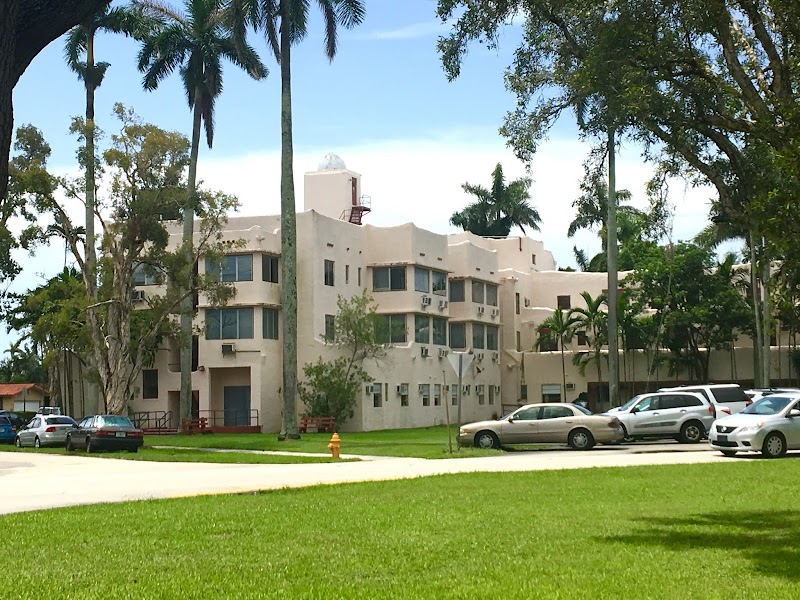
How is Miami Springs Staffed?

CMS rates MIAMI SPRINGS NURSING AND REHABILITATION CENTER's staffing level at 4 out of 5 stars, which is above average compared to other nursing homes. Staff turnover is 26%, compared to the Florida average of 46%. This relatively stable workforce can support continuity of care.

What Have Inspectors Found at Miami Springs?

State health inspectors documented 24 deficiencies at MIAMI SPRINGS NURSING AND REHABILITATION CENTER during 2022 to 2025. These included: 24 with potential for harm.

Who Owns and Operates Miami Springs?

MIAMI SPRINGS NURSING AND REHABILITATION CENTER is owned by a for-profit company. For-profit facilities operate as businesses with obligations to shareholders or private owners. The facility is operated by VENTURA SERVICES FLORIDA, a chain that manages multiple nursing homes. With 269 certified beds and approximately 187 residents (about 70% occupancy), it is a large facility located in MIAMI SPRINGS, Florida.

How Does Miami Springs Compare to Other Florida Nursing Homes?

Compared to the 100 nursing homes in Florida, MIAMI SPRINGS NURSING AND REHABILITATION CENTER's overall rating (3 stars) is below the state average of 3.2, staff turnover (26%) is significantly lower than the state average of 46%, and health inspection rating (3 stars) is at the national benchmark.

What Should Families Ask When Visiting Miami Springs?

Based on this facility's data, families visiting should ask: "Can I visit during a mealtime to observe dining assistance and food quality?" "How do you handle medical emergencies, and what is your hospital transfer rate?" "Can I speak with family members of current residents about their experience?"

Is Miami Springs Safe?

Based on CMS inspection data, MIAMI SPRINGS NURSING AND REHABILITATION CENTER has a clean safety record: no substantiated abuse findings (meaning no confirmed cases of resident harm), no Immediate Jeopardy citations (the most serious violation level indicating risk of serious injury or death), and is not on the Special Focus Facility watch list (a federal program monitoring the lowest-performing 1% of nursing homes). The facility has a 3-star overall rating and ranks #100 of 100 nursing homes in Florida. While no facility is perfect, families should still ask about staff-to-resident ratios and recent inspection results during their visit.

Do Nurses at Miami Springs Stick Around?

Staff at MIAMI SPRINGS NURSING AND REHABILITATION CENTER tend to stick around. With a turnover rate of 26%, the facility is 20 percentage points below the Florida average of 46%. Low turnover is a positive sign. It means caregivers have time to learn each resident's needs, medications, and personal preferences. Consistent staff also notice subtle changes in a resident's condition more quickly. Registered Nurse turnover is also low at 30%, meaning experienced RNs are available to handle complex medical needs.

Was Miami Springs Ever Fined?

MIAMI SPRINGS NURSING AND REHABILITATION CENTER has no federal fines on record. CMS issues fines when nursing homes fail to meet care standards or don't correct problems found during inspections. The absence of fines suggests the facility has either maintained compliance or corrected any issues before penalties were assessed. This is a positive indicator, though families should still review recent inspection reports for the full picture.

Is Miami Springs on Any Federal Watch List?

MIAMI SPRINGS NURSING AND REHABILITATION CENTER is not on any federal watch list. The most significant is the Special Focus Facility (SFF) program, which identifies the bottom 1% of nursing homes nationally based on persistent, serious quality problems. Not being on this list means the facility has avoided the pattern of deficiencies that triggers enhanced federal oversight. This is a positive indicator, though families should still review the facility's inspection history directly.