AZURE SHORES REHAB

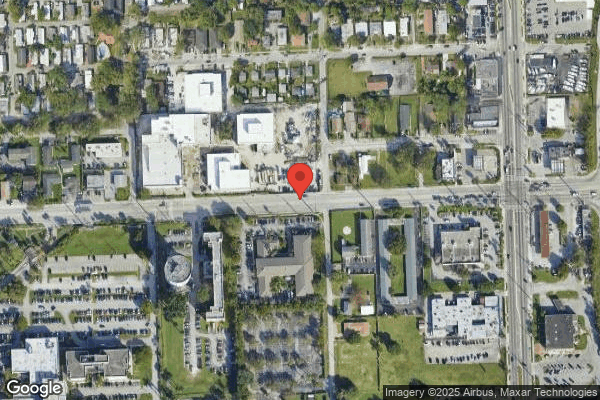
800 NW 95TH STREET, MIAMI, FL 33150 (305) 836-1550
For profit - Limited Liability company 120 Beds EXCELSIOR CARE GROUP Data: November 2025
Trust Grade
50/100
#474 of 690 in FL
Last Inspection: September 2024

Within standard 12-15 month inspection cycle. Federal law requires annual inspections.

Overview

Azure Shores Rehab has a Trust Grade of C, which means it is average and sits in the middle of the pack among nursing homes. Ranked #474 out of 690 facilities in Florida, it falls in the bottom half, and is #41 out of 54 in Miami-Dade County, indicating that only a few local options are better. The facility's situation is worsening, with issues increasing from 13 in 2023 to 15 in 2024. Staffing is average with a rating of 3 out of 5 stars and a turnover rate of 45%, which is close to the state average. While there are no fines on record, which is a positive sign, there were several concerns noted, such as insufficient housekeeping leading to an unclean environment and a failure to meet the nutritional needs of residents on specialized diets, which raises concerns about overall care quality.

Trust Score
C
50/100
In Florida
#474/690
Bottom 32%
Safety Record
Low Risk
No red flags
Inspections
Getting Worse
13 → 15 violations
Staff Stability
⚠ Watch
45% turnover. Above average. Higher turnover means staff may not know residents' routines.
Penalties
✓ Good
No fines on record. Clean compliance history, better than most Florida facilities.
Skilled Nurses
✓ Good
Each resident gets 47 minutes of Registered Nurse (RN) attention daily — more than average for Florida. RNs are trained to catch health problems early.
Violations
⚠ Watch
36 deficiencies on record. Higher than average. Multiple issues found across inspections.
★★☆☆☆
2.0
Overall Rating
★★★☆☆
3.0
Staff Levels
★★★★☆
4.0
Care Quality
★★☆☆☆
2.0
Inspection Score
Stable
2023: 13 issues
2024: 15 issues

The Good

  • 4-Star Quality Measures · Strong clinical quality outcomes
  • Full Sprinkler Coverage · Fire safety systems throughout facility
  • No fines on record

Facility shows strength in quality measures, fire safety.

The Bad

2-Star Overall Rating

Below Florida average (3.2)

Below average - review inspection findings carefully

Staff Turnover: 45%

Near Florida avg (46%)

Higher turnover may affect care consistency

Chain: EXCELSIOR CARE GROUP

Part of a multi-facility chain

Ask about local staffing decisions and management

The Ugly 36 deficiencies on record

Sept 2024 15 deficiencies
CONCERN (D)

Potential for Harm - no one hurt, but risky conditions existed

Deficiency F0658 (Tag F0658)

Could have caused harm · This affected 1 resident

Based on observations, interview and record review the facility failed to assure services being provided to residents meet professional standards of quality for 1 of 4 of residents observed during med...

Read full inspector narrative →
Based on observations, interview and record review the facility failed to assure services being provided to residents meet professional standards of quality for 1 of 4 of residents observed during med pass (Resident #54). The findings included: Review of the facility's employee handbook with revised date of 2024 under section titled, Personal Appearance, Dress Code and Uniform Policy included the following in part: Nails must be clean, neat and trimmed to ¼ inch for resident/patient care responsibilities; acrylic and gel nails or any other artificial nails are prohibited under any circumstances. Review of the CDC's (Center for Disease Control) website titled, Clean Hands at https://www.cdc.gov/clean-hands/hcp/clinical-safety/index.html Under the section Maintain fingernail and jewelry safety included in part the following: Natural nails should not extend past the fingertip. Do not wear artificial fingernails or extensions when having direct contact with high-risk patients like those at intensive-care units or operating rooms. Germs can live under artificial fingernails both before and after using an alcohol-based hand sanitizer and handwashing. On 09/23/24 at 9:45 AM, observation of med pass with Staff D Licensed Practical Nurse (LPN) for Resident #54; a total of 4 oral medication and 1 inhaler (Breo Ellipta) were administered. Staff D, LPN had long pointed artificial nails with rhinestones on top. The fingernails extended about 1 inch past the edge of her fingers. During an interview conducted on 09/23/24 at 10:00 AM with Staff D, LPN was asked if the facility has a policy about staff fingernails, she stated: I don't think so. During an interview conducted on 9/24/24 at 2:20 PM with Staff J Licensed Practical Nurse/Unit Manager was asked about fingernails for staff, she stated : you cannot have fake fingernails, if they are gel, they have to be short and can only be just past the tip of the fingers like mine. She then showed the surveyor her fingernails and said: mine are gel. During an interview conducted on 09/25/24 at 11:10 AM, Staff C Registered Nurse was asked about fingernails for staff, she revealed they need to be short and not fake. When asked about her fingernails that extended about 1/2 inch past the tip of the fingers, she stated: I didn't know the State was coming.
CONCERN (D)

Potential for Harm - no one hurt, but risky conditions existed

Incontinence Care (Tag F0690)

Could have caused harm · This affected 1 resident

**NOTE- TERMS IN BRACKETS HAVE BEEN EDITED TO PROTECT CONFIDENTIALITY** Based on record review observations and interviews the facility failed to ensure resident with indwelling urinary catheter recei...

Read full inspector narrative →
**NOTE- TERMS IN BRACKETS HAVE BEEN EDITED TO PROTECT CONFIDENTIALITY** Based on record review observations and interviews the facility failed to ensure resident with indwelling urinary catheter receives care to prevent to prevent infection and to provide nephrology consult appointment for 1 of 1 resident observed for catheter care (Resident #117). The findings included: Record review for Resident #117 revealed the resident was admitted to the facility on [DATE] with diagnoses that included the following in part: Sepsis Unspecified Organism, Chronic Kidney Disease Stage 3, Chronic Prostatitis, Retention of Urine Unspecified, Personal History of Urinary (Tract) Infections, and Obstructive and Reflux Uropathy Unspecified. Review of the Minimum Data Set for Resident #117 dated 09/08/24 documented in Section C a Brief Interview of Mental Status score of 15 indicating a cognitive response. Review of the Physician's Orders for Resident #117 revealed an order dated 08/19/24 for Urinary Catheter: Provide catheter care every shift and as needed. On 08/23/24 a physician's order was written for a nephrology consult. On 09/25/24 at 9:00 AM, the Director of Nursing (DON) was asked where the notes were located for review related to a nephrology consult for the resident. The DON stated he thought the resident had seen a Nephrologist and will provide surveyor a copy of the visit note. On 09/25/24 at 11:50 AM an observation was made of indwelling urinary catheter care provided for Resident #117 by Staff A, Certified Nursing Assistant (CNA). The CNA gathered supplies applied gown, and mask, washed hands, applied gloves, proceeded to prepare resident for catheter care, pulled privacy curtain with gloved hand, removed gloves, did not perform hand hygiene, applied gloves, opened brief, removed gloves, did not perform hand hygiene, applied gloves, adjusted covers, had resident check water temperature, removed gloves, did not perform hand hygiene, applied gloves, held catheter at base of penis and proceeded to wipe catheter from tip of penis down tubing toward drainage bag, she repeated this process 3 times, she removed her gloves, did not perform hand hygiene, put on gloves, had resident roll from side to side to remove the pad from under resident, and secure brief on resident, she removed her gloves, did not perform hand hygiene, put on gloves and pulled blankets over resident. It was noted the catheter tubing was secured to resident's leg, but the tubing was under the resident's left leg During an interview conducted on 09/25/24 at 12:10 PM with Staff A, CNA who stated she has worked at the facility for 28 years. When asked about hand hygiene between gloves being removed and put on, she said Oh she should have used hand sanitizer, she forgot, she was nervous. When asked about the catheter tubing placement under Resident #117's left leg, she said; let me fix that right now. She then pulled back the resident's blanket and adjusted the catheter tubing, so it was on top of the resident's leg, not under it. The resident said to her: That is so much more comfortable. Review of the facility's policy titled, Nursing - Catheter Care- Urinary with a revision date of 02/21/23 included in part the following: Maintaining Unobstructed Urine Flow: 1 Check the resident frequently to be sure he or she is not lying on the catheter and to keep the catheter and tubing free of kinks. Infection Control 1 Use standard precautions when handling or manipulating the drainage system. 2 Maintain clean technique when handling or manipulating the catheter, tubing, or drainage bag. Review of the facility's policy titled, Hand Hygiene with a revised date of 02/05/23 included the following in part: 1. All staff should perform hand hygiene when indicated, using proper technique consistent with accepted standards of practice. 2. Reference the table below for conditions and indications where hand hygiene is required. Before applying and after removing personal protective equipment (PPE), including gloves. Use either soap and water or alcohol based hand rub 60% or higher (ABHR is preferred) On 09/25/24 at 2:25 PM an interview was conducted with Staff J, a Licensed Practical Nurse (LPN) unit manager. She was asked if the resident had been seen by a nephrologist. She stated she received a call from the Nephrologist this morning asking about Resident #117. She discussed with the Physician that an appointment had not been made for the resident for a nephrology consult. Staff J stated she thought the reason for the appointment, was due to a high potassium level on 08/23/24 for Resident #117 since the order was written that day. The resident had no appointment scheduled so Social Service scheduled the appointment. Staff J stated if the resident has no appointment scheduled she will ask Social Service to make the appointment so she can schedule transportation also. An interview was conducted with the Social Service Director (SSD) on 09/25/24 at 2:34 PM; the SSD reported she made the appointment today and this is the first time she had been asked to make this appointment. The resident did not have any other nephrology appointment scheduled.
CONCERN (D)

Potential for Harm - no one hurt, but risky conditions existed

Deficiency F0692 (Tag F0692)

Could have caused harm · This affected 1 resident

**NOTE- TERMS IN BRACKETS HAVE BEEN EDITED TO PROTECT CONFIDENTIALITY** Based on observations, interviews and record reviews, the facility failed to monitor food and supplement intake for 1 (Resident ...

Read full inspector narrative →
**NOTE- TERMS IN BRACKETS HAVE BEEN EDITED TO PROTECT CONFIDENTIALITY** Based on observations, interviews and record reviews, the facility failed to monitor food and supplement intake for 1 (Resident #69) of 7 residents reviewed for nutrition and failed to ensure accurate weights for new admission for 1 (Resident # 323) of 7 residents reviewed for nutrition. The findings included: 1). Resident #69 was admitted to the facility on [DATE]. According to the resident's most recent complete assessment, a quarterly Minimum Data Set (MDS), dated [DATE], resident #69 had a Brief Interview for Mental Status (BIMS) score of 11, indicating that the resident was moderately cognitively impaired. Resident #69's diagnoses at the time of the assessment included: Diabetes Mellitus, Dysphagia and Vitamin deficiency. Resident #69's orders included: Regular diet, Dysphagia Mechanical Soft texture, Regular/Thin Liquids consistency - Fortified food at all meals - 04/11/24 with a revision date of 08/30/24 Health Shake put Amt (Amount) ordered PO (by mouth) - three times a day for supplement 4 oz (ounces) at 10:00 AM, 2:00 PM and HS (bedtime), record amount consumed - 06/25/24 Cyproheptadine HCl Tablet 4 milligrams - Give 1 tablet by mouth in the morning for appetite stimulant - 07/30/24 Resident #69's care plan for nutrition, initiated 04/09/24 with a revision date of 09/22/24, included but not limited to: Resident #69 has a potential nutritional problem related to Past Medical History of type 2 diabetes, dysphagia discontinued feeding tube, receives pleasure feeds, significant weight loss (resident ok with weight change.) readmitted 4/9 without feeding tube, vitamin deficiency . The goal of the care plan was documented as, Maintain adequate nutrition and hydration by consuming >/=50% of all meals and fluids. Maintain skin integrity. No s/sx (sign /symptoms) of dehydration or malnutrition. Initiated on 07/22/22 with a revision date of 05/14/24 and a target date of 10/10/24. Interventions in the care plan included: Monitor/record/report to MD (Medical Doctor) PRN (as needed) s/sx of malnutrition: Emaciation (Cachexia), muscle wasting, significant weight loss: >5% in 1 month, >7.5% in 3 months, >10% in 6 months. Provide and serve diet as ordered. Provide and serve supplements as ordered. On 06/24/2024, the resident weighed 135 lbs. On 09/19/2024, the resident weighed 124 pounds which is a -8.15 % Loss. On 03/15/2024, the resident weighed 151 lbs. On 09/19/2024, the resident weighed 124 pounds which is a -17.88% Loss. Review of Resident #69's electronic health record revealed the staff documented in the last 30 days: Consumption of only one of three meals 6 times during the 30-day look back period. Consumption of only two of three meals 3 times during the 30-day look back period. Did not document consumption of meals 3 times during the 30-day look back period. Consumption of only one of three supplements that were provided 11 times during the 30-day look back period. Consumption of only two of three supplements that were provided 15 times during the 30-day look back period. Did not document consumption of supplements that were provided 4 times during the 30-day look back period. During an interview, on 09/25/24 at 12:26 PM, with the Registered Dietitian (RD), when asked about Resident #69's weight loss, the RD replied, I followed up with the physician and we are going to monitor what she eats, she was on a peg (Percutaneous endoscopic gastrostomy/feeding tube) and when she went to the hospital, they took it out (03/28/24) and she returned on 04/09/24. She consumes 25-75% of meals, typically around 50-75% based on just the food on the plate. I see the tray as she is eating it. We are looking into having a PEG placed. Health Shake comes from the kitchen. I speak to the nurses, and they tell me that she consumes the shakes. At the conclusion of the interview, the RD acknowledged that the documentation was not complete. During an interview, on 09/25/24 at 1:11 PM with Staff J, LPN/UM The Plan Of Care (POC) is where they document. the only time that they document a progress is when they are not eating. On 09/25/24 at 1:15 PM, Staff K, Certified Nursing Assistant) CNA, demonstrated that staff would document in the Plan of care (POC) section in the resident's electronic health record and the documentation would be reflected in the resident's task worksheets. 2) During the resident screening and record review on 09/24/24, it was noted that Resident #323 had a documented admission weight of 190 pounds on 09/18/24, and height of 72 inches. Observation of the resident on 09/24/24 noted the resident to be approximately 72 inches, however the resident appeared underweight/malnourished and could not be 190 pounds The resident appeared to be alert and oriented during the brief observation. Observation of Resident #323 during the breakfast meal conducted on 09/25/24 at 8:30 AM. Further observation noted the resident could eat independently with tray set-up and was interviewable. Further observation noted the resident was served a Regular/No Added Salt; also noted the resident had a large plastic right leg device. The resident was noted to state that the facility food is terrible; however, the resident had cleaned the entree plate and consumed 100 % of the meal. The resident stated to the surveyor that he was still hungry and had been hungry and not receiving sufficient amount of food on a daily basis. The resident further stated that he was admitted for therapy, a leg/foot wound, and would be discharged home following completion of therapy. During the interview the surveyor asked the resident about his weight and the resident stated he feels he is approximately 170 pounds and at no time was his body weight 190 pounds. During an interview conducted with the facility's Registered Dietitian (RD) on 09/25/24 it was discussed and confirmed that the initial weight of 190 pounds on 0918/24 was incorrect and that the resident is at nutritional risk at the present time. The surveyor requested the RD for a re-weigh and a updated nutritional assessment for Resident #323. On 09/25/24, Resident #323 was re-weighed by facility's nursing staff in the presence of the surveyor and the facility RD. The weight recorded was 164 pounds with a large plastic boot to the right shin/lower leg and foot that was estimated to be approximately 6-8 pounds. The resident was surprised and upset at the weight of 164 pounds and stated he has never weighed below 160 pounds and requested nutrition interventions. On 09/26/24 the facility's RD submitted documentation to the surveyor that included: * The resident had a significant weight loss of 25 pounds in one week. * Health Shake (twice daily) BID (400 calories, 12 grams Protein). * Double Entree Portions (all meals). * Daily Scheduled Snacks ((2 PM and HS). * Continue Pro-Stat® AWC (Advanced Wound Care) BID (200 calories, 34 grams Protein). * Continue to monitor weights and intake
CONCERN (D)

Potential for Harm - no one hurt, but risky conditions existed

Tube Feeding (Tag F0693)

Could have caused harm · This affected 1 resident

**NOTE- TERMS IN BRACKETS HAVE BEEN EDITED TO PROTECT CONFIDENTIALITY** Based on observations, interviews and record review the facility failed to ensure physician's orders for tube feeding were follo...

Read full inspector narrative →
**NOTE- TERMS IN BRACKETS HAVE BEEN EDITED TO PROTECT CONFIDENTIALITY** Based on observations, interviews and record review the facility failed to ensure physician's orders for tube feeding were followed for 2 of 3 residents reviewed for tube feeding (Residents #18 and #85) The findings included: On 09/23/24 at 11:45 AM an observation was made of Resident #85 lying in bed with bottle of Glucerna 1.2 (formula type) tube feeding at the 800 milliliter mark out of a 1,000 milliliter capacity bottle. The bottle was labeled as started at 09/23/24 at 6:00 AM, the tube feeding was not infusing. On 09/24/24 at 8:30 AM an observation made of Resident #85 lying in bed with bottle of Glucerna 1.2 tube feeding just above the 900 mark out of a 1,000 milliliter capacity bottle. The bottle was labeled as started at 09/24/24 at 5:45 AM the tube feeding was infusing at 70 milliliters per hour. On 09/24/24 at 1:45 PM an observation was made of Resident #85 lying in bed with bottle of Glucerna 1.2 tube feeding just below the 800 mark out of a 1,000 milliliter capacity bottle. The bottle was labeled as started at 09/24/24 at 5:45 AM the tube feeding was not infusing. In summary this indicated the resident had received only 1,100 milliliters of tube feeding in 24 hours, not 1,400 milliliters as per physician's order. Record review for Resident #85 revealed the resident was originally admitted to the facility on [DATE] with readmission on [DATE] with diagnoses that included in part the following: Unspecified Sequelae of Cerebral Infarction, Hemiplegia and Hemiparesis Following Cerebral Infarction Affecting Right Dominant Side, Dysphagia Following Cerebral Infarction, and Gastrostomy Status. Review of the Minimum Data Set (MDS) for Resident #85 dated 07/02/24 documented in Section C a Brief Interview of Mental Status (BIMS) could not be conducted due to the resident is rarely/never understood. Review of the order dated 07/16/24 for every shift Glucerna 1.2 @ 70 ml/hr (hour) X 20 hrs via PEG. OFF at 10:00 AM and ON at 2:00 PM or until 1400 ml is infused within 24 hrs. Review of the Progress notes from 09/23/24 to 09/24/24 for Resident #85 revealed there was no documentation of the tube feeding stopped between 2:00 PM and 10:00 AM. During an interview conducted on 09/25/24 at 11:15 AM with Staff B Licensed Practical Nurse who stated he has worked at the facility for 3 months. When asked if he calculates the amount of the tube feeding for any resident receiving tube feeding, he said they cannot calculate the total amount of tube feeding because the bottle is changed out on the evening shift. 2) On 09/23/24 at 9:40 AM an observation was made of Resident # 18 with Glucerna 1.2 (formulary type) tube feeding at the 950 mark out of a 1,000 milliliter capacity bottle. the bottle was labeled as being started on 09/23/24 at 5:00 AM and was infusing via pump at 70 milliliters per hour. On 09/24/24 at 1:40 PM an observation was made of Resident #18 with Glucerna 1.2 (formulary type) tube feeding between the 900 mark out of a 1,000 milliliter capacity bottle. the bottle was labeled as being started on 09/24/24 at 5:55 AM and was not infusing. In summary this indicated the resident had received only 1,000 milliliters of tube feeding in 24 hours, not the 1,400 milliliters as per physician's order. Record review for Resident #18 revealed the resident was originally admitted to the facility on [DATE] with the most recent readmission on [DATE] with diagnoses that included in part the following: Unspecified Sequelae of Cerebral Infarction, Dysphagia Following Cerebral Infarction, and Gastrostomy Status. Review of the MDS for Resident #18 dated 08/01/24 revealed in Section C a BIMS score of 5 indicating severe cognitive impairment. Review of the Physician's Orders for Resident #18 revealed an order dated 06/17/24 for every shift Glucerna 1.2 @ 70 ml/hr x 20 hr via PEG. OFF at 10:00 AM and ON at 2:00 PM, or when 1400 ml delivered in 24 hrs. During an interview conducted on 09/25.24 at 11:10 AM with Staff C Registered Nurse (RN) who stated she has worked at the facility for about 3 months. When asked how she knows if the resident who is receiving tube feeding get the full amount, she said she never calculated the full amount, she just makes sure it is running at the correct rate and turns off the tube feeding from 10:00 AM to 2:00 PM. During an interview conducted on 09/25/24 at 1:20 PM with the Registered Dietician who was asked if she monitors the residents who receive tube feeding, she said yes, she periodically checks the residents tube feeding to make sure it is the correct formula and infusing at the correct rate. When asked how she knows if the residents receive the full amount of tube feeding, she said as long as the tube feeding is running at the correct rate from 2:00 PM to 10:00 AM the following day it would be the full amount. When brought to her attention the observations for Resident #85 and #18, she acknowledged the residents did not receive the full amount of the tube feeding. She further revealed the nurses do not document the amount of tube feeding infused.
CONCERN (D)

Potential for Harm - no one hurt, but risky conditions existed

Pharmacy Services (Tag F0755)

Could have caused harm · This affected 1 resident

**NOTE- TERMS IN BRACKETS HAVE BEEN EDITED TO PROTECT CONFIDENTIALITY** Based on observations, interview and record review the facility failed provide pharmaceutical services to ensure the accurate ad...

Read full inspector narrative →
**NOTE- TERMS IN BRACKETS HAVE BEEN EDITED TO PROTECT CONFIDENTIALITY** Based on observations, interview and record review the facility failed provide pharmaceutical services to ensure the accurate administering and documenting of medications to meet the needs of each resident for 1 of 4 resident reviewed for medication administration observation (Resident #54) and for 2 of 9 residents reviewed for controlled medications (Residents #6, and #54), and failed to ensure a discontinued medication was removed from the med cart for 1 of 9 residents reviewed during med reconciliation review (Resident #6) The findings included: Record review for Resident #54 revealed the resident was originally admitted to the facility on [DATE] with the most recent readmission on [DATE] with diagnoses that included in part the following: Spondylosis Lumbar Region, Respiratory Disorders in Diseases Classified Elsewhere, Chronic Obstructive Pulmonary Disease (COPD), Type 2 Diabetes Mellitus, Acquired Absence of Left Leg Below Knee, Other Specified Depressive Episodes, Peripheral Vascular Disease, and Bipolar Disorder. Review of the Minimum Data Set (MDS) for Resident #54 dated 07/09/24 documented in Section C a Brief Interview of Mental Status score of 14 indicating a cognitive response. Review of the Physician's Orders for Resident #54 revealed an order dated 02/20/24 for Gabapentin Capsule 100 milligram (mg) give 1 capsule by mouth three times a day for Peripheral Neuropathy. Review of the Physician's Orders for Resident #54 revealed an order dated 04/23/24 for Ascorbic Acid Tablet 500 mg(milligrams) give 1 tablet by mouth one time a day for wound care management. Review of the Physician's Orders for Resident #54 revealed an order dated 08/16/23 Multiple Vitamins with Minerals Tablet give 1 tablet by mouth one time a day for Wound Healing Review of the Physician's Orders for Resident #54 revealed an order dated 08/19/24 for Aspirin EC (Enteric Coated) Tablet Delayed Release 81 mg give 1 tablet by mouth one time a day for PVD (Peripheral Vascular Disease) give 1 tablet by mouth one time a day for PVD Review of the Physician's Orders for Resident #54 revealed an order dated 08/28/24 for Spiriva Respimat Inhalation Aerosol Solution 2.5 mcg/ACT (Tiotropium Bromide Monohydrate)1 puff inhale orally one time a day for COPD. Review of the Physician's Orders for Resident #54 revealed an order dated 09/04/24 for Seroquel oral tablet 300 mg (Quetiapine Fumarate) give 1 tablet by mouth two times a day for Bipolar. Review of the Physician's Orders for Resident #54 revealed an order dated 08/16/24 for Lamotrigine Tablet 100 MG Give 1 tablet by mouth two times a day for Bipolar. Review of the Physician's Orders for Resident #54 revealed an order dated 08/16/23 for Empagliflozin-Metformin HCl ER (Synjardy) oral tablet Extended Release 24 Hour 25-1000 mg (Empagliflozin-Metformin HCl) give 1 tablet by mouth one time a day for DM Review of the Physician's Orders for Resident #54 revealed an order dated 08/16/23 for Clopidogrel Bisulfate Tablet 75 mg give 1 tablet by mouth one time a day for blood clot prevention. Review of the Physician's Orders for Resident #54 revealed an order dated 08/16/23 for Fluoxetine HCl Capsule 720mg give 2 capsules by mouth one time a day for depression. Review of the Physician's Orders for Resident #54 revealed an order dated 11/09/23 for Oxycodone-Acetaminophen Tablet 5-325 mg give 1 tablet by mouth every 6 hours as needed for pain Review of the Physician's Orders for Resident #54 revealed an order dated 08/28/24 for Breo Ellipta Inhalation Aerosol Powder Breath Activated 100-25 mcg/ACT (Fluticasone Furoate-Vilanterol) 1 puff inhale orally one time a day for obstructive pulmonary disease. Review of the behaviors for Resident #54 from 09/01/24 to 09/23/24 revealed no documentation of behaviors observed by staff. Review of the Medication Administration Audit Report for Resident #54 for 09/23/24 revealed the following medications were documented as being administered as follows: 9:44 AM Gabapentin 100 mg 9:46 AM Multi vitamin with iron 9:47 AM Synjardy XR 25-1,000 mg Not documented as administered Oxycodone/Apap (Percocet) 5/325 mg 9:56 AM Breo Ellipta inhaler 100-250 10:04 AM Aspirin EC 81 mg 9:58 AM Clopidogrel Bisulfate 75 mg 9:58 AM Fluoxetine 20 mg 9:58 AM Lamotrigine 100 mg 9:58 AM Spiriva Respimat Inhalation Aerosol Solution 2.5 mcg/ACT 9:58 AM Seroquel 300 mg 9:58 AM Ascorbic Acid 500 mg On 09/23/24 at 9:45 AM a med pass observation was conducted with Staff D Licensed Practical Nurse (LPN) for Resident # 54. The LPN prepared the following medications after using hand sanitizer: Gabapentin 100 mg Multi vitamin with iron Synjardy XR 25-1,000 mg The LPN verified with the surveyor there were 3 pills in the medication cup. When asked if this was the only medications the resident was due to be given at this time, she said yes. The LPN administered the medications to Resident #54 without asking the resident his name, date of birth , checking his wrist band, or verify with another staff member the identity of the resident. During the administration of the 3 medications to Resident #54, the resident informed the LPN he needed his inhaler and Percocet. The LPN returned to the med cart did not perform hand hygiene and prepared the following medications: Oxycodone/Apap (Percocet) 5/325 mg Breo Ellipta inhaler 100-250 The LPN entered the resident's room and applied a pair of gloves without performing hand hygiene, and again the LPN administered the medications without asking the resident his name, date of birth , check his wrist band, or verify with another staff member the identity of the resident. The LPN administered the medications, and did not have the resident rinse his mouth after using the inhaler. The LPN removed her gloves and did not perform hand hygiene. During an interview conducted on 09/23/24 at 10:00 AM with Staff D LPN who was asked about hand hygiene, she acknowledged she forgot to do hand hygiene when she removed her gloves. When asked about the Breo inhaler, if the resident should rinse his mouth after use, she said: I don't think so. When the LPN was asked to read the Breo packaging, she acknowledged she should have offered water for the resident to rinse his mouth as it is stated on the Breo Ellipta packaging. During an interview conducted on 09/23/24 at 12:50 PM with Resident #54 who was asked if he received any medications from his nurse today before or after the medications given were observed being administered by his nurse with this surveyor present, he said no. During an interview conducted on 09/23/24 at 12:58 PM with Staff D LPN was asked if she had administered any medications to Resident #54 before or after the mediation administration observations earlier today with Resident #54, she said no she did not. When asked why there were other medications for Resident #54 scheduled at 9:00 AM and documented as being administered by her today, she did not answer the question, she simply said: I went in twice with you to pass his medications, I did not give him any other medications. During an interview conducted on 09/25/24 at 8:45 AM with the Director Of Nursing (DON) who stated Staff D LPN had made a mistake with the med pass on 09/23/24 with Resident #54. The DON said she was a new nurse and had gotten nervous and marked the medications as administered when she had not administered them. 2) Review of the Physician's orders for Resident #54 revealed an order dated 11/09/23 for Oxycodone-Acetaminophen 5-325 mg tablet give 1 tablet by mouth every 6 hours as needed for pain. On 09/25/24 at 1:50 PM a med cart review of the 400/600 med cart with Staff B Licensed Practical Nurse (LPN) which included a review of the medication Oxycodone/APAP 5/325mg for Resident #54 which had a remaining count of 21 pills. The Medication Monitoring/Control Log indicated the medication Oxycodone/APAP 5/325mg was removed on the following days/times: 09/23/24 at 10:00 AM 09/23/24 at 6:32 AM 09/23/24 at 12:05 PM Review of Medication Administration Record (MAR) for Resident #54 for 09/23/24 documented the medication Oxycodone/APAP 5/325mg was not administered. 3) Review of the Physician's Orders for Resident #6 revealed an order dated 04/26/24 for Tramadol HCl Oral Tablet 50mg give 1 tablet by mouth every 6 hours as needed for Pain and was discontinued on 06/03/24. On 09/25/24 at 2:15 PM a med cart review of the 300-med cart with Staff E Registered Nurse which included a review of the medication Tramadol 50mg for Resident #6 which had a remaining count of 19 pills. The Medication Monitoring/Control Log indicated the medication Tramadol 50 mg was removed on the following days/times: 06/07/24 7:00 PM 06/18/24 8:40 AM 06/18/24 11:00 AM 06/19/24 at 1:00 PM 07/03/24 at 4:00 PM This indicated the medication Tramadol 50 mg was removed 5 times after the medication was discontinued and the discontinued medication remained in the med cart for over 4 months after it was discontinued. Review of MAR for Resident #6 from 06/01/24 to 07/03/24 revealed no documentation for the Tramadol 50 mg being administered. During an interview conducted on 09/25/24 at 2:16 PM with Staff H LPN who stated she has worked at the facility for about 2 months. When asked what the process is for administering a controlled substance, she stated we check to see if there is an order, make a note, bingo card matches computer, after administration sign off on MAR and narcotic sheet and make sure the count is correct. During an interview conducted on 09/25/24 at 2:18 PM with the Director of Nursing (DON) who was asked about the process for removing and administering a controlled substance, the DON stated the nurse verifies the order for the resident, will remove the medication from the med cart, document the removal on the Control Log, administer the medication then document the administration of the medication in the resident's electronic medical record on the MAR. When asked about the process when a controlled medication is discontinued, the DON stated once a medication is discontinued, the nurse should remove the medication from the med cart to be returned to the pharmacy. The Unit Manager audits the med carts weekly to ensure no discontinued meds are in the med carts. The DON helps out with the return of the discontinued medication being returned to pharmacy. When asked about Resident #54 and the Medication Monitoring/Control Log and the medication administration times for Oxycodone-Acetaminophen 5-325mg tablet, the DON acknowledged the nurse(s) who removed the medication did not document the medication was administered. When asked about Resident #6 and the Medication Monitoring/Control Log and the medication administration times for Tramadol 50mg, the DON acknowledged the nurse(s) who removed the medication did not document the medication was administered. The DON also acknowledged the Tramadol 50 mg for Resident #6 had been discontinued on 06/03/24 and should have been removed from the med cart at that time. Review of the facility's policy titled, Administering Medications with a revised date of 02/21/23 included the following in part: 3. Medications are administered in accordance with prescriber orders, and current standards of practice. a. Staff follows established facility infection control procedures (e.g., handwashing, antiseptic technique, gloves, isolation precautions, etc.) for the administration of medications as applicable. 7. The individual administering medication verifies the resident's identity (using 2 forms) before giving the resident his/her medications. Methods of identifying the resident include: a. Checking identification band. b. Checking photograph attached to medical record; and c. If necessary, verify resident identification with other facility personnel. 19. If a drug is withheld, refused or given at a time other than the scheduled time, the individual administering the medication shall enter the correct code in the box on EMAR followed by nursing note if indicated. 21. As required or indicated for a medication, the individual administering the medication records in the resident's medical record: a. The date and time the medication was administered. Review of the facility's policy titled, 4.0 Schedule II Controlled Substance Medication with not effective dated list included the following in part: H. Dispensing of Controlled Dangerous Substances 1. Solid oral doses (capsules, tablets, etc.) will be dispensed in a reverse number of packs or bingo cards. 3. A declining inventory sheet will be provided with each dispensed prescription for dangerous medications. The form will contain the following information: patient name, medication name, medication strength, dosage form, name of prescribing physician, amount dispensed, prescription number and date dispensed. I. Discontinuation of Controlled Substances 1. Controlled medication which have been discontinued due to physician order, patient discharge, or patient death, must be destroyed per facility policy. Review of the facility's policy titled, Hand Hygiene with a revised date of 02/05/23 included the following in part: 1 All staff should perform hand hygiene when indicated, using proper technique consistent with accepted standards of practice. 2 Reference the table below for conditions and indications where hand hygiene is required. Before applying and after removing personal protective equipment (PPE), including gloves - Use either soap and water or alcohol-based hand rub 60% or higher (ABHR is preferred). Before preparing for or handling medications - Use either soap and water or alcohol-based hand rub 60% or higher (ABHR is preferred).
CONCERN (D)

Potential for Harm - no one hurt, but risky conditions existed

Unnecessary Medications (Tag F0759)

Could have caused harm · This affected 1 resident

**NOTE- TERMS IN BRACKETS HAVE BEEN EDITED TO PROTECT CONFIDENTIALITY** Based on observations, interviews, and record review the facility failed to ensure the medication error rate was not 5% or great...

Read full inspector narrative →
**NOTE- TERMS IN BRACKETS HAVE BEEN EDITED TO PROTECT CONFIDENTIALITY** Based on observations, interviews, and record review the facility failed to ensure the medication error rate was not 5% or greater. The medication error rate was 28% with 7 medication errors identified while observing a total of 25 opportunities, affecting Resident #54. The findings included: Record review for Resident #54 revealed the resident was originally admitted to the facility on [DATE] with the most recent readmission on [DATE] with diagnoses that included in part the following: Spondylosis Lumbar Region, Respiratory Disorders in Diseases Classified Elsewhere, Chronic Obstructive Pulmonary Disease (COPD), Type 2 Diabetes Mellitus, Acquired Absence of Left Leg Below Knee, Other Specified Depressive Episodes, Peripheral Vascular Disease, and Bipolar Disorder. Review of the Minimum Data Set (MDS) for Resident #54 dated 07/09/24 documented in Section C a Brief Interview of Mental Status score of 14 indicating a cognitive response. Review of the Physician's Orders for Resident #54 revealed the following medication orders: an order dated 08/16/23 Multiple Vitamins with Minerals Tablet give 1 tablet by mouth one time a day for Wound Healing an order dated 08/16/23 for Empagliflozin-Metformin HCl ER (Synjardy) oral tablet Extended Release 24 Hour 25-1000 mg (Empagliflozin-Metformin HCl) give 1 tablet by mouth one time a day for DM Order dated 08/16/23 for Clopidogrel Bisulfate Tablet 75 mg (milligram) give 1 tablet by mouth one time a day for blood clot prevention. Order dated 08/16/23 for Fluoxetine HCl Capsule 20 mg give 2 capsules by mouth one time a day for depression. Order dated 11/09/23 for Oxycodone-Acetaminophen Tablet 5-325 mg; give 1 tablet by mouth every 6 hours as needed for Pain. Order dated 02/20/24 for Gabapentin Capsule 100 mg; give 1 capsule by mouth three times a day for Peripheral Neuropathy. Order dated 04/23/24 for Ascorbic Acid Tablet 500 mg; give 1 tablet by mouth one time a day for wound care management. Order dated 08/16/24 for Lamotrigine Tablet 100 mg; give 1 tablet by mouth two times a day for Bipolar. Order dated 08/19/24 for Aspirin EC (Enteric Coated) Tablet Delayed Release 81 mg; give 1 tablet by mouth one time a day for PVD (Peripheral Vascular Disease). Order dated 08/28/24 for Breo Ellipta Inhalation Aerosol Powder Breath Activated 100-25 mcg/ACT (Fluticasone Furoate-Vilanterol) 1 puff inhale orally one time a day for obstructive pulmonary disease. Order dated 08/28/24 for Spiriva Respimat Inhalation Aerosol Solution 2.5 mcg/ACT (Tiotropium Bromide Monohydrate)1 puff inhale orally one time a day for COPD. Order dated 09/04/24 for Seroquel oral tablet 300 mg (Quetiapine Fumarate); give 1 tablet by mouth two times a day for Bipolar. Order dated 08/16/24 for Lamotrigine Tablet 100 mg; give 1 tablet by mouth two times a day for Bipolar. Review of the Medication Admin Audit Report for Resident #54 for 09/23/24 revealed the following medications were documented as being administered as follows: 9:44 AM Gabapentin 100 mg 9:46 AM Multi vit with iron 9:47 AM Synjardy XR 25-1,000 mg Not documented as administered Oxycodone/apap (Percocet) 5/325 mg 9:56 AM Breo Ellipta inhaler 100-250 10:04 AM Aspirin EC 81 mg 9:58 AM Clopidogrel Bisulfate 75 mg 9:58 AM Fluoxetine 20 mg 9:58 AM Lamotrigine 100 mg 9:58 AM Spiriva Respimat Inhalation Aerosol Solution 2.5 mcg/ACT 9:58 AM Seroquel 300 mg 9:58 AM Ascorbic Acid 500 mg On 09/23/24 at 9:45 AM a med pass observation was conducted with Staff D Licensed Practical Nurse (LPN) for Resident #54. The LPN prepared the following medications after using hand sanitizer: Gabapentin 100 mg Multi vitamin with iron Synjardy XR 25-1,000 mg The LPN verified with the surveyor there were 3 pills in the medication cup. When asked if this was the only medications the resident was due to be given at this time, she said yes. The LPN administered the medications to Resident #54 without asking the resident his name, date of birth , checking his wrist band, or verify with another staff member the identity of the resident. During the administration of the 3 medications to Resident #54, the resident informed the LPN he needed his inhaler and Percocet. The LPN returned to the med cart did not perform hand hygiene and prepared the following medications: Oxycodone/apap (Percocet) 5/325 mg Breo Ellipta inhaler 100-250 The LPN administered the medications, and did not have the resident rinse his mouth after using the inhaler. During an interview conducted on 09/23/24 at 10:00 AM with Staff D LPN who was asked about the Breo inhaler, if the resident should rinse his mouth after use, she said; I don't think so. When the LPN was asked to read the Breo packaging, she acknowledged she should have offered the resident water to rinse his mouth as it is stated on the Breo Ellipta packaging. During an interview conducted on 09/23/24 at 12:50 PM with Resident #54 who was asked if he received any medications from his nurse today before or after the medications that were observed administered by his nurse with this surveyor present, he said no. During an interview conducted on 09/23/24 at 12:58 PM with Staff D LPN who was asked if she had administered any medications to Resident #54 before or after the mediation administration observations earlier today with Resident #54, she said no she did not. When asked why there were other medications for Resident #54 scheduled at 9:00 AM and documented as being administered by her today, she did not answer the question, she simply said: I went in twice with you to pass his medications, I did not give him any other medications. During an interview conducted on 09/25/24 at 8:45 AM with the DON who stated Staff D LPN had made a mistake with the med pass on 09/23/24 with Resident #54. The DON said she was a new nurse and had gotten nervous and marked the medications as administered when she had not administered them.
CONCERN (D)

Potential for Harm - no one hurt, but risky conditions existed

Deficiency F0761 (Tag F0761)

Could have caused harm · This affected 1 resident

Based on observations, interview the facility failed to ensure all disposed medications are stored in a secure manner for 1 of 4 residents observed during med administration (Resident #54). The findi...

Read full inspector narrative →
Based on observations, interview the facility failed to ensure all disposed medications are stored in a secure manner for 1 of 4 residents observed during med administration (Resident #54). The findings included: On 09/23/24 at 9:45 AM an observation of med administration with Staff D Licensed Practical Nurse (LPN) for Resident #54 was conducted. While preparing the medications for Resident #54, the nurse spilled a pill out of the med cup and put the pill into the uncovered trash bin located on the side of the med cart. During an interview conducted on 09/23/24 at 10:00 AM with Staff D LPN who stated she has worked at the facility for 1 month and she is a new graduate nurse. When asked about drug disposal, the LPN stated the medication should go in the drug buster that is located on her cart in the bottom drawer. The LPN acknowledged she did not dispose of the medication properly.
CONCERN (D)

Potential for Harm - no one hurt, but risky conditions existed

QAPI Program (Tag F0867)

Could have caused harm · This affected 1 resident

Based on observations, interview and record review, the facility's Quality Assurance and Performance Improvement Activities (QAPI/QAA) failed to demonstrate effective plan of actions were implemented ...

Read full inspector narrative →
Based on observations, interview and record review, the facility's Quality Assurance and Performance Improvement Activities (QAPI/QAA) failed to demonstrate effective plan of actions were implemented to correct identified quality deficiencies in the problem area as evidenced by repeated deficient practices for F584, safe, clean, comfortable, homelike environment; F693, tube feeding management; F814, dispose garbage and refuse properly; and F867, QAPI/QAA improvement activities. These repeated deficient practices have the potential to affect all 116 residents residing in the facility at the time of this survey. The findings included: Review of the facility's survey history revealed the facility was cited F584, F693, F814 and F867 during the recertification and Relicensure survey with an exit date of 06/18/23. During an interview with the facility's Administrator on 09/26/24 at 1:05 PM, the Administrator was apprised that these 4 deficiencies will be cited again on this current survey. The Administrator stated he will be working to remedy this.
CONCERN (E)

Potential for Harm - no one hurt, but risky conditions existed

Safe Environment (Tag F0584)

Could have caused harm · This affected multiple residents

**NOTE- TERMS IN BRACKETS HAVE BEEN EDITED TO PROTECT CONFIDENTIALITY** Based on observation, interview, and record review, it was determined that the facility failed to provide housekeeping and maint...

Read full inspector narrative →
**NOTE- TERMS IN BRACKETS HAVE BEEN EDITED TO PROTECT CONFIDENTIALITY** Based on observation, interview, and record review, it was determined that the facility failed to provide housekeeping and maintenance service to maintain a sanitary, safe, orderly, and comfortable interior for the first and second (2/2/) residential living floors. The findings included: During the resident screenings performed by the surveyors on 09/23-24/25, and environment tours conducted on 09/25-26/24 accompanied with the facility's Administrator, Infection Control Preventionist, Corporate Housekeeping Director. and Corporate Registered Nurse, the following were noted: The findings included: FIRST FLOOR: room [ROOM NUMBER] - Room windows screens (2) heavily torn and in disrepair. room [ROOM NUMBER]: Exterior of room chair was stained, worn, and torn. room [ROOM NUMBER] - Fall mat (A-bed) soiled and stained, exterior of over-bed table damaged and in disrepair, bathroom floor soiled and large black stains, and exterior of night-stand (B-bed) damaged and in disrepair. room [ROOM NUMBER] - Exteriors of over-bed table worn and in disrepair, 1 of 2-bathroom light bulbs not working, and exterior of bathroom entry door was worn and in disrepair. room [ROOM NUMBER] - Phone not working properly (A-bed- resident complaining of not receiving calls), wall air-conditioning unit requires re-caulking to the room walls, window screens torn and in disrepair, 1 of 3-bathroom lights not operating, toilet requires recaulking to the floor, and room walls damaged and in disrepair, exterior of over-bed table was damaged and in disrepair. room [ROOM NUMBER] - Room walls damaged and in disrepair, exterior of room charge worn and danged, exterior of over-bed table damaged and in disrepair, and large open area behind room wall mounted air-conditioning unit. First Floor Community Shower: Two exterior covers of the ceiling light fixtures were cracked/broken, wheelchair scale was heavily soiled, Shower Stall #2 noted that a ceiling tile was covered in black mold type matter, and floor tile grout located in shower stall #1 and #2 was heavily stained. SECOND FLOOR: room [ROOM NUMBER] - Bathroom floor soiled and numerous large black stains, bathroom light bulb not working, wall area behind wall air-conditioning unit damaged and in disrepair, exterior of room chair worn and in disrepair, over-bed light cord too short for resident use (B-bed). room [ROOM NUMBER] - Bathroom floor soiled and large black stains, bathroom light bulbs not working, room window screens torn and damaged, and exterior of over-bed table (B-ed) damaged and in disrepair. room [ROOM NUMBER] - Room walls damaged and in disrepair, bathroom floor soiled and large black stains, and exterior of room chair was worn and in disrepair. room [ROOM NUMBER] - Exterior of bathroom entry door damaged and in disrepair, bathroom floor soiled and large black stains, exterior of room chair heavily worn and in disrepair, room walls damaged and in disrepair, privacy curtain soiled and stained, exterior of over-bed table damaged and in disrepair, bathroom base boards missing, exterior of night-stand damaged and in disrepair, and landing mat soiled and stained. room [ROOM NUMBER] - Bathroom call light cord wrapped around wall handrail, bathroom floor soiled and large black stains, exteriors over-bed tables damaged and in disrepair, and exterior of room chair worn and damaged. room [ROOM NUMBER] - Room floor soiled, damaged, and stained, bathroom light bulbs not working, and bathroom floor soiled and large black stains. room [ROOM NUMBER] - Exterior of room chair worn and in disrepair, room walls danged and in disrepair, over-bed pull cord (B-bed) too short for resident use, bathroom floor soiled and large black stains. room [ROOM NUMBER] - Exterior of room chair heavily worn and in disrepair, bathroom floor soiled and large black stains, room window screens torn and in disrepair, and overbed light cord (B-bed) too short for resident use. room [ROOM NUMBER] - Room walls damaged and in disrepair, toilet requires re-caulking to the bathroom floor, bathroom floor soiled and large black stains, bathroom call light cord wrapped around wall handrail, and two of three-bathroom light bulbs not working. room [ROOM NUMBER] - Nursing medication ointment packet (opened) left on bathroom sink, bathroom floor soiled and large black stains, interior of toilet bowl heavily soiled, exterior of overbed tables (2) damaged and in disrepair, exterior of room furniture ( 2) in disrepair, and room walls damaged and in disrepair. room [ROOM NUMBER] - Exterior of bathroom entry door damaged and in disrepair, room furniture damaged (2) and in disrepair, window screens torn and in disrepair, room walls damaged and in disrepair, and exterior of room chair heavily worn and in disrepair. room [ROOM NUMBER] - Room entry door damaged and in disrepair, exterior of bathroom entry door damaged and in disrepair, bathroom floor soiled and large black stains, room walls damaged and in disrepair, and exterior of room chair heavily worn and in disrepair. room [ROOM NUMBER] - Window screen torn and in disrepair. room [ROOM NUMBER] - Air-conditioning filter heavily soiled and not cleaned on a regular basis room [ROOM NUMBER]- Exterior of room chair heavily worn and in disrepair. room [ROOM NUMBER]- Wardrobe closet missing 1 of 3 drawers. room [ROOM NUMBER] - Air-conditioning filter heavily soiled and not being cleaned on a regular basis. room [ROOM NUMBER] - Room window shades damaged and in disrepair, bathroom floor soiled and large black stains, and room walls damaged and in disrepair. room [ROOM NUMBER] - Bathroom floor soiled and large black stains, toilet requires re-caulking to the bathroom floor, and exterior of room furniture (1) damaged and in disrepair. room [ROOM NUMBER] - Bathroom floor soiled and large black stains, exterior of room chair heavily worn and in disrepair, bathroom base boards missing from wall, and exterior of overbed table (1) in disrepair and damaged. Room # 606 - Exterior of bathroom entry door damaged and in disrepair, room walls damaged and in disrepair, exterior of room chair heavily worn and in disrepair, and bathroom floor soiled and large black stains. room [ROOM NUMBER] - Exterior of bathroom door damaged and in disrepair, bathroom floor soiled and large black stains, bathroom nurse call light wrapped around wall handrail, large hole in room wall, room [ROOM NUMBER] - Wall area around the wall air-conditioning unit was damaged and in disrepair. room [ROOM NUMBER] - Room window blinds broken and in disrepair, and exterior of bathroom door damaged and in disrepair, room [ROOM NUMBER] - Wall area around the wall air-conditioning unit was damaged and in disrepair. Hallway (600 Rooms) - Large area of wall paper torn and missing, and ceiling lights in disrepair. Hallway (600 Unit) - The walls on the entire hallways were noted to have large areas of peeling and missing wallpaper, and ceiling mounted lights (4) were not properly attached and were in disrepair. Following the 09/25-26/24 tours the findings were again reviewed and confirmed with the facility's Administrator. Further discussion noted that the facility has a computerized computer system for staff to document housekeeping/maintenance issues and concerns. Further stated that it is unknown if the computer system is operational and/or staff is not utilizing the system.
CONCERN (E)

Potential for Harm - no one hurt, but risky conditions existed

Menu Adequacy (Tag F0803)

Could have caused harm · This affected multiple residents

Based on observation, interview, and record review, it was determined that the facility's menu failed to meet the nutritional needs for 28 facility residents (included Sampled Resident's #21, #57, #65...

Read full inspector narrative →
Based on observation, interview, and record review, it was determined that the facility's menu failed to meet the nutritional needs for 28 facility residents (included Sampled Resident's #21, #57, #65, #69, #76, #97, #102 and #140) residents with physician ordered Dysphagia Advanced/Dysphagia Mechanical Soft, and 9 facility resident's (included Sampled Resident's #53, #58, #59, and #95) with physician ordered Dysphagia Pureed. The findings included: During the review of the approved menu for the Lunch meal for 09/24/24, the following were noted: Lettuce & Tomato Plate (4 ounces) and Pickle Spear (1) to be server to Regular diet. Further review noted that there was no planned vegetable substitution documented for Dysphagia Advanced Diet, Dysphagia Mechanical Soft Diet, and Dysphagia Pureed Diet. Interview with the Corporate Food Service Director (CFSD) at the time of the review confirmed diets failed to have a documented vegetable substitution planned on the approved menu. It was discussed with the CFSD that the menu failed to meet the nutritional requirements for vegetable serving for the day on 09/24/25 and that a planned vegetable such as a vegetable Juice, Tomato Juice, or Pureed cold (lettuce) or hot vegetable should have been planned into the approved lunch menu. The CFSD stated that there was an error in the planned approved menu and that he would contact his corporation for clarification. Review of the facility's Diet Census for 09/24/24 noted there were twenty eight facility residents with physician ordered Dysphagia Advanced/Dysphagia Diet, Mechanical Soft Diet, and nine facility resident's with physician ordered Dysphagia Pureed Diet.
CONCERN (E)

Potential for Harm - no one hurt, but risky conditions existed

Deficiency F0804 (Tag F0804)

Could have caused harm · This affected multiple residents

Based on observation, interview, and record review, it was determined that the facility failed to prepare foods by methods that conserve nutritive value, palatable flavor and appearance for Dysphagia ...

Read full inspector narrative →
Based on observation, interview, and record review, it was determined that the facility failed to prepare foods by methods that conserve nutritive value, palatable flavor and appearance for Dysphagia Mechanically Altered Diet, Mechanical Soft Diet, Dysphagia Pureed Diet, and Regular Diet . The findings included: 1) During the initial dietary/food service observation tour conducted on 09/23/24 at 8:45 AM accompanied with the Corporate Food Service Director (CFSD) , it was noted that quarter and half pans of prepared foods were located within the steamer , however the unit was not on. Further observation noted that the steamer contained fully cooked/prepared foods that included the following half pan of Ground Chicken, half pan of Pureed Chicken, quarter pan Pureed Rice, quarter pan Pureed Macaroni Noodles, half pan Purred Spinach, and quarter pan Pureed Carrots. Further observation noted that the foods appeared non-appetizing and tasteless when tested by the surveyor. Interview with the breakfast/lunch cook (Staff I) revealed the ground and pureed foods were prepared in the early morning hours of 09/23/24 and are held under steam heat until the lunch serving time of 11:30 AM. It was further noted that the foods would be cooked and held for 4 hours until the lunch service and would loose much of their nutrient content as well as appearance and palatability. Staff I stated that the food is prepared in this manner on a daily basis no education had been received on food preparation technique. Following the interview the CFSD stated to the survey that this method of food preparation is not acceptable and not allowed. The CFSD directed Staff to discard all of the prepared ground and pureed foods that were located in the steamer and start with fresh menu foods prepared close to the lunch serving time of 11:30 AM. During the screening process of facility residents on 09/23-24/24 it was noted numerous residents complained of poor quality foods, poor taste and palatability of foods, and poor temperature of served foods. A review of the diet census for 09/23/25 noted that there were currently 28 residents with Dysphagia Advanced and Dysphagia Mechanical Soft Diet. It was also noted that there were currently 9 residents with physician ordered Dysphagia Pureed diet. A review of the facility's Diet Census for 09/23/24 noted that there were currently 28 facility residents with physician ordered Dysphagia Mechanically Altered and Mechanical Soft Diet that included Sampled Residents # 21, #24, #57, #65, #76, #97, #102, and #104, and 9 physician ordered Dysphagia Pureed which included sampled Resident's #53, #58, #59, and 95. 2) During the review of the facility's standardized recipe for the preparation of Eggs, Scramble with Cheese (Liquid/Milk) on 09/24/24 the following were noted: Ingredients: Pasteurized Whole Liquid Eggs (5.58 quarts) Milk 2% (7/8 quart) Shredded Cheddar Cheese (2.75 lb) Ground [NAME] Pepper (1.78 Tsp) Procedures: Combine egg mixture, pepper, milk with wire whip Add grated Cheese Cook on griddle or frying pan over low heat until eggs set Serve with #16 scoop During the observation of the breakfast meal in the main kitchen on 09/24/24 at 7:15 AM and accompanied with the CFSD it was noted that the approved menu for meal included the entrée of Scramble Eggs with Cheese. Observation of the Egg Entrée in the steam table noted that there were large pieces of cheese that had not melted and incorporated into the eggs, the eggs were undercooked (runny) with large pieces of black mold type matter and/or black carbon from the preparation pan in the egg mixture. The surveyor discussed with the CFSD that the eggs were not prepared according to the standardized recipe for Scrambled Eggs with Cheese. It was also discussed with the CFSD the black matter in the egg mixture that could not be identified. The surveyor requested to the CFSD that the egg and cheese entree not be served. * Photographic Evidence Obtained A review of the diet census for 09/23/24 noted that there was the potential that 104 of the 116 resident census would have potentially been served the egg and cheese entrée.
CONCERN (E)

Potential for Harm - no one hurt, but risky conditions existed

Deficiency F0805 (Tag F0805)

Could have caused harm · This affected multiple residents

Based on observation, interview, and record review, it was determined that the facility failed to prepare food in a Mechanically Altered and Pureed Form designed to meet resident needs for 28 (Include...

Read full inspector narrative →
Based on observation, interview, and record review, it was determined that the facility failed to prepare food in a Mechanically Altered and Pureed Form designed to meet resident needs for 28 (Includes Sampled Resident's # 21, #24, #57, #65, #69, #76, #97, #102, and #04) physician ordered Mechanically Altered Diet, and 9 (Includes Sampled Resident's #53, #58, 59, and #95) physician ordered Dysphagia Pureed Diet. The findings included: During the review of the facility's approved Diet and Nutrition Care Manual - Chapter 2: Consistency Alterations 2-16, 2019 .Noted the following: (A) Mechanically Altered (Level 2) of Mechanical Soft Diet: This diet is used for residents with mild to moderate oral and/or pharyngeal dysphagia. Some chewing is required and difficult to chew foods that are chopped, ground, shredded, cooked, or altered to make it easier to chew and swallow. Foods should be soft and moist enough to form a bolus. (B) Dysphagia Puree (Level 1) Diet: The diet is used for resident who have sever chewing and/or swallowing problems. All foods are pureed to simulate a soft food bolus, eliminating the whole chewing phase. All foods must be of the consistency of moist mashed potatoes or puddings During the observation of the lunch meal on 09/24/24 at 11:15 AM and accompanied by the Corporate Food Services Detain (CFSD), it was noted that the approved menu documented the entrée of Ground BBQ Cheeseburger be served to Dysphagia Advanced and Dysphagia Mechanical Soft Diets. Observation of the lunch tray of 09/24/24 noted the following: (a) The half steam pan of the Ground BBQ Cheeseburger was noted watery and thin, and diluted with too much mater. When served on a plate it was noted that the ground mixture turned into a large puddle of brown substance. A taste test of the ground mixture conducted by the surveyor confirmed lack of palatability and taste. The CFSD agreed with the surveyor's findings and requested Staff I prepare fresh entree with proper ground preparation techniques. Staff additionally stated that the food is not tasted prior to serving. Following the observation, it was concluded by the surveyor with the CFSD that the Dysphagia Mechanically Altered Diet foods and Mechanical Soft Diet foods were not prepared according to physician orders and the facility's Approved Diet Manual. ( Photographic Evidence Obtained) (b) The quarter steam table pan of Pureed BBQ Cheeseburger was observed by the surveyor and CFSD with visible pieces of ground beef noted in the mixture. The puree was tasted by the surveyor and CFSD and confirmed that the pureed mixture was not pureed to the required smooth consistency and that Staff I was not aware that pureed foods must be prepared to a smooth consistency to prevent resident choking and potential aspiration. Staff I stated that she has not received education on the proper method of preparing pureed foods,. Following the observation, it was concluded by the surveyor with the CFSD that the Dysphagia Puree Diet foods and Mechanical Soft Diets foods were not prepared according to physician orders and the facility's Approved Diet Manual. ( Photographic Evidence Obtained) (c) A review of the facility's Diet Census for 09/23/24 noted the following: * There were currently 28 facility residents' with physician ordered Dysphagia Mechanically Altered and Mechanical Soft Diet. The 28 resident's included Sampled Resident's # 21, #24, #57, #65, #69, #76, #97, #102, and #04. * There were currently 9 facility residents' with physician ordered Dysphagia Pureed Diet. The 9 resident's included Sampled Resident's #53, #58, #59, and 95.
CONCERN (E)

Potential for Harm - no one hurt, but risky conditions existed

Deficiency F0808 (Tag F0808)

Could have caused harm · This affected multiple residents

**NOTE- TERMS IN BRACKETS HAVE BEEN EDITED TO PROTECT CONFIDENTIALITY** Based on observation, interview, and record review, it was determined that the facility failed to ensure that a therapeutic diet...

Read full inspector narrative →
**NOTE- TERMS IN BRACKETS HAVE BEEN EDITED TO PROTECT CONFIDENTIALITY** Based on observation, interview, and record review, it was determined that the facility failed to ensure that a therapeutic diet of Lactose Intolerance/No Dairy was obtained from the attending physician and followed by the facility for 1 (Resident #324) of 5 residents sample for nutrition review. The findings included. On 09/25/24 at 9:00 AM during observation of Resident #324 in his room the resident appeared to be underweight/malnourished, but was alert and oriented. Observation of the breakfast tray noted the tray ticket document NO Dairy/Double Entree Portions, however the food tray contained an 8-ounce carton of whole milk and a single portion of sausage gravy that the ingredients include whole milk. The resident at the time of the observation stated he became Lactose intolerant approximately 5 years ago and has suffered weight loose due to the side effects of being Lactose Intolerant and receives milk and foods made with milk for almost all meals served. Resident #324 revealed he continuously spoke to staff concerning his Lactose Intolerance and receiving milk and food prepared with milk. The resident further stated that his appetite and food intake is very poor. During the 09/25/24 observation; the surveyor requested the Corporate Food Service Director (CFSD) to the room of Resident #324 to view the meal tray served and the resident's concerns. The CFSD confirmed that milk and food prepared with milk were served on the 09/25/24 breakfast tray and confirmed the resident again stated he receives milk and foods prepared with milk for numerous meals. The CFSD also confirmed that the meal tray ticket documented NO DAIRY/DOUBLE PORTIONS. Review of Resident #324's clinical records revealed an original admission date of 09/11/24, discharge date of 09/14/24, and readmission date 09/21/24. Review of admission diagnoses noted Necrosis of Toes, Difficulty Walking, Peripheral vascular disease (PVD), Surgical Aftercare, and Weight Loss. It was noted that there was no physician diagnoses noted in the clinical record for Lactose Intolerance. Review of current physician orders noted no diet order for Lactose Free /No Milk of Milk Products and the diet order was for only No Added Salt/Double Entree. It was also noted that Between meal snacks at 2:00 PM and HS (bedtime) were discontinued on 09/22/24. A review of the resident's weight history noted a weight of 92 pounds recorded on 09/12/24 with a BMI of 14 (Malnutrition), height of 68 inches Record review on 09/25/24 of the Nutrition assessment dated [DATE] documented the resident stated to be Lactose Intolerant, Usual Body Weight (UBW) of 120 pounds, Ideal Body Weight of 151 pounds. Resident consuming 50-75% of meals, and a summary assessment of Protein Calorie Malnutrition -Severe Underweight. A review of the current Care Plan dated 09/21/24 documented Nutritional Problem due to weight loss and lactose intolerant. The facility's Registered Dietitian following the record review of 09/25/24 noted that the attending physician failed to document a primary diagnoses of lactose Intolerant and failed to order a Lactose Free and No Dairy Diet for Resident #324. It was also discussed with the Registered Dietitian of the potential need to obtain a proper Lactose free diagnoses, Lactose free Diet, and potentially the need to obtain an order for an appetite stimulant. On 09/26/24 the surveyor noticed a visitor leaving the room of Resident #324. The surveyor was able to identify the visitor as a sibling who stated the resident has suffered with Lactose Intolerance and weight loss over the past few years. Further stated that the facility constantly serves milk and milk products to the resident resulting in gastric issues. On 09/26/24 the Registered Dietitian (RD) submitted a copy of a Nutrition Note dated 09/25/24 that documented she and the Unit Manager spoke to the physician regarding appetite stimulant and a new order was obtained for Cyproheptadine for 1 month and to begin to monitor weekly weights and oral intake of all meals and diagnoses of Lactose Intolerance. The RD also submitted documentation of a new diet order Lactose Free/Double Entree Portions and snacks at 2:00 PM and HS. The RD also submitted new meal tray tickets which documented diet of - NO DAIRY/LACTOSE/DOUBLE ENTREE PORTIONS, and also documented NO MILK/YOGURT OR CHEESE - Allergies of: Dairy Allergen.
CONCERN (E)

Potential for Harm - no one hurt, but risky conditions existed

Food Safety (Tag F0812)

Could have caused harm · This affected multiple residents

Based on observation and interview, it was determined that the facility failed to store, prepare, distribute and serve food in accordance with professional standards for food service safety for potent...

Read full inspector narrative →
Based on observation and interview, it was determined that the facility failed to store, prepare, distribute and serve food in accordance with professional standards for food service safety for potentially 104 of the 116 residents who eat foods by mouth. The findings included: 1) During the initial dietary/food service observation tour conducted on 09/23/24 at 8:45 AM, and accompanied with the facility's Certified Dietary Manager and Corporate Food Service Director (CFSD), the following were noted: (a) Observation of the cook's preparation sink noted a large cooking pot full of water that contained a 10 pound package of raw chicken. Further observation noted that no cold water was running over the chicken and the CFSD stated that the chicken was thawing, and staff failed to ensure that the cold water was running into the pot at full volume. At the request of the surveyor the temperature of the water within the pot was taken by the CFSD with the facility's calibrated food thermometer and was recorded at 100 degrees Fahrenheit (F). The surveyor reviewed that the regulatory temperature for thawing hazardous foods via cold water was a maximum 70 degrees F. The surveyor requested that the chicken be discarded due to the potential for food born illness if utilized for facility residents. * Photographic Evidence Obtained (b) Observation of the walk-in refrigerator noted that the interior food storage shelving (5) were soiled and in disrepair. It was also noted that the fan covers (2) of the unit were covered with dust. * Photographic Evidence Obtained (c) Observation of ceiling mounted air-conditioning vents (6) located in the food preparation and serving area were noted soiled and covered with a black mold type substance. The surveyor discussed with the CFSD that the black substance could result in food contamination and food borne illness. Photographic Evidence Obtained (d) Observation of the dish machine area noted that the walls behind and around the machine were soiled and covered with a black mold type substance. The surveyor discussed with the CFSD that dish may potentially become contaminated. Photographic Evidence Obtained (e) During the tour it was noted that large areas of the room walls located in food preparation and serving areas were in heavy disrepair. It was noted that at minimum 5 wall areas were in need of repair. * Photographic Evidence Obtained (f) During the observation of hot and cold temperatures, foods located on the serving steam table were taken with the use of the facility's calibrated food thermometer. The food temperatures were taken by the CFSD and it was noted that hot foods were not being held at the regulatory temperature of 135 degrees F or below as evidenced by the following: * Sausage Patties (12 individual) = 120 degrees F. * French Toast (50 servings) = 125 degrees F. * Pureed Scrambled Eggs with Cheese = 110 F. * Pureed Scrambles Eggs = 120 F. 2) During a second dietary/food service observation conducted of the main kitchen on 09/24/24 at 7:15 AM accompanied with the CFSD the following were noted: (a) During the calibration of the facility's food thermometer it was noted that the thermometer was inaccurate and could not be utilize for food temperature testing. The CFSD stated that a there was not a alternative working food thermometer in the dietary department. The surveyor was forced to utilize the a State issued calibrated thermometer for food temperature testing. (b) Two Certified Nursing Assistants were noted to enter into the food preparation/serving area without gowns, face masks, gloves, and hair restraints. The surveyor requested to the CFSD that the nursing staff leave immediately and discussed that only dietary employees were allowed into the dietary department. The CFSD stated that it was a daily occurrence. 3) During a third follow-up kitchen/food service observation tour conducted on 09/24/24 at 11:15 AM and accompanied with the Corporate Food Service Director, the following were noted: (a) Cleaning rags (3) and soiled paper towels were noted to be stored directly on clean food preparation and serving surfaces when not in use. The surveyor reviewed with the CFSD that soiled cleaning cloths are to be stored in a regulatory chemical solution when not in use, and that soiled paper towels should not be used for cleaning and should be thrown away after each use. * Photographic Evidence Obtained (b) During the tour it was noted that a personal staff cell phone was being stored directly on a clean food serving surface. The surveyor discussed with the CFSD that cell phones are highly soiled and cannot be store directly of clean food surfaces. The CFSD identified the phone as belonging to a dietary staff and staff have been in-serviced concerning the issue previously.
CONCERN (E)

Potential for Harm - no one hurt, but risky conditions existed

Garbage Disposal (Tag F0814)

Could have caused harm · This affected multiple residents

**NOTE- TERMS IN BRACKETS HAVE BEEN EDITED TO PROTECT CONFIDENTIALITY** Based on observation, record review and interview, it was determined that the facility failed to dispose of garbage and refuse p...

Read full inspector narrative →
**NOTE- TERMS IN BRACKETS HAVE BEEN EDITED TO PROTECT CONFIDENTIALITY** Based on observation, record review and interview, it was determined that the facility failed to dispose of garbage and refuse properly that potentially effected all of the 116 facility residents. The findings included: During the kitchen/food service observation tour conducted on 09/23/24 at 8:45 AM and accompanied with the Certified Dietary Manager and Corporate Food Service Director the garbage/refuse noted to have the garbage/trash container with the lid open and had open garbage and trash spewing onto the [NAME] area around the unit. Further observation of the garbage/refuse area noted that the area behind the dumpster was heavily covered in soiled PPE's (gloves, gowns, masks, unidentifiable resident and nursing waste materials, rotting trash and garbage, and presence and evidence insect and rodent activity. It was estimated that the area was approximately 25 feet long and 5 feet wide and a large area of stagnant, fowl, garbage and trash was located at one end. The surveyor requested that the Administration be notified immediately of the area and potential health hazard. On 09/23/26 at 1:00 PM the Administrator met with the surveyor and informed that the area had been terminally cleaned. On 09/25/24 at 11:30 AM the area was again viewed by the surveyor and the facility Infection Control Preventionist and Corporate Registered Nurse. The observation noted that the garbage /refuse area remained in the same condition as observed on 09/23/24. The Administration was again notified of the potential health hazard conditions and stated that incorrect information was obtained from staff during the 09/23/25 observation.
Oct 2023 1 deficiency
CONCERN (D) 📢 Someone Reported This

A family member, employee, or ombudsman was alarmed enough to file a formal complaint

Potential for Harm - no one hurt, but risky conditions existed

Accident Prevention (Tag F0689)

Could have caused harm · This affected 1 resident

**NOTE- TERMS IN BRACKETS HAVE BEEN EDITED TO PROTECT CONFIDENTIALITY** Based on observation, interviews and record review, the facility failed to provide adequate supervision and a secured environmen...

Read full inspector narrative →
**NOTE- TERMS IN BRACKETS HAVE BEEN EDITED TO PROTECT CONFIDENTIALITY** Based on observation, interviews and record review, the facility failed to provide adequate supervision and a secured environment for one (Resident #1) out of three sampled residents. This deficient practice enabled resident #1 to exit the facility at 4:30 PM on 10/04/23, undetected. The findings included: Record review of the facility's policy titled, Nursing Elopement Prevention effective April 2022 documented: Purpose: It is the policy of this facility to provide a safe environments for all residents and to eliminate and/or control elopement behavior of residents. The facility shall do all that is reasonable to identify and prevent elopement and to act quickly and prudently should it occur. Elopement occurs when a resident leaves the premises or a safe area without authorization (for example, an order for discharge or leave of absence) and/or any necessary supervision to do so. Procedure: 1) During the preadmission screening process, through record review/interview all reasonable efforts are made to ascertain if the resident has a history of elopement or elopement attempts and 19) All staff are to be aware of the potential elopement attempts and be prepared to intervene: a) All door alarms must be operational 24 hours per day and must be scheduled for routine inspections by Maintenance. The Nursing Supervisor, Director of Nursing and Administrator should be informed of door alarms which are not working, b) Maintenance should be immediately informed of any malfunction of the alarm system. Review of the Demographic Face Sheet for Resident #1 documented the resident was initially admitted on [DATE] with diagnoses of diabetes mellitus, hypertension, acute kidney failure, difficulty in walking, altered mental status, alcohol abuse and a history of falling. Review of the admission MDS (Minimum Data Set), dated 8/14/23 for Resident #1 documented the resident's Mental Status (BIMS) Summary Score had a BIMS Summary Score of 14 out of 15 indicating no cognitive impairment and the resident was able to make his needs known. The resident's vision was adequate, used no corrective lenses, required extensive assistance with one person physical assist for ADLs (Activities of Daily Living) and no wander/elopement alarms were used. He was able to make needs known and can follow simple commands. Review of the Elopement Risk Assessment/Evaluation dated 8/14/23 documented: The resident was not at risk for elopement. Review of Resident's #1 care plans dated 8/08/23 documented the resident had the following care plans: Diabetes Mellitus, Cardiovascular, Psychotropic Meds and Smoking. The resident did not have a care plan for elopement. Review of the Nursing progress notes documented the following: Dated 10/06/23 15:10-Resident was observed in his wheelchair sitting outside in the smoking area and socializing with other resident after which he came inside the building and was looking out the window. Few minutes later nurse was looking for resident and resident was notable to locate missing person code was called, all staff searched the building and nearby premises. [ ] Emergency services, Administrator and DON (Director of Nursing) were called. Error in the date, should have been 10/04/23 18:50; Dated 10/05/23 03:01-Resident out of the facility; Dated 10/05/23 09:50-Resident returned to the facility by [ ] local city police department, then was transferred to [ ] local hospital for further evaluation. Review of the Social Services progress note documented the following: Dated 10/05/23 09:45-The resident was returned to the facility today by [ ] local city law enforcement who stated that they picked the resident up near [ ] local city. Resident was interviewed on how he exited the facility and why; resident stated that he did not want to be here anymore and said the he exited through the smoking area, walked around the back of the facility and started to head toward the [ ] local city area on foot. At the time of the interview, the resident was coherent and able to answer all questions appropriately. BIMS assessment completed with resident resulting with a total score of 13 (Cognitively Intact). Due to resident being out of the facility overnight, a recommendation was made for resident to be sent to the area hospital for evaluation and resident agreed. Review of the Physician's Order Sheets (POS) and Medication Administration Records (MAR) for August 2023, September 2023 and October 2023 documented the resident was receiving the following medications: Seroquel 25mg (milligrams) tab (tablet) 1 tab PO (by mouth) BID (twice a day) for psychosis; Quetiapine Fumarate 25mg tab 1 tab PO BID for psychosis, Insulin Lispro (1 Unit Dial) subcutaneous Solution Pen-injector 100 unit/ml inj (inject) per sliding scale for diabetes mellitus (dm), Insulin Detemir Solution 100 unit/ml inj 18 unit subq HS for dm, Lisinopril 5mg tab 2 tabs PO one time a day for hypertension and Oxycodone HCL (hydrochloride) 10mg tab 1 tab PO every 6 hours PRN (as needed) for pain. Review of the Elopement Incident Log dated September 2023-October 2023 documented the resident was listed on the Elopement Incident log for 10/04/23. Review of the Smoking Schedule documented the following: Monday-Sunday 10:00 AM to 10:30 AM; 1:30 PM to 2:00 PM; 4:00 PM to 4:30 PM and 5:30 PM to 6:00 PM. On 10/09/23 at 11:54 AM, Staff A, Licensed Practical Nurse (LPN) Unit Manager 7-3 shift stated, I was in my office, the nurse came down to tell me he didn't see the patient in his room. [ ] Staff B, Registered Nurse (RN) had him as a patient that day. He was looking for him to give him his meds. After which I told him to look in the bathroom and in the surroundings of the resident room. I asked the [ ] Staff D, CNA (Certified Nursing Assistant) if they had seen the patient. He was seen in the smoking area. His tray was waiting on him after he smokes so he could have his dinner. I went and searched. I told [ ] Staff B, Registered Nurse (RN) to tell [ ] Staff E, LPN 3-11 Supervisor that we couldn't find the patient. She called code green which is for a missing person. All the staff gathered and showed pictures of the patient and we all searched for the patient. This happened on 10/04 and the police brought him back on the 5th and the doctor said to send him to the hospital for further evaluation. Subsequent interview on 10/09/23 at 1:58 PM. She stated, When I did the report on 10/06/23 in the computer but it was linked to the 10/04/23 elopement. On 10/09/23 at 12:57 PM, the Administrator/Risk Manager/QAA (Quality Assessment and Assurance) stated, It occurred on 10/04/23. I was notified around 6:26 PM in the afternoon that there was a missing resident. The facility immediately had called for the code green and the search for the resident continued. Myself and the DON immediately reported to the building and informed the resident was still not located. We continued with our process, we notified law enforcement and [ ] local state abuse registry agency. Law enforcement came and I have a copy of the card with report number. [ ] local state abuse registry agency did not accept the report. The resident was alert and oriented with no cognitive impairment noted on the BIMS. The facility performed an immediate head count. The police returned the resident back to the facility the next morning on 10/05/23 around 10:00 AM. The resident was found in the [ ] local city area. It was discovered that he left out of the back patio smoking door and walked west down the [ ] street and was in the [ ] local city area. He was previously homeless. He did not express wanting to leave the facility. He has a history of alcoholism. There is a designated CNA in the smoking area at all times. The last time he was seen, he was in the main dining room on the first floor. He was outside in the police cruiser and they were responsible for dropping him off to the last known address. We called fire and rescue and he was transported to the hospital. He did not come back inside the facility. He stayed outside with the police until the fire and rescue came to transport him to the hospital. He is still in the hospital at the moment. The progress note by [ ] Staff A, LPN Unit Manager 7-3 shift dated 10/06/23 15:10 is inaccurate. She needs to correct it in the system to reflect 10/04/23. The resident is at [ ] local hospital. Our immediate response, we did house wide on elopement training, abuse and neglect training, egress door checks ongoing, elopement drills that were performed, 24 hour door check done every half hour, ad-hoc QAPI (Quality Assurance Performance Improvement) meeting to include elopement and wander guard education and twice a day rounding for all egress doors. On 10/09/23 at 1:18 PM Staff B, Registered Nurse (RN) stated, He was my resident. On that day, I was passing my medication from my cart. The therapist lady came to me and asked for him. I told her to look in his room. I gave him his medications early. I went to the smoking area and I didn't see him out there. There were other residents out there but he wasn't there. I went upstairs to look for him and he was nowhere. I told my manager that he was missing. This was around 5:33 PM. She asked what happened and said he should be outside smoking. It was two of us looking for him. At the time he left the building, I was passing meds and it was a smoking break. Morning meds and afternoon meds were given around 12:37 PM. He was a diabetic and he received insulin. He never talked about leaving the facility. He was alert and oriented times two. He was able to be a steady walker and used a wheelchair also. On 10/09/23 at 1:36 PM Staff C, CNA stated, Thirty minutes for the patient in the smoking area. When everybody was outside smoking, when the time is done everybody came back inside. All of them, went into the dining room. One of the patient asked me for some water and I gave it to him in the dining room. The patient was in the dining room. I went to drive one of the patients to his room. I didn't pay attention to him once he was inside. I guess that is when he left. The therapy woman came to me looking for him for therapy and I told her, the last time I saw him he was in the dining room. I was assigned to the smoking area on that day. On 10/09/23 at 2:04 PM Staff D, CNA stated, When I came, I signed my name. I go to the dining room to make rounds. I saw him sitting down with two CNAs. I make rounds in the hallways. I left and went to put a patient in the bed to change him. When the food came for him, I went back to the dining room to tell him his food was there. I saw him outside smoking. I told him and he said he was smoking. He would not eat early, he would eat later. He had good sense. He walk by himself. [ ] Staff A, LPN Unit Manager 7-3 shift came to me and said she didn't see the patient. I told her two CNAs were with him outside and I didn't know anything. On 10/09/23 at 2:20 PM Staff E, LPN, 3-11 Supervisor stated, On that day I was working the 200 wing med cart. The nurse that was responsible for the patient, alerted me that he was unable to locate [ ] Resident #1. I locked my med cart. We called the code green and started the elopement process. I notified the Administrator and the DON. This was around 5:45 PM. The DON and Administrator arrived to the building. The police was called and they came and took the report from me. When he came in he was alert and oriented times three. He was able to walk, his gait was unsteady and he used a wheelchair. He did not exhibit any wandering or exit seeking behavior. On 10/09/23 at 2:51 PM, the DON stated, The 10/04 incident, they called us after the search for the resident, they couldn't find him. They called the Administrator, myself and the police. We interviewed the staff and the residents that were with the resident who eloped. We started in-services on elopement, the doors were checked, abuse training was given and training on wander guards. He was last seen sitting looking through the window in the dining room. He used a cell phone for the residents to make a telephone call. We don't know who he was calling. The police brought him back the next day. He went to the hospital via [ ] local emergency services. On 10/09/23 at 2:55 PM, the Social Services Director stated, I was told by the Administrator that the resident was brought back to the facility by law enforcement. According to law enforcement, they picked him up from a property in [ ] local city. The homeowner called the police because he was on their property with indecent exposure. Law enforcement picked him up for the indecent exposure. They saw in their data base that we reported a missing person and they brought him back to us. Once they got here, we asked him some questions. We recommended he go to the emergency room for an evaluation. He has a history of homelessness and a history of alcohol abuse. He is still at [ ] local hospital to my knowledge. On 10/10/23 at 7:38 AM observation and interview of the First Floor Dining Room, Smoking Area and Parking Lot with the Administrator. He stated, He was able to walk out the dining room door, which has an alarm. When talking to the staff the alarm did not sound. It was reported the alarm did not sound. There was a code to get out of the dining room door. The secondary siren was not going off when he went out the door. We don't know if someone deactivated the alarm for the smoking breaks. We interviewed the resident when he returned with the police to see if he saw someone put in the code and if he knew the code to get out of the back dining room door and he said, no. Only staff have the code to the back dining room door. We did re-education on the secondary alarm in the event that the main alarm fails. When you walk out the back dining room into the smoking patio area, there is no fence or barrier to prevent someone from walking out into the parking lot. That is how the resident was able to leave the facility through the parking lot. One CNA is assigned specifically each shift and one activity worker assigned for smoking breaks. Since the elopement incident, we have continuing facility wide education for egress door checks and staff protocol during smoking times. After the last smoking break at 6:00pm, the staff are responsible for verifying that the main dining room door is locked and a new locking system was put in for that door and the key for the secondary alarm is located on the 100 wing nursing med cart. We are locking the first main floor dining room after the last smoking break at 6:00 PM so that residents won't be able to go in there. If the residents want to go into a dining room, they can go to the dining room on the second floor to socialize, which has been renovated. On 10/05/23 we have an invoice for a wood fence to be installed to be an enclosure for the back patio smoking area. It will be an eight foot fence. I am asking for an updated surveillance system. There are no cameras. I have requested to install and update surveillance systems for all first floor egress doors and parking lot.
Jun 2023 10 deficiencies
CONCERN (D)

Potential for Harm - no one hurt, but risky conditions existed

Deficiency F0558 (Tag F0558)

Could have caused harm · This affected 1 resident

Based on observation and interview, the facility failed to provide accommodation of needs for 3 out of 30 sampled residents (Resident #359 for dialysis machine in the bathroom, Resident #62 for the br...

Read full inspector narrative →
Based on observation and interview, the facility failed to provide accommodation of needs for 3 out of 30 sampled residents (Resident #359 for dialysis machine in the bathroom, Resident #62 for the broken call light and Resident #55 unable to use his bathroom). This has the possibility to affect those residents who share a room with a dialysis patient as well as the 109 residents at the facility at the time of this survey. The findings included: 1. On 06/06/23 at 11:33 AM, observed Resident # 359 in bed, awake, alert, call light within reach and he was able to locate the call light button. He stated, I'm getting dialysis in the room they store the equipment in the bathroom. Surveyor observed some of the equipment next to his bed. On 06/06/23 at 11:35 AM, observed Resident #55 in bed, alert and oriented x3, watching TV, call light within reach. He stated, they are bringing my roommate's dialysis in the room, and I cannot use the bathroom, this happens three times a week, equipment is all over the place, I have peed on myself at times as I cannot use the bathroom. On 06/07/23 at 08:30 AM, observed Resident #55 alert and oriented, sitting in wheelchair. He stated, they have my roommate's dialysis machine in the bathroom, and I am not able to use the toilet because of the machine. At the time, surveyor observed a machine covered in plastic in restroom, the machine was in front of the toilet, and this was not accessible. Hose inside toilet bowl. Record Review of Resident #55's Minimum Data Set (MDS) Quarterly dated 3/10/2023, admission date 12/05/2022, Section C-Cognitive Patterns revealed a Brief Interview for Mental Status (BIMS) score of 15 indicating that the resident is cognitively intact, Section H-Bladder and Bowel revealed Urinary and Bowel Continence as Always Continent. During an interview with the Social Services Director on 06/07/23 at 01:28 PM when asked about Resident #55's voiced concerns and Resident #359's room change, she stated, I was the one who initiated the room change due to dialysis machine getting in the way of the roommate and the roommate was not able to use the bathroom. Nursing let me know to do the room change because he was unable to use the bathroom because of the dialysis machine. During an interview with the Clinical Services/Director of Dialysis on 06/08/23 at 03:52 PM, when asked about the storing of dialysis machines in the rooms, she stated, if the patient in that room does not use the bathroom, they usually leave the connection in the bathroom, but if the patient is able to walk, we have to take everything off, if the recommendation is to take off the equipment, then we take it off. If we have a dialysis at bedside patient and if they don't move, the connection stays, the drainage specifically. I just come once a month and we have a nurse on site that monitors the techs. If the patient is sharing the room with a person that is mobile then the connection should be taken out, the drainage specifically. During an interview with the Housekeeping Manager on 06/08/23 at 03:41 PM, he stated, the bathrooms are cleaned on a schedule. When asked about the dialysis machine stored in the bathrooms, he stated, when the dialysis machine is in the bathrooms, they clean around the area, but they do not touch the equipment. 2. On 06/08/23 at 10:08 AM, observed Resident #62 in Geri chair, alert, hands fanning out, the call light cord in the bed was missing the pressing button. When the surveyor asked about how he asks for assistance he stated, I scream, I am not able to use the call light at all. Photo evidence. Record Review of Resident #62's Minimum Data Set (MDS) Annual dated 3/24/2023, admission date: 03/22/2022, Section C-Cognitive Patterns revealed a Brief Interview for Mental Status (BIMS) score of 12 indicating that the resident is cognitively intact. During an interview with Staff A-Licensed Practical Nurse on 06/08/23 at 10:11 AM she stated, I come two days a week, in regard to Resident #62, is paraplegic, he cannot move his legs, and he moves his hands but not a lot, when he needs assistance, he verbalizes it. When asked if he is able to press the call light she stated, he is able to press the call light and at times he yells for the nurse. During an interview with Staff B-Certified Nurse Assistant on 06/08/23 at 10:17 AM she stated, when the resident needs something, he presses the call light, he is able to press the light, when laying on bed you give him the call light and he presses the call light. When asked about the broken call light, she stated, I talked to the maintenance staff about the call button being off the cord, yesterday I talked to maintenance and he said, we will be back this morning to fix it, I just put it in the bed like that today. During an interview with the Director of Maintenance on 06/08/23 at 10:43 AM he stated, every week we come and check the call light in the nurse stations plus the rooms. The Surveyor pointed out that the call light was missing the pressing button then he stated, it broke, when we came to the rooms, we press the button and we change the call light if it's broken, and if we come to the room and see things like these, we change them. Then he stated, last time I came to the room was Monday or Friday one of these days, I did not know it was broken. Review of document titled, Policy, Procedures and Information, Policy: Preventive Maintenance Program revealed: Purpose: To develop and implement a preventive maintenance program that promotes a safe, functional, and comfortable environment for all residents. Procedure: 1. The facility's maintenance program is based on regular and routine maintenance designed to maintain a safe, comfortable, operating environment. 2. The Maintenance Director shall assess all aspects of the physical plant to determine if Preventive Maintenance (PM) is required. Required PM may be determined from manufacturer's recommendations, maintenance requests, significant event reviews, life safety requirements, and/or experience. 3. This should include but is not limited to: a. Essential mechanical, electrical, life safety and patient care equipment. b. Maintain nurse call system 4. The Maintenance Director should maintain a system for routine audits of each of the areas above.
CONCERN (D)

Potential for Harm - no one hurt, but risky conditions existed

Safe Environment (Tag F0584)

Could have caused harm · This affected 1 resident

Deficiency Text Not Available

Read full inspector narrative →
Deficiency Text Not Available
CONCERN (D)

Potential for Harm - no one hurt, but risky conditions existed

Assessment Accuracy (Tag F0641)

Could have caused harm · This affected 1 resident

**NOTE- TERMS IN BRACKETS HAVE BEEN EDITED TO PROTECT CONFIDENTIALITY** 3. Resident #29's last submitted Minimum Data Set (MDS) was a Quarterly Prospective Payment System (PPS) dated 3/24/2023. The Di...

Read full inspector narrative →
**NOTE- TERMS IN BRACKETS HAVE BEEN EDITED TO PROTECT CONFIDENTIALITY** 3. Resident #29's last submitted Minimum Data Set (MDS) was a Quarterly Prospective Payment System (PPS) dated 3/24/2023. The Discharge-Assessment Reference Date (ARD) of 4/24/2023 was 30 days overdue. During an interview with the Director of Nursing (DON) on 06/07/23 at 03:24 PM, she stated, the Minimum Data Set (MDS) coordinator resigned, we have two part-timers here on Monday, Tuesday and Thursday and we just added them to come on Friday, they will be here tomorrow. When asked about Resident's 29 discharge status she stated, she was discharged on 4/24/23. When asked about the last submitted MDS, she stated, the last MDS submitted was the quarterly on 3/24/23. When asked about the MDS for the Resident's discharge, she stated, the MDS is right here in front of me. When surveyor then looked at her screen, the MDS for discharge was highlighted in red and not submitted, then the DON stated, It was not submitted. When asked about the submission timeline, she stated, the MDS is open the following day after the discharge, we have 14 days to complete, and it is supposed to be submitted before day 31. Record review of submitted Minimum Data Set for Resident #29 revealed: MDS-Discharge Return Not Anticipated dated 4/24/2023 with Status: In progress. Record review of the MDS-Discharge Return Not Anticipated dated 4/24/2023, admit date : [DATE], signed and dated Wed., June 7, 2023, at 04:22:46 PM revealed: Section A- Identification Information: Entry/discharge reporting-10. Discharge-return not anticipated, G. Type of Discharge-2. Unplanned, A2000. discharge date : [DATE], A2100. Discharge Status: 01. Community, A2300. Assessment Reference Date: 04/24/2023. During an interview on 06/08/23 at 11:32 AM with the Director of Nursing. When asked about Resident's #29 MDS for her discharge, she stated, I called the person to come to complete it, and she did, then I submitted it. I did an audit for the past 6 months to see if there were any discharges left out by mistake and there was none. When asked, where the resident was discharge to, she stated, she went next door to [ Hospital]. When asked to check the MDS discharge date d 4/24/2023, Section A-Identification Information and subsection Discharge Status, she stated. I am going to have correct the MDS. Based on observations, interview and record review, the facility failed to accurately code the Minimum Data Set (MDS) for three residents (Resident # 12, the resident's diagnosis was coded wrong, Resident # 75, the MDS was coded wrong for wander guard not in use, Resident # 29, the discharge status was coded wrong), out of 30 sampled resident's at the time of survey. This deficiency has the potential to affect 109 residents residing in the facility at the time of survey. The Findings included: 1. Record review of the clinical records for Resident # 12 revealed, the resident was admitted to the facility on [DATE] and readmitted on [DATE]. Clinical diagnoses included, but were not limited to, Other sequelae of Cerebral Infarction Affecting Unspecified Side, Type 2 Diabetes Mellitus with Unspecified Complications; Unspecified Dementia, Unspecified Severity, Without Behavior Disturbance, Psychotic Disturbance, Mood Disturbance and Anxiety. Record review of Orders dated 05/24/2022 revealed, the resident was receiving Trazodone HCL 25 milligrams. Give 25 milligrams by mouth at bedtime for depression. Record review of the Medication Administration Record for the month of April 2023 revealed, the resident was receiving Trazodone HCL tablet 25 milligram tablet by mouth at bedtime for depression. Start date 05/25/2022 as ordered. Record review of the Medication Administration Record for the month of May 2023 revealed, the resident was receiving Trazodone HCL tablet 25 milligram tablet by mouth at bedtime for depression. Start date 05/25/2022 as ordered. Record review of Medication Administration Record for the month of June 2023 revealed, the resident was receiving Trazodone HCL tablet 25 milligram tablet by mouth at bedtime for depression. Start date 05/25/2022 as ordered. Record review of the Medicare 5 day Minimum Data Set (MDS) Section C Cognitive Patterns dated 04/18/2023 revealed, the resident's Brief Interview for Mental Status (BIMS) summary score was 06 of 15, indicating severe cognitive impairment, Section I Active Diagnosis dated 04/18/2023 revealed, the resident's diagnoses were Stroke, Anemia, Hypertension, Diabetes Mellitus, Cerebrovascular Accident, Non-Alzheimer's Dementia and Hemiplegia and Section N Medications dated 04/18/2023 revealed the resident was receiving antidepressants seven days in a week. Record review of Care Plan initiated on 02/07/2019 and with the next review date 09/04/2023 revealed, the resident uses antidepressant medication related to Depression. Goal: The resident will be free from discomfort or adverse reactions to antidepressant therapy through the review date. Interventions include: Administer Antidepressants medications as ordered by the physician. Monitor/document side effects and effectiveness every shift. Educate the resident /resident representative about risks, benefits, and the side effects and/or toxic symptoms of antidepressant medication. Monitor/document/report as needed adverse reactions to Antidepressant therapy. Interview with Director of Nursing on 06/08/2023 at 11:33 AM. She stated, the person in charge is no longer working with the company. She stated she is in the MDS Coordinator right now. She stated there are two part-timers working, they are working on Monday, Tuesday, and Thursday. She stated, resident # 12's MDS was coded wrong for resident's diagnosis. She stated, there was no other explanation. 2. Observation of resident # 75 on 06/05/2023 at 1:11 PM. The resident was observed seated in his wheelchair wandering in the hallway. The nurse redirects him to his room. It was observed that the resident had a wander guard on his right ankle. Record review of the clinical records for Resident # 75 revealed, the resident was admitted to the facility on [DATE] and readmitted on [DATE]. Clinical diagnoses included, but were not limited to, Other Seizures; Diffuse Traumatic Brain Injury with Loss of consciousness of Unspecified Duration, Sequelae; Major Depressive disorder, Recurrent, Unspecified; and Unspecified Injury of head, Initial Encounter. Record review of physician orders dated 01/31/2023 revealed, the order for a Wander guard to right lower extremity. Monitor for function, placement, and expiration of wander guard. Wander guard on right leg always every shift for exit seeking behavior. Elopement risk. Record review of Quarterly Minimum Data Set (MDS) Section C Cognitive Patterns dated 04/28/2023 revealed, the residents BIMS summary score was 03 of 15, indicating severe cognitive impairment, Section E Behavior-Wandering revealed, the resident did not exhibit the behavior, Section P Restraint and Alarms revealed, the resident's wander/elopement alarm was not used. Record review of the Care Plan initiated on 06/29/2022 with the next review date 07/27/2023 Elopement Risk revealed, the resident was an elopement risk/wanderer related to impaired safety awareness, resident wanders aimlessly 09/18/2022 Resident went outside to get some air without assistance. The resident was an elopement risk/wanderer related to Dementia, Disoriented to place, history of wandering, impaired safety awareness. At times difficult to redirect. 09/19/2022 Wander guard device to right lower extremity. Goal: The resident will not leave facility unattended through the review date. The resident's safety will be maintained through the review date. The resident will demonstrate happiness with daily routine through the review date. Interventions: Assess for elopement risk. Distract resident from wandering by offering pleasant diversions, structured activities, food, conversations, television, books Resident prefers. Electronic monitoring device: wander guard to right ankle. Identify pattern of wandering: Is wandering purposeful, aimless or escapist? Is resident looking for something? Does it indicate the need for more exercise? Intervene as appropriate. Monitor skin around wander guard every shift. Monitor right lower leg skin integrity around wander guard every shift. Provide structured activities: toileting, walking inside and outside, reorientation, strategies including signs, pictures and memory boxes. Interview with Director of Nursing on 06/08/2023 at 11:38 AM. She stated, the resident has an active wander guard. She stated she realized it is not coded in the MDS that the resident had a wander guard. The MDS staff made an error. No other explanation for this. Record review of policy titled, Policies, Procedures and Information for Resident Assessments effective date 04/01/2022 revealed: Policy: Resident Assessments Purpose: To ensure a comprehensive assessment of every resident's needs is made at intervals designated by OBRA [Omnibus Budget Reconciliation Act] and PPS [Propective Pay System] requirements. General Guidelines: 1. The Resident Assessment Coordinator is responsible for ensuring that the interdisciplinary team conducts timely and appropriate resident assessment and reviews according to the requirements.
CONCERN (D)

Potential for Harm - no one hurt, but risky conditions existed

Quality of Care (Tag F0684)

Could have caused harm · This affected 1 resident

**NOTE- TERMS IN BRACKETS HAVE BEEN EDITED TO PROTECT CONFIDENTIALITY** Based on observation, interview and record review, the facility failed to follow physician's order for changing the midline (int...

Read full inspector narrative →
**NOTE- TERMS IN BRACKETS HAVE BEEN EDITED TO PROTECT CONFIDENTIALITY** Based on observation, interview and record review, the facility failed to follow physician's order for changing the midline (intravenous(IV) catheter) dressing for one (Resident #77) out of one resident's who was receiving intravenous therapy as evidenced by the midline dressing date being over 7 days old. The findings include: Observation on 6/5/23 at 7:32 AM, Resident #77 was receiving intravenous antibiotics. On 6/6/23 at 8:43 AM, it was observed that Resident #77 midline dressing to right arm appeared to be dated 5/11/23 or 5/17/23 (See photo evidence). It was noted that Resident #77 readmission to the facility was on 5/19/23. It was observed on 6/6/23 at 12:32 PM, 6/7/23 at 3:00PM (see photo evidence) and 6/8/23 at 9:20 AM the midline dressing was observed with dates that appeared to be 5/11/23 or 5/17/23. On 6/8/23 at 9:20 AM, an interview with Staff H, Licensed Practical Nurse (LPN) revealed, when asked What date is on Resident #77's midline dressing and how frequently are they changed? Staff H, L.P.N stated, The order states to change every 7 days or as needed. On 06/08/23 at 11:22 AM, in an interview/observation with the Assistant Director of Nursing (ADON)/Infection Preventionist (IP), the ADON/ I.P R.N was made aware of the midline dressing date by pictures taken and it was observed that the midline was removed from the right arm. On 06/08/23 at 02:30 PM, in an interview with the Director of Nursing about Resident #77's midline dressing the Director of Nursing stated, I spoke to the nurse, and she stated that she has changed the dressing. It is noted that on Medication Administration Record that it is charted on 6/8/23 next to the Physician order to change the dressing to right arm midline every 7 days on the 11-7 shift and as needed. Review of the Physician Orders for May 2023, start date of 5/21/23 for Sodium Chloride Solution 0.9 %, use 10 milliliters intravenously one time a day for flush until 06/03/2023 before and after antibiotic administration. Start date was 5/21/23. Start date of 5/19/23 for Daptomycin 940 milligrams intravenous every 48 hours for Methicillin-resistant Staphylococcus aureus (MRSA) bacteremia until 6/3/23. Start date of 5/23/23 for order change dressing to right arm midline every 7 days on 11-7 shift and as needed every night shift every 7 days for intravenous maintenance. Record review of Resident #77 revealed, diagnoses of cerebral infarction (stroke), hemiplegia and hemiparesis following cerebral infarction affecting left non-dominant side. Review of Minimum Data Set (MDS) dated [DATE] on admission - None PPS. Brief interview of mental status is not assessed. Bed mobility is total dependence and two-person physical assist. In the last days, Resident #77 was on antibiotics for 3 days. Record review of the care plan initiated on 6/2/23. It is noted that the resident is on intravenous medications. The focus is the resident will not have any complications related to intravenous therapy through the next review date. Interventions included was observe dressing, change dressing and record observations of site. Monitor/document/ report as needed signs and symptoms of infection at the site: drainage, inflammation, swelling, redness, and warmth.mr Review of facility's policies and procedures titled, Midline dressing changes. Last reviewed date 1/17/2019. It stated that midline catheter dressings will be changed at specified intervals or when needed to prevent catheter related infections associated with contaminated, loosened, or soiled catheter-site dressings. General guidelines. 1. Change midline catheter dressing 23 hours after catheter insertion, every 5-7 days or if it is wet, dirty, not intact, or compromised in any way.
CONCERN (D)

Potential for Harm - no one hurt, but risky conditions existed

Tube Feeding (Tag F0693)

Could have caused harm · This affected 1 resident

**NOTE- TERMS IN BRACKETS HAVE BEEN EDITED TO PROTECT CONFIDENTIALITY** Based on observation, interview and record review, the facility failed to follow prescribed doctor's orders for enteral feedings...

Read full inspector narrative →
**NOTE- TERMS IN BRACKETS HAVE BEEN EDITED TO PROTECT CONFIDENTIALITY** Based on observation, interview and record review, the facility failed to follow prescribed doctor's orders for enteral feedings for three out of 22 residents receiving enteral feedings (Residents #67, #310 and #311) as evidenced by the enteral feeding rates were incorrect. This practice has the potential to affect 22 residents who receive tube feeding at the facility. The findings include: 1. On 6/6/23 at 8:48 AM and on 6/6/23 at 12:33 PM observations of Resident #67 revealed, the enteral feeding rate was set at 40 milliliters(ml) an hour. On 6/7/23 at 11:11 AM, the Enteral feeding rate was set at 70 milliliters an hour. Record review of Resident #67 revealed, Medical diagnoses were respiratory failure, tracheostomy, gastrostomy status, cerebral infarction (stroke) and dependence on respirator (ventilator) status. Review of the Physician orders of Resident #67 revealed, a start date of 5/30/23 for Enteral formula to run at 70 milliliters an hour for 22 hours or until 1540 ml is infused within 24 hours. Record review of minimum data set (MDS) dated [DATE], entry discharge return anticipated. In Section C: Cognitive patterns, brief interview of mental status (BIMS) was not assessed. In Section G: functional status, eating is total dependence. In Section K: Swallowing/Nutritional Status it stated No to percutaneous endoscopic gastrostomy (PEG). In the review of the care plan, date initiated on 2/17/22, it was noted that Resident #67 has a nutritional problem or potential nutritional problem. The goal is Resident #67 will maintain adequate nutritional status as evidenced by absence of unplanned significant weight changes, no signs/symptoms of malnutrition, and tolerating tube feeding/ water flushes through review date. Intervention included was provide tube feeding/water flushes as ordered. 2. On 6/5/23 at 6:44 AM, in an observation of Resident #310's enteral feeding rate it was set at 60 milliliters an hour. On 6/6/23 at 7:42 AM and 6/7/23 at 7:38 AM the Enteral feeding rate was set at 50 milliliters an hour. Review of Resident #310's electronic health care record revealed medical diagnoses included cerebral infarction (stroke), tracheostomy, gastrostomy (feeding tube), and dysphagia (difficulty swallowing). Review of the Physician orders revealed, it was started on 5/18/23 for the enteral formula to run at 60 milliliters an hour for 20 hours or until 1200 ml are infused within 24 hours. Review of minimum data set, in Section C: Cognitive patterns, a brief interview of mental status was not assessed. In section G: Bed mobility was total dependence and two-persons physical assist. Eating was total dependent with two personal physical assists. In section K: Swallowing/Nutritional status has a feeding tube while as a resident. In Section I: Active diagnosis of a stroke. Record review of the care plan, date initiated 5/18/23. Resident #310 has a nutritional problem or potential nutritional problem. The goal was, the resident will maintain adequate nutritional status as evidenced by absence of unplanned significant weight changes, no signs/ symptoms of malnutrition, and tolerating tube feeding/water flushes through review date. Interventions included administering medications as ordered. 3. Observation on 06/05/23 at 07:04 AM revealed, Resident #311's enteral formula was set at 50 milliliters an hour. On 06/06/23 at 08:32 AM and 06/06/23 at 11:39 AM, the Enteral formula was set at 50 milliliters an hour. Record review of Resident #311's electronic health record revealed medical diagnoses included chronic respiratory failure, gastrostomy and dysphagia. Record review of the physician orders was start date of 5/23/23 for enteral formula to run at 80 millimeters an hour or when 1600 milliliters was infused. Record review of the Minimum Data Set, dated [DATE] on entry Discharge Return Anticipated. In Section C: Cognitive patterns, a brief interview of mental status was not assessed. In section G: Functional status eating was total dependent. In Section K: Swallowing/Nutritional status, was on a feeding tube while a resident. Record review of the care plan, date initiated 3/6/2023 revealed, Resident #311 has a nutritional problem or potential nutritional problem. The goal was Resident #311 will maintain adequate nutritional status as evidenced by absence of unplanned significant weight changes, no signs or symptoms of malnutrition and tolerating tube feeding/water flushes through review date. Interventions included, provide tube feeding/ water flushes as ordered and monitor tolerance. On 6/8/23 at 12:00 PM, in an interview with Staff G and Staff H Registered Dietitian's(RD) revealed, when asked, were the three enteral feedings running at the incorrect rate on 6/6/23. How do you follow the resident's enteral nutrition status? Staff G, R.D stated, We check enteral feeding rates and total volumes. The purpose of total volume is to receive the nutrition for the day. Staff G, R.D stated, If there is a weight change, it alerts us. We assess the resident's health and check in with the nurses. In review of facility's policies and procedures titled, Enteral feedings via continuous pump. The purpose of this procedure is to provide nourishment to the resident who is unable to obtain nourishment orally. General guidelines: 3. Check the enteral nutrition label against the order before administration. Check the following information. G: Rate of administration (milliliters an hour).
CONCERN (D)

Potential for Harm - no one hurt, but risky conditions existed

Respiratory Care (Tag F0695)

Could have caused harm · This affected 1 resident

**NOTE- TERMS IN BRACKETS HAVE BEEN EDITED TO PROTECT CONFIDENTIALITY** Based on observation, record review and interview, the facility failed to ensure one (Resident # 209) out of 23 residents receiv...

Read full inspector narrative →
**NOTE- TERMS IN BRACKETS HAVE BEEN EDITED TO PROTECT CONFIDENTIALITY** Based on observation, record review and interview, the facility failed to ensure one (Resident # 209) out of 23 residents receiving oxygen treatments, had a doctor's order for oxygen therapy before administration. The facility failed to follow doctor's orders as evidenced by one resident (Resident # 209) out of 23 residents receiving oxygen therapy, the doctor's prescribed 2 Liters per Minute (LPM) and resident #209 was observed to be receiving 1.5 LPM of oxygen. The findings included: Observation of Resident # 209 on 06/05/2023 at 10:09 AM, the resident was sleeping. The resident was observed with a nasal cannula and the oxygen concentrator gauge was set up at 1.5 LPM. (Photographic evidence). Review of the residents physician orders revealed, there was no order for oxygen found. Observation of Resident # 209 on 06/06/2023 at 10:29 AM, the Resident was sleeping. The resident did not have the nasal cannula in place in nose. The oxygen concentrator gauge was set up at 1.5 LPM. (Photographic evidence). Review if the residents physician orders revealed there was a new order for oxygen at 2 LPM and dated 06/06/2023. Observation of resident # 209 on 06/07/2023 at 8:40 AM revealed, the resident was observed sleeping. The resident did not have the nasal cannula in place. The oxygen concentrator gauge was set at 1.5 LPM. Record review of the clinical records for Resident # 209 revealed, the resident was admitted to the facility on [DATE] and readmitted on [DATE]. Clinical diagnoses included, but were not limited to, Encounter for Orthopedic Aftercare Following Surgical Amputation; Complete Traumatic Amputation of right Great Toe, subsequent Encounter; Type 2 Diabetes Mellitus Without Complications. Record review of physician orders dated 06/06/2023 revealed an order for Oxygen at 2 LPM as needed for shortness of breathing, every 8 hours as needed. Record review of the Nurses Notes dated 06/04/2023 revealed the resident was readmitted to facility for service under her primary care physician, with diagnoses of Gangrene right foot infection Acquired absence of right leg above knee (S/P Right AKA-above the knee amputation), the resident had diagnosis of Diabetes Mellitus, Hypertension, Peripheral Arterial Disease, full code and no known allergies. Residents remain awake and alert and in no acute distress. Skin inspection done resident is noted on continuous oxygen, ecchymosis to both upper extremities, edema to both arms, sacrum with open area, left thigh with yellow necrotic tissue, inside left thigh is bruised, left bunion serum diiodotyrosine (Deep Tissue Injury-DTI), left lower leg lateral aspect DTI Left 5th digit lateral area with DTI, treatment were initiated, right AKA with 35 staples and intact. Interview with Staff D, Licensed Practical Nurse (LPN) on 06/08/23 at 01:15 PM revealed, she stated the resident was readmitted to the facility recently. She stated, the doctor's order for oxygen was ordered on 06/07/2023. The order was oxygen at 2 LPM as needed. She stated, she checked the oxygen in the morning when the shift starts. She stated, she doesn't know what the resident had the oxygen on for Monday because the order was written on Tuesday. She stated, sometimes the concentrator gauge moved with any movement, it could happened when the care was provided to the resident. Record review of Policy, Procedures, and Information dated 04/01/2022 revealed, Policy: Nursing Oxygen Administration. Purpose: The purpose of this procedure is to provide guidelines for safe oxygen administration. Preparation: 1-Verify that there is a physician's order for this procedure. Review the physician's orders or facility protocol for oxygen administration. Record review of Policy, Procedures and Information dated 04/01/2022 revealed, Policy: Nursing, Physician's Orders. Purpose: To ensure that the plan of care is followed in accordance with the order's established by the physician and/or nurse practitioner. Procedure: 1- Physician's orders can be written by the doctor or nurse practitioner.
CONCERN (D)

Potential for Harm - no one hurt, but risky conditions existed

Deficiency F0727 (Tag F0727)

Could have caused harm · This affected 1 resident

Based on observation, Interview, and record review, the facility failed to ensure that a Registered Nurse (RN) was providing services at least 8 consecutives hours a day, 7 days a week. This had the p...

Read full inspector narrative →
Based on observation, Interview, and record review, the facility failed to ensure that a Registered Nurse (RN) was providing services at least 8 consecutives hours a day, 7 days a week. This had the potential to affect the 109 residents who resided in the facility at the time of this survey. The findings included: During an observation at First floor Nurse's station, on 06/06/2023 at 7:32 AM, it was noted that the staffing information was posted. It was observed that 3 Licensed Practical Nurses (LPN) were providing nursing care to the residents. (Photographic evidence). During an observation at Second floor Nurse's station, on 06/06/2023 at 7:35 AM, it was noted that the staffing information was posted. It was observed that 2 Licensed Practical Nurse (LPN) were providing nursing care to the residents. (Photographic evidence) During an observation at First floor Nurse's station, on 06/07/2023 at 8:12 AM, it was noted that the staffing information was posted. It was observed that 3 Licensed Practical Nurses (LPN) were providing nursing care to the residents. (Photographic evidence). During an observation at Second floor Nurse's station, on 06/07/2023 at 8:15 AM, it was noted that the staffing information was posted. It was observed that 2 Licensed Practical Nurses (LPN) were providing nursing care to the residents. (Photographic evidence). During an observation at First floor Nurse's station, on 06/08/2023 at 8:29 AM, it was noted that the staffing information was posted. It was observed that 3 Licensed Practical Nurses (LPN) were providing nursing care to the residents. (Photographic evidence). During an observation at Second floor Nurse's station, on 06/08/2023 at 8:38 AM, it was noted that the staffing information was posted. It was observed that 2 Licensed Practical Nurses (LPN) were providing nursing care to the residents. (Photographic evidence). Record review of Calculating State Minimum Nursing Staff for Long -Term Care Facilities for the week of 10/09/2022 through 10/15/2022. On 10/13/2022 the Registered Nurses (RN) Hours were only 16 hours in a day. Record review of Calculating State Minimum Nursing Staff for Long-Term Care Facilities for the week of 10/16/2022 through 10/22/2022. On 10/17/2022 RN hours was 16 hours in a day. On 10/18/2022 and 10/19/2022 RN hours were 8 hours in a day. Record review of Calculating State Minimum Nursing Staff for Long-Term Care Facilities for the week of 10/23/through 10/29/2022. On 10/26/2022 through 10/29/2022 RN hours were 8 hours each day. Record review of Calculating State Minimum Nursing Staff for Long-Term Care Facilities for the week of 10/31/2022 through 11/04/2022. The entire week RN hours were 8 hours in each day. Record review of Calculating State Minimum Nursing Staff for Long-Term Care Facilities for the week of 11/06/2022 through 11/12/2022. On Sunday 11/06/2022 RN hours were 12 hours. On Saturday 11/12/2022 RN hours were 8 hours in a day. Record review of Calculating State Minimum Nursing Staff for Long-Term Care Facilities for the week of 11/27/2022 through 12/03/2022. On Sunday 11/27/2022 RN hours were 8 hours in a day. Monday 11/28/2022 RN hours were 8 hours in a day. Saturday 12 /03/2022 RN hours were 8 hours in a day. Record review of Calculating State Minimum Nursing Staff for Long-Term Care Facilities for the week of 12/18/2022 through 12/24/2022 Sunday 12/18/2022 RN hours were 8.70 hours in a day. Review of Timecards for Director of Nursing and Assistant Director of Nursing did not reflect the weekends were covered for the shifts in the period of October 1022 and December 2022. Interview with Staff E, the Staff Coordinator on 06/08/2023 at 9:10 AM. She stated, the schedule is based on the facility census. She stated, she had a master schedule, and she made the schedule a month in advance. She stated there a deficit with registered nurses, The facility administration was doing a job fairs to attract registered nurses. She stated, the nurses shift are 8 or 16 hours shifts. (Example a nurse started at 7:00 am and finished at 11:00 PM). She stated registered nurses worked overtime until 16 hours. She stated the facility used the agency only for emergencies. She stated when there were not enough registered nurses in the shift, for example on Saturdays and Sundays, the Director of Nursing or Assistant Director of Nursing came to work to cover the shift. She stated that from 11:00 PM to 7:00 AM, there are no registered nurses covering the shift. Interview with the Administrator on 06/08/23 at 11:26 AM. She stated the facility did not have policies and procedures for staffing. She stated the facility followed the State regulations for staffing.
CONCERN (D)

Potential for Harm - no one hurt, but risky conditions existed

Garbage Disposal (Tag F0814)

Could have caused harm · This affected 1 resident

Based on observation, interview and policy review, the facility failed to assure the garbage and refuse area was clean and discarded furniture were properly disposed and contained on the facility grou...

Read full inspector narrative →
Based on observation, interview and policy review, the facility failed to assure the garbage and refuse area was clean and discarded furniture were properly disposed and contained on the facility grounds. The findings included: Record review of the Pest Control Policy and Procedure dated 4/02/2022 documented: Purpose-Facility wide pest-control strategies are developed emphasizing kitchens, cafeterias, laundries, central supply areas. Loading docks, construction activities and other regions prone to pest infestations. Procedure- 6) Maintain garbage storage area(s) in a sanitary condition to prevent the harborage and feeding of pests. Observation of the garbage and refuse area with Staff I, Dietary Aide on 6/05/23 at 6:37 am. The area had three trash bins for trash and one trash bin for recycle. The garbage and refuse area had garbage on the ground in piles. Discarded furniture chairs, dressers, air conditioner vent covers, wood planks and empty boxes of exam gloves were scattered on the ground and not contained in the garbage bins. Photographic evidence submitted. Interview with Staff I, Dietary Aide on 6/05/23 at 6:38 am. He confirmed that the garbage should not be on the ground and should be in the dumpsters Interview with the Food Service Director on 6/07/23 at 8:49 am. He confirmed that the garbage should be placed in the dumpsters and not in piles on the ground next to the dumpsters.
CONCERN (D)

Potential for Harm - no one hurt, but risky conditions existed

QAPI Program (Tag F0867)

Could have caused harm · This affected 1 resident

Based on record review and Interview, the facility failed to demonstrate effective plan of actions were implemented to correctly identify quality deficiencies in the problem area related to repeated d...

Read full inspector narrative →
Based on record review and Interview, the facility failed to demonstrate effective plan of actions were implemented to correctly identify quality deficiencies in the problem area related to repeated deficient practices for F641 Accuracy of Assessments, F695 Respiratory/Tracheostomy Care and Suctioning, and F908 Essential Equipment, Safe Operating Condition. This practice has the potential to increase the risk of negative resident outcomes and to affect all 109 residents residing in the facility at the time of this survey. The finding included: Record review of the facility's survey history revealed, during a recertification survey with exit 04/28/2022, Accuracy of Assessments was cited related to the facility failed to ensure the Minimum Data Set (MDS) assessment was accurate for three out 40 sampled residents whose MDS were reviewed, Respiratory/Tracheostomy Care and Suctioning was cited related to the facility failed to follow physician's orders for the administration of oxygen for 2 out of 11 residents receiving respiratory treatments at the time of last survey, and Essential Equipment, Safe Operating Condition was cited related to the facility failed to ensure the essential patient care equipment was in safe operating condition for one resident, the Mechanical lift used to transfer residents who were severely obese from the bed to the chair was not working. During an interview on 06/08/2023 at 03:08 PM, the Nursing Home Administrator and Director of Nursing (DON) revealed that the Quality Assessment and Assurance Committee (QAA) meets the third Wednesday of the moth unless problems arise, then they will meet immediately. The Administrator and Director of Nursing stated that the QAA Committee is comprised of the following members: the Administrator, DON, Social Services Director, Medical Director, Housekeeping Manager, and all department heads, they don't have to be there, but we like them to be there to report any findings on their departments. When asked about which deficiencies they found before the annual survey, the Director of Nursing stated, we identified deficiencies with weights, falls, we are also working on oxygen, and we are carrying this for 12 months as last year we got deemed for the oxygen. We have Performance Improvement Plans (PIP) open for oxygen, weights, notification of physician, and changes in resident conditions. Review of Policy, Procedures and Information with Policy Quality Assurance and Performance Improvement and Revision Date 03/10/23 revealed, Purpose: The facility should ensure an effective Quality Assurance and Performance Improvement program including comprehensive data-driven activities that focus on indicators of the outcomes of care and quality of life and addressed all the acre and unique services the facility provides are implemented in the facility. Definitions: Performance Improvement (PI) is the continuous study and improvement of processes with the intent to improve services or outcomes, and prevent or decrease the likelihood of problems, by identifying areas of opportunity and testing new approaches to fix underlying causes of persistent/systemic problems or barriers to improvement. Quality Assurance (QA) is the specification of standards for quality of service and outcomes, and systems throughout the organization for assuring that care is maintained at acceptable levels in relation to those standards. QA is on-going, both anticipatory and retrospective in its efforts to identify how the organization is performing, including where and why facility performance is at risk or has failed to meet standards. Quality Assurance and Performance Improvement (QAPI) is the coordinated application of two mutually reinforcing aspects of a quality management system: (QA) and Performance Improvement (PI). QAPI takes a systematic, interdisciplinary, comprehensive, and data-driven approach to maintaining and improving safety and quality in nursing homes, while involving residents and families in practical and creative solving. Procedure: 1. The QAA Committee should meet at a minimum and as needed (Ad Hoc) to coordinate and evaluate activities under the QAPI program. The meetings should include: a. Identifying issues with respect to quality assessment and assurance activities including performance improvement projects b. Developing and implementing appropriate plans of action to correct any identified deficiencies c. Reviewing and analyzing date collected as part of the QAPI program and acting on data as appropriate d. Review of all plans of correction 2. The QAPI Program will address the following elements: a. Process addressing how the committee will conduct activities necessary to identify and correct quality deficiencies. 3. The QAPI program plan should: a. Ensure processes are in place to prioritize activities that focus on safety, health outcomes, autonomy, and choice, and that will ensure care and delivery of service meets accepted standards of quality. b. Focus on high risk, high volume, or problem prone (repetitive) areas identified in the facility assessment. 4. Key components of the QAPI program process should include, but not limited to the following: a. Identifying and prioritizing quality deficiencies b. Analyzing systemically any underlying causes of repeat deficiencies c. Developing and implementing corrective action or performance improvement activities d. Monitoring and evaluating the effectiveness of corrective actions or performance improvement activities and adjust as needed. 5. The QAPI Program Plan program should be written and include the following documentation: i. Facility assessment ii. Resident and staff surveys iii. Documentation supporting corrective actions and/or performance improvement activities. 6. At least annually, the facility should conduct a minimum of one performance improvement project (PIP) that focuses on high risk or repetitive issues. a. The PIP should include monitoring of progress and outcome
CONCERN (D)

Potential for Harm - no one hurt, but risky conditions existed

Room Equipment (Tag F0908)

Could have caused harm · This affected 1 resident

Based on observation, interview, and policy review, the facility failed to ensure essential equipment was in proper working condition for two out of six laundry machines. This practice has the potenti...

Read full inspector narrative →
Based on observation, interview, and policy review, the facility failed to ensure essential equipment was in proper working condition for two out of six laundry machines. This practice has the potential to affect 109 resident's residents at this facility at the time of survey. Findings include: On 06/07/23 at 03:07 PM In an observation/interview with Manager of Housekeeping in laundry room. It was observed that there were 3 washers, and one had a tag on it. It stated, power disconnected 7/17/21. It was observed that there were three dryers and 1 had a sign which stated, Out of order. When asked How long has the dryer been out of order? The Housekeeping Manager stated, About 2 weeks ago. (See photo evidence). It was asked of the Housekeeping Manager and Regional Director of Maintenance to provide documentation of work order for broken washer and dryer. On 06/08/23 at 12:35 PM. In an interview with Maintenance Director. When asked What is the status of the washer being repaired or replaced? The Maintenance Director stated that We are waiting for a quote for the washer, the clothes were not wringing out the water. We are waiting for an answer for approval for repair or replacement of the washer. On 06/08/23 at 12:40 PM. In an interview with Administrator. When asked about two broken laundry machines and if another machine becomes broken or a transmission-based precautions resident resides in facility. The Administrator stated that We are able to meet the needs of the residents. We have 2 dryers and 2 washers. If one of them is down or we need assistance with laundry. We can send laundry to our sister facilities or buy a temporary washer. There is a company comes in later today to give us a quote on the washer and dryer. On 06/08/23 at 12:45 PM. In an interview with Housekeeping Manager. When asked How is it working with only two washers and two dryers? The housekeeping manager stated I'm working with the two washers. It's nice to have three but I've been working with the two. We haven't had Covid in the facility for a while. Record review of Work orders for washer #1 for a total of $244.95 and dryer #two for a subtotal of $115.00 were placed on 6/5/23.
Mar 2023 2 deficiencies
CONCERN (D) 📢 Someone Reported This

A family member, employee, or ombudsman was alarmed enough to file a formal complaint

Potential for Harm - no one hurt, but risky conditions existed

Respiratory Care (Tag F0695)

Could have caused harm · This affected 1 resident

**NOTE- TERMS IN BRACKETS HAVE BEEN EDITED TO PROTECT CONFIDENTIALITY** Based on observations, interview and record review, the facility failed to follow physician's orders for the administration of o...

Read full inspector narrative →
**NOTE- TERMS IN BRACKETS HAVE BEEN EDITED TO PROTECT CONFIDENTIALITY** Based on observations, interview and record review, the facility failed to follow physician's orders for the administration of oxygen for 3 (Resident #2, Resident #3, and Resident #4) of 3 residents sampled receiving oxygen therapy at the time of the survey. As evidenced by the physician prescribed 28%-2 liters per minute of oxygen for Resident #2 and the resident was observed receiving 3.5 liters per minute; Resident #3's physician prescribed 28%- 2 liters per minute and the resident was observed receiving 5 liters per minute of oxygen. Resident #4's physician prescribed 28%- 2 liters per minute and was observed receiving 3 liters per minute instead of the ordered 2 liters per minute of oxygen. The facility failed to ensure that a resident with physician orders for oxygen had oxygen equipment in the room readily available for 1 of 1 resident (Resident #5). As evidenced by the physician prescribed oxygen at 2 liters or 28% via nasal cannula as needed and the resident was observed with a capped tracheostomy and no oxygen equipment noted in the room. The findings included: Review of the facility's policy titled Oxygen Administration, no with effective or revision date noted, documented .review the physician's orders or facility protocol for oxygen administration . The policy did not address oxygen administration via a tracheostomy. Review of the facility's policy titled Physician's Orders effective 05/21/20 documented it is the policy of the facility's (name of corporation) to write physician's orders to establish a plan of care to follow for the care of the patient .to ensure that the plan of care is followed in accordance with the orders established by the physician . On 03/16/23 at 9:13 AM, an observational tour to the facility's 200 room hallway was conducted. An interview was conducted with Staff A, Licensed Practical Nurse (LPN). Staff A stated the facility had residents on ventilators and residents with a tracheostomy connected to oxygen concentrators. Staff A stated the facility had a Respiratory Therapist that was in charge of the residents on ventilators and on oxygen via a tracheostomy. Staff A added she will suction and assess those residents' respiratory status as needed. On 03/16/23 at 9:20 AM, an interview was conducted with Staff B, Respiratory Therapist (RT) who stated she had six (6) residents on a ventilator and four (4) had a tracheostomy piece connected to the oxygen concentrator. 1) On 03/16/23 at 10:02 AM, observation revealed Resident #2 with eyes open, alert, no respiratory distress noted. A side-by-side review of Resident #2 oxygen was conducted with Staff B, Respiratory Therapist (RT). The review revealed the resident was on T-piece (definition- T-shaped tubing connected to an endotracheal tube; used to deliver oxygen therapy to an intubated patient who does not require mechanical ventilation) connected to the resident's tracheostomy and the oxygen tubing; the oxygen tubing was connected to the concentrator machine that was set up at 3.5 liters per minutes (LPM). Staff B, RT stated Resident #2 was receiving 28% of oxygen via her tracheostomy. Review of Resident #2's clinical record documented an admission to the facility on [DATE] with a readmission on [DATE]. The resident's diagnoses included Acute Respiratory Failure with Hypoxia and Encounter for Attention to Tracheostomy. Review of Resident #2's clinical record documented a physician order dated 03/16/23 T/PIECE at 35 % FI02 (definition: The fraction of inspired oxygen (FiO2) is the concentration of oxygen in the gas mixture.). On 03/16/23 at 5:33 PM, an interview was conducted with the Director of Nursing (DON) and the Corporate Nurse, and they were asked to submit Resident #2's previous physicians orders for oxygen as it was noted that the resident oxygen orders were changed today after the surveyor toured the facility. The DON stated that they updated the order today and that for previous order they go to the Medication Administration Record (MAR). The DON was apprised Resident #2's MAR and or Treatment Administration Record (TAR) did not document/include oxygen therapy monitoring. The DON confirmed she did not see it on the resident's MAR. The DON was not able to provide the surveyor previous physician order for Resident #2's oxygen therapy at 28%- 2 liters per minute. 2) On 03/16/23 at 10:02 AM, observation revealed Resident #3 calm and no respiratory distress noted. A side-by-side review of Resident #3 was conducted with Staff B, RT. The review revealed the resident was on T-piece connected to the resident's tracheostomy and the oxygen tubing; the oxygen tubing was connected to the concentrator machine that was set up at 5 liters/minutes. Staff B, RT stated Resident #3 was on 28% of oxygen via her tracheostomy. Staff B stated the resident oxygen blood saturation level was 99% and the heart rate was 128 per minute. Staff B stated Resident #3's heart rate was high and will be checking in it again. During the review, Staff B was asked for the equivalent of oxygen level at 28% in liters per minute and stated it was equivalent to 2-3 liters per minute. Staff B stated Resident #3 oxygen liters per minute was increased due to the resident heart rate been elevated. Staff B added that when the resident heart rate goes up, the oxygen saturation in the blood goes down. Review of Resident #3's clinical record documented an admission to the facility on [DATE] with no readmissions. The resident's diagnoses included Anoxic Brain Damage, Chronic Respiratory Failure, unspecified . with Hypoxia or Hypercapnia, Encounter for Attention to Tracheostomy and Paroxysmal Atrial Fibrillation. Review of Resident #3's clinical record documented a physician order dated 01/13/23 for FIO2 at 28 via T-Piece. No further physician orders for oxygen noted in Resident #3's record. Review of Resident #3's Respiratory Therapist notes dated 03/15/23 and 03/16/23 documented FIO2 at 28% . Review of Resident #3's nurses notes documented the last skilled nurse note dated 03/13/23 at 1:07 PM. The clinical record lacked documentation of the physician notification of Resident #3' s elevated heart rate on 03/16/23. Furthermore, the review revealed the lack of a physician order to increase the resident's oxygen level to 5 liters per minute. Review of Resident #3's Heart Rate record documented the following: 3/16/2023 at 6:08 AM heart rate of 130 bpm (beats per minute) 3/15/2023 at 9:00 PM heart rate of 122 bpm 3/15/2023 at 6:27 PM heart rate of 122 bpm 3/15/2023 at 1:57 PM heart rate of 125 bpm 3/15/2023 at 5:57 AM heart rate of 129 bpm 3/15/2023 at 5:55 AM heart rate of 129 bpm. On 03/16/23 at 5:50 PM, a joint interview was conducted with the facility's DON and the Corporate Nurse. The DON and the Corporate Nurse were apprised that Resident #3 had an elevated heart rate on 03/15/23 and on 03/16/23 and there was no documentation indicating of notification the physician. The DON was apprised that during a review of Resident #3's oxygen with the RT, it was noted that the oxygen concentrator machine was set up to deliver 5 liters of oxygen per minute rather than 2 liters per minute as per physician order. The DON stated the nurse needed to call the physician for interventions. The DON confirmed Resident #3 clinical record lack documentation related to notifying the physician regarding the resident's elevated heart rate. The DON confirmed Resident #3's was to receive oxygen at 28% (2 liters per minute) and not at 5 liters per minute as per physician's order. The DON stated Resident #3 was on Digoxin medication (a medication that helps to control the heart rate). The resident's clinical record lacked evidence of a heart rate reading after medication administration to check effectiveness of the medication. 3) On 03/16/23 at 10:05 AM, observation revealed Resident #4 in bed, eyes closed, and no respiratory distress noted. A side-by-side review of Resident #4's oxygen was conducted with Staff B, RT. The review revealed the resident was on oxygen via nasal cannula at 3 liters per minute. Staff B stated the resident tracheostomy was capped and was receiving oxygen via a nasal cannula. Staff B stated that Resident #4 was assigned to nursing for tracheostomy and oxygen care. Staff B added she will do rounds and check on the resident also. On 03/16/23 at 10:27 AM, an interview was conducted with Staff C, LPN who stated she works with the residents that have tracheostomy and oxygen therapy most of the time. Staff C stated she monitors Resident #4's respiratory status, checks on the equipment, does tracheostomy care, provides breathing treatments and does rounds to make sure the residents are okay. A side-by-side review of Resident #4's March 2023 Treatment Administration Record (TAR) was conducted with Staff C, LPN. The TAR documented Oxygen Inhalation via nasal cannula at 2 LPM (liters per minute) every shift started on 03/10/23. Subsequently, a side-by-side review of Resident #4's oxygen concentrator machine set up was conducted with Staff C. Staff C stated the oxygen concentrator was set up at 3 liters per minute. Staff C stated she thought it was at 2 liters per minute. Staff C confirmed Resident #4's oxygen was set up at 3 liters per minute and not at 2 liters as per physician's order. On 03/16/23 at 11:01 AM, an interview was conducted with Staff B, RT who stated Resident #4's oxygen was to be set at 28% and that will be 2-3 liters per minute. Staff B stated if the resident had an order for oxygen 35% that will be an equivalent of 5-6 liters per minute. Review of Resident #4's clinical record documented an admission to the facility on [DATE] with no readmissions. The resident's diagnoses included Anoxic Brain Damage, Acute Respiratory Failure with Hypoxia, Encounter for Attention to Tracheostomy and Epilepsy. Review of Resident #4's clinical record documented a physician order dated 03/10/23 for oxygen inhalation via nasal cannula at 2 liters per minute. No further physician orders for oxygen noted in Resident #4's record. 4) On 03/16/23 at 10:45 AM, a side-by-side review of Resident #5 was conducted with Staff A, LPN. The review revealed the resident was lying in bed, eyes were open and had a capped tracheostomy. An interview was conducted with the resident who stated he was doing fine, not having any breathing problem. Further observation revealed no oxygen equipment noted in Resident #5's room. An interview was conducted with Staff A who stated she did not know why the resident did not have an oxygen concentrator in his room. Staff A stated that the resident was a hospice patient and was a DNR (Do Not Resuscitate). Review of Resident #5's clinical record documented an admission to the facility on [DATE] with no readmissions. The resident's diagnoses included Malignant Neoplasm of Pharynx, Head, ace and Neck, Chronic Respiratory Failure, Encounter for Attention to Tracheostomy and Encounter for Palliative Care. Review of Resident #5's clinical record documented a physician order dated 01/09/23 for oxygen at 2 liters or 28% via nasal cannula as needed. No further physician orders related to oxygen therapy noted in Resident #5's record. Review of Resident #5's January, February and March 2023 MARs and TARs were reviewed and lack documentation of the physician order for oxygen at 2 liters per minute as needed. On 03/16/23 at 5:15 PM, during an interview, the DON stated that Resident #5's oxygen concentrator was removed by the hospice staff, and they did not know why and no one from the facility stopped them from doing it. During the survey, the Corporate Nurse and DON were asked multiple times to submit a copy of Resident #5's MARs and TARs and they were not submitted. On 03/16/23 at 11:45 AM, the DON approached the surveyor and stated she in-serviced the nurses related to resident's oxygen orders. During an interview, the DON stated that she met with the facility's Director of Respiratory Therapy last week regarding residents' oxygen orders. The DON stated that the Director of Respiratory Therapy was informed that if the physician order is for 2 liters of oxygen, it is 2 liters and not 2-3 liters. The DON stated that if the resident needs more oxygen, the nurse has to call the physician. The DON stated that 28% of Oxygen is equivalent to 2 liters of oxygen. The DON stated that 35% is equivalent to 5 liters. On 03/16/2023, during the survey, the Administrator, the Corporate Nurse, and The Director of Nursing (DON) were asked multiple times to submit a Respiratory Care policy and procedures. At the end of the survey, a Respiratory Care policy and procedures was not provided as requested.
CONCERN (D) 📢 Someone Reported This

A family member, employee, or ombudsman was alarmed enough to file a formal complaint

Potential for Harm - no one hurt, but risky conditions existed

QAPI Program (Tag F0867)

Could have caused harm · This affected 1 resident

Based on observations, interview and record review, the facility's Quality Assurance and Performance Improvement Activities (QAPI/QAA) failed to demonstrate effective plan of actions were implemented ...

Read full inspector narrative →
Based on observations, interview and record review, the facility's Quality Assurance and Performance Improvement Activities (QAPI/QAA) failed to demonstrate effective plan of actions were implemented to correct identified quality deficiencies in the problem area as evidenced by repeated deficient practices for F 695 Respiratory/ Tracheostomy Care. These repeated deficient practice have the potential to affect 8 residents with oxygen therapy residing in the facility at the time of this survey. The finding included: Review of the facility's survey history revealed, the facility was cited F 695 during the recertification and relicensure survey with exit date of 04/28/2022. During an interview with the facility's Director of Nursing (DON) and the Administrator on 03/16/23 at 4:51 PM, the DON stated that a QAPI (Quality Assurance and Performance Improvement) was completed in October 2022 for oxygen and physician orders. The DON stated the nurses were in-serviced and oxygen audits were done for 4 months after the recertification survey from June 2022 to October 2022. The DON was apprised that deficient practice was identified again during the survey conducted today (03/16/23).
Apr 2022 8 deficiencies
CONCERN (D)

Potential for Harm - no one hurt, but risky conditions existed

Assessment Accuracy (Tag F0641)

Could have caused harm · This affected 1 resident

**NOTE- TERMS IN BRACKETS HAVE BEEN EDITED TO PROTECT CONFIDENTIALITY** 3. On 04/25/22 at 11:33 AM Resident #66 stated I have pain in my feet that is getting worse, my Clonazepam medications were not ...

Read full inspector narrative →
**NOTE- TERMS IN BRACKETS HAVE BEEN EDITED TO PROTECT CONFIDENTIALITY** 3. On 04/25/22 at 11:33 AM Resident #66 stated I have pain in my feet that is getting worse, my Clonazepam medications were not available for 4 days earlier this month, this is not good I need to have that medication, please check into this. On 04/26/22 at 01:55 PM Resident #66 was in the hallway walking with a walker and asked if the surveyor found out about his medication situation. Review of resident #66's medical records revealed the resident was admitted to the facility on [DATE]. Clinical diagnoses included but were not limited to: Pain Unspecified Joint and Anxiety Disorder. Record review of the physician order sheet revealed Resident #66 had orders for Clonazepam 0.5Milligrams (MG) 1 Tablet-Give 0.5 mg by mouth at bedtime related to anxiety disorder. Record review of the Annual Minimum Data Set (MDS) dated [DATE] revealed: Section C-Brief interview of Mental Status score (BIMS) is 15 on a 0-10 scale, indicating the resident is cognitively intact. Section N-0410 B-was not coded for antianxiety medications in the last 7 days. Record review of the Quarterly MDS dated [DATE] revealed: Section N-0410 B-was not coded for antianxiety medications in the last 7 days. Record review of Resident #66 care plan revealed- Focus: The resident uses anti-anxiety medications r/t [related to] anxiety disorder. Goal: The resident will be free from discomfort or adverse reactions related to anti-anxiety therapy through the review date. Interventions: Administer ant-anxiety medications as ordered by physician. Monitor for side effects and effectiveness every shift. Educate the resident about risks, benefits, and the side effects and/or toxic symptoms of the medications. Monitor the resident for safety-The resident is taking anti-anxiety medications which are associated with an increased risk of confusion, amnesia, loss of balance, and cognitive impairment that looks like dementia and increases risk of falls, broken hips, and legs. Monitor/record occurrence for target behavior symptoms and document per facility protocol. On 04/28/22 at 10:19 AM when asked about resident #66's MDS section coding protocols, Staff A, Licensed Practical Nurse (LPN) MDS assistant coordinator, Staff A stated we have an Registered Nurse (RN) that comes in three times a week, I have no idea why the resident was not coded for antianxiety medications, it should have been, I work the floor, I do restorative, care plans and MDS, I have a lot on my plate, the new company took over about three weeks ago and we are still working things out. Review of the undated facility's Policy and procedure titled, Resident Assessment, states: The Resident Assessment Coordinator is responsible for ensuring that the Interdisciplinary Team conducts timely and appropriate resident assessments and reviews according to the following requirements. A comprehensive assessment includes Completion of the Minimum Data Set (MDS). 2. Record review of the admission Record revealed the resident was admitted to the facility on [DATE] and discharged home on [DATE]. Record review of the Medical Diagnoses revealed the resident's diagnosis included, but were not limited to, Cerebral Infarction, Unspecified; Disorder of Muscle, Unspecified. Record review of the Care Plan initiated on 01/18/2022 and completed on 01/25/2022 revealed, the resident wishes to be discharged to home. Goal: The resident's discharge goals were to regain strength. Interventions: Evaluate the resident's motivation to return to the community. Record review of Social Services Notes dated 03/28/2022 revealed a referral made for Durable Medical Equipment to a medical supply company. Record review of the Nursing Notes dated 03/28/2022 revealed the Resident left in stable condition with son. Medications were reviewed with the resident. No pain or discomfort noted. Record review of the Discharge Return not Anticipated Minimum Data Set (MDS) Section A dated 03/28/2022 revealed the resident was discharged to an acute care hospital. Record review of the Discharge Return Not Anticipated MDS Section C dated 03/28/2022 revealed the Brief Interview for Mental Status Summary Score was left blank. Record review of the Discharge Return Not Anticipated MDS Section G dated 03/28/2022 revealed the resident needed extensive assistance for bed mobility, dressing and personal hygiene. Interview with the Social Services Director on 04/28/22 at 03:24 PM revealed, she stated the resident was discharged to his house in North Carolina, that's why we did not send a Nursing Home Transfer and Discharge to the Ombudsman Council. Interview with Staff A, a Licensed Practical Nurse/MDS Assistant on 4/28/22 at 05:39 PM revealed she stated the resident was discharged before the new company took over and she had not accessed the old system. Record review of Policies and Procedures not dated revealed Policy: A comprehensive assessment of every resident's needs is made at intervals designated by the Omnibus Budget Reconciliation Act (OBRA) and Prospective Payment System (PPS) requirements. Policy Interpretation and Implementation: The resident Assessment Coordinator is responsible for ensuring that the Interdisciplinary Team conducts timely and appropriate resident assessment and reviews according to the following requirements: 5-Discharge Assessment-Conducted when a resident is discharged from the facility. Based on interview and record review, the facility failed to ensure the Minimum Data Set (MDS) assessment was accurate for three (Resident #63, Resident #88, and Resident #66) out of 40 sampled residents whose MDS were reviewed at the time of survey. This deficiency has the potential to affect 83 residents residing in the facility at the time of survey. The finding included: 1. Record review of the Resident #63's Face sheet revealed a date of admission of 08/10/2021. The original admission date was 05/03/2010. The diagnoses included but were not limited to: Essential (primary) Hypertension, Chronic Obstructive Pulmonary Disease, unspecified, Schizoaffective Disorder, unspecified, Anxiety Disorder, unspecified, Major Depressive Disorder, single episode, unspecified, etc. Record review of Resident #63's Minimum Data Set (MDS) Annual dated 01/09/2022 revealed, in Section C, the Brief Interview for Mental Status (BIMS) for Resident #63 was a score of 9, indicating moderate cognitive impairment, Section A -Identification Information-A 1500 was coded as (No) on the Preadmission Screening and Resident Review (PASARR) Level 2 consideration. In the Section I-Active Diagnoses included Anxiety, Depression and Schizophrenia. In Section N - Medications the resident was coded for the use of Antipsychotics and Antidepressant, however Resident #63 was not receiving an antidepressant medication as per the April 2022 physician orders reviewed. Resident #63 was receiving an Anti-anxiety medication (Lorazepam) which was not coded. Record review of Resident #63's Consent for use of psychoactive medication therapy dated 08/12/2021 revealed the resident's consent for use of Risperidone and Quetiapine was completed. Record review of Resident #63's Physician orders (POs) dated 02/11/2022 and changed on 04/06/2022 revealed Risperdal 2 mg, 1 tablet at bedtime for a diagnoses of Schizoaffective Affective Disorder. On 02/11/2022, Buspirone HCI (Hydrochloride) tablet 5 mg, 1 tablet by mouth twice for a diagnosis of anxiety; on 04/06/2022 Quetiapine Fumarate Tablet 100 MG, Give 1 tablet by mouth two times a day for a diagnosis of psychosis, on 04/07/2022 Lorazepam Tablet 0.5 MG twice a day for psychosis. There was no order for antidepressant medication. Record review of the Care Plan dated 12/30/2018 revealed Resident #63 was cared planned for use of Psychotropic medications daily, Classification: Antipsychotic/Antianxiety. On 12/30/2018 a care plan was done for Resident #63 for at risk for adverse effects from the use of Antidepressant. But there was no antidepressant medication ordered currently as a physician orders). Record review of Resident #63's Progress Notes dated 04/11/2022 revealed, Late Entry: Note Text: On last visit nursing reported that resident has been complaining of increased voices''. I assessed resident and found that she was extremely anxious and stating that the voices had increased and was troubling for her. Today she was smiling and more engaging post administration of medications. She is sleeping better. Appetite has returned and nursing staff was reminded to give her more H20 via peg. Will follow up in 14 days with client. Again, benefits of meds outweigh risks. Record review of Resident #63's Progress Notes dated 1/18/2022 at 12:30pm revealed, ARNP/NP/PA (Advanced Registered Nurse Practitioner/Nurse Practitioner/Physician Assistant) Late Entry: Note Text: Psych Note January 18th, 2022 Resident was previously seen and is known to writer. She remains pleasant, is alert and interacts well with staff and peers. Appears stated age. Information is obtained mostly from chart or staff. Stable with no new problems. No recent mental health changes. Loss of energy noted. No evidence of suicidal gestures. Mood is appropriate to situation. No negative reports received from staff. No behavioral issues noted or reported. Assessment remains unchanged since last visit. Discussed treatment plan with nursing staff. No new meds ordered, if need be, will review for GDR [Gradual Dose Reduction] of meds. Record review of Resident #63's Psych consults dated 06/07/2021, 07/12/2021, 08/08/2021, 08/30/2021, 09/24/2021, 11/09/2021, 02/15/2021 and 03/08/2021 revealed Resident #63 received an evaluation on the resident's mental condition and diagnoses. The consults revealed Resident #63 did not receive antidepressant medication. Record review of the undated Policy on Resident Assessments revealed: Policy Statement: A comprehensive assessment of every resident's needs is made at interval designed by Omnibus Budget Reconciliation Act (OBRA) and Prospective Payment System (PPS) requirements. Policy Interpretation and Implementation 1. The Resident Assessment Coordinator is responsible for ensuring that the Interdisciplinary Team conducts timely and appropriate resident assessments and reviews according to the following requirements: 2. A comprehensive assessment includes: a. Completion of Minimum Data Set (MDS); b. Completion of the Care Area Assessment (CAA) Process; c. Development of the comprehensive care plan. Interview with Staff A, the MDS Assistant on 04/28/2022 at 05:59 pm revealed she completed the last MDS (Annual) for Resident #63. Staff A stated she coded Resident #63 for receiving antipsychotic and antidepressant medications and did not code it for the anti-anxiety medication. Staff A stated she did the assessment based on the physician orders, and administration records. After stating that, Staff A reviewed the assessment completed on the medication and stated, It was wrong. I only put antipsychotic that was 7 days and should be 4 days and the antidepressant was coded by mistake. Staff A stated, the resident was taking anti-anxiety medication (Lorazepam for 3 days in the lookback period and Buspirone for 7 days) but it was not coded.
CONCERN (D)

Potential for Harm - no one hurt, but risky conditions existed

Deficiency F0645 (Tag F0645)

Could have caused harm · This affected 1 resident

**NOTE- TERMS IN BRACKETS HAVE BEEN EDITED TO PROTECT CONFIDENTIALITY** 3. Review of the Demographic Face Sheet for Resident #16 documented the resident was admitted to the facility on [DATE] with dia...

Read full inspector narrative →
**NOTE- TERMS IN BRACKETS HAVE BEEN EDITED TO PROTECT CONFIDENTIALITY** 3. Review of the Demographic Face Sheet for Resident #16 documented the resident was admitted to the facility on [DATE] with diagnoses to include substance abuse, dementia, and major depression. Observation of Resident #16 on 4/25/22 at 11:46 AM revealed the resident sitting in a chair with her eyes full of tears, started crying and saying, I want my mother. She had a wander guard on her right ankle for elopement. Review of the Minimum Data Set (MDS) Comprehensive Assessment for Resident #16 dated 7/20/21 documented the resident's Mental Status (BIMS) Summary Score had a BIMS Summary Score of 4 out of 15. The MDS Quarterly Assessment for Resident #16 dated 4/21/22 had a BIMS Summary score of 5 out of 15 indicating that the resident is very cognitively impaired and in need of supervision and reorientation. Review of the Physician's Orders (POS) dated 7/13/2021 for Resident #16 documented the resident received Trazodone HCl (Hydrochloride) tablet 50mg for Depression, give 1 tablet by mouth at bedtime. Also, the resident had an order dated on 7/28/2021 for Depakene Solution 250mg/5ml (Valproate Sodium), give 250mg by mouth two times a day for mood swings. The resident had an order for the staff to monitor the resident's behavior when on Trazodone as well as monitoring the outcome interventions. The physician placed the order on 9/05/2021 for monitoring: Outcome of intervention. I-Improved, U-unchanged, W-worsened (call MD) to all staff. Review of the EMAR (electronic medical administration record) dated July 2021 for Resident #16 documented that the staff had been documenting the resident's behavior throughout the shifts. Review of Resident's #16's care plan dated 7/14/2021 documented that the resident had a diagnosis of dementia, has impaired cognitive function/dementia or impaired thought processes related to long term memory loss. The interventions include the following: Will maintain current level of cognitive function through the review date, Ask yes/no questions in order to determine the resident's needs and Cue, reorient and supervise as needed. Review of Resident's #16 PASARR Level I dated 7/13/2021 documented it was completed by the staff at a local hospital. The level 1 included the question, if the individual had a primary diagnosis of dementia, the answer was checked, (no) on the form. Interview and record review with the Social Worker Manager/Director on 4/28/22 at 3:30 PM revealed that she agreed that resident #16 should have a PASARR Level II done. She also stated that Resident #16 had not gone out to the hospital. The Social Worker Manager/Director agreed the PASSAR is incomplete. 2. Observation of resident #27 on 04/27/2022 at 12:05 PM, the Resident was seated in her wheelchair in the hallways. No distress or anxiety was noted. Record review of the admission Record revealed the resident was admitted to the facility on [DATE] and re-admitted on [DATE]. Record review of the Medical Diagnosis revealed the resident's diagnoses included, but were not limited to, Parkinson's Disease; Unspecified Dementia without Behavioral Disturbance; Schizoaffective Disorder, Unspecified. Record review of the PASARR Level I not dated revealed no identification of any mental health diagnosis under 1A. Section 1B was not checked for Serious Mental Illness (SMI). Section 2, 3 (A/B) and 4 (A/B) were checked (No). Section II Part A & B were checked (No). Section IV, V and VI were not completed. Record review of the Annual Minimum Data Set (MDS) Section A dated 08/10/2021 revealed the resident was not currently considered by the state Level II PASARR process to have a serious mental illness and/or intellectual disability or a related condition. Record review of the Physician Orders dated 01/28/2022 revealed the resident was currently receiving Zoloft Tablet 25 mg (Sertraline HCL) Given 1 tablet by mouth one time a day for depression. Record review of the Care Plan initiated on 02/08/2022 and completed on 02/15/2022 revealed the resident was at risk for adverse effects from the use of antipsychotic medication for schizoaffective disorder. Goal: The resident will be/remain free of antipsychotic drug related complications. Interventions: Administer Antipsychotic medications as ordered by physician. Monitor behavioral symptoms and side effects. Complete Abnormal Involuntary Movement Scale (AIMS) quarterly. Dose reduction attempts per evaluation if clinically indicated. Evaluate medication use and resident's response quarterly. Provide non-pharmaceutical intervention as needed. Psychiatrist consultation as needed. Record review of the Quarterly MDS Section C dated 02/10/2022 revealed the residents Brief Interview for Mental Status (BIMS) Summary Score was 03, indicating severe cognitive impairment. Record review of the Quarterly MDS Section I dated 02/10/2022 revealed one of the resident's diagnoses was Schizophrenia. Record review of the Medication Administration Record for the month of April 2022 revealed the resident was receiving Zoloft Tablet 25 MG (Sertraline HCL) Give 1 tablet by mouth one time a day for depression. -Start Date 01/29/2022. Record review of Advanced Registered Nurse Practitioner (ARNP) notes dated 02/10/2022 revealed Psychiatric follow up note: Resident seen and assessed at bedside. As it relates to psychiatric disorder, resident condition was chronic. Appetite and sleep were fair. Appears stable and staff states that there were no management issues. No reports of audio/visual hallucinations or paranoia. Some level of mild depression and anxiety on occasion as reported by nursing staff at times, however it does not interfere with treatment plan. No evidence of behavioral issues reported or noted. Nurses' states that resident was stable and complaint with milieu. No documentation of suicidal thoughts or gestures reported. Benefits of medications outweighs risks. Will follow up in 7-30 days as needed. Record review of the Psychiatrist Notes dated 04/07/2022 revealed a Psychiatrist Visit 4/7/22 HX[History]: Mood Disorder. Resident seen at bedside, alert and oriented to name and place. Appears stable at this time. No acute psychosis noted. Mood and affect appropriate. No audio/visual hallucinations. Complaint with medication Zoloft. No side effects voiced. Benefits of medications outweighs risks at this time. Nursing maintaining COVID protocols. Treatment Plan: continue with supportive and medication management. Monitor mood behavior, sleep and appetite. Encourage resident to participate in Activities to improve cognitive function. Follow up discussed with nursing. Interview with Staff C, a Licensed Practical Nurse (LPN) on 04/28/22 at 11:18 AM. She stated the resident was not aggressive but confused. The Resident was alert but not oriented. She stated the resident is very quiet and pleasant with the staff and other residents. She can request assistance. The Family is very involved in the resident's care; resident assisted the Certified Nursing Assistant with some tasks that she can do by herself. Her appetite is good, and the resident tolerated medications with no problem. Interview with the Social Services Director on 04/28/22 at 02:26 PM. She stated the resident was admitted in 2014. The resident was admitted from a local hospital on [DATE] and the Level I PASARR was received. She stated, Now I noted the form was incomplete I will send the form back to the hospital where the resident was admitted from. Record review of the Policies and Procedures not dated revealed Policy: Our facility admits only residents who's medical and nursing care needs can be met. Policy Interpretation and Implementation: 1-The objectives of our admission criteria policy are to: assure that the facility receives appropriate medical and financial records prior to or upon the resident's admission. 9- All new admissions and readmissions are screened for mental disorders (MD), intellectual disabilities (ID) or related disorders (RD) per the Medicaid Pre-admission Screening and Resident Review (PASARR) process. Based on interview and record review, the facility failed to ensure the Preadmission Screening and Resident Review (PASARR) Level I for mental disorder (MD) or intellectual disability (ID) was completed correctly at the time of admission for three (Resident #27, Resident #63, and Resident #16) out of three residents investigated and failed to ensure the completion of a level II PASARR for those three residents. This deficiency had the potential to affect 83 residents residing in the facility at the time of the survey. The findings included: 1. Record review of the Resident #63's Face sheet revealed a date of admission of 08/10/2021. The original admission date was 05/03/2010. The diagnoses included but were not limited to: Essential (primary) Hypertension, Chronic Obstructive Pulmonary Disease, unspecified, Schizoaffective Disorder, unspecified, Anxiety Disorder, unspecified, Major Depressive Disorder, single episode, unspecified, etc. Record review of Resident #63's PASARR Level I completed on 05/03/2010 revealed no identification of any psychiatric diagnosis under 1A. In Section 1B it was not checked for Severe Mental Illness (SMI). In Section 2,3, and 4 (No) was checked. In Section IV: PASARR Screen Completion revealed the Master in Social Work (MSW) from the facility checked, No diagnosis or suspicion of Serious Mental Illness or Intellectual Disability indicated. The Level II PASARR evaluation was not required. Record review of Resident #63's PASARR Level I completed on 07/08/2021 revealed no identification of any psychiatric diagnosis under section 1A. In Section 1B it was not checked for SMI. Section 2, 3, 4 (No) was checked all cases. In Section IV: PASARR Screen Completion revealed the Master in Social Work (MSW) from the facility checked, No diagnosis or suspicion of Serious Mental Illness or Intellectual Disability indicated. The Level II PASARR evaluation not required. Record review of Resident #63's Minimum Data Set (MDS) Annual dated 01/09/2022 revealed, in Section C, the Brief Interview for Mental Status (BIMS) for Resident #63 was a score of 9, indicating moderate cognitive impairment, Section A -Identification Information-A 1500 was coded as (No) on the Preadmission Screening and Resident Review (PASARR) Level 2 consideration. In the Section I-Active Diagnoses included Anxiety, Depression and Schizophrenia. In Section N - Medications the resident was coded for the use of Antipsychotics and Antidepressant, however Resident #63 was not receiving an antidepressant medication as per the April 2022 physician orders reviewed. Resident #63 was receiving an Anti-anxiety medication (Lorazepam) which was not coded. Record review of Resident #63's Consent for use of psychoactive medication therapy dated 08/12/2021 revealed the resident's consent for use of Risperidone and Quetiapine was completed. Record review of Resident #63's Physician orders (POs) dated 02/11/2022 and changed on 04/06/2022 revealed Risperdal 2 mg, 1 tablet at bedtime for a diagnoses of Schizoaffective Affective Disorder. On 02/11/2022, Buspirone HCI (Hydrochloride) tablet 5 mg, 1 tablet by mouth twice for a diagnosis of anxiety; on 04/06/2022 Quetiapine Fumarate Tablet 100 MG, Give 1 tablet by mouth two times a day for a diagnosis of psychosis, on 04/07/2022 Lorazepam Tablet 0.5 MG twice a day for psychosis. There was no order for antidepressant medication. Record review of the Care Plan dated 12/30/2018 revealed Resident #63 was cared planned for use of Psychotropic medications daily, Classification: Antipsychotic/Antianxiety. On 12/30/2018 a care plan was done for Resident #63 for at risk for adverse effects from the use of Antidepressant. But there was no antidepressant medication ordered currently as a physician orders). Record review of Resident #63's Progress Notes dated 04/11/2022 revealed, Late Entry: Note Text: On last visit nursing reported that resident has been complaining of increased voices''. I assessed resident and found that she was extremely anxious and stating that the voices had increased and was troubling for her. Today she was smiling and more engaging post administration of medications. She is sleeping better. Appetite has returned and nursing staff was reminded to give her more H20 via peg. Will follow up in 14 days with client. Again, benefits of meds outweigh risks. Record review of Resident #63's Progress Notes dated 1/18/2022 at 12:30pm revealed, ARNP/NP/PA (Advanced Registered Nurse Practitioner/Nurse Practitioner/Physician Assistant) Late Entry: Note Text: Psych Note January 18th, 2022 Resident was previously seen and is known to writer. She remains pleasant, is alert and interacts well with staff and peers. Appears stated age. Information is obtained mostly from chart or staff. Stable with no new problems. No recent mental health changes. Loss of energy noted. No evidence of suicidal gestures. Mood is appropriate to situation. No negative reports received from staff. No behavioral issues noted or reported. Assessment remains unchanged since last visit. Discussed treatment plan with nursing staff. No new meds ordered, if need be, will review for GDR [Gradual Dose Reduction] of meds. Record review of Resident #63's Psych consults dated 06/07/2021, 07/12/2021, 08/08/2021, 08/30/2021, 09/24/2021, 11/09/2021, 02/15/2021 and 03/08/2021 revealed Resident #63 received an evaluation on the resident's mental condition and diagnoses. The consults revealed Resident #63 did not receive antidepressant medication. Interview with the Social Services Director on 04/28/2022 at 04:15 pm revealed, upon admission and based on documentation sent from the hospital the PASARR Level I should have the mental diagnosis checked. The Social Services Director stated that if the PASARR Level I is not completed properly they will send it back to the hospital for correction, or the Director of Nursing (DON) will have to redo it. The Social Services Director stated Resident #63's psychiatric diagnoses were missed on the original PASARR completed on admission and the one completed last year on 07/08/2021. The Social Services Director stated the facility did not request a PASARR Level II screening for Resident #63. The Social Services Director stated she started working in this position recently, but if she would have seen mental illnesses as diagnosis, she would have requested the screening for a Level II after reviewing it and corrections would've been done. The Social Services Director agreed that a Level II PASARR should have been requested when the last Level I was completed. Record review of undated policy on admission Criteria revealed for the PASARR: Statement: Our facility admits only residents whose medical and nursing care needs can be met. Policy Interpretation and Implementation: 9.- All new admission and readmission are screened for a mental disorder (MD), intellectual disabilities (ID) or related disorder (RD) per the Medicaid Pre-admission Screening and Resident Review (PASARR) process. a. The facility conducts Level I PASARR screen for all potential admission, regardless of payer source, to determine if the individual meets the criteria for a MD, ID, or RD. b. If the level I screen indicates that the individual may meet the criteria for a MD, ID, or RD, he or she is referred to the state PASARR representative for Level II (evaluation and determination) screening process. 1) The admitting nurse notifies the social services department when a resident is identified as a possible (or evident) MD, ID, or RD. 2) The social worker is responsible for making referrals to the appropriate state-designated authority. c. Upon completion of the Level II evaluation, the State PASARR representative determines if the individual has a physical or mental condition, what specialized or rehabilitative services he or she needs, and whether placement in the facility is appropriate. d. The State PASARR representative provides a copy of the report to the facility. e. The interdisciplinary team determines whether the facility is capable of meeting the needs and services of the potential resident that are outlined in the evaluation. f. Once a decision is made, the State PASARR representative, the potential resident and his or her representative are notified.
CONCERN (D)

Potential for Harm - no one hurt, but risky conditions existed

Comprehensive Care Plan (Tag F0656)

Could have caused harm · This affected 1 resident

**NOTE- TERMS IN BRACKETS HAVE BEEN EDITED TO PROTECT CONFIDENTIALITY** Based on observation, record review and interview, the facility failed to implement one (Resident #40) out of 40 sampled residen...

Read full inspector narrative →
**NOTE- TERMS IN BRACKETS HAVE BEEN EDITED TO PROTECT CONFIDENTIALITY** Based on observation, record review and interview, the facility failed to implement one (Resident #40) out of 40 sampled residents comprehensive care plan for administering tube feedings as ordered by the physician. This had the potential to affect 14 residents receiving tube feeding at the time of the survey. The findings included: During observation on 04/25/22 at 12:12 PM, resident #40 was observed in bed, his eyes were open, the resident's eyes were looking around but they did not focus and the resident did not respond verbally when his name was called. Resident #40 was observed to have a tube feeding of Jevity 1.5 at 55ml (milliliters)/hr (hour) infusing via a PEG (Percutaneous Endoscopic Gastrostomy) tube. The resident's lips were observed to be very dry. The resident appeared to have contractures in his fingers and legs. The resident was in a low bed with 2 siderails up. Two surveyors observed the residents at this time. Observation on 04/25/22 at 03:47 PM, the resident was in bed awake, the Jevity 1.5 tube feeding was infusing at 55ml/hr. Two surveyors observed the residents at this time. Observation on 04/26/22 at 10:01 AM, resident #40 was in bed with his eyes open, but he appeared to be sleeping. The Jevity tube feeding was infusing at 55ml/hr, the Jevity 1.5 bag was dated for 4/26/22, and the tube feeding pump showed 76ml had infused. There was a syringe attached on the tube feeding pole and it was dated 4/26/22. Two surveyors observed the residents at this time. Observation on 04/27/22 at 12:41 PM, Resident #40 was observed in bed awake, the Jevity 1.5 tube feeding had been increased to 65 ml/hr and 258ml had infused. The Jevity bag and syringe were dated 4/27/22. Two surveyors observed the residents at this time. During observation on 04/28/22 at 11:42 AM, resident #40 was in bed awake the tube feeding was in progress with Jevity 1.5 at 65 cc/hr infusing via the PEG. During record review it was noted resident #40 was admitted to the facility on [DATE], the current readmission was on 02/11/2022, the resident's diagnoses, included Cerebral Infarction, Dysphagia, Type 2 Diabetes, Chronic Obstructive Pulmonary Disease (COPD), Malnutrition, Hemiplegia, muscle weakness, abnormal posture, Gastrostomy, Heart Failure, Dementia, and Acute Kidney Failure. The residents Brief Interview for Mental Status (BIMS) couldn't be calculated because the resident was rarely understood. The resident's weights were documented as: On 01/19/2022, 130lbs (pounds) On 02/22/2022, 127.3lbs On 03/28/2022, 130lbs On 04/25/2022,122.9lbs During the review of the physicians orders it was noted the resident's orders included: Nothing by Mouth diet, (NPO) texture, the order was active since 2/14/2022. Jevity 1.5 @ 65 ml/hr via PEG X 22hrs (OFF 6am ON 8am) or until 1,430 volume is infused every shift this order was active since 3/2/2022. Flush Q (every) shift with 350 ccs (cubic centimeter) of water every shift effective 2/14/2022. Record review of resident #40's care plans included the following care plans that interventions were not implemented for the administration of the tube feeding orders: 1. The resident requires tube feeding r/t [related to] Dysphagia. Goal: The resident will maintain adequate nutritional and hydration status . weight stable, no s/sx {signs and symptoms] of malnutrition or dehydration through the review date. The approaches included: The resident is dependent with tube feeding and water flushes. See MD [Medical Doctor] orders for current feeding orders. [LPN, RN] [Licensed Practical Nurse, Registered Nurse]. Shows on [NAME]. 2. The resident has a potential nutritional problem d/t [due to] PMH [past medical history] of cerebral infarct, DM [Diabetes Mellitus], Kidney Failure (acute), malnutrition, anxiety, HTN (Hypertension], quadriplegia, dementia, dependent on enteral feeds, hx [history] of sig wt changes, impaired skin to BIL [bilateral] feet on reentry. Goal: The resident will maintain adequate nutritional status as evidenced by absence of unplanned sig wt [weight] changes, no s/sx of malnutrition, and tolerance to TF [tube feeding]/water flushes through review date. The interventions included: Provide TF [tube feeding] and water flushes as ordered [CNA, LPN, RN] [Certified Nursing Assistant, Licensed Practical Nurse, Registered Nurse]. During interview with Staff C, Licensed Practical Nurse, on 4/28/22 at 2:45pm Staff C was asked whether there was any change in resident #40s tube feeding order recently? Staff C reported, no, its 65 cc/hr. Staff C was informed two surveyors observed the tube feeding at 55cc/hr on 04/25/2022 and 04/26/2022. Staff C reported, she checked the tube feeding and it was 65cc/hr. Staff C reported, at one time the tube feeding was 55cc/hr, but it was a while back. Interview on 4/28/22 at 2:55pm with the Director of Nurses (DON), the DON was informed about the tube feeding being observed at 55ml/hr, and the facility's tube feeding policy was requested. During the review of the facility's Enteral Nutrition policy, the policy was not dated, the policy statement documented: Adequate nutritional support through enteral feeding will be provided to residents. The Policy Interpretation and Implementation included: 4. Enteral nutrition will be ordered by the Physician based on the recommendations of the Dietitian.
CONCERN (D)

Potential for Harm - no one hurt, but risky conditions existed

Respiratory Care (Tag F0695)

Could have caused harm · This affected 1 resident

**NOTE- TERMS IN BRACKETS HAVE BEEN EDITED TO PROTECT CONFIDENTIALITY** Based on observations, interview and record review, the facility failed to follow physician's orders for the administration of o...

Read full inspector narrative →
**NOTE- TERMS IN BRACKETS HAVE BEEN EDITED TO PROTECT CONFIDENTIALITY** Based on observations, interview and record review, the facility failed to follow physician's orders for the administration of oxygen for 2 (Resident #67 and #68) out of 11 residents receiving respiratory treatments at the time of the survey. As evidenced by the physician prescribed 2L/min (Liters per Minute) of oxygen for resident #67 and the resident was observed receiving 4L/min and 3L/min of oxygen. Resident #68 was observed receiving 3L/minute instead of the ordered 2L/min of oxygen. The findings included: 1. Observation of resident # 67 on 04/25/22 at 10:27 AM, the Resident was observed lying on his bed, awake. The Resident was receiving oxygen therapy. It was observed the oxygen concentrator level was set at 4L/min. (Photographic evidence obtained). There was no distress or anxiety observed. A sign for Oxygen in use was observed at the room door. Observation of resident # 67 on 04/27/22 at 12:53 PM, the Resident was observed seated on his bed eating lunch. There was no distress noted. The oxygen concentrator level was set at 3L/min (Photographic evidence obtained). Observation of resident # 67 on 04/28/22 at 10:38 AM, the Resident was sleeping. There was no distress observed. The oxygen concentrator level was set at 3L/min. (Photographic evidence obtained). Record review of the admission Record revealed, the resident was admitted to the facility on [DATE] and readmitted on [DATE]. Record review of the residents Medical Diagnosis revealed the resident's diagnoses included, but were not limited to, Chronic Obstructive Pulmonary Disease (COPD), Unspecified; Unilateral Inguinal Hernia with Obstruction, Without Gangrene, Not specified as recurrent; Major Depressive Disorder, Recurrent, Unspecified; Major Depressive Disorder, Recurrent, Unspecified. Record review of the physician orders dated 08/31/2021 revealed, the resident had an order for Oxygen Therapy at 2L/min via nasal cannula. Every shift related to Chronic Obstructive Pulmonary Disease, Unspecified. Record review of the Quarterly Minimum Data Set (MDS) Section C dated 03/23/2022 revealed, the resident Brief Interview for Mental Status (BIMS) Summary Score was 07, indicating severe cognitive impairment. Record review of the Quarterly MDS Section G dated 03/23/2022 revealed, the resident needed extensive assistance with one-person physical assistance for dressing and personal hygiene. The resident needed supervision with one-person physical assistance for bed mobility and walking in the corridor. The resident is independent with set up only for transfer, walking in the room and eating. Record review of Quarterly MDS Section O dated 03/23/2022 revealed, the resident was receiving oxygen therapy. Record review of Care Plan initiated on 03/17/2022 and completed on 03/24/2022 revealed, the resident had oxygen therapy related to Respiratory Illness (COPD). Goal: The resident will have no sign and symptoms of poor oxygen absorption through the review date. Interventions: Give medications as ordered by physician. Monitor/document side effects and effectiveness. Monitor for signs and symptoms of respiratory distress and report to physician as needed. Oxygen setting: Oxygen at 2L/min via nasal cannula. Every shift related to Chronic Obstructive Pulmonary Disease. Oxygen Saturation every shift, if less than 92 % call physician. Suction as needed. Interview with Staff C, Licensed Practical Nurse (LPN) on 04/28/22 at 11:03 AM. She stated, the oxygen level for this resident must be 2L/min. Interview with Staff A, LPN on 04/28/22 at 11:09 AM. She stated that she was not the regular nurse for this resident. She stated, that was her mistake not to check the oxygen for this resident when she started the shift. Record review of the Policies and Procedure, not dated, revealed the Purpose: The purpose of this procedure is to provide guidelines for safe oxygen administration. Preparation: 1- Verify that there is a physician's order for this procedure. Review the physician's order or facility protocol for oxygen administration. Record review of the Policies and Procedures effective date 05/21/20, last reviewed on 05/20/20 revealed: Title: Physician's Orders. Policy: It is the policy of [E .] Care Group to write physician's orders to establish a plan of care to follow for the care of the patient. Purpose: To ensure that the plan of care is followed in accordance with the orders established by the physician and/or nurse practitioner. 2. Observation of resident #68 on 04/25/22 at 11:41 AM, revealed the resident was in bed, eyes closed, and she opened her eyes, when her name was called. The resident had on a nasal cannula (NC) and the oxygen (O2) was on at 3L (liters)/minute (min). The oxygen concentrator was observed on the left side of the resident's bed. The resident was able to speak, but her tone of voice was low. Observation on 04/25/22 at 01:06 PM revealed, resident #68 was in bed asleep, her lunch tray was on the bedside table in front of her. The resident had eaten approximately 10% of her food. Observation on 04/25/22 at 03:37 PM, resident #68 was observed in bed asleep, the O2 was on at 3L/min via NC. During record review it noted resident #68 was admitted to the facility on [DATE] with diagnoses to include Diabetes Mellitus, Cerebrovascular Disease and Shortness of Breath. On 04/26/22 at 09:32 AM, resident #68 was observed in bed awake, the residents breakfast tray was on the bedside table. The residents NC was on and the O2 was observed to be set at 2 1/2L/min. A picture was obtained. On 04/27/22 at 04:29 PM, resident #68 was observed in bed asleep with her NC on and her O2 was on at 2 1/2 L/min. The resident's son was at her bedside. On 04/28/22 at 11:36 AM, observed resident #68 in bed asleep with her NC on and her O2 was set at 2 1/2 liters. On 4/28/22 at 2:45pm Staff C, a Licensed Practical Nurse, was interviewed about resident #68's O2 setting. Staff C reported the residents O2 setting is 2L/ per min. Staff C was informed resident #68's O2 has been observed at 2 ½ liters to 3 liters. Staff C and I went to resident #68's room to check the O2 setting. The resident's son was sitting in the room, and the resident was awake, and no distress was observed. Staff C was observed to adjust the O2 to 2L/min. During record review it was noted the resident had an MD (Medical Doctor) order for Continuous Oxygen at 2L/min via NC every day for SOB (Shortness of Breath) dated 12/15/2021. During the review of resident #68s Minimum Data Set, dated [DATE], Section O, O100 - documented the resident was receiving Oxygen. During the review of the resident's care plans, the resident was noted to have a care plan for: The resident has oxygen therapy r/t (related to) Short of Breath. The goal was - The resident will have no s/sx (signs and symptoms) of poor oxygen absorption through the review date. The care plan approaches included - OXYGEN SETTINGS: O2 via (nasal cannula @ (2)L (continuously).
CONCERN (D)

Potential for Harm - no one hurt, but risky conditions existed

Pharmacy Services (Tag F0755)

Could have caused harm · This affected 1 resident

**NOTE- TERMS IN BRACKETS HAVE BEEN EDITED TO PROTECT CONFIDENTIALITY** Based on observations, interviews and record reviews, the facility failed to ensure the availability of prescribed medication to...

Read full inspector narrative →
**NOTE- TERMS IN BRACKETS HAVE BEEN EDITED TO PROTECT CONFIDENTIALITY** Based on observations, interviews and record reviews, the facility failed to ensure the availability of prescribed medication to be administered daily for 1 out 4 residents sampled (Resident #66), as evidenced by Clonazepam 0.5 milligrams (MG) 1 Tablet not being available to administer to Resident #66 on two consecutive days. The findings included: On 04/25/22 at 11:33 AM Resident #66 stated I have pain in my feet that is getting worse, my Clonazepam medications were not available for 4 days earlier this month, this is not good I need to have that medication, please check into this. On 04/26/22 at 01:55 PM Resident #66 was in the hallway walking with a walker, the resident asked if surveyor found out about his medication situation. Review of resident #66's medical records revealed resident was admitted to the facility on [DATE]. Clinical diagnoses included but were not limited to: Pain Unspecified Joint and Anxiety Disorder. Record review of the physician order sheet revealed Resident #66 had orders for Clonazepam 0.5Milligrams (MG) 1 Tablet-Give 0.5 mg by mouth at bedtime related to anxiety disorder. Record review of the Annual Minimum Data Set (MDS) dated [DATE] revealed: Section C-Brief interview of Mental Status score (BIMS) is 15 on a 0-10 scale, indicating the resident is cognitively intact. Section N-0410 B-was not coded for antianxiety medications in the last 7 days. Record review of the Quarterly MDS dated [DATE] revealed: Section N-0410 B-was not coded for antianxiety medications in the last 7 days. Record review of Resident #66 care plan revealed- Focus: The resident uses anti-anxiety medications r/t [related to] anxiety disorder. Goal: The resident will be free from discomfort or adverse reactions related to anti-anxiety therapy through the review date. Interventions: Administer ant-anxiety medications as ordered by physician. Monitor for side effects and effectiveness every shift. Educate the resident about risks, benefits, and the side effects and/or toxic symptoms of the medications. Monitor the resident for safety-The resident is taking anti-anxiety medications which are associated with an increased risk of confusion, amnesia, loss of balance, and cognitive impairment that looks like dementia and increases risk of falls, broken hips, and legs. Monitor/record occurrence for target behavior symptoms and document per facility protocol Record review of Resident #66 Electronic Medication Administration Record (EMAR) revealed on 3/31/22 and 4/1/22 at 9PM-Clonazepam 0.5MG (1) tablet was not given to the resident as prescribed. Interview on 04/28/22 at 09:44 AM, when asked about resident #66's Clonazepam 0.5 MG 1 tab not being available for two consecutive days. The Director of Nursing (DON) stated on 4/1/22 we transitioned to the new company and new pharmacy. We gave the new pharmacy the resident's Psychiatrist number so the pharmacy could collaborate with the psychiatrist to get the medications ordered and apparently there was a delay in the order. As far as if the medication was available in the Emergency Supply Kit (Ekit), l cannot say for sure, we were in transition with the new company. No behavioral issues were reported about this resident to me during the time he did not have his medication. I have a very good rapport with this resident, and he never told me anything about his medications. This resident always reports all his problems/issues. Review of the undated facility's Policy and procedure titled, Administering Medications, states: Medications are administered in a safe and timely manner, and as prescribed.
CONCERN (D)

Potential for Harm - no one hurt, but risky conditions existed

Drug Regimen Review (Tag F0756)

Could have caused harm · This affected 1 resident

**NOTE- TERMS IN BRACKETS HAVE BEEN EDITED TO PROTECT CONFIDENTIALITY** Based on record review and interview, the facility failed to address the pharmacy recommendations related to drug regimen review...

Read full inspector narrative →
**NOTE- TERMS IN BRACKETS HAVE BEEN EDITED TO PROTECT CONFIDENTIALITY** Based on record review and interview, the facility failed to address the pharmacy recommendations related to drug regimen review for antipsychotic medication for one resident (resident #16) out of 5 sampled residents reviewed for unnecessary medications, Psychotropic Medications and Medication Drug Regimen Review. This has the potential to affect 83 residents residing in the facility at the time of this survey. The findings included: Review of the Demographic Face Sheet for Resident #16 documented the resident was admitted to the facility on [DATE] with diagnoses to include substance abuse, dementia, and major depression. Review of the Physician's Orders (POS) dated 7/28/2021 for Resident #16 documented the resident received Depakene Solution 250 mg/5ml (Valproate Sodium), give 250 mg by mouth two times a day for mood swings. Also, POS dated 7/13/2021 Trazodone HCl Tablet 5mg, give 1 tablet by mouth at bedtime for Depression. Review of the Medication Regimen for Resident #16 documented the Depakene Solution 250 mg/5ml (Valproate Sodium), give 250mg by mouth two times a day for mood swings. Review of the Consultation Report January 1, 2022 through January 31, 2022 for Resident #16 dated on 01/24/2022 documented that the pharmacist consultant made a comment and recommended a GDR (gradual dose reduction) of Valproate Sodium to 125mg (milligrams) QD (everyday) and 250mg q (every) 5pm with the end goal of discontinuation while concurrently monitoring for emergencies. Resident 16# is taking a Vitamin D. Recommendation: Please monitor serum calcium and phosphate every 1 to 3 months, monitor PTH [Parathyroid Hormone) every 3 to 6 months or as clinically indicated. The Director of Nursing (DON) and the MD (medical doctor) did not acknowledge the Pharmacist recommendation. There were no comments documented from the physician and DON. Interview with the DON on 4/28/22 at 1:09 PM. He responded, I was the ADON (Assistant Director of Nursing) at the time of the recommendation. The DON should have acknowledged the form before she left. He became the DON in February 2022. Review of the progress notes for Resident #16, the MD nor the DON at the time did not make any comments or acknowledgments to the recommendations by the Pharmacist regarding the Valproate in January 2022. Review of the labs for Resident #16, revealed the Valproic acid levels were low. The lab results dated 3/02/2022: Valproic Acid 44.8ug/ml (microgram/milliliter).
CONCERN (D)

Potential for Harm - no one hurt, but risky conditions existed

Unnecessary Medications (Tag F0759)

Could have caused harm · This affected 1 resident

**NOTE- TERMS IN BRACKETS HAVE BEEN EDITED TO PROTECT CONFIDENTIALITY** Surveyor: [NAME], [NAME] Based on observations, interviews, and record reviews, the facility failed to ensure its medication err...

Read full inspector narrative →
**NOTE- TERMS IN BRACKETS HAVE BEEN EDITED TO PROTECT CONFIDENTIALITY** Surveyor: [NAME], [NAME] Based on observations, interviews, and record reviews, the facility failed to ensure its medication error rate was five percent or below, as evidenced by an error rate of 12.9 percent during medication administration observation. Four medication errors were identified while observing a total of 31 opportunities, affecting Resident # 339, # 71 and # 22. These errors were considered to be omission errors. The Findings Included: During the facility's recertification survey which started on April 25, 2022, the facility staff reported the (QD) every day medications are given at 9:00AM. On 4/27/22 at 8:40 AM during the medication administration observation with Licensed Practical Nurse (Staff B). It was observed that Staff B did not have on her medication cart and was unable to administer one prescribed medication (Folic Acid 1 MG(milligram) (1) tablet) for Resident # 339 and for for Resident #71 at 9:00AM two prescribed medications (Folic Acid 1Milligram (MG), 1 tablet, and Famotidine 10MG (1) tablet) were not available for administration during the 9:00AM medication observation. Review of Resident # 339 's clinical record documented an initial admission to the facility on [DATE] with diagnoses including Anemia in Chronic Kidney Disease and Diabetes Mellitus. Review of Resident #339's physician orders for April 2022 revealed medications to include, Folic Acid 1Milligram (MG), 1 tablet. Review of Resident #71 's clinical record documented an initial admission to the facility on [DATE] with diagnoses including Seizures and Heart Failure. Review of Resident #71's physician orders for April 2022 revealed medications to included, Folic Acid 1Milligram (MG), 1 tablet, and Famotidine 10MG (1) tablet. On 04/27/22 at 09:28 AM Interview with Staff B, about the medications that were not given to resident #339, Folic Acid 1 MG (1) Tablet, and resident # 71, Folic acid 1 MG (1) tablet, and Famotidine 10MG (1) tablet, Staff B stated, if it's like a blood pressure pill or something I would check the emergency cart, but for these medications I will call the MD (Medical Doctor) and let him know that the milligrams of the medication he ordered are not available and what does he want us to do regarding the medication. Staff B reported, she would let the surveyor know about the outcome of the conversation with the MD. On 04/27/22 at 02:10 PM, the Director of Nursing (DON) when told about the residents who had missing medications during the medication administration observation stated, he would go find out what is going on with those medications from the nurse. On 04/27/22 at 02:33 PM, the DON presented information on resident # 71 and resident #339 revealing the medications (Folic Acid 1MG (1) tablet and Famotidine 10 (1) tablet for resident #71, and Folic Acid 1MG (1) tablet for resident #339) were received from the facility's pharmacy on 4/27/22 and a one-time order was obtained from the residents' MD to give medications at 2PM on 4/27/22. Review of the undated facility Policy and Procedure titled, Administering Medications, states in part: Medications are administered in a safe and timely manner, and as prescribed. Medication administration times are determined by resident need and benefit, not staff convenience. Factors that are considered include: a. Enhancing optimal therapuetic effect of the medication. Preventing potential medication or food interactions and Honoring resident choices and preferences, consistent with his or her care plan. Medications are administered within one hour of the prescribed time, unless otherwise specified (for example, before and after meals orders). On 04/27/2022 at 8:48AM, during the medication observation with Staff C, Licensed Practical Nurse (LPN), it was observed as the nurse was pouring the medications for Resident #22, the residents Lisinopril 40 mg scheduled to be given at 9:00AM for Hypertension was not available for administration. Staff C reported at 9:00AM, she would go to the first floor nurses station to get the medications from the Cubix, medication dispensary machine. Staff C removed (2) 5 mg tablets from the machine. At 9:10AM on 4/27/2022, staff C returned to the cart to resume the medication observation. Upon restarting to pour the medications, staff C realized she had removed 10mg of Lisinopril instead of the 40 mg ordered for Resident #22. Staff C returned the pill cup into the locked cart and went to the Director of Nurses office to explain about the medication not being available at 9:12AM. At 9:23AM, the DON checked the Cubix to determine what medication had been removed. At 9:25AM, the DON called the physician to change the medication time to 2:00PM since the medication was not available for administration at 9:00AM. At 9:34AM, staff C returned to the medication cart to continue with the medication observation. The Lisinopril 40 mg was not given due to the medication not being available in the facility. A review of the Lisinopril physician order revealed the start date was 02/27/2021, the medication was ordered for 40mg, give 1 tablet by mouth one time a day for HTN (Hypertension). On 04/27/22 at 01:57 PM the DON was interviewed about the policy for medication administration and reordering medications. A copy of the policies were requested. The DON reported the facility had switched pharmacies on 4/1/2022. The DON reported, the medication was ordered on 4/25/22, but it was too soon to receive the medication, and he would research to determine the reason the resident didn't have medication. During the review of the facility's undated policy titled, Reordering, Changing, & Discontiunuing Medication Orders revealed, the policy included, The facility will communicate any medication reorders, changes, or discontinuations to the pharmacy in accordance with pharmacy guidelines and state/federal regulations, thus ensuring a standardized process of communication. The procedure included, In the event a medication is requested too soon, the pharmacy will send a Refill Too Soon Communication Form to the facility. The facility will automatically receive the medication when it is due unless the form is signed by a nurse and faxed to the pharmacy for immediate delivery. On 04/27/22 at 02:35 PM, the DON brought the revised physician ordrer for Lisinopril 40 mg, give 1 tablet by mouth one time a day for HTN and a copy of the bingo card that was sent to the facility from the pharmacy.
CONCERN (D)

Potential for Harm - no one hurt, but risky conditions existed

Room Equipment (Tag F0908)

Could have caused harm · This affected 1 resident

**NOTE- TERMS IN BRACKETS HAVE BEEN EDITED TO PROTECT CONFIDENTIALITY** Based on observations, interviews and record review, the facility failed to ensure the essential patient care equipment was in s...

Read full inspector narrative →
**NOTE- TERMS IN BRACKETS HAVE BEEN EDITED TO PROTECT CONFIDENTIALITY** Based on observations, interviews and record review, the facility failed to ensure the essential patient care equipment was in safe operating condition for Resident #7. The Hoyer lift used to transfer residents who were severely obese from the bed to the chair was not working. This has the potential to affect 3 out of 3 residents who use the Hoyer lift used for morbid obese residents residing in the facility at the time of the survey. The findings included: Observation and Interview of Resident #7 on 4/25/22 at 11:51 AM revealed the resident sitting up in a wide bed, wearing glasses, with a foley catheter and on his electronic device. He stated, The Hoyer lift has been broke for over a month. They have not moved me from the bed. I'm stuck. I want to get out of the bed. Record review of the Demographic Face Sheet for Resident #7 documented the resident was originally admitted on [DATE] with a diagnosis of cardiomyopathy, pressure ulcer of the heel, pressure ulcer of the right hip, pressure ulcer of the sacral region, severely morbid obese, diabetes mellitus, hypertension, chronic obstructive pulmonary Disease and peripheral vascular disease. Review of the Minimum Data Service (MDS) Quarterly assessment dated [DATE] for Resident #7 documented the resident's Mental Status (BIMS) Summary Score was 15, indicating no cognitive impairment and the resident was able to make his needs known. The required total dependence with two+ persons physical assist for transfer. Review of the ADL (Activities Daily Living) self-care Care Plan for Resident #7, written 9/28/21 documented the following: Focus-Resident has an ADL self-care performance deficit r/t (related to) disease process; Goal-Resident will maintain current level of function and comfort through the review date; Interventions-Transfer: The resident requires Mechanical Lift with (X) staff assistance for transfers. Interview with Staff D, Licensed Practical Nurse (LPN) on 4/27/22 at 1:15 PM. She stated, He gets out of the bed. It takes three people and the Hoyer lift to get him out of bed. The Hoyer lift does not work. Interview with Staff E, Certified Nursing Aide (CNA) on 4/27/22 at 1:49 PM. She stated, It takes three people and Hoyer lift to get him out bed. He request when he want to get out of bed. Observation with Staff E, CNA on 4/27/22 at 1:54 PM revealed the Hoyer lift stored in the shower room, broken and not working. Demonstration of the Hoyer lift by Staff E, CNA revealed the Hoyer lift was not working. She stated, The Hoyer lift used for the resident is broken and has been broken for more than a week. I told the maintenance and they said they would fix it but they haven't. The resident asked me to get him out of bed and I told him that it was broken. I took the Hoyer lift to his room to prove to him that it wasn't working. Interview with the Maintenance Director on 4/28/22 at 8:51 AM. He stated, I don't recall anyone telling me about the Hoyer lift not working and needed to be fixed. As far as I know, the Hoyer lift is working. Interview with Staff F, CNA on 4/28/22 at 8:55 AM. She stated, They have three Hoyer lifts. One for restorative and two for other patients, one for each floor. The one used to lift heavier patients is not working. Interview with the Director of Nursing (DON) on 4/28/22 at 12:15 PM. He stated, The resident has wounds. We have two electrical lifts and four manual lifts. It's kept on the second floor. I was not aware of the broken lift. The lift should be in working condition. Requested Essential Equipment Policy and Procedure (P&P) from the DON on 4/28/22 at 12:15 PM. He notified the surveyor on 4/28/22 at 1:26 PM, that the facility does not have a P&P on equipment being in proper working condition. Review of the Maintenance Logbook documentation (Received from the facility on 4/28/22 at 1:01 PM) documented Resident Lifts: Inspect mobile lifts, dated 3/7-12/22. No documentation was provided for the month of April 2022. Review of the Biomedical Services Equipment documentation (Received from the facility on 4/28/22 at 1:01 PM) documented Lift, Patient dated 3/1-31/22; Invacare Equipment Tested Passed. No documentation was provided for the month of April 2022.
Understanding Severity Codes (click to expand)
Life-Threatening (Immediate Jeopardy)
J - Isolated K - Pattern L - Widespread
Actual Harm
G - Isolated H - Pattern I - Widespread
Potential for Harm
D - Isolated E - Pattern F - Widespread
No Harm (Minor)
A - Isolated B - Pattern C - Widespread

Questions to Ask on Your Visit

  • "Can I speak with families of current residents?"
  • "What's your RN coverage like on weekends and overnight?"

Our Honest Assessment

Strengths
  • • No major safety red flags. No abuse findings, life-threatening violations, or SFF status.
  • • No fines on record. Clean compliance history, better than most Florida facilities.
Concerns
  • • 36 deficiencies on record. Higher than average. Multiple issues found across inspections.
  • • Grade C (50/100). Below average facility with significant concerns.
Bottom line: Mixed indicators with Trust Score of 50/100. Visit in person and ask pointed questions.

About This Facility

What is Azure Shores Rehab's CMS Rating?

CMS assigns AZURE SHORES REHAB an overall rating of 2 out of 5 stars, which is considered below average nationally. Within Florida, this rating places the facility higher than 0% of the state's 100 nursing homes. A rating at this level reflects concerns identified through health inspections, staffing assessments, or quality measures that families should carefully consider.

How is Azure Shores Rehab Staffed?

CMS rates AZURE SHORES REHAB's staffing level at 3 out of 5 stars, which is average compared to other nursing homes. Staff turnover is 45%, compared to the Florida average of 46%. This relatively stable workforce can support continuity of care. RN turnover specifically is 75%, which is notably high. RNs provide skilled clinical oversight, so turnover in this role can affect medical care quality.

What Have Inspectors Found at Azure Shores Rehab?

State health inspectors documented 36 deficiencies at AZURE SHORES REHAB during 2022 to 2024. These included: 36 with potential for harm.

Who Owns and Operates Azure Shores Rehab?

AZURE SHORES REHAB is owned by a for-profit company. For-profit facilities operate as businesses with obligations to shareholders or private owners. The facility is operated by EXCELSIOR CARE GROUP, a chain that manages multiple nursing homes. With 120 certified beds and approximately 115 residents (about 96% occupancy), it is a mid-sized facility located in MIAMI, Florida.

How Does Azure Shores Rehab Compare to Other Florida Nursing Homes?

Compared to the 100 nursing homes in Florida, AZURE SHORES REHAB's overall rating (2 stars) is below the state average of 3.2, staff turnover (45%) is near the state average of 46%, and health inspection rating (2 stars) is below the national benchmark.

What Should Families Ask When Visiting Azure Shores Rehab?

Based on this facility's data, families visiting should ask: "Can I visit during a mealtime to observe dining assistance and food quality?" "How do you handle medical emergencies, and what is your hospital transfer rate?" "Can I speak with family members of current residents about their experience?"

Is Azure Shores Rehab Safe?

Based on CMS inspection data, AZURE SHORES REHAB has a clean safety record: no substantiated abuse findings (meaning no confirmed cases of resident harm), no Immediate Jeopardy citations (the most serious violation level indicating risk of serious injury or death), and is not on the Special Focus Facility watch list (a federal program monitoring the lowest-performing 1% of nursing homes). The facility has a 2-star overall rating and ranks #100 of 100 nursing homes in Florida. While no facility is perfect, families should still ask about staff-to-resident ratios and recent inspection results during their visit.

Do Nurses at Azure Shores Rehab Stick Around?

AZURE SHORES REHAB has a staff turnover rate of 45%, which is about average for Florida nursing homes (state average: 46%). Moderate turnover is common in nursing homes, but families should still ask about staff tenure and how the facility maintains care continuity when employees leave.

Was Azure Shores Rehab Ever Fined?

AZURE SHORES REHAB has no federal fines on record. CMS issues fines when nursing homes fail to meet care standards or don't correct problems found during inspections. The absence of fines suggests the facility has either maintained compliance or corrected any issues before penalties were assessed. This is a positive indicator, though families should still review recent inspection reports for the full picture.

Is Azure Shores Rehab on Any Federal Watch List?

AZURE SHORES REHAB is not on any federal watch list. The most significant is the Special Focus Facility (SFF) program, which identifies the bottom 1% of nursing homes nationally based on persistent, serious quality problems. Not being on this list means the facility has avoided the pattern of deficiencies that triggers enhanced federal oversight. This is a positive indicator, though families should still review the facility's inspection history directly.