CORAL REEF SUBACUTE CARE CENTER LLC
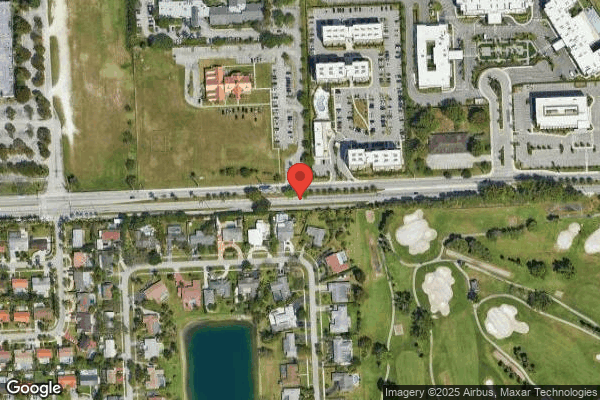
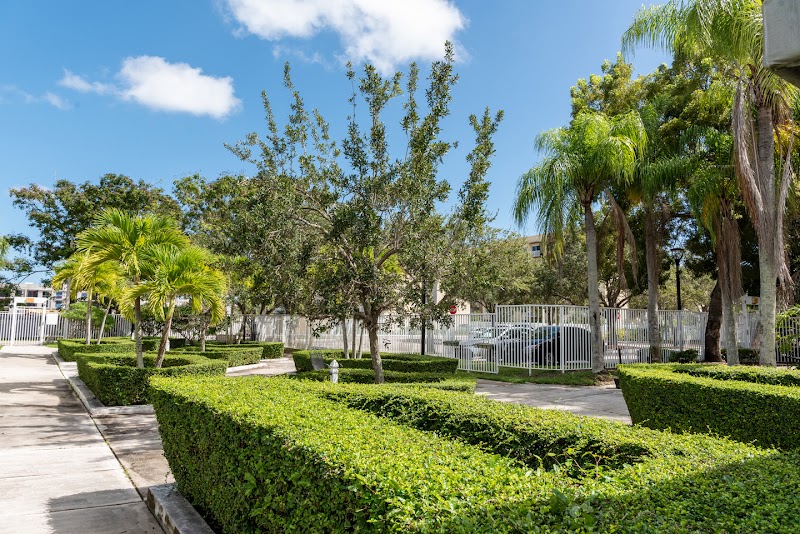
9869 SW 152ND STREET, MIAMI, FL 33157 (305) 255-3220
For profit - Limited Liability company 180 Beds CARERITE CENTERS Data: November 2025 1 Immediate Jeopardy citation
Trust Grade
26/100
#628 of 690 in FL
Last Inspection: June 2025

Inspected within the last 6 months. Data reflects current conditions.

Overview

Coral Reef Subacute Care Center LLC has received a Trust Grade of F, indicating significant concerns and a poor overall rating. They rank #628 out of 690 facilities in Florida, placing them in the bottom half, and #50 out of 54 in Miami-Dade County, suggesting limited local options that are better. The facility is showing an improving trend, reducing issues from 14 in 2024 to 5 in 2025, which is a positive sign. Staffing is rated average with a turnover of 36%, which is lower than the state average, and they have good RN coverage, surpassing 96% of Florida facilities, ensuring better monitoring for residents. However, there are serious weaknesses, including a critical incident where a resident with risk factors left the facility undetected, as well as concerns around food safety and cleanliness in both the kitchen and resident rooms, highlighting ongoing issues that need to be addressed.

Trust Score
F
26/100
In Florida
#628/690
Bottom 9%
Safety Record
High Risk
Review needed
Inspections
Getting Better
14 → 5 violations
Staff Stability
○ Average
36% turnover. Near Florida's 48% average. Typical for the industry.
Penalties
○ Average
$10,039 in fines. Higher than 74% of Florida facilities. Some compliance issues.
Skilled Nurses
✓ Good
Each resident gets 77 minutes of Registered Nurse (RN) attention daily — more than 97% of Florida nursing homes. RNs are the most trained staff who catch health problems before they become serious.
Violations
⚠ Watch
28 deficiencies on record. Higher than average. Multiple issues found across inspections.
★☆☆☆☆
1.0
Overall Rating
★★★☆☆
3.0
Staff Levels
★★★★☆
4.0
Care Quality
★☆☆☆☆
1.0
Inspection Score
Stable
2024: 14 issues
2025: 5 issues

The Good

  • 4-Star Quality Measures · Strong clinical quality outcomes
  • Full Sprinkler Coverage · Fire safety systems throughout facility
  • No fines on record
  • Staff turnover below average (36%)

    12 points below Florida average of 48%

Facility shows strength in quality measures, fire safety.

The Bad

1-Star Overall Rating

Below Florida average (3.2)

Significant quality concerns identified by CMS

Staff Turnover: 36%

10pts below Florida avg (46%)

Typical for the industry

Federal Fines: $10,039

Below median ($33,413)

Minor penalties assessed

Chain: CARERITE CENTERS

Part of a multi-facility chain

Ask about local staffing decisions and management

The Ugly 28 deficiencies on record

1 life-threatening
Jun 2025 5 deficiencies
CONCERN (D)

Potential for Harm - no one hurt, but risky conditions existed

Resident Rights (Tag F0550)

Could have caused harm · This affected 1 resident

Based on observation, interview and record review, the facility failed to ensure one (Resident #131) out of eight residents sampled was treated with respect and dignity during dining, as evidenced by ...

Read full inspector narrative →
Based on observation, interview and record review, the facility failed to ensure one (Resident #131) out of eight residents sampled was treated with respect and dignity during dining, as evidenced by Staff B, Certified Nursing Assistant observed standing while feeding Resident #131. This deficient practice has the potential to affect any residents residing in the facility requiring assistance from staff. The findings included: Observation on 06/02/25 at 12:42 PM, revealed Staff B, Certified Nursing Assistant (CNA) in Resident #131's room standing while feeding Resident #131. On 06/02/25 at 12:44 PM, the surveyor asked Staff B why he was standing while feeding Resident #131. Staff B revealed he prefers to stand and because he takes his time feeding the resident and makes sure the resident is safe. On 06/02/25 at 01:40 PM the Staff Educator (Staff C) acknowledged the identified concern related to dignity during dining and proper feeding practices. Review of the facility policy and procedure titled Dignity dated 11/14/24 states: Each resident shall be cared for in a manner that promotes and enhances his or her sense of well-being, level of satisfaction with life, and feelings of self-worth and self-esteem. Policy Interpretation and Implementation 1. Residents are always treated with dignity and respect. 2. The facility supports dignity and respect for residents by honoring resident goals, choices, preferences, values and beliefs. This begins with the initial admission and continues throughout the resident's facility stay. 5. When assisting with care, residents are supported in exercising their rights. For example, residents are: e. provided with dignified dining experience. Review of the facility's undated document titled Dining Room Audits revealed: Policy Statement Our facility audits the food and nutrition services department regularly to ensure that residents' needs are met and that dining is a safe and pleasant experience for residents. Policy Interpretation and Implementation l. Sit next to the residents while assisting them to eat, rather than standing over them.
CONCERN (D)

Potential for Harm - no one hurt, but risky conditions existed

Accident Prevention (Tag F0689)

Could have caused harm · This affected 1 resident

**NOTE- TERMS IN BRACKETS HAVE BEEN EDITED TO PROTECT CONFIDENTIALITY** Based on observation, interview and record review, the facility failed to provide a safe environment that is free from potential...

Read full inspector narrative →
**NOTE- TERMS IN BRACKETS HAVE BEEN EDITED TO PROTECT CONFIDENTIALITY** Based on observation, interview and record review, the facility failed to provide a safe environment that is free from potential hazards for one (Resident #54) out of eight vulnerable residents sampled. As evidenced by the electrical cord for an Intravenous (IV) infusion pump attached to a pole at the right side of the resident's bed observed extended across bed connected to an electrical outlet on the left side of the resident's bed. There were 156 residents residing in the facility at the time of the survey. The findings included: Observation on 06/03/25 at 08:40 AM, Resident #54 was asleep in bed, IV site present on the resident's left arm dated 05/29/25. There was an IV pole with infusion pump attached at the right side of the resident's bed; it was revealed that the IV pump's electrical cord hung from the IV pole on the right side of the resident's bed was positioned under the resident, extending across the bed to the left side of the bed was connected to an electrical socket on the wall behind the bed's left side. Interview on 06/03/25 at 08:44 AM Staff D, Registered Nurse (RN) stated: I am the assigned nurse for [Resident #54], I work 7:00 AM to 7:00 PM shift; I checked on the resident at the start of my shift, the resident was and is doing very well, he is currently on antibiotics for congestion and is tolerating his IV medications. Staff D revealed she is not sure who hung the electrical cord across the resident's bed in the manner observed and acknowledged the way the electrical cord is positioned is not safe for the resident, and she spoke to maintenance in the past about not having any electrical outlets on the right side of the bed. Interview on 06/04/25 at 10:35 AM, Staff A, Registered Nurse (RN) East Unit Manager stated: I was told by the nurse about the intravenous (IV) electrical cord issue with [Resident #54], when facing the resident in bed-we repositioned the IV pole from the right side of [Resident #54's] bed to the left side and educated the nurses on repositioning the resident on the right side, so the left arm with the IV site is close to the location of the IV pole for IV therapy administration. Review of the medical records for Resident #54 revealed the resident was admitted to the facility on [DATE], readmitted on [DATE]. Clinical diagnoses include Breakdown (mechanical) of other cardiac electronic device, Chronic Obstructive Pulmonary Disease, Emphysema. Review of the Physician's Orders Sheet for June 2025 revealed Resident #54 had orders that included but not limited to: Piperacillin Sod-Tazobactam Solution Reconstituted 3-0.375 GM-Use 3.375 grams intravenously every 6 hours for Influenzas like symptoms until 06/03/2025 Record review of Resident # 54's Significant Minimum Data Set (MDS) dated [DATE] revealed: Section C for Cognitive Patterns documented Brief Interview for Mental status Score (BIMS) 9 on a 0-15 scale, indicating the resident is cognitively moderately impaired. Record review of Resident # 54's Care Plans Dated 05/22/25 revealed: Resident #54 is on IV antibiotic medications and IV Fluids is using a mid-line on the left arm Date Initiated: 05/27/2025, Revision on: 05/27/2025. Resident #54 will not have any complications related to IV Therapy through the review date. Interventions include- Review of the facility policy and procedure titled Accidents and Incidents-Investigating and Reporting Dated 01/28/25 states: All accidents or incidents involving residents, employees, visitors, vendors, etc., occurring on our premises shall be investigated and reported to the administrator. Policy Interpretation and Implementation 1. The nurse supervisor/charge nurse and/or the department director or supervisor shall promptly initiate and document investigation of the accident or incident.
CONCERN (D)

Potential for Harm - no one hurt, but risky conditions existed

Deficiency F0761 (Tag F0761)

Could have caused harm · This affected 1 resident

**NOTE- TERMS IN BRACKETS HAVE BEEN EDITED TO PROTECT CONFIDENTIALITY** Based on observation, interview and record review the facility failed to ensure medications and treatment ointments were stored ...

Read full inspector narrative →
**NOTE- TERMS IN BRACKETS HAVE BEEN EDITED TO PROTECT CONFIDENTIALITY** Based on observation, interview and record review the facility failed to ensure medications and treatment ointments were stored in accordance with facility policy. As evidenced by ointments and medication were found in the residents' rooms unsecured. There were 156 residents residing in the facility at the time of the survey. The findings included: On 06/02/25 starting at 06:30 AM during the initial facility tour and resident screenings on the East Unit of the facility, the following were observed: rooms [ROOM NUMBERS] revealed Zinc Oxide ointment on the dresser in both rooms. room [ROOM NUMBER] had a half full 0.9% Sodium Chloride syringe on top of the dresser in the room. (Photographic evidence available) Interview on 06/04/25 at 10:48 AM, Staff A, Registered Nurse (RN) East Unit Manager when showed the photos of the findings in the residents' rooms, stated: The ointments and creams should be stored in the residents' personal drawers and the Sodium Chloride solutions must be stored on the medication cart or the medication room. Review of the facility policy and Procedure titled Medication labeling and Storage dated 01/27/25 states: The facility stores all medications and biologicals in locked compartments under proper temperature, humidity and light controls. Only authorized personnel have access to keys. Policy Interpretation and Implementation Medication Storage 1. Medications and biologicals are stored in the packaging, containers or other dispensing systems in which they are received. Only the issuing pharmacy is authorized to transfer medications between containers. 2. The nursing staff is responsible for maintaining medication storage and preparation areas in a clean, safe, and sanitary manner. 3. If the facility has discontinued, outdated or deteriorated medications or biologicals, the dispensing pharmacy is contacted for instructions regarding returning or destroying these items. 4. Compartments (including, but not limited to, drawers, cabinets, rooms, refrigerators, carts, and boxes) containing medications and biologicals are locked when not in use, and trays or carts used to transport such items are not left unattended if open or otherwise potentially available to others. 5. Medications are stored in an orderly manner in cabinets, drawers, carts, or automatic dispensing systems. Each resident's medications are assigned to an individual cubicle, drawer, or other holding area to prevent the possibility of mixing medications of several residents.
CONCERN (D)

Potential for Harm - no one hurt, but risky conditions existed

QAPI Program (Tag F0867)

Could have caused harm · This affected 1 resident

Based on observations, interviews and record review, the facility's Quality Assurance and Performance Improvement (QAPI)/ Quality Assessment and Assurance (QAA) committee failed to demonstrate effecti...

Read full inspector narrative →
Based on observations, interviews and record review, the facility's Quality Assurance and Performance Improvement (QAPI)/ Quality Assessment and Assurance (QAA) committee failed to demonstrate effective action plans were implemented to correct identified quality deficiencies in the problem area related to repeated deficient practices for F641- Accuracy of assessment and F761- Label/Store drugs and biologicals. Facility's failure to accurately code the Minimum Data Set (MDS). Facility's failure to store medications appropriately. There were 156 residents residing in the facility at the time of the survey. The findings included: Review of the facility's survey history revealed, during a recertification survey with exit dated 01/19/ 2024, F641- Accuracy of assessment was cited for inaccurate coding of MDS section B for Corrective lenses. F761- Label/Store drugs and biologicals was cited due to facility's failure to ensure medications were securely stored. F867-Quality Assurance and Performance Improvement was cited due to the QAPI/QAA committee's failure to monitor previous problem areas identified with existing need for improvement based on the committee's continued evaluation of their performance improvement projects. Interview on 06/05/2025 at 01:00 PM, the Administrator revealed the QAPI committee meets on the third Tuesday of each month, the last meeting was held on May 20, 2025. The committee includes Medical Director, Administrator, Director of Nursing, Assistant director of nursing, Infection Preventionist, Director of Rehabilitation, MDS, Nurse Educator, Wound Nurse, Business Office, Human Resources, Director of Maintenance, Director of Housekeeping, Director of Food Services, Registered Dietitian, Social Worker, Activities Director, all unit managers, providers, Medical Records, Pharmacist consultant, Laboratory Diagnostic, Resident concierge, and others. Each department is assigned specific objectives or focus areas to monitor and report on monthly. The purpose of these meetings is to enhance the quality of care and services we provide by continually evaluating and improving our processes. It involves a thorough review of all aspects of care to ensure everything is working as intended, identifying any errors or areas of concern, and taking corrective action when needed. This process is not done in isolation; it requires the collaboration and input of the entire team. By working together, we can find solutions, implement improvements, and create a culture of accountability and excellence that benefits both staff and the individuals we serve.
CONCERN (E)

Potential for Harm - no one hurt, but risky conditions existed

Safe Environment (Tag F0584)

Could have caused harm · This affected multiple residents

**NOTE- TERMS IN BRACKETS HAVE BEEN EDITED TO PROTECT CONFIDENTIALITY** Based on observation, interview and record review, the facility failed to provide necessary housekeeping and maintenance service...

Read full inspector narrative →
**NOTE- TERMS IN BRACKETS HAVE BEEN EDITED TO PROTECT CONFIDENTIALITY** Based on observation, interview and record review, the facility failed to provide necessary housekeeping and maintenance services to maintain a sanitary, clean homelike environment with a comfortable interior free of disrepair for 11 out of 32 resident rooms on the East Unit. (Photographic evidence available). There were 156 residents residing at the facility at the time of the survey. The findings included: On 06/02/25 starting at 06:30 AM during the initial tour and resident screenings on the facility's East Unit observation revealed: The chest of drawers in room numbers 4, 6, 9 ,11, 15,17, 18, 19, 20, 21, 25 and 26 noted with chipped paint, grime (dirt ingrained on the surface) and black marks covering the top. The floor in room# 25 bed A was littered with paper all around the bed. Observation in room [ROOM NUMBER]'s bathroom revealed the toilet tissue/paper dispenser was broken. Interview on 06/04/25 at 10:30 AM, Staff A, Registered Nurse (RN) East Unit Manager when showed the photos of the surveyor findings in the residents' rooms, stated: We have a program in our system where we go to report any maintenance concerns called [a building management platform], we enter the room number, location and the issue. Maintenance checks the system often throughout the day. Depending on the urgency of the issue, I checked the location where the issue occurred to see if it has been resolved. If the issue/issues are not resolved, I complete a new ticket in the system or talk to maintenance staff about the issue to find out when the issue will be resolved. I am not sure if the condition of the chest of drawers in the residents' rooms were addressed with maintenance prior to the survey. Interview on 06/04/25 at 11:32 AM, the Director of Maintenance when showed the photos of the surveyor findings in the residents' rooms, stated: I am aware of the disrepair of the furniture, we painted the furniture about six months ago, the issue is the chest of drawers are laminate and does not hold the paint well. Currently the facility is under renovation, and the goal is to replace the furniture within eight months during the renovation process. I have been maintaining the functionality of all the furniture (Changing handles, hinges and often the floor of the chest of drawers) . Review of the facility policy and procedure titled Homelike Environment dated 11/14/24 states: Residents are provided with a safe, clean, comfortable and homelike environment and encouraged to use their personal belongings to the extent possible. Policy Interpretation and Implementation 2. The facility staff and management maximizes, to the extent possible, the characteristics of the facility that reflect a personalized, homelike setting. These characteristics include: a. clean, sanitary and orderly environment c. inviting colors and decor d. personalized furniture and room arrangements
Dec 2024 3 deficiencies 1 IJ
CRITICAL (J) 📢 Someone Reported This

A family member, employee, or ombudsman was alarmed enough to file a formal complaint

Immediate Jeopardy (IJ) - the most serious Medicare violation

Accident Prevention (Tag F0689)

Someone could have died · This affected 1 resident

**NOTE- TERMS IN BRACKETS HAVE BEEN EDITED TO PROTECT CONFIDENTIALITY** Based on observations record reviews and interviews, the facility's staff failed to supervise and implement adequate measures to...

Read full inspector narrative →
**NOTE- TERMS IN BRACKETS HAVE BEEN EDITED TO PROTECT CONFIDENTIALITY** Based on observations record reviews and interviews, the facility's staff failed to supervise and implement adequate measures to prevent the elopement for one (Resident #1) out of three residents sampled. The facility's system failure, lack of adequate supervision and a failure in ensuring an adequate alert monitoring system were in place enabled Resident #1 who had risk factors that include visual impairment and seizure disorder, exited the facility undetected on 09/01/2024 shortly after lunchtime. Resident #1 who had displayed and voiced his intent to leave the day prior ambulated 3.2 miles from the facility in areas that has high traffic volume, intersections and cross streets; these factors increased the likelihood of an adverse outcomes, serious injury and serious harm or death. The facility's staff were not aware of Resident #1's absence until the resident's sister called the facility and reported a convenience store owner had called and said her brother was at the store. The Registered Nurse (Staff J) assigned to Resident #1 then left the facility at approximately 5:30 PM in her personal vehicle and picked up Resident #1 at the convenience store. Staff J did not document the incident and failed to inform administration of the incident. Review of the facility's policy titled: Wandering and Elopements Published: 05/19/2023 indicated: The facility will identify residents who are at risk of unsafe wandering and strive to prevent harm while maintaining the least restrictive environment for residents. Policy Interpretation and Implementation: 1. If identified as at risk for wandering, elopement, or other safety issues, the resident's care plan will include strategies and interventions to maintain the resident's safety. 2. If an employee observes a resident leaving the premises, he/she should: a. attempt to prevent the resident from leaving in a courteous manner. c. instruct another staff member to inform the nurse or director of nursing services that a resident is attempting to leave or has left the premises. 3. If a resident is missing, initiate the elopement/missing resident emergency procedure: a. Determine if the resident is out on an authorized leave or pass. b. If the resident is not authorized to leave, initiate a search of the building(s) and premises. and c. If the resident is not located, notify the administrator and the director of nursing services, the resident's legal representative, the attending physician, law enforcement officials, and (as necessary) volunteer agencies (i.e., emergency management, rescue squads, etc.). 4. When the resident returns to the facility, the director of nursing services or charge nurse shall: a. examine the resident for injuries. b. contact the attending physician and report findings and conditions of the resident. c. notify the resident's legal representative (sponsor). d. notify search teams that the resident has been located. e. complete and file an incident report; and f. document relevant information in the resident's medical record. Review of the facility's Job duties and essential functions for the Registered Nurses Item 11 indicate: Conducts self in a professional manner in compliance with unit and facility policies. Communication: 1. Change of shift report is complete, accurate and concise. 2. Incident reports are completed accurately and in a timely manner Review of Resident #1's clinical records revealed the resident was admitted to the facility on [DATE], clinical diagnoses included Chronic obstructive pulmonary disease (COPD), history of transient Ischemic attack (TIA), and cerebral infarction without residual deficits, seizure disorder and visual impairment. Resident #1 was discharged on 09/02/2024. Review of Resident #1's Minimum Data Set (MDS) admission assessment dated [DATE] documented in Section B1200 for Corrective Lenses (contacts, eyeglasses or magnifying glass) used, indicated Yes. Review of Resident #1's Care Plans initiated 07/13/2024 indicated focus area the resident has highly impaired vision related to the disease process; as per resident only able to follow shadows. The resident is at risk for respiratory distress related to COPD. Has self-care deficit, seizure disorder and hypertensive heart disease. During an interview via telephone on 12/03/2024 at 12:28 PM, Resident #1's sister revealed: On 09/01/2024 at 5:04 PM, I received a call from a woman at a convenience store located at [address]. She told me that she had [Resident # 1] there with her and he had my name, address and phone number on a card that he gave to her. He asked her to call a cab for him. But she called me. instead. I told her that my brother was a patient at Coral Reef, and I would call the facility. When I called the facility they were not aware that my brother was missing. I spoke with the charge nurse and gave the phone number of the convenience store that had called me. Resident # 1's sister revealed the facility staff picked her brother up at the convenience at 5:43 PM and took him back to the facility. She further reported she had sent an email on 09/03/2024 to the Administrator about the incident and received no response. During an interview on 12/04/2024 at 6:33 AM, the Administrator (NHA) revealed she was not aware Resident #1 had left the faciity on [DATE]. The NHA reviewed the nursing notes and reported on 08/31/2024 during shift change at around 7:00 PM, Resident #1 was on the patio with his belongings in a bag and would not come inside. The NHA stated: From what I understand from the DON (Director of Nursing) it was the night nurse that encouraged him to come inside. The NHA was asked if she had received an email from the sister, the NHA reported she had not checked her emails. During an interview on 12/04/2024 at 7:11 AM; the DON stated: I checked the weekend 24 hour report and that is when I saw the note, the unit manager said on Saturday he (Resident #1) went outside with his belongings in the yard and the nurse told me she called the family but the patient did not want to come inside and the night shift nurse called the family and the family and she encouraged him to come in; she gave him food and she checked him all night and he did not go back outside anymore. On 12/04/2024 at 11:22 AM during an interview via telephone Staff I stated: I worked on the 3rd cart. I did not know he left the facility he always walked around in the facility. I remember something happened on the patio on August 31st because he went to the patio and the night supervisor, and I convinced him to come back inside. It was in the evening before my shift ended. That was the third time I worked with that patient. I documented that he was upset, and we called the sister. On 12/04/2024 at 11:42 AM the NHA was asked about the facility's video surveillance; the NHA revealed the facility does not have the footage of the resident on the patio because it automatically deletes after a month. On 12/04/2024 at 12:01 PM, during an interview via telephone, Resident #1 revealed he had some difficulty hearing but is able to hear somewhat. The resident was asked how he was able to leave and how he got out of the facility. Resident #1 stated: After I had lunch I walked through the side door and the gate to the sidewalk. The resident revealed he walked far and was a little tired. When asked about the weather that day, Resident #1 stated: It was wet and there were puddles. Resident #1 revealed two nurses picked him up and when he got back to the facility he was taken through the side door, and he had dinner when he returned to the facility. During a telephone interview on 12/04/2024 at 1:44 PM, Staff O, RN weekend supervisor reported he only worked weekends and was not aware of the incident on 09/01/2024. Staff O, RN revealed on 08/31/2024 Resident #1 was outside on the patio between the east and west wing with the nurse and wanted to leave. When the night supervisor [Staff A] came she convinced him to come inside at approximately 6:00 PM. I think he was ok on the first because I think he was in his room that day he was fine. [Staff A] was the supervisor for the night shift. I remember the nurse was checking the room. I know the nurses spoke with him and I think I spoke with the sister, and she said she was coming to pick him up the Monday. On 12/05/2024 at 11:50 AM the NHA reported she found the email that the sister sent to her on 09/03/ 2024, and she had not opened the email. On 12/06/2024 at 2:14 PM a telephone interview was conducted with Staff J in the presence of the NHA and DON. Staff J revealed on 09/01/2024 Resident #1's sister called the nurses' station to inform her that the Resident was in a store far from the facility. She (Staff J) immediately went to the resident's room to check if he was there, but he was not in his room. She immediately drove to the store to pick up the resident. As soon as she returned to the facility, she completed a full assessment of the resident. His vitals were within normal limits, and skin was intact. Staff J reported she called Resident #1's sister and informed her Resident #1 was ok and back in the facility. On that day she had last seen Resident #1 around noon and did not remember what time she picked him up but recalled it was not dark outside, and it had rained earlier. She revealed the incident was not reported and nothing documented because the resident was safe, and she was in shock. The facility's Corrective Actions included: Resident #1 no longer resides at the facility. He was discharged home. Two Elopement Drill and a head count was conducted on 12/5/24 as part of the elopement drill. Head count is conducted by daily resident census is printed out and it is utilized to validate residents in the building. Once a resident has been identified the resident is checked off from the daily census. Each charge nurse/designee will count/review the checked off daily census utilized to see which resident name is notified without a checked mark. A resident without a check mark net to their name is the one missing. The check mark next to the resident name will be added together on all three units and that will equal the total count. A head count was conducted during the elopement drill on 12/5/24 and all residents were 100% accounted for. Staff were able to locate the missing sample resident for the drill within 5 minutes of the announcement, the resident was observed sitting in the DON's office. Missing Resident Protocol followed. The DON was educated on 12/5/24 by the Regional Nurse on ensuring the facility policy on missing resident is being followed. The Administrator was educated on 12/5/24 by the Regional Nurse on ensuring the facility policy on missing resident is being followed, also on the importance of reviewing and responding to emails. A Quality Assurance and Performance Improvement AD HOC committee meeting was conducted on 12/5/24 and an Adverse Incident Reporting was completed on 12/5/24. Education was conducted for 189 out of 200 employees and 11 employees are still pending in-service. Identification of other residents with potential to be affected: All ambulatory residents are likely to be affected by this practice. An evaluation of resident's head count was conducted with 100% residents attendance on 12/5/24 An Elopement risk evaluation was conducted on all residents in house on 12/5/24 no new findings noted. Measures / Systematic changes made to ensure non-recurrence: The facility's policy titled Emergency Procedure - Missing Resident was reviewed by the DON and NHA with no changes indicated. The Administrator/DON/Facility Educator/Designee educated facility staff the facility policy titled Emergency Procedure - Missing Resident. The Administrator/DON/Staff Educator/Designee will educate staff on ensuring all incoming and outgoing residents sign in/sign out. Education includes the receptionist who will be responsible for ensuring no one leaves the facility before identification and signing out utilizing the electronic check in system. Nursing staff will monitor residents' attendance and provide adequate supervision to ensure any absence is reported in a timely manner. The education includes staff reporting to the nurse supervisor when resident expresses desire to leave, an elopement evaluation should be conducted. The doors that exit to the enclosed patios are now alarmed. The alarm can only be turned off, when it is manually turned off by a specific code. Based on the location of the doors, a staff member is required to always put in a code in order for the alarm system to be turned off. The residents who tend to wander near the door areas will be redirected by staff. Monthly elopement drills will be conducted on all shifts. Newly hired staff will be educated on elopement and participate in an elopement drill. The daily census will be printed and utilized for obtaining the head count. The Maintenance/Designee will conduct random audit to ensure the facility's gates are locked. The Maintenance/designee will check the gates to ensure they are in working order on a weekly basis and randomly. Monitoring of Corrective Action: The Administrator/Designee will conduct weekly audit x 4 then monthly x 3 to ensure incoming and outgoing residents sign in and out of the facility. The Administrator/Designee will conduct weekly audits x 4 then monthly x 3 to ensure no one leaves the facility without signing out. The DON/Designee will conduct weekly audits x 4 then monthly x 3 to ensure supervision is provided and any absence is reported in a timely manner. The DON/Designee will conduct weekly audits x 4 then monthly x 3 to ensure newly hired employees are educated on elopement and participate in elopement drill. The result of all audits will be presented to the QAPI committee for review and feedback. The frequency of audits may extend as per the QAPI committee's evaluation. On 12/06/2024 the facility's corrective actions were verified by the survey team through observations, records reviewed and interviews.
CONCERN (E) 📢 Someone Reported This

A family member, employee, or ombudsman was alarmed enough to file a formal complaint

Potential for Harm - no one hurt, but risky conditions existed

Deficiency F0761 (Tag F0761)

Could have caused harm · This affected multiple residents

Based on observations record review and interviews, the facility's staff failed to ensure accuracy of controlled medication and failed to ensure drugs and biologicals used in the facility are stored a...

Read full inspector narrative →
Based on observations record review and interviews, the facility's staff failed to ensure accuracy of controlled medication and failed to ensure drugs and biologicals used in the facility are stored and disposed in accordance with professional standards; as evidenced by three out of eight medication carts were observed unattended and unlocked, inaccurate narcotic accounting, medications observed in drawers at the north wing nurses' station and medications incorrectly disposed. On 12/02/2024 at 4:55 AM during the initial tour, the west wing's medication cart # 3 assigned to Staff N, RN was observed unlocked and unattended. On 12/02/2024 at 5:04 AM, Staff A, Registered Nurse (RN) observed tossing medications in the trash can attached to the medication cart. Staff A revealed the resident refused the medications, so she had to toss them. Staff A was asked if that was the process to discard medications. Staff A denied tossing the medications in the trash. The medications were retrieved from the trash and Staff A placed them in the sharps container. Staff A did not respond when was asked about the facility's policy for disposing medications. Observation on 12/02/2024 at 5:10 AM with Staff B, RN discontinued medications and the following unused medications: insulin, topical ointments and oral solutions were observed in the drawers at the north wing's nurses' station. Staff B, RN revealed the medications should not be in the drawer and should have been returned to the pharmacy. On 12/02/2024 at 5:15 AM during the north wing's cart #2 narcotics reconciliation review with Staff A, RN; Resident #16 Alprazolam (Xanax) bingo card had 5 tablets remaining and the narcotic disposition log documented by Staff A, RN noted 1 tablet was given on 12/02/2024 at 6:00 AM and 4 tablets remained on hand. Staff A, RN was asked to explain the discrepancies with the time and the amount of tablets left in the bingo card. Staff A, RN, reported the resident had refused the medication and it was an error. Staff A was asked if the resident had requested the as needed, Staff A did not respond. On 12/02/2024 at 5:22 AM narcotic reconciliation review with Staff A, RN for Resident # 17's Lorazepam (Ativan) ordered to be administered every 12 hours as needed, had 14 tablets in the bingo card and Staff A, documented on 12/2/02024 1 tablet was given at 9:00 PM and 13 tablets remained on hand. Staff A, RN explained she made an error with the date and had prepared the medications, but the resident had refused the medication. Staff A, RN revealed she usually signed the medications off first and that what she did was incorrect. The supervisor was in the vicinity and acknowledged the concerns. On 12/02/2024 at 7:45 AM, the night supervisor was informed of the concerns related to the medication carts left open, inaccurate narcotic counts, the medications observed in the drawer at the North Wing Nurses station and the nurse tossing pills in trash. The supervisor revealed the carts should not be left open when the nurse is not at the cart. The supervisor had no explanation regarding the medications in the drawer at the nurses station. Regarding discontinued medications, she stated: The regular medications are returned to the pharmacy after they are counted and placed in a gray bag with the label, and kept in the med room to be returned to the pharmacy. On the weekend the discontinued narcotics must be signed by two nurses; we fold the paper put an elastic band around it and put it in a plastic bag at the back of the narcotic box in the cart and on Mondays the unit Manager gives them to the DON. I am not sure because they do it during the week. I don't know how often they do it. The narcotic medications should be signed off immediately after they are removed and if the patient refuses two nurses are required to witness and dispose of the medication. On 12/02/2024 at 5:29 AM the west wing medication cart #1 was observed unlocked and unattended. During a second observation at 5:37 AM, the cart was still unlocked and unattended. The supervisor was shown the unlocked cart and asked which nurse was assigned to the cart. The supervisor revealed Staff D, RN, was assigned to Cart #1. At 5:42 AM Staff D was located. and acknowledged she had left the cart open. During narcotic count conducted with Staff D, the following discrepancies were noted; Resident #25's narcotic disposition log for Lorazepam (Ativan) 5 milligram (5 mg) as needed documented an on-hand amount of 28 but the bingo card had 27 tablets. Resident # 26's Pregabalin 50 mg capsule twice per day (9:00 PM and 9:00 PM) narcotic disposition log documented an on-hand amount of 38, the bingo card had 37 capsules. Resident # 27's Alprazolam (Xanax) as needed narcotic disposition log documented 9 tablets available, but the bingo card had 8 tablets. Staff D acknowledged the discrepancies and revealed the facility's policy is to sign out the narcotic and include the time and amount immediately after the medication is removed. On 12/02/2024 at 6:06 AM, during medication administration and narcotic review for the west wing's cart 2, Staff C, RN left the medication cart unlocked and unattended, entered Resident # 4's room. Staff C, RN reported the cart should not be left unattended and unlocked. On 12/02/2024 at 7:06 AM Staff N, RN was asked about the medication cart observed unattended and unlocked. Staff N revealed: when I am leaving the cart I usually lock it. On 12/04/2024 at 5:50 AM Resident # 15 was observed in bed asleep. At 6:04 AM a narcotic reconciliation for Resident # 15's Oxycodone 5 MG every 6 hours as needed. The bingo card had 2 tablets and the controlled drug disposition log documentation on 06/04/2024 at 6:45 AM Staff E, RN gave 2 tablets to Resident #15. Staff E, RN was asked to explain the discrepancy and explained she had actually given the medication at 5:45 AM not 6:45 AM. Review of the monitoring for the effectiveness of the medication showed no documentation in the Electronic Medication Records (EMAR), The nurse revealed she was not aware of that section in the EMAR. The Unit Manager acknowledge the discrepancy. On 12/02/2024 at 7:00 AM, the Director of Nursing (DON) was informed of the above concerns. When the nurse is giving a narcotic the nurse must check in the computer to make sure the order is right, when the medication is removed the nurse must immediately sign the amount on hand in the book. After the medication is given the nurse should sign the electronic health record; and in 30 minutes document if the medication was effective or not. Review of the facility's policy titled Controlled Substances published 09/26 2024 include but not limited to: Dispensing and Reconciling Controlled Substances 1. Controlled substance inventory is monitored and reconciled to identify loss or potential diversion in a manner that minimizes the time between loss/diversion and detection/follow-up. 2. The system of reconciling the receipt, dispensing and disposition of controlled substances includes the following: a. Records of personnel access and usage. b. Medication administration records.
CONCERN (E) 📢 Someone Reported This

A family member, employee, or ombudsman was alarmed enough to file a formal complaint

Potential for Harm - no one hurt, but risky conditions existed

Infection Control (Tag F0880)

Could have caused harm · This affected multiple residents

Based on observations, record review and interview, the facility's staff failed to implement infection prevention control policies and procedures as evidenced by failure to handle soiled linen and gar...

Read full inspector narrative →
Based on observations, record review and interview, the facility's staff failed to implement infection prevention control policies and procedures as evidenced by failure to handle soiled linen and garbage to ensure a sanitary environment to help prevent the development and transmission of communicable diseases and infections. This deficient practice has the potential to affect all residents residing in the facility. Observation on 12/02/2024 at 4:55 AM, several clear plastic bags containing trash and soiled linen were observed on the floor in the facility's hallways and resident's doorways. On 12/02/2024 at 4:57 AM during an observation on the east wing Certified Nursing Staff (CNA) Staff H was observed placing soiled linen in a bin and then returned few minutes later to remove clean linen from the clean linen cart that was noted beside two bins (a gray bin and a white bin). On 12/02/2024 at 7:11 AM, Staff H, CNA explained; the soiled linens and garbage should be placed in plastic bags and then in bins in the biohazard room. One bin is for the soiled linen and one for garbage. Staff H stated: Soiled items should never be on the floor in the bag for infection control. On 12/02/2024 at 4:57 AM Staff G, CNA was observed pulling two bags on the floor along the hallways from the west wing to the east wing; one bag had soiled linen, and one bag had trash. Staff G stated: I know the bags should not be on the floor. On 12/02/2024 at 4:58 AM on the west wing Staff S, CNA was observed with bags containing soiled linen and trash on the floor. Staff S exited a resident's room with soiled adult briefs in her gloved hands and placed them in a plastic bag on the floor close to the clean linen cart. On 12/02/2024 at 5:04 AM Staff Q, CNA was observed placing soiled linen and trash in plastic bags at residents' doorways Interview on 12/02/2024 at 7:53 AM, Staff G, CNA revealed she sets up two bags, one for dirty linens and one for the garbage. The bags are knotted and taken to the biohazard room and placed in its specific bin. Review of the facility's policy published 11/24/2024 titled: Laundry and Bedding, Soiled; Policy Statement- Soiled laundry/bedding shall be handled, transported and processed according to best practices for infection prevention and control. Policy Interpretation and Implementation. Handling: 1. All used laundry is handled as potentially contaminated using standard precautions (e.g., gloves and gowns when sorting). a. Contaminated laundry is bagged or contained at the point of collection (i.e., location where it was used). d. Staff handle soiled textiles/linens with minimum agitation to avoid the contamination of air, surfaces, and persons.
Jan 2024 11 deficiencies
CONCERN (D)

Potential for Harm - no one hurt, but risky conditions existed

Deficiency F0604 (Tag F0604)

Could have caused harm · This affected 1 resident

**NOTE- TERMS IN BRACKETS HAVE BEEN EDITED TO PROTECT CONFIDENTIALITY** Based on observation, record review and interview, the facility failed to treat residents with respect and dignity by the right ...

Read full inspector narrative →
**NOTE- TERMS IN BRACKETS HAVE BEEN EDITED TO PROTECT CONFIDENTIALITY** Based on observation, record review and interview, the facility failed to treat residents with respect and dignity by the right to be free from any physical restraints for one (Resident number 27) out of two residents who triggered for physical restraints. The findings included: Initial observation of Resident number 27 on 1/16/24 at 10:10 AM revealed the resident lying in bed with the television on and her left hand contracted with a long sock covering up to the elbow. Second observation of Resident number 27 on 1/17/24 at 7:58 AM revealed the resident lying in bed with the television on and her left hand contracted with a long sock covering up to the elbow. Third observation of Resident number 27 on 1/17/24 at 8:22 AM with Staff A, Registered Nurse (RN) revealed the resident lying in bed with the television on and her left hand contracted long sock covering all the way up to the elbow. Staff A, RN removed the elbow long sock, and the left hand was contracted. Staff A stated, I don't know why the sock is on the left hand. Maybe the family wants it there for comfort. Review of the Demographic Face Sheet for Resident number 27 documented the resident was admitted on [DATE] with a diagnosis of atherosclerotic heart disease, dementia, diabetes mellitus, chronic kidney disease, heart failure, encephalopathy, and hypertension. Review of the Minimum Data Service (MDS) Quarterly assessment dated [DATE] for Resident number 27 documented the resident's Mental Status (BIMS) Summary Score was not scored, indicating severed cognitive impairment and she required dependent assistance for ADL (activities daily living), and no restraints were used. Record review of the Use of Restraints Policy and Procedure (revised 8/2023) documented: Policy Statement: Restraints shall only be used for the safety and well-being of the resident (s) and only after other alternatives have been tried unsuccessfully. Restraints shall only be used to treat the resident's medical symptom(s) and never for discipline or staff convenience or for the prevention of falls; Policy Interpretation and Implementation: 1) Physical restraints are defined as any manual method or physical or mechanical device, material or equipment attached or adjacent to the resident's body that the individual cannot remove easily, which restricts freedom of movement or restricts normal access to one's body and 4) Practices that inappropriately utilize equipment to prevent resident mobility are considered restraints and are not permitted. Interview with the Director of Nursing (DON) on 1/17/24 at 10:28 AM. She stated, I was informed about the resident having a sock over her left hand. I spoke to the CNA, and she said she didn't want the resident to be cold and she put the sock on. I immediately educated her that we could get gloves to make her hands warm and if the resident takes off the blanket, we just put it back on. Our policy is not to use the sock because that is considered a restraint. I will be providing one to one education with her now. Interview with Staff B, Certified Nursing Assistant (CNA) on 1/17/24 at 10:30 AM via a Spanish translator. Staff B revealed she placed the sock on the left hand of the resident. She thought she was making her comfortable because her hands were cold. She now knows she is not to do that. She received education on not putting a sock on the resident's hand. Review of One-to-One Education In-Service form dated 1/17/2024 documented Staff B, CNA received education about physical restraints.
CONCERN (D)

Potential for Harm - no one hurt, but risky conditions existed

Deficiency F0637 (Tag F0637)

Could have caused harm · This affected 1 resident

**NOTE- TERMS IN BRACKETS HAVE BEEN EDITED TO PROTECT CONFIDENTIALITY** Based on record review and interview, the facility failed to complete a Significant Change Minimum Data Set (MDS) for hospice fo...

Read full inspector narrative →
**NOTE- TERMS IN BRACKETS HAVE BEEN EDITED TO PROTECT CONFIDENTIALITY** Based on record review and interview, the facility failed to complete a Significant Change Minimum Data Set (MDS) for hospice for one Resident (#307) out of 34 sampled residents. There were 171 residents residing in the facility at the time of the survey. The Findings Included: On 01/17/24 at 02:49 PM, review of Resident #307's MDS revealed no Significant Change MDS was completed for the resident's status change to hospice effective 12/11/23. Review of the Physician's Orders Sheet for January 2024 revealed Resident #307 had orders that included but not limited to: admitted to Hospice effective (12/11/23) for diagnoses late effect Cerebral Vascular accident (CVA). Prognosis is for a life expectancy of 6 months or less if terminal illness runs its normal course, and Start continuous care 1/15/24 due to uncontrollable vomiting/ Intravenous hydration. Further review of the medical records for Resident #307 revealed the resident was admitted to the facility on [DATE]. Clinical diagnoses included but not limited to: Hemiplegia and Hemiparesis following unspecified Cerebrovascular disease affecting the right dominant side. Interview on 01/18/24 at 08:39 AM, the Minimum Data Set (MDS) Coordinator, (Staff E) stated: I am aware that when a resident goes on hospice we have to do a significant change report, I see here in the medical records there is no significant change report, I will have to open a significant change MDS to capture the change in the resident to hospice. Staff E then opened a Significant Change MDS for Resident #307 on 1/18/23 during the interview with the surveyor. Review of the facility's policy titled MDS Completion and Submission Timeframes revision date July 2017 indicated: Our facility will conduct and submit resident assessments in accordance with current federal and state submission timeframes. Policy Interpretation and Implementation 1. The assessment coordinator or designee is responsible for ensuring that the resident assessments are submitted to CMS' QIES Assessment Submission and Processing (ASAP) system in accordance with current federal and state guidelines. 2. Timeframes for completion and submission of assessments . based on the current requirements in the Resident Assessment Instrumental Manual.
CONCERN (D)

Potential for Harm - no one hurt, but risky conditions existed

Assessment Accuracy (Tag F0641)

Could have caused harm · This affected 1 resident

**NOTE- TERMS IN BRACKETS HAVE BEEN EDITED TO PROTECT CONFIDENTIALITY** Based on observations, interview, and record review the facility failed to accurately code the Minimum Data Set (MDS) for one Re...

Read full inspector narrative →
**NOTE- TERMS IN BRACKETS HAVE BEEN EDITED TO PROTECT CONFIDENTIALITY** Based on observations, interview, and record review the facility failed to accurately code the Minimum Data Set (MDS) for one Resident (#100) out of 34 sampled residents. As evidenced by inaccurate coding of MDS section B for Corrective lenses. There were 171 residents residing in the facility at the time of the survey. The Findings included: During observation on 01/16/24 at 09:21 AM Resident #100 was in bed eating breakfast with dark glasses on. On 01/17/24 at 09:07 AM Resident #100 was observed in bed asleep with dark glasses on, call light on the bed and no distress noted. On 01/18/24 at 09:15 AM Resident #100 had a room change and was observed in bed in new room with dark glasses on. Record review of Resident #100's Quarterly Minimum Data Set (MDS) dated [DATE], Section B for Vision and Hearing in subsection B 1200 documented the resident has no corrective lenses. Review of the Physician's Orders Sheet for January 2024 revealed Resident #100 had orders that included but not limited to: May use treat in place protocols and activity level as tolerated. Further review of the medical records for Resident #100 revealed the resident was admitted to the facility on [DATE]. Clinical diagnoses included but not limited to: Unspecified glaucoma, low vision right eye category 2, and blindness left eye category 4. Record review of Resident #100 's Care Plans Reference Date 01/09/24 documented Resident has impaired vision and is at risk for falls and complications related to the aging process secondary to glaucoma, blindness left eye. Wears glasses. Interventions Include- Arrange consultation with eye care practitioner as required. Cleanse eyes with care daily and follow up with doctor for any concerns. Explain care and services before providing them. Keep resident in supervised area when out of bed. Inform doctor if sign/symptoms of pain, discomfort, or infection. Observe and report changes in vision status to doctor. Provide resident in an environment with adequate lighting and clutter free. Adapt environment to resident's needs. During an interview on 01/18/24 at 08:36 AM the MDS Coordinator (Staff E) stated that Social Services completed section B of the MDS, maybe at the time of the evaluation Social Services did not see the resident with the glasses on; I will go and personally look at the resident and make the modification to the MDS as soon as possible. Review of the facility's policy titled MDS Completion and Submission Timeframes revision date July 2017 states: Our facility will conduct and submit resident assessments in accordance with current federal and state submission timeframes. Policy Interpretation and Implementation 1. The assessment coordinator or designee is responsible for ensuring that the resident assessments are submitted to CMS QIES Assessment Submission and Processing (ASAP) system in accordance with current federal and state guidelines. 2. Timeframes for completion and submission of assessments is based on the current requirements published in the Resident Assessment Instrumental Manual.
CONCERN (D)

Potential for Harm - no one hurt, but risky conditions existed

Deficiency F0645 (Tag F0645)

Could have caused harm · This affected 1 resident

**NOTE- TERMS IN BRACKETS HAVE BEEN EDITED TO PROTECT CONFIDENTIALITY** Based on record review and interview the facility failed to ensure a level 1 Preadmission Screening and Resident Review (PASRR) ...

Read full inspector narrative →
**NOTE- TERMS IN BRACKETS HAVE BEEN EDITED TO PROTECT CONFIDENTIALITY** Based on record review and interview the facility failed to ensure a level 1 Preadmission Screening and Resident Review (PASRR) was revised following admission for one resident (#107) out of 34 sampled residents. There were 171 residents residing in the facility at the time of the survey. The findings Included: During observation on 01/16/24 at 09:57 AM, Resident #107 was in bed well-groomed and had a cell phone in her hand. On 01/19/24 at 08:45 AM, Resident #107 was observed on a medical stretcher and leaving the facility, accompanied by two attendants. Record review of Resident #107's Level I PASRR (Preadmission Screening and Resident Review) documented Section I: PASRR Screen Decision Making: A: MI or suspected MI (check all that apply) - no mental Disorders checked off. Findings based on documented history were-Section II Other indicators for PASRR screening Decision-Making: All checked no. Does individual have validating documentation to support dementia or related Neurocognitive disorder - no. Section III Not a provisional admission. Section IV No diagnosis or suspicion of SMI or ID indicated. Level II PASRR evaluation not required. PASRR Level I completed by and Registered Nurse (RN) at a local hospital dated 11/6/2023. Record review of Resident #107's Psychiatrist Evaluation dated 11/13/2023 revealed a mental status examination was performed that showed Resident 107 was pleasant, cooperative, very tearful, overwhelmed, clear, coherent, reliable historian, admits to seeing people not there that hurt her, superficial, slowed. Diagnoses: Major Depression recurrent with psychotic features moderate anxiety, follow up in one month. Medications- Psychoactive Medications: Quetiapine 50 mg (milligrams) every night, Sertraline 100 mg each morning. Start Hydroxyzine 10 mg every day. Review of the medical records revealed Resident #107 was originally admitted to the facility on [DATE], readmitted on [DATE] and discharged from the facility on 1/19/2024. Resident # 107's clinical diagnoses included but not limited to: Major Depressive Disorder, Anxiety Disorder and Psychosis. Review of the current Physician's Orders revealed Resident #107 had orders that included but not limited to: Sertraline HCl 100 MG Tablet give one tablet by mouth one time a day for Depression dated 11/8/2023. Record review of Resident # 107's admission Minimum Data Set (MDS) dated [DATE] revealed: Section A for Identification Information revealed resident is not currently considered by the state level II Preadmission Screening and Resident Review (PASRR) process to have serious mental illness and or intellectual disability or a related condition. Section C for Cognitive Patterns documented Brief Interview for Mental Status score (BIMS), 15 on a 0-15 scale indicated the resident was cognitively intact. Section I for Active Diagnosis documented Psychotic Disorder. Section O for Special Treatments, Procedures and Programs revealed occupational and physical therapy were received while a resident. Record review of Resident #107 's Care Plans initiated date 06/16/2022 and revised date 11/9/2023 revealed: uses anti-anxiety medications related anxiety disorder. Interventions included: Consult with pharmacy, Medical Doctor (MD) to consider dosage reduction when clinically appropriate. Give anti-anxiety medications ordered by physician. Monitor/document side effects and effectiveness. Monitor/record occurrence of for target behavior symptoms (pacing, wandering, disrobing, inappropriate response to verbal communication, violence/aggression towards staff/others. etc.) and document per facility protocol. Antianxiety side effects: Drowsiness, lack of energy, Clumsiness, slow reflexes, Slurred speech, Confusion and disorientation, Depression, Dizziness, lightheadedness, Impaired thinking and judgment, Memory loss, forgetfulness, Nausea, stomach upset, Blurred or double vision. Paradoxical side effects: Mania, Hostility, and rage, Aggressive or impulsive behavior, Hallucinations. Resident 107 is taking Anti-anxiety meds which are associated with an increased risk of confusion, amnesia, loss of balance, and cognitive impairment that looks like dementia, falls, broken hips, and legs. Monitor for safety. Resident #107 uses antidepressant medication related to Depression. Interventions included: Consult with pharmacy, MD to consider dosage reduction when clinically appropriate. Give antidepressant medications ordered by physician. Monitor/document side effects and effectiveness. Antidepressant side effects: dry mouth, dry eyes, constipation, urinary retention, suicidal ideations. Monitor/document/report to MD as needed (PRN) and ongoing for signs and symptoms (s/s) of depression unaltered by antidepressant meds: Sad, irritable, anger, never satisfied, crying, shame, worthlessness, guilt, suicidal ideations, neg. mood/comments, slowed movement , agitation, disrupted sleep, fatigue, lethargy, does not enjoy usual activities, changes in cognition, changes in weight/appetite, fear of being alone or with others, unrealistic fears, attention seeking, concern with body functions, anxiety, constant reassurance. Offer nonpharmacological interventions such as conversation, hand massage, diversional activities, music therapy, redirection, reassurance, education on deep breathing and relaxation techniques, or assist to a quieter environment. During an interview on 01/18/24 at 12:00 PM, the Director of Nursing (DON) when asked about the PASRR process at the facility the DON reported that all residents' most current PASRRs are in the electronic medical record and residents' physical charts. Registered Nurse (Staff G) is responsible for checking PASRRs and updating when a resident is admitted to facility. On 01/19/24 at 12:01 PM when asked about the PASRR process at the facility Staff G stated she is responsible for updating PASRR and Resident 107's most updated PASRR is located on the electronic medical record and the residents' physical charts. On 01/19/24 at 1:02 PM. The surveyor was approached by Staff G and given a PASSR for Resident #107, dated 1/18/2024 with appropriate diagnosis checked, and signed by Staff G. On 01/19/24 at 8:23 AM DON stated the PASRR process at the facility is that all new admissions from the hospital come to facility with a PASRR included in the admissions packet. The admissions office brings the PASSR to the morning meeting the next day and it is reviewed and updated by the interdisciplinary team. The interdisciplinary team includes social services, admissions, rehabilitation team, administrator, and unit managers. The DON further stated that each PASRR is reviewed to ensure the diagnosis matches the patient's hospital record, medications and an initial psych evaluation is scheduled. The DON informed that Resident #107 level I PASRR did not have any diagnosis checked. The DON stated that she does not know how the diagnosis for Resident #107 was omitted from the PASRR and that she plans to add additional personnel to assist with updating PASRR to ensure accuracy. On 01/19/24 at 08:46 AM Staff G stated the PASRR for newly admitted residents are reviewed during the morning meetings to ensure all diagnosis are updated and information matches from hospital records and medications. Residents' PASRR are updated on an ongoing basis whenever there is a change, she reviews physician orders daily and psychiatric evaluations to update PASRR. When the surveyor discussed with Staff G that Resident #107's level I PASRR was incomplete. Staff G stated the diagnosis for Resident #107 was omitted from the PASRR dated 11/6/2023 by mistake due to the Resident #07's frequent hospitalizations. On 01/19/24 at 08:50 AM the admissions director stated that when a resident is readmitted from the hospital, a new PASRR is not received from the hospital; during morning meetings all readmissions' PASRR are reviewed. Review of the facility's PASRR Policy and procedure published 4/21/2022 general statement of Policy: It is the policy of the facility that all residents have the required pre-admission screen prior to admission to the facility and any time that there is a significant change that has bearing on the resident's specialized service needs. The facility will protect the rights of the individuals by reviewing resident needs prior to admission to determine if specialized and services can be met by the facility. The facility will also protect the rights of facility residents by ensuring that identified specialized developmental and mental health services can be appropriately provided at the facility. Procedure: a. Prior to a resident's admission, the Admissions department/ designee will obtain: 1. A Screen and Level I Referral since the resident was referred to facility for rehabilitation. 2. A Level II if the Level I Referral indicates that the resident is known to be affected by serious mental illness and or mental retardation/ developmental disability per the guidelines. b. Upon admission the Screen will be incorporated into the resident's clinical record.
CONCERN (D)

Potential for Harm - no one hurt, but risky conditions existed

Comprehensive Care Plan (Tag F0656)

Could have caused harm · This affected 1 resident

**NOTE- TERMS IN BRACKETS HAVE BEEN EDITED TO PROTECT CONFIDENTIALITY** Based on record review and interview, the facility failed to develop and implement a hospice care plan in a timely manner for on...

Read full inspector narrative →
**NOTE- TERMS IN BRACKETS HAVE BEEN EDITED TO PROTECT CONFIDENTIALITY** Based on record review and interview, the facility failed to develop and implement a hospice care plan in a timely manner for one resident (#307) out of 34 sampled residents. There were 171 residents residing in the facility at the time of the survey. The Findings Included: Review of the care plans with reference date 9/29/23 for Resident #307 revealed the hospice care plans created, were completed on 1/16/24, the first day of initial observation of the resident by the surveyor. The care Plans documented: Resident is at end of life, diagnosis of terminal illness and have chosen Hospice care. Date Initiated: 01/16/2024, Revision on: 01/16/2024. Interventions include-Administer medications per physician orders, Assess and treat Pain, assess emotional and spiritual needs of resident/family/caregiver, and meet same when possible and provide comfort measures and honor preferences when possible. Review of the Physician's Orders Sheet for January 2024 revealed Resident #307 had orders that included but not limited to: admitted to Hospice effective (12/11/23) for diagnoses late effect Cerebral Vascular Accident (CVA). Prognosis is for a life expectancy of 6 months or less if terminal illness runs its normal course and start continuous care 1/15/24 due to uncontrollable vomiting/ Intravenous hydration. Further review of the medical records for Resident #307 revealed the resident was admitted to the facility on [DATE]. Clinical diagnoses included but not limited to: Hemiplegia and Hemiparesis following unspecified Cerebrovascular disease affecting the right dominant side. During an interview on 01/18/24 at 08:39 AM, the Minimum Data Set (MDS) Coordinator, (Staff E) stated: I am aware that when a resident goes on hospice we have to do a significant change report, I see here in the medical records there is no significant change report, I will have to open a significant change MDS to capture the change in the resident to hospice. Staff E then opened a Significant Change MDS for Resident #307 on 1/18/23. Staff E stated the hospice care plans were created on 1/16/23 either by review of the medical chart or the resident's orders. We have three (3) MDS staff and any one of us could create the care plans. Interview on 01/18/24 at 08:47 AM, the MDS Coordinator, (Staff F) stated: I saw that the resident had an update in his orders for hospice on 1/16/23, so I added a care plan for hospice for this resident. Sometimes I create the care plans by looking at the updated orders, we get a printout daily for all residents with updated orders, if needed we update the care plans with the new orders, and if the resident's MDS is currently open we update the MDS also at that time. Review of the facility's policy titled Care Plans, Comprehensive Person Centered revision date March 2022 states: A comprehensive, person-centered care plan that includes measurable objectives and timetables to meet the resident's physical, psychosocial and functional needs is developed and implemented for each resident. Interpretation and Implementation 2. The comprehensive, person-centered care plan is developed within 7 days of the completion of the required MDS assessment (Admission, Annual or Significant Change in Status), and no more than 21 days after admission.
CONCERN (D)

Potential for Harm - no one hurt, but risky conditions existed

Respiratory Care (Tag F0695)

Could have caused harm · This affected 1 resident

**NOTE- TERMS IN BRACKETS HAVE BEEN EDITED TO PROTECT CONFIDENTIALITY** Based on observations, interviews, and record review the facility failed to ensure oxygen therapy was administered accurately as...

Read full inspector narrative →
**NOTE- TERMS IN BRACKETS HAVE BEEN EDITED TO PROTECT CONFIDENTIALITY** Based on observations, interviews, and record review the facility failed to ensure oxygen therapy was administered accurately as ordered for one out of two sampled residents (Resident #105) who were investigated for oxygen administration. This deficient practice has the potential to affect all residents who are on oxygen therapy. The findings included: Observation on 01/16/2024 at 08:22 AM showed Resident #105 was lying down on her bed while receiving oxygen (O2) via nasal cannula. Further observation showed the oxygen was running at 1 liter per minute (LPM). (Photographic evidence obtained) Observation on 01/18/2024 at 08:19 AM showed Resident #105 was lying on her bed while receiving oxygen (O2) via nasal Cannula. Observed a third-party staff from a hospice care service was at Resident #105's bedside. Further observation showed the oxygen was running at 1 liter per minute (Photographic evidence obtained). Review of Resident #105's face sheet revealed an initial admission date of 04/20/2021 and a re-entry date of 10/25/2023. Review of the physician's orders revealed an active order created on 01/10/2024 noting Consult to Respiratory Therapist for Incentive Spirometry. Also, an order placed on 01/13/2024 noting O2 at 3 liters per minutes via nasal cannula - every shift for O2 Supplement. Review of Resident #105 quarterly MD'S (Minimum data set) assessment dated [DATE] revealed in Section C: Cognitive Patterns BIMS (Brief Interview for Mental Status) score of 00 out of 15 that suggests severe cognitive impairment and Section J: Health Conditions showed shortness of breath or trouble breathing when lying flat. Review of Resident #105's clinical diagnoses included, but were not limited to, atherosclerotic heart disease of native coronary artery without angina pectoris, unspecified protein-calorie malnutrition, hemiplegia and hemiparesis following cerebral infarction affecting left non-dominant side, hyperlipidemia (unspecified), chronic ischemic heart disease (unspecified), unspecified systolic congestive) heart failure, pulmonary hypertension (unspecified), acute kidney failure (unspecified), major depressive disorder (single episode, unspecified), hypothyroidism (unspecified), osteomyelitis (unspecified), essential (primary) hypertension, unspecified dementia, Alzheimer's disease (unspecified), anemia (unspecified), gastro esophageal reflux disease without esophagitis. During an interview with Staff I, Licensed Practical Nurse (LPN), on 01/19/2024 at 11:39 AM regarding the oxygen level for Resident #105, Staff I stated, According to the doctor's orders, the oxygen level is supposed to be 3 liters per minute, and it is continuous. I check it when I'm coming in between 07:15 AM to 07:30 AM. Basically, when I do the round, I check them. In my experience, the only way it can move down or up if someone moves it. It has a button to control it. Yesterday I wasn't here, Tuesday I wasn't here. My shift, I always check, I don't know if the other nurses check. Staff I then stated that Staff D, Registered Nurse (RN), worked On Thursday January 18, and Staff K, RN, worked Tuesday January 16. On 01/19/2024 at 12:17 PM, The Director of Nursing stated that the nurses suppose are supposed to check the physician's orders and monitor the oxygen level for the residents. She then stated that if the resident is receiving hospice, the hospice nurse is supposed to monitor the oxygen level, and she has a respiratory therapist who is supposed to monitor the oxygen level as well. She further stated that she did not know what might cause the oxygen level to be at LPM. She then stated, Sometimes, when they clean the machine, they wipe it, that could be a possibility of the reason it was so low. Review of the facility's policy and procedures relating to Oxygen Administration revealed: Purpose: The purpose of this procedure is to provide guidelines for safe oxygen administration. Preparation: 1. Verify that there is a physician's order for this procedure. Review the physician's orders or facility protocol for oxygen administration. General Guidelines: 1. Oxygen therapy is administered by way of an oxygen mask, nasal cannula, and/or nasal catheter. Steps in the Procedure: 7. Check the tubing connected to the oxygen cylinder to assure that it is free of kinks. 8. Turn on the oxygen. unless otherwise ordered, start the flow of oxygen at the rate of 2 to 3 liters per minute. 10. Adjust the oxygen delivery device so that it is comfortable for the resident and the proper flow of oxygen is being administered.
CONCERN (D)

Potential for Harm - no one hurt, but risky conditions existed

Deficiency F0761 (Tag F0761)

Could have caused harm · This affected 1 resident

Based on observation, record review and interviews. The facility failed to ensure medications were securely stored as evidenced by four broken and three loose pills found on two out of four carts chec...

Read full inspector narrative →
Based on observation, record review and interviews. The facility failed to ensure medications were securely stored as evidenced by four broken and three loose pills found on two out of four carts checked. There were 71 residents residing in the facility at the time of the survey. The findings included: On 01/17/24 at 02:18 PM, in an observation and interview with Registered Nurse (RN) Staff A on the North Wing's medication cart one, showed inside the cart two (2) broken pieces and three (3) white pills (stamped:C-128, F/91, T/07) were found. When asked about the facility's policy regarding loose pills found on medication carts and the cleaning of medication carts. Staff A, RN stated, Every day I clean my cart. When I receive my cart, I check the resident's insulins, check for expired medications, and refill medications. I check my cart in the morning and in the middle of the day to clean it. Every shift is to clean medication carts. I'm going to place the loose pills in the drug buster. On 01/17/24 at 03:16 PM; in an observation and interview with Staff L, RN on North Wing's medication cart two revealed two (2) half pills were found in the cart. When asked about the facility's policy regarding loose pills found and cleaning of medication carts. Staff L, RN stated, I clean my medication cart every morning. I count narcotics and check my medications for expiration dates. I will throw these medications away in the drug busters. On 01/19/24 at 11:00 AM, the Director of Nursing was asked about the facility's policy for loose pills found in medication cart. The Director of Nursing stated, I work with the nurses to ensure their medication carts are cleaned. The nurses clean them every day during their shifts. We have two shifts that work per day. Review of the facility's policy titled Medication Labeling and Storage. Published 5/19/2023. The Policy statement stated the facility stores all medication and biologicals in locked compartments under proper temperature, humidity, and light controls. Only authorized personnel have access to keys. In the section titled Policy Interpretation and Implementation, Medication Storage, 1) Medications and biologicals are stored in the packaging, containers, or other dispensing systems in which they are received. 2) The nursing staff is responsible for maintaining medication storage and preparation areas in a clean, safe, and sanitary manner.
CONCERN (D)

Potential for Harm - no one hurt, but risky conditions existed

Menu Adequacy (Tag F0803)

Could have caused harm · This affected 1 resident

**NOTE- TERMS IN BRACKETS HAVE BEEN EDITED TO PROTECT CONFIDENTIALITY** Based on observation, interview and record review, the facility failed to ensure that menus are developed and prepared to meet r...

Read full inspector narrative →
**NOTE- TERMS IN BRACKETS HAVE BEEN EDITED TO PROTECT CONFIDENTIALITY** Based on observation, interview and record review, the facility failed to ensure that menus are developed and prepared to meet residents' choices including their cultural and ethnic needs for one (Resident number 207) out of three residents who triggered for food. The findings included: Initial observation and interview with Resident number 207 on 1/16/24 at 9:47 AM revealed the resident sitting up in bed, watching television and eating breakfast which her daughter brought in. The resident stated, They have been giving me Cuban food and I don't eat that. I have told them that I don't like it. My daughter has to bring me food every day to eat. Record review of the Demographic Face Sheet for Resident number 207 documented the resident was initially admitted on [DATE] with a diagnosis that include but not limited to anemia, diabetes mellitus, neuropathy, gastro esophageal reflux disease without esophagitis, chronic obstructive pulmonary disease, osteoarthritis, depression, insomnia, anxiety disorder, major depressive disorder, and gastrointestinal hemorrhage. Review of the Minimum Data Service (MDS) admission assessment dated [DATE] for Resident number 207 documented the resident's Mental Status (BIMS) Summary Score was 13, indicating no cognitive impairment and able to make her needs known and she required independent to supervision assistance for ADL (activities daily living) and eating. Review of the Physician's Order Sheets (POS) dated December 2023 and January 2024 for Resident number 207 documented the resident was on a CCD (Carbohydrate Control Diet), NAS (No Added Salt) diet, Regular texture, and Thin liquids consistency. Review of the Nutrition care plan (written 1/01/2024) for Resident number 207 documented the following: Focus: Resident is at high nutrition risk due to multiple chronic and acute health complications such as GI (gastrointestinal) bleeding, Dehydration, HTN (hypertension), Hyperlipidemia, DM (diabetes mellitus), GERD (gastroesophageal reflux disease); Goal: Resident will maintain weight plus/minus 2-3% (percent) thru NRD (next review date) with no further loss by 5% in 30 days; 7.5% in 90 days; 10% in 180 days; Interventions: Diet: CCD, NAS, Regular, Thin liquids; Honor resident's food/fluid preferences. No cream cheese, no sour cream. No Cuban food, only American foods. Second observation of Resident number 207 on 1/18/24 at 12:35 PM revealed the resident sitting up in bed watching television and waiting for lunch to be served. Her lunch arrived at 12:38 PM and her lunch consisted of Pork Chunk, [NAME] Rice, Capri Blend Vegetables, Pinto Bean Soup and Tropical Fruit. The meal ticket documented Dislikes: No Cuban food and Preferences: Likes American food. The resident refused to eat the lunch. Photographic evidence submitted. Interview with the Registered Dietitian (RD) on 1/18/24 at 12:42 PM. She reviewed the meal ticket. She stated, She should not have Cuban food, only American food. She offered the resident an alternative meal. Interview with the Kitchen Supervisor on 1/19/24 at 9:46 AM. She stated, The dietitian goes to her room every day to write down what she wants for breakfast, lunch and dinner. We go by what she has told the dietitian. Interview with the RD on 1/19/24 at 9:49 AM. She stated, We will document her likes of foods she wants to eat and her dislikes of foods. We will try to accommodate her.
CONCERN (D)

Potential for Harm - no one hurt, but risky conditions existed

QAPI Program (Tag F0867)

Could have caused harm · This affected 1 resident

Based on observations, interview and record review, the facility failed to demonstrate effective plan of actions were implemented to correct identified quality deficiencies in the problem area related...

Read full inspector narrative →
Based on observations, interview and record review, the facility failed to demonstrate effective plan of actions were implemented to correct identified quality deficiencies in the problem area related to repeated deficient practices for F645 PASRR (Preadmission Screening and Resident Review) for Individuals with a serious mental illness (SMI), intellectual disability(ID), F695 Respiratory/Tracheotomy Care and Suctioning, and F812 Food Procurement, Store/Prepare/Serve-Sanitary. This deficiency has the potential to affect 171 residents residing in the facility at the time of survey. The findings included: Record review of the facility's survey history revealed, during a recertification survey with exit dated 11/17/2022, F645 PASRR (Preadmission Screening and Resident Review) for Individuals with a serious mental illness, intellectual disability, F695 Respiratory/Tracheotomy Care and Suctioning, and F812 Food Procurement, Store/Prepare/Serve-Sanitary were cited. Interview with Administrator and the Director of Nursing on 01/19/2024 at 12:15 PM. The Administrator stated that the QAPI (Quality Assurance and Performance Improvement) meetings are held on the third Tuesday of each month. Record review of the facility's policy and procedure revealed. Vision: Our vision is to become the preferred pos-acute care and long-term care provider in our community we serve. We commit to improving the lives of the people entrusted to our care through clinical excellence and extraordinary service offered in an atmosphere of compassion, hospitality, and respect for the dignity of each person. Mission: Our mission is to foster and provide unprecedent level of genuine care and customer service for our communities' rehabilitation and nursing needs, in a soothing, tranquil, and state-of-the-art environment. Performance Improvement Projects (PIPs): The QAA committee will review data input on a monthly basis to look for potential topics for PIPs. We will monitor and analyze data, and review feedback and input from residents, staff, families, volunteers, providers, and stakeholders. We will look at issues, concerns, and areas that need improvement as well as areas that will improve the quality of life and quality of care and services for the residents living and staying in our facility. Factors we will consider high risk, high volume, or problem prone areas that affect health outcomes, quality of care and services, and areas that affect staff. Systematic Analysis: Our uses a systematic approach to determine when in-depth analysis is needed to fully understand the problem, any change that is made and has the potential to have a broader impact than intended. The impact of all changes to specific system or processes are reviewed and assessed for both intended and unintended consequences/outcomes. The QAPI committee monitors progress to ensure that intervention or actions are implemented and effective in making and sustaining improvements by choosing indicators that tie directly to the new action and continue ongoing periodic measurements. Scope: Our facility provides services across the full spectrum that have an impact on the clinical care and quality of life for our residents. All departments and services will be involved in QAPI activities and the facility efforts to continuously improve services and overall resident outcomes. On an annual basis, and as needed, a Facility Assessment will be conducted to include an overview of the services and care areas that are provided. Any new service areas or changes in population or services to our residents will be included in our QAPI Plan.
CONCERN (E)

Potential for Harm - no one hurt, but risky conditions existed

Food Safety (Tag F0812)

Could have caused harm · This affected multiple residents

Based on observation, interview and record review, the facility failed to store food under sanitary condition as evidence by: 1) failure to ensure reach-in freezer and the reach-in refrigerators in th...

Read full inspector narrative →
Based on observation, interview and record review, the facility failed to store food under sanitary condition as evidence by: 1) failure to ensure reach-in freezer and the reach-in refrigerators in the kitchen contained thermometers on the inside and 2) failure to ensure the resident's foods were labeled and dated. 3)The refrigerators were not working properly, and the refrigerator contained opened milk cartons in the snack/nourishment refrigerators on the resident's units. This has the potential to affect 163 out of 171 residents who eat orally residing in the facility at the time of the survey and potential to affect 55 out of 56 residents who eat orally residing on the East Wing. The findings included: 1) Observation of the initial kitchen tour on 1/16/24 at 8:34 AM with the Registered Dietitian (RD) and the Kitchen Supervisor revealed the following: 1) Reach-in freezer temperature outside was -4 degrees F and for the inside temperature, there was no thermometer noted. The reach-in freezer contained ice cream and desserts; 2) Reach-in Refrigerator #1 temperature outside was 40 degrees F and for the inside temperature, there was no thermometer noted. The reach-in refrigerator #1 contained sandwiches and juices and 3) Reach-in Refrigerator #2 temperature outside was 40 degrees F and for the inside temperature, there was no thermometer noted. The reach-in refrigerator #2 contained milk shakes, nectar juices and desserts. The facility was cited in November 2022 for failing to store, prepare, distribute, and serve food in a sanitary manner. Interview with the Kitchen Supervisor on 1/16/24 at 8:36 AM. She stated, There is no thermometer kept on the inside of the reach-in freezer and refrigerator. We only use the temperature on the outside of the reach-ins. Record review of the Refrigerators and Freezers Policy and Procedure (revision date November 2022); Policy Statement-The facility will ensure safe refrigerator and freezer maintenance, temperatures, and sanitation; Policy Interpretation and Implementation-1) Refrigerators and/or freezers are maintained in good working condition. Refrigerators keep foods at or below 41 degrees Fahrenheit (F) and freezers keep frozen foods frozen solid and 10) Supervisors will inspect refrigerators and freezers monthly for gasket condition, fan condition, excess condensation and any other damage or maintenance needs. Necessary repairs will be initiated immediately. Maintenance and or cleaning schedules will be monitored for compliance. 2) Observation of the East Wing Nourishment Pantry on 1/17/24 at 10:40 AM revealed the refrigerator was 60 degrees F (Fahrenheit) and the freezer was 54 degrees F. The refrigerator had three plastic bags which contained resident's foods that were not dated and labeled. A pint carton of whole milk was opened and not dated. The Freezer was noted empty with condensation. Photographic evidence submitted. Observation and interview with Staff M, Registered Nurse (RN) North and East Unit Manager on 1/17/24 at 10:42 AM of the East Wing Nourishment Pantry Refrigerator. She stated, The resident's food should be dated and labeled, the opened container of milk should not be there, and the refrigerator temperature should be 41 degrees and the freezer should be 0 degrees F. Interview with the Registered Dietitian (RD) on 1/17/24 at 11:00 AM. She stated, The kitchen is responsible for the refrigerators in the nourishment pantries. She confirmed that the refrigerator temperature should be 40 or below and the freezer temperature should be 0 or below; the opened carton of milk should not have been in the refrigerator and the resident's food should be labeled and dated. Record review of the East Wing Nourishment Refrigerator and Freezer Temperature Log for January 2024 documented the following: 1/17/24 7:00 AM Refrigerator temperature was 39 degrees F, and the Freezer temperature was -2 degrees F.
CONCERN (E)

Potential for Harm - no one hurt, but risky conditions existed

Room Equipment (Tag F0908)

Could have caused harm · This affected multiple residents

Based on observations, interviews and record review the facility failed to ensure the refrigerator in the East Wing Nourishment Pantry used to store resident's food was working properly. This has the ...

Read full inspector narrative →
Based on observations, interviews and record review the facility failed to ensure the refrigerator in the East Wing Nourishment Pantry used to store resident's food was working properly. This has the potential to affect 55 out of 56 residents who eat orally residing in the East Wing at the time of the survey. The findings included: Observation of the East Wing Nourishment Pantry on 1/17/24 at 10:40 AM revealed the refrigerator was 60 degrees F (Fahrenheit) and the freezer was 54 degrees F. Photographic evidence submitted. Observation and interview with Staff M, Registered Nurse (RN) North and East Unit Manager on 1/17/24 at 10:42 AM of the East Wing Nourishment Pantry Refrigerator. She stated, The refrigerator temperature should be 41 degrees and the freezer should be 0 degrees F. Record review of the East Wing Nourishment Refrigerator and Freezer Temperature Log for January 2024 documented the following: 1/17/24 7:00 AM Refrigerator temperature was 39 degrees F and the Freezer temperature was -2 degrees F. Interview with the Registered Dietitian (RD) on 1/17/24 at 11:00 AM. She stated, The kitchen is responsible for the refrigerators in the nourishment pantries. She confirmed that the refrigerator temperature should be 40 or below and the freezer temperature should be 0 or below. Record review of the Refrigerators and Freezers Policy and Procedure (revision date November 2022); Policy Statement-The facility will ensure safe refrigerator and freezer maintenance, temperatures and sanitation; Policy Interpretation and Implementation-1) Refrigerators and/or freezers are maintained in good working condition. Refrigerators keep foods at or below 41 degrees Fahrenheit (F) and freezers keep frozen foods frozen solid and 10) Supervisors will inspect refrigerators and freezers monthly for gasket condition, fan condition, excess condensation and any other damage or maintenance needs. Necessary repairs will be initiated immediately. Maintenance and or cleaning schedules will be monitored for compliance.
Nov 2022 9 deficiencies
CONCERN (D)

Potential for Harm - no one hurt, but risky conditions existed

Deficiency F0558 (Tag F0558)

Could have caused harm · This affected 1 resident

**NOTE- TERMS IN BRACKETS HAVE BEEN EDITED TO PROTECT CONFIDENTIALITY** Based on observations, interviews and record review, the facility failed to honor residents' rights to reasonable accommodatio...

Read full inspector narrative →
**NOTE- TERMS IN BRACKETS HAVE BEEN EDITED TO PROTECT CONFIDENTIALITY** Based on observations, interviews and record review, the facility failed to honor residents' rights to reasonable accommodation of needs as evidenced by failure to ensure call lights can be used by one (Resident #447) out of three residents investigated out of 32 sampled residents. Facility had a census of 160 residents at the time of this survey. The findings included: Observation of Resident #447 on 11/15/22 at 11:30 AM revealed resident was alert and oriented to person, place, and time. Call light was within reach but Resident #447 was not able to use his hands as he stated his medical condition does not let him to use his hands to press the call light. Resident #447 stated that when he came in, he was given a different call light system (one he was able to use as it was meant to be pushed by his elbow not by his fingers). Resident #447 stated after they transferred him to this room, he asked maintenance to get a call light like that the one he had and he said yes but it has been 3 weeks, and he does not have it. Observation on 11/16/2022 at 12:00 PM revealed Resident #447 was in his bed; he was doing some exercises at his own by lifting his arm and keeping it up. Resident #447 stated he tries to do more exercises at his own because he wants to recover faster. Observed his call light was in his bed, but as he stated he was not able to push the bottom with his fingers because he lost strength due to his illness. Resident #447 re-stated the guy from Maintenance came and told him he was coming back to put the call light he can use with his elbow; but he did not come back, and nothing has been done. During an interview with the Director of Nursing (DON) on 11/17/2022 at 09:55 AM the DON stated that the facility has the push button call light in each room, and another type of call light hanging in the bathroom that is red and intended to be used by patients that are able to go to the bathroom or for Certified Nursing Assistants (CNAs) or any other person who needs to call for assistance. They also have call lights in the showers they are the same type they have hanging in the bathrooms in each room. The DON stated there is another type of call light that is used for the residents who are unable to push the button, they are bigger and round and there is no need to be pushed by resident with a finger. The DON stated for those residents unable to use the standards call light they have the rounds, bigger gray colored call light that are easier to be used, they can just push it with the fist, elbow, or hand. When asked how the facility determined who needs to use that kind of call light device; the DON stated that on admission they will conduct an assessment which is done by therapy, nursing, and Minimum Date Set (MDS) staff. They evaluate the patient and if the patient has the mental capacity to use but not the physical ability to use, they will change the call light. The Maintenance Department will do the installation and checking on functionality. Maintenance will be made aware of resident's needs to have a different call light system or bed rails, or any other devices through a system they have in the electronic system. Each unit manager will notify Maintenance Department through the system. If a resident needs the type of call light that they do not need to push the button, she believes that nurse and unit manager will be the first to know about it because the resident and or family will likely notify the staff about the need of having a different call light system. The DON stated she believes there is no chance for the residents to ask Maintenance about changing a call light because Maintenance staff only go to the rooms when they have to do something. The DON explained it is almost impossible the resident will ask the Maintenance Department about it. In case residents and or family members ask for the device from Maintenance or another staff, the facility's practice will be for them to notify the nurses about it because they cannot place a different call light just because the residents and or family requested one. It is a process, and they have to do assessment and document the need if needed or it is per resident's preferences. The DON stated they will complete the assessment and document it and make the Maintenance Department aware, so they can go and do the change. The DON stated she is not familiar with Resident #447, but if he has a diagnosis resulting in the resident having problems with the mobility of arms and legs, the resident with this kind of illness should be assessed to evaluates grade of immobilization. During an interview the Rehabilitation Director on 11/17/2022 at 10:35 AM revealed she is familiar with Resident #447 and his medical condition, and she is aware he cannot push the light with his hands, but he can do it with his elbow. The Rehabilitation Director stated Resident #447 is alert and oriented times three, he comes to therapy every day and is very cooperative with his rehabilitation. The Rehabilitation Director stated Resident #447 had a call light that he was able to push with his elbow, they had a conversation about it. Rehabilitation Director stated she was not sure if they changed Resident #447's room, and not aware Resident #447 does not have that type of call light right now. The Rehabilitation Director stated she would find out what happened. Observation on 11/17/2022 at 10:50 AM revealed Staff K, admission Assistant and Staff E, a Registered Nurse (RN) and Unit Manager were in Resident #447's room and revealed Resident #447 has a different call light the type he can push with his elbow. When Resident #447 was asked who gave him this type of call light he pointed the staff inside the room (Staff K and Staff E) and stated they just brought it in. Interview with Staff K, admission Assistant on 11/17/2022 at 10:53 AM revealed she works in admission Department, and she was informed by someone in therapy that the resident needed this type of call light, and she just came to bring one from another empty room. Staff K stated that she just wanted to help. Interview with Staff E, RN, and Unit Manager on 11/17/2022 at 11:00AM revealed she was aware Resident #447 does not have full control of his extremities, but she did not know he was not able to push the call light when he wants to call for assistance. Staff E stated she was not aware of that because at times she has seen Resident #447 was able to use his fingers. Interview with Resident #447 on 11/17/2022 at 11:05 AM revealed he can move his fingers but only to use the bed remote control, but he cannot push the call light. Resident #447 stated he does not remember the person he asked to bring a different call light the type he can push with his elbow and stated that everyone wears a mask, and it is not easy to identify anyone. Interview with the Rehabilitation Director on 11/17/2022 who came into the resident's room at 11:10 AM revealed Resident #447 had another call light that is gray and looks like a ball filled with air and he was able to push it with his elbow. The Rehabilitation Director explained that she was told when they moved the resident to another room the call light he had did not fit in his new room, and they did not inform anyone in her department that Resident #447 has a call light he was not able to use. The Rehabilitation Director agreed that something failed in their procedures, and they did not communicate about Resident #447's needs, but she can show the initial evaluation they did where the goal is to work on Resident #447's ability to reach things due to his condition with his extremities related to his illness. The Rehabilitation Director stated she will look in the records to see if there is any assessment done about his need to have a different call light. The Rehabilitation Director came back at 12:04 PM and stated she found out that the facility does not have any policy on doing an assessment to accommodate the resident for a certain call light. As part of the admission assessment, they identified his needs and provided with the type of call light he was able to use. Rehabilitation Director stated when they changed Resident #447's room they failed when they did not recognize the call light, he had in his previous room did not fit in his new room and nobody working with him reported it. The Rehabilitation Director stated she was never made aware about it and explained today it may look like they were intentionally trying to hide something when they did change the call light. The Rehabilitation Director stated today when they came into Resident #447's room and gave him the call light he was able to use it and they were just trying to accommodate the Resident needs and give him the call light he was able to use after they found out he did not have the proper one. During an interview with the Director of Social Services on 11/17/2022 at 11:15 AM it was revealed she did not receive any request for this resident's call light to be changed or any grievance related to this. Interview with the DON on 11/17/2022 at 11:20 AM revealed that when staff moved Resident #447 from his previous room, apparently, they realized the call light did not fit in the new room, but nothing else was done. When asked about what should have been done and regarding the facility's procedure in place in this case, the DON stated they should have communicated with the nurse and unit manager but apparently nobody did. The DON showed the type of call light Resident #447 had in his previous room and explained it did not work in the system they have in the actual room. In a further interview with the DON on 11/17/2022 at 11:45 AM, the DON stated she asked the Nursing Home Administrator (NHA) about the policy on assessment for the call light's needs and the NHA stated there is no assessment done for this situation, (need for special call light). The DON stated she is new doing this job and she had to ask her Administrator. The DON stated that according to her administrator by the assessment done on admission they will identify every resident's needs and they will provide residents with the things they need depending on their condition. The DON stated that in the case of Resident #447 they did an assessment from head to toes completed by the nurse on admission, and on evaluation done by therapy they determine resident needs to have a different call light so he would be able to use with his elbow as he did not have strength on his extremities. The DON explained on admission when he was in the other room, they did provide the balloon type call light that he was able to press with his elbow. Everything was good until they moved the Resident to the current wing. When he was moved, the staff from Maintenance apparently brought the call light he had in the other wing, but because it is a different system, and it did not fit into the wall they did not put it in his new room. The DON stated they failed to communicate with the nursing staff about it when they came with the other call light (balloon), and they already realized the call light he had in East wing did not fit the device they have in his new room, and they did not report it. The DON acknowledged there was a failure because they did not report it to nursing and that was the reason why they did not notice he did not have the call light that fits his needs. During an interview with the Maintenance Director on 11/17/2022 at 02:19 PM, it was revealed Rehabilitation Department made him aware today about Resident #447's need for a different call light. Resident #447 was in another wing, and he was transferred to the west wing. The Maintenance Director stated the transfer is done by nursing, no one never requested to transfer the cord or call light from one room to another. Interview with Staff L, Maintenance aide on 11/17/2022 at 01:29 PM revealed he was the one Resident #447 asked to change his call light. Staff L stated he went to look for one in the storage and he did not find it. He wanted to put one that they have here, but it did not fit in the wall. Staff L stated the one they have here are the call lights they push with fingers use the call light. Staff L stated he does not remember if he told the Maintenance Director, but he believes he did because they ordered and received new call lights, but it was different than the ones they ordered and clarified they received the same type of call light Resident #447 was using. Staff L stated that after they received the same type of call light, he did not follow up on this because he was not going to take any call light from other patient. Staff L stated he did not ask the Maintenance Director again about Resident #447's request, he had other work to do, and he just went to Resident #447's room and offered explanation about it, but he did not follow up through or communicated to anyone. Record review of Resident #447's face sheet revealed date of initial admission [DATE]. admission date 10/11/2022 included but no limited to Guillain- Barre Syndrome, Quadriplegia, Unspecified, Muscle Weakness (Generalized). Record review of Resident #447's MDS admission with assessment reference date (ARD) dated 10/10/2022 revealed Section C in the Brief Interview for Mental Status (BIMS) score of 14 out of 15 indicating the resident is cognitively intact. Section G Functional Status coded as Total dependence with Two person assist in all Activities for Daily Living (ADLs). Record review of Resident #447's admission Evaluation dated 10/11/2022 revealed diagnosis of Guillain-Barre syndrome and Quadriplegia are identified. Sensory Perception assessed resident as complete Immobile. Record review of the facility census records revealed Resident #447's was transferred from room on the East wing to a room on the [NAME] wing where he is residing. Transfer to the west wing occurred on 10/27/2022. Record review of Resident #447's Occupational Therapy Evaluation and Treatment dated 10/10/2022 revealed #3.0 New Goal to increase his ability to manipulate functional objects and to improve reaching. Record review of Grievance Log done earlier revealed no grievance filed on behalf of Resident #447.
CONCERN (D)

Potential for Harm - no one hurt, but risky conditions existed

Deficiency F0645 (Tag F0645)

Could have caused harm · This affected 1 resident

**NOTE- TERMS IN BRACKETS HAVE BEEN EDITED TO PROTECT CONFIDENTIALITY** Based on observations, interview and record review the facility failed to ensure the Preadmission Screening and Resident Review ...

Read full inspector narrative →
**NOTE- TERMS IN BRACKETS HAVE BEEN EDITED TO PROTECT CONFIDENTIALITY** Based on observations, interview and record review the facility failed to ensure the Preadmission Screening and Resident Review (PASSAR) Level I for Serious Mental Illness (SMI) or intellectual disability (ID) was completed at the time of admission for one (Resident # 19) out of two residents investigated. This deficiency had the potential to affect 160 residents residing in the facility at the time of the survey. The findings included: Observations of the resident on 11/16/22 11:39 AM Resident was lying on her bed, sleeping. Observations of the resident on 11/17/22 10:40 AM Resident was observed seated in her wheelchair by her room door. Resident was talking but couldn't understand. Record review of admission Record revealed the resident was admitted to the facility on [DATE] and re-admitted on [DATE]. Medical diagnoses included, but were not limited to, Metabolic Encephalopathy; Parkinson's Disease; Schizophrenia, Unspecified; Unspecified Psychosis not due to a Substance or known Physiological Condition; Other Seizures; Cerebral Infarction, Unspecified; Type 2 Diabetes Mellitus without Complications. Record review of PASARR Level I dated 06/02/2022 revealed identification of a mental diagnosis under 1A. Section 1B was not checked for Serious Mental Illness (SMI). Section 4 revealed the individual had no diagnosis or suspicion of serious mental illness (SMI)or intellectual disability (ID) indicated. Level II PASRR evaluation not required. Record review of physician orders dated 10/02/2022 revealed Remeron oral tablet 15 milligrams (Mirtazapine). Give 7.5 milligrams by mouth at bedtime for depression. Orders dated 10/27/2022 revealed the resident was receiving Seroquel oral tablet 50 milligrams (Quetiapine Fumarate). Give 1 tablet by mouth at bedtime for Schizophrenia. Orders dated 10/27/2022 revealed the resident was receiving Seroquel oral Tablet 50 milligrams (Quetiapine Fumarate) Give 1 tablet by mouth in the morning for Schizophrenia. Review of Medication Administration Record for November 2022 revealed the resident was receiving Remeron Oral Tablet 15 milligrams (Mirtazapine) Give 7.5 milligrams by mouth at bedtime for depression -Started Date 10/02/2022. The resident was receiving Seroquel oral Tablet 50 MG (Quetiapine Fumarate) 1 tablet by mouth at bedtime for schizophrenia. -Started Date 10/27/2022. Seroquel oral tablet 50 MG (Quetiapine Fumarate). 1 tablet by mouth in the morning for Schizophrenia. -Started Date 10/28/2022. Record review of admission Minimum Data Set (MDS) Section A dated 06/07/2022 (Section 1500) revealed: Is the resident currently considered by the state level II PASRR process to have serious mental illness and/or intellectual disability or a related condition? NO. Record review of Medicare -5 days Minimum Data Set (MDS) Section C dated 10/09/2022 revealed the Brief Interview for Mental Status (BIMS) summary score was left blank. Record review of Medicare -5 days MDS Section I dated 10/09/2022 revealed the resident's diagnosis included schizophrenia, depression and psychotic disorder. Record review of Medicare 5-days Minimum Data Set (MDS) Section N dated 10/09/2022 revealed the resident is receiving antipsychotic and antidepressant medication seven (7) days in a week. Record review of Care Plan initiated on 06/06/2022 revised on 09/14/2022 revealed the resident used antidepressant medication related to Depression. Goal: The resident will be free from discomfort or adverse reactions related to antidepressant therapy through the review date. Interventions: Consult with pharmacy, and physician to consider dosage reduction when clinically appropriate. Educate the resident/family/caregivers about risks, benefits and the side effects and/or toxic symptoms of (Specify: anti-depressant drugs being given). Give antidepressant medications ordered by physician. Monitor/document side effects and effectiveness. Antidepressant side Effects: dry mouth, dry eyes, constipation, urinary retention, suicidal ideations. Monitor/document/report to physician ongoing sign and symptoms of depression unaltered by antidepressant medications: Sad, irritable, anger, never satisfied, crying, shame, worthlessness, guilt, suicidal ideations, negative mood/comments, slowed movement, agitation, disrupted sleep, fatigue, lethargy, does not enjoy usual activities, changes in cognition, changes in weight/appetite, fear of being alone or with others, unrealistic fears, attention seeking, concern with body functions, anxiety, constant reassurance. Offer nonpharmacologic interventions such as conversation, hand massage, diversional activities, music therapy, redirection, reassurance, education on deep breathing and relaxation techniques, or assist to a quieter environment. Record review of Care Plan initiated on 10/03/2022 revised on 10/06/2022 revealed the resident used antipsychotic medications related to Behavior Management secondary to Schizophrenia. Goal: The resident will be/remain free of drug related complications, including movement disorder, discomfort, hypotension, gait disturbance, constipation/impaction or cognitive/behavioral impairment through review date. Interventions: Administer medications as ordered. Monitor/document for side effects and effectiveness. Consult with pharmacy, physician to consider dosage reduction when clinically appropriate. Discuss with physician, family ongoing need for use of medication. Monitor/record occurrence of for target behavior symptoms (Specify: pacing, wandering, disrobing, inappropriate response to verbal communication, violence/aggression towards staff/others. etc.) and document per facility protocol. Monitor/record/report to physician side effects and adverse reactions of psychoactive medications: unsteady gait, tardive dyskinesia, EPS (shuffling gait, rigid muscles, shaking), frequent falls, refusal to eat, difficulty swallowing, dry mouth, depression, suicidal ideations, social isolation, blurred vision, diarrhea, fatigue, insomnia, loss of appetite, weight loss, muscle cramps nausea, vomiting, behavior symptoms not usual to the person. Offer nonpharmacologic interventions such as conversation, hand massage, diversional activities, music therapy, redirection, reassurance, education on deep breathing and relaxation techniques, or assist to a quieter environment. Record review of Psychiatrist Consultation dated 10/11/2022 revealed the resident was seen by the psychiatrist. Plan: Adjustment disorder, unspecified. Continue with same medications. Follow up as needed. Interview with Social Services Director on 11/17/22 at 01:02 PM She stated she started 2 weeks ago in the position. She stated she was hired not promoted. She stated she will be training to oversee Preadmission Screening and Resident Review (PASSAR). She stated that right now she doesn't know who oversees PASRR. On 11/17/22 at 02:32 PM, Staff A Registered Nurse (RN) stated the resident is very special, sometimes she ate and sometimes she doesn't want anything. She stated the resident has mental health diagnosis of Schizophrenia, the resident has mood disorder, not aggressive but is a moody person. The resident receives Seroquel at bedtime and during the day. She tolerated the medication well. Interview with admission Director and Social Services Director on 11/17/22 at 04:58 PM. admission Director stated before the resident could be admitted they checked the hospital PASRR and did not realize the PASRR for this resident was incomplete. The Admissions Director stated that the Social Services Director started two weeks ago and the corporate nurse will start to work with an audit of all residents PASRR to see if they are completed. Review of the facility's undated Policies and Procedures for PASRR revealed General Statement of Policy: It is the policy of the facility that all residents have the required pre-admission scree prior to admission to the facility, and any time that there is a significant change that has bearing on the resident's specialized service needs. The facility will protect the rights of individuals by reviewing resident needs prior to admission to determine if specialized and services can be met by the facility. The facility will also protect the rights of facility residents by ensuring that identified specialized developmental and mental health services can be appropriately provided at the facility.
CONCERN (D)

Potential for Harm - no one hurt, but risky conditions existed

Respiratory Care (Tag F0695)

Could have caused harm · This affected 1 resident

**NOTE- TERMS IN BRACKETS HAVE BEEN EDITED TO PROTECT CONFIDENTIALITY** Based on observation, interview and record review, the facility failed to provide oxygen per physician's orders for two (Residen...

Read full inspector narrative →
**NOTE- TERMS IN BRACKETS HAVE BEEN EDITED TO PROTECT CONFIDENTIALITY** Based on observation, interview and record review, the facility failed to provide oxygen per physician's orders for two (Resident #104, Resident #447) of two residents reviewed for respiratory treatment out of 17 residents receiving oxygen. The findings included: The facility's policy titled Oxygen Administration, dated 10/25/22, documented the following: In the section titled, preparation 1. Verify that there is a physician's order for this procedure. Review the physician's orders or facility protocol for oxygen administration. 2. Review the resident's care plan to assess for any special needs of the resident. under the heading of 'Steps in the Procedure': 8. turn on the oxygen Unless otherwise ordered, start the flow of oxygen at the rate of 2 to 3 liters per minute. Resident #104 was admitted to the facility on [DATE] and admitted to Hospice on 04/01/22. Resident's orders included: oxygen at 2 liters per minute continuously via nasal cannula dated 03/11/22 Resident #104's care plan, initiated on 05/26/22, documented, [Resident] has Shortness of Breath related to Cerebral Arteriosclerosis, Traumatic subdural hemorrhage and comorbidities. Interventions to the care plan included: Monitor respiratory status- oxygen saturation, lung sounds, complaints of shortness of breath, use of accessory muscles, cyanosis, etc. Provide Oxygen as ordered. On 11/14/2 at 2:20 PM, Resident #104 was observed awake in bed with oxygen at 1.5 liters per minute (LPM). On 11/16/22 at 9:07 AM, Resident #104 was observed in bed with head of bed elevated and bed in a raised position, with oxygen at 3 LPM. During an interview, on 11/16/22 at 3:57 PM, Staff H, a Certified Nursing Assistant (CNA)/Private Duty Aid (PDA) for Resident #104, stated that she works for the resident Monday through Friday and that Resident #104 had 24 hour care by PDAs. The PDA further stated, Tomorrow is the last day because Medicare. During the interview, it was noted that Resident #104's oxygen was being administered at 3 LPM. On 11/17/22 at 08:21 AM Resident #104 observed in bed with PDA completing the changing of the residents incontinent brief. the oxygen was set at 3 LPM. During an interview with Staff J, PDA/CNA for the resident, the PDA stated that she had been with Resident #104 for a year. When asked about the resident's orders for oxygen, the PDA stated, her order has always been for 3 LPM. Review of Resident #104's records showed no documentation to justify the oxygen order for 2 LPM not being followed. Observation of Resident #445 on 11/15/2022 at 10:15 AM revealed oxygen treatment provided at 3 liter per minute. Interview with the resident revealed she did not have oxygen treatment before, but it helps. Observation of Resident #445 on 11/16/2022 at 12:05 PM revealed resident was not in her room. Observation of Resident #445 on 11/16/2022 at 04:35 PM revealed resident had a room change. The resident was sitting in a chair with no oxygen. The resident was asked why she did not have her oxygen on. The resident stated the nurse placed her in the chair and she was expecting them to put it back on. The resident added that she likes to have her oxygen, and explained she has order for it and needed it. The Resident was calm and showed no distress. Review of Resident #445's face sheet revealed date of admission [DATE]. Diagnosis included Chronic Obstructive Pulmonary Disease with acute exacerbation. Review of Resident #445's physician orders sheet (POS) dated 11/8/2022, revealed order dated 11/10/2022 for oxygen (O2) via nasal cannula at 2 liters continuously every shift for Short of Breath (SOB). Review of Resident #445's Minimum Data Set (MDS) Medicare 5 Days with assessment reference date (ARD) date on 11/14/2022 revealed Section C in the Brief Interview for Mental Status (BIMS) a score of 15 out of 15 indicated the resident is cognitively intact. Section O for special treatments revealed oxygen treatment is coded. Record review of Resident #445's Care Plan dated 11/08/2022 revealed a care plan for Resident #445 for being at risk of respiratory distress related to abnormal breath pattern secondary to COPD, pulmonary hyperinflation, pulmonary nodules, wheezing, SOB, congestion, cough. Goal: Resident #445 will not exhibit signs of respiratory distress. Interventions among others included: Administer medications per physician order, assess degree or level of anxiety, auscultate lung sounds, avoid extremes of hot and cold, breathing, and coughing exercises, encourage resident to sit up straight in chair or bed or stand erect as tolerated, Give aerosol or bronchodilators as ordered. Monitor/document any side effects and effectiveness, give oxygen therapy as ordered by the physician. Change nasal cannula as ordered, head of bed to be elevated (semi-Fowlers to fowlers) or out of bed upright in a chair during episodes of difficulty breathing (Dyspnea). Monitor for difficulty breathing (Dyspnea) on exertion. Remind resident not to push beyond endurance, Monitor for s/sx (sign and symptom) of acute respiratory insufficiency: Anxiety, confusion, restlessness, SOB at rest, cyanosis, somnolence. Monitor lab values as ordered, monitor respiratory status- oxygen saturation, lung sounds . Observation of Resident #445 on 11/17/2022 at 12:45 PM revealed she was lying in her bed and no oxygen on. There was no oxygen concentrator at her side. When asked why she did not have oxygen, resident stated I did not have it since I was moved in this room. The surveyor called Staff I, a Registered Nurse who came in and checked on the resident. Staff I, stated she is not her nurse, but she can check if Resident #445 has an order for oxygen. Staff I, went to the nursing station and approached the resident's nurse Staff D, a Licensed Practical Nurse (LPN) and they both looked in the computer to check on the resident's orders. Interview with Staff D, LPN on 11/17/2022 at 12:50 PM revealed she works for this facility she is not from agency or per diem. Staff D checked the orders and stated Resident #445 is on continuous oxygen and she believes patient had it on when she gave her medication. When Staff D was informed by the surveyor that Resident #445 did not have on the oxygen, Staff D rushed to resident's room and verified Resident #445 had no oxygen on, and there was no concentrator. When asked who was responsible for checking to make sure the oxygen was in place Staff D stated; I am the responsible one. After the surveyor asked for the oxygen concentrator and it was no where to be found in the resident's room, the surveyor suggested to check in the resident's previous room. This surveyor and Staff D went into the resident's previous room and the oxygen concentrator was noted in the room at the bedside. When asked who was supposed to transfer the concentrator to the new room, Staff D stated the nurse should have moved it. Interview with Staff E, RN and Unit Manager on 11/17/2022 at 12:55 PM revealed Resident #445 is on continuous oxygen, and should have it on. The Unit Manager acknowledged the oxygen concentrator was in room the resident's old room and it should have been moved into the new room with all Resident #445's belongings. Staff E stated the nurse and Certified Nursing Assistant (CNA) are in charge of moving the concentrator and all the belongings. Staff E was asked the date and time Resident #445 was moved from the room to identify the staff working that day. At 02:45 PM Staff E stated she found out that Resident #445 was transferred from her room on 11/15/2022 in the afternoon, and added the nurse is not working today and the CNA stated did not remember. During the interview, Staff E was shown the medication administration record (MAR) with entries for 11/15/2022 and 11/16/2022 where the oxygen treatment monitoring was checked to indicate the treatment was in place by nurses working all shifts after resident the was transferred to her new room without the oxygen concentrator. Staff E looked at the record and agreed it was not accurate. When asked about why the entries in the MAR were checked out for the continuous oxygen treatment after the day Resident #445 was transferred without the concentrator, Staff E stated Yes I am seeing they checked it unfortunately Interview with the Director of Nursing (DON) on 11/17/2022 at 04:35 PM revealed she was informed by Staff E, Unit Manager about the incident with the Resident #445's continuous oxygen treatment. The DON stated it should not happen because all staff is instructed to move residents with all their belongings and there was no reason to leave the concentrator back in Resident #445's previous room. The DON stated it is worse because she is a resident who has orders for continuous oxygen and of shortness of breath.
CONCERN (D)

Potential for Harm - no one hurt, but risky conditions existed

Staffing Information (Tag F0732)

Could have caused harm · This affected 1 resident

Based on observation, interview and record review, the facility failed to have nurse staffing information posted prior to the beginning of shifts on 2 of 3 nurse's stations. The findings included: Dur...

Read full inspector narrative →
Based on observation, interview and record review, the facility failed to have nurse staffing information posted prior to the beginning of shifts on 2 of 3 nurse's stations. The findings included: During an observation at the East unit Nurse's station, on 11/16/22 at 8:02 AM, it was noted that the staffing information that was posted was dated Monday, 11/14/22. During an observation at the [NAME] Unit Nurse's station, on 11/16/22 at 8:06 AM, it was noted that the staffing information that was posted was dated Monday, 11/14/22. During an observation at the East Unit Nurse's station, on 11/17/22 at 7:31 AM, it was noted that the staffing information that was posted was dated Monday, 11/14/22. During an observation at the [NAME] Unit Nurse's station, on 11/17/22 at 7:58 AM, it was noted that the staffing information that was posted was dated Monday, 11/14/22. On 11/17/22 08:05 AM, Staff E, RN/UM posted updated nurse staffing information to reflect staffing hours on this day. On 11/17/22 at approximately 8:30 AM, the Assistant Director of Nursing (ADON) was made aware of the observations and shown the documents that were posted at the nurse's stations. The ADON acknowledged the findings.
CONCERN (D)

Potential for Harm - no one hurt, but risky conditions existed

Pharmacy Services (Tag F0755)

Could have caused harm · This affected 1 resident

**NOTE- TERMS IN BRACKETS HAVE BEEN EDITED TO PROTECT CONFIDENTIALITY** Based on observations, interview, and record review the facility failed to ensure pharmaceutical procedures were followed during...

Read full inspector narrative →
**NOTE- TERMS IN BRACKETS HAVE BEEN EDITED TO PROTECT CONFIDENTIALITY** Based on observations, interview, and record review the facility failed to ensure pharmaceutical procedures were followed during medication administration for two ( Resident #342, Resident # 446) out of six residents sampled, as evidenced by License Practical Nurse and Registered Nurse observed crushing extended release and enteric coating medications for administration to residents. This had the potential to affect the 160 residents residing in the facility at the time of the survey. The findings included: During medication administration observation on 11/17/22 at 8:12AM on North Cart #2, Registered Nurse (Staff A) placed all of Resident #342's medications in individual cups, crushed all medications individually, mixed the medications with apple sauce individually, entered Resident #342's room, identified resident, proceeded to wash hands to begin medication administration to Resident #342. The surveyor requested Staff A meet with her outside of the resident's room in the hallway before medication administration. Review of the medical records for Resident #342 revealed resident was admitted to the facility on [DATE]. Clinical diagnoses included but not limited to: Other Specified Depressive Episode, Anxiety Disorder, and Unspecified Dementia-unspecified severity without behavioral disturbance, psychotic disturbance, mood disturbance. Review of the Physician's Orders Sheet for November 2022 revealed Resident #342 had orders that included but not limited to: No Added Salt/Cardiac diet, Mechanically Altered Chopped texture, Thin Liquids consistency. Medications included: Alprazolam Oral Tablet 0.25 Milligram (MG)-Give 1 tablet by mouth two times a day for Anxiety. 11/5/22-11/17/22-Bupropion HCl Extended Release (XL) Tablet Extended Release 24 Hour 300 MG-Give 1 tablet by mouth one time a day for depression. 11/17/22-Bupropion HCl Tablet 100 MG- Give 1 tablet by mouth three times a day for depression Record review of Resident #342 's Minimum Data Set (MDS) dated [DATE] revealed: Brief Interview for Mental Status Score-10, on a 0-15 scale indicating resident is moderately impaired. On 11/17/22 at 8:34AM surveyor asked Staff A in resident's room if she was about to give the resident the medication, Staff A stated yes, I am going to wash my hands first surveyor requested Staff A to meet her outside of the resident's room before giving the resident any medications. Surveyor had Staff A review Resident #342's medication on the electronic medication record (EMAR), surveyor showed Staff A the medication Bupropion HCI ER( XL) 300 MG and asked Staff A if the medication can be crushed,. Staff A stated, I did not know that extended release tablets cannot be crushed, I have been working here since February 2022, this area I work in have many new rehabilitation residents, this resident is new to me. I am going to dispose of all this resident's medications and have my supervisor witness the narcotic disposal and call the doctor for new orders. I cannot tell right now which medication is in each cup. On 11/17/22 at 8:41 AM Registered Nurse, North Unit Supervisor (Staff C), stated: I am aware that extended release medications cannot be crushed, we review the resident orders, but maybe they change the diet orders and now we have to change the medications, I am going to call the doctor to change the medications and also going to check with speech to see if the resident can swallow well and is able to take the pills whole with some apple sauce, her diet is mechanical soft. On 11/17/22 at 9:30AM, Staff C stated: the medications were destroyed in the Director of Nursing (DON) office with the drug buster with two witnesses, the resident's doctor(MD) was called, the MD changed the resident's Bupropion HCl Extended Release (XL) Tablet Extended Release 24 Hour 300 MG-Give 1 tablet by mouth one time a day for depression to Bupropion HCl Tablet 100 MG- Give 1 tablet by mouth three times a day for depression, I called the pharmacy and placed an urgent delivery, the medication will be here at 2:00 PM. I did some teaching with the nurse involved, I checked with speech department and the resident is pending for another swallowing test to check how she is improving. 2. During medication administration observation on 11/17/22 at 8:45AM on [NAME] cart #1 with Licensed Practical Nurse (Staff D), Staff D prepared medications to be administered in individual cups, individually crushed all medications, added apple sauce to each medication and proceeded to enter Resident's #446's room to administer medication to him. Surveyor intervened and requested Staff D to return to the medication cart to review Resident #446's medications. Review of the medical records for Resident # 446 revealed resident was admitted to the facility on [DATE]. Clinical diagnoses included but not limited to: Unspecified Dementia- -unspecified severity without behavioral disturbance, psychotic disturbance, mood disturbance. Resident discharged on 11/17/2022 Review of the Physician's Orders Sheet for November 2022 revealed Resident #446 had orders that included but not limited to: No Added Salt/Cardiac diet, Puree Solids textures. Medications included: 11/17/22-Memantine HCl Oral Tablet 10 MG- Give 10 mg by mouth two times a day for Cognitive Deficiency 10/25/22-11/17/22-Memantine HCl ER Oral Capsule Extended Release 24 Hour 21 MG-Give 1 capsule by mouth one time a day for Dementia On 11/17/22 9:07 AM Licensed Practical Nurse Staff D stated I know that we do not crush extended-release medications, I am going to call the MD to get a change of order for this resident because he cannot swallow his pills whole, I have been working at this facility since June 2022. During an interview on 11/17/22 at 9:10AM, Registered Nurse [NAME] Station Supervisor (Staff E) stated, I will contact the MD to get the orders changed, I am aware that extended-release tablets cannot be crushed, I will be providing training and re-education for my nurses. On 11/17/22 at 10:58 AM, the Assistant Director of Nursing (ADON) was asked how the nurses know which residents' medications need to be crushed, the ADON revealed that the nurses go by the residents' diet, if the diet is not a regular diet-mechanical soft etc. the medications are crushed, and also by the resident's preference. The residents that are alert and oriented we would ask them how they would like to receive their medications. During an interview on 11/17/22 at 02:44 PM, the ADON and Director of Nursing (DON) reported a one-to-one reeducation was done with the two nurses this morning that were involved with the errors and then a reeducation with all the other nursing staff. They explained that we do not crush any extended release or coated medications and why is it important to not crush those medications. Review of the facility Policy titled, Crushing Medications dated 10/20/22 states: Medications shall be crushed only when it is appropriate and safe to do so, consistent with physician orders.
CONCERN (D)

Potential for Harm - no one hurt, but risky conditions existed

Unnecessary Medications (Tag F0759)

Could have caused harm · This affected 1 resident

**NOTE- TERMS IN BRACKETS HAVE BEEN EDITED TO PROTECT CONFIDENTIALITY** Based on observations, interviews and record review, it was determined that the facility failed to ensure a medication error rat...

Read full inspector narrative →
**NOTE- TERMS IN BRACKETS HAVE BEEN EDITED TO PROTECT CONFIDENTIALITY** Based on observations, interviews and record review, it was determined that the facility failed to ensure a medication error rate below five percent as evidence by licensed nurses observed crushing extended release and enteric coating medications during medication observation for Resident # 342 and Resident # 446 resulting in a 9.09 percent error rate out of 33 opportunities. There were 160 residents residing in the facility at the time of this survey. The findings included: 1. During medication administration observation on 11/17/22 at 8:12AM on North Cart #2, Registered Nurse (Staff A) placed all of Resident #342's medications in individual cups, crushed all medications individually, mixed the medications with apple sauce individually, entered resident #342's room, identified resident, proceeded to wash hands to begin medication administration to Resident #342. Surveyor requested Staff A meet with her outside of the resident's room in the hallway before medication administration. Review of the medical records for Resident #342 revealed resident was admitted to the facility on [DATE]. Clinical diagnoses included but not limited to: Other Specified Depressive Episode, Anxiety Disorder, and Unspecified Dementia-unspecified severity without behavioral disturbance, psychotic disturbance, mood disturbance. Review of the Physician's Orders Sheet for November 2022 revealed Resident #342 had orders that included but not limited to: No Added Salt/Cardiac diet, Mechanically Altered Chopped texture, Thin Liquids consistency. Medications included: Alprazolam Oral Tablet 0.25 Milligram (MG): Give 1 tablet by mouth two times a day for Anxiety. 11/5/22-11/17/22-Bupropion HCl Extended Release (XL) Tablet Extended Release 24 Hour 300 MG: Give 1 tablet by mouth one time a day for depression. 11/17/22-Bupropion HCl Tablet 100 MG: Give 1 tablet by mouth three times a day for depression. Record review of Resident #342 's Minimum Data Set (MDS) dated [DATE] revealed: Brief Interview for Mental Status Score-10, on a 0-15 scale indicating resident is moderately impaired. During an interview on 11/17/22 at 8:34AM, the surveyor asked Staff A in resident's room if she was about to give the resident the medication, Staff A stated yes, I am going to wash my hands first surveyor requested Staff A to meet her outside of the resident's room before giving the resident any medications. Surveyor had Staff A look up the Resident #342's medication on the electronic medication record (EMAR), surveyor showed Staff A the medication Bupropion HCI ER(XL) 300 MG and asked Staff A if the medication can be crushed, nurse stated, I did not know that extended-release tablets cannot be crushed, I have been working here since February 2022, this area .this resident is new to me. I am going to dispose of all this resident's medications and have my supervisor witness the narcotic disposal and call the doctor for new orders. I cannot tell right now which medication is in each cup. During an interview on 11/17/22 at 8:41 AM, Registered Nurse, North Unit Supervisor (Staff C) stated: I am aware that extended release medications cannot be crushed, we review the resident orders, but maybe they changed the diet orders and now we have to change the medications, I am going to call the doctor to change the medications and also going to check with speech to see if the resident can swallow well and is able to take the pills whole with some apple sauce, her diet is mechanical soft. On 11/17/22 at 9:30 AM, Staff C, (North Unit, RN Supervisor) reported that the medications were destroyed in the Director of Nursing (DON) office in the drug buster with two witnesses, the Resident #342's medical doctor (MD) was called, the MD changed the resident's Bupropion HCl Extended Release (XL) Tablet Extended Release 24 Hour 300 MG-Give 1 tablet by mouth one time a day for depression to Bupropion HCl Tablet 100 MG- Give 1 tablet by mouth three times a day for depression. The pharmacy was called, and order was placed for an urgent delivery, the medication will be here at 2:00 PM. 2. During medication administration observation on 11/17/22 at 8:45AM on [NAME] cart #1 with Licensed Practical Nurse (Staff D), Staff D prepared medications to be administered in individual cups, individually crushed all medications, added apple sauce to each medication and proceeded to enter Resident's #446's room to administer medication to him. Surveyor intervened and requested Staff D to return to the medication cart to review Resident #446's medications. Review of the medical records for Resident # 446 revealed resident was admitted to the facility on [DATE]. Clinical diagnoses included but not limited to: Unspecified Dementia- -unspecified severity without behavioral disturbance, psychotic disturbance, mood disturbance. Resident discharged on 11/17/2022. Review of the Physician's Orders Sheet for November 2022 revealed Resident #446 had orders that included but not limited to: No Added Salt/Cardiac diet, Puree Solids textures. Medications included: 11/17/22-Memantine HCl Oral Tablet 10 MG- Give 10 mg by mouth two times a day for Cognitive Deficiency. 10/25/22-11/17/22-Memantine HCl ER Oral Capsule Extended Release 24 Hour 21 MG-Give 1 capsule by mouth one time a day for Dementia. Interview on 11/17/22 9:07 AM Licensed Practical Nurse Staff D stated I know that we do not crush extended-release medications, I am going to call the MD to get a change of order for this resident because he cannot swallow his pills whole, I have been working at this facility since June 2022. During an interview on 11/17/22 at 9:10AM, Registered Nurse [NAME] Station Supervisor (Staff E) stated, I will contact the MD to get the orders changed, I am aware that extended-release tablets cannot be crushed, I will be providing training and re-education for my nurses. On 11/17/22 at 10:58 AM, the Assistant Director of Nursing (ADON) was asked how the nurses know which residents' medications need to be crushed. The ADON stated; the nurses go by the residents' diet, if the diet is not a regular diet-mechanical soft etc. the medications are crushed, and also by the resident's preference. The residents that are alert and oriented we would ask them how they would like to receive their medications. During an interview on 11/17/22 at 02:44 PM, the ADON and Director of Nursing (DON) reported that they did a one-to-one reeducation with the two nurses this morning that were involved with the errors and then did a reeducation with all the other nursing staff, explained that we do not crush any extended release or coated medications and why is it important to not crush those medications. Review of the facility Policy titled, Crushing Medications dated 10/20/22 states: Medications shall be crushed only when it is appropriate and safe to do so, consistent with physician orders.
CONCERN (D)

Potential for Harm - no one hurt, but risky conditions existed

Deficiency F0849 (Tag F0849)

Could have caused harm · This affected 1 resident

**NOTE- TERMS IN BRACKETS HAVE BEEN EDITED TO PROTECT CONFIDENTIALITY** Based on observation, interview and record review, the facility failed to maintain communication with Hospice to ensure continui...

Read full inspector narrative →
**NOTE- TERMS IN BRACKETS HAVE BEEN EDITED TO PROTECT CONFIDENTIALITY** Based on observation, interview and record review, the facility failed to maintain communication with Hospice to ensure continuity of care for 1 of 2 residents reviewed for Hospice, Resident #104. The findings included: The contract between Vitas Healthcare Corporation of Florida and the facility documented the following. In section 2.1.3 Coordination, Supervision and Evaluation of Services. Vitas will coordinate, supervise, and evaluate the delivery of services provided to a Hospice Patient hereunder in the following Manner: 2.1.3.1 Vitas will promote open and frequent communication, in person, by phone or FAX, or in writing between Vitas and Facility staff concerning the Hospice Plan of Care and the Hospice Patient's needs. Vitas In Section III of the agreement, the contract documented the following: 3.2 Clinical Records. The parties will each maintain and, subject to applicable laws, rules and regulations governing the confidentiality of medical records, make available to each other for inspection and copying, detailed clinical records concerning each Residential Hospice Patient in accordance with applicable laws, rules and regulations and Medicare and Medicaid guidelines 3.3 Communication. The parties will communicate pertinent information with each other either verbally or in the Residential Hospice Patient's records at least weekly and/or at each hospice patient visit to ensure that the needs of each Residential Hospice Patient are addressed and met 24 hours per day. Documentation of such communication shall be included in the Residential Patient's medical record . Resident #104 was admitted to the facility on [DATE] and admitted to Hospice on 01/18/22. Resident #104's care plan, initiated on 05/06/22, documented, [Resident] has a terminal prognosis and receives Palliative care under Hospice services related to Cerebral Atherosclerosis, Traumatic subdural hemorrhage, acute pyelonephritis, hypertension, diabetes mellitus, hyperlipidemia, psychosis, Acute embolism and thrombosis of unspecified deep veins of unspecified lower extremity, convulsions, Insomnia, glaucoma, dementia, depression . The goal of the care plan was documented as, [Resident's] dignity and autonomy will be maintained at highest level through the review date. 05/26/22 and most recently revised on 08/10/22 with a target date of 01/31/23. Interventions to the care plan included: Activate residents advanced directives as needed. Assess resident coping strategies and respect resident wishes. Assess spiritual preferences and arrange accordingly. Consult with physician and Social Services to have Hospice care for resident in the facility. Crisis care for SOB and Respiratory distress. every shift for SOB/Respiratory distress. Encourage support system of family and friends. Keep the environment quiet and calm. Keep linens clean, dry and wrinkle free. Keep lighting low and familiar objects nearby. Observe resident closely for signs of pain, administer pain medications as ordered, and notify physician immediately if there is breakthrough pain. Refer for Psychiatric/Psychogeriatric consult if indicated. Review resident's living will and ensure it is followed. Involve family in discussion. Work cooperatively with hospice team to ensure the resident's spiritual, emotional, intellectual, physical, and social needs are met. Work with nursing staff to provide maximum comfort for the resident. During an interview, on 11/16/22 at 3:57 PM, with Staff H, CNA/Private Duty Aid (PDA) for Resident #104, the PDA stated that she works for the resident Monday through Friday and that Resident #104 had 24-hour care by PDAs. The PDA further stated, Tomorrow is the last day because Medicare ran out of money for her. The PDA stated that she sees Hospice CNA 1-2 times per week between Tuesday and Friday. During an interview, on 11/16/22 at 2:26 PM, with Staff I, RN/Unit Manager, when asked about hospice services for Resident #104 Staff I replied, the last time I saw them was about a month ago. Private duty is here every day. When they come, they usually leave us a paper (Interdisciplinary Plan of Care Revision/Physician Orders) documentation. by phone, as needed. They come and visit and assess the patient. When asked for documentation of what services, treatments and tasks completed by Hospice staff, Staff I stated that the documentation is in a binder at the nurse's station. Review of Resident #104's records - electronic and paper-based - revealed no documentation of communication between Vitas Hospice and the facility, no documentation of Vitas Hospice staff being in the facility and providing care to Resident #104 and what service was completed by Vitas Hospice staff during visit since 09/06/22.
CONCERN (D)

Potential for Harm - no one hurt, but risky conditions existed

QAPI Program (Tag F0867)

Could have caused harm · This affected 1 resident

Based on interview and record review, the facility's quality assurance and assessment committee failed to identify quality concerns as evidenced by not implementing an effective plan of action for cor...

Read full inspector narrative →
Based on interview and record review, the facility's quality assurance and assessment committee failed to identify quality concerns as evidenced by not implementing an effective plan of action for correcting repeated deficiencies related to reasonable accommodation of needs, respiratory treatment, pharmacy services, medication errors, food services, quality assurance and performance improvement activities resulting in repeated deficient practice. Cross reference of F 558 for Accommodation of Needs, F 695 for Oxygen Treatment, F 755 for Pharmacy Services, F 759 for Medication Error 5% of more, F 812 for Sanitary Food Handling, and F867 for QAPI/QAA Improvement activities. The facility had deficiency practice during the last recertification survey conducted in 2020. The facility had a census of 160 residents at the time of the survey. The findings included: Review of the facility's plan of correction for the last annual survey with an exit date 11/21/2020 related to F 558 Accommodation of Needs indicated as part of the correction measures that DON/designee will make rounds daily to ensure all call bells are within reach . The facility's plan of correction related to F 695 for Oxygen Treatment indicated The CNAs in-serviced by DON/designee on reporting issues i.e., oxygen tubing found out of place. The nurses in-serviced by DON/designee on following MD orders specifically related to oxygen treatments. The nurse and CNAs in-serviced by DON/designee on the importance of doing rounds every two hours. The facility's plan of correction related to F 755 Pharmacy Services indicated nurses were in-services by DON/designee, and in-service conducted by pharmacy RN. The plan of correction related to F 759 Medication Errors 5% or more indicated Nurses all shifts in-serviced on following MD orders, triple checking all medication before administration mar to pharmacy label. Review of the nine rights of administration of medications by DON/designee. The facility's plan of correction related to F 812 Food procurement, store/prepare/serve-Sanitary indicated kitchen staff in-services by Dietitian/designee. The plan of correction for F867 QAPI/QAA Improvement Activities indicated In-service provided to DON and Department heads by administrator in regard to proper QAPI processes and implementation. During an interview with the Nursing Home Administrator (NHA) and the Director of Nursing (DON) on 11/17/2022 at 06:48 pm it was revealed facility has a QAA/QAPI Committee and they meet monthly the third Thursday of the month. The members included but no limited to the Medical Director, Director of Nursing, Nursing Home Administrator, Assistant Director of Nursing, Corporate QAPI member. Pharmacy Consultant and all Department heads. The Committee welcome to come in regular staff CNAs and nurses to the meetings and to bring any concern they want the Committee to be aware. The NHA explained the performance improvement plans (PIPs) the facility is currently working on and none of them identified the problems identified during the survey. The NHA explained the Committee has a QAPI agenda and each Department head conducts audits, and they discuss the trends and figure out how to fix the problems they identified and based on that they do PIPs. The NHA stated once they implement the PIP, they will set a threshold in percentage, ad once it is met, they discontinue the PIP. During the interview the NHA acknowledged the survey identified concerns on the same areas they were cited last survey two years ago. The NHA stated they discontinued the plan of correction they had in place, but now that the survey identified some of the same problems, they will have to reopen the PIPs, set a threshold, and extend the period of re-evaluation until they are in compliance. The NHA revealed she acknowledged the survey identified concerns in the same areas they were cited last survey. The NHA agreed some of the concerns identified during survey are repeated in comparison with the previous survey where the facility was cited (over 30 tags) the survey was about two years ago and they discontinued the plan of correction they had in place , but now if the survey has identified some of the same problems they will have to reopen PIPs and set the threshold and extend the period of reevaluation to be in compliance. It has been a disadvantage to have a big turnover, nurses are educated but they need to keep them because they need to keep facility staffed with people who perform the job well. The NHA stated they will need to re-evaluate the threshold they set when working on improvements and as she has said extend the period to ensure compliance. During the interview with the NHA and DON on 11/17/2022 at 06:48 PM, the DON stated they have turnovers, and they will need to work on staffing and try to retain and train them. The NHA and the DON stated they are working on hiring people offering extra benefits and bonuses, and they tried to improve the nursing quality by adding extra unit managers and all of them are RNs. Review of the Quality Assurance and Performance Improvement (QAA) Committee Meeting Sign-in Sheets dated monthly documented the facility had a QAA Committee meeting monthly. Attendees included: Administrator, Medical Director, Director of Nursing (DON) and other department heads.
CONCERN (F)

Potential for Harm - no one hurt, but risky conditions existed

Food Safety (Tag F0812)

Could have caused harm · This affected most or all residents

Based on observation and interview, the facility failed to store, prepare, distribute and serve food in a sanitary manner and in accordance with professional standards The findings included: During t...

Read full inspector narrative →
Based on observation and interview, the facility failed to store, prepare, distribute and serve food in a sanitary manner and in accordance with professional standards The findings included: During the initial kitchen tour, on 11/14/22 at 8:19 AM, accompanied by the Registered Dietitian, the Administrator and the Dietary Director, the following were noted: -There was an accumulation of food debris on the floor in the dry storage area. -There was residue on the wall of the dry storage area indicative of something being splashed. -The walk in cooler floor had numerous broken tiles. -There was an accumulation of debris on the floor of the walk in cooler. -There was an accumulation of residue on the vents of the exhaust fans over the cooking equipment. -In the walk in freezer, there were two opened packages of meat that were not dated. -In the dry storage area, there were 3 containers of bulk ingredients that were not dated. During a follow up tour of the kitchen, on 11/16/22 at 11:10 AM, accompanied by the Dietary Director, the following were noted: -Staff F, Dietary Aid, was observed wrapping silverware by the plate assembly line without wearing any form of hair restraint. -Staff F was handling the uncovered plates of food and assembling the lunch meal while wearing bandage that covered her lower left arm. It was noted that he bandaging was not intact in a manner that threads from the wrapping were hanging from underneath of Staff F's lower left arm. -Staff G, Dietary Aid was observed wearing a loose-fitting bracelet while portioning coffee into open containers. -The handle of the convection oven was noted to be worn. -The knobs of the convection oven had an accumulation of food residue. -There was a wet towel left on the counter of the three compartment sink where cleaned and sanitized items were drying. -The interior of the walk in cooler door was damaged. During an interview with the Dietary Director at the conclusion of the tour, the Dietary Director acknowledged understanding of the concerns. During an observation of the mechanical ware washing machine, on 11/17/22 at 9:34 AM, it was discovered that the machine was not dispensing sanitizer to the unit at the end of the wash and rinse cycles as evidenced by the use of a chlorine sanitizer test strip. After testing the concentration of the sanitizer, the test strip did not react to being in contact with a wet sanitized surface. The Dietary Director acknowledged that the items that had been washed using the machine were not properly sanitized due to the machine not dispensing the chemical sanitizer and instructed staff to repeat the process when the machine was dispensing the sanitizer at the appropriate concentration.
Understanding Severity Codes (click to expand)
Life-Threatening (Immediate Jeopardy)
J - Isolated K - Pattern L - Widespread
Actual Harm
G - Isolated H - Pattern I - Widespread
Potential for Harm
D - Isolated E - Pattern F - Widespread
No Harm (Minor)
A - Isolated B - Pattern C - Widespread

Questions to Ask on Your Visit

  • "What changes have you made since the serious inspection findings?"
  • "Can I speak with families of current residents?"
  • "What's your RN coverage like on weekends and overnight?"

Our Honest Assessment

Strengths
  • • 36% turnover. Below Florida's 48% average. Good staff retention means consistent care.
Concerns
  • • Multiple safety concerns identified: 1 life-threatening violation(s). Review inspection reports carefully.
  • • 28 deficiencies on record, including 1 critical (life-threatening) violation. These warrant careful review before choosing this facility.
  • • $10,039 in fines. Above average for Florida. Some compliance problems on record.
  • • Grade F (26/100). Below average facility with significant concerns.
Bottom line: Trust Score of 26/100 indicates significant concerns. Thoroughly evaluate alternatives.

About This Facility

What is Coral Reef Subacute Llc's CMS Rating?

CMS assigns CORAL REEF SUBACUTE CARE CENTER LLC an overall rating of 1 out of 5 stars, which is considered much below average nationally. Within Florida, this rating places the facility higher than 0% of the state's 100 nursing homes. A rating at this level reflects concerns identified through health inspections, staffing assessments, or quality measures that families should carefully consider.
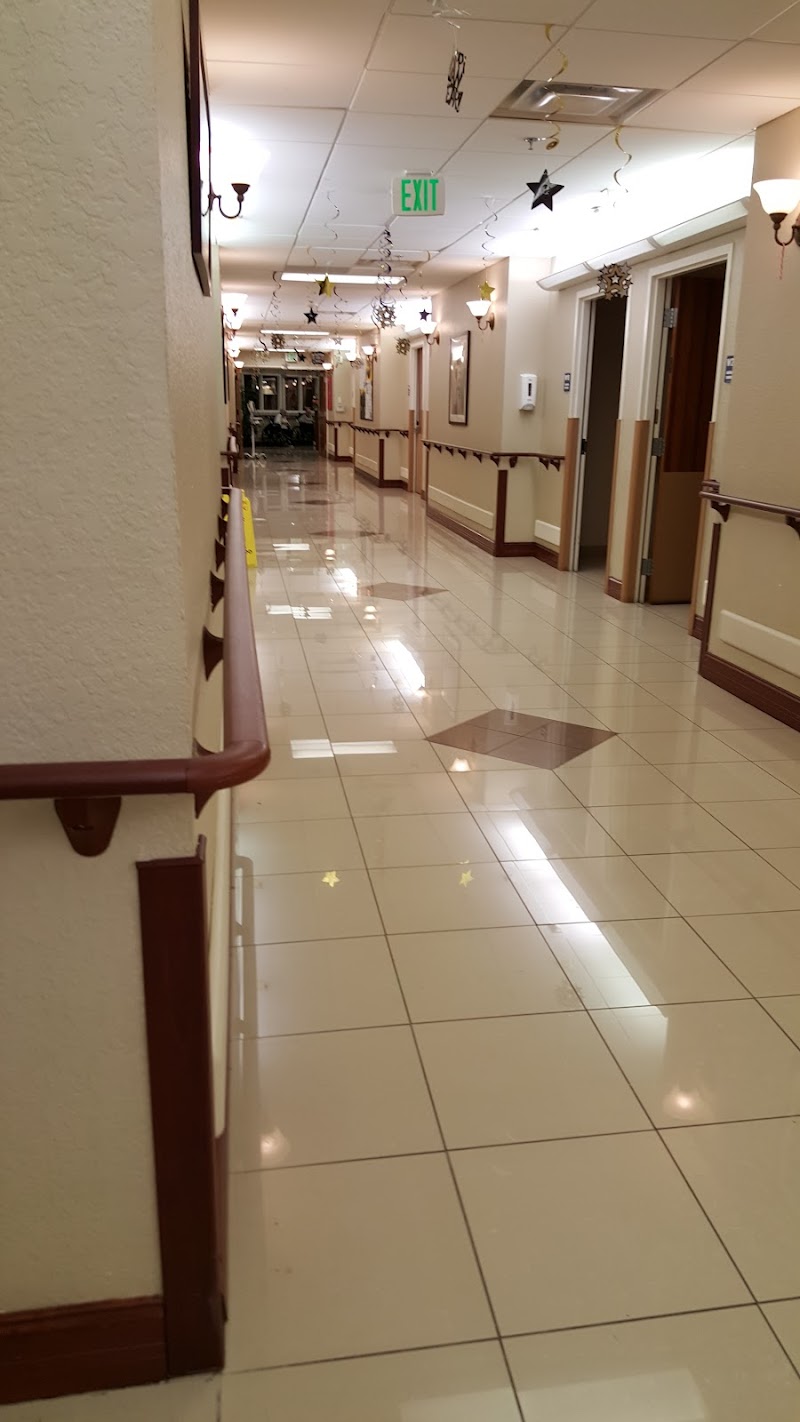
How is Coral Reef Subacute Llc Staffed?

CMS rates CORAL REEF SUBACUTE CARE CENTER LLC's staffing level at 3 out of 5 stars, which is average compared to other nursing homes. Staff turnover is 36%, compared to the Florida average of 46%. This relatively stable workforce can support continuity of care.

What Have Inspectors Found at Coral Reef Subacute Llc?

State health inspectors documented 28 deficiencies at CORAL REEF SUBACUTE CARE CENTER LLC during 2022 to 2025. These included: 1 Immediate Jeopardy (the most serious level, indicating potential for serious harm or death) and 27 with potential for harm. Immediate Jeopardy findings are rare and represent the most serious regulatory concerns. They require immediate corrective action.
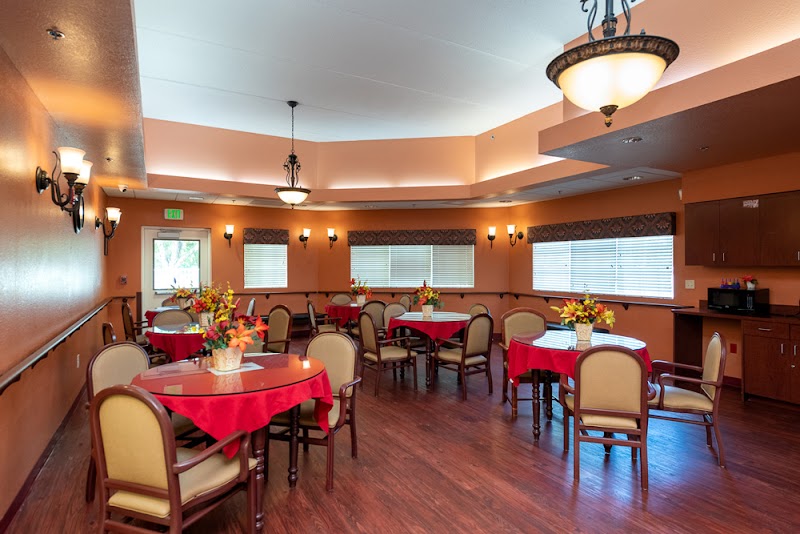
Who Owns and Operates Coral Reef Subacute Llc?

CORAL REEF SUBACUTE CARE CENTER LLC is owned by a for-profit company. For-profit facilities operate as businesses with obligations to shareholders or private owners. The facility is operated by CARERITE CENTERS, a chain that manages multiple nursing homes. With 180 certified beds and approximately 156 residents (about 87% occupancy), it is a mid-sized facility located in MIAMI, Florida.
How Does Coral Reef Subacute Llc Compare to Other Florida Nursing Homes?

Compared to the 100 nursing homes in Florida, CORAL REEF SUBACUTE CARE CENTER LLC's overall rating (1 stars) is below the state average of 3.2, staff turnover (36%) is significantly lower than the state average of 46%, and health inspection rating (1 stars) is much below the national benchmark.

What Should Families Ask When Visiting Coral Reef Subacute Llc?

Based on this facility's data, families visiting should ask: "What changes have been made since the serious inspection findings, and how are you preventing similar issues?" "Can I visit during a mealtime to observe dining assistance and food quality?" "How do you handle medical emergencies, and what is your hospital transfer rate?" "Can I speak with family members of current residents about their experience?" These questions are particularly relevant given the facility's Immediate Jeopardy citations.

Is Coral Reef Subacute Llc Safe?

Based on CMS inspection data, CORAL REEF SUBACUTE CARE CENTER LLC has documented safety concerns. Inspectors have issued 1 Immediate Jeopardy citation (the most serious violation level indicating risk of serious injury or death). The facility has a 1-star overall rating and ranks #100 of 100 nursing homes in Florida. Families considering this facility should ask detailed questions about what corrective actions have been taken since these incidents.

Do Nurses at Coral Reef Subacute Llc Stick Around?

CORAL REEF SUBACUTE CARE CENTER LLC has a staff turnover rate of 36%, which is about average for Florida nursing homes (state average: 46%). Moderate turnover is common in nursing homes, but families should still ask about staff tenure and how the facility maintains care continuity when employees leave.

Was Coral Reef Subacute Llc Ever Fined?

CORAL REEF SUBACUTE CARE CENTER LLC has been fined $10,039 across 1 penalty action. This is below the Florida average of $33,179. While any fine indicates a compliance issue, fines under $50,000 are relatively common and typically reflect isolated problems that were subsequently corrected. Families should ask what specific issues led to these fines and confirm they've been resolved.

Is Coral Reef Subacute Llc on Any Federal Watch List?

CORAL REEF SUBACUTE CARE CENTER LLC is not on any federal watch list. The most significant is the Special Focus Facility (SFF) program, which identifies the bottom 1% of nursing homes nationally based on persistent, serious quality problems. Not being on this list means the facility has avoided the pattern of deficiencies that triggers enhanced federal oversight. This is a positive indicator, though families should still review the facility's inspection history directly.