HARMONY HEALTH CENTER
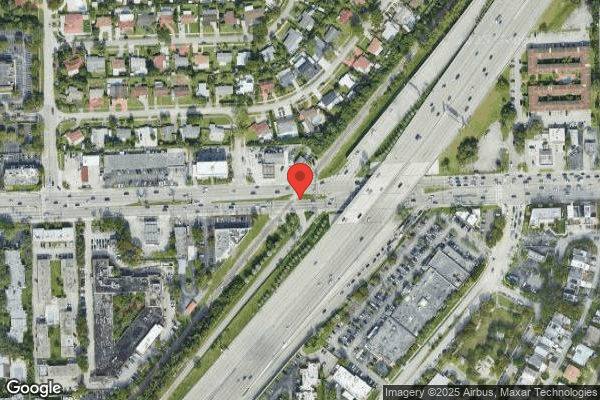
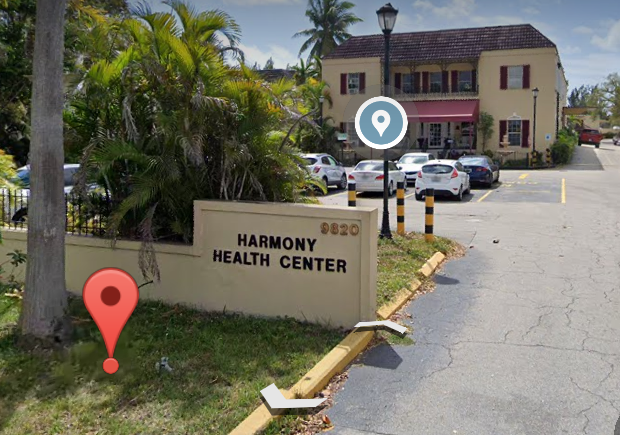
9820 N KENDALL DRIVE, MIAMI, FL 33176 (305) 271-6311
For profit - Corporation 203 Beds BENJAMIN LANDA Data: November 2025
Trust Grade
85/100
#46 of 690 in FL
Last Inspection: August 2025

Inspected within the last 6 months. Data reflects current conditions.

Overview

Harmony Health Center in Miami, Florida, has a Trust Grade of B+, which means it is recommended and above average in quality. It ranks #46 out of 690 facilities in Florida, placing it in the top half, and #5 out of 54 in Miami-Dade County, indicating only four local options are better. The facility's trend is stable, with nine issues found in both 2024 and 2025, although staffing is a concern with a 61% turnover rate, significantly higher than the state average. Fortunately, there have been no fines issued, which is positive, and it boasts good RN coverage, more than 97% of Florida facilities, ensuring better health monitoring. However, there have been some concerning incidents, such as improper thawing of frozen turkey, expired juice found in storage, and inadequate care for a resident with a urinary catheter, which highlights room for improvement in food safety and infection prevention. Overall, while there are strengths in RN coverage and no fines, families should be aware of the staffing issues and specific care incidents.

Trust Score
B+
85/100
In Florida
#46/690
Top 6%
Safety Record
Low Risk
No red flags
Inspections
Holding Steady
3 → 3 violations
Staff Stability
⚠ Watch
61% turnover. Above average. Higher turnover means staff may not know residents' routines.
Penalties
✓ Good
No fines on record. Clean compliance history, better than most Florida facilities.
Skilled Nurses
✓ Good
Each resident gets 76 minutes of Registered Nurse (RN) attention daily — more than 97% of Florida nursing homes. RNs are the most trained staff who catch health problems before they become serious.
Violations
○ Average
9 deficiencies on record. Average for a facility this size. Mostly minor or procedural issues.
★★★★★
5.0
Overall Rating
★★★☆☆
3.0
Staff Levels
★★★★★
5.0
Care Quality
★★★★☆
4.0
Inspection Score
Stable
2024: 3 issues
2025: 3 issues

The Good

  • 5-Star Quality Measures · Strong clinical quality outcomes
  • Full Sprinkler Coverage · Fire safety systems throughout facility
  • No fines on record

Facility shows strength in quality measures, fire safety.

The Bad

Staff Turnover: 61%

14pts above Florida avg (46%)

Frequent staff changes - ask about care continuity

Chain: BENJAMIN LANDA

Part of a multi-facility chain

Ask about local staffing decisions and management

Staff turnover is elevated (61%)

13 points above Florida average of 48%

The Ugly 9 deficiencies on record

Aug 2025 1 deficiency
CONCERN (D)

Potential for Harm - no one hurt, but risky conditions existed

Food Safety (Tag F0812)

Could have caused harm · This affected 1 resident

Based on observation, interview and review, the facility failed to store dry foods in accordance with professional standards for food service safety, ensure cold food/dessert was at correct temperatur...

Read full inspector narrative →
Based on observation, interview and review, the facility failed to store dry foods in accordance with professional standards for food service safety, ensure cold food/dessert was at correct temperature for consumption and failed to ensure facility staff were wearing hair restraints in the kitchen. This has the potential to affect thirty-one (31) residents on thickened liquids, and 91 residents on regular diets out of one hundred and ninety-six (196) residents residing in the facility at the time of the survey. The findings include. On 8/4/25 at 8:22 AM during the initial kitchen observational tour with the Dietary Manager, two 46-ounce Ready Care Thickened Orange Juice Cartons were found to be expired, dated 03/2025 in the dry storage room.Interview on 8/4/25 at 8:30 AM the Dietary Manager revealed, two kitchen staff complete rotation of the items/foods in the dry storage room; every Monday; and stated: I will dispose of these items (two 46-ounce carton of thickened Orange Juice) in the garbage because of the items being outside of their expiration date. On 08/04/25 starting at 11:10 AM during the Tray Line Observation with Dietary Manager. Three Mixed Fruit Cocktail Desserts was sampled for temperature; the recorded temperatures for the three samples was 46 degrees Fahrenheit (F). The Dietary Manager placed the mixed fruit dessert tray in the walk-in refrigerator and stated he will not use the tray of desserts until the temperature is rechecked, and the Fruit Cocktail desserts temperature are lower than 40F and in the future, he will place dry storage Fruit Cocktail cans in the refrigerator a day prior to serving to ensure the temperature is below 40F at serving time.During an additional kitchen observation on 08/05/2025 at 8:25 AM, two Maintenance/construction staff were observed in the kitchen with no hairnets on and conversing with the Dietary Manager,Interview on 08/05/2025 at 8:38 AM, the Dietary Manager revealed hair nets at every entrance door to the kitchen and acknowledged the identified concerns related to the maintenance/construction staff not wearing hairnets in the kitchen.Review of the facility policy and procedure titled Food Storage Policy and Procedure dated March 2022 states: Foods shall be received and stored in a manner that complies with safe food handling.
Jul 2025 2 deficiencies
CONCERN (D) 📢 Someone Reported This

A family member, employee, or ombudsman was alarmed enough to file a formal complaint

Potential for Harm - no one hurt, but risky conditions existed

Incontinence Care (Tag F0690)

Could have caused harm · This affected 1 resident

**NOTE- TERMS IN BRACKETS HAVE BEEN EDITED TO PROTECT CONFIDENTIALITY** Based on observations, records reviewed and interviews, the facility failed to provide appropriate treatment to prevent worsenin...

Read full inspector narrative →
**NOTE- TERMS IN BRACKETS HAVE BEEN EDITED TO PROTECT CONFIDENTIALITY** Based on observations, records reviewed and interviews, the facility failed to provide appropriate treatment to prevent worsening Urinary Tract Infections for one (Resident #2) out of two sampled residents, who had an indwelling urinary catheter; as evidenced by during hygiene care Resident #2's indwelling urinary catheter drainage collection bag and tubing were positioned on the bed below the level of the bladder with backflowing urine noted in the tubing. This deficient practice potentially increases the risk for worsening urinary tract infection and other severe complications. There were four residents with Urinary Tract Infections residing in the facility at the time of the survey. The findings included:Observation on 7/21/125 at 1:28 PM revealed Staff C, a Certified Nursing Assistant (CNA) performing hygiene care for Resident #2, Staff C, CNA positioned the urinary drainage collection bag and tubing between the resident's feet on the bed (photographic evidence) below the level of the bladder. The surveyor observed back flowing urine in the tubing and asked Staff C, CNA if it was okay to leave the bag and tubing on the bed. Staff C, CNA replied, yes, because I emptied it. Staff C, CNA continued with hygiene care leaving the bag and tubing above the level of the bladder. The surveyor exited the room and informed the Director of Nursing (DON) of the identified concern.Record review of a demographic sheet revealed Resident #2 was admitted on [DATE] with diagnosis that included: Bacteriuria (presence of bacteria in urine and can be asymptomatic but If Bacteriuria is accompanied by symptoms it is classified as a Urinary Tract Infection). Record review of Resident #2's physician's order sheet revealed an order dated 6/27/25 indicating: Keep dignity bag covered and attached to urine collection bag below the level of the bladder at all times and order dated 7/14/25 for Medications ordered included: Sulfamethoxazole-Trimethoprim 800-160 Milligrams (a combination of antibiotics used to treat infections including urinary tract infections) give one tablet by mouth every 12 hours for Bacteriuria for 10 Days. During an interview on 7/21/25 at 5:50 PM, the DON revealed the bag should remain below the level of the bladder to prevent urine reflux which can cause a UTI and Resident #2 had a current diagnosis for UTI. Record review of the facility's policy for indwelling catheter care date implemented: 3/2020 Policy: It is the policy of this facility to provide catheter care to all residents that have an indwelling catheter in an effort to reduce bladder and kidney infections.
CONCERN (D) 📢 Someone Reported This

A family member, employee, or ombudsman was alarmed enough to file a formal complaint

Potential for Harm - no one hurt, but risky conditions existed

Infection Control (Tag F0880)

Could have caused harm · This affected 1 resident

**NOTE- TERMS IN BRACKETS HAVE BEEN EDITED TO PROTECT CONFIDENTIALITY** Based on observations, interviews and records review, the facility failed to implement infection prevention and control practice...

Read full inspector narrative →
**NOTE- TERMS IN BRACKETS HAVE BEEN EDITED TO PROTECT CONFIDENTIALITY** Based on observations, interviews and records review, the facility failed to implement infection prevention and control practices in accordance with the facility's policy related to Enhanced Barrier Precautions (EBP) for one (Resident # 2) out of two sampled residents, as evidenced by staff failure to wear required Personal Protective Equipment (PPE) during indwelling catheter care. The findings included: Observation on 7/21/125 at 1:28 PM of Staff C, Certified Nursing Assistant performing hygiene care for Resident #2 who is under Enhanced Barrier Precautions (EBP)due to an indwelling urinary catheter. Staff C, Certified Nursing Assistant…performed hand hygiene donned gloves but did not put on a gown which is a required PPE for EBP and completed Resident #2’s hygiene care. The surveyor exited the room and informed the Director of Nursing (DON) of the identified concern. Record review of a demographic sheet revealed Resident #2 was admitted on [DATE] with diagnosis that included: Bacteriuria (presence of bacteria in urine). Record review of Resident #2’s physician’s order sheet revealed an order dated 6/27/25 for Enhanced Barrier precautions for every shift. Record review of a Medicare 5-day Minimum Data Set (status completed) revealed Resident#2 has no cognitive impairment, required substantial/maximal assistance for toileting hygiene care and had an indwelling catheter. During an interview on 7/21/25 at 3:17 PM, Staff C, Certified Nursing Assistant stated: “I did not put on the gown because I was nervous…I know which residents I need to wear a gown for by the sign on the wall that says Enhanced Barrier Precaution…” On 7/21/25 at 5:50 PM, the DON revealed staff are to wear a gown and gloves when providing hygiene caring for residents on Enhanced Barrier Precaution. Record review of the facility’s Policy titled, Infection Control Policy and Procedure: Enhanced Barrier precautions issued 8/16/2022 revised: 4/1/2024 revealed :Policy: Policy: It is the policy of this facility that Enhanced Barrier Precautions, in addition to Standard and Contact Precautions will be implemented during high-contact resident care activities when caring for residents that have an increased risk for acquiring a multidrug-resistant organism (MDRO) such as a resident with wounds, indwelling medical devices or residents with infection or colonization with an MDRO. Procedures included: Enhanced Barrier Precautions (EBP) consists of the use of gowns and gloves for high-contact care activities which include but may not be limited to: Providing hygiene, changing briefs or assisting with toileting, Device care or use: central line, urinary catheter, feeding tube, tracheostomy/ventilator, and Wound care: any skin opening requiring a dressing.
Mar 2024 3 deficiencies
CONCERN (D)

Potential for Harm - no one hurt, but risky conditions existed

Assessment Accuracy (Tag F0641)

Could have caused harm · This affected 1 resident

**NOTE- TERMS IN BRACKETS HAVE BEEN EDITED TO PROTECT CONFIDENTIALITY** Based on record review and interview the facility failed to accurately code the Minimum Data Set (MDS) Assessment for discharge ...

Read full inspector narrative →
**NOTE- TERMS IN BRACKETS HAVE BEEN EDITED TO PROTECT CONFIDENTIALITY** Based on record review and interview the facility failed to accurately code the Minimum Data Set (MDS) Assessment for discharge for one (Resident #196) out of four residents reviewed for resident assessment. There were 192 residents residing at the facility at the time of the survey. The findings included: Record review of Resident #196's Discharge Return Not Anticipated Minimum Data Set (MDS) dated [DATE] Section for Identification Information in subsection A 2105 for Discharge Status documented that the resident was discharged to a Short-Term General Hospital. Review of the Physician's Orders Sheet for March 2024 revealed Resident #196 had orders that included but not limited to: Resident transferred to home on [DATE]. Review of the nurses' progress notes for Resident #196 on 01/13/24 timestamped 09:00 documented: Resident was discharged home. Resident accompanied by family member. Resident is in stable condition and vital signs are within normal limits. Belongings were packed and given to the resident. Medications and discharge information provided to resident. Further review of the medical records for Resident #196 revealed the resident was admitted to the facility on [DATE]. Clinical diagnoses included but not limited to: Cerebral Infarction, unspecified. Resident #196 was discharged on 01/13/24. Record review of Resident #196 's Care Plans dated 01/02/24 revealed the resident's Short-term Discharge Plan: The plan for resident is to be discharged back to the community with family support. Interventions Included: Establish a pre-discharge plan with the resident/family/caregivers and evaluate progress and revise plan as needed. Provide services according to care plans and in accordance with resident known preferences in an effort to enhance optimum well-being. Interview on 03/28/24 at 10:04 AM with Registered Nurse, Minimum Data Set Coordinator, (Staff A). When the surveyor had Staff A check the nurses' progress notes documented on 01/13/24 that noted the resident was discharged to home with family, and check the Discharge Return Not Anticipated MDS with reference dated 01/13/24, Section A-2105 that documented that the resident was discharged to short term general hospital. Staff A acknowledged the discrepancy, Staff A stated, In this situation we would check the progress note and get the discharge information from the census, to update the resident's MDS, I will make a correction to the MDS immediately. Review of the facility's policy and procedures titled policy and Procedures: MDS Assessments Completion and Accuracy dated 9/2020 states: It is the policy of the facility to adhere to the following procedures related to proper documentation and utilization of a resident's Minimum Data Set (MDS) to ensure a comprehensive and accurate assessments of residents will be completed in the format and in accordance with timeframes stipulated by the Department of Health and Human Services Center for Medicare and Medicaid Services. This assessment system will provide a comprehensive, accurate, standardized, reproducible assessment of each resident's functional capacities and assist staff to identify health problems for care plan development. Procedure 5: The assessment will accurately reflect the resident's status.
CONCERN (D)

Potential for Harm - no one hurt, but risky conditions existed

Respiratory Care (Tag F0695)

Could have caused harm · This affected 1 resident

**NOTE- TERMS IN BRACKETS HAVE BEEN EDITED TO PROTECT CONFIDENTIALITY** Based on observation, record review and interview facility failed to provide the necessary oxygen therapy according to physician...

Read full inspector narrative →
**NOTE- TERMS IN BRACKETS HAVE BEEN EDITED TO PROTECT CONFIDENTIALITY** Based on observation, record review and interview facility failed to provide the necessary oxygen therapy according to physician's order for one resident (Resident # 453) out of nine residents sampled as evidenced by Resident # 453 receiving oxygen therapy at incorrect rate. The findings included: On 03/25/24 at 7:31 AM Resident #453 was observed in bed with oxygen in progress via nasal cannula at three Liters Per Minute (LPM). (photo evidence) On 03/27/24 at 7:28 AM Resident #453 was observed in bed with oxygen in progress via nasal cannula at a level between 2.5 and three LPM. (photo evidence) Record review of demographic sheet for Resident #453 revealed an admission date of 1/11/2024 and diagnosis that included sleep apnea and shortness of breath. Record review of Resident #453's Minimum Data Set (MDS) dated [DATE] Section C for cognitive status revealed a Brief Mental Status (BIMS) score of 6 on a scale of 0-15 indicating severe cognitive impairment. Section GG for functional status revealed substantial/maximal assistance for transfer, partial/moderate assistance for oral hygiene and supervision touching assistance for eating. Section J for pain revealed no shortness of breath when lying flat. Section O for special treatments revealed oxygen and respiratory therapy. Record review of Care Plan initiated on 03/14/2024 and revised on 03/25/2024 revealed Resident #453 is at risk for ineffective breathing pattern related to Sleep Apnea and Shortness of breath (SOB). Interventions included: Oxygen at two LPM via nasal cannula with humidifier at bedtime for SOB. Administer medication/oxygen as ordered. Adjust head of bed and body positioning to assist ease of breathing. Keep head of bed (HOB) elevated to facilitate easy respirations. Monitor resident's anxiety and give support/assistance as needed. Record review of physician orders dated 3/21/2024 revealed orders for oxygen at two liters per minute via nasal cannula with humidifier every night at bedtime for shortness of breath. On 03/27/24 at 8:43 AM Staff B, Registered Nurse (RN) stated: I have been employed for 14 years at this facility. When I start my shift, I complete a visual assessment of each resident and make sure oxygen is in progress and at the correct level. [ Resident #453] has an order for oxygen two liters per minute via nasal cannula at bedtime. I remove the nasal cannula when [Resident # 453] wakes up. This morning when I rounded [Resident # 453], oxygen was in progress at two liters per minute, and only nursing staff is allowed to touch the concentrator. The Certified Nursing Assistant (CNA) is allowed to remove the nasal cannula as soon as resident awakens but does not touch the concentrator. I test [Resident # 453] oxygen level with a pulse oximeter daily and saturation was 96 % at 7:05 AM on 3/27/2024 which is normal for this resident. When Staff B was asked why the oxygen level was incorrect, Staff B stated: Maybe I didn't properly visualize the oxygen level because I didn't turn on the light in the room to prevent disturbing the resident. On 03/28/24 at 10:05 AM Staff C, RN stated: The protocol for oxygen administration is to take oxygen saturation before or when arrival on shift, follow physician order, have oxygen at bedside, and make sure nasal cannula is clean. A visual assessment is done before administering oxygen and throughout shift to ensure oxygen level is matching the physician order. Also, we educate family about the amount of liters required, not to touch the concentrator and if they have any question to go to the nurse. CNAs are aware not to readjust the oxygen level and to report to the nurse any concerns. The nurses and CNAs have received in-services about oxygen administration. 03/28/24 10:13 AM Staff D, CNA stated: I have been employed at this facility for 17 years. I am the regular CNA taking care of [Resident #453]. I am aware of any resident on my assignment who require oxygen therapy because the nurses verbalize this me. I do not adjust the oxygen settings and if I see any abnormality I report it to the nurse. I am aware that [Resident #453] uses oxygen during the night. In the morning, I notify the nurse to remove the nasal cannula and if she is busy, I remove the nasal cannula. On 03/28/24 at 11:59 AM, the Director of Nursing (DON) stated: When administering oxygen therapy, the nurse is to follow physician orders; only the nurses are allowed to adjust the level of the oxygen. The CNAs are only allowed to place and remove cannulas. The only responsibility of the CNA is to notify the nurse if they see a problem. Moving forward I will do frequent rounding to monitor the oxygen level of residents who have orders for oxygen and educate the staff about oxygen administration. Record review of the facility's Policy and Procedure for Respiratory Care and Oxygen administration Issued: 3/2020. Revised 10/2022. Standard: It is the standard of this facility to provide guidelines for respiratory care and safe oxygen administration. Guidelines: Verify that there is a physician's order for respiratory procedures or oxygen use. Review the physician's order for oxygen administration, nebulizer treatments, inhalers, trach care, chest tube care, BiPAP, CPAP or medication administration.
CONCERN (D)

Potential for Harm - no one hurt, but risky conditions existed

Medical Records (Tag F0842)

Could have caused harm · This affected 1 resident

**NOTE- TERMS IN BRACKETS HAVE BEEN EDITED TO PROTECT CONFIDENTIALITY** Based on record review and interview, the facility failed to maintain an accurate record for one (Resident #95) out of seven res...

Read full inspector narrative →
**NOTE- TERMS IN BRACKETS HAVE BEEN EDITED TO PROTECT CONFIDENTIALITY** Based on record review and interview, the facility failed to maintain an accurate record for one (Resident #95) out of seven residents reviewed for hospitalization. There was a total of 192 residents residing in the facility at the time of this survey. The findings included: Record review of the facility's policy titled, Documentation in Medical Record Policy and Procedure (implemented April 2020, revised October 2023) documented: Policy Statement: Each resident's medical record shall contain an accurate representation of the actual experiences of the resident and include enough information to provide a picture of the resident's progress through complete, accurate and timely documentation; Policy Explanation and Compliance Guidelines: 1) Licensed staff and interdisciplinary team members shall document all assessments, observations and services provided in the resident's medical record in accordance with state law and facility policy and 4) Principles of documentation include, but are not limited to b) Documentation shall be accurate, relevant and complete, containing sufficient details about the resident's care and/or responses to care. Review of the Demographic Face Sheet for Resident #95 documented the resident was initially admitted on [DATE] with diagnosis that include but not limited to end stage renal disease, dependence on renal dialysis, diabetes mellitus, hypertension, and absence of right leg below knee. The resident was discharged to the hospital on 3/18/24 and readmitted to the facility on [DATE]. Review of the Minimum Data Set (MDS) Quarterly Assessment for Resident #95 dated 2/25/24 documented the resident's Mental Status (BIMS) Summary Score had a BIMS Summary Score of 15 out of 15 indicating no cognitive impairment and the resident was able to make her needs known. The resident required total dependence for ADLs (Activities of Daily Living). The resident received dialysis services. Review of the Physician's Order Sheets (POS) and Medication Administration Records (MAR) for January 2024, February 2024 and March 2024 documented the resident was receiving medications for diabetes mellitus, depression, and peripheral vascular disease. Review of the Progress Notes for Resident #95 documented: Dated 3/18/24 08:50-Health Status Note: Patient alert and disorient, change mental status, Vital signs were taken; MD (medical doctor) notified, new order carried out; Dated 3/18/24 09:32-[Resident #95 ] Transfer Form Note: Resident transferred to [ local hospital] for other outside dialysis center and Dated 3/18/24 09:55-Health Status Note: Patient transfer to [local hospital] via [local emergency services] as per MD order with diagnosis: Hypoxemia and change mental status. Review of Resident #95's Transfer Form, dated 3/18/24 documented: Sent to [local hospital] on 3/18/24 for outside dialysis catheter. Interview and record review with the Director of Nursing (DON) on 3/28/24 at 1:24 PM. The (DON) stated: On 3/18/24 at 08:50-Health Status Note: Patient alert and disorient, changed mental status, Vital signs were taken; MD notified, new order carried out. On 3/18/24 09:32- [ Resident #95] Transfer Form Note: Resident transferred to [local hospital] for other outside dialysis center. This is an error of the documentation. It should have read the change in mental status and Hypoxemia. The patient was transferred to [local hospital] via [local emergency services] as per MD order with diagnosis of Hypoxemia and change mental status.
Dec 2022 3 deficiencies
CONCERN (D)

Potential for Harm - no one hurt, but risky conditions existed

Pharmacy Services (Tag F0755)

Could have caused harm · This affected 1 resident

**NOTE- TERMS IN BRACKETS HAVE BEEN EDITED TO PROTECT CONFIDENTIALITY** Based on observations, records reviewed and interviews, the facility failed to ensure narcotics/controlled substances were recon...

Read full inspector narrative →
**NOTE- TERMS IN BRACKETS HAVE BEEN EDITED TO PROTECT CONFIDENTIALITY** Based on observations, records reviewed and interviews, the facility failed to ensure narcotics/controlled substances were reconciled for 1 out of 5 medication carts (Unit 4 cart # 1) observed in the facility. There were 185 residents residing in the facility at the time of this survey. The findings included: On 12/06/2022 at 9:52 AM during the narcotic count and review of medication for cart 1 on unit 4 located on the second floor of the facility with Registered Nurse (RN) (Staff A) revealed, the narcotic count was inaccurate for Resident # 12's Alprazolam tablet 0.25 MG (milligram) and Resident # 82's, Lorazepam tablet 0.5 MG. Review of Resident #12's narcotic count sheet revealed, Alprazolam tablet 0.25 MG (1) tablet was last signed out as given at 7:48 AM on 12/05/2022 and the remaining tablets noted as 19, the medication bingo card had 18 tablets. On 12/06/2022 at 9:54 AM review of Resident #12's Electronic Medication Administration Record (EMAR) with Staff A revealed, Alprazolam tablet 0.25 MG (1) tablet was not signed off as given. Resident #82's narcotic count sheet revealed, Lorazepam tablet 0.5 MG (1) tablet was last signed out as given at 12/5/22 at 5:00 PM, the remaining tablets documented was noted as 27 but the medication bingo card had 26 tablets remaining On 12/06/2022 at 9:55 AM Staff A was observed signing Residents #12's EMAR and narcotic sheet for Alprazolam tablet 0.25 MG (1) tablet as given. Review of the medical records for Resident #12 revealed the resident was admitted to the facility on [DATE]. Clinical diagnoses included but not limited to: Anxiety Disorder Unspecified. Review of the Physician's Orders Sheet for December 2022 revealed Resident #12 had orders that included but not limited to: Alprazolam tablet 0.25 MG. Give 1 tablet by mouth every 12 hours as needed for anxiety for 14 Days. Record review of Resident #12 's Quarterly Minimum Data Set (MDS) dated [DATE] revealed: Section C -for Cognitive patterns documented Brief Interview for Mental Status Score (BIMS) 11, on a 0-15 scale indicating the resident is cognitively moderately impaired. Review of the medical records for Resident #82 revealed the resident was admitted to the facility on [DATE]. Clinical diagnoses included but not limited to: Anxiety Disorder Unspecified. Review of the Physician's Orders Sheet for December 2022 revealed Resident #82 had orders that included but not limited to: Lorazepam tablet 0.5 MG. Give 1 tablet by mouth two times a day related to Anxiety Disorder Unspecified. Record review of Resident # 82's Quarterly Minimum Data Set (MDS) dated [DATE] revealed: Section C -for Cognitive patterns documented Brief Interview for Mental Status Score (BIMS) 3, on a 0-15 scale indicating the resident is cognitively impaired. Interview on 12/06/22 at 9:52 AM with Registered Nurse Staff A, when asked about narcotic medications not being signed out, Staff A stated, she gave the resident the Alprazolam 0.25 mg but she forgot to signed it out in the narcotic book and on the EMAR. Staff A stated normally I usually signed out the narcotic right away when I take it out of the bingo card, but the resident was very agitated and I was trying to get her the medicine as soon as possible. During an interview on 12/06/22 at 2:42 PM with the Director of Nursing (DON), and Assistant Director of Nursing (ADON), it was revealed that they did a one-to-one in-service with the nurse, and all nursing staff, starting with the morning shift. Review of the undated facility's policy and procedure titled, Controlled substance Handling, states: All controlled drugs will be subject to special receipt, handling, storage, disposal, and record keeping. Procedure #9-Upon removal of a controlled substance from the packaging for administration, shall document the doses removed on the narcotic descending count sheet record. Procedure #10-Immediately after a dose is administered, the license nurse will document administration in the electronic MAR, or if MAR is on paper, will document all of the following information on the paper medication administration record: Date and time of administration, dose administered, signature of nurse administering the dose. (Do not sign before actually administering the drug).
CONCERN (D)

Potential for Harm - no one hurt, but risky conditions existed

QAPI Program (Tag F0867)

Could have caused harm · This affected 1 resident

Based on record review and interview, the facility failed to demonstrate effective an plans of correction were implemented to correct identified quality deficiencies in the problem area related to rep...

Read full inspector narrative →
Based on record review and interview, the facility failed to demonstrate effective an plans of correction were implemented to correct identified quality deficiencies in the problem area related to repeated deficient practices for F 812 Food Procurement, Store/Prepare/Serve-Sanitary as the facility failed to properly follow meat thawing procedures. This practice has the potential to increase the risk of negative resident outcomes and to affect all 185 residents residing in the facility at the time of this survey. The findings included: Review of the facility's survey history revealed, during a recertification survey with an exit date of 02/12/2021, Food Procurement, Store/Prepare/Serve Sanitary was cited related to the facility failed to store food at appropriate temperatures at or below 41 degrees Fahrenheit (F) in a walk-in cooler, failed to wash and sanitize dishes under sanitary conditions by operating a dish machine which did not reach the manufacturer recommended wash and rinse temperatures, failed to prepare and store food and clean dishes free from potential contamination, and failed to maintain equipment in two of three nourishment rooms under safe conditions to prevent potential contamination of food. During an interview on 12/08/2022 at 6:05 PM, the Administrator and the Director of Nursing (DON) revealed, the Quality Assessment and Assurance Committee (QAA) meets every fourth Thursday of every month. The administrator stated that the QAA Committee is comprised of the following members: Medical Director, Administrator, Risk Manager, Director of Nursing, and all other head of departments. Administrator noted that in September 2022, they developed a Performance Improvement Plan (PIP) for restorative nursing and in November 2022 they developed a PIP for PASRR. Both the Administrator and DON stated that when there is a deviation from expected performance, they open a Performance Improvement Plan (PIP) and conduct audit process. Administrator stated, we have a meeting with the team, and everybody is made aware of the issue, we also do in-service of what is going on. She stated that if the staff had any quality concerns they could report to the Risk Manager, the Administrator, and the Director of Nursing. The Director of Nursing and Administrator stated that when they recognize a deficiency, they work on the deficiency that is larger. The Administrator stated that they know that corrective actions they have been implemented are occurring effectively primarily through auditing and the involvement of staff depends on the department, and the medical director is always made aware of auditing and any decision-making process. The Administrator continued and added we track to see where the deficiency is occurring and move up or down within the department of the facilities. Moreover, the Administrator and the Director of Nursing stated, we had no concerns with the kitchen or any other department, and if there is a deficiency we are going to do a Plan of Correction, audit, and in-services competency.
CONCERN (E)

Potential for Harm - no one hurt, but risky conditions existed

Food Safety (Tag F0812)

Could have caused harm · This affected multiple residents

Based on observation, interview and record review, the facility failed to ensure food safety by thawing frozen turkeys in an unsafe manner. There were 185 residents admitted to the facility at the tim...

Read full inspector narrative →
Based on observation, interview and record review, the facility failed to ensure food safety by thawing frozen turkeys in an unsafe manner. There were 185 residents admitted to the facility at the time of the survey. The findings included: During the initial kitchen tour on 12/5/22 at 8:36AM with Staff B, the Dietary Manager. Four (4) large packs of frozen turkey were observed in the kitchen thawing in a sink at room temperature. This was observed in the pre wash area for pots. Staff B, acknowledged the turkey wasn't being thawed in the proper manner. After this observation, food service staff placed the turkey in pans and placed them in walk in refrigerator #2. The turkey was on the 12/5/22 dinner menu. Review of the facility's undated policy and procedure for Food: Preparation. The policy statement documents, All foods are prepared in accordance with the FDA (Food and Drug Administration) Food Code. Procedures: 2. Dining Services staff will be responsible for food preparation procedures that avoid contamination by potentially harmful physical, biological and chemical contamination. 5. The Cook(s) thaws frozen items that requires defrosting prior to preparation using one of the following methods: Thawing in the refrigerator, in a drip-proof container, and in a manner that prevents cross-contamination; Thawing the item in a microwave oven, then transferring immediately to conventional cooking equipment; Completely submerging the item under cold water (at a temperature of 70 F (Fahrenheit) or below) that is running fast enough to agitate and float off loose ice particles; Cooking directly from the frozen state, when directed.
Understanding Severity Codes (click to expand)
Life-Threatening (Immediate Jeopardy)
J - Isolated K - Pattern L - Widespread
Actual Harm
G - Isolated H - Pattern I - Widespread
Potential for Harm
D - Isolated E - Pattern F - Widespread
No Harm (Minor)
A - Isolated B - Pattern C - Widespread

Questions to Ask on Your Visit

  • "Why is there high staff turnover? How do you retain staff?"
  • "Can I speak with families of current residents?"
  • "What's your RN coverage like on weekends and overnight?"

Our Honest Assessment

Strengths
  • • Grade B+ (85/100). Above average facility, better than most options in Florida.
  • • No major safety red flags. No abuse findings, life-threatening violations, or SFF status.
  • • No fines on record. Clean compliance history, better than most Florida facilities.
Concerns
  • • 61% turnover. Above average. Higher turnover means staff may not know residents' routines.
Bottom line: Generally positive indicators. Standard due diligence and a personal visit recommended.

About This Facility

What is Harmony's CMS Rating?

CMS assigns HARMONY HEALTH CENTER an overall rating of 5 out of 5 stars, which is considered much above average nationally. Within Florida, this rating places the facility higher than 99% of the state's 100 nursing homes. This rating reflects solid performance across the metrics CMS uses to evaluate nursing home quality.

How is Harmony Staffed?

CMS rates HARMONY HEALTH CENTER's staffing level at 3 out of 5 stars, which is average compared to other nursing homes. Staff turnover is 61%, which is 14 percentage points above the Florida average of 46%. High turnover can affect care consistency as new staff learn residents' individual needs.

What Have Inspectors Found at Harmony?

State health inspectors documented 9 deficiencies at HARMONY HEALTH CENTER during 2022 to 2025. These included: 9 with potential for harm.
Who Owns and Operates Harmony?

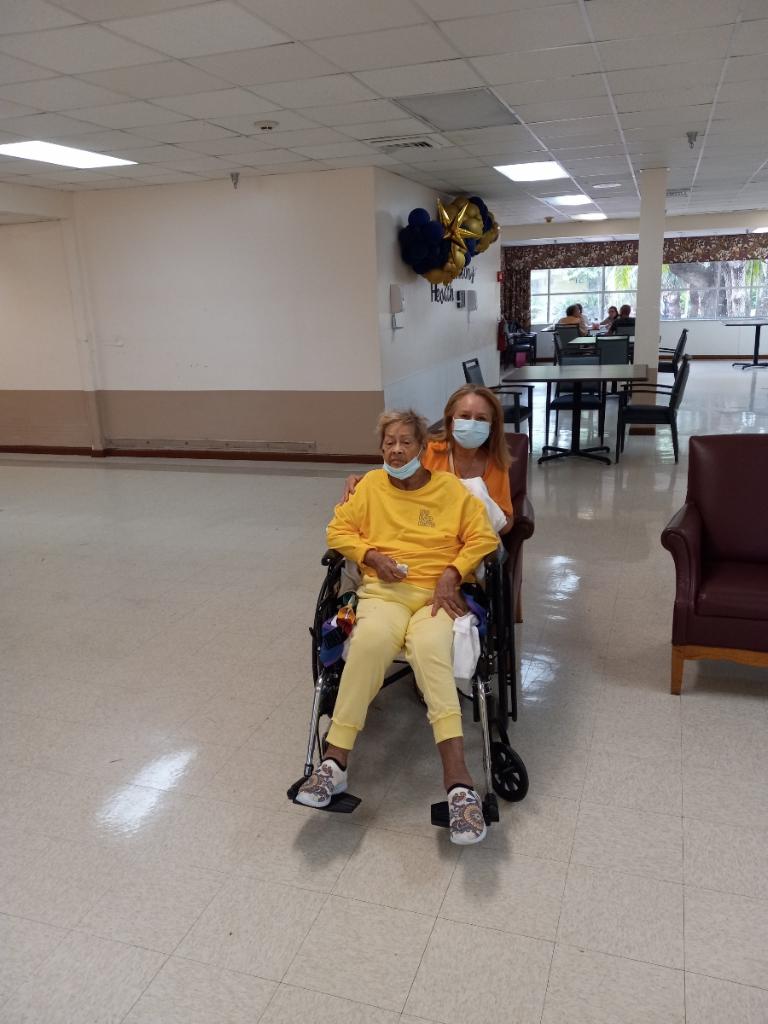
HARMONY HEALTH CENTER is owned by a for-profit company. For-profit facilities operate as businesses with obligations to shareholders or private owners. The facility is operated by BENJAMIN LANDA, a chain that manages multiple nursing homes. With 203 certified beds and approximately 195 residents (about 96% occupancy), it is a large facility located in MIAMI, Florida.
How Does Harmony Compare to Other Florida Nursing Homes?

Compared to the 100 nursing homes in Florida, HARMONY HEALTH CENTER's overall rating (5 stars) is above the state average of 3.2, staff turnover (61%) is significantly higher than the state average of 46%, and health inspection rating (4 stars) is above the national benchmark.

What Should Families Ask When Visiting Harmony?

Based on this facility's data, families visiting should ask: "How do you ensure continuity of care given staff turnover, and what is your staff retention strategy?" "Can I visit during a mealtime to observe dining assistance and food quality?" "How do you handle medical emergencies, and what is your hospital transfer rate?" "Can I speak with family members of current residents about their experience?" These questions are particularly relevant given the facility's high staff turnover rate.

Is Harmony Safe?

Based on CMS inspection data, HARMONY HEALTH CENTER has a clean safety record: no substantiated abuse findings (meaning no confirmed cases of resident harm), no Immediate Jeopardy citations (the most serious violation level indicating risk of serious injury or death), and is not on the Special Focus Facility watch list (a federal program monitoring the lowest-performing 1% of nursing homes). The facility has a 5-star overall rating and ranks #1 of 100 nursing homes in Florida. While no facility is perfect, families should still ask about staff-to-resident ratios and recent inspection results during their visit.

Do Nurses at Harmony Stick Around?

Staff turnover at HARMONY HEALTH CENTER is high. At 61%, the facility is 14 percentage points above the Florida average of 46%. High turnover means new staff may not know residents' individual needs, medications, or preferences. It can also be disorienting for residents, especially those with dementia who rely on familiar faces. Families should ask: What is causing the turnover? What retention programs are in place? How do you ensure care continuity during staff transitions?

Was Harmony Ever Fined?

HARMONY HEALTH CENTER has no federal fines on record. CMS issues fines when nursing homes fail to meet care standards or don't correct problems found during inspections. The absence of fines suggests the facility has either maintained compliance or corrected any issues before penalties were assessed. This is a positive indicator, though families should still review recent inspection reports for the full picture.

Is Harmony on Any Federal Watch List?

HARMONY HEALTH CENTER is not on any federal watch list. The most significant is the Special Focus Facility (SFF) program, which identifies the bottom 1% of nursing homes nationally based on persistent, serious quality problems. Not being on this list means the facility has avoided the pattern of deficiencies that triggers enhanced federal oversight. This is a positive indicator, though families should still review the facility's inspection history directly.