MIAMI JEWISH HEALTH SYSTEMS, INC
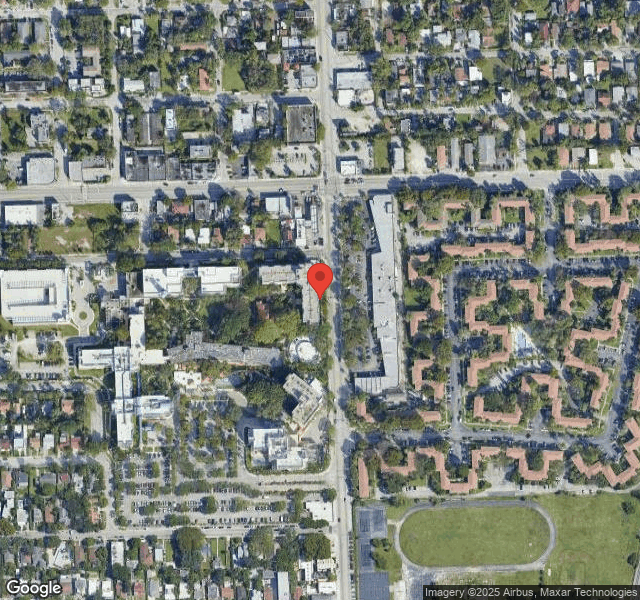

5200 NE 2ND AVENUE, MIAMI, FL 33137 (305) 751-8626
Non profit - Corporation 393 Beds Independent Data: November 2025
Trust Grade
68/100
#235 of 690 in FL
Last Inspection: September 2025

Inspected within the last 6 months. Data reflects current conditions.

Overview

Miami Jewish Health Systems, Inc. has a Trust Grade of C+, which indicates a decent performance that is slightly above average. It ranks #235 out of 690 nursing homes in Florida, placing it in the top half of facilities in the state, and #27 out of 54 in Miami-Dade County, meaning only a few local options are better. Unfortunately, the facility's trend is worsening, with issues increasing from 1 in 2024 to 7 in 2025. Staffing is a notable strength, as it received a perfect 5 out of 5 stars, with a turnover rate of only 23%, much lower than the state average. However, the facility has faced some serious concerns, such as failing to develop adequate care plans for residents at risk for falls, resulting in major injuries like fractures. Additionally, there have been incidents where residents' confidential information was left unsecured on unattended medication carts, raising privacy concerns. Overall, while the staffing and overall rating are strong points, families should be aware of the increasing issues and specific incidents that have occurred.

Trust Score
C+
68/100
In Florida
#235/690
Top 34%
Safety Record
Moderate
Needs review
Inspections
Getting Worse
1 → 7 violations
Staff Stability
✓ Good
23% annual turnover. Excellent stability, 25 points below Florida's 48% average. Staff who stay learn residents' needs.
Penalties
✓ Good
$15,593 in fines. Lower than most Florida facilities. Relatively clean record.
Skilled Nurses
✓ Good
Each resident gets 59 minutes of Registered Nurse (RN) attention daily — more than average for Florida. RNs are trained to catch health problems early.
Violations
⚠ Watch
15 deficiencies on record. Higher than average. Multiple issues found across inspections.
★★★★☆
4.0
Overall Rating
★★★★★
5.0
Staff Levels
★★★★☆
4.0
Care Quality
★★★☆☆
3.0
Inspection Score
Stable
2024: 1 issues
2025: 7 issues

The Good

  • 5-Star Staffing Rating · Excellent nurse staffing levels
  • 4-Star Quality Measures · Strong clinical quality outcomes
  • Low Staff Turnover (23%) · Staff stability means consistent care
  • Full Sprinkler Coverage · Fire safety systems throughout facility
  • No fines on record
  • Staff turnover is low (23%)

    25 points below Florida average of 48%

Facility shows strength in staffing levels, quality measures, staff retention, fire safety.

The Bad

Federal Fines: $15,593

Below median ($33,413)

Minor penalties assessed

The Ugly 15 deficiencies on record

2 actual harm
Sept 2025 4 deficiencies
CONCERN (D)

Potential for Harm - no one hurt, but risky conditions existed

Deficiency F0583 (Tag F0583)

Could have caused harm · This affected 1 resident

**NOTE- TERMS IN BRACKETS HAVE BEEN EDITED TO PROTECT CONFIDENTIALITY** Based on observations, record reviews and interviews, the facility failed to secure residents' confidential information on two (...

Read full inspector narrative →
**NOTE- TERMS IN BRACKETS HAVE BEEN EDITED TO PROTECT CONFIDENTIALITY** Based on observations, record reviews and interviews, the facility failed to secure residents' confidential information on two ([NAME]-1st floor, Medication Cart 1 and 5th floor, Medication Cart 2) out of four medication carts: as evidenced by unattended Medication Carts noted with unlocked computer screens displaying residents' confidential information during medication administration. There were 288 residents residing in the facility at the time of the survey.The findings included: Observation on 09/16/2025 at 9:47 AM, on the 5th floor, revealed Medication Cart 2 was left unattended and the computer's screen unlocked with visible resident information. (Photographic evidence). The Surveyor notified Staff C, Registered Nurse (RN) of the identified concern. Staff C, RN revealed she did not realize she had left the computer screen open. On 09/16/2025 at 10:15 AM, observation on the 1st floor revealed Medication Cart 1 unattended and the computer screen unlocked with visible resident information. (Photographic evidence). The Surveyor notified Staff D, RN of the identified concern. Staff D, RN revealed he only stepped a few feet away from the computer to assist a resident and came right back. Record review of a Policy titled, Preparation and General Guidelines: May 2022 indicate:Policy: During administration of medications, the medication cart is kept closed and locked when out of sight of the medication nurse or aide. No medications are kept on top of the cart. The cart must be clearly visible to the personnel administering medications, and all outward sides must be inaccessible to residents or others passing by. In addition, privacy is maintained always for all resident information (e.g., Medication Administration Record (MAR) [by closing the MAR book/covering the MAR sheet or computer screen when not in use.Interview on 09/16/2025 at 02:10 PM, the Director of Nursing (DON) stated: During medication pass, the staff member provides privacy depending on the situation and always asks the resident if it is acceptable first. To ensure privacy, the staff either pulls the resident away from others or brings them back to their room. In shared rooms, curtains and doors are closed. Medications may be administered in the activity room, but only with the residents' consent. Before leaving the cart, the staff member locks it and ensures all resident information is secure. The computer screen is never left open unattended and locks automatically every 30 seconds.Interview on 09/16/2025 at 9:47 AM, Staff C, RN stated: I did not realize I left the computer screen open. I receive frequent education from the nurse educator about privacy and HIPAA.Interview on 09/16/2025 at 10:15 AM, Staff D, RN stated: I only stepped a few feet away from the computer to assist a resident and came right back. I have only been a nurse here for one month and recently received education on privacy and HIPPA recently for my training virtually and by my preceptor.
CONCERN (D)

Potential for Harm - no one hurt, but risky conditions existed

Respiratory Care (Tag F0695)

Could have caused harm · This affected 1 resident

**NOTE- TERMS IN BRACKETS HAVE BEEN EDITED TO PROTECT CONFIDENTIALITY** Based on observation, interview and record review, the facility failed to ensure oxygen therapy was delivered as prescribed for ...

Read full inspector narrative →
**NOTE- TERMS IN BRACKETS HAVE BEEN EDITED TO PROTECT CONFIDENTIALITY** Based on observation, interview and record review, the facility failed to ensure oxygen therapy was delivered as prescribed for one (Resident # 55) out of one sampled resident who has a primary diagnosis of Acute Respiratory Failure. As evidenced by the resident's nasal canula (NC) was not in nostrils. The findings included.Observation on 09/16/2025 at 11:07 AM, Resident #55 was in bed with eyes closed, Oxygen (02) running at two (2) Liters per Minute (LPM) via Nasal Canula (NC), NC not in resident's nostrils. The surveyor requested to see the assigned nurse in resident's room.On 09/16/2025 at 11:14 AM Licensed Practical Nurse (Staff F), positioned the 02 tubing in the resident's nostrils, checked the resident's oxygen saturation on the right index finger, the reading was100.On 09/17/2025 at 10:53 AM, Resident #55 was observed in bed, receiving morning care, 02 running at 2 LPM via NC, nasal tubing position correctly in nostrils.During observation on 09/18/2025 at 10:00 AM, Resident #55 noted in room receiving morning care from staff, 02 tubing positioned in nostrils, no distress noted.Review of the medical records for Resident #55 revealed the resident was admitted to the facility on [DATE]. Clinical diagnoses included but not limited to: Atherosclerotic Heart Disease of Native coronary Artery without Angina Pectoris.Review of the Physician's Orders Sheet for September 2025 revealed Resident #55 had orders that included but not limited to: Oxygen 2 LPM via nasal cannula continuous-every shift for shortness of breath.Record review of Resident # 55's Quarterly Minimum Data Set (MDS) dated [DATE] revealed Section C for Cognitive Patterns documented Brief Interview for Mental Status Score (BIMS) unable to be determined indicating the resident is cognitively impaired. Section GG for Functional Abilities documented dependent for care. Section J for Health Conditions documented no shortness of breath. Section O for Special Treatments and Procedures documented the resident is receiving oxygen therapy.Review of Resident #55 Care Plans Reference Date 06/26/25 documented: The resident is on oxygen therapy continuously every shift for shortness of breath, 02 less than 94%. The resident will have no sign and symptoms of poor oxygen absorption through the review date. Interventions include-Change residents position every 2 hours to facilitate lung secretion movement and drainage.Interview on 09/16/2025 at 11:20 AM Licensed Practical Nurse (Staff F) revealed the resident is not alert and oriented and is nonverbal, so education with the resident has not been completed. Staff F stated: I do frequent rounds for this resident because he takes his oxygen tubing off sometimes. Staff F reported she does not know if this a regular behavior for the resident because she does not work with the resident regularly.Interview on 09/16/2025 at 11:38AM, Registered Nurse, Nurse manager (Staff H) stated: This resident pulls his tubing off frequently, the staff have been educated to check on the resident often. The resident is not alert oriented and is non-verbal. As a result, education has not been provided to the resident. All we can do is frequent rounds checking on the resident and alert the nurse if the resident's nasal canula needs to be repositioned correctly.Review of the facility policy and procedures titled, Oxygen Administration revision date November 18, 2024, states: Oxygen administration helps relieve hypoxemia and maintain adequate oxygenation of tissues and vital organs. In patients with hypoxemia, the cardiopulmonary system compensated by increasing ventilation and cardiac output. Oxygen administration increases blood oxygen content so that the heart doesn't have to pump as much blood per minute to meet tissue demands. Reducing cardiac workload is especially important when disease or injury-such as myocardial infarction (MI), sepsis, or traumas already stressing the heart. Hypoxemia causes pulmonary vasoconstriction and subsequent pulmonary hypertension, which increases the workload of the right side of the heart. Oxygen administration can reverse pulmonary vasoconstriction, decreasing right ventricular workload. Oxygen administration has only limited benefit for treatment of hypoxia caused by anemia because of the blood's limited oxygen-carrying capacity.
CONCERN (D)

Potential for Harm - no one hurt, but risky conditions existed

Pharmacy Services (Tag F0755)

Could have caused harm · This affected 1 resident

**NOTE- TERMS IN BRACKETS HAVE BEEN EDITED TO PROTECT CONFIDENTIALITY** Based on observation, records reviewed and interviews, the facility failed to ensure narcotics/ controlled substances were recon...

Read full inspector narrative →
**NOTE- TERMS IN BRACKETS HAVE BEEN EDITED TO PROTECT CONFIDENTIALITY** Based on observation, records reviewed and interviews, the facility failed to ensure narcotics/ controlled substances were reconciled for one ([NAME] 3, Medication Cart #2) out of ten medication carts observed in the facility. There were 288 residents residing in the facility at the time of this survey.The findings include. On 09/17/2025 at 10:00 AM during the narcotic count and review of [NAME] (3) Medication Cart #2 with Licensed Practical Nurse (Staff I), the narcotic count was inaccurate for Resident # 127's Clonazepam oral tablet 1milligrams (mg). The narcotic count sheet revealed that the last tablet was signed out as given at 10:00 PM on 09/16/25 and the remaining tablets noted as 19. The bingo card/packet count was 18. In addition, the narcotic count was inaccurate for Resident # 255's Lacosamide Oral Tablet 100 milligrams (mg) tablet. The narcotic count sheet revealed that the last tablet was signed out as given at 06:39 PM on 09/16/25 and the remaining tablets noted as 56. The bingo card/packet count was 55. Licensed Practical Nurse (Staff I) acknowledged the discrepancies and revealed she forgot to sign out the medication and was trying to sign out the medications before the surveyors got to her cart. Licensed Practical Nurse (Staff I) proceeded to sign out the medication (Lacosamide 100 mg, 1 tablet on the bingo card as given on 9/17/25 at 9:30AM. Review of the Electronic Medication Administration Record (EMAR) revealed Resident # 127's Clonazepam oral tablet 1milligrams (mg), (1) tablet was given on 09/17/25 at 9:00 AM and Resident #255's Lacosamide Oral Tablet 100 milligrams (mg), (1) tablet was given on 09/17/25 at 9:00 AM. Interview on 09/17/25 at 10:05 AM Licensed Practical Nurse (Staff I) revealed the facility's policy is to sign out narcotic medications immediately after taking medications from the bingo card and document as given after the medication has been taken by the resident; and she just did not get around to signing off the medications.Interview on 09/18/25 at 3:30 PM the Director of Nursing (DON) revealed on 09/16/25 they had started Performance Improvement Plans for identified concerns regarding medication administration procedures, protecting Personal Health Information (PHI), signing out control substances. Review of the facility's policy and procedure titled Disposal of Medications and Medication-Related Supplies dated May 2022 states: Medications included in the Drug Enforcement Administration (DEA) classification as controlled substances are subject to special handling, storage, disposal and recordkeeping in the facility in accordance with federal and state laws and regulations.
CONCERN (D)

Potential for Harm - no one hurt, but risky conditions existed

Infection Control (Tag F0880)

Could have caused harm · This affected 1 resident

**NOTE- TERMS IN BRACKETS HAVE BEEN EDITED TO PROTECT CONFIDENTIALITY** Based on observation, record review and interviews, the facility failed to follow infection prevention and control procedures fo...

Read full inspector narrative →
**NOTE- TERMS IN BRACKETS HAVE BEEN EDITED TO PROTECT CONFIDENTIALITY** Based on observation, record review and interviews, the facility failed to follow infection prevention and control procedures for two (Resident #209 and Resident #302) out of 35 residents sampled. As evidenced by Resident #209's Incentive Spirometer and Resident # 302's Bilevel Positive Airway Pressure (BIPAP) machine was observed stored at bedside with no protective covering. The findings include.During observation on 09/16/2025 at 11:47 AM Resident #209 was in bed awake, oxygen (02) running at two (2) Liters per minute (Lpm), Incentive spirometer stored on bedside table with no protective covering (Photographic evidenced).Observation on 09/17/2025 at 11:00 AM and on 09/18/2025 at 01:27 PM the Incentive Spirometer was noted on the bedside table in a resealable plastic bag dated 09/17/25.Review of Resident # 209 medical records revealed the resident was admitted to the facility on [DATE]. Clinical diagnoses included but not limited to Chronic Obstructive Pulmonary disease, Chronic Respiratory Failure with Hypoxia.Observation on 09/16/2025 at 11:51 AM Resident # 302 was in bed awake, a BIPAP machine noted on the bedside table with no protective covering (Photographic evidenced).Observation on 09/17/2025 at 10:58 AM and on 09/18/2025 at 2:36 PM the BIPAP machine was observed on the bedside table in a resealable plastic bag dated 09/17/25.Review of the medical records for Resident # 302 revealed the resident was admitted to the facility on [DATE]. Clinical diagnoses included but not limited to Acute and Chronic Respiratory Failure with HypoxiaInterview on 09/18/25 at 11:18AM Registered Nurse (Staff G) assigned to Resident # 209 and Resident # 302 reported that all respiratory equipment when not being used are stored in a dated [brand] bag, the [brand resealable plastic bags] are changed weekly on Sundays and as needed. We store respiratory equipment in [brand resealable plastic bags] to prevent infection to the residents. During my shift I conduct rounds for my residents every two hours and sometimes more often depending on the resident.Interview on 09/18/25 at 11:26 AM Licensed Practical Nurse (Staff F) assigned to Resident # 209 and Resident # 302's unit revealed, respiratory equipment when not being used is stored in a dated [brand resealable plastic bag], the [brand resealable plastic bags] are changed weekly and as needed. The reason for storing the respiratory equipment in the [brand resealable plastic bag] is to prevent infection. During my shift I check on my residents every one to two hours, high risk residents are checked on every thirty (30) minutes.Interview on 09/18/25 at 11:35AM Registered Nurse Unit Manager (Staff H) was shown photographic evidence. Staff H stated: I will reeducate all the nursing staff on infection control procedures. Respiratory equipment is stored in a dated [brand resealable plastic bag] and changed weekly. The date on the [brand resealable plastic bag] is the date the bag was changed.Review of the facility policy and Procedure titled Infection Prevention and Control Plan dated February 2022 states: The facility maintains an organized, effective facility-wide program designed to systematically identify and reduce the risk of acquiring and transmitting infections among residents, visitors, and healthcare workers. This program involves the collaboration of many programs and services within the facility and is designed to meet the intent of regulatory and accrediting agencies.
Jun 2025 1 deficiency
CONCERN (D) 📢 Someone Reported This

A family member, employee, or ombudsman was alarmed enough to file a formal complaint

Potential for Harm - no one hurt, but risky conditions existed

Assessment Accuracy (Tag F0641)

Could have caused harm · This affected 1 resident

**NOTE- TERMS IN BRACKETS HAVE BEEN EDITED TO PROTECT CONFIDENTIALITY** Based on observation, record review and interview, the facility failed to accurately code the Minimum Data Set (MDS) for two (Re...

Read full inspector narrative →
**NOTE- TERMS IN BRACKETS HAVE BEEN EDITED TO PROTECT CONFIDENTIALITY** Based on observation, record review and interview, the facility failed to accurately code the Minimum Data Set (MDS) for two (Residents #5 and #6) out of three residents sampled, as evidenced by Resident # 5 and Resident # 6 had wander/elopement alarm devices on their left ankle as ordered. However, the Annual MDS indicated the devices were not used. There were 306 residents residing at the facility at the time of the survey. The findings included: Resident #5: On 06/02/2025 at 12:40 PM Resident #5 was observed in the dining room, sitting in her wheelchair eating independently. Review of Resident #5's medical records revealed the resident was initially admitted to the facility on admitted to the facility on [DATE]. Clinical diagnoses include Dementia in other diseases classified elsewhere, unspecified severity, with other behavioral disturbance and Alzheimer's disease. Review of Resident # 5's Physician's Orders Sheet and Electronic Treatment Administration Records for June 2025 revealed an order with start date 11/09/2023 for Electronic wandering device to the left ankle. Check if the device is in place and functioning every day shift every Thursday for Elopement risk and every shift. Review of Resident #5's Care Plans initiated 10/26/2023, revision dated 05/28/2025, target date 07/21/2025, revealed Resident #5 is at risk for elopement or wandering related to impaired safety awareness, Resident wanders aimlessly. Interventions include- Assess resident for risk of elopement or wandering. Resident has wandering device in place to left ankle and will be checked every Thursday. Review of Resident #5 's Annual MDS assessment dated [DATE] indicated in Section C for Cognitive Pattern revealed a Brief Interview for Mental Status (BIMS) score of 03 out of 15 to suggest severe cognitive impairment. Section P- Restraints and Alarms-P0200-Alarms: An alarm is any physical or electronic device that monitors resident movement and alerts; Item E-Wander/elopement alarm coded 0=Not used. Resident #6: On 06/02/2025 at 12:45 PM, Resident #6 was observed in common area sitting in her wheelchair eating lunch supervised by staff. Review of the medical records for Resident #6 revealed the resident was admitted to the facility on [DATE]. Clinical diagnoses include Dementia in other diseases classified elsewhere, unspecified severity, with other behavioral disturbance and Schizoaffective disorder bipolar type. Review of Resident #6's Physician's Orders Sheet for June 2025 revealed order dated 04/13/2023 and 04/04/2025 for: Electronic wandering device to the left ankle. Check if the device is in place and functioning every day shift every Thursday for Elopement risk and every shift. Record review of Resident #6's Care Plans initiated 12/11/2021, Revised 04/22/2025; Target date 09/02/2025 revealed Resident #6 is at risk for exit seeking behaviors related to cognition and disorientation to place, she has impaired safety awareness due to dementia. Interventions include- Check wandering left ankle for functioning and placement. Distract resident from wandering by offering pleasant diversions, structured activities . Record review of Resident #6 's Annual MDS assessment dated [DATE] revealed in Section C for Cognitive Pattern indicates a Brief Interview for Mental Status (BIMS) score of 03 out of 15 to suggest severe cognitive impairment. Section E for Behavior documented verbal behavioral symptoms occur 1 to 3 days and rejection of care occurs 4 to 6 days. Section P- Restraints and Alarms/P0200-Alarms: An alarm is any physical or electronic device that monitors resident movement and alerts; Item E-Wander/elopement alarm coded 0=Not used. Interview on 06/02/25 at 02:00 PM with Staff A, MDS Coordinator stated: The [Wander Alert Device] are coded under section P in the MDS. I code them once the MDS is completed and if the resident is wearing the device at the time of the assessment. [Residents #5 and #6] were miscoded and it was an oversight . Review of the facility's policy and procedure dated March 2022 indicate it is the policy of Miami Jewish Health to adhere to the following procedures related to the proper documentation and utilization of a resident's Minimum Data Set (MDS) to ensure a comprehensive and accurate assessment of all residents will be completed in the format and in accordance with time frames stipulated by the Department of Health and Human Services Center for Medicare and Medicaid Services. This assessment system will provide a comprehensive, accurate, standardized.
Feb 2025 2 deficiencies
CONCERN (D) 📢 Someone Reported This

A family member, employee, or ombudsman was alarmed enough to file a formal complaint

Potential for Harm - no one hurt, but risky conditions existed

Pharmacy Services (Tag F0755)

Could have caused harm · This affected 1 resident

**NOTE- TERMS IN BRACKETS HAVE BEEN EDITED TO PROTECT CONFIDENTIALITY** Based on observations, record review and interviews facility failed to administer medications as ordered by a physician in accor...

Read full inspector narrative →
**NOTE- TERMS IN BRACKETS HAVE BEEN EDITED TO PROTECT CONFIDENTIALITY** Based on observations, record review and interviews facility failed to administer medications as ordered by a physician in accordance with professional standards for two residents (Resident #1 and Resident #6) out of four sampled residents as evidenced by staff failed to administer an accurate dose of a laxative for Resident #1 and failed to administer a blood pressure lowering medication as ordered for Resident #1. The findings included: Observation on 2/25/25 at 9:12 AM of Resident # 6's medication administration being completed by Staff B, Registered Nurse (RN) revealed the medications administered by mouth included Lactulose 15 ml (milliliters). The label on the bottle of Lactulose read 30 ml daily by mouth (photographic evidence). Review of Resident #6's physician orders revealed order dated 2/21/25: Lactulose Oral Solution 10 gm/15 ml (grams/milliliters) directions: Give 15 ml by mouth in the morning for constipation. Record review of Resident #6's demographic sheet revealed the resident was initially admitted to the facility on [DATE] and readmitted on [DATE] with diagnosis that include constipation. Review of Resident #6's Brief Interview for Mental Status (BIMS) revealed a score of 10 out of 15 to indicate moderate cognitive impairment. During an interview on 2/25/25 at 1:45 PM, Staff B, RN was asked about the discrepancies in the label on the Lactulose bottle and the current order noted on the Electronic Medication Administration Record (MAR). At that time Staff B, RN referred to the physical chart and presented a physician orders worksheet dated 2/21/25; the document presented revealed physician ordered to lower Lactulose to 10cc daily. Interview on 2/25/25 at 2:45 PM with the Director of Nursing (DON) about The Lactulose order for Resident # 6; the DON stated: The Lactulose order was clarified with the physician and the order should have been 10 ml daily. An incident report was completed. [Resident #6] was not harmed. Review of a demographic sheet for Resident#1 revealed an admission date of 1/29/25, readmission date of 2/6/25, discharge date s of 2/4/25 and 2/14/25 with diagnosis that included: Hypertensive Heart Disease and Chronic Kidney Disease. Record review of a Medicare 5 day/ Modification of Discharge Return Anticipated MDS (Minimum Data Set) reference dated 2/4/25 revealed Resident #1's Brief Interview for Mental Status (BIMS) score was undetermined, and the resident required substantial/maximal assistance for eating and was dependent on staff for transferring. Record review of Resident #1's physician's orders sheet revealed orders dated 1/30/25 for Midodrine Hydrochloric Acid Oral Tablet 5 mg (Midodrine HCl) directions: Give one tablet via Percutaneous Endoscopic Gastrostomy (PEG) Tube every eight (8) hours for Hypotension (Low Blood Pressure) and Vital Signs every 8 hours, 2/7/25 Midodrine HCl Oral Tablet 5 mg (Midodrine HCl) directions: Give 1 tablet via PEG-Tube every 8 hours for hypotension (stopped on 2/10/25) and 2/10/25 Midodrine HCl Oral Tablet 5 MG (Midodrine HCl) directions: Give 1 tablet via PEG-Tube every 8 hours as needed for hypotension for systolic (the top number of a blood pressure reading) less than 100. Review of Nursing Notes revealed on 2/9/25 at 2:24 PM [Resident #1] was noted with High Blood Pressure (B/P) during my shift, resident does not have any hypertension medication, patient had Midodrine scheduled which was not administered. I explained to the son who was in the room that I will contact the Doctor to get an order for hypertension medication, Son verbalizes been scared to Mom's B/P went low with BP medication. I contacted Dr and explained concerns and allergies and also suggested as needed (PRN) medication. Doctor ordered Lisinopril 2.5 mg daily. Son explained about order, medication, dose and time and he verbalized to be agreed. Record review of The Electronic Medication Administration Record and Treatment Administration Records for January and February 2025 revealed Midodrine 5 mg was administered on 1/31/25 at 6:00 AM the recorded B/P was 138/ 71, on 1/31/25 at 2:00 PM the recorded B/P was 167/72, on 1/31/25 at 10:00 PM the recorded B/P was 131/ 60, on 2/1/25 at 2:00 PM the recorded B/P was 143/ 63, on 2/2/25 at 2:00 PM the recorded B/P was 138/65, on 2/7/25 at 2:00 PM the recorded B/P was 136/79, on 2/7/25 at 10:00 PM the recorded B/P was 158/84 and on 2/8/25 at 2:00 PM the recorded B/P was 136/72. Interview on 2/25/25 at 2:20 PM, the Director of Nursing (DON) was asked when nursing staff are required to hold Midodrine if there are no parameters in the order. The DON stated: We practice not to have parameter as standard orders for medications affecting the blood pressure. If a parameter is set that is per physician's order. Our standard is to check residents blood pressure every 8 hours. We also have a reference booklet available to nursing staff if they have any questions about medications. It is located on their laptop. When there is no parameter, the physician did not order it. We have a system where medications are triple checked during the reconciliation process when residents are admitted . On 2/25/25 at 3:45 PM the Staff Pharmacist was asked about the proper administration including parameters of Midodrine; the Pharmacist stated: There is no guidance that says when Midodrine can or cannot be administered. The only contraindication is persistent and excessive supine hypertension. Routine orders for Midodrine don't usually have parameters. Record review of a policy provided titled, Preparation and General Guidelines, May 2022 revealed IIA2: Medication Administration -General Guidelines. Policy: Medications are administered as prescribed in accordance with good nursing principles and practices and only by person legally authorized to do so. Personnel authorized to administer medications do so only after they have been properly oriented to the facility's medication distribution system (procurement, storage, handling and administration). The facility has sufficient staff and a medication distribution system to ensure safe administration of medications without unnecessary interruptions.
CONCERN (D) 📢 Someone Reported This

A family member, employee, or ombudsman was alarmed enough to file a formal complaint

Potential for Harm - no one hurt, but risky conditions existed

Deficiency F0761 (Tag F0761)

Could have caused harm · This affected 1 resident

Based on observations, interviews, and record review the facility failed to ensure drugs and biologicals stored and labeled in accordance with professional principles, as evidenced by one out of three...

Read full inspector narrative →
Based on observations, interviews, and record review the facility failed to ensure drugs and biologicals stored and labeled in accordance with professional principles, as evidenced by one out of three medication carts sampled was left unlocked and unattended with a medical ointment on top of the cart; and discrepancy with labeled orders and Electronic Medication Administration (EMAR). The findings included: On 2/25/25 at 8:43 AM during observation of medication administration conducted by Staff A, Licensed Practical Nurse (LPN) on the 2nd floor, Staff A, LPN stepped away from the medication cart to use the telephone at the nursing station, leaving the medication cart unlocked and a medical ointment on top of the cart. When Staff A, LPN returned to the cart the surveyor asked Staff A,LPN about the protocol for securing medication and storing ointments; Staff A,LPN replied: The cart should be locked when I walk away. The reason I left the cart unlocked when I walked away was because I could still see the cart. It is not okay to leave the cart unlocked. Ointments are kept in the treatment cart. I found this ointment and forgot to place it in the treatment cart. 2)On 2/25/25 at 9:12 AM a medication administration observation was conducted on the 2nd floor with Staff B, Registered Nurse (RN). Staff B, RN administered 15 ml (milliliters) of Lactulose solution as documented in the Electronic Medication Administration Record. However, the Lactulose bottle was labeled to administer 30 ml daily. Record review of a Policy titled, Medication Storage in the Facility dated April 2018 ID1: Storage of Medications revealed Policy: Medications and biologicals are stored safely, securely, and properly, following manufacturer's recommendations or those of the supplier. The medication supply is accessible only to licensed nursing personnel, pharmacy personnel, or staff members lawfully authorized to administer medications.
May 2024 1 deficiency
CONCERN (D)

Potential for Harm - no one hurt, but risky conditions existed

Deficiency F0554 (Tag F0554)

Could have caused harm · This affected 1 resident

**NOTE- TERMS IN BRACKETS HAVE BEEN EDITED TO PROTECT CONFIDENTIALITY** Based on observation, record review and interview the facility failed to complete a self-administration of medication assessment...

Read full inspector narrative →
**NOTE- TERMS IN BRACKETS HAVE BEEN EDITED TO PROTECT CONFIDENTIALITY** Based on observation, record review and interview the facility failed to complete a self-administration of medication assessment for two residents (Resident #294 and Resident #648) out of ten residents sampled as evidenced by an observation of a blue spray bottle labeled Immune Support Bio-active silver hydrosol at Resident # 294's and a box labeled Diclofenac Sodium Topical Gel 1 % ointment and a bottle labeled Valerian Extract supplement at Resident #648's. Both residents did not have a self-administration of medication assessment on file. There were 296 residents residing in the facility at the time of survey. On 05/06/2024 at 12:05 PM an observation was made of a blue spray bottle labeled Immune Support Bio-active silver hydrosol at bedside of Resident #294. On 05/06/2024 at 12:05 PM Staff A, Registered Nurse (RN) stated: I am the nurse assigned to [Resident #294]. I am not aware of [Resident #294] being able to self-medicate or keep medications at the bedside and I will follow up with the supervisor. Staff A, RN removed medication from bedside. Record review of demographic sheet for Resident #294 revealed an admission date of 4/19/2024 with diagnosis that included Thrombocytopenic Purpura. Record review of admission Minimum Data Set (MDS) dated [DATE], Section C for cognitive status revealed a Brief Interview for Mental Status (BIMS) score of 14, indicating no cognitive impairment. Section GG for functional status revealed the resident set up/clean up assistance for eating/oral hygiene, substantial maximal assistance for toileting/ upper body dressing, and dependent for shower/bathe/transfer. Record review of activities of daily living deficit related weakness care plan initiated 4/20/2024 for Resident #294 revealed interventions included totally dependent for bathing, dressing and toileting with the assistance of one to two people. Record review of physician orders for Resident #294 on 05/06/2024 revealed no order found for Immune Support Bio-active silver hydrosol. Record review of assessments revealed no self-administration of medication on file. On 05/09/2024 at 12:22 PM Staff C, RN, stated: I am the charge nurse for this unit. For a resident to be allowed to self-medicate, a self-administration of medication assessment must be completed and an order from the doctor obtained. A self-administration of medication assessment was completed for [Resident #294] after the surveyor brought it to our attention that the medication was in the room. Observation on 05/06/2024 at 9:47 AM in Resident #648's room revealed a box labeled Diclofenac Sodium Topical Gel 1 % ointment and a bottle labeled Valerian Extract supplement at the resident's bedside. (photo evidence) On 05/06/2024 at 9:47 AM, Resident #648 stated: I use the ointment when the nurse isn't available and the drops to assist with falling asleep. On 05/06/2024 at 12:21 PM Staff B, RN stated: I am not aware of [Resident # 648] being allowed to self-medicate. Staff B, RN entered the room with the surveyor and Staff B, RN removed medications from the bedside and stated I will follow up with charge nurse and physician. Record review of demographic face sheet for Resident # 648 revealed an admission date of 4/28/2024 with diagnosis that included Aftercare following joint replacement surgery, need for assistance with personal care. Record review of the 5-day MDS dated [DATE] Section C revealed a BIMS score of 11, indicating moderate cognitive impairment. Section GG revealed Resident #648 was independent with eating, supervision or touching assistance for oral hygiene and partial moderate assistance for toileting. Record review of physician orders revealed an order dated 4/28/2024 for Diclofenac Sodium External Gel 1 % (Diclofenac Sodium (Topical) Apply to Whole Body topically four times a day for Joint Pain. No physician orders noted at that time for Valerian Extract. Review of the care plans documented self-care deficit and is at risk for further decline related to (r/t) Activity intolerance, Impaired mobility, Recent surgery to right knee, generalized weakness Care Plan initiated on 04/30/2024 revised on 04/30/2024. Interventions included ok for patient to self-administer Valerian Extract supplement, initiated on 05/06/2024. Record review of assessments revealed no self-administration of medication assessment on file. On 05/09/2024 at 11:22 AM Staff D, Licensed Practical Nurse (LPN) stated: I am the charge nurse of this unit. Residents can self-administer medications once a physician's order is obtained. No medications should be kept in the room without a physician's order. [Resident #648], brought this medication from the hospital and staff were not aware of medications being in the room. I spoke to the doctor and an order was obtained for [Resident # 648] to keep the herbal extract in room and the ointment was removed. On 05/09/2024 at 10:23 PM The Director of Nursing (DON) stated that any resident who wishes to self-administer medication, a self-administration assessment must be on file. Record review of Policy and Procedure entitled: Preparation and General Guidelines April 2018. IIA10: Self-Administration of Medications. Policy: In order to maintain the residents' high level of independence, residents who desire to self-administer medications are permitted to do so if the facility's interdisciplinary team has determined that the practice would be safe for the resident and other residents of the facility and there is a prescriber's order to self-administer. Procedures: A. If the resident desires to self-administer medications, an assessment is conducted by the interdisciplinary team of the resident's cognitive (including orientation to time), physical, and visual ability to carry out this responsibility during the care planning process.
Apr 2023 2 deficiencies 2 Harm
SERIOUS (G) 📢 Someone Reported This

A family member, employee, or ombudsman was alarmed enough to file a formal complaint

Actual Harm - a resident was hurt due to facility failures

Comprehensive Care Plan (Tag F0656)

A resident was harmed · This affected 1 resident

**NOTE- TERMS IN BRACKETS HAVE BEEN EDITED TO PROTECT CONFIDENTIALITY** Based on observation, record review and interview, the facility failed to develop and implement care plan interventions for two ...

Read full inspector narrative →
**NOTE- TERMS IN BRACKETS HAVE BEEN EDITED TO PROTECT CONFIDENTIALITY** Based on observation, record review and interview, the facility failed to develop and implement care plan interventions for two residents (Resident number 1, Resident number 2) out of three residents identified at risk for falls. Resident number 1 and Resident number 2 had falls that resulted in major injuries. The findings included: 1) Record review of the facility's MDS (Minimum Data Set) Comprehensive Assessment and Care Plan Policy and Procedure (effective 3/31/2022) documented the following: Policy-It is the policy to adhere to the following procedures related to the proper documentation and utilization of a resident's Minimum Data Set (MDS) to ensure a comprehensive and accurate assessment of all residents will be completed in the format and in accordance with time frames; Procedure: 7) The facility will develop a comprehensive person-centered care plan for each resident in the nursing home facility that includes measurable objectives and timeframes to meet the resident's clinical, mental, psychosocial needs that are identified in the comprehensive assessment. Observation of Resident number 1 on 4/12/23 at 10:59 AM, revealed the resident was sitting up in a low bed with floor mats, tv on and the tube feeding machine was off. Attempted to interview the resident but she did not participate in the interview. Review of the Demographic Face Sheet for Resident number 1 documented the resident was admitted to the facility on [DATE] with diagnoses to include unspecified displaced fracture of fourth cervical vertebra, subsequent encounter for fracture with routine healing, unspecified displaced fracture of sixth cervical vertebra, subsequent encounter for fracture with routine healing, cognitive communication deficit, encounter for attention to gastrostomy, hemiplegia, anxiety disorder, major depressive disorder, mood disorder, dementia, insomnia, repeated falls, hypertension, glaucoma and parkinson's disease. The resident was discharged to the hospital on 3/27/2023 with a cervical spine fracture at C4 and C6 and readmitted to the facility on [DATE]. Review of the Minimum Data Set (MDS) Quarterly Assessment for Resident number 1 dated 1/16/23 documented the resident's Mental Status (BIMS) Summary Score had a BIMS Summary Score of 12 out of 15 indicating mild cognitive impairment. The resident required extensive assistance with one person physical assist for ADLs (Activities of Daily Living) and total dependence with one person physical assist for bed mobility and impairment on one side for the upper and lower extremities. Review of the Physician' s Order Sheets (POS) and Medication Administration Records (MAR) for Resident number 1 for March 2023 and April 2023 documented the following: Trazodone HCL oral tab (tablet) 50mg (milligrams) 0.5 tab via PEG (percutaneous endoscopic gastrostomy) tube HS (at night) for insomnia, Melatonin oral tab 5mg 1 tab via PEG tube HS for insomnia, Ramelteon oral tab 8mg (milligrams) 1 tab via PEG tube HS for insomnia, Plavix oral tab 75mg 1 tab via PEG tube in the evening for blood clots, Fall Precautions as care planned every shift for prevention of falls, Ensure fall precautions are in place as specified in the care plan (Start date 3/30/23), Floor mats every shift for safety (Start date 4/04/23), Low Bed every shift for safety (Start date 4/04/23) and Half Side Rail (1/2) every shift for safety precautions (Start date 4/04/23). Review of Resident number 1's Fall care plan dated 6/02/16 documented the resident was at risk for falls and fall related injuries related to history of falling, repeated falls, poor safety awareness, impaired mobility, tendency to over-estimate limits and diagnosis of parkinson's disease, dementia, difficulty in walking, unsteadiness on feet and Glaucoma; Goal: Resident will not sustain serious injury related to fall through the review date; Interventions: Bed in the lowest position at all times. Resident number 1 also had the following care plans: ADLs (activities of daily living), Communication, Impaired Cognitive Function/Dementia, Cardiac, Nutrition, Impaired Mobility, Insomnia/Restlessness, Antidepressant, Mood Problem, Parkinson's Disease and Glaucoma. Interview with Staff A, CNA (Certified Nursing Assistant) on 4/12/23 at 11:03 AM. She stated, Everyday she try to get out of the bed. I couldn't get to her in time. I had to pass all the trays by myself on that day and a lot of patients were waiting on me to get them showered and dressed. I was trying to get her ready to put her in the chair. I was brushing her teeth and I went to rinse out the tooth brush. The bed rails was half way up. While I was washing the tooth brush, I saw her foot on the floor and I tried to catch her but my foot got caught under the table and I almost fell myself. Since I couldn't catch her she fell out of the bed. When that happened, I went to call the nurse. She had blood under her head because she hit her head on the table. The nurse came and called everybody to assess her. I was suspended for 5 or 6 days. Interview with Staff B, Registered Nurse (RN), Unit Manager on 4/12/23 at 11:16 AM. She stated, When it happened the cna immediately called out for the nurse and she went in there. The nurse went to the room and the cna came to get me while the nurse was with the resident. The resident was on the floor applying pressure to the head where blood was coming from. They said call [emergency services] I rushed to the nurses station to call PAT [Patient Assessment Team] and [emergency services]. Doctors came into assess the patient, we had two doctors here on that day. We sent her out immediately via [emergency services]. All of our residents were on fall precaution. Floor mats were not used before, this is a new intervention. The low bed was not in effect when the fall, new intervention. We notified RISK and received in-service when she came back. She left on the 3/28 and returned on 4/07. When the resident fell and we found out she had a fracture, she was suspended. The resident had a cervical fracture due to the fall. She could have reported to the nurse, asked for assistance and place her in a supervised area. Safety is always first was emphasized in the in-service. Interview with the Director of Nursing (DON) on 4/12/23 at 12:10 PM. She stated, On 3/27/23, at 10:13 AM, resident had a witness fall in her room, The nursing assistant that was in the room at the time. According to the nursing staff she was providing ADL care and she stepped away to wash out a toothbrush. While in bathroom, she saw the resident trying to get out of bed. The nursing assistant ran to the resident but she tripped on the bedside table, her leg got stuck and she fell herself and that's when the patient fell and did not get to her on time. The resident was transferred out to Mt. [NAME]. She had a cervical spine fracture. She had a fall care plan. She needed to have the bed in the lowest position, according to cna statement it was. Floor mats were added after the fall. Before she had bed in a lowest position but now the bed is 8 inches off the floor, almost touching the floor. The cna was placed on administrative leave during our investigation, interview by risk management. Gave us her statement, she tripped on the bedside table. At the time the resident could not be left unattended. The bed side rails was down and she usually puts it back up when she steps away. If a staff member identify a patient is trying to get up or restless, not to walk away or get some assistance. She had already identified the patient was trying to get up. We determined that it was not intentional neglect that's why we didn't submit to the nurse board. Interview with the Director of Risk Management on 4/12/23 at 1:08 PM. She stated, On 3/27/23, I was informed the pt had a witnessed fall during ADL care. While providing care to the resident, she left the resident to go wash the toothbrush and when she went back the pt was attempting to get up by the time she trying to reaching the resident her foot got stuck by the bedside table and she almost fell. The resident had a fall. The cna called the nurse, the nurse came into the room and observed the resident. The nurse called the PAT (Patient Assessment Team) with two physicians, nurse manager, cna they assessed the patient and gave order to transfer her to the hospital. She had an injury and she was bleeding. We found out later a fracture of the cervical. Automatically the cna was on administrative leave until the investigation was completed. The Immediate Report and 5 day report substantiated neglect. The patient was attempting to get out of bed, she usually will keep the quarter side rail up and she didn't. I didn't report it to the board because she had been here for a while, she was not malicious and very remorseful and she did not put the side rails up. 2) Observation of Resident number 2 on 4/12/23 at 11:36 AM, revealed the resident was sitting in a wheelchair wearing glasses in the 5th floor dining room holding a toy cat. Attempted to interview the resident but she did not participate in the interview. Review of the Demographic Face Sheet for Resident number 2 documented the resident was admitted to the facility on [DATE] with diagnoses to include dementia, laceration of muscle and tendon of head, subsequent encounter, adult failure to thrive, fracture of sacrum, subsequent encounter for fracture with routine healing, hypertension, muscle weakness and unspecified abnormalities of gait and mobility. The resident was discharged to the hospital on 2/02/2023 with a hematoma to the head and a fracture to the sacrum and readmitted to the facility on [DATE]. Review of the Minimum Data Set (MDS) admission Assessment for Resident number 2 dated 1/14/23 documented the resident's Mental Status (BIMS) Summary Score had a BIMS Summary Score of 07 out of 15 indicating cognitive impairment. The resident required limited to extensive assistance with one person physical assist for ADLs (Activities of Daily Living) and no impairments for the upper and lower extremities. Review of the Physician' s Order Sheets (POS) and Medication Administration Records (MAR) for Resident number 2 for February 2023 documented the following: Half Side Rail (1/2) every shift for to use during care and mobility (Start 3/05/23) and Fall precautions as care planned every shift for prevention (Start 2/09/23). Review of Resident number 2's Fall care plan dated 1/11/23 documented the resident had history of falls and remains at risk for further incidents related to gait/balance problems, needs assistance with daily activities, needs assistance with ADLs, diagnosis of dementia; Goal: Resident's risk for serious injury will be reduced through the review date; Interventions: Bed in low position (initiated 4/12/23) and call light within reach (initiated 3/14/23); Make frequent rounds when resident is in her room (initiated 3/14/23). Resident number 2 also had the following care plans: ADLs (activities of daily living), Dementia and Impaired Cognitive Function. Interview with the Director of Nursing (DON) on 4/12/23 at 12:22 PM. She stated, On 2/02/23, around 4 in the morning, the patient found on the floor in the bathroom doorway. Left side hematoma noted and bleeding. At the time did not complain of pain but was transferred out to hospital for further evaluation. She returned with a sacral fracture. She was care planned for falls. She did not require a lot of assistance. She was here for rehab to get better and go back home. Interview with Staff C, Licensed Practical Nurse (LPN) and the DON on 4/12/23 at 12:37 PM via telephone. She revealed that she was not involved in the incident. She let one of the nurses' use her sign-in ID to document the incident. Interview with the Director of Risk Management on 4/12/23 at 1:19 PM. She stated, On 2/02/23, she fell and had a hematoma. The doctor decided to send her out because she hit her head. No one was in the room with her when she fell. She had a fracture to the sacrum.
SERIOUS (G) 📢 Someone Reported This

A family member, employee, or ombudsman was alarmed enough to file a formal complaint

Actual Harm - a resident was hurt due to facility failures

Accident Prevention (Tag F0689)

A resident was harmed · This affected 1 resident

**NOTE- TERMS IN BRACKETS HAVE BEEN EDITED TO PROTECT CONFIDENTIALITY** Based on observation, record review and interview, the facility failed to provide adequate supervision to ensure the safety of v...

Read full inspector narrative →
**NOTE- TERMS IN BRACKETS HAVE BEEN EDITED TO PROTECT CONFIDENTIALITY** Based on observation, record review and interview, the facility failed to provide adequate supervision to ensure the safety of vulnerable residents and to prevent falls that resulted in major injuries for two (Resident #1, Resident #2) out of three residents reviewed for falls. Resident #1 sustained a cervical spine fracture at C4 and C6 (cervical) and Resident number 2 sustained a hematoma to the head and a fracture to the sacrum. This practice has the potential to affect all 274 residents present in the facility at the time of the survey. The findings included: 1) Record review of the facility's Fall Prevention Policy and Procedure (effective December 1990, revised April 2021) documented the following: Procedures-1) When a resident is admitted to the facility: a) The nurse will complete a Fall Risk Screening Tool as part of the resident's admission evaluation; b) The Fall Risk Screening tool will determine if the resident is at a High, Moderate or Low Risk for Falls; c) Interventions and medication management will be planned implemented and documented according to each resident's risk level and individual needs; e) The residents fall risk status will be communicated to all staff members caring for the resident through the resident's care plan. Observation of Resident number 1 on 4/12/23 at 10:59 AM, revealed the resident was sitting up in a low bed with floor mats, tv on and the tube feeding machine was off. Attempted to interview the resident but she did not participate in the interview. Review of the Demographic Face Sheet for Resident number 1 documented the resident was admitted to the facility on [DATE] with diagnoses to include unspecified displaced fracture of fourth cervical vertebra, subsequent encounter for fracture with routine healing, unspecified displaced fracture of sixth cervical vertebra, subsequent encounter for fracture with routine healing, cognitive communication deficit, encounter for attention to gastrostomy, hemiplegia, anxiety disorder, major depressive disorder, mood disorder, dementia, insomnia, repeated falls, hypertension, glaucoma and parkinson's disease. The resident was discharged to the hospital on 3/27/2023 with a cervical spine fracture at C4 and C6 and readmitted to the facility on [DATE]. Review of the Minimum Data Set (MDS) Quarterly Assessment for Resident number 1 dated 1/16/23 documented the resident's Mental Status (BIMS) Summary Score had a BIMS Summary Score of 12 out of 15 indicating mild cognitive impairment. The resident required extensive assistance with one person physical assist for ADLs (Activities of Daily Living) and total dependence with one person physical assist for bed mobility and impairment on one side for the upper and lower extremities. Review of the Physician' s Order Sheets (POS) and Medication Administration Records (MAR) for Resident number 1 for March 2023 and April 2023 documented the following: Trazodone HCL oral tab (tablet) 50mg (milligrams) 0.5 tab via PEG (percutaneous endoscopic gastrostomy) tube HS (at night) for insomnia, Melatonin oral tab 5mg 1 tab via PEG tube HS for insomnia, Ramelteon oral tab 8mg 1 tab via PEG tube HS for insomnia, Plavix oral tab 75mg 1 tab via PEG tube in the evening for blood clots, Fall Precautions as care planned every shift for prevention of falls, Ensure fall precautions are in place as specified in the care plan (Start date 3/30/23), Floor mats every shift for safety (Start date 4/04/23), Low Bed every shift for safety (Start date 4/04/23) and Half Side Rail (1/2) every shift for safety precautions (Start date 4/04/23). Review of Resident number 1's Fall care plan dated 6/02/16 documented the resident was at risk for falls and fall related injuries related to history of falling, repeated falls, poor safety awareness, impaired mobility, tendency to over-estimate limits and diagnosis of parkinson's disease, dementia, difficulty in walking, unsteadiness on feet and Glaucoma; Goal: Resident will not sustain serious injury related to fall through the review date; Interventions: Bed in the lowest position at all times. Resident number 1 also had the following care plans: ADLs (activities of daily living), Communication, Impaired Cognitive Function/Dementia, Cardiac, Nutrition, Impaired Mobility, Insomnia/Restlessness, Antidepressant, Mood Problem, Parkinson's Disease and Glaucoma. Review of the incidents/falls log dated February 2023-April 2023, documented that Resident number 1 had a fall on 3/27/23. Review of the fall note progress notes for Resident number 1 documented the following: Dated 3/27/23 11:01-Fall Note: 10:13 AM Witnessed fall in patient room by CNA. 10:15 AM PAT [Patient Assessment Team] TEAM and 911 called. Upon arrival patient found on floor. Noted head injury with bleeding. Immediate first aide applied cervical stabilization and pressure to head injury. Vital signs taken. Head to toe palpation done no sign of pain response upon exam. 10:20 AM PAT Team arrived. Released care to PAT team. Patients primary physician is part of the PAT team. No notification needed via telephone. 10:24 AM Patient moved to sitting chair from floor after PAT Team evaluation. 10:25 AM Pressure bandage wrap applied to the patients head. Blood sugar level 111 obtained. Vital signs taken. 10:26 AM 911 arrived. Report given to emergency team by lead PAT team member. 10:27 AM Patient ambulated to stretcher. 10:28 AM Patient transported to ER [Mount S ]. 10:35 AM Patient relative called and notified of patients fall and transport to ER. Review of the five day federal report for Resident number 1 documented the following: While the CNA was providing care to the resident, the resident remained in bed; then the CNA went to go wash the resident's toothbrush in the bathroom. Upon returning to the bedside, the CNA observed the resident was attempting to get out of bed and she fell. The staff was put on administrative leave. Interview with Staff A, CNA (Certified Nursing Assistant) on 4/12/23 at 11:03 AM. She stated, Everyday she try to get out of the bed. I couldn't get to her in time. I had to pass all the trays by myself on that day and a lot of patients were waiting on me to get them showered and dressed. I was trying to get her ready to put her in the chair. I was brushing her teeth and I went to rinse out the tooth brush. The bed rails was half way up. While I was washing the tooth brush, I saw her foot on the floor and I tried to catch her but my foot got caught under the table and I almost fell myself. Since I couldn't catch her she fell out of the bed. When that happened, I went to call the nurse. She had blood under her head because she hit her head on the table. The nurse came and called everybody to assess her. I was suspended for 5 or 6 days. Interview with Staff B, Registered Nurse (RN), Unit Manager on 4/12/23 at 11:16 AM. She stated, When it happened the cna immediately called out for the nurse and she went in there. The nurse went to the room and the cna came to get me while the nurse was with the resident. The resident was on the floor applying pressure to the head where blood was coming from. They said call [emergency services] I rushed to the nurses station to call [P.A.T.] and [emergency services]. Doctors came into assess the patient, we had two doctors here on that day. We sent her out immediately via [emergency services]. All of our residents were on fall precaution. Floor mats were not used before, this is a new intervention. The low bed was not in effect when the fall, new intervention. We notified RISK and received in-service when she came back. She left on the 3/28 and returned on 4/07. When the resident fell and we found out she had a fracture, she was suspended. The resident had a cervical fracture due to the fall. She could have reported to the nurse, asked for assistance and place her in a supervised area. Safety is always first was emphasized in the in-service. Interview with the Director of Nursing (DON) on 4/12/23 at 12:10 PM. She stated, On 3/27/23, at 10:13 AM, resident had a witness fall in her room, The nursing assistant that was in the room at the time. According to the nursing staff she was providing ADL care and she stepped away to wash out a toothbrush. While in bathroom, she saw the resident trying to get out of bed. The nursing assistant ran to the resident but she tripped on the bedside table, her leg got stuck and she fell herself and that's when the patient fell and did not get to her on time. The resident was transferred out to Mt. [NAME]. She had a cervical spine fracture. She had a fall care plan. She needed to have the bed in the lowest position, according to cna statement it was. Floor mats were added after the fall. Before she had bed in a lowest position but now the bed is 8 inches off the floor, almost touching the floor. The cna was placed on administrative leave during our investigation, interview by risk management. Gave us her statement, she tripped on the bedside table. At the time the resident could not be left unattended. The bed side rails was down and she usually puts it back up when she steps away. If a staff member identify a patient is trying to get up or restless, not to walk away or get some assistance. She had already identified the patient was trying to get up. We determined that it was not intentional neglect that's why we didn't submit to the nurse board. Interview with the Director of Risk Management on 4/12/23 at 1:08 PM. She stated, On 3/27/23, I was informed the pt had a witnessed fall during ADL care. While providing care to the resident, she left the resident to go wash the toothbrush and when she went back the pt was attempting to get up by the time she trying to reaching the resident her foot got stuck by the bedside table and she almost fell. The resident had a fall. The cna called the nurse, the nurse came into the room and observed the resident. The nurse called the PAT (Patient Assessment Team) with two physicians, nurse manager, cna they assessed the patient and gave order to transfer her to the hospital. She had an injury and she was bleeding. We found out later a fracture of the cervical. Automatically the cna was on administrative leave until the investigation was completed. The Immediate Report and 5 day report substantiated neglect. The patient was attempting to get out of bed, she usually will keep the quarter side rail up and she didn't. I didn't report it to the board because she had been here for a while, she was not malicious and very remorseful and she did not put the side rails up. 2) Observation of Resident number 2 on 4/12/23 at 11:36 AM, revealed the resident was sitting in a wheelchair wearing glasses in the 5th floor dining room holding a toy cat. Attempted to interview the resident but she did not participate in the interview. Review of the Demographic Face Sheet for Resident number 2 documented the resident was admitted to the facility on [DATE] with diagnoses to include dementia, laceration of muscle and tendon of head, subsequent encounter, adult failure to thrive, fracture of sacrum, subsequent encounter for fracture with routine healing, hypertension, muscle weakness and unspecified abnormalities of gait and mobility. The resident was discharged to the hospital on 2/02/2023 with a hematoma to the head and a fracture to the sacrum and readmitted to the facility on [DATE]. Review of the Minimum Data Set (MDS) admission Assessment for Resident number 2 dated 1/14/23 documented the resident's Mental Status (BIMS) Summary Score had a BIMS Summary Score of 07 out of 15 indicating cognitive impairment. The resident required limited to extensive assistance with one person physical assist for ADLs (Activities of Daily Living) and no impairments for the upper and lower extremities. Review of the Physician' s Order Sheets (POS) and Medication Administration Records (MAR) for Resident number 2 for February 2023 documented the following: Half Side Rail (1/2) every shift for to use during care and mobility (Start 3/05/23) and Fall precautions as care planned every shift for prevention (Start 2/09/23). Review of Resident number 2's Fall care plan dated 1/11/23 documented the resident had history of falls and remains at risk for further incidents related to gait/balance problems, needs assistance with daily activities, needs assistance with ADLs, diagnosis of dementia; Goal: Resident's risk for serious injury will be reduced through the review date; Interventions: Bed in low position (initiated 4/12/23) and call light within reach (initiated 3/14/23); Make frequent rounds when resident is in her room (initiated 3/14/23). Resident number 2 also had the following care plans: ADLs (activities of daily living), Dementia and Impaired Cognitive Function. Review of the incidents/falls log dated February 2023-April 2023, documented that Resident number 2 had a fall on 3/27/23. Review of the incidents/falls list dated February 2023-March 2023, documented that Resident number 2 had a fall on 2/02/23. Review of the abuse log dated February 2023-April 2023, documented that Resident number 2 was on the abuse log for neglect and the allegation was unsubstantiated. Review of the nursing note progress notes for Resident number 2 documented the following: Dated 2/02/23 04:30- 03:50 While on unit resident was heard moaning, assigned nurse went to check on her, she was found lying on her back in the doorway of the bathroom in a small pool of blood under her head. Resident was carefully put back to bed v/s and assessment completed, hematoma noted to the left parietal area, not bleeding presently, [emergency service] called, transfer order obtained from MD. [Emergency service] arrived at 04:05, left for MSMC at 04:08. Resident remained awake and alert throughout. She stated she was going to the bathroom without assistance. Message was left for residents son, residents son to call the unit. Review of the fall note progress notes for Resident number 2 documented the following: Dated 2/02/23 04:40-Fall Note: Patient found on the floor of bathroom doorway. On assessment blood was noted to be coming from head. The patient noted to have left sided hematoma. All extremities within range of motion. The resident was assisted back to bed. The patient denied pain. The nursing supervisor was on the unit at this time. The patient was transferred to [Mt. S Hospital] via emergency services; as per primary physician and made aware of patient condition. Emergency services were called and arrived to the unit. The patient's son was called, a voicemail was left for return call back. Review of the five day federal report for Resident number 2 documented the following: Around 11:30 AM, the Nurse Supervisor reported to Risk Management that resident sustained a fracture from a fall. Once the resident returned to the facility, the resident's fall care plan was reviewed and updated with new interventions and they will be followed. The resident will be closely monitored while her safety and comfort measures will be maintained. Interview with the Director of Nursing (DON) on 4/12/23 at 12:22 PM. She stated, On 2/02/23, around 4 in the morning, the patient found on the floor in the bathroom doorway. Left side hematoma noted and bleeding. At the time did not complain of pain but was transferred out to hospital for further evaluation. She returned with a sacral fracture. She was care planned for falls. She did not require a lot of assistance. She was here for rehab to get better and go back home. Interview with Staff C, Licensed Practical Nurse (LPN) and the DON on 4/12/23 at 12:37 PM via telephone. She revealed that she was not involved in the incident. She let one of the nurses' use her sign-in ID [identification] to document the incident. Interview with the Director of Risk Management on 4/12/23 at 1:19 PM. She stated, On 2/02/23, she fell and had a hematoma. The doctor decided to send her out because she hit her head. No one was in the room with her when she fell. She had a fracture to the sacrum.
Dec 2022 2 deficiencies
CONCERN (D)

Potential for Harm - no one hurt, but risky conditions existed

ADL Care (Tag F0677)

Could have caused harm · This affected 1 resident

**NOTE- TERMS IN BRACKETS HAVE BEEN EDITED TO PROTECT CONFIDENTIALITY** Based on observations, interviews, and record review, the facility failed to provide assistance during dining observation for 1 ...

Read full inspector narrative →
**NOTE- TERMS IN BRACKETS HAVE BEEN EDITED TO PROTECT CONFIDENTIALITY** Based on observations, interviews, and record review, the facility failed to provide assistance during dining observation for 1 (Resident #293) of 6 residents reviewed for nutrition. The findings included: In an observation conducted on 12/12/22 at 1:00 PM, Resident #293 was noted in her room with the lunch tray. The lunch tray was observed to be 100% untouched, and no staff was noted in the room. Continued observation at 1:25 PM showed no staff in the room assisting Resident #293 with her lunch meal. In an observation conducted on 12/13/22 at 8:03 AM, Resident #293 was noted in her room with the breakfast tray in front of her. The tray was set up, and some of the food was cut into smaller pieces, but no staff was noted in the room. It was noted that 50 % of the [brand] nutritional supplement was 50% consumed. The food on the tray was noted to be 100% untouched. At 8:17 AM, showed Staff in the room standing over Resident #293, asking her if she wanted to eat. At 8:18 AM, Staff noted walking out of the room, and the food on the tray was still 100% untouched. Continued observation showed that at 8:28 AM, the tray was still 100% untouched with no staff assistance in the room. (Photographic evidence obtained) A chart review showed that Resident #293 was admitted on [DATE] with diagnoses of dysphagia, muscle weakness, and acute kidney failure. The Minimum Data Set (MDS) dated [DATE] showed that Resident #293 had a Brief Interview of Mental Status (BIMS) score of 03, which is severely cognitively impaired. It further showed that under eating in Section G, Resident #293 needs extensive assistance with one person assists during dining. A Physician order noted for a Mechanical Soft/Ground texture, Thin Fluids consistency, for Diet/Nutrition dated 12/01/22, and at risk for Malnutrition dated 11/14/22. A Mini Nutritional assessment dated [DATE] showed that Resident #293 is malnourished. The Nutrition Risk assessment dated [DATE] showed that Resident #293 had a weight loss before her admission to the facility. It further showed that Resident #293 had a 50% intake of meals with supervision to total assistance. Resident #293's fluid intake did not meet her estimated needs, and her food intake met 60% of her estimated needs. A review of the Dietary note dated 12/09/22 showed Nursing reports poor appetite x (times)1 week and that Resident #293 is with 100% intake of supplements and 0% intake at meals. The Care plan dated 11/29/22 showed that Resident #293 has the potential/actual nutritional problems related to Chewing/swallowing difficulty and is dependent on eating and drinking. In an interview conducted on 12/14/22 at 5:20 PM with Staff D, Certified Nursing Assistant, was asked if Resident #293 needs help with her meals, Staff D stated, yes, she is a Feeder. When asked by surveyor what that meant, Staff D reported that the resident needed total assistance in the room with all her meals. In an interview conducted on 12/14/22 at 5:30 PM, Resident #293's daughter stated that Staff told her that her mom was not eating at all. She further said that when she comes to see her mom, the Staff say that they will come back to help her with her meals, but they never return to the room. In an interview with the facility ' s Administrator on 12/15/22 at 11:20 AM, he was told of the findings. Class III
CONCERN (D)

Potential for Harm - no one hurt, but risky conditions existed

Deficiency F0808 (Tag F0808)

Could have caused harm · This affected 1 resident

**NOTE- TERMS IN BRACKETS HAVE BEEN EDITED TO PROTECT CONFIDENTIALITY** Based on observations, interviews, and record review, the facility failed to provide the correct food consistencies for the orde...

Read full inspector narrative →
**NOTE- TERMS IN BRACKETS HAVE BEEN EDITED TO PROTECT CONFIDENTIALITY** Based on observations, interviews, and record review, the facility failed to provide the correct food consistencies for the ordered Pureed diets during dining observations and the second tour of the main kitchen. This has the potential to affect 52 residents residing in the facility on a Pureed diet. The findings included: A review of the Nation Dysphagia Diet Pureed Nutrition Therapy dated September 24, 2019, which Staff E, Registered Dietitian provided, showed the following: Pureed diet is indicated for the resident who has difficulty chewing or swallowing food items and benefits from stricter modifications of food textures to provide foods that can be successfully and safely swallowed. This diet consists of foods that are easy to swallow because they are pureed, smooth, and lump-free, not firm or sticky_ Foods do not require any chewing and may be prescribed due to several medical conditions. In an observation conducted on 12/12/22 at 1:00 PM, Resident #751 was noted in her room with her lunch tray. Closer observation showed the following: a lunch plate of pureed white rice, pureed red cabbage, and 2-inch pieces of beef stew cubes that did not have the same consistency as the pureed rice or the pureed red cabbage. Continued observation showed Resident #751 struggled to cut through the cubed beef stew. (Photographic evidence obtained). A chart review showed that Resident #751 was admitted on [DATE] with a diet order of No Added Salt Pureed texture diet, which was dated 12/12/22. In an observation conducted on 12/14/22 at 11:25 AM, during the lunch meal tray line, two plates of Pureed diet were observed with the following: pureed yellow squash, pureed white rice, and a sizeable, molded piece of seared tilapia (fish) that did not have the same consistency as the white rice or the yellow squash. (Photographic evidence obtained). In this observation, Staff A, Execute Chef, and Staff E, a Registered Dietitian, in the presence of two state surveyors, were asked to take a spoon and cut through the consistency of yellow squash, white rice, and tilapia. Continued observation showed that Staff A could smoothly cut through the white rice and the yellow squash. When attempting to cut through the tilapia, he used more force to cut through, and the consistency of the tilapia was observed with small lumpy pieces. Staff E was then asked to try and cut through the tilapia, yellow squash, and white rice. She acknowledged that more force was used to cut through the fish than the yellow squash or the white rice. Staff E also stated that while cutting the foods, the feeling of consistency was different between the yellow squash and the white rice in comparison to the tilapia. (Photographic evidence obtained). In an interview conducted on 12/14/22 at 11:40 AM with Staff A, the Executive Chef stated that he pureed the tilapia using a blender and used a thickener to mold the fish into the shape that was observed. He then used round tubes to shape them into a firmer shape, so they have a nice appearance on the plate. In an interview conducted on 12/14/22 at 12:07 PM with Staff B and Staff C, Speech Language Pathologists, they stated that pureed diet is completely blended with no chewing involved. When asked if there are several pureed diet levels, they said no. They further stated that they had yet to observe the cooking process in the kitchen for the pureed diet consistencies. According to Staff B and Staff C, the pureed diet should not have lumps or pieces. In an interview conducted on 12/14/22 at 12:20 PM Staff E, Registered Dietitian, acknowledged all findings. She further stated that 52 residents in the facility are on a pureed diet.
Nov 2022 3 deficiencies
CONCERN (D) 📢 Someone Reported This

A family member, employee, or ombudsman was alarmed enough to file a formal complaint

Potential for Harm - no one hurt, but risky conditions existed

Comprehensive Care Plan (Tag F0656)

Could have caused harm · This affected 1 resident

**NOTE- TERMS IN BRACKETS HAVE BEEN EDITED TO PROTECT CONFIDENTIALITY** Based on observation, record review and interview, the facility failed to implement a written care plan related to falls for one...

Read full inspector narrative →
**NOTE- TERMS IN BRACKETS HAVE BEEN EDITED TO PROTECT CONFIDENTIALITY** Based on observation, record review and interview, the facility failed to implement a written care plan related to falls for one resident (Resident #1) out of three residents reviewed for falls. Resident #1 had a fall that resulted in a major injury. This practice has the potential to affect all 300 residents present in the facility at the time of the survey. The findings included: Observation of Resident #1 on 11/12/22 at 9:20 AM, revealed Resident #1 was sitting in a wheelchair in the third-floor activity room in the facility's Busy Bee Program and his left leg was bandaged. Attempted to interview the resident but he did not participate in the interview. Review of the Demographic Face Sheet for Resident #1 documented the resident was admitted to the facility on [DATE] with diagnoses to include non-pressure chronic ulcer of right lower leg, non-pressure chronic ulcer of left foot, cirrhosis of liver, repeated Falls, diabetes mellitus, chronic obstructive pulmonary disease, hypertensive chronic kidney disease, major depressive disorder, paranoid schizophrenia, mild cognitive impairment, anxiety, insomnia, and mood disorder. The resident was discharged on 8/30/2022 with a fracture of head of right femur and readmitted to the facility on [DATE]. Review of the Minimum Data Set (MDS) Quarterly Assessment for Resident #1 dated 7/25/22 documented the resident's Mental Status (BIMS) Summary Score had a BIMS Summary Score of 14 out of 15 indicating no cognitive impairment. The resident required extensive assistance with one-person physical assist for ADLs (Activities of Daily Living) and extensive assistance with two+ persons physical assist for transfers. No alarms (bed, chair, motion sensor) were used. Review of the Physician' s Order Sheets (POS) and Medication Administration Records (MAR) for Resident #1 for August 2022 through November 2022 documented the resident was receiving insulin medication and antidepressant medications: Insulin Glargine 100 unit/ml (ml) Solution Pen-injector inj (inject) 65 unit subq (subcutaneous) one time a day for diabetes mellitus, Duloxetine HCL (Hydro Chloride) DR (Delayed Release) 60 mg (milligrams) cap (capsule) 1 cap PO (by mouth) one time a day for depression and Wellbutrin XL (extra-long) ER (extended release) 24 hour 300 mg tab (tablet) 300 mg PO in the morning for depression. Also documented were the following orders: 1:1 Sitter/Monitoring around the clock every shift (Start 2/13/22; End 7/08/22); Transfer out to[Local Hospital] ER (emergency room) for evaluation Dx: Head Trauma/Right Hip Pain (Revision 8/31/22); Resident needs continuous supervision, may attend the busy Bee Program during the day from 0930 AM to 9:30 PM (Revision 9/04/22); Fall precautions as care planned every shift for prevention of falls, ensure fall precautions are in place as specified in the care plan (Start 9/05/22); 1:1 Monitoring during hours of sleep, resident may be monitored with the [] sensor when 1 to 1 is not available (Start 9/08/22), May use [ fall alert brand] predictive fall prevention alert system and close supervision (1 to 1 sitter, []Alert Device or Busy Bee Program) (Start 10/11/22). Review of the Treatment Administration Records (TAR) for Resident #1 for August 2022 through November 2022 documented the following: Fall precautions every shift (Start 1/20/22); Out of bed with assistance, only contact guard and rolling walker every shift (Start 1/20/22); May use alarm Predictive Fall Prevention every shift for prevention of falls; Ensure fall precautions are place as specified in the care plan (Start 8/23/22) and Resident needs continuous supervision, may attend the Busy Bee Program during the day from 09:30 AM to 9:30 PM every shift for safety (Start 8/23/22). The TAR on 8/29/22 documented the alarm sensor was in place and working for day and night. Review of Resident #1's fall care plan dated 1/23/22 documented the resident was at risk for falls related to incontinence, history of falls, unaware of safety needs daily use of Antidepressant medication, unable to follow instructions and impulsive to get out of bed on his own without calling for assistance; Goal: Resident's risk for serious injury will be reduced through the review date; Interventions: Close supervision (1:1 sitter, []Alert Device or Busy Bee Program) every shift; document methods of supervision used during the shift (date initiated 10/31/22); bed in lowest position (date initiated 10/11/22; revision 10/11/22); call light within easy reach (date initiated 1/23/22); encourage/educate resident to use call-light for assistance (date initiated 9/23/22). Resident #1 also had the following care plans: ADLs, Impaired Cognitive Function, Diabetes Mellitus, Antidepressant, Major Depressive Disorder, Psychotropic Meds, Anxiety and Schizophrenia. On 11/17/22 at 12:26 PM, the Director of Risk Management stated, He got up to go to the bathroom and he fell in his room. We transferred him to the hospital and the hospital called and told us it was a fracture. It was substantiated as neglect and an adverse incident. The patient was on 1:1 (one to one) and the CNA (Certified Nursing Assistant) left the room to answer another call and when she got back in the room the patient was on the floor. She was educated on neglect and abuse, exploitation and 1:1. The resident said she wasn't gone that long but that didn't matter. She should have called someone to come and assist her. He is still on 1:1 and in the Busy Bee Program 9:00 AM to 9:30 PM. On 11/17/22 at 1:00 PM, the Director of Nursing (DON) stated, On 8/30/22, the CNA found him on the floor. He stated he was going to the bathroom and lost his balance. He hit his head and complained of right hip pain. The ARNP (Advanced Registered Nurse Practitioner) ordered to transfer him to the hospital. He was on 1:1 at night and during the day he goes to the Busy Bee program. The CNA alleges she was with him, heard another resident's call light go off and she stepped away for 5 minutes and when she came back the resident was on the floor. We didn't find out about the fracture until the next day on 8/31/22, x-rays were done at the hospital. We educated the staff on fall precautions, interventions and following the residents care plans. We did education on abuse, and neglect and did a competency test. Audited all our 1:1 orders and had actual 1:1 sitter with our patients. We audited all fall care plans for our residents to ensure what is in the care plan is actually in the room and to ensure the interventions were appropriate for the residents . Busy Bee Program is a 12-hour program, 7 days a week sponsored by one of our foundations with a calendar full of activities. CNAs who have been trained and designated for that program. A calendar full of activities and have different departments that participate in the program. Three CNAs in the program for 15 residents, 5:1 ratio (5 residents per 1 CNA) and haven't had any falls since the program was started. Our fall rate has improved. The Busy Bee Program has been existence since October 2021 for 1 year. He started on the sensor on 8/04/22. On 11/17/22 at 2:27 PM, during a telephone interview with Staff A, Certified Nursing Assistant (CNA) in the presence of the DON, Staff A stated, I was working 11:00 to 7:00. I was assigned to 8 patients. I was taking blood pressure for another patient, and I heard a noise in [ Resident #1] room. I went to his room, and I saw him on the floor. I called the nurse. I was not on 1:1 with the resident. The nurse called the supervisor, and the supervisor came and then they took him to the hospital. I know if I am on 1:1 with a patient, I do not leave that patient for nothing. I don't remember receiving in-service on 1:1 supervision and following care plans from the DON and Risk Manager. Subsequent interview and record review with the DON on 11/17/22 at 3:32 PM concerning the CNA, (Staff A) assignment on 8/30/22 documented the CNA (Staff A) was assigned 8 residents on the shift. The DON revealed that the assignment for Staff A, CNA was 8 residents and not 1:1.
CONCERN (D) 📢 Someone Reported This

A family member, employee, or ombudsman was alarmed enough to file a formal complaint

Potential for Harm - no one hurt, but risky conditions existed

Accident Prevention (Tag F0689)

Could have caused harm · This affected 1 resident

**NOTE- TERMS IN BRACKETS HAVE BEEN EDITED TO PROTECT CONFIDENTIALITY** Based on observation, record review and interview, the facility failed to provide adequate supervision to ensure the safety of v...

Read full inspector narrative →
**NOTE- TERMS IN BRACKETS HAVE BEEN EDITED TO PROTECT CONFIDENTIALITY** Based on observation, record review and interview, the facility failed to provide adequate supervision to ensure the safety of vulnerable residents and to prevent a fall that resulted in a major injury for one (Resident #1) out of three residents reviewed for falls. This practice has the potential to affect all 300 residents present in the facility at the time of the survey. The findings included: Record review of the facility's Fall Prevention Policy and Procedure (effective December 1990, revised April 2021) documented the following: Procedures-1) When a resident is admitted to the facility: a) The nurse will complete a Fall Risk Screening Tool as part of the resident's admission evaluation; b) The Fall Risk Screening tool will determine if the resident is at a High, Moderate or Low Risk for Falls; c) Interventions and medication management will be planned implemented and documented according to each resident's risk level and individual needs; e) The residents fall risk status will be communicated to all staff members caring for the resident through the resident's care plan. Review of the [alert system] for Fall Prevention Policy and Procedure (effective August 4, 2022, revised October 5, 2022) documented the following: Purpose-Implement [alert system] as a part of fall prevention strategy that meets the residents' needs by allowing them to maintain their routines without risking their safety; Procedures-The facility will implement [alert system] using artificial intelligence sensors in patient rooms to inform Staff of movement in order to prevent falls. The [alert system] will be used to monitor residents at high risk for falls, that require close supervision as identified in the care plan. Observation of Resident #1 on 11/12/22 at 9:20 AM, revealed Resident #1 was sitting in a wheelchair in the third-floor activity room in the Busy Bee Program and his left leg was bandaged. Attempted to interview the resident but he did not participate in the interview. Review of the Demographic Face Sheet for Resident #1 documented the resident was admitted to the facility on [DATE] with diagnoses to include non-pressure chronic ulcer of right lower leg, non-pressure chronic ulcer of left foot, cirrhosis of liver, repeated Falls, diabetes mellitus, chronic obstructive pulmonary disease, hypertensive chronic kidney disease, major depressive disorder, paranoid schizophrenia, mild cognitive impairment, anxiety, insomnia, and mood disorder. The resident was discharged on 8/30/2022 with a fracture of head of right femur and readmitted to the facility on [DATE]. Review of the Minimum Data Set (MDS) Quarterly Assessment for Resident #1 dated 7/25/22 documented the resident's Mental Status (BIMS) Summary Score had a BIMS Summary Score of 14 out of 15 indicating no cognitive impairment. The resident required extensive assistance with one-person physical assist for ADLs (Activities of Daily Living) and extensive assistance with two + (plus) persons physical assist for transfers. No alarms (bed, chair, motion sensor) were used. Review of the Physician' s Order Sheets (POS) and Medication Administration Records (MAR) for Resident #1 for August 2022 through November 2022 documented the resident was receiving insulin medication and antidepressant medications: Insulin Glargine 100 unit/ml (ml) Solution Pen-injector inj (inject) 65 unit subq (subcutaneous) one time a day for diabetes mellitus, Duloxetine HCL (Hydro Chloride) DR (Delayed Release) 60 mg (milligrams) cap (capsule) 1 cap PO (by mouth) one time a day for depression and Wellbutrin XL (extra-long) ER (extended release) 24 hour 300 mg tab (tablet) 300 mg PO in the morning for depression. Also documented were the following orders: 1:1( one to one) Sitter/Monitoring around the clock every shift (Start 2/13/22; End 7/08/22); Transfer out to [Local Hospital] ER (Emergency Room) for evaluation Dx (diagnosis): Head Trauma/Right Hip Pain (Revision 8/31/22); Resident needs continuous supervision, may attend the busy Bee Program during the day from 0930 AM to 9:30 PM (Revision 9/04/22); Fall precautions as care planned every shift for prevention of falls, ensure fall precautions are in place as specified in the care plan (Start 9/05/22); 1:1 Monitoring during hours of sleep, resident may be monitored with the [alert system] sensor when 1 to 1 is not available (Start 9/08/22), May use [alert system] Predictive Fall Prevention and Close Supervision (1:1 sitter, [alert system] Device or Busy Bee Program) (Start 10/11/22). Review of Resident #1's Treatment Administration Records (TAR) for August 2022 through November 2022 documented the following: Fall precautions every shift (Start 1/20/22); Out of bed with assistance, only contact guard and rolling walker every shift (Start 1/20/22); May use alarm Predictive Fall Prevention every shift for prevention of falls; Ensure fall precautions are place as specified in the care plan (Start 8/23/22) and Resident needs continuous supervision, may attend the Busy Bee Program during the day from 0930 AM to 9:30 PM every shift for safety (Start 8/23/22). The TAR on 8/29/22 documented the alarm sensor was in place and working for day and night. Review of Resident #1's Fall care plan dated 1/23/22 documented the resident was at risk for falls related to incontinence, history of falls, unaware of safety needs daily use of antidepressant medication, unable to follow instructions and impulsive to get out of bed on his own without calling for assistance; Goal: Resident's risk for serious injury will be reduced through the review date; Interventions: Close supervision (1:1 sitter, [fall alert system] Device or Busy Bee Program) every shift; Document methods of supervision used during the shift (date initiated 10/31/22); Bed in lowest position (date initiated 10/11/22; revision 10/11/22); Call light within easy reach (date initiated 1/23/22); Encourage/educate resident to use call-light for assistance (date initiated 9/23/22). Resident #1 also had the following care plans: ADLs, Impaired Cognitive Function, Diabetes Mellitus, Antidepressant, Major Depressive Disorder, Psychotropic Meds, Anxiety and Schizophrenia. Review of the falls list dated August 2022 to November 2022, documented that Resident #1 had a fall on 8/30/22 with the resident found on the floor and sustained a bruise. Review of the Adverse Incidents Log dated August 2022 to November 2022, documented an incident with Resident #1 occurred on 8/30/22, the 15-day report was filed on 9/13/22 and the findings were substantiated. Review of the immediate federal report for Resident #1 documented the following: Date/Time of Incident: 8/30/2022 0031; Type of Incident: Neglect; Outcome: Fracture or dislocation of bones or joints; Description of Incident: On 08/30/22, resident was found on the floor by a CNA. He was assisted from floor to bed. he was assessed and no injuries noted but he complained of hip pain. Nurse Practitioner was notified, and order was given to transfer resident to the hospital for further evaluations. Upon investigation, it was found that the resident needed a 1 to 1 sitter due to high risk for fall. While the continuous monitoring was in the place, the CNA stepped away and upon her return back to the room, the resident was found on the floor stating, I was going to go the bathroom, lost my balance and fell. Review of the five-day federal report for Resident #1 documented the following: Investigative Findings: The hospital called the facility to report that resident sustained a right hip injury. Upon investigation, CNA monitoring the resident did not witness the fall. The incident is substantiated.; Allegation Substantiated: Yes; Correct Actions/Actions to be taken: The facility educated the staff on the One to One, Abuse, Neglect and Exploitation. Review of the progress notes for Resident #1 documented the following: Dated 8/30/22 00:00-Fall Note: Resident was found on floor by CNA. Observed resident on his right side by bathroom entrance. Resident stated he was trying to go to the bathroom and lost his balance. Resident hit top of head. No visible injuries noted. Resident c/o (complained of) right hip pain. Supervisor notified. ARNP (Advance Registered Nurse Practitioner) notified and next of kin notified; Dated 8/30/22 00:05-Fall Note: Staff nurse call to report fall, upon arrival resident in bed stated he was going to bathroom and lost his balance and fell, stated he hit his head, denies loss of consciousness, also c/o (complained of) right hip pain with movement between 3-5 scale on 1-10, resident stated he didn't use call light because he can do it on his own. ARNP on duty made aware of findings, order received to transfer to local hospital ER (emergency room) for further evaluation and CT (computerized tomography) scan. Same was done resident was transfer with rescue, family made aware; Dated 8/30/22 05:23-Transfer to hospital and Dated 8/30/22 09:53-Call placed to the hospital report received the ER nurse she said that resident is admitted for right head femur fracture. Review of Resident #1's X-Ray reports revealed Hips Bilateral 2 Views Pelvis X-Rays dated 8/30/22 documented the findings/impression were: Complete right femoral neck fracture with mild displacement and angulation. Review of the Fall Risk Assessment Form for Resident #1 dated 6/01/22 documented the resident was High Risk for Falling with a score of 75.0. On 11/17/22 at 12:26 PM, the Director of Risk Management stated, He got up to go to the bathroom and he fell in his room. We transferred him to the hospital and the hospital called and told us it was a fracture. It was substantiated as neglect and an adverse incident. The patient was on 1:1 and the CNA (Certified Nursing Assistant) left the room to answer another call and when she got back in the room the patient was on the floor. She was educated on neglect and abuse, exploitation and 1:1. The resident said she wasn't gone that long but that didn't matter. She should have called someone to come and assist her. He is still on 1:1 and in the Busy Bee Program 9:00 AM to 9:30 PM. On 11/17/22 at 1:00 PM, the Director of Nursing (DON) stated, On 8/30/22, the CNA found him on the floor. He stated he was going to the bathroom and lost his balance. He hit his head and complained of right hip pain. The ARNP (Advanced Registered Nurse Practitioner) ordered to transfer him to the hospital. He was on 1:1 at night and during the day he goes to the Busy Bee program. The CNA alleges she was him, heard another resident's call light go off and she stepped away for 5 minutes and when she came back the resident was on the floor. We didn't find out about the fracture until the next day on 8/31/22, x-rays were done at the hospital. We educated the staff on fall precautions, interventions and following the residents care plans. We did education on abuse, and neglect and did a competency test. Audited all our 1:1 orders and had actual 1:1 sitter with our patients. We audited all fall care plans for our residents to ensure what is in the care plan is actually in the room and to ensure the interventions were appropriate for the residents. We are continuing got do the audits every 3 months. We started a PIP (Performance Improvement Plan) that monitors the effectiveness of the audits. We did find we have some improvement in our care plans-90% in compliance in fall interventions are appropriate for resident and 100% in our 1:1 orders and to make sure the interventions are in place. Busy Bee program is a 12-hour program, 7 days a week sponsored by one of our foundations with a calendar full of activities. CNAs who have been trained and designated for that program. A calendar full of activities and have different departments that participate in the program. Three CNAs in the program for 15 residents, 5:1 ratio (5 residents per 1 CNA) and haven't had any falls since the program was started. Our fall rate has improved. The Busy Bee Program has been existence since October 2021 for 1 year. He started on the sensor on 8/04/22. On 11/17/22 at 2:27 PM, during an interview via telephone with the Certified Nursing Assistant (CNA) Staff A in the presence of the DON, Staff A stated, I was working 11-7. I was assigned to 8 patients. I was taking blood pressure for another patient, and I heard a noise in [Resident #1] room. I went to his room, and I saw him on the floor. I called the nurse. I was not on 1:1 with the resident. The nurse called the supervisor, and the supervisor came and then they took him to the hospital. I know if I am on 1:1 with a patient, I do not leave that patient for nothing. I don't remember receiving in-service on 1:1 supervision and following care plans from the DON and Risk Manager. Subsequent interview and record review with the DON on 11/17/22 at 3:32 PM concerning Staff A's Assignment on 8/30/22 documented the CNA (Staff A) was assigned 8 residents on the shift. The DON revealed that the assignment for the CNA (Staff A) was 8 residents and not 1:1.
CONCERN (D) 📢 Someone Reported This

A family member, employee, or ombudsman was alarmed enough to file a formal complaint

Potential for Harm - no one hurt, but risky conditions existed

Medical Records (Tag F0842)

Could have caused harm · This affected 1 resident

**NOTE- TERMS IN BRACKETS HAVE BEEN EDITED TO PROTECT CONFIDENTIALITY** Based on record review and interview, the facility failed to maintain an accurate record for one (Resident #1) out of three resi...

Read full inspector narrative →
**NOTE- TERMS IN BRACKETS HAVE BEEN EDITED TO PROTECT CONFIDENTIALITY** Based on record review and interview, the facility failed to maintain an accurate record for one (Resident #1) out of three residents sampled for falls. A report was filed by the facility that the resident was on one-to-one (1:1) supervision but the resident was not. There was a total of 300 residents present in the facility at the time of this survey. The findings included: Review of the Demographic Face Sheet for Resident #1 documented the resident was admitted to the facility on [DATE] with diagnoses to include non-pressure chronic ulcer of right lower leg, non-pressure chronic ulcer of left foot, cirrhosis of liver, repeated Falls, diabetes mellitus, chronic obstructive pulmonary disease, hypertensive chronic kidney disease, major depressive disorder, paranoid schizophrenia, mild cognitive impairment, anxiety, insomnia, and mood disorder. The resident was discharged on 8/30/2022 with a fracture of head of right femur and readmitted to the facility on [DATE]. Review of the Minimum Data Set (MDS) Quarterly Assessment for Resident #1 dated 7/25/22 documented the resident's Mental Status (BIMS) Summary Score had a BIMS Summary Score of 14 out of 15 indicating no cognitive impairment. The resident required extensive assistance with one-person physical assist for ADLs (Activities of Daily Living) and extensive assistance with two +(plus) persons physical assist for transfers. No alarms (bed, chair, motion sensor) were used. Review of Resident #1's Physician' s Order Sheets (POS)for August 2022 through November 2022 documented the following orders: 1:1 Sitter/Monitoring around the clock every shift (Start 2/13/22; End 7/08/22); Transfer out to [local hospital] ER for evaluation Dx (diagnosis): Head Trauma/Right Hip Pain (Revision 8/31/22); Resident needs continuous supervision, may attend the busy bee program during the day from 0930 AM to 9:30 PM (Revision 9/04/22); Fall precautions as care planned every shift for prevention of falls, ensure fall precautions are in place as specified in the care plan (Start 9/05/22); 1:1 monitoring during hours of sleep, resident may be monitored with the [fall system] sensor when 1 to 1 is not available (Start 9/08/22), May use [alert system] Predictive Fall Prevention and Close Supervision (1:1 sitter, [fall alert system] device or Busy Bee Program) (Start 10/11/22). Review of the Treatment Administration Records (TAR) for Resident #1 for August 2022 through November 2022 documented the following: Fall precautions every shift (Start 1/20/22); Out of bed with assistance, only contact guard and rolling walker every shift (Start 1/20/22); May use alarm Predictive Fall Prevention every shift for prevention of falls; Ensure fall precautions are place as specified in the care plan (Start 8/23/22) and Resident needs continuous supervision, may attend the Busy Bee Program during the day from 0930 AM to 9:30 PM every shift for safety (Start 8/23/22). The TAR on 8/29/22 documented the alarm sensor was in place and working for day and night. Review of Resident #1's Fall care plan dated 1/23/22 documented the resident was at risk for falls related to incontinence, history of falls, unaware of safety needs daily use of antidepressant medication, unable to follow instructions and impulsive to get out of bed on his own without calling for assistance; Goal: Resident's risk for serious injury will be reduced through the review date; Interventions: Close supervision (1:1 sitter, [fall alert system] device or Busy Bee Program) every shift; Document methods of supervision used during the shift (date initiated 10/31/22); Bed in lowest position (date initiated 10/11/22; revision 10/11/22); Call light within easy reach (date initiated 1/23/22); Encourage/educate resident to use call-light for assistance (date initiated 9/23/22). Resident #1 also had the following care plans: ADLs, Impaired Cognitive Function, Diabetes Mellitus, Antidepressant, Major Depressive Disorder, Psychotropic Meds, Anxiety and Schizophrenia. Review of the falls list dated August 2022 to November 2022, documented that Resident #1 had a fall on 8/30/22 with the resident found on the floor and sustained a bruise. Review of the Adverse Incidents Log dated August 2022 to November 2022, documented an incident with Resident #1 occurred on 8/30/22, the date of 15-day report filed on 9/13/22 and the findings were substantiated. Review of the immediate federal report for Resident #1 documented the following: Date/Time of Incident: 8/30/2022 0031; Type of Incident: Neglect; Outcome: Fracture or dislocation of bones or joints; Description of Incident: On 08/30/22, resident was found on the floor by a CNA. He was assisted from floor to bed. he was assessed and no injuries noted but he complained of hip pain. Nurse Practitioner was notified, and order was given to transfer resident to the hospital for further evaluations. Upon investigation, it was found that the resident needed a 1 to 1 sitter due to high risk for fall. While the continuous monitoring was in the place, the CNA stepped away and upon her return back to the room, the resident was found on the floor stating, I was going to go the bathroom, lost my balance and fell. Review of the five-day federal report for Resident #1 documented the following: Investigative Findings: The hospital called the facility to report that resident sustained a right hip injury. Upon investigation, CNA monitoring the resident did not witness the fall. The incident is substantiated.; Allegation Substantiated: Yes; Correct Actions/Actions to be taken: The facility educated the staff on the One to One, Abuse, Neglect and Exploitation. Review of the progress notes for Resident #1 documented the following: Dated 8/30/22 00:00-Fall Note: Resident was found on floor by CNA. Observed resident on his right side by bathroom entrance. Resident stated he was trying to go to the bathroom and lost his balance. Resident hit top of head. No visible injuries noted. Resident c/o (complained of ) right hip pain. Supervisor notified. ARNP (Advanced Registered Nurse Practitioner) notified and next of kin notified; Dated 8/30/22 00:05-Fall Note: Staff nurse call to report fall, upon arrival resident in bed stated he was going to bathroom and lost his balance and fell, stated he hit his head, denies loss of consciousness, also c/o right hip pain with movement between 3-5 scale on 1-10, resident stated he didn't use call light because he can do it on his own. ARNP on duty made aware of findings, order received to transfer to local hospital ER (emergency room) for further evaluation and CT (computerized tomography) scan. Same was done resident was transfer with rescue, family made aware; Dated 8/30/22 05:23-Transfer to hospital and Dated 8/30/22 09:53-Call placed to the hospital report received the ER nurse she said that resident is admitted for right head femur fracture. Review of the Hips Bilateral 2 Views Pelvis X-Rays for Resident #1 dated 8/30/22 documented the findings/impression were: Complete right femoral neck fracture with mild displacement and angulation. Review of the Fall Risk Assessment Form for Resident #1 dated 6/01/22 documented the resident was High Risk for Falling with a score of 75.0. On 11/17/22 at 12:26 PM, the Director of Risk Management stated, He got up to go to the bathroom and he fell in his room. We transferred him to the hospital and the hospital called and told us it was a fracture. It was substantiated as neglect and an adverse incident. The patient was on 1:1 and the CNA (Certified Nursing Assistant) left the room to answer another call and when she got back in the room the patient was on the floor .The resident said she wasn't gone that long but that didn't matter. She should have called someone to come and assist her. He is still on 1:1 and in the Busy Bee Program 9:00 AM to 9:30 PM. During an interview on 11/17/22 at 1:00 PM, the Director of Nursing (DON) stated, On 8/30/22, the CNA found him on the floor. He stated he was going to the bathroom and lost his balance. He hit his head and complained of right hip pain. The ARNP ordered to transfer him to the hospital. He was on 1:1 at night and during the day he goes to the Busy Bee Program. The CNA alleges she was him, heard another resident's call light go off and she stepped away for 5 minutes and when she came back the resident was on the floor. We didn't find out about the fracture until the next day on 8/31/22, x-rays were done at the hospital . The Busy Bee Program has been existence since October 2021 for 1 year. He started on the sensor on 8/04/22. On 11/17/22 at 2:27 PM, during an interview via telephone with the Staff A, Certified Nursing Assistant (CNA) in the presence of the DON, Staff A stated, I was working 11-7. I was assigned to 8 patients. I was taking blood pressure for another patient, and I heard a noise in [Resident #1's] room. I went to his room, and I saw him on the floor. I called the nurse. I was not on 1:1 with the resident. The nurse called the supervisor, and the supervisor came and then they took him to the hospital. I know if I am on 1:1 with a patient, I do not leave that patient for nothing. I don't remember receiving in-service on 1:1 supervision and following care plans from the DON and Risk Manager. Subsequent interview and record review with the DON on 11/17/22 at 3:32 PM concerning the Staff CNA Assignments on 8/30/22 documented the CAN (Staff A) was assigned 8 residents on the shift. The DON revealed that the Staff Assignment for Staff A, CNA was 8 residents and not 1:1.
Understanding Severity Codes (click to expand)
Life-Threatening (Immediate Jeopardy)
J - Isolated K - Pattern L - Widespread
Actual Harm
G - Isolated H - Pattern I - Widespread
Potential for Harm
D - Isolated E - Pattern F - Widespread
No Harm (Minor)
A - Isolated B - Pattern C - Widespread

Questions to Ask on Your Visit

  • "Can I speak with families of current residents?"
  • "What's your RN coverage like on weekends and overnight?"

Our Honest Assessment

Strengths
  • • 23% annual turnover. Excellent stability, 25 points below Florida's 48% average. Staff who stay learn residents' needs.
Concerns
  • • 15 deficiencies on record, including 2 serious (caused harm) violations. Ask about corrective actions taken.
  • • $15,593 in fines. Above average for Florida. Some compliance problems on record.
Bottom line: Mixed indicators with Trust Score of 68/100. Visit in person and ask pointed questions.

About This Facility

What is Miami Jewish Health Systems, Inc's CMS Rating?

CMS assigns MIAMI JEWISH HEALTH SYSTEMS, INC an overall rating of 4 out of 5 stars, which is considered above average nationally. Within Florida, this rating places the facility higher than 99% of the state's 100 nursing homes. This rating reflects solid performance across the metrics CMS uses to evaluate nursing home quality.
How is Miami Jewish Health Systems, Inc Staffed?

CMS rates MIAMI JEWISH HEALTH SYSTEMS, INC's staffing level at 5 out of 5 stars, which is much above average compared to other nursing homes. Staff turnover is 23%, compared to the Florida average of 46%. This relatively stable workforce can support continuity of care.

What Have Inspectors Found at Miami Jewish Health Systems, Inc?

State health inspectors documented 15 deficiencies at MIAMI JEWISH HEALTH SYSTEMS, INC during 2022 to 2025. These included: 2 that caused actual resident harm and 13 with potential for harm. Deficiencies causing actual harm indicate documented cases where residents experienced negative health consequences.
Who Owns and Operates Miami Jewish Health Systems, Inc?

MIAMI JEWISH HEALTH SYSTEMS, INC is owned by a non-profit organization. Non-profit facilities reinvest revenue into operations rather than distributing to shareholders. The facility operates independently rather than as part of a larger chain. With 393 certified beds and approximately 299 residents (about 76% occupancy), it is a large facility located in MIAMI, Florida.

How Does Miami Jewish Health Systems, Inc Compare to Other Florida Nursing Homes?

Compared to the 100 nursing homes in Florida, MIAMI JEWISH HEALTH SYSTEMS, INC's overall rating (4 stars) is above the state average of 3.2, staff turnover (23%) is significantly lower than the state average of 46%, and health inspection rating (3 stars) is at the national benchmark.

What Should Families Ask When Visiting Miami Jewish Health Systems, Inc?

Based on this facility's data, families visiting should ask: "Can I visit during a mealtime to observe dining assistance and food quality?" "How do you handle medical emergencies, and what is your hospital transfer rate?" "Can I speak with family members of current residents about their experience?"

Is Miami Jewish Health Systems, Inc Safe?

Based on CMS inspection data, MIAMI JEWISH HEALTH SYSTEMS, INC has a clean safety record: no substantiated abuse findings (meaning no confirmed cases of resident harm), no Immediate Jeopardy citations (the most serious violation level indicating risk of serious injury or death), and is not on the Special Focus Facility watch list (a federal program monitoring the lowest-performing 1% of nursing homes). The facility has a 4-star overall rating and ranks #1 of 100 nursing homes in Florida. While no facility is perfect, families should still ask about staff-to-resident ratios and recent inspection results during their visit.

Do Nurses at Miami Jewish Health Systems, Inc Stick Around?

Staff at MIAMI JEWISH HEALTH SYSTEMS, INC tend to stick around. With a turnover rate of 23%, the facility is 22 percentage points below the Florida average of 46%. Low turnover is a positive sign. It means caregivers have time to learn each resident's needs, medications, and personal preferences. Consistent staff also notice subtle changes in a resident's condition more quickly.

Was Miami Jewish Health Systems, Inc Ever Fined?

MIAMI JEWISH HEALTH SYSTEMS, INC has been fined $15,593 across 2 penalty actions. This is below the Florida average of $33,235. While any fine indicates a compliance issue, fines under $50,000 are relatively common and typically reflect isolated problems that were subsequently corrected. Families should ask what specific issues led to these fines and confirm they've been resolved.

Is Miami Jewish Health Systems, Inc on Any Federal Watch List?

MIAMI JEWISH HEALTH SYSTEMS, INC is not on any federal watch list. The most significant is the Special Focus Facility (SFF) program, which identifies the bottom 1% of nursing homes nationally based on persistent, serious quality problems. Not being on this list means the facility has avoided the pattern of deficiencies that triggers enhanced federal oversight. This is a positive indicator, though families should still review the facility's inspection history directly.