MIAMI SHORES NURSING AND REHAB CENTER

9380 NW 7TH AVENUE, MIAMI, FL 33150 (305) 759-8711
For profit - Limited Liability company 99 Beds Independent Data: November 2025
Trust Grade
50/100
#531 of 690 in FL
Last Inspection: March 2025

Within standard 12-15 month inspection cycle. Federal law requires annual inspections.

Overview

Miami Shores Nursing and Rehab Center has a Trust Grade of C, indicating it is average compared to other facilities, meaning it is in the middle of the pack but not particularly outstanding. It ranks #531 out of 690 in Florida, placing it in the bottom half of nursing homes statewide, and is #44 out of 54 in Miami-Dade County, suggesting only a few local options are better. The facility's trend is worsening, with reported issues increasing from 4 in 2023 to 13 in 2025. Staffing is a strength, earning a rating of 4 out of 5 stars, with a turnover rate of 34%, which is better than the state average, indicating that many staff members stay long-term and build relationships with residents. On the downside, there were specific concerns noted, such as a staff member failing to perform hand hygiene during hygiene care for a resident, which poses a risk of infection, and the improper storage of controlled substances in medication carts, which raises safety concerns.

Trust Score
C
50/100
In Florida
#531/690
Bottom 24%
Safety Record
Low Risk
No red flags
Inspections
Getting Worse
4 → 13 violations
Staff Stability
○ Average
34% turnover. Near Florida's 48% average. Typical for the industry.
Penalties
✓ Good
No fines on record. Clean compliance history, better than most Florida facilities.
Skilled Nurses
✓ Good
Each resident gets 67 minutes of Registered Nurse (RN) attention daily — more than 97% of Florida nursing homes. RNs are the most trained staff who catch health problems before they become serious.
Violations
⚠ Watch
23 deficiencies on record. Higher than average. Multiple issues found across inspections.
★★☆☆☆
2.0
Overall Rating
★★★★☆
4.0
Staff Levels
★★★★☆
4.0
Care Quality
★★☆☆☆
2.0
Inspection Score
Stable
2023: 4 issues
2025: 13 issues

The Good

  • 4-Star Staffing Rating · Above-average nurse staffing levels
  • 4-Star Quality Measures · Strong clinical quality outcomes
  • Full Sprinkler Coverage · Fire safety systems throughout facility
  • No fines on record
  • Staff turnover below average (34%)

    14 points below Florida average of 48%

Facility shows strength in staffing levels, quality measures, fire safety.

The Bad

2-Star Overall Rating

Below Florida average (3.2)

Below average - review inspection findings carefully

Staff Turnover: 34%

12pts below Florida avg (46%)

Typical for the industry

The Ugly 23 deficiencies on record

Jun 2025 3 deficiencies
CONCERN (D) 📢 Someone Reported This

A family member, employee, or ombudsman was alarmed enough to file a formal complaint

Potential for Harm - no one hurt, but risky conditions existed

Deficiency F0761 (Tag F0761)

Could have caused harm · This affected 1 resident

Based on observations, interviews, and record reviews, the facility failed to properly store controlled substances on three out of four sampled medication carts as evidenced by unreconciled medication...

Read full inspector narrative →
Based on observations, interviews, and record reviews, the facility failed to properly store controlled substances on three out of four sampled medication carts as evidenced by unreconciled medication monitoring/control record sheets. The facility had four medication carts. The findings included: On 6/24/2025 at 1:32 PM a medication administration observation was completed with Staff A, Registered Nurse (RN) on the west wing medication cart #1; Staff A, RN verified the physician's order, removed the controlled substance from a bingo card placed it in a medication cup; after administering the controlled substance, Staff A, RN returned to the medication cart and signed in the medication monitoring/ control record sheet to indicate the controlled substance was given. Interview on 6/24/2025 at 1:37 PM, the surveyor asked Staff A, RN about the protocol for documenting removal of a controlled substance. Staff A, RN replied, I sign the narcotic log after the resident takes the medication because if the resident refuses, I can't sign that I have given it. The surveyor asked Staff A, RN, to explain the purpose of the narcotic log and what is indicated when a substance is given or removed from bingo card and if the log needs to be accurate at all times. Staff A, RN revealed, the narcotic log indicates the substance was removed and yes the narcotic log need to be accurate at all times. On 6/24/2025 at 1:51 PM a medication storage check was completed with Staff B, Licensed Practical Nurse (LPN) on the east medication cart #1. At that time the controlled substance log was observed signed and dated with no time. Upon further review, the electronic administration record (EMAR) was observed unsigned for the controlled substance. (photo evidence) Interview on 6/24/2025 at 1:55 PM, Staff B, Licensed Practical Nurse (LPN) revealed the protocol for signing the narcotic log, Staff B, LPN stated: I administered the medication at 1:19 PM and forgot to sign. I am supposed to sign at the time I remove the medication from the bingo card. On 6/24/2025 at 1:58 PM, a medication storage check was completed on the east side medication cart #2 with Staff C, LPN, the Medication Monitoring / Control Record was observed signed, no date written, time written but the EMAR was observed signed at 8:40 AM. At 2:00 PM a second Medication Monitoring / Control Record was observed signed, no date written, no time written, amount written, amount written, amount written, amount correct, and the EMAR was signed for that medication at 9:40 AM. (photo evidence) On 6/24/2025 at 2:01 PM, during the continued medication storage check with Staff C, LPN a Bingo card of controlled substances was observed with a broken seal and tape reinforcing it. (photo evidence) Interview on 6/24/2025 at 2:01 PM, Staff C, LPN revealed: I didn't have my pen so I couldn't sign the sheet. Sometimes when the pharmacy sends the medication and the bingo card needs to be reinforced so the pill doesn't fall out. Someone placed a tape to help. The correct procedure is to call the pharmacy to resend the medication. On 6/24/2025 at 3:30 PM, the Director of Nursing stated: Nurses are to verify the physicians' order, verify in the narcotic book, pop out the narcotic, sign his or her name with time date amount at the time it is taken out of the bingo card. The narcotic should always be reconciled and signed out. If there is any tear or abnormality in the bingo card it should be sent back to pharmacy. Record review of a Policy titled 4.0 Schedule II Controlled Substance Medication (undated) revealed POLICY: This policy is to ensure adherence to state and federal laws relating to the dispensing of Schedule II controlled substance medications. In a non-emergency situation, Schedule Il controlled medications will NOT be dispensed without a written. or electronic prescription. In an emergency and when allowed by federal and state regulations and in compliance with the required documented follow-up procedure, Specialty RX, Inc. pharmacies WILL dispense Schedule Il controlled medications upon an oral authorization but to a 72-hour supply. To dispense Schedule III-V controlled medications, an oral, written, or electronic prescription is required. A pharmacist may not dispense more than a 30-day supply of a controlled substance listed in Schedule Ill upon an oral prescription issued in this state. H. Dispensing of Controlled Dangerous Substance 5. When a CDS medication is administered, in addition to following proper procedure for the charting of medications, the nurse must document on the declining inventory sheet the date of administration, the quantity administered, the amount of medication remaining and his/her initials
CONCERN (D) 📢 Someone Reported This

A family member, employee, or ombudsman was alarmed enough to file a formal complaint

Potential for Harm - no one hurt, but risky conditions existed

QAPI Program (Tag F0867)

Could have caused harm · This affected 1 resident

Based on observations, record review and interviews the facility's Quality Assessment and Assurance (QAA)/QAPI) committee failed at demonstrating an effective plan of action to correct identified qual...

Read full inspector narrative →
Based on observations, record review and interviews the facility's Quality Assessment and Assurance (QAA)/QAPI) committee failed at demonstrating an effective plan of action to correct identified quality deficiency in problem areas as evidence by repeated deficient practice for F 880-Infection Prevention and Control and F 761- Label/Store Drugs and Biologicals. There were 91 residents residing in the facility at the time of the survey. The findings included: Record review of the facility's survey history revealed, during a recertification conducted on March 23, 2025 through March 26, 2025, F880- Infection Prevention & Control was cited due to the facility's failure to implement infection control procedures related to trash and food observations on the floor inside The Resident's pantry room on the East side nursing station, indwelling catheter tube touching floor, staff not wearing proper personal protective equipment (PPE) and improper hand hygiene during wound care. F761- Label/Store Drugs and Biologicals was cited related to an unattended unlocked medication cart on the west side nursing station and medication and glucometer and lancets left at a resident's bedside. Review of the facility's policy and procedure titled Quality Assurance & Performance Improvement (QAPI) Plan QAPI Goals/Purpose Statement - Our purpose is to provide excellent quality resident/patient care and services. Quality is defined as meeting or exceeding the needs, expectations and requirements of the patients cost-effectively while maintaining good resident/patient outcomes and perceptions of patient care. Our nursing home has a Performance Improvement Program which systematically monitors, analyzes and improves its performance to improve resident/patient outcomes. It recognizes that the value in healthcare is the appropriate balance between good measures, excellent care and services and cost. Scope - Our center's full range of services included in our QAPI program are post-acute care and long-term care. The QAPI committee will consist of representation from Minimum Data Set (MDS), nursing, social services, dietary, housekeeping & laundry, maintenance, medical records, activities and Risk Management/Staff education. Therapy, music therapy, human resources, resource development, business office and therapy departments will be asked for input or sit on a performance improvement project sub- committee as requested. Interview on 06/24/2025 at 3:20 PM the Administrator revealed, the QAPI (Quality Assurance and Performance Improvement) team consists of the Director of Nursing (DON), department heads, the administrator, wound care nurse, dietary staff, and the medical director. Meetings are held monthly, with the next meeting scheduled for this Thursday. The purpose of the QAPI meetings is to review quality assurance initiatives and performance improvement efforts, particularly focusing on previous citations and audit outcomes. The team evaluates post-survey findings and identifies deficiencies. Supervisors create audit forms to help track and monitor compliance. Current areas of focus include addressing previous deficiencies, improving infection control practices, ensuring privacy, preventing unattended medications, and enhancing documentation practices.
CONCERN (E) 📢 Someone Reported This

A family member, employee, or ombudsman was alarmed enough to file a formal complaint

Potential for Harm - no one hurt, but risky conditions existed

Infection Control (Tag F0880)

Could have caused harm · This affected multiple residents

**NOTE- TERMS IN BRACKETS HAVE BEEN EDITED TO PROTECT CONFIDENTIALITY** Based on observation record review and interviews, the facility failed to meet infection control standards of practice for Resid...

Read full inspector narrative →
**NOTE- TERMS IN BRACKETS HAVE BEEN EDITED TO PROTECT CONFIDENTIALITY** Based on observation record review and interviews, the facility failed to meet infection control standards of practice for Resident #5 during hygiene care. This is evidenced by Staff A not performing hand hygiene, changing gloves or changing washcloths during hygiene care for Resident #5. There were 91 residents residing at the facility at the time of the survey. The findings included: On 06/24/25 at 01:13 PM, Staff A was observed not performing hand hygiene prior to the procedure. Upon the surveyor's entry into the room, the Certified Nursing Assistant (CNA) was already wearing a gown, mask, and gloves. The resident is on enhanced barrier precautions and has a Percutaneous Endoscopic Gastrostomy (PEG) tube; the PEG tube machine was noted to be turned off. The CNA removed the resident's soiled clothing, leaving the resident uncovered while filling the basin with water. Soap was added directly to the water. The CNA did not remove gloves or perform hand hygiene at any point during the procedure. The resident's face was washed using soapy water, and the same washcloth was used to cleanse the remainder of the body. After drying the resident, the CNA turned her to wash and dry her back, then applied a clean brief and gown. Following the procedure, the CNA emptied the basin, removed the gown, gloves, and mask, and discarded them in the trash. Review of the medical records for Resident #5 revealed the resident was admitted to the facility on [DATE]. Clinical diagnoses included but not limited to: Dysphagia, unspecified. Review of the Physician's Orders Sheet on 04/04/2024 revealed that Resident #5 had an order for Enhanced Barrier Precautions for peg tube use, every shift. Record review of Resident #5's Minimum Data Set (MDS) dated [DATE] revealed: Section C for Cognitive Patterns documented a Brief Interview for Mental Status (BIMS) Score of 00, on a 0-15 scale indicating the resident is cognitively impaired. Section GG for Functional Abilities documented the resident is dependent on eating, toileting, showering, sit to lying, upper and lower body dressing. Section K for Nutrition documented no or unknown loss or gain of 5% or more in the last month or loss or gain of 10% or more in the last 6 months. Record review of Resident #5's Care Plans revealed the resident requires enhanced barrier precaution related to tube feeding. Interventions include- Educate resident, responsible party or caregivers regarding enhanced barrier precaution. Follow infection control guidelines as indicated. Maintain enhanced barrier precaution as indicated during dressing, bathing/showering, transferring. providing hygiene, changing linens, changing briefs or assisting with toileting, device care or IV access line care, urinary catheter care, feeding tube care, tracheostomy/ventilator care, ostomy care, or during wound care. Record review of Resident #5's Care Plans revealed the resident has an activities of daily living (ADL) self-care performance deficit related to (r/t) diagnosis (Dx) diabetes mellitus (DM) , osteoarthritis, hyperlipidemia, dementia and gastroesophageal reflux disease (GERD). Interventions include - Apply left hand roll when out of bed for support and comfort. Apply Wedge Foam Cushion to high back WC, for positioning and comfort as tolerated. Enhanced Barrier Precautions for peg tube use. Interview on 06/24/25 at 03:30 PM with Director of Nursing (DON) stated Enhanced Barrier Precautions apply to residents with certain medical conditions, including those with PEG tubes, foley catheters, dialysis access, wounds, or surgical sites with staples. These residents require a physician's order for enhanced precautions, which must be acknowledged and signed off on every shift. Clear signage is posted outside the resident's room to guide staff on when and how to properly don and doff personal protective equipment (PPE). Non-compliance with these protocols has led to employee terminations in the past, reflecting the facility's commitment to strict adherence. Education on enhanced barrier precautions is provided weekly by the staff educator, with additional one-on-one training conducted as needed during real-time observations. During bed baths, gloves should be changed after cleaning and drying the resident to prevent cross-contamination. A separate washcloth should be used for the resident's face and replaced immediately if it becomes soiled. Interview on 06/24/25 at 11:43 AM with Staff F, LPN stated a patient is on enhanced barrier precaution if they have a peg tube, foley catheter or wound. Before entering the patient room, I must make sure I wear a gown, gloves and mask before providing care. I receive education monthly or when there is a new hiring, by the infection preventionist. Interview on 06/24/25 at 12:00 PM with Staff G, LPN stated a patient is on enhanced barrier precaution if they have a peg tube, wound or any open area. Before entering the patient room, I must wash my hands, put on my gown, gloves and mask before providing care. I receive education every day, by the infection preventionist. Interview on 06/24/25 at 04:00 PM with Staff H, CNA stated the residents on Enhanced Barrier Precautions usually have wounds, bedsores, Foley catheters, or PEG tubes. Before I give care, I knock on the door, introduce myself, and make sure I identify the resident. If there's a sign on the door, I get my supplies and put on a yellow gown, gloves, and a mask. I get training on how to properly wear PPE every other week from the staff educator. When I give a bed bath, I change my gloves during the process, use a different washcloth for the face and armpits, and make sure to cover the resident's top half while I wash the lower body. Review of the facility policy and procedure January 2018 regarding Bed Bath of Resident states During the Bed Bath: Cover patient with bath blanket and remove top bed linen (keep patient covered at all times). Remove gown while maintaining dignity. Begin bath in the following order, using a clean part of the washcloth for each 1. Eyes - Wipe from inner to outer canthus, no soap. 2. Face, neck, and ears 3. Arms and hands - Support joints; include fingernails. 4. Chest and abdomen - Keep female patients covered as much as possible. 5. Legs and feet - Clean toes and heels well. 6. Back and buttocks 7. Perineal area - Use clean gloves; cleanse front to back. Review of the facility policy and procedure August 2014 regarding hand washing/hand hygiene states all personnel shall be trained and regularly in-serviced on the importance of hand hygiene in preventing the transmission of healthcare-associated infections. All personnel shall follow the handwashing/hand hygiene procedures to help prevent the spread of infections to other personnel, residents, and visitors. Hand hygiene products and supplies (sinks, soap, towels, alcohol-based hand rub, etc.) shall be readily accessible and convenient for staff use to encourage compliance with hand hygiene policies. The use of gloves does not replace hand washing/hand hygiene. Integration of glove use along with routine hand hygiene is recognized as the best practice for preventing healthcare-associated infections. Single-use disposable gloves should be used: Before aseptic procedures; When anticipating contact with blood or body fluids; When in contact with a resident, or the equipment or environment of a resident, who is on contact precautions.
Mar 2025 10 deficiencies
CONCERN (D)

Potential for Harm - no one hurt, but risky conditions existed

Deficiency F0583 (Tag F0583)

Could have caused harm · This affected 1 resident

Based on observations, interviews and record reviews, the facility failed to provide privacy for residents' information on two out of four computer screens on the East side nursing station as evidence...

Read full inspector narrative →
Based on observations, interviews and record reviews, the facility failed to provide privacy for residents' information on two out of four computer screens on the East side nursing station as evidenced by an observation of an unlocked, unattended computer screen with resident information easily accessible/visible on the east side medication cart #1 and at the East side nursing station. There were 96 residents residing in the facility at the time of the survey. The findings included: 1.On 03/23/25 at 7:39 AM, an observation was made of an unlocked, unattended computer screen on the East side medication cart #1 (photo obtained ). On 03/23/25 at 7:41 AM Staff H, Registered Nurse (RN) returned to the medication cart and was asked by the surveyor the protocol for keeping residents' information private on computer screens and replied, I am supposed to lock the screen before I walk away. I was worried about getting the supervisor for you, so I forgot to lock the screen. 2. On 03/23/25 at 8:08, an observation was made of an unlocked, unattended computer screen at the East side nursing station with resident information visible (photo obtained). On 03/23/25 at 8:09 AM Staff M, Licensed Practical Nurse (LPN) was notified by the surveyor about the observation and immediately locked the computer and locked the screen and stated another staff member left it open. Record review of an undated Policy revealed SUBJECT: Patient Privacy DIVISION: Administration DOS Risk Management Services Director DATE: 6/2020 Patient Privacy Policy for Nursing Homes Purpose: The purpose of this policy is to ensure the protection of patient privacy and confidentiality in accordance with applicable laws, including the Health Insurance Portability and Accountability Act (HIPAA) and state-specific regulations. The policy aims to safeguard personal, medical, and financial information of residents in the nursing home, promoting trust, dignity, and respect. Scope: This policy applies to all employees, contractors, volunteers, and other personnel working in the nursing home, including those who handle patient records, communicate with patients, and interact with their families. Definitions: 1.Patient Information: All personally identifiable information (PII) and protected health information (PHI) about residents, including medical, financial, and personal details. 1. Confidentiality: The duty to protect patient information from unauthorized disclosure, access, or use. 2. Protected Health Information (PHI): Any information related to a patient's health condition, treatment, or payment that can be used to identify the patient. 4. Electronic Health Records (EHR): Digital version of a patient's medical history, including their treatment plans, medications, and appointments. Policy Statement 1. Confidentiality and Privacy: a. All patient information must be treated as confidential. Unauthorized access, use, or disclosure of patient information is prohibited. b. Patient information, whether written, electronic, or verbal, should only be disclosed to individuals who have a legitimate need to know, in compliance with legal and regulatory requirements.2. Access to Patient Information: a. Only authorized personnel who require patient information to perform their duties may access PHI. b. Patient information should be stored securely, and access to records must be restricted to those with proper authorization. 4. Electronic and Paper Records: a. Electronic records must be stored in password-protected systems with encryption to prevent unauthorized access. b. Paper records containing PHI should be securely stored in locked areas, and any physical documents that are disposed of should be shredded.
CONCERN (D)

Potential for Harm - no one hurt, but risky conditions existed

Deficiency F0645 (Tag F0645)

Could have caused harm · This affected 1 resident

**NOTE- TERMS IN BRACKETS HAVE BEEN EDITED TO PROTECT CONFIDENTIALITY** Based on observations, record review and interview, the facility failed to ensure the Preadmission Screening and Resident Review...

Read full inspector narrative →
**NOTE- TERMS IN BRACKETS HAVE BEEN EDITED TO PROTECT CONFIDENTIALITY** Based on observations, record review and interview, the facility failed to ensure the Preadmission Screening and Resident Review (PASARR) Level I was completed accurately prior to admission for three Residents (#50, #83, #60) out of three residents reviewed for PASARR. There were 96 residents residing in the facility at the time of the survey. The findings Included: Record review of the Pre-admission Screening and Resident Review (PASARR) Policy and Procedure dated 2016 documented: Policy Intent-It is the policy of the facility to assure that all residents admitted to the facility receive a Pre-admission Screening and Resident Review; Procedure-1) A facility will coordinate assessments with the pre-admission screening and resident review (PASARR) program as stated under Federal Regulations. 1) Observation of Resident #50 on 3/25/25 at 11:07 AM revealed the resident sitting up in bed with the television on. Record review of the Demographic Face Sheet for Resident #50 documented the resident was admitted on [DATE] with diagnoses of diabetes mellitus, hypertension, anxiety disorder, schizophrenia, atrial fibrillation, congestive heart failure and atherosclerosis heart disease. The resident was readmitted to the facility on [DATE]. Review of the PASARR for Resident #50 revealed the PASARR Level I was done on 1/21/25 with no diagnoses of Anxiety Disorder and Schizophrenia checked on the form with documented history. The form documented no PASARR Level II was required. PASARR Level I was completed by a Social Worker at the hospital on 1/21/25. Review of the Minimum Data Set (MDS) 5 Day Assessment for Resident #50 dated 1/28/25 documented the resident's Mental Status (BIMS) Summary Score had a BIMS Summary Score of 00 out of 15 indicating severe cognitive impairment, resident is currently not considered by the state level II PASRR process to have a SMI (Severe Mental Illness) or ID (Intellectual Disability) or a related condition and the resident required substantial/maximal to dependent assistance for ADLs (Activities Daily Living). On 3/26/25 at 7:30 AM, interview with the Admissions Director. She stated, We update the PASARR, when they come here, if it is incorrect. On 3/26/25 at 8:07 AM, interview and record review with the Director of Nursing (DON). She stated, The PASSR was incorrect and should have included the diagnoses for Anxiety Disorder and Schizophrenia. 2) Observation of Resident #83 on 3/25/25 at 11:12 AM revealed the resident sitting up in bed, asleep with a catheter, tube feeding machine off and with the television on. Record review of the Demographic Face Sheet for Resident #83 documented the resident was admitted on [DATE] with diagnoses of acute respiratory failure, dementia, shortness of breath, insomnia, alzheimer's disease, hypertension, depression, mood affective disorder and psychosis. Review of the PASARR for Resident #83 revealed the PASARR Level I was done on 12/19/24 with no diagnoses of Psychosis, Depression, and Mood Affective Disorder checked on the form documented history and medications. The form documented no PASSAR Level II was required. PASARR Level I was completed by a Registered Nurse Worker at the hospital on [DATE]. Review of the Minimum Data Set (MDS) Significant Change Assessment for Resident #83 dated 3/06/25 documented the resident's Mental Status (BIMS) Summary Score had a BIMS Summary Score of 00 out of 15 indicating severe cognitive impairment, resident is currently not considered by the state level II PASARR process to have a SMI or ID or a related condition and the resident required partial/moderate to dependent assistance for ADLs (Activities Daily Living). Review of the Physician's Order Sheet (POS) for February 2025 and March 2025 for Resident #83 documented the resident received Quetiapine Fumarate Oral Tablet 25 MG (milligrams) Give 1 tablet via PEG-Tube at bedtime for psychosis and Escitalopram Oxalate Oral Tablet 10 MG Give 1 tablet via PEG-Tube in the morning for psychosis. Review of the Care Plans for Resident #83, written 12/19/24 documented the resident received antipsychotic medications. On 3/25/25 at 7:54 AM, interview with the Social Services Assistant. She stated, The Admissions Office checks the PASARRs. On 3/26/25 at 8:08 AM, interview and record review with Director of Nursing (DON). She stated, The PASARR was incorrect and should have included the diagnoses for Psychosis, Depression and Mood Affective Disorder. 3) On 03/23/25 at 10:57 AM while sitting in the dining area, the surveyor overheard yelling in the hallway. The surveyor observed Resdient #60 standing in the doorway yelling. Multiple staff members were observed speaking to Resident#60 in a calm manner however Resident #60 continued to yell. Minutes later, Resident #60 agreed to sit in a chair in the doorway of the room. Record review of a demographic sheet for Resdient #60 revealed an admission date of 3/22/22 and a readmission date of 11/3/23 with diagnoses that included: Depression, Psychotic Disorder with Delusions due to Known Psychological condition, schizoaffective disorder. Record review of an Annual Minimum Data Set reference dated 3/19/25 revealed A1500. Preadmission Screening and Resident Review (PASRR), Is the resident currently considered by the state level II PASRR process to have serious mental illness and/or intellectual disability or a related condition? - No. Section I revealed Schizophrenia, Depression (other than bipolar), Section N-Antidepressant and Section O- E. Psychological Therapy, E1. Total minutes - record the total number of minutes this therapy was administered to the resident in the last 7 days- 0. Record review of Care Plan initiated on 12/04/2024 and revised on 12/19/2024 revealed Resident #60 was noted with physically aggressive behaviors, had a goal to demonstrate effective coping skills through the review date. (Target Date: 03/16/2025) and interventions included: When the resident becomes agitated: Intervene before agitation escalates; Guide away from source of distress; Engage calmly in conversation; If response is aggressive, staff to walk calmly away, and approach later and Psychiatric/Psychogeriatric consult as indicated. Record review of a physician's order sheet revealed orders dated 2/7/24 to monitor for side effects r/t (related to) psychotropic med use and 7/10/24 to Trazodone Hydrochloride Oral Tablet 50 milligrams directions: Give 1 tablet by mouth at bedtime related to Depression. Record review of a PASARR Level 1 dated 6/2/23 revealed Section I: PASARR Screen Decision- Making A. MI or suspected MI (check all that apply): no diagnosis was checked. The surveyor requested the most recent PASARR from the Director of Nursing (DON). The Nursing Home Administrator presented the surveyor with a PASARR for Resident #60, dated 3/22/22, Section I: PASARR Screen Decision- Making A. MI or suspected MI (check all that apply): no diagnosis was checked. Interview with the Nursing Supervisor stated, Resident #60 was seen by Psychiatry yesterday and I will complete a new PASARR. The Nursing Supervisor presented a PASRR for Resident#60, dated 3/25/25 to Surveyor which revealed: Section I: PASRR Screen Decision- Making A. MI or suspected MI (check all that apply): Anxiety, Depressive disorder was checked. On 3/26/25 the DON presented the Surveyor with a Progress note written by the Psychiatrist dated 3/25/25. The progress note revealed a diagnosis that included: Schizophrenia. On 3/26/25, the Director of admission and the Director of Nursing were interviewed about the PASRR process. The Director of Admissions stated, Upon admission I work with the Social workers in the hospitals prior to admission, to gather the clinicals and a completed PASARR. Sometimes the PASARRs are incomplete, and the diagnoses don't reflect the current medications the residents are taking. In this instance, I refer to the DON. The PASARR is used to make sure the resident is in the right setting due to any cognitive impairment or mental illness. If the resident is transferred to the hospital and returns in less than 30 days it is not required to update the PASARR. When Resident #60 was admitted there was no medication for depression and that is why no diagnoses were checked. On 3/26/25 the DON stated, When residents are admitted I review the medications and the history to make sure it is correctly reflected on the PASARR. We review the PASARRs monthly and/or when there is a change in behavior. PASARRs are also discussed in the morning meeting and the social worker is made aware and any new changes are care planned. We also get a psychiatric or psychologist consult for the resident. The PASARR for Resident #60 should have been updated at the time the antidepressant was prescribed to reflect all current mental illness diagnoses. The Psychiatrist evaluated Resident #60 yesterday (3/25/25) due to Resident #60 exhibiting increased anxiety and prescribed a new medication. Resident #60 is typically quiet, requires redirection and that is effective. Record review of a Policy and Procedure titled, Subject: Pre-admission Screening and Resident Review (PASARR) Program revealed: DATE: 2016 INTENT: It is the policy of the facility to assure that all residents admitted to the facility receive a Pre-admission Screening and Resident Review, in accordance with State and Federal Regulations. DEFINITIONS: For purposes of this Policy: 1. An individual is considered to have a mental disorder if the individual has a serious mental disorder defined in 483.102(b) (1). 2. An individual is considered to have an intellectual disability if the individual has an intellectual disability as defined in §483.102(b) (3) or is a person with a related condition as described in 435.1010 of this chapter. §483.20(k)(4) A nursing facility must notify the state mental health authority or state intellectual disability authority, as applicable, promptly after a significant change in the mental or physical condition of a resident who has mental illness or intellectual disability for resident review. PROCEDURE: 1. A facility will coordinate assessments with the pre-admission screening and resident review (PASARR) program as stated under Federal Regulations to the maximum extent practicable to avoid duplicative testing and effort. Coordination 1. Incorporating the recommendations from the PASARR level II determination and the PASARR evaluation report into a resident's assessment, care planning, and transitions of care. 2. Referring all level II residents and all residents with newly evident or possible serious mental disorder, intellectual disability, or a related condition for level II resident review upon a significant change in status 2. The facility will not admit, on or after January 1, 1989, any new residents with: A. Mental disorder, unless the State mental health authority has determined, based on an independent physical and mental evaluation performed by a person or entity other than the State mental health authority, prior to: i. That, because of the physical and mental condition of the individual, the individual requires the level of services provided by a nursing facility; and ii. If the individual requires such level of services, whether the individual requires specialized services; or B. Intellectual disability, as unless the State intellectual disability or developmental disability authority has determined prior to admission: i. That, because of the physical and mental condition of the individual, the individual requires the level of services provided by a nursing facility; and ii. If the individual requires such level of services, whether the individual requires specialized services for intellectual disability. 3. Exceptions. For purposes of this requirement include: 1. The preadmission screening program under paragraph(k)(1) of the regulation need not provide for determinations in the case of the readmission to a nursing facility of an individual who, after being admitted to the nursing facility, was transferred for care in a hospital. 2. The State may choose not to apply the preadmission screening program under paragraph (k)(1) of the regulation to the admission to a nursing facility of an individual: Who is admitted to the facility directly from a hospital after receiving acute inpatient care at the hospital, Who requires nursing facility services for the condition for which the individual received care in the hospital, and iii. Whose attending physician has certified, before admission to the facility that the individual is likely to require less than 30 days of nursing facility services. 4. Any specialized services or specialized rehabilitative services the nursing facility will provide as a result of PASARR recommendations. If the facility disagrees with the findings of the PASARR, it must indicate its rationale in the resident's medical record.
CONCERN (D)

Potential for Harm - no one hurt, but risky conditions existed

Comprehensive Care Plan (Tag F0656)

Could have caused harm · This affected 1 resident

**NOTE- TERMS IN BRACKETS HAVE BEEN EDITED TO PROTECT CONFIDENTIALITY** Based on observation, interviews, and record review, the facility failed to develop and implement comprehensive care plans for R...

Read full inspector narrative →
**NOTE- TERMS IN BRACKETS HAVE BEEN EDITED TO PROTECT CONFIDENTIALITY** Based on observation, interviews, and record review, the facility failed to develop and implement comprehensive care plans for Residents #43, #74 and #291 as evidenced by no comprehensive care plan with interventions for floor mats for one resident (#291), no implementation of a fall care plan for one resident (#74) out of 6 residents who use floor mats and no care plan for a neck brace for one (#43) out of two residents who require neck braces. There were 96 residents residing in the facility at the time of the survey. The findings included: 1. On 3/23/25 at 7:54 AM Resident#291 was observed in bed with one floor mat on the resident's right side, a call light was in reach. Another observation on 03/25/25 08:53 AM revealed bilateral floor mats were in place for Resident #291. Record review of a demographic sheet for Resident #291 revealed an admission date of 3/1/25 with diagnoses that included: Syncope and Collapse, Muscle Wasting and Atrophy. Record review of an admission Minimum data set (MDS) reference dated 3/8/25 revealed Resident #291 had a Brief Interview of Mental Status (BIMS) score of 9, indicated moderate cognitive impairment and required supervision or touching assistance for rolling left and right and partial/moderate assistance for Sit to stand, transfer and walking 10 feet. Record review of a Care Plan initiated on 03/23/2025 and revised on 03/23/2025 revealed Resident #291 was at risk for falls and had no interventions pertaining to floor mats. Record review of Resident #291's current physician order sheet revealed no current orders for floor mats. On 3/25/25 at 11:45 AM, Staff H, Registered Nurse (RN) was interviewed about how many floor mats are required for Resdient #291 and stated, I was the nurse on Sunday and there was only one floor mat present on the Resident #291's left side because the resident usually gets out on that side of the bed. On 3/25/25 at 1:58 PM The MDS Coordinator stated, The floor mats had not been care planned until today for Resident #291. 2. On 03/23/25 at 9:53 AM Resident#74 was observed in bed, no distress, appears confused, bed low, call light in reach, one floor mat on the right side of resident. Staff N, LPN was asked how many floor mats are to be present and replied, I will check and get back to you. Record review of a demographic sheet for Resident#74 revealed an admission date of 1/3/2025 with diagnoses that included: Muscle wasting and Atrophy right upper arm, Right and Left Lower Leg, and Difficulty in walking. Record review of a Quarterly Minimum data set (MDS) reference dated 1/28/25 revealed Resident#74 had a Brief Interview of Mental Status (BIMS) of score 00, indicated severe cognitive impairment, uses walker and wheelchair, required partial/moderate assistance for walking and transfer. Record review of a care plan initiated on 02/01/2025 and revised on 02/01/2025 revealed Resident#74 was at risk for falls and had interventions that included: Provide bilateral floor mats for falls precautions and safety. Record review of a physician order sheet for Resident#74 revealed no orders for floor mats. Interview on 3/25/25 at 11:02 AM Staff N, Licensed Practical Nurse (LPN) stated, I am the nurse assigned to R#74 today. This resident is under fall precautions. One intervention is the floor mat on the right side of the resident because this is the side he usually tries to get up from the bed. I have observed this resident sitting on the right side of the bed. He can walk short distances with assistance and uses a wheelchair. The floor mat is used for safety precautions. This resident is to have one floor mat. On 3/25/25 at 1:34 PM the MDS Coordinator nurse presented the surveyor with a revised care plan for at risk of falls with a revised intervention dated 3/25/25: Provide right floor mats for falls precautions and safety. On 3/25/25 at 1:58 PM the MDS Coordinator stated, I am in charge of completing and updating care plans in conjunction with the nursing staff. The Restorative nurse communicates with me for residents who require floor mats for fall precaution. R#74's care plan was revised today (3/25/25) to reflect an intervention from bilateral floor mats to one floor mat on the right side. This intervention started over the weekend. On 3/26/25 at 8:24 AM the Restorative/ wound care nurse stated, Upon admission if a resident has a history of fall we put them in a fall program that includes close monitoring for 30 days, a low bed, and floor mat. The amount of floor mats are determined by the side the resident is observed trying to get out the bed without assistance. Sometimes it can be both sides. Resident #74 and #291 are not able to walk independently. We don't need a physician's order to implement floor mats. The floor mats are care planned. The floor mats were implemented for Resident #291 on the weekend due to observations by staff of Resident #291 trying to get out of bed. I told staff to place one floor mat on the side of the window. I informed MDS on Tuesday, 3/25/25. On 3/26/25 at 11:44am the Director of Nursing (DON) was interviewed by the surveyor about care planning concerns for floor mats. The DON stated there is a 24 hour report in the electronic health record where staff can check the updated status of residents. No order is required for floor mats but should be care planned. There is also a binder kept at the nursing stations that contain residents' who require floor mats. The Restorative nurse updates that binder. Record review of a Policy titled Comprehensive Care Plans DATE: 2010 REVISED: 12/2016, 3/2020 revealed DEPARTMENT: Nursing INTENT: It is the policy of the facility to promote seamless interdisciplinary care for our residents by utilizing the interdisciplinary plan of care based on assessment, planning, treatment, service and intervention. It is utilized to plan for and manage resident care as evidenced by documentation from admission through discharge for each resident. Every resident will have an Interdisciplinary Care Plan, with the Interim Interdisciplinary Care Plan initiated within 24 hours of admission. The care plan will identify priority problems and needs to be addressed by the interdisciplinary team, and will reflect the resident's strengths, limitations and goals. The care plan will be complete, current, realistic, time specific and appropriate to the individual needs for each resident. There will be ongoing documentation of the nursing process related to resident needs from admission to discharge. The interdisciplinary plan of care will be developed through collaborative efforts of the Interdisciplinary Team and other health care professionals. It will be consistent with the medical plan of care and those disciplines that have direct involvement with the resident's care. The resident and/or family member will be involved in the care planning. The care plan will contain information about the physical, emotional/psychological, psychosocial, spiritual, educational and environmental needs as appropriate. Developing the Care Plan: 1. The facility will develop and implement a comprehensive person-centered care plan for each resident, consistent with the resident rights, that includes measurable objectives and timeframes to meet a resident's medical, nursing, and mental and psychosocial needs that are identified in the comprehensive assessment. 2. The comprehensive care plan will describe the following: b. Any services that would otherwise be required per regulation but are not provided due to the resident's exercise of rights, including the right to refuse treatment. Updating Care Plans: 1. Care plans are modified between care plan conference when appropriate to meet the resident's current needs, problems and goals. 3. The Care Plan will be updated and/or revised for the following reasons: d. A change in planned interventions; 3) In an observation conducted on 03/23/2025 at 06:51 AM revealed, resident #43 lying in bed and stated that she was feeling tired. There were no visible signs of distress or discomfort at the time of observation. Her environment appeared to be calm, and no immediate concerns were noted. Observation of resident # 43 on 03/24/2025 at 09:11 AM. The resident was observed lying in bed the head of the bed was raised, and the resident stated she was tired. Observation of resident # 43 on 03/24/2025 at 01:14 PM. The resident was lying in bed, speaking very disoriented. Record review revealed Resident # 43 was originally admitted to the facility on [DATE]. Resident #43 diagnoses included Parkinson's disease without dyskinesia, without mention of fluctuations. Review of the physician's orders dated 8/20/2024 11:00pm Revision: 11/18/2024 revealed the resident must Keep C-collar in place at all times. Remove during care and inspect skin call MD if any abnormalities every shift. Record review of Resident # 43 admission Minimum Data Set (MDS) Section C Cognitive Pattern in the Brief Interview for Mental Status (BIMS) documented 00 out of 15. Section G for functional status indicated the resident needs Supervisor/Touching Assistance for activities of daily living (ADL). The facility did not have a care plan for the use of the C-collar. Interview with Staff K, Registered Nurse (RN) on 03/25/25 at 9:14 AM revealed upon record review that the C-collar was to always kept in place, at this moment she proceeded to have the surveyor speak to restorative services for further information. Interview with the Physical Therapy Assistant (PTA) on 03/25/25 at 09:38AM revealed the resident is not doing therapy at this time, she revealed the resident is in a restorative program doing exercise and the surveyor needed to speak with someone from restorative. Interview with Staff G, Restorative Certified Nursing Assistant (CNA) on 03/25/25 at 10:05 AM revealed the resident was supposed to wear the C-collar constantly, but that normally she doesn't like to sleep in it, or wear it in the dining room, she also mentioned they continue to educate her of the importance of her wearing the C-collar. When the surveyor asked where the C-collar is now, the restorative aide revealed it is in the laundry, she stated the sponge is wet at the moment, but they will finish drying it and would place it back on the resident. Interview with DON on 03/26/25 at 02:14 PM revealed about the frequency of staff monitoring resident # 43, the DON responded that every 2 hours, the DON also mentioned the resident had been participating in a fall prevention program. Furthermore, she stated that in November 2024 Resident # 43 had a CT (Computed Tomography) scan for further evaluation, and the results were sent to the neurologist for reevaluation of the removal of the C-collar and no new order were received. Record review of the facility's policy and procedure to follow physicians order. Effective date 2005/Revised 2021 under Policy: The purpose is to ensure that residents receive care and services in timely a manner when orders are given by their Physicians. Policy 1. Physician orders will be followed as prescribed. If not followed, reason will be documented in Residents medical records.
CONCERN (D)

Potential for Harm - no one hurt, but risky conditions existed

Accident Prevention (Tag F0689)

Could have caused harm · This affected 1 resident

**NOTE- TERMS IN BRACKETS HAVE BEEN EDITED TO PROTECT CONFIDENTIALITY** Based on observations, interviews and record review, the facility failed to provide supervision to prevent safety hazards for on...

Read full inspector narrative →
**NOTE- TERMS IN BRACKETS HAVE BEEN EDITED TO PROTECT CONFIDENTIALITY** Based on observations, interviews and record review, the facility failed to provide supervision to prevent safety hazards for one resident (#2) out of 32 sampled residents as evidenced by an observation of an electrical cord plugged into an outlet suspended in the air in such a way that caused a tripping hazard in the room of Resident#2. There were 96 residents residing in the facility at the time of the survey. The findings included: On 03/23/25 at 9:44 AM an observation was made of an electrical cord for the air mattress wrapped around the side table, extending and suspended in the air, which caused a tripping hazard in the room of Resident #2. Staff H, Registered Nurse (RN) was present in the room at the time of the observation and was notified by the surveyor of the potential tripping hazard. Staff H, RN readjusted the plug behind the bed. On 03/25/25 at 12:18 PM the Nursing Home Administrator (NHA) was made aware by the surveyor about the tripping hazard observation and stated, Electrical cords should be behind the bed and plugged into the wall unit to avoid a tripping hazard. On 03/25/25 at 3:00 PM the NHA informed the surveyor that all plugs are now zip tied to the bed frame to prevent any tripping hazard. The NHA showed the surveyor a picture that revealed the electrical cord was zip tied around the bed frame. Record review of a demographic sheet for Resident #2 revealed an admission date of 9/2/2003 and a readmission date of 3/19/25 with diagnoses that included: Acute Respiratory Failure with Hypoxia and Covid-19. Record review of a significant change in status Minimum data set (MDS) reference dated 2/24/25 revealed Resident#2 had a Brief Interview of Mental Status (BIMS) score of 12, indicating moderate cognitive impairment, no potential indicators of Psychosis, was dependent on staff for Chair/bed-to-chair transfer and no falls since Admission/Entry or Reentry or Prior Assessment. Record review of a Care Plan initiated on 09/25/2023 and revised on 09/25/2023 revealed Resident#2 was at risk for falls related to Monoplegia of right dominant side, muscle weakness and had interventions that included: Follow facility fall protocol. Record review of physician order sheet revealed an order dated 3/23/25 for Low air loss mattress in place as preventative measures and to promote wound healing. Check for proper functioning every shift. Record review of the policy (undated) titled, Miami [NAME] Nursing and Rehabilitation Safety and Supervision of Residents: revealed a Policy Statement: Our facility strives to make the environment as free from accident hazards as possible. Resident safety and supervision and assistance to prevent accidents are facility-wide priorities. Policy Interpretation and Implementation. Facility-Oriented Approach to Safety 4. Employees shall be trained and in serviced on potential accident hazards and how to identify and report accident hazards, and try to prevent avoidable accidents. Resident Risks and Environmental Hazards 1. Due to their complexity and scope, certain resident risk factors and environmental hazards are addressed in dedicated policies and procedures. These risk factors and environmental hazards include: Electrical Safety.
CONCERN (D)

Potential for Harm - no one hurt, but risky conditions existed

Incontinence Care (Tag F0690)

Could have caused harm · This affected 1 resident

Based on observations, interviews and record review, the facility failed to provide appropriate treatment and services for catheter care for one (Resident #2) out of one resident who has a suprapubic ...

Read full inspector narrative →
Based on observations, interviews and record review, the facility failed to provide appropriate treatment and services for catheter care for one (Resident #2) out of one resident who has a suprapubic catheter as evidenced by observations of the urinary catheter tubing being kinked, and touching the floor. There were 96 residents residing in the facility at the time of the survey. The findings included: On 03/23/25 at 9:35 AM Resident #2 was observed in bed with oxygen in progress at 2Liters per minute via a nasal cannula and no apparent distress was noted. A urinary catheter tubing was observed kinking in a circle and the urine was not properly draining (photo obtained). Staff H, Registered Nurse (RN) was present in the room and was notified by the surveyor about the kinking of the tubing. Staff H, RN then straightened out the tubing to allow free flow of urine. Staff H, RN was asked by the surveyor the correct way to position the tubing and Staff H stated, I round every morning and check the catheter tubing. This morning, I found the night nurse was working with the indwelling catheter, so I didn't notice it was kinked. On 03/24/25 at 7:38 AM Resident #2 was observed in bed with oxygen in progress at 2 Liters per minute via a nasal cannula, no apparent distress was noted. The urinary catheter tubing was observed touching the floor (photo obtained). On 03/24/25 07:42 AM Staff N, Licensed Practical Nurse (LPN) stated, I did a double and when I rounded this morning, and I checked on Resident #2. At that time the indwelling catheter tubing was not touching the floor. It appears the reason it was touching the floor was because someone lowered the bed too low. I round every two hours and as needed to make sure the proper interventions are in place. I communicate with the Certified Nursing Assistant (CNA) about required interventions for catheter care and I will reinforce. On 03/24/25 at 7:53 AM Staff P, CNA stated, I am the CNA taking care of Resident #2 today. I have received in-services on catheter care and the nurse speaks to me about catheter care. I empty the collection bag and record the amount. I don't allow the collection bag to touch the floor. I also make sure it is anchored to the bed. I made rounds this morning and the tubing was not touching the ground and I did not lower the bed. The bed should not be too low because the tubing or bag might touch the ground for infection control purposes. On 03/24/25 at 8:10 AM the Nursing educator advised the surveyor that the Indwelling urinary catheter system was changed. Record review of a demographic sheet for Resident#2 revealed an admission date of 9/2/2003 and a readmission date of 3/19/25 with a diagnosis that included Reflex Neuropathic Bladder. Record review of a significant change in status Minimum data set (MDS) reference dated 2/24/25 revealed Resident#2 had a Brief Interview of Mental Status (BIMS) score of 12, indicated moderate cognitive impairment, was dependent on staff for personal hygiene care, had indwelling catheter, and Neurogenic bladder, Obstructive uropathy. Record review of a Care Plan initiated on 11/01/2024 and revised on 03/07/2025 revealed Resident #2 had a suprapubic catheter related to obstructive uropathy and is at risk for complication with goals that included: be free of any s/s of infection through review date and interventions that included: Check tubing for kinks each shifts, Check catheter bag for any leakage and change as needed. Record review of the physician order sheet revealed an order dated 3/23/25 for 3/19/25-Foley catheter care every shift and as needed, Change Foley bag weekly every night shift every Sunday Change Foley catheter (16)FR every night shift every 1 month(s) starting on the last day of month for 1 day(s). On 03/25/25 01:58 PM Staff N, LPN was asked if this resident#2 has a suprapubic catheter? and Staff N replied, No. On 3/25/25 at 2:15 PM Staff S, Nursing supervisor approached the surveyor and revealed Resdient #2 had a suprapubic catheter. On 03/26/25 at 8:48 AM Staff N, LPN was reinterviewed and stated, Resident #2 has a suprapubic catheter. I thought it was an indwelling urinary (urethral) catheter because that is what this resident had before he went out to the hospital. I didn't know it was changed to a suprapubic catheter. I usually only empty the collection bag. After I spoke to you, I completed a skin check and realized there was a suprapubic catheter in place. On 03/26/25 at 11:44 AM the Director of Nursing (DON) was made aware of the catheter concerns and asked about procedures and protocols when providing catheter care and stated, Staff are to monitor the catheter to make sure the urine is draining properly, catheter tubing is not kinked or touching the floor. Also stated, The physician orders pertaining to catheter care for Resident #2 should have included suprapubic instead of Foley and they were updated on 3/25/25. Record review of a Policy titled, Urinary Catheter Care written: 4/01/2009 revision date: 9/14/2012, 01/12/2014 revealed: POLICY/PROCEDURE: The purpose of this procedure is to prevent infection of the resident's urinary tract. STEPS: 10. Secure catheter and check drainage tubing and bag to ensure that the catheter is draining properly.
CONCERN (D)

Potential for Harm - no one hurt, but risky conditions existed

Deficiency F0761 (Tag F0761)

Could have caused harm · This affected 1 resident

2) On 03/23/25 at 7:21 AM the surveyor was walking in the hallway, and an observation was made of the an unlocked medication cart (cart #1) on the [NAME] side nursing station. Staff U, Registered Nurs...

Read full inspector narrative →
2) On 03/23/25 at 7:21 AM the surveyor was walking in the hallway, and an observation was made of the an unlocked medication cart (cart #1) on the [NAME] side nursing station. Staff U, Registered Nurse (RN) approached the medication cart and was asked by the surveyor about the protocol for medication storage. Staff U, RN replied, The medication cart should be locked when I walk away from it, but I forgot because I was moving quickly to assist residents. 3) On 03/23/25 at 9:35 AM the Surveyor entered the room of Resident #2. Staff H, RN was observed attempting to flush a feeding tube for Resient#2 to administer medication. Staff H was unable to flush the tube and told the surveyor that she would leave the room to retrieve an item to assist with the procedure. Staff H, RN exited the room. There was a cup of crushed medication mixed in water on the side table and a glucometer with a lancet on the side of the sink (photo obtained). On 03/23/25 at 10:33 AM Staff H, RN returned and was asked by the surveyor about the protocol for leaving medications. Staff H replied, I left the medication and glucometer with the lancet in the room because you (surveyor) were present. The proper protocol is to take the medications and materials with me. On 03/26/25 11:44 AM the DON and Nursing Home Administrator were informed of the observation and stated, The nurse didn't know she could not leave medications unattended. Record review of a Policy and Procedure titled, Medication Storage dated 2001 MED-PASS, Inc. (Revised April 2007) revealed a Policy Statement: The facility shall store all drugs and biologicals in a safe, secure, and orderly manner. Policy Interpretation and Implementation: 2. The nursing staff shall be responsible for maintaining medication storage AND preparation areas in a clean, safe, and sanitary manner. 4. The facility shall not use discontinued, outdated, or deteriorated drugs or biologicals. All such drugs shall be returned to the dispensing pharmacy or destroyed. 7. Compartments (including, but not limited to, drawers, cabinets, rooms, refrigerators, carts, and boxes.) containing drugs and biologicals shall be locked when not in use, and trays or carts used to transport such items shall not be left unattended if open or otherwise potentially available to others. 8. Drugs shall be stored in an orderly manner in cabinets, drawers, carts, or automatic dispensing systems. Each resident's medications shall be assigned to an individual cubicle, drawer, or other holding area to prevent the possibility of mixing medications of several residents. Based on observations, interviews and record reviews, the facility failed to properly store medications as evidenced by an observation of a box of expired Rapid Antigen (Covid-19) test kits in one medication storage room and an unlocked cart (cart #1) on the west wing unit, and an unattended medication at the bedside for resident #2. The Findings included: 1) Accompanied by Staff S, an observation of the [NAME] Wing medication storage room was conducted on 03/23/2025 at 09:50 AM. The observation revealed a box with multiple expired Covid-19 test kits inside the bottom cabinet. Each Covid-19 test kit was observed with an expiration date of 01/30/2024. Staff S, Registered Nurse (RN) supervisor confirmed the expiration date and removed a box of multiple expired Covid-19 test kits. On 03/26/2025 at 02:58 PM, Staff S stated: The nursing supervisors are the ones in charge of monitoring and checking the medication storage room each shift. The supervisor from each shift is responsible of checking the crash cart, med room, and the pantry. When we find something or medication expired, we package it and return to pharmacy. If there is a medication that is expired in the med cart, we remove it right away and place it in the return bin for the DON (Director of Nurses) to waste it with the pharmacy. We are also supposed to place a sign on the box when it is expired, stating it cannot be used. To my understanding, a nurse cannot use a covid test without checking the expiration date first. We usually always have in-services regarding how long we are supposed to use, for example, the lancets, eye drops, solution for Accu-Check, covid tests, over the counter meds and where to look for the expiration date. Prior to administering medication, we are always supposed to check the expiration. We also have to label the Accu-Chek solution with the date it was opened and the date of expiration. On 03/26/2025 at 03:10 PM the Director of Nursing (DON) stated: The nursing supervisor and DON checks the medication storage rooms daily. If there are any supplies that are expired, we discard immediately. The expired covid test that you found, can still be used because there is an extended expiration date. It is stated in the FDA (Food and Drug Administration) website. The OHC ( Healthcare) Antigen self-tests were the ones that were expired.
CONCERN (D)

Potential for Harm - no one hurt, but risky conditions existed

Garbage Disposal (Tag F0814)

Could have caused harm · This affected 1 resident

Based on observation, interview, and policy review, the facility failed to assure cardboard boxes were properly disposed and contained on the facility grounds. Cardboard boxes were scattered on the gr...

Read full inspector narrative →
Based on observation, interview, and policy review, the facility failed to assure cardboard boxes were properly disposed and contained on the facility grounds. Cardboard boxes were scattered on the ground outside the kitchen back door. The findings included: Record review of the Food-Related Garbage and Rubbish Disposal Policy and Procedure revised 4/2024 documented: Policy Statement-Food-related garbage and rubbish shall be disposed of in accordance with current state laws regulating such matters; Policy Interpretation and Implementation-4) Food storage boxes/containers will be disposed of by the end of each shift into the outside dumpsters. Observation of the outside of the facility at the kitchen back door with the Dietary Aide A on 3/23/25 at 7:01 AM. There were multiple cardboard boxes on the ground and not contained in the garbage bin. Photographic evidence submitted. On 3/23/25 at 7:03 AM, interview with Staff A, Dietary Aide. She stated, Someone is supposed to break down the cardboard boxes and take them to the garbage container. They should not be on the ground. On 3/23/25 at 8:27 AM, interview with the Dietary Director. He revealed that the carboard boxes were removed from the ground outside of the kitchen back door and should not have been on the ground.
CONCERN (D)

Potential for Harm - no one hurt, but risky conditions existed

Medical Records (Tag F0842)

Could have caused harm · This affected 1 resident

**NOTE- TERMS IN BRACKETS HAVE BEEN EDITED TO PROTECT CONFIDENTIALITY** Based on observation, record review and interviews, the facility failed to ensure residents' medical records are accurate in acc...

Read full inspector narrative →
**NOTE- TERMS IN BRACKETS HAVE BEEN EDITED TO PROTECT CONFIDENTIALITY** Based on observation, record review and interviews, the facility failed to ensure residents' medical records are accurate in accordance with accepted professional standards and practices for one (Resident #33) out of one resident sampled, as evidenced by a Nurses' Progress Note for Resident#33 documented the resident was COVID 19 positive and the resident was COVID 19 negative. These practices has the potential to affect any of the residents residing in the facility. The findings included: Record review of the Charting and Documentation Policy and Procedure revised 03/2024 documented: Policy Statement-All services provided to the resident, or any changes in the resident's medical or mental condition, shall be documented in the resident's medical record; Policy Interpretation and Implementation-1) All observations, medications administered, services performed must be documented in the resident's clinical record; 2) Entries may only be recorded in the resident's clinical record by licensed personnel (Registered Nurse, Licensed Practical Nurse, Physician, Therapists). Review of the Charting Errors and/or Omissions Policy and Procedure revised 03/2024 documented: Policy Statement-Accurate medical records shall be maintained by this facility; Policy Interpretation and Implementation-1) If an error is made while recording the data in the medical record, Staff member will be added to the medical record as an error. Review of the Demographic Face Sheet for Resident #33 documented the resident was admitted on [DATE] with diagnoses that included but not limited to chronic obstructive pulmonary disease, diabetes mellitus, hypertension, acute kidney failure, protein-calorie malnutrition and atherosclerotic heart disease. Review of the Minimum Data Set (MDS) Quarterly assessment dated [DATE] for Resident #33 documented the resident's Brief Interview of Mental Status (BIMS) Summary Score was 00, indicating severe cognitive impairment and required dependent assistance for ADLs (activities daily living). Review of the Nurses' Progress Notes for Resident #33 dated 3/24/2025 at 06:48 documented: Resident remaining in droplet/contact precaution for COVID 19 positive results using z pack in this moment asymptomatic with positive improvement. Review of the Physician's Order Sheets (POS) and Medication Administration Records (MAR) for March 2025 documented the resident was not receiving antibiotics or a Z pack (Azithromycin). On 3/26/25 at 8:04 AM during an interview and record review, with the Director of Nursing (DON) it was stated, He does not have COVID. He does not receive any antibiotics such as Z pack. The progress note is inaccurate. On 3/26/25 at 9:59 AM during an interview with Staff B, Licensed Practical Nurse (LPN) revealed that the resident is not COVID positive.
CONCERN (D)

Potential for Harm - no one hurt, but risky conditions existed

QAPI Program (Tag F0867)

Could have caused harm · This affected 1 resident

Based on interview and record review, the facility failed to demonstrate effective plans of actions were implemented to correctly identify quality deficiencies in the problem area related to repeated ...

Read full inspector narrative →
Based on interview and record review, the facility failed to demonstrate effective plans of actions were implemented to correctly identify quality deficiencies in the problem area related to repeated deficient practices for F880 Infection Prevention & Control, as evidenced by the infection control protocol was not followed on the east side soiled utility room and failed to follow infection control protocol for one Resident # 57, as evidenced by a failure to implement hand hygiene. There were 96 residents residing in the facility at the time of the survey. The findings included: Record review of the facility's survey history revealed, during a recertification survey with exit dated October 19, 2023, F880 Infection Prevention & Control was cited related to the fact that the facility failed to implement infection control procedures for three (Residents 89, 347, 348) out of 28 sampled residents. Interview with the Director of Nursing (DON) on 03/26/25 at 03:44 PM. She stated that the Quality Assurance and Performance Improvement (QAPI) meetings are held each month. She stated that QAPI committee members are Medical Director, Administrator, Director of Nursing, Social Services, Business Office Manager, Dietary, MDS (Minimum Data Set), and Wound Care. She stated that they have daily meetings, and monthly recap meetings. They started reviewing the last meeting and focusing on the deficiencies the facility had in the last survey. She stated the way they monitor Quality Assurance is to continuously communicate with the different departments and make sure we track the corrective actions implemented. They also provide in-service education and regular performance review. She said staff addresses any concerns to their supervisor. Residents with weight issue get weighed weekly, if residents are not eating they have a team put a plan into place. When asked about staffing, she revealed they met the state requirements and they have increased supervision 7:00am-7:00pm. Record review of Quality Assurance/Quality Assurance Performance Improvement QAPI/QAA Goals/Purpose Statement: Our purpose is to provide excellent quality resident/patient care and services. Quality is defined as meeting or exceeding the needs, expectations and requirements of the patients cost-effectively while maintaining good resident/patient outcomes and perceptions of patient care. [ .] has a Performance Improvement Program which systematically monitors, analyses and improves its performance to improve resident/ patient outcomes. It recognizes that the value in healthcare is the appropriate balance between good measures, excellent care and services and cost. We will monitor our operations for compliance with federal and state regulations.
CONCERN (E)

Potential for Harm - no one hurt, but risky conditions existed

Infection Control (Tag F0880)

Could have caused harm · This affected multiple residents

**NOTE- TERMS IN BRACKETS HAVE BEEN EDITED TO PROTECT CONFIDENTIALITY** 4) On 3/23/25 at 7:01 AM an observation was made of trash and food on the floor inside the East side nursing station resident's ...

Read full inspector narrative →
**NOTE- TERMS IN BRACKETS HAVE BEEN EDITED TO PROTECT CONFIDENTIALITY** 4) On 3/23/25 at 7:01 AM an observation was made of trash and food on the floor inside the East side nursing station resident's pantry room (see photo). The Surveyor notified Staff L, Licensed Practical Nurse (LPN) and Staff L stated, The Resident's pantry room is used to store residents' food and residents who are capable are allowed to get ice and use the microwave. The surveyor asked why there was trash and food on floor and Staff L, LPN replied, I don't know, I cleaned it when I came on shift. Housekeeping cleans the room in the morning. On 3/23/25 at 8:43 AM the Environmental Services Director was interviewed about how and when the pantries are cleaned and stated, I clean the residents' pantry Monday thru Friday. Another Housekeeping staff cleans the resident pantry on weekends at 5:00am. There are two resident pantries. That staff member called to let me know she would be late and at that time it was the Porter's responsibility to clean the Pantry. On 3/23/25 at 8:54 AM Staff Q, Housekeeping staff stated, I normally come in at 5:30 am and clean the pantry. Today I came in at 8:00am and I cleaned it at 8:00am. On 3/23/25 at 9:08 AM Staff R, Environmental Services (porter) was interviewed and stated, I started work at 5:30am. When I come in I take out the trash Soiled Utility room and then checked the pantry and all the shower rooms. I did not clean the Resident pantry yet when you saw it because I was still taking out the trash from around the building. 5) On 3/23/25 at 7:10 AM The East side Soiled utility room was toured with Staff L, LPN. Staff L, LPN observed entering the room by inputting a code on a keypad. No concerns were observed inside the Soiled Utility room. When the surveyor walked away, Staff L, LPN was overheard telling another staff member that the door doesn't lock. At that time, the Surveyor returned to Soiled Utility room with Staff R, Environmental Services (porter) and Staff L, LPN and both staff revealed the Soiled Utility Room door was not able to locked. On 3/23/25 at 7:58 AM the Maintenance Director revealed the lock was fixed and noted in the maintenance logbook. 6) On 3/23/25 at 7:56 AM a mask and supplement carton was observed in the East Side shower room photo obtained). 7) On 3/23/25 at 10:20 AM There was an observation of two room doors with Droplet Precaution signs posted ajar. The signs included instructions that the door is to be closed at all times (photo obtained). The surveyor observed Staff O, Certified Nursing Assistant (CNA) in the hallway. The surveyor asked if it is within their protocol to leave doors open when residents are under Droplet precautions and Staff O, CNA replied, Sometimes the residents ask to leave the door open. I do not know why the doors were left open, but I will close them. Staff O, CNA closed both doors. 8) On 03/24/25 at 7:38 AM Resident#2 was observed in bed with oxygen in progress at 2 Liters per minute via a nasal cannula, no apparent distress was noted. The urinary catheter tubing was observed touching the floor (photo obtained). 03/24/25 07:42 AM Staff N, Licensed Practical Nurse (LPN) stated, I did a double and when I rounded this morning, and I checked on Resident#2. At that time the indwelling catheter tubing was not touching the floor. It appears the reason it was touching the floor was because someone lowered the bed too low. I round every two hours and as needed to make sure the proper interventions are in place. I communicate with the Certified Nursing Assistant (CNA) about required interventions for catheter care and I will reinforce. 03/24/25 at 7:53 AM Staff P, CNA stated, I am the CNA taking care of Resident#2 today. I have received in-services catheter care and the nurse speaks to me about catheter care. I empty the collection bag and record the amount. I don't allow the collection bag to touch the floor. I also make sure it is anchored to the bed. I made rounds this morning and the tubing was not touching the ground and I did not lower the bed. The bed should not be too low because the tubing or bag might touch the ground for infection control purposes. On 03/24/25 at 8:10 AM the Nursing educator advised the surveyor that the Indwelling urinary catheter system was changed. On 3/23/25 at 10:24 AM the Director of Nursing (DON) was interviewed about infection control concerns and stated, I have given several in-services about Enhanced Barrier Precaution (EBP) multiple times. The sign says when to use the Personal Protective Equipment (PPE). On 3/26/25 at 11:44 AM the DON revealed the nursing educator does frequent rounds on the floors and observes staff performing hygiene care and does on the spot teachings. We have 14 residents under Droplet Precautions for either Covid or exposure to Covid. Staff are required to don a gown, mask, gloves, a face shield is optional. The residents on Droplet Precaution doors should be closed. Some residents don't like having the door closed and request to leave it open. It is not recommended to leave the door open but we try to honor residents' rights and if that can't be done we find alternative means and it is care planned. We in-serviced all staff about Covid outbreak, hand hygiene, donning PPE, early signs and symptoms of Covid on 3/14/25. Staff are to monitor residents' catheters to make sure the urine is draining properly and catheter tubing is not kinked, or touching the floor. The Soiled Utility room door should be kept locked to prevent any infection. Record review of a POLICY/PROCEDURE: SUBJECT: Infection Prevention and Control and Surveillance Program DATE: January, 2020 INTENT: It is the policy of the facility to ensure that the Infection Control Program is designed to prevent, identify, report, investigate, and control the spread of infections and communicable disease for all residents, staff, volunteers, visitors, and other individuals providing services under a contractual arrangement; provide a safe, sanitary and comfortable environment; and to help prevent the development and transmission of disease and infection, in accordance with State and Federal Regulations, and national guidelines. PROCEDURE: 1. The facility will establish and maintain an infection prevention and control program under which it: a. Prevents, identifies, reports investigate, and controls the spread of infections and communicable disease in the facility; An additional record review revealed a Policy titled SUBJECT: Standard and Transmission-based Precautions. DATE: (no date) INTENT: It is the policy of the facility to ensure that appropriate infection prevention and control measures are taken to prevent the spread of communicable disease and infections in accordance with State and Federal Regulations, and national guidelines. PROCEDURE: Transmission-based Precautions 1. Transmission-based precautions include airborne, contact, and droplet precautions. Residents requiring airborne precautions will be transferred to a hospital or other health care facility with airborne precaution capability. Residents that require contact and or droplet precautions may remain at this facility. a. Staff are to put on a mask upon room entry and removed upon room exit of resident placed on droplet precautions. 12. a. Staff are to put on gowns and gloves upon room entry and remove gowns and gloves upon exit of resident room. Further record review revealed a policy titled Enhanced Barrier precautions revealed date written: March 2024 POLICY: Enhanced Barrier Precautions (EBP) will be in place for residents as set forth by CMS guidance pertaining to Multidrug-Resistant Organisms (MDRO's) in Memorandum Ref: QSO-24-08-NH March 20, 2024. Residents will be evaluated on admission for the need for EBP. Based on observation, record review and interviews, the facility failed to follow their infection control protocol in the East side soiled utility room and with Resident's #2 and #57. This is evidenced by trash and food observations on the floor inside the resident's pantry room on the East side nursing station, Resident #2 indwelling catheter tube touching floor, staff not wearing proper personal protective equipment (PPE) when entering droplet precaution rooms during meal tray distribution and Improper hand hygiene during wound care. There were 96 residents residing at the facility at the time of the survey. The findings included: 1) On 03/23/25 at 07:51 AM, Staff were observed not wearing PPE while entering a contact/droplet resident room while distributing breakfast trays. 2) On 03/25/25 at 11:02 AM, observation of Wound Care. The Wound Care Nurse gathered supplies that consist of kerlix, normal saline, collagen, tape, 4 x 4 gauze, scissors, red bag and chuck pads. The Wound Care Nurse locked the computer and cart, knocked on the residents' door, provided privacy, washed hands, applied gown and double gloves. The old dressing dated 03/23/25. The Wound Care Nurse removed the old dressing and one pair of gloves. The Wound Care Nurse sanitized the gloves and applied a new pair of gloves. The Wound Care Nurse cleaned the wound, removed one pair of gloves and applied another pair of gloves. The Wound Care Nurse placed collagen power and 4 x 4 gauze on the wound, wrapped the kerlix and dated the tape on the wound. The Wound Care Nurse removed the gloves, gown, washed hands, throwed the red bag in biohazardous bin in the biohazard room, washed hands and signed off on treatment record. Review of the medical records for Resident #57 revealed the resident was admitted to the facility on [DATE]. Clinical diagnoses included but were not limited to: Unspecified open wound, right lower leg, initial encounter. Review of the Physician's Orders Sheet on 03/24/2025 revealed that Resident #57 had an order for Collagen-Antimicrobial External Sheet (Collagen-Antimicrobial) Apply to Left lateral leg topically every day shift every other day for Surgical Wound Cleanse left lateral leg with normal saline, pat dry, apply Ag collagen sheet cover with 4x4 and wrap with kerlix every other day and as needed until resolved and Apply to Left lateral leg topically as needed for Surgical Wound Cleanse left lateral leg with normal saline, pat dry, apply Ag collagen sheet cover with 4x4 and wrap with kerlix every other day and as needed until resolved. Review of the Physician's Orders Sheet on 03/11/2025 revealed that Resident #57 had an order to Offload bilateral heels with pillows while in bed as tolerated, every shift. Review of the Physician's Orders Sheet on 02/20/2025 revealed that Resident #57 had an order for a Geriatric air mattress in place to promote wound healing and as preventative measures. Check for proper functioning every shift. Review of the Physician's Orders Sheet on 01/06/2025 revealed that Resident #57 had an order to Turn and reposition every (q) 2 hours (hrs) and as needed, every shift. Record review of Resident #57's Minimum Data Set (MDS) dated [DATE] revealed: Section C for Cognitive Patterns documented a Brief Interview for Mental Status (BIMS) Score of 15, on a 0-15 scale indicating the resident is cognitively intact. Section GG for Functional Abilities documented the resident is dependent on toileting, showering, upper and lower body dressing. Section H for Bowel and Bladder documented Resident #57 is always incontinent. Section J for Health Conditions documented no falls since admission. Section K for Nutrition documented no or unknown loss or gain of 5% or more in the last month or loss or gain of 10% or more in the last 6 months. Section M for Skin Conditions documented diabetic foot ulcers and pressure injury device for bed. Record review of Resident #57's Care Plans revealed the resident has a diabetic ulcer of the right lateral lower leg and is at risk for complication. Interventions include- Geriatric air mattress in place to promote wound healing and as preventative measures. Check for proper functioning every shift. Monitor Blood Sugar Levels. Monitor pressure areas for color, sensation, temperature. Interview on 03/25/25 at 11:23 AM with the Wound Care Nurse it was stated she has been the wound care nurse at this facility since 2022. The measurements for the wound on 3/13/25 were 6.2x4.7x0.2 cm and it is improving but the resident is non-compliant and refuses treatment or medications. The Resident has diabetes that slow down wound healing process. She has supplements like multivitamin for hair, skin and nails. The Resident is on enhanced barrier precautions for the open wound. The Resident has pain management and receives Percocet and Tylenol around the clock. The Resident has orders for an air mattress for offloading, pillow offloading, turn and reposition every 2 hours, bunny boots and weekly skin checks by nurses. The protocol for the new resident would be doing a skin integrity assessment form. She would fill out the form with the residents' information, do a head-to-toe assessment, document and if they have a wound, she would asses the wounds and call whichever doctor is responsible. I would ask the doctor what to order for the patient, insert the orders and make a note. There is a log for residents with wounds on admission and initial treatment. The Wound Care Nurse states she would put an order for an air mattress if required and call the family to explain what was found. The podiatrist comes every Thursday. The podiatrist sees patients with wounds from the knee down and the wound doctor see patients hip and up. The wound doctor comes on Tuesday's. The Wound Care Nurse states she rounds with the doctors. The surveyor asked the Wound Care Nurse why she used doubled gloves during the care and she stated it is within the protocol and she has doubled gloved during wound care observations in the past with the Agency for Healthcare Administration (AHCA) and they have been okay with it. 3) Interview on 03/26/25 at 12:54 PM with Staff H, Registered Nurse (RN) stated before entering the room, I fully apply PPE before going inside. Gown, gloves and mask. I received education about infection control and handwashing by Staff T, RN. The staff test for covid almost every day and a staff nurse does it. The residents stay isolated. Interview on 03/26/25 at 12:30 PM with Staff I, Licensed Practical Nurse (LPN) stated, I have been a nurse at the facility for 12 years. Before entering a residents room, the staff should put on PPE which consist of gloves, gown and mask. As a nurse, I would only test residents if they have signs or symptoms of covid. After the resident is positive, they should have 3 negative tests to be taken off isolation. I have received education about handwashing and infection control by a supervisor or Staff T, RN. Interview on 03/26/25 at 02:20 PM with Staff J, LPN it was stated before entering a residents room that is covid positive, I would put on my PPE. I received education on handwashing and infection control almost everyday by Staff T, RN. The supervisors test the residents to see if they are still are positive and they stay in isolation. Interview on 03/26/25 at 01:58 PM with DON it was stated I have been the DON at the facility for 2 months. Staff should perform hand hygiene when they encounter residents rooms, handling soiled linen or handling and passing out trays. Staff receive education monthly, have surveillance and on spot teaching by Staff T, RN. Staff should not double glove when giving care to residents. Staff should throw away gloves and wash hands. Interview on 03/26/25 at 01:09 PM with Staff E, Certified Nursing Assistant (CNA) stated I have been a CNA at the facility for one year. If a resident is covid positive I would put on mask, gown and gloves before entering the room. I have received education on infection control and hand washing, last year by Staff T, RN. I would wash my hands before feeding resident's, giving care, after taking out garbage, laundry and before passing food trays. Interview on 03/26/25 at 01:15 PM with Staff F, CNA stated I have been a CNA at the facility for 24 years. If a resident is covid positive I would wear a gown, glove, hat and mask before entering the room. I have received education on infection control and hand washing, yesterday by Staff T, RN. Interview on 03/26/25 at 01:24 PM with Staff G, CNA stated she has been a CNA at facility for 40 years. If the resident was covid positive, I would clean my hands, knock, apply gown, gloves, mask and shield for droplet precautions. My last education on infection control and handwashing was given a month ago by Staff T, RN. Review of the facility policy and procedure August 2014 regarding hand washing/hand hygiene states all personnel shall be trained and regularly in-serviced on the importance of hand hygiene in preventing the transmission of healthcare-associated infections. All personnel shall follow the handwashing/hand hygiene procedures to help prevent the spread of infections to other personnel, residents, and visitors. Hand hygiene products and supplies (sinks, soap, towels, alcohol-based hand rub, etc.) shall be readily accessible and convenient for staff use to encourage compliance with hand hygiene policies. The use of gloves does not replace hand washing/hand hygiene. Integration of glove use along with routine hand hygiene is recognized as the best practice for preventing healthcare-associated infections. Single-use disposable gloves should be used: Before aseptic procedures; When anticipating contact with blood or body fluids; When in contact with a resident, or the equipment or environment of a resident, who is on contact precautions.
Oct 2023 4 deficiencies
CONCERN (D)

Potential for Harm - no one hurt, but risky conditions existed

Safe Environment (Tag F0584)

Could have caused harm · This affected 1 resident

**NOTE- TERMS IN BRACKETS HAVE BEEN EDITED TO PROTECT CONFIDENTIALITY** room [ROOM NUMBER] - On 10/16/23 at 08:26 AM, the sink had cracked lines around the water stopper. room [ROOM NUMBER] - On 10/17...

Read full inspector narrative →
**NOTE- TERMS IN BRACKETS HAVE BEEN EDITED TO PROTECT CONFIDENTIALITY** room [ROOM NUMBER] - On 10/16/23 at 08:26 AM, the sink had cracked lines around the water stopper. room [ROOM NUMBER] - On 10/17/23 at 08:43 AM, the sink had cracked lines and orange discoloration around the water stopper. room [ROOM NUMBER] - On 10/16/23 at 08:33 AM, the sink had cracked lines around the water stopper. The counter had chipped paint. The third drawer down was not able to be pulled out and was stuck. On 10/17/23 at 08:33 AM, the third drawer was not able to be pulled out and was stuck. On 10/17/23 at 08:52 AM, The Maintenance Director approached the Surveyor stating the drawer was fixed. On 10/18/23 at 09:04 AM, the third drawer can be pulled out smoothly. On 10/19/23 at 08:28 AM, the third drawer down was movable. room [ROOM NUMBER] - On 10/16/23 at 08:41 AM, the sink had cracked lines around the water stopper. The counter had chipped paint. room [ROOM NUMBER] - On 10/16/23 at 09:20 AM, The sink was painted white. The sink had cracked lines into the white paint around the water stopper. On 10/19/23 at 10:02 AM, in an interview with the Maintenance Director. the Maintenance Director reported, The sinks in multiple rooms have cracks in them. What are the facility's plans to repair them?' The Maintenance Director stated, It's part of what we do every day. We paint and fix things every day. We worked on the west area of the facility two years ago. The administration changed since then. We replaced the sinks two years ago. I don't know how the sink was damaged. The plan is to work on the east side step by step. We cannot order but 2 sinks at a time due to space. In the review of the facility's policies and policies titled, Maintenance Service. Revised December 2009. The Policy Statement states Maintenance service shall be provided to all areas of the building, grounds, and equipment. In the section titled, Policy Interpretation and Implementation. 2. Maintaining the building in compliance with current federal, state, and local laws, regulations, and guidelines. B. Maintaining the building in good repair and free from hazards. F. Establishing priorities in providing repair service. Based on observation, interview, and record review, it was determined that the facility failed to provide housekeeping and maintenance services necessary to maintain a sanitary, orderly, and comfortable interior for resident rooms. The findings included: Room# 37-D - On 10/16/23 at 10:10 AM, the night table was in bad shape, and had sharp edges. Room#31-D - On 10/16/23 at 09:17 AM, the sink was cracked and in disrepair. Room#32-D - On 10/16/23 at 09:30 AM, the sink was cracked and in disrepair. Room#34-D - On 10/16/23 at 09:39 AM, the night table was in bad shape, and had sharp edges. Room# 35D - On 10/16/23 at 09:55 AM, the night table in bad shape, sharp edges. On 10/19/23 at 10:01 AM the Maintenance Director was interviewed and stated, every day we do the tour in the rooms, and make sure that everything is working in perfect condition. He reported, they worked in the [NAME] area of the facility two years ago and finished like two years ago. The facility does not have inventory or stock because there is no space to keep stock in the facility, they order as they go. They can order two at a time, and they have been working on changes since the change of administration.
CONCERN (D)

Potential for Harm - no one hurt, but risky conditions existed

Deficiency F0604 (Tag F0604)

Could have caused harm · This affected 1 resident

**NOTE- TERMS IN BRACKETS HAVE BEEN EDITED TO PROTECT CONFIDENTIALITY** Based on observation, interview and records review, the facility failed to ensure one resident (Resident # 59) was free from the...

Read full inspector narrative →
**NOTE- TERMS IN BRACKETS HAVE BEEN EDITED TO PROTECT CONFIDENTIALITY** Based on observation, interview and records review, the facility failed to ensure one resident (Resident # 59) was free from the use of physical restraints, as evidenced by the facility's staff inhibiting the resident's ability to get out of his bed by placing four wheelchairs on each side of his bed, out of one resident investigated for restraints. This facility practice had the potential to have a negative impact on the health and safety of all 90 residents residing in the facility at the time of the survey. The findings included: During an observation of resident # 59 on 10/16/2023 at 09:25 AM, the resident was observed to be sleeping and four wheelchairs were observed around the bed. There were two wheelchairs by the right side and two wheelchairs by the left side of the bed. (Photographic evidence). On 10/16/2023 at 09:45 AM, Resident 59 was lying on his bed, awake. It was observed that the resident was dressed. Resident #59 was observed with four wheelchairs around the bed, there were two wheelchairs by the right side and two wheelchairs by the left side of the bed. Record review of the clinical records for Resident # 59 revealed, the resident was admitted to the facility on [DATE] and readmitted on [DATE] and transferred to the hospital on [DATE] due to malfunction of tube feeding. Clinical diagnoses included, but were not limited to, Unspecified Atrial Fibrillation; Acute Embolism and Thrombosis of Unspecified Deep Veins of Left Lower Extremity; Aneurysm of the Ascending Aorta, without Rupture; Unspecified Dementia, Unspecified Severity, Without Behavioral disturbance, Psychotic Disturbance, Mood Disturbance and Anxiety; Unspecified Mood (Affective) Disorder; Encounter for Attention to Gastronomy; Unspecified Severe Protein-Calorie Malnutrition; Noninfective Gastroenteritis and colitis, Unspecified. Record review of the physican orders dated 10/09/2023 revealed, Fall/Aspiration/Decubitus precautions, every shift. Record review of admission Minimum Data Set (MDS) dated [DATE], Section C, Cognitive Patterns revealed the resident's Brief Interview for Mental Status (BIMS) summary score was 00 out of 15, indicating severe cognitive impairment. Review of Section E, Behavior revealed the resident had no potential indicators for Psychosis, physical behavioral symptoms were not exhibited. Review of Section P, Restraints and Alarms revealed the resident had no restraints. Record review of Falls Care Plan initiated on 08/31/2023 and the next review date 01/14/2024 revealed the resident was at risk for falls related to Osteoarthritis, Muscle weakness. Goal: The resident will be free of falls through the review date. Interventions: Anticipate and meet the resident's needs. Be sure the resident's call light was within reach and encouraged the resident to use it for assistance as needed. The resident needs a prompt response to all requests for assistance. Follow facility fall protocol. Interview with Staff A, Licensed Practical Nurse (LPN) on 10/16/23 at 09:45 AM revealed, she stated that she doesn't know why the chairs were by the resident bed. She stated that maybe staff want to know which one is good for the resident. Interview with Staff B, Certified Nursing Assistant (CNA) on 10/16/23 at 09:48 AM revealed, she stated the resident is at risk of falling, so the wheelchairs would protect him from getting out of the bed. She stated, when she got here in the morning the wheelchairs were there. She stated, she provided care for the resident and dressed him to get out of the bed. She stated, she is waiting for another CNA to help her to transfer the resident to the wheelchair. Interview with Director of Nursing/Risk Manager on 10/19/23 10:08 AM revealed, she stated resident # 59 is ambulatory with his wheelchair. She stated, the resident as alert and oriented to person and very confused. She stated, the resident was admitted in August 2023, he came without tube feeding and he lost weight, and the physician decided to place a tube feeding. She stated, she had no words to explain the incident with the wheelchairs because we trained all nursing staff not to use any restraints on residents. She stated, there were many interventions to prevent a resident from falls such as floor mats, bed in the lowest position. She stated, the nursing staff will have in-service education for abuse/neglect/restraints immediately. The CNA and the nurse had a teachable moment. Review of the facility's Policy and Procedures for Use of Restraints revised in April 2017 revealed, Policy: Restraints shall only be used for the safety and well-being of the residents and only after other alternatives have been tried unsuccessfully. Restraints shall only be used to treat resident's medical symptoms and never for discipline or staff convenience, or for the prevention of falls. When the use of restraints is indicated, the least restrictive alternative will be used for the least amount of time necessary, and the ongoing re-evaluation for the need for restraints will be documented. Policy Interpretation and Implementation. 1-Physical Restraints are defined as any manual method or physical or mechanical device, material or equipment attached or adjacent to the resident's body that the individual cannot remove easily, which restricts freedom of movement or restricts normal access to one's body.
CONCERN (D)

Potential for Harm - no one hurt, but risky conditions existed

Staffing Information (Tag F0732)

Could have caused harm · This affected 1 resident

Based on observation, interview, and record review, the facility failed to have the daily nurse staffing schedule posted prior to the beginning of shifts on two out of two nurses' stations. This pract...

Read full inspector narrative →
Based on observation, interview, and record review, the facility failed to have the daily nurse staffing schedule posted prior to the beginning of shifts on two out of two nurses' stations. This practice had the potential to affect all 90 residents residing in those units and the public who visited the facility at the time of the survey. The findings included: During observation on the East nursing station on 10/16/2023 at 08:17 AM, it was noted that the staffing information posting board had no assignment written down on the board. On 10/16/2023 at 08:17 AM, Staff F, Licensed Practical Nurse (LPN), stated We don't have a schedule here. We keep the schedule at the other nursing station. During observation on the [NAME] nursing station on 10/16/2023 at 08:18 AM, it was noted that the staffing information posting board had no assignments written down on the board. On 10/16/23 at 08:19 AM, Staff E, Registered Nurse(RN), stated, The secretary called off today. I'm going to write the assignment down right now. On 10/16/23 at 08:21 AM, Staff F stated, Oh, I didn't know we had the schedule here. During an interview with the Staffing Coordinator on 10/19/23 at 11:02 AM regarding the staffing schedule, the Staffing Coordinator stated, I make the schedule in the afternoon before I leave and give it to the charge nurse for the next day schedule. They have to write it down on the board. On 10/19/2023 at 01:20 PM, the Assistant Director of Nursing (ADON) stated, the secretary is responsible for writing the schedule on the board in the morning at the start of the shift. The schedule is written by the staffing coordinator on the paper, then the secretary is supposed transfer the information to the board. The ADON then stated, What happened Monday is that the secretary called off because she has a death in the family. Review of the facility's policy and procedures titled, Posting Direct Care Daily Staffing Numbers that was revised in July 2016 revealed: Policy Statement: Our facility will post, on a daily basis for each shift, the number of nursing personnel responsible for providing direct care to residents. Policy interpretation and implementation: 1. Within two (2) hours of the beginning of each shift, the number of Licensed Nurses (RNs, LPNs, and Licensed Vocational Nurse (LVNs) and the number of unlicensed nursing personnel Certified Nursing Assistant (CNAs) directly responsible for resident care will be posted in a prominent location (accessible to residents and visitors) and in a clear and readable format. 2. Directly responsible for resident care means that individuals are responsible for residents' total care or some aspect of the residents' care including, but not limited to, assisting with activities of daily living (ADLs), performing gastrointestinal feeds, giving medications, supervising care given by CNAs, and performing nursing assessments to admit residents or notify physicians of changes of conditions. 3. Shift staffing information shall be recorded on the Nursing Staff Directly Responsible for Resident Care form for each shift. The information recorded on the form shall include: a. The name of the facility. b. The date for which the information is posted. c. The resident census at the beginning of the shift for which the information is posted. d. Twenty-four (24)-hour shift schedule operated by the facility. e. The shift for which the information is posted. f. Type (RN, LPN, LVN, or CNA) and category (licensed or non-licensed) of nursing staff working during that shift. g. The actual time worked during that shift for each category and type of nursing staff. h. Total number of licensed and non-licensed nursing staff working for the posted shift.
CONCERN (D)

Potential for Harm - no one hurt, but risky conditions existed

Infection Control (Tag F0880)

Could have caused harm · This affected 1 resident

**NOTE- TERMS IN BRACKETS HAVE BEEN EDITED TO PROTECT CONFIDENTIALITY** Based on observation, record review and interview, the facility failed to implement infection control procedures for three (Resi...

Read full inspector narrative →
**NOTE- TERMS IN BRACKETS HAVE BEEN EDITED TO PROTECT CONFIDENTIALITY** Based on observation, record review and interview, the facility failed to implement infection control procedures for three (Residents #89, #347, #348) out of 28 sampled residents. As evidenced by Transmission Based Precaution (TBP) signage was not posted on Resident #347's door and oxygen therapy equipment not stored sanitarily for Resident's #89 and #348. This had the potential to affect 90 residents residing in the facility at the time of the survey. The Findings Included: 1. On 10/16/23 at 08:22 AM, observed Resident #89 in bed asleep, bed was in the lowest position, bilateral floor mats present, high back wheelchair in room, Continuous Positive Airway Pressure (CPAP) machine tubing and mask on the floor besides the resident's bed (Photo available). On 10/17/23 at 10:26 AM, Resident #89 observed in bed asleep, bed in lowest position, bilateral floor mats present, Continuous Positive Airway Pressure (CPAP) machine with tubing and mask exposed on bedside table (Photo available). On 10/18/23 at 08:50 AM, Resident #89 observed in bed asleep, bilateral floor mats present, bed in the lowest position, bedside table clean and clear. Review of the medical records for Resident #89 revealed, the resident was admitted to the facility on [DATE]. Clinical diagnoses included but were not limited to: Cerebral Infarction, Unspecified. Review of the Physician's Orders Sheet for October 2023 revealed, Resident #89 had orders that included but were not limited to: Oxygen (O2) at 2 liters /minute (LPM) as needed for shortness of breath or 02 saturation below 92%. Record review of Resident #89 's admission Minimum Data Set (MDS) dated [DATE] revealed: Section C for Cognitive Patterns documented Brief Interview for Mental Status Score was unable to be determined. Section GG for Functional Status documented extensive assistance for bed mobility and transfer, total dependence for toilet use and limited assistance for eating. Interview on 10/17/23 at 09:42 AM, Licensed Practical Nurse (Staff C) from east wing stated, Resident #89 has a Continuous Positive Airway Pressure (CPAP) machine, It is his personal machine that he came with on admission, the family is supposed to be picking up the machine. I am not sure if he has used the machine, CPAP machines are usually used on the 3-11 PM shift, and I work on the 7-3 PM shift. On 10/19/23 at 08:21 AM during interview with the Director of Nursing (DON) and the Assistant Director of Nursing (ADON) revealed, Resident #89 is on hospice, on admission his daughter brought the Continuous Positive Airway Pressure (CPAP) machine, she stated he was not really using it at home, we spoke to the hospice Doctor (MD) about the resident probably needing the CPAP machine. The MD stated to monitor the resident and he did not give any orders for the CPAP machine, we spoke to the resident's daughter and she stated that she will be in the facility to pick up the machine, the resident has never used the CPAP machine. Any resident's medical equipment if used it needs to be cleaned and disinfected and stored properly when not in use. The CPAP machine if used would be stored in a Ziploc bag with a date, and if not being used would be stored in its packaging and kept in a safe place for the resident. 2. On 10/16/23 at 08:34 AM, observed Resident #347's room door with Personal Protective Equipment (PPE) available hanging on the door, there was no signage observed on the use of PPE and what type of Transmission Based Precaution (TBP) the resident was on. (Photo available). On 10/16/23 at 8:40AM, Certified Nursing Assistant (Staff D) was present in hallway, when asked why the resident was on precautions, Staff D stated I believe the resident has a wound infection. On 10/17/23 at 8:48PM, Resident #347 was not in the room, the medical records revealed resident was discharged to the hospital on [DATE] at 8 PM. Review of the medical records for Resident #347 revealed, the resident was admitted to the facility on [DATE], last readmission was on 10/06/23. Clinical diagnoses included but were not limited to: Extended Spectrum Beta Lactamase (ESBL) resistance, Pressure Ulcer of unspecified heel, unstageable and Cellulitis of left lower limb. Resident #347 was discharged on 10/16/23. Review of the Physician's Orders Sheet for October 2023 revealed Resident #347 had orders that included but not limited to: 10/9/23- Meropenem Intravenous Solution Reconstituted one (1) Gram (GM) Use 1 gram intravenously three times a day related to Extended Spectrum Beta Lactamase (ESBL) Resistance for 10 Days. Record review of Resident #347 's Discharge Return Anticipated Minimum Data Set (MDS) dated [DATE] revealed: Section C for Cognitive Patterns documented the Brief Interview for Mental Status Score was unable to be determined. Interview on 10/17/23 at 9:53 AM Licensed Practical Nurse, Staff C, East Wing stated Resident #347 was transferred to the hospital on [DATE], the resident was on TBP for Extended Spectrum Beta Lactamase (ESBL) resistance. Staff C stated when a resident is placed on Transmission Based Precautions (TBP), the nursing supervisor and the Infection Control person make sure the resident has all the PPE and signage needed. The information about residents on TBP is communicated to the floor staff from the 24 hours report, verbally and the shift report. If a resident upon admission is on TBP, the assigned nurse, certified nursing assistants and housekeeping is informed by admissions and the supervisors. On 10/19/23 at 08:27 AM, the Director of Nursing (DON), and the Assistant Director of Nursing (ADON) stated Resident #347 was on contact precautions for an infection to the left heel ESBL positive, he came back from the hospital on readmission with the infection, when a resident is admitted on TBP, we call housekeeping to supply the PPE equipment box, get all the needed supplies from central supplies, get the signage, the ADON makes sure that all the equipment and signage is in the location where they are supposed to be. The nursing supervisor informs the nurse about the residents TBP status, the nurse informs the Certified Nursing Assistants (CNAs), also housekeeping and dietary staff are informed of the resident's TBP status. The central supply clerk checks the PPE supplies during the morning rounds daily and replenish what is running low, the nursing supervisor does daily rounds in the afternoon to make sure all PPE supplies are in place. Moving forward we are going to conduct an in-service with all the nursing staff about doing daily rounds and reporting any missing signage or PPE equipment/supplies for residents on TBP. There is an order in the system for this resident that states: Contact Isolation precautions, left heel wound ESBL positive. 3. On 10/16/23 at 08:29 AM, Resident #348 was observed in bed asleep, Oxygen (02) not running, the Nasal cannula (N/C) was hanging from the lower bed rail (Photo available), and the N/C tubing bag dated 10/16/23 was attached to the 02 concentrator. On 10/16/23 at 11:18 AM, Resident #348 was observed in bed awake. The surveyor attempted to interview the resident, but resident refused. On 10/17/23 at 10:23 AM, Resident #348 was observed in bed awake, he stated he is doing okay today, there was no oxygen concentrator or tubing observed in the resident's room. On 10/18/23 at 08:57 AM, Resident #348 was observed in bed receiving AM care, no distress was noted, and the oxygen concentrator was not in the room. Review of the medical records for Resident #348 revealed, the resident was admitted to the facility on [DATE]. Clinical diagnoses included but were not limited to: Chronic Obstructive Pulmonary Disease (COPD). Review of the Physician's Orders Sheet for October 2023 revealed, Resident #348 had orders that included but were not limited to: Oxygen (O2) at 2 liters /minute (LPM)via nasal cannula (N/C) as needed (PRN) for (oxygen saturation) sp02 <92%. Record review of Resident # 348's admission Minimum Data Set (MDS) dated [DATE] revealed: Section C for Cognitive Patterns documented Brief Interview for Mental Status Score 15, on a 0-15 scale indicating the resident is cognitively intact. Section GG for Functional Ability and Goals documented supervision for eating, maximal assistance for all other Activities of Daily Living (ADLS). Interview on 10/17/23 at 09:55 AM with Licensed Practical Nurse, Staff C, from the East Wing stated when we make our rounds, we check to make sure the residents call lights are in reach, if a resident is receiving oxygen (02), an 02 sign needs to be on the door, if a resident is receiving breathing treatments we check how often, precautions and protocols, when 02 is not in use in the resident's rooms we store the 02 tubing in a Ziploc bag that is dated, the 02 tubing and supplies are changed weekly. On 10/19/23 at 08:14 AM during an interview with the Director of Nursing (DON) it was reported, when the 02 tubing is in use we put the date on the tubing, the tubing is changed weekly and when the 02 concentrator is not in used, it is placed in storage. We will be reeducating our nursing staff to pay attention during their rounds on the oxygen tube storage when the oxygen is not in use and making sure infection control standards are being followed regarding the 02-tubing storage. Review of the facility's policy and procedures titled, Infection Control/Cleaning and Disinfection dated January 2020 states: It is the policy of the facility to ensure that appropriate infection prevention and control measures are taken to provide a safe, sanitary, and comfortable environment to prevent the spread of infection in accordance with State and Federal Regulations, and national guidelines. Review of the undated facility's policy and procedures titled, Standard and Transmission Based Precautions states: Step #7-To designate a room for Transmission Based Precautions, a sign will be placed (Facility note where it will be, what it looks like, if color coded, etc.) Staff will be notified of the type of transmission-based precautions a resident is placed on and the reason. Staff are notified (Note how and when staff are notified, describe if staff are notified at staff huddle, shift change, or regular meeting).
Nov 2022 6 deficiencies
CONCERN (D) 📢 Someone Reported This

A family member, employee, or ombudsman was alarmed enough to file a formal complaint

Potential for Harm - no one hurt, but risky conditions existed

Safe Environment (Tag F0584)

Could have caused harm · This affected 1 resident

**NOTE- TERMS IN BRACKETS HAVE BEEN EDITED TO PROTECT CONFIDENTIALITY** Based on observations, interviews, and record review the facility failed to provide a safe, clean, homelike environment for 4 ou...

Read full inspector narrative →
**NOTE- TERMS IN BRACKETS HAVE BEEN EDITED TO PROTECT CONFIDENTIALITY** Based on observations, interviews, and record review the facility failed to provide a safe, clean, homelike environment for 4 out of 26 sampled residents (Residents #75, #54, #74, #288 and #11). The findings included: On 11/01/22 at 10:20 AM an observation was made of the light on the wall above the head of Resident #288's bed that had a pull cord of approximately 4 inches long (Photographic Evidence Obtained). On 11/01/22 at 10:30 AM an observation was made of the light on the wall behind the head of Resident #75's bed only had a pull cord that was approximately 3 inches long (Photographic Evidence Obtained). On 11/01/22 at 10:35 AM an observation was made of Resident #74's over bed table with the laminate peeling (Photographic Evidence Obtained). On 11/01/22 at 11:15 AM an observation was made in Resident #54's room of the wall mounted telephone next to her bed had no receiver (Photographic Evidence Obtained), On 11/01/22 at 10:55 AM an observation was made in Resident #11's room of a light bulb burnt out over the sink, and the vanity drawers on the right side of the sink do not close completely (Photographic Evidence Obtained). On 11/02/22 at 8:15 AM an observation was made of Resident #54's telephone mounted to the wall had no receiver. On 11/02/22 at 8:27 AM an observation was made of the light on the wall behind the head of Resident #75's bed only had a pull cord that was approximately 3 inches long (Photographic Evidence Obtained). On 11/01/22 at 10:25 AM an observation was made of a wooden handrail on the wall that was missing part of the wood on the bottom exposing splinters and a metal screw (Photographic Evidence Obtained). The location of the damaged handrail is on the north wall across from the across from a storage room near the [NAME] exit. On 11/03/22 at 8:45 AM an observation was made of a broken mirror located on the wall next to room [ROOM NUMBER]. Review of the facility's policy titled Environmental Services dated 03/01/10, included the following: The resident has a right to a safe, clean, comfortable, and homelike environment. This includes ensuring that the resident can receive care and services safely and that the physical layout of the facility maximizes resident independence and does not pose a safety risk. Facility will provide adequate and comfortable lighting levels in all areas. A tour of the facility was conducted on 11/04/22 at 9:20 AM with the Administrator and Staff F, Maintenance Assistant, the Administrator took notes of the items of concern and translated for Staff F, Maintenance Assistant (whose first language is Spanish). Staff F, Maintenance Assistant showed surveyor the Maintenance Log located at each nursing station, he explained that areas of concern by staff/residents are entered onto a repair requisition sheet that is kept in the Maintenance Log. Staff F, Maintenance Assistant said he reviews the Maintenance Logs daily on weekdays. He stated that the only staff that enter items of concern onto a repair requisition sheet are staff that work on the 11:00 PM -7:00 AM shift and weekend staff. For all other times a concern is identified by staff, they verbally inform the maintenance staff directly. During an interview conducted on 11/04/22 at 9:40 AM with the Administrator, he stated that they were and are using a Gang Tackling System for identifying and completing maintenance concerns. He stated they have not had a Director of Maintenance for about 4-6 weeks, and it is possible that all concerns may not have been documented since the Director of Maintenance left. They have plans to implement an electronic system (TELS) in the next year.
CONCERN (D)

Potential for Harm - no one hurt, but risky conditions existed

ADL Care (Tag F0677)

Could have caused harm · This affected 1 resident

**NOTE- TERMS IN BRACKETS HAVE BEEN EDITED TO PROTECT CONFIDENTIALITY** Based on observation, interview, and record review, the facility failed to assist during dining for 1 of 1 resident reviewed for...

Read full inspector narrative →
**NOTE- TERMS IN BRACKETS HAVE BEEN EDITED TO PROTECT CONFIDENTIALITY** Based on observation, interview, and record review, the facility failed to assist during dining for 1 of 1 resident reviewed for Activities of Daily Living (ADLs), Resident #22. The findings included: In an observation conducted on 11/01/22 at 1:00 PM, the lunch tray was brought into Resident #22's room. Closer observation showed a tray with NAS (No Added Salt) diet mechanical soft consistency. The lunch plate was noted with meat lasagna, collard greens, and tropical fruits. Staff brought the tray into the room and walked out. Continued observation at 1:25 PM showed that Resident #22 only ate 10% of her lunch tray. In an observation conducted on 11/01/22 at 5:15 PM, the dinner tray was brought into Resident #22's room by Staff A, Certified Nursing Assistance (CNA). She set up the tray by the bedside and walked out of the room. Continued observation showed a dinner plate with an egg salad sandwich, potato salad, vegetable soup, and milk. At 5:32 PM, Resident #22 ate only 10% of her dinner meal. In an observation conducted on 11/02/22 at 7:34 AM, the breakfast tray was brought into Resident #22's room, and Staff walked out. Continued observation showed a breakfast tray with the following: Super cereal, pancakes, eggs, milk, coffee, juice, and fruits. At 7:55 AM, Resident #22 ate only 10% of her breakfast meal. No staff was observed in the room during this entire observation. A chart review showed that Resident #22 was admitted to the facility on [DATE] with diagnoses of Dementia, Hypertension, and Arthritis. The order noted for a Mechanical Soft Diet. The Minimum Data Set (MDS) dated [DATE] showed that Resident #22 had a Brief Interview of Mental Status (BIMS) score of 01 out of 15 meaning the resident has severe cognitive impairment. Section G for eating showed that Resident #22 needs total assistance with one person assist for eating. A progress note dated 09/22/22 by the facility's clinical dietitian showed that Resident #22 weight was noted at 160 pounds on 09/19/22. It further showed that Resident #22 needs maximum assistance and encouragement with her meals. Another progress note dated 10/15/22 showed that Resident #22 lost 2 pounds and is now at 158 pounds. It further revealed that Resident #22 requires some assistance with her meals and needs to be encouraged at times. In an interview conducted on 11/02/22 at 2:53 PM with Staff C, Minimum Data Set (MDS) Coordinator stated that she based Section G on eating after speaking to the nursing staff, CNAs, Social Worker, and any staff members who interact with Resident #22. She also stated that the state of the residents might change, and she is only assessing their status for a specific time frame. In an interview conducted on 11/03/22 at 10:40 AM, Staff D, Certified Nursing Assistant (CNA), stated that Resident #22 needs assistance with her meals. She further stated that she needs encouragement with her meals and did that today for the morning meal. In an observation conducted on 11/03/22 at 11:10 AM with Staff E, a Certified Nursing Assistance, she was asked by Surveyor to take the weight on Resident #22. Staff E used the mechanical lift to take the weight of Resident #22, which showed a weight of 153.1 pounds. This showed a weight loss from 158 pounds from 10/13/22 to 11/03/22 at 153.1 pounds in about two and ½ weeks which is a 3.1% weight loss. In an interview conducted on 11/03/22 at 4:00 PM, the facility's Administrator was informed of the findings. Review of the facility's policy Activities of Daily Living (ADLs) dated 2005 showed that ADLs are both essential and routine aspects of self-care. This facility's policy encourages residents to maintain their highest practical level of functioning and prevent a decline in ADLs.
CONCERN (D)

Potential for Harm - no one hurt, but risky conditions existed

Tube Feeding (Tag F0693)

Could have caused harm · This affected 1 resident

**NOTE- TERMS IN BRACKETS HAVE BEEN EDITED TO PROTECT CONFIDENTIALITY** Based on record reviews, observations and interviews the facility failed to follow tube feeding orders for 2 out of 5 sampled re...

Read full inspector narrative →
**NOTE- TERMS IN BRACKETS HAVE BEEN EDITED TO PROTECT CONFIDENTIALITY** Based on record reviews, observations and interviews the facility failed to follow tube feeding orders for 2 out of 5 sampled residents reviewed for tube feeding (Resident #72 and Resident #288). The findings included: Review of the facility's policy titled Tube (Enteral) Fed Residents with a revision date of 2019 included the following: The Dietitian/Diet Technician assesses the adequacy of the tube feeding and recommends changes as indicated. Nursing Services is responsible for the administration of the tube feeding. 1)Record review of Resident #72's clinical records revealed the resident was admitted to the facility on [DATE] with the most recent readmission date of 05/07/21. The diagnoses included Type 2 Diabetes and Encounter for Attention to Gastrostomy. Review of Section C of the Minimum Data Set (MDS) dated [DATE] documented that Resident #72 had a Brief Interview for Mental Status of 0, which indicated that she had severe cognitive impact. Review of Section G of the MDS dated [DATE] documented that Resident #72 had a bed mobility self-performance of total dependence with support of one person, transfer self-support of total dependence with support of two persons, dressing self-performance of total dependence with support of one person, eating self-performance of total dependence with support of one person, toilet use self-performance of total dependence with support of one person, personal hygiene with self-performance of total dependence with support of one person. Review of the Physician's orders for Resident #72 revealed a Physician's order dated 02/23/22 for Isosource 1.5 (formulary type) at 60 milliliters (ml) per hour for 20 hours via peg tube, hold from 5:00 AM to 9:00 AM daily for nourishment. Review of Resident #72's Care Plan dated 04/21/22 with a focus on problem of resident is at risk for complications of tube feeding i.e., aspiration, infection intolerance to feeding, and fluid overload/deficit. Goal was for resident to tolerate tube feeding without signs/symptoms (s/s) of complications and have stable weights thru next review date (NRD). Interventions included: Keep height of bed (HOB) on moderate high back rest. Tube feeding formula per Medical Doctor (MD) order. May hold feeding during shower care. Review of handwritten documentation in Nurse's Notes did not reveal any issues with the tube feeding for Resident #72. On 11/02/22 at 8:25 AM an observation was made of Resident # 72 resting in bed. Upon closer observation the resident had an unopened, bag of Isosource 1.5 (formulary type) that was at the 1,500 milliliter (ml) mark out of a 1,500 ml capacity bag. The tube feeding was not infusing. On 11/02/22 at 10:10 AM an observation was made of Resident #72 lying in bed and singing. A closer observation revealed a tube feeding bag with Isosource 1.5 (formulary type) that was started on 11/02/22 (no time was indicated). Closer observation revealed the tube feeding was at the 1,500 milliliter (ml) mark out of a 1,500 ml capacity bag. The tube feeding was at 60 milliliters per hour via an electric pump. On 11/02/22 at 11:05 AM an observation was made of Resident #72 resting in bed and watching television. A closer observation revealed the tube feeding was at the 1,450-milliliter mark out of a 1,500 milliliter capacity bag. The tube feeding was infusing via pump at 60 milliliters per hour via an electric pump. On 11/02/22 at 2:00 PM an observation was made of Resident #72 resting in bed and watching television. A closer observation revealed the tube feeding was at the 1,300 milliliter mark out of a 1,500 milliliter bag. The tube feeding was infusing at 60 milliliters per hour via an electric pump. The tube feeding according to the Physician's orders for Resident #72 should have infused from 9:00 AM to 2:00 PM (5 hours) at 60 milliliters per hour which should have provided a total volume of 300 milliliters. The bag should have had the remaining tube feeding at the 1200 mark out of a 1500 ml capacity bag. 2)Record review for Resident #288 revealed that the resident was admitted to the facility on [DATE] with the most recent readmission date of 09/22/22. Diagnoses included Acute Hypoxia Respiratory Failure and Encephalopathy. Review of Section C of the Minimum Data Set (MDS) dated [DATE] documented that Resident #288 had a Brief Interview for Mental Status of 0, which indicated that she had severe cognitive impairment. Review of Section G of the MDS dated [DATE] documented that Resident #288 had a bed mobility, transfer, dressing, eating, toilet use, and personal hygiene all had a self-performance of total dependence with support of one person. Review of the Physician's orders for Resident #288 revealed an order dated 10/02/22 for Isosource 1.5 (formulary type) at 65 milliliters per hour for 22 hours via Percutaneous Endoscopic Gastrostomy (PEG) tube off at 11:00 AM, on at 1:00 PM for Nutrition. Review of Resident #288's Care Plan dated 09/23/22 with a focus on problem of resident is at risk for complications of tube feeding i.e., aspiration, infection intolerance to feeding, and fluid overload/deficit. Goal was for resident to tolerate tube feeding without signs/symptoms (s/s) of complications and have stable weights thru next review date (NRD). Interventions included: Keep height of bed (HOB) on moderate high back rest. Tube feeding formula per Medical Doctor (MD) order. May hold feeding during shower care. Review of handwritten documentation in Nurse's Notes did not reveal any issues with the tube feeding for Resident #288. On 11/02/22 at 8:30 AM an observation was made of Resident #288 lying in bed with eyes closed. Upon closer observation revealed the resident had Isosource 1.5 (type of tube feeding) that was started on 11/02/22 at 6:30 AM, it was infusing at 65 milliliters (ml) per hour via a feeding pump, with a volume of 1500 milliliters (mls) in a 1,500 milliliter (ml) bag. On 11/02/22 at 10:00 AM an observation was made of Resident #288 lying in bed with eyes closed. A closer observation revealed the resident had a tube feeding bag that was started on 11/02/22 at 6:30 AM. The tube feeding was at the 1,400 milliliter (ml) mark out of a 1,500-milliliter capacity bag. The tube feeding was infusing at 65 milliliters (ml) per hour via an electric pump. On 11/02/22 at 11:15 AM an observation was made of Resident #288 lying in bed with eyes closed. A closer observation revealed the resident had tube feeding that was started on 11/02/22 at 6:30 AM and was at the 1,350 milliliter (ml) mark out of a 1,500-milliliter capacity bag. The tube feeding was infusing at 65 milliliters (ml) per hour via an electric pump On 11/02/22 at 2:05 PM an observation was made of Resident #288 lying in bed with eyes closed. A closer observation revealed the resident had tube feeding that was started on 11/02/22 at 6:30 AM and was at the 1,300 milliliter (ml) mark out of a 1,500-milliliter capacity bag. The tube feeding was infusing at 65 milliliters (ml) per hour via an electric pump The tube feeding according to the Physician's orders for Resident #288 should have infused from 6:30 AM to 11:00 AM and restarted at 1:00 PM (5.5 hours) at 65 milliliters per hour which at 2:00 PM should have provided a total volume of 357.5 milliliters. The bag should have had the remaining tube feeding at the 1,142.5 mark out of a 1,500 ml capacity bag. During an interview conducted on 11/03/22 at 9:05 AM with Staff H, Licensed Practical Nurse (LPN)when asked about tube feedings, she stated that the nurse is responsible for the tube feeding administration. Most times the tube feedings are hung and started at 6:00 AM and many of the resident's tube feedings are turned off from 10:00 AM to 2:00 PM for activities of daily care (ADLs) to be performed. During an interview conducted on 11/04/22 at 8:30 AM with the DON she stated that the nurse is responsible to monitor and document the tube feeding for residents. Any exceptions for the tube feeding from the physician's orders should be documented in the progress notes. The documentation in the progress notes should show how much tube feeding has been infused in their shift. The nurses also sign on the medication administration record MAR) as well. If the nurse just documented on the MAR, that would indicate that the feeding was infusing as ordered. During an interview conducted on 11/04/22 at 11:10 AM with Registered Dietician, when asked how does she know that the residents receiving tube feeding are they getting the full amount daily, she replied that she makes daily rounds and verifies that the tube feeding pump is running at correct rate and verifies that the hang time on the tube feeding bag and the amount left in the bag match the amount that should have been infused. She also stated that based on the residents' weights she will adjust the tube feeding accordingly.
CONCERN (D)

Potential for Harm - no one hurt, but risky conditions existed

Respiratory Care (Tag F0695)

Could have caused harm · This affected 1 resident

**NOTE- TERMS IN BRACKETS HAVE BEEN EDITED TO PROTECT CONFIDENTIALITY** Based on record reviews, observations and interviews, the facility failed to change the oxygen tubing weekly and document changi...

Read full inspector narrative →
**NOTE- TERMS IN BRACKETS HAVE BEEN EDITED TO PROTECT CONFIDENTIALITY** Based on record reviews, observations and interviews, the facility failed to change the oxygen tubing weekly and document changing the oxygen tubing weekly as per facility's policy for 2 out of 3 sampled residents (Resident #288 and Resident #67). The findings included: Review of the facility's policy titled Oxygen Concentrator with an issued date of 03/2020 and no revised date. The policy included the following: Care of the Concentrator - Document in the resident's clinical record. Change tubing weekly. 1)Record review of clinical records for Resident #67 revealed the resident was originally admitted to the facility on [DATE] with the most recent readmission date of 09/28/22. Diagnoses included Chronic Respiratory Failure, Chronic Obstructive Pulmonary Disease, and Pneumonia. The Minimum Data Set (MDS) for Resident #67, dated 10/03/22 revealed in Section C a Brief Interview of Mental Status (BIMS) score of 15, indicating an intact cognitive response. In Section O revealed that Resident #67 was receiving oxygen therapy while not a resident and while she was a resident. Review of the Physician's orders for Resident #67 revealed the following: Physician's order dated 10/06/22 for oxygen 2 liters/minute via nasal cannula (n/c) as needed (prn) for shortness of breath (sob), O2 sat <92% (oxygen saturation less than 92 percent) Physician's order dated 09/29/22 to monitor oxygen saturation every shift. Record review of Resident #67's Medication Administration Record and Treatment Administration Record from 09/01/22 to 10/31/22 revealed no documentation of oxygen being administered, and no documentation of oxygen tubing being changed. Record review of Resident #67's handwritten documentation under Daily Skilled Notes from 10/01/22 to 11/03/22 included the following: On 10/02/22 documentation of oxygen at 2 liters. On 10/03/22 documentation of oxygen (O2) at 2 liters via cannula. On 10/13/22 (Thursday) documentation of O2 nasal cannula changed every Sunday on 11-7 (11:00 PM-7:00 AM) as per facility protocol. On 10/13/22 documentation of O2 in progress at 2 Liters per minute via nasal cannula. On 10/28/22 documentation of O2 96% nasal cannula (n/c) 2 liters, all car provided. On 11/01/22 documentation of O2 at 2 liters per minute. On 11/02/22 documentation of O2 at 2 liters via n/c ongoing. Care Plan for Resident #67 dated 09/28/22 with a problem of oxygen therapy related to diagnosis of Chronic Obstructive Pulmonary Disease (COPD) as needed, resident has a diagnosis of COPD and Acute Respiratory Failure and requires the use of oxygen and respiratory treatments as per Medical Doctor (MD) orders. Goals included: will have no complications from oxygen therapy, resident will retain proper oxygenation by next review date (NRD). Interventions included: Administer oxygen per MD orders. Change tubing as needed. Observe for shortness of breath, cyanosis, anxiety, and report abnormal findings to MD with follow up as indicated. On 11/01/22 at 11:00 AM an observation was made of Resident #67 lying in bed. Upon a closer observation the resident had humidified oxygen infusing via nasal cannula, the oxygen tubing had a date of 10/03/22 (Photographic Evidence Obtained). On 11/02/22 at 3:00 PM an observation was made of Resident #67 lying in bed. Upon a closer observation the resident had humidified oxygen infusing via nasal cannula, the oxygen tubing had a date of 10/03/22. On 11/02/22 at 8:26 AM an observation was made of Resident #67 sitting up on the side of her bed eating breakfast bed. Upon a closer observation the resident had humidified oxygen infusing via nasal cannula, the oxygen tubing continued to have a date of 10/03/22. Record review for Resident #288 revealed the resident was admitted to the facility on [DATE] with the most recent readmission on [DATE]. Diagnosis included Acute Hypoxia Respiratory Failure. The Minimum Data Set (MDS) for Resident #288, dated 09/01/22 revealed in Section C a Brief Interview of Mental Status (BIMS) score of 00, indicating severe cognitive impact. Review of the Physician's orders for Resident #288 revealed the following: A Physician's order dated 09/22/22 for Oxygen at 2 Liters/minute via nasal cannula (NC) as needed for shortness of breath. A Physician's order dated 09/22/22 to monitor oxygen saturation every shift call MD if less than 92%. 2)Record review of Resident #288's Medication Administration Record and Treatment Administration Record from 09/01/22 to 10/31/22 revealed no documentation of oxygen being administered, and no documentation of oxygen tubing being changed. Record review of Resident #288's handwritten documentation under Nurse's Notes and the Daily Skilled Nurse's Notes from 10/01/22 to 11/03/22 included the following: On 10/02/22 O2 2 liters per minute continuous. On 10/03/22 documentation included O2 in use via n/c. On 10/08/22 documentation included O2 in use via n/c. Care Plan for Resident #288 dated 09/22/22 with a problem of oxygen therapy as needed related to diagnosis of Acute Hypoxia Respiratory Failure. Goals included: will have no complications from oxygen therapy, resident will have decreased episodes of shortness of breath (SOB) by next review date (NRD). Interventions included Administer oxygen per MD order, change tubing as needed, observe for shortness of breath, cyanosis, anxiety, and report abnormal findings to MD with follow up as indicated. On 11/01/22 at 10:20 AM an observation was made of Resident #288 lying in bed with humidified oxygen on via nasal cannula, upon closer observation the oxygen tubing was not dated Photographic Evidence Obtained). On 11/01/22 at 3:15 PM an observation was made of Resident #288 lying in bed with humidified oxygen on via nasal cannula, upon closer observation the oxygen tubing was not dated. On 11/02/22 at 8:30 AM an observation was made of Resident #288 lying in bed with her eyes closed and with humidified oxygen via nasal cannula, upon closer observation the oxygen tubing nor the humidification bottle were dated. During an interview conducted on 11/04/22 at 8:30 AM with the Assistant Director of Nursing when asked if oxygen tubing needs to be changed/documented, she stated the oxygen tubing needs to be changed as per policy and it gets labeled with date when changed. This should be done weekly, usually on Sundays. The tubing change should be documented in the progress notes. For resident who have oxygen ordered there should be an order in the record to change the tubing (indicating when and how often). She stated for any resident who is ordered oxygen there should be standing orders to change tube tubing, but she has not seen any such standing orders.
CONCERN (D)

Potential for Harm - no one hurt, but risky conditions existed

Deficiency F0698 (Tag F0698)

Could have caused harm · This affected 1 resident

**NOTE- TERMS IN BRACKETS HAVE BEEN EDITED TO PROTECT CONFIDENTIALITY** Based on observations, interviews, and record review, the facility failed to monitor post-dialysis treatments. As evidenced by f...

Read full inspector narrative →
**NOTE- TERMS IN BRACKETS HAVE BEEN EDITED TO PROTECT CONFIDENTIALITY** Based on observations, interviews, and record review, the facility failed to monitor post-dialysis treatments. As evidenced by failure to administer medication for dialysis per the physician ' s orders for 1 of 1 resident reviewed for dialysis (Resident #84). The findings included: A chart review showed that Resident #84 was admitted on [DATE] with diagnoses of Anxiety, Anemia and is dependent on dialysis. A review of orders showed an order for dialysis three times a week on Mondays, Wednesdays, and Fridays dated 10/03/22. It further showed an order for Sevelamer (medication used to treat too much phosphate in the blood), 800 milligrams (mg), take 2 tablets 1600 mg by mouth with a meal for End Stage Renal Disease dated 10/03/22. Resident #84 was hospitalized due to Colitis and syncope/ dehydration. In an observation conducted on 11/01/22 at 1:00 PM, the meal cart arrived at the Unit and was brought into Resident #84's room at 1:10 PM. The continued observation did not show that Sevelamer was given to Resident #84. In an observation conducted on 11/1/22 from 5:00 PM to 5:30 PM, the dinner tray was brought into Resident #84's room and placed at the side table. Resident #84 was noted asleep, with the tray untouched at the bedside. No staff was observed in the room to provide the medication (Sevelamer) with the meal. The tray was noted with two egg sandwiches, a slice of pound cake, and 8 ounces of coffee. The continued observation did not show any staff going into Resident #84's room to administer the above medication. In an observation conducted on 11/02/22 at 7:50 AM, the breakfast tray was brought into Resident #84 ' s room and placed at the side table. Resident #84 was getting ready to eat his breakfast with a tray containing the following foods: eggs, bacon, two slices of toast, and 8 ounces of tea. The Nurse did not give Resident #84 his medication with the breakfast meal. Resident #84 started eating his breakfast at 7:55 AM, which was almost an hour after he was scheduled to get his morning medication. Review of the Care Plan dated 07/09/22 showed that Resident #84 is on dialysis and is at risk for unintended weight loss and a decline in nutrition parameters. It further showed to observe the access site for signs of infections and complications and to give all medications on dialysis days prior to dialysis as ordered. A review of the Medication Administration Record (MAR) for October 2022 showed that Sevelamer was given at 7:00 AM, 11:30 AM, and 5:00 PM from 10/03/22 to 10/31/22. A review of the Dialysis Communications Sheets showed the following: the note on 10/31/22 did not have the facility's nurse fill out the post-follow-up section after Resident #84 came back from dialysis, the note dated 10/26/22 did not have the facility's nurse fill out the post follow up section after Resident #84 came back from dialysis. The notes dated 10/21/22 and 10/12/22 did not have the facility's nurse fill out the post-follow-up area after Resident #84 came back from dialysis. In an interview conducted on 11/02/22 at 9:20 AM with Staff B, a Registered Nurse stated that Resident #84 receives Sevelamer 3 times daily. She further reported that he goes to dialysis on Mondays, Wednesdays, and Fridays around noon. When asked if she had given him his first-morning dosage of the Sevelamer, she said not yet. An interview with the Facility's Clinical Pharmacist on 11/02/22 at 2:09 PM stated that the medication Sevelamer is used for Renal residents to help lower their phosphate levels. When asked for the best practice for providing the drug, she said it is essential to give it meals to help with the absorption. In an interview with the Facility's Director of Nursing (DON) on 11/04/22 at 8:20 AM, she stated the nurses assigned to the four dialysis residents they have in-house are the liaison between the dialysis center and the facility. The communication forms should be filled out before they go to treatment and after they come back from treatment. When asked about the Sevelamer medications that are given with meals, the DON revealed that she expects her staff to provide them during mealtimes and not at specific scheduled times that were documented in the MAR.
CONCERN (D)

Potential for Harm - no one hurt, but risky conditions existed

Deficiency F0761 (Tag F0761)

Could have caused harm · This affected 1 resident

Based on record review, observations and interviews, the facility failed to secure medications for 1 out of 4 medication carts, and the facility failed to secure medications located in 1 of 2 nursing ...

Read full inspector narrative →
Based on record review, observations and interviews, the facility failed to secure medications for 1 out of 4 medication carts, and the facility failed to secure medications located in 1 of 2 nursing stations. The findings included: Review of the facility's policy titled Medication Storage in the Facility with a revision date of 03/2021 included the following: Medications and biologicals are stored safely, securely, and properly following manufacturer's recommendations or those of the supplier. The medications supply is accessible only to licensed nursing personnel, pharmacy personnel, or staff members lawfully authorized to administer medications. Only licensed nurses, pharmacy personnel, and those lawfully authorized to administer medications are allowed access to medications. Medication rooms, carts, and medication supplies are locked or attended by persons with authorized access. On 11/01/22 at 11:15 AM an observation was made of an unlocked and unattended mediation cart located at the East Nursing Station (Photographic Evidence Obtained). Five staff members passed by the unlocked and unattended medication cart. At 11:20 AM Staff G, a Licensed Practical Nurse (LPN) returned to the unlocked medication cart and locked it. On 11/01/22 at 1:15 PM an observation was made of 14 blister packs with medications in them that were on an open shelf inside the unsecured nursing station (Photographic Evidence Obtained). During an interview conducted on 11/01/22 at 11:21 AM with Staff G, Licensed Practical Nurse (LPN) when asked about the unlocked and unattended medication cart, she replied I just stepped away for a minute. During an interview conducted on 11/01/22 at 1:20 PM with the Registered Nurse Consultant, when asked why the mediations are stored unlocked and unsecured on a shelf in an unsecured nursing station, she replied I am not sure, but I will take them out of here. During an interview conducted on 11/04/22 at 10:35 AM with the Director of Nursing, when asked if medications and medication carts should be locked when unattended, she replied yes. She stated medications should never be stored at the nursing station. If a resident is discharged , they bag the remaining medications for the resident and label the bag to be returned to pharmacy for credit. The bags with medications to be returned to the pharmacy should be stored in the locked medication room until picked up by the pharmacy.
Understanding Severity Codes (click to expand)
Life-Threatening (Immediate Jeopardy)
J - Isolated K - Pattern L - Widespread
Actual Harm
G - Isolated H - Pattern I - Widespread
Potential for Harm
D - Isolated E - Pattern F - Widespread
No Harm (Minor)
A - Isolated B - Pattern C - Widespread

Questions to Ask on Your Visit

  • "Can I speak with families of current residents?"
  • "What's your RN coverage like on weekends and overnight?"

Our Honest Assessment

Strengths
  • • No major safety red flags. No abuse findings, life-threatening violations, or SFF status.
  • • No fines on record. Clean compliance history, better than most Florida facilities.
  • • 34% turnover. Below Florida's 48% average. Good staff retention means consistent care.
Concerns
  • • 23 deficiencies on record. Higher than average. Multiple issues found across inspections.
  • • Grade C (50/100). Below average facility with significant concerns.
Bottom line: Mixed indicators with Trust Score of 50/100. Visit in person and ask pointed questions.

About This Facility

What is Miami Shores Nursing And Rehab Center's CMS Rating?

CMS assigns MIAMI SHORES NURSING AND REHAB CENTER an overall rating of 2 out of 5 stars, which is considered below average nationally. Within Florida, this rating places the facility higher than 0% of the state's 100 nursing homes. A rating at this level reflects concerns identified through health inspections, staffing assessments, or quality measures that families should carefully consider.
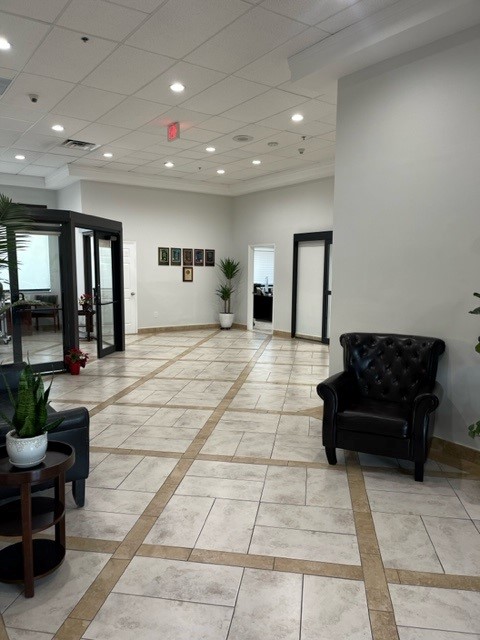
How is Miami Shores Nursing And Rehab Center Staffed?

CMS rates MIAMI SHORES NURSING AND REHAB CENTER's staffing level at 4 out of 5 stars, which is above average compared to other nursing homes. Staff turnover is 34%, compared to the Florida average of 46%. This relatively stable workforce can support continuity of care.

What Have Inspectors Found at Miami Shores Nursing And Rehab Center?

State health inspectors documented 23 deficiencies at MIAMI SHORES NURSING AND REHAB CENTER during 2022 to 2025. These included: 23 with potential for harm.
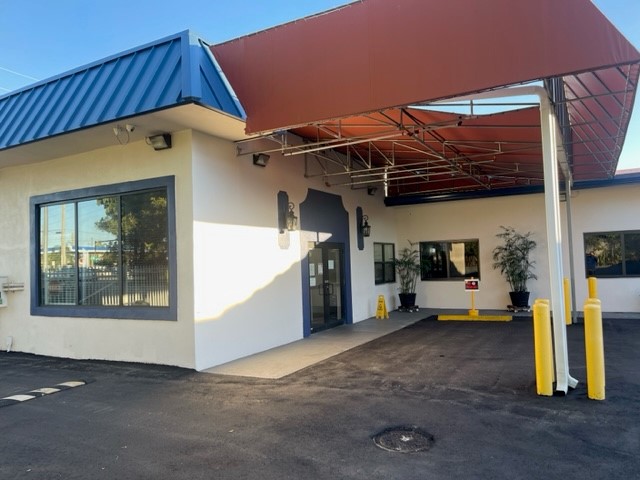
Who Owns and Operates Miami Shores Nursing And Rehab Center?

MIAMI SHORES NURSING AND REHAB CENTER is owned by a for-profit company. For-profit facilities operate as businesses with obligations to shareholders or private owners. The facility operates independently rather than as part of a larger chain. With 99 certified beds and approximately 90 residents (about 91% occupancy), it is a smaller facility located in MIAMI, Florida.

How Does Miami Shores Nursing And Rehab Center Compare to Other Florida Nursing Homes?

Compared to the 100 nursing homes in Florida, MIAMI SHORES NURSING AND REHAB CENTER's overall rating (2 stars) is below the state average of 3.2, staff turnover (34%) is significantly lower than the state average of 46%, and health inspection rating (2 stars) is below the national benchmark.

What Should Families Ask When Visiting Miami Shores Nursing And Rehab Center?

Based on this facility's data, families visiting should ask: "Can I visit during a mealtime to observe dining assistance and food quality?" "How do you handle medical emergencies, and what is your hospital transfer rate?" "Can I speak with family members of current residents about their experience?"

Is Miami Shores Nursing And Rehab Center Safe?

Based on CMS inspection data, MIAMI SHORES NURSING AND REHAB CENTER has a clean safety record: no substantiated abuse findings (meaning no confirmed cases of resident harm), no Immediate Jeopardy citations (the most serious violation level indicating risk of serious injury or death), and is not on the Special Focus Facility watch list (a federal program monitoring the lowest-performing 1% of nursing homes). The facility has a 2-star overall rating and ranks #100 of 100 nursing homes in Florida. While no facility is perfect, families should still ask about staff-to-resident ratios and recent inspection results during their visit.

Do Nurses at Miami Shores Nursing And Rehab Center Stick Around?

MIAMI SHORES NURSING AND REHAB CENTER has a staff turnover rate of 34%, which is about average for Florida nursing homes (state average: 46%). Moderate turnover is common in nursing homes, but families should still ask about staff tenure and how the facility maintains care continuity when employees leave.

Was Miami Shores Nursing And Rehab Center Ever Fined?

MIAMI SHORES NURSING AND REHAB CENTER has no federal fines on record. CMS issues fines when nursing homes fail to meet care standards or don't correct problems found during inspections. The absence of fines suggests the facility has either maintained compliance or corrected any issues before penalties were assessed. This is a positive indicator, though families should still review recent inspection reports for the full picture.

Is Miami Shores Nursing And Rehab Center on Any Federal Watch List?

MIAMI SHORES NURSING AND REHAB CENTER is not on any federal watch list. The most significant is the Special Focus Facility (SFF) program, which identifies the bottom 1% of nursing homes nationally based on persistent, serious quality problems. Not being on this list means the facility has avoided the pattern of deficiencies that triggers enhanced federal oversight. This is a positive indicator, though families should still review the facility's inspection history directly.