PALACE AT KENDALL NURSING AND REHABILITATION CENTE
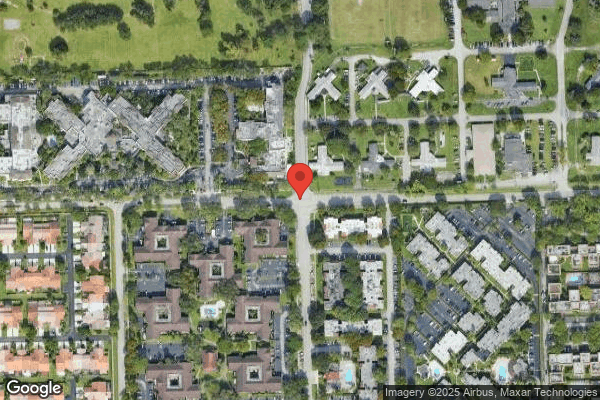

11215 SW 84TH STREET, MIAMI, FL 33173 (305) 271-2225
For profit - Partnership 180 Beds Independent Data: November 2025
Trust Grade
90/100
#85 of 690 in FL
Last Inspection: October 2024

Within standard 12-15 month inspection cycle. Federal law requires annual inspections.

Overview

The Palace at Kendall Nursing and Rehabilitation Center has received an impressive Trust Grade of A, indicating an excellent reputation and high recommendations. It ranks #85 out of 690 facilities in Florida, placing it in the top half of the state, and #12 out of 54 in Miami-Dade County, suggesting that there are only a few local options that might be better. The facility's trend is stable, with 4 issues reported in both 2023 and 2024, and it has maintained a strong staffing rating with a 33% turnover rate, which is lower than the state average. Notably, the facility has not incurred any fines, which is a positive sign regarding compliance, and it offers more RN coverage than 91% of Florida facilities, ensuring that residents receive attentive care. However, there are some concerns raised in recent inspections. The facility failed to follow infection control procedures for six residents receiving enteral feedings, leaving feeding tube connectors uncapped when not in use. Additionally, a resident with a seizure disorder had a care plan that was not updated to reflect the required use of side rails, and another resident had an undated dressing on their face, indicating lapses in care. While there are strengths in staffing and compliance, these specific incidents highlight areas that need improvement.

Trust Score
A
90/100
In Florida
#85/690
Top 12%
Safety Record
Low Risk
No red flags
Inspections
Holding Steady
4 → 4 violations
Staff Stability
○ Average
33% turnover. Near Florida's 48% average. Typical for the industry.
Penalties
✓ Good
No fines on record. Clean compliance history, better than most Florida facilities.
Skilled Nurses
✓ Good
Each resident gets 73 minutes of Registered Nurse (RN) attention daily — more than 97% of Florida nursing homes. RNs are the most trained staff who catch health problems before they become serious.
Violations
○ Average
8 deficiencies on record. Average for a facility this size. Mostly minor or procedural issues.
★★★★★
5.0
Overall Rating
★★★★☆
4.0
Staff Levels
★★★★★
5.0
Care Quality
★★★★☆
4.0
Inspection Score
Stable
2023: 4 issues
2024: 4 issues

The Good

  • 4-Star Staffing Rating · Above-average nurse staffing levels
  • 5-Star Quality Measures · Strong clinical quality outcomes
  • Full Sprinkler Coverage · Fire safety systems throughout facility
  • No fines on record
  • Staff turnover below average (33%)

    15 points below Florida average of 48%

Facility shows strength in staffing levels, quality measures, fire safety.

The Bad

Staff Turnover: 33%

13pts below Florida avg (46%)

Typical for the industry

The Ugly 8 deficiencies on record

Oct 2024 4 deficiencies
CONCERN (D)

Potential for Harm - no one hurt, but risky conditions existed

Deficiency F0657 (Tag F0657)

Could have caused harm · This affected 1 resident

Based on observation, record review and interviews, the facility failed to update a side rails care plan for one resident with a seizure disorder (#109) out of 18 residents with padded assist rails as...

Read full inspector narrative →
Based on observation, record review and interviews, the facility failed to update a side rails care plan for one resident with a seizure disorder (#109) out of 18 residents with padded assist rails as evidenced by a physician's order for Resident #109 with directions to keep both side rails in the up position and a care plan with interventions that included side rails to be in the down position. There were 171 residents residing in the facility at the time of survey. The findings included: On 9/30/24 at 10:25 AM Resident #109 was observed in bed with eyes open, holding a toy. Two quarter length side rails observed in the up position. The right-side rail had a blue padding attached and the left side rail had no padding. A padding was noted on the recliner near the resident. Record review of a demographic sheet for Resident #109 revealed an admission date of 5/2/24 with diagnosis that included but not limited to: seizures, psychotic disturbance, anxiety disorder restlessness and agitation. Record review of a Significant Change in Status Minimum Data Set (MDS) with a reference date of 9/5/24 Section C (Cognitive Status) revealed a Brief Interview for Mental was undetermined and Section GG (functional status) revealed Resident#109 was dependent on staff for all Activities of Daily Living. Record review of a May 2024 physicians order sheet revealed an order for two assist rails up (in place) due to (Seizure precautions with padding) every shift every day. Record review of a Potential for injury due to seizure disorder care plan initiated on 9/12/2024 with a goal to not sustain any injury related to seizure disorder thru next review date revealed interventions that included: two assist side rails down, horizontal, with padding to rails as prescribed. On 10/03/24 at 1:33 PM; Staff D, Registered Nurse (RN) was asked to explain why the interventions for the side rails in the care plan differ from the orders,; Staff D stated: The nurses will follow the physician's order. We create the care plan according to the physician's order. The interventions are always resident specific. On 10/03/24 at 2:39 PM, the Director of Nursing (DON) was informed by surveyor about the difference in the care plan interventions for Resident #109's side rails and the physician's order. The DON replied, The reason the interventions do not match the order is because The MDS nurse used the old template for the seizure disorder care plan and the new template should have been used. There is a positioning device log that is used by staff and updated each morning to show all the residents with side rails and how they should be positioned. Record review of a Policy entitled, Care Planning effective date: 7/12 last revision date: January 7, 2017, last reviewed date: January 24, 2014. Policy: The facility develops and implements a plan of care for each resident to ensure they receive personalized, high-quality care that meets their individualized needs and preferences, while promoting dignity, independence, and quality of life.
CONCERN (D)

Potential for Harm - no one hurt, but risky conditions existed

Quality of Care (Tag F0684)

Could have caused harm · This affected 1 resident

Based on observations, interviews and record review the facility failed to ensure one resident (Resident #137) out of two sampled residents receive quality of care and treatment in accordance with pro...

Read full inspector narrative →
Based on observations, interviews and record review the facility failed to ensure one resident (Resident #137) out of two sampled residents receive quality of care and treatment in accordance with professional standards as evidenced by observations of an undated dressing on the left side of Resident #137's face. The findings included: On 09/30/24 at 10:14 AM two surveyors observed Resident #137 in bed with a dressing on the left side of Resident #137's face that also covered the left ear with no date. On 10/01/24 at 9:49 AM two surveyors observed Resident#137 in bed with a dressing on the left side of Resident #137's face that also covered the left ear with no date. Record review of the demographic sheet for Resident#137 revealed an admission date of 7/15/2022 with diagnosis that included: Other specified disorders of left ear with left ear skin lesion and changes in skin texture. Record review of a Significant Change in Status Minimum Data Set (MDS) with a reference date of 7/15/2024 Section C (Cognitive Status) revealed a Brief Interview for Mental Status (BIMS) score of 7 on a scale of 00-15, indicated moderate cognitive impairment. Section GG (Functional status) revealed Resident#137 required set up clean assistance for eating and personal hygiene, substantial/maximal assistance for shower/bathe and was dependent for toileting and transfers. Section I (Active diagnosis) revealed diagnosis of Basal Cell Carcinoma of skin of left ear and external auricular canal. Section M (Skin conditions) revealed Resident #137 received application of non-surgical dressings with or without topical medications other than to feet and application of ointments/medications other than to feet. Record review of an Impaired skin integrity due to Basal Cell Carcinoma to left ear care plan for initiated on 7/23/24 with goals that included: lesion to left ear will decrease in size without signs and symptoms of infection through next review date revealed interventions that included: Staff to assess surgical site and inform the physician for any signs of infection. Apply gauze and secure with tape to top left ear as prescribed. Record review of a physician's order sheet revealed orders dated 6/11/24 directions: clean very gently left ear skin lesion with normal saline, pat dry, apply gauze, secure with tape every day and as needed and 7/08/24 for Acetaminophen 500 milligrams (mg) tablet give two tablets by mouth once a day 30 minutes before skin treatment of the left ear for pain. On 10/02/24 at 3:22 PM Staff B, Registered Nurse (RN) unit manager for the third floor stated, Each time the nurses change a dressing the new bandage should be dated to determine the last date it was changed. The only reason it should not be dated is if the dressing temporarily placed until a nurse can do a proper dressing change and date it. The dressing change for [Resident#137] should be done on the day shift. On 10/03/24 at 2:49 PM, the Director of Nursing (DON) stated, When a bandage is changed the date is changed at that time and should be written on the bandage to indicate the last date of change and by whom it was changed. Record review of Policy entitled, Person Centered Quality of Care effective date: July 29, 2012, last revision date: August 10, 2014 last review date: January 7, 2024 Policy: The facility embraces, supports and has adopted a person-centered approach to care, services and treatment. The facilities identify and provide needed care and services that are resident centered, in accordance with the residents'' preferences, goals for care and professional standards of practice that will meet each resident's physical, mental, and psychosocial needs.
CONCERN (D)

Potential for Harm - no one hurt, but risky conditions existed

Accident Prevention (Tag F0689)

Could have caused harm · This affected 1 resident

Based on observation, record review and interviews, the facility failed to provide an environment free from potential safety hazards for one resident (R#109) out of out of 18 residents with padded ass...

Read full inspector narrative →
Based on observation, record review and interviews, the facility failed to provide an environment free from potential safety hazards for one resident (R#109) out of out of 18 residents with padded assist rails as evidenced by observations of two quarter side rails in the up position and one was without padding. The findings included: On 9/30/24 at 10:25 AM Resident #109 was observed in bed with eyes open, holding a toy. Two quarter length side rails observed in the up position. The right-side rail had a blue padding attached and the left side rail had no padding. There was a padding on the recliner near the resident. (see photos) On 10/01/24 at 8:57 AM, Resident #109 was observed in bed, two quarter side rails noted in the up position. The left sided rail had no padding. There was a padding on the recliner near the resident. (see photos) Record review of a demographic sheet for Resident #109 revealed an admission date of 5/2/24 with diagnosis that included: Seizure. Record review of a Significant Change in Status Minimum Data Set (MDS) with a reference date of 9/5/24 Section C (Cognitive Status) revealed a Brief Interview for Mental was undetermined and Section GG (functional status) revealed Resident#109 was dependent on staff for all Activities of Daily Living. Review of a May 2024 physicians order sheet revealed an order for two assist rails up (in place) due to (seizure precautions) with padding every shift every day. Record review of a Potential for injury due to seizure disorder care plan initiated on 9/12/2024 with a goal to not sustain any injury related to seizure disorder thru Next review date revealed interventions that included: two assist side rails down, horizontal, with padding to rails as prescribed. On 10/03/24 at 12:14 PM; Staff B, Registered Nurse (RN) Unit Manager for the third floor was notified by surveyor of the observations and asked what is the order for Resident #109's side rails. Staff B, RN revealed, Resident #109 is ordered to have two padded side rails in the up position for seizure precaution to prevent injury. Upon admission if a resident has a history of seizure an order for side rails to be padded is received. All staff are responsible for ensuring the side rails are in the up position and padded by doing rounds. The only reason the padding would be removed is for hygiene care and it should be replaced. On 10/03/24 at 12:29 PM Staff C, RN stated, The side rails for [Resident#109] are to be kept in the up position with padding for seizure precautions. I monitor the side rails to make sure they are in the correct position by doing rounds. Padding should be in place at all times. On 10/03/24 at 12:35 PM Staff E, Certified Nursing Assistant (CNA) (translated by ADON) when asked about the positioning of the side rails for Resident#109; Staff E stated, I am the CNA assigned to [Resident#109]. I am aware of the need for the side rails to be up and padded for safety measures. I am made aware of the interventions by the nurses during line up to inform every morning and rounds. On 10/03/24 at 2:39 PM The Director of Nursing was informed by surveyor a concern of no padding on one side rail and the positioning of the side rail for Resident#109 and the DON revealed, there is a positioning device log that is used by staff and updated each morning to show all the residents with side rails and how they should be positioned. The purpose of padding the siderail is an extra measure to protect against trauma and friction for involuntary movements. If a resident has an order for side rails in the up position with padding. The padding should be on at all times while the resident is in bed, except during hygiene care and repositioning and it should be replaced; family are also educated to put it back in place if they remove it. Record review of Policy entitled, Safety Management Plan effective date: January 1, 2014 Last revision date: December 16, 2014 Last reviewed date: January 24, 2024 Policy: The Palace manages risks within the environment that has minimal physical hazards and therefore, reduces the risk of injury.
CONCERN (E)

Potential for Harm - no one hurt, but risky conditions existed

Infection Control (Tag F0880)

Could have caused harm · This affected multiple residents

**NOTE- TERMS IN BRACKETS HAVE BEEN EDITED TO PROTECT CONFIDENTIALITY** Based on observation, record review and interviews, the facility failed to follow infection control procedures and protocols for...

Read full inspector narrative →
**NOTE- TERMS IN BRACKETS HAVE BEEN EDITED TO PROTECT CONFIDENTIALITY** Based on observation, record review and interviews, the facility failed to follow infection control procedures and protocols for six residents (#73, #78, #14, #109, #115, #133) out of ten residents receiving enteral feedings as evidenced by observations of tube feeding connectors uncapped while feeding was not in progress. The findings include: During observation on 09/30/24 at 10:01 AM resident #73 was not in room; on the right side of the resident's bed A feeding bottle labeled [Formula Brand] was observed hanging on a pole, not in progress, and the connector tip was uncapped. Review of the medical records for Resident # 73 revealed the resident was admitted to the facility on [DATE]. Clinical diagnoses included but not limited to: Dysphagia, oropharyngeal phase. Review of the Physician's Orders Sheet (POS) for 10/01/2024 revealed the Resident #73 had orders that included but not limited to: [formula] at 50 milliliters per hour via PEG (Percutaneous endoscopic gastrostomy) x (times) 18 hours. Special Instructions: Off at 8:00 AM. On at 2:00 PM, Every Shift, Day shift - Off 8:00 AM, Day shift - On 02:00 PM. Flush peg tube with 15 ml of H2O every shift. Every Shift, Day shift 7:00 AM - 07:00 PM, Night shift 07:00 PM - 07:00 AM. PEG site care Q (each shift and PRN (as needed) Every Shift, Day shift 07:00 AM - 07:00 PM, Night shift 07:00 PM - 07:00 AM. Record review of Resident #73 's Significant Change Minimum Data Set (MDS) dated [DATE] revealed: Section C for Cognitive Patterns documented Brief Interview for Mental Status (BIMS) Score 0, on a 0-15 scale indicating the resident is severely cognitively impaired. Section GG (functional status) revealed Resident#73 is dependent on staff assistance for all ADLs (Activities of Daily Living. Review of Resident # 73's Care Plans Reference Date 01/13/2021 revealed the Resident is at risk for complications related to tube feeding such as aspiration, infection, intolerance to feeding, fluid overload/deficits, etc. Resident will tolerate tube feeding without signs/symptoms of complications or infections and will remain patent. On 9/30/24 at 10:35 AM Resident#14 was in bed with eyes closed, A feeding bottle labeled [Formula Brand] was observed hanging on a pole, not in progress, and the connector was uncapped. A connector cap was observed on the pole. (photo evidence) On 10/02/24 at 1:15 PM Resident #14 was in bed with eyes closed, A feeding bottle labeled [Formula brand]1.5 calorie was observed hanging on a pole, not in progress, and the connector was uncapped. A connector cap was observed on the pole. (see photo) Record review of demographic sheet for Resident #14 revealed an admission date of 8/25/14, readmission date of 7/3/24 with diagnosis that included: Encounter for attention to gastrostomy. Record review of an Annual Minimum Data Set (MDS) with a reference date of 08/05/2024 in revealed Section C (Cognitive Status) a Brief Interview for Mental Status (BIMS) score of 00 indicating severe cognitive impairment and section GG (functional status) resident was dependent for all Activities of daily living (ADL). Record review of a physician's order sheet for July 3, 2023 revealed orders for [Formula] calories via Percutaneous Gastronomy tube (PEG) at a rate of 60 milliliters per hour (ml/hr.) and auto flush water (H2O) via PEG at a rate of 45 ml/hr. for 20 hours every; the documented directions indicated: off at 10: 00 AM and on at 2:00 PM every day. Review of Care Plan initiated on 8/13/24 with a goal for Resident to tolerate tube feeding without nausea/vomiting, diarrhea, constipation or aspiration by next review revealed interventions that included: [Formula brand] calories via PEG at 60 ml/hr. for 20 hours and auto flush of H20 at 45 ml/hr. via peg tube for 20 hrs. Maintain and improve current weight and stay hydrated On 9/30/24 at 9:00 AM Resident #78 was observed in bed, the feeding bottle labeled [Formula brand] was hanging on pole next to bed. The feeding was not in progress, the tubing was suspended in the air with a connector piece that was uncapped. On 10/01/24 at 9:07 AM Resident #78 was observed in bed. The feeding was hanging on the pole and not in progress was the tubing suspended in the air uncapped. Record review of a demographic sheet for Resident #78 revealed resident was admitted to the facility on [DATE] with diagnosis that included: Gastrostomy status. Record review of a quarterly MDS with a reference date of 9/09/2024 Section C (Cognitive Status) revealed the BIMS score was undetermined, and Section GG (functional status) revealed Resident#78 was dependent on staff assistance for all ADLs. Record review of a Physician's order sheet for June 2024 revealed Resident #78 has orders for [Formula brand]feeding at a rate of 60 ml/hr. and an auto flush of H20 at a rate of 46 ml/hr. via PEG tube for 20 hrs. every shift on the day shift with directions to turn off at 10:00 AM and on at 2:00 PM every day. Record review of a maintain and improve current weight and stay hydrated care plan initiated on 6/18/24 with a goal to tolerate tube feeding without diarrhea revealed interventions included: [Formula brand] calorie feeing at a rate of 60 ml/hr. via PEG for 20 hrs and an auto flush of water at 46 ml/hr. via peg tube for 20 hrs. On 9/30/24 at 10:29 AM Resident #109 was observed in bed, A feeding bottle labeled [Formula brand] feeding hung on a pole, was not in progress, and the connector was without a cap. On 10/02/24 at 1:55 PM Resident #109 was observed in bed, A feeding bottle labeled [Formula brand] hanging on a pole, was not in progress, and the connector had no cap. Record review of demographic sheet for Resident #109 revealed an admission date of 5/2/24 with diagnosis that included: Gastro-esophageal reflux disease without Esophagitis. Record review of a Significant Change in Status MDS with a reference date of 9/5/24 Section C (Cognitive Status) revealed a BIMS score was undetermined, and Section GG (functional status) revealed Resident#109 was dependent on staff assistance for all ADLs. Record review of a physician's order sheet for May 2024 revealed orders for [Formula brand] at 60 ml/hr. via PEG and an auto flush of H20 at a rate of 46 ml/hr. via PEG tube for 20 hrs off at 10:00 AM and on at 2:00 PM every day. Record review of a at risk for Aspiration, GI, disturbances on care plan initiated on 9/12/2024 with a goal to tolerate tube feeding through NRD (Next Review Date) and tube feeding will remain patent without signs of infection revealed interventions included: Observe and report side effects and complication such as abdominal pain/ discomfort, constipation, diarrhea, aspiration, tube dysfunction, infection to Physician . On 9/30/24 at 10:40 am Resident #115 was observed in bed with oxygen in progress at 2 L/min, no distress observed. A feeding bottle labeled [Formula] was hanging on the pole next to bed and the connector was uncapped. On 10/01/24 at 8:59 AM Resident #115 was observed in bed with oxygen in progress at 2 L/min, no distress observed. A feeding bottle labeled [Formula] hanging on the pole next to bed and the connector was uncapped. Record review of demographic sheet for Resident #115 revealed an admission date of 2/5/22 and readmission date of 8/29/24 with diagnosis that included: Encounter for attention to gastrostomy. Record review of a MDS with a reference date of 9/10/24 Section C (Cognitive Status) revealed a BIMS score of 00, indicated severe cognitive impairment and Section GG (functional status) revealed resident was dependent on staff assistance for all ADLs Record review of a physician's order sheet for September 2024 revealed orders for Jevity 1.5 at 35 ml/hr. and auto flush of H2O at 45 ml/hr. for 20 hours every shift off at 10:00 AM and on at 2:00PM every shift every day off at 10:00 AM and on at 2:00 PM. Record review of an at risk for aspiration care plan initiated on 9/12/2024 with a goal for tube feeding site to remain patent without signs of infection through NRD revealed interventions included: Observe and report side effects and complication such as abdominal pain/ discomfort, constipation, diarrhea, aspiration, tube dysfunction, infection to Physician, check feeding tube placement patency every shift and as needed and tube feeding site care as prescribed by MD. On 9/30/24 at 3:13 PM Resident#133 was observed in bed, no distress noted. A feeding bottle of [Formula Brand] was hanging on a pole next to resident's bed not in progress, and the connector was not capped. On 10/01/24 at 9:11am Resident#133 was observed in bed, no distress noted. A feeding bottle of [Formula brand] was hanging on a pole next to resident's bed not in progress, and the connector was not capped. Record review of demographic sheet for Resident#133 revealed an admission date of 1/26/2022 and a readmission date of 7/25/24 with diagnosis that included: Encounter for attention to gastrostomy. Record review of a Significant Change in Status MDS with a reference date of 8/6/24 Section C (Cognitive Status) revealed a BIMS score was undetermined, and Section GG (functional status) revealed Resident#133 was dependent on staff for all ADLs. Record review of a maintain and improve current weight and stay hydrated care plan initiated on 6/18/24 with a goal to tolerate tube feeding without diarrhea revealed interventions that included: [Formula] at 70 ml/hr. via PEG x 20 hrs and Auto flush of H20 at 60 ml/hr. via peg tube x 20 hrs. On 10/02/24 at 1:56 PM Staff A, Registered Nurse (RN) observed attempting to re-connect the feeding tube for Resident #14. Staff A, RN did not clean the connector and was stopped by surveyor. Staff A, RN was asked if the connector should be capped while feeding is not in progress and cleaned before being attached to resident, and Staff A, RN replied, The cap is supposed to be covered by the connector while feeding is off. On 10/02/24 at 2:01 PM Staff A, RN was showed by surveyor the other residents (#73, #14, #78, R#109, R#115, #133) who had feeding tube with connectors uncapped. Staff A, RN stated, In this case I need to change the entire tubing and will do so now. On 10/02/24 at 3:17 PM Staff B, Registered Nurse (RN) stated, When the tubing system for a feeding is disconnected from the resident, the connector should be placed into the cap for infection control purposes. When the nurses are ready to reconnect, they should remove from the cap and reconnect. For the instance when the connector is suspended in the air uncapped, the nurse should change the line and then reconnect. On 10/03/24 at 2:46 PM The Director of Nursing (DON) stated, The night shift are responsible for setting up a new bottle and the day shift nurses reconnects the tubing. The connector should be capped while not in progress to prevent contamination. If a nurse finds it uncapped the whole system should be replaced. Record review of Policy entitled, Infection Control program effective date: July 29, 2014, Last revised date: January 2021 last review date: March 27, 2024. Policy: The facility has established and maintains an Infection Control Program designed to provide a safe, sanitary and comfortable environment and to help prevent the development and transmission of disease and infection.
May 2023 4 deficiencies
CONCERN (D)

Potential for Harm - no one hurt, but risky conditions existed

Deficiency F0561 (Tag F0561)

Could have caused harm · This affected 1 resident

**NOTE- TERMS IN BRACKETS HAVE BEEN EDITED TO PROTECT CONFIDENTIALITY** Based on observation, interview, and record review, the facility failed to ensure 1 out of 2 residents sampled for food preferen...

Read full inspector narrative →
**NOTE- TERMS IN BRACKETS HAVE BEEN EDITED TO PROTECT CONFIDENTIALITY** Based on observation, interview, and record review, the facility failed to ensure 1 out of 2 residents sampled for food preferences (Resident #702) was honored in his choice of food preferences during meal times. The facility had a census of 172 residents at the time of the survey. The findings included: Review of the facility's resident rights policy and procedures last reviewed January 13, 2023 revealed: The facility respect and honor resident rights. The facility informs residents about their rights and responsibilities upon admission. The facility respects the resident cultural, psychosocial, personal, and spiritual values, beliefs, and preferences, respects the resident rights to participate in decisions about his or her care, treatment, and services. Review of the facility's policy and procedures on resident food preferences revised on January 13, 2023 revealed: The purpose of the food preferences and assessment is to best meet resident's dietary needs, food habits, calorie intake, and quality of life. It also stated that Registered Dietitian interviews residents and/or care provider to assess resident's nutritional status and gather food preferences. Registered Dietitian updates kitchen software, meal tracker, according to residents' responses with likes, dislikes, substitutions, special instructions, refusal, and snacks are all updated in this system. Residents and/or care givers are able to update food preferences as needed on an ongoing basis. On 05/07/2023 at 09:20 AM, during an interview with Resident #702's private duty aide (PDA) #1 regarding Resident #702's food preference, the PDA stated that Resident #702 received bacon on his breakfast food tray, which is against the resident's food preferences. Observation on 05/07/2023 at 09:20 AM revealed Resident #702's breakfast tray had 1 pancake, 2 slices of bacon, a small cup of syrup, 2 pieces of stripped waffles, a cup of hot water, 1 packet of coffee decaf, 2 packets of Splenda, and a diet Ginger-Ale soda. Review of Resident #702's breakfast food tray cart for 05/07/2027 revealed the resident circled: Coffee Decaf, 2 packets of Splenda, 2 packets of Creamer, pancakes, cream of wheat, margarine, syrup (diet syrup). Review of Resident #702's medical record dated 04/27/2023 revealed that Resident #702 was admitted on [DATE]. Resident #702's medical record also revealed his religion preference is Judaism. Further review showed Resident #702's hospital medical record dated 04/27/2023 also revealed the resident's religion preference is Jewish. Review of Resident #702's Initial Nutrition Assessment, dietary Nutrition Risk assessment dated [DATE] revealed that Resident #702 is alert and oriented times 3 (AAOx3) and able to report food preferences at time of interview. Further review of Resident #702's updated initial nutrition assessment, the dietary nutrition risk assessment dated [DATE] revealed that Resident #702 is alert and oriented times 3 (AAOx3) and able to report food preferences at time of interview. Review of Resident #702's Minimum Data Set (MDS) dated [DATE] revealed that the Resident Brief interview for Mental Status Score was 15, indicating the resident is cognitively intact. Review of Resident #702's Interdisciplinary Care Plan dated 04/28/2023 showed: Resident personal food preferences will be honored through next review date; however, there was no mention on the resident's likes or dislikes of food. Review of Resident #702's nutritional food preferences revealed, No Concentrated Sweets (NCS), low fat low cholesterol diet, Fluid Rest. 1000 ml/day (milliliters/day) (780 ml diet, 220 ml NURS) No pork/chicken/ham/bacon . Turkey bacon ok. On 05/09/23 at 12:34 PM, during an interview with Resident #702's private duty aide (PDA) #2, PDA #2 stated, When he first came, they gave him pork when he first came; they fixed it. He doesn't eat bacon. On 05/10/23 at 12:14 PM, when asked Resident #702 if he eats bacon, Resident #702 replied, no pork, no chicken, no bacon pork, no bacon turkey, I'm Jewish. No bacon at all. On 05/10/23 at 12:19 PM, during an interview with Staff F, a Registered Dietitian regarding Resident #702's food preferences, Staff F stated, He follows kosher but not strict diet. He doesn't eat pork but eat turkey bacon. I talked to the daughter he doesn't eat chicken, but he can eat stew chicken. They have a selective menu, and they choose from that menu for the week. They can choose whatever they want to eat. On 05/10/23 at 12:30 PM, further interview with Resident #702 in front of the two Dietitians, Staff F and Staff G regarding his food preferences, Resident #702 stated that he does not want bacon at all. Resident #702 stated, No chicken bacon, no turkey bacon, no pork. On 05/10/23 at 12:33 PM Staff H, Certified Nursing Assistant for Resident #702 stated, He cannot eat pork, but he can eat chicken. When showed the food card from Resident #702's food tray during the lunch time, Staff H read it and stated, Oh!!!. Staff H was unaware that Resident #702 did not eat chicken and was also unaware if Resident #702's food preferences was related to his religion. On 05/10/23 at 12:37 PM, interview with Staff I, Resident #702's Registered Nurse (RN) revealed that she was aware that Resident #702 is Jewish. Staff I stated that when she receives the resident for the first time, she asked for the food preferences. Staff I then stated, I remember exactly for preferences for breakfast. I remember he asked for cut of cheese, fruits, and apple sauce. I don't remember exactly bacon. I know he always has a private aide, and the private aide always helps him get the food. The private aide is very aware of what he wants. I don't remember exactly if he eats the bacon. It was in the menu, basically they probably served him the bacon. If he as a Jewish person requested not to eat bacon, he is supposed not to have it in the menu. On 05/10/23 at 12:46 PM, when asked Staff J, RN Manager about receiving any complaint regarding Resident #702's food preferences, Staff J stated, Never, never. I never received any complaint from the family. After they received the food tray card, they reviewed it, and they went and corrected it. I guess they gonna have to go and update it.
CONCERN (D)

Potential for Harm - no one hurt, but risky conditions existed

Assessment Accuracy (Tag F0641)

Could have caused harm · This affected 1 resident

**NOTE- TERMS IN BRACKETS HAVE BEEN EDITED TO PROTECT CONFIDENTIALITY** Record review of Resident #195 revealed, the resident was admitted on [DATE] under Hospice. Medical diagnoses included but were ...

Read full inspector narrative →
**NOTE- TERMS IN BRACKETS HAVE BEEN EDITED TO PROTECT CONFIDENTIALITY** Record review of Resident #195 revealed, the resident was admitted on [DATE] under Hospice. Medical diagnoses included but were not limited to; heart failure, encounter for palliative care, acute embolism, and thrombosis of deep veins of bilateral lower extremity (03/15/2023), Status post thrombectomy (03/30/2023). The current Physician Orders included code status, Do Not Resuscitate. The Minimum Data Set, dated [DATE] for a significant change in Status. In Section C, the brief interview of mental status score was 12 meaning the resident was moderately impaired. In Section G, bed mobility was extensive assistance by one-person physical assist. Transfer was total dependent with two-person physical assistance. Eating was supervision with setup assistance. Toilet use was total dependent with one-person physical assistance. In Section O, while a resident, it stated that Resident #195 received no cancer treatments, no oxygen therapy, no for intravenous medications, transfusions, dialysis, hospice, isolation or quarantine. Resident #195 has been admitted under hospice since 7/15/22. In the care plan, Problem/Need documents, Resident #195 had a diagnosis of end stage heart failure. Receiving palliative care under hospice. Further decline is expected and unavoidable as end stage disease progresses. Date open 4/13/23. The goal stated, resident will have all psychosocial needs met by next review date. Interventions included were contact hospice and medical doctor regarding resident's status. Next review date 7/13/23. On 05/10/23 at 10:06 AM, in an interview with the MDS coordinators Staff A, Registered Nurse & Staff E, Registered Nurse. When asked Is the resident on hospice?, Has the resident been a resident here at the facility?. Staff A stated Yes, resident #195 is currently in hospice and has always been on hospice. I see that there this no check next to hospice care. I'll look into it, and I'll get back with you. On 05/10/23 at 11:00 AM, Staff A reports, We submitted a data entry error [5/10/23 10:19 AM] and here is correction page. Based on record review and interview, the facility failed to accurately code the Minimum Data Set (MDS) assessment for two (Resident #13, and Resident #195) out of 3 residents reviewed for resident assessments. As evidenced by inaccurate coding of MDS section O for Special Treatments, Procedures, and Programs. Oxygen therapy for Resident #13 and Hospice care for Resident #195. There were 172 residents residing in the facility at the time of this survey. The Findings Included: During observation on 05/07/23 at 09:00 AM, resident #13 was observed in the wheel chair eating breakfast, oxygen (02) was running via nasal canula (NC). On 05/08/23 at 08:24 AM, the resident was observed in bed asleep, the 02 was running at 2 liters per minute (LPM) via NC, the call light was on the bed. On 05/09/23 at 09:30 AM, the resident was observed in bed asleep, the 02 was running at the correct rate. Review of the medical records for Resident #13 revealed, the resident was admitted to the facility on [DATE]. Clinical diagnoses included but were not limited to: Palliative Care, Chronic obstructive pulmonary disease, unspecified and Shortness of breath. Review of the Physician's Orders Sheet for May 2023 revealed, Resident #13 had orders that included but were not limited to: 01/30/2023-oxygen (O2) @ at 2 Liters per minute (LPM) via NC continuously every Shift, Change Oxygen tubing and/or mask, and ensure equipment is functioning properly weekly and as needed once a day on Tuesdays and Ensure red Oxygen sign is in place outside the door of resident room at all times, while O2 tank/concentrator is in room every Shift. Record review of Resident # 13's Quarterly Minimum Data Set (MDS) dated [DATE] revealed: Section C for Cognitive Patterns documented Brief Interview for Mental Status Score (BIMS) is 4, indicating the resident is cognitively impaired. Section G for functional status documented the resident requires extensive assistance with one person assistance for Activities for Daily Living (ADLs). Section H for Bowel and Bladder documented Resident is always incontinent of bowel and bladder. Section J for Health Conditions documented Resident experienced no shortness of breath. Section K for Nutritional Status documented resident has no unknown weight loss/gain. Section N for Medications documented resident received diuretics and opioids in the last 7 days and Section O for Special Treatments, Procedures, and Programs documented resident received hospice care in the last 14 days, Oxygen therapy not coded. Record review of Resident #13 's Care Plans Dated 01/20/2023 revealed: Resident at risk for altered airway clearance related to Shortness of Breath. Interventions including: Oxygen via nasal canula as prescribed, ensure red Oxygen sign is in place outside the door of resident room at all times, while O2 tank/concentrator is in room, and change Oxygen tubing and/or mask, and ensure equipment is functioning properly weekly and as needed. Interview on 05/09/23 at 07:46 AM the Registered Nurse MDS (Staff A), when asked to check the orders to verify the resident is on continuous oxygen, Staff A confirmed the order, surveyor had Staff A check the last two Quarterly MDS's on record dated 04/24/23 and 02/01/2023, Section O for treatments, programs, and procedures. Staff A confirmed the resident was not coded for oxygen therapy on the two quarterly MDS assessments. Staff A stated she will look into what happened with the resident's MDS and get back to the surveyor. Interview on 05/09/23 at 10:55 AM Staff A stated, we looked at the resident's MDS, made the necessary corrections and resubmitted the MDS today. Received all documentation requested. Review of the facility's policy and procedures titled, Scope of Assessments and Re-assessments revision date 12/06/2021 states: The facility assesses and reassesses its residents according to applicable law/regulation and facility policy. Procedure 1-By the time all discipline-specific assessments and the MDS have been completed, the following information will be collected and documented: a. Current diagnosis, pertinent history, medication history, current medication, and current treatments.
CONCERN (D)

Potential for Harm - no one hurt, but risky conditions existed

Pharmacy Services (Tag F0755)

Could have caused harm · This affected 1 resident

**NOTE- TERMS IN BRACKETS HAVE BEEN EDITED TO PROTECT CONFIDENTIALITY** Based on observation, interview and record review, the facility failed to maintain an accurate receipt of administration of cont...

Read full inspector narrative →
**NOTE- TERMS IN BRACKETS HAVE BEEN EDITED TO PROTECT CONFIDENTIALITY** Based on observation, interview and record review, the facility failed to maintain an accurate receipt of administration of controlled medications and failed to store medications for 1 out of 5 carts checked. The findings included: On 05/09/23 at 11:22 AM, during an observation with Staff C, Licensed Practical (LPN) of cart number three on the third floor. A purple pill which was Levothyroxine 75 mg was found on the bottom of the drawer below the resident's medication blister packs. Staff C placed the medication in a drug buster container and shook the bottle. During the review of the controlled medication record book for resident #176's Hydrocodone 10-325 mg (milligram) tabs controlled medication record. The record bood documented there were 28 tablets remaining, but in the blister pack there were 27. Staff C corrected the sheet that it was 27 remaining. At 5/9/23 8:51 AM, Staff had given a Hydrocodone tab to resident #176. On 05/09/23 at 01:27 PM, during an interview with Staff C, LPN. Staff C was asked, What is the facility's policy and procedure regarding the controlled medication count? Staff C stated, Everyone knows that once the narcotic medication is given. The nurse must write down that it was given to the resident on the narcotic count sheet. It's unacceptable. I feel very bad that it has happened. On 05/10/23 at 11:08 AM, during an interview with Staff C, LPN. Staff C was asked, What in-services and educations were given to staff about controlled medications? Staff C stated, We do several in-services during the year for different topics including narcotics. They did an in-service with narcotics with everyone yesterday. They are on top of in-services for narcotics all the time. I have worked here for several years. When I give the narcotic, I immediately sign for it in the narcotic count sheet in narcotic book. In the in-service, I was told, when you take it out, you scan and sign out the narcotic out immediately. Make sure the amount remaining is the same in the blister pack. The supervisors and the nurses do an extra counting of narcotics during the day. This didn't have to happen. This error. On 05/10/23 at 10:45 AM, in an interview with Staff D, Registered Nurse, Unit Manager. When Staff D was asked, What is the facility's policy regarding controlled medications? Staff D stated, When you give the controlled medications, click on that medication in the electronic health record to sign for it, and administer it to the resident. On the narcotic sheet, sign that the medication is given. If you give the medication, you sign for it. We have 2 shifts. The narcotics are counted between oncoming/offgoing nurses. Record review for Resident #176 revealed, the resident was admitted on [DATE]. Medical diagnoses included encounter for palliative care and primary diagnosis of degenerative disease of nervous system. Hydrocodone-acetaminophen - Schedule II tablet. Dosage is 10-325 milligrams for 1 tablet and to be given orally two times a day for pain. In the Minimum Data Set, dated [DATE], brief interview of mental status is a 2 meaning severe cognitive impairment. In Section I, active diagnosis is Arthritis, Non-Alzheimer's Dementia, pressure ulcer of sacral region, stage 4 and osteoarthritis, unspecified site. In Section N, opioids were given in the last 7 days. In section O, hospice care and 3 days of active range of motion are ordered. In review of the Policies and Procedure titled, Narcotics: Control of Medication. Page 1 of 5. Effective 2017. Reviewed December 2022. In section, 4. Administration of Medication. When a medication is administered, the licensed nurse administering the medication enters the following information on the medication administration record (MAR) and accountability record for controlled substances. Date and time administration (MAR, accountability record), amount administered (MAR, accountability record), and remaining quantity (accountability record). Initials of the nurse administering the dose, completed after the medication is administered (MAR, accountability record).
CONCERN (D)

Potential for Harm - no one hurt, but risky conditions existed

Deficiency F0849 (Tag F0849)

Could have caused harm · This affected 1 resident

**NOTE- TERMS IN BRACKETS HAVE BEEN EDITED TO PROTECT CONFIDENTIALITY** Based on record review and interview, the facility failed to maintain communication with hospice to ensure continuation of care ...

Read full inspector narrative →
**NOTE- TERMS IN BRACKETS HAVE BEEN EDITED TO PROTECT CONFIDENTIALITY** Based on record review and interview, the facility failed to maintain communication with hospice to ensure continuation of care for 1 (Resident #7) out of 5 residents reviewed for hospice care, as evidenced by no updated hospice communication notes available in Resident #7's medical records. This had the potential to affect the 38 residents receiving hospice care in the facility at the time of this survey. The findings included: During Observation on 05/07/23 at 08:54 AM, Resident #7 was in bed being fed by a Certified Nursing Assistant, a unilateral floor mat was at the beside. On 05/08/23 at 08:24 AM, Resident #7 was in bed asleep, no distress was noted. On 05/09/23 at 12:04 PM, resident #7 was in bed awake watching Television, no distress was noted. Record review of the facility's hospice notes revealed, the most recent documentation available for Resident #7: was on 4/3/23-Focus visit plan completed, 4/5/23 -nursing comprehensive assessment was completed. Review of the medical records for Resident #7 revealed, the resident was admitted to the facility on [DATE]. Clinical diagnoses included but were not limited to: Do Not Resuscitate (DNR), Diet- No restrictions, Honey Thick, Pureed. Review of the Physician's Orders Sheet for May 2023 revealed, Resident #7 had orders that included but not limited to: Encounter for palliative care. Record review of Resident #7 's Quarterly Minimum Data Set (MDS) dated [DATE] revealed: Section C for Cognitive Patterns documented Resident's Brief Interview for Mental Status Score-unable to be determined. Section G for Functional Status documented resident is total dependence with two-persons assistance for Activities of Daily Living. Section H for Bowel and Bladder documented resident is -always incontinent of bowel and bladder. Section J for Health Conditions documented no shortness of breath and no schedule or as needed pain medications received in the last 5 days. Section K for Nutritional Status documented no unknown weight loss/ gain. Section N for Medications documented resident received anticoagulants and antibiotics in the last 7 days. Section O for Special Treatments, Procedures, and Programs documented resident received hospice care in the last 14 days. Record review of Resident # 7's Care Plans Reference Date 03/14/2023 revealed: Resident has a diagnosis of End Stage Cerebral Atherosclerosis, receiving Palliative care under hospice. Interventions up to and including: Contact Hospice and Physician regarding resident's status, discuss plan of care with all individuals concerned, provide palliative care and other modalities of treatment necessary as affirmed by individuals concerned. Review of the facility's hospice contract revealed on 10/10/2002-[Vi .] Hospice contract was signed with [Vi .] as general manager and facility's Chief Financial Officer. Interview on 05/09/23 at 08:10 AM with the Registered Nurse Unit 1 nursing Manager (Staff B) stated, hospice nurses come to the facility at least twice a week, the hospice staff sign in at the front desk, we communicate about the resident's care needs, the hospice staff leave their notes in the hospice binder located at the nurse's station. When a resident has to be placed on hospice initially, social services take care of coordinating the care with the hospice team. Surveyor and Staff B reviewed the hospice binder, the last nursing comprehensive assessment was completed on the resident on 04/05/2023, and on 4/3/23-last Focus visit plan completed. Interview on 05/09/23 at 08:21 AM with the Hospice Registered Nurse it was reported, right now we have about 38 residents here on hospice care, we have three (3) hospice nurses assigned to this facility and we come here almost every day, we leave our patient notes here almost every day, we complete the hospice notes, take it to the office, discuss the resident in our meetings, the physician signs, coordinate the care plan and then we bring a printed copy back to the facility. The notes get updated weekly-Tuesday to Tuesday. I will check with the hospice nurse that is assigned to this resident to see where the notes are. Review of the contract between [Vi .] Hospice and the facility documented the following: In section 2.10-facility shall prepare and maintain complete and detailed medical records for each hospice patient receiving inpatient services hereunder in accordance with prudent record keeping procedures and applicable laws, rules, and regulations. Facility personnel shall make a signed record entry each time any inpatient services are rendered. Such medical records shall include progress notes and clinical notes describing all inpatient services provided, and a copy of each hospice patient's plan of care. Review of the facility's policy titled, End of Life Care revision date May 3, 2015, states: End of life may include addressing the clinical, psychosocial, and spiritual concerns of the resident and their family or loved ones.
Understanding Severity Codes (click to expand)
Life-Threatening (Immediate Jeopardy)
J - Isolated K - Pattern L - Widespread
Actual Harm
G - Isolated H - Pattern I - Widespread
Potential for Harm
D - Isolated E - Pattern F - Widespread
No Harm (Minor)
A - Isolated B - Pattern C - Widespread

Questions to Ask on Your Visit

  • "Can I speak with families of current residents?"
  • "What's your RN coverage like on weekends and overnight?"

Our Honest Assessment

Strengths
  • • Grade A (90/100). Above average facility, better than most options in Florida.
  • • No major safety red flags. No abuse findings, life-threatening violations, or SFF status.
  • • No fines on record. Clean compliance history, better than most Florida facilities.
  • • 33% turnover. Below Florida's 48% average. Good staff retention means consistent care.
Concerns
  • • No significant concerns identified. This facility shows no red flags across CMS ratings, staff turnover, or federal penalties.
Bottom line: Generally positive indicators. Standard due diligence and a personal visit recommended.

About This Facility

What is Palace At Kendall Nursing And Rehabilitation Cente's CMS Rating?

CMS assigns PALACE AT KENDALL NURSING AND REHABILITATION CENTE an overall rating of 5 out of 5 stars, which is considered much above average nationally. Within Florida, this rating places the facility higher than 99% of the state's 100 nursing homes. This rating reflects solid performance across the metrics CMS uses to evaluate nursing home quality.

How is Palace At Kendall Nursing And Rehabilitation Cente Staffed?

CMS rates PALACE AT KENDALL NURSING AND REHABILITATION CENTE's staffing level at 4 out of 5 stars, which is above average compared to other nursing homes. Staff turnover is 33%, compared to the Florida average of 46%. This relatively stable workforce can support continuity of care.

What Have Inspectors Found at Palace At Kendall Nursing And Rehabilitation Cente?

State health inspectors documented 8 deficiencies at PALACE AT KENDALL NURSING AND REHABILITATION CENTE during 2023 to 2024. These included: 8 with potential for harm.

Who Owns and Operates Palace At Kendall Nursing And Rehabilitation Cente?

PALACE AT KENDALL NURSING AND REHABILITATION CENTE is owned by a for-profit company. For-profit facilities operate as businesses with obligations to shareholders or private owners. The facility operates independently rather than as part of a larger chain. With 180 certified beds and approximately 172 residents (about 96% occupancy), it is a mid-sized facility located in MIAMI, Florida.

How Does Palace At Kendall Nursing And Rehabilitation Cente Compare to Other Florida Nursing Homes?

Compared to the 100 nursing homes in Florida, PALACE AT KENDALL NURSING AND REHABILITATION CENTE's overall rating (5 stars) is above the state average of 3.2, staff turnover (33%) is significantly lower than the state average of 46%, and health inspection rating (4 stars) is above the national benchmark.

What Should Families Ask When Visiting Palace At Kendall Nursing And Rehabilitation Cente?

Based on this facility's data, families visiting should ask: "Can I visit during a mealtime to observe dining assistance and food quality?" "How do you handle medical emergencies, and what is your hospital transfer rate?" "Can I speak with family members of current residents about their experience?"

Is Palace At Kendall Nursing And Rehabilitation Cente Safe?

Based on CMS inspection data, PALACE AT KENDALL NURSING AND REHABILITATION CENTE has a clean safety record: no substantiated abuse findings (meaning no confirmed cases of resident harm), no Immediate Jeopardy citations (the most serious violation level indicating risk of serious injury or death), and is not on the Special Focus Facility watch list (a federal program monitoring the lowest-performing 1% of nursing homes). The facility has a 5-star overall rating and ranks #1 of 100 nursing homes in Florida. While no facility is perfect, families should still ask about staff-to-resident ratios and recent inspection results during their visit.

Do Nurses at Palace At Kendall Nursing And Rehabilitation Cente Stick Around?

PALACE AT KENDALL NURSING AND REHABILITATION CENTE has a staff turnover rate of 33%, which is about average for Florida nursing homes (state average: 46%). Moderate turnover is common in nursing homes, but families should still ask about staff tenure and how the facility maintains care continuity when employees leave.

Was Palace At Kendall Nursing And Rehabilitation Cente Ever Fined?

PALACE AT KENDALL NURSING AND REHABILITATION CENTE has no federal fines on record. CMS issues fines when nursing homes fail to meet care standards or don't correct problems found during inspections. The absence of fines suggests the facility has either maintained compliance or corrected any issues before penalties were assessed. This is a positive indicator, though families should still review recent inspection reports for the full picture.

Is Palace At Kendall Nursing And Rehabilitation Cente on Any Federal Watch List?

PALACE AT KENDALL NURSING AND REHABILITATION CENTE is not on any federal watch list. The most significant is the Special Focus Facility (SFF) program, which identifies the bottom 1% of nursing homes nationally based on persistent, serious quality problems. Not being on this list means the facility has avoided the pattern of deficiencies that triggers enhanced federal oversight. This is a positive indicator, though families should still review the facility's inspection history directly.