PALMETTO SUBACUTE CARE CENTER
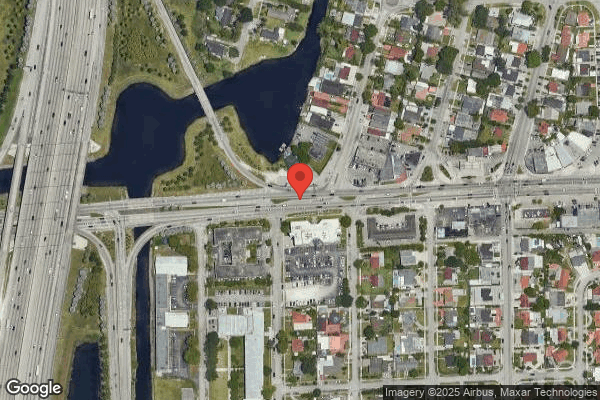
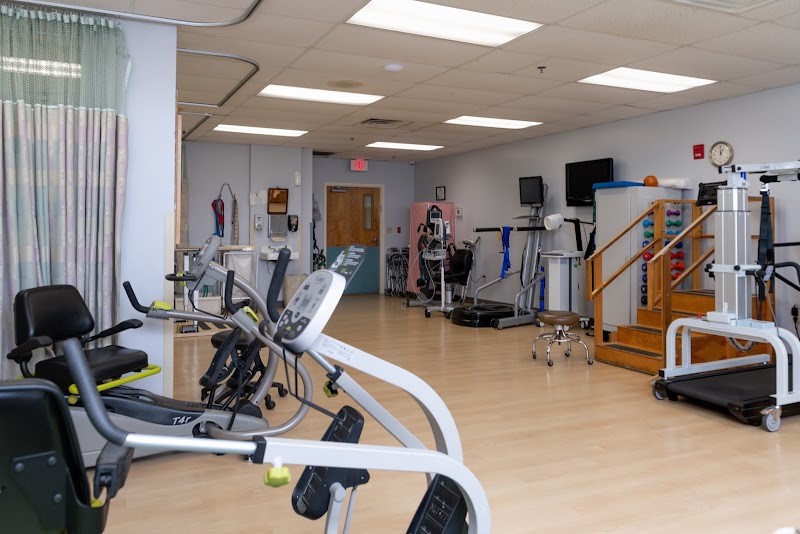
7600 SW 8TH STREET, MIAMI, FL 33144 (305) 261-2525
For profit - Corporation 95 Beds CARERITE CENTERS Data: November 2025
Trust Grade
78/100
#253 of 690 in FL
Last Inspection: December 2024

Within standard 12-15 month inspection cycle. Federal law requires annual inspections.

Overview

Palmetto Subacute Care Center has a Trust Grade of B, indicating it is a good choice, though there is room for improvement. It ranks #253 out of 690 facilities in Florida, placing it in the top half, and #29 out of 54 in Miami-Dade County, meaning only a few local options are better. The facility is on an improving trend, reducing issues from four in 2024 to just one in 2025, and boasts strong staffing with a 4/5 star rating and a low turnover rate of 25%, much better than the state average. However, there were some concerning incidents; for example, expired disinfectant wipes were found, and one resident was able to leave the facility undetected, highlighting potential lapses in safety protocols. On a positive note, Palmetto Subacute has no fines on record and offers more RN coverage than 95% of Florida facilities, which is a significant strength for resident care.

Trust Score
B
78/100
In Florida
#253/690
Top 36%
Safety Record
Low Risk
No red flags
Inspections
Getting Better
4 → 1 violations
Staff Stability
✓ Good
25% annual turnover. Excellent stability, 23 points below Florida's 48% average. Staff who stay learn residents' needs.
Penalties
✓ Good
No fines on record. Clean compliance history, better than most Florida facilities.
Skilled Nurses
✓ Good
Each resident gets 76 minutes of Registered Nurse (RN) attention daily — more than 97% of Florida nursing homes. RNs are the most trained staff who catch health problems before they become serious.
Violations
⚠ Watch
13 deficiencies on record. Higher than average. Multiple issues found across inspections.
★★★★☆
4.0
Overall Rating
★★★★☆
4.0
Staff Levels
★★★★☆
4.0
Care Quality
★★★★☆
4.0
Inspection Score
Stable
2024: 4 issues
2025: 1 issues

The Good

  • 4-Star Staffing Rating · Above-average nurse staffing levels
  • 4-Star Quality Measures · Strong clinical quality outcomes
  • Low Staff Turnover (25%) · Staff stability means consistent care
  • Full Sprinkler Coverage · Fire safety systems throughout facility
  • No fines on record
  • Staff turnover is low (25%)

    23 points below Florida average of 48%

Facility shows strength in staffing levels, quality measures, staff retention, fire safety.

The Bad

Chain: CARERITE CENTERS

Part of a multi-facility chain

Ask about local staffing decisions and management

The Ugly 13 deficiencies on record

May 2025 1 deficiency
CONCERN (D) 📢 Someone Reported This

A family member, employee, or ombudsman was alarmed enough to file a formal complaint

Potential for Harm - no one hurt, but risky conditions existed

Accident Prevention (Tag F0689)

Could have caused harm · This affected 1 resident

**NOTE- TERMS IN BRACKETS HAVE BEEN EDITED TO PROTECT CONFIDENTIALITY** Based on observation, interview and record review, the facility failed to provide adequate supervision for one (Resident #1) out...

Read full inspector narrative →
**NOTE- TERMS IN BRACKETS HAVE BEEN EDITED TO PROTECT CONFIDENTIALITY** Based on observation, interview and record review, the facility failed to provide adequate supervision for one (Resident #1) out of three residents sampled for elopement. to ensure Resident #1's safety as evidenced by On 03/03/2025 Resident #1 a vulnerable resident left the facility undetected through the first floor's exit door and walked seven to eight blocks to his home. There were 93 residents residing in the facility at the time of the survey. The findings included: Review of the facility policy titled wandering Elopements dated 01/28/25 indicate: The facility will identify residents who are at risk of unsafe wandering and strive to prevent harm while maintaining the least restrictive environment for residents. Policy Interpretation and Implementation: 1. If identified as at risk for wandering, elopement, or other safety issues, the resident's care plan will include strategies and interventions to maintain the resident's safety. Review of the facility policy and procedure titled accidents and Incidents-Investigating and Reporting dated 01/28/25 states: All accidents or incidents involving residents, employees, visitors, vendors, etc., occurring on our premises shall be investigated and reported to the administrator. Record review of the Abuse/Neglect Log from January 2025 to May 2025 documented the incident occurred on 03/03/25 at 07:54 PM. Record review of the Incident note on 03/03/25 timestamped 20:30 (8:30 PM) documented: At approximately 7:50 PM, assigned Licensed Practical Nurse (Staff A) received a phone call from the resident's wife who informed him that the resident just called her and stated he wants to go home and does not want to remain at facility. Staff A informed wife that he saw the resident five (5) minutes ago but would go immediately to check on him. Staff A went to the resident's room and the resident was not there. Staff on the unit informed Staff A that they saw the resident ambulating towards the North Unit. Staff A went to the North Unit, checked all areas but did not locate the resident. Staff A notified Staff B, Registered Nurse (RN), Supervisor and Code Silver was initiated immediately. The resident's wife, Physician (MD), Administrator (NHA), and Director of Nursing (DON) were notified. Facility was checked inside and surrounding property; staff drove cars around surrounding streets. The resident was not located, RN Supervisor (Staff B) notified the local police department. A few minutes later, the resident's daughter arrived at the facility and stated that wife informed her resident walked home (8 blocks from facility). Stated he was fine but wanted to be home. Daughter wanted to collect his belongings and have him discharged . MD stated he may be discharged Against Medical Advice (AMA). The resident's daughter signed the resident out AMA. The local Police were canceled. RN supervisor (Staff B) informed daughter to contact facility in the morning to speak with Social Worker for referrals for home care and/or for prescriptions. Daughter stated that the family was aware of caring for him at home with a [indwelling urinary catheter] and they did not require anything from the facility, but if they did, the wife would call the next day. Daughter signed the resident out AMA. All belongings were sent with the resident's daughter. Review of the medical records for Resident #1 revealed the resident was admitted to the facility on [DATE]. Clinical diagnoses included but not limited to: Elevated white blood cell count, Retention of urine, Benign Prostatic Hyperplasia with lower urinary tract symptoms, Dementia, unspecified severity, without behavioral disturbance, psychotic disturbance, mood disturbance, and anxiety, Major Depressive Disorder, Unspecified Psychosis not due to a substance or known physiological condition. Resident #1 was discharged from the facility AMA on 03/03/25. Review of Resident #1's Physician's Orders Sheet for March 2025 orders included but not limited to: Resident discharged AMA 03/03/25 at 8:30 PM. Trazodone oral tablet 50 milligram (mg) tablet by mouth at bedtime for insomnia; Quetiapine Fumarate Tablet 25 mg tablet by mouth at bedtime for Psychosis; Donepezil Oral Tablet 10 tablet by mouth at bedtime for Alzheimer's and Buspirone Oral Tablet 5 mg mouth two times a day for anxiety. Record review of Resident #1 's admission and Discharge Return Not Anticipated Minimum Data Set (MDS) dated [DATE], 03/03/25 revealed: Section C for Cognitive Patterns documented Brief Interview for Mental Status Score-unable to determine. Section E for Behaviors documented no behaviors exhibited. Section GG for Functional Abilities documented partial assistance to Walk 10 feet: Once standing, the ability to walk at least 10 feet in a room, corridor, or similar space. Section H for Bowel and Bladder documented Indwelling catheter, always continent of bowel. Section J for Health Conditions documented no falls, no shortness of breath. Section N for Medications documented the resident was receiving antipsychotic, antidepressant, antianxiety, antibiotic and Antiplatelet medications. Record review of Resident #1's Care Plans Reference Date 03/03/25 revealed: Resident displays or report the following: Feeling down, depressed, hopeless easily annoyed and/or short-tempered Fidgety or restless, tired, sleep disturbance Diagnosis of anxiety, diagnosis of depression, on psychoactive medications. Date Initiated: 03/03/2025 Revision on: 03/03/2025. Resident will demonstrate improved mood through the next review date. Interventions include-Administer psychotropic meds as ordered, encourage family involvement, Provide support and reassurance, Psychological Consult. Interview on 05/28/25 at 7:28 AM, the Director of Nursing (DON) stated [Resident #1] was alert and oriented x 3 to person, place and situation, I met with the resident on 03/03/25 in the morning, he was a new admission from the weekend and that is our protocol. In addition, I interviewed the resident about his [indwelling urinary catheter], I wanted to get information pertaining to how long he had the [indwelling catheter] his care needs. The resident stated he had the [indwelling urinary catheter] since October of last year, the [indwelling urinary catheter] came out at home, and he had to go to the hospital to have it re-inserted. The resident was admitted to the facility on antibiotics. The resident and I had a lengthy discussion, he requested the facility reach out to his neurologist to find out about the timeline of him having to use the [indwelling urinary catheter]. Based on his records I reviewed before meeting with the resident he had some neurological and psychiatric diagnosis and was on a very small dose of psychotic medication. On 3/3/25 around dinner time, the resident's wife called the facility and spoke with Staff A, Licensed Practical Nurse (LPN). The resident's wife stated her husband wanted to go home and she was going to send her daughter to sign the resident out Against Medical Advice (AMA). LPN (Staff A) after speaking with the resident's wife, went to look for the resident, the resident could not be located on the unit, all the rooms on the unit were checked, a Code Silver Alert was initiated. The staff present at the facility at the time completed a head count of all the residents and started looking for [Resident #1] in the building and outside of the building in the neighborhood .Approximately 20 minutes later the resident's daughter showed up to the facility and stated The resident was at home, he walked home, the resident's house is 7-8 blocks from the facility. The daughter signed the resident out AMA and collected his personal belongings. The local police department, AHCA (Agency for Health Care Administration) and DCF (Department of Children and Families) were contacted. We have a video of the resident exiting the building with some other visitors that were leaving the facility. The resident's room was on the south unit on the second floor [Room number] it is a private room. The resident walked north to the elevator, got on, went to the ground floor and exited to the parking lot with a group of visitors that were leaving. There was a receptionist at the front desk helping other guests at the time. Visitors must be let in and out via the electronic door opener system. The resident was ambulatory, had the [indwelling urinary catheter] hanging from his waist when he exited the facility. We completed an elopement risk assessment for all the residents; we have an elopement book at all the nurses' station and at the reception desk. The elopement book contains the list of residents at risk for elopement, location of their [Wander Alert System], a photo, and resident identification information. Education was completed for all staff on elopement risk, code silver alert, and leave of absence. The residents that are identified as at risk for elopement [Wander Alert System] are checked for placement and functionality every shift by the nursing staff. The [Wander Alert System] is checked weekly to ensure it is working correctly. The system is checked by placing a close to all the exits doors to ensure the alarm is working and the actual [Wander Alert System] is checked for functionality also. Elopement drills were conducted on 03/10/25 and 03/11/25 two times per day with all staff. A resident was hidden, a code silver alert was called, and the staff had to follow the elopement risk procedure to find the resident. The resident council president volunteered to be the hidden/lost resident. Interview via telephone on 05/29/25 at 9:10 AM, Staff A, LPN stated: I was assigned to the resident in the evening of 03/03/25, when I started my shift the resident expressed that he wanted to go home, I called and spoke to the resident's wife, and told her the resident was really agitated and wanted to go home, she stated she was going to send her daughter to pick him up, after speaking with the resident's wife I went to go look for the resident, I could not find him. I called the RN supervisor (Staff B) on duty and told her I could not find the resident, [Staff B] called a code silver alert, and we started looking for the resident everywhere in all the rooms in the facility,outside of the facility and in the neighborhood; 20 minutes later the resident's daughter called the facility, spoke with [Staff B] and stated,my dad is home. A a few minutes later the daughter came to the facility and collected his belongings and signed the resident out AMA. The resident and his family live close to the facility in the neighborhood. I then wrote up my notes of what happened. Interview on 05/29/25 at 9:23 AM, RN Supervisor (Staff B) stated: On 03/03/25 around 8:00 PM the LPN (Staff A) came to me in the office and reported that [Resident #1] was missing, the wife called him and stated the resident called her and stated he wanted to leave the facility because he did not want to stay and did not think he belonged at the facility. After [Staff A] spoke to the resident's wife he went to look for the resident and could not find him on the unit. I immediately called Code Silver through the entire building, all the staff started looking for [Resident #1]. During the search, I called the resident's wife to let her know [Resident #1] was missing, the wife stated she already called her daughter to come pick the resident up. I notified the DON and the police department. When I was on the phone with the police department, the daughter arrived at the facility and stated her father was at home. The daughter arrived at the facility approximately 20 minutes after we started looking for the resident. The daughter stated she was at the facility to pick up the resident's belongings and sign the AMA paperwork. I spoke with the resident's daughter about arranging home health and rehabilitation services, she stated we can talk in the morning about that. The next day I called the resident's wife to see how the resident was doing and discuss the services that he would need, she did not answer the phone. Interview on 05/29/25 at 9:53 AM via telephone with Spanish translator, Certified Nursing Assistant CNA (Staff C) stated: I was the CNA assigned to [Resident # 1] on 03/03/25 in the evening, I gave the resident a bath then left him in the room, I went to take care of another resident, later as I was walking by the room, the resident was standing in the room on the phone, I heard him saying he did not want to be at the facility, later I went back to the resident's room he was still standing talking on the phone and I ask him to please sit down in his chair. Later during my shift, I saw the LPN (Staff A) coming out of the resident's room and he asked me if I had seen the resident, I stated no and started to help look for the resident all over the building. As we were looking for the resident, after 20 minutes the resident's daughter came to the facility and stated, the resident was home, and she is here to pick up his stuff. We were all relieved that the resident was safe. Interview on 05/29/25 at 10:20 AM, the Administrator (NHA) stated: On 03/03/25 I was informed about a missing resident at the facility, I was at home on medical leave, I checked the facility's camera and was able to establish a timeline of the resident leaving the facility. The camera showed the resident's room door was closed at 17:52:29 (5:52:29 PM), at 19:30 (7:30 PM ) resident's exits his room, closed the door, wearing white T-shirt and [NAME] shorts, [indwelling urinary catheter] clipped to shorts at the right side of waist, wearing sneakers, holding phone in left hand, walks to north unit on second floor, stops in the middle of hallway, turns around and goes to the other direction while talking on the phone, goes back and forth north to south unit, 19:55 (7:55 PM) arrives at elevator lobby, walks into elevator with visitor, walks out of the elevator on the first floor with the visitor talking to the phone and the visitor. Visitor waves at the receptionist to open door, resident walks out of the front door with the visitor, at the time other visitors were checking in at the receptionist's desk. At 19:58:25 (7:58:25 PM) on 03/03/25, [Staff A] hangs up the phone at 2nd floor south station, at 19:58:32 (7:58:32 PM) [Staff A] knocks on resident's closed door, enters the room, 19:58:43 (7:58:43 PM) [Staff A] leaves resident's room, goes to north unit on 2nd floor, then center stairwell, other staff starts looking for the resident. 19:55 (7:55 PM) wife called to let us know the resident wanted to leave, the resident walked out of the facility 30 seconds before the call. The resident walked home; he lives a few blocks from the facility in the neighborhood. He lives on 19 Street and the facility is located on 8th Street. We received a report from the family that the resident was home safe. We now make visitors check in and out on the camera system. The resident was assessed for elopement risk upon admission, he was not exit seeking, there was no way for us to know that he was going to leave. The nursing staff checked on residents at least every two hours. This facility is not a lockdown facility; we do have a [wander alert system] for residents that are at risk for elopement.
Dec 2024 4 deficiencies
CONCERN (D)

Potential for Harm - no one hurt, but risky conditions existed

Deficiency F0761 (Tag F0761)

Could have caused harm · This affected 1 resident

**NOTE- TERMS IN BRACKETS HAVE BEEN EDITED TO PROTECT CONFIDENTIALITY** Based on observations record reviews and interviews, the facility's failure to ensure drugs and biologicals used in the facility...

Read full inspector narrative →
**NOTE- TERMS IN BRACKETS HAVE BEEN EDITED TO PROTECT CONFIDENTIALITY** Based on observations record reviews and interviews, the facility's failure to ensure drugs and biologicals used in the facility are stored and labeled properly, failed to ensure expired medical supplies are discarded and failed to ensure controlled medication are reconciled in accordance with professional standards; as evidence by an antibiotic eye ointment observed with no open and or expiration date for Resident #75, two normal saline bottles on Resident# 54's night stand and an unreconciled controlled substance for Resident #76. The findings included: 1) On [DATE] at 9:07 AM, review of the second floor North Medication Cart#2 with Staff B, Registered Nurse (RN). revealed one antibiotic eye ointment for Resident#75. without an open date or expiration date prescribed for Resident# 75, the label read dispense date [DATE] (photo). The Medication Administration Record revealed it was last administered on [DATE] at 1:00 PM to Resident#75. When asked what was the open or expiration date Staff B, RN reported it was opened on a previous shift and would refer to the supervisor. 2) On [DATE] at 9:20 AM a check of the suction machine on the third-floor emergency cart was completed with Staff D, RN. The short tubing that connects the suction machine to canister had an expiration date of 2018 (photo) Staff D, RN acknowledged the expired date and stated That tubing was in the bag with the suction machine and would have been the first tubing used upon emergency. The supervisor checks the emergency cart every day. On [DATE] at 1:21 PM The Nursing supervisor stated: All eye drops and ointments should be labeled with an open date and an expiration date. If it isn't labeled staff should reorder not write the date it was found open and the suction machine on the emergency cart should be checked daily on the night shift. 3) On [DATE] at 9:13 AM, during a medication administration observation for Resident#54 with Staff E, RN on the second floor's South Medication cart#2 revealed two bottles of saline observed on Resident# 54's bedside. After the medication administration Staff E, RN was asked if saline solutions are permitted at the resident' bedside. Staff E stated:: No. and returned to Resident#54's bedside and discarded the two bottles of normal saline in the trash bin in the room Staff E, RN revealed: [Resident#54] has a colostomy, and we use the saline to clean it. I did round this morning and did not notice it was there. 4) On [DATE] 09:05 AM Resident #76 was in bed and complained of knee pain to the surveyor. Staff N, Licensed Practical Nurse (LPN) was asked about Resident#76 pain management. Staff N revealed Resident#76 received Tramadol 50 mg(milligram) tablet by mouth 8:00 AM and had been reassessed at 8:30 AM and she reported an improvement. Review of the Medication Administration Record (MAR) for Resident #76's Tramadol revealed Staff N, LPN signed at 8:06 AM for a Tramadol administration and record review of the controlled substance log sheet revealed the last signature for the administration of Tramadol 50 mg tablet to Resident#76 was on [DATE] at 3:00 AM by another staff member (photo). Staff N, LPN stated, I administered the medication at 8:06 AM and usually sign at the time of administration but I didn't because I was with [Resident#76] at that time Staff. Staff N, LPN reassessed Resident #76 with the surveyor and resident reported a relief of pain. Record review of a demographic sheet for Resident#76 revealed an admission Date: [DATE] with Diagnosis that included: GOUT and record review of Resident#76's [DATE] physician's order sheet revealed orders dated [DATE]: Tramadol HCl Oral Tablet 50 MG (Tramadol HCl) *Controlled Drug* directions: give one tablet by mouth every six hours as needed for Moderate Pain for 10 Days and Tramadol HCl Oral Tablet 50 MG (Tramadol HCl) *Controlled Drug* Give one tablet by mouth one time a day for Pain Management (prior to Rehab) for 10 Days. On [DATE] at 2:41 PM The Director of Nursing was asked the protocol for signing out controlled substances and replied, Narcotics should be signed out at the time of administration. Record review of a Policy entitled, Medication Labeling Storage Published: [DATE]. Policy Statement: The facility stores all medications and biologicals in locked compartments under proper temperature, humidity and light controls. Only authorized personnel have access to keys. Policy Interpretation and Implementation. Medication Labeling 1. Labeling of medications and biologicals dispensed by the pharmacy is consistent with applicable federal and state requirements and currently accepted pharmaceutical practices. 2. The medication label includes, at a minimum: a. medication name (generic and/or brand); d. expiration date, when applicable. 4. Antiseptics, disinfectants, and germicides used in any aspect of resident care must have legible, distinctive labels that identify the contents and the directions for use and shall be stored separately from regular medications. Record review of a Policy titled, Controlled Substances effective date 9/2018 revised 8/2020 revealed Policy: Medications included in the Drug Enforcement Administration (DEA) classification as controlled substances and medications classified as controlled substances by state law are subject to special ordering, receipt, and record keeping requirements in the facility, in accordance with federal and state laws and regulations. Before a controlled drug can be dispensed, the pharmacy must be in receipt of a clear, complete, and signed written prescription from a person lawfully authorized to prescribe controlled substances. IV. Documentation of a Controlled Substance Prescription: 1. Each controlled substance prescription is documented in the resident's medical record with the date and time of receipt and the signature of the person receiving the prescription. The prescription is recorded on the physician order sheet or telephone order sheet or posted elsewhere in the record and recorded on the MAR.
CONCERN (D)

Potential for Harm - no one hurt, but risky conditions existed

Deficiency F0849 (Tag F0849)

Could have caused harm · This affected 1 resident

Based on interviews and record reviews the facility failed to notify the hospice provider of a significant change in condition for one resident (Resident #239) out of two sampled hospice residents as ...

Read full inspector narrative →
Based on interviews and record reviews the facility failed to notify the hospice provider of a significant change in condition for one resident (Resident #239) out of two sampled hospice residents as evidenced by no documentation indicating the hospice provider was notified of Resident #239's transfer to the hospital via emergency services. The findings included: Record review of Resident #239's demographic face sheet revealed an initial admission dated 8/23/21 a readmission date of 7/29/22 and a discharged date of 7/4/24 with diagnosis that include Alzheimer's disease with late onset. Review of Resident # 239's physician's order sheet indicated an order dated 9/1/22 for: Routine Hospice Care for diagnosis of End stage Alzheimer's. Record review of Care plan initiated on 9/2/22 and revised on 8/15/24 revealed Resident #239 was at end of life with a of terminal illness and has chosen a palliative approach to care, comfort Care and is under hospice services with a goal that Resident #239 will receive comfort/palliative care according to individual wishes and facility policy through the review date. Interventions included: Assess and treat pain, administer medications per orders, assess emotional and spiritual needs of resident/family/caregiver and meet same when possible. Review of a hospice visit report revealed the last evaluation provided by the hospice nurse was on a note dated 7/2/24. Further record review revealed a progress note dated 7/8/24 indicating Resident #239's family members met with the Director of Nursing (DON) on 7/8/24 and reported they did not inform the facility of their new phone number; and had not received the voice mail until Saturday 7/7/24 when the phone data was transferred to the new phone. Record review of progress note revealed Resident#239 was transferred to the hospital and a voicemail was left for the family. There was no documentation found to indicate that hospice was notified. On 12/18/24 at 11:45 AM The Nursing supervisor revealed when a resident is receiving hospice care and is sent to the hospital the doctor, family and hospice nurse are notified immediately, and it is documented in the progress notes. On 12/19/24 at 9:12 AM Staff A, Registered Nurse for Hospice (RN) stated, I remember visiting [Resident #239] while he was residing in the facility however I don't recall if I was notified when he was discharged to the hospital. During an interview on 12/19/24 at 9:39 AM the DON was asked who was notified when Resident #239 was discharged to the hospital; the DON stated: The family came to facility to retrieve the belongings and told me the hospice nurse called them to see how the resident was doing in the hospital. They also mentioned they didn't know he had been transferred and I told them a voicemail was left on the phone number we had. It was revealed through the conversation that the family's phone information was being transferred to a new phone and the information was received once it was transferred. The nurse on the floor was supposed to notify hospice but there is no documentation that hospice was notified however it is the standard. Record review of a hospice contract dated 8/29/13 titled Nursing Facility Services Agreement: Facility shall immediately inform Hospice of any change in the condition of a Hospice Patient. This includes, without limitation, a significant change in a Hospice Patient's physical, mental, social or emotional status, clinical complications that suggest a need to alter the Plan of Care, a need to transfer the Hospice Patient to another facility, or the death of a Hospice Patient. Record review of a policy titled Hospice Program published 10/3/24 documented: Hospice services are available to residents at the end of life. Policy Interpretation and Implementation Our facility has an agreement in place with at least one Medicare-certified hospice to ensure that residents who wish to participate in a hospice program may do so. 10. In general, It is the responsibility of the facility to meet the resident's personal care and nursing needs in coordination with the hospice representative .The responsibilities include the b. Twenty-four-hour room and board care; C. hospice and delineated in the hospice plan of care; Notifying the hospice about the following: emotional status. A significant change in the resident's physical, mental, social, or care. Clinical complications that suggest a need to alter the plan of (3) A need to transfer the resident from the facility for any condition. The resident's death. Communicating with the hospice provider (and documenting such communication) to ensure that the needs of the resident are addressed and met 24 hours per day.
CONCERN (D)

Potential for Harm - no one hurt, but risky conditions existed

QAPI Program (Tag F0867)

Could have caused harm · This affected 1 resident

Based on record reviews and interview, the facility failed to demonstrate effective plan of actions to correct identified quality deficiency in the problem area related to repeated deficient practice ...

Read full inspector narrative →
Based on record reviews and interview, the facility failed to demonstrate effective plan of actions to correct identified quality deficiency in the problem area related to repeated deficient practice for F761-Label/Store Drugs and Biologicals. As evidenced by nurse not signing narcotic log at time of medication administration and not labeling antibiotic eye ointment with expiration and opened date. Review of the facility's survey history revealed; during the recertification survey with an exit dated 08/24/2023 the facility was cited F761 for failure to secure a controlled medication. Review of the facility's policy and procedures titled Quality Assurance and Performance Improvement (QAPI) Plan revision dated 09/2024 states: Our QAPI plan includes the policies and procedures used to identify and use data to monitor our performance and establish goals, thresholds for improvement measures, and data at the facility, state, and national levels. Such data and performance measures will be used to: i. Identify and monitor our performance ii. Establish goals and thresholds for our performance measurement. iii. Utilize resident, staff, and family input. iv. Identify and prioritize problems and opportunities for improvement. v. Systematically analyze underlying causes of systemic problems and adverse events. vi. Develop corrective action or performance improvement activities. During an interview on 12/19/2024 at 2:16 PM, the Director of Nursing (DON) revealed the Quality Assurance and Performance Improvement (QAPI) committee meet on the third Wednesday of each month. The committee includes the Medical Director, Corporate Medical Director, Administrator, DON, Infection Prevention, Dietitian, Food Service Director, Environmental Services, Human Resources, Social Worker, Activities Director, Business Office, Rehab Director, Educator, and MDS. The Pharmacy Consultant come quarterly, and the pharmacy representative comes monthly. Every department need to be presenting for their own department. They should all have an area of performance improvement for their specific department and reports are submit for corporate on any projects they are working on. For the previously cited deficiencies, audits were done weekly for approximately 3 months. Monitoring and surveillance are done by observations, competencies, and cameras. I have a huge screen TV in my office, and I watch the staff; for example, when they are passing meds
CONCERN (E)

Potential for Harm - no one hurt, but risky conditions existed

Infection Control (Tag F0880)

Could have caused harm · This affected multiple residents

**NOTE- TERMS IN BRACKETS HAVE BEEN EDITED TO PROTECT CONFIDENTIALITY** Based on observations, interviews and record review the facility failed to implement infection control protocols for the disinfe...

Read full inspector narrative →
**NOTE- TERMS IN BRACKETS HAVE BEEN EDITED TO PROTECT CONFIDENTIALITY** Based on observations, interviews and record review the facility failed to implement infection control protocols for the disinfectant wipes on two out of three floors in the facility, as evidenced by one container of expired disinfectant wipes observed on the second floor and two containers of expired disinfectant wipes on the third floor, and two containers of disinfectant wipes with expiration dates that were illegible. There were 85 residents residing in the facility at the time of survey. On [DATE] at 9:55 AM, during a facility tour, disinfectant wipes were observed secured to the walls. Further observations revealed one container of disinfectant wipes on the second floor and two containers of disinfectant wipes on the third floor had an expiration date of [DATE] and two other disinfectant wipes containers expiration date was not legible (photographic evidence). On [DATE] at 10:03 AM, a visual tour to look at the disinfectant wipes was conducted with the Minimum Data Set (MDS) Coordinator on the second and third floors. The MDS Coordinator stated: According to the dates on the containers these wipes are expired, and I will notify the Housekeeping director to change them. During an interview on [DATE] at 10:43 AM, the Housekeeping/Maintenance Director stated: I am responsible for replacing the disinfectant wipes when they run out. I check the wipes containers weekly on each floor. If the container is expired, I throw it away. The reason some of the containers have an expiration date of [DATE] is because I placed new wipes from a new container into the old containers and I change the bottle when it breaks. I don't know how staff will be able to know it is not expired. On [DATE] at 1:47 PM, The Certified Nursing Assistants (CNAs) on the second floor were asked how and when the disinfectant wipes were used. Staff G, CNA replied, I use the disinfectant wipes to clean equipment, and I check the expiration date and tell maintenance if its expired. Staff H, CNA replied: We use the disinfectant wipes to clean equipment. We check the expiration date of the wipes and if its expired we tell the nurse and the maintenance. We don't use the wipes that are expired. Staff I, Certified Nursing assistant (CNA) replied, I use the disinfectant wipes to clean equipment. I check the expiration date of the wipes and if its expired I don't use them and tell the nurse and the maintenance. We don't use the wipes that are expired. Staff J, CNA stated: We use the disinfectant wipes to clean equipment. We check the expiration date of the wipes and if its expired we tell the nurse and the maintenance. We don't use the wipes that are expired. On [DATE] at 1:21 PM, the Nursing supervisor stated: Staff should check expiration dates before using the wipes. If they notice the wipes are expired it should be communicated to maintenance. Interview on [DATE] at 12:55 PM, with the Facility's Infection Preventionist and Director of Nursing. Both revealed the Environmental Services personnel replace expired or finished Personal Protective Equipment (PPE). Staff should not be using any expired PPE or disinfectant wipes. Record review of a Policy titled, Infection Prevention and Control Program Revised [DATE]. Policy Statement: 1. The infection prevention and control program is a facility-wide effort involving all disciplines and individuals and is an integral part of the quality assurance and performance improvement program. 2. The elements of the infection prevention and control program consist of coordination/oversight, policies/procedures, surveillance, data analysis, antibiotic stewardship, outbreak management, prevention of infection, and employee health and safety. Policy Interpretation and Implementation 1. Coordination and Oversight a. The infection prevention and control program is coordinated and overseen by an infection prevention specialist (infection preventionist).
Aug 2023 5 deficiencies
CONCERN (D)

Potential for Harm - no one hurt, but risky conditions existed

Safe Environment (Tag F0584)

Could have caused harm · This affected 1 resident

Based on observation, interview, and record review, it was determined that the facility failed to provide a homelike environment as evidenced by not providing housekeeping and maintenance services nec...

Read full inspector narrative →
Based on observation, interview, and record review, it was determined that the facility failed to provide a homelike environment as evidenced by not providing housekeeping and maintenance services necessary to maintain an orderly, and comfortable interior for resident rooms #203, #207A, #210, #213, #215A, #217, #219, #225B, #229, #235, #236A. The findings included: Review of the facility's policy and procedure noted the following: Homelike Environment dated 03/08/2023. Policy Statement: Residents are provided with safe, clean, comfortable and homelike environment and encouraged to use their personal belongings to extent possible. Policy Interpretation and implementation: 1. Staff provides person-centered care that emphasizes the resident's comfort, independence and personal need and preferences. 2. The facility staff and management maximize, to the extent possible, the characteristics of the facility that reflect a personalized, homelike setting. The characteristics include: a) Clean, sanitary and orderly environment. b) Personalized furniture and room arrangements. c) Clean bed and bath linens that are in good condition. During the Environmental Tour conducted on 8/21/23 08:50 AM the following was observed: Room# 203 - The exterior of the nightstand had exposed/sharp edges (X2). Room# 207A - The bed foot board was peeled. Room# 210 - The exterior of the nightstand had exposed/sharp edges (X2). Room# 213 - The exterior of the nightstand had exposed/sharp edges (X2) and the bathroom's mirror with desilverization(removal of silver). Room# 215A - The exterior of the nightstand had exposed/sharp edges and the bathroom's mirror with desilverization. Room# 217 - The exterior of the nightstand had exposed/sharp edges (X3) and the bathroom's mirror with desilverization. Room# 219 - The exterior of the nightstand had sharp edges. Room# 225B - The exterior of the nightstand had sharp edges. Room# 229 - The exterior of the nightstand had exposed/sharp edges (X2). Room# 235 - The bed was in disrepair (headboard is peeling (X2). Room# 236A - The bed was in disrepair, a peeling surface. During an interview on 08/24/23 at 07:24 AM, with the Maintenance Director, it was revealed the room maintenance is monthly, the Maintenance Director reported, when there is a new admission, we check everything. On a monthly basis we check, touch up paint on the walls and bathrooms. The Maintenance Director reported, at the moment, I am in charge of checking night tables and beds, and I am changing some on a monthly basis. I started that project two months ago. He reported, for the night tables I have changed only three, and for the beds I have changed eleven. At the moment we are ordering 6 beds at month, and we haven't put a specific plan in place for the night tables.
CONCERN (D)

Potential for Harm - no one hurt, but risky conditions existed

Assessment Accuracy (Tag F0641)

Could have caused harm · This affected 1 resident

**NOTE- TERMS IN BRACKETS HAVE BEEN EDITED TO PROTECT CONFIDENTIALITY** Based on interview and record review, the facility failed to accurately code the Minimum Data Set (MDS) for two residents (Resid...

Read full inspector narrative →
**NOTE- TERMS IN BRACKETS HAVE BEEN EDITED TO PROTECT CONFIDENTIALITY** Based on interview and record review, the facility failed to accurately code the Minimum Data Set (MDS) for two residents (Resident # 67, and Resident # 81) out of two residents MDS reviewed for accuracy. Resident # 67 was not coded for hospice care, and Resident # 81 was inaccurately coded for discharge to the hospital and the resident was discharged home. The findings included: 1. Record review of the clinical records for Resident # 67 revealed, the resident was admitted to the facility on [DATE] and readmitted on [DATE]. Clinical diagnoses included, but were not limited to, Other Specified Degenerative Diseases of Nervous System; Dysphagia Following Other Cerebrovascular Disease; Unspecified Dementia, Unspecified Severity, Without Behavioral Disturbance, Psychotic Disturbance, Mood disturbance and Anxiety; Unspecified Psychosis Not Due to a Substance or Known Physiological condition; Major Depressive Disorder, Recurrent, Unspecified; Anxiety Disorder, Unspecified. Record review of the Physician Orders dated 08/26/2022 revealed, the resident had a Do Not Resuscitate Order. Record review of the Physician Orders dated 10/11/2022 revealed, Routine Hospice Care with a Hospice Company. Record review of the Physician Orders dated 10/12/202 revealed, the resident was admitted under Hospice Care with a diagnosis of Cerebrovascular Disease. Record review of the Quarterly Minimum Data Set (MDS) Section C Cognitive Status dated 07/22/2023 revealed, the resident's Brief Interview for Mental Status (BIMS) summary score was 03 out of 15, indicating severe cognitive impairment; Section O Special Treatments, Procedures and Programs revealed the resident was not coded for the resident being the under hospice care. Record review of Hospice Care Plan initiated on 7/22/2022 with the next review date 11/9/2023 revealed, the resident is at the end of life/diagnosis of terminal illness - Cerebrovascular Disease. Goal: Resident will receive comfort/palliative care according to individual wishes and facility policy through the review date. Interventions: Administer medications per physician orders. Assess and treat Pain. Assess emotional and spiritual needs of resident/family/caregiver and meet same when possible. Position for comfort. Provide comfort measures and honor preferences when possible. Refer to hospice program physician orders. Refer to Social Services for emotional support and assistance with advanced directives if necessary. Work cooperatively with hospice team to ensure the resident's spiritual, emotional, intellectual, physical, and social needs are met. Interview with Staff B, the MDS coordinator on 08/24/2023 at 11:32 AM revelaed, he started to work as the MDS Coordinator recently. He stated resident # 67 is under hospice care. He stated the resident should be coded as a hospice resident. Review of the facility's Policies and Procedures for Comprehensive Assessments dated 03/08/2023 revealed, that Policy Statement: Comprehensive Assessments are conducted to assist in developing person-centered care plans. Policy Interpretation and Implementation: 8-A significant error is an error in an assessment where: a) the resident overall clinical status is not accurately represented (i.e., miscoded) on the erroneous assessment and/or results in an inappropriate plan of care; and b) the error has not been corrected via submission of a more recent assessment. 2. Record review of Resident #81's Minimum Data Set (MDS) Discharge Return Not Anticipated/End of Prospective Payment System (PPS) Part A Stay dated 6/20/2023, admit date [DATE] revealed, Section A-Identification Information revealed Entry/discharge reporting: Discharge - return not anticipated, Type of Discharge-Planned, discharge date : [DATE], Discharge Status: Acute hospital. Section I - Active Diagnoses included: Diabetes Mellitus (DM). Review of the Nursing Progress Note dated 6/20/2023 revealed, Patient is on the way home in family's car via wheel chair. Skin without impairment. Able to ambulate with assisting device. Prescriptions, clothing, and valuables were received by patient. Discharge instructions and follow up appointment with Primary Care Physician (PCP) in two weeks given. Patient verbalized understanding. Review of the Physician Visit Note dated 6/20/2023 revealed, Chief complaint-Discharge Summary, Plan: discharge home, home health evaluation and treatment. Record review of the document titled, Nursing Home Transfer And Discharge Notice with date notice is given as 6/16/23.The effective date was 6/19/23. Location to which resident is transferred or discharged (required): Name: Home. Reasons: Your health has improved sufficiently so that you no longer need the services provided by this facility. Brief explanation: discharged (D/C) home signed and dated 6/19/23. Reviewed Post Discharge Plan of Care signed and dated 6/19/23 with Discharge Destination: Home and Family. During an interview with Staff B, the (MDS) Coordinator on 08/24/23 at 11:28 AM, when asked about the MDS for Resident #81 and upon revision of Resident #81's MDS list there was a correction dated 08/24/2023. The MDS Coordinator was asked whether the MDS correction was done today? The MDS Coordinator stated, yes, a correction was done today, she came from an acute hospital and she was discharged to the community.
CONCERN (D)

Potential for Harm - no one hurt, but risky conditions existed

Quality of Care (Tag F0684)

Could have caused harm · This affected 1 resident

**NOTE- TERMS IN BRACKETS HAVE BEEN EDITED TO PROTECT CONFIDENTIALITY** Based on observations, interviews, and record reviews, the facility failed to follow the physician's orders and policy for a mid...

Read full inspector narrative →
**NOTE- TERMS IN BRACKETS HAVE BEEN EDITED TO PROTECT CONFIDENTIALITY** Based on observations, interviews, and record reviews, the facility failed to follow the physician's orders and policy for a midline intravenous (IV) dressing change for one (Resident #25) out of five residents who were receiving intravenous therapy at the facility. As evidenced by the midline dressing being dated as changed on 7/20/2023. The midline dressing was not changed for one month. The findings include: In an observation on 08/21/23 at 02:45 PM, Resident #25 was awake and sitting in a wheelchair. A midline intravenous catheter to the right arm was observed. The midline dressing was dated 7/20/23. (See photo evidence) In an observation on 08/22/23 at 11:07 AM, Resident #25 was awake in bed, and it was observed that the dressing to the midline was changed and dated 8/21/23. (See photo evidence) In an interview on 08/23/23 at 02:46 PM with the Director of Nursing (DON). When asked, What is your facility's policy for midline dressings changes for residents? The DON stated It is the night shift nurse's responsibility to change the midline dressings two times a week. Our protocol is to change the midline dressings on Mondays and Thursdays. The night shift (7 PM to 7 AM) Registered Nurse / Licensed Practical Nurse responsibilities are posted on the bulletin board in the nursing station. Record review of Resident #25 medical record revealed, an admission on [DATE]. The residents medical diagnoses included but were not limited to cellulitis of the right lower limb and right artificial knee joint and aftercare following joint replacement surgery. Record review of Resident #25 physician's orders revealed, an order start date of 7/10/2023 at 7:00 PM, intravenous midline catheter to measure external catheter length on admission, with each dressing change, and as needed. On every night shift on Mondays and Thursdays. An antibiotic order, Meropenem 2 grams two times a day by intravenous solution for right knee septic joint for six weeks. The antibiotic was started on 07/07/2023 at 9:00 AM and completed on 8/17/23 at 9:00 PM. Record review of Resident #25 medical record revealed, in the admission minimum data set (MDS) dated [DATE]. In Section C: Cognitive patterns, a brief interview of mental status (BIMS) was a fifteen (indicating cognitively intact). In section G: Functional status is bed mobility was extensive assistance with a one-person physical assist. In section I Active diagnosis, hip and knee replacement, aftercare following joint replacement. In section K: Swallowing/ Nutritional status, no swallowing disorders. In section J: health conditions, partial or total knee replacement. In section N: Medication, 4 days on antibiotics in the past 7 days. In section O: special treatments were resident on intravenous medication while as a resident. A record review of the care plans for Resident #25 revealed, on an intravenous antibiotic related to a right lower limb abscess with cellulitis. Initiated on 07/14/2023. The goal was the resident would be free from complications related to infection through the review date. Interventions were to administer antibiotics as per medical doctor orders and maintain universal precautions when providing resident care. Record review of the document titled 7P- 7A RN/LPN responsibilities revealed, on Mondays and Thursdays to perform IV dressing changes.
CONCERN (D)

Potential for Harm - no one hurt, but risky conditions existed

Respiratory Care (Tag F0695)

Could have caused harm · This affected 1 resident

Based on observation, interview, and record review, the facility failed to follow physician's orders for oxygen administration for one out of four sampled residents (Resident #334). The findings inclu...

Read full inspector narrative →
Based on observation, interview, and record review, the facility failed to follow physician's orders for oxygen administration for one out of four sampled residents (Resident #334). The findings included: Observation on 08/21/23 at 10:32 AM revealed, Resident #334 was lying in bed sleeping. Further observation showed the resident was receiving oxygen therapy; the oxygen concentration level was at 3.5 LPM (liters per minute). (photo evidence obtained) Review of the physicians order dated 08/18/2023 revealed, an order for Oxygen (O2) via nasal cannula at 2L/min as needed for O2 sat <92% as needed for SOB (shortness of breath). Review of Resident #334's medical diagnoses dated 08/17/2023 revealed, Gout unspecified (primary), essential (primary) hypertension, myocardial infarction, chronic kidney disease, and polyneuropathies. Review of Resident #334's progress notes dated 08/21/2023 (e-medication administration notes) revealed, an Oxygen via nasal cannula at 2L/min as needed for O2 sat <92% as needed for SOB was administered. Further review revealed, on 08/22/2023 an Oxygen via nasal cannula at 2L/min as needed for O2 sat <92% as needed for SOB was administered. During an interview with Staff C, a Registered Nurse (RN), on 08/23/23 at 12:39 PM, Staff C stated that they provide supervision for Resident #334 only when she needs it. Staff C then stated, She's receiving oxygen as PRN (as needed) when her saturation is low at 92. If there is a problem with her oxygen administration, I will call the pulmonary doctor. I monitor the oxygen level in the morning, in the afternoon. I check all the vital signs, if there is a problem, I call the doctor. On 08/23/2023 at 12:56 PM Staff D, a RN, stated that he takes the vital signs for all the residents in the morning, and that's how he monitors the residents' oxygen saturation. When he comes in the morning, he checks the oxygen level. He stated that the oxygen saturation has to be less than 92% for the resident to receive oxygen. He then stated that Resident #334 is only receiving oxygen as PRN. He stated he only worked with Resident #334 the day before, and the resident's oxygen saturation level was below 92%, so the resident was receiving oxygen. Review of the Oxygen Administration policy and procedures dated 05/19/2023 revealed: Level III Purpose: The purpose of this procedure is to provide guidelines for safe oxygen administration. Preparation: 1. Verify that there is a physician's order for this procedure. Review the physician's orders or facility protocol for oxygen administration. 2. Review the resident's care plan to assess for any special needs of the resident. 3. Assemble the equipment and supplies as needed. General Guidelines: 1. Oxygen therapy is administered by way of an oxygen mask, nasal cannula, and/or nasal cannula, and/or nasal catheter. a. The oxygen mask is a device that fits over the resident's nose and mouth . Steps in in the procedures: 8. Turn on the oxygen. Unless otherwise ordered, start the flow of oxygen at the rate of 2 to 3 liters per minutes. 10. Adjust the oxygen delivery device so that it is comfortable for the resident and the proper flow of oxygen is being administered. 13. Observe the resident upon setup and periodically thereafter to be sure oxygen is being tolerated. 14. Periodically re-check water level in humidifying jar.
CONCERN (D)

Potential for Harm - no one hurt, but risky conditions existed

Deficiency F0761 (Tag F0761)

Could have caused harm · This affected 1 resident

Based on record review, observation, and interviews, the facility failed to properly secure a controlled medication for one out of three medication carts observed. The findings include: On 08/21/23 a...

Read full inspector narrative →
Based on record review, observation, and interviews, the facility failed to properly secure a controlled medication for one out of three medication carts observed. The findings include: On 08/21/23 at 09:38 AM, during a medication cart observation with Staff A, Registered Nurse (RN) on Two - South - cart one. The Surveyor observed the narcotic count binder was placed on top of the treatment cart next to Staff A's medication cart. Staff A, RN and the Surveyor performed a narcotic count, and it was correct, but the Surveyor observed a bingo card containing one remaining Lorazepam 0.5 mg(milligram) tab at the end of the narcotic count sheets with its narcotic count record sheet. On 08/21/23 at 09:45 AM, in an interview with Staff A, RN, when asked, How are controlled substances to be stored and reason the Ativan was placed in the back of the binder? Staff A, RN stated, these medications are always to be stored in a locked box. The nurse from the previous shift did this. Review of the narcotic count sheet revealed, Lorazepam 0.5 mg tab was signed out on 8/21/23 a 4:45 PM with one tablet remaining. (See photo evidence) Record review for resident #42 revealed, a medical diagnosis of anxiety disorder. A physician order for Lorazepam 0.5 milligrams was to be discontinued on 8/21/2023 at 11:59 PM and a new order for Lorazepam 0.5 milligrams was to be discontinued on 9/5/2023 at 10:29 AM. On 08/23/23 at 02:52 PM, during an interview with the Director of Nursing. When asked, What is your facility procedure for storing controlled medications? The Director of Nursing stated, This medication was discontinued at midnight. Normally, the nurse would give me the medication in the morning, and it needed to be reordered for the resident. I collect all narcotics and place them in a locked box in my office. It shouldn't have been in the binder. It should be in the locked box on the cart. Review of facility policy titled, Storage of Controlled Substances. Revised on August 2020. The policy statement was medications classified by the Drug Enforcement Administration as controlled substances are subject to special handling, storage, disposal, and record-keeping in the facility in accordance with federal, state, and other applicable laws and applicable laws and regulations. In the section, titled Procedures, 2. Schedule two through five medications and other medications subject to abuse or diversion are stored in either a permanently affixed, double-locked compartment separate from all other medication or in accordance with state regulations. 10. Controlled substances remaining in the facility after the order has been discontinued or the resident has been discharged are retained in the facility in a securely locked area with restricted access until destroyed in accordance with facility policy and state regulations.
Aug 2022 3 deficiencies
CONCERN (D)

Potential for Harm - no one hurt, but risky conditions existed

Deficiency F0645 (Tag F0645)

Could have caused harm · This affected 1 resident

**NOTE- TERMS IN BRACKETS HAVE BEEN EDITED TO PROTECT CONFIDENTIALITY** Based on record review and interview the facility failed to ensure a Level 1 Preadmission Screening and Resident Review (PASRR) ...

Read full inspector narrative →
**NOTE- TERMS IN BRACKETS HAVE BEEN EDITED TO PROTECT CONFIDENTIALITY** Based on record review and interview the facility failed to ensure a Level 1 Preadmission Screening and Resident Review (PASRR) was completed accurately prior to admission and failed to revise the screening following admission to determine if a Level II PASRR screening was required for one (Resident # 21) of three residents reviewed for PASRR. This has the potential to affect eighty-six residents residing in the facility at the time of the survey. The findings included: Review of the facility's policy titled PASRR dated 4/11/22 revealed: It is the facility policy that all residents have the required pre- admission screen prior to admission to the facility, and any time there is a significant change that has bearing on the resident specialized service needs. Guidance: 3. The PASRR process requires that all applicants to Medicaid certified Nursing facilities be given a preliminary assessment to determine whether they might have SMI (serious mental illness) or ID (intellectual disability) and/or related disorders. This is called a: Level I Screen. Those individuals who test positive at Level I are then evaluated in depth, called Level II PASRR Screen. The results of this evaluation result in a determination of need, determination of appropriate setting, and a set of recommendations for services to inform the individual's plan of care. Record review revealed Resident #21 was admitted to the facility on [DATE] with multiple diagnosis including Cardiovascular Accident, Dementia without behavioral symptoms, Psychosis, Anxiety Disorder, and Major Depressive Disorder. Review of Resident # 21's Level I PASRR dated 5/31/22 under Section I: PASRR Screen Decision Making: A: MI (Mental Illness) or suspected MI (check all that apply), no diagnosis was checked to include Anxiety Disorder, Depressive Disorder and Psychotic Disorder not checked. The findings were based on documented history. Under Section II Other indicators for PASRR screening Decision-Making: All areas were checked No. Does individual have validating documentation to support dementia or related Neurocognitive disorder checked No. Section III indicated Resident #21 was not a provisional admission. Section IV the PASRR indicated no diagnosis or suspicion of SMI (Serious Mental Illness) or ID (Intellectual Disability). A Level II PASRR evaluation was not required. The PASRR Level I was completed by a Registered Nurse at the hospital on 5/31/22. Review of Resident # 21's Minimum Data Set (MDS) dated [DATE] revealed: Section A 1500 Is resident currently considered by the State level II PASRR process to have a SMI or ID or a related condition No. Section C for cognitive pattern revealed a BIMS (Brief Interview for Mental Status) score of 3 out of 15 which indicated severely impaired cognitive status. Section D revealed mood indicators included feeling down, depressed, feeling tired or having little energy, trouble concentrating. Section E revealed no behavior indicators. Section I active diagnosis included non-Alzheimer's Dementia, Anxiety, Depression, and Psychotic Disorder. Section N medications included antipsychotics and antidepressants. Review of Resident # 21's care plans revealed: Impaired cognitive function or thought process related to disease process (dementia), mental illness (Psychosis), short and /or long-term memory loss with impaired decision making. Resident displays/reports the following, feeling down, depressed, diagnosis of depression. Patient is on psychoactive medications. Resident exhibits behavior symptoms such as hallucinations, delusions, change in environment, cognitive impairment, and mental illness (Psychosis). Resident uses psychotropic medications related to Depression and Psychosis. Review of the physician orders revealed Resident #21 has orders for Donepezil HCL (hydrochloride) 5 mg (milligrams) daily at bedtime for Dementia, Memantine HCL 10 mg twice daily for Dementia, Seroquel 50 mg twice daily for Psychosis, and Mirtazapine 30 mg tablet at bedtime for Depression. Review of Resident # 21's psychiatric consult dated 6/6/22 revealed a diagnosis of Psychosis. Documented note: Pleasant elderly female taking several psychotropic's. Patient is confused and disorganized, difficult to obtain reliable information. She denies psych history. She is restless and wants family. Diagnosis: OBS (Organic Brain Syndrome), Psychosis and Depression. Patient is taking psychotropics for above illness. Review of psychiatric consult dated 7/14/22 revalued pleasantly confused elderly female readmitted from the hospital. Patient has been followed in the past. She is confused, disorganized, but has been calm and easy to redirect. She has been compliant with medications and able to sleep. Psychotropics are medically necessary at this time for patient to maintain level of function and wellbeing. Diagnosis: OBS, Psychosis and Depression. Continue present psychotropics. Interview with Registered Nurse, Staff Educator (Staff L) on 08/10/22 at 1:34 PM revealed: When a resident is admitted , I review the record the next day. I check to make sure the Level I PASRR is in the chart. I check the diagnosis and if they need a Level II I will go through (the state mental health provider) and request the Level I review. I check the Level I, including the diagnosis. I have not had to create a new Level I due to an inaccurate screening. The PASRR Level I's are also looked at by Admissions and Social Services but Nursing checks them for accuracy. Review of Resident # 21 's Level I PASRR with Staff L revealed Depression is not marked on the PASRR. Also, Anxiety Disorder and Psychosis are not listed on the PASRR Level I. Staff L stated, I missed this when I reviewed her PASRR. If I had recognized this error, I would have gone into (the state mental health provider) and submitted a request for a new Level I. For Schizophrenia I would also request a Level II review, but she does not have this diagnosis. For Psychosis, I don't think a Level II would have been requested. Now, I will need to submit for a new Level I PASRR because the one that was done at the hospital is not accurate.
CONCERN (D)

Potential for Harm - no one hurt, but risky conditions existed

Pharmacy Services (Tag F0755)

Could have caused harm · This affected 1 resident

**NOTE- TERMS IN BRACKETS HAVE BEEN EDITED TO PROTECT CONFIDENTIALITY** 4. On 08/10/ 2022, at 11:30 AM, during observation of narcotic count on South Cart 1 Staff E, a Registered Nurse counted eight A...

Read full inspector narrative →
**NOTE- TERMS IN BRACKETS HAVE BEEN EDITED TO PROTECT CONFIDENTIALITY** 4. On 08/10/ 2022, at 11:30 AM, during observation of narcotic count on South Cart 1 Staff E, a Registered Nurse counted eight Alprazolam tablet 0.25 mg, one (1) tablet at bedtime for Resident #54 in the packet, but the controlled drug sheet indicated nine as the remaining amount of Alprazolam 0.25 mg tablet, one tablet by mouth at bedtime. Further review of the controlled drug sheet revealed a line was crossed out on the line for number eight dated [DATE] with the time and initialed and signed by a previous nurse that the medication was wasted. Staff E, Registered Nurse was asked about the discrepancy. Staff E reported that Resident #54 had refused the medication. Review of the medication administration log sheet revealed a nurse initialed on [DATE], that the medication was given to Resident #54. Review of Resident # 54's clinical records revealed the resident was admitted on [DATE]. Clinical diagnoses included but not limited to Alzheimer's disease, and Major Depressive disorder. Review of Resident #54's physician orders sheet revealed orders for Alprazolam Tablet 0.25 milligram. Give 1 tablet by mouth at bedtime for anxiety dated [DATE]. Review of Resident # 54's care plan with next review date of [DATE] documented: The resident uses anti-anxiety medications related to anxiety disorder. The resident will be free from discomfort or adverse reactions related to anti-anxiety therapy through the review date. The resident will show decreased episodes of signs or symptoms of anxiety through the review date. Give anti-anxiety medications ordered by physician. Monitor/ record occurrence of for target behavior symptoms: pacing, wandering, disrobing, inappropriate response to verbal communication, violence/ aggression towards staff/others. On 08/10/ 2022 at 1:00 PM, the Director of Nursing was informed about the discrepancy identified related to the controlled substance counted not matching the log sheet. The DON acknowledged there was a discrepancy. Review of the facility's policies and procedures for Controlled Substances dated 08/2020 policy # 8.5 effective 09/2018 procedure #6 indicates: When a dose of a controlled substance medication is removed from the container for administration but is refused by the resident or not given for any reason, the dose is not placed back in inventory. The dose must be destroyed according to facility policy and the disposal documented on the accountability record on the line representing that dose. The same process applies to the disposal of unused partial tablets and unused portions of single- dose ampules. The Findings Included: 1. On [DATE] at 7:51 AM, during medication administration observation with Staff D, a Licensed Practical Nurse (LPN) on north medication cart #1, Resident # 20's Artificial Tears Solution, one drop in both eyes, was not available to be administered. Review of the medical records for Resident # 20 revealed the resident was admitted to the facility on [DATE], readmitted on [DATE]. Clinical diagnoses included but not limited to: Bilateral Pre-glaucoma, presence of intraocular lens, and dry eye syndrome. Review of the Physician's Orders Sheet for [DATE] revealed Resident # 20 had orders that included but not limited to: Artificial Tears Solution 5-6 mg/ml (milligram/milliliters), instill 1 drop in both eyes four times a day for dry eyes. On [DATE] at 8:10 AM Staff D stated the medication is not available on the cart, when I am finished with her med pass, I will call the doctor to reorder, or I will check the orders for the stop date. If the medication is active, I will reorder in the system. Staff D re-ordered the medication through the facility's electronic health records system. Review of Resident # 20 's Quarterly Minimum Data Set (MDS) dated [DATE] revealed: Section C for Cognitive Patterns-Brief Interview for Mental Status BIMS Score of 05 out of 15, indicating resident is severely impaired cognitively. Review of the facility's policy and procedures titled, Medication Ordering and Prescribing revision date 08/2020 states: the facility will submit reorders for medication to the pharmacy in a consistent manner. Nurse will examine supply of medication remaining to ascertain when a reorder/refill is needed for the resident. As a guideline, the RX [Prescription] label indicated an Estimated Reorder Date ([NAME]), this is the date that the reorder should be requested. 2. During observation on [DATE] at 11:00 AM of the east wing medication storage room with Staff B, a Registered Nurse (RN) 25 packets of 92 Gravity set with needle free Y site IV tubing supplies dated [DATE], were found in the bottom cupboard of the storage room. On [DATE] at 11:11 AM, during an interview Staff B was asked about the expired supplies, Staff B stated: I am not sure where those supplies came from, I will notify a supervisor and they will let us know what to do with supplies that are past the expiration date. Review of the facility policy and procedures titled, Storage of Medications revision date 08/2020 indicates: outdated, contaminated, or deteriorated medications and those in containers that are cracked, soiled, or without secure closures are immediately removed from inventory, disposed of according to procedures for medication disposal, and reordered from the pharmacy if a current order exists. 3. On 08/ 09/ 2022 at 11:36 AM, observation of the north medication cart # 2 with Registered Nurse (Staff A), revealed the narcotic count for Resident #41 was incorrect, the narcotic count records showed Alprazolam 0.25 milligrams (mg) tablet count was nine (9) in the narcotic book, last signed out on [DATE] at 9:00 AM, review of the medication blister pack showed a count of eight (8) tablets remaining. Review of Resident # 41's Electronic Medication Administration Record (EMAR) revealed the resident received Alprazolam 0.25 mg, one tablet on 08/09/ 2022 at 9:00 AM. A side-by-side search of the cart's narcotic box/drawer was conducted with Staff A and no loose pills were found to justify the discrepancy with the narcotic count. Review of the medical records for Resident # 41 revealed resident was admitted to the facility on [DATE]. Clinical diagnoses included but not limited to: Anxiety Disorder Unspecified. Review of the Physician's Orders Sheet for [DATE] revealed Resident #41 had orders that included but not limited to Alprazolam 0.25 MG one tablet by mouth two times a day for anxiety. Review of Resident # 41's Quarterly Minimum Data Set (MDS) dated [DATE] revealed: Section C for Cognitive Patterns-Brief Interview of Mental Status Score (BIMS) of 13 out of 15 indicating the resident is cognitively intact. On 08/09/ 2022 at 11:41 AM, Staff A stated, I really do not know what happen here, I received 10 pills this morning at shift change, I gave 1 pill at 9:00 AM which leaves 9. I don't know why there is only 8 on the bingo card. In this situation I have to get the supervisor and try to figure out what happen here, I'm so confused right now. On 08/09/ 2022 at 12:18 PM Staff A,RN reported he found an Alprazolam 0.25 MG, one (1) tablet on the end of another bingo card and he will notify the Director of Nursing (DON) and the pill will be destroyed with the drug buster. Review of the facility's policy and procedures titled Controlled Substances revision date 08/2020 indicated: procedures step 5-Accurate inventory of all controlled medications is maintained at all times. When a controlled substance is administered, the licensed nursing personnel administering the medication immediately enters the following information on the accountability record and the Medication Administration Record (MAR). a. Date and time of administration b. Amount administered c. Remaining quantity d. signature of the nursing personnel administering the doses. Initials of the nurse administering the dose, completed after the medication has been administered. Based on observation, record review and interview the facility failed to ensure pharmaceutical services and procedures were being followed for 2 (Resident # 63 and Resident # 20) out of 3 residents observed, as evidenced by Registered Nurse (Staff C) signed off on medications as given before administering to Resident # 63 and one medication not available to be administered to Resident #20 during medication administration observation with Licensed Practical Nurse (Staff D). Failed to discard twenty-five (25) expired packets of 92 Gravity set with needle free Y site Intravenous (IV) tubing supplies found in one (third floor east station medication storage room) out of two medication storage rooms observed. Failure to ensure accuracy in narcotic count for two residents (Resident # 41 and Resident # 54) on 2 (North Cart # 2 and 2nd Floor, South Cart # 1) out of 3 medications carts observed. There were 86 residents residing in the facility services at the time of this survey.
CONCERN (D)

Potential for Harm - no one hurt, but risky conditions existed

Deficiency F0760 (Tag F0760)

Could have caused harm · This affected 1 resident

**NOTE- TERMS IN BRACKETS HAVE BEEN EDITED TO PROTECT CONFIDENTIALITY** Based of observation, record review and interview, the facility failed to be free of significant medication errors, this affecte...

Read full inspector narrative →
**NOTE- TERMS IN BRACKETS HAVE BEEN EDITED TO PROTECT CONFIDENTIALITY** Based of observation, record review and interview, the facility failed to be free of significant medication errors, this affected 2 (Resident # 6 and Resident # 46) out 21 sampled residents. There were 86 residents admitted to the facility at the time of the survey. The findings included: 1. During the Medication Administration task on 8/10/2022 at 8:29 AM with Staff F, Registered Nurse on Cart 2 South, medications were prepared for Resident # 6 for administration by placing the medications in individual medication cups, the medications were then crushed. Staff F, was observed to crush Nifedipine/Procardia XL ER (Extended Release) 90 mg (milligrams) 1 tablet and applesauce was added to the cup. As Staff F, was preparing to proceed to Resident # 6's room to administer the medication, Staff F was asked whether he was going to give Resident # 6 the crushed Procardia and he said, yes. Staff F was asked to check the Medication Administration Record (MAR). After checking the MAR, Staff F saw the MAR documented Do Not Crush. Staff F, took out another Procardia tablet and administered the whole tablet to Resident # 6. During the review of the physician order, the medication was ordered on 7/8/2022 and documented, Procardia XL tablet ER 24 hour 90 mg, Give 1 tablet by mouth one time a day for HTN (Hypertension), Do Not Crush. During record review it was noted Resident #6 was admitted to the facility on [DATE] with diagnoses that included but were not limited to Hypertension, Respiratory Disorders, and Malignant Neoplasm. The following blood pressures were documented for Resident # 6, 8/10/2022 at 06:56 AM-135 / 71 mmHg, while lying down and in the right arm and on 8/11/2022 at 09:42 AM-145 / 82 mmHg, while lying down and in the right arm. On 8/10/2022 at 10:25 AM, the observation was discussed with the Director of Nurses (DON). He voiced understanding about the Procardia XL ER Do Not Crush order. 2. During the Medication Storage task on 8/10/22 at 9:30 AM, with Staff G, Registered Nurse Unit Manager, 1 vial of Lorazepam/Ativan (Lorazepam is a sedative and a Schedule IV controlled substance) was observed in the refrigerator for Resident #46. During additional interview with Staff G about the Lorazepam, it was found that the Lorazepam was discontinued on 11/12/2021. Review of the narcotic sheet revealed the resident received Lorazepam .5 ml/1 mg injection on 11/20/2021 after the medication was discontinued. During record review it was noted Resident #46 was admitted to the facility on [DATE] with diagnoses that included but were not limited to Metabolic Encephalopathy, Chronic Obstructive Pulmonary Disease and Unspecified Psychosis. On 8/10/2022 at 10:25 AM, the finding was discussed with the Director of Nurses (DON). During the review of the facility's policy on Oral Medication Administration revised on 08-2020, it was noted in the Special Considerations section 1. Refer to crushing guidelines prior to crushing any medication for confirmation that it can be pulverized. During the review of the facility's policy on Administration Procedures for All Medications revised on 08-2020, it was noted in Procedures III. 5 Rights (at a minimum) .1. Prior to removing the medication package/container from the cart/drawer: Check the MAR/TAR for the order.
Understanding Severity Codes (click to expand)
Life-Threatening (Immediate Jeopardy)
J - Isolated K - Pattern L - Widespread
Actual Harm
G - Isolated H - Pattern I - Widespread
Potential for Harm
D - Isolated E - Pattern F - Widespread
No Harm (Minor)
A - Isolated B - Pattern C - Widespread

Questions to Ask on Your Visit

  • "Can I speak with families of current residents?"
  • "What's your RN coverage like on weekends and overnight?"

Our Honest Assessment

Strengths
  • • No major safety red flags. No abuse findings, life-threatening violations, or SFF status.
  • • No fines on record. Clean compliance history, better than most Florida facilities.
  • • 25% annual turnover. Excellent stability, 23 points below Florida's 48% average. Staff who stay learn residents' needs.
Concerns
  • • 13 deficiencies on record. Higher than average. Multiple issues found across inspections.
Bottom line: Generally positive indicators. Standard due diligence and a personal visit recommended.

About This Facility

What is Palmetto Subacute's CMS Rating?

CMS assigns PALMETTO SUBACUTE CARE CENTER an overall rating of 4 out of 5 stars, which is considered above average nationally. Within Florida, this rating places the facility higher than 99% of the state's 100 nursing homes. This rating reflects solid performance across the metrics CMS uses to evaluate nursing home quality.
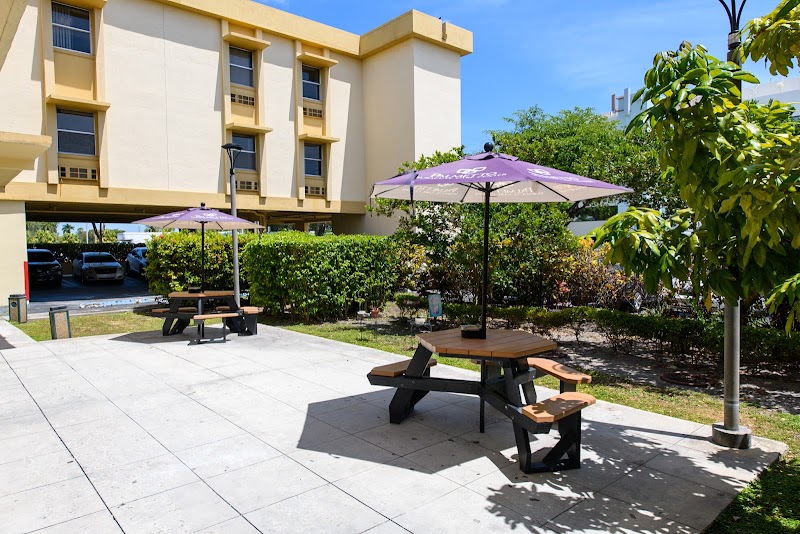
How is Palmetto Subacute Staffed?

CMS rates PALMETTO SUBACUTE CARE CENTER's staffing level at 4 out of 5 stars, which is above average compared to other nursing homes. Staff turnover is 25%, compared to the Florida average of 46%. This relatively stable workforce can support continuity of care.

What Have Inspectors Found at Palmetto Subacute?

State health inspectors documented 13 deficiencies at PALMETTO SUBACUTE CARE CENTER during 2022 to 2025. These included: 13 with potential for harm.
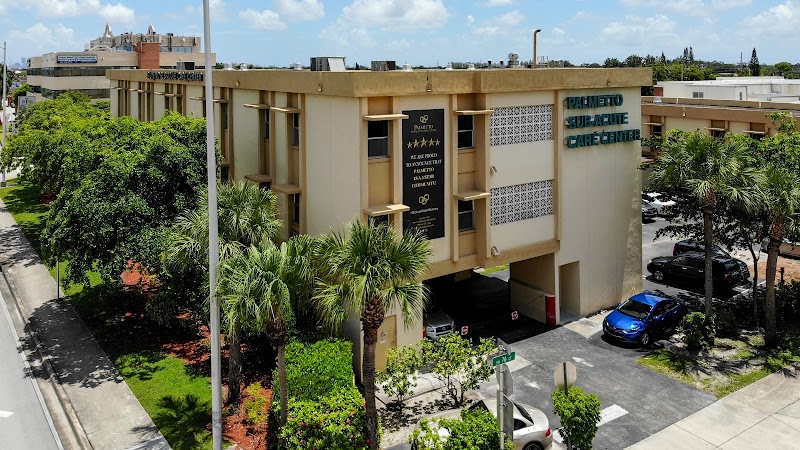
Who Owns and Operates Palmetto Subacute?

PALMETTO SUBACUTE CARE CENTER is owned by a for-profit company. For-profit facilities operate as businesses with obligations to shareholders or private owners. The facility is operated by CARERITE CENTERS, a chain that manages multiple nursing homes. With 95 certified beds and approximately 91 residents (about 96% occupancy), it is a smaller facility located in MIAMI, Florida.
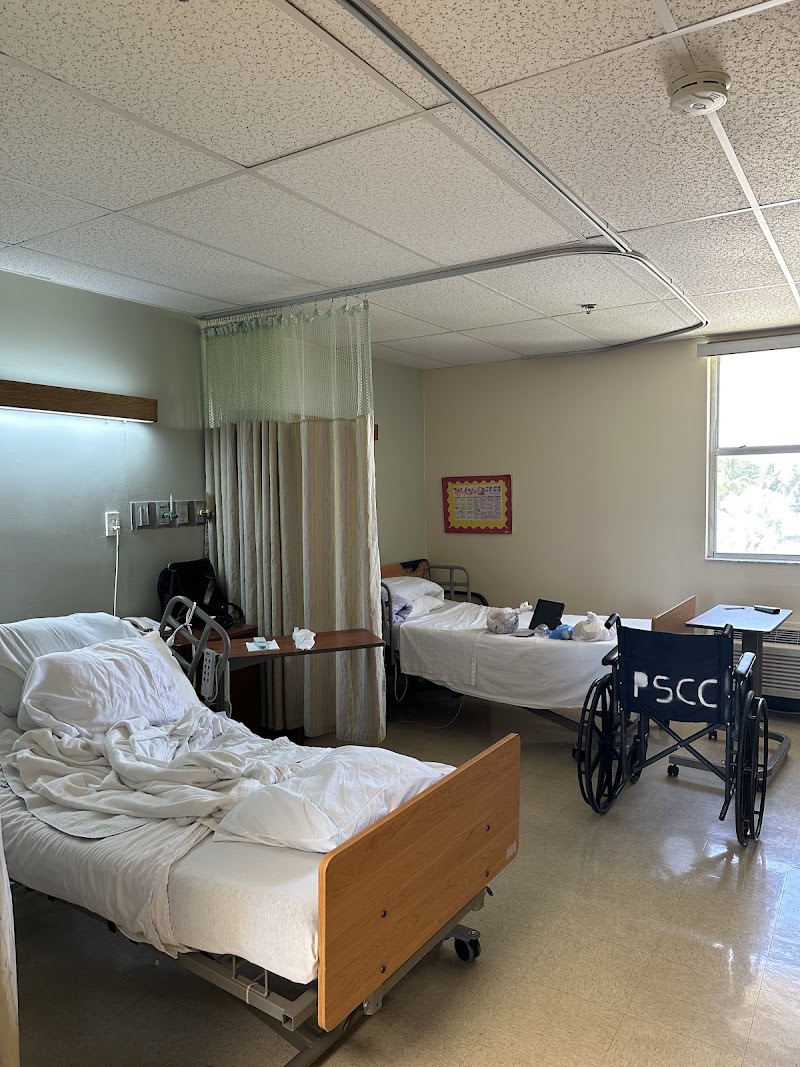
How Does Palmetto Subacute Compare to Other Florida Nursing Homes?

Compared to the 100 nursing homes in Florida, PALMETTO SUBACUTE CARE CENTER's overall rating (4 stars) is above the state average of 3.2, staff turnover (25%) is significantly lower than the state average of 46%, and health inspection rating (4 stars) is above the national benchmark.

What Should Families Ask When Visiting Palmetto Subacute?

Based on this facility's data, families visiting should ask: "Can I visit during a mealtime to observe dining assistance and food quality?" "How do you handle medical emergencies, and what is your hospital transfer rate?" "Can I speak with family members of current residents about their experience?"

Is Palmetto Subacute Safe?

Based on CMS inspection data, PALMETTO SUBACUTE CARE CENTER has a clean safety record: no substantiated abuse findings (meaning no confirmed cases of resident harm), no Immediate Jeopardy citations (the most serious violation level indicating risk of serious injury or death), and is not on the Special Focus Facility watch list (a federal program monitoring the lowest-performing 1% of nursing homes). The facility has a 4-star overall rating and ranks #1 of 100 nursing homes in Florida. While no facility is perfect, families should still ask about staff-to-resident ratios and recent inspection results during their visit.

Do Nurses at Palmetto Subacute Stick Around?

Staff at PALMETTO SUBACUTE CARE CENTER tend to stick around. With a turnover rate of 25%, the facility is 20 percentage points below the Florida average of 46%. Low turnover is a positive sign. It means caregivers have time to learn each resident's needs, medications, and personal preferences. Consistent staff also notice subtle changes in a resident's condition more quickly. Registered Nurse turnover is also low at 29%, meaning experienced RNs are available to handle complex medical needs.

Was Palmetto Subacute Ever Fined?

PALMETTO SUBACUTE CARE CENTER has no federal fines on record. CMS issues fines when nursing homes fail to meet care standards or don't correct problems found during inspections. The absence of fines suggests the facility has either maintained compliance or corrected any issues before penalties were assessed. This is a positive indicator, though families should still review recent inspection reports for the full picture.

Is Palmetto Subacute on Any Federal Watch List?

PALMETTO SUBACUTE CARE CENTER is not on any federal watch list. The most significant is the Special Focus Facility (SFF) program, which identifies the bottom 1% of nursing homes nationally based on persistent, serious quality problems. Not being on this list means the facility has avoided the pattern of deficiencies that triggers enhanced federal oversight. This is a positive indicator, though families should still review the facility's inspection history directly.