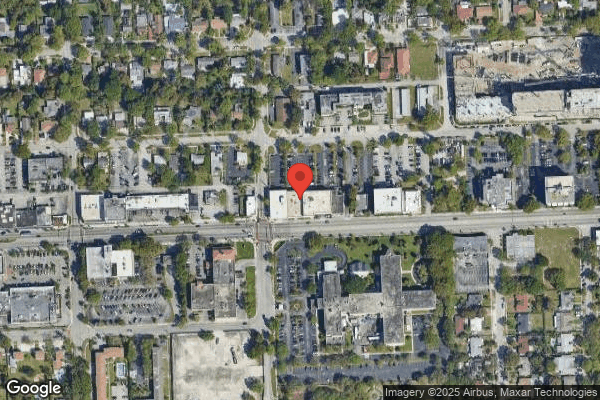
PINES NURSING HOME

301 NE 141 STREET, MIAMI, FL 33161 (305) 893-1102
For profit - Limited Liability company 46 Beds Independent Data: November 2025 1 Immediate Jeopardy citation
Trust Grade
61/100
#258 of 690 in FL
Last Inspection: April 2025

Within standard 12-15 month inspection cycle. Federal law requires annual inspections.

Overview

Pines Nursing Home has a Trust Grade of C+, indicating it is slightly above average but not exceptional. It ranks #258 out of 690 facilities in Florida, placing it in the top half, and #30 out of 54 in Miami-Dade County, meaning only a few local options are better. The facility is improving, having reduced issues from 10 in 2023 to 4 in 2025. Staffing is a strength, with a rating of 4 out of 5 stars and a low turnover rate of 13%, far below the state average of 42%. However, the facility has $11,187 in fines, which is concerning and higher than 75% of Florida facilities, indicating potential compliance issues. While there is more RN coverage than average, there have been critical incidents noted, such as a resident leaving the facility unsupervised, which poses a serious safety risk. Additionally, there were failures to create discharge care plans for residents and to follow proper medication administration protocols, both of which could affect multiple residents. Overall, Pines Nursing Home shows improvement and strengths in staffing but has some significant safety concerns that families should consider.

Trust Score
C+
61/100
In Florida
#258/690
Top 37%
Safety Record
High Risk
Review needed
Inspections
Getting Better
10 → 4 violations
Staff Stability
✓ Good
13% annual turnover. Excellent stability, 35 points below Florida's 48% average. Staff who stay learn residents' needs.
Penalties
✓ Good
$11,187 in fines. Lower than most Florida facilities. Relatively clean record.
Skilled Nurses
✓ Good
Each resident gets 45 minutes of Registered Nurse (RN) attention daily — more than average for Florida. RNs are trained to catch health problems early.
Violations
⚠ Watch
25 deficiencies on record. Higher than average. Multiple issues found across inspections.
★★★★☆
4.0
Overall Rating
★★★★☆
4.0
Staff Levels
★★★★★
5.0
Care Quality
★★★☆☆
3.0
Inspection Score
Stable
2023: 10 issues
2025: 4 issues

The Good

  • 4-Star Staffing Rating · Above-average nurse staffing levels
  • 5-Star Quality Measures · Strong clinical quality outcomes
  • Low Staff Turnover (13%) · Staff stability means consistent care
  • Full Sprinkler Coverage · Fire safety systems throughout facility
  • No fines on record
  • Staff turnover is low (13%)

    35 points below Florida average of 48%

Facility shows strength in staffing levels, quality measures, staff retention, fire safety.

The Bad

Federal Fines: $11,187

Below median ($33,413)

Minor penalties assessed

The Ugly 25 deficiencies on record

1 life-threatening
Apr 2025 4 deficiencies
CONCERN (D)

Potential for Harm - no one hurt, but risky conditions existed

Deficiency F0583 (Tag F0583)

Could have caused harm · This affected 1 resident

Based on observations record review and interview, the facility failed to safeguard and ensure privacy of residents' confidential Electronic Health Records (EHR); as evidenced by one out of two of the...

Read full inspector narrative →
Based on observations record review and interview, the facility failed to safeguard and ensure privacy of residents' confidential Electronic Health Records (EHR); as evidenced by one out of two of the facility's medication carts' computer screen was left unlocked and unattended and a physical note posted on two of two medication carts revealing residents' information. There were 44 residents residing in the facility at the time of the survey. The findings include: On 04/27/25 at 08:51 AM during an observational of the facility, a note pertaining to Resident #23's allowed visitors and what steps to follow (Photo evidence) was observed posted on Medication Cart A and Medication Cart B computer screens. On 04/27/25 at 09:15 AM during medication administration observation the Electronic Medication Administration Records (EMAR) screen on the computer on Medication Cart A was left unlocked and unattended with a resident's EMAR information visible (Photo evidence). Interview on 04/27/25 at 09:45 AM Registered Nurse (Staff B) stated: Yes I forgot to lock the computer before going to administer medications to the resident, it was a mistake, I know I am supposed to lock the computer screen when I am not with the medication cart. Interview on 04/29/25 at 07:54 AM Director of nursing (DON) revealed the signs were posted on the computers regarding Resident #23 to make sure all staff, including the as needed (PRN) nursing staff were aware of visitor restrictions for Resident # 23. The signs were supposed to be flipped backwards to the empty side and not displaying residents' information. The brother's behavior is an issue, every time he visits, he refuses to leave the facility. The police had been called several times about the brother, when he takes his brother out on pass, he never brings him back to the facility on time and is very combative and unruly to staff. Review of the undated facility policy and procedure titled Resident Rights - Personal Privacy/Confidentiality of Record indicate: It the policy of the facility to provide the resident and or legal representative personal privacy and confidentiality of records in such a manner to acknowledge and respect resident rights.
CONCERN (D)

Potential for Harm - no one hurt, but risky conditions existed

Deficiency F0645 (Tag F0645)

Could have caused harm · This affected 1 resident

**NOTE- TERMS IN BRACKETS HAVE BEEN EDITED TO PROTECT CONFIDENTIALITY** Resident # 12 Observations on 04/27/2025 at 8:45 AM, Resident #12 was seated on his bed finishing his breakfast. Observation on...

Read full inspector narrative →
**NOTE- TERMS IN BRACKETS HAVE BEEN EDITED TO PROTECT CONFIDENTIALITY** Resident # 12 Observations on 04/27/2025 at 8:45 AM, Resident #12 was seated on his bed finishing his breakfast. Observation on 04/28/2025 at 10:30 AM Resident # 12 was watching television and did not answer questions asked. Record review of Resident # 12's clinical records revealed the resident was admitted to the facility on [DATE] and readmitted on [DATE]. Clinical diagnoses include Mood Disturbance, Anxiety; Unspecified Psychosis not Due to a Substance or Known Physiological Condition and Generalized Anxiety disorder. Review of the Admissions MDS (Minimum Data Set) Section A Identification Information dated 03/16/2023 revealed the resident currently considered by the state level II PASRR process to have serious mental illness and/or intellectual disability or a related condition documented- NO Record review of PASRR Level I dated 03/14/2023 revealed identification of a Serious Mental Illness under Section 1A and Section 1B was not checked for Serious Mental Illness (SMI). Section 2, Other Indications for PASRR Screen Decision-Making, no questions were answered no indicating the resident had no behaviors. Section 4 PASRR Screen Completion revealed the resident had Serious Mental Illness and the Level II PASRR is required. Review of Physician Orders and the Medication Administration Records for April 2025 revealed Resident # 12 is receiving Quetiapine Fumarate Tablet 25 milligrams. 1 tablet by mouth at bedtime for psychosis; and monitored for Antipsychotics, Antianxiety, Sedative, Other psychoactive. Record review of Annual Minimum Data Set (MDS) Section C Cognitive Patterns dated 03/12/2025 revealed the Brief Interview for Mental Status (BIMS) summary score was 99 meaning the resident was unable to complete the interview. Review of the Annual MDS Section I Active Diagnosis dated 03/12/2025 include Anxiety Disorder, Psychotic Disorder (other than schizophrenia). Review of the Annual MDS Section N Medications dated 03/12/2025 revealed the resident was taking antipsychotic medication. The Care Plan initiated on 3/15/2023 and the next review date 6/12/2025 documented the resident is on psychotropic drugs and was at risk for drug-related adverse effects from medicine .Psych consult and follow-up as needed. Work with physician/psychiatrist for possible drug reduction. Review of Psychiatrist consultation dated 04/14/2025 revealed the resident with a history of psychosis, major depressive disorder (MDD), and generalized anxiety disorder (GAD) . receive treatment for his psychiatric conditions. Assessment: 1. Unspecified psychosis not due to a substance or known physiological condition: Quetiapine Fumarate Oral Tablet 25 mg. 2. Major depressive disorder, recurrent 3. Generalized anxiety disorder. Interview on 04/30/2025 at 1:45 PM, the Director of Nursing revealed the Social Services Director (SSD) is responsible for completing the Level I PASRR assessments; and if the SSD does not complete the assessments, then she (DON) is responsible to complete the Level I PASRR. Interview on 04/30/2025 at 1:30 PM; the Social Services Director revealed she does not have the required license to complete the PASRR assessments. Record review of the Policies and Procedures Subject PASRR Pre-admission /Screening and Resident Review, Effective date: 01/2025 I- Purpose: Pre-admission Screening and Resident Review (PASSR) is a federal requirement mandated by the Social Security Act. It is intended to ensure that Medicaid-certified nursing facility applicants and residents with a diagnosis of or suspicion of serious mental illness or intellectual disabilities, or related conditions are identified and admitted or allowed to remain in the nursing facility only if there is a verified need for such services. IV-Policy: The facility ensures that all residents admitted to the facility have PASRR Level I done prior to admission to facility or Level II PASRR as indicated by resident's condition and behavior. The facility ensures that PASRR Level I must reflect current condition and diagnosis or resident. Facility will follow from mandated by AHCA at any given time. Based on record review and interview, the facility failed to ensure a level 1 Preadmission Screening and Resident Review (PASRR)for individuals with a serious mental illness (SMI), or intellectual disability or related conditions (ID)was completed accurately prior to admission and failed to revise the screenings following admission for three (Resident #13, Resident #8 and Resident#12) out of 20 sampled residents. There were 44 residents residing in the facility at the time of the survey. The findings Included: Resident #13 During observations on 04/27/25 at 08:36 AM, Resident #13 is awake in bed. On 04/28/25 at 07:39 AM Resident #13 was observed in room walking around and stated she is ok, just getting around for the day. Observation on 04/29/25 at 10:23 A; Resident #13 was her room sitting on the side of the bed, conversing with roommate and stated, today is a good day. Review of the medical records for Resident #13 revealed the resident was admitted to the facility on [DATE]. Clinical diagnoses included but were not limited to: Unspecified Dementia, unspecified severity, without behavioral disturbance, psychotic disturbance, mood disturbance, anxiety, Major Depressive Disorder recurrent unspecified. Unspecified Psychosis is not due to a substance or known physiological condition. Review of the Physician's Orders Sheet for April 2025 revealed, Resident #13 had orders that included but not limited to: Quetiapine Fumarate Oral Tablet 25 Milligram (MG) -Give one (1) tablet by mouth one time a day for Unspecified Psychosis. Escitalopram Oxalate Oral Tablet 5 MG -Give 1 tablet by mouth one time a day for Depression. Quetiapine Fumarate oral tablet 50 MG -give 1 tablet by mouth at bedtime for unspecified psychosis. Mirtazapine Oral Tablet 7.5 MG -Give 1 tablet by mouth at bedtime for Depression. Record Review of Resident #13's Level I PASRR (Preadmission Screening and Resident Review) documented Section I: PASARR Screen Decision Making: A: Mental Illness (MI) or suspected MI (check all that apply) - No diagnoses checked off. Findings based on documented history were-Section II Other indicators for PASRR screening Decision-Making: All checked - no. Does individuals have validating documentation to support dementia or related Neurocognitive disorder - no. Section III Not a provisional admission. Section IV. No diagnosis or suspicion of Serious Mental Illness (SMI) or Intellectual Disability (ID) indicated. Level II PASRR evaluation not required. PASRR Level I completed by a Social Worker at the hospital on [DATE]. Record review of Resident # 13's Quarterly Minimum Data Set (MDS) dated [DATE] revealed: Section A 1500 resident is currently considered by the state level II PASRR process to have a SMI or ID or a related condition-Not available. Section C for Cognitive Patterns documented Brief interview for mental status score (BIMS) of 11 on a 0-15 scale indicating the resident is cognitively moderately impaired. Section I for Active diagnosis documented Anxiety disorder, Psychosis and Depression Disorder. Section N indicated that the resident's medications include antidepressants, antipsychotics and anticonvulsant. Record review of Resident #13 's Care Plans Reference Date 03/02/2025 revealed: Resident #13 is on Psychotropic drugs related to Diagnosis of Depression, psychosis, anxiety and is at risk for drug-related adverse effects from medicine. Date Initiated: 12/13/2024 .will benefit from the therapeutic effects of medication and be monitored adverse effects daily through the next review date . Psychological consultation and follow-up as needed. Record Review of Resident #13's Psychological Consultation dated 04/21/25 documented: medications were reviewed and reconciled, the patient was alert and oriented to person and place (x 2). She denied any new or worsening psychiatric or medical symptoms, including changes in mood, emergence of psychotic features, or further cognitive decline . appeared calm and showed no signs of distress . denied suicidal ideation, homicidal ideation, or self-injurious behavior. Patient affect was appropriate to the situation, and her behavior was cooperative and pleasant throughout the session. There were no hallucinations or delusions reported. Ongoing monitoring is in place. Resident # 8 Record Review of Resident # 8's admission records revealed Resident #8 was admitted to the facility on [DATE] and readmitted on [DATE]. Medical Diagnosis revealed Resident #8's diagnoses included, but not limited to, anxiety disorder and Unspecified Psychosis. Review of Resident #8's Physician Order Sheet dated 02/21/2025 revealed Resident #8 is currently receiving Olanzapine Oral Tablet 5 mg (milligrams). Directions: Give 1 tablet by mouth at bedtime related to Unspecified Psychosis. Review of Resident # 8's PASRR Level I dated 09/05/023 revealed no diagnoses checked or identified under 1A. Section 1B for Serious Mental Illness (SMI), Section 2,3 (A/B) and 4 (A/B) were checked. Section II Part A & B were checked. Section IV was completed. Record Review of a Quarterly admission Minimum Data Set (MDS) Section A (identification) dated 12/12/2024 revealed Resident #8 was not considered by the level II PASRR process to have serious mental illness and/or intellectual disability or a related condition. Section I revealed Resident #8 had Anxiety and Psychotic disorder . Record Review of Care Plan dated 03/12/2025 revealed Resident # 8 is at risk for possible adverse side effects of psychotropic medications. Goals: Will benefit from the therapeutic effects of medication and be monitored adverse effects daily through next review date. Interventions: Monitor for mood/behavior and record on behavior sheet. Monitor for drug-related side effects .Work with MD/Psychiatrist for possible drug reduction.
CONCERN (D)

Potential for Harm - no one hurt, but risky conditions existed

QAPI Program (Tag F0867)

Could have caused harm · This affected 1 resident

Based on observations, interview and record review, the facility's Quality Assessment and Assurance (QAA)/QAPI) committee demonstrate effective plan of action were implemented to correct identified qu...

Read full inspector narrative →
Based on observations, interview and record review, the facility's Quality Assessment and Assurance (QAA)/QAPI) committee demonstrate effective plan of action were implemented to correct identified quality deficiency in problem areas related to repeated deficient practice for F880-Infection Prevention & Control. As evidenced by: F880 was cited during a Recertification survey ending 12/07/23 when the facility failed to implement infection control procedures. This repeated deficient practice has the potential to affect any of the 44 residents residing in the facility at the time of the survey. The findings included Record review of the facility's survey history revealed, during a recertification conducted on December 04, 2023, through December 07, 2023, F880- Infection Prevention & Control was cited due to the facility's failure to implement infection control procedures related to staff's not changing gloves during tracheostomy care and staff failure to adhere to proper sharps disposal related to used Blood Glucose Monitoring supplies. Review of the facility's policy and procedure titled Quality Assurance and Performance Improvement revision dated/02/25 states: These policies are intended to ensure the facility develops a plan that describes the process for conducting QAPI/QAA activities, such as identifying and correcting quality deficiencies as well as opportunities for improvement, which will lead to improvement in the lives of nursing home residents, through continuous attention to quality of care, quality of life, and resident safety. The facility will develop, implement, and maintain an effective, comprehensive, data driven QAPI program that focuses on indicators of the outcomes of care and quality of life. Review of the Quality Assurance and Performance Improvement (QAPI) Committee Meeting Sign-in Sheets dated 02/27/2025, 03/27/2025, and 04/24/25 documented the facility had a QAA Committee had meetings monthly. Interview on 04/30/2025 at 3:00 PM Administrator (NHA) stated the QAA Committee meets every month, the last meeting was held on 04/24/2025. The committee consists of the Medical Director, Administrator, Director of Nursing (DON), Infection Preventionist and all interdisciplinary team members. The purpose of QAPI is to meet with the IDT ( interdisciplinary team) staff to make improvements for the residents, measure results, determine what issues to be worked on and need to be corrected. Make improvements and have interventions in place to have better patient/resident outcomes.
CONCERN (D)

Potential for Harm - no one hurt, but risky conditions existed

Infection Control (Tag F0880)

Could have caused harm · This affected 1 resident

**NOTE- TERMS IN BRACKETS HAVE BEEN EDITED TO PROTECT CONFIDENTIALITY** Based on observation, record review and interview, the facility failed to implement infection control procedures for two Residen...

Read full inspector narrative →
**NOTE- TERMS IN BRACKETS HAVE BEEN EDITED TO PROTECT CONFIDENTIALITY** Based on observation, record review and interview, the facility failed to implement infection control procedures for two Residents (Resident 23 and Resident #34), out of 20 sampled residents. As evidenced by staff failed to dispose used Blood Glucose Monitoring supplies in the sharps container, failed to clean the insulin vial before extracting medications via needle syringe and failed to wear Personal protective equipment (PPE) during catheter care for one ( Resident # 34)out of one resident reviewed indwelling urinary catheter. There were 44 residents residing in the facility at the time of the survey. The findings Included: During a Blood Glucose Monitoring observation on 04/27/25 at 11:08 AM for Resident #34 with Staff A, Licensed Practical Nurse. Staff A prepared the supplies, entered the resident's room, identified the resident, explained treatment, washed hands, donned gloves, cleaned the residents right index finger with an alcohol pad, checked the Blood Glucose (BG), the results was 326. Staff A, cleaned the resident's right index finger again with an alcohol pad, discarded lancet, blood glucose test strips and used alcohol pads in the garbage can in the resident's room. Staff A exited room, cleaned blood glucose machine with micro kill-wipes, let dry, returned the unused supplies to the medication cart, checked resident's sliding scale orders-Eight (8) units of insulin required. Staff A extracted eight (8) units of insulin from the insulin vial using a needle syringe, Staff A did not clean the top of insulin vial with an alcohol pad before inserting the needle syringe into the vial. Interview on 04/27/25 at 11:32 AM, Staff A revealed she forgot to wipe the top of insulin vial with an alcohol pad before inserting the syringe needle into the insulin vial to withdraw the 8 units of insulin needed for administration to Resident #34 and was not sure if she was allowed to put any unused supplies taken into a resident's room back in the cart and she placed all the used supplies into her gloves and disposed it in the garbage can in the resident's room; and thought that was ok because the used supplies were wrapped in the gloves. Interview on 04/30/25 at 08:36 AM, the Director of Nursing (DON) was informed of the concerns mentioned above related to infection control procedures and care for the residents. Review of the facility policy and procedure titled Infection Control revision date 10/2019 states: The facility will develop and maintain an effective infection control program that protects residents, families, visitors and staff by preventing and controlling infections and communicable diseases as an integral part of the quality assessment performance improvement program. The infection control program will be in accordance with States and Federal Regulations. and national guidelines. The Infection Preventionist will ensure that appropriate infection prevention and control measures are taken to provide a safe, sanitary, and comfortable environment to prevent the spread of infection. On 04/30/2025 at 10:24 AM during Resident #23's indwelling urinary catheter care observation being performed by Licensed Practical Nurse (Staff C) The nurse performed hygiene care gathered catheter supplies and entered Resident #23's room identified the resident explained procedure and provided privacy. Staff C did not put on a gown, Staff C performed hand hygiene, perineal care and catheter care, discarded used supplies in a biohazard bag washed hands exited the resident's room and placed the bag in the biohazard bin (located outside). Review of medical records for Resident #23 revealed, the resident was initially admitted to the facility on [DATE] and readmitted on [DATE]. Clinical diagnoses include Paraplegia and Neurogenic Dysfunction of Bladder. Review of the Physician Orders Sheet for October 2024 revealed, Resident #23 had orders that included but were not limited to: [] indwelling catheter Care every shift. For April 2025, revealed, Resident #23 had orders that included but were not limited to: Enhanced Barrier Precautions (EBP) for risk of infection related to indwelling medical device every shift. Review of Resident #23's Quarterly Minimum Data Set (MDS) dated [DATE] revealed: Resident # 23 is cognitively intact; needs substantial or maximal assistance for toileting hygiene and care and has an indwelling catheter. Record Review of Resident #23's Care Plan reference date 04/11/2025 revealed: Resident #23 is at risk for urinary tract infections due to indwelling catheter use. Interventions included but not limited to: Change catheter, tubing, and drainage bag as ordered, catheter care daily and as needed, and monitor amount, character, color, odor of urine output, note for recurring urinary tract infections. Interview on 04/30/2025 at 11:08 AM, Staff C revealed, Resident #23's catheter care is done daily and as needed, and handwashing is the number one priority. Infection control practices we implement for a patient with a [indwelling catheter] is always following Enhanced Barrier Precautions (EBP) by using Personal Protective Equipment (PPE) and handwashing. PPE includes using gloves, gown, mask, and eye protection (if needed). PPE helps prevent infection. During an interview on 04/20/2025 at 11:30 AM Staff D, Registered Nurse Supervisor revealed: when a patient is on EBP, there would be PPE inside the patient's room and the nurse should always wear PPE when taking care of patients on EBP. Nurses will know if a patient is on EBP when they receive report at the beginning of shift and the nursing supervisor always tries to reinforce it.
Dec 2023 9 deficiencies
CONCERN (D)

Potential for Harm - no one hurt, but risky conditions existed

Assessment Accuracy (Tag F0641)

Could have caused harm · This affected 1 resident

**NOTE- TERMS IN BRACKETS HAVE BEEN EDITED TO PROTECT CONFIDENTIALITY** Based on interview and record review, the facility failed to accurately code the Minimum Data Set (MDS) for one resident (Reside...

Read full inspector narrative →
**NOTE- TERMS IN BRACKETS HAVE BEEN EDITED TO PROTECT CONFIDENTIALITY** Based on interview and record review, the facility failed to accurately code the Minimum Data Set (MDS) for one resident (Resident # 47) out of 23 sampled residents. Resident # 47's MDS was coded wrong for a discharge to the hospital, but the resident was discharged home. This deficiency has the potential to affect 45 residents residing in the facility at the time of survey. The findings included: Record review of the clinical records for Resident # 47 revealed the resident was admitted on [DATE], and discharge on [DATE]. Clinical diagnoses include, but were not limited to, Bipolar Disorder, Psychotic disorder (other than schizophrenia), Schizophrenia, Rhabdomyolysis, Muscle Weakness (Generalized), Other Abnormalities of Gait and Mobility, Weakness, Drug induced Acute Dystonia, Gastro-Esophageal Reflux Disease without Esophagitis. Record review of the Quarterly Minimum Data Set (MDS) dated [DATE] revealed, Section A, Discharge status - short term, - General Hospital, Section C, Cognitive Status revealed, the resident's Brief Interview for Mental Status (BIMS) summary score was 15 out of 15 indicating the resident did not have cognitive impairment. Record review of the progress note dated 10/26/2023 revealed, the resident will be discharged home, tomorrow as per Medical Physician orders and resident's request. He has good family support. Resident appears alert and oriented to place, person and time currently. He is able to communicate coherently verbally at this time. Resident has a BIMS score of 15 at this time. Resident receives prescriptions for medications. Resident is able to walk without any assistive device at this time. Facility will provide transportation for the discharge date . Family will provide food, shelter and clothing for discharge. Social Worker called resident's wife to inform regarding the discharge. Record review of the discharge Care Plan initiated on 10/31/2023 revealed, Focus: Resident is a new admit to facility. Resident is here for short-term Rehab Therapy. Resident plans to discharge home when able with Home Health services. Goal: Resident will attend Therapy as scheduled and participate in treatment program to enable discharge home through Next Review Date (NRD). Approach: Coordinate transportation home. Encourage resident to attend therapy to regain strength. Meet with resident and family at an appropriate time to discuss discharge plans and possible need for home Health agency services. Meet with resident and family at an appropriate time to discuss discharge plans and possible need for home Health agency services. Speak to the family about equipment that may be needed in order for resident to return home safely. Interview over the phone with MDS coordinator on 12/07/23 at 01:44 PM revealed, that she has been working in the facility for a few months only. When asked what happened with the coding on Section A of the MDS she stated, I have to make a correction, I cannot explain. Review of undated Policies and Procedures for Comprehensive Assessments revealed, The Resident Assessment Instrument (RAI) consists of three basic components: The Minimum Date Set (MDS) Version 3.0, the Care area assessment (CAA) process and the resident care plan. The Utilization of the three components of the RAI yield information about a resident's functional status, strength, weakness, and preferences, offers guidance on further assessment once problems have been identified, as well as guides resident care. I. The RAI manual will be the source for instructions on how to complete each section on the MDS, CAA, and resident Care plan. II. The MDS coordinator will check the CMS web site periodically for any changes to the RAI manual. III. Social Services will complete section A, D, and Q. Section Q will only be completed by the social services department when discharge planning is involved. In all other cases, section Q will be completed by the MDS Coordinator. Submission of the MDS is the responsibility of the MDS coordinator.
CONCERN (D)

Potential for Harm - no one hurt, but risky conditions existed

Tube Feeding (Tag F0693)

Could have caused harm · This affected 1 resident

**NOTE- TERMS IN BRACKETS HAVE BEEN EDITED TO PROTECT CONFIDENTIALITY** Based on observation, record review and interview, the facility failed to ensure enteral feeding was administered as prescribed ...

Read full inspector narrative →
**NOTE- TERMS IN BRACKETS HAVE BEEN EDITED TO PROTECT CONFIDENTIALITY** Based on observation, record review and interview, the facility failed to ensure enteral feeding was administered as prescribed and enteral feeding equipment/supplies were dated, labeled and changed daily for one (Resident #12) out of 13 residents receiving enteral tube feeding. The findings included: During an observation on 12/04/23 at 09:43 AM, Resident #12 was observed in bed, the bed was in the lowest position, and the Enteral feeding (TF) was not infusing. The TF supplement in the residents room was Fiber Source and was dated 12/04/2023, the enteral feeding syringe was dated 11/29/23, and the water for tube feeding flush did not have a label and was not dated. (Photograph obtained). On 12/05/23 at 09:34 AM, the Resident was not in the facility, the residents bed was stripped of linen, and facility staff stated the resident went to the hospital. Review of the medical records for Resident #12 revealed, the resident was admitted to the facility on [DATE]. Clinical diagnoses included but were not limited to: Dysphagia, Oropharyngeal and Gastrostomy Status. Resident #12 was discharged on 12/05/2023. Review of the Physician's Orders Sheet for December 2023 revealed, Resident #12 had orders that included but were not limited to: Enteral Feed-every shift related to dysphagia, oropharyngeal phase Fiber Source @ 55ml/hr. x 22 hrs. - total volume infused in 24 hrs. is 1210ml-(off 11am/ on 1pm). Autoflush @ 25ml/hr. x 22 hrs. (off 11am/ on 1pm). Record review of Resident #12 's admission Minimum Data Set (MDS) dated [DATE] revealed, Section C for Cognitive patterns documented Brief Interview for Mental Status Score was unable to be determined. Section GG for Functional Status documented resident is Dependent for care has impairment on both sides of upper and lower extremities. Section K for Nutritional status documented no unknown weight loss/gain. Section O for Special Procedures documented no special treatments received while a resident in the last 14 days. Review of Resident #12's weight logs revealed on 10/30/2023, the resident weighed 86 pounds; last weight recorded on 12/01/2023 the resident weighed 88 pounds. Record review of resident #12 's care plans with a reference date of 10/30/23 revealed: Feeding tube present. resident is at risk for nutrition/ hydration deficit related to medical diagnosis of: pneumonia; dehydration; Parkinson's; dementia; failure to thrive; malnutrition; underweight; dysphagia, weight: 86# Body mass index: 16.2, planned weight gain initiated. Interventions Include but not limited to: Assess my needs at least quarterly and adjust TF as needed. Assess my weight per facility policy. Check patency of my tube daily. Elevate the head of my bed as per facility policy. Flush my tube with water as ordered. Notify my MD of any significant weight changes. Provide me with nutritional supplements via Tube as ordered. Review of the discharge summary progress note for Resident # 12 dated 12/05/2023 time stamped 08:29 documented: Resident was found lying on bed this morning with respiratory distress evidenced by Respirations-28, Oxygen saturation-88%. Doctor was called and order given to send resident to the hospital by 911. Safety and comfort provided to resident. Head of bed elevated, oxygen in place. Continued monitoring maintained until 911 arrived. 08:35 Resident was transferrd to the hospital by 911 as ordered by the Doctor. Family called and notified. Interview on 12/07/23 at 08:56 AM with the Director of Nursing (DON) revealed, when asked about the tube feeding protocols at the facility she reported, the night shift nurses on the 11-7PM shift are responsible for changing the tube feeding supplies and equipment daily, they are supposed to change and date all supplies, any assigned nurse can change and date supplies if they notice something is incorrect during their rounds. The nurses have to make sure that the resident's tube feeding orders for administration are being followed as prescribed, the tube feeing can be temporarily turned off when the Certified Nursing Assistants are providing care. The DON was shown pictures of the water for tube feeding flush for the resident hanging in a clear bag on the tube feeding pole with no identifying label, date or pertinent information, an enteral syringe hanging from the tube feeding pole dated 11/29/23. The DON was informed about the date and time of the observation. Review of the undated facility's policy titled: Enteral Nutrition Care states: Enteral Nutrition will be available for residents who are unable to meet their metabolic needs via oral administration. Procedure: The nurse will review daily how the formula is being administered, monitor weight, skin condition, labs, physical symptoms, and tolerance to feeding. The nurse will visit the residents to check the pump for flow rate, assess down times, and medicine administration records for amount of feeding administered and refer any problems to the nutrition care professional.
CONCERN (D) 📢 Someone Reported This

A family member, employee, or ombudsman was alarmed enough to file a formal complaint

Potential for Harm - no one hurt, but risky conditions existed

Respiratory Care (Tag F0695)

Could have caused harm · This affected 1 resident

**NOTE- TERMS IN BRACKETS HAVE BEEN EDITED TO PROTECT CONFIDENTIALITY** Based on observation, record review and interview, the facility failed to follow physician's order for oxygen therapy for one (R...

Read full inspector narrative →
**NOTE- TERMS IN BRACKETS HAVE BEEN EDITED TO PROTECT CONFIDENTIALITY** Based on observation, record review and interview, the facility failed to follow physician's order for oxygen therapy for one (Resident #36) out of 9 residents receiving respiratory services and to obtain a physician order for oxygen therapy for one (Resident #12) out of 9 residents receiving respiratory services. The findings included: 1. Observation on 12/04/23 at 09:56 AM, Resident #36 was in bed asleep, and the resident was receiving Oxygen (02) at 4 liters per minute (lpm) via trach collar. On 12/05/23 at 09:36 AM, Resident #36 was observed in bed asleep, and the resident was receiving 02 at 4lpm via trach collar. During a Tracheostomy care observation on 12/06/23 at 07:51 AM, Licensed Practical Nurse (Staff C) gathered tracheostomy care supplies, entered Resident #26's room. The resident was in bed asleep, the head of bed was elevated, Staff C checked the resident's oxygen (02). Staff C reported, the resident's 02 was infusing at 5 liters per minute (lpm). Review of the medical records for Resident #36 revealed, the resident was admitted to the facility on [DATE]. Clinical diagnoses included but were not limited to: Acute Respiratory Failure and Anoxic Brain Damage. Review of the Physician's Orders Sheet for December 2023 revealed, Resident #36 had orders that included but not limited to: Oxygen at 5 Liters per minute every shift. Record review of Resident #36 's Significant Change Minimum Data Set (MDS) dated [DATE] revealed, Section C for Cognitive Patterns documented, Brief Interview for Mental Status score was unable to be determined. Section GG for Functional Status documented, the resident is dependent for care. Section J for Health Conditions documented, shortness of breath when lying flat and sitting at rest. Section O for special procedures documented, resident received oxygen therapy, suctioning, and trach care while a resident. Record review of Resident #36 's Care Plans Reference Date 10/26/2023 revealed, Resident has a potential for alteration in respiratory function related to Tracheostomy. Interventions included but were not limited to: Oxygen as ordered, Head of bed elevated as tolerated, and monitor vital signs as needed and notify physician. 2. During observation on 12/04/23 at 09:43 AM, Resident #12 was in bed, the bed was in the lowest position, the resident was receiving oxygen (02) at 3.5 liters per minute via nasal cannula. On 12/05/23 at 09:34 AM, Resident #12 was not in the facility, the bed was observed to be stripped of linen, and facility staff stated the resident went to the hospital. Review of the medical records for Resident #12 revealed, the resident was admitted to the facility on [DATE]. Clinical diagnoses included but were not limited to: Adult Failure to Thrive, and Pneumonia. Resident #12 was discharged on 12/05/2023. Review of the Physician's Orders Sheet for December 2023 revealed, Resident #12 had no orders for oxygen therapy. Record review of Resident #12 's admission Minimum Data Set (MDS) dated [DATE] revealed, Section C for Cognitive patterns documented Brief Interview for Mental Status Score was unable to be determined. Section GG for Functional Status documented resident is Dependent for care, has impairment on both sides of upper and lower extremities. Section K for Nutritional status documented no unknown weight loss/gain. Section O for Special Procedures documented no oxygen therapy or special treatments received while a resident in the last 14 days. Interview on 12/07/23 at 08:50 AM with the Director of Nursing (DON) it was reported, the nurses are supposed to be checking on the resident's oxygen (02) concentrators and making sure the 02 is at the prescribed rate during rounds. The nurses have to check the Electronic Medication Administration Records (EMAR) for the doctors (MD) orders and make sure the 02 is flowing at the correct rate during their rounds. DON checked the EMAR orders for Resident #12 and confirmed the resident did not have any orders for oxygen therapy. Review of the facility's policy titled Oxygen Administration with a revision date of October 2010, states the purpose of this procedure is to provide guidelines for safe oxygen administration. Step1-verify that there is a physician's order for this procedure. Review the physician's orders or facility protocol for oxygen administration.
CONCERN (D)

Potential for Harm - no one hurt, but risky conditions existed

Deficiency F0726 (Tag F0726)

Could have caused harm · This affected 1 resident

Based on record review and interview, the facility failed to ensure nine out of ten sampled nursing staff (Staff 1, 2, 3, 4, 5, 6, 8, 9, and 10) received the appropriate competencies and skills sets t...

Read full inspector narrative →
Based on record review and interview, the facility failed to ensure nine out of ten sampled nursing staff (Staff 1, 2, 3, 4, 5, 6, 8, 9, and 10) received the appropriate competencies and skills sets to provide nursing and related services to assure resident safety and attain or maintain the highest practicable physical, mental, and psychosocial well-being of each resident. The facility had no documentation that the staff received the orientation in-service training including Alzheimer's and Dementia, Abuse, Neglect, and Exploitation. The findings included: Review of the facility's staff records revealed, Staff 1 was hired on 08/14/2023; Staff 2 was hired on 10/02/2023; Staff 3 was hired on 10/23/2023; Staff 4 was hired on 08/15/2023; Staff 5 was hired on 05/14/2023; Staff 6 was hired on 05/23/2023; Staff 8 was hired on 07/14/2023; Staff was 9 hired on 06/26/2023; Staff 10 was hired on 08/15/2023. Further review of the facility's staffing records relating to new hire orientation revealed, Staff 1, Staff 2, Staff 3, Staff 4, Staff 5, Staff 6, Staff 8, Staff 9, and Staff 10 did not receive their in-service new hire orientation. Interview on 12/06/2023 at 01:05 PM with the Director of Human Resources (HR) revealed, the staff received a verbal orientation. She stated, that the facility doesn't have a list of in-service training needed for the staff to do. The Director of HR also stated that she was new to the job and that she did not know if they needed to document the trainings the staff received during orientation. On 12/07/2023 at 2:30PM, during an interview with the Director of Nursing (DON), she stated, During orientation, they are reminded about abuse and dementia training. We verbally went over all the in-service training, but I didn't have the list for them to sign. They were made aware. I just don't have the paper to prove it. Review of the undated policy and procedures regarding staffing in-service orientation labeled, Staff Education Plan: Intent: It is the policy of the facility to provide a Staff Education Plan in accordance to State, Federal and OSHA [Occupational Safety and Health Act, regulations that is consistent with resident needs based on Comprehensive Assessments and Care Plans, as well as the Facility Assessment. Procedure: 1. This staff education plan will be reviewed at least annually by the quality assurance committee and revised as needed. 2. The facility will ensure this staff education plan includes both pre-service and annual requirements. 9. The facility will ensure that all employees who are expected to, or whose responsibilities require them to, have direct contact with residents with Alzheimer's disease or a related disorder must, in addition to being provided the information required, also have an initial training of at least 1 hour completed in the first 3 months after beginning employment. This training will include, but it is not limited to, an overview of dementia and must provide basic skills in communicating with persons with dementia. An individual who provides direct care will be considered a direct caregiver and must complete the required initial training and an additional 3 hours of training within 9 months after beginning employment. This training will include, but it is not limited to, managing problem behaviors, promoting the resident's independence in activities of daily living, and skills in working with families and caregivers. 10. The facility will ensure that Risk Management training be a part of the facilities new hire orientation.
CONCERN (D)

Potential for Harm - no one hurt, but risky conditions existed

Pharmacy Services (Tag F0755)

Could have caused harm · This affected 1 resident

Based on observation and interview, the facility failed to implement pharmacy procedures for recording daily refrigerator temperatures for the refrigerator in the Medication Storage room. There were 4...

Read full inspector narrative →
Based on observation and interview, the facility failed to implement pharmacy procedures for recording daily refrigerator temperatures for the refrigerator in the Medication Storage room. There were 45 residents residing in the facility at the time of the survey. The findings included: During the Medication Storage Room observation on 12/07/23 at 7:40 AM with Licensed Practical Nurse (Staff A) the temperature log for the medication refrigerator in the medication storage room was observed to be last filled out on 12/5/23 with a recorded temperature of 37 degrees Fahrenheit (F). Interview on 12/07/23 at 07:53 AM with the Director of Nursing (DON) it was reported, the 11-7pm nurses are responsible for filling out the refrigerator temperature logs. The DON was shown the temperature log posted on the refrigerator in the medication room, the DON acknowledged the refrigerator Temperature log was not filled out since 12/5/23. The DON had Staff A to check the temperature of the refrigerator and update the log for today,12/7/23. The temperature was recorded as 38 F. Review of the undated facility's policy titled, Medication Administration states, It is the policy of the facility to ensure that appropriate infection prevention and control measures are taken to prevent the spread of infection in accordance with State and Federal Regulations and National guidelines when administering medications. Procedures Step 11 and 12-Refrigerators used to store medications do not include any items other than medications and temperature is monitored daily and documented.
CONCERN (D)

Potential for Harm - no one hurt, but risky conditions existed

Garbage Disposal (Tag F0814)

Could have caused harm · This affected 1 resident

Based on observation, interview, and record review, the facility failed to ensure the garbage disposal was clean and discarded materials were properly disposed and contained on the facility grounds. T...

Read full inspector narrative →
Based on observation, interview, and record review, the facility failed to ensure the garbage disposal was clean and discarded materials were properly disposed and contained on the facility grounds. The findings included: Observation on 12/04/23 at around 09:36 AM showed the outside dumpster area was noted with a large dumpster for trash and a medium dumpster for card board. The dumpster for the cardboard was observed to be overflowing, and the lid was unable to closed. On 12/07/23 at 01:46 PM, during an interview with the Administrator, he stated that he did not see or notice the dumpster on Monday. He stated, he looked at the dumpster earlier today and saw it was not full at all. He then stated that he thinks they picked up the trash this morning. On 12/07/23 at 02:35 PM, the Administrator brought the policy and procedure document and stated, You remember I told you about the dumpster. it's pretty much empty now. You can go and verify. Review of the facility's undated policy and procedures relating to Recycling/waste disposal revealed: Intent: It is the policy of the facility to maintain a safe and sanitary environment. Procedure: 1. It is the facility policy to discard any disposable material in the proper environment. 2. Staff will attend to proper disposal of items dependent on material requirement. 4. Staff will notify proper responsible party if extra pick up is necessary. 5. If additional pick-up is necessary, the administration or designee will contact contracted company to schedule service be performed.
CONCERN (D) 📢 Someone Reported This

A family member, employee, or ombudsman was alarmed enough to file a formal complaint

Potential for Harm - no one hurt, but risky conditions existed

Deficiency F0849 (Tag F0849)

Could have caused harm · This affected 1 resident

**NOTE- TERMS IN BRACKETS HAVE BEEN EDITED TO PROTECT CONFIDENTIALITY** Based on observation, record review and interview, the facility failed to maintain communication with the hospice provider to en...

Read full inspector narrative →
**NOTE- TERMS IN BRACKETS HAVE BEEN EDITED TO PROTECT CONFIDENTIALITY** Based on observation, record review and interview, the facility failed to maintain communication with the hospice provider to ensure continuation of care for 1 (Resident #36) out of 5 residents receiving Hosice services, as evidenced by no updated hospice communication were notes available in Resident #36's medical records, and services provided by Hospice were not coordinated and communicated in the written documentation. The findings included: Observation on 12/04/23 at 09:56 AM revealed, Resident #36 in bed asleep, Tube Feeding (TF) was infusing with - Fiber Source at 70ml/hr(milliliters/hour)., Water flush at 30ml/hr., the supplies and equipment was dated 12/04/23, and the resident was receiving Oxygen (02) at 4 liters per minute (lpm) via trach collar. On 12/05/23 at 09:36 AM Resident #36 was observed in bed asleep, the TF infusing at 70ml/hr, the supplies and equipment was dated 12/5/23,. The 02 was on at 4lpm via trach collar. During Tracheostomy care observation on 12/06/23 at 07:51 AM, Licensed Practical Nurse (Staff C) 12/06/23 07:51 AM gathered tracheostomy care supplies, entered Resident #36's room, the head of bed was elevated. Staff C stated, the resident's 02 is at 5 liters per minute (lpm). Staff C, completed the Trach care to resident #36. Review of resident's # 36 Hospice Agreement revealed, the resident is on Hospice with a start of care on 10/19/2023. The facility's hospice agreement was signed on 12/01/2016 and 12/15/2016 by the facility and the hospice. Review of Resident # 36's Hospice Communication Notes revealed, the most recent notes were dated, 10/31/23 for a Interdisciplinary (IDG) meeting and on 11/06/23 for a Hospice Aide Visit. Review of the medical records for Resident #36 revealed, the resident was admitted to the facility on [DATE]. Clinical diagnoses included but were not limited to: Acute Respiratory Failure and Anoxic Brain Damage. Review of the Physician's Orders Sheet for December 2023 revealed, Resident #36 had orders that included but were not limited to: 10/19/23-Resident is admitted under Hospice at routine level of care. Record review of Resident #36 's Significant Change Minimum Data Set (MDS) dated [DATE] revealed: Section C for Cognitive Patterns documented Brief Interview for Mental Status score was unable to be determined. Section GG for Functional Status documented resident is dependent for all care. Section J for Health Conditions documented shortness of breath when lying flat and sitting at rest. Section O for special procedures documented resident received Hospice care, oxygen therapy, suctioning and trach care while a resident. Record review of Resident #36 's Care Plans with a Reference Date 10/26/2023 revealed, Resident is under Hospice care with Do not resuscitate (DNR) orders. Interventions included but not limited to: Coordinate care with Hospice to coordinate Care Plans and evaluate resident for Crisis care as needed. Hospice nurses will assist in coordinating the needs of the residents. Hospice visits with nurses, Chaplain, and social worker as needed. Interview on 12/06/23 at 01:04 PM with the Director of Nursing (DON) revealed, hospice Certified Nursing Assistants (CNAs) come to the facility approximately three times a week and the hospice nurse comes every other week. The DON reported, there were no notes in the hospice binder for this resident, I believe it is electronic, and I will see what we have. The DON reported, after the hospice staff visits/see's the residents they communicate with the assigned nurses. On 12/06/23 at 02:45 PM, the DON brought some hospice paperwork/communication notes to the surveyor, and the most recent dated notes was a 10/31/23 IDG meeting and an 11/06/23 Hospice Aide Visit. Review of the facility's policy titled Administration-Hospice Services dated January 14, 2022 states: It is the policy of the facility to provide collaborative care with Hospice providers to ensure that our resident's end of life preferences and choices are honored. 2. When Hospice care is furnished in the facility through an agreement the following requirements will be met: b. - iv. A communication process, including how the communication will be documented between the LTC facility and the Hospice provider, to ensure that the needs of the resident are addressed and met 24 hours per day.
CONCERN (D)

Potential for Harm - no one hurt, but risky conditions existed

QAPI Program (Tag F0867)

Could have caused harm · This affected 1 resident

**NOTE- TERMS IN BRACKETS HAVE BEEN EDITED TO PROTECT CONFIDENTIALITY** Based on observations, interview and record review, the facility failed to demonstrate effective plans of action were implemente...

Read full inspector narrative →
**NOTE- TERMS IN BRACKETS HAVE BEEN EDITED TO PROTECT CONFIDENTIALITY** Based on observations, interview and record review, the facility failed to demonstrate effective plans of action were implemented to correct identified quality deficiencies in the problem area related to repeated deficient practices for F641 Accuracy of Assessment. The facility failed to accurately code Minimum Data Set (MDS) Section A for one (Resident # 47) out of 23 sampled residents. This deficiency has the potential to affect 45 residents residing in the facility at the time of survey. The findings included: Record review of the facility's survey history revealed, during a recertification survey with exit date of 10/06/2022, F641 Accuracy of Assessment was cited related to the accurate coding for MDS Section A for a Resident. Interview with Administrator and the Director of Nursing on 12/07/2023 at 1:40 PM, the Administrator stated that the QAPI (Quality Assurance and Performance Improvement) meetings are held on the last Thursday of each month. Record review of the policy and procedure revealed: Our purpose is to provide excellent quality resident care and services. Quality is defined as meeting or exceeding the needs, expectations and requirements of the residents cost-effectively while maintaining good resident outcomes and perceptions of care. [ ] has a Performance Improvement Program which systematically monitors, analyzes and improves its performance to improve resident outcomes. It recognizes that value in healthcare is the appropriate balance between good measures, excellent care and services and cost. Feedback, date systems and monitoring: a. QAPI is integrated into the responsibilities and accountabilities of all senior management. b. The following date is monitored through QAPI: Input from caregivers, residents, families, and others: Adverse events; Performance indicators; Survey finding; Complaints. Process for collecting the above information: Gather input from caregivers, residents, families and others (Surveys, Council Meetings, written evaluations, PCP input). Adverse events (incident reports, 24 hours report) Performance indicators (Monthly Quality Measure (QM), 5 star rating) Survey findings Complaints. The information gathered is analyzed and compared to benchmarks and/or targets established by the facility. Current scores [NAME] analyzed against benchmarks that have been set quarterly. Daily interdisciplinary team (IDT) notes are reviewed including adverse events/complaints on daily basis. We have a mechanism for communicating patters, trends identified during IDT meetings to the broader QAPI committee. Consultant reports are compared to goals on a monthly basis. QAPI team analyze data regularly as part of their project assignments. Monthly reports/graphs are published-Department manager and/or the QAPI Lead is responsible for cataloging and maintaining these reports.
CONCERN (D) 📢 Someone Reported This

A family member, employee, or ombudsman was alarmed enough to file a formal complaint

Potential for Harm - no one hurt, but risky conditions existed

Infection Control (Tag F0880)

Could have caused harm · This affected 1 resident

**NOTE- TERMS IN BRACKETS HAVE BEEN EDITED TO PROTECT CONFIDENTIALITY** Based on observation, record review and interview, the facility failed to implement infection control procedures for two (Reside...

Read full inspector narrative →
**NOTE- TERMS IN BRACKETS HAVE BEEN EDITED TO PROTECT CONFIDENTIALITY** Based on observation, record review and interview, the facility failed to implement infection control procedures for two (Residents #36, and #198) out of 23 sampled residents. As evidenced by a Licensed Practical nurse (Staff C) not changing gloves during the entire tracheostomy care observation for Resident #36 and not disposing the used Blood Glucose Monitoring supplies in the sharps container. There were 45 residents residing in the facility at the time of the survey. The findings included: 1. During a Tracheostomy care observation on 12/06/23 at 07:51 AM, Licensed Practical Nurse (Staff C) gathered tracheostomy care supplies, entered Resident #26's room, the resident was in bed asleep, the head of the bed was elevated, the resident's oxygen (02) was checked, Staff C stated resident #36 was receiving 02 at 5 liters per minute (lpm), the resident did not require suctioning. Staff C donned gloves, Staff C removed the trach gauze, cleaned the trach area with normal saline solution (NSS) with gauze and trach brush, replaced the trach gauze, replaced the trach collar, re-oxygenated the resident, discarded supplies in the trash bin, washed hands, exited the resident's room, and signed off on the Trach Care. Review of the medical records for Resident #36 revealed, the resident was admitted to the facility on [DATE]. Clinical diagnoses included but were not limited to: Tracheotomy, Acute Respiratory Failure and Anoxic Brain Damage. Review of the Physician's Orders Sheet for December 2023 revealed, Resident #36 had orders that included but were not limited to: Trach care every shift and as needed. Record review of Resident #36 's Significant Change Minimum Data Set (MDS) dated [DATE] revealed: Section C for Cognitive Patterns documented Brief Interview for Mental Status score was unable to be determined. Section GG for Functional Status documented resident is dependent for care. Section J for Health Conditions documented shortness of breath when lying flat and sitting at rest. Section O for special procedures documented resident received oxygen therapy, suctioning and trach care while a resident. Record review of Resident #36 's Care Plans Reference Date 10/26/2023 revealed: Resident has a potential for alteration in respiratory function related to Tracheostomy. Interventions included but not limited to: Oxygen as ordered, Head of bed elevated as tolerated, and monitor vital signs as needed and notify MD. 2. During a Blood Glucose Monitoring observation on 12/06/23 at 11:01AM for Resident #198 with Licensed Practical Nurse (Staff C), the nurse prepared the supplies, entered the room, identified the resident, washed hands, donned gloves, cleaned the residents left index finger with alcohol pads, checked the Blood Glucose (BG), the results was 144. Staff C, recleaned the resents left index finger with an alcohol pad, discarded lancet, blood glucose test strips and used alcohol pads in the garbage in the resident's room. Staff C reported, no insulin is required at this time, exited room, cleaned blood glucose machine with sani-wipes, let dry, and signed off on Blood Glucose monitoring. Interview on 12/06/23 at 08:32 AM with Staff C revealed, Resident #36 usually has a lot of secretions; he has a prescription for a scopolamine patch for 72 hours that helps with the secretions. During the trach care when we go from a dirty to a clean procedure, we are supposed to change our gloves and wash our hands. I know that I did not change my gloves after cleaning the trach site and before I placed the clean gauze on the trach site, change the trach collar and the trach mask. I was very nervous; I am so sorry. Interview on 12/06/23 at 11:14 AM with Staff C when asked by surveyor, where did she dispose of the used Blood Glucose Monitoring supplies, Staff C reported, in the garbage, in the room and went back to the room to retrieve the used supplies. Staff C reported, I need to put them in the sharps container. During an interview on 12/07/23 at 09:05 AM, the Surveyor discussed the infection control issues observed with Staff C with the Director of Nursing (DON). The DON stated, she will be conducting in-services and re-education with all the nurses at the facility. Review of the facility's policy titled Infection Prevention and Control Program revised October 2018 states: An Infection Prevention and Control Program is established and maintained to provide a safe, sanitary and comfortable environment and to help prevent the development and transmission of communicable diseases and infections. Prevention of Infection. Step 3-Educating staff and ensuring that they adhere to proper techniques and procedures.
Jul 2023 1 deficiency 1 IJ
CRITICAL (J) 📢 Someone Reported This

A family member, employee, or ombudsman was alarmed enough to file a formal complaint

Immediate Jeopardy (IJ) - the most serious Medicare violation

Accident Prevention (Tag F0689)

Someone could have died · This affected 1 resident

**NOTE- TERMS IN BRACKETS HAVE BEEN EDITED TO PROTECT CONFIDENTIALITY** Based on interviews, record review and observation, the facility failed to ensure safety measures were implemented to prevent el...

Read full inspector narrative →
**NOTE- TERMS IN BRACKETS HAVE BEEN EDITED TO PROTECT CONFIDENTIALITY** Based on interviews, record review and observation, the facility failed to ensure safety measures were implemented to prevent elopement for one resident (Resident # 1) out of six sampled residents. Resident # 1 eloped from the facility on June 24, 2023. Staff failed to use safety measures to prevent Resident #1's elopement. This unsafe practice has the potential to affect any of the (6) residents residing in the facility that were identifed as an elopement risk. There were 42 residents residing in the facility at the time of the survey. On July 6, 2023, Immediate Jeopardy (IJ) was identified and the Administrator and Director of Nurses were informed of the IJ on 7/6/2023 at 5:05pm. It was determined the IJ had been removed on July 7, 2023 after an acceptable IJ Removal Plan was received and the IJ Removal Plan was verified. The findings included: Record review of the clinical records for Resident #1 revealed, the resident was admitted to the facility on [DATE] and discharged on 06/24/2023 (Elopement). Clinical diagnoses included, but were not limited to, Other Seizures; Todd's Paralysis (Post epileptic); Type 2 Diabetes Mellitus with Hyperglycemia; Anemia, Unspecified; Unspecified Protein-Calorie Malnutrition; Muscle Weakness (Generalized); Other Abnormalities of Gait and Mobility; Alcohol Dependence with Alcohol-Induced Psychotic Disorder; Unspecified Essential (Primary) Hypertension; Cerebral Atherosclerosis; Unspecified Sequelae of Cerebral Infarction; Tachycardia Unspecified; Unspecified Fall, Sequelae. Record review of the admission Minimum Data Set (MDS) Section C, Cognitive Patterns dated 06/13/2023 revealed, the resident's Brief Interview for Mental Status (BIMS) summary score was 13 out of 15, indicating the resident was cognitively intact; Section E, Behavior revealed, the resident did not exhibit behaviors; Section G, Functional Status revealed the resident needed supervision to walk; Section I, Active Diagnoses revealed, the resident's diagnoses included Anemia, Other Seizures, Type 2 Diabetes Mellitus, Cerebrovascular Accident, Non-Alzheimer's Dementia, and Psychotic Disorder. Review of the Care Plan Initiated on 06/14/2023 revealed the following, Focus: Resident was a newly admitted to the facility. The Resident was here short-term for Rehabilitation Therapy. The Resident plans to be discharged home when able with Home Health Services. Goal: The Resident will attend Therapy as scheduled and participate in the treatment program to enable discharge home through the next review date. Intervention: Coordinate transportation home. Meet with resident and family at appropriate time to discuss discharge plans and possible need for Home Health Agency services. Meet with resident and family at appropriate time to discuss discharge plans and possible need for Home Health Agency services. Review of Resident #1's Progress Notes included, but were not limited to the following: Review of the Progress Notes dated 06/24/2023 at 5:45pm revealed, Resident alert, awake, aware, oriented, but missing on facility at this time, Certified Nursing Assistant (CNA) answer last time she saw resident on the patio but cannot find him now. Physician notified. Review of the Progress Notes dated 06/24/2023 at 6:50pm revealed, Resident search in the facility have been done, resident was missing, physician notified, skilled nurse to place call to 911 police. Review of the Progress Notes dated 06/24/2023 at 7:25pm revealed, Resident awake, alert, aware, oriented, self-responsible missing facility left by self-decision. Police officer presented on facility interview skilled nurse, Certified Nursing Assistant (CNA) and staffing related, request camera access; and releases case report card with number PD230624216928. Review of the Progress Notes dated 06/24/2023 at 9:31pm revealed, Skilled nurse placed phone call to both registered contacts, about resident awake, alert, aware, oriented, self-responsible; resident out of medication pass, resident left facility silent by his own decision, skilled nurse call police, physician notified aware. Contacts did not answer phone call from nurse then a voice message was released. Review of the Progress Notes dated 06/25/2023 at 6:02am revealed, Resident alert oriented self-responsible out of medication pass left facility by his own. Interview with Staff A, a Registered Nurse (RN) on 07/05/2023 at 10:27 AM. from the 3:00 PM to 11:00 PM shift, he reported, when he arrived at 3:00 PM, he did a tour with the previous shift nurse. All residents were in their rooms, including the resident who eloped. He stated, he did a round at approximately 4:00 pm to check on all the residents. Around 5:00 pm the evening CNA, was serving dinner and asked him where the resident was. He stated, the resident was in his room. He reported, staff were looking for the resident in the area near the facility. He reported, he contacted the Director of Nursing to inform her. He stated, he called the emergency contacts listed in resident #1's face sheet and no one answered. He stated, he left messages for the contacts. He reported, the resident was ambulatory, and used to walk slowly. He stated, the resident was a good resident, and he never exhibited aggressiveness or anxiety. He stated, he called the police, and the police completed a case report. Phone Interview with Staff B, a Certified Nurse Assistant (CNA) on 7/7/23 at 2:00 PM, She stated, I work the 3:00 PM-11:00 PM shift, and Saturday I worked a double shift from 7:00 AM-3:00 PM and 3:00 PM-11:00 PM, and on Saturday's I work double all the time. That day at around 2:30 PM, I saw him in the bed with his face covered up with his sheets, and at dinner time when I was going to give him his tray, I went and I noticed he was not there, I check in the bathroom, the patio and told the nurse and we kept searching, we went outside, other rooms, the patio again and he was not there. On my shifts, every thirty minutes I check on the residents. The dinner time is 5:00 o'clock. On that day, I notified the nurse, and the nurse told me to go to the room, check the patio, and all over. I was not the usual CNA on that room, but when I was, usually I said hi and that's it and he is independent, we don't have to ask anything else. He was independent, and I placed his tray, he would open it and said thank you. Yesterday during the 3:00-11:00 PM shift, we did get an in-service, they told us that when a person is missing, the first thing to do is, you have to check to see where the patient is and notify the nurse and tell the code, the purple code. We must contact the Director of Nursing and the Administrator, and anyone above me. For the keypad they are going to install a keypad on the door, and we are going to have the code for opening and closing. Interview with the Director of Nursing on 07/07/2023 at 1:31 PM revealed, on June 24th at approximately 5:00 PM while serving dinner the Certified Nursing Assistant (CNA) identified that they could not locate the [resident # 1]. The last known location staff witnessed was the residents assigned room and the facility patio area. Staff searched for the individual throughout the facility and surrounding area. She stated, staff notified her and she notified the Administrator. She stated, all individuals (emergency contacts) on the resident #1's face sheet were called to determine if they had any information, none was found. She stated, local hospitals were called, his physician was called and stated that no medications if missed would cause him any acute problems. She stated, the local law enforcement was called; however, they stated that they would not investigate at this time since the Resident was alert and oriented to person, place, time, and situation and they gave a police case number. The nurse of the floor called emergency services and completed a report. She stated the Administrator contacted the Department of Children and Families (DCF) hotline on 06/24/2023 approximately 7:30 PM and the case was not accepted by DCF. The Agency for Healthcare Administration (AHCA) Immediate report was filed. The facility administration completed an immediate in-service education to all staff, education topics were on elopement, residents' rights, abuse/neglect, free of accidents hazards, elopement code policy, communication, and timely notification on late arrivals, call out notification immediately, and staff advocacy for residents' safety and welfare. Review of the residents medications revealed physician orders for Aspirin oral capsule 81mg (milligrams), Give 1 capsule by mouth one time a day for Moderate pain; Amlodipine Besylate Oral Tablet 5 MG (Amlodipine Besylate) Give 1 tablet by mouth one time a day to Treat high blood pressure; Mirtazapine Oral Tablet 15 MG (Mirtazapine) Give 1 tablet by mouth at bedtime to Treat depression, Rosuvastatin Calcium Oral Tablet 20 MG (Rosuvastatin Calcium) Give 1 tablet by mouth at bedtime to Treat high cholesterol; Metformin HCl (Hydrocholride) Oral Tablet 850 MG Give 1 tablet by mouth one time a day to Treat Type 2 diabetes; Aspirin EC (enteric coated) Tablet Delayed Release 81 mg (Aspirin) Give 1 tablet by mouth one time a day for Blood clots prevention. Multivitamin-Minerals Oral Tablet Give 1 tablet by mouth one time a day related to Anemia. Review of the Physical Therapy (PT) notes revealed, Resident #1 was receiving Physical Therapy 5 times a week for 8 weeks, starting on 6/14/2023 due to muscle weakness. The focus for the physical therapy was for therapuetic exercise, neuromuscular re-education, gait training, manual therapy, group therapy, physical therapy evaluation and therapuetic activities. The last physical therapy was on 6/23/2023. The physical therapy progress and Discharge summary dated [DATE] documents the resident had not met his goals and the resident had received 8 visits prior to discharge. Review of the Occupational Therapy (OT) notes revealed, Resident #1 was receiving Occupational Therapy starting 6/14/2023 due to muscle weakness 5 times a week for 8 weeks. The resident was receiving therapuetic exercises, neuromuscular re-education, therapuetic activities and community/work reintegration. The occupational therapy progress and Discharge summary dated [DATE] documents the resident had not met his goals and the resident had received 8 visits prior to discharge. Record Review of the facility's Policy and Procedures for Free of Accidents Hazards/Supervision/Devices dated 09/13/2022 revealed, Intent: It is the policy of the facility to ensure it identifies and provides needed care and services that are resident centered, in accordance with the resident's preferences goals for care and professional standards of practice that will meet each resident's physical, mental, and psychosocial needs. Supervision/Adequate Supervision referred to an intervention and means of mitigating the risk of an accident. Facilities are obligated to provide adequate supervision to prevent accidents. Adequate supervision is determined by assessing the appropriate level and number of staff required, the competency and training of the staff and the frequency of supervision needed. This determination is based on the individual residents assessed needs and identified hazards in the resident environment. Adequate supervision may vary from resident to resident and from time to time for the same resident. The facility's Immediate Jeopardy Removal Plan was received on July 7, 2023 and was verified as completed through interview, observation and record review. It was determined the IJ had been removed on July 7, 2023. The following information was reviewed and verified as completed: 1) All staff will be re-educated on the elopement process and residents who wander or are exit-seeking, on an ongoing basis beginning on 7/6/2023. This includes initiating the missing person policy immediately upon identifying a resident is missing, as well as initiating the elopement policy once it is confirmed that a resident is missing. Upon identifying that a resident is missing, a Code Purple will be announced immediately which will prompt the staff to take action. No one will be allowed to begin working their shift until they have received the education. The first education sessions took place on the night of July 6-7 for the 3-11pm and 11-7am shifts. Record review of in-services education: Topic: Elopement Process and Importance of rounding every 2 hours. Dated 07/06/2023 time 11:05 PM Staff from 3:00 PM to 11:00 PM-11:00 PM to 7:00 AM Record review of in-services education: Topic Elopement Policies and Importance of rounding every 2 hours. Dated 07/07/2023 Time 7:05 AM Staff from 7:00 AM to 3:00 PM shift. 2) Licensed nursing staff will be re-educated on the Elopement Risk Evaluation Form used to identify residents at risk for elopement, on an ongoing basis, beginning on 7/6/23. For those residents identified as being at risk for elopement, proper interventions will be put in place, such as a wander alert bracelet. Record review of In-services education: Topic: Elopement Risk Evaluation Assessment: Will be completed on admission, and if there is a change in elopement status. Elopement binders will be updated with photo and demographics of all residents. Wander alert bracelet will be placed immediately on all elopement residents' records and all departments will be made aware. Date: 07/07/2023 Time 8:00 AM. Review of sign-in sheet completed. 3) Elopement drills will be conducted on each shift for seven days, 7/6/23-7/12/23. The first drill was conducted at 11:05 pm on July 6th for the 3-11pm and 11-7am shifts. Date: 7-7-23 and signed by all nurses.The facility's assessment document the facility has 23 nurses to include RN's and LPN's. The documentation was reviewed as completed. 4) Current residents have been re-evaluated for being at risk for elopement, as well as care plans and the need for wander alert bracelets. Dated 7/6/2023, 3PM-11 PM Shift and 11PM-7AM shift, Employee Sign In, Time: 11:05 PM. Signed by all the staff. The documentation was reviewed as completed. 5) Elopement Risk Binders will be created and reviewed for accuracy and posted at every department and at the exit. The binders were observed as completed. 6) Ad Hoc QAPI meetings were held on 6/25/23 and 7/6/23 to discuss missing residents and the elopement process. Sign-in Sheet with date: 6/25/23 @ 12:00 noon. Discussed Missing Resident and Next Step to Take Nursing Home Administrator participated via Telephone. Sign-in Sheet with date: 7/6/23 @ 7:15 PM. Discussed IJ Citation for Elopement/Failure to Supervise/Door and measures taken to remove the IJ. Nursing Home Administrator/Risk Manager Director of Nursing Owner, participated via telephone. 7) A repair company is scheduled to install a keypad security system on the front door on 7/7/23. Work should be completed by the end of the day. Until that time, a staff member has been always posted at the front door to ensure no resident exits without authorization. Staff members assigned to guard the front door have received education on not leaving their post unless they are relieved by another employee. Staff member observed at exit door on 7/7/23. General Contractor Invoice dated 7/6/2023, Estimate #3084 Description: 4 EXTERIOR [NAME] DOORS PARTS: MAGNET DYNA- LOCK DELAY EGRESS 3101C KEYPAD 212 INTERIOR KEYPAD 212 EXTERIOR POWER SUPPLY 12VDC-5AMP Heavy Duty Door Closer Commercial MATERIALS Labor: - Install 8 new magnets lock - Install 4 new keypad - Install 4 new power supplies - Config operation Customer signature on 7/6/23 8) Facility doors will be checked daily by Maintenance staff/ Designee to ensure proper functioning. The checks were reviewed and verified as started. 9) Clinical staff (nurses and CNAs) will be re-educated on the importance of rounding at least every 2 hours. First education session took place at 11:05 pm on July 6 for the 3-11pm and 11-7am shift. Employee sign in sheet 7/6/23 of in-service titled elopement process and importance of rounding every 2 hours. 14 signatures 7/7/23 Elopement Policies and rounding every 2 hours. 25 signatures. The documentation was reviewed as completed. 10) The facility's Missing Person and Elopement Policies have been updated as of 7/6/2023 to reflect the current federal guidelines. The policy and procedure was reviewed and updated on 7/6/2023. Based on the facility's assessment date 1/18/2023, the facility has 76 staff members working at the facility. Twenty-six facility staff members were interviewed to confirm the completion of the IJ Removal Plan. This included staff from the nursing department to include, RN's, LPN's and CNA's; the therapy department OT and PT, Social Services and Maintenance staff. Staff were interviewed from the 7AM-3PM, 3PM-11PM and the 11PM-7AM shifts. Staff were interviewed about the dates they received inservice training, the information they were taught during the training, whether they participated in an elopement drill and what they were trained to do if an elopement occurs at the facility.
Oct 2022 11 deficiencies
CONCERN (D)

Potential for Harm - no one hurt, but risky conditions existed

Safe Environment (Tag F0584)

Could have caused harm · This affected 1 resident

**NOTE- TERMS IN BRACKETS HAVE BEEN EDITED TO PROTECT CONFIDENTIALITY** Based on observation, interview, and record review the facility failed to provide a safe and comfortable environment for one (Re...

Read full inspector narrative →
**NOTE- TERMS IN BRACKETS HAVE BEEN EDITED TO PROTECT CONFIDENTIALITY** Based on observation, interview, and record review the facility failed to provide a safe and comfortable environment for one (Resident #9) out of twenty sampled residents, as evidenced by a broken and detached bed rail observed at Resident #9's bedside. There were 44 residents residing in the facility at the time of the survey. The Findings Included: On 10/03/22 at 08:54 AM, Resident #9 was observed in bed awake. Resident #1 stated that the bedrail was broken. The resident reported, it's not fixed, its broken, I need it for my safety. Observation revealed the right-side bed rail leaning on the wall beside Resident #9's bed. On 10/04/22 at 10: 00 AM Resident #9 was observed in bed awake. Resident #1 stated, the staff is aware that the bed rail is broken. Resident #9 could not recall how long her bed rail has been broken and reported it has been a while. On 10/05/22 at 08:43 AM, Resident #9 was observed in bed eating breakfast. Resident #9 reported that she was told that her bed rail will be fixed today by maintenance. Review of Resident #9's clinical records revealed, the resident was admitted to the facility on [DATE]. Clinical diagnoses included but not limited to: Hypertension, Age Related Osteoporosis without Current Pathological Fracture, Primary Osteoarthritis Left Shoulder, and Bilateral Primary Osteoarthritis of Hip. Review of the Physician's Orders Sheet for October 2022 revealed Resident #9 had orders that included but not limited to: Lisinopril -Hydrochlorothiazide tablet 10-12.5 Milligram (MG)-Give 1 tablet by mouth one time a day for hypertension, hold for systolic blood pressure (SBP)less than 110, Tylenol Extra Strength Tablet 500 MG-Give 1 tablet by mouth one time a day for pain. Review of Resident #9 's Quarterly Minimum Data Set (MDS) dated [DATE] revealed: Section C for Cognitive patterns indicated- Brief Interview for Mental Status Score (BIMS)10 out of 15 indicating the resident is moderately impaired cognitively. Section G for Functional status indicated-Bed Mobility, Transfer, Toilet use/Total Dependence, Eating/Supervision. Section H for Bladder and Bowel Indicated-Always incontinent of bowel and bladder. Section J for Health Conditions Indicated-Received scheduled pain medications in the last 5 days, No shortness of breath, No falls. Section K for Nutritional status indicated-No unknown weight loss/Gain. Section P for Restraints and Alarms Indicated-Bed rail/not used. Section Q for Participation in Assessment and Goal Setting Indicated-Resident and family participated in assessment. Review of Resident #9 's Care Plans with reference date of 2/16/22 revealed: Resident has a Diagnosis of hypertension. Interventions include: Give anti-hypertensive medications as ordered. Monitor for side effects such as orthostatic hypotension and increased heart rate (Tachycardia) and effectiveness. Monitor for and document any edema. Notify Physician (MD). Monitor/document/report to MD as needed (PRN)any signs and symptoms of malignant hypertension: Headache, visual problems, confusion, disorientation, lethargy, nausea and vomiting, irritability, seizure activity, difficulty breathing (Dyspnea). Monitor/record medication side effects. Report to MD as necessary. Resident use of side rails while in bed to assist staff/resident in repositioning during care, related to impaired mobility, requiring staff assistance for ADL performance. Interventions: Discuss and record with family/guardian the risk and benefits of using side rails. Maintain a safe environment, bed in low position with wheels locked. Monitor for adverse effects with use of side rails, notify nurse. Provide side rails while in bed as indicated. Resident is on diuretic therapy related to: Hypertension, May cause dizziness, postural hypotension, fatigue, and an increased risk for falls. Observe for possible side effects Q-shift. Review of the facility's grievance logs for the last six months did not show any documented grievances filed by Resident #9 in the last 6 months. On 10/05/22 at 08:26 AM, during observation and interview the bedrail was observed behind the resident's bed against the wall. The Assistant Director of Maintenance, (Staff B) came to Resident #9's room and stated via translator (surveyor on the team) that today 10/5/22 is his first day working in the facility. The assistant maintenance director stated that he would work on fixing the resident's bed rail after the resident is finished having breakfast. On 10/05/22 at 08:30 AM, the Director of Maintenance, (Staff C) stated that his first day of work at the facility was yesterday 10/4/22, he will check with his assistant to make sure Resident # 9's bedrail gets fixed as soon as possible. On 10/05/22 at 08:38 AM, the Director of Nursing (DON) was informed of Resident # 9's broken bed rail that has been detached from her bed and being stored behind the bed and furthermore Resident #9 reported that it has been that way for a while and had reported it to several staff members. The DON stated, I will file a grievance for the resident, educate my staff and make sure the bed rail gets fixed today. On 10/5/22, a follow up review of the grievance logs revealed a grievance was filed by the Director of Nursing for Resident #9 about the broken and detached bed rail. On 10/05/22 at 03:03 PM, Resident # 9 was observed out of bed in Geri chair. Resident #9 reported that maintenance brought her a new bed with rails that work correctly, and she is satisfied with the new bed. On 10/05/22 at 03:40 PM the DON provided a copy of the grievance filed on behalf or Resident # 9, dated 10/5/22. Concern-broken bed rail told staff several times. Solution-Bed has been replaced, rails are functioning, resident satisfied with new bed. Review of the undated facility's policy and procedures titled Safe Environment states: The facility will maintain all essential mechanical, electrical and patient care equipment in safe operating condition.
CONCERN (D)

Potential for Harm - no one hurt, but risky conditions existed

Grievances (Tag F0585)

Could have caused harm · This affected 1 resident

**NOTE- TERMS IN BRACKETS HAVE BEEN EDITED TO PROTECT CONFIDENTIALITY** Based on record review and interviews, the facility failed to respond to a grievance for one (Resident #5) out of one resident r...

Read full inspector narrative →
**NOTE- TERMS IN BRACKETS HAVE BEEN EDITED TO PROTECT CONFIDENTIALITY** Based on record review and interviews, the facility failed to respond to a grievance for one (Resident #5) out of one resident reviewed for grievances. The facility failed to address a concern after Resident #5's wife established communication with the facility's administrator concerning speaking with the doctor about his care. There were 44 residents residing in the facility at the time of the survey. The findings included: Record review of the facility's policy titled, Grievance Program (dated August 2019) documented the following: Policy: It is the policy of the facility to ensure that individuals are encouraged to discuss comments and concerns which may be positive or negative and when indicated to bring such to a formal grievance status. Right to File Grievances: Residents and visitors have the right to present grievances on behalf of himself or herself or others to the staff or administrator of the facility either verbally or in writing; to receive a written decision related to the grievance filed. Process: Grievances are formal written or verbal complaints made to the facility when prompt or bedside resolution to the satisfaction of the person making the objection was not possible. Review of the Demographic Face Sheet for Resident #5 documented the resident was admitted on [DATE] with diagnoses to include muscle wasting, pressure ulcer of sacral region stage 4, chronic obstructive pulmonary disease, hypertensive heart disease, chronic kidney disease and acute respiratory failure. The responsible party for Resident # 5's his wife. Review of the Minimum Data Set (MDS) admission Assessment for Resident #5 dated 7/20/22 documented the resident's Brief interview for Mental Status (BIMS) Summary Score as 03 out of 15 indicating severe cognitive impairment and the resident was not able to make his needs known. The resident required total dependence with one person to physical assist with ADLs (Activities of Daily Living). During an interview with Resident #5's wife on 10/05/22 at 10:13 AM via telephone. She revealed that she has not received any phone calls from the doctor about his care since he has been at the facility. She has spoken with the Administrator and sent several emails to him concerning the matter and he has not responded to her nor has she received anything. Review of the grievance log dated July 2022 to October 2022 revealed no documented grievance filed on behalf of Resident #5 listed on the grievance log. On 10/06/22 at 9:40 AM, the Administrator stated, I received an email from the daughter that the mother wanted to be contacted by the physician. I contacted the physician and he said that he would contact her. I did not file the concern in the email as a grievance.
CONCERN (D)

Potential for Harm - no one hurt, but risky conditions existed

Abuse Prevention Policies (Tag F0607)

Could have caused harm · This affected 1 resident

**NOTE- TERMS IN BRACKETS HAVE BEEN EDITED TO PROTECT CONFIDENTIALITY** Based on record review, interview and observation, the facility failed to develop written Abuse, Neglect and Exploitation polici...

Read full inspector narrative →
**NOTE- TERMS IN BRACKETS HAVE BEEN EDITED TO PROTECT CONFIDENTIALITY** Based on record review, interview and observation, the facility failed to develop written Abuse, Neglect and Exploitation policies and procedures. The facility's Abuse, Neglect and Exploitation policy and procedure didn't include components for the investigation, protection and reporting/response. This affected 1 (Resident #15) out of 20 sampled residents. This had the potential to affect all 44 residents admitted to the facility. The findings included: Observation of Resident #15 on 10/3/2022 at 8:58AM revealed, the resident sitting up at her bedside, the resident had a bruised bump on her head, another wound on her forehead and a small wound to her nose. The resident reported, she was walking into her room, and a former resident (Resident #10) pushed her, she fell and hit her head on the bottom of her bed. Resident #15 reports, she went to hospital and she feels awful since the fall. The resident reported, Resident #10 no longer resided at the facility. On 10/03/2022 at 9:30AM, Resident #15 was observed in the hallway and walking to the shower room. On 10/03/2022 at 01:17 PM, Resident #15 was observed in the dining room eating lunch at a table with her roommate. The resident ate approximately 50% of her lunch, and she reported, the lunch was good. Resident #15 was observed to be fully dressed and had wrapped bandages on her legs. On 10/04/2022 at 08:30 AM, Resident #15 was observed in the hallway without shoes on and had bandages wrapped around both feet and ankles, and had on hospital gowns. The wounds to her face continued as before, and sutures to the left forehead wound were observed. On 10/04/22 at approximately 9:00 AM, the Nursing Home Administrator (NHA) presented the Abuse investigation for the resident to resident altercation between Resident #15 and Resident #10 that occurred on 09/21/2022. The administrator presented the facility's Abuse, Neglect, Exploitation Policy and Procedure dated as revised on 11/2019. The NHA presented sign in sheets for training on the facility's Abuse Policy completed on 8/29/22, 8/30/22, 8/31/22. The NHA reported, he was the Abuse Coordinator. A review of the Resident to Resident Abuse investigation revealed a Nursing Home Federal Immediate Report dated 9/21/2022 and timed 5:00 AM. The investigation included information about facility Registered Nurse, Staff E, observed Resident #10 push Resident #15 after an altercation between the residents. Resident #15 had sustained a 2 inch laceration to the forehead, and a slight scratch to her left wrist. The incident occurred on 09/21/2022 at approximately 5:00 PM. Both residents were sent to a local hospital. The Abuse Registry and Resident representative were notified on 09/21/2022. A Nursing Home Federal Reporting Five Day Report was included in the investigation which included documentation of the facility findings that Resident #15 returned to the facility on 9/23/2022. The report documented, the resident had received stitches, had a Computed Tomography (CT) Scan. Resident #15 sustained a fractured midline left paramedian outer table left frontal bone. The resident had a hematoma to her frontal scalp. The Five Day report, documented Resident #15 on her own volition contacted the police on 9/24/2022. Police Officers came to the facility on [DATE]. The Five Day report documented, Due to the fact this was a resident to resident altercation beyond any facility control, no measures identified to be taken at this time. Facility staff had been previously in-serviced on what to do in both probable and unforeseen resident altercations. The Abuse investigation included the local hospitals discharge documentation which included Resident #15 diagnoses as Facial Laceration, Fracture of Frontal Bone, and a Subdural Hematoma. During the review of Resident #15's medical record, it was noted the resident was admitted to the facility on [DATE] with diagnoses that included but were not limited to Encephalopathy, Chronic Obstructive Pulmonary Disease, Malignant Neoplasm, Osteoarthritis of the left and right shoulder, Hypertensive Heart Disease and a history of falling. The facility's Nursing Progress Notes revealed on 9/23/2022 at 17:15 - Resident returned to facility from [ ] medical center via medical transportation this evening at 5:00 PM. Resident is alert and oriented X3 (time 3). Resident complains of some head pain and discomfort at stitches site. Resident vital signs stable BP (Blood Pressure) 132/82 pulse 82 temp 97.8 RR (Respiratory rate) 18 oxygen 99 on room air. Resident has stitches on left and right side of forehead covered with gauze. Resident has bruising down the front of her face under bilateral eyes. Bruising on the front of Bilateral thigh area. Resident has some swelling to face. [ ] was called this evening and asked to send over the medication list via fax I writer was assured it would be sent over as soon as possible. Resident is ambulating at baseline and continues on regular consistency diet. Neuro checks done and WNL (Within normal limits). Will continue to monitor. During the review of the facility's Abuse, Neglect, Exploitation Policy and Procedure dated as revised on 11/2019, it was noted the policy and procedure included 4 components instead of the required 7 components to prohibit and prevent abuse, neglect, exploitation of residents and misappropriation of resident property. The facility's Abuse policy included, Definitions, Purpose, Procedures for Screening, Training, Prevention and Identification. The policy did not include components for Abuse, Neglect, and Exploitation Investigation, Protection and Reporting/Response. On 10/06/2022 at 03:30 PM, the NHA, Director of Nurses and owner were interviewed about the facility's Abuse Policy missing components. They weren't aware components of the policy were missing.
CONCERN (D)

Potential for Harm - no one hurt, but risky conditions existed

Deficiency F0608 (Tag F0608)

Could have caused harm · This affected 1 resident

**NOTE- TERMS IN BRACKETS HAVE BEEN EDITED TO PROTECT CONFIDENTIALITY** Based on observation, record review and interview, the facility failed to 1. Include in their written Abuse, Neglect and Exploit...

Read full inspector narrative →
**NOTE- TERMS IN BRACKETS HAVE BEEN EDITED TO PROTECT CONFIDENTIALITY** Based on observation, record review and interview, the facility failed to 1. Include in their written Abuse, Neglect and Exploitation policies and procedures the requirement to report crimes occurring in long term care facility, reporting suspicion of crimes to law enforcement immediately, but not later than 2 hours after forming the suspicion, if the events that cause the suspicion result in serious bodily injury, or not later than 24 hours if the events that cause the suspicion do not result in serious bodily injury. 2. The facility failed to report a suspicion of a crime that resulted in serious bodily harm to 1 (Resident #15) out of 20 sampled residents. This had the potential to affect all 44 residents admitted to the facility. The findings included: Observation of Resident #15 on 10/3/2022 at 8:58 AM revealed, the resident sitting up at her bedside, the resident had a bruised bump on her head, another wound on her forehead and a small wound to her nose. The resident reported, she was walking into her room, and a former resident (Resident #10) pushed her, she fell and hit her head on the bottom of her bed. Resident #15 reports, she went to hospital and she feels awful since the fall. The resident reported, Resident #10 no longer resided at the facility. On 10/03/2022 at 9:30 AM, Resident #15 was observed up in the hallway and walking to the shower room. On 10/03/2022 at 01:17 PM, Resident #15 was observed in the dining room eating lunch at a table with her roommate. The resident ate approximately 50% of her lunch, and she reported, the lunch was good. Resident #15 was observed to be fully dressed and had wrapped bandages on her legs. On 10/04/2022 at 08:30 AM, Resident #15 was observed in the hallway without shoes on and had bandages wrapped around both feet and ankles, and had on hospital gowns. The wounds to her face continued as before, and sutures to the left forehead wound were observed. On 10/04/22 at approximately 9:00 AM, the Nursing Home Administrator (NHA) presented the Abuse investigation for the resident to resident altercation between Resident #15 and Resident #10 that occurred on 09/21/2022. The administrator presented the facility's Abuse, Neglect, Exploitation Policy and Procedure dated as revised on 11/2019. The NHA presented sign in sheets for training on the facility's Abuse Policy completed on 8/29/22, 8/30/22, 8/31/22. The NHA reported, he was the Abuse Coordinator. A review of the Resident to Resident Abuse investigation revealed a Nursing Home Federal Immediate Report dated 9/21/2022 and timed 5:00 AM. The investigation included information about facility Registered Nurse, Staff E, observed Resident #10 push Resident #15 after an altercation between the residents. Resident #15 had sustained a 2 inch laceration to the forehead, and a slight scratch to her left wrist. The incident occurred on 09/21/2022 at approximately 5:00PM. Both residents were sent to a local hospital. The Abuse Registry and Resident representative were notified on 09/21/2022. A Nursing Home Federal Reporting Five Day Report was included in the investigation which included documentation of the facility findings that Resident #15 returned to the facility on 9/23/2022. The report documented, the resident had received stitches, had a Computed Tomography (CT) Scan. Resident #15 sustained a fractured midline left paramedian outer table left frontal bone. The resident had a hematoma to her frontal scalp. The Five Day report, documented Resident #15 on her own volition contacted the police on 9/24/2022. Police Officers came to the facility on [DATE]. The Five Day report documented, Due to the fact this was a resident to resident altercation beyond any facility control, no measures identified to be taken at this time. Facility staff had been previously in-serviced on what to do in both probable and unforeseen resident altercations. The Abuse investigation included the local hospitals discharge documentation which included Resident #15 diagnoses as Facial Laceration, Fracture of Frontal Bone, and a Subdural Hematoma. During the review of Resident #15's medical record, it was noted that the resident was admitted to the facility on [DATE] with diagnoses that included but were not limited to Encephalopathy, Chronic Obstructive Pulmonary Disease, Malignant Neoplasm, Osteoarthritis of the left and right shoulder, Hypertensive Heart Disease and a history of falling. The facility's Nursing Progress Notes revealed on 9/23/2022 at 17:15 - Resident returned to facility from [ ] medical center via medical transportation this evening at 5:00 PM. Resident is alert and oriented X3. Resident complains of some head pain and discomfort at stitches site. Resident vital signs stable BP 132/82 pulse 82 temp 97.8 RR 18 oxygen 99 on room air. Resident has stitches on left and right side of forehead covered with gauze. Resident has bruising down the front of her face under bilateral eyes. Bruising on the front of Bilateral thigh area. Resident has some swelling to face. [ ] was called this evening and asked to send over the medication list via fax I writer was assured it would be sent over as soon as possible. Resident is ambulating at baseline and continues on regular consistency diet. Neuro checks done and WNL (Within normal limits). Will continue to monitor. During the review of the facility's Abuse, Neglect, Exploitation Policy and Procedure dated as revised on 11/2019, it was noted the policy and procedure included 4 components instead of the required 7 components to prohibit and prevent abuse, neglect, exploitation of residents and misappropriation of resident property. The facility's Abuse policy included, Definitions, Purpose, Procedures for Screening, Training, Prevention and Identification. The policy did not include components for Abuse, Neglect, and Exploitation Investigation, Protection and Reporting/Response. The policy did not include ensuring reporting of crimes occurring in federally-funded long-term care facilities, Annually notifying covered staff of their obligation to comply with the following reporting requirements, Each covered staff shall report to the State Agency and one or more law enforcement entities for the political subdivision in which the facility is located any reasonable suspicion of a crime against any individual who is a resident of, or is receiving care from, the facility, Each covered staff shall report immediately, but not later than 2 hours after forming the suspicion, if the events that cause the suspicion result in serious bodily injury, or not later than 24 hours if the events that cause the suspicion do not result in serious bodily injury. On 10/06/2022 at 03:30 PM, the NHA, Director of Nurses and owner were interviewed about the facility's Abuse Policy missing components. They weren't aware the policy was missing components. They were reminded that they did not report Resident #15's suspicion of a crime to law enforcement after their staff saw the residents serious injuries on 9/21/2022. Resident #15 was potentially assaulted and facility staff did not report the incident. Resident #15 had to notify law enforcement on 9/24/2022 after being discharged from the hospital on 9/23/2022. This was 3 days after the incident.
CONCERN (D)

Potential for Harm - no one hurt, but risky conditions existed

Assessment Accuracy (Tag F0641)

Could have caused harm · This affected 1 resident

**NOTE- TERMS IN BRACKETS HAVE BEEN EDITED TO PROTECT CONFIDENTIALITY** Based on record review and interview, the facility failed to accurately code the Minimum Data Set (MDS) for three residents (Re...

Read full inspector narrative →
**NOTE- TERMS IN BRACKETS HAVE BEEN EDITED TO PROTECT CONFIDENTIALITY** Based on record review and interview, the facility failed to accurately code the Minimum Data Set (MDS) for three residents (Residents # 2, Resident # 45 and Resident # 46) out of three resident's MDS assessments reviewed at the time of survey. This deficient practice has the potential to affect 44 residents residing in the facility at the time of survey. The findings included: Record Review of Resident # 2 's admission record revealed Resident # 2 was admitted to the facility on [DATE] and readmitted on [DATE]. Medical diagnoses included but were not limited to, encounter for other orthopedic aftercare; fracture of Unspecified part of neck . and unspecified sequelae of cerebral infarction. Review of the Transfer and Discharge records revealed Resident # 2 was discharged from the facility on 05/04/2022 and 05/13/2022. Review of Resident # 2' Minimum Data Set (MDS) dated [DATE] documented : Return not Anticipated and revealed the resident was discharged . The MDS documentation indicated : Discharge Return not Anticipated for the resident's discharge on [DATE] was not filed. Record review of admission Record for Resident # 45 revealed the resident was admitted to the facility on [DATE] and discharged to an acute hospital on [DATE]. Resident # 45 clinical records documented clinical diagnoses include but not limited to other Idiopathic Peripheral Autonomic Neuropathy, Acute Neurological; Hypertensive Heart Disease Without Heart Failure; Diabetes Mellitus Without Complications; Acute Respiratory Failure with Hypoxia and End Stage Renal Disease. Review of Resident # 45's Minimum Data Set (MDS) Section A dated 08/20/2022 documented Discharge-Return Anticipated. Further review of the MDS documentation revealed the resident was discharged to the community. Review of Resident #45's Nursing Notes dated 08/20/2022 revealed Resident # 45 was transferred to the hospital. Record review of admission Record revealed the Resident # 46 was admitted to the facility on [DATE] and discharged on 08/08/2022 to an Assisted Living Facility (ALF). Clinical diagnoses documented in the medical records included, but were not limited to, Type 2 Diabetes Mellitus Without Complications; Venous Insufficiency (Chronic)(Peripheral) and Other Abnormalities of Gait and Mobility. Review of Nursing Notes for Resident # 46 dated 07/08/2022 revealed the resident was at the facility for short-term care. Record review of the Minimum Data Set (MDS) Section A dated 08/08/2022 documented Discharge-Return not Anticipated. Further review of the MDS revealed the resident was discharged to an acute hospital. Review of the Nursing Home Transfer and Discharge Notice dated 08/08/2022 revealed Resident #46 was discharged to an Assisted Living Facility. During an interview with the Director of Nursing on 10/06/2022 at 8:45 AM. The DON revealed she is in charge for MDS. Resident # 2's MDS was not filed when the resident was discharged . Resident # 45, was discharged to the hospital and a mistake was made for the discharge status on Section A of the MDS that documented the resident was discharged to the community. For Resident # 46, the DON revealed the resident was discharged to an Assisted Living Facility not to a hospital. and stated this was a mistake in Section A of the MDS that documented the resident was discharged to a hospital. The DON acknowledged the discrepancies. Review of the facility's undated policy and procedures for Resident Assessment revealed: Intent: It is the policy of the facility to adhere to the following procedures related to the proper documentation and utilization of a resident's Minimum Data Set (MDS) to ensure a comprehensive and accurate assessment of residents will be completed in the format and in accordance with time frames stipulated by the Department of Health and Human Services Center for Medicare and Medicaid Services. This assessment system will provide a comprehensive, accurate, standardized, reproducible assessment of each resident's functional capacities and assist staff to identify health problems for care plan development. Completion of the Minimum Data Set: 6) the assessments will accurately reflect the resident's status.
CONCERN (D)

Potential for Harm - no one hurt, but risky conditions existed

Deficiency F0645 (Tag F0645)

Could have caused harm · This affected 1 resident

**NOTE- TERMS IN BRACKETS HAVE BEEN EDITED TO PROTECT CONFIDENTIALITY** Based on observation, record review, and interview the facility failed to ensure a level 1 Preadmission Screening and Resident R...

Read full inspector narrative →
**NOTE- TERMS IN BRACKETS HAVE BEEN EDITED TO PROTECT CONFIDENTIALITY** Based on observation, record review, and interview the facility failed to ensure a level 1 Preadmission Screening and Resident Review (PASRR) was completed accurately prior to admission and failed to revise the screening following admission for one( Resident #35) out of one resident PASRR reviewed. This had the potential to affect the 44 residents residing in the facility at the time of the survey. The Findings Included: On 10/03/22 at 08:58 AM, Resident # 35 was observed in room in chair by bed. On 10/04/22 at 10:14 AM Resident #35 was observed in activities during bingo. On 10/05/22 at 02:45 PM Resident #35 was observed standing at the nurse's station conversing with staff, wander alert device noted on left forearm. Review of Resident # 35's Level I PASRR (Preadmission Screening and Resident Review) dated 9/01/22 under Section I: Section I: PASRR Screen Decision Making: A: Mental Illness (MI) or suspected MI (check all that apply) - no diagnosis checked (Anxiety Disorder, Depressive Disorder, and Psychotic Disorder not checked). Findings based on documented history. Section II Other indicators for PASRR screening Decision-Making: All checked no. Does individual have validating documentation to support dementia or related Neurocognitive disorder - no. Section III Not a provisional admission. Section IV No diagnosis or suspicion of MI or Intellectual Disability (ID) indicated. Level II PASRR evaluation not required. PASRR Level I completed by a Social Worker (MSW) at the Hospital, no diagnosis included on PASRR Review of the medical records for Resident #35 revealed the resident was admitted to the facility on [DATE]. Clinical diagnoses included but not limited to: Unspecified Dementia with Behavioral Disturbances, Other Specified Depressive Episodes, Anxiety Disorder and Unspecified Psychosis not due to a substance or unknown Physiological Condition. Review of the Physician's Orders Sheet for October 2022 revealed Resident #35 had orders that included but not limited to: Memantine HCI tablet 10 Milligram (MG)-Give 1 tablet by mouth two times a day for dementia, Aricept 5 MG tablet-Give 5 MG by mouth at bedtime for dementia, Risperidone 0.5 MG Tablet-Give 0.5 MG by mouth at bedtime for bipolar disorder. Escitalopram Oxalate 0.5 MG tablet- Give 1 tablet by mouth one time a day for depression, Lorazepam 1 MG tablet-Give 1 MG by mouth every 8 hours as needed for anxiety and Haldol Solution 5 MG/ML-inject 2.5 MG intramuscularly every 6 hours as needed for behavioral, get patient consent prior to administration. Record review of Resident #35 's admission Minimum Data Set (MDS) dated [DATE] revealed: Section A 1500 identification information for cognitive patterns indicated resident is currently considered by the state level II PASRR process to have a SMI or ID or a related condition-No. Section C for cognitive patterns indicated Brief Interview for Mental Status Score (BIMS) 3 out of 15 indicating the resident is severely impaired cognitively. Section D for mood indicated the resident has trouble concentrating, slowly moving, and speaking. Section E for behavior indicated resident has no behavior indicators and no potential indicators of psychosis. Section G for functional status indicated supervision needed for eating, transfer, and bed mobility. Extensive assistance needed for toilet use. Section I for active diagnosis indicated resident has hypertension, diabetes mellitus, wound infection, non-Alzheimer's dementia, anxiety, depression, psychotic disorder, and Section J for health conditions indicated resident received no scheduled or as needed pain medications had no shortness of breath and no falls. Record review of Resident #35 's Care Plans dated 9/9/2022 revealed: Resident has scored 0 on the BIMS assessment and has a short- and long-term care memory impairment with severely impaired cognition regarding task of daily living. Mental function varies over the course of the day related to current medical conditions. Resident sometimes understands and is sometimes understood. Interventions include avoid a hurried judgmental attitude with each interaction with resident. Provide activities that do not involve overly demanding tasks and stress. Staff to address resident by name daily at each interaction. Resident is displaying mood/behavior or symptoms such as periods of restlessness and wandering behavior, possibly attributed to diagnosis of anxiety and depression. Interventions include approach in a calm manner. Establish a trust relationship. Explain importance of complying with care and treatments. Follow up psychiatrist consult as needed. Give positive feedback for cooperating and efforts made. Inquire why resident is experiencing an episode. Make family/representative aware of the behavior problem, any changes in care and treatments. Monitor, report, and document behavior. Provide resident opportunities to discuss problems and attempt to resolve it. Resident has impaired cognitive function/dementia or impaired thought processes related to Dementia. Interventions include Administer meds as ordered. Monitor/document /report to Physician (MD) any changes in cognitive function, specifically changes in: decision making ability, memory, recall and general awareness, difficulty expressing self, difficulty understanding others. Resident receives psychotropic medications (Haldol, Risperidone) related to behavior management, disease process of dementia. Interventions include, administer medications as ordered. Monitor/document for side effects and effectiveness. Consult with pharmacy, Physician (MD) to consider dosage reduction when clinically appropriate. Discuss with MD, family re ongoing need for use of medication. Monitor/record occurrence of for target behavior symptoms and document per facility protocol. Monitor/record/report to MD as needed (PRN) side effects and adverse reactions of psychoactive medications: unsteady gait, tardive dyskinesia, EPS (shuffling gait, rigid muscles, shaking), frequent falls, refusal to eat, difficulty swallowing, dry mouth, depression, suicidal ideations, social isolation, blurred vision, diarrhea, fatigue, insomnia, loss of appetite, weight loss, muscle cramps nausea, vomiting, behavior symptoms not usual to the person. Resident receives an antidepressant medication related to depression. Interventions include, give antidepressant medications ordered by physician. Monitor/document side effects and effectiveness- dry mouth, dry eyes, constipation, urinary retention, suicidal ideations. Monitor/document/report to MD PRN ongoing signs and symptoms (s/sx.) of depression unaltered by antidepressant meds: Sad, irritable, anger, never satisfied, crying, shame, worthlessness, guilt, suicidal ideations ., mood/comments, slowed movement, agitation, disrupted sleep, fatigue, lethargy, does not enjoy usual activities, changes in cognition, changes in weight/appetite, fear of being alone or with others, unrealistic fears, attention seeking, concern with body functions, anxiety, constant reassurance. Resident receives anti-anxiety medications (Ativan) related to anxiety disorder. Interventions include, give anti-anxiety medications ordered by physician. Monitor/document side effects and effectiveness: Drowsiness, lack of energy, Clumsiness, slow reflexes, slurred speech, confusion, and disorientation, depression, dizziness, lightheadedness, impaired thinking and judgment, memory loss, forgetfulness, nausea, stomach upset, blurred or double vision. Paradoxical side effects: Mania, hostility, and rage, aggressive or impulsive behavior, hallucinations. Monitor/record occurrence of for target behavior symptoms and document per facility protocol. Review of Resident # 35's psychiatric consult dated 9/2/22, completed by the Physician (MD) documented: Diagnosis: Agitation, psychiatric medication: Celexa, denies any substance abuse, appearance, and behavior: calm, cooperative, fair hygiene, prescribed: Risperidone 0.5 MG 1 tablet at by mouth at bedtime. On 10/05/22 at 02:47 PM, Registered Nurse (Staff A) was asked about Resident #35's behavior. Staff A stated: this resident is very compliant with taking his medications and when we redirect him to his room our towards an activity he usually cooperates with the staff. I know that this resident takes medication for depression, anxiety, and other mental illness, I have not witnessed the resident with any physical side effects of the medication he takes, he is usually very pleasant on my shift. On 10/06/22 at 11:45 AM, the Director of Nursing (DON) was asked about the PASRR process. The DON stated: On admission of residents to the facility, I review the admission documents to ensure the resident have a PASRR Level I, review the diagnosis, review if the PASRR is provisional one and if they require a level II. If they have a PASRR level I, I make sure that they are safe to be here in the facility. The surveyor showed the DON Resident #35's PASRR in the system with no diagnosis listed; the DON stated that she would have to do a correction on this resident and assess the resident to make sure he is safe to be in the facility and schedule a psychological consult if the resident has not already had one. Review of the facility's undated policy and procedure titled Coordination-Pre-admission Screening and Resident Review (PASRR) program states: It is the policy of the facility to assure that all residents admitted to the facility receive a Preadmission Screening and resident Review in accordance with state and Federal Regulations.
CONCERN (D)

Potential for Harm - no one hurt, but risky conditions existed

Deficiency F0698 (Tag F0698)

Could have caused harm · This affected 1 resident

**NOTE- TERMS IN BRACKETS HAVE BEEN EDITED TO PROTECT CONFIDENTIALITY** Based on record review, observation and interview, the facility failed to provide care and services to attain and/or maintain th...

Read full inspector narrative →
**NOTE- TERMS IN BRACKETS HAVE BEEN EDITED TO PROTECT CONFIDENTIALITY** Based on record review, observation and interview, the facility failed to provide care and services to attain and/or maintain the highest practicable physical, mental, and psychosocial well-being, related to dialysis services for one (Resident #32) out of one resident reviewed and two residents receiving in-house dialysis services. Written documentation was not available in the medical records. Services provided by the Dialysis nurse were not coordinated and communicated in written documentation. This practice has the potential to increase the risk of negative resident outcomes and to affect all two in-house dialysis residents residing in the facility at the time of this survey. The findings included: Record review of the Dialysis Contract revealed a local Dialysis Company entered into a written agreement with this facility effective on May 23, 2022. The Provider will perform dialysis treatments for residents upon the request and written orders. All requested treatments will be delivered by trained and experienced personnel. Provider will use a Method of billing for provision of supplies and equipment in providing home dialysis treatments and assumes responsibility for all aspects of care and compliance including but not limited to: 14) Maintain accessible, properly documented and organized medical records for easy retrieval of information. Observation of Resident #32 on 10/06/22 at 7:32 AM revealed the resident sitting in a recliner in the dialysis room, receiving dialysis services. Review of the Demographic Face Sheet for Resident #32 documented the resident was admitted on [DATE] with diagnoses to include muscle wasting, end stage renal disease, anemia, schizophrenia and hypertensive heart disease. Review of the Minimum Data Set (MDS) Quarterly Assessment for Resident #32 dated 8/25/22 documented the resident's Brief interview of Mental Status (BIMS) Summary Score as 06 out of 15 indicating cognitive impairment and the resident was not able to make his needs known. The resident required extensive assistance with one person physical assist for ADLs (Activities of Daily Living). Review of the Physician's Order Sheet (POS) for September 2022 and October 2022 documented Resident #32 received in-house dialysis on Tuesday, Thursday and Saturday. The resident started receiving in-house dialysis on 9/18/22. Review of the End Stage Renal Disease/Dialysis care plan (written 8/21/22) documented the resident was receiving dialysis services. Review of the electronic medical record for Resident #32 revealed no written documentation was available in the medical chart from the local Dialysis Company. No documentation noted of communication from the dialysis personnel. Interview with the Dialysis Registered Nurse on 10/06/22 at 7:33 AM, revealed the resident receives dialysis on Tuesday, Thursday and Saturday. The resident tolerates dialysis well and that the DON (Director of Nursing) had the binder with the dialysis communication forms. Interview with the Director of Nursing (DON) on 10/06/22 at 7:40 AM, requesting the dialysis communication forms. The DON revealed that she does not have a binder with the dialysis communication forms and she would contact the dialysis nurse supervisor concerning the dialysis communication forms. The DON stated, The dialysis communication forms should stay here in the facility and not leave here. Subsequent interview with the DON on 10/06/22 at 9:21 AM, with a second request for the dialysis communication forms. The DON revealed that she contacted the dialysis supervisor concerning the dialysis communication and they will fax the dialysis communication forms. Interview with the Consultant Registered Dietitian on 10/06/22 at 12:45 PM revealed the resident received dialysis services. Interview with the DON on 10/06/22 at 2:11 PM revealed dialysis communication forms for Resident #32 dated 7/21/22 to 10/04/22. Interview with Staff E, Licensed Practical Nurse (LPN) on 10/06/22 at 2:23 PM. Staff E stated: The resident goes to dialysis three times a week on Tuesdays, Thursdays and Saturdays in-house. He tolerates dialysis well.
CONCERN (D)

Potential for Harm - no one hurt, but risky conditions existed

Drug Regimen Review (Tag F0756)

Could have caused harm · This affected 1 resident

**NOTE- TERMS IN BRACKETS HAVE BEEN EDITED TO PROTECT CONFIDENTIALITY** Based on record review and interview, the facility failed to have the pharmacy consultant conduct medication regimen review at l...

Read full inspector narrative →
**NOTE- TERMS IN BRACKETS HAVE BEEN EDITED TO PROTECT CONFIDENTIALITY** Based on record review and interview, the facility failed to have the pharmacy consultant conduct medication regimen review at least monthly. This practice has the potential to increase the risk of negative resident outcomes and to affect all twenty-four residents receiving psychoactive medications residing in the facility at the time of this survey. The findings included: Record review of the Demographic Face Sheet for Resident #32 documented the resident was admitted on [DATE] with diagnoses to include muscle wasting, end stage renal disease, anemia, schizophrenia and hypertensive heart disease. Review of the Minimum Data Set (MDS) Quarterly Assessment for Resident #32 dated 8/25/22 documented the resident's Mental Status (BIMS) Summary Score had a BIMS Summary Score of 06 out of 15 indicating cognitive impairment and the resident was not able to make his needs known. The resident required extensive assistance with one person physical assist for ADLs (Activities of Daily Living). The resident received the following medications: Antipsychotic 2 days, Antidepressant 7 days, Hypnotic 3 days and Diuretic 1 day. Review of the Physician's Order Sheet (POS) for September 2022 and October 2022 documented Resident #32 received the following medications: Restoril 30 mg (milligrams) cap (capsule) 30 mg PO (by mouth) HS (at bedtime) for insomnia, Alprazolam 0.5 mg 1 tab (tablet) PO every 6 hours PRN (as needed) for anxiety for 60 days (Start 8/26/22, End 10/25/22), Zyprexa 2.5 mg tab 1 tab PO BID (twice a day) for psychosis and Fluoxetine HCL 10 mg tab 10 mg PO one time a day for antidepressant. Review of the medication regimen review for Resident #32 documented the review of the medication by the Consultant Pharmacist. The drug regimen review was not dated with the month and not signed by the consultant pharmacist nor the physician. Recommendations were made by the Consultant Pharmacist: Evaluate resident for iron/B-12/Folate supplementation; Medications reviewed: Zyprexa 2.5 mg QD on 7/22/22 (schizophrenia on file), Prozac 10 mg QD on 8/22/22, Alprazolam 0.5 mg Q 6 H PRN on 8/22/22 (stop date 10/26/22), Temazepam 15 mg HS on 8/22/22 (stop date 9/25/22). Interview with the DON (Director of Nursing) on 10/06/22 to 4:14 PM revealed the following: The Consultant Pharmacist comes to the facility, every few months; He last visited the facility, about a month and half ago; When asked do you have any documentation for this visit, she answered that she will look for the documentation and When asked why are there so few medication reviews in the Medication Regimen Review book, she reported that's what was sent to her. She was told some of the information is dated and she answered, she's aware of this.
CONCERN (D)

Potential for Harm - no one hurt, but risky conditions existed

Antibiotic Stewardship (Tag F0881)

Could have caused harm · This affected 1 resident

Based on observation, interview, and record review the facility failed to establish a complete infection control program, as evidenced by no monthly infection surveillance and antibiotic stewardship d...

Read full inspector narrative →
Based on observation, interview, and record review the facility failed to establish a complete infection control program, as evidenced by no monthly infection surveillance and antibiotic stewardship documentation being available to review electronically or in print. This had the potential to affect the 44 residents residing in the facility at the time of the survey. The Findings Included: Review on 10/4/22 at approximately 4:00 PM with the Director of Nursing (DON) who is also the Infection Control Preventionist (ICP) of a list of Infection Control documentation that would be needed for the infection control interview on the last day of survey. On 10/5/22 infection control documents were requested twice during the time surveyor was at the facility, some documents received. On 10/6/22 the DON wrote down the list of documents needed. The DON was informed to provide the surveyor with the infection control documents as they became available. On 10/6/22 several times during the survey at the facility with the last request at 6:30 PM, the infection control documentation was requested from the DON and not all requested documents were received. During an interview on 10/06/22 at 07:00 PM the DON stated: all our Infection Control Surveillance and Antibiotic Stewardship information is on Point Click Care (PCC) and it is no longer populating on the computer screen, everything is blank on the screen, a ticket was sent to PCC help desk to fix the information. Documentation of the ticket sent to PCC help desk and blank copies of the facility Infection Surveillance and Antibiotic Stewardship reports were given to surveyor. The PCC help desk documentation revealed: no time stamp of help desk ticket that consisted of DON's personal info and case description that stated, I am not able to pull my infection surveillance report that was generated. The DON stated : The facility surveillance we use here tracks and trends the different infections that are treated and the amount to ensure and to prevent an outbreak, I map the infections by units, If I find a cluster of infections in one area, I investigate the staff that work in that area for tracks and trends, education and training is done for the staff on infection control and anything related to the particular infection. For the Antibiotic Stewardship program, I track and trend to ensure the antibiotic is working for the specific infection and monitor for signs and symptoms to ensure the infection is relieved by that treatment. I do not keep physical copies of my Infection Surveillance and Antibiotic Stewardship report on file, everything is kept electronically. When asked how the facility's infection control surveillance and Antibiotic stewardship information is shared with the staff. The DON did provide a direct response to the question but stated: My head is in a blur right now, I can't think straight right now, I can't believe this happened to me. The DON stated she would be following up with the help desk in the morning to see how they could correct the issue. Review of the undated facility's policy and procedure titled Infection prevention and Control and Surveillance Program states: The facility will establish and maintain an infection prevention and control program under which it: a. Prevents, identifies, reports, investigates, and control the spread of infections and communicable disease in the facility. b. Conducts surveillance for early detection of infections, clusters/outbreaks, and reportable diseases and to track and trend surveillance data. c. Decides when and how isolation should be apples to a resident. d. Maintains a record of incidents and corrective actions related to infection prevention and control.
CONCERN (E)

Potential for Harm - no one hurt, but risky conditions existed

Comprehensive Care Plan (Tag F0656)

Could have caused harm · This affected multiple residents

**NOTE- TERMS IN BRACKETS HAVE BEEN EDITED TO PROTECT CONFIDENTIALITY** Based on record review and interview, the facility failed to develop a discharge care plan for one (Resident # 46 ) out of thre...

Read full inspector narrative →
**NOTE- TERMS IN BRACKETS HAVE BEEN EDITED TO PROTECT CONFIDENTIALITY** Based on record review and interview, the facility failed to develop a discharge care plan for one (Resident # 46 ) out of three resident reviewed for discharge care plan at the time of the survey. This deficient practice has the potential to affect 44 residents residing in the facility at the time of survey. The findings included: Review of Resident # 46's admission records revealed the resident was admitted to the facility on [DATE] and discharged to an Assisted Living Facility on 08/08/2022. Record review of Resident # 46's medical records revealed the resident's diagnoses included, but not limited to, Type 2 Diabetes Mellitus without Complications; Venous Insufficiency (Chronic) (Peripheral); Other abnormalities of Gait and Mobility. Review of the Social Services Notes dated 07/08/2022 revealed Resident #46 was admitted to the facility on [DATE] via ambulance stretcher accompanied by attendants, with Diagnosis of Type 2 Diabetes Mellitus without Complications. Resident was a Full Code. Resident was verbal most of the time. He had moderately impaired cognitive skills for daily decision making. Staff will be helped to anticipate his needs. Resident had voiced satisfaction with the care and looks forward to adjusting to the facility. Resident was here for short term care, planning discharge. He requires 24-hour nursing supervision. Social Services will provide support and assistance. Review of Resident # 46's Discharge Care Plan revealed the facility did not develop a Discharge Care Plan for the resident. Review of Resident #46's Minimum Data Set (MDS) Section A dated 08/08/2022, documented Discharge-Return not Anticipated. Further review of the MDS indicated in Section A 2100 for Discharge status documented the resident was discharged to an acute hospital. Review of the Nursing Home Transfer and Discharge Notice dated 08/08/2022 revealed the resident was discharged to an Assisted Living Facility. Review of the Nurses Notes dated 08/08/2022 Late Entry: Note Text documented: Patient was transferred to an Assisted Living Facility (ALF) by a local transportation company. Vital signs were stable at time of transfer and no complain of pain of discomfort. On 10/05/22 at 01:33 PM, the Social Services Consultant revealed she is not in charge of the Nursing Home Transfer and Discharges. During an interview with Director of Nursing on 10/06/22 08:10 AM. The Director of Nursing reported that Resident #46 was discharged to an ALF and then he went to the hospital. She stated it was an error not to develop a Discharge Care Plan for the resident, that was a short-term care resident that came for Rehabilitation and was planning return to his Assisted Living Facility. Review of the facility's undated Comprehensive Care Plan policies and Procedures revealed: Intent:-It is the policy of the facility to promote seamless interdisciplinary care for our residents by utilizing the interdisciplinary plan of care based on assessment, planning, treatment, service, and intervention. It is utilized to plan for and manage resident care as evidenced by documentation from admission through discharge for each resident. Updating Care Plans: 10) Discharge planning concerns will be identified by all disciplines through ongoing assessment. The licensed nurse will make appropriate referrals to interdisciplinary team members, as necessary.
CONCERN (E)

Potential for Harm - no one hurt, but risky conditions existed

Pharmacy Services (Tag F0755)

Could have caused harm · This affected multiple residents

**NOTE- TERMS IN BRACKETS HAVE BEEN EDITED TO PROTECT CONFIDENTIALITY** Based on observation, interview and record review, it was determined the facility failed to provide pharmacy services according ...

Read full inspector narrative →
**NOTE- TERMS IN BRACKETS HAVE BEEN EDITED TO PROTECT CONFIDENTIALITY** Based on observation, interview and record review, it was determined the facility failed to provide pharmacy services according to the requirements and according to the facility's policy and procedure. This failure had the potential to affect all 44 residents admitted to the facility. The findings included: 1. On [DATE] at 8:40 AM, during observation of the medication administration on Cart B with Staff E, a Registered Nurse (RN). Staff E took a Retacrit 10,000IU/ml (International unit/Milliliter) vial to Resident #27's bedside to administer 10,000 units subcutaneously. Staff E was observed to draw the Retacrit into a syringe with a 1½ inch, 22 gauge needle. Prior to giving the injection, Staff E was asked whether this was the correct needle size to use for a subcutaneous injection and she reported, yes and gave Resident #27 the Retacrit in his left abdomen. The needle size was observed to be the size used for an intramuscular injection. 2. During the observation of the facility's one Medication Storage storage room on [DATE] at 11:21AM with Staff D, RN Charge Nurse. The medication refrigerator was observed locked, an Emergency kit inside the refrigerator was observed to be open with an open multidose Ativan 20 mg/10cc (milligrams/cubic centimeters) vial inside. The Ativan vial was not dated when it was opened. The red plastic lock was observed inside the open emergency kit container. Inside the open emergency kit, there were 8 emergency drug kit slips that included, 1 slip for [DATE], 3 slips for [DATE], 1 slip for [DATE] and 2 slips for [DATE]. The multidose Ativan vial was observed to be almost empty, but was still inside the open emergency drug kit. The Emergency Drug Kit Slips accounted for 8 cc of Ativan administered. Photo obtained. 3. On [DATE] at approximately 11:30 AM, during continued observation inside the medication room a metal cabinet was observed on the wall. Staff D reported, the Director of Nurses (DON) was the only one with a key to the cabinet. The DON came to the medication storage room and opened the double locked cabinet, the cabinet was full of over 30 narcotic Bingo cards that included Temazepam, Ativan, Clonazepam, and Ultram, the narcotic sign out sheets were wrapped around the bingo cards. Some of the observed narcotic sheets were signed out as last used in April, May, and [DATE]. Photo obtained. The DON reported these were narcotics that needed to be returned to the pharmacy. The facility's Pharmacy policies were requested. The DON reported, the pharmacist had been there about a month and a half ago, but she needed to confirm the date. 4. Observation on [DATE] at 11:50 AM of Cart A, with Staff A, Registered Nurse the following was observed, 12 and 1/2 unidentified tablets with loose pieces of paper were observed in the bottom of the 2nd and 3rd drawers of the cart. Medications for 3 discharged residents were found in the cart to include Dexamethasone 3 tabs, Ventolin Inhaler, Symbicort Inhaler, Azithromycin, 4 boxes of Lidocaine Patches, with 5 patches in each box, Antifungal foot powder and (1) open Pink Bismuth bottle found in the bottom drawer that was expired on 6/2022. On [DATE] at 10:47 AM, Staff D was interviewed about the size of the needle the facility uses for subcutaneous injections, and she presented a 29 G x 1/2 inch needle syringe. Staff D was informed a 22 G, 1 1/2 inch needle was used on Resident #27 for a subcutaneous Retacrit injection. She reported, the 22 gauge, 1 1/2 inch needle was the wrong sized needle for a subcutaneous injection. Staff D informed Staff E about the correct sized needle to use for subcutaneous injections. On [DATE] at 11:17 AM, Staff D was asked who is the facility's Consultant Pharmacist and she did not know the Consultant Pharmacist name. Staff D was asked, how often the Consultant Pharmacist comes to the facility and she did not know, but said, the DON would know since the pharmacist meets with her. Staff D was asked to request this information from the DON. The name of the Consultant Pharmacist was obtained, but the last time the Pharmacist was at the facility was not provided. During the review of the facility's Pharmacy Policies and Procedures, it was determined the policies were not followed regarding the observations. The facility's Pharmacy Services Policy and Procedure was reviewed. The policy was not dated. The intent section documented, It is the policy of the facility to provide Pharmacy Services in accordance to State and Federal regulations. The procedures section documented, 1. The facility will employ or obtain the services of a licensed pharmacist who: a. Provides consultation on all aspects of the provision of pharmacy services in the facility. b. Establishes a system of records of receipt and disposition of all controlled drugs in sufficient detail to enable accurate reconciliation and c. Determines that drug records are in order and that an account of all controlled drugs is maintained and periodically reconciled. 5. The facility will provide pharmaceutical services including procedures that assure the accurate acquiring, receiving, dispensing and administration of all drugs and biologicals to meet the needs of each resident. 8. The facility will maintain an Emergency Medication kit, .The kit will be readily available and will be kept sealed If the seal is broken, the kit will be resealed the next business day after use.
Understanding Severity Codes (click to expand)
Life-Threatening (Immediate Jeopardy)
J - Isolated K - Pattern L - Widespread
Actual Harm
G - Isolated H - Pattern I - Widespread
Potential for Harm
D - Isolated E - Pattern F - Widespread
No Harm (Minor)
A - Isolated B - Pattern C - Widespread

Questions to Ask on Your Visit

  • "What changes have you made since the serious inspection findings?"
  • "Can I speak with families of current residents?"
  • "What's your RN coverage like on weekends and overnight?"

Our Honest Assessment

Strengths
  • • 13% annual turnover. Excellent stability, 35 points below Florida's 48% average. Staff who stay learn residents' needs.
Concerns
  • • Multiple safety concerns identified: 1 life-threatening violation(s). Review inspection reports carefully.
  • • 25 deficiencies on record, including 1 critical (life-threatening) violation. These warrant careful review before choosing this facility.
  • • $11,187 in fines. Above average for Florida. Some compliance problems on record.
Bottom line: Mixed indicators with Trust Score of 61/100. Visit in person and ask pointed questions.

About This Facility

What is Pines's CMS Rating?

CMS assigns PINES NURSING HOME an overall rating of 4 out of 5 stars, which is considered above average nationally. Within Florida, this rating places the facility higher than 99% of the state's 100 nursing homes. This rating reflects solid performance across the metrics CMS uses to evaluate nursing home quality.

How is Pines Staffed?

CMS rates PINES NURSING HOME's staffing level at 4 out of 5 stars, which is above average compared to other nursing homes. Staff turnover is 13%, compared to the Florida average of 46%. This relatively stable workforce can support continuity of care.

What Have Inspectors Found at Pines?

State health inspectors documented 25 deficiencies at PINES NURSING HOME during 2022 to 2025. These included: 1 Immediate Jeopardy (the most serious level, indicating potential for serious harm or death) and 24 with potential for harm. Immediate Jeopardy findings are rare and represent the most serious regulatory concerns. They require immediate corrective action.

Who Owns and Operates Pines?

PINES NURSING HOME is owned by a for-profit company. For-profit facilities operate as businesses with obligations to shareholders or private owners. The facility operates independently rather than as part of a larger chain. With 46 certified beds and approximately 44 residents (about 96% occupancy), it is a smaller facility located in MIAMI, Florida.

How Does Pines Compare to Other Florida Nursing Homes?

Compared to the 100 nursing homes in Florida, PINES NURSING HOME's overall rating (4 stars) is above the state average of 3.2, staff turnover (13%) is significantly lower than the state average of 46%, and health inspection rating (3 stars) is at the national benchmark.

What Should Families Ask When Visiting Pines?

Based on this facility's data, families visiting should ask: "What changes have been made since the serious inspection findings, and how are you preventing similar issues?" "Can I visit during a mealtime to observe dining assistance and food quality?" "How do you handle medical emergencies, and what is your hospital transfer rate?" "Can I speak with family members of current residents about their experience?" These questions are particularly relevant given the facility's Immediate Jeopardy citations.

Is Pines Safe?

Based on CMS inspection data, PINES NURSING HOME has documented safety concerns. Inspectors have issued 1 Immediate Jeopardy citation (the most serious violation level indicating risk of serious injury or death). The facility has a 4-star overall rating and ranks #1 of 100 nursing homes in Florida. Families considering this facility should ask detailed questions about what corrective actions have been taken since these incidents.

Do Nurses at Pines Stick Around?

Staff at PINES NURSING HOME tend to stick around. With a turnover rate of 13%, the facility is 32 percentage points below the Florida average of 46%. Low turnover is a positive sign. It means caregivers have time to learn each resident's needs, medications, and personal preferences. Consistent staff also notice subtle changes in a resident's condition more quickly.

Was Pines Ever Fined?

PINES NURSING HOME has been fined $11,187 across 1 penalty action. This is below the Florida average of $33,191. While any fine indicates a compliance issue, fines under $50,000 are relatively common and typically reflect isolated problems that were subsequently corrected. Families should ask what specific issues led to these fines and confirm they've been resolved.

Is Pines on Any Federal Watch List?

PINES NURSING HOME is not on any federal watch list. The most significant is the Special Focus Facility (SFF) program, which identifies the bottom 1% of nursing homes nationally based on persistent, serious quality problems. Not being on this list means the facility has avoided the pattern of deficiencies that triggers enhanced federal oversight. This is a positive indicator, though families should still review the facility's inspection history directly.