Ponce Health and Rehabilitation Center
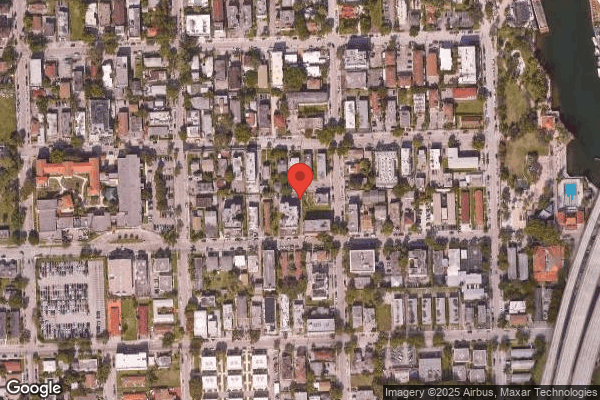
335 SW 12 AVENUE, MIAMI, FL 33130 (305) 545-6695
For profit - Limited Liability company 147 Beds ONYX HEALTH Data: November 2025
Trust Grade
88/100
#96 of 690 in FL
Last Inspection: May 2025

Inspected within the last 6 months. Data reflects current conditions.

Overview

Ponce Health and Rehabilitation Center has a Trust Grade of B+, which means it is above average and recommended for families considering care options. It ranks #96 out of 690 facilities in Florida, placing it in the top half, and #14 out of 54 in Miami-Dade County, indicating only a few local options are better. The facility's performance has been stable, with 13 issues found during inspections, but no critical or serious problems reported. Staffing is a strength here, with a 4/5 star rating and a turnover rate of 26%, significantly lower than the state average of 42%. There are no fines recorded, which is positive, and they have more registered nurse coverage than 92% of Florida facilities, enhancing the quality of care. However, there are some concerns, such as failure to complete necessary preadmission screenings for residents and lapses in infection control procedures, like storing equipment without protective coverings.

Trust Score
B+
88/100
In Florida
#96/690
Top 13%
Safety Record
Low Risk
No red flags
Inspections
Holding Steady
3 → 3 violations
Staff Stability
✓ Good
26% annual turnover. Excellent stability, 22 points below Florida's 48% average. Staff who stay learn residents' needs.
Penalties
✓ Good
No fines on record. Clean compliance history, better than most Florida facilities.
Skilled Nurses
✓ Good
Each resident gets 68 minutes of Registered Nurse (RN) attention daily — more than 97% of Florida nursing homes. RNs are the most trained staff who catch health problems before they become serious.
Violations
⚠ Watch
13 deficiencies on record. Higher than average. Multiple issues found across inspections.
★★★★★
5.0
Overall Rating
★★★★☆
4.0
Staff Levels
★★★★★
5.0
Care Quality
★★★★☆
4.0
Inspection Score
Stable
2023: 3 issues
2025: 3 issues

The Good

  • 4-Star Staffing Rating · Above-average nurse staffing levels
  • 5-Star Quality Measures · Strong clinical quality outcomes
  • Low Staff Turnover (26%) · Staff stability means consistent care
  • Full Sprinkler Coverage · Fire safety systems throughout facility
  • No fines on record
  • Staff turnover is low (26%)

    22 points below Florida average of 48%

Facility shows strength in staffing levels, quality measures, staff retention, fire safety.

The Bad

Chain: ONYX HEALTH

Part of a multi-facility chain

Ask about local staffing decisions and management

The Ugly 13 deficiencies on record

May 2025 3 deficiencies
CONCERN (D)

Potential for Harm - no one hurt, but risky conditions existed

Deficiency F0645 (Tag F0645)

Could have caused harm · This affected 1 resident

**NOTE- TERMS IN BRACKETS HAVE BEEN EDITED TO PROTECT CONFIDENTIALITY** Based on observations, interviews and record review the facility failed to ensure residents received an accurate Preadmission Sc...

Read full inspector narrative →
**NOTE- TERMS IN BRACKETS HAVE BEEN EDITED TO PROTECT CONFIDENTIALITY** Based on observations, interviews and record review the facility failed to ensure residents received an accurate Preadmission Screening and Resident Review (PASRR) Level I screening and a Level II screening for one (Resident 91) out of two residents reviewed. Resident 91 did not receive a PASSAR Level II after admission to the facility. There were a total of 139 residents residing in the facility at the time of this survey. The findings included: Record review of the Preadmission Screening and Resident Review (PASSR) Policy and Procedure (reviewed January 2025) documented: Policy-The facility ensures that a all residents admitted to the facility has PASSR Level I done prior to admission to facility or Level II as indicated by resident's condition and diagnosis of resident. Procedure: 1) Prior to admission, the admission department including nurse navigator must ensure that hospital or another nursing home facility has completed PASSR Level I for new residents prior to admittance to facility and 2) Upon receipt of PASSR I from hospital or another nursing home, facility will review PASSR Level by DON (Director of Nursing) or designee. If PASSR Level I indicates that a resident has serious mental illness and PASSR Level I indicates that a PASSR Level II is needed, facility must request from hospital or another nursing home, a PASSR Level II prior to admission to facility. Observation of Resident number 91 on 5/14/2025 at 7:52 AM revealed the resident sitting up in bed, eating breakfast with the television on. Review of the Demographic Face Sheet for Resident number 91 documented the resident was admitted on [DATE] with a diagnosis of acute respiratory failure, bipolar disorder, major depressive disorder, insomnia, dementia and schizophrenia. Review of the Minimum Data Set (MDS) Annual Assessment for Resident number 91 dated 2/27/2025 documented the resident's Mental Status (BIMS) Summary Score was not scored indicating severe cognitive impairment, the resident required substantial/maximal to dependent assistance for ADLs (Activities Daily Living) and Preadmission Screening and Resident Review (PASRR), the resident was not evaluated for a Level II PASSR and was not considered by the state level II PASRR process to have serious mental illness and/or intellectual disability or a related condition. The resident was not evaluated for PASRR Level II. Review of the Physician's Order Sheet (POS) for March 2025, April 2025 and May 2025 documented the resident received Mirtazapine Tablet 7.5 MG (milligrams) give 1 tablet by mouth at bedtime related to major depressive disorder and Sertraline HCl (Hydrochloride) Oral Tablet 25 MG give 1 tablet by mouth in the morning related to major depressive disorder. Review of the Care Plans for Resident number 91, written 7/07/2022 documented the resident did not receive psychotropic medications. Review of the PASRR for Resident number 91 documented the PASRR Level I was completed on 1/30/2024, the diagnoses bipolar disorder and depressive order were checked off. The diagnosis of schizophrenia was not checked off and a Level II was not completed. Interview with the Director of Nursing (DON) on 5/15/2025 at 6:47 AM. He stated, Yes, I am the one who completes and checks the PASSR Level I. The PASRR Level I was completed on 1/30/2024. She has diagnoses of bipolar disorder, depressive disorder and schizophrenia. The diagnosis of schizophrenia was not added to the Level I and should have been added. That is the reason the Level II was not done.
CONCERN (D)

Potential for Harm - no one hurt, but risky conditions existed

QAPI Program (Tag F0867)

Could have caused harm · This affected 1 resident

Based on observations, interview and record review, the facility's quality assurance and assessment committee failed to demonstrate an effective plan of action was implemented to correct an identified...

Read full inspector narrative →
Based on observations, interview and record review, the facility's quality assurance and assessment committee failed to demonstrate an effective plan of action was implemented to correct an identified quality deficiency in the problem area related to repeated deficient practice for F645- PASARR Screening for Mental Disease (MD) and Intellectual Disability (ID). As evidenced by: F645 was cited during a Recertification survey ending 12/21/23 when the facility failed to ensure a level 1 Preadmission Screening and Resident Review (PASRR) was completed accurately prior to admission and failed to revise the screening following admission for four (4) Residents This repeated deficient practice has the potential to affect any of the 139 residents residing in the facility at the time of the survey. The findings included: Record review of the facility's survey history revealed, during a recertification conducted on December 18, 2023, through December 21, 2023, at the facility. F645-PASRR Screening for Mental Disease (MD) and Intellectual Disability (ID) was cited as the facility failed to ensure a level 1 Preadmission Screening and Resident Review (PASARR) was completed accurately prior to admission and failed to revise the screening following admission for four (4) Residents. Review of the facility policy and procedure titled Quality Assurance and Performance Improvement revision date 01/01/25 states: It is the policy of this facility to develop, implement, and maintain an effective, comprehensive, data-driven QAPI program that focuses on indicators of the outcomes of care and quality of life. The QAPI plan will address the following elements: a. Design and scope of the facility's QAPI program and QAA Committee responsibilities and actions. b. Policies and procedures for feedback, data collection systems, and monitoring. c. Process addressing how the committee will conduct activities necessary to identify and correct quality deficiencies. Key components of this process include, but are not limited to, the following: Tracking and measuring performance; Establishing goals and thresholds for performance improvements; Identifying and prioritizing quality deficiencies; Systematically analyzing underlying corrective action or performance improvement activities. Monitoring and evaluating the effectiveness of corrective action/performance improvement activities and revising as needed. d. A prioritization of program activities that focus on high-risk, high-volume, or problem-prone areas as identified in the facility assessment that reflects the specific units, programs, departments and unique population the facility serves. e. A commitment to quality assessment and performance improvement by the governing body and/or executive leaders. f. Process to ensure care and services delivered meet accepted standards of quality. Review of the Quality Assurance and Performance Improvement (QAPI) Committee Meeting Sign-in Sheets dated 02/27/2025, 03/27/2025, and 04/24/25 documented the facility had QAA Committee meetings monthly. Attendees included: Administrator, Medical Director, Director of Nursing (DON), Infection Control Preventionist, Risk Manager, Dietary Manager, Clinical Dietician, Director of Housekeeping, Director of Maintenance, Director of therapy, Director of Human resources, Director of admissions, Director of Business office, Director of Social Services, Director of Activities, MDS (Minimum Data Set) Coordinator. Interview on 05/15/2025 at 12:07 PM with the Administrator (NHA) stated the QAA Committee meets every month, the last meeting was held on 04/24/2025. The committee consists of the Medical Director, Administrator, Director of Nursing (DON), Infection Preventionist and all interdisciplinary team members. The purpose of QAPI is to make improvements on the quality of care we provide. Identify issues or potential issues and determine what we can do to prevent these issues from occurring.
CONCERN (D)

Potential for Harm - no one hurt, but risky conditions existed

Infection Control (Tag F0880)

Could have caused harm · This affected 1 resident

**NOTE- TERMS IN BRACKETS HAVE BEEN EDITED TO PROTECT CONFIDENTIALITY** Based on observation, record review and interviews, the facility failed to follow infection prevention and control procedures fo...

Read full inspector narrative →
**NOTE- TERMS IN BRACKETS HAVE BEEN EDITED TO PROTECT CONFIDENTIALITY** Based on observation, record review and interviews, the facility failed to follow infection prevention and control procedures for Residents ( #13, #106, #129, #234). As evidenced by Residents # #13, # 106, #129, and #234 Incentive Spirometer were observed stored at bedside with no protective covering. There were 139 residents residing in the facility at the time of the survey. The findings included: Resident #13 During an observation on 05/12/25 at 06:51 AM Resident #13 was in bed asleep, an Incentive Spirometer was on the bedside table with no protective covering (Photo Evidence) On 05/13/25 at 08:21 AM Resident # 13 was observed in bed awake, eating breakfast, an Incentive Spirometer was being stored on bedside table with no protective covering. On 05/14/25 at 11:20 AM Resident # 13 was sitting on side of bed, receiving therapy provided by rehab staff, no distress noted, the Incentive Spirometer not in the room. Review of the medical records for Resident # 13 revealed the resident was admitted to the facility on [DATE]. Clinical diagnoses included but not limited to: Chronic Respiratory Failure with hypoxia. Resident #106 During observation on 05/12/25 at 06:55 AM Resident #106 was in bed asleep, Incentive Spirometer at bedside stored with no protective covering (photo evidence). Observation on 05/13/25 at 08:20 AM Resident #106 was in the room, family visiting, Incentive Spirometer being stored at bedside with no protective covering. On 05/14/25 at 10:01 AM Resident #106 was observed in room in wheelchair, family at side,the Incentive Spirometer was stored at bedside with no protective covering. Review of the medical records for Resident # 106 revealed the resident was admitted to the facility on [DATE]. Clinical diagnoses included but not limited to: Type II Diabetes Mellitus with Hyperglycemia. Resident #129 During observation on 05/12/25 at 06:58 AM Resident #129 was in bed asleep,there was an Incentive Spirometer on the bedside table with no protective covering (photo evidence). On 05/13/25 at 08:11 AM Resident #129 was in bed eating breakfast, the Incentive Spirometer stored at the bedside had no protective covering On 05/14/25 at 09:56 AM Resident #129 was in room receiving care from staff, the incentive Spirometer stored at bedside had no protective covering. Review of the medical records for Resident #129 revealed the resident was admitted to the facility on [DATE]. Clinical diagnoses included but not limited to: Traumatic Subdural Hemorrhage with loss of consciousness. Resident #234 During observation on 05/12/25 at 06:57 AM Resident #234 in bed asleep in bed, Incentive Spirometer on bedside stored with no protective covering (photo evidence). On 05/13/25 at 08:10 AM Resident # 234 in bed eating breakfast, Incentive Spirometer not at bedside. Review of the medical records for Resident # 234 revealed the resident was admitted to the facility on [DATE]. Clinical diagnoses included but not limited to: Rhabdomyolysis Interview on 05/14/25 at 09:29 Licensed Practical Nurse (Staff A), 4th floor unit revealed, for the residents that have Incentive Spirometers, when they are not being used, they are stored in a clear bag with the date, the bag is changed weekly, and the Spirometer is cleaned after each use. On 05/14/25 at 09:43 AM Licensed Practical Nurse (Staff B), reported (via Spanish/English translator) for the residents that have Incentive Spirometers, when they are not being used they are stored in a clear bag, the equipment is cleaned after each use and the bags are changed weekly, the reason for cleaning the Spirometer and storing in the bag is for infection control prevention. On 05/14/25 at 10:27 AM Assistant Director of Nursing (ADON) revealed the residents with Incentive Spirometer use them for 15 minutes two times a day, after use they are cleaned and placed in a clear plastic bag, the bag is replaced weekly and dated, so the nursing staff know when to replace the bags. This is done daily for infection control purposes, we do the same procedure for oxygen tubing and nebulizer masks. On 05/15/25 at 08:48 AM Director of Nursing (DON) revealed the three residents observed with Incentive Spirometers in their rooms, no longer have orders for the use of the Incentive Spirometers, those residents choose to keep the Incentive Spirometers, as a result the Incentive Spirometers are now considered personal property of those residents and do not need to be stored in protective covering. In addition. Review of the facility policy and procedure titled Infection Prevention and Control and Surveillance Program revision date 01/2025 states: It is the policy of the facility to ensure that the Infection Control Program is designed to prevent, identify, report, investigate, and control the spread of infections and communicable disease for all residents, staff, volunteers, visitors, and other individuals providing services under a contractual arrangement; provide a safe, sanitary and comfortable environment; and to help prevent the development and transmission of disease and infection, in accordance with State and Federal Regulations, and national guidelines. Review of the policy and procedure titled Incentive Spirometers dated 01/2025 states all residents who use an Incentive Spirometer must have a dedicated device. Incentive Spirometers must be cleaned routinely according to this policy to prevent respiratory infections and ensure device functionality. Weekly cleaning instructions by 11-7 nursing staff: #7. Store the device in a clean, dry area within the resident's room.
Dec 2023 3 deficiencies
CONCERN (D)

Potential for Harm - no one hurt, but risky conditions existed

Deficiency F0645 (Tag F0645)

Could have caused harm · This affected 1 resident

**NOTE- TERMS IN BRACKETS HAVE BEEN EDITED TO PROTECT CONFIDENTIALITY** 4. On 12/18/23 at 09:17 AM, Resident # 48 was observed seated in a wheelchair in front of a table in the Activities room well-gr...

Read full inspector narrative →
**NOTE- TERMS IN BRACKETS HAVE BEEN EDITED TO PROTECT CONFIDENTIALITY** 4. On 12/18/23 at 09:17 AM, Resident # 48 was observed seated in a wheelchair in front of a table in the Activities room well-groomed and smiling. Two staff members were present, encouraged resident to participate in games and praised her efforts. On 12/19/23 at 08:10 AM, Resident # 48 was observed in activities room playing a game, smiling, and responded to greetings. On 12/20/23 at 09:23 AM, Resident # 48 was observed teary. Staff reassured the resident and assisted resident to Activities room. Record Review of Resident # 48's Level I PASARR (Preadmission Screening and Resident Review) documented Section I: PASARR Screen Decision Making: A: MI or suspected MI (check all that apply) - bipolar disorder was not checked off. Does individual have validating documentation to support dementia or related neurocognitive disorder - no. Section III Not a provisional admission. Section IV No diagnosis or suspicion of SMI or ID indicated. Level II PASARR evaluation not required. PASARR Level I was completed by Director of Nursing (DON) at the facility on 12/19/23. Record review of Resident # 48's psych consult dated 12/6/23 reviewed indicates a diagnosis of Bipolar, Generalized Anxiety Disorder, Insomnia. Medications include Seroquel 100mg by mouth twice a day, Trazadone 50mg by mouth at bedtime, Olanzapine 5mg by mouth twice a day, Klonopin 1 mg by mouth twice a day and Valproic Acid 250mg by mouth at bedtime. Treatment plan to educate patient on characteristics of risks and benefits of treatment options as well as potential side effects and patient verbalized understanding and agree with the plan, lifestyle modification education provided, and supportive therapy provided. Record review of Resident # 48's psych consult dated 11/29/23 reviewed indicates a diagnosis of Bipolar, Generalized Anxiety Disorder, Insomnia. Medications include Seroquel 100mg by mouth twice a day, Trazadone 50mg by mouth at bedtime, Olanzapine 5mg by mouth twice a day, Klonopin 1 mg by mouth twice a day and Valproic Acid 250mg by mouth at bedtime. The treatment plan to educate patient on characteristics of risks and benefits of treatment options as well as potential side effects and patient verbalized understanding and agree with the plan, lifestyle modification education provided, and supportive therapy provided. Review of medical records revealed, Resident # 48 was admitted on [DATE] with diagnosis that included bipolar disorder current episode manic severe with psychotic features, Anxiety and Major Depressive Disorder. Review of Resident # 48's physician's orders revealed Quetiapine Fumarate Tablet 100 MG Give 1 tablet by mouth two times a day related to bipolar disorder, current episode manic severe with psychotic feature dated 9/8/23. Trazodone HCl Oral Tablet 50 MG (Trazodone HCl) Give 1 tablet by mouth at bedtime related to major depressive disorder, single episode dated 9/11/23. Valproic Acid Oral Solution 250 MG/5ML (Valproate Sodium) Give 30 ml by mouth at bedtime related to Bipolar Disorder, Current episode manic sever with psychotic features dated 10/2/23. Olanzapine Oral Tablet 5 MG (Olanzapine) Give 1 tablet by mouth two times a day related to Bipolar Disorder, Current episode manic sever with psychotic dated 11/13/23. ClonazePAM Oral Tablet 1 MG (Clonazepam) Give 1 mg by mouth two times a day related to Anxiety dated 11/16/23. Review of Resident # 48's admission Minimum Data Set (MDS) dated [DATE] revealed Section A for Identification resident is not currently considered by the state level II PASRR process to have serious mental illness and/or intellectual disability or a related condition. Section C for cognitive status Brief Interview for mental status score was undetermined. Section I for Active Diagnosis for psychiatric/Mood disorder included Anxiety, Depression, and bipolar disorder. Section N for medications resident received 7 antipsychotics, 7 antianxiety and 6 antidepressants in the last 7 days. Section O for Special Treatments, Procedures and Programs resident received Hospice Care. Review of Resident # 48's Care Plan [NAME] has potential for discomfort and side effects related to the use of psychotropic medications for diagnosis of bipolar disorder, anxiety, depression with interventions Administer medication as ordered. Ask physician to review medication for possible dose reduction every three months. Assess for fall risk. Monitor behavior every shift and document. Observe for possible side effects every shift and report to MD PRN: high fever, muscle rigidity, orthostatic hypotension, sedation, dry mouth, balance problem, unsteady gait, restlessness, tremors, Parkinsonism, akinesia, dystonia, akasthesia, tardive dyskinesia. Report pertinent labs results to physician. On 12/19/23 at 02:30 PM the DON stated he reviews, submits, and updates all PASARRs. The DON reviewed resident # 48 diagnosis and stated the diagnosis of bipolar disorder was omitted by mistake. Stated he will update the PASARR with current diagnosis. Based on record review and interview, the facility failed to ensure a level 1 Preadmission Screening and Resident Review (PASARR) was completed accurately prior to admission and failed to revise the screening following admission for four (4) Residents (#13, #48, #49, #81) out of 28 sampled residents. There were 135 residents residing in the facility at the time of the survey. The findings Included: 1. During observation on 12/18/23 at 09:27 AM Resident #13 was in bed, complained of call light not working properly that was resolved by the Maintenance Director immediately. Stated she would like to have an extra soup today, Resident' s request was communicated to the dietary staff by the surveyor. On 12/19/23 at 10:15 AM Resident #13 observed in room states everything is great today, the call light was not really broken, it worked, there was just a blinking red light that was always on and it turns out that was not her call light, that was the resident in the other bed's call light. During observation on 12/20/23 at 08:30 AM Resident #13 was in bed asleep, no distress noted. Record Review of Resident #13's Level I PASARR (Preadmission Screening and Resident Review) documented Section I: PASARR Screen Decision Making: A: Mental Illness (MI) or suspected MI (check all that apply) - no mental Disorders checked off. Findings based on documented history were-Section II Other indicators for PASARR screening Decision-Making: All checked - no. Does individual have validating documentation to support dementia or related neurocognitive disorder - no. Section III Not a provisional admission. Section IV. No diagnosis or suspicion of Serious Mental Illness (SMI) or Intellectual Disability (ID) indicated. Level II PASRR evaluation not required. PASRR Level I completed by a Nurse Practitioner and Director of Nursing (DON) at the facility on 8/4/22 Record Review of Resident #13's Psychological Consultation dated 11/22/23 revealed, Mental status examination performed, complexity-moderate, follow up in one month. Medications-Seroquel, Ativan, Zoloft, and Mirtazapine, Treatment Plan-Educated patient on characteristics of illness, discussed risks and benefits of treatment options as well as potential side effects, patient verbalized understanding and agree with the plan. lifestyle modification education provided. Supportive therapy provided. Review of the medical records for Resident #13 revealed, the resident was admitted to the facility on [DATE]. Clinical diagnoses included but were not limited to: Major depressive Disorder, Anxiety Disorder, Insomnia and Psychosis. Review of the Physician's Orders Sheet for December 2023 revealed, Resident #13 had orders that included but not limited to: Seroquel oral tablet 25 milligram (mg) (quetiapine fumarate)-give 1 tablet by mouth in the afternoon related to unspecified psychosis not due to a substance or known physiological condition. Ativan tablet 1 mg (lorazepam)-give 1 tablet by mouth two times a day related to anxiety disorder, unspecified. Zoloft tablet 25 mg (sertraline)-give 1 tablet by mouth one time a day related to major depressive disorder, recurrent, moderate and Mirtazapine tablet 7.5 mg-give 1 tablet by mouth at bedtime related to major depressive disorder, recurrent, moderate. Record review of Resident # 13's Quarterly Minimum Data Set (MDS) dated [DATE] revealed: Section A 1500 resident is currently considered by the state level II PASRR process to have a SMI or ID or a related condition-Not available. Section C for Cognitive Patterns documented Brief interview for mental status score (BIMS), 10 on a 0-15 scale indicating the resident is moderately impaired cognitively. Section I for Active diagnosis documented Anxiety disorder, Depression Disorder and Psychotic Disorder. Section N for Medications documented resident is taking antipsychotic, antidepressant, anticoagulant, opioids, diuretics, and antianxiety medications. Section O for Special Treatments documented resident received oxygen therapy and hospice care while a resident. Record review of Resident #13 's Care Plans Reference Date 10/20/23 revealed: Resident has a Potential for discomfort and side effects related to the use of psychotropic medications: Resident is on antidepressant, antipsychotic, and anxiolytic medications related to major depressive disorder, Anxiety and Psychosis. Interventions include-Administer medication as ordered. Ask the physician to review medication for possible dose reduction every three months. Assess for fall risk. Monitor behavior every shift and document. Observe for possible side effects every shift and report to MD PRN: high fever, muscle rigidity, orthostatic hypotension, sedation, dry mouth, balance problem, unsteady gait, restlessness, tremors, Parkinsonism, akinesia, dystonia, akathisia, tardive dyskinesia. Report pertinent labs results to physician. Resident have impaired cognitive function/dementia or impaired thought processes, displays deficits in judgement related to Changes in cognitive abilities, Difficulty making decisions, Impaired decision making. Interventions include-Family members will exhibit an understanding of required care and demonstrate appropriate. Coping skills and utilize community resources. I will have appropriate maintenance of mental and psychological function as long as possible and reversal of behaviors when possible. 1:1 visits for support and promotion of venting feelings. Administer medications as ordered. Monitor/document for side effects and effectiveness. Ask yes/no questions to determine the resident's needs. Assist with word finding as needed, do not allow frustrations to build. Communicate with the resident/family/caregivers regarding residents' capabilities and needs. Resident is at risk for depression related to anxiety disorder. Interventions include-Administer medications as ordered. Monitor/document for side effects and effectiveness. Arrange for psych consult, follow up as indicated. Monitor/document/report as needed any risk for harm to self: suicidal plan, past attempt at suicide, risky actions (stockpiling pills, saying goodbye to family, giving away possessions or writing a note, intentionally harmed, or tried to harm self, refusing to eat or drink, refusing med or therapies, sense of hopelessness or helplessness, impaired judgment or safety awareness. 2. During Observation on 12/18/23 at 09:22 AM, Resident #49 in wheel chair in hallway being taken to therapy, clean and well groomed, no distress noted, stated everything is good here. On 12/19/23 at 10:18 AM, Resident #49 observed in bed asleep, no distress noted. On 12/20/23 at 09:17 AM, Resident #49 observed in room in wheelchair eating breakfast, stated he is doing great today. Record Review of Resident #49 of Level I PASARR (Preadmission Screening and Resident Review) revealed Section I: PASARR Screen Decision Making: A: MI or suspected MI (check all that apply) - only anxiety disorder checked off. The Findings based on documented history were Section II Other indicators for PASARR screening Decision-Making: All checked no. Does individual have validating documentation to support dementia or related neurocognitive disorder - no. Section III Not a provisional admission. Section IV No diagnosis or suspicion of SMI or ID indicated. Level II PASRR evaluation not required. PASARR Level I was completed by a Registered Nurse at the facility on 7/29/2019. Record Review of Resident #49's psychological consultation dated 9/28/23 revealed, on evaluation the patient was Alert and oriented times two, disoriented to time. He was calm and cooperative, adequately dressed and fair hygiene. Patient presented able and pleasant. He was found socializing in the activity room with other patients. He was engaged in an interview, reported feeling good. His affect flat and congruent to mood. denied symptoms of depression and anxiety during the day. Patient confirmed compliance to medication, tolerating well with no side effects. He reports adequate sleeping patterns, with current medication and a good appetite. Patient denied perceptual disturbances such as visual or auditory hallucinations. Patient denied suicidal or homicidal ideation, intention, or plan. Patient has remained stable, with reported intermittent back and joint pain, generalized weakness, continues smoking. Plan-No changes, continue taking medication as prescribed, monitor for changes and side effects, and Follow up with psychiatry accordingly. Review of the medical records for Resident #49 revealed, the resident was admitted to the facility on [DATE] and readmitted on [DATE]. Clinical diagnoses included but were not limited to: Dementia, Psychosis, Insomnia and Depression. Review of the Physician's Orders Sheet for May 2022 revealed, Resident #49 had orders that included but not limited to: Trazodone tablet 50 mg-give 1 tablet by mouth at bedtime related to insomnia. Temazepam capsule 15 mg-give 1 capsule by mouth at bedtime for insomnia related to insomnia. Zoloft tablet 50 mg (sertraline)-give 50 mg by mouth one time a day for depression. Record review of Resident #49 's Quarterly Minimum Data Set (MDS) dated [DATE] revealed: Section A 1500 resident is currently considered by the state level II PASRR process to have a SMI or ID or a related condition-Not available. Section C for Cognitive Patterns documented Brief interview for mental status score (BIMS), 12 on a 0-15 scale indicating the resident is moderately impaired cognitively. Section I for Active diagnosis documented Depression, dementia, insomnia and Psychotic Disorder. Section N for medications documented resident is taking antidepressant, hypnotic and hypoglycemic medications. Section O for Special Treatments and Procedures documented none received while a resident. Record review of Resident #49 's Care Plans revealed: Resident has impaired cognitive function/dementia or impaired thought processes, displays deficits in judgement related to (r/t) Changes in cognitive abilities, Impaired decision making. Interventions Include-1:1 visit for support and promotion of venting feelings. Administer medications as ordered. Monitor/document for side effects and effectiveness. Assist with word finding as needed, do not allow frustrations to build. Communicate with the resident/family/caregivers regarding resident's capabilities and needs. Resident has Potential for discomfort and side effects related to the use of psychotropic medications: Resident is on antidepressant, and hypnotic therapy related to major depressive disorder, Insomnia and Psychosis. Interventions include-Assess resident's ability to safely self-administer medications specified on admission/re-admission, quarterly, with change in medication orders and with significant changes in condition. Discuss medications with each supervised administration. Demonstrate correct. administration as required. Review each med as necessary with the client. Monitor resident's self-administration (FREQ). Review usage patterns by looking at inventory and reordering patterns to assure compliance. Monitor for changes in condition related to inappropriate medication use. Provide written documentation on each medication for the resident to keep as reference at the bedside. During observation on 12/18/23 at 09:24 AM Resident #81 in bed awake, talking to himself, air mattress running correctly, call light on bed. On 12/19/23 at 10:14 AM Resident #81 in bed asleep, call light on bed, clean and well groomed, positioning devices present in bed, resident ate approximately 50% of breakfast. On 12/20/23 at 08:21 AM Resident in bed asleep, curtains closed, resident expired at 3:58 AM Review of Resident # 81's Level I PASRR (Preadmission Screening and Resident Review) revealed Section I: PASRR Screen Decision Making: A: MI or suspected MI (check all that apply) - only Anxiety Disorder checked off. The Findings based on documented history were Section II Other indicators for PASRR screening Decision-Making: All checked no. Does individual have validating documentation to support dementia or related neurocognitive disorder - no. Section III Not a provisional admission. Section IV No diagnosis or suspicion of SMI or ID indicated. Level II PASRR evaluation not required. PASRR Level I completed by a registered Nurse at the hospital 11/22/23. Record Review of Resident #81's Psychological consultation dated 11/14/23 documented Patient was seen for an initial psychiatric evaluation. On evaluation, the patient was awake and alert and oriented to person, place, time. The patient appears as stated age, adequately dressed, and had a fair hygiene. Patient was adequately, engaged to interview, reported symptoms of depression and anxiety increasing over time since hospital admission. The anxiety symptoms are accompanied by edginess, restlessness, describing desire to go home. Impaired concentration. Patient denied significant past psychiatric history or prescribed psychotropic medication. Patient's effect was constricted and congruent to mood. Patient confirmed, adequate sleeping patterns and appetite. Patient confirms good support system consistent of family members with whom they maintain frequent contact with. Patient denied perceptual disturbances, such as visual or auditory hallucinations. Patient denies suicidal or homicidal ideation, intention, or plan. Plan-start Lexapro 5 milligram (mg) by mouth (po) daily every morning. Reviewed and discussed risks and benefits of medication, patient consented to medications, monitor patient for side effects or changes, and follow up accordingly. Review of the medical records for Resident #81 revealed resident was admitted to the facility on [DATE], readmitted on [DATE]. Clinical diagnoses included but not limited to: Major Depressive Disorder, Anxiety Disorder, Psychosis, and Insomnia. Resident #81 expired on 12/20/23. Review of the Physician's Orders Sheet for December 2023 revealed Resident #49 had orders that included but not limited to: Trazodone tablet 50 mg-give 1 tablet by mouth at bedtime related to insomnia, unspecified. Escitalopram oxalate oral tablet 5 mg (escitalopram oxalate)-give 1 tablet by mouth in the afternoon related to major depressive disorder, single episode, unspecified. Seroquel oral tablet 50 mg (quetiapine fumarate)-give 1 tablet by mouth at bedtime related to unspecified psychosis not due to a substance or known physiological condition. Record review of Resident # 49's Discharge Return Not Anticipated Minimum Data Set (MDS) dated [DATE] revealed: Section A 1500 resident is currently considered by the state level II PASRR process to have a SMI or ID or a related condition. Not available. Section C for Cognitive Patterns documented Brief interview for mental status score (BIMS) unable to determined. Section I for Active diagnosis documented Anxiety disorder, Depressive Disorder and Psychotic Disorder. Section N for medications documented resident is taking antipsychotic, antidepressant, anticoagulant, and hypoglycemic medications. Section O for Special Procedures and Treatments documented resident received hospice care while a resident. Record review of Resident #81 's Discharge Return anticipated Care Plans Reference Date 11/14/23 revealed: Resident has the potential for discomfort and side effects related to (R/T) the use of psychotropic medications. Diagnosis: Major depressive disorder and insomnia. Interventions include-Administer medication as ordered. Ask physician to review medication for possible dose reduction every three months. Assess for fall risk. Monitor behavior every shift and document. Observe for possible side effects every shift and report to MD needed: high fever, muscle rigidity, orthostatic hypotension, sedation, dry mouth, balance problem, unsteady gait, restlessness, tremors, Parkinsonism, akinesia, dystonia, akathisia, tardive dyskinesia. Report pertinent labs results to physician. Resident has History of behavior issues as evidenced by: Screaming, yelling causing distress to self and others related to: Others: adjustment issues. Interventions include-Approach in calm, gentle manner, introducing yourself. Assess, review and document behavior per protocol. Be aware of sensory deficits and approach accordingly (hearing aide, eyeglasses). Explain all procedures and reasons before performing care. If he/she becomes combative or resistive, stop the task and/or leave the room, allowing time to call. Monitor resident closely during acute episode of behavior to keep resident and others safe. Notify MD if behavior escalates. Provide diversional activities i.e. food, 1:1 conversation, books, Television Psychiatric consult as needed. Resident is at risk for mood problems due to diagnosis of anxiety disorder and major depressive Disorder. Interventions include-Follow up psychiatric consult. Give medications as ordered and monitor for adverse symptoms. Give resident a space when agitated/restless. Inquire reason why resident is having episodes of problem mood and attempt to resolve it. Monitor mood problem/issues and document if any. Provide opportunities for resident to discuss problems. Reorient/redirect calmly. Staff will continue to allow verbalization of feeling and provide emotional support. Staff will continue to approach in a calm reassured manner. Maintain a pleasant mood, tone of voice at all times. 3. Record review of Resident #81's nurses notes on 12/20/2023 timestamped 03:58 documented, Resident noted very pale. Skin warm, non-responsive to verbal nor to tactile stimulation. Attempt to take vital sign was unable. Call placed to Hospice, hospice nurse pronounced the patient expired. Interview on 12/19/23 at 01:11 PM Director of Nursing (DON) stated when asked about the PASARR process at the facility stated, on admission I review the PASARR to make sure the residents are a candidate for our facility, if the level one is not completed correctly, prior to being admitted I will redo the PASARR and resubmit the PASARR to (K .) to see if the resident can be admitted to the facility. Surveyor discussed with the DON the three (3) residents noted on record review whose PASARR's were not completed. DON stated Resident #81 is a long-term resident and I know with his previous PASARR he was able to be admitted here in the facility, but I can see based on our records that all of his mental diagnoses are not checked off on his most recent PASARR dated 11/22/23. Resident #49's PASARR was completed in 2019 and there is no diagnosis checked off on the PASARR. Resident #13's PASARR dated 8/4/22 has no diagnosis checked off for this resident. DON stated when Resident # 13 was admitted to the facility he believes she did not have any psychological diagnosis. Surveyor explained to DON that diagnosis were added in May 2022 and the PASARR was completed on 8/2022. DON stated my plan moving forward would be to conduct an audit to confirm that all residents' mental diagnosis in the medical records are on the PASARR. I will be updating the three (3) residents PASARR mentioned immediately. Review of the facility's Policy and Procedure titled PASARR (Pre-admission Screening and Resident Review) revision date 10/2023 states: Pre-admission Screening and Resident Review (PASARR) is a federal requirement mandated by Social Security Act. It Is intended to ensure that Medicaid Certified nursing facility applicants and residents with a diagnosis of or a suspicion of serious mental illness or intellectual disabilities, or related conditions are identified and admitted or allowed to remain in the facility only if there is a verified need for such services. Procedure: Prior to admission, the admission department including nurse navigator must ensure that the hospital or another nursing home facility has completed PASARR Level I for new residents prior to admittance to the facility. If a resident is coming from home or an Assisted Living Facility (ALF), a registered nurse, Master Social Work ( MSW), Licensed Social Worker (LCSW), Advanced Registered Nurse Practitioner (ARNP), Doctor of Osteopathic Medicine (DO), or Medical Doctor (MD) who works in a nursing facility must complete PASARR Level I prior to admission.
CONCERN (D)

Potential for Harm - no one hurt, but risky conditions existed

Accident Prevention (Tag F0689)

Could have caused harm · This affected 1 resident

**NOTE- TERMS IN BRACKETS HAVE BEEN EDITED TO PROTECT CONFIDENTIALITY** Based on observation, interview, and record review, the facility failed to ensure the safety of vulnerable residents for one out...

Read full inspector narrative →
**NOTE- TERMS IN BRACKETS HAVE BEEN EDITED TO PROTECT CONFIDENTIALITY** Based on observation, interview, and record review, the facility failed to ensure the safety of vulnerable residents for one out of two sampled residents (Resident #88) for smoking. As evidenced, Resident #88 was smoking out in the smoking area with no staff supervision. This deficient practice has the tendency to affect all 7 residents who smoke at the facility at the time of the survey. The findings included: On 12/19/2023 at 11:14 AM, during an interview with Staff B, a Certified Nurse Assistant, she stated that she was the one who watches the residents when they go to smoke. She stated most residents come 2 or 3 times a day, and a staff is always present at the smoking area to supervise them. Observation on 12/20/2023 at 08:10 AM showed Resident #88 was at the smoking area by himself with a cigarette in his hand smoking, no staff was around. Observed Resident #88 finished smoking at 08:14 AM and still no staff was present. Further observation showed Resident #88 was very hard to hear. Review of Resident #88's quarterly minimum data set (MDS) dated [DATE] revealed Section B showed the resident had hearing impairment and Section C BIMS summary score 10 out of 15, indicating moderate cognitive impairment. Review of Resident #88's Care Plan started on 09/24/2023 and completed 10/24/2023 revealed, Resident #88 likes to smoke, potential for injury to impaired mobility. The resident does not wear smoking apron at times. The facility's Interventions included, Close monitoring while smoking in the smoking area Ascertain resident's wishes about smoking and respect resident's decision Explain Facility's smoking Policy Monitor for compliance with smoking policy Ensure that there is no lighter/cigarettes at bedside; Staff will provide such during smoking time in the smoking area. During an interview with the Activity Director on 12/20/2023 at 10:29 AM, she stated that her and [Staff B] are supposed to watch the residents when the residents are in the smoking area smoking. She stated that she doesn't do the care plan for the residents, but reviews the care plan all the time. She stated that she holds the cigarettes for the residents, and the residents come to get the cigarettes from her each time they need to smoke, but for the lighters, either her or [Staff B] can hold it. She stated that no residents have the cigarettes or lighter in their possession in this facility. She stated that there should not be any resident outside smoking alone, her or [Staff B] will be with the resident. Review of the facility's smoking policy revised in July 2017 revealed: Policy Statement: This facility shall establish and maintain safe resident smoking practices. Policy Interpretation and Implementation: 8. Any resident with restricted smoking privileges requiring monitoring shall have the direct supervision of a staff member, family member, visitor or volunteer worker at all times while smoking.
CONCERN (D)

Potential for Harm - no one hurt, but risky conditions existed

Pharmacy Services (Tag F0755)

Could have caused harm · This affected 1 resident

**NOTE- TERMS IN BRACKETS HAVE BEEN EDITED TO PROTECT CONFIDENTIALITY** Based on observation, record review, and interviews, the facility failed to ensure an accurate count on the narcotic sheet (Resi...

Read full inspector narrative →
**NOTE- TERMS IN BRACKETS HAVE BEEN EDITED TO PROTECT CONFIDENTIALITY** Based on observation, record review, and interviews, the facility failed to ensure an accurate count on the narcotic sheet (Resident #71) on one cart and failed to ensure medications were securely stored as evidenced by four loose medication pills found on two carts out of three carts checked. The findings included: On [DATE] at 01:09 PM, in an observation of the third-floor medication cart two with Staff C, RN (Registered Nurse). It was revealed that Resident #71's narcotic count sheet for Tramadol 50 milligrams stated there were 16 remaining, but 15 were remaining in the bingo card. When checking the medication cart, two white loose pills (337 & ET/59) were found. In an interview with Staff C, R.N., when shown that the narcotic count sheet was incorrect. Staff C R.N. stated, I charted the medication that it was given in the electronic medication record. I needed to put the time, which is 8:18 AM that it was given on the narcotic sheet. At that time, a resident called 911 due to shortness of breath. I had to assist Staff D, R.N. with the rescue alert. On [DATE] at 02:36 PM, in an interview with Staff C, R.N. When asked, What is the procedure for documentation when removing a narcotic from the bingo card? What happened earlier that you were unable to update the narcotic count sheet? Staff C R.N. stated, The resident (#71) is alert and wants their medication on time. At 8:18 am, I gave the medication. I was at the nursing station, I picked up the phone, learned that there was a resident that called 911 and I was interviewed on why there was a resident calling 911. I had no time for writing. My coworker called me for assistance. When I left the room. I went to the dining room where nursing is assigned to watch residents. When the resident is full code, nurses are to help. When I remove a narcotic medication, I perform my five checks, ask the resident's pain level, click if the medication was given, and chart the time on the narcotic sheet. In nursing, there is much multitasking, someone is always calling on the nurse. I know it is very important to chart the narcotic administration in the chart and the narcotic count sheet. When asked, What is the facility policy for cleaning medication carts? Staff C, R.N. stated, I work the 7-3 shift, I clean my cart every shift and before my shift. The supervisor says every nurse is to clean their carts. When a loose pill is found. I place it in the drug buster. Record review for Resident #71 revealed, that medical diagnoses of polyneuropathy and osteoarthritis. Record review of physician orders for [DATE] revealed, an order for Tramadol 50 milligrams one time a day for non-acute pain. On [DATE] at 02:02 PM, in an observation with Staff E, R.N. on the second-floor medication cart one, it was revealed that a white pill (KP02 / 10) and an orange pill (2 ½ - 893) were found. On [DATE] at 02:53 PM, in an interview with Staff E, R.N., When asked, What is the facility policy for cleaning medication carts? Staff E, R.N. stated, When a medication is found. I dispose of them in the drug buster bottle. On all shifts, nurses are to clean their carts, reorganize, and check that everything is in place. Sometimes the bingo blister is broken. Our supervisors check the carts frequently to see that they are clean and organized, medications are available and correct and, everything is dated and not expired. On [DATE] at 09:27 AM, in an interview with the Director of Nursing. It was discussed the finding of an incorrect narcotic count and loose pills. When asked, What is the facility procedure when a nurse removes a narcotic medication and how do your nursing staff maintain a clean medication cart? The Director of Nursing stated, The nurses are supposed to sign out the medication as soon as it's removed. It's documented if the resident received or refused the medication. This was a case that we hadn't dealt with before. If Staff C, R.N. didn't catch it during her shift. Before the shift is over, the nurse and the incoming nurse will review the narcotic count sheets. Every Sunday, nurses will vacuum the medications, and look at the state of the bingo cards. We have had cases where they were broken already. The bingo cards can break at any moment. Any moment a pill can come out. When we find them, we put them in a drug buster. On [DATE] at 11:25 AM, in an interview with the Director of Nursing. The Director of Nursing stated, The narcotic administration record is not a part of the resident's permanent records this is tossed out. Staff C, R.N. had good judgment to attend to the resident's rescue alert. In the electronic medication record. It was given at the right time. Staff C, R.N. corrected it. The permanent record weighs more than the temporary narcotic count record. The nurses did a review with the Pharmacist this past week. We check the medication carts clean them weekly and hose them down. These bingo cards are thin in the back. Last week, we had no loose pills found on the cart. We worked so hard. Review of policies and procedures titled controlled substances. Date initiated 2006. The policy statement stated medications included in the Drug Enforcement Administration (D.E.A) classification as controlled substances are subject to special handling, storage, disposal, and recordkeeping in the facility, in accordance with federal and state laws and regulations. In section Procedures, part E, Accurate accountability of the inventory of all controlled drugs is maintained at all times. When a controlled substance is administered, the licensed nurse administering the medication enters the following information on the accountability record and the medication administration record (MAR). 1) Date and time of administration (MAR, Accountability Record). 2) Amount administered (Accountability Record). 3) Remaining quantity (Accountability Record). 4) Initials of the nurse administering the dose, completed after the medication is actually administered (MAR, Accountability Record).' Review of policies and procedures titled, Storage of Medications. Date initiated 2001. Date Revised [DATE]. The policy statement stated, the facility shall store all drugs and biologicals in a safe, secure, and orderly manner. In section, Policies Interpretation and Implementation, section 2, The nursing staff shall be responsible for maintaining medication storage and preparation areas in a clean, safe, and sanitary manner.
Oct 2022 7 deficiencies
CONCERN (D)

Potential for Harm - no one hurt, but risky conditions existed

Deficiency F0583 (Tag F0583)

Could have caused harm · This affected 1 resident

**NOTE- TERMS IN BRACKETS HAVE BEEN EDITED TO PROTECT CONFIDENTIALITY** Based on observations, record review and interviews. The facility failed to ensure privacy of confidential information by leavin...

Read full inspector narrative →
**NOTE- TERMS IN BRACKETS HAVE BEEN EDITED TO PROTECT CONFIDENTIALITY** Based on observations, record review and interviews. The facility failed to ensure privacy of confidential information by leaving unlocked unattended computer screens with residents' information visible for two out of three medication carts observed. The facility has a total of six medication carts. This deficient practice has the potential to affect all 140 residents in the facility at the time of this survey. The findings included: 1) During a medication administration observation conducted with Staff I, a Registered Nurse (RN ) on 10/18/22 at 5:17 PM, Staff I left the computer on top of the medication cart on (logged into the electronic charting system) and unattended, facing out into the main hallway while she entered room [ROOM NUMBER] to administer medications to a resident. 2) During a tour of the facility conducted on 10/19/22 at 5:03 PM, an observation was made of a computer on top of a medication cart that was left on (logged into the electronic charting system) and unattended, facing out into the main hallway of the 2nd floor near room [ROOM NUMBER]. On 10/19/2022 at approximately 5:10 PM Staff J, RN was notified by the surveyor that the computer had been left on. Staff J did not verbally respond but did lock the screen. 3) During a medication administration observation conducted with Staff J on 10/19/22 at 5:20 PM, the surveyor observed Staff J leave the computer on top of the medication cart on (logged into the electronic charting system) and unattended, facing out into the main hallway when she entered room [ROOM NUMBER] to administer medications to a resident. On 10/19/2022 at approximately 6:30 PM the Director of Nursing was informed of the concerns.
CONCERN (D)

Potential for Harm - no one hurt, but risky conditions existed

ADL Care (Tag F0677)

Could have caused harm · This affected 1 resident

**NOTE- TERMS IN BRACKETS HAVE BEEN EDITED TO PROTECT CONFIDENTIALITY** Based on observation, interview, and record review the facility failed to address services related to Activities of Daily Living...

Read full inspector narrative →
**NOTE- TERMS IN BRACKETS HAVE BEEN EDITED TO PROTECT CONFIDENTIALITY** Based on observation, interview, and record review the facility failed to address services related to Activities of Daily Living (ADL) related to the grooming of a resident's fingernails; as evidenced by failure to ensure the fingernails were trimmed and cleaned for 1 (Resident # 137) of 1 resident reviewed. The findings included: In an observation conducted on 10/17/22 at 9:30 AM, Resident #137 was noted in bed. Closer observation showed long, thick, sharp-edged, dirty fingernails with some dark, black matter noted at the rim of the nail base/bed. In this observation, Resident #137 was asked if she wanted her fingernails trimmed and she said yes. (Photographic evidence obtained). A chart review showed that Resident #137 was admitted to the facility on [DATE] with diagnoses of Dysphagia, Dementia and Anxiety. The Minimum Data Set (MDS) dated [DATE] showed that Resident #137 had a Brief Interview of Mental Status (BIMS) score of 13 out of 15 which indicate the resident is cognitively intact. The Care Plan dated 10/17/22 showed that Resident #137 is at risk for deterioration in ADL function and medical stability secondary generalized weakness, and anxiety. It further showed that Resident #137 will maintain current level of ADL functional status according to her abilities through the review date. Check nail length and clean and/or trim on bath day as necessary and report any changes to the nurse. In an observation conducted on 10/18/22 at 8:10 AM Resident #137 was noted in bed. Closer observation showed long, thick, sharp-edged, dirty fingernails with some dark, black matter noted at the rim of the nail base/bed. In an interview conducted on 10/19/22 at 9:00 AM, Staff C, a Certified Nursing Assistant, stated that the 3:00 PM to 11:00 PM shift usually cut and trim the resident's fingernails and sometimes activities will do it. Staff C further stated that she looks at resident's fingernails daily and if she feels that they need to be trimmed or cut she will go ahead and do it. Staff C was then asked why she did not cut and trim Resident #137 fingernails. Staff C stated that Resident #137 is fidgety about her fingernails and does not like them cut. During this interview, Staff C was asked to accompany the surveyor to Resident #137's room. Resident #137 was asked if she would like to have her fingernails cut and trimmed by Staff C and she responded yes. A review of the facility's policy titled Fingernails, Care of revised in February 2022 showed that following: The purposes of this procedure are to clean the nail bed, to keep nails trimmed, and to prevent infections. Proper nail care can aid in the prevention of skin problems around the nail bed. Trimmed and smooth nails prevent the resident from accidentally scratching and injuring his or her skin. Watch for and report any changes in the color of the skin around the nail bed, blueness of the nails, any signs of poor circulation, cracking of the skin between the toes, any swelling, bleeding. During an interview conducted on 10/20/22 at 11:00 AM, the facility's Director of Nursing was informed of the findings.
CONCERN (D)

Potential for Harm - no one hurt, but risky conditions existed

Deficiency F0692 (Tag F0692)

Could have caused harm · This affected 1 resident

**NOTE- TERMS IN BRACKETS HAVE BEEN EDITED TO PROTECT CONFIDENTIALITY** Based on record review, observation and interviews the facility failed to perform appropriate nutrition monitoring on a resident...

Read full inspector narrative →
**NOTE- TERMS IN BRACKETS HAVE BEEN EDITED TO PROTECT CONFIDENTIALITY** Based on record review, observation and interviews the facility failed to perform appropriate nutrition monitoring on a resident who was admitted with a stage two pressure ulcer and poor oral intake and failed to provide the appropriate assistance during dining for 1 of 8 sampled residents reviewed for nutritional risk (Residents #490). The findings included: A review of the facility's Nutritional Assessment, revised on 1/18/2022, documented that the nutritional assessment will be a systematic, multidisciplinary process that includes gathering and interpreting data and using that data to help define meaningful interventions for the resident at risk for or with impaired nutritional. A chart review showed that resident #490 was admitted to the facility on [DATE] with diagnoses of anorexia, dysphagia, and dementia. The Minimum Data Set (MDS) dated [DATE] revealed that Resident #490 has a Brief Interview of Mental Status (BIMS) score of 04 out of 15 , which indicate the resident has severe cognitive impairment. Section G of the MDS showed that Resident #490 needed extensive assistance with one person assist for eating. In an observation conducted on 10/17/22 at 12:28 PM, Resident #490 received her lunch tray in the room and ate her lunch meal without assistance from staff. Continued observation showed staff assisting Resident #490's roommate with lunch meal. At 12:50 PM, Resident #490's lunch tray was taken out of the room and was noted to be 95% untouched. In an observation conducted on 10/18/22 at 7:40 AM, Resident #490 received her breakfast tray in the room and ate her meal without assistance from staff. She ate 100% of her oatmeal and a few spoons of her eggs. At 8:00 AM, staff came in the room and encouraged Resident #490 to finish her breakfast tray. At 8:07 AM the tray was taken out of the room by staff. The weights documented in the electronic chart showed the following weights recorded for Resident #490: admission weight on 09/05/22 at 124 pounds, on 09/13/22 at 122 pounds, on 09/19/22 at 119 pounds and on 10/07/22 at 117 pounds. The Nutrition Full Assessment conducted on 09/06/22 which was 4 days after Resident #490's admission showed that Resident #490 was admitted with a stage 2 pressure ulcer to the sacrum, recent hospitalization, and was placed under isolation for COVID-19 infection. In this note, the facility's Registered Dietitian assessed her caloric daily needs at 1680 calories and her protein daily needs between 67 grams to 78 grams a day. A review of the facility's Menu Nutritional Analysis revealed that the Week 1 menu cycle provides a weekly average of 84.6 grams of protein, Week 2 provides a weekly average of 80.9 grams of protein, and Week 3 provides a weekly average of 69.6 grams of protein. Week 4 provides a weekly average of 89.3 grams of protein. The percentage intake of meals completed by the Certified Nursing Assistant showed that from 09/20/22 to 09/30/22, Resident #490 consumed 10 meals at 25%, 12 meals at 50%, 6 meals at 75%, and only 3 meals at 100%. This showed that Resident #490 ate an average of 50% intake daily of her meals. Compared to the facility's weekly average of protein, Resident #490 ate an average of 41 grams of protein daily. Resident #490 consumed 52% to 61% of her estimated protein needs that the Clinical Dietitian recommended in the Nutrition Full Assessment. The Malnutrition Risk Assessment completed on 09/06/22 by the facility's Clinician Dietitian, showed that Resident #490 was at risk for malnutrition upon admission. The Nutrition/Dietary Note completed on 09/13/22, 11 days after Resident #490's admission, showed that she was at high risk for weight loss and decline in nutritional parameters due to COVID-19 infection. It further showed that Resident #490 was seen by the Wound Care doctor and that she had nutritional support in place for wound healing. In this note, it was recommended to start Resident #490 on a bottle of Glucerna® (nutritional supplement) once a day which was created on 09/06/22. The Clinical Dietitian noted that Resident #490 was with acute kidney failure and that she would monitor and intervene as needed. The Nutrition/Dietary Note completed on 09/20/22, 18 days after Resident #490's admission, showed that she continued with poor PO (oral/by mouth) intake and that the Wound Care Doctor saw her for the s`stage 2 sacrum wound. On this note, the Clinical Dietitian recommended Megace (appetite stimulant) but did not increase the Glucerna® to more times a day and did not recommend any extra protein for wound healing. The Nutrition/Dietary Note completed on 09/21/22, 19 days after Resident #490's admission, showed that a Prealbumin lab (the lab that shows visceral protein status) was taken. A follow-up Nutrition note dated 09/26/22 showed that Megace (for appetite stimulant) was started on 09/26/22, )24 days after Resident #490's admission) and Pro-Stat Liquid (protein supplement for wound healing), started on 09/26/22 (24 days after Resident #490's admission). A review of the Medication Administration Record (MAR) intake for the Glucerna®once a day showed that from 09/06/22 to 09/30/22, Resident #490 consumed the following: 3 cans at 75% intake, 1 can at 50% intake, and 10 cans at 100% intake. This showed that the Resident drank an average of 64% of the bottle daily. A continued review of the MAR for October 2022 showed that the Clinical Dietitian recommended increasing the Glucerna® supplement to twice a day which was only done on 10/09/22, (37 days after admission). The Care plan dated 09/15/22 showed that Resident #490 is at nutritional risk with 7#/5.6% significant weight loss x 30 days and poor PO intake. It further showed to monitor intake at all meals, offer alternate choices as needed, and alert the Doctor and Dietitian to any decline in intake. The Wound Care note dated 09/06/22 showed that Resident #490 had a Sacrum stage 2 pressure injury that measures 0.8 x 0.8 x 0.2 centimeters (cm). It further revealed that the wound care doctor noted a dietary recommendation regarding high protein intake. The Wound Care note dated 09/13/22 showed that Resident #490 had a sacrum stage 2 pressure injury that measures 1.8 x 1.8 x 0.2 cm and a dietary recommendation regarding high protein intake. In an interview conducted on 10/19/22 at 10:33 AM with the facility's Clinical Dietitian, she stated that she did not provide extra protein to Resident #490 because she was admitted with acute kidney failure. When asked why she did not increase the Glucerna® supplements to more than once a day until a month later, she said, I ordered Prealbumin level and wanted to monitor Resident #490's visceral protein status before I increased the Glucerna® supplement. She further stated that not all residents admitted with a stage 2 pressure ulcer are provided with an extra protein supplement. As for the nutritional interventions, she recommended psychotropic medication and a psych consultation. When asked how she addressed the wound care doctor's notes regarding a high-protein diet, she did not answer. Surveyor pointed out that Resident #490 was admitted with a stage 2 pressure ulcer and was assessed by her with malnutrition. Surveyor expressed concern with the timing of the nutritional interventions. In an interview conducted on 10/20/22 at 8:20 AM with Staff D, License Practical Nurse, and Staff E, a Registered Nurse, they stated that the wound care rounds are conducted weekly with the Wound Care doctor. When asked about the recommendations for a high protein diet, they said that it is needed to help restore tissues, especially when a resident has a pressure ulcer. When the Wound Care doctor makes the recommendations for a high-protein diet, it is transmitted verbally to the facility's Dietitian in the morning meetings. The facility's Dietitian oversees ensuring that a high-protein diet is provided to the Resident. When asked about Resident #490, they said that the PO intake of meals is monitored to ensure that the Resident eats all the protein provided with the daily meals. If they do not, then a protein supplement is offered to help with wound healing. In an interview conducted on 10/19/22 at 1:00 PM, with the Corporate Dietitian, she acknowledged all findings.
CONCERN (D)

Potential for Harm - no one hurt, but risky conditions existed

Tube Feeding (Tag F0693)

Could have caused harm · This affected 1 resident

**NOTE- TERMS IN BRACKETS HAVE BEEN EDITED TO PROTECT CONFIDENTIALITY** Based on records reviewed,observations and interviews, the facility failed to assure that enteral nutrition has been followed by...

Read full inspector narrative →
**NOTE- TERMS IN BRACKETS HAVE BEEN EDITED TO PROTECT CONFIDENTIALITY** Based on records reviewed,observations and interviews, the facility failed to assure that enteral nutrition has been followed by the practitioner's order for 1 (Resident #50) of 2 sampled residents reviewed for tube feeding. There were 19 residents receiving tube feeding residing in the facility at the time of this survey. The findings included: A chart review showed that Resident #50 was admitted to the facility on [DATE] with diagnoses of Alzheimer's disease, Dementia, and Dysphagia. A review of Resident #50's physician orders showed an order for tube feeding Jevity 1.5 (formulary type) at 65 milliliters (ml) an hour times 20 hours to be off at 8:00 AM and on at 12:00 PM. In an observation conducted on 10/17/22 at 9:15 AM, Resident #50 was noted in bed. Closer observation showed a tube feeding bottle with Jevity 1.5 (formulary type) that was started at 5:02 AM on 10/17/22. Closer observation showed that the tube feeding was at the 1500 milliliters (ml) mark out of a 1500 ml capacity bottle. No tube feeding formulary was infusing at the time of observation. According to the practitioner's tube feeding order, the tube feeding should have been at the 1240 ml mark out of the 1500 ml capacity bottle. In an observation conducted on 10/17/22 at 11:00 AM, Resident #50 was noted in bed. Closer observation showed a tube feeding bottle with Jevity 1.5 (formulary type) that was started at 5:02 AM on 10/17/22. Closer observation showed that the tube feeding was at the 1500 milliliters (ml) mark out of a 1500 ml capacity bottle. No tube feeding formulary was infusing at the time of observation. In an observation conducted on 10/17/22 at 12:30 PM, Resident #50 was noted in bed. Closer observation showed a tube feeding bottle with Jevity 1.5 (formulary type) that was started at 5:02 AM on 10/17/22. Closer observation showed that the tube feeding was at the 1500 milliliters (ml) mark out of a 1500 ml capacity bottle. No tube feeding formulary was infusing at the time of observation. In an observation conducted on 10/17/22 at 12:50 PM, the tube feeding was just started with Jevity 1.5 at 65 ml an hour. In an observation conducted on 10/18/22 at 7:40 AM, Resident #50 was noted in bed. Closer observation showed a tube feeding bottle with Jevity 1.5 (formulary type) that was started at 5:55 AM on 10/18/22. Closer observation showed that the tube feeding was at the 1500 milliliters (ml) mark out of a 1500 ml capacity bottle. No tube feeding formulary was infusing at the time of observation. According to the Practitioner's tube feeding order, the tube feeding should have been around 1350-1370 ml mark out of the 1500 ml capacity bottle. In an observation conducted on 10/19/22 at 7:40 AM, Resident #50 was noted in bed. Closer observation showed a tube feeding bottle with Jevity 1.5 (formulary type) that was started at 6:00 AM on 10/19/22. Closer observation showed that the tube feeding was at the 1500 milliliters (ml) mark out of a 1500 ml capacity bottle. No tube feeding formulary was infusing at the time of observation. According to the Practitioner's tube feeding order, the tube feeding should have been around 1350-1370 ml mark out of the 1500 ml capacity bottle. Review of the care plan dated 08/29/22 showed that Resident #50 is at risk for altered nutritional status related to tube feeding, and she is totally dependent on staff. It further showed that Resident #50 is on enteral feeding for alternate means of nutrition related to dysphagia and to administer enteral feeding as ordered. A nutrition progress note dated 08/25/22 revealed that Resident #50's tube feeding was increased two months ago due to weight loss. She remains with nothing by mouth an Indefinitely dependent on her enteral feeding tube as her primary source of nutrition and hydration. She receives tube feeding Jevity 1.5 ml an hour for 20 hours, providing 1950 calories, 83 grams of protein, and 1788 ml of fluids a day. An interview with Staff A, License Practical Nurse, on 10/18/22 at 7:53 AM stated that the night shift changed the tube feeding bottle overnight. Resident #50's tube feeding is usually stopped around 8:00 AM for 4 hours to provide a bath and morning care, and it later resumes at around 12:00 PM. He further reported that Resident #50 is tolerating her tube feeding well. In an interview conducted on 10/19/22 at 1:00 PM, with the Corporate Dietitian, she acknowledged all findings.
CONCERN (D)

Potential for Harm - no one hurt, but risky conditions existed

Respiratory Care (Tag F0695)

Could have caused harm · This affected 1 resident

**NOTE- TERMS IN BRACKETS HAVE BEEN EDITED TO PROTECT CONFIDENTIALITY** Based on record reviews, observations and interviews the facility failed to perform adequate tracheostomy care for one (Resident...

Read full inspector narrative →
**NOTE- TERMS IN BRACKETS HAVE BEEN EDITED TO PROTECT CONFIDENTIALITY** Based on record reviews, observations and interviews the facility failed to perform adequate tracheostomy care for one (Resident #78) out of one resident residing in the facility with tracheostomy. The findings included: Review of the facility policy titled Tracheostomy Care, revision date January 2022, revealed the following: In the Procedure Guidelines, which spells out each step for the staff to follow during tracheostomy care, this policy specifies the staff is supposed to wash their hands and don (put on) non-sterile exam gloves and remove oxygen tubing from on top of the tracheostomy and remove the old tracheostomy dressings and the disposable inner cannula (the tube that the resident breaths through). The staff is then supposed to remove the non-sterile exam gloves, wash hands, and then open the tracheostomy cleaning kit. While maintaining a sterile field, the staff should set up the supplies which are included in the kit (hydrogen peroxide, normal saline, gauze pads) along with a new tracheostomy inner cannula, new neck ties (a fabric device used to keep the tracheostomy in proper placement in the resident's neck), and a new fenestrated gauze pad (a special gauze pad which is split down the middle to fit around the outside of the tracheostomy stoma to help keep the area clean). After the supplies are set up, the staff is then supposed to don sterile gloves. Using these sterile gloves, the staff should place the new inner cannula into the tracheostomy. After this is in place, the staff should remove the sterile gloves and don non-sterile exam gloves to clean, dry, and disinfect the stoma. After this is complete, the staff should replace the neck ties, place the new fenestrated gauze pad around the insertion site, and replace the oxygen tubing onto the tracheostomy. The staff is then done with tracheostomy care and can remove their gloves and wash their hands. Records reviewed revealed Resident #78 was admitted to the facility on [DATE]. Resident #78 medical history include but not limited to significant brain damage caused by lack of oxygen, seizures, and respiratory failure. An Annual Minimum Data Set was completed on 09/07/22. The Brief Interview of Mental Status score was 99, which indicates Resident #78 had severe cognitive dysfunction. Under Section O (for Special Treatments) it is documented that Resident #78 required tracheostomy care, suctioning, and oxygen. Review of Resident #78's Care Plans, revealed care plans in place regarding Resident #78 having a tracheostomy due to chronic respiratory failure and impaired breathing mechanics. Review of Resident #78's physician orders, revealed orders in place for tracheostomy care to be done each shift and as needed and for suctioning of the tracheostomy to be done as needed for phlegm. During an observation and interview tracheostomy care was conducted on 10/19/22 at 2:23 PM. The staff involved were Staff F, Registered Nurse (RN) as the lead and Staff G, RN assisting; there was also a Certified Nursing Assistant (CNA) in attendance. The supplies were gathered and were on a clean surface prior to the surveyor entering Resident #78's room-there were 2 sterile tracheostomy cleaning kits which each included sterile gloves, sterile normal saline, sterile gauze, sterile Q-tips, hydrogen peroxide, and fenestrated gauze pads; there was also a new tracheostomy inner cannula, a new tracheostomy mask (which delivers oxygen into the tracheostomy), and new neck ties. Staff F and Staff G washed their hands and donned face shields and gloves. The CNA assisted the nurses in donning the isolation gowns. Staff G put a pulse oximeter on Resident #78's finger prior to starting the tracheostomy care to monitor his oxygen status and heart rate. Staff F opened the sterile tracheostomy cleaning kits first and donned her sterile gloves. Staff F then set up the supplies-she opened the sterile packets of hydrogen peroxide and the bottle of sterile normal saline and poured both of these solutions into the sterile tray. Staff F also set up the gauzes and Q-tips for cleaning, drying, and disinfecting the tracheostomy stoma. Staff G removed Resident #78's old tracheostomy inner cannula from the tracheostomy with non-sterile gloves. Staff G also removed the fenestrated gauze pad from under the tracheostomy. Staff F then used sterile Q-tips with the peroxide/saline solution to clean around the tip of the tracheostomy. Staff F then used sterile gauze with the peroxide/saline solution to clean the skin around the tracheostomy. Staff F then used dry sterile gauze to try the tip of the tracheostomy and the skin around the tracheostomy. Staff G then removed the original neck ties and assisted Staff F in putting the new neck ties in place. Staff F and Staff G then placed the new drain sponge around the tracheostomy stoma. Staff F then placed the new tracheostomy inner cannula into the tracheostomy. Staff G then assisted Staff F in placing the new tracheostomy mask onto the tracheostomy. Staff F and Staff G then removed their gloves, face shields, and gowns and washed their hands. It was noted by the surveyor that Staff F wore the same original sterile gloves throughout this whole procedure, despite the facility's policy stating that the sterile gloves should be worn only for the step of placing the new inner cannula into the tracheostomy. It was also noted that this step was done at the end of the procedure, despite the facility's policy stating it should be one of the first steps to be done.
CONCERN (D)

Potential for Harm - no one hurt, but risky conditions existed

Unnecessary Medications (Tag F0759)

Could have caused harm · This affected 1 resident

**NOTE- TERMS IN BRACKETS HAVE BEEN EDITED TO PROTECT CONFIDENTIALITY** Based on observations, interviews, and record review, the facility failed to ensure the medication error rate is less than 5%. T...

Read full inspector narrative →
**NOTE- TERMS IN BRACKETS HAVE BEEN EDITED TO PROTECT CONFIDENTIALITY** Based on observations, interviews, and record review, the facility failed to ensure the medication error rate is less than 5%. The facility failed to administer the ordered medication Oxycodone/Acetaminophen 5/325 mg for 81 out of 682 opportunities, (11.88 % error rate) for 1 of 8 sampled residents for medication administration review (Resident #59). The findings included: Observation of medication administration on 10/19/22 07:46 AM for Resident #59 conducted by Registered Nurse (RN), Staff F revealed the following administered medications by mouth: Duloxetine 30 mg (milligrams), aspirin 81 mg EC (Enteric Coated), Oxycodone/APAP 5-325 mg, folic acid 800 mcg (micrograms), Metoprolol tart 25 mg, multivitamin with minerals, vitamin D 25 mcg, ferrous sulfate 325 mg, vitamin C 500 mg, docusate sodium 100 mg, Memantine HCL 10 mg. Record review of Resident #59's clinical records revealed the resident was admitted to the facility on [DATE]. Clinical diagnoses included but not limited to: Covid-19, Persistent Mood (Affective) Disorder, Obesity, Other Chronic Pain, Alzheimer's Disease, Unspecified Osteoarthritis, Contracture of Left Hand, Other Hereditary and Idiopathic Neuropathies, Dementia, Anxiety Disorder, Pain Unspecified, Major Depressive Disorder. Review of the Prospective Payment System (PPS) 5 Day Minimum Data Set (MDS) dated [DATE], Section C revealed for cognitive status indicate that Resident #59 had a Brief Interview for Mental Status score of 4 out of 15, which indicated that she has severe cognitive impact. Review of Section G for functional status revealed for bed mobility Resident # 59 had a self-performance of extensive assistance with support of one-person physical assist, for dressing, toilet use, and personal hygiene all had a self-performance of total dependence with support of one-person physical assist. Review of Section J for health conditions revealed Resident #59 was receiving a scheduled pain medication regimen, a pain assessment interview was conducted that included asking the resident Have you had pain or hurting at any time in the last 5 days? the reply was no. Review of the Physician's Orders revealed that Resident #59 had an order dated 07/29/19 for Acetaminophen 325 mg, give 2 tablets orally every 6 hours as needed for pain. Review of the Physician's Orders revealed that Resident #59 had an order dated 08/12/21 for Alendronate 70 mg, give 1 tablet orally one time a day every Tuesday related to age-related osteoporosis without current pathological fracture. Review of the Physician's Orders revealed that Resident #59 had an order dated 11/08/21 for Clonazepam 0.5 mg, give ½ tablet orally tow times a day related to anxiety disorder. Review of the Physician's Orders revealed that Resident #59 had an order dated 08/26/21 for Duloxetine 30 mg, give 1 capsule orally one time a day related to major depressive disorder. Review of the Physician's Orders revealed that Resident #59 had an order dated 09/27/21 for Gabapentin 300 mg, give 1 capsule orally every 8 hours related to other chronic pain. Review of the Physician's Orders revealed that Resident #59 had an order dated 12/03/21 for Lidocaine Pain Relief 4% Patch, apply to left knee topically one time a day related to other chronic pain. Review of the Physician's Orders revealed that Resident #59 had an order dated 12/03/21 for Lidocaine Pain Relief 4% Patch, apply to remove topically at bedtime for pain. Review of the Physician's Orders revealed that Resident #59 had an order dated 06/03/21 for Mirtazapine 15 mg, give 1 tablet orally at bedtime related to insomnia. Review of the Physician's Orders revealed that Resident #59 had an order dated 10/27/21 to Monitor pain scale with pain rating scale every shift (1-2=mild; 3-5=moderate; 6-8=severe; 9-10=worst). Review of the Physician's Orders revealed that Resident #59 had an order dated 12/06/21 for Oxycodone-Acetaminophen 5-325 mg, give 1 tablet by mouth every 4 hours for pain related to other chronic pain. Review of the Care Plan for Resident #59 with an initiated date of 12/07/21 and a revision date of 10/03/22 documented focus indicated the resident is at risk for pain related to diagnoses: Hypertensive Retinopathy, Peripheral Vascular Disease (PVD), Low Back Pain, Osteoarthritis, Osteoporosis, Anemia, Left Hand Contracture, GERD, and Idiopathy Neuropathy. Goal was the resident will verbalize adequate relief of pain or ability to cope with incompletely relieved pain. The interventions included: Give medications as ordered. Observe, and document the frequency and intensity of the pain symptoms. Use the resident's verbal reports and staff's clinical judgment for this assessment. Follow a standardized assessment tool. Observe/document for side effects of pain medication. Observe for constipation; new onset or increased agitation, restlessness, confusion, hallucinations, dysphoria; nausea; vomiting; dizziness and falls. Report occurrences to the physician. Observe/document the effectiveness or ineffectiveness of medication and notify medical doctor (MD) as needed. Provide non-pharmacological interventions such as repositioning, noise and light reduction. Review of the October Medication Administration Record (MAR) for Resident #59, revealed the resident was not administered (excluding when resident was sleeping or had refused medication) her routinely scheduled Oxycodone-Acetaminophen 5-325 mg 24 times out of 105 opportunities. The dates/times and reason (if any) the routinely scheduled Oxycodone-Acetaminophen 5-325 mg was not given is as follows: On 10/05/22 at 8:00 AM and 12:00 PM no documentation (left blank). On 10/09/22 at 12:00 PM no documentation (left blank). On 10/11/22 at 4:00 PM and 8:00 PM documentation of 9, indicating Other/See Nurse Notes documented by Staff I - Registered Nurse. On 10/12/22 at 12:00 AM and 4:00 AM documentation of 9, indicating Other/See Nurse Notes documented by Staff K - Registered Nurse (agency). On 12/13/22 at 12:00 AM and 4:00 AM documentation of 9, indicating Other/See Nurse Notes documented by Staff K - Registered Nurse (agency). On 10/13/22 at 4:00 PM and 8:00 PM no documentation (left blank). On 10/14/22 at 8:00 AM documentation of 4, indicating Outside of Parameter documented by Staff EE - Nurse. On 10/14/22 at 4:00 PM and 8:00 PM no documentation (left blank). On 10/15/22 at 8:00 AM and 12:00 PM documentation of 9, indicating Other/See Nurse Notes documented by Staff L - Registered Nurse. On 10/16/22 at 12:00 AM and 4:00 AM documentation of 9, indicating Other/See Nurse Notes documented by Staff M Licensed Practical Nurse (agency). On 10/16/22 at 8:00 AM and 12:00 PM documentation of 9, indicating Other/See Nurse Notes documented by Staff L - Registered Nurse. On 10/16/22 at 4:00 PM and 8:00 PM documentation of 9, indicating Other/See Nurse Notes documented by Staff M Licensed Practical Nurse (agency). On 10/17/22 at 12:00 AM and 4:00 PM documentation of 9, indicating Other/See Nurse Notes documented by Staff M Licensed Practical Nurse (agency). Review of the October Medication Administration Record (MAR) for Resident #59, revealed the resident was monitored for pain with a rating scale every shift (excluding when the resident had a 0-pain score) was as follows: On 10/05/22 the night shift (11:00 PM - 7:00 AM) pain level was recorded as a 4, indicating moderate pain as documented by Staff CC - Licensed Practical Nurse. On 10/15/22 the evening shift (3:00 PM - 11:00 PM) pain level was recorded as a 4, indicating moderate pain as documented by Staff M Licensed Practical Nurse (agency). On 10/15/22 the night shift (11:00 PM - 7:00 AM) pain level was recorded as a 3, indicating moderate pain as documented by Staff M Licensed Practical Nurse (agency). On 10/16/22 the evening shift (3:00 PM - 11:00 PM) pain level was recorded as a 3, indicating moderate pain as documented by Staff M Licensed Practical Nurse (agency). On 10/18/22 the day shift (7:00 AM - 3:00 PM) pain level was recorded as 1, indicating mild pain as documented by Staff F Registered Nurse. Review of the October Medication Administration Notes for Resident #59 included the following: On 10/11/2022 at 11:47 PM Medication Administration Note Text: Oxycodone-Acetaminophen Tablet 5-325 MG pending script entered by Staff I Registered Nurse. On 10/11/2022 at 11:48 PM Medication Administration Note Text: Oxycodone-Acetaminophen Tablet 5-325 MG pending script entered by Staff I Registered Nurse. On 10/12/2022 at 1:10 AM Medication Administration Note Text: Oxycodone-Acetaminophen Tablet 5-325 MG no given pending new prescription in pharmacy entered by Staff K Registered Nurse (agency). On 10/12/2022 at 4:21 AM Medication Administration Note Text: Oxycodone-Acetaminophen Tablet 5-325 MG pharmacy was call; patient need a new prescription for this medication entered by Staff K Registered Nurse (agency). On 10/13/2022 at 12:53 AM Medication Administration Note Text: Oxycodone-Acetaminophen Tablet 5-325 MG pt. (patient) need new prescription on pharmacy entered by Staff K Registered Nurse (agency). On 10/13/2022 at 4:36 AM Medication Administration Note Text: Oxycodone-Acetaminophen Tablet 5-325 MG New prescription id needed for this medication entered by Staff K Registered Nurse (agency). On 10/15/2022 at 11:37 AM Medication Administration Note Text: Oxycodone-Acetaminophen Tablet 5-325 MG no given, pending pharmacy pick up entered by Staff L Registered Nurse. On 10/15/2022 at 1:50 PM Medication Administration Note Text: Oxycodone-Acetaminophen Tablet 5-325 MG pending pharmacy pick up entered by Staff L Registered Nurse. On 10/15/2022 at 11:11 PM Medication Administration Note Text: Oxycodone-Acetaminophen Tablet 5-325 MG medication unavailable contact pharmacy alerted supervisor on duty entered by Staff M - Licensed Practical Nurse (agency). On 10/16/2022 at 3:46 AM Medication Administration Note Text: Oxycodone-Acetaminophen Tablet 5-325 MG medication unavailable f/u with charge nurse aware entered by Staff M - Licensed Practical Nurse (agency). On 10/16/2022 1:09 PM Medication Administration Note Text: Oxycodone-Acetaminophen Tablet 5-325 MG pending pharmacy pick up entered by Staff L Registered Nurse. On 10/16/2022 1:10 PM Medication Administration Note Text: Oxycodone-Acetaminophen Tablet 5-325 MG pending pharmacy pickup entered by Staff L Registered Nurse. On 10/16/2022 at 8:28 PM Medication Administration Note Text: Oxycodone-Acetaminophen Tablet 5-325 MG alerted unit nurse day before f/u today pharmacy sending with new script night run entered by Staff M - Licensed Practical Nurse (agency). On 10/16/2022 at 8:30 PM Medication Administration Note Text: Oxycodone-Acetaminophen Tablet 5-325 MG f/u (follow up) with before progress notes check nurse charting entered by Staff M - Licensed Practical Nurse (agency). On 10/17/2022 at 2:18 AM Medication Administration Note Text: Oxycodone-Acetaminophen Tablet 5-325 MG medication unavailable contact pharmacy alert unit supervisor coming on board alerted last shift entered by Staff M - Licensed Practical Nurse (agency). On 10/17/2022 at 5:19 AM Medication Administration Note Text: Oxycodone-Acetaminophen Tablet 5-325 MG medication on order, alerted oncoming nurse to f/u (follow up) entered by Staff M - Licensed Practical Nurse (agency). Review of the September Medication Administration Record (MAR) for Resident #59, revealed the resident was not administered (excluding when resident was sleeping or had refused medication) her routinely scheduled Oxycodone-Acetaminophen 5-325 mg 8 times out of 180 opportunities. The dates/times and reason (if any) the routinely scheduled Oxycodone-Acetaminophen 5-325 mg was not given is as follows: On 09/01/22 at 12:00 AM and 4:00 AM documentation of 9, indicating Other/See Nurse Notes documented by Staff N Licensed Practical Nurse (agency). On 09/01/22 at 4:00 PM and 8:00 PM no documentation (left blank). On 09/02/22 at 12:00 AM and 4:00 AM documentation of 9, indicating Other/See Nurse Notes documented by Staff O Registered Nurse (agency). On 09/13/22 at 12:00 AM and 4:00 AM documentation of 9, indicating Other/See Nurse Notes documented by Staff K Registered Nurse (agency). Review of the September Medication Administration Record (MAR) for Resident #59, revealed the resident was monitored for pain with a rating scale every shift (excluding when the resident had a 0-pain score) was as follows: On 09/03/22 the night shift (11:00 PM - 7:00 AM) pain level was recorded as a 1, indicating mild pain as documented by Staff DD Registered Nurse. On 09/13/22 the night shift (11:00 PM - 7:00 AM) pain level was recorded as a 4, indicating moderate pain as documented by Staff CC Licensed Practical Nurse. On 09/17/22 the night shift (11:00 PM - 7:00 AM) pain level was recorded as a 5, indicating moderate pain as documented by Staff GG Nurse. On 09/18/22 the night shift (11:00 PM - 7:00 AM) pain level was recorded as a 2, indicating mild pain as documented by Staff HH Nurse. On 09/21/22 the night shift (11:00 PM - 7:00 AM) pain level was recorded as a 4, indicating moderate pain as documented by Staff CC Licensed Practical Nurse. On 09/24/22 the night shift (11:00 PM - 7:00 AM) pain level was recorded as a 4, indicating moderate pain as documented by Staff CC Licensed Practical Nurse. On 09/30/22 the night shift (11:00 PM - 7:00 AM) pain level was recorded as a 1, indicating mild pain as documented by Staff O RN (agency). Review of the September Medication Administration Notes for Resident #59 included the following: On 9/1/2022 at 1:21 AM Medication Administration Note Text: Oxycodone-Acetaminophen Tablet 5-325 MG medication not available entered by Staff N - Licensed Practical Nurse (agency). On 09/1/2022 at 5:01 AM Medication Administration Note Text: Oxycodone-Acetaminophen Tablet 5-325 MG medication not on hand was entered by Staff N - Licensed Practical Nurse (agency). On 09/2/2022 at 12:57 AM Medication Administration Note Text: Oxycodone-Acetaminophen Tablet 5-325 MG medication not on hand was entered by Staff O - Registered Nurse (agency). On 09/2/2022 at 3:36 AM Medication Administration Note Text: Oxycodone-Acetaminophen Tablet 5-325 MG medication not on hand was entered by Staff O - Registered Nurse (agency). On 09/12/2022 at 11:19 PM Medication Administration Note Text: Oxycodone-Acetaminophen Tablet 5-325 MG patient need a refill of this medication (pharmacy has been called) was entered by Staff K - Registered Nurse (agency). ON 09/13/2022 at 6:11 AM Medication Administration Note Text: Oxycodone-Acetaminophen Tablet 5-325 MG call pharmacy patient has no Oxycodone left was entered by Staff K - Registered Nurse (agency). Review of the August Medication Administration Record (MAR) for Resident #59, revealed the resident was not administered (excluding when resident was sleeping or had refused medication) her routinely scheduled Oxycodone-Acetaminophen 5-325 mg 29 times out of 186 opportunities. The dates/times and reason (if any) the routinely scheduled Oxycodone-Acetaminophen 5-325 mg was not given is as follows: On 08/09/22 at 12:00 AM documentation of 9, indicating Other/See Nurse Notes documented by Staff Q - Registered Nurse (agency). On 08/09/22 at 8:00 PM documentation of 9, indicating Other/See Nurse Notes documented by Staff R - Licensed Practical Nurse (agency). On 08/10/22 at 8:00 PM documentation of 9, indicating Other/See Nurse Notes documented by Staff S - Registered Nurse (agency). On 08/20/22 at 8:00 PM documentation of 9, indicating Other/See Nurse Notes documented by Staff T - Registered Nurse. On 08/21/22 at 8:00 PM documentation of 9, indicating Other/See Nurse Notes documented by Staff U - Licensed Practical Nurse (agency). On 08/22/22 at 12:00 AM and 4:00 AM documentation of 9, indicating Other/See Nurse Notes documented by Staff V - Licensed Practical Nurse (agency). On 08/23/22 at 4:00 AM documentation of 9, indicating Other/See Nurse Notes documented by Staff N - Licensed Practical Nurse (agency). On 08/25/22 at 4:00 AM documentation of 9, indicating Other/See Nurse Notes documented by Staff Q - Registered Nurse (agency). On 08/25/22 at 4:00 PM and 8:00 PM no documentation (left blank). On 08/26/22 at 4:00 AM documentation of 9, indicating Other/See Nurse Notes documented by Staff N - Licensed Practical Nurse (agency). On 08/26/22 at 4:00 PM and 8:00 PM no documentation (left blank). On 08/27/22 at 4:00 AM documentation of 9, indicating Other/See Nurse Notes documented by Staff N - Licensed Practical Nurse (agency). On 08/27/22 at 4:00 PM and 8:00 PM documentation of 9, indicating Other/See Nurse Notes documented by Staff I - Registered Nurse. On 08/28/22 at 12:00 AM and 4:00 AM documentation of 9, indicating Other/See Nurse Notes documented by Staff O - Registered Nurse (agency). On 08/29/22 at 12:00 AM and 4:00 AM documentation of 9, indicating Other/See Nurse Notes documented by Staff O - Registered Nurse (agency). On 08/29/22 at 8:00 AM and 12:00 PM documentation of 9, indicating Other/See Nurse Notes documented by Staff W - Licensed Practical Nurse (agency). On 08/29/22 at 4:00 PM and 8:00 PM documentation of 9, indicating Other/See Nurse Notes documented by Staff Y - Registered Nurse. On 08/30/22 at 12:00 AM documentation of 9, indicating Other/See Nurse Notes documented by Staff X - Licensed Practical Nurse (agency). On 08/30/22 at 4:00 AM documentation of 5, indicating Hold/See Nurse Notes documented by Staff X - Licensed Practical Nurse (agency). On 08/31/22 at 4:00 PM documentation of 9, indicating Other/See Nurse Notes documented by Staff U - Licensed Practical Nurse (agency). Review of the August Medication Administration Record (MAR) for Resident #59, revealed the resident was monitored for pain with a rating scale every shift (excluding when the resident had a 0-pain score) was as follows: On 08/02/22 the night shift (11:00 PM - 7:00 AM) pain level was recorded as a X, indicating nothing as documented by Staff P - Registered Nurse. On 08/06/22 the evening shift (3:00 PM - 11:00 PM) no documentation (left blank). On 08/20/22 the night shift (11:00 PM - 7:00 AM) pain level was recorded as a 3, moderate pain as documented by Staff S - Registered Nurse (agency). On 08/30/22 the night shift (11:00 PM - 7:00 AM) pain level was recorded as a NA, indicating nothing as documented by Staff FF - Licensed Practical Nurse (agency). Review of the August Medication Administration Notes for Resident #59 included the following: On 08/9/2022 at 2:20 AM Medication Administration Note Text: Oxycodone-Acetaminophen Tablet 5-325 MG not rendered due to that the patient is sleeping documented by Staff Q- Registered Nurse (agency). On 08/9/2022 at 8:25 PM Medication Administration Note Text: Oxycodone-Acetaminophen Tablet 5-325 MG on Order documented by Staff R - Licensed Practical Nurse (agency). On 08/10/2022 at 12:34 AM Medication Administration Note Text: Oxycodone-Acetaminophen Tablet 5-325 MG wasn't given; we don't have the medication. Medication was order. documented by Staff S - Registered Nurse (agency). On 08/10/2022 at 4:28 AM Medication Administration Note Text: Oxycodone-Acetaminophen Tablet 5-325 MG we don't have the medication. It wasn't administered. Pharmacy consultation documented by Staff S - Registered Nurse (agency). On 08/10/2022 at 4:35 AM Medication Administration Note Text: Oxycodone-Acetaminophen Tablet 5-325 MG we don't the medication, was notified to the pharmacy documented by Staff S-Registered Nurse (agency). On 8/20/2022 at 7:36 PM Medication Administration Note Text: Oxycodone-Acetaminophen Tablet 5-325 MG resident no want to take the medication at this time documented by Staff T- Registered Nurse. On 08/21/2022 at 10:51 PM Medication Administration Note Text: Oxycodone-Acetaminophen Tablet 5-325 MG med on order patient pain 0/10 documented by Staff V - Licensed Practical Nurse (agency). On 08/22/2022 at 1:00 AM Medication Administration Note Text: Oxycodone-Acetaminophen Tablet 5-325 MG medication not available waiting for Pharmacy documented by Staff N - Licensed Practical Nurse (agency). On 08/22/2022 at 5:55 AM Medication Administration Note Text: Oxycodone-Acetaminophen Tablet 5-325 MG waiting from pharmacy documented by Staff V - Licensed Practical Nurse (agency). On 08/23/2022 at 6:14 AM Medication Administration Note Text: Oxycodone-Acetaminophen Tablet 5-325 MG medication not on hand documented by Staff N- Licensed Practical Nurse (agency). On 8/25/2022 at 4:54 AM Medication Administration Note Text: Oxycodone-Acetaminophen Tablet 5-325 MG not rendered due to that the medication is not on the specific bin of the patient documented by Staff Q - Registered Nurse (agency). On 8/26/2022 at 6:26 AM Medication Administration Note Text: Oxycodone-Acetaminophen Tablet 5-325 MG medication not on hand. needs clarification documented by N- Licensed Practical Nurse (agency). On 08/27/2022 at 7:25 AM Medication Administration Note Text: Oxycodone-Acetaminophen Tablet 5-325 MG medication not on hand. MD called awaiting call back documented by Staff N- Licensed Practical Nurse (agency). On 08/30/2022 at 5:56 AM Medication Administration Note Text: Oxycodone-Acetaminophen Tablet 5-325 MG unavailable documented by Staff X - Licensed Practical Nurse (agency). On 08/31/2022 at 4:57 PM Medication Administration Note Text: Oxycodone-Acetaminophen Tablet 5-325 MG med n/a (not applicable) documented by Staff U - Licensed Practical Nurse (agency). On 08/27/2022 at 7:36 AM provider called to put patient's Percocet on hold until delivered. awaiting call back documented by Staff N - Licensed Practical Nurse (agency). On 08/27/2022 at 10:47 PM Medication Administration Note Text: Oxycodone-Acetaminophen Tablet 5-325 MG pharmacy called to verify script. Pt denies pain documented by Staff I -Registered Nurse. On 08/27/2022 at 10:49 PM Medication Administration Note Text: Oxycodone-Acetaminophen Tablet 5-325 MG pharmacy called to verify script documented by Staff I Registered Nurse. On 08/28/2022 at 1:20 AM Medication Administration Note Text: Oxycodone-Acetaminophen Tablet 5-325 MG pending for pharmacy documented by Staff O- Registered Nurse (agency). On 08/28/2022 at 4:43 AM Medication Administration Notes and Nurses Notes Text: Oxycodone-Acetaminophen Tablet 5-325 MG pending for pharmacy documented by Staff O - Registered Nurse (agency). On 08/29/2022 at 12:16 AM Medication Administration Note Text: Oxycodone-Acetaminophen Tablet 5-325 MG pending for pharmacy documented by Staff O - Registered Nurse (agency). On 08/29/2022 at 5:10 AM Medication Administration Note Text: Oxycodone-Acetaminophen Tablet 5-325 MG pending for pharmacy documented by Staff O - Registered Nurse (agency). On 08/29/2022 at 09:00 Nurse's Note Text: pharmacy contacted regarding Percocet prescription. writer notified of need for new prescription. Doctor's nursing staff notified, pending medical doctor (MD) receipt of message, will update with plan of care once aware documented by Staff W - Registered Nurse (agency). On 08/29/2022 at 9:18 AM Nurse's Note Text: Call received for physician, states that pain management/Percocet script is being managed by another physician. Call placed to the other physician, pending response documented by Staff W - Registered Nurse (agency). On 08/29/2022 at 12:15 PM Medication Administration Note Text: Oxycodone-Acetaminophen Tablet 5-325 MG medical doctor (MD) aware med unavailable. pending scrip placement. patient denies any pain documented by Staff W - Registered Nurse (agency). On 08/29/2022 at 3:27 PM Medication Administration Note Text: Oxycodone-Acetaminophen Tablet 5-325 MG pending by pharmacy documented by Staff Y - Registered Nurse. On 08/29/2022 at 9:55 PM Medication Administration Note Text: Oxycodone-Acetaminophen Tablet 5-325 MG pending by pharmacy documented by Staff Y - Registered Nurse. On 08/30/2022 at 12:20 AM Medication Administration Note Text: Oxycodone-Acetaminophen Tablet 5-325 MG unavailable documented by Staff X - Licensed Practical Nurse (agency). Review of the July Medication Administration Record (MAR) for Resident #59, revealed the resident was not administered (excluding when resident was sleeping or had refused medication) her routinely scheduled Oxycodone-Acetaminophen 5-325 mg 20 times out of 186 opportunities. The dates/times and reason (if any) the routinely scheduled Oxycodone-Acetaminophen 5-325 mg was not given is as follows: On 07/03/22 at 12:00 AM and 4:00 AM documentation of 9, indicating Other/See Nurse Notes documented by Staff Z - Licensed Practical Nurse (agency). On 07/03/22 at 8:00 PM documentation of 9, indicating Other/See Nurse Notes documented by Staff Y -Registered Nurse On 07/04/22 at 12:00 AM and 4:00 AM documentation of 9, indicating Other/See Nurse Notes documented by Staff Z - Licensed Practical Nurse (agency) On 07/04/22 at 4:00 PM and 8:00 PM documentation of 9, indicating Other/See Nurse Notes documented by Staff Y- Registered Nurse On 07/05/22 at 4:00 PM and 8:00 PM documentation of 9, indicating Other/See Nurse Notes documented by Staff J -Registered Nurse. On 07/06/22 at 12:00 AM and 4:00 AM documentation of 9, indicating Other/See Nurse Notes documented by Staff AA - Licensed Practical Nurse (agency) On 07/18/22 at 4:00 AM documentation of 9, indicating Other/See Nurse Notes documented by Staff CC -Licensed Practical Nurse. On 07/19/22 at 12:00 AM and 4:00 AM documentation of 9, indicating Other/See Nurse Notes documented by Staff Q - Registered Nurse (agency) On 07/21/22 at 4:00 PM and 8:00 PM documentation of 9, indicating Other/See Nurse Notes documented by Staff Y - Registered Nurse On 07/22/22 at 8:00 PM documentation of 9, indicating Other/See Nurse Notes documented by Staff BB - Licensed Practical Nurse. On 07/23/22 at 12:00 AM and 4:00 AM documentation of 9, indicating Other/See Nurse Notes documented by Staff Q - Registered Nurse (agency) On 07/25/22 at 12:00 AM documentation of 9, indicating Other/See Nurse Notes documented by Staff Q - Registered Nurse (agency) On 07/27/22 at 12:00 AM documentation of 9, indicating Other/See Nurse Notes documented by Staff Q -Registered Nurse (agency) Review of the July Medication Administration Record (MAR) for Resident #59, revealed the resident was monitored for pain with a rating scale every shift (excluding when the resident had a 0-pain score) was as follows: On 07/12/22 the night shift (11:00 PM - 7:00 AM) pain level was recorded as a 2, indicating mild pain as documented by Staff CC - Licensed Practical Nurse. On 07/22/22 the night shift (11:00 PM - 7:00 AM) pain level was recorded as a 10, indicating worst pain as documented by Staff Q - Registered Nurse (agency). On 07/23/22 the night shift (11:00 PM - 7:00 AM) pain level was recorded as a 1, indicating mild pain as documented by Staff II - Nurse. Review of the July Medication Administration Notes for Resident #59 included the following: On 07/3/2022 at 12:11 AM Medication Administration Note Text: Oxycodone-Acetaminophen Tablet 5-325 MG meds not available, waiting for pharmacy to delivery as documented by Staff Z -Licensed Practical Nurse (agency). On 07/3/2022 at 4:22 AM Medication Administration Note Text: Oxycodone-Acetaminophen Tablet 5-325 MG meds not available, waiting for pharmacy to delivery as documented by Staff Z - Licensed Practical Nurse (agency). On 07/3/2022 at 5:53 PM Medication Administration Note Text: Oxycodone-Acetaminophen Tablet 5-325 MG pending by pharmacy as documented by Staff Y- Registered Nurse. On 07/3/2022 at 11:09 PM Medication Administration Note Text: Oxycodone-Acetaminophen Tablet 5-325 MG meds not available, pharmacy pending as documented by Staff Z - Licensed Practical Nurse (agency). On 07/4/2022 at 4:27 AM Medication Administration Note Text: Oxycodone-Acetaminophen Tablet 5-325 MG pharmacy pending as documented by Staff Z - Licensed Practical Nurse (agency). On 07/4/2022 at 5:07 PM Medication Administration Note Text: Oxycodone-Acetaminophen Tablet 5-325 MG pending by pharmacy as documented by Staff Y - Registered Nurse. On 07/5/2022 at 9:10 PM Medication Administration Note Text: Oxycodone-Acetaminophen Tablet 5-325 MG waiting from pharmacy consultation as documented by Staff J - Registered Nurse. On 07/5/2022 at 9:11 PM Medication Administration Note Text: Oxycodone-Acetaminophen Tablet 5-325 MG waiting from pharmacy as documented by Staff J - Registered Nurse. On 07/6/2022 at 12:54 AM Medication Administration Note Text: Oxycodone-Acetaminophen Tablet 5-325 MG medication pending delivery from pharmacy as documented by Staff AA - Licensed Practical Nurse (agency). On 07/6/2022 at 5:30 AM Medication Administration Note Text: Oxycodone-Acetaminophen Tablet 5-325 MG medication pending delivery from pharmacy as documented by Staff AA - Licensed Practical Nurse (agency). On 07/18/2022 at 6:15 AM Medication Administration Note Text: Oxycodone-Acetaminophen Tablet 5-325 MG medication not available as documented by Staff CC - Licensed Practical Nurse. On 07/19/2022 at 12:39 AM Medication Administration Note Text: Oxycodone-Acetaminophen Tablet 5-325 MG not given due to that this medication is not inside the patient's specific bin as documented by Staff Q -Registered Nurse (agency). On 07/19/2022 at 4:38 AM Medication Administration Note Text: Oxycodone-Acetaminophen Tablet 5-325 MG not given due to that this medication is not on the patient's specific bin as documented by Staff Q -Registered Nurse (agency). On 07/21/2022 at 4:14 PM Medication Administration Note Text: Oxycodone-Acetaminophen Tablet 5-325 MG pending by pharmacy as documented by Staff Y - Registered Nurse. On 07/21/2022 at 9:34 PM Medication Administration Note Text: Oxycodone-Acetaminophen Tablet 5-325 MG pending by pharmacy as documented by Staff Y - Registered Nurse. On 7/22/2022 at 8:19 PM Medication Administration Note Text: Oxycodone-Acetaminophen Tablet 5-325 MG resident sleeping as documented by Staff BB - Licensed Practical Nurse. On 07/23/2022 at 12:08 AM Medication Administration Note Text: Oxycodone-Acetaminophen Tablet 5-325 MG this medication needs to be reordered and the patient/resident does not have this in her patient's specific bin as documented by Staff Q -Registered Nurse (agency). On 0 7/23/2022 at 3:00 AM Medication Administration Note Text: Oxycodone-Acetaminophen Tablet 5-325 MG this medication is not given due to that it is not on the patient's specific bin as documented by Staff Q -Registered Nurse (agency). On 07/25/2022 at 1:07 AM Medication Administration Note Text: Oxycodone-Acetaminophen Tablet 5-325 MG not rendered due to that the patient is sleeping as documented by Staff Q -Registered Nurse (agency). On 07/27/2022 at 12:06 AM Medication Administration Note Text: Oxycodone-Acetaminophen Tablet 5-325 MG the patient refused as documented by Staff Q -Registered Nurse (agency). Review of the facility's policy titled, Administering Oral Medications with a revised date of October 2010, revealed the following: In the Section labeled Documentation, it is documented follow documentation guidelines in the procedure entitled Documentation of Medication Administration (requested by surveyor and was informed that it is in the Administering Oral Medications policy). In the Section labeled Reporting, it is documented to 1. Notify the super
CONCERN (D)

Potential for Harm - no one hurt, but risky conditions existed

Deficiency F0761 (Tag F0761)

Could have caused harm · This affected 1 resident

**NOTE- TERMS IN BRACKETS HAVE BEEN EDITED TO PROTECT CONFIDENTIALITY** Based on observations and interviews the facility failed to ensure proper storage of medications as evidenced by failure to lock...

Read full inspector narrative →
**NOTE- TERMS IN BRACKETS HAVE BEEN EDITED TO PROTECT CONFIDENTIALITY** Based on observations and interviews the facility failed to ensure proper storage of medications as evidenced by failure to lock medication carts and secure for 1 out of 2 medication carts observed on the facility's 4th floor. 2) Failed to ensure medication refrigerators are plugged into emergency outlet in event of a power outage. There were 140 residents residing in the facility at the time of this survey. The findings included: During a tour of the facility conducted on 10/18/22 at 4:57 PM, an observation was made of a medication cart that had been left unlocked and unattended in the main hallway of the 4th floor near room [ROOM NUMBER]. Photographic evidence was obtained of this unlocked cart. On 10/18/22 at approximately 5:00 PM, the surveyor asked a passing Certified Nursing Assistant (CNA) which nurse was responsible for the cart, and the CNA replied that it was Staff I, RN. Staff I then came to the surveyor and was notified of her unlocked medication cart. The nurse did not verbally respond but did walk over and lock the cart. On 10/18/22 at approximately 6:30 PM the Director of nursing was informed of the observations. Observation and interview conducted by the Life Safety Surveyor with the Maintenance Director and the Regional Facilities director on October 20, 2022, between the hours of 11:00 AM and 2:00 PM on the second, third and fourth floors in the medication rooms at the nurses' stations revealed the medication refrigerators are not connected to the emergency electrical branch. Unapproved connections to the medical refrigeration can pose harm and danger to patient's medicines in the event of a power failure or electrical shortage.
Understanding Severity Codes (click to expand)
Life-Threatening (Immediate Jeopardy)
J - Isolated K - Pattern L - Widespread
Actual Harm
G - Isolated H - Pattern I - Widespread
Potential for Harm
D - Isolated E - Pattern F - Widespread
No Harm (Minor)
A - Isolated B - Pattern C - Widespread

Questions to Ask on Your Visit

  • "Can I speak with families of current residents?"
  • "What's your RN coverage like on weekends and overnight?"

Our Honest Assessment

Strengths
  • • Grade B+ (88/100). Above average facility, better than most options in Florida.
  • • No major safety red flags. No abuse findings, life-threatening violations, or SFF status.
  • • No fines on record. Clean compliance history, better than most Florida facilities.
  • • 26% annual turnover. Excellent stability, 22 points below Florida's 48% average. Staff who stay learn residents' needs.
Concerns
  • • 13 deficiencies on record. Higher than average. Multiple issues found across inspections.
Bottom line: Generally positive indicators. Standard due diligence and a personal visit recommended.

About This Facility

What is Ponce Health And Rehabilitation Center's CMS Rating?

CMS assigns Ponce Health and Rehabilitation Center an overall rating of 5 out of 5 stars, which is considered much above average nationally. Within Florida, this rating places the facility higher than 99% of the state's 100 nursing homes. This rating reflects solid performance across the metrics CMS uses to evaluate nursing home quality.

How is Ponce Health And Rehabilitation Center Staffed?

CMS rates Ponce Health and Rehabilitation Center's staffing level at 4 out of 5 stars, which is above average compared to other nursing homes. Staff turnover is 26%, compared to the Florida average of 46%. This relatively stable workforce can support continuity of care.

What Have Inspectors Found at Ponce Health And Rehabilitation Center?

State health inspectors documented 13 deficiencies at Ponce Health and Rehabilitation Center during 2022 to 2025. These included: 13 with potential for harm.

Who Owns and Operates Ponce Health And Rehabilitation Center?

Ponce Health and Rehabilitation Center is owned by a for-profit company. For-profit facilities operate as businesses with obligations to shareholders or private owners. The facility is operated by ONYX HEALTH, a chain that manages multiple nursing homes. With 147 certified beds and approximately 138 residents (about 94% occupancy), it is a mid-sized facility located in MIAMI, Florida.

How Does Ponce Health And Rehabilitation Center Compare to Other Florida Nursing Homes?

Compared to the 100 nursing homes in Florida, Ponce Health and Rehabilitation Center's overall rating (5 stars) is above the state average of 3.2, staff turnover (26%) is significantly lower than the state average of 46%, and health inspection rating (4 stars) is above the national benchmark.

What Should Families Ask When Visiting Ponce Health And Rehabilitation Center?

Based on this facility's data, families visiting should ask: "Can I visit during a mealtime to observe dining assistance and food quality?" "How do you handle medical emergencies, and what is your hospital transfer rate?" "Can I speak with family members of current residents about their experience?"

Is Ponce Health And Rehabilitation Center Safe?

Based on CMS inspection data, Ponce Health and Rehabilitation Center has a clean safety record: no substantiated abuse findings (meaning no confirmed cases of resident harm), no Immediate Jeopardy citations (the most serious violation level indicating risk of serious injury or death), and is not on the Special Focus Facility watch list (a federal program monitoring the lowest-performing 1% of nursing homes). The facility has a 5-star overall rating and ranks #1 of 100 nursing homes in Florida. While no facility is perfect, families should still ask about staff-to-resident ratios and recent inspection results during their visit.

Do Nurses at Ponce Health And Rehabilitation Center Stick Around?

Staff at Ponce Health and Rehabilitation Center tend to stick around. With a turnover rate of 26%, the facility is 20 percentage points below the Florida average of 46%. Low turnover is a positive sign. It means caregivers have time to learn each resident's needs, medications, and personal preferences. Consistent staff also notice subtle changes in a resident's condition more quickly. Registered Nurse turnover is also low at 28%, meaning experienced RNs are available to handle complex medical needs.

Was Ponce Health And Rehabilitation Center Ever Fined?

Ponce Health and Rehabilitation Center has no federal fines on record. CMS issues fines when nursing homes fail to meet care standards or don't correct problems found during inspections. The absence of fines suggests the facility has either maintained compliance or corrected any issues before penalties were assessed. This is a positive indicator, though families should still review recent inspection reports for the full picture.

Is Ponce Health And Rehabilitation Center on Any Federal Watch List?

Ponce Health and Rehabilitation Center is not on any federal watch list. The most significant is the Special Focus Facility (SFF) program, which identifies the bottom 1% of nursing homes nationally based on persistent, serious quality problems. Not being on this list means the facility has avoided the pattern of deficiencies that triggers enhanced federal oversight. This is a positive indicator, though families should still review the facility's inspection history directly.