RIVERSIDE CARE CENTER
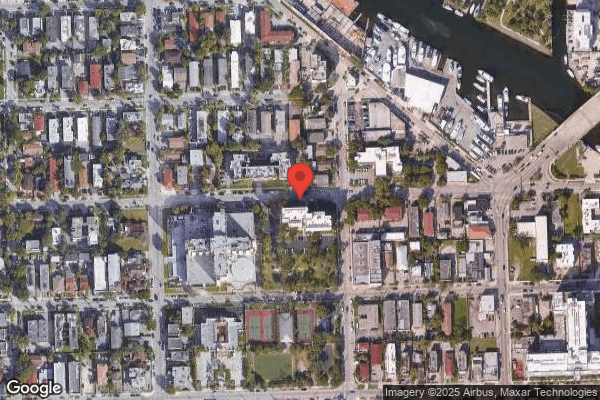
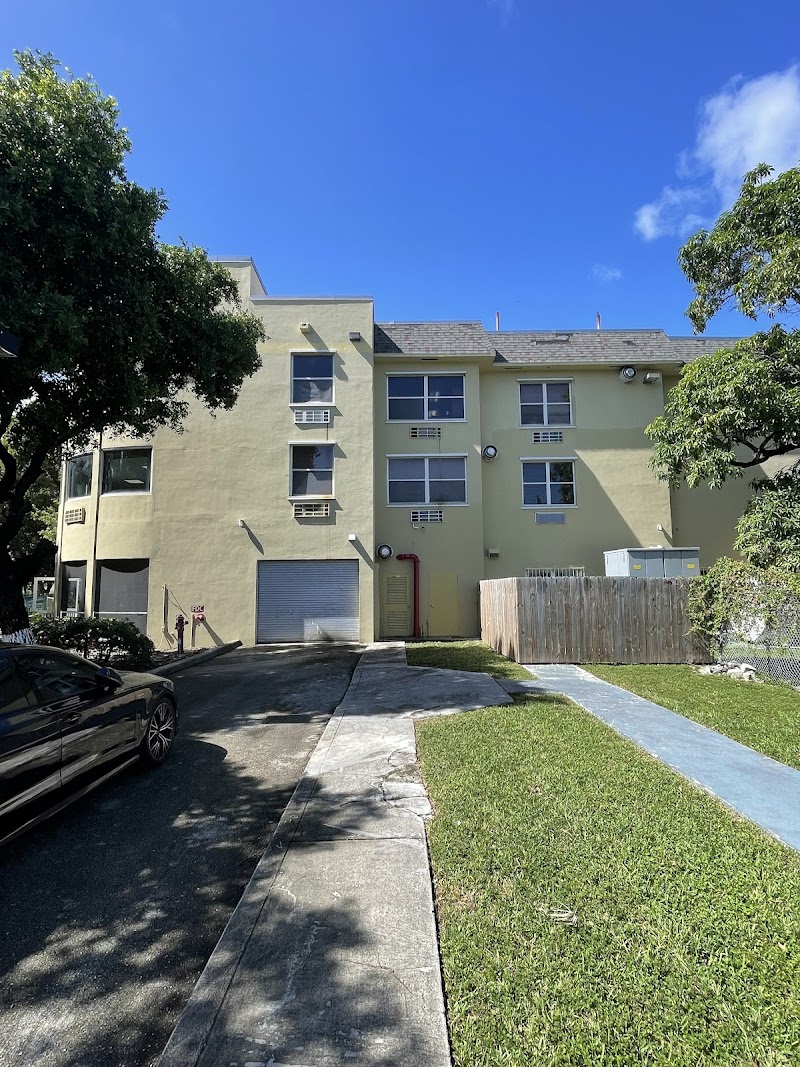
899 NW 4TH STREET, MIAMI, FL 33128 (305) 326-1236
For profit - Individual 120 Beds Independent Data: November 2025
Trust Grade
90/100
#101 of 690 in FL
Last Inspection: March 2025

Within standard 12-15 month inspection cycle. Federal law requires annual inspections.

Overview

Riverside Care Center in Miami, Florida, has received an impressive Trust Grade of A, indicating it is highly recommended and offers excellent care. It ranks #101 out of 690 facilities statewide, placing it in the top half of Florida nursing homes, and #15 out of 54 in Miami-Dade County, meaning only a few local options are better. However, the facility is experiencing a concerning trend, with issues increasing from 2 in 2023 to 3 in 2025. Staffing is a strong point, boasting a 5/5 star rating and a low turnover rate of 32%, which is below the state average. On the downside, there were some specific incidents noted, such as the failure to post daily nurse staffing information, which could affect resident care, and a resident not receiving timely pain medication before a wound care treatment, leading to discomfort. Overall, while Riverside Care Center shows many strengths, families should be aware of the recent increase in reported issues.

Trust Score
A
90/100
In Florida
#101/690
Top 14%
Safety Record
Low Risk
No red flags
Inspections
Getting Worse
2 → 3 violations
Staff Stability
○ Average
32% turnover. Near Florida's 48% average. Typical for the industry.
Penalties
✓ Good
No fines on record. Clean compliance history, better than most Florida facilities.
Skilled Nurses
✓ Good
Each resident gets 65 minutes of Registered Nurse (RN) attention daily — more than 97% of Florida nursing homes. RNs are the most trained staff who catch health problems before they become serious.
Violations
○ Average
6 deficiencies on record. Average for a facility this size. Mostly minor or procedural issues.
★★★★★
5.0
Overall Rating
★★★★★
5.0
Staff Levels
★★★★☆
4.0
Care Quality
★★★★☆
4.0
Inspection Score
Stable
2023: 2 issues
2025: 3 issues

The Good

  • 5-Star Staffing Rating · Excellent nurse staffing levels
  • 4-Star Quality Measures · Strong clinical quality outcomes
  • Full Sprinkler Coverage · Fire safety systems throughout facility
  • No fines on record
  • Staff turnover below average (32%)

    16 points below Florida average of 48%

Facility shows strength in staffing levels, quality measures, fire safety.

The Bad

Staff Turnover: 32%

14pts below Florida avg (46%)

Typical for the industry

The Ugly 6 deficiencies on record

Mar 2025 3 deficiencies
CONCERN (D)

Potential for Harm - no one hurt, but risky conditions existed

Deficiency F0645 (Tag F0645)

Could have caused harm · This affected 1 resident

**NOTE- TERMS IN BRACKETS HAVE BEEN EDITED TO PROTECT CONFIDENTIALITY** Based on observations, record review and interview, the facility failed to ensure the Preadmission Screening and Resident Review...

Read full inspector narrative →
**NOTE- TERMS IN BRACKETS HAVE BEEN EDITED TO PROTECT CONFIDENTIALITY** Based on observations, record review and interview, the facility failed to ensure the Preadmission Screening and Resident Review (PASRR) Level I for mental disorder (MD), or Intellectual Disability (ID) was accurately completed for one resident ( Resident #17) out of six residents sampled, as evidenced by Resident #17 Level I PASRR dated 09/15/2023 was not updated to reflect a diagnosis of Anxiety Disorder. The findings included: On 03/03/2025 at 09:22 AM Resident #17 was observed sitting in bed speaking to staff member. Appeared slightly anxious while talking about her current living situation. Record review of Resident #17's admission and clinical records revealed the resident was admitted to the facility on [DATE]. Medical diagnoses include but not limited to: Major depressive disorder Anxiety disorder Unspecified and insomnia. Review of Resident #17's PASRR Level I dated 09/15/2023 revealed identification of only two mental diagnoses of Depressive Disorder and Insufficient Sleep Syndrome under 1A. Section 1B was not checked for Serious Mental Illness (SMI), Section 2,3 (A/B) and 4 (A/B) were checked. Section II Part A & B were checked. Section IV was completed. Record Review of a Quarterly admission Minimum Data Set (MDS) Section A (identification) dated 01/08/2025 revealed Resident #17 was not considered by the Level II PASRR process to have serious mental illness and/or intellectual disability or a related condition. Section I revealed resident #17 had Anxiety and Depression. Sections O (special treatments and therapy) revealed total number of minutes Psychological Therapy (by any licensed mental health professional) administered for at least 15 minutes to the resident in the last seven (7) days was zero (0). Record Review of Orders dated 12/26/2024 revealed Resident #17 is currently receiving Buspirone HCl Oral tablet 5 mg (milligrams) Directions: Give 1 tablet by mouth two times a day for Anxiety Disorder, Unspecified. Record Review of Care Plan dated 12/26/2024 revealed Resident #17 is at risk for possible adverse side effects of psychotropic medications. Resident is on: Sertraline HCl Oral Tablet 50 mg, START Buspirone HCl Oral Tablet 5 mg. Goals: Demonstrate decreased need for psychoactive medication. Resident will not show signs and symptoms of possible side effects of psychotropic medication such as: hypotension, headache, constipation, nausea/vomiting, dry mouth, dizziness, insomnia, drowsiness, sedation and blurred vision through next review date. Interventions: Monitor and record behavioral symptoms and side effects and relay to MD (Medical Doctor)6 for any changes. Observe mood and behavior pattern. Psychiatry consults as needed to evaluate/ taper/adjust psychotropic medications to lowest possible dose. Pharmacy to review drug regimen monthly, provide non-pharmaceutical intervention as needed . Record Review of Medication Administration Record for January 2025 revealed Resident #17 was receiving Buspirone HCl Oral tablet 5 mg: Give one tablet orally two times a day for Anxiety Disorder, Unspecified- Start Date 12/26/2024. Review of Nurses Progress Notes dated 12/26/2025 revealed the resident was seen and evaluated by the Nurse Practitioner covering for the Psychiatrist and new orders were received to discontinue Seroquel 25 mg by mouth at bedtime and start Buspirone 5 mg by mouth two times a day . Review of Social Worker Progress Notes dated 01/08/2025 indicated: Care plan reviewed, and resident denies feeling sad or anxious . Interview with the Director of Nursing (DON) on 03/06/2025 at 01:52 PM. She stated The process of identifying residents with Mood Disorder or Intellectual Disability starts through PASARR because that will indicate if they are a level I or II. With that, we will know what to expect before they arrive. Together with the PASARR and the referral paperwork for the resident, it will give you the diagnosis and medications. Then after that, we can decide if we are able to take care of the patient or not. If some referral forms show they have high dosage of psychotropic meds, then I ask for psych consultations and notes from the nurses where the patient is coming from. If you do not ask for those behavior notes, then you would not know why they are being given psychotropic medications. We identify them according to their behaviors because then if the mental disorder behaviors are present, the PCP (Primary Care Physician) is called, and he or she will order a psychiatric consult. During a follow up Interview on 03/06/2025 at 02:18 PM , the DON stated: I spoke to the Psychiatric Nurse via telephone, and she stated anxiolytic medications should be a reason to update the PASRR, but she just forgot to update it in the form. Record Review of the facility's Policies and Procedures titled, Pre-admission Screening and Resident Review (PASRR) not dated revealed Policy Statement: Our facility admits only residents whose medical and nursing care needs can be met. Policy Interpretation and Implementation 1. All new admissions and readmissions are screened for mental disorders (MD), intellectual disabilities (ID) or related disorders (RD) per the Medicaid Pre-admission Screening and Resident Review (PASRR) process. (2) The social worker or designee is responsible for making referrals to the appropriate state-designated authority.
CONCERN (D)

Potential for Harm - no one hurt, but risky conditions existed

Quality of Care (Tag F0684)

Could have caused harm · This affected 1 resident

Based on observations, interviews and records reviewed, the facility failed to ensure adequate pain management interventions were followed for one (Resident # 20) out of six sampled residents with the...

Read full inspector narrative →
Based on observations, interviews and records reviewed, the facility failed to ensure adequate pain management interventions were followed for one (Resident # 20) out of six sampled residents with the potential for alteration in comfort/pain related to wound care treatments. As evidenced by Resident # 20's order to be medicated 30 minutes before wound care treatment was not followed as ordered, resulting in discomfort during wound care treatment and inadequate assessment interventions to adequately respond to Resident # 20's pain management. The findings included: On 03/05/2025 at 09:10 AM, during observation of Resident # 20's wound treatment care being performed by Staff C, Wound Care Nurse, it was noted that Resident #20 was moaning and yelling it hurts. when Staff C touched the wound. Staff C did not stop to further assess the resident's pain level nor offered any additional pain medication. On 03/05/2025 at 09:39 AM Staff C, Wound Care Nurse for the second floor stated: I call the doctor when there are any wound changes or changes in skin condition. The doctor comes once a week, but if there are any changes, I just call them. If resident refuses care, I just tell her I will return another time. I also ask her if she is in pain first. We explain to the resident what we will be doing before starting dressing change. We also ask if she is in pain. I believe the resident was medicated today for pain. I also assess the pain related to pressure ulcer by touching the wound to make sure. We are always supposed to medicate with pain medication 30-60 minutes prior to wound care. The current wound care treatment for this resident is to clean with normal saline and apply Dakins Solution every shift, apply zinc oxide and Silvadene cream together, then apply wet to moist dressing and cover with border dressing. This resident's pressure ulcer was developed in the facility in February 2025. Review of Resident # 20's demographic sheet revealed an admission date of 09/07/2021 with a readmission date of 03/01/2024 with diagnosis that include: Stage 4 Pressure Ulcer of sacral region dated 02/24/2025. Record Review of Quarterly Minimum Data Set (MDS) with a reference dated 02/09/2025 revealed Resident #20 is cognitively intact. Resident # 20's Care Plan initiated on 02/09/2025 goals included pressure ulcer will show signs of healing and remain free from infection by or through review date. Interventions included: Administer medications as ordered. Monitor/document for side effects and effectiveness. Review of Physician order for March 2025 revealed an order dated 03/06/2025 for Tylenol 500 milligrams (mg) tablet; give two tablets by mouth 30-60 minutes prior to wound care one time a day for comfort and at bedtime for comfort and as needed for comfort. Review of Resident #20's Electronic Medication Administration Record (EMAR) on 03/05/2025 at 09:44 AM revealed no documentation indicating Tylenol 500 mg for pain was administered as ordered prior to wound care for comfort. The last documented administered dose noted on the EMAR for the pain medication (Tylenol 500 mg) was documented as given on 03/04/2025. On 03/05/2025 at 12:15 PM Resident #20 stated, I get medicated with Tylenol every day before they do my wound care. It helps with the pain, but I am not sure if they medicated me today before the wound care. I was in pain during wound care today. Record Review of the facility's policy titled, Wound Care undated Purpose: The purpose of this procedure is to provide guidelines for the care of wounds to promote healing. Preparation: 1) Verify that there is a physician's order for this procedure, 2) Review the resident's care plan to assess any special needs of the resident. a) For example, the resident may have PRN order for pain medication to be administered prior to wound care. Documentation: 7) How the resident tolerated the procedure, 8) Any problems or complaints made by the resident related to the procedure.
CONCERN (D)

Potential for Harm - no one hurt, but risky conditions existed

Medical Records (Tag F0842)

Could have caused harm · This affected 1 resident

**NOTE- TERMS IN BRACKETS HAVE BEEN EDITED TO PROTECT CONFIDENTIALITY** Based on observations, record reviews, and interviews the facility failed to accurately document a nutritional care plan for one...

Read full inspector narrative →
**NOTE- TERMS IN BRACKETS HAVE BEEN EDITED TO PROTECT CONFIDENTIALITY** Based on observations, record reviews, and interviews the facility failed to accurately document a nutritional care plan for one resident (Resident #31) out of 12 residents receiving tube feeding, as evidenced by intervention different from the current physician's order for tube feeding formula. The findings included: During an observation on 03/05/25 at 9:41 AM, Resident #31 was seated in a wheelchair next to the bed. Feeding via Percutaneous Endoscopic Gastrostomy Tube (Peg-tube)was in progress at a rate of 50 milliliters per hour (ml/hr.). On 03/06/25 at 8:59 AM Resident#31 was seated in a wheelchair; Peg Tube feeding was in progress at a rate of 50 milliliters per hour (ml/hr.). Record review of Resident #31's demographic sheet revealed the resident was initially admitted on [DATE] and readmitted on [DATE] with diagnosis that include: Attention to Gastrostomy and Dysphagia. Record review of a Significant Change / Medicare - 5 Day Minimum Data Set reference dated 12/22/2024 indicated Resident # 31 is severely impaired cognitively and dependent for Activities of Daily Living, transferring and had a feeding tube. Record review of Resident#31's physician's order sheet revealed an order dated 2/7/25 for Jevity 1.5 at 50 ml/hr. for 20 hours via Percutaneous Endoscopic Gastrostomy (Peg) every shift off at 9:00 AM and on at 1:00 PM. Record review of Care Plan initiated in 12/22/2024 and revised on 02/06/2025 revealed Resident #31 had the potential for nutritional and hydration deficits and interventions that included: Administer tube feeding and flushes as ordered. Isosource 1.5 as ordered. On 03/06/25 at 10:25 AM Staff B, Dietary Technician was interviewed about the Nutritional Care plan and stated, I update the nutritional care plans. [Resident#31] is currently receiving Jevity 1.5. and the care plan interventions states Isosource. I update the care plans quarterly and if there is any change. I didn't update it because I forgot. The Isosource has the same nutritional value as Jevity 1.5. Record review of a Policy titled, Care Plans, Comprehensive Person-Centered Revised March 2022, Revised 2024 Policy Statement: A comprehensive, person-centered care plan that includes measurable objectives and timetable to meet the resident's physical, psychosocial and functional needs is developed and implemented for each resident. Policy Interpretation and Implementation: 11. Assessments of residents are ongoing, and care plans are revised as information about the residents and the residents' conditions changes.
Sept 2023 2 deficiencies
CONCERN (D)

Potential for Harm - no one hurt, but risky conditions existed

Respiratory Care (Tag F0695)

Could have caused harm · This affected 1 resident

**NOTE- TERMS IN BRACKETS HAVE BEEN EDITED TO PROTECT CONFIDENTIALITY** Based on observation, record review and interview, the facility failed to provide the necessary oxygen therapy according to the ...

Read full inspector narrative →
**NOTE- TERMS IN BRACKETS HAVE BEEN EDITED TO PROTECT CONFIDENTIALITY** Based on observation, record review and interview, the facility failed to provide the necessary oxygen therapy according to the physician's order for one resident (#54) out of 30 sampled residents as evidenced by resident #54 receiving oxygen therapy via nasal cannula at a rate above the physician orders. This had the potential to affect the 21 residents receiving oxygen therapy at time of survey. The findings included: On 09/18/2023 at 07:37 AM, entered the room of resident #54. The resident was in bed with eyes closed and oxygen running via nasal cannula at a rate of 4.5 Liters per minute (L/min) from an oxygen concentrator located next to resident's bed. A plastic bag to hold tubing was attached to the concentrator and dated 9/17/2023. The resident showed no signs of pain or distress. A call light was within reach. On 09/19/2023 at 09:42 AM, resident #54 was observed in the activities room, sitting in a wheelchair at a table surrounded by four other residents. The resident's eyes were closed, oxygen was in progress via nasal cannula at a rate of 3 Liters per minute from an oxygen tank secured in a holder on the back of resident's wheelchair. On 09/20/2023 at 09:25AM, entered resident #54's room, the resident was smiling and had oxygen via nasal cannula at a rate of 5 Liters per minute from an oxygen concentrator in progress. There were no signs of distress observed. (Photo Obtained) On 09/20/2023 at 11:48 AM, resident #54 was observed sitting in a wheelchair in front of the nursing station being assisted with lunch by one staff member. The staff member was sitting in front of the resident, speaking politely, encouraging the resident to eat. Oxygen was in progress via nasal cannula at a rate of 3 Liters per minute from an oxygen tank secured in a holder on the back of resident's wheelchair. On 09/21/2023 09:55AM, resident #54 was brought into her room by one staff member. Staff B explained to resident the treatment procedure and measured the resident's oxygen saturation. The result was 98%. Review of resident #54's medical records revealed, the resident was admitted on [DATE] and readmitted on date 07/07/2023. The residents medical diagnoses to included Chronic Obstructive Pulmonary Disease (COPD) with Acute Exacerbation and Heart Failure. Review of physician's orders dated 07/28/2023 revealed, respiratory care orders for oxygen via nasal cannula at a rate of 3 Liter per minute, continuously on every shift for shortness of breath. Upon review of resident's Medicare 5-day Minimum Data Set (MDS) dated [DATE], section C (Cognitive Patterns) revealed a Brief Interview for Mental Status score of 04 on a scale of 00 to 15 indicating resident is cognitively impaired. Section G (Functional Status) revealed resident required extensive assistance with bed mobility, transfer and toilet use by two staff and personal hygiene, dressing by one staff and total dependence for locomotion and eating from one staff member. Sections J (Health Conditions, pain) revealed resident had no pain or health conditions for last 5 days. Section O (Special Treatments, Procedures, and Programs) revealed resident received oxygen, physical and occupational therapy for the last 14 days. Review of Care plan reference date 06/15/2023 revealed, resident #54 has a potential for respiratory complication related to diagnosis (dx): Chronic Obstructive Pulmonary Disease (COPD). Interventions included: Oxygen Settings: Oxygen Via Nasal Cannula at 3 L/min continuous. Every shift for Shortness of Breath related to COPD. Give aerosol or bronchodilators as ordered. Monitor/document any side effects and effectiveness. Budesonide Inhalation Suspension 0.5 Milligrams (mg)/2milliliters (mL), 2 ml inhale orally via nebulizer every 12 hours. Keep Head of bed (HOB) elevated. Monitor respiratory pattern/effort. Monitor vital signs. Observe for acute respiratory insufficiency: Anxiety, Confusion, Restlessness, Shortness of breath at rest, Cyanosis, Somnolence. Observe/document for anxiety. Offer support, encourage resident to vent frustrations, fears. Reassure. Give as needed medications for anxiety as ordered. Observe/document/report any respiratory infection: Fever, Chills, increase in sputum (document the amount, color, and consistency), chest pain, increased difficulty breathing, increased coughing and wheezing. Provide adequate by mouth (PO) fluids with and in-between meals. Provide adequate rest periods between activities. Review of the Nursing Progress Note dated 8/11/2023 at 6:51 PM revealed, resident was stable and had oxygen by nasal cannula at 3 Liters per minute. Interview with Registered Nurse (Staff A) at 09:50AM on 09/21/2023 (translated by Licensed Practical Nurse, Staff B), Staff A stated she was the nurse for resident # 54. Staff A reported, the resident's order for oxygen was 3 Liters per minute continuously. Staff A reported, she checked the resident's oxygen delivery four times a day to ensure it was at the correct setting. Staff A reported, the treatment nurse checked the oxygen saturation for all residents once a shift, enters the result into the treatment record of the Electronic Medication Administration Record, and reports any concern to nursing and the nurse calls the doctor. Staff A reported, the oxygen tubing is changed once a week on Sundays. Staff A reported, the doctor is notified if a change in baseline is observed. Review of the undated Policy and Procedure for Oxygen Administration revealed, Purpose: The Purpose of this procedure is to provide guidelines for safe oxygen administration. Preparation: Verify that there is a physician's order for this procedure. Review the physician's orders or facility protocol for oxygen administration. Steps in the Procedure: 10. Adjust the oxygen delivery device so that it is comfortable for the resident and the proper flow of oxygen is being administered.
CONCERN (F)

Potential for Harm - no one hurt, but risky conditions existed

Staffing Information (Tag F0732)

Could have caused harm · This affected most or all residents

Based on observation, interview, and record review, the facility failed to have daily nurse staffing posted prior to the beginning of shifts on 2 of 2 nursing stations. This had the potential to affec...

Read full inspector narrative →
Based on observation, interview, and record review, the facility failed to have daily nurse staffing posted prior to the beginning of shifts on 2 of 2 nursing stations. This had the potential to affect the 115 residents who resided in the facility at the time of this survey. The findings included: During an observation on the second and third floor nurse's station, on 09/18/23 at 6:42 AM, it was noted that the staffing information was not posted, and both boards were blank. (Photo Evidence) On 09/21/23 at 08:38 AM Staff C, the Certified Nursing Assistant (C N A) Coordinator reported, she has been working in the facility for over 30 years and she oversees the CNA's schedule. They have a minimum 8 CNA's in the morning, in the afternoon 6, and at night 5 on each floor. The facility always has one CNA extra in case its needed. The secretary of each floor oversees writing on the board the schedule for every day. During the weekends there are always secretaries who oversee doing that. If there is only one, she must write on the board for the two floors. On 09/21/23 at 09:38 AM Staff D, Unit Clerk, who works on the 3rd floor stated that she has been working in the facility for 25 years, she works from 7:00 AM to 3:30 PM. Her job duties during her shift are; to answer the phone, makes doctor's appointments, transportation, write the names of the CNA's and the RN's on the board. Last weekend she stated, I forgot to write it, I do not know what happened, because this weekend I was in charge of both floors. Policy and procedures for Posting Direct Care Daily Staffing Numbers dated July 2016: Policy Statement Our facility will post on a daily basis for each shift, the number of nursing personnel responsible for providing direct care to residents. Policy interpretation Within two (2) hours of the beginning of each shift, the number of licensed nurses Registered Nurses, Licensed Practical Nurse and Licensed Vocational Nurse (RNs, LPNs, LVNs) and the number of unlicensed nursing personnel (CNAs) directly responsible for resident care will be posted in a prominent location (access to residents and visitors) and in a clear and readable format. Within two (2) hours of the beginning of each shift, the shift supervisor shall compute the number of direct care staff and complete the Nursing Staff Directly Responsible for Resident Care form. The shift supervisor shall date the form, record the census and post the staffing information in the location(s) designated by the administrator.
Sept 2022 1 deficiency
CONCERN (D)

Potential for Harm - no one hurt, but risky conditions existed

Garbage Disposal (Tag F0814)

Could have caused harm · This affected 1 resident

Based on observation, record review and interview, the facility failed to dispose of garbage and refuse properly. The finding included: During observation on 09/14/22 at 04:08 PM, the facility's refus...

Read full inspector narrative →
Based on observation, record review and interview, the facility failed to dispose of garbage and refuse properly. The finding included: During observation on 09/14/22 at 04:08 PM, the facility's refuse area was toured with the Dietary Technician. The refuse area was located outside and behind the kitchen. The facility had a large garbage compactor. During the observation, a mattress was observed on the ground and the door to the compactor was partially open, approximately 10 inches, where pest could get into the compactor. With the door partially opened, card board boxes and garbage bags were observed inside the compactor. No rats or roaches nor pest were observed, but a rooster was observed on the fence close to the compactor. No odor was smelled. During interview with the Dietary Manager and Dietary Technician on 09/14/22 at 04:15 PM, the Dietary Technician reported, the Maintenance Director told her, a technician was working on the compactor earlier on 09/14/22 and left the door open. The Dietary Technician reported, the Maintenance Director told her the mattress was garbage. During the review of the facility's policy titled, Waste Disposal, revised on January 2021 and Revised 2022. The policy documented, All waste shall be handled and disposed of in a safe and appropriate manner.
Understanding Severity Codes (click to expand)
Life-Threatening (Immediate Jeopardy)
J - Isolated K - Pattern L - Widespread
Actual Harm
G - Isolated H - Pattern I - Widespread
Potential for Harm
D - Isolated E - Pattern F - Widespread
No Harm (Minor)
A - Isolated B - Pattern C - Widespread

Questions to Ask on Your Visit

  • "Can I speak with families of current residents?"
  • "What's your RN coverage like on weekends and overnight?"

Our Honest Assessment

Strengths
  • • Grade A (90/100). Above average facility, better than most options in Florida.
  • • No major safety red flags. No abuse findings, life-threatening violations, or SFF status.
  • • No fines on record. Clean compliance history, better than most Florida facilities.
  • • 32% turnover. Below Florida's 48% average. Good staff retention means consistent care.
Concerns
  • • No significant concerns identified. This facility shows no red flags across CMS ratings, staff turnover, or federal penalties.
Bottom line: Generally positive indicators. Standard due diligence and a personal visit recommended.

About This Facility

What is Riverside's CMS Rating?

CMS assigns RIVERSIDE CARE CENTER an overall rating of 5 out of 5 stars, which is considered much above average nationally. Within Florida, this rating places the facility higher than 99% of the state's 100 nursing homes. This rating reflects solid performance across the metrics CMS uses to evaluate nursing home quality.
How is Riverside Staffed?

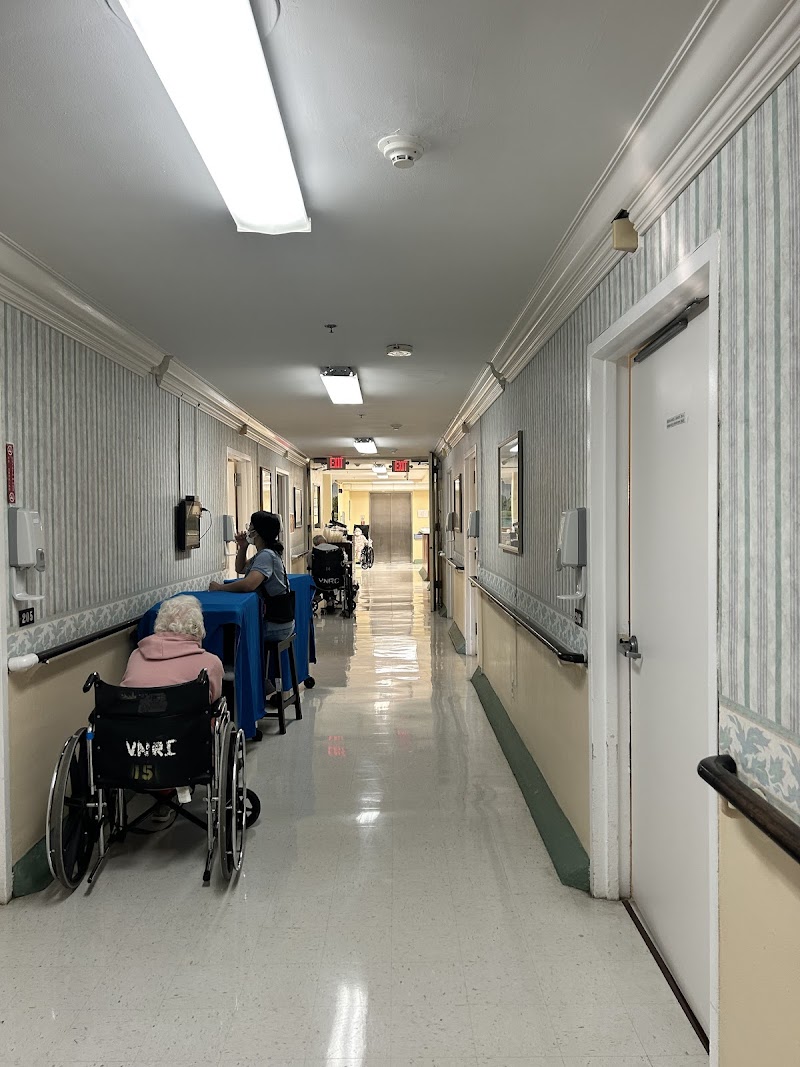
CMS rates RIVERSIDE CARE CENTER's staffing level at 5 out of 5 stars, which is much above average compared to other nursing homes. Staff turnover is 32%, compared to the Florida average of 46%. This relatively stable workforce can support continuity of care.

What Have Inspectors Found at Riverside?

State health inspectors documented 6 deficiencies at RIVERSIDE CARE CENTER during 2022 to 2025. These included: 6 with potential for harm.
Who Owns and Operates Riverside?

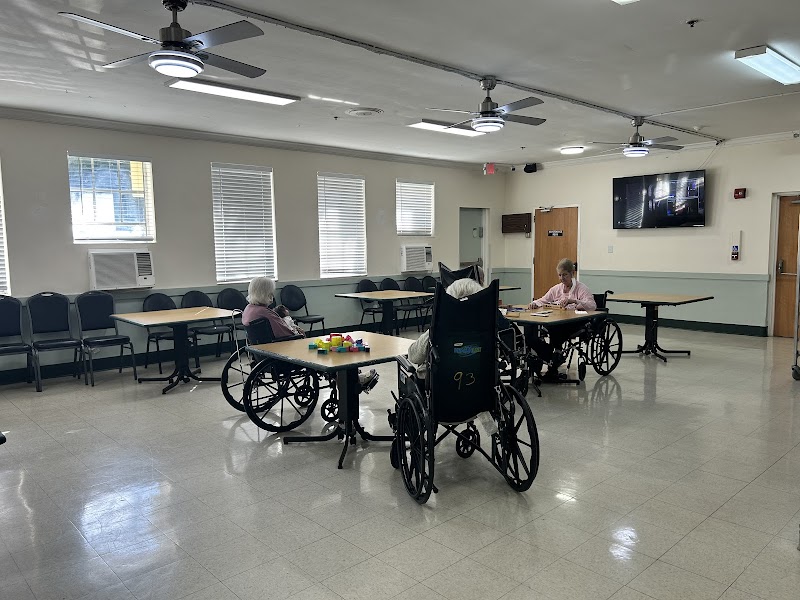
RIVERSIDE CARE CENTER is owned by a for-profit company. For-profit facilities operate as businesses with obligations to shareholders or private owners. The facility operates independently rather than as part of a larger chain. With 120 certified beds and approximately 114 residents (about 95% occupancy), it is a mid-sized facility located in MIAMI, Florida.

How Does Riverside Compare to Other Florida Nursing Homes?

Compared to the 100 nursing homes in Florida, RIVERSIDE CARE CENTER's overall rating (5 stars) is above the state average of 3.2, staff turnover (32%) is significantly lower than the state average of 46%, and health inspection rating (4 stars) is above the national benchmark.

What Should Families Ask When Visiting Riverside?

Based on this facility's data, families visiting should ask: "Can I visit during a mealtime to observe dining assistance and food quality?" "How do you handle medical emergencies, and what is your hospital transfer rate?" "Can I speak with family members of current residents about their experience?"

Is Riverside Safe?

Based on CMS inspection data, RIVERSIDE CARE CENTER has a clean safety record: no substantiated abuse findings (meaning no confirmed cases of resident harm), no Immediate Jeopardy citations (the most serious violation level indicating risk of serious injury or death), and is not on the Special Focus Facility watch list (a federal program monitoring the lowest-performing 1% of nursing homes). The facility has a 5-star overall rating and ranks #1 of 100 nursing homes in Florida. While no facility is perfect, families should still ask about staff-to-resident ratios and recent inspection results during their visit.

Do Nurses at Riverside Stick Around?

RIVERSIDE CARE CENTER has a staff turnover rate of 32%, which is about average for Florida nursing homes (state average: 46%). Moderate turnover is common in nursing homes, but families should still ask about staff tenure and how the facility maintains care continuity when employees leave.

Was Riverside Ever Fined?

RIVERSIDE CARE CENTER has no federal fines on record. CMS issues fines when nursing homes fail to meet care standards or don't correct problems found during inspections. The absence of fines suggests the facility has either maintained compliance or corrected any issues before penalties were assessed. This is a positive indicator, though families should still review recent inspection reports for the full picture.

Is Riverside on Any Federal Watch List?

RIVERSIDE CARE CENTER is not on any federal watch list. The most significant is the Special Focus Facility (SFF) program, which identifies the bottom 1% of nursing homes nationally based on persistent, serious quality problems. Not being on this list means the facility has avoided the pattern of deficiencies that triggers enhanced federal oversight. This is a positive indicator, though families should still review the facility's inspection history directly.