ST ANNES NURSING CENTER, ST ANNES RESIDENCE INC
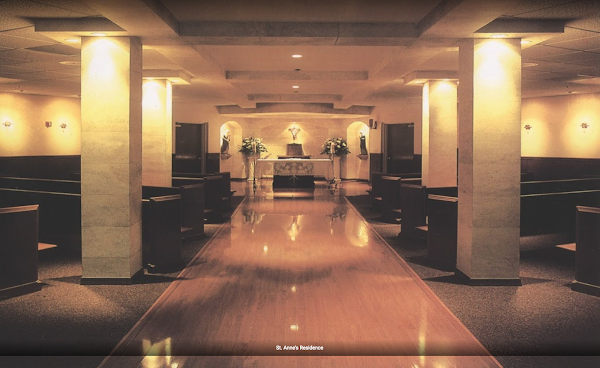
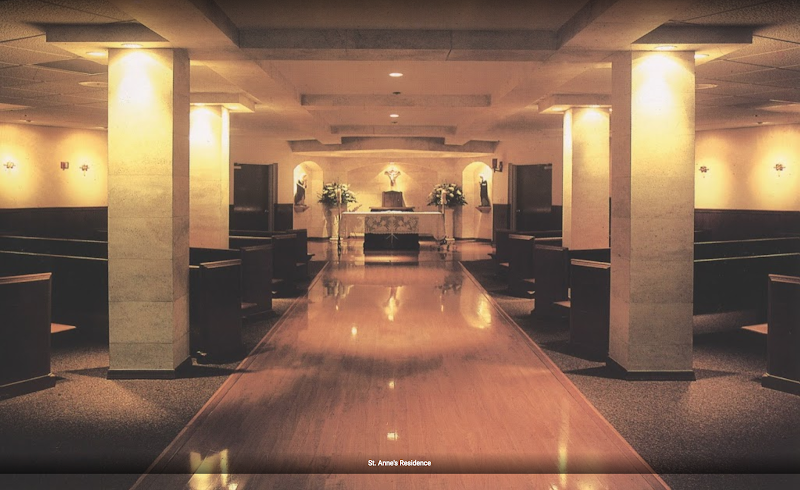
11855 QUAIL ROOST DRIVE, MIAMI, FL 33177 (305) 252-4000
Non profit - Corporation 213 Beds Independent Data: November 2025
Trust Grade
88/100
#120 of 690 in FL
Last Inspection: April 2025

Within standard 12-15 month inspection cycle. Federal law requires annual inspections.

Overview

St. Anne's Nursing Center has a Trust Grade of B+, which means it is above average and recommended for families seeking care. It ranks #120 out of 690 facilities in Florida, placing it in the top half, and #19 out of 54 in Miami-Dade County, indicating only a few local options are better. However, the facility is experiencing a worsening trend, with the number of issues identified increasing from 2 in 2023 to 7 in 2025. Staffing is a strength, with a 4/5 rating and a low turnover rate of 20%, significantly better than the state average of 42%. On the downside, the center has incurred $7,456 in fines, which is considered average but still suggests there have been some compliance problems. While the facility has good RN coverage, it is only average compared to others in the state. Specific incidents include failures to follow dietary requirements for pureed diets, improper storage of clean utensils leading to contamination risks, and issues with the dishwashing machine not meeting proper sanitation temperatures. Overall, while St. Anne's has strong staffing and solid ratings, families should be aware of the recent increase in concerns and compliance issues.

Trust Score
B+
88/100
In Florida
#120/690
Top 17%
Safety Record
Low Risk
No red flags
Inspections
Getting Worse
2 → 7 violations
Staff Stability
✓ Good
20% annual turnover. Excellent stability, 28 points below Florida's 48% average. Staff who stay learn residents' needs.
Penalties
✓ Good
$7,456 in fines. Lower than most Florida facilities. Relatively clean record.
Skilled Nurses
✓ Good
Each resident gets 51 minutes of Registered Nurse (RN) attention daily — more than average for Florida. RNs are trained to catch health problems early.
Violations
⚠ Watch
14 deficiencies on record. Higher than average. Multiple issues found across inspections.
★★★★★
5.0
Overall Rating
★★★★☆
4.0
Staff Levels
★★★★★
5.0
Care Quality
★★★★☆
4.0
Inspection Score
Stable
2023: 2 issues
2025: 7 issues

The Good

  • 4-Star Staffing Rating · Above-average nurse staffing levels
  • 5-Star Quality Measures · Strong clinical quality outcomes
  • Low Staff Turnover (20%) · Staff stability means consistent care
  • Full Sprinkler Coverage · Fire safety systems throughout facility
  • No fines on record
  • Staff turnover is low (20%)

    28 points below Florida average of 48%

Facility shows strength in staffing levels, quality measures, staff retention, fire safety.

The Bad

Federal Fines: $7,456

Below median ($33,413)

Minor penalties assessed

The Ugly 14 deficiencies on record

Apr 2025 7 deficiencies
CONCERN (D)

Potential for Harm - no one hurt, but risky conditions existed

Assessment Accuracy (Tag F0641)

Could have caused harm · This affected 1 resident

**NOTE- TERMS IN BRACKETS HAVE BEEN EDITED TO PROTECT CONFIDENTIALITY** Based on observation, record review and interview, the facility failed to accurately the code Minimum Data Set (MDS) for one (Re...

Read full inspector narrative →
**NOTE- TERMS IN BRACKETS HAVE BEEN EDITED TO PROTECT CONFIDENTIALITY** Based on observation, record review and interview, the facility failed to accurately the code Minimum Data Set (MDS) for one (Resident #200) out of five sampled residents; as evidenced by the resident was discharged to an Assisted Living Facility, and the MDS was coded to indicate that the resident was discharged to a Short-Term General Hospital. The findings included. Review of Resident #200's clinical records revealed the resident was admitted to the facility on [DATE] from a Short-Term General Hospital (acute hospital) Medical diagnosis included but not limited to: Other specified injuries of head, subsequent encounter. Review of orders dated 01/17/2024 noted Resident #1 to be discharged to the St. [NAME] Residence. Assisted Living Facility (ALF. The discharge/transfer was scheduled for January 18, 2025. Review of Resident # 200's discharge Assessment MDS reference dated 01/18/2025 indicated in the section for cognitive pattern that the resident is cognitively intact. The entry/discharge reporting section indicated: Discharge Assessment-return not anticipated. Type of discharge: Planned. The section for discharge status coded resident was discharged to a Short-Term General Hospital (acute hospital). Review of a Nurses Notes dated 01/18/2025 at 10:52:00 documented: Resident discharged to Adult Living Facility St. [NAME] ALF, on 01/18/2025 transported via wheelchair. During an interview on 04/10/2025 at 3:40 PM, Staff F, MDS Coordinator revealed, the Social Services department is responsible for inputting the discharge information, while the MDS department is tasked with verifying that the information is submitted in a timely manner. Staff F acknowledged that an error had occurred in this process and accepted responsibility on behalf of the department. Review of the facility policy and procedure effective April 6, 2005, regarding resident assessments stated, it is the policy of this facility that each resident admitted to the institution shall receive a complete head-to-toe admission observation/assessment by a qualified individual so that plan of care can be developed to best meet the needs of the resident. The observation/ assessment of the care or treatment required to meet the needs of the resident will be ongoing throughout the resident's facility stay, with the observation/assessment process individualized to meet the needs of the resident population.
CONCERN (D)

Potential for Harm - no one hurt, but risky conditions existed

Deficiency F0645 (Tag F0645)

Could have caused harm · This affected 1 resident

**NOTE- TERMS IN BRACKETS HAVE BEEN EDITED TO PROTECT CONFIDENTIALITY** Based on observation, record review and interview, the facility failed to accurately complete a Level I Preadmission Screening a...

Read full inspector narrative →
**NOTE- TERMS IN BRACKETS HAVE BEEN EDITED TO PROTECT CONFIDENTIALITY** Based on observation, record review and interview, the facility failed to accurately complete a Level I Preadmission Screening and Resident Review (PASRR) for one (Resident #166) out of 5 residents investigated for Level I PASRR. There were 190 residents residing in the facility at the time of the survey. The findings included. Record review of a demographic sheet for Resident #166 revealed an admission date of 3/12/25 with diagnosis that included: Depression, unspecified. Further review revealed Admissions Minimum Data Set (MDS) reference dated 3/18/25 Section A1500. Preadmission Screening and Resident Review (PASRR), Is the resident currently considered by the state level II PASRR process to have serious mental illness and/or intellectual disability or a related condition? - No. Section I revealed anxiety disorder, and Depressive Disorder. Section N revealed Resident#166 was taking antipsychotic and antianxiety medications and Section O revealed Resident#166 received no Psychological Therapy. Record review of a physician's order sheet revealed orders dated 3/12/25 directions: Lorazepam one (1) milligram (mg) tablet dose via Percutaneous Endoscopic Gastrostomy (PEG) tube every twelve (12) hours for anxiety, and 3/21/25 Seroquel 25 mg tablet via PEG tube for Psychosis. Further review revealed a Psychiatric evaluation note dated 3/14/25 indicated medication included: Seroquel 25 mg at bedtime and the chief complaint included depression, anxiety and a history of psychosis. Record review of Resident #166's PASRR dated 3/11/25 revealed Section I: PASRR Screen Decision- Making A. MI or suspected MI (check all that apply): no diagnosis was checked. On 4/10/2025 at 4:34 PM, review of the most recent PASRR provided by the Social Services Director for Resident#166, dated 3/11/2025 revealed: Section I: PASRR Screen Decision- Making A. MI or suspected. MI (check all that apply): no diagnosis was checked. During an interview on 4/10/2025 at 5:00 PM, the Social Services Director, revealed Resident #166 was admitted on [DATE] and received a psychiatric evaluation on 3/14/25 and a resident review was scheduled to occur within 30 days of the psychiatric evaluation to assess any changes in the patient's condition. The Social Services Director acknowledged the discrepancies. During an interview on 4/10/2025 at 5:32 PM, the Director of Care Coordination stated: Any significant changes in a resident's condition are typically evident through behavioral changes and the facility continuously reviews the PASRRs within 30 days for further evaluation. If I was aware of these circumstances for earlier, I would have initiated a new resident review for [Resident#166] to include all the mental illness diagnosis to ensure appropriate care and documentation. Record review of a Policy and Procedure titled, Subject: Pre-admission Screening and Resident Review (PASRR) Program revealed It is the policy of the facility to ensure compliance with Federal Regulation (CFR)483.100-483.138, which requires completion of the Pre-admission Screen and Resident Review (PASRR) screen prior to admission to the facility. Purpose: The Level | and II PASRR Screening and Determination process is mandated by Federal Regulation (CFR) 483.100-483.138. The PASRR evaluation is designed to prevent inappropriate placement of residents/patients in a Skilled Nursing Facility (SNF). Level | Pre-admission Screen and Determination applies to ALL new admissions and must be completed prior to resident admission by the acute care hospital or transferring
CONCERN (D)

Potential for Harm - no one hurt, but risky conditions existed

Comprehensive Care Plan (Tag F0656)

Could have caused harm · This affected 1 resident

**NOTE- TERMS IN BRACKETS HAVE BEEN EDITED TO PROTECT CONFIDENTIALITY** Based on observations, interviews and record reviews, the facility failed to develop and implement a fall care plan for two (Res...

Read full inspector narrative →
**NOTE- TERMS IN BRACKETS HAVE BEEN EDITED TO PROTECT CONFIDENTIALITY** Based on observations, interviews and record reviews, the facility failed to develop and implement a fall care plan for two (Resident #25 and Resident #52) out of 13 residents who have orders for floor mats. record review revealed no interventions for floor mats for Resident#25, observations revealed one floor mat in place for Resident#52; and failed to implement a respiratory care plan for one (Resident #95) out of two sampled residents receiving oxygen, as evidenced by Resident #95 oxygen flow rate note in progress at 1.25 Liters Per Minute (LPM) instead of the ordered rate of 2 LPM. The findings included: Resident#25 Observation on 4/07/25 at 10:00 AM, Resident #25 was in bed; one floor mat was noted on the floor at the left side of the bed. Staff A, Registered Nurse (RN) Supervisor revealed: This Resident need two floor mats. Staff A, RN Supervisor, was unable to find another floor mat in the room. Staff E, Certified Nursing Assistant (CNA) approached the surveyor and was interviewed about floor mats and protocol. Staff E stated: I am the Certified Nursing Assistant assigned to [Resident #25] today. [Resident #25] usually only has one floor mat in place. My responsibility is to make sure the floor mats are placed on each side and the bed is low because they have tried to get out or have fallen. Record review of a demographic sheet revealed Resident #25 was admitted on [DATE] with diagnosis that include: Presence of Right artificial hip joint; End stage renal disease, S/P-operative repair of hip fracture; Muscle Weakness (generalized and Alzheimer disease. Record review of nursing notes dated 7/31/24 revealed Resident #25 was found on the floor and on 10/22/24 revealed Resident#25 was found on the floor. Record review of a Quarterly Minimum Data Set (MDS) reference dated 2/1/25 revealed Resident#52 is severely cognitively impaired; dependent for Activities of Daily Living (ADL), has impairment on upper and lower extremities . Record review of a physician order sheet (POS) revealed Resident#25 had order dated 4/6/25 for bilateral floor mats when in bed every shift. Record review Resident#25's care plan dated 8/6/24 and reviewed on 2/7/25 revealed Resident#25 complained of pain to right leg after a fall on 7/31/24 and X-ray results were positive for a fracture to femur. Further review revealed interventions included: maintain bed in lowest position, monitor every 2-3 hours and as needed (PRN) when in room for safety and comfort, keep call light within reach and remind the resident not to get up unassisted. No interventions for floor mats were included. On 4/7/25 at approximately 11:00 AM, Staff F, MDS Coordinator, was asked if floor mats should be included in the care plan; Staff F went to check then returned and presented a care plan to that now included intervention floor mat as ordered (4/7/25). Resident#52 On 4/07/25 at 9:46 AM Resident#52 observed in bed with eyes closed, no apparent distress, bed low, one floor mat was in place on resident's right side and the other floor mat was folded up and leaning against the nightstand (Photographic evidence). Staff E, Certified Nursing Assistant (CNA) entered the room and was asked how many floor mats are required for Resident #52. Staff E stated: [Resident #52] is supposed to have two floor mats down, when I assisted the resident, I put one up. Record review of a demographic sheet revealed Resident #52 was admitted on [DATE] with diagnosis that include: Fracture unspecified part of neck of femur, Vitamin D deficiency and muscle weakness. Record review of a Physician Order Sheet (POS) revealed Resident #52 had an order dated 2/29/24 directions: Bilateral floor mats when in bed every shift. Record review of a Nursing note dated 3/22/25 revealed at 3:15 AM Resident #52 was found by CNA on the floor mat in the bedroom. Further review of nursing notes revealed on 3/14/25 Resident #52 was found on the floor next to the bed on the floor mattress. During an interview on 4/7/25 at 10:18 AM, Staff B, Registered Nurse (RN) revealed: I am the nurse for this resident. When I come on shift, I do rounds in each room on my assignment. I do frequent rounds. They have floor mats because they try to get out of bed without assistance. I did not communicate with the assigned CNA this morning the amount of floor mats needed. In general, I communicate with the CNAs. During an interview on 4/10/25 at 8:54 AM, the DON was asked about the protocols for floor mats. The DON stated: The falling star program to identify how a fall was caused and to help prevent further falling. Some interventions include floor mats to prevent them from hitting a hard surface. If a resident has floor mats there is a physician order for it and during huddles at the end of each shift staff discuss the fall prevention interventions . The residents are supposed to have two floors mats the only time the floor mat should be removed is during care. The staff are to fold it up during care, so they are not standing on it and place it back before they walk away. Resident #95 On 4/08/25 9:40 am Resident #95 was observed in bed with eyes closed, oxygen in progress at 1.25 Liters per minute via nasal cannula. (Photographic evidence). On 04/08/25 at 11:40 AM Resident #95 was observed in bed with no apparent distress, oxygen was in progress at 1.25 Liters per minute via nasal cannula (photo). Staff C, Registered Nurse (RN) was asked what the prescribed rate for oxygen delivery for Resident #95 and stated, It should be at 2 Liters per minute as needed. Staff C, Registered Nurse (RN) entered the room with surveyor, visualized the oxygen level and adjusted to the prescribed rate. Staff C, Registered Nurse (RN) checked Resident #95's oxygen saturation, and it was 76%. Staff C, Registered Nurse (RN) revealed Hospice would be notified. On 4/08/25 at 12:00 PM Staff D, Hospice Registered Nurse (RN) evaluated Resident #95 and revealed a new oxygen saturation rate of 96%. Staff C, Registered Nurse (RN) stated, I did round this morning, but I did not visualize if the oxygen was at the ordered level. Record review of a demographic sheet revealed Resident #95 was admitted on [DATE] with diagnosis that included: Acute chronic diastolic congestive heart failure (CHF) and nonrheumatic aortic valve stenosis. Record review of a Quarterly Minimum Data Set (MDS) reference dated 3/9/25 revealed Resident #95 had a Brief Interview of Mental Status (BIMS) score of 7, indicating severe cognitive impairment, dependent on ADLs (Activities of Daily Living), received hospice care and oxygen therapy. Record review of a Care Plan dated 03/12/2023 and revised 4/08/25 revealed Resident #95 had the potential for shortness of breath, alteration in respiratory status due to Chronic Obstructive Pulmonary Disease, CHF, End stage of Cardiac disease with interventions that included: Administer oxygen and nebulizer treatments as ordered, apply oxygen via nasal cannula Oxygen 2.0 liter per min continuous as ordered. Record review of a Physicians Order Sheet revealed Resident #95 had orders dated 10/30/24 to apply humidified oxygen via nasal cannula at 2.0 liter per min as needed and an order dated 4/08/25 to apply humidified oxygen via nasal cannula at 2.0 liter per min continuous. On 4/10/25 at 9:08 AM The Director of Nursing was interviewed about the oxygen protocol and stated, Oxygen is to be delivered at the prescribed rate whether it is continuous or as needed. Record review of a Policy Subject: Care Planning Policy#2046 Effective: 12/3/2024 Revised: 2/22/2006 Reviewed: 10/16/2024 POLICY: Care, treatment and services are planned to ensure that they are appropriate to the resident's needs. Therefore, it is the policy of this Facility to provide an individualized, interdisciplinary plan of care for all residents that is appropriate to the resident's needs, strengths, limitations and goals. Care planning will be implemented through the integration of assessment findings, consideration of the prescribed treatment plan and development of goals for the resident that are reasonable and measurable. The plan of care will be documented through the use of computerized care planning. PROCEDURE: The plan of care shall be individualized, based on the diagnosis, resident assessment and personal goals of the resident and his/her family. The planning for care, treatment and services will include the following: The plan of care will be individualized to the needs of the resident.
CONCERN (D)

Potential for Harm - no one hurt, but risky conditions existed

Incontinence Care (Tag F0690)

Could have caused harm · This affected 1 resident

**NOTE- TERMS IN BRACKETS HAVE BEEN EDITED TO PROTECT CONFIDENTIALITY** Based on observations, interviews and record reviews, the facility failed to provide appropriate treatment and services to preve...

Read full inspector narrative →
**NOTE- TERMS IN BRACKETS HAVE BEEN EDITED TO PROTECT CONFIDENTIALITY** Based on observations, interviews and record reviews, the facility failed to provide appropriate treatment and services to prevent Urinary Tract Infection (UTI) for one (Resident #182) out of one resident reviewed for an indwelling urinary catheter, a evidenced by inappropriate placement of the urinary drainage bag anchored on the side rail above the resident's head increasing the risk for UTI and dislodgement. The findings included: On 4/07/25 at 9:46 AM Resident#184 observed lying in bed. An indwelling urinary catheter drainage bag was observed anchored to the side rail above near the resident's head. The surveyor requested to speak with the supervisor in the room. Staff A, Registered Nurse (RN) Supervisor entered the room and was asked if the indwelling urinary device drainage bag was positioned correctly. Staff A, Registered Nurse (RN) Supervisor stated, The drainage bag should be lower than the bladder. Staff A, RN Supervisor then performed hand hygiene and donned gloves, adjusted the indwelling urinary drainage bag and secured it below the bladder level to the bed frame. Staff A, RN stated, I don't know why as that high because haven't done rounds in this room yet. Record review of a demographic sheet revealed Resident#182 was admitted on [DATE] with diagnosis that included: Benign Prostate Hyperplasia (BPH) with lower urinary tract symptoms. Record review of physician order sheet revealed Resident#184 had order dated 2/7/25 to provide indwelling urinary catheter care every shift . Record review of an admission Minimum Data Set (MDS) reference dated 2/13/25 revealed Resident#184 is cognitively intact. Requires partial/moderate assistance for toileting hygiene/personal hygiene/transfers, has an indwelling catheter, diagnosis of BPH and obstructive uropathy, has a PU (Pressure Ulcer) injury Record review of care plan dated 2/25/25 reveled Resident #184 was at an increased risk for infection related to indwelling catheter due to urinary retention with interventions that included: Maintain anchoring device to prevent dislodgement of catheter or pulling against meatus and monitor site of anchor for skin integrity. Interview on 4/7/25 at 10:18 AM Staff B, RN was notified of the identified concern and asked about the protocol for positioning of the urinary drainage bag. Staff B, RN stated: When I come on shift, I do rounds in each room on my assignment and do frequent rounds throughout shift. This morning [Resident#184's] indwelling urinary catheter was in place. The [] bag should be below the body. The purpose is to facilitate urine flow because it could cause the urine to back flow and cause infection. On 4/10/25 at 8:59 AM, the Director of Nursing stated: If a resident is in bed the drainage bag is hung below the level of the bladder. Staff are educated about how to position drainage bags. Record review of a Policy Subject: [brand] Catheter Care, Policy # 2032, Effective: 4/6/2005, Revised: 8/12/2019, Reviewed: 10/16/2024 revealed Policy: It is the policy of this facility that catheter care will be provided to all residents with indwelling catheters at least daily and more often as needed due to soiling with feces or when it is deemed necessary by the nurse .The purpose of catheter care is to prevent possible urinary tract infections from bacteria spreading from the perineal area and external catheter into the bladder. BASIC PROCEDURES: The catheter and drainage bag should be kept as a closed system with the drainage bag kept at a level lower than the bladder to allow drainage by gravity.
CONCERN (D)

Potential for Harm - no one hurt, but risky conditions existed

Respiratory Care (Tag F0695)

Could have caused harm · This affected 1 resident

**NOTE- TERMS IN BRACKETS HAVE BEEN EDITED TO PROTECT CONFIDENTIALITY** Based on observations, interviews and record review the facility failed to provide appropriate respiratory care consistent with ...

Read full inspector narrative →
**NOTE- TERMS IN BRACKETS HAVE BEEN EDITED TO PROTECT CONFIDENTIALITY** Based on observations, interviews and record review the facility failed to provide appropriate respiratory care consistent with professional standards of practice, for one ( Resident #95) out of two sampled residents receiving oxygen as evidenced by observations of oxygen in progress at 1.25 liters per minute despite a physician's order for 2 liters per minute for Resident #95. The findings included: On 4/08/25 9:40 am Resident #95 was observed in bed with eyes closed, oxygen in progress at 1.25 Liters per minute via nasal cannula. (Photographic evidence). On 04/08/25 at 11:40 AM Resident #95 was observed in bed with no apparent distress, oxygen was in progress at 1.25 Liters per minute via nasal cannula (photo). Staff C, Registered Nurse (RN) was asked what the prescribed rate for oxygen delivery for Resident #95 and stated, It should be at 2 Liters per minute as needed. Staff C, Registered Nurse (RN) entered the room with surveyor, visualized the oxygen level and adjusted to the prescribed rate. Staff C, Registered Nurse (RN) checked Resident #95's oxygen saturation, and it was 76%. Staff C, Registered Nurse (RN) revealed Hospice would be notified. On 4/08/25 at 12:00 PM Staff D, Hospice Registered Nurse (RN) evaluated Resident #95 and revealed a new oxygen saturation rate of 96%. Staff C, Registered Nurse (RN) stated, I did round this morning, but I did not visualize if the oxygen was at the ordered level. Record review of a demographic sheet revealed Resident #95 was admitted on [DATE] with diagnosis that included: Acute chronic diastolic congestive heart failure (CHF) and nonrheumatic aortic valve stenosis. Record review of a Quarterly Minimum Data Set (MDS) reference dated 3/9/25 revealed Resident #95 had a Brief Interview of Mental Status (BIMS) score of 7, indicating severe cognitive impairment, dependent on ADLs (Activities of Daily Living), received hospice care and oxygen therapy. Record review of a Care Plan dated 03/12/2023 and revised 4/08/25 revealed Resident #95 had the potential for shortness of breath, alteration in respiratory status due to Chronic Obstructive Pulmonary Disease, CHF, End stage of Cardiac disease with interventions that included: Administer oxygen and nebulizer treatments as ordered, apply oxygen via nasal cannula Oxygen 2.0 liter per min continuous as ordered. Record review of a Physicians Order Sheet revealed Resident #95 had orders dated 10/30/24 to apply humidified oxygen via nasal cannula at 2.0 liter per min as needed and an order dated 4/08/25 to apply humidified oxygen via nasal cannula at 2.0 liter per min continuous. On 4/10/25 at 9:08 AM The Director of Nursing was interviewed about the oxygen protocol and stated, Oxygen is to be delivered at the prescribed rate whether it is continuous or as needed. Record review of a Policy Subject: Oxygen Concentrators, Policy#2012, Effective: 3/1/2008, Revised: 9/6/2013, Reviewed: 10/16/2024 revealed Policy: Oxygen Concentrators will be used for patients and residents that require oxygen with a liter flow rate of 1 to 5 liters per minute. PURPOSE: The device is a means of delivering oxygen to the patients and residents in small mobile units that extract oxygen from room air and provides continuous supply of oxygen without refilling. PROCEDURES: This equipment is to be used on all patients and residents that require oxygen with a liter flow rate of 1 to 5 liters per minute. Turn the knob of the flowmeter until the ball is centered on the line that indicates the prescribed flow rate. To increase the flow, turn the knob counterclockwise; to decrease the flow rate, turn the knob clockwise.
CONCERN (D)

Potential for Harm - no one hurt, but risky conditions existed

QAPI Program (Tag F0867)

Could have caused harm · This affected 1 resident

Based on observations, interview and record review, the facility's quality assurance and assessment committee failed to demonstrate an effective plan of action was implemented to correct an identified...

Read full inspector narrative →
Based on observations, interview and record review, the facility's quality assurance and assessment committee failed to demonstrate an effective plan of action was implemented to correct an identified quality deficiency in the problem area related to repeated deficient practice for F 880-Infection Prevention & Control. As evidenced by: F 880 was cited during a Recertification survey ending 11/09/23 when the facility failed to implement infection control procedures for one (Resident #430) as evidenced by Respiratory equipment (Nebulizer and tubing) stored uncovered on bedside table next to a live plant. There were 190 residents residing in the facility at the time of the survey. The findings included: Record review of the facility's survey history revealed, during a recertification conducted on November 06, 2023, through November 09, 2023, at the facility. F 880 Infection Prevention & Control was cited as the facility failed to implement infection control procedures for one (Resident #430) as evidenced by Respiratory equipment (Nebulizer and tubing) stored uncovered on bedside table next to a live plant. Review of the facility policy and procedures titled Quality Assurance and Performance Improvement (QAPI) revision date 10/25/24 states: As part of catholic Health Services, Our Mission is to provide health care and services to those in need, to minimize human suffering, to assist people to wholeness and to nurture an awareness of their relationship with God. Our vision is to strive to improve the health, independence and spiritual life of the elderly, the poor, and the needy in the archdiocese, through innovative and proactive approaches to: Managing care and providing services. Facilitating transitions across levels of care. Community partnerships and collaboration. Advocacy efforts. The primary objective of Quality Assurance & Performance Improvement (QAPI) is to monitor, assess and improve the performance of critical focus areas, improve healthcare outcomes and reduce and prevent medical/health care errors on a continuous basis throughout the facility. Review of the Quality Assurance and Performance Improvement (QAPI) Committee Meeting Sign-in Sheets dated 01/15/2025,2/19/25, and 3/19/25 documented the facility have QAA Committee meetings monthly. Attendees included: Administrator, Medical Director, Director of Nursing (DON), Assistant Director of Nursing (ADON), Infection Control Preventionist/Risk Manager, Dietary Manager, Clinical Dietician, Director of Housekeeping, Director of Maintenance, Director of therapy, Director of Human resources, Director of admissions, Director of Business office, Director of Social Services, Director of Activities, MDS (Minimum Data Set) Coordinator. Interview on 04/10/2025 at 5:56 AM with Administrator (NHA) stated the QAA Committee meets every month on the last Thursday of the month, the last meeting was held in the month of 03/2025. The committee consists of the Medical Director, Administrator, Director of Nursing (DON), Assistant Director of Nursing (ADON), Infection Preventionist and all interdisciplinary team members. The purpose of QAA is looking at processes to implement improvements, monitoring what we can improve to benefit our residents, knowing what our residents' needs are and meeting them. Continuously updating the facility assessment based on the care needs of the residents.
CONCERN (D)

Potential for Harm - no one hurt, but risky conditions existed

Infection Control (Tag F0880)

Could have caused harm · This affected 1 resident

**NOTE- TERMS IN BRACKETS HAVE BEEN EDITED TO PROTECT CONFIDENTIALITY** Based on observations, interviews and record review the facility failed to implement infection prevention and control practices ...

Read full inspector narrative →
**NOTE- TERMS IN BRACKETS HAVE BEEN EDITED TO PROTECT CONFIDENTIALITY** Based on observations, interviews and record review the facility failed to implement infection prevention and control practices and standards for three (Resident #84, Resident #41 and Resident #73) out of seven sampled residents as evidenced by Incentive Spirometer was observed on Resident #84's nightstand bedside with no protective covering. Staff failed to clean the cuff on the vital signs machine between residents. There were 190 residents residing in the facility at the time of the survey. The findings included: Resident #84 On 4/07/25 at 8:19 AM Resident #84 was observed in bed. An incentive Spirometer that was not in use at that time with no protective covering was observed on the nightstand next to the resident. (photographic evidence). Staff B, Registered Nurse (RN) was asked if Resident #84 uses an incentive Spirometer; Staff B stated: Yes, this resident (Resident #84) uses the Spirometer for respiratory issues since she came from the hospital. Staff B, RN was asked about the protocol for storing respiratory supplies when not in use; stated: It should be stored in a plastic bag and dated when not in use. Staff B, RN was notified about the observation and entered the room with the surveyor and observed the Incentive Spirometer that was not bagged on nightstand. Record review of a demographic sheet revealed Resident#84 was admitted to the facility on [DATE] with diagnosis that include COPD (Chronic Obstructive Pulmonary Disease) with acute exacerbation and other pulmonary embolism without acute Cor pulmonale. Record review of a Minimum Data Set (MDS) reference dated 3/9/25 revealed Resident #84 is moderately impaired cognitively, required set up clean up assistance for eating/oral hygiene, had no impairment of upper extremities. Record review of a care plan dated 10/02/24 revealed Resident #84 had the potential for shortness of breath, alteration in respiratory status due to S/P (Status Post) hospitalization due to chest pain and SOB (Shortness of Breath), noted pneumonia and pulmonary embolism, suggestive atelectasis on the right and left lower lobe, needs continuous oxygen. Interview on 4/10/25 at 9:01 AM, the Director of nursing (DON) was interviewed about the protocol for proper storage of respiratory devices while not in use; the DON stated: we don't have a protocol for storing the incentive Spirometer but is to be stored in a plastic when not in use for infection control, but is kept not in bag so it can be readily available to the resident. Resident#41 On 4/07/25 at 9:15 AM Resident #41 was observed seated in a wheelchair in the room. Staff B, RN entered the room with a vitals machine and was observed while Resident # 41's blood pressure (B/P)was measured, Staff B, RN placed the B/P cuff on the resident's right arm and measured the blood pressure then removed the cuff and placed it on the vitals machine and performed hand hygiene and exit the room. Staff B, RN then re-entered room with a handheld sphygmomanometer (Blood Pressure machine) and placed the cuff on Resident #41's arm and measured the B/P. Staff B, RN then administered medications, performed hand hygiene and exited room. Staff, RN did not disinfect either cuff. There were no disinfectant wipes on the machine. Resident#73 On 4/07/25 at 9:35 AM Staff B, RN entered Resident#73's room with the same vitals machine and explained to resident the procedure to measure B/P, performed hand hygiene and proceeded to place cuff on Resident #73's left arm and was stopped by the surveyor and asked to step outside the resident's room. Staff B, RN was asked about the protocol for cleaning/disinfecting the shared blood pressure cuff; Staff B, RN stated: I usually disinfect the B/P cuff after each use, but I was nervous. During an interview on 4/10/25 at 9:13 AM, the DON revealed: Staff are to clean the vitals machine with bleach wipes between residents to prevent infection. Record review of a Policy Subject: Infection Control Surveillance Policy#4011 Effective: 12/3/2004 Revised: 5/25/2016 Reviewed: 10/25/2024 revealed INTRODUCTION: The intent of any surveillance method is to measure outcomes and processes of care as a component of an overall resident safety and the Performance Improvement Program. Surveillance requires an integrated, collaborated effort throughout the organization to achieve the goals of the Infection Control Program. These goals are: To reduce the risk of infection between healthcare personnel and residents. Reduce the risk of nosocomial infections developing in residents related to the use of devices and required procedures.
Nov 2023 2 deficiencies
CONCERN (D) 📢 Someone Reported This

A family member, employee, or ombudsman was alarmed enough to file a formal complaint

Potential for Harm - no one hurt, but risky conditions existed

Safe Environment (Tag F0584)

Could have caused harm · This affected 1 resident

**NOTE- TERMS IN BRACKETS HAVE BEEN EDITED TO PROTECT CONFIDENTIALITY** Based on observations, interviews, and record reviews, the facility failed to provide maintenance/ repair services for wheelchai...

Read full inspector narrative →
**NOTE- TERMS IN BRACKETS HAVE BEEN EDITED TO PROTECT CONFIDENTIALITY** Based on observations, interviews, and record reviews, the facility failed to provide maintenance/ repair services for wheelchair arm trays for one resident (#88) out of 35 sampled residents as evidenced by Resident(#88) reported armrest in disrepair for two weeks. The findings included: On 11/08/23 at 12:28 PM, in an observation and interview with Resident #88. The resident stated, My arm tray needs a screw. This has been going on for two weeks. I've told nurses and certified nursing assistants (CNA's). It was observed that Resident #88's left arm was wrapped in a towel and resting on the arm tray. When Resident #88 moved her arm, the tray fell loosely from the hinge. One out of two screws were missing from the arm tray that was attached to the wheelchair. On 11/09/23 at 08:46 A, in an interview with Resident #88. When asked, Have you told anyone about your arm tray to be fixed? Resident #88 stated, There was an administrator that called maintenance before, and it was fixed. Now, it's broken again. (See Photographic evidence) On 11/9/23 at 10:35 AM, it was observed that Resident #88 was sitting in a wheelchair at the nursing station heading to the salon. The wheelchair lap desk was missing one out of two screws. On 11/09/23 at 10:41 AM, in an interview with Staff D, NM (Nurse Manager). When asked, How does the staff report to maintenance that a wheelchair is broken or needs to be fixed? Staff D stated, When equipment is broken. We write it in the binder called wheelchair repair / broken equipment. We also notify the purchasing department. Review of the equipment work order request dating from 11/2/2022 revealed, that a work order was placed on 4/10/23 for Resident #88 stating, Arm tray is broken. Left side. The latest work order for the facility was from 8/3/2023. ( See photographic evidence) On 11/09/23 at 10:41 AM, in an interview with Staff D, when asked, Has Resident #88 reported to you that her arm tray had a missing screw or to be fixed? Staff D stated, On 4/10/23, I placed a work order to be done for the arm tray broken on the left side. Resident #88 sees me every day. She didn't tell me that the arm tray was broken. On 11/09/23 at 10:56 AM, in an interview with the Director of Maintenance. When asked, How is your department informed about maintenance and repairs of wheelchairs? Resident #88 said her arm tray needs a screw. The Director of Maintenance stated, Whatever issues with the wheelchair, the staff are to place it in the book. The maintenance department can fix it. We also can make adaptations like a full rest to the wheelchair for rehabilitation. I'm going to fix the wheelchair now for Resident #88. On 11/09/23 at 12:27 PM, in an interview with Staff E, LPN (Licensed Practical Nurse). When asked, How is Resident's #88s mobility in the wheelchair and were you aware or told of the arm tray being broken? Staff E stated, Resident #88 is non-ambulatory, uses a wheelchair, and receives assistance in/out of the wheelchair. Resident #88 has left-sided weakness and receives assistance to propel in a wheelchair. The wheelchair has a left armrest tray to assist with left-sided weakness. I am not aware that the armrest tray is broken. No one has informed me the appliance was broken. When there is a broken appliance. I notify the supervisor and maintenance using radio or work hub, which is a computer system where maintenance orders are placed. On 11/09/23 at 12:34 PM, in an interview with Staff C, CNA, When asked, How is Resident's #88 mobility in the wheelchair and were you aware or told about the armrest tray being broken? Staff C stated, Resident #88 needs assistance into the wheelchair. The staff or resident propels the wheelchair. I became aware of the armrest tray being broken three weeks ago. Resident #88 told me that the armrest tray was broken again, and I did not inform any other staff due to maintenance not working that day. Record review of Resident #88 revealed, a medical diagnosis of Hemiplegia (paralysis of one side of the body) and Hemiparesis (one-sided muscle weakness) following cerebral infarction (stroke) affecting the left arm non-dominant side. Record review of physician orders revealed, occupational therapy evaluation and treatment for wheelchair and positioning dated 03/21/2023. Record review of the minimum data set date(MDS) dated [DATE] revealed, in Section C (cognitive patterns), a brief interview of the mental status score was a 15 on a scale of 0-15 indicating the resident was cognitively intact. In Section GG (Functional Abilities and Goals), the resident needed some help from staff for indoor mobility and transfer, uses a manual wheelchair, requires moderate assistance to wheel 50 feet, and is non-ambulatory. In Section I (Diagnosis), the residents medical diagnoses of Cerebrovascular Accident (stroke), Transient Ischemic Attack (Stroke), Hemiplegia or Hemiparesis. Record review of the care plan dated 2/24/2023 revealed, Resident #88 had a mobility deficit as evidenced by decreased balance endurance safety awareness strength and requires maximum assistance with bed mobility, maximum assistance with transfers, and total assistance with wheelchair mobility. Interventions were to assist in transfers to and from bed, toilet, and chair observing safety measures. Maintain safety precautions. Encourage the resident to participate in bed mobility and praise efforts. Review of the facility's policy titled, Patient equipment/ bed repairs. Effective 4/1/2019. Last reviewed 8/14/23. The policy states the engineering department intends to place all patient-related equipment back in service as soon as possible. If the equipment is classified as clinical equipment, proper documentation will be provided to the biomedical department for their equipment history. In the section titled Procedure, 1. Upon either being notified or discovering that a patient's bed is inoperative, the bed, if there is no patient involved, will be transported to a maintenance shop for needed repairs or if possible fixed in the room. A. a repairs/service request describing the repairs to be done will be generated. Documentation of corrective repairs and equipment repair history will be maintained in the engineering department.
CONCERN (D) 📢 Someone Reported This

A family member, employee, or ombudsman was alarmed enough to file a formal complaint

Potential for Harm - no one hurt, but risky conditions existed

Infection Control (Tag F0880)

Could have caused harm · This affected 1 resident

**NOTE- TERMS IN BRACKETS HAVE BEEN EDITED TO PROTECT CONFIDENTIALITY** Based on observation, record review and interview, the facility failed to implement infection control procedures for one (Reside...

Read full inspector narrative →
**NOTE- TERMS IN BRACKETS HAVE BEEN EDITED TO PROTECT CONFIDENTIALITY** Based on observation, record review and interview, the facility failed to implement infection control procedures for one (Resident #430) out of 35 sampled residents. As evidenced by Respiratory equipment (Nebulizer and tubing) stored uncovered on bedside table next to a live plant. There were 191 residents residing in the facility at the time of the survey. The Findings Included: During Observation on 11/06/23 at 09:45 AM, Resident #430 was sitting on the side of the bed in the residents room, the Oxygen (02) running at 2 Liters per minute (LPM) via Nasal canula (NC), Resident #430 stated he is waiting on his extra food. The nebulizer mask was stored on the residents bedside table uncovered next to a live plant (Photo Obtained). The 02-tubing with water dated 10/30/23 was stored in bag hanging from the wall. (Photo Obtained) During Observation on 11/07/23 at 09:24 AMm Resident #430 was in the wheelchair in the residents room eating breakfast. The 02 was running at 3lpm via NC, the nebulizer mask was on bedside table uncovered next to a live plant. (Photo Obtained). On 11/08/23 08:17 AM Resident#430 observed in bed awake, 02 running at 3 LPM via NC, nebulizer mask stored on bedside table uncovered next to live plant (photo). Review of the medical records for Resident #430 revealed, the resident was admitted to the facility on [DATE]. Clinical diagnoses included but werenot limited to: Cough, Unspecified. Review of the Physician's Orders Sheet for November 2023 revealed, Resident #430 had orders that included but were not limited to: Oxygen (O2) at 2-4 liters /minute (LPM) via NC continuously for shortness of breath, Albuterol Sulfate 0.083% nebulization solution dose. (2.5mg/3ml) inhalation via nebulizer every 4 hours as needed for coughing and wheezing and Atrovent 0.02% solution-give 2.5ml via nebulizer every 4 hours as needed for cough and wheezing. Record review of Resident #430's Electronic Medication Administration Record (EMAR) revealed, the resident did not receive nebulizer treatments for the last 7 days (11/2/23-11/9/23). Record review of Resident #430 's Quarterly Minimum Data Set (MDS) dated [DATE] revealed: Section C for Cognitive Patterns documented Brief Interview for Mental Status Score of 15, on a 0-15 scale indicating the resident is cognitively intact. Section GG for Functional Abilities and Goals documented supervision for oral hygiene and eating, Partial assistance for personal hygiene and upper body dressing, Dependent for lower body dressing. Section J for Health Conditions documented shortness of breath or trouble breathing with exertion and when sitting at rest and Section O for special Treatments and Procedures documented resident received oxygen therapy and hospice care in the last 14 days while a resident. Record Review of Resident # 430's Care Plans Reference Date 08/31/23 revealed, the resident has the potential for Shortness of breath, alteration in respiratory status due to impaired mobility, end stage heart failure, and wheezing. Interventions include-Administer oxygen and nebulizer treatments as ordered. Document as needed use and effectiveness. Interview on 11/08/23 at 08:22 AM, Registered Nurse, D/E wing (Staff A) stated, I have been working here for 6 years, when I do my rounds, I check every room and resident assigned, make sure anything the resident has/needs are in place. The nurses do the respiratory treatment for the residents assigned, we change the mask once a week and if needed or if the mask is soiled. When the mask is not is used, the mask is stored in the dated bag on the wall for tubing supplies. If the mask is found on the floor or exposed, we will replace the mask. Interview on 11/08/23 at 08:39 AM, Registered Nurse, G wing (Staff B) stated, I have been working here for almost 1 year, I work all over the facility, I really do not have a specific assignment. During rounds and constantly during the shift we check on the residents to make sure the safety precautions are in place. The nurses do the respiratory treatments for the residents, once a week or as needed we change the respiratory supplies, after we do the nebulizer treatments, we clean the mask and store the nebulizer mask and tubing in the plastic bag on the wall that is dated until next use. Interview on 11/09/23 at 09:15 AM, the Assistant Director of Nursing (ADON) stated, I have been the ADON since last December 2022, the nurses have been educated to change the oxygen tubing once a week and as needed, the nebulizer mask and tubing are to be stored in the clear bag provided that is dated, when not in use. During rounds and throughout their shift the nurses are educated to check on the residents and make sure all fall, and safety precautions are in place, all respiratory equipment is stored correctly and to make sure that the residents are in no discomfort. Review of the facility's policy titled, Infection Control-Nursing revision date 8/22/2022 states-Nursing Staff are responsible for functions essential to the prevention, recognition, and management of infections. Prevention of infection is the main goal of the staff. This is accomplished by practicing good aseptic techniques, observing infection control policies and procedures, and recognizing the potential risks associated with invasive procedures.
Oct 2022 5 deficiencies
CONCERN (D)

Potential for Harm - no one hurt, but risky conditions existed

Grievances (Tag F0585)

Could have caused harm · This affected 1 resident

**NOTE- TERMS IN BRACKETS HAVE BEEN EDITED TO PROTECT CONFIDENTIALITY** Based on record review and interviews, the facility failed to respond to grievances for one (Resident #545) out of one resident ...

Read full inspector narrative →
**NOTE- TERMS IN BRACKETS HAVE BEEN EDITED TO PROTECT CONFIDENTIALITY** Based on record review and interviews, the facility failed to respond to grievances for one (Resident #545) out of one resident reviewed for grievances. The resident's daughter established communication with the facility concerning complaints about the mother's care and was not informed of the results of the grievances. There were 191 residents residing in the facility at the time of the survey. The findings included: Record review of the facility's policy titled, Grievance Procedure (effective 12/03/2004, reviewed 8/22/2022) documented the following: Policy: It is the policy of the facility to provide a system whereby persons served and/or their significant others or representatives, can voice concerns about the quality of care received at the facility. Procedure: During the admission process, the Admitting Department staff will provide the resident or his/her representative with written information outlining how the resident, or his/her representative submits a grievance related to quality of care. The information provided to the resident includes Time frames for review and resolution of grievance; That the grievance will be followed-up on and he/she will be apprised of the grievance outcome. The resident will be informed of: The steps taken to resolve the grievance and the result of the grievance. A grievance log will be maintained by the Grievance Coordinator. Such log will indicate the number of grievances handled, a categorization of the cases underlying the grievances and the final disposition of the grievances. Review of the Demographic Face Sheet for Resident #545 documented the resident was admitted on [DATE] with diagnoses to include acute embolism and thrombosis, cardiac pacemaker, rheumatoid arthritis, atherosclerotic heart disease, hypertension, and chronic atrial fibrillation. The resident was discharged from the facility on 12/21/21. Review of the Minimum Data Set (MDS) admission Assessment for Resident #545 dated 12/15/22 documented the resident's Mental Status (BIMS) Summary Score had a BIMS Summary Score of 13 out of 15 indicating no cognitive impairment and the resident was able to make her needs known. The resident required extensive assistance with one-person physical assist for ADLs (Activities of Daily Living) and received oxygen therapy. Review of the concern/grievance/complaint log for Resident #545 documented the following: On 12/14/21, the daughter reported that she did not like the CNA (Certified Nursing Assistant) assigned to her mother. Reports that the CNA did not fix the bed after the mother went to therapy in the afternoon and states she was told she needed to wait until 3:30 PM for a new gown. Actions Taken: CNA was educated on proper customer service and will no longer be assigned to care for the patient; Complainant Advised: Yes; Type of Grievance: Staff; Final Disposition: Resolved. On 12/16/21, the daughter reported that staff informed her mother to urinate in the incontinent brief if the staff does not get to her in time. Actions Taken: Staff educated to attend patient's needs in a timely manner and toilet patient as requested. Complainant Advised: Yes; Type of Grievance: Other; Final Disposition: Resolved. On 12/17/21, the daughter reports her mom has been without oxygen for 8 hours and the order is continuous. Daughter wants to ensure that labs are monitored regarding sodium and that they were supposed to be drawn in the AM; Actions Taken: Administration spoke with daughter the same evening. Resident placed on every 2-hour rounds to ensure O2 (oxygen) is on and response to needs. Labs should be back tomorrow AM. Results informed; Complainant Advised: Yes; Type of Grievance: Other; Final Disposition: Resolved. Interview and record review with the Regional Director of Social Services on 10/28/22 at 10:18 AM, revealed that on the Concern/Grievance Form the section for the complainant advised of result and the resolution acceptable to the complainant was blank and not filled out for 12/14/21, 12/16/21 and 12/17/21. She stated, It was not documented that the daughter accepted what was done. She acknowledged the daughter should have been made aware of the grievance resolutions and sections should have been filled out. During an interview with the Administrator on 10/28/22 at 1:29 PM. She revealed that the resolution information is not documented on the grievance forms, and it should be, and the complainant should have been informed of the results of the grievance.
CONCERN (D)

Potential for Harm - no one hurt, but risky conditions existed

QAPI Program (Tag F0867)

Could have caused harm · This affected 1 resident

Based on record review and interview, the facility's quality assurance and assessment committee failed to identify quality concerns to implement effective plans of action for correcting deficiencies r...

Read full inspector narrative →
Based on record review and interview, the facility's quality assurance and assessment committee failed to identify quality concerns to implement effective plans of action for correcting deficiencies resulting in repeated deficient practice. The facility was cited for Food Procurement, Store/Prepare/Serve-Sanitary (F 812) during the survey with exit date of 03/05/ 2020 and again on this recertification survey with exit date of 10/28/2022. This repeated deficient practice has the potential to affect any of the 191 residents residing in the facility at the time of the survey. The findings included: Record view of the facility's policy titled, Quality Assurance and Performance Improvement (QAPI) written by the Administrator and the reviewed date was on 8/22/2022, the policy documented: The facility will form a QAPI Steering Committee, designed to meet monthly. The committee must include the Medical Director, Administrator, Director of Nursing, Infection Control Preventionist and at least two other members representing the facility staff. The primary objectives of Quality Assurance & Performance Improvement (QAPI) are to monitor, assess and improve performance of critical focus areas, improve healthcare outcomes, and reduce and prevent medical/health care errors on a continuous basis throughout the facility. Review of the Quality Assurance and Performance Improvement (QAA) Committee Meeting Sign-in Sheets dated 8/24/22, 9/21/22 and 10/19/22: documented the facility had a QAA Committee meeting monthly. Attendees included: Administrator, Medical Director, Director of Nursing (DON) and other department heads. On 10/28/22 at 1:33 PM, the Administrator stated, The QAA Committee meets monthly. Committee members are Administrator, Medical Director, DON, Department Heads, Pharmacy, Infection Control Preventionist and Contract Companies are in attendance. The purpose of QAA is for performance improvement, monitoring and evaluating opportunities of improvement. We look at satisfaction surveys, grievances, CASPER quality measures and any feedback from a family.
CONCERN (E)

Potential for Harm - no one hurt, but risky conditions existed

Menu Adequacy (Tag F0803)

Could have caused harm · This affected multiple residents

Based on observation, record review and interview, facility failed to follow the menu for pureed diets for the evening meal on 10/26/22. There were 79 residents who were served pureed diets in the fac...

Read full inspector narrative →
Based on observation, record review and interview, facility failed to follow the menu for pureed diets for the evening meal on 10/26/22. There were 79 residents who were served pureed diets in the facility. Findings included: On 10/26/22 at 4:21 PM, observation revealed there was a pan of pureed pasta and a pan of pureed beef held stored on the steam table for the evening meal. Review of the facility Week 6, Day 4 menu indicated 6 ounces (oz). pureed beef and macaroni were to be served for the evening meal for pureed diets (the menu did not indicate that the beef and macaroni was to be served separately). The Director of Food and Nutrition Services stated that they made the pureed beef and pureed macaroni separately, because some residents do not like macaroni. The surveyor asked to see the recipe, and the evening Food and Nutrition Services supervisor, Staff A (contract food service staff) could not find the recipe in the recipe book. She stated that they serve 3 oz. of pureed macaroni and 3 oz. of pureed beef. The Director of Food and Nutrition Services provided a recipe for beef, macaroni, and tomatoes for regular consistency diets; however, the recipe did not include instructions on how to prepare the pureed beef and macaroni.
CONCERN (E)

Potential for Harm - no one hurt, but risky conditions existed

Food Safety (Tag F0812)

Could have caused harm · This affected multiple residents

Based on observation, record review and interviews, the facility failed to ensure that clean equipment was protected from contamination; clean eating utensils were stored to prevent contamination; Tim...

Read full inspector narrative →
Based on observation, record review and interviews, the facility failed to ensure that clean equipment was protected from contamination; clean eating utensils were stored to prevent contamination; Time/Temperature for Safety (TCS) foods were held at proper temperature; and equipment was properly sanitized. This has the potential to affect 179 residents out of 195 residents who consume the facility's food. Findings included: During a follow up visit to the kitchen on 10/26/22 at 4:21 PM, there was a caddy of eating utensils, containing forks and spoons that were stored with their handles down (photographic evidence obtained). Staff would have to touch the lip- or food-contact surface of the eating utensil to remove them from the caddy. The Director of Food and Nutrition Services (contract food service staff) stated that the Food and Nutrition staff use these utensils when they need for the tray line service. The Director of Food and Nutrition Services said these utensils should be stored handle side up. On 10/26/22 at 4:34 PM, a black insulated jacket (used for the walk-in freezer) was stored near clean equipment in food preparation area on the table with the stand mixer. Photographic evidence obtained. At 4:30 PM, on 10/26/22, the underside surface of the shelf over a steam table was coated with a brown substance (Photographic evidence obtained). The Director of Food and Nutrition Services observed the shelf in this condition. The surveyor asked for the equipment cleaning schedule. The equipment cleaning schedule was provided on 10/27/22 and it showed that the supervisor was supposed to clean the tray line after each use. Interview with the Director of Food and Nutrition Services on 10/28/22 at 8:22 AM, confirmed that the supervisor is supposed to clean shelf on the steam table as part of the cleaning the tray line after each use. During the beginning of the evening meal service on 10/26/22 at 4:44 PM, the surveyor asked about the scope sizes being used for the pureed beef and macaroni. One of the cooks had removed them and put them at the 3 compartment sink to be washed. The porter, Staff B (contract food service staff), who was manually washing dishes at the three-compartment sink, cleaned the scoops very quickly in soapy water; rinsed the scoops quickly under running water from the faucet; then dipped them in the sanitizer solution; and finally put them on the drain board. He did this twice. The scoops were not immersed for at least 30 seconds in the quaternary ammonium sanitizer solution to properly sanitize them. The porter, Staff B spoke Spanish and one of the cooks translated from English to tell him that he must leave the scoops in the sanitizing solution for at least 30 seconds. The porter Staff B still did not understand, so the cook had to explain it again and he understood. The surveyor asked the porter, Staff B if he could demonstrate testing the sanitizer level in the 3-compartment sink, and he said in basic English words that he does not speak English (his primary language was Spanish) and did not know how to test the sanitizer level (the surveyor knew basic Spanish). On 10/26/22 at 4:49 PM, the Food and Nutrition Services staff were taking holding temperatures of the hot food on the steam table before the evening meal. The holding temperature of the pureed beef was 124 degrees Fahrenheit (F). The host foods on the steam table were well ranged from 140 to 191 degrees F. The evening cook, Staff C (contract food service staff) took the temperatures of the pureed beef several times, and stirred the pureed beef, but the food temperature did not reach the minimum of 135 degrees F. She used a different digital thermometer to check the temperature and the pureed beef temperature was not above 126 degrees F. The surveyor asked the evening cook, Staff C what was the minimum temperature she was looking for and she replied 160 [degrees F]. The Director of Food and Nutrition Services came along and said, you know what to do - you take it out and reheat it. You're allowed mistakes. The surveyor asked evening cook, Staff C if she checked the final internal cooking temperature of the pureed beef and she said she did but didn't record it. She stated that the pureed beef was 170 degrees F when she finished cooking it. The evening cook, Staff C removed the pan of pureed beef from the steam table to reheat the food. At 5:07 PM, the evening Food and Nutrition Services supervisor, Staff A (contracted food services staff) was taking the holding temperatures of the cold food. She had a digital thermometer in a cup of ice water. It initially read 33 degrees F (rather than 32 degrees F). The surveyor advised Staff A that the cup needed more ice. She added more ice and the digital thermometer read 30 F. The surveyor asked the Staff A what temperature she was looking for when checking the accuracy of the thermometer and she was not able to say that it was supposed to be 32 degrees F. Review of the HACCP (Hazard Analysis and Critical Control Point) Critical Control Points Daily Temperature Log for the evening meal of 10/26/22, the Food and Nutrition Services staff were recording the hot and cold holding temperatures under the section for Cooking Internal Temperatures on the temperature log, rather recording them in the section on the log for Holding Temperatures (Photographic evidence obtained). The Food and Nutrition Services staff were not recording any internal cooking temperatures of hot food on the log for the month of October 2022. The Director of Food and Nutrition Services was made aware of this at the time. The evening cook, Staff C did not record the reheating temperature of the pureed beef on the temperature log for 10/26/22, and there was a section on the temperature log for recording reheated food. The Food and Nutrition Services staff were also not recording cooling temperatures of food on the temperature log for the month of October 2022. During the evening meal service on 10/26/22 at 5:29 PM, the surveyor observed a pan of pureed bread on a counter next to the steam table. The pureed bread was not on a heat or cold source to control the temperature of the food. The surveyor asked the Director of Food and Nutrition Services if the pureed bread should be hot or cold. The Director of Food and Nutrition Services said that it felt cold to him when he touched the side of the pan with his hand. The surveyor touched the side of the pan of pureed bread as well, and it was not cold like 41-degree F. The surveyor asked the Director of Food and Nutrition Services if the pureed bread was a TCS (Time/Temperatures Control for Safety) food (a food that requires time/temperature control for safety (TCS) to limit pathogenic microorganism growth or toxin formation) and he said he thought it was. The pureed bread was not under temperature control and the facility was not using time instead of temperature for public health control. The surveyor asked the Director of Food and Nutrition Services how the pureed bread was made. He said it was made with bread, water, and a thickener. The surveyor asked what bread was used for the pureed bread and the Director of Food and Nutrition Services said whole wheat bread. The surveyor and the Director of Food and Nutrition Services looked at the ingredient label on the commercially prepared fresh loaf bread package. The pan of pureed bread remained on the counter. The surveyor requested a recipe for the pureed bread. The Director of Food and Nutrition Services provided a recipe for the pureed bread on 10/27/22. However, the pureed bread recipe doesn't match the observed pureed bread product and the Director of Food and Nutrition Services' description of the pureed bread preparation. The pureed bread recipe called for a commercially manufactured pureed bread mix. On 10/28/22 at 8:13 AM, the Director of Food and Nutrition Services said they use the recipe but use fresh bread rather than a commercial pureed bread mix. The surveyor told the Director of Food and Nutrition Services that the commercially manufactured pureed bread mix might be formulated to ensure the product was not a TCS food when made, so it did not require temperature control. The Director of Food and Nutrition Services provided a copy on 10/27/22 of the Food and Nutrition Services staff in-service training for sanitizing/dish machine/3 compartment sink, which was completed on 9/30/22. On 10/28/22 at 8:21 AM, the Director of Food and Nutrition Services and the head Chef (contract food services staff) indicated that the porter, Staff B's signature was not included in the sign-in sheet for the in-service training conducted on the three-compartment sink on 09/30/22. The contracted porter, Staff B was hired on 2/08/22. The contract food service Food Safety Policies and Procedures, revised on 4/01/22 included the following: Section C - FDA Food Code, Chapter 3, C - 23 Cooling and Chilling - . Cooling and chilling temperatures must be taken with a calibrated thermometer and recorded on the HACCP Cooling and Chilling log. Section C - FDA Food Code, Chapter 3, C - 24 Hot and Cold Holding - . Cold foods must be held and served at a temperature of 40 degrees F (4 degrees Celsius) or below [The FDA Food Code standard is TCS cold food must be held at 41 degrees F or below] . Hot foods must be held and served at a temperature of 140 degrees F (60 degrees Celsius) or above [The FDA Food Code standard is TCS hot food must be held at 135 degrees F or above . Hot and Cold food service temperatures must be taken with a calibrated thermometer and record on the HACCP log . Temperatures must be taken and recorded at the time of service set up and at a minimum once every two hours during service. If service time is less than two hours a final hold temperature must be recorded if the food is not discarded. Section D - Equipment and Utensils, FDA Food Code, Chapter 4, D - 3, Food and Equipment Temperature Measuring Devices - . Accurate food and equipment thermometers (cleaned, sanitized, and calibrated) are available and used by all food employees during storage, preparation, display, service and transportation . Thermometers must be accurate to at least +/- 2 degrees F from 32 degrees F (+/- 0.5 degrees Celsius from 0 degrees Celsius) . Section D - Equipment and Utensils, FDA Food Code, Chapter 4, D - 8, Cleaning and Sanitizing Food Contact Surfaces - .Washing, rinsing, and sanitizing procedures must be posted and adhered to at all manual and mechanical ware washing equipment in use . Contact time with chemical sanitizer solution must meet manufacturer's instructions including water temperature requirements . Section D - Equipment and Utensils, FDA Food Code, Chapter 4, D-9, Cleaning and Sanitizing Frequency - . Nonfood contact surfaces must be cleaned at a frequency necessary to preclude accumulation of soil residues . A cleaning schedule must be created and utilized. Identifying what is to be cleaned, frequency, and what equipment/cleaning agents . Section D - Equipment and Utensils, FDA Food Code, Chapter 4, D - 10, Storage of Soiled Linens, Clean Equipment, and Utensils - . Clean equipment, utensils, and linens must be stored in a clean, dry location, where they are not exposed to splash, dust, or other contamination and at least 6 inches off the floor. Section D - Equipment and Utensils, FDA Food Code, Chapter 4, D - 11, Kitchen and Tableware - . Single service and cleaned/sanitized utensils must be handled, displayed, and dispensed so the contamination of food and lip contact surfaces is prevented .
CONCERN (E)

Potential for Harm - no one hurt, but risky conditions existed

Room Equipment (Tag F0908)

Could have caused harm · This affected multiple residents

Based on observation, record review and interview, facility failed to ensure the kitchen dish machine was operating properly and maintaining the proper wash and rinse temperatures. There were 179 resi...

Read full inspector narrative →
Based on observation, record review and interview, facility failed to ensure the kitchen dish machine was operating properly and maintaining the proper wash and rinse temperatures. There were 179 residents out of 195 residents who used the facility's eating utensils and dishes. Findings included: A follow up visit to the kitchen was conducted on 10/27/22 at 2:33 PM to observe the mechanical dishwashing process. Dishwashing was in progress with a multi tank dish machine in use that used high temperature sanitization. The dish machine had three temperature gauges on the front of the machine. The temperatures on these gauges were: Wash temperature: 145 degrees Fahrenheit (F) Rinse temperatures: 158 F Final rinse temperature: 191 F The hot water pressure gauge was 20 PSI (pounds per square inch). The data specification plate on the dish machine documented the following minimum dish machine temperatures and water pressure: Wash temperature: 150 degrees F Rinse temperatures: 165 degrees F Final rinse temperature: 180 degrees F. Pressure: 20 to 25 PSI The surveyor informed the evening Food and Nutrition Services supervisor, Staff A (contract food service staff) about the wash and rinse temperatures that were not reaching the minimum required temperatures. Staff A took a photo of the gauges. The gauge temperatures were still not reaching the proper temperatures at 2:43 PM, as the wash temperature and rinse temperature were 149 degrees F and 158 degrees F, respectively (Photographic evidence obtained). There were two Food and Nutrition Services staff working the machine at each end of dish machine. The surveyor asked the porter working on the soiled end of the dish machine (Staff D, contract food service staff), how often he checks the temperatures on the machine. He stated a couple of times. He stated that the wash temperature was not reaching the minimum required temperature. At the same time, there was a pipe near the pressure gauge was that was leaking water. On 10/27/22 at 2:46 PM, a maintenance associate, Staff E arrived, and the surveyor told him about the leaking pipe. He was not aware of the leaking pipe. According to the Weekly High Temperature Mechanical Ware Washing Machine Log, the staff were recording the wash temperatures and final rinse temperatures. The staff were not recording the rinse temperature of the middle gauge, as there was no place on the form to record these temperatures. The temperatures were recorded to be above the minimum required temperatures for the wash and final rinse temperatures on the Weekly High Temperature Mechanical Ware Washing Machine Logs. The dishes were observed to be clean by sight after washing through the dish machine. At 2:47 PM, the surveyor informed the evening Food and Nutrition Services Supervisor, Staff A about the leaking pipe and the wash temperature that was not reaching 150 degrees F, as it was 145 degrees F at the time. On 10/28/22 at 8:22 AM, the Director of Food and Nutrition Services (contract food service staff) stated that the leaking pipe was fixed. The contract food service Food Safety Policies and Procedures, revised on 4/01/22 included the following: Section D - Equipment and Utensils, FDA Food Code, Chapter 4, D - 8, Cleaning and Sanitizing Food Contact Surfaces - .Washing, rinsing, and sanitizing procedures must be posted and adhered to at all manual and mechanical ware washing equipment in use .
Understanding Severity Codes (click to expand)
Life-Threatening (Immediate Jeopardy)
J - Isolated K - Pattern L - Widespread
Actual Harm
G - Isolated H - Pattern I - Widespread
Potential for Harm
D - Isolated E - Pattern F - Widespread
No Harm (Minor)
A - Isolated B - Pattern C - Widespread

Questions to Ask on Your Visit

  • "Can I speak with families of current residents?"
  • "What's your RN coverage like on weekends and overnight?"

Our Honest Assessment

Strengths
  • • Grade B+ (88/100). Above average facility, better than most options in Florida.
  • • No major safety red flags. No abuse findings, life-threatening violations, or SFF status.
  • • 20% annual turnover. Excellent stability, 28 points below Florida's 48% average. Staff who stay learn residents' needs.
Concerns
  • • 14 deficiencies on record. Higher than average. Multiple issues found across inspections.
Bottom line: Generally positive indicators. Standard due diligence and a personal visit recommended.

About This Facility

What is St Annes Nursing Center, St Annes Residence Inc's CMS Rating?

CMS assigns ST ANNES NURSING CENTER, ST ANNES RESIDENCE INC an overall rating of 5 out of 5 stars, which is considered much above average nationally. Within Florida, this rating places the facility higher than 99% of the state's 100 nursing homes. This rating reflects solid performance across the metrics CMS uses to evaluate nursing home quality.

How is St Annes Nursing Center, St Annes Residence Inc Staffed?

CMS rates ST ANNES NURSING CENTER, ST ANNES RESIDENCE INC's staffing level at 4 out of 5 stars, which is above average compared to other nursing homes. Staff turnover is 20%, compared to the Florida average of 46%. This relatively stable workforce can support continuity of care.

What Have Inspectors Found at St Annes Nursing Center, St Annes Residence Inc?

State health inspectors documented 14 deficiencies at ST ANNES NURSING CENTER, ST ANNES RESIDENCE INC during 2022 to 2025. These included: 14 with potential for harm.

Who Owns and Operates St Annes Nursing Center, St Annes Residence Inc?

ST ANNES NURSING CENTER, ST ANNES RESIDENCE INC is owned by a non-profit organization. Non-profit facilities reinvest revenue into operations rather than distributing to shareholders. The facility operates independently rather than as part of a larger chain. With 213 certified beds and approximately 186 residents (about 87% occupancy), it is a large facility located in MIAMI, Florida.

How Does St Annes Nursing Center, St Annes Residence Inc Compare to Other Florida Nursing Homes?

Compared to the 100 nursing homes in Florida, ST ANNES NURSING CENTER, ST ANNES RESIDENCE INC's overall rating (5 stars) is above the state average of 3.2, staff turnover (20%) is significantly lower than the state average of 46%, and health inspection rating (4 stars) is above the national benchmark.

What Should Families Ask When Visiting St Annes Nursing Center, St Annes Residence Inc?

Based on this facility's data, families visiting should ask: "Can I visit during a mealtime to observe dining assistance and food quality?" "How do you handle medical emergencies, and what is your hospital transfer rate?" "Can I speak with family members of current residents about their experience?"

Is St Annes Nursing Center, St Annes Residence Inc Safe?

Based on CMS inspection data, ST ANNES NURSING CENTER, ST ANNES RESIDENCE INC has a clean safety record: no substantiated abuse findings (meaning no confirmed cases of resident harm), no Immediate Jeopardy citations (the most serious violation level indicating risk of serious injury or death), and is not on the Special Focus Facility watch list (a federal program monitoring the lowest-performing 1% of nursing homes). The facility has a 5-star overall rating and ranks #1 of 100 nursing homes in Florida. While no facility is perfect, families should still ask about staff-to-resident ratios and recent inspection results during their visit.

Do Nurses at St Annes Nursing Center, St Annes Residence Inc Stick Around?

Staff at ST ANNES NURSING CENTER, ST ANNES RESIDENCE INC tend to stick around. With a turnover rate of 20%, the facility is 25 percentage points below the Florida average of 46%. Low turnover is a positive sign. It means caregivers have time to learn each resident's needs, medications, and personal preferences. Consistent staff also notice subtle changes in a resident's condition more quickly. Registered Nurse turnover is also low at 15%, meaning experienced RNs are available to handle complex medical needs.

Was St Annes Nursing Center, St Annes Residence Inc Ever Fined?

ST ANNES NURSING CENTER, ST ANNES RESIDENCE INC has been fined $7,456 across 2 penalty actions. This is below the Florida average of $33,153. While any fine indicates a compliance issue, fines under $50,000 are relatively common and typically reflect isolated problems that were subsequently corrected. Families should ask what specific issues led to these fines and confirm they've been resolved.

Is St Annes Nursing Center, St Annes Residence Inc on Any Federal Watch List?

ST ANNES NURSING CENTER, ST ANNES RESIDENCE INC is not on any federal watch list. The most significant is the Special Focus Facility (SFF) program, which identifies the bottom 1% of nursing homes nationally based on persistent, serious quality problems. Not being on this list means the facility has avoided the pattern of deficiencies that triggers enhanced federal oversight. This is a positive indicator, though families should still review the facility's inspection history directly.