VICTORIA NURSING & REHABILITATION CENTER, INC.
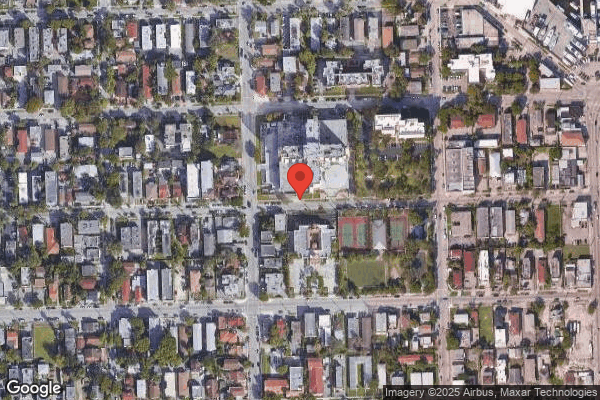

955 NW 3RD ST, MIAMI, FL 33128 (305) 548-4020
For profit - Corporation 264 Beds Independent Data: November 2025
Trust Grade
85/100
#137 of 690 in FL
Last Inspection: December 2024

Within standard 12-15 month inspection cycle. Federal law requires annual inspections.

Overview

Victoria Nursing & Rehabilitation Center in Miami, Florida, has a Trust Grade of B+, indicating it is above average and recommended for families considering care options. It ranks #137 out of 690 facilities in Florida, placing it in the top half of state facilities, and #21 out of 54 in Miami-Dade County, meaning only 20 other local homes rank higher. The facility is improving, having reduced its issues from four in 2024 to just two in 2025. Staffing is a strong point, with a 4 out of 5-star rating and a turnover rate of 32%, which is lower than the state average, suggesting that staff are experienced and familiar with residents. Notably, the center has no fines on record, indicating compliance with regulations, and has better RN coverage than 97% of Florida facilities, which enhances resident care. However, there are concerns, including incidents where a resident at risk for falls was left unattended in a high positioned bed, increasing the risk of serious injury. Additionally, there was a lack of privacy during medication administration, with resident information visible on an unattended medication cart. While the facility has strengths, such as its staffing and overall ratings, these specific incidents highlight areas that need improvement to ensure resident safety and privacy.

Trust Score
B+
85/100
In Florida
#137/690
Top 19%
Safety Record
Low Risk
No red flags
Inspections
Getting Better
4 → 2 violations
Staff Stability
○ Average
32% turnover. Near Florida's 48% average. Typical for the industry.
Penalties
✓ Good
No fines on record. Clean compliance history, better than most Florida facilities.
Skilled Nurses
✓ Good
Each resident gets 96 minutes of Registered Nurse (RN) attention daily — more than 97% of Florida nursing homes. RNs are the most trained staff who catch health problems before they become serious.
Violations
⚠ Watch
19 deficiencies on record. Higher than average. Multiple issues found across inspections.
★★★★★
5.0
Overall Rating
★★★★☆
4.0
Staff Levels
★★★★★
5.0
Care Quality
★★★★☆
4.0
Inspection Score
Stable
2024: 4 issues
2025: 2 issues

The Good

  • 4-Star Staffing Rating · Above-average nurse staffing levels
  • 5-Star Quality Measures · Strong clinical quality outcomes
  • Full Sprinkler Coverage · Fire safety systems throughout facility
  • No fines on record
  • Staff turnover below average (32%)

    16 points below Florida average of 48%

Facility shows strength in staffing levels, quality measures, fire safety.

The Bad

Staff Turnover: 32%

14pts below Florida avg (46%)

Typical for the industry

The Ugly 19 deficiencies on record

Aug 2025 2 deficiencies
CONCERN (D) 📢 Someone Reported This

A family member, employee, or ombudsman was alarmed enough to file a formal complaint

Potential for Harm - no one hurt, but risky conditions existed

Comprehensive Care Plan (Tag F0656)

Could have caused harm · This affected 1 resident

**NOTE- TERMS IN BRACKETS HAVE BEEN EDITED TO PROTECT CONFIDENTIALITY** Based on observation, record review and interview, the facility failed to implement a fall care plan for one (Resident #7) out o...

Read full inspector narrative →
**NOTE- TERMS IN BRACKETS HAVE BEEN EDITED TO PROTECT CONFIDENTIALITY** Based on observation, record review and interview, the facility failed to implement a fall care plan for one (Resident #7) out of one sampled resident at risk for falls as evidenced by Resident # 7 was left unattended/unsupervised lying in a high positioned bed. This deficient practice increases the resident's risk of falling and potentially sustaining severe life-threatening injuries. The findings included:During the facility tour on 8/4/25 at 8:43 AM, on the facility's 3rd floor northbound hallway Resident #7 was observed lying in a bed that was in a high position, one floor mat was observed on the left side of the bed and no staff was present in the room. The surveyor immediately notified Staff A, Certified Nursing Assistant, who was gathering linens from the cart on the opposite side of the hallway. Staff A, Certified Nursing Assistant, immediately went to the room and lowered the bed. When asked why Resident #7 was left unattended in the high positioned bed, Staff A stated: I was getting the linen.Record review of Resident #7's demographic face sheet revealed the resident an initial admission date of 5/24/21 and was readmitted on [DATE] with diagnosis that included: History of falling.Record review of a Medicare 5-day Minimum Data Set, dated [DATE] section for cognitive status indicated Resident # 7 has moderate cognitive impairment; the section for functional status revealed the resident is dependent on Activity of Daily Living (ADLs) and the Health Conditions section revealed Resident #7 had a fall in the last 2-6 months prior to admission/entry or reentry.Record review of a Care Plan initiated on 06/14/2024 and revised on 06/16/2025 revealed Resident #7 was at risk for falls with interventions that included: Bed to be in the lowest setting always as ordered.Record review of a nursing note dated 02/20/2025 revealed Resident #7 had a fall.On 8/4/25 at 12:57 PM Staff A, Certified Nursing Assistant revealed: When I am providing care, I remove one floor mat and put the bed up for proper body mechanics. While I was waiting for someone to help me transfer [Resident#7], I went to the linen cart outside of the room and left the bed up and only one floor mat because she was sleeping.On 8/4/25 at 2:27 PM, the Risk Manager revealed Residents are closely monitored by the resident upon admission to determine risk for falls. If a resident is at risk, bilateral floor mats are placed and an identification band. Staff remove the floor mats to provide care. The resident is to be supervised if a floor mat is removed. The bed is also to remain low if resident is unsupervised.Review of the facility policy and procedure titled Safety and Supervision of Residents Revised January 2025 revealed Policy Statement: Our facility strives to make the environment as free from accident hazards as possible. Resident safety and supervision and assistance to prevent accidents are facility-wide priorities.Policy Interpretation and Implementation: Individualized, Resident-Centered Approach to Safety:4. Implementing interventions to reduce accident risks and hazards shall include the following:d. Ensuring that interventions are implemented.
CONCERN (D) 📢 Someone Reported This

A family member, employee, or ombudsman was alarmed enough to file a formal complaint

Potential for Harm - no one hurt, but risky conditions existed

Accident Prevention (Tag F0689)

Could have caused harm · This affected 1 resident

**NOTE- TERMS IN BRACKETS HAVE BEEN EDITED TO PROTECT CONFIDENTIALITY** Based on observation, record review and interview, the facility failed to provide an environment that is free from potential acc...

Read full inspector narrative →
**NOTE- TERMS IN BRACKETS HAVE BEEN EDITED TO PROTECT CONFIDENTIALITY** Based on observation, record review and interview, the facility failed to provide an environment that is free from potential accidents and hazards for one (Resident #7) out of three sampled residents, as evidenced by Resident # 7 who is at risk for falls was observed in high positioned bed unattended/unsupervised. This deficient practice increases the resident's risk of falling and potentially sustaining severe life-threatening injuries. There were 51 residents residing on the third floor at the time of survey. The ndings included:Observational tour of the facility's third floor on 8/4/25 at 8:43 AM, revealed Resident #7 lying in a high positioned bed, one oor mat was on the left side of the bed and no staff was present in the room. The surveyor immediately notied Staff A, Certied Nursing Assistant, who was gathering linens from the cart on the opposite side of the hallway. Staff A, Certied Nursing Assistant, immediately went to the room and lowered the bed. When asked why Resident #7 was left unattended in the high positioned bed, Staff A stated: I was getting the linen.Record review of Resident #7's demographic face sheet revealed the resident an initial admission date of 5/24/21 and was readmitted on [DATE] with diagnosis that included: History of Falling.Record review of the physician's order sheet revealed an order dated 6/15/25 for bilateral oor mats while resident in bed every shift for fall precaution.Record review of a Medicare 5-day Minimum Data Set, dated [DATE] section for cognitive status indicated Resident # 7 has moderate cognitive impairment; the section for functional status revealed the resident is dependent on Activity of Daily Living (ADLs) and the Health Conditions section revealed Resident #7 had a fall in the last 2-6 months prior to admission/entry or reentry. Record review of a Care Plan initiated on 06/14/2024 and revised on 06/16/2025 revealed Resident #7 was at risk for falls with interventions that included: Bed to be in the lowest setting always as ordered.Record review of a nursing note dated 02/20/2025 revealed Resident #7 had a fall.On 8/4/25 at 12:57 PM Staff A, Certied Nursing Assistant stated, [Resident #7] has an order for two oors mats one on each side. When I am providing care, I remove one oor mat and put the bed up for proper body mechanics. While I was waiting for someone to help me transfer [Resident #7], I went to the linen cart outside of the room and left the bed up and only one oor mat because she was sleeping.On 8/4/25 at 2:27 PM, the Risk Manager revealed Residents are closely monitored by the resident upon admission to determine risk for falls. If a resident is at risk, bilateral oor mats are placed and an identication band. Staff remove the oor mats to provide care. The resident is to be supervised if a oor mat is removed. The bed is also to remain low if resident is unsupervised.Review of the facility policy and procedure titled Safety and Supervision of Residents Revised January 2025 revealed Policy Statement: Our facility strives to make the environment as free from accident hazards as possible. Resident safety and supervision and assistance to prevent accidents are facility-wide priorities.Policy Interpretation and Implementation:Individualized, Resident-Centered Approach to Safety:4. Implementing interventions to reduce accident risks and hazards shall include the following:d. Ensuring that interventions are implemented.
Dec 2024 4 deficiencies
CONCERN (D)

Potential for Harm - no one hurt, but risky conditions existed

Deficiency F0583 (Tag F0583)

Could have caused harm · This affected 1 resident

**NOTE- TERMS IN BRACKETS HAVE BEEN EDITED TO PROTECT CONFIDENTIALITY** Based on observations, interviews, and record review, the facility failed to provide privacy on one out of eight medication cart...

Read full inspector narrative →
**NOTE- TERMS IN BRACKETS HAVE BEEN EDITED TO PROTECT CONFIDENTIALITY** Based on observations, interviews, and record review, the facility failed to provide privacy on one out of eight medication cart computer screens and failed to provide privacy during medication administration as evidence by resident's information visible on the unattended open sixth floor's west cart computer screen and staff failed to provide privacy during medication administration for Resident #57. The findings included: Observation on 12/10/24 at 9:23 AM, revealed resident's information visible on the unattended sixth floor's west medication cart. (photo) On 12/10/24 at approximately 9:30 AM, Staff A, Licensed Practical Nurse (LPN) stated: The protocol is to lock the computer screen by pressing the lock icon when I am away from the cart to protect residents' information. I left it open because I was called for an emergency situation. On 12/11/24 at 8:38 AM, during a medication administration observation with Staff C, Registered Nurse (RN) on the second-floor's medication cart for Resident #1. Staff C, RN entered the resident's room and did not close the door and administered the medications without pulling the curtain to provide privacy. Interview on 12/11/24 at 4:05 PM, Staff C, RN was asked to explain the facility's privacy protocol during medication administration. Staff C, RN stated: When I administer medications to a resident who lives in a double occupied room, I close the door. [Resident #57] was in the room by herself and that is why I didn't pull the curtain or close the door. The way the Resident #57 was seated, there was privacy. Staff C, RN went with surveyor and stood at the nursing station located directly before Resident#57's room. Staff C, RN acknowledged the Resident#57 was fully visible while the door was opened and the curtain not pulled, therefore privacy was not provided. Interview on 12/12/24 at 1:43 PM, the Director of Nursing (DON) revealed, the nurses are to lock the computer screens when they walk away from the screen and pull the curtain and close the door during medication administration if the room is double occupied. Review of the facility's title; Policy Confidentiality of Information and Personal Privacy revised January 2024 revealed: Policy Statement: [NAME] Nursing and Rehabilitation Center will protect and safeguard resident confidentiality and personal privacy. Policy Interpretation and Implementation: [NAME] Nursing and Rehabilitation Center will safeguard the personal privacy and confidentiality of all resident personal and medical records. [NAME] Nursing and Rehabilitation Center will strive to protect the resident's privacy regarding his or her: medical treatment; Access to resident personal and medical records will be limited to authorized staff and business associates. Review of a Policy titled, Privacy of Residents revealed Policy Statement: revised January 2024 Each resident shall be cared for in a manner that promotes and enhances his or her sense of well-being, level of satisfaction with life, feeling of self-worth and self-esteem. Policy Interpretation and Implementation 10. Staff promote, maintain and protect resident privacy, including bodily privacy during assistance with personal care and during treatment procedures.
CONCERN (D)

Potential for Harm - no one hurt, but risky conditions existed

PASARR Coordination (Tag F0644)

Could have caused harm · This affected 1 resident

Based on record review and interview the facility failed to ensure an accurate Level I Preadmission Screening and Resident Review (PASRR) was completed in a timely manner for two residents (Resident #...

Read full inspector narrative →
Based on record review and interview the facility failed to ensure an accurate Level I Preadmission Screening and Resident Review (PASRR) was completed in a timely manner for two residents (Resident #254 and Resident #266) out of 12 residents sampled as evidenced by a Level I PASRR dated 7/24/24 for Resident #254 omitted diagnosis of Generalized Anxiety Disorder and Level I PASRR dated 10/9/24 for Resident#266 omitted diagnosis of Major Depressive Disorder. There were 307 residents residing in the facility at the time of survey. The findings included: (1) On 12/09/24 at 1:09 PM Resident #254 was observed seated in bed, a tracheostomy in place and communicated with hand gestures. Record review of Level I PASRR for Resident#254 revealed Screen and Determination Admitting diagnosis: Paralysis Agitation others: Altered Mental status: PASRR: Section I: Guide for Determining an indication of, or a Diagnosis of, a serious mental illness (MI), Mental Retardation (MR) or Related Condition: check those that apply: Depressive Disorder and Psychotic Disorder were checked. Section II: Part A: Mental Illness: No Part B- Mental Retardation: No. Signed by employee on 7/24/24. Record review of Resident #254's clinical records revealed an initial admission date of 5/22/24 and re-entry date of 7/25/24 with diagnosis that include: Anxiety, Major Depressive disorder, and Psychosis. Review of a quarterly MDS reference dated 9/21/24 Section I indicate Resident#254 had Psychiatric/Mood Disorder of Anxiety, Depression, and Psychotic disorder. Section N (medications) revealed Resident #254 was taking Antipsychotic, Antianxiety and Antidepressant medication during the last seven (7) days. Review of Care Plan with start date 7/6/24 and revised on 7/6/24 revealed Resident #254 has a behavior problem of anxiousness and paranoid thoughts related to Anxiety, Psychosis with a goal to have fewer episodes of (anxiousness and paranoid thoughts and behavior). Review of a physician orders sheet dated 7/24/24 revealed an order for Buspirone Oral Tablet 5 Milligram (MG) directions: Give one tablet two times a day related to Generalized Anxiety Disorder. Record review of a Psychiatric Note dated 11/20/24 revealed diagnosis included General Anxiety disorder. (2) On 12/10/24 at 9:44 AM An observation was made of Resident #266 in bed, awake, alert responding verbally. Review of Level I PASRR for Resident #266 revealed Screen and Determination Admitting diagnosis: Paralysis Agitation others: Altered Mental status: PASRR: Section I: Guide for Determining an indication of, or a Diagnosis of, a serious mental illness (MI), Mental Retardation (MR) or Related Condition: check those that apply: Anxiety and Psychotic Disorder were checked. Section II: Part A: Mental Illness: No Part B- Mental Retardation: No. Signed by employee on 10/9/24. Review of Resident #266's demographic sheet revealed an initial admission date of 10/9/24 with diagnosis that included: Anxiety, Major Depressive disorder, and Psychosis. Record review revealed a Modification of admission MDS with a reference date of 10/13/24 Section A (Identification) revealed the resident is not currently considered by the state Level II PASRR process to have serious mental illness and/or intellectual disability or a related condition. Section I Resident#266 had Psychiatric/Mood Disorder of Anxiety, Depression, and Psychotic disorder. Section N (medications) revealed Resident#254 was taking Antipsychotic and Antidepressant medication during the last seven (7) days. Review of Resident #266's Care Plan with a start date of 12/10/24 revealed the resident had a sad mood problem related to Depression with a goal to improve mood state (happier, calmer appearance, no signs and symptoms of Depression, Anxiety or sadness) through 1/07/25. The interventions included: Administer medications as ordered, monitor/document for side effects and effectiveness and behavioral health consults as needed (psycho-geriatric team, psychiatrist) Review of a Psychiatric Note dated 11/20/24 revealed Resident #266 had Major Depressive Disorder. Review of a physician orders sheet revealed an order dated 11/15/24 for Sertraline Oral Tablet 100 MG directions: Give one tablet one time a day related to Major Depressive Disorder. On 12/11/24 at 3:16 PM an interview was held with Staff J, Advanced Practice Registered Nurse (APRN) and The Director of Social Services. The Director of SS stated, Upon admission I review the psychotropic medications from the hospital and compared them to the PASSR received from the hospital to ensure the diagnosis are accurate or if a new PASSR need to be completed and I passed on that information to the APRN. If no new PASSR is needed, the facility accepts the PASSR from the hospital and if a new one is needed the PASSR is redone upon admission and readmission. When there is a significant change in behaviors while in facility, we consider a resident review. The Social Services Director revealed: The diagnosis of Anxiety was not included for [Resident #254] due to my error because The PASSR from the hospital was blank and because I thought the medications were only being used for Depression. I then gave that information to the APRN, and he signed it off. The diagnosis of Depression was not included on [Resident#266's] PASSR because there was no active medication at the time of admission and no significant behavioral change pertaining to the PASSR. Staff J, APRN stated, I work with the Social Services director to check if the diagnosis are accurate and if a new PASSR is needed. I double checked the PASSR for Resident#254 and Resident#266 and I didn't realize Anxiety and Depression were omitted. Record review of a Policy titled, Pre-admission Screening and Resident Review (PASRR) Revised January 2022, Reviewed January 2023, January 2024 revealed Policy Statement: Our facility admits only residents who's medical and nursing care needs can be met. Policy Interpretation and Implementation 1. All new admissions and readmissions are screened for mental disorders (MD), intellectual disabilities (ID) or related disorders (RD) per the Medicaid Pre-admission Screening and Resident Review (PASRR) process. (2) The social worker or designee is responsible for making referrals to the appropriate state-designated authority.
CONCERN (D)

Potential for Harm - no one hurt, but risky conditions existed

Respiratory Care (Tag F0695)

Could have caused harm · This affected 1 resident

Based on observation, interview and record review the facility failed to administer oxygen as ordered for one Resident (#244) out of twelve sampled residents as evidenced by Resident #244 was observed...

Read full inspector narrative →
Based on observation, interview and record review the facility failed to administer oxygen as ordered for one Resident (#244) out of twelve sampled residents as evidenced by Resident #244 was observed without nasal cannula in place resulting in decreased oxygen saturation level. The findings included: On 12/09/24 at 4:40 PM Resident#244 was observed lying in bed; an oxygen concentrator in progress at 2 L/min (2 liters per minute) and the nasal cannula that was not in a bag noted on top of the concentrator. (photo) Observation and interview on 12/09/24 at 4:51 PM; Staff B, Registered Nurse (RN) revealed Resident #244 is currently prescribed oxygen at a rate of 2 Liters per minute (L/M) continuously. Resident # 244's oxygen saturation level was measured, and the oxygen saturation level result was 86%. Staff B, RN rechecked the saturation level and the same result was noted. Staff B, RN applied the nasal cannula and measured the oxygen level, and the result was 94%. When asked what the resident's normal saturation levels was and if 86% was normal, Staff B, RN revealed 86% is low. When asked why the nasal cannula that was not in place Staff B, RN stated: When the Certified Nursing Assistant (CNA) transferred [Resident#244] from the recliner to the bed it was removed, and I was not notified. I monitor Residents by rounding every hour to make sure oxygen interventions are in place. I communicate with CNAs verbally at the beginning of the shift about needed interventions. Record review of a demographic sheet for Resident#244 revealed an admission date of 10/23/24 with diagnosis that included: Hypertensive Heart and Chronic Kidney Disease with Heart Failure. Record review of a physician's order sheet revealed orders dated 12/1/24 directions: Oxygen Via Nasal Cannula at 2 L/min every shift for Shortness of Breath (SOB) and 10/23/24-Oxygen saturation spot check every day shift and as needed (PRN). Record review of a Care Plan initiated on 10/27/2024 and revised on 11/05/2024 revealed Resident # 244 had Oxygen Via Nasal Cannula at 2 L/min PRN for SOB with a goal to display optimal breathing patterns daily through 1/27/25. The interventions included: Oxygen Via Nasal Cannula at 2 L/min PRN, monitor oxygen saturation as ordered, and observe skin color for development of cyanosis. Record review of the December 2024 Medication Administration Record for Resident#244 revealed licensed nursing staff signed each day for day and night shift the order: Oxygen via nasal cannula at 2 L/min every shift for SOB. On 12/11/24 at 12:55 PM Staff I, RN was asked about the order for Resident #244's oxygen. Staff I, RN replied, I am the nurse for this resident yesterday and today. The order is for oxygen continuous at 2 Liters per minute continuously. I do rounds to make sure the oxygen is at the rate and the nasal cannula is in place. I communicate with the CNAs by telling them the oxygen is for continuous, and they are not to remove the nasal cannula. Interview on 12/11/24 at 01:07 PM, Staff J, CNA was asked what the protocol for Resident #244 while receiving oxygen, Staff J stated: I am the CNA for this resident in the morning. This resident has continuous oxygen because the nurse explained that to me. I never removed the nasal cannula from the resident. I have seen the resident remove the nasal cannula and I replace it and let the nurse know. On 12/12/24 at 1:38 PM, the Director of Nursing (DON) stated: There should be a doctors order for the rate and the nurse should be monitoring if the resident is receiving the accurate liters and receiving the oxygen. The CNAs are always in contact with the resident and if they see the oxygen is not in place they inform the nurse. If the resident is restless and moving a lot that might be an instance of the nasal cannula not being in place. The nurse should also measure the oxygen saturation on room air and with oxygen in progress. The nurse should follow up by notifying the doctor. Record review of a Policy titled; Oxygen Administration Reviewed January 2024 revealed Purpose: The purpose of this procedure is to provide guidelines for safe oxygen administration. 1. Oxygen therapy is administered by way of an oxygen mask, nasal cannula, and/or nasal catheter.
CONCERN (D)

Potential for Harm - no one hurt, but risky conditions existed

Deficiency F0761 (Tag F0761)

Could have caused harm · This affected 1 resident

**NOTE- TERMS IN BRACKETS HAVE BEEN EDITED TO PROTECT CONFIDENTIALITY** Based on observations, interviews and record review the facility failed to properly store medication for four residents (Residen...

Read full inspector narrative →
**NOTE- TERMS IN BRACKETS HAVE BEEN EDITED TO PROTECT CONFIDENTIALITY** Based on observations, interviews and record review the facility failed to properly store medication for four residents (Resident #254, Resident #6, Resident #21, and Resident #163) out of eight sampled residents; as evidenced by observations of a nasal spray at the bedside of Resident#254, sore throat medicine at Resident#6's bedside, Ammonium lactate and Ketoconazole shampoo on Resident#21' nightstand, eye drop and nasal spray at Resident#163's bedside There were 307 residents residing in the facility at the time of survey. The findings included: On 12/09/24 at 1:09 PM a bottle of nasal spray was observed at Resident#254's bedside. On 12/09/24 at 05:34 PM Staff G, Registered Nurse (RN) was asked if residents are allowed to keep nasal sprays at their bedside and Staff G, RN replied, No. Staff G, RN then entered Resident #254's room and removed the nasal spray and educated Resident #254. On 12/09/24 at 8:48 AM a sore throat medicine was observed at Resident#6's Bedside. Observation and interview on 12/09/24 at 5:37 PM the Respiratory Director revealed: I saw the sore throat spray at the bedside and gave it to the nurse. On 12/09/24 at 4:04 PM Ammonium lactate and Ketoconazole shampoo was observed on the Resident#21's nightstand. (Photo) On 12/09/24 at 5:40 PM, Staff E, RN was informed of the medication at Resident # 21's nightstand. On 12/09/24 at 5:09 PM- eye drop and nasal spray observed at Resident #163's. On 12/09/24 at 5:45 PM Staff B, RN was asked if Resident#163 was allowed to have the eye drop and nasal spray at bedside. Staff B, RN replied, I am not sure I will check with the supervisor. On 12/09/24 at 5:42 PM Staff D, Assistant Director of Nursing (ADON) was asked if any eye drops, nasal sprays, lotions or shampoos can be kept at the bedside of residents'. The ADON replied. No and we will take care of that. On 12/12/24 at 1:43 PM The Director of Nursing revealed: Medicated lotions, nasal sprays and eye drops are not to be at bedside. The family members often bring eye drops and nasal sprays for the residents. We educate the family to not bring any medications. We have guardian angels and staff that are constantly checking the resident rooms for medications and if so to remove them. Record review of a Policy, titled Storage of Medications revised January 2024 revealed Policy Statement: [NAME] Nursing and Rehabilitation Center stores all drugs and biologicals in a safe, secure, and orderly manner. Policy Interpretation and Implementation: Drugs and biologicals used in the facility are stored in locked compartments under proper temperature, light and humidity controls, Discontinued, outdated, or deteriorated drugs or biologicals are returned to the dispensing pharmacy or destroyed and only persons authorized to prepare and administer medications have access to locked medications.
Jul 2023 4 deficiencies
CONCERN (D)

Potential for Harm - no one hurt, but risky conditions existed

Assessment Accuracy (Tag F0641)

Could have caused harm · This affected 1 resident

**NOTE- TERMS IN BRACKETS HAVE BEEN EDITED TO PROTECT CONFIDENTIALITY** Based on record review and interview, the facility failed to accurately code a minimum data set (MDS) for one (Resident #299) ou...

Read full inspector narrative →
**NOTE- TERMS IN BRACKETS HAVE BEEN EDITED TO PROTECT CONFIDENTIALITY** Based on record review and interview, the facility failed to accurately code a minimum data set (MDS) for one (Resident #299) out of one resident reviewed for MDS accuracy as evidenced by staff incorrectly coding the resident's discharge status to an acute level of care. The Findings included: Record review of Resident #299's Face sheet revealed the date of admission as 05/23/2023. The diagnoses included but were no limited to Hypertensive Heart Disease without Heart Failure, Atherosclerotic Heart Disease of Native Coronary Artery without Angina Pectoris, Muscle Weakness (generalized), and Difficulty in Walking, Not Elsewhere Classified, etc. Record review of Resident #299's Transfer/ Discharge report revealed, the resident was discharged on 06/19/2023 to another nursing home. Record review of Resident #299's MDS admission with the Assessment Reference Date (ARD) of 05/29/2023 revealed, a Brief Interview for Mental Status (BIMS) score 8. MDS Discharge-Return not anticipated dated 06/19/2023 revealed, in section A2100 (Discharge Status) the discharge was coded to an Acute hospital. (After conducting an interview with Staff A, the MDS Coordinator, the MDS was corrected. Another review of the MDS with a ARD on 05/29/2023 Discharge-return not anticipated revealed, the correct code (02) in section A2100. In Section X (Correction Request) revealed in X1100 with the revised date of 07/19/2023 as the Attestation date. Record review of Resident #299's Progress Notes revealed a Social Service Discharge Note dated 06/16/2023, that resident was approved to be transferred on 06/19/2023 to another skilled nursing facility. Record review of Resident #299's Progress Notes Discharge summary dated [DATE] revealed, resident #299 left discharge for a discharge to another facility in a medical transportation's stretcher accompanied by staff, a list of pharmacy medications is provided, personal belongings are taken, and he was educated about his transfer. Interview with Staff A, the MDS Coordinator on 07/19/23 at 11:42 AM revealed, this resident was discharged to a rehabilitation center and not a hospital. Staff A stated, he coded the MDS with a #3, which means acute hospital, but today he realized it was wrong and they made the correction. The MDS Coordinator stated he got confused because the name of the rehabilitation center is the same as the hospital. The MDS Coordinator showed the surveyor the corrected information in the MDS. Record review of the facility's policy and procedures on Certifying Accuracy of the Resident Assessment revised January 2023 revealed: Policy Statement - Any person completing a portion of the Minimum Data Set/MDS (Resident Assessment Instrument) must sign and certify the accuracy of that portion of the assessment. Policy Interpretation and Implementation 2.-Any person who completes any portion of the MDS assessment, tracking form, or correction request form is required to sign the assessment certifying the accuracy of that portion of that assessment.
CONCERN (D)

Potential for Harm - no one hurt, but risky conditions existed

Pharmacy Services (Tag F0755)

Could have caused harm · This affected 1 resident

**NOTE- TERMS IN BRACKETS HAVE BEEN EDITED TO PROTECT CONFIDENTIALITY** On 7/19/23 at 8:13 AM, medication administration was observed for Resident #92 by Staff D, a Registered Nurse (R.N). The medicat...

Read full inspector narrative →
**NOTE- TERMS IN BRACKETS HAVE BEEN EDITED TO PROTECT CONFIDENTIALITY** On 7/19/23 at 8:13 AM, medication administration was observed for Resident #92 by Staff D, a Registered Nurse (R.N). The medication administration record documented, Depakote oral tablet delayed release 250 milligrams (Divalproex Sodium). Give 1 tablet by mouth every 12 hours. The blister pack medication label documented, Depakote oral tablet 2 capsules and 125 milligrams each. While preparing the medications for Resident #92, Staff D popped two pills from the blister pack and placed one pill each into a medication cup. The surveyor verified with Staff D by asking, How many pills will did you give this resident? Staff D stated one and disposed of the other pill into drug buster. Staff D charted the medications as given. On 7/19/23 at 9:03 AM. In an interview with Staff D, R.N and Staff E, the ADON (Assistant Director of Nursing), it was discussed that one Depakote 125 mg capsule was given to Resident #92, and that there is a difference in the order and a total of 250 mg of Depakote was to be given to the resident. Staff E, ADON stated, Staff D will give the missed dose right now. On 7/19/23 at 10:01 AM, during an interview with the Pharmacist, Staff G, when asked about the order for Depakote for Resident #92, Staff G stated, Depakote can come in different dosages. Nurses are to look at the blister pack label from the pharmacy to administer the right dose. On 7/19/23 at 11:04 AM, during an interview with Staff F, a Nursing Supervisor. The Depakote medication order was discussed and Staff D stated, that [Resident #92] medications were changed recently and there was a PEG (percutaneous endoscopic gastrostomy) before. Most of the medications were liquids. The new orders were to convert to pill form. We asked the pharmacy to replace the blister pack so that Depakote capsules are 1 tablet of 250 milligrams. Record review of Resident #92 revealed, the resident was admitted to the facility on [DATE]. Medical diagnosis included but were not limited to epilepsy (seizures). The minimum data set (MDS), dated [DATE], in Section C: Cognitive patterns, the brief interview of mental status(BIMS) indicated the resident is cognitively intact. The medication administration record revealed, an order for Depakote (Divalproex Sodium) oral tablet delayed release 250 milligrams. Give 1 tablet by mouth every 12 hours for a diagnosis of epilepsy. It started on 7/18/23 at 2100. Depakote (Divalproex Sodium) Sprinkles oral capsule delayed release sprinkle 125 MG. Give 2 capsules by mouth every 12 hours for a diagnosis of seizure. It started on 5/15/23 and was discontinued on 7/18/23 at 12:52 PM. Based on observation, record review and interview, the facility failed to ensure pharmaceutical procedures were followed during medication administration for two (2) (Resident #233 and #92) out of seven (7) residents observed for medication administration with 35 opportunities and one (1) medication cart electronic screen was not locked on the 5th floor medication cart #2. There were 303 residents residing in the facility at the time of this survey. The Findings Included: 0n 07/18/23 at 8:40 AM during the medication administration observation with Registered Nurse (Staff B). Staff B did not have on the medication cart and was unable to administer one prescribed medication (Apixaban Oral Tablet 5 Milligram (mg) 1 tablet) for Resident # 233. Review of Resident # 233 's clinical record documented an initial admission to the facility on [DATE] with diagnoses including Personal history of other venous thrombosis and embolism, long term (current) use of anticoagulants and Unspecified atrial fibrillation. Review of Resident #233's physician orders for July 2023 revealed, on 7/18/23-7/18/23 Eliquis Oral Tablet 5 MG (Apixaban)-Give 1 tablet by mouth one time only related to personal history of other venous thrombosis and embolism. On 7/18/23-Apixaban Oral Tablet 5 Milligram (mg) (Apixaban) Give 1 tablet by mouth two times a day related to unspecified atrial fibrillation. On 7/18/23 at 9:03AM, Registered Nurse, Staff B stated the last time Apixaban 5 MG was ordered for Resident #233 was 6/17/23, Staff B resent the order for Apixaban 5 mg via the computer today on 7/18/23. The surveyor asked Staff B, when do you usually reorder medications for the residents. Staff B stated, via a Spanish/English translation by the Assistant Director of Nursing (ADON), when the medication is on the last line on the bingo card, we reorder the medication. Record review of the quarterly Minimum Data Set (MDS) dated [DATE] revealed: Section C for Cognitive Patterns documented, a Brief Interview for Mental Status (BIMS) score 13 on a 0-15 scale, indicating the resident is cognitively intact. On 07/18/23 at 9:15 AM, the surveyor observed the computer screen on the 5th floor, medication cart #2 was unlocked, displaying the residents' medical records. At the time of the observation there was no staff attending to the medication cart. Registered Nurse (Staff C) came to the medication cart after leaving a resident's room and approached the surveyor. On 7/18/23 at 9:30AM, Registered Nurse, Staff C stated, when asked what he does when he leaves his medication cart to enter a resident's room, he stated, I make sure my cart and computer screen is locked and there is no medication on top of the cart. The Surveyor explained to Staff C, that he left his computer screen opened when he went into the resident's room to check the blood pressure. Staff C acknowledged, leaving the cart open and stated, I was a little nervous. On 07/18/23 at 12:18 PM, the Facility Pharmacist brought Apixaban 5mg for Resident #233 to show the surveyor the medication had arrived from the pharmacy and stated it will be given to the resident right away. Review of the facility's policy titled, Administering Medications revision date 01/2023 states, Medications shall be administered in a safe and timely manner, and as prescribed. Interpretation and Implementation: #3-medications must be administered in accordance with the orders, including any required timeframe. #6-The individual administering the medication must check the label three times to verify the right medication, right dosage, right time and right method (route) of administration before giving the medication. Review of the facility's policy titled, Security of Medication Cart revision date 01/2023 states: The medication cart shall be secured during medication passes. Interpretation and Implementation: #6-Computer terminals and workstations will be positioned/shielded to ensure that protected health information (PHI) and facility information is protected from public view or unauthorized access. #7-A user may not leave his/her workstation or terminal unattended unless the terminal screen is clear and the user is logged off. Each user must log off at the end of his/her work shift. Review of the undated facility policy titled, Ordering and Receiving Non-Controlled Medications From The Dispensing Pharmacy states medications and related policies are received from the dispensing pharmacy on a timely basis. The facility maintains accurate records of medication orders and receipt. Procedures: A. Ordering Medications from the Pharmacy 1) Medication orders are written on a medication order form i.e. telephone order sheet, reorder form, electronically, etc. provided by the pharmacy, written in the chart by the physician, electronic order, or written on a transfer order form and transmitted to the pharmacy. The written entry includes: a) Date ordered. b) Whether the order is new or a repeat order (refill). If the order is a repeat order (refill), in the prescription number. c) Residents name and other identifying information when necessary. d) Medication name and strength when indicated. e) Indication for use. f) Directions for use, if a new order, or direction changes to a previous order with indication as to whether a new supply is needed from the pharmacy. g) Name of pharmacy supplier if other than provider pharmacy 2) If not automatically refilled by the pharmacy, repeat medications (refills) are written on a medication order form/ ordered by peeling the top label from the physician order sheet and placing it in the appropriate area on the order form provided by the pharmacy for that purpose and/or ordered electronically ordered as follows*: a) Reordering of medications is done in accordance with the order and delivery schedule developed by the pharmacy provider(s). Quantities of medications sent from the pharmacy may vary in accordance with payer status, insurance plan, or law. Examples include Medicare A vs Medicaid, plan limitations on quantities under Medicare Part D, and quantity ordered by the prescriber. Reorder medication three days in advance of need, as directed by the pharmacy order and delivery schedule, to assure an adequate supply is on hand. When reordering medication that requires special processing such as Department of Veterans Affairs prescriptions or mail order, order at least seven days in advance of need. b) The nurse who reorders the medication is responsible for notifying the pharmacy of changes in directions for use or previous labeling errors. c) The refill order is called in, faxed, sent electronically or otherwise transmitted to the pharmacy. When available and legible, the pharmacy label (including bar - code, if used is pulled and transmitted to the pharmacy.
CONCERN (D)

Potential for Harm - no one hurt, but risky conditions existed

Unnecessary Medications (Tag F0759)

Could have caused harm · This affected 1 resident

**NOTE- TERMS IN BRACKETS HAVE BEEN EDITED TO PROTECT CONFIDENTIALITY** Based on observations, interviews, and record reviews, the facility failed to ensure the medication error rate was below five pe...

Read full inspector narrative →
**NOTE- TERMS IN BRACKETS HAVE BEEN EDITED TO PROTECT CONFIDENTIALITY** Based on observations, interviews, and record reviews, the facility failed to ensure the medication error rate was below five percent, as evidenced by an error rate of 5.71% percent during the medication administration observation. Two (2) medication errors were identified while observing a total of 35 opportunities, affecting Resident # 233 and #92. The Findings Included: 1. 0n 07/18/23 at 8:40 AM during the medication administration observation with Registered Nurse (Staff B). Staff B did not have on the medication cart and was unable to administer one prescribed medication (Apixaban Oral Tablet 5 Milligram (mg) 1 tablet) for Resident # 233. Review of Resident # 233 's clinical record documented an initial admission to the facility on [DATE] with diagnoses including Personal history of other venous thrombosis and embolism, long term (current) use of anticoagulants and Unspecified atrial fibrillation. Review of Resident #233's physician orders for July 2023 revealed, on 7/18/23-7/18/23 Eliquis Oral Tablet 5 MG (Apixaban)-Give 1 tablet by mouth one time only related to personal history of other venous thrombosis and embolism. On 7/18/23-Apixaban Oral Tablet 5 Milligram (mg) (Apixaban) Give 1 tablet by mouth two times a day related to unspecified atrial fibrillation. On 7/18/23 at 9:03AM, Registered Nurse, Staff B stated the last time Apixaban 5 MG was ordered for Resident #233 was 6/17/23, Staff B resent the order for Apixaban 5 mg via the computer today on 7/18/23. The surveyor asked Staff B, when do you usually reorder medications for the residents. Staff B stated, via a Spanish/English translation by the Assistant Director of Nursing (ADON), when the medication is on the last line on the bingo card, we reorder the medication. Record review of the quarterly Minimum Data Set (MDS) dated [DATE] revealed: Section C for Cognitive Patterns documented, a Brief Interview for Mental Status (BIMS) score 13 on a 0-15 scale, indicating the resident is cognitively intact. On 07/18/23 at 12:18 PM, the Facility Pharmacist brought Apixaban 5mg for Resident #233 to show the surveyor the medication had arrived from the pharmacy and stated it will be given to the resident right away. Review of the facility's policy titled, Administering Medications revision date 01/2023 states, Medications shall be administered in a safe and timely manner, and as prescribed. Interpretation and Implementation: #3-medications must be administered in accordance with the orders, including any required timeframe. #6-The individual administering the medication must check the label three times to verify the right medication, right dosage, right time and right method (route) of administration before giving the medication. Review of the undated facility policy titled, Ordering and Receiving Non-Controlled Medications From The Dispensing Pharmacy states medications and related policies are received from the dispensing pharmacy on a timely basis. The facility maintains accurate records of medication orders and receipt. Procedures: A. Ordering Medications from the Pharmacy 1) Medication orders are written on a medication order form i.e. telephone order sheet, reorder form, electronically, etc. provided by the pharmacy, written in the chart by the physician, electronic order, or written on a transfer order form and transmitted to the pharmacy. The written entry includes: a) Date ordered. b) Whether the order is new or a repeat order (refill). If the order is a repeat order (refill), in the prescription number. c) Residents name and other identifying information when necessary. d) Medication name and strength when indicated. e) Indication for use. f) Directions for use, if a new order, or direction changes to a previous order with indication as to whether a new supply is needed from the pharmacy. g) Name of pharmacy supplier if other than provider pharmacy 2) If not automatically refilled by the pharmacy, repeat medications (refills) are written on a medication order form/ ordered by peeling the top label from the physician order sheet and placing it in the appropriate area on the order form provided by the pharmacy for that purpose and/or ordered electronically ordered as follows*: a) Reordering of medications is done in accordance with the order and delivery schedule developed by the pharmacy provider(s). Quantities of medications sent from the pharmacy may vary in accordance with payer status, insurance plan, or law. Examples include Medicare A vs Medicaid, plan limitations on quantities under Medicare Part D, and quantity ordered by the prescriber. Reorder medication three days in advance of need, as directed by the pharmacy order and delivery schedule, to assure an adequate supply is on hand. When reordering medication that requires special processing such as Department of Veterans Affairs prescriptions or mail order, order at least seven days in advance of need. b) The nurse who reorders the medication is responsible for notifying the pharmacy of changes in directions for use or previous labeling errors. c) The refill order is called in, faxed, sent electronically or otherwise transmitted to the pharmacy. When available and legible, the pharmacy label (including bar - code, if used is pulled and transmitted to the pharmacy. 2. On 7/19/23 at 8:13 AM, medication administration was observed for Resident #92 by Staff D, a Registered Nurse (R.N). The medication administration record documented, Depakote oral tablet delayed release 250 milligrams (Divalproex Sodium). Give 1 tablet by mouth every 12 hours. The blister pack medication label documented, Depakote oral tablet 2 capsules and 125 milligrams each. While preparing the medications for Resident #92, Staff D popped two pills from the blister pack and placed one pill each into a medication cup. The surveyor verified with Staff D by asking, How many pills will did you give this resident? Staff D stated one and disposed of the other pill into drug buster. Staff D charted the medications as given. On 7/19/23 at 9:03 AM. In an interview with Staff D, R.N and Staff E, the ADON (Assistant Director of Nursing), it was discussed that one Depakote 125 mg capsule was given to Resident #92, and that there is a difference in the order and a total of 250 mg of Depakote was to be given to the resident. Staff E, ADON stated, Staff D will give the missed dose right now. On 7/19/23 at 10:01 AM, during an interview with the Pharmacist, Staff G, when asked about the order for Depakote for Resident #92, Staff G stated, Depakote can come in different dosages. Nurses are to look at the blister pack label from the pharmacy to administer the right dose. On 7/19/23 at 11:04 AM, during an interview with Staff F, a Nursing Supervisor. The Depakote medication order was discussed and Staff D stated, that [Resident #92] medications were changed recently and there was a PEG (percutaneous endoscopic gastrostomy) before. Most of the medications were liquids. The new orders were to convert to pill form. We asked the pharmacy to replace the blister pack so that Depakote capsules are 1 tablet of 250 milligrams. Record review of Resident #92 revealed, the resident was admitted to the facility on [DATE]. Medical diagnosis included but was not limited to epilepsy (seizures). The minimum data set (MDS), dated [DATE], in Section C: Cognitive patterns, the brief interview of mental status (BIMS) indicated the resident is cognitively intact. The medication administration record revealed, an order for Depakote (Divalproex Sodium) oral tablet delayed release 250 milligrams. Give 1 tablet by mouth every 12 hours for a diagnosis of epilepsy. It started on 7/18/23 at 2100. Depakote (Divalproex Sodium) Sprinkles oral capsule delayed release sprinkle 125 MG. Give 2 capsules by mouth every 12 hours for a diagnosis of seizure. It started on 5/15/23 and was discontinued on 7/18/23 at 12:52 PM.
CONCERN (D)

Potential for Harm - no one hurt, but risky conditions existed

QAPI Program (Tag F0867)

Could have caused harm · This affected 1 resident

Based on observations, interview, and record review, the facility failed to demonstrate effective plan of actions were implemented to correct identified quality deficiencies in the problem area relate...

Read full inspector narrative →
Based on observations, interview, and record review, the facility failed to demonstrate effective plan of actions were implemented to correct identified quality deficiencies in the problem area related to repeated deficient practices cited during this survey for F755 Pharmacy Services/Procedures/Pharmacist/Records as evidenced by the facility failed to follow Pharmacy procedures for ordering and administering medications for Resident #233 and medications cart security. This deficient practice has the potential to increase the risk of negative resident outcomes and to affect the 303 residents currently residing in the facility at the time of the survey. The findings included: Review of the facility's survey history revealed, during a recertification and complaint investigation survey with an exit dated June 24, 2022, Pharmacy/Services/Procedures/Pharmacist/Records was cited related to the facility failed to provide Pharmaceutical Services to meet the needs of the residents. On 07/20/23 at 01:56 PM, during an interview the compliance officer and the ADON (Assistant Director of Nursing, the ADON/QAPI stated, the Quality Assurance/Quality Assurance Performance Improvement (QA/QAPI) meetings take place the first Wednesday of every month, and they also have quarterly meetings to discuss any issues arising. The ADON stated that the QA committee has members to include the Infection Preventionist, the DON (Director of Nurses), Compliance, Dietitian, the Medical Director, and all of the head departments. The ADON stated, they conduct environmental rounds, interview all the residents to see if they have any concerns. The ADON further stated, We have meetings with the head of the departments. They interview their staff daily so they can identify issues. We also identify issues through incident reports and from past services we had before. We tract and investigate. Based on the finding, we implement the corrective actions based on the issues that were presented. There are reports of what happens in every department. We do medical record review. We do observation, interviews, and record reviews. We interview the nursing staff, interview the residents to see if any issue is arising. We do the morning meetings. We interview staff, do evaluations on them, and monitor the communication log. The open-door policy is always there to let them know that they can always come to us. Every time we've implemented something knew, we have meeting, and we let them know what we are working on. We have weekly falls meeting with the nurses, and the risk management department on incidents. The time frame to correct any problem depends on the issue. For example, we had an environmental problem, I've been monitoring it for the past three to five months. I review the QA again, the documentation, the chart if it relates to the residents. If we do not correct in a certain time, we continue, and do preventive action. I've been reviewing QA on the past citations we have. I monitor wound care closely; we do weekly meetings with the dietary to see if the patient is losing weight. We make sure the residents are using the foley catheter correctly and meet with the medical director to minimize the risks and ensure adequate supervision is provided. If residents are not using oxygen, doctor's orders are followed. We make sure the care plans are followed. In general, I review the care plan, if the call lights are working and followed. The safety for customer care is our main priority. We keep documentation in place and complete them on time. We make sure the pharmacy, medication administration, place of medications, medications carts are in compliance. We make environmental rounds, to make sure privacy; we interview residents about food, any concerns, food preferences when we make the rounds. We have in-service education training for new nurses, to make sure they are doing the job correctly. We also have in-service education training with all the Certified Nursing Assistant (CNAs) in all aspects. Newly hired wound care nurses received in-service education training as well, to make sure they are doing the wound care properly and follow infection control or prevention procedures.
Jun 2022 9 deficiencies
CONCERN (D)

Potential for Harm - no one hurt, but risky conditions existed

Deficiency F0558 (Tag F0558)

Could have caused harm · This affected 1 resident

Based on observation, interview, and record review, the facility failed to accommodate one resident (resident #284) out of 38 sampled residents by not ensuring that the call light was in reach. There ...

Read full inspector narrative →
Based on observation, interview, and record review, the facility failed to accommodate one resident (resident #284) out of 38 sampled residents by not ensuring that the call light was in reach. There were a total of 299 residents present in the facility at the time of this survey. The findings included: Observation on 6/21/22 at 1:04 PM revealed Resident #284 in her room in bed. Resident #284's left arm was in a sling restricting the use of the arm. The call light was attached to the bed linens on her left side. Observation on 6/22/22 at 10:20 AM revealed Resident #284 in her room sitting in her wheelchair watching television. The wheelchair was positioned between the bed and the entrance door to the room. Resident #284's left arm was restricted by a sling and she indicated by pointing to the sling that she could not move her arm. The call light was attached to the bed linens about 12 inches from her Left arm and out of reach from her right arm. Observation on 6/23/22 at 10:03 AM revealed Resident #284 in her room in bed. The bed was in the lowest position with a floor mat in place. The call light was attached to the bed linens above her head on the left side of the bed. Her left arm was in a sling and she reported she could not move her arm. The call light was out of reach of her left and right hands. Record review of physician orders revealed Resident #284 had an order to keep left arm immobilizer/left sling on at all times every shift for left humerus mid-shaft spiral fracture. Interview with a Certified Nursing Assistant (C N A), staff L on 6/24/22 at 11:44 AM revealed Resident # 284 is at risk for falls. I know she needs to have floor mattresses on both sides of the bed. The bed has to be low. The call light needs to be next to her. The call light has to be in the right hand because she has a fracture on the left side. Resident # 284 is physically able to use the call light. We have to make sure she has the light to call for help and to use the bathroom. Resident # 284 is alert, but confused sometimes. She is able to tell me her basic needs, like when she needs to use the bathroom. I have to make sure the call light is near her right hand because she has a sling on her left arm. Review of the facility policy and procedure titled, Answering he Call Light revised January 2022 revealed 4. Be sure the call light is plugged in at all times, 5. When the resident is in bed or confined to a chair be sure the call light is within easy reach of the resident.
CONCERN (D)

Potential for Harm - no one hurt, but risky conditions existed

Deficiency F0604 (Tag F0604)

Could have caused harm · This affected 1 resident

**NOTE- TERMS IN BRACKETS HAVE BEEN EDITED TO PROTECT CONFIDENTIALITY** Based on observation, record review and interview, the facility failed to ensure one out of 38 sampled residents (Resident #357)...

Read full inspector narrative →
**NOTE- TERMS IN BRACKETS HAVE BEEN EDITED TO PROTECT CONFIDENTIALITY** Based on observation, record review and interview, the facility failed to ensure one out of 38 sampled residents (Resident #357) was free from restraints. The facility had a census of 299 residents during the survey. The findings included: Observation of Resident #357 on 06/20/22 at 07:34 AM revealed the resident in bed with a hand mitten on her left hand. The hand mitten was white, had a mesh covering the residents hand and had a padded surface where the residents palm rested. The hand mitten wasn't tied, but it was closed around the wrist. The resident was in a low bed, had Isosource 1.5cal, at 50cc/hr (hour), 552cc(cubic centimeters) had infused. The resident was observed to be able to move her left arm. The resident was not observed to move her right arm. Observation on 06/21/22 at 08:45 AM, Resident #357 was in a low bed, awake, Isosource 1.5cal at 50cc/hr, 100 cc had infused. The resident did not have the hand mitten on her left hand. The resident was observed moving her left hand around, touching her face, and rubbing her fingers together. The residents right arm was covered with a blanket, and the resident wasn't observed to move the right arm. Observation on 06/23/22 at 08:16 AM, Resident #357 was observed in a low bed, awake, her gown was partially off her shoulders. Staff U, a Certified Nursing Assistant was in the room. Staff U reported, resident #357 pulls her gown off and pulls at things. The resident had Isosource 1.5 cal at 45 cc/hr. The resident did not have the mitten on her left hand. The residents right arm was not observed to move. Staff U fixed the residents gown on her shoulders. The resident was observed taking off gown. During record review it was revealed, Resident #357 was admitted to the facility on [DATE]. The residents diagnoses included but were not limited to Hemiplegia and Hemiparesis following Cerebral Infarction affecting right dominant side, Generalized Anxiety Disorder, Type 2 Diabetes Mellitus and Encounter for Attention to Gastrostomy. During record review it was noted the residents Minimum Data Set (MDS) was in progress. During record review it was noted on 6/21/22 a Psychiatric Evaluation was completed by the Advanced Registered Nurse Practitioner. The evaluation documents the resident is showing signs of episodic anxiety disorder. During record review, there was no physicians order for the use of the hand mitten. The residents medical record included the following Care Plans: Resident at risk for falls Resident at risk for skin breakdown Resident at risk to experience pain Resident/Family wishes resident to return home after therapy completed Potential for altered psychosocial well being r/t (related to) restriction on visitation Resident has PEG (Percutaneous Endoscopic Gastrostomy) tube for nutrition and Dysphagia at risk for complications Resident has a potential for isolation and low activity participation Resident has no Advance Directives on records Resident has potential for nutritional and hydration deficits During interview on 06/24/22 at 09:07 AM, Staff I, the Registered Nurse for Resident #357 on 6/20/2022, acknowledged the resident had a mitten on possibly because of the resident pulling on her G (Gastrostomy) tube. She reports, she removed it and said, she would monitor her every 2 hours. During the review of the facility's policy and procedure titled, Use of Restraints dated Revised January 2022. The policy statement included, Restraints shall only be used for the safety and well-being of the resident(s) and only after other alternatives have been tried unsucessfully. Restraints shall only be used to treat the resident's medical symptom(s) and never for discipline or staff convenience, or for the prevention of falls. The Policy Interpretation and Implementation included: 3. Examples of devices that are/may be considered physical restraints include leg restraints, arm restraints, hand mitts, soft ties or vest, wheelchair safety bars, geri chairs, and lap cushion and trays that the resident cannot remove. 6. Prior to placing a resident in restraints, there shall be a pre-restraining assessment and review to determine the need for restraints.
CONCERN (D)

Potential for Harm - no one hurt, but risky conditions existed

Comprehensive Care Plan (Tag F0656)

Could have caused harm · This affected 1 resident

**NOTE- TERMS IN BRACKETS HAVE BEEN EDITED TO PROTECT CONFIDENTIALITY** Based on observation, record review and interview, the facility failed to ensure a resident's comprehensive care plan was follow...

Read full inspector narrative →
**NOTE- TERMS IN BRACKETS HAVE BEEN EDITED TO PROTECT CONFIDENTIALITY** Based on observation, record review and interview, the facility failed to ensure a resident's comprehensive care plan was followed related to the 1) Use of hand rolls for a resident with bilateral contractures of the upper extremities for one (Resident #131) out of two residents reviewed for position and mobility out of nineteen residents with contractures and 2) Failed to follow the fall risk care plan for one (Resident #284) out of 38 sampled residents as evidenced by failure to ensure the call light was in reach. There were a total of 299 residents residing in the facility at the time of this survey. The findings included: 1) Record review of the Resident Mobility and Range of Motion Policy and Procedure (Revised January 2022) documented: Policy Statement-1) Residents will not experience an avoidable reduction in range of motion (ROM); 2) Residents with limited range of motion will receive treatment and services to increase and/or prevent a further decrease in ROM and 3) Residents with limited mobility will receive appropriate services, equipment and assistance to maintain or improve mobility. Policy Interpretation and Implementation-1) As part of the resident's comprehensive assessment, the nurse will identify the resident's: a) current range of motion of his or her joints; 2) As part of the comprehensive assessment, the nurse will also identify conditions that place the resident at risk for complications relate to ROM and mobility, including: e) contractures and 4) Interventions may include the provision of necessary equipment. An initial observation of Resident #131 was conducted on 06/20/22 at 9:30 AM. The resident was sitting up in bed with the television on, bilateral one quarter side rails and had bilateral hand contractures. No hand rolls were observed in the resident's hands. Second observation of Resident #131 was conducted on 06/21/22 at 8:21 AM. The resident was sitting up in bed, asleep with bilateral one quarter side rails and had bilateral hand contractures. No hand rolls were observed in the resident's hands. Third observation of Resident #131 was conducted on 06/22/22 at 7:26 AM. The resident was sitting up in bed, asleep with bilateral one quarter side rails and had bilateral hand contractures. No hand rolls were observed in the resident's hands. Record review of the Demographic Face Sheet for Resident #131 documented the resident was admitted on [DATE] with a diagnosis of hemiplegia, hypertensive chronic kidney disease, chronic obstructive pulmonary disease, diabetes mellitus, alzheimer's disease, dementia and contracture left hand. Review of the Physician's Order Sheet (POS) for June 2022 for Resident #131 documented the resident was issued bilateral hand rolls to be worn daily/daytime in an attempt to maintain bilateral hand palmar area skin integrity every day. The order was written on 6/16/2022. Review of Resident #131's Joint Limitations care plan dated 6/16/22 documented the resident was at risk to decrease mobility and muscle strength with hand contractures; Goal: Risk of limitations will be minimized on daily basis by next review date; Interventions: Bilateral hand rolls protector at all times except for hygiene/grooming and ROM (range of motion) for contracture management. Fourth observation of Resident #131 was conducted on 06/23/22 at 12:21 PM. The resident was sitting up in bed with television on, bilateral one quarter side rails and had bilateral hand contractures. No hand rolls were observed in the resident's hands. Interview and observation with Staff O, Nurse RN (Registered Nurse) was conducted on 6/23/22 at 12:22 PM. She stated, I have only worked with the resident two times. I don't know if she is supposed to have hand rolls. Observation with the nurse revealed the resident had bilateral hand contractures and did not have bilateral hand rolls. Interview and observation with Staff P, CNA (Certified Nursing Assistant) was conducted on 6/23/22 at 12:24 PM via Spanish translator. She revealed the resident's hand rolls went to the laundry because they are dirty and that is why she doesn't have them on. She bathes her in the morning, takes them off, then put them back on after the bath. She revealed the resident should have the bilateral hand rolls on. Interview with Staff Q, Nurse RN on 6/24/22 at 11:16 AM. She stated, The doctors order say the resident is to have bilateral hand rolls daily. Interview with Staff R, OT (Occupational Therapist) on 6/24/22 at 2:28 PM. She stated, She has splints and hand rolls to prevent further joint contractures. She does have an order for splints and hand rolls. Patient will tolerate bilateral hand rolls. Interview with Staff S, RN Restorative Nursing on 6/24/22 at 3:09 PM. He stated, She has an order and is care planned for bilateral hand rolls, every time except when having personal care done. 2) Observation on 6/21/22 at 1:04 PM revealed Resident #284 in her room in bed. Resident #284's left arm was in a sling restricted use of the arm. The call light was attached to the bed linens on her left side. The bed was in a low position and there was a mat on the floor to her left side. Observation on 6/22/22 at 10:20 AM revealed Resident #284 in her room sitting in her wheelchair watching television. The wheelchair was positioned between the bed and the entrance door to the room. Resident #284's left arm was restricted by a sling and she indicated by pointing to the sling that she could not move her arm. The call light was attached to the bed linens about 12 inches from her Left arm and out of reach from her right arm. Resident #284 was awake and alert. Bilateral foot rests were in place and there was a floor mat in place on the opposite side of bed. She wore non-skid shoes. Observation on 6/23/22 at 10:03 AM revealed Resident #284 in her room in bed. The bed was in the lowest position with floor mat in place. The call light was attached to the bed linens above her head on the left side of the bed. Her left arm was in a sling and she reported she could not move her arm. The call light was out of reach of her left and right hands. Record review revealed Resident #284 was admitted to the facility on [DATE] with multiple diagnoses including Displaced fracture of shaft of humerus, left arm 5/31/22, history of falls, Hypertension, Psychosis, Depression, Anxiety, Alzheimer's, Dementia with Behavioral Disturbances, Osteoarthritis, and Cataracts. Review of the minimum data set (MDS) dated [DATE] revealed Resident #284 had a BIMS (brief interview for mental status) score of 4 indicating severely impaired cognition. Mood indicators included feeling down/depressed, trouble sleeping and either moving slowly or restlessness. Resident #284 needed extensive ADL (activities of daily living) assistance, was vocationally incontinent, had one fall with injury, and medications included the use of antipsychotic, antianxiety, and antidepressants. Review of the care plan revealed Resident #284 has alteration in musculoskeletal status as evidenced by displaced spiral fracture of shift of humerus, left arm and is at risk for falls secondary to decreased activity tolerance, fall scale 65, use of cardiovascular and psychotropic medications and incontinence. 4/11/22 incident reported 5/21/22 Incident reported 5/28/22 Resident was observed walking by herself, suddenly she lost her balance and fell to the floor over the left side of her body. The staff tried to assist but unable to reach her on time. Resident verbalized she was trying to go to the bathroom without a call for assistance. Resident refer pain 3 on scale of 10 to left arm. Deformity to left arm. Resident readmitted from hospital on 6/8/22. Approaches included: -Be sure residents' call light is in reach and encourage resident to use it for assistance as needed. -Bed to lowest position -Bilateral floor mats at all times -Appropriate footwear -Frequent visualization - check every 1 hour -Toilet after meals and bedtime -Red star on ID (identification) band, fall identification Interview with a Certified Nursing Assistant (C N A), staff L on 6/24/22 at 11:44 AM revealed Resident # 284 is at risk for falls. I know she needs to have floor mattresses on both sides of the bed. The bed has to be low. The call light needs to be next to her. The call light has to be in the right hand because she has a fracture on the left side. Resident # 284 is physically able to use the call light. We have to make sure she has the light to call for help and to use the bathroom. Resident # 284 is alert, but confused sometimes. She is able to tell me her basic needs, like when she needs to use the bathroom. I have to make sure the call light is near her right hand because she has a sling on her left arm. Interview with a Registered Nurse (RN), staff N on 6/24/22 12:21 PM revealed Resident # 284 is at risk for falls so she is closely monitored. She has a low bed and mats and we have to make sure her call light is in reach. She has not been trying to get up so often recently since she fractured her humerus but she has been identified at risk due to attempts to get up without help and risk for falls.
CONCERN (D)

Potential for Harm - no one hurt, but risky conditions existed

Deficiency F0688 (Tag F0688)

Could have caused harm · This affected 1 resident

**NOTE- TERMS IN BRACKETS HAVE BEEN EDITED TO PROTECT CONFIDENTIALITY** Based on observation, interview and record review, the facility failed to ensure that bilateral handrolls were worn to prevent w...

Read full inspector narrative →
**NOTE- TERMS IN BRACKETS HAVE BEEN EDITED TO PROTECT CONFIDENTIALITY** Based on observation, interview and record review, the facility failed to ensure that bilateral handrolls were worn to prevent worsening bilateral hand contractures for one (Resident #131) out of two residents reviewed for position and mobility out of nineteen residents with contractures. There were a total of 299 residents residing in the facility at the time of this survey. The findings included: Record review of the Resident Mobility and Range of Motion Policy and Procedure (Revised January 2022) documented: Policy Statement-1) Residents will not experience an avoidable reduction in range of motion (ROM); 2) Residents with limited range of motion will receive treatment and services to increase and/or prevent a further decrease in ROM and 3) Residents with limited mobility will receive appropriate services, equipment and assistance to maintain or improve mobility. Policy Interpretation and Implementation-1) As part of the resident's comprehensive assessment, the nurse will identify the resident's: a) current range of motion of his or her joints; 2) As part of the comprehensive assessment, the nurse will also identify conditions that place the resident at risk for complications relate to ROM and mobility, including: e) contractures and 4) Interventions may include the provision of necessary equipment. Review of the Use of Assistive Devices and Equipment Policy and Procedure (Revised January 2022) documented: Policy Statement-Our facility maintains and supervises the use of assistive devices and equipment for residents. Policy Interpretation and Implementation-1) Certain devices and equipment will assist with resident mobility, safety and independence are provided for residents and 4) The facility provides the residents with assistive devices to maintain ROM and minimize the risk for further contractures based on the evaluation of the rehabilitation department. These devices may include splints, handrolls, braces and other adaptive equipment. Devices are indicated in the plan of care with directions on when to apply and remove. An initial observation of Resident #131 was conducted on 06/20/22 at 9:30 AM. The resident was sitting up in bed with the television on, bilateral one quarter side rails and had bilateral hand contractures. No hand rolls were observed in the resident's hands. Second observation of Resident #131 was conducted on 06/21/22 at 8:21 AM. The resident was sitting up in bed, asleep with bilateral one quarter side rails and had bilateral hand contractures. No hand rolls were observed in the resident's hands. Third observation of Resident #131 was conducted on 06/22/22 at 7:26 AM. The resident was sitting up in bed, asleep with bilateral one quarter side rails and had bilateral hand contractures. No hand rolls were observed in the resident's hands. Review of the Demographic Face Sheet for Resident #131 documented the resident was admitted on [DATE] with a diagnosis of hemiplegia, hypertensive chronic kidney disease, chronic obstructive pulmonary disease, diabetes mellitus, alzheimer's disease, dementia and contracture left hand. Review of the Minimum Data Set (MDS) Quarterly Assessment for Resident #131 dated 4/21/22 documented the resident's Mental Status (BIMS) Summary Score had a BIMS Summary Score of 03 out of 15 indicating cognitive impairment and the resident was not able to make her needs known. The resident required total dependence assistance with one-two+ persons physical assist for ADLs (Activities of Daily Living) and had upper extremity impairment on both sides. Review of the Physician's Order Sheet (POS) for June 2022 for Resident #131 documented the resident was issued bilateral hand rolls to be worn daily/daytime in an attempt to maintain bilateral hand palmar area skin integrity every day. The order was written on 6/16/2022. Review of Resident #131's Joint Limitations care plan dated 6/16/22 documented the resident was at risk to decrease mobility and muscle strength with hand contractures; Goal: Risk of limitations will be minimized on daily basis by next review date; Interventions: Bilateral hand rolls protector at all times except for hygiene/grooming and ROM (range of motion) for contracture management. Review of the Occupational Therapy (OT) Plan of Care for Resident #131 dated 6/15/22 documented the patient will tolerate bilateral hand rolls in an attempt to maintain palmar area skin integrity as well as to prevent further joint flexion contracture development. Fourth observation of Resident #131 was conducted on 06/23/22 at 12:21 PM. The resident was sitting up in bed with television on, bilateral one quarter side rails and had bilateral hand contractures. No hand rolls were observed in the resident's hands. Interview and observation with Staff O, Nurse RN (Registered Nurse) was conducted on 6/23/22 at 12:22 PM. She stated, I have only worked with the resident two times. I don't know if she is supposed to have hand rolls. Observation with the nurse revealed the resident had bilateral hand contractures and did not have bilateral hand rolls. Interview and observation with Staff P, CNA (Certified Nursing Assistant) was conducted on 6/23/22 at 12:24 PM via Spanish translator. She revealed the resident's hand rolls went to the laundry because they are dirty and that is why she doesn't have them on. She bathes her in the morning, takes them off, then put them back on after the bath. She revealed the resident should have had the bilateral hand rolls on. Interview with Staff Q, Nurse RN on 6/24/22 at 11:16 AM. She stated, The doctors order say the resident is to have bilateral hand rolls daily. Interview with Staff R, OT (Occupational Therapist) on 6/24/22 at 2:28 PM. She stated, She has splints and hand rolls to prevent further joint contractures. She does have an order for splints and hand rolls. Patient will tolerate bilateral hand rolls. Interview with Staff S, RN Restorative Nursing on 6/24/22 at 3:09 PM. He stated, She has an order and is care planned for bilateral hand rolls, every time except when having personal care done.
CONCERN (D)

Potential for Harm - no one hurt, but risky conditions existed

Accident Prevention (Tag F0689)

Could have caused harm · This affected 1 resident

**NOTE- TERMS IN BRACKETS HAVE BEEN EDITED TO PROTECT CONFIDENTIALITY** Based on observation, record review and interview, facility failed to adequately supervise and failed to ensure the call light w...

Read full inspector narrative →
**NOTE- TERMS IN BRACKETS HAVE BEEN EDITED TO PROTECT CONFIDENTIALITY** Based on observation, record review and interview, facility failed to adequately supervise and failed to ensure the call light was consistently in reach for one (Resident #284) of three residents reviewed for falls as evidenced by multiple observations of Resident #284 with her call light out of reach after sustaining multiple falls with one resulting in a fracture. There were 299 residents residing in the facility at the time of the survey. The findings included: Observation on 6/21/22 at 1:04 PM revealed Resident #284 in her room in bed. Resident #284's left arm was in a sling restricted use of the arm. The call light was attached to the bed linens on her left side. The bed was in a low position and there was a mat on the floor to her left side. Observation on 6/22/22 at 10:20 AM revealed Resident #284 in her room sitting in her wheelchair watching television. The wheelchair was positioned between the bed and the entrance door to the room. Resident #284's left arm was restricted by a sling and she indicated by pointing to the sling that she could not move her arm. The call light was attached to the bed linens about 12 inches from her Left arm and out of reach from her right arm. Resident #284 was awake and alert. Bilateral foot rests were in place and there was a floor mat in place on the opposite side of bed. She wore non-skid shoes. Observation on 6/23/22 at 10:03 AM revealed Resident #284 in her room in bed. The bed was in the lowest position with floor mat in place. The call light was attached to the bed linens above her head on the left side of the bed. Her left arm was in a sling and she reported she could not move her arm. The call light was out of reach of her left and right hands. Record review revealed Resident #284 was admitted to the facility on [DATE] with multiple diagnoses including Displaced fracture of shaft of humerus, left arm 5/31/22, history of falls Hypertension, Psychosis, Depression, Anxiety, Alzheimer's, Dementia with Behavioral Disturbances, Osteoarthritis, and Cataracts. Review of the minimum data set (MDS) dated [DATE] revealed Resident #284 had a BIMS (brief interview for mental status) score of 4 indicating severely impaired cognition. Mood indicators included feeling down/depressed, trouble sleeping and either moving slowly or restlessness. Resident #284 needed extensive ADL (activities of daily living) assistance, was vocationally incontinent, had one fall with injury, and medications included the use of antipsychotic, antianxiety, and antidepressants. Review of the care plan revealed Resident #284 has alteration in musculoskeletal status as evidenced by displaced spiral fracture of shift of humerus, left arm and is at risk for falls secondary to decreased activity tolerance, fall scale 65, use of cardiovascular and psychotropic medications and incontinence. 4/11/22 incident reported 5/21/22 Incident reported 5/28/22 Resident was observed walking by herself, suddenly she lost her balance an fell to the floor over the left side of her body. The staff tried to assist but unable to reach her on time. Resident verbalized she was trying to go to the bathroom without a call for assistance. Resident refer pain 3 on scale of 10 to left arm. Deformity to left arm. Resident readmitted from hospital on 6/8/22. Approaches included: -Be sure residents' call light is in reach and encourage resident to use it for assistance as needed. -Bed to lowest position -Bilateral floor mats at all times -Appropriate footwear -Frequent visualization - check every 1 hour -Toilet after meals and bedtime -Red star on ID (identification) band, fall identification Review of the physician orders revealed Resident #284 had orders for bed in lowest setting at all times for fall precaution, frequent visualization, check for needs every 2 hour for fall precaution, red star placed on ID wrist band, status post alleged fall identification and increased supervision, all precautions every shift, and keep left arm immobilizer/left sling on at all times every shift for left humerus mid-shaft spiral fracture. Record review revealed Resident #284 has sustained multiple falls in the past 120 days based on the following review of post fall assessments and nursing progress notes: 4/12/22 Post fall assessment. On 4/11/22 Resident observed on sitting position in from of the bed, urine observed on the floor. As resident verbalized she was trying to go to the bathroom without calling for assist, lost balance and slid to the floor. Pain 3 of 10. Prn (as needed) pain medication administered, effective. No skin lesions. X-ray negative for fracture or dislocation. Assessment complete, no new redness or bruises. Able to move upper and lower extremities by herself without pain. ARNP (Advanced Registered Nurse Practitioner) notified, new order for x-ray of lumbar spine, bilateral hips, and rib cage. Resident reeducated to call for assist. Care plan updated, new interventions added. Call light in reach, bed in low setting. Progress notes: 4/11/22 Upon entering the room, C N A (Certified Nursing Assistant) noted resident sitting on floor in front of bed. Noted floor to be wet. Per resident I fell on the floor:. Complained of right lateral side pain near breast. Able to move extremities. Assist back to bed. Message left for PA (Physicians Assistant). Message left with son. PA called back with orders for x-rays. 4/12/22 X-rays done 413/22 X-ray results, no acute traumatic bony findings. MD (Medical Doctor) aware. 5/21/22 Post fall assessment. Resident was observed in kneeling position on the floor. As resident verbalized, she was trying to go to the bathroom without call for assistance, lost her balance and slid to the floor. Pain to right elbow and bilateral knees. No skin lesions. 5/28/22 Post fall assessment. Resident observed in kneeling position on floor, verbalized she was trying to go to the bathroom without call for assist and lost balance. No skin lesions. Pain to right elbow and bilateral knees. Resident did not call for assist. 5/30/22 Post fall assessment. Resident observed walking in the hallway by herself, suddenly lost her balance and fell to the floor over the left side of her body. The staff tried to assist, unable to reach resident in time. Pain 3 of 10. Deformity to left arm. Doctor notified, order for transfer to hospital. Progress Notes: 5/28/22 During rounds, resident observed coming out of her room walking in the hallway. I was unable to reach her and she fell. Alert, oriented x 1, when asked she said she was trying to go to the bathroom by herself. Observed lying on the floor on left side complaining of pain to left arm. Head to toe assessment performed, able to move lower extremities, but verbalized pain to left arm, bone deformity observed. Tylenol administered. Call placed to doctor, order for transfer. Call placed to son. 5/31/22 Return from hospital with displaced spiral fracture of shift of humerus, left arm. Pain management ordered. Review of fall risk assessment conducted on admission, readmissions, quarterly and post falls indicated Resident # 284 was identified at high risk for falls. Interview with the Compliance Officer/Risk Manager and the Assistant Director of Nursing (ADON), staff F on 6/23/22 at 12:38 PM revealed the Fall Risk Assessments are done on admission, readmission, significant changes, quarterly and post falls. Resident # 284 was identified at high risk for falls. She has a history of Syncope upon admission. She also has behaviors. She had had several falls recently. On 4/11/22 upon entering the room the C N A noticed the resident on the floor in front of the bed and the floor was wet. Resident reported she was going to the bathroom without assist. She voided on floor and fall in front of bed and slipped on urine. The investigation included interviews with the nurse and C N A. At this time Resident # 284 was able to walk and she forgets to call for assistance. This episode she was walking to the bathroom, but she did not make it in time. Thirty minutes prior to fall the C N A had passed by the room and she was asleep in a low bed with the call light in reach. The x-rays were negative for fracture. We have a weekly fall prevention meeting to review all falls and assess need for new interventions. Intervention after this fall was for increased monitoring, check every 1 hour. On 5/21/22 Resident # 284 went to the bathroom without assist. She was found on the bathroom floor on her knees. she was assessed with no neurological abnormalities. This occurred at 5:30 PM. She complained of pain to her right knew and elbow. X-rays were negative for fracture or dislocations. The x-rays showed diffuse osteopenia noted. The investigation revealed Resident #284 stood by herself without calling for assist. The care plan was updated and interventions included instruction to staff to offer toilet assist after all meals and at bedtime. On 5/28/22 Resident # 284 was observed coming out of the room walking in hall at 8:54 PM. The Nurse tried to reach her but was unable to stop the fall. She was transferred to the hospital. She was readmitted with a fracture to the left arm. The investigation included interview with the C N A which revealed she had taken the resident to the bathroom and providing care at 8:45 PM. She assisted her back to bed and told her to use the call light for assist. The C N A was in another room caring for a resident when she heard the nurse say the resident fell. Interview with a Certified Nursing Assistant (C N A), staff L on 6/24/22 at 11:44 AM revealed Resident # 284 is at risk for falls. I know she needs to have floor mattresses on both sides of the bed. The bed has to be low. The call light needs to be next to her. The call light has to be in the right hand because she has a fracture on the left side. Resident # 284 is physically able to use the call light. We have to make sure she has the light to call for help and to use the bathroom. Resident # 284 is alert, but confused sometimes. She is able to tell me her basic needs, like when she needs to use the bathroom. I have to make sure the call light is near her right hand because she has a sling on her left arm. Interview with a Registered Nurse (RN), staff N on 6/24/22 12:21 PM revealed Resident # 284 is at risk for falls so she is closely monitored. She has a low bed and mats and we have to make sure her call light is in reach. She has not been trying to get up so often recently since she fractured her humerus but she has been identified at risk due to attempts to get up without help and risk for falls.
CONCERN (D)

Potential for Harm - no one hurt, but risky conditions existed

Respiratory Care (Tag F0695)

Could have caused harm · This affected 1 resident

**NOTE- TERMS IN BRACKETS HAVE BEEN EDITED TO PROTECT CONFIDENTIALITY** Based on Observation, Record Review and Interview, the facility failed to provide respiratory care consistent with professional ...

Read full inspector narrative →
**NOTE- TERMS IN BRACKETS HAVE BEEN EDITED TO PROTECT CONFIDENTIALITY** Based on Observation, Record Review and Interview, the facility failed to provide respiratory care consistent with professional standards of care, as evidenced by 2 out of 38 sampled residents (Residents' #24 and #296) oxygen (02) concentrators' settings not being at the prescribed rate during several observations. This had the potential to affect 49 residents in the facility receiving respiratory care at the time of this survey. The Findings Included: During Observation on 6/20/22 at 09:04 AM Resident #296 in bed, bed in lowest position, air mattress, Geri chair, talking to herself, bilateral heel protectors, Tube Feeding (TF) Isosource running at 70 milliliters per hour (ml/hr.) dated 6/20/22, 02 running at 3.5 liters per minute (LPM), (photo available) via Nasal Cannula, (NC) not attached to resident's nares (Nostrils), NC tubing on bed. During Observation on 06/21/22 at 09:34 AM Resident #296 was in bed asleep 02 at 3.5 LPM, NC on head not attached to nares, bed in low position, TF running at 70 ml/hr. isosource, dated 6/21/22. During observation on 06/22/22 at 10:10 AM PM Resident #296 in bed awake, bed in lowest position, NC on face not in nares, 02 running at 3LPM, TF running at 70ml/hr., no distress noted. During Observation on 06/23/23 at 12 11PM Resident #24 in bed awake, 02 running at 4 LPM, NC attached correctly. During Observation on 06/20/22 at 09:22 AM Resident #24 in bed, high back wheel chair in room, 02 via NC at 1.5 LPM, (photo available). During observation on 06/21/22 at 09:37 AM Resident #24 in bed, coughing, 02 running at 1.5LPM via NC. During Observation on 06/23/22 at 12:05 PM Resident #24 in bed awake, 02 running at 2 LPM via NC, no distress noted. Review of the medical records for Resident #296 revealed resident was admitted to the facility on [DATE]. Clinical diagnoses included but were not limited to: Acute Chronic Respiratory Failure with Hypoxia and Personal History of Pneumonia (Recurrent). Review of the medical records for Resident #24 revealed resident was admitted to the facility on [DATE]. Clinical diagnoses included but were not limited to: Chronic Respiratory Failure, Chronic Obstructive Pulmonary Disease (COPD) and Heart Failure. Review of the Physician's Orders Sheet for June 2022 revealed Resident #296 had orders that included but were not limited to: Oxygen Via Nasal Cannula at 4 L/min continuous every shift for Respiratory Failure. Review of the Physician's Orders Sheet for June 2022 revealed Resident #24 had orders that included but were not limited to: Oxygen at 2LPM via Nasal Cannula as needed for shortness of breath. Record review of Resident # 296's Quarterly Minimum Data Set (MDS) dated [DATE] revealed: Section C-Brief Interview for Mental Status Score (BIMS) 3 indicating resident has severely impaired cognition. Section G-Total Dependence of Activities of Daily Living. Section J-Shortness of breath when lying flat, shortness of breath or trouble breathing with exertion and Section O-Oxygen therapy received in the last 14 days. Record review of Resident # 24's Quarterly Minimum Data Set (MDS) dated [DATE] revealed: Section C-Brief Interview for Mental Status Score -7, indicating resident has severely impaired cognition. Section G- extensive assistance for Activities of Daily Living. Section J-No shortness of breath and Section O-Received oxygen therapy in the last 14 days. Record review of Resident #296 's Care Plans Reference Date 5/26/22 revealed: Resident has oxygen therapy via nasal cannula @ 4LPM continuous for Respiratory failure. Goal: Resident will display optimal breathing patterns daily through review date. Interventions: Give medications as ordered by physician, observe/document side effects and effectiveness, monitor oxygen saturation as ordered, observe skin color for development of cyanosis, oxygen via nasal cannula @ 4LPM continuous, promote lung expansion and improve air exchange by positioning with proper body alignment and if tolerated, head of bed elevated. Record review of Resident #24 's Care Plans Reference Date 6/17/22 revealed: Resident has oxygen therapy via nasal cannula @ 2LPM continuously for Short of Breath (SOB) related to Congestive Heart Failure (CHF), COPD, and Chronic Respiratory failure. Goal: Resident will display optimal breathing patterns daily through review date. Interventions: Give medications as ordered by physician. Observe/document side effects and effectiveness, monitor oxygen saturation as ordered, observe skin color for development of cyanosis, oxygen via nasal cannula @ 2LPMcontinuously, promote lung expansion and improve air exchange by positioning with proper body alignment. If tolerated, head of bed elevated. Interview on 06/22/22 at 10:00 AM with Registered Nurse, Unit 7 floor Supervisor (Staff D) walked with surveyor to room [ROOM NUMBER], observed resident #24 oxygen (02) at 1.5LPM via 02 concentrator, (Staff D) stated sometimes when the concentrator gets bumped or moved around it will go up and down. (Staff D) stated, I will check the orders and change to the right settings. Interview on 06/22/22 at 10:05 AM with Staff D, walked with surveyor to room [ROOM NUMBER]. resident #296 observed lying in bed, nasal canula on her face not in her nose, 02 running at 3LPM via 02 concentrator, staff D stated I will check the orders and change to right settings, and I will do an in-service with the nurses right now. Interview on 06/23/22 at 09:23 AM with Assistant Director of Nursing (Staff F) stated every day when the nurses arrive at the beginning of their shift during rounds, they have to check the resident's oxygen levels, to see if the orders are correct, check to make sure the resident is using the nasal canula properly, if the resident is not using the NC correctly, we check the saturation immediately, check the orders on the Electronic Medication Administration Record (EMAR) to make sure they are correct, we talk with the Doctor, if the resident is able to be without the oxygen for periods of time, we get the orders updated to PRN. Interview on 06/23/22 at 10:38 AM Registered Nurse, unit 7 south unit (Staff E) when asked about how and when they check on their residents, specifically the residents on oxygen, Staff E stated, we received information from the other nurses about our residents during shift report, I check on my residents during rounds, during medication administration and several times during the day. If the resident is on oxygen and is not wearing their nasal canula properly, I make sure it is placed correctly on the resident and I check the concentrators and compare the orders in the EMAR to the setting to make sure the oxygen is correct. Review of the facility policy and procedures titled, Respiratory Care revision date 01/2022 states: Oxygen Method of delivery (liters, room air) (make sure the flow rate matches the order) Precautions (e.g., proper handling of oxygen concentrators), Oxygen in use signs present wherever oxygen is administered, Nasal cannulas are to be changed every Sunday. Placed in bag and dated.
CONCERN (D)

Potential for Harm - no one hurt, but risky conditions existed

Pharmacy Services (Tag F0755)

Could have caused harm · This affected 1 resident

**NOTE- TERMS IN BRACKETS HAVE BEEN EDITED TO PROTECT CONFIDENTIALITY** Based on Observation, Record Review and Interview, the facility failed to provide Pharmaceutical Services to meet the needs of 6...

Read full inspector narrative →
**NOTE- TERMS IN BRACKETS HAVE BEEN EDITED TO PROTECT CONFIDENTIALITY** Based on Observation, Record Review and Interview, the facility failed to provide Pharmaceutical Services to meet the needs of 6 out of 38 sampled residents (Residents #21, #130, #192, #242, #295, and #360). This had the potential to affect 299 residents in the facility receiving care at the time of this survey. The Findings Included: 1. During the Medication Administration observation on the seventh floor on 6/21/22 at 8:45AM with Registered Nurse (Staff B), Staff B crushed the medication (Ferrous Sulfate 1 Tablet 325 MG) (milligrams) before administering the medication to Resident #130. During Medication Administration observation on the seventh floor on 6/21/22 at 9:06AM with Registered Nurse (Staff A), Staff A was observed throwing an oblong shaped white pill that fell on the floor, in the garbage attached to the medication cart. During Narcotic Count Review on the fifth floor, Medication cart two on 06/21/22 at 11:13 AM with Registered Nurse (Staff C) Resident #295's Lorazepam 0.5 Milligram (mg), (1) tablet count in the narcotic book was 5 and last given on 6/20/22 at 17:00, the bingo card count was - 4. The Electronic Medication Administration Record (EMAR) revealed the medication was given on 6/21/22 at 8:28 AM. Resident #242's Clonazepam 0.5 mg (1) tablet count in the narcotic book was-53, and last given on 6/20/22 at 20:54/8:54PM, the bingo card count was-52. The EMAR revealed the medication was given on 6/21/22 at 8:31AM. Resident #192's Alprazolam 0.25mg (1) tablet count in the narcotic book was-25, and last given on 6/20/22 at 17:00, the bingo card count was-24. The EMAR revealed the medication was given on 6/21/22 at 8:56AM. Review of the medical records for Resident #130 revealed the resident was admitted to the facility on [DATE]. Clinical diagnoses included but were not limited to: Respiratory Failure and Anemia. Review of the medical records for Resident #295 revealed the resident was admitted to the facility on [DATE]. Clinical diagnoses included but were not limited to: Generalized Anxiety. Review of the the medical records for Resident # 242 revealed the resident was admitted to the facility on [DATE]. Clinical diagnoses included but were not limited to: Generalized Anxiety Disorder. Review of the medical records for Resident #192 revealed the resident was admitted to the facility on [DATE]. Clinical diagnoses included but not limited to: Anxiety Disorder. Review of the Physician's Orders Sheet for June 2022 revealed Resident #130 had orders that included but were not limited to: 3/25/22 to 6/24/22-Ferrous Sulfate Tablet 325 MG-Give 1 tablet via peg 2 times a day for Anemia. Start Date 6/24/22-Ferrous Sulfate Elixir 220 (44Fe) MG/5ML- Give 7.5ML via peg (Percutaneous Endoscopic Gastrostomy) two times a day for Anemia. Review of the Physician's Orders Sheet for June 2022 revealed Resident #295 had orders that included but were not limited to: Lorazepam tablet 0.5 Milligram (MG)-Give 1 tablet by mouth two times a day related to Generalized Anxiety. Review of the Physician's Orders Sheet for June 2022 revealed Resident #242 had orders that included but were not limited to: Clonazepam Tablet 0.5 Milligram (MG)-Give one tablet by mouth two times a day related to Generalized Anxiety Disorder. Review of the Physician's Orders Sheet for June 2022 revealed Resident #192 had orders that included but were not limited to: Alprazolam 0.25 Milligram (MG)-Give 0.125MG orally two times a day related to anxiety disorder, administer one half tablet 0.125mg. Record review of Resident #130 's Quarterly Minimum Data Set (MDS) dated [DATE] revealed: Section C-Brief Interview for Mental Status Score-Unable to determine. Record review of Resident #295 's quarterly Minimum Data Set (MDS) dated [DATE] revealed: Section C-Brief Interview for Mental Status score (BIMS) -13 indicating resident is cognitively intact. Record review of Resident #242 's Quarterly Minimum Data Set (MDS) dated [DATE] revealed: Section C- Brief Interview for Mental Status score (BIMS)-unable to determine. Record review of Resident #192 's Quarterly Minimum Data Set (MDS) dated [DATE] revealed: Section C-Brief Interview for Mental Status score (BIMS)-9 indicating resident has moderate cognitive impairment Interview on 6/21/22 at 9:28AM with Staff A, Unit 7 cart #2's nurse stated, I'm supposed to dispose medication in the toilet, I was nervous and had many things in my hand. On 06/21/22 at 09:58 AM Assistant Director of Nursing (ADON) (Staff G), and the DON brought in-services conducted with Staff A about medication disposal, and notified the surveyor the medication was taken out of the garbage and flushed down the toilet. Surveyor informed the DON and ADONS at that time of other issues identified during medication administration. Interview on 6/21/2022 at 11:30AM with Staff C, Staff C stated, I know I am supposed to sign out narcotic medications right away after I take it from the cart, today is just a crazy day, many things going on. On 6/23/22 at 3:40PM, interview with the Facility's Pharmacy Consultant, when asked if the medication Ferrous Sulfate can be crushed for administering to residents he stated, No. Interview on 06/24/22 at 1:02 PM with the Unit 7 floor Supervisor Registered Nurse (Staff D) stated, Resident #130's Ferrous Sulfate 325 MG medication 1 tablet cannot be crushed, I confirmed this with the facility's pharmacy, we changed the order to liquid ferrous sulfate, in-serviced all the nurses and Dietitians and we will be speaking with the Doctors about this medication. Review of the facility's policy and procedures titled, Administering Medications revised 01/2022 states: Medications must be administered in accordance with the orders, including any required time frame. If a dosage is believed to be inappropriate or excessive for a resident or a medication has been identified as having potential adverse consequences for the resident or is suspected of being associated with adverse consequences, the persons preparing or administering the medication shall contact the resident's attending Physician or the facility's Medical Director to discuss the concerns. Review of the facility policy and procedures titled, Discarding and Destroying Medications revised 01/2022 states: Medications will be disposed of in accordance with federal, state, and local regulations governing management of non-hazardous pharmaceuticals, hazardous waste and controlled substances. Review of the facility policy and procedures titled Controlled Substances, revised 01/2022 Policy Interpretation and Implementation #8 states: Controlled substances are reconciled upon receipt, administration, disposition, and at the end of each shift. 2. During the Medication Administration Observation on 06/22/2022 at 8:00AM with Staff J, Registered Nurse on the 2nd floor, Marlins cart. Staff J was observed to crush Metoprolol ER (Extended Release) (a beta-blocker that affects the heart and circulation, blood flow through arteries and veins) 50 mg, 1 tablet; Vitamin C 500mg, 1 tablet; Folic Acid 1 mg, 1 tab. Metformin 500 mg, 1 tablet, and Sertraline 50 mg, 1 tablet. Staff J was asked whether the medications could be crushed and she replied the medications could be crushed. The crushed medications were given in apple sauce to the resident. During the Medication Administration Observation on 06/22/2022 at 8:30AM with Staff K, a Licensed Practical Nurse. While administering medications to Resident #21 the following medications were prepared for administration, Calcium D3 600-400 1 tablet, Docusate Sodium 100mg, 1 capsule, Duloxetine 60 capsule, 1 tablet, Glucosamine Chond 500-400mg capsule, Potassim Chloride ER 20 MEQ (milliequivalents) 1 capsule, Daily Vite 1 tab, Metoprolol Tartrate 25 mg 1 tablet. While the resident was taking the medications orally the resident requested the medications be broken. Staff K was observed to break the large tablets with her bare hands and did not put on gloves. On 06/22/22 at 03:11 PM, the facility's Pharmacy Consultant was asked whether the Metoprolol ER 50 MG could be crushed. The Pharmacy Consultant looked at the medication order and reported the medication shouldn't be crushed, but they would get the medication changed to the sprinkles. Review of the facility's policy and procedures titled, Administering Medications revised 01/2022 states: 3. Medications must be administered in accordance with the orders, including any required time frame. 14. Staff shall follow established infection control procedures (e.g .gloves ) when these apply to the administration of medications.
CONCERN (D)

Potential for Harm - no one hurt, but risky conditions existed

Food Safety (Tag F0812)

Could have caused harm · This affected 1 resident

Based on observations, interviews and record review, the facility failed to store food under sanitary condition by ensuring food items stored in the nourishment room refrigerators were dated and label...

Read full inspector narrative →
Based on observations, interviews and record review, the facility failed to store food under sanitary condition by ensuring food items stored in the nourishment room refrigerators were dated and labeled. There were a total of 299 residents residing in the facility at the time of this survey. The findings included: Observation of the 3rd Floor Nourishment Room on 6/20/22 at 11:40 AM. The refrigerator contained resident's food and employee lunches. Three lunch bags were identified as belonging to employees. The resident's foods were labeled with the resident's name and dates on them. The lunch bags were not labeled nor dated. Photographic evidence submitted. Observation and interview with Staff K, Licensed Practical Nurse (LPN) on 6/20/22 at 11:41 AM revealed the refrigerator in the 3rd floor nourishment room contained employee lunch bags along with the resident's foods. She revealed that yes, sometimes the employee would store their lunch bags in the nourishment room refrigerator. Observation of the 7th Floor Nourishment Room on 6/20/22 at 11:44 AM. The refrigerator contained resident's food and employee lunches. Two lunch bags were identified as belonging to employees. The resident's foods were labeled with the resident's name and dates on them. The lunch bags were not labeled nor dated. Observation and interview with Staff Q on 6/22/22 at 10:30 AM of the 3rd floor nourishment room revealed the refrigerator was empty. She stated, The employees don't store their lunches in this refrigerator. The employees have a staff lounge on the 2nd floor with a refrigerator to store their lunches and lunch bags. Interview with Staff T, RD (Registered Dietitian) on 6/22/22 at 11:06 AM. She stated, The refrigerator downstairs on the 2nd floor is supposed to be used by the employees to store their lunches. The floor pantries are for the patients food.
CONCERN (D)

Potential for Harm - no one hurt, but risky conditions existed

QAPI Program (Tag F0867)

Could have caused harm · This affected 1 resident

Based on observations, interview and record review, the facility failed to demonstrate effective plan of actions were implemented to correct identified quality deficiencies in the problem area related...

Read full inspector narrative →
Based on observations, interview and record review, the facility failed to demonstrate effective plan of actions were implemented to correct identified quality deficiencies in the problem area related to repeated deficient practices for F755 Pharmacy Services/Procedures/Pharmacist/Records as evidenced by the facility failed to provide pharmaceutical services to meet the resident's needs for Resident # 21, 130, 192, 242, 295, & 360. This practice has the potential to increase the risk of negative resident outcomes and to affect all 299 residents residing in the facility at the time of this survey. The findings included: Record review of the facility's survey history revealed, during a recertification and complaint investigation survey with an exit dated January 16, 2020, Pharmacy Services/Procedures/Pharmacist/Records was cited related to the facility failed to reconcile a controlled medication for one medication cart (the 7th floor medication cart) out of twelve medications carts in the facility during this survey. Interview with Staff F Assistant Director of Nursing (ADON) and Compliance Officer on 06/24/22 at 03:18 PM. Staff F stated the Quality Assurance/Quality Assurance Performance Improvement (QA/QAPI) meetings takes place the first Wednesday of every month, and quarterly meetings. Staff F (ADON) stated in the last three months we interviewed residents to see if they had concerns, we did environmental rounds to observe the facility's environment. We, also, oversaw the nursing staff, about medications, we did quality assurance interviews for nurses. We had meeting with the departments head, for them to interview the staff and do rounds in the floor, to identify issues through observations and discussions with the staff. We identified concerns with residents falls, we met with therapy department, also checked on medications. We had a weekly Fall Prevention meeting, to see what we can do to minimize the risk of fall. Staff F stated she reviewed the documentation, oxygen, catheters, physician orders, if the interventions were in place, resident's behaviors, medication pass, checked medication rooms. We had new hired nurses, and we had in-services education training for new nurses, to make sure they were doing the correct work. The Certified Nursing Assistant (CNAs) were receiving in-service education training for fall prevention. New hired wound care nurses were receiving in-service education training as well, to make sure they were doing the wound care right and following infection prevention standards. The CNAs were receiving in-services education training on how the resident's devices should be put on the residents. The staff was trained on how to use the proper Personal Protective Equipment (PPE) when residents were isolated. We had in-service education on how the medication should be disposal. We had in-services education for all nursing staff for change of resident's condition, call light within resident's reach and time to answer it, checked temperatures of the refrigerators. We were reminded the staff that refrigerators in the nourishment rooms were only for resident's food. We also checked dialysis residents, to follow physician orders and the fluids restriction. We checked restorative department, bladder and bowel training not to lose the function. Weigh loss were also revised. Staff F stated for Narcotics Medication not signed: the facility will provide in-services education for all nurses and random observation to prevent it happened again. Medication Disposal: In-services education to all nurses and random observation when the nurses were passing medication. Medication error: In-services education for all nurses, random observations by quality assurance officer. Facility's policies and procedures for medication will be reviewed, the pharmacist will be asked for assistance. Oxygen: We had nurses in charge to made sure the physician orders were followed and educate the nurse on the importance of following the physician orders. Nourishment Pantry: We checked the refrigerators and the freezer temperatures every morning. We checked if any staff lunch bags were in the resident's refrigerators. We checked the date in the food labels, if it had a date more than three days, it was thrown away. Facility's policies and procedures will be revised and in-service education to all staff. Range of Motion devices (hand rolls): educated the nursing staff to follow physician orders for hand rolls, the Certified Nursing Assistant oversaw placing devices to residents. Visitation Policies not uploaded in facility website: this deficiency was corrected, it was uploaded, the revision was made was uploaded in the facility website. Call lights not in easy reach to residents: In-service education to all staff to place the call light within reach or within reach of resident's dominant side. Supervision: In-service education to all staff, to do rounds to make sure residents needed assistance. Restraints (hands) Review policies and procedures, review physician orders, if any. Review the medical records to see if the resident needed the restraint. Random observations and in-service education to nursing staff.
Understanding Severity Codes (click to expand)
Life-Threatening (Immediate Jeopardy)
J - Isolated K - Pattern L - Widespread
Actual Harm
G - Isolated H - Pattern I - Widespread
Potential for Harm
D - Isolated E - Pattern F - Widespread
No Harm (Minor)
A - Isolated B - Pattern C - Widespread

Questions to Ask on Your Visit

  • "Can I speak with families of current residents?"
  • "What's your RN coverage like on weekends and overnight?"

Our Honest Assessment

Strengths
  • • Grade B+ (85/100). Above average facility, better than most options in Florida.
  • • No major safety red flags. No abuse findings, life-threatening violations, or SFF status.
  • • No fines on record. Clean compliance history, better than most Florida facilities.
  • • 32% turnover. Below Florida's 48% average. Good staff retention means consistent care.
Concerns
  • • 19 deficiencies on record. Higher than average. Multiple issues found across inspections.
Bottom line: Generally positive indicators. Standard due diligence and a personal visit recommended.

About This Facility

What is Victoria Nursing & Rehabilitation Center, Inc.'s CMS Rating?

CMS assigns VICTORIA NURSING & REHABILITATION CENTER, INC. an overall rating of 5 out of 5 stars, which is considered much above average nationally. Within Florida, this rating places the facility higher than 99% of the state's 100 nursing homes. This rating reflects solid performance across the metrics CMS uses to evaluate nursing home quality.

How is Victoria Nursing & Rehabilitation Center, Inc. Staffed?

CMS rates VICTORIA NURSING & REHABILITATION CENTER, INC.'s staffing level at 4 out of 5 stars, which is above average compared to other nursing homes. Staff turnover is 32%, compared to the Florida average of 46%. This relatively stable workforce can support continuity of care.

What Have Inspectors Found at Victoria Nursing & Rehabilitation Center, Inc.?

State health inspectors documented 19 deficiencies at VICTORIA NURSING & REHABILITATION CENTER, INC. during 2022 to 2025. These included: 19 with potential for harm.
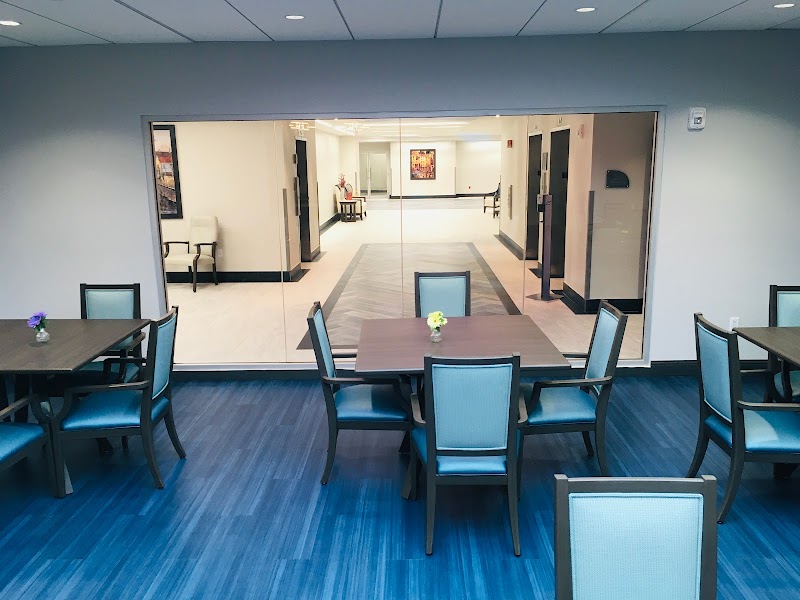
Who Owns and Operates Victoria Nursing & Rehabilitation Center, Inc.?

VICTORIA NURSING & REHABILITATION CENTER, INC. is owned by a for-profit company. For-profit facilities operate as businesses with obligations to shareholders or private owners. The facility operates independently rather than as part of a larger chain. With 264 certified beds and approximately 303 residents (about 115% occupancy), it is a large facility located in MIAMI, Florida.

How Does Victoria Nursing & Rehabilitation Center, Inc. Compare to Other Florida Nursing Homes?

Compared to the 100 nursing homes in Florida, VICTORIA NURSING & REHABILITATION CENTER, INC.'s overall rating (5 stars) is above the state average of 3.2, staff turnover (32%) is significantly lower than the state average of 46%, and health inspection rating (4 stars) is above the national benchmark.

What Should Families Ask When Visiting Victoria Nursing & Rehabilitation Center, Inc.?

Based on this facility's data, families visiting should ask: "Can I visit during a mealtime to observe dining assistance and food quality?" "How do you handle medical emergencies, and what is your hospital transfer rate?" "Can I speak with family members of current residents about their experience?"

Is Victoria Nursing & Rehabilitation Center, Inc. Safe?

Based on CMS inspection data, VICTORIA NURSING & REHABILITATION CENTER, INC. has a clean safety record: no substantiated abuse findings (meaning no confirmed cases of resident harm), no Immediate Jeopardy citations (the most serious violation level indicating risk of serious injury or death), and is not on the Special Focus Facility watch list (a federal program monitoring the lowest-performing 1% of nursing homes). The facility has a 5-star overall rating and ranks #1 of 100 nursing homes in Florida. While no facility is perfect, families should still ask about staff-to-resident ratios and recent inspection results during their visit.

Do Nurses at Victoria Nursing & Rehabilitation Center, Inc. Stick Around?

VICTORIA NURSING & REHABILITATION CENTER, INC. has a staff turnover rate of 32%, which is about average for Florida nursing homes (state average: 46%). Moderate turnover is common in nursing homes, but families should still ask about staff tenure and how the facility maintains care continuity when employees leave.

Was Victoria Nursing & Rehabilitation Center, Inc. Ever Fined?

VICTORIA NURSING & REHABILITATION CENTER, INC. has no federal fines on record. CMS issues fines when nursing homes fail to meet care standards or don't correct problems found during inspections. The absence of fines suggests the facility has either maintained compliance or corrected any issues before penalties were assessed. This is a positive indicator, though families should still review recent inspection reports for the full picture.

Is Victoria Nursing & Rehabilitation Center, Inc. on Any Federal Watch List?

VICTORIA NURSING & REHABILITATION CENTER, INC. is not on any federal watch list. The most significant is the Special Focus Facility (SFF) program, which identifies the bottom 1% of nursing homes nationally based on persistent, serious quality problems. Not being on this list means the facility has avoided the pattern of deficiencies that triggers enhanced federal oversight. This is a positive indicator, though families should still review the facility's inspection history directly.