AVANTE AT MT DORA, INC
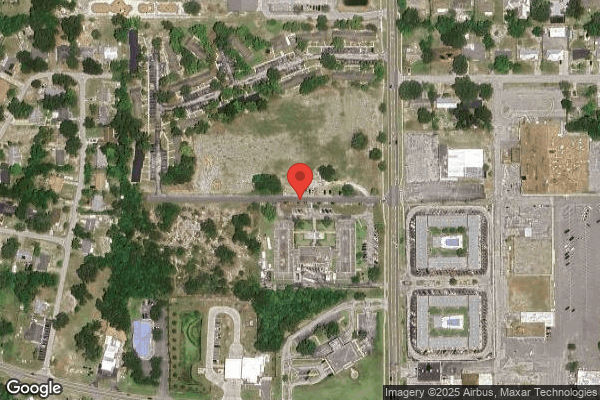
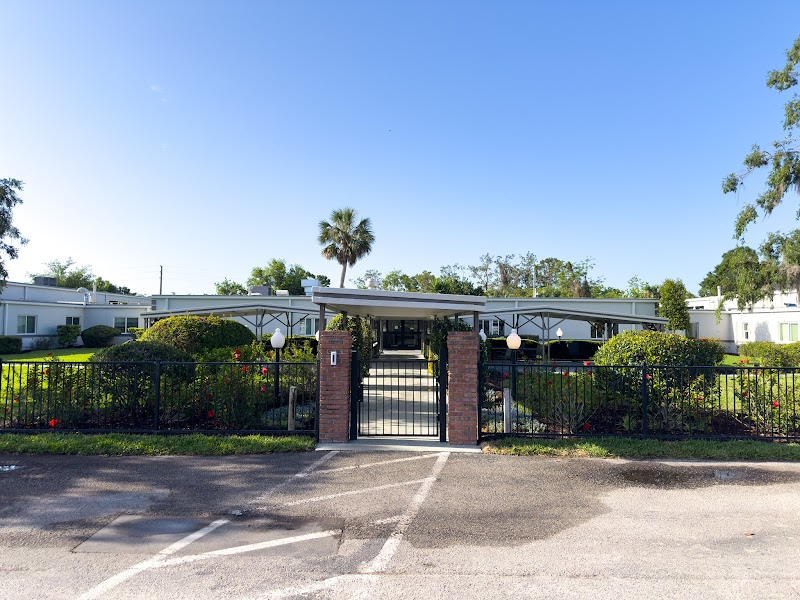
3050 BROWN AVE, MOUNT DORA, FL 32757 (352) 383-4161
For profit - Corporation 116 Beds AVANTE CENTERS Data: November 2025
Trust Grade
80/100
#163 of 690 in FL
Last Inspection: July 2024

Within standard 12-15 month inspection cycle. Federal law requires annual inspections.

Overview

Avante at Mt. Dora, located in Mount Dora, Florida, has a Trust Grade of B+, which indicates it is above average and recommended for families considering care options. The facility ranks #163 out of 690 nursing homes in Florida, placing it in the top half, and #3 out of 17 in Lake County, meaning only two local options are better. The facility is improving, having reduced its reported issues from four in 2024 to just one in 2025. While staffing is a relative strength with a turnover rate of 31%, which is lower than the state average, the facility does have concerning RN coverage that is less than 93% of Florida facilities, meaning fewer registered nurses are available to oversee care. There have been no fines reported, which is a positive sign, but there are some issues to be aware of, including the improper storage of medications and delays in reporting laboratory results for residents, which could impact timely care.

Trust Score
B+
80/100
In Florida
#163/690
Top 23%
Safety Record
Low Risk
No red flags
Inspections
Getting Better
4 → 1 violations
Staff Stability
○ Average
31% turnover. Near Florida's 48% average. Typical for the industry.
Penalties
✓ Good
No fines on record. Clean compliance history, better than most Florida facilities.
Skilled Nurses
⚠ Watch
Each resident gets only 24 minutes of Registered Nurse (RN) attention daily — below average for Florida. Fewer RN minutes means fewer trained eyes watching for problems.
Violations
⚠ Watch
11 deficiencies on record. Higher than average. Multiple issues found across inspections.
★★★★☆
4.0
Overall Rating
★★★☆☆
3.0
Staff Levels
★★★☆☆
3.0
Care Quality
★★★★☆
4.0
Inspection Score
Stable
2024: 4 issues
2025: 1 issues

The Good

  • Full Sprinkler Coverage · Fire safety systems throughout facility
  • No fines on record
  • Staff turnover below average (31%)

    17 points below Florida average of 48%

Facility shows strength in fire safety.

The Bad

Staff Turnover: 31%

14pts below Florida avg (46%)

Typical for the industry

Chain: AVANTE CENTERS

Part of a multi-facility chain

Ask about local staffing decisions and management

The Ugly 11 deficiencies on record

Sept 2025 1 deficiency
CONCERN (D) 📢 Someone Reported This

A family member, employee, or ombudsman was alarmed enough to file a formal complaint

Potential for Harm - no one hurt, but risky conditions existed

Laboratory Services (Tag F0770)

Could have caused harm · This affected 1 resident

**NOTE- TERMS IN BRACKETS HAVE BEEN EDITED TO PROTECT CONFIDENTIALITY** Based on record review and interview, the facility failed to report the laboratory results to the physician in a timely manner i...

Read full inspector narrative →
**NOTE- TERMS IN BRACKETS HAVE BEEN EDITED TO PROTECT CONFIDENTIALITY** Based on record review and interview, the facility failed to report the laboratory results to the physician in a timely manner in accordance with professional standards of practice for 1 of 3 residents reviewed for hospital transfers (Resident 1).Findings include:Review of Resident #1's admission record showed the resident was most recently admitted on [DATE] with the diagnoses including right dominant side hemiplegia, acute kidney failure, dementia, cognitive communication deficit, type 2 diabetes mellitus, pulmonary fibrosis, edema, and failure to thrive.Review of Resident #1's laboratory results showed the first partial result on 7/2/2025 at 1:17 PM and the second partial result on 7/2/2025 at 1:37 PM, and the final result on 7/2/2025 at 1:42 PM. The reports showed abnormal BUN (Blood Urea Nitrogen; a blood test that measures the amount of urea in the blood, primarily to assess kidney function) result of 90 H (high), with the normal range being 8-27 mg/dL (milligram/deciliter); abnormal Creatinine (waste product from normal muscle and protein breakdown, released into the bloodstream and filtered by the kidneys into urine.) result of 3.9 H, with normal range being 0.5-0.9 mg/dL.Review of Resident #1's daily progress notes for 7/2/2025, 7/3/2025, and 7/4/2025 showed no documentation of laboratory results being reported to physician.Review of Resident #1's physician progress note dated 7/2/2025 showed it read, History of Present Illness: General: 74 yo [years old] with medical h/o [history of] DM2 [type 2 diabetes mellitus]/Neuropathy, Fibromyalgia, HTN [hypertension], HLD [hyperlipidemia], CVA [cerebrovascular accident] with residual hemiplegia, cognitive communication deficient, was recently hospitalized due to AKI [Acute Kidney Injury], Weakness, FIT [Failure to Thrive]. Treated and stabilized at hospital. Transferred to this facility to continue medical treatment and skilled rehabilitation. Patient is being seen today for follow up and review management. At evaluation, pt [patient] is alert and oriented in person, in no distress. Denies chest pain, no SOB [Shortness of Breath], no nausea or vomiting, no abdominal pain. No pain at evaluation. Generalized weakness more left side hemibody. PT/OT/ST [Physical Therapy/ Occupational Therapy/ Speech Therapy] to evaluate and treat. Assist with ADLs [Activities of Daily Living]. Falls precautions.During a telephone interview on 9/10/2025 at 3:00 PM, the Physician stated, I do not recall a call for her [Resident #1] results. I saw the patient that day and only that day. As per my routine when in the facility, I visit new admission first thing in the morning, then continue to see others in the facility. Lab result from any day will start coming in around 2 PM. The result should have been reported to me that day.During an interview on 9/10/2025 at 2:13 PM, the Director of Nursing (DON) stated, The labs results should have been reported to the physician immediately.Review of the facility policy and procedure titled Diagnostic Services revised on 3/2/2019 showed it read, Policy: It is the policy of this facility to ensure that laboratory, radiology, and other diagnostic services meet the needs of residents, that results are reported promptly to the ordering provider to address potential concerns and for disease prevention, provide for resident assessment, diagnosis, and treatment, and that the facility has established policies and procedures, and is responsible for the quality and timeliness of services whether services are provided by the facility or an outside resource. Procedure: 4. The facility will promptly notify the ordering physician, physician assistant, nurse practitioner, or clinical nurse specialist of laboratory results that fall outside of the clinical reference ranges in accordance with the facility policies and procedures for notification of a practitioner or per the ordering physician's orders.
Jul 2024 4 deficiencies
CONCERN (D)

Potential for Harm - no one hurt, but risky conditions existed

Respiratory Care (Tag F0695)

Could have caused harm · This affected 1 resident

**NOTE- TERMS IN BRACKETS HAVE BEEN EDITED TO PROTECT CONFIDENTIALITY** Based on observation, interview, and record review, the facility failed to ensure respiratory care services were provided consis...

Read full inspector narrative →
**NOTE- TERMS IN BRACKETS HAVE BEEN EDITED TO PROTECT CONFIDENTIALITY** Based on observation, interview, and record review, the facility failed to ensure respiratory care services were provided consistent with professional standards of practice for oxygen administration for 1 of 3 residents, Resident #97, reviewed for respiratory care. Findings include: During an observation on 07/08/2024 at 10:53 AM, Resident #97 was lying in bed with a nasal cannula intact in their nares and the oxygen concentrator was administering oxygen at 2 liters per minute (L/min.). (Photographic evidence obtained) During an observation on 07/09/2024 at 8:51 AM, Resident #97 was lying in bed with a nasal cannula intact in his nares and the oxygen concentrator was administering oxygen at 2 L/min. During an observation on 07/09/2024 at 12:40 PM, Resident #97 was lying in bed. The nasal cannula was intact in his nares and the oxygen concentrator was administering oxygen at 2 L/min. Review of the medical record showed that Resident #97 was admitted on [DATE] with diagnoses including acute and chronic respiratory failure with hypoxia, Chronic Obstructive Pulmonary Disease (COPD), pleural effusion, kidney failure, and chronic kidney disease Stage 3B. Review of the physician's order dated 06/07/2024, read, Oxygen continuous at 3 liters/min [liters per minute] via NC [nasal cannula]. Medical Diagnosis: RF [respiratory failure]. Every shift. Review of the care plan dated 06/07/2024, read, [Resident #97's name] is ordered oxygen therapy associated with a diagnosis of COPD. Give medications (oxygen) as ordered by physician. During an interview on 07/07/2024 at 1:22 PM, Staff A, Licensed Practical Nurse (LPN) Unit Coordinator confirmed the oxygen concentrator was not administering oxygen at 3 L/min, stating, It's not set at 3 L/min. Staff A, LPN verified the physician's order dated 06/07/2024 read, Oxygen continuous at 3 liters/min via NC. During an interview on 07/09/2024 at 1:52 PM the Director of Nursing (DON) stated, The nurse should check the oxygen settings on the concentrator at the beginning of her shift. The setting should be checked every couple of hours, because they should be checking on the resident every two hours, at maximum they should check the oxygen settings 3-4 times a shift. Review of the policy and procedure titled, Tracheostomy Care and Suctioning/Oxygen, last reviewed on 01/25/2024 read, Policy: The facility will ensure that residents who need respiratory care, including tracheostomy care and tracheal suctioning, is provided such care consistent with professional standards of practice, the comprehensive person-centered care plan and resident care goals and preferences. Procedures: 2. The facility will provide necessary respiratory care and services, such as oxygen therapy as ordered by physician, treatments, mechanical ventilation, tracheostomy care and/or suctioning.
CONCERN (D)

Potential for Harm - no one hurt, but risky conditions existed

Staffing Information (Tag F0732)

Could have caused harm · This affected 1 resident

Based on observation, interview, and record review, the facility failed to ensure the nursing staff information was posted daily at the beginning of each shift. Findings include: During an observatio...

Read full inspector narrative →
Based on observation, interview, and record review, the facility failed to ensure the nursing staff information was posted daily at the beginning of each shift. Findings include: During an observation on 7/8/24 at 9:00 AM of the Nursing Staffing data, located on the wall in the main lobby was dated July 4, 2024. (Photographic evidence obtained) During an interview on 7/9/24 at 1:06 PM the Director of Nursing stated, It's the staffing coordinator's job to post the federal staffing schedule between 6:00 AM -7:00 AM Monday through Friday and on the weekends it's the supervisors responsibility. Review of the of policy and procedure titled Nursing Staffing Information, last reviewed on 3/2/19, read, Policy: It is the policy of the facility to make staffing information readily available in a readable format to residents and visitors at any given time. Procedure: 1. The facility will post the following information on a daily basis: a. Facility name b. The current date c. The total number and the actual hours worked by the following categories of licensed and unlicensed nursing staff directly responsible for resident care per shift: i. Registered nurses. ii. Licensed practical nurses or licensed vocational nurses (as defined under state law). iii. Certified nurse's aides 2. The facility will post the nurse staffing data on a daily basis at the beginning of each shift. 3. Data must be posted as follows: a. Clear and readable format b. In a prominent place readily accessible to residents and visitors.
CONCERN (D)

Potential for Harm - no one hurt, but risky conditions existed

Food Safety (Tag F0812)

Could have caused harm · This affected 1 resident

Based on observation, interview, and policy and procedure review, the facility failed to ensure food and dishes were properly stored, covered, labeled, and dated in the areas of the kitchen's reach-in...

Read full inspector narrative →
Based on observation, interview, and policy and procedure review, the facility failed to ensure food and dishes were properly stored, covered, labeled, and dated in the areas of the kitchen's reach-in and walk-in coolers, and walk-in freezer. Findings include: An initial walk-through of the kitchen was conducted on 7/08/24 beginning at 9:10 AM with the Regional Culinary Director (RCD) and the Dietary Manager (DM.) At 9:13 AM there was an observation made of numerous boxes of food on the floor in the walk-in freezer. At 9:17 AM two cases of raw shell eggs were observed stored on the top shelf of the walk-in cooler over a box of produce and a box of opened ready-to-use chocolate chips, there were two large containers of a liquid substance with a clear plastic cover with no identifying label or date, and a large stainless-steel bowl containing a white diced product covered in clear plastic with no label or date. An observation was made in a reach-in cooler of an opened package of what appeared to be butter or margarine lying on the top shelf with the contents exposed. (Photographic evidence obtained). During an interview on 7/08/2024 at 9:25 AM the DM confirmed there were two cases containing 15 dozen eggs in each case on the top shelf of the walk-in cooler directly over produce and a case of chocolate chips. The DM stated the eggs should have been on the bottom shelf under the produce and other products. The DM confirmed there were two large containers of liquid that did not have identifying labels or dates and stated there should have been labels and dates on each of the containers. The DM stated the diced white product was diced pears and should have been labeled and dated, the large clear containers were lemonade and fruit punch and should have identifying labels and dates, the boxes of food in the walk-in freezer remained on the floor and had not been properly stored since the last week's delivery date, the reach-in cooler had a package of margarine that was left opened and exposed and should have been securely wrapped and properly stored and labeled. During an observation on 7/09/2024 at 7:35 AM of the kitchen with the RCD there were numerous dishes to include scooped and regular plates, ramekins, soup and fruit bowls all stored on a shelf that had visible spills and debris without being covered or inverted. (Photographic evidence obtained) During an interview on 7/09/2024 at 9:19 AM the RCD stated his expectations are for the covering, labeling, dating, and storing of food items and dishes, these items are to be stored according to the policy for food safety. Review of the policy and procedure titled Food Safety read, Policy: Dry Storage rooms 1d. To ensure freshness, store opened and bulk items in tightly covered containers. All containers must be labeled and dated. 2d. Refrigerated items: d. Should be properly dated, stored, labeled. g. Store raw meats and eggs on the bottom shelf to prevent contamination of other foods. To avoid cross-contamination, store raw or uncooked food and produce away from and below prepared or ready-to-eat food. 3c. Freezer: Store all foods on racks or shelves off the floor.
CONCERN (D)

Potential for Harm - no one hurt, but risky conditions existed

Infection Control (Tag F0880)

Could have caused harm · This affected 1 resident

**NOTE- TERMS IN BRACKETS HAVE BEEN EDITED TO PROTECT CONFIDENTIALITY** Based on observation, interview, and record review the facility failed to ensure personal protective equipment was used while ca...

Read full inspector narrative →
**NOTE- TERMS IN BRACKETS HAVE BEEN EDITED TO PROTECT CONFIDENTIALITY** Based on observation, interview, and record review the facility failed to ensure personal protective equipment was used while caring for 1 of 12 residents, Resident #310, on enhanced barrier precautions; failed to clean and sanitize the multi-use blood pressure cuff and monitor during medication administration for 2 of 6 residents, Residents #72 and #92; and failed to perform proper hand hygiene according to the standards of professional practice for 4 residents, Resident #48, #72, #92, and #153, to prevent the possible spread of infection. Findings include: During an observation on 07/08/2024 at 09:50 AM, there was a sign on the door of Resident #310's room that read, Enhanced Barrier Precautions in addition to standard precautions: STOP. Everyone MUST: Wear gown and gloves for the following high-contact resident care activities: Changing briefs/assisting with toileting . (Photographic evidence obtained) During an observation on 07/08/2024 at 09:50 AM, Staff B, Certified Nursing Assistant (CNA), entered Resident #310's room. The CNA donned gloves but no gown. The CNA then pulled the privacy curtain back at the resident's bedside while holding onto a clean incontinence brief with one hand, and without wearing a gown, initiated incontinence care and changed the soiled incontinence brief for Resident #310. During an observation on 07/08/2024 at 11:25 AM, Staff B, CNA, entered the room for Resident #310. The CNA donned gloves but no gown. The CNA again pulled the privacy curtain back at the resident's bedside and without wearing a gown, initiated incontinence care and changed the soiled incontinence brief for Resident #310. Review of the medical record for Resident #310 documented the resident was admitted on [DATE] with diagnoses including sepsis (a serious condition in which the body responds improperly to an infection), bacteremia (presence of bacteria in the blood), cellulitis (a deep infection of the skin caused by bacteria) of the left lower limb, acquired absence of the right toe, brief psychotic disorder, major depressive disorder, and bipolar disorder. Review of the comprehensive care plan dated 6/9/2024 documented Resident #310 has a Stage 3 pressure ulcer to the coccyx area, a Stage 2 pressure ulcer to the right buttock, and a Stage 3 pressure ulcer to the left and right heels. Review of the physician's order dated 07/10/2024 reads, Enhanced Barrier Precautions: Chronic Wound, every shift for wound. During an interview on 07/09/2024 at 1:40 PM Staff B, CNA stated, I've taken care of this resident before. She's on enhanced barrier precautions [EBP]; she has wounds on her butt and feet. I really don't know what I am supposed to be wearing for PPE [Personal Protective Equipment] for EBP residents. I wore gloves and washed my hands before and after caring for [Resident #310's name]. I didn't wear a gown when I changed her brief. I asked the nurse later if I was supposed to wear a gown while I was doing that. She didn't seem to know either. I didn't get any real training on it. I guess I'm supposed to look at the sign. Staff B, CNA confirmed the Enhanced Barrier Precautions sign posted on Resident #310's door read, Wear gown and gloves for the following high contact activities: Changing briefs/assisting with toileting. During an interview on 07/09/2024 at 1:52 PM, the Director of Nursing (DON) stated, The staff should be wearing a gown and gloves when doing any type of care with resident's on EBP, direct care or touching their things, and performing hand hygiene before and after care. Review of the policy and procedure titled, Enhanced Barrier Precautions, issued 4/1/2024 read, Policy: It is the policy of this facility to implement enhanced barrier precautions for the prevention of transmission of multidrug-resistant organisms. Policy Explanation and Compliance Guidelines: 2. Initiation of Enhanced Barrier Precautions: b. An order for enhanced barrier precautions will be obtained for residents with any of the following: i. Wounds (e.g., chronic wound such as pressure ulcers, diabetic foot wounds .3. Implementation of Enhanced Barrier Precautions: a. Make gown and gloves available immediately near or outside the resident's room. 4. High-contact resident care activities include .f. Changing briefs or assisting with toileting. During an observation on 07/09/2024 at 07:54 AM, Staff D, Certified Nursing Assistant (CNA), exited a resident's room wearing gloves and carrying a closed bag of linen. The CNA discarded the bag of linen in the covered bin, removed her gloves, and without performing hand hygiene, proceeded to the soiled utility room and grabbed a roll of clear bags. Without performing hand hygiene, Staff D, CNA proceeded to the clean linen cart, and without performing hand hygiene, grabbed a clean blanket and put it in a clear bag. Staff D, CNA then proceeded to Resident #153's room. The CNA entered the room, and without performing hand hygiene, set up towels and a basin full of water on Resident #153's bedside table for the resident to do personal hygiene care. Staff D, CNA then exited the resident's room, and without performing hand hygiene entered Resident #48's room. Without performing hand hygiene, Staff D, CNA donned gloves, pulled Resident #48's privacy curtain back, and proceeded to provide incontinence care. During an observation on 7/9/2024 at 08:21 AM, Staff C, Licensed Practical Nurse (LPN) pushed Resident #72 in his wheelchair from the common area to his room and administered medications to the resident. Without washing her hands, Staff C, LPN unlocked the medication cart, removed an automatic blood pressure cuff monitor from the drawer, entered Resident #72's room, and without washing her hands, placed the cuff on his arm. Staff C, LPN then removed the cuff, placed it on top of the medication cart, wrote the results on a piece of paper, put the cuff back in the drawer without cleaning or disinfecting the shared equipment after use, and proceeded with preparing the medications. After placing the medications in a cup, without washing her hands, Staff C, LPN entered the room and completed the medication administration with Resident #72. The LPN then returned to the medication cart, and without washing her hands, wheeled the cart down to Resident #92's room. Staff C, LPN unlocked the cart, grabbed the same automatic blood pressure cuff from the drawer, and without washing her hands, entered Resident #92's room. The LPN placed the blood pressure cuff on Resident #92's arm, took the reading, removed the blood pressure cuff from the resident's arm, returned to the medication cart, set the cuff on top of the cart and without washing her hands, proceeded with preparing the medications for administration to Resident #92. After preparing the medications for administration in a medicine cup, the nurse entered Resident #92's room, and without performing hand hygiene, donned a pair of gloves and completed the medication administration. Staff C, LPN then returned to the cart, without performing hand hygiene, put the blood pressure cuff back in the drawer without cleaning or disinfecting the equipment after use, and proceeded down the hall with the medication cart to another resident's room. During an interview on 7/9/2024 at 09:34 AM Staff C, LPN confirmed that she did not clean the blood pressure monitor between resident use and did not perform hand hygiene during care for Residents #72 or Resident #92 and did not perform hand hygiene after providing care to the residents. Staff C, LPN stated, I should have cleaned and disinfected the equipment between each resident and washed my hands before and after medication administration to each resident. During an interview on 7/9/2024 at 1:08 PM Staff D, CNA confirmed she did not perform hand hygiene after discarding the soiled linen bag and removing her gloves this morning and did not perform hand hygiene before or after care for Resident #153 and Resident #48. Staff D, CNA stated, I should have washed my hands before and after care for [Resident #153's name] before I took care of [Resident #48's name]. I didn't wash my hands before putting on gloves to care for [Resident #48's name] either. I should wash my hands before and after care and before and after wearing gloves. During an interview on 7/9/2024 at 1:52 PM, the Director of Nursing (DON) stated, The staff should be performing hand hygiene before and after care and between residents. The nursing staff should be cleaning and disinfecting the blood pressure cuff monitor between each resident using the cleaning wipes. They need to follow the manufactures' instructions on the wipes for cleaning, disinfecting, and dry times. During an interview on 7/11/2024 at 07:55 AM the Director of Nursing (DON) stated, The facility policies for Infection Control need to follow the State and Federal regulations and National guidelines. We cannot override the regulations with our own policy rules. Review of the policy and procedure titled, Infection Control - Cleaning and Disinfection/Non-Critical Care and Shared Equipment, last reviewed on 1/25/2024 read, Policy: It is the policy of the facility to ensure that appropriate infection prevention and control measures are taken to provide a safe, sanitary, and comfortable environment to prevent the spread of infection in accordance with State and Federal Regulations, and national guidelines. Review of the policy and procedure titled, Infection Control - Hand Hygiene, last reviewed 1/25/2024, read, Policy: It is the policy of the facility to perform hand hygiene in accordance with national standards from the Centers for Disease Control and Prevention and the World Health Organization. Procedure: 3. The Centers for Medicare and Medicaid State Operations Manual indicates that hand hygiene should be performed: e. Before and after assisting a resident with personal care; i. Upon and after coming in contact with a resident's intact skin (e.g., when taking a pulse or blood pressure, and lifting a resident); j. Before and after assisting a resident with toileting; m. After handing soiled or used linens, dressings, bedpans, catheters, and urinals . Review of the U.S. Centers for Disease Control and Prevention (CDC) website document titled, CDC Environmental Cleaning Procedures, last updated March 19, 2024, read, Section 4.7 Noncritical patient care equipment: Portable or stationary noncritical patient care equipment includes IV poles, commode chairs, blood pressure cuffs, and stethoscopes. These high-touch items are: Often shared by patients. Table 26. Recommended Selection and Care of Noncritical Patient Care Equipment. Type of Equipment: Shared (e.g., general inpatient wards). Frequency: Before and after each use. Method: Clean and disinfect.
Mar 2023 3 deficiencies
CONCERN (E)

Potential for Harm - no one hurt, but risky conditions existed

Respiratory Care (Tag F0695)

Could have caused harm · This affected multiple residents

Based on observation, interview, and record review, the facility failed to ensure respiratory services were provided in accordance with professional standards for 1 of 2 residents reviewed for respira...

Read full inspector narrative →
Based on observation, interview, and record review, the facility failed to ensure respiratory services were provided in accordance with professional standards for 1 of 2 residents reviewed for respiratory care, Resident #45. Findings include: During an observation on 2/26/2023 at 9:33 AM, Resident #45 was in his room seated in a wheelchair, receiving oxygen at 2.5 liters via nasal cannula. During an observation on 2/28/2023 at 8:58 AM, Resident #45 was seated in a wheelchair in his room beside his bed. The oxygen concentrator beside Resident #45's bed was running at 2 liters but was not in use by Resident #45. During an interview on 2/28/2023 at 9:30 AM, after observing Resident #45's room, Staff A, Licensed Practical Nurse (LPN), confirmed that there was an oxygen concentrator in Resident #45's room at his bed side for use by Resident #45. Review of admission Plan of Care note dated 1/20/2023 for Resident #45 reads, The resident has respiratory failure. The resident's lungs are clear. The resident is not receiving oxygen. Review of Daily Skilled Note dated 2/1/2023 for Resident #45 documented that the resident was on oxygen. Review of Resident #45's physician's orders, active orders as of 2/28/2023, showed Resident #45's physician's order for oxygen via nasal cannula had a start date of 2/28/2023. The physician's order for Resident #45 to receive oxygen via nasal cannula was obtained 27 days after the facility documented oxygen therapy had started for Resident #45. During an interview on 2/28/2023 at 9:20 AM, Staff A, LPN, confirmed Resident #45 did not have an active physician's order to be administered oxygen. During an interview on 2/28/2023 at 9:37 AM, the Director of Nursing confirmed Resident #45 did not have an active physician's order or a discontinued physician's order to be administered oxygen. Review of the facility policy and procedure titled General Dose Preparation and Medication Administration last revised on 1/1/2022 and last reviewed on 1/19/2023, reads, Procedure . 4. Prior to administration of medication, Facility staff should take all measures required by Facility policy and Applicable Law, including, but not limited to the following: 4.1 Facility staff should: 4.1.1 Verify each time a medication is administered that it is the correct medication, at the correct dose, at the correct route, at the correct rate, at the correct time, for the correct resident, as set forth in facility's medication administration schedule. 4.1.2 Confirm that the MAR Medication Administration Record] reflects the most recent medication order.
CONCERN (F)

Potential for Harm - no one hurt, but risky conditions existed

Deficiency F0761 (Tag F0761)

Could have caused harm · This affected most or all residents

**NOTE- TERMS IN BRACKETS HAVE BEEN EDITED TO PROTECT CONFIDENTIALITY** Based on observation, interview, and record review, the facility failed to ensure the drugs and biologicals used in the facility...

Read full inspector narrative →
**NOTE- TERMS IN BRACKETS HAVE BEEN EDITED TO PROTECT CONFIDENTIALITY** Based on observation, interview, and record review, the facility failed to ensure the drugs and biologicals used in the facility were labeled and stored in accordance with currently accepted professional principles in 4 of 4 medication carts and Wing 1 Medication Room. Findings include: On [DATE] at 9:10 AM, during an observation of Unit 1 Medication Cart 1 with Staff B, Licensed Practical Nurse (LPN), there was an opened Insulin Glargine Pen with no opened date documented. During an interview on [DATE] at 9:10 AM, Staff B, LPN, stated, Yes it should be dated once opened. On [DATE] at 9:19 AM, during an observation of Unit 1 Medication Cart 2 with Staff C, LPN, there was an unopened Insulin Glargine Pen in the cart with a label to refrigerate until opened. During an interview on [DATE] at 9:19 AM, Staff C, LPN, stated, I don't know how long it has been there. I don't use that insulin. That is a night time medication. On [DATE] at 9:30 AM, during an observation of the refrigerator of Unit 1 Medication Room with Staff D, LPN, there were one syringe of Aplisol 0.1 milliliter (ml) labeled as expired on [DATE] and one bottle of Omeprazole 2 milligram (mg)/ml labeled as expired on [DATE]. During an interview on [DATE] at 9:30 AM, Staff D, LPN, stated, These medications should have been removed from the refrigerator. On [DATE] at 9:45 AM, during an observation of Unit 2 Rehab Cart 2 with Staff E, LPN, there was one Saline Nasal Spray dated [DATE] with no resident identifier and one Thiamin vial with no security tab. During an interview on [DATE] at 9:45 AM, Staff E, LPN, stated, The nasal spray should have a resident name on the bottle and the Thiamine should have the cap. On [DATE] at 9:58 AM, during an observation of Unit 2 Rehab Cart 1 with Staff F, Registered Nurse (RN), there was one Insulin Aspart 70/30 Pen with three different dates of [DATE], [DATE] and [DATE]. During an interview on [DATE] at 9:58 AM, Staff F, RN, stated she could not be sure on which day the insulin pen was opened. During an interview on [DATE] at 11:25 AM, the Director of Nursing (DON) stated her expectation was for the nurses to keep the medications labeled properly and insulin to be refrigerated until opened. Review of the facility policy and procedure titled Pharmacy Services revised on [DATE] reads, Policy: It is the policy of the facility to provide care and services related to Pharmacy Services in accordance to State and Federal regulation. Procedures . 10. Drugs and biologicals used in the facility will be labeled in accordance with currently accepted professional principles, and include the appropriate accessory and cautionary instructions, and the expiration date when applicable.
MINOR (C)

Minor Issue - procedural, no safety impact

Staffing Information (Tag F0732)

Minor procedural issue · This affected most or all residents

Based on observation, interview, and record review, the facility failed to ensure nurse staffing information was posted on a daily basis. Findings include: During an observation on 2/26/2023 at 8:55 ...

Read full inspector narrative →
Based on observation, interview, and record review, the facility failed to ensure nurse staffing information was posted on a daily basis. Findings include: During an observation on 2/26/2023 at 8:55 AM, the nurse staffing information posted on the wall behind the desk in the front lobby was dated 2/24/2023. During an interview on 2/26/2023 at 10:55 AM, the Director of Nursing stated, It is her expectation to have the staffing information posted and readily available with the correct information at the beginning of each shift, by the front desk receptionist. Review of the facility policy and procedures titled Nursing Services- Nurse Staffing Information revised on 3/2/2019 reads, Policy: It is the policy of the facility to make staffing information readily available in a readable format to residents and visitors at any given time. Procedure: 1. The facility will post the following information on a daily basis: a. Facility name b. The current date . 2. The facility will post the nurse staffing data on a daily basis at the beginning of each shift.
Sept 2021 3 deficiencies
CONCERN (D)

Potential for Harm - no one hurt, but risky conditions existed

Respiratory Care (Tag F0695)

Could have caused harm · This affected 1 resident

Based on observation, interview, and record review, the facility failed to ensure respiratory care services were provided in accordance with professional standards of practice and the resident's cente...

Read full inspector narrative →
Based on observation, interview, and record review, the facility failed to ensure respiratory care services were provided in accordance with professional standards of practice and the resident's centered comprehensive care plan for 1 of 3 residents, Resident #62, reviewed for respiratory care, in a total sample of 36 residents. Findings: Review of the admission Record for Resident #62 revealed an admission date of 4/2/2021 with diagnosis that include dependence on supplemental oxygen, contracture right and left hand. Review of physician order dated 4/7/2021 for Resident #62 reads, apply oxygen at 3 liters per minute via nasal cannula. Resident #62 was observed on 8/30/2021 at 9:58 AM. The resident was being administered oxygen via nasal cannula at 2.5 liters per minute (Photographic evidence obtained). Resident #62 was observed on 8/31/2021 at 8:06 AM. The resident was being administered oxygen via nasal cannula at 2.5 liters per minute (Photographic evidence obtained). Resident #62 was observed on 9/1/2021 at 9:17 AM. The resident was being administered oxygen via nasal cannula at 2.5 liters per minute. Resident #62 was observed on 9/1/2021 at 2:00 PM with Staff A, Registered Nurse (RN). The resident was being administered oxygen via a nasal cannula at 2.5 liters per minute. During an interview on 9/1/2021 at 2:02 PM, Staff A, RN confirmed Resident #62 was being administered oxygen at 2.5 liters per minute instead of the prescribed 3 liters per minute. She stated she is supposed to check oxygen administration when she comes into the residents' rooms to administer medications. During an interview on 9/1/2021 at 2:10 PM the Staff B, Unit Manager, RN confirmed the physician's order for Resident #62 was for oxygen to be administered at three liters per minute via nasal cannula. She reported her expectation is that the nurse checks oxygen administration when they go in to render any care to the resident. Review of the resident centered care plan dated 4/9/2021 for Resident #62 read the resident now requires continuous oxygen therapy at 3 LPM (liters per minute) via N/C [nasal cannula] with indications of use related to shortness of breath with a goal to have no signs or symptoms of poor oxygen absorption. Interventions include give medications as ordered by physician. Review of the facility policy and procedure titled Respiratory/Tracheostomy Care and Suctioning, revised on 3/26/2021, reads, Policy. The facility will ensure that residents who need respiratory care, including tracheostomy care and tracheal suctioning, is provided such care consistent with professional standards of practice, the comprehensive person-centered care plan and residents goals and preferences. Procedures: . 2. The facility will provide necessary respiratory care and services, such as oxygen therapy, treatments, mechanical ventilation, tracheostomy care and/or suctioning.
CONCERN (D)

Potential for Harm - no one hurt, but risky conditions existed

Medical Records (Tag F0842)

Could have caused harm · This affected 1 resident

Based on record review and interview, the facility failed to ensure a complete and accurate medical record for 1 of 3 residents, Resident #70, in a total sample of 36 residents. Findings: Record revi...

Read full inspector narrative →
Based on record review and interview, the facility failed to ensure a complete and accurate medical record for 1 of 3 residents, Resident #70, in a total sample of 36 residents. Findings: Record review of Resident #70's clinical record revealed Resident #70 had diagnoses that included adult failure to thrive, dementia and unspecified calorie protein malnutrition. Record review of Resident #70's care plan (Start Date: 8/2/2021) revealed Resident #8 was at nutritional risk related to dementia, adult failure to thrive and protein calorie malnutrition. Resident #70's care plan documented nutritional interventions that included observe intake and record each meal. Record review of Resident #70's clinical record revealed a Point of Care Response History for Nutrition Amount Eaten (Dated: 8/17/2021 - 8/31/2021) failed to reveal completed documentation of the amount of each meal Resident #70 had eaten for 8 of 15 days. Dated 8/18/2021 one meal was recorded, 8/21/2021 two meals were recorded, 8/22/2021 two meals were recorded, 8/23/2021 two meals were recorded, 8/24/2021 two meals were recorded, 8/28/2021 two meals were recorded, 8/30/2021 two meals were recorded, and 8/31/2021 two meals were recorded. During an interview on 8/31/2021 beginning at 2:13 PM, the Director of Nursing stated Resident #70's intake should be recorded each meal. She stated the documentation was entered into the point of care system only and not recorded in any other documents. During an interview on 9/1/2021 at 9:19 AM, the Director of Nursing verified Resident #70's Point of Care Response History for Nutrition Amount Eaten (Dated: 8/17/2021 - 8/31/2021) had not been completed daily to include documentation of Resident #70's intake of each meal daily.
MINOR (C)

Minor Issue - procedural, no safety impact

Staffing Information (Tag F0732)

Minor procedural issue · This affected most or all residents

Based on record review and interview, the facility failed to ensure updated nurse staffing information was posted daily. Findings: On 8/30/2021 at 9:19 AM, an observation of the posted nurse staffing...

Read full inspector narrative →
Based on record review and interview, the facility failed to ensure updated nurse staffing information was posted daily. Findings: On 8/30/2021 at 9:19 AM, an observation of the posted nurse staffing information revealed the posted nurse staffing information was dated Friday, 8/27/2021. (Photographic evidence obtained). During an interview on 8/31/2021 at 1:22 PM, the Director of Nursing confirmed the updated nurse staffing information for 8/30/2021 had not been posted as of 9:19 AM on 8/30/2021. She confirmed the posted nurse staffing information available on 8/30/2021 was dated Friday, 8/27/2021. Record review of the facility policy titled Policies and Procedures: Nursing Services - Nurse Staffing Information, reviewed on 12/30/2020, reads, Procedure: 1. The facility will post the following information on a daily basis: a. Facility name. b. The current date. c. Identify staff in the following categories of licensed and unlicensed nursing staff directly responsible for resident care per shift: i. Registered nurses. ii. Licensed practical nurses or licensed vocational nurses (as defined under State law). iii. Certified nurse aides. 2. The facility will post the nurse staffing data on a daily basis at the beginning of each shift.
Understanding Severity Codes (click to expand)
Life-Threatening (Immediate Jeopardy)
J - Isolated K - Pattern L - Widespread
Actual Harm
G - Isolated H - Pattern I - Widespread
Potential for Harm
D - Isolated E - Pattern F - Widespread
No Harm (Minor)
A - Isolated B - Pattern C - Widespread

Questions to Ask on Your Visit

  • "Can I speak with families of current residents?"
  • "What's your RN coverage like on weekends and overnight?"

Our Honest Assessment

Strengths
  • • Grade B+ (80/100). Above average facility, better than most options in Florida.
  • • No major safety red flags. No abuse findings, life-threatening violations, or SFF status.
  • • No fines on record. Clean compliance history, better than most Florida facilities.
  • • 31% turnover. Below Florida's 48% average. Good staff retention means consistent care.
Concerns
  • • 11 deficiencies on record. Higher than average. Multiple issues found across inspections.
Bottom line: Generally positive indicators. Standard due diligence and a personal visit recommended.

About This Facility

What is Avante At Mt Dora, Inc's CMS Rating?

CMS assigns AVANTE AT MT DORA, INC an overall rating of 4 out of 5 stars, which is considered above average nationally. Within Florida, this rating places the facility higher than 99% of the state's 100 nursing homes. This rating reflects solid performance across the metrics CMS uses to evaluate nursing home quality.
How is Avante At Mt Dora, Inc Staffed?

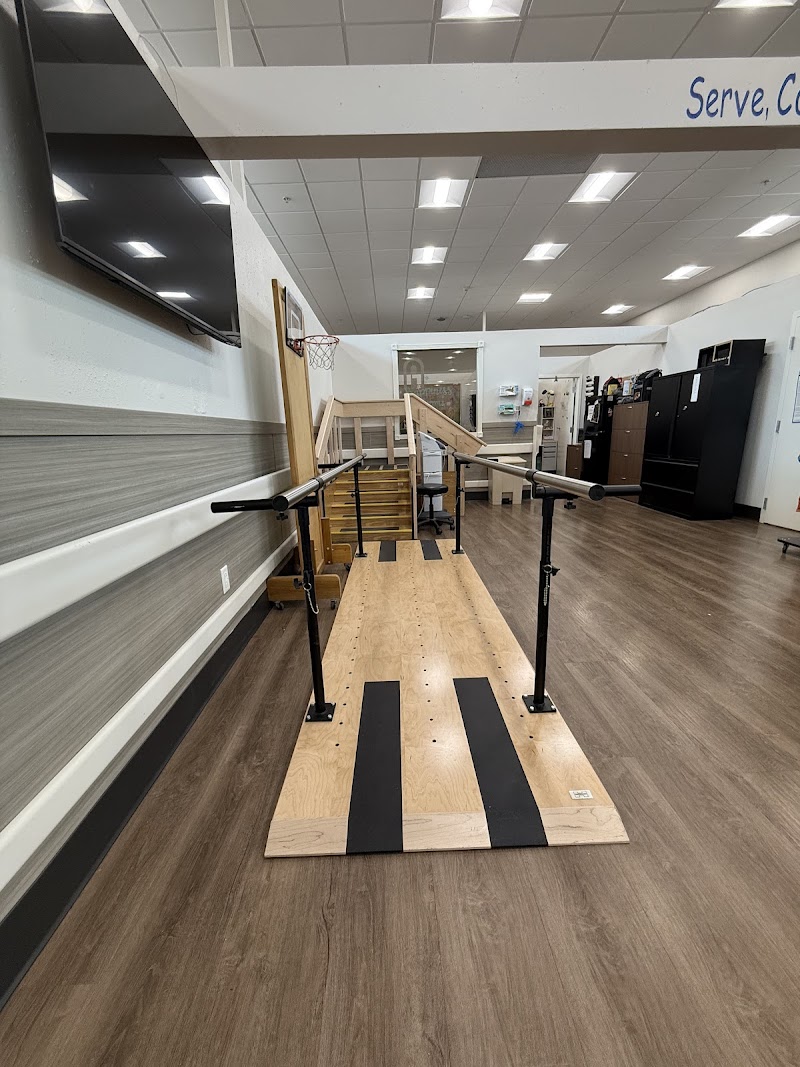
CMS rates AVANTE AT MT DORA, INC's staffing level at 3 out of 5 stars, which is average compared to other nursing homes. Staff turnover is 31%, compared to the Florida average of 46%. This relatively stable workforce can support continuity of care.

What Have Inspectors Found at Avante At Mt Dora, Inc?

State health inspectors documented 11 deficiencies at AVANTE AT MT DORA, INC during 2021 to 2025. These included: 9 with potential for harm and 2 minor or isolated issues.
Who Owns and Operates Avante At Mt Dora, Inc?

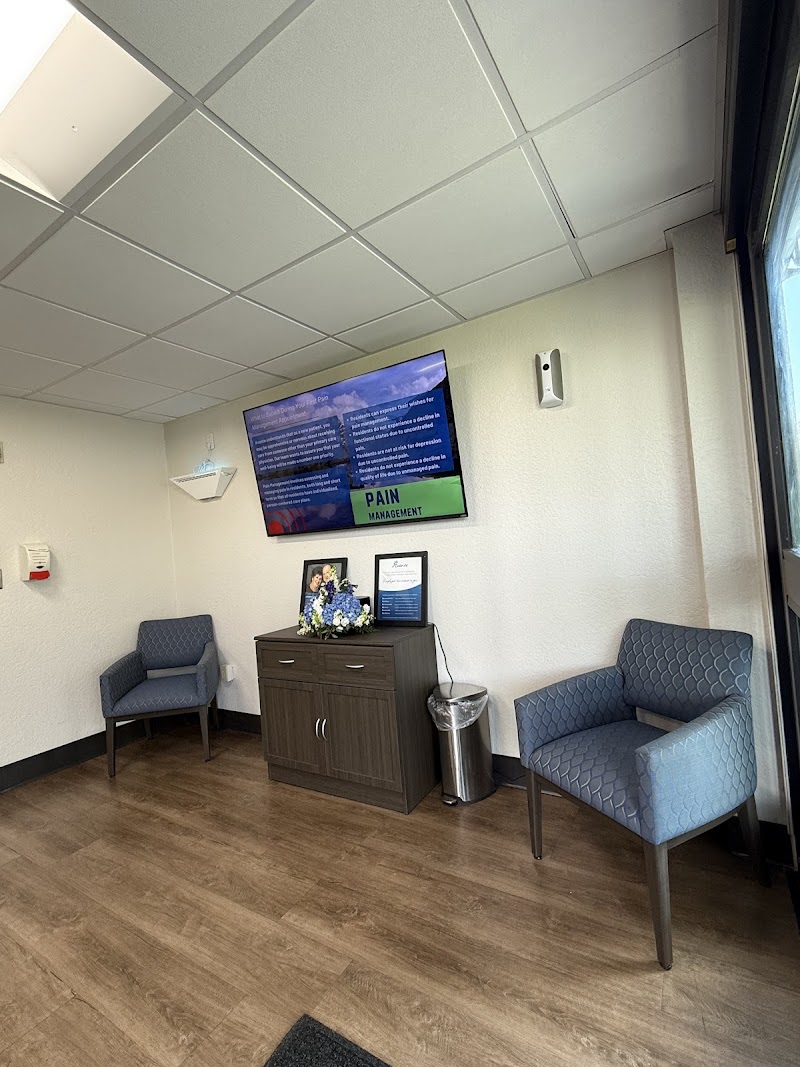
AVANTE AT MT DORA, INC is owned by a for-profit company. For-profit facilities operate as businesses with obligations to shareholders or private owners. The facility is operated by AVANTE CENTERS, a chain that manages multiple nursing homes. With 116 certified beds and approximately 96 residents (about 83% occupancy), it is a mid-sized facility located in MOUNT DORA, Florida.
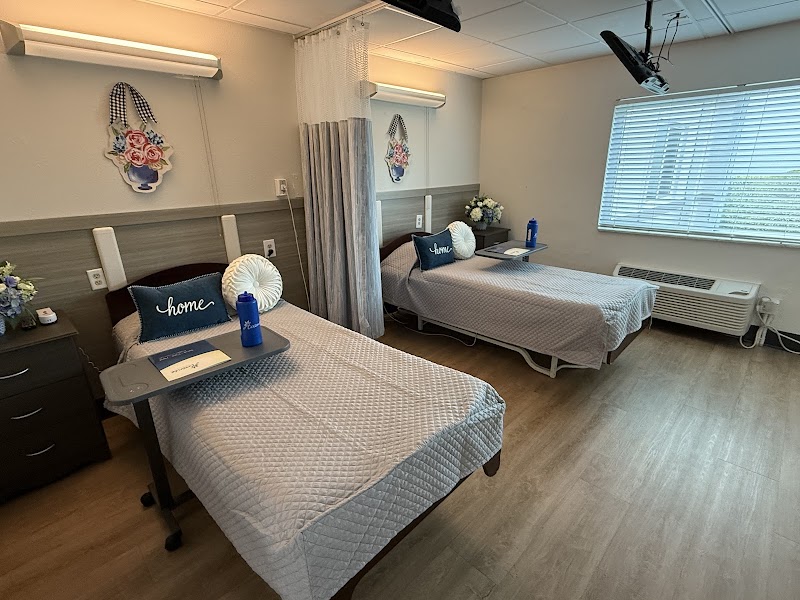
How Does Avante At Mt Dora, Inc Compare to Other Florida Nursing Homes?

Compared to the 100 nursing homes in Florida, AVANTE AT MT DORA, INC's overall rating (4 stars) is above the state average of 3.2, staff turnover (31%) is significantly lower than the state average of 46%, and health inspection rating (4 stars) is above the national benchmark.

What Should Families Ask When Visiting Avante At Mt Dora, Inc?

Based on this facility's data, families visiting should ask: "Can I visit during a mealtime to observe dining assistance and food quality?" "How do you handle medical emergencies, and what is your hospital transfer rate?" "Can I speak with family members of current residents about their experience?"

Is Avante At Mt Dora, Inc Safe?

Based on CMS inspection data, AVANTE AT MT DORA, INC has a clean safety record: no substantiated abuse findings (meaning no confirmed cases of resident harm), no Immediate Jeopardy citations (the most serious violation level indicating risk of serious injury or death), and is not on the Special Focus Facility watch list (a federal program monitoring the lowest-performing 1% of nursing homes). The facility has a 4-star overall rating and ranks #1 of 100 nursing homes in Florida. While no facility is perfect, families should still ask about staff-to-resident ratios and recent inspection results during their visit.

Do Nurses at Avante At Mt Dora, Inc Stick Around?

AVANTE AT MT DORA, INC has a staff turnover rate of 31%, which is about average for Florida nursing homes (state average: 46%). Moderate turnover is common in nursing homes, but families should still ask about staff tenure and how the facility maintains care continuity when employees leave.

Was Avante At Mt Dora, Inc Ever Fined?

AVANTE AT MT DORA, INC has no federal fines on record. CMS issues fines when nursing homes fail to meet care standards or don't correct problems found during inspections. The absence of fines suggests the facility has either maintained compliance or corrected any issues before penalties were assessed. This is a positive indicator, though families should still review recent inspection reports for the full picture.

Is Avante At Mt Dora, Inc on Any Federal Watch List?

AVANTE AT MT DORA, INC is not on any federal watch list. The most significant is the Special Focus Facility (SFF) program, which identifies the bottom 1% of nursing homes nationally based on persistent, serious quality problems. Not being on this list means the facility has avoided the pattern of deficiencies that triggers enhanced federal oversight. This is a positive indicator, though families should still review the facility's inspection history directly.