AVIATA AT NORTH FORT MYERS
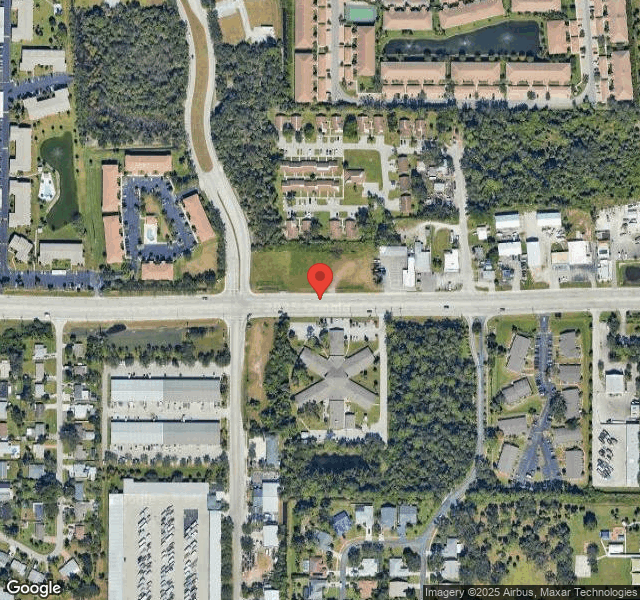
991 PONDELLA RD, N FT MYERS, FL 33903 (239) 995-8809
For profit - Corporation 120 Beds AVIATA HEALTH GROUP Data: November 2025
Trust Grade
33/100
#463 of 690 in FL
Last Inspection: March 2024

Within standard 12-15 month inspection cycle. Federal law requires annual inspections.

Overview

Aviata at North Fort Myers has received a Trust Grade of F, indicating significant concerns regarding the quality of care provided. Ranking #463 out of 690 facilities in Florida places them in the bottom half, while their county ranking of #10 out of 19 shows that only a few local options are better. The facility is trending worse, with the number of reported issues increasing from 6 in 2022 to 13 in 2024. Although staffing is rated average with a turnover of 37%, which is below the state average, there have been serious incidents including failure to follow physician orders for a resident's lab tests, leading to potential hospitalization risks, and inadequate care for a resident with a surgical wound, resulting in bloody drainage and delayed healing. Overall, while there are some strengths like staffing stability, the significant number of health and safety concerns raises serious red flags for families considering this nursing home.

Trust Score
F
33/100
In Florida
#463/690
Bottom 33%
Safety Record
High Risk
Review needed
Inspections
Getting Worse
6 → 13 violations
Staff Stability
○ Average
37% turnover. Near Florida's 48% average. Typical for the industry.
Penalties
✓ Good
$14,120 in fines. Lower than most Florida facilities. Relatively clean record.
Skilled Nurses
○ Average
Each resident gets 34 minutes of Registered Nurse (RN) attention daily — about average for Florida. RNs are the most trained staff who monitor for health changes.
Violations
⚠ Watch
29 deficiencies on record. Higher than average. Multiple issues found across inspections.
★★☆☆☆
2.0
Overall Rating
★★★☆☆
3.0
Staff Levels
★★★★☆
4.0
Care Quality
★★☆☆☆
2.0
Inspection Score
Stable
2022: 6 issues
2024: 13 issues

The Good

  • 4-Star Quality Measures · Strong clinical quality outcomes
  • Full Sprinkler Coverage · Fire safety systems throughout facility
  • No fines on record
  • Staff turnover below average (37%)

    11 points below Florida average of 48%

Facility shows strength in quality measures, fire safety.

The Bad

2-Star Overall Rating

Below Florida average (3.2)

Below average - review inspection findings carefully

Staff Turnover: 37%

Near Florida avg (46%)

Typical for the industry

Federal Fines: $14,120

Below median ($33,413)

Minor penalties assessed

Chain: AVIATA HEALTH GROUP

Part of a multi-facility chain

Ask about local staffing decisions and management

The Ugly 29 deficiencies on record

3 actual harm
Nov 2024 2 deficiencies
CONCERN (D) 📢 Someone Reported This

A family member, employee, or ombudsman was alarmed enough to file a formal complaint

Potential for Harm - no one hurt, but risky conditions existed

Report Alleged Abuse (Tag F0609)

Could have caused harm · This affected 1 resident

Based on record review, review of facility's policies and procedures, and staff interviews, the facility failed to report a resident's injury of unknown origin to the Agency for Health Care Administra...

Read full inspector narrative →
Based on record review, review of facility's policies and procedures, and staff interviews, the facility failed to report a resident's injury of unknown origin to the Agency for Health Care Administration within the required time for 1 (Resident #3) of 3 residents' incidents reviewed. The findings included: The facility's Abuse, Neglect, Exploitation & Misappropriation with a revision date of 11/16/2022 noted under reporting/response, Any employee or contracted service provider who witnesses or has knowledge of an act of abuse or an allegation of abuse, neglect . including injuries of unknown source . to a resident, is obligated to report such information immediately, but no later than 2 hours after the allegation is made, if the events that cause the allegation involve abuse or result in serious bodily injury . to the Administrator and to other officials in accordance with State law . Once the allegation of abuse is reported, the Executive Director, as the abuse coordinator, is responsible for ensuring that reporting is completed timely and appropriately to appropriate officials in accordance with Federal and State regulations. Review of the clinical record for Resident #3 revealed an Annual Minimum Data Set Assessment with a target date of 8/7/24 which noted the resident's cognition was moderately impaired with a Brief Interview for Mental Status score of 11. Resident #3 range of motion was impaired on one side of the upper extremity and lower extremity. Resident #3 required substantial/maximal assistance to transfer from chair to bed and bed to chair. The resident's care plan initiated on 8/10/21 noted the resident had impaired cognitive function/dementia or impaired thought processes. A nursing progress dated 8/12/24 at 3:55 p.m., noted the resident was lying in bed with moan of pain. When staff asked where it hurt the resident initially touched her abdomen. As they attempted to get her dressed for the day a blue discoloration of approximately 3.0 centimeters (cm) was noted to the right foot, a blue discoloration to the front of the right lower leg approximately 5.0 cm and swelling to the leg and foot. When asked how she sustained the discoloration and pain to the right foot the resident said, the other one. When asked if she fell, she initially said no. When asked again if she fell, she said yes. The nurse noted she notified the Director of Nursing and the Advanced Practice Registered Nurse. On 8/12/24 at 11:50 p.m., a nursing progress note documented an X-ray result of the right lower extremity showed a proximal tibia/fibula (the two long bones in the lower leg) fracture. Resident #3 was sent to the hospital for evaluation and treatment. Review of the facility's investigation showed documentation the Director of Nursing and the Administrator were notified of the discoloration and pain to the resident's right lower extremity on 8/12/24 at 3:59 p.m. The preliminary report was not submitted to the Agency for Health Care Administration until 8/13/24 at 11:06 a.m. On 11/13/24 at 8:40 a.m., Resident #3 was observed in bed. Resident #3 said yes when asked if she recalled breaking her leg. When asked if she remember how she sustained the injury, she said no. On 11/14/24 at 12:00 p.m., in an interview the Director of Nursing said the resident was not able to say how she sustained the fracture to her right lower extremity. The Administrator and the Regional Nurse Consultant who were present during in the interview verified the initial reporting of the injury of unknown source should have been made to the Agency for Health Care Administration within two hours of being aware of the incident.
CONCERN (E) 📢 Someone Reported This

A family member, employee, or ombudsman was alarmed enough to file a formal complaint

Potential for Harm - no one hurt, but risky conditions existed

Deficiency F0698 (Tag F0698)

Could have caused harm · This affected multiple residents

Based on observations, record review, review of facility's policies and procedures, resident and staff interviews, the facility failed to ensure 1 (Resident #2) of 1 resident reviewed for dialysis rec...

Read full inspector narrative →
Based on observations, record review, review of facility's policies and procedures, resident and staff interviews, the facility failed to ensure 1 (Resident #2) of 1 resident reviewed for dialysis received care and services to meet her needs. The findings included: The facility's policy and procedure Coordination of Hemodialysis Services with a revision date of 07/02/2019 noted, Residents requiring an outside ESRD (End Stage Renal Disease) facility will have services coordinated by the facility. There will be communication between the facility and the ESRD facility regarding the resident . Procedure: The Dialysis Communication form will be initiated by the facility for any resident going to an ESRD center for hemodialysis. Nursing will collect and complete the information regarding the resident to send to the ESRD Center. The ESRD facility is to review the Dialysis Communication form and either : a. Complete the communication form and return with the resident or b. Provide treatment information to the facility. Upon the resident's return to the facility, nursing will review the Dialysis Communication form and information completed by the dialysis center OR the information sent by the dialysis center; communicate with the resident's physician and other ancillary departments as needed, implement interventions as appropriate. Nursing will complete the post dialysis information on the Dialysis communication form and file the completed form in the Resident's Clinical record. 1. Review of the clinical record for Resident #2 revealed a re-admission date of 9/21/24. Diagnoses included chronic kidney disease stage 4 (severe) and dependence on renal hemodialysis (procedure that filters blood to remove waste and excess fluid when the kidneys are no longer functioning properly). The physician's orders included: Hemodialysis to a dialysis center on Mondays, Wednesdays and Fridays. The order specified to be sure to send the dialysis binder with the completed hemodialysis communication record. Collect binder on return, complete hemodialysis sheet and send to medical records. Review of the Medication Administration Record (MAR) for October and November 2024 revealed Resident #3 went to the dialysis center hemodialysis on 10/2/24 (Wednesday), 10/4/24 (Friday), 10/11/24 (Friday), 10/14/24 (Monday), 10/16/24 (Wednesday), 10/18/24 (Friday), 11/1/24 (Friday), 11/8/24 (Friday), and 11/11/24 (Monday). No communication forms were found in the clinical record for those dialysis days. On 11/13/24 at 1:38 p.m., a joint interview was conducted with the Director of Nursing (DON) and the Regional Nurse Consultant. The Director of Nursing (DON) verified the lack of documentation the facility coordinated with the dialysis center on 10/2/24,10/4/24, 10/11/24, 10/14/24, 10/16/24, 10/18/24, 11/1/24, 11/8/24 and 11/11/24. She said she's had multiple communications with the dialysis center but did not document her conversations. On 11/13/24 at 2:20 p.m., in a telephone interview a representant of the dialysis center said the facility does not follow up on their concerns. She said the dialysis center has even tried to call the facility multiple times. They finally spoke with the DON but the dialysis center was still having concerns with fluid overload and the facility not following the renal diet for resident #2. 2. Review of Resident #2's physician's orders revealed a prescribed controlled carbohydrate renal diet. On 11/13/24 at 8:45 a.m., in an interview Resident #2 said she went to the dialysis center on Mondays, Wednesdays, Fridays and sometimes Thursdays and Saturdays. She said the facility gives her a lunch meal on dialysis days that usually consists of a peanut butter sandwich and graham crackers. On 11/13/24 at 10:45 a.m., with the resident's permission the lunch meal provided by the facility was observed. It consisted of a sliced dark pink lunch meat and cheese sandwich, graham crackers, a cup of apple sauce, a cup of pudding and a bottle of water. On 11/13/24 at 1:38 p.m., a joint interview was conducted with the Director of Nursing (DON) and the Regional Nurse Consultant. The DON said Resident #2 was her own person and was not compliant with the controlled carbohydrate and renal diet. She said the resident frequently consumes food that is not within the prescribed diet. She showed a grocery bag containing a bag of popcorn, two candy bars and a can of soda which she said belonged to Resident #2. She said she did not know where the resident obtained the food. On 11/13/24 at 2:20 p.m., in a telephone interview a representant of the dialysis center said today (11/13/24) the facility gave Resident #2 a sandwich with a thick slice of ham and cheese. She said there was too much sodium in the food provided, and Resident #2 had excess fluid. Review of the hemodialysis communication form dated 11/4/24 showed documentation from the dialysis center stating, Pt (patient) needs to comply with strict fluid/sodium restrictions. On 11/13/24 at 2:36 p.m., in a telephone interview the facility's Registered Dietitian (RD) said she consulted with the dialysis center for foods Resident #2 could not have and printed the renal diet for the kitchen. She said regular ham would be high in salt and would not be recommended. She said cheese can be high in phosphorus. She said as far as what they send with Resident #2, they are renal diet compliant. She said she spoke with the dialysis Renal Dietitian monthly or more if there are concerns. She said she has tried to educate Resident #2 but she is not receptive to education at all. Review of the Diet and Nutrition Care Manual used by the facility showed for renal dialysis sodium should be restricted if needed to avoid excess fluid retention and weight gain between dialysis treatments. Phosphorus should be adjusted to maintain serum phosphate levels in the normal range. The bioavailability of phosphorus food sources should be taken into consideration. Normally, phosphate binders are prescribed with meals. The list of high phosphorus foods to limit if indicated included Swiss cheese. On 11/13/24 at 2:45 p.m., in an interview the Dietary Director said Resident #2 was provided with a turkey sandwich and Swiss cheese. She said she did not have the packaging for the turkey used in the sandwich, it was left over turkey. On 11/13/24 at 5:15 p.m., in an interview Resident #2 said she gets her snacks from the activity department. The resident verified she got the package of popcorn, doughnuts, candy bars and sodas from the activity department. On 11/13/24 at 5:20 p.m., in an interview the Activity Director verified Resident #2 purchases snacks from the activity department. She said the Registered Dietitian gave them a list of each resident's diet so they'll know what snacks they can have. She said her assistant provided the resident with the snacks. Review of the diet list showed Resident #2's diet was listed as CCD (carbohydrate controlled) Renal diet. The Activity Staff said she did not know what a CCD Renal Diet was. On 11/14/24 at 10:30 a.m., the Dietary Director provided a list of Dialysis Lunch Bag Menu Selections. She said the dietary department selects food items from the list to provide a lunch to Resident #2 on dialysis days. The list included turkey sandwich and specified No cheese or Tomato and Peanut Butter sandwich with the Registered Dietitian's approval. The Dietary Director verified Resident #2 gets a peanut butter at times to go to dialysis. She said she did not have the Registered Dietitian's approval for the peanut butter sandwich but she could get it. 3. Review of the Physician's ordered medications revealed an order for Renvela oral tablet 800 milligrams (binds phosphorus from the food to control phosphorus level), one tablet three times daily with meals. Review of the facility's mealtime schedule showed breakfast is from 7:15 a.m., to 8:00 a.m., lunch is from 12:15 p.m., to 1:15 p.m., and dinner is at 5:15 p.m., to 6:00 p.m. The Medication Administration Records (MARs) for October and November 2024 showed the Renvela was administered every day in the morning, in the evening and at HS (bedtime). The MARs lacked documentation the Renvela was administered with the dinner meals. On 11/13/24 at 1:38 p.m., a joint interview was conducted with the Director of Nursing (DON) and the Regional Nurse Consultant. When asked about the administration time of the Renvela with meals, The DON said the Renvela was, liberalized. She (Resident #2) gets it in the morning, in the evening when she comes back from dialysis and at bedtime. The Regional Nurse Consultant said the liberalized medication administration time for HS was between 7:00 p.m., to 10:45 p.m. She reviewed the administration time for the Renvela for October and November 2024 and verified the Renvela was not administered with the dinner meals as ordered. She also verified Resident #2 was provided a lunch meal on dialysis days but the Renvela was not administered with the lunch meal on dialysis days.
Jul 2024 1 deficiency
CONCERN (D) 📢 Someone Reported This

A family member, employee, or ombudsman was alarmed enough to file a formal complaint

Potential for Harm - no one hurt, but risky conditions existed

Quality of Care (Tag F0684)

Could have caused harm · This affected 1 resident

**NOTE- TERMS IN BRACKETS HAVE BEEN EDITED TO PROTECT CONFIDENTIALITY** Based on record review, resident and staff interviews, the facility failed to obtain necessary medical follow-up appointment for...

Read full inspector narrative →
**NOTE- TERMS IN BRACKETS HAVE BEEN EDITED TO PROTECT CONFIDENTIALITY** Based on record review, resident and staff interviews, the facility failed to obtain necessary medical follow-up appointment for 1 (Resident #2) of 3 residents reviewed. The findings included: Review of the facility policy and procedure titled, Medical Consultations with a revision date of 8/24/2017 showed, The medical staff requesting a consultation will order the consultation and a Request for Consultation will be initiated by nursing to the consulting physician . The consultation will include the examination of the resident and the medical record . The attending will need to note in his re-certification notes that consultation occurred and the outcome of this. On 7/1/24 at 10:55 a.m., in an interview Resident #2 said she had a mammogram done on 5/1/24. She said she already had a biopsy before coming to the facility but needed another one. Resident #2 stated, I'm scared and started crying. She said, I don't know why they are not making an appointment for me. Resident #2 said she has told staff that her breast hurts and needed the biopsy done. Clinical record review revealed Resident #2 was admitted on [DATE]. Diagnoses included localized enlarged lymph nodes, and muscle weakness. The admission Minimum Data Set (MDS) assessment with a target date of 3/27/24 showed Resident #2's cognition was intact with a Brief Interview for Mental Status (BIMS) score of 15. Review of Resident #2's Care Plan initiated on 4/23/2024, showed the resident had cellulitis (skin infection) of the left breast. Interventions included administer antibiotic as per physician's orders dated 4/23/24. Review of Advanced Practice Registered Nurse (APRN) Staff A progress note with an effective date of 5/2/2024 at 11:36 a.m., showed, Orders placed to arrange outpatient mammogram due to suspected malignant process. Continue to monitor WBC[white blood cell ]/temperature curve. On 5/3/24 at 1:47 p.m., APRN Staff A documented in a progress note, Completed outpatient mammogram inconclusive. Requires biopsy. Unit secretary will make arrangements. May need outpatient follow up with surgical oncologist. On 5/13/24, APRN Staff A documented recommending repeat mammogram in 6 months. Referral provided to two different breast surgeons. On 5/14/24 the Director of Nursing (DON) documented APRN Staff A dropped off the report from a mammogram study done on 5/1/24. She provided the report to Licensed Practical Nurse (LPN) Staff H to secure an appointment for Resident #2 for continuum of care. On 5/21/24 LPN Staff H documented calling, (name) Health Cancer and was awaiting a call back. No other progress note was found in the electronic and physical clinical record related to the follow up appointments with the breast surgeon for Resident #2 as requested by APRN Staff A. Further review of the clinical record showed APRN Staff B visited Resident #2 on 4/5/24, 4/16/24, 4/23/24, 5/10/24 and 7/1/24. The practitioner's progress notes did not address the abnormal findings to the resident's left breast and follow up appointment with the breast surgeon. On 7/2/24 at 9:15 a.m., in an interview APRN Staff B said Resident #2 needed the follow up for her left breast. APRN Staff B said LPN Staff H told her the cancer center will not see the resident while she was at a nursing facility and had a conversation in passing about it with Resident #2. APRN Staff B verified she did not document the conversation with Resident #2 or LPN Staff H and said, I trust my staff. On 7/2/24 at 9:25 a.m., in an interview LPN Staff H said the Cancer center told her they would not see or treat Resident #2 if she had cancer while she resided at the facility but she did not document her conversation. LPN Staff H verified the lack of documentation the facility followed through and obtained a follow up appointment with the breast surgeon for Resident #2. On 7/2/24 at 9:40 a.m., in an interview the Director of Nursing (DON) verified the lack of documentation that the facility obtained the follow-up appointment with the breast surgeon for Resident #2. She said her expectation was for the scheduler to document all attempts to schedule appointments with outside providers in the resident's clinical record, including who she spoke with. The DON said she reviews the progress notes every morning and discusses them with the Interdisciplinary Team. On 7/2/2024 at 9:50 a.m., in an interview the Administrator said he expects staff to document in the electronic health record when trying to make appointments.
Apr 2024 1 deficiency
CONCERN (D) 📢 Someone Reported This

A family member, employee, or ombudsman was alarmed enough to file a formal complaint

Potential for Harm - no one hurt, but risky conditions existed

Deficiency F0760 (Tag F0760)

Could have caused harm · This affected 1 resident

**NOTE- TERMS IN BRACKETS HAVE BEEN EDITED TO PROTECT CONFIDENTIALITY** Based on resident and staff interviews and record reviews the facility failed to follow Physician orders to ensure the health an...

Read full inspector narrative →
**NOTE- TERMS IN BRACKETS HAVE BEEN EDITED TO PROTECT CONFIDENTIALITY** Based on resident and staff interviews and record reviews the facility failed to follow Physician orders to ensure the health and safety of one resident, Resident #1, of 4 residents reviewed for significant medication errors. The findings included: Administering Medications Policy dated 2001 and Revised April 2019 states, Medications are administered in a safe and timely manner, and as prescribed. If a drug is withheld, refused, or given at a time other than the scheduled time, the individual administering the medication shall initial and circle the Medication Administration record space provided for that drug and dose. As required or indicated for a medication, the individual administering the medication records in the resident's medical record: The date and time the medications was administered; the dosage; the route of administration; the injection site; Any complaints or symptoms for which the drug was administered; Any results achieved and when those results were observed; and the signature and title of the person administering the drug. Medical record review for Resident #1 show he was admitted to the facility on [DATE] for post Cerebrovascular Accident (CVA) causing left upper and lower paralysis. He also had a history of diabetes. His cognition was evaluated using the BIMS (Brief Interview for Mental Status) and had a score of 15 out of 15 which indicates intact cognition. The care plan initiated 4/10/24 identified resident #1 had Diabetes Mellitus and implemented goals and interventions that included medications as ordered by doctor and fasting serum blood sugar as ordered by doctor. The original physician order/start date written on 3/28/24 by the Physician Assistant with an end date of 4/22/24 read Insulin Lispro Injection Solution Lispro Insulin inject subcutaneously before meals & at bedtime per sliding scale PRN (as needed), inject as per sliding scale; if 151-299 = 2 units into skin as per sliding scale; less than 151 = 0 units; 201-250 = 4 units; 251-300 = 6 units; 30-350 = 9 units; 351-400 = 11 units; greater than 400 give 12 units and call MD, subcutaneously as needed for DM (Diabetes Mellitus) AC/HS (before meals and Hour of sleep). Review of the MAR/TAR (Medication Administration Record/Treatment Administration Record) for the month of April 2024 had the order listed but there were no documented blood sugar results recorded or insulin administered recorded. The DON (Director of Nursing) provided a list of completed blood sugars documented elsewhere in the chart as follows: 4/1/24 Blood sugar recorded as 299 4/3/24 Blood sugar recorded as 301 4/5/24 Blood sugar recorded as 206 4/17/24 Blood sugar recorded as 289 4/18/24 Blood sugar recorded as 158 4/20/24 Blood sugar recorded as 226 4/21/24 Blood sugar recorded as 266 4/23/24 Blood sugar recorded as 144 Per the physician order for April 2024 there should have been blood sugars completed four times daily starting on 3/28. Only 8 blood sugar checks were documented and of the 8 documented, 7 should have received coverage with insulin and did not. On 4/23/24 at 2:30 p.m., in an interview with Staff A, LPN (Licensed Practical Nurse), said she had been at employed at the facility for about 6 months now. She said she does not remember ever checking Resident #1 blood sugar before. She looked it up on the computer and said it was only scheduled for morning and evening. She pulled up all the completed blood sugars for April 2024 and there were only 8. She said there should be more blood sugars documented but he refuses treatment a lot so that may be why. She was unable to find documentation of his refusal of blood sugar checks. The last blood sugar documented for Resident #1 was this morning and it was 144. On 4/23/2024 at 3:05 p.m., the DON and the ADON (Assistant Director of Nursing) were asked about the physician order for insulin and the blood sugars not being documented. The DON said she was unsure what the issue was but would investigate and let me know. On 4/23/2024 at 4:30 p.m., the DON said the order for sliding scale insulin must have been entered into the system incorrectly because it was not showing up for the nurses to perform the blood sugar test and administer if needed the ordered dose for insulin. She said the order was written PRN (as needed) from the hospital and that is how it was written and resumed at the facility. There were several PRN blood sugars obtained but that has now been discontinued by the Physician. On 4/24/2024 at 12:20 p.m., in an interview with the Regional Nurse, she said Resident #1 medical record had been reviewed and they could not find any documentation that the blood sugar tests performed were covered with any insulin as ordered. On 4/24/2024 at 4:05 p.m., in an interview with the Primary Care Physician Assistant, she verified that she wrote an order for sliding scale insulin coverage for Resident #1. She verified that his blood sugar was supposed to be monitored daily and medicated with insulin if out of normal ranges. She was unaware that the resident had not been monitored using accucheck (blood sugar check) and that when his blood sugar was checked and found to be elevated that he was not administered insulin. She cannot explain how it happened. She said, maybe it got entered into the computer incorrectly. On 4/25/24 at 9:30 a.m., in an interview with the Administrator and Regional Nurse, they said they had identified the issue on 4/23/24 (after the surveyor brought it to their attention) and started a PIP (Performance Improvement Project) for inputting sliding scale and adding supplementary documentation. They have had Ad Hoc meeting to address issues, audited all residents requiring sliding scale Insulin, and educated staff.
Mar 2024 9 deficiencies
CONCERN (D)

Potential for Harm - no one hurt, but risky conditions existed

PASARR Coordination (Tag F0644)

Could have caused harm · This affected 1 resident

Based on record review, review of facility's policy and procedure, and staff interviews, the facility failed to ensure the accuracy of a Pre-admission Screening and Resident Review (PASRR) and make th...

Read full inspector narrative →
Based on record review, review of facility's policy and procedure, and staff interviews, the facility failed to ensure the accuracy of a Pre-admission Screening and Resident Review (PASRR) and make the necessary corrections for 1(Resident #37) of 1 resident with admitting diagnoses of mental illness. The findings included: The facility policy titled Preadmission Screening and Resident Review (PASSR) with a revision date of 11/8/2021 stated, The center will assure that all Serious Mentally Ill (SMI) and intellectually disabled (ID) residents received appropriate pre-admission screenings according to Federal/State guidelines. The purpose is to ensure that the residents with SMI or are ID receive the care and services they need in the most appropriate setting. It is the responsibility of the center to assess and assure that the appropriate preadmission screenings, either Level I or Level II, are conducted and results obtained prior to admission and placed in the appropriate section of the resident's medical record. Review of the admission Record for Resident #37 revealed an admission date of 9/6/2023. The documented medical history at the time of admission included a diagnosis of bipolar disorder, schizoaffective disorder, and dementia. The Minimum Data Set (MDS) revealed Resident #37 had a Brief Interview for Mental Status (BIMS) score of 10, which indicated the resident had moderate cognitive impairment. Resident #37 level I PASRR screen dated 9/4/23 documented no diagnosis or suspicion of serious mental illness or intellectual disability indicated. Level II PASRR evaluation not required. Review of Resident #37 Psychology Evaluation dated 9/28/2023 reason of referral/chief complaint states, Confused thinking/bipolar disorder and is currently on Zyprexa which is a brand name for olanzapine (an antipsychotic medication to treat mental disorders, including schizophrenia and bipolar disorder). Per staff the patient is displaying confused thinking and wandering behavior. Review of Psychiatry Subsequent Note dated 3/5/24 indicates that Resident #37 will continue with olanzapine for controlling schizoaffective disorder. On 3/11/24 at 3:57 p.m., in an interview the Director of Nursing (DON) revealed the process to fill out a PASRR falls to the DON when the resident enters the facility through the home. The facility reviews admission charts for accuracy the next day or on Monday, if falls on the weekend. If errors are made on the PASRR, it would get corrected and resent. The DON confirmed the level I PASRR was inaccurate and did not list the diagnoses of bipolar disorder, and schizoaffective disorder on the PASSR for Resident #37 dated 9/4/24. The DON said she will make the correction.
CONCERN (D)

Potential for Harm - no one hurt, but risky conditions existed

Comprehensive Care Plan (Tag F0656)

Could have caused harm · This affected 1 resident

**NOTE- TERMS IN BRACKETS HAVE BEEN EDITED TO PROTECT CONFIDENTIALITY** Based on observation, record review, review of facility policy and procedure review, and interviews, the facility failed to deve...

Read full inspector narrative →
**NOTE- TERMS IN BRACKETS HAVE BEEN EDITED TO PROTECT CONFIDENTIALITY** Based on observation, record review, review of facility policy and procedure review, and interviews, the facility failed to develop and implement a comprehensive individualized care plan for 4 (Residents #37, #104, #18, and #102) of 26 residents reviewed. The findings included: Review of the facility policy titled, Plans of Care, with a revision date of 9/25/2017, specified, An individualized person-centered plan of care will be established by the interdisciplinary team (IDT) with the resident and /or resident representative(s) to the extent practicable and updated in accordance with state and federal regulatory requirements. The development of a comprehensive plan of care for each resident that includes measurable objectives and timetables to meet the resident's medical, nursing, mental and psychosocial needs that are identified in the comprehensive assessment. Develop and implement an individualized person-centered baseline plan of care within 48 hours of admission that includes, but not limited to, initial goals based on the admission orders, physician orders, dietary orders, therapy services, social services, PASARR recommendations, if applicable, and other areas needed to provide effective care of the resident that meets professional standards of care to ensure that the resident's needs are met appropriately until the comprehensive plan of care is completed. Develop and implement an individualized person-centered comprehensive plan of care by the IDT that includes the attending physician, a registered nurse (RN) with responsibility for the resident, a nurse aide with responsibility for the resident, a member of food and nutrition services staff, and other appropriate staff or professionals in disciplines as determined by the residents' [NAME] or as requested by the resident, and, to the extent practicable, the participation of the resident and resident's representative(s), within seven (7) days after completion of the comprehensive assessment (minimum data set, MDS). A review of the admission Record revealed Resident #37 was admitted to the facility on [DATE] with diagnoses including bipolar disorder, schizoaffective disorder, and dementia. The admission Minimum Data Set (MDS) assessment noted Resident #37 had a Brief Interview for Mental Status (BIMS) score of 10 which indicated moderate cognitive impairment. Review of Resident #37's Care Plan initiated on 9/21/2023, did not have a comprehensive person centered care plan for antipsychotic medication with interventions, elopement risk/wanderer, smoking, anticoagulation medications and interventions, activities of daily living (ADLs), congestive heart failure, risks for falls, risk for pain, chronic kidney disease and potential for fluid and electrolyte balance, incontinent of urine, potential for shortness of breath, potential for skin impairment, and use of diuretic and risk for fluid volume imbalance. On 3/10/24 at 10:40 a.m. observed resident in room, sitting on bed and a strong ammonia like smell in the room. During an interview on 3/13/24 at 9:32 a.m. with the MDS Licensed Practical Nurse (LPN) Staff H and MDS LPN Staff N stated, to be honest, we were covering social worker work and they have been behind. They are doing catch up work now. Nurses do the base line care plan on paper then the MDS nurse builds upon it. A base line care plan is about 4 pages. The MDS LPN build a care plan by looking at the orders and working with IDT. The MDS LPNs revealed that nurses monitor psychotropic medications and side effects by following the physician order and then it is in the MAR for charting. The MDS LPN confirmed there is no order for side effect monitoring and Resident #37 has not been monitored for side effects per the resident's electronic record. During an interview on 3/13/24 9:53 a.m., the DON revealed the admitting nurse does the baseline care plan. The MDS LPNs will enter information into Point Click Care (PCC) (electronic records). The DON is aware of being behind because they are trying to do catch up work. The staff have been covering floor nursing, social work, and wherever else needed and fell behind on the MDS work. The DON confirmed there is no order to monitor side effects of psychotropic medication. The DON confirmed the nurses are not monitoring or documenting side effects of psychotropic medications. The care plan was not patient centered care. A comprehensive care plan was not completed for six months. Review of facility policy titled, Medication Management- Psychotropic Medications, revised 10/24/2022 which states Procedure: 4. Monitor behavior and side effects every shift utilizing the Behavior Monitoring Flow Record (BMFR) or electronic equivalent .11. Care plan to include person centered goals and non-pharmaceutical interventions. Update Care Plan as indicated. 12. Monitor resident's response to medication, including the effectiveness of the medication, and potential adverse consequences. 13. Monitoring should also include evaluation of the effectiveness of non-pharmacological approaches. Review of clinical records for Resident #18 initially admitted to the facility 9/8/23 and most recent readmission [DATE] documented diagnosis including unspecified dementia, unspecified severity, without behavioral disturbance, psychotic disturbance, and anxiety. Reviewed medication orders which included Diazepam 2.5 milligrams (MG) insert 20 mg rectally every 8 hours as needed for anxiety/ agitation. Insert 1 suppository as directed by Physician ordered 12/11/2023 discontinued 3/13/24; Diazepam 2.5 MG insert 20 mg rectally every 8 hours as needed for anxiety/ agitation. Insert 1 suppository as directed by Physician ordered 3/13/24; Lorazepam oral tablet 0.5 MG give 1 tablet by mouth every 4 hours as needed for anxiety ordered 11/20/23 discontinued 3/5/24; ; Lorazepam oral tablet 0.5 MG give 1 tablet by mouth one time only for increase agitation for 1 day ordered 3/11/24 discontinued 3/12/24; Quetiapine Fumarate oral tablet 50 MG give 1 tablet by mouth three times daily for mood stabilizer ordered 1/15/24 discontinued 3/5/24; Quetiapine Fumarate oral tablet 50 MG give 1 tablet by mouth three times daily related to unspecified dementia, unspecified severity, without behavioral disturbance, psychotic disturbance, and anxiety ordered 3/5/24; Temazepam oral capsule 15 MG give 1 tablet by mouth for insomnia ordered11/14/23 discontinued 3/13/24; Temazepam oral capsule 15 MG give 1 tablet by mouth for insomnia ordered 3/13/24; Ziprasidone HCl oral capsule 80 MG give 1 capsule by mouth twice daily for schizophrenia ordered 1/15/24 discontinued 3/13/24. Reviewed February 2024 and March 2024 Medication Administration Record (MAR) and Treatment Administration Records (TAR) with no behavior monitoring documented in clinical record. Reviewed resident's most recent care plan 10/23/23. Care plan does not address the use of psychotropic medications and to monitor behavior related to use of psychotropic medications. Reviewed of clinical records for Resident #102 initially admitted to the facility 8/2/23 and most recent readmission [DATE] documented diagnosis including dementia, depression, anxiety epilepsy and impaired balance. Reviewed medication orders which included the following psychotropic medications: Sertraline HCl oral tablet 25 MG give 1 tablet by mouth bedtime for MDD (Major Depressive Disorder) ordered 2/14/24; Trazadone HCl oral tablet 150 MG give 150 mg by mouth nightly for MDD related to insomnia ordered 2/13/24; Buspirone HCl oral Tablet 15 MG give 15 MG by mouth twice daily for anxiety ordered 10/4/23; Olanzapine oral tablet 2.5 MG give 1 tablet by mouth twice daily for delusions ordered 1/14/24. Reviewed February 2024 and March 2024 Medication Administration Record (MAR) and Treatment Administration Records (TAR) with no behavior monitoring documented in clinical record. Reviewed resident's most recent care plan 10/23/23. Care plan does not address the use of psychotropic medications and to monitor behavior related to use of psychotropic medications. On 3/12/24 at 8:52 a.m., interviewed Registered Nurse (RN) Staff F assigned to resident #18 who confirmed resident has dementia and is on medications to manage his behavior. On 3/12/24 at 11:16 a.m., RN Staff J interviewed who said resident #102 does not have any issues related to his medications. Asked if he monitored the resident for behaviors and RN said, We watch all of our residents. RN confirmed he does not chart behavior monitoring daily. On 3/12/24 at 1:55 p.m., interviewed Certified Nursing Assistant (CNA) Staff Y who confirmed resident has dementia saying, He can sometimes have behavior when he takes off his clothes or becomes agitated. On 3/13/24 at 8:29 a.m., interviewed RN Staff I who confirmed Resident #102 is stable and calm. RN Staff I said they only document if he acts up and if that happened, she would put a progress note in the record. She does not do daily monitoring documentation. On 3/13/24 8:57 AM interviewed assigned CNA Staff L caring for Resident #18 said he participates in activities but sometimes does stuff like taking off his clothing. On 3/13/24 at 9:21 a.m., during an interview with the Director of Nursing (DON) who confirmed when psychotropic medications are ordered the orders are reviewed to ensure there is an appropriate diagnosis and monitoring for side effects by assigned nurse each shift is initiated. The monitoring is documented on MAR. The DON reviewed clinical records for resident #18 and #102 and confirmed the order to monitor for side effects was never placed. DON said the order for monitoring would trigger the care plan to be updated. The DON said she was the person responsible for ensuring the medication orders and monitoring orders had been placed and that she had not done them as expected. Asked what the risks for not monitoring the use of psychotropic medications were. DON replied, there are a number of issues including anticholinergic effects, reaction to med itself tardive dyskinesia, over sedated, hypervigilant, exacerbation of behaviors. On 3/13/24 at 9:54 a.m., during an interview with Minimum Data Set (MDS) nurse Staff H who said that they have behind on care planning since she and the other MDS nurse were covering many roles for the social services department. Saying, Corporate knows we were behind in care planning, and we have been playing catch up and we started 2 weeks ago to get everything caught up. MDS nurse Staff H confirmed both Resident #18 and Resident #102 should have been care planned for behavior monitoring on admission. MDS nurse Staff H said, As a nurse I would have put the order in on admission. Confirmed comprehensive care plan for Resident #18 was not completed to include monitoring for behavior or medication response. Care plan for Resident #18 was updated accurately 3/8/24 and Resident #102 was updated 3/5/24. MSD nurse Staff H said not having accurate care plans can potentially cause harm since care and the care plan are driven by the entered orders. On 3/13/24 at 11:16 a.m., interviewed RN Staff K who confirmed Resident #18 was on psychotropics. Asked if she documented the resident's behavior each shift. RN Staff K replied, He is stable we only document if he has a problem. Confirmed she does not document each shift. On 3/13/24 a review of Resident #104's medical record revealed she was re-admitted to the facility on [DATE] from the hospital with a diagnosis of Cellulitis, Gout, Altered Mental Status, and a Stage 4 Sacrum Pressure Wound. Review of the initial care plan dated 11/07/23 noted it did not document the stage 4 pressure ulcer to Resident #104's sacrum and no goal(s) and/or interventions were initiated to address the stage 4 pressure ulcer. The Minimum Data Set (MDS) (a comprehensive clinical assessment tool), dated 11/12/23, identified in Section M - Skin Conditions, that Resident #104 had 1 stage 4 pressure ulcer. On 11/20/23 the initial wound care physician's progress note stated there was a stage 4 full thickness pressure ulcer to Resident #104's sacrum. The pressure ulcer measured 9 x 6.3 x 4.5 cm. A care plan for potential/actual impairment to skin integrity for a pressure wound to the sacrum was initiated on 3/05/24 with a goal and interventions listed to maintain or develop clean and intact skin. This care plan was not initiated until approximately 3 ½ months after the pressure ulcer had been identified by the facility nursing staff. The Plan of Care policy and procedures #N-1015 with an effective date of 11/30/14 and revision date of 9/25/27 stated an individualized person-centered plan of care should be established by the interdisciplinary team (IDT) with the resident and/or representative(s) to the extent practicable and updated in accordance with state and federal regulatory requirements. The policy noted the Procedure was to: Develop a comprehensive plan of care for each resident that includes measurable objectives and timetables to meet the resident's medical, nursing, mental and psychosocial needs; Develop and implement an individualized person-centered comprehensive plan of care by the IDT . as determined by the resident's needs or as requested by the resident, and, to the extent practicable, . within 7 days after the completion of the comprehensive assessment (MDS); and The individualized person-centered plan of care may include but is not limited to the following: services to attain or maintain the resident's highest practicable physical, physical, mental, and psychosocial well-being. On 3/13/23 at 10:53 a.m., in an interview with the MDS Coordinator, she said, after she reviewed Resident #104's medical record, Resident #104 was readmitted with a stage 4 pressure ulcer to their sacrum on 11/07/24 and was currently being seen by the wound care physician. She confirmed the MDS IDT completed a 5-day MDS admission assessment on 11/12/23 and a quarterly MDS assessment on 1/03/24 but did not initiate a plan of care to address Resident #104's stage 4 sacrum pressure ulcer until 3/05/24 approximately 3 ½ months after the pressure ulcer had been identified by nursing staff. She confirmed the facility did not develop and implement a comprehensive plan of care with measurable goals and interventions to address Resident #104's stage 4 sacrum pressure ulcer within 7 days after the completion of the 5-day admission assessment date 11/12/23 as required.
CONCERN (D)

Potential for Harm - no one hurt, but risky conditions existed

Respiratory Care (Tag F0695)

Could have caused harm · This affected 1 resident

Based on observation, review of facility policy and procedure, review of the clinical record and staff interview, the facility failed to follow their policy and procedure and physician orders for the ...

Read full inspector narrative →
Based on observation, review of facility policy and procedure, review of the clinical record and staff interview, the facility failed to follow their policy and procedure and physician orders for the use of oxygen for 1 (Resident #273) of 1 resident reviewed for oxygen use. The facility failed to have a system in place to ensure the oxygen concentrator filters were removed and cleaned per the manufacturers recommendation. The facility had 19 residents with oxygen concentrators. The findings included: The facility policy N-1440 Oxygen effective 11/30/14 (revised 8/23/17) documented, Obtain Physician's order. Set flow at level ordered by the physician. Review of the manufacturers recommendation for the oxygen concentrator Cleaning the Cabinet Filter, specified Risk of danger. To avoid damage to the internal components of the unit, do not operate the concentrator without the filter installed or with a dirty filter . Remove the filter and clean as needed. On 3/10/24 at 9:55 a.m., Resident #273 was observed in bed, there was an oxygen concentrator in her room that was turned on and set on 3.5 liters per minute (LPM). The nasal cannula (NC) was on the floor. The concentrator filter was observed to have a thick layer of brown dust and debris. Photographic evidence obtained. On 3/10/24 at 10:00 a.m., in an interview Certified Nursing Assistant Staff O said, only the nurse touches the concentrator. I do not touch the dial; I will put the tube in her nose but that is all. On 3/10/24 at 2:18 p.m., Resident #273 was observed in bed, the oxygen tubing was on the floor and the concentrator was set at 4.5 LPM. On 3/10/24 at 2:21 p.m., a review of the clinical record revealed Resident #273 did not have a physician order for the use of the oxygen. On 3/11/24 at 8:49 a.m., Resident #273 was observed with the oxygen concentrator on and set at 3.5 liters. Resident #273 said she was often short of breath. On 3/11/24 at 1:15 p.m., the Director of Nursing provided a copy of a physician order dated 3/11/24 for oxygen at 3 Liters per minute via a nasal cannula. On 3/12/24 at 8:50 a.m., in an interview the Regional Nurse Consultant said the nurses and housekeeping would be responsible for cleaning the oxygen concentrators. When asked if the housekeeping staff had training in cleaning the concentrator filters, she replied no, that would be nursing. On 3/12/24 at 9:01 a.m., in an interview Licensed Practical Nurse (LPN) Staff H said nurses are responsible to change the tubing and ensure it is in a plastic bag when not in use. I have that room for rounds, we check to make sure the room is clean, the concentrator tubing has been changed. To be honest I have never thought about checking the filters. We will make sure we do rounds on all the machines; they are working on it now. On 3/12/24 at 9:09 a.m., in an interview LPN Staff A said any nurse can obtain an order for oxygen. It is universal that we can start oxygen on anyone who needs it at 2 LPM and then obtain a physician order. The process for cleaning the concentrator is once it is discontinued the nurse or the CNA takes it to the soiled utility room and then housekeeping cleans it and puts it in the clean utility room. The 7:00 p.m., to 7:00 a.m., nurse is responsible to change the oxygen tubing. I don't know about the filters; I know the Unit Manager and the Assistant Director of Nursing (ADON) are working on that now. I don't know why the resident did not have an order she uses it every day. On 3/12/24 at 9:15 a.m., in an interview the Assistant Director of Nursing (ADON) said she was aware of the concern with Resident #273's oxygen concentrator filters and cleaning them. She said we are working on that now. On 3/12/24 at 9:35 a.m., in an interview Housekeeping Staff R said once a concentrator is no longer in use, we clean the outside of the concentrator and put a plastic bag over it and move it to the clean utility room. We do not clean the filters, nursing does that, we don't touch the filters. On 3/12/24 at 12:57 p.m., the DON provided a copy of Resident #273's Treatment Administration Record, it confirmed the oxygen was not ordered until 3/11/24. The DON said she did not know why Resident #273 did not have an order for the oxygen used daily since admission. On 3/13/24 at 10:29 a.m., in an interview the DON she said she did know why the oxygen was not ordered when initiated for Resident #273. She said the oxygen concentrators were the facilities equipment but she did not know who was responsible to clean the filters. She said we are working on it now to get a program in place. She said she did not know who was responsible to fix the concentrators should a repair be necessary.
CONCERN (D) 📢 Someone Reported This

A family member, employee, or ombudsman was alarmed enough to file a formal complaint

Potential for Harm - no one hurt, but risky conditions existed

Deficiency F0925 (Tag F0925)

Could have caused harm · This affected 1 resident

**NOTE- TERMS IN BRACKETS HAVE BEEN EDITED TO PROTECT CONFIDENTIALITY** Based on observation, review of facility policies and procedures, and resident and staff interviews, the facility failed to main...

Read full inspector narrative →
**NOTE- TERMS IN BRACKETS HAVE BEEN EDITED TO PROTECT CONFIDENTIALITY** Based on observation, review of facility policies and procedures, and resident and staff interviews, the facility failed to maintain an effective pest control program and a sanitary environment free from pests for 3 (Residents #23, #51 and #49) of 26 sampled residents. The findings included: The facility policy HL-200 Pest Control, effective 11/30/14 documented The facility will maintain a pest control program which includes inspection, reporting and prevention. Any unusual occurrence or sighting of insects should be reported to the Supervisor. Proper action will be taken. On 3/10/24 at 9:28 a.m., during an observation of Resident #49's bathroom one live small brown crawling insect was noted in the bathroom sink. There was a wash basin on the floor under the sink with two larger brown insects on their back with legs in the air, not moving. There was a live brown insect making a web from the sink to the wash basin. There were several small dead brown insects in the wash basin. 3/10/24 at 9:29 a.m., Central Supply Staff D entered the room and verified the observation of the dead and live insects in Resident #49's bathroom. She said she would notify someone of the bugs. On 3/10/24 at 12:00 p.m., a second observation of Resident #49's bathroom revealed five live medium brown insects crawling from the sink. On 3/10/24 at 12:21 p.m., observation of Resident #49's bathroom with the Administrator revealed a medium brown live insect crawling on the sink. On 3/11/24 at 1:11 p.m., in an interview Resident #49 said all of a sudden, they want to spray in here for roaches. My roommate and I tell them all the time there are bugs in here. They come in from around the air-conditioner and we have flying bugs in here too. I always tell the staff and they have come in here and seen the bugs. It's terrible. Who would want to deal with it every day and it is every day, especially at night. On 3/11/24 at 1:27 p.m., review of the Pest Control Log revealed on 3/10/24 the concern of roaches and spiders in the bathroom of Resident #49's room. The log showed on 2/21/24 a report of roaches in the dresser drawers of Resident #49 and her roommate. The log showed form 11/20/23 to 3/10/24, roaches were reported in several areas of the facility. Review the Exterminators Report dated 3/12/24 documented no pest activity noted in Resident #49's room. On 2/27/24 the Exterminators Report documented no pest activity in Resident #49's room. On 1/9/24 the Exterminators Report documented no pest activity in the facility. On 3/12/24 at 3:45 p.m., in an interview Registered Nurse Staff F said I have not seen roaches in here but the residents have complained that at night they come out. The residents see them and I put it in the exterminator log book at the nurse desk. On 3/12/24 at 3:49 p.m., in an interview Certified Nursing Assistant Staff G said she sees roaches sometimes when you turn the light on in residents rooms throughout the facility and said she reports it to the nurse. On 3/13/24 at 11:30 a.m., in an interview Resident #51 said, I have seen a big roach right there in the corner by the bathroom once at night. I don't think I have seen any other bugs here. I told the girl about it. On 3/13/24 at 11:36 a.m., in an interview Resident #23 said when I was on the Canterbury Hall I had roaches really bad, it took a while for them to get rid of them. I got moved here on [NAME] Hall I have only seen a small bug once in my room. They come in here and spray for bugs. Sometimes I see the palmetto bugs but this is Florida, they are everywhere.
CONCERN (E)

Potential for Harm - no one hurt, but risky conditions existed

Deficiency F0582 (Tag F0582)

Could have caused harm · This affected multiple residents

Based on record review, facility policy review, and staff interview the facility failed to provide the advance beneficiary notice to 2 (Residents #24, and #27) of 3 sampled residents reviewed. The fin...

Read full inspector narrative →
Based on record review, facility policy review, and staff interview the facility failed to provide the advance beneficiary notice to 2 (Residents #24, and #27) of 3 sampled residents reviewed. The findings included: Review of facility policy titled Advanced Beneficiary Notice (ABN), revised 11/10/2015, which states, Policy: An ABN will be utilized to notify resident of the possibility that Medicare will not pay for the item(s) or service(s) that are described in the form .The form will be reviewed with the resident or authorized representative . Procedure: 1. The facility will give a completed copy of the ABN far enough in advance that the beneficiary or representative has time to consider the options and make an informed choice . 2. The resident must comprehend the contents. If the resident is unable to comprehend the contents of the notice, it must be delivered to and signed by an authorized representative . If the resident refuses to sign the notice, the notice is still valid as long as the facility documents that the notice was given but the resident refused to sign. 3. In the event that the resident is not competent, an authorized representative acting on behalf of the resident shall be notified. On 3/11/24 at 1:55 p.m., Residents, #24, and #27, clinical records were reviewed for ABN. Resident #24 last covered day for Medicare Part A was 10/20/23. Resident #24 remained at the facility. Resident #27 last covered day for Medicare Part A was 1/21/24. Resident #27 remained at the facility. On 3/11/24 3:15 p.m., during an interview with the Business Office Manager (BOM) she said she had been with the facility since January 2024. The BOM said the Minimum Data Set (MDS) nurse, Staff H, was completing the Notice of Medicare Non-Coverage (NOMNC) and then giving them to her to scan into the clinical records. BOM said, I have not received any ABN forms from the MDS Nurse Staff H. On 3/11/24 at 3:30 p.m., interviewed MDS Nurse, Staff H, who confirmed she was completing the beneficiary notices. I was covering for the times we did not have a social worker. I completed the NOMNC but did not know I needed to complete the ABN. Confirmed she was covering the responsibility for several months and no residents discharged from Medicare services had received an ABN form while she was covering the responsibility. On 3/11/24 at 3:40 p.m., during an interview the Social Services Director (SSD) was asked about process for ABN and replied, We need to do an ABN for anyone who stays in the facility after services end. The SSD did not know why Residents #24 and #27 did not receive the required ABN notice. On 3/11/24 at 3:52 p.m., interviewed the Facility Administrator who said he was unaware that the staff was not providing ABN forms as required.
CONCERN (E) 📢 Someone Reported This

A family member, employee, or ombudsman was alarmed enough to file a formal complaint

Potential for Harm - no one hurt, but risky conditions existed

Safe Environment (Tag F0584)

Could have caused harm · This affected multiple residents

**NOTE- TERMS IN BRACKETS HAVE BEEN EDITED TO PROTECT CONFIDENTIALITY** On 3/13/24 at 12:33 p.m., during a tour of the Canterbury and [NAME] hallways with the Maintenance Director, the following obser...

Read full inspector narrative →
**NOTE- TERMS IN BRACKETS HAVE BEEN EDITED TO PROTECT CONFIDENTIALITY** On 3/13/24 at 12:33 p.m., during a tour of the Canterbury and [NAME] hallways with the Maintenance Director, the following observations were made: A large hole in Resident #46's bathroom wall. A hole in the wall in Resident #62's room. Two small holes in the wall of the room and plaster of the ceiling in the bathroom of Resident #53's room. On 3/13/24 at 12:35 p.m., in an interview Resident #53 said the plaster fell off the ceiling when she was in the bathroom but did not fall on her. The Maintenance Director confirmed an area on the ceiling in the bathroom is missing plaster. A large area of plaster off the corner wall of Resident #84's room. Holes in the wall of Resident #83 room. The Maintenance Director said each nurse's station has a binder where staff documents the areas in need of repair. He said staff are not reporting issues with walls, ceiling or furniture. He said housekeeping also go in the rooms every day and should report the issues. On 3/10/24 at 10:43 a.m., observed in room [ROOM NUMBER] A wall damage and missing baseboard, over bed bedside table with missing trim and exposed particle material, and dresser missing drawer pulls. On 3/10/24 at 11:26 a.m., observed Resident #99's room air conditioning unit set for 70 degrees, actively blowing air but air does not feel cool to the touch. Resident #99, in an interview said the air conditioner was not working and only blows air but not cool air. I worry as the weather gets warmer. Resident #99 said the facility was aware the air conditioner has not worked for a couple of months. On 3/10/24 at 12:44 p.m., observed in room Resident #101's bedroom dresser with missing drawer. On 3/10/24 at 1:09 p.m., observed Resident #6's room bedside nightstand with missing drawer pull. Resident #6 was aware the drawer was broken saying, It still works. Resident did not know when the facility was going to fix the drawer. On 3/13/24 at 10:23 a.m., interviewed Registered Nurse Staff K about furniture and room disrepair. RN Staff K said, We have a maintenance book where we put any work orders needed. On 3/13/24 at 10:30 a.m., reviewed facility maintenance binder and did not see any work orders for room [ROOM NUMBER], or Residents #6, #101, and #99's rooms. On 3/13/24 at 11:35 a.m., toured identified rooms with the facility Administrator. Previous observations unchanged. The Facility administrator said, I have ordered more furniture but understand it's not acceptable. I did not know about the air conditioner but I can see that it is not blowing cold. I will get the maintenance director to check. On 3/10/24 during initial tour of [NAME] Hall, the following was observed: room [ROOM NUMBER] in the shared bathroom an unlabeled urinal was hanging from the towel rack. A bed pan with a mirror inside was on the toilet tank and a wash basin was on the floor. room [ROOM NUMBER] in the bedroom dirty linen was on the floor and 2 urinals without a name to identify who they belonged to were on the dresser in the shared room. Photographic evidence obtained. room [ROOM NUMBER] in the shared bathroom there were unlabeled personal items on the toilet top. There was black grime around the toilet base and cracked wall tiles under the sink. Photographic evidence obtained. room [ROOM NUMBER]-B the wall had been patched in area near the nightstand. There was a urinal with urine approximately ¾ full sitting on the nightstand with person effects. Photographic evidence Obtained. room [ROOM NUMBER] in the shared bathroom the toilet tank top was off. There was black grime around the base of the toilet. Personal items were stored on the sink. On 3/10/24 at 9:51 a.m., Licensed Practical Nurse (LPN) Staff W confirmed the findings in the bathroom of room [ROOM NUMBER] and placed the toilet tank top back on the toilet. She said she did not know why it had been removed but would notify maintenance. Photographic evidence obtained. Resident #71 residing in the 200 hall said he was a smoker and he had cigarettes on his nightstand. Resident #71 said he was able to light his own cigarettes and opened his nightstand drawer to reveal a cigarette lighter. Photographic evidence obtained. The Director of Nursing, the Regional Nurse Consultant and the Unit Manager Staff B were immediately notified of the lighter and removed it. room [ROOM NUMBER] there were patched marks on the wall around the window. The air conditioning unit had black grime and missing grout where it met the wall. Photographic evidence obtained. room [ROOM NUMBER]. On 3/10/24 at 9:28 a.m., observation of a live small brown insect in the bathroom sink. A wash basin was on the floor under the sink with two large brown insects on their back with legs in the air, not moving. There was a live brown crawling insect making a web from the sink to the wash basin. Several small insects were in the wash basin, not moving. On 3/10/24 at 9:29 a.m., Central Supply Staff D was in the hallway, and came into the room and verified the observation of the live and dead insects in the bathroom. Photographic evidence obtained. On 3/10/24 at 10:12 a.m., LPN Staff W verified the observation made in the bathrooms of rooms 225, 223, 213, 232, 229, and 204. On 3/10/24 at 12:00 p.m., a second observation of room [ROOM NUMBER]'s bathroom revealed five live medium brown pests crawling from the sink. On 3/10/24 at 12:21 p.m., observation of room [ROOM NUMBER]'s bathroom with the Administrator revealed a large brown crawling insect on the bathroom sink. On 3/10/24 at 3:28 p.m., observation of room [ROOM NUMBER] revealed the wall behind the bed had areas of patched holes, it was dirty and in need of repair. The wall had peeling paint and the wooden section of the wall was unattached in sections where the wood and the wall meet. On 3/12/24 at 9:47 a.m., in an interview the Maintenance Director verified the dirty wall and patched holes in room [ROOM NUMBER]. He said I have only been here a few weeks and there is such a turnover. All the rooms are like that behind the beds, all of them. I am working on cleaning and repairing them, but I can only do so much. The problem is the resident needs to be out of the room or discharged because the chemicals used, the smells they need to be out of the room. I have completed two rooms so far. Every day the maintenance logs are checked, and we remove the slips. If it something we can repair right away, we do it and I keep all the slips in a binder in my office. If it is something that will take several days, then we place the slip here in this continuing maintenance log. This log stays on the Maintenance cart until it is resolved. I am working on repairing the resident rooms. I am aware of the patched walls in the rooms, they were like that when I started here, I can only fix so much in a day. There is myself and an assistant maintenance person. Based on observation, resident and staff interviews and record review the facility failed to provide a safe, sanitary, and homelike environment in 3 (Canterbury, Buckinham and [NAME]) of 4 halls, as evidenced by dry wall damage in resident's rooms, damaged resident furnishings and rusted resident equipment. Failure to identify and complete needed repairs could cause safety and sanitary hazards to vulnerable residents. The findings included: On 3/10/24 during the initial tour of the rooms on the 100 hallway; observation revealed there was damage to the dry walls next to the bathroom and behind the resident's beds in rooms [ROOM NUMBER]; a large hole was noted in the dry wall next to the air conditioner unit in room [ROOM NUMBER]; and also noted were the over the bed tables in room [ROOM NUMBER] and 115 and the over the toilet commode chair in room [ROOM NUMBER] had multiple rusted areas. Review of the Maintenance Plan policy and procedure #ALF-1015, dated 11/30/14, stated the facility would ensure the continued maintenance of the building and grounds in a clean, orderly condition and in good repair. All equipment and furnishings would be maintained in good condition. When a staff member noticed an item needing repair, he/she would complete a work order request defining the area or item needing repair. The maintenance staff would review the log and make the appropriate repairs. Review of the Maintenance Log policy and procedures #M-210, dated 11/30/2014, stated all maintenance performed on the buildings and grounds should be documented clearly and succinctly and in an organized manner so that it may be monitored by the Executive Director at any time. On 3/13/24 at 11:53 a.m., a tour of the 100 hallway was conducted with the Director of Maintenance (DOM) and he confirmed the damage to the dry walls in rooms 106, 109, 112, 113 and the rusted resident equipment in rooms [ROOM NUMBERS] which had been observed during the initial room tour on 3/10/24. The DOM said all facility staff were required to document in the maintenance logbook, located at each nursing station, any facility damage, all areas needing repair and damaged residents' equipment and furnishings. He said the maintenance assistant, during his morning rounds, would collect the maintenance logbook from each nursing station and bring them back to the maintenance office where he reviewed and prioritized each items listed to ensure the appropriate repairs and/or replacements were completed in a timely manner. The DOM reviewed the maintenance log for the 100 hallway and said the facility staff did not document in the maintenance logbook as required and he was unaware of the room damage and the rusted resident equipment in rooms 106, 109, 112, 113 and 115 which caused the needed repairs and/or replacements not to be completed in a timely manner.
CONCERN (E)

Potential for Harm - no one hurt, but risky conditions existed

Accident Prevention (Tag F0689)

Could have caused harm · This affected multiple residents

**NOTE- TERMS IN BRACKETS HAVE BEEN EDITED TO PROTECT CONFIDENTIALITY** Based on observation, review of facility policies and procedures, clinical record review and staff and resident interviews, the ...

Read full inspector narrative →
**NOTE- TERMS IN BRACKETS HAVE BEEN EDITED TO PROTECT CONFIDENTIALITY** Based on observation, review of facility policies and procedures, clinical record review and staff and resident interviews, the facility failed to follow procedures to thoroughly evaluate and analyze the fall incidents, for 1(Resident #19) of 2 residents. The facility also failed to ensure smoking material including lighters were securely stored for 1 (Resident #71) of 25 residents identified by the facility as currently smoking. The findings included: 1. The facility policy N-1259 Fall Management effective 11/30/14 (Revised 7/29/19) documented Residents are evaluated for fell risk. Patient centered interventions are initiated based on resident risk. Purpose: Is to identify residents at risk for falls and establish/modify interventions to decrease the risk of future falls and minimize the potential for a resulting injury. Fall Mitigation: Fall risk is based off results of the Fall Risk Evaluation. Fall Mitigation Strategies: Develop resident centered interventions based on resident risk factors. Update the residents care plan and Nurse Aide [NAME] with interventions. On 3/10/24 at 12:37 p.m., in an interview Resident #19 said she has had several falls recently and was grateful she was not injured. She said she had three falls this year, that she can remember. Review of the clinical record revealed Resident #19 had an admission date of 11/4/21 with diagnoses including schizoaffective disorder bipolar type, anxiety, diabetes mellitus, morbid obesity, diabetic polyneuropathy and overactive bladder. The Quarterly Minimum Data Set (MDS) (standardized assessment tool that measures health status in nursing home residents) with an assessment reference date of 2/9/24 documented Resident #71 was independent with ambulation and toileting transfers. The MDS noted Resident #71's cognitive skills for daily decision making were intact. Review of the care plan initiated 4/1/22 (revised 10/19/23) documented, The resident is at risk for falls related to gait/balance problems. The goal for Resident #71 was to minimize the risk of falls. The care plan interventions included: be sure the resident's call light is within reach and encourage the resident to use it. Bed in low position. Ensure the resident is wearing appropriate foot ware/non-skid socks when ambulating or mobilizing in w/c(wheelchair). Review of the Fall Incident Reports: Fall #1 occurred on 1/10/24 at 3:00 a.m., documented Resident observed to a sitting position, onto her buttocks at the foot of the bed, while sleeping sitting on up on the edge of bed. Resident stated I just slipped down. No injuries were observed at the time of the incident. Review of the Post Fall Documentation (12 HR) dated 1/11/24 at 5:25 a.m., documented response to questions: Care plan changes/New interventions No. Fall related injuries, No. Fall interventions in place, Yes. Review of the care plan revealed no new care plan interventions were initiated to prevent Resident #71 from falling. Fall #2 occurred on 2/3/24 at 6:30 a.m., documented Resident observed sitting on the floor of her bathroom. Resident stated I fell asleep and slid off. No injuries observed at the time of incident. Review of the Post Fall Documentation (12 HR) dated 2/5/24 at 6:52 a.m., documented response to questions: Care plan changes/New interventions No. Fall related injuries, No. Fall interventions in place, Yes. Fall #3 occurred on 2/6/24 at 2:00 a.m., documented, Resident found on her side by CNA (certified nursing assistant), after she fell to her knees trying to use walker to walk. Patient states she locked the walker but then fell to her knees. No injuries observed at time of incident. Review of the Post Fall Documentation (12 HR) dated 2/7/24 at 5:13 a.m., documented response to questions: Care plan changes/New interventions No. Fall related injuries, No. Fall interventions in place, Yes. A Fall Risk Evaluation dated 2/6/24 documented a score of 65 indicating a high risk for falls. On 2/6/24 the care plan was updated with the intervention, Encourage the resident to participate in activities that promote exercise, physical activity for strengthening and improved mobility such as (park activities, music, dancing, movies or nail care). On 3/13/24 at 11:10 a.m., in an interview the Director of Nursing (DON) said she was the acting Risk Manager for the facility. The DON explained the process for reviewing falls was We do morning clinical and we look at the falls and the 24 hour report sheet, the risk management piece. Any new orders we review and someone from the Therapy Department does attend. The process is to review the incident report in morning clinical. We have a Registered Nurse Practitioner who attends our meeting Mondays to Fridays, and she will see the resident after a fall. During the meeting we make sure notifications have been completed with the family and the physician. We review any injuries. An interdisciplinary note is written, and we review what interventions are needed and add them to the care plan. The DON said the root cause of fall number one on 1/10/24 was, I don't know. I have not completed a root cause analysis. The DON said, I do not have a root cause analysis for any of Resident #19's 3 falls because I did not do that. The DON confirmed the care plan was not consistently updated after each fall and confirmed she did not have any interdisciplinary notes after Resident #19's falls. The DON said we review the falls in Quality Assurance Plan Improvement(QAPI). We review the total number over the month and the shift and figure out if they are at a particular time of day if the Pt has multiple falls. A request to review the QAPI minutes for falls and the DON said we have reviewed them in QA yet, because we have not had our meeting for this month. The DON said she was aware Resident #19's falls occurred during the night on the way to use the bathroom and said the resident was not on a bowel and bladder program. On 3/13/24 at 11:24 a.m., in an interview Resident #19 said, I fall because I have to go to the bathroom. When I have to go, I have to get there right away. I don't always use my call light because I like to do it myself. I seem to fall asleep on the toilet or sitting on the edge of the bed. I don't know why I'm so sleepy but sometimes I fall asleep when I'm trying to get up and go to the bathroom. The last fall I had my knees buckled and gave out and I fell. I think I forgot to lock the brakes on the walker because I was going to get something on my way to the bathroom. I wish I could tell you that I'll use the call light, but I probably won't. 2. The facility policy S-406, Smoking - Supervised, effective 11/30/14 (revised 2/7/20) documented The Center will provide a safe, designated smoking area for residents. For the safety of all residents the designated smoking area will be monitored by a staff member during authorized smoking times. The Center will retain and store matches, lighters, etc., for all residents. On 3/10/24 at 11:10 a.m., in an interview with Licensed Practical Nurse (LPN) Staff W said the residents were allowed to keep the cigarettes in their rooms but not the lighters. The smoking aide was responsible to light the cigarettes. Review of the clinical record revealed Resident #71 had an admission date of 2/8/23 with diagnoses including Chronic obstructive pulmonay disease and nicotine dependence. The clinical record contained a Smoking Evaluation form dated 3/10/24 at 6:23 p.m., identified Resident #71 was determined to be a safe smoker requiring constant supervision while smoking. On 3/10/24 at 11:28 a.m., during an interview and observation, Resident #71 was sitting in his room in a wheelchair. He had a pack of cigarettes on his nightstand and said he had just come in from smoking. When asked if he had a lighter, he said yes it in the top drawer right there. Resident #71 opened the top nightstand drawer to show he had a green lighter. He said, no one ever told me I couldn't have it. Photographic evidence obtained. On 3/10/24 at 11:34 a.m., the Director of Nursing (DON), the Regional Nurse Consultant and Unit Manager Staff B were notified of Resident #71 having a lighter and cigarettes in his room. The Unit Manager went to the room and retrieved the lighter. The DON said the residents were able to have cigarettes in the room but no lighters. On 3/12/24 at 10:15 a.m., in an interview with Activity Assistant Staff C she said during the day she or the other activity person will be out in the smoking area to monitor the residents. We do not search them for lighters. When they come inside, we check them to make sure they are not hiding any lit cigarettes and they do not have any burn holes in their clothing. We have the lighter and we light the cigarette. At admission they review the smoking policy and ask if they have a lighter to please turn it over. There are metal ashtrays on the tables for the residents and if they need to be emptied, we empty them into the red, metal buckets with the lids. Staff C revealed the lighters are kept in a locked treatment cart on the smoking patio. She said once they leave for the day, a CNA is assigned to the smoking area. On 3/13/24 at 1:02 p.m., in an interview the DON, she said there were currently 25 residents in house who smoke.
CONCERN (E)

Potential for Harm - no one hurt, but risky conditions existed

Deficiency F0698 (Tag F0698)

Could have caused harm · This affected multiple residents

**NOTE- TERMS IN BRACKETS HAVE BEEN EDITED TO PROTECT CONFIDENTIALITY** Based on observation, interview, record review, and facility policy review the facility failed to maintain ongoing, effective co...

Read full inspector narrative →
**NOTE- TERMS IN BRACKETS HAVE BEEN EDITED TO PROTECT CONFIDENTIALITY** Based on observation, interview, record review, and facility policy review the facility failed to maintain ongoing, effective communication with dialysis centers and failed to ensure 2 (Residents #176 and #63) of 2 sampled residents receiving dialysis received appropriate care and services before and after dialysis treatments. The facility failed to have documentation of an agreement with the dialysis centers providing treatment to Residents #176 and #63. The findings included: The facility policy N-1359, Coordination of Hemodialysis Services effective 11/30/14 and last revised 7/2/19 reads, Residents requiring an outside ESRD [end stage renal dialysis] facility will have services coordinated by the facility. There will be communication between the facility and the ESRD facility regarding the resident. The facility will establish a Dialysis Agreement/Arrangement if there are any residents requiring Dialysis Services. The agreement shall include how the residents care is to be managed. Procedure: 1. The Dialysis communication form will be initiated by the facility for any resident going to an ESRD center for hemodialysis. 2. Nursing will collect and complete the information regarding the resident to send to the ESRD Center . 4. Upon the resident's return to the facility, nursing will review the Dialysis Communication form and information completed by the dialysis center . 5. Nursing will complete the post dialysis information on the dialysis communication form and file the completed form in the Resident's Clinical record. Review of the clinical record revealed Resident #176 was admitted to the facility on [DATE] with a diagnosis of end stage renal disease. Resident #176 had a shunt (access site for dialysis treatment) in her left arm. Resident #176 had physician's orders to receive Dialysis at Dialysis Center A on Mondays, Wednesdays, and Fridays each week. On 3/12/24 Review of Resident #176's Dialysis treatment book showed two forms titled Dialysis Communication Record. The Dialysis Communication Record dated 3/11/24 was left blank as to the name phone and fax of Company A Dialysis facility. The Transport Company was also blank on the form. The location of the shunt site was blank. The time the resident left for dialysis was documented as AM. There was no documentation of an assessment of Resident #176 upon returning from Dialysis on 3/11/24. The Dialysis Communication Form dated 3/6/24 had a documented set of vital signs prior to dialysis but the other information required on the form was blank The time the resident left for dialysis was documented as AM. There was no documented assessment of Resident #176 when she returned from dialysis on 3/6/24. The facility provided two additional Dialysis Communication forms dated 2/26/24 and 2/21/24. The form dated 2/26/24 did not have the resident's name, and noted the dialysis access site (shunt) was located in the right hand. There was no post dialysis assessment documented on the forms. Review of the electronic documentation of vital signs in the resident's medical record showed no documented vital signs on 2/21/24 or 2/26/24. On 3/12/24 at 9:30 a.m., Resident #176 was observed lying in bed. An AV (arteriovenous) shunt was observed in Resident #176's left antecubital area. A pressure dressing was observed above the antecubital area. When asked how long the dialysis unit tells her to keep the dressing on her arm, Resident #176 said six hours. On 3/12/24 at 10:00 a.m., Licensed Practical Nurse, Staff A (Resident #176's assigned nurse) said she could not answer any question regarding Resident 176's assessments after her dialysis because she was never working on the days Resident #176 was scheduled for dialysis. On 3/12/24 at 10:03 a.m., Licensed Practical Nurse Staff O verified nursing staff had not completed the Dialysis Communication Forms and were not documenting a pre-treatment and post-treatment assessment of the resident. On 3/12/24 at 10:05 a.m., Licensed Practical Nurse, Unit Manager, Staff B verified there was missing documentation for Resident #176's Dialysis Communication forms. She stated she had attempted to contact the Dialysis Unit and she got a hold of a person at the dialysis facility company A who told her the facility was closed on Tuesdays. On 3/12/24 at 10:30 a.m., the Director of Nursing (DON) verified there was only two communication forms in the resident's dialysis folder and the two forms were missing information. The DON said she was told Resident #176's communication forms were being left at the dialysis facility. The DON said she did not know if the facility had a agreement with dialysis Company A. She stated the Administrator was working on it. The DON did not know how long the dressing from the access site should remain in place after dialysis treatment per the dialysis center policy. The DON verified the importance of removing the pressure dressing per the facilities policy to prevent the shunt (access site) from clotting. The DON verified the importance of a post dialysis assessment when Residents returned from dialysis to ensure their blood pressure was stable after receiving hemodialysis. On 3/13/24 at 2:00 p.m., the Administrator verified the facility did not have an agreement with dialysis center A who provided dialysis treatment to resident #176. Review of the clinical record revealed Resident #63 was readmitted to the facility on [DATE]. Diagnoses included End Stage Renal Disease. Resident #63's physician's order dated 8/3/23 was to receive Hemodialysis at dialysis center B at 11:00 a.m., on Mondays, Wednesdays, and Fridays. On 3/12/24 at 10:30 a.m., a request was made to the DON for the previous two months of completed dialysis communication forms for Resident #63. On 3/12/24 at 12:00 p.m., seven Dialysis Communication Forms were reviewed. The form dated 2/12/24 had no vital signs documented pre or post dialysis treatment. Four of the seven forms had no post dialysis assessment documented. The Dialysis Communication Form dated 2/19/24 documented Resident #63 had a shunt in her left arm. when Resident #63 had a Catheter in her chest for access on 2/19/24. The facility should have documented at a minimum sixteen Dialysis Communication Forms from the time Resident #63 had been readmitted on [DATE]. There was no documentation provided by the facility Resident #63 had received the appropriate number of dialysis treatments from 2/3/24 to 3/13/24. On 3/13/24 at 2:00 p.m., the Administrator said the facility did not have an agreement with dialysis center B where Resident #63 received dialysis treatments.
CONCERN (E)

Potential for Harm - no one hurt, but risky conditions existed

Deficiency F0726 (Tag F0726)

Could have caused harm · This affected multiple residents

**NOTE- TERMS IN BRACKETS HAVE BEEN EDITED TO PROTECT CONFIDENTIALITY** Based on record review, and interview the facility policy the facility failed to ensure nursing staff were competent to provide ...

Read full inspector narrative →
**NOTE- TERMS IN BRACKETS HAVE BEEN EDITED TO PROTECT CONFIDENTIALITY** Based on record review, and interview the facility policy the facility failed to ensure nursing staff were competent to provide care and services to 2 (Residents #176 and #63) of 2 sampled residents receiving dialysis. The findings included: The facility policy N-1359, Coordination of Hemodialysis Services effective 11/30/14 and last revised 7/2/19 reads, Procedure: 1. The Dialysis communication form will be initiated by the facility for any resident going to an ESRD center for hemodialysis. 2. Nursing will collect and complete the information regarding the resident to send to the ESRD Center . 4. Upon the resident's return to the facility, nursing will review the Dialysis Communication form and information completed by the dialysis center . 5. Nursing will complete the post dialysis information on the dialysis communication form and file the completed form in the Resident's Clinical record. 1. Review of the clinical record revealed Resident #176 was admitted to the facility on [DATE] with a diagnosis of end stage renal disease. Resident #176 had a shunt (access site for dialysis treatment) in her left arm. The physician's orders included dialysis treatments at a local dialysis center on Mondays, Wednesdays, and Fridays. Review of the resident's dialysis binder where the facility keeps the communication forms used to document coordination between the facility and the dialysis center revealed the Dialysis Communication Record dated 3/11/24 the location of the shunt site was blank. There was no documentation of an assessment of Resident #176 upon returning from Dialysis on 3/11/24. The Dialysis Communication Form dated 3/6/24 had a documented set of vital signs prior to dialysis. There was no documented assessment of Resident #176 when she returned from dialysis on 3/6/24. The facility provided two additional Dialysis Communication forms dated 2/26/24 and 2/21/24. The form dated 2/26/24 noted the dialysis access site (shunt) was located in the right hand. There was no post dialysis assessment documented on the forms. Review of the electronic documentation of vital signs in the resident's medical record showed no documented vital signs on 2/21/24 or 2/26/24. 2. Review of the clinical record revealed Resident #63 was readmitted to the facility on [DATE]. Diagnoses included End Stage Renal Disease. Resident #63's physician's order dated 8/3/23 was to receive Hemodialysis at dialysis center B at 11:00 a.m., on Mondays, Wednesdays, and Fridays. On 3/12/24 at 10:30 a.m., a request was made to the DON for the previous two months of completed dialysis communication forms for Resident #63. On 3/12/24 at 12:00 p.m., seven Dialysis Communication Forms were reviewed. The form dated 2/12/24 had no vital signs documented pre or post dialysis treatment. Four of the seven forms had no post dialysis assessment documented. The Dialysis Communication Form dated 2/19/24 documented Resident #63 had a shunt in her left arm when Resident #63 had a Catheter in her chest for access on 2/19/24. On 3/13/24 at 10:00 a.m., in an interview Registered Nurse, Staff F said she had been regularly assigned to provide nursing care to Resident #63. Staff F said she was not aware Resident #63 had a chest catheter for dialysis access at that time. Staff F said she had worked at the facility since July of 2023 and had not received any training or competencies regarding pre and post assessments of residents receiving dialysis. On 3/13/24 at 10:10 a.m., in an interview Licensed Practical Nurse, Unit Manager Staff B said she had not received any in-services or competencies regarding caring for residents receiving dialysis. Staff B's date of hire at the facility was on 5/16/2023. On 3/13/24 at 10:25 a.m., in an interview Registered Nurse Staff K said she had never received any in-services or competencies on caring for a resident receiving dialysis treatments since she had started working at the facility. Staff K's date of hire was 7/21/20. On 3/13/23 The Director of Nursing stated she was not able to provide any documentation the licensed nurses were trained in the facility policy for assessing dialysis patients both pre and post dialysis treatments and in communication with dialysis units providing care to residents receiving dialysis at the facility.
May 2022 6 deficiencies 1 Harm
SERIOUS (G)

Actual Harm - a resident was hurt due to facility failures

Quality of Care (Tag F0684)

A resident was harmed · This affected 1 resident

**NOTE- TERMS IN BRACKETS HAVE BEEN EDITED TO PROTECT CONFIDENTIALITY** Based on observation, record review and interview, the facility failed to ensure care according to industry standards by not fol...

Read full inspector narrative →
**NOTE- TERMS IN BRACKETS HAVE BEEN EDITED TO PROTECT CONFIDENTIALITY** Based on observation, record review and interview, the facility failed to ensure care according to industry standards by not following physician's orders for quarterly lab draws for 1 (Resident #31) of 1 resident reviewed for seizures. Not following physician's orders for quarterly lab values puts a resident with seizure disorder at risk of seizures and hospitalization by not ensuring therapeutic levels of the seizure medication are within the bloodstream. The findings included: On 5/1/22 at 10:06 a.m., Resident #31 was observed lying in bed in her room. The resident did not respond to verbal stimulation, stared straight ahead, making unintelligible noises, like whimpering. Review of the Minimum Data Set, dated [DATE] indicated Resident #31 had a Brief Interview for Mental Status (BIMS) score of 00, indicating severe cognitive impairment. The active diagnosis for Resident #31 included unspecified convulsions, seizure disorder, and anoxic brain injury. Resident #31 was originally admitted to the facility on [DATE]. Review of the active orders as of 4/1/22 for Resident #31 indicated orders for three different seizure medications: Keppra Tablet 750 milligrams (mg), give two tablets by mouth twice daily for unspecified convulsions was ordered on 9/14/20; Phenytoin (Dilantin) Infatab Chewable 50 mg, give two tabs by mouth four times a day for unspecified convulsions was ordered on 10/14/21; Valproate Sodium Solution 250 mg/5 milliliters (ml) by mouth twice daily for unspecified convulsions was ordered on 7/20/21. The active orders also included an order dated 9/17/20 to draw lab values to monitor the blood levels of Keppra, Phenytoin (Dilantin) and Valproic Acid (Valproate Sodium) every three months. On 5/1/22 at 7:00 p.m. during a telephone interview with Resident #31's mother, she said Resident #31 had a seizure a couple of weeks ago at the facility and was admitted to the hospital. She said Resident #31's blood level for the seizure medication was checked when she got to the hospital and two of three seizure medications were lower than the therapeutic range. Review of the nursing progress note dated 4/17/22 indicated Resident #31 was admitted to the hospital emergency department for seizure symptoms and discharged back to the facility on 4/19/22. Review of the hospital records for Resident #31 indicated Blood levels for Phenytoin (Dilantin) collected by the hospital on 4/17/22 at 1:17 p.m. were 5.63, below the therapeutic range of 10 - 20. Blood levels for Valproic Acid collected by the hospital on 4/18/22 at 11:36 a.m. were 25.65, below the therapeutic range of 50 - 100. Review of the Medication Administration Records from January 2022 through April 17, 2022, indicated Resident #31 did not miss any doses of her seizure medication at the facility. Review of the facility laboratory reports for Resident #31 indicated blood levels for Keppra, Phenytoin, and Valproic Acid were done on 10/14/21. Lab values were due again in January 2022 and April 2022. Review of the facility laboratory reports for Resident #31 indicated there were no blood level results for Keppra, Phenytoin (Dilantin), or Valproic Acid in the facility medical record for January 2022, February 2022, March 2022, or April 2022 before Resident #31 went to the hospital for the seizure on 4/17/22. On 5/3/22 at 11:20 a.m., Unit Manager Staff J said all lab results are in the computer. She said she did not see the results for the seizure medications in January 2022 or April 2022 before Resident #31 went to the hospital for the seizure. On 5/3/22 at 11:50 a.m., Resident #31's mother said the resident does not go out for blood draws and has them done at the facility. On 5/3/22 at 11:58 a.m., Medical Records Staff K said there were no lab reports in the paper chart in the medical records department for Resident #31, and she did not possess the missing lab reports. On 5/3/22 at 12:24 p.m., the Director of Nursing (DON) said she did not see the lab results that were due for Resident #31 every 3 months after October 14, 2021, in the computer or paper chart. On 5/3/22 at 3:25 p.m., the DON said she called the laboratory, and she can only assume the labs were not done. On 5/4/22 at 10:19 a.m., Advanced Registered Nurse Practitioner Staff A said you want to keep the seizure drugs in the therapeutic ranges to decrease the chance of seizures. She said the blood draws should have been done every 3 months. She said, It is a ding on her because she did not monitor the lab results.
CONCERN (D)

Potential for Harm - no one hurt, but risky conditions existed

Deficiency F0688 (Tag F0688)

Could have caused harm · This affected 1 resident

**NOTE- TERMS IN BRACKETS HAVE BEEN EDITED TO PROTECT CONFIDENTIALITY** Based on observation, interview and record review, the facility failed to provide appropriate services and interventions for the...

Read full inspector narrative →
**NOTE- TERMS IN BRACKETS HAVE BEEN EDITED TO PROTECT CONFIDENTIALITY** Based on observation, interview and record review, the facility failed to provide appropriate services and interventions for the management of contractures for 1 Resident (Resident #92) of 5 residents reviewed with limited range of motion. The findings included: Record review for Resident #92 showed an occupational therapy Discharge summary dated [DATE] noting Resident #92 was discharged to nursing for long term care. The discharge recommendations included bilateral hand splints. The therapy communication to restorative program form dated 4/21/22 included to don a left-hand splint on Tuesdays, Thursdays and Saturdays and a right-hand splint on Mondays, Wednesdays an Fridays. The form specified Day time, pt [patient] may remove. The instructions for the splints noted the expected outcome was to preserve range of motion and finger extension; correct finger contracture; palmar integrity; inhibit fingernail access. On 5/2/22 at 9:19 a.m. and 2:12 p.m., Resident #92 was observed without hand splints. On 5/2/22 at 2:12 p.m., Resident #92 said she is supposed to wear hand splints, and it was hard to put them on both hands, I need help. Resident #92 said The last time I wore them is when I was receiving occupational therapy. On 5/2/22 at 3:42 p.m., Certified Nursing Assistant (CNA) Staff D, said she had never seen Resident #92 wearing splints and did not know she needed to wear them. On 5/2/22 at 3:45 p.m., CNA Staff E said he has seen Resident #92 with splints on once last month when she was working therapy but not recently. On 5/3/22 at 10:47 a.m., Registered Nurse (RN) Staff C said she has not seen Resident #92 with splints and splints were not listed on the treatment sheets. On 5/3/22 at 11:33 a.m., Certified Occupational Therapist Assistant (COTA) Staff F said Resident #92 verified Resident #92 was not wearing the hand splints. Staff F said Resident #92 completed her therapy on 4/18/22 and was referred to a functional maintenance program. She said it was concerning Resident #92 was not wearing the splints. On 5/3/22 at 4:03 p.m., the Director of Nursing (DON) said the splints were not added to the Treatment Administration Record for Resident #92, therefore the nursing staff would not have known about the splints. On 5/4/22 at 9:40 a.m., the Restorative CNA Staff H, said COTA Staff F took her to the resident's room on 5/3/22, showed her where the splints were and told her Resident #92 was supposed to wear them. COTA Staff F also gave her a note indicating the time to apply and remove both splints. On 5/4/22 at 10:03 a.m., COTA Staff F said Resident #92's splinting program had not been implemented since discharge from Occupational Therapy on 4/18/22. On 5/4/22 09:48 a.m., the Director of Rehabilitation (DOR) said there was a break in communication.
CONCERN (D)

Potential for Harm - no one hurt, but risky conditions existed

Accident Prevention (Tag F0689)

Could have caused harm · This affected 1 resident

Based on observation, record review, resident and staff interview the facility failed to document and follow up on grievances and ensure staff provided care and services to prevent skin injuries to 1...

Read full inspector narrative →
Based on observation, record review, resident and staff interview the facility failed to document and follow up on grievances and ensure staff provided care and services to prevent skin injuries to 1 (Resident #94) of 1 resident observed with multiple skin tears to the hands. The findings included: Review of Personal Appearance, Dress code and Name badge (HR-305) policy and procedure with an effective date of 11/30/2014 noted, .Fingernails should be clean and well groomed. Employees who provide direct patient care and dietary employees should not wear fingernails beyond the end of the finger for safety and infection control. The facility's policy and procedure for skin tears-abrasions and minor breaks, care of, revised September 2013 read, . When an abrasion/skin tear/bruise is discovered, complete a Report of Incident/Accident.Reporting. Notify the responsible family member. Physician notification may be routine (that is, non-immediate) if abrasion is uncomplicated or not associated with significant trauma. On 5/1/22 at 10:14 a.m., Resident #94 was observed with 4 band aids to both hands. Resident #94 said she got those bruises and skin tears from staff with long fingernails. Resident # 94 said on 4/30/2022 she reported the incident to the Assistant Business Office Manager (ABOM). On 5/1/22 at 11:43 a.m., the ABOM said Resident #94 told her one of the Certified Nursing Assistants (CNA) grabbed her and one of her nails cut her hands. She said she reported it to her supervisor. The ABOM said she has observed direct care staff with very long and unsafe nails. Review of medical records on 5/2/22 showed the most recent weekly skin integrity review form was completed on 4/21/22 and showed Resident #94's skin was intact. On 5/2/22 at 8:59 a.m., the Director of Nursing (DON) said she asked the nurse to complete a skin evaluation. On 5/2/22 at 9:11 a.m., the facility completed a weekly skin integrity review form which noted Resident #94 had two small skin tears to the back of the left hand with redness around. On 5/3/22 at 3:41 p.m., the Director of Nursing (DON) said she was not aware of the incident for Resident #94. The DON said Resident #94 told her she sustained the skin tears from the staff with long fingernails. She said it was against the facility's dress code to have long fingernails particularly when providing direct care, an event should have been initiated to investigate and it was not done.
CONCERN (E)

Potential for Harm - no one hurt, but risky conditions existed

Deficiency F0760 (Tag F0760)

Could have caused harm · This affected multiple residents

Based on record review, Resident, staff, and Practitioners interviews, the facility failed to ensure 1 (Resident #92) of 6 resident reviewed for unnecessary medications was free of significant medicat...

Read full inspector narrative →
Based on record review, Resident, staff, and Practitioners interviews, the facility failed to ensure 1 (Resident #92) of 6 resident reviewed for unnecessary medications was free of significant medication errors. The findings included: On 5/1/22 at 10:34 a.m., Resident #92 said her Sinemet for Parkinson's disease is scheduled for 5:00 p.m., and staff did not administer it to her until 7:30 p.m. She said she gets the Sinemet so late it causes her to have tremors. Resident #92 said she complained about receiving her Sinemet late to the Director of Nursing (DON) and the Advanced Practice Registered Nurse, but nothing is being done. On 5/1/22 at 1:32 p.m., record review for Resident #92 showed the following physician's orders: Sinemet CR Tablet Extended Release 25-100 MG (milligrams) (Carbidopa-Levodopa ER) give 1 tablet by mouth at bedtime at 9:00 p.m. for Parkinson and give 1 tablet by mouth two times a day for Parkinson at 9:00 a.m., and 5:00 p.m. The physician's orders also included to administer Carbidopa-Levodopa 25/100 1 tablet by mouth four times a day at 7:00 a.m., 11:00 a.m., 2:00 p.m., and 5:00 p.m. Review of medication records revealed the following documentation: 3/3/2022 Carbidopa-Levodopa Tablet 25/100 mg scheduled for 5:00 p.m., was given at 7:45 p.m. 3/3/2022 Sinemet CR Tablet extended release 25/100 scheduled for 5:00 p.m., was given at 7:45 p.m. 3/3/2022 Sinemet CR Tablet extended release 25/100 scheduled for 9:00 p.m. was given at 6:25 a.m. 3/4/22 Carbidopa-Levodopa Tablet 25/100 mg, scheduled for 11:00 a.m., was given at 12:34 p.m. 3/11/22 Sinemet CR extended Release 25/100 scheduled for 9:00 a.m., was given at 10:22 a.m. 3/16/22 Sinemet CR Extended release 25/100 scheduled for 9:00 p.m., was given at 11:30 p.m. 3/12/22 Carbidopa-Levodopa Tablet 25/100 scheduled for 11:00 a.m., was given at 2:39 p.m. 3/18/22 Carbidopa-Levodopa Tablet 25/100 scheduled for 11:00 a.m., was given at 1:39 p.m. 3/18/22 Carbidopa - Levodopa tablet 25/100 scheduled for 2:00 p.m., was given at 1:56 p.m. 3/26/22 Carbidopa-Levodopa tablet 25/100 scheduled for 11:00 a.m., was given at 12:39 p.m. 4/1/22 Carbidopa-Levodopa tablet 25/100 scheduled for 11:00 a.m., was given at 1:17 p.m. 4/1/22 Sinemet CR Extended release 25/100 scheduled for 5:00 p.m., was given at 7:04 p.m. 4/7/22 Carbidopa-Levodopa tablet 25/100 scheduled for 5:00 p.m., was given at 7:40 p.m. 4/7/22 Sinemet CR Tablet Extended release 25/100 scheduled for 5:00 p.m., was given at 7:40 p.m. 4/7/22 Sinemet CR Tablet extended release 25/100 scheduled for 9:00 p.m., was given at 11:04 p.m. 4/10/22 Sinemet CR Tablet extended Release 25/100 scheduled for 9:00 a.m., was given at 10:22 4/10/22 Carbidopa-Levodopa tablet 25/100 scheduled for 11:00 a.m., was given at 10:22 a.m. 4/15/22 Carbidopa-Levodopa tablet 25/100 tablet scheduled for 11:00 a.m., was given at 1:08 p.m. 4/15/22 Carbidopa-Levodopa 25/100 tablet scheduled for 2:00 was given at 1:08 p.m. 4/22/22 Carbidopa-Levodopa 25/100 tablet scheduled for 5:00 was given at 7:40 p.m. 4/22/22 Sinemet CR Tablet Extended Release 25/100 scheduled for 5:00 p.m., was given at 7:40 p.m. 4/30/22 Sinemet CR Tablet extended Release 25/100 scheduled for 9:00 a.m., was given at 12:22 p.m. 5/1/22 Carbidopa-Levodopa 25/100 tablet scheduled for 11:00 a.m., was given at 8:05 a.m. On 5/3/22 at 10:41 a.m., Registered Nurse (RN) Staff C said it was very important to administer the Sinemet (Carbidopa-Levodopa) medication on time. The nurse said one of her residents who she identified as Resident #92 gets tremors when her medication is late''. On 5/2/22 at 9:49 a.m., the Advanced Practice Registered Nurse (APRN), Staff A said it was crucial for this medication to be administered on time. There may be a leeway of 30 minutes before or after scheduled time but no more. When given more than 30 minutes late, you see things you don't want to see. The APRN explained when the Sinemet is administered late, it can cause pain, more tremors and it is a huge discomfort for the resident. APRN Staff A said the resident had talked to her about that a while back and had brought it up to the nursing staff. On 5/2/22 at 10:42 a.m., APRN Staff B said it was medically necessary and important to closely follow dosing administration times daily for Resident #92's Parkinson's Disease management. On 5/4/22 at 9:07 a.m., the Consultant Pharmacist said, I agree with the APRNs and my fellow clinicians. This Medication should be given as close as the set time as possible. On 5/2/22 at 9:58 a.m., the Director of Nursing (DON) said Resident #92 had mentioned it to her she gets tremors when her medication is late. She said the nurses should have given Resident #92 the medication as ordered and followed the facilities protocol at a minimum (one hour before or after prescribed time).
CONCERN (E)

Potential for Harm - no one hurt, but risky conditions existed

Deficiency F0761 (Tag F0761)

Could have caused harm · This affected multiple residents

**NOTE- TERMS IN BRACKETS HAVE BEEN EDITED TO PROTECT CONFIDENTIALITY** Based on observation, review of facility policy and procedure, and staff interview, the facility failed to maintain medications ...

Read full inspector narrative →
**NOTE- TERMS IN BRACKETS HAVE BEEN EDITED TO PROTECT CONFIDENTIALITY** Based on observation, review of facility policy and procedure, and staff interview, the facility failed to maintain medications secured in locked treatment carts to limit access to unauthorized personnel in 3 (Canterbury, [NAME], and [NAME]) of 4 units of the facility. The findings included: The Policies and Procedures for Medication and Medication Supply Storage and Disposal with effective date of 11/30/2014 states Medications will be kept in a medication cart that locks and keys are only accessible to the licensed personnel distributing medications. On 5/1/22 at 10:00 a.m., observed unlocked, unattended, and unsecured treatment cart at the Canterbury nurse's station. The drawers were unlocked and easily accessible. There was no staff located at the nurse's station. The cart was stocked with prescription and over the counter medications and dressing supplies. On 5/2/22 at 10:05 a.m., observed treatment cart at [NAME] nurses' station that was unlocked, unattended, and unsecured. There was no staff around. Observation of the cart drawers showed treatment supplies and multiple residents' prescription medications. On 5/3/2022 at 8:55 a.m. at the [NAME] Nurses station, observed unlocked, unattended, and unsecured treatment cart. The drawers contained over the counter and prescription medications for multiple Residents. On 5/3/2022 at 9:15 a.m., Licensed Practical Nurse (LPN) Staff S verified she left the cart unlocked, unsupervised. She said the carts are supposed to be kept locked. On 5/3/2022 at approximately 9:30 a.m., the Director of Nursing (DON), said all the treatment and medication carts are supposed to be locked at all times. She said she would re-educate her staff today.
CONCERN (F)

Potential for Harm - no one hurt, but risky conditions existed

Food Safety (Tag F0812)

Could have caused harm · This affected most or all residents

**NOTE- TERMS IN BRACKETS HAVE BEEN EDITED TO PROTECT CONFIDENTIALITY** Based on observation, record review and interview the facility failed to maintain the kitchen and nourishment room equipment in ...

Read full inspector narrative →
**NOTE- TERMS IN BRACKETS HAVE BEEN EDITED TO PROTECT CONFIDENTIALITY** Based on observation, record review and interview the facility failed to maintain the kitchen and nourishment room equipment in a safe and clean manner. The facility failed to ensure kitchen staff contain hair to prevent contamination of food. The findings included: Healthcare Services Group (HCSG) policy 027 revised May 2014 Staff Attire read, It is the center policy that all employees wear approved attire for the performance of their duties. Action Steps 1. The food service Director insures all staff members will have their hair off the shoulders, confined in a hair net or cap, and facial hair properly restrained. On 5/1/22 at 9:30 a.m., during a tour of the kitchen the following was observed: Walk-in cooler with boxes of food supplies stored on the floor of the cooler. Hand washing sink with grime, and black bio growth. Juice machine dispenser nozzle was on counter with the nozzle touching the counter where it could be contaminated. Tray of cornbread sitting on plastic container uncovered underneath kitchen table. Kitchen hood vents over stove and bakers' ovens with grime, debris, and rust, with trays of rolls uncovered underneath the vent hoods. Shelf under table where boxes of juice are stored soiled with grime and debris. Floors next to and behind ice machine soiled with grime, debris, remnants of paper napkins and disposable cups. Wall at the entrance to the kitchen cracked. On 5/1/22 at 9:40 a.m., Dietary Aide Staff M confirmed the juice machine dispenser nozzle sitting on the counter and it should be kept in the holder to prevent contamination. Staff M confirmed the food supplies was on the floor in refrigerator. He stated they are not to have food items stored on the floor On 5/1/22 at 9:55 a.m., Dietary Aide Staff N, confirmed the tray of cornbread was not covered and could be contaminated when left open underneath the table. On 5/1/22 at 11:25 a.m., observation of [NAME] nourishment room showed the refrigerator soiled, with grime, debris, food spillage, and food items in bag with no label or date. On 5/1/22 at 11:30 a.m., observation of Canterbury nourishment room refrigerator showed food items with no label or date, and a broken shelf in freezer. On 5/3/22 at 9:33 a.m., Certified Dietary Manager (CDM) Staff O said when she is not on duty Staff N is in charge of the kitchen and confirmed food should not be sitting under the prep table uncovered. Staff O confirmed there should be no food items stored on the floors in the walk-in cooler and or freezers, and the juice dispenser nozzle should be kept in its holder to prevent contamination. Staff O confirmed the hood vents were dirty with rust, grime and debris and uncovered food should not be kept underneath them. On 5/4/22 at 11:00 a.m., observation of [NAME] Staff R in kitchen prepping lunch meal, checking and removing French fries from oven for lunch service. [NAME] Staff R had a beard and was not wearing a beard net. On 5/4/22 at 11:05 a.m., observation of Staff R taking Food temperatures with beard not wearing beard guard. On 05/3/22 at 11:12 a.m., observation of Staff R serving food for lunch meal on trays to be served to residents with beard and no beard guard On 05/3/22 at 11:14 a.m., Certified Dietary Manager (CDM) Staff P (from sister facility) said she was just observing the kitchen on the survey, confirmed Staff R's beard was not contained in a beard guard while performing duties in the kitchen. Staff P confirmed Staff R should be wearing a beard net in the kitchen to cover facial hair to prevent contamination of the food. On 5/3/22 at 11:15 a.m., CDM Staff O confirmed staff R's beard was not contained while serving food. She said facial hair should be contained in a beard guard.
Nov 2020 10 deficiencies 2 Harm
SERIOUS (G)

Actual Harm - a resident was hurt due to facility failures

Quality of Care (Tag F0684)

A resident was harmed · This affected 1 resident

**NOTE- TERMS IN BRACKETS HAVE BEEN EDITED TO PROTECT CONFIDENTIALITY** Based on observation, record review, and interview, the facility failed to demonstrate effective coordination to ensure 1 (Resid...

Read full inspector narrative →
**NOTE- TERMS IN BRACKETS HAVE BEEN EDITED TO PROTECT CONFIDENTIALITY** Based on observation, record review, and interview, the facility failed to demonstrate effective coordination to ensure 1 (Resident #62) of 1 resident with a surgical incision received appropriate follow up care. This failure could cause delayed wound healing and infection and resulted is a higher level of care. The findings included: On 11/2/20 at 10:25 a.m., Resident #62 was observed in a wheelchair at the doorway of his room and was heard calling for help. The resident had a dressing to the right hip saturated with bloody drainage. The drainage was dripping from the wound, running down his leg onto the floor. Two puddles of bloody drainage were observed on the floor next to the wheelchair. Resident #62 stated he had staples to that area from a hip procedure in September. A review of clinical record for Resident #62 revealed an admission assessment dated [DATE] indicating the resident had a wound with wound vac to the right medial hip with staples intact. (Staples are generally placed for 7-10 days). On 11/2/20 the Nurse Practitioner (NP) documented in a progress note Reason for Visit: Patient seen today for assessment of right hip incision site. Currently has an area with mild dehiscence (splitting or bursting open of a wound), drainage and redness, afebrile. Several staples removed on well healed area today Needs ortho [orthopedic] F/U [follow up] ASAP [as soon as possible]. On 11/2/20 at 11:45 a.m., during an interview Resident #62 reported some of the staples were removed that morning. On 11/3/20 at 3:07 p.m., Registered Nurse (RN) Staff H said Resident #62 had purulent (pus filled, indicating infection) drainage from the right hip incision and was sent to the hospital. RN Staff H said the process was if a resident was admitted from the hospital with staples and had no orders to remove the staples, the nurse would be responsible to contact the surgeon or the Nurse Practitioner (NP) and obtain orders. RN Staff H she said she completed the initial skin assessment for Resident #62 and verified the staples had been in place since admission on [DATE]. RN Staff H verified Resident #62 was not scheduled for the necessary follow up care with the orthopedic surgeon. On 11/5/20 at 12:55 p.m., during an interview the NP, she said when residents come from hospital, they should have orders to follow up on when to remove staples. The NP said if orders were not included, hopefully someone would catch that, but she would not be aware of the lack of orders unless nursing brought that to her attention. The NP said she did not see Resident #62 on 11/2/20 when he was sent out. She said she relied on the assessment of the RN Supervisor and RN Staff H. She also stated she had been out for several weeks and would have to reference her notes on Resident #62. She said on Monday (11/2/20) the Resident's incision site was draining, red and was warm to touch (signs of infection). A review of the hospital emergency department notes dated 11/3/20, revealed Resident #62 was being evaluated for moderate, progressive worsening of the right hip wound. On 11/4/20, Resident #62 underwent a surgical debridement to the right hip wound.
SERIOUS (G)

Actual Harm - a resident was hurt due to facility failures

Pressure Ulcer Prevention (Tag F0686)

A resident was harmed · This affected 1 resident

**NOTE- TERMS IN BRACKETS HAVE BEEN EDITED TO PROTECT CONFIDENTIALITY** Based on observation, record review, facility policy and procedure review, and interview, the facility failed to implement timel...

Read full inspector narrative →
**NOTE- TERMS IN BRACKETS HAVE BEEN EDITED TO PROTECT CONFIDENTIALITY** Based on observation, record review, facility policy and procedure review, and interview, the facility failed to implement timely preventive measures and failed to alter the plan of care to include offloading of the area when a pressure ulcer developed for 1 (Resident #62) of 2 residents reviewed who developed a pressure ulcer at the facility. This lack of interventions resulted in Resident #62 developing an unstageable pressure ulcer. The facility also failed to coordinate the care and ensure 2 (Resident #55 and #3) received the necessary interventions to prevent the development of pressure ulcers and assist in wound healing. The findings included: The facility policy WC-100, Clinical Guideline Skin and Wound (effective 4/1/17) documented to provide a system for identifying skin at risk, implementing individual interventions including evaluation and monitoring as indicated to promote skin health, healing and decrease worsening of / prevention of pressure injury. The policy included, Licensed Nurse to complete skin evaluation weekly. 1. Review of the clinical record showed Resident #62 was admitted on [DATE]. The Minimum Data Set (MDS) assessment (tool used to assess and plan care) dated 9/20/20, documented Resident #62 had no pressure injuries, and noted the resident was at risk for pressure ulcers/injuries. Review of skin assessments documented on 9/24/20 and 10/7/20 stated skin to be intact. Subsequent weekly skin assessments were not documented. Review of physician orders dated 10/28/20 for Resident #62 included to apply skin prep to right heel topically every shift. On 11/2/07 at 11:45 a.m., Resident #62 was observed in his room. He was observed to have a reddened area to the right heel, with an approximate 2.0 centimeter round blackened area to the center. On 11/3/20 at 10:22 a.m., Resident #62 was observed sitting in a wheelchair in his room. During an interview at this time, he said he was not doing well. The resident complained of pain to his right heel and said it was leaking a lot. On 11/3/20 at 3:07 p.m., in an interview Registered Nurse (RN) Staff H stated they have been doing skin prep to Resident #62's heel. RN Staff H said she assessed the resident's right heel last week when brought to her attention by physical therapy. RN Staff H said at that time, the right heel was intact, and no fluid was noted. RN Staff H said she did not document a skin assessment then, but the nurse assigned to Resident #62 should have charted it. On 11/5/20 at 8:55 a.m., in an interview Occupational Therapy Assistant (OTA) Staff V stated he noticed the resident was walking on the ball of his foot last week and appeared to be in pain. OTA Staff V said he removed Resident #62's right sock and the heel looked different. OTA Staff V said he reported his observation to the nurse caring for the resident. On 11/5/20 at 9:10 a.m., in an interview Physical Therapy Assistant (PTA) Staff W stated he observed Resident #62 limping last week and informed the assigned nurse. PTA Staff W stated he did not notice any drainage but believed the heel was reddened. On 11/5/20 at 9:18 a.m., in an interview RN Staff B said she administered medications to Resident #62 on 11/2/20 but did not assess the condition if his skin. On 11/5/20 at 10:18 a.m., in an interview RN Staff H said she was somewhat familiar with resident #62 but did not do the initial skin assessment. RN Staff H said the resident only had a surgical site on admission. RN Staff H said at the time Resident #62 was transferred to hospital, he did have not fluid filled area on right heel. RN Staff H said the nurse assigned to the hallway should be assessing the residents daily. On 11/5/20 at 12:55 p.m., during an interview, the Nurse Practitioner stated she was unaware that Resident #62 had a pressure ulcer and would have to reference her previous assessment. A review of the hospital emergency department admission record for 11/3/20 revealed Resident #62 had a round silver dollar sized blister that is scabbed over to the right heel. A nursing clinical note dated 11/4/20 noted right heel with an unstageable pressure injury. Stable eschar (dead tissue) to wound bed, no signs and symptoms of infection noted. 2. The wheelchair seating pocket guide from the National Pressure Injury Advisory Panel (NPIAP) notes The number one factor in common among all wheelchair users is impaired mobility . A number of contributing or compounding factors are associated with pressure injuries; the primary of which is impaired mobility . Use a pressure redistribution cushion for preventing pressure injuries in people at high risk who are seated in a chair/wheelchair for prolonged periods, particularly if the individual is unable to perform pressure relieving maneuvers. Source: https://cdn.ymaws.com/npiap.com/resource/resmgr/events/NPIAP_Permobil_WC_Seating_Po.pdf A review of the clinical record revealed Resident #55 was admitted from the hospital on 8/13/19 with a pressure areas on the left and right buttocks which were documented as resolved on 9/6/19. The most recent quarterly MDS assessment dated [DATE] noted Resident #55 had impaired cognition, generalized weakness and required extensive physical assistance of 2 persons for transfer. Resident #55 was only able to stabilize with staff assistance when moving from a seated to standing position. The assessment also noted the resident was frequently incontinent of bowel, always incontinent of bladder and was at risk of developing a pressure ulcer. The assessment indicated the resident had a pressure reducing device for his chair. The most recent Braden Scale for predicting Pressure Sore Risk evaluation dated 10/30/20 noted Resident #55 was at moderate risk for developing a pressure ulcer. The resident made occasional slight changes in body or extremity position but was unable to make frequent or significant changes independently. The care plan revised on 7/1/20 noted the resident has a potential for pressure injury development related to activities of daily living deficits. The interventions in the care plan did not include a pressure reducing device to the wheelchair. On 11/2/20 at 10:45 a.m., Resident #55 was observed in a wheelchair in his room. Resident #55 was not able to answer questions but was attempting to get out of the wheelchair while complaining his bottom hurts. On 11/2/20 at 12:05 p.m., Resident #55 remained in the wheelchair in his room. He continued to complain his bottom and neck hurt while attempting to get up. Observation of the wheelchair failed to reveal the presence of a pressure reducing or relieving cushion. On 11/3/20 at 2:22 p.m., observation of Resident #55's skin with Certified Nursing Assistant (CNA) Staff Y and Unit Manager Staff A revealed mild redness to the right buttock. On 11/3/20 at 2:38 p.m., during an interview CNA Staff Y said she had been taking care of Resident #55 since his return from the hospital on [DATE]. She said she relied on the information on the [NAME] (CNA information) and would use whatever intervention was listed on the [NAME]. She said Resident #55 had not had a pressure reducing cushion in his wheelchair since at least 10/30/20. The CNA [NAME] failed to include a pressure reducing cushion listed as a preventive measure for Resident #55. On 11/3/20 at 3:38 p.m., during an interview the Director of Nursing (DON) said the pressure ulcer prevention interventions for Resident #55 included barrier cream, pressure reducing cushion in the wheelchair and repositioning. On 11/3/20 at 4:22 p.m., the DON verified Resident #55 did not have a pressure reducing cushion in his wheelchair. She said: I don't know if it matters, but we found his wheelchair in the other room with a nice cushion. 3. A clinical record review revealed Resident #3 was admitted to the facility on [DATE] with right sided weakness and a wound to the right plantar area. The admission data collection form completed by a RN noted the resident was alert and oriented to person, place, and time. Resident #3 was incontinent of bowel and had excoriation to the perineal area. The facility determined Resident #3 had a potential for impairment to skin integrity related to diagnoses of peripheral vascular disease, obesity, weakness and developed a care plan with the goal to minimize the risk for skin breakdown. The care plan was updated on 8/12/20 to note area to the upper left buttock and on 8/24/20 to note pressure ulcer to gluteal fold and upper left buttock. An event report completed on 8/12/20 noted pressure ulcers to the left gluteal fold and left buttock measuring respectively 1.5 x 0.7 x 0.7 and 0.1 x 0.5 x 0.1 centimeter. On 10/13/20 when RN Staff Q documented the left gluteal fold, the pressure ulcer measured 0.3 x 0.1 x 0 centimeter. There was no weekly measurement of the pressure ulcer on 10/20/20. On 10/27/20 RN Staff Q documented the left gluteal fold pressure ulcer measured 0.6 x 0.5 x 0.1 centimeter. On 11/2/20 at 2:59 p.m., during an interview Resident #3 said he developed a pressure ulcer at the facility. He said he did not know if it was getting better. On 11/4/20 at 12:50 p.m., observation of the pressure ulcer with Resident #3's permission revealed a stage II pressure ulcer to the left gluteal fold and left buttock. RN Staff Q applied treatment as ordered but did not measure the wounds. On 9/10/20 the Registered Dietician (RD) documented in a nutrition consult note Resident with two stage II pressure ulcers under treatment . Recommend add Prostat 30 ml [milliliters] once daily and add Zn-220 [zinc] one tablet daily to support wound healing. The clinical record lacked documentation the facility followed through on the RD's recommendation and administered the supplements to support the healing of the pressure ulcers acquired at the facility. On 11/5/20 at 3:07 p.m., during an interview the Director of Nursing (DON) said the RD sent her dietary recommendations to her via email. She verified and printed the RD's recommendation dated 9/10/20 for Resident #3 that read Add Zinc-220 one tablet daily and add Prostat 30 ml daily. The DON said she usually called the Advanced Practice Registered Nurse (APRN) to discuss the recommendations but could not find documentation the APRN was notified of the dietician's recommendations. On 11/5/20 at 3:28 p.m., during an interview RN Staff Q said she was responsible to measure the resident's wounds every Tuesday but did not do it this week. She said, before it was a line, now it is bigger. On 11/5/20 at 3:45 p.m., the DON said the facility used to have weekly wound meetings where they would discuss residents with wounds. She said sometimes she looked at the wounds herself but could not remember the last time she made wound rounds. The DON admitted they had not had a wound meeting in a while.
CONCERN (D)

Potential for Harm - no one hurt, but risky conditions existed

Deficiency F0655 (Tag F0655)

Could have caused harm · This affected 1 resident

**NOTE- TERMS IN BRACKETS HAVE BEEN EDITED TO PROTECT CONFIDENTIALITY** Based on record review and interview, the facility failed to a ensure a baseline care plan was developed and implemented for 1 (...

Read full inspector narrative →
**NOTE- TERMS IN BRACKETS HAVE BEEN EDITED TO PROTECT CONFIDENTIALITY** Based on record review and interview, the facility failed to a ensure a baseline care plan was developed and implemented for 1 (Resident #250) of 2 residents with baseline care plans reviewed. The baseline care plan after a total knee surgery was not adequately developed. The facility's failure to provide an effective and resident-centered baseline care plan had potential for increased pain, discomfort and swelling to his left knee and leg. The findings included: On 11/2/20 at 12:35 p.m., in an interview Resident #250 said he was admitted to the facility on [DATE] after having a left total knee surgery. He said he told the admitting nurse and other nurses the hospital said the facility would be putting ice packs on his left knee to keep the swelling down and help with the pain to the surgical site and left leg. He would ask the nursing staff to put the ice pack to his left knee, but they would refuse sometimes saying they did not have a physician order for the ice pack, and it was not noted in his plan of care. He said because the nursing staff did not apply the ice to his left knee it caused him to have unnecessary pain and swelling to his left leg. On 11/3/20 a record review of Resident #250's discharge orders from the hospital dated 10/28/20 revealed discharge orders for graduated compression stocking and to apply ice to knee every 2 to 3 hours for 30 minutes while awake. Review of the admitting orders revealed the graduated compression stocking and apply ice to the knee were not in Resident #250's admitting physician orders, and not written in the baseline care. On 11/5/20 at 12:15 p.m., in an interview Registered Nurse (RN) Staff H said she was the nurse who admitted Resident #250 to the facility on [DATE]. She said after reviewing Resident #250's discharge orders from the hospital, she had missed the orders for graduated compression stocking and to apply ice to the left knee. Staff H said because she had missed the orders for the compression stocking and ice to the left knee, the hospital orders were not communicated to and verified by the primary care physician at the facility. She also stated because she missed the hospital orders, she did not put them on the baseline care plan. On 11/5/20 at 1:00 p.m., in an interview the Director of Nursing (DON) said all newly admitted residents' discharge orders from the hospital were reviewed the next day by the interdisciplinary care team (IDT) to ensure they were transcribed correctly and placed on the baseline care plan to be implemented. She confirmed Resident #250 had discharge orders from the hospital for graduated compression stocking and to apply ice to the left knee every 2 to 3 hours for 30 minutes while awake which were not transcribed or written on the baseline care plan. She confirmed the IDT's failure to ensure the compression stocking and ice pack to the left knee were on the baseline care plan and implemented by the nursing staff could lead to Resident #250 having pain, discomfort and swelling to his left knee and leg.
CONCERN (D)

Potential for Harm - no one hurt, but risky conditions existed

ADL Care (Tag F0677)

Could have caused harm · This affected 1 resident

Based on observation, record review, and interview, the facility failed to provide the necessary services to maintain hygiene for 1 (Resident #57) of 3 residents reviewed who required assistance with ...

Read full inspector narrative →
Based on observation, record review, and interview, the facility failed to provide the necessary services to maintain hygiene for 1 (Resident #57) of 3 residents reviewed who required assistance with activities of daily living and incontinence care. The findings included: On 11/4/20 at 8:35 a.m., Resident #57 was observed lying in bed. She was alert and oriented. Her room had a strong odor of urine. Resident #57 said despite her requests her brief had not been changed since 11:00 p.m., the night before. She said the night shift often did not come in to check on her at night and she was often left in briefs soaked in urine until the morning. She said she was uncomfortable lying in the wet brief. On 11/4/20 at 8:35 a.m., at the time of the interview, Certified Nursing Assistant (CNA) Staff P was observed in the room preparing to provide incontinent care to the resident. With Resident #57's permission, CNA Staff P was observed changing the resident's brief. The brief was saturated with urine. The urine had soaked through the brief into the incontinent pad on the bed. Review of the clinical record revealed Resident #57 was incontinent of bowel and bladder. On 11/5/20 the CNA documentation (Documentation Survey Report) was reviewed. From 10/2020 and 11/2020 there was no documentation Resident #57 was checked or changed during the night shift from 10/2/20 through 10/14/20, and on 10/22/20, 10/29/20, 10/30/20, 11/2/20, 11/2/20 and 11/4/20. On 11/4/20 at 10:25 a.m., during an interview with CNA Staff P said many times Resident #57 was soaked through her brief in the morning. She said on 11/2/20 she had reported to Registered Nurse (RN) Staff S that Resident #57 was soaked through her brief in the morning and Resident #57 had told the CNA she had not been changed during the night. On 11/4/20 at 2:30 p.m., during an interview, RN Staff S said she has been working at the facility for approximately 1 week. RN Staff S confirmed she was told by CNA Staff P the resident was not changed during night shift 11/2/20 and was very wet in the morning. RN Staff S said the night shift had a lot of agency CNAs.
CONCERN (D)

Potential for Harm - no one hurt, but risky conditions existed

Accident Prevention (Tag F0689)

Could have caused harm · This affected 1 resident

**NOTE- TERMS IN BRACKETS HAVE BEEN EDITED TO PROTECT CONFIDENTIALITY** Based on observation, record review, and interview the facility failed to accurately assess the risk for falls, failed to coordi...

Read full inspector narrative →
**NOTE- TERMS IN BRACKETS HAVE BEEN EDITED TO PROTECT CONFIDENTIALITY** Based on observation, record review, and interview the facility failed to accurately assess the risk for falls, failed to coordinate care and implement interventions to minimize the risk of avoidable fall and fall related injuries for 1 (Resident #55) of 1 resident with a history of multiple falls. The findings included: Review of the most recent quarterly Minimum Data Set (MDS) assessment dated [DATE] revealed Resident #55 had impaired cognition, generalized weakness, unsteady balance. The resident was not steady for surface to surface transfer and required extensive physical assistance of 2 for bed mobility and transfers. Review of the facility's event log revealed Resident #55 sustained a fall on 1/24/20, 5/7/20 and 6/28/20, when attempting to transfer without assistance. The current care plan noted the resident's risk for falls included a deficit in activities of daily living, hearing deficit and weakness. The goal was to minimize the risk for falls. The fall interventions included a wheelchair alarm as of 5/3/19 (to alert staff of unassisted transfer attempts), bed in low position and bilateral floor mats as of 12/27/19 (help prevent injury from potential falls). As of 8/14/19 the care plan specified to keep Resident #55 in line of sight when in wheelchair and not to leave the resident in wheelchair in the room. On 10/27/20 Resident #55 was discharged to the hospital with return anticipated. Upon return to the facility on [DATE] the nurse completed a fall risk evaluation indicating Resident #55 was at low risk for falls. The fall risk evaluation was inaccurate and noted Resident #55 had no history of falling within the last 6 months. On 11/2/20 at 10:45 a.m., Resident #55 was observed in a wheelchair in his room. The resident was not within line of sight of the staff. Resident #55 was not able to answer questions but was attempting to get out of the wheelchair while complaining his bottom hurts. On 11/2/20 at 12:05 p.m., Resident #55 remained in his wheelchair in his room and not within line of sight of staff. He continued to complain his bottom and neck hurt while attempting to get up. The wheelchair did not have an alarm as per the care plan to notify staff of unassisted transfers. On 11/2/20 at 12:45 p.m., and 11/3/20 at 10:11 a.m., Resident #55 was observed in bed. No fall mats were on the floor to minimize the risk of injury in case of a fall. On 11/3/20 at 2:38 p.m., during an interview Certified Nursing Assistant (CNA) Staff Y verified Resident #55 did not have the fall mats or the chair alarm. She said she relied on the [NAME] (CNA information) to get her information and would use whatever was listed on the [NAME]. Review of the [NAME] revealed a clip alarm listed as a safety intervention. The [NAME] did not direct the CNA to place a fall mat while the resident is in bed. On 11/3/20 at 3:24 p.m., during an interview the Director of Nursing said Resident #55 should have floor mats and a clip alarm. She verified the fall evaluation completed on 10/30/20 was inaccurate and did not reflect Resident #55's fall history. She said the nurse who completed the evaluation was brand new to the facility and wouldn't have known Resident #55 had a history of falls. On 11/4/20 at 1:30 p.m., during an interview the MDS Coordinator explained upon return to the facility they completed a brand-new assessment for payment purposes only. She said there was no need for a new care plan unless there was a significant change with the resident. She said in the case of Resident #55 there was no change in condition. He remained at high risk for falls and the precautions remained the same.
CONCERN (D)

Potential for Harm - no one hurt, but risky conditions existed

Deficiency F0698 (Tag F0698)

Could have caused harm · This affected 1 resident

Based on staff interview and record review the facility failed to ensure a dietary recommendation was implemented and the facility received ongoing communication from the dialysis facility and the Reg...

Read full inspector narrative →
Based on staff interview and record review the facility failed to ensure a dietary recommendation was implemented and the facility received ongoing communication from the dialysis facility and the Registered Dietitian, for 1 (Resident #70) of 3 residents reviewed who received dialysis services. The findings included: On 11/4/20 a review of Resident #70's medical record revealed his last admission date to the facility was 8/27/20. Resident #70 had a diagnosis of End Stage Renal Disease and was receiving hemodialysis on Tuesdays, Thursdays, and Saturdays. The Dialysis Communication Record (DCR) form sent to the dialysis center with Resident #70 had a section for the nursing facility to fill out prior to dialysis and upon return from dialysis by facility staff. The form did not contain a section for the dialysis center to document regarding the dialysis care and services for that day. Further review of the medical record revealed there was no documentation from the dialysis center informing the facility of Resident #70's dialysis treatment and any pertinent information. The Registered Dietitian (RD) wrote a progress note on 10/3/20 stating Resident #70's lab work from the dialysis center noted his Albumin 2.2 (low), Potassium 3.6 and Phosphorus 1.7 (low). Recommendation to remove renal restriction from the diet due to low phosphorous level. She documented she would continue to monitor monthly. Review of Resident #70's monthly physician's orders for the month of November 2020, noted he was on a carbohydrate control diet/renal diet with double protein portions. On 11/4/20 at 12:05 p.m., in an interview with Licensed Practical Nurse (LPN) Staff DD a she said they were required to fill out the DCR form and send it to the dialysis center with all their dialysis residents. When the resident returned from the facility, they were required to fill out the bottom of the form with the resident's vital signs, their pain level, and assess the dialysis access site. She said the dialysis center did not send back any information or call the facility with any information on how the dialysis treatment went that day and any pertinent information. On 11/4/20 at 12:30 p.m., in an interview LPN Staff A confirmed Resident #70 went to the dialysis center 3 days a week for hemodialysis. She said the nurses were required to send a DCR form to the dialysis center with pertinent information and fill out the bottom of the form with the resident's vital signs, their pain level, and assess the dialysis access site when the resident returned from dialysis. She said after reviewing Resident #70's DCR form, the facility nurses did not consistently document they had assessed Resident #70's vital sign, pain level, and dialysis assess port when he returned from the dialysis center. She further said the dialysis center did not communicate with the facility regarding Resident #70's dialysis treatment and any pertinent information that day. On 11/4/20 at 1:00 p.m., in a phone interview with the dialysis center Administrative Assistant, she confirmed Resident #70 came to their facility dialysis center every Tuesday, Thursday and Saturday for hemodialysis. She said the dialysis center did not communicate with the nursing home regarding any of Resident #70 dialysis treatments. She said if the facility had asked them, they would have sent information to the nursing home about Resident #70's condition during treatment and any pertinent information. On 11/4/20 at 2:10 p.m., in an interview the RD confirmed she had written a progress note on 10/13/20 stating Resident #70's phosphorus level was 1.7 and the normal phosphorus level range was 3.5 to 5.5. She said she discussed Resident #70's lab work with the dialysis center RD and determined to discontinue Resident #70's renal diet. She said since she was not at the facility, she emailed the Director of Nursing (DON) on 10/14/20 to recommend the facility remove the renal restrictions from Resident #70's diet. She confirmed after reviewing Resident #70's medical record the renal restrictions were not discontinued on 10/14/20 as she requested. She said she normally visited the facility 2 times during the week and was unaware the DON had not obtained an order to discontinue the renal diet. Removing the renal restrictions from Resident #70's diet would assist in reaching normal lab values which was noted as a low phosphorus level of 1.7, resulted on 10/13/20. On 11/4/20 a review of Resident 70's dialysis treatments from 10/1/20 to current, received on 11/4/20 from the dialysis center, revealed the dialysis nurse wrote on 10/3/20 and 10/6/20 Resident #70's lung sounds were diminished. On 11/5/20 at 2:10 p.m., in an interview the DON she said she was unable to find any documentation in Resident #70's medical record the dialysis center had communicated with the facility their ongoing assessment of Resident #70's condition during treatments, monitoring for complications and implementing appropriate interventions. She said the dialysis center refused to communicate with the facility regarding Resident #70's condition during his dialysis treatments but was unable to find any documentation the facility had requested any information as required. She said the dialysis center did not inform the facility Resident #70's lung sounds were diminished on 10/3/20 and 10/6/20. The DON said the RD emailed her on 10/14/20 requesting they discontinue the renal restrictions on Resident #70's diet due to his low phosphorus level of 1.7. She said they did not discontinue Resident #70's renal restrictions on his diet as requested by the RD on 10/14/20 and was unaware Resident #70's phosphorus level was 1.7 on 10/13/20. She confirmed the nursing home, dialysis center and the RD did not have ongoing communication and collaboration regarding Resident #70's dialysis care and services as required.
CONCERN (D)

Potential for Harm - no one hurt, but risky conditions existed

Medication Errors (Tag F0758)

Could have caused harm · This affected 1 resident

**NOTE- TERMS IN BRACKETS HAVE BEEN EDITED TO PROTECT CONFIDENTIALITY** Based on record review, facility policy and procedure review, and interview, the facility failed to provide a medical reason for...

Read full inspector narrative →
**NOTE- TERMS IN BRACKETS HAVE BEEN EDITED TO PROTECT CONFIDENTIALITY** Based on record review, facility policy and procedure review, and interview, the facility failed to provide a medical reason for the increase of a psychotropic medication, and failed to implement person-centered, non-pharmacological approaches for 1 (Resident #62) of 5 residents reviewed for unnecessary medications. Psychotropic medications are used to alter mood, perception, emotion and behavior. The findings included: Review of the facility's policy and procedure N-1255, Medication Management-Psychotropic Medications (revised 3/23/18) specified residents would not be given psychotropic medications unless necessary to treat condition as diagnosed and documented in clinical record. It showed that behaviors and side effects would be monitored using a behavior monitoring flow chart. Review of the clinical record indicated Resident #62 was admitted on [DATE] and had a diagnosis of depression and generalized anxiety disorder. Resident #62 was taking Quetiapine (an antipsychotic ) 25 milligrams (mg) once daily prior to his admission. The clinical record showed a physician order dated 9/18/20 for Quetiapine to be increased from 25 mg once daily to 25 mg twice daily. The clinical record contained no documentation of behavioral symptoms to warrant the increase and the facility did not initiate the behavior monitoring until 9/22/20. Resident #62 had an initial psychiatric evaluation conducted on 9/23/20 which noted the resident was oriented to person, place, time, and situation. His mood was documented as normal and behavior cooperative. The clinical record showed a pharmacy consultation report dated 9/23/20 recommending a gradual dose reduction of the antipsychotic medication. The record documented the recommendation was declined by the Nurse Practitioner (NP), describing Resident #62 as impulsive and requiring a sitter. A NP progress note dated 9/23/20 recorded Resident #62 had a pleasant mood observed. On 3 subsequent progress notes by the NP, Resident #62 was documented as having a pleasant mood observed. On 11/04/20 at 12:49 p.m., during an interview the Director of Nursing (DON) confirmed there was no documentation Resident #62 had behavioral problems or required a sitter. The DON confirmed no documentation was found in Resident #62's clinical record to justify the increase in dosage of Quetiapine.
CONCERN (D)

Potential for Harm - no one hurt, but risky conditions existed

Infection Control (Tag F0880)

Could have caused harm · This affected 1 resident

Based on observation, interview and facility policy & procedure review, the facility failed to perform hand hygiene after direct contact with 4 residents (#69, #18, #28, and #56) observed to receive c...

Read full inspector narrative →
Based on observation, interview and facility policy & procedure review, the facility failed to perform hand hygiene after direct contact with 4 residents (#69, #18, #28, and #56) observed to receive care; failed to handle medications in a sanitary manner for 2 (#57 and #18) of 4 residents observed receiving medications; and failed to follow current infection control standards and, failed to conduct an assessment to identify areas where waterborne organisms can grow. The failure to follow proper infection prevention techniques and CDC guidelines increases the risk of transmitting COVID-19 and other harmful organisms to residents in the facility. The findings included: 1. The facility's policy for Handwashing/Hand Hygiene (revised August 2019) read This facility considers hand hygiene the primary means to prevent the spread of infections. The policy interpretation and implementation specified to use an alcohol-based hand rub containing at least 62% alcohol; or, alternatively, soap (antimicrobial or non-antimicrobial) and water for the following situations: Before and after direct contact with residents; After contact with a resident's intact skin; After contact with objects (e.g., medical equipment) in the immediate vicinity of the resident . On 11/4/20 at 10:00 a.m., Certified Nursing Assistant (CNA) Staff CC was observed measuring the blood pressure and pulse oximetry for Resident #69. CNA Staff CC left the room without performing hand hygiene and entered Resident #18's room. She took the Resident 18's blood pressure and pulse oximetry and then left the room without performing hand hygiene and went to Resident #28's room. CNA Staff CC measured Resident #28's blood pressure and pulse oximetry, and left the room without performing hand hygiene and went to Resident #56's room. CNA Staff CC was observed donning a pair of gloves without performing hand hygiene and said she was going to assist the resident to change her incontinent brief. On 11/4/20 at 10:15 a.m., during an interview CNA Staff CC verified she had been going from room to room to measure residents' vital signs without performing hand hygiene. Staff CC said she was not even thinking about washing her hands since she was not touching the residents. 2. On 11/4/20 at 8:15 a.m., Registered Nurse (RN) Staff Q was observed to prepare and administer 5 oral medications to Resident #57. RN Staff Q poured a pill in her bare hand, transferred it into a small medication cup, and administered it to the resident. On 11/4/20 at 8:30 a.m., RN Staff Q verified she poured the pill into bare her hand and administered a potentially contaminated medication to Resident #57. RN Staff Q said she was aware she should not touch the pills with her bare hands. On 11/5/20 at 9:58 a.m., RN Staff Q was observed preparing to administer medications to Resident #18. RN Staff Q poured the pills in her bare hand and placed them in a medication cup, and administered the pills to the resident. On 11/5/20 at 10:05 a.m., RN Staff Q verified she poured the resident's oral medications in her hand before placing them in the medication cup. 3. Review of the Center for Medicare and Medicaid Survey and Certification memo (Ref S&C 17-30) to Skilled Nursing Facilities revised on 6/9/17 revealed Facilities must develop and adhere to policies and procedures that inhibit microbial growth in building water systems that reduce the risk of growth and spread of legionella and other opportunistic pathogens in water. The facility's policy and procedure for Legionella Water Management Program, (Revised July 2017) states, the purpose of the water management program is to identify areas in the water system where Legionella bacteria can grow and spread and reduce the risk of Legionnaire's disease. On 11/4/20 at 11:06 a.m., the Maintenance Director said he had been the facility Maintenance Director for less than a week and was not aware of the possible areas in the water system where legionella bacteria could grow. On 11/5/20 at 2:20 p.m., the Regional Nurse Consultant verified the facility did not have documentation of a facility assessment to identify potential areas of concern where legionella or other opportunistic water pathogens could grow.
CONCERN (E)

Potential for Harm - no one hurt, but risky conditions existed

Deficiency F0688 (Tag F0688)

Could have caused harm · This affected multiple residents

**NOTE- TERMS IN BRACKETS HAVE BEEN EDITED TO PROTECT CONFIDENTIALITY** Based on observation, record review, and interview, the facility failed to provide appropriate services and interventions for th...

Read full inspector narrative →
**NOTE- TERMS IN BRACKETS HAVE BEEN EDITED TO PROTECT CONFIDENTIALITY** Based on observation, record review, and interview, the facility failed to provide appropriate services and interventions for the management of contractures for 3 (Resident #3, #91, and #94) of 3 residents sampled with a limitation in range of motion (ROM). This had the potential to cause pain and worsening of the contracture. The facility had 11 residents with contractures. The findings included: A review of the facility policy N-904, Contractures, Prevention (revised 8/22/17) documented, to prevent contractures for those residents who no longer have full use of their extremities. Each resident must be evaluated for the need of contracture prevention procedures on admission, readmission and as needed. The policy specified some residents may have braces or splints, be sure to follow the physician's order regarding the schedule of when to put these on and off. 1. During random observations on 11/2/20, 11/3/20, 11/4/20, and 11/5/20 revealed Resident #94's left hand closed in a fist. Resident #94 was not able to open his hand (contracted condition) and did not have a splint in place. A review of the clinical record for Resident #94 revealed a Minimum Data Set (MDS) assessment completed on 10/5/20 documented Resident #94 had impairment on one side for functional limitation in ROM. The record contained a physician order dated 9/21/20 to apply elbow and left-hand splint to be placed on during the day, and off at bedtime. A review of Occupational Therapy (OT) recommendations, dated 1/22/20 documented Resident #94 had a contracture of the left wrist and required daily Passive Range of Motion (PROM) and placement of splint in order to reduce the risk of further medical complications that may result from impairments. A review of treatment administration records found Resident #94 did not receive PROM exercises for 19 days, and the splint was not applied 12 days in October 2020. On 11/3/20 at 3:21 p.m., during an interview Registered Nurse (RN) Staff H said Resident #94 regularly refused PROM and splint application. RN Staff H said the resident's refusal should be documented in the clinical record. RN Staff H said if the resident refused to apply the splint the Certified Nursing Assistant (CNA) was expected to notify the nurse. On 11/4/20 at 8:40 a.m., during an interview Resident #94 said staff used to regularly place splint, but he has not had the splint placed for several weeks. Resident #94 said his wrist felt better when the splint was placed. On 11/4/20 at 8:47 a.m., during an interview RN Staff H said Resident #94's splint should be in the closet but sometimes it was moved. RN Staff H entered room and said she normally found the splint in the top drawer of the bedside table. RN Staff H looked in bedside table and then closet. RN Staff H located splint in the dresser and unsuccessfully attempted to apply it to the resident's left hand. She said she would get therapy. On 11/4/20 at 8:55 a.m., during an interview Occupational Therapy Assistant (OTA) Staff P said staff was trained to do PROM. He confirmed he did not have documentation of staff training. OTA Staff P said the splint is preventative, not restorative. OTA Staff P placed the splint after performing PROM. Resident #94 told RN Staff H and OTA Staff P no one had attempted to apply the splint in weeks. A review of the CNA Care [NAME] for Resident #94 instructed to provide gentle PROM to the left arm and apply left hand splint. On 11/4/20 at 8:59 a.m., during an interview CNA Staff O said she was assigned to provide care to Resident #94 but was unaware the resident used a splint. CNA Staff O said she had not received instruction on how to apply the splint or how provide passive range of motion. 2. On 11/2/20 at 3:40 p.m., Resident #3 was observed in bed. The resident said he suffered a stroke and was not able to move his right arm or leg. Resident #3's right hand was closed into a fist. The right 5th finger was curled toward his palm. Resident was not able to straighten the finger. He said he used to wear a splint at night, but it went missing. He said the facility had not replaced the splint and they were not providing treatment to maintain the range of motion of his right hand. Review of the occupational therapy (OT) evaluation dated 7/17/20 revealed documentation of Resident #3's range of motion and strength was impaired for the right shoulder, right wrist, and right hand. The last OT progress report dated 9/26/20 noted Resident #3 was compliant with Plan of Treatment. Maximum improvement is yet to be attained. Patient's condition is improving as a result of skilled therapy services and Patient's progress has been slower than initially anticipated due to change in medical condition and unable to bring patient out of room . Continued OT services are necessary in order to maximize (I) [independence] w/ADLs [ with activities of daily living] . The recommended level of skilled therapy is required due to the following complexities and comorbidities that impact treatment: Impairments to multiple areas of the body. Multiple diagnoses and Severity of functional limitations. On 11/4/20 at 11:17 a.m., during an interview the Director of Rehab (DOR) said Resident #3 was receiving OT for his upper extremities up until he was transferred to the COVID-19 unit. She said all therapy services stopped on 10/15/20. She said the facility had a good restorative program until COVID-19 hit. She said since the pandemic the facility had stopped providing restorative therapy to the residents. On 11/4/20 at 11:29 a.m., during an interview the OT said Resident #3 was admitted to the facility this past July and received occupational therapy that included passive and active range of motion. He said Resident #3 was not motivated to continue with the exercises when the therapist was not around. The OT said they abruptly discharged the resident from therapy on 10/15/20 when he tested positive for COVID-19 and was transferred to the COVID-19 unit where he remained for 10 days. The therapist said they did not coordinate with nursing to provide any services to maintain the range of motion of his right upper extremity. The OT said Resident #3's right hand was getting tight. He said Resident #3 needed the therapy, but they were waiting to hear for insurance verification before providing services. On 11/4/20 at 12:10 p.m., during a second interview Resident #3 said his right hand had been getting worse since he's been at the facility and had not been able to wear a splint. He said he tried to push on his right hand with his left hand to mimic the splinting, but it is not working. He said since therapy dropped him when he had COVID-19 he had not received any treatment for his hand. On 11/4/20 at 12:16 p.m., during an interview the Director of Nursing (DON) said the facility had a restorative program up until COVID-19 started. She said the residents who came down with COVID-19 while receiving therapy received specific range of motion only if the therapist obtained a physician's order for a maintenance program. They would follow the physician's order, provide the range of motion specified in the order and the CNAs would document in the electronic medical record. On 11/4/20 at 12:24 p.m., during an interview RN Staff Q said the facility did not do anything different during the COVID-19 pandemic for residents with limited range of motion. She said as far as she was concerned only the restorative CNA was responsible to do range of motion. On 11/4/20 at 12:27 p.m., during an interview CNA Staff P said Resident #3 was totally dependent on staff for activities of daily living. She said she provided care every day such as bathing, changing incontinent briefs and catheter care. CNA Staff P said no one had told her she needed to do range of motion for the resident. She said if they had asked her to do it, she would have. 3. On 11/2/20 at 9:45 a.m., Resident #91 was observed siting in bed. Resident #91's left hand was contracted. At time of observation Resident #91 said he was paralyzed on the left side. He said he was supposed to have something on his hand, but he did not want to wear it. Resident #91 said they did not provide any type of therapy. He said he would like to have therapy. Resident # 91 was not wearing a splint on his left hand at time of observation. Record review revealed Resident #91 was admitted to facility on 6/28/11. The resident had a diagnosis of hemiplegia and hemiparalysis following cerebral infarction affecting left non-dominant side. The MDS assessment dated [DATE] indicated Resident #91 had moderately impaired cognition based on a score of 12 on the Brief interview for mental status (BIMs). The [NAME] (Certified Nursing information) noted under adaptive devices left hand splint as ordered. Review of the care plan for Resident #91 revealed an activities of daily living (ADLs) plan most recently revised on 9/21/20. The care plan included provision for the resident to have left hand splint as ordered. On 11/4/20 at 1:18 p.m., during an interview LPN Staff A said Resident#91 refused the splint. LPN Staff A said they did not offer restorative. The facility had stopped when Covid-19 began. On 11/4/20 at 1:28 p.m., during an interview the Therapy Supervisor (TS) said Resident# 91 refused to wear his splint. He was discharged from therapy on 9/14/20. The TS provided an occupational therapy discharge summary indicating Resident#91 refused to wear a splint. She said restorative therapy was a nursing service and the facility was responsible to provide the services. She said the facility stopped providing restorative services since COVID-19 started around the end of March or beginning of April. On 11/4/20 at 1:23 p.m., Resident#91 said he did not like to wear a splint. He said it was very uncomfortable. Resident #91 said he wished they had done some kind of hand therapy, massage or something but they never offered him anything. On 11/4/20 at 1:29 p.m., the Director of Nursing (DON) said they discontinued restorative services when the COVID-19 crisis began, and she did not have any new orders for restorative. She said they provided maintenance program exercise as part of the activities of daily living (ADL) care for residents. She was not able to show documentation on the electronic clinical record Resident #91 received a maintenance exercise program. 4. Review of Resident Census and Conditions of Residents (CMS-672) dated 11/2/20 showed the facility had 11 residents with contractures and 18 residents receiving rehabilitative services.
CONCERN (E)

Potential for Harm - no one hurt, but risky conditions existed

Pharmacy Services (Tag F0755)

Could have caused harm · This affected multiple residents

Based on observation, record review and interview the facility failed to ensure timely reordering of medications resulting in 2 (Resident #93 and #94) of 2 residents reviewed for not receiving several...

Read full inspector narrative →
Based on observation, record review and interview the facility failed to ensure timely reordering of medications resulting in 2 (Resident #93 and #94) of 2 residents reviewed for not receiving several doses of necessary medication as ordered. Resident #93 may have missed ordered medication for more than 2 months. The findings included: 1. Review of the clinical record revealed Resident #93 had an order for the antidepressant medication Sertraline 50 milligrams 1 tablet by mouth daily for major depressive disorder. The medication was scheduled to be given in the morning. On 11/2/20 and 11/5/20 Registered Nurse (RN) Staff B documented in the Medication Administration Record (MAR) she did not administer the Sertraline as ordered to Resident #93. On 11/5/20 at 10:25 a.m., during an interview RN Staff B said the Sertraline had not been available since she worked on 11/2/20. She said she searched the medication cart and the Sertraline was still not available therefore she did not administer it to the resident. Review of the MAR on 11/6/20 at 9:20 a.m., revealed Agency Licensed Practical Nurse (LPN) Staff X placed her initials on the MAR indicating she administered the Sertraline as ordered to Resident #93. On 11/6/20 at 9:45 a.m., during an interview LPN Staff X said she administered all morning medications to Resident #93 at approximately 9:12 a.m. as ordered, including the Sertraline. On 11/6/20 at 9:50 a.m., Resident #93 approached LPN Staff X and requested her morning medications. LPN Staff X poured 5 different pills in a cup and administered to the resident. She did not administer Sertraline. On 11/6/20 at 10:00 a.m., LPN Staff X verified she documented Resident #93's medications were administered including the Sertraline (even though the medication was not available). Further review of the MAR for 11/2020 revealed on 11/1, 11/3 and 11/4 the nurses documented they administered the Sertraline to Resident #93 in the morning as ordered. Review of the pharmacy shipment summary showed on 8/26/20 the pharmacy delivered 30 tablets of Sertraline 50 milligrams. There was no refill for September, October or November 2020. The facility's emergency medication kit did not include Sertraline. On 11/6/20 at 10:30 a.m., during an interview the Director of Nursing (DON) verified the emergency kit did not include Sertraline. She said since the last shipment was on 8/26/20 she did not know where the nurses found the Sertraline, they documented they administered to Resident #93. She said she would have to investigate. 2. Review of the clinical record revealed Resident #94's physician's orders included Torsemide 20 milligrams (water pill) 1 tablet by mouth daily for heart failure and antidepressant medication Venlafaxine 150 milligrams 1 tablet by mouth daily for major depressive disorder. Review of the MAR for 11/2020 showed on 11/2, 11/5 and 11/6 the nurses documented they did not administer the Torsemide or Venlafaxine as ordered. On 11/5/20 at 10:25 a.m., during an interview RN Staff B said she worked on 11/2/20 and 11/5/20 but did not administer the medications as ordered to Resident #94. She said the Torsemide and the Venlafaxine were not available on 11/2 and were still missing from the cart. Further review of the MAR revealed on 11/1, 11/3 and 11/4 the nurses placed their initials on the MAR indicating they administered the medications as ordered. On 11/6/20 at 9:45 a.m., during an interview LPN Staff X said she couldn't find the Venlafaxine or the Torsemide therefore did not administer them to the resident as ordered. The facility's emergency medication kit did not include Torsemide or Venlafaxine. Review of the pharmacy shipment summary showed the last shipment of Torsemide (30 tablets) was on 9/27/20 at 2:41 a.m., and the last shipment of Venlafaxine (30 tablets) was on 9/27/20 at 2:41 a.m. On 11/6/20 at 10:30 a.m., during an interview the DON verified the emergency kit did not include Sertraline, Venlafaxine or Torsemide. She said she did not know where the nurses found the Sertraline, Torsemide or Venlafaxine that they documented they had administered to the residents. She said she would have to investigate. The DON said she could not locate a policy addressing timely reordering of medications but typically the nurses should reorder when they have approximately 5 doses left.
Understanding Severity Codes (click to expand)
Life-Threatening (Immediate Jeopardy)
J - Isolated K - Pattern L - Widespread
Actual Harm
G - Isolated H - Pattern I - Widespread
Potential for Harm
D - Isolated E - Pattern F - Widespread
No Harm (Minor)
A - Isolated B - Pattern C - Widespread

Questions to Ask on Your Visit

  • "Can I speak with families of current residents?"
  • "What's your RN coverage like on weekends and overnight?"

Our Honest Assessment

Strengths
  • • 37% turnover. Below Florida's 48% average. Good staff retention means consistent care.
Concerns
  • • Multiple safety concerns identified: 3 harm violation(s). Review inspection reports carefully.
  • • 29 deficiencies on record, including 3 serious (caused harm) violations. Ask about corrective actions taken.
  • • $14,120 in fines. Above average for Florida. Some compliance problems on record.
  • • Grade F (33/100). Below average facility with significant concerns.
Bottom line: Trust Score of 33/100 indicates significant concerns. Thoroughly evaluate alternatives.

About This Facility

What is Aviata At North Fort Myers's CMS Rating?

CMS assigns AVIATA AT NORTH FORT MYERS an overall rating of 2 out of 5 stars, which is considered below average nationally. Within Florida, this rating places the facility higher than 0% of the state's 100 nursing homes. A rating at this level reflects concerns identified through health inspections, staffing assessments, or quality measures that families should carefully consider.
How is Aviata At North Fort Myers Staffed?

CMS rates AVIATA AT NORTH FORT MYERS's staffing level at 3 out of 5 stars, which is average compared to other nursing homes. Staff turnover is 37%, compared to the Florida average of 46%. This relatively stable workforce can support continuity of care. RN turnover specifically is 59%, which is notably high. RNs provide skilled clinical oversight, so turnover in this role can affect medical care quality.

What Have Inspectors Found at Aviata At North Fort Myers?

State health inspectors documented 29 deficiencies at AVIATA AT NORTH FORT MYERS during 2020 to 2024. These included: 3 that caused actual resident harm and 26 with potential for harm. Deficiencies causing actual harm indicate documented cases where residents experienced negative health consequences.
Who Owns and Operates Aviata At North Fort Myers?

AVIATA AT NORTH FORT MYERS is owned by a for-profit company. For-profit facilities operate as businesses with obligations to shareholders or private owners. The facility is operated by AVIATA HEALTH GROUP, a chain that manages multiple nursing homes. With 120 certified beds and approximately 108 residents (about 90% occupancy), it is a mid-sized facility located in N FT MYERS, Florida.

How Does Aviata At North Fort Myers Compare to Other Florida Nursing Homes?

Compared to the 100 nursing homes in Florida, AVIATA AT NORTH FORT MYERS's overall rating (2 stars) is below the state average of 3.2, staff turnover (37%) is near the state average of 46%, and health inspection rating (2 stars) is below the national benchmark.

What Should Families Ask When Visiting Aviata At North Fort Myers?

Based on this facility's data, families visiting should ask: "Can I visit during a mealtime to observe dining assistance and food quality?" "How do you handle medical emergencies, and what is your hospital transfer rate?" "Can I speak with family members of current residents about their experience?"

Is Aviata At North Fort Myers Safe?

Based on CMS inspection data, AVIATA AT NORTH FORT MYERS has a clean safety record: no substantiated abuse findings (meaning no confirmed cases of resident harm), no Immediate Jeopardy citations (the most serious violation level indicating risk of serious injury or death), and is not on the Special Focus Facility watch list (a federal program monitoring the lowest-performing 1% of nursing homes). The facility has a 2-star overall rating and ranks #100 of 100 nursing homes in Florida. While no facility is perfect, families should still ask about staff-to-resident ratios and recent inspection results during their visit.

Do Nurses at Aviata At North Fort Myers Stick Around?

AVIATA AT NORTH FORT MYERS has a staff turnover rate of 37%, which is about average for Florida nursing homes (state average: 46%). Moderate turnover is common in nursing homes, but families should still ask about staff tenure and how the facility maintains care continuity when employees leave.

Was Aviata At North Fort Myers Ever Fined?

AVIATA AT NORTH FORT MYERS has been fined $14,120 across 3 penalty actions. This is below the Florida average of $33,220. While any fine indicates a compliance issue, fines under $50,000 are relatively common and typically reflect isolated problems that were subsequently corrected. Families should ask what specific issues led to these fines and confirm they've been resolved.

Is Aviata At North Fort Myers on Any Federal Watch List?

AVIATA AT NORTH FORT MYERS is not on any federal watch list. The most significant is the Special Focus Facility (SFF) program, which identifies the bottom 1% of nursing homes nationally based on persistent, serious quality problems. Not being on this list means the facility has avoided the pattern of deficiencies that triggers enhanced federal oversight. This is a positive indicator, though families should still review the facility's inspection history directly.