ADVINIACARE AT NAPLES
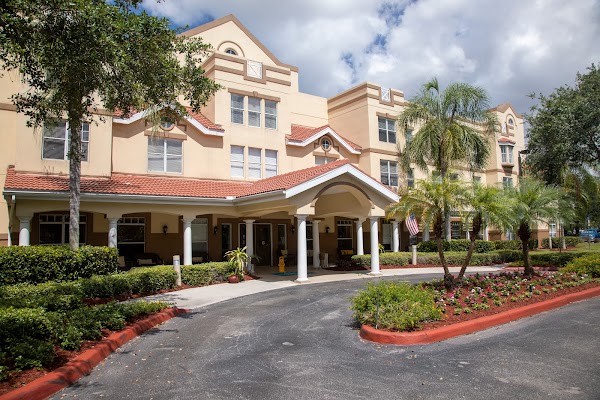
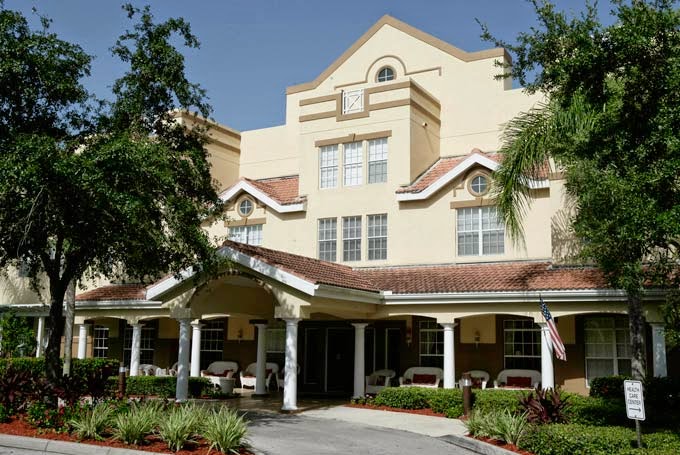
7801 AIRPORT PULLING ROAD N, NAPLES, FL 34109 (239) 566-8077
For profit - Corporation 40 Beds ADVINIACARE Data: November 2025 3 Immediate Jeopardy citations
Trust Grade
0/100
#593 of 690 in FL
Last Inspection: March 2024

Within standard 12-15 month inspection cycle. Federal law requires annual inspections.

Overview

Adviniacare at Naples has received a Trust Grade of F, indicating significant concerns about the facility's care quality. Ranking #593 out of 690 in Florida places it in the bottom half of nursing homes in the state, and #9 out of 11 in Collier County suggests that only two local options are better. While the facility's staffing rating is good at 4 out of 5 stars, with a turnover rate of 40% that is below the state average, it has faced serious issues, including $231,990 in fines, which is higher than 99% of Florida facilities and points to ongoing compliance problems. Recent inspections revealed critical safety concerns, such as multiple incidents where cognitively impaired residents wandered unsupervised outside the facility, raising alarm about their safety and the effectiveness of supervision. Despite these weaknesses, there is a positive trend as the facility has reduced the number of issues from seven in 2024 to three in 2025, indicating some improvement.

Trust Score
F
0/100
In Florida
#593/690
Bottom 15%
Safety Record
High Risk
Review needed
Inspections
Getting Better
7 → 3 violations
Staff Stability
○ Average
40% turnover. Near Florida's 48% average. Typical for the industry.
Penalties
⚠ Watch
$231,990 in fines. Higher than 79% of Florida facilities, suggesting repeated compliance issues.
Skilled Nurses
✓ Good
Each resident gets 47 minutes of Registered Nurse (RN) attention daily — more than average for Florida. RNs are trained to catch health problems early.
Violations
⚠ Watch
17 deficiencies on record. Higher than average. Multiple issues found across inspections.
★☆☆☆☆
1.0
Overall Rating
★★★★☆
4.0
Staff Levels
★★★★☆
4.0
Care Quality
★☆☆☆☆
1.0
Inspection Score
Stable
2024: 7 issues
2025: 3 issues

The Good

  • 4-Star Staffing Rating · Above-average nurse staffing levels
  • 4-Star Quality Measures · Strong clinical quality outcomes
  • Full Sprinkler Coverage · Fire safety systems throughout facility
  • No fines on record
  • Staff turnover below average (40%)

    8 points below Florida average of 48%

Facility shows strength in staffing levels, quality measures, fire safety.

The Bad

1-Star Overall Rating

Below Florida average (3.2)

Significant quality concerns identified by CMS

Staff Turnover: 40%

Near Florida avg (46%)

Typical for the industry

Federal Fines: $231,990

Well above median ($33,413)

Significant penalties indicating serious issues

Chain: ADVINIACARE

Part of a multi-facility chain

Ask about local staffing decisions and management

The Ugly 17 deficiencies on record

3 life-threatening 4 actual harm
Apr 2025 3 deficiencies 3 IJ (3 affecting multiple)
CRITICAL (K) 📢 Someone Reported This

A family member, employee, or ombudsman was alarmed enough to file a formal complaint

Immediate Jeopardy (IJ) - the most serious Medicare violation

Accident Prevention (Tag F0689)

Someone could have died · This affected multiple residents

**NOTE- TERMS IN BRACKETS HAVE BEEN EDITED TO PROTECT CONFIDENTIALITY** Based on observation, record review, review of facility's policies and procedures and staff interviews, the facility failed to a...

Read full inspector narrative →
**NOTE- TERMS IN BRACKETS HAVE BEEN EDITED TO PROTECT CONFIDENTIALITY** Based on observation, record review, review of facility's policies and procedures and staff interviews, the facility failed to adequately supervise 3 (Residents #1, #2 and #3) of 3 cognitively impaired residents to prevent incidents of unsafe wandering and elopement. On 12/9/24 at 2:15 p.m., Resident #1, who had a diagnosis of Dementia, severe cognitive impairment and history of attempted elopement exited the facility through the front door and set off the alarm. Staff turned off the alarm without verifying the whereabouts of residents with wander alarm bracelets. On 12/9/24 at approximately 2:17 p.m., a staff member who was outside on break, saw the resident wandering unsupervised in the parking lot and returned him to the facility. On 2/24/25 at 4:30 p.m., Resident #2, who had severe cognitive impairment, was ambulatory and wore a wander alarm bracelet exited the facility without staff knowledge. A friend coming to visit the resident found him wandering unsupervised in the parking lot and notified the facility. On 3/29/25 (unknown time) Resident #3, who had a diagnosis of Traumatic Brain Injury, and severe cognitive impairment exited the facility without staff knowledge. On 3/29/25 at approximately 7:05 p.m., a staff member leaving work observed the resident unsupervised outside of the facility. She stayed with the resident until the nurse on duty took the resident back inside. The facility failure to implement adequate supervision to prevent unsafe wandering and elopement of cognitively impaired, and confused residents created a likelihood of avoidable accidents for other cognitively impaired residents at risk for elopement which could result in serious harm, serious injury, serious impairment or death of the residents. This failure resulted in the determination of Immediate Jeopardy. The findings included: Cross Reference to F835 and F867. Review of the facility policy titled, Elopement Prevention with a last revised date of 10/2022 revealed, Elopement is the ability of a resident who is not capable of protecting himself or herself from harm to successfully leave the facility unsupervised and unnoticed and who may enter into harm's way . Wandering refers to a cognitively-impaired resident's ability to move about inside the facility aimlessly and without an appreciation of personal safety needs and who may enter into a dangerous situation . The physical plant is secured to minimize the risk of elopement such as: a. functional alarm systems for egresses and stairwells . Staff should be educated on the elopement policy on hire, annually and as needed per facility events. Facility should conduct and maintain tracking an elopement drill at least quarterly on each shift. Identifying staff knowledge of policy and need for further training/education . Review of the facility policy titled, Elopement-Missing Resident Plast revised 10/2022 revealed, A situation in which a resident leaves the premises or a safe area without the facility's knowledge and supervision, if necessary, would be considered an elopement. This situation represents a risk to the resident's health and safety and places the resident at risk of heat or cold exposure, dehydration and/or other medical complications, drowning or being struck by a motor vehicle . Facility administration should complete thorough investigation including assessing the [wander alert] system and evaluating any preventative measure that may have been in place . 1. Review of the clinical record for Resident #1 revealed an admission date of 11/27/24. Diagnoses included Dementia, Major Depressive Disorder (depression), Sepsis (serious condition where the body does not respond to an infection), and Atrial Fibrillation (irregular heartbeat). The admission Minimum Data Set (MDS) assessment with a target date of 11/27/24 revealed Resident #1 scored 05 on the Brief Interview for Mental Status (BIMS), indicating severe cognitive impairment. The MDS noted Resident #1 used a wander/elopement alarm daily (alerts staff when a resident leaves a safe area). Review of the Elopement Evaluation dated 12/2/24 revealed the facility determined Resident #1 was at risk for elopement and a wander alarm bracelet was placed. Review of the social services progress note dated 12/2/24 at 2:31 p.m., revealed Resident #1 was making ongoing statements of leaving the facility. Review of the nursing progress note dated 12/2/24 at 7:54 p.m., revealed Resident #1 was exhibiting exit seeking behaviors. Review of the Care Plan initiated on12/3/24 revealed Resident #1 was at risk for elopement based on the elopement risk assessment, decrease safety awareness, history of wandering, new admission with poor adjustment. The Goal was for the resident to remain within the facility unless supervised and free from harm. The interventions included: Identification bracelet to be worn, photograph of resident in wander notebook, resident is 1:1 (one to one supervision) for safety, wander alert bracelet applied. On 12/9/24 at 2:58 p.m., a Social Service progress note documented Resident #1 continues to have confusion on placement and states that he is looking for his wife to go home. Resident will typically be found by the front door and stating he wants to go home. Resident remains on elopement program but is still at risk for leaving facility. The Social Worker documented calling the resident's spouse to go over sitter options due to the resident needing constant redirection. On 12/9/24 at 6:39 p.m., a late entry nursing progress note documented, This nurse was notified that resident was seen leaving the building with other people a few minutes later, and an employee went outside and resident was wheeling wheelchair towards cars stated was looking for his wife. She had left a few minutes earlier resident was brought back into facility . Resident continued to say he wanted to leave and was exit seeking was placed 1 to 1 (one to one supervision). Roam alert is in place and functioning . Review of the facility's investigation revealed: Resident #1 was admitted to the facility on [DATE]. On admission the resident was not considered an elopement risk. On 12/3/24 the resident was stating, I want to leave here and attempted to leave the front lobby area outside. Staff intervened. Resident #1 was reevaluated and determined he should be on the wander alert program. A new assessment was completed and a wander alert bracelet was placed. The investigation noted on 12/9/24 at around 2:15 p.m., alarms were ringing on the skilled side. The Maintenance Director went over to the skilled unit as he indicated he was wondering why the alarms were going off. He did see a bunch of people leaving the front door but did not think much about it. The licensed nurse (no name) was sitting at the nurse's station and heard the alarms but stated, I only saw visitors, so I thought it was a freak thing. On 12/9/24 at 2:17 p.m., the admission Director was outside taking a break and noted Resident #1 in his wheelchair in the parking lot. Resident #1 said, I am going to see my wife. The admission Director was able to bring Resident #1 back inside without incident. Resident #1 was placed on one on one supervision and was discharged from the facility on 12/16/24. The facility provided witness statements as part of the elopement investigation. The former Maintenance Director provided an undated statement that read, Walking towards the shop I hear the [NAME] [sic] alert alarm when I get there. There is several people walking out at the same time and some residents sitting in the sun. An undated statement with no name read, I was walking into parking lot and saw (Resident #1) out into the lot. I was aware that this pt. (patient) had a wonderguard [sic]. I brought the pt back in and settled him in and got him a sandwich. The Social Service Director wrote on a statement dated 12/10/24, admission came to SS (Social Service) office at 2:19 p.m., + (and) stated she just brought (Resident #1) inside. He was in the parking lot. SS checked the [wander alert] that is working. Unsure how resident got out. The previous Director of Nursing wrote in a witness statement dated 12/9/24, At the time of the incident when resident was outside of building I was in the conference room on skilled side with Dr. (name). The facility's analysis of the incident investigation conclusion noted the Maintenance Director did not realize it was the resident going out with the wander alert bracelet. Review of the facility's corrective actions revealed: Like Residents reviewed. The Like residents reviewed provided by the facility revealed the facility reviewed the individual service plan reports for three residents who had already been identified as an elopement risk. The facility was not able to provide documentation they reviewed any other residents. Elopement drill. The facility provided an In-Service Record Sign in sheet dated December 2024 with the subject matter, Elopement Drill. 10 of 37 staff members employed at the facility at the time signed the sign-in sheet. 2. Review of clinical record revealed Resident #2 was admitted to the facility on [DATE]. Diagnoses included sepsis (serious condition where the body does not respond to an infection), retroperitoneal abscess (infection in the abdomen) and atrial fibrillation (irregular heartbeat). The admission Elopement Risk Review form dated 2/21/25 noted Resident #2 was at risk for elopement. Resident #2 was able to ambulate or maneuver his wheelchair independently. The resident had a diagnosis of dementia, verbalized desire to leave the facility, and had a history of wandering. The form noted Resident #2 was exhibiting exit-seeking behavior such as standing by the exit door, looking for someone, asking to go home etc. A wander alert bracelet was placed on the resident. The admission note dated 2/21/25 at 4:33 p.m., documented Resident #2 was, somewhat confused, [wander alert] was placed to prevent elopement. The nursing progress note dated 2/21/25 at 8:10 p.m., noted Resident #2 was alert and oriented X1(person) and placed on elopement by attempted to leave the facility. The care plan initiated on 2/24/25 documented Resident #2 was an elopement risk/wanderer related to impaired safety awareness. The goal was to maintain the resident's safety and, The resident will not leave facility unattended. The interventions included to distract the resident by offering pleasant diversions and a wander alert to the right ankle. On 2/26/25 the care plan noted, Resident to have a sitter for safety. The admission Minimum Data Set (MDS) with a target date of 2/28/25 revealed Resident #2 scored 07 on the Brief Interview for Mental Status, indicating severe cognitive impairment. Review of the social service progress note dated 2/24/25 at 3:46 p.m., revealed Resident #2 was ambulatory without an assistive device. The resident was placed on the roam alert program due to confusion and making statements that he would like to leave the hotel. Review of the late entry social service progress note dated 2/24/25 at 4:50 p.m., revealed Resident #2 was seen in the parking lot around 4:38 p.m., by a family member coming to visit. Resident had been in nursing station a few minutes prior. Resident #2 was brought back into the center by family and the Director of Nursing. Review of the facility's investigation dated 3/10/25 revealed the doors and wander alert bracelets were checked and functioning appropriately. Resident #2 was placed on one-on-one supervision. The facility's investigation did not determine how Resident #2 who had a wander alarm bracelet was able to exit the facility without staff knowledge. Review of facility's corrective actions revealed: Roam alert doors to be checked. Review of the roam alert door checks revealed the doors were checked on 2/24/25. No further door checks were documented. Post elopement drills. Record review revealed no post elopement drills were done. 3. Review of the clinical record revealed Resident #3 was admitted to the facility on [DATE]. Diagnoses included Traumatic Subdural Hemorrhage (bleeding in the brain), Chronic Obstructive Pulmonary Disease (lung disease) and Major Depressive Disorder (depression) Review of the admission Elopement Risk Review dated 3/14/25 revealed Resident #3 was not at risk for elopement. The admission Minimum Data Set (MDS) with a target date of 3/21/25 revealed Resident #3 had a Brief Interview for Mental Status (BIMS) score of 06 indicating severely impaired cognition. Review of progress note dated 3/29/25 at 7:34 p.m., revealed Resident #3 was noted to be out in front of the building just off the porch. She stated she was going to the drug store. She was brought back into the facility. The physician was notified with a new order to apply a wander alarm bracelet. Review of facility's elopement investigation revealed prior to the incident Resident #3 was sitting outside in the front of the facility's entrance with her brother. The brother brought the resident inside for dinner. After dinner Resident was found outside the front entrance of the facility. Resident #3 stated she was looking for her brother and didn't know she couldn't go outside. The facility Administrator documented, The root cause was resident looking for her brother who was just visiting with her prior to dinner and they were sitting outside. Review of the witness statements revealed on 3/29/25 Licensed Practical Nurse (LPN) Staff E documented on Saturday 3/29/25 at approximately 7:05 p.m., she was pulling out of the parking lot and observed Resident #3 in the rearview mirror. She was sitting in her wheelchair directly in front of the exit, approximately two to three feet out on the black top. She immediately stopped her vehicle, and called the Registered Nurse on duty to tell her the resident was outside. Resident #3 said she thought her brother was still here. She stayed with the resident until the nurses on duty made contact with the resident. The facility's corrective actions included: Elopement training. Review of the Elopement Training dated 3/31/25 revealed 23 of 43 staff employed at the facility at the time received training. Review of the sign-in sheet dated 4/3/25 revealed the Administrator provided training to 11 department managers on the facility's elopement policy. Ad Hoc (unplanned) QAPI (Quality Assurance and Performance Improvement Plan) was written on the sign-in sheet. Record review of the corrective actions implemented by the facility revealed no elopement drill, no audits, no Performance Improvement Plans, or Quality Assurance Performance Improvement. On 4/14/25 at 10:00 a.m., observation revealed the facility does not have a reception area. A nurse's station was located right across the entrance door. On 4/15/25 at 8:50 a.m., upon arrival at the facility, the entrance door opened automatically. No staff was observed at the nurse's station monitoring the entrance door. On 4/15/25 at 9:00 a.m., observation of the facility's surrounding area revealed the entrance/exit door of the skilled nursing facility is located approximately 300 feet from a four lane road with a busy strip mall across the street. Uneven terrain, overgrown area of mature trees, shrubs and overgrown bushes were observed behind the building. On 4/15/25 at 9:10 a.m., upon reentering the facility, the entrance door opened automatically. No staff member was at the nurse's station monitoring the entrance door. On 4/15/25 at 9:30 a.m., observation revealed the skilled nursing facility is connected to an adjoining Assisted Living Facility (ALF) through an unsecured hallway. Residents from the skilled nursing facility can walk freely to the ALF. The entrance/exit door of the ALF is approximately 150 feet from a busy six lanes highway. Cognitively impaired residents who exit the facility through the entrance/exit door of skilled nursing facility or the ALF without necessary supervision could cross the nearby busy streets, get hit by a car, or sustain a fall resulting in serious injury from walking the uneven ground behind the facility. On 4/14/25 at 2:10 p.m., in an interview Certified Nursing Assistant (CNA) Staff A said the ALF had a receptionist but the skilled nursing facility did not have a front desk or a receptionist. CNA Staff A said she could not remember the last elopement drill. She said she must have been off when they did the drill. On 4/14/25 at 2:38 p.m., in an interview the Maintenance Director said he did not remember when the last elopement drill was done. He said he was responsible to change the codes of the doors with keypads. He said the codes get changed as needed. On 4/15/25 at 9:43 a.m., the Maintenance Director used a wander alert bracelet to set off the wander alarm of the door at the end of the 150 hall. The audible alarm could not be heard at the nurse's station located approximately 125 feet away. No staff member responded to the wander alarm. The Maintenance Director then set off the wander alarm of the entrance door of the facility. The door locked but had no audible alarm to alert staff if a resident with a wander alarm bracelet approaches the exit door. On 4/15/25 at approximately 9:55 a.m., in an interview the Maintenance Director said when opened, the front door takes a long time to close and has no audible alarm. He said there was a potential for a resident to leave. The Maintenance Director said, Any time we have an elopement, it is through the front door. The ALF door also locks but does not alarm. The Maintenance Director said the problem with the doors has been going on for quite some time. On 4/15/25 at 10:05 a.m., in an interview with the Administrator and the Director of Nursing (DON), it was established that: There had been no elopement drills conducted since December 2024. All current residents had not been reevaluated for elopement risk since the last elopement on 3/29/25. There was no Performance Improvement Plan in place for elopement, and the Administrator or DON could not verify if 100% of staff had been re-educated in elopement policy and procedure, including adequate supervision of cognitively impaired residents to prevent unsafe wandering and elopement. The Administrator said she had only been at the facility since the second week of March and was figuring things out. The DON reiterated the doors would lock if a (wander alert) approached them. She said just because someone had a BIMS of 6 or 7, it wouldn't automatically make them an elopement risk. A BIMS score of 0 to 7 is indicative of severe cognitive impairment. Both the Administrator and DON said they did not know the entry doors of the skilled nursing facility and the ALF did not alarm. They both said they were not aware that a resident with a wander alarm bracelet could freely follow someone out already opened doors with no audible alert to staff. On 4/16/25 at 9:45 a.m., in an interview Licensed Practical Nurse (LPN) Staff B said she was aware residents could walk from the skilled nursing unit to the assisted living unit. She said she was also aware the front door had no audible alarm and there was no door with an alarm to let staff know if a resident was going to the assisting living area. She said if a resident goes over to the assisting living unit the ALF staff will let them know. On 4/16/25 at 9:49 a.m., in an interview Registered Nurse (RN) Staff C said she was aware residents could go freely from the skilled nursing facility to the ALF. She said the ALF staff will call them if a resident goes over there. She said she was also aware the entrance door to the facility would lock but not alarm if a resident with a wander alarm bracelet goes near the door. On 4/16/25 at 9:57 a.m., in an interview Certified Nursing Assistant (CNA) Staff D said she was aware residents from the skilled nursing facility could walk freely to the ALF. She said sometimes the front door of the skilled nursing does alarm when a resident with a wander alarm bracelet is near the door. She said she had a resident with a wander alarm sometime this year and the front door would alarm every time the resident was near the front door. She said she thought they might have had a different type of wander alert bracelet on. On 4/16/25 at 3:40 p.m., in an interview the Administrator said she was also the Risk Manager. She said the last Quality Assurance and Performance Improvement (QAPI) meeting was held on March 26th, 2025, to report on February data. She said they had discussed the scenario of alleged elopement of Resident #2 in February and the two current residents with wander alarm bracelets. She said they looked at the elopement books to make sure they were up to date, reviewed the wander alarm bracelets for expiration and proper functioning and ensured the care plans were updated. She said no official Performance Improvement Plan (PIP) had been put in place, but it was discussed in clinical meetings and maintenance checked the doors weekly. The Administrator said at her previous facility the doors were locked at all times, that was why she had a discussion with the Maintenance Director about calling a door company to see what could be done about the front door. She said other than that, nothing else was changed with the doors. She said the doors were locked down from 8:00 p.m., to 8:00 a.m., and she felt the residents were safe because the wander alarm bracelet would lock the door down if they approached it. When asked about a cognitively impaired person following someone out an already opened door, she said, You can't guarantee people wouldn't get out, they could open a window, anything to get out. You can't guarantee anything 100%. You are dealing with systems, you are dealing with people.
CRITICAL (K) 📢 Someone Reported This

A family member, employee, or ombudsman was alarmed enough to file a formal complaint

Immediate Jeopardy (IJ) - the most serious Medicare violation

Administration (Tag F0835)

Someone could have died · This affected multiple residents

Based on observation, record review and staff interviews, the facility administration failed to utilize its resources effectively to ensure the safety of 3 (Residents #1, #2, and #3) of 3 cognitively ...

Read full inspector narrative →
Based on observation, record review and staff interviews, the facility administration failed to utilize its resources effectively to ensure the safety of 3 (Residents #1, #2, and #3) of 3 cognitively impaired residents and prevent multiple incidents of unsafe wandering and elopement. Resident #1 had severe cognitive impairment, was at risk for elopement and used a wander alarm bracelet. On 12/9/24 at 2:15 p.m., staff did not appropriately respond to the door alarm when Resident #1 exited the facility. On 12/9/24 at approximately 2:17 p.m., a staff member who was outside on her break found the resident wandering in the parking lot unsupervised and returned him to the facility. Resident #2 had severe cognitive impairment, was at risk for elopement and used a wander alarm bracelet. On 2/24/25 at 4:30 p.m., staff did not adequately supervise the resident. Resident #2 exited the facility without staff knowledge. A friend coming to visit found Resident #2 wandering in the parking lot unsupervised. He notified the Director of Nursing (DON) who took the resident back inside. Resident #3 had severe cognitive impairment and was mobile. The facility determined the resident was not an elopement risk. On 3/29/25 at approximately 6:40 p.m., Resident #3 was not adequately supervised and exited the facility without staff knowledge. On 3/29/25 at approximately 7:05 p.m., a staff member leaving work found the resident outside, unsupervised. She notified the nurse on duty who came and took the resident back inside. The facility administration failure to use its resources effectively to maintain residents' safety created a likelihood of serious harm, serious injury or death of cognitively impaired residents who exit the facility without staff knowledge. The residents could cross the nearby busy four or six lane highway, get hit by a car, or sustain a fall resulting in serious injury from walking the uneven ground behind the facility. This failure resulted in the determination of Immediate Jeopardy. On 4/17/25 at 9:12 a.m., the Administrator was notified of the determination of Immediate Jeopardy. The findings included: Cross Reference to F689 and F867. Review of the Executive Director's job description signed on 3/3/25 revealed, The Executive Director is totally responsible for the management of the . Skilled Nursing Facility . Also, ensures high quality resident care services . Oversees and monitors nursing services . to ensure high quality nursing delivery systems . Implement quality assurance programs for all departments . Directs community safety . monitors adherence to safety rules and regulations and takes remedial action when necessary . The ability to take ownership for . the safety of the residents. Review of the Director of Nursing job description signed on 1/7/25 revealed, The Director of Nursing manages and directs the day-to-day functions of the Nursing Department in accordance with established policies, procedures, and practices that comply with federal, state, and local regulations . In addition, the Director of Nursing ensures adequate staffing patterns, and that staff are qualified and trained. Essential Functions . Provide basin nursing care to patients . that includes actions that meet psychosocial needs and physical needs. Oversees the management and daily operations of the nursing department . Ensures that each patient's needs are assessed and that a treatment plan is developed for nursing care . Review of the facility policy titled, Elopement Prevention with a last revised date of 10/2022 revealed, Elopement is the ability of a resident who is not capable of protecting himself or herself from harm to successfully leave the facility unsupervised and unnoticed and who may enter into harm's way . The physical plant is secured to minimize the risk of elopement such as: a. functional alarm systems for egresses and stairwells . Staff should be educated on the elopement policy on hire, annually and as needed per facility events. Facility should conduct and maintain tracking an elopement drill at least quarterly on each shift. Identifying staff knowledge of policy and need for further training/education . On 4/15/25, review of the facility's incident investigations for December 2024 through March 2025 revealed three incidents of elopement, which placed the affected residents with severe cognitive impairment at a likelihood of serious harm, serious injury or death. On 12/9/24 at 2:15 p.m., staff did not respond appropriately to the door alarm when Resident #1 who wore a wander alarm bracelet, exited the facility and set off the alarm. On 12/9/24 at approximately 2:17 p.m., a staff member who was outside on her break found the resident wandering in the parking lot unsupervised and returned him to the facility. As part of their investigations the facility provided a Four Step Plan of Correction to Prevent Recurrence. Under, What measures will be put into place or systemic changes made to ensure that the deficient practice will not occur? was the notation, Education sheet if you hear alarm, check everyone leaving, beware of tailgaters. The facility also provided an in-service dated 01/30/24 which included elopement and read, Elopement. When Code Orange is called all employees should assist with this code. A count will be made for all residents in facility . Front doors will lock when resident with wonder guard [sic] approaches door. The doors end of 170 hallway and 160 hallway will beep when a [wander alert] approaches door. These doors will also alarm when door opened, if alarm goes off must check outside to see if a resident has exited the facility. The door leading to the time clock is also alarmed and will beep and lock if a [wander alert] is close by . There was no sign-in sheet to determine how many staff members attended the in-service. On 2/24/25 at 4:30 p.m., staff did not adequately supervise Resident #2 who wore a wander alert bracelet. The facility staff was not aware of the resident's exit. A friend coming to visit found Resident #2 wandering in the parking lot unsupervised. He notified the DON who took the resident back inside. On 2/25/25 the former Executive Director documented in an email to 11 managers titled, AD HOC QAPI (Unplanned Quality Assurance and Performance Improvement), Team, we had an elopement with a skilled resident last night. Friend/Family driving to center and saw him in the parking lot. Resident on roam alert program, one to one placed, MD (physician) and Family Made Aware, Skin Check, Statements, Education, Post Elopement Drills, Like residents. All will be working on today to ensure we have a great credible evidence binder for the State. On 3/10/25 the current Executive Director documented an analysis of the incident and noted the wander alert bracelet the resident had on and the doors were checked and were working appropriately. The investigation did not include how Resident #2 was able to exit the facility without staff knowledge despite the wander alarm bracelet. The facility placed the resident on one to one supervision but did not include appropriate systemic measures to ensure residents' safety and prevent other cognitively impaired residents from exiting the facility without staff knowledge or supervision. On 3/29/25 at approximately 6:40 p.m., staff did not adequately supervise Resident #3 who was mobile and had severe cognitive impairment. Resident #3 exited the facility without staff knowledge. On 3/29/25 at approximately 7:05 p.m., a staff member leaving work observed the resident outside, unsupervised through her rearview mirror. She notified the nurse on duty who came and took the resident back inside. The facility's investigation included corrective actions which included an elopement evaluation for Resident #3. The resident was found at elopement risk and a wander alert bracelet was placed to the resident's right ankle. On 4/15/25 at 9:43 a.m., the Maintenance Director used a wander alert bracelet to set off the wander alarm of the door at the end of the 150 hall. The audible alarm could not be heard at the nurse's station located approximately 125 feet away. No staff responded to the wander alarm. The Maintenance Director then set off the wander alarm of the entrance door of the facility. The door locked but had no audible alarm to alert staff if a resident with a wander alarm bracelet approaches the exit door. On 4/15/25 at approximately 9:55 a.m., in an interview the Maintenance Director said when opened, the front door takes a long time to close and has no audible alarm. He said there was a potential for a resident to leave. The Maintenance Director said, Any time we have an elopement, it is through the front door. The ALF door also locks but does not alarm. The Maintenance Director said the problem with the doors has been going on for quite some time. The Maintenance Director said after the last elopement the Executive Director (Administrator) told him to get quotes for a lock on the doors that would require someone to physically push a button behind the nurse's station to open the door. The Maintenance Director said a company came out last week but had not sent a quote yet. On 4/15/25 at 10:05 a.m., an interview was conducted with the Administrator and the Director of Nursing (DON) to discuss residents' safety and elopement prevention. Both the Administrator and DON said they did not know the entry doors of the skilled nursing facility and the ALF did not alarm. They both said they were not aware that a resident with a wander alarm bracelet could freely follow someone out already opened doors with no audible alert to staff. The Administrator said she had only been at the facility since the second week of March and was, figuring things out. On 4/16/25 at 3:40 p.m., in an interview the Administrator said at her previous facility the doors were locked at all times, that was why she had a discussion with the Maintenance Director about calling a door company to see what could be done about the front door. She said other than that, nothing else was changed with the doors. She said the doors were locked down from 8:00 p.m., to 8:00 a.m., and she felt the residents were safe because the wander alarm bracelet would lock the door down if they approached it. When asked about a cognitively impaired person following someone out an already opened door, she said, You can't guarantee people wouldn't get out, they could open a window, anything to get out. You can't guarantee anything 100%. You are dealing with systems, you are dealing with people. The Administrator verified two current residents were at risk for unsafe wandering and elopement at the facility and had a wander alarm bracelet.
CRITICAL (K) 📢 Someone Reported This

A family member, employee, or ombudsman was alarmed enough to file a formal complaint

Immediate Jeopardy (IJ) - the most serious Medicare violation

QAPI Program (Tag F0867)

Someone could have died · This affected multiple residents

Based on observation, record review and interview, the facility failed to thoroughly investigate elopement incidents for 3 (Residents #1, #2, and #3) of 3 cognitively impaired residents reviewed for e...

Read full inspector narrative →
Based on observation, record review and interview, the facility failed to thoroughly investigate elopement incidents for 3 (Residents #1, #2, and #3) of 3 cognitively impaired residents reviewed for elopement and failed to implement appropriate systemic corrective actions to prevent further incidents of unsafe wandering and elopement of mobile and confused residents. On 12/9/24 at 2:15 p.m., Resident #1 who had severe cognitive impairment and wore a wander alert bracelet exited the facility, setting off the door alarm. Staff did not appropriately respond to the alarm. A staff member who was outside on her break found the resident wandering unsupervised in the parking lot and brought him back. On 2/25/25 at 4:30 p.m., staff did not adequately supervise Resident #2 who had severe cognitive impairment and wore a wander alert bracelet. A friend coming to visit Resident #2 found him wandering unsupervised in the parking lot and notified the facility. The facility has not determined how Resident #2 was able to leave the facility despite the wander alert bracelet. On 3/29/25 at approximately 6:40 p.m., Resident #3, who had severe cognitive impairment and was mobile, was not adequately supervised and exited the facility without staff knowledge. A staff member leaving the facility saw the resident wandering unsupervised outside through her rearview mirror and called the nurse on duty to take the resident back inside. The facility failure to have an effective Quality Assurance and Performance Improvement program that identify quality deficiencies and implement appropriate systemic corrective actions created a likelihood of further unsafe wandering and elopement of cognitively impaired, confused residents which could result in serious harm, serious injuries or death of the residents. Cognitively impaired residents who exit the facility without staff knowledge and necessary supervision could cross the nearby busy four or six lane highway, get hit by a car, or sustain a fall resulting in serious injury from walking the uneven and overgrown grounds behind the facility. This failure resulted in the determination of pattern ongoing Immediate Jeopardy. On 4/17/25 at 9:12 a.m., the Administrator was informed of the determination of Immediate Jeopardy (IJ). The findings included: Cross reference to F689 and F835. Review of the facility's Quality Assurance and Performance Improvement (QAPI) Plan reviewed 2/7/21 revealed, (Company name) shall ensure that the Governing Body, Administration, Medical Director, Director of Nursing, clinical and non-clinical staff demonstrate a consistent endeavor to deliver safe, effective, optimal resident care and services in an environment of minimal risk . The organizational program, established by the Medical Director and Director of Nursing and Interdisciplinary Performance Improvement Committee . shall have the responsibility for monitoring every aspect of resident care and services (including contracted services), from the time the resident enters the facility through diagnosis, treatment, recovery and discharge in order to identify and resolve any breakdowns that may result in suboptimal resident care and safety, while striving to continuously improve and facilitate positive resident outcomes . The committee shall identify quality deficiencies and develop and implement plans of action to correct these quality deficiencies, including monitoring the effect of implemented changes and making needed revision to the action plan . Track the status of identified problems and action plans to assure improvement or problem resolution . On 4/14/25 at 9:24 a.m., in an interview the Director of Nursing (DON) said she was aware of the three resident elopements and the facility had not yet developed a Performance Improvement Plan (PIP) to address the elopements. They obtained orders and updated the care plans for the residents involved. On 4/15/25 at 10:05 a.m., an interview was conducted with the Administrator and the Director of Nursing (DON) to review the incident investigations related to Residents #1, #2, and #3's unsafe wandering and elopement, root cause analysis, and appropriate systemic actions to prevent recurrence. The Administrator said she started employment at the facility the second week of March and was trying to figure out what was going on here. She said she could not comment on Residents #1's elopement as she had not started employment at the facility. She verified she was aware of Resident #2's elopement and completed the investigation. The Administrator and DON verified Resident #3 eloped on 3/29/25 and was found unsupervised outside the facility. The Administrator said they did not conduct elopement drills after Resident #3's elopement but have been doing staff education. She said she's had only one QAPI meeting since she started employment at the facility the second week of March and she, was trying to figure out what is going on here. She said she had not developed a PIP as of yet to address the multiple incidents of residents' elopements. She said she thought the doors should be shutting if someone with a wander alert bracelet was there. She said she was not aware that someone with a wander alert bracelet could walk out with visitors. She verified the nurse's station was often empty and agreed cognitively impaired residents who require supervision could just get out. On 4/15/25 at 11:50 a.m., in an interview the DON said she was not present the day Resident #3 was found outside. Based on staff statements obtained the resident did not have a wander alert bracelet and was found sitting by the front door. She said she believed Resident #3 propelled herself out of the front door looking for her brother. The DON said she assumes no one was at the nurse's station at the time the resident eloped. On 4/16/25 at 3:25 p.m., in an interview the Administrator said she was the Risk Manager for the facility. The last Quality Assurance Meeting was held on 3/26/25 to present the February 2025 data. They discussed Resident #2's elopement and talked a little about the scenario and the two residents with wander alert bracelets. The Administrator said she believes Resident #2 was trailing behind people that were leaving. She immediately placed the resident on one to one supervision. The wander alert books were reviewed, the bracelets checked and the care plans were updated. She held a town hall meeting with staff around the time of the elopement and discussed the elopement. She said they did not do any elopement drills. She usually starts with education but scheduled an elopement drill for this week on Thursday. She said Resident #3 was not an elopement risk and did not have a wander alert bracelet. They applied one after she eloped. She said after the third elopement, the Maintenance Director and her started talking about what could be done about the door and started calling door companies. The Medical Director was aware of the elopements. He attended the last QAPI meeting and had no comments. She said securing the hallway connecting the skilled nursing facility to the Assisted Living Facility was not considered since she's been here. She verified the front door of the facility open automatically and is not supervised. The Administrator said nothing was 100% full proof that someone can't get out, crazy things happen. She said she felt the residents were safe because the wander alert bracelets would lock the door down. She said again, Nothing is 100% full proof. You are dealing with systems and people. The Administrator verified the elopement investigations failed to identify the lack of audible alarm of the wander alert system on the exit doors to notify staff if a confused resident with a wander alert bracelet followed visitors through the opened doors. The investigations did not identify the lack of monitoring of exit doors to prevent cognitively impaired residents from exiting the facility unsupervised. Review of the facility's approved Immediate Jeopardy removal plan revealed as part of their immediate corrective actions, the facility educated 35 of 42 staff on residents at risk for elopement and elopement interventions. Staff was educated on new process for doors to be locked and someone will have to allow entrance and exit of residents, families and guests. The staff member must observe doors until they are fully closed. Staff educated on elopement procedures including verifying all residents are accounted for prior to shutting alarm off. Staff was educated on all residents who are at risk for elopement along with elopement interventions, behavioral sign and symptoms of elopement and elopement interventions. Review of the education program agenda dated 4/17/25 revealed the content of the education was, Know the process of elopement. If you have a resident who voiced they want to leave the facility, please notify a supervisor. If you hear an alarm, make sure there is nobody outside and make sure you notify your nurse or your supervisor. Know elopement behavioral sign and symptoms of elopement and interventions to take when that is occurring. When you have someone actively experienced [sic] exit seeking behavior. As the nurse, contact your physician right away and your DON and administrator to make sure the resident is safe at all cost by etc. [sic] . placing the resident on 1:1 or [wander alert bracelet] per physician orders. Make sure to verify all residents are accounted prior to shutting alarm off. The sign-in sheet noted 30 staff members attended the in-service, including dietary, housekeeping, medical records and laundry staff. On 4/18/25 at 12:02 p.m., in an interview Licensed Practical Nurse Staff G said she started employment at the facility a week ago. She came in to be educated on the elopement process. She said the DON told her if she saw a resident outside, secure the resident and do an assessment. The DON did not talk to her about elopement prevention but she overheard the DON speaking to someone else about elopement prevention. The immediate actions in the facility's approved removal plan also included, Elopement drills will be done on all shifts. Elopement drills were conducted on 4/15/25, 4/16/25, 4/17/25 and 4/18/25. Review of the Elopement. Post-Elopement Drill Checklist dated 4/18/25 revealed the Maintenance Director completed the form. He documented the resident missing time was 8:45 a.m., and the resident found time was 8:55 a.m. The form noted staff verified the resident was not signed out, checked the unit, a full search of the facility and grounds was implemented. The search was called off when the resident was found. The staff performance result was good and staff did respond in accordance with established procedures. Review of the sign-in sheet for the elopement drill of 4/18/25 revealed 17 staff members responded to the drill, including the DON and Minimum Data Set (MDS) Coordinator Staff H. On 4/18/25 at 12:45 p.m., in an interview MDS Coordinator Staff H said she came to work at 6:00 a.m. She did not hear an announcement for an elopement drill and did not participate in an elopement drill. Staff H said the Maintenance Director came to her office and asked her questions. He asked, If this happens (elopement), what would you do basically. On 4/18/25 at 1:05 p.m., in an interview the Maintenance Director verified he completed the elopement drill of 4/18/25. The Maintenance Director said normally he would gather staff but this time he went person to person and asked each staff member individually what they would do in case of an elopement, and what they would look for. He announced an elopement drill but not in a group setting. He said he even educated the laundry girls and considered the education an elopement drill. On 4/18/25 at 1:45 p.m., an interview was held with the DON and the Administrator to discuss implementation of the facility's Immediate Jeopardy removal plan. The Administrator said she did not know the Maintenance Director did not conduct the elopement drill and would reeducate him. The Administrator verified the staff education provided was generalized and not specific to each department.
Nov 2024 1 deficiency 1 Harm
SERIOUS (G) 📢 Someone Reported This

A family member, employee, or ombudsman was alarmed enough to file a formal complaint

Actual Harm - a resident was hurt due to facility failures

Accident Prevention (Tag F0689)

A resident was harmed · This affected 1 resident

**NOTE- TERMS IN BRACKETS HAVE BEEN EDITED TO PROTECT CONFIDENTIALITY** Based on record review, review of facility policies and procedures, resident and staff interviews the facility failed to follow ...

Read full inspector narrative →
**NOTE- TERMS IN BRACKETS HAVE BEEN EDITED TO PROTECT CONFIDENTIALITY** Based on record review, review of facility policies and procedures, resident and staff interviews the facility failed to follow the established plan of care for safe transfer, resulting in an avoidable fall and fall related major injury for 1 (Resident #3) of 3 residents reviewed. The findings included: Review of the clinical record for Resident #3 revealed an admission date of 7/4/24. Diagnoses included morbid obesity and left artificial knee joint. The 5-day scheduled Minimum Data Set (MDS) assessment with a target date of 9/2/24 noted Resident #3 was dependent (Helper does all of the effort. Resident does none of the effort to complete the activity) for toilet transfer (Ability to safely get on and off a toilet or commode). Resident #3's cognition was intact with a Brief Interview for Mental Status score of 15. The care plan initiated on 7/5/24 noted the resident had Activities of Daily Living (ADL) Deficit with a goal to improve ADLs. The interventions included and specified the use of a full body mechanical lift with assistance of two for transfers. Resident #3 received Physical and Occupational Therapy. Review of Occupational Therapy Discharge summary dated [DATE] noted Resident #3 required substantial/maximal assistance with toilet transfer. The Physical Therapy Discharge summary dated [DATE] noted Resident #3 required partial/moderate assistance with toilet transfer. On 10/20/24 at 6:31 p.m., an incident progress note documented on 10/20/24 at approximately 4:45 p.m., the nurse was at the nurses station. Certified Nursing Assistant (CNA) Staff A came to the nurses station and said, Quick help. The nurse followed the CNA to Resident #3's room and observed the resident sitting on her buttocks on the floor in front of the toilet. The resident's right lower extremity was in abnormal alignment with the right foot externally rotated. Resident #3 complained of right foot pain and denied hitting her head. Resident #3 stated, It's my fault, I told her (CNA Staff A) I could do it with just her. The nurse immediately called 911 and prepared transfer paperwork as a Registered Nurse stayed with the resident to monitor. EMS (Emergency Medical Services) arrived and transferred Resident #3 to a local hospital. Resident #3 was diagnosed with a displaced comminuted (bone shatters into multiple pieces) fracture of the shaft of the right tibia requiring surgical repair. Resident #3 returned to the facility on [DATE]. Review of CNA Staff A's handwritten statement obtained during the incident investigation noted she did not see a sling (used to transfer resident with a full body mechanical lift) behind Resident #3 when the resident asked for assistance to the toilet. Resident #3 said she was no longer using the sling as she was better now. When CNA Staff A said she was going to get help, Resident #3 asked CNA Staff A to use the walker to put her on the toilet. CNA Staff A wrote she placed the walker in front of the resident and locked the wheelchair. Resident #3 had her hand on the walker while the CNA was holding the resident's left side to transfer her to the toilet. Resident #3 said, I am going to the floor. CNA Staff A tried to pull the wheelchair but it was locked. Resident #3 fell to the floor. Review of the facility's investigation analysis revealed CNA Staff A did not check the Individual Service Plan (Provides instruction for safe care) for proper instruction on how to transfer the resident. On 11/20/24 at 1:18 p.m., in an interview Resident #3 said she told CNA Staff A she did not need the mechanical lift or a second staff member to assist with the transfer. She said sometimes her knees give out. She told Staff A she was going down, but the CNA was by herself and could not prevent her from falling. On 11/20/24 at 4:14 p.m., in an interview CNA Staff A verified on 10/20/24 she did not use the full body mechanical lift and did not request assistance from a second staff to assist with the resident's transfer. She said when Resident #3 told her she no longer needed the full body mechanical lift or additional staff for transfer she did not verify the information with the nurse or the care plan. On 11/21/24 at 1:39 p.m., in an interview Physical Therapist Staff C said Resident #3 was receiving cortisone (steroid) injections for knee problems, and her knees give out on occasion. The plan was to provide additional training to the CNAs but the training did not occur since the resident was transferred to the hospital after the fall. On 11/21/24 at 3:43 p.m., in an interview the Director of Nursing (DON) said after Resident #3's fall, she provided training to the nurses and the CNAs on transferring dependent residents and use of mechanical lifts. The DON provided documentation of training for 19 of 39 direct care nursing staff (Licensed nurses and CNAs). She verified she did not train all the nurses and CNAs and the training did not include accessing individual service plans on the computer before transfer to ensure the safety of the residents. On 11/22/24 at 1:01 p.m., in an interview the Administrator said the DON was responsible for ensuring the nurses and CNAs were trained and competent to perform their duties. She said she could not locate documentation of transfer training, skills assessment, or use of the computer to access residents care plans in CNA Staff A personnel file.
Mar 2024 6 deficiencies 2 Harm
SERIOUS (G)

Actual Harm - a resident was hurt due to facility failures

Free from Abuse/Neglect (Tag F0600)

A resident was harmed · This affected 1 resident

**NOTE- TERMS IN BRACKETS HAVE BEEN EDITED TO PROTECT CONFIDENTIALITY** Based on observation, record review, facility policy review, resident and staff interviews and medical record and facility polic...

Read full inspector narrative →
**NOTE- TERMS IN BRACKETS HAVE BEEN EDITED TO PROTECT CONFIDENTIALITY** Based on observation, record review, facility policy review, resident and staff interviews and medical record and facility policy review, the facility failed to protect residents' rights to be free from neglect by failing to provide a safe environment for 2 (Residents #243 and #20) of 5 residents reviewed for avoidable falls and accidents. The findings included: The facility policy provided for Fall Prevention and Management created 7/2018 and last revised 1/2023 states: The Fall Risk Evaluation (completed on admission) will determine fall risk factors. 1. Fall risk assessments will be completed for all residents; initially on admission/readmission, quarterly, significant change and after an identified fall; 2. As part of the assessment, the nurse will help identify individuals with a history of falls and risk factors for subsequent falling; Staff will ask the resident and the caregiver about history of falling . staff will record history of one or more recent falls . root causes for fall history will be identified. 3. In addition, the nurse shall assess and document/report vital signs . recent injury, . musculoskeletal function . change in condition . neurological status . pain . meds . active diagnosis; 4. The staff will document risk factors . implement goals and interventions . communicate interventions . provide staff training . revise IDT after an event . educate resident and family as needed. 5. Staff will evaluate and document falls that occur while the individual in in the facility. 6. If interventions have been successful in preventing falling, the staff will continue with current approaches; 7. If the individual continues to fall, the staff and physician will re-evaluate the situation and consider other possible reasons for the resident's falling and will re-evaluate the continued relevance of current interventions. The policy also stated, residents will be referred to therapy for a screen - for indication of need for therapy interventions. Interdisciplinary team should monitor and document on resident's response/success with fall reduction interventions. Residents who continue to fall with interventions in place will be assessed for change in or additions to interventions. All staff shall receive education on the fall prevention program at the time of orientation and annually thereafter. Review of the clinical record revealed Resident #20 was admitted to the facility on [DATE] after a fall at home resulting in a left femur fracture. The Significant change in status Minimum Data Set (MDS) assessment with a reference date of 1/10/24 noted the resident's cognition was intact with a Brief Interview for Mental Status (BIMS) score of 13. Resident #20 required partial/moderate assistance for mobility. On 3/10/24 at 12:20 p.m., in an interview Resident #20 said she fell many times since she had been at the facility, and thought she broke her pelvis. Resident #20 was not able to provide more details but said she has been at the facility for three years. Review of the facility's accident/incident log revealed Resident #20 had multiple falls since 8/11/23. On 8/11/23 Resident #20 was found on the floor and was transferred to the hospital. Resident #20 was diagnosed with fracture of the right acetabular (hip) which required surgery, a closed fracture of right olecranon process (elbow) which required surgery and fractures of pubic rami (pelvis). On 10/5/23, 10/24/23, 11/12/23, 11/23/23, and 12/10/23, Resident #20 sustained additional falls. On 1/3/24, Resident #20's son found her on the floor in her room. The resident complained of back pain. On 1/5/24 an X-ray of the back showed Resident #20 had multiple lumbar vertebral compression fractures. The X-ray report noted the fracture to Lumbar vertebrae 1 was severe and may be acute. The facility investigated and on 1/3/24 noted, After investigation it was noted that the resident was trying to put away items in her room. Going forward the room is to be kept decluttered and items should be put away for the resident. (Resident #20) is requested to ring for assistance but at times she forgets and believes she can walk. Corrective actions included resident room to remain decluttered and hygiene items should be in her drawers if she should need them. Residents are encouraged to use call bell. Hospice and the Interdisciplinary Team (IDT) met and indicated that hospice was going to request a volunteer to come sit with Resident #20 a few times a week and have her more involved in activities. Further review of the accident log showed Resident #20 sustained additional falls on 1/17/24, 1/18/24, and 1/20/24. On 3/5/2024 at 2:00 p.m., in an interview the MDS Coordinator said she had been employed at the facility for approximately six years and had never encountered any resident with so many falls. She said they were scratching their heads wondering what to do next. After reviewing Resident #20's care plan the MDS coordinator said she was not able to see interventions in the care plan to prevent further incidents of falls. On 3/5/24 at 2:45 p.m., in an interview the MDS Coordinator said she updated a couple of days on the care plan to include, move debris and fall mats to the floor. On 3/5/24 at 3:00 p.m., in an interview Certified Nursing Assistant (CAN) Staff E said she has been employed at the facility for 23 years and was familiar with Resident #20. She said Resident #20 has fall mats that get put out every night when she's in bed. CNA Staff E said no one has told her what to do to prevent Resident #20 from falls. She said she just knows to be extra careful to make sure the resident does not fall since she has Parkinson's. On 3/5/2024 at 3:15 p.m., the MDS Coordinator provided a fall care plan which listed multiple interventions to prevent further falls for Resident #20. She said she could not explain why the original care plan in the clinical record was not correct. Review of the care plan initiated on 4/6/22 and revised on 1/23/24 noted Resident #20 had an actual fall with two fractures to the right upper extremity, the right lower extremity, and the pelvis. Fall on 8/17/23 with major injury. Fall on 10/5/23, no injury; fall on 10/24/23 with hematoma (collection of blood in the tissues) on 10/24/23. Fall on 11/2/23, 11/23/23, 12/10/23, 1/17/24, 1/18/24, and 1/20/24 with no injury. The goal as 6/30/21 was for the resident to resume usual activities without further incidents. The interventions included: Bolster sheet to mattress (1/22/24). Continue interventions on the at-risk plan (6/30/21). Dysom [sic] (non-slip mat) to wheelchair (8/4/22). For no apparent acute injury, determine and address causative factors of the fall (6/30/21). Frequent checks (8/28/23). High back wheelchair (12/13/23). Low bed (11/27/23). Monitor/document /report as needed for 72 hours to doctor for s/sx (signs or symptoms) of pain, bruises, change in mental status, new onset: confusion, sleepiness, inability to maintain posture, agitation (6/30/21). Moved resident's room closer to nurse's desk (12/11/23). Neuro-checks Initiated on 4/06/22 with revision on 5/11/23. Place resident in areas of high visibility (8/16/22). Physical Therapy consult for strength and mobility (8/12/21). Repair patient's bed (1/18/24). Resident education on asking for assistance prior to transfer, an ambulation (6/30/21). Resident education on keeping wheelchair brakes locked (6/30/21). Resident education to wait for staff to assist with supplies (1/5/24). Reviewed care plan. All interventions remain appropriate (5/7/23). Staff education to use leg rests on wheelchair (5/16/23). Urine analysis, culture, and sensitivity (5/11/23). On 3/7/24 at 11:30 a.m., in an interview the Administrator said the only root cause for Resident #20's multiple falls was her Parkinson's disease. She stated, I think I counted 25 falls that she has had since her admission. She said Resident #20's last fall was in January 2024. She stated, this is the longest she has ever gone without falling. She said the facility has implemented every intervention they could think of except one-on-one supervision. She said Resident#20 never had one-on-one supervision or monitoring of any kind, and no documentation such as a log of any monitoring or supervision. The Administrator said she started a PIP (Performance Improvement Project) on 12/5/23 to address a problem area of falls to address the frequency of falls and interventions not immediately put in place. Review of the PIP dated 12/5/23 showed the goal was for, care plans will be updated by nursing personnel upon a fall. The root cause was, Not a thorough investigation when a fall happens to find out why and place an appropriate intervention. Barrier was, MDS typically adds items to care plan but she is not always at the center. The comments noted improvements of falls for January and February 2024 The Administrator said no changes were made to the PIP after Resident #20 sustained three additional falls, including a second fall at the facility resulting in injury/fracture on 1/5/24. She said education was provided to nursing staff for fall prevention, but she was unsure if the CNAs had any training. She said she was not sure how the Director of Nursing (DON) conducted the education or if it was, Train who was there or stick to the staffing roster to ensure all staff were educated. On 3/6/24 at 8:30 a.m., Resident #20 was observed in a wheelchair in the lobby by the nurse's nurses' station. On 3/7/24 at 2:20 p.m., in an interview the Physical Therapy Director said they would not do a therapy screen when Resident #20 falls since she was receiving hospice services. The clinical record showed a physician's order dated 9/15/23 for hospice services. 2. Review of the clinical record for Resident #243 revealed an admission date of 12/6/23 for Rehabilitation services after a fracture of the right femur (thigh bone). Diagnoses included Transient Ischemic Attacks (TIA), Dementia and Cerebral Infarction. The admission MDS assessment with a target date of 12/13/23 noted Resident #243's cognition was moderately impaired with a BIMS score of 11. Resident #243 used a manual wheelchair for mobility and was dependent on staff to wheel 50 feet. On 12/13/23 the elopement risk review form noted the criteria: Resident is able to maneuver his wheelchair independently. Resident has a diagnosis of dementia, hallucination and/or delusions. Resident has a history of wandering. Resident verbalizes desire to leave the facility. The facility determined the resident was at risk for elopement and placed a wander guard (alarms staff when a resident leaves a safe area) to the left ankle. The care plan initiated on 12/13/23 noted the resident was an elopement risk/wanderer related to disoriented to place, history of attempts to leave facility unattended, and impaired safety awareness. The goal was to maintain the resident's safety. The interventions included to distract the resident from wandering by offering pleasant diversions, structured activities, food, conversation, television, book. Identify pattern of wandering: Is wandering purposeful, aimless, or escapist: Is resident looking for something? Does it indicate the need for more exercise? Intervene as appropriate. Wander alert to the left ankle. Review of the progress notes showed on 12/23/23 at 12:05 p.m., Resident #243 was outside in the wheelchair. The resident's son stated that he found him in the parking lot, bringing him back inside very upset, and wanted to be discharged from the facility. The resident had been wandering in the hallway and the nurse kept redirecting him several times. The nurse saw the wander guard around his left ankle before he took his morning medications. On 12/23/23 at 12:10 p.m., the nursing progress note documented that the nurse could not find the wander guard on the resident's ankle. They searched for the wander guard, and could not find it in the resident's room, or in the trash. On 3/4/24 at 11:02 a.m., in a telephone interview with Resident #243's son, he said on 12/23/23 he came with his mother to visit his father (Resident #243). When they pulled into the parking lot, his father was in his wheelchair on the edge of a ditch that was four to five feet deep. He raced to get him and brought him inside the facility. He said, Two nurses were just sitting there doing nothing. He told them he was checking his father out. They gathered his father's belongings and took him home. He said his father was just as confused as when he was admitted to the facility and has episodes of being aggressive. His father fell, broke his hip, and came to the facility for rehabilitation. He has Alzheimer's or Dementia, and also had three strokes. He took his father home because he did not feel his father was safe at the facility. On 3/6/24 at 1:25 p.m., in an interview the Administrator said on 12/23/223 Resident #243 was wearing a wander guard in the morning but somehow got outside where the son found him and brought him back in. She said the wander guards work by locking the doors to prevent the resident from exiting. She said when the resident came back in that his wander guard was gone and it was never found. The facility did not have surveillance cameras and was not certain where the resident was found. The family took the resident home, the doors were checked after the incident and were working properly. Review of the Elopement investigation noted the Incident apparent Cause was, Resident appeared more confused today and was aggressive. This was not like the resident's behavior. His spouse did want him to come home and will tell him that daily. Resident was set to discharge on [DATE]. The actions taken after incident included: Check wander guard transmitters to ensure they are working; check function of doors; missing elopement drill held; ensure all residents are accounted for; check the placement of the other two identified residents who have a wander guard; skin check on Resident #243 no injury found; pain assessment on Resident #243 denied pain; contact doctor for directives; Resident #243 dressed appropriately for Florida weather. On 3/7/2024 at 11:30 a.m., in an interview the Administrator said she considered the root cause of the elopement was a change in Resident #243's behavior. She said that no changes were made to the elopement process since Resident #243's elopement on 12/23/23. She said there was nothing to fix because the doors were working when they tested them afterwards. Education regarding elopement was provided to staff. On 3/6/2024 at 2:30 p.m., in an interview the DON said the parking lot was observed, the resident was halfway up the middle of the parking lot but could not say exactly where because no staff saw him outside and no one questioned the family. The Administrator present during the interview said the maintenance director tested the wander guard system and it was working just fine. She said the resident had somehow removed the wander guard so the alarms did not work. They searched the facility but could not find the missing wander guard. The wander guard is checked daily to ensure it is applied and working. That documentation is on the Treatment Administration Record. On 3/7/2024 at 12:30 p.m., in an interview the Director of Maintenance said he has been employed at the facility for three weeks and is trying to learn and figure out everything that needs to be done. He said they check the doors/alarms every week but was only able to provide documentation of door check for skilled side for 12/23/23. He said there have not been any consistent checks that he was aware of but he is trying to change that and the Administrator has asked him to do routine checks. On 3/8/2024 at 12:40 p.m., in an interview the Administrator said maintenance was checking the doors but they don't document that it was done. She is currently trying to get them to do that.
SERIOUS (G)

Actual Harm - a resident was hurt due to facility failures

Accident Prevention (Tag F0689)

A resident was harmed · This affected 1 resident

**NOTE- TERMS IN BRACKETS HAVE BEEN EDITED TO PROTECT CONFIDENTIALITY** Based on observation, record review, facility policy review, resident and staff interviews and medical record and facility polic...

Read full inspector narrative →
**NOTE- TERMS IN BRACKETS HAVE BEEN EDITED TO PROTECT CONFIDENTIALITY** Based on observation, record review, facility policy review, resident and staff interviews and medical record and facility policy review, the facility failed to implement adequate supervision to prevent accidents for 2 (Residents #20 and #243) of 5 residents reviewed for accidents. The findings included: 1. The facility policy provided for Fall Prevention and Management created 7/2018 and last revised 1/2023 stated: The Fall Risk Evaluation (completed on admission) will determine fall risk factors. 1. Fall risk assessments will be completed for all residents; initially on admission/readmission, quarterly, significant change and after an identified fall; 2. As part of the assessment, the nurse will help identify individuals with a history of falls and risk factors for subsequent falling; Staff will ask the resident and the caregiver about history of falling . staff will record history of one or more recent falls . root causes for fall history will be identified. 3. In addition, the nurse shall assess and document/report vital signs . recent injury, . musculoskeletal function . change in condition . neurological status . pain . meds . active diagnosis; 4. The staff will document risk factors . implement goals and interventions . communicate interventions . provide staff training . revise IDT after an event . educate resident and family as needed. 5. Staff will evaluate and document falls that occur while the individual in in the facility. 6. If interventions have been successful in preventing falling, the staff will continue with current approaches; 7. If the individual continues to fall, the staff and physician will re-evaluate the situation and consider other possible reasons for the resident's falling and will re-evaluate the continued relevance of current interventions. The policy also stated, residents will be referred to therapy for a screen - for indication of need for therapy interventions. Interdisciplinary team should monitor and document on resident's response/success with fall reduction interventions. Residents who continue to fall with interventions in place will be assessed for change in or additions to interventions. All staff shall receive education on the fall prevention program at the time of orientation and annually thereafter. On 3/10/24 at 12:20 p.m., in an interview Resident #20 said she fell many times since she had been at the facility, and thought she broke her pelvis. Resident #20 was not able to provide more details but said she has been at the facility for three years. Review of the clinical record revealed Resident #20 was admitted to the facility on [DATE] after a fall at home resulting in a left femur fracture. The Significant change in status Minimum Data Set (MDS) assessment with a reference date of 1/10/24 noted the resident's cognition was intact with a Brief Interview for Mental Status (BIMS) score of 13. Resident #20 required partial/moderate assistance for mobility. Review of the facility's accident/incident log revealed on 8/11/23 Resident #20 was found on the floor and was transferred to the hospital. Resident #20 was diagnosed with fracture of the right acetabular (hip) which required surgery, a closed fracture of right olecranon process (elbow) which required surgery and fractures of pubic rami (pelvis). Resident #20 was admitted to the hospital and returned to the facility on 8/17/23. Review of the care plan initiated on 4/6/22 and revised on 1/23/24 noted Resident #20 had an actual fall with two fractures to the right upper extremity, the right lower extremity, and the pelvis. Fall on 8/17/23 with major injury. Fall on 10/5/23, no injury; fall on 10/24/23 with hematoma (collection of blood in the tissues) on 10/24/23. Fall on 11/2/23, 11/23/23, 12/10/23, 1/17/24, 1/18/24, and 1/20/24 with no injury. The goal as 6/30/21 was for the resident to resume usual activities without further incidents. The interventions prior to 8/17/23 included: Continue interventions on the at-risk plan (6/30/21). Dysom [sic] (non-slip mat) to wheelchair (8/4/22). Monitor/document /report as needed for 72 hours to doctor for s/sx (signs or symptoms) of pain, bruises, change in mental status, new onset: confusion, sleepiness, inability to maintain posture, agitation (6/30/21). Place resident in areas of high visibility (8/16/22). Physical Therapy consult for strength and mobility (8/12/21). Resident education on asking for assistance prior to transfer, an ambulation (6/30/21). Resident education on keeping wheelchair brakes locked (6/30/21). Reviewed care plan. All interventions remain appropriate (5/7/23). Staff education to use leg rests on wheelchair (5/16/23). Urine analysis, culture, and sensitivity (5/11/23). Review of the progress note dated 8/11/23 at 3:15 p.m., showed Resident #20 was found on the floor by activity personnel lying on the floor facing her front door. The fall was unwitnessed. The resident was alert and oriented and stated she was trying to go to bed. Resident complained of right hip pain and was sent to the hospital via Emergency Medical Services (EMS) for further evaluation. The care plan was not updated with new interventions to prevent further falls upon the resident's return to the facility. On 8/28/23 the care plan was updated with, Frequent checks. Review of the progress notes revealed Resident #20 sustained additional falls on 10/5/23, 10/24/23, 11/12/23, and 11/23/23. On 11/27/23 the care plan was updated with, Low bed. On 12/10/23 at 11:01 a.m., a progress note documented the nurse heard someone yelling for help. The nurse ran to help in the dining room and found Resident #20 sitting on the floor. The resident said she hit her head on the wheelchair. No injuries or bruising noted. On 12/11/23 the care plan was updated with , Moved resident's room closer to nurse's desk, and High back wheelchair on 12/13/23. On 1/3/24 at 6:03 p.m., a progress note showed Resident #20 was found into floor sitting position. The resident's son was at bedside and stated he found the resident in the floor. No injuries were noted and the resident denied any pain. The facility investigated and on 1/3/24 noted, After investigation it was noted that the resident was trying to put away items in her room. Going forward the room is to be kept decluttered and items should be put away for the resident. (Resident #20) is requested to ring for assistance but at times she forgets and believes she can walk. Corrective actions included resident room to remain decluttered and hygiene items should be in her drawers if she should need them. Residents are encouraged to use call bell. Hospice and the Interdisciplinary Team (IDT) met and indicated that hospice was going to request a volunteer to come sit with Resident #20 a few times a week and have her more involved in activities. On 1/5/24 at 2:17 p.m., the Advanced Practice Registered Nurse documented Resident #20 reported lower back pain after the fall. The practitioner ordered an X-Ray of the lumbar area. The radiology report dated 1/5/24 noted multiple lumbar vertebral compression fractures involving Lumbar 1(L1), Le and L4. The fracture at L1 is severe and may be acute. Correlation with patient history and location of symptoms is recommended. On 1/5/24 the care plan was updated with, Resident education to wait for staff to assist with supplies. On 1/18/24 at 2:41 a.m., a progress note documented Resident #20 was found on the floor on the right side of the bed on the mat. Resident was not able to explain what happened. No injuries noted. On 1/18/24 at 8:25 a.m., a progress note noted the nurse was called to the resident's room by an Occupational Therapist who stated the resident was lying on the floor next to the bed. The sheet was wrapped around the resident and the bed was in the lowest position. Resident stated she did not know what happened. Upon inspection of the bed, it was noted the headboard was loose which caused the mattress to be unstable. No injuries observed. On 1/18/24 the care plan was updated with, Repair patient's bed. On 1/20/24 at 3:37 a.m., a progress note documented during rounds Resident #20 was observed lying on the floor mat on the left side. The resident stated she was sleeping when she rolled onto the left side. The resident denied pain or hitting her head. On 3/5/2024 at 2:00 p.m., in an interview the MDS Coordinator said she had been employed at the facility for approximately six years and had never encountered any resident with so many falls. She said they were scratching their heads wondering what to do next. After reviewing Resident #20's care plan the MDS coordinator said she was not able to see interventions in the care plan to prevent further incidents of falls. On 3/5/24 at 2:45 p.m., in an interview the MDS Coordinator said she updated a couple of days on the care plan to include, move debris and fall mats to the floor. On 3/5/24 at 3:00 p.m., in an interview Certified Nursing Assistant (CAN) Staff E said she has been employed at the facility for 23 years and was familiar with Resident #20. She said Resident #20 has fall mats that get put out every night when she's in bed. CNA Staff E said no one has told her what to do to prevent Resident #20 from falls. She said she just knows to be extra careful to make sure the resident does not fall since she has Parkinson's. On 3/5/2024 at 3:15 p.m., the MDS Coordinator provided a fall care plan which listed multiple interventions to prevent further falls for Resident #20. She said she could not explain why the original care plan in the clinical record was not correct. On 3/7/24 at 11:30 a.m., in an interview the Administrator said the only root cause for Resident #20's multiple falls was her Parkinson's disease. She stated, I think I counted 25 falls that she has had since her admission. She said Resident #20's last fall was in January 2024. She stated, this is the longest she has ever gone without falling. She said the facility has implemented every intervention they could think of except one-on-one supervision. She said Resident#20 never had one-on-one supervision or monitoring of any kind, and no documentation such as a log of any monitoring or supervision. The Administrator said she started a PIP (Performance Improvement Project) on 12/5/23 to address a problem area of falls to address the frequency of falls and interventions not immediately put in place. Review of the PIP dated 12/5/23 showed the goal was for, care plans will be updated by nursing personnel upon a fall. The root cause was, Not a thorough investigation when a fall happens to find out why and place an appropriate intervention. Barrier was, MDS typically adds items to care plan but she is not always at the center. The comments noted improvements of falls for January and February 2024 The Administrator said no changes were made to the PIP after Resident #20 sustained three additional falls, including a second fall at the facility resulting in injury/fracture on 1/5/24. She said education was provided to nursing staff for fall prevention, but she was unsure if the CNAs had any training. She said she was not sure how the Director of Nursing (DON) conducted the education or if it was, Train who was there or stick to the staffing roster to ensure all staff were educated. On 3/6/24 at 8:30 a.m., Resident #20 was observed in a wheelchair in the lobby by the nurse's nurses' station. On 3/7/24 at 2:20 p.m., in an interview the Physical Therapy Director said they would not do a therapy screen when Resident #20 falls since she was receiving hospice services. The clinical record showed a physician's order dated 9/15/23 for hospice services. 2. Review of the clinical record for Resident #243 revealed an admission date of 12/6/23 for Rehabilitation services after a fracture of the right femur (thigh bone). Diagnoses included Transient Ischemic Attacks (TIA), Dementia and Cerebral Infarction. Review of the progress notes showed on 12/23/23 at 12:25 p.m., Resident family keeps packing up all resident belongings. Resident's son took resident into his car, left. On 12/23/23 Resident #243's son signed a release of responsiblity for discharge against medical advice for his father. On 3/4/24 at 11:02 a.m., in a telephone interview with Resident #243's son, he said on 12/23/23 he came with his mother to visit his father (Resident #243). When they pulled into the parking lot, his father was in his wheelchair on the edge of a ditch that was four to five feet deep. He raced to get him and brought him inside the facility. He said, Two nurses were just sitting there doing nothing. He told them he was checking his father out. They gathered his father's belongings and took him home. He said his father was just as confused as when he was admitted to the facility and has episodes of being aggressive. His father fell, broke his hip, and came to the facility for rehabilitation. He has Alzheimer's or Dementia, and also had three strokes. He took his father home because he did not feel his father was safe at the facility. Review of the admission Minimum Data Set (MDS) assessment with a target date of 12/13/23 noted Resident #243's cognition was moderately impaired with a BIMS score of 11. Resident #243 used a manual wheelchair for mobility and was dependent on staff to wheel 50 feet. On 12/13/23 the elopement risk review form noted the criteria: Resident is able to maneuver his wheelchair independently. Resident has a diagnosis of dementia, hallucination and/or delusions. Resident has a history of wandering. Resident verbalizes desire to leave the facility. The facility determined the resident was at risk for elopement and placed a wander guard (alarms staff when a resident leaves a safe area) to the left ankle. The care plan initiated on 12/13/23 noted the resident was an elopement risk/wanderer related to disoriented to place, history of attempts to leave facility unattended, and impaired safety awareness. The goal was to maintain the resident's safety. The interventions included to distract the resident from wandering by offering pleasant diversions, structured activities, food, conversation, television, book. Identify pattern of wandering: Is wandering purposeful, aimless, or escapist: Is resident looking for something? Does it indicate the need for more exercise? Intervene as appropriate. Wander alert to the left ankle. Review of the progress notes showed on 12/23/23 at 12:05 p.m., Resident #243 was outside in the wheelchair. The resident's son stated that he found him in the parking lot, bringing him back inside very upset, and wanted to be discharged from the facility. The resident had been wandering in the hallway and the nurse kept redirecting him several times. The nurse saw the wander guard around his left ankle before he took his morning medications. On 12/23/23 at 12:10 p.m., the nursing progress note documented that the nurse could not find the wander guard on the resident's ankle. They searched for the wander guard, and could not find it in the resident's room, or in the trash. Review of the facility's investigation and root cause dated 1/4/24 noted on the morning of 12/23/23 Resident #243 appeared more agitated and unsettled. The licensed Registered Nurse (RN) on duty and Certified Nursing Assistant (CNA) had a difficult time getting the resident ready for the day as he was more assertive. RN on duty did note wander guard was in place while she was assisting with care. RN on duty noted that the resident was propelling himself on the different hallways in the skilled unit and needed to be redirected on several occasions. RN say the resident at approximately 12:10 p.m. around the from to the 70's hall which was in perimeter of the front door. She went to take care of a resident. At approximately 12:13 p.m., she saw Resident #243 entering back in the skilled unit's main entrance being pushed by his son. The wander guard was missing. The nurse and family looked for the wander guard but could not find it. The corrective actions implemented were: Check wanderguard transmitters to ensure they are working. check function of doors. Missing elopement drill held. Ensure all residents are accounted for. Check the placement of the other two identified residents who have a wanderguard. Skin check on Resident #243, no injury. Pain assessment: No pain. Contact physician for directives. Resident was dressed appropriately for Florida weather. On 3/6/24 at 1:25 p.m., in an interview the Administrator said on 12/23/223 Resident #243 was wearing a wander guard in the morning but somehow got outside where the son found him and brought him back in. She said when the resident came back in that his wander guard was gone and it was never found. The facility did not have surveillance cameras and was not certain where the resident was found. The family took the resident home, the doors were checked after the incident and were working properly. On 3/7/2024 at 11:30 a.m., in an interview the Administrator said she considered the root cause of the elopement was a change in Resident #243's behavior. She said that no changes were made to the elopement process since Resident #243's elopement on 12/23/23. She said there was nothing to fix because the doors were working when they tested them afterwards. Education regarding elopement was provided to staff. The investigation did not include a root cause for the missing wander alarm. On 3/6/2024 at 2:30 p.m., in an interview the DON said the parking lot was observed, the resident was halfway up the middle of the parking lot but could not say exactly where because no staff saw him outside and no one questioned the family. The Administrator present during the interview said the maintenance director tested the wander guard system and it was working just fine. She said the resident had somehow removed the wander guard so the alarms did not work. They searched the facility but could not find the missing wander guard. The wander alarm is checked daily to ensure it is applied and working. That documentation is on the Treatment Administration Record. On 3/7/2024 at 12:30 p.m., in an interview the Director of Maintenance said he has been employed at the facility for three weeks and is trying to learn and figure out everything that needs to be done. He said they check the doors/alarms every week but was only able to provide documentation of door check for skilled side for 12/23/23. He said there have not been any consistent checks that he was aware of but he is trying to change that and the Administrator has asked him to do routine checks.
CONCERN (D)

Potential for Harm - no one hurt, but risky conditions existed

Investigate Abuse (Tag F0610)

Could have caused harm · This affected 1 resident

**NOTE- TERMS IN BRACKETS HAVE BEEN EDITED TO PROTECT CONFIDENTIALITY** Based on staff and resident interview, medical record review, and review of facility policies, the facility failed to have docum...

Read full inspector narrative →
**NOTE- TERMS IN BRACKETS HAVE BEEN EDITED TO PROTECT CONFIDENTIALITY** Based on staff and resident interview, medical record review, and review of facility policies, the facility failed to have documentation of a thorough investigation for 1 (Resident #243) of 1 resident reviewed for elopement. The findings included: The facility's event investigation guidelines (undated) for suspected neglect noted to include time frame date, shift, and time of report or discovery of the event, including specific individuals involved . Elopement: Investigation should begin immediately. Summarize what was done in the investigative process and your conclusion with supportive evidence to support the root cause of the incident. Include all details of when, what etc. Include facts of evidence obtained. Consistencies in consistencies, effect on resident, staff involved. Review of the clinical record for Resident #243 revealed an admission date of 12/6/23 for Rehabilitation services after a fracture of the right femur (thigh bone). Diagnoses included Transient Ischemic Attacks (TIA), Dementia and Cerebral Infarction. The admission MDS assessment with a target date of 12/13/23 noted Resident #243's cognition was moderately impaired with a BIMS score of 11. Resident #243 used a manual wheelchair for mobility and was dependent on staff to wheel 50 feet. On 12/13/23 the elopement risk review form noted the criteria: Resident is able to maneuver his wheelchair independently. Resident has a diagnosis of dementia, hallucination and/or delusions. Resident has a history of wandering. Resident verbalizes desire to leave the facility. The facility determined the resident was at risk for elopement and placed a wander guard (alarms staff when a resident leaves a safe area) to the left ankle. The care plan initiated on 12/13/23 noted the resident was an elopement risk/wanderer related to disoriented to place, history of attempts to leave facility unattended, and impaired safety awareness. The goal was to maintain the resident's safety. The interventions included to distract the resident from wandering by offering pleasant diversions, structured activities, food, conversation, television, book. Identify pattern of wandering: Is wandering purposeful, aimless, or escapist: Is resident looking for something? Does it indicate the need for more exercise? Intervene as appropriate. Wander alert to the left ankle. Review of the progress notes showed on 12/23/23 at 12:05 p.m., Resident #243 was outside in the wheelchair. The resident's son stated that he found him in the parking lot, bringing him back inside very upset, and wanted to be discharged from the facility. The resident had been wandering in the hallway and the nurse kept redirecting him several times. The nurse saw the wander guard around his left ankle before he took his morning medications. On 12/23/23 at 12:10 p.m., the nursing progress note documented that the nurse could not find the wander guard on the resident's ankle. They searched for the wander guard, and could not find it in the resident's room, or in the trash. On 3/4/24 at 11:02 a.m., in a telephone interview Resident #243's son said on 12/23/23 he came with his mother to visit his father. When they pulled into the parking lot, his father was in his wheelchair on the edge of a ditch that was four to five feet deep. He raced to get him and brought him inside the facility. He said, Two nurses were just sitting there doing nothing. He told them he was checking his father out. They gathered his father's belongings and took him home. He said his father was just as confused as when he was admitted to the facility and has episodes of being aggressive. His father fell, broke his hip, and came to the facility for rehabilitation. He has Alzheimer's or Dementia, and also had three strokes. He took his father home because he did not feel his father was safe at the facility. Review of the facility's investigation and root cause dated 1/4/24 noted on the morning of 12/23/23 Resident #243 appeared more agitated and unsettled. The licensed Registered Nurse (RN) on duty and Certified Nursing Assistant (CNA) had a difficult time getting the resident ready for the day as he was more assertive. RN on duty did note wander guard was in place while she was assisting with care. RN on duty noted that the resident was propelling himself on the different hallways in the skilled unit and needed to be redirected on several occasions. RN say the resident at approximately 12:10 p.m. around the from to the 70's hall which was in perimeter of the front door. She went to take care of a resident. At approximately 12:13 p.m., she saw Resident #243 entering back in the skilled unit's main entrance being pushed by his son. The wander guard was missing. The nurse and family looked for the wander guard but could not find it. The corrective actions implemented were: Check wanderguard transmitters to ensure they are working. check function of doors. Missing elopement drill held. Ensure all residents are accounted for. Check the placement of the other two identified residents who have a wanderguard. Skin check on Resident #243, no injury. Pain assessment: No pain. Contact physician for directives. Resident was dressed appropriately for Florida weather. The investigation included statements from staff on duty but did not include a statement of the resident's son who found Resident #243 in the parking lot. On 3/6/24 at 1:25 p.m., in an interview the Administrator said on 12/23/23 Resident #243 was wearing a wander guard in the morning but somehow got outside where the son found him and brought him back in. She said the wander guards work by locking the doors to prevent the resident from exiting. She said when the resident came back in that his wander guard was gone and it was never found. The facility did not have surveillance cameras and was not certain where the resident was found. The family took the resident home, the doors were checked after the incident and were working properly. Review of the Elopement investigation noted the Incident apparent Cause was, Resident appeared more confused today and was aggressive. This was not like the resident's behavior. His spouse did want him to come home and will tell him that daily. Resident was set to discharge on [DATE]. The investigation did not include how Resident #243 was able to remove the wanderguard and steps taken to prevent other residents from removing the wanderguards. On 3/7/2024 at 11:30 a.m., in an interview the Administrator said she considered the root cause of the elopement was a change in Resident #243's behavior. She said that no changes were made to the elopement process since Resident #243's elopement on 12/23/23. She said there was nothing to fix because the doors were working when they tested them afterwards. Education regarding elopement was provided to staff. On 3/6/2024 at 2:30 p.m., in an interview the DON said the parking lot was observed, the resident was halfway up the middle of the parking lot but could not say exactly where because no staff saw him outside and no one questioned the family. The Administrator present during the interview said the maintenance director tested the wander guard system and it was working just fine. She said the resident had somehow removed the wander guard so the alarms did not work. They searched the facility but could not find the missing wander guard. The wander guard is checked daily to ensure it is applied and working. That documentation is on the Treatment Administration Record.
CONCERN (D)

Potential for Harm - no one hurt, but risky conditions existed

Deficiency F0655 (Tag F0655)

Could have caused harm · This affected 1 resident

**NOTE- TERMS IN BRACKETS HAVE BEEN EDITED TO PROTECT CONFIDENTIALITY** Based on record review and staff interview, the facility failed to ensure the baseline care plan was developed and implemented f...

Read full inspector narrative →
**NOTE- TERMS IN BRACKETS HAVE BEEN EDITED TO PROTECT CONFIDENTIALITY** Based on record review and staff interview, the facility failed to ensure the baseline care plan was developed and implemented for 1(Resident #196) of 6 baseline care plan reviewed to ensure it includes the instructions/interventions needed to provide effective and person-centered plan of care that meet the professional standards of quality of care. The findings included: On 3/4/24 at 11:09 a.m., during an interview with Resident #196, he said he has a displaced fracture of his left ulna, and the orthopedic surgeon told him when he was discharged from the hospital, Resident #196 needed to see him in his office to determine what the next course of action, needed to be taken, to address the left ulna fracture. Resident #196 said since his admission on [DATE], no one had explained to him the plan of care related to his left ulna fracture and why he had not seen the orthopedic surgeon in 3 days after his admission to the facility as he was told by the orthopedic surgeon when he was in the hospital. A review of Resident #196's medical record revealed he was admitted to the facility on [DATE] with a diagnosis of a displaced fracture of olecranon process with intraarticular extension of left ulna, subsequent encounter for closed fracture. Review of the physician's orders dated 2/29/24 revealed an order to follow up with the orthopedic surgeon in 3 days and keep the soft cast in place until Resident #196 was seen by the orthopedic surgeon. On 3/5/24 a review of Resident #196's baseline care plan dated 2/28/24 noted an acute fracture to the left ulna with a goal of no complications. In the section for interventions to ensure there were no complications to the left ulna fracture nothing was checked and/or written as intervention(s) to ensure there were no complications to Resident #196's left ulna fracture. On 3/7/24 at 9:10 a.m., in an interview with the Director of Nursing (DON), she said the admitting nurse or someone from the nursing staff was required to complete each resident's baseline care plan upon admission to ensure all areas of concerns were addressed immediately with an interim goal and interventions. The DON reviewed Resident #196's handwritten (dated 2/28/24) and electronic (dated 2/29/24) interim baseline care plans and confirmed the interim care plan did not contain goals and interventions related to Resident #196's left ulna fracture and soft cast to the left arm. By failing to identify interventions the facility staff had no guidance to assure effective and person centered care for Resident #196's left ulna fracture and the soft cast to his left arm as required. On 3/7/24 at 9:38 a.m., in an interview with the Minimum Data Set (MDS) Coordinator, she said she was responsible to initiate, review and update each resident's plan of care during their stay at the facility. She said the admitting nurse or someone from the nursing staff were required to initiate a baseline interim plan of care for all newly admitted residents to ensure there were no delays in implementing interventions to ensure all areas of concerns were addressed immediately after their admission to the facility. The MDS Coordinator said, after she reviewed Resident #196's interim baseline care plan dated 2/28/24 and 2/29/24, nursing staff did not put interventions in place upon admission, to ensure Resident #196's left ulna fracture and his left arm soft cast had no complications as required.
CONCERN (D)

Potential for Harm - no one hurt, but risky conditions existed

Quality of Care (Tag F0684)

Could have caused harm · This affected 1 resident

Based on observation interview and record review the facility failed to ensure they had a physician's order for the continuation, flushing and dressing change of an intravenous peripheral catheter (IV...

Read full inspector narrative →
Based on observation interview and record review the facility failed to ensure they had a physician's order for the continuation, flushing and dressing change of an intravenous peripheral catheter (IVPC) for 1 Resident (#197) of 1 resident reviewed with an IVPC as related to facility's policy IVPC care and in accordance with the professional standard of care for IVPC. The findings included: On 3/4/24 at 11:32 a.m., an observation revealed the IVPC dressing located on Resident #197's right forearm was not dated with the time it was inserted or the last time the IVPC site dressing was changed. On 3/4/24 at 11:32 a.m., during an interview with Resident #197, she said a facility nurse inserted the IVPC last week so she could receive a bag of intravenous (IV) fluid due her lab results. She said since the insertion of the IVPC no one had flushed the IVPC until today or changed the IVPC dressing to her right forearm. She said the IVPC site does not hurt but she didn't know why the nurse did not remove the IVPC after she had received the IV fluids ordered by the physician. On 3/4/24 at 12:38 p.m., in an interview with Staff D, she said she had inserted Resident #197's IVPC several days ago to infuse IV fluids ordered by Resident #197's physician due to abnormal laboratory values. She said when the IV fluid was completed, they did not remove the IVPC from Resident #197's forearm just in case Resident #197's physician wanted Resident #197 to receive more IV fluids. Staff D confirmed she had flushed Resident #197's IVPC that morning and the IVPC dressing to Resident #197's right forearm was not dated. She further said she did not know if Resident #197's IVPC dressing was changed from when she inserted the IVPC a couple of days ago. She said the resident was required to have orders related to the insertion, maintenance, and discontinuation of an IVPC. She said she was unaware of the facility's policy related to insertion, maintenance, and discontinuation of an IVPC. On 3/5/24 a review of the Peripheral Line Dressing Change #C-IV-3 policy dated 7/2018 stated the peripheral catheter insertion site was a potential entry site for bacteria that could produce a catheter-related infection. If the patient was sensitive to the transparent semipermeable membrane (TSM), gauze and tape dressings could be used. The policy stated in the procedure section that the transparent dressing should be changed every 72 hours with site rotation, or sooner if the integrity of the dressing was compromised. Assessment of the peripheral catheter site were performed at the following times: during dressing changes, every 2 hours during continuous therapy, before and after administration of intermittent intravenous medications, and at least every eight hours when maintained for access only. Assessment was to include the absence or presence of erythema, drainage, swelling, induration, skin temperature at site, or complaint of tenderness at the site or along the vein tract. A review of the Peripheral Catheter Flushing #C-IV-2 policy dated 7/2018 stated a specific flush order must be documented. Flushing was performed to ensure and maintain catheter patency and to prevent the mixing of incompatible medications/solutions. The policy stated in the procedure section, a physician's order was required to flush a peripheral catheter. The order must include the flushing agent, the amount, and the frequency. On 3/5/24 review of Resident #197's medical record revealed an active physician's order for the insertion of an IV into Resident #197's left forearm with a 20-gauge needle dated 2/28/24. Further review revealed no physician order to flush the IVPC and change the IVPC inserted into Resident #197's right forearm as required by the facility's policies and procedures. On 3/6/24 at 10:56 a.m., during an interview with the Director of Nursing (DON), said she had discovered on 3/5/24 Resident #197 had an IVPC inserted into their right forearm on 2/28/24 to receive a one-time dose of IV fluids related to an abnormal laboratory result. She said upon further investigation she discovered the facility did not obtain a physician order to continue the IVPC after the resident received the IV fluid ordered by the physician to include the specific flushing agent, the amount, the frequency of the flushes and how frequent the IVPC site dressing was required to be changed as required per their peripheral catheter policies and to ensure their residents receive treatment and care in accordance with professional standard of care and practice.
CONCERN (D)

Potential for Harm - no one hurt, but risky conditions existed

Deficiency F0882 (Tag F0882)

Could have caused harm · This affected 1 resident

Based on facility policy review, employee file review and interview it was determined that the facility failed to ensure infection control management staff had the proper infection prevention educatio...

Read full inspector narrative →
Based on facility policy review, employee file review and interview it was determined that the facility failed to ensure infection control management staff had the proper infection prevention education and training as required. The findings include: On review of facility policy titled, Infection Control Program Policy IC-2 last revised 2/2023 indicates that the infection prevention and control program is a facility-wide effort involving all disciplines and individuals and is an integral part of the quality assurance and performance improvement program. Procedure: Coordination and Oversight a. The infection prevention and control program is coordinated and overseen by an infection prevention specialist (infection preventionist). b. The qualifications and job responsibilities of infection Preventionist are outlined in the infection Preventionist Job Description. During an interview on 3/6/24 at 3:10 p.m., Director of Nursing (DON) acknowledged that she was the infection control nurse for the facility. DON stated that she had not taken any formal education to become the facilities infection preventionist. She stated that she was not aware that she needed any specific training for it. She stated she was not aware of the proper credentials and/or training needed. During an interview on 3/07/24 at 12:23 p.m., the Administrator stated that she was aware of the regulation that the person in charge of infection control for the facility needed to have specific training as an infection preventionist. The administrator said she never asked the DON if she had the training before asking her to take the position. On review of the Director of Nursing's personnel file there was no certification indication she had completed the required training for an infection preventionist. On review of facilities job description for Director of Nursing and Staff development/Infection control employee, neither of the job description noted the regulation for the proper training for infection preventionist in the facility.
Jul 2022 6 deficiencies 1 Harm
SERIOUS (G)

Actual Harm - a resident was hurt due to facility failures

Dental Services (Tag F0791)

A resident was harmed · This affected 1 resident

Based on staff and resident interviews, clinical records review, and facility policy review the facility failed to assist in obtaining routine or emergency dental care for 1 (Resident #2) complaining ...

Read full inspector narrative →
Based on staff and resident interviews, clinical records review, and facility policy review the facility failed to assist in obtaining routine or emergency dental care for 1 (Resident #2) complaining of chronic dental pain of 12 sampled residents reviewed for dental. The findings included: Review of facility policy titled, Dental Services, reviewed 2/3/2021 stated, The resident shall retain the right to go to a dentist of his/her choice in preference to the dentist contracted by the facility. The facility shall arrange for transportation for residents, if dental services are provided outside of the facility. If at any time a resident, family or staff member believes that a resident needs a dental evaluation, arrangement will be made with a dental consultant . On 7/5/22 at 1:11 p.m., Resident #2 said, My tooth hurts. It is hard to eat. she said she wanted to see her dentist and the facility was not helping to make arrangement to see the dentist. On 7/6/22 at 12:30 p.m., Resident #2 was observed eating lunch. The resident was on a soft mechanical diet. When asked about her tooth Resident #2 said, I have told them it is hard to eat. I don't know why I don't get to see the dentist. On 7/6/22 at 2:30 p.m., reviewed clinical records for Resident #2. Resident had physician progress note dated 3/24/22 at 10:54 a.m., which read, She is complaining about her dental situation and a tooth which has to be removed. She wants her daughter to be more involved with the dental plans and she says she is disappointed in her. I cannot locate the offending tooth in her mouth visually. I will have staff call family, for scheduling. Resident #2's care plan noted she was on a soft diet for ease of chewing. There was no care plan addressing the resident's dental services. The Quarterly Minimum Data Set (MDS) assessments dated 4/1/22 and 7/1/22, did not document any dental, or pain concern. Review of the order summary showed Resident #2 saw a dentist in 12/8/2019 and 12/16/2020. On 7/7/22 at 9:47 a.m., the Social Services Director (SSD) said, I just started in March 2022 so that probably why I missed it with her (Resident #2) complaining about her tooth. The SSD said, I have a dentist who comes in for the residents for emergent care or complaints. I don't have any for routine stuff. Most of residents are here for short term care but I will look for one. The SSD said as far as she knew the facility did not have a program offering routine screening and dental services for the residents. The SSD verified Resident #2's payor source was Medicaid. She said it was hard to find a dentist for the long-term residents on Medicaid. On 7/7/22 at 9:55 a.m., in an interview about dental services at facility the Director of Nursing (DON) said, We call the emergent dentist if a family or resident requests them. The DON said she didn't think the facility offered routine dental services to the residents. On 7/7/22 at 10:04 a.m., the MDS coordinator said Resident #2, hasn't mentioned any dental care concerns to me. Sometimes the doctor will write the note and then forget to say anything to the staff. There is really no set program for any routine dental care here. I know the long-term residents are on Medicaid so that is a challenge to find a dentist. I have been here for over three years, and it has come up before in passing but I don't think they have established any set routine program. The MDS coordinator described the following process for completing the Dental Status on the MDS, On admission I ask if they are having any pain or dental concerns. Same with quarterly review but if they are not complaining when I interview them, and the look back at the notes do not show a concern in the seven days look back then I do not code them as having dental issues. Maybe she didn't have any pain the day I saw her (Resident #2). She never complained to me. There is no routine maintenance program for dental care here and there should be. On 7/7/22 at 10:46 a.m., a follow up interview with Resident #2 was done with Registered Nurse (RN), Staff C, present. RN, Staff C, asked Resident #2 about any tooth or mouth discomfort. Resident #2 said, Yes, I can't eat. The tooth at the top hurts. I need to see a dentist, but they haven't taken me. Upon exiting the room, RN Staff C said, She has never told me that her mouth hurts, but she clearly said it to me today. She had COVID maybe she lost weight and the dentures aren't fitting right now. I don't know. On 7/7/22 at 11:31 a.m., in a telephone interview the Medical Director who wrote progress note dated 3/24/22 said, Yes, I remember that Resident #2 was complaining about her tooth. I told the staff to contact her family to arrange for her to go to her dentist. I don't think we have any dentists coming in routinely. I did not see anything wrong with her mouth which is why she needs to go to the dentist since she was complaining of pain. I will call the family today as well to see what they are doing about getting her to the dentist. Thanks for bringing it to our attention. On 7/7/22 at 11:53 a.m., RN, Staff C, confirmed resident last went to dentist in December 2020. On 7/7/22 at 12:11 p.m., the DON and Administrator confirmed the facility does not have an established program to assist residents in obtaining routine dental services. On 7/7/22 at 2:14 p.m., the DON said we could all recognize not having routine dental care can cause lots of problems. She said, You could lose your teeth, not be able to eat and lead to other health issues.
CONCERN (D)

Potential for Harm - no one hurt, but risky conditions existed

Incontinence Care (Tag F0690)

Could have caused harm · This affected 1 resident

Based on clinical record review, review of facility policy and procedure, and resident and staff interviews, the facility failed to provide the necessary care and services to maintain the urinary cath...

Read full inspector narrative →
Based on clinical record review, review of facility policy and procedure, and resident and staff interviews, the facility failed to provide the necessary care and services to maintain the urinary catheter for 1 (Resident #323) of 1 resident reviewed for indwelling catheter care. The findings included: The facility policy Indwelling Urinary Catheter Insertion and Maintenance-Male Resident (revised 2/3/33), documented.Assessment: Physician's order for catheterization, type and or specimen collection . Purpose of catheterization. .Urinary Catheter (tube inserted into the bladder to drain urine) Maintenance: .Maintain unobstructed urine flow by: Keeping the catheter and collection tube free from kinking. Keeping the collection bag below the level of the bladder at all times. Emptying the collecting bag regularly using a separate, clean collecting container for each resident. On 7/5/22 at 1:00 p.m., in an interview Resident # 323 said no one takes care of me here. I had to hire an aide to take care of me. Resident # 323 said he has a catheter, but staff do not provide care for it, my aide does it. Resident #323 said he had a long history of urinary retention, and said the indwelling catheter was placed during a recent hospital admission because he fractured his leg and was on bed rest. On 7/5/22 at 2:50 p.m., in an interview private duty Home Health Aide, (HHA) Staff B said was employed by a nursing agency and sits with Resident #323 from 8:00 a.m., to 8:00 p.m. The HHA said, I empty the drainage bag when I am here. The HHA said she had not seen a facility aide or nurse empty the drainage bag and said she has been assigned to Resident #323 for the last 3 days. The HHA said when she leaves at 8:00 p.m., another HHA from the nursing agency comes to sit with the resident. On 7/5/22 a review of Resident #323's clinical record showed an admission date of 6/26/22. Diagnoses included: obstructive and reflux uropathy (urine is not able to flow into the bladder and flows backward into the kidneys). The clinical record showed an admission Nursing Review and Data Collection form dated 6/29/22, documented Resident #323 had urinary retention, was frequently incontinent and had an indwelling catheter. The clinical record contained a baseline care plan dated 6/29/22. The care plan identified Resident #323 had an indwelling catheter. Interventions for the catheter instructed facility staff to monitor patency, monitor signs or symptoms of infection. Provide catheter care every shift and as needed. On 7/6/22 at 2:37 p.m., the Director of Nursing (DON), confirmed there was no documentation or physician orders for the care of Resident #323's catheter since his admission to the facility. The DON confirmed there was no documentation Resident #323 had received the necessary care and services to maintain the function of the catheter. The DON said the nurse received orders for catheter care on 7/5/22 but did not add it to the record until today. On 7/7/22 at 1:00 p.m., in an interview, Certified Nursing Assistant (CNA) Staff D said she was assigned to the same hallway when working. CNA Staff D said she had not provided catheter care to Resident #323 because he had a private duty HHA.
CONCERN (D)

Potential for Harm - no one hurt, but risky conditions existed

Deficiency F0700 (Tag F0700)

Could have caused harm · This affected 1 resident

Based on observation, record review, policy review, staff and resident interviews, the facility failed to ensure 1(Resident #323) of 12 residents reviewed for accidents was assessed for alternative in...

Read full inspector narrative →
Based on observation, record review, policy review, staff and resident interviews, the facility failed to ensure 1(Resident #323) of 12 residents reviewed for accidents was assessed for alternative interventions prior to the use of grab bars. This had the potential to have grab bars installed when alternatives with less chance of negative consequences could be utilized. The findings included: The facility policy Side Rails (revised 2/10/21) documented, .No matter the purpose for use, bed rails and other bed accessories, although prescribed to improve functional independence with bed mobility and transfers, can increase resident safety risk. Procedure: 1. Resident Assessment a. Before admission, prospective residents will be screened to help determine if care needs may necessitate specialized beds or accessories. c. Assess the resident to identify appropriate alternative prior to installing bed rails On 7/5/22 at 2:14 p.m., Resident #323 was observed in bed with grab bars raised on both sides of the bed. Resident #323 said he asked for the grab bars to assist with turning himself in bed. Resident # 323 said, I broke my left hip, and they did not do surgery. I'm on bed rest and I need them to move myself. Review of the clinical record for Resident #323 showed an admission date of 6/29/22 with diagnoses including fracture of the left acetabulum (the socket of the hip bone, into which the head of the femur fits). The clinical record contained no documentation of alternate interventions attempted prior to the use of the grab bars. On 7/6/22 at 2:29 p.m., the Director of Nursing (DON) said she initiated the grab bars on 7/3/22 because the resident requested them. She confirmed at the time of the interview, there was no documentation of an assessment or alternative interventions attempted prior to the use of the grab bars for Resident #323.
CONCERN (D)

Potential for Harm - no one hurt, but risky conditions existed

Deficiency F0806 (Tag F0806)

Could have caused harm · This affected 1 resident

Based on observation resident and staff interview, the facility failed to honor food preferences for 1 (Resident #177) of 3 residents reviewed. This has the potential for complications if allergies to...

Read full inspector narrative →
Based on observation resident and staff interview, the facility failed to honor food preferences for 1 (Resident #177) of 3 residents reviewed. This has the potential for complications if allergies to certain foods are served. The findings included: On 7/7/22 record review revealed documentation Resident #177 had a Gluten allergy. The meal ticket noted allergies, none; dislikes, No Gluten, no Barley, no Bread, no Cake, no Cookies, no Pasta, and no Pies. The bottom of the meal ticket noted, Allergic to gluten. Photographic evidence obtained. On 7/5/22 at 1:00 p.m. and on 7/6/22 at 12:10 p.m., Resident #177 was observed having lunch. He was served bread on both days. On 7/6/22 at 12:10 p.m., Resident #177 said he receives bread with his meals and he is not suppose to have it. Resident #177's spouse was present during the interview and confirmed he shouldn't have bread and receives it with his meals. On 7/7/22 at 11:30 a.m., The Director of Dietary said if residents have an allergy or a dislike for a food item listed on their meal tickets, then they should not be receiving it.
CONCERN (D)

Potential for Harm - no one hurt, but risky conditions existed

Food Safety (Tag F0812)

Could have caused harm · This affected 1 resident

Based on observation, review of policies and procedure and staff interview, the facility failed to ensure the hand washing sink in the kitchenette was functioning for staff use. The failure to maintai...

Read full inspector narrative →
Based on observation, review of policies and procedure and staff interview, the facility failed to ensure the hand washing sink in the kitchenette was functioning for staff use. The failure to maintain the function of the sink had the potential for water borne pathogens to grow in the standing water. The facility failed to properly date and label resident food items stored in the facility kitchenette refrigerator. The failure to date, label and dispose of expired foods placed residents at risk for developing food borne illnesses. The findings included: The facility policy Food Storage-Resident Food (revised 2/2022), documented, Purpose: To ensure food safety and prevent the risk of food borne illness. Policy: .If storage units are provided in community areas, those units shall be equipped with thermometers and shall hold foods which are sealed, labeled and dated. Units shall be routinely cleaned and monitored by the Housekeeping Department with the assistance of the Dietary Manager to maintain sanitary units and to discard expired foods. On 7/5/22 at 9:05 a.m., during a tour of the kitchenette with Dietary Aide Staff A the following observations were made in the kitchenette's refrigerator: 1. Two plastic bags of food stored on the top shelf of the refrigerator were not labeled or dated. Dietary Aide Staff said the bags contained residents' food from an outside source and did not know how long they had been in the refrigerator. 2. A large pitcher with approximately three inches of a brown liquid covered with plastic wrap not labeled. Dietary Aide Staff A said the pitcher contained iced tea and confirmed there was no labeled or dated. Photographic evidence obtained. 3. The kitchenette hand washing sink had approximately three inches of standing water in the sink, and was not draining and. Dietary Aide staff A confirmed the sink was not functioning and said it had been broken for a few weeks. Photographic evidence obtained. On 7/7/22 at 9:56 a.m., the Maintenance Director said the kitchenette sink had problems draining for a month and has been clogged in the last week it. The Maintenance Director said he was waiting for a new drain snake to unclog the drain because the current drain snake was not effective. The Maintenance Director said, the kitchenette sink is one on my projects and I am working on it today.
CONCERN (E)

Potential for Harm - no one hurt, but risky conditions existed

Deficiency F0692 (Tag F0692)

Could have caused harm · This affected multiple residents

**NOTE- TERMS IN BRACKETS HAVE BEEN EDITED TO PROTECT CONFIDENTIALITY** 2. Clinical record review on 7/7/22 revealed Resident #9 was admitted to the facility on [DATE]. The admission Minimum Data Set...

Read full inspector narrative →
**NOTE- TERMS IN BRACKETS HAVE BEEN EDITED TO PROTECT CONFIDENTIALITY** 2. Clinical record review on 7/7/22 revealed Resident #9 was admitted to the facility on [DATE]. The admission Minimum Data Set (MDS) assessment documented active diagnoses including Depression, Diabetes Mellitus, Anemia. Resident #9 had Complaints of difficulty or pain with swallowing. The resident's weight was documented as 126.0 lbs. On 6/6/22 the discharge MDS assessment noted the resident was discharged to an acute care hospital with return anticipated. The MDS assessment noted Resident #9 returned to the facility on 6/10/22 with diagnoses including syncope and collapse, major recurrent depressive disorder, type 2 Diabetes Mellitus with ketoacidosis without coma. Review of the weight records showed an entry dated 6/14/22 noting Resident #9 weighed 125.2 lbs. The entry specified Hospital record. No other weight was documented in the clinical record for Resident #9. 3. On 7/7/22, clinical record review showed Resident #174 was admitted to the facility on [DATE] with diagnoses including Parkinson's disease, pain, lack of coordination and unsteadiness on feet. Resident #174 had a pressure ulcer to the right and left buttock. Review of the weight summary revealed on 6/18/22 the resident's weight is documented as 178.2 lbs. The summary specified Hospital record. No other weight was documented in the clinical record for the resident. On 7/7/22 at 1:15 p.m., the Registered Dietician said she used the weights from the hospital record for Resident #9 and #174. The RD said she felt obtaining actual weights was a problem in the facility. Based on observation, record review, review of facility's policy and procedure, and staff interview, the facility failed to have documentation of consistent monitoring of weight, meals, and prescribed supplement intake to evaluate the effectiveness of nutritional interventions for 3 (Resident #16, #9, and #174) of 5 sampled residents identified at risk for impaired nutrition and weight loss. The findings included: The facility Policy, Weight Policy (revised 2/7/21) documented, It is the policy of Pointe Group Care that residents maintain acceptable parameters of nutritional status, such as body weight and protein levels, unless the residents clinical condition demonstrates that this is not possible. Weight-Weight can be a useful indicator of nutritional status, when evaluated within the context of the individuals personal history and overall condition . Procedure: 1. Each resident should be weighed on admission or readmission (to establish a baseline weight), weekly for the first 4 weeks and at least monthly thereafter to help identify and document trends such as insidious weight loss. 2.The last weight obtained in the hospital may differ markedly from the initial weight upon admission and should not be used in lieu of actually weighing the resident. 3. Weights may be ordered more frequently if there is a significant change in condition, food intake has declined and persisted (e.g., for more than a week), or there is other evidence of altered nutritional status or fluid and electrolyte imbalance. 1. On 7/5/22 at 9:45 a.m., Resident #16 was observed sitting in her wheelchair in her room. The bedside table was in front of her with the a.m., meal of scrambled eggs, sausage patty and biscuit untouched. Resident #16 said she liked the food but would not answer questions. Resident #16 appeared thin, frail with sunken eyes and hollow cheeks. Review of the clinical record for Resident #16 showed an admission date of 6/7/22. The admission Nursing Review and Data Collection dated 6/7/22 documented resident #16 had +1 edema of the lower extremities. The admission Minimum Data Set (MDS) assessment with an assessment reference date of 6/14/22 noted the resident's weight was 134 pounds (lbs.) The diagnoses included Type 2 diabetes mellitus, dementia, dysphagia (difficulty swallowing foods or liquids) and unspecified edema (swelling caused by excess fluid trapped in the body's tissues). The MDS assessment noted Resident #16 required supervision and set up help for eating and drinking. Review of the Registered Dietitian's (RD) Initial Nutrition Review dated 6/12/22, documented . #6 problem: need x [for] therapeutic diet, potential x [for] weight changes. #10 Monitoring/Evaluation Plan: Monitor nutrition parameters and adjust diet regime prn [as needed]. The Initial Nutrition Review noted Resident #16's most recent weight was 134.2 pounds (lbs), and noted, Scale: Hospital record. Review of the care plan initiated on 6/8/22 did not document a problem with nutrition or hydration for Resident #16. Review of the Physician progress note dated 6/15/22 documented, . Lower extremity edema [swelling] thought to be due to overhydration during hospital stay. Responded to Lasix [a diuretic used to treat edema] and potassium, resolved. Monitor- no problem at present. Decreased appetite. Family want [sic] to stop the med we added-done. OK for Glucerna supplement. Follow weights. Review of the Physician orders included Lasix 40 milligrams one tablet one time a day for edema, and Glucerna one bottle twice a day with a start date of 6/24/22. Review of the weight summary in Weights/Vitals tab of Point Click Care revealed on 6/12/22 at 2:58 p.m., Resident #16's weight was 134.2 lbs (Hospital Record). No other weight was listed in the electronic record for the resident. The meal intake documentation from 6/8/22 through 7/6/22 was incomplete. The percentage of meal consumption was not documented for the breakfast meal of 6/10/22, 6/12/22, 6/17/22, 6/23/22, 6/25/22, 6/26/22, 6/28/22, 6/29/22, 6/30/22, 7/1/22 and 7/2/22. The percentage of meal consumption was not documented for the lunch meal on 6/10/22, 6/12/22, 6/17/22, 6/19/22, 6/23/22, 6/25/22, 6/26/22, 6/29/22, 6/30/22 and 7/2/22. The percentage of meal consumption was not documented for the dinner meal on 6/9/22, 6/19/22, 6/27/22, 6/28/22 and 7/5/22. Review of the Medication Administration Record for 6/2022 and 7/2022, documented the Glucerna was administered by the nurse as ordered but did not document the amount of the supplement the resident had accepted. On 7/7/22 at 9:35 a.m., Resident #16 was observed in her bed. She appeared thin, with sunken eyes and hollow cheeks. She was not able to answer questions appropriately. The bed side table was against the wall and approximately six feet away, out of the resident's reach. An unopened bottle of Glucerna supplement, a Styrofoam cup with a red liquid and half a cup of a milky drink were observed on the bedside table out of the resident's reach. Photographic evidence obtained. On 7/7/22 at 9:40 a.m., in an interview Registered Nurse (RN) Staff C said the resident's intake was poor but she was accepting liquids. The RN said I gave her the ensure and she drank it. RN Staff C said the certified nursing assistants (CNA) tell her when resident eats poorly. The RN said Resident #16 drinks liquids, well and likes the ensure. On 7/7/22 at 9:42 a.m., CNA Staff D said Resident #16 required assistance with meals and ate little bites, not good. She drinks the juice and supplement. The CNA said she notifies the nurse when the resident does not eat. The CNA said Resident #16 had not been eating well for a long time and sometimes refuses meals. On 7/7/22 the Director of Nursing (DON) provided a weight sheet for resident #16. The weight sheet documented a hospital admission weight of 134.2 lbs. A weight was documented on 7/6/22 of 116.4 lbs. The form documented Resident #16 had a weight loss of 17.8 lbs. On 7/7/22 at 10:31 a.m., the DON confirmed the weight sheet indicated Resident #16 had a 17.8 lbs. weight loss. The DON said resident #16's weight loss was just identified on 7/6/22 when the weight was obtained. The DON said weekly weights were not ordered by the physician and the policy of the facility was to obtain a weight at admission and monthly. The DON said the physician was aware of Resident #16's decreased intake and had ordered Remeron (an antidepressant medication used to stimulate the appetite), but the Resident's daughter did not want her to take the medication. On 7/7/22 at 10:40 a.m., the Administrator said, We knew prior to admission (Resident #16) had a poor intake, we spoke with the daughter and recommended hospice for her, but the daughter declined. (Resident #16) would not be discussed in QAPI (Quality Assurance and Performance Improvement) meetings yet because we meet at the end of the month for the previous month, and (Resident #16) was not identified as a weight loss until yesterday. On 7/7/22 at 10:57 a.m., the Certified Dietary Manager (CDM) said meal percentages are reviewed and discussed in a weekly risk meeting. The CDM said they discussed Resident #16 and recommended weights be obtained. The CDM said he spoke with the RD regarding weights not being done and the resident's poor intake but did not have anything documented intervention wise because they didn't know weight loss was an issue. On 7/7/22 at 11:20 a.m., the RD said Resident #16 had edema upon admission and was expected to lose weight. She was on Lasix 40 milligrams a day, so I expected her to lose the 17.8 lbs., it was expected. I anticipated a weight loss it was planned because of the edema. The RD said there was a problem getting weights here, and residents do refuse to be weighed at times. She asks what their usual weights are and uses the hospital weight for the MDS and the initial weight to do the assessment. The RD said resident #16 was started on Glucerna because physicians think it's a magic bullet going to fix everything. We offer her snacks and alternates. The RD provided no documentation of the alternate foods offered to Resident #16. The RD said We are providing nutrient dense foods not caloric dense foods. We are trying to optimize her intake and the supplement will do that. It was brought to my attention that her intake was declining but at the time of the assessment she was eating 50% of most meals. The RD confirmed she was expecting the resident to have the 17.8 lb., weight loss and said she knew it would be a big loss. She looked at her labs and they were good, she would recommend the physician decrease the Lasix but she was not a pharmacist, and couldn't make that referral. The RD said the DON knew the weights were not done and said she had requested the weights for Resident #16.
Jan 2021 1 deficiency
CONCERN (E)

Potential for Harm - no one hurt, but risky conditions existed

Deficiency F0582 (Tag F0582)

Could have caused harm · This affected multiple residents

Based on staff interview and record review, the facility failed to ensure the Skilled Nursing Facility Advance Beneficiary Notice of Non-Coverage (SNF ABN) form CMS-10055 and the Notice of Medicare No...

Read full inspector narrative →
Based on staff interview and record review, the facility failed to ensure the Skilled Nursing Facility Advance Beneficiary Notice of Non-Coverage (SNF ABN) form CMS-10055 and the Notice of Medicare Non-coverage form CMS-10123-NOMNC was provided to 4 (Residents #4, #6, #23, #384) of 4 residents reviewed. The findings included: Review of facility records of residents discharged in the last 6 months who had Medicare benefits days left on the end of the skilled stay, revealed no evidence Residents #4, #6, #23 and #384 received the SNF ABN form CMS-10055 and the Notice of Medicare Non-coverage form CMS 10123-NOMNC. On 1/19/21 at 2:30 p.m., in an interview, the Social Service Director (SSD) said she did not give the SNF ABN or the Notice of Medicare Non-coverage (NOMNC) forms to any of the Medicare residents who were discharged from the facility after a skilled stay. She said she was unaware that she had to do so. On 1/20/21 at 10:05 a.m., in an interview, the SSD she said she did not remember being trained to give the SNF ABN or NOMNC notice whether they went home, to the Assisted Living Facility or stayed in the facility on long term care. She said that she did not have formal training as a social worker but had stepped into the position and was trained by a social worker consultant when she started last year. She said after it was brought to her attention yesterday about the need to provide the Beneficiary notice of Non-coverage she looked into it and said she now knows that she should have given the notices to the residents who were on Medicare and were at the end of their skilled stay. On 1/20/21 at 11:12 a.m., in an interview, the Director of Nursing (DON) said every Medicare resident should be given a notice of non-coverage at the completion of the skilled stay. The DON said, A person taking the Social Service Director position should know the regulation.
Understanding Severity Codes (click to expand)
Life-Threatening (Immediate Jeopardy)
J - Isolated K - Pattern L - Widespread
Actual Harm
G - Isolated H - Pattern I - Widespread
Potential for Harm
D - Isolated E - Pattern F - Widespread
No Harm (Minor)
A - Isolated B - Pattern C - Widespread

Questions to Ask on Your Visit

  • "What changes have you made since the serious inspection findings?"
  • "What safeguards are in place to prevent abuse and neglect?"
  • "Can I speak with families of current residents?"
  • "What's your RN coverage like on weekends and overnight?"

Our Honest Assessment

Strengths
  • • 40% turnover. Below Florida's 48% average. Good staff retention means consistent care.
Concerns
  • • Multiple safety concerns identified: Federal abuse finding, 3 life-threatening violation(s), 4 harm violation(s), $231,990 in fines. Review inspection reports carefully.
  • • 17 deficiencies on record, including 3 critical (life-threatening) violations. These warrant careful review before choosing this facility.
  • • $231,990 in fines. Extremely high, among the most fined facilities in Florida. Major compliance failures.
  • • Grade F (0/100). Below average facility with significant concerns.
Bottom line: This facility has a substantiated abuse finding. Extreme caution advised. Explore alternatives.

About This Facility

What is Adviniacare At Naples's CMS Rating?

CMS assigns ADVINIACARE AT NAPLES an overall rating of 1 out of 5 stars, which is considered much below average nationally. Within Florida, this rating places the facility higher than 0% of the state's 100 nursing homes. A rating at this level reflects concerns identified through health inspections, staffing assessments, or quality measures that families should carefully consider.
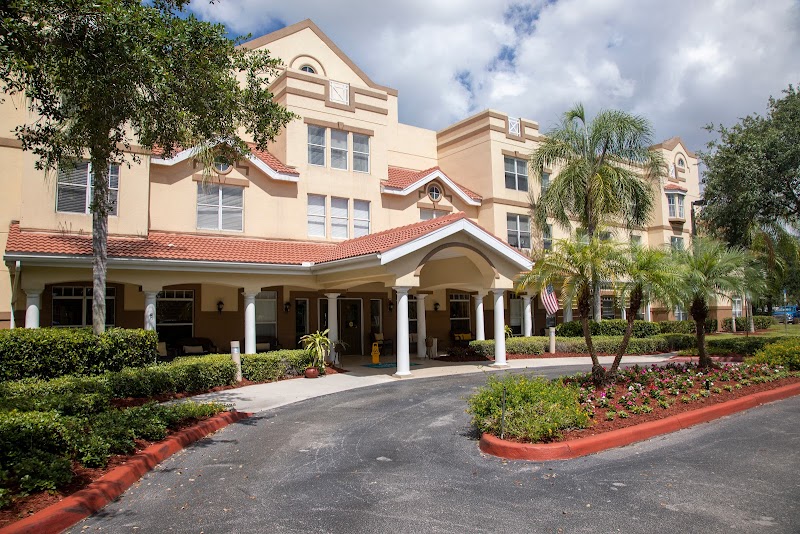
How is Adviniacare At Naples Staffed?

CMS rates ADVINIACARE AT NAPLES's staffing level at 4 out of 5 stars, which is above average compared to other nursing homes. Staff turnover is 40%, compared to the Florida average of 46%. This relatively stable workforce can support continuity of care. RN turnover specifically is 62%, which is notably high. RNs provide skilled clinical oversight, so turnover in this role can affect medical care quality.

What Have Inspectors Found at Adviniacare At Naples?

State health inspectors documented 17 deficiencies at ADVINIACARE AT NAPLES during 2021 to 2025. These included: 3 Immediate Jeopardy (the most serious level, indicating potential for serious harm or death), 4 that caused actual resident harm, and 10 with potential for harm. Immediate Jeopardy findings are rare and represent the most serious regulatory concerns. They require immediate corrective action.
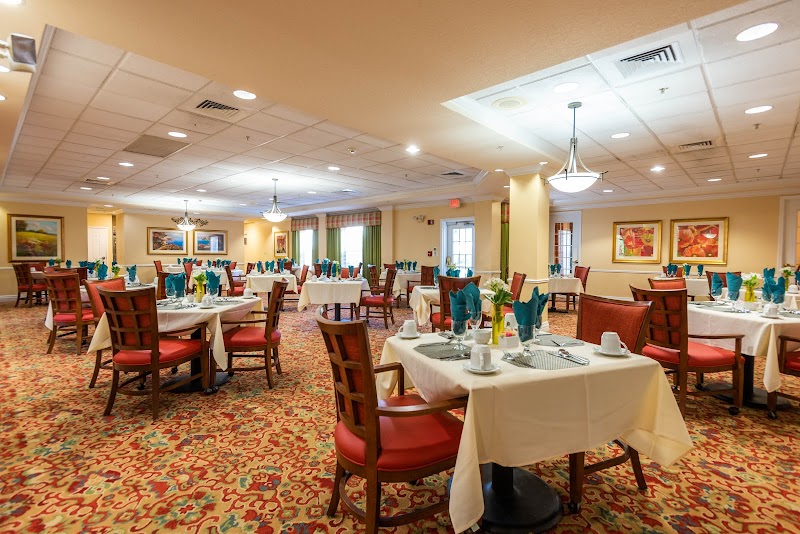
Who Owns and Operates Adviniacare At Naples?

ADVINIACARE AT NAPLES is owned by a for-profit company. For-profit facilities operate as businesses with obligations to shareholders or private owners. The facility is operated by ADVINIACARE, a chain that manages multiple nursing homes. With 40 certified beds and approximately 33 residents (about 82% occupancy), it is a smaller facility located in NAPLES, Florida.
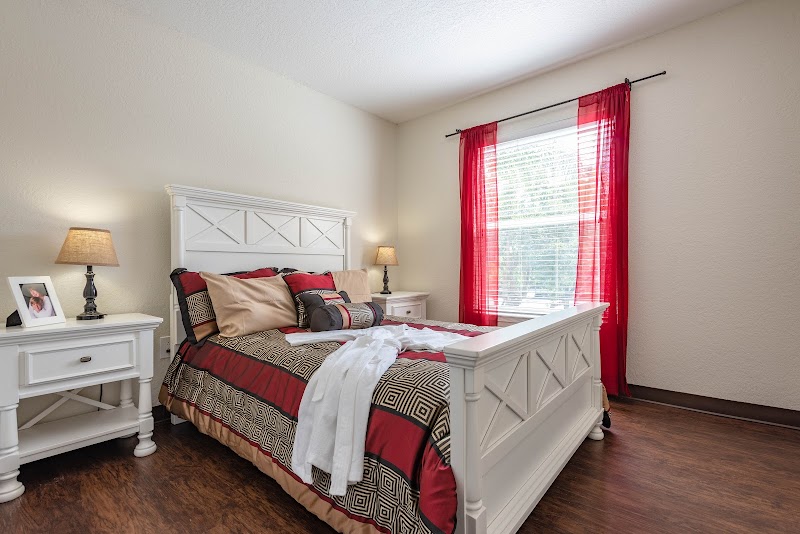
How Does Adviniacare At Naples Compare to Other Florida Nursing Homes?

Compared to the 100 nursing homes in Florida, ADVINIACARE AT NAPLES's overall rating (1 stars) is below the state average of 3.2, staff turnover (40%) is near the state average of 46%, and health inspection rating (1 stars) is much below the national benchmark.

What Should Families Ask When Visiting Adviniacare At Naples?

Based on this facility's data, families visiting should ask: "What changes have been made since the serious inspection findings, and how are you preventing similar issues?" "What safeguards and monitoring systems are in place to protect residents from abuse or neglect?" "Can I visit during a mealtime to observe dining assistance and food quality?" "How do you handle medical emergencies, and what is your hospital transfer rate?" These questions are particularly relevant given the facility's Immediate Jeopardy citations and the substantiated abuse finding on record.

Is Adviniacare At Naples Safe?

Based on CMS inspection data, ADVINIACARE AT NAPLES has documented safety concerns. The facility has 1 substantiated abuse finding (meaning confirmed case of resident harm by staff or other residents). Inspectors have issued 3 Immediate Jeopardy citations (the most serious violation level indicating risk of serious injury or death). The facility has a 1-star overall rating and ranks #100 of 100 nursing homes in Florida. Families considering this facility should ask detailed questions about what corrective actions have been taken since these incidents.

Do Nurses at Adviniacare At Naples Stick Around?

ADVINIACARE AT NAPLES has a staff turnover rate of 40%, which is about average for Florida nursing homes (state average: 46%). Moderate turnover is common in nursing homes, but families should still ask about staff tenure and how the facility maintains care continuity when employees leave.

Was Adviniacare At Naples Ever Fined?

ADVINIACARE AT NAPLES has been fined $231,990 across 3 penalty actions. This is 6.6x the Florida average of $35,399. Fines at this level are uncommon and typically indicate a pattern of serious deficiencies, repeated violations, or failure to correct problems promptly. CMS reserves penalties of this magnitude for facilities that pose significant, documented risk to resident health or safety. Families should request specific documentation of what issues led to these fines and what systemic changes have been implemented.

Is Adviniacare At Naples on Any Federal Watch List?

ADVINIACARE AT NAPLES is not on any federal watch list. The most significant is the Special Focus Facility (SFF) program, which identifies the bottom 1% of nursing homes nationally based on persistent, serious quality problems. Not being on this list means the facility has avoided the pattern of deficiencies that triggers enhanced federal oversight. This is a positive indicator, though families should still review the facility's inspection history directly.