NAPLES HEALTH AND REHABILITATION CENTER
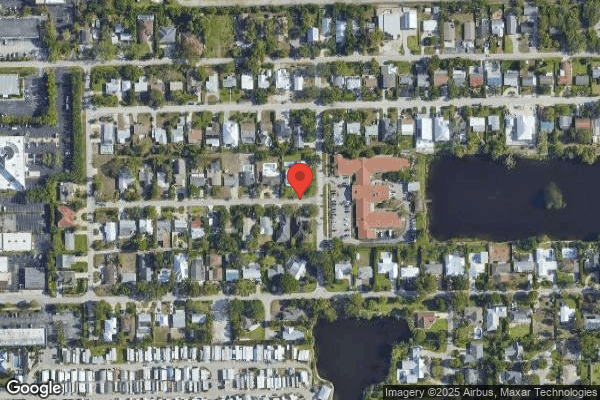
2900 12TH STREET N, NAPLES, FL 34103 (239) 261-2554
For profit - Limited Liability company 120 Beds SIMCHA HYMAN & NAFTALI ZANZIPER Data: November 2025 4 Immediate Jeopardy citations
Trust Grade
0/100
#651 of 690 in FL
Last Inspection: November 2023

Within standard 12-15 month inspection cycle. Federal law requires annual inspections.

Overview

Naples Health and Rehabilitation Center has received a Trust Grade of F, indicating poor performance with significant concerns about resident safety and care. It ranks #651 out of 690 facilities in Florida, placing it in the bottom half of all state facilities, and #10 out of 11 in Collier County, meaning there is only one better local option available. The trend is worsening, as the number of reported issues has increased from 2 in 2024 to 4 in 2025. Staffing is a relative strength, rated 4 out of 5 stars, with a 33% turnover rate that is below the state average, suggesting that staff members are familiar with the residents. However, the facility has faced concerning fines totaling $183,051, which is higher than 94% of other Florida facilities, indicating ongoing compliance problems. Serious incidents have occurred, including a critical case where a resident suffered spinal and pelvic fractures after falling from a mechanical lift during transfer, which was conducted by staff lacking proper training. This failure to ensure that staff were trained in the safe use of mechanical lifts created a dangerous environment that could lead to further accidents. Overall, while staffing may be a strong point, the numerous deficiencies and critical incidents raise serious concerns for families considering this facility for their loved ones.

Trust Score
F
0/100
In Florida
#651/690
Bottom 6%
Safety Record
High Risk
Review needed
Inspections
Getting Worse
2 → 4 violations
Staff Stability
○ Average
33% turnover. Near Florida's 48% average. Typical for the industry.
Penalties
✓ Good
$183,051 in fines. Lower than most Florida facilities. Relatively clean record.
Skilled Nurses
○ Average
Each resident gets 36 minutes of Registered Nurse (RN) attention daily — about average for Florida. RNs are the most trained staff who monitor for health changes.
Violations
⚠ Watch
42 deficiencies on record. Higher than average. Multiple issues found across inspections.
★☆☆☆☆
1.0
Overall Rating
★★★★☆
4.0
Staff Levels
★★★★☆
4.0
Care Quality
★☆☆☆☆
1.0
Inspection Score
Stable
2024: 2 issues
2025: 4 issues

The Good

  • 4-Star Staffing Rating · Above-average nurse staffing levels
  • 4-Star Quality Measures · Strong clinical quality outcomes
  • Full Sprinkler Coverage · Fire safety systems throughout facility
  • No fines on record
  • Staff turnover below average (33%)

    15 points below Florida average of 48%

Facility shows strength in staffing levels, quality measures, fire safety.

The Bad

1-Star Overall Rating

Below Florida average (3.2)

Significant quality concerns identified by CMS

Staff Turnover: 33%

13pts below Florida avg (46%)

Typical for the industry

Federal Fines: $183,051

Well above median ($33,413)

Significant penalties indicating serious issues

Chain: SIMCHA HYMAN & NAFTALI ZANZIPER

Part of a multi-facility chain

Ask about local staffing decisions and management

The Ugly 42 deficiencies on record

4 life-threatening 1 actual harm
May 2025 3 deficiencies
CONCERN (D) 📢 Someone Reported This

A family member, employee, or ombudsman was alarmed enough to file a formal complaint

Potential for Harm - no one hurt, but risky conditions existed

Grievances (Tag F0585)

Could have caused harm · This affected 1 resident

Based on record review and interview, the facility failed to demonstrate prompt efforts to address grievances, including steps taken to investigate the grievance and failed to maintain evidence of the...

Read full inspector narrative →
Based on record review and interview, the facility failed to demonstrate prompt efforts to address grievances, including steps taken to investigate the grievance and failed to maintain evidence of the result of the grievance voiced by the family member of 1 (Resident #1) of 3 residents reviewed for grievances. The findings included: Review of the facility policy titled Resident Right - Grievances, issued 11/7/2024 revealed, It is the policy of the facility to allow the resident and or legal representative to voice a grievance in such a manner to acknowledge and respect resident rights . The resident has the right to and the facility will make prompt efforts by the facility to resolve grievances the resident may have . All residents, staff, and visitors will have access to the professional designated to manage the Grievance Program, Grievance Officer. The grievance policy must include . Ensuring that all written grievance decisions include the date the grievance was received, a summary statement of the resident's grievance, the steps taken to investigate the grievance, a summary of the pertinent findings or conclusions regarding the residents concern(s), a statement as to whether the grievance was confirmed or not confirmed, any corrective action taken or to be taken by the facility as a result of the grievance, and the date the written decision was issued. On 5/29/25 at 10:07 a.m., in a telephone interview Resident #1's niece in-law said Resident #1 passed away at the facility on 3/11/25. She said she lives out of state. She spoke with several people at the facility and asked them to box and store Resident #1's belongings until she could pick them up in a few weeks. When she arrived on 3/27/25 to pick up the resident's ashes and belongings, the Social Worker (SW) handed her a small plastic bin. Many of Resident #1's belongings were missing. The SW took her to various closets, including Resident #1's former room to search for the missing items but nothing was found. She said the next day she called and spoke with the former interim Administrator who said he would look for the missing items and call her back. Resident #1's niece said the Administrator never called her back even after she left several phone messages. The niece said she did not have an inventory of Resident #1's belongings but really wanted his address book to contact his friends and a book he wrote his memories in. Review of Resident #1's clinical record failed to reveal an inventory list. There was no documentation in the clinical record of communication with Resident #1's family about the disposition of the resident's possessions. On 5/29/25 at 11:24 a.m., in an interview the Administrator said an inventory list is completed on admission. When new items come, the inventory list should be updated. She said sometimes family members bring in different items and they do not inform the facility. If a resident passes away, the belongings are kept for 30 days. The family is contacted to pick up the resident's possessions or let them know what to do with them. She said typically the Social worker is the Grievance Officer but the facility currently did not have a Social Worker (SW). On 5/29/25 at 2:15 p.m., in an interview the Corporate Traveling Director of Nursing (DON) said Resident #1's was admitted in 2019. They did not have an inventory list as they didn't own the company at that time. On 5/29/25 at 2:30 p.m., in an interview Licensed Practical Nurse (LPN) Staff A said she frequently worked with Resident #1. He had a lot of paperwork like journals. He had some bagged items, but she didn't know what they were. She said usually the Social Worker would gather the resident's belongings but she wasn't there when Resident #1 passed away. On 5/29/25 at 2:43 p.m., in an interview LPN Staff B said she frequently worked with Resident #1. He had a lot of papers in his room, and a tumbler cup he liked. There were some boxes in the closet, but she didn't know what was in them. She said she was not taking care of Resident #1 when he passed away but believed the SW packed up his belongings and called the family. On 5/29/25 at 2:55 p.m., in a telephone interview the former Social Worker (SW) said when he came back from vacation, he had a message from Resident #1's niece asking about his belongings. The SW said the nurses had packed the resident's belongings in a clear plastic tote and placed the tote in a closet used to store residents' belonging. He said he gave the clear plastic tote to Resident #1's niece when she came to collect the resident's belongings. The niece said some of Resident #1's possessions were missing. He notified the Interim Administrator. The niece also called and spoke with the Interim Administrator but he didn't know what happened from there. He said Resident #1 had a lot of stuff in his room, like a hoarder but he only had one clear tote to give to the niece. On 5/29/5 at 3:01 p.m., in a telephone interview the former interim Administrator said he believed Resident #1 passed before he started working at the facility. He said residents' belongings get bagged and stored in a designated area at the facility. He verified Resident #1's niece called and said some of his possessions were missing. He was not sure if anyone wrote a grievance but he told her to follow up with the Social Worker. He said he did not know what was given to the niece but staff told him all of Resident #1's belongings had been packed in bags. On 5/29/25, review of the facility's grievance log failed to reveal documentation of the grievance voiced by Resident #1's niece or steps taken to resolve it.
CONCERN (D) 📢 Someone Reported This

A family member, employee, or ombudsman was alarmed enough to file a formal complaint

Potential for Harm - no one hurt, but risky conditions existed

Deficiency F0602 (Tag F0602)

Could have caused harm · This affected 1 resident

Based on observation, interviews, and records review, the facility failed to identify, investigate and prevent misappropriation of physician prescribed medication for 1 (Resident #4) of 3 residents re...

Read full inspector narrative →
Based on observation, interviews, and records review, the facility failed to identify, investigate and prevent misappropriation of physician prescribed medication for 1 (Resident #4) of 3 residents reviewed. The findings included: Review of the facility policy titled, Abuse, Neglect, and Exploitation with a date reviewed/revised of 11/16/23 revealed, It is the policy of this facility to provide protections for the health, welfare and rights of each resident by developing and implementing written policies and procedures that prohibit . exploitation and misappropriation of resident property. Misappropriation of Resident Property means the deliberate misplacement, exploitation, or wrongful, temporary or permanent, use of a resident's belongings or money without the resident's consent. Review of the facility policy titled, Pharmacy Services with a date reviewed/revised of 4/17/23 revealed, The facility will provide pharmaceutical services to include procedures that assure the accurate acquiring, receiving, dispensing, and administering of all routine and emergency drugs . to meet the needs of each resident, are consistent with state and federal requirements, and reflect current standards of practice . Review of the clinical record revealed Resident #4 had an admission date of 1/2/25. Review of the physician's orders revealed an order dated 2/28/25 for Fioricet capsule 50-300-40 mg (Butalbital-Acetaminophen-Caffeine), 1 capsule by mouth every 8 hours as needed for headache/Migraine. On 5/29/25 at 2:51 p.m., in an interview Resident #4 said on 5/24/25 during the night, the nurse gave him a Fioricet and said there was no Fioricet left, he'd have to reorder from the pharmacy. Resident #4 said when he asked for a Fioricet on 5/25/25, the nurse told him the Fioricet had not been delivered yet. Resident #4 said he did not receive the Fioricet until 5/26/25 in the evening. Resident #4 said he was in so much pain he felt as though his head would explode. He said it was unacceptable, the facility knows he requires the medication for migraine headaches, and he did not like that someone was messing with his medication. Review of the grievance log revealed on 5/27/25 Resident #4 filed a Medication concern. The log noted, Medication ordered on 5/24 and received on 5/25 and medication is PRN (as needed). Review of the grievance report dated 5/27/25 revealed Resident #4 complained about not having his migraine medication for one day. The documentation of investigation and facility follow up noted the PRN migraine medication was ordered on 5/25 and received the same day. Review of the pharmacy Packing Slips revealed the pharmacy delivered 30 capsules of Fioricet on 5/14/25 for Resident #4. On 5/29/25 at 2:26 p.m., during a telephone interview, the pharmacy representative verified 30 capsules of Fioricet were delivered for Resident #4 on 5/14/25. Review of the Medication Administration Record (MAR) for May 2025 showed Resident #4 was administered a total of 11 capsules of Fioricet from 5/14/25 through 5/24/25, leaving 19 capsules of Fioricet unaccounted for. Resident #4 received one Fioricet on 5/24/25 at 2:26 a.m. The next dose was administered two days later, on 5/26/25 at 7:42 p.m. The pharmacy packing slips revealed on 5/26/25 at 5:50 p.m., the pharmacy delivered an additional 30 capsules of Fioricet. The MAR for May 2025 revealed Resident #4 received a total of 7 doses of Fioricet from 5/26/25 at 5:50 p.m., through 5/29/25 at 1:57 p.m. On 5/29/25 at 3:00 p.m., observation of the pharmacy package of Fioricet revealed 8 capsules of Fioricet had been removed from the package, leaving one capsule of Fioricet unaccounted for. On 5/29/25 at 3:07 p.m., in an interview Licensed Practical Nurse (LPN) Staff I said they were trying to get the Fioricet to be placed in the double locked drawer. On 5/29/25 at 3:37 p.m., an observation of the medication cart was done with the Director of Nursing (DON) and LPN Staff I. The DON verified no additional package of Fioricet was found in the medication cart for Resident #4. On 5/30/25 at 9:52 a.m., during a telephone interview the pharmacy consultant said Fioricet was not a controlled substance therefore not required to be double locked. She said she audits medications by pulling cards and checking expiration dates. She said she does not recall spot checking Resident #4's Fioricet medication. She said she did not know there was a problem until 5/29/25. She said one ingredient in Fioricet is Butalbital which is a barbiturate. On 5/30/25 at 1:26 p.m., in an interview the Corporate Traveling DON said she did not think anyone could truly determine what occurred with Resident #4's medication. She said it looked like a documentation error, and the nurses did not sign out the medication approximately 20 times.
CONCERN (E) 📢 Someone Reported This

A family member, employee, or ombudsman was alarmed enough to file a formal complaint

Potential for Harm - no one hurt, but risky conditions existed

ADL Care (Tag F0677)

Could have caused harm · This affected multiple residents

**NOTE- TERMS IN BRACKETS HAVE BEEN EDITED TO PROTECT CONFIDENTIALITY** Based on clinical record review, residents and staff interviews, the facility failed to ensure 3 (Residents #7, #8, and #3) of 3...

Read full inspector narrative →
**NOTE- TERMS IN BRACKETS HAVE BEEN EDITED TO PROTECT CONFIDENTIALITY** Based on clinical record review, residents and staff interviews, the facility failed to ensure 3 (Residents #7, #8, and #3) of 3 dependent residents reviewed received their scheduled showers. The findings included: 1. On 5/29/25 at 9:30 a.m., in an interview Resident #7 said she asks staff regularly for a shower but has only received one shower since her admission to the facility. She said once she refused a shower as she was already in bed for the night. Review of the clinical record revealed Resident #7 was admitted on [DATE]. The 5-Day Minimum Data Set (MDS) assessment with a target date of 5/21/25 revealed Resident #7 scored 12 on the Brief Interview for mental status (BIMS), indicative of moderate cognitive impairment. Diagnoses included weakness and history of falling. The MDS assessment revealed Resident #7 required partial assistance with bathing and showers and did not reject care. Review of the shower schedule revealed Resident #7 was scheduled for a shower on the evening shift on Monday and Thursday. Review of the Certified Nursing Assistant (CNA) bathing task documentation for Resident #7 revealed: On 5/15/25 at 9:59 p.m., 5/19/25 at 11:41 a.m., and 5/22/25 at 9:59 p.m., Not Applicable was documented for the scheduled shower. On 5/19/25 at 6:27 p.m., and 5/29/25 at 1:20 p.m., a bed bath was documented. On 5/26/25 at 9:59 p.m., Resident refused was checked off. On 5/30/25 at 10:54 a.m. CNA Staff E said Resident #7 refuses showers when she offers them. The progress notes revealed no documentation that Resident #7 refused a shower. 2. Review of the clinical record revealed Resident #8 was admitted on [DATE]. Review of the physician note dated 4/25/25 at 5:23 p.m., revealed Resident #8 had a wound vac in place (a medical device that uses negative pressure wound therapy to help heal difficult or slow-healing wounds.) Review of the 5-day MDS assessment dated 5/5 25 revealed diagnoses of digestive system surgery, perforation of the intestine, and need for assistance with personal care. The MDS revealed Resident #8 required maximum assistance with bathing and showers and did not reject care. Review of the shower schedule revealed Resident #8's showers were on Tuesdays and Fridays. Review of the ADL care plan dated 5/8/25 revealed Resident #8 preferred a bed bath twice a week. The CNA [NAME] (provides instructions for safe care) documented to give a bed bath twice a week. Review of the CNA Task documentation from 4/30/25 through 5/29/25 revealed Resident #8 received bed baths. On 5/29/25 at 5:32 p.m., in an interview Resident #8 said he took showers his whole life and wondered why no one offered him a shower. He said he did not tell the nurse he preferred bed baths. On 5/29/25 at 5:35 p.m., in an interview the MDS Coordinator RN Staff C said she documented in the ADL care plan that Resident #8 preferred bed baths. She said she obtained the information from the nursing admission assessment. She did not ask Resident #8 if he wanted a shower. On 5/29/25 at 6:10 p.m., in an interview Licensed Practical Nurse (LPN) Staff D said she documented in the admission assessment for Resident #8 to receive bed baths because of the abdominal surgery and the wound vac. She said she did not ask the resident if he wanted a shower. On 5/29/25 at 6:17 p.m., in an interview the Director of Nursing said the wound vac was discontinued on 5/14/25 and the resident's abdominal wound was healed on 5/18/25. The DON said the resident could have started receiving showers after 5/18/25 if the resident wanted one. The DON said he did not know the resident did not receive a shower. On 5/30/25 at 11:38 a.m., in an interview the Regional Director of Nursing said Resident #8 had an open wound and a wound vac that prohibited a shower. He said, There are no odors here and the residents are being taken care of. 3. Review of the clinical record for Resident #3 revealed an admission date of 5/23/25. The Nursing admission Evaluation dated 5/23/25 noted: Bath was documented for preference and choices for question, What type of bathing would you prefer? (Example- shower, bed bath, etc.), and Twice a week was documented for question, How often do you want to have your shower/ bath/ etc during your stay. The admission MDS assessment with a target date of 5/28/25 revealed Resident #3 scored 15 on the Brief Interview for Mental Status, indicating intact cognition. Diagnoses included fusion of cervical spine, opioid dependence, and diabetes. The MDS noted Resident #3 required substantial/maximal assistance with shower/bathing. The resident's interview for daily preferences revealed it was very important for the resident to choose between a tub bath, shower, bed bath or sponge bath. On 5/29/25 at 12:13 p.m., in an interview Resident #3 said he has not received a shower since his admission. He said he usually showers every day. He begged for a shower, his hair has not been washed in 2 weeks. Review of the shower schedule revealed Resident #3's showers were scheduled for Tuesdays and Fridays. Review of the CNA documentation from 5/24/25 through 5/29/25 revealed Resident #3 received a bed bath on 5/24/25, 5/25/25, 5/26/25, 5/27/25 and 5/29/25. There was no documentation the resident received or refused the scheduled showers. On 5/30/25 at 10:54 a.m., in an interview Certified Nursing Assistant (CNA) Staff E said when a resident refuses a shower you document it in the CNA tasks and report to the nurse. On 5/30/25 at 11:11 a.m., in an interview CNA Staff F said if a resident refuses a shower, you report it to the nurse and document it in the CNA tasks. On 5/30/25 at 11:14 a.m., in an interview CNA Staff G said when a resident refuses a shower you report to the nurse and document in the record. On 5/30/25 at 11:18 a.m., in an interview CNA Staff H said you tell the nurse and document in the record whenever a resident refuses a shower.
Apr 2025 1 deficiency
CONCERN (D) 📢 Someone Reported This

A family member, employee, or ombudsman was alarmed enough to file a formal complaint

Potential for Harm - no one hurt, but risky conditions existed

Deficiency F0604 (Tag F0604)

Could have caused harm · This affected 1 resident

**NOTE- TERMS IN BRACKETS HAVE BEEN EDITED TO PROTECT CONFIDENTIALITY** Based on record review and staff interviews the facility failed to protect residents' right to be free from physical restraint f...

Read full inspector narrative →
**NOTE- TERMS IN BRACKETS HAVE BEEN EDITED TO PROTECT CONFIDENTIALITY** Based on record review and staff interviews the facility failed to protect residents' right to be free from physical restraint for 1 (Resident #1) of 1 resident reviewed for restraints. The findings included: Review of the clinical record revealed Resident #1 was re-admitted to the facility on [DATE]. Diagnoses included Traumatic Subdural Hemorrhage (bleeding in the brain), Aphasia (language disorder affecting ability to speak) following Cerebral Infarction, and muscle weakness. The admission Minimum Data Set (MDS) assessment with a target date of 11/12/24 noted the resident's cognition was severely impaired with a Brief Interview for Mental Status score of 05. Review of the facility's incident investigations revealed on 11/25/24 at 7:45 a.m., the Director of Rehab reported to the Administrator when the Certified Occupational Therapist Assistant (COTA) went to get Resident #1 for therapy, she found the resident in his room, in his wheelchair with a sitter. The resident had a gait belt around his abdomen and secured to the back of the wheelchair. The resident was assessed and there were no injuries. The investigation noted Resident #1's sitter said in an interview that she was assigned to provide one to one supervision to Resident #1 during the alleged incident. She said she had been assigned to the resident for a double shift starting at 10:00 p.m. She said Resident #1 for up at around 5:00 a.m. Resident #1 kept getting up. The therapist came by and said she would be right back to bring the resident to therapy. The sitter said she put the gait belt on because Resident #1 kept getting up. She said she was holding onto the gait belt with the resident in the wheelchair waiting for the therapist to return. It was only a few seconds and she did not attach the gait belt to the wheelchair. The investigation noted the COTA said when she went to get the resident for therapy, she saw the gait belt around the resident's abdomen and attached to the wheelchair. It wasn't tight to cause injury but secured to keep the resident in the chair. The facility's conclusion noted Resident #1 kept getting up and the sitter used the gait belt to keep the resident from getting up until therapy returned. On 4/10/2025 at 10:50 a.m., in an interview the Social Services Director said he has been at employed at the facility for about three years. He could not remember exactly what the resident said but he assisted in conducting interviews with other residents. He said all staff were educated on abuse and neglect training. He said he has never seen a staff member restrain a resident and would report to a supervisor if he did. On 4/10/2025 at 11:15 a.m., in an interview Occupational Therapy Assistant Staff A said on 11/25/24 when she went into Resident #1's room for therapy she noticed the gait belt was wrapped around Resident #1 and the wheelchair. His caregiver was in the room next to him. She reported it to her Supervisor immediately. She said the resident was fine with no injuries. She said she removed the gait belt. She said the belt was around the residents waist to the back of wheelchair. She said she has never seen any other resident restrained and if she did she knew what to do. On 4/10/2025 at 11:20 a.m., in an interview Sitter Staff B said she has worked for the facility since 2001. She said she remembers Resident #1 and was working as a sitter for him on the day in question. She said Resident #1 was trying to jump out of bed and she put him in wheelchair and put gait belt around him but did not fasten it. She said she was just holding it to keep him from falling out of the wheelchair. She said the therapy lady said she was coming to get the patient and she forgot to remove the belt. She said she had never seen the gait belt in the room before that day. She said she was sent home while there was an investigation. She said she has since had training for abuse and neglect and not to use gait belt anymore. She now works only in dietary. She said she has never seen any resident restrained but if she did she would report it.
Aug 2024 1 deficiency
CONCERN (E) 📢 Someone Reported This

A family member, employee, or ombudsman was alarmed enough to file a formal complaint

Potential for Harm - no one hurt, but risky conditions existed

ADL Care (Tag F0677)

Could have caused harm · This affected multiple residents

Based on observation, review of facility policy and procedure, review of the clinical record and resident and staff interview, the facility failed to provide the necessary care and services to maintai...

Read full inspector narrative →
Based on observation, review of facility policy and procedure, review of the clinical record and resident and staff interview, the facility failed to provide the necessary care and services to maintain personal hygiene for 3 (Resident # 899, #800 and #7) of 3 residents reviewed for ADL's (activities of daily living). The findings included: The facility policy Activities of Daily Living (ADL's) implemented 11/2020 (revised 11/22/21) documented Residents who are unable to carry out activities of daily living independently will receive the necessary services to maintain good nutrition, grooming and personal and oral hygiene. 1. Review of the clinical record revealed Resident #899 had a readmission date of 5/5/24 with diagnoses including cerebral palsy, contracture of hands and left leg, and muscle wasting. The Quarterly Minimum Data Set (MDS) (standardized assessment tool that measures health status in nursing home residents) dated of 5/10/24 documented the resident was dependent on staff assistance for personal hygiene, dressing and bathing. The MDS noted Resident #899's cognitive skills for daily decision making were intact. The care plan initiated on 4/18/24 noted Resident #899 had an ADL self-care deficit due to cerebral palsy, weakness and contractures. The goal for Resident #899 was to have bathing, grooming, toileting, and ADL needs met with assistance from staff through next review. On 8/7/24 at 10:15 a.m., during observation and interview Resident #899 was observed in his room in bed. He was unshaven with approximately four days of facial hair growth. He said no one had shaved him in days and he was not receiving his scheduled showers. Resident #899 said he did not like facial hair, would like to be shaved and showered. He said had not received oral care in a week or so and when they do brush his teeth, they do it very quickly and harsh. Resident #899 said he was incontinent. He said he gets up and spends five hours sitting in his wheelchair every day. He said no one changes his incontinent briefs when he's up in the wheelchair for five hours. On 8/7/24 at 10:00 a.m., in an interview Certified Nursing Assistant (CNA) Staff A said Resident #899 required the use of a mechanical lift for transfers and the assistance of two for turning and incontinent care. Staff A said Resident #899 refuses showers. When asked about incontinent care, Staff A declined to say how often she provided incontinent care to the resident. On 8/7/24 at 10:45 a.m., in an interview Licensed Practical Nurse (LPN) Staff B said staff are supposed to toilet residents every two hours and when they request it. Staff B said, I know sometimes he refuses showers; we document it. On 8/7/24 at 12:20 p.m., in an interview Registered Nurse (RN) Unit Manager Staff D said, Resident #899 refuses showers all the time. He said he does not want any water on his ears so she offered him a shower cap. They told him they could wash his hair in the sink and shower him and he refused. Staff D said they have had multiple care plan meetings with Resident #899 and his representatives and he refuses to be shaved. Staff D said Resident #899's showers are scheduled on Tuesdays and Fridays during the 7:00 a.m., to 3:00 p.m. shift. She said Resident #899 has had issues with staff and refused care from at least six Certified Nursing Assistants (CNAs). He will call them names and curse at them. She said she has told the CNAs repeatedly to document when a resident refuses care and find out the reason for the refusal. Review of the CNA documentation for June 2024 and July 2024 showed Resident #899 received a bed bath on 6/4/24, 6/7/24, 6/11/24, 6/14/24, 6/18/24, 7/2/24, 7/5/24, 7/19/24 and 7/26/24 in place of the scheduled shower. On 7/12/24 N/A (Not applicable) was entered for the shower. On 6/21/24, 7/16/24, 7/23/24 and 7/30/24, no documentation was entered for showers. There was no documentation in the CNA charting or nursing notes indicating the resident had refused the scheduled showers. The clinical record lacked documentation personal hygiene was provided on 6/16/24, 6/19/24, 6/21/24, 6/22/24, 6/24/24, 7/1/24, 7/16/24, 7/20/24. 7/23/24, 7/24/24, 7/25/24, 7/28/24 and 7/30/24 during the day shift (7:00 a.m., to 3:00 p.m.), or on 6/8/24, 6/16/24, 6/18/24 and 6/30/34 during the evening shift (3:00 p.m., to 11:00 p.m.). 2. Review of the clinical record revealed Resident #800 had an admission date of 6/25/23 with diagnoses including chronic kidney disease stage 3, type 2 diabetes and muscle weakness. The care plan initiated on 5/26/23 and revised on 12/13/23 documented the resident was at risk for decreased ability to perform ADLS in bathing, grooming, personal hygiene, dressing, eating, bed mobility, transfer, locomotion and toileting related to impaired mobility. The interventions noted Resident #800 prefers a shower and, Assist of 1 staff with bathing. On 8/8/24 at 9:45 a.m., in an interview Resident #800 said, Sometimes I don't get my showers, I don't know why but I never complained about it. I don't complain about anything ask anybody they will tell you. On 8/8/24 at 11:00 a.m., CNA Staff C was observed dressing Resident #800 to get her out of bed. In an interview during the observation, Staff C said sometimes Resident #800 doesn't want the shower. She likes to stay outside and smoke all day. She never refuses care and never complains about anything. CNA Staff C said, Sometimes it is just easier to give her a bed bath so she can get outside and smoke. Review of the CNA documentation revealed Resident #800's preferred showers. The showers were scheduled on Wednesdays and Saturdays during the 7:00 a.m., to 3:00 p.m., shift. The CNA documentation for June 2024, and July 2024 revealed on 6/1/24, 6/5/24, 6/8/24, 6/12/24, 6/15/24, 6/19/24, 6/22/24, 6/26/24, 6/29/24, 7/3/24, 7/6/24, 7/10/24, 7/13/24, 7/17/24, 7/20/24, 7/24/24 and 7/31/24 Resident #800 received a bed bath in lieu of the scheduled shower. On 7/27/24 no documentation was entered for the scheduled shower. The clinical record lacked documentation Resident #800 refused showers or requested a bed bath on 6/1/24, 6/5/24, 6/8/24, 6/12/24, 6/15/24, 6/19/24, 6/22/24, 6/26/24, 6/29/24, 7/3/24, 7/6/24, 7/10/24, 7/13/24, 7/17/24, 7/20/24, 7/24/24 and 7/31/24. 3. Review of the clinical record revealed Resident #7 had an admission date 3/17/23. Diagnoses included chronic back pain, anxiety and multiple sclerosis. The care plan initiated on 4/26/23 and revised on 5/25/23 documented Resident #7 was at risk for decreased ability to perform ADLS in bathing, grooming, personal hygiene, dressing, eating, bed mobility, transfer, locomotion and toileting related to multiple sclerosis and pain. The care plan interventions noted Resident #7 preferred showers and, Assist of 1 with bathing. On 8/8/24 at 10:20 a.m., in an interview Resident #7 said, I have no complaints here except for showers not being given. I'm lucky I have my motorized chair and once they get me in it, I can go to the bathroom sink and wash up. Resident #7 said, Would I like to be showered, hell yes. Bathing at the sink can only do so much, I need a good washing. Review of the CNA shower schedule showed Resident #7 was scheduled for showers on Mondays and Thursdays during the 7:00 a.m., to 3:00 p.m., shift. Review of the CNA documentation for June 2024, and July 2024 showed Resident #7 received a bed bath on 6/3/24, 6/6/24, 6/10/24, 6/20/24, 6/24/24, 6/27/24, 7/1/24, 7/4/24, 7/8/24, 7/11/24, 7/15/24, 7/18/24, 7/25/24 and 7/28/24 in place of her scheduled showers. On 6/13/24 and 7/1/24, no documentation was entered for the scheduled showers. On 8/8/24 at 11:15 a.m., in an interview Licensed Practical Nurse (LPN) Staff E said the CNAs are to go back and try different times to encourage the residents to shower. If the resident continues to refuse, then they'll document it. There was no documentation in Resident #7's clinical record indicating the resident had refused the scheduled showers or requested bed baths instead of the showers.
Mar 2024 1 deficiency 1 Harm
SERIOUS (G) 📢 Someone Reported This

A family member, employee, or ombudsman was alarmed enough to file a formal complaint

Actual Harm - a resident was hurt due to facility failures

Deficiency F0849 (Tag F0849)

A resident was harmed · This affected 1 resident

**NOTE- TERMS IN BRACKETS HAVE BEEN EDITED TO PROTECT CONFIDENTIALITY** Based on observation, record review, staff and family interview, the facility failed to establish a communication process betwee...

Read full inspector narrative →
**NOTE- TERMS IN BRACKETS HAVE BEEN EDITED TO PROTECT CONFIDENTIALITY** Based on observation, record review, staff and family interview, the facility failed to establish a communication process between the nursing facility, the hospice provider, and the responsible party to ensure the resident needs are met for 1 resident (#1) of 3 residents reviewed who are currently receiving hospice services. Hospice is a specialized form of medical care that provides comfort and quality of life while facing a life limiting or terminal condition. Coordination of care between facility services and Hospice services is vital to ensure the highest level of comfort and care during the end of life. The Findings Included: Coordination of Hospice Services Policy implemented 11/4/2020, Reviewed 11/29/2022, said, the facility will coordinate and provide care in cooperation with hospice staff in order to promote the residents highest practicable physical, mental, and psychosocial well-being. Policy Explanation and Compliance Guidelines included: 1. The facility maintains written agreements with hospice providers that specify the care and services to be provided and the process for hospice and nursing home communication of necessary information regarding the resident's care. 2. The facility and hospice provider will coordinate a plan of care and will implement interventions in accordance with the residents needs, goals, and recognized standards of practice in consultation with the resident's attending physician/practitioner and resident's representative . 3. The facility will communicate with the hospice and identify, communicate, follow, and document all interventions put into place by hospice and the facility. 4. The facility will immediately contact and communicate with the hospice staff, attending physician/practitioner and the family resident representative regarding any significant changes in the resident's status, clinical complications, or emergent situation. On 3/27/24, a review of Resident #1's medical record revealed Resident #1 was admitted to hospice services on10/23/23 for the diagnosis of End Stage Cerebral Atherosclerosis. Resident #1 was admitted to the facility on [DATE]. On 2/20/24, Resident #1 fell out of bed. An X-ray was completed showing a femur (upper leg) fracture. Resident #1 was sent to the emergency room and returned the same day with a leg immobilizer after consulting with the emergency room physician and decided for comfort measures and conservative treatment. On 3/27/24 at 12:34 p.m., during an interview the Unit Manager said the nurse will enter a progress note in the electronic health record when hospice provides any updates. Ultimately the facility nurse is responsible for that patient. I was told during a routine skin assessment she had developed a small wound and the bone was sticking out on 3/6/24. My first call to hospice related to the exposed bone was on 3/13/24. I did not call the primary physician or the Nurse Practitioner and tell them the bone was sticking out. I did not call the family at any point about the resident having pain or a bone sticking out of her leg. That call would have been done by the primary nurse taking care of her. On 3/27/24 at 2:33 p.m., Resident #1's Responsible Party/Power of Attorney (POA) said, When she fell and fractured her leg, the facility did not call me. They told my wife the next day when she came to visit the facility. The Responsible Party said Resident #1 developed a wound which became infected. She was being moved to inpatient hospice because of the pain. The inpatient hospice called and told us they were sending her to the hospital. That was the first I heard about the bone sticking out. The doctor called and said the only appropriate action is to amputate because the bone was dead. She was discharged to inpatient hospice and passed away on March 23rd, 2024. On 3/27/24 at 2:50 p.m., Staff A, Registered Nurse (RN) said, I called hospice and asked them about her pain and activity. I did the dressing on her leg, there was not so much drainage, and she was started on antibiotics. Staff B, Licensed Practical Nurse (LPN) found the bone and he should have contacted everyone. They were supposed to discuss it with the hospice doctor. I didn't call the family. On 3/27/24 at 3:05 p.m., the facility wound care nurse said she became aware of the exposed bone and wound during the weekly skin check on 3/6/24 with the Nurse Practitioner. The facility wound care nurse said, I didn't speak with the family or responsible party. On 3/27/24 at 3:17 p.m., the Administrator verified Resident #1 had a piece of bone come through the skin on 3/6/24. The administrator said the normal procedure would be for the assigned nurse to call the responsible party when the wound developed, and the bone was exposed. The Administrator said, I am the risk manager, but I personally don't make notifications to the family. The Administrator said the Director of Nursing said on 3/13/24 Resident #1 was not someone we could provide care for and suggested transfer to either the hospital or inpatient hospice for continued care. The unit manager contacted the hospice on 3/13/24 and Resident #1 was transferred to inpatient hospice. The hospice manager contacted the family and they agreed to have Resident #1 transferred to inpatient hospice. On 3/27/24 at 4:00 p.m., Resident #1's friend/ spouse of POA said, They never called and told us anything about the bone sticking out. The spouse of POA confirmed the transport company took Resident #1 to inpatient hospice but discovered the exposed bone and notified the hospice provider. Hospice did not accept Resident #1 for inpatient services and they called 911 for her to be sent to the hospital. The hospital surgeon called us and explained the bone was dead, there was infection and the leg needed to be amputated or she would die. The facility never called about the infected wound, or exposed bone and the hospice nurse never called. POA spouse said, I had one meeting with a social worker and nurse when she was admitted to the nursing home and hospice did not come to the meeting. We would have wanted to know what was happening. On 3/27/24 at 4:10 p.m., Staff B, LPN said in a telephone interview he was aware the bone was sticking out and gave report to the oncoming shift that hospice was called and would be out to assess the increased pain. LPN Staff B said when a resident is under hospice care we call them with any changes, and they notify the family or responsible party. On 3/27/24 at 4:20 p.m., during an interview the Director of Nursing said she returned from leave on 3/13/24 and was informed the bone was protruding for Resident #1. We called hospice and explained the concerns about the bone and wound. They said they contacted the hospice doctor who recommended consulting the family. My understanding was they talked about it and decided no aggressive treatment and she was transferred to hospice. On 3/28/24 at 8:10 a.m., the Hospice manager said the unit manager called and reported increased pain and requested the resident be sent to inpatient hospice. The hospice manger confirmed the facility did not talk to the family about having the resident moved saying, They should have. They are the primary caretaker of the patient; they need to let the family and hospice know but they said no they called us first. They did not explain why she had so much pain. When she arrived at the inpatient unit, we found the bone sticking out, I took pictures. If they had let us know we would have told them to call 911 because that is a medical emergency. Even if she was on hospice, that was an emergency and she needed to be seen in the hospital. We did not know about the bone. Hospice manager said they had talked to the unit manager who said the transfer was for pain management and never said anything about the bone. On 3/28/24 at 8:55 a.m., the facility social worker confirmed he had not had any conversations with the responsible parties for Resident #1 after the initial care plan meeting. On 3/28/24 at 9:06 a.m., during a telephone interview the medical director verified Resident #1 was her patient. The Medical Director said the Nurse Practitioner (N)P informed me and hospice about the bone being exposed. Hospice saw the patient first and opted to do conservative management. I believed my NP, or the nursing staff talked with the family about a plan and options. I assumed hospice had talked with the family, but I should have reached out to confirm with them myself. The NP initially wanted to send the Resident #1 to the hospital, but the nursing staff told her hospice decided on conservative treatment. On 3/28/24 at 1:00 p.m., the NP said, I knew she was on hospice. When she fell, I sent her to the hospital. The nursing staff told me about the wound and bone the next day when I arrived on 3/7/24. My recommendation to Staff nurse B was to contact the family and the hospice for re-evaluation. I knew their preference was for conservative treatment but I did not call them after the bone came through the skin.
Nov 2023 12 deficiencies
CONCERN (D)

Potential for Harm - no one hurt, but risky conditions existed

Deficiency F0583 (Tag F0583)

Could have caused harm · This affected 1 resident

Based on observation, review of facility policy and procedures, staff and resident interviews, the facility failed to protect the resident's right to privacy during medical treatment for 1(Resident #2...

Read full inspector narrative →
Based on observation, review of facility policy and procedures, staff and resident interviews, the facility failed to protect the resident's right to privacy during medical treatment for 1(Resident #249) of 2 residents observed. The findings included: The facility policy Blood Glucose Monitoring (revised 1/2022) documented, It is the policy of this facility to perform glucose monitoring to diabetic residents as per physician's orders. The policy procedure instructed to provide privacy. On 11/28/23 at 8:57 a.m., Licensed Practical Nurse (LPN) Staff G was observed in the hallway on the South Nursing Unit obtaining a blood sample via fingerstick for blood glucose monitoring for Resident #249. The procedure was clearly visible to a hospice nurse, facility staff and other residents observed in the hallway. Resident #249 had his head down and appeared uncomfortable during the observation. On 11/28/23 at 9:00 a.m., in an interview, LPN Staff G said she was from a staffing agency and did not know she was supposed to provide privacy to the resident for blood glucose monitoring. She said, ok, I didn't know. On 11/28/23 at 10:20 a.m., in an interview Resident #249 said he felt a little funny having his blood sugar monitoring in the hallway but, they do it all the time. They don't care who is around. They are supposed to bring me to my room, but they don't do that. On 11/29/23 at 8:30 a.m., in an interview the Director of Nursing (DON) said the expectation for nurses obtaining blood glucose monitoring, was to complete the task in the resident's room and not in the hallway. The DON said there was an instruction binder located in the education room that agency staff have access to. The DON said there was not a binder at each nursing station. The DON said, most of our agency staff are not new and have worked here before and we educate them. The DON said there was nothing specific in the binder regarding a resident's right to privacy, and not providing care in the hallway. The DON confirmed he had no documentation LPN Staff G had received education on facility's policies and procedure.
CONCERN (D) 📢 Someone Reported This

A family member, employee, or ombudsman was alarmed enough to file a formal complaint

Potential for Harm - no one hurt, but risky conditions existed

Safe Environment (Tag F0584)

Could have caused harm · This affected 1 resident

**NOTE- TERMS IN BRACKETS HAVE BEEN EDITED TO PROTECT CONFIDENTIALITY** Based on observation and staff interview the facility failed to provide maintenance and housekeeping services to maintain a clea...

Read full inspector narrative →
**NOTE- TERMS IN BRACKETS HAVE BEEN EDITED TO PROTECT CONFIDENTIALITY** Based on observation and staff interview the facility failed to provide maintenance and housekeeping services to maintain a clean and homelike environment in 4 (Rooms 136, 138, 148, and 149) of 12 rooms observed on the South Unit. The findings included: On 11/27/23 at 10:00 a.m., during an initial tour of the South Unit, the following was observed: room [ROOM NUMBER] A: The top drawer of the nightstand was broken. The floor next to the nightstand was littered with multiple personal items, soda bottles and plastic bags. The privacy curtain was stained and soiled with black and brown grime. Photographic evidence obtained. room [ROOM NUMBER] A: The paint on the wall behind the bed was peeling, exposing the dry wall. Photographic evidence obtained. room [ROOM NUMBER] A: The bed was made with a torn blanket. Photographic evidence obtained. room [ROOM NUMBER] B: The privacy curtain had multiple large brown stains. Photographic evidence obtained. On 11/29/23 at 8:43 a.m., during a joint observation, the Maintenance Director verified the broken nightstand and the soiled privacy curtain in room [ROOM NUMBER] A. On 11/29/23 at 9:50 a.m., during a joint tour of the South Unit with the Housekeeping Supervisor she verified the privacy curtains in rooms 136 A and 149 A were dirty and stained, and the torn blanket in room [ROOM NUMBER] A. The Housekeeping Supervisor said the privacy curtains are cleaned weekly. She provided a cleaning schedule but no documentation the privacy curtains were cleaned. On 11/30/23 at 9:44 a.m., the privacy curtains in rooms 136 A, and 149 A remained dirty and stained.
CONCERN (D)

Potential for Harm - no one hurt, but risky conditions existed

ADL Care (Tag F0677)

Could have caused harm · This affected 1 resident

Based on observation, review of the clinical record, review of facility policies and procedures, and resident and staff interviews the facility failed to provide the necessary care and services to mai...

Read full inspector narrative →
Based on observation, review of the clinical record, review of facility policies and procedures, and resident and staff interviews the facility failed to provide the necessary care and services to maintain personal hygiene and bathing for 3 (Residents #1, #9 and #249) of 10 residents reviewed for activities of daily living. The findings included: The facility policy Activities of Daily Living ADL's) revised (11/29/22) documented The facility will, based on the resident's comprehensive assessment and consistent with the residents needs and choices, ensure a residence abilities and ADL's do not deteriorate unless deterioration is unavoidable. A resident who is unable to carry out activities of daily living will receive the necessary services to maintain good nutrition, grooming and personal and oral hygiene. The facility policy Resident Showers documented It is the practice of this facility to assist residents with bathing to maintain proper hygiene stimulate circulation and help prevent skin issues as per current standards of practice as resident request allows tolerates or agrees. 1. Review of the clinical record revealed Resident #1 had a readmission date of 11/14/23 with diagnoses including hemiparesis (weakness of one side of the body) following cerebral infarction affecting the left side. The Annual Minimum Data Set (MDS) (standardized assessment tool that measures health status in nursing home residents) with an assessment reference date of 9/12/23 documented Resident #1 required extensive assistance of one person for personal hygiene, dressing and bathing. The MDS noted Resident #1's cognitive skills for daily decision making were intact. The plan of care revised on 4/13/23 identified Resident #1 had limited abilities for self-care. On 11/27/23 at 10:03 a.m., in an interview and observation, Resident #1 said the staff do not shower him and do not brush his teeth. Resident #1 smiled to show the food and debris on his teeth. His tongue was coated white. His fingernails were long, extending approximately 1/2 inch from the base with a brown substance under the nail beds. He said, The staff do not always assist me, and the agency staff are worse. On 11/28/23 at 9:24 a.m., Resident #1 said, I did not get my teeth brushed yesterday and I did not get a shower. I did not get shaved. Resident #1 had approximately two days of facial hair growth. His left hand was contracted at the wrist and the upper portion of his fingers on the left hand were contracted. Resident #1 had a strong odor of urine on his person. Review of the Certified Nursing Assistant (CNA) shower scheduled revealed Resident #1 was scheduled for showers on the 3-11 shift every Wednesday and Saturday. Review of the CNA documentation through November 28, 2023, showed Resident #1 did not receive his scheduled shower on 11/1/23, 11/4/23, 11/8/23, 11/15/23, and 11/22/23. The CNA documentation specified Resident #1 was to receive oral care each shift. The documentation showed in the last 28 days over 3 shifts with 84 opportunities Resident #1 received oral care 22 times. Review of the progress notes showed no documentation Resident #1 had refused showers or oral care. On 11/30/23 at 10:26 a.m., in an interview CNA Staff F said, I know my residents because I have been working a long time here. Resident #1 has uncontrolled movements because of his disease. When he has them, he does not want a shower, so I give a bed bath and I tell my supervisor. I will give him a shower the next day if he wants to take one. I know him very well because I am with him every day, this is my assignment. If a resident refuses a shower I tell the nurse. 2. Review of the clinical record revealed Resident #9 had an admission date of 12/10/21 with diagnoses including dementia, anxiety, major depressive disorder and chronic obstructive pulmonary disease. The Quarterly MDS with an assessment reference date of 9/1/23 documented Resident #9 required limited assistance of one person for personal hygiene, dressing and bathing. The MDS noted Resident #9's cognitive skills for daily decision making were intact. The plan of care initiated on 12/13/21 identified Resident #9 was at risk for decreased ability to perform ADLS in bathing, grooming, personal hygiene and dressing related to chronic disease process and impaired mobility. On 11/27/23 at 11:17 a.m., Resident #9 was observed in his room in bed. He had a pungent body odor. The room had a strong urine odor. The resident said he was not receiving showers and did not receive the assistance he needed with his care. He was unshaven with about three days growth; his fingernails had a brown substance under the nail beds. Resident #9 appeared unkempt, and his hair was not combed. On 11/28/23 at 9:00 a.m., Resident #9 was in his bed dressed in the same clothing as the prior day. Resident #9 said no one had assisted him or showered him. Resident #9 had a strong, unpleasant body odor and his room smelled of urine. Review of the shower schedule showed Resident #9 was scheduled for a shower on the 7:00 a.m., to 3:00 p.m., shift on Mondays and Thursdays. Review of the CNA documentation for November 2023, showed Resident #9 did not receive a scheduled shower on 11/9/23, 11/13/23, 11/16/23, 11/20/23 and 11/27/23. The documentation revealed resident #9 received only two showers from 11/1/23 to 11/28/23. On 11/29/23 at 4:00 p.m., the Regional Nurse Consultant (RNC) said, Resident #9, had agreed to a shower last night and the CNA got him into the shower room but she had to go and get towels and left him in the shower room. When she returned, he had wheeled himself out and refused to go back into the shower room. The CNA came and told me, and I was not able to talk him into a shower, so I made sure I documented that he refused. The RNC said the process when a resident refuses a shower after several attempts, it is documented as refused. The RNC said, I understand if it is not documented, there is no proof of it happening. On 11/30/23 at 9:13 a.m., in an interview, CNA Staff A said the shower schedule was on the shower sheet in the CNA assignment binder. She said Resident #9 will fight you sometimes I have to keep going back and asking him. If he keeps refusing, I tell the nurse. 3. Review of the clinical record revealed Resident #249 had a readmission date of 11/3/23 with diagnoses including bilateral leg amputee, major depressive disorder, dizziness and adjustment disorder. The Quarterly MDS with an assessment reference date of 11/7/23 documented Resident #249 required partial assistance of one person for bathing. The MDS noted Resident #249's cognitive skills for daily decision making were intact. The plan of care initiated on 10/2/23 identified Resident #249 was at risk for decreased ability to perform ADLS in bathing, grooming, personal hygiene, dressing, eating, bed mobility, transfer, right below knee amputation and left above knee amputation. On 11/27/23 at 10:28 a.m., in an interview Resident #249 said he did not get showers because he was a double amputee and was not able to walk in to the shower room. He said he would love a shower, but the staff tell him he was not able to get one because he can't stand. He said the staff did not use any type of mechanical lift for him to bathe. On 11/28/23 at 10:18 a.m., Resident #249 said he still had not received a shower this month, he said, They wash you up in bed, what the hell is that? I want a shower and not in bed. I tell the Administrator and the Director of Nursing but nothing gets done. Review of the CNA shower schedule revealed Resident #249 was scheduled for showers on the day shift every Monday and Thursday. Review of the CNA documentation showed Resident # 249 received no scheduled showers from 11/3/23 to 11/29/23, only random bed baths. There was no documentation in the clinical record to indicate Resident #249 had refused his scheduled showers. On 11/29/23 at 10:05 a.m., in an interview, Registered Nurse (RN) Staff D said the shower list was in the CNA schedule binder and it goes by room numbers not resident names. The RN said when the CNA completes the shower, they turn in a skin monitoring form that lets me know if there was a skin issue. The RN confirmed there was no way of knowing if a shower, or bed bath was provided. The RN said we know our residents and if the CNA signs the skin monitoring form, it means that resident got a shower. Some of the staff write bed bath on the sheet but it did not indicate a partial or full bed bath. RN Staff D said, We know some residents only take bed baths. If they refuse a shower I speak with them and see what it is I can do. On 11/29/23 at 10:09 a.m., in an interview, CNA Staff A said, The shower list is at the desk, and we sign the skin monitoring form. If a resident said they don't want a shower, I come back again and ask. I will tell the nurse at the end of the shift to see if she can talk them into it. Sometimes I can get the resident to say yes, and they take a shower or let me give a bed bath. On 11/30/23 at 3:00 p.m., in an interview the RNC, confirmed there was no documentation Resident #249 received the scheduled showers 11/3/23 to 11/29/23.
CONCERN (D)

Potential for Harm - no one hurt, but risky conditions existed

Quality of Care (Tag F0684)

Could have caused harm · This affected 1 resident

**NOTE- TERMS IN BRACKETS HAVE BEEN EDITED TO PROTECT CONFIDENTIALITY** Based on record review, and staff interview, the facility failed to ensure monitoring and care of cardiac pacemaker for 1 (Resid...

Read full inspector narrative →
**NOTE- TERMS IN BRACKETS HAVE BEEN EDITED TO PROTECT CONFIDENTIALITY** Based on record review, and staff interview, the facility failed to ensure monitoring and care of cardiac pacemaker for 1 (Resident #90) of 1 resident reviewed for pacemakers. The findings included: Review of the facility policy for Use of Pacemaker revised on 3/7/23 indicated residents with a pacemaker will be monitored according to protocol and plan of care. Documentation about the pacemaker will be placed in the resident's chart and part of their permanent record. Pacemaker checks will be performed as ordered by the physician. Review of the clinical record for Resident #90 revealed an admission date to the facility of 8/10/23. The hospital documentation dated 8/2/23 noted Resident #90 had a history of cardiac pacemaker. The Medical Certification for Medicaid Long-Term Care Services and Patient Transfer Form dated 8/10/23 noted Resident #90 had a cardiac pacemaker. Review of Resident #90's admission Minimum Data Set (MDS) assessment dated [DATE] noted the resident had a Cardiac Pacemaker. Review of the resident's care plan initiated on 8/11/23 revealed Resident #90 was at risk for cardiovascular complications related to A-fib, history of arrhythmias, and pacemaker. The interventions included to check the pacemaker as ordered. The physician's orders did not include instructions for the pacemaker. On 11/27/23 at 11:52 a.m., Resident #90 was observed in her room sitting on the side of bed. Resident #90 did not respond to interview questions and laid down in bed. On 11/28/23 at 04:04 p.m., Licensed Practical Nurse (LPN) Staff T said she was taking care of Resident #90, but she did not know the resident had a pacemaker. On 11/28/23 at 4:57 p.m., review of Resident #90's progress notes from 8/10/23 to 11/3/23 revealed no documentation addressing care of the resident's pacemaker. The last progress note was dated 11/3/23. On 11/28/23 at 4:45 p.m., Review of the appointment book on the North Unit from August 2023 through November 2023 revealed no follow-up cardiology appointments for Resident #90, including an appointment to check the pacemaker. On 11/29/23 at 10:44 a.m., in an interview, the Director of Nursing (DON) confirmed Resident #90 had a pacemaker. He verified the clinical record had no information on how to care for it. He said there was a care plan to check per doctor's orders, but no doctor's orders for the pacemaker. The DON said there should have been cardiology follow-up and instructions on how to care for the pacemaker. He confirmed the facility had not scheduled a cardiology follow-up appointment for Resident #90. On 11/29/23 at 12:00 p.m., in an interview, the Advanced Practice Registered Nurse said Resident #90 should be referred to cardiology for instructions for the pacemaker.
CONCERN (D)

Potential for Harm - no one hurt, but risky conditions existed

Deficiency F0692 (Tag F0692)

Could have caused harm · This affected 1 resident

Based on observation, record review, review of facility's policies and procedures, staff and resident interviews, the facility failed to provide an ordered therapeutic carbohydrate control diet for a ...

Read full inspector narrative →
Based on observation, record review, review of facility's policies and procedures, staff and resident interviews, the facility failed to provide an ordered therapeutic carbohydrate control diet for a diabetic for 1 (Resident #11) of 1 diabetic resident reviewed. The findings included: Review of facility clinical services policy titled, Therapeutic Diet Orders implemented 11/3/2020 stated, Policy: The facility provides all residents with foods in the appropriate form and/or the appropriate nutritive content as prescribed by a physician, and/or assessed by the interdisciplinary team to support the resident's treatment / plan of care, in accordance with his/her goals and preferences . Therapeutic Diet is a diet ordered by a physician, or delegated registered or licensed dietician, as part of treatment for a disease or clinical condition. It also may be ordered to eliminate, decrease, or increase specific nutrients in a diet. Examples include low salt, diabetic, or low cholesterol diets . 2. Therapeutic diets, including mechanically altered diets where appropriate, will be based on the resident's individual needs as determined by the resident assessment. Therapeutic diets may be considered in certain situations, such as, but not limited to: .d. Medical conditions such as diabetes, renal disease, or heart disease .5. Dietary and nursing staff are responsible for providing therapeutic diets in the appropriate form and/ or the appropriate nutritive content as prescribed. Review of facility dietary services policy titled, Therapeutic Diets, Policy #008 with a revision date of October 2019 noted, It is the Center policy to ensure that all residents have a diet order, including regular, therapeutic, and texture modified, prescribed by the attending physician, physician extender, or credentialed practitioner in accordance with applicable regulatory guidelines . Diets are prepared in accordance with the guidelines in the approved diet manual and the individualized plan of care . Review of the clinical record for Resident #11 documented an admission date to the facility of 1/23/23. Diagnoses on admission included Type 2 Diabetes Mellitus. The Physician dietary orders dated 1/23/23 noted a therapeutic diet of Consistent Carbohydrate (CCHO) diet. The care plan revised on 11/10/23 noted Resident #11 has a potential for alterations in nutritional status related to the therapeutic diet. The interventions included to explain and reinforce to the resident the importance of maintaining the diet ordered, encourage the resident to comply, and provide diet as ordered. On 11/27/23 at 11:20 a.m., in an interview, Resident #11 said the meals don't reflect what the meal ticket says. The resident said he has asked for sugarless maple syrup many times since he is diabetic, but he still gets the regular syrup. Resident #11 said, They never give it to me. I bought some for myself from the store. I am diabetic I know I am not supposed to have the other one. On 11/28/23 at 8:55 a.m., Resident #11 was observed having breakfast at bedside. The resident had pancakes. The meal ticket said, Diet table syrup. The syrup provided to the resident as part of his meal was not diet. The ingredients listed on the packet of syrup included corn syrup and high fructose corn syrup. Photographic evidence obtained. Resident #11 said, See I told you. I can't have that. I am diabetic. On 11/29/23 at 8:30 a.m., in an interview Certified Nursing Assistant (CNA) Staff J said the nursing staff check the meal trays and the meal tickets before bringing them to the resident. CNA Staff J confirmed she knew Resident #11 was on a diabetic diet. When asked what she would do if the ticket and meal did not match. CNA Staff J said she would not give it to the resident and instead bring to the kitchen to have it corrected. When asked if she knew if the facility had no sugar pancake syrup, CNA Staff J said she thought they did. On 11/29/23 at 12:24 p.m., the Certified Dietary Manager (CDM) confirmed the facility has sugar free items including pancake syrup for the diabetic residents. The CDM reviewed the photographic evidence obtained of the syrup provided to Resident #11 with the breakfast meal and confirmed it was not a sugar free syrup. The CDM verified the meal ticket noted Resident #11 was on a therapeutic diet that was carbohydrate controlled due to the diabetes. The CDM said, He should have gotten the sugar free syrup. When asked about the process for ensuring the tray items matched the meal ticket, the CDM said, The second person in the kitchen is usually the check person and they put on the condiments at the end. I am not sure how they do it, I'm not sure if they have a standardized process in the kitchen. The CDM said the risks of providing the resident the incorrect syrup was that their sugar could go right through the roof and there could be other complications as well. On 11/29/23 at 12:36 p.m., the Director of Nursing (DON) was interviewed about the process for checking the meals at time of delivery to ensure correct items are on the meal tray. The DON said the CNA would be the person that checks the tray at the point of delivery. After reviewing the photographic evidence obtained for the breakfast meal of Resident #11, the DON said, This should not have happened. The DON confirmed the risk to the resident included an elevated blood sugar.
CONCERN (D) 📢 Someone Reported This

A family member, employee, or ombudsman was alarmed enough to file a formal complaint

Potential for Harm - no one hurt, but risky conditions existed

Respiratory Care (Tag F0695)

Could have caused harm · This affected 1 resident

**NOTE- TERMS IN BRACKETS HAVE BEEN EDITED TO PROTECT CONFIDENTIALITY** Based on observations, record review, review of facility's policies and procedures, staff and resident interviews, the facility ...

Read full inspector narrative →
**NOTE- TERMS IN BRACKETS HAVE BEEN EDITED TO PROTECT CONFIDENTIALITY** Based on observations, record review, review of facility's policies and procedures, staff and resident interviews, the facility failed to ensure that 1 (Resident #15) of 17 residents receiving respiratory treatment received physician ordered oxygen consistent with professional standards of practice, and the comprehensive person-centered care plan. The findings included: Review of facility policy titled Oxygen Therapy reviewed/revised 5/4/2022 stated, Oxygen is administered to residents who need it, consistent with professional standards of practice, the comprehensive person-centered care plans, and the resident's goals and preferences . Oxygen therapy is the administration of oxygen at concentrations greater than that in ambient air (20.9%) with the intent of treating or preventing the symptoms and manifestations of hypoxia. Oxygen is administered under orders of a physician, except in the case of an emergency . Review of the clinical record for Resident #15 document initial admission to the facility on [DATE] and readmission to the facility on [DATE]. Diagnoses included history of influenza virus with other respiratory manifestations. The physician orders dated 11/25/23 included, Oxygen at 2 liters/ min via nasal cannula (device with two nasal prongs to deliver oxygen into the nostrils), every shift. The care plan created 4/26/23 noted, Resident exhibits or is at risk for respiratory complications related to dx (diagnosis) of SOB (shortness of breath), Cough. The interventions included, Administer oxygen as ordered. On 11/27/23 at 9:33 a.m., Resident #15 was observed in bed. The oxygen concentrator was set at one liter per minute. Photographic evidence obtained. The nasal cannula prongs were on the resident's left cheek, not in the nostrils. On 11/27/23 at 3:34 p.m., Resident #15 was observed in bed. The oxygen concentrator remained set at one liter per minute. Photographic evidence obtained. The nasal cannula prongs were resting on the resident's neck not in the nostrils. On 11/28/23 at 9:18 a.m., Resident #15 was observed in bed. The oxygen concentrator remained set at one liter per minute. Photographic evidence obtained. The nasal cannula was not in the resident's nostrils and observed hanging over concentrator. In an interview at the time of the observation, Resident #15 was asked if they had stopped his oxygen. Resident #15 replied, No they took it off last night and did not give it back. On 11/28/23 at 12:30 p.m., in an observation of Resident #15 with Licensed Practical Nurse (LPN) Staff G, she verified the oxygen concentrator was set to one liter and the nasal cannula was draped over the concentrator and not in use. LPN Staff G said the concentrator should be set to two liters. Staff G said, I don't know why it was not on the resident or set low. Review of the Medication Administration Records (MAR) for oxygen administration, progress notes and oxygen therapy showed no documentation that the resident refused the oxygen therapy. On 11/29/23 at 1:45 p.m., in an interview, the Director of Nursing (DON) confirmed Resident #15 was supposed to be on two liters of oxygen via nasal cannula. The DON reviewed all three photographic evidence obtained and verified the oxygen concentrator was set to one liter on all three observations. The DON confirmed the clinical record did not document the resident refused the oxygen. The DON said, If he won't wear it then they need to document that, but the flow is definitely wrong.
CONCERN (E)

Potential for Harm - no one hurt, but risky conditions existed

Deficiency F0558 (Tag F0558)

Could have caused harm · This affected multiple residents

**NOTE- TERMS IN BRACKETS HAVE BEEN EDITED TO PROTECT CONFIDENTIALITY** Based on records review, review of facility's policy and procedure, residents, and staff interviews, the facility failed to hono...

Read full inspector narrative →
**NOTE- TERMS IN BRACKETS HAVE BEEN EDITED TO PROTECT CONFIDENTIALITY** Based on records review, review of facility's policy and procedure, residents, and staff interviews, the facility failed to honor the bathing preferences for 4 (Residents #11, #15, #45 and #85) of 4 residents reviewed for bathing preferences. The findings included: Review of facility policy titled Resident Showers implemented 11/2020 showed, It is the practice of this facility to assist residents with bathing to maintain proper hygiene, stimulate circulation and help prevent skin issues as per current standards of practice . Residents will be provided showers as per request or as per facility schedule protocols and based upon resident safety. Partial baths may be given between regular shower schedule as per facility policy . Review of facility policy titled Activities of Daily Living (ADLs) reviewed / revised 11/29/22 stated, The facility will, based on the resident's comprehensive assessment and consistent with the resident's needs and choices, ensure a resident's ability in ADLs do not deteriorate unless deterioration is unavoidable. Care and services will be provided for the following activities of daily living: 1. Bathing . 3. A resident who is unable to carry out activities of daily living will receive the necessary services to maintain good nutrition, grooming and personal and oral hygiene . Review of facility policy titled, Resident Rights reviewed/revised 3/8/2023 stated, . Respect and dignity. The resident has the right to be treated with respect and dignity including: . The right to reside and receive services in the facility with reasonable accommodation of resident needs and preferences . 1. Review of the clinical records for Resident #11 revealed a most recent readmission of 1/23/23. The resident's [NAME] (Provides instructions for care) documented Resident #11 was totally dependent on two or more persons physical assistance for bathing. The Quarterly Minimum Data Set (MDS) assessment with a target date of 9/20/23 documented a Brief Interview for Mental Status (BIMS) score of 15, indicating Resident #11 was cognitively intact. The care plan initiated on 1/25/23 with a revision date of 6/28/23 showed the resident was at risk for decreased ability to perform ADLs (Activities of daily living) in bathing, and grooming. The interventions included extensive to total assistance with bathing, transfer with a mechanical lift, a sling and two person assistance. Review of facility's shower schedule showed Resident #11 was scheduled for showers on Wednesdays and Saturdays during the 3:00 p.m. to 11:00 p.m. shift. Review of Certified Nursing Assistant (CNA) Point of Care (POC) documentation from 11/1/23 to 11/29/23 failed to show documentation Resident #11 received the scheduled showers on Wednesdays and Saturdays. The POC documentation documented the resident was only provided bed baths during the month of November 2023. There was no documentation that the resident refused the scheduled showers. On 11/27/23 at 11:20 a.m., in an interview, Resident #11 said, I can't do showers because I need the sling to get out of bed. The water would just pool in the sling. When asked if the staff offers to use a mesh shower sling, the resident said he did not know that mesh shower slings even existed. When asked if he would prefer a shower the resident replied, Over a sponge bath? Hell yes. Resident #11 confirmed his shower days were on Wednesdays and Saturdays but twice a week he gets a sponge bath and his hair shampooed. On 11/28/23 at 8:53 a.m., in an interview, Resident #11 confirmed his shower/bath days were Wednesdays and Saturdays. He confirmed no one ever offers him a shower, they just give him a bed bath. Resident #11 said, I would love a shower. I did not know they have lift slings that are good for the shower. On 11/30/23 at 8:03 a.m., in an interview Resident #11 confirmed he did not receive a shower the day before, Wednesday. Resident #11 said, I would love to have a shower instead of a bed bath. No one ever offers me a shower. 2. Review of the clinical records for Resident #15 revealed an admission date to the facility of 10/18/21 with a most recent readmission date of 11/25/23. Review of the [NAME] documented resident #15 was totally dependent on two or more person physical assistance staff for bathing. Resident #15 used a mechanical lift with a large sling for transfers. The 5-day MDS assessment with a target date of 11/17/23 documented a Brief Interview for Mental Status (BIMS) score of 03 indicating Resident #11 was not cognitively intact but able to communicate his needs. Review of care plan showed the resident was at risk for decreased ability to perform ADLs in bathing and grooming. Review of facility shower schedule showed Resident #15 had scheduled showers on Mondays and Thursdays during the 7:00 a.m., to 3:00 p.m., shift. Review of the CNA Point of Care (POC) documentation from 11/1/23 to 11/29/23 showed the resident was only provided bed baths, no showers. There was no documentation that the resident refused the scheduled showers on Mondays and Thursdays. On 11/27/23 at 9:33 a.m., in an interview, Resident #15 he said he could not remember the last time he had been given a shower. On 11/27/23 (Monday) at 3:34 p.m., in an interview, Resident #15 said that he was not given or offered a shower on day shift that day. On 11/28/23 at 9:18 a.m., in a follow up interview, Resident #15 said he did not know the last time he was offered a shower. 3. Review of the clinical record for Resident #45, revealed an admission date of 3/7/23. Review of the [NAME] showed Resident #45 required physical help limited to transfer and one-person physical assistance for bathing. The Quarterly MDS assessment with a target date of 9/5/23 documented a Brief Interview for Mental Status (BIMS) score of 07, indicating Resident #45's cognition was moderately impaired but was able to communicate his needs. Review of care plan initiated on 4/26/23 showed the resident was at risk for decreased ability to perform ADLs in bathing and grooming. Review of the facility's shower schedule noted Resident #45's scheduled showers were on Mondays and Thursdays during the 3:00 p.m., to 11:00 p.m., shift. Review of CNA Point of Care documentation from 11/1/23 to 11/29/23 showed Resident #45 received bed baths, and one shower on 11/16/23. There was no documentation that the resident refused the scheduled showers. On 11/27/23 at 10:40 a.m., in an interview Resident #45 said he did not remember the last time he had a shower. He said, It would be nice. I would like a shower. On 11/28/23 at 9:45 a.m., in an interview, Resident #45 said he had not been offered or given a shower. He said he would like to have a shower. 4. Review of the clinical record revealed Resident #85 was admitted to the facility on [DATE] , and a most recent readmission date of 8/23/23. Review of the [NAME] showed Resident #85 required the physical assistance of one person for bathing. The Quarterly MDS assessment with a target date of 9/20/23 documented a Brief Interview for Mental Status (BIMS) score of 15, indicating Resident #85 was cognitively intact. The care plan showed the resident was at risk for decreased ability to perform ADLs in bathing, grooming. Interventions included assistance of one with bathing. Review of facility shower schedule showed Resident #85's showers were scheduled on Wednesdays and Saturdays during the 7:00 a.m., to 3:00 p.m., shift. Review of the CNA Point of Care documentation from 11/1/23 to 11/29/23 showed Resident #85 was only provided bed baths. There was no documentation that the resident received his showers on Wednesdays and Saturdays or that the resident refused the showers. On 11/27/23 at 9:43 a.m., in an interview, Resident #85 said he couldn't remember the last time he had a shower. On 11/28/23 at 9:00 a.m., Resident #85 said he would prefer to shower but he has not been offered a shower. On 11/29/23 at 1:00 p.m., in an interview, Resident #85 said, They only give me bed baths and never even mention showers. On 11/29/23 at 9:00 a.m., in an interview, Registered Nurse (RN) Staff D said the CNAs have a schedule that they follow, then they chart in POC documentation. If the resident refuses a shower, the CNA is supposed to tell the nurse and we try to figure out why they have refused. On 11/30/23 at 8:20 a.m., in an interview, CNA Staff F said all residents have two shower days a week. A beds are done on day shift, and B beds are done on evening shifts. She said, You always offer a shower but sometimes they want a bed bath. If a resident refuses, then we need to document that they refused and tell the nurse. We then mark refused on the skin / shower sheet for the day. On 11/30/23 at 11:08 a.m., during an interview, the Regional Nurse Consultant reviewed the POC documentation, [NAME], and care plans for Residents #11, #15, #45, and #85. The Regional Nurse Consultant confirmed the lack of documentation Residents #11, #15, #45, and #85 received their scheduled showers. She verified the residents required staff assistance to shower and the lack of documentation the residents refused the showers. The Regional Nurse consultant said that the residents should have been given showers or had the reason they did not documented in the clinical records.
CONCERN (E)

Potential for Harm - no one hurt, but risky conditions existed

Grievances (Tag F0585)

Could have caused harm · This affected multiple residents

Based on record review, review of facility's policies and procedures, staff and resident interviews, the facility failed to file and maintain an accurate record of grievances for 3 (Residents #74, #83...

Read full inspector narrative →
Based on record review, review of facility's policies and procedures, staff and resident interviews, the facility failed to file and maintain an accurate record of grievances for 3 (Residents #74, #83, and #3) of 3 residents reviewed. The findings Included: The facility Resident and Family Grievances policy Implemented 11/2020 and revised 3/8/2022 stated, It is the policy of this facility to support each resident's and family member's right to voice grievances . The policy noted the staff member receiving the grievance will record the nature and specifics of the grievance on the designated grievance form or assist the resident or family member to complete the form; Forward the grievance form to; the Grievance Official as soon as practicable; The Grievance Official will take steps to resolve the grievance, and record information about the grievance, and those actions, on the grievance form. On 11/27/23 at 11:30 a.m., in an interview, Resident #74 said he had been a resident at the facility for three months. He said the laundry had lost all his clothes. He said he spoke with the laundry again five days ago and has not gotten his clothes back yet. On 11/27/23 at 12:20 p.m., in an interview, Resident #83 said he has not received any clothes back from the laundry in one month. He said that he was missing 96 out of 100 pieces of laundry and had told the Administrator about it. The resident said, I have to keep wearing the same dirty clothes. He said the facility had bought him clothes before to replace the lost ones but now they were lost too. On 11/29/2023 at 5:10 p.m., Resident #83 said the Administrator spoke with him again and he was confident that the laundry problem would be resolved to his satisfaction. On 11/27/2023 at 12:50 p.m., in an interview, Resident #3 said she had been at the facility for six months. She said she had reported lost laundry items to the Administrator a long time ago and nothing had been replaced. On 11/29/2023 at 4:40 p.m., in an interview, Resident #3 stated she had lost 12 bras that had been sent to the laundry. She said when she was admitted to the facility she had 16 bras with her. She said she has spoken to the Administrator, but nothing has been done regarding her missing items. She said she had them upon admission and remembered itemizing them on her property. Resident #3 hard chart was reviewed at the nurse's station. No inventory list of personal belongings were in the chart. On 11/30/23, review of the facility's Grievance Log provided by the facility failed to show documentation of Residents #74, #83, and #3's grievances for the missing laundry items. On 11/30/23 at 11:20 a.m., the Administrator said she knew Resident #74 had complained about missing clothing, but she was unsure what had happened to them. She verified the lack of a written grievance for Resident #74's missing clothes and steps taken to resolve the grievance. She said she was aware Resident #83 complained two different times about missing clothes. She said the facility replaced and paid for the lost clothes and now those were missing. The Administrator said she was not able to locate any grievance addressing Resident #83's missing clothes. The Administrator said the facility started a performance improvement plan in March 2023 for laundry and grievances. She said the facility had, Room for improvement for grievances. The Administrator said Resident #3 never spoke to her about any missing bras. She said inventories are not completed 100% upon admission as they are required to be. She said the facility has a PIP (Performance Improvement Project) that was initiated 3/6/2023 for laundry. It specifically states to use inventory sheet and label clothing items. They have a PIP for grievances that also started in March 2023. The Administrator said the facility Has room for improvement where the grievance PIP is concerned.
CONCERN (E)

Potential for Harm - no one hurt, but risky conditions existed

Deficiency F0645 (Tag F0645)

Could have caused harm · This affected multiple residents

Review of the clinical record for Resident #77 revealed an admission date of 8/29/22. The documented medical history at the time of admission included diagnoses of bipolar disorder and Depression. Bip...

Read full inspector narrative →
Review of the clinical record for Resident #77 revealed an admission date of 8/29/22. The documented medical history at the time of admission included diagnoses of bipolar disorder and Depression. Bipolar disorder is defined as a disorder associated with episodes of mood swings ranging from depressive lows to manic highs. On 11/27/23 at 12:40 p.m., in an interview Resident #77 said she was diagnosed with Bipolar Disease, years ago. On 11/30/23 at 11:20 a.m., the Administrator provided two level I PASARR forms dated 7/7/23, and 8/25/23 for Resident #77. The forms were inaccurate and did not list the diagnosis of Bipolar Disorder. There was no documentation that the facility completed an accurate Level I PASARR, or referred the resident for a level II review to ensure the resident received services appropriate to her needs. On 11/30/2023 at 1:55 p.m., in an interview, the Administrator said the PASARR I screen should have been corrected and Resident #77 should have been referred for a PASARR II screen since she had a diagnosis of bipolar disorder and depression. Based on record review, review of the facility's policies and procedures and staff interviews, the facility failed to ensure the appropriate Pre-admission Screening and Resident Review (PASARR) for 2 (Residents #87, and #77) of 2 residents admitted to the facility with a diagnosis of Serious Mental Illness or Intellectual Disability. The findings included: Review of the facility policy for Resident Assessment - Coordination with PASARR Program revised 9/19/22 indicated the facility coordinates assessments with the preadmission screening and resident review (PASARR) program under Medicaid to ensure that individuals with a mental disorder (MD), ID (intellectual disability), or a related condition receives care and services in the most integrated setting appropriate to their needs. PASARR Level II- a comprehensive evaluation by the appropriate state-designated authority (cannot be completed by the facility) that determines whether the individual has MD, ID, or related condition, determines the appropriate setting for the individual, and recommends any specialized services and/or rehabilitative services the individual needs. Review of the clinical record for Resident #87 revealed an admission date to the facility of 7/15/23. Resident #87 was transferred to the local hospital with return anticipated on 10/17/23 (returned on 10/20/23), and 11/10/23 (returned on 11/14/23). Review of the Level I PASARR form dated 7/12/23 completed at a local hospital noted the resident had a current diagnosis of an ID (Intellectual disability), mild, moderate, severe, or profound (Section I B). The form noted a Level II PASARR evaluation must be completed prior to admission is any box in section I.A. or I.B. is checked and there is a yes checked in Section II.1, II.2, or II.3, unless the individual meets the definition of a provisional admission or a hospital discharge exemption. Section II (II.1, II.2, and II.3) addressing other indications for PASARR Screen Decision-Making were all checked yes. The form noted Resident #87 was being admitted under the 30-day hospital discharge exemption. The instructions on the Level I PASARR form (Section III) specified, If a provisional admission or hospital discharge exemption is indicated, the individual may enter a NF (Nursing Facility) without a Level II PASRR evaluation/determination if the Level I screen indicates a suspicion of Serious Mental Illness, Intellectual disability or both, and the box in Section II.4 is checked no. Further review of the Level I PASARR form showed the box in Section II.4, Has the individual exhibited actions or behaviors that may make them a danger to themselves or others? was checked yes. Review of the admission Minimum Data Set (MDS) assessment (standardized assessment to facilitate care management in nursing homes) with a target date of 7/21/23 noted Yes was checked for the question, Has the resident been evaluated by Level II PASARR and determined to have a serious mental illness and/or mental retardation or a related condition? The clinical record lacked documentation a Level II PASARR was completed prior to admission to the facility. On 11/29/23 at 9:33 a.m., the Regional Nurse said she could not locate a Level II PASARR screen in Resident #87's record. On 11/29/23 at 4:07 p.m., in a telephone interview, a representative of the state designated authority confirmed Resident #87 required a Level II screen, but the facility had not applied for it.
CONCERN (E)

Potential for Harm - no one hurt, but risky conditions existed

Incontinence Care (Tag F0690)

Could have caused harm · This affected multiple residents

Based on observations, record review, review of facility's policies and procedures, and interviews, the facility failed to provide appropriate urinary catheter care and monitoring for 2 (Residents #64...

Read full inspector narrative →
Based on observations, record review, review of facility's policies and procedures, and interviews, the facility failed to provide appropriate urinary catheter care and monitoring for 2 (Residents #64 and #85) of 2 sampled residents with urinary catheter to prevent urinary tract infections. The findings included: Review of facility policy titled, Catheter Care revised 1/6/23 states, Policy: It is the policy of this facility to ensure that residents with indwelling catheters receive appropriate catheter care and maintain their dignity and privacy when indwelling catheters are in use . Catheter care will be performed every shift and as needed by nursing personnel . 3. Privacy bags will be changed out when soiled, with a catheter change or as needed. 4. Leg bags may be used for ambulatory residents or per resident request . 1. Review of the clinical record for Resident #64 revealed an initial admission date of 3/8/22 with a most recent readmission date of 11/22/23. Diagnoses included bladder-neck obstruction. Resident #64 had an indwelling urinary catheter (catheter inserted into the bladder to drain urine). The physician's orders for Resident #64 dated 10/27/23 included to change the catheter drainage bag PRN (as needed) for blockage or leakage. The care plan initiated on 10/3/23 noted the resident had an indwelling catheter. The goal was for the resident to have no signs and symptoms of urinary tract infection. The interventions included to keep catheter off the floor. Reviewe of the resident's laboratory results showed the resident had a urinary tract infection on 3/27/23, 10/11/23 and 10/31/23. On 11/27/23 at 3:39 p.m., Resident #64 was observed walking down the South Unit hall to the alcove where the vending machines were located. The catheter urine collection bag was on the floor behind the resident. Resident #64 dragged the catheter urine collection bag behind her on the floor down the entire hall. Photographic evidence obtained. Registered Nurse (RN) Staff D was immediately notified of the observation. Staff D assisted the resident into a wheelchair and took her back to her room. Review of the Medication Administration Record (MAR) and Treatment Administration Records (TAR) noted on 11/28/23 the catheter was reinserted after Resident #64 pulled it out. This was the only reinsertion during November 2023 and no collection bag changes were documented for November 2023. On 11/28/23 at 4:30 p.m., in an interview, RN Staff H caring for Resident #64 said the catheter urine collection bag and tubing should be changed right away if the catheter bag was on the floor due to contamination. Staff document on the TAR when the bag is changed and enter a progress note. On 11/29/23 at 9:00 a.m., in an interview, RN Staff D said on 11/27/23 when Resident #64's urinary catheter bag was observed on the floor, she assisted the resident back to her room. She said, I got her nurse since she was not on my assignment. I told her to assess the resident, make sure the catheter had not gotten dislodged and to get a stat device to secure the catheter to her leg. I told her she needed to change the collection bag and to document. She was not my patient, so I did not do those things myself. 2. Review of the clinical record for Resident #85 revealed an initial admission date of 6/23/23 and a most recent readmission date of 8/28/23. Diagnoses included obstructive uropathy and urinary retention. Resident #85 had a urinary catheter inserted in the bladder. The care plan for the urinary catheter included interventions to keep the catheter bag off the floor. Review of the laboratory results showed the resident had a urinary tract infection on 10/23/23. On 11/27/23 at 9:43 a.m., and 10:12 a.m., observed Resident #85 in bed. The catheter urine collection bag was on the floor by the bed, slightly under wheelchair. Photographic evidence obtained. On 11/27/23 at 3:29 p.m., the urinary catheter collection bag remained on the floor under wheelchair. Photographic evidence obtained. In an interview at the time of the observation, Resident #85 said, I think they do what they are supposed to do. On 11/28/23 at 4:30 p.m., in an interview, RN Staff H who was caring for Resident #85 said the catheter urinary collection bag and tubing should be changed right away if the catheter bag was on the floor due to contamination. The staff document on the TAR when the bag is changed and enter a progress note. On 11/28/23 at 4:45 p.m., in an interview, Certified Nursing Assistant (CNA) Staff J said if she saw a collection bag on the floor, she would have the nurse change the collection bag. On 11/29/23 at 1:39 p.m., in an interview, the Director of Nursing (DON) verified the lack of documentation that the urinary collection bags and tubing were changed for Residents #64 and #85 when the bags were observed on the floor. The DON said, That should not have happened, they should have changed the bag right away. We have a lot of education to do. On 11/30/23 at 12:32 p.m., in an interview, the facility's Infection Preventionist confirmed that if a urinary collection bag was on the floor it was an infection control concern. She said, They should have changed everything, the bag and the tubing.
CONCERN (E)

Potential for Harm - no one hurt, but risky conditions existed

Deficiency F0760 (Tag F0760)

Could have caused harm · This affected multiple residents

**NOTE- TERMS IN BRACKETS HAVE BEEN EDITED TO PROTECT CONFIDENTIALITY** Based on review of the clinical record, review of facility policy and procedure and resident and staff interview, the facility f...

Read full inspector narrative →
**NOTE- TERMS IN BRACKETS HAVE BEEN EDITED TO PROTECT CONFIDENTIALITY** Based on review of the clinical record, review of facility policy and procedure and resident and staff interview, the facility failed to ensure freedom from significant medication error for 2(Resident #9 and #56) of 6 residents reviewed for medication administration. Failure to administer medications accurately puts residents at risk for adverse health consequences. The findings included: The facility policy Medication Administration (revised 10/23) documented Medications are administered by licensed nurses or other staff who are legally authorized to do so in this state as ordered by the physician and in accordance with professional standards of practice in a manner to prevent contamination or infection. The policy specified to sign the MAR (Medication Administration Record) after the medication was administered. On 11/27/23 at 11:09 a.m., in an interview, Resident #9 said he was supposed to receive eye drops for his dry eyes but rarely gets it. He said, the nurses tell me they don't have it. He said his eyes bother him because they get very dry when he does not receive the drops. Review of Resident #9's clinical record revealed a physician order for Lubricant Eye Drops Ophthalmic Solution. Instill one drop in both eyes two times a day for dry eyes. Review of the Medication Administration Record (MAR) for November 2023 lacked documentation Resident #9 received 32 of 50 doses of the eye drops as ordered in 25 days. The MAR documented a 9 in place of a nurses initials for the 32 missed doses. On 11/29/23 at 8:46 a.m., in an interview the Director of Nursing (DON), said he was not aware Resident had missed 32 doses of his eye medication. The DON said, Resident #9 likes to refuse everything. He refuses care, medications, you name it. The DON said he would find out why the resident was not receiving the scheduled eye drops. On 11/29/23 at 11:15 a.m., in an interview Registered Nurse Staff I said Resident #9 did not receive his eye drops because the medication was changed from a drop to a gel and we did not have the medication in stock. The Pharmacy was informed they would need to send it but they never did. I called the pharmacy, and he has the medication now, it came in the other night. I have charted that we did not have the eye drops and I notified the Registered Nurse Practitioner. On 11/30/23 at 8:34 a.m., in an interview the Regional Nurse Consultant (RNC) said the reason Resident #9 did not receive his eye drops was because he refused them and the MAR was not coded correctly. She explained the nurse should have documented the drops were refused. The RNC said there was no other documentation as to why he did not receive the drops, the nurses just coded the MAR wrong and it should have documented he refused the doses. On 11/30/23 at 10:50 a.m., in an interview the RNC said she was not able to locate any documentation for the reason Resident #9 did not receive the ordered eye drops and no documentation the Physician was notified, there is nothing. The RNC said 9 on the MAR indicates a nurses note was written regarding why the medication was not administered but did not find any documentation. 2. Review of the clinical record showed Resident #56 had an admission date of 6/22/21 and readmitted on [DATE], with diagnoses including type 2 diabetes mellitus. On 11/27/23 at 1:12 p.m., Resident #56 said he does not receive his insulin as scheduled, receiving the morning insulin at noon and the other dose at 2:00 p.m., on occasions. He said he was lucky because he did not get sick, dizzy or anything but was concerned about getting the morning insulin too close to the evening dose. Review of the clinical record revealed a physician order for Lispro (75-25) 100 unit/milliliter suspension pen-injector. Inject 5 units subcutaneous two times a day. Review of the MAR showed Resident #56 's insulin was ordered for administration at 9:00 a.m., and 5:00 p.m. On 11/29/23 at 12:17 p.m., the RNC provided the Medication Administration Audit Report for Resident #56 for the month of November from 11/5/23 to 11/29/23. The report documented the time the nurse administered the insulin. The report documented the 9:00 a.m., insulin dose was documented as administered on: 11/5/23 at 2:17 p.m. 11/7/23 at 10:07 a.m. 11/8/23 at 12:18 p.m. 11/11/23 at 10:56 a.m. 11/12/23 at 10:45 a.m. 11/14/23 at 10:19 a.m. 11/17/23 at 1:23 p.m. 11/18/23 at 10:56 a.m. 11/21/23 at 10:59 a.m. 11/26/23 at 10:14 a.m. The 5:00 p.m., insulin dose was documented as administered late on: 11/6/23 at 7:31 p.m. 11/13/23 at 6:23 p.m. 11/19/23 at 7:48 p.m. 11/2023 at 8:16 p.m. Review of the clinical record revealed no documentation for the late administration of the insulin and no documentation the physician was notified. On 11/30/23 at 12:36 p.m., in an interview, the RNC said she understood the concern but felt it may just be a documentation error as the nurse may have forgotten to go back and change the administration time to 9:00 a.m., or 5:00 p.m.
CONCERN (E)

Potential for Harm - no one hurt, but risky conditions existed

Deficiency F0761 (Tag F0761)

Could have caused harm · This affected multiple residents

**NOTE- TERMS IN BRACKETS HAVE BEEN EDITED TO PROTECT CONFIDENTIALITY** 3. On 11/27/2023 at 12:50 p.m., during an interview with Resident #3, a bottle of over the counter Benzocaine oral pain relief w...

Read full inspector narrative →
**NOTE- TERMS IN BRACKETS HAVE BEEN EDITED TO PROTECT CONFIDENTIALITY** 3. On 11/27/2023 at 12:50 p.m., during an interview with Resident #3, a bottle of over the counter Benzocaine oral pain relief was observed on the resident's bedside table. Photographic evidence obtained. She said she's had the medication for a long time and used it as needed. She said the nurses were aware she had the medication. During medical record review Resident #3's Physician orders did not include any order for resident to store or self-administer any medications; There was no Physician order for the Benzocaine. There was no assessment to self-administer and store medications, and the care plan did not identify the resident as able self-administer and store medications in her room. 4. On 11/27/23 at approximately 11:20 a.m., in an interview with Resident #74, he said he had been a resident at the facility for months. He had a bottle of Docusate Sodium (stool softener) at bedside. Photographic evidence obtained. He said he's kept the bottle of Docusate Sodium on his bedside table since admission and took it as needed for constipation. He said the staff were aware he had the medication at the bedside. On 11/30/2023 at 9:30 a.m., in an interview, the Regional Nurse Consultant said she was made aware that Resident #74 had a bottle of Docusate Sodium at bedside, and verified the resident did not have a physician's order for the Docusate Sodium and had not been evaluated for self administration and the safe storage of the Docusate Sodium. She said she was not aware Resident #3 kept the oral Benzocaine at bedside but would address it. Based on observations, review of facility policy, staff and residents interviews, the facility failed to ensure safe storage of medications for 3 (Residents #3, #74, and #56) of 3 residents observed with unsecured medications at the bedside and 1 unlocked, unattended medication cart (South Unit) of 2 units observed. The findings included: Review of facility policy titled Medication Storage reviewed/ revised 5/4/2022 which stated, It is the policy of this facility to ensure all medications housed on our premises will be stored in the pharmacy and/or medication rooms according to the manufacturer's recommendations and sufficient to ensure proper sanitation, temperature, light, ventilation, moisture control, segregation, and security. Policy Explanations and Compliance Guidelines 1. General Guidelines: a. All drugs and biologicals will be stored in locked compartments (i.e., medication carts, cabinets, drawers, refrigerators, medication rooms) under proper temperature controls .c. During a medication pass, medications must be under the direct observation of the person administering medications or locked in the mediation storage area/ cart. 1. On 11/29/23 at 12:15 p.m., an unsecured and unattended medication cart was observed in South B Hall. Photographic evidence obtained. Several staff members, residents, and two visitors were observed in the hall walking next to the unsecured, unattended medication cart. On 11/29/23 at approximately 12:20 p.m., Licensed Practical Nurse (LPN) Staff G walked out of room [ROOM NUMBER]. LPN Staff G verified she left the medication cart unlocked and unattended. She locked the cart and said, I know it is supposed to be locked. LPN Staff G was asked what risks were for leaving the medication cart unsecured. She said, Anyone could open it up and get at the meds. On 11/29/23 at 4:30 p.m., in an interview the Director of Nursing (DON) said staff should never leave the medication cart unlocked and unattended. He said, It is a risk that anyone could access the medications. On 11/30/23 11:00 a.m., in an interview the Regional Nurse Consultant (RNC) confirmed all medication carts were to be locked when the nurse was not actively at the cart. She confirmed it was against policy and procedure to leave the medication cart unlocked and unattended. 2. On 11/27/23 at 1:06 p.m., Resident #56 was observed with two bottles of CQ-10 supplements and one bottle of vitamins stored on the bedside table. The resident said he has been taking the supplements for years and keeps them on the bedside table. He said, They are right there on the table, it's not like I'm hiding them. Photographic evidence obtained. On 11/27/23 at 3:30 p.m., during observation and interview, Licensed Practical Nurse (LPN) Staff E verified the unsecured bottles of medication at Resident #56's bedside. LPN Staff E said she did not know what the process was for residents who had medications at the bedside, but would find out and obtain a physician's order. On 1/30/23 at 8:39 a.m., in an interview the Regional Nurse Consultant (RNC), confirmed Resident #56 had not had an assessment completed to see if he was capable to safely administer the medications and safely store them at his bedside.
Aug 2023 6 deficiencies 4 IJ (1 affecting multiple)
CRITICAL (J) 📢 Someone Reported This

A family member, employee, or ombudsman was alarmed enough to file a formal complaint

Immediate Jeopardy (IJ) - the most serious Medicare violation

Free from Abuse/Neglect (Tag F0600)

Someone could have died · This affected 1 resident

**NOTE- TERMS IN BRACKETS HAVE BEEN EDITED TO PROTECT CONFIDENTIALITY** Based on observations, record review, review of policies and procedures, and staff interviews, the facility failed to protect th...

Read full inspector narrative →
**NOTE- TERMS IN BRACKETS HAVE BEEN EDITED TO PROTECT CONFIDENTIALITY** Based on observations, record review, review of policies and procedures, and staff interviews, the facility failed to protect the residents' right to be free from neglect, in that the facility failed to ensure staff who use mechanical lifts to transfer residents were trained, and competent to safely use the lifts. Resident #1 was dependent on staff for transfer and required the use of a mechanical lift. On 8/12/23 Resident #1 fell from the full body mechanical lift during transfer. Resident #1 was hospitalized and suffered spinal and pelvic fractures. There was no documentation the staff who transferred Resident #1 were trained and competent to safely use the mechanical lift. The facility's failure to provide the necessary structure and processes to prevent neglect placed other residents who require the use of mechanical lifts at a likelihood of avoidable accidents and falls which could result in serious injury, impairment, or death, and resulted in the determination of Immediate Jeopardy. On 8/24/23 at 12:55 p.m., the Administrator was notified of the determination of Immediate Jeopardy (IJ) and provided the IJ templates. The facility census was 101 with 20 residents who were transferred with mechanical lifts. The facility used five different brands of mechanical lifts for transfers. The Immediate Jeopardy began on 8/12/23. On 8/25/23, after the facility submitted an acceptable Immediate Jeopardy removal plan, the Immediate Jeopardy was removed as of 8/24/23 and the scope and severity were reduced to no actual harm, with no more than minimal harm. The findings included: Cross reference to F689, F726, and F835. The facility's policy and procedure titled, Abuse, Neglect and Exploitation, with a date reviewed/revised of 10/1/2022 noted, The facility will develop and implement written policies and procedures that: Prohibit and prevent . neglect . The facility will make individual determinations in consideration of current staffing patterns, staff qualifications, competency and knowledge, clinical resources, physical environment, and equipment . Identifying, correcting, and intervening in situations in which . neglect is more likely to occur with the deployment of trained and qualified, registered, licensed, and certified staff on each shift in sufficient numbers to meet the needs of the residents, and assure that the staff assigned have knowledge of the individual resident's care needs . Assigning responsibility for the supervision of staff on all shifts for identifying inappropriate staff behaviors . The facility's policy and procedure titled, Safe Resident Handling/Transfers, with a date reviewed/revised of 1/2022 noted, It is the policy of this facility to ensure that residents are handled and transferred safely to prevent or minimize risks for injury and provide and promote a safe, secure, and comfortable experience for the resident while keeping the employees safe in accordance with current standards and guidelines . The staff will inspect the equipment prior to use to ensure functionality and will alert maintenance or other designee if the equipment is not functioning properly . Staff will be educated on the use of safe handling/transfer practices to include use of mechanical lift devices upon hire, annually and as the need arises or changes in equipment occur . Staff will perform mechanical lifts/transfers according to the manufacturer's instructions for use of the device . Review of the clinical record for Resident #1 revealed an admission date of 10/7/22. Diagnoses included Arthritis, seizure disorder, and muscle weakness. The Quarterly Minimum Data Set (MDS) assessment with a reference date of 7/10/23 noted Resident #1 was totally dependent on the physical assistance of two persons for bed mobility and required extensive physical assistance of two persons for transfer. Resident #1 had functional limitation in range of motion of both lower extremities. The Physical Therapy Plan of Treatment for the period of 3/28/23 to 4/26/23 noted Resident #1 used a mechanical lift. Precautions included fall risk and (brand name) lift. Review of the progress notes revealed on 8/12/23 at 2:07 p.m., the Director of Nursing (DON) documented at 10:49 a.m., two Certified Nursing Assistants (CNAs) were transferring Resident #1 from bed to chair. There was a loud noise from the lift and then the resident was lowered to the floor. The CNAs tried to stop it but were unsuccessful. The Advanced Practice Registered Nurse (APRN) came to the room as the CNAs and the resident were screaming. The resident complained of back and hip pain. The APRN documented on 8/12/23 at 10:52 a.m., she examined Resident #1. The resident was alert and cooperative, had a fall after transfer using a mechanical lift. She went in the room, noted the resident on the floor on her back, yelling out, crying, c/o (complaining of) headache, right hip pain, back pain . The APRN recommended sending the resident to the emergency room for further evaluation. Resident #1 was transferred to the local hospital via EMS (Emergency Medical Services). Review of the hospital records revealed on 8/12/23 Resident #1 was admitted and suffered spinal and pelvic fractures. Review of the Nursing Home Federal Report to the Florida Agency for Health Care Administration (Florida state survey agency) revealed on 8/13/23 a representative of the Florida Department of Children and Families (Florida abuse investigation agency) visited the facility and reported an allegation of neglect related to the care provided to Resident #1, including fractures sustained during the transfer with the mechanical lift. The facility documented they completed a thorough investigation into the allegation of neglect and determined the allegation was not substantiated. The facility's investigative findings noted on 8/12/23, two CNAs used a mechanical lift to transfer Resident #1. Once the resident was lifted off the bed, and the lift moved to place Resident #1 in the chair, one loop of the sling came loose, and the resident fell to the floor. On 8/21/23 the facility provided witness statements from CNA Staff I and CNA Staff L who used the mechanical lift to transfer Resident #1. CNA Staff L provided a statement on 8/15/23 noting the bar of the lift was shaking. This lift is too light and not stable, but this resident was light (did not have too many pounds). Only one hook came loose but it was the loop at the resident's head on her left side. The other CNA opened the legs of the (brand name) lift and the resident then dropped to the floor. CNA Staff I provided a statement on 8/15/23 which included, Something was loose on the machine. One loop came loose, and the resident fell to the floor . The sling came off all by itself. The facility also provided a video re-enactment of the incident, using the same mechanical lift that was used to transfer Resident #1. The video showed the mechanical lift making a clicking noise as the boom, and cradle bars were lowered. The loops from the sling did not come loose, and did not detach from the lift during the re-enactment. The facility's incident investigation did not document a root cause for the loop detaching from the lift and removed the mechanical lift from service. Review of the user manufacturer's instruction manual for the lift used to transfer Resident #1 noted, Important safety information for hazards that might cause serious injury. The instructions included, before using the lift examine slings for fraying or other damage. Do not use if damaged or if the sling shows signs of wear. The investigation did not include documentation CNA Staff I or CNA Staff L inspected the lift or the sling before transferring Resident #1 per facility policy, or manufacturer's safety information. On 8/23/23 at 10:08 a.m., the Administrator provided the survey team with a picture of the sling used with the mechanical lift to transfer Resident #1 on 8/12/23. The sling was from a manufacturer different from the manufacturer of the mechanical lift it was used for. Review of the manufacturer's user guide for the mechanical lift used to transfer Resident #1 noted, WARNING. (company's name) RECOMMENDS THE USE OF GENUINE (brand name) PARTS. (Brand name) slings and lifters are not designed to be interchangeable with other manufacturer's products. Using other manufacturer's products on (brand name) products is potentially unsafe and could result in serious injury to patient and/or caregiver. The facility's investigation did not address the failure of staff to follow the manufacturer's user guide for slings. The facility provided staff education sign in sheets dated 8/12/23 and 8/14/23 for (brand name) lift use. The outline was, Staff member provided (brand name lift) instructions packet with diagram and demonstration of proper use provided. A total of 24 of 48 CNAs employed by the facility attended the training. The instructions provided included, To raise the consumer the base of the (brand name) Lifter must be spread to its widest possible position to maximize stability . Positioning the lift for use: With the legs of the base open and locked, use the steering handle to push the consumer lift into position . The education did not include a return demonstration to verify staff understood the education and were able to safely use the mechanical lifts. The education did not include a visual inspection of the lift and the slings before use as per the manufacturer's specifications. On 8/21/23 at 11:03 a.m., a sit-to-stand lift was observed in the central shower room of the North Unit. The adjustable knee pad was missing a large piece. An orange sticker with a handwritten date of 8/15/23 was observed on the lift. Photographic evidence obtained. A damp transfer sling was observed resting on the lift. The label was torn out. The strap appeared frayed. The buckle of the strap belt that goes around the resident's waist was secured to the belt with a knot. Photographic evidence obtained. Review of the manufacturer's instructions for the sling noted, Bleached, torn, cut, frayed, or broken slings are unsafe and could result in injury. Discard immediately. DO NOT alter slings. On 8/21/23 at 11:05 a.m., the Maintenance Assistant verified the sit-to-stand lift with the missing piece of the adjustable knee pad was inspected on 8/15/23 as per the orange sticker. The Maintenance Assistant said the sit-to-stand lift was one of the five lifts currently being used to transfer residents. On 8/21/23 at 11:30 a.m., CNA Staff E, and CNA Staff F said the buckle strap must be used to safely use the sling, and verified the buckle was secured to the strap belt with a knot. They said the buckle must have come loose and someone tied a knot to the strap to secure the buckle in place. They both said it would not be safe to transfer a resident with the defective sling. On 8/21/23 at 11:30 a.m., CNA Staff E and CNA Staff F who attended the in-service on 8/14/23 were observed using a full body mechanical lift to transfer Resident #18 from bed to chair. The CNAs positioned the base of the mechanical lift under the bed without spreading the legs of the base open. They placed the resident in the lift and guided the lift toward the chair without spreading the legs of the base open per the in-service of 8/14/23. On 8/21/23 at 1:34 p.m., a full body mechanical lift was observed in the hallway of the South Unit. One of the six hooks of the hanger bar was missing the locking clip. There was no sign on the lift to alert staff of the missing locking clip. Photographic evidence obtained. On 8/21/23 at 3:12 p.m., a sling was observed stored on a full body mechanical lift on the South Unit. A zip tie was observed around one of the loops (green loop) used to attach the sling to the mechanical lift. Photographic evidence obtained. On 8/21/23 at 3:25 p.m., the Maintenance Assistant verified the green loop of the strap had a zip tie around it. He said it shouldn't be on there and offered to cut it off. On 8/21/23 at 3:25 p.m., Occupational Therapist Staff M said she came from a facility where therapy would provide in-services to the staff on the correct use of the lifts. She said, They don't do that here. I tried to get a CNA to help me with a mechanical lift today, but she seemed uncomfortable, so I didn't push. She said they should not put zip ties on the loop strap. On 8/21/23 at 3:50 p.m., CNA Staff J and CNA Staff K (who attended the in-service on 8/14/23) were observed using a mechanical lift to transfer Resident #18 from chair to bed. They did not lock the wheels of the lift. The CNAs moved the lift back, closed the legs of the base and wheeled the lift to the bed. They transferred the resident to the bed without spreading the legs of the base or locking the lift as per the in-service provided on 8/14/23. On 8/21/23 at 4:05 p.m., CNA Staff K said, They tell us what to do, they don't show us what to do. They just tell us in words and have us sign a paper. There was no documentation CNA Staff J attended the in-service on 8/12/23 or 8/14/23. On 8/21/23 at 6:36 p.m., the Regional Maintenance Director verified the full body lift observed in the hallway of the South Unit was one of the five mechanical lifts currently in use. He verified one of the locking clips was missing, and said, They should not use it without the clip. I'm taking it out of service right now. The Regional Maintenance Director verified no one had notified him of the missing clip. On 8/21/23 at 6:30 p.m., the DON said after Resident #1 fell from the mechanical lift, he started educating the CNAs on the use of mechanical lifts. He said he only educated the CNAs on duty on 8/12/23 and 8/14/23. He educated approximately 24 CNAs who use mechanical lifts. The DON said he did not structure the education given to the CNAs like a competency. He said, I wanted to be sure they knew how to use the machine since we did not really know what happened when the resident fell. He said he only provided education to the CNAs even though the nurses also use the mechanical lifts and supervise the CNAs. The facility provided certificates showing on 8/15/23, and 8/17/23 after Resident #1 fell from the lift, CNA Staff I, and CNA Staff L who performed the transfer satisfactorily respectively completed a computer training on CNA- Safely Moving Residents- Lifting and Transferring for 30 minutes and Using a Hydraulic Lift for 15 minutes. The training did not include a competency evaluation. Review of the CNAs daily assignment for 8/21/23 for the 7:00 a.m., to 3:00 p.m., shift revealed two of the nine CNAs on duty assigned to residents who require the use of a mechanical lift for transfers did not attend the in-service on 8/12/23 or 8/14/23. Seven CNAs attended the in-service on 8/12/23 or 8/14/23 for use of the lift but had no competencies or return demonstration on the use of the lift. On 8/21/23 at 2:30 p.m., CNA Staff I said she has been employed at the facility since 2001 and had not received any training on using mechanical lifts. She said after Resident #1 fell from the lift the facility had her complete a mechanical lift device training on the computer, but no one observed her using the mechanical lift after the training. On 8/21/23 at 7:00 p.m., the Administrator said the facility currently did not have an education coordinator, the position has been opened since 1/20/23. A person was hired for a short time on 5/29/23 and stayed through June 2023. The Regional Nurse Consultant who was present during the interview said there was no documented staff competencies for the use of mechanical lifts but will be working on them. On 8/23/23 at 1:00 p.m., in a telephone interview, the DON confirmed he was responsible to ensure staff had appropriate competencies for the use of mechanical lifts. He said, We educate them, we audit them, we mentor them. We try to put measures in place like check lists. Making sure that they know how to safely do their jobs. It is about the safety of the patients. If we don't do evaluations and competencies, then how would we know if we are giving safe care? The DON verified he had not ensured all staff who used mechanical lifts were educated and competent to safely use the lifts after Resident #1 fell from the lift and sustained serious injuries. The immediate actions to remove the Immediate Jeopardy implemented by the facility and verified by the surveyor on 8/25/23 included: The lift that was in use on 8/12/23 was removed from service and disposed of on 8/15/23. The surveyor verified on 8/21/23 by observation of the discarded lift and interview with the Regional Nurse Consultant and Administrator. Immediate education was provided on-site on 8/12/23 to all working Nursing staff on mechanical lift safety by the Director of Nursing. Eleven (11) were educated which is 17.5% of total nursing staff. This mechanical lift education was continued through 8/14/23 with an additional 13 (thirteen) nursing staff which equals 38.09% of the total nursing staff. Total nursing staff are 63 (sixty-three). There are 19 nurses and 44 CNAs on staff. The above mechanical lift education represents 43% CNAs, and 26% nurses. The surveyor verified by review of education provided. Education for Abuse, Neglect was started on 8/14/23 and continued for all staff in the facility through today and facility is at 72.16% of all total staff (97) for compliance with this education. The surveyor verified by record review of completion of the education. The agency staff are educated on the shift they arrive prior to taking an assignment, and a roster is kept with their signatures. This is done according to the daily schedule provided by the staffing coordinator. The surveyor verified through record review and interview of two licensed nurses. The new staff and the staff returning from leave (FMLA (Family Medical Leave of Absence), vacation, etc.) are tracked on the master education roster and will not work until they have completed all applicable educations. The scheduler provides the daily roster. Administrator and a nurse or designee educate at the start of the shift prior to accepting their assignment. The surveyor verified through review of the education, Administrator and scheduler interview. Education competencies were initiated on 8/15/23 on the electronic training system and on 8/21/23 with return demonstration for use of mechanical lifts through today, 8/24/23 with 76.19% of total nursing staff completed. The surveyor verified by review of the training and competencies completed. The training for the slings and mechanical lift compatibility was initiated on 8/23/23; however, (brand name) slings that state they are recommended only to be used on (brand name) lifts were taken out of service on 8/24/23 to prevent this from occurring. The surveyor verified by review of attestation of sling removal signed by the housekeeping director. Documentation for the education for ANE (Abuse, Neglect, Exploitation) according to policy, and proper use of mechanical lifts with competencies and signatures is confirmed. The percentage for completion is 72% for ANE and 76% for mechanical lifts; 63.15% are nurses, and 81.81% of CNAs. The surveyor verified by review of the in-service and random staff interviews. Facility lifts were all inspected to verify functionality on the date of event 8/12/23 by the Director of Nursing and found to be safe and functional. This was done after DON was educated by Regional Nurse Consultant for basic functionality and safe use. The surveyor verified by review of the lifts inspection and review of attestation of completion completed by the Regional Nurse Consultant and the Director of Nursing (DON). Facility maintenance assistant inspected all facility lifts on 8/15/23 and all lifts were found to be safe and functional. These were inspected according to their manufacturer's guidelines. The surveyor verified through record review. Regional director of plant operations inspected all facility lifts on 8/16/23 and verified that they were found to be safe and functional. These were inspected according to manufacturer's guidelines. The surveyor verified through record review. Slings in the facility that are in use were all inspected starting on 8/12/23 and continued through 8/22/23 and continued daily. Slings that were found in disrepair or torn were discarded on 8/12/23, 8/21/23 and 8/22/23. The surveyor verified by record review and observation of slings. A mechanical sit-to-stand lift was removed from service on 8/22/23 as it needed battery backup. A mechanical lift was removed from service on 8/22/23 as it needed a U-spreader clip which was ordered. The surveyor verified by record review of attestation from the Administrator. Additional mechanical lifts with additional slings have been ordered on 8/24/23 that are appropriate to resident size needs. Sizing was completed utilizing weight and height to calculate need by therapy and nursing department. These lifts and slings ordered are all the same, uniform brand. The surveyor verified by record review of purchase orders, and review of sizing of slings documented in the electronic clinical records. Residents who require mechanical lifts have all been re-evaluated by the therapy department and nursing department and of 20 there were 4 that were found not to require lift assistance and due to admissions an additional two will require mechanical lifts for a total of 18 as of 8/22/23. The surveyor verified by record review documentation of evaluation in Point Click Care, electronic record. The 18 residents who require mechanical lifts have been assigned a corresponding size recommendation by nursing and therapy according to weights and this information has been communicated to the staff in the electronic record in the care plans and the [NAME] (provides instructions for care) for nursing staff. The surveyor verified by record review. Seven residents required small slings initially there were seven; after evaluation three did not need mechanical lifts at all, leaving four residents who were found to be able to be transferred using two persons pivot transfer and will utilize this method of transfer until the ordered slings are delivered. This education to staff is provided daily at the beginning of their shift and the information is also available in the [NAME] for all shifts to view. The surveyor verified through record review.
CRITICAL (J) 📢 Someone Reported This

A family member, employee, or ombudsman was alarmed enough to file a formal complaint

Immediate Jeopardy (IJ) - the most serious Medicare violation

Accident Prevention (Tag F0689)

Someone could have died · This affected 1 resident

**NOTE- TERMS IN BRACKETS HAVE BEEN EDITED TO PROTECT CONFIDENTIALITY** Based on observation, record review, review of facility's policies and procedures, family and staff interviews, the facility fai...

Read full inspector narrative →
**NOTE- TERMS IN BRACKETS HAVE BEEN EDITED TO PROTECT CONFIDENTIALITY** Based on observation, record review, review of facility's policies and procedures, family and staff interviews, the facility failed to implement ongoing training, competencies, and supervision of staff to ensure the safe use of mechanical lifts and prevent avoidable accidents. On 8/12/23 Resident #1 fell from a mechanical lift during transfer, was hospitalized and suffered spinal and pelvic fractures. The Certified Nursing Assistants (CNAs) transferring the resident had no documentation of training, or competency for the proper use of the lift. The failure to ensure staff use safe transfer techniques during mechanical lift transfers created an unsafe environment of avoidable accidents or falls which could result in serious injury, impairment, or death of residents from improper use of the lift and resulted in the determination of Immediate Jeopardy. On 8/24/23 at 12:55 p.m., the Administrator was informed of the determination of Immediate Jeopardy (IJ) and provided the IJ templates. The facility census was 101 with 20 residents who were transferred with mechanical lifts. The facility used five different brands of mechanical lifts for resident transfers. The Immediate Jeopardy started on 8/12/23. On 8/25/23, after the facility submitted an acceptable Immediate Jeopardy removal plan, the Immediate Jeopardy was removed as of 8/24/23 and the scope and severity were reduced to D no actual harm, with no more than minimal harm. The findings included: Cross reference F600, F726 and F835. The facility's policy titled, Safe Resident Handling/Transfers with date reviewed/revised of 1/2022 noted, It is the policy of this facility to ensure that residents are handled and transferred safely to prevent or minimize risks for injury and provide and promote a safe, secure and comfortable experience for the resident while keeping the employees safe in accordance with current standards and guidelines . The staff will inspect the equipment prior to use to ensure functionality and will alert maintenance or other designee if the equipment is not functioning properly. Damaged, broken, or improperly functioning lift equipment will not be used and tagged out according to facility policy . Ensure that the sling designated for the lift is utilized with that specific lift . Resident lifting and transferring will be performed according to the resident's individual plan of care . Review of the clinical record for Resident #1 revealed an admission date of 10/7/22. Diagnoses included Arthritis, seizure disorder, and muscle weakness. The Quarterly Minimum Data Set (MDS) assessment with a reference date of 7/10/23 noted Resident #1's cognition was intact with a Brief Interview for Mental Status score of 15. Resident #1 was totally dependent on the physical assistance of two persons for bed mobility and required extensive physical assistance of two persons for transfer (how the resident moves between surfaces including to or from bed, chair, wheelchair). Resident #1 had functional limitation in range of motion of both lower extremities. The Physical Therapy Plan of Treatment for the period of 3/28/23 to 4/26/23, noted Resident #1's prior level of function included the use of a mechanical lift, and precautions included fall risk and (brand name) lift. On 8/21/23, review of the facility's accidents and incidents investigations revealed on 8/12/23 at approximately 10:49 a.m., CNA Staff I and CNA Staff L were transferring Resident #1 using a total body mechanical lift from bed to the chair. There was a loud noise from the lift. The bar of the mechanical lift was shaking. One loop from the sling came loose and the resident fell to the floor. Resident #1 complained of back and hip pain and was transferred to an acute care hospital. On 8/15/23 CNA Staff L provided a statement that read, We cleaned her up, changed her clothes and put the sling under the resident. We brought the (brand name) lift to the bed and each of us hooked the two sling straps on our side of the bed. The patient was lifted up off of the bed with no problem. She pulled the (brand name) lift back and the resident was ok. I went to get the wheelchair turned around and placed behind the patient. The bar was shaking. This lift is too light and not stable, but this resident was light (did not have too many pounds). Only one hook came loose but it was the loop at the resident's head on her left side. The other CNA opened the legs of the (brand name) lift and the resident then dropped to the floor. The resident's hand [sic] were across her stomach, she was not holding on to anything. The statement noted two CNAs were using the lift and used a shower mesh sling for the transfer. On 8/15/23 CNA Staff I provided a statement that read, I finished cleaning the resident. The nurse practitioner was standing at the nurses station speaking with the nurse, so I asked another CNA to assist me. I put on the resident's dress and sling under her. I placed the machine and we each hooked two loops on our side of the bed. We lifted the resident above the bed without a problem. I then pulled the machine back towards the door and opened the legs. The other CNA was placing the wheelchair for the resident to be placed. Something was loose on the machine. One loop came loose, and the resident fell to the floor. Each of us hooked two straps. The sling came off all by itself. The statement documented CNA staff I said, I've worked here for 20 years and this is the first time something has happened. There was no documentation in the investigation, CNA Staff I or CNA Staff L inspected the lift prior to use to ensure functionality. The Director of Nursing (DON) noted the mechanical lift was removed from service and labeled. On 8/21/23 at 10:53 a.m., the lift used to transfer Resident #1 was observed for manufacturer, make and model. On 8/23/23 at 10:08 a.m., the Administrator provided the survey team with a picture of the sling which was used with the mechanical lift to transfer Resident #1 on 8/12/23. The sling was from a manufacturer different from the mechanical lift manufacturer it was used for. Review of the manufacturer's user guide for the mechanical lift noted, WARNING. (company's name) RECOMMENDS THE USE OF GENUINE (brand name) PARTS. (Brand name) slings and lifters are not designed to be interchangeable with other manufacturer's products. Using other manufacturer's products on (brand name) products is potentially unsafe and could result in serious injury to patient and/or caregiver. On 8/22/23, review of the hospital records showed Resident #1 presented to the Emergency Department via Emergency Medical Services from the facility, following a mechanical fall . She states she fell from a (brand name) lift. She struck her head and right side of her body . She currently reports posterior head pain, neck pain, right arm, and right leg pain . Movement exacerbates her pain . Review of the Computerized Tomography (CT) scan results from the hospital dated August 12, 2023, at 4:47 p.m., showed Resident #1 suffered: Acute non-displaced fracture of right transverse process of the L5 (5th lumbar) vertebra (lower back bones in spinal column). Acute non-displaced fracture of the body of the sacrum on the right and right sacral ala (bone that is located at the base of the lumbar vertebrae and is connected to the pelvis). Acute non-displaced fracture of right superior pubic ramus (group of bones that make up part of the pelvis). On 8/21/23 the facility provided a staff education sign in sheets dated 8/12/23 and 8/14/23 for (brand name) lift use as part of their corrective actions. The outline was, Staff member provided instructions packet with diagram and demonstration of proper use provided. The education did not include a return demonstration to verify staff understood the instructions and were able to safely use the mechanical lifts. The in-service did not include instructions on slings, including manufacturer, type, or size of sling to use for each resident. A total of 24 of 48 CNAs employed by the facility attended the training. The instructions provided noted, To raise the consumer the base of the (brand name) Lifter must be spread to its widest possible position to maximize stability . Positioning the lift for use: With the legs of the base open and locked, use the steering handle to push the consumer lift into position . On 8/21/23 at 11:30 a.m., CNA Staff E and CNA Staff F were observed using a mechanical lift to transfer Resident #18 from bed to chair. The CNAs positioned the base of the mechanical lift under the bed without spreading the legs of the base open. They placed the resident in the lift and guided the lift toward the chair without spreading the legs of the base open. Review of the education sign-in sheet revealed CNA Staff E and CNA Staff F attended the in-service on 8/14/23. On 8/21/23 at 3:50 p.m., CNA Staff J and CNA Staff K were observed using a mechanical lift to transfer Resident #18 from chair to bed. The CNAs opened the base of the lift and placed the resident on the sling. They did not lock the wheels of the lift as per the in-service provided on 8/12/23 and 8/14/23. The CNAs moved the lift back, closed the legs of the base and wheeled the lift to the bed. They transferred the resident to the bed without spreading the legs of the base or locking the lift. Review of the manufacturer's operating instructions for the lift used by Staff J and K noted, Warning: Never perform a lift/transfer with the legs in the closed/transport position (front casters touching). The closed/transport position is for storage and transport only. On 8/21/23 at 4:00 p.m., CNA Staff J verified they did not lock the lift or spread the legs of the base to safely transfer Resident #18 to bed. She said since she's been employed at the facility (2019) she has not received training on mechanical lifts. She said last week they told her what to do but no one showed her or worked with her to make sure she uses the lifts correctly. On 8/21/23 at 4:05 p.m., CNA Staff K said, They tell us what to do, they don't show us what to do. They just tell us in words and have us sign a paper. Review of the in-service sign in sheet showed CNA Staff K attended the in-service on 8/14/23. There was no documentation CNA Staff J attended the in-service. On 8/21/23 at 2:30 p.m., CNA Staff I said she has worked at the facility since 2001 and had not received any training on using mechanical lifts. She said they lifted Resident #1 using the mechanical lift, the top hook by the resident's left shoulder came loose and the resident fell out and landed on the floor. She said she did a mechanical lift device training on the computer after the fall. CNA staff I said no one observed her using the mechanical lift after she completed the computer training. On 8/22/23 at 8:56 a.m., CNA Staff X, and Licensed Practical Nurse (LPN) Staff Y were observed transferring Resident #5 from the bed to the chair using a total body mechanical lift. They did not open the base of the lift when they wheeled the lift from the bed to the chair. On 8/22/23 at 9:05 a.m., CNA Staff X who signed she attended the in-service on 8/12/23 said she has not had any training on using the mechanical lifts in over a year. She said, We just know how to do it, depending on how big the people are. There was no documentation LPN Staff Y attended the in-service. On 8/23/23 at 1:00 p.m., in a telephone interview, the DON said he has been employed at the facility since May 29, 2023. He said his role includes, We educate them, we audit them, we mentor them. We try to put measures in place like check lists. Making sure that they know how to safely do their jobs. The DON confirmed he was responsible to ensure staff had appropriate competencies for the use of mechanical lifts. He said the training he started after Resident #1's fall from the lift was for the overall use of mechanical lifts, not specific to any lift or sling. He said, I was only reacting to the incident. I should have done both all along. He said he had not received any training on the different lifts the facility utilizes, and he had not personally monitored the staff using the mechanical lift. The DON added, It is about the safety of the patients. If we don't do evaluations and competencies, then how would we know if we are giving safe care? On 8/23/23 at 9:45 a.m., CNA Staff L said she has been employed at the facility since the year 2000 and had not received any training on using mechanical lifts since then. She said she just used the sling that was in the resident's room. Review of the manuals for slings used at the facility revealed: Manufacturer A instructions for use of sling noted, Check the patient's weight and the sling's maximum weight capacity. Ensure the patient's weight does not exceed the sling's maximum weight capacity. Manufacturer B instructions for use of sling noted, (Brand name) slings are made specifically for use with (brand name) lifts. For the safety of the patient, DO NOT intermix slings and lifts of different manufacturers . Selecting the most appropriate sling is crucial since it ensures a safe, dignified and comfortable patient transfer whilst reducing the risks associated with manual handling . Manufacturer B sling instruction manual included a Size & [and] Weight Range Guide (approx.) chart guide which noted, It is very important to use the correct sized sling and ensure it is properly fitted before attempting to lift. This will ensure the person being lifted feels safe, dignified and comfortable. It will also provide the carer with confidence that they can achieve the transfer required and that the procedure will be executed in an effective and safe manner. The sling size chart included: Extra Small: 16-45 kg (kilograms), 35 to 99.2 pounds (lbs.). Small: 34-68 kg, 74.9 to 128 lbs. Medium: 57-91 kg, 125.6 to 200.6 lbs. Large: 80-136 kg, 176.3 to 299.8 lbs. Extra Large: 125-284 kg, 265.5 to 626. 1 lbs. Manufacturer C instructions for slings noted (Brand name) slings and patient lift accessories are specifically designed to be used in conjunction with (Brand name) patient lifts. Slings and accessories designed by other manufacturers are not to be utilized as a component of (brand name) patient lift system . Use only genuine (brand name) slings and lift accessories to maintain patient safety and product utility. On 8/23/23 at 1:52 p.m., Resident #13 and Resident #14 were observed in a wheelchair with a sling from manufacturer A. CNA Staff CC said the lift (lift 3) she used to transfer the residents was not from manufacturer A. Review of the manufacturer's instruction manual for lift 3 noted, Warning! Using accessories, detachable parts, or materials not described in the instruction manual MAY RESULT IN SERIOUS INJURY OR DEATH . The list of slings compatible with mechanical lift 3 did not include slings from manufacturer A. On 8/25/23, the immediate actions to remove the Immediate Jeopardy implemented by the facility and verified by the surveyor included: Immediate education was provided on-site on 8/12/23 to all working Nursing staff on mechanical lift safety by the Director of Nursing. Eleven (11) were educated which is 17.5% of total nursing staff. This mechanical lift education was continued through 8/14/23 with an additional 13 (thirteen) nursing staff which equals 38.09% of the total nursing staff. Total nursing staff are 63 (sixty-three). There are 19 nurses and 44 CNAs on staff. The above mechanical lift education represents 43% CNAs, and 26% nurses. The surveyor verified through review of the education. Job Descriptions for the Administrator and Director of Nursing were reviewed on 8/23/23 with focus on supervision of staff, prevention of accidents, and the facility education program to ensure understanding of role responsibility. The surveyor verified through record review of newly signed job description for the Administrator and Director of Nursing, and interview with the Administrator. Education for Abuse, Neglect was started on 8/14/23 and continued for all staff in the facility through today and facility is at 72.16% of all total staff (97) for compliance with this education. Included in this education is neglect correlation to preventable accidents. The surveyor verified through record review. Mechanical lift trainings were initiated on 8/15/23 on the electronic training system and on 8/21/23 with return demonstration for use of mechanical lifts through today, 8/24/23 with 76.19% of total nursing staff completed; 63.15% are nurses, and 81.81% are CNAs. This included applicable sling sizes and use of [NAME] (provides instructions for care) to determine transfer status. The surveyor verified through record review, and observation of staff members transferring Resident #18 with a mechanical lift. Facility lift that was in use during event of 8/12/23 was removed from service and disposed of on 8/15/23. Surveyor verified through observation of discarded lift. Facility lifts were all inspected to verify functionality on the date of event 8/12/23 by the Director of Nursing and found to be safe and functional as to prevent avoidable accidents or falls. This was done after DON was educated by Regional Nurse Consultant for basic functionality and safe use. The surveyor verified through record review. Facility maintenance assistant inspected all facility lifts on 8/15/23 and all lifts were found to be safe and functional as to avoid accidents or falls. These were inspected according to their manufacturer's guidelines. The surveyor verified through record review. Regional director of plant operations inspected all facility lifts on 8/16/23 and verified that they were found to be safe and functional as to avoid accidents or falls. These were inspected according to their manufacturer's guidelines. The surveyor verified through record review. Slings in the facility that are in use were all inspected starting on 8/12/23 and continued through 8/22/23 and continue daily. Slings that were found in disrepair or torn were discarded on 8/12/23, 8/21/23 and 8/22/23. The surveyor verified through review of attestation documentation provided. The training for the slings and mechanical lift compatibility was initiated on 8/23/23; however, (brand name) slings that state they are recommended only to be used on (brand name) lifts were taken out of service on 8/24/23 to prevent this from occurring. The surveyor verified through record review, observation of transfer of Resident #18 using a mechanical lift, and review of attestation signed by the Regional Nurse Consultant. Two CNAs were interviewed and able to describe the process for safe use of mechanical lifts, including the correct size of slings. Observation of two CNAs transferring Resident #18 with a mechanical lift showed the sling was compatible with the lift used. Residents who require mechanical lifts have all been re-evaluated by the therapy department and nursing department and a total of 18 residents use mechanical lifts as of 8/22/23. The surveyor verified through residents record review and documentation on electronic clinical record. The 18 residents who require mechanical lifts have been assigned a corresponding size recommendation and this information has been communicated to the staff in the electronic record in the care plans and the [NAME] for nursing staff. The sling size has been determined by the therapy and nursing leadership team utilizing weight and height. The surveyor verified through record review.
CRITICAL (J) 📢 Someone Reported This

A family member, employee, or ombudsman was alarmed enough to file a formal complaint

Immediate Jeopardy (IJ) - the most serious Medicare violation

Administration (Tag F0835)

Someone could have died · This affected 1 resident

**NOTE- TERMS IN BRACKETS HAVE BEEN EDITED TO PROTECT CONFIDENTIALITY** Based on observation, record review, and interviews, the facility's Administration failed to utilize resources effectively to pr...

Read full inspector narrative →
**NOTE- TERMS IN BRACKETS HAVE BEEN EDITED TO PROTECT CONFIDENTIALITY** Based on observation, record review, and interviews, the facility's Administration failed to utilize resources effectively to protect the residents right to be free from neglect in that the Administration failed to ensure staff who use mechanical lifts were trained and competent in the safe use of the lift to transfer residents. On 8/12/23 Resident #1 sustained a fall during a transfer with a mechanical lift resulting in multiple fractures and transfer to the hospital. The CNAs using the lift were not trained and competent to use the mechanical lift. The facility's Administration failure to ensure the nursing staff had the appropriate skills and competency to safely transfer residents with a mechanical lift created a likelihood of avoidable falls and accidents which could result in serious injury, impairment, or death of residents, and resulted in the determination of Immediate Jeopardy. On 8/24/23 at 12:55 p.m., the facility's Administrator was informed of the Immediate Jeopardy (IJ) and provided the IJ Templates. On 8/21/23, the census was 101, with 20 residents who were transferred with mechanical lifts. The facility used five different brands of mechanical lifts for resident transfers. On 8/25/23, after the facility submitted an acceptable Immediate Jeopardy removal plan, the Immediate Jeopardy was removed as of 8/24/23 and the scope and severity were reduced to no actual harm, with no more than minimal harm. The findings included: Cross Reference to F600, F689, and F726. The facility policy titled Job Descriptions and Performance Evaluations revised September 2020 noted, The objectives of our job descriptions and performance evaluations are to: a. clarify who is responsible for particular duties; b. assist employees in understanding essential functions, responsibilities, working conditions, qualifications, and specific physical requirements of the positions; c. Prevent misunderstandings about job responsibilities and how each job is evaluated; d. Aid management in analyzing and improving the facility's services and structure of its organization; e. Provide a basis for job evaluation . and to improve quality of work performances . The signed Administrator Job Description dated 3/20/23 noted, Summary: Lead and direct the overall operations of the facility in accordance with customer needs, government regulations and Company policies, with focus on maintaining excellent care for the residents while achieving the facility's business objectives. Essential Duties and Responsibilities: Monitor each department's activities, communicate policies, evaluate performance, provide feedback and assist, observe, coach, and discipline as needed . Responsible for QA (Quality Assurance) program. Maintain a working knowledge of and confirm compliance with all governmental regulations . Recognize employees for exceptional care and job performance on a regular basis and as part of their performance evaluations . Provide guidance and leadership throughout the survey process to ensure state and federal regulations are met and adhered to . The signed Director of Nursing Job Description dated 5/29/23 noted, Summary: To manage the overall operations of the Nursing Department in accordance with company policies, standards of nursing practices and governmental regulations to maintain excellent care of all residents' needs. Essential Duties and Responsibilities: Plan, develop, organize, implement, evaluate, and direct the nursing services department, as well as its programs and activities, in accordance with current rules, regulations, policies/procedures and guidelines that govern the long-term care facility. Assume administrative authority, responsibility and accountability for all functions, and activities of the nursing department . Ensure the provision of appropriate departmental in-service education programs in compliance with Corporate, State and Federal guidelines . Direct the performance and delivery of nursing services and resident care services in compliance with corporate policies and State and Federal regulations . Regularly inspect the facility and nursing practices for compliance with federal, state, and local standards and regulations . Participate in monthly QA. Participate in the Facility Assessment . Ensure all department employees have annual performance reviews and competencies timely . On 8/21/23, review of the facility's incidents and accidents logs revealed on 8/12/23 Resident #1 fell from a mechanical lift during transfer, was hospitalized and suffered spinal and pelvic fractures. Review of the employee files for Certified Nursing Assistants (CNAs) Staff I (date of hire of 4/1/2020) and L (date of hire of 8/29/2000) who used the total body mechanical lift to transfer Resident #1 failed to show documentation CNAs Staff I and L were trained and competent in the use of mechanical lifts at the time of the incident. Review of the SNF Clinic list of training for Staff I, and Staff L revealed on 8/15/23, and 8/17/23 respectively CNA Staff I, and CNA Staff L completed a 15 minute computer training on Using a Hydraulic Lift. There was no documentation of a competency evaluation following the computer training. On 8/21/23 through 8/23/23, observation revealed the facility utilizes five different brands of mechanical lifts. The facility provided staff education sign-in sheets dated 8/12/23 and 8/14/23 for (brand name) lift use as part of their corrective actions after Resident #1 fell from a lift. The outline of the in-service was, Staff member provided instructions packet with diagram and demonstration of proper use provided. The in-service was not specific to the different brands and models of mechanical lifts used at the facility with each manufacturer's specification. The in-service did not include the appropriate size of sling to use for each resident for comfort and safe transfer. A total of 24 of 48 CNAs employed by the facility attended the training. The in-service did not include a return demonstration to verify staff were able to safely use the different mechanical lifts. On 8/21/23 the facility provided a list of 20 current residents who require the use of a mechanical lift for transfers. Review of the CNAs assignment schedule for 8/21/23 for the 7:00 a.m., to 3:00 p.m. shift revealed nine CNAs, including CNAs Staff E, Staff F, Staff I, Staff K, Staff T, and Staff X were assigned to care for residents who require the use of a mechanical lift. Seven of the nine CNAs attended the in-service on 8/12/23 or 8/14/23 but lacked documentation of a competency evaluation. On 8/21/23 at 11:30 a.m., CNA Staff E and CNA Staff F who attended the in-service on 8/14/23 were observed using a mechanical lift to transfer Resident #18 from bed to chair. The CNAs positioned the base of the mechanical lift under the bed without spreading the base open. They placed the resident in the lift and guided the lift toward the chair without spreading the base open per the in-service of 8/14/23. On 8/21/23 at 3:50 p.m., CNA Staff J and CNA Staff K (who attended the in-service on 8/14/23) were observed using a mechanical lift to transfer Resident #18 from chair to bed. They did not lock the wheels of the lift. The CNAs moved the lift back, closed the base and wheeled the lift to the bed. They transferred the resident to the bed without spreading the base or locking the lift as per the in-service provided on 8/14/23. On 8/21/23 at 4:05 p.m., CNA Staff K said, They tell us what to do, they don't show us what to do. They just tell us in words and have us sign a paper. There was no documentation CNA Staff J attended the in-service on 8/12/23 or 8/14/23. On 8/21/23 at 10:10 a.m., CNA Staff X said she had two residents in her assignment who require the use of a mechanical lift to get up to their chairs. The CNA denied receiving any recent education on the use of mechanical lifts, even though she signed the in-service attendance for the use of mechanical lifts on 8/12/23. On 8/21/23 at 10:43 a.m., CNA Staff G with a date of hire of 2/24/14 said she had not received any training on the use of mechanical lifts at the facility. There was no documentation CNA Staff G attended the in-service on 8/12/23 or 8/14/23. On 8/21/23 at 5:45 p.m., CNA Staff T said she has worked at the facility for 25 years. She said she has not received any recent training on the use of mechanical lifts even though on 8/12/23 she signed she attended the in-service on the use of mechanical lifts. She said, I know what I am doing. On 8/21/23 at 6:55 p.m., the Director of Nursing (DON) said he did not structure the education on 8/12/23 and 8/14/23 like a competency but since he had them return demonstration of the use of the mechanical lift, he felt it perhaps could count as a competency. The DON said, I would not consider it an annual competency. I wanted to be sure they knew how to use the machine since we did not really know what happened when the resident (Resident #1) fell. The DON confirmed he did not educate the nurses and did not document any competency for the CNAs who participated. On 8/22/23 at 8:56 a.m., CNA Staff X, and Licensed Practical Nurse (LPN) Staff Y were observed transferring Resident #5 from the bed to the chair using a total body mechanical lift. They did not open the legs of the base of the lift when they wheeled the lift from the bed to the chair. On 8/22/23 at 9:05 a.m., CNA Staff X said she has not had any training on using the mechanical lifts in over a year. She said, We just know how to do it, depending on how big the people are. There was no documentation LPN Staff Y attended the in-service. Review of the employee list revealed Unit Manager, LPN Staff O had a permanent hire date of 5/22/23. Review of the job description for the LPN Unit Manager position showed LPN Staff O signed the job description on 8/23/23 (three months after the hire date). The position summary noted, Twenty-four-hour responsibility for supervision and the delivery of care and services to residents on their assigned unit . Essential duties & [and] Responsibilities: . Supervise nursing staff on assigned unit(s). Make round to monitor resident care and status of residents . Ensure nursing policies and procedures are implemented and followed, educating nursing support staff as necessary and according to facility guidelines . On 8/23/23 at 10:27 a.m., LPN Staff O said he has been a Unit Manager for about three months. He said he did not receive a full orientation to the manager's role and had to hit the ground running. The Unit Manager said he ensures safe care is being provided by monitoring his staff all of the time but does not maintain a log or audit for the monitoring. He said the majority of his staff speak English as a second language. He said, It is a challenge to communicate with the staff overall. He said the facility does not have a staff development coordinator, so they have not scheduled any skills fairs or competency fairs as far as he knew. The Unit Manager said, I know we need to do them. This is my first job as a manager, so I am doing my best. He said he has not participated or heard anything related to staff evaluations since he started employment at the facility. The Unit Manager said he had not received any formal training for the mechanical lifts used at this facility. He said, I have been everywhere and anywhere. I don't do direct patient care, so I wasn't and don't need to be trained here. These are the same lifts I have used at many different places I have worked. On 8/23/23 at 11:15 a.m., LPN Staff P said she became a Unit Manager at the facility four months ago after working as a staff nurse through an agency for over a year. She said she did not get a full orientation to her new role. She was not aware of a skill checklist or competency for staff. She said most of the staff speak Creole primarily. She has been used as a translator, but hand outs are in English. She said it was a challenge for the leadership to communicate with the staff and she reminds them they need to try to understand when education is being done. She said she received education on monitoring staff, but nothing related to the use of mechanical lifts. She said, I wasn't trained here. I was trained in 15 facilities in the last three years, and I feel comfortable using the different types of lifts. On 8/23/23 at 11:40 a.m., the Administrator provided an annual education calendar for 2023 which listed Mechanical lift skills for February 2023 but said she could not confirm the Mechanical lift skills check was done. Review of employee files with the Administrator for seven randomly selected direct care staff who use mechanical lifts, including, CNA Staff I (Date of hire 7/3/2001), CNA Staff L (Date of hire 8/29/2000), CNA Staff S (Date of hire 4/17/2013), CNA Staff T (Date of hire 8/28/2003), CNA Staff U (Date of hire 7/28/1992), Registered Nurse (RN) Staff V (Date of hire 3/7/2023) and LPN Staff W (Date of hire 7/2/2019) revealed the most recent evaluations and competencies were completed in February 2021, and did not include the use of mechanical lifts. The Administrator said, The Staff Development Coordinator (SDC) is the position that is tasked with that responsibility. Currently, we do not have an SDC, so it falls to the DON and then me after him. Ultimately, I am responsible for ensuring the DON is ensuring staff are properly trained. The administrator confirmed there were risks for not completing staff evaluations and competencies. She said, We would be unaware of the staff skills and level of competence since we do not have the return demonstrations. It would be unsafe for the residents. On 8/23/23 at 1:00 p.m., in a telephone interview, the DON said he was unaware of an education calendar at the facility. He was also unaware direct care staff had not had evaluations or competencies documented. The DON confirmed he was responsible for ensuring staff had appropriate competencies documented including safely using mechanical lifts. He said, It is about the safety of the patients. If we don't do evals and competencies then how would we know if we are giving safe care? He said prior to Resident #1's fall during transfer with a lift, he assumed staff had been trained on the mechanical lifts, so there had been no education or monitoring of the lift use. The DON said, Ultimately it is my responsibility to ensure they have their competencies done and are providing safe care. The immediate actions to remove the Immediate Jeopardy implemented by the facility and verified on 8/25/23 by the surveyor included: Facility Administrator was re-educated on Abuse, Neglect and Exploitation on 8/21/23 by Regional Nurse Consultant with specific regard to mechanical lifts, CNAs comprehension of ANE as it pertains to reporting and the event that occurred on 8/12/23. The surveyor verified through reviewed documentation of reeducation for DON and administrator. Facility Administrator and Director of Nursing were re-educated on Failure to Prevent Incidents and Accidents regarding Supervision, preventing avoidable accidents and oversight of the education program, calendar, and competencies on 8/23/23 by Regional Nurse Consultant. The surveyor verified through review of the Administrator and DON signed attestations for education. Facility Administrator and Director of Nursing were re-educated on 8/21/23 by Regional Nurse Consultant on developing a process to validate education, training and competencies with initial focus on mechanical lift safety. The surveyor verified through review of the education. On 8/23/23, Administrator job description was reviewed by Regional Nurse Consultant, including understanding supervision and adherence to the training and education of staff. Administrator was re-educated on role and responsibilities of this position. The surveyor verified through review and signature of newly signed job description. On 8/23/23, Director of Nursing job description was reviewed by Regional Nurse Consultant, including supervision and adherence to the training and education of staff. DON was re-educated on role and responsibilities of this position. The surveyor verified through review of the signed job description. Education calendar has been reviewed. Validation completed for the education program. An electronic system for delivering and tracking education and in-services has been implemented. Training and competencies that were previously planned and not completed have been rescheduled in accordance with administration utilizing effective resources to ensure staff are trained and competent. The surveyor verified through reviewed of scheduled education assignments in SNF clinic for staff meetings. The DON, Regional Nurse Consultant and Administrator trained additional leaders to utilize a Train the [NAME] system to ensure all shifts are educated and able to perform return demonstrations. The surveyor verified through review of the attestation signed by administrator of the train the trainer education. Administrator was educated by Regional Nurse Consultant regarding ensuring staff are educated and competent to safely use mechanical lifts. The surveyor verified through review of the Administrator's signed attestation of education. DON was educated by Regional Nurse Consultant regarding ensuring staff are educated and competent to safely use mechanical lifts. The surveyor verified through record review of the education. Immediate education was provided on-site on 8/12/23 to all working Nursing staff on mechanical lift safety by the Director of Nursing. Eleven (11) were educated which is 17.5% of total nursing staff. This mechanical lift education was continued through 8/14/23 with an additional 13 (thirteen) nursing staff which equals 38.09% of the total nursing staff. Total nursing staff are 63 (sixty-three). 8/25/23 reviewed sign in sheets and electronic education records with checklist completion attestation. The surveyor verified through record review of education. There are 19 nurses and 44 CNAs on staff. The above mechanical lift education represents 43% CNAs, and 26% nurses. The surveyor verified through record review of education. Training and competencies for mechanical lift safety has continued through 8/24/23 with 100% of working staff in compliance. The percentage for completion is 76% total nursing staff for mechanical lifts; 63.15% are nurses, and 81.81% are CNAs. The surveyor verified through review of documented process in place for capturing staff as they work their next shift. The agency staff are educated on the shift they arrive prior to taking an assignment, and a roster is kept with their signatures. This is done according to the daily schedule provided by the staffing coordinator. The surveyor verified through record review of the process in place for capturing staff as they work their next shift. The new staff and the staff returning from leave (FMLA (Family Medical Leave of Absence), vacation, etc.) are tracked on the master education roster and will not work until they have completed all applicable educations. The scheduler provides the daily roster. NHA and a nurse or designee educate at the start of the shift prior to accepting their assignment. The surveyor verified through record review of the process in place for capturing staff as they work their next shift. Additional mechanical lifts with additional slings have been ordered on 8/24/23 that are appropriate to resident size needs. These lifts and slings ordered are all the same, uniform brand. The nurse leaders and therapy staff selected appropriate sizes according to weight and height. The surveyor verified through review of purchasing orders. Once the new mechanical lifts and slings arrive, all of the previous slings and lifts will be disposed of to prevent and incompatibility. The surveyor verified through review of the attestation statement from the Administrator. Regional Nurse Consultant educated Administrator and Director of Nursing on QA&A (Quality Assessment and Assurance) and QAPI (Quality Assurance and Performance Improvement) processes with focus on how to effectively utilize resources to ensure staff are trained and competent. The IDT (Interdisciplinary) team also attended and are in agreement. The surveyor verified through review of the education completed 8/24/23, and interview with the Administrator. An Ad-hoc (impromptu) QAA meeting was held on 8/24/23 to review the IJ templates and gather input for suggestions. There were no additional suggestions at this time. The surveyor verified through review of the content of the meeting held on 8/24/23 addressing the Immediate Jeopardy, and interview with the Administrator. The manufacturer was contacted and message left for reporting this equipment failure concern on 8/23/23. An email will follow. The surveyor verified through review of the attestation signed by the Administrator. FDA (Food and Drug Administration) form Medical Device Reporting (MDR) How to report medical device problems/FDA form: MedWatch form 3500A was submitted on 8/25/23 as the initial form used was incorrect. The surveyor verified through review of the attestation statement by administrator.
CRITICAL (K) 📢 Someone Reported This

A family member, employee, or ombudsman was alarmed enough to file a formal complaint

Immediate Jeopardy (IJ) - the most serious Medicare violation

Deficiency F0726 (Tag F0726)

Someone could have died · This affected multiple residents

**NOTE- TERMS IN BRACKETS HAVE BEEN EDITED TO PROTECT CONFIDENTIALITY** Based on observations, record review, review of facility's policies and procedures, and staff interviews, review the facility fa...

Read full inspector narrative →
**NOTE- TERMS IN BRACKETS HAVE BEEN EDITED TO PROTECT CONFIDENTIALITY** Based on observations, record review, review of facility's policies and procedures, and staff interviews, review the facility failed to have processes in place to ensure nursing staff were trained and competent to safely use mechanical lifts for resident transfers. On 8/12/23 Resident #1 sustained a fall during transfer with a mechanical lift resulting in a transfer to the hospital. Resident #1 suffered spinal and pelvic fractures. The Certified Nursing Assistants (CNAs) transferring the resident had no documentation of training and competency in the use of the mechanical lift. The failure to ensure the nursing staff have the necessary training, skills set and competency to safely transfer residents using a mechanical lift created an unsafe environment of avoidable accidents and falls which could result in serious injury, impairment, or death of residents, and resulted in the determination of Immediate Jeopardy. On 8/24/23 at 12:55 p.m., the facility's Administrator was informed of the Immediate Jeopardy (IJ) and provided the IJ Templates. The facility census was 101 with 20 residents who were transferred with mechanical lifts. The facility used five different brands of mechanical lifts for resident transfers. The Immediate Jeopardy began on 8/12/23. On 8/25/23, after the facility submitted an acceptable Immediate Jeopardy removal plan, the Immediate Jeopardy was removed as of 8/24/23, and the scope and severity were reduced to no actual harm, with no more than minimal harm. The findings included: Cross Reference to F600, F689, and F835 The facility's policy and procedure titled, Safe Resident Handling/Transfers with a date reviewed/revised of 1/2022 noted, Staff will be educated on the use of safe handling/transfer practices to include use of mechanical lift devices upon hire, annually and as the need arises or changes in equipment occur . Staff will perform mechanical lifts/transfers according to the manufacturer's instructions for use of the device . The job description for the position for the nurse educator noted, Responsible for the development, coordination and implementation of facility wide training, education, and development program . Essential Duties & Responsibilities: . Works cooperatively with the Administrator, Director of Nursing, and other facility leadership in assessing educational needs and plan programs to meet these needs. Develops, coordinates, and maintains in-service education records and files related to attendance and content of all programs scheduled and presented to facility employees . Conduct new hire and annual orientation programs. Conduct competency skills review on hire and annually for all applicable personnel . The facility did not have a nurse educator at the time of the survey. The Certified Nursing Assistant (CNA) job description dated April 2020 noted, Summary: Perform direct resident care duties under the supervision of licensed nursing personnel. Assist with promoting a compassionate physical and psychosocial environment for the residents . Essential Duties and Responsibilities: . Ambulate and transfer residents, utilizing appropriate assistive devices and body mechanics . 1. Review of the clinical record for Resident #1 revealed an admission date of 10/7/22. Diagnoses included Arthritis, seizure disorder, and muscle weakness. The Quarterly Minimum Data Set (MDS) assessment with a reference date of 7/10/23 noted Resident #1's cognition was intact with a Brief Interview for Mental Status of 15. Resident #1 was totally dependent on the physical assistance of two persons for bed mobility and required extensive physical assistance of two persons for transfer (How the resident moves between surfaces including to or from bed, chair, wheelchair). Resident #1 had functional limitation in range of motion of both lower extremities. On 8/21/23, review of the facility's accidents and incidents investigations revealed on 8/12/23 at approximately 10:49 a.m., CNA Staff I and CNA Staff L were transferring Resident #1 using a total body lift from bed to the chair. There was a loud noise from the lift. The bar of the mechanical lift was shaking. One loop from the sling came loose and the resident fell to the floor. Resident #1 complained of back and hip pain and was transferred to an acute care hospital. Review of the hospital records showed on 8/12/23 Resident #1 presented to the Emergency Department via Emergency Medical Services from the facility, following a mechanical fall . She states she fell from a (brand name) lift. She struck her head and right side of her body . She currently reports posterior head pain, neck pain, right arm, and right leg pain . Movement exacerbates her pain . The hospital record documented Resident #1 suffered spinal and pelvic fractures. 2. Review of the facility's incident investigation into Resident #1's fall from the mechanical lift showed: On 8/15/23 CNA Staff L provided a statement that read, We cleaned her up, changed her clothes and put the sling under the resident. We brought the (brand name) lift to the bed and each of us hooked the two sling straps on our side of the bed. The patient was lifted up off of the bed with no problem. She pulled the (brand name) lift back and the resident was ok. I went to get the wheelchair turned around and placed behind the patient. The bar was shaking. This lift is too light and not stable, but this resident was light (did not have too many pounds). Only one hook came loose but it was the loop at the resident's head on her left side. The other CNA opened the legs of the (brand name) lift and the resident then dropped to the floor. The resident's hand [sic] were across her stomach, she was not holding on to anything. The statement noted two CNAs were using the lift and used a shower mesh sling for the transfer. On 8/15/23 CNA Staff I provided a statement that read, I finished cleaning the resident. The nurse practitioner was standing at the nurses station speaking with the nurse, so I asked another CNA to assist me. I put on the resident's dress and sling under her. I placed the machine and we each hooked two loops on our side of the bed. We lifted the resident above the bed without a problem. I then pulled the machine back towards the door and opened the legs. The other CNA was placing the wheelchair for the resident to be placed. Something was loose on the machine. One loop came loose, and the resident fell to the floor. Each of us hooked two straps. The sling came off all by itself. The statement documented CNA staff I said, I've worked here for 20 years, and this is the first time something has happened. Review of the personnel file for CNA Staff I revealed a date of hire of 4/1/2020. The employee file lacked documentation of education, and competency in use of mechanical lifts. On 8/21/23 at 2:30 p.m., CNA Staff I said she has worked at the facility since 2001 and had not received any training on using mechanical lifts. She said they lifted Resident #1 using the mechanical lift, the top hook by the resident's left shoulder came loose and the resident fell out and landed on the floor. She said she did a mechanical lift device training on the computer after the fall. CNA staff I said no one observed her using the mechanical lift after she completed the computer training. Review of the SNF Clinic (computer based) list of training for CNA Staff I revealed on 8/15/23 (Three days after Resident #1 fell from the mechanical lift), CNA Staff I completed a 15 minute computer training on Using a Hydraulic Lift. There was no documentation of a competency evaluation following the computer training. On 8/23/23 at 9:45 a.m., CNA Staff L said she has been employed at the facility since the year 2000 and had not received any training on using mechanical lifts. She said she just used the sling that was in the resident's room. Review of the personnel file for CNA Staff L revealed a date of hire of 8/29/2000. The employee file lacked documentation of education, and competency in use of mechanical lifts. Review of the SNF Clinic list of training for CNA Staff L revealed on 8/17/23 (Three days after Resident #1 fell from the mechanical lift), CNA Staff L completed a 15 minute computer training on Using a Hydraulic Lift. There was no documentation of a competency following the computer training. 3. On 8/21/23 at 10:53 a.m., the lift used to transfer Resident #1 was observed for manufacturer, make and model. On 8/23/23 at 10:08 a.m., the Administrator provided the survey team with a picture of the sling which was used with the mechanical lift to transfer Resident #1 on 8/12/23. The sling was from a manufacturer different from the mechanical lift. Review of the manufacturer's user guide for the mechanical lift used to transfer Resident #1 noted, WARNING. (company's name) RECOMMENDS THE USE OF GENUINE (brand name) PARTS. (Brand name) slings and lifters are not designed to be interchangeable with other manufacturer's products. Using other manufacturer's products on (brand name) products is potentially unsafe and could result in serious injury to patient and/or caregiver. The facility provided sign-in sheets dated 8/12/23 and 8/14/23 for an in-service for (brand name) lift use, as part of their corrective actions. The outline of the in-service was, Staff member provided instructions packet with diagram and demonstration of proper use provided. The in-service was not specific to the different brands and models of mechanical lifts used at the facility with each manufacturer's specification. The in-service did not include the appropriate sling, including manufacturer, and size to use for each resident for comfort and safe transfer. The in-service did not include a return demonstration to verify staff were able to safely use the different mechanical lifts. A total of 24 of 48 CNAs employed by the facility attended the training. The instructions provided noted, To raise the consumer the base of the (brand name) Lifter must be spread to its widest possible position to maximize stability . Positioning the lift for use: With the legs of the base open and locked, use the steering handle to push the consumer lift into position . 4. On 8/21/23 at 11:30 a.m., CNA Staff E and CNA Staff F were observed using a mechanical lift to transfer Resident #18 from bed to chair. The CNAs positioned the base of the mechanical lift under the bed without spreading the legs of the base open. They placed the resident in the lift and guided the lift toward the chair without spreading the legs of the base open. Review of the education sign-in sheet revealed CNA Staff E and CNA Staff F attended the in-service on 8/14/23. There was no competency evaluation documented after the in-service for CNA Staff E and CNA Staff F. On 8/21/23 at 3:50 p.m., CNA Staff J and CNA Staff K were observed using a mechanical lift to transfer Resident #18 from chair to bed. The CNAs opened the legs of the base of the lift and placed the resident on the sling. They did not lock the wheels of the lift as per the in-service provided on 8/12/23 and 8/14/23. The CNAs moved the lift back, closed the legs of the base and wheeled the lift to the bed. They transferred the resident to the bed without spreading the base or locking the lift. On 8/21/23 at 4:00 p.m., CNA Staff J verified they did not lock the lift or spread the legs of the base to safely transfer Resident #18 to bed. She said since she's been employed at the facility in 2019, she has not received training on mechanical lifts. She said last week they told her what to do but no one showed her or worked with her to make sure she uses the lifts correctly. On 8/21/23 at 4:05 p.m., CNA Staff K said, They tell us what to do, they don't show us what to do. They just tell us in words and have us sign a paper. Review of the sign in sheet showed CNA Staff K attended the use of the lift in-service on 8/14/23. There was no documentation of a competency evaluation after the in-service for CNA Staff K. There was no documentation CNA Staff J attended the in-service. On 8/21/23 at 10:10 a.m., CNA Staff X said her current assignment included two residents who require a mechanical lift for transfers. Review of the in-service on use of the lifts revealed CNA Staff X attended the in-service on 8/14/23. There was no documentation of competency evaluation following the in-service. On 8/21/23 at 10:43 a.m., CNA Staff G said she did not recall receiving mechanical lift training at the facility. She said, The machines we have here are old. I don't recall any training here. Most places have specific slings and the loops on the sling represent different weights like blue is for patient that weighs 300 to 400 pounds. All the slings are mixed up and the person using the sling might not use the one with the correct fit. If that happens you can see the sling does not fit the patient. If the patient does not have enough space in the middle of the sling, then the patient will be uncomfortable. A new person will just use the sling, they don't know how to use good judgement to use the sling. If they don't have the correct size, they just take whatever is available. If we don't have one that's the correct size, we try to tie them to make it the smaller size. I know we are not to use it that way, but we explain that we can't leave the patient out of bed. On 8/21/23 at 5:30 p.m., CNA Staff Z said she has been working at the facility since 2001. She said she was trained on using a (brand name) mechanical lift, a long time ago. She said she did not have any recent training; she just knows what to do. The CNA said she just knew which colored loops to use when positioning a resident in a sling for mechanical lift transfer. When asked how she knew which loops to use CNA Staff Z said, I don't know, I just know. She was unable to explain the process to ensure the correct size of sling, or which colored loop to use to secure the sling to the lift during transfers. She said she received a recent in-service on 8/12/23 related on use of the mechanical lifts but no competency evaluation. She said she had not had a skills evaluation, for many years. Review of in-service on mechanical lifts conducted by the Director of Nursing showed CNA Staff Z attended the in-service on 8/12/23. There was no documentation of a competency evaluation following the in-service for Staff Z. On 8/21/23 at 5:45 p.m., CNA Staff T said she has worked at the facility for 25 years. She said she has not received any recent training on the use of mechanical lifts but, I know what I am doing. Review of the in-service on mechanical lifts dated 8/12/23 conducted by the Director of Nursing showed Staff T attended the in-service. There was no documentation of a competency evaluation following the in-service for Staff T. On 8/22/23 at 8:56 a.m., CNA Staff X, and Licensed Practical Nurse (LPN) Staff Y were observed transferring Resident #5 from the bed to the chair using a total body mechanical lift. They did not open the legs of the base of the lift when they wheeled the lift from the bed to the chair. On 8/22/23 at 9:05 a.m., CNA Staff X said she has not had any training on using the mechanical lifts in over a year. She said, We just know how to do it, depending on how big the people are. Review of the sign-in sheet for the in-service on use of the mechanical lift showed CNA Staff X attended the in-service on 8/12/23. There was no documentation of a competency evaluation following the in-service for Staff X. There was no documentation LPN Staff Y attended the in-service. On 8/21/23 at 6:43 p.m., LPN Staff C said the management did not do any training about mechanical lifts for nurses. On 8/21/23 at 6:52 p.m., agency LPN Staff D said she has been working at facility since July 2023. She said there had been no training for using mechanical lifts, and no competency evaluation done since coming to this facility. On 8/21/23 at 6:55 p.m., the Director of Nursing (DON) said he did not structure the education on 8/12/23 and 8/14/23 like a competency but since he had them return demonstration of the use of the mechanical lift, he felt it perhaps could count as a competency. The DON added, I would not consider it an annual competency. I wanted to be sure they knew how to use the machine since we did not really know what happened when the resident (Resident #1) fell. The DON confirmed he did not educate the nurses and did not document any competency for the CNAs who participated. 5. On 8/22/23 at 9:20 a.m., the Regional Nurse Consultant verified 20 current residents require the use of a mechanical lift. She said all residents using a mechanical lift should have it listed on their [NAME] (provides instructions for care) and their care plan. She confirmed it was not the case for the 20 current residents requiring mechanical lifts for transfer. She said the colored loops on the slings were for positioning of the resident during transfer and the CNAs were responsible for owning which loops to use. When asked how CNAs were educated on which loops to use when transferring, the Regional Nurse Consultant said they were not addressing the loops, just the size of the sling at this time. On 8/22/23 at 9:45 a.m., CNA Staff L confirmed she was shown how to use the mechanical lift when she was hired in 2000 but has not received any education since then, until the incident with Resident #1. The CNA said the facility has not done annual competencies for years saying, They used to do them but not anymore. On 8/22/23 at 9:50 a.m., the DON said when he did the staff training on 8/12/23 and 8/14/23, he did not address how to use the various colored loops to secure the sling to the mechanical lift. The DON said, I don't remember the exact words, but the staff need to use the loops that keep the resident in the sitting position. The CNAs determine that. On 8/22/23 at 12:30 p.m., CNA, Staff I who was transferring Resident #1 at time of incident said she only opens the legs of the base when the base does not fit under the chair or bed. When asked if she uses the brakes on the chairs or lifts when transferring residents, she said, sometimes but not always. Only if I need to. 6. On 8/23/23 at 10:27 a.m., LPN Staff O said he has been a Unit Manager for about three months. He said he did not receive a full orientation to the manager's role and had to hit the ground running. The Unit Manager said he ensures safe care is being provided by monitoring his staff all of the time but does not maintain a log or audit for the monitoring. He said the majority of his staff speak English as a second language. He said, It is a challenge to communicate with the staff overall. He said the facility does not have a staff development coordinator, so they have not scheduled any skills fairs or competency fairs as far as he knew. The Unit Manager said, I know we need to do them. This is my first job as a manager, so I am doing my best. He said he has not participated or heard anything related to staff evaluations since he started employment at the facility. When asked if he had been trained on the use of mechanical lifts at the facility, he replied, I have been everywhere and anywhere. I don't do direct patient care, so I wasn't and don't need to be trained here. These are the same lifts I have used at many different places I have worked. He confirmed he had no formal training for the mechanical lifts used at this facility. On 8/23/23 at 11:15 a.m., LPN Staff P said she became a Unit Manager at the facility four months ago after working as a staff nurse through an agency for over a year. She said she did not get a full orientation to her new role. She was not aware of a skill checklist or competency for staff. She said most of the staff speak Creole primarily. She has been used as a translator, but hand outs are in English. She said it was a challenge for the leadership to communicate with the staff and she reminds them they need to try to understand when education is being done. She said she received education on monitoring staff, but nothing related to the use of mechanical lifts. She said, I wasn't trained here. I was trained in 15 facilities in the last three years, and I feel comfortable using the different types of lifts. LPN Staff P said she had no audits of staff using the mechanical lifts. 7. On 8/23/23 at 11:40 a.m., the Facility Administrator provided an annual education calendar for 2023 which listed Mechanical lift skills for February 2023 but said she could not confirm the Mechanical lift skills check was done. The Administrator said, The Staff Development Coordinator (SDC) is the position that is tasked with that responsibility. Currently, we do not have an SDC, so it falls to the DON and then me after him. Ultimately, I am responsible for ensuring the DON is ensuring staff are properly trained. The Administrator confirmed annual performance evaluations should be completed for the staff and annual competencies were needed as well. 8. Review of employee files with the Administrator for seven randomly selected direct care staff who use mechanical lifts, including, CNA Staff I, CNA Staff L, CNA Staff S, CNA Staff T, CNA Staff U, Registered Nurse (RN) Staff V and LPN Staff W revealed the most recent evaluations and competencies were completed in February 2021, and did not include the use of mechanical lifts. The administrator confirmed there were risks for not completing staff evaluations and competencies. She said, We would be unaware of the staff skills and level of competence since we do not have the return demonstrations. It would be unsafe for the residents. The administrator had no explanation for the lack of evaluations for direct care staff. She said she has been employed at the facility since February 2023 but has not looked for evaluations until now. On 8/23/23 at 1:00 p.m., in a telephone interview, the DON said he was unaware of an education calendar at the facility. He was also unaware direct care staff had not had evaluations or competencies documented. The DON confirmed he was responsible for ensuring staff had appropriate competencies documented including safely using mechanical lifts. He said, It is about the safety of the patients if we don't do evals and competencies then how would we know if we are giving safe care. He said prior to Resident #1's fall during transfer with a lift, he assumed staff had been trained on the mechanical lifts, so there had been no education or monitoring of the lift use. The DON said, Ultimately it is my responsibility to ensure they have their competencies done and are providing safe care. On 8/24/23 at 11:05 a.m. in a telephone interview the DON said on 8/12/23 and 8/14/23, he educated the staff step by step as the handout he used. The observation of CNA Staff J, CNA Staff K, CNA Staff E, and CNA Staff F, using the mechanical lift to transfer Resident #18 without opening the legs of the base, and the observation of CNA Staff X, and Licensed Practical Nurse (LPN) Staff Y, using the mechanical lift to transfer Resident #5 without opening the legs of the base as per the manufacturer's instructions was shared with the DON. The DON said, I'm not surprised. We have such a bad language barrier but if I need to educate six times I will, to be sure that the CNAs understand and provide safe care. On 8/25/23, the immediate actions to remove the Immediate Jeopardy implemented by the facility and verified by the surveyor included: Facility Administrator and Director of Nursing were re-educated on 8/21/23 by Regional Nurse Consultant on developing a process to validate education, training and competencies with initial focus on mechanical lift safety. The surveyor verified through record review. An electronic training system for providing, tracking and documenting training and education was added as an additional resource on 8/15/23. The surveyor verified through review of education records. Immediate education was provided on-site on 8/12/23 to all working Nursing staff on mechanical lift safety by the Director of Nursing. Eleven (11) were educated, which is 17.5% of total nursing staff. This mechanical lift education was continued through 8/14/23 with an additional 13 (thirteen) nursing staff which equals 38.09% of the total nursing staff. Total nursing staff are 63 (sixty-three). There are 19 nurses and 44 CNAs on staff. The above mechanical lift education represents 43% CNAs, and 26% nurses. The surveyor verified through record review. This was done after DON was educated by Regional Nurse Consultant for basic functionality and safe use. The surveyor verified through record review. Education with return demonstration competencies started on 8/21/23 and continued for use of mechanical lifts through today, 8/24/23 with all working staff in compliance. 76% of nursing staff have been trained as of this date, 63.15% are nurses, and 81.81% are CNAs. This training includes the sizes indicated for each resident and where to find this information on the [NAME]. The surveyor verified through record review. A documented checklist for personnel education files was initiated that includes all recommended competencies and education for CNAs and Nurses. The surveyor verified through record review. Audit of personnel files that started on 8/22/23 did not show documented proof of training and competency for staff that utilize mechanical lifts and education was initiated immediately. The surveyor verified through record review. Documentation for the education provided along with competencies is now organized by staff names and includes title and all applicable annual education. A process was initiated to continue this to ensure compliance. The surveyor verified through record review. Facility lifts were all inspected to verify functionality on the date of event 8/12/23 by the Director of Nursing and found to be safe and functional. This was done after DON was educated by Regional Nurse Consultant for basic functionality and safe use. The surveyor verified through record review. Facility maintenance assistant inspected all facility lifts on 8/15/23 and all lifts were found to be safe and functional. These were inspected according to their manufacturer's guidelines. The surveyor verified through record review. Regional director of plant operations inspected all facility lifts on 8/16/23 and verified that they were found to be safe and functional. These were inspected according to their manufacturer's guidelines. The surveyor verified through review of the inspection forms. Slings in the facility that are in use were all inspected starting on 8/12/23 and continued through 8/22/23 and continued daily. Slings that were found in disrepair or torn were discarded on 8/12/23, 8/21/23 and 8/22/23. The surveyor verified through record review. A mechanical sit to stand lift was removed from service on 8/22/23 as it needed battery backup. A mechanical lift was removed from service on 8/22/23 as it needs a U-spreader clip which was ordered. The surveyor verified through documentation provided. Additional mechanical lifts with additional slings have been ordered by the Administrator on 8/24/23 that are appropriate to resident size needs. These lifts and slings ordered are all the same, uniform brand. The sizes were determined by the nursing and therapy team leaders according to residents' weight and height. (Brand name) slings that state they are recommended only to be used on (brand name) lifts were taken out of service on 8/24/23 to prevent incompatible use. The surveyor verified through review of purchase orders. After the new mechanical lifts are received, the previous lifts will all be taken out of service and disposed of, as well as the slings that are in service. The surveyor verified through record review. Residents who require mechanical lifts have all been re-evaluated by the therapy department and nursing department as of 8/22/23. The surveyor verified through review of clinical documentation for residents who use mechanical lifts. As of 8/22/23 the residents who require mechanical lifts have been assigned a corresponding sling size recommendation as evaluated by nursing and therapy, and this information has been communicated to the staff in the electronic record in the care plans and the [NAME]. The surveyor verified through review of clinical documentation in the electronic clinical records, and observation of CNAs transferring Resident #18 with a mechanical lift. Residents who require extensive assistance will be transferred using two-person pivot transfer if needed if their sling size is temporarily unavailable. This education to staff is provided daily at the beginning of their shift and the information is also available in the [NAME] for all shifts to view. Of the residents who require small slings (initially there were seven) after evaluation three did not need mechanical lifts at all, leaving four. These four will utilize this method of transfer until the ordered slings are delivered. The surveyor verified through review of staff education sign-in sheets identifying residents appropriately.
CONCERN (E) 📢 Someone Reported This

A family member, employee, or ombudsman was alarmed enough to file a formal complaint

Potential for Harm - no one hurt, but risky conditions existed

Deficiency F0730 (Tag F0730)

Could have caused harm · This affected multiple residents

Based on record review, review of facility's policies and procedures, and staff interviews, the facility failed to complete a yearly performance review for 5 (Staff I, Staff L, Staff S, Staff T, and S...

Read full inspector narrative →
Based on record review, review of facility's policies and procedures, and staff interviews, the facility failed to complete a yearly performance review for 5 (Staff I, Staff L, Staff S, Staff T, and Staff U) of 5 Certified Nursing Assistants (CNAs) employed at the facility for more than 12 months. The findings included: Cross reference to F726. Review of facility policy titled Job Descriptions and Performance Evaluations revised September 2020 which states, The objectives of our job descriptions and performance evaluations are to: a. clarify who is responsible for particular duties; b. assist employees in understanding essential functions, responsibilities, working conditions, qualifications, and specific physical requirements of the positions; c. Prevent misunderstandings about job responsibilities and how each job is evaluated; d. Aid management in analyzing and improving the facility's services and structure of its organization; e. Provide a basis for job evaluation, wage and salary increases, promotions, demotions, transfers, and to improve quality of work performances. The signed Director of Nursing Job Description dated 5/29/23, form revised August 2021 included, Ensure the provision of appropriate departmental in-service education programs in compliance with Corporate, State and Federal guidelines . Direct the performance and delivery of nursing services and resident care services in compliance with corporate policies and State and Federal regulations . Ensure all department employees have annual performance reviews and competencies timely . On 8/23/23, review of the personnel files for randomly selected nursing staff with the administrator revealed: CNA Staff I had a date of hire of 7/3/2001. CNA Staff L had a date of hire of 8/29/2000. CNA Staff S had a date of hire of 4/17/2013. CNA Staff T had a date of hire of 8/28/2003. CNA Staff U had a date of hire of 7/28/1992. The employee files did not have documentation of performance review for 2022 and/or 2023 based on their respective hire date. On 8/23/23 at 11:40 a.m., the Administrator verified the lack of a performance review for CNAs Staff I, L, S, T, and U based on their respective hire dates for 2022 and/or 2023. The administrator confirmed that annual performance evaluations should be completed for the staff and that annual competencies were needed as well. She said without performance reviews, We would be unaware of the staff skills and level of competence since we do not have the return demonstrations. It would be unsafe for the residents. On 8/23/23 at 1:00 p.m., in a telephone interview, the Director of Nursing said he was not aware the CNAs had no performance reviews. He said, It is about the safety of the patients if we don't do evals (evaluations) and competencies then how would we know if we are giving safe care?
CONCERN (E) 📢 Someone Reported This

A family member, employee, or ombudsman was alarmed enough to file a formal complaint

Potential for Harm - no one hurt, but risky conditions existed

Deficiency F0838 (Tag F0838)

Could have caused harm · This affected multiple residents

Based on record review and administrative staff interview, the facility failed to ensure the facility-wide assessment was complete in that the facility assessment failed to include resident care equip...

Read full inspector narrative →
Based on record review and administrative staff interview, the facility failed to ensure the facility-wide assessment was complete in that the facility assessment failed to include resident care equipment, including mechanical lifts, staff education and competency necessary to safely provide the level and type of care needed for residents using mechanical lifts. The findings included: Cross reference to F689, F726, and F835. The facility assessment with a date reviewed with the QAA (Quality Assessment and Assurance) Committee of 2/28/23 noted, The purpose of this assessment is to determine what resources are necessary to care for our residents competently during both day-to-day operations and emergencies. The Facility Assessment showed the Administrator signed and approved the assessment on 2/28/23. The facility assessment noted the resident acuity affecting Nurse Aides included, Assistance Provided with Transfers: 92. The sections addressing residents preferences, services and care offered based on residents needs were left blank. The section addressing competencies noted, Our facility considered the ethnic, . and clinical characteristics of the resident population to determine the skills and competencies required to meet our resident needs . Refer to the worksheet facility Education/Staff Competencies Necessary to Care for Resident Population. The worksheet identifies which staff require certain competencies and skill sets, and the frequency of education. See also Staff Development Training Plan . Our facility's training program includes an orientation process and ongoing training. We complete an educational needs assessment and develop a curriculum and training plan based on staff need and resident characteristics . Staff are trained on policies and procedures, consistent with their roles . We evaluate policies and procedures that are required in the provision of care on a routine basis through our QAPI (Quality Assurance and Performance Improvement) program . Physical Equipment: Each department manager, or designee, follows procedures for maintaining inventory, assessing the condition of all equipment, and determining what equipment is needed . The facility assessment did not include mechanical lifts and a training plan for staff using the mechanical lifts. On 8/23/23 at 11:40 a.m., the Administrator reviewed the facility assessment and confirmed on 2/28/23 she approved the facility assessment and was responsible for the accuracy of the content. She said the Staff Development Coordinator is the position tasked to ensure the competency of the nursing staffing. She verified portions of the facility assessment were not completed and mechanical lifts were not addressed. The administrator said, I can see that it is very vague and not filled out completely.
Jun 2023 1 deficiency
CONCERN (D) 📢 Someone Reported This

A family member, employee, or ombudsman was alarmed enough to file a formal complaint

Potential for Harm - no one hurt, but risky conditions existed

Investigate Abuse (Tag F0610)

Could have caused harm · This affected 1 resident

Based on record review, and interview the facility failed to report the results of alleged abuse investigations involving 2 (Residents #1 and #2) of 3 sampled residents reviewed to the State Survey Ag...

Read full inspector narrative →
Based on record review, and interview the facility failed to report the results of alleged abuse investigations involving 2 (Residents #1 and #2) of 3 sampled residents reviewed to the State Survey Agency, within 5 working days of the incident as required. The findings included: 1. Review of the Nursing Home Federal Reporting system revealed on 5/12/23 the facility submitted an Immediate Report to the State Survey agency noting on 5/8/23 Resident #1 woke up and her right ankle was swollen. The resident reported to staff she did not know how it happened. An X-ray was taken and revealed a fracture. The report noted the investigation was pending. 2. On 5/17/23 the facility submitted an Immediate Report to the State Survey Agency noting Resident #2 who was hospitalized at the time of the report reported she had been body slammed into a chair/bed by 2 African-American female CNAs (Certified Nursing Assistants) on the evening of 5/11/23 at approximately 7:00 p.m. The report noted staff interviews and record review were initiated. There was no documentation the facility submitted the results of the investigations to the State Survey Agency within five working days of the incidents as required. 3. On 6/28/23 at 4:20 p.m., in a telephone interview the Administrator verified the result of the investigations were not reported to the State Survey Agency within 5 working days as required.
Jan 2022 12 deficiencies
CONCERN (D)

Potential for Harm - no one hurt, but risky conditions existed

Deficiency F0554 (Tag F0554)

Could have caused harm · This affected 1 resident

Based on observation, record review, resident and staff interview the facility failed to have documentation of an assessment to determine the ability to self-administer medications for 1 (Resident #43...

Read full inspector narrative →
Based on observation, record review, resident and staff interview the facility failed to have documentation of an assessment to determine the ability to self-administer medications for 1 (Resident #43) of 1 resident observed with unsecured medication at the bedside. The findings included: Facility policy Resident Self-Administration of Medications, 2021 noted, . A resident may only self-administer medications after the facility's interdisciplinary team determined which medications may be administered safely . On 1/3/22 at 9:46 a.m., observed an unsecured Ventolin inhaler stored at Resident #43's bedside. Resident #43 reported he used it, some days more often than others. Resident #43 said when he runs out of the medication he requests a new inhaler. Photographic evidence obtained On 1/4/22 at 8:45 a.m., Licensed Practical Nurse (LPN) Staff I verified the observation and said medication should not be left at bedside. Staff I confirmed Resident #43 did not have an assessment completed authorizing self-administration of the inhaler. She said Resident #43 would often ask to keep the inhaler at the bedside but knew she was not supposed to leave the inhaler with the resident, and leaving the inhaler at bedside would be an error. On 1/6/22 at 10:01 a.m., in an interview the Director of Nursing verified Resident #43 did not have an assessment to determine if he could safely self-administer the Ventolin inhaler. She said she will in-service staff and complete an assessment for self-administration of the Ventolin inhaler for Resident #43.
CONCERN (D)

Potential for Harm - no one hurt, but risky conditions existed

Deficiency F0578 (Tag F0578)

Could have caused harm · This affected 1 resident

**NOTE- TERMS IN BRACKETS HAVE BEEN EDITED TO PROTECT CONFIDENTIALITY** 2. On 1/5/22 at 3:10 p.m., review of Resident #81's clinical record revealed an admission date of 12/8/21 and documentation of a...

Read full inspector narrative →
**NOTE- TERMS IN BRACKETS HAVE BEEN EDITED TO PROTECT CONFIDENTIALITY** 2. On 1/5/22 at 3:10 p.m., review of Resident #81's clinical record revealed an admission date of 12/8/21 and documentation of a full code status. The clinical record lacked documentation advance directives were reviewed with resident and/or family representative. Review of comprehensive care plan on 1/5/22 at 4:02 p.m., for Resident #81 failed to document a care plan addressing advance directives. On 1/5/22 at 4:15 p.m., in an interview, assigned nurse Licensed Practical Nurse Staff #I said no when asked if Resident #81 had advance directives in place. On 1/5/22 at 4:41 p.m., in an interview with MDS Coordinator, regarding advance directives she verified the findings that Resident #81 had no advance directives in place and no Social Services documentation showing advance directives were discussed. She added the facility has not had a Social Services Director for a few months now. On 1/6/22 at 10:51 a.m., a joint interview was conducted with Staff #F and Staff #G from the Admissions Department. Both Staff reported advance directives are discussed during admission process, checkbox on page 8 of the admission agreement. If potential admissions do have an advance directive, a copy is given to the Social Services Director. If admission does not have an advance directive, that information is passed on the Social Services Director for follow up. Both staff added the facility has not had a Social Services Director for almost 3 months. On 1/6/22 at 11:03 a.m., a request was made to the Administrator for evidence advance directives were discussed upon admission and periodic review were conducted for resident #81. On 1/6/22 at 11:10 a.m., in an interview, the Administrator said she has a book with the last audit done showing if family/resident were asked about advance directives, but resident #81 is not listed. On 1/6/22 at 1:45 p.m., in an interview, the Administrator confirmed the facility failed to have documentation advance directives were discussed with Resident #81 and/or representative. Based on record reviews, staff and resident interviews and review of facility policies and procedures for Advance Directives, the facility failed to ensure proof of advance directives review and advanced care planning was in place for 2 (Resident # 285 and # 81) of 9 residents reviewed for Advanced Directives. This failure may impact quality of care at the end of life for the residents. The findings included: Review of facility policy: Advance Directives. Reviewed/revised December 2021 revealed, .Procedure . 2. Prior to or upon admission, the admission Director/ designee will provide written information to the resident and or legal representative concerning his/her right to make decisions concerning medical care, including the right to accept or refuse medical or surgical treatment and the right to formulate Advance Directives . Each resident, family member or legal representative will be asked to sign an acknowledgement indicating they have been given the required Advance Directive information. 1. On 1/3/22 clinical record review of resident #285 revealed an admission date of 12/21/21 and a full code status (Administer cardiopulmonary resuscitation if heart stops beating or the person stops breathing). The clinical record lacked documentation to indicate advanced directives were reviewed with resident #285 and or legal representative. On 1/4/22 at 11:14 a.m., in an interview Resident #285, said there was never any discussion with facility staff pertaining to her advance directives wishes. On 1/4/22 at 3:53 p.m., in an interview, the Social Services Assistant from a sister facility said she comes over once per week for about six hours to assist with Minimum Data Set (MDS) and social services assessments. She said if she does not complete the advance directives there is no employees at the facility to complete them. On 1/5/22 at 12:41 p.m., in an interview, the MDS Coordinator confirmed resident #285 had no advance directives in her clinical record, and there was no documentation indicating advance directives' information was given and/or discussed with resident # 285 and/or her legal representative. On 1/6/22 at 8:18 a.m., in an interview, the Director of Nursing (DON) said Resident #285 was admitted from the hospital with no documentation for advanced directives, only documentation regarding funeral package/arrangements. The DON confirmed there was no written documentation to show facility staff provided and or discussed advance directive's information with resident #285 since being admitted to the facility. On 1/6/22 at 10:51 a.m., in an interview, the Business Development Director Staff F and Admissions Director Staff G, both confirmed resident # 285 had no advance directives on record and there was no documentation to show a discussion of advance directives with Resident #285 or that she received information regarding advance directives. On 1/6/22 at 11:10 a.m., in an interview, the Administrator said the previous Social Services Director kept an audit book that contained documentation listing residents/family members where discussions were had regarding advance directives. She confirmed Resident #285 was not listed in the audit book and there is no documentation indicating facility staff completed any discussion with Resident #285 or provided her any information regarding advance directives since admission to the facility on [DATE].
CONCERN (D)

Potential for Harm - no one hurt, but risky conditions existed

Deficiency F0657 (Tag F0657)

Could have caused harm · This affected 1 resident

**NOTE- TERMS IN BRACKETS HAVE BEEN EDITED TO PROTECT CONFIDENTIALITY** Based on record review, resident and staff interview, the facility failed to provide evidence a care plan conference was conduct...

Read full inspector narrative →
**NOTE- TERMS IN BRACKETS HAVE BEEN EDITED TO PROTECT CONFIDENTIALITY** Based on record review, resident and staff interview, the facility failed to provide evidence a care plan conference was conducted with the resident and/or resident representative after completion of the comprehensive admission Minimum Data Set (MDS) assessment for 2 (Resident #82 and #25) of 2 residents reviewed. This did not allow the resident and/ or representative to participate in decision making related to the plan of care. The findings included: 1. On 1/3/22 at 12:08 p.m., in an interview Resident #25 said he was not invited to his care plan meeting and was never given a copy of his baseline care plan. He said he was unaware of the plan of care the Interdisciplinary Team (IDT) had determined for him as of this time. On 1/5/21 a review of Resident #25's medical record confirmed he was admitted to the facility on [DATE] with diagnoses of Chronic Hepatic Failure, Bipolar Disorder, and Alcohol-Induced disorder. Further review of the medical record revealed no documentation Resident #25 attended his IDT care plan meeting on 11/10/21 and/or he was given a copy his baseline care containing the initial plan of care goals determine by the IDT, a summary of current medications and dietary instructions as required. 2. On 1/3/22 at 12:52 p.m., in a telephone interview Resident #82's son, who is Resident #82's Power of Attorney (POA), he said since his father's admission to the facility on [DATE] the facility did not give him a copy of his father's baseline care plan and the facility had not updated him about the plan of care for his father. On 1/5/22 a review of Resident #82's medical record confirmed Resident #82 was admitted to the facility on [DATE] with diagnoses of Chronic Obstructive Pulmonary Disease, Heart Failure, and Dementia. Further review of the medical record revealed Resident #82's care plans were initiated on 12/10/21 and were completed the day of the IDT care plan meeting on 12/30/21. There was no documentation the POA was notified of the 12/30/21 care plan meeting or given a copy of Resident #82's baseline care containing Resident #82's initial plan of care goals determined by the IDT, a summary of current medications and dietary instructions as required. On 1/5/22 at 11:06 a.m., in an interview the Minimum Data Set (MDS)/Care Plan Coordinator confirmed Resident #82 was admitted to the facility 12/09/21 and Resident #25 was admitted to the facility on [DATE]. The MDS/Care Plan Coordinator said the baseline care plan was used to ensure a personalized plan of care was started for each resident upon admission and which then should be finalized by the IDT during the care plan meeting and a copy of the baseline care plan should be given to the resident, or the representative. She said they should have the resident, or the representative sign the Baseline Care Pan Policy and Summary Form to ensure the resident or representative were aware of all the care plan goals, medications and dietary information and services, and treatments initiated for that resident. She said a copy of the Baseline Care Plan Policy and Summary Form signed by the resident and a facility representative should be kept in the medical record and a copy should be given to the resident or their representative as required per their policy and regulation. The MDS Coordinator Reviewed Resident #25's medical record and confirmed his IDT care plan meeting was held on 11/10/21. She said when they went to Resident #25's room to invite him to the IDT meeting he was sleeping. She said she was unable to find documentation Resident #25 was informed about his care plan goals determined by the IDT on 11/10/21 or given a copy of his baseline care plan with his care plan goals, medications, dietary information and services, and treatments initiated when he was admitted to the facility as required as of 1/5/22. The MDS Coordinator reviewed Resident #82's medical record and confirmed the facility had an IDT care plan meeting for Resident #82 on 12/30/21. She said she was unable to find documentation Resident #82's POA was given a copy of Resident #82's baseline care plan, was invited to the care plan meeting or was ever updated about IDT plan of care goals for Resident #82 as of 1/5/22.
CONCERN (D)

Potential for Harm - no one hurt, but risky conditions existed

Deficiency F0679 (Tag F0679)

Could have caused harm · This affected 1 resident

**NOTE- TERMS IN BRACKETS HAVE BEEN EDITED TO PROTECT CONFIDENTIALITY** Based on observation, record review, staff and resident interview, the facility failed to ensure 2 (Residents #18 and #50) of 17...

Read full inspector narrative →
**NOTE- TERMS IN BRACKETS HAVE BEEN EDITED TO PROTECT CONFIDENTIALITY** Based on observation, record review, staff and resident interview, the facility failed to ensure 2 (Residents #18 and #50) of 17 residents surveyed received activities according to the activities assessment, care plan, and the abilities of the resident. This has a potential to cause loneliness and mental anguish for residents. The findings included: 1. On 1/3/22 from 11:00 a.m., to 12:00 p.m., on 1/4/22 from 10:00 a.m., to 12:00 p.m., and on 1/4/22 from 1:00 p.m. to 3:00 p.m., Resident #18 was observed in her bedroom not involved in an activity. Further observation noted the television was not on nor was there a radio playing music for Resident #18. On 1/4/22 at 1:30 p.m., interview with Resident #18 confirmed she only spoke Spanish. She said there was not much to do at the facility. On 1/5/22 review of Resident #18's medical record revealed she was admitted to the facility on [DATE]. An activity plan of care and the Activities Quarterly Participation Review dated 10/20/21 stated Resident #18 enjoyed listening to music, being outside and going to the park with family, resting, and participating in activities with groups of people. The quarterly assessment stated Resident #18 was a Jehovah's Witness and enjoyed participating in spiritual activities. Under the limitation and special need section, the assessment noted Resident #18 needed assistance with transport to activities and required accommodation for visual deficit, with large print or participating in activities that do not involve much visual demand. 2. On 1/3/22 from 11:00 a.m. to 12:00 p.m., and 1/4/22 from 10:00 a.m., to 12:00 p.m., Resident #50 was observed in his wheelchair (w/c) in the hallway in front of his room door not involved in an activity. On 1/4/22 from 1:00 p.m. to 3:00 p.m. Resident #50 was observed in his bed not involved in an activity. Further observation noted the television was not on nor was there a radio playing music for Resident #50. On 1/4/22 at 3:00 p.m., in an interview Resident #50's roommate said Resident #50 only spoke Spanish and he had not seen him involved in any Spanish speaking activities. On 1/5/22 from 10:00 a.m. to 11:00 a.m., Resident #50 was observed in his w/c alone in the activity room located at the end of his hallway with the lights off. On 1/5/22 at 11:00 a.m., in an interview Resident #50 confirmed he only spoke Spanish. He said he was bored and there was not much to do at the facility. On 1/5/22 review of Resident #50's medical record revealed he was admitted to the facility on [DATE]. An activity plan of care and the Activities Quarterly Participation Review dated 10/18/21 stated Resident #50 would engage in appropriate activities and routine according to his preferences. Interventions noted on the care plan were watching television, listening to music of his choice, and reading material. The care plan noted Resident #50 was Spanish speaking and enjoys socializing with peers in his language, participating in ice cream social and outdoor group. Review of the facility's Activities policy and procedure, stated the facility will provide an ongoing activity program to support the residents in the choice of activities based on their comprehensive assessment, care plan, and preferences of each resident. Activities refer to any endeavor, other than routine activity of daily living which a resident participated in that was intended to enhance his/her sense of well-being and promoted or enhanced physical cognitive, and emotional health. On 1/5/22 at 3:42 p.m., in an interview the Activity Director (AD) said the nursing home was a 120-bed facility and currently there were only two people working in her department. She said she and the activity assistant worked five days a week and only the same day on Wednesdays and Thursdays. She said on the days they overlapped she attempted to get the paperwork completed for the residents and attended the Interdisciplinary Team meetings if scheduled. The AD confirmed after reviewing activity plan of care and the Activities Quarterly Participation Review dated 10/20/21 for Resident #18 stated she enjoyed listening to music, being outside and going to the park with family, resting, and participating in activities with groups of people. She also confirmed the quarterly assessment stated Resident #18 was a Jehovah Witness and enjoyed participating in spiritual activities. Under the limitation and special need section, the assessment stated Resident #18 needed assistance with transport to activities and required accommodation for visual deficit, with large print or participating in activities that do not involve much visual demand. The AD confirmed after reviewing activity plan of care and the Activities Quarterly Participation Review dated 10/18/21 for Resident #50, she stated the plan noted Resident #50 would engage in the appropriate activities and routine according to his preferences, and the interventions noted on the activity care plans are watching television, music of his choice, reading material, Resident #50 is Spanish speaking and enjoyed socializing with peers in his language, participating in ice cream social, and outdoor group. The AD said she entered all the daily activity tracking data for each resident into the computer but did not know how to retrieve and/or review the activity tracking data entered in the computer as of 1/5/22. She said she would have to ask someone in administration how to retrieve the data. On 1/6/22 at 10:45 a.m., interview with the AD said she was able print the activity tracking log for Residents #18 and #50 for November and December 2021. Review of Resident #18's activity tracking log for November 2021 revealed Resident #18 walking the hallways was marked as an activity 5 times, watching TV-7 times, folding laundry-1 time, food/snacks-1 time and talking/conversation-1 time. For the month of December 2021 Resident #18 was only documented as attending 1 activity, an ice cream social for the month of December 2021. Review of Resident #50's activity tracking log for November 2021 revealed Resident #50 wheeling himself down the hall was marked as an activity 2 times, watching TV-4 times, napping-1 time, and outdoor activity-5 days in a row. For the month of December 2021 Resident #50 was only documented as attending 1 activity for the month of December 2021. The AD confirmed the daily activity tracking documentation showed Resident #18 and #50 only attended one activity in December 2021. She said when there was only 1 activity person in a 120-bed nursing facility for 5 days a week it was hard to ensure all the residents personalized activity goals were met and documented on a routine basis. On 1/6/21 at 1:00 p.m., in an interview the Administrator confirmed the facility had two people working in the activity department and the only days they have two activity persons in the facility were on Wednesdays and Thursdays. She also confirmed the AD was also responsible to attend the IDT meetings and other administrative duties. She said they identified the need for a third assistant, and she was in the process of hiring someone to work in the activity depart to ensure the residents activity interests and needs were being met on a continuous and routine basis as required.
CONCERN (D)

Potential for Harm - no one hurt, but risky conditions existed

Quality of Care (Tag F0684)

Could have caused harm · This affected 1 resident

**NOTE- TERMS IN BRACKETS HAVE BEEN EDITED TO PROTECT CONFIDENTIALITY** Based on observation, record review, staff, and resident interviews the facility failed to assess, document, monitor, and provid...

Read full inspector narrative →
**NOTE- TERMS IN BRACKETS HAVE BEEN EDITED TO PROTECT CONFIDENTIALITY** Based on observation, record review, staff, and resident interviews the facility failed to assess, document, monitor, and provide care in a manner to promote healing for 1 (Residents #50) of 1 resident reviewed for edema (swelling caused by excess fluid). There was no evidence of a nursing assessment of the resident's edema to his lower legs to determine the extent of the swelling, blood flow to each leg, pain level, interventions which could be put in place to reduce the edema, and/or signs of infection. Ongoing monitoring and documentation of Resident #50's lower extremities allow clinical staff to detect complications and implement new interventions to prevent worsening of the lower extremity edema. The findings included: On 1/3/21 at 11:40 a.m., Resident #50 was observed sitting in his wheelchair in the hallway. Resident #50 pointed to his right leg and said that it was swollen, and it hurt. Observation of Resident #50's lower extremities noted the right leg was larger than the left leg. On 1/3/21 at 11:44 a.m., Licensed Practical Nurse Staff Q was observed briefly evaluating Resident #50's lower extremities and confirmed Resident #50's right leg and foot was larger than his left leg. She said she was Resident #50's nurse last week Friday (12/31/21) and the edema to Resident #50's right leg was new. She said she would inform the charge nurse and Resident #50's physician of the edema to the right leg and administer pain medication to Resident #50 for the right leg pain. On 1/4/21 review of Resident #50's medical record revealed he was admitted to the facility on [DATE] with diagnoses which included but were not limited to Parkinson's disease, Hepatic Failure, Polyneuropathy, Dementia, Right Leg Pain and Chronic Kidney Disease. Further review of the medical record revealed a physician progress note dated 12/22/21 which stated Resident #50 was a [AGE] year-old male who was seen today for a follow-up of his chronic health conditions, medication review and follow-up of his lower extremity edema. Nursing stated edema had improved some since starting on Lasix (diuretic). The physician wrote to continue Lasix 20 milligrams (mg) for another 7 days and continue Gabapentin Capsule 300 mg, 1 capsule two times a day for nerve pain. Review of the Medication Administration Record (MAR) revealed Resident #50 received the last dose of Lasix 20 mg on 12/31/21. The January 2022 MAR revealed documentation the nursing staff had assessed Resident #50's pain level as '0' on all 3 shifts for January 1, 2, 3 and the day shift on the 4th and no pain medication was administered. There was no documentation pain medication was administrated to Resident #50 for the pain he reported on 1/3/22. The nursing Skilled Evaluation completed on 12/30/21 and the Weekly Skin Evaluation completed on 12/28/21 did not state Resident #50's lower extremity was edematous or that his right leg was larger than his left leg. The Skilled Evaluation stated the right and left pedal pulses were normal with no abnormalities noted to the lower extremities. Review of Resident #50's nursing progress note revealed no documentation on 1/3/22 and 1/4/22 of an evaluation, of Resident #50's lower extremities, was conducted and the physician was notified about Resident #50's lower leg edema. On 1/4/21 review of the facility's policy for Conducting Resident Assessment/Evaluation dated 11/3/2020 stated a qualified staff who was knowledgeable shall conduct a resident assessment/evaluation addressing each resident's status, need, strengths, and area of change in condition. The assessment/evaluation shall be documented in the medical record. On 1/4/21 review of the facility's undated policy for Notification of Changes stated The facility must inform the resident, consult with the resident's physician and/or notify the resident's family member or legal representative when there is a change requiring such notification. On 1/4/21 at 3:54 p.m., interview with Licensed Practical Nurse, Staff R, he said he was Resident #50's nurse for the evening shift on 1/3/21. He said the day shift nurse, Staff Q reported to him Resident #50 was having right leg pain. Staff R said Resident #50 had a history of leg pain and lower extremity edema and Resident #50 received Lasix 20 mg for 7 days, which ended on 12/31/21 and resolved the edema to Resident #50's lower legs. LPN Staff R said he did not do an evaluation of Resident #50's lower extremities even though Staff Q told him in shift report Resident #50 was complaining of leg pain. He said he placed a call to Resident #50's physician to tell them Resident #50 was complaining of leg pain but was unable to reach the physician. When asked when he was unable to talk with Resident #50's physician why he did not contact the Director of Nursing (DON) or the facility's Medical Director, he did not give an answer. Staff R said he did not evaluate Resident #50's lower extremities to determine the source of his leg pain and did not document in Resident #50's medical record his attempt to contact Resident #50's physician related to his complaint of leg pain. On 1/4/21 at 4:25 p.m., Staff R evaluated Resident #50's lower extremities. Staff R confirmed Staff Q's evaluation on 1/3/22 the Resident's right leg and foot were swollen and larger than the left leg. He said the right foot and leg was a +2 or more edema and he would call Resident #50's physician and inform him of the change in condition to Resident #50's lower extremities. On 1/4/21 at 4:40 p.m., during an interview with the DON after she assessed Resident #50's lower extremities, she confirmed his right leg was swollen and with a +2 or more edema and was much larger than the left leg. She also confirmed Resident #50 had complained of pain and discomfort to his right leg and foot. She said the pain and discomfort was most likely related to swelling to the right foot and leg. The DON reviewed Resident #50's medical record and confirmed Staff Q and Staff R did not evaluate Resident #50's lower extremities and document their findings in the medical record as required. She also confirmed Staff Q and Staff R did not medicate Resident #50 related to his complaint of leg pain and did not notify Resident #50's physician related to right leg edema and pain as required per their policies. The DON said even though Resident #50 had a history of lower leg pain and edema the nurses should have evaluated Resident #50's lower extremities and determined the cause of the pain, informed the primary care physician of their assessment and documented their evaluation, and any new physician orders in the medical record as per the facility's policies and nursing professional standards.
CONCERN (D)

Potential for Harm - no one hurt, but risky conditions existed

Accident Prevention (Tag F0689)

Could have caused harm · This affected 1 resident

**NOTE- TERMS IN BRACKETS HAVE BEEN EDITED TO PROTECT CONFIDENTIALITY** Based on observation, staff and resident interview, and review of facility policy and procedures, the facility failed to ensure ...

Read full inspector narrative →
**NOTE- TERMS IN BRACKETS HAVE BEEN EDITED TO PROTECT CONFIDENTIALITY** Based on observation, staff and resident interview, and review of facility policy and procedures, the facility failed to ensure the resident environment remains free of hazards and provide adequate supervision when smoking for 1 (Resident #17) of 2 resident reviewed for smoking. The findings included: The facility policy: Resident Smoking Implemented November 2020, Revised October 2021, read, This facility provides a safe environment for residents, visitors, and employees, including safety as related to smoking. Safety protections apply to smoking and non-smoking residents. Policy explanation and compliance guidelines: . 6. All residents will be asked about tobacco use during the admission process, and during each quarterly or comprehensive MDS assessment process . 8. All residents will be supervised while smoking . 10. All safe smoking measures shall be documented on each resident's care plan and communicated as applicable . 12. Smoking materials of residents shall be maintained by nursing staff. An admission Minimum Data Set 3.0 (MDS) assessment, dated 10/18/21, indicated Resident #17 had no current tobacco use. Review of the smoking evaluation completed upon admission on [DATE] for resident # 17 indicated the resident did not smoke and was not fully completed as required. On 1/3/21 at 11:25 a.m., observed Resident #17 in his room with a package of cigarettes in his walker with used burnt cigarette butts in the seat of his walker. In an interview at the time of the observation Resident # 17 stated he smoked and kept his cigarettes. On 1/4/22 at 11:10 a.m., in an interview Registered Nurse (RN) Staff K, said she heard Resident #17 smoked and kept his cigarettes in the room, which she observed in his walker in the room. Staff K stated the smoking policy for the facility was for the residents cigarettes/smoking materials to be kept at the nurse's station and staff would assist and supervise residents with smoking materials in the designated smoking area during designated smoking times. On 1/5/22 at 9:05 a.m., in an interview Licensed Practical Nurse (LPN) Staff I, said as far as she knew there were only two smokers on the South Hall. Staff I stated there was a smoking list kept at the nurse's station with the names of residents who smoke, resident #17 was not on the list, he was not a smoker as far as she knew. Staff I stated she was not sure how often the smoking list was updated, and the facility policy indicated residents were not allowed to keep cigarettes or smoking materials in their rooms. On 1/5/22 at 9:21 a.m., Observed Resident #17 and three other residents smoking unsupervised in the smoking area. Resident #17 had a package of 305 cigarettes in his walker. On 1/5/22 at 9:23 a.m., in an interview Resident #41 who was smoking stated staff never supervised them when smoking. Record Review of Resident #17 comprehensive care plan contained no documentation indicating he was a smoker, no safe smoking measures, and no orders indicating it was safe for Resident #17 to keep cigarettes/smoking materials in his room. On 1/5/22 at 2:04 p.m., in an interview the Activities Director stated Resident #17 had his own cigarettes, and some residents were allowed to keep their own cigarettes in their rooms. On 1/5/22 at 2:18 p.m., in an interview the Director of Nursing, (DON) said for residents that are smokers at the facility, there were scheduled times for smoking and staff from the different departments were scheduled to supervise the residents when outside in the smoking area. She said cigarettes were kept at the nurse's station in a locked box and staff took the cigarettes with the residents and escort them to the designated smoking area at smoking times and supervised them. When finished cigarettes are to be returned to the locked box at the nurse's station. The DON said residents were not allowed to keep cigarettes and or lighters or any smoking materials in their room, that was the facility policy as it was a safety hazard. On 1/5/22 at 3:57 p.m., Observed Resident #17 with cigarettes in his walker in his room. On 1/5/22 at 4:24 p.m., in an interview Registered Nurse Staff D said per the facility's smoking policy cigarettes, lighters, or any smoking material were not kept in resident's rooms but at the nurse's station. During the interview, observation of Resident #17's room with Staff D, she confirmed cigarettes and burnt cigarettes in resident #17's walker in his room. Staff D said this was against the facility's smoking policy. On 1/5/22 at 4:41 p.m., in an interview, the Administrator said the facility's policy for resident's who are smokers included a smoking evaluation completed upon admission, quarterly and significant change. The Administrator stated residents' cigarettes and smoking materials were kept at the nurse's stations with staff supervision of residents during smoking in the designated smoking area. The Administrator reiterated it was the facility's policy that no resident kept cigarettes, smoking materials in the rooms, as it was a safety hazard for the residents and the facility. On 1/5/22 at 4:58 p.m., observation of Resident #17's room with the Administrator and DON confirmed the resident kept cigarettes in his room in his walker which was against the facility's policy. The DON stated she was unsure who gave resident #17 the package of cigarettes to keep in his room. On 1/6/22 at 10:03 a.m., in an interview the DON confirmed Resident #17's smoking evaluation completed at admission indicated he was not a smoker, and the smokers list was not updated to include Resident #17. The [NAME] stated, the fact that the resident was keeping his cigarettes in his walker in the room indicates that he was not being supervised appropriately. On 1/6/22 at 10:44 a.m., in an interview the DON confirmed the resident was never care planned to keep his cigarettes or smoking materials in the room and there was no documentation or orders allowing resident #17 to keep cigarettes and or smoking materials in his room.
CONCERN (D)

Potential for Harm - no one hurt, but risky conditions existed

Deficiency F0761 (Tag F0761)

Could have caused harm · This affected 1 resident

Based on observation, policy review and staff interview the facility failed to ensure proper storage and labeling of medications for 2 (Residents #43, and #385) of 7 sampled residents. The facility al...

Read full inspector narrative →
Based on observation, policy review and staff interview the facility failed to ensure proper storage and labeling of medications for 2 (Residents #43, and #385) of 7 sampled residents. The facility also failed to properly label and store medications in 2 (Medication Cart A and B ) of 2 medication carts observed on the North Unit. The findings included: Facility policy Resident Self-Administration of Medications, 2021 noted, . A resident may only self-administer medications after the facility's interdisciplinary team determined which medications may be administered safely . 1. On 1/3/22 at 9:46 a.m., observed an unsecured Ventolin inhaler stored at Resident #43's bedside. Resident #43 reported he used it, some days more often than others. On 1/4/22 at 8:45 a.m., Licensed Practical Nurse (LPN) Staff I said medication should not be left at bedside. Staff I confirmed Resident #43 did not have an assessment completed authorizing self-administration of the inhaler and leaving the inhaler at bedside would be an error. 2. On 1/4/22 at 9:15 a.m., observation of medication cart A of North Unit revealed a cup of unidentifiable loose pills in a cup in the first drawer. Licensed Practical Nurse (LPN) Staff H said those pills were meant to be administered to resident #385. Staff H reported she tried to administer the pills, but resident #385 was not available. Staff H said she kept the pills on the top drawer to give later. 3. On 1/4/22 at 09:22 a.m., observation of medication cart B of North Unit showed an unidentifiable loose capsule in an unlabeled cup in apple sauce. Photographic evidence obtained A nail clipper, cigarette lighter for residents and a full bottle of drink were stored in the medication cart. LPN Nurse H stated the drink was hers and she kept the other items for convenience. Staff H acknowledged those items are not permitted in medication cart. On 1/6/22 at 9:43 a.m., in an interview the DON verified staff should not keep their drinks in the medication cart. She also verified residents care items such as nail clippers and cigarette lighters should not be stored in the medication cart.
CONCERN (D)

Potential for Harm - no one hurt, but risky conditions existed

Safe Environment (Tag F0921)

Could have caused harm · This affected 1 resident

Based on observation, record review, and staff and resident interviews, the facility failed to maintain a safe, sanitary, and comfortable homelike living environment for 3 (Residents #48, #37, and #22...

Read full inspector narrative →
Based on observation, record review, and staff and resident interviews, the facility failed to maintain a safe, sanitary, and comfortable homelike living environment for 3 (Residents #48, #37, and #22) of 3 residents reviewed. The findings included: On 1/3/22 10:05 a.m., in an interview Resident #48, said last Wednesday he was short of breath and was given a nebulizer (a small machine that turns liquid medicine into a mist) treatment. The nebulizer tubing and mouth piece were observed uncovered at the Resident's bedside. Resident #48 said it had been there since last Wednesday. On 1/5/2022 at 9:15 a.m., the nebulizer tubing and mouth piece remained stored uncovered on the Resident's dresser. Resident #48 reiterated the nebulizer tubing and mouth piece had been on the dresser since last Wednesday. On 1/6/22 at 12:15 p.m., the nebulizer tubing and mouth piece remained uncovered on the Resident's dresser. 2. On 1/3/22 at 10:08 a.m., Resident #37 was observed in bed watching television. She said the light above her bed was not working and made it difficult to see things when there was no light. She said the light had been out for a month. On 1/6/22 at 12:30 p.m., in an interview Resident #37 complained her light was not working again. Resident pulled power cord to light multiple times and the light never came on. Resident said it has been this way as long as she has been in this room and there was no one from maintenance to fix it. 3. On 1/3/22 at 10:35 a.m. in an interview with Resident #22 she said she has a problem with maintenance. She said the remote for her television has not worked for over a month and no one will fix it or bring her a new one. She said she had to look at her roommate's television if she wanted to watch television. On 1/5/22 at 9:30 a.m., in an interview Resident #22 said she still has not received a new remote for her television. She said she was not physically able to get up and turn on the television. She also said the air conditioner plug will not stay in the outlet. She said she had to lock and prop her wheelchair up against plug so it will stay plugged in. Observed wheelchair propped against plug. When the wheelchair was moved the air conditioner's plug pulled halfway out of electrical socket. She said she has been trying to get it fixed but they don't have anyone in maintenance to fix it. Photographic Evidence Obtained On 1/6/22 at 12:30 p.m., in an interview Resident #22 said she still did not have a functioning remote control for the television and the electrical outlet was not repaired. She said she has been trying to get it fixed since she moved into the room three months ago. She said she has told everyone, but no one has fixed it. On 1/5/22 at 10:30 a.m., review of grievance log failed to document a grievance to address light, remote control, or electrical outlet plug issues. On 1/5/22 at 2:05 p.m., in an interview with Certified Nursing Assistant Staff C, said she was unaware of any problems with the light, TV remote, or electrical outlet in residents #22 and #37's rooms. On 1/5/22 at 2:35 p.m., in an interview Licensed Practical Nurse Staff H said she couldn't remember Resident #22 or #37 mentioning any maintenance issues for their room. On 1/5/22 at 3:05 p.m. in an interview the Director of Nursing said the facility did not have a full time maintenance person at this time. She said a maintenance assistant from a sister facility came once a week to assist.
CONCERN (D)

Potential for Harm - no one hurt, but risky conditions existed

Deficiency F0947 (Tag F0947)

Could have caused harm · This affected 1 resident

**NOTE- TERMS IN BRACKETS HAVE BEEN EDITED TO PROTECT CONFIDENTIALITY** Based on interviews and record reviews, the facility failed to provide 12 hours of annual in-service education for 2 (Staff L an...

Read full inspector narrative →
**NOTE- TERMS IN BRACKETS HAVE BEEN EDITED TO PROTECT CONFIDENTIALITY** Based on interviews and record reviews, the facility failed to provide 12 hours of annual in-service education for 2 (Staff L and Staff M) of 2 Certified Nursing Assistants reviewed. The findings included: On 1/5/22, record review revealed no evidence of 12 hours of annual training for Certified Nursing Assistants (CNA) Staff L and Staff M with a date of hire of 4/1/20. On 1/5/22 at 8:15 a.m., the Business Office Manager (BOM) said the Assistant Director of Nursing (ADON) was in charge of staff development and training, but the ADON resigned. She said there was no one responsible for staff development and training. On 1/5/22 at 8:22 a.m., the Administrator said the ADON's last day at the facility was 12/24/21. The Administrator said the Director of Nursing (DON) and Unit Manager Staff D, Registered Nurse (RN) were responsible for staff development and training. She said they use [Name] University and the training records would be in the computer. On 1/5/22 at approximately 11:00 a.m., RN Unit Manager Staff D said the DON was responsible for staff development and training. On 1/5/22 at 5:20 p.m., the DON said she just took over the staff development and training position two weeks ago. She said she was not very familiar with [Name] University. The DON said the Regional Director of Operations Staff P was better versed in the system and may be able to obtain training information. On 1/6/22 at approximately 9:30 a.m., Regional Director of Operations Staff P said she could not locate the required annual training for CNA Staff L and Staff M. On 1/6/22 at 12:47 p.m., in an interview, the DON said the ADON's job was to ensure staff development and training was being completed by the staff. She said the facility discovered the required CNA training was not being completed and the ADON was let go. The DON said she has no proof the 12 hours of CNA required training was being performed on [Name] University. On 1/6/22 at 4:10 p.m., in an interview the DON said there was no facility policy for CNA training.
CONCERN (E)

Potential for Harm - no one hurt, but risky conditions existed

Grievances (Tag F0585)

Could have caused harm · This affected multiple residents

Based on record review, staff and resident interviews, the facility failed to ensure process to support resident's rights to voice grievances for 5 (Residents #83, #31, #3, #12, and 41) of 5 residents...

Read full inspector narrative →
Based on record review, staff and resident interviews, the facility failed to ensure process to support resident's rights to voice grievances for 5 (Residents #83, #31, #3, #12, and 41) of 5 residents reviewed. The findings included: The facility policy for Resident and Family Grievances, 2021 read, It is the policy of this facility to support each resident's and family member's right to voice grievances without discrimination, reprisal or fear of discrimination or reprisal . The Grievance Official is responsible for overseeing the grievance process; receiving and tracking grievances through to their conclusion; leading any necessary investigations by the facility . On 1/4/22 at 9:45 a.m., in an interview Resident #41, Resident Council President, said she has been a resident at the facility since 9/11/2021. She said they usually have a resident council meeting once a month and there are about 7-8 residents who attend. She said Activities Director Staff B who has been here for a couple of months takes notes and keeps records for resident council. She said she thinks laundry was the biggest and most common complaint. She said sometimes the laundry comes back late or not at all. On 1/4/2022 at 2:00 p.m., a Resident Council Meeting was conducted. There were eight residents in attendance. The main complaint was the laundry. All the residents agreed there were multiple complaints about the laundry every month. They said lately it was a little bit better than usual, but it was still bad. The following complaints were made during the meeting: 1) Resident # 41 said she had a Polo blouse come back with all the buttons missing and nothing was done about it. 2) Resident # 83 said he had clothes missing and never got them back. 3) Resident # 31 said she was missing 3 pairs of white pants she just got for Christmas, and nothing was done. 4) Resident # 3 said he had shorts missing. 5) Resident # 12 said she was missing a nice nightgown with robe, and nothing was ever done. All the residents said that at every resident council meeting that laundry was brought up but there was never any resolution. On 1/5/2022 at 3:30 p.m., received and reviewed Resident Council notes and logbook for the past 12 months. There was only one laundry issue for the year noted in the November meeting notes. The concern was missing laundry items, buttons missing from shirt, and laundry not being taken and returned in a timely manner. The log read, Residents state the housekeeping/laundry is sufficient aside form issues stated, which housekeeping manager will address. Housekeeping /Activities will hold monthly missing clothes drive for residents to claim their no name items. There were no minutes listed for April, August, and September due to COVID, so there was no Resident Council meeting held. There were no notes of grievances filed or resolutions to problems discussed. On 1/5/2022 at 3:40 p.m., reviewed the Grievance log for past six months. There were no grievances identified generated from Resident Council meetings. On 1/6/2022 at 8:45 a.m., in an interview Housekeeping Director Staff J said there was no scheduled laundry service. He said if a resident needed laundry done, they told their Certified Nursing Assistant (CNA) who puts laundry in the soiled laundry room. He said laundry was labeled with the new label maker, but the labels sometimes come off in the dryer. He said the activities director and him have missing monthly clothes drive but there was no set time or record of it and no set time that it is done. He said the last one was yesterday. On 1/6/2022 at 12:00 p.m., in an interview the Resident Council President reviewed the minutes from the December 2021 meeting that read, Resident council President went over previous minutes and issues that have been resolved. No further issues at this point. The Resident Council President said there were always issues and she did not approve the minutes for the December 2021 Resident Council meeting. She said there were laundry issues every month. She said when an item is mentioned in the Resident Council meetings, it is never addressed again. She said she did not know if a grievance was filed for the complaints mentioned in the Resident Council meetings. On 1/6/2022 at 1:30 p.m., in an interview, Activities Director Staff B said when complaints are brought up in the resident council meetings, she mentions it to administration to resolve it. She said there was no log and no grievance forms filed for complaints generated from the resident council meetings. She said they have the Resident Council meeting minutes for tracking resolutions. When asked about the monthly missing clothes drive, she said the only record of it was a calendar listing the monthly missing clothes drive. She said they did not keep a log of who attended and/or who received what items. On 1/6/22 at 2:00 p.m., the Administrator said she oversaw the grievances in lieu of having a social worker. On 1/6/22 at 3:50 p.m., in an interview, the Administrator said she was not in charge of grievances but did address the issues in lieu of Social Services. She said there was one grievance for December, but she couldn't locate it and it was not listed in the Grievance log. She said it was a resident with a missing toothbrush and it was located. She said staff and residents were informed and educated on how to fill out a grievance form. She said she didn't know why the grievances from resident council meetings were not documented. She said all issued discussed in resident council meetings were resolved but not documented.
CONCERN (E)

Potential for Harm - no one hurt, but risky conditions existed

Transfer Notice (Tag F0623)

Could have caused harm · This affected multiple residents

**NOTE- TERMS IN BRACKETS HAVE BEEN EDITED TO PROTECT CONFIDENTIALITY** Based on record review, staff interview, and review of facility policy, the facility failed to provide a written copy of the tra...

Read full inspector narrative →
**NOTE- TERMS IN BRACKETS HAVE BEEN EDITED TO PROTECT CONFIDENTIALITY** Based on record review, staff interview, and review of facility policy, the facility failed to provide a written copy of the transfer notice to the resident and the Office of State Long Term Care Ombudsman (LTCO) office with written notice of hospital transfer and facility discharge for 3 (Resident #136, #137, and #139) of 4 sampled residents transferred to the hospital and discharged from the facility. The findings included: Review of the facility's policy titled Transfer and Discharge (Including AMA) dated November 2021, under sub-heading (7) Emergency Transfer/Discharge, the facility would, Complete and send with the resident (or provide as soon as practicable) a Transfer Form. The policy also noted the facility Social Services Director, or designee, shall provide notice of transfer to a representative of the Long-Term Care Ombudsman (LTCO) via monthly list. 1. Review of Resident #136's medical record revealed she was admitted to the facility on [DATE] with a diagnosis of cerebral infarction, encephalopathy, dysphagia and cognitive communication deficit. A nursing progress note dated 12/12/21 stated Resident #136 started vomiting blood. Documentation in the nursing progress note revealed the nurse notified the physician and received a physician order to send the resident to the hospital for an evaluation. Further review of Resident #136's medical record revealed no documentation a Nursing Home Transfer and Discharge Notice form was completed and given to the resident and the LTCO was notified of Resident #136 transfer to the hospital and discharged from the facility on 12/12/21. 2. Review of Resident #137's medical record revealed she was admitted to the facility on [DATE] with a diagnosis of acute kidney failure, anemia and hyperkalemia. A nursing progress note dated 11/24/21 stated the Advanced Registered Nurse Practitioner (ARNP) gave an order to send Resident #137 to the hospital for evaluation related to abdominal distention and decreased appetite/nutritional intake over two days and chest congestion. Further review of Resident #137's medical record revealed no documentation a Nursing Home Transfer and Discharge Notice form was completed with a copy provided to the resident or their representative. There was also no documentation the LTCO was notified with a copy of the Nursing Home Transfer and Discharge Notice for Resident #137's transfer to the hospital and discharge from the facility on 11/24/21. 3. Review of Resident #139's medical record revealed he was admitted to the facility on [DATE] with a diagnosis of respiratory failure, chronic pulmonary obstruction disease and hypertension. A physician order dated 9/7/21 to transfer Resident #139 to the hospital for evaluation related to respiratory distress and low oxygen levels. Further review of Resident #139's medical record revealed no documentation a Nursing Home Transfer and Discharge Notice form was completed with a copy provided to the resident or their representative. There was also no documentation the LTCO was notified with a copy of the Nursing Home Transfer and Discharge Notice for Resident #139's transfer to the hospital and discharge from the facility on 9/7/21. On 1/6/22 at 11:30 a.m., in an interview the admission Marketing Director (AMD) and admission Director (AD) said when a resident is transferred to a hospital, and the hospital determines the resident needs to be admitted , the facility would discharge them from the facility at that time. The AMD said she would wait 24 hours and contact the hospital Social Service Worker (SSW) related to when the resident will be returning to the facility. She said if the hospital SSW told her the resident would not be returning to the facility, she would contact the resident or their family to determine why the resident did not want to return to the facility. She confirmed Resident #136 was transferred and discharged from the facility on 12/12/21, Resident #137 was transferred and discharged from the facility on 11/24/21 and Resident #139 was transferred and discharged from the facility on 9/7/21. The admission Marketing Director said she talked with Residents #136 and #139's families and they wanted to the residents to be moved to a facility closer to them and Resident #137 should be returning to the facility sometime this month. The admission Marketing Director and the admission Director said the Social Service Director (SSD) was responsible to ensure the Nursing Home Transfer and Discharge Notice form was completed and given to the resident or family upon transfer from the facility and contact the LTCO office of all transfer and discharges from the nursing home. They said the SSD resigned and left the facility late October 2021 and they did not know who was assigned to ensure the Nursing Home Transfer and Discharge forms were completed and the LTCO was notified of all discharges. The admission Marketing Director said the facility has transferred and discharged 16 residents to the hospital from [DATE] to 1/6/22 who have not returned to the facility as of this time. On 1/6/22 at approximately 12:00 p.m., in a telephone interview with the LTCO representative, she said the last time the nursing home sent them a list of residents who were discharged from the facility was July 2021. On 1/6/22 at 12:15 p.m., in an interview the Administrator said in November 2021 the LTCOC representative informed her the last time the facility had sent LTCO office the monthly list of residents discharged from the facility was 7/23/21. The Administrator said the SSD was responsible to inform the LTCO of all facility discharge at the end of each month but resigned on 11/2/21. She said on 11/28/21 she created a Performance Improvement Plan (PIP) to ensure the LTCO office was notified monthly of all facility discharges. She confirmed since 8/1/21 to 12/31/21 the facility has transferred 16 residents to the hospital who were discharged from the facility. She said as of today the facility has not been informing the LTCO office of all facility discharges as required. The Administrator confirmed again the last time the LTCO office was notified of all facility discharges was 7/23/21. The Administrator said she discovered on 11/28/21 when creating the PIP related to notifying the LTCO office of all facility discharges she found out the nursing department was not filling out the Nursing Home Transfer and Discharge Notice form as required and giving a copy to the resident or their representative as required by facility policy. The PIP identified the objective and goal was the Discharge/Bedhold Form with a target date of on going. The status of the action steps for Discharge/Bedhold Form was the Facility will bring current with upkeep. The Administrator stated she had assigned herself the completion of this task as noted on the PIP. She confirmed as of 1/6/22 the notification had not been updated with overdue notices nor had the upkeep been done for residents who were recently discharged from the facility. On 1/6/22 at 2:00 p.m., in an interview the Director of Nursing (DON) said she was unaware until today the nursing department was not completing the Nursing Home Transfer and Discharge Notice form and giving a copy of the form to the resident, or their representative as required. She said the Nursing Home Transfer and Discharge Notice is the form the facility uses to be in compliance with Florida Administrative Code 59A-4.106(1) and the notification of the LTCO office for all resident discharges from the facility. She said after reviewing the medical records for Residents #136, #137 and #139, she was unable to find documentation the nursing department had completed a Nursing Home Transfer and Discharge form and provided a copy to the resident or their representative and the LTCO office to notify them of the discharge as required.
CONCERN (E)

Potential for Harm - no one hurt, but risky conditions existed

Deficiency F0655 (Tag F0655)

Could have caused harm · This affected multiple residents

**NOTE- TERMS IN BRACKETS HAVE BEEN EDITED TO PROTECT CONFIDENTIALITY** 6. On 1/5/22 at 3:21 p.m., record review for Resident #66 revealed an admission date of 12/1/21. The clinical record lacked evid...

Read full inspector narrative →
**NOTE- TERMS IN BRACKETS HAVE BEEN EDITED TO PROTECT CONFIDENTIALITY** 6. On 1/5/22 at 3:21 p.m., record review for Resident #66 revealed an admission date of 12/1/21. The clinical record lacked evidence a written summary of the baseline care plan, which included initial goals and a summary of current medications and dietary instructions, was done for Resident #66 and provided to the resident representative as required. On 1/5/22 at 3:26 p.m., the MDS Coordinator verified the baseline care plan summary for Resident #66 was blank, unsigned, and had not been completed. 7. On 1/3/22 at 3:10 p.m., in an interview Resident #9 said he did not receive a copy of the medications the facility would be giving to him, or any other document related to his care when he was admitted to the facility. On 1/5/22 at 3:30 p.m., record review revealed an admission date of 10/1/21. The clinical record lacked evidence a written summary of the baseline care plan which included initial goals, and a summary of current medications and dietary instructions was provided to Resident #9 or resident representative as required. On 1/5/22 at 3:35 p.m., the MDS Coordinator verified there was no baseline care plan summary completed for Resident #9. 8. On 1/5/22 at 11:32 a.m., record review of the medical record for Resident #81 revealed an admission date of 12/8/21. The clinical record lacked evidence of completion of a baseline care plan. On 1/5/22 at 3:40 p.m., the MDS coordinator verified a written summary of the baseline care plan which included initial goals, a summary of current medications, and dietary instructions, was not completed and reviewed with the family/resident representative as required. On 1/6/22 at 9:14 a.m., Unit Manager Registered (RN) Nurse Staff D, said the admitting nurse filled out the Interim/admission Care Plan''. Unit Manager Registered Nurse Staff D said the nurse did not complete the base line care plan and did not review it with the families or resident as required. 9. On 1/5/22 at 11:54 a.m., Resident #24 said he did not receive a copy of his care plans or medications when he was admitted to the facility. On 1/5/22 at 3:21 p.m., record review revealed an admission date of 10/18/21. The clinical record lacked evidence a written summary of the baseline care plan, which included initial goals and a summary of current medications and dietary instructions, was done for Resident #24. On 1/5/22 at 3:43 p.m., the MDS Coordinator verified the baseline care plan summary for Resident #24 was blank, unsigned, and was not completed as required. On 1/6/22 at 1:12 p.m., in an interview the findings were presented to the Director of Nursing (DON). She concurred the facility failed to develop a baseline care plan for Residents #66, #9, #24, and #81. 3. On 1/3/22 at 9:41 a.m., in an interview Resident #30 said he never had a discussion with the facility staff regarding his care plan and he did not receive a written summary of the baseline care plan. On 1/5/22 record review revealed an admission date of 10/29/21. The clinical record lacked evidence a written summary of the baseline care plan including initial goals, and a summary of current medications and dietary instructions was provided to the Resident as required. On 1/6/22 at 9:27 a.m., in an interview with the Minimum Data Set (MDS) Coordinator Staff E confirmed there was no documentation the baseline care plan which include initial goals and a summary of current medications and dietary instructions was discussed with the Resident and a copy provided to resident # 30 legal representative. 4. On 1/3/22 at 10:43 a.m., Resident #38 said she did not recall ever receiving a written summary of the baseline care plan. On 1/5/22, record review revealed an admission date of 11/15/21. The clinical record lacked evidence a written summary of the baseline care plan which included initial goals, and a summary of current medications and dietary instructions was provided to the Resident as required. On 1/6/22 at 11:28 a.m., in an interview Resident #38's Power of Attorney, stated she never received a written summary of the baseline care plan with initial goals, a summary of current medications and dietary instructions for her mother since she has been admitted to the facility. 5. On 1/03/22 at 11:38 a.m., Resident #285 said she did not recall ever receiving a written summary of the baseline care plan. On 1/5/22, record review revealed an admission fate of 12/21/21. The clinical record lacked documentation a written summary of the baseline care plan which included initial goals, a summary of current medications and dietary instructions was provided as required. On 1/5/22 at 2:08 p.m., in an interview the DON stated, currently the baseline care plans are not being completed, and there is no documentation of baseline care plans being completed, discussed and provided to the resident/representatives as required. On 1/5/21 at 3:08 p.m., in an interview MDS Coordinator Staff E, stated the admission nurse was responsible to complete the baseline care plans for residents upon admission to the facility within 24 - 48 hours. Staff E said, The residents or their representatives haven't been provided documentation of the baseline care plans recently, which includes initial goals and a summary of current medications and dietary instructions as required. Based on record review, staff and resident interview, the facility failed to provide the resident and their representative, if applicable, with a written summary of the baseline care plan which included initial goals and a summary of current medications and dietary instructions for 9 (Residents #9, #24, #25, #30, #38, #66, #81, #82 and #285) of 10 residents reviewed for baseline care plans. This had the potential to cause confusion as to the care expected to be provided by the facility. The findings included: Review of the facility's policy Baseline Care Plan, implemented and revised on 2/12/21 read, The facility will develop and implement a baseline care plan for each resident that includes the instructions needed to provide effective and person-centered care of the resident that meet professional standards of quality care. Policy explanation and compliance guideline: 1. The baseline care plan will be: a. developed within 48 hours of a resident's admission . 3. A supervising nurse shall verify within 48 hours that a baseline care plan has been developed. 4. A written summary of the baseline care plan shall be provided to the resident and representative in a language that the resident/representative can understand. The summary shall include, at a minimum, the following: a. the initial goals of the resident. b. A summary of the residents' medications and dietary instructions. c. Any services and treatments to be administered by the facility and personnel acting on behalf of the facility. 5. A supervising nurse or MDS nurse/designee is responsible for providing the written summary of the baseline care plan to the resident and representative . 1. On 1/3/22 at 12:08 p.m., interview with Resident #25 said he was not invited to his care plan meeting and was never given a copy of his baseline care plan. He said he was unaware of the plan of care the Interdisciplinary Team (IDT) has determined for him as of this time. On 1/5/22 a review of Resident #25's medical record confirmed he was admitted to the facility on [DATE] with diagnoses of Chronic Hepatic Failure, Bipolar Disorder, and Alcohol-Induced disorder. Further review of the medical record revealed no documentation Resident #25 had attended his IDT care plan meeting on 11/10/21 and/or he was given a copy his baseline care plan containing the initial plan of care goals determined by the IDT, a summary of current medications and dietary instructions as required. 2. On 1/3/22 at 12:52 p.m., in a telephone interview Resident #82's son, who is Resident #82's Power of Attorney (POA) said since his father's admission to the facility on [DATE] the facility had not given him a copy of his father's baseline care plan and the facility had not updated him about the plan of care for his father. On 1/5/22 a review of Resident #82's medical record confirmed Resident #82 was admitted to the facility on [DATE] with diagnoses of Chronic Obstructive Pulmonary Disease, Heart Failure, and Dementia. Further review of the medical record revealed Resident #82's care plans were initiated on 12/10/21 and were completed the day of the IDT care plan meeting on 12/30/21. There was no documentation the POA was notified of the 12/30/21 care plan meeting or given a copy of Resident #82's baseline care plan containing Resident #82's initial plan of care goals determined by the IDT, a summary of current medications and dietary instructions as required. On 1/5/22 at 11:06 a.m., interview with the Minimum Data Set (MDS)/Care Plan Coordinator confirmed Resident #82 was admitted to the facility 12/9/21 and Resident #25 was admitted to the facility on [DATE]. She said the admitting nurse was required to initiate and complete a baseline care plan for all residents upon admission within 24 to 48 hours. She said the baseline care plan was used to ensure a personalized plan of care was started for each resident upon admission and which then should be finalized by the IDT during the care plan meeting and a copy of the baseline care plan should be given to the resident, or their representative. She said they have the resident, or the representative sign the Baseline Care Plan Policy and Summary Form to ensure the resident or representative are aware of all the care plan goals, medications and dietary information, and services and treatments initiated for that resident. She said a copy of the Baseline Care Plan Policy and Summary Form signed by the resident and a facility representative is kept in the medical record and a copy should be given to the resident or their representative as required per their policy and regulation. The MDS Coordinator Reviewed Resident #25's medical record and confirmed his IDT care plan meeting was held on 11/10/21 and she was unable to find documentation he was given a copy of his baseline care plan as of 1/5/22. The MDS Coordinator reviewed Resident #82's medical record and confirmed the facility had an IDT care plan meeting for Resident #82 on 12/30/21. She said she is unable to find documentation Resident #82's POA was given a copy of Resident #82's baseline care plan as required. On 1/6/22 at 12:30 p.m., during an interview with the Director of Nursing (DON), she said the admitting nurse was required to initiate the residents Interim admission (Interdisciplinary Care Plan)/Baseline Care Plan upon admission, fill out the Baseline Care Plan Policy and Summary Form and give a copy of the form to the resident or their representative. She said she was unaware until today the admitting nurse or the IDT during the care plan meeting were not providing a copy of the baseline care plan with the resident's care plan goals, medications, dietary information and services, and treatments initiated when the resident was admitted to the facility as required.
Dec 2019 5 deficiencies
CONCERN (D)

Potential for Harm - no one hurt, but risky conditions existed

ADL Care (Tag F0677)

Could have caused harm · This affected 1 resident

Based on record review, resident and staff interview the facility failed to provide the necessary services to maintain continence for 1 (Resident #32) of 2 Residents sampled requiring assistance with ...

Read full inspector narrative →
Based on record review, resident and staff interview the facility failed to provide the necessary services to maintain continence for 1 (Resident #32) of 2 Residents sampled requiring assistance with Activities of Daily Living. The findings included: The facility policy NSG200 Activities of Daily Living (ADLs) revised date 11/1/19, documented a patient who is unable to carry out activities of daily living, receives the necessary services to maintain good grooming and hygiene. On 12/16/19 at 10:41 a.m., during an interview Resident #32 said, you hurry up and wait here, waiting to be changed. I asked them to change me yesterday at 6:00 p.m., and no one came to do it until 7 p.m. If I am up in the wheelchair, I don't get changed all day until bedtime because I don't want to go bed until 8 p.m. My buttocks is sore. On 12/18/19 at 9:41 a.m., Resident #32 said, they don't toilet me or change me when I am out of bed. If I ask, they tell me I have to go to bed to do it and then they won't get me back up. Once I am in the wheelchair, I don't see them. They serve me lunch and that is it, they don't come and ask me if I need to be changed. If I put the light on, it takes an hour, they come and say they will return, and they don't do it. I should not have to go to bed to be changed. On 12/17/19 at 10:10 a.m., a review of Resident #32's medical record, the care plan documented the resident required maximum assistance with transfers, bathing and dressing, and required assistance with incontinent care. The interventions included to check and change the resident per protocols and assist with incontinence care. On 12/17/19 at 2:21 p.m., in an interview Certified Nursing Assistant (CNA) Staff K said Resident #32 was incontinent of bowel and bladder but would tell you when she needed to be changed. The CNA said the resident does not have a toileting schedule, we just change her when needed, she can tell you what she wants. I get her up at 10 or 11 a.m., she does not go back to bed until the next shift. She can stand with help and she will hold onto the side of the bed while I get her ready. I don't change her, there is no need. On 12/17/19 at 2:25 p.m., in an interview CNA Staff L said she did not know when Resident #32 required toileting and said, the resident would tell her. A review of the CNA documentation in the ADL Record, the section Bladder scheduled toileting was not documented for the night shift from 12/6/19 through 12/16/19. The day shift was not documented on 12/6/19 through 12/9/19 and 12/11/19 through 12/17/19. There was no documentation on the evening shift 12/6/19, 12/8/19, and 12/12/19 through 12/16/19. On 12/18/19 at 2:33 p.m., the Unit Manager confirmed the CNA documentation in the ADL Record was incomplete. The Unit Manager said he had no additional documentation Resident #32 was offered incontinent or toileting care.
CONCERN (D)

Potential for Harm - no one hurt, but risky conditions existed

Deficiency F0679 (Tag F0679)

Could have caused harm · This affected 1 resident

**NOTE- TERMS IN BRACKETS HAVE BEEN EDITED TO PROTECT CONFIDENTIALITY** Based on observation, staff interviews and record review the facility failed to provide individual activities to meet the assess...

Read full inspector narrative →
**NOTE- TERMS IN BRACKETS HAVE BEEN EDITED TO PROTECT CONFIDENTIALITY** Based on observation, staff interviews and record review the facility failed to provide individual activities to meet the assessed needs of 1 (Resident #105) of 1 Resident identified with emotional and psychological needs. This has the potential to cause social isolation, boredom, agitation and frustration. The findings included: The facility policy Recreation Services Policies and Procedures (revised 7/1/14), purpose documented to plan care that enables the patient to reach his/her highest practicable level of physical, mental, and psychological functioning. A review of the resident's medical record revealed Resident #105 had a diagnosis of Alzheimer's disease with memory deficits. The resident's care plan initiated on 9/12/19 indicated it was important for Resident #105 to have the opportunity to engage in activities that were meaningful. On 12/16/19 at 10:38 a.m., Resident #105 was observed in her room in bed, no TV or music was on. On 12/16/19 at 2:30 p.m., Resident #105 was observed in her room in bed, no TV or music was on. On 12/17/19 at 11:00 a.m., Resident #105 was observed in her room in bed, no TV or music was on. On 12/17/19 at 2;00 p.m., Resident #105 was observed in her room in bed, no TV or music was on. No meaningful activity was being provided to her. Resident #105 was able to make eye contact and smile but was not verbal during visits. On 12/17/19 at 12:00 p.m., in an interview Registered Nurse Staff M said Resident #105 had extensive swelling in her right leg due to a blood clot and was not able to tolerate being up in her current wheelchair. The Staff M said she notified the Hospice to deliver a different wheelchair for the resident and confirmed the resident had not been out of bed on 12/16/19 to 12/17/19. On 12/18/19 at 12:15 p.m., in an interview the Activity Director said Resident #105 enjoys coming to all activities and was very involved in activity programs. The Activity Director said she visits the resident daily and provides the list of activities scheduled for the day. The Activity Director confirmed Resident #105 was not able to independently come to activities and was not able to read the the activity schedule. A review of the Activity Participation Record of group, individual and independent engagement, documented Resident #105 participated in looking out window/lying down/thinking, daily from 12/1/19 through 12/15/19. On 12/18/19 at 2:16 p.m., in an interview the Activity Director said the activity of looking out of the window meant the resident participated by lying in bed and looking out of the window with verbal prompts. The activity director said there were no specialized activities for dementia residents. The Activity Director confirmed the resident was not able to participate in activities since her return from the hospital on [DATE]. On 12/19/19 at 10:56 a.m., in an interview Certified Nursing Assistant Staff N said Resident #105 had not been out of bed this week and had not been to activity programs. On 12/19/19 at 10:46 a.m., in an interview the Activity Director confirmed the Participation Record documented Resident #105 participated in activities on 12/1/19 through 12/5/19 when the resident was hospitalized and not at the facility.
CONCERN (D)

Potential for Harm - no one hurt, but risky conditions existed

Tube Feeding (Tag F0693)

Could have caused harm · This affected 1 resident

**NOTE- TERMS IN BRACKETS HAVE BEEN EDITED TO PROTECT CONFIDENTIALITY** Based on observation, record review, and staff interview the facility failed to ensure 1 (Resident #161) of 3 Residents receivin...

Read full inspector narrative →
**NOTE- TERMS IN BRACKETS HAVE BEEN EDITED TO PROTECT CONFIDENTIALITY** Based on observation, record review, and staff interview the facility failed to ensure 1 (Resident #161) of 3 Residents receiving nutrition through a feeding tube, received the ordered care and services to maintain adequate nutrition and hydration. The failure to provide sufficient amount of nutrition and hydration places the resident at risk for complications including metabolic abnormalities, malnutrition, and dehydration. The findings included: Review of the clinical record revealed resident #161 was admitted to the facility on [DATE] and suffered from dysphasia (difficulty swallowing due to abnormal nerve or muscle control). The resident received nothing by mouth and was fed through a gastric tube inserted directly into the stomach through the abdominal wall. The physician's orders with a start date of 12/10/19 were to administer Nepro with Carb Steady continuously via pump at 65 milliliters per hour for 18 hours every day. Downtime: 12:00 p.m., to 6:00 p.m. On 12/16/19 at 10:00 a.m., 11:00 a.m., and 12:00 p.m., Resident #161 was observed in his room. He was not receiving any nutrition or water through the tube. The same observation was made on 12/17/19 at 10:00 a.m., and 12/18/19 at 10:30 a.m. On 12/19/19 at 11:00 a.m., Resident #161 was observed in the therapy department. He was not receiving any nutrition or water through the tube. On 12/19/19 at 10:00 a.m., during an interview, Licensed Practical Nurse (LPN) Staff R verified she has been disconnecting the tube at approximately 10:00 a.m., each day each day instead of 12:00 p.m. as per the physician's order. She said she was aware the feeding was supposed to come down at 12:00 p.m., but residents were not allowed to go to therapy while the feeding is infusing. On 12/19/19 at 11:15 a.m., during an interview, Physical Therapist Assistant Staff P said Resident #161 gets 60 minutes (1 hour) of therapy 5 times a week, typically around 9:30 a.m., to 10:00 a.m. She said the feeding was not infusing at the time of therapy. On 12/19/19 at 11:25 a.m., during an interview, Occupational Therapist Assistant Staff Q said she typically sees the resident when the feeding was off for 60 minutes (1 hour). The time of the therapy varies but the feeding was usually off when she sees him. She said the resident leaves the facility to go to the dialysis center in the afternoon, so she typically sees him in the morning. Review of the post dialysis weight record for Resident #161 revealed on 12/9/19 the weight was 194.7 lbs (pounds) and on 12/16/19 the weight was 190.74 lbs. which indicates a 4 lbs weight loss. On 12/19/19 at 12:20 p.m., during a telephone interview with the facility Registered Dietician (RD) she said the nurses should not disconnect the tube before the time it was scheduled to come off. She said she was not aware of it and would address it on 12/20/19 when she comes to the facility. She said although the volume of feeding the resident did not receive amounts to approximately 1/3 of a lb, it was still a concern to her. The RD said she spoke to the dietician at the dialysis center and they reported on 12/18/19 the resident's weight was 193.3 lbs. The dietician said the goal was the keep the resident weight between 190 to 191 lbs post dialysis. She verified the practice of disconnecting the feeding 2 hours ahead of the scheduled time represents a potential for weight loss for Resident #161.
CONCERN (D)

Potential for Harm - no one hurt, but risky conditions existed

QAPI Program (Tag F0867)

Could have caused harm · This affected 1 resident

Based on record review and staff interview the facility failed to have an effective on-going quality assurance and performance improvement program that implement corrective actions to address quality ...

Read full inspector narrative →
Based on record review and staff interview the facility failed to have an effective on-going quality assurance and performance improvement program that implement corrective actions to address quality deficiencies that pose a risk to residents' health and well-being. The failure to maintain an effective quality assurance program caused ongoing deficient practices with a potential for negative consequences to the residents. The findings included: Review of the facility's policy and procedure OPS103 titled Center Quality Assurance Performance Improvement (QAPI) Process with a revision date of 2/13/17 revealed The responsibilities of the QAPIC are to: .Assess, evaluate, and identify potential improvement opportunities based on: .All current regulatory on-site assessments, including plans of correction, both state/federal surveys and peer review surveys including a review of the plan of correction; .Results and activities of the Infection Prevention and Control Program; . During a review of the QAPI program on 3/3/20 at 2:25 p.m., the Administrator recognized the ongoing noncompliance in the areas of infection control and the lack of toileting for dependent residents. (Cross reference to F 677 and F 880). She said a lot of the QAPI process was based on inspection reports. After the last survey, they developed a tool and conducted partner rounds with a checklist addressing the items that were mentioned. She said she discovered today during the follow up survey what she thought was very clear was actually not clear to the staff. She said she would revise the tool for infection control to make sure it's a usable functional tool. The Administrator said the QAPI committee did the same thing in regards with the activities of daily living (ADL) and toileting for dependent residents. The nurses were monitoring the documentation in the ADL books. The unit managers had the ultimate responsibility to ensure the documentation in the books was complete. She also explained to the CNAs by not signing the books, they could not take credit for the work done. She verified the measures implemented to correct the deficient practice identified during the last recertification survey completed on 12/9/19 were not effective.
CONCERN (F)

Potential for Harm - no one hurt, but risky conditions existed

Infection Control (Tag F0880)

Could have caused harm · This affected most or all residents

**NOTE- TERMS IN BRACKETS HAVE BEEN EDITED TO PROTECT CONFIDENTIALITY** Based on observation, review of policy and procedure, and staff interview the facility failed to maintain, handle, and process l...

Read full inspector narrative →
**NOTE- TERMS IN BRACKETS HAVE BEEN EDITED TO PROTECT CONFIDENTIALITY** Based on observation, review of policy and procedure, and staff interview the facility failed to maintain, handle, and process linen in a sanatory manner and failed to maintain a clean and sanitary environment in residents' rooms. The facility failed to maintain infection control practices for 1 (Resident #9) of 1 resident sampled with an indwelling urinary catheter. The findings included: The facility policy IC204 Linen Handling (revision date 3/1/18), documented all linen will be handled, stored, and processed to contain and minimize exposure to waste products. The policy includes to keep clean linen covered. 1. On 12/16/19 at 11:00 a.m., during the initial tour of the laundry room, the clean side of the laundry room was cluttered with clean linen piled against the wall. There were bins of clean clothing under the folding table with clothing spilling out onto the floor. There was a shelf with 2 clothes baskets containing clean laundry, uncovered against the wall. There was a rack with the residents' personal laundry that was not covered, and the clean laundry was touching the wall. On the soiled side of the laundry room there was a mask shield and gloves for the employees use, hanging on a hook against the wall. The gloves and shield were covered with debris. On 12/16/19 at 11:15 a.m., in an interview the Housekeeping Supervisor said the clean linen in the laundry room should have been covered. 2. On 12/16/19 at 9:07 a.m., during an observation and initial tour on the South Wing B hall in room [ROOM NUMBER] there was a bathroom shared by 4 residents and the trash can was over flowing with the garbage spilling over the side of the trash can. There was an unlabeled, uncovered wash basin lying on the floor next to the toilet. There was an open, unlabeled package of personal wipes sitting on the top of the toilet tank. In the resident's room there was a clear, plastic bag of soiled linen sitting on the night stand and the soiled linen was overflowing from the plastic bag, with soiled linen spilling out on the nightstand. There was a stack of clean linen that was uncovered and piled on the bedside table. In room [ROOM NUMBER]A there was a large clear plastic bag containing soiled linen. In room [ROOM NUMBER]A, there was a clear covered plastic bin of wound care supplies on the night stand. There was a clear plastic bag containing wound care supplies lying on the floor next to the night stand. In room [ROOM NUMBER]B the foot board was missing from the bed and the control box for the air mattress was lying on the floor. The footboard was on the floor and resting against the dresser of the resident in bed A. In room [ROOM NUMBER] the clean linen was uncovered, piled on top of a cart, resting against room wall. In the bathroom of room [ROOM NUMBER], shared by 2 residents, there were open uncovered drinks and food on the counter. 3. The facility policy Catheter: Indwelling Urinary-Care of (revised 11/1/19), instructed to secure the catheter tubing to keep the drainage bag off the floor. On 12/16/19 at 9:16 a.m., Resident #9 was observed in her bed. There was a urinary catheter (a thin sterile tube inserted into the bladder to drain urine), bag with the tubing and drainage bag in contact with the floor. The bag not covered for privacy. On 12/16/19 at 9:29 a.m., an empty bed in room [ROOM NUMBER]A, had a urinary catheter drainage bag and tubing attached to the side of the bed touching the floor. There was a brown substance on the side of the bedframe and on the bed sheets. photographic evidence obtained
Understanding Severity Codes (click to expand)
Life-Threatening (Immediate Jeopardy)
J - Isolated K - Pattern L - Widespread
Actual Harm
G - Isolated H - Pattern I - Widespread
Potential for Harm
D - Isolated E - Pattern F - Widespread
No Harm (Minor)
A - Isolated B - Pattern C - Widespread

Questions to Ask on Your Visit

  • "What changes have you made since the serious inspection findings?"
  • "Can I speak with families of current residents?"
  • "What's your RN coverage like on weekends and overnight?"

Our Honest Assessment

Strengths
  • • 33% turnover. Below Florida's 48% average. Good staff retention means consistent care.
Concerns
  • • Multiple safety concerns identified: 4 life-threatening violation(s), 1 harm violation(s), $183,051 in fines. Review inspection reports carefully.
  • • 42 deficiencies on record, including 4 critical (life-threatening) violations. These warrant careful review before choosing this facility.
  • • $183,051 in fines. Extremely high, among the most fined facilities in Florida. Major compliance failures.
  • • Grade F (0/100). Below average facility with significant concerns.
Bottom line: This facility has 4 Immediate Jeopardy findings. Serious concerns require careful evaluation.

About This Facility

What is Naples Center's CMS Rating?

CMS assigns NAPLES HEALTH AND REHABILITATION CENTER an overall rating of 1 out of 5 stars, which is considered much below average nationally. Within Florida, this rating places the facility higher than 0% of the state's 100 nursing homes. A rating at this level reflects concerns identified through health inspections, staffing assessments, or quality measures that families should carefully consider.
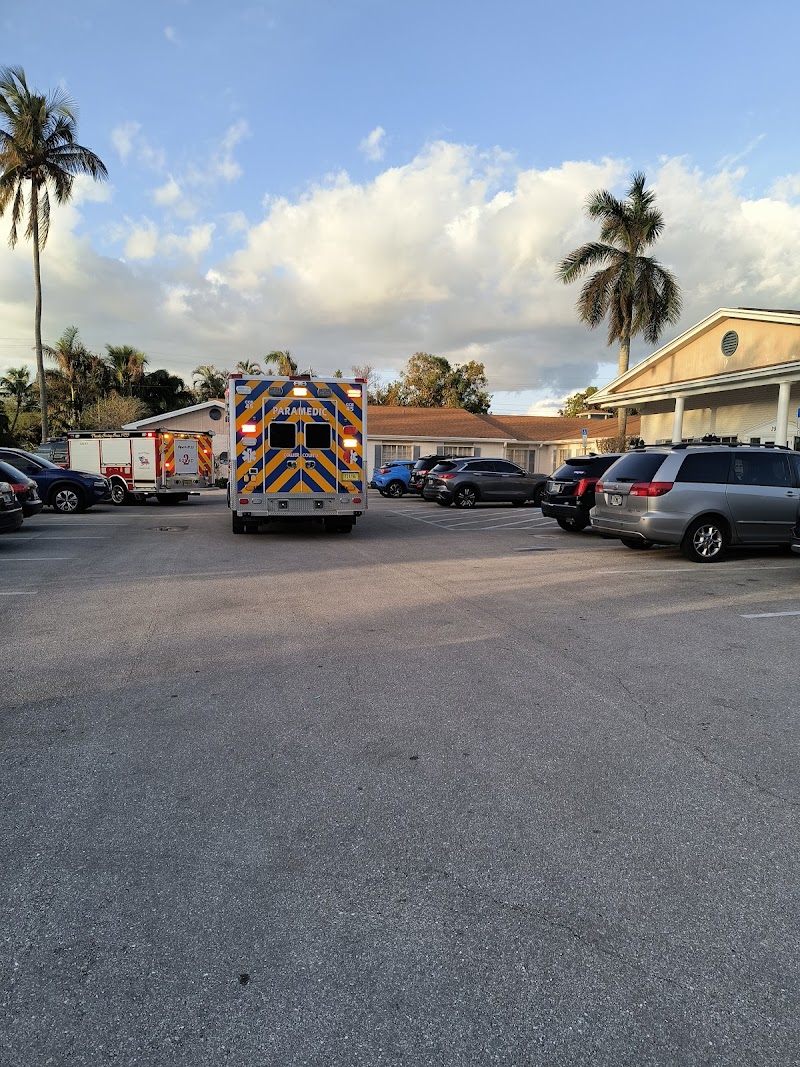
How is Naples Center Staffed?

CMS rates NAPLES HEALTH AND REHABILITATION CENTER's staffing level at 4 out of 5 stars, which is above average compared to other nursing homes. Staff turnover is 33%, compared to the Florida average of 46%. This relatively stable workforce can support continuity of care. RN turnover specifically is 62%, which is notably high. RNs provide skilled clinical oversight, so turnover in this role can affect medical care quality.

What Have Inspectors Found at Naples Center?

State health inspectors documented 42 deficiencies at NAPLES HEALTH AND REHABILITATION CENTER during 2019 to 2025. These included: 4 Immediate Jeopardy (the most serious level, indicating potential for serious harm or death), 1 that caused actual resident harm, and 37 with potential for harm. Immediate Jeopardy findings are rare and represent the most serious regulatory concerns. They require immediate corrective action.
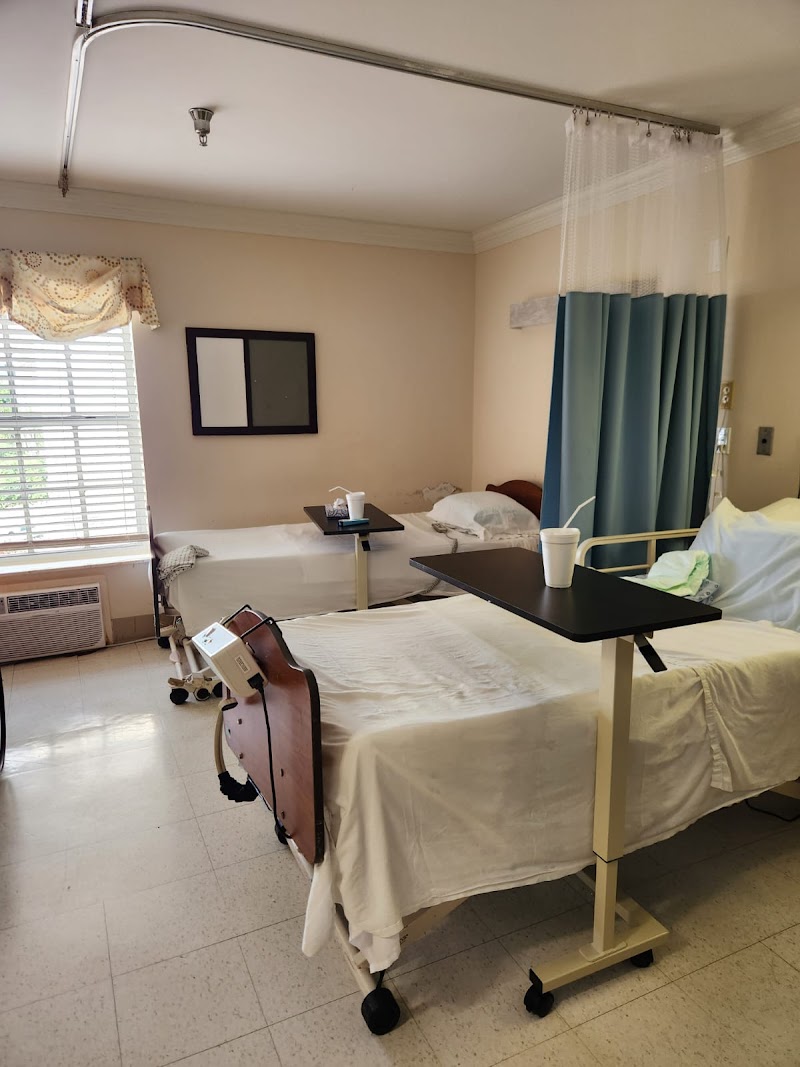
Who Owns and Operates Naples Center?

NAPLES HEALTH AND REHABILITATION CENTER is owned by a for-profit company. For-profit facilities operate as businesses with obligations to shareholders or private owners. The facility is operated by SIMCHA HYMAN & NAFTALI ZANZIPER, a chain that manages multiple nursing homes. With 120 certified beds and approximately 101 residents (about 84% occupancy), it is a mid-sized facility located in NAPLES, Florida.

How Does Naples Center Compare to Other Florida Nursing Homes?

Compared to the 100 nursing homes in Florida, NAPLES HEALTH AND REHABILITATION CENTER's overall rating (1 stars) is below the state average of 3.2, staff turnover (33%) is significantly lower than the state average of 46%, and health inspection rating (1 stars) is much below the national benchmark.

What Should Families Ask When Visiting Naples Center?

Based on this facility's data, families visiting should ask: "What changes have been made since the serious inspection findings, and how are you preventing similar issues?" "Can I visit during a mealtime to observe dining assistance and food quality?" "How do you handle medical emergencies, and what is your hospital transfer rate?" "Can I speak with family members of current residents about their experience?" These questions are particularly relevant given the facility's Immediate Jeopardy citations.

Is Naples Center Safe?

Based on CMS inspection data, NAPLES HEALTH AND REHABILITATION CENTER has documented safety concerns. Inspectors have issued 4 Immediate Jeopardy citations (the most serious violation level indicating risk of serious injury or death). The facility has a 1-star overall rating and ranks #100 of 100 nursing homes in Florida. Families considering this facility should ask detailed questions about what corrective actions have been taken since these incidents.

Do Nurses at Naples Center Stick Around?

NAPLES HEALTH AND REHABILITATION CENTER has a staff turnover rate of 33%, which is about average for Florida nursing homes (state average: 46%). Moderate turnover is common in nursing homes, but families should still ask about staff tenure and how the facility maintains care continuity when employees leave.

Was Naples Center Ever Fined?

NAPLES HEALTH AND REHABILITATION CENTER has been fined $183,051 across 3 penalty actions. This is 5.2x the Florida average of $34,909. Fines at this level are uncommon and typically indicate a pattern of serious deficiencies, repeated violations, or failure to correct problems promptly. CMS reserves penalties of this magnitude for facilities that pose significant, documented risk to resident health or safety. Families should request specific documentation of what issues led to these fines and what systemic changes have been implemented.

Is Naples Center on Any Federal Watch List?

NAPLES HEALTH AND REHABILITATION CENTER is not on any federal watch list. The most significant is the Special Focus Facility (SFF) program, which identifies the bottom 1% of nursing homes nationally based on persistent, serious quality problems. Not being on this list means the facility has avoided the pattern of deficiencies that triggers enhanced federal oversight. This is a positive indicator, though families should still review the facility's inspection history directly.