SOLARIS HEALTHCARE LELY PALMS
6135 RATTLESNAKE HAMMOCK ROAD, NAPLES, FL 34113 (239) 775-7715
For profit - Limited Liability company 117 Beds PROMEDICA SENIOR CARE Data: November 2025 2 Immediate Jeopardy citations
Trust Grade
0/100
#563 of 690 in FL
Last Inspection: February 2025

Within standard 12-15 month inspection cycle. Federal law requires annual inspections.

Overview

Solaris Healthcare Lely Palms has received a Trust Grade of F, indicating significant concerns regarding care quality. Ranking #563 out of 690 facilities in Florida places it in the bottom half, and #8 out of 11 in Collier County shows that there are only three local options that rank lower. The facility's trend is worsening, with the number of issues increasing from 4 in 2023 to 7 in 2025. Staffing is a notable strength, earning a 5/5 star rating with a low turnover of 28%, which is better than the state average. However, the facility has incurred $43,674 in fines, which is concerning as it is higher than 80% of Florida facilities, and there have been critical incidents, such as a resident wandering unsupervised after staff failed to secure an exit door, which raises serious safety alarms.

Trust Score
F
0/100
In Florida
#563/690
Bottom 19%
Safety Record
High Risk
Review needed
Inspections
Getting Worse
4 → 7 violations
Staff Stability
✓ Good
28% annual turnover. Excellent stability, 20 points below Florida's 48% average. Staff who stay learn residents' needs.
Penalties
✓ Good
$43,674 in fines. Lower than most Florida facilities. Relatively clean record.
Skilled Nurses
✓ Good
Each resident gets 65 minutes of Registered Nurse (RN) attention daily — more than 97% of Florida nursing homes. RNs are the most trained staff who catch health problems before they become serious.
Violations
⚠ Watch
19 deficiencies on record. Higher than average. Multiple issues found across inspections.
★★☆☆☆
2.0
Overall Rating
★★★★★
5.0
Staff Levels
★★★★☆
4.0
Care Quality
★☆☆☆☆
1.0
Inspection Score
Stable
2023: 4 issues
2025: 7 issues

The Good

  • 5-Star Staffing Rating · Excellent nurse staffing levels
  • 4-Star Quality Measures · Strong clinical quality outcomes
  • Low Staff Turnover (28%) · Staff stability means consistent care
  • Full Sprinkler Coverage · Fire safety systems throughout facility
  • No fines on record
  • Staff turnover is low (28%)

    20 points below Florida average of 48%

Facility shows strength in staffing levels, quality measures, staff retention, fire safety.

The Bad

2-Star Overall Rating

Below Florida average (3.2)

Below average - review inspection findings carefully

Federal Fines: $43,674

Above median ($33,413)

Moderate penalties - review what triggered them

Chain: PROMEDICA SENIOR CARE

Part of a multi-facility chain

Ask about local staffing decisions and management

The Ugly 19 deficiencies on record

2 life-threatening 3 actual harm
Jul 2025 2 deficiencies 2 Harm
SERIOUS (G) 📢 Someone Reported This

A family member, employee, or ombudsman was alarmed enough to file a formal complaint

Actual Harm - a resident was hurt due to facility failures

Free from Abuse/Neglect (Tag F0600)

A resident was harmed · This affected 1 resident

Based on record review, review of facility's policies and procedures, and staff interviews, the facility failed to protect residents' rights to be free from neglect by failing to follow safety precaut...

Read full inspector narrative →
Based on record review, review of facility's policies and procedures, and staff interviews, the facility failed to protect residents' rights to be free from neglect by failing to follow safety precautions during transfers resulting in an avoidable fall for 1 (Resident #999) of 3 residents reviewed for accidents and failure to ensure timely post-fall evaluation.The findings includedReview of the facility's policy #60.41 Alleged Abuse /Potential Neglect/ Exploitation revealed, It is the policy of this facility to provide an environment that promotes dignity and respect for all residents and one that prohibits abuse and/or neglect. Neglect is a failure or omission on the part of a care giver/facility to provide goods and services to a resident that are necessary to avoid physical harm, pain, mental anguish, or emotional distress.Review of the facility's policy Assessing Falls and Their Causes documented with a review date of 12/10/2024 revealed, Steps in the Procedure after a Fall: If a resident has just fallen, or is found on the floor without a witness to the event, nursing staff will record vital signs and evaluate for possible injuries to the head, neck spine and extremities . If there is evidence of a significant injury such as a fracture or bleeding, nursing staff will provide appropriate first aid . Notify the following individuals when a resident has a fall: The Director of Nursing (DON), the Nursing Supervisor on duty .Review of the clinical record for Resident #999 revealed an admission date of 5/9/24. Diagnoses included dementia with behavioral disturbance, heart failure, restlessness and agitation.Review of the Annual Minimum Data Set (MDS) (standardized assessment tool that measures health status in nursing home residents) with a target date of 5/16/25 documented Resident #999 was dependent for transfers. The MDS noted Resident #999's cognitive skills for daily decision making were severely impaired. The resident rarely/never made decisions.Review of the Fall Risk Assessment form dated 6/27/25 noted Resident #999's risk score was 07. The form documented a score of 10 or greater, the resident should be considered at high risk for potential falls. Prevention protocol should be initiated immediately and documented on the care plan.Review of the certified nursing assistant (CNA) care Kardex (provides information and instructions on the resident's care needs) and the residents care plan revealed Resident #999 required a two person assist with a mechanical lift for all transfers.Review of the facility provided incident investigations revealed on 6/27/25 at 8:01 a.m., Certified Nursing Assistant (CNA) Staff A was transferring Resident #999 from the bed to the wheelchair (w/c) without assistance or without using the mechanical lift. Resident #999 slid from the bed to the floor. CNA Staff A noticed CNA Staff B passing by the room and asked for help. CNA Staff B noticed the resident on the floor and told CNA Staff A that if the resident had fallen, she needed to call the nurse. CNA Staff A denied a fall had occurred. CNA Staff B left the room for additional help from CNA Staff D. CNAs Staff A, Staff B and Staff D manually lifted Resident #999 from the floor and placed her in a wheelchair. CNA Staff A then took the resident to the dining room for breakfast.CNAs Staff A, Staff B or Staff D did not report Resident #999's fall to the nurse on duty to ensure timely post-fall evaluation for possible injuries to the head, neck spine and extremities.The investigation noted on 6/27/25 at 10:00 a.m., (2 hours after the fall), CNA Staff A informed Licensed Practical Nurse (LPN) Staff C that Resident #999 had slid to the floor. Licensed Practical Nurse (LPN) Staff C assessed the resident who complained of right leg pain. LPN Staff C notified the physician who ordered an x-ray of the right leg.The X-ray results documented a proximal tibia (larger bone of the lower leg) fracture.The physician was notified of the X-ray results and instructed LPN Staff C to send Resident #999 to the local emergency room (ER) for evaluation.The facility interviewed CNA Staff A who confirmed she did not look at Resident #999's Kardex for her transfer status. She did not ask any other staff member and just attempted a one person transfer.CNA Staff A provided a statement that around 8:00 a.m., while transferring Resident #999 from bed to chair, the resident slid to the ground. She saw another CNA passing in the hallway and she called her to assist her to get the resident off the floor. Her and another CNA picked up the resident and another CNA helped position the resident into the wheelchair.CNA Staff B provided a statement that on 6/27/25 at around 8:00 a.m., she was passing Resident #999's room and CNA Staff A called her into the room. As she entered the room, she saw Resident #999 on the floor. She told CNA Staff A to call the nurse if Resident #999 had fallen. She denied that Resident #999 had fallen, so she got another CNA to help them and they got her up.LPN Staff C provided a statement that at around 10:00 a.m., the CNA notified her that while transferring Resident #999 from bed, she slid down in front of the bed. The CNA had another CNA assist her to get the resident off the floor into the chair. When she was notified, she performed an assessment. Resident #999 reported pain in the right lower leg. She administered pain medication. She notified the Nurse Practitioner and got an order for an X-ray.The facility's investigation conclusion dated 7/3/25 noted, After final review, the facility felt the allegation of neglect was substantiated due to the poor decision of the CNA that resulted in a transfer with injury and was not reported until 2 hours later.The root cause was, Resident's Kardex for transfer status was not followed by the CNA. She stated she did not check to see how she transferred, she made the choice to transfer her as a one person. She made the choice not to report the fall to the nurse and had another CNA to help her get the resident off the floor and into the wheelchair because she did not think she was hurt. CNA informed nurse approximately 2 hours after fall when resident complained of pain.On 7/28/25 at 9:25 a.m., in an interview the Administrator said that CNA Staff A had worked at the facility for years. She decided to transfer Resident #999 by herself. Per the CNA the resident started to slide down the bed to the floor. She saw another CNA walking by and asked her for help. They placed the resident in a wheelchair. Two hours after the fall, CNA Staff A said when Resident #999 was complaining of right leg pain, she then told the nurse that the resident had a fall. The Administrator said basically, the root cause of the incident was that CNA Staff A did not follow the resident's care plan or Kardex and did not use a lift. Resident #999 went to the hospital and did not return to the facility.
SERIOUS (G) 📢 Someone Reported This

A family member, employee, or ombudsman was alarmed enough to file a formal complaint

Actual Harm - a resident was hurt due to facility failures

Accident Prevention (Tag F0689)

A resident was harmed · This affected 1 resident

**NOTE- TERMS IN BRACKETS HAVE BEEN EDITED TO PROTECT CONFIDENTIALITY** Based on record review, review of facility's policies and procedures, the facility failed to ensure staff followed safety precau...

Read full inspector narrative →
**NOTE- TERMS IN BRACKETS HAVE BEEN EDITED TO PROTECT CONFIDENTIALITY** Based on record review, review of facility's policies and procedures, the facility failed to ensure staff followed safety precautions while transferring 1 (Resident #999) of 3 residents reviewed for accidents, resulting in an avoidable with major injury requiring emergency transfer to an acute care hospital.The findings included:Review of the facility policy Assessing Falls and Their Causes revealed, Steps in the Procedure after a Fall: If a resident has just fallen, or is found on the floor without a witness to the event, nursing staff will record vital signs and evaluate for possible injuries to the head, neck spine and extremities. If there is evidence of a significant injury such as a fracture or bleeding, nursing staff will provide appropriate first aid. Notify the following individuals when a resident has a fall: The Director of Nursing (DON), the Nursing Supervisor on duty.Review of the clinical record revealed Resident #900 had a date of admission of 5/9/24was a [AGE] year-old female admitted on [DATE]. Diagnoses included dementia with behavioral disturbance, heart failure, restlessness and agitation.Review of the Annual Minimum Data Set (MDS) (standardized assessment tool that measures health status in nursing home residents) with a target date of 5/16/25 documented Resident #999 was dependent for transfers. The MDS noted Resident #900s cognitive skills for daily decision making were severely impaired.Review of the resident's Kardex (Provides instructions for safe care) revealed, Special needs. Transfer with mechanical lift, medium yellow size sling. Transfers: Provide two persons for supervision/physical assistance with mechanical aid (brand name full body mechanical lift).Review of the progress notes revealed a nursing progress note dated 6/27/25 at 2:46 p.m., that read, Around 10 AM CNA notified me that while transferring patient from bed to wheelchair, the patient slid down in front of the bed. The CNA ten had other care staff assist her in transferring the patient from floor back into wheelchair. After the CNA notified me, I went and took vitals, performed body assessment no injuries noted but patient reported pain in right lower leg. Administered Tylenol for pain NP (Nurse Practitioner) gave orders for Xray of right lower leg 2 views.Review of the facility provided incident investigations revealed on 6/27/25 at 8:01 a.m., Certified Nursing Assistant (CNA) Staff A was transferring Resident #999 from the bed to the wheelchair (w/c) without assistance or without using the mechanical lift. Resident #999 slid from the bed to the floor. CNA Staff A noticed CNA Staff B passing by the room and asked for help. CNA Staff B noticed the resident on the floor and told CNA Staff A that if the resident had fallen, she needed to call the nurse. CNA Staff A denied a fall had occurred. CNA Staff B left the room for additional help from CNA Staff D. CNAs Staff A, Staff B and Staff D manually lifted Resident #999 from the floor and placed her in a wheelchair. CNA Staff A then took the resident to the dining room for breakfast.The investigation noted on 6/27/25 at 10:00 a.m., (2 hours after the fall), CNA Staff A informed Licensed Practical Nurse (LPN) Staff C that Resident #999 had slid to the floor. Licensed Practical Nurse (LPN) Staff C assessed the resident who complained of right leg pain. LPN Staff C notified the physician who ordered an x-ray of the right leg.The X-ray results documented a proximal tibia (larger bone of the lower leg) fracture.Resident #999 was emergently transferred to a local hospital for further evaluation and treatment and has not returned to the facility.CNA Staff A provided a statement that around 8:00 a.m., while transferring Resident #999 from bed to chair, the resident slid to the ground. She saw another CNA (Staff B) passing in the hallway and she called her to assist her to get the resident off the floor. She and another CNA picked up the resident and another CNA (Staff C) helped position the resident into the wheelchair.CNA Staff B provided a statement that on 6/27/25 at around 8:00 a.m., she was passing Resident #999's room and CNA Staff A called her into the room. As she entered the room, she saw Resident #999 on the floor. She told CNA Staff A to call the nurse if Resident #999 had fallen. She denied that Resident #999 had fallen, so she got another CNA to help them and they got her up.LPN Staff C provided a statement that at around 10:00 a.m., the CNA notified her that while transferring Resident #999 from bed, she slid down in front of the bed. The CNA had another CNA assist her to get the resident off the floor into the chair. When she was notified, she performed an assessment. Resident #999 reported pain in the right lower leg. She administered pain medication. She notified the Nurse Practitioner and got an order for an X-ray.The incident investigation documented the root cause was, Resident's Kardex for transfer status was not followed by the CNA. She stated she did not check to see how she transferred, she made the choice to transfer her as a one person. She made the choice not to report the fall to the nurse and had another CNA to help her get the resident off the floor and into the wheelchair because she did not think she was hurt. CNA informed nurse approximately 2 hours after fall when resident complained of pain.The facility's investigation conclusion dated 7/3/25 noted, After final review, the facility felt the allegation of neglect was substantiated due to the poor decision of the CNA that resulted in a transfer with injury and was not reported until 2 hours later.On 7/28/25 at 9:25 a.m., in an interview the Administrator said that CNA Staff A had worked at the facility for years. She decided to transfer Resident #999 by herself. Per the CNA the resident started to slide down the bed to the floor. She saw another CNA walking by and asked her for help. They placed the resident in a wheelchair. Two hours after the fall, CNA Staff A said when Resident #999 was complaining of right leg pain, she then told the nurse that the resident had a fall. The Administrator said basically, the root cause of the incident was that CNA Staff A did not follow the resident's care plan or Kardex and did not use a lift. Resident #999 went to the hospital and did not return to the facility.
Feb 2025 5 deficiencies 1 Harm
SERIOUS (G)

Actual Harm - a resident was hurt due to facility failures

Free from Abuse/Neglect (Tag F0600)

A resident was harmed · This affected 1 resident

**NOTE- TERMS IN BRACKETS HAVE BEEN EDITED TO PROTECT CONFIDENTIALITY** Based on observation, interview, and record review, the facility failed to protect the resident's right to be free from neglect ...

Read full inspector narrative →
**NOTE- TERMS IN BRACKETS HAVE BEEN EDITED TO PROTECT CONFIDENTIALITY** Based on observation, interview, and record review, the facility failed to protect the resident's right to be free from neglect for 1 (Resident #27) of 2 residents reviewed for incontinent care by failing to provide incontinent care and services to meet the needs resulting in prolong skin exposure to urine resulting in moisture associated skin damage. The findings included: Review of the facility's Job Description for Certified Nursing Assistants included Safety: the CAN (Certified Nursing Assistant) Reports all accidents and incidents observed on shift. Nursing Care and Responsibilities included, Assists residents with bowel and bladder functions; Ensures the resident personal care needs are being met in accordance with residents' wishes. The facility policy for Activities of Daily Living (ADL) Supporting page 1 indicated, Appropriate care and services will be provided for residents who are unable to carry out ADLs independently . (including) Elimination (toileting). The facility policy for Resident Mistreatment, Neglect, and Abuse Prohibition Guidelines noted, Neglect is the failure of the facility, its employees or service providers to provide goods and services to a resident that are necessary to avoid physical harm, pain, mental anguish or emotional distress . On 2/3/25 at 11:35 a.m., in an interview Resident #27 said, They don't change my (incontinent briefs) and now I have this redness and irritation on my buttocks. The resident said she was incontinent of urine and feces and wears an incontinent brief all the time. She said the last time the CNA changed her was approximately 5:00 a.m. The resident said, Before that, I was changed at midnight. The resident said the day shift CNA had not changed her yet. Resident #27 said, I tell them all the time there is moisture under the foam bandage they apply to my buttocks, and it hurts, but they don't do anything. The resident said the incontinent brief is not changed very often and they don't check on her throughout the day. She said, I stay in bed until 2:00 p.m. They get me up into the chair and then I go back to bed at 8:00 p.m. The resident said sometimes staff change her brief the diaper at 8:00 p.m., and then not again until 5:00 a.m. Resident #27 said, I am so glad you are here and began to cry. On 2/3/25 at 11:47 a.m., CNA Staff I was observed going into Resident #27's room. She took a mechanical lift from the bathroom, left the room, and walked down the hall. CNA Staff I did not ask Resident #27 if she needed to be changed. On 2/3/25 at approximately 11:50 a.m., in an interview as she walked out of the room, CNA Staff I said she was responsible for taking care of Resident #27 today. CNA Staff I said Resident #27's incontinent brief was last changed on the night shift at approximately 5:00 a.m., more than six hours ago. On 2/3/25 at 11:55 a.m., in an interview Registered Nurse (RN) Staff J said she was taking care of Resident #27 today but had not changed the resident's briefs. RN Staff J went in the room and checked Resident #27's incontinent brief. The resident was wearing an incontinent brief with an absorbent pad underneath. The pad was yellow and full of urine photographic evidence obtained. At that time, Staff I entered the room with a box of gloves. In the presence of the nurse, Staff I said she did not change the resident this morning and the last time the resident was changed was the night shift. RN Staff J said that was not acceptable and the CNA should be checking the resident at least every 2 hours and change the incontinent brief when soiled. The CNA did not offer any explanation as to why she did not change the resident. On 2/4/25 at 4:56 p.m., in an interview RN Staff K said the CNAs should be checking their residents and offering incontinent care according to the residents' needs. On 2/5/25 at 10:21 a.m., in an interview Resident #27 said she was incontinent of bowel and bladder. She said urine gets under the bandage on her buttocks and makes the buttocks hurt. The resident said the pain was getting worse. On 2/5/25 at 11:22 a.m., observation of wound care to the buttocks for Resident #27 revealed the following: RN Staff E removed the resident's incontinent brief. The brief was wet with urine. RN Staff E rolled the resident onto the right side to expose a bandage covering both sides of the buttocks. As RN Staff E removed the bandage, Resident #27 told the nurse the area was painful and pulling off the dressing increased the pain. Observation of the resident's buttocks revealed a wound to the left and right buttocks. Each wound measured approximately 3.0 inches by 3.0 inches with a pinkish-red wound bed. The wound care physician entered the room and said Resident #27 probably did not need the bandage. He told the resident the barrier cream alone could treat the wound. The resident said the area was painful and did not think the cream alone would protect the skin from the pain. RN Staff E placed a clean bandage over the wounds. Staff E did not use barrier cream. On 2/5/25 at 11:30 a.m., in an interview during an interview the wound care physician said prolonged urine exposure was not good for the skin. He said the dressing can hold moisture from urine and perspiration. He said residents usually feel the foam bandage will protect the skin. The wound care physician said Resident #27 had moisture associated damage (MASD) to the buttocks area. Review of the medical record revealed Resident #27 was admitted to the facility on [DATE]. Diagnoses included chronic kidney disease, other abnormalities of gait and mobility, Alzheimer's disease, and overactive bladder (a condition characterized by frequent and sudden urges to urinate, often accompanied by urinary incontinence.) Review of the Quarterly Minimum Data Set (MDS) assessment with a target date of 1/19/25 revealed Resident #27's cognition was intact with a Brief Interview for Mental Status score of 15. Resident #27 was occasionally incontinent of urine and always incontinent of bowel. There was no documentation in the comprehensive assessment, care plans, or nursing progress notes the resident refused incontinent brief changes. Review of the CNA Toileting Record (a documented history of the dates and times a task is completed) revealed Resident #27 received toileting assistance 2-3 times within a 24-hour period on 2/1/25 at 12:22 a.m. and 8:52 p.m.; on 2/2/25 at 11:59 p.m., 9:10 a.m. and 8:45 p.m.; on 2/3/25 at 11:38 p.m., 2:00 p.m., and 8:49 p.m.; on 2/4/25 at 6:59 a.m., 2:59 p.m., and 10:59 p.m.; on 2/5/25 at 12:37 a.m., 2:59 p.m., and 7:54 p.m. Review of the wound evaluation and management summary by the physician dated 7/10/24 revealed a stage 2 sacrum pressure wound measuring 6.9 x 7.9 x 0.1 centimeters (cm) with a surface area of 54.51 square centimeters (cm2); open ulceration area measured 16.35 cm2. Review of the physician's wound evaluation and management summary dated 2/5/25 revealed moisture associated skin damage of the buttocks non pressure wound, measuring 8.9 x 12.2 x 0.1 cm with a surface area of 108.58 cm2; open ulceration area measured 76.01 cm2. Resident #27 was not seen by the wound physician from 7/11/24 through 2/4/25. On 2/5/25, Resident #27's wounds were classified as moisture associated skin damage. On 2/6/25 at 1:02 p.m., in an interview RN Staff E said she evaluates the sacrum wound each week. Sometimes it is decreasing and sometimes it gets worse. Staff E said the CNAs should be checking and changing the residents every 2 hours and more frequently if needed to keep the residents comfortable and dry. RN Staff E said prolonged exposure to urine and sweat will contribute to moisture-associated skin damage. On 2/6/25 at 11:43 a.m., in an interview the Director of Nursing (DON) said she did not hear about the incontinent care incident for Resident #27 from the nurse or CNA until the next day. Staff I nor Staff J told her about it. The DON said she expected the staff to report the incident when it occurred. The DON said it was unacceptable to leave the resident in a wet incontinent brief for six hours. The DON said she did not consider this incident resident neglect.
CONCERN (D)

Potential for Harm - no one hurt, but risky conditions existed

Resident Rights (Tag F0550)

Could have caused harm · This affected 1 resident

**NOTE- TERMS IN BRACKETS HAVE BEEN EDITED TO PROTECT CONFIDENTIALITY** Based on observation, review of facility policy and procedure, record review and staff interviews, the facility failed to treat ...

Read full inspector narrative →
**NOTE- TERMS IN BRACKETS HAVE BEEN EDITED TO PROTECT CONFIDENTIALITY** Based on observation, review of facility policy and procedure, record review and staff interviews, the facility failed to treat 1 (Resident #46) of 22 residents observed on the memory care unit with respect and dignity during medication administration. The findings included: The facility Policy Quality of Life - Dignity documented Each resident shall be cared for in a manner that promotes and enhances quality of life, dignity, respect and individuality . Residents shall be treated with dignity and respect at all times . the resident will be assisted in maintaining and enhancing his or her self-esteem and self-worth . The facility policy IIBI: Administration Procedures For All Medications documented To administer medications in a safe and effective manner . Provide privacy for resident during administration of medications . Review of the clinical record revealed Resident #46 had an admission date of 8/1/23 with diagnoses including dementia with behavioral disturbance and seizures. Review of the Brief Interview for Mental Status dated 1/31/25 revealed Resident #46 score of 03 on the evaluation, indicating severe cognitive impairment. On 2/3/25 at 12:38 p.m., Registered Nurse (RN) Staff G was observed administering medications to residents in the dining room. Multiple residents were sitting at tables waiting for their lunch meal. Resident #46 was observed seating at a dining room table with her head down. RN Staff G instructed Resident #46 to lift her head to take her medications. The resident kept her head down. RN Staff G placed two capsules in some pudding. He placed a hand on Resident #46's head and lifted her head. While holding the resident's head, RN Staff G placed one of the capsules in the resident's mouth with some pudding. Resident #46 pushed the capsule out of her mouth onto her lower lip. RN Staff G scraped the capsule and pudding from the resident's mouth with the spoon and placed it back in her mouth. RN Staff G continued to hold Resident #46's head with one hand and placed the second capsule into the resident's mouth with some pudding. Resident #46 spit the capsule out three times. Each time RN Staff G used the spoon to scrape the pudding from the resident's lips and chin and place it back in the resident's mouth with the capsule. Staff G continued to hold the resident's head until she swallowed the medications. On 2/3/25 at 12:45 p.m., in an interview RN Staff G verified he held the resident's head, scraped the pudding and medications several times and placed them back into the resident's mouth. RN Staff G replied ok and walked away when asked about the concern of treating Resident #46 with dignity. On 2/4/25 at 10:15 a.m., Licensed Practical Nurse (LPN) Staff D was observed administering medications in the dining room of the [NAME] memory care unit during an activity program. Resident #46 was observed sitting at a table. On 2/4/25 at 10: 20 a.m., LPN Staff D approached Resident #46 and instructed her to open her mouth to take her medication. LPN Staff D placed the medications in the resident's mouth and told her to swallow them. The instructions were clearly audible to the other resident sitting at the table.
CONCERN (D)

Potential for Harm - no one hurt, but risky conditions existed

Deficiency F0825 (Tag F0825)

Could have caused harm · This affected 1 resident

**NOTE- TERMS IN BRACKETS HAVE BEEN EDITED TO PROTECT CONFIDENTIALITY** Based on record review, resident and staff interviews, the facility failed to provide Physical and Occupational therapy to 1 (Re...

Read full inspector narrative →
**NOTE- TERMS IN BRACKETS HAVE BEEN EDITED TO PROTECT CONFIDENTIALITY** Based on record review, resident and staff interviews, the facility failed to provide Physical and Occupational therapy to 1 (Resident #130) of 2 residents reviewed for specialized rehabilitative services. The findings included: Review of the clinical record for Resident #130 revealed an admission date of 1/24/25. Diagnoses included Multiple Sclerosis, Urinary Tract Infection, Depression, Anxiety Disorder, and a history of falling. Review of the five-day Minimum Data Set, dated [DATE] revealed Resident #130 scored 10 on the Brief Interview for Mental Status, indicative of moderate cognitive impairment. On 2/3/25 at 11:00 a.m., in an interview Resident #130 said she felt like her husband had dumped her at the facility. She stated staff were not doing anything for her since her admission and she had not received any rehabilitative services. Review of the physician's order revealed an order dated 1/24/25 to admit Resident #130 to the facility for Rehabilitation services. A physician's order dated 1/24/25 read, PT [Physical Therapy] evaluation and treatment as indicated. A physician's order dated 1/24/25 read, OT [Occupational Therapy] evaluation and treatment as indicated. On 2/6/25 at 9:20 a.m., in an interview Resident #130 said she had not received any therapy. She stated no one was telling her what she was doing here. She said she felt like she had been dumped at the facility. On 2/6/25 9:30 a.m., in an interview the Regional Physical Therapy Consultant verified Resident #130 had physician's orders dated 1/24/25 for Physical and Occupational therapy but had not been evaluated by Physical Therapy or Occupational Therapy as ordered.
CONCERN (E)

Potential for Harm - no one hurt, but risky conditions existed

Comprehensive Care Plan (Tag F0656)

Could have caused harm · This affected multiple residents

Based on observation, review of the clinical record, review of facility policy and procedures, and staff interviews, the facility failed to develop a care plan that described the resident's medical, p...

Read full inspector narrative →
Based on observation, review of the clinical record, review of facility policy and procedures, and staff interviews, the facility failed to develop a care plan that described the resident's medical, physical, mental and psychosocial needs and preferences and how the facility will assist in meeting these needs and preferences for 4 (Resident #46, # 54, #42 and #55) of 4 residents residing on the memory care unit. The failure to complete an individualized care plan has the potential to impact the resident's quality of life and quality of care. The findings included: The facility policy Baseline Care Plan and Summary documented the facility will develop and implement a care plan for each resident that includes the instructions needed to provide effective and person centered care of the resident. 1. Review of the clinical record revealed Resident #42 had a readmission date of 2/23/24. Diagnoses included severe dementia with behavioral disturbance, depression, degenerative disease of the nervous system, and anxiety. The clinical record documented a brief interview for mental status (BIMS) could not be conducted as Resident #42's cognition was severely impaired. The care plan initiated on 3/5/24 indicated Resident #42 Prefers not to participate in group activities but will sit in on group activities. The goal for the resident specified, Will participate in independent leisure activities of choice daily such as walking in the halls and listening to music. The interventions included Respect choice in regard to limited/ no activity participation. Responses within recreational programs or activity visits are limited related to physical impairments and impaired cognitive functioning. The care plan also identified Resident #42 had behaviors symptoms related to anxiety including, refusing to wear safety helmet for preventing falls related to traumatic brain injury, picking up items from the floor and putting it in her mouth, Resident removes the signs from the walls, wiping/taking out things from the wall, yelling screaming bumping into things below waist. Observations on 2/3/25 from 10:00 a.m., to 12:30 p.m., 2/4/25 at 11:32 a.m., 2/3/25 at 2:00 p.m., and 2/5/25 at 9:52 a.m., Resident #42 was observed wandering the hallway of the memory care unit. Resident #42 was observed going in and out of other residents rooms. She was wiping walls and doors with her hands. Staff did not redirect the resident. Review of the clinical record revealed Resident #46 had an admission date of 8/1/23 with diagnoses including dementia with behavioral disturbance and seizures. Review of a Brief Interview for Mental Status (BIMS) dated 1/31/25 revealed Resident #46 scored 03, indicating severe cognitive impairment. The care plan initiated 8/7/23 identified Resident #46 Prefers not to attend group activities/limited group activities. However: Enjoys/Enjoyed activities such as watching television and listening to music. The goal for Resident #46 specified, Will participate in independent leisure activities of choice daily. The interventions included, Provide supplies/materials for leisure activities as needed/requested. On 2/5/25 at 1:12 p.m., in an interview the Activity Director said Resident #46 does not participate and yells out. She had a baby doll that she would carry around but it is lost and a new one was ordered. The Activity Director said Resident #46's care plan identified the resident liked to hold a doll. When asked about the care plan goal for the resident was to participate in independent leisure activities of choice daily, when she had a BIMS score of 03, the Activity Director confirmed Resident #46 was not able make that choice. She said, I would never put that on a care plan for her. Further review of the care plan failed show documentation Resident #46's had the desire to hold a baby doll. 3. Review of the clinical record for Resident #54 revealed a readmission date of 7/11/23. Diagnoses included Alzheimer's disease, anxiety disorder, adjustment disorder, dementia and major depressive disorder. Review of the BIMS dated 1/18/25 showed Resident #54 scored 00, indicating severe cognitive impairment. The care plan revised on 7/25/23 documented Resident #54, Prefers not to attend group activities/limited group activities. However: Enjoys/Enjoyed activities such as listening to music, socializing, being outdoors. The goal for Resident #54 specified, Will participate in independent leisure activities of choice daily such as socializing The interventions included, Familiarize with center environment and activity programs on regular basis. Provide supplies/materials for leisure activities as needed/requested. Responses within recreational programs or activity visits are limited related to physical impairments and impaired cognitive functioning. On 2/3/25 at 10:21 a.m., 2/4/25 at 10:13 a.m., 2/5/25 at 9:18 a.m., and 2/5/25 at 9:48 a.m., Resident #54 was observed seating at a table in the dining room with magazines in front of her. Resident #54 kept her head down. Resident #54 was not engaged in any activity and often calling out loudly. 4. Record review for Resident #55 revealed an admission date of 10/25/23. Diagnoses included dementia with behavioral disturbance, cognitive communication deficit, sexual dysfunction not due to a substance or known physiological condition, and major depressive disorder. Review of the clinical record revealed Resident #55 was Spanish speaking with a BIMS score of 03, indicating severe cognitive impairment. The care plan initiated 11/1/23 identified Resident #55 Prefers not to attend group activities/limited group activities. However: Enjoys/Enjoyed activities such as watching action/war movies, socializing, and people watching Spanish television. The goal for Resident #55 specified, Will participate in independent leisure activities of choice daily such as watching movies and television. The care plan interventions included, Provide supplies/materials for leisure activities as needed/requested. On 2/3/25 from 10:00 a.m., until 12:30 p.m., 2/4/25 at 9:52 a.m., 2/4/25 at 12:59 p.m., 2/5/25 at 9:36 a.m., and 2/5/24 at 10:02 a.m., Resident #55 was observed seating at a table in the dining room. The resident was observed continually attempting to stand up from the wheelchair or with his head down and appeared to be sleeping. On 2/6/25 at 8:37 a.m., in an interview the Activity Director said the Regional Director of Client Relations and herself identified that there were no activity preference assessments completed for Residents #46, #54, #42 and #55. The Activity Director said the care plans were individualized for each resident on the memory care unit. The care plans for Residents #55, #54, #46 and #42 were reviewed with the Activity Director. She confirmed Residents #55, #54, #46 and #42 had severe cognitive impairment and were not able to choose individualized activities. She said there were issues with the care plans. On 2/6/25 at 8:57 a.m., in an interview Unit Manager Registered Nurse Staff H said she was also the Care Plan Coordinator but did not write the activity care plans. She said the activity department wrote their own care plans. Unit Manager Staff H said the care plans should be reviewed and updated with any changes in the residents condition and before scheduled care plan meetings.
CONCERN (E)

Potential for Harm - no one hurt, but risky conditions existed

Deficiency F0679 (Tag F0679)

Could have caused harm · This affected multiple residents

**NOTE- TERMS IN BRACKETS HAVE BEEN EDITED TO PROTECT CONFIDENTIALITY** On 2/3/25, observations of Resident #5 at 9:30 a.m., 10:16 a.m., 11:43 a.m., and 1:35 p.m. revealed the resident was in her room...

Read full inspector narrative →
**NOTE- TERMS IN BRACKETS HAVE BEEN EDITED TO PROTECT CONFIDENTIALITY** On 2/3/25, observations of Resident #5 at 9:30 a.m., 10:16 a.m., 11:43 a.m., and 1:35 p.m. revealed the resident was in her room, in bed wearing a hospital gown. During the observations neither the television nor the radio where on, and Resident #5 was not observed in an in-room or an out of room facility activity program during the day. On 2/04/25, observations of Resident #5 at 11:00 a.m., 12:03 a.m., and 2:35 p.m. revealed Resident #5 was in a wheelchair next to her bed. During the observations neither the television nor the radio where on, and Resident #5 was not observed in an in-room or an out of room facility activity program during the day. Review of Resident #5's medical record revealed she was admitted to the facility on [DATE] with diagnoses of pneumonitis, atrial fibrillation, hypothyroidism, dementia without behavioral disturbance, mood disorder, depression, and anxiety disorder. Further review of Resident #5's medical record revealed the Activity admission Assessment, and an interim activity care plan had not been initiated. Review of the Director of Activities (DOA) job description stated they were required to delegate the development and delivery of therapeutic recreational services to promote the residents' opportunities for engaging in normal life enhancement pursuits and to increase and/or maintain functioning levels. They DOA was to encourage resident participation in group and individual activities and ensure each resident's participation in facility and individual daily activity programs were documented in their medical record. On 2/05/25 at 1:18 p.m., during an interview with the DOA, she said she had worked at the facility for about 5 years. The DOA said part of her responsibility was to ensure all the residents in the facility received the activity of their choice on a routine basis. The DOA said as part of her job duties she was required to develop completed the Activity admission Assessment tool within 7 days of the resident admission to the facility. She said the Activity admission Assessment form was used to develop an individual activity program for each resident to promote opportunities for the resident to engage in activities which would provide normal life enhancement to increase and/or maintain the resident's highest functional levels. The DOA reviewed Resident #5's medical record. The DOA confirmed Resident #5 was admitted to the facility on [DATE] with diagnoses of pneumonitis, atrial fibrillation, hypothyroidism, dementia without behavioral disturbance, mood disorder, depression, and anxiety disorder. The DOA said she was unable to find documentation she had completed Resident #5's Activity admission Assessment and/or documentation Resident #5 had participated in any facility activities and/or activities of Resident #5's choice since her admission to the facility as required. Based on observation, review of the clinical record, review of facility policy and procedures, and staff interviews, the facility failed to ensure they provided an ongoing program to support the residents in their choice of activities which are designed to meet the resident's interests and support the resident's physical, mental, and psychosocial well-being for 5 (Resident #46, #54, #42, #55 and #5) reviewed for involvement in activity programs. The findings included: Review of the facility policy 2.8 Activity Programs revealed, Activity programs designed to meet the needs of each resident are available on a daily basis . are designed to encourage maximum individual participation and are geared to meet the individual needs . Review of the clinical record revealed Resident #42 had a readmission date of 2/23/24. Diagnoses included severe dementia with behavioral disturbance, depression, degenerative disease of the nervous system, and anxiety. The care plan initiated on 3/5/24 indicated Resident #42, Prefers not to participate in group activities but will sit in on group activities. The goal for the resident specified, Will participate in independent leisure activities of choice daily such as walking in the halls and listening to music. The interventions included, Respect choice in regard to limited/ no activity participation. Responses within recreational programs or activity visits are limited related to physical impairments and impaired cognitive functioning. The care plan noted Resident #42 had behaviors symptoms related to anxiety including refusing to wear safety helmet for preventing falls related to traumatic brain injury, picking up items from the floor and putting it in her mouth, Resident removes the signs from the walls, wiping/taking out things from the wall, yelling screaming bumping into things below waist. The clinical record documented a brief interview for mental status (BIMS) could not be conducted as Resident #42 was rarely understood. Observations on 2/3/25 from 10:00 a.m., to 12:30 p.m., 2/4/25 at 11:32 a.m., 2/3/25 at 2:00 p.m., and 2/5/25 at 9:52 a.m., Resident #42 was observed wandering the hallway of the memory care unit. Resident #42 was observed going in and out of other residents rooms. She was wiping walls and doors with her hands. Staff did not redirect the resident. No activities were offered to the resident. On 2/6/25 at 8:37 a.m., in an interview the Activity Director was asked about individualized activity interventions to decrease Resident #42's wandering behavior. The Activity Director replied Resident #42, will attend activities at times but does not stay because it's her choice to walk, we can't make her sit. Review of the clinical record revealed Resident #46's diagnoses included dementia with behavioral disturbance and seizures. Review of a Brief Interview for Mental Status (BIMS) dated 1/31/25 revealed Resident #46 scored 03 indicating severe cognitive impairment. The care plan initiated on 8/7/23 noted Resident #46, Prefers not to attend group activities/limited group activities. However: Enjoys/Enjoyed activities such as watching television and listening to music. The goal for Resident #46 specified, Will participate in independent leisure activities of choice daily. The interventions included, Provide supplies/materials for leisure activities as needed/requested. The care plan noted Resident #46 had Behavior symptoms as evidenced by resident being tearful and referring her body is covered with wires. The goal was to reduce the behavior. On 2/3/25 from 10:00 a.m., to 12:30 p.m., Resident #46 was observed seating at a back table in the corner of the dining room with a coloring book and pencils in front of her. Resident #46 had her head down, appeared to be sleeping. Resident #46 would randomly lift her head and yell out. Activity Assistant Staff B was tossing a balloon with six residents in a circle while music was playing. She did not attempt to engage Resident #46 in the activity. On 2/4/25 at 10:05 a.m., Activity Assistant Staff B, the Activity Director and the Regional Director of Client Relations had a circle of 10 residents in the center of the dining room. They were tossing a balloon and dancing with the residents. Resident #46 was observed sitting at a table in the back of the dining room. Certified nursing assistant (CNA) staff C was seated next to the Resident. She offered her a snack and soft squeeze balls from a bin. Resident #46 did not respond and was randomly yelling out loudly. On 2/5/25 at 9:20 a.m., in an interview Activity Assistant Staff B said at this time she was the only activity assistant for the facility. She said, I do the activities in the building, there is no one else but me. The Activity Director helps out and the CNA's will help when they can, but they have their own work to do. Right now, I go back and forth to all the units for the activities. For residents like Resident #46 I do aroma therapy, sensory stimulation like massage or sensory lap blankets. On 2/5/25 at 9:38 a.m., Resident #46 was observed seating at a table in the back of the dining room. A group activity of balloon toss and music with 8 residents in the circle was observed. There was a magazine placed in front of Resident #46, but she did not look at it or touch it. Resident #46 had her head down and eyes closed. Activity Assistant Staff B came to the table, took the magazine and placed a busy book in front of the resident. Staff B instructed the resident to touch the book and walked away. Resident #46 touched the busy book for less than a minute and began to grab the table and rotate it as she loudly yelled out. No staff member intervened to offer redirection or support. On 2/5/25 at 9:59 a.m., Resident #46 was observed yelling out as she sat at the table. CNA Staff L offered the resident graham crackers and water. On 2/5/25 at 10:00 a.m., in an interview the regional Director of Client Relations said Resident #46 gets upset after meals and she will start yelling. She is occasionally able to say a few words but mostly she just calls out. On 2/5/25 at 10:22 a.m., Resident #46 remained at the table in the back of the dining room frequently yelling out. The resident was not offered staff interventions including aroma therapy, sensory stimulation like massage or sensory lap blankets. On 2/5/25 at 1:12 p.m., the Activity Director said, for Resident #46 who does not participate and yells out, she had a baby doll that she would carry around but it is lost and a new one was ordered. The Activity Director said Resident #46's care plan identified the resident liked to hold a doll. On 2/5/25 at 1:21 p.m., Resident #46 was observed seating at the back of the dining room at the same table and was frequently yelling out. On 2/5/25 at 1:23 p.m., Activity Assistant Staff B entered the dining room carrying a doll. Staff B approached Resident #46 and said, I have your baby. Staff B tried to place the doll in the resident's arms twice. Resident #46 would not hold the doll. Staff B placed the doll on the table in front of the resident and left the room. Review of the clinical record revealed Resident #54 had a readmission date of 7/11/23. Diagnoses included Alzheimer's disease, anxiety disorder, adjustment disorder, dementia and major depressive disorder. Review of a BIMS dated 1/18/25 revealed Resident #54 scored 00 indicating severe cognitive impairment. The care plan revised 7/25/23 documented Resident #54 Prefers not to attend group activities/limited group activities. However: Enjoys/Enjoyed activities such as listening to music, socializing, being outdoors. The goal for Resident #54 specified, Will participate in independent leisure activities of choice daily such as socializing The interventions included, Familiarize with center environment and activity programs on regular basis. Provide supplies/materials for leisure activities as needed/requested. Responses within recreational programs or activity visits are limited related to physical impairments and impaired cognitive functioning. On 2/3/25 at 10:21 a.m., Resident #54 was observed seated at a table in the dining room with magazines in front of her. 80's music was playing in the background while Activity Assistant Staff B was tossing a balloon to 6 residents seated in a circle. The resident had her head down and was not participating in the activity. On 2/4/25 at 10:13 a.m., Resident #54 was observed seated in a group circle listening to 80's music while the Activity Director, Activity Assistant Staff B and the Regional Director of Client Relations assisted the residents to dance. Resident #54 had her head down and was not engaged in the activity. On 2/5/25 at 9:18 a.m., and 2/5/25 at 9:48 a.m., Resident #54 was observed seated at the table in the dining room. The resident was agitated and yelling out. There was no staff intervention or activity offered to the resident to address the agitation and yelling. There was a group circle of eight residents participating in music and balloon toss. Six other residents were observed sitting at tables with magazines, blocks or a sensory book on the tables in front of them, who received no staff intervention. Record review for Resident #55 revealed an admission date of 10/25/23. Diagnoses included dementia with behavioral disturbance, cognitive communication deficit, and major depressive disorder. Review of the clinical record revealed Resident #55 was Spanish speaking with a BIMS score of 03, indicating severe cognitive impairment. The care plan initiated 11/1/23 identified Resident #55 Prefers not to attend group activities/limited group activities. However: Enjoys/Enjoyed activities such as watching action/war movies, socializing, and people watching Spanish television. The goal for Resident #55 specified Will participate in independent leisure activities of choice daily such as watching movies and television. The care plan interventions included, Provide supplies/materials for leisure activities as needed/requested. On 2/3/25 Resident #55 was observed seated in the dining room at a table from 10:00 a.m., until 12:30 p.m. There were magazines (English language) on the table in front of him, but he showed no interest. He sat with his head down, occasionally attempting to stand from the wheelchair (w/c) and was instructed by staff members to sit down. On 2/4/25 at 9:52 a.m., Resident #55 was observed seated at the same table in the dining room with his head down, alternating sleeping, yelling out or attempting to stand. There was a busy book in front of him but he did not touch it. There was a group activity in progress, but staff did not ask him if he wished to participate. On 2/4/25 at 12:59 p.m., Resident #55 was observed at the same table in the dining room having just completed the noon meal. He was observed continually standing up from the w/c, and staff call out for him to sit back down. There was no intervention of Spanish television, or war movies offered to him. Observations on 2/5/25 at 9:36 a.m., and 10:02 a.m., revealed Resident #55 sitting at the same location at a table in the back of the dining room in a w/c. He had his head down, alternating sleeping, calling out and attempting to stand. On 2/5/25 at 10:15 a.m., Resident #55 was observed calling out and attempting to stand from the w/c. A magazine (English language) was on the table in front of him. A Spanish Speaking Staff member approached Resident #55 asked him his name and gave her name. The conversation in the residents language lasted approximately two minutes. Resident #55 remained in the same location but the magazine was removed and he continued to stand and was told to sit back in the w/c. During observations on 2/5/25 at 1:21 p.m., 2/6/25 at 8:30 a.m., Resident #55 was observed in the same position at the table, calling out and attempting to stand, then sits and repeats the behavior. On 2/6/25 at 8:33 a.m., in an interview the Activity Director confirmed Resident #55 was not able to self-initiate activities. She said we will do Spanish Puzzles, and word search for Resident #55 and said the resident will attend group activities when he wants to. On 2/6/25 at 8:37 a.m., in an interview the Activity Director said the Regional Director of Client Relations and herself identified that there were no activity preference assessments completed for Residents #46, #54, #42 and #55. The Activity Director said the care plans were individualized for each resident on the memory care unit. The care plans for Residents #46, #54, #42 and #55 were reviewed with the Activity Director who confirmed the residents were not able to choose and self-initiate activities. Review of the February 2025 [NAME] Memory Care Unit Activity Calendar revealed the following activities were scheduled: 2/3/25- 9:00 a.m., daily chronicles. 9:30 a.m., Move and Grove, 10:00 Reminiscing, 11:00 a.m., what's that sound, 2:00 p.m., snacks and hydration, 3:00 Touch therapy-textures. 2/4/25 at 9:00 Daily Chronicles, 9:30 arts and crafts-abstract art, 10:00 Coordination games- catch, 11:00 a.m., move and groove, 2 :00 p.m., snacks and hydration, 3:00 Music Therapy- sing along to the 60's Reminiscing. 2/5/25 At 9:00 a.m., daily chronicles, 9:30 Move and groove, , 11:00 Aroma Therapy - calming scents, 2:00 p.m., snacks and hydration, 3:00 Reminiscing- Childhood. 2/6/25 9:00 a.m., Daily Chronicles, 9:30 a.m., Catholic church services, 10:00 matching games-color, 11:00 move and groove, 2:00 p.m., snacks and hydration, 3:00 Dancing in the 70's. On 2/5/25 at 1:12 p.m., in an interview the Activity Director said when Activity Assistant Staff B is not on the memory care unit doing activities, she covers for her. She said they do not always follow the activity calendar because it all depends on the residents moods and what they want to do.
Jul 2023 2 deficiencies 2 IJ
CRITICAL (J) 📢 Someone Reported This

A family member, employee, or ombudsman was alarmed enough to file a formal complaint

Immediate Jeopardy (IJ) - the most serious Medicare violation

Accident Prevention (Tag F0689)

Someone could have died · This affected 1 resident

**NOTE- TERMS IN BRACKETS HAVE BEEN EDITED TO PROTECT CONFIDENTIALITY** Based on observation, record review, staff and family interview, the facility failed to implement processes to adequately superv...

Read full inspector narrative →
**NOTE- TERMS IN BRACKETS HAVE BEEN EDITED TO PROTECT CONFIDENTIALITY** Based on observation, record review, staff and family interview, the facility failed to implement processes to adequately supervise 1 (Resident #1) of 3 sampled cognitively impaired residents identified at risk for elopement to prevent unsafe wandering and elopement. On 7/7/23 at 3:00 a.m., Resident #1who was cognitively impaired, ambulatory, and actively exit seeking set off the alarm of an exit door. Staff did not know how to reset the alarm and left the exit door unsecured. Staff failed to adequately supervise Resident #1 until the alarm was reset. On 7/7/23 (unknown time after 4:00 a.m.) Resident #1 left the facility unsupervised through the unsecured exit door. On 7/7/23 at 4:50 a.m., Resident #1 was found unharmed, sitting on the concrete outside of the facility approximately 50 feet from a lake with a broken fence with a clear danger warning from alligators and snakes. The facility is located on a busy six lanes road. Resident #1 had a likelihood for serious harm, injury, or death due to the risk of serious injury from a fall, drowning in the lake, being attacked by an alligator, or getting hit by a car crossing the busy road. The failure to ensure adequate supervision to protect vulnerable residents from unsafe wandering and elopement resulted in a determination of Immediate Jeopardy (IJ) at a scope and severity of isolated (J) starting on 7/7/23 when Resident #1 walked out of the facility without staff knowledge. The Administrator was notified of the Immediate Jeopardy on 7/13/23 at 3:05 p.m. and provided the IJ templates. On 7/13/23 after the facility submitted an acceptable Immediate Jeopardy removal plan, the Immediate Jeopardy was removed and the scope and severity were reduced to D, no actual harm with potential for more than minimal harm that is not Immediate Jeopardy. The findings included: Cross reference to F835 The facility's Behavior Crosswalks dated 11/2021 listed possible root cause of exit seeking, including anger over admission, placement, fire alarms or special events and circumstances, and included possible interventions options, including identifying possible triggers for exit seeking, monitor exits during fire alarm drills, preplan activities and events to include monitoring of exit seeking patients. The facility's behavior management guidelines with an original date of 03/2022 noted, Wandering and exit seeking are behavioral symptoms of special concern in the elderly and, or dementia population. Patients are evaluated upon admission for a history of, or risk factors for wandering and, or exit seeking. Interventions to consider include . Patient room placement in relation to egress doors, personal security bracelet, safe wandering interventions . On 7/12/23, record review revealed Resident #1 was admitted to the facility on [DATE] with diagnoses not limited to Alzheimer's dementia, weakness, failure to thrive, altered mental status and cognitive communication deficit. The baseline care plan noted Resident #1 had alteration in neurological status, functional mobility, Activities of Daily Living self-care deficit, and risk for falls. Review of the History and Physical from the hospital dated 6/27/23 noted Resident #1 is a [AGE] year old male presenting with his daughter/caregiver with complaints of progressive decline and inability to care for patient. Patient has history of Alzheimer's dementia (diagnosed in July 2022) . Daughter reports his behaviors have been rapidly progressing whereby he cannot be left alone. Patient is experiencing bouts of confusion with auditory and visual hallucinations. He does not eat or drink unless he is fed. He has had significant weight loss. He has wandered away from home. The Medical Certification for Medicaid Long-Term Care Services and Patient Transfer form (Agency for Health Care Administration form 3008) dated 7/3/23 from the hospital, noted Resident #1's risk alerts included elopement. On 7/12/23 at 9:56 a.m. in a telephone interview Resident #1's daughter said he went to hospital because she was not able to look after him. She said he was diagnosed with Alzheimer's dementia, he was confused and could not be left home alone. She said he got lost many times, they had to call the police many time. She said she secured the house as best she could and had a camera alert. He was always wandering around, trying to go out. She said the last three weeks he had gotten worse and started falling (before admission). She said she told the hospital and the facility he needed to be supervised and not left alone. She said she told the first lady she saw at the facility about him not being left unsupervised. Review of the progress notes revealed: On 7/4/23 at 8:10 a.m., Resident is alert and confused. Slept off and on. Upon awakening, resident wandered in residents room, in hallways and no staff can stop him because he became aggressive when we [sic] redirecting him. On 7/5/23 at 12:36 a.m., Resident was alert and very confused, combative, he tried to wander all the shift . He remains at high risk for fall. On 7/5/23 at 12:05 p.m., a history and physical noted Resident #1 has had a progressive decline and family is unable to care for him. He was diagnosed with Alzheimer's dementia back in July 2022. His behaviors had rapidly gotten worse as well and was unable to be left alone . He wanders a lot and just says random words . Not sure he is good to follow commands. On 7/6/23 at 11:30 a.m., a nursing progress note read, Patient confused, combative, don't following commands, throwing stuff in the room. Refused staff to change brief, or take care of him. Risk of fall in the room due to behaviors. Patient scratch [sic] and punched nurse staff while trying to give care. Ativan (medication used to treat agitation) PRN (as needed) given as ordered by floor nurse. Unable to redirect. Resident was sent to the hospital for assessment. On 7/6/23 at 5:07 p.m., a progress note documented, Resident came back from the hospital via stretcher. he is positive for covid (Coronavirus Disease 2019) therefore he is on respiratory isolation. He refused to stay in his room . he kept going to 400 hall three times. He does have wander guard [a wander management device] around his ankle . On 7/7/23 at 6:05 a.m., the nurse documented, 0330 (3:30 a.m.): Pt (patient) was with writer and CNA (Certified Nursing Assistant) as pt was trying to elope. 0445 (4:55 a.m.) CNA went to pt room to provide personal care. CNA noticed pt not in room. CNA notified writer. Writer announced code green as CNA was looking inside the other pts room. Pt was located outside. Pt alert. Pt noted to be very confused and agitated. Pt was wandering throughout the whole night and going in and out of pts room. Scheduled medication that was given was ineffective . On 7/12/23, review of witness statements included in the facility's elopement investigation revealed on 7/7/23 at approximately 3:00 a.m., Resident #1 attempted to exit through an exit door on the 500 hall. He pushed on the door and set off the alarm but did not exit. None of the staff in the facility knew the code to reset the alarm. The nurse on the 500 hall called two supervisors for assistance but neither returned the call. The nurse then called the maintenance director who told her he was on vacation. The alarm continued to sound. The CNA saw Resident #1 at approximately 4:00 a.m. and then, when she went to check on him at approximately 4:40 a.m., he was not in his room. The nurse and the CNA did a quick check of the unit, did not locate him so the nurse called Code [NAME] (missing person alert). Staff responded and Resident #1 was found outside the facility, about 100 feet from the 500 hall exit door, sitting on the ground, playing with the grass at approximately 5:00 a.m. She said the alarm was still activated throughout the sequence of events until a Maintenance Assistant came to the facility at about 5:00 a.m. and reset the code. There was no documentation staff increased supervision when Resident #1 attempted to leave the facility unsupervised on 7/7/23 at 3:00 a.m. There was no documentation staff monitored the exit door of the 500 hall after Resident #1 triggered the wander alarm and staff was not able to reset the alarm, leaving the exit door unsecured. On 7/12/23 at approximately 4:00 p.m., observation with the Maintenance Director revealed outside of the 500 hall exit door there was a lake/retention pond with red warning posted signs that read, DANGER. ALLIGATORS AND SNAKES IN AREA. STAY AWAY FROM THE WATER. DO NOT FEED THE WILDLIFE. Photographic evidence obtained. The lake was surrounded by a fence approximately five feet high. The gate that did not latch and was in disrepair. Photographic evidence obtained. The outside area had bright lights that light up automatically when it is dark and stay on until daylight. The facility is located next to a busy six lane divided highway. On 7/12/23 at the time of the observation, the Maintenance Director said the gate broke while he was on vacation. On 7/12/23 at 7:32 a.m., Licensed Practical Nurse (LPN), Staff A said she was on duty the night of 7/7/23 and Resident #1 was part of her assignment. She confirmed the sequence of events involving Resident #1. She said after Resident #1 attempted to leave the first time; it was not possible to assign anyone to supervise him because of the workload. She confirmed she called two supervisors but there was no return call. She confirmed she called the Maintenance Director who told her he was on vacation, and would not give her the code to reset the alarm. LPN Staff A said at the time Resident #1 went missing, she had an emergency with another resident which took a lot of time. On 7/12/23 at 8:06 a.m., Registered Nurse Staff C said she was working the overnight shift on 7/7/23. She said she was on a different unit and had about 29 residents. She heard Code [NAME] and asked who was missing and Staff A told her it was Resident #1. He said, The alarm for 500 door was going off, we looked inside, could not find him so I went out the 500 door. He was sitting on the walkway behind the therapy door. He was a wanderer and combative. On 7/12/23 at approximately 4:15 p.m., the Administrator confirmed the sequence of events involving Resident #1 on 7/7/23. She confirmed Resident #1 was not placed on increased supervision after the first exit seeking attempt on 7/7/23 at approximately 3:00 a.m. and should have been. She confirmed LPN Staff A attempted to contact two supervisors and there was no return call. She confirmed the Maintenance Director was called and he said he was on vacation. She said at the time, the only staff that had the code to reset the alarm on the 500 unit exit door was the maintenance staff. She confirmed the location of Resident #1 was unknown from approximately 4:00 a.m. until approximately 5:00 a.m. when he was found outside. The facility submitted an acceptable Immediate Jeopardy removal plan. On 7/13/23 the Immediate Jeopardy was removed after surveyor verification of the immediate actions which included: Resident #1 was placed on 1:1 supervision to prevent further incident on 7/7/2023. Verified through record review and observation. Resident #1 care plan was updated to include new intervention. The surveyor verified throug record review. Door codes were obtained to reset the alarming/ unlocked door for safety. The surveyor verified through record review. Door codes were posted and shared in multiple places including nurse stations to reset the alarm /unlocked door for safety. The surveyor verified through observation. Education was initiated to include availability/ location of secure door codes, how to reset doors when alarming, missing resident process, and administrator notification. Facility staff educated include activities, administration, dietary, housekeeping, laundry, maintenance, medical records, nursing, rehab, and social services. The surveyor verified through record review, and staff interviews. Current residents' records were reviewed to validate appropriate interventions in place for those at risk for exit seeking. This was completed on 7/12/2023. The surveyor verified through record review. The Wander Guard (exit security alarm) was validated to be working properly. The surveyor verified through record review, and observation during survey. Exit doors were reviewed and validated with proper functioning as the result on 7/7/2023 at 10:00 a.m. The surveyor verified through record review, and observation during survey. Audit completed on current residents with a wander guard to validated to be working properly. This was completed on 7/7/2023. The surveyor verified through record review. Completed 11 missing patient drills on all shifts from 07/07/2023 to 07/11/2023. The surveyor verified through record review. The Administrator notified the Medical Director on July 7, 2023 of occurrence and of this plan. The surveyor verified through record review. The Administrator held an ad-hoc (unplanned) QAPI (Quality Assurance and Performance Improvement) meeting to discuss self-identified findings on July 7, 2023 at 12:00 pm resulting in this plan. The surveyor verified through record review. Education was completed on 7/10/2023. Topics include door codes, resetting doors when alarming, missing resident process, and administrator notification. Staff not present during education was educated prior to their next shift. Facility staff educated include activities, administration, dietary, housekeeping, laundry, maintenance, medical records, nursing, rehab, and social services. The surveyor verified through record review and random interview of three nurses. Education provided to supervisory staff and maintenance director related to responsibilities of being on call, returning calls, and notification of administrator. This education was completed on 7/12/2023. The surveyor verified through record review, and random staff interviews. The Director of Nursing (DON) or designee will review new admission H&P (History and Physical), 3008, and discharge summary for evidence of elopement or wandering risk. The surveyor verified through record review. Education on supervisor on call, monitoring exit door, and putting exit seeking patient on 1:1. The surveyor verified through record review. Facility staff educate include activities, administration, dietary, housekeeping, laundry, maintenance, medical records, nursing, rehab, and social services. This was completed on 7/13/2023. The surveyor verified through record review. Fence gate outside by the lake was fixed on 7/12/2023. The surveyor verified through observation.
CRITICAL (J) 📢 Someone Reported This

A family member, employee, or ombudsman was alarmed enough to file a formal complaint

Immediate Jeopardy (IJ) - the most serious Medicare violation

Administration (Tag F0835)

Someone could have died · This affected 1 resident

**NOTE- TERMS IN BRACKETS HAVE BEEN EDITED TO PROTECT CONFIDENTIALITY** Based on observation, record review, job description review, staff and family interview, the facility's administration failed to...

Read full inspector narrative →
**NOTE- TERMS IN BRACKETS HAVE BEEN EDITED TO PROTECT CONFIDENTIALITY** Based on observation, record review, job description review, staff and family interview, the facility's administration failed to utilize resources effectively to ensure a safe environment and adequate supervision of 1 (Resident #1) of 3 sampled cognitively impaired residents at risk for elopement to prevent unsafe wandering and elopement. On 7/7/23 at 3:00 a.m., Resident #1 who was cognitively impaired, was ambulatory, and actively exit seeking set off the alarm of an exit door. Staff on duty did not know how to reset the alarm and left the exit door unsecured. Staff failed to adequately supervise Resident #1 until the alarm was reset. On 7/7/23 (unknown time after 4:00 a.m.) Resident #1 left the facility unsupervised through the unsecured exit door. On 7/7/23 at 4:50 a.m., Resident #1 was found unharmed, sitting on the concrete outside of the facility approximately 50 feet from a lake with a broken fence with a clear danger warning from alligators and snakes. The facility is located on a busy six lanes road. Resident #1 had a likelihood for serious harm, injury, or death due to the risk of serious injury from a fall, drowning in the lake, being attacked by an alligator, or getting hit by a car crossing the busy road. The facility's administration failure to ensure effective measures to ensure a safe environment and prevent unsafe wandering of cognitively impaired residents at risk for elopement resulted in the determination of Immediate Jeopardy at a scope and severity of isolated (J) starting on 7/7/23. The Administrator was notified of the Immediate Jeopardy on 7/13/23 at 3:05 p.m. and provided the IJ templates. On 7/13/23 after the facility submitted an acceptable Immediate Jeopardy removal plan, the Immediate Jeopardy was removed and the scope and severity were reduced to D, no actual harm with potential for more than minimal harm that is not Immediate Jeopardy. The findings included: Cross reference to F689. The Administrator's job description revised 01/21 noted, Safety . Follows established safety policies and procedures. Ensures potential safety/health hazards are eliminated . Ensures all supervisors are trained in and implement the organization's policies and procedures . Review of the facility's incident investigative findings dated 7/12/23 submitted to the Agency for Health Care Administration in which the facility substantiated neglect revealed, on 7/7/23 around 3:30 a.m., Resident #1 got out of his room and activated the alarm at the emergency exit door in the 500-hall unit. Resident #1 was redirected into his room. Resident #1 had an alert bracelet (to alert staff when resident leaves a safe area) attached to his ankle. Supervisor and unit manager were attempted to call, and no response. The Maintenance Director was called related to the alarm since the nurse did not have the code on hand. The Maintenance Director was on vacation and did not have the code on hand. The Maintenance Director texted the maintenance assistant to come into the facility to put the code in the emergency exit door. The resident was found outside of the facility sitting on the concrete by the physical therapy gym. The resident was in no sign of distress. Body audit completed and the resident had an abrasion to his left lateral knee. On 7/12/23, record review revealed Resident #1 was admitted to the facility on [DATE] with diagnoses not limited to Alzheimer's dementia, weakness, failure to thrive, altered mental status and cognitive communication deficit. Review of the History and Physical from the hospital dated 6/27/23 noted Resident #1 is a [AGE] year old male presenting with his daughter/caregiver with complaints of progressive decline and inability to care for patient. Patient has history of Alzheimer's dementia (diagnosed in July 2022) . Daughter reports his behaviors have been rapidly progressing whereby he cannot be left alone. Patient is experiencing bouts of confusion with auditory and visual hallucinations. He does not eat or drink unless he is fed. He has had significant weight loss. He has wandered away from home. The Medical Certification for Medicaid Long-Term Care Services and Patient Transfer form (Agency for Health Care Administration form 3008) dated 7/3/23 from the hospital, noted Resident #1's risk alerts included elopement. Review of the progress notes from 7/3/23 through 7/7/23 revealed multiple entries of wandering behavior. On 7/4/23 at 8:10 a.m., Resident is alert and confused. Slept off and on. Upon awakening, resident wandered in residents room, in hallways and no staff can stop him because he became aggressive when we [sic] redirecting him. On 7/5/23 at 12:36 a.m., Resident was alert and very confused, combative, he tried to wander all the shift . He remains at high risk for fall. On 7/5/23 at 12:05 p.m., a history and physical noted Resident #1 has had a progressive decline and family is unable to care for him. He was diagnosed with Alzheimer's dementia back in July 2022. His behaviors had rapidly gotten worse as well and was unable to be left alone . He wanders a lot and just says random words . Not sure he is good to follow commands. On 7/6/23 at 5:07 p.m., a progress note documented, Resident came back from the hospital via stretcher. he is positive for covid therefore he is on respiratory isolation. he refused to stay in his room . he kept going to 400 hall three times. he does have wander guard around his ankle . On 7/7/23 at 6:05 a.m., the nurse documented, 0330 (3:30 a.m.): Pt (patient) was with writer and CNA (Certified Nursing Assistant) as pt was trying to elope. 0445 (4:55 a.m.) CNA went to pt room to provide personal care. CNA noticed pt not in room. CNA notified writer. Writer announced code green as CNA was looking inside the other pts room. Pt was located outside. Pt alert. Pt noted to be very confused and agitated. Pt was wandering throughout the whole night and going in and out of pts room. Scheduled medication that was given was ineffective . On 7/12/23, review of witness statements included in the facility's elopement investigation revealed on 7/7/23 at approximately 3:00 a.m., Resident #1 attempted to exit through an exit door on the 500 hall. He pushed on the door and set off the alarm but did not exit. None of the staff in the facility knew the code to reset the alarm. The nurse on the 500 hall called two supervisors for assistance but neither returned the call. The nurse then called the maintenance director who told her he was on vacation. The alarm continued to sound. The CNA saw Resident #1 at approximately 4:00 a.m. and then, when she went to check on him at approximately 4:40 a.m., he was not in his room. The nurse and the CNA did a quick check of the unit, did not locate him so the nurse called Code [NAME] (missing person alert). Staff responded and Resident #1 was found outside the facility, about 100 feet from the 500 hall exit door, sitting on the ground, playing with the grass at approximately 5:00 a.m. She said the alarm was still activated throughout the sequence of events until a Maintenance Assistant came to the facility at about 5:00 a.m. and reset the code. On 7/12/23 at 9:56 a.m. in a telephone interview Resident #1's daughter said he went to hospital because she was not able to look after him. She said he was diagnosed with Alzheimer's dementia, he was confused and could not be left home alone. She said he got lost many times, they had to call the police many time. She said she secured the house as best she could and had a camera alert. He was always wandering around, trying to go out. She said the last three weeks he had gotten worse and started falling (before the original admission). She said she told the hospital and the facility he needed to be supervised and not left alone. She said she told the first lady she saw at the facility about him not being left unsupervised. On 7/12/23 at approximately 4:00 p.m., observation revealed outside of the 500 hall exit door there was a lake/retention pond with red warning posted signs that read, DANGER. ALLIGATORS AND SNAKES IN AREA. STAY AWAY FROM THE WATER. DO NOT FEED THE WILDLIFE. Photographic evidence obtained. The lake was surrounded by a fence approximately five feet high. The gate that did not latch and was in disrepair. Photographic evidence obtained. On 7/12/23 at 7:32 a.m., Licensed Practical Nurse (LPN), Staff A said she was on duty the night of 7/7/23 and Resident #1 was part of her assignment. She confirmed the sequence of events involving Resident #1. She said after Resident #1 attempted to leave the first time; it was not possible to assign anyone to supervise him because of the workload. She confirmed she called two supervisors but there was no return call. She confirmed she called the Maintenance Director who told her he was on vacation, and would not give the code to stop the alarm. On 7/12/23 at 10:23 a.m., the Administrator confirmed Resident #1 had been wandering. They talked about it during clinical meetings and placed a wander alert bracelet on him. They talked about transferring him to the secured unit but there was no room available. On 7/12/23 at approximately 4:15 p.m., the Administrator confirmed the sequence of events involving Resident #1 on 7/7/23. She confirmed Resident #1 was not placed on increased supervision after the first exit seeking attempt on 7/7/23 at approximately 3:00 a.m. and should have been. She confirmed LPN Staff A attempted to contact two supervisors and there was no return call. She confirmed the Maintenance Director was called and said he was on vacation. She said at the time, the only staff that had the code to reset the alarm on the 500 unit exit door was the maintenance staff, and he was not on site. She confirmed the location of Resident #1 was unknown from approximately 4:00 a.m. until approximately 5:00 a.m. when he was found outside. On 7/13/23 at approximately 4:00 p.m., the Administrator confirmed there was no one designated to be in charge, and responsible for the delivery of care on the overnight shift on 7/7/23. She verified the facility failed to have systems in place to protect Resident #1 from unsafe wandering and elopement. The facility submitted an acceptable Immediate Jeopardy removal plan. On 7/13/23 the Immediate Jeopardy was removed after verification of the immediate actions implemented by the facility in accordance with their removal plan which included: 1:1 (one to one) supervision to prevent further incident was initiated on 7/7/2023. The surveyor verified by record review and observatio of Resident #1. Door codes were obtained and posted/ shared in multiple places to reset the alarming/ unlocked door for safety. The surveyor verified by observation. Education was initiated to include availability/ location of secure door codes, how to reset doors when alarming, not to leave doors if they cannot be reset/ locked and the missing resident process. This education was completed on 7/10/2023 and staff not present were educated prior to next shift. Facility staff educated include activities, administration, dietary, housekeeping, laundry, maintenance, medical records, nursing, rehab, and social services. The surveyor verified by record review. Education on supervisor on call, monitoring exit door, putting exit seeking patient on 1:1, and administrator notification was completed on 7/13/2023 and staff not present will be educated prior to next shift. Facility staff educated include activities, administration, dietary, housekeeping, laundry, maintenance, medical records, nursing, rehab, and social services. The surveyor verified through record review. Like residents were reviewed for exit seeking interventions, exit security system (wanderguard), exit doors functioning, and accurately working wander guards. The surveyor verified through record review. The Administrator notified the Medical Director on July 7, 2023 of occurrence and of this plan and held an ad-hoc (unplanned) QAPI (Quality Assurance and Performance Improvement) meeting to discuss self-identified findings on July 7, 2023 at 12:00 p.m., resulting in this plan. The surveyor verified through record review. Education provided to supervisory staff and maintenance director related to responsibilities of being on call, returning calls, and notification of administrator. This education was completed on 7/12/2023. The surveyor verified through record review. Fence gate outside by the lake was fixed on 7/12/2023. Verified through observation. Director of Nursing (DON) or designee will review new admission H&P (History and Physical) , 3008, and discharge summary for evidence of elopement or wandering risk. The surveyor verified through record review. Administrator or designee will conduct missing patient drills three times a week to include weekends (one on each shift) weekly for four weeks then monthly to observe and validate proper response. The surveyor verified through record reviews of drills conducted. The DON or designee will review residents at risk for exit seeking weekly for four weeks to validate appropriate interventions in place. The surveyor verified through record review. Findings will be reported back to the QAPI committee for further review, adjustment, or completion of plan. The surveyor verified by record review.
Jun 2023 2 deficiencies
CONCERN (D) 📢 Someone Reported This

A family member, employee, or ombudsman was alarmed enough to file a formal complaint

Potential for Harm - no one hurt, but risky conditions existed

Report Alleged Abuse (Tag F0609)

Could have caused harm · This affected 1 resident

Based on record review, review of facility's policies and procedures, and staff interviews, the facility failed to report allegation of resident to resident abuse involving 1 (Resident #8) of 3 sample...

Read full inspector narrative →
Based on record review, review of facility's policies and procedures, and staff interviews, the facility failed to report allegation of resident to resident abuse involving 1 (Resident #8) of 3 sampled residents reviewed. The findings included: The facility Patient Protection Guidelines dated 10/2021 stated, The center supports and protects patients, family members and staff from harm during an investigation for abuse. Patient protection actions include: immediately removing the patient form contact with the alleged abuser . Reporting the actual or suspicious event to the Abuse Prevention Coordinator and Administrator, Reporting allegations of abuse to other agencies or law enforcement. Review of the clinical record for Resident #8 revealed a progress note dated 3/26/23 at 10:51 p.m., which noted, Resident was found lying on the floor in her room, she stated that her roommate (Resident #9) pulled her out of bed on to the floor because she was coughing. Resident was assessed vitals, neurological observations, pain, and skin assessment completed and charted; a tiny skin tear was noticed on resident left arm was cleanse [sic] with saline and STERIS [sic] trip applied. Resident denied pain. MD (physician) and resident's niece informed. Records reviewed showed Residents #8 and #9 resided in the secured memory care unit. On 5/10/2023 at 4:20 p.m., the Director of Nursing (DON) said the facility did not submit a Federal Day 1 to the State Survey Agency as required. She said, We separated them and (Resident #9) who pulled her (Resident #8) out of the bed now does not have any roommates, but we did not report it. We talked about it as a group but did not think to report. But looking at the nursing note, I see we should have reported it. During the interview, the Administrator walked into the DON's office, reviewed the nursing progress note and agreed the incident should have been reported.
CONCERN (E) 📢 Someone Reported This

A family member, employee, or ombudsman was alarmed enough to file a formal complaint

Potential for Harm - no one hurt, but risky conditions existed

Deficiency F0804 (Tag F0804)

Could have caused harm · This affected multiple residents

Based on record review, resident, and staff interview, the facility failed to ensure meals were palatable, and served at a safe, and appetizing temperature, which had the potential to affect all resid...

Read full inspector narrative →
Based on record review, resident, and staff interview, the facility failed to ensure meals were palatable, and served at a safe, and appetizing temperature, which had the potential to affect all residents who received meals from the kitchen. The census was 94 at the time of the survey. The findings included: The Facility policy titled Food Temperatures During Holding, dated 11/2020 stated, Food temperatures are checked and recorded: upon completing of cooking; prior to the start of meal service; whenever a new pan of food is put into use; if food has remained on the steam table for over two hours; any other time if needed . Food temperature logs are kept for a rolling year for previous 12 months. On 5/10/23 at 11:00 a.m., Resident #3 said, No one likes the food here. The food is terrible, I get Jell-O soup which is supposed to be cold and cold soup when it is supposed to be hot. On 5/10/23 at 11:10 a.m., Resident #6 said, The food is not good. The temperature is hit or miss. On 5/10/23 at 12:10 p.m., the Administrator said he could not provide the documentation for monitoring the temperatures of the food served to residents. He said the food services manager had been on vacation for the past two weeks. The Administrator said the cook for the facility said they take the temperatures but do not keep a log. The Administrator said, I know they are supposed to do the temperatures, log them and keep that information for a year so I will be doing in-services today. I am reaching out to the food services manager even though she is on vacation hoping she has the logs and that it is just the past two weeks that they have been doing the temperature monitoring incorrectly. On 5/10/23 at 12:30 p.m., facility cook Staff A described the process for checking food temperatures as, If we put something in the oven, we use the timer. When cooking food, I can tell by looking at it that it is done. Not everything needs to have temperature done. I take the temperature when I take it out of the pan and then put it on the steam table, again before I start tray line, I retake temperature and if needed put back in steamer to reheat. Staff A said, We write the temperatures on the menu, but then we don't keep them. On 5/10/23 at 2:35 p.m., Resident #7 said the food is, institutional tasting. The resident said, About 50 percent of the time it is the right temp.
Oct 2022 2 deficiencies
CONCERN (D)

Potential for Harm - no one hurt, but risky conditions existed

Resident Rights (Tag F0550)

Could have caused harm · This affected 1 resident

**NOTE- TERMS IN BRACKETS HAVE BEEN EDITED TO PROTECT CONFIDENTIALITY** Based on observations, resident and staff interviews, and resident record review, the facility failed to treat each resident wit...

Read full inspector narrative →
**NOTE- TERMS IN BRACKETS HAVE BEEN EDITED TO PROTECT CONFIDENTIALITY** Based on observations, resident and staff interviews, and resident record review, the facility failed to treat each resident with respect and dignity for 2 (Residents, #11 and #158) of 2 residents reviewed for dignity. The findings included: 1. Record review revealed Resident #11 was admitted on [DATE]. Review of the Minimum Data Set (MDS) assessments noted Resident #11 was discharged to an acute care hospital on 8/20/22 and returned to the facility on 9/1/22. The quarterly MDS dated [DATE] noted a Brief Interview for Mental Status (BIMS) score of 12 indicating moderate cognitive impairment. On 9/19/22 at 11:38 a.m., Resident #11 was observed sitting in her wheelchair wearing a hospital gown. Resident was asked if she wanted to be in a hospital gown. Resident #11 said, I don't have my clothes they are in the other room. I would get dressed if I had my clothes. Observation of the resident's closet with her permission showed one light mint colored t-shirt and no other clothes. On 9/20/22 at 9:05 a.m., Resident #11 observed in bed wearing hospital gown. Asked if she wanted to stay in her hospital gown or if she would rather be dressed. Resident #11 replied, I don't have my stuff. Asked if she has asked staff for her items. Resident #11 replied, They know I don't have my stuff. On 9/20/22 at 11:08 a.m., Resident #11 was observed in bed wearing light mint green colored t-shirt and incontinence briefs. Resident #11 said she has been in this current room since she came back from the hospital. Resident #11 said no staff offered to get her clothes or personal items from her previous room, and no staff has told her if she will go back to her original room. On 9/21/22 at 10:00 a.m., Resident #11 was observed in wheelchair wearing a hospital gown over light mint green t-shirt. When asked if she wanted to be in a hospital gown, Resident #11 said, Who cares, but I don't want anyone messing with my stuff. I don't have my clothes or my things. On 9/22/22 at 9:00 a.m., observed Resident #11 in wheelchair in room wearing hospital gown. On 9/22/22 9:09 a.m., Certified Nursing Assistant (CNA), Staff B, assigned to Resident #11 said, She was in the 400 hall and then she came to the 500. She has been here a long time. Usually, residents in 500 hall are temporarily there. Since she is long term, I figured she would go back to her room at some point. CNA, Staff B, confirmed resident had no personal items and only one t-shirt in current room. CNA Staff B confirmed she put resident in mint green t-shirt on 9/20/22, two days ago. CNA, Staff B, confirmed Resident #11 has only worn a hospital gown otherwise since 9/19/22. CNA, Staff B said, I don't know why they didn't bring her stuff from long term. On 9/22/22 at 9:15 a.m., the Assistant Director of Nursing (ADON) confirmed Resident #11 came back to facility on 9/1/22. ADON said Resident #11 was a long-term resident and would be going back to her room, but her roommate had been covid positive, so they did not move her there right away. The ADON said, Plus she was on routine quarantine after being in the hospital. ADON said, I am not sure where the items are. I will check with the CNAs for this hall. On 9/22/22 at 9:17 a.m., with surveyor present, the ADON asked CNA Staff A about Resident #11's clothing and personal items. CNA, Staff A, said she did not know where Resident #11's personal items were. The ADON said, I know that this is a problem. I would want my stuff too. I know it is here and I'll keep looking for them. On 9/22/22 at 10:30 a.m., the Director of Nursing (DON) said, It is unacceptable to have her (Resident #11) in a gown for 4 days and even wearing a t-shirt with only her incontinence briefs. They should know better. I know where her items are. I will address it right now and fix it. Especially our long-term residents they need their things. 2. On 9/19/22 at 12:45 p.m., Resident #158 was observed in her in room with husband at bedside. Resident #158's husband said, I need to show you something in the bathroom. On the floor of the bathroom was a commode bucket filled with formed bowel movement and cloths. Resident #158's husband said, I was here when she had the bowel movement at 8:30 to 8:45 a.m. They left it in there. I told the nurse at 10:00 a.m. and still they haven't cleaned it up. It is upsetting. Husband then walked out of room for a few minutes, came back in and said, I just told the nurse again. On 9/19/22 at 1:00 p.m., Registered Nurse (RN), Staff E confirmed he was told around 10:00 a.m., about the dirty commode pan. RN, Staff E, said he told the CNAs to take care of it. RN, Staff E, said, I should have checked myself. It is bad that it is almost 1:00 p.m. and it was sitting in the bathroom that long. That should not happen. On 9/19/22 at 1:15 p.m., observed CNA, Staff D, assigned to Resident #158 entering room to empty commode pan. On 9/22/22 at 10:30 a.m., the DON said the expectation was for staff to clean the commode right away and put it back in case the resident needed to use it again. The DON said it was unacceptable to leave the dirty commode in the bathroom for hours.
CONCERN (E)

Potential for Harm - no one hurt, but risky conditions existed

Menu Adequacy (Tag F0803)

Could have caused harm · This affected multiple residents

Based on observation, record review, staff, family and resident interview, the facility failed to ensure ordered therapeutic diets were correctly provided for 3 (Residents, #1, #158, and #93) of 6 res...

Read full inspector narrative →
Based on observation, record review, staff, family and resident interview, the facility failed to ensure ordered therapeutic diets were correctly provided for 3 (Residents, #1, #158, and #93) of 6 residents reviewed for food and nutrition. The findings included: 1. On 9/19/22 at 12:24 p.m., Resident #1 observed eating lunch which consisted of vegetables, mashed potatoes and mixed vegetables. No protein, meat or fish was observed on the plate for lunch. Resident #1 said she did not know why she did not get any meat or protein. She said, It would be nice to have some meat. Photographic evidence obtained Resident #1's lunch meal included a nonfat yogurt. Observation of the meal ticket showed the resident was lactose intolerant. Photographic evidence obtained On 9/20/22 clinical record review for Resident #1 revealed an order summary documenting the resident was lactose intolerance. The ordered diet was carbohydrate controlled, no added salt, mechanical soft texture. On 9/21/22 at 12:05 p.m., the Certified Dietary Manager (CDM) confirmed Resident #1 was on soft mechanical diet and was lactose intolerant. The CDM reviewed the photographic evidence and said Resident #1 should have received the tortellini for that meal and did not know why she did not get any. The CDM confirmed Resident #1 did not receive protein or tortellini for the lunch meal of 9/19/22. The CDM also confirmed Resident #1 received yogurt when she was identified as lactose intolerant. The CDM said, That was an error. The CDM said, Dietary is responsible to make sure it goes out correctly and nursing confirms. I don't know why her tray was so wrong on Monday. On 9/21/22 at 12:45 p.m., the Registered Dietician confirmed Resident #1 should not have received yogurt and should have received a full meal. 2. On 9/21/22 at 11:55 a.m., Resident #93's spouse complained about his spouse's lunch meal and said, I just don't understand why they would only give him peas and mushrooms for lunch. Observation of the lunch meal showed the only items served were peas and mushroom. The spouse said, I just told Assistant Director of Nursing (ADON) and he is taking care of it. The ADON and CDM entered room and provided resident with another boxed lunch containing a regular meal with fish, starch, and vegetables. On 9/21/22 at 12:05 p.m., the CDM said, Another resident requested only peas and some cold foods. The dietary staff must have grabbed the wrong box to put on Resident # 93 lunch tray. Asked if the lunch ticket does not show a selection will the resident receive the planned meal on the menu. CDM replied, Yes, we have a select menu for requests otherwise it is a blank ticket with allergies or preferences, and they get the full meal. This was just an error, but I have fixed it. CDM confirmed per resident meal ticket Resident #93 should have received the full meal. On 9/21/22 clinical record revealed an order summary for Resident #93 which included a regular diet, mechanical soft texture. On 9/21/22 at 1:13 p.m., The DON reviewed Resident #93 meal ticket and confirmed he should have received a full meal not just peas and mushrooms. The DON also said the Certified Nursing Assistants (CNAs) should be checking the meal itself against the meal ticket to ensure it is correct. interviewed DON about process for following diets. The DON said if the speech therapist is making a dietary change, they complete the communication form and send to the kitchen. If it is nursing, then they complete the order and bring to the kitchen. 3. On 9/19/22 at 12:45 p.m., observed Resident #158 with lunch tray in front of her which consisted of a full slice of turkey and gravy, mashed potatoes and a yogurt. Resident #158's spouse said, I wish they would only give her soft stuff to eat. She is still having issues with swallowing and does fine with soft stuff. Review of Resident #158's clinical record revealed an order summary report with dietary orders dated 9/17/22 for a regular diet, pureed texture. Resident #158's care plan documented a pureed diet for swallowing concerns. On 9/21/22 at 12:05 p.m., the CDM said Resident #158 has had her diet changed a lot since she has been here. Upon reviewing the physician's orders, the CDM said as of 9/17/22, She was ordered for a regular diet pureed texture. The CDM said he did not know why the resident received a full slice of turkey with the lunch meal of Monday 9/19/22. He said, I guess the order hadn't been changed in the dietary system yet. I entered it after lunch on Monday to be pureed. The CDM added, I am not sure what happened. Maybe someone didn't send the communication paper to the kitchen. I know I entered it once I had the paper. That's no excuse she should not have gotten full turkey slice she should have gotten the pureed turkey. It was our error. On 9/21/22 at 1245 p.m., the Registered Dietitian with CDM present said it was not appropriate for a resident on a pureed diet to receive a full slice of turkey. On 9/21/22 at 1:13 p.m., the DON said if speech is making a dietary change, they complete the communication form and send it to the kitchen. If it is nursing, then they complete the order and bring to the kitchen. The DON reviewed Resident # 158 dietary orders and confirmed the resident was ordered a pureed regular diet on 9/17/22 and should not have received a full slice of turkey.
Apr 2021 6 deficiencies
CONCERN (D)

Potential for Harm - no one hurt, but risky conditions existed

Resident Rights (Tag F0550)

Could have caused harm · This affected 1 resident

Based on record review, review of facility policy, resident and staff interview, the facility failed to provide timely assistance in a manner to promote dignity for 3 (#492, #10, and #77) of 3 residen...

Read full inspector narrative →
Based on record review, review of facility policy, resident and staff interview, the facility failed to provide timely assistance in a manner to promote dignity for 3 (#492, #10, and #77) of 3 residents reviewed who are dependent on staff for activities of daily living. The findings included: Review of the facility's admission packet (undated) revealed a Florida Patient /Resident Rights and Responsibilities which read residents . have the right to be treated with courtesy, respect and full recognition of your dignity and individuality by all employees.with whom you come in contact . Each patient has the right to. Privacy in treatment and in caring for personal needs; to close room doors and to have facility personnel knock before entering the room . Be treated courteously, fairly, and with the fullest measure of dignity. 1. Review of the clinical record revealed Resident #492 had an admission date of 3/29/21. The care plan noted the resident had alteration in neurological status and required cueing and reorientation as needed. Resident #492 also had self-care deficit related to a recent stroke with a goal to improve activities of daily living self-performance. On 4/11/21 at 9:25 a.m., observed Resident #492, on his bed wearing only an incontinence brief. The resident was not covered, the bedroom door was open and the resident was clearly visible from the hallway. Several staff members observed walking past the room in the hallway and did not intervene. On 4/11/21 at 10:33 a.m., Resident #492 was observed in bed with his incontinent brief partially open, exposing his penis. The bedroom door was open and the resident was clearly visible from the hallway. On 4/13/21 at 11:29 a.m., observed resident #492 in a wheelchair in his room facing the doorway. Resident #492 pants were lowered around his ankles exposing the incontinence brief. On 4/13/21 at 12:50 p.m., observed resident #492 sitting in a chair in his room facing the window. The resident's pants remained lowered around his ankles exposing his incontinent brief. The bedroom door to the hall was open, the window curtain was open, and the Resident was clearly visible from hallway. On 4/13/21 at 12:52 p.m., in an interview Registered Nurse (RN) Staff E said Resident #492 did not have behaviors and was a very sweet man. Certified Nursing Assistant (CNA) Staff A was present during the interview and said I check on him a lot. RN Staff E and CNA Staff A said they were not aware the resident's brief was exposed and the door open. They both went in the room to assist Resident #492. On 4/14/21 at 10:19 a.m., the observations on 4/11/21 and 4/13/21 were shared with the Director of Nursing (DON). The DON said, that is a dignity problem and not acceptable, I will follow-up with the team. 2. On 4/11/21 at 9:51 a.m., in an interview Resident #10 said, There is not enough staff or CNAs. The longest I have had to sit in a wet brief is three hours. On 4/12/21 at 1015 a.m., while conducting a second interview, observed CNA Staff A entering Resident #10's room without knocking. Resident #10 said, They come in without knocking all of the time. On 4/12/21 at 4:20 p.m., observed resident #10 telling RN Staff E he needed to be changed. During the observation, CNA Staff L walked in room without knocking and was informed of resident's need. On 4/12/21 at 4:53 p.m., observed CNA Staff L entering room to assist Resident #10, 33 minutes after Resident #10 asked for assistance. On 4/13/2021 review of the care plan for resident #10 revealed the resident has incontinence interventions and required total assist with toileting and incontinence care. On 4/14/21 at 9:45 a.m., in an interview Resident #10 resident said, I'm aggravated. The resident said he had an incontinent episode of bowel and had been sitting in his feces for 45 minutes. He said he asked RN Staff E to be changed 45 minutes ago. CNA Staff H said she would change him but that was a long time ago. On 4/14/21 at 10:03 a.m., The Assistant Director of Nursing (ADON) was observed leaving the resident's room. In an interview the Assistant Director of Nursing (ADON) said residents should not wait more than 20 minutes for an incontinence brief change. On 4/14/21 at 10:19 a.m., Resident #10's concerns were reviewed with the DON. The DON said, at most a resident should only wait 15 minutes for a brief change . Informed of observation on 4/12/21 when resident #10 waited 33 minutes for a brief change. The DON said, that's unacceptable. 3. In an interview on 4/12/21 at 9:50 a.m., Resident #77 said staff did not respond to his call bell in a timely manner and was a weak spot for the facility, especially on the weekends. The resident said on Saturday, he rang his bell and had to wait 45 minutes to receive care after an incontinent episode with both bowel and bladder. He said the nurse came in and confirmed his call light was functioning and said she would send someone in. He said the incident made him feel worthless as he is dependent on staff for care. Resident #77 said this was not the first time and had happened before. He said staff use the excuse as they were busy. He said this is a regular occurrence on the weekends and he usually has to wait an average of 30 minutes for assistance from staff. On 4/14/21 at 10:20 a.m., reviewed with the Director of Nursing (DON) the concern of Resident #77 not being treated in a dignified manner by waiting 45 minutes to receive incontinent care. The DON acknowledged that waiting for 30 to 45 minutes for the call bell to be answered was not acceptable and would address this with staff.
CONCERN (D)

Potential for Harm - no one hurt, but risky conditions existed

Safe Environment (Tag F0584)

Could have caused harm · This affected 1 resident

**NOTE- TERMS IN BRACKETS HAVE BEEN EDITED TO PROTECT CONFIDENTIALITY** Based on observation, and staff interview, the facility failed to provide housekeeping and maintenance services to maintain a sa...

Read full inspector narrative →
**NOTE- TERMS IN BRACKETS HAVE BEEN EDITED TO PROTECT CONFIDENTIALITY** Based on observation, and staff interview, the facility failed to provide housekeeping and maintenance services to maintain a safe, sanitary, comfortable and home like environment for residents. Not maintaining a sanitary environment has the potential to spread disease causing organisms. The findings included: On 4/11/21 at 11:00 a.m., during a tour of the facility, the following observations were made: room [ROOM NUMBER] was observed with peeling wall with brown substance on the wall behind the resident's bed. The toilet was rusted and constantly flushing. The raised toilet seat was broken. **Photographic Evidence Obtained** room [ROOM NUMBER] was observed to have peeling baseboards. A large crack observed in the wall, and a hole in the wall behind the door. **Photographic Evidence Obtained** room [ROOM NUMBER] had a heavily soiled floor with grime and debris around the base of the toilet in the bathroom. **Photographic Evidence Obtained** room [ROOM NUMBER] had peeling baseboard walls behind the bed. **Photographic Evidence Obtained** room [ROOM NUMBER] observed with peeling baseboards. **Photographic Evidence Obtained** room [ROOM NUMBER] had a hole in the wall behind the baseboard, a large gouge and crack in the wall under the window. The residents personal care items (deodorant, toothpaste, and comb) were stored uncovered on the toilet tank, which could become cross contaminated. **Photographic Evidence Obtained** room [ROOM NUMBER] observed with rusted and broken toilet seat riser. **Photographic Evidence Obtained** room [ROOM NUMBER] with gouged walls behind the dressers and beds. room [ROOM NUMBER] heavily stained toilet, broken and hanging electrical outlet plates, toilet constantly flushing. **Photographic Evidence Obtained** 300 hall day room observed with large hole in the wall. **Photographic Evidence Obtained** room [ROOM NUMBER] observed with peeling baseboards. **Photographic Evidence Obtained** room [ROOM NUMBER], bed pan in handrail in the bathroom and an uncovered hairbrush stored on the sink not which could become cross contaminated. **Photographic Evidence Obtained** room [ROOM NUMBER], residents personal care items (toothbrush and toothpaste) stored uncovered on the sink in the bathroom, which could become cross contaminated. On 4/14/21 at 10:44 a.m., the same observations were made during a facility tour conducted with the Maintenance Director. He verified and acknowledged the findings. On 4/14/21 at 11:00 a.m., the Administrator was informed of the findings. He said he would get with the Maintenance Director and fix the issues.
CONCERN (D)

Potential for Harm - no one hurt, but risky conditions existed

Assessment Accuracy (Tag F0641)

Could have caused harm · This affected 1 resident

**NOTE- TERMS IN BRACKETS HAVE BEEN EDITED TO PROTECT CONFIDENTIALITY** Based on observation, clinical record review, and staff interview, the facility failed to ensure the MDS (Minimum data set) asse...

Read full inspector narrative →
**NOTE- TERMS IN BRACKETS HAVE BEEN EDITED TO PROTECT CONFIDENTIALITY** Based on observation, clinical record review, and staff interview, the facility failed to ensure the MDS (Minimum data set) assessment accurately reflected the resident's urinary status for 1 (Resident #6) of 1 resident with an indwelling urinary catheter. Inaccurate MDS assessments can result in a resident not receiving appropriate health care. The findings included: On 4/11/21 at 10:30 a.m., and 4/12/21 at 11:07 a.m., Resident #6 was observed with an indwelling urinary catheter (Catheter placed in the bladder to drain urine). The catheter was in a privacy bag attached to the side of the bed. Record review on 4/12/21 at 3:30 p.m., showed a quarterly Minimum Data Set (MDS) assessment dated [DATE]. The assessment noted Resident #6 was always incontinent of urine but did not note the use of an indwelling urinary catheter. The clinical record did not include a care plan for the indwelling urinary catheter. On 04/13/21 at 9:17 a.m., in an interview Registered Nurse (RN) staff F said Resident #6 had a chronic catheter that is usually changed on the day shift. On 04/13/21 at 9:30 a.m., RN Staff M said he did not see any physician's orders for the Foley (indwelling urinary) in the resident's clinical record. On 04/13/21 at 9:32 a.m., in an interview MDS RN Staff N and MDS RN Staff O said they gather their information to code the MDS from all sources, they interview the residents, family members, staff, review progress notes and therapy notes. On 04/13/21 at 10:15 a.m., MDS RN Staff O said there was an order dated 8/17/20 to discontinue the catheter, but no other orders. She said, We did not know she had one. Review of the progress notes showed the catheter was changed on 11/23/20. On 04/13/21 at 10:45 a.m., in an interview the Director of Nursing (DON) said he did not know what happened. He said Resident #6 had gone out to the hospital and came back with the Foley catheter. The orders never got picked up. He said the last progress note was dated 11/23/20 for a Foley catheter change.
CONCERN (D)

Potential for Harm - no one hurt, but risky conditions existed

Deficiency F0761 (Tag F0761)

Could have caused harm · This affected 1 resident

Based on observation, review of facility policy and procedure and staff interviews, the facility failed to appropriately store and protect residents' medications in a manner to prevent loss and reduce...

Read full inspector narrative →
Based on observation, review of facility policy and procedure and staff interviews, the facility failed to appropriately store and protect residents' medications in a manner to prevent loss and reduced efficacy for 1 of 3 medication carts and 1 of 2 medication rooms. The findings included: The facility policy 5.3 (October 2016) Storage and Expiration Dating of Medications, Biologicals, Syringes and Needles specified . Facility should ensure that the medications and biologicals for each resident are stored in the containers in which they were originally received. On 4/13/21 at 9:20 a.m., reviewed medication cart for 500 hall with LPN Staff K. Observed four loose pills and two loose predated menthol medication patches in the cart. LPN Staff K, confirmed she could not identify the loose pills and which residents the loose medications belonged to. Observed a bag of intravenous micafungin (medication to treat fungal infection) 100 milligrams belonging to Resident #542 stored on the shelf, out of brown plastic bag and in direct light. The medication label from pharmacy specified to protect from light. RN Staff G confirmed the medication was not protected from light as specified on the pharmacy label.
CONCERN (E)

Potential for Harm - no one hurt, but risky conditions existed

Deficiency F0563 (Tag F0563)

Could have caused harm · This affected multiple residents

**NOTE- TERMS IN BRACKETS HAVE BEEN EDITED TO PROTECT CONFIDENTIALITY** Based on record review, staff and resident interview the facility failed to provide reasonable accommodation to promote resident...

Read full inspector narrative →
**NOTE- TERMS IN BRACKETS HAVE BEEN EDITED TO PROTECT CONFIDENTIALITY** Based on record review, staff and resident interview the facility failed to provide reasonable accommodation to promote residents rights to receive visitors. The findings included: The resident rights and responsibilities included in the admission packet specified, Each patient has the right to . visiting with any person of your choice during visiting hours . Center visiting hours shall be flexible, taking into consideration special circumstances such as, but not limited to, out-of-town visitors and working relatives or friends . The Center for Medicare and Medicaid Services (CMS) memo QSO-20-39 (Revised Nursing Home Visitation) revised 3/10/21 read Facilities should allow indoor visitation at all times and for all residents (regardless of vaccination status) except for a few circumstances when visitation should be limited due to a high risk of COVID-19 transmission . These scenarios include limiting indoor visitation for: Unvaccinated residents, if the nursing home's COVID-19 county positivity rate is > [greater than] 10% and < [less than] 70% of residents in the facility are fully vaccinated; Residents with confirmed COVID-19 infection, whether vaccinated or unvaccinated until they have met the criteria to discontinue Transmission-Based Precautions; or Residents in quarantine, whether vaccinated or unvaccinated, until they have met criteria for release from quarantine. 1. On 4/12/21 at 2:31 p.m., in a confidential group interview, all members of the Resident Council present for the meeting said nobody can come inside the facility to visit. Residents relayed this included immediate family members who will visit them through the window if they are able. Another resident said his wife wanted to come inside to visit and had not been allowed to do this for over a year. A council member relayed there was no inside visitation but the facility had started allowing outside visits with a 6 foot table between them which can be arranged with the Activity Director. 2. On 4/13/21 at 11:05 a.m., in an interview resident #38 said, Nothing to do at this place, I get an hour a day of therapy and 23 hours to lay in this bed. They have not offered me anything to read or do. I am trapped in this room like a prison. Resident #38 said, it is depressing, being sick since January and having nothing to do. I have not been offered anything, not even a newspaper . When asked about visitation he said when I was in the other room my wife could come to the driveway and we could wave at each other and talk on the phone, now in this room no luck, she isn't going to climb over bushes. It's like a punishment or bullying. 3. In an interview on 4/13/21 at 9:00 a.m., the Activity Director (AD) said all visitation was conducted outside and at this time no inside visitation is allowed per facility policy regardless of vaccination status. The outside visits are supervised by herself or her assistant to ensure the visitor and resident do not touch each other and remain 6 feet apart. The AD said she would intervene and redirect them if that happened. They allow one visitation to take place at a time and are usually for 30 minutes. The visitor screening log from September 2020 to April 2021 was reviewed. Inside visits were noted to have been conducted on 4 occasions, 11/14/20, 11/23/20, 3/1/21 and 3/2/21. The AD said these 4 visits were for compassionate care. 4. On 4/11/21 at 2:30 p.m., in interview with Director of Nursing (DON) he said the facility has not been allowing any visitor inside the facility at this time. He said they have allowed compassionate care visits to Hospice resident who were actively dying but this has only happened a few times since the start of the pandemic. The DON said the [NAME] County COVID positivity rate is 7.9%, 58 plus residents (Census of 95) and 78 staff have been fully vaccinated with the COVID-19 vaccine. 5. On 4/12/21 at 8:44 a.m. in interview with administrator He said the facility has allowed outdoor visitation but has not allowed indoor visitation yet. The Administrator said he was aware of the most recent memorandum from CMS and the Center of Disease Control (CDC) Regarding the updated Nursing Home Visitation - COVID-19 guidelines. 6. On 4/12/21 at 11:34 a.m. in interview with Regional Corporate Nurse for the company she stated that the facilities Administrator and Senior management all discussed the new update from CMS and CDC on a virtual meeting on 3/12/21. It was discussed in depth the need to open up visitation as indicated in the memo. She said that she knows the company has detailed plans and she does not know why this facility has not started yet.
CONCERN (E)

Potential for Harm - no one hurt, but risky conditions existed

Deficiency F0679 (Tag F0679)

Could have caused harm · This affected multiple residents

**NOTE- TERMS IN BRACKETS HAVE BEEN EDITED TO PROTECT CONFIDENTIALITY** 9. On 4/11/21 at 12:35 p.m., in an interview Resident #38 said, There is no activities at this place. I'm only allowed to be in ...

Read full inspector narrative →
**NOTE- TERMS IN BRACKETS HAVE BEEN EDITED TO PROTECT CONFIDENTIALITY** 9. On 4/11/21 at 12:35 p.m., in an interview Resident #38 said, There is no activities at this place. I'm only allowed to be in my room. On 4/13/21 at 11:05 a.m., in an interview resident #38 said, Nothing to do at this place, I get an hour a day of therapy and 23 hours to lay in this bed. They have not offered me anything to read or do. I am trapped in this room like a prison. The Resident said he has not been offered anything to keep him occupied the entire time he has been here. Resident #38 said, it is depressing, being sick since January and having nothing to do. I have not been offered anything, not even a newspaper . When asked about visitation he said when I was in the other room my wife could come to the driveway and we could wave at each other and talk on the phone, now in this room no luck, she isn't going to climb over bushes. It's like a punishment or bullying. On 4/13/21 at 12:56 p.m., review of Resident #38's clinical record revealed an activity care plan which included interventions to familiarize with center environment and activity programs on regular basis, provide supplies/materials for leisure activities as needed or requested. The clinical record lacked documented recreation or activity notes for Resident # 38. On 4/14/21 at 11:00 a.m., reviewed with Resident #38 an activity packet received from activities director as sample of what was distributed to residents daily. Resident #38 said, Are you showing me what I am supposed to be receiving? I have never seen that before, it's like being in jail here. 10. On 4/12/21 at 1045 a.m., in an interview resident #10 was asked if the facility had activities he'd like to participate in. Resident #10 said, No they have no activities here and I have not been offered any activities. I just watch TV or sleep. On 4/13/21 at 3:00 p.m., record review showed a care plan dated 1/11/21 for Resident #10. The care plan did not document activities or recreational interests. The Recreational / Activity assessment dated [DATE] had no documentation. The clinical record showed no documented notes for recreational services for Resident #10. 11. On 4/11/21 at 10:35 a.m., in an interview Resident #27 said, There are no activities at this facility. They offer nothing to do. On 4/12/21 at 10:09 a.m., in an interview Resident #27 said, we stay in this room and do nothing. Resident # 27 said she was lucky she and her roommate liked each other since, we never get to leave the room. On 4/13/21 at 3:02 p.m., review of the recreation/activities progress note dated 1/26/21 revealed when resident #27 requested to go outside staff offered to take her out in 45 minutes but documented resident was too tired at that time. Staff documented they would follow up the next day. The clinical record lacked documentation of a follow-up the next day. The Resident's comprehensive care plan did not address activities. 12. On 4/14/21 at 09:45 a.m., in an interview the activity packet received from the Activity Director as a sample of what was distributed to residents daily was reviewed with Resident #492. Resident #492 said, I don't think I have received those I don't see any in my room. On 4/14/21 at 10:09 a.m., review of the clinical record for resident #492 revealed a care plan which did not address any recreation or activities or choices. The clinical record had no documented recreation or activity notes. On 4/13/21 at 3:37 p.m., interviewed activities director who said, All residents should have an initial, quarterly and annual note for recreation and activities. She confirmed the facility was not permitting visitors inside, and said she provides a paper activity packet for residents. 5. On 4/11/21 at 11:00 a.m., observed resident #80 sitting in a wheelchair in her room dressed and groomed, looking out the window. The television was not on and the resident was not participating in any activity. Resident # 80 stated she has not had any activity, and no one has given her an activity calendar or talked to her about activities. On 4/12/21 at 10:00 a.m., observation of resident #80 in room sitting in a wheelchair, reading church paper, the television was not on and no activity observed. On 4/13/21 at 9:45 a.m., observation of resident #80 sitting in a wheelchair in her room. Resident # 80 stated she was just sitting and waiting for lunch, as there was nothing more to do, she stated she would do more if there were more activities to do. Resident # 80 said she never received any packets about activities, so she watched television sometimes, but she could only do that for so long. On 4/14/21 at 10:00 a.m., in an interview the Activity Director confirmed resident # 80 did not have an activity care plan. She said she had no explanation as to why it was not completed. 6. On 4/11/21 at 11:18 a.m., observation of resident # 83 lying in bed in a hospital gown with the television on. She stated there were no activities at the facility, she has not been given an activity calendar and no one has spoken to her about activities. Resident #83 stated she would participate in activities if she knew what activities were offered but she just watched television for the most part, and when she is up and dressed, she just sits in her chair unless doing therapy. On 4/12/21 at 11:30 a.m., observation of resident #83 sitting in her wheelchair, looking out the window. She stated she was waiting for lunch, and just looking outside since there was nothing else to do. Resident # 83 stated she was never given any packet for activities or any books for reading, she had her friend bring a book for her to read, as it gets boring at times, and she would love to go outside for some fresh air sometimes. On 4/13/21 at 11:32 a.m., observation of resident #83 in room sitting in a wheel chair looking out the window, no activity, no television on, Resident # 83 stated she was just sitting, there was nothing to do, until therapy came back again. She said she wished there was more to do but there was not, there was no activities, and she was tired of reading her book, so she was just looking out the window. 7. On 4/12/21 at 9:09 a.m., observation of resident # 88 lying in bed in a hospital gown, no activity, television not on. Resident #88 stated no one came to get her for activities, and no one has informed her of any activities. On 4/13/21 at 10:30 a.m., observation of resident #88 lying in bed, dressed in a hospital gown, no activity, television not on. Resident #88 stated she would love to participate in card games if the facility was having them, but nothing has been offered, no one has come to offer any activity and she has not received any activity information, and no one has even offered individual activity to her. On 4/13/21 at 4:06 p.m., review of Resident # 88's recreation/activity assessment revealed documentation Resident #88 liked to keep busy and expressed interest in group activities and enjoyed participating in outdoor leisure activities. On 4/13/21 at 10:06 a.m., in an interview the Activity Director said the facility was not having any group activities or outdoor activities, only independent activities for the residents. She said group activities were canceled when the pandemic started and had not restarted. She stated the residents were currently having independent activities by themselves, and residents were given activities packets. The Activity Director provided the survey team with an activity packet and said she had no documentation indicating when the residents received the activities packet. On 4/14/21 at 9:17 a.m., observation of Resident #88 in room, lying in bed in hospital gown, no television. The surveyor reviewed with resident #88 the activity packet the Activity Director provided the survey team. Resident # 88 said she had never seen the packet; she no one gave including the Activity Director gave her such packet. On 4/14/21 at 10:00 a.m., in an interview the Activity Director said she was responsible for performing the recreation/activity assessment and activity care plan for the residents. The Activity Director confirmed resident #88's recreation/activity assessment indicated she expressed interest in group activities and playing cards. The Activity director stated she had not done any in room activity or played cards with resident #88, and there were no group activities for the resident to participate in as indicated in her assessment. On 4/14/21 at 9:42 a.m., in an interview Certified Nursing Assistant (CAN) Staff H said she could not help with activities as she was busy providing care services to her residents. CAN Staff H stated there was no group activities at the facility, and she has not seen anyone from the activities department conducting one on one activities with the residents. 8. On 4/11/21 at 10:10 a.m., observed Resident #9 laying in his bed. Resident #9 said he would participate in activities if the facility offered them but there was no activities program at this time. On 4/12/21 at 9:47 a.m., observed Resident #9 laying in bed. He said there really was no activities to get involved in. He said once in a while they would bring him outside but otherwise, we just stay in our rooms and mostly in bed all day. Review of the Minimum Data Set (MDS) assessment dated [DATE] showed Resident #9 was alert and oriented, liked music, pets and keeping up with the news. It was very important to him to do his favorite activities, and very important to be able to go out and get fresh air. Review of Resident #9's Recreation/Activity Evaluation dated 1/19/21 showed the resident was interested in group leisure activities, as well as outdoor leisure activities. It was also noted the resident liked to stay busy. Resident #9's activity care plan goal stated the resident Prefers to pursue independent activities. The Goals included the resident would participate in independent leisure activities of choice daily. Interventions included to take resident outside as needed and on request, familiarize him with activity programs on a regular basis and provide supplies and materials for leisure activities as needed. 13. On 04/12/21 at 1:28 p.m., in an interview Resident #6 said there had been no activities at the facility since COVID started. When asked what she does, she stated she watched television, there was nothing else to do. She stated they were unable to leave their rooms. On 4/14/21 at 9:00 a.m. Resident #6 said she had not received an activities packet and did not know what it was. 15. On 4/12/21 at 1:28 p.m., in an interview Resident #15 said there had been no activities in the facility since COVID started. When asked what she does, she stated she just stayed in her room, there was nothing else to do. She stated they were unable to leave their rooms. On 4/14/21 at 9:00 a.m., in an interview Resident #15 said she had not received an activities packet. She did not know what it was. On 04/13/21 at 3:32 p. m., the Activity Director said morning devotions was a devotional segment she printed off the internet for the residents to read. She said We can't have groups as our policy states. We do our devotions that way. The devotions are included in the packet. Plant appreciation stuff was printed out and put in the packet. Trivia sheets are printed out and put in the packet. Bingo independent, word search puzzle. Jeopardy is basically jeopardy questions with answers. Dolphin day, information about dolphins. Coloring sheets with dolphins and the residents get colored pencils. Afternoon art is an adult coloring sheet. Cranium sheets is like a picture puzzle. If they have a vision impairment, I would sit with the resident I would give the resident the title of the puzzle and ask the resident what some items of the title would be and cross them off. So, all activities are coming to the resident in paper form. There is a different packet every day. On 4/11/21 at 2:30 p.m., in an interview the Director of Nursing (DON) said the facility has not been allowing any visitor inside the facility at this time. He said they have allowed compassionate care visits to Hospice resident who were actively dying but this has only happened a few times since the start of the pandemic. The DON said the facility has not been having communal dining or group activities even with social distancing and wearing of mask. The DON said the [NAME] County COVID positivity rate was 7.9%, 58 plus residents and 78 staff have been fully vaccinated with the COVID-19 vaccine. On 4/12/21 at 8:44 a.m., in an interview the Administrator said the facility has not started communal dining or group activities since the start of the COVID pandemic. He said the facility has allowed outdoor visitation but has not allowed indoor visitation yet. The Administrator said he was aware of the most recent memorandum from CMS and the Center of Disease Control (CDC) Regarding the updated Nursing Home Visitation - COVID-19 guidelines. On 4/12/21 at 11:34 a.m., in an interview the Regional Corporate Nurse said Facilities Administrators and Senior management all discussed the new update from CMS and CDC on a virtual meeting on 3/12/21. It was discussed in depth the need to open up visitation as indicated in the memo. She said she knew the company had detailed plans and she did not know why this facility had not started yet. Based on observation, record review, resident and staff interview, the facility failed to implement meaningful resident centered activities to meet the interest and well-being of 13 (Resident #45, #56, #57, #15, #6, #88, #80, #83, #27, #10, #38, #9, and #492) of 13 residents reviewed for activities. The lack of an individualized activity program had the potential to cause social isolation, apathy, and boredom. The facility also failed to promote communal activities and dining while adhering to core principles of COVID-19 infection prevention. The findings included: Review of the facility policy Activity and Recreation Service (dated July 2019) documented the activity programs are provided to enable patients to achieve the highest level of physical, mental, psychosocial, and spiritual well-being. The program of activities is designed to recognize and accommodate patient limitations while maximizing strengths, interests, and abilities. The Center for Medicare and Medicaid Services memorandum (QSO-20-39-NH) revised on 3/10/2021 read, While adhering to the core principles of COVID-19 infection prevention, communal activities and dining may occur. Residents may eat in the same room with social distancing (e.g., limited number of people at each table and with at least six feet between each person). Facilities should consider additional limitations based on status of COVID-19 infections in the facility. Additionally, group activities may also be facilitated (for residents who have fully recovered from COVID-19, and for those not in isolation for observation, or with suspected or confirmed COVID-19 status) with social distancing among residents, appropriate hand hygiene, and use of a face covering (except while eating). Facilities may be able to offer a variety of activities while also taking necessary precautions. For example, book clubs, crafts, movies, exercise, and bingo are all activities that can be facilitated with alterations to adhere to the guidelines for preventing transmission. 1. On 4/11/21 at 11:30 a.m., Resident #45 was observed lying in bed wearing a hospital gown. The resident said he had been here for 2 months and staff are not allowing him out his room. Resident #45 said he used to live at an assisted living facility and participated in the entertainment they offered. He said there was no activity here and TV is the activity. Review of the clinical record for Resident #45 revealed an admission Minimum Data Set (MDS) 3.0 assessment dated [DATE]. Section F 0500 interview for Activity Preferences indicated the resident liked to be around animals, keep up with the news, do things with groups of people, go outside, and participate in religious services. On 4/12/21 at 9:48 a.m., in an interview Registered Nurse (RN) Staff J said the residents do not leave the unit unless going to rehab with therapy staff. She said they used to have activities in the day room but not since the onset of COVID-19. 2. On 4/11/21 at 1:45 p.m., Resident #56 was observed lying in bed wearing a hospital gown. The resident shared a room with his wife, Resident #57. The resident said no one had asked if he wanted to attend any activities. He did not know if there was anything to do, no one has told us. We sit in the chair all day and nobody takes us out of the room except for therapy. The resident said he would like to do something but nobody tells us. On 4/13/21 at 1:20 p.m., in an interview the Activity Director said she has not done any group activities for about a year due to COVID-19 but does give out packets for the activity listed on the activity calendar. The packet includes the Daily Chronicles, independent bingo games, word search puzzles, Trivia, and other items as per the calendar. A list of the residents who receive this daily activity packet was reviewed. Resident #56 was identified as getting the Daily Chronicles and entire activity packet daily. The resident was also to read it to his wife. On 4/14/21 at 10:06 a.m., Resident #56 said he had never seen the activity packet, just the Daily Chronicle. Review of the clinical record for Resident #56 revealed an admission MDS 3.0 assessment dated [DATE]. Section F 0500 interview for Activity Preferences indicated the resident liked music, to be around animals, keep up with the news, do things with groups of people, go outside, and participate in religious services. 3. Review of the clinical record for Resident #57 revealed an admission MDS 3.0 assessment dated [DATE]. Section F 0500 interview for Activity Preferences indicated the resident liked to keep up with the news, do her favorite activities, and go outside. On 4/13/21 at 1:05 p.m., Resident #56 was observed in his room sitting in the wheelchair. The facility's Daily Chronicle newsletter dated 4/12/21 was on the bed. The resident said he did get the facility's Chronicle about once a week but would like to play bingo or any activity. Resident #57 was observed sitting in the wheelchair next to Resident #56. She said in regards to activities, she likes to do anything. 4. On 4/12/21 at 2:31 p.m., in a confidential group interview, members of the Resident Council said they used to play bingo but not any longer. They can color and the Daily Newsletter comes around but no activities like they used to enjoy.
Understanding Severity Codes (click to expand)
Life-Threatening (Immediate Jeopardy)
J - Isolated K - Pattern L - Widespread
Actual Harm
G - Isolated H - Pattern I - Widespread
Potential for Harm
D - Isolated E - Pattern F - Widespread
No Harm (Minor)
A - Isolated B - Pattern C - Widespread

Questions to Ask on Your Visit

  • "What changes have you made since the serious inspection findings?"
  • "What safeguards are in place to prevent abuse and neglect?"
  • "Can I speak with families of current residents?"
  • "What's your RN coverage like on weekends and overnight?"

Our Honest Assessment

Strengths
  • • 28% annual turnover. Excellent stability, 20 points below Florida's 48% average. Staff who stay learn residents' needs.
Concerns
  • • Multiple safety concerns identified: Federal abuse finding, 2 life-threatening violation(s), 3 harm violation(s), $43,674 in fines. Review inspection reports carefully.
  • • 19 deficiencies on record, including 2 critical (life-threatening) violations. These warrant careful review before choosing this facility.
  • • $43,674 in fines. Higher than 94% of Florida facilities, suggesting repeated compliance issues.
  • • Grade F (0/100). Below average facility with significant concerns.
Bottom line: This facility has a substantiated abuse finding. Extreme caution advised. Explore alternatives.

About This Facility

What is Solaris Healthcare Lely Palms's CMS Rating?

CMS assigns SOLARIS HEALTHCARE LELY PALMS an overall rating of 2 out of 5 stars, which is considered below average nationally. Within Florida, this rating places the facility higher than 0% of the state's 100 nursing homes. A rating at this level reflects concerns identified through health inspections, staffing assessments, or quality measures that families should carefully consider.
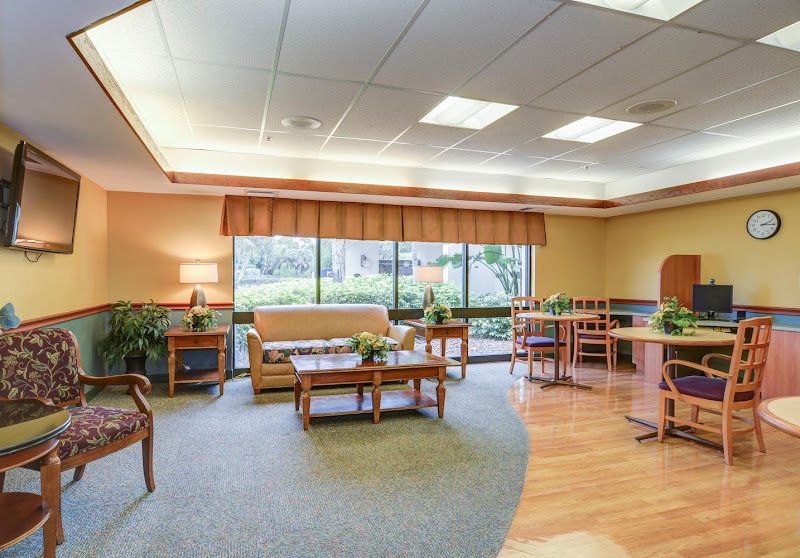
How is Solaris Healthcare Lely Palms Staffed?

CMS rates SOLARIS HEALTHCARE LELY PALMS's staffing level at 5 out of 5 stars, which is much above average compared to other nursing homes. Staff turnover is 28%, compared to the Florida average of 46%. This relatively stable workforce can support continuity of care.

What Have Inspectors Found at Solaris Healthcare Lely Palms?

State health inspectors documented 19 deficiencies at SOLARIS HEALTHCARE LELY PALMS during 2021 to 2025. These included: 2 Immediate Jeopardy (the most serious level, indicating potential for serious harm or death), 3 that caused actual resident harm, and 14 with potential for harm. Immediate Jeopardy findings are rare and represent the most serious regulatory concerns. They require immediate corrective action.
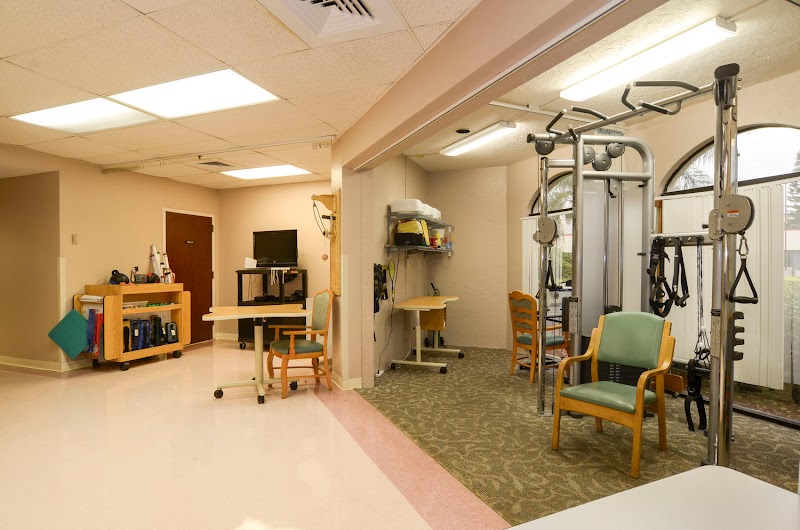
Who Owns and Operates Solaris Healthcare Lely Palms?

SOLARIS HEALTHCARE LELY PALMS is owned by a for-profit company. For-profit facilities operate as businesses with obligations to shareholders or private owners. The facility is operated by PROMEDICA SENIOR CARE, a chain that manages multiple nursing homes. With 117 certified beds and approximately 100 residents (about 85% occupancy), it is a mid-sized facility located in NAPLES, Florida.
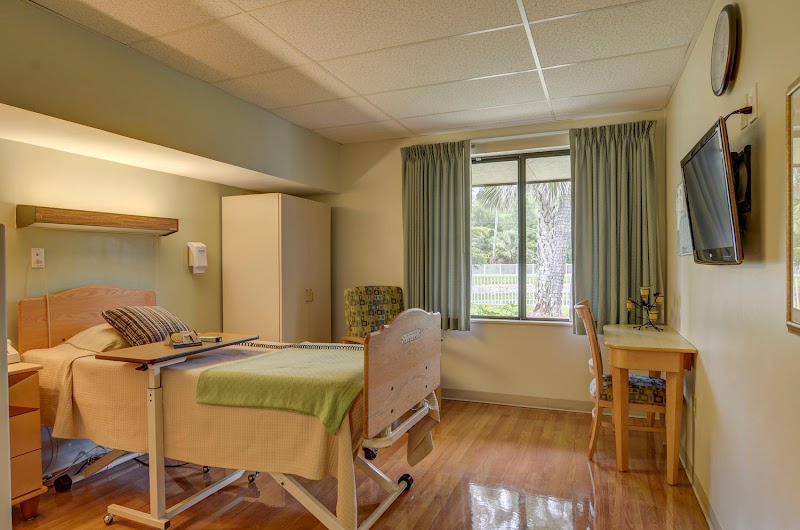
How Does Solaris Healthcare Lely Palms Compare to Other Florida Nursing Homes?

Compared to the 100 nursing homes in Florida, SOLARIS HEALTHCARE LELY PALMS's overall rating (2 stars) is below the state average of 3.2, staff turnover (28%) is significantly lower than the state average of 46%, and health inspection rating (1 stars) is much below the national benchmark.

What Should Families Ask When Visiting Solaris Healthcare Lely Palms?

Based on this facility's data, families visiting should ask: "What changes have been made since the serious inspection findings, and how are you preventing similar issues?" "What safeguards and monitoring systems are in place to protect residents from abuse or neglect?" "Can I visit during a mealtime to observe dining assistance and food quality?" "How do you handle medical emergencies, and what is your hospital transfer rate?" These questions are particularly relevant given the facility's Immediate Jeopardy citations and the substantiated abuse finding on record.

Is Solaris Healthcare Lely Palms Safe?

Based on CMS inspection data, SOLARIS HEALTHCARE LELY PALMS has documented safety concerns. The facility has 1 substantiated abuse finding (meaning confirmed case of resident harm by staff or other residents). Inspectors have issued 2 Immediate Jeopardy citations (the most serious violation level indicating risk of serious injury or death). The facility has a 2-star overall rating and ranks #100 of 100 nursing homes in Florida. Families considering this facility should ask detailed questions about what corrective actions have been taken since these incidents.

Do Nurses at Solaris Healthcare Lely Palms Stick Around?

Staff at SOLARIS HEALTHCARE LELY PALMS tend to stick around. With a turnover rate of 28%, the facility is 18 percentage points below the Florida average of 46%. Low turnover is a positive sign. It means caregivers have time to learn each resident's needs, medications, and personal preferences. Consistent staff also notice subtle changes in a resident's condition more quickly. Registered Nurse turnover is also low at 15%, meaning experienced RNs are available to handle complex medical needs.

Was Solaris Healthcare Lely Palms Ever Fined?

SOLARIS HEALTHCARE LELY PALMS has been fined $43,674 across 2 penalty actions. The Florida average is $33,516. While any fine indicates a compliance issue, fines under $50,000 are relatively common and typically reflect isolated problems that were subsequently corrected. Families should ask what specific issues led to these fines and confirm they've been resolved.

Is Solaris Healthcare Lely Palms on Any Federal Watch List?

SOLARIS HEALTHCARE LELY PALMS is not on any federal watch list. The most significant is the Special Focus Facility (SFF) program, which identifies the bottom 1% of nursing homes nationally based on persistent, serious quality problems. Not being on this list means the facility has avoided the pattern of deficiencies that triggers enhanced federal oversight. This is a positive indicator, though families should still review the facility's inspection history directly.