WOODSIDE HEALTH AND REHABILITATION CENTER
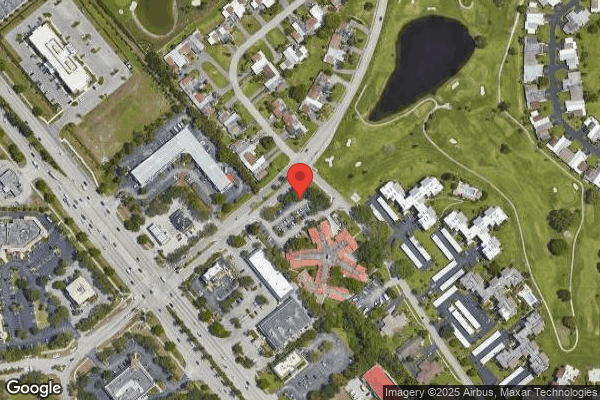
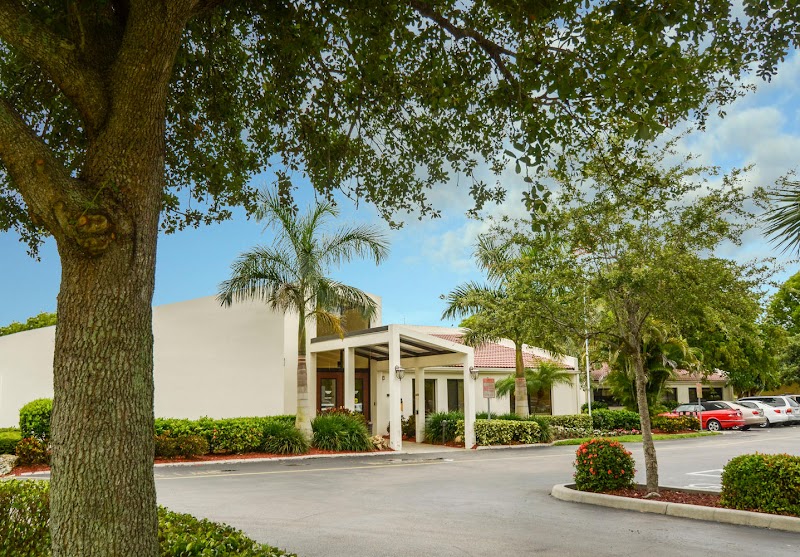
3601 LAKEWOOD BLVD, NAPLES, FL 34112 (239) 775-7757
For profit - Limited Liability company 120 Beds Independent Data: November 2025 3 Immediate Jeopardy citations
Trust Grade
0/100
#690 of 690 in FL
Last Inspection: May 2025

Inspected within the last 6 months. Data reflects current conditions.

Overview

Woodside Health and Rehabilitation Center in Naples, Florida has received a Trust Grade of F, indicating significant concerns about the quality of care provided. It ranks #690 out of 690 facilities in Florida, placing it in the bottom tier, and #11 out of 11 in Collier County, meaning it is the least favorable option in the area. The facility is worsening, with issues increasing from 3 in 2024 to 9 in 2025. Staffing is rated at 2 out of 5 stars, with a concerning turnover rate of 63%, much higher than the state average of 42%. The facility has incurred $82,285 in fines, which is higher than 87% of Florida facilities, indicating serious compliance issues. Recent inspector findings revealed critical safety lapses, including a failure to protect residents from abuse and neglect. For instance, a cognitively impaired resident was able to leave the building unsupervised and was later found at a gas station, highlighting inadequate supervision. Additionally, there was a failure to address verbal abuse incidents, raising serious concerns about resident safety and care. While the facility has good quality measures with a 4 out of 5 star rating, the overall situation reflects significant weaknesses that families should carefully consider.

Trust Score
F
0/100
In Florida
#690/690
Bottom 1%
Safety Record
High Risk
Review needed
Inspections
Getting Worse
3 → 9 violations
Staff Stability
⚠ Watch
63% turnover. Above average. Higher turnover means staff may not know residents' routines.
Penalties
✓ Good
$82,285 in fines. Lower than most Florida facilities. Relatively clean record.
Skilled Nurses
✓ Good
Each resident gets 46 minutes of Registered Nurse (RN) attention daily — more than average for Florida. RNs are trained to catch health problems early.
Violations
⚠ Watch
31 deficiencies on record. Higher than average. Multiple issues found across inspections.
★☆☆☆☆
1.0
Overall Rating
★★☆☆☆
2.0
Staff Levels
★★★★☆
4.0
Care Quality
★☆☆☆☆
1.0
Inspection Score
Stable
2024: 3 issues
2025: 9 issues

The Good

  • 4-Star Quality Measures · Strong clinical quality outcomes
  • Full Sprinkler Coverage · Fire safety systems throughout facility
  • No fines on record

Facility shows strength in quality measures, fire safety.

The Bad

1-Star Overall Rating

Below Florida average (3.2)

Significant quality concerns identified by CMS

Staff Turnover: 63%

17pts above Florida avg (46%)

Frequent staff changes - ask about care continuity

Federal Fines: $82,285

Well above median ($33,413)

Moderate penalties - review what triggered them

Staff turnover is elevated (63%)

15 points above Florida average of 48%

The Ugly 31 deficiencies on record

3 life-threatening 1 actual harm
May 2025 1 deficiency
CONCERN (D) 📢 Someone Reported This

A family member, employee, or ombudsman was alarmed enough to file a formal complaint

Potential for Harm - no one hurt, but risky conditions existed

Medical Records (Tag F0842)

Could have caused harm · This affected 1 resident

**NOTE- TERMS IN BRACKETS HAVE BEEN EDITED TO PROTECT CONFIDENTIALITY** Based on interview and record review, the facility failed to ensure a physician's order was documented for insertion of a size 2...

Read full inspector narrative →
**NOTE- TERMS IN BRACKETS HAVE BEEN EDITED TO PROTECT CONFIDENTIALITY** Based on interview and record review, the facility failed to ensure a physician's order was documented for insertion of a size 20 French urinary catheter for 1 (Resident #3) of 3 residents reviewed for urinary catheters (tube inserted in the bladder to drain urine). The findings included: Review of the facility policy for Standards and Guidelines: Physician Orders, revised 1/2024: 5.) Verbal orders should be recorded in the resident's chart by the authorized person receiving the order and should include the prescriber's name, credentials, the date and the time of the order. Review of the admission Minimum Data Set (MDS) assessment with a target date of 3/12/25 revealed Resident #3 was admitted on [DATE]. Diagnoses included neurogenic bladder (Bladder dysfunction). Resident #3 had an indwelling urinary catheter Review of the hospital discharge record form 3008 dated 3/5/25 revealed Resident #3 had an indwelling urinary catheter size 16 French (fr). Review of the progress notes revealed on 3/14/25 at 8:58 a.m., a Change in Condition note revealed Resident #3 had new abdominal pain and bleeding. The attending physician was notified and ordered a STAT (immediate) KUB (Kidney, ureter, and bladder X-ray), flushing, irrigation of the urinary catheter, and an ultrasound of the abdomen. Review of the nursing progress note effective 3/14/25 at 10:11 a.m., revealed Resident #3 presented this morning with a gross amount of clots in his urinary catheter drainage bag and severe spasm at his supra pubic area. The resident stated he was experiencing pain (10 out of 10). The progress note documented, A 16 fr. Foley (urinary catheter) was replaced with a size 20 fr. On 5/28/25, a review of the physician's orders failed to reveal an order to replace the 16 fr. urinary catheter with the 20 fr. urinary catheter. On 5/28/25 at 4:27 p.m., in an interview Registered Nurse (RN) Staff A said on 3/14/25 he replaced the 16 fr. catheter with the 20 fr. catheter. He said he thought he texted or called the physician to request the order for the 20 fr. urinary catheter. RN Staff A verified there was no order for the 20 fr. urinary catheter he inserted on 3/14/25. On 5/28/25 at 5:46 p.m., in an interview the Director of Nursing said there should be an order from the physician for the 20 fr. catheter. The DON verified there was no order for the 20 fr. catheter.
May 2025 8 deficiencies 3 IJ
CRITICAL (J) 📢 Someone Reported This

A family member, employee, or ombudsman was alarmed enough to file a formal complaint

Immediate Jeopardy (IJ) - the most serious Medicare violation

Free from Abuse/Neglect (Tag F0600)

Someone could have died · This affected 1 resident

**NOTE- TERMS IN BRACKETS HAVE BEEN EDITED TO PROTECT CONFIDENTIALITY** Based on observation, record review, review of facility's policies and procedures, and staff interviews, the facility failed to ...

Read full inspector narrative →
**NOTE- TERMS IN BRACKETS HAVE BEEN EDITED TO PROTECT CONFIDENTIALITY** Based on observation, record review, review of facility's policies and procedures, and staff interviews, the facility failed to protect each Residents' right to be free from abuse and neglect when they failed to accurately evaluate the risk for elopement and develop a individualized care plan to address wandering behaviors for Resident #53, and failed to immediately investigate an incident of staff to resident verbal abuse for Resident #5. Resident #53 was admitted to the facility on [DATE] and exhibited behaviors such as yelling out, combativeness and disrobing in the hallways. Resident #53 required continuous use of oxygen for Chronic Obstructive Pulmonary Disease (COPD). Staff interviews revealed Resident #53 was confused, constantly wandered and required close supervision. On 5/2/25, sometime between 6:00 p.m., and 6:55 p.m., Resident #53, who was cognitively impaired, with a history of dementia, unsafe wandering behaviors, and oxygen dependent, was able to exit the building unsupervised and without staff knowledge. The resident crossed a busy four lane highway, to a gas station that was approximately 0.1 miles from the facility. When the resident was located she was being tended to by Emergency Medical Services. She was brought back to the facility-by-facility staff. Staff were unable to determine the exact time of the resident ' s return but report it was sometime after 7:00 p.m. Resident #53 crossed a busy four lane road to get to the gas station located on a major eight lane highway creating a likelihood for serious injury, serious harm or death. Resident #53 could have sustained a fall traveling uneven ground or could have been hit by a car while crossing the busy four lane road. Resident #53 could have sustained life-threatening complications from the lack of necessary supplemental oxygen, such as low blood oxygen and respiratory failure. This failure resulted in the determination of Immediate Jeopardy. The findings included: Cross Reference to F689 and F835. 1. Review of the facility's policy titled, Abuse, Neglect, Exploitation, Misappropriation, Mistreatment, and Injury of Unknown Origin (ANEMMI), revised 3/2025 revealed, Neglect . means the failure of the facility, its employees or service providers to provide goods and services to a resident that are necessary to avoid physical harm, pain, mental anguish or emotional distress . Review of the clinical record revealed Resident #53 was admitted to the facility from a local hospital on 4/26/25. Diagnoses included but were not limited to acute respiratory failure with hypoxia (lack of sufficient oxygen in the tissues), Chronic Obstructive Pulmonary Disease (COPD), Dementia, symptoms and signs involving cognitive functions and awareness. Review of the hospital Discharge summary dated [DATE] revealed the main problem during the hospital stay had been active delirium, agitation. The discharge summary noted, We do suspect this patient has Alzheimer dementia. She was treated with Seroquel [antipsychotic] while here, at discharge she will be on Seroquel 12.5 mg [milligrams] 3 times daily . I do not think this patient can go back to her independent living facility. She will need constant supervision from now on . She is going today to SNF [Skilled Nursing Facility] . Review of the physician's orders dated 4/26/25 revealed to encourage and assist the resident to use oxygen at 4 liters via nasal cannula continuously for COPD. Review of the admission Nursing Evaluation dated 4/26/25 revealed an elopement risk evaluation was completed. The nurse completing the evaluation entered No for the questions: Resident has cognitive status impairment (i.e. short term memory loss, BIMS score, diagnosis, etc.), Does the resident have the ability to ambulate independently (with or without use of assistive device/wheelchair)?, Does the resident exhibit exit-seeking behavior (e.g. walk towards exits, manipulate doors, handles etc.). The elopement evaluation determined Resident #53 was not at risk for elopement. The interventions included: Increased staff observation. Review of the progress notes revealed on 4/27/25 at 6:37 a.m., Resident #53 was sitting on the floor next to her bed. Her oxygen was off. Resident #53 was yelling at the nurse, You're trying to murder me, you're in love with my husband, you're having an affair with him. The nurse documented the resident was very confused and became more lucid with the oxygen on at 3 liters. On 4/29/25 at 1:27 a.m., a nursing progress note documented Resident #53 was standing naked in the hallway yelling, calling this nurse a witch and refusing to put O2 (oxygen) on. On 4/29/25 at 2:30 a.m., a nursing progress note documented the resident continued to yell at staff; sat on the floor from the wheelchair trying to hit and kick staff. The resident kicked and scratched the nurse. When the oxygen was put on, the resident became calmer. On 4/30/25 at 6:22 a.m., a Social Service progress note documented the resident's son did not feel she could return to independent living and was looking into memory care. The son shared his mother has had paranoid behaviors for some time now. On 5/1/25, an initial psychiatric evaluation noted the resident scored 05 on the Brief Interview for Mental Status, which indicated severely impaired cognition. The evaluation noted the resident was difficult to redirect, and verbally inappropriate making the assessment difficult. On 5/1/25, a statement signed by the attending physician noted in his opinion, Resident #53 no longer had the capacity to make knowing health care decisions for herself or provide informed consent after a sufficient explanation without coercion or undue influence. On 5/12/25 at 12:08 p.m., in an interview, Licensed Practical Nurse (LPN) Staff A said on 5/2/25 she was assigned to Resident #53. She said historically Resident #53 was confused and often had extreme behaviors including fighting, pulling off her oxygen, and not staying in one spot. LPN Staff A said on 5/2/25, Resident #53 got out of the building and was found at the gas station across the street. LPN Staff A said she usually kept a close eye on Resident #53, as she liked to wander. Staff A said on 5/2/25 she had been with a different resident when she noticed Resident #53 was gone. Staff A said they looked for the resident all around the building. Resident #53 was eventually located at the gas station across the street. Staff A said when they found Resident #53, she said she didn't want to be there, and she hated her son. Staff A said Resident #53 explained how she went out the back door and pushed the egress bar for 15 seconds to be let out. LPN Staff A said the door alarm did go off. Staff A said she notified the Director of Nursing (DON), the Administrator, and called the family. LPN Staff A verified the lack of documentation of Resident #53's wandering behavior and elopement incident in the clinical record. LPN Staff A said she had no explanation for the lack of documentation. She said, It was all just verbal. On 5/12/25 at 12:40 p.m., in an interview, LPN Staff B said she was on duty on 5/2/25 but was not directly working with Resident #53 when the resident left the building. LPN Staff B said she was on a different hallway. Someone said an Emergency Medical Services (EMS)/deputy was at the front door. She went to the front door. EMS told her they found someone at the gas station down the street and were trying to find where the person belonged. Staff B said EMS provided a last name that was different than Resident #53's last name. She said apparently Resident #53 had given EMS her [NAME] name. LPN Staff A looked in the computer and couldn't find a resident with the last name given by EMS. EMS left since they did not recognize the last name. LPN Staff B said a little after that LPN Staff A was going down the hall looking for Resident #53. When she told her the resident's last name, LPN Staff B said the resident that could not be located was probably the lady at the gas station EMS enquired about. She said she and Staff A went to the gas station. They asked EMS if the lady was still there so they could look at her and identify her. LPN Staff B said, I recognized her, I had seen her in the building. LPN Staff A said yes, that was who we were looking for. Resident #53 was a bit resistant to coming back. They called Resident #53's son from the gas station. He was able to persuade her to go back to the facility. LPN Staff B said Resident #53 was sitting on a milk crate at the gas station and didn't appear to have any harm. LPN Staff B said the Director of Nursing (DON) knew about the incident. The DON and the Administrator showed up to help. When asked about documentation of the incident, LPN Staff B said she wrote a witness statement. She did not do an incident report as she was not assigned to the resident. Staff B said she assumed LPN Staff A completed the incident report. LPN Staff B said earlier that day, before they knew Resident #53 was gone, she had heard the alarm by room [ROOM NUMBER] and 332 go off. LPN Staff A said it was one of her visually impaired residents who had pushed on the door causing it to alarm. She shut the alarm off. EMS showed up at the facility 20 to 30 minutes after she heard the door alarm to see if they had a missing resident. She said they noticed Resident #53 was missing at around 6:55 p.m., since she printed the face sheet at that time. Further review of Resident #53's clinical record failed to reveal documentation of the resident's elopement, assessment for injuries upon return to the facility, physician, DON, Administrator and legal representative notification. There was no documentation, the care plan was updated and supervision implemented to prevent further incident of unsafe wandering and elopement. On 5/12/25 at 12:32 p.m., in an interview, the interim DON said Resident #53 went out the back door on 5/2/25. The interim DON said Resident #53 was alert and oriented and wanted to go to the store. She said they did a reenactment with the resident. Resident #53 was able to describe it all, including walking to the door, reading the sign that says the door will release after 15 seconds, went out, looked both ways, crossed the street and walked to the gas station on the corner. The interim DON said staff had been up front dealing with another resident who wanted to leave and go to the store. She said LPN Staff A, Resident #53's nurse, was up front assisting with the other resident. She said the alarm sounded; they discovered Resident #53 was not in building. She was found at the gas station on the corner. She said if a resident wants to go to the store, the normal process was to sign out on a leave of absence. She said Resident #53 scored 13 on a Brief Interview for Mental Status she performed upon the resident's return to the facility. (A BIMS score of 13-15 indicates intact cognition). The DON said Resident #53 had been very behavioral and declined when she took her oxygen off. The DON said Resident #53 did not have her oxygen when she was found at the gas station. She said the police were at the gas station, but she did not know if they did a report. The interim DON said Resident #53 was cognitively intact and was able to describe how she left the facility that day and again the next day. Therefore, they did not consider Resident #53 leaving the facility without staff knowledge or supervision an elopement but rather a near miss. On 5/12/25 at 3:10 p.m., in an interview, the Administrator said on 5/2/25 staff called and notified him saying they couldn't find Resident #53 and had called an elopement code. He came to the building and so did the interim DON. He said after the fact, they did a reenactment with Resident #53. He said at first Resident #53 said she didn't do it. Then she walked us through what she did. She was able to do it again the next day. He said they investigated and completed a head to toe assessment. Resident #53 had behaviors, but the interim DON completed a BIMS and the resident scored 13. He said Resident #53 was someone who did what she wanted to do. The Administrator said staff reported that EMS came to the building to enquire about someone, but EMS asked about someone with a last name different then Resident #53's last name. The Administrator said Resident #53 leaving the facility without staff knowledge and supervision was not considered an elopement. He said it was a near miss since the resident was cognitively intact and knew where she was going. The Administrator said Resident #53 had not been incapacitated. When asked about the incapacity statement the attending physician signed and dated 5/1/25, the Administrator said Had I known Resident #53 was incapacitated, I would have considered the incident an elopement without a doubt. On 5/12/25 at 3:32 p.m., in an interview, the interim DON said she did not know on 5/1/25 the attending physician had signed an incapacity statement for Resident #53. She said Definitely, the incident would have been considered an elopement and would have been reported for sure. On 5/13/25 at 1:02 p.m., the Interim DON said all residents were assessed for elopement, on admission, quarterly or with any change in condition. When asked about Resident #53's hospital discharge documentation indicating she needed constant supervision, the interim DON said that didn't mean resident was exit seeking but meant she needed a skilled nursing facility. She said if a resident is exhibiting behaviors, it would have to be exit seeking behavior for an elopement re-screen. She said it all depended on how a resident presented. On 5/13/25 at 2:08 p.m., in an interview the Attending Physician verified on 5/1/25 he signed the letter of incapacity for Resident #53. When asked if it was safe for Resident #53 to be at the gas station on a busy road alone, he said it was a tricky case, as the resident's BIMS fluctuated. He said when she first came, she was more confused, was up and down. Her mentation waxed and waned. He explained when tricky like that, the long-term plan would be further evaluation, maybe to a neuropsychologist. He said with the waxing and waning, bouts of confusion/mentation, it could be confusing, and it was quite a complicated case. 2. Review of the facility's Abuse, Neglect, Exploitation, Misappropriation, Mistreatment, and Injury of Unknown Origin (ANEMMI) Policy (last revised on 3/2025) revealed, Abuse is defined as the willful infliction of injury, unreasonable confinement, intimidation, or punishment with resulting physical harm, pain or mental anguish. Abuse also includes the deprivation by an individual, including a caretaker, of goods or services that are necessary to attain or maintain physical, mental, and psychosocial well-being. Instances of abuse of all residents, irrespective of any mental or physical condition, cause physical harm, pain or mental anguish. It includes verbal abuse, sexual abuse, physical abuse, and mental abuse including abuse facilitated or enabled through the use of technology . Staff are required to report any allegation of ANEMMI to the facility risk manager, direct supervisor, and/or abuse coordinator immediately upon knowledge of the allegation . Ensure that all alleged violations involving abuse, neglect, exploitation or mistreatment, including injuries of unknown source and misappropriation of resident property, are reported immediately, but no later than 2 hours after the allegation is made, if the events that cause the allegation involve abuse or result in serious bodily harm . Review of the facility's policy and procedure titled, Resident Rights last revised on 1/2024 revealed, Employees shall treat all residents with kindness, respect, and dignity. Review of the facility's Abuse Reporting education revealed verbal abuse is, Any use of oral, written, or gestured language that willfully includes disparaging and derogatory terms to residents regardless of their age, ability to comprehend or disability. The education also noted, Any verbal, physical, sexual; neglect; exploitation or injury of unknown source must be reported immediately, and All licensed staff (RN (Registered Nurse), LPN (Licensed Practical Nurse), CNA (Certified Nursing Assistant) ) are REQUIRED by law to report abuse, neglect or exploitation. Record review for Resident #5 revealed diagnoses of depression, generalized anxiety disorder and an unspecified mood disorder. Review of the Quarterly Minimum Data Set (MDS) assessment with a target date of 4/15/25 revealed Resident #5 scored 15 on the BIMS test, indicating intact cognition. Review of the progress notes revealed a psychology note dated 4/17/2025 which noted, Patient was visible irritable when I approached her in the hallways prior to our session. Patient shared that she had a negative interaction with an aide last night. She reports that she did not threaten the aide in any way, but she did request to speak to her night nurse to express her needs. Patient had a meeting this morning to discuss concerns with the aide's behavior and dissatisfaction with care. Behavior management techniques were used to address and modify patient's behavior. On 5/12/2025 at 12:04 p.m., in an interview, Resident #5 said a couple of weeks ago she was on the phone with her sister. She heard the CNAs arguing in the hallway. Her sister asked what was going on. She told her sister, I think the aides are fighting. Resident #5 said a CNA then came in her room, slammed her meal tray on the table and then slammed the door. She went out in the hallway to confront the CNA. Resident #5 said the CNA falsely accused her of using a racial slur. She said the CNA began cursing at her. It made her angry, so she cursed back at the CNA. The resident said, It was a yelling match in the hall, and they had to be separated. Resident #5 said LPN Staff C witnessed the incident. Resident #5 said the Administrator and Social Services met with her. She was not sure who the CNA was and had not seen her since that day. On 5/12/2025 at 1:57 p.m., in an interview, the Administrator said he and Social Service met with the resident that day. Resident #5 reported the incident and said she had used a racial slur, the N word. The Administrator said Resident #5 curses an awful lot. On 5/12/2025 at 3:33 p.m., in an interview, Resident #5 said Social Services came to talk to her today and asked how long ago the altercation happened. She told the Social Worker, You should know, you were there. Resident #5 said the Administrator and the Social Worker were both there the day of the altercation. They said they would get the CNA's name, but they never did. Resident #5 said there was no investigation done that she knew about. On 5/13/2025 at 11:35 a.m., in a joint interview, the Administrator and Director of Nursing (DON) said there was no prior investigation of the incident. On 5/14/2025 at 3:18 p.m., in an interview, LPN Staff C said he remembered the altercation. Resident #5 was upset that day that a CNA slammed the tray. He could not remember the name of the CNA and said the Administrator and Social Services talked to Resident #5. On 5/14/2025 at 3:21 p.m., in an interview, the Social Worker said the CNA was no longer employed at the facility. She said the incident happened over a month ago. The Social Worker said Resident #5 reported she was on the phone with her sister and went out in the hall after the CNA slammed the tray. The Social Worker said Resident #5 said the CNA called her a white bitch under her breath. On 5/14/2025 at 3:36 p.m., in a follow up interview, LPN Staff C confirmed witnessing the verbal altercation between Resident #5 and the CNA. When asked about reporting the incident and if anyone came to see Resident #5 that day, LPN Staff C replied, I don't know. On 5/14/2025 at 3:33 p.m., in a follow up interview, the Administrator said he was not aware of the verbal altercation. On 5/15/2025 at 11:44 a.m., in an interview, the Administrator said any staff who witnesses an altercation between a resident and staff member immediately separates them. The person who witnesses the altercation notifies the DON who in turn will notify him. The staff member involved in the altercation is immediately suspended pending investigation. The Administrator said a staff member yelling at a resident would be considered abuse and would be reported. The Administrator said, If they witnessed it, they have a licensed obligation to report it.
CRITICAL (J) 📢 Someone Reported This

A family member, employee, or ombudsman was alarmed enough to file a formal complaint

Immediate Jeopardy (IJ) - the most serious Medicare violation

Accident Prevention (Tag F0689)

Someone could have died · This affected 1 resident

**NOTE- TERMS IN BRACKETS HAVE BEEN EDITED TO PROTECT CONFIDENTIALITY** Based on observation, record review, resident representative and staff interviews, the facility failed to ensure processes were ...

Read full inspector narrative →
**NOTE- TERMS IN BRACKETS HAVE BEEN EDITED TO PROTECT CONFIDENTIALITY** Based on observation, record review, resident representative and staff interviews, the facility failed to ensure processes were in place to ensure the safety of cognitively impaired residents at risk for elopement. The facility failed to accurately assess the risk for elopement and adequately supervise to prevent elopement of 1 (Resident #53) of 1 cognitively impaired, mobile and confused resident with known wandering behavior. Resident #53 was a vulnerable adult with severe cognitive impairment, confusion and multiple behaviors such as yelling out, disrobing in the hallway and constant wandering. On 5/2/25 at an unknown time after 6:00 p.m., staff failed to adequately supervise Resident #53. Resident #53 exited the facility without staff knowledge and necessary supervision. Staff were not aware of the resident's exit until 5/2/25 at approximately 7:00 p.m. On 5/2/25 at an unknown time after 7:00 p.m., Resident #53 was found at a gas station located approximately 0.1 mile from the facility. Resident #53 crossed a busy four lane road to get to the gas station located on a busy eight lane highway. The facility failure to ensure adequate supervision to prevent unsafe wandering and elopement of cognitively impaired, and confused residents created a likelihood of avoidable accidents for Resident #53 and other cognitively impaired and confused residents at risk for elopement which could result in serious harm, serious injury, serious impairment or death of the residents. This failure resulted in the determination of Immediate Jeopardy. The findings included: Cross Reference to F600 and F835. Review of the clinical record revealed Resident #53 was admitted to the facility from an acute care hospital on 4/26/25. Review of the hospital physician Discharge summary dated [DATE] revealed Resident #53's main problem during the hospital admission has been delirium (serious changes in mental abilities resulting in confused thinking and lack of awareness of surroundings), active delirium and agitation. The practitioner documented, We do suspect this patient has Alzheimer [sic] dementia. She was treated with Seroquel (antipsychotic) while here . I do not think this patient can go back to her independent living facility. She will need constant supervision from now on . The patient transfer form (Agency for Health Care Administration Form 3008) dated 4/26/25 noted Resident #53 was alert, disoriented but could follow simple instructions. Resident #53 ambulated with assistance. The admission Nursing Evaluation note dated 4/26/25 at 9:35 p.m., noted Resident #53 has no weight bearing restrictions. The resident utilizes the following mobility devices: Walker, Wheelchair. Review of the elopement risk evaluation dated 4/26/25 at 9:35 p.m. revealed the nurse completing the form entered No for the following questions: Resident has cognitive status impairment (i.e. short-term memory loss, BIMS (Brief Interview for Mental Status) score, diagnosis, etc.), Does the resident have the ability to ambulate independently (with or without use of assistive device/wheelchair)?, Does the resident exhibit exit-seeking behavior (e.g. walk towards exits, manipulate doors, handles etc.). The facility determined Resident #53 was not an elopement risk but checked Increased staff observation in the Interventions/Approaches section of the elopement evaluation. Review of the behavior monitoring on the Medication Administration Record (MAR) for April 2025 revealed Resident #53's documented behaviors did not include wandering. Review of the progress notes revealed on 4/27/25 at 6:37 a.m., Resident #53 was sitting on the floor next to her bed. Her oxygen was off. Resident #53 was yelling at the nurse, You're trying to murder me, you're in love with my husband, you're having an affair with him. The nurse documented the resident was very confused and became more lucid with the oxygen on at 3 liters. On 4/29/25 at 1:27 a.m., a nursing progress note documented Resident #53 was standing naked in the hallway yelling, calling this nurse a witch and refusing to put O2 (oxygen) on. On 4/29/25 at 2:30 a.m., a nursing progress note documented the resident continued to yell at staff; sat on the floor from the wheelchair trying to hit and kick staff. The resident kicked and scratched the nurse. When the oxygen was put on, the resident became calmer. On 4/30/25 at 6:22 a.m., a Social Service progress note documented speaking to the resident's son. The son said he did not feel his mother could return to independent living and was looking into memory care facilities. The son shared that Resident #53 has had paranoid behaviors for some time now. She would call the police and say her son was beating her and taking her money. On 5/1/25, an initial psychiatric evaluation progress note documented Resident #53 had a psychiatric history of dementia with other behavioral disturbances, delirium and insomnia. Resident #53 was observed sitting in her wheelchair. She was alert with severe cognitive impairment. Resident #53 scored a 5 on the BIMS which indicated severely impaired cognition. The resident was difficult to redirect. The practitioner documented Resident #53 was unstable. The symptoms were occurring daily and causing severe distress. The practitioner discontinued the Seroquel and ordered Depakote sprinkles 250 mg three times daily (Used to manage irritable mood and impulsivity). On 5/1/25, the attending physician signed a statement noting in his opinion Resident #53 no longer had the capacity to make knowing health care decisions for herself or provide informed consent after a sufficient explanation without coercion or undue influence. On 5/12/25 at 12:08 p.m., in an interview, Licensed Practical Nurse (LPN) Staff A said on 5/2/25 she was assigned to Resident #53. She said historically Resident #53 was confused and often had extreme behaviors including not staying in one spot. LPN Staff A said she usually kept a close eye on Resident #53, as she liked to wander. LPN Staff A said on 5/2/25 she had been with a different resident when she noticed Resident #53 was gone. Staff A said they looked for the resident all around the building. She said Resident #53 got out of the building and was eventually located at the gas station across the street. She said Resident #53 explained how she went out the back door and pushed the egress bar for 15 seconds to be let out. LPN Staff A said the door alarm did go off. She notified the Director of Nursing (DON), the Administrator, and called the family. LPN Staff A verified Resident #53's wandering behavior and not staying in one spot were not documented in the clinical record. She verified the lack of documented individualized interventions, including necessary and adequate supervision to ensure Resident #53's safety and prevent elopement. LPN Staff A said she had no explanation for the lack of documentation. She said, It was all just verbal. On 5/12/25 at 12:40 p.m., in an interview, LPN Staff B said she was on duty on 5/2/25 but was not directly working with Resident #53 when she left the building. LPN Staff B said EMS (Emergency Medical Services) came to the facility and said they had found someone at the gas station and were trying to find out where that person belonged. They did not recognize the name provided by EMS. LPN Staff A searched in the computer and could not locate any resident with the last name EMS provided. LPN Staff B said a little bit after that LPN Staff A was going down the hall looking for Resident #53 but could not locate her. LPN Staff B said earlier that day, before they knew Resident #53 was gone, she had heard the door alarm by room [ROOM NUMBER] and 332 go off. LPN Staff A said it was one of her visually impaired residents who had pushed on the door causing it to alarm. She shut the alarm off. EMS showed up at the facility 20 to 30 minutes after she heard the door alarm to see if they had a missing resident. The Administrator and Director of Nursing (DON) were notified and came to the facility. Staff B and Staff A went to the gas station recognized Resident #53 and brought her back to the facility. On 5/12/25 at 12:32 p.m., in an interview, the interim DON verified on 5/2/25 Resident #53 exited the facility through the back door and was found at the gas station across the street. She said upon the resident's return, she evaluated the resident's cognition. Resident #53 was alert and oriented and scored 13 on the Brief Interview for Mental Status which indicated intact cognition. She said she was not aware on 5/1/25 the psychiatrist noted Resident #53's cognition was severely impaired and scored a 5 on the BIMS. The DON said they conducted a soft investigation. They did not consider the incident an elopement but a near miss. The DON said Resident #53 knew what she was doing and was able to describe it that Friday and again the next day on Saturday. On 5/12/25 at 3:10 p.m., in an interview, the Administrator verified on 5/2/25 the staff called him, said they could not find Resident #53 and had called a code orange (Code used by the facility to alert staff of a missing resident). The Administrator said they did a reenactment with Resident #53. She took him to the exit door and was able to demonstrate how she opened the door. She was able to do it again the next day. The Administrator said they did not consider it an elopement. The Administrator said they did elopement drills the next day and retrained staff on elopement. They did a root cause analysis of the incident and determined it was not an elopement. The Administrator said the incident was discussed in the Quality Assurance and Performance Improvement meeting on 5/9/25 but no performance improvement plan was put in place since they did not consider it an elopement. On 5/13/25 at 1:02 p.m., the hospital discharge summary noting Resident #53 required constant supervision and a potential diagnosis of Alzheimer's disease was reviewed with the DON. She said constant supervision did not mean the resident was exit seeking. It meant she needed to be in a skilled nursing facility. On 5/15/25 at 10:14 a.m., in an interview, the Interim DON said if staff hear an alarm go off, they are supposed to go to the door, check the surrounding area outside to see if a resident exited, do a head count and call a code orange. On 5/16/25 at 3:34 p.m., in a telephone interview, Resident #53's son said the facility notified him of the elopement. He said it should never have happened, absolutely not. He said the facility called and told him they no longer could provide services for her. It's been an ongoing battle for two to three years. She did not have a place to go due to her behaviors. The son said his mother has always had wandering behaviors. She had the behavior when she was living with him. Review of the facility's Standards and Guidelines: Elopement and Wandering revised on 1/1/24 provided by the DON revealed, The facility will identify residents who are at risk of unsafe wandering and strive to prevent harm while maintaining the least restrictive environment for incapacitated residents . Definition: A situation in which an incapacitated resident leaves the facility grounds or a safe area without the facility's knowledge and supervision, if necessary, would be considered an elopement . Each incapacitated resident will be assessed for wandering upon admission, readmission, and whenever an elopement attempt or new wandering behavior is observed or identified.
CRITICAL (J) 📢 Someone Reported This

A family member, employee, or ombudsman was alarmed enough to file a formal complaint

Immediate Jeopardy (IJ) - the most serious Medicare violation

Administration (Tag F0835)

Someone could have died · This affected 1 resident

**NOTE- TERMS IN BRACKETS HAVE BEEN EDITED TO PROTECT CONFIDENTIALITY** Based on observation, record review and staff interviews, the facility administration failed to utilize its resources effectivel...

Read full inspector narrative →
**NOTE- TERMS IN BRACKETS HAVE BEEN EDITED TO PROTECT CONFIDENTIALITY** Based on observation, record review and staff interviews, the facility administration failed to utilize its resources effectively to ensure processes were in place and implemented to prevent neglect and maintain the safety of cognitively impaired and confused residents to prevent unsafe wandering and elopement. Resident #53 was a vulnerable adult with severe cognitive impairment, confusion and multiple behaviors such as yelling out, disrobing in the hallway and constant wandering. On 5/2/25 at an unknown time after 6:00 p.m., staff failed to adequately supervise Resident #53. Resident #53 exited the facility without staff knowledge and necessary supervision. Staff were not aware of the resident's exit until 5/2/25 at approximately 7:00 p.m. On 5/2/25 at an unknown time after 7:00 p.m., Resident #53 was found at a gas station located approximately 0.1 mile from the facility. Resident #53 crossed a busy four lane road to get to the gas station located on a busy eight lane highway. The facility administration failed to recognize the neglect of Resident #53 and called the resident's elopement a near miss. The facility administration failed to complete a thorough investigation and failed to implement immediate and appropriate action to prevent the neglect of other cognitively impaired, confused and mobile residents to prevent further incidents of unsafe wandering and elopement. The facility administration failure to use its resources effectively to maintain residents' safety created a likelihood of serious harm, serious injury or death of Resident #53 and other cognitively impaired residents who exit the facility without staff knowledge. The residents could cross the nearby busy four lane road or nearby eight lane highway, get hit by a car, or sustain a fall resulting in serious injury from walking the uneven ground around the facility. This failure resulted in the determination of Immediate Jeopardy. The findings included: Cross reference F600 and F689. Review of the Administrator's job description revealed, The Administrator administers, directs, and coordinated all functions of the facility to assure that the highest degree of quality of care is consistently provided to the patients . Responsibilities: . Understand the facility's care regulations and support the patient care program by regularly meeting with the Patient Services Director to discuss and address concerns of the department . Ensure adherence to the Patient's [NAME] of Rights . Operate the facility in accordance with (name) Care Center policies and federal, state and local regulations . Assist in the Quality Assurance and Performance Improvement (QAPI) process. The form noted, Employee signature below constitutes employees understanding of the requirements, essential functions and duties of the position. The Administrator signed the job description on 12/9/24. Review of the Director of Nursing job description revealed, Overview: Executes the goals and objectives of the nursing department in regard to patient/resident rights, patient/resident care and reflects the mission statement of the facility . Provides leadership and direction for the nursing staff while being responsible for the overall management of the Nursing Department. Ensures nursing staff's compliance with all facility and nursing policies and procedures as well as compliance with regulatory requirements. Responsibilities: . Ensure compliance with government and accrediting agency standards and regulations pertaining to Nursing. Directs systems and programs within the department designed to meet regulatory standards. Assess, coordinate, plan and implement the systems required to deliver a high standard of care to patients/residents . Participate in QA/PI Programs by providing for the collection and analysis of data for the continuous quality improvement program . Ensure residents' safety in accordance with resident safety program . The form noted, Employee signature below constitutes employees understanding of the requirements, essential functions and duties of the position. The interim DON signed the form on 5/5/25. Review of the clinical record revealed Resident #53 was admitted to the facility from an acute care hospital on 4/26/25. Review of the hospital physician Discharge summary dated [DATE] revealed Resident #53's main problem during the hospital admission had been delirium [serious changes in mental abilities resulting in confused thinking and lack of awareness of surroundings], active delirium and agitation. The practitioner documented, We do suspect this patient has Alzheimer [sic] dementia. She was treated with Seroquel [antipsychotic] while here . I do not think this patient can go back to her independent living facility. She will need constant supervision from now on . On 5/1/25 the attending physician signed a statement noting in his opinion Resident #53 no longer had the capacity to make knowing health care decisions for herself or provide informed consent after a sufficient explanation without coercion or undue influence. On 5/12/25 at 12:08 p.m., in an interview, Licensed Practical Nurse (LPN) Staff A said on 5/2/25 she was assigned to Resident #53. She said historically Resident #53 was confused and often had extreme behaviors including not staying in one spot. LPN Staff A said she usually kept a close eye on Resident #53, as she liked to wander. LPN Staff A said on 5/2/25 she had been with a different resident when she noticed Resident #53 was gone. Staff A said they looked for the resident all around the building. She said Resident #53 got out of the building and was eventually located at the gas station across the street. The clinical record lacked documentation of Resident #53's wandering behavior and the elopement incident. LPN Staff A said, It was all just verbal. On 5/12/25 at 12:40 p.m., in an interview, LPN Staff B said she was on duty on 5/2/25 when Resident #53 exited the facility. She said earlier that day, before they knew Resident #53 was gone, she heard the door alarm by room [ROOM NUMBER] and 332 go off. LPN Staff A said it was one of her visually impaired residents who had pushed on the door causing it to alarm. She shut the alarm off. EMS (Emergency Medical Services) showed up at the facility 20 to 30 minutes after she heard the door alarm to see if they had a missing resident. A little bit after that LPN Staff A was going down the hall looking for Resident #53 but could not locate her. The Administrator and Director of Nursing (DON) were notified and came to the facility. Staff B and Staff A went to the gas station recognized Resident #53 and brought her back to the facility. On 5/12/25 at 12:32 p.m., in an interview, the interim DON verified on 5/2/25 Resident #53 exited the facility through the back door and was found at the gas station across the street. She said upon the resident's return, she evaluated the resident's cognition. Resident #53 was alert and oriented and scored 13 on the Brief Interview for Mental Status, indicative of intact cognition. The DON said they conducted a soft investigation. They did not consider the incident an elopement but a near miss. The interim DON said Resident #53 knew what she was doing and was able to describe that Friday and again the next day on Saturday how she left the facility. The facility's soft investigation determined the incident did not meet criteria for elopement as the resident was able to demonstrate how she left the facility and was taught as a child to look both ways to cross the street. The DON said as part of elopement prevention, the facility's front door, the 200 hall door and the 400 hall exit door are equipped with a wander alarm system. The wander alert bracelets would set off the alarm if a resident attempted to go through the doors. She said the other doors have an egress bar that alarms if opened and can only be shut off with a key. On 5/12/25 at 3:10 p.m., in an interview, the Administrator verified on 5/2/25 the staff called him, said they could not find Resident #53 and had called a code orange. They did a root cause analysis of the incident and determined it was not an elopement. The Administrator said it was a near miss since the resident was cognitively intact, knew where she was going, and had not been incapacitated. The near miss incident was discussed in the Quality Assurance and Performance Improvement meeting on 5/9/25 but no performance improvement plan was put in place since they did not consider the incident an elopement. The Administrator said Resident #53 simply failed to follow the facility's leave of absence policy. She wanted to go to the store per her normal routine. When asked about the incapacity statement signed by the attending physician on 5/1/25, the Administrator said, Had I known Resident #53 was incapacitated, I would have considered the incident an elopement without a doubt. The Administrator said they conducted elopement drills the next day and retrained staff on the elopement policy. He said at least 75% of the staff were reeducated on the elopement policy. Review of the facility's Standards and Guidelines: Elopement and Wandering revised on 1/1/24 provided by the DON on 5/12/25 revealed, The facility will identify residents who are at risk of unsafe wandering and strive to prevent harm while maintaining the least restrictive environment for incapacitated residents . Definition: A situation in which an incapacitated resident leaves the facility grounds or a safe area without the facility's knowledge and supervision, if necessary, would be considered an elopement . Each incapacitated resident will be assessed for wandering upon admission, readmission, and whenever an elopement attempt or new wandering behavior is observed or identified. If an incapacitated resident is missing who is considered at risk, initiate the elopement/missing resident emergency procedure . Announce Code Orange [facility's code to alert staff of a missing resident]. Note the time that the resident was discovered missing, or the door alarmed. On 5/12/25 at 3:32 p.m., in an interview, the interim DON said she did not know on 5/1/25 the attending physician had signed an incapacity statement for Resident #53. She said definitely the incident would have been considered an elopement and would have been reported for sure. On 5/13/25 at 1:42 p.m., in an interview, the interim DON reviewed part of the soft file investigation. It included a near miss/missing resident checklist, elopement drills, elopement in-services, and door alarm testing. On 5/14/25 at 10:40 a.m., the DON provided a Standards and Guidelines: Elopement and Wandering policy revised 1/1/2025. She said she did not realize the policy had been updated. The policy read, A situation in which a resident leaves the premises or a safe area without the facility's knowledge and supervision, if necessary, would be considered an elopement and the situation represents a risk to the resident's health and safety and places the resident at risk of heat or cold exposure, dehydration and/or other medical complications, drowning or being struck by a motor vehicle. The procedure only considered incapacitated residents and read in part, If identified at risk for wandering, elopement, or other safety issues, the incapacitated resident's care plan will include strategies and interventions to maintain the incapacitated resident's safety. Each incapacitated resident will be assessed for wandering and elopement upon admission, readmission, and whenever an elopement attempt or new wandering behavior is observed or identified. On 5/15/25 at 10:14 a.m., in an interview, the interim DON said if staff hear an alarm go off, they are supposed to go to the door, check the surrounding area outside to see if a resident exited, do a head count and call a code orange. The DON said the function of the wander alert bracelets is checked daily. On 5/16/25 at 12:22 p.m., during a review of the facility's Quality Assurance and Performance Improvement program, the Administrator reviewed the facility's Performance Improvement Plans (PIPs). He verified there was no current PIP related to elopement prevention. Review of the facility's neglect investigation initiated on 5/12/25 related to Resident #53's elopement revealed Resident #53's incapacity statement completed and signed by the attending physician on 5/1/25 was not uploaded to the resident's chart until 5/8/25 after the resident's discharge. The investigation also noted all the exit doors were checked for proper functioning. On 5/16/25 at 2:20 p.m., the DON demonstrated the function of the wander alert bracelets for the six current residents identified at risk of elopement. Resident #24 was identified at risk for elopement and wore a wander alert bracelet. When checked, the light verifying the wander alert bracelet was functioning properly did not come on, indicating the wander alert bracelet would not set off the alarm if the resident went through a door equipped with a wander alert system. The DON verified the wander alert bracelet was not functioning and said she would place the resident on 1 to 1 supervision until the wander alert bracelet could be replaced. Resident #59 was identified at risk for elopement and wore a wander alert bracelet. When the DON checked the resident's wander alert bracelet, a red light came on. The DON said the red light meant the wander alert battery was low. She said she would have it replaced immediately. On 5/16/25 at 2:45 p.m., a tour of the facility was completed with the Maintenance Director and the Maintenance Assistant to check the alarm system and function of the egress doors. The Maintenance Director explained when an egress door is pushed open, a very loud alarm will sound. The Maintenance Director pressed on the Heritage Hall East egress door bar. The door made a beeping sound. The Maintenance Director opened the door fully. The door alarm did not come on. The Maintenance Director then checked the Heritage Hall [NAME] egress door. The door made a beeping sound when pressed. The Maintenance Director pushed the door open. The alarm did not come on. On 5/16/2025 at 2:55 p.m., the Maintenance Director said the two egress doors should have sounded loudly when opened. He instructed the Maintenance Assistant to fix both doors. On 5/16/25 at 3:00 p.m., observation of the dining room with the Maintenance Director revealed an exit door that led to a screened porch. The Maintenance Director said the door was a mag locked door and could not be pushed open. The Maintenance Director demonstrated by pushing the door. The door easily opened and did not alarm. The Maintenance Director said, The door should not be able to be opened. My guy was out here power washing earlier. As of the exit date of 5/16/25 the facility's Administration failed to have documentation of a thorough investigation of Resident #53's elopement incident and effective use of resources to ensure processes were implemented to maintain the safety of cognitively impaired and confused residents to prevent unsafe wandering and elopement.
CONCERN (D) 📢 Someone Reported This

A family member, employee, or ombudsman was alarmed enough to file a formal complaint

Potential for Harm - no one hurt, but risky conditions existed

Safe Environment (Tag F0584)

Could have caused harm · This affected 1 resident

**NOTE- TERMS IN BRACKETS HAVE BEEN EDITED TO PROTECT CONFIDENTIALITY** Based on observation, residents and staff interviews, the facility failed to provide maintenance services to maintain a home-lik...

Read full inspector narrative →
**NOTE- TERMS IN BRACKETS HAVE BEEN EDITED TO PROTECT CONFIDENTIALITY** Based on observation, residents and staff interviews, the facility failed to provide maintenance services to maintain a home-like environment and failed to store residents' care items in a safe and sanitary manner for 5 (Residents #57, #36, #56, #81, and #32) of 20 sampled residents, and in 1 (room [ROOM NUMBER]) of 10 rooms observed for environment. The findings included: 1. On 5/12/25 at 9:21 a.m., observation of the bathroom shared by Resident #57 and Resident #36 revealed: Two uncovered gray wash basins, two uncovered gray bed pans, and an uncovered urine measuring hat stored in a pile on the floor under the sink, next to the trash container. Photographic evidence obtained. In an interview during the observation, Resident #57 said staff use a basin to wash her in bed. In an interview during the observation, Resident #36 said she saw the wash basins, bed pans and the measuring hat on the floor under the sink but did not know who put them there. On 5/15/25 at approximately 9:50 a.m., the two uncovered gray wash basins, two uncovered gray bed pans, and the uncovered urine measuring hat remained stored in a pile on the floor under the sink, next to the trash container. On 5/15/25 at 9:52 a.m., Certified Nursing Assistant (CNA) Staff F verified the observation of the two uncovered gray wash basins, two uncovered bed pans, and the uncovered urine measuring hat stored in a pile on the floor under the sink, next to the trash container. CNA Staff F said they were trash should have been discarded. 2. On 5/12/25 at 9:33 a.m., Resident #56 was observed lying in bed, watching television. The picture was blurry on the television set. In an interview, Resident #56 said she does not leave her room and watches television every day. She said the picture has been blurry since she's been in this room. She has told several staff she wanted someone to fix the television but no one has done it. Photographic evidence obtained. On 5/15/25 at 9:24 a.m., observation of Resident #56's room revealed the picture on the television set remained blurry. In an interview Resident #56 said no one came to repair the television. 3. On 5/12/25 at 12:30 p.m., observation of the dining room revealed the picture on the television was blurry. 4. On 5/15/25 at 12:45 p.m., observation of the shared bathroom of room [ROOM NUMBER] revealed an uncovered bedpan stored on the floor under the sink. On 5/15/25 at 1:14 p.m., Occupational Therapist Staff H verified a bedpan was stored uncovered on the floor of room [ROOM NUMBER]'s shared bathroom. 5. On 5/15/25 at 12:48 p.m., observation of Resident #81's shared bathroom revealed an unlabeled, uncovered urinal hanging on the right arm rest of the raised toilet seat and an uncovered urinary catheter leg bag hanging from the left arm rest of the raised toilet seat. Photographic evidence obtained. On 5/16/25 at 12:25 p.m., in an interview Resident #81 said his electric wheelchair does not fit into the bathroom and he did not hang the urinal or the leg bag over the raised toilet. On 5/15/25 at 1:11 p.m., CNA Staff F verified an unlabeled, uncovered urinal and an uncovered urinary catheter leg bag were stored hanging from the arm rests of the raised toilet seat. She said she observed the uncovered and unlabeled urinal and urinary catheter leg bag this morning when she took care of Resident #81 and knew they were supposed to be labeled and covered but left them hanging from the arm rests of the raised toilet seat. 6. On 5/15/25 at 12:53 p.m., observation of Resident #32's bathroom revealed the raised toilet seat was rusty with peeling paint. Photographic evidence obtained. On 5/15/25 at 1:05 p.m., CNA Staff F verified the raised toilet seat in Resident #32's bathroom was rusty and the paint was peeling. She said she was not assigned to Resident #32 but the rusty toilet seat was not appropriate for resident use and should be thrown away. On 5/15/25 at 1:19 p.m., in an interview the Maintenance Director said the raised toilet seat in Resident #32's room was rusty and not appropriate for residents' use. He said he did not know about it, or he would have removed it. On 5/16/25 at 10:59 a.m., in a follow up interview the Maintenance Director said he conducts environmental rounds every day to make sure the environment is in good working order. He observed the blurry picture of Resident #56's television and said no one told him about it. Resident #56 told the Maintenance Director the television has been blurry for two years.
CONCERN (D) 📢 Someone Reported This

A family member, employee, or ombudsman was alarmed enough to file a formal complaint

Potential for Harm - no one hurt, but risky conditions existed

Report Alleged Abuse (Tag F0609)

Could have caused harm · This affected 1 resident

**NOTE- TERMS IN BRACKETS HAVE BEEN EDITED TO PROTECT CONFIDENTIALITY** Based on record review and interview, the facility failed to report alleged violations related to abuse and neglect to the prope...

Read full inspector narrative →
**NOTE- TERMS IN BRACKETS HAVE BEEN EDITED TO PROTECT CONFIDENTIALITY** Based on record review and interview, the facility failed to report alleged violations related to abuse and neglect to the proper authorities within prescribed timeframe for 2 (Residents #53 and #5) of 2 residents reviewed for abuse and neglect. The findings included: Review of the facility's policy and procedure titled, Abuse, Neglect, Exploitation, Misappropriation, Mistreatment and Injury of Unknown Origin (ANEMMI) with a revised date of 03/2025 revealed, Reporting: . Staff are required to report any allegation of ANEMMI to the facility risk manager, direct supervisor, and/or abuse coordinator immediately upon knowledge of the allegation . The facility must: Ensure that all alleged violations involving abuse, neglect, exploitation or mistreatment . are reported immediately, but no later than 2 hours after the allegation is made, if the events that cause the allegation involve abuse or result in serious bodily injury, or not later than 24 hours if the events that cause the allegation do not involve abuse and do not result in serious bodily injury, to the administrator of the facility and to other officials (including to the State Survey Agency and Adult Protective Services where state law provides for jurisdiction in long term care facilities) in accordance with State law through established procedures. 1. Review of the clinical record for Resident #53 revealed an admission date of 4/26/25. Diagnoses included but were not limited to Dementia and symptoms and signs involving cognitive functions and awareness. Review of the hospital Discharge summary dated [DATE] revealed the main problem during the hospital stay had been active delirium, agitation. The discharge summary noted, We do suspect this patient has Alzheimer [sic] dementia. She was treated with Seroquel (antipsychotic) while here, at discharge she will be on Seroquel 12.5 mg (milligrams) 3 times daily . I do not think this patient can go back to her independent living facility. She will need constant supervision from now on . She is going today to SNF (Skilled Nursing Facility) . On 5/1/25, an initial psychiatric evaluation noted the resident scored 05 on the Brief Interview for Mental Status, indicative of severely impaired cognition. The evaluation noted the resident was difficult to redirect, and verbally inappropriate making the assessment difficult. On 5/1/25, a statement signed by the attending physician noted in his opinion, Resident #53 no longer has the capacity to make knowing health care decisions for herself or provided informed consent after a sufficient explanation without coercion or undo influence. On 5/12/25 at 12:08 p.m., in an interview Licensed Practical Nurse (LPN) Staff A said on 5/2/25 she was assigned to Resident #53. She said historically Resident #53 was confused and often had extreme behaviors including fighting, pulling off her oxygen, and not staying in one spot. LPN Staff A said on 5/2/25, Resident #53 got out of the building and was found at the gas station across the street. LPN Staff A said she usually kept a close eye on Resident #53, as she liked to wander. On 5/2/25, she had been with a different resident when she noticed Resident #53 was gone. LPN Staff A said they looked for the resident all around the building. Resident #53 was eventually located at the gas station across the street. LPN Staff A said when they found Resident #53, she said she didn't want to be there, and she hated her son. Staff A said Resident #53 explained how she went out the back door, and pushing the egress bar for 15 seconds to be let out. LPN Staff A said the door alarm did go off. She notified the Director of Nursing (DON), the Administrator, and called the family. LPN Staff A verified the lack of documentation of Resident #53's wandering behavior and elopement incident in the clinical record. LPN Staff A said she had no explanation for the lack of documentation. She said, It was all just verbal. On 5/12/25 at 12:32 p.m., in an interview the interim DON said Resident #53 went out the back door on 5/2/25. The interim DON said Resident #53 was alert and oriented and wanted to go to the store. She said they did a reenactment with the resident. Resident #53 was able to describe it all, including walking to the door, reading the sign that says the door will release after 15 seconds, went out, looked both ways, crossed the street and walked to the gas station at the corner. The interim DON said staff had been up front dealing with another resident who wanted to leave and go to the store. She said LPN Staff A, Resident #53's nurse, was up front assisting with the other resident. She said the alarm sounded, they discovered Resident #53 was not in the building. She was found at the gas station at the corner. She said if a resident wants to go to the store, the normal process is to sign out on a leave of absence form. She said upon the resident's return to the facility she performed a Brief Interview for Mental Status test on Resident #53. The resident scored 13 on the test, indicative of intact cognition. The DON said Resident #53 had been very behavioral and declined when she took her oxygen off. The interim DON said Resident #53 was cognitively intact. She was able to describe how she left the facility that day and again the next day. Therefore, they did not consider Resident #53 leaving the facility without staff knowledge or supervision an elopement but rather a near miss. They did not filed a report the incident the Agency for Health Care Administration. On 5/12/25 at 3:10 p.m., in an interview the Administrator said on 5/2/25 staff called and notified him said they couldn't find Resident #53 and had called an elopement code. He came to the building and so did the interim DON. He said after the fact, they did a reenactment with Resident #53. At first, Resident #53 said she didn't do it. Then she walked them through what she did. She was able to walk them through what she did again the next day. He said they investigated and completed a head to toe assessment. Resident #53 had behaviors, but the interim DON completed a BIMS and the resident scored 13, indicative of intact cognition. He said Resident #53 was someone who did what she wanted to do. The Administrator said staff reported EMS came to the building to enquire about someone, but EMS asked about someone with a last name different than Resident #53's last name. The Administrator said Resident #53 leaving the facility without staff knowledge and supervision was not considered an elopement. He said it was a near miss since the resident was cognitively intact and knew where she was going. He verified he did not report the incident to the proper authorities, including the State Survey Agency, the Agency for Health Care Administration. 2. Record review for Resident #5 revealed diagnoses of depression, generalized anxiety disorder and an unspecified mood disorder. Review of the Quarterly Minimum Data Set (MDS) assessment with a target date of 4/15/25 revealed Resident #5 scored 15 on the BIMS test, indicating intact cognition. Review of the progress notes revealed a psychology note dated 4/17/2025 which noted, Patient was visibly irritable when I approached her in the hallways prior to our session. Patient shared that she had a negative interaction with an aide last night. She reports that she did not threaten the aide in any way but she did request to speak to her night nurse to express her needs. Patient had a meeting this morning to discuss concerns with the aides behavior and dissatisfaction with care. Behavior management techniques were used to address and modify patient's behavior. On 5/12/2025 at 12:04 p.m., in an interview Resident #5 said a couple of weeks ago she was on the phone with her sister. She heard the CNAs arguing in the hallway. Her sister asked what was going on. She told her sister, I think the aides are fighting. Resident #5 said a CNA then came in her room, slammed her meal tray on the table and then slammed the door. She went out in the hallway to confront the CNA. Resident #5 said the CNA falsely accused her of using a racial slur. She said the CNA began cursing at her. It made her angry so she cursed back at the CNA. The resident said, It was a yelling match in the hall and they had to be separated. Resident #5 said LPN Staff C witnessed the incident. Resident #5 said the Administrator and Social Services met with her. She was not sure who the CNA was and has not seen her since that day. On 5/13/2025 at 11:35 a.m., in a joint interview the Administrator and Director of Nursing (DON) said there was no prior investigation of the incident. On 5/14/2025 at 3:18 p.m., in an interview LPN Staff C said he remembered the altercation. Resident #5 was upset that day that a CNA slammed the tray. He could not remember the name of the CNA and said the Administrator and Social Services talked to Resident #5. On 5/14/2025 at 3:21 p.m., in an interview the Social Worker said the CNA involved in the altercation was no longer employed at the facility. She said the incident happened over a month ago. The Social Worker said Resident #5 reported she was on the phone with her sister and went out in the hall after the CNA slammed the tray. Resident #5 said the CNA called her a white bitch under her breath. On 5/14/2025 at 3:36 p.m., in a follow up interview LPN Staff C confirmed witnessing the verbal altercation between Resident #5 and the CNA. When asked about reporting the incident and if anyone came to see Resident #5 that day, LPN Staff C replied, I don't know. On 5/14/2025 at 3:33 p.m., in a follow up interview the Administrator said he was not aware of the verbal altercation and did not report the incident to the proper authorities, including the Agency for Health Care Administration. On 5/15/2025 at 11:44 a.m., in an interview the Administrator said any staff who witnesses an altercation between a resident and staff member must immediately separate them. The person who witnesses the altercation notifies the DON who in turn notifies him. The staff member involved in the altercation is immediately suspended pending investigation. The Administrator said a staff member yelling at a resident would be considered abuse and would be reported. The Administrator said, If they witnessed it, they have a license and obligation to report it.
CONCERN (D) 📢 Someone Reported This

A family member, employee, or ombudsman was alarmed enough to file a formal complaint

Potential for Harm - no one hurt, but risky conditions existed

Investigate Abuse (Tag F0610)

Could have caused harm · This affected 1 resident

Based on record review, resident and staff interviews the facility failed to have documentation of an investigation for an allegation of abuse for 1 (Resident #5) of 3 residents reviewed for allegatio...

Read full inspector narrative →
Based on record review, resident and staff interviews the facility failed to have documentation of an investigation for an allegation of abuse for 1 (Resident #5) of 3 residents reviewed for allegation of abuse. The findings included: Review of the facility's Abuse, Neglect, Exploitation, Misappropriation, Mistreatment, and Injury of Unknown Origin (ANEMMI) Policy (last revised on 3/2025) revealed, Abuse is defined as the willful infliction of injury, unreasonable confinement, intimidation, or punishment with resulting physical harm, pain or mental anguish. Abuse also includes the deprivation by an individual, including a caretaker, of goods or services that are necessary to attain or maintain physical, mental, and psychosocial well-being. Instances of abuse of all residents, irrespective of any mental or physical condition, cause physical harm, pain or mental anguish. It includes verbal abuse, sexual abuse, physical abuse, and mental abuse including abuse facilitated or enabled through the use of technology . Staff are required to report any allegation of ANEMMI to the facility risk manager, direct supervisor, and/or abuse coordinator immediately upon knowledge of the allegation . Ensure that all alleged violations involving abuse, neglect . are reported immediately, but no later than 2 hours after the allegation is made, if the events that cause the allegation involve abuse or result in serious bodily harm. Review of the facility's policy titled, Resident Rights (last revised on 1/2024) revealed, Employees shall treat all residents with kindness, respect, and dignity. Review of the facility's Abuse Reporting education revealed verbal abuse is defined as Any use of oral, written, or gestured language that willfully includes disparaging and derogatory terms to residents regardless of their age, ability to comprehend or disability. The education noted any verbal abuse must be reported immediately. All Licensed staff Registered Nurses, Licensed Practical Nurses, Certified Nursing Assistants are required by law to report abuse, neglect or exploitation. Review of the clinical record for Resident #5 revealed an admission date of 7/23/24. The Quarterly Minimum Data Set (MDS) assessment with a target date of 4/15/25 revealed Resident #5 scored 15 on the BIMS test, indicating intact cognition. Review of a psychology progress note dated 4/17/2025 revealed, Patient was visibly irritable when I approached her in the hallways prior to our session. Patient shared that she had a negative interaction with an aide last night. She reports that she did not threaten the aide in any way but she did request to speak to her night nurse to express her needs. Patient had a meeting this morning to discuss concerns with the aides behavior and dissatisfaction with care. Behavior management techniques were used to address and modify patient's behavior. On 5/12/2025 at 12:04 p.m., in an interview Resident #5 said a couple of weeks ago she was on the phone with her sister. She heard the Certified Nursing Assistants arguing in the hallway. Her sister asked what was going on. She told her sister, I think the aides are fighting. Resident #5 said a CNA then came in her room, slammed her meal tray on the table and then slammed the door. She went out in the hallway to confront the CNA. Resident #5 said the CNA falsely accused her of using a racial slur. She said the CNA began cursing at her. It made her angry so she cursed back at the CNA. The resident said, It was a yelling match in the hall and they had to be separated. Resident #5 said Licensed Practical Nurse (LPN) Staff C witnessed the incident. Resident #5 said the Administrator and Social Services met with her. She was not sure who the CNA was and has not seen her since that day. On 5/13/2025 at 11:35 a.m., in a joint interview the Administrator and the Director of Nursing (DON) said there was no prior investigation of the incident. On 5/14/2025 at 3:18 p.m., in an interview LPN Staff C said he remembered the altercation between Resident #5 and a CNA. Resident #5 was upset that day that a CNA slammed the tray. He could not remember the name of the CNA and said the Administrator and Social Services talked to Resident #5. On 5/14/2025 at 3:21 p.m., in an interview the Social Worker said the CNA was no longer employed at the facility. She said the incident happened over a month ago. The Social Worker said Resident #5 reported she was on the phone with her sister and went out in the hall after the CNA slammed the tray. The Social Worker said Resident #5 said the CNA called her a white bitch under her breath. On 5/14/2025 at 3:36 p.m., in a follow up interview LPN Staff C confirmed witnessing the verbal altercation between Resident #5 and the CNA. When asked about reporting the incident and if anyone came to see Resident #5 that day, LPN Staff C replied, I don't know. On 5/14/2025 at 3:33 p.m., in a follow up interview the Administrator said he was not aware of the verbal altercation. He verified the lack of an investigation into the resident's allegation of verbal abuse.
CONCERN (D)

Potential for Harm - no one hurt, but risky conditions existed

Deficiency F0679 (Tag F0679)

Could have caused harm · This affected 1 resident

Based on observation, staff interview, and record review the facility failed to ensure 1 (Resident #12) of 2 residents reviewed for activities, attended activities of their choice to maintain and/or i...

Read full inspector narrative →
Based on observation, staff interview, and record review the facility failed to ensure 1 (Resident #12) of 2 residents reviewed for activities, attended activities of their choice to maintain and/or improve their psychosocial well-being and independence. The findings included: On 5/12/25 at 10:30 a.m., 11:16 a.m., 12:35 p.m., and 3:00 p.m., Resident #12 was observed in his room without the television or radio on. Resident #12 was not observed in any of the facility's activities during the day. On 5/13/25 at 8:30 a.m., 10:32 a.m., and 11:00 a.m., Resident #12 was observed in his room without the television or radio on. Resident #12 was not observed in any of the facility's activities during those observations. On 5/13/25 at 11:00 a.m., in an interview Resident #12 said he was blind and could not see but he would like to go outside and feel the sun and wind on his face. He said he didn't remember the last time a facility staff brought him outside to enjoy the sunlight and/or the last time he attended an out-of-room activity with other residents. Review of Resident #12's medical record revealed his initial admission date to the facility was on 11/26/24 with medical diagnoses of hemiplegia (paralysis of one side of the body) and hemiparesis (weakness of one side of the body) following a cerebral infarction (stroke), legal blindness, major depressive disorder, generalized anxiety, and muscle weakness. Review of Resident #12's activity plan of care stated Resident #12 was dependent on staff for emotional, intellectual, physical, and social stimulation related to cognitive deficits. The activity goal was to increase Resident #12's involvement in cognitive stimulation with social activities as desired through the next care plan review date. Interventions put in place to achieve Resident #12's activity goals were to assist Resident #12 to activity functions and invite him to resident scheduled activities. The care plan noted that Resident #12's preferred activities were: family/friend visits, socials/parties, the love of 70's and 80's music, going outside when the weather was good, and one-on-one visits with Resident #12 by activity staff for reading the daily chronicle and/or the book Chicken Soup. Activities staff were to offer 1:1 bedside/in-room visits/activities if Resident #12 was unable to attend out of room events. Review of the Director of Activities (DOA) job description stated the Director of Activities was responsible for developing, implementing and supervising a full scope of recreation services in the nursing home to stimulate customers to have fuller and richer lives. The DOA was responsible for planning individual and group recreation services, both therapeutic and general, direct supervision of all activity staff and volunteers, and was responsible for all necessary activity documentation. On 5/15/25 at 11:00 a.m., in an interview Unit Manager (Staff J) said she knew Resident #12 very well as he was one of the residents on her unit. She said if Resident #12 didn't want to do something he would tell you. Staff J also said in the past three to four months he had been doing very well, and she could not remember the last time he had refused care. She said Resident #12 enjoyed going outside when the weather was good and attending group activities. She confirmed Resident #12 had remained in bed on 5/12/25 and 5/13/25 but didn't know why. She said she didn't remember the last time Resident #12 had been outside and/or attended a group activity. She said there was no medical reason why Resident #12 could not attend group activities. On 5/15/25 at 11:45 a.m., in an interview with the Director of Activity (DOA), she said she had been working as the DOA since January 2025. She confirmed as part of her job duties she was responsible for developing, implementing and supervising recreation services in the nursing home for each resident. She was also responsible for planning individual and group recreation services, both therapeutic and general, direct supervision of all activity assistants and volunteers, and was responsible for all necessary documentation to include which activity each resident attended to ensure each resident attended activities noted in their individual activity plan of care. The DOA confirmed Resident #12's personalized activity program stated Resident #12 was dependent on staff for emotional, intellectual, physical, and social stimulation related to cognitive deficits and his activity goal was to increase Resident #12's involvement in cognitive stimulation and social activities through the next care plan review. She said some of the interventions she had put in place to achieve those goals were to assist Resident #12 to activity functions and invite him to resident scheduled group activities. She said Resident #12 enjoyed social parties, 70's and 80's music, going outside when the weather was good, and one-on-one visits from the activity staff to read him the daily chronicle and books since he was legally blind. She said for Resident #12 to attend group activities and/or go outside the facility on good weather days she depended on the nursing staff or the therapy department to have Resident #12 in his wheelchair. She further said she didn't remember the last time the nursing staff had Resident #12 out of bed to get in his wheelchair so he could attend a group activity. The DOA reviewed Resident #12's activity attendance sheet for April and May 2025 which revealed no documentation Resident #12 had attended a group activity program and/or been outside of the facility as required in his activity plan of care. Review of the documentation the one-on-one documentation for Resident #12 for April and May 2025 revealed the activity department documented they had conducted one-on-one activities with Resident #12 for a total of 4 times, (2 times in April and 2 times in May). She said she was unable to find documentation Resident #12 had attended the activities outlined in his activity plan of care as required on a routine basis to ensure his overall psychosocial well-being and independence were maintained and/or improved as required.
CONCERN (D)

Potential for Harm - no one hurt, but risky conditions existed

Deficiency F0761 (Tag F0761)

Could have caused harm · This affected 1 resident

Based on observation, staff and resident interviews, and medication record review, the facility failed to identify and monitor the safe and proper storage of medications for 1(Resident #48) of 1 resi...

Read full inspector narrative →
Based on observation, staff and resident interviews, and medication record review, the facility failed to identify and monitor the safe and proper storage of medications for 1(Resident #48) of 1 resident observed with unsecured medications at the bedside. The findings included: Review of the facility Standards and Guidelines, Medication Storage and Labeling issued 03/2021 and revised 01/2024 stated, Drugs and biologicals used in the facility Must be labeled in accordance with currently accepted professional principles, and include the appropriate accessory and cautionary instructions, and the expiration date when applicable. Drugs and biologicals used in the facility are stored in locked compartments under proper temperature, light, and humidity controls. Only persons authorized to prepare and administer medications have access to locked medications. Review of the clinical record for Resident #48 revealed an initial admission date of 8/14/2021. Diagnoses included Hypertension, Diabetes, Dependence on Renal Dialysis, and CVA (Cerebral Vascular Accident). Her BIMS (Brief Interview for Mental Status) score was a 15 which indicates intact cognition. On 5/12/25 at 9:00 a.m., in an interview Resident #48 said she had been a resident at the facility for two years now. Several medications were observed in a plastic bin on her over bed table including: Melatonin 3 mg (milligrams) tablets (bottle of 90), (dietary supplement) Melatonin 5 mg gummies (bottle of 60) and Glucosamine & Chondroitin Complex, (dietary supplement), one bottle (160 tablets). Photographic Evidence obtained. Resident #48 was able to identify the medications. She said she has been taking the medications for sleep every night for the past two years. Resident #48 said her roommate has Alzheimer's and sometimes takes her belongings. On 5/13/25 at 10:00 a.m., Resident #48's room was observed from the doorway. The door was open. Resident #48 and her roommate were not in the room. The plastic bin of medications observed on 5/12/25 remained unsecured on the resident's over bed table. Photographic evidence obtained. On 5/14/25 at 9:45 a.m., a pack of Gentle Laxative Soft Chews (1200 mg Magnesium Hydroxide/Saline Laxative) was observed at the resident's bedside. In an interview Resident #48 said she took two of the Magnesium Hydroxide saline laxative this morning. The bottles of Melatonin and Glucosamine & Chondroitin Complex Dietary Supplement were still observed stored in the plastic bin at the bedside. The resident said, the nurses don't know that I have them. On 5/14/2024 at 9:50 a.m., in an interview Licensed Practical Nurse (LPN) Staff D said she has been employed at the facility since last July and has provided care for Resident #48. LPN Staff D said she has never noticed the medications at the resident's bedside. On 5/14/2025 at 9:55 a.m., the observation of the medications at Resident #48's bedside was shared with the Regional Director of Nursing (DON). In an interview the Regional DON said residents were not allowed to keep medications in their room.
Jul 2024 3 deficiencies
CONCERN (E) 📢 Someone Reported This

A family member, employee, or ombudsman was alarmed enough to file a formal complaint

Potential for Harm - no one hurt, but risky conditions existed

Safe Environment (Tag F0584)

Could have caused harm · This affected multiple residents

**NOTE- TERMS IN BRACKETS HAVE BEEN EDITED TO PROTECT CONFIDENTIALITY** Based on observation, residents and staff interviews, the facility failed to provide maintenance services to maintain a clean, s...

Read full inspector narrative →
**NOTE- TERMS IN BRACKETS HAVE BEEN EDITED TO PROTECT CONFIDENTIALITY** Based on observation, residents and staff interviews, the facility failed to provide maintenance services to maintain a clean, safe and comfortable environment in 15 (Rooms 314, 325, 418, 201, 203, 212, 307, 309, 314, 324, 328, 337, 407, 403, and 418) of 15 rooms observed and 3 ([NAME], Hibiscus and Heritage) of 4 hallways observed. The findings included: On 7/10/24 at 9:30 a.m., during a tour of the facility the following observations were made: Common hallways were being used as storage spaces for wheelchairs, walkers, supply carts, water carts, mechanical lifts, and mattresses. Photographic evidence obtained Common hallway floors with the tile cracked, missing or stained throughout the building. Photographic evidence obtained Common hallways with multiple areas of peeling wallpaper and warped/damaged cove base. Photographic evidence obtained Multiple resident bathrooms with black bio-growth on walls and/or ceiling including rooms 314, 324 and 418. Photographic evidence obtained Multiple resident rooms and bathrooms with peeled missing paint, holes in plaster, scrapes on wall, cove based damaged with ground in dirt, caulk missing around toilets, tile cracked and/or missing pieces and brown substances on toilets including rooms 201, 203, 212, 307, 309, 314, 324, 328, 337, 407 and 418. Photographic evidence obtained) In room [ROOM NUMBER], a corner where 2 walls meet was badly damaged with plaster missing and the corner bead exposed. The corner was duct taped together. Photographic evidence obtained On 7/10/24 at 12:39 p.m., in an interview the Administrator said they had hired a plumber to fix the plumbing, but discovered an issue with root intrusion which has been an ongoing issue with no repair date. The Administrator said the Maintenance Director did not stay long and they had just hired a new Maintenance Director who will begin at the end of the month. She said the facility staff had been trained to enter repair issues into the system. They had been bringing maintenance personnel from other facilities to help with drywall repair, ceiling repair and floor repair. On 7/10/24 at 3:16 p.m., Resident #5 said she was visually impaired. She said the clutter in the hallways causes her problems and she had bumped into some of it. She said it hadn't caused her any injury because she would feel her walker hit something and she would back off. She said she spoke with the Administrator, and she moved stuff, I think to the right side, but I still bump into stuff. I wish it could be cleared, but I don't think they have anyplace to put all the stuff. On 7/11/24 at 9:49 a.m., Resident #7 said her bedroom wall had been damaged for quite a while. She said there had been chips hanging out of the hole and she pulled them out. She said it bothered her. On 7/11/24 at 10:06 a.m., Resident #8 said they had been really good to her there and she didn't want to make any waves, but she had bumped into things in the hallways. She said luckily it didn't cause injury because I'm a tough old person. She said the building repairs were bad, and it was , almost as if they'd had a flood or something because what else could cause that? She said no one had discussed making repairs but figured staff would see the areas in disrepair and fix them. On 7/11/24 at 10:46 a.m., during a walk through with the Administrator, she agreed the broken surfaces could not be thoroughly cleaned and the building was in need of repairs. She said the Chief Executive Officer planned to visit the facility the following week to assess the situation.
CONCERN (E) 📢 Someone Reported This

A family member, employee, or ombudsman was alarmed enough to file a formal complaint

Potential for Harm - no one hurt, but risky conditions existed

Grievances (Tag F0585)

Could have caused harm · This affected multiple residents

Based on record review, residents and staff interviews, the facility failed to ensure resolution of residents grievances related to call lights for 2 (Residents #5 and #6) of 4 residents interviewed w...

Read full inspector narrative →
Based on record review, residents and staff interviews, the facility failed to ensure resolution of residents grievances related to call lights for 2 (Residents #5 and #6) of 4 residents interviewed who complained of staff not promptly responding when the call light is activated to request assistance. The findings included: On 7/11/23 at 10: 01 a.m., in an interview Resident #6 said depending on who is working, when he calls for help, staff does not come right away and sometimes they never come. Resident #6 said he's had to get up and go to the nurses station to request assistance. On 7/ 11/24 at 10:15 a.m., in an interview Resident #5 said the call bell system has been broken for a while and there was a temporary system in place. She says getting assistance could take a bit. She said when she pressed the button, she will wait 15 minutes then press it again. She said after waiting for 45 minutes she has to get out of her bed and go to the nurses station for assistance. Resident #5 said she was lucky that she could walk and did not know how residents who could not walk went to the nurse for assistance. Record review of the grievance log revealed concerns with call lights and timely response in January 2024, February 2024, March 2024, and June 2024. Review of the Resident Council meeting minutes for 6/25/24 revealed concerns related to call lights not being answered and ignored. On 7/10/24 at 12:47 p.m., in an interview the Administrator said on the 300 hall they had a wireless call bell in place. The residents were given a red button they needed to carry with them. When the button is pressed, it alerts the nurses station. She said the residents needed to carry the button with them for it to work. If the resident went to the bathroom and did not bring the button, they would not be able to request assistance as the old system in the bathroom did not work. She said the enunciator panel from the old system broke, they sent it out for repair.
CONCERN (E) 📢 Someone Reported This

A family member, employee, or ombudsman was alarmed enough to file a formal complaint

Potential for Harm - no one hurt, but risky conditions existed

Deficiency F0760 (Tag F0760)

Could have caused harm · This affected multiple residents

**NOTE- TERMS IN BRACKETS HAVE BEEN EDITED TO PROTECT CONFIDENTIALITY** Based on record review and interview, the facility failed to ensure 1 (Resident #3) of 3 sampled residents was free from a signi...

Read full inspector narrative →
**NOTE- TERMS IN BRACKETS HAVE BEEN EDITED TO PROTECT CONFIDENTIALITY** Based on record review and interview, the facility failed to ensure 1 (Resident #3) of 3 sampled residents was free from a significant medication error by failing to administer multiple doses of an ammonia reducing medication in accordance with the physician's order. The findings included: Facility policy titled Physicians Orders Revised 1/2024 indicated: 9. Physician orders should be followed as prescribed, and if not followed, this should be recorded in the resident's medical record during the shift. The physician should be notified and the responsible party if indicated. 10. The resident will be informed of medication changes as they occur. If the resident is deemed incapable of making health care decisions, the residents responsible party will be informed of medication changes as they occur. Review of the clinical record for Resident #3 revealed an admission date of 5/31/24 following a hospitalization for a liver workup and was on the waitlist for a liver transplant. The hospital discharge instructions included an order for: Lactulose 20 gram/30mL solution, Take 20g total (30mls) by mouth 4 (four) times daily. (Lactulose is used to reduce the amount of ammonia in the blood of patients with liver disease). Review of the Medication Administration Record (MAR) for May 2024 and June 2024 showed a start date of 6/1/24. The Lactulose was scheduled to be administered at 0000 (12:00 a.m.), 0600 (6:00 a.m.), 1200 (12:00 p.m.) and 1800 (6:00 p.m.). Review of Medication Administration Record (MAR) for May 2024 indicated the resident did not receive any medications at the facility on 5/31/2024. Review of the MAR for June 2024 revealed the 12:00 a.m., and 6:00 a.m., doses of Lactulose were not administered. On 6/1/24 at 7:01 a.m., the Licensed Nurse documented in a progress noteand documented in a progress note, New patient. Medication is being ordered and On order. The first dose of Lactulose was documented as given on 6/1/24 at 12:00 p.m. The MAR noted the Lactulose was discontinued on 6/1/24 at 12:53 p.m. Review of the orders and progress notes showed no documentation the physician had ordered the Lactulose to be discontinued on 6/1/24. Review of the progress note for 6/2/24 at 13:21 indicated the family was questioning the dosing of Lactulose and a call was made to the doctor. Progress note for 6/2/24 at 14:19 indicated the physician returned call and issued a new order to begin Lactulose 30 mg four times daily related to ammonia levels. Further Review of the MAR for June 2024 revealed on 6/2/24 the order to administer 30 mls of Laculose four time a day (12:00 a.m., 6:00 a.m., 12:00 p.m., and 6:00 p.m.) was entered with a start date of 6/2/24 at 6:00 p.m. The MAR showed that between 6/1/24 and 6/2/24 Resident #3 had missed six out of eight doses of Lactulose. Review of progress notes for 6/3/24 at 9:30 a,m., indicated Resident #3 was lethargic and difficult to arouse. The physician was called and ordered a chest x-ray stat and labs, including an ammonia level. Results of the ammonia level drawn on 6/3/24 came back high at 134 with a reference range of 11 to 35. A nursing progress note dated 6/3/24 at 11:51 a.m., indicated the family was requesting for patient to leave and be transported to a [NAME] hospital. The facility suggested transport to a local hospital. The family declined feeling [NAME] hospitals knew the resident's situation best. The family took the resident out of facility against medical advice. On 7/10/24 at 4:06 p.m., in an interview the Administrator said they found out about the family's concerns when they found a negative online review. The Administrator said their investigation showed a few nurses worked with the resident during his short stay at the facility. Two nurses who are no longer employed at the facility were working to get clarification from the physician as they questioned the Lactulose order. The Administrator said ultimately they found the Lactulose order was correct at 20gm/30mL. The Administrator said the family had been asking for a larger dose. There was no order to change or stop the Lactulose and when clarified, the order was found to be correct. The Administrator said in her investigation she had not discovered the Lactulose had been discontinued and the resident had missed six out of of eight doses. On 7/10/24 at 4:17 p.m., in an interview the Director of Nursing (DON) said she had not been aware Resident #3 missed so many doses of the Lactulose while he was there. She said Lactulose is available in the PYXIS (electronic pharmacy system) and she had gotten it out before. She also said staff can call the pharmacy for an emergency order and she had done it before and had meds delivered at 2:00 a.m. The DON said nurses are not allowed to discontinue medications without a doctors' order and she was not aware a nurse had discontinued the Lactulose order. She said they can't just discontinue orders without a doctors' order. She said with newly admitted residents from the hospital they should always go by the discharge medication list. On 7/10/24 at 4:30 p.m., in a telephone interview the physician said he did not issue an order to discontinue the Laculose order for Resident #3. The Administrator and the Director of Nursing were present during the interview. The physician said he was not aware of the missed doses of Lactulose until the nurse called him to restart the medication. The physician said he did not know how high the resident's ammonia level was prior to the one obtained on 6/3/24. The physician said Resident #3 was also receiving XiXifan which helped with the ammonia level but the Lactulose probably would have helped decrease the ammonia to a normal level.
Sept 2023 9 deficiencies
CONCERN (D) 📢 Someone Reported This

A family member, employee, or ombudsman was alarmed enough to file a formal complaint

Potential for Harm - no one hurt, but risky conditions existed

Investigate Abuse (Tag F0610)

Could have caused harm · This affected 1 resident

Based on staff interviews, record review, facility policy review and reportable events review the facility failed to have documentation of a thorough investigation of an allegation of neglect for 1 (R...

Read full inspector narrative →
Based on staff interviews, record review, facility policy review and reportable events review the facility failed to have documentation of a thorough investigation of an allegation of neglect for 1 (Resident #230) of 2 residents reviewed. The findings included: The facility's policy and procedure titled, Abuse, Neglect, Exploitation, Misappropriation, Mistreatment, and injury of Unknown Origin (ANEMMI) revised 10/2022 noted, Identification . Any resident event that is reported to any staff by resident, family, other staff or any other person will be considered as possible ANEMMI if it meets any of the following criteria: . Any complaint of deprivation by an individual caregiver of goods and services necessary to attain or maintain physical, mental, and psychological well-being to include toileting issues . Any report to Adult Protective Services will trigger an internal investigation . Review of the clinical record for Resident #230 revealed documentation on 2/7/23 at 9:15 p.m., a police officer came to the facility to visit Resident #230. The resident told the police officer that she put the light on and nobody came. The nurse documented in the progress note two Certified Nursing Assistants had changed the resident at 8:45 p.m. Paramedics arrived at the facility and took the resident to the hospital. Review of the hospital records revealed documentation on 2/7/23 the resident presented to the Emergency Department with altered mental status and concerns for neglect. Review of the facility's Nursing Homes Federal Reporting to the Florida Agency for Health Care Administration revealed on 2/9/23 the facility submitted a report for an allegation of neglect. The report noted an investigator from the Department of Children and Families (DCF) came to the facility and spoke with the Administrator regarding Resident #230. The Administrator documented in the report, DCF arrived on 2/9/23 and it is still unclear why. DCF stated that they may have had facts misconstrued and that she would come back to the center. The center has not heard from her since that day. The Nursing Homes Federal Reporting noted the allegation of neglect was not substantiated. On 8/31/23 at 3:52 p.m., interviewed Facility Administrator about reported event alleging neglect involving Resident #230. The administrator said the facility was unable to provide information about the investigation. The Administrator said, If the event had occurred now we would submit the event as a reportable, interviewed staff and residents, keep the witness statements. I would have documented the DCF person who came to investigate and called back to obtain the DCF report. I know this investigation in the 5-day report is not complete. On 9/01/23 at 2:21 p.m., interviewed the administrator who confirmed that they have no documentation of a full investigation. The administrator could not explain how the allegation of neglect was unsubstantiated. Administrator confirmed the investigation process was outlined in the abuse and neglect policy and should have been followed.
CONCERN (D)

Potential for Harm - no one hurt, but risky conditions existed

PASARR Coordination (Tag F0644)

Could have caused harm · This affected 1 resident

**NOTE- TERMS IN BRACKETS HAVE BEEN EDITED TO PROTECT CONFIDENTIALITY** 2. Review of the clinical record for Resident #58 revealed an admission date of 12/22/21 with a PASRR level I dated 12/17/21. Th...

Read full inspector narrative →
**NOTE- TERMS IN BRACKETS HAVE BEEN EDITED TO PROTECT CONFIDENTIALITY** 2. Review of the clinical record for Resident #58 revealed an admission date of 12/22/21 with a PASRR level I dated 12/17/21. The PASRR Level I noted the resident had no mental illness or suspected mental illness, there was no mental illness or suspected mental illness or ID for Resident #58. There was no PASRR Level II in the resident's chart. Review of physician's orders revealed psychiatric consults were ordered for the resident on 2/22/21, 10/13/21, 1/5/22, 1/28/23 (diagnoses: increase in psychosis and aggression), and 4/13/23. Review of the Annual Minimum Data Set (MDS) with assessment reference date of 3/31/23 revealed diagnoses of anxiety, depression, and psychotic disorder. Review of the physician's orders for Resident #58 revealed active orders for Mirtazapine 15 milligrams at bedtime on 4/25/23 for depression; Buspirone 5 mg three times a day on 8/10/23 for anxiety and agitation; and Zyprexa 5 mg at bedtime on 8/10/23 for bipolar disorder. On 8/31/23 at 5:02 p.m., Licensed Practical Nurse (LPN) Staff K said Resident #58 is being treated for mental illness, takes medication for mental illness, and sees the psychiatrist. On 8/31/23 at 6:22 p.m., the Social Service Director confirmed depression, anxiety, psychosis, and bipolar disorder were serious mental illness that required referral to the state-designated authority, but had not been done in the past. Based on record review and staff interviews, the facility failed to ensure 2 (Residents #58 and #60) of 2 residents reviewed with newly evident or possible serious mental disorder, intellectual disability (ID) or related condition were referred to the appropriate state-designated mental health or intellectual disability authority for review for newly diagnosed mental illnesses. The findings included: 1. Resident #60 was admitted to the facility on [DATE] with a Level I Preadmission Screening and Resident Review (PASRR). On 5/5/22 the diagnosis of schizoaffective disorder, bipolar type was added to Resident #60's diagnosis list, and she began receiving Risperidone 1 mg (antipsychotic medication), 1 tablet by mouth two times per day related to schizoaffective disorder, bipolar type. Record review of Resident #60's chart on 8/30/23 revealed the PASRR had never been updated and sent for review for the newly diagnosed condition. On 8/31/23 at 2:37 p.m., the Social Services Director (SSD) said with the new diagnosis of schizoaffective disorder, bipolar type, the PASRR should have been updated and sent for review.
CONCERN (D) 📢 Someone Reported This

A family member, employee, or ombudsman was alarmed enough to file a formal complaint

Potential for Harm - no one hurt, but risky conditions existed

Deficiency F0692 (Tag F0692)

Could have caused harm · This affected 1 resident

**NOTE- TERMS IN BRACKETS HAVE BEEN EDITED TO PROTECT CONFIDENTIALITY** Based on observation, record review, and interview, the facility failed to provide nutritional interventions in a timely manner ...

Read full inspector narrative →
**NOTE- TERMS IN BRACKETS HAVE BEEN EDITED TO PROTECT CONFIDENTIALITY** Based on observation, record review, and interview, the facility failed to provide nutritional interventions in a timely manner to prevent weight loss for 2 (Residents #30, and #7) of 5 residents reviewed for nutrition and hydration. The findings included: 1. On 8/28/23 at 11:13 a.m., observed Resident #30 in bed. His face was gaunt, his arms and legs were bony. He said he does not get a supplement. Review of the AHCA Form 5000-3008 completed by the hospital revealed Resident #30 weighed 66 kilograms (kg) (145.2 lbs.) on 7/20/23 when discharged from the hospital. Review of the clinical record revealed Resident #30 was admitted to the facility on [DATE] with diagnoses including pneumonia, chronic obstructive pulmonary disease, sepsis, and moderate protein-calorie malnutrition. Review of the physician's orders dated 7/21/23 revealed the resident was receiving a regular diet with a pureed texture, nectar/mildly thick consistency. Review of the facility Nutrition assessment dated [DATE] revealed Resident #30's weight was 143.0 pounds (lbs.), height 68 inches. The nutritional evaluation recommended an oral nutritional supplement for oral intake less than 75%. Review of the Plan of Care (POC) Response History for Amount Eaten by Resident #30 from 8/3/23 to 8/31/23 revealed fluctuating meal intake ranging from 50%, 75%, and 100%. Review of the facility weights revealed Resident #30 weighed 143 lbs. on 7/24/23; 171.8 lbs. on 8/11/23 and 171.8 lbs. on 8/14/23. Review of the active orders, progress notes, and care plans for Resident #30 revealed no weight or nutrition concerns were identified for the 28.8 lb. documented weight increase the facility documented for Resident #30 from 7/24/23 to 8/11/23. On 8/31/23 at 5:27 p.m., the Registered Ditetitian (RD) said he worked at the facility one day a week but was not familiar with Resident #30 since he started employment at the facility at the beginning of August 2023. He said he did not review the record or meet with Resident #30. He said when nutrition or weight issues are identified by staff, they should let him know so he can make necessary recommendations. He said otherwise, a nutritional assessment is completed every 90 days. The RD confirmed the facility-documented weight gain for Resident #30 that required attention from the facility. The RD confirmed the nutrition evaluation for Resident #30 completed on 7/26/23 recommended an oral nutritional supplement, but the supplement was never added to the physician's orders. Observation with the RD revealed Resident #30 was in bed. The RD confirmed Resident #30's face was gaunt, and limbs were bony. On 8/31/23 at 5:51 p.m., the Dietary Services Manager went to Resident #30's room, observed the dinner tray and meal ticket, and confirmed Resident #30 was not receiving an oral nutritional supplement. On 8/31/23 the RD documented a nutritional evaluation which noted Resident #30's current weight was 114.4 lbs. On 9/1/23 at 9:00 a.m., the Interim Director of Nursing confirmed Resident #30's weight on 8/31/23 was 114.4 lbs. On 9/1/23 at 12:48 p.m., the RD said Resident #30 would have benefited from the nutritional supplement when the nutritional evaluation was completed on 7/26/23, but the supplement was never added to the physician's orders. The RD verified the resident suffered a significant wieght loss over 38 days. 2. Resident #7 was an [AGE] year-old female who was readmitted to the facility on [DATE] after a being hospitalized with a history of Dementia, Malnutrition, and Respiratory failure. On 6/23/23 Resident #7's weight prior to hospitalization was documented as 141.4lbs. on 7/6/23 upon readmission Resident #7's was documented as being 121lbs. A physician's order dated 7/6/23 reads, Every day shift for 3 Days Enter Weight in Weights and Vitals Section of PCC [Point Click Care] THEN every day shift every 7 day(s) for 4 Weeks Enter Weight in Weights and Vitals Section of PCC THEN every day shift every 30 day(s) Enter Weight in Weights and Vitals Section of PCC. The next documented weight in PCC was on 8/14/23 (38 days later) and Resident #7's weight was documented as 115.4lbs. On 8/31/23 at 1:30 p.m. the Registered Dietitian verified Resident #7's weights had not been obtained as ordered by the physician and the resident continued to lose weight.
CONCERN (D)

Potential for Harm - no one hurt, but risky conditions existed

Unnecessary Medications (Tag F0759)

Could have caused harm · This affected 1 resident

**NOTE- TERMS IN BRACKETS HAVE BEEN EDITED TO PROTECT CONFIDENTIALITY** Based on observations, staff interviews, records review and facility policy review the facility failed to ensure medication erro...

Read full inspector narrative →
**NOTE- TERMS IN BRACKETS HAVE BEEN EDITED TO PROTECT CONFIDENTIALITY** Based on observations, staff interviews, records review and facility policy review the facility failed to ensure medication error rate was not greater than 5%. Three nurses were observed administering a total of 25 medications to three residents. Two medication errors were observed resulting in a medication error rate of 8%. The findings included: Review of facility policy titled Administering medications revised [DATE] which stated, Policy statement: Medications are administered in a safe and timely manner, and as prescribed . 8. The individual administering the medications verifies the resident's identity before giving the resident his/ her medications . 11. The expiration/ beyond use date on the medication label is checked prior to administering. On [DATE] at 9:30 a.m., during medication administration Licensed Practical Nurse (LPN) Staff A was observed preparing medications to administer to Resident #44. LPN Staff A removed Fluticasone 50 micrograms nasal spray from the medication cart. The Fluticasone spray was labeled for Resident #3. LPN Staff A proceeded to Resident #44 room to administer the Fluticasone spray. The surveyor stopped the nurse from administering the Fluticasone nasal spray to resident #44. LPN Staff A verified the Fluticasone nasal spray belonged to Resident #3, and said, Oh my, I can't believe I did that. LPN Staff A said she could not find the nasal spray for Resident #44 and will have to order it from the pharmacy. On [DATE] at 9:00 a.m., LPN Staff F was observed preparing medications to administer to Resident #231. The physician's orders included Lactobacillus Capsule one capsule by mouth twice daily for probiotic. Observation of the Lactobacillus capsule container showed an expiration date of 7/2023. Photographic evidence obtained LPN Staff F poured the Lactobacillus capsule into a cup and prepared to administer the medication to Resident #231. Upon surveyor intervention, LPN Staff F verified the Lactobacillus's expiration date was 7/2023. LPN Staff F verified she did not check the expiration date on the medication and would have administered the expired medication to Resident #231 without the surveyor's intervention. On [DATE] at 4:00 p.m., the Director of Nursing (DON) was informed of the medication errors observed during observation of medication administration and the error rate of 8%.
CONCERN (D)

Potential for Harm - no one hurt, but risky conditions existed

Deficiency F0806 (Tag F0806)

Could have caused harm · This affected 1 resident

**NOTE- TERMS IN BRACKETS HAVE BEEN EDITED TO PROTECT CONFIDENTIALITY** Based on record review, review of facility policy, staff and resident interview, the facility failed to comprehensively assess f...

Read full inspector narrative →
**NOTE- TERMS IN BRACKETS HAVE BEEN EDITED TO PROTECT CONFIDENTIALITY** Based on record review, review of facility policy, staff and resident interview, the facility failed to comprehensively assess food preferences for 1 (Resident #131) of 2 residents reviewed for food choices. The findings included: The facility's policy titled, Standards and Guidelines: Food Preference revised July 2023 noted, The food likes and dislikes of each resident are determined through a dietary food preference assessment. 1. Upon the resident's admission, the Food Service Manager will interview the resident to determine the resident's food likes and dislikes. a. Time frame of 7-10 days after admission. 2. Facility shall maintain the resident's likes and dislikes. This will also include diet order, which indicates any dietary restrictions . On 8/28/23 at 11:17 a.m., Resident #131 stated she likes to eat healthy with lots of fruits, vegetables, and salads. The resident said she did not want pasta and heavy food. She said since her admission at the facility, no one has talked to her about her food preferences. Review of the admission Record revealed Resident #131 was admitted to the facility on [DATE]. Diagnoses included Multiple Sclerosis, iron deficiency anemia, and gastro-esophageal reflux disease. The admission Minimum Data Set (MDS) assessment dated [DATE] revealed Resident #131's cognition was intact with a brief Interview for Mental Status (BIMS) score of 15. There was no documentation in the clinical record Resident #131's food preferences were assessed and documented. On 8/31/23 at 4:53 p.m., Dietary Director Staff H said, To be honest I have not talked with the resident yet about her preferences. He verified the lack of assessment of the resident's food preferences. On 8/31/23 at 5:19 p.m., the Registered Dietitian (RD) acknowledged the resident has been in the facility since 8/2/23 without food preferences being assessed. He said he completed a nutritional assessment but could not recall if the assessment was done remotely.
CONCERN (D)

Potential for Harm - no one hurt, but risky conditions existed

Deficiency F0883 (Tag F0883)

Could have caused harm · This affected 1 resident

**NOTE- TERMS IN BRACKETS HAVE BEEN EDITED TO PROTECT CONFIDENTIALITY** Based on interview, review of facility's policy and procedure, and record review, the facility failed to administer the pneumoni...

Read full inspector narrative →
**NOTE- TERMS IN BRACKETS HAVE BEEN EDITED TO PROTECT CONFIDENTIALITY** Based on interview, review of facility's policy and procedure, and record review, the facility failed to administer the pneumonia vaccine as requested for 1 (Resident #20) of 5 residents reviewed for immunizations. The findings included: Review of the facility policy for pneumonia immunizations revised 12/2022 noted upon admission, residents will be assessed for eligibility to receive the pneumococcal vaccine series, and when indicated, will be offered the vaccine series within thirty (30) days of admission to the facility unless medically contraindicated or the resident has already been vaccinated. On 8/29/23 at 11:59 a.m., Resident #20 said she could not remember the facility offering her the pneumonia vaccine. Review of the admission record for Resident #20 revealed Resident #20 admitted to the facility on [DATE] with diagnosis of senile degeneration of the brain, heart disease, weakness, and unsteadiness on feet. Review of Resident #20's medical record revealed a consent for the pneumonia vaccine signed on 8/1/23. Review of the physician's orders for Resident #20 did not include a physician's order for pneumonia vaccine. Review of Resident #20's Medication Administration Records (MARs) and Treatment Administration Records (TARS) failed to reveal documentation the facility Resident #20 received the pneumonia vaccine. On 9/1/23 at 2:29 p.m., the Infection Preventionist said on 8/25/23 the facility initiated a Performance Improvement Plan related to administration of vaccines but could not locate documentation Resident #20 received the pneumonia vaccine.
CONCERN (D)

Potential for Harm - no one hurt, but risky conditions existed

Deficiency F0887 (Tag F0887)

Could have caused harm · This affected 1 resident

**NOTE- TERMS IN BRACKETS HAVE BEEN EDITED TO PROTECT CONFIDENTIALITY** Based on record review and interview, the facility failed to ensure 1 (Resident #20) of 5 residents reviewed for immunization re...

Read full inspector narrative →
**NOTE- TERMS IN BRACKETS HAVE BEEN EDITED TO PROTECT CONFIDENTIALITY** Based on record review and interview, the facility failed to ensure 1 (Resident #20) of 5 residents reviewed for immunization received the COVID-19 vaccine as requested. The findings included: Review of the facility policy for COVID-19 revised on 7/12/23 page 8 of 10 indicated COVID-19 vaccines are offered to residents and staff in accordance with the Center for Diseases Control (CDC) guidance. On 8/29/23 at 11:59 a.m., Resident #20 said she did not remember being offered the COVID-19 vaccine from the facility. Review of the admission record for Resident #20 revealed Resident #20 admitted to the facility on [DATE] with diagnosis of senile degeneration of the brain, heart disease, weakness, and unsteadiness on feet. Review of Resident #20's clinical record revealed a consent for the COVID-19 vaccine dated 8/1/23. Review of the physician's orders for Resident #20 did not include a physician's order for COVID-19 vaccine. Review of Resident #20's Medication Administration Records (MARs) and Treatment Administration Records failed to reveal documentation Resident #20 received the vaccine as requested. On 9/1/23 at 2:29 p.m., the Infection Preventionist said the facility started a Performance Improvement Plan (PIP) on 8/25/23 to address identified problems with vaccinations. She said she could not find documentation Resident #20 received the COVID-19 vaccine as requested.
CONCERN (E)

Potential for Harm - no one hurt, but risky conditions existed

Resident Rights (Tag F0550)

Could have caused harm · This affected multiple residents

**NOTE- TERMS IN BRACKETS HAVE BEEN EDITED TO PROTECT CONFIDENTIALITY** Based on observation, interview, and record review the facility failed to ensure 4 (Resident #12, #20, #42, and #55) of 5 sample...

Read full inspector narrative →
**NOTE- TERMS IN BRACKETS HAVE BEEN EDITED TO PROTECT CONFIDENTIALITY** Based on observation, interview, and record review the facility failed to ensure 4 (Resident #12, #20, #42, and #55) of 5 sampled residents received care and services with respect and dignity. The finding included: 1. Resident #12 was admitted to the facility on [DATE] with a history of coronary artery disease, heart failure, peripheral vascular disease, renal insufficiency, chronic pain, anxiety disorder, and depression. The Quarterly Minimum Data Set (MDS) dated [DATE] showed Resident #12's cognition was mildly impaired with a Brief Interview for Mental Status score of 12. The MDS noted Resident #12 required supervision with transferring, ambulation, eating, and toileting and extensive assistance with dressing. On 8/29/23 at 9:07 a.m., Resident #12 said staff did not treat her respectfully. Resident #12 said staff have an attitude when they care for her. On 8/29/23 at 9:37 a.m., Resident #12 said staff will sometimes open her bathroom door without knocking when she is using the bathroom and it makes her feel indecent when it happens. While conducting the interview with Resident #12 in her room, Certified Nursing Assistant (CNA) Staff M was observed opening Resident #12's closed bedroom door without knocking and waiting for the resident's permission to enter the room. On 8/31/23 at approximately 11:00 a.m., Resident #12 said she walked out of her room in the morning and staff in the hallway told her to go to her room. Resident #12 could not identify the staff who told her to go to her room but said staff treat her as though she was a child. 2. Resident #20 was admitted to the facility on [DATE] with a history of anemia, coronary artery disease, hypertension, and depression. The Quarterly MDS dated [DATE] showed she had moderate cognitive impairment with a Brief Interview for Mental Status BIMS score of 7. The MDS showed Resident #20 required extensive assistance with transferring, bed mobility, dressing, toileting, and personal hygiene. On 8/29/23 at 10:48 a.m., Resident #20 was observed fully dressed and lying in bed. Resident #20 was asked if staff treated her with respect and dignity. Resident #20 said when staff at the facility speak with her they have an attitude and make her feel demeaned. Resident #20 said she had asked for the TV (television) remote control six times this morning and staff ignored her. Resident #20's call light was observed pinned to the left side of the bed, out of the resident's reach. Resident #20 said she could not reach the call light to request assistance. With the resident's permission the call light was engaged. CNA Staff M responded to the call light 10 minutes later and came in the room. Resident #20 asked CNA Staff M for her remote control. CNA Staff M looked for the remote control, was not able to find it and proceeded to provide incontinent care without addressing the resident's concern about the television remote control. 3. Resident #42 was admitted to the facility on [DATE] with a history of anxiety disorder and Schizophrenia. The Quarterly MDS dated [DATE] noted the resident's cognition was intact with a BIMS score of 15. Resident #42 required extensive assistance with transferring, dressing, toileting, and personal hygiene. On 8/29/23 at 12:00 p.m., during a resident council meeting Resident #42 said staff do not treat her with respect and dignity. Resident #42 said staff speak in a different language while they are providing her care and it offends her. Resident #42 said, I don't know if they're talking about me or not. Resident #42 said staff will act like they don't hear you, they pass right by you, and ignore you. On 9/1/23 2:09 p.m., Resident #42 said staff do not respond to call lights at night. Resident #42 said the majority of the staff have an attitude and disrespect her. They use their phone when they are giving her care. 4. Resident #55 was admitted to the facility on [DATE] with a history of hypertension, Multiple Sclerosis, Arthritis, and depression. The Annual MDS dated [DATE] showed Resident #55 has a BIMS of 15. Section G of the MDS shows Resident #55 needs extensive assistance from staff with mobility, transferring, toileting, and grooming. The Quarterly MDS dated [DATE] noted the resident's cognition was moderately impaired with a BIMS score of 10. On 8/28/23 at 9:55 a.m., Resident #55 was asked if staff treat her with respect and dignity. Resident #55 said, They treat me like a pile of [excrement]. I have been known to sit in my feces three to four hours at night. On the 25th of this month I called for help at 2:00 a.m., and did not get assistance until 6:45 a.m. The resident said when she reported it to the staff, they called her a liar. On 9/1/23 at approximately 2:30 p.m., the Social Service Director said residents had complained about staff using their phones while providing care and not speaking English. She verified the facility had identified residents were identified who felt staff were not treating them with respect. The Social Service Director said the facility started a performance improvement plan on 8/25/23 related to treating residents with dignity.
CONCERN (E)

Potential for Harm - no one hurt, but risky conditions existed

Deficiency F0725 (Tag F0725)

Could have caused harm · This affected multiple residents

**NOTE- TERMS IN BRACKETS HAVE BEEN EDITED TO PROTECT CONFIDENTIALITY** Based on observations, record review, resident, and staff interviews, the facility failed to ensure the availability of sufficie...

Read full inspector narrative →
**NOTE- TERMS IN BRACKETS HAVE BEEN EDITED TO PROTECT CONFIDENTIALITY** Based on observations, record review, resident, and staff interviews, the facility failed to ensure the availability of sufficient nursing staffing to meet the needs of 5 (Residents #55, #12, #47, #330 and #383 ) of 31 sampled residents. The failure to ensure sufficient nursing staffing to provide timely care and services could prevent residents from attaining, or maintaining their highest practicable physical, mental, and psychosocial well-being. The findings included: The facility's assessment with a date reviewed by the Quality Assurance and Performance Improvement committee on July 20, 2023, noted Registered Nurses and the Licensed Practical Nurses were based on 1.0 per person per day state mandated requirements. Certified Nursing Assistants direct care staff is based on Day shift: (7a-3p): 8-9 CNA's Evening Shift:(3p-11p) 8-9 CNA's Night Shift:(11p-7p) 5-6 CNA's The hours were based upon the state mandatory requirement of 2 hours per person per day. The Facility Assessment showed 77 residents required the assistance of one to two staff members for toileting. 28 residents required one to two staff members for eating and 66 residents required one to two staff members for transferring, and eight residents were dependent on staff for transfers. 1. Resident #55 was admitted to the facility on [DATE] with a history of hypertension, Multiple Sclerosis, Arthritis, and depression. The Quarterly Minimum Data Set (MDS) showed Resident #55's cognition was intact with a Brief Interview for Mental Status score of 15. has a BIMS of 15. Resident #55 required extensive physical assistance from staff with mobility, transferring, toileting, and grooming. On 8/28/23 at 9:55 a.m., Resident #55 said she had to sit in her feces 3 to 4 hours at night. Resident #55 said, On the 25th of this month I called for help at 2:00 a.m., and did not get assistance until 6:45 a.m. When asked if she reported this to nursing staff she stated she was called a liar. Resident #55 said she uses a mechanical lift (total body lift) to transfer to her wheelchair and she always has to wait 30 minutes to an hour for the mechanical lift to be available. 3. Resident #12 was admitted to the facility on [DATE] with a history of coronary artery disease, heart failure, peripheral vascular disease, renal insufficiency, Diabetes Mellitus, chronic pain, anxiety disorder, and depression. The Quarterly MDS dated [DATE] showed Resident #12 required supervision with transferring, ambulation, eating, and toileting and extensive physical assistance with dressing. On 8/29/23 at 9:15 a.m., Resident #12 said staff do not respond to her call light at night. She said she complains but the staff ignore her. 4. On 8/28/23 at 4:22 p.m., Resident #47 said, Without a doubt they need more staff, both days and nights. At times it can take 45 minutes other times within minutes. Most of the time you wait a while. Sometimes you hear buzzers all night. 5. On 8/29/23 at 11:19 a.m., Resident #330 said he often has to wait thirty minutes to an hour for staff to respond to his call light. He stated that this happens often day and night. 6. On 8/28/23 at 3:54 p.m., Resident #383 said sometimes it can take up to two hours for someone to answer the call light. Resident #383 said it occurred more during the day. On 9/1/23 at approximately 2:30 p.m., the Social Service Director verified she had had complaints from several residents regarding call light response time. She said the facility had recently started a performance improvement plan due to call light response time.
Dec 2022 1 deficiency 1 Harm
SERIOUS (G) 📢 Someone Reported This

A family member, employee, or ombudsman was alarmed enough to file a formal complaint

Actual Harm - a resident was hurt due to facility failures

Accident Prevention (Tag F0689)

A resident was harmed · This affected 1 resident

Based on observation, review of facility's policies and procedures, resident and staff interview, the facility failed to provide the necessary supervision and assistance with dining resulting in a bur...

Read full inspector narrative →
Based on observation, review of facility's policies and procedures, resident and staff interview, the facility failed to provide the necessary supervision and assistance with dining resulting in a burn from hot coffee for 1 (Resident #2) of 3 sampled residents. The findings included: The facility's clinical insight titled Hot Beverage safety dated April 2022 noted, Hot beverages such as coffee, tea, and hot chocolate are prepared and brewed at high temperatures to maximize flavor and quality. However, injuries may occur when skin comes in contact with hot liquids or steam. This may happen with accidental spills or splashes of hot food and beverages. Patients are at increased risk because skin tends to be less sensitive, reaction times are reduced, and immobility may prevent the ability to remove contact with the hot liquid or cause a tendency not to pull away quickly enough. Dispensing of hot beverages in the kitchen . consider the temperature range of 150- 155 degrees F (Fahrenheit) as an approximate guide for hot beverages leaving the kitchen; record the temperature taken on the Food Temperature Log. Serving hot beverages to patients . Explain that a hot beverage is being served. Allow hot beverages to cool before serving. Review of the clinical record for Resident #2 revealed a date of admission of 4/6/22. Diagnoses included Diabetes, Dementia, and depression. The Significant change in status Minimum Data Set (MDS) assessment with a target date of 8/2/22 documented in the Care Area Assessment Summary Resident #2 triggered for Functional Activities of Daily Living (ADL) and was addressed in the care plan. The Quarterly MDS assessment with a target date of 11/2/22 noted Resident #2 had impaired cognition, had short term and long term memory problem. The MDS noted the resident required limited physical assistance (Resident is highly involved in activity; staff provide guided maneuvering of limbs or other non-weight bearing assistance) of one person for eating. The care plan for ADL initiated on 4/7/22 and revised on 6/29/22 noted to assist with eating as needed. The progress notes with an effective date of 12/12/22 at 12:00 p.m., noted the nurse was notified by the Certified Nursing Assistant (CNA) assigned to the resident about spilling his coffee. The nurse documented assessing the resident and Resident #2 sustained burns measuring 8.0 centimeters (cm) by 4.0 cm to the right upper flank. On 12/12/22 the wound progress note documented the nurse referred this patient that looks like he spilled his coffee over him and complained of burning and pain to the right lateral chest. Resident #2 had pain, decreased range of motion. On assessment she found a second degree burn (involves the outer layer and part of the inner layer of the skin) to the right lateral chest with open blister 8 cm by 4 cm, with redness around. Review of the Nursing Home Five Day Federal reporting to the Florida Agency for Health Care Administration noted CNA (Staff A) taking care of the resident placed his tray with a cup of coffee by his bedside. She went to turn to retrieve a clothing protector, the resident grabbed the coffee and spilled it on his upper flank. The kitchen staff received an in service on ensuring that temperatures are taken right before the coffee hits the floor and that it cannot be greater than 155 degrees. On 12/19/22 at 9:35 a.m., Resident #2 said he didn't know what happened. He said, I know it burnt me, but I am fine. Resident #2 was not able to recall if anyone warned him that the coffee was hot. On 12/19/22 at 9:55 a.m., CNA Staff A, said, The kitchen takes the temperatures. If it is steamy, I tell the resident not to touch it and to let it cool down. On 12/19/22 at 11:30 a.m., the Kitchen Manager said the coffee is brewed at 200 degrees. He said they brew the coffee and let it cool down before going to the residents. The kitchen manager described the process as, Brew coffee, test temperature, allow to sit for 15 minutes, then seal thermos, and send out to floor. The Kitchen Manager said since Resident #2 got burned, he has been taking the temperature of the coffee on the individual halls. He said when not present his assistant is supposed to take the temperature, but it doesn't always get done. On 12/19/22 at 12:00 p.m., CNA Staff D was observed serving an uncovered steaming cup of coffee from a carafe to Resident #1 and #7 in the main dining room. The CNA said she knew the coffee was ok since they test it before it comes out, so I know it is safe. The Kitchen Manager measured the coffee temperature in the carafe at 157 degrees. The Kitchen Manager said, it should be below 150 degrees for safety. On 12/19/22 at 12:08 p.m., upon surveyor's request the temperature of the carafe of hot water for hot tea was measured and read 167 degrees on the 300 hall. The Kitchen Manager said, We haven't been testing the hot water for tea. We only test the coffee since that is what the issue was about. I know we need to test the hot water now too. The Kitchen Manager also said they had not been monitoring the temperature of the coffee or the hot water for tea in the dining room. He said they come out of the machine between 180 to 200 degrees. On 12/19/22 at 12:15 p.m., the Administrator said she heard the how water was 167 degrees. She said she asked the kitchen to monitor the hot water for tea as well, but it wasn't done. The Administrator also said they have not been taking the temperature of the hot beverages in the dining hall. Review of the temperature logs for December 2022, revealed missing documentation of temperatures including 12/1/22 entire dinner meal, 12/3/22 lunch meal coffee temperature, 12/4/22 lunch meal coffee temperature, 12/6/22 breakfast and lunch meals coffee temperatures, 12/7/22 dinner meal coffee temperature, 12/10/22 lunch meal coffee temperature, 12/11/22 dinner meal coffee temperature, 12/12/22 breakfast and lunch meals coffee temperatures dinner meal missing all temperatures, 12/13/22 breakfast and lunch meals coffee temperatures dinner meal missing all temperatures, 12/15/22 coffee temperatures for all meals, 12/16/22 and 12/18/22 all meals missing temperatures. On 12/19/22 at 12:30 p.m., the Kitchen Manager confirmed the lack of documentation the temperature was obtained for several meals. He said, They should be completed for each meal and the coffee temperatures should be done for each hall since we had the incident with the burn. He agreed it was a safety concern and there needed to be a process when he was not present to ensure meal temperatures are done and documented.
Oct 2021 9 deficiencies
CONCERN (D)

Potential for Harm - no one hurt, but risky conditions existed

Deficiency F0558 (Tag F0558)

Could have caused harm · This affected 1 resident

Based on observation, record review, staff and resident interview, the facility failed to ensure 1 (Resident #49) of 3 sampled dependent residents had access to the facility call system to alert staff...

Read full inspector narrative →
Based on observation, record review, staff and resident interview, the facility failed to ensure 1 (Resident #49) of 3 sampled dependent residents had access to the facility call system to alert staff when assistance was required. The findings included: Review of the Quarterly Minimum Data Set (MDS) assessment with a reference date of 8/24/21 noted Resident #49 required extensive to total physical assistance of two persons for activities of daily living such as bed mobility, transfer, personal hygiene, and toileting. On 10/18/21 at 11:27 a.m., in an interview, Resident #49 said he could never find the call light to request staff assistance. Resident #49 said when he did have the call light and put it on, the staff come in and turn the light off and say they will return and never come back. During the interview, the call light was observed on the floor behind the head of the bed. *Photographic Evidence Obtained* Certified Nursing Assistant (CNA) Staff B was in the resident's room providing care to Resident #49's roommate and said she would take care of the call light. CNA Staff B exited the room without giving Resident #49 the call light. On 10/18/21 at 2:18 p.m., during an observation, Resident #49's call light remained on the floor behind the head of the bed. Resident #49 said he did not know where the call light was. On 10/18/21 at 2:19 p.m., in an interview Licensed Practical Nurse (LPN) Staff C said Resident #49 was able to use the call light to alert staff to his needs. Upon request, Staff C observed the Resident's room and verified the call light was on the floor out of the resident's reach. On 10/19/21 at 9:04 a.m., during an observation, Resident #49 was in bed and the call light was on the floor behind the head of the bed. *Photographic Evidence Obtained* On 10/20/21 at 12:03 p.m., in an interview, the DON said it was the CNAs responsibility to ensure Resident #49's call light was within reach.
CONCERN (D)

Potential for Harm - no one hurt, but risky conditions existed

ADL Care (Tag F0677)

Could have caused harm · This affected 1 resident

Based on observation, review of facility policy, record review, resident and staff interviews, the facility failed to provide the necessary services to maintain personal hygiene for 2 (Resident #24 an...

Read full inspector narrative →
Based on observation, review of facility policy, record review, resident and staff interviews, the facility failed to provide the necessary services to maintain personal hygiene for 2 (Resident #24 and #49) of 3 residents sampled for activities of daily living (ADLs). The findings included: The facility policy AM Care (updated 10/19) specified, To assist patient with morning care in preparation for daily activities while protecting the patient's right to personal choice . 1. The Annual Minimum Data Set (MDS) with a reference date of 8/1/2021 noted Resident #24 had a diagnosis of dementia and scored 10 on the Brief Interview for Mental Status (BIMS) indicating moderate cognitive impairment. The care plan revised on 11/20/2020 documented Resident #24 required assistance at times and instructed staff to assist with bathing, showering, daily hygiene, grooming, dressing, and oral care as needed. On 10/18/21 at 1:10 p.m., during an observation Resident #24 was in his room and was dressed in his own clothing. The resident did not respond to questions. The room had a pungent odor. Resident #24 was unkempt with fingernails extending approximately ½ inch past the tip of the fingers with a brown substance under the nails. The resident had stubble facial hair growth of approximately three to four days. The bed was unmade, and the bed linen had multiple brown stains. *Photographic Evidence Obtained* On 10/19/21 at 9:23 a.m., and 10/20/21 at 8:20 a.m., during observation, Resident #24 was dressed in the same clothing as observed on 10/18/21. The resident was unshaven, and his fingernails were long with a brown substance under the nail beds. The bed linen on the bed remained stained. On 10/19/21 at 9:35 a.m., in an interview Registered Nurse (RN) Supervisor Staff R said Resident #24 required assistance with bathing and dressing, and encouragement for hygiene. On 10/20/21 at 8:30 a.m., in an interview, Certified Nursing Assistant (CNA) Staff B said she was frequently assigned to care for Resident #24 and knew him very well. CNA Staff B said, sometimes the resident refuses to let me give him care or showers. When he refuses, I document it and I tell the nurse. On 10/20/21 at 8:45 a.m., in an interview Licensed Practical Nurse (LPN) Staff C said if the resident refused care, sometimes she would go and try to encourage him. She said the resident had a right to refuse care. On 10/20/21, a review of the CNA documentation for 10/1/21 through 10/20/21 documented Resident #24 refused showers on 10/1/21, 10/4/21, 10/8/21, and 10/15/21. There was no documentation in the clinical record of refusal of care or the interventions attempted when Resident #24 refused showers. On 10/20/21 at 12:01 p.m., in an interview, the Director of Nursing (DON) said if the resident was refusing care and bathing, the nurse should speak to the resident, offering encouragement, and document the refusal of care in the clinical record. The DON said the facility had a responsibility to the residents to provide care. On 10/20/21 at 12:23 p.m., in an interview, LPN Staff C said Resident #24 was provided a shower and clean bed linen. LPN Staff C confirmed the bed linen was visibly soiled and said, they were disgusting. LPN Staff C confirmed Resident #24 had a pungent body odor and required Activities of Daily Living care. On 10/20/21 at 1:52 p.m., in an interview, the DON confirmed the CNA documentation showed Resident #24 refused 4 showers since 10/1/21. The DON said, well he refuses, and we care plan it. The DON said the process when a resident refused care was for the CNA to tell the nurse. The nurse should try to encourage the resident to bathe and if refused, they documented it. The DON confirmed there was no documentation of interventions attempted for Resident #24 when he refused bathing and ADL care. 2. On 10/19/21 at 1:00 p.m., Resident #49 was out of bed in a chair and dressed in his own clothing. A review of the clinical record for Resident #49 revealed a care plan. indicating the resident had an ADL self-care deficit and required assistance. The interventions for the resident's care instructed staff to assist with daily hygiene, grooming, dressing, and oral care as needed. On 10/20/21 at 8:20 a.m., during an observation, Resident #49 was in bed eating breakfast and was dressed in the same clothing as 10/19/21. On 10/20/21 at 8:30 a.m., in an interview CNA Staff B said Resident #49 never refused care and was dependent for dressing. CNA Staff B said the night shift CNA would be responsible to provide ADL care and change the resident into pajamas for sleep. CNA Staff B said she had not dressed Resident #49 yet and had provided him with the breakfast tray. On 10/20/21 at 8:48 a.m., in an interview with the night shift, LPN Staff G said the CNAs were required to assist the residents to bathe and change clothing, but they had a right to refuse. LPN Staff G said she was not aware Resident #49 was dressed in the same clothing and had not received assistance for bed/sleep. LPN Staff G said sometimes she would check to ensure the CNAs were changing residents and preparing them for bed. On 10/20/21 at 12:03 p.m., in an interview, the DON said it was the CNAs responsibility to ensure Resident #49 was dressed for bed. On 10/20/21 a review of the CNA documentation for the 3-11 and 11-7 shifts on 10/19/21 through 10/20/21 at 7:00 a.m., documented Resident #49 had received assistance with personal hygiene including dressing. On 10/20/21 at 1:46 p.m., in an interview the DON confirmed the CNA had documented on 3-11 and 11-7 shifts, dressing assistance was provided to Resident #49. The DON said, well sometimes, the CNA will remove the soiled clothing and leave it on the chair next to the bed or at the foot of the bed and the next shift will come in and not know it and put the same clothing back on the resident.
CONCERN (D)

Potential for Harm - no one hurt, but risky conditions existed

Deficiency F0679 (Tag F0679)

Could have caused harm · This affected 1 resident

Based on observation, record review, staff and resident interview, the facility failed to provide an ongoing program of activities designed to meet the interest and support the well-being of 2 (Reside...

Read full inspector narrative →
Based on observation, record review, staff and resident interview, the facility failed to provide an ongoing program of activities designed to meet the interest and support the well-being of 2 (Resident #57 and #74) of 3 residents reviewed for activities. The findings included: The facility policy for Communal Dining and Activities dated 04/30/21, Copywrite 2021 ProMedica Health System read, . Review the number of patients with a current interest in the program scheduled i.e., Bingo which is a Cards/game interest. If the report reflects more patients with an interest in Cards/games that any room can hold based upon proper social distancing of six (6) feet, consider scheduling two or more activities of the same program type. 3. Fully vaccinated patients - Patients may participate in activities without face covering or social distancing if all participating residents are fully vaccinated. 4. Unvaccinated patients . If unvaccinated patients are present during communal activities, then all patients must use face covering while participating in activity. Redesign seating arrangements to comply with social distancing and occupancy requirements . 1. On 10/18/21 at 4:20 p.m., Resident #57 was in her room, lying in bed. She said, they only play BINGO but it's not really BINGO. They put a card on your wall, and every day the staff come in to mark of some numbers. Resident #57 said she was bored; she had asked for other games, but nothing changed. On 10/19/21 at 9:50 a.m., Resident #57 was in her room sleeping. On 10/19/21 at 3:28 p.m., Resident #57 was in her room, lying in bed. She said Activity Assistant Staff N came into the room and marked off the BINGO numbers for the day. Resident #57 said that was all BINGO was: They hang a BINGO card on your wall and everyday someone comes in to mark off your numbers. She said the boredom was terrible because there were no activities to look forward to during the day. She said the facility did not have an Activity Director or an activity calendar for the month and it had been a while since the facility had activities. On 10/20/21 at 11:25 a.m., Activity Assistant Staff M said she started working at the facility four weeks ago. She said there had been no group activities in the activity room since she had been working at the facility. One staff member recently tested positive for COVID-19 therefore the residents could not get together. She explained the Activity Director quit in August 2021. Activity Assistant Staff N said in addition to activity duties, she was responsible for screening visitors and bringing residents to the front of the building for outside visits. She said that took up a lot of time. She said all she could do is distributing the Daily Chronicle to the residents for current events. On 10/21/21 at 12:58 p.m., the Administrator confirmed the Activity Assistant's duties included screening visitors for outdoors visits with residents. The Administrator said screening the visitors was a lot of work, and the process was very time consuming for the activity assistant. The Administrator confirmed the Activity Assistant might not have much time to contribute to resident activities. Review of Resident 57's Daily Recreational Activity Participation Documentation for September 2021 included BINGO. Resident #57 was independent for current events, movies, socializing, and television. Resident #57 had one visitor on 9/21/21 and her nails done on 9/1/21. Review of Resident #57's Daily Recreational Activity Participation Documentation for October 2021 included BINGO each day from 10/1/21 through 10/19/21. Resident #57 was independent for current events, movies, socializing, and television. Resident #57 had one visitor on 10/5/21 and 10/10/21. 2. Review of Resident #74's medical records revealed a Significant Change Minimum Data Set (MDS) Assessment with a reference date of 9/22/21, noting the resident's activity preference included books, listen to music, be around animals such as pets. On 10/18/21 at 1:06 p.m., Resident #74 was observed lying in bed, eyes closed. The same observation was made on 10/19/21 at 1:00 p.m. On 10/19/21 at 3:00 p.m., in an interview Resident #74 said, I have my eyes closed, thinking most of the time. On 10/19/21 at 4:22 p.m., in an interview the Interim Director of Nursing said, We do not have an activity director. On 10/20/21 at 9:00 a.m., in an interview Resident #74 said, There is no activity calendar posted in the room, there is nothing to do here.
CONCERN (D)

Potential for Harm - no one hurt, but risky conditions existed

Pressure Ulcer Prevention (Tag F0686)

Could have caused harm · This affected 1 resident

**NOTE- TERMS IN BRACKETS HAVE BEEN EDITED TO PROTECT CONFIDENTIALITY** Based on observation, review of facility policy, record review, and staff interview, the facility failed to have documentation o...

Read full inspector narrative →
**NOTE- TERMS IN BRACKETS HAVE BEEN EDITED TO PROTECT CONFIDENTIALITY** Based on observation, review of facility policy, record review, and staff interview, the facility failed to have documentation of interventions as per the physician's order to treat and prevent the worsening of pressure ulcers for 1 (Resident, #332) of 3 residents reviewed for pressure ulcers. The facility failed to follow wound care orders for 1(Resident #283) of 3 residents reviewed for pressure ulcers. The findings Included: The facility's Skin Practice Guidelines HCR Healthcare LLC dated 2013 stated, .Daily skin evaluations are completed by the licensed nurse for any patient with a pressure ulcer . Weekly skin evaluations are completed by the licensed nurse for any other patient. Skin evaluations are documented in the clinical record . The facility's Documentation Guidelines dated 05/2021 stated, All medications ordered/ administered are documented on the Medication Administration Record. All treatments ordered/ completed are documented on the Treatment Administration Record. Clinical record review showed Resident #332 was admitted to the facility on [DATE] after left hip fracture surgery and discharged to an acute care hospital on 9/20/21. Resident #332's admission Braden Scale (tool for predicting risk for developing pressure injuries) dated 8/6/21 showed a score of 15 which indicated the Resident was at increased risk for pressure ulcers. The admission Minimum Data Set (MDS) assessment with a target date of 8/11/21 noted Resident #332 had one unstageable (Covered by extensive dead tissue) pressure ulcer that was present on admission. Resident #332's physician's order summary included a physician's order dated 8/9/21 to float heels (remove all contact between the heel and bed) when in bed, heel protectors when in bed, and to apply betadine (antiseptic solution used to treat or prevent skin and wounds infections) to left heel with deep tissue injury every shift for wound care. Resident #332's care plan, (individualized treatment plan to address resident's needs), included as of 8/9/21 interventions to elevate heels as able and heel protectors when in bed as ordered. The care plan for the left heel deep tissue injury to the left heel dated 8/10/21 included to administer treatment per physician orders, elevate heels as able, encourage and assist as needed to turn and reposition, pressure reducing surface on bed and wheelchair. Resident #332's care plan documented he required extensive assistance of two staff members to transfer from bed, had urinary incontinence and mobility deficit. Review of the Treatment Administration Record (TAR) for August and September 2021 failed to show documentation the resident's heels were floated, heel protectors applied, and betadine applied on the evening shift of 8/9/21, 8/10/21, 8/12/21, 8/25/21, 8/28/21, 8/30/21, 9/1/21, 9/3/21, 9/4/21, 9/9/21 and 9/17/21. The TAR for August and September 2021 lacked documentation the Resident's heels were floated, heel protectors applied, and betadine applied on the night shift of 8/9/21, 8/11/21, 8/12/21, 8/28/21 and 9/16/21. The TAR for September 2021 lacked documentation the left heel was floated, heel protectors applied, and betadine applied on the day shift of 9/4/21 and 9/10/21. On 10/20/21 at 11:15 a.m., in an interview Registered Nurse (RN) Staff H said the staff assessed skin and applied skin prep as a preventative measure and if a wound opened, they communicated with physician and they applied betadine, after it had been ordered, to help dry out the wound. The staff offloaded the feet with pillows and if ordered protective boots were applied. RN Staff H said the nurse was responsible for documenting the treatments in the TAR. 2. Review of the clinical record for Resident #283 revealed a physician's order dated 10/19/21 to cleanse the sacral pressure ulcer with normal saline, apply skin prep (protective film to reduce friction) to the peri wound daily and as needed. On 10/20/21 at 1:31 p.m., the sacral wound dressing change for Resident #283 was observed with Wound Care Registered Nurse (RN) Staff P and RN Staff Q assisting with the dressing change. RN Staff P did not apply the skin prep to the peri wound as per the physician's orders. On 10/20/21 at approximately 1:45 p.m., RN Staff P verified she failed to apply the skin prep as the order directed. RN Staff P signed off on the TAR she completed the wound care as per the physician's orders.
CONCERN (D)

Potential for Harm - no one hurt, but risky conditions existed

Incontinence Care (Tag F0690)

Could have caused harm · This affected 1 resident

Based on observation, record review and staff interview, the facility failed to have documentation of consistent catheter care and ensure the proper placement of the urinary catheter drainage collecti...

Read full inspector narrative →
Based on observation, record review and staff interview, the facility failed to have documentation of consistent catheter care and ensure the proper placement of the urinary catheter drainage collection bag to reduce potential complications for 1 (Resident #19) of 1 sampled resident with indwelling catheter. The findings included: Review of the facility's ongoing management strategies Indwelling catheters (2012 HCR Healthcare LLC) noted .Strategies to prevent UTI (Urinary Tract Infection) . Keep collection bag below the level of the bladder. Routine meatal care . Review of the clinical record for Resident #19 revealed a physician's order dated 6/27/21 for a Foley catheter (Catheter placed in the bladder to drain urine) for urinary retention and Foley catheter care every shift. Review of the care plan for use of indwelling urinary catheter revised on 6/28/21 revealed a goal for no acute complications of urinary catheter use. The interventions included to provide catheter care and maintain drainage bag below bladder level. On 10/18/21 at 10:45 a.m., Resident #19 was observed in a low bed. The urinary catheter drainage collection bag was on the seat of wheelchair next to the bed above bladder level. *Photographic Evidence Obtained* On 10/19/21 at 9:17 a.m., Resident #19 was observed in bed. The urinary catheter drainage collection bag was on the floor. *Photographic Evidence Obtained* On 10/20/21 at 9:21 a. m., Resident #19 was observed in the wheelchair. The urinary catheter collection bag was on the seat between the arm of the wheelchair and the resident's leg. The urinary catheter collection bag was not below bladder level to allow drainage of the urine. Certified Nursing Assistant (CNA) Staff T was in the resident's room making the resident's bed and did not place the indwelling catheter bag below the resident's bladder. On 10/20/21 at 2:10 p.m., Resident #19 was observed in bed. The urinary catheter drainage collection bag was observed on the floor. *Photographic Evidence Obtained* Review of the Treatment Administration Record for September 2021 and October 2021 failed to reveal documentation Resident #19 received Foley catheter care on the day shift on 9/19/21 and 9/24/21. The TAR lacked documentation of Foley catheter care on the evening shift on 9/1/21, 9/2/21, 9/5/21, 9/12/21 through 9/14/21, 9/21/21, 9/25/21, 10/3/21, 10/8/21, 10/11/21 and 10/19/21. The TAR lacked documentation of Foley catheter care on the night shift on 9/4/21, 9/5/21, 9/7/21, 9/25/21, 10/2/21,10/3/21, 10/7/21, 10/9/21, 10/11/21 through 10/13/21. On 10/20/21 at 4:18 p.m., in an interview Certified Nursing Assistant (CNA) Staff U said Resident #19 ambulates to and from the bathroom without assistance and will place the Foley catheter drainage bag on the floor. She said when she sees the urinary drainage bag on the floor, she picks it up and attaches it to the side of the bed. The clinical record lacked documentation of interventions to address the concern of Resident #19 placing the urinary catheter drainage bag on the floor.
CONCERN (D)

Potential for Harm - no one hurt, but risky conditions existed

Medical Records (Tag F0842)

Could have caused harm · This affected 1 resident

**NOTE- TERMS IN BRACKETS HAVE BEEN EDITED TO PROTECT CONFIDENTIALITY** 2. The facility's Documentation Guidelines dated 05/2021 stated, All medications ordered/ administered are documented on the Med...

Read full inspector narrative →
**NOTE- TERMS IN BRACKETS HAVE BEEN EDITED TO PROTECT CONFIDENTIALITY** 2. The facility's Documentation Guidelines dated 05/2021 stated, All medications ordered/ administered are documented on the Medication Administration Record. All treatments ordered/ completed are documented on the Treatment Administration Record. Clinical record review showed Resident #332 was admitted to the facility on [DATE] after left hip fracture surgery and discharged to an acute care hospital on 9/20/21. Resident #332's physician's order summary included a physician's order dated 8/9/21 to float heels (remove all contact between the heel and bed) when in bed, heel protectors when in bed, and to apply betadine (antiseptic solution used to treat or prevent skin and wounds infections) to left heel with deep tissue injury every shift for wound care. Review of the Treatment Administration Record (TAR) for August and September 2021 failed to show documentation the resident's heels were floated, heel protectors applied, and betadine applied on the evening shift of 8/9/21, 8/10/21, 8/12/21, 8/25/21, 8/28/21, 8/30/21, 9/1/21, 9/3/21, 9/4/21, 9/9/21 and 9/17/21. The TAR for August and September 2021 lacked documentation the Resident's heels were floated, heel protectors applied, and betadine applied on the night shift of 8/9/21, 8/11/21, 8/12/21, 8/28/21 and 9/16/21. The TAR for September 2021 lacked documentation the left heel was floated, heel protectors applied, and betadine applied on the day shift of 9/4/21 and 9/10/21. On 10/20/21 at 11:15 a.m., in an interview Registered Nurse (RN) Staff H said the nurse was responsible for documenting the treatments in the TAR. On 10/21/21 at 10:38 a.m., in an interview the Interim Director of Nursing said the ordered treatments should have been done and said, I have no excuse for the poor care. Based on clinical record review, review of facility policy, and staff and resident interviews, the facility failed to maintain complete and accurate records for 3 (Residents #14, #19, and #332) of 20 resident records reviewed. Accurate records are necessary to measure progress and facilitate communication among the interdisciplinary team. The findings included: The facility policy Documentation Guidelines (revised 5/21) documented, All treatments ordered/completed are documented on the Treatment Administration Record (TAR) . Don't document before care is provided. 1. On 10/21/21 at 10:30 a.m., in an interview Resident #14 said she had a peripheral inserted central catheter (PICC) (a thin, tube inserted into a vein in the arm or chest used for prolonged intravenous access) that was inserted in her right chest during a recent hospital stay. Resident #14 said the insertion site was covered with a dressing on her right chest and no one at the facility had changed the dressing since she was admitted on [DATE]. Resident #14 said she leaves the facility on Tuesday, Thursday and Saturday for dialysis and had a catheter in the left side of her chest used for the dialysis treatment. The resident said she takes a dialysis communication book containing forms to be completed by the dialysis center to provide information to the staff regarding the services she received at the dialysis center. Resident #14 said, the nurse gives me the dialysis communication book to take with me and then I give it back to them when I come back to the facility. Resident #14 said she was at the dialysis center on 10/19/21 and the dialysis nurse was concerned the dressing on her right chest catheter had not been changed and had a date of 9/18/21 on the dressing. Resident #14 said the dialysis nurse said he was not able to change the dressing for her because it was not part of her dialysis treatment, and a facility nurse would have to change the dressing. Resident #14 said the dialysis nurse wrote a note on the communication form for the facility nurse to change the dressing. Resident #14 said no one at the facility had changed the dressing to the right chest PICC line until 10/19/21 after the dialysis nurse called the facility. The resident said she was with the dialysis nurse when he called the facility and told the nurse about the dressing. Resident #14 said she gave the nurse the communication book when she returned to the facility and then two nurses came to her room to change the dressing on the right chest PICC line. On 10/21/21 a review of the clinical record for Resident #14 revealed a Hemodialysis Communication Form dated 10/19/19, documented, central line dressing on r/s (right side) was last changed on 9/18/21. The clinical record showed a physician treatment order with a date of 10/6/21 documented, PICC Line change dressing every 72 hours. A review of the TAR for October 2021 showed the treatment was signed by the nurse as completed on 10/9/21, 10/12/21, and 10/15/21. On 10/20/21 at 10:10 a.m., during a telephone interview, the dialysis nurse said he wrote the note for the facility staff on the hemodialysis communication form and highlighted it so they would see it. He said the central catheter dressing on right chest was last changed on 9/18/21 while Resident #14 was in the hospital. He said he was worried about the potential for infection and wanted to alert the facility because the dialysis center had nothing to do with the right-side PICC line and it was up to the facility to address the issue. On 10/21/21 at 11:00 a.m., the interim Director of Nursing (DON) was notified the right PICC line dressing for Resident #14 was reported by dialysis to have a date of 9/18/21 but the TAR showed the dressing change was documented as completed by Registered Nurse (RN) Staff D on 10/9/21, on 10/12/21 documented as completed by Licensed Practical Nurse (LPN) Staff E and on 10/15/21 LPN Staff F documented the treatment was completed. On 10/21/21 at 11:08 a.m., the DON placed a conference call to LPN Staff E, and she declined to answer any questions regarding Resident #14's dressing change or the documentation in the TAR. On 10/21/21 at 11:11 a.m., the DON placed a conference call to LPN Staff F who said the PICC Line was in the right chest and used for IV therapy only and the dialysis line was in the left chest. The LPN confirmed she changed the dressing on the right chest PICC line on 10/15/21. Staff F was notified the dressing on the right chest PICC line was dated 9/18/21 per the dialysis nurse. LPN Staff F said she had signed the dressing change as completed and said, I guess I got busy and forgot to do it. LPN Staff F confirmed it was common practice of the facility to sign for tasks before completing them. LPN Staff F confirmed she did not change the dressing on Resident #14's PICC line. 3. Review of the clinical record for Resident #19 revealed a physician's order dated 6/27/21 for a Foley catheter (Catheter placed in the bladder to drain urine) for urinary retention and Foley catheter care every shift. Review of the care plan for use of indwelling urinary catheter revised on 6/28/21 revealed a goal for no acute complications of urinary catheter use. The interventions included to provide catheter care. Review of the Treatment Administration Record for September 2021 and October 2021 failed to reveal documentation Resident #19 received Foley catheter care on the day shift on 9/19/21 and 9/24/21. The TAR lacked documentation of Foley catheter care on the evening shift on 9/1/21, 9/2/21, 9/5/21, 9/12/21 through 9/14/21, 9/21/21, 9/25/21, 10/3/21, 10/8/21, 10/11/21 and 10/19/21. The TAR lacked documentation of Foley catheter care on the night shift on 9/4/21, 9/5/21, 9/7/21, 9/25/21, 10/2/21,10/3/21, 10/7/21, 10/9/21, 10/11/21 through 10/13/21.
CONCERN (D)

Potential for Harm - no one hurt, but risky conditions existed

Infection Control (Tag F0880)

Could have caused harm · This affected 1 resident

Based on observation, review of policies and procedures, and staff and resident interview, the facility failed to provide care and services to minimize the risk of infection of a central line for long...

Read full inspector narrative →
Based on observation, review of policies and procedures, and staff and resident interview, the facility failed to provide care and services to minimize the risk of infection of a central line for long term antibiotic use for 1 (Resident #14) of 1 resident reviewed with a central line. The facility failed to maintain appropriate infection prevention measures during pressure ulcer dressing change for 1 (Resident #80) of 2 residents observed for dressing changes. The facility failed to ensure the proper placement of the urinary catheter drainage collection bag to reduce potential complications for 1 (Resident #19) of 1 sampled resident with indwelling catheter. The findings included: 1. Review of facility policy titled, Midline/ Peripherally Inserted Central Catheter (PICC) Dressing Change dated 1/09 stated, the purpose of the dressing is to maintain catheter site integrity by keeping catheter in correct position and covered by an intact dressing; and to reduce the risk of local infection at catheter insertion site and catheter-related bloodstream infection .Change gauze dressing every 48 hours or per physician order. Gauze used under a transparent semi-permeable membrane (TSM) dressing is considered a gauze dressing. Change TSM dressing every 7 days per physician order .Label dressing with date, time, and initials of the person performing the dressing change. Under documentation stated, Record on Medication Administration Record (MAR), Treatment Administration Record (TAR)or progress notes . Review of Resident #14's clinical record showed a readmission to the facility on 9/24/21, after hospitalization for endocarditis (heart infection), with newly placed tunneling central catheter on the right side of chest for antibiotics. The resident's care plan did not reflect care for the right chest central line catheter. The Treatment Administration Record (TAR) for 9/2021 did not include central line dressing change. The Physician's order summary included a verbal order dated 10/6/21 to change the central line dressing every 72 hours. On 10/20/21 at 9:12 a.m., review of Resident #14's dialysis Communication Form to the facility dated 10/19/21 revealed highlighted documentation from dialysis staff that read, central catheter dressing on R/S (right side) was last changed on 9/18/2021. The TAR for 10/2021 had documentation the PICC line dressing was changed on 10/9/21, 10/12/21 and 10/15/21. On 10/20/21 at 10:10 a.m., in a telephone interview the Dialysis Nurse who cared for Resident #14 on 10/19/21 said the central catheter dressing on Resident #14's right chest was last changed on 9/18/21 while she was in the hospital. The Dialysis Nurse said he was worried about the potential for infection and wanted to alert the facility about it. He said the Dialysis Center had nothing to do with the right-side catheter, it was up to the facility to address the issue On 10/21/21 at 11:10 a.m., in an interview Registered Nurse (RN) Staff H said Resident #14 had a left double lumen port for dialysis and the right-side single port for antibiotics. RN Staff H said, Resident had endocarditis if I remember correctly. Dressings are changed weekly or PRN [as needed], we flush before and after meds and each shift. You monitor the dressing and site each shift. dressing changes for central lines are on the TAR is the responsibility of the RN. On 10/21/21 at 10:45 a.m., in an interview Resident #14 showed the surveyor a right chest access site for antibiotics. Resident #14 said the right-side chest dressing had only been changed one time since I came here from the hospital with the one for the antibiotics. They changed it yesterday after he (dialysis nurse) called from the dialysis center and told them to change the dressing. On 10/21/21 at 11:48 a.m., in a conference telephone interview Licensed Practical Nurse (LPN) Staff F said, I remember [Resident #14] had two access sites, the left one for dialysis and the right for antibiotics. LPN Staff F said, I did the dressing on 10/15/21. When asked about the date of 9/18/21 on the dressing, LPN Staff F said, I signed it before I did it and then I got busy, so I guess I forgot. When asked if it was common practice to sign off on tasks before they were completed, LPN Staff F responded, Yes. The Interim Director of Nursing (DON) and Interim Unit Manager Staff Q were present during the telephone interview. On 10/21/21 at 12:25 p.m., in a telephone interview the attending physician said he wasn't aware until 10/6/21 the resident came back with a right chest access site. He said, The nurses never told me she came back with another access. I would expect to be told so the orders can be placed. Of course, we would want the site monitored and kept clean. The physician said the site has been working efficiently without problems, the antibiotics have been administered and the resident has not shown any signs of problem related to the catheter. He said, I don't think there is a reason to become concerned about additional harm. On 10/21/21 at 12:38 p.m., in an interview The DON said, I have no excuse for them not providing the dressing changes or informing the MD [Physician] of the new access. The DON confirmed not having the dressing changed was a quality of care and infection control concern for resident care. 2. The facility's policy and procedure for infection control and clean and aseptic technique, indicates, clean technique refers to practices that reduce the numbers of microorganisms or reduce the risk of transmission from one person or place to another. On 10/20/21 at 2:52 p.m., during observation of wound care treatment and dressing change for Resident #80's coccyx wound, Registered Nurse (RN) Staff P performed the wound care treatment according to doctor's orders but did not follow infection control guidelines for clean and aseptic technique by placing the tube of Santyl (ointment to remove dead tissue) with its bag, directly on the resident bed while she was doing the treatment. RN Staff P then handled the tube and bag with her gloved hands while doing the treatment. The nurse placed the tube of Santyl into its bag and stored it into the clean treatment cart. On 10/20/21 at 2:57 p.m., in an interview with RN Staff P acknowledged she put the prescription bag and Santyl tube on the resident bed while she was doing the treatment and touched the tube of Santyl and bag while doing the treatment. She then placed the potentially contaminated bag and tube back into the clean treatment cart. On 10/20/21 at 3:05 p.m., in an interview with Director of Nursing (DON), he said placing the bag and the Santyl tube on Resident #80's bed while doing the treatment and then placing it back into the treatment cart was not a good infection control practice and should not be done. 3. Review of the facility's ongoing management strategies Indwelling catheters (2012 HCR Healthcare LLC) noted .Strategies to prevent UTI (Urinary Tract Infection) . Keep collection bag below the level of the bladder. Routine meatal care . Review of the clinical record for Resident #19 revealed a physician's order dated 6/27/21 for a Foley catheter (Catheter placed in the bladder to drain urine) for urinary retention and Foley catheter care every shift. Review of the care plan for use of indwelling urinary catheter revised on 6/28/21 revealed a goal for no acute complications of urinary catheter use. The interventions included to provide catheter care and maintain drainage bag below bladder level. On 10/18/21 at 10:45 a.m., Resident #19 was observed in a low bed. The urinary catheter drainage collection bag was on the seat of wheelchair next to the bed above bladder level. *Photographic Evidence Obtained* On 10/19/21 at 9:17 a.m., Resident #19 was observed in bed. The urinary catheter drainage collection bag was on the floor. *Photographic Evidence Obtained* On 10/20/21 at 9:21 a. m., Resident #19 was observed in the wheelchair. The urinary catheter collection bag was on the seat between the arm of the wheelchair and the resident's leg. The urinary catheter collection bag was not below bladder level to allow drainage of the urine. Certified Nursing Assistant (CNA) Staff T was in the resident's room making the resident's bed and did not place the indwelling catheter bag below the resident's bladder. On 10/20/21 at 2:10 p.m., Resident #19 was observed in bed. The urinary catheter drainage collection bag was observed on the floor. *Photographic Evidence Obtained* Review of the Treatment Administration Record for September 2021 and October 2021 failed to reveal documentation Resident #19 received Foley catheter care on the day shift on 9/19/21 and 9/24/21. The TAR lacked documentation of Foley catheter care on the evening shift on 9/1/21, 9/2/21, 9/5/21, 9/12/21 through 9/14/21, 9/21/21, 9/25/21, 10/3/21, 10/8/21, 10/11/21 and 10/19/21. The TAR lacked documentation of Foley catheter care on the night shift on 9/4/21, 9/5/21, 9/7/21, 9/25/21, 10/2/21,10/3/21, 10/7/21, 10/9/21, 10/11/21 through 10/13/21. On 10/20/21 at 4:18 p.m., in an interview Certified Nursing Assistant (CNA) Staff U said Resident #19 ambulates to and from the bathroom without assistance and will place the Foley catheter drainage bag on the floor. She said when she sees the urinary drainage bag on the floor, she picks it up and attaches it to the side of the bed. The clinical record lacked documentation of interventions to address the concern of Resident #19 placing the urinary catheter drainage bag on the floor.
CONCERN (D)

Potential for Harm - no one hurt, but risky conditions existed

Safe Environment (Tag F0921)

Could have caused harm · This affected 1 resident

Based on observation and staff interview the facility failed to maintain a safe and comfortable environment by not making necessary repairs in residents' rooms and bathrooms. The findings included: O...

Read full inspector narrative →
Based on observation and staff interview the facility failed to maintain a safe and comfortable environment by not making necessary repairs in residents' rooms and bathrooms. The findings included: On 10/18/21 at 4:34 p.m., during observation of Resident #57's bathroom the towel bar was broken and hanging from the wall. *Photographic Evidence Obtained* On 10/19/21 at 8:53 a.m., during observation of Resident 39's bathroom the wall glove holder was missing. There were two holes in the wall next to the mirror where the glove holder had been mounted. The gloves were stored on top of the sharps-container. *Photographic Evidence Obtained* On 10/19/21 at 9:38 a.m., during observation of Resident 284's room there were exposed old telephone wires hanging out of the wall across from Resident #284's bed. *Photographic Evidence Obtained* On 10/21/21 at 1:40 p.m., the Maintenance Director confirmed he was responsible for making repairs throughout the facility, including the residents' rooms and bathrooms. On 10/21/21 at 1:50 p.m., during a facility tour with the Maintenance Director, Resident #57, #39 and #284's rooms were observed. The Maintenance Director confirmed the holes Resident #39's bathroom wall should be repaired, and a new glove holder installed. He confirmed the towel bar in Resident #57's bathroom should be repaired. He confirmed the exposed telephone wires in Resident #284's room should be repaired.
CONCERN (D)

Potential for Harm - no one hurt, but risky conditions existed

Deficiency F0925 (Tag F0925)

Could have caused harm · This affected 1 resident

**NOTE- TERMS IN BRACKETS HAVE BEEN EDITED TO PROTECT CONFIDENTIALITY** Based on observations, record review and interviews the facility failed to demonstrate effective pest control in the rooms of 4 ...

Read full inspector narrative →
**NOTE- TERMS IN BRACKETS HAVE BEEN EDITED TO PROTECT CONFIDENTIALITY** Based on observations, record review and interviews the facility failed to demonstrate effective pest control in the rooms of 4 (Resident # 29, #36, #45, and #74) of 4 residents residing in the 400 halls who expressed concerns of bugs in their rooms. The findings included: On 10/18/21 at 12:03 p.m., during interview with Resident #74, small black bugs were observed crawling on the resident's sheets, pillowcases, and the resident's neck. The bugs were also crawling on the outside of the nightstand. The Interim Director of Nursing verified the observation and Resident #74 was relocated to a different room. On 10/21/21 at 3:25 p.m., in an interview Resident #29 and Resident #36 both said there were ants on the windowsill. Resident #29 said, They came along and sprayed yesterday, and the ants aren't there. I tell the nurse when I see them. On 10/21/21 at 3:32 p.m., in an interview Resident #45 stated, I saw a few ants this morning, two or three, and a roach. The resident across the hall throws food out of the window and I have seen possums. On 10/21/21 at 3:45 p.m., in an interview the Interim Director of Nursing said, We have initiated that the Management Department Heads will have a unit and each morning they are to go in the rooms, talking to the residents, looking in the bathrooms for bugs and rodents. Review of the pest control company receipt showed pest activity found on 9/1/21. The report read in part, Lobby, Door-Introduction Point-Open since 9/15/20. Findings. Please note: AC (Air Conditioning) units mounted in the walls of the complex are open to the exterior of the complex. Allowing for Ants to enter the building. Please install filter cover assembly and caulk to seal . The pest control company receipt dated 10/4/21 read in part, Exterior area. Ants noted during service crazy ants and ghost ants. Patient/Guest Rooms-Interior. Ants noted during service crazy ants in room [ROOM NUMBER]. Lobby. Door-Introduction Point-Open since 9/15/20. Please note: AC units mounted in the walls of the complex are open to the exterior of the complex. Allowing for 'Ants' to enter the building. Please install filter cover assembly and caulk to seal. Please address structural concern .?
Understanding Severity Codes (click to expand)
Life-Threatening (Immediate Jeopardy)
J - Isolated K - Pattern L - Widespread
Actual Harm
G - Isolated H - Pattern I - Widespread
Potential for Harm
D - Isolated E - Pattern F - Widespread
No Harm (Minor)
A - Isolated B - Pattern C - Widespread

Questions to Ask on Your Visit

  • "What changes have you made since the serious inspection findings?"
  • "What safeguards are in place to prevent abuse and neglect?"
  • "Why is there high staff turnover? How do you retain staff?"
  • "Can I speak with families of current residents?"
  • "What's your RN coverage like on weekends and overnight?"

Our Honest Assessment

Strengths
  • • Licensed and certified facility. Meets minimum state requirements.
Concerns
  • • Multiple safety concerns identified: Federal abuse finding, 3 life-threatening violation(s), 1 harm violation(s), $82,285 in fines. Review inspection reports carefully.
  • • 31 deficiencies on record, including 3 critical (life-threatening) violations. These warrant careful review before choosing this facility.
  • • $82,285 in fines. Extremely high, among the most fined facilities in Florida. Major compliance failures.
  • • Grade F (0/100). Below average facility with significant concerns.
Bottom line: This facility has a substantiated abuse finding. Extreme caution advised. Explore alternatives.

About This Facility

What is Woodside Center's CMS Rating?

CMS assigns WOODSIDE HEALTH AND REHABILITATION CENTER an overall rating of 1 out of 5 stars, which is considered much below average nationally. Within Florida, this rating places the facility higher than 0% of the state's 100 nursing homes. A rating at this level reflects concerns identified through health inspections, staffing assessments, or quality measures that families should carefully consider.
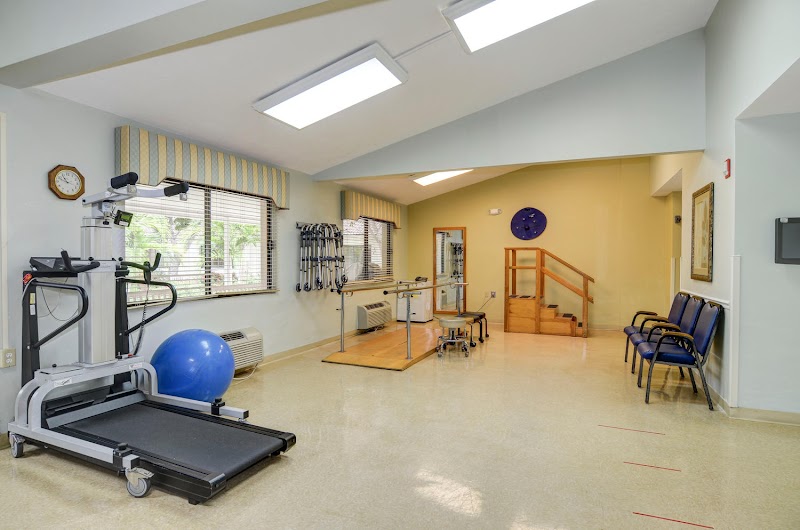
How is Woodside Center Staffed?

CMS rates WOODSIDE HEALTH AND REHABILITATION CENTER's staffing level at 2 out of 5 stars, which is below average compared to other nursing homes. Staff turnover is 63%, which is 17 percentage points above the Florida average of 46%. High turnover can affect care consistency as new staff learn residents' individual needs. RN turnover specifically is 86%, which is notably high. RNs provide skilled clinical oversight, so turnover in this role can affect medical care quality.

What Have Inspectors Found at Woodside Center?

State health inspectors documented 31 deficiencies at WOODSIDE HEALTH AND REHABILITATION CENTER during 2021 to 2025. These included: 3 Immediate Jeopardy (the most serious level, indicating potential for serious harm or death), 1 that caused actual resident harm, and 27 with potential for harm. Immediate Jeopardy findings are rare and represent the most serious regulatory concerns. They require immediate corrective action.
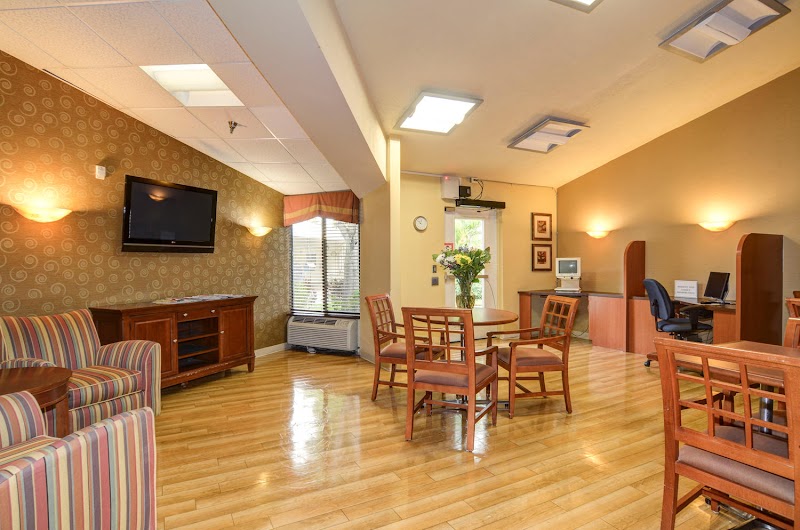
Who Owns and Operates Woodside Center?

WOODSIDE HEALTH AND REHABILITATION CENTER is owned by a for-profit company. For-profit facilities operate as businesses with obligations to shareholders or private owners. The facility operates independently rather than as part of a larger chain. With 120 certified beds and approximately 93 residents (about 78% occupancy), it is a mid-sized facility located in NAPLES, Florida.
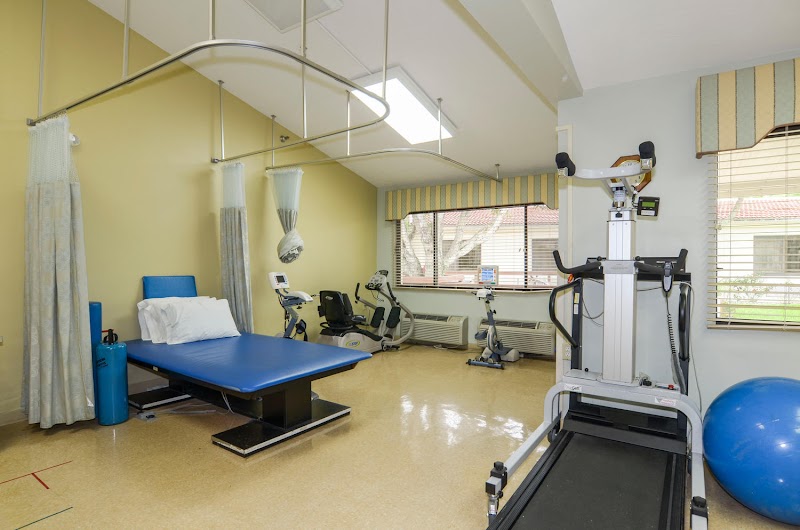
How Does Woodside Center Compare to Other Florida Nursing Homes?

Compared to the 100 nursing homes in Florida, WOODSIDE HEALTH AND REHABILITATION CENTER's overall rating (1 stars) is below the state average of 3.2, staff turnover (63%) is significantly higher than the state average of 46%, and health inspection rating (1 stars) is much below the national benchmark.

What Should Families Ask When Visiting Woodside Center?

Based on this facility's data, families visiting should ask: "What changes have been made since the serious inspection findings, and how are you preventing similar issues?" "What safeguards and monitoring systems are in place to protect residents from abuse or neglect?" "How do you ensure continuity of care given staff turnover, and what is your staff retention strategy?" "Can you walk me through typical staffing levels on day, evening, and night shifts?" These questions are particularly relevant given the facility's Immediate Jeopardy citations, the substantiated abuse finding on record, the facility's high staff turnover rate, and the below-average staffing rating.

Is Woodside Center Safe?

Based on CMS inspection data, WOODSIDE HEALTH AND REHABILITATION CENTER has documented safety concerns. The facility has 1 substantiated abuse finding (meaning confirmed case of resident harm by staff or other residents). Inspectors have issued 3 Immediate Jeopardy citations (the most serious violation level indicating risk of serious injury or death). The facility has a 1-star overall rating and ranks #100 of 100 nursing homes in Florida. Families considering this facility should ask detailed questions about what corrective actions have been taken since these incidents.

Do Nurses at Woodside Center Stick Around?

Staff turnover at WOODSIDE HEALTH AND REHABILITATION CENTER is high. At 63%, the facility is 17 percentage points above the Florida average of 46%. Registered Nurse turnover is particularly concerning at 86%. RNs handle complex medical decisions and coordinate care — frequent RN changes can directly impact care quality. High turnover means new staff may not know residents' individual needs, medications, or preferences. It can also be disorienting for residents, especially those with dementia who rely on familiar faces. Families should ask: What is causing the turnover? What retention programs are in place? How do you ensure care continuity during staff transitions?

Was Woodside Center Ever Fined?

WOODSIDE HEALTH AND REHABILITATION CENTER has been fined $82,285 across 1 penalty action. This is above the Florida average of $33,902. Fines in this range indicate compliance issues significant enough for CMS to impose meaningful financial consequences. Common causes include delayed correction of deficiencies, repeat violations, or care failures affecting resident safety. Families should ask facility leadership what changes have been made since these penalties.

Is Woodside Center on Any Federal Watch List?

WOODSIDE HEALTH AND REHABILITATION CENTER is not on any federal watch list. The most significant is the Special Focus Facility (SFF) program, which identifies the bottom 1% of nursing homes nationally based on persistent, serious quality problems. Not being on this list means the facility has avoided the pattern of deficiencies that triggers enhanced federal oversight. This is a positive indicator, though families should still review the facility's inspection history directly.