TREASURE ISLE CARE CENTER
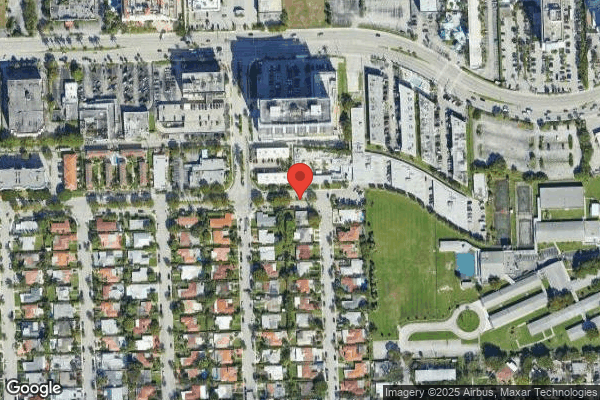
1735 N TREASURE DRIVE, NORTH BAY VILLAGE, FL 33141 (305) 865-2383
Non profit - Corporation 176 Beds SENIOR HEALTH SOUTH Data: November 2025
Trust Grade
45/100
#678 of 690 in FL
Last Inspection: June 2024

Within standard 12-15 month inspection cycle. Federal law requires annual inspections.

Overview

Treasure Isle Care Center has a Trust Grade of D, which means it is below average with some concerning issues. It ranks #678 out of 690 facilities in Florida, placing it in the bottom half, and it is the lowest-ranked facility in Miami-Dade County at #54 of 54. The overall trend is improving, as the number of issues reported has decreased from 15 in 2024 to 7 in 2025. Staffing is rated average with a 3 out of 5 stars and a low turnover of 13%, which is a strength compared to the state average. Although the facility has not incurred any fines, there are serious concerns, including incidents where staff failed to ensure resident safety during altercations and did not follow proper hand hygiene during food preparation, which could risk infection and resident well-being.

Trust Score
D
45/100
In Florida
#678/690
Bottom 2%
Safety Record
Low Risk
No red flags
Inspections
Getting Better
15 → 7 violations
Staff Stability
✓ Good
13% annual turnover. Excellent stability, 35 points below Florida's 48% average. Staff who stay learn residents' needs.
Penalties
✓ Good
No fines on record. Clean compliance history, better than most Florida facilities.
Skilled Nurses
✓ Good
Each resident gets 42 minutes of Registered Nurse (RN) attention daily — more than average for Florida. RNs are trained to catch health problems early.
Violations
⚠ Watch
34 deficiencies on record. Higher than average. Multiple issues found across inspections.
★☆☆☆☆
1.0
Overall Rating
★★★☆☆
3.0
Staff Levels
★★★★☆
4.0
Care Quality
★☆☆☆☆
1.0
Inspection Score
Stable
2024: 15 issues
2025: 7 issues

The Good

  • 4-Star Quality Measures · Strong clinical quality outcomes
  • Low Staff Turnover (13%) · Staff stability means consistent care
  • Full Sprinkler Coverage · Fire safety systems throughout facility
  • No fines on record
  • Staff turnover is low (13%)

    35 points below Florida average of 48%

Facility shows strength in quality measures, staff retention, fire safety.

The Bad

1-Star Overall Rating

Below Florida average (3.2)

Significant quality concerns identified by CMS

Chain: SENIOR HEALTH SOUTH

Part of a multi-facility chain

Ask about local staffing decisions and management

The Ugly 34 deficiencies on record

Jul 2025 3 deficiencies
CONCERN (D) 📢 Someone Reported This

A family member, employee, or ombudsman was alarmed enough to file a formal complaint

Potential for Harm - no one hurt, but risky conditions existed

Deficiency F0583 (Tag F0583)

Could have caused harm · This affected 1 resident

Based on observations, records reviewed and interviews, the facility failed to ensure privacy of confidential information on three (units three, four and five) out of five nursing stations as evidence...

Read full inspector narrative →
Based on observations, records reviewed and interviews, the facility failed to ensure privacy of confidential information on three (units three, four and five) out of five nursing stations as evidenced by an unattended unlocked computer screen with information visible and information was on top of a treatment cart. The findings included: Observation on 7/23/25 at 6:50 AM of the unit three nursing station revealed an unattended unlocked computer screen with visible resident information. (Photographic evidence). The surveyor notified Staff C, Licensed Practical Nurse (LPN) who was on the unit away from the computer at the time of observation. Staff C, LPN was asked about the facility's protocol for protecting resident information and stated: When I am away from the computer the screen should be turned off to protect residents' information. On 7/23/25 at 6:55 AM an observation on unit four nursing station revealed a document with Resident information was left on top of a treatment cart in the hallway unattended. (Photographic evidence). The surveyor notified Staff D, LPN and asked about the facility's protocol for protecting residents' information; Staff D, LPN stated: All information is to be kept private, and I don't know who left that on top of the cart. On 7/23/25 at 7:01 AM an observation on unit five nursing station revealed an unattended unlocked computer screen with visible resident formation. (Photographic evidence). The surveyor notified Staff E, LPN and asked was asked about the facility's protocol for protecting resident information and stated, I left it open because I was helping a resident. The screen should be off for privacy. Record review of a policy titled: Health Information Management: Privacy effective date: January 2013 revised dates: July 2016; August 2017; April 2018; May 2018; May 2020 indicate: It is the policy of the Facility that compliance with the Privacy Rule is maintained to assure that individual's health information is properly protected while allowing the flow of personal and health information needed to promote the highest quality of health care and to protect the public's health and well-being. The Facility will protect individually identifiable health information held or transmitted, in any form or media whether electronic, paper, or oral.
CONCERN (D) 📢 Someone Reported This

A family member, employee, or ombudsman was alarmed enough to file a formal complaint

Potential for Harm - no one hurt, but risky conditions existed

Free from Abuse/Neglect (Tag F0600)

Could have caused harm · This affected 1 resident

**NOTE- TERMS IN BRACKETS HAVE BEEN EDITED TO PROTECT CONFIDENTIALITY** Based on record review and interviews facility failed to protect one (Resident #1) out of three sampled residents' right to be f...

Read full inspector narrative →
**NOTE- TERMS IN BRACKETS HAVE BEEN EDITED TO PROTECT CONFIDENTIALITY** Based on record review and interviews facility failed to protect one (Resident #1) out of three sampled residents' right to be free from abuse and neglect, as evidenced by a staff member witnessed Resident #1 being physically abused (slapped on the buttocks) during hygiene. The findings included:On 7/14/25 a federal report of allegation of abuse was received. The facility reported an incident of Staff B, Licensed Practical Nurse witnessing Staff A, Certified Nursing Assistant (CNA) slap Resident #1 on the buttocks during hygiene care. The facility suspended the alleged perpetrator, investigated and notified the required government authorities, physician and family member of Resident #1. The facility concluded that the incident was verified. On 7/23/25 at 7:30 AM Resident #1 in bed, eyes closed, no apparent distress; at 1:00 PM Resident#1 observed in a recliner in room speaking incoherently. Record review of a demographic sheet revealed Resident #1 was admitted on [DATE] with diagnosis that included: Cerebral infarction, Cognitive communication deficit and Alzheimer's disease. Record review of a Quarterly Minimum data Set reference dated 4/15/25 revealed Resident#1 had Brief Interview of Mental Status score of 00, indicating severe cognitive impairment, was dependent for all hygiene care, speech unclear, and rarely/ never understood or understands. Record review of revealed Resident #1 had a care plan for Activities of daily living Self Care Performance Deficit initiated on 6/19/23 and revised on 12/05/24 with interventions that included: Converse with resident while providing care, explain tasks to be performed including what resident will do and what staff will do, provide assistance as needed to perform ADL functions. Record review of the electronic health record revealed a nursing note dated 7/14/25 at 1:25 PM written by Staff B, Registered Nurse revealed: I saw the CNA hit [Resident #1] with open right hand very hard to the resident on the right gluteus. I made noise because I was in shock and the CNA did not expect me behind her and she turn around told me Do not talk with her finger too. she left the room. Nurse in charge was reported immediately. Responsible party reported. MD (Medical Doctor) aware. Interview on 7/23/25 at 4:37 PM. the Director of Nursing (DON) stated: On 7/14/25 around 10:00 AM, I was in the morning clinical meeting and I was notified by [Staff B, RN] that she witnessed [Staff A, CNA] slap [Resident #1]. I immediately went to the room, removed the [Staff A] CNA from the room. At that time, [Staff A, CNA] was interviewed and revealed she slapped [Resident #1] on the right buttocks because the resident would not stop crying and she had other stresses and didn't know what came over her. [Staff A, CNA] was suspended pending investigation. A skin and pain evaluation for [Resident #1] and the family was notified. We also interviewed residents and staff and completed a full house in-service on Abuse and Neglect. Our conclusion was that no other residents were harmed, and no other staff witnessed any incidents. The incident was verified. [Staff A, CNA] received a disciplinary write up due to not accepting the assignment because she said she arrived first and should be able to keep her assignment State community-based agency department police were notified. The incident was verified due to the nurses and CNA statements. I followed up with the family to let them know the process. The nurses completed a full skin check for all the residents that the CNA may have come in contact with. The CNA is currently suspended and has not returned for active duty. Record review of a Policy titled, Topic: Abuse Prevention Program Effective: 2012 Change Date(s): December 2016; May 2019; January 2020; August 2020; January 2021; March 2021; March 2022; August 2022; November 2024 POLICY: The facility has designated and implemented processes, which strive to reduce the risk of abuse, neglect, exploitation, mistreatment, and misappropriation of resident's property. These policies guide the identification, management, and reporting of suspected, or alleged, abuse, neglect, mistreatment, and exploitation. It is expected that these policies will assist the facility with reducing the risk of abuse, neglect, exploitation, and misappropriation of resident's property through education of staff and residents, as well as early identification of staff burn out, or resident behavior which may increase the likelihood of such events.
CONCERN (D) 📢 Someone Reported This

A family member, employee, or ombudsman was alarmed enough to file a formal complaint

Potential for Harm - no one hurt, but risky conditions existed

Deficiency F0761 (Tag F0761)

Could have caused harm · This affected 1 resident

Based on observations, records reviewed and interviews, the facility failed to properly secure medications on two (Units 1 and 5 out of five Nursing Units as evidenced by an unattended unlocked medica...

Read full inspector narrative →
Based on observations, records reviewed and interviews, the facility failed to properly secure medications on two (Units 1 and 5 out of five Nursing Units as evidenced by an unattended unlocked medication cart on Unit one and medication left on top of an unattended medication cart on Unit five. There were 162 residents residing in the facility at the time of the survey The findings included: On 7/23/25 at 6:58 am An observation was made on Nursing unit 1 of an unlocked unattended medication cart on (photographic evidence). The Surveyor notified Staff F, supervisor Registered Nurse (RN) who was in the hallway away from cart. The surveyor asked Staff F, supervisor Registered Nurse (RN) about the facility's protocol for storing medication and Staff F, RN replied, The cart should be locked when I am not in front of it. On 7/23/25 at an observation was made on Nursing Unit five unattended medication cart on top of the medication cart (photographic evidence). The Surveyor notified Staff E, Licensed Practical Nurse (LPN) and asked about the facility's protocol for storing medication and Staff E, Licensed Practical Nurse (LPN) stated, Medications should be inside the medication cart but I got nervous. Record review of a policy tiled Medication storage 2007 revealed Policy: Medications and biologicals are stored properly, following manufacturers or provider pharmacy recommendations, to maintain their integrity and to support safe effective drug administration. The medication supply shall be accessible only to licensed nursing personnel, pharmacy personnel, or staff members lawfully authorized to administer medications.
Mar 2025 4 deficiencies
CONCERN (D) 📢 Someone Reported This

A family member, employee, or ombudsman was alarmed enough to file a formal complaint

Potential for Harm - no one hurt, but risky conditions existed

Respiratory Care (Tag F0695)

Could have caused harm · This affected 1 resident

**NOTE- TERMS IN BRACKETS HAVE BEEN EDITED TO PROTECT CONFIDENTIALITY** Based on observations, records review and interviews, the facility failed to provide adequate respiratory care and services for ...

Read full inspector narrative →
**NOTE- TERMS IN BRACKETS HAVE BEEN EDITED TO PROTECT CONFIDENTIALITY** Based on observations, records review and interviews, the facility failed to provide adequate respiratory care and services for two residents, (Resident #4 and Resident # 5) as evidenced by failure to ensure oxygen was being administered at the correct flow rate ordered. (Photographic evidence) The findings include. On 03/03/2025 at 8:16 AM Resident # 4 was observed in bed awake with oxygen at a flow rate of 4 Liters Per Minute (LPM) via nasal cannula. Review of Resident #4's clinical records revealed the resident was initially admitted [DATE] and readmitted to the facility on [DATE]. Clinical diagnoses include Chronic Obstructive Pulmonary Disease with Exacerbation, Acute Respiratory Failure with Hypoxia and Shortness Of Breath (SOB). Review of the Physicians orders for March 2025 revealed the resident should be receiving oxygen at 2 LPM PRN (as needed) for SOB. Observation on 03/03/2025 at 12:01 PM, Resident # 4 was awake in bed with oxygen at a flow rate of 4 LPM. On 03/03/2025 at 8:17 AM, Resident # 5 was observed in bed asleep with oxygen at a flow rate of 3 Liters Per Minute (LPM) via nasal cannula. Review of Resident # 5's clinical records revealed the resident was admitted to the facility on [DATE]. Clinical diagnoses include Interstitial Pulmonary Diseases and Acute Respiratory Failure with Hypoxia. Review of the Physicians orders for March 2025 revealed the resident should be receiving oxygen at 2 LPM continuously. Observation on 03/03/2025 at 12:00 PM, Resident # 5 was in bed with oxygen at a flow rate of 3 LPM. During an interview on 03/03/2025 at 12:05 PM, Staff G, Registered Nurse (RN) was asked to verify the oxygen flow rate orders for Resident # 4 and Resident#5. Staff G, RN revealed Resident# 4's order is for oxygen at 2 LPM PRN and Resident # 5's order is for oxygen at 2 LPM continuously. When Staff G, RN, was shown the flow rate settings on each concentrator she acknowledged the rates were incorrect for both residents and stated, I did not check at the start of my shift. Review of the facility's Policy and Procedures documented: Topic Oxygen Therapy. Effective November 2023. Policy indicate: Oxygen is provided to residents based on physician's orders to supplement oxygen as needed per disease process. Procedure: indicates: Item 1. Verify physician order. Item 7. Apply device to the resident with appropriate liter flow.
CONCERN (D) 📢 Someone Reported This

A family member, employee, or ombudsman was alarmed enough to file a formal complaint

Potential for Harm - no one hurt, but risky conditions existed

QAPI Program (Tag F0867)

Could have caused harm · This affected 1 resident

Based on interview and record review, the facility failed to demonstrate effective plan of actions were implemented to correctly identify quality deficiencies in the problem area related to repeated d...

Read full inspector narrative →
Based on interview and record review, the facility failed to demonstrate effective plan of actions were implemented to correctly identify quality deficiencies in the problem area related to repeated deficient practices for F880 Infection Prevention & Control. These deficient practices have the potential to affect 168 residents residing in the facility at the time of the survey. The findings included: Record review of Quality Assessment and Assurance (QA & A) Compliance policy and procedure (effective date July 2022). The purpose of the committees is to review and analyze facility related data, evaluate improvement plans effectiveness and direct appropriate actions for the facility response. Systems failures and/or in-depth analysis of processes are addressed through development of a QAPI. QAPI requires a systematic review of data, identification of the root cause(s) of the systems failure and implementation of corrective actions. Review of the facility's survey history revealed, during a recertification survey with exit dated June 13, 2024, F880 Infection Prevention & Control was cited. Review of the Quality Assurance and Performance Improvement (QAPI) Committee Meeting Sign-in Sheets dated 12/31/24, 01/30/25 and 02/27/25: documented the facility had a QAA Committee meeting monthly. Attendees included: Administrator, Medical Director, Director of Nursing (DON) and other department heads. Interview with the Administrator on 03/04/2025 at 11:15 AM. He revealed the QAPI (Quality Assurance and Performance Improvement) meetings are held on the last Thursday of each month or as needed. He stated that QAPI committee members are Administrator, Director of Nursing, Assistant Director of Nursing, Infection Preventionist, Risk Manager, Staff Development Coordinator, Clinical Reimbursement Director, Program Manager, Maintenance Director, Housekeeping/Laundry Supervisor, Social Services Director, Activity Director, Food Service Manager, Business Office Manager, Admissions Coordinator, Medical Records, Pharmacy, Registered Dietitian and Unit Managers. He stated, The purpose of the QAPI committee is to make sure that we are doing everything in our power so that to ensure quality care and the systems are remaining function and to identify anything we can improve where we failed. Where we identify failures, we will implement a plan to correct and follow-up biweekly.
CONCERN (E) 📢 Someone Reported This

A family member, employee, or ombudsman was alarmed enough to file a formal complaint

Potential for Harm - no one hurt, but risky conditions existed

Infection Control (Tag F0880)

Could have caused harm · This affected multiple residents

**NOTE- TERMS IN BRACKETS HAVE BEEN EDITED TO PROTECT CONFIDENTIALITY** Based on observations records reviewed and interview , used the facility failed to implement infection prevention and control pr...

Read full inspector narrative →
**NOTE- TERMS IN BRACKETS HAVE BEEN EDITED TO PROTECT CONFIDENTIALITY** Based on observations records reviewed and interview , used the facility failed to implement infection prevention and control practices; as evidence by several observations revealed residents' rooms were cluttered, had open food items, spoiled food items, linen observed on floor, dirty bathroom and showers, urinal on floor with urine seen from hallway, soiled gauze pads observed on resident's nightstand, used syringe, suction tubing and disposable gown on top of residents' wardrobe, staff failure to wear Personal Protective Equipment (PPE), drainage bag for indwelling catheter on floor, empty food container in residents' room swarmed with flies, soiled floors and trash on floors, increasing the potential for the contracting and spreading of diseases. The findings include. On 03/03/2025 starting at 7:10 AM, during observational tour of the facility; infection prevention and control concerns identified included but not limited to several residents' rooms were noted unorganized, cluttered, dirty bathrooms, soiled floors, dirty bathrooms, linen on floors and open food items in residents' rooms. (Photographic Evidence) Observation on 03/03/2025 at 7:35 AM, in the room that resident numbers 6,7 and 8 reside revealed open food items, empty food container swarmed with flies, open milk, rotten mango with flies, open crackers, box on the floor with open cookies, urinals on the floor and dirty bathroom. (Photographic Evidence) On 03/03/2025 at 11:47 AM, Resident #7 was not in the room, open milk containers, an unwrapped sandwich, empty food container with flies and other items were observed on the over bed table. (Photographic Evidence). On 03/03/2025 at 7:38 AM the floor in Room # 21 was noted soiled with brown stains and trash on the floor. On 03/03/2025 at 11:46 AM, a urinal with urine in room [ROOM NUMBER] was visible from the hallway. (Photographic Evidence) On 03/03/2025 at 11:47 AM the floor in room [ROOM NUMBER] was still soiled and had trash on the floor. (Photographic Evidence) On 03/03/2025 at 11:39 AM, linen was observed on the floor visible from hallway. Observation on 03/03/2025 at 8:18 AM, uncovered linen noted on a chair falling to the floor that was soiled and had trash. Observation on 03/03/2025 at 11:56 AM, the floor was still soiled and had trash.(Photographic evidence) Resident #9 On 03/03/2025 at 7:45 AM, Resident # 9 was observed in bed awake and alert, with Tracheostomy in place and feeding infusing via Gastronomy Tube (G-Tube). There were soiled gauze pads on the resident's bedside table and an open packet of unused gauze pads. There were flies in the room and on the gauze pads. (Photographic Evidence) Observation on 03/03/25 at 8:18 AM, Resident # 9 was awake in bed and waved when greeted, the soiled gauze pads and the open packet of unused gauze pads were still on the bedside table; and flies were noted in the room. (Photographic Evidence) Observation on 03/03/2025 at 12:10 PM, the soiled gauze pads had flies and open packet with the unused gauze pads were on Resident #9's bedside table. (Photographic Evidence) Observation on 03/04/2025 at 7:57 AM, Resident # 9 was awake in bed. The soiled gauze pads had flies and an open packet of gauze pads from the day prior were still on the bedside table. (Photographic Evidence) Review of Resident # 9's clinical records documented the resident was readmitted to the facility on [DATE]. Clinical diagnoses include but not limited to Acute and Chronic Respiratory Failure with Hypoxia. Review of Resident # 9's 14-day admission assessment dated [DATE], revealed the resident requires Tracheostomy care. Nutritional Approach indicate the resident requires use of a feeding tube and therapeutic diet. Resident #10 On 03/03/2025 at 7:46 AM Resident # 10 was asleep in bed, the drainage bag for the indwelling catheter was observed on the floor. On 03/03/2025 at 12:10 PM, Resident #10 who is under Enhanced Barrier Precautions (EBP) was being provided hygiene care by Certified Nursing Assistants (CNAs) Staff N, and Staff O; both CNAs were only wearing gloves but no gown as is required. Observation on 03/04/2025 at 7:58 AM, Resident #10 was asleep in bed, the drainage bag for the indwelling catheter was on the floor in a grocery bag. (Photographic Evidence) Review of Resident #10's clinical records revealed the resident was initially admitted to the facility on [DATE] and readmitted on [DATE]. Clinical diagnoses include but not limited to Paraplegia, Bacteriuria, Seizure Disorder and Unspecified psychosis not due to a substance or known physiological condition. Resident #10's Care Plan indicate the resident requires Enhanced Barrier Precautions related to presence of a chronic wound and/or indwelling medical devices. Resident uses a Urinary catheter with risk for infection and/or complications: If rejection of care is noted, discuss with resident preferences for time or routine changes in daily activities and honor if within reasonableness. Interview on 03/04/2025 at 8:32 AM with Staff O, CNA, regarding the required PPE that should be worn when providing care for residents such as Resident # 10 who is under EBP due to an indwelling catheter. Staff N, CNA acknowledged she was only wearing gloves and stated: I should wear gloves and gown when giving care for residents on Enhanced Barrier Precaution at all times. Interview on 03/04/2025 at 8:09 AM, Staff D, Registered Nurse (RN was shown the identified concerns that included the soiled gauze pads and the open packet with unused gauze pads left on Resident # 9's bedside table that had been there since the day prior. Staff D, RN was shown the grocery bag with Resident # 10's catheter bag on the floor, the used syringe, the suction tubing and the yellow gown on the top of the residents' wardrobe. Staff D, RN acknowledged the concerns. Interview on 03/04/2025 at 08:11 AM with CNAs Staff L and Staff P regarding the urinal on the floor the day prior, they revealed it should not have been there because of privacy and infection control. On 03/04/2025 at 8:40 AM Staff J, Licensed Practical Nurse (LPN) was shown pictures of some identified infection concerns, She stated: The linen should never be on the floor and the rooms should be cleaned by housekeeping, when the resident food items are done the staff must toss it out and the milk must not be left to get warm because the resident can become sick, we try to encourage the residents to keep the rooms clutter free but they go out and bring more an that is a safety problem and infection control problem. Interview on 03/04/2025 at 9:22 AM the Infection Control Preventionist was informed of the that infection control concerns identified. She indicated that staff gets confused with what Personal Protective Equipment they should wear when providing direct care for residents on Enhance Barrier Precaution. When asked about some of the other identified concern related to specific residents using a resident centered approach, she was adamant that the residents are not compliant, are aggressive and will not cooperate. The Administrator joined the meeting and was apprised of the identified infection control and prevention that increased risk for pests and diseases. On 03/04/2025 at 9:57 AM the Environmental Services Director revealed the floors are cleaned daily and as needed. Review of the facility's Policy and Procedure topic titled: Infection Prevention and Control Program effective October 2021 indicate: The Infection Prevention and Control Program is a comprehensive program that addresses detection, prevention and control of infections and communicable diseases among residents, visitors, volunteers, those individuals providing services under contractual agreement and personnel. The Infection Prevention and Control Program . The goals of the Infection Prevention and Control Program are to: a. Provision of a safe sanitary, and comfortable environment b. Decrease the risk of infection and communicable diseases development and transmission to residents, volunteers, visitors, individuals providing services under a contractual arrangement and personnel. c. Monitor for occurrence of infections and communicable diseases and implement appropriate prevention measures to reduce occurrences d. Identify and correct problems relating to infection control and prevention practices. The facility's Policy For Enhance Barrier Precautions with effective April 2024 Indicate: Enhanced Barrier Precautions (EBP) refers to an infection control intervention designed to reduce transmission .that employ targeted gown and glove use during high contact resident activities .EBP is indicated for residents with any of the following . 2. Wounds and/ or indwelling medical devices even if the resident is not known to be infected or colonized with a multi-drug-resistant organism.
CONCERN (E) 📢 Someone Reported This

A family member, employee, or ombudsman was alarmed enough to file a formal complaint

Potential for Harm - no one hurt, but risky conditions existed

Safe Environment (Tag F0921)

Could have caused harm · This affected multiple residents

**NOTE- TERMS IN BRACKETS HAVE BEEN EDITED TO PROTECT CONFIDENTIALITY** Based on observations, records reviewed and interviews the facility failed to ensure residents residing in the facility had a sa...

Read full inspector narrative →
**NOTE- TERMS IN BRACKETS HAVE BEEN EDITED TO PROTECT CONFIDENTIALITY** Based on observations, records reviewed and interviews the facility failed to ensure residents residing in the facility had a safe clean and clutter free environment; as evidenced by observations of several residents that included but not limited to: Resident #6, Resident #7, Resident #8, Resident #11 and Resident #12 call lights were not within the residents reach in the event immediate assistance is needed. (photographic evidence). 2)The facility failed to ensure residents' rooms were organized in a manner that provided a pest free and safe environment. 3} The facility failed to ensure emergency exits were clear and unobstructed. (photographic evidence) The findings include: On 03/03/2025 during multiple observations conducted between the hours 7:29 AM to 8:32 AM revealed call lights were out of reach for several residents that included but not limited to Resident # 4, Resident #6, Resident # 7, Resident # 8, Resident #11 and Resident # 12. Observations on 03/03/2025 at 11:54 AM revealed call lights remained out of reach for several residents. Observations on 03/04/2025 at 7:40 AM revealed call lights were out of reach for Resident # 4, Resident #6, Resident # 7, Resident # 8, Resident #11, Resident # 12 and several other residents. Record review of the facility's policy and Procedure; Topic titled Physical Environment effective August 2024 -Item 5. Indicates: ensure an applicable working system is in place and within reach for the resident to summon assistance, including, but not limited to: Typical call light with cord, Manual call bell and Specialty call bell as needed. Interview on 03/03/2025 at 7:34 AM Staff E, Certified Nursing Assistant (CNA) stated: the call light must be near the resident to call for help. Interview on 03/03/2025 at 11:40 AM Staff K, CNA stated: I put the call lights on the bed rail or on the patient lap so they can call for help. I don't do it for all of them because some of them don't use it. Interview on 03/04/2024 at 7:45 AM with Staff B, Licensed Practical Nurse (LPN). She stated: The call lights must be within reach for the resident and staff also family, I make rounds at start of shift to check, but sometimes the resident don't want the call light, and remove the call light and we have to keep explaining why they need it. Staff B was asked if she documented when a resident does not want the call light within reach, she stated, no. On 03/03/2025 at 7:22 AM revealed Fire Exit Door #3 was obstructed by two wheelchairs and two recliners. Observation on 03/03/2025 at 8:05 AM revealed Fire Exit Door #17 was blocked with a soiled linen bin and a clean linen bin. (photographic evidence) Observations on 03/03/2025 at 8:18 AM revealed Resident #4 in bed awake covered with a white blanket that was torn and shredded at that time the resident revealed she was cold. During a second observation on 03/03/2025 at 11:56 AM Resident #4 was awake in bed covered with the torn white blanket. On 03/03/2025 at 8:19 AM observation revealed floor in room [ROOM NUMBER] soiled , red stains on floor, cup cover on floor. Observation on 03/03/2025 at 11:54 AM floor in room [ROOM NUMBER] soiled and cup cover and straw observed on floor. On 03/03/2025 at 11:57 AM Staff K, CNA was asked about the torn blanket. Staff K revealed the resident was cold and there were no additional blankets available. Observations on 03/03/2025 and on 03/04/2025 room [ROOM NUMBER] was noted cluttered, floor soiled and open food items and rotted fruit swarmed with flies. On 03/03/2025 and on 03/04/2025 flies were observed in Room numbers 106, 107, 108 and 109. On 03/04/2025 at 8:15 AM Staff D, Registered Nurse (RN) was asked about the flies observed in rooms 106 to 109. Staff D acknowledged the concerns with the flies and revealed pest control services comes on a regular basis. Staff D revealed the emergency exit should not be blocked and she ensure the staff keep the area clear. Interview on 03/04/2025 at 9:57 AM with the Environmental Services Director regarding the identified concerns and the photographs shown. She revealed it is hard for the staff to remove the soiled linen without blocking the emergency door. When asked about the clean linen and the soiled linen bins located in the same area blocking the door, she stated the clean and soiled linen should not be close to each other should not be blocking the exit door and can be avoided if only the soiled bin was being emptied. When asked about the cleaning of the floors and residents rooms she revealed the rooms and floors are cleaned daily and garbage pans emptied as needed. On 03/04/2025 at 10:26 AM during the environmental tour with Maintenance Staff. He acknowledged the facility has a problem with flies and he revealed the facility has the zappers in the hallways and in the area (section 5) there are more zappers and pest control comes to the facility weekly. Facility policy and procedure titled Physical Environment effective August 2024 Policy: A safe, clean, comfortable, and home-life environment is provided for each resident, allowing the use of personal belongings to the greatest extent possible.areas are provided to enable staff to provide residents with needed services. Procedure: 1. Encourage residents to bring their individual possessions within the limits of the safety of the resident and others. 2. Maintain sufficient space and equipment in dining, health services, recreation, and program areas. Remove unnecessary clutter. 4. Assure resident care equipment is clean, properly stored, and identified. Topic: Pest/Insect Control: Policy- The facility strives to protect the residents, staff and visitors from insects and other pests by controlling infestation through contracts with outside pest control agencies. Each facility will contract with a pest control agency . Evaluate effectiveness of services and contact pest control agency if additional services are needed.
Jun 2024 15 deficiencies
CONCERN (D)

Potential for Harm - no one hurt, but risky conditions existed

Resident Rights (Tag F0550)

Could have caused harm · This affected 1 resident

**NOTE- TERMS IN BRACKETS HAVE BEEN EDITED TO PROTECT CONFIDENTIALITY** Based on observation, record review and staff interview, the facility failed to ensure 3 residents (Resident # 131, Resident #27...

Read full inspector narrative →
**NOTE- TERMS IN BRACKETS HAVE BEEN EDITED TO PROTECT CONFIDENTIALITY** Based on observation, record review and staff interview, the facility failed to ensure 3 residents (Resident # 131, Resident #27 and Resident #473) out of 33 sampled residents were treated in a dignified manner as evidenced by the facility's staff was observed standing while feeding Resident #131. Furthermore Resident # 27 and Resident #473 were not dressed in their own clothing, rather than hospital gowns, to promote dignity. The findings included. Resident #131 On 06/10/2024 at 8:50 AM, during an observation, Resident #131 was observed in bed slouched leaning to the left while Staff L, a Certified Nursing Assistant (CNA) was standing while feeding Resident # 131. There was a chair on the left side of the bed with a plastic bag containing linen and other items, there were individual storage areas in the room for each resident occupying room At 9:00 AM Staff B entered the room and assisted Staff L to pull Resident #131 up in the bed. At 9:05 AM Staff L was asked about her standing while feeding the resident, Staff L stated, I shouldn't. and quickly left the room. Staff B revealed that Staff L is not a regular on the floor and was only assisting with feeding the residents. Resident #131 was admitted to the facility on [DATE]. Clinical diagnoses include but not limited to Cerebral infarction, Type 2 Diabetes Mellitus, Dysphagia and Aphasia. Review of the Minimum Data Set (MDS) quarterly review dated 03/10/2024 Section C for Cognitive Pattern indicates a brief interview for Mental Status score (BIMS) score of 03 out of 15 this suggests severe cognitive impairment. Section GG for Functional Abilities and Goals indicate: Resident #131 is dependent on staff for all ADLs (Activities of Daily Living). Resident # 27 On 06/10/2024 at 8:45 AM Resident #27 was observed on 06/10/2024 at 8:45 AM wearing a hospital gown while eating breakfast. At 9:36 am Resident #27 was sitting in the dining area speaking with another resident and still wearing a hospital gown. On 06/11/2024 at 8:25 AM resident #27 was observed at the doorway to his room wearing a hospital type gown. On 6/11/2024 at 8:40 AM Resident #27 was observed in the dining area wearing a hospital gown while eating breakfast. On 06/11/2024 at 8:30 AM 9:30 AM Resident #27 was observed eating breakfast in the dining area eating breakfast wearing a hospital gown. Record review revealed Resident #27's initial admission to the facility was 03/06/2008; and was re admitted on [DATE]. Clinical diagnoses include but not limited to Hemiplegia, Hemiparesis, Type 2 Diabetes Mellitus, and Hypertension Review of the Minimum Data Set (MDS) annual assessment dated [DATE] Section C for Cognitive Pattern indicates a brief interview for Mental Status score (BIMS) score of 14 out of 15 this suggests the resident's cognition is intact. Section GG for Functional Abilities and Goals indicate: For upper body dressing Resident #27 has the ability to dress and undress above the waist; including fasteners, with supervision. For Lower body dressing Resident #27 has the ability to dress and undress below the waist, including fasteners; does not include footwear, with partial/moderate assistance During an interview on 6/13/2024 at 8:15 AM, Resident #27 was asked about wearing the hospital gown to breakfast. Resident #27 stated I always go in the gown because they are always late to dress me and bring breakfast to my room, so I go out to the dining room because it is faster, Today the nurse told me wait in my room and get dressed because state is here. Further review of Resident #27's medical record revealed no documentation to indicate it was the resident's preference to wear a hospital gown. Resident #473 On 06/11/2024 at 6:30 AM Resident #473 was observed at 6:30 AM in the dining area wearing a hospital gown. Resident # 473 was admitted to the facility on [DATE] with an original admission date of 03/08/2019. Resident # 473 clinical diagnoses include but not limited to Cerebral Infarction, Respiratory Failure, difficulty walking, Dysphagia, Cognitive communication deficit, slurred speech and Alzheimer's Disease. Review of the Minimum Data Set (MDS) quarterly review dated 03/08/2024 Section C for Cognitive Pattern indicates a brief interview for Mental Status score (BIMS) score of 5 out of 15 this suggests severe cognitive impairment. Section GG for Functional Abilities and Goals indicate: For upper and lower body dressing, putting on and taking off footwear; Resident #473 requires supervision and assistance with verbal ques steadying from assistant while performing activities. On 6/11/2024 at 9:07 AM, Staff B was asked about the resident wearing a gown and spending most of the time in the dining area Staff B revealed; we don't have enough help, it is too much, we can hardly finish taking care of our residents. Staff A explained that if the resident is awake the night shift leaves the resident in the gown. 06/13/2024 07:05 AM, Resident #473 was observed in the dining area wearing a hospital gown. On 06/13/2024 at 07:18 AM the administrator and Assistant NHA apprised of the concerns.
CONCERN (D)

Potential for Harm - no one hurt, but risky conditions existed

Deficiency F0576 (Tag F0576)

Could have caused harm · This affected 1 resident

**NOTE- TERMS IN BRACKETS HAVE BEEN EDITED TO PROTECT CONFIDENTIALITY** Based on interview and record review, the facility failed to ensure a delivered package for one resident (Resident #118) out of ...

Read full inspector narrative →
**NOTE- TERMS IN BRACKETS HAVE BEEN EDITED TO PROTECT CONFIDENTIALITY** Based on interview and record review, the facility failed to ensure a delivered package for one resident (Resident #118) out of one resident reviewed was received by the resident in a timely manner. The delivered package contained frozen foods and they were defrosted and spoiled when delivered to the resident. This has the potential to affect 169 residents residing in the facility at the time of this survey. The findings included: Record review of the Mail Resident/Patient/Employee Policy and Procedure (effective dated June 2013); Policy-Mail, flowers, gifts and packages are delivered unopened daily to individual resident/patient rooms; Procedure: 5) Deliver mail, flowers, gifts and packages unopened to the resident/patient's room in a timely manner. Review of the Safe Handling, Storage and Reheating for Food From Visitors or Outside Source Policy and Procedure (effective date March 2022); Policy Statement-Residents will be assisted in properly storing and safely consuming food items brought into the facility for residents by visitors; Procedure: 1) The facility staff will request that visitors bringing in food, and/or residents that receive food, must notify a member of the nursing or activities departments. This information is located in the resident handbook, 2) The nursing staff member will determine whether the food items are appropriate for resident's diet and is for immediate consumption or to be stored for later use; Later Consumption: When food items are intended for later consumption, the nursing staff will: 1) Ensure the food item(s) are in a sealed container, stored in the nourishment room/pantry refrigerator label with the current date and name of the resident. Review of the Demographic Face Sheet for Resident #118 documented the resident was admitted on [DATE] with a diagnosis of gout, end stage renal disease, diabetes mellitus, chronic obstructive pulmonary disease, major depressive disorder, congestive heart failure, hypertension and dependence on renal dialysis. Review of the Minimum Data Set (MDS) Annual Assessment for Resident #118 dated 4/17/2024 documented the resident's Mental Status (BIMS) Summary Score had a BIMS Summary Score of 13 out of 15 indicating no cognitive impairment, he was able to make his own decisions and make his needs known and required partial/moderate assistance for ADLs (Activities of Daily Living). On 6/11/24 at 7:58 AM observation and interview with Resident #118 via Spanish translator, revealed the resident sitting in a wheelchair in Section 1 dining room, watching television. He revealed he placed a grievance about a box of food that was sent to him by his family and the staff threw away his food. He placed a grievance about it and nothing was done about it. He referred to the social worker throwing away his food. Review of the grievance log for Resident #118 dated March 2024 documented the resident was listed on the grievance log for March 19, 2024, the concern category was listed as other and the grievance was resolved on March 19, 2024. On 6/13/24 at 10:45 AM, interview and record review with the Social Services Director. She stated, For the March 19, 20024 grievance, his family had sent him frozen foods that was delivered over the weekend. The food was delivered in a box. It sat there over the weekend, unopened. The food was spoiled by the time it was given to him. If a package is delivered, it is supposed to be delivered to the resident. We are to let the residents know they have a package at the front in a timely manner. I think the kitchen threw it away. Review of the Statement Documents documented the following: 1) Dated 3/19/24; Written by the Administrator: Writer contacted family regarding frozen foods being delivered to the facility. Family member was encouraged to pick-up the huge box of frozen food as the facility did not have a big enough freezer to place foods and 2) Dated 3/19/24; Written by the [ ] Activities Assistant: Resident had food delivery here that he cannot keep in his food and his family was aware of it. On 6/13/24 at 12:29 PM, interview with the Director of Nursing (DON). She stated, I came back from the weekend and I was told the food was delivered on the outside of the door and when located it had already gone bad. He was notified and the family was notified. On 6/13/24 at 12:31 PM, interview with the Administrator. She stated, [ ] A local delivery service, delivered the package inside the facility in the back of the building. When I saw the box, it was wet. Once I walked around the building on that weekend, I saw who it was for and I opened the box. The huge box contained frozen food and it was defrosted. On 6/13/24 at 2:26 PM, interview with the Activities Assistant. She stated, When I came into work on that weekend, the box was sitting at the front desk in the lobby. I heard that he couldn't have that type of food here.
CONCERN (D)

Potential for Harm - no one hurt, but risky conditions existed

Assessment Accuracy (Tag F0641)

Could have caused harm · This affected 1 resident

**NOTE- TERMS IN BRACKETS HAVE BEEN EDITED TO PROTECT CONFIDENTIALITY** Based on observation record review and staff interviews, the facility failed to ensure one (Resident #131) out of 33 sampled res...

Read full inspector narrative →
**NOTE- TERMS IN BRACKETS HAVE BEEN EDITED TO PROTECT CONFIDENTIALITY** Based on observation record review and staff interviews, the facility failed to ensure one (Resident #131) out of 33 sampled resident Minimum Data Set (MDS) assessment was accurately coded as evidence by Resident #131 use of a splint device was not accurately coded on the MDS. There were nine residents in the facility that required splint devices. The findings included. Review of clinical records revealed Resident # 131 a vulnerable resident was admitted to the facility on [DATE]. Clinical diagnoses include but not limited to Osteomyelitis of the vertebrae and communication deficit. Record review of orders and the Medication Administration Records for June 2024 revealed active orders for Right hand Range of Motion and mobility. Order dated 5/25/2023, Splinting: Ensure right hand splint is applied daily as tolerated. May remove for care or skin sweep. On before breakfast time, off after lunch time. Review of Resident #131's Quarterly MDS (Minimum Data Set, dated [DATE] Section O for Special Treatments, Procedures, Programs; documented in the section for number of days each item were performed coded for item A-Passive Range Of Motion=0, Active Range Of Motion =3 and Splint Device=0. splint device. Review of Resident #131's Quarterly MDS (Minimum Data Set, dated [DATE] Section C for Cognitive Pattern indicates a score of 00 out of 15 to suggests severe cognitive impairment. Review of Resident #131's Quarterly MDS (Minimum Data Set, dated [DATE] Section GG for Functional Abilities and Goal revealed Resident #131 is dependent on staff for ADLs (Activities of Daily Living). Review of the Care Plans with focus indicate Range of motion [Resident #131] has a risk limitation in range of motion date initiated 05/26/2023, Revision 07/12/2023. Goal: will maintain range of motion: Date initiated 05/26/2023. Revision on 10/11/2023. Target date: 09/07/2024. Interventions/Task Reposition for comfort (position with pillows needed). Refer to therapy to evaluate and treat per MD (Medical Doctor) .If resident removes splint encourage resident to maintain splint application per recommended duration and inform of benefits and negative outcome of removal. Apply right and splint daily as tolerated. May remove for care or skin sweep. Before breakfast. Off after lunch. On 6/13/2024 at 9:08 AM, the Rehabilitation Director: stated: He is on OT [Occupational Therapy] since 6/11/2024 the occupational therapist did the evaluation and saw him on 6/12/2024 the plan of care will be for ROM [Range Of Motion], Therapeutic self-care such as grooming upper body dressing we try and to see if it is successful. He has splints on the right hand only.
CONCERN (D)

Potential for Harm - no one hurt, but risky conditions existed

Deficiency F0645 (Tag F0645)

Could have caused harm · This affected 1 resident

**NOTE- TERMS IN BRACKETS HAVE BEEN EDITED TO PROTECT CONFIDENTIALITY** 2) Record review of Level I Pre-admission Screening and Resident Review (PASRR) for resident#103 Section I: PASRR Screen Decisio...

Read full inspector narrative →
**NOTE- TERMS IN BRACKETS HAVE BEEN EDITED TO PROTECT CONFIDENTIALITY** 2) Record review of Level I Pre-admission Screening and Resident Review (PASRR) for resident#103 Section I: PASRR Screen Decision Making A. MI or suspected MI (check all that apply): no diagnosis checked. Electronically signed on 8/18/2023 by Registered Nurse from a hospital. Record review of demographic sheet for Resident#103 (Resident #103) revealed an admission date of 8/19/2023 and readmission dated 3/29/2024 with diagnosis that included Generalized Anxiety Disorder and Major Depressive Disorder. Record review of admission Minimum Data Set (MDS) dated [DATE], Section A for identification revealed resident was not currently considered by the state for level II Pre-admission Screening and Resident Review (PASRR) process to have serious mental illness and/or intellectual disability or a related condition. Record review of Quarterly MDS dated [DATE] Section C for cognitive status revealed a Brief Interview for Mental Status (BIMS) score of 14 out of a scale of 0-15 indicated no cognitive impairment. Section I for diagnosis revealed anxiety disorder and Depression. Section N for medications revealed no antianxiety or antidepressants received. Section O for psychological therapy revealed no psychological therapy received. Record review of physician orders revealed an order dated 3/29/2024 for Lexapro Tablet (Escitalopram Oxalate) Give 15 milligrams by mouth one time a day for Depression. On 6/13/2024 at 1:45 pm an interview was conducted with the Social Services Director who stated: PASRR are updated the next day after admission. The PASSR for Resident#103 is incomplete because at the time of admission I didn't have access to the website to create a new Level I PASRR and I haven't had a chance yet. This PASRR needs to be updated to reflect current diagnosis. Based on observations, interview, and record review the facility failed to ensure the Preadmission Screening and Resident Review (PASRR) Level I PASRR was not completed for residents (Resident # 103, Resident # 108) and Level II PASRR was not requested for Resident # 164, out of five residents investigated. This deficiency had the potential to affect 168 residents residing in the facility at the time of the survey. The findings included: Resident # 108 During multiple observations starting on 06/11/2024-06/13/2024, Resident #108 was in the room in bed sleeping, or awake. Call light was always in reach, and distress or anxiety was noted. The resident never responded to questions asked. Record review of the clinical records for Resident # 108 revealed the resident was admitted to the facility on [DATE] and readmitted on [DATE]. Clinical diagnoses include, but not limited to, Other intervertebral Disk Degeneration, Lumbar Region; Unspecified Dementia, Unspecified Severity with Other Behavioral Disturbance; Schizophrenia, Unspecified; Other Specified Depressive Episodes; Major Depressive Disorders, Recurrent, Unspecified. Record review of admission Minimum Data Set (MDS) Section A Identification dated 05/10/2021 revealed the section 1500 Is the resident currently considered by the state level II PASRR process to have serious mental illness and/or intellectual disability or a related condition? NO. Record review of PASRR Level I dated 05/21/2021 revealed no identification of serious mental diagnosis illness (schizophrenia) under 1A. Section 1B was not checked for Serious Mental Illness (SMI). Section 2,3 (A/B) and 4 (A/B) were checked No. Section II Part A & B were checked No. Section IV, V and VI were not completed. Record review of Annual MDS Section C Cognitive Patterns dated 05/08/2024 revealed the resident Brief Intervention for Mental Status (BIMS) summary score was 12 out of 15. Review of Annual MDS section I Active Diagnosis the resident's diagnosis were depression and Schizophrenia. Review of Annual MDS section N Medications revealed the resident was receiving antipsychotic and antidepressants medication. Review of Psychiatrist Consultation dated 03/25/2024 revealed the Chief complaint of the resident # 108 was Schizophrenia/Dementia. Continued with same medications. Follow-up in one month, earlier if necessary. Interview with Staff D Licensed Practical Nurse (LPN) on 06/13/24 at 09: 24 AM. She stated the resident is not agitated or anxious, not aggressive. She stated the resident prefers to be in his room. She stated the resident is legally blind, and the staff helped him for all ADLs. She stated the resident tolerates well all medications. Resident # 164 During multiple observations starting on 06/11/2024-06/13/2024, Resident # 164 was in her room in bed sleeping. Call light was always in reach, and distress or anxiety was noted. Record review of the clinical records for Resident # 164 revealed the resident was admitted to the facility on [DATE]. Clinical diagnoses include, but not limited to, Major Depressive Disorder, Recurrent, Unspecified; Unspecified Psychosis Not Due to a Substance or Known Physiological Condition; Unspecified Dementia, Unspecified Severity Without Behavioral Disturbance, Psychotic Disturbance, Mood Disturbance and Anxiety. Record review of admission Minimum Data Set (MDS) Section A Identification dated 03/27/2024 revealed the section 1500 Is the resident currently considered by the state level II PASRR process to have serious mental illness and/or intellectual disability or a related condition? NO. Review of Level I PASRR dated 02/29/2024 Section II-Other indications for PASRR Screen Decision-Making: 1- Is there an indication the individual has or may have had a disorder resulting in functional limitations in major life activities that would otherwise be appropriate for the individual's developmental stage? YES 3- Is there and indication that the individual has received recent treatment for mental illness with indication that the individual has experienced at least one of the following? A- Psychiatrist treatment more intensive than outpatient care (e.g. partial hospitalizations or inpatient hospitalizations) YES. Record review of admission MDS Section C Cognitive Patterns dated 03/27/2024 revealed the resident Brief Intervention for Mental Status (BIMS) summary score was 13 out of 15. Review of admission MDS Section I Active Diagnosis the resident's diagnosis were Depression and Psychotic Disorder. Review of admission MDS Section N Medications revealed the resident was receiving antipsychotic and antidepressants medications. Review of Psychiatrist Consultation dated 04/19/2024 revealed the reason for follow-up: Mood changes/Activities/Medication effectiveness/Modifying treatment plan. Recommendations: Continue to monitor and make changes as indicated. Nursing staff continue to monitor for any acute change in mood and behaviors. Interview with Staff E Registered Nurse (RN) on 06/13/24 09:15 AM She stated the resident was alert and oriented but confused. She stated the resident is not aggressive, she cooperates with staff at the time of care. She stated the resident likes to wander but not seeking for an exit. She stated she tolerates the medication very well. She stated the family is very involved. Interview with Social Services Director on 06/13/24 at 10:28 AM She stated the process for PASRR is as follows: The resident was admitted from the hospital and the Level I PASRR was reviewed and redo it, because the hospital never completed it. She stated she sent it again to the State agency with the corrected resident's diagnosis. She stated for resident # 164 she couldn't review her Level I PASRR because she was hired in March when the resident was admitted , and she did not have access to the State agency website. She stated for Resident # 108 was before she was hired, and it was not reviewed. Record review of Policy and Procedures Topic: PASRR Requirements Level I and Level II-Florida. Policy Pre-admission Screening and Resident Review (PASRR) Preadmission screening for mental illness and intellectual disability is required to be completed prior to admission to a Nursing Home. The screening is reviewed by admission to ensure appropriate placement in the least restrictive environment and to identify any specialized services the applicant may need. Procedure: PASRR Level I 2-Social Services or Registered Nurse will review to determine if a Serious mental Illness (SMI) and Intellectual disability (ID) or both exits while reviewing the PASRR form. The existence of either, or both, condition (s) triggers the requirement for Level II review and will be provided to the appropriate state agency by the Social Services Director upon admission. The Social Services Director /Nursing Administration will review for completion and accuracy during the clinical meeting process. PASRR Level II 3- Level II PASRR must be completed if the below are listed but not limited to: Is there an indication the resident has or may have had a disorder resulting in functional limitations in major life activities that would otherwise be appropriate for the individual developmental stage, the resident has a primary or secondary diagnosis of dementia or related Neurocognitive disorder, and a suspicion, or diagnosis of, SMI, ID or both and, are currently exhibiting interpersonal issues, an indication that the resident has received treatment for a mental illness with indication that they have experienced at least one of the following: -psychiatrist treatment more intensive than outpatient care (partial hospitalization or inpatient hospitalization).
CONCERN (D)

Potential for Harm - no one hurt, but risky conditions existed

Comprehensive Care Plan (Tag F0656)

Could have caused harm · This affected 1 resident

**NOTE- TERMS IN BRACKETS HAVE BEEN EDITED TO PROTECT CONFIDENTIALITY** Based on observation record review and interviews, the facility's staff failed to implement the care plan to prevent further dec...

Read full inspector narrative →
**NOTE- TERMS IN BRACKETS HAVE BEEN EDITED TO PROTECT CONFIDENTIALITY** Based on observation record review and interviews, the facility's staff failed to implement the care plan to prevent further decline in the resident's range of motion and maintain skin integrity as evidence by failure to ensure splint devices is in place for one resident (Resident #131) out of one resident reviewed for splint devices and range of motion. There were nine residents in the facility that required splint devices, and failed to reposition Resident #131 at a minimum of two hours. The findings include. On 06/10/24 at 8:12 AM Resident #131 was observed in bed on his left side. There was a blue hand splint device on the side table and the resident had a rolled washcloth in his left hand. The resident is non-verbal. On 6/10/2024 at 10:23 AM Resident #131 was observed in bed on his left side. On 06/10/2024 at 11:07 AM Resident #131 was observed in bed on his left side with the splint device on the left hand. On/6/10/2024 at 12:15 PM Resident # 131 was observed in bed on his left side. On 06/11/2024 at 8:02 AM Resident on his left side with one rolled wash cloth in the left hand. On 6/11/2024 at 10:05 AM, Staff B a Certified Nursing Assistant was asked how frequently the resident should be repositioned, Staff H revealed the resident should be turned every two hours. Staff B also revealed the splint is for the left hand. On 6/11/2024 at 11:25 AM Resident #13 was observed in bed on his left side with rolled wash cloths in both hand On 06/12/24 at 8:15 AM Resident #131 was in bed on his back. The splint devise was on his left hand. On 06/12/24 at 10:11 AM Resident #131 was observed in bed on his back with the splint devise on the left hand. Review of the clinical records revealed Resident # 131 a vulnerable resident was admitted to the facility on [DATE]. Clinical diagnoses include but not limited to Cerebral infarction, type 2 Diabetes Mellitus, Dysphagia, Muscle wasting, Osteomyelitis of the vertebrae and communication deficit. Review of Resident # 131's [NAME] MDS (Minimum Data Set, dated [DATE] Section C for Cognitive Pattern indicates a score of 00 out of 15 to suggests severe cognitive impairment. Review of Resident # 131's [NAME] MDS (Minimum Data Set, dated [DATE] Section GG for Functional Abilities and Goal revealed Resident # 131 is dependent on staff for ADLs (Activities of Daily Living). Review of Resident # 131's [NAME] MDS (Minimum Data Set, dated [DATE] Section O for Special Treatments, Procedures, Programs; documented in the section for number of days each item were performed coded for item A-Passive Range Of Motion=0, Active Range Of Motion =3 and Splint Device=0. splint device. Review of the Care Plans with focus indicate Range of motion [Resident #131] has a risk limitation in range of motion date initiated 05/26/2023, Revision 07/12/2023. Goal: will maintain range of motion: Date initiated 05/26/2023. Revision on 10/11/2023. Target date: 09/07/24. Interventions/Task Reposition for comfort (position with pillows needed). Refer to therapy to evaluate and treat per MD (Medical Doctor) .If resident removes splint encourage resident to maintain splint application per recommended duration and inform of benefits and negative outcome of removal. Apply right and splint daily as tolerated. May remove for care or skin sweep. On before breakfast and off after lunch. Record review of orders and the Medication Administration Records for June 2024 revealed active orders for Right hand Range of Motion and mobility. Order dated 5/25/2023, Splinting: Ensure right hand splint is applied daily as tolerated. May remove for care or skin sweep. On before breakfast time, off after lunch time. On 6/13/2024 at 9:08 AM, the concerns were discussed with the Rehabilitation Director: she stated: He is on OT [Occupational Therapy] since 6/11/24 the occupational therapist did the evaluation and saw him on 6/12/2024 the plan of care will be for ROM [Range Of Motion], Therapeutic self-care such as grooming upper body dressing we try and to see if it is successful. He has splints on the right hand only. During an observation on 6/13/2024 at 9:22 AM with the Rehabilitation Director in Resident #131's room, it was observed that Resident #131 was on his left side and the splint device was the resident's left hand. The rehabilitation Director confirmed the splint was on the wrong hand. She then proceeded to remove the splint device and placed it on the residents' right hand and repositioned the resident.
CONCERN (D)

Potential for Harm - no one hurt, but risky conditions existed

Pressure Ulcer Prevention (Tag F0686)

Could have caused harm · This affected 1 resident

**NOTE- TERMS IN BRACKETS HAVE BEEN EDITED TO PROTECT CONFIDENTIALITY** Based on observations, interviews and record review the facility failed to provide the necessary interventions, consistent with ...

Read full inspector narrative →
**NOTE- TERMS IN BRACKETS HAVE BEEN EDITED TO PROTECT CONFIDENTIALITY** Based on observations, interviews and record review the facility failed to provide the necessary interventions, consistent with professional standards of practice, to promote healing of pressure ulcers for one resident (Resident #146) out of eight sampled residents as evidenced by observations of Resident#146 in supine position for more than 2 hours. There were 27 Residents with wounds residing in the facility. The findings included: On 06/10/2024 at 10:38 AM Resident#146 was observed in supine position on an air mattress. On 06/10/2024 at 12:25 AM, Resident #146 was observed in a supine position on an air mattress. On 06/12/2024 at 8:06 AM Resident #146 was observed in supine position on an air mattress. 06/12/2024 10:02 AM, the wound care nurse entered Resident #146's room to perform wound care. Upon entering the room Resident #146 was observed in supine in bed. The wound care nurse performed the wound care as per physician's order assisted by Staff I, Certified Nursing assistant (CNA). The resident was returned to supine position in bed by Staff I, CNA. On 06/12/2024 at 11:50 AM , the wound care nurse and surveyor entered the room of Resident #146 upon request of surveyor. Resident #146 supine in bed. no pillow was observed under Resident #146 to assist with offloading his buttocks. Record review of demographic sheet for Resident#146 (R#146) revealed an admission date 3/26/24 and discharge date to hospital on 4/12/2024 and readmission date 4/25/24 with diagnosis that included: Encounter for surgical aftercare following surgery on the skin and subcutaneous tissue. Record review of Significant Change Minimum Data Set (MDS) dated [DATE] Section C for cognitive status revealed a Brief Interview for Mental Status (BIMS) score was undetermined and Section M for Skin revealed two Stage 2 pressure ulcers present upon admission, three Stage three pressure ulcers present upon admission and one Stage four pressure ulcer present upon admission. Record review of Care Plan initiated on 5/5/2024 for Actual Wounds: Location: status post sacral flap, mid abdomen, left BKA (Below Knee Amputation). Interventions included: Encourage/remind/assist to turn/reposition as needed or requested. On 06/12/2024 at 11:59 AM, The wound care nurse stated: The CNA should have repositioned [Resident#146] off his back using a pillow to offload the buttocks. On 06/12/2024 at 12:22 PM, Staff I, CNA stated: I reposition the residents every 2 hours. I was not able to reposition this resident today due not having enough pillows in the room. I will ask the unit manager for an extra pillow. Record review of Policy effective date October 2021. Topic: Prevention Protocols Policy: Prevention Protocols assist clinicians to identify those who are at risk of skin breakdown by measuring key areas & other individualized factors that put the resident/patient at risk. Early identification will assist the facility in developing an individualized plan of care. The nurse will utilize the tools presented in the procedure below. Procedure: 2. An initial Care plan will be initiated by selecting interventions to reduce risk. These interventions will be selected on this same tool. The initial interventions will serve as the Interim plan of Care. Topic: Prevention Protocols. 3. Skin Protection a. Use a Glide sheet to reposition the resident/ patient in bed
CONCERN (D)

Potential for Harm - no one hurt, but risky conditions existed

Deficiency F0687 (Tag F0687)

Could have caused harm · This affected 1 resident

**NOTE- TERMS IN BRACKETS HAVE BEEN EDITED TO PROTECT CONFIDENTIALITY** Based on observations record review and interview the facility failed to provide foot care according to professional standard fo...

Read full inspector narrative →
**NOTE- TERMS IN BRACKETS HAVE BEEN EDITED TO PROTECT CONFIDENTIALITY** Based on observations record review and interview the facility failed to provide foot care according to professional standard for one (Resident #35) out of eight residents sampled. The findings included. On 06/10/2024 at 7:10 AM Resident #35 was observed in bed, his toenails were observed long and curling over the top of his toes. On 06/11/2024 at 9:02 AM Resident #35 was observed in bed awake with no socks or shoes on; his toenails were long and curved over. Resident # 35 was asked if he had seen the podiatrist for his feet and had his toenails been trimmed since his admission into facility. Resident #35 stated: No never done here. Review of his clinical records revealed Resident #35 was admitted to the facility on [DATE]. With diagnoses that include but not limited to type two diabetes, difficulty walking and acute bilateral embolism and thrombosis of unspecified deep vein lower extremity. Review of Resident #35 admission Minimum Data Set (MDS) dated [DATE] Section C for Cognitive Pattern documented the resident's Brief Interview of Mental Status (BIMS) score of 8 out of 15 to suggest moderate cognitive impairment. Section GG for Self-Care: indicated the resident needs assistance with ADLs (Activities of Daily Living) and nail care should be provided by the Certified Nursing Assistant (CNA) as necessary On 06/13/2024 at 09:42 AM the unit manager was asked about the Resident' nail care. She revealed that the Certified Nursing Assistants (CNAs) do the fingernails and the Podiatrist comes weekly on Fridays to cut toenails. When asked how the Podiatrist knows which resident to see, she revealed the residents' names are placed on a list for the Podiatrist. Review of the Podiatrist list for June,2024 did not show resident #35's name listed. On 06/13/2024 at 9:57 AM during observation of Resident #35's feet with the unit manager; she confirmed that the resident's toenails needed to be trimmed. The unit manager asked the resident if she could cut his nails and the resident said yes she then proceeded to cut his nails. On 6/13/2024 at 3:45 PM the Director of Nursing (DON) revealed for residents with Diabetes the Podiatrist does the cutting of the toenails on Fridays. Staff are not allowed to cut the resident's toenails especially the diabetics. The DON was apprised of the observation with the Nurse Manager of Resident #35 and the Resident's toenails being cut by the Nurse Manager. The DON reported she will speak to the staff. The requested Facility Policy for foot care was not received.
CONCERN (D)

Potential for Harm - no one hurt, but risky conditions existed

Pharmacy Services (Tag F0755)

Could have caused harm · This affected 1 resident

Based on observations, record review and interviews facility failed to dispose of medication as per policy for one resident (Resident #50) and facility failed to keep an accurate reconciliation of con...

Read full inspector narrative →
Based on observations, record review and interviews facility failed to dispose of medication as per policy for one resident (Resident #50) and facility failed to keep an accurate reconciliation of controlled narcotics for two residents (Resident #141 and Resident #99 ) out of eight residents sampled as evidenced by an observation of staff member disposing of a medicated patch into the trash can in a resident's room and review of two narcotic count sheets with totals that did not match amount of pills in the corresponding bingo cards. There were 136 residents residing in the facility at the time of survey. The findings included: On 06/10/2024 at 9:00 AM a medication administration observation was conducted with Staff F, Registered Nurse (RN) in nursing section five Staff F, RN removed a previous patch from Resident 50's skin and disposed of it in the trash can in the room. Staff F, RN completed the medication pass with Resident #50 and left the room. The surveyor asked Staff F, RN if disposing of patch in the resident's trash can was within the policy and procedure and Staff F, RN replied No, and stated I should have disposed of the patch in the sharps container. Record review of demographic sheet for Resident #50 revealed a physician's order dated 2/23/2024 for Scopolamine Patch 72 Hour directions: Apply 1 patch on the skin every 72 hours for Increased Secretions and remove per schedule. Record review of the facility's Policy and Procedure Disposal of medications, Syringes, Needles Disposal of Medications dated 7/19 revealed medications not listed on Schedule II, III, IV and V (non-controlled medications) shall be destroyed by the nursing care center in the presence of a pharmacist or nurse, and other witness as per state regulations. A. For the State of Florida, the appropriate method non-controlled medication destruction is as follows: Transfer to a container for release to a pharmaceutical waste contractor, transfer medication to trash receptacle following destruction to unusable consistency. On 06/13/2024 at 11:28 AM a medication storage check was done with Staff J, Licensed Practical Nurse (LPN) on nursing unit two, medication cart two. Upon record review of a Controlled Drug Declining Inventory sheet for Resident #141 Lacosamide 200 mg revealed amount remaining 29. Observation of the bingo card for Resident #141 Lacosamide 200 mg tablet revealed 28 tablets. (see photo evidence) Continued review of a Controlled Drug Declining Inventory sheets revealed for Resident #99 Oxycodone HCL (IR) 50 mg tablet amount remaining 50 and an observation of corresponding bingo card for Resident #99 revealed 49 tablets. (see photo evidence) Record review of Electronic Medication Administration Record revealed that medications were given on 6/13/2024. Staff J, LPN stated I administered the medications but got sidetracked and forgot to sign it out in the narcotic sign out sheet. On 06/13/2024 at 11:38 AM Assistant Director of Nursing stated nurses are sign out any controlled medication immediately after taking the pill from the bingo card. Record review of Policy and Procedure for Medication Administration Controlled Substances dated 11/17 Controlled Substances Policy: Controlled Medications are substances that have an accepted medical use (medications which fall under U.S. Drug Enforcement Agency (DEA) schedules II-V), have a potential for abuse, ranging from low to high, and may also lead to physical or psychological dependence. These medications are subject to special handling, storage, disposal, and record keeping at the nursing care center, in accordance with federal and state laws and regulations. Procedures: 4. When a controlled substance is administered the licensed nurse administering the medication immediately enters the following information on the accountability record when removing dose from controlled storage: (Note: Refer to state regulations for particulars regarding Scheduled Classes and proper storage.) a. Date of Administration b. Amount administered c. Signature f nurse administering the dose.
CONCERN (D)

Potential for Harm - no one hurt, but risky conditions existed

Deficiency F0761 (Tag F0761)

Could have caused harm · This affected 1 resident

**NOTE- TERMS IN BRACKETS HAVE BEEN EDITED TO PROTECT CONFIDENTIALITY** Based on observations and interviews facility failed to properly store drugs and biologics, as evidenced by an observation of un...

Read full inspector narrative →
**NOTE- TERMS IN BRACKETS HAVE BEEN EDITED TO PROTECT CONFIDENTIALITY** Based on observations and interviews facility failed to properly store drugs and biologics, as evidenced by an observation of unattended normal saline filled syringes in one resident's room (Resident #131) out of one resident observed for Intravenous (IV) medication administration. The facility failed to ensure expired treatment and biological supplies were discarded in one out of one medication storage room. The facility has only one medication storage room. The findings included: 1) On [DATE] at 9:43 AM a medication administration observation was conducted with Staff H, Registered Nurse, (RN) in nursing section two on medication cart one. On [DATE] at 9:48 AM Staff H, RN entered Resident#131's room and placed the Intravenous (IV) medication on the side table next to the resident, then entered bathroom and performed hand hygiene, leaving the IV medication on the side table out of direct vision. On [DATE] at 9:49 AM Staff H, RN returned to resident's bedside and surveyor asked if medication can be left out of sight and staff H, RN replied: No, the medication should not have been out of my sight. [DATE] at 09:58 AM Staff H started the IV. On [DATE] at 10:04 AM Staff stated to surveyor: I am done with the resident and will return after medication is completed. Staff exited the room with the surveyor. Three Normal Saline filled syringes remained on the resident's side table. (see photo evidence) On [DATE] at 10:05 AM surveyor asked Staff H, RN if it is within protocol to leave normal saline solution syringes on side table Staff H, RN replied; no I should have taken it with me. I will take it with me. 2.) On [DATE] at 7:15 AM during an observation of the facility's Medication Storage room with Registered Nurse (RN) Staff K; the following expired items were observed in the medication storage room. (Photos taken) 3 specimen collection swab and transport kits that had an expiration date of [DATE], 4 packs of Covid-19 test kits with expiration dated [DATE] 2 expired bottles with saline: 1 had an expiration dated [DATE] and 1 had an expiration dated [DATE]. 1 package hypodermic needles with expiration date [DATE] 1 IV (Intravenous) start kit with expiration date of [DATE]. Review of the Facility's Medication Storage Policy Section 4.1 dated 09/2018 documented: Medication and biologicals are stored properly, following manufacturers or provider pharmacy recommendations to maintain their integrity and to support safe effective drug administration. On [DATE] at 07:44 AM, Staff K and the Director of Nursing (DON) acknowledged the identified concerns. The [NAME] revealed, all shifts are responsible for checking the med room to ensure it is in order. Further more the pharmacy comes monthly and checks the med room, carts and drug disposal.
CONCERN (E) 📢 Someone Reported This

A family member, employee, or ombudsman was alarmed enough to file a formal complaint

Potential for Harm - no one hurt, but risky conditions existed

Deficiency F0688 (Tag F0688)

Could have caused harm · This affected multiple residents

**NOTE- TERMS IN BRACKETS HAVE BEEN EDITED TO PROTECT CONFIDENTIALITY** Based on observation record review and staff interviews, the facility failed to ensure a splint device was in place for one resi...

Read full inspector narrative →
**NOTE- TERMS IN BRACKETS HAVE BEEN EDITED TO PROTECT CONFIDENTIALITY** Based on observation record review and staff interviews, the facility failed to ensure a splint device was in place for one resident (Resident #131) out of one resident reviewed for splint devices and range of motion. There were nine residents in the facility that required splint devices. The findings include. On 06/10/24 at 8:12 AM Resident #131 was observed in bed on his left side. There was a blue hand splint device on the side table and the resident had a rolled washcloth in his left hand. The resident is non-verbal. On 6/10/2024 at 10:23 AM Resident #131 was observed in bed on his left no splint device in place. On 06/10/2024 at 11:07 AM Resident #131 was observed in bed on his left side with the splint device on the left hand. On 06/10/2024 at 12:15 PM Resident # 131 was observed in bed on his left side a rolled was cloth was in his left hand. On 06/11/2024 at 8:02 AM Resident on his left side with one rolled wash cloth in the left hand. On 06/11/2024 at 10:05 AM, Staff B a Certified Nursing Assistant was asked how frequently the resident should be repositioned, Staff H revealed the resident should be turned every 2 hours. Staff B also revealed the splint is for the left hand. On 6/11/2024 at 11:25 AM Resident #13 was observed in bed on his left side with a rolled wash cloths in both hand On 06/12/24 at 8:15 AM Resident #131 was in bed on his back. The splint was on his left hand. On 06/12/24 at 10:11 AM Resident #131 was observed in bed on his back with the splint on the left hand. Review of clinical records revealed Resident # 131 a vulnerable resident was admitted to the facility on [DATE]. Clinical diagnoses include but not limited to Cerebral Infarction, Type 2 Diabetes Mellitus, Dysphagia, Muscle wasting, Osteomyelitis of the vertebrae and communication deficit. Review of Resident #131's Quarterly MDS (Minimum Data Set, dated [DATE] Section C for Cognitive Pattern indicates a score of 00 out of 15 to suggests severe cognitive impairment. Review of Resident # 131's Quarterly MDS (Minimum Data Set, dated [DATE] Section GG for Functional Abilities and Goal revealed Resident # 131 is dependent on staff for ADLs (Activities of Daily Living). Review of Resident # 131's Quarterly MDS (Minimum Data Set, dated [DATE] Section O for Special Treatments, Procedures, Programs; documented in the section for number of days each item were performed coded for item A-Passive Range Of Motion=0, Active Range Of Motion =3 and Splint Device=0. Review of the Care Plans with focus indicate Range of motion [Resident #131] has a risk limitation in range of motion date initiated 05/26/2023, Revision 07/12/2023. Goal: will maintain range of motion: Date initiated 05/26/2023. Revision on 10/11/2023. Target date: 09/07/24. Interventions/Task Reposition for comfort (position with pillows needed). Refer to therapy to evaluate and treat per MD (Medical Doctor) .If resident removes splint encourage resident to maintain splint application per recommended duration and inform of benefits and negative outcome of removal. Apply right and splint daily as tolerated. May remove for care or skin sweep. On before breakfast. Off after lunch. Record review of orders and the Medication Administration Records for June 2024 revealed active orders for Right hand Range of Motion and mobility. Order dated 5/25/2023, Splinting: Ensure right hand splint is applied daily as tolerated. May remove for care or skin sweep. On before breakfast time, off after lunch time. On 6/13/2024 at 9:08 AM, the concerns were discussed with the Rehabilitation Director: she stated: He is on OT [Occupational Therapy] since 6/11/24 the occupational therapist did the evaluation and saw him on 6/12/2024 the plan of care will be for ROM [Range Of Motion], Therapeutic self-care such as grooming upper body dressing we try and to see if it is successful. He has splints to the right hand only. During an observation on 6/13/2024 at 9:22 AM with the Rehabilitation Director in Resident #131's room, it was observed that Resident #131 was on his left side and the splint device was the resident's left hand. The rehabilitation Director confirmed the splint was on the wrong hand. She reported the resident should be repositioned every two hours. She then proceeded to remove the splint device and placed it on the resident's right hand and repositioned the resident.
CONCERN (E)

Potential for Harm - no one hurt, but risky conditions existed

Deficiency F0725 (Tag F0725)

Could have caused harm · This affected multiple residents

Based on observations, interviews and record review facility failed to provide sufficient staffing to provide services to residents. This deficient practice has potential to affect 168 residents resid...

Read full inspector narrative →
Based on observations, interviews and record review facility failed to provide sufficient staffing to provide services to residents. This deficient practice has potential to affect 168 residents residing in the facility at the time of the survey. The findings included: During multiple observations starting on 06/11/2024-06/13/2024, residents were observed sitting in the activity area, with urine odor and residents wearing the night gowns at the time for breakfast. It was observed resident in bed waiting to be bathed and dressed around mid-morning. During multiples observations starting on 06/11/2024 through 06/13/2024, the nursing boards were posted with enough nursing staffing for current census following regulations. Interview with Staff A Certified Nursing Assistant (CNA) on 06/13/24 at 11:40 AM She stated she has been working in the facility for 30 years. She stated she is not happy with the workload that she had, she had 15 residents almost every day. She stated she had 3 or 4 residents they care for themselves, but she must supervise them, the rest of the residents needed total care. She stated her workload that she had to provide care to the residents in a day was hard to finished. She stated the staff had in-services training very frequently in abuse/neglect, hand washing, to prevent falls and to prevent pressure ulcers. The protocol to call out sick is to call two or three hours ahead of the shift. Interview with Staff B Certified Nursing Assistant (CNA) on 06/13/2024 at 11:45 AM. She revealed today has 14 residents and it is too many, she can hardly finish with all residents; and only 2 residents did not need total care. The staff had in-services education often especially abuse/neglect training, infection control, resident rights, etc. The facility protocol to call out sick was two or three hours before the shift. Interview with Staff C Certified Nursing Assistant (CNA) on 06/13/2024 at 11:55 AM She stated she had 15 residents today to take care, it is too many residents. She has in-services education frequently such as abuse/neglect, hand washing, resident rights, etc. She stated that to call out sick they must call three hours ahead of time. Interview with the Staffing Coordinator on 06/13/2024 at 11:11 AM. She reported she was hired three (3) weeks ago. The schedule is based on the census. There is a master schedule to follow for CNAs and nurses. The facility has a Registered Nurse in a 24-hour schedule. The protocol for staff to call out sick is to call 2 hours ahead of the shift. The protocol is to call staff that we have in a list for staff that want to be called to work. the nurses are in charge of the CNAs assignments. The facility does not use employees from agencies, they worked with the facility employees. The staff has in-services education on a regular basis for Abuse/Neglect/Exploitation, Residents Rights, Dementia Care, Infection Control such as hand washing, etc. she stated when she prepared the schedule for weekends she added extra staff for the weekend admissions. Interview with the Director of Nursing on 06/13/2024 at 01:26 PM. She reported the Staff Coordinator prepared the schedule based on the census. The nurses were responsible for the CNAs assignments, but she made sure the CNA had no more than 8 or 10 residents to take care of, even the regulations stated 20 residents for CNAs. She stated the facility had enough staff on every shift to take care of the residents. Record review of Policy and Procedures for Staffing Effective April 2024 revealed Policy: Each nursing center has sufficient nursing staff to provide nursing and related services to attain or maintain the highest practicable, physical, mental, and psychosocial well-being of each resident, as required by federal law and sufficient staff to meet applicable state law requirements (including minimum staffing ratios). Procedure: Establish Facility Projected Staffing Levels. 1-Monitor the census and resident special care needs daily. 3-adjust staffing throughout the day based on census and resident special care needs changes.
CONCERN (E)

Potential for Harm - no one hurt, but risky conditions existed

Food Safety (Tag F0812)

Could have caused harm · This affected multiple residents

Based on observation, interview and record review the facility failed to ensure the pantry refrigerator in Section 1 used exclusively for all resident's food contained foods that were labeled with the...

Read full inspector narrative →
Based on observation, interview and record review the facility failed to ensure the pantry refrigerator in Section 1 used exclusively for all resident's food contained foods that were labeled with the resident's name and dated. This has the potential to affect one-hundred and forty-five residents out of one hundred and sixty-nine residents who eat orally residing in the facility. The findings included: Record review of the Safe Handling, Storage and Reheating for Food From Visitors or Outside Source Policy and Procedure (effective date March 2022); Policy Statement-Residents will be assisted in properly storing and safely consuming food items brought into the facility for residents by visitors; Procedure: 1) The facility staff will request that visitors bringing in food, and/or residents that receive food, must notify a member of the nursing or activities departments. This information is located in the resident handbook; Later Consumption: When food items are intended for later consumption, the nursing staff will: 1) Ensure the food item(s) are in a sealed container, stored in the nourishment room/pantry refrigerator label with the current date and name of the resident. Observation of the Pantry Refrigerator in Section 1 on 6/12/24 at 9:27 AM revealed two plastic bags with food in them that were not labeled with the resident's name nor dated. One plastic bag contained a package of string cheese and the second plastic bag contained sugar cane and a protein drink. Photographic evidence submitted. Observation and interview with the Assistant Director of Nursing (ADON) on 6/12/24 at 9:28 AM. She confirmed that the bags of food belonged to two residents, were not labeled with the resident's name and were not dated. She stated, The resident's food should be labeled and dated when in the refrigerator.
CONCERN (E)

Potential for Harm - no one hurt, but risky conditions existed

Infection Control (Tag F0880)

Could have caused harm · This affected multiple residents

**NOTE- TERMS IN BRACKETS HAVE BEEN EDITED TO PROTECT CONFIDENTIALITY** Based on observations, record review and interviews, the facility failed to follow infection control standards and transmission-...

Read full inspector narrative →
**NOTE- TERMS IN BRACKETS HAVE BEEN EDITED TO PROTECT CONFIDENTIALITY** Based on observations, record review and interviews, the facility failed to follow infection control standards and transmission-based precautions to prevent the spread of infections as evidenced by observations of trash in hallways and Staff not donning appropriate Protective Equipment before entering Resident #136's room. There were 136 residents residing in the facility at the time of survey. The findings included: On 06/10/2024 at 6:41 AM, a bag of trash was observed on the floor in nursing section four in front of a residen's room. (see photo evidence) On 6/11/2024 at 9:45 AM Staff F, Registered Nurse (RN) was observed entering room without donning appropriate personal protective equipment (PPE). Staff F, RN stopped by surveyor and asked if it was according to protocol to enter without donning gloves for a resident under contact precaution and Staff F, RN replied: No, according to the sign I am supposed to don gloves before I enter the room. On 6/11/2024 at 10:00 AM Staff G, charge nurse revealed, staff should perform hand hygiene and then don all appropriate PPE before entering any room with signs for Contact Precaution. On 6/11/2024 at 12:18 PM A bag of trash was observed on floor in the hallway. (see photo evidence) Record review of demographic sheet for Resident #136 revealed an admission date of 12/16/2022 with diagnosis that included: Candidiasis. Record review of Quarterly Minimum Data Set (MDS) dated [DATE] Section C for cognitive status revealed a Brief Interview for Mental Status (BIMS) score was undetermined and section GG for Functional status revealed dependent for Activities of Daily Living (ADL). Record review of Care Plan revised on 10/05/2023 and initiated on 01/10/2023 for ADL self-care performance deficit cannot. Interventions that included: Contact Precaution. Record review of physician orders dated 12/16/2022 revealed Contact Precaution every shift for History of candida auris. On 6/13/2024 at 10:24 AM Staff G, charge nurse/ Infection Control Preventionist reported staff are required to take trash out of room in a tied plastic bag, holding it away from their body, not touching the floor and then place it in the bin located in the Soiled Utility room. Record review of Policy effective date October 2021 Topic: Infection Prevention and control Program Policy: The infection Prevention and Control Program is comprehensive program that addresses detection, prevention and control of infections and communicable diseases among residents, visitors, volunteers, those individuals providing services under contractual agreement and personnel. The Infection Prevention and Control Program, in addition, will facilitate activities to improve antibiotic use to reduce adverse events, prevent emergence of antibiotic resistance, and promote better outcomes for residents. Procedure: c. Implementation of Infection control and prevention measures. Prevention of spread of infections is accomplished by use of Standard Precautions, organism specific precautions, and other barriers, appropriate treatment and follow up, and employee work restrictions for illness.
CONCERN (F)

Potential for Harm - no one hurt, but risky conditions existed

Accident Prevention (Tag F0689)

Could have caused harm · This affected most or all residents

**NOTE- TERMS IN BRACKETS HAVE BEEN EDITED TO PROTECT CONFIDENTIALITY** Based on observations, record review and interview, the facility failed to ensure safety for all residents the residents in the ...

Read full inspector narrative →
**NOTE- TERMS IN BRACKETS HAVE BEEN EDITED TO PROTECT CONFIDENTIALITY** Based on observations, record review and interview, the facility failed to ensure safety for all residents the residents in the facility as evidence by a knife was observed in one (Resident #46) out of eight residents sampled. Staff failed to intervene in a timely manner during an argument between two residents (Resident #128 and Resident #170) that enabled Resident #170 to strike Resident #128, which led to Resident #170 being arrested by local law enforcement. The facility's incidents by incident types report from January 2023 to June 10, 2024 revealed there were six alleged abuse incidents and nine incidents of resident-to-resident altercation. There were 136 residents residing in the facility at the time of this survey. The findings include. 1) During initial observation on 6/10/2024 at 9:15 AM in the room shared between Resident #115, Resident # 46, Resident # 130 and Resident #138, it was noted upon entrance that a small white pill was on the floor (photo taken). observation of Resident # 46's top drawer that was noted open showed a long knife in the drawer with a blade approximately four inches long (photo taken). Resident # 46 was not in the room but her three roommates were. The survey's Team Coordinator (TC) was immediately notified. The Director of Nursing (DON) and the Administrator (NHA) were informed of the findings by the team and an observation was made with the DON and the NHA who acknowledged the knife in the resident's drawer. The DON and NHA were informed of the seriousness of any resident possessing a knife in the facility. The DON and NHA immediately had staff check all the resident's rooms and drawers for any prohibited items. The knife was immediately removed from the room. The pill on the floor was also removed and disposed of by the DON and NHA. Record review of Resident #46s clinical records revealed an initial admission of 12/17/2010 and most recent readmission date of 02/04/2020. Diagnoses include but not limited to Type 2 Diabetes Mellitus, Anxiety Disorder and Insomnia. Review of Resident #46's Annual Minimum Data Set (MDS) dated [DATE] section C for Cognitive Pattern documented a Brief Interview of Mental status of 13 out of 15 this suggests the Resident's cognition is intact. Section D for mood document rarely for social isolation Section E for Behaviors showed no behavioral symptoms. On 06/10/2024 at 9:45 AM the DON called an emergency Resident Council meeting. In attendance at the meeting were the Assistant NHA, DON, NHA, Resident Counsel President, Activities Director and 15 residents. The DON asked if anyone had knives in their belongings and if knives are allowed, the residents responded no. One resident commented that a knife can be used to harm another person and verbalized understanding why no knives are allowed. The Residents Counsel President (Resident #46) then revealed she has a knife in her room to cut mangoes and she knew knives are not allowed. There were residents engaging in conversation and made statements such as: Why do I need a knife when I have these (showing his fist). The DON again announced that knives and sharp objects are not allowed. The meeting was adjourned at 10:21 AM. On 06/10/2024 at 10:25 AM the Resident #46 approached the surveyor and revealed I feel bad about what I did. Resident #46 stated I will be fasting until 11:00 AM tomorrow (10/11/2024) and I am going to church the following day (10/12/2024) and you can speak with me after. Interview On 06/13/2024 at 9:04 AM, Resident #46 revealed: I took the knife from my sister's house on Sunday to peel my mangoes. I know I should not have the knife and they (DON and NHA) told me because of me they are getting a tag. I feel bad about it. I was not going to hurt anybody with it. When my son comes next week he can get it. My son said mom, you know you should not have a knife. my family is mad with me too and I feel bad. Resident # 46 then asked: Do you know where the knife is, who took it, where did they put it? Resident #46 was asked why she is asking where the knife is and who has it. Resident #46 stated: I need it for when my son comes next week, so he can get it. Resident # 46 was informed that when her son comes for it the facility's staff will speak with him and give the knife to him to take home. Resident #46 has three roommates that reported they had no concerns and get along with each other. Resident #115 was admitted to the facility on [DATE] and is bedbound. Clinical diagnoses include Hemiplegia and Hemiparesis and Major Depressive Disorder., according to the quarterly MDS dated [DATE] in section C for cognitive Pattern indicates a Brief Interview of Mental Status (BIMS) score of 13 out of 15 this suggests the resident's cognition is intact. Resident # 138 was admitted to the facility on [DATE], Resident #138 is ambulatory and also uses a wheelchair to get around. Clinical diagnoses include unspecified Mood Affective Disorder. Review of the quarterly MDS dated [DATE] indicates a BIMS score of 15 out of 15 this suggests Resident #138 cognition is intact. Resident #130 was initially admitted to the facility on 7/26 2023 and readmitted on [DATE], Resident #130 is ambulatory. The clinical diagnoses include but not limited to Conduct Disorder unspecified, Bipolar disorder, Major Depressive and Anxiety disorder. Review of the quarterly MDS dated [DATE] in Section C for Cognitive Pattern the resident has a BIMS score of 14 out of 15 to indicate Resident #130 cognition is intact. On 06/12/2024 at 9:15 AM during an interview with the DON and NHA; the DON reported that the staff did a sweep and looked at all residents draws and rooms for any sharp items that are not allowed. The DON stated: I don't think she would use the knife inappropriately she is alert and oriented and has no history both past and present of harming anyone. She is a hoarder; her side of the room is cluttered. We check back and forth we check her draw, and it is now locked she was educated, and she has been given a food peeler and she is in agreement and area to keep locked. her room mates are alert, and oriented [Resident #115] is non ambulatory and has history of checking to see who is entering the room. The concierge will be checking their assigned area each day for the block assigned if residents refuse to have drawers checked based on policy if resident refuse we can call law enforcement. The NHA and DON were informed that the food peeler is a sharp object. They both revealed other option will be considered such as informing the resident to ask staff to peel her mangoes. The DON and NHA were asked if they understood that the knife found could be used by anyone to inflict harm both accidentally and intentionally. The DON stated: As far as harm goes, no harm was done. Possibility of harm, no because this resident would not cause any harm. When the resident went out on pass Sunday she took it back and based on residents' rights it is dignity and residents rights to search them when the return from pass. We are going to develop something for safety, we spoke to the sister, and she stated that the resident took the knife back to the facility to peel mangoes. During the resident Council meeting with about 15 residents and concierge we told the other residents not to take anything that can cause harm and when the sweep was done we found nothing. The DON and NHA were asked what if another resident, staff or visitor had found or knew about the knife. The DON stated: The other residents in room would not allow any other resident to pass. The NHA and DON were reminded that the drawer was open, and the knife was visible when they checked the room with the surveyor and only one resident (Resident #115) was in the room. The DON stated no harm was done and the possibility exist for any resident or staff. The DON and NHA were asked how the facility could have prevented this situation, based on the fact that three out of four residents residing in the room is capable of using a knife; and the possibility exist because Resident # 115 was in the room, and she is not ambulatory to stop anyone from harming her; also, a staff member could have gone in the room and harm themselves while checking the drawer. The DON and NHA agreed and reported that the possibility existed for the residents, any staff member and anyone visiting the facility could have been harmed if the knife somehow got into the hands of anyone with bad intentions. The resident who had the knife may be alert and oriented, but it cannot be predicted that the resident would never do any harm with the knife but at the same time the resident could harm herself either intentionally or accidentally. When asked what the facility did and will do to prevent this incident from reoccurring? The NHA stated: The system in place would violate the resident's rights to check the residents' drawers. The resident took the knife in on Sunday night, she knew that she should not bring the knife and no sharp objects. The DON and NHA revealed the facility has a sign posted indicating NO GUNS ALLOWED and nothing indicating no knives, so moving forward the sign will be updated to include knives and sharp objects. The DON and NHA revealed the admission records had nothing indicating that no knives are allowed in personal items or in possession of any resident. Also, the facility's policy did not indicate that knives are not allowed. The NHA and DON indicated that the policy will be revised. The DON and NHA acknowledged that this is a major Safety issue. 2) Observation and interview on 06/13/2024 at 9:22 AM Resident #128 was alert and oriented with no sign of distress. Resident # 128 agreed to be interviewed. When asked about the incident on 04/17/2024, Resident #128 reported Resident #170 picked on him before, but he ignored him. It was dinner time went to sit with some women, he told me to move from the table, I did not move from the table, he punched me in the face and busted my lip. Review of Resident # 128's clinical records revealed, Resident # 128 was admitted to the facility on [DATE]; clinical diagnoses include but not limited to cerebral infarction, dysphagia, type 2 diabetes mellitus, schizophrenia, bipolar disorder, current episode manic severe with psychotic features. Review of Resident #128's Quarterly Minimum Data Set (MDS) dated [DATE] Section C for Cognitive Pattern, Brief Interview of Mental Status (BIMS) documented a score of 15 out of 15 indicating the resident is cognitively intact. Section D for Moods and Section E for Behaviors did not indicate the resident having any moods and behaviors. Review of Resident #170's clinical records documented an admission date of 08/12/2021 with an initial admission date of 07/13/2021. Clinical diagnoses include but not limited to type 2 diabetes mellitus, Post Traumatic Stress Disorder (PTSD) and Paranoid Schizophrenia. Resident # 170 was discharged from the facility on 04/17/2024. Review of Resident #170's quarterly MDS dated [DATE] Section C for Cognitive Pattern BIMS documented a BIMS score of 15 out of 15 indicating the resident is cognitively intact. Section D for Moods and Section E for Behaviors did not indicate the resident had any moods or behaviors. Record review revealed both residents did not have any change in medications. Record review of the Nursing Home Federal Report revealed that on 04/17/2024 at 5:55 PM Resident #128 reported an allegation of abuse to Registered Nurse (RN) Staff K, who then reported this to the Director of Nursing (DON). The DON immediately reported to the Nursing Home Administrator (NHA) at 6:30 PM. The NHA reported the incident. The incident was reported but did not reach the criteria to be accepted for further investigation. The reported documented: [Resident #128] reported that [Resident # 170] told him to move from the table and then hit him on the face after he refused to leave the dining room table where he was sitting. [Resident #128] sustained a skin tear to the upper lip. With no pain concerns. He remains at his usual behavioral baseline participating in usual activities with no distress. Further review revealed Resident #170 was arrested by law enforcement due to aggressive behavior. Case number provided. Steps were taken to ensure residents are protected and included emotional support provided confirming [Resident #128] felt safe. Skin and pain assessment completed with no concerns. The resident's Physician was notified, and orders were received for facial x-ray and neuro checks. The resident's responsible party was notified. Review of interviews of others that may have knowledge of the alleged incident documented indicated that three Certified Nursing Assistants, one Licensed Practical Nurse and one Registered Nurse and the supervisor confirmed the incident and interviews with four residents indicated one resident was sitting at the table and witnessed the incident and other resident heard loud voices. On 04/17/2024 Certified Nursing Assistant [] confirmed that while passing trays for dinner, she heard the residents arguing and immediately assisted in separating the two individuals. On 06/12/2024 at 11:20 AM the report was reviewed with the Administrator regarding the incident. Several Attempts to interview staff that witnessed the incident by phone with no success. Review of the facility's policies and procedures with most recent change date August 2022 document: the facility has implemented processes which strive to reduce the risk of abuse, neglect exploitation, mistreatment and misappropriation of resident's property. These policies guide the identification, management and reporting of suspected or alleged, abuse, neglect, mistreatment and exploitation. It is expected that these policies will assist the facility with reducing the risk of abuse, neglect, exploitation and misappropriation of resident's property through education of staff and residents, as well as early identification of staff burn out, or resident behavior which may increase the likelihood of such events.
CONCERN (F)

Potential for Harm - no one hurt, but risky conditions existed

QAPI Program (Tag F0867)

Could have caused harm · This affected most or all residents

Based on observations interview and record review, the facility failed to their Quality Assurance Performance Improvement policy and demonstrate effective plan of actions were implemented to correct i...

Read full inspector narrative →
Based on observations interview and record review, the facility failed to their Quality Assurance Performance Improvement policy and demonstrate effective plan of actions were implemented to correct identified quality deficiencies in the problem area related to repeated deficient practices for F550-Resident Rights/Exercise of Rights and F725 Sufficient Nursing Staff. The findings included: Review of the facility's survey history revealed, during a recertification survey with exit dated January 12, 2023 the facility was cited F550-Resident Rights/Exercise of Rights based on staff failure to ensure dignity during dining and F725 Sufficient Nursing Staff. During this survey with exit date of June 13, 2024, the facility was cited F550-Resident Rights/Exercise of Rights related to staff standing while feeding a resident (Resident #131) and observation of two residents (Resident #27 and Resident #473) wearing hospital type gowns in dining area and F725 Sufficient Nursing Staff. On 6/13/2024 at 3:02 PM Quality Assurance and Performance Improvement (QAPI) overview was conducted with the NHA, DON and Assistant NHA. It was reported that the last meeting was held on 5/21/2024. The DON reported the meetings are held monthly and all department heads attends the meetings. For concerns with dignity the DON reported education is ongoing. Anything that occurs we educate the staff. For staffing concerns the NHA and DON reported the facility does not use Agency staff. The DON revealed: On weekends we add the unit manager but from Monday to Friday a unit manager on each unit. On the weekends we only have one supervisor because during the weekend we have more nurses. The NHA, Assistant NHA and DON were informed that there are concerns with the facility's Quality Assurance and Performance Improvement based on the identified concerns.
Jan 2023 4 deficiencies
CONCERN (D)

Potential for Harm - no one hurt, but risky conditions existed

Resident Rights (Tag F0550)

Could have caused harm · This affected 1 resident

Based on observations, record reviews, and staff interviews, the facility failed to ensure one ( Resident # 7) out of one resident observed during dining, was treated with respect and dignity, by not ...

Read full inspector narrative →
Based on observations, record reviews, and staff interviews, the facility failed to ensure one ( Resident # 7) out of one resident observed during dining, was treated with respect and dignity, by not serving meals to all residents seated and the same dining table during meals; as evidenced by Resident # 7 meals were not served her meals at the same time as the other resident seated at the same table was served and being assisted with eating by facility staff. This deficient practice has a potential to affect the health and wellbeing of all the residents who eat by mouth and may need assistance with eating. The finding included: On 01/09/22 at 08:23 AM Resident #7 was observed in the dining room sitting at a dining table that she shared with another resident. Resident #7 was not served her meal, but the other resident was served her meal and was being assisted with eating by staff, while Resident # 7 was sitting without her meal. Observation on 01/09/23 at 01:40 PM revealed Resident #7 was in the dining room, sitting at the dining table that she shared with another resident. The food cart was already on the unit and the other resident seated at the shared dining table with Resident #7 was already served and being assisted with eating by a staff member. At approximately 01:50 PM Resident #7 was approached and served by a different staff member who began to feed her. Observation on 01/11/23 at 01:21 PM revealed Resident #7 sitting in the dining room at the shared dining table. Resident #7 had not yet been served her meal, but the other resident seated at the same table was already served and was being fed by a staff member. A few minutes later a staff member approached Resident #7 with her meal tray and proceeded to set up the resident's food and utensils on the table and left without providing Resident #7 further assistance with her meal. Resident #7 started to pick up her food with her index finger and proceeded to feed herself without utensils. Observation on 01/11/23 at 01:34 PM revealed, after the staff member finished assisting the other resident seated at the table with Resident #7 with eating; the staff member asked Resident #7 if she was done eating but Resident #7 did not respond, and the staff member walked away from table. Observation on 01/11/23 at 01:36 PM revealed, a staff member (Staff E) approached Resident's #7's table and asked: do you needed help, Resident #7 did not respond. The staff member sanitized her hands and then proceeded to sit down and began to feed Resident #7. Record Review of Minimum Data Set Quarterly dated 12/17/2022 Section C for Cognitive Patterns revealed a Brief Interview for Mental Status score of 02 out of 15 indicating severe cognitive impact. Section G for Functional Status indicated for eating-how resident eats and drinks, regardless of skill. Do not include eating/drinking during medication pass. Includes intake of nourishment by other means (e.g., tube feeding, total parenteral nutrition, IV fluids administered for nutrition or hydration) that the resident requires Extensive Assistance with One-person physical assist, Total Dependence, Section I for active diagnosis revealed diagnoses include but not limited to Muscle Wasting and Atrophy-Multiple Sites, Alzheimer's Disease, Dysphagia, Oropharyngeal Phase, Dementia with agitation, Schizoaffective Disorder, Other Lack of Coordination. Review of Resident #7's Care Plan with start date 12/14/22 and end date 12/30/22 revealed Preference/Choice: Resident has indicated the following preferences to eat with fingers with the following interventions: Inform resident of positive benefits of following plan of care and/or recommendations. Resident has Activities of Daily Living Self Care Performance Deficit As Evidence By: Need for assistance to Complete Activities of Daily Living tasks and requires individualized interventions to maintain because: Assist for thoroughness, Weakness, Poor Motivation, Impaired Cognition. Provide assistance as needed to perform Activities of Daily Living functions including but not limited to Feeding. Provide assistance required to complete task and document, Eating: Assist of 1. Resident has behaviors in refusal of care-eat with fingers with the following interventions: Assess resident's understanding of the situation. Allow time for the resident to express self and feelings towards the situation, Document observed behavior and attempted interventions. When the resident becomes agitated: Intervene before agitation escalates; Guide away from source of distress; Engage calmly in conversation; If response is aggressive, staff to walk calmly away, and approach later. Review of order dated 5/5/2021 revealed Level of Assist with escort for impaired cognition and physical assistance. During an interview on 01/11/23 at 01:46 PM, Certified Nurse Assistant (CNA), Staff D revealed that at the time they had 5 residents who needed assistance with feeding. Staff D stated I have 2 today, sometimes I have 3, [Resident #7] she can eat sometimes and other time we have to help her. Also, sometimes you can help her but sometimes you cannot because she doesn't want the spoon in her mouth .sometimes she fights too, you can try to feed her with the spoon she says no, no and then she uses her finger. I know she could start eating I didn't try to feed her. I know she likes sugar, and I placed it in front of her but that was it. During an interview on 01/11/23 at 01:55 PM, Certified Nurse Assistant (CNA), Staff E stated: I'm not in charge of feeding [Resident #7], her CNA has three people for assistance so anybody can help the resident. She needs help all the time but sometimes she does eat with her finger. She has her preferences to eat . I don't know when she wants help or not. I thought somebody was helping her when I realized she needed help I came to help her. During an interview on 01/12/23 at 08:51 AM, Certified Nurse Assistant, Staff F stated that for Resident #7, when it comes to eating, she has assistance mostly, sometimes it is limited, and sometimes she wants to eat with her finger .When we try to feed [Resident #7] and she says no, no we let her feed herself with her finger, if she doesn't want to be fed by a spoon we have to let her, but she needs a person to be there with her. Staff F reported that anyone can assist with feeding the residents. Staff F further reported they had 5 residents who needed assistance in the unit and at the time she oversaw three residents. Review of the facility's Policy and Procedure, Topic All Hands Dining Effective January 2023 revealed the following: Policy- To allow members of the staff to interact with residents and provide assistance with meals to better meet resident individual needs. with Procedure- All Hands Dining: 1. Involve all departments, including, but not limited to: a. Administrator, b. Social Services, c. Registered Dietitian-Home Facility (if shared), d. Food Service Manager, e. Nursing Administration, f. Activities Director, g. Medical Records, h. Admissions Coordinator. 2. Participation by all staff is necessary and is accountable by the Administrator-1. Modifications to number of hosts may be made according to facility size. Review of the facility's Policy & Procedure effective February 2021, Topic Resident Rights revealed the following: Policy- The facility strives to assure that each resident has a dignified existences, self-determination, and communication with, and access to, persons and services inside and outside the facility.
CONCERN (D)

Potential for Harm - no one hurt, but risky conditions existed

Medical Records (Tag F0842)

Could have caused harm · This affected 1 resident

**NOTE- TERMS IN BRACKETS HAVE BEEN EDITED TO PROTECT CONFIDENTIALITY** Based on record review and interviews, the facility failed to ensure complete and accurate documentation of resident's Advanced ...

Read full inspector narrative →
**NOTE- TERMS IN BRACKETS HAVE BEEN EDITED TO PROTECT CONFIDENTIALITY** Based on record review and interviews, the facility failed to ensure complete and accurate documentation of resident's Advanced Directives for 2 (Resident #94 and Resident #120) of 34 sampled residents. This had the potential to affect the 169 residents in the facility receiving care and services at the time of this survey. The findings included: 1. Review of the medical records for Resident #94 revealed the Advance Directive (AD) in the care plan reference date 12/13/22 documented resident/authorized responsible party request Full Code wish to be honored. On 1/10/23 at 2:45 PM physical copies of Resident #94' Advance Directives given to the surveyor by the facility's Social Services Director (SSD) revealed, Advance Directive for Resident #94 dated 11/05/2022 documented Do Not Resuscitate (DNR), signed by MD (Medical Doctor). Further review of the medical records for Resident #94 revealed, the resident was admitted to the facility on [DATE]. Clinical diagnoses included but not limited to: Unspecified Sequelae of Cerebral Infarction. Review of the Physician's Orders Sheet for January 2023 revealed Resident #94 had orders that included but not limited to: Do Not Resuscitate (DNR). Record review of Resident #94 's Annual Minimum Data Set (MDS) dated [DATE] revealed: Section C for Cognitive patterns indicated Brief Interview for Mental Status Score (BIMS)-Unable to determine. Record review of Resident #94 's Care Plans Dated 12/13/2022 revealed: Resident Advance Directives (AD) is as follows: Resident/authorized responsible party request FULL CODE wish to be honored. Residents Advance Directives will be honored as indicated through next review. Interventions Includes: Allow resident, if able to discuss feelings regarding their Advance Directives. Request resident and/or appointed health care representative to provide copies to the facility of any updated Advance Directives. During an interview on 01/11/23 at 11:42 AM the SSD stated, I am in charge of obtaining the residents' Advance Directives, Minimum Date Set (MDS) Coordinator (Staff A) takes care of the care plan, either myself or MDS personnel will enter the Advanced Directives in the care plans within 24 hours initially and if they are any changes by the resident or resident's representative. SSD checked Resident #94's care plans with surveyor present in her office and observed the AD care plan documented the resident is full code, SSD acknowledged the Advanced Directive document given to surveyor for the resident on 1/10/23 documented 11/5/2022 -Do Not Resuscitate (DNR). Interview on 01/12/23 at 09:10 AM with Registered Nurse (RN) Clinical reimbursement specialist (CRS), Minimum Data Set Coordinator (MDS), (Staff B) and RN, CRS, MDS, (Staff A) stated the Interdisciplinary Team (IDT) is responsible for updating the care plans, Advanced Directives (AD) fall under social services, if there is a change in DNR, full code or anything that has to do with AD social services take care of that. The turnaround time for updating the care plans depends on what is going on with the resident. For example, a change in a resident's condition-nursing will do an update and in the morning meetings all changes in residents are discussed and then we go into the system and update the necessary changes. We make sure that all our residents medical records are up to date to the best of our ability. Review of the facility policy and procedures titled Advanced Medical Directives revision date October 2022 states: Procedure upon admission: 1. Verify that information on Advance Directives (AD) was provided to the resident/patient and family/legal representative at the time of admission 2. Obtain any current AD from the resident/patient and family/legal representative and place in the medical record. 3. Obtain physician's order that reflect the patient/resident and/or legal health care decision makers current wishes place as the first document in the chart 4. Document the current AD in the medical records 5. Provide further information to the physician regarding AD when requested by the resident/patient, family and/or legal representative. 6. Update the medical record with new or revised AD as indicated 7. Review the medical record at least quarterly and document verification of AD in place in the progress notes 2. During the review of Resident #120's medical record, it was noted the resident was admitted to the facility on [DATE] with diagnoses that included but was not limited to Chronic Obstructive Pulmonary Disease. The resident had an order for hospice care dated 10/06/2020. During the review of the resident's electronic medical record it was noted, under the resident's picture, the resident's code status was listed as Full Resuscitation. During the review of the residents electronic medical records Profile tab/section, the resident's code status was listed at the top as Full Resuscitation. On the same page, in the Custom Section, the residents code status was listed as Do Not Resuscitate. During interview on 1/12/2023 at 11:05 AM, the Regional Director was asked about the conflicting information. The Regional Director reported, she thought the resident was a full code, but she would check on the information. Interview at 01/12/2023 at 11:10 AM the Regional Nurse returned and reported they don't check that area in the chart, she reported, the residents code status is a Full Resuscitation, and the information would be corrected.
CONCERN (E)

Potential for Harm - no one hurt, but risky conditions existed

Deficiency F0725 (Tag F0725)

Could have caused harm · This affected multiple residents

Based on observation, interview, and record review the facility failed to provide sufficient staffing for 2 ( unit 2 and unit 3) out of 5 units. This had the potential to affect the 89 residents who r...

Read full inspector narrative →
Based on observation, interview, and record review the facility failed to provide sufficient staffing for 2 ( unit 2 and unit 3) out of 5 units. This had the potential to affect the 89 residents who resided in those units out of the 169 residents residing in the facility during this survey. The finding included: Upon entering the facility on 01/09/2023 at 6:00 AM, while the surveyors were in the lobby area the kitchen manager asked the team to wait in the lobby before entering the facility. After waiting in the lobby area for ten minutes, the team entered the facility towards the residents' rooms and no staff was observed leaving or entering the facility through the main door. At the time, there was a male staff from kitchen observed by surveyors who was also waiting in the lobby area. Observation on Unit 3 on 01/09/23 at 6:11 AM revealed the staffing information board did not have information for current staff working, the board only had the unit manager's name from day shift, census, and break times. At the time of this observation there was only one (1) nurse (Staff G, a Registered Nurse). It was revealed that there is another nurse who was on her break, and a third Certified Nurse Assistant is out of the facility at this time. The nurse reported the missing Certified Nurse Assistant had to leave because she had an emergency, however she left without informing anyone in the facility. The nurse then proceeded to contact Registered Nurse, Staff N. The nurse reported that stated that Staff N went out on a break and had left the facility at around 6:00 AM or a few minutes later. Staff N was observed to arrive in the facility at approximately 6:45 AM. Interview and observation with the Registered Nurse (Staff G) on 01/09/23 at 6:15 AM revealed, he worked from 11:00 PM to 7:00 AM on Unit 2. He stated that there is no charge nurse, right now I am but we do not have one, if anything were to happen, we call the Director of Nursing. He continued and stated, there is not a supervisor today, but you can say it's me. Observation of the staffing board with Staff G, revealed two nurses' names for the unit on the floor; however, Staff G's name was not on the board. He stated, I came in last night and I am supposed to change the board, those two nurses are not here. The nurses' names listed on the staffing board only reflected the staff members who worked on 1/7/2023. He was aware that none of the licensed and registered nurses listed on the board were present in the facility, and the staffing board did not indicate the specific shifts that staff members worked. He stated there should be two nurses on this unit today, and also on unit 3. He also stated, somebody called out yesterday afternoon. On this unit I have 43 residents, and I know I can have up to 40 residents myself. During an interview with Licensed Practical Nurse,( LPN ), Staff C on 01/10/23 at 01:13 PM, when asked why she was in two different units on this day, she stated: I am in two different units today, unit 2 and 3, this only happens when we are short of nurses, I am not sure but maybe somebody called off, I cover between units when somebody calls off. I'm mostly scheduled in unit 2 when I finished that then I come to unit 3. On unit 2 I have 12 residents and on 3 I have 20 residents. Occasionally I do overtime, some of the weekends that I work I do overtime. I can handle the workload it can be better, but I am happy. During an interview with Unit 2's Manager (Staff I) on 01/12/23 at 09:22 AM, when asked about a nurse covering two units on 01/10/23, she stated double floating does not happen often, on that time I remember the nurse called in sick . that day and we call somebody else to replace her, we did not find a replacement that day, and that is when Staff C had to work in the two units. During an interview, Certified Nurse Assistant (Staff J) on 01/12/23 at 11:32 AM revealed, she has been working at the facility since 1988. She stated today I am in charge of 13 residents myself, before I used to have 8 to 9, I have 1 resident intubated, 9 residents that are total assistance and 2 residents to assist only. When there are 4 people in the unit I have 13, when 5 I have 10, it all depends on whenever somebody calls in sick. Sometimes when somebody calls in sick they replace the staff member but not all the time. Staff J revealed that she does overtime mostly every Sunday when they are short of staff and further stated, I don't have no choice with the workload, I hope things change because it is hard on us regarding how many patients we each have. During an interview with the Staffing Coordinator on 01/12/23 at 02:13 PM, when asked about the State Minimum Nursing Staff Calculations for Long Term Care Facilities, she stated, with the ratio in order to calculate it, we sit with the Director of Nursing, and it depends on the census on the unit, we go from there and that is the end of the assignment. In the past month we have not had a ratio below of what the regulation asks for, we have not had any issues in the past month either, not even in the holidays. When asked about Units 3 and 4 staffing, she stated at night Unit 2 has 2 Registered Nurses (RN) or Licensed Practical Nurse (LPN) and the supervisor. A supervisor does pass medications at night as well, section 3 always remains with 2 Registered Nurses (RN), I have not had any issues with staffing in units 3 and 2. During an emergency they must report directly to the Director of Nursing. The Director of Nursing comes in right away if they cannot find a replacement . she has to come and replace, it can be the Director of Nursing or Assistance Director of Nursing. Certified Nurse Assistants are supervised by floor nurses and the Unit managers then supervisor. During an interview with the Director of Nursing (DON) on 01/12/23 at 02:42 PM, when asked about the protocol to follow when staff has an emergency; the DON stated, if someone calls off, we have to replace whoever it is that calls out, we have the staffing set up for whichever shift it is. The protocol they follow when calling out, they call me or they call the facility and speak to the supervisor or staffing coordinator as well. We advised them to call in a timely manner so that we are notified, and we can replace them for someone else. The time is usually 2 hours before any situation happens, it depends on the situation, they call and let us know. If the manager can stay over or someone who want to stay over wants to stay to cover. We have not had any emergencies in the middle of the shift, I am not recalling. They call me if they have an emergency. If anything like that occurs, someone else will have to take over, someone else will have to take charge. During record review of Treasure [NAME] 24 Hour Staffing Schedule Date: Monday 1/9/23 shift 11:00 PM to 7:30 AM revealed Section's 2 schedule with Nurse: Staff G, RN and 3 CNAs, Section's 3 with Nurse: Staff N, RN and Staff O, RN and 4 CNAs. During record review of the facility's State Minimum Nursing Staff Calculations for Long Term Care Facilities from 12/18/2022 through 12/24/2022 it was revealed that the weekly average for the combined Register Nursing (RN) and Licensed Practical Nurse (LPN) Direct Care Staff Hours fell below the minimum of 1.0 direct care per resident per day on 5 out of 7 days. The following averages were noted: 12/18/22: 0.9588, 12/20/22: 0.9689, 12/22/22: 0.8538, 12/23/22: 0.7647, and 12/24/22: 0.9077. During meeting and interview with the Resident's Council on 01/10/23 at 11:01 AM, it was reported that there is not enough staff on all shifts. During an interview with resident #30 on 01/10/2023 at 11:20 AM, the resident stated there is not enough staff in all shifts. He reported that when he used the call light for assistance he has to wait one hour or more for someone to assist. Review of the facility's Policy and Procedure Effective April 2015 Topic Staffing revealed the following: Policy- Each nursing center has sufficient nursing staff to pride nursing and related services to attain or maintain the highest practicable, physical, mental, and psychosocial well-being of each resident, as required by the federal law, and sufficient staff to meet applicable state law requirements (including minimum staffing ratios). The projected staffing plans are re-evaluated on an on-going basis in response to changes in the facility, resident population, or other circumstances. Staffing is monitored on an ongoing basis through a combination of offside and onsite facility reviews conducted by Facility, Consulting and Compliance staff. The facility Administrator and/or Director of Nursing should evaluate staffing on a daily basis with Procedure: Establish Facility Projected Staffing Levels 1. Monitor the census and resident special care needs daily, 2. 11-7 is the first shift of the day, 3. Adjust staffing throughout the day based on census and resident special care needs changes, 4. Develop daily staffing patterns that allocate positions per unit per shift, 5. The daily staffing patterns should be focused on permanent consistent assignments, 6. Monitor to ensure minimum State staffing levels are always maintained. Daily Staffing Sheets: 1. Prepare one week in advance, 2. Review at the beginning of the week with the Supervisor, 3. Post sheets daily, 4. Scheduler and Supervisor meet weekly to discuss open positions and shifts. Other: 1. Post the daily staffing hours. Ongoing Monitoring 2. Evaluate the adequacy and appropriateness of facility-specific projected staffing plans throughout the day, 3. Monitor the adequacy and appropriateness of staff on an ongoing basis through the QAPI program.
CONCERN (E)

Potential for Harm - no one hurt, but risky conditions existed

Staffing Information (Tag F0732)

Could have caused harm · This affected multiple residents

Based on observation, interview, and record review, the facility failed to have daily nurse staffing posted prior to the beginning of shifts on 5 of 5 nursing stations. This had the potential to affec...

Read full inspector narrative →
Based on observation, interview, and record review, the facility failed to have daily nurse staffing posted prior to the beginning of shifts on 5 of 5 nursing stations. This had the potential to affect the 169 residents who resided in the facility at the time of this survey. The findings included: During an observation at unit 1 nurse's station, on 01/09/23 at 6:06 AM, it was noted that the staffing information posted was dated Saturday, 01/08/23 for the 3:00 PM to 11:00 PM shift not for the current 11:00 PM to 7:00 AM shift. (Photo Evidence) During an observation at unit 2 nurse's station, on 01/09/23 at 6:11 AM, it was noted that the staffing information posted was dated Saturday, 01/07/23. (Photo Evidence) During an observation at unit 3 nurse's station, on 01/09/23 at 6:08 AM, it was noted that staffing information was missing. The only information posted was the unit manager for the day shift, break times, and census. (Photo Evidence) During observation at unit 5 nurse's station, on 01/09/23 at 6:10 AM, it was noted that the staffing posted was dated 1/7/23, Census 17, Nurse [nurse name], Certified Nurse Assistants (CNAs)-blank (Photo Evidence) During an observation at unit 4 nurse's station on 01/09/23 at 6:13 AM, it was noted that there was no staffing information posted. (Photo Evidence) Interview with Registered Nurse (Staff G) on 01/09/2023 at 6:15 AM revealed, he worked from 11:00 PM to 7:00 AM on Unit 2. Observation of the staffing board on the floor did not reveal his name. Staff G stated, I came in last night, I am supposed to update the board, the RNs posted in the board are not here. During a second observation at unit 2 nurse's station, on 01/09/23 at 6:23 AM, it was noted that Staff G deleted the previous shift nurse's name and proceeded to change it to his name. Staff G was also observed changing the date to 1/8/23. (Photo Evidence) Record Review of Treasure [NAME] 24 Hour Staffing Schedule Dated Monday 1/9/23 shift 11:00 PM to 7:30 AM revealed the following: Section 2 nurse: Staff G/RN with 3 Certified Nurse Assistants (CNAs). During an follow up observation at unit 1 nurse's station, on 01/09/23 at 6:39 AM, it was noted that the staffing information was deleted and was still dated 01/08/23. (Photo Evidence)
Aug 2021 8 deficiencies
CONCERN (D)

Potential for Harm - no one hurt, but risky conditions existed

Assessment Accuracy (Tag F0641)

Could have caused harm · This affected 1 resident

**NOTE- TERMS IN BRACKETS HAVE BEEN EDITED TO PROTECT CONFIDENTIALITY** 2) On 08/03/21 at 12:38 PM, during dining observation Resident #144 was observed seated at a table in the dining room. The resid...

Read full inspector narrative →
**NOTE- TERMS IN BRACKETS HAVE BEEN EDITED TO PROTECT CONFIDENTIALITY** 2) On 08/03/21 at 12:38 PM, during dining observation Resident #144 was observed seated at a table in the dining room. The resident was not wearing shoes or socks. Resident # 144 did not touch his food and moved to another table. The nurse moved Resident # 144's food plate to the table that Resident #144 had moved to, but Resident # 144 still was not eating the food. Resident # 144 made a gesture/ sign to Resident #141 and Resident #141 said no. Resident #144 then grabbed Resident #141's plate and started eating Resident #141's food. Staff P, a Registered Nurse (RN) tried to take the plate from Resident #144 and told the resident not to do that, but Resident #144 kept eating from another resident's food plate. Staff P, RN offered another plate of food to Resident #141 and the resident declined. The surveyor asked Staff P, RN if Resident #144 usually take other resident's food. Staff P, RN then took the plate with the food that Resident #144 had taken from another resident and was eating. Staff P, RN stated that today Resident #141 did not give Resident # 144 the food but Resident #141 usually gave Resident # 144 his food. Staff P stated that she tried to take Resident #141 food plate from Resident #144 and tried to give Resident # 141 another plate of food but he did not accept it and stated that it did not matter. Dining observation on 08/04/2021 at 12:25 PM revealed, Resident #144 received his food and started to eat with his bare hands. Resident # 144 was wearing socks but no shoes. Review of the face sheet for Resident #144 revealed an admission date of 06/03/2021. The diagnoses included, but were not limited to, Parkinson's disease, difficulty in walking, anxiety disorder, unspecified mood disorder, major depressive disorder, dementia in other disease without behavior disturbance, paranoid schizophrenia. Resident #144 is also documented as his own responsible party and no documented legal guardian or family members contact noted. Review of the Minimum Data Set (MDS) for Resident #144 since admission revealed Brief Mental Status score (BIMS) declining gradually during this period with an improvement noted on the last BIMS score documented: On 7/13/2020 BIMS score of 15 out of 15, indicating Resident #144 is cognitively intact. On 10/12/2020 BIMS score of 12 out of 15, indicating Resident #144 cognitive status as moderately impaired On 10/25/2021 BIMS score of 10 out of 15, indicating Resident #144 cognitive status as moderately impaired. On 1/23/2021 BIMS score of 8 out of 15, indicating Resident #144 cognitive status as moderately impaired. On 4/23/2021 BIMS score of 05 out of 15, indicating Resident #144 cognitive status as severely impaired. The last BIMS score assessment on 7/23/2021 documented a BIMS score of 15 out 15, indicating Resident # 144 is cognitively intact. The Functional Status section of the MDS remained the same between 4/23/2021 to 7/23/2021 with extensive assistance for dressing and toilet use; limited assistance for bed mobility, transfer, and toilet use; and supervision for walking in room, walk in corridor, locomotion in unit and eating. Review of the Care Plan for Advance Directive updated on 08/04/2021 by Social Service Director that resident is pending for legal guardian showed that Resident #144 is his own responsible party. Review of the Care Plan for behavior revealed that Resident #144 was care planned noted with the following behavior: Refusal of labs, refusal of care, refusal of meds, refuses to wear mask, refuses to be weighed, refuses to wear shoes and refuses assistance to shower. Review of the Progress notes, date 8/3/21, documented that during lunch hour, resident left his table to go sit at another resident's table to grab his plate even when this writer attempted to stop him, resident still carried out his plan and ate the other resident's left over while his plate was still there. Resident also refused to wear his shoes and care on this shift, MD (Medical Doctor) made aware psych to see resident on next available visit. On 8/4/21, the progress notes revealed preventative interventions related to this event include Resident to be offered larger portions. Review of the Care Plan meetings on 8/5/2021, 5/11/2021 and 2/4/2021 with Resident #144 revealed meeting were conducted without responsible party of guardianship and noted that Resident #144 was unable to sign. On 08/06/21 at 12:51 PM, during an interview Resident #141, stated that Resident #144 grabbed his food on Tuesday during lunch time, but he was okay with it because he understands Resident #144 had a mental illness. Resident # 144 explained that Resident #144 was nice and was not a problem. Resident #141 stated that sometimes if he tries the food and if he did not like it, he gives to Resident #144. On 08/06/21 at 01:59 PM, during an interview with the Minimum Data Set (MDS) coordinator and Staff R, MDS Coordinator Assistant stated that they prepared the schedule in advance for the care plan meeting and send the invite at least 2 weeks in advance to family members or to the resident if the resident is their own responsible party. When a resident is their own responsible party, the resident is asked if they want the family to attend and the family will be invited. The MDS coordinator explained that most of the time when the resident has low BIMS score, the MDS Coordinator will speak with social service to start the process of guardianship. For a resident with a BIMS score lower than 12, social services department is alerted to check for guardianship or family member. A residents with BIMS score of 5 definitely has an impaired cognition and should not be responsible for themselves. The process of guardianship program can take around 6 months, sometimes more. The resident is notified because they could be able to give them some information. The MDS coordinator stated that she he did the care plan for Resident #144 yesterday (8/5/21) and he refused to sign. The MDS Coordinator added that she also got the assessment for Resident # 144 as well and it is in progress. The MDS Coordinator Assistant (Staff R) revealed that she thinks Resident #144 is alert but confused at time and is not able to make his own decision. Staff R explained that the team made a decision if Resident #144 should have guardianship. On 04/23/21 his BIMS score was 5, on 1/23 was 8. At 2:33 PM, Staff R stated that social services department knew on 5/11/21 that Resident #144 BIMS score was 5, and social service staff are the ones responsible for the guardianship process and social service should check the BIMS score again. Staff R could not recall if they discussed that resident BIMS score was 5 in the last meeting and the Social Service Director (SSD) was part of the meeting. Staff R stated that Resident # 144 was unable to sign. On 08/06/21 at 02:50 PM during an interview with Staff P, a Registered Nurse (RN), by phone. Staff P, RN revealed that on Sundays Resident #141' daughter sent pizza and he shared with everybody, but he did not usually give his food to Resident #144. Staff P,RN stated that it was the first time that Resident #144 tried to take food from Resident #141. Since Resident #141 said that it was okay, that was why she (Staff P, RN) left the food for Resident #144 and tried to give another plate of food to Resident #141. Staff P, RN explained that on 08/03/21 Resident #144 was not wearing shoes or socks during dining, but it was care planned. Resident #144 was resistant. Staff P,RN stated that Resident #144 was oriented, because the resident refuses care, does not follow commands, is not compliant, he does not want to wear shoes sometimes and is confused at times. Staff P, RN explained that some days Resident #144 does not want medication and will come after and choose the ones that he wants. On 08/06/21 at 03:22 PM, during a telephone interview the Social Service Director revealed that the care plan coordinator invited the family, in case resident is not oriented and if resident has no family, they started the application for guardianship for residents with BIMS score of 4 or below. For a resident with BIMS score of 9-10 meaning the resident is moderately impaired, it depended on the conversation. A resident with a BIMS score of 5, could not be their own responsible party. Residents with a Urinary Tract Infection (UTI) goes from BIMS score of 14 to 5, and they could improve after. The Social Services Director explained that a resident with a BIMS score of 5 is a score for guardianship. Regarding Resident #144, the Social Services Director stated she had sent over the documentation and waiting for the petition from the lawyer takes weeks. The Social Services Director stated that she had probably sent the documents in July (The documentation regarding request for guardianship was requested and not provided). The Social Services Director stated that she updated the information in the care plan. When the surveyor informed the Social Services Director that the update noted on Resident # 144 was dated on 8/4/2021 the Social Services Director stated that maybe was a late entry. On 08/06/21 at 04:18 PM, during an interview with Staff Q a Licensed Practical Nurse (LPN) it was revealed that she has been working in the facility for 6 months. Staff Q, LPN explained that Resident #144 refuses his medication, refused care at times, and he was able to go to the bathroom by himself. Staff Q, LPN reported that Resident #144 is alert but not really oriented. Resident #144 is not able to understand the medication that he is receiving but he is not alert enough to be his own responsible party. On 08/06/21 at 05:50 PM, during an interview with Director of Nursing (DON) and Staff O, Social Service Assistant (SSA) it was revealed that the SSA was responsible for doing the assessment for BIMS score. Today, they went to Resident #144' room, he was in the bathroom, the DON asked permission to do the assessment and he agreed. The resident was given the question once, he knew the month, date, the week, and the 3 words without any cues. The DON stated that it is a common situation where a resident's BIMS score improves because it depends on their mood that day and the way that the resident is approached. The DON explained that she discussed the resident's condition with his nurse and CNAs. Resident #144 is alert, responsive and able to make his needs known. The DON stated that he resists care and it is his right to. The DON stated that Resident #144 is oriented enough to make his owns decisions about his care. The DON stated that she thinks Resident #144 was oriented even when he was eating another resident's food. The DON stated that she thinks that Resident #144 acted that way intentionally because staff redirected him. Regarding the day the resident was not wearing shoes or socks in the dining room, the DON stated that he came out without shoes and socks and he knew that it was not allowed. He knew that it is the wrong thing to do and he was testing the limits. The DON was informed that the nurses that provides direct care to Resident #144 thinks that he was not oriented; and the DON replied that she did not have the same perception. She thinks Resident #144 could be his own responsible party as far as care; he can make a decision. For example, if he had an order to go to an Assisted Living Facility (ALF), he is able to say no and that he wanted to stay here. The DON explained that they had requested guardianship for Resident #144 on 08/4/21 because his BIMS score in April was 5. The DON was asked why the facility took so long to request guardianship for Resident #144, since his BIMS score was 5 in April, and the DON replied that the new assessment was coming due for this quarterly assessment and they wanted to make sure that everything was done for him related to last assessment because it was beneficial for him to wait for new assessment. The SSA stated that she was not responsible for the guardianship program and she did not know the process. The DON was aware that Resident #144 had a diagnosis of dementia condition could improve depending on the type of the dementia. Since Resident # 144 BIMS score improved, they will review all the diagnoses including the diagnosis of dementia and paranoid schizophrenia. The DON stated: He was here with us, he was safe, they were providing care to him, and they had no situation that requires him to make a decision. On 08/06/21 at 06:13 PM during interview with Resident's #144's Primary Physician a Medical Doctor (MD), by phone. The MD revealed that Resident#144 has been in the facility for a long time. He is losing weight and refusing labs. He has schizophrenia and he is disoriented. He also has Parkinson that make his dementia worst. He is a difficult patient to plan for anything. The MD added that Resident # 144 refuses to be examined. Resident #144 is not able to make his own decisions and should be on the guardianship program and he will talk with Social Worker about it. The MD stated that Resident #144 BIMS score has been dropping every month. The surveyor informed the MD that today Resident #144 BIMS score was revaluated and came with results of BIMS score of 15 out of 15. The MD stated that he did not agree with that and stated: The resident had to be evaluated by the doctor. The MD was also informed that Resident #144 was took another resident's food and ate it. The MD stated that the resident was not supposed to take and eat somebody's food. The MD reported that staff will be asked staff to watch Resident #144 because Resident #144 is mentally impaired he could not make his own decisions. Based on observation, interview and record review the facility failed to ensure the Minimum Data Set (MDS) was accurately coded related to 1) vision status for one resident (Resident #47) and 2) Brief Mental Status score for one resident (Resident #144) of thirty four residents whose MDS assessments were reviewed. There were 170 residents residing in the facility at the time of the survey. The findings included: 1) Observation on 8/3/21 at 11:20 AM revealed Resident #47 in her room in bed. Resident #47 was observed without corrective glasses. Interview with Resident #47 on 8/3/21 at 11:25 AM revealed she was seen by the eye doctor a few months ago. They were supposed to send me new glasses but I did not get them. I was told Medicare would not pay for them. Observation on 8/05/21 at 10:00 AM revealed Resident # 47 in her room reading a book. When asked about her vision deficit she reported she needed glasses more for distance than for reading. Record review of the demographic face sheet revealed Resident #47 was admitted to the facility on [DATE]. Record review of the Resident #47's MDS (minimum date set) assessment dated [DATE] revealed Section B: Vision was coded as adequate without corrective devices. Section C: BIMS (Brief Interview for Mental Status) score of 14 out of 15 indicating Resident #47 is cognitively intact. Record review of the physician orders revealed Resident #47 had an order dated 3/16/21 for ophthalmic services as needed. Record review of Resident #47's vision consult dated 6/4/21 revealed: Exam conducted. Ophthalmic diagnosis: Age related nuclear cataract right eye, assess in one year for increase. Posterior subcapsular polar age related cataract, right, assess in one year for increase. Presence of intraocular lens. Assess in 1 year for any changes to intraocular lens that could affect vision. New eye glasses ordered: Other reasons: Medicaid / MMA (Medicare Modernization Act) pending. Glasses will improve vision. Next appointment 6/2022. Record review of Resident #47's initial social service assessment dated [DATE] revealed referral to an ancillary service provider included vision. Interview with the Social Worker (Staff O) on 8/05/21 at 2:56 PM revealed, their may be an issue with billing for [Resident # 47]. I am not sure but I can check with the business office. I was not aware Resident #47 had a vision deficit and needed glasses. The MDS was not coded for impaired vision. Interview with the Nursing Home Administrator (NHA) on 8/06/21 at 9:02 AM revealed; we identified a problem because our mobile eye care provider was putting their consult notes directly into the resident's charts and not giving them to Social Services. Because of this, Social Services was not reviewing the consult results so there was no follow up.[ Resident # 47] had a prescription for glasses based on a consult done in June but, the facility had no idea that there was a recommendation or an order for glasses.
CONCERN (D)

Potential for Harm - no one hurt, but risky conditions existed

Deficiency F0645 (Tag F0645)

Could have caused harm · This affected 1 resident

**NOTE- TERMS IN BRACKETS HAVE BEEN EDITED TO PROTECT CONFIDENTIALITY** Based on record review and interviews, it was determined that the facility failed to complete a level II Pre-admission Screening...

Read full inspector narrative →
**NOTE- TERMS IN BRACKETS HAVE BEEN EDITED TO PROTECT CONFIDENTIALITY** Based on record review and interviews, it was determined that the facility failed to complete a level II Pre-admission Screening and Resident Review (PASARR) screening for 1 out of 3 residents sampled (Resident #105) whose Diagnosis included Schizophrenia which is a severe mental illness (SMI). The Findings Included: Record review of clinical records revealed, Resident #105 was admitted to the facility on [DATE], and re-admitted on [DATE], with diagnoses to include but were not limited to: specified dementia with behavioral disturbance, paranoid schizophrenia, other specified depressive episodes, unspecified mood [affective] disorder, major depressive disorder, recurrent, unspecified. Review of Resident # 105's Minimum Data Set (MDS) annual assessment dated [DATE]: Section C-for cognitive pattern documented a Brief Interview of Mental Status (BIMS) Score of 6 out of 15 indicating Resident #105 is severely cognitively impaired. Section D- for Mood documented behavior symptoms never or 1 day. Section G-for functional status indicated total dependence with extensive assistance for Activities of Daily Living (ADL). During review of Resident #105's medical records it was noted that the resident had a PASARR Level I completed on 6/2/2020 by the Director of Nursing (DON). The diagnosis checked off on the PASARR evaluation form were Schizophrenia, depression, and Dementia. The findings were no diagnosis or suspicion of serious illness or intellectual disability indicated. Level II PASRR evaluation not required. On 8/05/21 at 1:30 PM, a copy of Resident #105's PASARR Level I and II screening was requested and at 2:10 PM, Staff O, the Social Worker brought a copy of Resident # 105's PASARR Level I screening and stated that she was not sure if Resident #105 had a PASARR Level II screening. Staff O also stated that the Social Services Director was out of the facility for the next two days 8/05/2021 to 8/06/2021 but she would follow up with the DON regarding the requested Level II PASARR. Interview with DON on 8/06/21 at 12:51 PM to discuss Resident #105's PASARR revealed a Level I PASARR was conducted for Resident #105 and a level II PASARR was not triggered for the resident. The DON stated that not every resident with a diagnosis of schizophrenia is triggered for a level II PASARR. The DON stated that she will arrange a telephone interview with the Social Services Director sometime today concerning the resident's PASARR. Interview with Staff E on 08/06/21 at 03:40 PM via phone to discuss Resident #105's PASARR, revealed Resident #105 was coded as a negative level I PASSR, even though the resident has a diagnosis of schizophrenia. Social Services Director stated, if nothing is coded as yes on page 3 of 5 on the Level I PASSAR screening documents, the resident is not recommended for a level II PASSAR screening. Social Services Director stated that this is the information that was received from Kepro. Review of the facility's policy received on 08/06/21 at 04:49 PM related to PASSAR LEVEL I and II screening requirements effective date 02/2021 revealed: The Social Worker or Registered Nurse (RN) will review to determine if a Serious Mental Illness (SMI) and Intellectual Disability (ID) or both exists while reviewing the PASARR form. The existence of either or both condition(s) triggers the requirement for level II review and will be provided to the appropriate state agency by the Social Services Director upon admission. The Social Services Director/Nursing Administration will review for completion and accuracy during the clinical meeting process. Recommendations will be implemented into the residents' plan of care then the document will be filed in the resident's record. RN will review the Florida 3008 form for completion of all sections prior to submission of the PASARR level II for review.
CONCERN (D)

Potential for Harm - no one hurt, but risky conditions existed

Deficiency F0685 (Tag F0685)

Could have caused harm · This affected 1 resident

**NOTE- TERMS IN BRACKETS HAVE BEEN EDITED TO PROTECT CONFIDENTIALITY** Based on observation, interview and record review the facility failed to provide vision services for one (Resident #47) of one r...

Read full inspector narrative →
**NOTE- TERMS IN BRACKETS HAVE BEEN EDITED TO PROTECT CONFIDENTIALITY** Based on observation, interview and record review the facility failed to provide vision services for one (Resident #47) of one resident reviewed for vision as evidenced by failure to follow up to obtain glasses as prescribed by the mobile eye care provider. There were 170 residents residing in the facility at the time of the survey. The findings included: Observation on 8/3/21 at 11:20 AM revealed Resident #47 in her room in bed. Resident #47 was observed without corrective glasses. Interview with Resident #47 on 8/3/21 at 11:25 AM, revealed she was seen by the eye doctor a few months ago. They were supposed to send me new glasses but I did not get them. I was told Medicare would not pay for them. Observation on 8/05/21 at 10:00 AM revealed Resident # 47 in her room reading a book. When asked about her vision deficit she reported she needs glasses more for distance than for reading. Record review of the demographic face sheet revealed Resident #47 was admitted to the facility on [DATE]. Record review of the Resident #47's MDS (Minimum Date Set) assessment dated [DATE] revealed Section B: Vision was coded as adequate without corrective devices. Section C: for cognitive status indicate a BIMS (Brief Interview for Mental Status) score of 14 out of 15 indicating Resident #47 is cognitively intact. Record review of the physician orders revealed Resident #47 had an order dated 3/16/21 for ophthalmic services as needed. Record review of Resident #47's vision consults revealed: On 5/4/21 New Patient. Resident refused eye exam today. She asked if we were going to put drops in her eyes. She said No way you're going to put drops in my eyes. Will try again next visit. Eye glasses ordered: No. Does not apply to exam. Next visit 6/2021. Documentation dated 06 /4/21- Exam conducted. Ophthalmic diagnosis: Age related nuclear cataract right eye, assess in one year for increase. Posterior subcapsular polar age related cataract, right, assess in one year for increase. Presence of intraocular lens. Assess in 1 year for any changes to intraocular lens that could affect vision. New eye glasses ordered: Other reasons: Medicaid / MMA (Medicare Modernization Act) pending. Glasses will improve vision. Next appointment 6/2022. Record review of Resident #47's initial social service assessment dated [DATE] revealed referral to an ancillary service provider included vision. Interview with the Social Worker (Staff O) on 8/05/21 at 2:56 PM revealed their may be an issue with billing for Resident # 47. I am not sure but I can check with the business office. Interview with the Social Worker (Staff O) on 8/05/21 at 5:57 PM revealed, the facility just received an invoice today from the mobile eye care provided for Resident # 47 's glasses. The cost is $120, professional discount $60 for total cost of $64. The Social Worker reported the facility will be paying for Resident # 47 's glasses. The date of service documented on the invoice was 7/6/21 but the Social Worker stated they just received the invoice today. Interview with the Nursing Home Administrator (NHA) on 8/06/21 at 9:02 AM revealed; we identified a problem because our mobile eye care provider was putting their consult notes directly into the resident's charts and not giving them to Social Services. Because of this, Social Services was not reviewing the consult results so there was no follow up. Resident # 47 had a prescription for glasses based on a consult done in June but, the facility had no idea that there was a recommendation or an order for glasses. If we knew the resident was supposed to be getting new glasses, we would have followed up sooner. The eye care provider usually checks the insurance to see if the glasses were covered. The social worker called them yesterday to follow up on the surveyors concerns and we determined the glasses were ordered but needed to be paid for so the facility will be paying for the glasses now that we became aware of the the concern. We have contacted the eye care provider to request that in the future all consult results be given to social services for review and follow up and we provided in-service education to our social service staff. Review of the facility's policy and procedure titled Vision/Hearing Services - Referral (undated) revealed: The facility will assist residents/patient in obtaining routine and prompt vision/hearing care. The Social Service department will work to assist and/or coordinate services.
CONCERN (D)

Potential for Harm - no one hurt, but risky conditions existed

Deficiency F0810 (Tag F0810)

Could have caused harm · This affected 1 resident

**NOTE- TERMS IN BRACKETS HAVE BEEN EDITED TO PROTECT CONFIDENTIALITY** Based on observations, interviews and record reviews the facility failed to provide an assistive device during dining for one re...

Read full inspector narrative →
**NOTE- TERMS IN BRACKETS HAVE BEEN EDITED TO PROTECT CONFIDENTIALITY** Based on observations, interviews and record reviews the facility failed to provide an assistive device during dining for one resident (Resident #152) out of one sampled residents with an order and care plan for a high sided dish. There were 13 residents that required an assistive devices while eating residing in the facility at the time of the survey. The findings included: Dining observation on 08/02/2021 at 1:48 PM revealed Resident #152 who is visually impaired (blind) was eating with his bare hands from a regular plate. The food fell off the plate on top of the table. The resident continued eating on his own. Certified Nursing Assistant (CNA), Staff A stated that Resident # 152 was blind and he eats by himself. Interview with the Director of Nursing (DON) at 2: 06 PM revealed, Resident #152 did not like to be assisted with eating and refused when the staff offered assistance. 08/02/2021 at 2:15 PM, shortly after the above observation and interview, the Food Service Manager was observed bringing Resident # 152 another plate with food in a high sided dish. The Food Service Manager stated to the resident; This is the correct plate. The DON and the kitchen staff asked the resident if he wanted more food and the resident stated he did not want anymore. Observation on 08/03/2021 at 1:40 PM revealed Resident #152 was eating lunch with the high sided dish. Record review the Minimum Data Set (MDS) dated [DATE] documented in the functional status section for eating that Resident # 152 requires supervision and set up only for meals. Review of Resident #152's meal ticket dated 08/03/2021 revealed a high plate was ordered. An interview with the Registered Dietician (RD) on 08/5/2021 at 11:26 am revealed she was familiar with Resident #152. The RD reported Resident #152 eats on his own and refuses for someone to feed him and will not allow anyone to assist him when offered. The resident uses the high sided dish and it helps him, but he always takes the food out of the plate even with the high sided dish, and he likes to eat with his hands. The RD stated that Resident # 152 has an order for the high side plate and his weights were stable. An interview with Food Service Manager on 08/05/2021 at 11:37 am revealed Resident #152 always ate with his hands and he always make a mess. The resident does eat with from a high plate. Regarding the observation on the day (08/02/2021) when the resident was given lunch on a regular plate. The Food Service Manager stated; it was a mistake from his meal slip, but we went right away and changed to the correct high plate.
CONCERN (D)

Potential for Harm - no one hurt, but risky conditions existed

Safe Environment (Tag F0921)

Could have caused harm · This affected 1 resident

**NOTE- TERMS IN BRACKETS HAVE BEEN EDITED TO PROTECT CONFIDENTIALITY** Based on observation, interview and record review the facility failed to ensure a safe environment for 2 residents (Residents # ...

Read full inspector narrative →
**NOTE- TERMS IN BRACKETS HAVE BEEN EDITED TO PROTECT CONFIDENTIALITY** Based on observation, interview and record review the facility failed to ensure a safe environment for 2 residents (Residents # 26 and Residents # # 46) out of 35 resident sampled. There were 170 residents residing in the facility at the time of the survey. The findings included: Observation of Resident #26's room on 08/03/21 at 09:55 AM revealed a cable wire for the television (TV) antenna hanging from the ceiling in the middle of the room, creating an obstruction. (Photographic evidence). Review of Resident # 26 clinical records revealed the resident was admitted to the facility on [DATE]. Clinical diagnoses included but not limited to Chronic Obstructive Pulmonary Disease, Unspecified, Parkinson's Disease. Observation of Resident # 46's room on 08/03/21 at 11:23 AM, revealed a cable wire for the TV antenna hanging from the ceiling in the middle of the room, creating an obstruction. (Photographic evidence) Observation in Resident # 26's room on 08/04/2021 at 10:10 AM revealed a cable wire for the TV antenna hanging from the ceiling in the middle of the room, creating an obstruction. (Photographic evidence). Observation in Resident #26's room on 08/06/2021 at 9:42 AM, revealed a cable wire for the TV antenna hanging from the ceiling in the middle of the room, creating an obstruction. (Photographic evidence) On 08/06/2021 at 9:42 AM, Resident # 26 stated during an interview that the maintenance staff came and placed the TV antenna for her television, because she could not see the television clearly before and now she can see it perfectly. Observation in Resident # 46's room on 08/04/2021 at 11:08 AM, revealed a cable wire for the TV antenna hanging from the ceiling in the middle of the room, creating an obstruction. (Photographic evidence) Record review revealed Resident # 46 was admitted to the facility on [DATE]. Clinical diagnoses include but not limited to Paranoid Schizophrenia, Major Depressive Disorder and Recurrent Severe with Psychotic symptoms. On 08/06/2021 at 11:20 am, during an interview the Maintenance Director stated that for repairs to be done staff wrote the work orders for whatever is broken and needed to be repaired. When maintenance installed TV antennas and doing an installation that is safe for the resident and maintenance preferred installing the antenna in the ceiling for residents that are not by the window. The Maintenance director revealed that the cable wire for the antennas in Resident #26 and Resident #46's room should not be like that and is not safe for the residents and the staff. The Maintenance Director stated, I'm going to make sure it is fixed to be safe for everyone. Review of the facility's Policies and Procedures for Physical Environment, undated revealed Policy: A safe, clean, comfortable, and home-life environment is provided for each resident, allowing the use of personal belongings to the greatest extent possible. Procedure: 4- Assure resident's equipment is clean, properly stored and identified.
CONCERN (E)

Potential for Harm - no one hurt, but risky conditions existed

Deficiency F0558 (Tag F0558)

Could have caused harm · This affected multiple residents

**NOTE- TERMS IN BRACKETS HAVE BEEN EDITED TO PROTECT CONFIDENTIALITY** Based on observations, interviews and record review the facility failed to ensure call lights were within reach for four residen...

Read full inspector narrative →
**NOTE- TERMS IN BRACKETS HAVE BEEN EDITED TO PROTECT CONFIDENTIALITY** Based on observations, interviews and record review the facility failed to ensure call lights were within reach for four residents (Residents #60, Resident #41, Resident # 21 and Resident # 76 ) out of 35 residents sampled. There were 170 residents residing in the facility at the time of the survey. The findings included: Observation on 08/03/2021 at 9:34 am revealed Resident # 60 was sitting on the right side of the bed eating breakfast. The call light was noted hanging down from the bed rail and out of Resident # 60's reach. (Photographic evidence ) Record review of Resident # 60's clinical records revealed the resident was initially admitted to the facility on [DATE] and most recent admission date noted as 06/21/2021. Clinical diagnoses include but not limited to contracture of muscle left upper arm, major depressive disorder, dysphagia, and personal history of traumatic brain injury. Review of the quarterly Minimum Data Set (MDS) dated [DATE] revealed in the functional status section that Resident #60 requires extensive assistance with Activities of Daily Living (ADL). On 08/04/2021 at 9:34 am, an interview was conducted with the Certified Nursing Assistant (CNA) Staff A who was assigned to Resident #60. Staff A, CNA stated that Resident # 60 moves things around but the call light should have been beside the resident and close to the resident if the resident or staff needed to call for assistance. On 08/03/2021 at 9:35 am Resident # 41 was observed in bed awake. The call light was observed hanging from the bedside rail to the right side of the bed almost touching the floor. (Photographic evidence) Review of Resident #41's clinical records revealed an admission date of 6/23/2021. Clinical diagnoses include but not limited to diabetes mellitus and hypertension. Review of the functional status section of the admission assessment MDS dated [DATE] revealed Resident # 41 requires extensive assistance with activities of daily living. During an interview with Staff C , a CNA on 08/05/2021 at 2:06 PM, it was revealed that Staff C,CNA was assigned to provide care for Resident #41. Staff C, CNA stated the call lights are supposed to be on the bed next to the resident so that the resident is be able to reach it to call for assistance if needed. On 08/03/2021 at 10:04 am, during observation and interview Resident #21's call light was observed on the right side and behind the bed. Resident # 21 reported: I have a paralysis on my right arm and cannot reach the call light on this side. The CNA (Certified Nursing Assistant) places the call light on this side and I have to use my left arm to be able to reach it. If they don't want to be bothered, they put it there so that I am unable to reach the call light. Review of Resident #21 face sheet revealed the resident was admitted to the facility on [DATE]. Clinical diagnoses include but not limited to syncope collapse and coronary artery disease. Review of the quarterly MDS dated [DATE] documented in the cognitive section a BIMS score of 15 out of 15 indicating the resident is cognitively intact and able to make needs known. On 08/05/2021 at 2:06 PM during an observation and interview with CNA, Staff C, it was revealed that Resident #21 has a problem with the right arm and the call light should be within reach next to the resident on the side that the resident does not have paralysis so that it can be reached in the event the resident needed to call for something. On 08/04/2021 at approximately 10:40 am observation revealed Resident # 76 in bed asleep. The call light was observed clipped to a pillow and hanging behind Resident # 76's pillow and mattress out of reach. (Photographic evidence). Record review of Resident #76 face sheet revealed the resident was admitted to the facility on [DATE]. Clinical diagnoses include but not limited to coronary artery disease, dysphagia, and diabetes mellitus. Review of the MDS 5 day Prospective Payment System (PPS) functional section dated 06/27/2021 revealed Resident # 76 requires total assistance from staff for activities of daily living. On 08/04/2021 at 10:53 am during an observation and interview, Staff B, the Certified Nursing Assistant assigned to Resident # 76 acknowledged that the call light was out of the resident's reach behind the resident's pillow on the bed. Staff B, CNA stated that the call light is supposed to be by the resident's side and not attached to the back of the pillow hanging behind the mattress.
CONCERN (E)

Potential for Harm - no one hurt, but risky conditions existed

Pharmacy Services (Tag F0755)

Could have caused harm · This affected multiple residents

Based on observation, interview and record review, the facility failed to provide pharmaceutical services to meet the needs of each resident. This affected 4 out of 170 residents admitted to the facil...

Read full inspector narrative →
Based on observation, interview and record review, the facility failed to provide pharmaceutical services to meet the needs of each resident. This affected 4 out of 170 residents admitted to the facility during the survey (Resident #2, Resident #11, Resident #60, and Resident #75); 1 out of 1 facility medication rooms (Located on the Station 1 Unit); 1 out of 7 medication carts (Station 1 medication cart) and 1 out 1 medication cabinets (located in the medical records office). At the time of the survey, the facility's resident census was 170. The findings included: 1. On 08/04/2021 at 10:44 AM, during observation and review of the Station 1 medication cart, and controlled drug count with Staff F, a Licensed Practical Nurse (LPN), two inaccurate counts were identified: A. Resident #2's controlled drug sheet documented there were (25) Ativan .5mg (milligram) tablets left to be administered, but the actual tablets in the medication cart was (26) Ativan .5mg tablets. During the observation Staff F reported, she got distracted by other residents and did not administer the Ativan to Resident #2. During the review of Resident #2's electronic medication administration record (MAR), it was observed the Ativan .5mg had been signed out as given at 9:00AM on 08/04/2021. B. Resident #60's controlled drug sheet documented there were (12) Ativan 1 mg tablets, but the actual Ativan tablets in the medication cart was (11) Ativan 1 mg tablets. During the review of Resident #60's electronic MAR, it was observed Ativan 1 mg was documented as given at 8:19AM on 08/04/2021. Staff F couldn't explain the reason for the discrepancy. During the review of the facility's policy for Medication Administration Controlled Substances dated 10/07 revealed, Policy - Medications included in the Drug Enforcement Administration (DEA) classification as controlled substances are subject to special handling, storage, disposal and record keeping at the nursing care center, in accordance with federal and state laws and regulations. Procedures - 4. When a controlled medication is administered, the licensed nurse administering the medication immediately enters the following information on the accountability record when removing the dose from the controlled storage: (Note: Refer to state regulations for particulars regarding Scheduled Classes and proper storage). a. Date and time of administration. b. Amount administered. c. Signature of the nurse administering the dose. 5. Administer the controlled medication and document dose administration on the MAR 2. During observation of the facility's medication storage room with Staff F on 08/04/2021 at 11:10AM, the following was observed: A. Metoprolol Tartrate 1 tab and Tamoxifen Citrate 10mg tablets, 7 tablets were observed in an overhead cabinet for Resident #75. Staff F reported during the observation, the medications were supposed to be returned to the pharmacy. B. Prochlorperazine 10 mg tab, (51) tablets with a partial label was in a bottom drawer with urine specimen cups. Staff F reported during the observation, the medication was supposed to be returned to pharmacy. C. Ipratropium Bromide and Albuterol Sulfate, 29 liquid ampule tubes were found in a drawer. Staff F reported during the observation, the medications were supposed to be returned to the pharmacy. D. Intravenous (IV) tubing supplies for a former resident was found in a bottom cabinet with sawdust from the cabinet for a former resident that was no longer at the facility. The labeling on the supplies was turning a light brownish color and appeared to be an old. When reviewing the label, it was dated as coming from the pharmacy on 2/17/2019. E. One un-opened bottle of Folic Acid 400 mcg (micrograms) was found in a drawer at the bottom of the medication cabinet. F. A red plastic container was observed in a lower cabinet and Staff F reported, the container was used to place returned medication inside the container, but there were no medications inside the container. On 08/04/21 at 11:35 AM, Staff D, the Director of Nurses (DON) was notified about the inaccurate narcotic count on Station 1 and was shown the medications found in the medication room that were reported to be medications that were supposed to be returned to the pharmacy. Staff D reported during the observation, staff are supposed to place returned medications inside a white bag and leave the bag on the counter in the medication room for the pharmacy staff to pick up the medications. A request was made for the facility's policy on returning medications, but the policy was not provided. 3. A request was made to observe the facility's floor/house stock medications on 08/06/21 at 10:51 AM, Staff S, a Medical Records staff member took the surveyor to her office and a large cabinet with a lock was observed. Then Staff G, a Central Supply staff member opened the cabinet. Staff G reported during the observation, she was the only staff person with a key to the floor/house stock medications used for residents. The cabinet included but was not limited to the following medications and biologicals: Enemas saline laxative, Loratadine 10 mg tabs, Omeprazole, 20 mg delayed release, Famotidine 20 mg, Loperamide Hydrochloride 2 mg tabs, Nicotine transdermal patch system, Acetaminophen suppositories 650 mg, Hydrocortisone ointment 1% tube, Thera Calazinc Body Shield lotion, Ferrous Sulfate, Vitamin D3, 50 mcg, Probiotic Dietary supplement, Vitamin C 500mg, Vitamin D 25 mcg, Vitamin B6 50 mg, Vitamin B12 1000 mcg, Melatonin 1mg, 3 mg, & 5mg tablets, Iron Slow Release, Oyster Shell 500 mg, Magnesium Sulfate, Milk of Magnesia bottle, and Geritussin Bottle 473 cc. On 08/06/2021 at 2:17PM, Staff D, the DON was asked about the reason the central supply staff member would be allowed to maintain control of the facility's floor/house stock medication instead of the nursing staff and it was reported, since central supply orders the medications, they were allowed to keep the medications. Staff D reported, she would make changes and perhaps put the medication cabinet in her office.
CONCERN (F)

Potential for Harm - no one hurt, but risky conditions existed

Food Safety (Tag F0812)

Could have caused harm · This affected most or all residents

**NOTE- TERMS IN BRACKETS HAVE BEEN EDITED TO PROTECT CONFIDENTIALITY** Based on observation, interview and record review, the facility 1) failed to follow proper sanitization procedures during dishwa...

Read full inspector narrative →
**NOTE- TERMS IN BRACKETS HAVE BEEN EDITED TO PROTECT CONFIDENTIALITY** Based on observation, interview and record review, the facility 1) failed to follow proper sanitization procedures during dishwashing as evidenced by staff did not perform hand hygiene before catching clean dishes. 2) Staff failed to be knowledgeable of the three compartments chemicals procedure; 3) failed to ensure the kitchen was free of flies This has the potential to affect one-hundred fifty-two residents eating by mouth out of one-hundred seventy residents residing in the facility at the time of the survey. The findings included: On 08/05/21 at 10:37 AM, dishwashing observation, revealed Dietary Aide Staff M was cleaning the food cart. Staff M did not perform hand washing and did not change gloves before she started to catch the clean dishes that were coming out from dish washer machine. After catching the clean dishes, Staff M started to clean another food cart. Staff M washed the towel in a bucket with water and product on the floor. Staff M did not change gloves and perform hand hygiene and proceeded to catch clean dishes that were coming out of the dish washer machine again. Staff M caught the clean dishes again. Staff M repeated the same process once more during observation. On 08/05/21 at 10:41 AM the Dietary Manager stated that the bucket that staff M was washing the towel in had water and peroxide product to disinfect against COVID-19 and he did not believe that the product could contaminate the dishes. After that the Dietary manager stated that the container had water with sanitizer and showed the product that was being used and diluted with water. (Photograph taken) On 08/05/21 at 02:24 PM during an interview Staff M, Dietary Aide revealed that she has been working in the facility for 22 years. Staff M stated that they rotated staff and she was not the catcher every day. As a catcher, she takes the clean dishes after they are washed and put them to dry. Between catching the dishes, she cleaned the food carts and she sanitizes the towel in the bucket. The cooker is responsible for putting the sanitizer and checking of the concentration. Staff M explained that before she catches the clean dishes, she washes her hands and put the gloves on to start catching the dishes. Staff M stated that she did not change the gloves while she was catching the dishes and between the cleaning of the carts. Staff M explained that she does not usually change gloves between catching the dishes and the cleaning of the carts. Staff M also revealed that she had received in-service to change the gloves between catching the dishes and clean the carts but she forgot to do it today. On 08/05/21 at 02:39 PM, during an interview the Dietary Manager revealed that he had been working in the facility since September 2020. He stated that he would give in-service to the staff to have 2 catchers in the dishwashing area, one to sanitize the food carts and another only to catch the dishes. Review of the Job description for Dietary Aide, dated August 1, 2020, revealed that the summary of position included Assists the Dietary Manager and [NAME] in the preparation and service of meals to residents according to the cycle menus utilizing food safety techniques and ensuring equipment and department environment is cleaned according to standards 2) On 08/05/21 at 10:53 AM, observation of the 3 compartments chemical dilution, accompanied by Dietary Manager, revealed Staff N, Dietary Aide was checking the chemicals in the tank, Staff N left the litmus paper submersed for 8 seconds. When Staff N was asked how long she should leave the litmus paper submersed, Staff N stated that it should be 5 seconds. Staff N then read the label and noted that it should have been submersed for 10 seconds. Staff N checked the chemicals concentration of the litmus paper and it showed over 200 Parts-Per Million (PPM). Staff N stated that the concentration should be between 150 to 200 PPM and started to add more water in the compartment. The Dietary Manager stopped Staff N and showed her that it should be between 200 to 400 PPM. Staff N then checked again noted it was between 200 to 400. On 08/05/21 at 02:10 PM, during an interview Staff N, Dietary Aide revealed she has been working in the facility for 12 years. Today she thought that the chemicals in the container to wash the pots should be between 150 or 200 PPM, but now she knows that it should be 200 to 400 PPM. Staff N stated that she knew before that it was 10 seconds, but she said 5 seconds. Staff N stated that the Food Service Manager gave in-service to her regarding the right range today. The older one was 150 to 200 PPM and she had been working in this area for 4 days, and they had told her about the range on the first day but she forgot. On 08/05/21 at 02:39 PM, during an interview the Dietary Manager revealed that he had been working in the facility since September 2020. The staff should test the chemical dilution in the 3 compartments and put the results in the logbook. The range should be 200 to 400 PPM and the litmus paper should be submersed for 10 seconds. The Dietary Manager added that he [NAME]-serviced the kitchen today regarding the procedure for 3 compartments sink. Review of the Policy and Procedure for Pots and Pan test strip log, effective in January 2021, revealed that To monitor the three-compartment sink wash temperature and chemical saturation (parts per million [PPM] at each pot and pan washing in order to assure proper cleaning and sanitizing dishes. The Policy and Procedure did not have information regarding the dilution of chemical in the third compartment sink and the time that the litmus paper should be submerse. 3) On 08/04/21 at 4:30 PM, during observation in the kitchen dry storage, accompanied by Dietary Manager one fly was observed in the dry storage. On 08/05/21 at 02:39 PM during an interview with the Dietary Manager, one fly was observed in the Dietary Manager's office which is also a part of the kitchen area. The Dietary Manager stated that normally they do not have flies in the kitchen and had noticed that the kitchen's back patio door was broken since the previous day and that could be the reason they had flies in the kitchen. Further observation of the back patio revealed the back patio door was slightly opened and the screen had a hole in it. There were two flies on the back patio. The back patio door gives access between the kitchen area, the walk-in refrigerators, and the freezer. revealed two flies on the back patio. (Picture taken). On 08/06/21 at 11:00 AM the Nursing Home Administrator (NHA) revealed that the flies were getting into the kitchen because the door on the back patio was broken and maintenance fixed the door and the hole in the screen on the back patio of the kitchen. On 08/06/21 at 11:19 AM, during an interview the Maintenance Director revealed that he does rounds in the facility every morning to check the building. The information that the door in the back area of the kitchen was broken and had a hole in the screen was brought to his attention yesterday (08/05/2021), after the surveyor visited the kitchen and it was fixed. The maintenance director stated that he checked the kitchen before delivery at 6:00 AM and the door was okay. On 08/06/21 at 1:39 PM the Maintenance Director added that the doors from the back of the kitchen should be kept closed always and he noticed that the staff used to put something to keep the door open when they had food delivered. The Maintenance Director stated that he told the staff not to do that because it bring flies into the kitchen. Review of the Policy and Procedure for pest Control, effective in January 2021, revealed The facility strives to promote good sanitization practices to protect its residents and employees. The maintenance staff shall make every effort to inspect, identify, monitor, evaluate and control pest and well as their method of entry into the building.
Understanding Severity Codes (click to expand)
Life-Threatening (Immediate Jeopardy)
J - Isolated K - Pattern L - Widespread
Actual Harm
G - Isolated H - Pattern I - Widespread
Potential for Harm
D - Isolated E - Pattern F - Widespread
No Harm (Minor)
A - Isolated B - Pattern C - Widespread

Questions to Ask on Your Visit

  • "Can I speak with families of current residents?"
  • "What's your RN coverage like on weekends and overnight?"

Our Honest Assessment

Strengths
  • • No major safety red flags. No abuse findings, life-threatening violations, or SFF status.
  • • No fines on record. Clean compliance history, better than most Florida facilities.
  • • 13% annual turnover. Excellent stability, 35 points below Florida's 48% average. Staff who stay learn residents' needs.
Concerns
  • • 34 deficiencies on record. Higher than average. Multiple issues found across inspections.
  • • Grade D (45/100). Below average facility with significant concerns.
Bottom line: Trust Score of 45/100 indicates significant concerns. Thoroughly evaluate alternatives.

About This Facility

What is Treasure Isle's CMS Rating?

CMS assigns TREASURE ISLE CARE CENTER an overall rating of 1 out of 5 stars, which is considered much below average nationally. Within Florida, this rating places the facility higher than 0% of the state's 100 nursing homes. A rating at this level reflects concerns identified through health inspections, staffing assessments, or quality measures that families should carefully consider.

How is Treasure Isle Staffed?

CMS rates TREASURE ISLE CARE CENTER's staffing level at 3 out of 5 stars, which is average compared to other nursing homes. Staff turnover is 13%, compared to the Florida average of 46%. This relatively stable workforce can support continuity of care.

What Have Inspectors Found at Treasure Isle?

State health inspectors documented 34 deficiencies at TREASURE ISLE CARE CENTER during 2021 to 2025. These included: 34 with potential for harm.

Who Owns and Operates Treasure Isle?

TREASURE ISLE CARE CENTER is owned by a non-profit organization. Non-profit facilities reinvest revenue into operations rather than distributing to shareholders. The facility is operated by SENIOR HEALTH SOUTH, a chain that manages multiple nursing homes. With 176 certified beds and approximately 166 residents (about 94% occupancy), it is a mid-sized facility located in NORTH BAY VILLAGE, Florida.

How Does Treasure Isle Compare to Other Florida Nursing Homes?

Compared to the 100 nursing homes in Florida, TREASURE ISLE CARE CENTER's overall rating (1 stars) is below the state average of 3.2, staff turnover (13%) is significantly lower than the state average of 46%, and health inspection rating (1 stars) is much below the national benchmark.

What Should Families Ask When Visiting Treasure Isle?

Based on this facility's data, families visiting should ask: "Can I visit during a mealtime to observe dining assistance and food quality?" "How do you handle medical emergencies, and what is your hospital transfer rate?" "Can I speak with family members of current residents about their experience?"

Is Treasure Isle Safe?

Based on CMS inspection data, TREASURE ISLE CARE CENTER has a clean safety record: no substantiated abuse findings (meaning no confirmed cases of resident harm), no Immediate Jeopardy citations (the most serious violation level indicating risk of serious injury or death), and is not on the Special Focus Facility watch list (a federal program monitoring the lowest-performing 1% of nursing homes). The facility has a 1-star overall rating and ranks #100 of 100 nursing homes in Florida. While no facility is perfect, families should still ask about staff-to-resident ratios and recent inspection results during their visit.

Do Nurses at Treasure Isle Stick Around?

Staff at TREASURE ISLE CARE CENTER tend to stick around. With a turnover rate of 13%, the facility is 33 percentage points below the Florida average of 46%. Low turnover is a positive sign. It means caregivers have time to learn each resident's needs, medications, and personal preferences. Consistent staff also notice subtle changes in a resident's condition more quickly. Registered Nurse turnover is also low at 22%, meaning experienced RNs are available to handle complex medical needs.

Was Treasure Isle Ever Fined?

TREASURE ISLE CARE CENTER has no federal fines on record. CMS issues fines when nursing homes fail to meet care standards or don't correct problems found during inspections. The absence of fines suggests the facility has either maintained compliance or corrected any issues before penalties were assessed. This is a positive indicator, though families should still review recent inspection reports for the full picture.

Is Treasure Isle on Any Federal Watch List?

TREASURE ISLE CARE CENTER is not on any federal watch list. The most significant is the Special Focus Facility (SFF) program, which identifies the bottom 1% of nursing homes nationally based on persistent, serious quality problems. Not being on this list means the facility has avoided the pattern of deficiencies that triggers enhanced federal oversight. This is a positive indicator, though families should still review the facility's inspection history directly.