AVENTURA REHAB AND NURSING CENTER
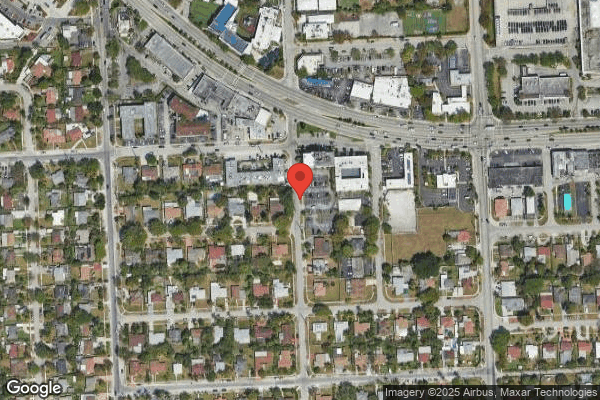
1800 N E 168TH STREET, NORTH MIAMI BEACH, FL 33162 (305) 947-3445
For profit - Limited Liability company 86 Beds ONYX HEALTH Data: November 2025
Trust Grade
80/100
#167 of 690 in FL
Last Inspection: September 2024

Within standard 12-15 month inspection cycle. Federal law requires annual inspections.

Overview

Aventura Rehab and Nursing Center has a Trust Grade of B+, indicating it is above average and recommended for families considering care options. It ranks #167 out of 690 facilities in Florida, placing it in the top half, and #24 out of 54 in Miami-Dade County, meaning only a few local options are better. The facility is improving, having reduced issues from five in 2024 to just one in 2025. Staffing is a strong point, with a 4/5 rating and a low turnover rate of 20%, significantly better than the state average. However, there are some concerns, including a recent incident where a resident left the facility unsupervised and was found 10 hours later, as well as issues with privacy due to unattended computers displaying resident information. Overall, while Aventura has strengths in staffing and overall quality, these incidents raise important considerations for families.

Trust Score
B+
80/100
In Florida
#167/690
Top 24%
Safety Record
Low Risk
No red flags
Inspections
Getting Better
5 → 1 violations
Staff Stability
✓ Good
20% annual turnover. Excellent stability, 28 points below Florida's 48% average. Staff who stay learn residents' needs.
Penalties
✓ Good
No fines on record. Clean compliance history, better than most Florida facilities.
Skilled Nurses
✓ Good
Each resident gets 77 minutes of Registered Nurse (RN) attention daily — more than 97% of Florida nursing homes. RNs are the most trained staff who catch health problems before they become serious.
Violations
⚠ Watch
13 deficiencies on record. Higher than average. Multiple issues found across inspections.
★★★★☆
4.0
Overall Rating
★★★★☆
4.0
Staff Levels
★★★★☆
4.0
Care Quality
★★★★☆
4.0
Inspection Score
Stable
2024: 5 issues
2025: 1 issues

The Good

  • 4-Star Staffing Rating · Above-average nurse staffing levels
  • 4-Star Quality Measures · Strong clinical quality outcomes
  • Low Staff Turnover (20%) · Staff stability means consistent care
  • Full Sprinkler Coverage · Fire safety systems throughout facility
  • No fines on record
  • Staff turnover is low (20%)

    28 points below Florida average of 48%

Facility shows strength in staffing levels, quality measures, staff retention, fire safety.

The Bad

Chain: ONYX HEALTH

Part of a multi-facility chain

Ask about local staffing decisions and management

The Ugly 13 deficiencies on record

Apr 2025 1 deficiency
CONCERN (D) 📢 Someone Reported This

A family member, employee, or ombudsman was alarmed enough to file a formal complaint

Potential for Harm - no one hurt, but risky conditions existed

Accident Prevention (Tag F0689)

Could have caused harm · This affected 1 resident

**NOTE- TERMS IN BRACKETS HAVE BEEN EDITED TO PROTECT CONFIDENTIALITY** Based on observation, record review and interviews, the facility failed to provide supervision to prevent the elopement of one (...

Read full inspector narrative →
**NOTE- TERMS IN BRACKETS HAVE BEEN EDITED TO PROTECT CONFIDENTIALITY** Based on observation, record review and interviews, the facility failed to provide supervision to prevent the elopement of one (Resident #1) out of three sampled residents; as evidenced by, on 04/18/2025 newly admitted Resident #1 who is moderately impaired left the facility undetected at approximately 11:22 AM and boarded a city bus; was located 10 hours later 2.0 miles from the facility by a stranger that observed Resident #1 pacing back and forth before his home and alerted law enforcement. According to Accu weather. com on that day the temperature ranged between 72 degrees and 86 degrees. The findings included: Review of a photograph provided by the facility's Administrator revealed on 04/18/2025 at 11:22 AM Resident #1 was observed ambulating towards the 1st Floor East Exit dressed in long black pants, long sleeve pink top and white sneakers. Record review of a demographic sheet revealed Resident#1 was admitted on [DATE]; according to the admission assessment the resident was alert and oriented times three with diagnosis that include but not limited to: Major Depression, and Open-Angle Glaucoma. Review of Resident # 1's incomplete Entry Minimum Data Set (MDS) with reference dated 4/17/2025, revealed the resident is moderately impaired. Review of Resident #1's clinical documents from the transferring facility revealed an order dated 4/14/2025 for a wander alert device. Review of an email provided by the Administrator dated 4/15/2025 from the transferring facility indicated Resident #1 was not at risk for elopement. Review of an admission / readmission Nursing Packet dated 4/17/2025 Section II. Elopement Risk Evaluation indicated Resident #1 was a low risk for Elopement. Review of an Elopement Care Plan initiated on 04/18/2025 and revised on 04/18/2025 revealed Resident #1 was an exit seeker and had interventions that included: ensure staff are aware of resident's high risk for elopement, assist resident to and from activities, keep identification bracelet on resident at all times, monitor resident's whereabouts routinely and reorient and redirect in a calm reassured manner. Record review of a Physicians Order sheet revealed orders dated 4/17/2025 for Depakote Oral Tablet Delayed Release 500 milligram (mg) directions give one (1) tablet by mouth two times a day related to Unspecified Mood [Affective] Disorder, Citalopram Hydrobromide Tablet 10 mg directions give 1 tablet by mouth one time a day for depression, Mirtazapine Tablet 7.5 mg directions give 1 tablet by mouth at bedtime related to depression. Review of the Nursing Progress Note dated 04/18/2025 at 09:30 AM indicate: Resident out of bed, able to ambulate without difficulty and carry her breakfast tray to the dining room with some assistance. Review of Nursing Progress Note dated 04/18/2025 timestamped 10:13 AM revealed: resident walked accompanied by activities staff, to participate and engaged with staff and other residents in stable condition. During that time, she demonstrated steady ambulation. Nursing Progress Note dated 04/18/2025 timestamped 11:17 AM indicated: [Resident#1] returned to the unit from activities appeared stable with no signs of distress. Nursing Progress Note dated 04/18/2025 timestamped 11:22 AM indicated: When the nurse ran to the elevator area, the resident was not there. The nurse pressed the elevator button in attempt to follow the resident downstairs, when the nurse reached to the first floor, the resident could not be found. Review of the Director of Nursing's (DON) Progress Note 04/18/2025 timestamped 11:23 AM revealed: the nurse in charge of the resident informed the DON that Resident #1 went down the elevator alone. Staff tried to stop her, but the resident jumped to the elevator quickly. The nurse attempted to follow the resident by pressing the elevator and was unable to locate the resident downstairs. Code orange (elopement code) was activated. The administrator was informed, and she organized a prompt search for the resident. One team searched inside the facility and another team searched the parking lot and adjacent neighborhoods. Review of DON's Progress Note dated 04/18/2025 at 12:45 PM revealed: Thorough search of the facility was completed and was unsuccessful. Staff also called area hospitals, and the resident was not located. Review of the DON's Progress Note dated 04/18/2025 at 12:55 PM revealed law enforcement was called and provided with a description and profile of the resident. The DON Note's dated 04/18/2025 revealed at approximately 1:00 PM Resident #1's daughter [daughter # 4] was notified via telephone. The daughter was not surprised that her mother had left the facility and reported her mother had done this multiple times before . however, she has always returned unharmed. Resident #1's daughter reported that her mother likes shopping [NAME] and cafes and is likely in a nearby shopping center. Review of DON's Progress Note dated 04/18/2025 at 6:30 PM revealed the facility's administration remained in contact with law enforcement for updates and the search was upgraded to [NAME] (Be on the Look-Out) Tri-County Search per law enforcement. The DON called and informed the daughter of the law enforcement update. The DON's Progress Note dated 04/18/2025 at 9:22 PM indicated: Call received from the Administrator revealed Resident #1 was located at North Miami Beach by [Law Enforcement] who reported he did the recovery and had informed [daughter #4] and she decided to take the resident home. A call was placed to [daughter # 4] to inform her that the resident needs to be evaluated by health care professionals. The daughter stated she lives too far, couldn't bring her to the facility at that time, and was advised to bring her to the facility in AM if not it will be considered as AMA (against Medical Advice). She verbalized understanding. Interview 04/22/2025 at 2:40 PM; the Housekeeping Floor Cleaning Staff revealed he was cleaning the hallway and saw Resident #1 going to the elevator. He tried to redirect the resident, but he couldn't, then he went to inform the nurse on the floor, while he was on his way to find the nurse; the resident took the elevator. When the nurse arrived the elevator door closed, and when she went down, the resident could not be found. Interview on 04/22/2025 at 02:57 PM via telephone Staff B, the Registered Nurse (RN) that was assigned to care for Resident #1 on 04/18/2025 revealed: On the morning of the incident the resident was in her room, alert, awake, and oriented times three. The resident had breakfast and then she went to therapy accompanied by rehab staff. When I saw her again, she had just come from activities. I spoke to her for a few minutes and two to five minutes later, a housekeeping staff called to tell me he saw the resident take the elevator. After that, I ran to the elevator immediately and pressed the button to the first floor, but I was not able to locate her. I checked the dining room, exit doors, and all the floors but was not able to locate her. I also checked outside up to 7th street and staff checked other places. We all went to the lobby, dining room, second floor, and fourth floor. I called the DON to let her know what was happening. Interview on 4/22/2025 at 4:20 PM, the MDS Nurse stated, A care plan for at risk for elopement is derived from the Elopement Risk Assessment done upon admission. For a score of 10 or more indicates the resident is at risk for elopement. Upon admission [Resident #1] did not require an elopement care plan based on her assessment score. Normally, I'd check the records from the previous facility to help determine if the resident is at risk for elopement. For [Resident #1] I did not check the previous records yet. I created the at-risk for elopement care plan after the resident eloped from the facility. Interview with the Administrator on 04/22/2025 at 3:45 PM. She reported that the resident went out by the back door by the elevator, that goes to the back to the facility, which is gated, but during the day it is open. On the day of the incident after she was informed, the orange code (elopement code) was activated by her. The facility's staff were divided into groups, some staff checked inside the facility, and some went out of the facility in different directions and searched for approximately 30 minutes. Law Enforcement was called, and an investigation was initiated. The Administrator revealed she was not aware that the resident was wearing a wander guard at the sister facility where she was admitted from. She revealed a nurse from the facility went to visit the resident at her daughter's house to do a wellness check and sign the Against Medical Advice (AMA) for discharge, because the resident did not want to return to the facility. Interview via telephone with Resident # 1's daughter on 04/23/2025 at 9:15 AM; [daughter # 3] revealed her mother had taken the trolley and ended up in the mall near facility. Review of the Nursing Progress Note for the Wellness Check at Resident #1's home that was completed on 04/19/2025 revealed [daughter #5] was with Resident #1 were educated on the benefits of getting Resident #1 evaluated in the hospital or urgent care. Resident #1 stated she left the facility yesterday as she felt confined and took the bus to a plaza to go for a walk. I didn't tell my daughters that I left because they all work, and they all know that I like to go for a walk. I'm a grown woman and not a child. The resident and her daughter were informed that the Doctor's recommendation is for Resident #1 return to the facility. Resident #1 and her daughter were informed of the possible negative impact and outcomes if the resident did not return to the facility. Resident #1 and her daughter verbalized understanding. The daughter revealed they would rather keep mom home. Daughter # 5 signed the AMA form. Record review of Policy titled, Elopements revised March 2004 revealed a Policy Statement: Nursing personnel must report and investigate all reports of missing residents. Elopement Risks Identification. Policy Interpretation and Implementation: 1. On admission, residents will be evaluated for elopement risk based on resident's clinical indication and condition. Record review of Policy titled; Safety-Prevention of Accidents Reviewed January 20205 revealed Policy Statement: Our facility strives to make the environment as free from accident hazards as possible. Resident safety and supervision and assistance to prevent accidents are facility-wide priorities. Policy Interpretation and Implementation: Systems Approach to Safety: 2. The type and frequency of resident supervision may vary among residents and over time for the same resident. For example, resident supervision may need to be increased when there are temporary hazards in the environment (such as construction) or if there is a change in the resident's condition
Sept 2024 5 deficiencies
CONCERN (D)

Potential for Harm - no one hurt, but risky conditions existed

Deficiency F0583 (Tag F0583)

Could have caused harm · This affected 1 resident

Based on observations, interviews, and record review the facility failed to keep residents' health care information private on two out of four medication carts as evidenced by computer screens left op...

Read full inspector narrative →
Based on observations, interviews, and record review the facility failed to keep residents' health care information private on two out of four medication carts as evidenced by computer screens left open and unattended on the first-floor South medication cart and third floor medication cart with residents' information visible There were 77 residents resided in the facility at the time of survey. The findings included: On 09/18/24 at 10:26 AM the computer screen on the first south medication cart was left unattended with residents' health care information visible. The Surveyor signaled for Director of Nursing to approach. Staff A, Registered Nurse and Director of Nursing both approached the cart at the same time and were notified that screen was left open. At that time Staff A, Registered Nurse closed the screen. The Director of Nursing stated, Screens should not be left open and unattended. On 9/19/24 at 10:56 AM, this Surveyor walked onto the third floor and observed Staff F, Licensed Practical Nurse speaking with a resident near the elevator; a medication cart was observed near the nursing station down the hallway with residents' information visible on the computer screen. (see photo) Staff F, Licensed Practical Nurse approached the cart and stated, I left to assist a resident and left the computer screen open. Record review of Policy entitled, Protected Health Information (PHI), Safeguarding Electronic 2001 Revised January 2024 Policy Statement: Electronic protected health information (e-PHI) is safeguarded by administrative, technical and physical means to prevent unauthorized access to protected health information. Policy Interpretation and Implementation: 3. All business associates are required to comply with security standards established by our Business Associate Agreement relative to e-PHI.
CONCERN (D)

Potential for Harm - no one hurt, but risky conditions existed

Safe Environment (Tag F0584)

Could have caused harm · This affected 1 resident

Based on observation, record review and interview, the facility failed to keep furniture in good repair for one Resident (Resident #60) out of six sampled and the ceiling in good repair on third floor...

Read full inspector narrative →
Based on observation, record review and interview, the facility failed to keep furniture in good repair for one Resident (Resident #60) out of six sampled and the ceiling in good repair on third floor as evidenced by a nightstand with a broken door and four ceiling tiles with water stains and active dripping water and failed to clean three out of three the lint traps in The Laundry room as evidenced by three lint traps observed filled with lint despite staff signed that it was cleaned. There were 77 residents residing in the facility at the time of survey. The findings Included: 1) On 9/16/24 at 9:58 AM The nightstand in Resident #60's room had a broken door (photo evidence) On 9/16/24 at 1:26 PM; the Assistant Director Of Nursing (ADON) stated: When I make rounds, and I see something that needs repair I notify maintenance personnel via text. Surveyor asked if the ADON was aware of the broken door on Resident #60's nightstand. The ADON replied, No. On 9/16/24 at 1:26 PM The ADON checked Resident #60's nightstand with the surveyor and stated, I will inform maintenance now. On 9/17/24 at 2:45 PM Nightstand door was repaired. Record review of demographic sheet for Resident #60 revealed an admission date of 4/23/2024 with Diagnosis that included: Persistent Mood Disorder. Record review of Quarterly Minimum Data Set (MDS) with reference date 7/30/2024 Section C (Cognitive Status) revealed a Brief Interview for Mental Status (BIMS) score of 9 on a scale of 0-15 indicating moderate cognitive impairment. Section GG (Functional status) revealed independent for eating and partial /moderate assistance for Chair/bed-to-chair transfer. Record review of Care Plan initiated on 4/23/2024 for assistance with Activities of Daily Living (ADL) functions with a Goal of needs will be met by staff . On 9/17/24 at 11:39 AM, while the surveyor was seated at the nursing station on the third-floor water was dripping from the ceiling tile. Four water stains were observed on the ceiling on the third floor. (photo evidence) The ADON was standing in the hallway and was made aware. The ADON then placed a Caution Wet Floor sign at site and placed a call to maintenance and housekeeping. On 9/17/24 at 11:44 AM housekeeping staff arrived and mopped floor. On 9/17/24 at 12:39 PM, these observations related to the leaks referred to the Life Safety Surveyor. On 9/19/24 at 1:00 PM further observation of the ceiling tiles on third floor revealed dark stains. (photo) On 9/19/24 at 1:05 PM during an observation of the third-floor ceiling the Maintenance Director stated, I was made aware of the leaking from the ceiling on the third floor and the tiles were changed. I am not sure why the tiles are now discolored. I will check and see if the tiles were replaced. On 9/19/24 at 2:46 PM the Corporate Owner handed the surveyor two invoices for roof repairs dated 8/6/24 and 7/12/24 along with the phone number for Corporate Maintenance personnel; and stated: We have worked on repairs after being made aware of water leaks. On 9/19/24 at 1:36 PM, the Corporate Maintenance Director (via telephone) stated: I changed two of the ceiling tiles on the third floor. On 9/19/24 after QAPI meeting when asked for any policy pertaining to furniture and ceiling in good repair The Nursing Home Administrator stated, There is no policy about furniture or roof and there was a Performance Improvement Plan (PIP) in place, and she forgot to mention that during the QAPI meeting. PIP dated 7/10/24 reviewed by team was determined insufficient. 2)On 9/19/24 at 10:12 AM a tour of the Laundry room was done with the Housekeeping Director. Upon entering the clean room there were three dryers. The Lint Log was signed every two hours and last signed on 9/19/2024 at 10:00 AM. All three lint traps were filled with lint. (see photo) On 9/19/2024 at 10:25 AM Staff G, Laundry aide stated, I signed before cleaning the lint trap. I last cleaned the lint traps at 8:00 AM. I sign before I clean so I don't forget to sign. I was going to sign but got distracted when I heard you all come in. On 9/19/2024 at 10:38 AM The Housekeeping Director stated, Staff are supposed to be cleaning lint trap every two hours and sign after it is cleaned. I check the lint traps each afternoon to make sure they are clean for fire prevention. Record review of Policy entitled, Departmental (Environmental Services)-Laundry and Linen 2001 Revised January 2024 Level I Purpose: The purpose of this procedure is to provide a process for the safe and aseptic handling, washing and storage of linen. General Guidelines: 12. Lint trap cleaning of dryers should be performed every one to two hours and the frequency should be documented on a log on a daily basis.
CONCERN (D)

Potential for Harm - no one hurt, but risky conditions existed

Accident Prevention (Tag F0689)

Could have caused harm · This affected 1 resident

**NOTE- TERMS IN BRACKETS HAVE BEEN EDITED TO PROTECT CONFIDENTIALITY** Based on observation, record review and interview, the facility failed to provide an environment that is free from potential acc...

Read full inspector narrative →
**NOTE- TERMS IN BRACKETS HAVE BEEN EDITED TO PROTECT CONFIDENTIALITY** Based on observation, record review and interview, the facility failed to provide an environment that is free from potential accident and hazards for one resident (#13) out of 12 residents sampled as evidenced by observations of bilateral side rails in the upward position with foam padded top railing for Resident #13. There were 77 residents residing in the facility at the time of survey. The findings included: On 9/16/24 at 10:05 AM Resident #13 was observed in bed, the bilateral half-length side railings were in an upward position with a green colored sponge on the top railings. On 9/16/24 at 1:17 PM The Director of Nursing (DON) observed the railings with the surveyor and stated, I will follow up to see if that is sufficient padding. Record review of Resident#13 demographic sheet revealed an admission date of 6/10/2016 with Diagnosis that included: Seizure. Record review of an End of PPS Part A Stay Minimum Data set (MDS) dated [DATE] Section C (Cognitive status) revealed a Brief Interview for Mental Status score was undetermined and Section GG (functional status) revealed dependent for Activity of Daily Living and Section N (Medications) revealed Resident#13 was taking Opioid, Antiplatelet, Hypoglycemic, and Antiplatelet medications. Record review of a Care Plan initiated on 6/10/2016 revealed Resident#13 had the potential for injury related to diagnosis of Seizure with goal of remain. Interventions included: Pad side rails as necessary and Pad side rails for safety. Record review of physician's order sheet revealed an order dated 6/26/24 for Keppra Tablet 500 Milligrams (Levetiracetam) directions give one tablet by mouth two times a day for seizure and Bilateral Half Side rails with pads for Seizure Precaution every shift. On 9/16/24 at 3:26 PM The DON stated. The padding is present as a precaution for Seizure and is not a potential hazard because Resident#13 does not move during a seizure. There is no risk for entrapment for Resident #13. Record review of policy entitled, Hazardous Areas, Devices and Equipment 2001 Revised January Policy Statement: All hazardous areas, devices and equipment in the facility will be identified and addressed appropriately to ensure resident safety and mitigate accident hazards to the extent possible. Policy Interpretation and Implementation: 1. As part of the facility's overall safety and accident prevention program, hazardous area and objects in the resident environment will be identified and addressed by the safety committee. Identification of Hazards: 1. A hazard is anything in the environment that has the potential to cause injury or illness. Assessment and Analysis of Hazards: 2. Any element of the resident environment that has the potential to cause injury and that is accessible to a vulnerable resident is considered hazardous.
CONCERN (D)

Potential for Harm - no one hurt, but risky conditions existed

Medication Errors (Tag F0758)

Could have caused harm · This affected 1 resident

Based on observation, record review and interview, the facility failed to ensure that psychotropic medications were used only to treat a documented condition for one resident (#74) out of six sampled ...

Read full inspector narrative →
Based on observation, record review and interview, the facility failed to ensure that psychotropic medications were used only to treat a documented condition for one resident (#74) out of six sampled as evidenced by a psychotropic medication ordered for Resident #74 for the diagnosis of Schizophrenia and no supporting documentation for that diagnosis. The findings included: On 09/16/24 at 1:24 PM Resident#74 was seated in wheelchair in the room. Record review of demographic sheet for Resident #74 revealed an admission date of 8/15/2024 with Diagnosis that included: Psychosis and Anxiety Disorder. Record review of The admission Minimum Data Set (MDS) with reference date of 8/21/2024 Section A(Identification) A1500. Preadmission Screening and Resident Review (PASRR) revealed Resident #74 was not currently considered by the state level II PASRR process to have serious mental illness and/or intellectual disability or a related condition. Section I (Active Diagnosis) Anxiety disorder, Psychotic disorder Section N(Medications) revealed Antipsychotic, Antianxiety, and Antipsychotics were received on a routine basis only since admission. Record review of Care Plan for Potential for discomfort and side effects related to the use of psychotropic medications: Resident has a diagnosis of anxiety/psychosis initiated on 8/15/2024 revealed a Goal of Resident will be free of any discomfort or adverse side effects x 90 days and interventions that included: Administer medication as ordered and psych consult as needed. Record review of physician's order sheet revealed an order dated 9/13/2024 for Seroquel Oral Tablet 50 milligram (mg) directions: Give 50 mg by mouth at bedtime for schizoaffective disorder. On 9/19/24 at 9:17 AM The Pharmacy Consultant stated, Resident started taking Seroquel Oral Tablet 50 MG by mouth at bedtime for schizoaffective disorder. Record review of a Psychiatric Note dated 9/13/2024 revealed no diagnosis of Schizophrenia. Record review of Policy entitled, Psychotropic Medication Use 2001 Revised January 2024 Policy Statement: Residents will not receive medications that are not clinically indicated to treat a specific condition. Policy Interpretation and Implementation: 4. Residents who have not used psychotropic medications are not prescribed or given these medications unless the medication is determined to be necessary to treat a specific condition that is diagnosed and documented in the medical record.
CONCERN (D)

Potential for Harm - no one hurt, but risky conditions existed

Deficiency F0761 (Tag F0761)

Could have caused harm · This affected 1 resident

**NOTE- TERMS IN BRACKETS HAVE BEEN EDITED TO PROTECT CONFIDENTIALITY** Based on observation, record review and interview, the facility failed to store medications properly on two out of four medicati...

Read full inspector narrative →
**NOTE- TERMS IN BRACKETS HAVE BEEN EDITED TO PROTECT CONFIDENTIALITY** Based on observation, record review and interview, the facility failed to store medications properly on two out of four medication carts and one out of four medication rooms as evidenced by an observation of partially crushed pills inside a pill crusher bag in the pill crushing machine on top of the third floor medication cart, an observation of an open drawer on the first floor south medication cart while unattended, and an observation of four expired tracheostomy kits in the first floor medication room. There were 77 residents residing in the facility at the time of survey. The findings included: On [DATE] at 11:15 AM two surveyors entered the third-floor nursing unit from the elevator and down the hallway a medication cart was observed unattended with a plastic pill crusher bag inside the pill crusher machine on top of the medication cart in the hallway. Both surveyors walked to the nursing station and observed the Assistant Director of Nursing seated at the nursing station, speaking on the phone. The Assistant Director of Nursing asked for surveyors to give her a minute to finish the call. The nursing station was located laterally and behind the medication cart. The Assistant Director of Nursing was asked for the nurse assigned to the medication cart. The Assistant Director of Nursing replied, That staff is on break and will be done in a few minutes. Both surveyors waited at the nursing station while keeping an eye on the medication cart. Staff B, Registered Nurse (RN) approached the surveyors and was asked to complete a medication storage check on her medication cart. Staff B was asked if there were any medications in the plastic pill crusher bag and Staff B removed the pill crusher bag from pill crusher machine and showed surveyor the bag which contained three partially crushed pills inside. (photo evidence). Staff B, RN stated, I left the pills inside the pill crusher bag because I am diabetic, and I felt my blood sugar lowering and I went to take a quick break to eat. Whenever I pull medications, I am supposed to administer it, and I am not allowed to leave any medication outside of the medication cart. On [DATE] at 11:41 AM The Assistant Director of Nursing stated, The facility protocol is that all medications should be locked inside the cart. I was supervising the medications while the nurse was away and then I received a phone call and sat at the nursing station . I do rounds throughout the day and check the medication carts to make sure no medications are left unattended. On [DATE] at 10:16 AM A medication check was done with Staff A, Registered Nurse on the first-floor medication room. Three Tracheostomy Care Tray kits with the expiration date of [DATE]. (photo evidence) On [DATE] at 4:56 PM, during a medication administration observation with Staff C, Registered Nurse on the Third-floor medication cart, Staff C, walked away from cart to retrieve an item and left the cart unlocked. Staff C did not verbalize for anyone to watch the cart before the cart was left unlocked. At that time the Assistant Director of Nursing walked near the cart and stood there until the nurse returned. Staff C returned to the cart and stated, I left cart unlocked because I only walked away for a minute. The protocol is to lock the cart whenever I leave it. On [DATE] at 5:31 PM, the surveyor walked down the hallway on first floor and observed a medication cart with the bottom drawer ajar. (photo evidence) On [DATE] at 5:33 PM, Staff D, Registered Nurse walked out of a resident's room and was asked by the surveyor if the drawer was open. Staff D immediately pushed the drawer closed. Staff D, RN stated: The bottom drawer was open, and I closed it. Although the bottom drawer could not open. On [DATE] at 5:32 PM Staff E, Registered Nurse walked out of a resident's room and stated, I locked the cart before I left. The protocol when I walk away from the cart is to make sure the cart is locked, and the screen is locked. I make sure all the drawers are closed. I don't know why it was open and before I went into the room locked and the screen. On [DATE] at 12:20 PM The Director of Nursing stated, The protocol is for medication carts to be kept locked when unattended. If there is nurse next to the cart that could monitor the cart it is not unattended. The cart was not unattended, and the Assistant Director of Nursing was seated at the nursing station close to cart. No response when asked should medications be left unattended. Record review of Policy entitled, Storage of Medication Policy Statement: 2001 Revised [DATE] The facility stores all drugs and biologicals in a safe, secure, and orderly manner. Policy and Interpretation and Implementation: 1. Drugs and biologicals used in the facility are stored in locked compartments under proper temperatures, light and humidity controls.
May 2023 4 deficiencies
CONCERN (D)

Potential for Harm - no one hurt, but risky conditions existed

Deficiency F0561 (Tag F0561)

Could have caused harm · This affected 1 resident

**NOTE- TERMS IN BRACKETS HAVE BEEN EDITED TO PROTECT CONFIDENTIALITY** Based on observation, record review and interview, the facility failed to accommodate a resident's choice to have a shower for o...

Read full inspector narrative →
**NOTE- TERMS IN BRACKETS HAVE BEEN EDITED TO PROTECT CONFIDENTIALITY** Based on observation, record review and interview, the facility failed to accommodate a resident's choice to have a shower for one resident (Resident #26) out of one resident reviewed for choices and preferences. There were a total of 79 residents residing in the facility at the time of this survey. The findings included: Record review of the Resident Rights Policy and Procedure (Revised January 2022, Reviewed January 2023) documented: Policy Statement-Employees shall treat all residents with kindness, respect and dignity. Policy Interpretation and Implementation-1) Federal and state laws guarantee certain basic rights to all residents of this facility. These rights include the resident's right to: a) a dignified existence; b) be treated with respect, kindness and dignity and e) self-determination. Review of the Activities of Daily Living (ADLs) Supporting Policy and Procedure (Revised March 2018, Reviewed January 2023) documented: Policy Statement-Residents will be provided with care, treatment and services as appropriate to maintain or improve their ability to carry out activities of daily living (ADLs). Residents who are unable to carry out activities of daily living independently will receive the services necessary to maintain grooming and personal hygiene. Policy Interpretation and Implementation-2) Appropriate care and services will be provided for residents who are unable to carry out ADLs independently, with the consent of the resident and in accordance with the plan of care, including appropriate support and assistance with: a) Hygiene (bathing, showering and grooming). Observation and interview with Resident #26 on 5/22/23 at 10:11 AM revealed the resident sitting up in bed, watching television. When asked do you choose whether you take a shower, tub or bed bath he stated, They only give me bed baths and I prefer showers. At least give me a shower once a month. It's been three years since I had a shower. Review of the Demographic Face Sheet for Resident #26 documented the resident was admitted on [DATE] with diagnoses to include central cord syndrome, fusion of spine cervical region, hypertension, bipolar disorder, mood disorder and anemia. Review of the Minimum Data Set (MDS) Annual Assessment for Resident #26 dated 10/27/22 documented the resident's Mental Status (BIMS) Summary Score had a BIMS Summary Score of 15 out of 15 indicating no cognitive impairment and the resident was able to make his needs known. The resident required extensive assistance with one person physical assist for ADLs (Activities of Daily Living) and required total dependence with support provided for bathing. When asked while you are in this facility, how important is it to you to choose between a tub bath, shower, bed bath or sponge bath, he was coded as somewhat important. Review of Resident's #26's ADLs care plan dated 3/19/2021 documented the resident has a self-care deficit related to central cord syndrome and other co-morbidities. He requires extensive assistance with dressing and hygiene and total assistance with the rest of ADL's; Goal: Resident will be kept clean, dry and odor free daily to prevent skin breaks and maintain dignity thru next review date; Interventions: Provide shower/bath as scheduled; Resident requires total assistance with 2 staff support with transfers; Honor resident's preference as best as possible; Ensure privacy and maintain dignity and transfer with a [ ] transfer lift utilizing safety precaution with assist of 2 persons. Review of the Shower Schedule for Resident #26 was on Monday, Wednesday and Friday on the 7AM-3PM shift. Review of the Certified Nurse Assistant (CNA) Task Flow Sheet for Resident #26 dated 5/1-24/23 documented the following: 1) The resident received showers on 5/01/23, 5/05/23, 5/08/23, 5/10/23, 5/15/23, 5/19/23, 5/22/23 and 5/24/23. The resident received a full bed bath on the following days: 5/03/23, 5/12/23 and 5/17/23 and 2) The Bathing Self Performance: How resident takes full-body bath/shower, sponge bath and transfers in/out of tub/shower required total dependence with one person physical assist. Interview with Staff B, Certified Nursing Assistant (CNA) on 5/25/23 at 8:12 AM. She stated, He can wash his face and I transfer him with a [ ] transfer lift. I give him a shower and bed bath. I give him a shower two times a week and other times a bed bath. His shower schedule is Monday and Thursday. When I give him shower, he gets in the shower chair but the shower chair wheel is hard to push and not working. I can't push it and then I end up giving him a bed bath. I told the nurse and the DON about the shower chair wheel not working. They all know about the shower chair and they are supposed to be ordering it. Interview and record review with Staff C, Registered Nurse (RN) on 5/25/23 at 8:35 AM. She stated, He is alert and oriented times three. He is extensive care for ADLs with [ ] transfer lift for transfers. The shower schedule is in the computer but there is no time listed in there. They give him a bed bath and no shower. Interview and record review with the Director of Nursing (DON) on 5/25/23 at 10:40 AM. She stated, The cna have the shower schedule. It is on the task screen of the resident that they are taking care of. His shower schedule is Monday, Wednesday and Friday on 7-3 shift. The resident is receiving showers. If the shower chair is not working, there are other shower chairs here that the cna can use. Interview with Resident #26 and the Director of Social Services on 5/25/23 at 11:58 AM. The resident revealed to the Director of Social Services that he has not received a shower in months and has only received bed baths. He has not been put in a shower chair and taken to the shower.
CONCERN (D)

Potential for Harm - no one hurt, but risky conditions existed

Deficiency F0688 (Tag F0688)

Could have caused harm · This affected 1 resident

**NOTE- TERMS IN BRACKETS HAVE BEEN EDITED TO PROTECT CONFIDENTIALITY** Based on observation, interview and record review, the facility failed to ensure that a hand splint was worn to prevent a worsen...

Read full inspector narrative →
**NOTE- TERMS IN BRACKETS HAVE BEEN EDITED TO PROTECT CONFIDENTIALITY** Based on observation, interview and record review, the facility failed to ensure that a hand splint was worn to prevent a worsening right hand contracture for one (Resident #67) out of six residents reviewed for position and mobility out of nine residents with contractures. There were a total of 79 residents residing in the facility at the time of this survey. The findings included: Record review of the Splinting Policy and Procedure (Reviewed January 2023) documented: Policy: Splinting is used to protect joints and surrounding soft tissue. This can be accomplished by maintaining joints at position of rest, preventing positions that contribute to contracture and/or deformity, protecting the system of arches within the hands and feet and increasing or maintaining range of motion (ROM) in the joint and General Goals: To protect joints and surrounding soft tissue, to increase extremity function and to maintain ROM. An initial observation of Resident #67 was conducted on 5/22/23 at 9:51 AM. The resident was sitting up in a low bed with bilateral one half side rails and watching television. The resident's right hand was contracted and no splint was observed on the resident's hand. Second observation of Resident #67 was conducted on 5/23/23 at 7:27 AM. The resident was sitting up in a low bed with bilateral one half side rails, eating breakfast and watching television. The resident's right hand was contracted and no splint was observed on the resident's hand. Third observation and interview with Resident #67 was conducted on 5/23/23 at 1:02 PM. The resident was sitting up in a low bed with bilateral one half side rails and watching television. The resident's right hand was contracted and no splint was observed on the resident's hand. Attempted to interview the resident but she did not answer. Review of the Demographic Face Sheet for Resident #67 documented the resident was admitted on [DATE] with diagnosss of cerebral palsy, respiratory failure, hemiplegia affecting right dominant side, congestive heart failure, functional quadriplegia, insomnia, anxiety disorder and major depressive disorder. Review of the Minimum Data Set (MDS) 5-day Assessment for Resident #67 dated 4/08/23 documented the resident's Mental Status (BIMS) Summary Score had a BIMS Summary Score of 99 out of 15 indicating severe cognitive impairment and the resident was not able to make her needs known. The resident required total dependence assistance with one person physical assist for ADLs (Activities of Daily Living) and had upper and lower extremities impairment on both sides. Review of the Physician's Order Sheet (POS) for April 2023, May 2023 for Resident #67 documented the following: Patient to wear resting hand splint on right hand. Apply after AM care. Remove at bed time for ADLs, ROM, rest and as needed by floor CNA (Certified Nursing Assistant). Check skin before and after removal and as needed. The order was revised on 4/20/23. Review of Resident #67's Resting Hand Splint care plan dated 4/25/23 documented the resident to wear resting hand splint on right hand; Goal: Resident will not develop skin breakdown while using splint thru next review date; Interventions: Apply resting hand splint on right hand. Fourth observation of Resident #67 was conducted on 5/24/23 at 11:12 AM. The resident was sitting up in a low bed with bilateral one half side rails and watching television. The resident's right hand was contracted and a right hand splint was noted. Fifth observation of Resident #67 was conducted on 5/25/23 at 11:03 AM. The resident was sitting up in a low bed with bilateral one half side rails and watching television. The resident's right hand was contracted and a right hand splint was noted. Review of the Certified Nurse Assistant (CNA) Task Flow Sheet for Resident #67 dated 5/23-24/23 documented the following: 1) Patient to wear resting hand splint on right hand. Apply after AM care. Remove at bed time for ADLs, ROM, rest and as needed by floor CNA. Check skin before and after removal and as needed and 2) There was no documentation dated from 4/20/23 to 5/22/23 that the resident wore the resting hand splint on her right hand. Documentation was only noted on 5/23-24/23. Interview with Staff B, Certified Nursing Assistant (CNA) on 5/25/23 at 8:06 AM. She stated, She is total care. She wear a hand splint. I put it on when I finish washing her in the morning. She wears the hand splint everyday. I put in the computer system, when I put the hand splint on. Sometimes she say it hurts. I let the nurse know and they take it off. The CNA was asked about the lack of documentation in the CNA Task screen in the computer starting on 4/20/23 until 5/23/23 concerning the hand splint being put on the resident. The CNA paused and did not provide a response to why the documentation was not in the CNA Task on the computer. Interview with Staff C, Registered Nurse (RN) on 5/25/23 at 8:23 AM. She stated, She is alert and oriented times one. She is total care. She wears a splint on the right hand. She wears a splint everyday. Interview and record review with the Director of Nursing (DON) on 5/25/25 at 10:30 AM. She stated, She has an order to wear the splint and it was ordered on 4/20/23. The DON confirmed there was no documentation noted from 4/20/23-5/22/23 when the order was written to wear resting hand splint on the resident's right hand in the CNA Task computer screen.
CONCERN (D)

Potential for Harm - no one hurt, but risky conditions existed

Medical Records (Tag F0842)

Could have caused harm · This affected 1 resident

**NOTE- TERMS IN BRACKETS HAVE BEEN EDITED TO PROTECT CONFIDENTIALITY** Based on observation, record review and interview, the facility failed to maintain an accurate record for one (Resident #26) out...

Read full inspector narrative →
**NOTE- TERMS IN BRACKETS HAVE BEEN EDITED TO PROTECT CONFIDENTIALITY** Based on observation, record review and interview, the facility failed to maintain an accurate record for one (Resident #26) out of one resident reviewed for choices and preferences. The resident did not receive showers as documented in the medical record. There were a total of 79 residents residing in the facility at the time of this survey. The findings included: Observation and interview with Resident #26 on 5/22/23 at 10:11 AM revealed the resident sitting up in bed, watching television. When asked do you choose whether you take a shower, tub or bed bath he stated, They only give me bed baths and I prefer showers. At least give me a shower once a month. It's been three years since I had a shower. Review of the Demographic Face Sheet for Resident #26 documented the resident was admitted on [DATE] with a diagnoses to include central cord syndrome, fusion of spine cervical region, hypertension, bipolar disorder, mood disorder and anemia. Review of the Minimum Data Set (MDS) Annual Assessment for Resident #26 dated 10/27/22 documented the resident's Mental Status (BIMS) Summary Score had a BIMS Summary Score of 15 out of 15 indicating no cognitive impairment and the resident was able to make his needs known. The resident required extensive assistance with one person physical assist for ADLs (Activities of Daily Living) and required total dependence with support provided for bathing. When asked while you are in this facility, how important is it to you to choose between a tub bath, shower, bed bath or sponge bath, he was coded as somewhat important. Review of the Shower Schedule for Resident #26 was on Monday, Wednesday and Friday on the 7AM-3PM shift. Review of the Certified Nurse Assistant (CNA) Task Flow Sheet for Resident #26 dated 5/1-24/23 documented the following: 1) The resident received showers on 5/01/23, 5/05/23, 5/08/23, 5/10/23, 5/15/23, 5/19/23, 5/22/23 and 5/24/23. The resident received a full bed bath on the following days: 5/03/23, 5/12/23 and 5/17/23 and 2) The Bathing Self Performance: How resident takes full-body bath/shower, sponge bath and transfers in/out of tub/shower required total dependence with one person physical assist. Interview with Staff B, Certified Nursing Assistant (CNA) on 5/25/23 at 8:12 AM. She stated, He can wash his face and I transfer him with a [ ] transfer lift. I give him a shower and bed bath. I give him a shower two times a week and other times a bed bath. His shower schedule is Monday and Thursday. When I give him shower, he gets in the shower chair but the shower chair wheel is hard to push and not working. I can't push it and then I end up giving him a bed bath. I told the nurse and the DON about the shower chair wheel not working. They all know about the shower chair and they are supposed to be ordering it. Interview and record review with Staff C, Registered Nurse (RN) on 5/25/23 at 8:35 AM. She stated, He is alert and oriented times three. He is extensive care for ADLs with [ ] transfer lift for transfers. The shower schedule is in the computer but there is no time listed in there. They give him a bed bath and no shower. Interview and record review with the Director of Nursing (DON) on 5/25/23 at 10:40 AM. She stated, The cna have the shower schedule. It is on the task screen of the resident that they are taking care of. His shower schedule is Monday, Wednesday and Friday on 7-3 shift. The resident is receiving showers. If the shower chair is not working, there are other shower chairs here that the cna can use. Interview with Resident #26 and the Director of Social Services on 5/25/23 at 11:58 AM. The resident revealed to the Director of Social Services that he has not received a shower in months and has only received bed baths. He has not been put in a shower chair and taken to the shower.
CONCERN (D)

Potential for Harm - no one hurt, but risky conditions existed

Infection Control (Tag F0880)

Could have caused harm · This affected 1 resident

Based on observation, interview and record review, the facility failed to comply with infection control standards as evidenced by Staff A LPN failing to perform hand hygiene during wound care for one ...

Read full inspector narrative →
Based on observation, interview and record review, the facility failed to comply with infection control standards as evidenced by Staff A LPN failing to perform hand hygiene during wound care for one resident (Resident #23) out of 5 residents who have pressure ulcers. The findings included: On 05/25/23 at 09:28 AM, during an observation of wound care with Staff A Licensed Practical Nurse (L.P.N) for Resident #23. Staff A LPN prepped supplies and dated border gauze. Staff A LPN entered room, placed supplies on disposable mat on over-bed table. Staff A LPN pulled table to restroom and washed hands. Staff A LPN put on gloves and removed the dirty dressing. It was revealed that there were two wounds near each other. The left buttock wound revealed a superficial skin layer was removed with pink tissue. The sacrum wound was deep with pale greenish tissue and pink to red areas. The Resident's toileting pad was clean and a urinary catheter was present. Staff A LPN cleaned the left buttock with normal saline, patted dry and applied calcium alginate. Staff A LPN began to go to the sacrum wound, cleaned it with normal saline, patted dry, applied metrogel, then calcium alginate. Staff A LPN covered both wounds with border gauze. Staff A LPN rolled up used supplies in disposable mat and threw them in red bag. Staff A LPN took off gloves and washed hands in restroom. Staff A LPN used paper towel to grab the red bag and threw it in a red bag lined box in the soiled utility/biohazardous room. Staff A washed her hands in the soiled utility/ biohazardous room and went to the computer to chart the wound care completed for Resident #23. On 05/25/23 at 10:05 AM, in an interview with Staff A LPN after the wound care treatment for resident #23. When Staff A, LPN was asked, Tell me about resident #23 and her wounds. Staff A LPN stated, The Resident is incontinent of bowel and bladder. She is immobile, rigid and stays in a straight position. The Resident has a urinary catheter due to her wounds. When asked, Tell me your wound care procedure steps that you performed on [Resident #23] Staff A LPN stated, The Patient was positioned in bed. I cleaned the left buttock with normal saline. Patted dry. Applied calcium alginate. Then I cleaned the sacrum with normal saline. Patted dry. Applied Metrogel. Applied Santyl and calcium alginate on top. Secured both wounds with bordered gauze. When asked, Did you change your gloves at any time after you cleaned the wounds? No, I did not. When asked, When were you supposed to change your gloves and wash your hands? Staff A LPN stated, After I clean the dirty wound and after I clean the wound. When asked, Did you use one glove throughout the procedure? Staff A stated, Yes. Staff A stated, Can I do it (wound care) again? I was so nervous. On 05/25/23 at 01:18 PM, in an interview with the Director of Nursing (D.O.N). When asked, What are your expectations for wound care treatment? The D.O.N stated, Make sure the wound is treated. Follow the physician's orders. The Nurse to sign off when wound care is complete. Wash hands before/after the procedure and after changing gloves. The Nurse can also sanitize her hands after she is done. Review of Physician's orders for May 2023 revealed, a urinary catheter due to wound care. Wound care treatment orders were of the following: Calcium Alginate external to apply to left buttock topically everyday. Wound care orders were to cleanse left buttock with normal saline and cover with gauze island border dressing. Santyl External Ointment and Metronidazole External Gel 1 % were to apply to sacrum topically everyday. Wound care orders were to cleanse sacrum with normal saline, apply calcium alginate, and cover with island gauze dressing. Record review for resident #23 revealed, Medical diagnoses includes pressure ulcer to sacral region unstageable, pressure ulcer to left buttock and pressure ulcer of sacral region stage 3. In the minimum data set, Medicare 5 day entry dated 4/30/2023. In section C for Cognitive patterns, brief interview of mental status was unable to be determined. In section G for functional status, bed mobility was extensive assistance with one-person physical assist. Transferring was total dependent with two+ person's physical assist. Eating was extensive assistance with one-person physical assist. Toileting was total dependent with one-person physical assist. In section H for bowel and bladder, Yes to has an indwelling catheter and was incontinent of bowel. In section J for health condition, for pain, Yes to receiving scheduled pain medication regimen. In section K for nutrition status, No to unknown weight loss or weight gain. In section M for skin conditions, one Stage 2 and one stage 3 pressure ulcer is present. Review of Resident #23's care plan revealed, Resident has an actual skin breakdown. On 4/12/23, left buttock wound was a stage 2 pressure ulcer. On 4/26/23, stage 3 sacrum pressure ulcer changed to unstageable. On 5/17/23, sacrum wound worsened to stage 4 and left buttock wound is a stage 3. Date initiated on 03/23/2023 and revision on 05/22/2023. A goal included Resident's wound will manifest signs of healing in 14 days. Interventions included was turn and re-position every hour or as per protocol. Wound assessment weekly to determine progress or deterioration of wound. Observe for signs and symptoms of wound infection and intervene accordingly. Provide pressure relief device in bed. On Air Mattress. In review of the facility's policy titled, Wound care last revision on January 2023. It stated the purpose of this procedure is to provide guidelines for the care of wounds to promote healing. It is noted in step 2, wash and dry your hands thoroughly. In step 5, wash and dry your hands. In step 16, wash and dry your hands thoroughly. In step 23, wash and dry your hands thoroughly. In review of the facility's policy titled, Standard Precautions last reviewed on January 2023. The policy statement stated standard precautions are used in the care of all residents regardless of their diagnoses or suspected or confirmed infection status. Standard Precautions presume that all blood, body fluids, secretions, and excretions (except sweat), non-intact skin and mucous membranes may contain transmissible infectious agents. It is noted in section one (1) Hand hygiene and (B) hand hygiene is performed with alcohol-based hand rub or soap and water: (1) before and after contact with the resident; (2) Before performing an aseptic task; (3) after contact with items in the resident's room; and (4) after removing PPE. In section C, it stated Hands are washed with soap and water whenever; (2) after direct or indirect contact with dirt, blood or body fluids; (3) after removing gloves; and (4) before eating and after using the restroom. In section (2) Gloves, ( e ) gloves are changed as necessary, during the care of a resident to prevent cross-contamination from one body site to another (when moving from a dirty site to a clean one and (h) After gloves are removed, wash hands immediately to avoid transfer of microorganisms to other residents or environments.
Apr 2022 3 deficiencies
CONCERN (D)

Potential for Harm - no one hurt, but risky conditions existed

Comprehensive Care Plan (Tag F0656)

Could have caused harm · This affected 1 resident

**NOTE- TERMS IN BRACKETS HAVE BEEN EDITED TO PROTECT CONFIDENTIALITY** Based on observation, interview and record review, the facility failed to implement care plans related to tube feedings for two ...

Read full inspector narrative →
**NOTE- TERMS IN BRACKETS HAVE BEEN EDITED TO PROTECT CONFIDENTIALITY** Based on observation, interview and record review, the facility failed to implement care plans related to tube feedings for two (Resident #4 and #29) of two residents reviewed for tube feeding of twenty five residents whose care plans were reviewed as evidenced by failure to administer the tube feeding as ordered. There were eighty one residents residing in the facility at the time of the survey. The findings included: 1. Observation on 04/12/22 at 11:35 AM revealed Resident #4 in his room in bed. Observation revealed an enteral feeding pump at the bedside. The pump was not infusing formula at the time of this observation. There was a closed system bag of Glucerna 1.5 hanging. The label on the bag indicated the bag was hung on 4/11/22 at 6:30 AM. There was approximately 400 ml remaining in the 1000 ml (milliliter) bag. The label indicated the rate of infusion was 65ml (milliter) per hour. Record review of the demographic face sheet revealed Resident #4 was admitted to the facility on [DATE] with multiple diagnoses including Parkinson's Disease, Diabetes Mellitus, Protein Calorie Malnutrition, Dysphasia, Gastro Esophageal Reflux Disease, Dementia, and Gastrostomy. Review of the minimum data set (MDS) dated [DATE] revealed Resident #4 BIMS (brief interview for mental status) score was 1 indicating a severe cognitive deficit. Section K Swallowing/Nutrition status was coded to indicate Resident #4 had swallowing difficulty and received nutrition/hydration through a feeding tube. Review of Resident #4's care plan dated 12/14/21 revealed: Feeding tube present. Resident at risk for unintended weight loss /decline in parameters of nutrition. Interventions included provide tube feeding and water flushes as ordered: Glucerna 1.5 @75 ml/hour x 20 hours, auto flush of 45 ml/hour x 20 hours. Extra flushes as ordered. Review of Resident #4's April 2022 physician order sheet (POS) revealed an order for Glucerna 1.5 @75 ml/hour x 20 hours (on at 2 PM, off at 10 am). Check for residual every shift. If residual is 100 ml or more hold feeding for one hour, then recheck. If still 100 ml or more, call MD (Medical Doctor). G (Give) with 30 ml water before and after each med pass and 5 ml between each med. Based on the observation 4/12/22 at 11:35 AM and review of the physician order, if the formula was hung on 4/11/22 at 6:30 am, turned off from 10 am to 2 PM, then resumed from 2 PM on 4/11/22 through 10 AM 4/12/22 the total infusion for 23.5 hours at a rate of 75 ml/hour would have been 1762 ml. The observation revealed approximately 600 ml had been administered during this time period. 2. Observation on 4/12/22 at 10:55 AM revealed Resident #29 in his room in bed. Observation revealed an enteral feeding pump at the bedside. The pump was not infusing formula at the time of this observation. There was a closed system bag of Isosource 1.5 hanging. The label on the bag indicated the bag was hung on 4/11/22 at 6:15 am. There was approximately 100 ml remaining in the 1000 ml bag. The label indicated the rate of infusion was 70 ml/hour. Record review of the demographic face sheet revealed Resident #29 was admitted to the facility on [DATE] with multiple diagnoses including Cerebrovascular Accident, Emphysema, Diabetes Mellitus, Hypertension, Dysphasia, Anemia, Depression, Anxiety, and Chronic Obstructive Pulmonary Disease. Review of the minimum data set (MDS) dated [DATE] revealed Resident #29 BIMS (brief interview for mental status) score was 3 indicating a severe cognitive deficit. Section K Swallowing/Nutrition status was coded to indicate Resident #29 received nutrition/hydration through a feeding tube. Review of Resident #29's care plan dated 12/14/21 revealed: Feeding tube present. Resident at risk for unintended weight loss /decline in parameters of nutrition. Interventions included PEG (percutaneous endoscopic gastrostomy) feeding and flushes as ordered. Review Resident #29's April 2022 physician order sheet (POS) revealed an order for Isosource 1.5 @ 70/ml/hour for 20 hours (off at 10 am and on at 2 PM), change bag every day, change irrigation set every day, may hold tube feeding during resident care every shift, NPO (nothing by mouth). Based on the observation 4/12/22 at 10:55 am and review of the physician order, if the formula was hung on 4/11/22 at 6:15 am, turned off from 10 am to 2 PM, then resumed from 2 PM 4/11/22 through 10 AM 4/12/22 the total infusion for 23.75 hours at a rate of 70 ml/hour would have been 1662 ml. The observation revealed approximately 900 ml had been administered during this time period. Interview with the Director of Nursing (DON) on 4/15/22 at 11:32 AM revealed all enteral feeding bags are changed at least every 24 hours or more frequently if they are going to be empty based on prescription. Some residents get more than 1000 ml per day. After 24 hours the bags are changed even if formula remains in the bag. We use a closed system for all residents. When the nurse hangs the formula they put the residents name, date and hang time on the label. The rate is also placed on the label. The staff does not initial the bag. The nurses are responsible for the tube feedings. If a C N A (Certified Nursing Assistant) needs to provide care they call the nurse to turn off the pump. Resident # 4 feeding order is to run @75 ml/hour for 20 hours per day. Our protocol allows the feeding to be turned off during care, maybe 15 minutes or so to change the patient, maybe longer if a resident needs to be showered. Related to the observation you made on 4/12/22 with Resident # 4 's feeding bag dated 4/11/22, because of the higher rate of feeding he would need more than 1000 ml in a 24 hours period so there should not have been anything left in the formula bag. The calculations do not compute if the bag was hung on 4/11/22. This also applies to Resident #29. Due to the high rate of infusion, he would need more than 1000 ml in a 24 hour period. The discrepancy may be partially related to the feeding being turned off for the provision of care. The nurse clears the bag each time the bag is cleared but the nurses do not document the total amount infused. There is no record of intake over a 24 hour period per our policy.
CONCERN (D)

Potential for Harm - no one hurt, but risky conditions existed

Tube Feeding (Tag F0693)

Could have caused harm · This affected 1 resident

**NOTE- TERMS IN BRACKETS HAVE BEEN EDITED TO PROTECT CONFIDENTIALITY** Based on observation, interview and record review, the facility failed to ensure enteral feedings were administered as ordered f...

Read full inspector narrative →
**NOTE- TERMS IN BRACKETS HAVE BEEN EDITED TO PROTECT CONFIDENTIALITY** Based on observation, interview and record review, the facility failed to ensure enteral feedings were administered as ordered for two (Resident #4 and #29) of two residents reviewed for tube feeding of eights residents receiving nutrition and hydration via a tube feeding of eighty one residents residing in the facility at the time of the survey. The findings included: 1. Observation on 04/12/22 at 11:35 AM revealed Resident #4 in his room in bed. Observation revealed an enteral feeding pump at the bedside. The pump was not infusing formula at the time of this observation. There was a closed system bag of Glucerna 1.5 hanging. The label on the bag indicated the bag was hung on 4/11/22 at 6:30 AM. There was approximately 400 ml remaining in the 1000 ml (milliliter) bag. The label indicated the rate of infusion was 65/ml per hour. Record review of the demographic face sheet revealed Resident #4 was admitted to the facility on [DATE] with multiple diagnoses including Parkinson's Disease, Diabetes Mellitus, Protein Calorie Malnutrition, Dysphasia, Gastro Esophageal Reflux Disease, Dementia, and Gastrostomy. Review of the minimum data set (MDS) dated [DATE] revealed Resident #4 BIMS (brief interview for mental status) score was 1 indicating a severe cognitive deficit. Section K Swallowing/Nutrition status was coded to indicate Resident #4 had swallowing difficulty and received nutrition/hydration through a feeding tube. Review of Resident #4's care plan dated 12/14/21 revealed: Feeding tube present. Resident at risk for unintended weight loss /decline in parameters of nutrition. Interventions included provide tube feeding and water flushes as ordered: Glucerna 1.5 @75 ml/hour x 20 hours, auto flush of 45 ml/hour x 20 hours . Extra flushes as ordered. Review Resident #4's April 2022 physician order sheet (POS) revealed an order for Glucerna 1.5 @75 ml/hour x 20 hours (on at 2 PM, off at 10 am). Check for residual every shift. If residual is 100 ml or more hold feeding for one hour, then recheck. If still 100 ml or more, call MD. G (Give) with 30 ml water before and after each med pass and 5 ml between each med. Based on the observation 4/12/22 at 11:35 AM and review of the physician order, if the formula was hung on 4/11/22 at 6:30 am, turned off from 10 am to 2 PM, then resumed from 2 PM 4/11/22 through 10 AM 4/12/22 the total infusion for 23.5 hours at a rate of 75 ml/hour would have been 1762 ml. The observation revealed approximately 600 ml had been administered during this time period. 2. Observation on 4/12/22 at 10:55 AM revealed Resident #29 in his room in bed. Observation revealed an enteral feeding pump at the bedside. The pump was not infusing formula at the time of this observation. There was a closed system bag of Isosource 1.5 hanging. The label on the bag indicated the bag was hung on 4/11/22 at 6:15 am. There was approximately 100 ml remaining in the 1000 ml bag. The label indicated the rate of infusion was 70 ml/hour. Record review of the demographic face sheet revealed Resident #29 was admitted to the facility on [DATE] with multiple diagnoses including Cerebrovascular Accident, Emphysema, Diabetes Mellitus, Hypertension, Dysphasia, Anemia, Depression, Anxiety, and Chronic Obstructive Pulmonary Disease. Review of the minimum data set (MDS) dated [DATE] revealed Resident #29 BIMS (brief interview for mental status) score was 3 indicating a severe cognitive deficit. Section K Swallowing/Nutrition status was coded to indicate Resident #29 received nutrition/hydration through a feeding tube. Review of Resident #29's care plan dated 12/14/21 revealed: Feeding tube present. Resident at risk for unintended weight loss /decline in parameters of nutrition. Interventions included PEG (percutaneous endoscopic gastrostomy) feeding and flushes as ordered. Review Resident #29's April 2022 physician order sheet (POS) revealed an order for Isosource 1.5 @ 70/ml/hour for 20 hours (off at 10 am and on at 2 PM), change bag every day, change irrigation set every day, may hold tube feeding during resident care every shift, NPO (nothing by mouth). Based on the observation 4/12/22 at 10:55 am and review of the physician order, if the formula was hung on 4/11/22 at 6:15 am, turned off from 10 am to 2 PM, then resumed from 2 PM 4/11/22 through 10 AM 4/12/22 the total infusion for 23.75 hours at a rate of 70 ml/hour would have been 1662 ml. The observation revealed approximately 900 ml had been administered during this time period. Interview with the Registered Dietitian (staff A) on 4/14/22 at 3:12 PM revealed all of the enteral feeding formula bags are changed daily on the 11-7 shift. The nurse clears the pump when the formula bag is changed. I make rounds and check to see if the feeding/flushes are at the correct rate and infusing as ordered. I check weekly to ensure the orders are being followed and the pump is functional. I report any identified concerns to the nurse and the DON (Director of Nursing). I have not identified any concerns. Interview with a Licensed Practical Nurse (staff B) on 4/14/22 at 3:18 PM revealed all of the enteral feeding formula bags are changed every 24 hours, typically on the 11-7 shift, but they can be changed on any shift. This will depend on the physician ordered rate. Even if a resident has a lower rate and the entire 1000 ml of formula has not infused in 24 hours, we discard any remaining formula, clear the pump and hang a new bag. We compare the amount infused against what the physician orders to ensure the order is followed. We check the rate and amount, but we do not document the total intake when we clear the pump and hang the new bag. Interview with the Consultant Dietitian (staff C) on 4/15/22 at 12:45 PM revealed the dietitian's role is to assess the residents nutritional needs and make recommendation for the enteral feeding order including the formula, rate and flush. In addition we monitor weights, labs, feeding tolerance and make recommendations for changes as indicated. We monitor nutritional outcomes. We also make rounds and check to ensure the feeding is delivered as ordered and the pump is functional. Interview with the Director of Nursing (DON) on 4/15/22 at 11:32 AM revealed all enteral feeding bags are changed at least every 24 hours or more frequently if they are going to be empty based on prescription. Some residents get more than 1000 ml per day. After 24 hours the bags are changed even if formula remains in the bag. We use a closed system for all residents. When the nurse hangs the formula they put the residents name, date and hang time on the label. The rate is also placed on the label. The staff does not initial the bag. The nurses are responsible for the tube feedings. If a C N A (Certified Nursing Assistant) needs to provide care they call the nurse to turn off the pump. Resident # 4 feeding order is to run @75 ml/hour for 20 hours per day. Our protocol allows the feeding to be turned off during care, maybe 15 minutes or so to change the patient, maybe longer if a resident needs to be showered. Related to the observation you made on 4/12/22 with Resident # 4 's feeding bag dated 4/11/22, because of the higher rate of feeding he would need more than 1000 ml in a 24 hours period so there should not have been anything left in the formula bag. The calculations do not compute if the bag was hung on 4/11/22. This also applies to Resident #29. Due to the high rate of infusion, he would need more than 1000 ml in a 24 hour period. The discrepancy may be partially related to the feeding being turned off for provision of care. The nurse clears the bag each time the bag is cleared but the nurses do not document the total amount infused. There is no record of intake over a 24 hour period per our policy. Review of the facility policy titled Enteral Nutrition revised November 2018 revealed the policy does not address monitoring intake over a 23 hour period and does not address the frequency the formula is changed.
CONCERN (D)

Potential for Harm - no one hurt, but risky conditions existed

Medical Records (Tag F0842)

Could have caused harm · This affected 1 resident

**NOTE- TERMS IN BRACKETS HAVE BEEN EDITED TO PROTECT CONFIDENTIALITY** Based on record review and interview, the facility 1.) failed to ensure the medical record was complete and accurate for one (Re...

Read full inspector narrative →
**NOTE- TERMS IN BRACKETS HAVE BEEN EDITED TO PROTECT CONFIDENTIALITY** Based on record review and interview, the facility 1.) failed to ensure the medical record was complete and accurate for one (Resident #4) related to advance directives and 2.) failed to ensure the medical record was readily assessable for review by the state agency for one (Resident #430) of twenty five residents whose medical records were reviewed. There were eighty one residents residing in the facility at the time of the survey. The findings included: 1.) Record review revealed Resident #4 was admitted to the facility on [DATE]. Review of the electronic health record for Resident #4 revealed a Health Care Proxy Designation and Acceptance Letter dated 10/14/21 indicated his wife was his health care proxy. Review of the Advanced Directives Acknowledgement form signed by the resident representative on 10/14/21 section Check the advance Directive Executed or Wish to Execute items checked included living will, DNR (do not resuscitate), Health Care Surrogate/Proxy (medical and financial), guardian (medical and financial). Review of the physician orders indicated Resident # 4 's code status was full code. Interview with the Director of Social Services on 4/14/22 at 12:32 PM revealed the advance directive forms are provided by admissions in the admission packet. My responsibility is to check to make sure we have all the documents from the hospital or family. I would also contact the health care surrogate or medical proxy if the resident is not able to make decisions. Resident # 4's health care proxy is his wife. She signed the Health Care Proxy Designation Form on 12/12/21. She also signed the Advanced Directive Acknowledgement Form provided at admission. The IDT (interdisciplinary team) including myself spoke to Resident #4 wife and she never expressed that she wanted him to have a DNR order. Usually the admission packet is reviewed with the resident / representative but often they want to take it home and fill out the forms. Maybe his wife checked the DNR box by mistake but, I am sure based on IDT discussions that she wants a full code status. Interview with the Nursing Home Administrator (NHA) on 4/14/2022 at 12:45 PM revealed the advance directive acknowledge form is part of the admission packet. If a resident or representative wishes to execute advance directive including a DNR, the facility will follow up to assist in formulating the desired advance directive. If a resident / representative requests to have a DNR order, we would contact the physician. In the case of Resident # 4, his wife is the health care proxy and she is very involved in his care. The team meets with her frequently and she does not want her husband to have a DNR. Sometimes the family member takes the admission packet forms home and she must have checked the DNR section by mistake. The facility does check these forms for accuracy to assist with formulating advance directive. This form is not accurate and we will contact her to correct the document. The NHA provided a corrected Advance Directive Acknowledgement form 4/14/22 at approximately 1:30 PM. The NHA stated the resident's wife was in the facility visiting and she competed a new acknowledgment form which indicates she does not want a DNR order executed for Resident # 4 . Review of the Advanced Directives Acknowledgement form signed by the resident representative (wife) on 4/14/22 section Check the advance Directive Executed or Wish to Execute items checked included Heath care Surrogate/Proxy only. The DNR, Guardian and living will boxes were not selected on the revised form. 2.) Record review revealed Resident #430 was admitted to the facility on [DATE], transferred to the hospital on 2/20/20, readmitted [DATE] and discharged [DATE]. Review of the electronic health record (E H R) system revealed Resident #430's medical record was not accessible. Interview with the Director of Nursing (DON) on 4/14/22 at 3:36 PM revealed the facility transitioned from one E H R system to another and this may have been when Resident #430 resided in the facility. There was a period of time during the transition that the medicals records were on paper. Interview with the Nursing Home Administrator (NHA) on 4/14/22 at 3:50 PM revealed the paper medical record for this resident is no longer stored in the facility, it has been sent to a storage unit. It usually takes at least two days to get the record once requested. I can submit a request today but I do not think we can obtain the record by the end of the survey. Interview with the Regional RAI (Resident Assessment Instrument) Consultant on 4/15/22 at 12:45 PM revealed the facility previously used a different system for maintaining clinical records. The facility switched to a new system May of 2020. The old system was in use through September 2019. During the transition we had access to the previous system for two months. The transition to the new system was not until May of 2020 so from September 2019 to May 2020 the clinical records were paper. We maintain medical records in the facility for the current year and the year prior so we would have 2020 and 2021 on site. The records prior to this date are sent out for storage. The NHA contacted the storage company to request the closed record for Resident # 430 yesterday but it takes 48 hours to obtain the record. Review of the policy and procedure titled Retention of Medical Records revised 2020 revealed: Medical records of discharged resident will be retained in the facility for a period of one year in the facility. Medical records of discharged resident past the one year will be stored in a designated storage company. The facility will keep records in the designated storage company for a total of seven years.
Understanding Severity Codes (click to expand)
Life-Threatening (Immediate Jeopardy)
J - Isolated K - Pattern L - Widespread
Actual Harm
G - Isolated H - Pattern I - Widespread
Potential for Harm
D - Isolated E - Pattern F - Widespread
No Harm (Minor)
A - Isolated B - Pattern C - Widespread

Questions to Ask on Your Visit

  • "Can I speak with families of current residents?"
  • "What's your RN coverage like on weekends and overnight?"

Our Honest Assessment

Strengths
  • • Grade B+ (80/100). Above average facility, better than most options in Florida.
  • • No major safety red flags. No abuse findings, life-threatening violations, or SFF status.
  • • No fines on record. Clean compliance history, better than most Florida facilities.
  • • 20% annual turnover. Excellent stability, 28 points below Florida's 48% average. Staff who stay learn residents' needs.
Concerns
  • • 13 deficiencies on record. Higher than average. Multiple issues found across inspections.
Bottom line: Generally positive indicators. Standard due diligence and a personal visit recommended.

About This Facility

What is Aventura Rehab And Nursing Center's CMS Rating?

CMS assigns AVENTURA REHAB AND NURSING CENTER an overall rating of 4 out of 5 stars, which is considered above average nationally. Within Florida, this rating places the facility higher than 99% of the state's 100 nursing homes. This rating reflects solid performance across the metrics CMS uses to evaluate nursing home quality.

How is Aventura Rehab And Nursing Center Staffed?

CMS rates AVENTURA REHAB AND NURSING CENTER's staffing level at 4 out of 5 stars, which is above average compared to other nursing homes. Staff turnover is 20%, compared to the Florida average of 46%. This relatively stable workforce can support continuity of care.

What Have Inspectors Found at Aventura Rehab And Nursing Center?

State health inspectors documented 13 deficiencies at AVENTURA REHAB AND NURSING CENTER during 2022 to 2025. These included: 13 with potential for harm.

Who Owns and Operates Aventura Rehab And Nursing Center?

AVENTURA REHAB AND NURSING CENTER is owned by a for-profit company. For-profit facilities operate as businesses with obligations to shareholders or private owners. The facility is operated by ONYX HEALTH, a chain that manages multiple nursing homes. With 86 certified beds and approximately 79 residents (about 92% occupancy), it is a smaller facility located in NORTH MIAMI BEACH, Florida.

How Does Aventura Rehab And Nursing Center Compare to Other Florida Nursing Homes?

Compared to the 100 nursing homes in Florida, AVENTURA REHAB AND NURSING CENTER's overall rating (4 stars) is above the state average of 3.2, staff turnover (20%) is significantly lower than the state average of 46%, and health inspection rating (4 stars) is above the national benchmark.

What Should Families Ask When Visiting Aventura Rehab And Nursing Center?

Based on this facility's data, families visiting should ask: "Can I visit during a mealtime to observe dining assistance and food quality?" "How do you handle medical emergencies, and what is your hospital transfer rate?" "Can I speak with family members of current residents about their experience?"

Is Aventura Rehab And Nursing Center Safe?

Based on CMS inspection data, AVENTURA REHAB AND NURSING CENTER has a clean safety record: no substantiated abuse findings (meaning no confirmed cases of resident harm), no Immediate Jeopardy citations (the most serious violation level indicating risk of serious injury or death), and is not on the Special Focus Facility watch list (a federal program monitoring the lowest-performing 1% of nursing homes). The facility has a 4-star overall rating and ranks #1 of 100 nursing homes in Florida. While no facility is perfect, families should still ask about staff-to-resident ratios and recent inspection results during their visit.

Do Nurses at Aventura Rehab And Nursing Center Stick Around?

Staff at AVENTURA REHAB AND NURSING CENTER tend to stick around. With a turnover rate of 20%, the facility is 26 percentage points below the Florida average of 46%. Low turnover is a positive sign. It means caregivers have time to learn each resident's needs, medications, and personal preferences. Consistent staff also notice subtle changes in a resident's condition more quickly.

Was Aventura Rehab And Nursing Center Ever Fined?

AVENTURA REHAB AND NURSING CENTER has no federal fines on record. CMS issues fines when nursing homes fail to meet care standards or don't correct problems found during inspections. The absence of fines suggests the facility has either maintained compliance or corrected any issues before penalties were assessed. This is a positive indicator, though families should still review recent inspection reports for the full picture.

Is Aventura Rehab And Nursing Center on Any Federal Watch List?

AVENTURA REHAB AND NURSING CENTER is not on any federal watch list. The most significant is the Special Focus Facility (SFF) program, which identifies the bottom 1% of nursing homes nationally based on persistent, serious quality problems. Not being on this list means the facility has avoided the pattern of deficiencies that triggers enhanced federal oversight. This is a positive indicator, though families should still review the facility's inspection history directly.