HAMPTON COURT NURSING AND REHABILITATION CENTER
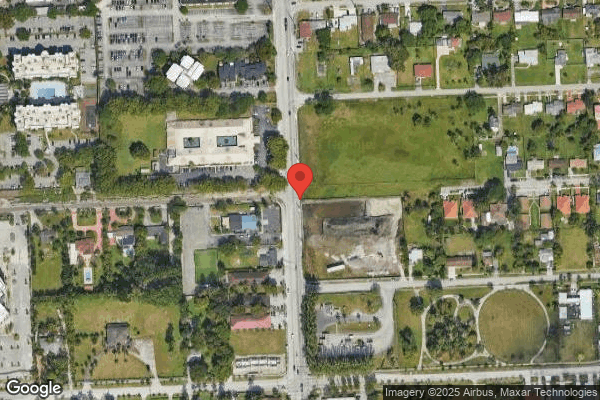

16100 NW 2ND AVENUE, NORTH MIAMI BEACH, FL 33169 (305) 354-8800
For profit - Limited Liability company 120 Beds Independent Data: November 2025
Trust Grade
80/100
#216 of 690 in FL
Last Inspection: April 2025

Within standard 12-15 month inspection cycle. Federal law requires annual inspections.

Overview

Hampton Court Nursing and Rehabilitation Center has a Trust Grade of B+, which means it is above average and recommended for families considering care. It ranks #216 out of 690 facilities in Florida, placing it in the top half, and #26 out of 54 in Miami-Dade County, indicating that there are only a few better options nearby. The facility is improving, having decreased the number of issues from 3 in 2023 to 2 in 2025. Staffing is rated at 4 out of 5 stars, showing good stability with a turnover rate of 44%, which is around the state average. There have been no fines recorded, which is promising, and the RN coverage is better than 84% of facilities in the state, suggesting that residents receive good oversight. However, there are some concerns to be aware of. Recent inspections found that the facility inaccurately documented the discharge status of one resident, suggesting potential lapses in record-keeping. Additionally, they failed to assist another resident with obtaining necessary dental services, and there was a lack of a proper discharge care plan for a third resident. While the overall ratings are strong, these specific incidents indicate areas where the facility could improve its attention to detail and resident care.

Trust Score
B+
80/100
In Florida
#216/690
Top 31%
Safety Record
Low Risk
No red flags
Inspections
Getting Better
3 → 2 violations
Staff Stability
○ Average
44% turnover. Near Florida's 48% average. Typical for the industry.
Penalties
✓ Good
No fines on record. Clean compliance history, better than most Florida facilities.
Skilled Nurses
✓ Good
Each resident gets 65 minutes of Registered Nurse (RN) attention daily — more than 97% of Florida nursing homes. RNs are the most trained staff who catch health problems before they become serious.
Violations
○ Average
9 deficiencies on record. Average for a facility this size. Mostly minor or procedural issues.
★★★★☆
4.0
Overall Rating
★★★★☆
4.0
Staff Levels
★★★★☆
4.0
Care Quality
★★★★☆
4.0
Inspection Score
Stable
2023: 3 issues
2025: 2 issues

The Good

  • 4-Star Staffing Rating · Above-average nurse staffing levels
  • 4-Star Quality Measures · Strong clinical quality outcomes
  • Full Sprinkler Coverage · Fire safety systems throughout facility
  • No fines on record
  • Staff turnover below average (44%)

    4 points below Florida average of 48%

Facility shows strength in staffing levels, quality measures, fire safety.

The Bad

Staff Turnover: 44%

Near Florida avg (46%)

Typical for the industry

The Ugly 9 deficiencies on record

Apr 2025 2 deficiencies
CONCERN (D)

Potential for Harm - no one hurt, but risky conditions existed

Assessment Accuracy (Tag F0641)

Could have caused harm · This affected 1 resident

**NOTE- TERMS IN BRACKETS HAVE BEEN EDITED TO PROTECT CONFIDENTIALITY** Based on observation, record review and interview, the facility failed to accurately code the Minimum Data Set (MDS) for one (Re...

Read full inspector narrative →
**NOTE- TERMS IN BRACKETS HAVE BEEN EDITED TO PROTECT CONFIDENTIALITY** Based on observation, record review and interview, the facility failed to accurately code the Minimum Data Set (MDS) for one (Resident #109) out of three residents whose assessments that were reviewed, as evidenced by Resident 109 was discharged home but the discharge assessment indicated the resident was discharged to an acute hospital. The findings included Review of the medical records for Resident #109 revealed the resident was admitted to the facility on [DATE]. Medical diagnoses included but not limited to: Diverticulitis of intestine, part unspecified, with perforation and abscess without bleeding. Record review of Resident #109 's MDS dated [DATE] indicate in Section C for Cognitive Patterns documented a Brief Interview for Mental Status (BIMS) Score of 15 out of 15 indicating the residents is cognitively intact. Review of Resident # 109's Minimum Data Set (MDS) dated [DATE] the Discharge Status coded the resident was discharged to Short-Term General Hospital (acute hospital) on 01/14/2025. Record review of Resident #109's Care Plans revealed the Resident can be safely discharged upon completion of the rehabilitation program as planned to home. Interview on 04/03/25 at 12:55 PM, Staff B, MDS Coordinator, revealed she was initially informed that Resident # 109 had been discharged to her home. Upon reviewing the records, the miscode was identified. Review of the facility policy and procedure revised October 15, 2024, regarding resident assessments stated residents are assessed, using a comprehensive assessment process, in order to identify care needs and to develop an interdisciplinary care plan. The Resident Assessment Coordinator is responsible for ensuring that the Interdisciplinary Team conducts timely and appropriate resident assessments and reviews according to the following requirements: Omnibus Budget Reconciliation Act (OBRA) required assessments -conducted for all residents in the facility. Quarterly Assessment -conducted not less frequently than three months following the most recent OBRA assessment of any type.
CONCERN (D)

Potential for Harm - no one hurt, but risky conditions existed

Dental Services (Tag F0791)

Could have caused harm · This affected 1 resident

**NOTE- TERMS IN BRACKETS HAVE BEEN EDITED TO PROTECT CONFIDENTIALITY** Based on observation, record review and interview, the facility failed to assist in obtaining oral surgery dental services for o...

Read full inspector narrative →
**NOTE- TERMS IN BRACKETS HAVE BEEN EDITED TO PROTECT CONFIDENTIALITY** Based on observation, record review and interview, the facility failed to assist in obtaining oral surgery dental services for one (Resident #26) out of one Medicare pay resident reviewed for dental services. There were 105 residents residing in the facility at the time of the survey. The findings included: Record review of the Dental Services Policy and Procedure revised 03/2025 documented: Policy-It is the policy of this facility to assist residents in obtaining routine and emergency dental care; Policy Explanation and Compliance Guidelines-1) The dental needs of each resident are identified through the physical assessment and MDS (Minimum Data Service) assessment processes and are addressed in each resident's plan of care and 4) The facility will, if necessary or requested, assist the resident with making dental appointments and arranging transportation to and from the dental services location. Observation and interview with Resident number 26 on 3/31/25 at 9:45 AM revealed the resident sitting up in bed, watching television with missing top and bottom teeth. The resident revealed she couldn't remember the last time she saw a dentist and wanted to see a dentist. Review of the Demographic Face Sheet for Resident number 26 documented the resident was initially admitted on [DATE] with a diagnosis of diabetes mellitus, hypertensive heart disease, chronic kidney disease, hypertension and chronic obstructive pulmonary disease. Review of the Minimum Data Service (MDS) Quarterly assessment dated [DATE] for Resident number 26 documented the resident's Mental Status (BIMS) Summary Score was 13, indicating no cognitive impairment and able to make her needs known and she required substantial/maximal to dependent assistance for ADLs (activities daily living) and setup assistance for eating. Review of the Physician's Order Sheets (POS) dated March 2025 and April 2025 for Resident number 26 documented the resident was on a Consistent Carbohydrate, No Added Salt, Regular diet and dental care consultation as needed. Review of the care plans for Resident number 26 revealed no dental care plan was available. Review of the dental consults for Resident number 26 documented the following: Dated 5/28/24-Periodontal Exam; No extractions have been completed recently #20 tooth fx (fracture) at gum line. Refer to [ ] nurse for referral to community oral surgeon to extract #20 tooth; dated 6/04/24-Periodontal Exam; Refer patient to oral surgeon for offending teeth lower left & lower right and dated 7/17/24-Periodontal Exam. Review of the Nurses' Progress Notes for Resident number 26 documented the following: Dated 06/05/2024 at 02:48 pm-Receive final dental report dated June 4th from [ ] dentist impression: Resident to follow up with removal of left lower right tooth via oral surgeon. Spoke with nurse practitioner. Practitioner verbalized she will follow up with listed surgeons. Dated 06/10/2024 at 06:59 pm-Residential dental coverage providers. Was able to reserve an appointment with [ ] dental provider office date July 11 at 11 AM. Resident is agreeable with plan of care. Dated 07/05/2024 at 05:21 pm-Call placed to [ ] non-emergency medical transportation and informed [ ] representative that resident has new appointment scheduled 7/11/2024 at 11AM with oral surgeon. [ ] representative stated she is unable to schedule transportation with wheelchair for the resident at this time, but she will call 7/8/2024 in the morning to set up transportation services for resident. Dated 07/08/2024 at 04:59 pm-Call placed to [ ] non-emergency medical transportation and spoke with [ ] representative. [ ] representative informed nurse that their company is unable to provide transportation for resident appointment on 7/11/2024 due to [ ] insurance provider not reimbursing their company for services. Nurse to reschedule transportation with another provider. -Dated 07/11/2024 at 02:28 pm-Received call from medical doctor's office spoke from office manager. I was informed that the resident approval for initial consultation with oral surgeon has not been provided by dental insurance at this time. Office manager and myself agree to continue to reach out to provider and reschedule consultation appointment. All identifying resident information has been reviewed with office manager. [ ] Resident number 26 made aware of the same and is agreeable with plan. She denies any complaint of tooth pain. Resident did verbalize she would like the crack tooth fixed. All transmissions were faxed to oral surgeons office. Will keep resident informed. Dated on 07/11/2024 at 07:01 pm-Reached out to [ ] health care insurance. Spoke with advocate [ ]. List of oral surgeons available under resident dental plan under [ ] health care insurance made available to writer. Will follow-up next business day. On 4/03/25 at 10:01 AM, interview and record review with Staff A, Registered Nurse. She confirmed that the progress notes concerning the oral surgery dental written on 6/05/24, 6/10/24 and 7/11/24 were written by her. She stated, I vaguely remember this situation. I will have to discuss with the case manager about the situation. Subsequent interview on 4/03/25 at 11:21 AM she confirmed that no further arrangements were made for Resident number 26 to have oral surgery as recommended by the dentist. On 4/03/25 at 10:17 AM with the Director of Social Services. She stated, I started working here on 3/17/25. The Social Worker will make appointments for dental for in-house. If the resident is going out, someone else makes the arrangements. Subsequent interview on 4/03/25 at 11:02 AM. She stated, We reviewed the notes and I asked what happened with the oral surgery dental appointment. I asked the nurse was there an appointment made for the extraction and the answer was no. I am going to arrange an appointment for extraction. On 4/03/25 at 12:17 PM with Staff B, MDS (Minimum Data Service) Coordinator. She stated, There is no dental care plan for the resident.
Oct 2023 3 deficiencies
CONCERN (D)

Potential for Harm - no one hurt, but risky conditions existed

Comprehensive Care Plan (Tag F0656)

Could have caused harm · This affected 1 resident

**NOTE- TERMS IN BRACKETS HAVE BEEN EDITED TO PROTECT CONFIDENTIALITY** Based on interviews and record review, the facility failed to develop and implement a care plan related to discharge for one res...

Read full inspector narrative →
**NOTE- TERMS IN BRACKETS HAVE BEEN EDITED TO PROTECT CONFIDENTIALITY** Based on interviews and record review, the facility failed to develop and implement a care plan related to discharge for one resident (Resident number 113) out of one resident reviewed for discharge. Resident number 113 discharge plans were to be discharged back to the community. The findings included: Record review of the facility's Comprehensive Care Plan Policy and Procedure (revised 10/18/2022) documented the following: Policy-It is the policy of this facility to develop and implement a comprehensive person-centered care plan for each resident, consistent with resident rights, that includes measurable objectives and timeframes to meet a resident's medical, nursing and mental and psychosocial needs that are identified in the resident's comprehensive assessment. Policy Explanation and Compliance Guidelines: 1) The care planning process will include an assessment of the resident's strengths and needs and will incorporate the resident's personal and cultural preferences in developing goals of care; 2) The comprehensive care plan will be developed within 7 days after the completion of the comprehensive MDS (Minimum Data Set) assessment and 3) The comprehensive care plan will describe, at a minimum, the following: d) The resident's goals for admission, desired outcomes and preferences for future discharge. Closed record review of the Demographic Face Sheet for Resident number 113 documented the resident was admitted to the facility on [DATE] with diagnoses to include rhabdomyolysis, heart failure, peripheral vascular disease, atrial fibrillation, hypertensive heart disease, dementia and major depressive disorder. The resident was discharged back to the community on 8/24/2023. Review of the Minimum Data Set (MDS) 5-Day Assessment for Resident number 113 dated 8/14/2023 documented the resident's Mental Status (BIMS) Summary Score had a BIMS Summary Score of 04 out of 15 indicating severe cognitive impairment. The resident required extensive assistance with one person physical assist for ADLs (Activities of Daily Living) and the family expected the resident to be discharged to the community. Review of the care plans for Resident number 113 revealed there was no care plan written for discharge. Review of the Social Services Progress Notes for Resident number 113 documented the following: Dated 8/09/23: Resident's daughter stated that the goal is for him to return home but it also depends on how he does in rehab and Dated 8/21/23: Resident's daughter was advised that her father was issued NOMNC (Notice of Medicare Non-Coverage) from [ ] insurance company with a discharge date for 8/24/23. The last skilled day will be 8/23/23. NOMNC form has been reviewed, copy provided. [ ] local state agency number to appeal provided and appeal process with the time frame to appeal was provided. Discharge planning services discussed on home health services, and medical equipment. Review of the Physician's Order Sheets (POS) for Resident number 113 for August 2023 documented the resident was discharged home by the insurance provider on 8/24/2023. On 10/26/23 at 8:15 AM, interview and record review with the Director of Social Services. She stated, He had [ ] insurance company and they are a [NAME] for the days. We received a notice from them that his last day for coverage was 8/23/23. The daughter received the NOMNC (Notice of Medicare Non-Coverage) form and she decided not to appeal the decision. There was no discharge care plan done for him. It should have been done at the time of admission. On 10/26/23 at 9:31 AM, interview with the Director of Nursing (DON). She stated, He went home with his daughter. He was here only for short term rehab. The plan was always for him to go back home. Review of the Care Area Return to Community Referral Care Plan dated 8/29/23 documented it was handwritten, the resident was at the facility for short term and the resident was care planned for discharge to return home. The document was received on 10/26/23 at 12:14 PM from Staff C, from Medical Records. The discharge care plan was written after the resident was discharged from the facility on 8/24/23. On 10/26/23 at 12:14 PM, interview with Staff C, from Medical Records. She stated, I found it in his hard copy record. The written care plan for discharge was on 8/29/23. They said they gave it to me but I don't remember it.
CONCERN (D)

Potential for Harm - no one hurt, but risky conditions existed

Pharmacy Services (Tag F0755)

Could have caused harm · This affected 1 resident

**NOTE- TERMS IN BRACKETS HAVE BEEN EDITED TO PROTECT CONFIDENTIALITY** Based on observation, record review and interview, the facility failed to ensure pharmaceutical procedures were being followed f...

Read full inspector narrative →
**NOTE- TERMS IN BRACKETS HAVE BEEN EDITED TO PROTECT CONFIDENTIALITY** Based on observation, record review and interview, the facility failed to ensure pharmaceutical procedures were being followed for one (300-North) out of two medication carts observed out of the four medication carts in the facility. As evidenced by incorrect narcotic count for one controlled medication on the narcotic sheet (Resident #2) and two loose capsule/pill were found on one cart (300-North). The findings included: Observation on 10/24/23 at 01:16 PM, Medication cart 300 - North was observed with Staff A, RN (Registered Nurse). A yellow capsule with the number 215 and a small orange pill with the number 1G - 206 was found underneath medication blister packs in the medication drawers. During review of the narcotic sheet for Resident #2's Tramadol 50 milligram to be given by oral route two times a day revealed that there were 19 tablets remaining, the blister pack for Resident #2's Tramadol 50 milligram was observed with 18 tablets. On 10/24/23 at 1:20 PM, in an interview with Staff A, when asked, What is the facility's policy for signing out narcotics and recording them? Staff A, stated, When I open a blister pack, I sign it out on the narcotic sheet and check it out in the MAR (Medication Administration Record). I gave Resident #2's Tramadol 50 milligrams at 9:03 AM. I forgot to sign it out in the book. Staff A, showed the Surveyor that Tramadol 50 milligrams was given on 10/24/23 at 9:03 AM to Resident #2 on the electronic health record and proceeded to make the correction on the narcotic sheet for Tramadol 50 milligrams, making the count 18. On 10/25/23 at 1:58 PM, in an interview with the Director of Nursing (D.O.N) when asked, What is the facility's policy for signing out narcotic medications? The D.O.N. stated, Once the medication is removed from the bingo card, the nurse is to sign off the medication. Once the resident swallows the medication and it's verified that the resident received the medication. It's charted in the electronic medication administration record. A record review of Resident #2's Physician orders revealed, Tramadol 50 milligrams one tablet to be given orally two times a day for pain. A record review of Resident #2's Medical Diagnosis revealed, a diagnosis of Pain, unspecified. A record review of the Minimum Data Set, dated [DATE] revealed, in Section C: Cognitive Patterns, a brief interview of the mental status score was a five indicating severe cognitive impairment. In section J: Pain management, the Resident receives a scheduled pain medication regimen and receives non-medication intervention for pain. Pain frequency was rare over the last five days. The pain intensity was moderate. In section N: Medications, opioid medication was given seven days out of seven days. Review of facility's policy titled Controlled Substance Administration and Accountability. Revised 3/23/2023. The Policy purpose statement states, It is the policy of this facility to promote safe, high-quality patient care, compliant with state and federal regulations regarding monitoring the use of controlled substances. Under Policy Explanation and Compliance Guidelines, 2: Storage and Security, A: Nursing units utilize a substantial-constructed storage unit with two locks and a paper system for 24-hour recording of controlled substance use. 3. Obtaining/Removing/Destroying medication, A. the entire amount of controlled substances obtained or dispensed is accounted for. 4: Inventory Verification, B: The dispensing nurse documents all narcotic administration on the patient's MAR (Medication Administration Record) immediately after administering the narcotic to the patient and must document on the narcotic countdown sheets when the narcotic is removed from the blister card. Prior to the end of shift and or during shift to shift narcotic count any missing documentation on the count down sheets must be corrected by the administering nurse.
CONCERN (D)

Potential for Harm - no one hurt, but risky conditions existed

Food Safety (Tag F0812)

Could have caused harm · This affected 1 resident

Based on observation, interview and record review, the facility failed to ensure the South Station Pantry refrigerator used exclusively for the resident's food contained food items that were labeled w...

Read full inspector narrative →
Based on observation, interview and record review, the facility failed to ensure the South Station Pantry refrigerator used exclusively for the resident's food contained food items that were labeled with the resident's name and room number. This has the potential to affect forty-eight residents out of sixty residents who eat orally residing on the South Station unit. The findings included: Record review of the Use and Storage of Food Brought in by Family or Visitors Policy and Procedure (revised 4/2023) documented, the following: Policy: It is the right of the residents of this facility to have food brought in by family or other visitors, however, the food must be handled in a way to ensure the safety of the resident. Policy Explanation and Compliance Guidelines: 1) Family members or other visitors may bring the resident food of their choosing; 2) All food items that are already prepared by the family or visitor brought in must be labeled with content and dated. a) The facility may refrigerate labeled and dated prepared items in the nourishment refrigerator. Observation of the South Station Nourishment Pantry Refrigerator on 10/24/23 at 9:13 AM revealed, a container with food in a plastic bag that was dated, but was not labeled with the resident's name nor the resident's room number. Photographic evidence submitted. On 10/24/23 at 9:16 AM, observation and interview of the South Station Nourishment Pantry refrigerator with Staff B, South Station Unit Secretary. She stated, My food is temporarily in there. I will be taking it out of there to the employee refrigerator. I know that is not supposed to be in there.
Nov 2022 4 deficiencies
CONCERN (D)

Potential for Harm - no one hurt, but risky conditions existed

Resident Rights (Tag F0550)

Could have caused harm · This affected 1 resident

**NOTE- TERMS IN BRACKETS HAVE BEEN EDITED TO PROTECT CONFIDENTIALITY** 2.On 11/07/22 at 12:33 PM, an observation was made of Resident #250 in her room during lunch meal. Staff G, a Certified Nursing ...

Read full inspector narrative →
**NOTE- TERMS IN BRACKETS HAVE BEEN EDITED TO PROTECT CONFIDENTIALITY** 2.On 11/07/22 at 12:33 PM, an observation was made of Resident #250 in her room during lunch meal. Staff G, a Certified Nursing Assistant (CNA) from an agency was observed standing while assisting the resident with lunch meal. Staff G stated the resident was eating well, typical of her consumption which was about 50%. Staff G did not know if she should be sitting during the process of providing assistance when feeding a resident. Review of the face sheet for Resident # 250 showed the resident was admitted to the facility on [DATE] with diagnoses of history of intracerebral hemorrhage, Alzheimer's, diabetes, chronic kidney disease, dyslipidemia, sepsis, hypertension, hyperlipidemia, depression, anemia, neuralgia/neuritis, hypothyroidism, insomnia, and obesity. Review of an active Care Plan for Resident #250, dated, 11/03/22, under nutritional status showed the resident is at risk for decline in nutritional parameters due to advanced age, on a mechanically altered and therapeutic diet, on diuretics and edema. An intervention in the care plan showed to provide assistance with meals as needed. Review of a document titled, Care Plan Activity Report, dated 11/4/22, showed an ADL focus indicating Resident #250 requires limited assistance with eating. An interview was conducted on 11/08/22 at 12:50 PM with Resident #250 and the Director of Rehabilitation. Resident #250 stated she did not speak English. The Director of Rehabilitation interpreted for her. The Resident stated she can feed herself but will ask for help if needed. The Director of Rehabilitation stated the resident does not require meal assistance all the time, she needs cues and prompts and if the resident needed assistance, staff should provide assistance. The Director of Rehabilitation stated if staff are assisting the resident, they should sit at eye level. On 11/09/22 at 10:32 AM, an interview was conducted with Staff H, an agency CNA. Staff H stated, I was trained when assisting a resident with a meal, sit them upright in bed, at an angle, place a clothing protector on the resident if they wish, and then sit down next to them and take my time feeding them. Staff H stated she asks the residents what they wanted and assists them accordingly. On 11/09/22 at 9:45 AM, an interview was conducted with the Nursing Home Administrator (NHA). The NHA stated some CNAs are new and they have forgotten the expectations related to meal supervision and assistance. The NHA stated they have started in-services on basic nursing care expectations. The NHA stated they did not have specific training material related to standing during meal assist. She stated it is an assumed best practice to sit at eye level when assisting the resident with meal. Based on observation, interview, and record review the facility failed to maintain dignity while dining for two residents (Resident #24 and Resident #250) of 31 residents dependent on staff for dining. Findings included: 1. An observation on 11/7/22 at 12:45 PM revealed Staff I, a Certified Nursing Assistant (CNA), standing over Resident #24 feeding her lunch. No chair was observed in the room. Staff I stated she usually would sit. She confirmed the policy was to sit when feeding a resident. An observation on 11/8/22 at 12:52 PM revealed Staff J, CNA standing at the bedside of Resident #24. A chair was to the side of the bed and observed to be at a height below the height of the bed. Staff J was observed standing over the resident with a prepackaged drink in her hand. Also observed was the staff member's cell phone lying on the bedside table of the resident next to her plate of food. The bed was observed to be at waist height of the CNA while she was standing. Staff stated Resident #24 did not like the lunch, and then looked down at her phone and swiped the phone screen during the observation and interview. An attempted interview at this time with Resident #24 was unsuccessful. She would not respond. A medical record review revealed the resident's cell phone and charger were in the safe. A review of the resident's face sheet showed Resident #24 had an original admission date of 12/1/20 and a readmission date of 8/4/22. The diagnoses included encounter for palliative care, legal blindness, anxiety disorder and major depressive disorder. Resident #24's Minimum Data Set assessment, dated 9/1/22, revealed in Section C for Cognitive Patterns a Brief Interview for Mental Status (BIMS) score of 7, indicating severe impairment. Section G for Functional Status indicated for Activities of Daily Living (ADLs) Assistance for Eating a score of 4for self- performance and a score of 2 for support, indicating total dependence on staff with a one-person physical assist. Resident #24's active care plans included the following: -Focus of ADL Total, effective 8/25/22, showed: I (Resident #24) require extensive to total assistance with all aspects of mobility and self-care, related significant change. I have been refusing medications, treatments, and care and I also choose not to participate in my care at times. I may become feisty towards staff and my caregiver. I am no longer ambulating and have had weight loss as I sometimes choose not to eat or eat 25% (percent). I have had weight loss. My diagnoses include . cataracts and I am legally blind. I am now enrolled in palliative care through hospice services related to my end stage diagnosis. I continue to require total assistance because I am able to assist with ADLs, but I choose not to. The interventions included assist me with meals and fluid intake. Record % consumed. Notify RD (Registered Dietitian), SLP (Speech Language Pathologist), and my doctor of new onset signs of chewing/swallowing difficulty promptly. - Focus of Nutritional Status: Risk for Decline in Nutritional Parameters, effective 8/18/22, showed at times I (Resident #24) report I receive the same foods every day, however this is due to my poor eyesight. Interventions included, provide assistance as needed with meals and minimize distractions during meals. On 11/9/22 at 12:36 PM, Resident #24 was observed in her room drinking tea from a straw in a coffee cup and with her lunch tray set up for her and untouched. There was no staff member in the room assisting her. She stated, It is hard for me because I can't see the food. Review of the facility's policy titled, Meal Service, revised 5/25/21, revealed the policy as, It is the practice of this facility to treat each resident with respect and dignity and care for each resident in a manner and in an environment that maintains or enhances his or her quality of life, recognizing each resident's individuality and protecting the rights for each resident. The Policy Explanation and Compliance Guidelines revealed, 1. All staff members involved in providing feeding assistance to residents promote and maintain resident dignity during mealtimes .4. Focus on the resident while talking to him/her and addressing him/her individually, 5. All staff will be seated, if possible, while feeding a resident. On 11/9/22 at approximately 2:00 PM, the Nursing Home Administrator (NHA) was interviewed. The NHA confirmed the expectation was for staff to sit when providing assistance with feeding for a resident.
CONCERN (D)

Potential for Harm - no one hurt, but risky conditions existed

Deficiency F0558 (Tag F0558)

Could have caused harm · This affected 1 resident

**NOTE- TERMS IN BRACKETS HAVE BEEN EDITED TO PROTECT CONFIDENTIALITY** Based on observations, interviews and record review the facility failed to ensure reasonable accommodations were provided to mai...

Read full inspector narrative →
**NOTE- TERMS IN BRACKETS HAVE BEEN EDITED TO PROTECT CONFIDENTIALITY** Based on observations, interviews and record review the facility failed to ensure reasonable accommodations were provided to maintain independence for assistance related to the use of the call light for one resident (Resident #53) out of two residents reviewed for pain. Findings included: On 11/07/22 at 10:35 a.m. Resident #53 was heard moaning in pain from the hallway. A staff member entered the room to assist the resident and closed the door. On 11/07/22 at 11:39 a.m. Resident #53 was observed in bed and moved her left hand to show the area of pain she had in her right shoulder and neck area. Resident #53's call light was then observed to be dangling from the headboard behind the right side of the head of her bed and out of reach. On 11/07/22 at 11:40 a.m. Staff K, a Licensed Practical Nurse (LPN) confirmed Resident #53 was able to use the call light. She assisted Resident #53 and placed the call light within reach of the resident, and confirmed they have repositioned Resident #53 and provided her with Tylenol. On 11/08/22 at 12:59 PM, Resident #53 was observed in bed covered and her lunch was on the bedside table positioned across her bed and untouched. She stated she was no longer in pain and she was given Tylenol and was feeling good. Resident #53 did not know where her call light was when asked. The call light was then observed wrapped around the headboard and dangling so the bulb was touching the ground and out of reach. (Photographic Evidence Obtained). At this time, Staff J, a Certified Nursing Assistant (CNA) entered the room to assist and stated the call light should be clipped on and proceeded to clip the call light to Resident #53's blanket. Resident #53 stated, I was looking for that. A review of the Resident Face Sheet showed Resident #53 was admitted to the facility on [DATE]. The diagnoses included pain and muscle weakness and type 2 diabetes mellitus with diabetic neuropathy. Resident 53's Minimum Data Set (MDS) assessment, dated 8/25/22, revealed in Section C - Cognitive Patterns a Brief Interview for Mental Status (BIMS) score of 10, indicating moderately impaired. Section G - Functional Status indicated for Activities of Daily Living (ADLs) Assistance the resident needed extensive assistance with bed mobility, dressing, and personal hygiene. A review of Resident 53's active care plans included the following: -Focus of Pain, effective as of 3/1/22, showed I (Resident #53) am at risk for Alteration in comfort: Pain related to impaired mobility, weakness, diabetes with neuropathy and edema. Interventions included to place call bell within easy reach when in room. -Focus of ADLs, effective as of 3/1/22, showed I require assistance with my self care and mobility as follows: supervision, set-up with cues at mealtime and extensive assist to total assist for bed mobility, transfer, dressing, toileting, grooming, and bathing I have generalized weakness . Interventions included to place items close to me. In an interview on 11/08/22 at 4:22 p.m. Staff E, LPN stated, Yes, she (Resident #53) uses the call light. She confirmed the expectation was the call light should be clipped onto the sheet. She confirmed they (staff) check to make sure the call lights are in place when doing rounds, and positioning or assisting a resident. On 11/09/22 around 2:00 PM, the Nursing Home Administrator (NHA) confirmed the expectation was for staff to ensure the call light was placed for the resident, so that it could be easily reached. Review of the policy titled, Call Lights: Accessibility and Timely Response, revised 10/18/22, showed the policy as: The purpose of this policy is to assure the facility is adequately equipped with a call light at each residents' bedside, toilet, and bathing facility to allow residents to call for assistance. Call lights will directly relay to a staff member or centralized location to ensure appropriate response. The Policy Explanation and Compliance guidelines showed: 1. All staff will be educated on the proper use of the resident call system, including how the system works and ensuring resident access to the call light .5. Staff will ensure the call light is within reach of resident and secured, as needed.
CONCERN (D)

Potential for Harm - no one hurt, but risky conditions existed

Deficiency F0757 (Tag F0757)

Could have caused harm · This affected 1 resident

**NOTE- TERMS IN BRACKETS HAVE BEEN EDITED TO PROTECT CONFIDENTIALITY** Based on observation, interview and record review, the facility failed to ensure one resident ( Resident #18) out of seven resid...

Read full inspector narrative →
**NOTE- TERMS IN BRACKETS HAVE BEEN EDITED TO PROTECT CONFIDENTIALITY** Based on observation, interview and record review, the facility failed to ensure one resident ( Resident #18) out of seven residents reviewed for receiving oxygen via nasal cannula was free from the use of an unnecessary medication. Findings included: An observation of Resident #18 was conducted on 11/7/22 at 12:28 PM, Resident #18 was observed to have a nasal cannula pulled down around her neck with the oxygen concentrator running. The resident was eating at the time. An additional observation on 11/8/22 at 4:10 PM showed Resident #18 was lying in bed with a nasal cannula in place with oxygen running at 3 liters per minute. A review of admission records indicated Resident #18 was admitted on [DATE] with diagnoses including hypertension, and chronic obstructive pulmonary disease. Review of Resident #18's care plan records revealed the resident has a care plan in place for respiratory disorders. The care plan does not mention the use of oxygen therapy. A review of Resident #18 vital signs records showed oxygen saturation and respirations have been monitored each shift with no abnormal values. A review of Resident #18's medical records did not show an order for oxygen therapy. Resident #18's transfer forms from her admission to the facility did not indicate the use of oxygen, nor did section O (Special treatments, procedures, and programs) of her Minimum Data Set, dated [DATE]. A review of Resident #18's progress notes revealed nursing notes on 10/13, 10/22, and 10/29/22 that indicated the resident was on oxygen via nasal cannula. On 11/9/22 at 9:30 a.m. Resident #18 was lying in bed with the oxygen concentrator running at 3 liters per minute with her nasal cannula in place (Photographic evidence obtained) The Nursing Home Administrator provided a list of all facility residents that receive oxygen via nasal cannula; Resident #18 was not included on that list. An interview was conducted with Staff D, a Respiratory Therapist (RT) on 11/9/22 at 9:20 a.m. he stated Resident #18 is not one of the residents he tracks. He stated for residents receiving oxygen via nasal cannula, the nurse will get an order from the provider. He stated occasionally Respiratory Therapy is asked to evaluate the resident if needed. He confirmed the resident should have an order for oxygen use. An interview was conducted with the Director of Clinical Services on 11/9/22 at 10:08 a.m. She stated that for a resident receiving oxygen via a nasal cannula the nurse will talk to the provider for an order unless it is an emergency. An interview was conducted with Staff E, Licensed Practical Nurse (LPN) on 11/9/22 at 10:37 a.m. Staff E stated she was assigned to Resident #18. She confirmed the resident is on oxygen via nasal cannula. Staff E was observed reviewing Resident #18's orders. She stated she looked at the current order and history and there is no oxygen order. An interview was conducted with Staff F, Assistant Director of Nursing (ADON,) on 11/9/22 at 10:43 a.m. She was observed reviewing Resident #18's medical record. She reviewed the history and current orders and stated no, don't see any order. She said she looked at the PRN and regular orders. The ADON confirmed the resident needs an order to be on oxygen. Staff F was also observed reviewing the nursing progress notes. She confirmed there were multiple notes indicating the resident was using oxygen. She stated there isn't any reason to keep looking back, she has been on it a while. She said she doesn't know when or why the resident would have been put on oxygen. Staff F said she was going to get RT to assess the resident and see if she needs the oxygen. On 11/9/22 at 1:00 p.m. Staff D, RT stated Resident #18 has an oxygen saturation of 100% on oxygen. He removed the oxygen and waited 15 minutes and reassessed and continued to monitor. He stated without the oxygen she was maintaining an oxygen saturation of 97% and the oxygen was not needed. A facility policy titled Oxygen Administration, dated 5/26/22 was reviewed. The policy stated the following: Oxygen is administered to residents who need it, consistent with profession standards of practice, the comprehensive person-centered care plans and the residents' goals and preferences. 1. Oxygen is administered under orders of a physician, except in the case of an emergency. In such case, oxygen is administered and orders for oxygen are obtained as soon as practicable when the situation is under control. 4. The resident's care plan shall identify the interventions for oxygen therapy, based upon the resident's assessment and orders, such as, but not limited to: a. The type of oxygen delivery system. b. When to administer, such as continuous or intermitted and/or when to discontinue. A facility policy titled Unnecessary Drugs-Without Adequate Indication for Use, dated 10/20/22 was reviewed. The policy stated the following: 3. Documentation will be provided in the resident's medical record to show adequate indications for the medication's use and the diagnosed condition for which it was prescribed.
CONCERN (D)

Potential for Harm - no one hurt, but risky conditions existed

Unnecessary Medications (Tag F0759)

Could have caused harm · This affected 1 resident

**NOTE- TERMS IN BRACKETS HAVE BEEN EDITED TO PROTECT CONFIDENTIALITY** Based on observation, interview, and record review, the facility failed to ensure that the medication error rate was below 5.00%...

Read full inspector narrative →
**NOTE- TERMS IN BRACKETS HAVE BEEN EDITED TO PROTECT CONFIDENTIALITY** Based on observation, interview, and record review, the facility failed to ensure that the medication error rate was below 5.00%. A total of twenty-five medications were observed, and six medications errors were observed for two residents (Resident #66 and Resident #305) out of five residents observed for medication administration. The medication errors constituted a medication error rate of 24 percent. Findings included: A medication administration observation was conducted with Staff A, Registered Nurse (RN) on 11/8/22 at 9:12 a.m. Staff A prepared medication for Resident #66. Staff A removed two Lidocaine 4% Pain Relief patches from the medication cart. She stated the resident gets one on each of her knees. Staff A proceeded to place a Lidocaine path on the front of Resident #65's left and right knee just below the knee cap. The order reconciliation revealed an order for Resident #66 for a Lidocaine Pain Relief Patch 4% to be applied topically to the affect area of the right knee for up to 12 hours. There was no order located for a Lidocaine Patch for the left knee. A review of admission records indicated Resident #66 was admitted on [DATE] with diagnoses including generalized arthritis, and pain. An interview was conducted with Staff A, RN on 11/8/22 at 2:33 p.m. Staff A reviewed Resident #66 and confirmed the order for a Lidocaine Pain Relief Patch 4% was only for the right knee. Staff A stated the resident requested it for her left knee as well because it was hurting. Staff A reported she said, that is where the most pain was. Staff A confirmed she did not call the provider. Staff A stated she will talk to the charge nurse and get her to call the doctor for an order. Staff A stated there were no other orders for medication for the the left knee. An interview was conducted with Staff C, RN, Charge Nurse on 11/8/22 at 2:43 p.m. Staff C stated Resident #66 has had issues with her right knee and that is why she get the Lidocaine patch. The resident still has pain in her right knee and the patch is only for the right knee. Staff C confirmed Resident #66 should not be getting a Lidocaine Pain Relief Patch 4% on her left knee without an order. Staff C stated that she thought the resident only had one on her right knee and she was not aware of her getting a patch on the left knee. Staff C stated she would speak with the nurse and call the doctor for an order. A review of progress notes revealed a note dated 11/8/22 at 3:35 p.m. indicating the provider was called regarding Resident #66's left knee pain and an order was obtained. A medication administration observation was conducted with Staff B, Licensed Practical Nurse (LPN) on 11/8/22 at 10:47 a.m. Staff B prepared the following medications to administer to Resident #305: Metformin 500 mg (milligram), Memantine 5 mg, Losartan 100 mg/Hydrochlorothiazide 25mg, Plavix 75 mg, Amlodipine 10 mg, and Acetaminophen 325 mg two tablets. The medications were administered to the resident at 10:50 a.m. An order reconciliation revealed that Metformin 500 mg, Memantine 5 mg, Losartan 100 mg/Hydrochlorothiazide 25mg, Plavix 75 mg, and Amlodipine 10 mg were all scheduled to be administered at 9:00 a.m. The medications were administered one hour and forty-seven minutes after their scheduled time. A review of admission records indicated Resident #305 was last admitted on [DATE] with diagnoses including osteoarthritis of hip, fracture of left toe, fall, pain, type 2 diabetes mellitus, hypertension, and Atherosclerotic heart disease. An interview was conducted with Staff B, LPN on 11/8/22 at 12:31 p.m. Staff B stated Resident #305's medications were in the medication cart; she was late giving them because she had a lot of medications to give. Staff B stated she has to give all the residents their medications and also give pain medications or things people ask for in between giving the scheduled medications. Staff B stated she knows medications should be given one hour before or after the time they are ordered; with all the back and forth they are sometimes late. Staff B confirmed the provider was not notified. An interview was conducted on 11/8/22 at 2:47 p.m. with the facility's Director of Clinical Services. She stated their policy is medications are given one hour before or after the time scheduled unless the resident refuses or requests something different. Sometimes staff stretch it a little depending on the medication if there is a good reason, but if they are late the nurse should call the provider. Review of the facility's policy revealed a facility policy titled Medication Administration-General Guidelines, dated January 2019 was reviewed. The policy stated the following: A. 4- Prior to administration, the medication and dosage schedule on the resident's medication administration record (MAR) is compared with the medication label. If the label and MAR are different and the container is not flagged indicating a change in directions or if there is any other reason to question the dosage or direction, the physician's orders are checked for the correct dosage schedule. B. 2- Medications are administered in accordance with written orders of the attending physician. B. 10- Medications are administered within 60 minutes of scheduled time, except before or after meal orders, which are administered based on mealtimes. Unless otherwise specified by the prescriber, routine medications are administered according to the established medication administration schedule for the facility. A facility policy titled Medication Orders, dated 5/25/22, was reviewed. The policy stated the following: 1. Medications should be administered only upon the signed order of a person lawfully authorized to prescribe.
Understanding Severity Codes (click to expand)
Life-Threatening (Immediate Jeopardy)
J - Isolated K - Pattern L - Widespread
Actual Harm
G - Isolated H - Pattern I - Widespread
Potential for Harm
D - Isolated E - Pattern F - Widespread
No Harm (Minor)
A - Isolated B - Pattern C - Widespread

Questions to Ask on Your Visit

  • "Can I speak with families of current residents?"
  • "What's your RN coverage like on weekends and overnight?"

Our Honest Assessment

Strengths
  • • Grade B+ (80/100). Above average facility, better than most options in Florida.
  • • No major safety red flags. No abuse findings, life-threatening violations, or SFF status.
  • • No fines on record. Clean compliance history, better than most Florida facilities.
  • • 44% turnover. Below Florida's 48% average. Good staff retention means consistent care.
Concerns
  • • No significant concerns identified. This facility shows no red flags across CMS ratings, staff turnover, or federal penalties.
Bottom line: Generally positive indicators. Standard due diligence and a personal visit recommended.

About This Facility

What is Hampton Court's CMS Rating?

CMS assigns HAMPTON COURT NURSING AND REHABILITATION CENTER an overall rating of 4 out of 5 stars, which is considered above average nationally. Within Florida, this rating places the facility higher than 99% of the state's 100 nursing homes. This rating reflects solid performance across the metrics CMS uses to evaluate nursing home quality.

How is Hampton Court Staffed?

CMS rates HAMPTON COURT NURSING AND REHABILITATION CENTER's staffing level at 4 out of 5 stars, which is above average compared to other nursing homes. Staff turnover is 44%, compared to the Florida average of 46%. This relatively stable workforce can support continuity of care.

What Have Inspectors Found at Hampton Court?

State health inspectors documented 9 deficiencies at HAMPTON COURT NURSING AND REHABILITATION CENTER during 2022 to 2025. These included: 9 with potential for harm.

Who Owns and Operates Hampton Court?

HAMPTON COURT NURSING AND REHABILITATION CENTER is owned by a for-profit company. For-profit facilities operate as businesses with obligations to shareholders or private owners. The facility operates independently rather than as part of a larger chain. With 120 certified beds and approximately 112 residents (about 93% occupancy), it is a mid-sized facility located in NORTH MIAMI BEACH, Florida.

How Does Hampton Court Compare to Other Florida Nursing Homes?

Compared to the 100 nursing homes in Florida, HAMPTON COURT NURSING AND REHABILITATION CENTER's overall rating (4 stars) is above the state average of 3.2, staff turnover (44%) is near the state average of 46%, and health inspection rating (4 stars) is above the national benchmark.

What Should Families Ask When Visiting Hampton Court?

Based on this facility's data, families visiting should ask: "Can I visit during a mealtime to observe dining assistance and food quality?" "How do you handle medical emergencies, and what is your hospital transfer rate?" "Can I speak with family members of current residents about their experience?"

Is Hampton Court Safe?

Based on CMS inspection data, HAMPTON COURT NURSING AND REHABILITATION CENTER has a clean safety record: no substantiated abuse findings (meaning no confirmed cases of resident harm), no Immediate Jeopardy citations (the most serious violation level indicating risk of serious injury or death), and is not on the Special Focus Facility watch list (a federal program monitoring the lowest-performing 1% of nursing homes). The facility has a 4-star overall rating and ranks #1 of 100 nursing homes in Florida. While no facility is perfect, families should still ask about staff-to-resident ratios and recent inspection results during their visit.

Do Nurses at Hampton Court Stick Around?

HAMPTON COURT NURSING AND REHABILITATION CENTER has a staff turnover rate of 44%, which is about average for Florida nursing homes (state average: 46%). Moderate turnover is common in nursing homes, but families should still ask about staff tenure and how the facility maintains care continuity when employees leave.

Was Hampton Court Ever Fined?

HAMPTON COURT NURSING AND REHABILITATION CENTER has no federal fines on record. CMS issues fines when nursing homes fail to meet care standards or don't correct problems found during inspections. The absence of fines suggests the facility has either maintained compliance or corrected any issues before penalties were assessed. This is a positive indicator, though families should still review recent inspection reports for the full picture.

Is Hampton Court on Any Federal Watch List?

HAMPTON COURT NURSING AND REHABILITATION CENTER is not on any federal watch list. The most significant is the Special Focus Facility (SFF) program, which identifies the bottom 1% of nursing homes nationally based on persistent, serious quality problems. Not being on this list means the facility has avoided the pattern of deficiencies that triggers enhanced federal oversight. This is a positive indicator, though families should still review the facility's inspection history directly.