SERENITY BAY NURSING AND REHABILITATION CENTER
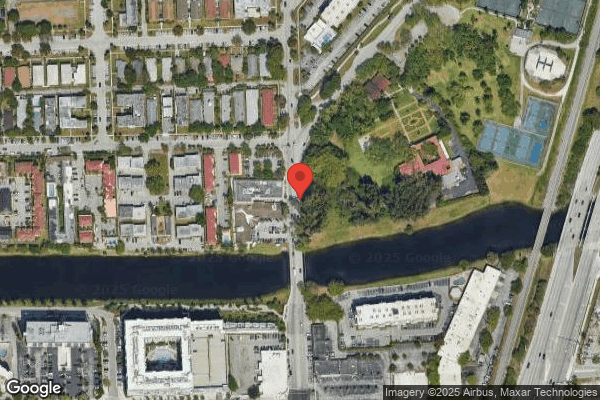
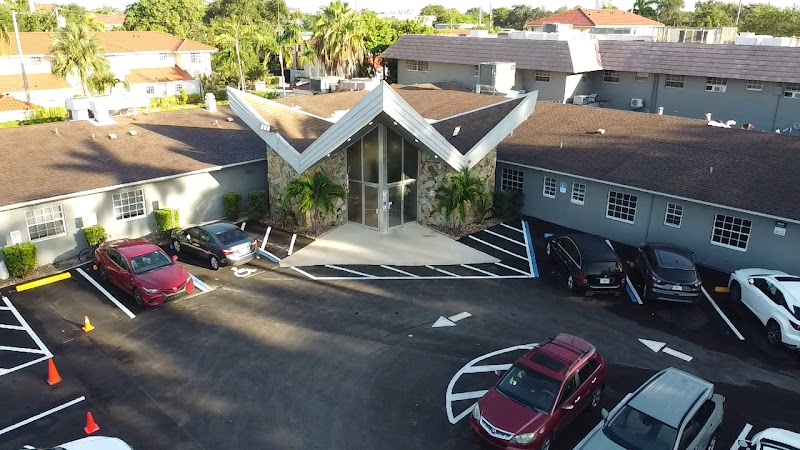
16650 W DIXIE HWY, NORTH MIAMI BEACH, FL 33160 (305) 945-7447
For profit - Individual 143 Beds Independent Data: November 2025 4 Immediate Jeopardy citations
Trust Grade
0/100
#671 of 690 in FL
Last Inspection: June 2024

Within standard 12-15 month inspection cycle. Federal law requires annual inspections.

Overview

Serenity Bay Nursing and Rehabilitation Center has received a Trust Grade of F, indicating significant concerns about its quality of care, which is among the poorest ratings available. It ranks #671 out of 690 facilities in Florida, placing it in the bottom half of nursing homes in the state, and #53 out of 54 in Miami-Dade County, meaning only one facility in the area is rated lower. Although the facility is on an improving trend, with a decline in total issues from 14 to 12 in the past year, it still faces serious challenges, including $46,569 in fines, which is higher than 78% of Florida facilities. Staffing is a relative strength, rated 4 out of 5 stars, with a low turnover rate of 26%, indicating that staff tend to stay and are familiar with resident needs; however, there have been critical incidents, such as a resident with exit-seeking behaviors eloping from the facility undetected for over two days, highlighting severe shortcomings in supervision and safety protocols. Families should weigh these strengths against the significant risks and compliance issues reported.

Trust Score
F
0/100
In Florida
#671/690
Bottom 3%
Safety Record
High Risk
Review needed
Inspections
Getting Better
14 → 12 violations
Staff Stability
✓ Good
26% annual turnover. Excellent stability, 22 points below Florida's 48% average. Staff who stay learn residents' needs.
Penalties
✓ Good
$46,569 in fines. Lower than most Florida facilities. Relatively clean record.
Skilled Nurses
✓ Good
Each resident gets 54 minutes of Registered Nurse (RN) attention daily — more than average for Florida. RNs are trained to catch health problems early.
Violations
⚠ Watch
32 deficiencies on record. Higher than average. Multiple issues found across inspections.
★☆☆☆☆
1.0
Overall Rating
★★★★☆
4.0
Staff Levels
☆☆☆☆☆
0.0
Care Quality
★☆☆☆☆
1.0
Inspection Score
Stable
2023: 14 issues
2024: 12 issues

The Good

  • 4-Star Staffing Rating · Above-average nurse staffing levels
  • Low Staff Turnover (26%) · Staff stability means consistent care
  • Full Sprinkler Coverage · Fire safety systems throughout facility
  • No fines on record
  • Staff turnover is low (26%)

    22 points below Florida average of 48%

Facility shows strength in staffing levels, staff retention, fire safety.

The Bad

1-Star Overall Rating

Below Florida average (3.2)

Significant quality concerns identified by CMS

Federal Fines: $46,569

Above median ($33,413)

Moderate penalties - review what triggered them

The Ugly 32 deficiencies on record

4 life-threatening
Jun 2024 12 deficiencies
CONCERN (D)

Potential for Harm - no one hurt, but risky conditions existed

Deficiency F0578 (Tag F0578)

Could have caused harm · This affected 1 resident

**NOTE- TERMS IN BRACKETS HAVE BEEN EDITED TO PROTECT CONFIDENTIALITY** Based on record reviews and interviews, the facility failed to obtain orders that accurately reflected code status for one (Resi...

Read full inspector narrative →
**NOTE- TERMS IN BRACKETS HAVE BEEN EDITED TO PROTECT CONFIDENTIALITY** Based on record reviews and interviews, the facility failed to obtain orders that accurately reflected code status for one (Resident #39) out of two residents reviewed for Advanced Directives. The findings included: Resident #39 was admitted to the facility on [DATE]. According to the resident's most recent full assessment, a Quarterly Minimum Data Set, dated [DATE], Resident #39 did not have a condition or chronic disease that may result in a life expectancy of less than 6 months. Resident #39's diagnoses at the time of the assessment included: Hypertension, Diabetes Mellitus, Hyperlipidemia, Aphasia, Depression, difficulty in walking, Unsteadiness on feet, Lack of Coordination, Muscle weakness, History of falling, Idiopathic pulmonary hemosiderosis, Personal history of disease of the circulatory system. Review of the resident's electronic health record revealed that there was no determination made regarding a code status for the resident. During an interview, on [DATE] at 9:02 AM, with Staff L, Unit Manager, when asked about the code status not being in Resident #39's electronic health record, the Unit Manager stated, then we have to find out. Maybe it is not signed or might have been rescinded. During an interview, on [DATE] at 10:29 AM, with Staff M, Assistant Social Worker, when asked about the responsibility related to admissions and putting in Code Status, If I become aware of the status not being there, I will inform them (admissions) or my Supervisor. She (Resident #39) was here before I came here. it is usually on the face sheet. She is not a DNR, we usually get the information from the family, we get the order from the doctor for the DNR. During an interview, on [DATE] at 11:12 AM, with the Admissions Director, when asked about the procedure for ensuring code status is determined and an order is obtained to reflect the code status, the Admissions Director replied, Social Services (SS) does the Advanced Directives. I ask on admission for living will, POA (Power Of Attorney) I ask them, but I don't put them in. If they are DNR (Do Not Resuscitate), I ask them for a copy of it. I refer to the Director of Nursing (DON) and SS if Advanced directives for full code and DNR are not established. During an interview, on [DATE] at 11:17 AM with the DON, when asked about the communication regarding the code status of Resident #39, the DON replied, there was a previous DON that took a lot of staff with her. When I heard that some of the residents did not have a code status or order for code status, I checked everyone in the facility and got orders for the code status. If a patient is a DNR, they have a red arm band that indicates DNR, otherwise they have a green arm band that indicates that CPR should be done.
CONCERN (D)

Potential for Harm - no one hurt, but risky conditions existed

Assessment Accuracy (Tag F0641)

Could have caused harm · This affected 1 resident

**NOTE- TERMS IN BRACKETS HAVE BEEN EDITED TO PROTECT CONFIDENTIALITY** Based on interviews and record reviews the facility failed to ensure accuracy of medical personnel title for 1 of 29 sampled res...

Read full inspector narrative →
**NOTE- TERMS IN BRACKETS HAVE BEEN EDITED TO PROTECT CONFIDENTIALITY** Based on interviews and record reviews the facility failed to ensure accuracy of medical personnel title for 1 of 29 sampled residents (Resident #32). The findings included: Record review for Resident #32 revealed the resident was admitted to the facility on [DATE] with diagnosis including: Disorganized Schizophrenia, Other Psychotic Disorder Not Due to a Substance or Known Physiological Condition and Major Depressive Disorder. Review of the Minimum Data Set for Resident #32 dated 03/27/2024 revealed in section C for Cognitive Pattern documented a Brief Interview of Mental Status score of 15 out of indicating a cognitive response. During an interview conducted on 06/20/2024 at 9:45 AM with the Director of Nursing (DON) revealed she has worked at the facility since beginning of May 2024. When asked when Resident #32 was last seen by a physician, she reported it was 12/28/2023 by Staff G (later discovered to be a Nurse Practitioner). When asked what kind of physician it was that had seen the resident on 12/28/2023, if it was the primary physician or some other type of physician, she said she was not familiar with all of the physicians yet since she is still fairly new to the facility, it was revealed she did not know. She contacted the admission Director to pull the physician's license who had seen the resident on 12/28/2023. When the license was provided to the DON, she acknowledged Staff G who saw the resident on 12/28/2023 was a Nurse Practitioner and not a physician as indicated in the electronically signed Physician's Note. When asked who is responsible for entering the medical personnel title into the facility's electronic system, she said she believes it is the admission Director who also verifies medical personnel credentials. During an interview conducted on 06/20/2024 at 10:00 AM with the admission Director who reported she is the one to verify credentials for the Physicians, PAs (Physician Assistants), and NPs (Nurse Practitioners) up until 6 months ago she was the one who entered them into the facility's electronic system including their title. The admission Director reported now she believes it is the DON who enters the information. The admission Director was asked about the Physician's Note for Resident #32 dated 12/28/2023 electronically signed by Staff G Nurse Practitioner (NP) but identified in the EMR (Electronic Medical Records) as a physician, the admission Director acknowledged Staff G is not a physician. Review of the Physician's Notes for Resident #32 revealed on 12/28/2023 the Physician's Note was electronically signed by Staff G NP as a physician.
CONCERN (D)

Potential for Harm - no one hurt, but risky conditions existed

Comprehensive Care Plan (Tag F0656)

Could have caused harm · This affected 1 resident

**NOTE- TERMS IN BRACKETS HAVE BEEN EDITED TO PROTECT CONFIDENTIALITY** 4). Review of the facility's policy titled, Appropriate Use of Indwelling Catheters, dated 05/01/2023, included the following: P...

Read full inspector narrative →
**NOTE- TERMS IN BRACKETS HAVE BEEN EDITED TO PROTECT CONFIDENTIALITY** 4). Review of the facility's policy titled, Appropriate Use of Indwelling Catheters, dated 05/01/2023, included the following: Policy Explanation and Compliance Guidelines: Item 9. The plan of care will address the use of an indwelling urinary catheter, including strategies to prevent complications. Review of the Nursing Progress notes revealed that on 03/25/2024 Resident #7 had a Urologist appointment located outside of the facility. During the appointment, Resident #7 had a procedure for indwelling catheter placement. Resident #7 returned to the facility with an indwelling catheter and orders for clinical monitoring for signs of upper urinary tract deterioration and/or recurrent UTIs. Review of Section C of the Minimum Data Set (MDS) dated [DATE] revealed that Resident #7 had a Brief Interview for Mental Status of 11, which indicated that he was moderately cognitively impaired. Review of Section H revealed that Resident #7 did not have an indwelling catheter. Review of the Care Plan dated 03/27/2024 documented that Resident #7 had incontinence of Bowel functions and at risk for alteration in skin integrity and infection related to the diagnosis neuromuscular dysfunctions, BPH, history of chronic UTI, and Bacteremia. Interventions were to currently take antibiotics for UTI prophylaxis, monitor urine for odor and output and report abnormalities to physician. No care plan nor interventions were noted for an indwelling catheter. An interview was conducted on 06/20/2024 at 1:52 PM with MDS nurse. She stated that the care plans are based on the residents' diagnoses and their problems. She gathers the residents' information from daily clinical meetings, social services, restorative services and the current physician's orders. The MDS nurse stated that Resident #7's indwelling catheter was added to the care plan dated 03/27/2024. Upon review of the Care plan dated 03/27/2024 she noted that the plan of care did not refer Resident #7 having an indwelling catheter nor any interventions or strategies to prevent UTIs. Based on observations, interviews and record reviews, the facility failed to develop and implement care plans for the use of bed rails for 3 of 3 residents reviewed for bed rails, Residents #54, 5, and 120. The facility failed to develop and implement a care plan for a urinary catheter for 1 (Resident #7) of 1 resident reviewed for catheter. The findings included: The facility's policy, Proper use of Bed Rails, implemented 05/01/2023, documented: Ongoing Monitoring and Supervision. The facility will continue to provide necessary treatment and care to the resident who has bed rails in accordance with professional standards of practice and the resident's choices. This should be evidenced in the resident's records, including their care plan . During an interview, on 06/20/2024 at 1:50 PM, with Staff N, MDS (Minimum Data Set) Coordinator, when asked about the lack of care plan for Resident #54's bed rails, the MDS Coordinator stated that Restorative was responsible for initiating care plans for bed rails. During an interview, on 06/20/2024 at 1:57 PM, with Staff O, LPN (License Practical Nurse) /Restorative Nurse, when asked about care plans that the Restorative staff are responsible for, Staff O replied, falls, ADLs, (Activities Of Daily Living) incontinence - I am in the middle of training in the department. The DON (Director Of Nursing) oversees the restorative program. During an interview, on 06/20/2024 at 2:01 PM, with the DON, when asked about the Restorative staff responsible for care plans, the DON replied, He was just hired for that less than a month ago. 1). Resident #54 was admitted to the facility on [DATE]. According to the resident's most recent complete assessment, an Annual Minimum Data Set (MDS), dated [DATE], Resident #54 had a Brief Interview for Mental Status (BIMS) score of 10, indicating that Resident #54 was 'moderately' cognitively impaired. Resident #54's diagnoses at the time of the assessment included: Hypertension, Parkinson's disease, Malnutrition, Schizophrenia, Mood disorder, Blindness in one eye and low vision in the other eye, Corneal disorder due to contact lens, contracture to right wrist, right hand and left hand. Resident #54's orders included: Pressure reduction mattress with bilateral ½ rails for bed mobility and positioning to promote independence - 10/13/2022. Resident requires 2 persons to assist with the use of mechanical lift for transfer - 04/30/2021. Further review of Resident #54's electronic health record revealed that there was no care plan for the rails. On 06/18/2024 at 10:18 AM Resident #54 was observed in bed and was noted to appear highly agitated. The resident was yelling out loud in Spanish and shaking from side to side by grabbing the rails through one of the openings near the top of the rail that went from HOB (Head Of Bed) to approximately the middle of the bed. Resident #54 then was observed on her right side clutching the rail on the residents left side of the bed and was able to pull upper body up while on her side. 2). Resident #5 was admitted to the facility on [DATE]. According to the resident's most recent complete assessment, a Quarterly MDS, dated [DATE], Resident #5 had a BIMS score of 15, indicating the resident was 'cognitively intact'. Resident #5's diagnoses at the time of the assessment included: Hypertension, Diabetes Mellitus, Hyperlipidemia, Non-Alzheimer's dementia, Seizure disorder, Anxiety disorder, Bipolar disorder, Schizophrenia, Difficulty in walking, Unsteadiness on feet, Lack of coordination, Insomnia, Hereditary and idiopathic neuropathy, Muscle weakness. Resident #5's orders included: Pressure reduction mattress with bilateral ½ rails for bed mobility and positioning to promote independence - 12/05/2023. On 06/18/2024 at 9:35 AM, Resident #5 was observed in bed with side rails that extended from the head of the bed to approximately the middle of the bed. It was noted that the rails were covered with a foam material that appeared to be floatation devices (pool noodles) held to the rails using scotch tape. During an interview, on 06/20/2024 at 9:43 AM, Staff L stated, she is alert and oriented and when she has a UTI (Urinary Tract Infection), she gets agitated and confused. She has recurring UTI. at least a couple of times a year. She has been here a long time. Staff L confirmed orders for half rails. Further review of Resident #5's electronic health record revealed that there was no care plan for the use of the bed rails. 3). Resident #120 was admitted to the facility on [DATE]. According to the resident's most recent complete assessment, a Quarterly MDS, dated [DATE], Resident #120 had a BIMS score of 10, indicating that Resident #120 was 'moderately cognitively impaired. Resident #120's diagnoses at the time of the assessment included: Hypertension, Non-Alzheimer's dementia, Encephalopathy, Muscle weakness, Unsteadiness on feet, Insomnia. Resident #120's orders included: Pressure reduction mattress with bilateral ½ rails for bed mobility and positioning to promote independence - 12/13/2023. Further review of Resident #120's health record revealed that there was no care plan for the use of the bed rails. On 06/17/2024 at 11:29 AM, Resident #120 was observed in her wheelchair to the left side of the bed with rails that extended from the head of the bed to approximately middle of the bed raised with green foam taped to rails that appeared to be floatation devices (pool noodles) held to the rails using scotch tape. An interview was attempted, however the resident was agitated and appeared confused and was providing nonsensible answers to questions. On 06/19/2024 at 9:39 AM, Resident #120 was observed in bed sleeping with rails in raised position and green foam material on the rails. During an interview, on 06/20/2024 at 9:38 AM, with Staff L, when asked about the use of the rails, Staff L replied, she is supposed to have grab bars, the little, short ones that are around the shoulder and they should not be those. She ambulates on her own free will. Sometimes the residents will sleep against it or get a bruise from it (referring to the use of the foam material).
CONCERN (D)

Potential for Harm - no one hurt, but risky conditions existed

Deficiency F0688 (Tag F0688)

Could have caused harm · This affected 1 resident

**NOTE- TERMS IN BRACKETS HAVE BEEN EDITED TO PROTECT CONFIDENTIALITY** Based on observations, interviews and record reviews, the facility failed to apply splint devices as ordered to prevent further ...

Read full inspector narrative →
**NOTE- TERMS IN BRACKETS HAVE BEEN EDITED TO PROTECT CONFIDENTIALITY** Based on observations, interviews and record reviews, the facility failed to apply splint devices as ordered to prevent further decrease in range of motion for 1 of 1 resident reviewed, Resident #39. The findings included: Resident #39 was admitted to the facility on [DATE]. According to the resident's most recent complete assessment, a Quarterly Minimum Data Set (MDS), dated [DATE], Resident #39 had a Brief Interview for Mental Status score of 10, indicating that the resident was moderately cognitively impaired. The MDS documented that Resident #39 had bilateral impairments to upper and lower extremities and was dependent upon staff for all activities of daily living (ADLs). Resident #39's diagnoses at the time of the assessment included: Hypertension, Diabetes Mellitus, Hyperlipidemia, Aphasia, Depression, difficulty in walking, Unsteadiness on feet, Lack of Coordination, Muscle weakness, History of falling, Idiopathic pulmonary hemosiderosis, Personal history of disease of the circulatory system. Resident #39's Orders included: RNP:(R) Knee splint daily for 4 hours daily. May remove for ADLs and skin audit. - every day shift for Contracture Prevention/Management - 07/18/2023 with a start date of 07/19/2023. RNP: (L) knee splint daily for 4 hours daily. May remove for ADLs and skin audit. - every day shift for Contracture Prevention/Management - 07/18/2023 with a start date of 07/19/2023. RNP: (R) elbow extension splint daily for 4 hours. May remove for ADLs and skin audit. - every day shift for Contracture Prevention/Management - 07/18/2023 with a start date of 07/19/2023. On 06/17/2024 at 11:11 AM, Resident #39 was observed up in her wheelchair, while staff was tending to room. It was noted that the resident's right hand was clinched and there was no splint or device noted. On 06/18/2024 at 7:20 AM, Resident #39 was observed in bed sleeping with no device noted. On 06/18/2024 at 9:20 AM, Resident #39 was observed in bed and awake. When the resident was asked about the use of splints or devices, Resident #39 did not provide a response. It was determined that the resident was not interviewable. On 06/18/2024 at 12:08 PM, Resident #39 was observed up in her wheelchair and no brace noted. On 06/18/2024 at 1:44 PM, Resident #39 was observed in her wheelchair in activities with no braces noted. On 06/19/2024 at 6:44 AM, Resident #39 was observed in bed sleeping with no braces noted. During an interview, on 06/19/2024 at 6:58 AM, with Staff P, LPN, when asked about the use of splints or devices for Resident #39, Staff P replied, she is not contracted when asked about the resident's right hand being contracted, Staff P replied, yes she is. During an interview, on 06/19/2024 at 9:28 AM, with Staff O, LPN/Restorative Nurse, when asked about Resident #39 's contractures, Staff O replied, She is contracted, she has contractures, They (referring to splints and braces) are to avoid further contraction and they are care planned. When asked about staff applying the devices, Staff O replied, They do their rounds downstairs and are up here by 8:30 AM for rounds (referring to the restorative CNAs), and that is when they put the braces on prior to ADLs. Sometimes she does not last all 4 hours. she is able to tell them when she has pain and is not tolerating when she points to the areas. During an interview, on 06/20/2024 at 9:24 AM, Staff Q, Restorative Aide, when asked about applying splints and devices to Resident #39, Staff Q replied, we come in at 7:00 AM and at 7:30 AM we start with the braces. The CNAs take the braces off to clean them (referring to the residents). The CNA this morning started to take it off to clean her and I told her not to because it was too soon. After the CNAs take the brace off to clean, we leave it off. It is supposed to be on for 4 hours and sometimes they take it off half hour early. The CNA always tells us when they take it off. This one today is not the regular one. Sometimes she takes it off. She doesn't talk. If she doesn't want it, she takes it off many times. Staff Q further reported they do not document resident removing brace/device. During an interview, on 06/19/2024 at 10:14 AM, the Director of Nursing stated, When I came here in May, there was no Restorative program. I promoted Staff O, and he has done very well. Review of progress notes for the time period 05/20/24 to 06/19/2024 revealed no documentation of Resident # 39 not tolerating devices or having the devices removed.
CONCERN (D)

Potential for Harm - no one hurt, but risky conditions existed

Incontinence Care (Tag F0690)

Could have caused harm · This affected 1 resident

**NOTE- TERMS IN BRACKETS HAVE BEEN EDITED TO PROTECT CONFIDENTIALITY** Based on observations, interviews, and record review, the facility failed to obtain physician's orders for an Indwelling urinary...

Read full inspector narrative →
**NOTE- TERMS IN BRACKETS HAVE BEEN EDITED TO PROTECT CONFIDENTIALITY** Based on observations, interviews, and record review, the facility failed to obtain physician's orders for an Indwelling urinary catheter and properly document the care for prevention of urinary tract infections for 1 out of 2 residents reviewed for bladder incontinence with an Indwelling Catheter (Resident #7). The findings included: During an observation conducted on 06/17/2024 at 10:31 AM, Resident #7 was noted to have an Indwelling Catheter in place. A brief interview was conducted with Resident #7 in which he stated that he has had the catheter for a long time. In addition, he acknowledged that the catheter is medically necessary because otherwise he would be in a lot of pain. Record review for Resident #7 revealed that the resident was admitted to the facility on [DATE] with the following diagnoses: Urinary Tract Infection (UTI), Neuromuscular Dysfunction of Bladder, Benign Prostatic Hyperplasia (BPH) with Lower Urinary Tract Symptoms. Review of the Nursing Progress notes revealed that on 03/25/2024 Resident #7 had a Urologist appointment located outside of the facility. During the appointment, Resident #7 had a procedure for Indwelling Catheter placement. Resident #7 returned to the facility with an indwelling Catheter and orders for clinical monitoring for signs of upper urinary tract deterioration and/or recurrent UTIs. Review of the Physician's Orders showed that Resident #7 had orders dated 12/21/2023 for Tamsulosin HCl Capsule 0.4 mg(milligrams) in the evening for BPH. Methenamine Hippurate (Hiprex) 10mg tablet for UTI; Enhanced Barrier Precaution (EBP) to prevent transmission of multidrug-resistant organism (MDRO) for Obstructive Uropathy with Indwelling medical device dated 05/29/2024 (no orders for an Indwelling Catheter or implementations for catheter care). Review of Section C of the Minimum Data Set (MDS) dated [DATE] revealed that Resident #7 had a Brief Interview for Mental Status (BIMS) of 11, which indicated that he was moderately cognitively impaired. Review of Section H revealed that Resident #7 did not have an Indwelling Catheter and was not taking antibiotics. Review of the Care Plan dated 03/27/2024 documented that Resident #7 had incontinence of Bowel functions and at risk for alteration in skin integrity and infection related to the diagnosis neuromuscular dysfunctions, BPH, history of chronic UTI, and Bacteremia. Interventions were to currently take antibiotics for UTI prophylaxis, monitor urine for odor and output and report abnormalities to physician. Review of the Medication Administration Record (MAR) for March, April, May, and June 2024 revealed that no documentation was noted of Resident #7 having an Indwelling Catheter. In addition, there was no documentation for interventions or maintenance for the Indwelling Catheter. An interview was conducted on 06/17/2024 at 2:48 PM with Staff F, Licensed Practical Nurse (LPN). She stated that a resident with a Indwelling Catheter would have physician's orders in the computer system. In addition, Staff F noted that as needed orders (PRN) for irrigation or if the tubing or catheter bag required changing, would also be included in the physician's orders. She confirmed that Resident #7 has an Indwelling Catheter in place. Upon review of Resident #7's orders, Staff F acknowledged no orders existed for an Indwelling Catheter nor the interventions for catheter care. During an interview conducted on 06/18/2024 at 11:27 AM, with Staff E, LPN, noted that a resident returning from a doctor's appointment comes back to the facility with paperwork including any new orders. If there are no orders and the resident has an Indwelling Catheter, the nurse receiving the resident would need to contact the doctor's office for the Indwelling Catheter order and then enter it into the computer system. Furthermore, the nurse receiving the resident would do a head-to toe assessment and document the information under the nursing progress notes. During an interview conducted on 06/18/2024 at 11:55 AM, with Staff D, Certified Nursing Assistant (CNA), she noted that Resident #7 has had the Indwelling Catheter for a while. Staff D does not recall how long Resident #7 had the catheter, however, it has been months. An interview was conducted on 06/19/24 at 12:20 PM with the Assistant Director of Nursing (ADON). She stated that Resident #7 went out of the facility in March for an appointment and returned to the facility with an Indwelling Catheter. The ADON acknowledged that the nurse did not enter Resident#7's Indwelling Catheter orders into the computer system. In addition, when she was questioned as to where the nurses were documenting the Indwelling Catheter care and interventions, she .shrugged her shoulders, and did not respond. Review of the facility's policy titled, Appropriate Use of Indwelling Catheters, dated 05/01/23, included the following: It is the policy of this facility to ensure that a resident who is continent of bladder on admission receives services and assistance to maintain continence unless his/her clinical condition is or becomes such that continence is not possible to maintain. An indwelling urinary catheter will be utilized only when a resident's clinical condition demonstrates that catheterization was necessary. Policy Explanation and Compliance Guidelines: 1. It is the policy of this facility to ensure each resident with urinary incontinence: c. Who is incontinent of bladder receives appropriate treatment and services to prevent urinary tract infections and to restore continence to the extent possible. 4. The use of an indwelling urinary catheter will be in accordance with physician orders, which will include the diagnosis or clinical condition making the use of the catheter necessary, size of the catheter, and frequency of change (if applicable).
CONCERN (D)

Potential for Harm - no one hurt, but risky conditions existed

Deficiency F0712 (Tag F0712)

Could have caused harm · This affected 1 resident

**NOTE- TERMS IN BRACKETS HAVE BEEN EDITED TO PROTECT CONFIDENTIALITY** Based on interviews and record reviews the facility failed to ensure timeliness of physician visits for 1 of 29 sampled resident...

Read full inspector narrative →
**NOTE- TERMS IN BRACKETS HAVE BEEN EDITED TO PROTECT CONFIDENTIALITY** Based on interviews and record reviews the facility failed to ensure timeliness of physician visits for 1 of 29 sampled residents (Resident #32). The findings included: Review of the facility's policy titled, Physician Visits and Physician Delegation dated 05/01/2023 included in part the following: 2. The Physician should: b. The resident must be seen at least once every 30 calendar days for the first 90 calendar days after admission and at least every 60 days thereafter by physician or physician delegate as appropriate by State law. h. At the option of the physician, required visits in SNFs (Skilled Nursing Facilities), after the initial visit, may alternate between personal visits by the physician and visits by a physician assistant, nurse practitioner or clinical nurse specialist that is acting within scope of practice defined by State law and under the supervision of the physician. Record review for Resident #32 revealed the resident was admitted to the facility on [DATE] with diagnosis including: Disorganized Schizophrenia, Other Psychotic Disorder Not Due to a Substance or Known Physiological Condition and Major Depressive Disorder. Review of the Minimum Data Set for Resident #32 dated 03/27/2024 revealed in section C a Brief Interview of Mental Status score of 15 indicating a cognitive response. During an interview conducted on 06/20/2024 at 9:45 AM with the Director of Nursing (DON) she revealed she has worked at the facility since beginning of May 2024 When asked how often the primary physician is required to visit the resident, she said upon admission, then every month for the first 90 days then every 60 days, she added they can assign the Nurse Practitioner (NP) or the Physician's Assistant (PA) to see the resident in their place. When asked where the Physicians, Nurse Practitioners (NPs) and Physician Assistants (PAs) document their visits, the DON said in the resident's electronic medical record (EMR). When asked who is responsible for ensuring physician's visits are performed timely, she said it is ultimately the responsibility of the DON. The DON said she runs a report monthly to ensure the resident was seen by the Physician, NP or PA. When asked when Resident #32 was last seen by a physician, she stated it was 12/28/2023 by Staff G (Physician but later discovered to be a Nurse Practitioner). Review of the Physician's Notes for Resident #32 revealed the following: On 12/28/2023 the Physician's Note was electronically signed by Staff G, NP as a physician. On 01/18/2024, 02/01/2024, 03/06/2024, 04/11/2024, 05/20/2024, 05/22/2024 all Physician's Note was electronically signed by Physician's Assistant (PA). This indicated the resident was not seen by the Primary Physician in the past 6 months. During a telephone interview conducted on 06/20/2024 at 10:57 AM with Staff H's Primary Care Physician (PCP) for Resident #32 who was asked about the frequency of physician visits for residents, Staff H's PCP stated, the goal is to see all patients quarterly. Staff H's PCP reported residents are seen monthly by the NP or PA. Staff H's PCP revealed the facility does not provide a list or schedule of patients to be seen, his practice controls from their end which patients are seen, additionally sometimes residents come and go from the facility, and they may slip through the system and not be seen.
CONCERN (D)

Potential for Harm - no one hurt, but risky conditions existed

Deficiency F0757 (Tag F0757)

Could have caused harm · This affected 1 resident

**NOTE- TERMS IN BRACKETS HAVE BEEN EDITED TO PROTECT CONFIDENTIALITY** 4) Record review for Resident #5 revealed that the resident was admitted to the facility on [DATE] with the following diagnoses:...

Read full inspector narrative →
**NOTE- TERMS IN BRACKETS HAVE BEEN EDITED TO PROTECT CONFIDENTIALITY** 4) Record review for Resident #5 revealed that the resident was admitted to the facility on [DATE] with the following diagnoses: Bipolar Disorder, Schizophrenia, Dementia, Anxiety Disorder, and Insomnia. Review of the Physician's Orders showed that Resident #5 had orders dated12/06/2023 for Depakote Oral Tablet Delayed Release 250mg for agitation related to Schizophrenia; Risperdal Oral Tablet 1mg for Bipolar Disorder. Monitor for the following Behaviors: (Increased Restlessness) Itching, Picking at Skin, Hitting, Biting, Kicking, Spitting, Cussing, Racial Slurs, Elopement, Stealing, Delusions, Hallucinations, Psychosis, Aggression, Refusing Care. Document: 'Y' if monitored and none of the above observed. 'N' if monitored and any of the above was observed, select Nurses Notes' and document findings and interventions, every shift for antianxiety medication use. Monitor for the following: Dry Mouth, Constipation, Blurred Vision, Confusion, Difficulty Urinating, Hypotension, Dark Urine, Yellow Skin, Lethargy, Drooling, Tremors, Disturbed Gait, Increased Agitation, Restlessness, Involuntary Movement Of Mouth Or Tongue; Document: 'Y' if monitored and none of the above observed, 'N' if monitored and any of the above was observed, and document findings in Nurses/Progress notes, every shift for psychoactive medication use. Review of the Care Plan dated 03/13/2024 documented that Resident #5 uses anti-anxiety medications with the following interventions: Monitor for side effects and effectiveness every shift; Monitor and record occurrence of for target behavior symptoms and document per facility protocol. The resident also uses psychotropic medications due to the diagnosis of Schizophrenia, Bipolar Disorder, and Anxiety. Interventions included: Monitor for side effects and effectiveness every shift; Monitor and record occurrence of for target behavior symptoms and document per facility protocol; Monitor/document/report PRN any adverse reactions of psychotropic medications; The resident is on a behavior management program. Review of the behavior monitoring located in the Medication Administration Records (MAR) for antianxiety medication for Resident #5 from 06/01/2024-06/09/2024 revealed the following: 06/01/2024: Day, evening, and night shift documented N (behavior was observed, document the findings and interventions in the Nurses' notes) 06/02/2024: Day, evening, and night shift documented N 06/03/2024: Day shift documented N 06/04/2024: Day shift documented N 06/05/2024: Day shift, evening, and night shift documented N 06/06/2024: Day, evening, and night shift documented Y (no behaviors noted) 06/07/2024: Evening shift documented N 06/08/2024: Day and evening shift documented N 06/09/2024: Evening shift documented N Review of the behavior monitoring located in the MAR for psychoactive medications for Resident #5 from 06/08/2024-06/15/2024 revealed the following: 06/08/2024: Day and evening shift documented N 06/09/2024: Day and evening shift documented N 06/10/2024: Day, evening, and night shift documented Y 06/11/2024: Day, evening, and night shift documented Y 06/12/2024: Day, evening, and night shift documented Y 06/13/2024: Day, evening, and night shift documented Y 06/14/2024: Day, evening, and night shift documented Y 06/15/2024: Day shift documented N Review of the Nursing Progress notes and the monitoring task for the Certified Nursing Assistants (CNAs) revealed no behaviors where documented for Resident #5 between 06/01/2024 - 06/15/2024. 5) Record review for Resident #116 revealed that the resident was admitted to the facility on [DATE] with the following diagnoses: Antisocial Personality Disorder, Adjustment Disorder With Depressed Mood, and Other Psychoactive Substance Abuse With Psychoactive Substance-Induced Psychotic Disorder. Review of the Physician's Orders showed that Resident #116 had orders dated 01/09/24 for Haloperidol Oral Tablet 5mg for Psychosis related to Antisocial Personality Disorder; Sertraline HCl Oral Tablet 100mg for Depression related to Antisocial Personality Disorder. Monitor behavior for the following: (agitation), hitting, increase in complaints, biting, kicking, spitting, cussing, racial slurs, elopement, stealing, delusions, hallucinations, psychosis, aggression, refusing care. document: 'Y' if monitored and none of the above observed. 'N' if monitored and any of the above was observed, document findings and interventions in Nursing/Progress notes every shift for antipsychotic medication use; Monitor the following: dry mouth, hypotension, dark urine, yellow skin, lethargy, drooling, tremors, disturbed gait, increased agitation, restlessness, involuntary movement of mouth or tongue, document: 'Y' if monitored and none of the above observed. 'N' if monitored and any of the above was observed, document findings in nurses' notes and progress note every shift for psychoactive medication use. Review of the Care Plan dated 04/12/24 documented that Resident #116 uses psychotropic medications with the following interventions: Monitor for side effects and effectiveness every shift; Monitor and record occurrence of for target behavior symptoms and document per facility protocol. Monitor/document/report PRN any adverse reactions of psychotropic medications. Review of the behavior monitoring located in the MAR for antipsychotic medications for Resident #116 from 06/11/2024-06/18/2024 revealed the following: 06/11/2024: Day and evening shift documented N 06/12/2024: Day, evening, and night shift documented Y 06/13/2024: Day, evening, and night shift documented Y 06/14/2024: Day, evening, and night shift documented Y 06/15/2024: Day, evening, and night shift documented Y 06/16/2024: Day, evening, and night shift documented Y 06/17/2024: Day, evening, and night shift documented Y 06/18/2024: Day and evening shift documented N Review of the Nursing Progress notes and the monitoring task for the Certified Nursing Assistants (CNAs) revealed no behaviors where documented for Resident #116 between 06/11/2024 - 06/18/2024. An interview was conducted on 06/20/2024 at 3:15 PM with Staff J, Registered Nurse (RN). She stated that nurses monitor behaviors for residents on psychotropic medications. Staff J also stated the orders for monitoring behaviors are for all shifts and are documented in the MAR and in the progress notes if there's a behavioral concern. She acknowledged that the questions for behavior monitoring are confusing, and nurses can easily enter the wrong information. An interview was conducted on 06/20/2024 at 3:50 PM with Staff K, Certified Nursing Assistant (CNA). If observed a resident with behaviors, Staff K stated that she reports it to the floor nurse or the unit supervisor. She acknowledged that she would answer the questions under the Behavior task, but the documentation is done by the nurse. Based on observations, interviews, and record reviews the facility failed to adequately monitor behaviors for residents receiving psychotropic medications for 5 out of 81 residents receiving psychotropic medications (Resident #32, 34, 96, 5, 116). The findings included: Review of the facility's policy titled; Use of Psychotropic Medication dated 05/01/2023 included in part the following: Policy: Residents are not given psychotropic drugs unless the medication is necessary to treat a specific condition, as diagnosed and documented in the clinical record, and the medication is beneficial to the resident, as demonstrated by monitoring and documentation of the resident's response to the medication(s). Policy Explanation and Compliance Guidelines: 1. A psychotropic drug is any drug that affects brain activities associated with mental processes and behavior. Psychotropic drugs include but are not limited to the following categories: antipsychotics, antidepressants, anti-anxiety, and hypnotics. 3. The attending physician, and/or ARNP (Advanced Registered Nurse Practitioner) will assume leadership in medication management by developing, monitoring, and modifying the medication regimen in collaboration with resident, their families and/or representatives, other professionals and the interdisciplinary team. 1 Record review for Resident #32 revealed the resident was admitted to the facility on [DATE] with diagnoses including: Disorganized Schizophrenia, Other Psychotic Disorder Not Due to a Substance or Known Physiological Condition and Major Depressive Disorder. Review of the Minimum Data Set (MDS) for Resident #32 dated 03/27/2024 revealed in Section C a Brief Interview of Mental Status (BIMS) score of 15 indicating a cognitive response. Review of the Physician's Orders for Resident #32 revealed an order dated 01/29/2021 for Behaviors - Monitor For The Following: (Hallucination and Pacing) Document: 'Y' if monitored and none of the above observed. 'N' if monitored and any of the above was observed, select chart code 'Other/ See Nurses Notes' and document findings and interventions. Review of the Physician's Orders for Resident #32 revealed an order dated 08/19/2021 for Psychoactive Meds - Monitor for dry mouth, constipation, blurred vision, confusion, difficulty urinating, hypotension, dark urine, yellow skin, N/V (Nausea/Vomiting), lethargy, drooling, EPS (Extrapyramidal Symptoms) (Tremors, Disturbed Gait, Increased Agitation, Restlessness, Involuntary Movement of Mouth or Tongue). Document: 'Y' if monitored and none of the above observed. 'N' if monitored and any of the above was observed, select chart code 'Other/ See Nurses Notes' and progress note findings. Review of the Physician's Orders for Resident #32 revealed an order dated 03/20/2024 Risperdal Oral Tablet 1 mg (milligram) give 1 tablet by mouth two times a day for Mood Disorder related to Disorganized Schizophrenia every shift. Review of the behavior notes and health status notes for Resident #32 for June 2024 revealed no notes related to behaviors or symptoms. Review of the Behavior Monitoring Record for Resident #32 from 06/10/2024 to 06/18/2024 revealed only a check mark each day on each shift (morning, evening and night) for each day. The documentation did not indicate a Y or N as ordered. Review of the CNA (Certified Nursing Assistant) Task for Monitor - Behavior Symptoms for Resident #32 from 06/10/2024 to 06/18/2024 documented the resident had no symptoms. Review of the Care Plan for Resident #32 dated 04/04/2023 with a focus on the resident has episodes of pacing the hallways and talking to the walls. The resident requires cueing and redirecting. The resident is utilizing anti-psychotic medication. The goal was for the resident to have fewer episodes of pacing and talking to the wall by review date. The interventions included: Administer medications as ordered. Monitor/document for side effects and effectiveness. Anticipate and meet The resident's needs. Caregivers provide opportunity for positive interaction and attention. Stop and talk with him/her as passing by. Monitor for outbursts during pacing episodes and talking to the walls Delusional. Psych consult as needed. Redirect the resident and try to involve him in a group related activity. On 06/17/2024 at 12:09 PM Resident # 32 observed walking through the facility in a pace-like manner. On 06/18/2024 at 7:55 AM Resident # 32 observed walking through the facility in a pace-like manner. During an interview conducted on 06/19/2024 at 2:50 PM with Staff A Licensed Practical Nurse (LPN) who was asked about behavior monitoring how it is documented, she said there is no place to put a Y or N so if the resident has behaviors you mark N and write a behavior note/health status note. Staff A, LPN said it is confusing, but you put a Y if the resident has no behavior and a N if the resident has behaviors. If the resident has behaviors, you put a note in the chart under progress notes to indicate the behavior observed and intervention used like redirecting the resident. When asked about Resident #32 if the resident paces, she acknowledged that the resident paces all of the time. When asked if she documents his pacing, she said no because he does it all of the time, we only document if it is a new or different behavior from what he normally does. During an interview conducted on 06/19/2024 at 3:00 PM with Staff C Certified Nursing Assistant (CNA) who was asked about behavior monitoring, she stated there is a place to document behaviors under Tasks and she would tell the nurse if the resident had behaviors. When asked about Resident #32, she said she would only document behavior that is like hitting or punching or yelling. When asked if the resident paces, she acknowledged he does that all day, every day. When asked if she would document the pacing, for the resident she said no because he does it all of the time and this is his normal behavior. During an interview conducted on 06/19/2024 at 3:10 PM with Staff B Licensed Practical Nurse (LPN) who stated she has worked at the facility for 11 years. When asked about behavior monitoring, she said you document a Y if there are no behaviors for the resident, and a N if the resident is having behaviors. If the resident has behaviors, then you make a note of what the behavior(s) are that are observed. During an interview conducted on 06/20/2024 at 9:45 AM with the Director of Nursing (DON) who was asked about behavior monitoring for residents receiving psychotropic medications, she stated they are all monitored, and it is documented in the Behavior Monitoring Record (BMR). If the nurse observes behaviors the behavior is documented in a nurse's note and the intervention. 2 Record review for Resident #34 revealed the resident was admitted to the facility on [DATE] and readmitted on [DATE] with diagnoses including: Parkinsonism and Major Depressive Disorder. Review of the MDS for Resident #34 dated 05/16/2024 revealed in Section C for cognitive pattern a BIMS score of 15 indicating a cognitive response. Review of the Physician's Orders for Resident #34 revealed an order dated 01/8/2024 for Venlafaxine HCl Oral Tablet 75 mg give 75 mg by mouth one time a day related to Major Depressive Disorder. Review of the Physician's Orders for Resident #34 revealed an order dated Behaviors - Monitor for the Following: Agitation, Hitting, Increase in Complaints, Biting, Kicking, Spitting, Cussing, Racial Slurs, Elopement, Stealing, Delusions, Hallucinations, Psychosis, Aggression, or Refusing Care. Document: 'Y' if monitored and none of the above observed. 'N' if monitored and any of the above was observed, select chart code 'Other/ See Nurses Notes' and document findings and interventions. every shift for antidepressant medication use. Review of the BHR for antidepressant for Resident #34 from 06/10/2024 to 06/18/2024 revealed the following: On 06/10/2024 day and evening shift documented N indicating a behavior was observed. On 06/11/2024 day shift documented N indicating a behavior was observed. On 06/12/2024 day shift documented N indicating a behavior was observed. On 06/13/2024 day and evening shift documented N indicating a behavior was observed. On 06/14/2024 morning and evening shift documented N indicating a behavior was observed. On 06/17/2024 day shift documented N´ indicating a behavior was observed. On 06/18/2024 day shift documented N indicating a behavior was observed. Review of the Nurse Progress Notes and Health Notes for Resident #34 from 06/10/2024 to 06/18/2024 revealed no behaviors documented. Review of the behavior monitoring under CNA Tasks for Resident #34 from 06/10/2024 to 06/18/2024 revealed no behaviors documented. Review of the Care Plan for Resident #34 dated 08/15/2022 with a focus on the resident uses antidepressant medication due to his diagnosis of Depression which increases his risk for alterations in his mood & behavior and adverse effects of antidepressant medication. The goal was for the resident to be minimized from discomfort or adverse reactions related to antidepressant therapy through the review date. The interventions included: Administer Antidepressant medications as ordered by physician. Monitor/document side effects and effectiveness Q-SHIFT. Monitor closely for signs and symptoms of EPS (Extrapyramidal symptoms) and notify MD for any new orders with medications. Monitor/document/report as needed (PRN) adverse reactions to antidepressant therapy. 3 Record review for Resident #96 revealed the resident was admitted to the facility on [DATE] with diagnoses that included: Dementia, Depressive Disorder, and Anxiety Disorder. Review of the MDS for Resident #96 dated 05/13/2024 revealed in Section C for cognitive pattern the resident had a Brief Interview of Mental Status (BIMS) score of 3 out of 15 indicating severe cognitive impairment. Review of the Physician's Orders for Resident #96 revealed an order dated 05/06/2024 for Behaviors - Monitor for the following: (yelling), picking at skin, restlessness (agitation), hitting, increase in complaints, biting, kicking, spitting, cussing, racial slurs, elopement, stealing, delusions, hallucinations, psychosis, aggression, refusing care. Document: \'Y\' if monitored and none of the above observed. \'N\' if monitored and any of the above was observed, select chart code \'Other\/ See Nurses Notes\' and document findings and interventions every shift for antianxiety medication use. Review of the Physician's Orders for Resident #96 revealed an order dated 05/07/2024 for Behaviors - Monitor for the following: (yelling), picking at skin, restlessness (agitation), hitting, increase in complaints, biting, kicking, spitting, cussing, racial slurs, elopement, stealing, delusions, hallucinations, psychosis, aggression, refusing care. Document: \'Y\' if monitored and none of the above observed. \'N\' if monitored and any of the above was observed, select chart code \'Other\/ See Nurses Notes\' and document findings and interventions every shift for antidepressant medication use. Review of the Physician's Orders for Resident #96 revealed an order dated 05/07/2024 for Psychoactive Meds - Monitor for dry mouth, constipation, blurred vision, confusion, difficulty urinating, hypotension, dark urine, yellow skin, N/V (Nausea/Vomiting), lethargy, drooling, EPS (Extrapyramidal Symptoms) (Tremors, Disturbed Gait, Increased Agitation, Restlessness, Involuntary Movement of Mouth or Tongue). Document: 'Y' if monitored and none of the above observed. 'N' if monitored and any of the above was observed, select chart code 'Other/ See Nurses Notes' and progress note findings every shift for Psychoactive Med Use. Review of the Physician's Orders for Resident #96 revealed an order dated 05/07/2024 Buspirone HCl oral tablet 7.5 mg give 1 tablet via PEG-Tube (Percutaneous endoscopic gastrostomy/feeding tube) two times a day related to Anxiety Disorder. Review of the Physician's Orders for Resident #96 revealed an order dated 05/07/24 for Mirtazapine Tablet 7.5 mg give 1 tablet via PEG-Tube at bedtime for Depression. Review of the care plan for Resident #96 dated 03/12/24 with a focus on the resident using anti-anxiety medications related to Anxiety disorder. The goals were for the resident to be free from discomfort or adverse reactions related to (r/t) anti-anxiety therapy and will show decreased number episodes of anxiety through the review date. The interventions included: Administer anxiolytic medications as ordered by physician. Monitor for side effects and effectiveness Q-SHIFT (every shift). Monitor for safety. The resident is taking antianxiety meds which are associated with an increased risk of confusion, amnesia, loss of balance, and cognitive impairment that looks like dementia and increases risk of falls with hip and leg fractures. Monitor/document/report PRN any adverse reactions to Anti-Anxiety therapy. Monitor/record occurrence of for target behavior symptoms and document per facility protocol. Review of the care plan for Resident #96 date 03/12/2024 with a focus on the resident uses antidepressant medication r/t (related to) Depression. The goals were for the resident to be free from discomfort or adverse reactions related to antidepressant therapy through the review date. The resident will show decreased episodes of s/sx (signs and symptoms) of depression through the review date. The interventions included: Administer Antidepressant medications as ordered by physician. Monitor/document side effects and effectiveness Q-SHIFT. Monitor/document/report PRN adverse reactions to antidepressant therapy. Review of the BHR for Resident #96 for the month of June 2024 documented for antidepressant medication use on 06/18/24 a N for the day and evening shift indicating behavior and/or symptoms observed. Review of the Health Status Note for Resident #96 on 06/18/24 during the day shift revealed no indication of behaviors. Review of the Health Status Note for Resident #96 dated 06/18/24 at 9:46 PM (evening shift) included the following: Resident attempted many times to remove the Foley catheter which was observed on the bed. MD was called and made aware with new order to remove the Foley catheter and monitor for voiding, if no urine within the hours, reinsert [indwelling catheter] Encourage resident to drink more fluids. Yellow urine was noted in the first diaper. Staff will continue to monitor resident. Hospice nurse was at the facility and informed of the resident's behavior and called hospice doctor who agreed to remove the Foley. All safety measures and comfort in place, close monitoring continue.
CONCERN (D)

Potential for Harm - no one hurt, but risky conditions existed

Deficiency F0761 (Tag F0761)

Could have caused harm · This affected 1 resident

**NOTE- TERMS IN BRACKETS HAVE BEEN EDITED TO PROTECT CONFIDENTIALITY** Based on observations record review and interview; the facility failed to secure medications at bedside for 1 of 29 sampled resi...

Read full inspector narrative →
**NOTE- TERMS IN BRACKETS HAVE BEEN EDITED TO PROTECT CONFIDENTIALITY** Based on observations record review and interview; the facility failed to secure medications at bedside for 1 of 29 sampled residents (Resident #34). As evidenced by medication (eye drops) observed on the resident's nightstand. The findings included: Review of the facility's policy titled, Medication Storage dated 05/01/2023 included in part the following: It is the policy of this facility to ensure all medications housed on our premises will be stored in the pharmacy and/or medication rooms according to the manufacturer's recommendations and sufficient to ensure proper sanitation, temperature, light, ventilation, moisture control, segregation, and security. Policy Explanation and Compliance Guidelines 1. General Guidelines: a. All drugs and biologicals will be stored in locked compartments (i.e., medication carts, cabinets, drawers, refrigerators, medication rooms) under proper temperature controls. Record review for Resident #34 revealed the resident was admitted to the facility on [DATE] and readmitted to the facility on [DATE] with diagnoses including: Parkinsonism and Major Depressive Disorder. Review of the Minimum Data Set for Resident #34 dated 05/16/2024 documented a Brief Interview of Mental Status score of 15 indicating a cognitive response. Review of the physician's orders for Resident #34 revealed an order dated 11/23/2023 for Artificial Tears Ophthalmic Solution (Artificial Tear Solution) Instill 1 drop in both eyes two times a day for Dry eyes On 06/17/2024 at 3:15 PM an observation was made of Resident #34 sitting on side of his bed, on his nightstand in plain sight was Advanced Relief Moisture eye drops with an unreadable written date on the box of XX/15/2024 and another date of 06/15/2024 just below handwritten D/C (discontinue) The active ingredients were listed as: Dextan70 0.1%, Polyethylene glycol 400 1%, Povidone 1%, and Tetrahydrozoline HCL 0.05%. (Photographic Evidence Obtained). On 06/18/2024 at 8:20 AM a second observation was made of Resident #34 lying in bed and on his nightstand in plain sight was Advanced Relief Moisture eye drops with an unreadable written date on the box of XX/15/2024 and another date of 06/15/2024 just below handwritten D/C. During an interview conducted on 06/17/2024 at 3:15 PM with Resident #34 who was asked about the eye drops on the nightstand, he said the staff put them in his eyes twice a day for him. During an interview conducted on 06/18/2024 at 1:49 PM with Staff A Licensed Practical Nurse (LPN) who was asked if Resident #34 receives eye drops, she said yes, she gave them to the resident this morning with his other medications. When asked to see the eye drops, the LPN opened her med cart and pulled out a box with eye drops dated 06/14/2024. There was no room number or resident name on the box to identify which resident the drops were for. When asked how she knows the eye drops are for Resident #34, the LPN stated: he is the only one in my area that has over the counter eye drops, all other residents with eye drops are prescription and they are sent from the pharmacy with the resident name on them. The eye drops the LPN had pulled out of her med cart were Sterile Eye Drops Original containing 1 active ingredient: Tetrahydrozoline HCL 0.05% (Eye Redness Reliever). The LPN accompanied surveyor to the bedside of Resident #34 and acknowledged the eye drops on top of the nightstand. The LPN revealed she did not notice the eye drops at the bedside because the resident had so many items on top of his nightstand. The LPN was asked what the order for the eye drops stated for Resident #34, the LPN acknowledged the order was for Artificial Tears. When asked if either of the eye drops in the cart for the resident or the eye drops at the resident's bedside were artificial tears, she stated I think so. The LPN removed the eyedrops at the bedside immediately. During an interview conducted on 06/18/2024 at 1:55 PM with the Consultant Pharmacist who was asked if the Sterile Eye drops containing Tetrahydrozoline HCL 0.05% or the Advanced Relief Moisture eye drops containing: Dextan70 0.1%, Polyethylene glycol 400 1%, Povidone 1%, and Tetrahydrozoline HCL 0.05% were a substitute for the ordered Artificial Tears for Resident #34, he said no, but he will take care of it.
CONCERN (D)

Potential for Harm - no one hurt, but risky conditions existed

Deficiency F0805 (Tag F0805)

Could have caused harm · This affected 1 resident

**NOTE- TERMS IN BRACKETS HAVE BEEN EDITED TO PROTECT CONFIDENTIALITY** Based on observation, interview, and record review, it was determined that the facility failed to provide food prepared in a pur...

Read full inspector narrative →
**NOTE- TERMS IN BRACKETS HAVE BEEN EDITED TO PROTECT CONFIDENTIALITY** Based on observation, interview, and record review, it was determined that the facility failed to provide food prepared in a pureed form designed to meet the needs of 2 sampled residents (Resident's #1, and #43) out of 12 facility residents with physician ordered pureed diet. The findings included: 1) During the observation of the breakfast meal in the Main Kitchen on 06/18/2024 at 7:30 AM it was noted that the pan of pureed eggs located in the steam table appeared to be lumpy and were not smooth in consistency. The surveyor requested the eggs to be taste tested by the facility's Registered Dietitian at the time of the observation and it was noted that the dietitian revealed the eggs were gritty in consistency and large pieces of eggs were not properly blundered into a smooth consistency. The Dietitian reported the eggs should not be served to residents with a physician ordered pureed diet. It was requested that the eggs not be served until proper pureed consistency was obtained. Interview with the breakfast cook (Staff I) at the time of the observation it was also noted that she does not taste test the consistency of pureed foods and had not been in-services on the preparation of pureed foods. 2) During the observation of the lunch meal in the Main Kitchen on 06/18/2024 at 11:30 AM, it was noted that the pureed herb crusted fish located on the steam table appeared to have particles of food within the fish mixture. At the request of the surveyor the purred fish was taste tested by the facility's Registered Dietitian. The testing confirmed that the pureed fish mixture was not smooth and small pieces of fish could be detected. The pureed fish was also tested by the surveyor and confirmed that the purred mixture was not smooth and pudding like. The surveyor requested that the fish not be served until pureed to the proper smooth consistency required for pureed foods. 3) Review of the facility Diet Census for 06/18/2024 noted that there were currently 14 residents with physician ordered pureed diets. Further review noted that the 14 residents included sampled Residents #1, and #43. 4) Review of the clinical records of Resident's #1 revealed Resident #1 was admitted to the facility on [DATE]. Clinical diagnoses include Convulsions and Dysphagia. Current Physician Order dated 7/17/2022 indicated: No Added Salt/Pureed texture. Review of the Quarterly Minimum Data Set (MDS) dated [DATE] Section C for cognitive pattern documented a Brief Interview For Mental Status (BIMS) score of 2 out of 15 suggesting severe cognitive impairment Section K for Swallowing/Nutritional Status indicated the resident is on a mechanical Alt Pureed Diet. Review of Resident #43's records documented the resident was admitted to the facility on [DATE]. Clinical diagnoses include Dysphagia. review of current Physician Orders dated 8/30/2023 showed an order for No Added Salt, Pureed Texture. Review conducted on 06/19/2024 of the facility's physician approved Diet Manual for Pureed Diet - Dysphagia Level 1 noted the following: The Pureed consistency is planned according to the Regular consistency, but the mixture is modified to smooth, pudding-like consistency texture for all food items. The consistency follows the guidelines as set forth by the National Dysphagia Task Force. This consistency is designed for people who have moderate to severe Dysphagia. Pureed recipes are needed for each item to achieve a pudding-like, smooth, lump free, pureed consistency.
CONCERN (E) 📢 Someone Reported This

A family member, employee, or ombudsman was alarmed enough to file a formal complaint

Potential for Harm - no one hurt, but risky conditions existed

Safe Environment (Tag F0584)

Could have caused harm · This affected multiple residents

**NOTE- TERMS IN BRACKETS HAVE BEEN EDITED TO PROTECT CONFIDENTIALITY** Based on observation and interview, it was determined that the facility failed to provide housekeeping and maintenance services ...

Read full inspector narrative →
**NOTE- TERMS IN BRACKETS HAVE BEEN EDITED TO PROTECT CONFIDENTIALITY** Based on observation and interview, it was determined that the facility failed to provide housekeeping and maintenance services necessary to maintain a sanitary, orderly, and comfortable interior for Unit #1 (13 resident rooms, 1 community shower room, and beauty salon/dialysis storage room), Unit #2 (13 resident rooms and 1 soiled utility room, and Unit #3 (23 resident rooms, 1 community shower and dining room). The findings included: During the resident screenings conducted by the surveyors on 06/16/2024 to 06/17/2024 and the Environmental Tour conducted on 06/17/2024 at 1:00 PM accompanied with the Administrator and Director of Maintenance, the following were noted, 1) Unit #1: room [ROOM NUMBER]: Room walls damaged and in disrepair, over-bed light cord too short for resident use (W-bed), privacy curtain too short to provide resident with visual privacy (D-bed), bathroom water faucet had a large accumulation of yellow matter, and one of two-bathroom lights not working. room [ROOM NUMBER]: Privacy curtain too short to provide resident with visual privacy (D-bed). room [ROOM NUMBER]: Privacy curtain too short to provide resident with visual privacy (D-bed), and bathroom water faucet had a large accumulation of yellow matter. room [ROOM NUMBER]: Privacy curtain too short to provide resident with visual privacy (D-bed), exterior surface of over-bed table was heavy worn and exposed wood, exterior of bathroom door heavily damaged and in disrepair, and bathroom toilet requires re-caulking to the floor. room [ROOM NUMBER]: Privacy curtain too short to provide resident with visual privacy (D-bed), bathroom door frame rust laden, exterior surface of over-bed tables (2) heavily worn, bathroom water faucet had a large buildup of yellow matter, one out of two-bathroom lights not working, and Right brake of wheelchair not working for resident (W-bed). room [ROOM NUMBER]: Privacy curtain too short to provide resident with visual privacy (D-bed), privacy curtain soiled and stained (1/2), room base baseboards damaged and in disrepair, room entry door damaged and in disrepair. room [ROOM NUMBER]: Bathroom water faucet had a large accumulation of yellow matter. room [ROOM NUMBER]: Room walls damaged and in disrepair, exterior of over-bed tables (20 heavily worn and exposed wood, air-conditioning filter was dirt and dust laden, broken wall electrical cover, privacy curtain too short to provide resident with visual privacy (D-bed). room [ROOM NUMBER]: Bathroom emergency pull cord too short (more than 4: from floor). and privacy curtain too short to provide resident with visual privacy (D-bed). room [ROOM NUMBER]: bathroom water faucet had a large accumulation of yellow matter. room [ROOM NUMBER]: Wall mounted television not working/no reception (D-bed - resident complaint), air-conditioning filter dust and dirt laden, exterior of over-bed table (1) heavily worn, room walls damaged and in disrepair, exterior of room chair (1) stained. room [ROOM NUMBER]: Privacy curtain too short to provide resident with visual privacy (D-bed), exterior of over-bed table (1) heavily worn, bathroom floor soiled and large black stains, privacy curtains soiled and stained, and cable television wire hanging down and not properly attached to the wall. room [ROOM NUMBER]: Privacy curtain too short to provide resident with visual privacy (A & B beds), air-conditioning filter was dirt and dust laden, bathroom emergency pull cord was tied around the wall handrail, and room walls damaged and in disrepair. Community Shower: Entry door frame rust laden. Beauty Salon: Room was being used for dialysis supply storage and hair salon and noted to have large balls of hair accumulation around the room floor with clean dialysis supplies, soiled equipment (brooms and dust pans stored in middle of the room, clean dialysis supplies stored on wooden pallets and floor area was heavily soiled underneath could not be properly cleaned, dialysis staff noted to eat their meals in the room and interior of staff room refrigerator was heavily soiled and stained. 2) Unit #2: room [ROOM NUMBER]: Privacy curtain too short (A-bed) to promote resident with visual privacy, damaged/broken room base boards, large black stains to room floor, bathroom pull cord too long and resting on the floor, bathroom walls soiled and stained, bathroom door damaged and in disrepair, room [ROOM NUMBER]: Privacy curtain too short (A-bed) to promote resident with visual privacy, window curtain broken and will not close, and bathroom door opening handle was falling off of the door. room [ROOM NUMBER]: strong urine odor throughout the room. The bathroom floor, ceiling and walls noted to have a build-up of black mold type matter, bathroom entry door heavy damaged and in disrepair, one of two-bathroom lights not working, bathroom base boards missing, room [ROOM NUMBER]: Strong urine odor throughout the room, and bathroom floor heavily soiled and stained. room [ROOM NUMBER]: Privacy curtain too short (A-bed) to promote resident with visual privacy. room [ROOM NUMBER]: Privacy curtain too short (A-bed) to promote resident with visual privacy. room [ROOM NUMBER]: Privacy curtain too short (A-bed) to promote resident with visual privacy, and 1 of 3 dresser drawers do not shut properly. room [ROOM NUMBER]: Privacy curtain too short (A-bed) to promote resident with visual privacy, room floor noted to have numerous and large black stains, and room floor tiles (10) cracked). room [ROOM NUMBER]: Privacy curtain too short (A-bed) to promote resident with visual privacy, oxygen concentrator (A-bed) filter was dirt/dust laden, room floor had numerous large black stains, bathroom floor had black stains throughout,, and broken window blinds. room [ROOM NUMBER]: Privacy curtain too short (A-bed) to promote resident with visual privacy room [ROOM NUMBER]: Privacy curtain too short to promote resident with visual privacy, bathroom entry door damaged and in disrepair, bathroom floor had numerous black stains throughout, bathroom toilet seat was loose, oxygen concentrator filer was dirt/dust laden, room floor numerous large black stains. room [ROOM NUMBER]: Privacy curtain too short (A-bed) to promote resident with visual privacy, oxygen concentrator missing filter, bathroom numerous black stains, IV poor numerous areas of dried brown matter, bathroom toilet seat was loose, room floors and walls damaged and in disrepair. room [ROOM NUMBER]: Privacy curtain too short (A-bed) to promote resident with visual privacy. Soiled Utility Room: Specimen refrigerator interior and exterior was rust laden, and heavy ice buildup with the cavity of the unit. Unit #3: Nurses Station: Floor area within and around the front of the station noted to have numerous large black stains, and 3/3 of chair noted to be torn and stained. room [ROOM NUMBER]: Privacy curtain (A-bed) was to short and did not promote resident privacy, rooms walls damaged, and in disrepair, and room floor soiled and stained. room [ROOM NUMBER]: Privacy curtain (A-bed) was to short and did not promote resident privacy, and bathroom toilet seat was loose. room [ROOM NUMBER]: Privacy curtain (A-bed) was to short and did not promote resident privacy, bathroom floor soiled and stained, toilet requires re-caulking to the floor, and exterior of over-bed table (A-bed) was worn with exposed wood splinters. room [ROOM NUMBER]: Privacy curtain (A-bed) was to short and did not promote resident privacy, and absence of a window curtain. room [ROOM NUMBER]: Privacy curtain (A-bed) was to short and did not promote resident privacy, and absence of window curtain or blinds. room [ROOM NUMBER]: Privacy curtain (A-bed) was to short and did not promote resident privacy, and room floor soiled and had numerous black stains. room [ROOM NUMBER]: Privacy curtain (A-bed) was to short and did not promote resident privacy, and absent window curtain, bathroom emergency lull cord wrapped around the wall mounted handrail, no over-bed light cord (D & W Bed), and one of two-bathroom lights not working. room [ROOM NUMBER]: Privacy curtain (A-bed) was to short and did not promote resident privacy, and absent window curtain. room [ROOM NUMBER]: Privacy curtain (A-bed) was to short and did not promote resident privacy, and absent window curtain. room [ROOM NUMBER]: Privacy curtain (A-bed) was to short and did not promote resident privacy, window blinds broken and do not operate, exterior of room closet damaged and in disrepair, no over-bed light cord (W-bed), bathroom toilet bowl soiled and stained, and exterior of over-bed table (W-bed) worn with exposed wood. room [ROOM NUMBER]: Privacy curtain (A & B-beds) was to short and did not promote resident privacy, and two of 3-bathroom lights not working). room [ROOM NUMBER]: Privacy curtain (A-bed) was to short and did not promote resident privacy, absent window curtain, bathroom floor soiled and numerous black stains, portable commode seat handles were cracked, and one of 3-bathroom lights were not working. room [ROOM NUMBER]: Privacy curtain (A & B-beds) was to short and did not promote resident privacy, room floor soiled with numerous large black stains, exterior of bathroom door had numerous large black scuff markings, room wall vent noted to be dirt/dust laden, and absence of over-bed light cord (W-bed). room [ROOM NUMBER]: Privacy curtain (A-bed) was to short and did not promote resident privacy, absent window curtain, exterior of over-bed light (W-bed) was rust laden, bathroom door handle broken and loose, and bathroom floor soiled had large black stain areas. room [ROOM NUMBER]: Privacy curtain (A-bed) was to short and did not promote resident privacy. room [ROOM NUMBER]: Privacy curtain (A, B, and C-beds) was to short and did not promote resident privacy, room ceiling tiles (3) stained yellow in color, room floor soiled and black stains, bathroom floor numerous black stains, bathroom sink basin black stains, and television cable wire not properly attached to wall and hanging down off the wall. room [ROOM NUMBER]: Privacy curtain (A, B and C-beds) was to short and did not promote resident privacy, room floor numerous large black stains, absence of window curtain, bathroom toilet seat loose, room walls damaged and in disrepair. Community Shower: Wall vent dirt/dust laden. Nursing Supply Closet: Numerous resident care supplies stored directly on the soiled floor. Dining Room: Room floor soiled and stained, and one of five ceiling lights not working. On 06/20/24 a meeting was conducted with the Administrator to confirm the housekeeping/maintenance issues noted from 06/16-18/24. The administrator stated she was aware of the issues located on the Unit #1, #2, and #3 Units. During the meeting it was also noted that each of the nurses stations located on the units (3) have a maintenance log that staff are required to date and document and housekeeping/maintenance issues. Further stated that maintenance staff check the logs daily, however, are not documenting their issues on the maintenance logs.
CONCERN (E)

Potential for Harm - no one hurt, but risky conditions existed

Food Safety (Tag F0812)

Could have caused harm · This affected multiple residents

Based on observation, interview, and record review, it was determined that the facility failed to store, prepare, distribute and serve food in accordance with professional standards for food service s...

Read full inspector narrative →
Based on observation, interview, and record review, it was determined that the facility failed to store, prepare, distribute and serve food in accordance with professional standards for food service safety. The findings included. 1) During the initial kitchen/food service observation tour conducted on 06/17/2024 at 9:00 AM accompanied with the facility's Foods Service Director (FSD) and Registered Dietitian (RD), the following were noted: a) There was a large leak in the ceiling area located in front of the steam table and milk cooler. Further noted that there was an accumulation of water on the floor beneath the leak area. It was revealed by the Registered Dietitian that the leak occurred a few days ago. It was discussed that there was the potential for the contamination of food, equipment, and staff from the dripping of contaminated water. It was requested that the floor area underneath the leak be repaired immediately and to stop any food, staff and equipment from going under the leak area. b) Observation noted a ceiling mounted air-conditioning vent located over the steam table serving area had an accumulation and dripping of condensation from the vent surface. It was discussed with the Registered Dietitian that there was a potential for food contamination from the contaminated drippings. c) Observation noted a ceiling mounted air-conditioning vent located over the commercial milk storage refrigerator. Further observation noted that there was an accumulation and dripping of condensation from the vent surface. It was discussed with the Registered Dietitian that there was a potential for the milk to become contaminated from the condensation drippings. d) Observation noted a ceiling mounted air-conditioning vent located over the 3-compartment sink area. Further observation noted that there was an accumulation and dripping of condensation from the vent surface. It was discussed with the Registered Dietitian that there was a potential for clean preparation equipment to become contaminated from the condensation drippings. e) Observation noted a ceiling mounted air-conditioning vent located over the juice dispenser area. Further observation noted that there was an accumulation and dripping of condensation from the vent surface. It was discussed with the Registered Dietitian that there was a potential for juice's to become contamination from the condensation drippings. f) Observation noted a ceiling mounted air-conditioning vent located over the center of the dish machine room. Further observation noted that there was an accumulation and dripping of condensation from the vent surface. It was discussed with the Registered Dietitian that there was a potential for clean dishes and staff to become contaminated from the condensation drippings. g) At the request of the surveyor a chemical test was conducted by the FSD of the low-temperature commercial dish machine. The chemical test noted that the Chlorine test strip indicated no presence of sanitizing chemical present in the final rinse and did not meet the regulatory requirement of a 50 PPM. The washing of dishes was requested to be stopped until the regulatory requirement was met. h) At the request of the surveyor a chemical test of the 3-compartment sink was conducted by the FSD. The chemical test noted that the Quaternary chemical exceeded the minimum requirement (150 PPM) and was determined to be a toxic level of over 300 PPM. The washing of food preparation equipment was requested to be stopped until the regulatory chemical level was met. i) During the observational tour it was noted that a large pan of raw chicken (approximately 10 pounds) was located in the cooks preparation sink. Further observation noted that only a small stream of water was flowing over the raw chicken. It was also noted that small stream of water flowing onto the chicken was warm to the touch. At the request of the surveyor the temperature of the flowing water was tested with the facility's calibrated bayonet thermometer; the temperature of the water was recorded at 85 degrees F. The surveyor informed the FSD that the thawing process did not meet regulatory requirement. The FSD was informed that the temperature of the flowing water must be 70 degrees F or below and must be at a high force to remove particle of chicken. The surveyor requested that the chicken be discarded. (J) Observation of the reach-in refrigerator there was a large tear noted in the door gasket and 5 of the food storage shelves located within the unit were rusted. (K) The surveyor requested the cleaning cloth bucket #1 be tested for sanitizing chemical presence. The test conducted by the facility Registered Dietitian noted that there was no sanitizing chemical (Quaternary) present in the bucket to meet regulatory requirement. (L) Numerous cooking equipment (pots & pans - 5) were noted to be covered in a thick black carbon matter. The surveyor discussed with the facility's Registered Dietitian that the carbon could result in food contamination during preparation and that the equipment be replaced as soon as possible. 2) During a second observation of the main kitchen on 06/18/2024 at 6:45 AM accompanied with the FSD and Registered Dietitian, the following were noted: a) The interior of the main exhaust system located above the major cooking equipment was noted to be rust laden throughout the entire surface of the unit. b) The plate warming lowerator was noted to be broken and too many resident entree plates were being stored within the unit. c) Numerous resident entree plates located within the plate lowerator were noted to be broken and chipped (15). The surveyor requested that the plates be observed prior to serving and to discard the broken/chipped plates. d) The maintenance director was noted to be located within the food production and serving area. Further observation noted that the director failed to don a beard/mustache guard. e) The temperatures of foods located on the steam table were taken with the facility's calibrated bayonet thermometer by the facility's Registered Dietitian. The temperature testing noted that hot foods were not being held at the minimum regulatory temperature of 135 degrees or greater. The temperatures were recorded as follows: * Pureed Scrambled Eggs (20 servings) = 110 degrees F * Pureed French Toast (20 servings) = 112 degrees F 3) During a third kitchen observation conducted on 06/19/2024 at 11:30 AM it was noted that a diet aide was wrapping silverware in an unsanitary manor. Specifically, the silverware was located in a large open dish reach. Staff were noted to be handling the silverware by the eating stem and putting it into silverware bags. The facility's Registered Dietitian was requested to observe the handling of the silverware and confirm the findings. Further stated that the silverware not being washed properly in the required 3-step process to ensure proper handling.
CONCERN (E)

Potential for Harm - no one hurt, but risky conditions existed

Garbage Disposal (Tag F0814)

Could have caused harm · This affected multiple residents

Based on observation and interview it was determined that the facility failed to dispose of garbage and refuse properly. The findings included: Observation of the garbage/dumpster area located outsi...

Read full inspector narrative →
Based on observation and interview it was determined that the facility failed to dispose of garbage and refuse properly. The findings included: Observation of the garbage/dumpster area located outside at the rear of the facility on 06/17/2024 at 9 :15 AM and accompanied with the facility's Registered Dietitian, the following were noted: (a) The dumpster was noted to be overflowing and that resulted in the lids (2) being unable to be closed. Broken bags of garbage/trash were noted to be within the open dumpster cavity and falling down onto the ground area in front of the dumpster. (b) Due to the overflowing dumpster addition bags (30) of trash /garbage and nursing waste was noted to be stored on the ground area approximately 10 feet from the dumpster. Numerous bags were noted to be ripped open resulting in trash, garbage, and soiled PPE supplies (gloves, gowns, etc.) to be strewn around the ground area in front of the bags. c) Interview with the Administrator following the 06/17/24 tour noted to state that there was recent flooding in the area resulting in delay of routine trash pick-up. It was discussed that the ground area and bags should be monitored daily for torn bags that contain garbage, trash and PPE be cleaned daily. * Photographic evidence obtained for examples (a) and (b).
May 2023 6 deficiencies 4 IJ
CRITICAL (J) 📢 Someone Reported This

A family member, employee, or ombudsman was alarmed enough to file a formal complaint

Immediate Jeopardy (IJ) - the most serious Medicare violation

Free from Abuse/Neglect (Tag F0600)

Someone could have died · This affected 1 resident

**NOTE- TERMS IN BRACKETS HAVE BEEN EDITED TO PROTECT CONFIDENTIALITY** Based on observation, record reviews and interviews, the facility failed to prevent the neglect of one (Resident #1) out of four...

Read full inspector narrative →
**NOTE- TERMS IN BRACKETS HAVE BEEN EDITED TO PROTECT CONFIDENTIALITY** Based on observation, record reviews and interviews, the facility failed to prevent the neglect of one (Resident #1) out of four residents sampled during the time of this survey. The facility's staff failed to supervise and implement adequate measures to prevent the elopement of Resident #1 who was coded as an elopement risk. The facility neglected to adequately monitor and address Resident #1's displayed exit seeking behaviors and intent of elopement. The facility's system failure, lack of adequate supervision and a failure in ensuring an adequate alert monitoring system was in place allowed the resident to elope undetected by staff on 5/03/23 at 10:32 AM. The resident was not located until 6:10 PM on 5/05/23 wandering in a neighborhood 17.1 miles from the facility by law enforcement who reported Resident #1's location to the resident's son. There were 107 residents residing in the facility at the time of the survey. Refer to F 607, F 689 and F 835. The scope and severity for F600 was lowered to a (D) for No actual harm with a potential for more than minimal harm that is not immediate jeopardy as of 5/10/23. The scope and severity was lowered as a result of the facility's removal of immediate jeopardy actions implemented as of 5/10/23. The facility continued to have noncompliance at a lower scope and severity. These corrective actions were verified by the survey team through observation, record review and interview on 5/8-10/23. The findings included: Record review of the facility's policy titled, Freedom from Abuse, Neglect and Exploitation protocol implementation date was on 11/2017, the policy documented: The facility will provide a safe resident environment and protect all residents from abuse. Therefore, each resident has the right to be free from abuse, neglect and corporal punishment of any type by anyone. Neglect means failure of the facility, its employees or service providers to provide goods and services to a resident that are necessary to avoid physical harm, pain, mental anguish or emotional distress. A prompt thorough investigation will be conducted by the facility immediately. Review of the Demographic Face Sheet for Resident #1 documented the resident was initially admitted on [DATE] with diagnoses of dementia, psychosis, mood affective disorder, muscle weakness and unsteadiness on feet. Review of Resident's #1 Elopement care plan dated 4/15/22 documented the resident is an elopement risk related to impaired safety awareness. Resident is refusing to wear his wander guard; Goal: Resident will not leave facility unattended and he will wear the wander guard throughout the review date; Apply wander guard; Elopement assessment to be completed; Take photo and place in the elopement book. Review of the progress notes documented the following: Dated 5/03/23 time stamped 18:00-No type specified: Late entry-Nursing staff reported that resident was not in his room; Dated 5/03/23 time stamped 18:00-No type specified: Late entry-Surrounding area outside the facility was initiated on foot and vehicle; Dated 5/03/23 time stamped 18:00-No type specified: Late entry-Immediate search of the premises done, unable to locate the resident. Director of Nursing made aware. CODE GREEN announced to staff and complete search initiated; Dated 5/03/23 time stamped 18:15-No type specified: Late entry-Administrator was notified; Dated 5/03/23 time stamped 19:18-No type specified: Late entry-Local police notified. Daughter and son were notified; Dated 5/03/23 time stamped 19:30-No type specified: Late entry-MD was notified; Dated 5/03/23 time stamped 19:35-No type specified: Late entry-Immediate complete head count initiated of all residents. No other elopements identified; Dated 5/03/23 time stamped 20:00-No type specified: Late entry-Head count by nurses 3 times a shift initiated; Dated 5/03/23 time stamped 20:00-No type specified: Late entry-Elopement books audited and in all nursing stations, reception area, back patio area; Dated 5/03/23 time stamped 20:30-No type specified: Late entry-Son visited facility and spoke with management. Emotional support provided; Dated 5/03/23 time stamped 20:30-No type specified: Late entry-Education on abuse, Neglect Policy and Procedure initiated; Dated 5/03/23 time stamped 20:30-No type specified: Late entry-Education to all staff on Elopement policy and Procedure initiated; Dated 5/03/23 time stamped 20:34-No type specified: Late entry-Situation Background Assessment Recommendation (SBAR) Summary for Providers: Dementia, Resident eloped; Dated 5/03/23 time stamped 20:45-No type specified: Late entry-Call placed to local agency [ ] report taken; Dated 5/03/23 time stamped 20:48-Alert Note: Resident awake, alert, oriented and ambulated without assistive device, under elopement watch. Around dinner time, was looking for resident when he was unable to be located. Search initiated by all staff, resident still not able to located. Responsible party and MD made aware of the incident. Local police [ ] also notified. Search continues for resident by all staff in the facility and off the facility with no positive result. Search is ongoing until resident is found; Dated 5/03/23 time stamped 21:00-No type specified: Late entry-Re-assessment of Elopement Risk Assessments initiated by nursing for all current resident; Dated 5/03/23 time stamped 21:00-No type specified: Late entry-Search of the surrounding area continue by staff on foot and by vehicles; Dated 5/03/23 time stamped 21:00-No type specified: Late entry-All doors and exit doors checked by Maintenance staff; Dated 5/03/23 time stamped 21:00-No type specified: Late entry-For residents identified as Elopement risk. Placed on hourly checks; Dated 5/03/23 time stamped 21:00-No type specified: Late entry-Staff assigned to call area Hospital emergency room in an attempt to locate the resident; Dated 5/03/23 time stamped 21:27-Health Status Note: Resident woke up and ate 100% breakfast, morning meds administered. He self ambulates, on close monitoring due to constant exit seeking behavior; Dated 5/04/23 time stamped 08:00-No type specified: Late entry-Local Hospital emergency room contacted in effort to locate the resident; Dated 5/04/23 time stamped 11:00-No type specified: Late entry-Staff continue to call local hospital emergency room to locate the resident; Dated 5/04/23 time stamped 15:00-No type specified: Late entry-Local hospital emergency rooms contacted in effort to locate residents; Dated 5/05/23 time stamped 08:00-No type specified: Late entry-Local hospital emergency rooms contacted in effort to locate resident; Dated 5/05/23 time stamped 16:40-No type specified: Late entry-Police officer informed the administrator that resident was found [ ] local city; Dated 5/05/23 time stamped 16:47-Order Note: Resident's family was notified that the resident was found by police officer in [ ] local city. Review of the Physician's Order Sheets (POS) and Medication Administration Records (MAR) for March 2023, April 2023 and May 2023 documented the resident was receiving the following medications: Valproic Acid Solution 250mg (milligrams)/5ml (milliliters) give 10ml PO (by mouth) BID (twice a day) a day for mood stabilizer; Quetiapine Fumarate 100mg tab (tablet) 1 tab PO BID for psychosis and Nitroglycerin 0.4mg tab 1 tab sublingually every 5 minutes PRN (as needed) for chest pain x (times) 3 doses (Started on 5/05/23). Medications were given as ordered by the medical doctor. The resident received medications on 5/03/23 at 9:00 AM but did not receive meds at 9:00 PM due to missing out of the facility. The resident had an order for a wander elopement alarm bracelet on 4/15/22 and was discontinued on 3/15/23. Review of the Elopement Risk Assessment/Evaluation dated 3/26/23 and 4/05/23 documented: The resident is at risk for elopement; Resident had verbalized the desire to go home, packed their belongings, stood by exit doors, attempted to open exit doors and Ambulates independently with or without the use of an assistive device. During a telephone interview with Resident's #1 daughter on 5/06/23 at 11:43 AM via telephone. She stated, The dispatchers found my father in [ ] local city. He is at the hospital now. My older brother is the POA (power of attorney) and has more that he can tell you. During a telephone interview with Resident's #1 son on 5/06/23 at 11:49 AM via telephone. He stated, My father was found in the city of [ ] near [ ] local city. He was found on yesterday, Friday and missing since Wednesday. He was missing for over 48 hours. I filed a missing person's report with the [ ] local city. My father was aware that he traveled far. He has a case of early dementia. I transported him to a [ ] local hospital and he is currently there. He was missing since Wednesday morning around 10:00 AM. Video footage showed my father leaving the facility on foot and my sister was contacted around 7:30 PM in the evening. On 5/08/23 at 11:25 AM, the Director of Nursing (DON)/Risk Manager/QAA (Quality Assessment and Assurance) stated, On 5/03/23, according to the nurse [Staff A, Licensed Practical Nurse (LPN)] at 5:45 PM she couldn't locate the resident in his room. They checked room to room on unit three with the help of other staff that was here. They also searched on Unit 1 and Unit 2 and outside on the premises. They couldn't find the patient. The patient was ambulatory, come to Unit 1 and go out to the patio and enjoyed participating in activities. At 6:00PM they confirmed the patient could not be found in the building. Immediately, they activated CODE GREEN our code for elopement. We searched again the area, informed the Administrator and informed all my interdisciplinary team to come back to the facility to look for the patient. At 7:18 PM, we called the police and the son and the daughter. Somewhere between 7:30-7:35PM, we did a complete head count of every resident in the building to verify if anyone was missing. Everyone was here, except the resident. At 8:13 PM, the son came to the facility and we gave him emotional support and told him what transpired. At 8:30 PM, the staff came back to the facility from searching and we started the education on elopement and on abuse and neglect. Around 8:45PM, we reported to [ ] local agency about the incident. We initiated the [ ] local Immediate Report by the Social Services Director. At 9:00 PM, we assigned a staff to call all emergency rooms in the area to find the patient. We checked all exit doors around that time. We continued searching for the resident. The nurses did reassessments for all residents at elopement risk. He was considered an elopement risk. He was able to remove the wander guard and the doctor discontinued the order for the wander elopement alarm. Some staff went about searching until 2:00AM in the morning and I continued searching until 5:00 AM in the morning. We identified four residents who were elopement risk but one had expired over the weekend. All elopements books were audited and updated. I gave instructions to do head count three times every shift (in the morning when they come in, 4 hours after that and before they leave for the day and then endorse it to the next staff). On 5/04/23 at 8:00 AM we started replacing the fence on the back patio because it was short and we replaced another gate on the back patio on yesterday. We now have the security guard who started on 5/05/23 to keep an eye on the back patio. We called the emergency rooms to locate the resident. We continued the education on elopement and abuse and neglect policy and we did an elopement drill. At 3:00 pm on 5/05/23 we continued to call the hospital emergency room. Around 8:00PM, the residents son came to talk to me and the Administrator. On 5/05/23, at 5:00 PM, the security guard company sent a guard to be stationed on the back patio. Security guard will be on the back patio for 24 hours, seven days a week. CNA will be assigned to be outside on the front patio 24 hours, seven days a week. At 4:40 PM, the police officer called the Administrator that the resident was found in [ ] local city. He was knocking on peoples doors in the neighborhood where he was found. At 4:45 PM, I called the family, the son and told him the father was found by a certain police officer and he went to the [ ] local city to pick him up. Around 7:00PM, I called the son and he said the father is with me and we are on our way to the facility. He took him to eat something first and he said he wanted his father to go the local emergency room (ER) for evaluation. At 8:35PM, resident arrived in the company of his son. We readmitted the resident, reassessed him, offered fluids, food, ADLs and medications. We put him on 1 to 1. When he came back he was dirty, we tried to get him to take a shower but he refused. We asked the son to help us get him cleaned up. At 10:35 PM he was sent out to the [ ] local hospital ER for evaluation with the son by his bedside. Before this incident, the door to the back patio off Unit 2, the residents were able to push the door and go outside, there was no alarm. On 5/03/23, we started working on upgrading the door and the alarm system and it was not finished until mid-afternoon 5/04/23. The resident went outside the back door off of Unit 2. The back door off the Unit 2 now has an alarm and code. Only the staff has the code. We plan on changing the code every 2 months and we are checking doors everyday by the Maintenance Director. On 5/08/23 at 11:58 AM, the Administrator stated, There was an elopement, we did a search of the area. We called the police and let them know about a missing person, we let the family and the physician know. The police came and gave us the paperwork for the missing person. We started doing drills that night into the weekend and on elopement, abuse and neglect. On Friday 5/05/23 we got the call that he had been found. The police brought him back. He was then sent to the hospital for evaluation. Staff will be back to work on Wednesday, 5/10/23. I am not able to pull the footage because it overrides. I didn't get a chance to take still photos of the video. On 5/08/23 at 12:06 PM, the Social Service Director stated, On Wednesday about 5:45-5:50PM, the nursing staff reported that the resident was not in the building. The nursing staff as well as the managerial staff conducted an in-house search for the resident, we could not find him in the facility. Therefore, staff went out on foot, our cars to check the surrounding areas. We came back, we were not able to find the resident. We notified the police, doctor, family member. We continued to search for him. We called the hospitals in the area and no one found him. The police came and spoke with me, they met with the nursing staff assigned to the resident. I called [ ] local agency to make them aware and reported it. Friday afternoon about 4:40PM, the Administrator received a call from [ ] local police had found the resident. The resident returned to the facility around 7:00PM accompanied by his son. He was assessed by the nursing staff, the physician was made aware that the resident was found and the son and physician were in agreement for him to be sent to [ ] local hospital for further evaluation. On 5/08/23 at 3:33 PM, Staff C, Registered Nurse (RN) for the 3:00 PM to 11:00 PM shift stated, When I came in on 5/03/23 I did my rounds on Unit 1 and Unit 2. I was going up to Unit 3 and met the C N A (certified nursing assistant) in the elevator and she told me she noticed he was missing. We started looking in bathrooms, rooms, dining room, trash rooms, med rooms. When we didn't see him, I pulled his chart he was not signed out by any family member. I came and told the DON and he called Code Green. We looked on all units, the patio, the DON informed the family and police. I was so frantic I got in my car and drove around looking for the resident. I drove around for 2 ½ hours looking for him and I didn't find him. When I came back, the police was here. On 5/05/23, I started the assessment and tried to clean him up. He was dirty and he had a smell. He didn't want us to clean him up, he went out of the room and said if you keep bothering me, I will go back downstairs to my son. The son came up and calmed him down, and he let us clean him. The son wanted him to go out to a [ ] local hospital for evaluation. We had put one to one in place for when he came back to the facility. No injuries were noted, he had very dry skin and redness were noted. Transportation came and the son left with the resident to the hospital. On 5/09/23 at 8:23 AM, the Social Services Director stated, I was at the nurses' station with the nurse and I dialed the number for the son. We called the son, the voicemail was full and we could not leave a message. Then we proceeded to call the daughter who answered and the nurse told her about the incident. The resident's vision was impaired, he has cataracts. He did not have glasses. He had a Vision consult on 4/17/23 and the consult says he has cataracts. On 5/09/23 at 8:31 AM, Staff D, Licensed Practical Nurse (LPN), Unit Manager 3 for the 7:00 AM to 3:00 PM shift stated, Like any other day, he ambulates. He likes to talk to other Spanish speaking residents. He goes downstairs to activities. Everyone in the building is aware that we need to keep an eye on him. There is nothing that is on a time schedule, the main thing is to keep him from the front door. He always talks about going to the bank. The week before he left and I told him he has money here. He went to the Business Office and they gave him $20.00 and he would carry it in his pocket. This was 8 days before he left. As far I know he didn't have any vision problems. As far I knew he was here in the facility all day. I saw him around 10:00 AM. I had already left for the day and they notified me he was missing because he didn't show up for dinner. I got in my car and came back immediately. I drove around the neighborhood looking for him. He went out the back door on Unit 2, took a chair, took off his shoes and used his toes to get in the grooves of the fence and climbed over. On 5/09/23 at 8:39 AM via telephone Staff A, LPN for the 7:00 AM to 3:00 PM and 3:00 PM to 11:00 PM shift stated, I took his vital signs and gave him medications around 9:30 AM. He ate his breakfast. He walks up and down and goes downstairs on the patio. I didn't have to give him his medications until 1:00pm. He received medications at 9:00 am and 5:00pm. The C N A put his lunch tray in his room and she did not go back to see if he ate or not. She removed the lunch tray when it was time to give him his dinner tray. That's when she realized that he was missing. She came to me and said she didn't see him. I asked her did he eat and I saw his lunch tray. I said he didn't he eat and she said no. We went room to room. I called the supervisor and told him. I went in my car and rode all around and he was nowhere to be found. I can say the incident was negligence. I was praying that he would be found alive and God answered my prayers. On 5/09/23 at 8:47 AM via telephone Staff B, Certified Nursing Assistant (CNA) for the 7:00 AM to 3:00 PM and 3:00 PM to 11:00 PM shift stated, When I came on Wednesday to work I saw all my patients. I gave him his breakfast and he eat and I took up his tray. I put his lunch tray in the room because he was downstairs. He would come and eat the food. I went to the other patients and was taking care of them. Sometimes he would eat in the dining room upstairs. I have 11 patients to care of and he didn't listen. I tell him not to go downstairs, he don't listen to you. The camera showed he left at 10:30 AM. I was working a double shift on that day. When I put the dinner tray, I saw the lunch tray there and I said where is he. I don't see him. I went to the nurse and we started checking for him. On 5/09/23 at 9:03 AM, the Human Resources Manager stated, We couldn't see much because of the site where he jumped. He pulled a chair, to the fence and jumped over the fence. The incident occurred according to the video around 10:37 AM. It was so quick. There was not much evidence on the video. We didn't get a clear picture of him because the camera didn't get the side of the patio. On 5/10/23 at 10:06 AM, the Business Office Manager stated, He had a personal funds account and his check started coming here about a month ago. He came to me on 4/25/23 and he received $20.00. The facility's immediate jeopardy removal plan included the following information: The staff were In-serviced/trained on 5/03/23 for 3PM-11PM shift, 11PM-7AM shift for nurses and certified nursing assistants (CNA) and 5/04/23 for 7AM-3PM shift, 3PM-11PM shift and 11PM-7AM shift for nurses and CNAs regarding: Wandering precautions and wander/elopement alarm device, Abuse and neglect and Monitoring patients with exit seeking behaviors and elopement risk. On 5/4-7/23 on all shifts for nurses, cnas and all staff were in-serviced/trained on an elopement drill and abuse and neglect. A 24-hour security guard was brought in to monitor the back exits. The facility installed an alarm system that is audible at the nursing station and care areas were added to the exit door on Unit 2, to alert the staff of any residents trying to exit the door. Maintenance staff or their qualified designees, conduct daily door audits to ensure all door are in proper working order, including checking that the alarm is audible at the nursing station and care areas. A 6-foot fence was installed to the back end of the smoking area, to ensure that residents remain in the smoking area. The gate will be monitored by the patio area's CNA or designated staff member. A security guard has been assigned to watch the north-west gated area during the ongoing updates to the facility's security systems. An audit of all residents who reside in the facility was conducted to evaluate a risk for leaving the facility without informing staff and/or if they may desire to leave the facility. The nursing, therapy, social services, housekeeping and dietary departments were re-educated on the facility's policy and procedure of missing person protocol which include code green, ensuring that the wandering observation tool is used effectively per facility's protocol. The facility-initiated Staff re-education on 5/03/23 for all shifts regarding Abuse and Neglect policy. A 24-hour security guard was brought in to monitor the north-west gated area exits. Prompt re-training was initiated on 5/04/23 for all shifts regarding Abuse Reporting, Elopement, Abuse and Neglect and Reporting Elopement, Fire Exit Doors and Audible Alarms, Abuse and Neglect/Elopement Identifying Patients with Exit Seeking Behaviors, Endorsing and Monitoring of Exit Seeking Residents-Implementing 1:1, Close Monitoring and Code Green. The immediate jeopardy removal plan was verified as completed from May 8 - 10, 2023 by reviewing the above documentation; observing the back patio; observing the coded, audible alarm exit door on Unit 2; interviewing the security guard on the back patio; interviewing (16) staff members to verify they received elopement inservices, participated in elopement drills, inservice on checking wander guards, abuse and neglect inservices. The verification included RN's, LPN's, and CNA's from the 7-3, 3-11 and 11-7 shifts. Reviewed inservices and sign in sheets for: Date - 5/03/23; Title of the In-Service: Elopement Drill; Audience: All staff Date - 5/04/23; Title of the In-Service: Elopement; Elopement Drill; Audience: All staff Date - 5/04/23; Title of the In-Service: Neglect; Audience: All staff Date - 5/05/23; Title of the In-Service: Neglect; Audience: All staff Date - 5/05/23; Title of the In-Service: Elopement Drill; Audience: All staff Date - 5/6-7/23; Title of the In-Service: Neglect; Audience: All staff Date - 5/6-7/23; Title of the In-Service: Elopement Drill; Audience: All staff
CRITICAL (J) 📢 Someone Reported This

A family member, employee, or ombudsman was alarmed enough to file a formal complaint

Immediate Jeopardy (IJ) - the most serious Medicare violation

Abuse Prevention Policies (Tag F0607)

Someone could have died · This affected 1 resident

**NOTE- TERMS IN BRACKETS HAVE BEEN EDITED TO PROTECT CONFIDENTIALITY** Based on record reviews and interviews, the facility failed to implement their abuse and neglect policy as evidenced by staff fa...

Read full inspector narrative →
**NOTE- TERMS IN BRACKETS HAVE BEEN EDITED TO PROTECT CONFIDENTIALITY** Based on record reviews and interviews, the facility failed to implement their abuse and neglect policy as evidenced by staff failure to provide care and services including adequate supervision for one (Resident #1) out of four residents sampled during the time of this survey. This deficient practice has the potential to affect all 107 residents residing in the facility. This enabled resident #1 to elope from the facility undetected on 5/03/23 at 10:32 AM. The resident was not located until 6:10 PM on 5/05/23 wandering in a neighborhood 17.1 miles from the facility by law enforcement who reported Resident #1's location to the resident's son. The scope and severity of F607 was lowered to a (D) for No actual harm with a potential for more than minimal harm that is not immediate jeopardy as of 5/10/23. The scope and severity was lowered as a result of the facility's removal of immediate jeopardy actions implemented as of 5/10/23. The facility continued to have noncompliance at a lower scope and severity. These corrective actions were verified by the survey team through observation, record review and interview on 5/8-10/23. Refer to F600, F689, F835 and F867. The findings included: Record review of the facility's policy titled, Freedom from Abuse, Neglect and Exploitation protocol implementation date was on 11/2017, the policy documented: The facility will provide a safe resident environment and protect all residents from abuse. Therefore, each resident has the right to be free from abuse, neglect and corporal punishment of any type by anyone. Neglect means failure of the facility, its employees or service providers to provide goods and services to a resident that are necessary to avoid physical harm, pain, mental anguish or emotional distress. A prompt thorough investigation will be conducted by the facility immediately. Compliance Guidelines: 1) The facility will develop and implement written policies and procedures that: a) Prohibit and prevent abuse, neglect and exploitation of residents and misappropriation of resident property. Review of the Demographic Face Sheet for Resident #1 documented the resident was initially admitted on [DATE] with a diagnosis of dementia, psychosis, mood affective disorder, muscle weakness and unsteadiness on feet. Review of Resident's #1 Elopement care plan dated 4/15/22 documented the resident is an elopement risk related to impaired safety awareness. Resident is refusing to wear his wander guard; Goal: Resident will not leave facility unattended and he will wear the wander guard throughout the review date; Apply wander guard; Elopement assessment to be completed; Take photo and place in the elopement book. Review of the progress notes documented the following: Dated 5/03/23 time stamped 18:00-No type specified: Late entry-Nursing staff reported that resident was not in his room; Dated 5/03/23 time stamped 18:00-No type specified: Late entry-Surrounding area outside the facility was initiated on foot and vehicle; Dated 5/03/23 time stamped 18:00-No type specified: Late entry-Immediate search of the premises done, unable to locate the resident. Director of Nursing made aware. CODE GREEN announced to staff and complete search initiated; Dated 5/03/23 time stamped 18:15-No type specified: Late entry-Administrator was notified; Dated 5/03/23 time stamped 19:18-No type specified: Late entry-Local police notified. Daughter and son was notified; Dated 5/03/23 time stamped 19:30-No type specified: Late entry-MD was notified; Dated 5/03/23 time stamped 19:35-No type specified: Late entry-Immediate complete head count initiated of all residents. No other elopements identified; Dated 5/03/23 time stamped 20:00-No type specified: Late entry-Head count by nurses 3 times a shift initiated; Dated 5/03/23 time stamped 20:00-No type specified: Late entry-Elopement books audited and in all nursing stations, reception area, back patio area; Dated 5/03/23 time stamped 20:30-No type specified: Late entry-Son visited facility and spoke with management. Emotional support provided; Dated 5/03/23 time stamped 20:30-No type specified: Late entry-Education on abuse, Neglect Policy and Procedure initiated; Dated 5/03/23 time stamped 20:30-No type specified: Late entry-Education to all staff on Elopement policy and Procedure initiated; Dated 5/03/23 time stamped 20:34-No type specified: Late entry-Situation Background Assessment Recommendation (SBAR) Summary for Providers: Dementia, Resident eloped; Dated 5/03/23 time stamped 20:45-No type specified: Late entry-Call placed to local agency [ ] report taken; Dated 5/03/23 time stamped 20:48-Alert Note: Resident awake, alert, oriented and ambulated without assistive device, under elopement watch. Around dinner time, was looking for resident when he was unable to be located. Search initiated by all staff, resident still not able to located. Responsible party and MD made aware of the incident. Local police [ ] also notified. Search continues for resident by all staff in the facility and off the facility with no positive result. Search is ongoing until resident is found; Dated 5/03/23 time stamped 21:00-No type specified: Late entry-Re-assessment of Elopement Risk Assessments initiated by nursing for all current resident; Dated 5/03/23 time stamped 21:00-No type specified: Late entry-Search of the surrounding area continue by staff on foot and by vehicles; Dated 5/03/23 time stamped 21:00-No type specified: Late entry-All doors and exit doors checked by Maintenance staff; Dated 5/03/23 time stamped 21:00-No type specified: Late entry-For residents identified as Elopement risk. Placed on hourly checks; Dated 5/03/23 time stamped 21:00-No type specified: Late entry-Staff assigned to call area Hospital emergency room in an attempt to locate the resident; Dated 5/03/23 time stamped 21:27-Health Status Note: Resident woke up and ate 100% breakfast, morning meds administered. He self ambulates, on close monitoring due constant exit seeking behavior; Dated 5/04/23 time stamped 08:00-No type specified: Late entry-Local Hospital emergency room contacted in effort to locate the resident; Dated 5/04/23 time stamped 11:00-No type specified: Late entry-Staff continue to call local hospital emergency room to locate the resident; Dated 5/04/23 time stamped 15:00-No type specified: Late entry-Local hospital emergency rooms contacted in effort to locate residents; Dated 5/05/23 time stamped 08:00-No type specified: Late entry-Local hospital emergency rooms contacted in effort to locate resident; Dated 5/05/23 time stamped 16:40-No type specified: Late entry-Police officer informed the administrator that resident was found [ ] local city; Dated 5/05/23 time stamped 16:47-Order Note: Resident's family was notified that the resident was found by police officer in [ ] local city. Review of the Physician's Order Sheets (POS) and Medication Administration Records (MAR) for March 2023, April 2023 and May 2023 documented the resident was receiving the following medications: Valproic Acid Solution 250mg (milligrams)/5ml (milliliters) give 10ml PO (by mouth) BID (twice a day) a day for mood stabilizer; Quetiapine Fumarate 100mg tab (tablet) 1 tab PO BID for psychosis and Nitroglycerin 0.4mg tab 1 tab sublingually every 5 minutes PRN (as needed) for chest pain x (times) 3 doses (Started on 5/05/23). Medications were given as ordered by the medical doctor. The resident received medications on 5/03/23 at 9:00 AM but did not receive meds at 9:00 PM due to missing out of the facility. The resident had an order for a wander elopement alarm bracelet on 4/15/22 and was discontinued on 3/15/23. Review of the Elopement Risk Assessment/Evaluation dated 3/26/23 and 4/05/23 documented: The resident is at risk for elopement; Resident had verbalized the desire to go home, packed their belongings, stood by exit doors, attempted to open exit doors and Ambulates independently with or without the use of an assistive device. During a telephone interview with Resident's #1 daughter on 5/06/23 at 11:43 AM via telephone. She stated, The dispatchers found my father in [ ] local city. He is at the hospital now. My older brother is the POA (power of attorney) and has more that he can tell you. During a telephone interview with Resident's #1 son on 5/06/23 at 11:49 AM via telephone. He stated, My father was found in the city of [ ] near [ ] local city. He was found on yesterday, Friday and missing since Wednesday. He was missing for over 48 hours. I filed a missing person's report with the [ ] local city. My father was aware that he traveled far. He has a case of early dementia. I transported him to a [ ] local hospital and he is currently there. He was missing since Wednesday morning around 10:00 AM. Video footage showed my father leaving the facility on foot and my sister was contacted around 7:30 PM in the evening. On 5/08/23 at 11:25 AM, the Director of Nursing (DON)/Risk Manager/QAA (Quality Assessment and Assurance) stated, On 5/03/23, according to the nurse [Staff A, Licensed Practical Nurse (LPN)] at 5:45 PM she couldn't locate the resident in his room. They checked room to room on unit three with the help of other staff that was here. They also searched on Unit 1 and Unit 2 and outside on the premises. They couldn't find the patient. The patient was ambulatory, come to Unit 1 and go out to the patio and enjoyed participating in activities. At 6:00PM they confirmed the patient could not be found in the building. Immediately, they activated CODE GREEN our code for elopement. We searched again the area, informed the Administrator and informed all my interdisciplinary team to come back to the facility to look for the patient. At 7:18 PM, we called the police and the son and the daughter. Somewhere between 7:30-7:35PM, we did a complete head count of every resident in the building to verify if anyone was missing. Everyone was here, except the resident. At 8:13 PM, the son came to the facility and we gave him emotional support and told him what transpired. At 8:30 PM, the staff came back to the facility from searching and we started the education on elopement and on abuse and neglect. Around 8:45PM, we reported to [ ] local agency about the incident. We initiated the [ ] local Immediate Report by the Social Services Director. At 9:00 PM, we assigned a staff to call all emergency rooms in the area to find the patient. We checked all exit doors around that time. We continued searching for the resident. The nurses did reassessments for all residents at elopement risk. He was considered an elopement risk. He was able to remove the wander guard and the doctor discontinued the order for the wander elopement alarm. Some staff went about searching until 2:00AM in the morning and I continued searching until 5:00 AM in the morning. We identified four residents who were elopement risk but one had expired over the weekend. All elopements books were audited and updated. I gave instructions to do head count three times every shift (in the morning when they come in, 4 hours after that and before they leave for the day and then endorse it to the next staff). On 5/04/23 at 8:00 AM we started replacing the fence on the back patio because it was short and we replaced another gate on the back patio on yesterday. We now have the security guard who started on 5/05/23 to keep an eye on the back patio. We called the emergency rooms to locate the resident. We continued the education on elopement and abuse and neglect policy and we did an elopement drill. At 3:00 pm on 5/05/23 we continued to call the hospital emergency room. Around 8:00PM, the residents son came to talk to me and the Administrator. On 5/05/23, at 5:00 PM, the security guard company sent a guard to be stationed on the back patio. Security guard will be on the back patio for 24 hours, seven days a week. CNA will be assigned to be outside on the front patio 24 hours, seven days a week. At 4:40 PM, the police officer called the Administrator that the resident was found in [ ] local city. He was knocking on peoples doors in the neighborhood where he was found. At 4:45 PM, I called the family, the son and told him the father was found by a certain police officer and he went to the [ ] local city to pick him up. Around 7:00PM, I called the son and he said the father is with me and we are on our way to the facility. He took him to eat something first and he said he wanted his father to go the local emergency room (ER) for evaluation. At 8:35PM, resident arrived in the company of his son. We readmitted the resident, reassessed him, offered fluids, food, ADLs and medications. We put him on 1 to 1. When he came back he was dirty, we tried to get him to take a shower but he refused. We asked the son to help us get him cleaned up. At 10:35 PM he was sent out to the [ ] local hospital ER for evaluation with the son by his bedside. Before this incident, the door to the back patio off Unit 2, the residents were able to push the door and go outside, there was no alarm. On 5/03/23, we started working on upgrading the door and the alarm system and it was not finished until mid-afternoon 5/03/23. The resident went outside the back door off of Unit 2. The back door off the Unit 2 now has an alarm and code. Only the staff has the code. We plan on changing the code every 2 months and we are checking doors everyday by the Maintenance Director. On 5/08/23 at 11:58 AM, the Administrator stated, There was an elopement, we did a search of the area. We called the police and let them know about a missing person, we let the family and the physician know. The police came and gave us the paperwork for the missing person. We started doing drill that night into the weekend and on elopement, abuse and neglect. On Friday 5/05/23 we got the call that he had been found. The police brought him back. He was then sent to the hospital for evaluation. Staff will be back to work on Wednesday, 5/10/23. I am not able to pull the footage because it overrides. I didn't get a chance to take still photos of the video. On 5/08/23 at 12:06 PM, the Social Service Director stated, On Wednesday about 5:45-5:50PM, the nursing staff reported that the resident was not in the building. The nursing staff as well as the managerial staff conducted an in-house search for the resident, we could not find him in the facility. Therefore, staff went out on foot, our cars to check the surrounding areas. We came back, we were not able to find the resident. We notified the police, doctor, family member. We continued to search for him. We called the hospitals in the area and no one found him. The police came and spoke with me, they met with the nursing staff assigned to the resident. I called [ ] local agency to make them aware and reported it. Friday afternoon about 4:40PM, the Administrator received a call from [ ] local police had found the resident. The resident returned to the facility around 7:00PM accompanied by his son. He was assessed by the nursing staff, the physician was made aware that the resident was found and the son and physician were in agreement for him to be sent to [ ] local hospital for further evaluation. On 5/08/23 at 3:33 PM, Staff C, Registered Nurse (RN) for the 3:00 PM to 11:00 PM shift stated, When I came in on 5/03/23 I did my rounds on Unit 1 and Unit 2. I was going up to Unit 3 and met the cna (certified nursing assistant) in the elevator and she told me she noticed he was missing. We started looking in bathrooms, rooms, dining room, trash rooms, med rooms. When we didn't see him, I pulled his chart he was not signed out by any family member. I came and told the DON and he called Code Green. We looked on all units, the patio, the DON informed the family and police. I was so frantic I got in my car and drove around looking for the resident. I drove around for 2 ½ hours looking for him and I didn't find him. When I came back, the police was here. On 5/05/23, I started the assessment and tried to clean him up. He was dirty and he had a smell. He didn't want us to clean him up, he went out of the room and said if you keep bothering me, I will go back downstairs to my son. The son came up and calmed him down, and he let us clean him. The son wanted him to go out to a [ ] local hospital for evaluation. We had put one to one in place for when he came back to the facility. No injuries were noted, he had very dry skin and red were noted. Transportation came and the son left with the resident to the hospital. On 5/09/23 at 8:23 AM, the Social Services Director stated, I was at the nurses' station with the nurse and I dialed the number for the son. We called the son, the voicemail was full and we could not leave a message. Then we proceeded to call the daughter who answered and the nurse told her about the incident. The resident's vision was impaired, he has cataracts. He did not have glasses. He had a Vision consult on 4/17/23 and the consult says he has cataracts. On 5/09/23 at 8:31 AM, Staff D, Licensed Practical Nurse (LPN), Unit Manager 3 for the 7:00 AM to 3:00 PM shift stated, Like any other day, he ambulates. He likes to talk to other Spanish speaking residents. He goes downstairs to activities. Everyone in the building is aware that we need to keep an eye on him. There is nothing that is on a time schedule, the main thing is to keep him from the front door. He always talks about going to the bank. The week before he left and I told him he has money here. He went to the Business Office and they gave him $20.00 and he would carry it in his pocket. This was 8 days before he left. As far I know he didn't have any vision problems. As far I knew he was here in the facility all day. I saw him around 10:00 AM. I had already left for the day and they notified me he was missing because he didn't show up for dinner. I got in my car and came back immediately. I drove around the neighborhood looking for him. He went out the back door on Unit 2, took a chair, took off his shoes and used his toes to get in the grooves of the fence and climbed over. On 5/09/23 at 8:39 AM via telephone Staff A, LPN for the 7:00 AM to 3:00 PM and 3:00 PM to 11:00 PM shift stated, I took his vital signs and gave him medications around 9:30 AM. He ate his breakfast. He walks up and down and goes downstairs on the patio. I didn't have to give him his medications until 1:00pm. He received medications at 9:00 am and 5:00pm. The cna put his lunch tray in his room and she did not go back to see if he ate or not. She removed the lunch tray when it was time to give him his dinner tray. That's when she realized that he was missing. She came to me and said she didn't see him. I asked her did he eat and I saw his lunch tray. I said he didn't he eat and she said no. We went room to room. I called the supervisor and told him. I went in my car and rode all around and he was nowhere to be found. I can say the incident was negligence. I was praying that he would be found alive and God answered my prayers. On 5/09/23 at 8:47 AM via telephone Staff B, Certified Nursing Assistant (CNA) for the 7:00 AM to 3:00 PM and 3:00 PM to 11:00 PM shift stated, When I came on Wednesday to work I saw all my patients. I gave him his breakfast and he eat and I took up his tray. I put his lunch tray in the room because he was downstairs. He would come and eat the food. I went to the other patients and was taking care of them. Sometimes he would eat in the dining room upstairs. I have 11 patients to care of and he didn't listen. I tell him not to go downstairs, he don't listen to you. The camera showed he left at 10:30 AM. I was working a double shift on that day. When I put the dinner tray, I saw the lunch tray there and I said where is he. I don't see him. I went to the nurse and we started checking for him. On 5/09/23 at 9:03 AM, the Human Resources Manager stated, We couldn't see much because of the site where he jumped. He pulled a chair, to the fence and jumped over the fence. The incident occurred according to the video around 10:37 AM. It was so quick. There was much not evidence on the video. We didn't get a clear picture of him because the camera didn't get the side of the patio. On 5/10/23 at 10:06 AM, the Business Office Manager stated, He had a personal funds account and his check started coming here about a month ago. He came to me on 4/25/23 and he received $20.00. The facility's immediate jeopardy removal plan included: The staff were In-serviced/trained on 5/03/23 for 3PM-11PM shift, 11PM-7AM shift for nurses and certified nursing assistants (CNA) and 5/04/23 for 7AM-3PM shift, 3PM-11PM shift and 11PM-7AM shift for nurses and CNAs regarding: Wandering precautions and wander/elopement alarm device, Abuse and neglect and Monitoring patients with exit seeking behaviors and elopement risk. On 5/4-7/23 on all shifts for nurses, cnas and all staff were in-serviced/trained on an elopement drill and abuse and neglect. A 24-hour security guard was brought in to monitor the back exits. The facility installed an alarm system that is audible at the nursing station and care areas were added to the exit door on Unit 2, to alert the staff of any residents trying to exit the door. Maintenance staff or their qualified designees, conduct daily door audits to ensure all door are in proper working order, including checking that the alarm is audible at the nursing station and care areas. A 6-foot fence was installed to the back end of the smoking area, to ensure that residents remain in the smoking area. The gate will be monitored by the patio area's CNA or designated staff member. A security guard has been assigned to watch the north-west gated area during the ongoing updates to the facility's security systems. An audit of all residents who reside in the facility was conducted to evaluate a risk for leaving the facility without informing staff and/or if they may desire to leave the facility. The nursing, therapy, social services, housekeeping and dietary departments were re-educated on the facility's policy and procedure of missing person protocol which include code green, ensuring that the wandering observation tool is used effectively per facility's protocol. The facility-initiated Staff re-education on 5/03/23 for all shifts regarding Abuse and Neglect policy. A 24-hour security guard was brought in to monitor the north-west gated area exits. Prompt re-training was initiated on 5/04/23 for all shifts regarding Abuse Reporting, Elopement, Abuse and Neglect and Reporting Elopement, Fire Exit Doors and Audible Alarms, Abuse and Neglect/Elopement Identifying Patients with Exit Seeking Behaviors, Endorsing and Monitoring of Exit Seeking Residents-Implementing 1:1, Close Monitoring and Code Green. The immediate jeopardy removal plan was verified as completed from May 8 - 10, 2023 by reviewing the above documentation; observing the back patio; observing the coded, audible alarm exit door on Unit 2; interviewing the security guard on the back patio; interviewing (16) staff members to verify they received elopement inservices, participated in elopement drills, inservice on checking wander guards, abuse and neglect inservices. The verification included RN's, LPN's, and CNA's from the 7-3, 3-11 and 11-7 shifts. Reviewed inservices and sign in sheets for: Date - 5/03/23; Title of the In-Service: Elopement Drill; Audience: All staff Date - 5/04/23; Title of the In-Service: Elopement; Elopement Drill; Audience: All staff Date - 5/04/23; Title of the In-Service: Neglect; Audience: All staff Date - 5/05/23; Title of the In-Service: Neglect; Audience: All staff Date - 5/05/23; Title of the In-Service: Elopement Drill; Audience: All staff Date - 5/6-7/23; Title of the In-Service: Neglect; Audience: All staff Date - 5/6-7/23; Title of the In-Service: Elopement Drill; Audience: All staff
CRITICAL (J) 📢 Someone Reported This

A family member, employee, or ombudsman was alarmed enough to file a formal complaint

Immediate Jeopardy (IJ) - the most serious Medicare violation

Accident Prevention (Tag F0689)

Someone could have died · This affected 1 resident

**NOTE- TERMS IN BRACKETS HAVE BEEN EDITED TO PROTECT CONFIDENTIALITY** Based on observation, interviews and record review, the facility failed to provide adequate supervision and a secured environmen...

Read full inspector narrative →
**NOTE- TERMS IN BRACKETS HAVE BEEN EDITED TO PROTECT CONFIDENTIALITY** Based on observation, interviews and record review, the facility failed to provide adequate supervision and a secured environment for one (Resident #1) out of four sampled residents with exit seeking behaviors. This deficient practice enabled Resident #1 to exit the facility at 10:32 AM on 5/03/23, undetected. The facility's system failure, lack of adequate supervision and a failure in ensuring an adequate and effective alert monitoring system was in place allowed the resident to elope undetected by staff on 5/03/23 at 10:32 AM. The resident was not located until 6:10 PM on 5/05/23 wandering in a neighborhood 17.1 miles from the facility by law enforcement who reported Resident #1's location to the resident's son. There were 107 residents residing in the facility at the time of the survey. The scope and severity of F689 was lowered to a (D) for No actual harm with a potential for more than minimal harm that is not immediate jeopardy as of 5/10/23. The scope and severity was lowered as a result of the facility's removal of immediate jeopardy actions implemented as of 5/10/23. The facility continued to have noncompliance at a lower scope and severity. These corrective actions were verified by the survey team through observation, record review and interview on 5/8-10/23. Refer to F 600, F 607 and F 835. The findings included: Record review of the facility's policy titled, Elopement and Wandering Residents revised February 2022 documented: Policy Statement: Residents who exhibit wandering behavior and/or are at risk for elopement receive adequate supervision to prevent accidents and receive care in accordance with their person-centered plan of care addressing the unique factors contributing to wandering or elopement risk. Policy Explanation and Compliance Guidelines: 1) Wandering is random or repetitive locomotion that may be goal-directed (the person appears to be searching for something such as an exit) or non-goal directed or aimless; 2) Elopement occurs when a resident leaves the premises or a safe area without authorization; 5) The facility shall establish and utilize a systematic approach to monitoring and managing residents at risk for elopement or unsafe wandering, including identification and assessment of risk, evaluation and analysis of hazards and risks, implementing interventions to reduce hazards and risks and monitoring for effectiveness and modifying interventions; 6) Monitoring and Managing Residents at Risk for Elopement or Unsafe Wandering: d) Adequate supervision will be provided to help prevent accidents or elopements and 7) Procedure for Locating Missing Resident a) Any staff member becoming aware of a missing resident will alert personnel using facility approved protocol (internal alert code). Review of the facility's policy titled, Accidents and Supervision revised November 2022 documented: Policy Statement: The resident environment will remain as free of accident hazards as is possible. Each resident will receive adequate supervision and assistive devices to prevent accidents. This includes: 1) Identifying hazards and risks, 2) Evaluating and analyzing hazards and risks, 3) Implementing interventions to reduce hazards and risks and 4) Monitoring effectiveness and modifying interventions; Policy Explanation and Compliance Guidelines: 5) Supervision is an intervention and a means of mitigating accident risk. The facility will provide adequate supervision to prevent accidents. Review of the Demographic Face Sheet for Resident #1 documented the resident was initially admitted on [DATE] with diagnoses of dementia, psychosis, mood affective disorder, muscle weakness and unsteadiness on feet. Review of the Annual MDS (Minimum Data Set), dated 4/03/23 for Resident #1 documented the resident's Mental Status (BIMS) Summary Score had a BIMS Summary Score of 12 out of 15 indicating mild cognitive impairment and the resident was able to make his needs known. The resident's vision was impaired, used no corrective lenses, required supervision to limited assistance with setup only to one person with physical assist for ADLs (Activities of Daily Living) and no wander/elopement alarms were used. He was able to make needs known and can follow simple commands. Review of the Elopement Risk Assessment/Evaluation dated 3/26/23 and 4/05/23 documented: The resident is at risk for elopement; Resident had verbalized the desire to go home, packed their belongings, stood by exit doors, attempted to open exit doors and Ambulates independently with or without the use of an assistive device. Review of Resident's #1 Elopement care plan dated 4/15/22 documented the resident is an elopement risk related to impaired safety awareness. Resident is refusing to wear his wander guard; Goal: Resident will not leave facility unattended and he will wear the wander guard throughout the review date; Apply wander guard; Elopement assessment to be completed; Take photo and place in the elopement book. Review of the progress notes documented the following: Dated 5/03/23 time stamped 18:00-No type specified: Late entry-Nursing staff reported that resident was not in his room; Dated 5/03/23 time stamped 18:00-No type specified: Late entry-Surrounding area outside the facility was initiated on foot and vehicle; Dated 5/03/23 time stamped 18:00-No type specified: Late entry-Immediate search of the premises done, unable to locate the resident. Director of Nursing made aware. CODE GREEN announced to staff and complete search initiated; Dated 5/03/23 time stamped 18:15-No type specified: Late entry-Administrator was notified; Dated 5/03/23 time stamped 19:18-No type specified: Late entry-Local police notified. Daughter and son was notified; Dated 5/03/23 time stamped 19:30-No type specified: Late entry-MD was notified; Dated 5/03/23 time stamped 19:35-No type specified: Late entry-Immediate complete head count initiated of all residents. No other elopements identified; Dated 5/03/23 time stamped 20:00-No type specified: Late entry-Head count by nurses 3 times a shift initiated; Dated 5/03/23 time stamped 20:00-No type specified: Late entry-Elopement books audited and in all nursing stations, reception area, back patio area; Dated 5/03/23 time stamped 20:30-No type specified: Late entry-Son visited facility and spoke with management. Emotional support provided; Dated 5/03/23 time stamped 20:30-No type specified: Late entry-Education on abuse, Neglect Policy and Procedure initiated; Dated 5/03/23 time stamped 20:30-No type specified: Late entry-Education to all staff on Elopement policy and Procedure initiated; Dated 5/03/23 time stamped 20:34-No type specified: Late entry-Situation Background Assessment Recommendation (SBAR) Summary for Providers: Dementia, Resident eloped; Dated 5/03/23 time stamped 20:45-No type specified: Late entry-Call placed to local agency [ ] report taken; Dated 5/03/23 time stamped 20:48-Alert Note: Resident awake, alert, oriented and ambulated without assistive device, under elopement watch. Around dinner time, was looking for resident when he was unable to be located. Search initiated by all staff, resident still not able to located. Responsible party and MD made aware of the incident. Local police [ ] also notified. Search continues for resident by all staff in the facility and off the facility with no positive result. Search is ongoing until resident is found; Dated 5/03/23 time stamped 21:00-No type specified: Late entry-Re-assessment of Elopement Risk Assessments initiated by nursing for all current resident; Dated 5/03/23 time stamped 21:00-No type specified: Late entry-Search of the surrounding area continue by staff on foot and by vehicles; Dated 5/03/23 time stamped 21:00-No type specified: Late entry-All doors and exit doors checked by Maintenance staff; Dated 5/03/23 time stamped 21:00-No type specified: Late entry-For residents identified as Elopement risk. Placed on hourly checks; Dated 5/03/23 time stamped 21:00-No type specified: Late entry-Staff assigned to call area Hospital emergency room in an attempt to locate the resident; Dated 5/03/23 time stamped 21:27-Health Status Note: Resident woke up and ate 100% breakfast, morning meds administered. He self ambulates, on close monitoring due constant exit seeking behavior; Dated 5/04/23 time stamped 08:00-No type specified: Late entry-Local Hospital emergency room contacted in effort to locate the resident; Dated 5/04/23 time stamped 11:00-No type specified: Late entry-Staff continue to call local hospital emergency room to locate the resident; Dated 5/04/23 time stamped 15:00-No type specified: Late entry-Local hospital emergency rooms contacted in effort to locate residents; Dated 5/05/23 time stamped 08:00-No type specified: Late entry-Local hospital emergency rooms contacted in effort to locate resident; Dated 5/05/23 time stamped 16:40-No type specified: Late entry-Police officer informed the administrator that resident was found [ ] local city; Dated 5/05/23 time stamped 16:47-Order Note: Resident's family was notified that the resident was found by police officer in [ ] local city. Review of the Physician's Order Sheets (POS) and Medication Administration Records (MAR) for March 2023, April 2023 and May 2023 documented the resident was receiving the following medications: Valproic Acid Solution 250mg (milligrams)/5ml (milliliters) give 10ml PO (by mouth) BID (twice a day) a day for mood stabilizer; Quetiapine Fumarate 100mg tab (tablet) 1 tab PO BID for psychosis and Nitroglycerin 0.4mg tab 1 tab sublingually every 5 minutes PRN (as needed) for chest pain x (times) 3 doses (Started on 5/05/23). Medications were given as ordered by the medical doctor. The resident received medications on 5/03/23 at 9:00 AM but did not receive meds at 9:00 PM due to missing out of the facility. The resident had an order for a wander elopement alarm bracelet on 4/15/22 and was discontinued on 3/15/23. Based on observational tour of the facility's parameter increased risk factors included the fact that, the facility is located in an area that has high traffic volume, busy intersections and is located near a major highway and train tracks. Both locations where the facility is located and the location where the resident was found, are high traffic areas with busy two laned roads and four laned cross streets. The National Weather Service climate Data for the Miami area May 3, 2023 to May 5, 2023 ranged at record breaking temperatures of 82 degrees Fahrenheit (F) to 92 degrees F. During a telephone interview with Resident's #1 daughter on 5/06/23 at 11:43 AM via telephone. She stated, The dispatchers found my father in [ ] local city. He is at the hospital now. My older brother is the POA (power of attorney) and has more that he can tell you. During a telephone interview with Resident's #1 son on 5/06/23 at 11:49 AM via telephone. He stated, My father was found in the city of [ ] near [ ] local city. He was found on yesterday, Friday and missing since Wednesday. He was missing for over 48 hours. I filed a missing person's report with the [ ] local city. My father was aware that he traveled far. He has a case of early dementia. I transported him to a [ ] local hospital and he is currently there. He was missing since Wednesday morning around 10:00 AM. Video footage showed my father leaving the facility on foot and my sister was contacted around 7:30 PM in the evening. On 5/08/23 at 11:25 AM, the Director of Nursing (DON)/Risk Manager/QAA (Quality Assessment and Assurance) stated, On 5/03/23, according to the nurse [Staff A, Licensed Practical Nurse (LPN)] at 5:45 PM she couldn't locate the resident in his room. They checked room to room on unit three with the help of other staff that was here. They also searched on Unit 1 and Unit 2 and outside on the premises. They couldn't find the patient. The patient was ambulatory, come to Unit 1 and go out to the patio and enjoyed participating in activities. At 6:00PM they confirmed the patient could not be found in the building. Immediately, they activated CODE GREEN our code for elopement. We searched again the area, informed the Administrator and informed all my interdisciplinary team to come back to the facility to look for the patient. At 7:18 PM, we called the police and the son and the daughter. Somewhere between 7:30-7:35PM, we did a complete head count of every resident in the building to verify if anyone was missing. Everyone was here, except the resident. At 8:13 PM, the son came to the facility and we gave him emotional support and told him what transpired. At 8:30 PM, the staff came back to the facility from searching and we started the education on elopement and on abuse and neglect. Around 8:45PM, we reported to [ ] local agency about the incident. We initiated the [ ] local Immediate Report by the Social Services Director. At 9:00 PM, we assigned a staff to call all emergency rooms in the area to find the patient. We checked all exit doors around that time. We continued searching for the resident. The nurses did reassessments for all residents at elopement risk. He was considered an elopement risk. He was able to remove the wander guard and the doctor discontinued the order for the wander elopement alarm. Some staff went about searching until 2:00AM in the morning and I continued searching until 5:00 AM in the morning. We identified four residents who were elopement risk but one had expired over the weekend. All elopements books were audited and updated. I gave instructions to do head count three times every shift (in the morning when they come in, 4 hours after that and before they leave for the day and then endorse it to the next staff). On 5/04/23 at 8:00 AM we started replacing the fence on the back patio because it was short and we replaced another gate on the back patio on yesterday. We now have the security guard who started on 5/05/23 to keep an eye on the back patio. We called the emergency rooms to locate the resident. We continued the education on elopement and abuse and neglect policy and we did an elopement drill. At 3:00 pm on 5/05/23 we continued to call the hospital emergency room. Around 8:00PM, the residents son came to talk to me and the Administrator. On 5/05/23, at 5:00 PM, the security guard company sent a guard to be stationed on the back patio. Security guard will be on the back patio for 24 hours, seven days a week. CNA will be assigned to be outside on the front patio 24 hours, seven days a week. At 4:40 PM, the police officer called the Administrator that the resident was found in [ ] local city. He was knocking on peoples doors in the neighborhood where he was found. At 4:45 PM, I called the family, the son and told him the father was found by a certain police officer and he went to the [ ] local city to pick him up. Around 7:00PM, I called the son and he said the father is with me and we are on our way to the facility. He took him to eat something first and he said he wanted his father to go the local emergency room (ER) for evaluation. At 8:35PM, resident arrived in the company of his son. We readmitted the resident, reassessed him, offered fluids, food, ADLs and medications. We put him on 1 to 1. When he came back he was dirty, we tried to get him to take a shower but he refused. We asked the son to help us get him cleaned up. At 10:35 PM he was sent out to the [ ] local hospital ER for evaluation with the son by his bedside. Before this incident, the door to the back patio off Unit 2, the residents were able to push the door and go outside, there was no alarm. On 5/03/23, we started working on upgrading the door and the alarm system and it was not finished until mid-afternoon 5/04/23. The resident went outside the back door off of Unit 2. The back door off the Unit 2 now has an alarm and code. Only the staff has the code. We plan on changing the code every 2 months and we are checking doors everyday by the Maintenance Director. On 5/08/23 at 11:58 AM, the Administrator stated, There was an elopement, we did a search of the area. We called the police and let them know about a missing person, we let the family and the physician know. The police came and gave us the paperwork for the missing person. We started doing drill that night into the weekend and on elopement, abuse and neglect. On Friday 5/05/23 we got the call that he had been found. The police brought him back. He was then sent to the hospital for evaluation. Staff will be back to work on Wednesday, 5/10/23. I am not able to pull the footage because it overrides. I didn't get a chance to take still photos of the video. On 5/08/23 at 12:06 PM, the Social Service Director stated, On Wednesday about 5:45-5:50PM, the nursing staff reported that the resident was not in the building. The nursing staff as well as the managerial staff conducted an in-house search for the resident, we could not find him in the facility. Therefore, staff went out on foot, our cars to check the surrounding areas. We came back, we were not able to find the resident. We notified the police, doctor, family member. We continued to search for him. We called the hospitals in the area and no one found him. The police came and spoke with me, they met with the nursing staff assigned to the resident. I called [ ] local agency to make them aware and reported it. Friday afternoon about 4:40PM, the Administrator received a call from [ ] local police had found the resident. The resident returned to the facility around 7:00PM accompanied by his son. He was assessed by the nursing staff, the physician was made aware that the resident was found and the son and physician were in agreement for him to be sent to [ ] local hospital for further evaluation. On 5/08/23 at 3:33 PM, Staff C, Registered Nurse (RN) for the 3:00 PM to 11:00 PM shift stated, When I came in on 5/03/23 I did my rounds on Unit 1 and Unit 2. I was going up to Unit 3 and met the cna (certified nursing assistant) in the elevator and she told me she noticed he was missing. We started looking in bathrooms, rooms, dining room, trash rooms, med rooms. When we didn't see him, I pulled his chart he was not signed out by any family member. I came and told the DON and he called Code Green. We looked on all units, the patio, the DON informed the family and police. I was so frantic I got in my car and drove around looking for the resident. I drove around for 2 ½ hours looking for him and I didn't find him. When I came back, the police was here. On 5/05/23, I started the assessment and tried to clean him up. He was dirty and he had a smell. He didn't want us to clean him up, he went out of the room and said if you keep bothering me, I will go back downstairs to my son. The son came up and calmed him down, and he let us clean him. The son wanted him to go out to a [ ] local hospital for evaluation. We had put one to one in place for when he came back to the facility. No injuries were noted, he had very dry skin and red were noted. Transportation came and the son left with the resident to the hospital. On 5/09/23 at 8:23 AM, the Social Services Director stated, I was at the nurses' station with the nurse and I dialed the number for the son. We called the son, the voicemail was full and we could not leave a message. Then we proceeded to call the daughter who answered and the nurse told her about the incident. The resident's vision was impaired, he has cataracts. He did not have glasses. He had a Vision consult on 4/17/23 and the consult says he has cataracts. On 5/09/23 at 8:31 AM, Staff D Licensed Practical Nurse (LPN), Unit Manager 3 for the 7:00 AM to 3:00 PM shift stated, Like any other day, he ambulates. He likes to talk to other Spanish speaking residents. He goes downstairs to activities. Everyone in the building is aware that we need to keep an eye on him. There is nothing that is on a time schedule, the main thing is to keep him from the front door. He always talks about going to the bank. The week before he left and I told him he has money here. He went to the Business Office and they gave him $20.00 and he would carry it in his pocket. This was 8 days before he left. As far I know he didn't have any vision problems. As far I knew he was here in the facility all day. I saw him around 10:00 AM. I had already left for the day and they notified me he was missing because he didn't show up for dinner. I got in my car and came back immediately. I drove around the neighborhood looking for him. He went out the back door on Unit 2, took a chair, took off his shoes and used his toes to get in the grooves of the fence and climbed over. On 5/09/23 at 8:39 AM via telephone Staff A, LPN for the 7:00 AM to 3:00 PM and 3:00 PM to 11:00 PM shift stated, I took his vital signs and gave him medications around 9:30 AM. He ate his breakfast. He walks up and down and goes downstairs on the patio. I didn't have to give him his medications until 1:00pm. He received medications at 9:00 am and 5:00pm. The cna put his lunch tray in his room and she did not go back to see if he ate or not. She removed the lunch tray when it was time to give him his dinner tray. That's when she realized that he was missing. She came to me and said she didn't see him. I asked her did he eat and I saw his lunch tray. I said he didn't he eat and she said no. We went room to room. I called the supervisor and told him. I went in my car and rode all around and he was nowhere to be found. I can say the incident was negligence. I was praying that he would be found alive and God answered my prayers. On 5/09/23 at 8:47 AM via telephone Staff B, Certified Nursing Assistant (CNA) for the 7:00 AM to 3:00 PM and 3:00 PM to 11:00 PM shift stated, When I came on Wednesday to work I saw all my patients. I gave him his breakfast and he eat and I took up his tray. I put his lunch tray in the room because he was downstairs. He would come and eat the food. I went to the other patients and was taking care of them. Sometimes he would eat in the dining room upstairs. I have 11 patients to care of and he didn't listen. I tell him not to go downstairs, he don't listen to you. The camera showed he left at 10:30 AM. I was working a double shift on that day. When I put the dinner tray, I saw the lunch tray there and I said where is he. I don't see him. I went to the nurse and we started checking for him. On 5/09/23 at 9:03 AM, the Human Resources Manager stated, We couldn't see much because of the site where he jumped. He pulled a chair, to the fence and jumped over the fence. The incident occurred according to the video around 10:37 AM. It was so quick. There was much not evidence on the video. We didn't get a clear picture of him because the camera didn't get the side of the patio. On 5/10/23 at 10:06 AM, the Business Office Manager stated, He had a personal funds account and his check started coming here about a month ago. He came to me on 4/25/23 and he received $20.00. The facility's immediate jeopardy removal plan included: The staff were In-serviced/trained on 5/03/23 for 3PM-11PM shift, 11PM-7AM shift for nurses and certified nursing assistants (CNA) and 5/04/23 for 7AM-3PM shift, 3PM-11PM shift and 11PM-7AM shift for nurses and CNAs regarding: Wandering precautions and wander/elopement alarm device, Abuse and neglect and Monitoring patients with exit seeking behaviors and elopement risk. On 5/4-7/23 on all shifts for nurses, cnas and all staff were in-serviced/trained on an elopement drill and abuse and neglect. A 24-hour security guard was brought in to monitor the back exits. The facility installed an alarm system that is audible at the nursing station and care areas were added to the exit door on Unit 2, to alert the staff of any residents trying to exit the door. Maintenance staff or their qualified designees, conduct daily door audits to ensure all door are in proper working order, including checking that the alarm is audible at the nursing station and care areas. A 6-foot fence was installed to the back end of the smoking area, to ensure that residents remain in the smoking area. The gate will be monitored by the patio area's CNA or designated staff member. A security guard has been assigned to watch the north-west gated area during the ongoing updates to the facility's security systems. An audit of all residents who reside in the facility was conducted to evaluate a risk for leaving the facility without informing staff and/or if they may desire to leave the facility. The nursing, therapy, social services, housekeeping and dietary departments were re-educated on the facility's policy and procedure of missing person protocol which include code green, ensuring that the wandering observation tool is used effectively per facility's protocol. The facility-initiated Staff re-education on 5/03/23 for all shifts regarding Abuse and Neglect policy. A 24-hour security guard was brought in to monitor the north-west gated area exits. Prompt re-training was initiated on 5/04/23 for all shifts regarding Abuse Reporting, Elopement, Abuse and Neglect and Reporting Elopement, Fire Exit Doors and Audible Alarms, Abuse and Neglect/Elopement Identifying Patients with Exit Seeking Behaviors, Endorsing and Monitoring of Exit Seeking Residents-Implementing 1:1, Close Monitoring and Code Green. The immediate jeopardy removal plan was verified as completed from May 8 - 10, 2023 by reviewing the above documentation; observing the back patio; observing the coded, audible alarm exit door on Unit 2; interviewing the security guard on the back patio; interviewing (16) staff members to verify they received elopement inservices, participated in elopement drills, inservice on checking wander guards, abuse and neglect inservices. The verification included RN's, LPN's, and CNA's from the 7-3, 3-11 and 11-7 shifts. Reviewed inservices and sign in sheets for: Date - 5/03/23; Title of the In-Service: Elopement Drill; Audience: All staff Date - 5/04/23; Title of the In-Service: Elopement; Elopement Drill; Audience: All staff Date - 5/04/23; Title of the In-Service: Neglect; Audience: All staff Date - 5/05/23; Title of the In-Service: Neglect; Audience: All staff Date - 5/05/23; Title of the In-Service: Elopement Drill; Audience: All staff Date - 5/6-7/23; Title of the In-Service: Neglect; Audience: All staff Date - 5/6-7/23; Title of the In-Service: Elopement Drill; Audience: All staff
CRITICAL (J) 📢 Someone Reported This

A family member, employee, or ombudsman was alarmed enough to file a formal complaint

Immediate Jeopardy (IJ) - the most serious Medicare violation

Administration (Tag F0835)

Someone could have died · This affected 1 resident

**NOTE- TERMS IN BRACKETS HAVE BEEN EDITED TO PROTECT CONFIDENTIALITY** Based on observations, record reviews and interviews, the facility's administration failed to implement, provide and ensure an e...

Read full inspector narrative →
**NOTE- TERMS IN BRACKETS HAVE BEEN EDITED TO PROTECT CONFIDENTIALITY** Based on observations, record reviews and interviews, the facility's administration failed to implement, provide and ensure an effective and efficient preventative measures were in place to prevent the neglect and elopement of one resident (Resident #1) out of four sampled residents who displayed exit seeking behaviors. As evidenced by inadequate safety measures that included failure to ensure exit door alarm was audible in all areas of the facility in the event of an emergency and failure by staff to implement assigned level of supervision for resident #1 who was a high risk for elopement. These deficient practices enabled resident #1 to exit the facility undetected at 10:32 AM through an emergency exit door on 5/03/23 placing the resident at risk for harm and/or injury. There were 107 residents residing in the facility at the time of the survey. The scope and severity of F835 was lowered to a (D) for No actual harm with a potential for more than minimal harm that is not immediate jeopardy as of 5/10/23. The scope and severity was lowered as a result of the facility's removal of immediate jeopardy actions implemented as of 5/10/23. The facility continued to have noncompliance at a lower scope and severity. These corrective actions were verified by the survey team through observation, record review and interview on 5/8-10/23. Refer to F 600, F 607 and F 689. The findings included: Record review of the facility's policy titled, Freedom from Abuse, Neglect and Exploitation protocol implementation date was on 11/2017, the policy documented: The facility will provide a safe resident environment and protect all residents from abuse. Therefore, each resident has the right to be free from abuse, neglect and corporal punishment of any type by anyone. Neglect means failure of the facility, its employees or service providers to provide goods and services to a resident that are necessary to avoid physical harm, pain, mental anguish or emotional distress. A prompt thorough investigation will be conducted by the facility immediately. Review of the facility's policy titled, Elopement and Wandering Residents revised February 2022 documented: Policy Statement: Residents who exhibit wandering behavior and/or are at risk for elopement receive adequate supervision to prevent accidents and receive care in accordance with their person-centered plan of care addressing the unique factors contributing to wandering or elopement risk. Policy Explanation and Compliance Guidelines: 1) Wandering is random or repetitive locomotion that may be goal-directed (the person appears to be searching for something such as an exit) or non-goal directed or aimless; 2) Elopement occurs when a resident leaves the premises or a safe area without authorization; 5) The facility shall establish and utilize a systematic approach to monitoring and managing residents at risk for elopement or unsafe wandering, including identification and assessment of risk, evaluation and analysis of hazards and risks, implementing interventions to reduce hazards and risks and monitoring for effectiveness and modifying interventions; 6) Monitoring and Managing Residents at Risk for Elopement or Unsafe Wandering: d) Adequate supervision will be provided to help prevent accidents or elopements and 7) Procedure for Locating Missing Resident a) Any staff member becoming aware of a missing resident will alert personnel using facility approved protocol (internal alert code). Review of the Job Description for the Nursing Home Administrator documented: The Administrator is responsible for developing, managing and supervising the overall functions of the facility in accordance with current Federal, state and local standards and established nursing policies and procedures. He/she is also responsible for providing a positive, caring and homelike environment for the residents. Review of the Job Description for the Director of Nursing documented: The Director of Nursing is responsible for planning, organizing, developing and directing the day to day functions of the nursing department in accordance with current Federal, state and local standards and established nursing policies and procedures. He/she is also responsible for providing a positive, caring and homelike environment for the residents. Review of the Job Description for the Nursing Supervisor documented: The Nursing Supervisor is responsible for supervising the day to day nursing activities in accordance with current Federal, state and local standards and established nursing policies and procedures. He/she is also responsible for providing a positive, caring and homelike environment for the residents. Review of the Job Description for the Registered Nurse documented: The primary purpose of your job description is to provide direct nursing care the residents and to supervise the day to day nursing activities performed by nursing assistants. Such supervision must be in accordance with current federal, state and local standards, guidelines and regulations that govern our facility and as may be required by the Director of Nursing services to ensure that the highest degree of quality care is maintained at all times. Review of the Job Description for the Licensed Practical Nurse documented: The Licensed Practical Nurse is responsible for providing professional care in accordance with established nursing policies and procedures. He/she is also responsible for providing a positive, caring and homelike environment for the residents. Review of the Job Description for the Certified Nursing Assistant documented: The Certified Nursing Assistant is responsible for providing professional care in accordance with established certified nursing assistant policies and procedures. He/she is also responsible for providing a positive, caring and homelike environment for the residents. Based on observational tour of the facility's parameter increased risk factors included the fact that, the Facility is in an area that has high traffic volume, busy intersections and is located near a major highway and train tracks. Review of the Demographic Face Sheet for Resident #1 documented the resident was initially admitted on [DATE] with diagnoses of dementia, psychosis, mood affective disorder, muscle weakness and unsteadiness on feet. Review of Resident's #1 Elopement care plan dated 4/15/22 documented the resident is an elopement risk related to impaired safety awareness. Resident is refusing to wear his wander guard; Goal: Resident will not leave facility unattended and he will wear the wander guard throughout the review date; Apply wander guard; Elopement assessment to be completed; Take photo and place in the elopement book. Review of the progress notes documented the following: Dated 5/03/23 time stamped 18:00-No type specified: Late entry-Nursing staff reported that resident was not in his room; Dated 5/03/23 time stamped 18:00-No type specified: Late entry-Surrounding area outside the facility was initiated on foot and vehicle; Dated 5/03/23 time stamped 18:00-No type specified: Late entry-Immediate search of the premises done, unable to locate the resident. Director of Nursing made aware. CODE GREEN announced to staff and complete search initiated; Dated 5/03/23 time stamped 18:15-No type specified: Late entry-Administrator was notified; Dated 5/03/23 time stamped 19:18-No type specified: Late entry-Local police notified. Daughter and son was notified; Dated 5/03/23 time stamped 19:30-No type specified: Late entry-MD was notified; Dated 5/03/23 time stamped 19:35-No type specified: Late entry-Immediate complete head count initiated of all residents. No other elopements identified; Dated 5/03/23 time stamped 20:00-No type specified: Late entry-Head count by nurses 3 times a shift initiated; Dated 5/03/23 time stamped 20:00-No type specified: Late entry-Elopement books audited and in all nursing stations, reception area, back patio area; Dated 5/03/23 time stamped 20:30-No type specified: Late entry-Son visited facility and spoke with management. Emotional support provided; Dated 5/03/23 time stamped 20:30-No type specified: Late entry-Education on abuse, Neglect Policy and Procedure initiated; Dated 5/03/23 time stamped 20:30-No type specified: Late entry-Education to all staff on Elopement policy and Procedure initiated; Dated 5/03/23 time stamped 20:34-No type specified: Late entry-Situation Background Assessment Recommendation (SBAR) Summary for Providers: Dementia, Resident eloped; Dated 5/03/23 time stamped 20:45-No type specified: Late entry-Call placed to local agency [ ] report taken; Dated 5/03/23 time stamped 20:48-Alert Note: Resident awake, alert, oriented and ambulated without assistive device, under elopement watch. Around dinner time, was looking for resident when he was unable to be located. Search initiated by all staff, resident still not able to located. Responsible party and MD made aware of the incident. Local police [ ] also notified. Search continues for resident by all staff in the facility and off the facility with no positive result. Search is ongoing until resident is found; Dated 5/03/23 time stamped 21:00-No type specified: Late entry-Re-assessment of Elopement Risk Assessments initiated by nursing for all current resident; Dated 5/03/23 time stamped 21:00-No type specified: Late entry-Search of the surrounding area continue by staff on foot and by vehicles; Dated 5/03/23 time stamped 21:00-No type specified: Late entry-All doors and exit doors checked by Maintenance staff; Dated 5/03/23 time stamped 21:00-No type specified: Late entry-For residents identified as Elopement risk. Placed on hourly checks; Dated 5/03/23 time stamped 21:00-No type specified: Late entry-Staff assigned to call area Hospital emergency room in an attempt to locate the resident; Dated 5/03/23 time stamped 21:27-Health Status Note: Resident woke up and ate 100% breakfast, morning meds administered. He self ambulates, on close monitoring due constant exit seeking behavior; Dated 5/04/23 time stamped 08:00-No type specified: Late entry-Local Hospital emergency room contacted in effort to locate the resident; Dated 5/04/23 time stamped 11:00-No type specified: Late entry-Staff continue to call local hospital emergency room to locate the resident; Dated 5/04/23 time stamped 15:00-No type specified: Late entry-Local hospital emergency rooms contacted in effort to locate residents; Dated 5/05/23 time stamped 08:00-No type specified: Late entry-Local hospital emergency rooms contacted in effort to locate resident; Dated 5/05/23 time stamped 16:40-No type specified: Late entry-Police officer informed the administrator that resident was found [ ] local city; Dated 5/05/23 time stamped 16:47-Order Note: Resident's family was notified that the resident was found by police officer in [ ] local city. Review of the Physician's Order Sheets (POS) and Medication Administration Records (MAR) for March 2023, April 2023 and May 2023 documented the resident was receiving the following medications: Valproic Acid Solution 250mg (milligrams)/5ml (milliliters) give 10ml PO (by mouth) BID (twice a day) a day for mood stabilizer; Quetiapine Fumarate 100mg tab (tablet) 1 tab PO BID for psychosis and Nitroglycerin 0.4mg tab 1 tab sublingually every 5 minutes PRN (as needed) for chest pain x (times) 3 doses (Started on 5/05/23). Medications were given as ordered by the medical doctor. The resident received medications on 5/03/23 at 9:00 AM but did not receive meds at 9:00 PM due to missing out of the facility. The resident had an order for a wander elopement alarm bracelet on 4/15/22 and was discontinued on 3/15/23. Review of the Elopement Risk Assessment/Evaluation dated 3/26/23 and 4/05/23 documented: The resident is at risk for elopement; Resident had verbalized the desire to go home, packed their belongings, stood by exit doors, attempted to open exit doors and Ambulates independently with or without the use of an assistive device. During a telephone interview with Resident's #1 daughter on 5/06/23 at 11:43 AM via telephone. She stated, The dispatchers found my father in [ ] local city. He is at the hospital now. My older brother is the POA (power of attorney) and has more that he can tell you. During a telephone interview with Resident's #1 son on 5/06/23 at 11:49 AM via telephone. He stated, My father was found in the city of [ ] near [ ] local city. He was found on yesterday, Friday and missing since Wednesday. He was missing for over 48 hours. I filed a missing person's report with the [ ] local city. My father was aware that he traveled far. He has a case of early dementia. I transported him to a [ ] local hospital and he is currently there. He was missing since Wednesday morning around 10:00 AM. Video footage showed my father leaving the facility on foot and my sister was contacted around 7:30 PM in the evening. On 5/08/23 at 11:25 AM, the Director of Nursing (DON)/Risk Manager/QAA (Quality Assessment and Assurance) stated, On 5/03/23, according to the nurse [Staff A, Licensed Practical Nurse (LPN)] at 5:45 PM she couldn't locate the resident in his room. They checked room to room on unit three with the help of other staff that was here. They also searched on Unit 1 and Unit 2 and outside on the premises. They couldn't find the patient. The patient was ambulatory, come to Unit 1 and go out to the patio and enjoyed participating in activities. At 6:00PM they confirmed the patient could not be found in the building. Immediately, they activated CODE GREEN our code for elopement. We searched again the area, informed the Administrator and informed all my interdisciplinary team to come back to the facility to look for the patient. At 7:18 PM, we called the police and the son and the daughter. Somewhere between 7:30-7:35PM, we did a complete head count of every resident in the building to verify if anyone was missing. Everyone was here, except the resident. At 8:13 PM, the son came to the facility and we gave him emotional support and told him what transpired. At 8:30 PM, the staff came back to the facility from searching and we started the education on elopement and on abuse and neglect. Around 8:45PM, we reported to [ ] local agency about the incident. We initiated the [ ] local Immediate Report by the Social Services Director. At 9:00 PM, we assigned a staff to call all emergency rooms in the area to find the patient. We checked all exit doors around that time. We continued searching for the resident. The nurses did reassessments for all residents at elopement risk. He was considered an elopement risk. He was able to remove the wander guard and the doctor discontinued the order for the wander elopement alarm. Some staff went about searching until 2:00AM in the morning and I continued searching until 5:00 AM in the morning. We identified four residents who were elopement risk but one had expired over the weekend. All elopements books were audited and updated. I gave instructions to do head count three times every shift (in the morning when they come in, 4 hours after that and before they leave for the day and then endorse it to the next staff). On 5/04/23 at 8:00 AM we started replacing the fence on the back patio because it was short and we replaced another gate on the back patio on yesterday. We now have the security guard who started on 5/05/23 to keep an eye on the back patio. We called the emergency rooms to locate the resident. We continued the education on elopement and abuse and neglect policy and we did an elopement drill. At 3:00 pm on 5/05/23 we continued to call the hospital emergency room. Around 8:00PM, the residents son came to talk to me and the Administrator. On 5/05/23, at 5:00 PM, the security guard company sent a guard to be stationed on the back patio. Security guard will be on the back patio for 24 hours, seven days a week. CNA will be assigned to be outside on the front patio 24 hours, seven days a week. At 4:40 PM, the police officer called the Administrator that the resident was found in [ ] local city. He was knocking on peoples doors in the neighborhood where he was found. At 4:45 PM, I called the family, the son and told him the father was found by a certain police officer and he went to the [ ] local city to pick him up. Around 7:00PM, I called the son and he said the father is with me and we are on our way to the facility. He took him to eat something first and he said he wanted his father to go the local emergency room (ER) for evaluation. At 8:35PM, resident arrived in the company of his son. We readmitted the resident, reassessed him, offered fluids, food, ADLs and medications. We put him on 1 to 1. When he came back he was dirty, we tried to get him to take a shower but he refused. We asked the son to help us get him cleaned up. At 10:35 PM he was sent out to the [ ] local hospital ER for evaluation with the son by his bedside. Before this incident, the door to the back patio off Unit 2, the residents were able to push the door and go outside, there was no alarm. On 5/03/23, we started working on upgrading the door and the alarm system and it was not finished until mid-afternoon 5/04/23. The resident went outside the back door off of Unit 2. The back door off the Unit 2 now has an alarm and code. Only the staff has the code. We plan on changing the code every 2 months and we are checking doors everyday by the Maintenance Director. On 5/08/23 at 11:58 AM, the Administrator stated, There was an elopement, we did a search of the area. We called the police and let them know about a missing person, we let the family and the physician know. The police came and gave us the paperwork for the missing person. We started doing drill that night into the weekend and on elopement, abuse and neglect. On Friday 5/05/23 we got the call that he had been found. The police brought him back. He was then sent to the hospital for evaluation. Staff will be back to work on Wednesday, 5/10/23. I am not able to pull the footage because it overrides. I didn't get a chance to take still photos of the video. On 5/08/23 at 12:06 PM, the Social Service Director stated, On Wednesday about 5:45-5:50PM, the nursing staff reported that the resident was not in the building. The nursing staff as well as the managerial staff conducted an in-house search for the resident, we could not find him in the facility. Therefore, staff went out on foot, our cars to check the surrounding areas. We came back, we were not able to find the resident. We notified the police, doctor, family member. We continued to search for him. We called the hospitals in the area and no one found him. The police came and spoke with me, they met with the nursing staff assigned to the resident. I called [ ] local agency to make them aware and reported it. Friday afternoon about 4:40PM, the Administrator received a call from [ ] local police had found the resident. The resident returned to the facility around 7:00PM accompanied by his son. He was assessed by the nursing staff, the physician was made aware that the resident was found and the son and physician were in agreement for him to be sent to [ ] local hospital for further evaluation. On 5/08/23 at 3:33 PM, Staff C, Registered Nurse (RN) for the 3:00 PM to 11:00 PM shift stated, When I came in on 5/03/23 I did my rounds on Unit 1 and Unit 2. I was going up to Unit 3 and met the cna (certified nursing assistant) in the elevator and she told me she noticed he was missing. We started looking in bathrooms, rooms, dining room, trash rooms, med rooms. When we didn't see him, I pulled his chart he was not signed out by any family member. I came and told the DON and he called Code Green. We looked on all units, the patio, the DON informed the family and police. I was so frantic I got in my car and drove around looking for the resident. I drove around for 2 ½ hours looking for him and I didn't find him. When I came back, the police was here. On 5/05/23, I started the assessment and tried to clean him up. He was dirty and he had a smell. He didn't want us to clean him up, he went out of the room and said if you keep bothering me, I will go back downstairs to my son. The son came up and calmed him down, and he let us clean him. The son wanted him to go out to a [ ] local hospital for evaluation. We had put one to one in place for when he came back to the facility. No injuries were noted, he had very dry skin and red were noted. Transportation came and the son left with the resident to the hospital. On 5/09/23 at 8:23 AM, the Social Services Director stated, I was at the nurses' station with the nurse and I dialed the number for the son. We called the son, the voicemail was full and we could not leave a message. Then we proceeded to call the daughter who answered and the nurse told her about the incident. The resident's vision was impaired, he has cataracts. He did not have glasses. He had a Vision consult on 4/17/23 and the consult says he has cataracts. On 5/09/23 at 8:31 AM, Staff D Licensed Practical Nurse (LPN), Unit Manager 3 for the 7:00 AM to 3:00 PM shift stated, Like any other day, he ambulates. He likes to talk to other Spanish speaking residents. He goes downstairs to activities. Everyone in the building is aware that we need to keep an eye on him. There is nothing that is on a time schedule, the main thing is to keep him from the front door. He always talks about going to the bank. The week before he left and I told him he has money here. He went to the Business Office and they gave him $20.00 and he would carry it in his pocket. This was 8 days before he left. As far I know he didn't have any vision problems. As far I knew he was here in the facility all day. I saw him around 10:00 AM. I had already left for the day and they notified me he was missing because he didn't show up for dinner. I got in my car and came back immediately. I drove around the neighborhood looking for him. He went out the back door on Unit 2, took a chair, took off his shoes and used his toes to get in the grooves of the fence and climbed over. On 5/09/23 at 8:39 AM via telephone Staff A, LPN for the 7:00 AM to 3:00 PM and 3:00 PM to 11:00 PM shift stated, I took his vital signs and gave him medications around 9:30 AM. He ate his breakfast. He walks up and down and goes downstairs on the patio. I didn't have to give him his medications until 1:00pm. He received medications at 9:00 am and 5:00pm. The CNA put his lunch tray in his room and she did not go back to see if he ate or not. She removed the lunch tray when it was time to give him his dinner tray. That's when she realized that he was missing. She came to me and said she didn't see him. I asked her did he eat and I saw his lunch tray. I said he didn't he eat and she said no. We went room to room. I called the supervisor and told him. I went in my car and rode all around and he was nowhere to be found. I can say the incident was negligence. I was praying that he would be found alive and God answered my prayers. On 5/09/23 at 8:47 AM via telephone Staff B, Certified Nursing Assistant (CNA) for the 7:00 AM to 3:00 PM and 3:00 PM to 11:00 PM shift stated, When I came on Wednesday to work I saw all my patients. I gave him his breakfast and he eat and I took up his tray. I put his lunch tray in the room because he was downstairs. He would come and eat the food. I went to the other patients and was taking care of them. Sometimes he would eat in the dining room upstairs. I have 11 patients to care of and he didn't listen. I tell him not to go downstairs, he don't listen to you. The camera showed he left at 10:30 AM. I was working a double shift on that day. When I put the dinner tray, I saw the lunch tray there and I said where is he. I don't see him. I went to the nurse and we started checking for him. On 5/09/23 at 9:03 AM, the Human Resources Manager stated, We couldn't see much because of the site where he jumped. He pulled a chair, to the fence and jumped over the fence. The incident occurred according to the video around 10:37 AM. It was so quick. There was much not evidence on the video. We didn't get a clear picture of him because the camera didn't get the side of the patio. On 5/10/23 at 10:06 AM, the Business Office Manager stated, He had a personal funds account and his check started coming here about a month ago. He came to me on 4/25/23 and he received $20.00. The facility's immediate jeopardy removal plan included: The staff were In-serviced/trained on 5/03/23 for 3PM-11PM shift, 11PM-7AM shift for nurses and certified nursing assistants (CNA) and 5/04/23 for 7AM-3PM shift, 3PM-11PM shift and 11PM-7AM shift for nurses and CNAs regarding: Wandering precautions and wander/elopement alarm device, Abuse and neglect and Monitoring patients with exit seeking behaviors and elopement risk. On 5/4-7/23 on all shifts for nurses, cnas and all staff were in-serviced/trained on an elopement drill and abuse and neglect. A 24-hour security guard was brought in to monitor the back exits. The facility installed an alarm system that is audible at the nursing station and care areas were added to the exit door on Unit 2, to alert the staff of any residents trying to exit the door. Maintenance staff or their qualified designees, conduct daily door audits to ensure all door are in proper working order, including checking that the alarm is audible at the nursing station and care areas. A 6-foot fence was installed to the back end of the smoking area, to ensure that residents remain in the smoking area. The gate will be monitored by the patio area's CNA or designated staff member. A security guard has been assigned to watch the north-west gated area during the ongoing updates to the facility's security systems. An audit of all residents who reside in the facility was conducted to evaluate a risk for leaving the facility without informing staff and/or if they may desire to leave the facility. The nursing, therapy, social services, housekeeping and dietary departments were re-educated on the facility's policy and procedure of missing person protocol which include code green, ensuring that the wandering observation tool is used effectively per facility's protocol. The facility-initiated Staff re-education on 5/03/23 for all shifts regarding Abuse and Neglect policy. A 24-hour security guard was brought in to monitor the north-west gated area exits. Prompt re-training was initiated on 5/04/23 for all shifts regarding Abuse Reporting, Elopement, Abuse and Neglect and Reporting Elopement, Fire Exit Doors and Audible Alarms, Abuse and Neglect/Elopement Identifying Patients with Exit Seeking Behaviors, Endorsing and Monitoring of Exit Seeking Residents-Implementing 1:1, Close Monitoring and Code Green. The immediate jeopardy removal plan was verified as completed from May 8 - 10, 2023 by reviewing the above documentation; observing the back patio; observing the coded, audible alarm exit door on Unit 2; interviewing the security guard on the back patio; interviewing (16) staff members to verify they received elopement inservices, participated in elopement drills, inservice on checking wander guards, abuse and neglect inservices. The verification included RN's, LPN's, and CNA's from the 7-3, 3-11 and 11-7 shifts. Reviewed inservices and sign in sheets for: Date - 5/03/23; Title of the In-Service: Elopement Drill; Audience: All staff Date - 5/04/23; Title of the In-Service: Elopement; Elopement Drill; Audience: All staff Date - 5/04/23; Title of the In-Service: Neglect; Audience: All staff Date - 5/05/23; Title of the In-Service: Neglect; Audience: All staff Date - 5/05/23; Title of the In-Service: Elopement Drill; Audience: All staff Date - 5/6-7/23; Title of the In-Service: Neglect; Audience: All staff Date - 5/6-7/23; Title of the In-Service: Elopement Drill; Audience: All staff
CONCERN (D) 📢 Someone Reported This

A family member, employee, or ombudsman was alarmed enough to file a formal complaint

Potential for Harm - no one hurt, but risky conditions existed

Assessment Accuracy (Tag F0641)

Could have caused harm · This affected 1 resident

**NOTE- TERMS IN BRACKETS HAVE BEEN EDITED TO PROTECT CONFIDENTIALITY** Based on observation, record review and interview, the facility failed to accurately code a Minimum Data Set (MDS) assessment fo...

Read full inspector narrative →
**NOTE- TERMS IN BRACKETS HAVE BEEN EDITED TO PROTECT CONFIDENTIALITY** Based on observation, record review and interview, the facility failed to accurately code a Minimum Data Set (MDS) assessment for one (Resident number 2) out of three residents reviewed for residents with wander/elopement alarm assessments. Resident #2 was coded as not having a wander/elopement alarm. There were three residents with wander elopement alarms. There were 107 residents residing in the facility at the time of the survey. The findings included: Record review of the Conducting an Accurate Resident Assessment Policy and Procedure (implemented 11/28/2017, reviewed 10/26/2022) documented the following: Policy Statement: This policy is to assure that each resident receives an accurate assessment, reflective of the resident's status at the time of the assessment, by staff qualified to assess relevant care areas and are knowledgeable about the resident's status, needs, strengths and areas of decline. Accuracy of Assessment means that the appropriate, qualified health professionals correctly document the resident's medical, functional and psychosocial problems and identify resident strengths to maintain or improve medical status, functional abilities and psychosocial status using the appropriate Resident Assessment Instrument (RAI) (comprehensive, quarterly, significant change in status). Policy Explanation and Compliance Guidelines: 2) Qualified staff who are knowledgeable about the resident will conduct an accurate assessment addressing each resident's status, needs, strengths and areas of decline. The assessment will be documented in the medical record; 3) The appropriate qualified health professional will correctly document the resident's medical, functional and psychosocial problems and identifies resident strengths to maintain or improve medical status, functional abilities and psychosocial status and 10) The assessment must represent an accurate picture of the resident's status during the observation period of the MDS (Minimum Data Set). Initial observation of Resident #2 on 5/08/23 at 11:03 AM revealed the resident sitting in a chair in her room, watching television and wearing a wander/elopement alarm on her right arm. Second observation of Resident #2 on 5/09/23 at 12:18 PM revealed the resident sitting in a chair in her room, watching television, eating lunch and wearing wander/elopement alarm on her right arm. Third observation of Resident #2 on 5/10/23 at 7:56 AM revealed the resident sitting up in bed, watching television, eating breakfast and wearing a wander/elopement alarm on her right arm. Review of the Demographic Face Sheet for Resident #2 documented the resident was admitted on [DATE] with diagnoses of dementia, osteoarthritis, age-related macular degeneration bilateral, insomnia, major depressive disorder, atrial fibrillation, hypertension and anxiety disorder. Review of the Quarterly MDS, dated [DATE] for Resident #2 documented the resident's Mental Status (BIMS) Summary Score had a BIMS Summary Score of 11 out of 15 indicating mild cognitive impairment and the resident was able to make her needs known. The resident's vision was impaired, used no corrective lenses, required independent to supervision with setup only to extensive assistance with one person physical assist for ADLs (Activities of Daily Living) and no wander/elopement alarms were used. The resident wore a wander/elopement alarm on her right arm. Review of the Physician's Order Sheet (POS) dated April 2023, May 2023 for Resident #2 documented the wander/elopement alarm to be monitored every shift for placement (Start date 6/01/21); to check the wander/elopement alarm daily for proper functioning (Start date 6/01/21) and the wander/elopement alarm to alert staff of attempt to leave facility unsupervised (Revision date 6/01/21). Review of the Treatment Administration Record (TAR) dated April 2023, May 2023 for Resident #2 documented the wander/elopement alarm was checked daily. Review of the Behavior Problem Care Plan for Resident #2 (written 6/01/21) documented the resident had a behavior problem she has been exhibiting periods of increased restlessness and wanted her wander/elopement alarm removed; Goal: Resident will have fewer episodes of increase restlessness throughout the review date. Also, resident will be checked for wander/elopement alarm daily and Intervention: Assess for wander/elopement alarm daily. Review of the Residents at Risk with Elopement and with Wander/Elopement Alarm log dated 5/08/23 documented the resident was listed on the log. Review of the Elopement Risk Assessment/Evaluation for Resident #2 dated 3/06/23 and 5/04/23 documented: The resident was at risk for elopement; Resident had verbalized the desire to go home, packed their belongings, stood by exit doors, attempted to open exit doors; Ambulates independently with or without the use of an assistive device. Interview with the Director of Nursing (DON) on 5/08/23 at 9:37 AM. He stated, The resident is considered an elopement risk and wears a wander/elopement alarm. Interview and record review with Staff E, Licensed Practical Nurse (LPN) MDS Coordinator on 5/10/23 at 12:53 PM. She stated, The MDS Quarterly dated 3/06/2023 says no wander/elopement alarms used. I did the assessment for the resident. She has an order for the wander/elopement alarm which started on 6/01/21. She has a care plan for behaviors which includes the wander alarm and elopement. The MDS assessment is not accurate. Interview with Staff F, Registered Nurse (RN) on 5/10/23 at 2:37 PM. She stated, The resident wears the wander/elopement alarm on the right arm. She ambulates around the unit but not downstairs. The functioning of the wander/elopement alarm is checked daily and for placement checked every shift. It is documented on the TAR. The wander guard will go off, if they go near an exit door. Interview with Staff G, Certified Nursing Assistant (CNA) 5/10/23 2:51 PM. She stated, The resident wears the bracelet monitor on her right arm. She walks around the floor but never goes downstairs.
CONCERN (D) 📢 Someone Reported This

A family member, employee, or ombudsman was alarmed enough to file a formal complaint

Potential for Harm - no one hurt, but risky conditions existed

QAPI Program (Tag F0867)

Could have caused harm · This affected 1 resident

Based on record review and interview, the facility's quality assurance and assessment committee failed to identify quality concerns to implement effective plans of action related to abuse neglect poli...

Read full inspector narrative →
Based on record review and interview, the facility's quality assurance and assessment committee failed to identify quality concerns to implement effective plans of action related to abuse neglect policies resulting in repeated deficient practice. The facility's history includes deficient practice for failing to develop and implement abuse and neglect policies. The facility was cited for develop and implement abuse and neglect policies in 2018. This repeated deficiency practice has the potential to affect any of the 107 residents residing in the facility. The findings included: Record review of the facility's Quality Assurance Performance Improvement (QAPI) Program Policy and Procedure (implemented November 2022) documented the following: Policy-This facility shall develop, implement and maintain an effective, comprehensive, data-driven QAPI program that is focused on indicators of the outcomes of care and quality of life for our residents; QAPI purpose is a type of quality management program which takes a systematic, interdisciplinary, comprehensive and data-driven approach to maintaining and improving safety and quality. Policy Explanation and Compliance Guidelines: 1) The QAPI program includes the establishment of a Quality Assessment and Assurance (QAA) Committee and a written QAPI Plan; 2) The QAA Committee shall be interdisciplinary and shall: b) Meet at least quarterly and as needed to coordinate and evaluate activities under the QAPI program; 3) b) Policies and procedures for feedback, data collection systems and monitoring, c) Process addressing how the committee will conduct activities necessary to identify and correct quality deficiencies. Key components of this process include, but are not limited to, the following: i.) Tracking and measuring performance, iii.) Identifying and prioritizing quality deficiencies, iv.) Systematically analyzing underlying causes of systemic quality deficiencies and v.) Developing and implementing corrective action or performance improvement activities. Review of the Quality Assurance and Performance Improvement (QAPI) Committee Meeting Sign-in Sheets dated 2/10/23, 3/10/23, 4/14/23 and 5/03/23 documented the facility had a QAA Committee meeting monthly. Attendees included: Administrator, Medical Director, Director of Nursing (DON)/risk Manager, Admissions Coordinator, Rehab Director, Social Services Director, Dietitian, Business Office Manager, Activities Director, Food Service Director, MDS (Minimum Data Set) Coordinator, Maintenance Director, Housekeeping Director, Human Resources Manager and Licensed Nurses. Interview with the Director of Nursing/QAA on 5/10/23 at 1:14 PM. He stated, The QAA Committee meets every month on the first Wednesday of every month. The committee consist of the Medical Director, Administrator, DON and all interdisciplinary team members. The purpose of QAA is to track and trend and identify any gaps in the systems.
Jan 2023 8 deficiencies
CONCERN (D)

Potential for Harm - no one hurt, but risky conditions existed

Deficiency F0638 (Tag F0638)

Could have caused harm · This affected 1 resident

**NOTE- TERMS IN BRACKETS HAVE BEEN EDITED TO PROTECT CONFIDENTIALITY** Based on record review and interview, the facility failed to ensure the Discharge Minimum Data Set (MDS) assessment was submitte...

Read full inspector narrative →
**NOTE- TERMS IN BRACKETS HAVE BEEN EDITED TO PROTECT CONFIDENTIALITY** Based on record review and interview, the facility failed to ensure the Discharge Minimum Data Set (MDS) assessment was submitted in a timely manner for one (Resident #95) out of one resident who was triggered for late MDS submissions. The MDS record was over 120 days old. There were 111 residents residing in the facility at the time of the survey. The findings included: Record review of the facility's Assessment Frequency and Timeliness of the Minimum Data Service (MDS) Assessment Policy and Procedure (implemented [DATE], revised [DATE]) documented: Policy Statement: The purpose of this policy is to provide a system to complete standardized assessments in a timely manner, according to the current RAI (Resident Assessment Instrument) Manual; Policy Explanation and Compliance Guidelines: 1) The MDS/RAI Coordinator will be responsible for tracking due dates for all MDS assessments; 6) A discharge assessment will be completed within 14 days of the discharge date . Closed record review of the Resident Assessment screen for Resident #95 documented there was a MDS record over 120 days old. Review of the Demographic Face Sheet for Resident #95 documented the resident was admitted on [DATE] with diagnoses that included chronic obstructive pulmonary disease, heart failure, atherosclerosis, hypertension and atrial fibrillation. The resident was discharged on [DATE]. Review of the Discharge Summary Progress Note dated [DATE] timestamped at 17:08 for Resident #95 documented: The resident was observed with loud mourning, unable to speak, weakness to right arm. Vitals rechecked. Call placed right away to emergency services due to resident's status change. Emergency services arrived at the unit and the resident was transferred to a local hospital. Review of the Discharge Return Anticipated MDS, dated [DATE] for Resident #95 documented: The discharge-return was anticipated; It was an unplanned discharge; Discharge to acute hospital; discharge date was [DATE]; The MDS was submitted on [DATE] and was accepted. Review of Social Service Note Progress Note dated [DATE] at 08:36 for Resident #95 documented: The resident's sister telephoned the facility and indicated that the resident expired on [DATE] at the hospital. Review of the Discharge Return Not Anticipated MDS, dated [DATE] for Resident #95 documented: The discharge-return was not anticipated; It was an unplanned discharge; Discharge to acute hospital; discharge date was [DATE]; The MDS was submitted on [DATE] and accepted. Interview and record review with Staff C, Licensed Practical Nurse (LPN) MDS Coordinator on [DATE] at 11:22 AM. She stated, When we discharge, we code return anticipated when discharged to the hospital. Then after a couple of days if they don't return, I then recode. We have to wait at least 30 days before submitting a new MDS. The Discharge Return Not Anticipated MDS, dated [DATE] documents, Discharge-return not anticipated; Unplanned discharged . He was discharged to acute hospital and the discharge date was [DATE]. I submitted the new discharge MDS on [DATE] and it was accepted. The MDS was late.
CONCERN (D)

Potential for Harm - no one hurt, but risky conditions existed

Assessment Accuracy (Tag F0641)

Could have caused harm · This affected 1 resident

**NOTE- TERMS IN BRACKETS HAVE BEEN EDITED TO PROTECT CONFIDENTIALITY** Based on record review and interview, the facility failed to accurately code a Minimum Data Set (MDS) assessment for one (Reside...

Read full inspector narrative →
**NOTE- TERMS IN BRACKETS HAVE BEEN EDITED TO PROTECT CONFIDENTIALITY** Based on record review and interview, the facility failed to accurately code a Minimum Data Set (MDS) assessment for one (Resident #110) out of one resident reviewed for resident assessments. Resident #110 was coded as being discharged to the hospital, but the resident was discharged home. There were 111 residents residing in the facility at the time of the survey. The findings included: Closed record review of the Demographic Face Sheet for Resident #110 documented the resident was admitted on [DATE] with diagnoses that included paraplegia, hypertension, hyperlipidemia, insomnia and diabetes mellitus. The resident was discharged on 10/21/22. Review of the Discharge Return Not Anticipated MDS, dated [DATE] for Resident #110 documented: The discharge-return was not anticipated; It was a planned discharge; Discharge to acute hospital; discharge date was 10/21/22. The MDS was incorrect. The resident was discharged home and not to the hospital. Review of the Physician's Order Sheet dated October 2022 for Resident #110 documented: DC (discharge) home on [DATE] with medications (Revision dated 10/20/22). Review of the Discharge Care Plan for Resident #110 (written 6/24/22) documented the resident required short term care at the facility and would be discharged home. Review of the Social Service Progress Note dated 10/21/22 at 14:55 for Resident #110 documented: The resident was discharged with the remaining medications. Review of the Health Status Progress Note dated 10/21/22 at 15:19 for Resident #110 documented: Resident left facility via stretcher in stable condition. Resident discharged home with medications and belongings. Interview and record review with the Social Services Director on 1/20/23 at 9:52 AM. She stated, He was discharged home to a new apartment that a family member refurbished for him. He was not discharged to a hospital. Interview and record review with Staff D, Registered Nurse (RN), Unit Manager on 1/20/23 at 10:14 AM. She stated, He was discharged home not to the hospital. Interview and record review with Staff C, Licensed Practical Nurse (LPN) MDS Coordinator on 1/20/23 at 11:04 AM. She stated, Nurses' progress note documents he was discharged home on [DATE]. The Discharge Return Not Anticipated MDS, dated [DATE] documents Discharge-return not anticipated. It was a planned discharged and he was discharged to an acute hospital. His discharge date was 10/21/22. The MDS is incorrect because he went home. Interview and record review with the Director of Nursing (DON) on 1/20/23 at 12:36 PM. He stated, He was discharged home on [DATE] and the MDS documents that he was discharged to the hospital. The MDS is incorrect.
CONCERN (D)

Potential for Harm - no one hurt, but risky conditions existed

Deficiency F0645 (Tag F0645)

Could have caused harm · This affected 1 resident

**NOTE- TERMS IN BRACKETS HAVE BEEN EDITED TO PROTECT CONFIDENTIALITY** Based on observations, records reviewed and interview the facility failed to ensure the Pre-admission Screening and Resident Rev...

Read full inspector narrative →
**NOTE- TERMS IN BRACKETS HAVE BEEN EDITED TO PROTECT CONFIDENTIALITY** Based on observations, records reviewed and interview the facility failed to ensure the Pre-admission Screening and Resident Review (PASRR). Level I for Serious Mental Illness (SMI) or Intellectual Disability (ID) was accurately completed at the time of admission for one resident (Resident #32) out of one resident whose PASRR was reviewed. This deficient practice has the potential to affect 111 residents residing in the facility at the time of the survey. The findings included: Observation of Resident # 32 on 01/18/2023 at 09:23 AM. Resident was observed having breakfast seated on his bed. with several juice cans on the side table. Resident #32 reported that he did not drink juices that are not good for his health. On 01/19/2023 at 11:05 AM, Resident #32 was not in his room and was out on pass with his wife. Observation of Resident # 32 on 01/20/2023 at 12:07 PM, revealed the resident in bed with eyes closed and no distress noted. Review of Resident #32's admission record revealed the resident was admitted to the facility on [DATE]. clinical diagnoses included, but not limited to, Parkinson's Disease; Major Depressive Disorder, Single Episode, Unspecified; and Post Traumatic Stress Disorder Unspecified. Review of Resident #32's Level I Pre-admission Screening and Resident Review (PASRR). dated 08/12/2022 Section I Screen Decision Making item A- MI (Mental illness) or suspected MI (check all that apply) was not marked (blank) to indicate if the resident had diagnosis of mental illness. Item B. ID (Intellectual Disability) or suspected ID (check all that apply was also unchecked (blank). Section III revealed the resident was not a provisional admission. Section IV PASRR Screen Completion check marked that the resident had no diagnosis or suspicion Mental Illness (MI) or suspicion of Serious Mental Illness (SMI) or Intellectual Disability. Record review of admission Minimum Data Set (MDS) Section A dated 08/19/2022 revealed the resident was not currently considered by the state Level II PASRR process to have serious mental illness and/or intellectual disability or a related condition. Record review of admission Minimum Data Set (MDS) dated [DATE] revealed the Resident Brief Interview for Mental Status (BIMS) Summary Score was 12 out of 15 meaning the resident has moderately impaired cognition. Record review of admission MDS Section I for Active Diagnoses dated 08/19/2022 revealed the resident's diagnoses included Parkinson Disease, Depression and Post Traumatic Stress Disorder (PTSD). Review of the Quarterly MDS dated [DATE] indicated in Section N for medications that Resident #32 was receiving antidepressant medications seven (7) days a week. Record review of Care Plan initiated on 08/15/2022 and revised on 11/07/2022. The resident uses antidepressant medication related Depression. Goal: The resident will be minimized from discomfort or adverse reactions related to antidepressant therapy through the review date. Interventions: · Administer antidepressant medications as ordered by physician. Monitor/document side effects and effectiveness each shift. Educate the resident/family/caregivers about risks, benefits, and the side effects of anti-depressant medication use. Monitor/document/report adverse reactions to antidepressant therapy. Record review of physician orders dated 08/23/2022 revealed orders for Venlafaxine HCL Capsule Extended Release 24 Hour 75 milligrams, 1 capsule by mouth one time a day for Depression. Review of Medication Administration Record for January 2023 revealed the resident was receiving Venlafaxine HCL Capsule Extended Release 24 Hours 75 milligrams as ordered. Record review revealed the resident was seen by a psychiatrist on 08/16/2022. Treatment plan: Will follow up in 4-6 weeks or sooner if needed. Resident appears at baseline on current medication regiment listed above, there are no changes or recommendations at this time. Gradual Dose Reduction (GDR) is not recommended at this time, resident in the lowest effective dose. Record review revealed Resident #32 is under psychotherapy, once a week since September 7, 2022. Interview with Staff B, a Licensed Practical Nurse (LPN) on 01/20/2023 at 12:05 PM, revealed the resident is alert and oriented to person, place, and time. His family is very involved and visit almost every day. Yesterday he was out with his wife and came late last night. Staff B reported the resident did not seem depressed, but he received antidepressant medication. She stated the resident likes to go to activities and paint. He is scheduled for physical therapy, but he was so busy with family that he did not follow the schedule very well. Interview with Social Services Director 01/20/2023 at 12:23 PM. She stated the facility protocol is when a resident will be admitted , she discussed with the Interdisciplinary Team (IDT) and decide if the resident can be accepted, they checked the Level I PASRR. She stated for this resident she realized the Level I PASRR was not checked, and it was not completed. She stated she failed in that one. On 01/20/2023 at 1:05 PM, the Social Services Director reported that the Level I PASRR for Resident # 32 was submitted to the State agency. Review of the facility's Policy and Procedures for Resident Assessment-Coordination with PASRR Program implemented on 11/28/2017 and revised 11/28/2022 revealed Policy: This facility coordinates assessment with the preadmission screening and resident review (PASRR) program under Medicaid to ensure that individuals with a mental disorder, intellectual disability, or a related condition receives care and services in the mot integrated setting appropriate to their needs. Policy Explanation and Compliance Guidelines: 1-All applicants to this facility will be screened for serious mental disorders or intellectual disabilities and related conditions in accordance with the State's Medicaid rules for screening. a) PASRR Level I- initial pre-screening that is completed prior to admission.
CONCERN (D)

Potential for Harm - no one hurt, but risky conditions existed

Comprehensive Care Plan (Tag F0656)

Could have caused harm · This affected 1 resident

**NOTE- TERMS IN BRACKETS HAVE BEEN EDITED TO PROTECT CONFIDENTIALITY** 3) On 01/18/2023 at 11:01 AM, Resident # 70 was observed lying in bed with eyes closed. The resident was receiving oxygen therap...

Read full inspector narrative →
**NOTE- TERMS IN BRACKETS HAVE BEEN EDITED TO PROTECT CONFIDENTIALITY** 3) On 01/18/2023 at 11:01 AM, Resident # 70 was observed lying in bed with eyes closed. The resident was receiving oxygen therapy via nasal cannula, the concentrator was set at 2 liters per minute (LPM). (Photographic evidence). Record review of admission Record revealed the resident was admitted to the facility on [DATE]. Record review of Medical Diagnosis revealed the resident's diagnoses included, but were not limited to, End Stage Renal Disease; Pneumonia, Unspecified Organism; Type 2 Diabetes Mellitus without Complications; Dependence on Renal Dialysis. Review of the active physician's orders documented ordered oxygen at 3 liters per minute via nasal cannula continuously every shift with start date 12/19/2022. On 01/18/2023 at 1:45 PM, Resident#70 was observed in bed sleeping. The oxygen concentrator was set at 2 LPM. No distress noted. Record review of Medicare 5 days Minimum Data Set (MDS) Section C for cognitive status dated 01/07/2023 revealed the Brief Interview of Mental Status (BIMS) Summary Score was 10 out of 15 meaning the resident moderately impaired cognition. Section G for functional status dated 01/07/2023 revealed the resident needed extensive assistance with one-person physical assistance for bed mobility, dressing, eating, toilet use and personal hygiene. The resident needed total dependence with one-person physical assistance for transfer and locomotion. Section O for special treatments revealed the resident was receiving oxygen treatment and dialysis. Record review of Care Plan initiated on 12/20/2022 and revised on 01/11/2023 revealed the resident is at risk of COVID-19 Exposure and at risk for respiratory complications. Goal: The resident will maintain airways and oxygen exchange as evidence of normal oxygen saturation and breathing pattern. Interventions: Administer oxygen as ordered. Administer medications as ordered by physician. Monitor oxygen saturation as ordered or as needed. Interview with Staff B, a Licensed Practical Nurse (LPN) on 01/20/23 at 12:16 PM, revealed the resident was transferred to the hospital due to the need of blood transfusion due to low hemoglobin. Staff B reported it is in charge of checking the oxygen concentrator every day when the shift started. Staff B stated that she stated she did not realize the oxygen concentrator level was not set up as ordered by the physician. Based on record review, observations and interviews, the facility failed to implement a written care plan to ensure one (Resident #73) out of one resident reviewed for bowel and bladder incontinence received adequate incontinence care and ensure incontinent products were readily available for incontinence care. As evidence by Resident # 73 was left soiled for 3 hours by facility staff. 2) the facility failed to ensure care plan was implemented for the accurate provision of oxygen for two residents (Resident #514 and Resident #70) out of three residents reviewed for oxygen treatment. This has the potential to affect 14 residents receiving respiratory treatment. There were 111 residents residing in the facility at the time of this survey. The findings included: Record review of the facility's Comprehensive Care Plans Policy and Procedure (implemented 11/28/2017, reviewed 7/07/2022) documented the following: Policy: It is the policy of the facility to develop and implement a comprehensive person-centered care plan for each resident, consistent with resident rights, that includes measurable objectives and timeframe to meet a resident's medical, nursing, and mental and psychosocial needs that are identified in the resident's comprehensive assessment. Policy Explanation and Compliance Guidelines: 1) The care planning process will include an assessment of the resident's strengths and needs; 3) The comprehensive care plan will describe, at a minimum the following: a) The services that are to be furnished to attain or maintain the resident's highest practicable physical, mental, and psychological well-being. Review of the facility's Baseline Care Plan Policy and Procedure (implemented 11/28/2017, reviewed 9/20/2022) documented the following: Policy: The facility will develop and implement a baseline care plan for each resident that includes the instructions needed to provide effective and person-centered care of the resident that meet professional standards of quality care. Policy Explanation and Compliance Guidelines: 1) The baseline care plan will: a) Be developed within 48 hours of a resident's admission; b) include the minimum healthcare information necessary to properly care for a resident. 1) Observation and interview with Resident #73 on 1/17/23 at 10:14 AM revealed the resident sitting up in bed, watching television (TV) and wearing glasses; No odors noted. She stated, I have been sitting in poop since 7:00 AM. I pressed the call light, they came in here, removed the [adult brief] from my room for another room and never changed me. I want to be changed because I don't want my [private part] burning. The resident reported that she had been sitting in her feces for more than three hours. Observation on 1/17/23 at 10:19 AM revealed a staff member coming into the resident's room while Resident # 73 was being interviewed. The staff member was observed placing a package of adult briefs in the resident's closet. Observation revealed Staff F, a Certified Nursing Assistant (CNA) on 1/17/23 at 10:21 AM entering Resident #73's room. During an interview Staff F, stated, I came in here early this morning because of the light on. I told her I would be back. I was waiting on them to bring [ adult briefs] in. They just brought the [adult briefs] in. I can change her now. Staff F further revealed that the resident pressed the call light at 7:00 AM, asking to be changed but she did not change the resident because breakfast was being served and she did not have any adult briefs in the resident's room. Record review of the Demographic Face Sheet for Resident #73 documented the resident was admitted on [DATE] with diagnoses to include chronic obstructive pulmonary disease, hypertension, anxiety disorder, insomnia, and morbid obesity. Review of the Minimum Data Set (MDS) 5-Day Assessment for Resident #73 dated 12/08/22 documented the resident's Mental Status (BIMS) Summary Score had a BIMS Summary Score of 09 out of 15 indicating mild cognitive impairment and the resident was able to make her needs known. The resident required total dependence with one-person to physical assist for toileting and extensive assistance with one-person physical assistance for ADLs (Activities of Daily Living). Review of Resident's #73's ADL care plan dated 12/01/22 documented: Focus: Resident has ADL self-care deficit, Toilet use: Total; Goal: Resident will maintain a sense of dignity by being clean, dry, odor free and well-groomed and risk for further decline. Will be minimized through next review date; Interventions: Assist with ADLs as needed. Review of Resident's #73's Bladder and Bowel care plan dated 12/01/22 documented: Focus: Resident is always incontinent of B&B (Bladder and Bowel) functions r/t (related to) functional decline and is at risk for alteration in skin integrity and infection. Sometimes, the resident states that she is soiled, and she is actually dry (written 12/01/22; revised 1/17/23 to include [Sometimes, the resident states that she is soiled and she is actually dry by Social Services Director] ); Goal: Resident's risk for alteration in skin integrity and infection will be minimized through the next review date; Interventions: Keep resident clean and dry. Provide adult brief unless if resident/family object; Monitor for incontinence frequently, change promptly as needed; Observe for changes in elimination awareness and assess for possible toileting schedule; Offer bedpan or toilet as needed and as resident allows. Review of the CNA (Certified Nursing Assistant) Flow Sheet for Bowel and Bladder Elimination dated 1/6-19/23) documented the resident was always incontinent of bowel. Interview with the Central Supply Clerk on 1/20/23 at 9:00 AM. She stated, I go around and place the supplies in the residents' rooms. The one who wears the pull ups, I place one package in their closet, twice a week. I check the closets twice a week, Mondays, and Thursdays to make sure they have pull-ups. The residents that are alert, have told me that the CNAs (Certified Nursing Assistants) will come in their rooms and take the whole pack of pull ups out and take them to another resident's room. I have told them to say something and speak up, to let someone know that they shouldn't take them. There is no excuse, that there are no pull ups in the resident's room because they can come to me and ask for more pack of pull ups and if I am not in the supply room, they can come in here and get the package of pull ups. I also, have another room upstairs, that contains supplies and pull-up packages. Interview with Staff E, a Licensed Practical Nurse (LPN) on 1/20/22 at 10:29 AM. He stated, She is alert and oriented time one with mild confusion. She is total dependence for toileting. She wears adult briefs. The adult briefs are kept in her closet, and they are replenished as needed. Interview with the Director of Nursing on 1/20/22 at 12:28 PM. He stated, The resident is incontinent of bowel and bladder. If they provide incontinence care, they should have the supplies available to provide it. The staff can go to the supply room and get the supplies that are needed for the resident. There needs to be a stack of supplies in the resident's closet for them to use. 2) Initial observation and interview with Resident #514 on 1/17/2023 at 12:30 PM revealed the resident sitting up in a wheelchair in his room, wearing glasses and watching TV. Nasal cannula noted on the resident's bed, and he was not wearing it. Resident #514 revealed he was not using /wearing the nasal cannula. Second observation of Resident #514 on 1/18/2023 at 9:22 AM revealed the resident sitting in a wheelchair in his room, wearing glasses and watching TV. The nasal cannula was noted on the resident's bed, and he was not wearing it. Third observation of Resident #514 on 1/20/2023 at 8:05 AM revealed the resident sitting up in bed, watching TV and wearing glasses. The resident's Nasal cannula was noted on the resident's bed and the resident was not wearing it. Record review of the Demographic Face Sheet for Resident #514 documented the resident was admitted on [DATE] with diagnoses to include end stage renal disease, dependence on renal dialysis, anemia, heart failure, atrial fibrillation, insomnia, major depressive disorder, and hypertension. Review of the Minimum Data Set (MDS) 5-Day Assessment for Resident #514 dated 1/07/2023 documented the resident's Mental Status (BIMS) Summary Score had a BIMS Summary Score of 15 out of 15 indicating no cognitive impairment and the resident was able to make his needs known. The resident required extensive assistance with one-person physical assist for ADLs (Activities of Daily Living) and required oxygen therapy. Review of the Physician's Orders Sheet (POS) dated January 2023 for Resident #514 documented Oxygen at 2 L (liter)/min (minute) via nasal cannula continuously every shift. The order start date was 1/11/2023. Observations revealed resident #514 was not wearing the nasal cannula continuously. Review of the Treatment Administration Record (TAR) dated 01/11/ 2023 to 01/19/2023, for Resident #514 documented the resident received continuous oxygen each day. Observations revealed resident #514 was not wearing a nasal cannula continuously on 01/17/2023 to 01/20/ 2023. Review of Resident's #514's baseline care plan dated 1/10/2023 documented the resident was to receive continuous oxygen. Review of Resident's #514's Respiratory care plan dated 1/19/2023 documented: Focus: Resident has diagnosis of CHF, Chronic Pulmonary Edema and is at risk for respiratory complications (written 1/19/2023); Goal: Resident will maintain optimal breathing and not have any s/s (signs/symptoms) of respiratory distress or infections through next review dated; Interventions: Monitor O2 sats (saturation) as needed and per facility protocol; Oxygen via nasal cannula continuously. Interview and record review with Staff D, a Registered Nurse (RN), Unit Manager on 1/20/23 at 10:12 AM. She stated, He has an order for oxygen PRN (as needed), and it was changed on yesterday 1/19/2023. Before that he had an order for continuous oxygen order. When I went into his room, he was not wearing the nasal cannula. He should have been wearing the nasal cannula. Record review with Staff D documented the respiratory care plan had been changed to have oxygen available if ordered and as needed late in the afternoon on 1/19/2023. Interview and record review with Staff E, a Licensed Practical Nurse (LPN) on 1/20/2023 at 10:32 AM. Staff E stated, He had an order for continuous oxygen, but he was not wearing it. The order was changed to PRN for the oxygen on yesterday. Interview and record review with Staff C, a Licensed Practical Nurse (LPN) MDS Coordinator on 1/20/2023 at 11:36 AM. She stated, On his previous care plan for COPD, he had continuous oxygen. It was changed this morning to oxygen as needed. Interview and record review with the DON (Director of Nursing) on 1/20/2023 at 12:33 PM. He stated, His interim care plan documents he needed continuous oxygen. His baseline care plan was written on 1/10/2023 and documented initial goals was continuous oxygen. The POS for January 2023 documented O2 (oxygen) at 2 L/min (liter)/min (minute) via nasal cannula continuously every shift (Start 1/11/23).
CONCERN (D)

Potential for Harm - no one hurt, but risky conditions existed

Incontinence Care (Tag F0690)

Could have caused harm · This affected 1 resident

**NOTE- TERMS IN BRACKETS HAVE BEEN EDITED TO PROTECT CONFIDENTIALITY** Based on observation, interview and record review, the facility failed to ensure one (Resident #73) out of one resident reviewed...

Read full inspector narrative →
**NOTE- TERMS IN BRACKETS HAVE BEEN EDITED TO PROTECT CONFIDENTIALITY** Based on observation, interview and record review, the facility failed to ensure one (Resident #73) out of one resident reviewed for bowel and bladder incontinence received adequate incontinence care. Resident #73 did not receive incontinence care for over three hours. Incontinent products such as adult briefs were not readily available. The facility failed to ensure that residents requiring incontinent care had the needed supplies and were being checked and changed as needed in a timely manner based upon the resident's voiding pattern to meet professional standards of practice. This deficient practice has the potential to affect 73 residents receiving bowel incontinence care out of 111 residents residing in the facility at the time of this survey. The findings included: Record review of the facility's Activities of Daily Living (ADL) Policy and Procedure (implemented 11/28/2017, reviewed 10/26/2022) documented the following: Policy Statement: The facility will ensure a resident's abilities in ADLs do not deteriorate unless deterioration is unavoidable. This includes the residents' ability to 3) Toilet. Policy Explanation and Compliance Guidelines: 2) The facility will provide a maintenance and restorative program to assist the resident in achieving and maintaining the highest practicable outcome based on the comprehensive assessment; 3) A resident who is unable to carry out activities of daily living will receive the necessary services to maintain good nutrition, grooming and personal and oral hygiene. Observation and interview with Resident #73 on 1/17/23 at 10:14 AM revealed the resident sitting up in bed, watching television (TV) and wearing glasses; No odors noted. She stated, I have been sitting in poop since 7:00 AM. I pressed the call light, they came in here, removed the diapers from my room for another room and never changed me. I want to be changed because I don't want my [private part] burning. The resident reported that she had been sitting in her feces for more than three hours. Observation on 1/17/23 at 10:19 AM revealed a staff member coming into the resident's room, while Resident # 73 was being interviewed. The staff member was observed placing a package of adult briefs in the resident's closet. Observation revealed Staff F, a Certified Nursing Assistant (CNA) on 1/17/23 at 10:21 AM entering Resident's #73 room. During an interview with Staff F, CNA, she stated, I came in here early this morning because of the light on. I told her I would be back. I was waiting on them to bring [adult briefs] in. They just brought the [adult briefs] in. I can change her now. Staff F further revealed that the resident pressed the call light at 7:00 AM, asking to be changed but she did not change the resident because breakfast was being served and she did not have any adult briefs in the resident's room. Record review of the Demographic Face Sheet for Resident #73 documented the resident was admitted on [DATE] with diagnoses to include chronic obstructive pulmonary disease, hypertension, anxiety disorder, insomnia, and morbid obesity. Review of the Minimum Data Set (MDS) 5-Day Assessment for Resident #73 dated 12/08/22 documented the resident's Mental Status (BIMS) Summary Score had a BIMS Summary Score of 09 out of 15 indicating mild cognitive impairment and the resident was able to make her needs known. The resident required total dependence with one-person to physical assist for toileting and extensive assistance with one-person physical assistance for ADLs (Activities of Daily Living). Review of the Physician's Orders Sheet (POS) dated January 2023 for Resident #73 documented the resident received Lyrica cap (capsule) 50mg (milligrams) 1 cap PO (by mouth) TID (three times a day) for nerve pain, Trazodone HCL tab (tablet) 100 mg 1 tab PO HS (at night) for insomnia, Furosemide tab 40 mg tab 1 tab PO one time a day for hypertension, Buspirone HCL tab 10mg tab 1 tab PO TID for anxiety and record bowel movement (BM) every shift S-small, M-medium, L-large, 0-No BM (Start date 11/30/22). Review of Resident's #73's ADL care plan dated 12/01/22 documented: Focus: Resident has ADL self-care deficit, Toilet use: Total; Goal: Resident will maintain a sense of dignity by being clean, dry, odor free and well-groomed and risk for further decline. Will be minimized through next review date; Interventions: Assist with ADLs as needed. Review of Resident's #73's Bladder and Bowel care plan dated 12/01/22 documented: Focus: Resident is always incontinent of B&B (Bladder and Bowel) functions r/t (related to) functional decline and is at risk for alteration in skin integrity and infection. Sometimes, the resident states that she is soiled, and she is actually dry (written 12/01/22; revised 1/17/23 to include [Sometimes, the resident states that she is soiled, and she is actually dry by Social Services Director]); Goal: Resident's risk for alteration in skin integrity and infection will be minimized through the next review date; Interventions: Keep resident clean and dry. Provide adult brief unless if resident/family object; Monitor for incontinence frequently, change promptly as needed; Observe for changes in elimination awareness and assess for possible toileting schedule; Offer bedpan or toilet as needed and as resident allows. Review of the CNA (Certified Nursing Assistant) Flow Sheet for Bowel and Bladder Elimination dated 1/6-19/23) documented the resident was always incontinent of bowel. Interview with the Central Supply Clerk on 1/20/23 at 9:00 AM. She stated, I go around and place the supplies in the residents' rooms. The one who wears the pull ups, I place one package in their closet, twice a week. I check the closets twice a week, Mondays, and Thursdays to make sure they have pull-ups. The residents that are alert, have told me that the CNAs (Certified Nursing Assistants) will come in their rooms and take the whole pack of pull ups out and take them to another resident's room. I have told them to say something and speak up, to let someone know that they shouldn't take them. There is no excuse, that there are no pull ups in the resident's room because they can come to me and ask for more pack of pull ups and if I am not in the supply room, they can come in here and get the package of pull ups. I also, have another room upstairs, that contains supplies and pull-up packages. Interview with Staff E, a Licensed Practical Nurse (LPN) on 1/20/22 at 10:29 AM. He stated, She is alert and oriented time one with mild confusion. She is total dependence for toileting. She wears adult briefs. The adult briefs are kept in her closet, and they are replenished as needed. Interview with the Director of Nursing on 1/20/22 at 12:28 PM. He stated, The resident is incontinent of bowel and bladder. If they provide incontinence care, they should have the supplies available to provide it. The staff can go to the supply room and get the supplies that are needed for the resident. There needs to be a stack of supplies in the resident's closet for them to use.
CONCERN (D)

Potential for Harm - no one hurt, but risky conditions existed

Respiratory Care (Tag F0695)

Could have caused harm · This affected 1 resident

**NOTE- TERMS IN BRACKETS HAVE BEEN EDITED TO PROTECT CONFIDENTIALITY** 2) Observation of Resident # 70 on 01/18/2023 at 11:01 AM revealed the resident lying in bed with eyes closed. The Resident was ...

Read full inspector narrative →
**NOTE- TERMS IN BRACKETS HAVE BEEN EDITED TO PROTECT CONFIDENTIALITY** 2) Observation of Resident # 70 on 01/18/2023 at 11:01 AM revealed the resident lying in bed with eyes closed. The Resident was receiving oxygen therapy. The oxygen concentrator level was set at 2 liters per minute (LPM). (Photographic evidence). Record review of admission Record revealed Resident #70 was admitted to the facility on [DATE]. Record review of Medical Diagnosis revealed the resident's diagnoses included, but were not limited to, End Stage Renal Disease; Pneumonia, Unspecified Organism; Type 2 Diabetes Mellitus without Complications; Dependence on Renal Dialysis. Review of the active physician's orders documented ordered oxygen at 3 liters per minute via nasal cannula continuously every shift with start date 12/19/2022. On 01/18/2023 at 1:45 PM, Resident#70 was observed in bed sleeping. The oxygen concentrator was set at 2 LPM. No distress noted. Review of Medicare 5 days Minimum Data Set (MDS) Section C for cognitive status dated 01/07/2023 revealed the Brief Interview of Mental Status (BIMS) Summary Score was 10 out of 15 meaning the resident moderately impaired cognition. Section G for functional status dated 01/07/2023 revealed the resident needed extensive assistance with one-person physical assistance for bed mobility, dressing, eating, toilet use and personal hygiene. The resident needed total dependence with one-person physical assistance for transfer and locomotion. Section O for special treatments revealed the resident was receiving oxygen treatment and dialysis. Record review of Care Plan initiated on 12/20/2022 and revised on 01/11/2023 revealed the resident is at risk of COVID-19 Exposure and at risk for respiratory complications. Goal: The resident will maintain airways and oxygen exchange as evidence of normal oxygen saturation and breathing pattern. Interventions: Administer oxygen as ordered. Administer medications as ordered by physician. Monitor oxygen saturation as ordered or as needed. Interview with Staff B, a Licensed Practical Nurse (LPN) on 01/20/23 at 12:16 PM, revealed the resident was transferred to the hospital due to the need of blood transfusion due to low hemoglobin. Staff B reported it is in charge of checking the oxygen concentrator every day when the shift started. Staff B stated that she stated she did not realize the oxygen concentrator level was not set up as ordered by the physician. Record review of the facility's Policies and Procedures for Oxygen Administration dated 11/28/2017 revealed the Policy: Oxygen is administered to residents who need it, consistent with professional standards of practice, the comprehensive person-centered care plans and the residents' goals and preferences. Policy Explanation and Compliance Guidelines: 1- Oxygen is administered under orders of a physician, except in the case of an emergency. In such case, oxygen is administered and orders for oxygen are obtained as soon as practicable when the situation is under control. Record review of Policies and Procedures for Admission, Orders and Processes implemented on 11/28/2017 by Corporate Director of Clinicals revealed Policy: in accordance with Federal Regulation 483.20 (a), a physician must personally approve, in writing, a recommendation that an individual be admitted to a facility. A physician, physician assistant, nurse practitioner or clinical nurse specialist must provide orders for the resident's immediate care and needs. This is done to ensure each resident receives necessary care and services upon admission. Based on observation, record review and interview the facility failed to 1) ensure one (Resident #514) out of three residents reviewed for oxygen treatment received continuous oxygen treatments and 2) one resident (Resident #70) received the correct amount of oxygen out of three residents reviewed for oxygen treatment. This has the potential to affect 14 residents receiving respiratory treatment out of 111 residents residing in the facility at the time of this survey. The findings included: 1) Record review of the Oxygen Administration Policy and Procedure (implemented 11/28/2017, reviewed 11/28/2020) documented the following: Policy: Oxygen is administered to residents who need it, consistent with professional standards of practice, the comprehensive person-centered care plans and the residents' goal and preferences. Policy Explanation and Compliance Guidelines: 1) Oxygen is administered under orders of a physician; 3) Staff shall document the initial and ongoing assessment of the resident's condition warranting oxygen and the response to oxygen therapy; 4) The resident's care plan shall identify the interventions for oxygen therapy, based upon the resident's assessment and orders. Initial observation and interview with Resident #514 on 1/17/23 at 12:30 PM revealed the resident sitting up in in a wheelchair in his room, wearing glasses and watching TV. Nasal cannula noted on the resident's bed and he was not wearing it. He revealed he wasn't wearing the nasal cannula. Second observation of Resident #514 on 1/18/23 at 9:22 AM revealed the resident sitting in a wheelchair in his room, wearing glasses and watching TV. Nasal cannula noted on the resident's bed and he was not wearing it. Third observation of Resident #514 on 1/20/23 at 8:05 AM revealed the resident sitting up in bed, watching TV and wearing glasses. Nasal cannula noted on the resident's bed and he was not wearing it. Record review of the Demographic Face Sheet for Resident #514 documented the resident was admitted on [DATE] with a diagnoses to include end stage renal disease, dependence on renal dialysis, anemia, heart failure, Atrial fibrillation, insomnia, major depressive disorder and hypertension. Review of the Minimum Data Set (MDS) 5-Day Assessment for Resident #514 dated 1/07/23 documented the resident's Mental Status (BIMS) Summary Score had a BIMS Summary Score of 15 out of 15 indicating no cognitive impairment and the resident was able to make his needs known. The resident required extensive assistance with one person physical assist for ADLs (Activities of Daily Living) and required oxygen therapy. Review of the Physician's Orders Sheet (POS) dated January 2023 for Resident #514 documented Oxygen at 2 L (liter)/min (minute) via nasal cannula continuously every shift. The start order date was 1/11/23. Observations revealed resident #514 was not wearing the nasal cannula continuously. Review of the Treatment Administration Record (TAR) dated January 11-19, 2023, for Resident #514 documented the resident received continuous oxygen each day. Observations revealed resident #514 was not wearing a nasal cannula on January 17-20, 2023, continuously. Review of Resident's #514's baseline care plan dated 1/10/2023 documented the resident was to receive continuous oxygen. Review of Resident's #514's Respiratory care plan dated 1/19/23 documented: Focus: Resident has diagnosis of CHF, Chronic Pulmonary Edema and is at risk for respiratory complications (written 1/19/23); Goal: Resident will maintain optimal breathing and not have any s/s (signs/symptoms) of respiratory distress or infections through next review dated; Interventions: Monitor O2 sats (saturation) as needed and per facility protocol; Oxygen via nasal cannula continuously. Interview and record review with Staff D, Registered Nurse (RN), Unit Manager on 1/20/23 at 10:12 AM. She stated, He has an order for oxygen PRN (as needed) and it was changed on yesterday 1/19/23. Before that he had an order for continuous oxygen order. When I went into his room, he was not wearing the nasal cannula. He should have been wearing the nasal cannula. Record review with Staff D documented the respiratory care plan had been changed to have oxygen available if ordered and as needed late in the afternoon on 1/19/23. Interview and record review with Staff E, Licensed Practical Nurse (LPN) on 1/20/23 at 10:32 AM. He stated, He had an order for continuous oxygen but he was not wearing it. The order was changed to PRN for the oxygen on yesterday. Interview and record review with Staff C, Licensed Practical Nurse (LPN) MDS Coordinator on 1/20/23 at 11:36 AM. She stated, On his previous care plan for COPD, he had continuous oxygen. It was changed this morning to oxygen as needed. Interview and record review with the DON (Director of Nursing) on 1/20/23 at 12:33 PM. He stated, His interim care plan documents he needed continuous oxygen. His baseline care plan was written on 1/10/23 and documented initial goals was continuous oxygen. The POS, January 2023 documented O2 (oxygen) @ (at) 2 L/min (liter)/min (minute) via nasal cannula continuously every shift (Start 1/11/23).
CONCERN (D)

Potential for Harm - no one hurt, but risky conditions existed

Deficiency F0849 (Tag F0849)

Could have caused harm · This affected 1 resident

**NOTE- TERMS IN BRACKETS HAVE BEEN EDITED TO PROTECT CONFIDENTIALITY** Based on observation, record review and interview the facility failed to maintain communication with hospice to ensure continuat...

Read full inspector narrative →
**NOTE- TERMS IN BRACKETS HAVE BEEN EDITED TO PROTECT CONFIDENTIALITY** Based on observation, record review and interview the facility failed to maintain communication with hospice to ensure continuation of care for 1 (Resident #79) out of 2 residents receiving hospice care, as evidenced by no updated hospice communication notes available in Resident #79's medical records. There were 111 residents residing in the facility at the time of this survey. The Findings Included: During observation on 1/17/23 at 8:50 AM Resident #79 was observed in bed, Tube feeing was running at 70 milliliters per hour (ML per Hr.), flush orders 30 ML per hr., Oxygen concentrator and nebulizer in room. On 01/18/23 at 08:36 AM Resident #79 observed in bed asleep, call light on bed Tube Feeding running at correct rate, no distress noted. During observation on 01/19/23 at 10:08 AM Resident#79 in bed laying down, eyes open, no distress noted, Tube Feeding running at correct rate. Review of the medical records for Resident #79 revealed the most recent documentation from Hospice being on site for Resident #79 were a Hospice Aid Report dated 1/10/23 and 1/09/23, a Hospice social worker report dated 12/21/22 and an Initial Comprehensive assessment dated [DATE]. Further review of the medical records for Resident #79 revealed the resident was admitted to the facility on [DATE] and admitted to hospice on 11/17/22. Clinical diagnoses included but not limited to: Cerebral Atherosclerosis. Review of the Physician's Orders Sheet for January 2023 revealed Resident #79 had orders that included but not limited to: [Hospice Company] care as of 11/17/22, Diagnosis: Cerebral Atherosclerosis and Do Not Resuscitate (DNR). Record review of Resident #79's Significant change Minimum Data Set (MDS) dated [DATE] revealed: Section C for Cognitive Patterns documented- Brief Interview for Mental Status Score-Unable to determine. Section G for Functional status documented-Total Dependence for Activities for Daily Living (ADLs). Section J for Health conditions documented the resident received no scheduled or as needed pain medication regimen in the last 5 days. Section H for Bowel and Bladder documented the resident is always incontinent of bowel and bladder. Section K for Nutritional Status documented resident had weight gain and is not on a prescribed weight gain regimen, resident is on tube feeding. Section O for special treatments documented- Resident received hospice care in the last 14 days. Record review of Resident #79 's Care Plans Reference Date 11/18/22 documented: The resident is on [company name] hospice care with terminal diagnosis of Cerebral Atherosclerosis. The resident is a DNR. Interventions include: The resident's risk for alteration in comfort will be minimized and staff will continue to provide dignity, comfort, and support throughout the dying process, apply the DNR bracelet, encourage resident and family to express their feelings openly, generate telephone order for the DNR, honor DNR order, maintain resident comfort and dignity, notify Hospice of any changes in condition, notify Medical Doctor (MD)of any changes in condition, observe for sign and symptoms of pain and discomfort and medicate as ordered, Place red dot on the medical record and ensure that copies of the DNR are noted on the medical record, provide ADL needs as tolerated and as needed and the initial certificate of terminal illness is to be placed on the medical record. Interview on 01/19/23 at 11:53 AM with Registered Nurse (RN) Station 2 Unit manager, Staff A, stated hospice visits the resident weekly, the hospice nurse communicates with me verbally and put the information in the hospice notes, we have a hospice binder where the hospice nurse leaves the notes in before they leave the facility. The resident started on vitas hospice on 11/17/22. On 01/19/23 at 12:00 AM, Staff A stated she will call hospice to see where the hospice notes are. On 01/19/23 at 12:23 PM Staff A stated the hospice nurse called and will be faxing the hospice notes to the facility shortly. On 01/20/23 at 8:00 AM, the Director of Nursing (DON) stated he spoke with hospice, and they will be sending the nurse to the facility today with all the communication notes. The Social Services Director (SSD) is responsible for the coordination of care with hospice. I will let you talk with her about what we are going to implement with hospice moving forward. Interview on 01/20/23 at 10:00 AM, the Hospice Registered Nurse stated: I am the hospice nurse for this facility since January 2023, this resident is nonverbal, stable, he has a peg tube and a rash on the skin he is being treated for currently, he is on hospice primarily for cerebral infarction. I visit this resident once a week normally, unless there is sometime going on, last week his Jackson Pratt (device is used to drain bodily fluids that might collect under or near the incision) post-surgical procedure, from the right upper section came out, he went to the hospital and it was not reinserted, they changed the peg tube instead. The hospice aids should be coming to the facility 3 times a week for patient care and ADLS. When I enter the facility, I talk with the CNAs and nurses of the hospice residents to get a report on the residents, then I visit the residents, I do an assessment, and follow up with the nurses before I leave the facility for the day. I communicate with the nurses and the unit managers. We don't have any communications note that we leave with the facility, but I have my notes that I take back to the office and file. They have a sign in log at the entrance of the facility I fill out when I visit that can show when the last time was I was at the facility. The last time I was here in the facility to see the resident was on 1/18/23 and I spoke with the floor nurse of the resident. Moving forward, the last page of my visitation notes, I will be leaving with the facility to document patient care plan and last time resident was seen by hospice. Interview on 01/20/23 at 01:22 PM, the Social services Director (SSD) stated: I will accept the responsibility of making sure that when any hospice personnel visit the facility, they leave some form of communication with us before they exit. When the social worker from hospice comes to the facility, she comes to see me to inquire about the needs of the hospice residents, we invite the hospice team to our quarterly care plan meetings, I send out an invitation and call them as a friendly reminder to make sure they participate in the care plan meetings for their residents. Review of the facility's policy and procedures titled, Hospice Services and Facility Agreement revision date 11/28/2017 states: Policy Explanation and Compliance Guidelines: 3. If hospice care is furnished in the facility through an agreement, the facility will: Ensure that the hospice services meet professional standards and principle that apply to individuals providing services in the facility, and to the timeliness of the services. 4. The written agreement(s) will set out at least the following: a. The services the hospice will provide. b. The hospice's responsibilities for determining the appropriate hospice plan of care. c. The services the facility will continue to provide based on each resident's plan of care. d. A communication process, including how the communication will be documented between the facility and the hospice provider, to ensure that the needs of the resident are addressed and met 24 hours per day.
CONCERN (D)

Potential for Harm - no one hurt, but risky conditions existed

QAPI Program (Tag F0867)

Could have caused harm · This affected 1 resident

Based on record review and interview the facility failed to demonstrate Quality Assurance and Performance Improvement (QAPI) implemented effective plan of actions to correct identified quality deficie...

Read full inspector narrative →
Based on record review and interview the facility failed to demonstrate Quality Assurance and Performance Improvement (QAPI) implemented effective plan of actions to correct identified quality deficiencies in the problem area related to repeated deficient practices for F 645- Preadmission Screening and Resident Review (PASRR) and F 656- Develop/Implement Comprehensive Care Plans. These repeated deficient practices have the potential to increase the risk of negative resident outcomes and to affect all 111 residents residing in the facility at the time of this survey. The findings included: Record review of the facility's survey history revealed, during a recertification survey with exit dated 08/27/2021 the facility was cited F 645 due to the facility's failure to ensure completion of a level II - Preadmission Screening and Resident Review (PASRR) for two out of three residents. The facility was also cited F 656 for failure to Develop/Implement Comprehensive Care Plans related to pressure ulcers. During this survey with exit dated 1/20/2023 the facility was cited F 645 and F 656. Record review of the facility's policy revealed: It is the policy of the facility to develop, implement, and maintain an effective, comprehensive, data-drive QAPI program that focuses on indicators of the outcomes of care and quality of life as per the Federal Regulation $483.75(a) which is to maintain documentation and demonstrate evidence of it ongoing QAPI program that meets the requirements of the section. This may include but is not limited to systems and reports demonstrating systematic identification, reporting, investigation, analysis, and prevention of adverse events; and documentation demonstrating the development, implementation, and evaluation of corrective action or performance improvement activities. $483.75(a) Present its QAPI plan to State Survey Agency of Federal surveyor at each annual recertification survey and upon request during any other survey and CMS upon request; and During an interview on 01/20/2023 at 14:35 PM, the Director of Nursing (DON) revealed that the Quality Assessment and Assurance Committee (QAA) meets every third Friday of every month. The Administrator stated that the QAA Committee is comprised of the following members: Director of Nursing Services, Medical Director, Nursing home administrator, Unit Managers, Dietitian, Food Service Director, Social Worker Director, Activities Director, Business Office Manager, House Keeping Director, Maintenance Director, Human Resources, Wound Care Nurse, Infection Preventionist, Pharmacy Consultant (If available). Every month during the meeting they go back with the plan of correction to make sure that they are up to date or if they need to modify it. If there is something that they need to modify, they go over with the team and they create another group to address that issue. When there is a deviation, they look at the [NAME] report that lets them know of any issues in a certain area or let them know that if it goes in a negative way, they look at what they are doing to decide if to change the way that are tracking the QAPI. Once they reach a goal for a certain QAPI they give it about 3 months and will drop it once it reached the goals sets forward. If needed, we will continue for another 3 months.
Aug 2021 6 deficiencies
CONCERN (D)

Potential for Harm - no one hurt, but risky conditions existed

Deficiency F0645 (Tag F0645)

Could have caused harm · This affected 1 resident

**NOTE- TERMS IN BRACKETS HAVE BEEN EDITED TO PROTECT CONFIDENTIALITY** 2) Records reviewed revealed Resident # 352 was admitted to the facility on [DATE]. Medical diagnoses included but not limited t...

Read full inspector narrative →
**NOTE- TERMS IN BRACKETS HAVE BEEN EDITED TO PROTECT CONFIDENTIALITY** 2) Records reviewed revealed Resident # 352 was admitted to the facility on [DATE]. Medical diagnoses included but not limited to, Parkinson's Disease, unspecified Psychosis not due to a substance or known physiological condition and Anxiety Disorder unspecified. Review of Physician's orders revealed on 06/15/2021 Resident #352 was ordered and is currently taking Haloperidol tablet 5 milligram (mg),1 tablet by mouth two times a day related to unspecified Psychosis not due to a substance or known physiological condition. Review of Resident #352's Psychiatric consultation dated 08/11/2021 revealed Resident #352 has a diagnosis of other Specified Schizophrenia Spectrum and other Psychotic Disorder. Record review of Resident #352 's Level I PASARR dated 06/09/2021 Section I: PASARR Screen Decision-Making revealed a diagnosis of Schizophrenia. Review of the Level I PASARR dated 06/09/2021 Section III: PASARR Screen Provisional admission or Hospital Discharge Exemption documented: The individual is being admitted under the 30-day hospital discharge exemption. If the individual's stay is anticipated to exceed 30 days, the nursing facility must notify the Level I screener on the 25th day of stay and the Level II evaluation must be completed no later than the 40th day of admission. Resident #352's Care Plan initiated on 06/14/2021 revealed the resident have difficulty sleeping and utilizing hypnotic medication routinely. Goal: will exhibit improved sleeping patterns by next review date. Interventions: Administer the hypnotic medication as ordered, Monitor for the side effects of the medication, Provide calm and quiet environment, Psych consult as needed. Care Plan initiated on 06/14/2021 revealed Resident #352 uses psychotropic medications related to disease process psychosis, potential for injury to self or others. Goal: The resident risk of psychotropic drug related complications, including movement disorder, discomfort, hypotension, gait disturbance cognitive/behavioral impairment will be minimized through review date. Interventions: Administer Psychotropic medications as ordered by physician. Monitor for side effects and effectiveness in every shift, Educate the resident/family/caregivers about risks, benefits, and the side effects of psychotropic medication, Consult with pharmacy, Medical Doctor (MD) to consider dosage reduction when clinically appropriate at least quarterly, Discuss with MD, family re ongoing need for use of medication. Review behaviors/interventions and alternate therapies attempted and their effectiveness as per facility policy. Resident #352's admission Minimum Data Set (MDS) Section C for Cognitive Patterns dated 06/21/2021 revealed a Brief Interview for Mental Status (BIMS) summary score of 09 out of 15 indicating moderate cognitive impairment . Section E for Behavior revealed the resident had no indicators of Psychosis. Section I for Active Disease Diagnosis revealed the resident had anxiety and psychotic disorders (other than schizophrenia). Interview with Social Services Director on 08/27/2021 at 9:54 AM revealed, the facility usually accepted the PASARR from the hospital and usually when the facility received the PASARR from the hospital, if the PASARR is not correct, the facility revised the PASARR. The Social Services Director explained that a PASARR is incorrect when a wrong medical diagnosis or wrong medications is reflected. When a resident is admitted with a diagnosis of Schizophrenia a psychiatrist consultation is required . The Psych doctor will come to see the resident. The Social Services Director stated that Resident # 352, came with a diagnosis of Schizophrenia. The Psychiatrist came and saw Resident # 352 on 08/11/2021 and the MD certified the resident's diagnosis was other specified Schizophrenia Spectrum and other Psychotic Disorders. The Social Services Director stated that she did not catch the fact that the resident was in the facility for more than 30 days, and according to the Level I PASARR the facility had to request a Level II PASARR after 30 days of admission and she was going to request a Level II PASARR for the resident with KEPRO right now. On 08/27/2021 at 10:40 AM, the Social Services Director stated that Resident # 352 did not trigger for Level II PASARR and she does not need to request a Level II PASARR. Based on record review and interview the facility failed to ensure completion of a level II Pre-admission Screening and Resident Review (PASARR) for two out of three residents (Resident #18 and Resident #352) reviewed for PASARR screening whose Diagnosis included Schizophrenia which is a severe mental illness (SMI). There were 95 residents residing in the facility at the time of the survey. The findings included: Review of the facility's Policy and Procedures for Resident Assessment- Coordination with PASARR Program dated implemented 11/28/2017 revised 11/28/2020 revealed: This facility coordinates assessments with the preadmission screening and resident review (PASARR) program under Medicaid to ensure that individuals with a mental disorder, intellectual disability, or a related condition receives care and services in the most integrated setting appropriate to their needs. Policy Explanation and Compliance Guidelines: 1.- All applicants to this facility will be screened for serious mental disorders or intellectual disabilities and related conditions in accordance with the State's Medicaid rules for screening. a) PASARR Level I- initial pre-screening that is completed prior to admission i. Negative Level I Screen-permits admission to proceed and ends the PASARR process unless a possible serious mental disorder or intellectual disability arises later. ii. Positive Level I Screen- necessitated a PASARR Level II evaluation priors to admission. b) PASARR Level II- a comprehensive evaluation by the appropriate setting for the individual and recommends any specialized services and/or rehabilitative services that individual needs. 2.-The facility will only admit individuals with a mental disorder or intellectual disability who the State mental health or intellectual disability authority has determined as appropriate for admission. 1) Record review of Resident #18's face sheet revealed an admission date of 05/27/2021. Diagnosis included but not limited to Schizophrenia, unspecified, unspecified Psychosis not due to a substance or known physiological condition, Unspecified mood affective disorder, other psychoactive substance abuse, uncomplicated, etc. Review of the admission Minimum Date Set (MDS) dated [DATE] revealed Resident #18's Brief Interview for Mental Status (BIMS) score of 11 out of 15 indicating Resident # 18 is moderately impaired. The MDS coded No for a level II process for a serious mental illness condition. The diagnosis section of the MDS documented Schizophrenia as one of Resident # 18's diagnoses. Record review of the Physician's Order Sheet (POS) dated 08/17/2021, revealed an order for Risperdal Tablet 1 mg (milligram) : Give 1 tablet by mouth at bedtime related to unspecified psychosis due to a substance or known physiological condition. Review of Care Plan dated 06/07/2021 revealed, Resident # 18 was care planned for exhibiting delusional behavior at times .receiving Mental Health services and for utilizing anti-psychotic medication, use of psychotropic medications related to Schizophrenia, mood disorder and psychosis. Resident # 18 was also care planned for history of leaving nursing home facilities, and the usage of a wander guard. It was noted with SCPT (Schizophrenic Chronic Paranoid Type) and Bipolar Disorder. Resident #18 was also care planned for Melatonin use for exhibiting the inability to sleep. Review of psychiatric consults dated 06/12/2021, 06/22/2012, and 07/21/2021 revealed Resident #18's diagnoses included: other specified schizophrenia spectrum and other psychotic disorder. Psychiatric consult dated 06/23/2021 revealed Resident #18 was seen by the Psychiatrist and a new order was received for Melatonin 3 mg, two tablets by mouth at bedtime for inability to fall asleep. Review of Resident #18's PASARR Level I completed on 05/27/2021 by the hospital before Resident # 18 was admitted to the nursing home revealed a diagnosis of schizophrenia, substance abuse and Wernicke's Encephalopathy. The PASARR Level I indicated no need for a Level II PASARR. The diagnosis of insomnia was noted to be added on the PASARR Level I that was completed on 08/27/2021. Review of Resident #18's PASARR Level I completed on 08/27/2021 (after surveyor requested information from facility's Director of Social Services) revealed a diagnosis of insomnia was added and the determination of no need for a PASARR Level II was completed by the facility's Social Worker. On 08/27/2021 at 2:40 PM during an interview, the Director of Social Services (DSS) revealed that Resident #18's PASARR Level I was revised today, the diagnosis of insomnia was added and it did not trigger a Level II. The DSS stated Resident #18's diagnoses are schizophrenia, substance abuse and insomnia. The DSS stated she spoke to KEPPRO today (8/27/2021) and questioned the initial diagnosis on Resident # 18's original PASARR Level I that have other checked indicating Wernicke's Encephalopathy, and they said it might be an onset during his hospitalization. The DSS stated that today KEPPRO recommended she conduct a review to determine if Resident #18 really needs a Level II PASARR. The DSS stated I am going to do the resident's review to determine that it is true that he is a Level II. The DSS restated she called KEPPRO after she completed the Level I today and they recommended conducting a resident's review to rule out a Level II is needed. The DSS stated the person she spoke to at KEPPRO wants the facility to complete a resident review by sending the resident's face sheet, most recent psychiatric consultation, MDS and the social worker's progress notes to determine if Resident #18 needs a Level II PASARR. The DSS stated she checked diagnosis of insomnia because Resident #18 started taking medication for insomnia on 06/22/2021 and Risperdal on 08/17/2021 for diagnosis of unspecified not due to any physiological condition. When asked why that diagnosis was not checked on the PASARR Level I completed today the DSS stated that she will have to redo it again. The DSS acknowledged that upon admission on [DATE] Resident #18 was admitted with the Risperdal 1 mg 2 tablets by mouth at bedtime. When asked why the facility did not request a screening for Level II, the DSS stated she made the determination not to do the request for screening for Level II because she did not feel Resident #18 met the criteria for level II PASARR, because his primary diagnosis is Hypotension and weakness and the psychiatric diagnosis was secondary; but will do it as requested by KEPRO. Record review on 08/27/2021 at 04:15 PM revealed the facility's documentation for Resident #18's was revised and a request sent from KEPRO to make a determination for the PASARR Level II screening. The documentation provided by the DSS revealed the facility submitted a PASARR Level II review for Resident #18 on 08/27/2021 at 04:02 PM.
CONCERN (D)

Potential for Harm - no one hurt, but risky conditions existed

Comprehensive Care Plan (Tag F0656)

Could have caused harm · This affected 1 resident

**NOTE- TERMS IN BRACKETS HAVE BEEN EDITED TO PROTECT CONFIDENTIALITY** Based on observation, interview and record review it was determined, the facility failed to ensure 1 of 2 residents (Resident #7...

Read full inspector narrative →
**NOTE- TERMS IN BRACKETS HAVE BEEN EDITED TO PROTECT CONFIDENTIALITY** Based on observation, interview and record review it was determined, the facility failed to ensure 1 of 2 residents (Resident #73) reviewed for pressure ulcers care plan was followed to ensure the resident did not develop a pressure ulcer or deep tissue injury. There were 95 residents residing in the facility at the time of the survey. The findings included: During observation of Resident #73 on 08/24/21, at 12:15PM, the resident was in bed with a mask over mouth. Resident does not respond when spoken to. The Residents tube feeding Isosource 1.5 Calories (Cal) was hanging with the water bag, but it was not infusing. Staff L, a Certified Nursing Assistant, (CNA) was in the room and was asked to pull back the residents bed covering so the Resident's feet could be observed. The Resident's feet were observed, there were no heel protectors on the Resident's feet and the residents feet were directly on the bed sheet. No swelling was observed. During observation on 8/26/21 at 7:53 AM, Resident # 73 was asleep, in a low bed, bilateral floor mats were on floor. Oxygen (O2) concentrator and tank noted at bedside. Tube feeding. Isosource 1.5 Cal hanging dated 8/25/21, 70 cc/hr. (cubic centimeter per hour) and flush 40 cc/hr. Staff K, Licensed Practical Nurse (LPN) came into room and reported she was Resident #73's nurse today and reported the resident's tube feeding is off at 10:00 AM and on at 2:00 PM. During record review of Resident #73's medical record it was noted that the resident was admitted on [DATE] with diagnoses to include, Parkinson's disease, Essential Hypertension, Metabolic Encephalopathy, and Muscle Weakness. The resident was admitted to Hospice on 8/13/2021. Review of Resident #73's care plan revealed, [Resident #73] Hx (history) of pressure ulcer to sacral area and left heel, or potential for pressure ulcer development r/t (related to) Hx of ulcers, Immobility, pronounced bony prominences, fragile skin to upper extremities, incontinence of bowel and bladder. The interventions included: offload heels while in bed. During observation of Resident #73 in the resident's room on 8/27/21 at 9:13 AM, Staff K, LPN was interviewed, about the resident's feet being off loaded, a pillow was observed under the resident's knee's, a small pillow was located at the foot of the bed. The residents' feet were not off loaded. The resident's feet were observed with Staff K lifting the resident's feet. Staff K was asked about the pillow at the bottom of the resident's bed and she reports they moved the pillow around after positioning the residents. While observing the resident's feet. The left foot was observed with redness and with a deep tissue injury on the left heel. The left heel deep tissue injury had a whitish color area that measured approximately 3 cm (centimeters) and was surrounded with redness. The right foot had a reddened area on the lateral area of the foot. During an interview on 8/27/21 9:35 AM with Staff P, LPN and Wound care nurse about the resident's wound care, Staff P reported, Resident #73's sacral wound resolved on 8/4/21 and the resident did have other wounds. Staff P, LPN stated that she would look for the wound care information. During an interview on 8/27/21 9:40 am, with Staff I, Registered Nurse (RN),Station 1, Unit Manager about the resident # 73's heel wound. Staff I, RN reported that she does weekly skin checks, the last one was completed on 8/23/21 and there were no wounds. Staff I, RN presented a copy of the of the skin check sheet to demonstrate the wound was not present at the time of her observation. On 8/27/21 at 9:42 AM, Staff I, RN and the surveyor went to Resident #73's room to observe the wound. Staff I put on gloves, raised the residents left foot and observed the wound. Staff I reported, that the wound is new, she was shown the right lateral foot reddened area. On 8/27/21 at 10:45 AM observation of Resident #73 with Staff P, LPN, Wound Care Nurse, and the Director of Nurses (DON) was completed. The resident was sitting up in a wheelchair and was dressed. The resident had socks and black shoes on. Staff P, LPN reported the shoes are too hard and should not be worn by the resident. Staff P, LPN removed the resident's shoes and socks for a side by side observation to be conducted of the resident's feet. The wound was observed, and Staff P apologized and stated that the podiatrist would be contacted to measure the wound and she would start treatment after the podiatrist completed an assessment. Staff P, LPN reported, this as a deep tissue injury.
CONCERN (D)

Potential for Harm - no one hurt, but risky conditions existed

ADL Care (Tag F0677)

Could have caused harm · This affected 1 resident

**NOTE- TERMS IN BRACKETS HAVE BEEN EDITED TO PROTECT CONFIDENTIALITY** Based on observation, interview, and record review, the facility failed to provide ADL (Activities of Daily Living) care related...

Read full inspector narrative →
**NOTE- TERMS IN BRACKETS HAVE BEEN EDITED TO PROTECT CONFIDENTIALITY** Based on observation, interview, and record review, the facility failed to provide ADL (Activities of Daily Living) care related to personal hygiene/nail care for one (Resident #80) of two resident reviewed for ADL care of 40 resident who require assistance of one or two staff for ADL care. The findings included: Observation on 08/24/21 at 10:22 AM revealed Resident # 80 outside on the patio. His fingernails were observed to be very long and their was a black colored substance observed under the nails. Observation on 08/26/21 at 8:55 AM revealed Resident # 80 outside on the patio. His fingernails were still long, discolored and their was a black colored substance observed under the nails. Observation 8/27/21 at 11:08 AM revealed Resident # 80 sitting outside on the patio. Observation of his nails revealed they had been trimmed but still had a black colored substance under the nails. Record review of the demographic face sheet revealed Resident #80 was admitted to the facility on [DATE] with multiple diagnosis including Dementia, Cataracts, and Glaucoma. Review of the Minimum Data Set (MDS) dated [DATE] revealed: Section B documented that the resident's vision as moderately impaired, Section C for cognitive pattern BIMS (Brief Interview for Mental Status) summary score 3 out of 15 which indicated severe cognitive impairment, and Section G for Functional Status was coded to indicate the need for supervision for personal hygiene. Record review of the Certified Nursing Assistants (CNAs) Flow Sheet for August 2021 revealed: Personal Hygiene - Self Performance (how resident maintains personal hygiene, includes combing hair brushing teeth, shaving, and washing / drying face) was coded 4 Total Dependence, Supported Provided, 2 to indicate one person physical assist. Interview with Licensed Practical Nurse (Staff M) on 08/26/21 at 8:58 AM revealed Resident # 80 is confused at times but able to make basic needs known in Creole. Staff M observed Resident #80's hands and spoke to him in Creole regarding the length of his nails. Staff M reported, he stated bon which means fine; Staff M stated his nail may be discolored from smoking but they should be cleaned and the CNAs are responsible for nail care. Interview with Certified Nursing Assistant (Staff N) on 08/26/21 at 10:00 AM revealed; if there is a need for nail care I will clean the residents nails every day, but usually we just wash their hands and do the nail care about every three days. It depends on the patient. If they are scratching or there is food or dirt under the nails, I will clean under the nails. The CNA's are responsible for cutting and cleaning the residents nails. Staff N, CNA explained that Resident #80 likes to take his shower around 2:00 PM. We give him a shower every other day. He spends most of the day outside and he also smokes. I plan to give him a shower today around 2 o'clock so if his nails are dirty I will clean them. Record review of the facility policy titled Providing Nail Care revised 7/15/21 revealed: 3. Routine cleaning and inspection of nails will be provided during ADL care on an ongoing basis, 4. routine nail care to include trimming and filing will be provided on a regular schedule. Nail care will be provided between scheduled occasions as the need arises.
CONCERN (D)

Potential for Harm - no one hurt, but risky conditions existed

Pressure Ulcer Prevention (Tag F0686)

Could have caused harm · This affected 1 resident

**NOTE- TERMS IN BRACKETS HAVE BEEN EDITED TO PROTECT CONFIDENTIALITY** Based on observation, interview and record review it was determined the facility failed to prevent the development of a deep tis...

Read full inspector narrative →
**NOTE- TERMS IN BRACKETS HAVE BEEN EDITED TO PROTECT CONFIDENTIALITY** Based on observation, interview and record review it was determined the facility failed to prevent the development of a deep tissue injury for 1 of 2 residents (Resident #73) reviewed for pressure ulcers. There were 95 residents residing in the facility at the time of the survey. The findings included: During observation of Resident #73 on 08/24/21, at 12:15 PM, the resident was in bed with a mask over his mouth. The resident does not respond when spoken to. The resident's tube feeding Isosource 1.5 cal was hanging with the water bag, but it was not infusing. Staff L, Certified Nursing Assistant, (CNA) was in the room and was asked to pull back the residents bed covering so the resident's feet could be observed. The resident's feet were observed, there were no heel protectors on the resident's feet and the resident's feet were directly on the bed sheet. During observation of the 8/26/21 at 7:53 AM the resident was asleep in a low bed, bilateral floor mats were on the floor. Oxygen (O2) concentrator and tank at bedside. Tube feeding. Isosource 1.5 Cal hanging dated 8/25/21, 70 cc/hr. (cubic centimeter per hour) and flush 40 cc/hr. Staff K, Licensed Practical Nurse (LPN) came into room and reported she was his nurse today and reported the residents tube feeding is off at 10:00am and on at 2:00 PM. During observation of Resident #73 on 8/26/21 at 1:10 PM outside on patio in wheelchair with mask on and asleep. The resident was fully dressed with shoes on. During record review of Resident #73's medical record it was noted the resident was admitted on [DATE] with diagnoses to include, Parkinson's disease, Essential Hypertension, Metabolic Encephalopathy, Muscle Weakness. The resident was admitted to Hospice on 8/13/2021. Review of Resident #73's care plan revealed, [Resident #73] Hx (history) of pressure ulcer to sacral area and left heel, or potential for pressure ulcer development r/t (related to) Hx of ulcers, Immobility, pronounced bony prominences, fragile skin to upper extremities, incontinence of bowel and bladder. The interventions included: Adequate fluid and nutritional intake. Administer medications as ordered. Monitor/document for side effects and effectiveness. Cushion to wheelchair. Follow facility policies/protocols for the prevention/treatment of skin breakdown. Handle skin and upper extremities gently. Inform the resident/family/caregivers of any new area of skin breakdown. Keep nails short. Keep resident clean and dry. Keep sacrum -buttocks off load while in bed. Obtain and monitor lab/diagnostic work as ordered. Report results to MD and follow up as indicated. Off load heels while in bed. Pressure reduction mattress. Skin care as ordered. Skin inspection per facility protocol /Report any change in skin condition immediately. Turn and reposition as ordered. Wound care Consult / Podiatrist Consult as needed. During observation of Resident #73 in the resident's room on 8/27/21 at 9:13 AM, Staff K, LPN was asked about the resident's feet being off loaded, a pillow was observed under the resident's knee's and a small pillow was located at the foot of the bed. The resident's feet were not off loaded. The resident's feet were observed with Staff K lifting the resident's feet. Staff K was asked her about the pillow at the bottom of the resident's bed and she reports they move the pillow around after positioning the residents. While observing the resident's feet. The left foot was observed with redness and a deep tissue injury on the left heel. The left heel deep tissue injury had a whitish color area that measured approximately 3 cm (centimeters) and was surrounded with redness. The right foot had a reddened area on the lateral area of the foot. During an interview on 8/27/21 9:35 AM with Staff P, LPN and Wound Care Nurse about the resident's wound care, Staff P reported, the resident's sacral wound resolved on 8/4/21 and the resident did have other wounds. Staff P reported that she would look for the wound care information. During an interview on 8/27/21 9:40 AM, with Staff I, Registered Nurse, Station 1, Unit Manager about the resident's heel wound Staff I reported, she does weekly skin checks, the last one was completed on 8/23/21 and there were no wounds. Staff I presented a copy of the skin check sheet to demonstrate the wound was not present at the time of her observation. On 8/27/21 at 9:42 AM, Staff I and the surveyor went to Resident #73's room to observe the wound. Staff I put on gloves, raised the resident's left foot and observed the wound. Staff I reported, that the wound is new, she was also shown the right lateral foot reddened area. On 8/27/21 at 10:45 AM observation of Resident # 73 with Staff P, LPN, Wound Care Nurse, and the Director of Nurses (DON) was completed. The resident was dressed and sitting up in a wheelchair. The resident had on socks and black shoes. Staff P reported that the shoes are too hard and should not be worn by the resident. Staff P removed the resident's shoes and socks and sided by side observation of the resident's feet was done. The wounds on the feet was observed, Staff P apologized and stated that the podiatrist would be contacted to measure the wound and she would start treatment after the podiatrist has completed an assessment. Staff P reported that this is a deep tissue injury.
CONCERN (D)

Potential for Harm - no one hurt, but risky conditions existed

Infection Control (Tag F0880)

Could have caused harm · This affected 1 resident

**NOTE- TERMS IN BRACKETS HAVE BEEN EDITED TO PROTECT CONFIDENTIALITY** Based on observations records reviewed and interviews the facility failed to follow infection control standards of practice rela...

Read full inspector narrative →
**NOTE- TERMS IN BRACKETS HAVE BEEN EDITED TO PROTECT CONFIDENTIALITY** Based on observations records reviewed and interviews the facility failed to follow infection control standards of practice related to the improper use of PPE (Personal Protective Equipment). As evidenced by staff observed entering rooms with isolation precautions posted (room [ROOM NUMBER], room [ROOM NUMBER], room [ROOM NUMBER], Room, 310 and room [ROOM NUMBER]) for residents on isolation precautions for COVID-19. There were 95 residents residing in the facility at the time of the survey. The findings included: Observation on 08/31/2021 at 7:25 AM during breakfast revealed, Staff P, a Certified Nursing Assistant (CNA) was handing out meal trays. Staff P, CNA entered isolation precautions room [ROOM NUMBER] ( there was an isolation precaution sign posted) without putting on additional Personal Protective Equipment (PPE). Staff P had a mask, hair cover, but she did not put on gown, gloves or sanitize her hands before entering the room. On 08/24/2021 at 7:31 AM, observation revealed Staff Q, CNA entered isolation precautions room [ROOM NUMBER] (the room had an isolation precaution sign posted). Staff Q did not put on PPE and did not perform hand hygiene. Observation on 08/24/2021 at 7:33 AM revealed Staff C, CNA entered isolation precautions room [ROOM NUMBER], the room had an isolation precaution sign posted. Staff C did not put on PPE before entering the room. On 08/24/2921 at 7:35 Staff C, CNA entered isolation precautions room [ROOM NUMBER] (the room had an isolation precaution sign posted) and did not put on proper PPE before entering the room. An Interview with the Director of Nursing ( DON ) on 08/25/2021 at 9:31 am revealed the residents on isolation precautions located on the third floor were exposed to a Certified Nursing Assistant that tested positive for COVID-19. The DON reported that one of the resident upstairs that was positive came from the hospital and one resident had tested positive for COVID-19 in the facility. Observation on 08/26/2021 at 9:10 am revealed Staff C, CNA entered isolation precautions room [ROOM NUMBER] (the room had an isolation precaution sign posted). Staff C did not put on proper PPE. On 08/26/2021 at 9:16 am Staff C, CNA stated that the residents on the 300 unit of the facility's third floor were on isolation precaution for COVID-19. Staff C reported there were two residents that were positive for COVID-19, and they were in room [ROOM NUMBER] and room [ROOM NUMBER] C. Staff C, reported that when entering the rooms for residents on isolation precautions she is required to put on PPE that includes, the gown, double masks, gloves, and face shield. Staff C stated the used PPE is thrown away inside the trash can located inside the room before exiting the room. Staff C reported she had received in-services related to PPE. An interview with Staff R, CNA on 08/26/2021 at 9:47 am revealed she had received in-service on how to properly don and doff PPE. Staff R stated that when entering the rooms that are on isolation; I put on the PPE when I go inside the rooms. Interview with Staff E, a Licensed Practical Nurse ( LPN ) on 08/26/21 at 9:29 am revealed she is the nurse for rooms 301 to 313 and this was her second week working in the facility. Staff E, LPN reported all the residents on that section are on contact isolation precautions. Staff E reported that room [ROOM NUMBER] was the only room that had a COVID-19 positive resident and the residents in room [ROOM NUMBER] were both negative for COVID-19. Interview with the Director of Nursing (DON) on 08/26/2021 at 12:53 pm revealed the rooms that are on isolation precaution was for those residents that are on observations, this meant that it could be that the resident came from the hospital, or was exposed to a staff that had tested positive for COVID-19, but it did not mean that the residents are COVID-19 positive. The DON stated that caregivers were instructed to use the PPE and N 95 respirator. The DON stated that when providing patient care staff members should wear a face shield, and follow the PPE donning and doffing protocol and this is also the policy for the observation rooms located on the facility's third floor. The DON stated that for the staff to go inside the isolation precautions rooms without putting on the required PPE could be that they are confused or thought that it was a regular room. The DON reported that a lot of education was done for the staff on PPE donning and doffing and PPE policy for contact isolation. Review of the facility's policy related to transmission based precautions- Infection Control policies and procedures dated 11/28/2017 revealed : Health care personnel caring for residents on Contact Precautions wear a gown and gloves for all interactions that may involve contact with the resident or potentially contaminated areas in the resident's environment.
CONCERN (E)

Potential for Harm - no one hurt, but risky conditions existed

Unnecessary Medications (Tag F0759)

Could have caused harm · This affected multiple residents

Based on observation, interviews and record review, the facility failed to ensure a medication error rate of less than 5% during the medication administration observation. As evidenced by a medication...

Read full inspector narrative →
Based on observation, interviews and record review, the facility failed to ensure a medication error rate of less than 5% during the medication administration observation. As evidenced by a medication error rate of 16%. There were 4 medication errors identified out of 25 opportunities. There was 1 omission errors and two medications given without a physician's order for Resident #37. There was one error identified during the administration of eye drops for Resident #96. Two out of four residents observed on 08/25/2021 for the medication administration observation had medication errors identified. There were 95 residents residing in the facility at the time of the survey. The findings included: On 8/25/21 at 8:38 AM, during medication administration observation, Staff K, a Licensed Practical Nurse (LPN) stated that Resident # 37's Fluoxetine HCI (Hydrochloride) 10 MG (milligrams) one (1) capsule was not available and she was waiting on a delivery from the pharmacy, this was identified as an omission error. Staff K then stated that she was instructed at a department unit meeting to give Resident #37, Vitamin B complex one (1) tablet and Zinc Sulfate 220 MG one (I) tablet in place of the physician prescribed order for Stress Formula Zinc one (1) tablet because the pharmacy no longer had the Stress Formula Zinc tablet. The Vitamin B Complex tablet and the Zinc Sulfate were administered without physician order and each was identified as an error. On 08/25/21 at 09:10 AM, Staff I, the Registered Nurse (RN) Station 1, Unit Manager stated, that she had a meeting with unit staff and the Dietitian about changing the Stress Formula Zinc one (1) tablet, to Vitamin B Complex one (1) tablet and Zinc Sulfate 220 MG one (1) tablet but they did not have an order for the change as yet. On 8/25/21 at 9:45 AM, during the medication administration observation, Staff J, LPN, was observed administering Artificial Tears (Carboxymethylcellulose Sodium) eye drops to resident #96. Staff J placed the eye drop bottle tip toward the resident's eyeball and administered 1 drop in each eye. The eye drops were not placed in the resident's lower eye lid. Staff J washed his hands and left the residents room to sign off the administration of the eye drops. Staff J was asked to check the electronic medication administration record (MAR) to ensure the eye drop order was followed. Staff J reported, the order was for 1 drop in each eye. Staff J was asked to check the eye drop order again and it was identified that the resident needed another eye drop in each eye. Approximately 5 minutes had passed and Staff J, returned to resident #96's room and administered one Artificial Tears drop in each eye. The eye drops were administered toward the resident's eyeball and not in the resident's lower eye lid. On 08/25/21 at 4:08 PM, during an interview with the Director of Nursing (DON) regarding the medication errors on Unit One where Resident 37's Fluoxetine 10 mg was not given, and Staff K, LPN stated that she was awaiting pharmacy delivery. Vitamin B complex and Zinc Sulfate 220 mg was given with no doctor's orders, in place of the ordered Stress Formula Zinc one tablet. The DON stated the nurse is new to the facility and is still learning. The DON stated, he will check to make sure the pharmacy made the delivery of the Fluoxetine 10 mg and added additional medication training will be provided to all nursing staff.
Understanding Severity Codes (click to expand)
Life-Threatening (Immediate Jeopardy)
J - Isolated K - Pattern L - Widespread
Actual Harm
G - Isolated H - Pattern I - Widespread
Potential for Harm
D - Isolated E - Pattern F - Widespread
No Harm (Minor)
A - Isolated B - Pattern C - Widespread

Questions to Ask on Your Visit

  • "What changes have you made since the serious inspection findings?"
  • "Can I speak with families of current residents?"
  • "What's your RN coverage like on weekends and overnight?"

Our Honest Assessment

Strengths
  • • 26% annual turnover. Excellent stability, 22 points below Florida's 48% average. Staff who stay learn residents' needs.
Concerns
  • • Multiple safety concerns identified: 4 life-threatening violation(s), $46,569 in fines. Review inspection reports carefully.
  • • 32 deficiencies on record, including 4 critical (life-threatening) violations. These warrant careful review before choosing this facility.
  • • $46,569 in fines. Higher than 94% of Florida facilities, suggesting repeated compliance issues.
  • • Grade F (0/100). Below average facility with significant concerns.
Bottom line: This facility has 4 Immediate Jeopardy findings. Serious concerns require careful evaluation.

About This Facility

What is Serenity Bay's CMS Rating?

CMS assigns SERENITY BAY NURSING AND REHABILITATION CENTER an overall rating of 1 out of 5 stars, which is considered much below average nationally. Within Florida, this rating places the facility higher than 0% of the state's 100 nursing homes. A rating at this level reflects concerns identified through health inspections, staffing assessments, or quality measures that families should carefully consider.
How is Serenity Bay Staffed?

CMS rates SERENITY BAY NURSING AND REHABILITATION CENTER's staffing level at 4 out of 5 stars, which is above average compared to other nursing homes. Staff turnover is 26%, compared to the Florida average of 46%. This relatively stable workforce can support continuity of care.

What Have Inspectors Found at Serenity Bay?

State health inspectors documented 32 deficiencies at SERENITY BAY NURSING AND REHABILITATION CENTER during 2021 to 2024. These included: 4 Immediate Jeopardy (the most serious level, indicating potential for serious harm or death) and 28 with potential for harm. Immediate Jeopardy findings are rare and represent the most serious regulatory concerns. They require immediate corrective action.

Who Owns and Operates Serenity Bay?

SERENITY BAY NURSING AND REHABILITATION CENTER is owned by a for-profit company. For-profit facilities operate as businesses with obligations to shareholders or private owners. The facility operates independently rather than as part of a larger chain. With 143 certified beds and approximately 133 residents (about 93% occupancy), it is a mid-sized facility located in NORTH MIAMI BEACH, Florida.

How Does Serenity Bay Compare to Other Florida Nursing Homes?

Compared to the 100 nursing homes in Florida, SERENITY BAY NURSING AND REHABILITATION CENTER's overall rating (1 stars) is below the state average of 3.2, staff turnover (26%) is significantly lower than the state average of 46%, and health inspection rating (1 stars) is much below the national benchmark.

What Should Families Ask When Visiting Serenity Bay?

Based on this facility's data, families visiting should ask: "What changes have been made since the serious inspection findings, and how are you preventing similar issues?" "Can I visit during a mealtime to observe dining assistance and food quality?" "How do you handle medical emergencies, and what is your hospital transfer rate?" "Can I speak with family members of current residents about their experience?" These questions are particularly relevant given the facility's Immediate Jeopardy citations.

Is Serenity Bay Safe?

Based on CMS inspection data, SERENITY BAY NURSING AND REHABILITATION CENTER has documented safety concerns. Inspectors have issued 4 Immediate Jeopardy citations (the most serious violation level indicating risk of serious injury or death). The facility has a 1-star overall rating and ranks #100 of 100 nursing homes in Florida. Families considering this facility should ask detailed questions about what corrective actions have been taken since these incidents.

Do Nurses at Serenity Bay Stick Around?

Staff at SERENITY BAY NURSING AND REHABILITATION CENTER tend to stick around. With a turnover rate of 26%, the facility is 19 percentage points below the Florida average of 46%. Low turnover is a positive sign. It means caregivers have time to learn each resident's needs, medications, and personal preferences. Consistent staff also notice subtle changes in a resident's condition more quickly.

Was Serenity Bay Ever Fined?

SERENITY BAY NURSING AND REHABILITATION CENTER has been fined $46,569 across 1 penalty action. The Florida average is $33,545. While any fine indicates a compliance issue, fines under $50,000 are relatively common and typically reflect isolated problems that were subsequently corrected. Families should ask what specific issues led to these fines and confirm they've been resolved.

Is Serenity Bay on Any Federal Watch List?

SERENITY BAY NURSING AND REHABILITATION CENTER is not on any federal watch list. The most significant is the Special Focus Facility (SFF) program, which identifies the bottom 1% of nursing homes nationally based on persistent, serious quality problems. Not being on this list means the facility has avoided the pattern of deficiencies that triggers enhanced federal oversight. This is a positive indicator, though families should still review the facility's inspection history directly.