CLARIDGE HOUSE NURSING AND REHABILITATION CENTER
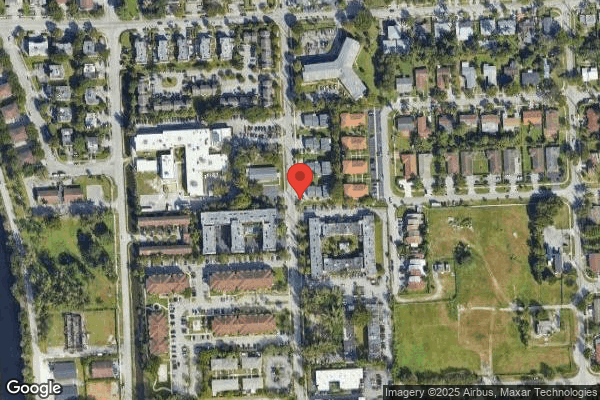
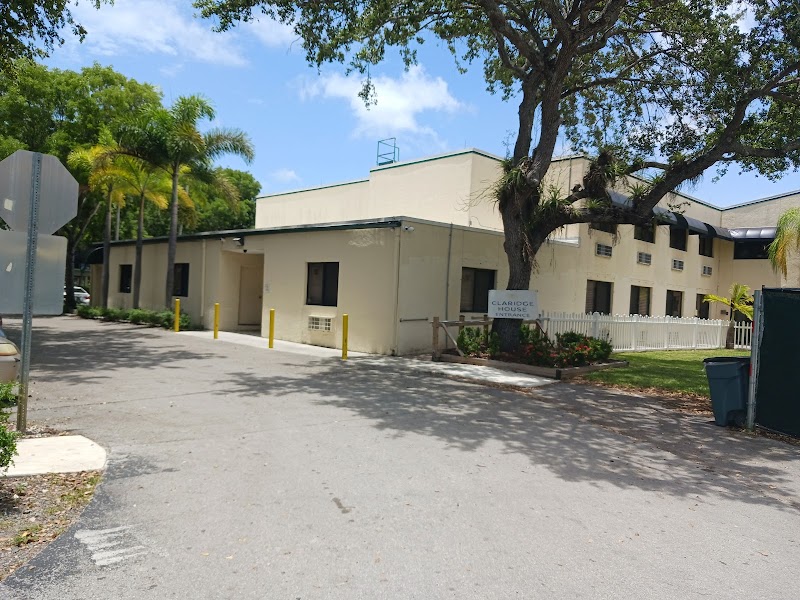
13900 NE 3RD COURT, NORTH MIAMI, FL 33161 (305) 893-2288
For profit - Corporation 240 Beds VENTURA SERVICES FLORIDA Data: November 2025 2 Immediate Jeopardy citations
Trust Grade
19/100
#623 of 690 in FL
Last Inspection: August 2024

Within standard 12-15 month inspection cycle. Federal law requires annual inspections.

Overview

Claridge House Nursing and Rehabilitation Center has received a Trust Grade of F, which indicates significant concerns about the quality of care provided. They rank #623 out of 690 facilities in Florida, placing them in the bottom half, and #49 out of 54 in Miami-Dade County, meaning there are only a few options worse than them locally. While the facility is showing signs of improvement with a decrease in reported issues from 9 in 2024 to 8 in 2025, it still has a significant number of deficiencies, totaling 33, with 2 categorized as critical. Staffing is rated average with an 18% turnover, which is better than the state average, and while RN coverage is also average, it is crucial to note that there have been serious incidents, such as a resident leaving the facility undetected and being found 5.2 miles away after several hours, highlighting serious supervision issues. Additionally, there was a concern regarding food safety practices that could potentially affect many residents. Overall, families should weigh these strengths and weaknesses carefully when considering this facility.

Trust Score
F
19/100
In Florida
#623/690
Bottom 10%
Safety Record
High Risk
Review needed
Inspections
Getting Better
9 → 8 violations
Staff Stability
✓ Good
18% annual turnover. Excellent stability, 30 points below Florida's 48% average. Staff who stay learn residents' needs.
Penalties
✓ Good
$24,850 in fines. Lower than most Florida facilities. Relatively clean record.
Skilled Nurses
○ Average
Each resident gets 36 minutes of Registered Nurse (RN) attention daily — about average for Florida. RNs are the most trained staff who monitor for health changes.
Violations
⚠ Watch
33 deficiencies on record. Higher than average. Multiple issues found across inspections.
★☆☆☆☆
1.0
Overall Rating
★★★☆☆
3.0
Staff Levels
★★★★☆
4.0
Care Quality
★☆☆☆☆
1.0
Inspection Score
Stable
2024: 9 issues
2025: 8 issues

The Good

  • 4-Star Quality Measures · Strong clinical quality outcomes
  • Low Staff Turnover (18%) · Staff stability means consistent care
  • Full Sprinkler Coverage · Fire safety systems throughout facility
  • No fines on record
  • Staff turnover is low (18%)

    30 points below Florida average of 48%

Facility shows strength in quality measures, staff retention, fire safety.

The Bad

1-Star Overall Rating

Below Florida average (3.2)

Significant quality concerns identified by CMS

Federal Fines: $24,850

Below median ($33,413)

Minor penalties assessed

Chain: VENTURA SERVICES FLORIDA

Part of a multi-facility chain

Ask about local staffing decisions and management

The Ugly 33 deficiencies on record

2 life-threatening
Apr 2025 2 deficiencies 2 IJ
CRITICAL (J) 📢 Someone Reported This

A family member, employee, or ombudsman was alarmed enough to file a formal complaint

Immediate Jeopardy (IJ) - the most serious Medicare violation

Accident Prevention (Tag F0689)

Someone could have died · This affected 1 resident

**NOTE- TERMS IN BRACKETS HAVE BEEN EDITED TO PROTECT CONFIDENTIALITY** Based on observations, records reviewed and interviews, the facility failed to provide adequate supervision to ensure residents'...

Read full inspector narrative →
**NOTE- TERMS IN BRACKETS HAVE BEEN EDITED TO PROTECT CONFIDENTIALITY** Based on observations, records reviewed and interviews, the facility failed to provide adequate supervision to ensure residents' safety for one out of 3 sampled residents (Resident #1). As evidenced by, on 03/30/2025 Resident #1 left the facility undetected at approximately 12:45 PM, boarded a city bus and was found 8 hours later by law enforcement. The resident was located 5.2 miles away from the facility. The areas where the facility and where the resident was located are in high traffic areas and there were cross streets which could lead to the increased risk of the resident being hit by an automobile, falling, or being assaulted and/or being robbed based on his vulnerability and cognitive impairment. According to website, Accuweather.com on 03/30/2025 the temperature ranged between 72 degrees Fahrenheit (F) to 86 degrees (F) with scattered showers. It was determined that this deficient practice posed an Immediate Jeopardy (IJ) situation in which the provider's noncompliance with one or more requirements of participation has caused, or is likely to cause, serious injury, harm, impairment, or death. The Immediate Jeopardy (IJ) started on 03/30/2025 and was determined to be Past Noncompliance effective 04/06/2025 based on the corrective actions implemented by the facility. The findings included: Observation on 04/07/2025 at 3:34 PM, revealed Resident#1 in his room watching television and responded to his name. A wander alert system bracelet was observed on his right wrist. On 04/08/2025 at 8:40 AM, Resident #1 was standing in the hallway beside his room. Resident # 1 was asked about leaving the facility he laughed and stated, me again never and laughed. On 04/09/2025 at 10:20 AM, Resident #1 was speaking with the surveyors and staff alternating in English and Spanish; Resident #1 was asked how he left the facility that Sunday; he responded in Spanish, bus dosciendos (meaning bus 215). Clinical record review revealed, Resident #1 was admitted to the facility on [DATE]. Clinical diagnoses included but were not limited to: Acute respiratory failure Unspecified dementia, unspecified severity, without behavioral disturbance, psychotic disturbance, mood disturbance, and anxiety. Review of the Quarterly Minimum Data Set (MDS) dated [DATE], the Cognitive section documented a Brief Interview of Mental Status (BIMS) score of 4 out of 15 meaning, Resident #1 had severe cognitive impairment. The Functional status section revealed, Resident #1 requires assistance with all Activities of Daily Living (ADLs) and for Bowel and Bladder status the resident is incontinent of Bladder. Record review revealed a Health Status Note dated 03/30/2025 time stamped 13:50 (1:50 PM); The note text documented: Approximately around 12:45 PM CNA (Certified Nursing Assistant) alerted the nurse the resident's lunch tray was in the room and the resident was not there. The Nurse began searching for the resident in the unit and a facility search was done. The Nurse notified the supervisor and other floors. Review of the Health Status Note dated 3/30/2025 and timestamped 14:00 (2:00 PM) indicated the Note Text documented: The Nurse alerted the supervisor at 13:09 (1:09 PM) that she went to serve the residents lunch, and he was not seen. A complete facility search was done including facility grounds. A Code [NAME] (Code when a resident is missing) was called. Law enforcement was notified, the guardian was called, and the residents MD (Medical Doctor) notified. A voicemail message was left for the guardian. 911 was called and the call was transferred to the non-emergency number. Review of Health Status Note created by Staff CC, RN 3- 11 nurse dated 3/30/2025 and timestamped 15:30 (3:30 PM), the Note Text documented: The shift report was received and the outgoing nurse informed [3-11 nurse] that the resident was not at the facility and that they had begun a search process following established protocols. Review of Health Status Note dated 3/30/2025 at 22:25 (10:25 PM) by the Nursing Supervisor indicated: Two police officers came to facility and met with the staff. They did an internal and external facility search and provided a case number. All area hospitals were called and staff visited two area hospital emergency rooms. The Guardianship Program was called, and the emergency guardianship number was called, and message was left. A Police Detective [name and badge] from [local law enforcement] located resident and called the facility to inform the facility that resident was found. Staff from the facility were dispatched to pick up the resident. Upon arriving, a complete nursing assessment was conducted .There were no neurological deficits noted as compared to the previous assessments, bruises observed to right knee [Physician Assistant] notified. A Psych consult was done, the resident was placed on 1:1 and monitoring was initiated. A message was left for Guardian Program. The resident was given shower, and a warm dinner was served. Close monitoring maintained. During an interview on 04/07/25 at 6:54 PM, the [NAME] President of Clinical Services revealed, there were a lot of visitors that Sunday who were signing in and out and the resident may have followed one of the visitors that were leaving. At lunch time when the CNAs went to place his lunch, they realized he was gone. After the incident occurred, all residents in the facility were screened, and wander management system bracelets were ordered and put in place for the residents that triggered for an elopement risk. During an interview on 04/07/2025 at 7:49 PM, Staff K, Registered Nurse (RN) and 3-11 shift Supervisor that was on duty at the time of the incident revealed: When I came, they told me about the elopement, and I went in my car and searched with the police outside and did a deep search. The police told us if they found him, they would call. [local area law enforcement] called a little after 8:00 PM and the resident was returned to the facility. The resident was okay, we did a full assessment and the resident he was okay. During an interview on 04/07/2025 at 7:55 PM, Staff CC, RN from 3-11 shift stated: When I arrived the off going nurse told me they were searching for the resident around 8:00 PM. The supervisor told me the resident was found, and the supervisor [Staff DD, an RN and 7-3 shift supervisor] took him back to the facility and I did a complete assessment. He was confused, he had no injuries, just a bruise on his right knee and he was fine. We put the [wander alert system] bracelet on his wrist and started at 1:1 staff monitoring and he is doing better. During an interview on 04/08/25 at 8:41 AM, Staff BB, Licensed Practical Nurse (LPN) revealed, He is alert and oriented to his name, but he is confused. He did not show any behaviors that he wanted to leave. That day at around 12:45 PM, I was doing Accu checks, it was lunch time, and the CNAs told me when they were passing trays at around 12:45 PM he was not in his room, so I told everybody, and we all started looking for him and we did Code Green. Everybody started looking for the resident and I printed face sheets so that everybody could identify the resident. After that the Administrator was in the building. We searched inside and out, and some staff went to look in the parking lot and, in their cars, also around the neighborhood while the Administrator and the Supervisor handled the rest. He did not miss any medications on my shift. I was in the building until he came back. He was talking in Spanish; he had a bruise on his right knee but looked fine. The nurse on duty did the assessment and I was there. He did not miss any medications on my shift. During an interview on 04/08/2025 at 9:05 AM, Staff AA, the CNA that was assigned to Resident # 1 on the date of the incident stated: That day in the morning after breakfast I gave him a shower in the morning at around 11:05 AM; I put him back in the room and I told him sit there while I went to take care of two other residents. He usually stays in his room and watch TV(Television). When I went back after I finished with the other two residents, I did not see him in the room and went to pass the lunch trays. He was not in the room for his lunch tray. At around 12:49 PM I told the nurse he was not in his room. We continued to search everywhere in the facility and outside. It was also raining at the time. The nurse called and told DON (Director of Nursing), ADON (Assistant Director of Nursing) and the Administrator to let them know what happened and they came right away. We continued to search, and they called the police and hospitals after all this time. The [ADON] told me I could go home before it got too dark. I told the oncoming CNA. I talked to the police when I was at the facility. I have no idea how he left the facility because usually after I give him a shower he walks to his room. The following day he was okay. During an interview on 04/09/2025 at 10:58 AM, the Director of Nursing (DON) stated, I was out of town and received a call at approximately 1:00 PM from the facility telling me that the resident was missing, and they were looking for the resident. The Administrator called law enforcement and reported the resident was missing. I could not go with them to find the resident. I arrived in the building between 7:00 or 8:00 PM and [law enforcement] called and reported the resident was found. The DON revealed, Resident #1 was picked up by a staff member and returned to the facility and was smiling when he returned. The doctor was called, and labs and x-rays were ordered and all came back normal. He had a psych evaluation on 03/31/2025 and medications were reviewed. The resident was placed on 1:1 monitoring, we placed a [wander alert system] bracelet on his wrist and the resident was compliant with the 1:1 monitoring and additional interventions. The DON revealed steps implemented to prevent reoccurrence that included but were not limited to trainings, all resident received an elopement assessment, the codes on all doors and elevators were checked, the main entrance, the entrance for all staff, the additional doors with codes between the lobby and unit. Started 24-hour front desk coverage. Maintenance staff checked all the exit doors that day and will continue to check. During an interview on 04/09/2025 at 11:10 AM, the Maintenance Director revealed wander alert system on doors are being checked every day and all doors and keypads are checked daily. The Maintenance Director reported, I check the doors Monday to Friday and the maintenance staff checks them on Saturday and Sunday. I installed a door between the lobby to the floor and added keypads on all the doors to go in and out of the facility and the offices. I also check the code for the elevator to make sure it is working. The Maintenance Director revealed he and all his staff received elopement and abuse training. The facility took the following actions to address the elopement incident and to prevent any additional residents from suffering an adverse outcome. (Completion Date: 4/2/2025) 1. On 3/30/2021, the nurses completed a head count using the facility's census to ensure no other residents were missing. The nursing supervisor verified the count, confirming that no other residents were missing. On 3/31/2025, the resident was reevaluated by the psychiatrist and new orders were received. On 3/31/2025, reeducation regarding the prevention of elopement was initiated for the 7-3 staff by the Director of Nurses (DON). By 4/2/2025, all nursing staff on all shifts received education from the Staff Development, Director of Nursing (DON), or their designees regarding residents who exhibit exit-seeking behavior, the risk of elopement, and the need for adequate supervision to ensure resident safety. This education aimed to prevent serious injury, harm, impairment, or death. Any staff on leave were to receive education on their next scheduled workday. By 4/2/2025, the Unit Managers, supervisors, and/or designee(s) and/or MDS Coordinator(s) re-evaluated residents at risk for elopement by completing a new elopement risk screening form. By 4/2/2025, the MDS Coordinator and/or designee reviewed and updated the care plans of the residents at risk for elopement to reflect the current elopement risk. By 4/2/2025, Nursing staff on all shifts received education on wandering, elopement, and resident safety from the DON or designee(s). Any staff on leave will receive education prior to returning to their shift. A Root Cause analysis was completed using the Five Whys to develop new approaches to prevent reoccurrence. The Facility conducted an AdHoc Quality Assurance Meeting on 3-31-2025 to review the Performance Improvement Plan ensuring proper interventions are put in place. The facility conducted an elopement drill every shift X 3 days, then weekly X 4 weeks, then monthly X 3 Months. 2. Facility Actions to Prevent Occurrence/Recurrence: Staff were re-educated on the Elopement and wandering, exit seeking resident policy. The staff will follow the policy to ensure safety measures are implemented. By 4/2/2025 the DON, ADON, and designee completed elopement risk screening on active residents and reviewed their plan of care to ensure appropriate interventions are in place, and the plan of care was updated to reflect the evaluation and modification of interventions that are in place. After the facility wide audit of the elopement screenings, the facility identified 4 new residents that triggered for elopement risk. Residents triggered for at risk for elopement have orders for a [wander alert system] to be put in place. Orders were obtained from the physician for psych reevaluation for residents triggered for elopement risk. The elopement book was updated with new pictures of residents triggered for elopement risk. Elevator keypads installed on the elevators by the Elevator Company. A keypad/alarm installed at the door leading to the lobby by the alarm company. Elopement drills are done monthly on every shift. The Maintenance Director or designee to conduct Safety rounds Log to check exit door, screamer alarms and outside gates daily. Residents with new behaviors of exit seeking and wandering will be added to the elopement risk book that is kept at the nursing station and is accessible to all staff. The behaviors will be added to the resident's care plan and the [NAME]. Nursing staff will communicate during the shift to shift report any resident who exhibits behaviors to leave the facility, and the safety measures put into place. The nurses and nursing supervisors will use the facility census to conduct the headcount of the residents in their respective unit during shift change and they will sign the census to validate that the count is correct, and all residents are accounted for. The CNAs will conduct rounds every two hours to ensure the residents are safe and accounted for. CNAs will report to the nurse immediately if unable to locate a resident. Facility protocols for missing residents will be used immediately to locate the residents. New admissions elopement evaluations will be reviewed during clinical meetings held Monday through Friday to ensure elopement interventions are in place for residents that are at risk and the facility guidelines are followed. Nursing Supervisors will review the new admissions elopement evaluation on the weekend for compliance. The DON or designee will audit new admissions for elopement risk and ensure appropriate interventions are in place. Residents with new behaviors of wandering, exit seeking will be reassessed by the ADON, Unit Managers, Supervisors or designee for a risk for elopement. The DON, Administrator, ADON and/or designee will enforce disciplinary action for facility staff who fail to follow the elopement policy and procedures. New hires will receive education on wandering, elopement, and resident safety by the DON, ADON or designee(s). 3. Facility Implementation: Education Target goal is 100% By 4/2/2025, the DON and ADON reeducated a total of 268 employees on the facility's policy & procedures as it is related to elopement and residents' safety. The facility achieved 100% compliance. By 4/2/2025, a total of 232 staff members had participated in the elopement drills. Facility compliance was 86.56 percent. Dates of the Elopement Drills included: Total staff participation on 3/31/2025: 7-3 Shift, 3-11 Shift, 11-7 Shift- 40% compliance. On 4/1/2025: 7-3 Shift, 3-11 Shift, 11-7 Shift - 71.26 % compliance. On 4/2/2025: 7-3 Shift, 3-11 Shift, 11-7 Shift - 86.56 % compliance. As of 4/2/2025, the total staff who participated was 232 employees, which is 86.56 % On 4/9/2025: 7-3 Shift, 3-11 Shift, 11-7 Shift-90 employees participated (only 20 employees participated for the first time). The Total staff that participated in the elopement drill: from 3/31/2025 to 4/9/2025 is a total of 252 employees which is 94%. The facility has 16 more employees who need to participate in the elopement drills. Elopement Drills will be conducted upon their return to work. On 4/2/2025, 4/4/2025, 4/7/2025 & 4/10/2025, all elopement elements put into place were verified and the facility is 100% compliance. By 4/1/2025, after the facility wide audit of the elopement screening, the facility identified 4 new residents who triggered for elopement. On 4/7/2025 a QAPI (Quality Assurance and Performance Improvement) review for follow-up was done, all the elements were verified, and facility was 100% compliance. Quality Assurance: The facility will conduct an elopement drill weekly X 4 weeks, then monthly X 3 Months. The DON, ADON, and administrator will review weekly X 4 weeks then monthly, the clinical record of any residents with behaviors of exit seeking and wandering to ensure the facility policy and procedures are implemented and followed, and residents have remained safe at the facility. Review the findings during the monthly QAPI meeting. After completing the facility wide audit the DON, ADON/designee will conduct a weekly quality review of 10 residents on each unit weekly x 4 weeks, and then every 2 weeks x 2 months. The findings of these reviews will be reported in the next Risk Management/QA Committee meeting until the committee determines substantial compliance has been met and recommends quarterly monitoring by the Regional Director of Clinical Services when completing their quality systems review. The committee reviewed the plan and determined the removal plan has been implemented effectively. Facility Compliance Rate: 100% The facility's corrective actions were verified by the survey team based on staff interviews conducted on all shifts and departments indicating all-action plans had been implemented.
CRITICAL (J) 📢 Someone Reported This

A family member, employee, or ombudsman was alarmed enough to file a formal complaint

Immediate Jeopardy (IJ) - the most serious Medicare violation

Administration (Tag F0835)

Someone could have died · This affected 1 resident

**NOTE- TERMS IN BRACKETS HAVE BEEN EDITED TO PROTECT CONFIDENTIALITY** Based on observations, record review and interviews, the facility's administration failed to ensure effective systems were in pl...

Read full inspector narrative →
**NOTE- TERMS IN BRACKETS HAVE BEEN EDITED TO PROTECT CONFIDENTIALITY** Based on observations, record review and interviews, the facility's administration failed to ensure effective systems were in place to provide adequate supervision for one out of three sampled residents (Resident #1). As evidenced by, on 03/30/2025 Resident #1 left the facility undetected at approximately 12:45 PM, boarded a city bus and was found 8 hours later by law enforcement. The resident was located 5.2 miles away from the facility. The facility and the area that the resident was located are both in high traffic areas with cross streets which could lead to the increased risk of the resident being hit by an automobile, falling, or being assaulted and/or being robbed based on his vulnerability and cognitive impairment. According to website, Accuweather.com on 03/30/2025 the temperature ranged between 72 degrees Fahrenheit (F) to 86 degrees (F) with scattered showers. It was determined that this deficient practice posed an Immediate Jeopardy (IJ) situation in which the provider's noncompliance with one or more requirements of participation has caused, or is likely to cause, serious injury, harm, impairment, or death. The Immediate Jeopardy (IJ) started on 03/30/2025 and was determined to be Past Noncompliance effective 04/06/2025 based on the corrective actions implemented by the facility. The findings include: Observation on 04/07/2025 at 1:20 PM, the receptionist granted access to guests entering and leaving the facility are required to sign in and out. A new door was noted with a code between the lobby area with a staff member seated at the inner hallway to grant access. The conference room assigned for the survey team also required a code to enter. Record review of the job description titled, Administrator documented: The primary purpose of this position is to direct the day-to-day functions of the facility in accordance with current federal, state and local standards, guidelines and regulations that govern nursing facilities to ensure that the highest degree of quality care can be always provided to residents. Plan, develop, organize, implement, evaluate and direct the facility's programs and activities in accordance with guidelines issued by the governing body. Delegate a responsible staff member to act on your behalf when you are absent from the facility. Ensure that each resident receives necessary care and services to attain and maintain the highest practical physical, mental and psychosocial well-being consistent with the resident's comprehensive assessment and plan of care .Ensure the facility and resident environment remain as free of accidents as possible and that each resident receives adequate supervision and assistive devices to prevent accidents, including identifying and analyzing hazards and risks, implementing interventions and monitoring the effectiveness of those interventions when necessary. Clinical record review revealed, Resident #1 was admitted to the facility on [DATE]. Clinical diagnoses included but were not limited to: Acute respiratory failure Unspecified dementia, unspecified severity, without behavioral disturbance, psychotic disturbance, mood disturbance, and anxiety. Review of the Quarterly Minimum Data Set (MDS) dated [DATE], the Cognitive section documented a Brief Interview of Mental Status (BIMS) score of 4 out of 15 meaning, Resident #1 had severe cognitive impairment. The Functional status section revealed, Resident #1 requires assistance with all Activities of Daily Living (ADLs) and for Bowel and Bladder status the resident is incontinent of Bladder. Record review revealed a Health Status Note dated 03/30/2025 time stamped 13:50 (1:50 PM); The note text documented: Approximately around 12:45 PM CNA (Certified Nursing Assistant) alerted the nurse the resident's lunch tray was in the room and the resident was not there. The Nurse began searching for the resident in the unit and a facility search was done. The Nurse notified the supervisor and other floors. Review of the Health Status Note dated 3/30/2025 and timestamped 14:00 (2:00 PM) indicated the Note Text documented: The Nurse alerted the supervisor at 13:09 (1:09 PM) that she went to serve the residents lunch, and he was not seen. A complete facility search was done including facility grounds. A Code [NAME] (Code when a resident is missing) was called. Law enforcement was notified, the guardian was called, and the resident's MD (Medical Doctor) was notified. A voicemail message was left for the guardian. 911 was called and the call was transferred to the non-emergency number. Review of Health Status Note dated 3/30/2025 and timestamped 15:30(3:30 PM), the Note Text documented: The shift report was received and the outgoing nurse informed me that the resident was not at the facility and that they had begun a search process following established protocols. Review of Health Status Note dated 3/30/2025 at 22:25(10:25 PM) by the Nursing Supervisor indicated: Two police officers came to facility and met with the staff. They did an internal and external facility search and provided a case number. All area hospitals were called and staff visited two area hospital emergency rooms. The Guardianship Program was called, and the emergency guardianship number was called, and message was left. A Police Detective [name and badge] from [local law enforcement] located resident and called the facility to inform the facility that resident was found. Staff from the facility were dispatched to pick up the resident. Upon arriving, a complete nursing assessment was conducted, Vital Signs were obtained. There were no neurological deficits noted as compared to the previous assessments, bruises observed to right knee . [Physician Assistant] notified. The resident was placed on 1:1 and monitoring was initiated. A message was left for the Guardianship Program. The resident was given shower, and a warm dinner was served. Close monitoring maintained. During an interview on 04/07/25 at 6:54 PM, the [NAME] President of Clinical Services revealed, there were a lot of visitors that Sunday who were signing in and out and the resident may have followed one of the visitors that were leaving. At lunch time when the CNAs went to place his lunch, they realized he was gone. After the incident occurred, all residents in the facility were screened, and wander management system bracelets were ordered and put in place for the residents that triggered for an elopement risk. During an interview on 04/07/2025 at 7:49 PM, Staff K, Registered Nurse (RN) and 3-11 shift Supervisor that was on duty at the time of the incident revealed: When I came, they told me about the elopement, and I went in my car and searched with the police outside and did a deep search. The police told us if they found him, they would call. [local area law enforcement] called a little after 8:00 PM and the resident was returned to the facility. The resident was okay, we did a full assessment and the resident he was okay. During an interview on 04/07/2025 at 7:55 PM, Staff CC, RN from 3-11 shift stated: When I arrived the off going nurse told me they were searching for the resident around 8:00 PM. The supervisor told me the resident was found, and the supervisor [Staff DD, an RN and 7-3 shift supervisor] took him back to the facility and I did a complete assessment. He was confused, he had no injuries, just a bruise on his right knee and he was fine. We put the [wander alert system] bracelet on his wrist and started at 1:1 staff monitoring and he is doing better. During an interview on 04/08/25 at 8:41 AM, Staff BB, Licensed Practical Nurse (LPN) revealed, He is alert and oriented to his name, but he is confused. He did not show any behaviors that he wanted to leave. That day at around 12:45 PM, I was doing Accu checks, it was lunch time, and the CNAs told me when they were passing trays at around 12:45 PM he was not in his room, so I told everybody, and we all started looking for him and we did Code Green. Everybody started looking for the resident and I printed face sheets so that everybody could identify the resident. After that the Administrator was in the building. We searched inside and out, and some staff went to look in the parking lot and, in their cars, also around the neighborhood while the Administrator and the Supervisor handled the rest. He did not miss any medications on my shift. I was in the building until he came back. He was talking in Spanish; he had a bruise on his right knee but looked fine. The nurse on duty did the assessment and I was there. He did not miss any medications on my shift. During an interview on 04/08/2025 at 9:05 AM, Staff AA, the CNA that was assigned to Resident # 1 on the date of the incident stated: That day in the morning after breakfast I gave him a shower in the morning at around 11:05 AM; I put him back in the room and I told him sit there while I went to take care of two other residents. He usually stays in his room and watch TV(Television). When I went back after I finished with the other two residents, I did not see him in the room and went to pass the lunch trays. He was not in the room for his lunch tray. At around 12:49 PM I told the nurse he was not in his room. We continued to search everywhere in the facility and outside. It was also raining at the time. The nurse called the Director of Nursing (DON), ADON (Assistant Director of Nursing) and the Administrator to let them know what happened and they came right away. We continued to search, and they called the police and hospitals after all this time. The [ADON] told me I could go home before it got too dark. I told the oncoming CNA. I talked to the police when I was at the facility. I have no idea how he left the facility because usually after I give him a shower he walks to his room. The following day he was okay. During an interview on 04/09/2025 at 9:28 AM, the Administrator revealed the systems implemented, the identified system failure's, the completion of the root cause analysis and efforts completed to achieve compliance. During an interview on 04/09/2025 at 10:58 AM, the Director of Nursing (DON) stated, I was out of town and received a call at approximately 1:00 PM from the facility telling me that the resident was missing, and they were looking for the resident. The Administrator called law enforcement and reported the resident was missing. I could not go with them to find the resident. I arrived in the building between 7:00 or 8:00 PM and [law enforcement] called and reported the resident was found. The DON revealed, Resident #1 was picked up by a staff member and returned to the facility and was smiling when he returned. The doctor was called, and labs and x-rays were ordered and all came back normal. He had a psych evaluation on 03/31/2025 and medications were reviewed. The resident was placed on 1:1 monitoring, we placed a [wander alert system] bracelet on his wrist and the resident was compliant with the 1:1 monitoring and additional interventions. The DON revealed steps implemented to prevent reoccurrence that included but were not limited to trainings, all resident received an elopement assessment, the codes on all doors and elevators were checked, the main entrance, the entrance for all staff, the additional doors with codes between the lobby and unit. Started 24-hour front desk coverage. Maintenance staff checked all the exit doors that day and will continue to check. During an interview on 04/09/2025 at 11:10 AM, the Maintenance Director revealed the wander alert system on all doors and keypads are checked daily. The Maintenance Director reported, I check the doors Monday to Friday and the maintenance staff checks them on Saturday and Sunday. I installed a door between the lobby to the floor and added keypads on all the doors to go in and out of the facility and the offices. I also check the code for the elevator to make sure it is working. The Maintenance Director revealed he and all his staff received elopement and abuse training. The facility took the following actions to address the elopement incident and to prevent any additional residents from suffering an adverse outcome. (Completion Date: 4/2/2025) 1. On 3/30/2021, the nurses completed a head count using the facility's census to ensure no other residents were missing. The nursing supervisor verified the count, confirming that no other residents were missing. On 3/31/2025, the resident was reevaluated by the psychiatrist and new orders were received. On 3/31/2025, reeducation regarding the prevention of elopement was initiated for the 7-3 staff by the Director of Nurses (DON). By 4/2/2025, all nursing staff on all shifts received education from the Staff Development, Director of Nursing (DON), or their designees regarding residents who exhibit exit-seeking behavior, the risk of elopement, and the need for adequate supervision to ensure resident safety. This education aimed to prevent serious injury, harm, impairment, or death. Any staff on leave were to receive education on their next scheduled workday. By 4/2/2025, the Unit Managers, supervisors, and/or designee(s) and/or MDS Coordinator(s) re-evaluated residents at risk for elopement by completing a new elopement risk screening form. By 4/2/2025, the MDS Coordinator and/or designee reviewed and updated the care plans of the residents at risk for elopement to reflect the current elopement risk. By 4/2/2025, Nursing staff on all shifts received education on wandering, elopement, and resident safety from the DON or designee(s). Any staff on leave will receive education prior to returning to their shift. A Root Cause analysis was completed using the Five Whys to develop new approaches to prevent reoccurrence. The Facility conducted an AdHoc Quality Assurance Meeting on 3-31-2025 to review the Performance Improvement Plan ensuring proper interventions are put in place. The facility conducted an elopement drill every shift X 3 days, then weekly X 4 weeks, then monthly X 3 Months. 2. Facility Actions to Prevent Occurrence/Recurrence: Staff were re-educated on the Elopement and wandering, residents' exit seeking policy. The staff will follow the policy to ensure safety measures are implemented. By 4/2/2025 the DON, ADON, and designee completed elopement risk screening on active residents and reviewed their plan of care to ensure appropriate interventions are in place, and the plan of care was updated to reflect the evaluation and modification of interventions that are in place. After the facility wide audit of the elopement screenings, the facility identified 4 new residents that triggered for elopement risk. Residents triggered for at risk for elopement have orders for a [wander alert system] to be put in place. Orders were obtained from the physician for psych reevaluation for residents triggered for elopement risk. The elopement book was updated with new pictures of residents triggered for elopement risk. Elevator keypads installed on the elevators by the Elevator Company. A keypad/alarm installed at the door leading to the lobby by the alarm company. Elopement drills are done monthly on every shift. The Maintenance Director or designee to conduct Safety rounds Log to check exit door, screamer alarms and outside gates daily. Residents with new behaviors of exit seeking and wandering will be added to the elopement risk book that is kept at the nursing station and is accessible to all staff. The behaviors will be added to the resident's care plan and the [NAME]. Nursing staff will communicate during the shift to shift report any resident who exhibits behaviors to leave the facility, and the safety measures put into place. The nurses and nursing supervisors will use the facility census to conduct the headcount of the residents in their respective unit during shift change and they will sign the census to validate that the count is correct, and all residents are accounted for. The CNAs will conduct rounds every two hours to ensure the residents are safe and accounted for. CNAs will report to the nurse immediately if unable to locate a resident. Facility protocols for missing residents will be used immediately to locate the residents. New admissions elopement evaluations will be reviewed during clinical meetings held Monday through Friday to ensure elopement interventions are in place for residents that are at risk and the facility guidelines are followed. Nursing Supervisors will review the new admissions elopement evaluation on the weekend for compliance. The DON or designee will audit new admissions for elopement risk and ensure appropriate interventions are in place. Residents with new behaviors of wandering, exit seeking will be reassessed by the ADON, Unit Managers, Supervisors or designee for a risk for elopement. The DON, Administrator, ADON and/or designee will enforce disciplinary action for facility staff who fail to follow the elopement policy and procedures. New hires will receive education on wandering, elopement, and resident safety by the DON, ADON or designee(s). 3. Facility Implementation: Education Target goal is 100% By 4/2/2025, the DON and ADON reeducated a total of 268 employees on the facility's policy & procedures as it is related to elopement and residents' safety. The facility achieved 100% compliance. By 4/2/2025, a total of 232 staff members had participated in the elopement drills. Facility compliance was 86.56 percent. Dates of the Elopement Drills included: Total staff participation on 3/31/2025: 7-3 Shift, 3-11 Shift, 11-7 Shift- 40% compliance. On 4/1/2025: 7-3 Shift, 3-11 Shift, 11-7 Shift - 71.26 % compliance. On 4/2/2025: 7-3 Shift, 3-11 Shift, 11-7 Shift - 86.56 % compliance. As of 4/2/2025, the total staff who participated was 232 employees, which is 86.56 % On 4/9/2025: 7-3 Shift, 3-11 Shift, 11-7 Shift-90 employees participated (only 20 employees participated for the first time). The Total staff that participated in the elopement drill: from 3/31/2025 to 4/9/2025 is a total of 252 employees which is 94%. The facility has 16 more employees who need to participate in the elopement drills. Elopement Drills will be conducted upon their return to work. On 4/2/2025, 4/4/2025, 4/7/2025 & 4/10/2025, all elopement elements put into place were verified and the facility is 100% compliance. By 4/1/2025, after the facility wide audit of the elopement screening, the facility identified 4 new residents who triggered for elopement. On 4/7/2025 a QAPI (Quality Assurance and Performance Improvement) review for follow-up was done, all the elements were verified, and facility was 100% compliance. Quality Assurance: The facility will conduct an elopement drill weekly X 4 weeks, then monthly X 3 Months. The DON, ADON, and administrator will review weekly X 4 weeks then monthly, the clinical record of any residents with behaviors of exit seeking and wandering to ensure the facility policy and procedures are implemented and followed, and residents have remained safe at the facility. Review the findings during the monthly QAPI meeting. After completing the facility wide audit the DON, ADON/designee will conduct a weekly quality review of 10 residents on each unit weekly x 4 weeks, and then every 2 weeks x 2 months. The findings of these reviews will be reported in the next Risk Management/QA Committee meeting until the committee determines substantial compliance has been met and recommends quarterly monitoring by the Regional Director of Clinical Services when completing their quality systems review. The committee reviewed the plan and determined the removal plan has been implemented effectively. Facility Compliance Rate: 100% The facility's corrective actions were verified by the survey team based on observations and through staff interviews that were conducted across all shifts and departments. indicating all-action plans had been implemented.
Jan 2025 6 deficiencies
CONCERN (D) 📢 Someone Reported This

A family member, employee, or ombudsman was alarmed enough to file a formal complaint

Potential for Harm - no one hurt, but risky conditions existed

Notification of Changes (Tag F0580)

Could have caused harm · This affected 1 resident

**NOTE- TERMS IN BRACKETS HAVE BEEN EDITED TO PROTECT CONFIDENTIALITY** Based on observations, reviews and interviews, the facility's staff failed to notify Resident #3's family /representative and ph...

Read full inspector narrative →
**NOTE- TERMS IN BRACKETS HAVE BEEN EDITED TO PROTECT CONFIDENTIALITY** Based on observations, reviews and interviews, the facility's staff failed to notify Resident #3's family /representative and physician of a change in condition for one out of three residents sampled as evidenced by Resident #3 who is at high risk for aspiration was observed vomiting and displaying signs of respiratory distress and on that specific date the facility staff did not notify the physician and the family of the changes in her condition. There were two hundred and ten residents residing in the facility at the time of the survey. The findings include. On 01/22/2025 at 8:44 AM Resident #3 was observed in bed the bed head was slightly elevated, her eyes were closed; audible gurgling breathing sounds also known as Rhonchi were noted, oxygen via nasal cannula was flowing at 2 Liters Per Minute (LPM), dark beige thick vomit was draining from Resident # 3's mouth, a large white towel was observed tucked under her chin and draped across her chest absorbing the vomit; Percutaneous endoscopic gastrostomy (PEG) feeding formula was infusing at 65 milliliters per hour (ml/hr.). Upon identifying these concerns the surveyor pressed the call light for the nurse. Staff A, Registered Nurse (RN) entered the room, looked at the resident and did not do an assessment. Staff A, RN was about to exit the room when the surveyor asked what interventions were in place related to the concerns observed. Staff A, RN stated: She is always like that. Staff A, RN further revealed there is no additional orders in place including suctioning because she does not need suctioning and exited the room. On 01/22/2025 at 8:46 AM Staff C, Certified Nursing Assistant (CNA) walked into Resident # 3's room and cleaned the vomit drainage from the resident's mouth and placed a clean towel under the resident's chin and across the chest. Observation on 01/22/2025 at 02:09 PM, Resident #3 was in bed with eyes closed and still had the gurgling sounds and vomit draining from her mouth. The PEG feeding infusing formula at 65 ml/hr. Closer observation revealed a Scopolamine patch (usually used for motion sickness and for drying secretions) was noted behind the resident's right ear. On 01/22/2025 at 2:13 PM Staff C, CNA entered Resident #3's room, cleaned the vomit draining from Resident #3's mouth; Staff C,CNA and revealed the nurse knew and she was going to inform him again. On 01/22/2025 at 02:24 PM, Staff A, RN entered the room, looked at the resident and did not check the residents vitals, did not check bowel sounds, did not auscultate the lung sounds and did not hold the feedings. Staff A, RN was asked what interventions would be implemented; Staff A, RN revealed in this case, Ondansetron (Zofran) injection would be administered. On 01/22/2025 at 02:30 PM, Staff B, RN Supervisor entered the room performed hand hygiene put on gloves, checked the resident's mouth and exited the room without checking the residents vital signs and did not assess the bowel sounds and auscultate the lung sounds. Record review of Resident #3's clinical records revealed the resident was admitted to the facility on [DATE]. Clinical diagnoses include Cerebral Infarction, Chronic Obstructive Pulmonary Disease (COPD), Dysphagia following Cerebral Infarction and seizures. Review of Resident # 3's Care Plans with start date of 1/14/2025 and target completion date of 1/28/2025 include: Focus- [Resident] is at risk for ASPIRATION related to PEG tube, Goal: The resident will safely tolerate a least restrictive diet without signs and symptoms (s/s) of aspiration daily thru next review date (NRD). Interventions/Task: Monitor for any coughing/choking and refer, monitor labs as available. Position/sit resident upright at all meals. Focus: [Resident] is at risk for complications related to tube feeding such as aspiration, infection, intolerance to feeding, fluid overload/deficits, etc. Goal: [Resident] will tolerate tube feeding without signs/symptoms of complications . Monitor for signs of intolerance such as nausea, vomiting, diarrhea. If vomiting, hold feeding and notify MD (Medical Doctor). Monitor for signs/symptoms of aspiration every shift such as congestion, coughing, changes in respiratory rate and rhythm and notify MD as needed. Interview on 01/23/2025 at 3:03 PM, Staff C, CNA revealed she has been working in the facility for 10 years and the conditions displayed the day prior with Resident #3 was unusual, also today Resident #3 did not have any other episodes of vomiting. Interview on 01/23/2025 at 3:25 PM, Staff A, RN was asked if he was concerned about Resident # 3's condition on 01/23/2025. He stated, I always see her like that, I opened her mouth to check if anything was in her mouth. Staff A, RN, was asked what basic interventions should have been implemented to address the respiratory concerns for a resident who has PEG feeding and at high risk for aspiration, he stated: Yesterday I did not check the lungs and held the feeding. Staff A, RN, reported he notified the family and the doctor, and no new orders were received, and he had also documented all this information in the residents records and told the supervisor. On 01/23/2025 At 3:41 PM the surveyor reviewed the electronic health records (EHR) with Staff A, RN to confirm documentation regarding notification of change in condition to the doctor and family. Side by side review of Resident #3's Electronic Health Records (EHR) with Staff A, RN revealed no documentation indicating the resident's family and doctor were notified. On 01/23/2025 at 4:05 PM Staff B, RN Supervisor revealed he was not informed of a change in condition related to Resident #3 on 01/22/2025; and the policy for changes in condition; the doctor must be called, notify the family, document in the computer and the 24-hour log. On 01/23/2025 at 4:10 PM, review of the 24-hour log for 01/22/2024 revealed no documentation related to Resident # 3's change in condition. Review of the facility's policy and procedure titled: Change in Condition; issued: 3/2020 and revised 3/22/2024 indicates: The purpose of this policy is to ensure the facility promptly informs the resident, consult the resident's physician; and notify, consistent with his or her authority, the resident's representative when there is a change requiring notification. The facility must inform the resident, consult with the resident's physician, and /or notify the resident's family member or legal representative when there is a change requiring such notification.
CONCERN (D) 📢 Someone Reported This

A family member, employee, or ombudsman was alarmed enough to file a formal complaint

Potential for Harm - no one hurt, but risky conditions existed

Tube Feeding (Tag F0693)

Could have caused harm · This affected 1 resident

**NOTE- TERMS IN BRACKETS HAVE BEEN EDITED TO PROTECT CONFIDENTIALITY** Based on observation, interviews, and record review, the facility failed to implement measures to prevent aspiration for one (Re...

Read full inspector narrative →
**NOTE- TERMS IN BRACKETS HAVE BEEN EDITED TO PROTECT CONFIDENTIALITY** Based on observation, interviews, and record review, the facility failed to implement measures to prevent aspiration for one (Resident #3) out of three residents with percutaneous endoscopic gastrostomy (PEG) tube at risk for aspiration as evidenced by Resident # 3 was observed with vomit draining from her mouth and the Registered Nurses failed to implement interventions in a timely manner; and failed to implement interventions to prevent PEG tube dislodgement for two (Resident #6 and Resident # 7) out of three residents sampled as evidenced by Resident #6 was noted with his unsecured PEG tube line resting above his hand and Resident #7's tube feeding line was observed wrapped around the privacy curtain that was wrapped around the metal pole that had the feeding infusing and hanging loosely on the inner section of the wheelchair's wheel (Photo evidence). Both residents clinical diagnoses include Seizures. These risk factors increases the risk for dislodgement of the PEG tubes and affect the residents' nutritional status. The findings included: On 01/22/2025 at 8:44 AM Resident #3 was observed in bed with her eyes closed; loud gurgling sounds were noted, the head of the bed was slightly elevated and dark beige thick liquid resembling vomit was drooling from Resident # 3's mouth, a large white towel was tucked under the chin and draped across the resident's chest absorbing the thick liquid. Oxygen via nasal cannula was flowing at 2 Liters Per Minute (LPM), tube feeding was infusing at 65 milliliters per hour (ml/hr.). Respiratory supplies for breathing treatments were dated 01/10/2025 and the oxygen humidifier was dated 01/08/2025. The nurse was called to the room and asked what interventions were in place related to the concerns observed. Staff A, Registered Nurse (RN) entered the room and looked at the resident, Staff A revealed the resident is always like that resident does not need suctioning or anything and exited the room. On 01/22/2025 at 8:46 AM Staff C, Certified Nursing Assistant (CNA) walked into Resident # 3's room and cleaned the vomit draining from the resident's mouth and placed a clean towel under the resident's chin and across the chest. Observation on 01/22/2025 at 02:09 PM, Resident #3 was in bed with eyes closed and still had the gurgling sounds and vomit draining from her mouth. The PEG feeding infusing formula at 65 ml/hr. Closer observation revealed a Scopolamine patch (usually used for motion sickness and for drying secretions) was noted behind the resident's right ear. On 01/22/2025 at 2:13 PM Staff C, CNA entered Resident #3's room, cleaned the vomit draining from Resident #3's mouth and revealed the nurse knew and she was going to inform him again. Observation on 01/22/2025 at 02:09 PM; Resident #3 was in bed with eyes closed and still had the gurgling sounds and drainage from the mouth. The tube feeding was infusing at 65 ml/hr. Closer observation of the resident revealed a Scopolamine patch (usually used for motion sickness and for drying secretions) was observed behind the residents right ear On 01/22/2025 at 2:13 PM Staff C walked into the room wiped the cleaned the resident's mouth and reported she was going to inform the nurse. She also revealed the nurse knew and she was going to inform him again. On 01/22/2025 at 02:24 PM, Staff A, RN entered the room, looked at the resident and mentioned this happens sometimes and Ondansetron (Zofran) injection would be administered in this case. The nurse did not check the residents vitals, did not check bowel sounds, did not auscultate lung sounds and did not hold the PEG feeding. On 01/22/2025 at 02:30 PM Staff B, RN Supervisor entered the room performed hand hygiene put on gloves, checked the resident's mouth and exited the room. Record review revealed Resident # 3 was admitted to the facility on [DATE]. Clinical diagnoses include Chronic Obstructive Pulmonary Disease (COPD), Dysphagia following Cerebral Infarction and seizures. Review of the Physician Orders for January 2025 included but not limited to: Scopolamine Transdermal Patch 72 Hour 1 MG (milligram) every 3 days at 9:00AM- Start Date: 12/17/2024. Check Scopolamine Transdermal Patch every shift Enteral Feeding two times a day 65 ml/hr. for 20 hrs, start at 2:00 PM, end at 10:00 AM, (or until 1300 ml total formula volume)-revision date 9/21/2024. Water flush two times a day Auto flush water 50 ml/hr. for 20 hrs via Peg (percutaneous endoscopic gastrostomy), off:10:00AM, on :1400-Revision date 9/19/2024. Oxygen at 2 LPM via nasal cannula every shift for COPD, ipratropium-Albuterol inhalation Solution 3 ml inhale orally via nebulizer every 6 hours related to COPD; Ondansetron HCI Injection Solution 4 MG/2 ML -Inject 2 ml intramuscularly every 6 hours as needed for Nausea and vomiting. Enhanced Barrier Precautions related to presence of Peg tube. On 01/23/2025 at 08:03 AM, during a PEG tube medication administration for Resident #6, it was noted that the PEG tube was above the resident's right hand; the resident guarded the site and Staff B, RN had to hold the resident's hands while Staff A, RN administered the medications. The PEG tube site was not secured. Review of Resident #6's clinical records revealed the resident was initially admitted to the facility on [DATE] and readmitted on [DATE] with clinical diagnoses that include Gastronomy status, Seizures, Tracheostomy status and Dysphagia, Review of a Health Status Notes dated 1/15/2025 time stamped 02:15:00 and note dated 1/16/2025 time stamped 07:13:08 created By: Staff L, Licensed Practical Nurse (LPN) indicate: Resident fights and guards abdomen area when trying to provide PEG care, PEG site noted leaking fluids with odor and brown drainage, Review of Health Status Note dated 1/16/2025 time stamped 11:30 revealed Resident # 6's PEG tube was noted out of place and the Nurse Practitioner was notified. Review of dietary note created by the Dietitian on 1/17/2025 time stamped 12:45:00 noted: WEIGHT WARNING, Weekly weight completed: resident's weight continues to decline. Weight 121 lbs, down 4 lbs this week . Currently, Feeding is on hold D/T (due to) PEG-Tube is out of place. Review of Health Status note dated 1/17/2025 timestamped 23:29:00 revealed Resident #3's PEG tube was reinserted, On 01/23/2025 at 9:30 AM and at 09:43 AM, Resident #7 was observed in her room seated in a wheelchair asleep. The tube feeding line was wrapped around the metal pole that had the feeding pump, the privacy curtain and the wheelchair. The feeding was running at 60 ml/hr. (milliliters per hour). (Photo evidence) increasing the risk for dislodgement. On 01/23/2025 at 9:45 AM Staff I, RN was asked why Resident #7 was in the room seated in wheelchair; staff I, RN explained Resident #7 had been waiting to be transported to therapy. Staff I was told to check the resident tubing. Review of Resident #7's clinical records revealed an initial admission date of 1/22/2024 and a readmission dated 11/19/2024. Clinical Diagnoses include Gastronomy Status, Dysphagia, and other Seizures. Interview on 01/23/2025 at 03:16 PM. Staff A revealed they do not secure the Residents' PEG tubes and there is no need to. 01/23/2025 at 03:16 PM Staff B, RN supervisor revealed peg tubes does not need to be secured. On 01/23/2025 at 4:47 PM, the Director of Nursing (DON) was asked what interventions the facility has in place to secure and prevent a percutaneous endoscopic gastrostomy (PEG) tube from dislodging. The DON revealed, no special anchoring or adhesive is used to secure the PEG tubes. On 01/24/ 2025 Staff J, CNA revealed the tube feeding line should not be wrapped around anything because it increases the risk of dislodgment
CONCERN (D) 📢 Someone Reported This

A family member, employee, or ombudsman was alarmed enough to file a formal complaint

Potential for Harm - no one hurt, but risky conditions existed

Deficiency F0761 (Tag F0761)

Could have caused harm · This affected 1 resident

**NOTE- TERMS IN BRACKETS HAVE BEEN EDITED TO PROTECT CONFIDENTIALITY** Based on observations, records reviewed and interviews, the facility failed to secure medications and ensure the resident (Resid...

Read full inspector narrative →
**NOTE- TERMS IN BRACKETS HAVE BEEN EDITED TO PROTECT CONFIDENTIALITY** Based on observations, records reviewed and interviews, the facility failed to secure medications and ensure the resident (Resident #6) received all of the crushed medications mixed with water during medication administration observation for one out of one resident (Resident #6) as evidenced by, Staff A, Registered Nurse (RN) left Resident #6's medications unattended and failed to ensure the resident received the full amount of each medication via PEG (Percutaneous Endoscopic Gastrostomy/also known as G-tube). There were 27 Residents residing in the facility with PEG tubes. Medication observation on 01/23/2025 at 08:09 AM, Staff A, RN was observed administering medications to Resident # 6 via PEG. Staff A, RN entered the resident's room with crushed medications Tylenol 325 milligrams (mg.) 2 tablets and Eliquis Oral Tablet 2.5 mg 1 tablet separately mixed with water in cups and. room to get the medications for the resident. Staff A, RN returned to the room with the medications (Tylenol 325 milligrams(mg) 1 tablet, Levetiracetam solution 100 5mL (milliliters) and Eliquis oral tablet 2.5 mg), placed the medications on the resident's overbed table and walked out of the room leaving the medications on the table (photographic evidence). Staff A, RN returned to the room, administered the medication via PEG and was about to discard the medication cups and extra water, the surveyor intervened and showed Staff A, RN, that approximately 75 percent (%) of the Tylenol and Eliquis were still in the cups (Photographic evidence). Staff A, RN left the room to get more water, left the cups with the left-over medications on the overbed table then returned and mixed and administered the mixtures via PEG. Review of Resident #6's clinical records revealed the resident was initially admitted to the facility on [DATE] and readmitted on [DATE] with clinical diagnoses that include Tracheostomy status. Record review of Resident #6's Physician Orders for January 2025 included Levetiracetam 100 mg/ml-Give 5 ml via G-Tube two times a day related to unspecified convulsions. Eliquis oral tablet 2.5 MG (Apixaban)-Give 1 tablet via PEG-Tube two times a day for DVT (Deep Vein Thrombosis) Prophylactic, Acetaminophen (Tylenol) Tablet 325 MG.- Give 2 tablet via PEG-Tube two times a day related to pain. During an interview on 01/23/2025 at 3:16 PM, Staff A was asked about the unattended medications noted during medication administration for Resident #6. Staff A, RN. Staff A acknowledged he had left the medications unattended, but the resident is not going anywhere and is not able to get the medications. Staff A, LPN revealed he is aware medications should not be left unattended.
CONCERN (D) 📢 Someone Reported This

A family member, employee, or ombudsman was alarmed enough to file a formal complaint

Potential for Harm - no one hurt, but risky conditions existed

QAPI Program (Tag F0867)

Could have caused harm · This affected 1 resident

Based on observations, interviews and record reviewed during this survey's investigations it has been determined that the facility failed to demonstrate effective plan of actions were implemented to c...

Read full inspector narrative →
Based on observations, interviews and record reviewed during this survey's investigations it has been determined that the facility failed to demonstrate effective plan of actions were implemented to correct identified quality deficiencies in the problem area related to repeated deficient practices for F 761 Label/Store Drugs and Biologicals, F693 Tube Feeding Management and F867 QAPI-QAA Improvement Activities. These repeated deficiencies have the potential to affect all residents residing in the facility. The findings included: Record review of the facility's survey history revealed, during a recertification survey with exit dated 08/22/2024 the facility was cited: F 761 Label/Store Drugs and Biologicals, F693 Tube Feeding Management and F867 QAPI-QAA Improvement Activities and during this complaint survey with exit dated 01/24/2024 the facility was cited again for F761 Label/Store Drugs and Biologicals, F693 Tube Feeding Management and F867 QAPI-QAA Improvement Activities. Review of the Policy and procedures revealed; It is the policy of the facility to develop, Implement, and maintain an effective, comprehensive, data driven QAPI program that focuses on indicators of the outcomes of care and quality of life. The facility will take action aimed at performance improvement as documented in QAA committee meeting minutes and action plan. Performance/success of action will be monitored in subsequent QAA Committee or sub-committee meeting. Corrective action plans should include, but not limited to, the following: A definition of the problem Measurable goals and targets Step by step interventions to correct the problem and achieve established goals. A description of how the QAA committee will monitor to ensure changes yield the expected results. The facility will utilize Root Cause Analysis and the Plan, Do, Study, Act (PDSA) cycle of improvement to improve existing processes. Chosen actions for change will be linked to the root causes and will be designed to effect change at the systems level. To ensure improvements are sustained, the effectiveness of performance improvement activities will be monitored in QAA Committee meetings in accordance with QAPI plan, but no less than annually.
CONCERN (D) 📢 Someone Reported This

A family member, employee, or ombudsman was alarmed enough to file a formal complaint

Potential for Harm - no one hurt, but risky conditions existed

Infection Control (Tag F0880)

Could have caused harm · This affected 1 resident

Based on observations records reviewed and interviews the facility's staff failed to implement infection prevention control precautions as evidenced by staff failed to follow Enhanced Barrier Precauti...

Read full inspector narrative →
Based on observations records reviewed and interviews the facility's staff failed to implement infection prevention control precautions as evidenced by staff failed to follow Enhanced Barrier Precautions during Tracheostomy care for one out of two residents with tracheostomy in the facility. The findings included: Observation on 01/22/2025 at 02:09 PM Resident #3 was in bed with eyes closed, gurgling sounds and vomit draining from her the mouth. The tube feeding was infusing at 65 ml/hr. On 01/22/2025 at 02:30 PM Staff B, RN Supervisor entered the room performed hand hygiene put gloves on, did not put a gown, he checked the resident's mouth removed gloves and exited the room. On 01/23/24 at 8:03 AM before entering Resident 6's room an Enhanced Barrier Precautions sign was noted posted, and Personal Protective Equipment (PPE) was observed in a plastic container with drawers at the doorway. Resident #6 was observed in bed in distress with loud gurgling sounds noted coughing and drooling; the resident shaking his head from side to side with facial grimacing indicating he is not feeling well, when asked if he is in pain he nodded his head indicating yes. The oxygen was at 4 Liters Per Minute (LPM) via Tracheostomy, tube feeding was infusing at infusing at 75 ml/hr. The nurse was called to the room. Staff A and RN entered the room to assist the resident, and repositioned the resident. the supervisor was not wearing a mask was noted speaking very close to the resident in a loud tone; The supervisor checked the bowel sounds with his stethoscope exited the room and did not clean his stethoscope both. Both Staff A, and Staff B were not a gown while checking the resident Peg tube. On 01/23/2025 Staff A, RN acknowledged he did not follow infection prevention and control policy and procedures for Enhanced Barrier Precautions (EBP) while providing care to Resident #6. On 01/23/25 at 03:52 PM Staff B, RN acknowledged he did not follow and implement infection prevention and control precautions while caring for Resident #3 and Resident #3 at all times. Review of the facility's Policy and Procedures: for Infection Prevention and Control Program Issued: 6/2020 and Revised:9/29/2021, 6/2023 indicates: It is the policy of the facility to ensure that the Infection Control Program is designed to prevent, identify, report, investigate, and control the spread of infections and communicable disease for all residents, staff, volunteers, visitors, and other individuals providing services under a contractual arrangement; provide a safe, sanitary and comfortable environment; and to help prevent the development and transmission of disease and infection, in accordance with State and Federal Regulations, and national guidelines. Item 16: All shared medical equipment will be cleaned using an EPA-approved disinfectant wipe effective against TB and Hepatitis B. The Policy and Procedures: Titled Enhanced Barrier Precautions; Issued: 8/16/2022 and Revised: 4/1/2024 indicate: It is the policy of this facility that Enhanced Barrier Precautions, in addition to Standard and Contact Precautions will be implemented during high-contact resident care activities when caring for residents that have an increased risk for acquiring a multidrug-resistant organism (MDRO) such as a resident with wounds, indwelling medical devices or residents with infection or colonization with an MDRO.
CONCERN (E) 📢 Someone Reported This

A family member, employee, or ombudsman was alarmed enough to file a formal complaint

Potential for Harm - no one hurt, but risky conditions existed

Respiratory Care (Tag F0695)

Could have caused harm · This affected multiple residents

**NOTE- TERMS IN BRACKETS HAVE BEEN EDITED TO PROTECT CONFIDENTIALITY** Based on observations records reviewed and interviews, the facility's staff failed to address respiratory emergencies in a timel...

Read full inspector narrative →
**NOTE- TERMS IN BRACKETS HAVE BEEN EDITED TO PROTECT CONFIDENTIALITY** Based on observations records reviewed and interviews, the facility's staff failed to address respiratory emergencies in a timely manner for two (Resident # 5 and Resident #6) out of three residents sampled residents; as evidenced by Resident #5 and Resident # 6 were noted in respiratory distress and the nurses failed to implement interventions in a timely manner. The findings included: On 01/23/2025 at 08:03 AM, Resident #6 was observed slumped in bed in distress; loud gurgling sounds noted, coughing and drooling; the resident shaking his head from side to side with facial grimacing indicating he is not feeling well, when asked if he had pain he nodded his head indicating yes. The oxygen was at 4 Liters Per Minute (LPM), tube feeding was infusing at infusing at 75 ml/hr. The nurse was called to the room. Staff A, RN entered the room to assist the resident and left the room to get Tylenol for the resident. came to the room put on gloves, was not wearing a gown and was not wearing a mask and speaking very close to the resident in a loud tone. Staff B, RN Supervisor checked the bowel sounds and did not osculate the lung sounds and did not check the vital signs. On 01/23/2025 at 8:09 AM Staff A, RN administered the medication and still did The nurse was asked what he was going to do about the residents crackles. Staff A, RN gathered the suctioning supplies; Staff A, RN did not osculate the lung sounds and did not take the vital signs before administering the medication and before suctioning the resident. On 01/23/2025 at 09:19 AM, Resident #6 was in respiratory distress again with gurgling sounds, the drainage collection bag for secretions was missing from the resident' tracheostomy Y-Adaptor. Staff B, RN was called to the room, he took the collection bag that was on the side table and attached it. Staff B, RN proceeded with suctioning the resident without checking the oxygen level, did not auscultate the lung sounds, did not clean/prime the suction machine with normal saline before using it on the resident. Review of Resident #6's clinical records revealed the resident was initially admitted to the facility on [DATE] and readmitted on [DATE] with clinical diagnoses that include Chronic respiratory failure, unspecified whether with hypoxia or hypercapnia, Chronic Obstructive Pulmonary Disease (COPD), Tracheostomy status, Dysphagia, oropharyngeal phase. Record review of Resident #6's Physician Orders for January 2025 included but not limited to: Acetaminophen (Tylenol) Tablet 325 MG.- Give 2 tablet via PEG-Tube two times a day related to pain. Oxygen titrate 2-6 LPM via trach to maintain saturation above 92%. Oxygen titrate 2-5 LPM via trachea to maintain saturation above 94% - every shift. Suction every 2 Hours and PRN every 2 hours and as needed. Pre and Post Treatment (Tx) Lung Sounds; Pre and Post Tx - Pulse, Respirations and Oxygen Saturation (O2 Sat) results. Aspiration precautions - every shift. Review of Resident # 6's Annual Minimum Data Set (MDS)MDS dated [DATE] indicated the residents cognitive status was unable to be determined. The residents functional abilities indicate the resident is dependent on staff for Activities of daily living (ADLs). Health conditions documented the resident does not have schedule pain medication; Receives PRN (as needed) pain medication and has shortness of breath or trouble breathing when lying flat. Review of Resident #6's Care Plan with start date 1/17/2025: documented Focus: [Resident #6] is at risk for aspiration r/t (related to) peg tube. Goal: [Resident] will safely tolerate a least restrictive diet without s/s of aspiration daily thru NRD (Next Review Date). Interventions included: Monitor for any coughing/choking . During an interview on 01/23/2025 Staff A, RN acknowledged he did not auscultate the Resident #6's lungs, did not turn the feeding of before repositioning the resident, did not check the vital signs before administering the medications and before and after suctioning the resident. On 01/23/25 at 03:52 PM Staff B, RN Nurse supervisor acknowledged he should have checked the residents' vitals before and after suctioning the resident. Resident #5 On 01/23/2025 at 8:40 AM Staff F, Licensed Practical Nurse (LPN) was observed leaving Resident #5's room, when asked if she had completed Trach care and medication administration for Resident #5. Staff F, LPN revealed she had just administered the medication and left the room. Upon entering the room Resident #5 was observed with facial grimacing and loud gurgling sounds were noted. The feeding was infusing via PEG at 60 ml per hour (ml/hr.). The surveyor immediately informed Staff F, LPN to return to the room based on the identified concerns. Staff F, LPN briefly entered the room and revealed she would be back to suction the resident. Staff F, LPN did not display any immediacy to address the residents respiratory distress. At 8:53 AM (twelve minutes later) Staff F, LPN returned to the resident's room with Staff E, Registered Nurse (RN). Both nurses donned PPE. Staff E, RN revealed 2 persons usually work together for suctioning residents. Staff E, RN positioned herself on the side that the suction machine was located and Staff F, LPN on the side that the feeding tube pump was located; Staff F, LPN did not stop the feeding. The nurses lowered the head of the bed. Staff F, LPN left the room to get a vital signs machine. Upon noting the feeding was still infusing, Staff E, RN immediately stopped the feeding. Staff F, RN returned to the room eleven minutes later with a vital signs machine, changed gloves and stood at the opposite side of the bed. After Staff E, RN completed suctioning the resident and checked vital signs etc. Staff E, RN revealed Resident # 5 has orders for suctioning to be done every two hours and as needed. Staff F, LPN had already left the room and was not available for an interview. On 01/24/2025 several attempts were made to conduct interviews via telephone with Staff F, LPN were unsuccessful. Review of Resident #5's clinical records revealed the resident was initially admitted to the facility on [DATE] and readmitted on [DATE]. Clinical diagnoses include Encounter for attention to tracheostomy 11/29/2018, Chronic respiratory failure. Review of Resident #5's Physician Orders included: Suction every 2 hours and as needed. Oxygen titrate 2-5 LPM via trachea to maintain saturation above 94% - every shift for Oxygen related to chronic respiratory failure. Head of bed to be elevated 30-45 degrees. Aspiration precautions. every shift. Pre and Post treatment Lung Sounds-Pulse, Respirations, and Oxygen Saturation. Trach care every shift and as needed related to encounter for attention to tracheostomy. Review of Resident # 5's Care Plan with a review start date of 02/17/2025 and Target Completion Date 03/07/2025 indicate: Focus: [Resident] is at risk for aspiration related to: PEG tube, Tracheal intubation. Goal: [Resident] will safely tolerate a least restrictive diet without signs/symptoms of aspiration daily thru next review date. Interventions: Monitor for any coughing/choking and refer. Focus: [Resident] is at risk for complication related to use of Tracheostomy tube related to Chronic Respiratory Failure. Goal: [Resident] will have clear and equal breath sounds bilaterally through the review date. [Resident] will have no abnormal drainage around trach site through the review date. Interventions: Suction as necessary. TUBE OUT PROCEDURES: Keep extra trach tube and obturator at bedside. If tube is coughed out, open stoma with hemostat. If tube cannot be reinserted, monitor/document for signs of respiratory distress. If able to breathe spontaneously, elevate HOB to 45 degrees and stay with resident. Obtain medical help IMMEDIATELY. Review of the Quarterly MDS dated [DATE] revealed the residents cognitive status is unable to determine. Functional abilities indicate the resident is dependent for all Activities of Daily Living (ADLs). Interview on 1/23/2025 at 2:28 PM, Staff C, CNA revealed if she heard gurgling sounds coming from a resident with a tracheostomy, she does not touch the resident until the nurse suction the resident. Residents with tracheostomy and tube feedings should not be flat while in bed. If the oxygen humidifier container is empty the nurse must be notified immediately. During an interview on 01/23/2025 at 4:34 PM; the Director Of Nursing (DON) was informed of the concerns identified. The DON revealed the nurses should complete an assessment; even if the Resident has been here for a long time. Residents with feeding tubes are at risk for aspiration and if observed with emesis and simple vomiting staff should elevate the head of the bed assess the vital signs hold the feeding and notify the doctor. The DON revealed the LPNs are trained to suction residents with trachs. When a resident is in respiratory distress the nurse should act immediately, It only takes 1 minute to do so, and 15 minutes will be a long time pending on what is needed. The expectation is the safety of the patient and maintaining an open airway Interview on 01/24/2025 at 11:50 AM with Staff I, RN, revealed all nurses can perform suctioning and usually suctioning is completed by two nurses. For a resident in respiratory difficulty immediate assistance is required more than five minutes is too long to provide suctioning for a resident in respiratory distress. For a resident in respiratory difficulty immediate assistance is required. On 01/24/2025 several attempts were made to conduct interviews via telephone with Staff F, LPN were unsuccessful. Review of document provided by the facility indicate: Manual: Nursing Manual: Nursing Section: Respiratory Standards and Guidelines: Issued 3/2020. Documented: Respiratory Care and Oxygen Administration Standard: It is the standard of this facility to provide guidelines for respiratory care and safe oxygen administration. Review of the facility's document titled: Tracheostomy Care. Date Implemented: 3/2020 Reviewed/Revised 06/2023, 08/2024 indicates: The facility will ensure that residents who need respiratory care, including tracheostomy care and tracheal suctioning, is provided with such care consistent with professional standards of practice, the comprehensive person-centered care plan and resident goals and preferences. Compliance Guidelines: Item 2. The facility will provide necessary respiratory care and services, such as oxygen therapy, treatments, mechanical ventilation, tracheostomy care and/or suctioning.
Aug 2024 8 deficiencies
CONCERN (D)

Potential for Harm - no one hurt, but risky conditions existed

Deficiency F0561 (Tag F0561)

Could have caused harm · This affected 1 resident

**NOTE- TERMS IN BRACKETS HAVE BEEN EDITED TO PROTECT CONFIDENTIALITY** Based on observation, record review and interview, the facility failed to accommodate a resident's choice for food preferences f...

Read full inspector narrative →
**NOTE- TERMS IN BRACKETS HAVE BEEN EDITED TO PROTECT CONFIDENTIALITY** Based on observation, record review and interview, the facility failed to accommodate a resident's choice for food preferences for one resident (Resident number 63) out of two residents reviewed for choices and preferences. There were a total of 217 residents residing in the facility at the time of this survey. The findings included: Record review of the Resident Rights Policy and Procedure (Implemented 11/27/2019) documented: Policy-The facility will inform the resident both orally and in writing in a language the resident understands of his or her rights and all rules and regulations governing resident conduct and responsibilities during the stay in the facility. Policy Explanation and Compliance Guidelines: 1) Prior to or upon admission, the social service designee or another designated staff member, will inform the resident and/or the resident's representative of the resident's rights. Resident Rights: 1) The resident has the right to a dignified existence, self-determination and communication with and access to persons and services inside the facility; 5) Respect and Dignity: c) The right to resident and receive services in the facility with reasonable accommodation of resident needs and preferences and 6) Self-determination: The resident has the right to and the facility must promote and facilitate resident self-determination through support of resident choice: b) The resident has the right to make choices about aspects of his or her life in the facility that are significant to the resident. Review of the Resident Right-Right to Participate in Planning Care Policy and Procedure (Issued 2/2020) documented: Policy-It is the policy of the facility to provide care and services in such a manner to acknowledge and respect resident rights. Exercising rights means that residents have autonomy and choice about how they wish to live their everyday lives and receive care. Procedure: 2) The planning process will: c) Incorporate the resident's personal and cultural preferences in developing goals of care. Observation and interview with Resident number 63 on 8/19/24 at 1:24 PM revealed the resident sitting up in bed, with a nasal cannula and watching television. A lunch tray was sitting in front of her and she refused to eat it. She stated, I have talked to the dietitian and dietary people over and over and they still serve me chicken and fish. I told them I don't want no fish or chicken. They gave me mashed potatoes today and I like rice and beans. I requested a hamburger for lunch. Observation of the lunch tray revealed Baked Chicken, Mashed Potatoes and [NAME] Peas. The meal ticket documented NCS/NAS (No Concentrated Sweets/No Added Salt) Regular diet. Review of the Demographic Face Sheet for Resident number 63 documented the resident was admitted on [DATE] with a diagnoses to include chronic obstructive pulmonary disease, diabetes mellitus, hypertension, congestive heart failure and atrial fibrillation. Review of the Minimum Data Set (MDS) Quarterly Assessment for Resident number 63 dated 7/17/24 documented the resident's Mental Status (BIMS) Summary Score had a BIMS Summary Score of 15 out of 15 indicating no cognitive impairment and the resident was able to make her needs known. The resident required partial/moderate assistance for ADLs (Activities of Daily Living), supervision with setup for eating and therapeutic diet. Review of the Physician's Order Sheets dated June 2024, July 2024 and August 2024 for Resident number 63 documented the resident was on a No Concentrated Sweets (NCS), No Added Salt (NAS) diet with Regular texture and Thin consistency liquids. Review of Resident's number 63's Nutrition/Hydration care plan (written 5/02/22) documented the resident was at risk for nutrition deficit and potential for dehydration related to: multiple medical diagnosis, multiple medications and need for therapeutic diet; Goals: Resident will be 1) free from signs and symptoms of dehydration by the next review date and 2) Weight will have no unplanned sig weight changes by next review date; Interventions: Provide diet as ordered; honor food preferences and substitute for dislikes. Review of the Dietary Progress Note for Resident number 63 documented the following: Dated 11/01/2023 13:26: Resident was seen at bedside provided RD (Registered Dietitian) with food preferences and concerns, the dietary manager was informed of resident food preferences and has updated meal tickets; Dated 12/29/2023 13:24: Resident was seen this afternoon regarding reports of meal dissatisfaction, RD assured resident that her meal tickets will be updated to reflect her likes/preferences, post room visit dietary manager was informed of concerns/preferences and dated 1/25/2024 13:00: Per daughter, resident cannot tolerate full chef's special meal most days related to unspecified GI (gastrointestinal) discomfort, reviewed current diet order with daughter, Food preferences updated with kitchen. Review of the Food and Beverage Preferences for Resident number 63 dated 10/12/23 documented the residents food likes and dislikes. Review of the Week At A Glance for General WEEK 1 Menu documented: Tuesday Lunch: Golden [NAME] Oven Fried Chicken, Macaroni & Cheese, Mixed Vegetables, Sugar Cookie; Wednesday Lunch: Picadillo, Rice, Fried Plantain, Chilled Peaches, Cornbread. Observation and interview with Resident number 63 on 8/21/24 at 12:57 PM revealed the resident sitting in a wheelchair in her room, wearing nasal cannula, eating lunch and watching television. The lunch tray consisted of: Ground Beef, [NAME] Rice, Carrot Slices and Mixed Fruit Cup. She stated, Since you came in to talk to me on Monday, they have been coming in here everyday in the morning to ask me what I want to eat. I shouldn't have to eat chicken for lunch and dinner. Why did it take you coming here for them to give me what I asked for. On 8/22/24 at 11:08 AM, interview with the Registered Dietitian (RD). She stated, The resident is on a NCS, NAS diet, Regular texture with thin liquids. She had a weight trend down in April but now is going up. We have several progress notes with her concerning her food preferences. She agreed that the resident's food preferences should be honored. On 8/22/24 at 11:15 AM, interview with the Staff A, RD Eligible. She stated, I am not a RD, but took the course and the internship but not the test. I went to see her on 8/19/24 about food preferences. I removed the chicken from the likes food preferences. Review of the Dietary Progress Note for Resident number 63 documented the following: Dated 8/19/2024 16:58: Visited the resident today and reviewed her food preferences. The dietary department was made aware of food preferences, and meal tickets were updated.
CONCERN (D)

Potential for Harm - no one hurt, but risky conditions existed

Comprehensive Care Plan (Tag F0656)

Could have caused harm · This affected 1 resident

Based on observation, record review and interview facility failed to implement the plan of care for one resident (Resident #75) out of five sampled as evidenced by no communication form filled out by ...

Read full inspector narrative →
Based on observation, record review and interview facility failed to implement the plan of care for one resident (Resident #75) out of five sampled as evidenced by no communication form filled out by nursing staff prior to dialysis. The findings Included: On 8/21/24 at 9:15 AM Resident #75 was observed in the Dialysis room. The Dialysis Home Program supervisor, Registered Nurse (RN) stated the floor nurse did not fill out a dialysis communication form for today but gave a verbal report to the Dialysis Patient Care Technician (PCT). On 8/21/24 at 9:18 AM dialysis PCT reported a verbal report was received from the nurse. Review of the demographic sheet for Resident#75 revealed an admission date of 2/9/22 and a readmission date of 9/3/23 with diagnosis that included: End Stage Renal Disease (ESRD), Dependence on Renal Dialysis. Record review of Resident #75's Quarterly Minimum Data Set (MDS) with reference date 6/24/24, Section C (Cognitive status) revealed a Brief Interview for Mental Status (BIMS) score of 15 out of 15 indicating cognition was intact. Section O (Special Treatment) revealed Dialysis. Record review of Resident #75's care plan for hemodialysis initiated on 2/22/22 and revised on 8/15/23 revealed the potential for developing complications related to hemodialysis for diagnosis of ESRD received in house starting at 1:00 PM on Mondays, Wednesdays, Fridays with a goal of not developing complications related to hemodialysis through the next review date. Interventions included: Coordinate resident's care in collaboration with dialysis center and communicate with dialysis center regarding medication, diet, and lab results. Record review of Resident #75's physician order sheet revealed order dated 4/6/24 directions: In house dialysis with [] Dialysis Monday, Wednesday and Friday. Chair time 9:30 AM completion time 1:30 PM. (Resident must go with communication sheet. Every day shift every Monday, Wednesday, Friday related to ESRD). Record review of Resident #75's progress notes revealed no note documentation for 8/22/24 prior to dialysis. On 8/21/24 at 10:14 AM Staff G, RN stated: I am responsible for filling out the Dialysis communication form before a resident is transported to dialysis and I give that form to the whoever picks up the resident. On the form I fill out the resident's name, the Unit, the date, and pre dialysis blood pressure. If I have a concern, I speak directly with the dialysis RN because sometimes the Certified Nursing Assistant takes the resident to dialysis. Today, [Staff H, RN, Supervisor] took [Resident#75] to dialysis this morning and filled out the communication form. On 8/21/24 at 10:19 AM Staff H, RN, supervisor for 1st floor stated: We fill out the pre blood pressure part of the form; I did not fill out the communication form because the nurse usually does it. I did not give report to the dialysis staff today because there was nothing to report. If the dialysis center has an issue, they call the unit. On 8/22/24 at 2:34 PM, the Director of Nursing reported every resident has a schedule for dialysis so the nurse knows what time the resident has dialysis. The floor nurse assesses the resident before transferring to dialysis, records the vital signs on the communication form, transports the resident to dialysis and gives report to the dialysis nurse. Record review of The Policy and procedure titled: Resident Right- Right to Participate in Planning of Care Issued: 2/2020 Policy: It is the policy of the facility to provide care and services in such a manner to acknowledge and respect resident rights. Exercising rights means that residents have autonomy and choices, to the maximum extent possible, about how they wish to live their everyday lives and receive care, subject to the facility's rules, as long as those rules do not violate a regulatory requirement. Procedure: 1. The resident's right to participate in the development and implementation of his or her person centered plan of care, including but not limited to: d. The right to receive the services and /or items included in the plan of care.
CONCERN (D)

Potential for Harm - no one hurt, but risky conditions existed

Tube Feeding (Tag F0693)

Could have caused harm · This affected 1 resident

**NOTE- TERMS IN BRACKETS HAVE BEEN EDITED TO PROTECT CONFIDENTIALITY** Based on observation, record review and interview the facility failed to ensure the facility's protocols and policies and proced...

Read full inspector narrative →
**NOTE- TERMS IN BRACKETS HAVE BEEN EDITED TO PROTECT CONFIDENTIALITY** Based on observation, record review and interview the facility failed to ensure the facility's protocols and policies and procedures were followed for Enteral Feeding for four residents (Residents #37, #89, #157 and #194) out of four residents observed for tube feedings. As evidenced by incorrect dates and missing start times observed on enteral supplements, water bag flushes and incorrect date on an Enteral Feeding syringe. The findings Included: Resident #37 During observation on 08/19/24 at 09:01 AM Resident #37's enteral feeding Glucerna noted running at 70 milliliter per hour (ml/hr.), automatic water flush 50 ml/hr., enteral feeding supplement dated 08/18/2024 with no start time (photo available). Review of the medical records for Resident #37 revealed the resident was admitted to the facility on [DATE]. Clinical diagnoses included but not limited to: Gastro-Esophageal Reflux Disease without Esophagitis. Review of the Physician's Orders Sheet for August 2024 revealed Resident #37 had orders that included but not limited to: Enteral Feed-two times a day Glucerna 1.5 at 70 ml/hr. x 20 hours via Percutaneous Endoscopic Gastrostomy (PEG), on at 2:00 PM, off at 10:00 AM or until completed (1400 ml total formula volume). Enteral Feed-two times a day auto water flush 50 ml/hr. x 20 hours via PEG, on at 2:00 PM, off at 10:00 AM (1000 ml total auto flush volume). Record review of Resident #37 's Quarterly Minimum Data Set (MDS) dated [DATE] revealed: Section C for Cognitive Patterns documented Brief Interview for Mental Status Score 5, on a 0-15 scale indicating the resident is cognitively impaired. Section GG for Functional Abilities documented dependent for care, substantial assistance required. Section K for Nutritional Status documented no unknown weight loss/gain. Record review of Resident # 37's Care Plans Reference Date 05/05/2024 revealed: Resident is at risk for complications related to tube feeding such as aspiration, infection, intolerance to feeding, fluid overload/deficits . Resident #89 During observation on 08/19/24 at 08:25 AM Resident #89 was noted in bed, enteral feeding Jevity 1.5 running at 65 ml/hr., automatic water flush 750ml/hr., enteral feeding syringe dated 8/18/24, (photo available). Record review of the Resident #89's monthly weights revealed resident had a weight loss of 1.60% in 6 months and .79% in one month. Review of the medical records for Resident #89 revealed the resident was admitted to the facility on [DATE]. Clinical diagnoses included but not limited to: Gastrostomy status. Review of the Physician's Orders Sheet for August 2024 revealed Resident #89 had orders that included but not limited to: Enteral Feed-four times a day Jevity 1.5 at 65 ml/hr. x 20 hours via PEG (1200 ml total formula volume in 24 hours), off at 5:00 AM, on at 7: 00 AM. Enteral Feed-four times a day auto water flush 50 ml/hr. x 20 hours (1000 ml total auto flush volume in 24 hours) via PEG, off at 5:00 AM-700 AM and off at 5:00 PM-700 PM. Record review of Resident #89 's Quarterly Minimum Data Set (MDS) dated [DATE] revealed: Section C for Cognitive Patterns unable to be determined. Section GG for Functional Abilities documented dependent for care, substantial assistance required. Section K for Nutritional Status documented no unknown weight loss/gain. Section O for special Treatments documented resident is receiving oxygen therapy, suctioning and tracheostomy care. Record review of Resident # 89's Care Plans Reference Date 07/19/2024 revealed the resident is dependent on enteral feeding for nutrition and hydration with potential for dehydration/ nutrition deficit related to Diagnosis of: Nontraumatic Subdural Hemorrhage; Respiratory Distress; Dysphagia; Anemia. Resident # 157 During Observation on 08/19/24 at 09:16 AM Resident #157 was in bed asleep, enteral feeding Glucerna running at 70 ml/hr., automatic water flush at 50 ml/hr. Glucerna supplement dated 08/16/2024 with no start time, water flush dated 08/15/2024 with no start time (Photo available). On 08/19/24 at 09:18 AM Registered Nurse (Staff B) confirmed with the surveyor the dates observed on the water flush and Glucerna supplement, stated she will check to see what is going on with the resident's feeding, left the room and came back with Registered Nurse Supervisor (Staff C) On 08/19/24 at 09:22 AM Registered Nurse Supervisor (Staff C) stated; this date on the feeding and water is probably a mistake, the feeding is changed daily or as it is needed if it runs out. Record review of the Resident #157's monthly weights revealed resident had a weight loss of 5.17% in 6 months and 1.59 % in one month. Review of the medical records for Resident #157 revealed the resident was admitted to the facility on [DATE]. Clinical diagnoses included but not limited to: Persistent vegetative State and Encounter for attention to Gastrostomy. Review of the Physician's Orders Sheet for August 2024 revealed Resident #157 had orders that included but not limited to: Enteral Feed-two times a day 50 ml/hr., auto flush x 20 hrs (1000 mls daily) Start time: 2:00 PM; End time: 10:00 AM or until complete. Enteral Feed-two times a day Glucerna 1.5 at 70 ml/hr. x 20 hrs (total volume 1400 mls daily) Start time: 2:00 PM; End time: 10:00 AM or until complete. Record review of Resident #157 's Quarterly Minimum Data Set (MDS) dated [DATE] revealed: Section C for Cognitive Patterns unable to be determined. Section GG for Functional Abilities documented dependent for care, substantial assistance required. Record review of Resident # 157's Care Plans Reference Date 08/17/2024 revealed the resident requires tube feeding related to Dysphagia. The resident will be free of aspiration and will maintain adequate nutritional and hydration, stable weight, no signs and symptoms of malnutrition or dehydration through review date. Resident #194 During observation on 08/19/24 at 08:53 AM Resident #194 was in bed awake, Enteral feeding Glucerna running at 750ml/hr. water flush 750ml/hr. Glucerna supplement dated 08/18/2024 with no start time, water flush dated 08/18/2024, syringe dated 08/19/24 (Photo available). Record review of the Resident #194's monthly weights revealed resident had a weight loss of 3.65 % in one month and a weight gain of 11 pounds in 6 months. Review of the medical records for Resident #194 revealed the resident was admitted to the facility on [DATE]. Clinical diagnoses included but not limited to: Malignant Neoplasm of Larynx, unspecified. Review of the Physician's Orders Sheet for August 2024 revealed Resident #194 had orders that included but not limited to: Enteral Feed-two times a day Glucerna 1.5 at 70 ml/hr. x 20 hours via PEG, on at 2: 00 PM, off at 10:00AM or until completed (1400 ml total formula volume). Enteral Feed-two times a day Auto water flush 50 ml/hr. x 20 hours via PEG, on at 2:00 PM, off at 10:00AM or until completed (1000 ml total auto flush volume). Record review of Resident #194 's Significant Change Minimum Data Set (MDS) dated [DATE] revealed: Section C for Cognitive Patterns documented Brief Interview for Mental Status Score 7, on a 0-15 scale indicating the resident is cognitively impaired. Section GG for Functional Abilities documented dependent for care, partial assistance required. Nutritional Status documented no unknown weight loss/gain. Review of Resident # 194's Care Plans Reference Date 09/13/2024 revealed the Resident is at risk for complications related to tube feeding such as aspiration, infection, intolerance to feeding, fluid overload/deficits, etc. Resident will tolerate tube feeding without signs/symptoms of complications and will have stable weights through next review date. Interview on 08/21/24 at 01:29 PM Registered Nurse (Staff B) 7:00 AM to 3:00 PM shift, 2 South Unit reported regarding enteral feedings: I check the resident's orders to see what supplements they are on and the flow rate order, on the supplement I record the resident's name, room number, date and start time, and the flow rate, on the water we record the same information as the supplement, every morning on the 11:00 AM to 7:00 AM shift a new syringe is placed on the feeding tube poll and dated with the current date. When we the nurses are doing rounds, we are supposed to check the enteral feedings . the pump, make sure the feeding orders are being followed, the flow rate, check the date and start time on the supplements, water and the syringe. The supplements are changed daily, or every 24 hours as ordered. During an interview on 08/21/24 at 02:18 PM the Director of Nursing (DON) and Assistant director of Nursing (ADON) reported; Supplements can be hung for 24 hours, it is important to note that some residents have a gut rest time during their feedings, the date and the start time on the enteral feedings are very important because the nurses need to know when the residents' feedings were started and when the 24 hours hang time for the feeding is up/completed. Review of the facility policy titled Enteral Nutrition dated -3/2020 states: It is the policy of this facility to ensure accurate administration and adequate nutrition/hydration of enteral nutrition support for the residents, this protocol is to enhance the residents' participation in their daily activities. Procedures: 1. A telephone orders defines the formula, the rate, total volume and calculating the timeframe the nutrition support will run. 2. A telephone order defines the water flush inclusive of the rate and the timeframe the flush will run. 3. Hang product up to 48 hours after initial connection with clean technique and only one new feeding set is used, otherwise hang no longer than 24 hours. 4. Enteral feeding flush bag is to be changed every 24 hours. 5. The nutrition support will be initiated by the nurse will reset the pump to zero ensuring total volume is met.
CONCERN (D)

Potential for Harm - no one hurt, but risky conditions existed

Deficiency F0761 (Tag F0761)

Could have caused harm · This affected 1 resident

**NOTE- TERMS IN BRACKETS HAVE BEEN EDITED TO PROTECT CONFIDENTIALITY** Based on observations, interviews, and record review facility failed to store and label medications properly in three medication...

Read full inspector narrative →
**NOTE- TERMS IN BRACKETS HAVE BEEN EDITED TO PROTECT CONFIDENTIALITY** Based on observations, interviews, and record review facility failed to store and label medications properly in three medication carts out four sampled as evidenced by one expired eye drop on First floor south front medication cart, one unrefrigerated medication on second floor south back medication cart and one controlled substance count sheet not matching bingo card on the first floor north back medication cart. There were 232 residents residing in the facility at the time of survey. The findings included: 1) On [DATE] at 10:47 AM During a medication storage check with Staff D, Licensed Practical Nurse (LPN) on the first-floor South nursing station front medication cart. An eye drop labeled Cosopt for R#28 with an opened date written on bottle of [DATE] and no expiration date written. (see photo). Record review of Medications and eye drops listing located in book in cart stated once opened The Cosopt eye drop expires in 15 days. (see photo). Staff D, LPN stated, I check all the medications for the expiration date and if it is expired, I reorder and discard it. I discard the expired medication because administering it to the resident can cause harm. The expiration date for this eye drop is [DATE]. This is expired. 2) On [DATE] at 12:06 PM During a medication storage check with Staff B, Registered Nurse (RN) on the second-floor South nursing station back medication cart, an observation was made of a box labeled sublingual Lorazepam for Resident#470 and refrigerate. (see photo). Staff B, RN stated, This medication was delivered this morning and not placed in the refrigerator. Also stated I check the cart when I come shift and check the narcotics with the previous nurse. Lastly stated I saw that medication this morning and did not place in refrigerator. 3) On [DATE] at 1:16 PM During a medication storage check with Staff E, LPN on the first floor North front medication cart a narcotic sheet with a different prescription number was being used to reconcile the Oxycodone 10 milligram tablet bingo card for Resident#160. (see photo). Staff E, LPN stated, I counted with the off going nurse this morning. I don't know how this happened or what happened to the sheet. On [DATE] at 1:55 PM Staff E, LPN and Pharmacy consultant came to conference room and stated, The wrong narcotic sheet was being used for the bingo card, but the count is correct. Pharmacy consultant showed surveyor the correct narcotic sheet for bingo card. On [DATE] at 2:41 PM The Director of Nursing stated, Nurses are to read instructions on labeling of medications pertaining to storage of medication. There is no reason why it should not be stored according to pharmacy instructions. Nurses are to check the expiration date of medications and if the medication and biologicals is expired it should be discarded appropriately. For controlled substances the nurses are required to count with the off going nurse using the narcotic sheet to verify the count is correct. The narcotic sheet and bingo care should match according to resident name, medication, dosage and prescription number. Record review of The Policy and Procedure entitled, Labeling of Medications Storage of Drugs and Biologicals issued: 3/2020 Policy: It is the policy of this facility to ensure that all medications and biologicals used in the facility will be labeled and stored in accordance with current state, federal regulations. Purpose: The purpose of this procedure is to ensure the accurate labeling of all medications and biologicals to facilitate consideration of precautions and safe administration of medications. Definitions: Storage of Drugs Safe and secure storage (including proper temperature controls, limited access, and mechanisms to minimize loss or diversion) of all medication.
CONCERN (D)

Potential for Harm - no one hurt, but risky conditions existed

QAPI Program (Tag F0867)

Could have caused harm · This affected 1 resident

Based on observations, interview and record review, the facility failed to demonstrate effective plan of actions were implemented to correct identified quality deficiencies in the problem area related...

Read full inspector narrative →
Based on observations, interview and record review, the facility failed to demonstrate effective plan of actions were implemented to correct identified quality deficiencies in the problem area related to repeated deficient practices for F 656 Develop/Implement Comprehensive Care Plan, F 761 Label/Store Drugs and Biologicals, and F 812 Food Procurement, Store/Prepare/Serve-Sanitary,. These repeated deficiencies have the potential to affect the 217 residents residing in the facility at the time of this survey. The findings included: Record review of the facility's survey history revealed, during a recertification survey with exit dated 04/20/2023, F 656 Develop/Implement Comprehensive Care Plan, F 761 Label/Store Drugs and Biologicals, and F 812 Food Procurement, Store/Prepare/Serve-Sanitary were cited. Review of the Policy and procedures revealed; It is the policy of the facility to develop, Implement, and maintain an effective, comprehensive, data driven QAPI program that focuses on indicators of the outcomes of care and quality of life. The facility will take action aimed at performance improvement as documented in QAA committee meeting minutes and action plan. Performance/success of action will be monitored in subsequent QAA Committee or sub-committee meeting. Corrective action plans should include, but not limited to, the following: A definition of the problem Measurable goals and targets Step by step interventions to correct the problem and achieve established goals. A description of how the QAA committee will monitor to ensure changes yield the expected results. The facility will utilize Root Cause Analysis and the Plan, Do, Study, Act (PDSA) cycle of improvement to improve existing processes. Chosen actions for change will be linked to the root causes and will be designed to effect change at the systems level. To ensure improvements are sustained, the effectiveness of performance improvement activities will be monitored in QAA Committee meetings in accordance with QAPI plan, but no less than annually. On 08/22/2024 at 02:00 PM during an interview with Risk Manager/Administrator, Assistant of Director of Nursing (ADON), and [NAME] President stated that they meet monthly with all department Administrator, DON, infection control, Housekeeping, some people from, MDS, Rehab, Restorative and Medical Director. They review the binder with all the Performance Improvement Project (PIP's) to make sure that they are on track and getting the goals set.
CONCERN (D)

Potential for Harm - no one hurt, but risky conditions existed

Safe Environment (Tag F0921)

Could have caused harm · This affected 1 resident

On 8/21/24 at 8:33 AM an observation revealed the first floor North nursing station Biohazard room door was open (photo evidence). On 8/21/24 at 9:17 AM Staff F, Floor tech entered The Biohazard room ...

Read full inspector narrative →
On 8/21/24 at 8:33 AM an observation revealed the first floor North nursing station Biohazard room door was open (photo evidence). On 8/21/24 at 9:17 AM Staff F, Floor tech entered The Biohazard room on the first floor North Nursing Station without a code. On 8/21/24 at 9:47 AM Staff F, Floor tech stated, I entered The Biohazard room on the first floor North Nursing Station without code because the door was open; the door should be kept locked with a code. On 8/22/24 at 2:38 PM The Director of Nursing stated, The Biohazard room door is to be kept locked. There are four Biohazard rooms in this facility, and each has a code to enter. The purpose for keeping the door locked is to safety of the resident. Record review of The Policy and Procedure entitled, Infection Prevention and Control Program issued: 6/2020 revised: 9/29/2021 Policy: It is the policy of the facility to ensure that the Infection Control Program is designed to prevent, identify, report, investigate, and control the spread of infections and communicable disease for all residents, staff, volunteers, visitors, and other individuals providing services under a contractual arrangement; provide a safe, sanitary and comfortable environment; and to help prevent the development and transmission of disease and infection, in accordance with State and Federal regulations, and National guidelines. Procedures: 13. Any staff member that suspects a breach in infection prevention and control practice or policy is to report this to the director of nursing as soon as possible. Based on observations record review and interview, the facility failed to ensure the laundry room is maintained in a safe clean/sanitary manner, as evidenced by washing machines noted soiled and dust laden; wasp nests on ceiling, rusted exhaust fans and floors in disrepair and failed to follow safety and infection control protocol for one out of four Biohazard rooms as evidenced by the the first floor North Biohazard room was not secured. The findings include On 8/20/24 at 9:25 AM during observational tour of the laundry room with the Housekeeping Director, the floors in the soiled utility room noted to be in disrepair, the washing machines noted with rust like stains to the front and sides and dust laden at the top.Further observation revealed two wasp nests on the ceiling. The exhaust fans were rusted, and the outer part of the exhaust fans were in disrepair (Photo evidence). The Housekeeping Director and two Maintenance Staff that entered during the tour acknowledged the findings. Review of the cleaning schedule document revealed staff had signed off daily to indicate the machines were cleaned. On 08/20/24 at 9:31 AM the Housekeeping Director revealed the laundry staff are responsible for the cleaning of the laundry room including the washers and dryers. On 08/20/24 at 9:35 AM the Maintenance Director was apprised of the findings. He did not comment and walked away. On 08/20/24 at 9:40 AM the Laundry Staff revealed they cleaned the washing machines and dryers after each use. The staff proceeded to show where they signed off at the end of each shift to indicate the machines were cleaned.
CONCERN (F)

Potential for Harm - no one hurt, but risky conditions existed

Food Safety (Tag F0812)

Could have caused harm · This affected most or all residents

Based on observations, record review and interview the facility failed to ensure food was prepared under sanitary conditions as evidenced by failure to maintain equipment in the kitchen in a clean san...

Read full inspector narrative →
Based on observations, record review and interview the facility failed to ensure food was prepared under sanitary conditions as evidenced by failure to maintain equipment in the kitchen in a clean sanitary manner. This has the potential to affect one hundred and eighty-nine out of two hundred and seventeen residents who eat orally residing in the facility at the time of the survey. The findings include: Record review of the facility's policy titled Food Safety Requirements (implemented date 2/2020) documented: Policy-It is the policy of the facility to procure food from sources approved or considered satisfactory by federal, state and local authorities. Food will also be stored, prepared, distributed and served in accordance with professional standards for food service safety Policy Explanation and Compliance Guidelines: 6) All equipment used in the handling of food shall be cleaned and sanitized and handled in a manner to prevent contamination, a) Staff shall follow facility procedures for cleaning fixed cooking equipment. Review of the facility's policy titled Cleaning Instructions: Ovens (written date 2/2020) documented: Policy-Ovens will be cleaned as needed and according to the cleaning schedule Spills and food particles will be removed after each use; Procedure: 7) Wipe off any loosened grease and particles from inside the oven and the oven door and 10) Remove spills and food particles after each oven use as needed (before re-heating the oven). Review of the facility's policy titled Cleaning Instructions: Ranges/Griddles (written date 2/2020) documented: Policy-The cook/chef on each shift is responsible for keeping the range as clean as possible during the preparation of the meal. The range will be cleaned after each use. Spills and food particles will be wiped as they occur; Procedure: 4) Wipe the outside surfaces of the appliance using a sanitizing solution and 5) Spills should be cleaned up as they occur. Observation of the initial kitchen tour on 8/19/24 at 8:13 AM with the Dietary Supervisor revealed brown like stains on the outside of the convection oven, inside and outside of the convection oven doors, inside the convection oven, on the stove cook top and on the sides of the oven. Photographic evidence submitted. On 8/19/24 at 8:15 AM, interview with the Dietary Supervisor. She stated, We do a deep clean once a week of the oven and it is cleaned daily. She confirmed the brown like stains on the outside of the convection oven, inside and outside of the convection oven doors, inside the convection oven, on the stove cook top and on the sides of the oven. Review of the Cleaning Log for AM and PM August 2024 documented the ovens and convention ovens were cleaned daily.
CONCERN (F)

Potential for Harm - no one hurt, but risky conditions existed

Room Equipment (Tag F0908)

Could have caused harm · This affected most or all residents

Based on observation, interview and record review, the facility failed to ensure a convection oven and stove used to prepare food for residents were in good repair and clean. This has the potential to...

Read full inspector narrative →
Based on observation, interview and record review, the facility failed to ensure a convection oven and stove used to prepare food for residents were in good repair and clean. This has the potential to affect one hundred and eighty-nine out of two hundred and seventeen residents who eat orally residing in the facility at the time of the survey. The findings included: Record review of the facility's policy titled Food Safety Requirements (implemented date 2/2020) documented: Policy-It is the policy of the facility to procure food from sources approved or considered satisfactory by federal, state and local authorities. Food will also be stored, prepared, distributed and served in accordance with professional standards for food service safety Policy Explanation and Compliance Guidelines: 6) All equipment used in the handling of food shall be cleaned and sanitized and handled in a manner to prevent contamination, a) Staff shall follow facility procedures for cleaning fixed cooking equipment. Review of the facility's policy titled Cleaning Instructions: Ovens (written date 2/2020) documented: Policy-Ovens will be cleaned as needed and according to the cleaning schedule Spills and food particles will be removed after each use; Procedure: 7) Wipe off any loosened grease and particles from inside the oven and the oven door and 10) Remove spills and food particles after each oven use as needed (before re-heating the oven). Review of the facility's policy titled Cleaning Instructions: Ranges/Griddles (written date 2/2020) documented: Policy-The cook/chef on each shift is responsible for keeping the range as clean as possible during the preparation of the meal. The range will be cleaned after each use. Spills and food particles will be wiped as they occur; Procedure: 4) Wipe the outside surfaces of the appliance using a sanitizing solution and 5) Spills should be cleaned up as they occur. Observation of the initial kitchen tour on 8/19/24 at 8:13 AM with the Dietary Supervisor revealed brown like stains on the outside of the convection oven, inside and outside of the convection oven doors, inside the convection oven, on the stove cook top and on the sides of the oven. Photographic evidence submitted. On 8/19/24 at 8:15 AM, interview with the Dietary Supervisor. She stated, We do a deep clean once a week of the oven and it is cleaned daily. She confirmed the brown like stains on the outside of the convection oven, inside and outside of the convection oven doors, inside the convection oven, on the stove cook top and on the sides of the oven. Review of the Cleaning Log for AM and PM August 2024 documented the ovens and convention ovens were cleaned daily.
Jun 2024 1 deficiency
CONCERN (D) 📢 Someone Reported This

A family member, employee, or ombudsman was alarmed enough to file a formal complaint

Potential for Harm - no one hurt, but risky conditions existed

Medical Records (Tag F0842)

Could have caused harm · This affected 1 resident

**NOTE- TERMS IN BRACKETS HAVE BEEN EDITED TO PROTECT CONFIDENTIALITY** Based on record review and interviews, the facility failed to ensure medical records were complete and accurate with all informa...

Read full inspector narrative →
**NOTE- TERMS IN BRACKETS HAVE BEEN EDITED TO PROTECT CONFIDENTIALITY** Based on record review and interviews, the facility failed to ensure medical records were complete and accurate with all information related to the care and services for one resident (Resident#1) out of nine sampled residents in accordance with accepted professional standard of practices as evidenced by no follow up documentation following an order for a wound care consult for Resident # 1. There were 210 residents residing in the facility at time of this complaint survey The findings included: Record review of demographic sheet for Resident#1 revealed admission dates of 1/31/20, 7/14/23 and 9/12/20, and discharge date s of 7/26/23, 9/1/23, and 9/25/23) with diagnosis that included Pressure Ulcer of Sacral region, Unstageable. Record review of the five- day Medicare Minimum Data Set (MDS) dated [DATE], Section C for cognitive status revealed a Brief Interview for Mental Status score of Three on a scale of zero to 15, indicated severe cognitive impairment. Section GG for functional status revealed the resident is dependent for toileting and transfer, and Section M for skin revealed Resident #1 had one or more unhealed pressure ulcers/injuries. Record review of the Care Plan initiated on 08/04/2023; Revised on 09/25/2023 revealed problem: Resident#1 has a pressure injury to sacral stage 4 on readmission 8/04/23. Interventions included: Consult/make referral for screen by wound nurse as needed. Record review of nursing note dated 6/17/23 written at 10:29 AM revealed a nurse identified Resident #1 had a re-opened area to sacral with pinkish skin, no drainage noted. MD (Medical Doctor) aware, with house cream applied until seen by wound nurse. Record review of physician orders revealed an order dated 6/17/24 for a wound care consult for Resident #1. No other documentation regarding re-opening of wound found in the resident's medical record. Record review of nursing note dated 6/26/23 written at 2:39 PM revealed a call received from nurse at dialysis center that Resident #1 will be sent to a nearby hospital. Record review of nursing note dated 7/14/23 written at 8:56 AM revealed Resident #1 was re-admitted to facility with a sacral wound. On 6/19/24 at 2:13 PM, Staff A Licensed Practical Nurse (LPN) stated: If a wound is identified any time after admission a wound care consult is ordered, and the wound care nurse evaluates the resident and get treatments orders from physician. [Resident #1 was initially admitted on [DATE] with no wounds. There was a wound identified on 6/17/24 and a wound care consult was ordered on that date. There is no documentation that I evaluated the resident after 6/17/24 when the nurse recorded that the wound was reopened. I don't remember why. On 6/19/24 at 2:45 PM. The Director of Nursing (DON) approached surveyor with Staff A, LPN and revealed, Resident #1 was evaluated by Staff A, LPN after an order for wound care consult was received, however there is no documentation due to no opening of the skin observed by Staff A, LPN at the time of evaluation, despite what was written by the nurse.
Nov 2023 1 deficiency
CONCERN (D) 📢 Someone Reported This

A family member, employee, or ombudsman was alarmed enough to file a formal complaint

Potential for Harm - no one hurt, but risky conditions existed

Grievances (Tag F0585)

Could have caused harm · This affected 1 resident

Based on interview and record review, the facility failed to acknowledge concerns voiced by one (Resident #1) out of one residents investigated for loss of personal items. The findings included: Duri...

Read full inspector narrative →
Based on interview and record review, the facility failed to acknowledge concerns voiced by one (Resident #1) out of one residents investigated for loss of personal items. The findings included: During an interview with Staff A, Licensed Practical Nurse (LPN) on 11/2/23 at 2:55 PM about resident #1's personal items and property revealed, she remembered Resident #1 and the night he was found unresponsive. She reported, Resident #1's daughter and son came first, and the grandchild came later. They collected Resident #1's cell phone, they asked for a blue robe. She reported, she went to the laundry to look for robe and reported, she found a hat, but the robe was not found. Staff A explained, she left this information on the 24 hour care report. Staff A reported, the robe was listed on the residents inventory list that was in his chart. Staff A reported, she advised the family to follow up with the supervisor to check in the laundry. Record review of Resident #1's Demographic Face Sheet revealed, an admission date of 10/15/2023. Diagnoses included but were not limited to syncope and collapse, muscle weakness, multiple myeloma in relapse, and anxiety disorder. The residents daughter and son were listed in the contact information. Record review of the Minimum Data Set (MDS) 5-Day Medicare dated 10/21/2023 revealed, Resident #1 had a score of 8 in the Brief Interview for Mental Status (BIMS), indicating the resident had moderate cognitive impairment. Record review of Resident #1's Personal Inventory sheet dated 10/15/2023 revealed, his personal inventory list was completed upon admission and a one robe was listed. Review of the Progress Notes dated 10/22/2023 revealed, no documentation regarding personal items and there is no mention of a concern from Resident #1's family regarding the missing personal property. Record review of the facility's 24-Hour Unit Report Clinical Meeting Agenda (the form was undated) revealed, no documentation on missing personal belongings for Resident #1 the day he passed. It is noted 259D (resident #1's name) remains picked by (name) Funeral Home. Record review of facility's Grievance log for August, September and October 2023 revealed, no grievance filed on behalf of Resident #1 related to missing personal items. Interview with the Director of Social Services (DSS) on 11/02/2023 at 12:53 pm revealed, she does not remember any grievance filed on behalf of resident #1. She went to look for Resident #1's chart and came back a few minutes later and stated she remembers this resident, he was a total care patient, alert and oriented to self with memory deficit, his daughter was the responsible party. They scheduled him for discharge, and she found out he passed away here days before his planned discharge. The DSS stated, she called the family to offer her condolences and stated the daughter never complained about anything. The DSS reported, there was no grievance about missing personal property ever voiced by the family or resident. When asked about the facility's process if a resident or family voices a concern about anything, the DSS stated, they will start the grievance process and it goes to the Department Manager. If the concern is about missing items, they would go back to the laundry because the clothing might not be labeled. The ADSS reported, the facility has a policy in place to label it and put everything brought into the facility on the inventory sheet, but if the family brings items and they do not stop at the desk with the item, there is no way to have it labeled and put on the inventory sheet. The DSS stated, this facility has the labeling machine in the laundry room and when the residents are admitted with belongings, everything goes to the laundry room. If residents bring no belongings, they will be provided with donated clothing and they will label the clothing for them. In a further interview with the DSS on 11/02/2023 at 03:35 pm revealed, the facility's policies and procedures on grievances are in place in any case resident and/or family voice a concern with anything. The DSS, was asked if she received information about Resident #1's family's concern with missing personal property to include a blue robe and two blankets, the DSS stated she did not. The DSS reported, if she had been told about the missing items, she would have gone to the Housekeeping Department to search for the items and would have called the family if the items were found. The DSS reported, if they were not found she would have called the family to follow up on the grievance procedure. The SSD reported, she went to look for the items in the laundry and did not find anything. Interview with the Assistant Director of Nursing (ADON) on 11/02/2023 at 03:30pm revealed, she received the 24 hours report on the the day Resident #1 passed away and she provided a copy of the 24-hours Report and it shows no documentation on Resident #1's family's concern about missing personal property. Interview with the Staff B, Registered Nurse (RN)/Nurse Supervisor on 11/02/2023 at 3:45 pm revealed, she is the supervisor for the day shift, and stated when she entered the facility on the day Resident #1 passed, she recalls the nurse told her the family came and picked Resident #1's belongings. When she went to express her condolences, they were already gone. She received the 24-Hour Report, but she did not remember whether missing personal property was documented, but anything put in that report, they would follow up. Staff B stated if there would have been any report on missing property, they would follow up. Record review of facility's Policy and Procedures on Grievances dated 03/01/2022 revealed: INTENT: It is the policy of the facility to have a Grievance Process in accordance with State and Federal regulations. PROCEDURE: 1. The facility will have a grievance procedure available to its residents and their families. The grievance procedure must include: a. An explanation of how to pursue/redress of a grievance. b. The names, job titles, and telephone numbers of the employees responsible for implementing the facility's grievance procedure. The list must include the address and the toll-free telephone numbers of the Ombudsman and the agency. d. A procedure for providing assistance to residents who cannot prepare a written grievance without help. f. Each facility must respond to a grievance within a reasonable time after its submission.
Apr 2023 12 deficiencies
CONCERN (D) 📢 Someone Reported This

A family member, employee, or ombudsman was alarmed enough to file a formal complaint

Potential for Harm - no one hurt, but risky conditions existed

Safe Environment (Tag F0584)

Could have caused harm · This affected 1 resident

**NOTE- TERMS IN BRACKETS HAVE BEEN EDITED TO PROTECT CONFIDENTIALITY** 2. During the initial tour of resident screenings conducted on 04/17/2023 at 8:50 AM, the following were observed: 2 South: roo...

Read full inspector narrative →
**NOTE- TERMS IN BRACKETS HAVE BEEN EDITED TO PROTECT CONFIDENTIALITY** 2. During the initial tour of resident screenings conducted on 04/17/2023 at 8:50 AM, the following were observed: 2 South: room [ROOM NUMBER]: The wall air-conditioning unit was noted with black residue on vertical vents, there was also dust on top of the air-conditioning unit. Upon further observation, the wallpaper on the corner of the wall was noted to be peeling off, the wall was exposed, and there was a brown stain all over the trim of the wall. (photographic evidence obtained). room [ROOM NUMBER]: The wall air-conditioning unit was noted with black residue on vertical vents. (photographic evidence obtained). room [ROOM NUMBER]: Observed Resident #1 in bed with bilateral floor mats, the floor mat on the right side of bed was noted with brown and dark spots all over, as well as shoe prints, appeared soiled. The wall-attached cabinet next to the resident's bed was noted with black and white stuff which looked like dry dirt drips on the trim of furniture. (photographic evidence obtained). room [ROOM NUMBER]: The wall air-conditioning unit was noted with black residue on the vertical vents. There were some window blinds missing and one of the blinds was noted on top of the air-conditioning unit. (photographic evidence obtained). room [ROOM NUMBER]: The wall air-conditioning unit was noted with black residue on vertical vents. The overbed bedside table was noted to be in disrepair. The veneer around the table was missing and the inside of table was exposed. (photographic evidence obtained). room [ROOM NUMBER]: There was a fly observed to be flying around in the room. During observations conducted on 04/18/2023 and 04/19/2023, the wall air-conditioning units in rooms #233, 235, 238, 240, and 242 were noted with black residue on the vertical vents. room [ROOM NUMBER] was noted with some missing window slats and one slat/blind was on top of the air-conditioning unit. (photographic evidence obtained). A tour and interview with Staff D (Director of Maintenance and Housekeeping) and Staff E (Regional Director of Environmental Services) were conducted on 04/19/2023 at 03:26 PM to confirm the tour findings. During the tour and interview starting in room# 233 Staff E stated, We are working on transferring Resident #81 to another room. She has a trach tube and we the room cannot be sprayed with any type of chemicals. The housekeeping staff cleans the air-conditioning vents every day, I am not saying that they clean every day, I am saying they are supposed to come and clean every day the AC vents. They are supposed to clean the TV, all flat surfaces, an entire cleaning is to be done on an everyday basis. Continuing to room# 235, Staff E stated, the air conditioning unit was cleaned today, on these units the filter is cleaned once a month. During the tour in room#240, surveyor inquired about the windows blind/slat missing and the one blind/slat on top of the air-conditioning unit, Staff E stated, that blind just fell off today, surveyor re-stated today to which Staff E replied today. Staff F stated, somebody janked up the blind. Regarding the overbed bedside table in disrepair located in room [ROOM NUMBER], Staff E stated, when we have furniture in disrepair, we just throw them away. Staff E then instructed Staff D to discard the table. During an interview on 04/20/23 at 09:25 AM with Staff F (Housekeeper). She stated, I work from 7:30 AM to 4:00 PM. When asked about her daily duties, Staff F stated, when I first come, I prepare my cart to get to the floor, I make rounds in the rooms and if I see something on the floor I sweep it, then put it in in the trash. If there is water, then I mop. When going in the rooms, I knock on the door, I introduce myself and say I'm here to clean your room, then I start sweeping, check the bathroom and start moping and then when I am done, I say good bye and see you tomorrow. When the surveyor asked about the air-conditioning vents, Staff F stated I do clean the air-conditioning vents every day and if I cannot clean them, I let maintenance know that I cannot clean them. There is a log on the nurse station in which I write and put it in the little box to report to maintenance. Then, maintenance comes every morning to check the log and work on what needs to be fixed. Record Review of of the document titled, H . SE G , INC. JOB TO BE DONE: DAILY PATIENT ROOM CLEANING with date 1/1/2000 revealed: Steps to do Job: C. Follow 5-Step room cleaning method: 2) Horizontal dusting: With a cloth & disinfectant wipe all horizontal (flat) surfaces. 3) Spot clean: With a cloth & disinfectant spot clean all vertical surfaces. Additional Information Do the vents. Take care when mopping around commode. Record Review of the document titled, H . SE G , INC. JOB TO BE DONE: COMPLETE ROOM CLEANING with date 1/1/2000 revealed: 1) Set up calendar outlining what rooms are to be cleaned on certain days. 2) Clean the rooms using 5-Step method. 3) Coordinate complete room cleaning with exterminators visit. Based on observations and interviews, it was determined that the facility failed to provide housekeeping and maintenance services necessary to maintain a sanitary, orderly, and comfortable interior for thirteen out of 116 rooms observed, (218, 219, 221, 223, 225, 226, 228, 233, 235, 238, 240, 242, 244) and other common area's of the facility. The findings included: 1. Observation of room [ROOM NUMBER]: On 04/17/23 at 08:41 AM, the water was running in the toilet. Near Resident #31's tube feeding pole, there was dried enteral tube feeding formula observed on the floor. On 04/19/23 at 09:14 AM, an enteral syringe cap was found on the floor. On 04/20/23 at 08:15 AM, an enteral syringe cap was found on the sink and underneath the bed of Resident #31. On 04/20/23 at 11:55 AM, the water in the toilet was running. Behind the blue panel of the enteral feeding pump, the feeding set loading area had residue and was in need of cleaning. Observation of room [ROOM NUMBER]: On 04/17/23 at 08:54 AM, the wall underneath the windowsill was damaged and there was an opening where a roach was seen coming out of the wall. Observation of room [ROOM NUMBER]: On 4/17/23 at 9:10 AM, there were (19) enteral syringe caps underneath the air conditioner unit and a blue syringe tip adapter between the grill of the air conditioner. Dried enteral tube feeding formula was observed on the pole legs. On 04/18/23 8:21 AM, (15) enteral feeding caps were underneath the air conditioner unit. On 04/20/23 at 08:20 AM, six enteral feeding syringe caps were underneath air conditioner unit. On 04/20/23 at 11:59 AM, a blue enteral syringe tip was in between the grill of the air conditioner unit. Observation of room [ROOM NUMBER]: On 04/17/23 at 09:33 AM, the water was running in the toilet. Observation of room [ROOM NUMBER]: On 04/17/23 at 09:40 AM, the floor tile was damaged and in disrepair. A loose tile was seen. On 04/19/23 at 10:45 AM, (26) rusted staples were seen on the wall. Observation of room [ROOM NUMBER]: On 04/18/23 at 08:26 AM, room walls were damaged and in disrepair. There was a calendar titled, April 2019 glued into the wall and (44) rusted staples on the wall. Observation of room [ROOM NUMBER]: On 04/17/23 at 10:20 AM, the water was running in the toilet. Observation of room [ROOM NUMBER]: Resident #81 had a tracheostomy and enteral feeding. On 04/18/23 at 12:29 PM, the grill to the air conditioner unit had a black substance on the grill and was in need of cleaning. Behind the blue panel of the enteral feeding pump, the feeding set loading area had residue and was in need of cleaning. On 04/20/23 at 10:08 AM, black substance/residue was on the grill of the air conditioner unit. Record review of Resident #31 located in room [ROOM NUMBER] revealed, a medical diagnosis of schizophrenia, limited range of motion and receives enteral nutrition by gastric tube. Record review of Resident #93 located in room [ROOM NUMBER] revealed, the resident receives enteral nutrition by gastric tube and has limited range of motion. Record review of Resident #81 located in room [ROOM NUMBER] revealed, medical diagnoses of tracheostomy, depression, receives enteral nutrition by percutaneous gastric tube (PEG), receives an anticoagulant and has limited range of motion. Record review of Resident #174 located in room [ROOM NUMBER] revealed, a Brief interview of mental status score of 12 (moderately impaired). Record review of the housekeeping schedule between 4/9/23 to 4/22/23 revealed, facility staff are assigned to 2North every day. This is where these resident rooms are located. On 04/19/23 at 08:57 AM, during observation of 2 North and 2 South. Maintenance was observed changing ceiling tiles. Staff U, a maintenance worker stated, I'm changing ceiling tiles that have water stains or are broken. There was lots of rain this past week. On 04/19/23 at 09:19 AM. Staff U stated, We are replacing ceiling tiles that have any cuts, water stains or are ripped. We are going throughout the building to replace ceiling tiles. On 04/19/23 at 02:38 PM, during a facility walkthrough observation of 2 North rooms between 218 to 228 and 233 with Staff D, the Director of Maintenance and Housekeeping & Staff E Regional Director of Environmental and Maintenance services. During interview, when asked, How often do you clean the air conditioner units? Staff E stated, We clean the air conditioners every year and change the filter every month. Staff D and Staff E were informed of rooms 218, 223 and 228 toilet water was running. Staff E stated, The flaps are old; the levers have to be placed in a up position to close the flap to stop the water from running. We will replace the flappers. At the end wall of 2 North Hallway, there were staples on the wall. Staff E stated, I have told the facility staff many times do not put staples into the walls. In room [ROOM NUMBER], Resident #174 presented to Staff D and Staff E that his pneumatic call bell was ripped. Staff E stated, I will replace this call bell for you. Staff E proceeded to call maintenance services for it to be replaced. Underneath the air conditioner unit, four enteral syringe caps were retrieved, and it was reported to Staff Q Nursing supervisor. Staff Q stated, There will be an in-service about this. When informed of the condition to room [ROOM NUMBER] tile. Staff E stated, I will fix the tile. Staff D and Staff E were asked, How long have you had cork boards on the walls for staff to place paper? Staff D stated, That's been installed for a while. It is like a paste was put on behind the paper. Staff E stated, I've told the facility many times don't put nothing on the walls. No tape or staples. These walls will be repaired. room [ROOM NUMBER], when asked about the air conditioner having a black substance on the grill. Staff E stated, Resident #81 has a tracheostomy. We do not spray in this room. We can only place a cleaning solution on a wet cloth to clean it. It is dust. It comes off. There are (14) enteral syringe caps underneath the air conditioner unit. The Director of Nursing was informed of the enteral caps and stated, We will immediately do an in-service. On 04/20/2023 at 08:52 AM, during an interview with Staff P, LPN (Licensed Practical Nurse). When asked about How does nursing staff place enteral syringe caps? Staff P stated, The caps are coming from the syringe kit. We use the blue tip or clear cap to recap syringe. We can put it in the syringe bag. What I do is I create a space in the feeding bag label to place the cap. On 04/20/23 at 12:09 PM, during an interview with Staff D, Director of Housekeeping. When asked, How do you clean resident's rooms? Staff D stated, We do a 7-step cleaning. We start at the door, dust mop, disinfect high touch areas. Mop the room with a neutral cleaner and disinfectant. For hard-to-reach areas, a dust mop with a bendable handle is used. For corners, a lobby broom and dustpan collects trash and clean the restroom last. On 04/20/23 at 3:40 PM, during an interview with Staff R, LPN (Licensed Practical Nurse). When asked about enteral syringe caps on the floor Staff R stated, Caps can be secured, or they can fall. My technique is to hook the cap in the loop of the cap that closes the feeding bag. If it falls, it is contaminated. I make it more secure by putting it in the syringe bag too. It can be secured by a feeding bag label, but it may fall but you have to secure it with tape. The cap for the enteral syringe is an adapter for gastric tubes that are small.
CONCERN (D)

Potential for Harm - no one hurt, but risky conditions existed

Deficiency F0645 (Tag F0645)

Could have caused harm · This affected 1 resident

**NOTE- TERMS IN BRACKETS HAVE BEEN EDITED TO PROTECT CONFIDENTIALITY** Based on observations, interviews, and record review, the facility failed to ensure the Preadmission Screening and Resident Revi...

Read full inspector narrative →
**NOTE- TERMS IN BRACKETS HAVE BEEN EDITED TO PROTECT CONFIDENTIALITY** Based on observations, interviews, and record review, the facility failed to ensure the Preadmission Screening and Resident Review (PASRR) Level I for serious mental illness (MI) or intellectual disability (ID) was completed at the time of admission for two residents (Resident # 145, Resident # 153) out of four residents investigated. This deficiency had the potential to affect 213 residents residing in the facility at the time of the survey. The findings included: 1. Observation of resident # 145 on 04/19/23 at 08:24 AM. The resident was sleeping. No distress or anxiety was noted. It was observed the call light within easy reach. Observation of resident # 145 on 04/20/23 07:55 AM. The resident was sleeping. No distress or anxiety was noted. Record review of the clinical records for Resident # 145 revealed the resident was admitted to the facility on [DATE]. Clinical diagnoses included, but were not limited to, Nontraumatic Intracerebral Hemorrhage, Unspecified; Type 2 Diabetes Mellitus Without Complications; Unspecified Psychosis not due to a Substance or Known Physiological Condition; Major Depressive Disorder, Single Episode, Unspecified; Altered Mental Status, Unspecified; Other Seizures. Record review of Orders for Resident # 145 dated 02/02/2023 Escitalopram Oxalate tablet ten milligrams. Give one tablet via tube feeding one time a day related to Major Depressive Disorder, Single Episode, Unspecified. Record review of Orders for Resident # 145 dated 04/04/2023 revealed the resident was receiving Quetiapine Fumarate Oral tablet twenty-five milligrams. Give one tablet via tube feeding at bedtime related to Unspecified Psychosis not due to a substance or Known Physiological Condition. Record review of Medication Administration Record for the month of April 2023 revealed, resident # 145 was receiving Escitalopram Oxalate Oral tablet ten milligrams as ordered. Record review of Medication Administration Record for the month of April 2023 revealed, resident # 145 was receiving Quetiapine Fumarate Oral tablet twenty-five milligrams as ordered. Record review of Level I Preadmission Screening of Resident Review (PASRR) dated 02/07/2023 Section I Screen Decision Making Section A was not marked as the resident had diagnosis of serious mental illness. Section IV PASRR Screen Completion stated the resident had no mental illness or suspicion. The form revealed the resident was not a provisional admission. Record review of admission Minimum Data Set (MDS) Section A dated 02/07/2023 revealed A1500. Preadmission Screening and Resident Review (PASRR) Is the resident currently considered by the state level II PASRR process to have serious mental illness and/or intellectual disability or a related condition? No. Record review of Medicare-5 days MDS Section C Cognitive Patterns dated 02/07/2023 revealed, the resident's Brief Interview for Mental Status (BIMS) summary score was 00 of 15. Review of Medicare -5 days MDS Section I Active Diagnosis dated 02/07/2023revealed the resident's diagnoses were Depression and Psychotic Disorder. Review of Medicare-5 days MDS, Section N - Medications dated 03/07/2023 revealed the resident was receiving antipsychotic and antidepressants medications seven days in a week. Record review of the Care Plan initiated on 02/02/2023 and revised on 03/03/2023 revealed, the resident was at risk for drug related side effects due to use of psychotropic medications for the diagnosis of Major Depressive Disorder and Psychosis Disorder. Goal: The resident will remain free of drug related side effects through the next review date. Interventions: Assess for fall risk and precautions needed. Encourage activities as tolerated. License Nurse to follow up behavior monitoring sheet. Medicate as ordered. Psychiatrist consultation/evaluation as needed. Monitor behavior and mood every shift and document. Monitor for adverse side effects of drugs (Lethargy, dizziness, increase in confusion, gait disturbance). Monitor for behavior/mood changes. Notify Social Worker about any changes in behavior pattern. Observe for decline in function. Report changes to physician as needed. Record review of Psychiatrist Consultation dated 04/03/2023 revealed, the resident had no negative behaviors and sleeping issues. The treatment plan was to continue with the same medications and follow up as needed. Interview with Staff N Licensed Practical Nurse (LPN) on 04/20/23 at 10:57 AM, she stated the resident was doing well, she was not aggressive toward staff. She stated the resident was easy to redirect. She stated the resident tolerated the medication very well. She stated she observed her mood and behavior before administrating the medication. Interview with Social Services Director on 04/20/23 at 02:50 PM, she stated the department in charge of the PASRR Level I is the nursing staff, when the resident will be admitted to the facility. The hospital sent the form before the resident was admitted . Interview with Assistant Director of Nursing on 04/20/23 at 03:37 PM, she stated her department oversees and reviewed the form coming from the hospital before the resident will be admitted . She stated if the resident had no diagnosis in the records, when they are admitted we reviewed the records at time of admission. She stated there were no excuses not to complete these forms. She stated the importance of completing the form to see if the facility will be appropriate for the residents and if the facility had the specialized services for the residents' needs. 2. Observation of resident # 153 on 04/19/23 at 08:33 AM, the resident was sleeping. No distress or anxiety was noted. It was observed the call light within easy reach. Observation of resident # 153 on 04/20/23 08:03 AM, the resident was lying on his bed, awake. No distress or anxiety was noted. The resident did not answer the questions asked. Record review of the clinical records for Resident # 153 revealed, the resident was admitted to the facility on [DATE]. Clinical diagnoses included, but were not limited to, Bilateral Primary Osteoarthritis of Knee; Unspecified Psychosis not due to a Substance or Known Physiological Condition; Major Depressive Disorder, Recurrent, Moderate; Unspecified Dementia, Unspecified Severity, with Psychotic Disturbance; Major Depressive Disorder, Recurrent, Unspecified. Record review of Orders for Resident # 153 dated 02/02/2023 revealed, the resident was receiving Zoloft Oral tablet twenty-five milligrams (Sertraline HCL). Give one tablet by mouth once a day related to Major Depressive Disorder, Recurrent, Moderate. Record review of Orders for Resident # 153 dated 04/03/2023 revealed, the resident was receiving Quetiapine Fumarate Oral tablet twenty-five milligrams. Give 0.5 milligrams tablet by mouth at bedtime related to Unspecified Psychosis not Due to a Substance or Known Physiological Condition. Record review of Medication Administration Record for the month of April 2023 revealed, the resident # 153 was receiving Zoloft Oral tablet twenty-five milligrams as ordered. Record review of Medication Administration Record for the month of April 2023 revealed, the resident # 153 was receiving Quetiapine Fumarate Oral tablet twenty-five milligrams as ordered. Record review of Level I Preadmission Screening of Resident Review (PASRR) dated 12/29/2022 Section I Screen Decision Making Section IA was not marked as the resident had diagnosis of serious mental illness. Section IV PASRR Screen Completion stated the resident had no mental illness or suspicion. The form revealed the resident was not a provisional admission. Record review of admission Minimum Data Set (MDS) Section A dated 02/07/2023 revealed A1500. Preadmission Screening and Resident Review (PASRR) Is the resident currently considered by the state level II PASRR process to have serious mental illness and/or intellectual disability or a related condition? No. Record review of Medicare-5 days Minimum Data Set (MDS) Section C Cognitive Patterns dated 02/06/2023 revealed, the resident's Brief Interview for Mental Status summary score was 03 of 15. Review of Medicare 5- days MDS Section I Active Diagnosis dated 02/06/2023 revealed, the resident's diagnoses were Depression and Psychosis Disorder. Review of Medicare -5 days MDS, Section N - Medications dated 02/06/2023 revealed, the resident was receiving antipsychotics and antidepressants medications seven days in a week. Review of Care Plan initiated on 01/31/2023 and the next review date 07/10/2023. The resident was at risk for drug related side effects due to the use of psychotropics medications. For the diagnosis of Depression and Psychosis Disorder. Goal: The resident will remain free of drug related side effects through the next review date. Interventions: Assess for fall risk and precautions needed. Encourage activities as tolerated. License Nurse to follow up behavior monitoring sheet. Medicate as ordered. Psychiatrist consultation/evaluation as needed. Monitor behavior and mood every shift and document. Monitor for adverse side effects of drugs (Lethargy, dizziness, increase in confusion, gait disturbance). Monitor for behavior/mood changes. Notify Social Worker about any changes in behavior pattern. Observe for decline in function. Report changes to physician as needed. Record review of Psychiatrist Consultation dated 04/03/2023 revealed, the resident was seen by the psychiatrist. The treatment Plan was educate resident, discussed risk and benefits of the treatment. Continue with the same medications. Follow up as needed. Interview with Staff N, Licensed Practical Nurse (LPN) on 04/20/23 at 10:57 AM, she stated the resident was doing well, she was not aggressive toward staff. She stated the resident was easy to redirect. She stated the resident tolerated the medication very well. She stated she observed her mood and behavior before administrating the medication. Interview with the Social Services Director on 04/20/23 at 02:50 PM, she stated the department in charge of the PASRR Level I is the nursing staff, when the resident will be admitted to the facility. The hospital sent the form before the resident was admitted . Interview with Assistant Director of Nursing on 04/20/23 at 03:37 PM, she stated her department oversees and reviewed the form coming from the hospital before the resident will be admitted . She stated if the resident had no diagnosis in the records, when they were admitted we reviewed the records at time of admission. She stated there were no excuses not to complete these forms. She stated the importance of completing the form to see if the facility will be appropriate for the residents and if the facility had specialized services for the resident's needs. Review of Policies and Procedures for PASRR dated 03/2023 revealed the Policy: It is the policy of the facility to assure that all residents admitted to the facility receive a Preadmission Screening and Resident Review, in accordance with State and Federal Regulations. Procedure: 3-Preadmission Screening for individuals with a mental disorder and individuals with intellectual disability. The facility will not admit, on or after January 1989, any residents with a. Mental disorder, unless the State mental health authority has determined, based on an independent physical and mental evaluation performed by a person or entity other than the State mental health authority, prior to admission.
CONCERN (D)

Potential for Harm - no one hurt, but risky conditions existed

Comprehensive Care Plan (Tag F0656)

Could have caused harm · This affected 1 resident

**NOTE- TERMS IN BRACKETS HAVE BEEN EDITED TO PROTECT CONFIDENTIALITY** Based on Observation, Record Review and Interview, the facility failed to implement a comprehensive care plan for falls for one ...

Read full inspector narrative →
**NOTE- TERMS IN BRACKETS HAVE BEEN EDITED TO PROTECT CONFIDENTIALITY** Based on Observation, Record Review and Interview, the facility failed to implement a comprehensive care plan for falls for one (Resident #101) out of 44 residents sampled. There were 213 residents residing in the facility at the time of this survey. The Findings Included: During Observation on 04/17/23 at 09:23 AM, Resident #101 was in bed awake, a floor mat was on one side of the bed, the other floor mat was at the foot of bed against the wall (photo available). On 04/18/23 at 09:26 AM, Resident #101 was out of the facility at a medical appointment. On 04/19/23 at 08:59 Resident #101 was in bed awake, bilateral floor mats were resting on the wall at the foot of the bed (photo available). On 04/20/23 at 08:25 AM Resident #101 was observed in bed awake, bilateral floor mats were against the wall at the foot of the bed, a black stool was by the right side of the bed. Review of the medical records for Resident #101 revealed, the resident was admitted to the facility on [DATE]. Clinical diagnoses included but were not limited to: End stage renal disease, Unspecified Glaucoma, Essential (primary) Hypertension and Legal blindness, as defined in the United States. Review of the Physician's Orders Sheet for April 2023 revealed, Resident #101 had orders that included but were not limited to: Adaptive Equipment: Floor mats on each side of bed, when in bed to reduce risk of injury every shift. Low bed with siderails x two (2) secondary to contour of air mattress with high risk for falls per manufacturer's guidelines every shift. Medications include: Dorzolamide HCl-Timolol Mal Solution 22.3-6.8 MG/ML (milligram/milliliters)-Instill one (1) drop in both eyes two times a day related to Primary open-angle glaucoma, bilateral, moderate stage. Record review of Resident #101 's Significant Minimum Data Set (MDS) dated [DATE] revealed: Section C for Cognitive Patterns documented, the Brief Interview for Mental Status Score 6, on a 0-15 scale indicating resident is cognitively impaired. Section E for Behaviors documented resident exhibit no behaviors. Section G for functional status documented resident requires extensive assistance with bed mobility, total dependence for transfer and eating with one person assistance. Section H for Bladder and Bowel documented resident is always incontinent of bowel and bladder. Section J for Health Conditions documented resident received scheduled pain medication regimen in the last five (5) days, no falls, does not use tobacco. Section M for Skin Condition documented resident have one stage three (3) pressure ulcer, present on admission. Section O for Special Treatment and Procedures documented resident received Passive Range of Motion exercises three (3) times in the last seven (7) days. Section P for Restraints documented no restraints or alarms used on resident. Record review of Resident #101 's Care Plans Dated 03/06/2023 revealed: Resident is at risk for falls related to: impaired mobility, has diagnosis of End Stage Renal Disease on Hemodialysis 3x/week, Hypertension, Anemia, had history of fall, has impaired vision related to Glaucoma- as per resident she is legally blind due to her Glaucoma on Ophthalmic medication for Glaucoma. Interventions include but were not limited to: Check at frequent intervals to monitor for unsafe actions and intervene promptly, floor mats as ordered, Hoyer lift transfer of 2 assist, keep bed in lowest position, Make sure resident's bed is secure/properly locked when they need to move or Transfer, Observe for safety, Staff to evaluate/record/address fall risk factors. Interview on 04/18/23 at 03:52 PM, the Director of Nursing (DON) stated I will complete re-in-services with all the staff with help from the restorative team about maintaining floor mats at the sides of the bed when the resident is in bed at all times, explained again to all staff in detail of the purpose of the floor mats. Interview on 04/19/23 at 04:25 PM, the Licensed Practical Nurse (Staff H) assigned to Resident #101 stated for residents with floor mats, the nurses, and the Certified Nursing Assistant (CNAs) are responsible for making sure the orders are followed for the resident, when the floor mats are not use, they are placed against the wall in the resident's room. Interview on 04/20/23 at 08:29 AM, Certified Nursing Assistant (Staff M) assigned to Resident #101 when asked why the floor mats are against the wall and the resident is currently in bed stated I moved the floor mats to sit and feed the resident, then I will put it back. (Staff M) was in the hallway carrying mechanical lift to another room at the time of the interview. Review of the facility's Policy and Procedures titled, Falls Prevention revised date 07/08/2021 states: Residents will receive adequate supervision, assistance, and assistive devices to aid in the prevention of falls. Each resident will be evaluated for safety risks including falls and accidents. Care plans will be created and implemented based on the individual's risk factors to aid in the prevention of falls.
CONCERN (D)

Potential for Harm - no one hurt, but risky conditions existed

Accident Prevention (Tag F0689)

Could have caused harm · This affected 1 resident

**NOTE- TERMS IN BRACKETS HAVE BEEN EDITED TO PROTECT CONFIDENTIALITY** Based on observation, record review and interview, the facility failed to provide a safe environment free of accident hazards fo...

Read full inspector narrative →
**NOTE- TERMS IN BRACKETS HAVE BEEN EDITED TO PROTECT CONFIDENTIALITY** Based on observation, record review and interview, the facility failed to provide a safe environment free of accident hazards for one (Resident #101) out of 44 residents sampled, as evidenced by bilateral floor mats not on the floor beside the resident's bed while the resident was in bed. There were 213 residents residing in the facility at the time of this survey. The Findings Included: During Observation on 04/17/23 at 09:23 AM, Resident #101 was in bed awake, a floor mat was on one side of the bed, the other floor mat was at the foot of bed against the wall (photo available). On 04/18/23 at 09:26 AM, Resident #101 was out of the facility at a medical appointment. On 04/19/23 at 08:59 Resident #101 was in bed awake, bilateral floor mats were resting on the wall at the foot of the bed (photo available). On 04/20/23 at 08:25 AM Resident #101 was observed in bed awake, bilateral floor mats were against the wall at the foot of the bed, a black stool was by the right side of the bed. Review of the medical records for Resident #101 revealed, the resident was admitted to the facility on [DATE]. Clinical diagnoses included but were not limited to: End stage renal disease, Unspecified Glaucoma, Essential (primary) Hypertension and Legal blindness, as defined in the United States. Review of the Physician's Orders Sheet for April 2023 revealed, Resident #101 had orders that included but were not limited to: Adaptive Equipment: Floor mats on each side of bed, when in bed to reduce risk of injury every shift. Low bed with siderails x two (2) secondary to contour of air mattress with high risk for falls per manufacturer's guidelines every shift. Medications include: Dorzolamide HCl-Timolol Mal Solution 22.3-6.8 MG/ML (milligram/milliliters)-Instill one (1) drop in both eyes two times a day related to Primary open-angle glaucoma, bilateral, moderate stage. Record review of Resident #101 's Significant Minimum Data Set (MDS) dated [DATE] revealed: Section C for Cognitive Patterns documented, the Brief Interview for Mental Status Score 6, on a 0-15 scale indicating resident is cognitively impaired. Section E for Behaviors documented resident exhibit no behaviors. Section G for functional status documented resident requires extensive assistance with bed mobility, total dependence for transfer and eating with one person assistance. Section H for Bladder and Bowel documented resident is always incontinent of bowel and bladder. Section J for Health Conditions documented resident received scheduled pain medication regimen in the last five (5) days, no falls, does not use tobacco. Section M for Skin Condition documented resident have one stage three (3) pressure ulcer, present on admission. Section O for Special Treatment and Procedures documented resident received Passive Range of Motion exercises three (3) times in the last seven (7) days. Section P for Restraints documented no restraints or alarms used on resident. Record review of Resident #101 's Care Plans Dated 03/06/2023 revealed: Resident is at risk for falls related to: impaired mobility, has diagnosis of End Stage Renal Disease on Hemodialysis 3x/week, Hypertension, Anemia, had history of fall, has impaired vision related to Glaucoma- as per resident she is legally blind due to her Glaucoma on Ophthalmic medication for Glaucoma. Interventions include but were not limited to: Check at frequent intervals to monitor for unsafe actions and intervene promptly, floor mats as ordered, Hoyer lift transfer of 2 assist, keep bed in lowest position, Make sure resident's bed is secure/properly locked when they need to move or Transfer, Observe for safety, Staff to evaluate/record/address fall risk factors. Interview on 04/18/23 at 03:52 PM, the Director of Nursing (DON) stated I will complete re-in-services with all the staff with help from the restorative team about maintaining floor mats at the sides of the bed when the resident is in bed at all times, explained again to all staff in detail of the purpose of the floor mats. Interview on 04/19/23 at 04:25 PM, the Licensed Practical Nurse (Staff H) assigned to Resident #101 stated for residents with floor mats, the nurses, and the Certified Nursing Assistant (CNAs) are responsible for making sure the orders are followed for the resident, when the floor mats are not use, they are placed against the wall in the resident's room. Interview on 04/20/23 at 08:29 AM, Certified Nursing Assistant (Staff M) assigned to Resident #101 when asked why the floor mats are against the wall and the resident is currently in bed stated I moved the floor mats to sit and feed the resident, then I will put it back. (Staff M) was in the hallway carrying mechanical lift to another room at the time of the interview. Review of the facility's Policy and Procedures titled, Falls Prevention revised date 07/08/2021 states: Residents will receive adequate supervision, assistance, and assistive devices to aid in the prevention of falls. Each resident will be evaluated for safety risks including falls and accidents. Care plans will be created and implemented based on the individual's risk factors to aid in the prevention of falls.
CONCERN (D)

Potential for Harm - no one hurt, but risky conditions existed

Respiratory Care (Tag F0695)

Could have caused harm · This affected 1 resident

**NOTE- TERMS IN BRACKETS HAVE BEEN EDITED TO PROTECT CONFIDENTIALITY** Based on observations, interviews, and record review, the facility failed to change the oxygen tubing weekly as required for thr...

Read full inspector narrative →
**NOTE- TERMS IN BRACKETS HAVE BEEN EDITED TO PROTECT CONFIDENTIALITY** Based on observations, interviews, and record review, the facility failed to change the oxygen tubing weekly as required for three (3) Residents (#23, #70, #462) and follow the physician's order for oxygen therapy as prescribed for two (2) Residents (#145, #187) out of four (4) sampled residents. This had the potential to affect the 38 residents receiving respiratory therapy in the facility at the time of the survey. The Findings Included: 1. During observation on [DATE] at 09:17 AM, Resident #23 was observed in bed oxygen (02) running at 2.0 liters per minute (LPM) via nasal canula (NC), no dates observed on 02 tubing, Intravenous pole at bedside, nebulizer at bed side in a bag dated [DATE] (photo available). On [DATE] at 09:32 AM, Resident #23 was in bed watching television, 02 running at 2LPM via NC, stated she needs the door to be left opened, Staff explained to resident they close the door while giving care to the resident's roommate. On [DATE] at 08:55 AM, Resident #23 was observed in bed asleep, 02 running at correct rate, bed in lowest position, no distress noted. Review of the medical records for Resident #23 revealed the resident was admitted to the facility on [DATE]. Clinical diagnoses included but were not limited to: Chronic Obstructive Pulmonary Disease (COPD), Unspecified, shortness of breath. Review of the Physician's Orders Sheet for [DATE] revealed, Resident #23 had orders that included but were not limited to: Oxygen at two (2) liters per minute (LPM) via nasal cannula May titrate to keep Saturation 95% every shift. Ipratropium Bromide Inhalation Solution 0.02 % (Ipratropium Bromide) One (1) vial inhale orally every six (6) hours as needed for COPD related to CHRONIC OBSTRUCTIVE PULMONARY DISEASE, UNSPECIFIED. Albuterol Sulfate Inhalation Nebulization Solution (2.5 MG/3ML) 0.083% -(1) vial inhale orally via nebulizer every (6) hours as needed for COPD. Record review of Resident #23 's Quarterly Minimum Data Set (MDS) dated [DATE] revealed: Section C for Cognitive Patterns documented Brief Interview for Mental Status Score 15 on a 0-15 scale indicating the resident is cognitively intact. Section G for Functional Status documented the resident requires extensive assistance for bed mobility, total dependence for transfer and eating with one person assistance. Section J for Health Conditions documented resident experiences shortness of breath or trouble breathing when sitting at rest. Section O for Special Treatments and Programs documented resident received oxygen therapy in the last 14 days. Record review of Resident #23 's Care Plans Reference Date [DATE] revealed: Resident is at risk for chest pain related to CHF (Congestive Heart Failure), COPD, and ASHD (Atherosclerotic Heart Disease). Interventions include but not limited to: Administer oxygen at 2LPM upon complaining of chest pain. Monitor for complaints of chest pain. Assess location, intensity, description of pain (ex. dull, sharp, stabbing, radiating) and time of onset (ex. during activities or at rest). 2. During observation on [DATE] at 09:53 AM, Resident #70 in bed, nebulizer at bedside, mask and tubing in plastic bag dated [DATE] (Photo available). On [DATE] at 08:32 AM Resident #70 observed in bed asleep, does not want to be disturbed, mask and tubing in plastic bag dated [DATE]. On [DATE] at 08:56 AM Resident #70 observed in bed asleep, covered with a blanket from head to toe. Review of the medical records for Resident #70 revealed resident was admitted to the facility on [DATE]. Clinical diagnoses included but not limited to: Chronic obstructive pulmonary (COPD), and Shortness of Breath (SOB). Review of the Physician's Orders Sheet for [DATE] revealed Resident #70 had orders that included but were not limited to: Ipratropium-Albuterol Solution 0.5-2.5 (3) milligrams/milliliters (MG/ML)- 3 ML inhale orally via nebulizer every 6 hours as needed for Shortness of breath related to shortness of breath, and Pulmicort Suspension 0.5 MG/2ML (Budesonide) 2 ml inhale orally every 12 hours related to shortness of breath. Record review of Resident #70 's Quarterly Minimum Data Set (MDS) dated [DATE] revealed: Section C for Cognitive Patterns documented Brief Interview for Mental Status Score 15 on a 0-15 scale indicating the resident is cognitively intact. Section G for Functional Status documented the resident requires supervision with Activities of daily living. Section J for Health Conditions documented resident experience no shortness of breath in the last 5 days. Section O for Special Treatments and Programs documented resident received no oxygen therapy in the last 14 days. Record review of Resident #70 's Care Plans Reference Date [DATE] revealed: Resident is at risk for shortness of breath or chest pain related to COPD, right upper lung mass, and recent history of smoking and COVID-19. Interventions include but limited to: Resident will have no shortness of breath, chest pain, edema, or elevated Blood pressure (BP). Monitor for episodes of SOB. Implement interventions for same and notify physician (MD) promptly. Notify MD if edema, chest pains, elevated BP, or SOB occurs. 3. During observation on [DATE] at 09:54 AM Resident #462 in bed asleep, nebulizer at bedside, mask and tubing in plastic bag dated [DATE] (photo available), 02 tubing no date. On [DATE] at 08:31 AM Resident #462 observed in bed awake, eating breakfast, 02 running at 2LPM via NC, mask and tubing in plastic bag dated [DATE], 02 tubing no date. On [DATE] at 08:48 AM Resident#462 in bed asleep, 02 running at correct rate, no distress noted. Review of the medical records for Resident #462 revealed resident was admitted to the facility on [DATE]. Clinical diagnoses included but were not limited to: Malignant neoplasm of unspecified part of unspecified bronchus or lung and Chronic embolism and thrombosis of unspecified deep veins of right lower extremity. Review of the Physician's Orders Sheet for [DATE] revealed, Resident #462 had orders that included but not limited to: Ipratropium Bromide Inhalation Solution 0.02 % (Ipratropium Bromide) 1 vial inhale orally via nebulizer every 6 hours for SOB and Oxygen at 2 LPM via nasal canula every shift related to Chronic embolism and thrombosis of unspecified deep veins of right lower extremity. Record review of Resident #462 's admission Minimum Data Set (MDS) dated [DATE] revealed: Section C for Cognitive Patterns documented Brief Interview for Mental Status Score 15 on a 0-15 scale indicating the resident is cognitively intact. Section G for Functional Status documented the resident requires extensive assistance for Activities of Daily Living (ADLs) with one person assistance, except eating which requires supervision. Section J for Health Conditions documented no shortness of breath. Section O for Special Treatments and Programs documented resident received oxygen therapy in the last 14 days. Record review of Resident # 462's Care Plans Reference Date [DATE] revealed: Resident is at risk for ineffective breathing pattern related to: Lung Cancer. Interventions include but were not limited to: Adjust head of bed and body positioning to assist ease of breathing. Administer medication/oxygen as ordered. Arrange activities to allow adequate rest and increase activities as tolerated. Monitor lung sounds, pallor, cough and character of sputum. Monitor placement of facial mask. Interview on [DATE] at 02:13 PM Licensed Practical Nurse (Staff H) one (1) south station, stated we change the tubing and mask as needed for residents on oxygen therapy and for those who use nebulizers. Interview on [DATE] at 2:54PM Licensed Practical Nurse (Staff J) one (1) north station when asked about how often resident's 02 tubing and nebulizer mask get changed, stated once a week we change them, usually every Thursday on 7-3AM shift. This is something that all nurses were told by the Director of Nursing (DON), there is no paper work that we sign off on stating that the tubing and the masks were changed. Interview on [DATE] at 3:07 PM Licensed Practical Nurse (Staff K) one (1) north station stated I change my 02 tubing every Thursday on my shift, we put the date, time, shift, room number and resident name on the bag. We had a meeting after we no longer had respiratory therapist on site in the facility and were told by the DON that changing the 02-therapy tubing will be the nurses' responsibility. Interview on [DATE] at 08:08 AM Director of Nursing (DON) stated the Nebulizer and 02 tubing are changed weekly, the nurses had an in-service and they know that they must change this equipment weekly, they do not have to document that they change the tubing, just make sure that it is done. DON stated they will be checking all residents on respiratory treatment and making sure their respiratory equipment has been changed as required. Review of the facility's policy and procedure titled, Respiratory Care and Oxygen Administration revised date 10/2022 states: Guideline #10-Oxygen, Trach and nebulizer tubing is changed weekly and dated as verification that the tubing was changed. Tubing order may be recorded in the clinical record but is not required. 4. Observation of Resident # 145 on [DATE] at 10:32 AM. Resident was observed on her bed, awake. Resident was non-verbal. No distress or anxiety was noted. The oxygen concentrator gauge was set up at 1.5 Liters Per Minute (LPM). (Photographic evidence). Observation of resident # 145 on [DATE] at 7:58 AM. The resident was sleeping. The oxygen concentrator gauge was set up at 1.5 LPM. Observation of resident # 145 on [DATE] at 07:55 AM. The resident was observed sleeping. The oxygen concentrator gauge was set up at 2 LPM. Record review of the clinical records for Resident # 145 revealed the resident was admitted to the facility on [DATE]. Clinical diagnoses included, but were not limited to, Nontraumatic Intracerebral Hemorrhage, Unspecified; Type 2 Diabetes Mellitus Without Complications; Respiratory Failure, Unspecified, Unspecified whether with hypoxia or Hypercapnia; Pneumonia Due to Other Specified Infectious Organisms. Record review of Orders dated [DATE] revealed Oxygen at 2 LPM via nasal cannula. May titrate up to 5 Liters as needed to maintain a saturation level above 92 % every shift related to Chronic Obstructive Pulmonary Disease, Unspecified. Record review of Orders dated [DATE] revealed Oxygen at 2 LPM via nasal cannula Diagnosis Chronic Obstructive Pulmonary Disease. Every shift. Record review of Treatment Administration Record for the month of [DATE] revealed, the resident received the oxygen treatment as ordered. Record review of Medicare 5-days Minimum Data Set (MDS) Section C - Cognitive Patterns dated [DATE] revealed, the Brief Interview for Mental Status (BIMS) summary score was 00 of 15. Review of Medicare 5-days MDS, Section G Functions Status dated [DATE] revealed, the resident needed total dependence with one-person physical assistance for bed mobility, locomotion, dressing, eating, toilet use and personal hygiene. The resident needed total dependence with two-persons physical assistance for transfer. Review of Medicare 5-days Section O Special Treatments, Procedures and Programs dated [DATE] revealed the resident was coded for oxygen. Record review of Care Plan initiated on [DATE] and next review date [DATE]. The resident was at risk for ineffective breathing pattern related to Chronic Obstructive Pulmonary Disease. Goal: the resident will demonstrate an effective respiratory rate depth and pattern, increase activity tolerance and no stated discomfort through the next review date. Interventions: Adjust head of bed and body positioning to assist ease of breathing. Administer medication /oxygen as ordered. Arrange activities to allow adequate rest and increase activities as tolerated. Instruct the resident in relaxation techniques. Keep Head of Bed elevated to facilitate easy respiration. Monitor laboratory reports and refer to physician. Monitor lung sounds, pallor, cough, and character of sputum. Monitor resident's anxiety and give support/assistance as needed. Monitor respiratory rate, depth, and effort. Interview with Staff N, Licensed Practical Nurse (LPN) on [DATE] at 10:57 AM. She stated she checked the oxygen concentrator gauge was set up following doctor's orders when the shift started. She stated that she entered today to work since last week. She stated the resident's order for oxygen was 2 LPM. Interview with Staff O, Registered Nurse/Nurse Supervisor (RN) on [DATE] at 12:08 PM. He stated the nurses checked the oxygen concentrator every shift. He stated the oxygen concentrator gauge was extremely sensitive to the touch and sometimes, it moved when the staff was cleaning, changing the residents. He stated it should be checked more frequently. 5. Observation of Resident # 187 on [DATE] at 01:15 PM. Resident was observed sleeping. The oxygen concentrator gauge was observed set up at 1.5 Liters per Minute (LPM). (Photographic Evidence) Observation of Resident # 187 on [DATE] at 07:56 AM. Resident was observed sleeping. The oxygen concentrator gauge was set up at 1.5 LPM. (Photographic Evidence) Observation of resident # 187 on [DATE] at 07:58 AM. The resident was observed sleeping. The oxygen concentrator gauge was set up to 1.5 LPM. (Photographic Evidence) Record review of the clinical records for Resident # 187 revealed the resident was admitted to the facility on [DATE] and readmitted on [DATE]. The resident expired on [DATE]. Clinical diagnoses include, but not limited to, Encounter for Palliative Care; Alzheimer's Disease, Unspecified; Unspecified Dementia, Unspecified Severity, without Behavioral Disturbance, Psychotic Disturbance, Psychotic Disturbance, Mood Disturbance and Anxiety; Unspecified Psychosis not Due to a Substance or known Physiological Condition. Record review of Orders dated [DATE] revealed Continuous Oxygen at 2 liters nasal cannula every shift. Record review of Orders dated [DATE] revealed Oxygen at 2 LPM via nasal cannula every shift. Record review of Treatment Administration Record for the month of [DATE] revealed, the resident received oxygen treatment as ordered. Record review of Quarterly Minimum Data Set (MDS) Section C Cognitive Patterns dated [DATE] revealed, the resident's Brief Interview for Mental Status (BIMS) summary score was 06 of 15. Review of Quarterly MDS Section G Functional Status dated [DATE] revealed the resident needed extensive assistance with one-person physical assistance for bed mobility and personal hygiene. The resident needed total dependence with one-person physical assistance for locomotion, dressing, eating and toilet use. Review of Quarterly MDS Section O Special Treatments, Procedures and Programs dated [DATE] revealed the resident was receiving oxygen treatment. Record review of Care Plan initiated on [DATE] and the next review date [DATE] revealed, the resident required the use of oxygen therapy. Goal: The resident will have no signs or symptoms of poor oxygen absorption through the review date. Interventions: Administer oxygen 2 Liters per Minute via nasal cannula. Change resident's position every two hours to facilitate lung secretion movement and drainage. Encourage or assist with ambulation as indicated. For residents who are ambulatory provide extension tubing or portable oxygen apparatus. Give medications as ordered by physician. Monitor document side effects and effectiveness. If the resident was allowed to eat, oxygen must still be delivered but the delivery method may need to be adjusted. Return to normal delivery method when done eating. Monitor for signs or symptoms of respiratory distress and report to physician as needed. Interview with Staff O Registered Nurse/Nurse Supervisor (RN) on [DATE] at 12:08 PM. He stated the nurses checked the oxygen concentrator every shift. He stated the oxygen concentrator gauge is extremely sensitive to touch and sometimes, it moves when the staff is cleaning, changing the residents. He stated it should be checked more frequently. Record review of Policies and Procedures for Respiratory Care and Oxygen Administration issued on 03/2020 revised on 10/2022 revealed, Standard: It is the standard of this facility to provide guidelines for respiratory care and safe oxygen administration. Guidelines: 1-Verify that there is a physician's order for respiratory procedures or oxygen use. Review the physician's orders for oxygen administration, nebulizer treatments, inhalers, trach care, chest tube/Pleura care, BIPAP, CPAP or medication administration.
CONCERN (D)

Potential for Harm - no one hurt, but risky conditions existed

Pharmacy Services (Tag F0755)

Could have caused harm · This affected 1 resident

**NOTE- TERMS IN BRACKETS HAVE BEEN EDITED TO PROTECT CONFIDENTIALITY** Based on observations, interview, and record review, the facility failed to ensure pharmaceutical procedures were followed durin...

Read full inspector narrative →
**NOTE- TERMS IN BRACKETS HAVE BEEN EDITED TO PROTECT CONFIDENTIALITY** Based on observations, interview, and record review, the facility failed to ensure pharmaceutical procedures were followed during and after medication administration for two (Resident #54, #89) out of six (6) residents sampled. There were 213 residents residing in the facility at the time of the survey. The Findings Included: 1. During medication observation on 4/18/2023 at 8:40AM with Licensed Practical Nurse (Staff G) poured 10 milliliters (ML) of Vitamin C Liquid in a medication cup and placed it on a foam tray for medication administration. Before leaving the cart to administer liquid vitamin C to Resident #54, surveyor requested Staff G to take a look at the order, Staff G stated the order is for 5ML of vitamin C, when asked how much medication is in the medication cup, Staff G stated 10ML, Staff G then proceeded to pour some of the liquid vitamin C into the drug buster on the medication cart and then rechecked the medication at eye level on the flat surface of the cart. The amount left in the medication cup was 5ML. Staff G then proceeded to Resident #54's room to administer the morning medications. Review of the medical records for Resident #54 revealed, resident was admitted to the facility on [DATE]. Clinical diagnoses included but were not limited to: Cerebral infarction, unspecified. Review of the Physician's Orders Sheet for April 2023 revealed, Resident #54 had orders that included but were not limited to: Medications included: Vitamin C Liquid 500 MG/5ML (Ascorbic Acid)-Give 5 ML via PEG-Tube two times a day related to deficiency of nutrient element, unspecified. Record review of Resident #54 's Quarterly Minimum Data Set (MDS) dated [DATE] revealed: Section C for Cognitive Patterns documented brief Interview for Mental Status Score is unable to be determined. 2. During Observation on 04/18/2023 at 11:41 AM in Resident # 89's room (156 Window) Intravenous (IV) medication vial and tubing hanging on IV pole, medication (Ceftriaxone) observed in vial attached to IV tubing on pole (photo available). Resident #89 was not in the room. On 04/19/23 at 09:37 Licensed Practical Nurse (Staff H) stated the resident is out of the facility on an appointment. Asked Staff H what time does Resident #89 gets his intravenous medication. Staff H stated mid-morning. Review of the medical records for Resident # 89 revealed, the resident was admitted to the facility on [DATE]. Clinical diagnoses included but were not limited to: Encounter for orthopedic aftercare following surgical amputation and local infection of the skin and subcutaneous tissue, unspecified. Review of the Physician's Orders Sheet for April 2023 revealed, Resident #89 had orders that included but were not limited to: Saline Flush Intravenous Solution 0.9 % (Sodium Chloride Flush) Use 10 ML intravenously every shift related to cellulitis of left lower limb. Check IV site every shift for signs and symptoms of infection, infiltration, or pain. Document presence or absence using codes provided. Medications included: Ceftriaxone Sodium Solution Reconstituted 2 grams (GM) Use 2 GM intravenously one time a day for infection related to cellulitis of left lower limb. Record review of Resident # 89's admission Five Day Minimum Data Set (MDS) dated [DATE] revealed: Section C for Cognitive Patterns documented brief interview for mental status score 15, on a 0-15 scale, indicating the resident is cognitively intact. Section G for Functional status documented resident require supervision for eating and bed mobility, limited assistance with one person for transfer. Section I for Active Diagnosis documented resident has a wound infection. Section M for Skin Conditions documented resident has a surgical wound. Interview on 04/18/2023 at 8:45AM Licensed Practical Nurse, Staff G poured vitamin C in medication cap and placed on foam tray to be administered to resident, when asked how much medication was in the cup nurse stated 5 ml, surveyor and nurse checked the medication on the medication cart on a flat surface at eye level and the amount in the cup was 10ml, Staff G discarded the excess medication in the drug buster on the medication cart. When asked how you check for the accuracy of the liquid medications before you administer to the residents, the nurse stated I check the amount in the medication cup at eye level. Interview on 04/18/23 at 2:20 PM with Licensed Practical Nurse, Staff A, one south station, when asked about the care of a resident on intravenous (IV)therapy stated, we have to make sure the IV tubing is capped when not in use both on the resident and the actual tubing. When asked what should be done if after medication administration there is left over medication in the IV bag or vial. Staff H stated, I go by what the IV machine says. when it says medication is complete, I turn off the pump. Interview on 04/18/23 at 03:50 PM with the Director of Nursing (DON) when told about the issue of how one of the nurses was dispensing liquid medication for a resident during medication administration observation, Director of Nursing (DON) stated I will be doing in-services with all the nurses about the correct medication administration for liquid medications and all other medications. Interview on 04/18/23 at 03:56 PM with the DON when asked what the guidance to the nursing staff is if a resident does not receive their full dose of a medication via IV therapy, DON stated I will go ahead and call the infectious disease doctor (MD) about the resident's medication to see if this qualifies as a miss dose situation and see what the MD wants to do, maybe draw labs etc. My guidance if there is left over medication in the tubing to ask for guidance from the supervisory team and make the resident's MD aware of the situation to see what their direction will be. Interview on 04/19/23 at 04:10 PM, the DON stated I called the MD about the resident IV medication, no new recommendations were given, we will continue to monitor the resident. Review of the facility's policy titled, Medication Administration Guidelines effective date July 2016 states: Medications are administered as prescribed in accordance with good nursing principles and practices and only by persons legally authorized to do so. Five Rights-Right resident, right drug, right dose, right route, and right time are applied for each medication being administered. A triple check of these five rights is recommended at three steps in the process of preparation of a medication for administration (1) when the medication is selected, (2) when the dose is removed from the container and finally (3) just after the dose is prepared and the medication put away.
CONCERN (D)

Potential for Harm - no one hurt, but risky conditions existed

Food Safety (Tag F0812)

Could have caused harm · This affected 1 resident

Based on observation, interview and record review, the facility failed to ensure proper temperatures of the foods stored in the 1 North Unit Floor Pantry Refrigerator. The refrigerator did not contain...

Read full inspector narrative →
Based on observation, interview and record review, the facility failed to ensure proper temperatures of the foods stored in the 1 North Unit Floor Pantry Refrigerator. The refrigerator did not contain a thermometer in the refrigerator and the freezer. This has the potential to affect forty six residents out of fifty six residents who eat orally residing on 1 North wing. The findings included: Record review of the Refrigerator Temperature Monitoring Policy and Procedure (written 09/1998, revised 06/2021) documented the following: Policy: Pantry refrigerator temperature will be checked by the 11-7 Licensed Nurse and recorded daily on the Pantry refrigerator temperature log located in the pantry. Temperature will be maintained between 36 to 46 degrees at all times; Purpose: Regulatory compliance for the storage of perishable food items; Procedure: Licensed nurse records on the temperature log daily, Licensed nurse ensure that defective thermometer are replaced as needed. Observation of the 1 North Unit Floor Pantry Refrigerator with Staff S, Licensed Practical Nurse (LPN) 11-7 shift on 4/19/23 at 7:03 AM revealed, the refrigerator and the freezer did not contain a thermometer. The refrigerator contained resident's food items with the resident's name, resident's room number and dates that the food items were placed in the refrigerator. Interview with Staff S, LPN 11-7 shift on 4/19/23 at 7:04 AM. She revealed that there should be a thermometer in the refrigerator and freezer. She confirmed there were no thermometers in the refrigerator and freezer. Observation of the 1 North Unit Floor Pantry Refrigerator with Staff T, Registered Nurse (RN) Supervisor on 4/19/23 at 7:19 AM revealed, the refrigerator and the freezer did not contain a thermometer. Interview with Staff T, RN Supervisor on 4/19/23 at 7:19 AM. She confirmed there were no thermometers in the refrigerator and freezer. She stated, A thermometer should be in the refrigerator. Record review of the 1 North Unit Pantry Refrigerator/Freezer Temperature Log dated 4/19/23 documented the refrigerator temperature was 38 degrees F (Fahrenheit) and the freezer temperature was 0 degrees F.
CONCERN (D)

Potential for Harm - no one hurt, but risky conditions existed

Deficiency F0848 (Tag F0848)

Could have caused harm · This affected 1 resident

Based on record review and interview, the facility failed to ensure the arbitration agreements presented to three residents (Resident number 165, Resident number 120 and Resident number 210) out of th...

Read full inspector narrative →
Based on record review and interview, the facility failed to ensure the arbitration agreements presented to three residents (Resident number 165, Resident number 120 and Resident number 210) out of three residents reviewed provided for the selection of a venue convenient to both parties. The findings included: Record review for Arbitration agreements on facility letterhead documented the following: 1) The facility offers arbitration agreements; 2) The facility asks residents to enter into an arbitration agreement and provides new admissions with the arbitration agreement during the admission process and 3) The NHA (Nursing Home Administrator) is responsible for the binding arbitration agreements. Review of the facility's Voluntary Binding Arbitration Agreements presented to Resident number 165 on 1/18/2023, presented to Resident number 120 on 4/05/2022 and presented to Resident number 210 on 2/22/2023 failed to show the arbitration agreement provided for the selection of a venue convenient to both parties. Interview and record review with the Admissions Director on 4/20/23 at 8:53 AM revealed, the arbitration form failed to show the arbitration agreement provided for the selection of a venue convenient to both parties. She stated, The form we have does not have the wording concerning a venue convenient to both parties. Interview with the Administrator on 4/20/23 at 10:12 AM revealed, the Administrator confirmed the facility arbitration agreement had not yet been revised to provide for the selection of a venue convenient to both parties but the facility is working on it.
CONCERN (D)

Potential for Harm - no one hurt, but risky conditions existed

QAPI Program (Tag F0867)

Could have caused harm · This affected 1 resident

Based on observations, interview and record review, the facility failed to demonstrate an effective plans of action were implemented to correct identified quality deficiencies in the problem area rela...

Read full inspector narrative →
Based on observations, interview and record review, the facility failed to demonstrate an effective plans of action were implemented to correct identified quality deficiencies in the problem area related to repeated deficient practices for F602 Free from Misappropriation/Exploitation related to the facility failed to prevent misappropriation of funds for Resident #611, 316, 62, 315, 314, 313, and F755 Pharmacy Service/Procedures/Pharmacist/Records related to the facility failed to follow pharmacy procedures for Resident # 54, #89. These deficiencies have the potential to affect 213 residents residing in the facility at the time of survey. The findings included: Record review of the facility's survey history revealed, during a recertification survey with an exit dated 09/22/2016, F602 Free from Misappropriation/Exploitation related to the facility failed to prevent misappropriation of funds and F755 with an exit date of 01/27/2022 Pharmacy Service/Procedures/Pharmacist/Records related to the facility failed to follow pharmacy procedures. Review of the Policy and procedures revealed, It is the policy of the facility to develop, Implement, and maintain an effective, comprehensive, data driven QAPI (Quality Assurance and Performance Improvement) program that focuses on indicators of the outcomes of care and quality of life. The facility will take action aimed at performance improvement as documented in QAA (Quality Assurance and Assessment) committee meeting minutes and action plan. Performance/success of action will be monitored in subsequent QAA Committee or sub-committee meeting. Corrective action plans should include, but not limited to, the following: A definition of the problem Measurable goals and targets Step by step interventions to correct the problem and achieve established goals. A description of how the QAA committee will monitor to ensure changes yield the expected results. The facility will utilize Root Cause Analysis and the Plan, Do, Study, Act (PDSA) cycle of improvement to improve existing processes. Chosen actions for change will be linked to the root causes and will be designed to effect change at the systems level. To ensure improvements are sustained, the effectiveness of performance improvement activities will be monitored in QAA Committee meetings in accordance with QAPIU plan, but no less than annually. On 04/20/2023 at 02:25 PM during an interview with the Risk Manager, Director of Nursing (DON), and Assistant of Director of Nursing (ADON) it was stated that they meet monthly with all departments, Administrator, DON, infection control, Housekeeping, some staff from MDS, Rehab, Restorative and the Medical Director. They review the binder with all the Performance Improvement Project (PIP's) to make sure that they are on track and getting the goals met.
CONCERN (D) 📢 Someone Reported This

A family member, employee, or ombudsman was alarmed enough to file a formal complaint

Potential for Harm - no one hurt, but risky conditions existed

Deficiency F0925 (Tag F0925)

Could have caused harm · This affected 1 resident

**NOTE- TERMS IN BRACKETS HAVE BEEN EDITED TO PROTECT CONFIDENTIALITY** Based on observations, interviews and record review, it was determined that the facility failed to maintain an effective pest co...

Read full inspector narrative →
**NOTE- TERMS IN BRACKETS HAVE BEEN EDITED TO PROTECT CONFIDENTIALITY** Based on observations, interviews and record review, it was determined that the facility failed to maintain an effective pest control program so that the facility is free of pests in five of twelve rooms observed (Rooms 218, 219, 220, 223, 228). The findings included: On the 2 North wing: room [ROOM NUMBER]: On 04/17/23 at 08:41 AM. A dead roach was seen between Resident #105's bed and air condition unit. room [ROOM NUMBER]: On 04/17/23 at 08:54 AM Resident #126 was sitting in the wheelchair. On the wall, a cockroach was seen crawling out of a damaged piece of wall and crawled up and down the wall. Another cockroach was seen on the resident's wall cabinet. On 04/18/23 at 08:17 AM. A fly was seen flying in the room [ROOM NUMBER]. One on Bed A and one on the privacy curtain. On 04/20/23 at 08:16 AM. A crushed roach was seen on the floor between Bed A and Bed B in room [ROOM NUMBER]. room [ROOM NUMBER]: On 04/18/23 at 08:14 AM. A fly was seen flying in the room and on Resident #41s urinal. room [ROOM NUMBER]: On 04/18/23 at 08:24 AM. A fly was seen flying in the room. room [ROOM NUMBER]: On 04/17/23 at 10:15 AM. Multiple flies were seen flying in the room. Flies were on resident #19's water pitcher, spoon, plastic cups and water pitcher plate. On 04/18/23 at 08:32 AM. Multiple flies were seen in room [ROOM NUMBER] on resident #19's water pitcher, plastic cups and on a napkin that was rolled into a ball. On 04/18/23 at 03:15 PM. Multiple flies was seen in room [ROOM NUMBER] on resident #19's water pitcher and snack cup. On 04/19/23 at 09:28 AM. Four flies were seen in room [ROOM NUMBER] on Resident #19's napkin. Flies were seen on the water pitcher and one fly on privacy curtain. On 04/20/23 at 08:28 AM. A crushed roach was seen on the floor at the door of room [ROOM NUMBER]. On 04/19/23 at 10:47 AM. During an observation and interview with Staff P in 2 North Hallway a fly was seen in the hallway. On 04/20/23 at 12:07 PM. A crushed roach was seen on the floor near the 2 North nursing station. Record review of Resident #105 has a medical diagnosis of Alzheimer's/ dementia and depression. Brief Interview of Mental status score is a 5 (severe cognitive impairment) the resident resided in room [ROOM NUMBER]. Resident #126 has a medical diagnosis of Depression. Brief interview of mental status score is a 7 (severe cognitive impairment) the resident resided in room [ROOM NUMBER]. Resident #41 had a medical diagnosis of depression and limited range of motion. Brief interview of mental status score is a 14 (cognitively intact) the resident resided in room [ROOM NUMBER]. Resident #19 receives insulin and has limited range of motion, continent of bowel and bladder. Brief interview of mental status score is an 8 (cognitively moderately impaired) the resident resided in room [ROOM NUMBER]. Review of pest control log from October 12, 2022, to present time. It is noted that the rooms noted above were not consistently treated for pest. On 04/19/23 at 02:38 PM. During a facility observation walkthrough of 2 North rooms 218 to 228 and 233 with Staff D, Director of Maintenance and Housekeeping & Staff E Regional Director of Environmental and Maintenance services. The staff were shown the concerns, In room [ROOM NUMBER], Staff D and E were informed of the dead cockroach near the air conditioner unit. Staff E stated that Pest control fumigated this past Monday night and treated the kitchen. The pest control worker comes every other week. If the personnel have a building that he is fighting he will come more frequently for more aggressive treatment. In room [ROOM NUMBER], Staff D and E were informed of 2 roaches crawling on the wall and furniture. Staff E stated, The more pest control fumigates; more roaches will come out of the building. They will not die behind the walls. In room [ROOM NUMBER], it was reported of flies being on resident #41 urinal. Staff E stated, There is a urinal nearby and air condition is off. These are the situations that flies will be present and if he has food out. In room [ROOM NUMBER], Staff D and Staff E were informed of flies on resident #19's water pitcher, privacy curtain and urinals. Staff E stated, We installed a fly catcher machine next to his room to catch the flies. Normally we have 1 on each hallway. We installed it for his situation. On 04/19/23 at 03:14 PM. It was observed that there were five fly catcher machines in the hallway of 2 North. On 04/19/23 at 04:16 PM. In an interview with Pest Control. The personnel stated, My first visit to [NAME] House. I did a full inspection of the rooms. I assessed the problem to see how severe the problem was. When products (Baits, liquid applications, in growth regulators [birth control]) are applied, the roaches become contaminated. They tend to come out more to die. Nothing kills a roach egg. They have to hatch. When I do my application of products. They're going to hatch in the next seven to ten days. That's why we are seeing sightings of roaches. That's why I'm here to do my follow ups. Monday, April 17, 2023, was my last visit. When asked, How do you apply your pest control products. How do you treat big and small roaches? Pest control personnel stated, Unless I receive a complaint, or I'll do walkthrough of rooms. If there are no residents, I spray the room. If there is a resident, I will inspect the room thoroughly and I can place a gel with in-growth applicator. For big roaches, outside of the building and foliage is sprayed, granule baits are placed. For small roaches, monitor traps, gels, liquids and in growth applicators are placed.
CONCERN (E) 📢 Someone Reported This

A family member, employee, or ombudsman was alarmed enough to file a formal complaint

Potential for Harm - no one hurt, but risky conditions existed

Deficiency F0602 (Tag F0602)

Could have caused harm · This affected multiple residents

**NOTE- TERMS IN BRACKETS HAVE BEEN EDITED TO PROTECT CONFIDENTIALITY** Based on interviews and record review, the facility failed to prevent misappropriation of funds for six out of six residents (Re...

Read full inspector narrative →
**NOTE- TERMS IN BRACKETS HAVE BEEN EDITED TO PROTECT CONFIDENTIALITY** Based on interviews and record review, the facility failed to prevent misappropriation of funds for six out of six residents (Resident #62, #313, #314, #315, #316, and #611) who were investigated. This deficient practice has a potential affect the well-being of all 213 residents residing in the facility. The finding included: Record Review for Resident #611 revealed: Minimum Data Set-Medicare-5 Day dated [DATE], admit date : [DATE], [DATE] Death in facility under hospice care services. Active Diagnoses: Anemia, Coronary artery disease (CAD), Hypertension, Diabetes mellitus (DM), Hip fracture, Parkinson's disease, Psychotic disorder (other than schizophrenia), Adult failure to thrive, Age-related nuclear cataract, bilateral. Record Review for Resident #313 revealed: admit date : [DATE], deceased Date: [DATE]. Active Diagnoses: Parkinson's disease, Type 2 Diabetes Mellitus, Unspecified Protein-Calorie Malnutrition, Weakness, Hyperkalemia, Anemia. Record Review for Resident #314 revealed: admit date : [DATE] and Initial admit date : [DATE], In facility. Record Review for Resident #315 revealed: admit date : [DATE], deceased Date: [DATE]. Active Diagnoses: Unspecified Dementia, Unspecified Protein-Caloric Malnutrition, Presence of intraocular lens, Other symptoms and signs involving the musculoskeletal system. Record Review for Resident #316 revealed: admit date : [DATE] and Initial admit date : [DATE], deceased Date: [DATE]. Active Diagnoses: Alzheimer's disease, Dementia, Generalized Anxiety. Record review for Resident #62 revealed: admit date : [DATE], In facility. Review of the document titled: [NAME] Refents Opco LLC DBA, [NAME] House NSG and Rehab Center, RFMS Petty Cash TD Business Simple Checking revealed, under Checks Paid a check paid on 08/04, serial number 1207 with the amount of $3,095.91. On [DATE] at 02:35 PM, surveyor was presented with the photocopy of the check under Resident's #611 name. During an interview on [DATE] at 12:21 PM with Staff C (Medicaid Coordinator). Staff C stated, Staff A (Former Business Office Manager) started on [DATE] and resigned on [DATE], she was an employee at that time, I had some suspicion as I am the one who does the representative payee check, and that is when it all came out. When she did it, I do not know, how she did it. When residents expire, we send the money left to the Social Security Administration. Before this happened, employees were able to write names on checks but not anymore. We started looking at accounts and she was writing over where to send the checks; we found some other similar situations going on. The employee left. There was a police report done. I know there was a report done and we found out about this after she left. asked her about a report, and Staff A got upset and started asking why I was looking at accounts, she got very bothered, and she left, she came back the next day, picked up her things and left, she resigned after the incident. At the time, Staff C (Medicaid Coordinator) was on the phone with Staff B (Regional Business Office). During a phone interview on [DATE] at 12:33 PM with Staff B (Regional Business Office). Staff B stated, we reported the incident to the police multiple times, we did a thorough account check for all residents, we did changes inside of our system and all the checks are reviewed by me first. Any checks that we found were not legitimate we reimbursed directly from our account. The administrator left last week, and I do not know if the new administrator knows how to get the documentation, I will meet at the facility soon. During an interview on [DATE] at 01:13 PM with the Assistant Director Of Nursing. She stated, for this incident, there was a report done for misappropriation on [DATE]. On [DATE] at 3 pm, Staff B discovered a check written on [DATE] from the facility's petty cash account on the amount $3095.91 to close the trust account for Resident #611, the check was made to the resident's name instead of the Social Security Administration, it was an acquired and endorse check. Staff B contacted the resident's son and asked whether he received the check or not, the family denied receiving the check. At the time, the administrator was notified as well, the police were contacted for possibly misappropriation of funds and suspicion of a crime. The person was unknown at the time. She continued and stated, the Department of Children and Family (DCF) was notified online, and the Miami [NAME] County police wrote a report. The son was also informed, and they investigated. DCF did not accept the claim and they stated that it did not rise to the level of suspected harm. The Five-Day Report was done, and law enforcement was contacted. The facility started a Performance Improvement Plan to see if the trust account was accurate, they were checking the checks for their accuracy and then they gave me the list of people who they audited and they had no issues. They might have had a suspect, but I do not know about that. The conclusion was that the business office conducted an audit, and they did not get an update on the investigation, they conducted an audit for the resident trust accounts who expired, and everybody who they interviewed said the accounts were okay. On [DATE], the facility submitted a check to the Social Security with the amount of $3095.91. I have copies of the bank statements. We told the police officer that we recently hired this lady and she recently left and there was no conclusion that that was the person who did it. During an interview on [DATE] at 03:22 PM with Staff B and the Administrator. Staff B led the conversation and stated, we had a situation in which a family member asked about a check. I pulled the check, and it had the resident name on it, they did not cash it and that rang a bell. On the back of the check, it has a signature, but I have no idea who the person is. At the time Staff A was the Business Office Manager and we closed the accounts, the person was deceased . When deceased , we send the funds to the social security administration, I do not know what happened to the check, but it was not cashed by the family member or the social security administration. We are the representative payee of the account and the funds left over we send to the social security office per our company's policy. The leftover funds are not returned to the family, and I do not know why, but it is part of our policy. The son had a life insurance policy, and he received a payment of $10,000 for funeral arrangement. Staff B continued and stated, if we are the rep payee, we return the funds to the social security administration and then the family can file for a claim and get the money back. The regulation states that we have 30 days to close the account and our policy states that the money is to be given back to the social security administration. For the incident in question, Staff B was the Business Office Manager, and she oversaw the petty cash account. At that point I tried to investigate it and try to figure out about the check. She was already gone when the investigation happened and now, she is not answering our calls. The investigation started in [DATE], and she resigned when we started the investigation, then the family member came, and it is when all became apparent. We reported it to the police and have no idea what happened with Staff A. On our audits we did find out some other residents with misappropriation, six of them, three were residents and three of them were not residents and it was all done within 2 months. First it started with deceased residents and then she took out money from accounts of resident's who were still at the facility. Our policy and procedure were revised and modified due to this situation. Record review of the document titled, Abuse, Neglect, Misappropriation & Injury of Unknown Injury with Date Implemented [DATE] and Date Reviewed/Revised [DATE] revealed Policy: It is the policy of this facility to provide protection for the health, welfare, and rights of each resident by developing and implementing written policies and procedures that prohibit abuse, neglect, exploitation, and misappropriation of resident property. Policy Explanation and Compliance Guidelines: 1. The facility will establish policies and procedures on misappropriation of resident property pertaining to the following components: a. Prohibiting and prevention of any allegation to include screening of prospective employees. b. Investigation and staff identification of allegations. c. Reporting and response. 2. The facility will have an Abuse Coordinator in the facility (i.e., Director of Nursing, Administrator, or facility appointed designee). The Abuse Coordinator will report allegations or suspected abuse, neglect, or exploitation immediately to: Administrator Other Officials in accordance with State Law State Survey and Certification agency through established procedures 3. The facility will provide ongoing oversight and supervision of staff to assure that its policies are implemented as written. The components of the facility abuse prohibition plan are discussed herein: I. Employee Screening Background, reference, and credentials' checks should be conducted on potential employees, contracted temporary staff for a history of abuse, neglect, exploitation, or misappropriation of resident property, by facility administration, in accordance with applicable state and federal regulations. Screenings can be conducted by the facility itself, third-party agency, or academic institution. The facility will maintain documentation of proof that the screening has occurred. II. Employee Training New employees should be educated on abuse, neglect, exploitation, and misappropriation of resident property during initial orientation. Training should include the following topics: Prohibiting and preventing all forms of abuse, neglect, misappropriation of resident property, and exploitation. Identifying what constitutes abuse, neglect, exploitation, and misappropriation of resident property. Recognizing signs of misappropriation of resident property. Reporting process for misappropriation of resident property. Procedures for reporting misappropriation of resident property. III. Prevention of Abuse, Neglect and Exploitation The facility will consider utilization of the following tips for prevention of abuse, neglect, and exploitation of residents: a. Identifying, correcting, and intervening in situations in which misappropriation of resident property is more likely to occur with the deployment of trained and qualified staff. IV. Identification of Abuse, Neglect and Exploitation The facility will consider factors indicating possible abuse, neglect, and/or exploitation of residents, including, but not limited to, the following possible indicators: Resident reports of theft of property, or missing property Ensure reporting reasonable suspicion of crimes against a resident or individual receiving care from the facility within prescribed timeframes to the appropriate entities, consistent with Section 1150B of the Act; and This requires that any individual employee having reasonable suspicion that crime has occurred against a resident is required to report the suspicion to Law Enforcement and the State Survey Agency. Examples of situations that would be considered crimes would include but are not limited to: Theft/Robbery Identity theft Fraud and forgery The Administrator should follow up with government agencies, during business hours, to confirm the report was received, and to report results of the investigation when final within 5 working days of the incident, as required by state agencies.
CONCERN (E) 📢 Someone Reported This

A family member, employee, or ombudsman was alarmed enough to file a formal complaint

Potential for Harm - no one hurt, but risky conditions existed

Abuse Prevention Policies (Tag F0607)

Could have caused harm · This affected multiple residents

**NOTE- TERMS IN BRACKETS HAVE BEEN EDITED TO PROTECT CONFIDENTIALITY** Based on interviews and record review, the facility failed to implement policies and procedure on abuse, neglect, exploitation, ...

Read full inspector narrative →
**NOTE- TERMS IN BRACKETS HAVE BEEN EDITED TO PROTECT CONFIDENTIALITY** Based on interviews and record review, the facility failed to implement policies and procedure on abuse, neglect, exploitation, and misappropriation of funds for six out of six residents (Resident #62, #313, #314, #315, #316, and #611) who were investigated. This deficient practice has a potential affect the well-being of all 213 residents residing in the facility. The finding included: Record Review for Resident #611 revealed: Minimum Data Set-Medicare-5 Day dated [DATE], admit date : [DATE], [DATE] Death in facility under hospice care services. Active Diagnoses: Anemia, Coronary artery disease (CAD), Hypertension, Diabetes mellitus (DM), Hip fracture, Parkinson's disease, Psychotic disorder (other than schizophrenia), Adult failure to thrive, Age-related nuclear cataract, bilateral. Record Review for Resident #313 revealed: admit date : [DATE], deceased Date: [DATE]. Active Diagnoses: Parkinson's disease, Type 2 Diabetes Mellitus, Unspecified Protein-Calorie Malnutrition, Weakness, Hyperkalemia, Anemia. Record Review for Resident #314 revealed: admit date : [DATE] and Initial admit date : [DATE], In facility. Record Review for Resident #315 revealed: admit date : [DATE], deceased Date: [DATE]. Active Diagnoses: Unspecified Dementia, Unspecified Protein-Caloric Malnutrition, Presence of intraocular lens, Other symptoms and signs involving the musculoskeletal system. Record Review for Resident #316 revealed: admit date : [DATE] and Initial admit date : [DATE], deceased Date: [DATE]. Active Diagnoses: Alzheimer's disease, Dementia, Generalized Anxiety. Record review for Resident #62 revealed: admit date : [DATE], In facility. Review of the document titled: [NAME] Refents Opco LLC DBA, [NAME] House NSG and Rehab Center, RFMS Petty Cash TD Business Simple Checking revealed, under Checks Paid a check paid on 08/04, serial number 1207 with the amount of $3,095.91. On [DATE] at 02:35 PM, surveyor was presented with the photocopy of the check under Resident's #611 name. During an interview on [DATE] at 03:22 PM with Staff B and the Administrator. Staff B led the conversation and stated, we had a situation in which a family member asked about a check. I pulled the check, and it had the resident name on it, they did not cash it and that rang a bell. On the back of the check, it has a signature, but I have no idea who the person is. At the time Staff A was the Business Office Manager and we closed the accounts, the person was deceased . When deceased , we send the funds to the social security administration, I do not know what happened to the check, but it was not cashed by the family member or the social security administration. We are the representative payee of the account and the funds left over we send to the social security office per our company's policy. The leftover funds are not returned to the family, and I do not know why, but it is part of our policy. The son had a life insurance policy, and he received a payment of $10,000 for funeral arrangement. Staff B continued and stated, if we are the rep payee, we return the funds to the social security administration and then the family can file for a claim and get the money back. The regulation states that we have 30 days to close the account and our policy states that the money is to be given back to the social security administration. For the incident in question, Staff B was the Business Office Manager, and she oversaw the petty cash account. At that point I tried to investigate it and try to figure out about the check. She was already gone when the investigation happened and now, she is not answering our calls. The investigation started in [DATE], and she resigned when we started the investigation, then the family member came, and it is when all became apparent. We reported it to the police and have no idea what happened with Staff A. On our audits we did find out some other residents with misappropriation, six of them, three were residents and three of them were not residents and it was all done within 2 months. First it started with deceased residents and then she took out money from accounts of resident's who were still at the facility. Our policy and procedure were revised and modified due to this situation. Record review of document titled Abuse, Neglect, Misappropriation & Injury of Unknown Injury with Date Implemented [DATE] and Date Reviewed/Revised [DATE] revealed Policy: It is the policy of this facility to provide protection for the health, welfare, and rights of each resident by developing and implementing written policies and procedures that prohibit abuse, neglect, exploitation, and misappropriation of resident property. Policy Explanation and Compliance Guidelines: 1. The facility will establish policies and procedures on misappropriation of resident property pertaining to the following components: a. Prohibiting and prevention of any allegation to include screening of prospective employees. b. Investigation and staff identification of allegations. c. Reporting and response. 2. The facility will have an Abuse Coordinator in the facility (i.e., Director of Nursing, Administrator, or facility appointed designee). The Abuse Coordinator will report allegations or suspected abuse, neglect, or exploitation immediately to: Administrator Other Officials in accordance with State Law State Survey and Certification agency through established procedures 3. The facility will provide ongoing oversight and supervision of staff to assure that its policies are implemented as written. The components of the facility abuse prohibition plan are discussed herein: I. Employee Screening Background, reference, and credentials' checks should be conducted on potential employees, contracted temporary staff for a history of abuse, neglect, exploitation, or misappropriation of resident property, by facility administration, in accordance with applicable state and federal regulations. Screenings can be conducted by the facility itself, third-party agency, or academic institution. The facility will maintain documentation of proof that the screening has occurred. II. Employee Training New employees should be educated on abuse, neglect, exploitation, and misappropriation of resident property during initial orientation. Training should include the following topics: Prohibiting and preventing all forms of abuse, neglect, misappropriation of resident property, and exploitation. Identifying what constitutes abuse, neglect, exploitation, and misappropriation of resident property. Recognizing signs of misappropriation of resident property. Reporting process for misappropriation of resident property. Procedures for reporting misappropriation of resident property. III. Prevention of Abuse, Neglect and Exploitation The facility will consider utilization of the following tips for prevention of abuse, neglect, and exploitation of residents: a. Identifying, correcting, and intervening in situations in which misappropriation of resident property is more likely to occur with the deployment of trained and qualified staff. IV. Identification of Abuse, Neglect and Exploitation The facility will consider factors indicating possible abuse, neglect, and/or exploitation of residents, including, but not limited to, the following possible indicators: Resident reports of theft of property, or missing property Ensure reporting reasonable suspicion of crimes against a resident or individual receiving care from the facility within prescribed timeframes to the appropriate entities, consistent with Section 1150B of the Act; and This requires that any individual employee having reasonable suspicion that crime has occurred against a resident is required to report the suspicion to Law Enforcement and the State Survey Agency. Examples of situations that would be considered crimes would include but are not limited to: Theft/Robbery Identity theft Fraud and forgery The Administrator should follow up with government agencies, during business hours, to confirm the report was received, and to report results of the investigation when final within 5 working days of the incident, as required by state agencies.
Jan 2022 3 deficiencies
CONCERN (D)

Potential for Harm - no one hurt, but risky conditions existed

Report Alleged Abuse (Tag F0609)

Could have caused harm · This affected 1 resident

**NOTE- TERMS IN BRACKETS HAVE BEEN EDITED TO PROTECT CONFIDENTIALITY** Based on observations, interviews, and record review, the facility failed to implement their policy and procedures on abuse by n...

Read full inspector narrative →
**NOTE- TERMS IN BRACKETS HAVE BEEN EDITED TO PROTECT CONFIDENTIALITY** Based on observations, interviews, and record review, the facility failed to implement their policy and procedures on abuse by not filing an immediate report within two hours for allegations of abuse voiced by one (Resident#153) out of one sampled resident whose abuse reports were reviewed. This facility practice has the potential to have a negative impact on the health and safety of all 191 residents present in the facility at the time of this survey. Findings included the following: Observation and interview on 01/24/2022 at 01:57 PM revealed Resident #153 stated she was treated roughly about three weeks ago and facility investigated it. Resident #153 stated that the facility's staff took pictures. Observation and interview on 01/27/2022 at 10:05 AM revealed Resident #153 was in bed, the resident stated she was not able to talk at this time because she was not feeling well. Resident #153 was asked if she told the nurse she was not feeling well, Resident #153 stated she did, and everything was addressed. Interview with Staff F, a Licensed Practical Nurse (LPN) on 01/27/2022 at 10:20 AM revealed he was aware of the allegations made by Resident #153 about getting bruises, but they did report it and they took care of it. Staff F stated the facility investigated and at the end of the investigation they did not find any abuse or neglect. Staff F stated he received in-service training on abuse and know who to report to and no abuse is permitted. Record review of Resident #153's Face sheet revealed an initial date of admission [DATE], and last admission date 04/1/2020. Clinical diagnoses included but not limited to Multiple Sclerosis, Major Depressive Disorder, Left and Right Hand contracted. Record review of Resident #153's Minimum Date Set (MDS) Annual dated 12/19/2021 revealed Resident #153's score of 15 out of 15 in the Brief Interview for Mental Status (BIMS) indicating the resident is cognitively intact. During an interview with the Assistant Director of Nursing (ADON) on 01/27/2022 at 03:25 PM it was revealed that Resident #153 spoke to her on Friday 01/14/2022 at about 9:00 AM to 9:30 AM and reported that a Certified Nursing Assistant (CNA) working the previous Wednesday was rough when turning her over towards the window side of the bed. The ADON stated Resident #153 stated the alleged CNA did that when positioning her because she did not turn her leg and the next day, she had discoloration on the lower area of the right leg. The ADON stated when she looked at Resident #153's leg she saw two small pale spots less than a dime in size in different areas below Resident #153's knee. The ADON stated Resident #153 reported that was the same way the 11:00 PM to 7:00 AM shift from Thursday to Friday turned her. The ADON stated that she did the Department of Children and Families (DCF) report and Agency for Health Care Administration (AHCA) report on the same day. The ADON stated she was aware of the deadlines to complete reports to the State agencies and aware of the 2 hours report when the abuse allegation is made against staff in the facility. The ADON stated she was on the phone for a very long time with DCF and was taking care of other things such as making sure staff was sent back home. The ADON stated there were two staff involved in the report and she did investigate the allegations. The ADON stated when she interviewed the staff involved they denied, they stated they turned Resident #153 over, that Resident #153 had a lot of clutter in her area and when they turned her over and finished with her, she asked to close the window and did not say anything. The ADON stated to prevent further occurrences the facility implemented from that moment to have Resident #153 cared for by 2 staff working in a buddy system. The ADON explained that the physician ordered x rays and they were done. The X-ray results were negatives. The ADON stated there was no swelling in the area but was pale in two different spots and was not indicative of any rough treatment. The employee from DCF did not accept the case and there was no law enforcement involvement. The ADON stated while she was doing everything regarding staff removal and calling DCF, the AHCA system was open in her computer to complete the report. The ADON stated while she did all other things, she filed the report with AHCA at 11:49 AM the same day. The ADON stated she was not used to do this kind of report as it was done by the Risk Manager before. The ADON stated she takes responsibility for filing the report after two hours of been reported. In a further interview on 01/27/2022 at 05:50 PM the ADON stated one of the nurses from the evening shift documented in Resident #153's chart abuse allegations voiced out by Resident #153. The ADON stated one of the facility's supervisors called and left a message on her personal phone after hours informing about the abuse allegations. The ADON stated she received the message while she was on her way to the facility the following morning on 01/14/2022. The ADON stated as soon as she received the message she came in and went to see Resident #153 around 9:15 AM to 9:30 AM. Then she called DCF and completed the reporting. The ADON stated she had to call staff to ask not to report to work as one of the staff involved did not work on Thursday, so she had to call both staff to remove them from assignments. Review of abuse training dated from 01/15/2022 to 1/25/22 revealed all staff received in service training after abuse report was received. The ADON stated she was aware she had 2 hours to do an immediate report to AHCA. Record review revealed the Immediate Report was filed on 01/14/2022 at 11:49 AM and the Five Days Report was filed on 01/17/2022 at 05:29 PM. Record review of Resident #153's Progress Notes dated from 01/14/2022 revealed no documentation on allegations of abuse. Progress Notes dated 01/13/2022 at 22:41 revealed documentation entered by a nurse during the evening shift revealing Resident #153 reported that Last night I told a CNA that I don't need care, she gave me care anyway and now I see a bruise in my leg. A Bluish discoloration noted on outer right lower leg below the knee. No swelling observed. Medicated for pain. VS (Vital Signs): 130/73, P (Pulse) 67, R (Respirations) 18, O2 sat (oxygen saturation) 97% RA (Room Air). Supervisors made aware. No numbers available to contact the family. Advanced Registered Nurse Practitioner (ARNP) made aware of Resident #153 allegations and gave orders for X-ray of the right lower extremity. Monitoring continues. Review of the facility's Policy and Procedures on Abuse revealed: Policy and Procedure Title: Abuse and Neglect. Revision date: July 2016. Policy: Residents shall not be subjected to any form of abuse or neglect by anyone, including, but not limited to, facility staff, other residents, consultants, volunteers, staff of other agencies serving the resident, family members or legal guardians, friends, or any other individuals. Such individuals shall be subject to internal investigation and reporting of substantiated cases to appropriate agencies. Reporting: In cases of alleged abuse, neglect or misappropriation of property or funds, the Risk Manager/ Designee will report the incident to the appropriate agency (e.g., Abuse Hotline and AHCA) was soon as possible after learning of the incident. In cases of allegations of abuse or events that cause the allegation result in serious bodily injury, shall be reported within 2 hours of knowledge or discovery of the allegation. Documentation: Documentation of the suspected abuse or neglect is to be entered into the medical record of the resident. The note should state all the facts regarding the incident, including resident injury, not just that abuse or neglect occurred. Documentation should include the appearance and behavior of the resident, and treatment provided. The following documentation is to be safeguarded and maintained in a confidential manner by the Risk Manager or Administrator: All information and evidence gathered relative to the incident by the Abuse and Neglect Committee. Any material pertinent to the investigation that is collected, retained, or safeguarded, as well as the time, date and which agency or authority was notified. Any subsequent or ongoing conversations with the agency or authority. Any referrals made to private or public community agencies that provide or arrange for the evaluation of the care for abuse victims.
CONCERN (D)

Potential for Harm - no one hurt, but risky conditions existed

Pharmacy Services (Tag F0755)

Could have caused harm · This affected 1 resident

Based on observations, records reviewed and interviews, the facility failed to ensure narcotics/controlled substances were reconciled for 1 out of 4 medication carts (2 North Front Cart) observed in t...

Read full inspector narrative →
Based on observations, records reviewed and interviews, the facility failed to ensure narcotics/controlled substances were reconciled for 1 out of 4 medication carts (2 North Front Cart) observed in the facility. 2.)The facility failed to provide pharmaceutical services to meet the needs for 1 (Resident # 488) out of 4 residents observed for medication administration as evidence by one medication was not available to be administered to Resident # 488 during medication administration observation. The Findings included: On 1/25/22 at 8:57 AM during medication administration observation on unit 1 South with Registered Nurse (Staff A) the medication zinc sulfate capsule 220 mg (1) tablet was not available and not administered for Resident # 488. Staff A stated that she will contact the pharmacy and Resident #488's physician to make them aware of the issue. On 01/26/22 at 05:10 PM, the Assistant Director of Nursing (ADON) was apprised of the nurse not signing out narcotics and a medication omission during medication administration observation. The ADON stated that the nurses are required to sign out the narcotics immediately in the narcotic book after removing it from the bingo cards and if a nurse is out of a medication for a resident, they need to stop and call the physician and make them aware, call the pharmacy to check availability, and schedule an administration time for the medication when it is received/available with guidance from the physician. On 01/27/22 at 12:56 PM the Pharmacist Consultant presented an EMAR documentation revealing on 1/25/22 at 11:56 AM Resident #488's Nurse Practioner (NP) was notified about the zinc 220 mg capsule not given at time of medication administration. The NP stated may change order to zinc 50 mg tablet. EMAR dated 1/25/22 revealed 1/25/22, Zinc Sulfate 220 mg (1) capsule discontinue date 01/25/22 and Zinc tablet 50 mg (1) tablet start date 1/26/2022 at 9:00 AM.
CONCERN (D)

Potential for Harm - no one hurt, but risky conditions existed

Deficiency F0761 (Tag F0761)

Could have caused harm · This affected 1 resident

Based on observations, record reviews and interviews, the facility failed to ensure medications/pharmaceuticals are stored and accounted for to meet professional standards for each resident on 2 out o...

Read full inspector narrative →
Based on observations, record reviews and interviews, the facility failed to ensure medications/pharmaceuticals are stored and accounted for to meet professional standards for each resident on 2 out of 4 medication carts reviewed. As evidence by inaccurate narcotic accounting on one out (cart 2, North front cart first floor) of four medication carts and loose medications in two ( unit two, 2 North back cart and unit one, 1 North back cart ) out of four medication carts. There were 191 residents residing in the facility at the time of this survey. The Findings Included: On 01/25/2022 at 12:16 PM, during the narcotic count and review of medication Cart 2 on the North front cart of the facility's first floor with Licensed Practical Nurse (Staff B), it was revealed that the narcotic count was inaccurate for Resident # 76's Oxycodone 5 mg (milligram) (1) tablet. The narcotic count sheet revealed, the last tablet was signed out as given at 8:53 AM on 01/24/2022 and the remaining tablets noted as 14. The bingo card count was 13, Staff B, acknowledged the discrepancy and stated: I forgot to sign out the medication. Staff B then stated the policy is to sign out the narcotic immediately after removal from the packet. Registered Nurse (Staff E) was asked to verify the information on the Narcotic Count Sheet observed by surveyor. Review of the Electronic Medication Administration (EMAR) revealed Oxycodone 5 mg was given at 9:00 AM on 1/25/22. Review of the undated facility policy titled Controlled Substances stated-Accurate accountability of the inventory of all controlled drugs is maintained at all times. When a controlled substance is administered, the licensed nurse administering the medication immediately enters the following information on the accountability record and the medication administration record (MAR): 1. Date and time of administration (MAR, Accountability Record) 2. Amount administered (Accountability Record) 3. Remaining quantity (Accountability record) 4. Initials of the nurse administering the dose, completed after the medication is actually administered (MAR, Accountability Record) On 01/25/22 at 12:09 PM during medication cart observation/checks with Licensed Practical Nurse (Staff C) on unit two, 2 North Back Cart, one small round white loose pill was found in the cart, belonging to Resident #65, identified as Metoprolol 25 mg (milligrams). Staff C stated, we use the drug buster to destroy the pills we find in the cart that are loose and proceeded to place the pill in the drug buster. On 01/25/22 at 12:50 PM during medication cart observation/checks with Licensed practical Nurse (Staff D) on unit one, 1 North Back Cart, one small orange loose pill was found in the cart in Resident #18 medication storage section on the cart, the staff was unable to identify exactly which resident the pill belonged to. Nurse stated, any loose pills found in the cart, we destroy them with the drug buster, nurse placed the pill in drug buster. On 01/26/22 at 05:10 PM, during an interview with Assistant Director of Nursing (ADON), when apprised of the nurse not signing out narcotics and a medication omission during medication administration observation. The ADON stated that the nurses are required to sign out the narcotics immediately in the narcotic book after removing it from the bingo cards. The ADON was informed of the loose pills on the medication carts during medication cart checks. The ADON stated, nurses are required to do weekly checks on the cart to check for loose pills and if they are any loose pills, they must destroy them with the drug buster available on all carts and reorder if needed. Review of the facility policy effective date July 2016, titled Storage of Medications states outdated, contaminated, or deteriorated medications and those in the containers that are cracked, soiled or without secure closures are immediately removed from inventory, disposed of according to procedures for medication disposal and reordered from the pharmacy.
Understanding Severity Codes (click to expand)
Life-Threatening (Immediate Jeopardy)
J - Isolated K - Pattern L - Widespread
Actual Harm
G - Isolated H - Pattern I - Widespread
Potential for Harm
D - Isolated E - Pattern F - Widespread
No Harm (Minor)
A - Isolated B - Pattern C - Widespread

Questions to Ask on Your Visit

  • "What changes have you made since the serious inspection findings?"
  • "Can I speak with families of current residents?"
  • "What's your RN coverage like on weekends and overnight?"

Our Honest Assessment

Strengths
  • • 18% annual turnover. Excellent stability, 30 points below Florida's 48% average. Staff who stay learn residents' needs.
Concerns
  • • Multiple safety concerns identified: 2 life-threatening violation(s). Review inspection reports carefully.
  • • 33 deficiencies on record, including 2 critical (life-threatening) violations. These warrant careful review before choosing this facility.
  • • $24,850 in fines. Higher than 94% of Florida facilities, suggesting repeated compliance issues.
  • • Grade F (19/100). Below average facility with significant concerns.
Bottom line: Trust Score of 19/100 indicates significant concerns. Thoroughly evaluate alternatives.

About This Facility

What is Claridge House's CMS Rating?

CMS assigns CLARIDGE HOUSE NURSING AND REHABILITATION CENTER an overall rating of 1 out of 5 stars, which is considered much below average nationally. Within Florida, this rating places the facility higher than 0% of the state's 100 nursing homes. A rating at this level reflects concerns identified through health inspections, staffing assessments, or quality measures that families should carefully consider.
How is Claridge House Staffed?

CMS rates CLARIDGE HOUSE NURSING AND REHABILITATION CENTER's staffing level at 3 out of 5 stars, which is average compared to other nursing homes. Staff turnover is 18%, compared to the Florida average of 46%. This relatively stable workforce can support continuity of care.

What Have Inspectors Found at Claridge House?

State health inspectors documented 33 deficiencies at CLARIDGE HOUSE NURSING AND REHABILITATION CENTER during 2022 to 2025. These included: 2 Immediate Jeopardy (the most serious level, indicating potential for serious harm or death) and 31 with potential for harm. Immediate Jeopardy findings are rare and represent the most serious regulatory concerns. They require immediate corrective action.
Who Owns and Operates Claridge House?

CLARIDGE HOUSE NURSING AND REHABILITATION CENTER is owned by a for-profit company. For-profit facilities operate as businesses with obligations to shareholders or private owners. The facility is operated by VENTURA SERVICES FLORIDA, a chain that manages multiple nursing homes. With 240 certified beds and approximately 213 residents (about 89% occupancy), it is a large facility located in NORTH MIAMI, Florida.
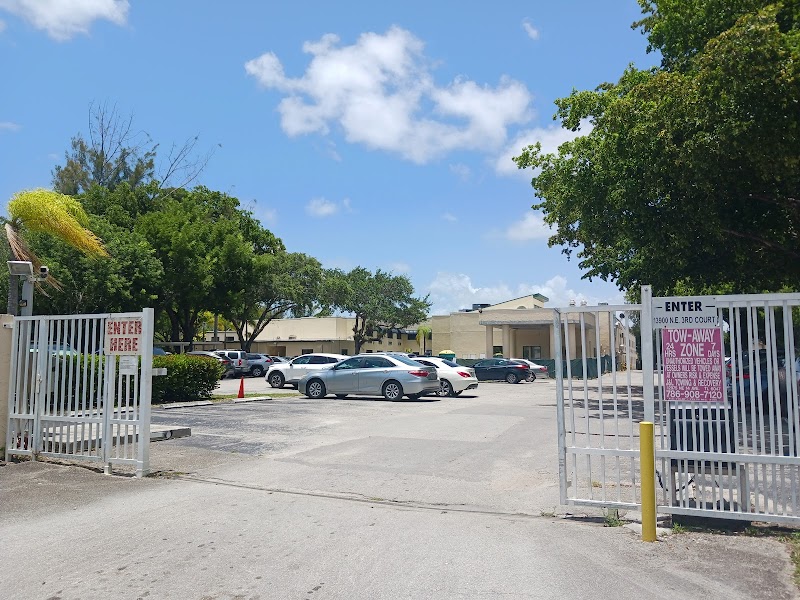
How Does Claridge House Compare to Other Florida Nursing Homes?

Compared to the 100 nursing homes in Florida, CLARIDGE HOUSE NURSING AND REHABILITATION CENTER's overall rating (1 stars) is below the state average of 3.2, staff turnover (18%) is significantly lower than the state average of 46%, and health inspection rating (1 stars) is much below the national benchmark.

What Should Families Ask When Visiting Claridge House?

Based on this facility's data, families visiting should ask: "What changes have been made since the serious inspection findings, and how are you preventing similar issues?" "Can I visit during a mealtime to observe dining assistance and food quality?" "How do you handle medical emergencies, and what is your hospital transfer rate?" "Can I speak with family members of current residents about their experience?" These questions are particularly relevant given the facility's Immediate Jeopardy citations.

Is Claridge House Safe?

Based on CMS inspection data, CLARIDGE HOUSE NURSING AND REHABILITATION CENTER has documented safety concerns. Inspectors have issued 2 Immediate Jeopardy citations (the most serious violation level indicating risk of serious injury or death). The facility has a 1-star overall rating and ranks #100 of 100 nursing homes in Florida. Families considering this facility should ask detailed questions about what corrective actions have been taken since these incidents.

Do Nurses at Claridge House Stick Around?

Staff at CLARIDGE HOUSE NURSING AND REHABILITATION CENTER tend to stick around. With a turnover rate of 18%, the facility is 28 percentage points below the Florida average of 46%. Low turnover is a positive sign. It means caregivers have time to learn each resident's needs, medications, and personal preferences. Consistent staff also notice subtle changes in a resident's condition more quickly.

Was Claridge House Ever Fined?

CLARIDGE HOUSE NURSING AND REHABILITATION CENTER has been fined $24,850 across 1 penalty action. This is below the Florida average of $33,327. While any fine indicates a compliance issue, fines under $50,000 are relatively common and typically reflect isolated problems that were subsequently corrected. Families should ask what specific issues led to these fines and confirm they've been resolved.

Is Claridge House on Any Federal Watch List?

CLARIDGE HOUSE NURSING AND REHABILITATION CENTER is not on any federal watch list. The most significant is the Special Focus Facility (SFF) program, which identifies the bottom 1% of nursing homes nationally based on persistent, serious quality problems. Not being on this list means the facility has avoided the pattern of deficiencies that triggers enhanced federal oversight. This is a positive indicator, though families should still review the facility's inspection history directly.