Pinecrest Center for Rehabilitation and Healing
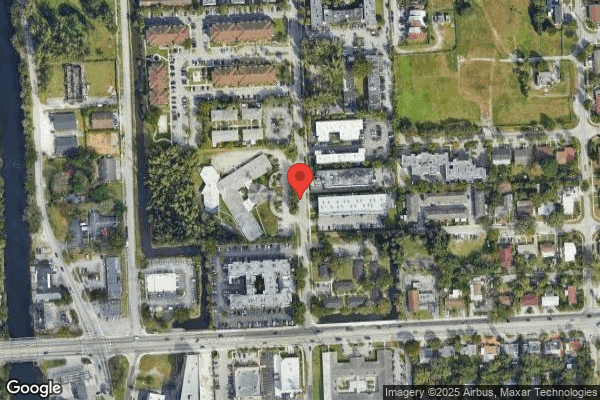

13650 NE 3RD COURT, NORTH MIAMI, FL 33161 (305) 893-1170
For profit - Corporation 100 Beds MILLENNIUM HEALTH SYSTEMS Data: November 2025
Trust Grade
75/100
#263 of 690 in FL
Last Inspection: March 2025

Within standard 12-15 month inspection cycle. Federal law requires annual inspections.

Overview

Pinecrest Center for Rehabilitation and Healing has a Trust Grade of B, indicating it is a good choice but not without its concerns. It ranks #263 out of 690 facilities in Florida, placing it in the top half, and #31 out of 54 in Miami-Dade County, meaning only a few local options are better. The facility is improving, with issues decreasing from 6 in 2023 to 4 in 2025. Staffing is a strength, with a 4 out of 5 stars rating and a turnover rate of 22%, significantly lower than the state average. However, the facility incurred $27,593 in fines, which is concerning and suggests ongoing compliance issues. There are some weaknesses to consider. Recent inspections found that medications for five residents were improperly stored, risking their health, and there was an incident involving personal information being left unattended in a public area, which violates privacy protocols. Additionally, one resident did not receive their asthma medication on time due to a delay in reordering, which could have serious implications for their health. Overall, while Pinecrest has strengths in staffing and an improving trend, these specific incidents highlight areas needing attention.

Trust Score
B
75/100
In Florida
#263/690
Top 38%
Safety Record
Low Risk
No red flags
Inspections
Getting Better
6 → 4 violations
Staff Stability
✓ Good
22% annual turnover. Excellent stability, 26 points below Florida's 48% average. Staff who stay learn residents' needs.
Penalties
✓ Good
$27,593 in fines. Lower than most Florida facilities. Relatively clean record.
Skilled Nurses
✓ Good
Each resident gets 48 minutes of Registered Nurse (RN) attention daily — more than average for Florida. RNs are trained to catch health problems early.
Violations
⚠ Watch
20 deficiencies on record. Higher than average. Multiple issues found across inspections.
★★★★☆
4.0
Overall Rating
★★★★☆
4.0
Staff Levels
★★★★☆
4.0
Care Quality
★★★★☆
4.0
Inspection Score
Stable
2023: 6 issues
2025: 4 issues

The Good

  • 4-Star Staffing Rating · Above-average nurse staffing levels
  • 4-Star Quality Measures · Strong clinical quality outcomes
  • Low Staff Turnover (22%) · Staff stability means consistent care
  • Full Sprinkler Coverage · Fire safety systems throughout facility
  • No fines on record
  • Staff turnover is low (22%)

    26 points below Florida average of 48%

Facility shows strength in staffing levels, quality measures, staff retention, fire safety.

The Bad

Federal Fines: $27,593

Below median ($33,413)

Moderate penalties - review what triggered them

Chain: MILLENNIUM HEALTH SYSTEMS

Part of a multi-facility chain

Ask about local staffing decisions and management

The Ugly 20 deficiencies on record

Mar 2025 4 deficiencies
CONCERN (D)

Potential for Harm - no one hurt, but risky conditions existed

Deficiency F0583 (Tag F0583)

Could have caused harm · This affected 1 resident

**NOTE- TERMS IN BRACKETS HAVE BEEN EDITED TO PROTECT CONFIDENTIALITY** Based on observations, record reviews and interviews, the facility failed to ensure residents' personal information was kept pri...

Read full inspector narrative →
**NOTE- TERMS IN BRACKETS HAVE BEEN EDITED TO PROTECT CONFIDENTIALITY** Based on observations, record reviews and interviews, the facility failed to ensure residents' personal information was kept private as evidenced by observations of paperwork containing residents' information left visible and unattended in a public area. The findings included: Observation on [DATE] at 7:18 AM, while walking through the Northside Nursing station, revealed a demographic sheet with resident's information visible and unattended on top of the counter. (See attached photo) On [DATE] at 7:24 AM, Staff I, Licensed Practical Nurse (LPN), approached the station and was informed about the demographic sheet. When asked about the facility's protocol for keeping residents' information private, Staff I, LPN, replied, No resident information should be visible. A resident expired, and the person who came to pick up the resident left the paperwork on the desk after I handed it to them. I keep all residents' information with me. On [DATE] at 12:43 PM, during a dining observation, revealed unattended paperwork with resident's information visible was noted on a chair in the dining room. The Assistant Director of Nursing (ADON) was standing on the opposite side of the room. The ADON was notified and retrieved the paperwork and confirmed that the paperwork contained residents' information and should not have been left unattended. (See attached photo) Interview on [DATE] at 1:07 PM, the Director of Nursing (DON) was asked about the facility's procedures for safeguarding residents' information. The DON stated, We have measures in place to safeguard residents' information. No resident information should be visible or left unattended. Record review of a policy titled, HIPAA Security Measure date implemented: 9/2017 revealed policy: It is the facility's policy to implement reasonable and appropriate measures to protect and maintain the confidentiality, integrity, and availability of the resident's identifiable information and /or records that are in electronic format.
CONCERN (D) 📢 Someone Reported This

A family member, employee, or ombudsman was alarmed enough to file a formal complaint

Potential for Harm - no one hurt, but risky conditions existed

Pharmacy Services (Tag F0755)

Could have caused harm · This affected 1 resident

**NOTE- TERMS IN BRACKETS HAVE BEEN EDITED TO PROTECT CONFIDENTIALITY** Based on observations, interview and record reviews the facility failed to ensure a routine breathing medication was reordered a...

Read full inspector narrative →
**NOTE- TERMS IN BRACKETS HAVE BEEN EDITED TO PROTECT CONFIDENTIALITY** Based on observations, interview and record reviews the facility failed to ensure a routine breathing medication was reordered and received in a timely manner for one resident (Resident #48) with a diagnosis of Seizure and Asthma, out of three sampled residents as evidenced by an Inhalation medication for Asthma unavailable at prescribed time. The findings included: On 03/12/25, at 9:13 AM, Staff A, Licensed Practical Nurse (LPM) was asked to verify whether all prescribed medications for Resident #48 were in stock. Staff A, LPN revealed that the inhaler asthma was not available at that time. During an interview, Staff A, LPN stated, I reordered the inhaler on March 10,25. However, upon reviewing Exhibit B (submitted by facility to the office on 3/17/25) it was evident that the reorder occurred on 03/12/25 and the delivery date was 3/13/25. Review of the March Medication Administration Record (MAR) confirmed that the inhaler had not been administered, and the nurse's notes should be referenced for further details. Record review of the progress note pertaining to the omitted dose dated March 12, 25, at 2:41 PM, indicated that the physician was contacted and ordered the medication to be administered once it was received. On 03/12/25 at 10:29 AM, Resident#48 stated: Every once in a while, they run out of the medication. Record review of a demographic sheet revealed Resident #48 was admitted on [DATE] and re-admitted [DATE] with diagnosis that included: Seizure and Asthma. Record review of a Discharge Return Anticipated Minimum Data Set reference dated 2/15/25 revealed a Brief Interview for Metal Status score of 15, indicated no cognitive impairment. Record review of a Care Plan dated 12/6/23 revealed Resident #48 had asthma and risk for respiratory distress with interventions that included: Give medications as ordered. Monitor/document side effects and effectiveness. During an Interview on 03/13/25 at 01:07 PM, the Assistant Director of Nursing (ADON) and the Director of Nursing (DON) were asked about the concern related to the inhaler being unavailable. The ADON presented the inhaler to the surveyor. The DON was asked when medications should be reordered; the DON stated: Inhalers are to be reordered before they run out, but it depends on the type of inhaler because some have a countdown system. The pills are to be reordered when there are 3-7 pills left in the bingo card Review of a policy titled, Medication Ordering and Receiving from Pharmacy revised January 2018 revealed IC3: ORDERING AND RECEIVING NON-CONTROLLED MEDICATIONS FROM THE DISPENSING PHARMACY, Policy: Medications and related products are received from the dispensing pharmacy on a timely basis. The facility maintains accurate records of medication order and receipt.
CONCERN (D)

Potential for Harm - no one hurt, but risky conditions existed

Unnecessary Medications (Tag F0759)

Could have caused harm · This affected 1 resident

Based on observations, interviews, and record reviews, the facility failed to ensure their medication error rate were 5% or lower as evidenced by an error rate of 13.89 % out of 36 opportunities. Ther...

Read full inspector narrative →
Based on observations, interviews, and record reviews, the facility failed to ensure their medication error rate were 5% or lower as evidenced by an error rate of 13.89 % out of 36 opportunities. There were 83 residents residing in the facility at the time of survey. The findings included: On 03/11/25 at 11:07 AM, a medication observation was completed with Staff B, LPN on the North medication cart#4 for Resident#379. Staff B, LPN revealed Resident #379 takes medicine by mouth in a whole form. Staff B, LPN performed hand hygiene and verified each medication according to the physician's order and placed the following medications into a cup: 1) Bumetanide 2 mg (milligram) tablet 2) Calcium Acetate capsule 667 mg 2 capsules 3) Carvedilol 25 mg tablet by mouth (blood pressure 140/70, heart rate 68) 4) Ferrous sulfate tablet 325 mg Staff B, LPN I was asked if this was the prescribed time to administer the medications and Staff B, LPN replied, No. The medications are scheduled to be given at 9:00 AM so the time frame is 8:00 AM to 10:00 AM. I did not administer the medications as yet because I was busy with other duties. Vancomycin is not in stock because it was ordered by the physician at midnight last night. I will call the doctor and pharmacy to follow up. On 03/11/25 at 11:40 AM Staff B, LPN spoke to the physician and the consultant pharmacist about medication unavailability and revealed the medication will be in facility in an hour. During a medication reconciliation, the March 2025 physicians orders sheet was reviewed and revealed the following medications were due at 9:00 AM: Ferrous Sulfate Tablet 325 (65 Fe) mg tablet by mouth one time a day for supplementation related to Anemia, Calcium Acetate (Phos Binder) Oral Capsule 667 mg (Calcium Acetate (Phosphate Binder) 2 capsule by mouth two times a day for Other disorder, Bumetanide Tablet 2 MG Give 1 tablet by mouth two times a day related to Edema, Carvedilol Tablet 25 mg 1 tablet by mouth two times a day for Hypertension related to Essential hypertension Hold for Systolic Blood pressure less than 110 or Diastolic BP less than 60 and Vancomycin HCl Oral Suspension 50 MG/ML (Vancomycin HCl) 2.5 ml by mouth four times a day related to Enterocolitis due to Clostridium Difficile for 10 Days. On 03/13/25 at 1:07 PM The Director of Nursing stated, The time frame to administer medications is an hour before to an hour after. Record review of a policy titled, Preparation and General Guidelines revised December 2019 revealed IIA2: MEDICATION ADMINISTRATION-GENERAL GUIDELINES. Policy: Medications are administered as prescribed in accordance with good nursing principles and practices and only by legally authorized to do so. Personnel authorized to administer medications do so only after they have been properly oriented to the facility's medication distribution system (procurement, storage, handling and administration). The facility has sufficient staff and a medication distribution system to ensure safe administration of medications without unnecessary interruptions. B. Administration 1. Medications are administered within [60 minutes] of scheduled time, except before, with or after meal orders, which are administered [based on mealtimes]. Unless otherwise specified by the prescriber, routine medications are administered according to the established medication administration schedule for the facility.
CONCERN (E)

Potential for Harm - no one hurt, but risky conditions existed

Deficiency F0761 (Tag F0761)

Could have caused harm · This affected multiple residents

Based on observations, interviews and record review facility failed to ensure proper storage of medication and biologicals for five residents (Residents #381, #62, #47, #12 and #65) as evidenced by ob...

Read full inspector narrative →
Based on observations, interviews and record review facility failed to ensure proper storage of medication and biologicals for five residents (Residents #381, #62, #47, #12 and #65) as evidenced by observations of bottled pills inside a plastic bag at Resident 381's bedside, a bottle labeled Zicam (cold remedy) at the Resident # 62's bedside, a tube labeled Zinc Oxide Ointment at the Resident#12's bedside two bottles labeled Acetic Acid Irrigation Solution at Resident # 47's bedside and a bingo card of discontinued medication for Resident#65. There were 83 residents residing in the facility at the time of survey. The findings included: On 03/10/25 at 7:43 AM Resident #381 was observed in bed . A plastic bag of bottled pills was observed on the nightstand next to the resident. Staff D, Licensed Practical Nurse (LPN) was notified. Staff D, LPN entered room and removed the plastic bag of medications and educated Resident#381. During an interview on 03/10/25 at 7:45 AM Staff D, LPN stated, I do rounds each morning to make sure the residents are stable and no items that can harm the residents are resent. I did round this morning, but I did not see the medications. No meds are allowed meds at bedside. 2) On 03/11/25 at 7:30 AM Resident #47 was observed in bed with no apparent distress. A bottle of medication was observed on the side table next to the resident. The assigned nurse was notified, entered the room and the removed a bottle labeled Zicam and educated the resident. On 03/11/25 07:32 AM Staff E, LPN was asked about the protocol for medication storage and stated, I round every hour to check the condition of the residents and the environment for safety and infection control. This medication cannot be at the bedside. 3) On 03/11/25 at 7:42 AM Resident#12 was observed in bed a box labeled Zinc Oxide Ointment was observed inside a plastic bag on the side table next to the resident. The assigned nurse was notified. Staff D, LPN entered the room and removed the box from the side table stated, It should be inside the drawer not on side table. 4) On 03/12/25 at 9:35 AM During medication observation for Resident #47 with Staff C, RN an observation was made of two bottles labeled Acetic Acid Irrigation Solution 0.25 % on the nightstand next to the resident. After the medication administration was completed, Staff C, RN asked if it was within protocol for Resident #47 to keep the bottles at the bedside. On 03/12/25 at 2:31 PM Staff C, RN stated, The solution is to be kept in the medication cart. I removed it from the room and placed it inside the medication cart. 5) On 03/12/25 at 8:44 AM, Staff C, RN acknowledged the presence of a bingo card with prescribed medications for Resident #65 labeled Hydroxyzine HCI Tablet 50 mg by mouth every 6 hours as needed for agitation related to restlessness with pills in cart. Staff C, RN revealed the medication was discontinued and should not be kept in medication cart. Record review of a Physician Order Sheet for Resident #47 revealed 10/9/24- Hydroxyzine HCl Oral Tablet 50 MG (Hydroxyzine HCl) Give 1 tablet by mouth every 6 hours as needed for Agitation related to Restlessness and Agitation discontinued on 11/20/24. On 03/12/25 at 11:44 AM The Pharmacist Consultant stated, If a medication is discontinued it should be removed from the cart and sent back to pharmacy or destroyed. Record review of a policy titled, Medication Storage In The Facility revised January 2018 revealed Policy: It is the policy of this facility to ensure all medications housed on our premises will be stored in the pharmacy and/or medication rooms according to the manufacturer's recommendations and sufficient to ensure proper sanitation, temperature, light, ventilation, moisture control, segregation, and security.
Oct 2023 5 deficiencies
CONCERN (D) 📢 Someone Reported This

A family member, employee, or ombudsman was alarmed enough to file a formal complaint

Potential for Harm - no one hurt, but risky conditions existed

Report Alleged Abuse (Tag F0609)

Could have caused harm · This affected 1 resident

**NOTE- TERMS IN BRACKETS HAVE BEEN EDITED TO PROTECT CONFIDENTIALITY** Based on record review and interview, the facility failed to implement policies and procedures for ensuring the timely reporting...

Read full inspector narrative →
**NOTE- TERMS IN BRACKETS HAVE BEEN EDITED TO PROTECT CONFIDENTIALITY** Based on record review and interview, the facility failed to implement policies and procedures for ensuring the timely reporting of abuse and an injury of unknown origin resulting in serious bodily harm for 2 out of 23 sampled residents (Resident #140 and Resident #389) The findings included: 1. Review of the facility's abuse investigative five day report revealed, On March 8, 2023, at approximately 10:30 AM, Resident #140's assigned nurse called the nursing supervisor from Resident #140's room to come immediately. The investigative report indicated that upon the nurse supervisor arrival to the room, Resident #140 told the nursing supervisor that she was verbally abused by one of the certified nurse assistants (CNA) of the night shift (11:00 PM to 07:00 PM). Review of the facility's immediate report showed that the Director of Nursing (DON) initially submitted the report to Agency for Health Care Administration (AHCA) on 03/08/2023 at 01:20 PM and completed the submission on 03/08/2023 at 01:26 PM. Further investigation revealed, the incident was reported to the DON on 03/08/2023 at 10:30 AM, indicating the report of abuse was not reported within 2 hours. During an interview with the Director of Nursing on 10/12/23 at 01:20 PM, she stated that they reported the abuse right away. After the nurse called and reported it, they did their investigation and reported the abuse immediately to AHCA. Review of the facility's policy and procedures regarding abuse, neglect, and exploitation implemented on 07/2021 revealed: Policy: It is the policy of this facility to provide protections for the health, welfare and rights of each resident by developing and implementing written policies and procedures that prohibit and prevent abuse, neglect, exploitation, and misappropriation of resident property. Policy explanation and compliance guidelines: 1. The facility will develop and implement written policies and procedures that: a. Prohibit and prevent abuse, neglect, and exploitation of residents and misappropriation of resident property; b. Establish policies and procedures to investigate any such allegations. VII. Reporting/Response A. The facility will have written procedures that include: 1. Reporting of all alleged violations to the administrator, state agency, adult protective services and to all other required agencies (e.g. law enforcement when applicable) within specified timeframes: a. Immediately, but not later than 2 hours after the allegation is made, if the events that cause the allegation involve abuse or result in serious bodily injury, or b. Not later than 24 hours if the events that cause the allegation do not involve abuse and do not result in serious bodily injury. 2. Record review of the facility's AHCA report revealed, on 6/3/2023 at 10:45 AM resident #389's, Staff, C, Certified Nursing Assistant (C N A) reported to Staff B, Registered Nurse (RN) that Resident #389 left thigh was swelling and with abnormal movement. The resident's mother and Advanced Registered Nurse Practitioner were notified and the resident was transferred to a local hospital by ambulance. An X-ray at the hospital revealed, revealed a closed displaced subtrochanteric fracture of the left femur. On 06/13/23 at 3:34 PM, the nursing home adverse incident report was filed by the Director of Nursing with an outcome of fracture or dislocation of bones or joints. Medical Record review of Resident #389 revealed, the resident was admitted on [DATE] with diagnoses of Multiple Sclerosis, quadriplegia, joint derangement, a disorder of muscle, abnormal posture, chronic embolism (blood clots), and thrombosis. Medical record review of resident #389's care plans revealed, Alteration in safety related to the diagnosis of multiple sclerosis, functional quadriplegia, poor trunk control/ no control, noted tremors or shaking of upper extremities, and slightly impaired cognition. Interventions were to use side rails to assist with bed mobility and transfers, instruct how to use/grab it, and assist as needed. Provide care with activities of daily living mobility/transfer. On 10/12/23 at 12:43 PM, resident #389's attending physician was interviewed about Resident #389 and reported, The fracture is not normal. It wasn't a pathological fracture. For someone that is contracted, with immobility of joints, stiffness of bone, even by movement. It can develop. It's not common, but it does happen. There is a possibility, but unintentional. On 10/12/23 at 01:04 PM during an interview with the DON about the filing of the injury of unknown origin report for Resident #389. The DON stated, I created an adverse incident report instead of abuse. For adverse incidents, it's twelve days. The DON provided a statement by the physician dated 6/14/23 that documented, Resident #389 is well known to me and has been my patient here at the facility. The resident is bed-bound and diagnosed with debilitating illness, and contractures and receives most of his nutrition via peg [Percutaneous Endoscopic Gastrostomy] tube. Osteopenia is a condition that begins as you lose bone mass and bones get weaker. There is no evidence of falls or any overt incidents. With a diagnostic study that showed osteoarthritic changes to the hip, osteopenia, and contractures. The resident is at risk of fractures.
CONCERN (D)

Potential for Harm - no one hurt, but risky conditions existed

Assessment Accuracy (Tag F0641)

Could have caused harm · This affected 1 resident

**NOTE- TERMS IN BRACKETS HAVE BEEN EDITED TO PROTECT CONFIDENTIALITY** Based on interview and record review, the facility failed to accurately code the Minimum Data Set (MDS) for one of of 23 sampled...

Read full inspector narrative →
**NOTE- TERMS IN BRACKETS HAVE BEEN EDITED TO PROTECT CONFIDENTIALITY** Based on interview and record review, the facility failed to accurately code the Minimum Data Set (MDS) for one of of 23 sampled residents (Resident #87) that was discharged home and coded as discharged to the hospital. This deficiency has the potential to affect 79 residents residing in the facility at the time of survey. The finding included: Record review of the admission records for resident #87 revealed, the resident was admitted to the facility on [DATE] and discharged home on [DATE]. Record review of the Medical Diagnoses revealed, the resident's diagnoses included, but were not limited to, Peripheral vascular disease (PVD), Diabetes Mellitus (DM), Major Depressive Disorder, and Alcohol Abuse with Withdrawal. Record review of the Discharge Return Not Anticipated Minimum Data Set (MDS ) dated 08/10/2023, Sections A - Identification Information- Discharge Status was documented as - Acute hospital. Section C revealed, the Brief Interview for Mental Status Summary score was left blank. Section G for Functional Status dated 08/10/2023 revealed the resident needed extensive assistance for Bed mobility, Transfer, Dressing. Extensive Assistance, Eating-Supervision, Toilet Use-Total Dependence. During an interview with the MDS Coordinator on 10/11/23 at 10:51 AM it was reported, The way I read the progress notes I assumed that the resident was going to the hospital and not back home. Record review of resident #87's Care Plan initiated on 06/27/23 revealed, the resident wishes to be discharged to home. Goal: The resident's discharge goals; he will return to the community with his wife after completion of therapy / when medically cleared. Interventions: He will accept assistance with discharge planning. Record review of resident #87's progress notes dated 8/11/2023 at 10:40 revealed, the Residents emergency contact requested to have medications discharged with resident. Medications review with resident. No pain or discomfort noted. Record review of resident #87's progress notes dated 8/10/2023 at 11:18 revealed, the Residents was discharged from the Nursing home on 8/10/23 at 9:24am. Upon leaving the facility the resident had no signs or symptoms of acute distress noted. Vital signs, blood pressure 146/62, heart rate 92, oxygen saturation 99%, temperature 97.0F, respiration 19. He left the facility via Facility transport to go to a local Hospital, and from the hospital he will be going home. Record review of the Social Service Progress Note dated 8/9/2023 at 09:15: revealed, the resident will be discharged to the local hospital on 8-10-2023 to an appointment once the appointment is over the resident will be transported home. Review of the facility Policy and Procedure for MDS 3.0 Completion dated 9/18/2023 revealed: Policy: Residents are assessed, using a comprehensive assessment process, in order to identify care needs and to develop an interdisciplinary care plan. Discharge Assessment - completed using the discharge date as the Assessment Reference Date, ARD. Must be completed within 14 days of the discharge date /ARD.
CONCERN (D)

Potential for Harm - no one hurt, but risky conditions existed

Comprehensive Care Plan (Tag F0656)

Could have caused harm · This affected 1 resident

**NOTE- TERMS IN BRACKETS HAVE BEEN EDITED TO PROTECT CONFIDENTIALITY** Based on observation, interview and record review, the facility failed to develop and implement a comprehensive care plan relate...

Read full inspector narrative →
**NOTE- TERMS IN BRACKETS HAVE BEEN EDITED TO PROTECT CONFIDENTIALITY** Based on observation, interview and record review, the facility failed to develop and implement a comprehensive care plan related to skilled services for one out of 23 sampled residents. (Resident #289) The findings included: Observation of resident #289 on 10/09/23 at 11:29 AM revealed, the resident was lying on his bed. The resident stated he is tired, he just got to the room from rehabilitation. He was not so happy with the therapy. Observation of resident #289 on 10/11/23 at 08:14 AM revealed, the resident was sitting on his bed, having breakfast. The resident reportedd the breakfast was very good and he was enjoyed it. Record review revealed resident #289 was admitted to the facility on [DATE], with diagnoses that include, but were not limited to alcohol dependence with withdrawal delirium; supraventricular tachycardia, unspecified; neuralgia and neuritis, unspecified; poisoning by other opioids, accidental (unintentional), initial encounter; chronic obstructive pulmonary disease, unspecified. Review of the physician orders revealed, an order dated 09/21/2023 for physical therapy 6x times per week for 4 weeks that included: Bed Mobility, Transfers, Therapuetic Exercise, Gait/Ambulation Training and patient education as needed one time a day every Monday, Tuesday, Wednesday, Thursday, Friday, and Saturday for 32 Days. Review of the physicians orders revealed an order for 09/21/2023 for an Occupational Therapy (OT) evaluation and treat. An OT clarification order included, Patient to be seen 5 times (x)/week for 30 days to include therapeutic exercises, therapeutic activities, activities of daily living (ADLs), retraining, hot pack/cold pack/biofreeze as need, patient/caregiver education, and [discharge planning] d/c planning. One time a day every Monday, Tuesday, Wednesday, Thursday, Friday for 30 Days. A review of the Minimum Data Set (MDS) dated [DATE] revealed, Section C Brief Interview of Mental Status (BIMS) summary score was 14 out of 15 indicating the resident was cognitively intact. Section G revealed, the resident needed extensive assistance with one person physical assistance for bed mobility, transfer, dressing, and toilet use. The resident needed limited assistance with one person physical for locomotion and personal hygiene. The resident needed supervision with set up only for eating. Section O documented, the resident was receiving physical and occupational therapy. The resident Care Plan initiated on 9/22/2023 with the next review date of 10/10/2023 did not include these physician order. Interview with MDS/Care Planning Coordinator on10/12/23 at 10:13 AM, revealed, she reported the resident had a baseline care for therapy. She reported, the resident had fall care plan where one of the interventions is [Physical Therapy} PT evaluation. She reported, the ADL care plan was not developed and she made a mistake. Then she provided a copy of the new ADL care plan with the PT and OT interventions. Interview of the Rehabilitation Director on 10/12/23 at 11:41 AM revealed, resident #289 was evaluated on 9/21/2023 and started physical and occupational therapy the same date. Review of the facility's Policy and Procedures dated 09/18/2023 revealed, Policy: It is the policy of this facility to develop and implement a comprehensive person-centered care plan for each resident, consistent with resident's rights, that includes measurable objectives and timeframes to meet a resident's medical, nursing, and mental and psychosocial needs that are identified in the resident's comprehensive assessment. Policy Explanation and Compliance Guidelines. 2- The comprehensive care plan will be developed within 7 days after the completion of the comprehensive MDS assessment. All Care Assessment Areas (CAAs) triggered by the MDS will be considered in developing the plan of care.
CONCERN (D)

Potential for Harm - no one hurt, but risky conditions existed

Deficiency F0760 (Tag F0760)

Could have caused harm · This affected 1 resident

Based on observation, interview, and record review, the facility failed to ensure they were free of a significant medication error for one out of 23 sampled residents as evidenced by during the medica...

Read full inspector narrative →
Based on observation, interview, and record review, the facility failed to ensure they were free of a significant medication error for one out of 23 sampled residents as evidenced by during the medication administration observation Registered Nurse (Staff A) drew insulin from the insulin pen with an insulin syringe for administration to resident #16 and demonstrated the incorrect procedure for administering insulin to resident #16. The findings included: In an observation on 10/10/23 at 11:40 AM, Resident #16 blood sugar level was 387. Eight units of insulin were to be given per sliding scale and injected subcutaneously (under the skin). Staff A RN (Registered Nurse) went to the central supply room to retrieve a box of one-milliliter insulin syringes. Staff A, pulled the plunger back to draw air and inserted the needle into the rubber seal of the insulin pen to retrieve the insulin. The nurse prepped her supplies, sanitized hands, and locked the cart. The Surveyor confirmed with Nurse, Is this the dose that you will giving to the resident? Staff A reported, yes and proceeded to the resident's room. The surveyor stopped Staff A RN at the resident #16's door. In an interview with Staff A, RN. Staff A was asked How do you use the insulin pen? Staff A, stated, There is too much air in the pen. It will take too much time to remove it. I don't want to waste a new pen. I decided to get the insulin from the pen with the syringe. The Director of Nursing (DON) and Pharmacist Consultant were present. The surveyor informed both of the observation findings. The DON stated, I will immediately have an in-service and Staff A RN will give the insulin. The pharmacist Consultant stated, I'm going to replace the pen. It's not good practice to remove insulin from the pen. In an observation on 10/10/23 at 12:08 p.m. Staff A, received a new insulin pen, wiped the rubber seal with an alcohol pad, primed the insulin pen with 2 units of insulin, and pressed the dose button. Staff A, replaced the needle and selected eight units on the pen. Staff A, locked the cart went into the resident room, placed supplies on the table, and washed her hands. Staff A wiped the residents left deltoid area with alcohol and proceeded to draw the pen near the deltoid area. The surveyor stopped the nurse from injecting insulin into the deltoid. In an interview with Staff A, about Which sites can you inject insulin? Staff A stated, the Deltoid, back of arm, abdomen, and thigh. On 10/10/23 at 12:20 PM, the DON was informed of the incorrect administration of medication for Resident #16 and the DON reported, they would speak with Staff A. During an interview on 10/11/23 at 11:59 AM with the Director of Nursing, Nursing Consultant for the Pharmacy and the Pharmacist Consultant, the Director of Nursing stated, When the nurse drew insulin up. I stopped the nurse and we immediately in-serviced her. We got a new insulin pen and told the nurse to administer the insulin dose to the resident. Staff A, demonstrated how to use the pen to me and the Pharmacist. Staff A, knew what to do. When you came in again and told us of Staff A, was going to administer the insulin into the deltoid. We got another nurse to administer the insulin to the resident in my presence correctly. Again, Staff A was in-serviced, on insulin injection sites. The DON stated the process to administer insulin, Prime with safety needle, prime with two units, and prime dose. When asked, If there is air in an insulin pen. What can a nurse do to remove it? The DON stated, It's normal to have a little amount of air. The nurse will prime 2 units to remove the air. When asked, Can a nurse remove insulin from an insulin pen with a syringe? The Pharmacist Consultant stated, It's not recommended to remove insulin from an insulin pen with an insulin syringe. When asked, What areas of the body can insulin be injected into? The Pharmacist Consultant stated, The upper arm, abdomen and thigh. The DON stated, We showed her the areas where insulin can be administered subcutaneously. When asked, What injection route is insulin administered into? The Consultant Pharmacist stated, subcutaneous (under the skin) Record review for Resident #16 revealed an admission date of 10/13/22. Medical diagnoses included but were not limited to, Type 2 Diabetes. Resident #289 had a physician order dated 10/11/23 for insulin to be injected subcutaneously after meals and at bedtime related to Type 2 Diabetes per sliding scale: 201-250=2 units 251-300=4 units 301-350=6 units 351-400=8 units Review of the facility's Policies and Procedures titled, Specific Medication Administration Procedures Dated May 2022 revealed, The purpose was to administer medications via subcutaneous, intradermal, and intramuscular routes in a safe, accurate, and effective manner. In the section titled, Sites for Administration. Under subcutaneous was the abdomen, upper arm - fatty tissue over triceps, top of thigh - fatty tissue over anterolateral thigh. Under Intramuscular, was the deltoid (arms). In the section titled, Procedure, inject a volume of air equal to the volume of the dose into the vial and withdraw the medication except on pen devices and pre-filled syringes. Pen devices: dial dose as instructed by the pen manufacturer.
CONCERN (D)

Potential for Harm - no one hurt, but risky conditions existed

QAPI Program (Tag F0867)

Could have caused harm · This affected 1 resident

Based on record review and interview, the facility failed to demonstrate effective plan of actions were implemented to correct identified quality deficiencies in the problem area related to repeated d...

Read full inspector narrative →
Based on record review and interview, the facility failed to demonstrate effective plan of actions were implemented to correct identified quality deficiencies in the problem area related to repeated deficient practices for F656, Develop and Implementation of Comprehensive Residents Centered Care Plans related to the development of the resident's Activities of Daily Living care plan for one out of 23 sampled residents (Resident # 289). The finding included: Review of the facility's survey history revealed, the facility was cited at F656 Development and Implementation of Comprehensive Resident-Centered Care Plan during the survey with an exit date of November 3, 2022, related to interventions for one resident whose care plan was reviewed, as evidenced by the facility's staff failed to offload the heels as ordered for Resident # 535. During this survey with an exit date of 10/12/2023 the facility was cited F656 again related to the development and Implementation of Comprehensive Residents Centered Care Plan for a newly admitted resident. On 10/12/2023 at 12:21 PM, the Director of Nursing (DON) revealed the Quality Assurance Performance Improvement (QAPI) committee meets monthly on the third Thursday of the month. The committee consist of the Administrator, Director of Nursing, Pharmacist, Social Service, Medical Director, Activities, Admissions Director, admission Assistance, Marketer, Dietitian, food, service supervisor, Minimum Data Set (MDS) Coordinator and MDS coordinator assistant. The facility's QAPI plan will guide the facility's performance improvement efforts. The committee discussed the progress of all the issues brought to the meeting the prior month. The goals in place that the facility is currently working on included, reducing the risk of not practicing infection control standard practices, antibiotic use, and staff influenza vaccination. During the daily meeting to keep discussing the issues. Review of the sign in sheets revealed the last QAPI meeting was held on 09/21/2023. The facility's Quality Assurance and Performance Improvement (QAPI) Plan provided by the facility revealed: At [ ], we proclaim the value of life and the beauty of dignity of old age and will strive to maintain a leadership role in the shaping and delivery of services and programs of care for the elderly.
Apr 2023 1 deficiency
CONCERN (D) 📢 Someone Reported This

A family member, employee, or ombudsman was alarmed enough to file a formal complaint

Potential for Harm - no one hurt, but risky conditions existed

Grievances (Tag F0585)

Could have caused harm · This affected 1 resident

**NOTE- TERMS IN BRACKETS HAVE BEEN EDITED TO PROTECT CONFIDENTIALITY** Based on record review and interviews, the facility failed to write and respond to a grievance for one (Resident # 1) out of one...

Read full inspector narrative →
**NOTE- TERMS IN BRACKETS HAVE BEEN EDITED TO PROTECT CONFIDENTIALITY** Based on record review and interviews, the facility failed to write and respond to a grievance for one (Resident # 1) out of one resident reviewed for grievances. The resident's family established communication with the facility concerning a complaint about the resident's death and were not informed of the results of the grievance. There were 98 residents residing in the facility at the time of the survey. The findings included: Record review of the facility's policy titled, Resident Grievance/Complaint Policy and Procedures (no written date) documented the following: A resident, his or her representative, family member, visitor or advocate may file a verbal, written, email or complaint phone line; grievance or complaint treatment, abuse, neglect, harassment, medical care, behavior of other residents or staff members, theft of property, etc. without fear of threat or reprisal in any form. 5) Within a reasonable time frame from the filing of the grievance, you will receive a written or verbal report of the results and 7) It is the policy of this facility to assist you in filing a grievance or complaint. Review of the facility's policy titled, Filing Grievances/Complaints Policy and Procedures (no written date) documented the following: Policy Statement-Our facility will help residents, their representative, other interested family members or resident advocates file grievance or complaints. Policy Interpretation and Implementation: 1) Any resident, his or her representative, family member or appointed advocate may file a grievance or complaint concerning treatment, medical care and behavior of other residents, staff members and theft property, etc. without fear of threat or reprisal in any form, 3) Grievances and/or complaints may be submitted orally or in writing and 7) The resident or person filing the grievance and/or complaint on behalf of the resident will be informed of the findings of the investigation and the actions that will be taken to correct any identified problems. Review of the facility's policy titled, Grievance/Complaint Log Policy and Procedures (no written date) documented the following: Policy Statement-The disposition of all resident grievances and/or complaints will be recorded on our facility's Resident Grievance/Complaint log. Interview with Resident # 1's granddaughter via telephone on [DATE] at 10:02 AM revealed that the family had a meeting with the director on [DATE] to see what happened to her grandmother. The family was told by the facility director that he was going to speak with all of the staff that were working on the night of [DATE] and call them back in for another meeting. The family had not been notified of the results of the investigation. Closed record review of the Demographic Face Sheet for Resident # 1 documented the resident was initially admitted on [DATE] and readmitted to the facility on [DATE] with a diagnoses to include fracture of unspecified ischium, subsequent encounter for fracture with routine healing, hyperkalemia, unspecified fall, diabetes mellitus, hypertension, atrial fibrillation, chronic obstructive pulmonary disease [COPD], cardiomyopathy, congestive heart failure[CHF], shortness of breath, presence of artificial knee joint bilateral, pain in joint, neuralgia and neuritis. The resident expired in the facility on [DATE]. Review of the Minimum Data Set (MDS) admission Assessment for Resident # 1 dated [DATE] documented the resident's Mental Status (BIMS) Summary Score had a BIMS Summary Score of 15 out of 15 indicating no cognitive impairment and the resident was able to make her needs known. The resident required extensive assistance with one person physical assist for ADLs (Activities of Daily Living) and received OT (Occupational Therapy): Therapy Start Date-[DATE], Therapy End Date-Ongoing and PT (Physical Therapy): Therapy Start Date-[DATE], Therapy End Date-Ongoing. Review of the Physician's Order Sheets (POS) for Resident #1 dated [DATE] documented the resident received lasix for hypertension, clonidine HCL for hypertension, metformin HCL for diabetes mellitus, insulin for diabetes mellitus, fluticasone-salmeterol for shortness of breath, oxygen for shortness of breath, metoprolol tartrate for hypertension, warfarin sodium for anticoagulant, proair HFA Inhalation Aerosol for wheezing, losartan potassium for hypertension, amlodipine besylate for hypertension and hydralazine HCL for hypertension. Review of the Medication Administration Record (MAR) for Resident number 1 dated [DATE] documented the resident received medications as ordered by the medical doctor. Review of the grievance log for Resident # 1 dated [DATE]-[DATE] revealed there was no grievances noted from the resident's family. Review of the Progress Notes for Resident #1 dated [DATE] 02:00-Upon round resident in bed resting with eyes close. The oxygen tubing was removed and placed on her chest. O2[oxygen] placed back on, head of the bed remained up. Call light within reach. On [DATE] 04:35-Nurse was called into the room, upon arrival resident was found unresponsive skin was still warm to touch, no BP, no pulse pupil not responsive to light. 911 was called immediately and CPR [cardio pulmonary resuscitation] started. On [DATE] 04:50-911 arrived in the facility they came to the room and took over. On [DATE] 05:15-Resident pronounced dead by 911. Postmortem care done. Medical doctor and resident's daughter were notified. Interview with Staff A, Certified Nursing Assistant (CNA) on [DATE] at 7:21 AM. She stated, She told me she needed the nurse early that morning on [DATE]. She didn't tell me why she needed the nurse and I went and got the nurse. She came and talked to her. She was wearing the nasal cannula in her nose when I went into the room. That night I gave her a bed pan for her to pee and she had the oxygen. When she would put on the light, I went to her because she is alert. I went to her around 4:00 AM or after that, I'm not sure of the time on [DATE] because she would usually put on the call light to use the bed pan and that morning she didn't. She would always be talking to me and when I went in the room, she was sitting up in the bed and I saw her like she was sleeping. I called her name over and over and she didn't answer me. I called the nurse and the nurse came in the room. I left out of the room once the nurse came in. I saw [emergency services] come into her room and they said she was dead. Interview with Staff B, Licensed Practical Nurse (LPN) on [DATE] at 8:02 AM. She stated, She was total care but she could do things for herself such as trying to reach for things in her drawer, she would sit at the bedside, help standing up to go to the bathroom and she could feed herself. She was alert and oriented times three. They put her to bed and she told the cna that she wanted her oxygen and the cna told her she couldn't and came got me. She received oxygen PRN[as needed]; her breathing treatments were routine. She received Fluticasone-Salmeterol 250-50mcg/act[micrograms] Aerosol Powder, breath activated give 1 puff PO BID [twice per day] r/t shortness of breath, Oxygen via nasal cannula at 2 liters PRN every 1 minutes as needed and ProAir HFA Inhalation Aerosol Solution 108 2 puff inhale orally every 4 hours r/t wheezing. She would ask for the oxygen only when she needed it. She received the breathing treatments according to the orders. On [DATE] at 02:00-Health Status Note: Upon round resident in bed resting with eyes close. The oxygen tubing was removed and placed on her chest. O2 placed back on, head of the bed remained up. Call light within reach. I make rounds every 2 hours. I check to see if they are okay, if they are sleeping, if they are breathing. The oxygen was on but the nasal cannula was not in her nose and on her chest. I put the cannula back in her nose. On [DATE] at 04:35-Health Status Note: Nurse was called into the room, upon arrival resident was found unresponsive skin was still warm to touch, no BP [blood pressure], no pulse pupil not responsive to light. [Emergency services] was called immediately and CPR started. The cna came and got me and said come, come. She told me she didn't look good; I went into the room and she was unresponsive. Her skin was still warm. I called for help. It was 3 nurses, 2 agency nurses and 1 staff nurse. We checked her record, and started CPR because she was a full code. Then one nurse called [emergency services]. [Emergency services] came and took over CPR, they checked her out and did what they had to do. We gave them a list of her diagnoses and her face sheet. They told us we did everything we could do and you tried your best. Some of her diagnoses were COPD, unspecified atrial fibrillation, CHF, shortness of breath, unspecified fracture of specified ischium. [Emergency services] pronounced her dead. One of the nurses called the DON[Director of Nurses]. I called the family, the daughter. When I call a family member to tell them that their loved one died, I usually say good morning and introduce myself and say I'm calling from the facility. I told her, her mother wasn't feeling well and we had to call rescue and unfortunately she didn't make it. I don't remember what I said to her because I was in shock myself. As far I knew she was doing well. I know I was not rude to her. I called the doctor. [Emergency services] called the police and they came. We went to the room and the police wanted me to turn her over so he could see her back. It was difficult to turn her over by myself because she was a big lady. So, I got some help, we turned her so he could see her back. There was a board up under her when we did the chest compressions and he removed the board. We laid her back down and pulled the sheet over her face. He started questioning me and wanted to know what happened. He also asked for the doctors name and number. He asked the doctor if he would sign the death certificate and the doctor said yes. The police called the funeral home that was on the face sheet. When the family members came here that work here, said they weren't going to use that funeral home on the face sheet and would be using another funeral home. The family started coming here and crying. One of them came to ask me questions and said something to me that hurt me deeply. After I told her what happened, she said anyway you all didn't like her. I didn't respond to her. I was hurting because I have a mother too and at the time my mother is in a nursing home. Two of her family members work in activities and one work in the kitchen. There was a meeting with the family and the administrator. The DON called me to come to the facility for a meeting and did not tell me it was with the family. The family, the DON, the charge nurse [Staff C, LPN] and myself, then the Administrator came. The family was very upset, they were asking me a lot of questions and accusing me of so many things. They accused that I didn't do CPR, I didn't give her oxygen. They said when they came here, they didn't see the equipment. There is a protocol when [emergency services] comes in, we have to remove equipment to give them space and be able to help the patient. The Administrator ended the meeting. They gave the family my notes and they were going back and forth. The DON was on vacation at that time when the resident died. She said would investigate it and get back to them. The Administrator didn't say much at the meeting. The family was upset and nothing was cleared up. The son made a statement and said the mother called him at 4:00 AM saying she couldn't breathe, why she didn't call us. He said he was sleeping and he never got the call. When she needed something she would call us and press the call light. I could not chart while we were giving care to the resident and I went back to chart in the medical record after everything happened. Interview with the Social Services Director on [DATE] 9:00 AM. She stated, The procedure for grievances is, a resident can write one on their own, the resident can tell a staff and it comes to my office. Then I write it up it gets reviewed in the morning meeting the next day and provided to the staff member who is assigned to it or the department and once they complete it, they address it with the resident and if they don't I will go back and address it and the Administrator will sign it that it is completed. I was aware of the meeting with the resident's family but I was off when it happened. Interview with the Director of Nursing (DON) on [DATE] at 9:26 AM. She stated, The meeting with the family. They came in and the daughter was more concerned about the nurse approach about how she called her. She said the nurse told her your mother died. She said no one greeted her, no one said anything to her. The resident's son said he came the Sunday before and she was okay. The resident called the son and said she was short of breath. She left a voice message on his phone and he didn't answer the phone. He said he was asleep. They wanted to know what happened, they wanted answers to how she passed. They wanted to know what could have transpired between that time. The Administrator was listening and offered his condolences. The family was expressing themselves. The son asked me how I would have done it and I told them. The Administrator told the family that he would do an investigation and would get back with them about the results. A reasonable timeframe would be 5 days to conduct an investigation and to get back with the family. Interview with the Medical Director on [DATE] at 9:47AM via telephone. He stated, I did sign the death certificate. She had multiple comorbidities including hypertension, congestive heart failure. She was morbid obese and had co-morbidities. I wasn't surprised about her death. It could happen with patients her age and her co-morbidities. Interview with Staff C, Licensed Practical Nurse (LPN) on [DATE] at 10:40 AM. She stated, I came to work and was told what happened. A lot of the family members came. They had the paperwork of the notes. They wanted a recap from the nurse. The Administrator, DON and the nurse [Staff B, LPN]. They were not satisfied with the answers that were given. The Administrator was taking notes and he said something about getting back with them about the results. The Administrator was unavailable for interview due to being on vacation.
Nov 2022 10 deficiencies
CONCERN (D)

Potential for Harm - no one hurt, but risky conditions existed

Safe Environment (Tag F0584)

Could have caused harm · This affected 1 resident

Observation on 11/01/22 at 08:23 AM revealed that Resident #586's hospital type gown and bed sheets had dime sized dark red stains that looked like blood. There was a blue enteral tubing cap, and an a...

Read full inspector narrative →
Observation on 11/01/22 at 08:23 AM revealed that Resident #586's hospital type gown and bed sheets had dime sized dark red stains that looked like blood. There was a blue enteral tubing cap, and an alcohol wipe wrapping on the floor. (photographic evidence obtained). Observation on 11/02/11 at 09:25 AM of Resident #586's room revealed soiled bedsheets with multiple black smudges and dime size dark red stains that looked like blood. There was also a medical glove on the recliner in front of the resident's bed. Observation on 11/02/22 at 01:12 PM of Resident #586's room revealed a medical glove on the floor by enteral feeding tube stand. There were two medical gloves as well as a plastic item on the floor under the recliner located in front of the resident's bed. There was an overflowing garbage bin behind the privacy curtain. The floor around the resident's bed was visibly soiled. (Photographic evidence). Record review of the facility's document titled Daily Work Routine-Light Housekeeper schedule revealed that housekeeping staff begin their job duties on the North-wing at 07:15 AM. As part of their tasks, housekeeping staff does a walk-through of all the residents' rooms. The housekeeping staff then proceeds to pull only over-flowing trash, identify, and fix any spills or debris. Record review of the facility's document titled Rooms Deep Cleaning Schedule dated October 2022 revealed that the last deep clean schedule for room Resident # 586 and Resident # 535 was on October 26th, 2022. Also, it was noted that rooms 136 to 147 need special cleaning (disinfect) every day. Review of the facility's document titled: Housekeeping In-Service 5-Step Daily Washroom Cleaning. The Housekeeping In-Service 7-Step Daily Washroom Cleaning, and Housekeeping Complete Room Cleaning dated 1/1/2000 revealed that the last cleaning training was given to staff on 09/30/22 by Account Manager, Staff G. Moreover, The Complete Room Cleaning schedule ensures that each resident room is discharge-cleaned on a monthly basis. Record review of the Facility's policies and procedures titled Environmental Services Operations Manual revised on 9/05/2017 revealed that It is the policy of this facility to ensure 1. quality service that can only be delivered and maintained through the use of proper environmental services methods, which are outlined herein, 2. Consistency training, communication and orientation of employees is achieved through standardized methods, 3. Standardized infection control procedures are used in thoroughly cleaning and disinfecting the facility, 4. Employees are taught proper cleaning methods and follow proper procedures and protocol in completing job routines. The Environmental Services Operations Manual contains but is not limited to Housekeeping Procedures, Floor Care Procedures, Personal Clothing, and Appendices including Environmental Services Regulations and Mandatory In-services. During an interview on 11/02/22 at 01:27 PM, Account Manager, Staff G revealed that housekeeping staff starts their day by cleaning the offices and public restrooms, then staff goes and assess every room, then they make a determination whether the room needs a 5 or 7-step daily patient room cleaning. During a follow up interview on 11/03/22 at 09:45 AM, Staff G revealed, the facility does not have a log in which housekeeping employees sign after cleaning every room. Staff G noted that the Housekeeping In-Service Form is the only form housekeeping staff signs. Based on observations, record reviews, and staff interviews, the facility failed to provide a clean and sanitary environment for two residents (Resident #535 and Resident #586) out of two residents whose rooms were observed; as evidenced by discarded items on the floor( disposable mask, enteral tubing caps,medical gloves on floor, plastic and paper items) visible stains on resident's gown, soiled sheets, overflowing garbage bin. This deficient practice has a potential affect the health and well-being of all the residents residing in the facility. The findings included: On 10/31/22 at 09:32 AM observation in Resident #535's room revealed A paper gauze, wipe pack, scraps of paper, a disposable mask was seen on the floor behind the resident's bed. On 10/31/22 at 03:30 PM, the disposable face mask was seen on the floor in the same position as earlier. An enteral feeding line cap was noted on the floor. (Photographic evidence) On 10/31/22 at 03:40 PM Staff B a Licensed Practical Nurse (LPN) was informed of the items observed on the floor of Resident # 535's side of the room. Staff B stated that she would clean up. On 11/01/22 at 08:19 AM in Resident #535's room revealed scraps of plastic and paper items on floor between the garbage bin and the resident's wheelchair.
CONCERN (D)

Potential for Harm - no one hurt, but risky conditions existed

Comprehensive Assessments (Tag F0636)

Could have caused harm · This affected 1 resident

**NOTE- TERMS IN BRACKETS HAVE BEEN EDITED TO PROTECT CONFIDENTIALITY** Based on record review and staff interview, the facility failed to complete a comprehensive assessment for one (Resident #585) o...

Read full inspector narrative →
**NOTE- TERMS IN BRACKETS HAVE BEEN EDITED TO PROTECT CONFIDENTIALITY** Based on record review and staff interview, the facility failed to complete a comprehensive assessment for one (Resident #585) out one resident whose Minimum Data Set (MDS) was reviewed, by not completing the required Resident Assessment Instrument (RAI) within the required 14-days regulatory time frame. The findings included: Record review on 11/01/22 at 01:07 PM revealed that Resident #585's admission 5-day MDS dated [DATE] was in progress. Section B-Hearing, Speech, and Vision was not completed. The Quarterly Prospective Payment System (PPS) was initiated on 11/01/22 and dated 11/07/22 indicated it was in progress. Record review on 11/03/22 08:07 AM of Resident #585 MDS section B-Hearing, Speech, and Vision was completed, finalized, and dated 11/02/22 at 5:01 PM. Interview with Staff H, a Licensed Practical Nurse/MDS Coordinator Assistant on 11/02/22 at 01:40 PM revealed that the MDS staff usually complete the MDS within 14 days of the resident's admission. Staff H stated, we do the resident's care plan and everything else that needs to be assessed. When the surveyor asked Staff H the reason as to why Resident #585's MDS was not completed, Staff H stated, I'm guessing it's because section B needs to be completed by the social worker. When asked about the discrepancy with the Quarterly PPS that initiated on 11/01/22 and dated 11/07/22. Staff I, a Clinical Information Coordinator replied, I canceled it because it didn't follow the schedule, I cancelled it because it's not within the 90 days. Review of the facility's undated policy and procedure titled MDS 3.0 Completion Policies & Procedure on 11/03/22 at 11:49 AM indicated, the facility needs to complete an admission Assessment and Significant Changes in Status Assessment (SCSA) within 14 days. Moreover, 5 Day/Initial Assessment must be completed within 14 days after the ARD (ARD+14 days). If combined with the OBRA assessment, it must be completed by the end of day 14 of admission (admission date +13 days).
CONCERN (D)

Potential for Harm - no one hurt, but risky conditions existed

Deficiency F0645 (Tag F0645)

Could have caused harm · This affected 1 resident

**NOTE- TERMS IN BRACKETS HAVE BEEN EDITED TO PROTECT CONFIDENTIALITY** Based on record review and interview the facility failed to ensure a Level 1 Preadmission Screening and Resident Review (PASRR) ...

Read full inspector narrative →
**NOTE- TERMS IN BRACKETS HAVE BEEN EDITED TO PROTECT CONFIDENTIALITY** Based on record review and interview the facility failed to ensure a Level 1 Preadmission Screening and Resident Review (PASRR) was completed accurately prior to admission and failed to revise the screening following admission for Resident # 485. This deficiency had the potential to affect 85 residents residing in the facility at the time of survey. The findings included: Observation of Resident # 485 on 11/02/22 at 08:42 AM. The resident was having breakfast in his room. On 11/03/22 at 9:05 AM, Resident # 485 was observed lying on his bed with eyes closed showing no sign of distress. Record review of Resident # 485's clinical records revealed the resident was admitted to the facility on [DATE]. Medical diagnoses included but not limited to, Hemiplegia and Hemiparesis following Cerebral Infarction Affecting Right Dominant Side; Schizoaffective Disorder, Depressive Type; Anxiety Disorder, Bipolar Disorder. Record review of Resident # 485's PASARR Level I dated 08/27/2020 revealed identification of a mental diagnosis under 1A. Section 1B was not checked for Serious Mental Illness (SMI). Section 4 revealed the individual had no diagnosis or suspicion of serious mental illness (SMI)or intellectual disability (ID) indicated. Level II PASRR evaluation not required. Review of Physician's orders dated 10/18/2022 revealed Resident # 485 was receiving Quetiapine Fumarate Tablet 50 milligrams, 1 tablet by mouth two times a day related to Bipolar Disorder. Record review of Orders dated 10/18/2022 revealed Resident # 485 was receiving Ativan Tablet 0.5 milligrams (Lorazepam) *Controlled Drug* 1 tablet by mouth two times a day related to Anxiety Disorder. Record review of Medication Administration Record (MAR) for the month of October 2022 revealed the resident was receiving Ativan Tablet 0.5 milligrams (Lorazepam). Give 1 tablet by mouth two times a day related to Anxiety Disorder, Unspecified. Started Date 10/19/2022. Review of Resident # 485's Medication Administration Record (MAR) for October 2022 revealed the resident was receiving Quetiapine Fumarate Tablet 50 MG. Give 1 tablet by mouth two times a day related to Bipolar Disorder. Start date 10/19/2022. Record review of Resident # 485's admission Minimum Data Set (MDS) Section A (A1500) dated 10/05/2022 documentation indicated: Is the resident currently considered by the state level II PASRR process to have serious mental illness and/or intellectual disability or a related condition? No. Section C dated 10/05/2022 revealed the Brief Interview for Mental Status (BIMS) Summary Score was left blank. Review of Care Plan initiated on 09/28/2022 and revised on 10/25/2022 documented, the resident had a diagnosis of Schizoaffective Disorder, Bipolar Disorder and Anxiety. As per resident's daughter the resident can become anxious and demonstrate agitation if he is asked too many questions. Resident demonstrates yelling / making noise behavior. He also demonstrated restlessness behavior attempting to get out of bed and wheelchair without assistance. Goal: The resident will decrease yelling / making noise behavior, anxiousness behavior, and restlessness behavior by next review date as evidenced by staff observation. Interventions: Allow resident ample time to express himself. Allow resident to continue to be involved in her plan of care. Always explain to resident care being given prior to initiating care. Always talk to resident in a soft soothing voice, with tactile and verbal prompts and cues throughout task. Encourage regular visits from family. Document and inform Social Worker and Nurse of any behaviors / change in mood. Monitor and assess for stressors in the environment that trigger inappropriate behaviors. One to one visit with Social Services as needed. Praise for tasks accomplished or achieved. Re-enforce appropriate behavior while discouraging inappropriate behavior as observed. Remove resident to a quiet setting and allow time to calm down. Allow quiet calm environment during acute phase. Identify/inform resident when care/treatment is to be provided. Involve family in plan of care. Psyche re-evaluation as needed. Re-direct resident as needed / take resident outside to calm down as needed When the resident is agitated attempt to calm the resident down if unable to calm the resident reproached later. Review of Psychiatrist Consultation dated 10/27/2022 revealed the resident was seen. Treatment Plan: Resident was currently stable on the current medications. Monitor for changes in mood or behaviors. Will follow up in 4-6 weeks or sooner if needed. During an interview Staff N Registered Nurse (RN) on 11/03/22 at 08:53 AM stated, the resident was agitated most of the time and was alert and oriented to person and the resident is not able to use the call light for assistance. On 11/03/22 at 09:38 AM, the Social Services Director reported that the resident was admitted with the Level I PASRR from another facility. The Social Services Director stated that she did not realize the resident had behaviors and diagnosis of mental illness and she will request the Level II PASRR right now. Record review of Policies and Procedures for Coordination with PASARR Program dated June 6, 2007, revealed Policies: This facility coordinates assessments with the preadmission screening and resident review (PASARR) program under Medicaid to ensure that individuals with a mental disorder, intellectual disability, or a related condition receives care and services in the most integrated setting appropriate to their needs. Policy Explanation and Compliance Guidelines: 1-a) PASARR Level I -initial pre-screening that is completed prior to admission. Interview with Social Services Director on 11/03/22 10:45 AM She stated the Level II PASRR for resident # 485 was requested. Record review of Policies and Procedures for Coordination with PASARR Program dated June 6, 2007, revealed Policies: This facility coordinates assessments with the preadmission screening and resident review (PASARR) program under Medicaid to ensure that individuals with a mental disorder, intellectual disability, or a related condition receives care and services in the most integrated setting appropriate to their needs. Policy Explanation and Compliance Guidelines: 1-a) PASARR Level I -initial pre-screening that is completed prior to admission.
CONCERN (D)

Potential for Harm - no one hurt, but risky conditions existed

Comprehensive Care Plan (Tag F0656)

Could have caused harm · This affected 1 resident

**NOTE- TERMS IN BRACKETS HAVE BEEN EDITED TO PROTECT CONFIDENTIALITY** Based on observations, record review and interviews, the facility failed to follow and implement nursing care plan intervention ...

Read full inspector narrative →
**NOTE- TERMS IN BRACKETS HAVE BEEN EDITED TO PROTECT CONFIDENTIALITY** Based on observations, record review and interviews, the facility failed to follow and implement nursing care plan intervention for one (Resident #535) out one resident whose care plans were reviewed. As evidence by The facility's staff failed to offload the heels as ordered for Resident #535. The findings included: In an observation conducted on 10/31/22 at 09:18 AM resident #535 was observed lying in bed. Observation revealed the resident had a dressing to the right foot and a dressing on the ankle of the left foot. There was a pillow underneath the resident's left knee and calf. The foot of the bed was elevated but the resident's heels were not offloaded with an offloading device such as the pillows. On 10/31/22 at 03:30 PM, Resident # 535 was observed in bed with eyes closed and laying semi-Fowler_position (lying on back with the head and torso raised). There was a pillow underneath the resident's calf, but his heels were not offloaded. On 11/02/22 at 09:35 AM Resident #535 was awake and observed with right ankle dressing dated 11/1/22. The resident's feet were on a pillow, but the heels were not offloaded. Record revie revealed Resident #535 was originally admitted to the facility on [DATE] and readmitted on [DATE].Resident #535 diagnoses include but not limited to Pressure Ulcer and Pressure Injury (PU & PI), open wound, left foot, Transient Ischemic Attack, Cerebral Infarction, disorder of electrolyte and fluid balance, aphasia, gastrostomy status, hemiplegia and hemiparesis following cerebral infarction affecting left non- dominant, convulsions, Parkinson's disease. Review of the physician's orders dated 10/21/2022 indicated: offload heels as tolerated while in bed every shift. Review of the Physician Wound treatment orders dated 11/03/2022 for Resident #535 indicated Betadine to the right heel every day shift every other day for Unstageable cleanse heel with normal saline. Other active order dated 11/3/2022 documented Betadine to left ankle every day shift every other day for Unstageable DTI. Review of care plan-initiated date of 10/06/2022 indicated Resident #535 is at risk for skin breakdown secondary to non-ambulatory, requiring total care from staff, 2 persons assistance from staff with transfers. #535 has severe dryness to bilateral lower extremities and discoloration to bilateral feet. #535 present with stage 2 pressure ulcer to sacrum, and deep tissue injury to right heel, right ear skin opening. 10/21/22: readmitted : Right 5th toe discoloration, Left ankle discoloration, Left heel deep tissue injury history. Interventions indicated offload heels when in bed. Pressure reducing device to bed/chair. Record review of Resident # 533's Minimum Data Set (MDS) with entry dated 11/02/2022 indicated in Section C for cognitive Pattern in the Brief Interview for Mental Status (BIMS) documented No (resident rarely/ never understood). Section G for functional status indicated the resident is dependent on staff for activities of daily living. Observation on 11/03/22 at 10:03 AM, revealed the resident in bed and the feet covered with blankets. Further observation revealed the heels were not offloaded. Observation on 11/3/22 at 10:47 AM, revealed when the surveyors and the Charge Nurse entered Resident #535's room, the resident was receiving a bed bath, and the Certified Nursing Assistant changed the bed linen afterwards. During this observation it was noted that the wound dressings on the heels were coming off and the resident's heels were not being offloaded as ordered. The Charge Nurse acknowledged the findings and adjusted the pillows to offload the resident's heels. On 11/03/22 at 12:43 PM, the Director Of Nursing (DON) was informed of the concerns and findings related to the resident's heels not being offloaded. Record review of the facility's policy and procedure titled Pressure Injury Prevention and Management Date Implemented: 1/2020 Date Reviewed/ Revised: 1/2022, under Policy Explanation and Compliance Guidelines (4) (c) Evidence based interventions for prevention will be implemented for all residents who are assess at risk or who have a pressure injury present. Basic or routine care interventions could include but are not limited to: (i) Redistribute pressure (such as repositioning, protecting and / or offloading heels, etc). Review of the facility's policy and procedure titled Comprehensive Care Plans Date Implemented: 1/2021 Date Reviewed Revised 1/2022. It states It is the policy of this facility to develop and implement a comprehensive person-centered car plan for each resident .Under Policy Explanation and Compliance Guidelines: (8) Qualified staff responsible for carrying out interventions specified in the care plan will be notified of their roles and responsibilities for carrying out interventions, initially and when changed are made.
CONCERN (D)

Potential for Harm - no one hurt, but risky conditions existed

Deficiency F0688 (Tag F0688)

Could have caused harm · This affected 1 resident

Based on observation, record review and interview, the facility failed ensure appropriate treatment and services to increase range of motion and or to prevent further decrease in range of motion was p...

Read full inspector narrative →
Based on observation, record review and interview, the facility failed ensure appropriate treatment and services to increase range of motion and or to prevent further decrease in range of motion was provided as ordered for one (Resident #27) out of one resident reviewed. This practice has the potential to increase the risk of negative resident outcome for residents residing in the facility require services related to range of motion. The findings included: Review of Resident #27's face sheet showed the initial admission date 08/06/16, with diagnoses that include but not limited to, Parkinson's Disease, Multiple Sclerosis, Dementia, Psychotic Disturbance, bed confinement status and contracture. Observation of Resident #27 on 10/31/22 at 11:53 AM revealed, the resident was observed lying in bed, her right hand fingers noted to be contracted. Record review of quarterly Minimum Data Set (MDS) with Assessment Reference Date (ARD) dated 08/15/2022 Section C for cognitive status revealed the resident Brief Interview for Mental Status (BIMS) summary score was not marked, Section G for functional status documented for bed mobility, transfer, locomotion, dressing, eating, toileting, and personal hygiene Resident # 27 is total dependent, including fasteners. Section I for active diagnoses revealed the resident has Multiple Sclerosis, Parkinson's Disease. Section O special treatments indicated the resident was receiving therapy the start date recorded the most recent therapy regimen (since most recent entry) started on 11/18/2020 and ended on 11/23/2020. Review of progress notes dated 07/20/22, documented Resident #27 with history of Multiple Sclerosis and Parkinson's screened today by Occupational Therapy (OT). Patient appears to be functioning at max potential, dependent on floor staff for all levels of care. Patient sits in a [wheelchair brand] chair when out of bed and wears left and right palm protectors during the day up to 8 hours to help maintain skin integrity of palms of hand. Patient's palm protectors replaced with new ones. OT services are not deemed necessary at this time. Review of Resident # 27's Care Plans dated 08/15/2022; Focus indicates Resident #27 has contractures of right upper extremity and has potential for further contractures related to Multiple Sclerosis, impaired mobility, Goal: Resident will not develop any further contracture through next review date. Intervention: Active/passive range of motion to extremities during care and as needed. Adaptive equipment: Bilateral Upper Extremity Resting hand splints on in am, off at bedtime (HS) as tolerated; may remove for hygiene and Range of Motion (ROM) with checks for skin integrity .equipment, [] positioning chair with pummel cushion to decrease tone and muscle spasms. Assist and encourage resident to participate in range of motion exercises. Policy and procedures review revealed the facility must endure that the resident receives the services, care, and equipment to assure that; a resident maintains, and/or improve to his/her higher level of range of motion (ROM) and mobility, unless a reduction is clinically unavoidable; and a resident with limiter range of motion and mobility maintains or improves function unless reduced range of motion/mobility is unavoidable based on the resident's clinical condition. During an interview the Rehab Director on 11/02/22 at 11:59 AM, stated that the order for the splint was on 01/26/22 to 02/15/22. The resident has had palm protector cushions for every 12 hours since then. Interview with Staff F a Registered Nurse (RN) on 11/02/22 at 12:15 PM revealed that since she has been taking care of Resident #27, she has not had an order for hand palm protector cushions for every 12 hours. On 11/02/22 at 12:44 PM, interview with the Occupational Therapist (Staff E) revealed the resident has had the order for palm protector, but the resident does not like to use them, and tries to take them off.
CONCERN (D)

Potential for Harm - no one hurt, but risky conditions existed

Accident Prevention (Tag F0689)

Could have caused harm · This affected 1 resident

**NOTE- TERMS IN BRACKETS HAVE BEEN EDITED TO PROTECT CONFIDENTIALITY** Based on observation, record review and interview the facility failed to provide adequate supervision to ensure the safety of a ...

Read full inspector narrative →
**NOTE- TERMS IN BRACKETS HAVE BEEN EDITED TO PROTECT CONFIDENTIALITY** Based on observation, record review and interview the facility failed to provide adequate supervision to ensure the safety of a vulnerable resident (Resident #185) who was newly admitted to the facility, as evidenced by Resident #185 left the facility through an exit door undetected, approximately four (4) minutes after being admitted to the facility. There were 86 residents residing in the facility at the time of this survey. The findings included: Review of Resident #185's medical records revealed the resident was admitted to the facility on [DATE]. Clinical diagnoses included but not limited to: Encephalopathy, Dementia, Psychotic Disturbance, Mood Disturbance, Anxiety Disorder, history of falling, Essential Primary Hypertension and Mood Affective Disorder. Resident #185 was discharged on 6/16/22 to an Assisted Living Facility (ALF) Review of the Physician's Orders Sheet (POS) for November 2022 revealed Resident #185 had orders that included but not limited to: Order received by Medical Doctor (MD) for the resident to be discharged to Assisted Living Facility (ALF) on 06/16/22 as per the resident's son request, 6/10/22-Adaptive equipment check wander guard battery for optimal working condition every Friday 7:00 AM to 3:00 PM day shift, 6/9/22-Psychological Consultation, 6/9/22 wander guard to right foot. Medications included: Seroquel Tablet 25 Milligram (MG) (Quetiapine Fumarate)-Give 25 MG by mouth two times a day for Agitation related to Unspecified Mood Affective Disorder, Buspirone HCl Tablet 10 MG-Give 10 mg by mouth in the morning for Agitation related to Unspecified Mood Affective Disorder, Divalproex Sodium Tablet Delayed Release 250 MG-Give 1 tablet by mouth at bedtime related to Unspecified Mood Affective Disorder, Amlodipine Besylate Tablet 10 MG-Give 1 tablet by mouth in the morning related to Essential Primary Hypertension. Review of the nursing Progress Notes dated 6/8/2022 timestamped 21:00 late entry by Licensed Practical Nurse (LPN) Staff B documented: Resident transferred from the hospital. The CNA went to get extra linen and on return to the room she realized that the resident was not in the room. She immediately told the nurse that the resident is not in the bed nor in the bathroom. The nurses and the staff coordinated and searched the rest of the facility including all the rooms, bathrooms, the kitchen, laundry, the patios, and the facility grounds and on the roads immediate around the facility. The Director of Nursing (DON), Administrator and Director of Social Services were called and informed of what was occurring. 911 was called and also her son, who was notified that his mother had just arrived at the facility and left out immediately. He was informed that the staff was actively looking for her and that the police and the Administration staff was notified and on their way. I and other staff members drove around on the surrounding roadways to look for her. When the police came I and the police went around the back of the building to look in the bushes for her. The police got a brief description of her, but I could not say what clothing she had on a she had just come into the facility covered with a blanket. I explained to the police that the resident had just came into the facility. The son also arrived at the facility and was able to give a description as well. The police said they would get a search dogs and helicopter to assist us. As I was going outside to find out what was going to be done next, when I heard someone shouted, We got her. and she was coming inside in a wheelchair, and I went and got her from the lobby. A visual inspection was done of her and placed in front of the nursing station for closer supervision and talking with her son. She got something to eat as well while she sat and spoke with her son. Review of the nursing progress notes dated 6/8/2022 timestamped 22:33 documented: Resident demonstrates wandering behavior wandering outside attempted to leave Hospital emergency room as per documentation. Wander guard placed on resident. Son in facility and aware. Review of the admission summary progress notes dated 6/9/2022 timestamped 00:57 documented: admitted resident from the Hospital to nursing facility .resident is awake, alert and confused at time. Respiration even and unlabored, skin warm and dry to touch. Mucous membrane pink and moist. Resident is under care of MD (Medical Doctor) multiple diagnosis: Dementia, Hypertension. Lung sounds clear to auscultation. Bowel sounds present in all 4 quadrants. Abdomen soft no distended. Resident is unable to let staff knows her need, therefore staff assisted her regularly for ADLs (Activities of Daily Living). Vital signs stable at this present time. Call light placed in easy reach. Resident was educated and instructed how to use call light to call staff if she needed. Bed in lowest position. Safety and comfort maintained Review of elopement screen assessment conducted by Licensed Practical Nurse (LPN) (Staff A) dated 6/9/22 documented: Resident is a Wanderer/High Risk Potential Score: 5.0. Review of the admission summary progress notes dated 6/9/2022, timestamped 16:05 documented: The resident was admitted from the Hospital. She is verbal and able to make her needs known. The resident primary language is English . the resident does not demonstrate any mood nor behavior indicators. She denies having any feelings of sadness at this time. The resident states that she does not smoke and denies substance/alcohol abuse .the resident denies mouth/dental pain/discomfort. The resident reported that prior to being admitted to the hospital she was ambulating independently. The resident appears to be accepting towards current placement. She reports that she plans to return home with her son. She states she lives in a house with her son. The resident declined information regarding returning to the community. Review of the nursing progress notes dated 6/9/2022 timestamped 06:38 documented: Resident did not want to stay in bed, trying all night to get out of the room, staff redirected her. Resident: stated I want to go home to my son. Residents awake, alert confused at time. respiration even and unlabored. skin warm and dry to touch. Staff frequently monitored her. A staff member is rotated to sit 1 to 1 with her every 20 minutes with the nurse overseeing. ADLs (Activities of Daily Living) and comfortable care maintained. Call light within reach. Bed at lowest position. Resident instructed and demonstrated how to use call light if needed help, wander guard in working order and on her foot. Safety and comfort maintained. Review of the Resident's Psychiatric Evaluation completed on 6//11/22 documented: assessment plan, follow up as needed. Record review of Resident # 185's Care Plans Reference date 6/9/22 revealed Resident wanders, at times resident attempts to wander outside. Interventions include: Administer medications as ordered for severe agitation and assess effectiveness, assist with repositioning, avoid pressure points, attempt to determine situations and environment that creates inappropriate behavior, follow up with psychiatric consult as needed for evaluation of medications and effectiveness, and to maintain in minimum dose for behavior modification, and quality of life, monitor resident and place in a supervised area, observe for dizziness; excessive fatigue, observe for signs of generalized weakness or fainting, staff to anticipate and meet needs promptly, use safety devices/ wander guard as ordered, and wander guard in place on resident to alert staff as needed. Record review of Resident # 185's Discharge Return Not anticipated Minimum Data Set (MDS) dated [DATE] documented: Section C for Cognitive Patterns indicated -Brief Interview for Mental Status (BIMS) Score 06 out of 15 indicating the resident is cognitively impaired. Section E for Behavior indicated the resident has no potential indicators of psychosis, wandering occurred daily. Section G for Functional Status indicated resident needs supervision for Activities of Daily Living (ADLs). Section H for Bladder and Bowel indicated resident is occasionally incontinent of bowel and bladder. Section N for Medications indicated resident received antipsychotic and antianxiety medications in the last 7 days. Review of the progress notes dated 6/15/2022 timestamped 18:50 documented: Resident's son request the resident to be discharge to ALF on 06/16/22. Resident's son is aware of the resident's cognitive status and wandering behavior. ALF also aware of the above information and reports that they are able to care for the resident. Review of the discharge summary progress notes dated 6/16/2022 timestamped 11:17 documented: Resident escorted out of the facility by staff along with son. The discharge documents were signed by the resident's son and discharged education given. Resident escorted to the car. Resident is able to stand up and help herself with assistance to the car. Resident skin intact and morning medication administered. All safety measures maintained. Interview on 11/03/22 at 09:30 AM Maintenance Director revealed; the exit door by room [], once you open it the alarm goes off and it keeps going off until a staff member resets it with a key. All the nurses have keys to reset the alarm. I check the door alarms weekly and I have a maintenance log of when I check the doors, all the alarms are in working order, the alarms are battery operated and when the battery is low it starts beeping so we know they need to be changed. The battery usually lasts approximately 2-3 months. The surveyor was provided with a demonstration of how the exit door at the north station alarm works. Demonstration revealed the alarm sounds very loud when the exit door is opened and the light flashes red continuously and required a key to be placed in the lock and turned twice to be turned off. On 11/03/22 at 09:39 AM, the Director of Nursing (DON) reported that the incident happened on 6/8/22 at 8:50 PM, the resident came to the facility from a local hospital, the ambulance dropped her off, the resident was placed in wheelchair in the room and was assigned to room [], Certified Nursing Assistant (CNA) assigned to resident went to get some linen for the resident's bed and on returning to the room the resident was not in the room, the CNA looked for the resident and could not find her, the CNA told the charge nurse that the resident was missing, the charge nurse organized a facility search, and called the Administrator, DON and Social Services Director. The resident's doctor was notified. The Administrator and Social Services Director came to the facility immediately. The Charge Nurse called the police department, Administrator and police officer looked at the video and determine that the resident left through the north exit door approximately 4 minutes after she arrived, the police officer and administrator started searching for the resident outside of the facility and the resident was found in the parking lot of the apartment building right across the street from the facility. The DON was not aware of the time the resident was found, but indicated it was about 9:50 PM when the resident was back in the facility, a complete skin check and assessment was done on the resident, no problems were noted with her skin and her vitals were ok, but she could not answer any questions correctly, she expressed she wanted to go home with her son. The resident's son came to the facility to be with his mother, the resident's doctor gave orders for a wander guard and a psychiatric consult. The resident was placed on 1 to 1 observation until the psychiatric evaluation, wander guard was applied, son was informed of the benefits of the wander guard, resident was seen by psychiatric services on 6/9/22. During the duration of her stay the resident walked around and responded well to redirection. On 6/16/22 resident was transferred to and ALF. On 6/8/22 when the Administrator came to the facility after the resident was found, the Administrator checked all the exit doors and found all the door alarms to be in working order. The administrator established a system that the doors are going to be checked weekly, routinely. An elopement in-service was done in June 2022 for all the staff, last week we had an elopement drill for all staff, we hid a resident and alerted the staff that the resident was missing and had the staff perform the entire elopement procedure they learned at their in-service- calling the appropriate personnel, establishing the search criteria etc. We have several emergency preparedness books that are accessible to all staff that includes a quick reference of what to do if a patient elopes. On 11/03/22 at 10:17 AM, during a telephone interview, Licensed Practical Nurse (LPN) Staff B stated: I don't really remember the events of that night; the patient's name does not even sound familiar to me. The Director of Nursing (DON) reminded the nurse about the incident, Staff B then stated oh ok what I remember this was a brand new patient to the facility, the CAN (Certified Nursing Assistant) told me she could not find the resident, we started searching for the resident room by room, we could not find her we looked outside, we call the police and continued to look for the patient, while we were looking for the resident, the police found her and brought her back to the facility. I apologize I do not remember everything that happened at that time. During an interview on 11/03/22 at 10:22 AM, the Social Services Director (SSD) stated: On 6/8/22 at night I received a call from the DON, we had just received a new resident in the building and the staff was unable to locate her, I came to the facility, the police was actively looking for the patient, the NHA (Nursing Home Administrator) and I reviewed the cameras and noted that the patient left out the north station exit door, we saw her walking, the camera noted the time but I don't know what the time it was off the top of my head, as soon as we saw the time that she left, the police came walking in with the patient, they stated they found her across the street in the apartment complex. The son was previously called and about 5 minutes later after the police came with the resident her son showed up to the facility. This patient was brand new to the facility, so no one really knew her, the resident son stated that she had severe dementia, and she caught the house on fire. I informed the resident's son that we are not a locked unit, and we will assess her and see if we can meet her needs in this facility. The son verbalized that he understood. I was involved in redirecting the resident during her stay at the facility, she did not give us any problems when instructed to do something. I assisted in coordinating with the placement agency, an Assisted Living Facility (ALF) for the resident. On 6/16/22 the resident was transferred to an ALF. On 11/03/22 at 02:17 PM, during an interview the Nursing Home Administrator (NHA) when asked about the incident that occurred on 6/8/22 at the facility stated: Once I got to the facility, the police was already here, I met with the police and the nurse managers to find out what is going on, we reviewed the video tapes to see when the resident left the facility, we saw when the resident came to the facility, when the ambulance that brought her left, it was approximately 3-4 minutes from the time she was dropped off by the ambulance to the time she left the facility out of the side door. I checked the alarm on the door that she went out to make sure it was working; it was in good working order. The employees stated that they did not hear the alarm go off, it was around 8:50 PM when the resident went out the door soon after, the police got a call from one of the neighbors across the street from the facility stating that there was a woman knocking on the door, the police went and picked the resident up and brought her back to the facility around approximately 9:50 PM. The resident's son was at the facility, I checked all the doors in the facility, the resident was placed on 1 to 1 supervision. The resident was only in the building for 4 minutes, we really did not know much about this resident, she was placed on 1 to 1 observation, she had a psychiatric consultation two days later, we provided necessary care during her stay here and she was discharged on 6/16/22 to an ALF. A wander guard was place on the resident that night after she returned. We did an in-service for all staff on 6/30/22 on elopement and listening out and not ignoring audible alarms and last week we did a live drill on elopement in the afternoon around 3 O' clock to have both shifts involved. We learned about the areas of our drill that we need to improve on, we will be doing the live drill again maybe after the first of the year and we will continue to do in-services. We are not a locked facility, but we have a wander guard system. We take the necessary precautions to avoid elopements, we have a book at the front desk of pictures and information of our elopement risk residents. This is for our receptionist to be familiar with residents who have wander guards on and look out for them. we have an emergency preparedness book that include elopement procedures quick reference at each nursing station and at the front desk for staff to reference. We now have established a code silver announcement for resident elopement that all staff have been trained on and are aware of the code silver meaning and what to do when they hear this announcement. On 11/03/22 at 02:38 PM, the 3:00 PM to 11:00 PM Nursing Supervisor, Licensed Practical Nurse (LPN) (Staff C) stated: The resident came to the facility, she was not in the facility for long, when the nurse and the CNA went to the room to do the assessment the resident was not there, so the LPN Staff B let all the staff know that a resident is missing, we checked the whole facility, I called the DON and the Administrator and called the police, we kept searching, the police came to the facility, we gave them the information from the hospital. we did not have a picture because she just came, the police began to search for her, I called the resident's son, we kept searching for her, after a short while the police came back with the resident, and stated they found the resident in the building across the street, she was knocking on someone's door and that person called the police, I'm not sure of what time the police brought the resident back to the facility, it was not a long time, the nurse assessed the resident after she came back and the resident was placed on 1 to 1 observation, I was working at the north station on 6/8/22 and this incident all happened I believe between 9:00 PM to 10:00 PM, I did not hear the alarm go off, the other staff in the area stated they did not hear the alarm. On 6/8/22 I was not the nursing supervisor, there was a patient in room [] that was positive for Covid-19 that I was assigned to take care of, I was the nurse and the CNA for that resident. Again, I did not hear the alarm go off and I did not turn the alarm off. Interview on 11/03/22 at 03:22 PM Certified Nursing assistant (CNA) (Staff D), stated .6/8/22 I worked 3-11 shift that night, the patient was in the room, I went to get linens to make the patient bed and when I came back to the room the patient was not there, I checked the bathroom and then then I told LPN (Staff C) I cannot find the patient, and I went back to help another resident, Staff C alerted the other staff and started the search of the facility and did whatever they have to when there is an elopement, I helped with the search after I finished helping my other resident, I was not involved in whatever happened after the resident was found, I finished my work and I left the facility at 11:30 PM that night. I did not here the alarm when it was going off. Review of the facility's policy and procedures titled, Elopement and Wandering Residents dated 12/10/2018 states: The facility ensures that residents who exhibit wandering behavior and/or are at risk for elopement receive adequate supervision to prevent accidents and receive care in accordance with their person-centered plan of care addressing the unique factors contributing to wandering or elopement risk.
CONCERN (D)

Potential for Harm - no one hurt, but risky conditions existed

Deficiency F0692 (Tag F0692)

Could have caused harm · This affected 1 resident

**NOTE- TERMS IN BRACKETS HAVE BEEN EDITED TO PROTECT CONFIDENTIALITY** Based on observation, record review and interview, the facility failed to ensure enteral feeding was administered as ordered for...

Read full inspector narrative →
**NOTE- TERMS IN BRACKETS HAVE BEEN EDITED TO PROTECT CONFIDENTIALITY** Based on observation, record review and interview, the facility failed to ensure enteral feeding was administered as ordered for 1 resident (Resident # 535) out of 1 resident reviewed for tube feedings out of the 10 residents residing in the facility receiving nutrition and hydration via tube feeding at the time of this survey. The findings included: In an observation conducted on 10/31/22 at 09:18 AM, Resident # 535 was observed with Glucerna ® 1.2 (formulary type) running at 65 ml(milliliter) and 30 ml water flush per hour via feeding pump. (photographic evidence), On 11/01/22 at 08:19 AM, observation revealed feeding running, with Glucerna ® 1.2 at 65 ml per hour and water flush at 30 ml per hour. On 11/02/22 at 09:35 AM, Resident # 535 was observed awake in bed. The feeding pump was off. On 11/03/22 at 10:03 AM, observation revealed Resident #535 in bed, the feeding pump was on and the Glucerna ® 1.2 formula was running at 65 ml per hour and water flush at 30 ml per hour. Review of Resident # 535's clinical records revealed Resident #535 was admitted to the facility on [DATE]. The resident was discharged to the hospital due to seizures on 10/11/2022 and readmitted . Clinical diagnoses include but not limited to Transient Ischemic Attack, Cerebral Infarction, disorders of electrolyte and fluid balance, aphasia, gastrostomy status. Review of Resident # 535's physician's orders showed physician order with documented start date of 10/28/2022 every shift Glucerna ® 1.2 at 75 ml per hour for 23 hours via G-tube (gastronomy tube) . (providing 1725 ml/2070 (kcal) kilocalories /20.7_units every 24 hours indefinitely .Order dated 10/21/2022 18 indicated Auto-Flush Enteral Tube with water at 30 ml per hour for 23 hour and may have medications crushed and administered with apple sauce or water if appropriate. Review of the admission Minimum Data Set indicated the resident's cognitive skills for daily decision making to be severely impaired. No sign and symptoms of delirium, inattention. Total dependence on eating. Feeding tube by abdominal Percutaneous Endoscopic Gastrostomy (PEG). Review of Resident # 535's care plan, noted the resident is dependent with tube feeding and water flushes. See MD (Medical Doctor) orders for current feeding orders. Date initiated 10/06/2022. Revision on 11/2/2022. Review of Resident #535's weekly weights, revealed that on 10/06/2022, the resident weighed 139.6 pounds. On 11/02/2022, the resident weighed 127 pounds which is a 9.03 % weight loss. Review of Resident # 535's progress notes Nutrition/Dietary Note dated 10/28/2022 indicated weekly weight; 126 pounds today, 6 pounds weight loss since readmission. Current TF (tube feeding) regimen is well tolerated. No report of s/s (signs or symptoms) of intolerance . Wounds are showing improvement . Noted that accuchecks are very high up to 500 despite disease specific formula . Poorly controlled glycemia could cause weight loss. Plan: Recommend increase Glucerna® 1.2 to 75 ml per hour for 23 hours, continue with water flush at 30 ml per hour for 23 hours to provide; 2070 kcal or 36 kcal per Kg/ BW (kilograms per body weight), 104 grams protein or 1.8 grams kilograms per body weight and 2100 ml free water or 37 ml/kg/ BW. MD (Medical Doctor) to medically manage glycemia. Continue to monitor closely. For nutritional interventions, 1 packet of Juven® packet enterally two times a day for healing was ordered 10/25/2022. During an interview on 11/03/22 at 12:43 PM, the Director of Nursing was informed of the findings related to the enteral feeding not running at the ordered rate of 75 ml per hour. On 11/03/22 at 03:03 PM, observation of Resident #535 revealed the tube feeding formula Glucerna ®1.2 was running at 75 ml per hour and water flush at 30 ml per hour. Review of facility's policy and procedure titled Care and Treatment of Feeding tube, with implemented date 1/2021 and Reviewed/ Revised dated 1/2022; documented under Policy Explanation and Compliance Guidelines: item 9 (e) Ensuring that the administration of enteral nutrition is consistent with and follows the practitioner' s orders and (10) (c) Periodic evaluation of the amount of feeding being administered for consistency with practitioner's orders.
CONCERN (D)

Potential for Harm - no one hurt, but risky conditions existed

Deficiency F0761 (Tag F0761)

Could have caused harm · This affected 1 resident

**NOTE- TERMS IN BRACKETS HAVE BEEN EDITED TO PROTECT CONFIDENTIALITY** Based on observation, record review and interview, the facility failed to provide appropriate storage of medications/Pharmaceuti...

Read full inspector narrative →
**NOTE- TERMS IN BRACKETS HAVE BEEN EDITED TO PROTECT CONFIDENTIALITY** Based on observation, record review and interview, the facility failed to provide appropriate storage of medications/Pharmaceuticals and medical supplies. As evidenced by expired medical supplies in one (South Station medication storage room) out of two of the facility's medication storage rooms and unidentified pills found in medication carts. This had the potential to affect 86 residents residing in the at the time of this survey. The findings included: During observation on [DATE] at 2:48 PM of the facility's South Station medication storage room with Licensed Practical Nurse (LPN) (Staff E) revealed: Four (4) medical specimen collection swab kits found were expired as follows: One (1) kit expired on [DATE], 1kit expired on [DATE], two (2) kits expired on [DATE]. Nine (9) enteral feeding pump spike sets found were expired as follows: Two (2) kits expired on [DATE], Seven (7) kits expired on [DATE]. During an interview on [DATE] at 03:00 PM, Licensed Practical Nurse, Staff E stated that the nurses check the Medication Storage Rooms once a week and pharmacy checks the medication rooms every month. We check for expiration dates and damage items. During an interview on [DATE] at 03:13 PM, the Director of Nursing (DON) revealed, the nurses and the central supply staff check the medication rooms weekly and pharmacy checks monthly. Moving forward myself and the charge nurses will be checking the medication storage on a weekly basis for any expired medical supplies or medication. Observation on [DATE] at 3:25 pm, Cart 4 North was checked with Staff L, Registered Nurse (RN), 4 1/2 unidentified pills were found in the medication drawers. Observation on [DATE] at 03:47 PM, Cart 3 North was checked with Staff M, Licensed Practical Nurse (LPN) 6 unidentified pills were found in the medication drawers. Review of the facility's policy and procedures titled, Storage of Medications dated 07/2015 states: Medications and biologicals are stored safely, securely, and properly, following manufacture's recommendations or those of the supplier. The medication supply is accessible only to licensed nursing personnel, pharmacy personnel, or staff members lawfully authorized to administer medications.
CONCERN (D)

Potential for Harm - no one hurt, but risky conditions existed

QAPI Program (Tag F0867)

Could have caused harm · This affected 1 resident

Based on record review and interview, the facility failed to demonstrate effective plan of actions were implemented to correct identified quality deficiencies in the problem area related to repeated d...

Read full inspector narrative →
Based on record review and interview, the facility failed to demonstrate effective plan of actions were implemented to correct identified quality deficiencies in the problem area related to repeated deficient practices for F689 Free of Accident Hazards/Supervision/Devices. There were 86 residents residing in the facility at the time of this survey. Review of the facility's survey history revealed the facility was cited F689 Free of Accident Hazards/Supervision/Devices during the survey with exit date of 03/05/2020 related to a resident having a cigarette lighter in their possession. During this survey with exit date of 11/03/2022 the facility was cited F689 again related to the elopement of a newly admitted resident. The facility's Quality Assurance and Performance Improvement (QAPI) Plan provided by the facility revealed: At Pinecrest Rehabilitation Center, we proclaim the value of life and the beauty of dignity of old age and will strive to maintain a leadership role in the shaping and delivery of services and programs of care for the elderly. On 10/20/22 at 3:55 PM, the Director of Nursing (DON) revealed the QAPI committee meets monthly on the third Thursday of the month. The committee consist of the Administrator, Director of Nursing, Pharmacist, Social Service, Medical Director, Activities, Admissions Director, admission Assistance, Marketer, Dietitian, food service supervisor, Minimum Data Set (MDS) Coordinator and MDS coordinator assistance. The facility's QAPI plan will guide the facility's performance improvement efforts. The committee discussed the progress of all the issues brought to the meeting the prior month. The goals in place that the facility is currently working on include reducing the risk of transmission of infectious agents by increasing compliance with hand hygiene and infection control practice .Elopement in service and drills to make sure that residents do not elope. During the daily meeting to keep discussing this for the safety of the resident. Review of the sign in sheets revealed the last QAPI meeting was held on 09/21/2022.
CONCERN (D)

Potential for Harm - no one hurt, but risky conditions existed

Infection Control (Tag F0880)

Could have caused harm · This affected 1 resident

**NOTE- TERMS IN BRACKETS HAVE BEEN EDITED TO PROTECT CONFIDENTIALITY** Based on observations, record review and interviews, the facility failed to implement infection prevention and control precautio...

Read full inspector narrative →
**NOTE- TERMS IN BRACKETS HAVE BEEN EDITED TO PROTECT CONFIDENTIALITY** Based on observations, record review and interviews, the facility failed to implement infection prevention and control precautions for a resident on contact precaution Resident #59 and Resident #78 whose room was next to Resident #59 and they shared a bathroom while Resident #59 was on Contact Precautions. This affected 2 of 21 sampled residents. The findings included: 1) During the initial tour on 10/31/2022 at 8:57 AM, Resident #59 was observed to have a Personal Protective Equipment (PPE) door caddy hanging on the door. The PPE caddy had gowns, gloves and red garbage bags, but there was no isolation sign on the door. On 10/31/22 at 09:02 AM, Staff B a Licensed Practical Nurse (LPN) was asked what type of precautions Resident #59 was on and she reported the resident was on Contact Precautions due to Herpes Zoster (Shingles). Observation on 10/31/22 at 01:00 PM, Resident #59 was visited after putting on PPE, the resident now had a sign on the door for Droplet Precautions. Resident #59 held up his right arm and it was observed to be reddened and swollen from his upper arm to his lower arm. Staff B, put on PPE to take Resident #59 his lunch on a disposable tray. During the observation, Staff B went into Resident #59's bathroom to wash her hands and Resident #78 came to the bathroom door to speak to Staff B using the bathroom door to his adjoining room. Resident #59 and Resident #78 were observed to be capable of ambulating to the bathroom and the bathroom adjoined the rooms. Staff B was asked whether the residents should be sharing a bathroom. Staff B, reported they weren't sharing a bathroom. She reported, there was 2 commodes and two sinks in the bathroom. Staff B was preparing to show there were separate commodes and sinks and then she realized, there was one sink and one commode being used by both residents. This caused Resident #78 to exposed to Resident #59's Herpes Zoster/Shingles. On 10/31/22 at 01:10 PM, Staff B removed her PPE and reported she needed to report the shared bathroom to the Director of Nurses (DON). On 10/31/22 at 01:20 PM, Staff B was asked whether Resident #59 is on contact or droplet precautions. Staff B reported, the resident is on contact precautions. Staff B was informed, Resident #59 had a sign on the door for droplet precautions. Staff B reported, she would check on the sign and it should be contact precautions. On 11/01/2022 at 12:11 PM, it was observed that resident #59 had been moved across to a room across the hall and the resident room located next to the resident was observed to be empty. During record review it was noted that Resident #59 was admitted to the facility on [DATE] with diagnoses that included but were not limited to Zoster without complication, Major Depression, Type 2 Diabetes Mellitus and Hypertension. Review of the residents physicians order dated 10/30/2022, for CONTACT ISOLATION FOR 7 DAYS (HERPES ZOSTER), every shift for 7 Days, starting 10/30/2022 to 11/06/2022. During record review, it was noted Resident #59 had a care plan initiated on 10/30/2022 for Contact Isolation X (times) 7 days until 11/6/2022 r/t (Related To) Dx (Diagnosis) of Herpes Zoster. The goal was for the infection to be resolved. The interventions included, but were not limited to, place in private room with contact isolation precautions. During record review, it was noted Resident #78 was admitted on [DATE] with diagnoses that included but were not limited to, End Stage Renal Disease, Seizures and Altered Mental Status. Review of the facility's policy and procedure on Isolation - Categories of Transmission-Based Precautions revised October 2018 included a Policy Statement - Transmission-Based Precautions are initiated when a resident develops signs and symptoms of a transmissible infection: arrives for admission with symptoms of an infection; or has a laboratory confirmed infection and is at risk of transmitting the infection to other residents. The policy Interpretation and Implementation included but were not limited to, 2. Transmission-based precautions are additional measures that protect staff, visitors and other residents from becoming infected. These measures are determined by the specific pathogen and how it is spread from person to person. The three types of transmission-based precautions are contact, droplet and airborne. Contact Precautions 1. Contact Precautions may be implemented for residents known or suspected to be infected with microorganisms that can be transmitted by direct contact with the resident or indirect contact with environmental surfaces or resident-care items in the residents environment.
Understanding Severity Codes (click to expand)
Life-Threatening (Immediate Jeopardy)
J - Isolated K - Pattern L - Widespread
Actual Harm
G - Isolated H - Pattern I - Widespread
Potential for Harm
D - Isolated E - Pattern F - Widespread
No Harm (Minor)
A - Isolated B - Pattern C - Widespread

Questions to Ask on Your Visit

  • "Can I speak with families of current residents?"
  • "What's your RN coverage like on weekends and overnight?"

Our Honest Assessment

Strengths
  • • No major safety red flags. No abuse findings, life-threatening violations, or SFF status.
  • • 22% annual turnover. Excellent stability, 26 points below Florida's 48% average. Staff who stay learn residents' needs.
Concerns
  • • 20 deficiencies on record. Higher than average. Multiple issues found across inspections.
  • • $27,593 in fines. Higher than 94% of Florida facilities, suggesting repeated compliance issues.
Bottom line: Generally positive indicators. Standard due diligence and a personal visit recommended.

About This Facility

What is Pinecrest Center For Rehabilitation And Healing's CMS Rating?

CMS assigns Pinecrest Center for Rehabilitation and Healing an overall rating of 4 out of 5 stars, which is considered above average nationally. Within Florida, this rating places the facility higher than 99% of the state's 100 nursing homes. This rating reflects solid performance across the metrics CMS uses to evaluate nursing home quality.

How is Pinecrest Center For Rehabilitation And Healing Staffed?

CMS rates Pinecrest Center for Rehabilitation and Healing's staffing level at 4 out of 5 stars, which is above average compared to other nursing homes. Staff turnover is 22%, compared to the Florida average of 46%. This relatively stable workforce can support continuity of care.

What Have Inspectors Found at Pinecrest Center For Rehabilitation And Healing?

State health inspectors documented 20 deficiencies at Pinecrest Center for Rehabilitation and Healing during 2022 to 2025. These included: 20 with potential for harm.

Who Owns and Operates Pinecrest Center For Rehabilitation And Healing?

Pinecrest Center for Rehabilitation and Healing is owned by a for-profit company. For-profit facilities operate as businesses with obligations to shareholders or private owners. The facility is operated by MILLENNIUM HEALTH SYSTEMS, a chain that manages multiple nursing homes. With 100 certified beds and approximately 85 residents (about 85% occupancy), it is a mid-sized facility located in NORTH MIAMI, Florida.

How Does Pinecrest Center For Rehabilitation And Healing Compare to Other Florida Nursing Homes?

Compared to the 100 nursing homes in Florida, Pinecrest Center for Rehabilitation and Healing's overall rating (4 stars) is above the state average of 3.2, staff turnover (22%) is significantly lower than the state average of 46%, and health inspection rating (4 stars) is above the national benchmark.

What Should Families Ask When Visiting Pinecrest Center For Rehabilitation And Healing?

Based on this facility's data, families visiting should ask: "Can I visit during a mealtime to observe dining assistance and food quality?" "How do you handle medical emergencies, and what is your hospital transfer rate?" "Can I speak with family members of current residents about their experience?"

Is Pinecrest Center For Rehabilitation And Healing Safe?

Based on CMS inspection data, Pinecrest Center for Rehabilitation and Healing has a clean safety record: no substantiated abuse findings (meaning no confirmed cases of resident harm), no Immediate Jeopardy citations (the most serious violation level indicating risk of serious injury or death), and is not on the Special Focus Facility watch list (a federal program monitoring the lowest-performing 1% of nursing homes). The facility has a 4-star overall rating and ranks #1 of 100 nursing homes in Florida. While no facility is perfect, families should still ask about staff-to-resident ratios and recent inspection results during their visit.

Do Nurses at Pinecrest Center For Rehabilitation And Healing Stick Around?

Staff at Pinecrest Center for Rehabilitation and Healing tend to stick around. With a turnover rate of 22%, the facility is 24 percentage points below the Florida average of 46%. Low turnover is a positive sign. It means caregivers have time to learn each resident's needs, medications, and personal preferences. Consistent staff also notice subtle changes in a resident's condition more quickly.

Was Pinecrest Center For Rehabilitation And Healing Ever Fined?

Pinecrest Center for Rehabilitation and Healing has been fined $27,593 across 1 penalty action. This is below the Florida average of $33,355. While any fine indicates a compliance issue, fines under $50,000 are relatively common and typically reflect isolated problems that were subsequently corrected. Families should ask what specific issues led to these fines and confirm they've been resolved.

Is Pinecrest Center For Rehabilitation And Healing on Any Federal Watch List?

Pinecrest Center for Rehabilitation and Healing is not on any federal watch list. The most significant is the Special Focus Facility (SFF) program, which identifies the bottom 1% of nursing homes nationally based on persistent, serious quality problems. Not being on this list means the facility has avoided the pattern of deficiencies that triggers enhanced federal oversight. This is a positive indicator, though families should still review the facility's inspection history directly.