THE LILAC AT SILVER PALMS

14601 NE 16TH ST, NORTH MIAMI, FL 33161 (305) 701-9699
For profit - Corporation 104 Beds SIMCHA HYMAN & NAFTALI ZANZIPER Data: November 2025 2 Immediate Jeopardy citations
Trust Grade
34/100
#432 of 690 in FL
Last Inspection: January 2025

Within standard 12-15 month inspection cycle. Federal law requires annual inspections.

Overview

The Lilac at Silver Palms has received a Trust Grade of F, indicating significant concerns about the care provided, which places it among the poorest facilities. It ranks #432 out of 690 in Florida, meaning it is in the bottom half of state nursing homes, and #40 out of 54 in Miami-Dade County, suggesting only a few local options are better. While the facility is improving, as evidenced by a reduction in issues from 12 in 2023 to 5 in 2025, it is still concerning that they faced $42,946 in fines, higher than 81% of Florida facilities, indicating recurring compliance problems. Staffing is a relative strength, with a 4/5 rating and a turnover rate of 27%, which is significantly below the state average. However, there are serious issues to consider, including critical incidents where a resident with exit-seeking behavior was able to leave the facility undetected, and another case where a resident was verbally abused by staff, showing a need for improved supervision and staff training.

Trust Score
F
34/100
In Florida
#432/690
Bottom 38%
Safety Record
High Risk
Review needed
Inspections
Getting Better
12 → 5 violations
Staff Stability
✓ Good
27% annual turnover. Excellent stability, 21 points below Florida's 48% average. Staff who stay learn residents' needs.
Penalties
⚠ Watch
$42,946 in fines. Higher than 100% of Florida facilities. Major compliance failures.
Skilled Nurses
○ Average
Each resident gets 41 minutes of Registered Nurse (RN) attention daily — about average for Florida. RNs are the most trained staff who monitor for health changes.
Violations
⚠ Watch
17 deficiencies on record. Higher than average. Multiple issues found across inspections.
★★★☆☆
3.0
Overall Rating
★★★★☆
4.0
Staff Levels
★★★★☆
4.0
Care Quality
★★★☆☆
3.0
Inspection Score
Stable
2023: 12 issues
2025: 5 issues

The Good

  • 4-Star Staffing Rating · Above-average nurse staffing levels
  • 4-Star Quality Measures · Strong clinical quality outcomes
  • Low Staff Turnover (27%) · Staff stability means consistent care
  • Full Sprinkler Coverage · Fire safety systems throughout facility
  • No fines on record
  • Staff turnover is low (27%)

    21 points below Florida average of 48%

Facility shows strength in staffing levels, quality measures, staff retention, fire safety.

The Bad

3-Star Overall Rating

Near Florida average (3.2)

Meets federal standards, typical of most facilities

Federal Fines: $42,946

Above median ($33,413)

Moderate penalties - review what triggered them

Chain: SIMCHA HYMAN & NAFTALI ZANZIPER

Part of a multi-facility chain

Ask about local staffing decisions and management

The Ugly 17 deficiencies on record

2 life-threatening 1 actual harm
Feb 2025 1 deficiency
CONCERN (D) 📢 Someone Reported This

A family member, employee, or ombudsman was alarmed enough to file a formal complaint

Potential for Harm - no one hurt, but risky conditions existed

Comprehensive Care Plan (Tag F0656)

Could have caused harm · This affected 1 resident

**NOTE- TERMS IN BRACKETS HAVE BEEN EDITED TO PROTECT CONFIDENTIALITY** Based on observation, record reviews and interviews the facility failed to develop a comprehensive care plan for one (Resident #...

Read full inspector narrative →
**NOTE- TERMS IN BRACKETS HAVE BEEN EDITED TO PROTECT CONFIDENTIALITY** Based on observation, record reviews and interviews the facility failed to develop a comprehensive care plan for one (Resident #2) and failed to implement care plan for two (Resident # 6 and Resident # 7) out of seven sampled residents. As evidenced by a fall care plan was not developed for Resident #2 who is at high risk for falls; and staff failed to implement Care Plan interventions to prevent worsening of wounds for Resident # 6 and Resident #7. The findings included: Resident #2 On 02/24/2025 at 11:10 AM Resident #2 was observed sitting in his wheelchair watching television, no distress noted. Review of Resident #2's the clinical revealed he was admitted to the facility on [DATE] and readmitted on [DATE]. Clinical diagnoses include, but were not limited to, History of Falling and Osteoarthritis. Record review of Nurses Notes dated 12/09/2024 revealed during rounds, the resident was noted lying on the floor on his left side beside the bed. Resident remained alert and verbally responsive, no acute distress observed, active range of motion completed, resident was able to move upper extremities, resident reports pain to left shoulder, rated 4/10, pain management measures in place, Nurse Practitioner (NP) made aware, no new orders at this time, call placed to resident's Power of Attorney (POA). Record review of Nurses Notes dated 12/10/2024 revealed the X-ray results received with the following conclusion: Modest osteoarthritis, but no pelvic or hip fracture. Results relayed to NP no new orders received. care ongoing. Record review of Nurses Notes dated 01/05/2025: During rounds, the resident was found on the floor lying on his left side beside the bed. The resident remained alert and verbally responsive. The call light was noted on the bed. Reddened area noted to top of scalp and skin tear to left knee. Vital signs obtained .active range of motion done. The resident was transferred to bed via mechanical lift. Neurological assessment completed. Resident's skin tears to his left knee cleanse with normal saline, pat dry and standard techniques applied. Safety measures maintained, bed at lowest position with call light within reached. The physician made it aware. New orders received for skull X-ray. On 01/07/2025 the resident's daughter was made aware of the [NAME] X-ray result that there was no fracture. Record review of Quarterly Minimum Data Set (MDS) Section C Cognitive Patterns dated 01/23/2025 revealed the resident Brief Interview for Mental Status (BIMS) summary score was 06 out of 15 indicating severe cognitive impairment. Review of the Quarterly MDS Section J for Health Conditions dated 01/23/2025 revealed the resident had two or more fall since admission. Review of a Care Plan initiated on 8/12/2024 with the next review dated 5/1/2025, revealed there was no Fall Care Plan developed for Resident # 2. Interview on 02/24/2025 at 1:19 PM the MDS Coordinator revealed Resident # 2 had a baseline care plan for fall, but she did not realize a fall care plan was not developed. Review of the facility's Policy and Procedures for Comprehensive Care Plans implemented 11/2020 and review dated 07/27/2022 and noted Reviewed by Clinical Services revealed: Policy: It is the policy of this facility to develop and implement a comprehensive person-centered care plan for each resident, consistent with residents rights, that include measurable objectives and timeframes to meet a resident's medical nursing and mental and psychosocial needs that are identified in the resident's comprehensive assessment. Policy Explanation and Compliance Guidelines: 2- the comprehensive care plan will be developed within seven (7) days after the completion of the comprehensive MDS assessment. All Care Assessment Areas (CAAs)triggered by the MDS will be considered in developing the plan of care. Other factors identified by the interdisciplinary team, or in accordance with the resident's preferences, will also be addressed in the care plan. The facility's rationale for deciding whether to proceed with care planning will be evidenced in the clinical record. Resident #6 On 2/24/2025 at 11:57 AM during observation of Resident #6's wound care performed by the wound care nurse assisted by Staff A, Licensed Practical Nurse (LPN), it was noted that both nurses were not wearing gowns as is part of the required Enhanced Barrier Precautions (EBP). Record review of Resident # 6's demographic sheet revealed the resident was admitted to the facility on [DATE] and readmitted on [DATE] with diagnosis that include: Venous Insufficiency and Peripheral Vascular Disease and chronic non-pressure ulcer of the right heel and midfoot. Record review of a Minimum Data Set (MDS) with reference dated 2/5/2025 for end of Stay revealed Resident #6's a Brief Interview for Mental Status (BIMS) score of 14 out of 15 which indicated the resident has no cognitive impairment; was incontinent of bowel and bladder and had one arterial ulcer present. Record review of a Care Plan initiated on 12/31/2024, revised on 01/28/2025 revealed Resident #6 had actual skin breakdown related to Vascular wound on the right heel; goal included: current skin impairment will be minimized through next review date with interventions that included: Enhanced Barrier Precautions . During an interview on 2/24/2025 at 3:21 PM Staff A, LPN was asked about the required Personal Protective Equipment (PPE) for Resident under Enhanced Barrier Precaution; Staff A, LPN stated: For residents under Enhanced Barrier Precautions, staff are supposed to wear masks, gown, and gloves. I didn't do it because I forgot. On 2/24/2025 at 2:44 PM the wound care nurse was asked if residents with wounds are under Enhanced Barrier Precautions. The wound care nurse revealed; all residents with wounds are under Enhanced Barrier Precautions to prevent the spread of infection. Staff are to wear gloves, gown and masks before providing wound care. The wound care was asked why no gown was being worn during the wound care for Resident # 6. The wound care nurse replied, I didn't wear a gown or mask with [Resident # 6], and I didn't wear a mask with [Resident#7], that was mistake. I was supposed to wear it. Resident #7 Review of the facility's Pressure Ulcer List indicated Resident #7 has a stage 3 (full-thickness skin loss, extending into the subcutaneous tissue /fat layer) on the right heel. On 2/24/2025 at 1:56 PM, Resident #7 was in bed, Staff B, Certified Nursing Assistant (C N A) was providing hygiene care and was not wearing a gown as a required part of Personal Protective Equipment (PPE) for Enhanced Barrier Precautions (EBP). Review of Resident #7's demographic sheet revealed the resident was admitted on [DATE] with diagnosis that included: Stage 3 Pressure Ulcer of the right heel. Record review of a physician's order sheet dated 1/27/2025 revealed Resident #7 was under Enhanced Barrier Precaution for wound. Record review of a Significant change MDS reference dated 12/30/2024 revealed Resident #7 had a BIMS score of 2, which indicated severe cognitive impairment, had one stage 3 pressure ulcer/injury and was always incontinent of bowel and bladder. Review of a Care Plan initiated on 04/15/2023 and revised on 04/15/2023 revealed Resident #7 is at risk for skin breakdown, with goal to minimize risk for further skin breakdown and complications with current skin impairment; interventions included: Enhanced Barrier Precautions. During an interview on 2/24/2025 at 2:04 PM Staff B, CNA was asked about the required PPE for a resident under Enhance Barrier Precaution Staff B stated: I should wear a gown. I forgot to put it on. On 2/24/25 at 3:54 PM The Infection Preventionist stated, Staff should wear a gown and gloves when providing care for residents under Enhanced Barrier Precaution. The purpose of Enhanced Barrier Precaution is to help prevent infection. All residents with wounds are under Enhanced Barrier Precaution. We keep the PPE in one caddy for the entire hallway. I ensure that there are enough PPE in the caddy each morning and the supervisor's double check. On 2/24/25 at 3:58 PM, the Director of Nursing stated: Nurses are required to wear gloves and gowns when providing care for residents under enhanced barrier precautions. Resident who have wounds are under Enhanced Barrier Precautions.
Jan 2025 4 deficiencies
CONCERN (D)

Potential for Harm - no one hurt, but risky conditions existed

Accident Prevention (Tag F0689)

Could have caused harm · This affected 1 resident

**NOTE- TERMS IN BRACKETS HAVE BEEN EDITED TO PROTECT CONFIDENTIALITY** Based on observations, record review and interviews, the facility failed to provide an environment free from accidents for Resid...

Read full inspector narrative →
**NOTE- TERMS IN BRACKETS HAVE BEEN EDITED TO PROTECT CONFIDENTIALITY** Based on observations, record review and interviews, the facility failed to provide an environment free from accidents for Resident #24, as evidenced by, observations of electric and hand razors on the Resident # 24's nightstand. There were 98 residents residing in the facility at the time of the survey. The findings included: During an observation on 01/29/25 at 09:08 AM Resident #24 was observed watching television. An electric and a disposable razor was noted on the resident's nightstand (Photo evidence). During an observation on 01/30/25 at 08:56 AM, Resident #24 was observed eating breakfast. The razors were still on the nightstand at the resident's bedside. Review of Resident #24's medical records revealed the resident was admitted on [DATE]. Clinical diagnoses include but not limited to: Parkinson's disease with dyskinesia, without mention of fluctuations and Type two Diabetes. Review of the Physician's Orders Sheet (POS) revealed Resident #24 has no orders associated with the use of razors for activities of daily living. Record review of Resident #24 's Significant Change Minimum Data Set (MDS) dated [DATE] revealed: Section C for Cognitive Patterns documented Brief Interview for Mental Status Score 15, on a 0-15 scale indicating the resident is cognitively intact Section GG for Functional Abilities documented moderate assistance for care is required. Record review of Resident #24's Care Plans revealed the Resident's activities of daily living (ADL) is self-care performance deficit and impaired mobility. Interventions include- Requires assistance as required by one staff with eating. Requires assistance as required by one staff with dressing. Requires assistance as required by one staff with oral hygiene. Interview on 01/30/25 at 12:42 PM, the Director of Nursing (DON) stated the razors should be kept by the staff at all times. The resident prefer to shave himself. The Resident's son brought him his own personal electronic razor because he is on anticoagulants and at risk for bleeding and had education about shaving safety and where the razor should be stored. Interview on 01/30/25 at 01:13 PM, Staff C, Certified Nursing Assistant (CNA) revealed the razors are kept in the supply room. Resident #24 shaves independently and she does rounds to check on him to make sure he is finished; if she sees razors on the nightstand or in an open dresser she would take it and put it away and the resident will ask for it when he needs it. The resident has never had a shaving incident since she has worked with him. Review of the facility policy and procedure regarding safe and homelike environment 04/2023, states the facility will provide a safe, clean, comfortable and homelike environment, allowing the resident to use his or her personal belongings to the extent possible. This includes ensuring that the resident can receive care and services safely and that the physical layout of the facility maximizes resident independence and does not pose a safety risk. Review of the facility policy and procedure regarding Incidents and Accidents 03/2023, states it is the policy in this facility for staff to report, investigate, and review any accidents or incidents that occur or allegedly occur, on facility property and may involve or allegedly involve a resident and to ensure residents receive adequate supervision to prevent accidents.
CONCERN (D)

Potential for Harm - no one hurt, but risky conditions existed

Respiratory Care (Tag F0695)

Could have caused harm · This affected 1 resident

**NOTE- TERMS IN BRACKETS HAVE BEEN EDITED TO PROTECT CONFIDENTIALITY** Based on observations, record review and interviews, the facility failed to ensure oxygen therapy was being received as prescrib...

Read full inspector narrative →
**NOTE- TERMS IN BRACKETS HAVE BEEN EDITED TO PROTECT CONFIDENTIALITY** Based on observations, record review and interviews, the facility failed to ensure oxygen therapy was being received as prescribed for one Resident (Resident #27) out of 25 sampled residents. As evidenced by, during several observations, Resident #27's oxygen was being administered via nasal cannula at the incorrect rate. There were 98 residents residing at the facility at the time of the survey. The findings included: On 01/27/25 at 07:44 AM Resident # 27 was asleep in bed; Oxygen (02) via Nasal cannula (NC) noted running at 2 liters per minute (LPM). On 01/28/25 at 07:35 AM Resident #27 was in bed asleep, 02 running at 2 LPM via NC. On 01/29/25 at 07:54 AM resident in bed awake, 02 running at 2 LPM via NC, no distress noted. Review of Resident # 27's medical records revealed the resident was admitted to the facility on [DATE]. Clinical diagnoses include but not limited to: Respiratory disorders in diseases classified elsewhere, Respiratory failure, unspecified with hypoxia. Review of the Physician's Orders Sheet for January 2025 revealed Resident #27 had orders that included but not limited to: O2 at 3 liters a minute via nasal cannula continuously every shift for Respiratory Failure. Review of Resident #27 's Significant Change Minimum Data Set (MDS) dated [DATE] revealed: Section C for Cognitive Patterns documented Brief Interview for Mental Status Score 10, on a 0-15 scale indicating the resident is moderately impaired cognitively. Section GG for Functional status indicated the resident is dependent for activity of daily living (ADLs). Section O for Special Treatments revealed Resident #27 is receiving oxygen therapy. Review of Resident #27 's Care Plans Reference Date 11/27/24 revealed: resident is at risk for respiratory complications related to: obstructive sleep apnea, respiratory failure. Date Initiated: 03/09/2023 Revision on: 12/01/2024. Resident will be free of signs/symptoms of respiratory distress and maintain optimal functioning within limitations imposed by disease process through review date. Interventions Included-Educate resident and or health care decision maker on respiratory health. Educate resident in energy conservation techniques and pursed lip breathing. Encourage resident to express feelings of fear and anxiety and provide verbal and nonverbal support. Medicate as ordered and monitor for effectiveness and observe for signs and symptoms of side effects. Observe for increased wheezing and or lower activity tolerance and report to Physician (MD) as indicated. Observe respiratory rate, signs and symptoms of dyspnea, use of accessory muscles indicating respiratory distress and report to MD as indicated. Obtain labs as ordered and report to MD as indicated. Provide respiratory treatment as ordered and monitor effectiveness. Interview and observation on 01/29/25 at 09:40 AM; Registered Nurse (Staff A) stated: I check the resident's oxygen orders in the computer system and then during my rounds, I check to make sure the orders match what the resident is receiving. The surveyor and Staff A checked the resident's oxygen concentrator together in the resident's room. The oxygen level on the concentrator was infusing at 2 LPM and acknowledged_ the orders for the resident's oxygen is 3 LPM via NC. Interview on 01/30/25 at 10:17 AM; the Director of Nursing (DON) revealed the nurses have been in-serviced regarding checking their assigned resident's oxygen orders during their shifts, also at the beginning and the end of their shift. Review of the facility's policy and procedure titled Oxygen Administration revision date 05/04/2022 states: Oxygen is administered to residents who need it, consistent with professional standards of practice, the comprehensive person-centered care plans, and the resident's goals and preferences. Policy Explanation and Compliance Guidelines: 1. Oxygen is administered under the orders of a physician, except in the case of an emergency.
CONCERN (D)

Potential for Harm - no one hurt, but risky conditions existed

Deficiency F0761 (Tag F0761)

Could have caused harm · This affected 1 resident

**NOTE- TERMS IN BRACKETS HAVE BEEN EDITED TO PROTECT CONFIDENTIALITY** Based on observation and interview, the facility failed to ensure the proper rotation of Dietary Medication supplements. As evid...

Read full inspector narrative →
**NOTE- TERMS IN BRACKETS HAVE BEEN EDITED TO PROTECT CONFIDENTIALITY** Based on observation and interview, the facility failed to ensure the proper rotation of Dietary Medication supplements. As evidenced by, during observation of first floor's Medication Storage Room, two nutritional supplements were found to be expired. There were 98 residents residing in the facility at the time of the survey. The findings included: On [DATE] at 11:13 AM, During Medication Storage Room observation with Registered Nurse (Staff A), two Vanilla Nutritional Drinks were found in the 1st floor medication storage room with an expiration date of [DATE]. Interview on [DATE] at 12:13 PM, Registered Nurse (Staff A) stated: these supplements are used for residents during medication administration as prescribed, particularly residents who do not want their medications with water. The nurses and the nursing supervisors check the medication storage rooms daily and on each shift. Interview on [DATE] at 10:27 AM, the Director of nursing (DON) stated: Nurses are responsible for checking the medication storage room daily on their shifts. In addition, the central supply clerk and the nursing supervisors will be checking the medication storage rooms on Mondays and Fridays. Review of the facility policy titled Medication Storage revision date [DATE] states: It is the policy of this facility to ensure all medications housed on our premises will be stored in the pharmacy and/or medication rooms according to the manufacturer's recommendations and sufficient to ensure proper sanitation, temperature, light, ventilation, moisture control, segregation, and security.
CONCERN (E)

Potential for Harm - no one hurt, but risky conditions existed

Infection Control (Tag F0880)

Could have caused harm · This affected multiple residents

Based on Observation and interview, the facility failed to implement infection control standards and procedures related to Soiled Utility Rooms. As evidenced by during focused observations the three S...

Read full inspector narrative →
Based on Observation and interview, the facility failed to implement infection control standards and procedures related to Soiled Utility Rooms. As evidenced by during focused observations the three Soiled Utility rooms in the facility were found to be unlocked. There were 98 residents residing in the facility at the time of the survey. The findings included: On 01/28/25 at 10:09 AM Focus tour with the surveyor and Registered Nurse Infection Control Preventionist -The two soiled utility rooms on the second floor and the soiled utility room on the first floor were observed to be unlocked. Infection preventionist stated the soiled utility rooms are unlocked during the day. Interview on 01/28/25 at 10:24 AM Licensed Practical Nurse Supervisor, first floor (Staff B), stated herself and the nurses on the first floor have the keys to the soiled utility room, the door is supposed to always remain locked and if staff needs to enter the soiled utility room, they have to ask the nurses or her to unlock the soiled utility room. Interview on 01/30/25 at 07:45 AM Director of Nursing (DON) stated keyed entry locks have been installed on the 3 soiled utility room doors by the maintenance director as of 1/29/24. Staff have been educated and given the code for entry to the soiled utility rooms. Review of the facility policy titled Infection Prevention and Control Program revision date 01/15/2025 states: This facility has established and maintains an infection prevention and control program designed to provide a safe, sanitary, and comfortable environment and to help prevent the development and transmission of communicable diseases and infections as per accepted national standards and guidelines.
Sept 2023 10 deficiencies 1 Harm
SERIOUS (G)

Actual Harm - a resident was hurt due to facility failures

Free from Abuse/Neglect (Tag F0600)

A resident was harmed · This affected 1 resident

**NOTE- TERMS IN BRACKETS HAVE BEEN EDITED TO PROTECT CONFIDENTIALITY** Based on observation, interview and record review, the facility failed to ensure one (Resident #13) out of 16 sampled residents ...

Read full inspector narrative →
**NOTE- TERMS IN BRACKETS HAVE BEEN EDITED TO PROTECT CONFIDENTIALITY** Based on observation, interview and record review, the facility failed to ensure one (Resident #13) out of 16 sampled residents was not verbally abused by facility staff. The findings included: Record review of the facility's Abuse, Neglect and Exploitation Policy and Procedure dated 10/1/2022 included, Policy: It is the policy of this facility to provide protections for the health, welfare and rights of each resident by developing and implementing written policies and procedures that prohibit and prevent abuse, neglect, exploitation and misappropriation of resident property. Definitions: Verbal Abuse - means the use of oral, written or gestured communication or sounds that willfully includes disparaging and derogatory terms to residents or their families, or within their hearing distance regardless of their age, ability to comprehend or disability. III. Prevention of Abuse, Neglect and Exploitation - The facility will implement policies and procedures to prevent and prohibit all types of abuse, neglect, misappropriation of residents property and exploitation that achieves: D. The identification, ongoing assessment, care planning for appropriate interventions and monitoring of residents with needs and behaviors which might lead to conflict or neglect; VII. Reporting/Response - The facility will have written procedures that include: 1. Reporting of all alleged violations to the administrator, state agency, adult protective services and other required agencies within specified timeframes: a. Immediately, but not later than 2 hours after the allegation is made, if the events that cause the allegation involve abuse or result in serious bodily injury . Review of the Activities of Daily Living (ADLs) Policy and Procedure, revised 1/2023 documented: Policy-The facility will, based on the resident's comprehensive assessment and consistent with the resident's needs and choices, ensure a resident's abilities in ADLs do not deteriorate. Care and services will be provided for the following activities of daily living: 1) Bathing, dressing, grooming and oral care; 3) Toileting. Policy Explanation and Compliance Guidelines: 3) A resident who is unable to carry out activities of daily living will receive the necessary services to maintain good nutrition, grooming and personal and oral hygiene. Observation and interview of Resident #13 on 9/11/23 at 8:02 AM revealed, the resident sitting in a wheelchair in her room. She stated, The nurse [ ], Staff C, Licensed Practical Nurse (LPN) and the CNA (Certified Nursing Assistant) [ ], Staff D, are very disrespectful to me. I had surgery and came back to the facility on August 1 and I had a messy diaper. The CNA [ ], Staff D was very rough with me and I told her so. She told me that she would leave me alone and not change me. I told the nurse [ ], Staff C, LPN and she didn't say anything. I reported it to the DON (Director of Nursing) and they called both of them down. The nurse [ ], Staff C LPN said to me, they are going to be wondering where you are and I am going to make sure that you are gone. Every Monday and Tuesday I have to endure this. They still provide care to me. I am the resident council president. I told the previous DON and I don't know if anything was done. The resident started to cry as she started talking about the encounter. A team meeting with the Administrator and DON on 9/11/23 at 8:48 AM was conducted to discuss the abuse and dignity allegation from Resident #13. The current Administrator and the current DON were not aware of Resident #13's allegations. Review of the Demographic Face Sheet for Resident #13 documented, the resident was admitted on [DATE] with a diagnosis of idiopathic progressive neuropathy, hypertension, anxiety disorder, major depressive disorder, schizoaffective disorder bipolar and insomnia. Review of the Minimum Data Set (MDS) Quarterly assessment dated [DATE] for Resident #13 documented, the resident's Mental Status (BIMS) Summary Score was 15, indicating no cognitive impairment and she was able to make her needs known and she required limited assistance with one person physical assist for ADLs (activities daily living). Review of the ADL (Activities of Daily Living) care plan for Resident #13 (written 10/09/22) documented, the following: Focus-Resident is at risk for decreased ability to perform ADLs in bathing, grooming, personal hygiene, dressing, eating, bed mobility, transfer, locomotion and toileting related to chronic disease process; Goal: Resident will maintain highest capable level of ADL ability throughout the next review period as evidenced by his/her ability to perform ADLs and Interventions: Assist resident with ADL's as needed, encourage residents participation. Review of the State Immediate Abuse Report concerning the allegation from Resident #13, the report documented the following: On September 11, 2023 at approximately 10:00am, resident reported to AHCA surveyor that on August 3, 2023, while CNA [ ], Staff D was cleaning her up, she stated that she told [ ], Staff D that she was being rough and hurting her. The resident stated, She yelled and said that she was going to leave and left the room. The resident stated that after making that statement [ ], Staff D left her alone. The resident stated that she called for assistance and [ ], Staff D was the one who returned to her room. The resident stated that [ ], Staff D came in and said to her, You're going to fight me and if I lose my job, I don't really care. The resident also stated the at the nurse [ ], Staff C LPN was standing at the door watching and did nothing or said anything. Both staff were suspended, pending full investigation. In-service on Abuse and Neglect initiated and ongoing. Investigation initiated and statement obtained from resident. Statement and ongoing investigation was reviewed with resident. Observation and interview with Resident #13 on 9/13/23 at 10:20 AM revealed, the resident sitting in a wheelchair in her room, watching tv. She stated, Thank you. I am so happy now that the nurse and cna are no longer taking care of me. On 9/14/23 at 7:50 AM, interview with Staff E, Registered Nurse (RN). She stated, She is alert and oriented times three. She requires limited assistance for ADLs. She receives medication every four hours for pain related to hip surgery. The resident is very pleasant and not difficult to work with. I work with her on Wednesdays, Thursdays and Fridays. When she presses the call light, we answer immediately. When she presses the call light, she needs assistance. She doesn't just press it, to press it. On 9/14/23 at 8:54 AM, interview with the DON. She stated, I went to speak to the nurse [ ], Staff C LPN and the cna [ ], Staff D on the unit. I sent them home pending investigation. I spoke to the resident and she wrote a statement. She was getting care from the cna [ ], Staff D and the cna [ ], Staff D left her. She didn't finish she put on the light and the same cna [ ], Staff D came to finish her. While the cna [ ], Staff D was speaking to her, the nurse [ ], staff C was standing in the hallway. She said the cna [ ], Staff D said to her you want to fight me so you can get me fired, I don't care if I get fired. The nurse [ ], Staff C was in the doorway with an attitude and didn't say anything because she doesn't like me. On 9/14/23 at 8:56, interview with the Administrator. She stated, We filed an abuse and neglect report with [ ] state agency once the allegation of abuse was brought to our attention. The nurse [ ], Staff C and can [ ], Staff D were sent home and the investigation is still ongoing. On 9/14/23 at 12:16 PM, interview with Staff F, CNA. She stated, She helps me when I give her care, she is not total. She puts on her own clothes, goes to the bathroom by herself. I make up her bed. When she came back from the hospital she was total care, but she is better now. When she puts the light on, when I see it, I go to her and give her help. She is very alert. I don't have any problems with her.
CONCERN (D)

Potential for Harm - no one hurt, but risky conditions existed

Resident Rights (Tag F0550)

Could have caused harm · This affected 1 resident

Based on observation, interview and record review, the facility failed to promote resident's dignity and respect for one (Resident #15) out of 16 sampled residents. As evidenced by a facility staff pe...

Read full inspector narrative →
Based on observation, interview and record review, the facility failed to promote resident's dignity and respect for one (Resident #15) out of 16 sampled residents. As evidenced by a facility staff person standing while feeding a resident and calling residents who need assistance with eating, feeders. The findings included: Record review of the Infection Promoting/Maintaining Resident Dignity Policy and Procedure, revised 8/02/2022 documented: Policy-It is the practice of this facility to protect and promote resident rights and treat each resident with respect and dignity as well as care for each resident in a manner and in an environment, that maintains or enhances resident's quality of life by recognizing each resident's individuality. Compliance Guidelines: 1) Staff members are involved in providing care to residents to promote and maintain resident dignity and respect resident rights. Observation of Staff G, CNA (Certified Nursing Assistant) on 9/12/23 at 8:09 AM, revealed the CNA standing over the bed of Resident #15 and feeding her breakfast from the breakfast tray. On 9/12/23 at 8:34 AM, interview with Staff G, CNA. She stated, I open the cart, take the tray and look in the tray to make sure you have everything. If you need something you find it. Then knock on the patients door and ask may I come in and set up the tray. If the patient is a feeder, you put the tray there and come back later to feed the patient. You have to wash your hands with sanitizer and setup the food. Take the remote of the bed and put the head of the bed higher. You feed the patient sitting down. You saw me standing up today feeding the patient, because I couldn't feed her if I am sitting down.
CONCERN (D)

Potential for Harm - no one hurt, but risky conditions existed

Deficiency F0578 (Tag F0578)

Could have caused harm · This affected 1 resident

**NOTE- TERMS IN BRACKETS HAVE BEEN EDITED TO PROTECT CONFIDENTIALITY** Based on record review and interview, the facility failed to ensure a resident's clinical record contained documentation that th...

Read full inspector narrative →
**NOTE- TERMS IN BRACKETS HAVE BEEN EDITED TO PROTECT CONFIDENTIALITY** Based on record review and interview, the facility failed to ensure a resident's clinical record contained documentation that the resident was provided with written information regarding the right to formulate an advanced directive for one (Resident #13) out of four residents whose clinical records were triggered and reviewed for written evidence of provision of information regarding formulating an advanced directive. There were 58 residents residing in the facility at the time of the survey. The findings included: Record review of the Resident's Rights Regarding Treatment and Advance Directives Policy and Procedure, revised 4/2023 documented: Policy-It is the policy of this facility to support and facilitate a resident's right to request, refuse and/or discontinue medical or surgical treatment and to formulate and advance directive. Policy Explanation and Compliance Guidelines: 1) On admission, the facility will determine if the resident has executed an advance directive, and if not, determine whether the resident would like to formulate an advance directive and 2) The facility will provide the resident or resident representative information, in a manner that is easy to understand, about the right to refuse medical or surgical treatment and formulate an advance directive. Review of the Demographic Face Sheet for Resident #13 documented the resident was admitted on [DATE]. Review of Resident #13's electronic clinical record showed the Advance Directive Informed/Consent Form was not completely filled out and not signed and dated. On 9/14/23 at 10:20 AM, interview and record review with the Admissions Director. She stated, They (advance directives) are done on admission, when you go through the admission agreement. I ask them if they have a living will, health care proxy and we are to assist if they want to put it in place. Advance Directive Informed/Consent Form is in the admission packet. The next page is for the resident or the resident's representative to sign it. I see the form in her admission packet and the resident did not acknowledge it nor sign it.
CONCERN (D)

Potential for Harm - no one hurt, but risky conditions existed

Deficiency F0604 (Tag F0604)

Could have caused harm · This affected 1 resident

**NOTE- TERMS IN BRACKETS HAVE BEEN EDITED TO PROTECT CONFIDENTIALITY** Based on observation, record review and interview, the facility failed to ensure two residents (#12 & #301) out of 16 sampled re...

Read full inspector narrative →
**NOTE- TERMS IN BRACKETS HAVE BEEN EDITED TO PROTECT CONFIDENTIALITY** Based on observation, record review and interview, the facility failed to ensure two residents (#12 & #301) out of 16 sampled residents were free from the use of physical restraints. As evidenced by resident's bed positioned in a concave position ( the head and foot of the bed were elevated) and one bedside chair was positioned on each side of the bed preventing the resident from getting out of the bed without assistance. There were 58 residents residing in the facility at the time of the survey. The findings included: 1. During Observation 09/11/23 at 10:48 AM, Resident #12 was in bed, awake, crying out for someone in Spanish. The residents bed was in a concave position with the head and feet elevated. There was one bedside chair on each side of the bed and the chairs were placed close to the bed. On 09/12/23 at 07:53 AM, Resident #12 was observed in bed asleep, and the bed was in a low position. The bed was observed in a concave position, sunken in the middle, the head and feet were elevated, there was one bedside chair positioned next to the bed on both sides of the bed. During observation on 09/13/23 at 08:36 AM, Resident #12 was observed in bed in a sitting position, being fed breakfast by a Certified Nursing Assistant (CNA), and no distress was observed. Review of the medical records for Resident #12 revealed, the resident was admitted to the facility on [DATE]. Clinical diagnoses included, but were not limited to: Parkinson's disease, Unspecified Dementia. Review of the Physician's Orders Sheet for September 2023 revealed, Resident #12 had orders that included but were not limited to: Clonazepam Oral Tablet 0.5 Milligram (MG) (Clonazepam)- give 0.5 mg orally two times a day for Anxiety. Melatonin Oral Tablet 3 MG (Melatonin)-Give 1 tablet orally at bedtime for Insomnia. Record review of Resident #12 's Quarterly Minimum Data Set (MDS) with a reference date 07/23/2023 revealed, Section C for Cognitive patterns was unable to be determined. Section E for Behaviors documented, no potential indicators of psychosis, no behaviors exhibited. Section G for Functional Status documented-The resident is totally dependent for activities of daily living with one person assistance with eating requiring extensive assistance. Section J for Health Conditions documented the resident had no falls. Section P for Restraints documented no bed rails, trunk or limb restraint used in bed, no trunk or limb restraint used in the chair or out of bed, no chairs prevent rising, no bed, chair or wander alarms were used. Record review of Resident #12's Care Plans dated 07/21/2023 revealed: The resident has impaired cognitive function/impaired thought processes related to Dementia. Interventions include-Ask yes/no questions in order to determine the resident's needs. Avoid activities with overly demanding tasks. Cue, reorient and supervise resident as needed. Discuss concerns about confusion, disease process, placement with responsible party as needed. Face when speaking and make eye contact. Resident has the potential for falls and falls related injury related to Impaired cognition, Impaired mobility, and Incontinence. Interventions included-Minimize risk for falls through next review date. Anticipate needs and provide assistance as needed. Call light within reach and encourage use for assistance as needed. Keep frequently used items within reach. Report falls to the physician and responsible party. Report to the physician any side effects associated with the resident's medication use. 2. During observation on 09/11/23 at 07:53 AM, Resident #301 was in bed, with bilateral floor mats observed, the bed was in the lowest position, and one bedside chair was positioned on each side of the bed. On 09/12/23 at 07:30 AM, Resident #301 was observed in bed, the bed was in the lowest position, there were bilateral floor mats next to the bed. The resident responded to all questions asked with the same answer, and an interview couldn't be completed. On 09/13/23 at 08:32 AM, Resident #301 was observed in bed, being fed breakfast by a Certified Nursing Assistant (CNA), bilateral floor mats were observed, and no distress noted. Review of the medical records for Resident #301 revealed, the resident was admitted to the facility on [DATE]. Clinical diagnoses included but were not limited to: Unspecified sequelae of cerebral infarction, Hemiplegia and Hemiparesis following cerebral infarction affecting left non-dominant side, and fall on same level. Review of the Physician's Orders Sheet for September 2023 revealed, Resident #301 had orders that included but were not limited to: Sertraline HCl (Hydrochloride) Tablet 50 Milligram (MG)-Give 1 tablet by mouth one time a day for Depression. Record review of Resident #301 's admission Minimum Data Set (MDS) with a reference date of 08/10/2023 revealed: Section C for Cognitive patterns documented-Brief Interview for Mental Status Score is 14, on a 0-15 scale indicating the resident is cognitively intact. Section E for Behaviors documented no potential indicators of psychosis, no behaviors exhibited. Section G for Functional Status documented-The resident requires extensive assistance for activities of daily living with one person assistance with eating requiring only supervision. Section J for Health Conditions documented the resident had a fall prior to admission. Section P for Restraints documented no bed rails, trunk or limb restraint used in bed, no trunk or limb restraint used in chair or out of bed, no chairs prevent rising, no bed, chair or wander alarms used. Record review of Resident's #301's Care Plan dated 08/07/2023 revealed, Resident is at risk for complications related to the use of psychotropic drugs: antidepressants for treatment of depression. Interventions included-Gradual dose reduction as ordered. Monitor for continued need of medication as related to behavior and mood. Monitor changes in mental status and functional level and report to MD as indicated. Monitor for side effects and consult physician and or pharmacist as needed and Obtain psych evaluation as ordered. Resident is at risk for falls and fall related injury History of falls, Impaired mobility and seizures. Is also on psychotropic medication. Interventions included-Anticipate needs, provide prompt assistance, ensure call light is within reach and encourage use for assist with standing/transferring and ambulation, Invite, encourage, remind, escort to activity programs consistent with resident's interests to enhance physical strengthening needs. Keep frequently used items within reach, Needs a safe environment with even floors free from spills and/or clutter; adequate, glare-free light; a working and reachable call light, the bed in low position at night; personal items within reach. Observe for side effects of any drugs that can cause: (If noted, report to nurse) Gait disturbance Orthostatic hypotension Weakness Sedation Lightheadedness Dizziness Change in Mental Status. Report to physician if abnormal findings. Referral for screen & treatment as needed. Interview on 09/11/23 at 08:25 AM with Licensed Practical Nurse(LPN, Staff C), from the 2nd floor unit. Staff C was shown the two chairs at Resident #301's bedside- placed at the middle of the bed, positioned close to the bed. Staff C stated, they are not supposed to be there and proceeded to move both chairs. Staff C reported, she had checked on all her residents during rounds. Interview on 09/11/23 at 10:48 AM with Certified Nursing Assistant (CNA - Staff B) from the 7:00AM-7:00PM shift, 2nd floor, when asked about Resident #12's bed and chair positioning, Staff B reported, I am assigned to this resident today, each resident only gets one chair at bedside, I will remove one and the reason the bed is in this position is because the resident is always trying to get out of the bed. Interview on 9/12/23 at 10:55AM with the Director of Nursing (DON) revealed, when told of the findings regarding the bedside chairs positioned on each side of the resident's (#12, #301) bed and the bed positioning, the DON stated, this is a restraint free facility, what the persons involved are doing is trying to make sure the resident does not get out of bed. They are supposed to make frequent rounds to check on the residents. I will be conducting an in-service with all nursing staff about restraints. We do not restrain the residents, this facility is restraint free, and I will be having a conversation with all the staff immediately. Review of the facility's policy and procedure titled, Restraint Free Environment, revision date 1/2023 documents: It is the policy of this facility that each resident shall retain and maintain his/her highest practicable well-being in an environment that prohibits the use of restraints for discipline or convenience and limits restraint use to circumstances in which the resident has medical symptoms that warrants the use of restraints. Physical restraints refer to any manual method or physical or mechanical device, material, or equipment attached or adjacent to the resident's body that the individual cannot easily remove, which restricts freedom of movement or normal access to one's body. Physical restraints may include, but are not limited to: Placing a resident on a concave mattress so that the resident cannot independently get out of bed. Using devices in conjunction with a chair, such as trays, tables, cushions, bars or belts, that the resident cannot remove and prevents the resident from rising.
CONCERN (D)

Potential for Harm - no one hurt, but risky conditions existed

Assessment Accuracy (Tag F0641)

Could have caused harm · This affected 1 resident

**NOTE- TERMS IN BRACKETS HAVE BEEN EDITED TO PROTECT CONFIDENTIALITY** Based on observation, record review and interview, the facility failed to ensure the Quarterly Minimum Data Set (MDS) assessment...

Read full inspector narrative →
**NOTE- TERMS IN BRACKETS HAVE BEEN EDITED TO PROTECT CONFIDENTIALITY** Based on observation, record review and interview, the facility failed to ensure the Quarterly Minimum Data Set (MDS) assessment was accurate related to Ostomy (including urostomy, ileostomy, and colostomy), for one (Resident #12) out of 16 residents sampled. The findings included: Record review of Resident #12's Quarterly Minimum Data Set (MDS) with a Reference Date of 07/23/2023, Section H for Bowel and Bladder documented, the resident has an Ostomy (including urostomy, ileostomy, and colostomy), and is always incontinent of bowel and bladder. During Observation on 9/12/23 at 10:00AM, it was observed Resident #12 did not have an Ostomy (including a urostomy, ileostomy, and colostomy), skin observation did not reveal any signs of having an ostomy. Further review of the medical records for Resident #12 revealed, the resident was admitted to the facility on [DATE]. Clinical diagnoses included but were not limited to: Parkinson's disease, Unspecified dementia, unspecified severity, without behavioral disturbance, psychotic disturbance, mood disturbance, and anxiety, and anxiety disorder, unspecified. Interview on 9/13/23 at 1:30PM with Corporate Minimum Data Set (MDS) Specialist/Licensed Practical Nurse (LPN) revealed, when asked about the ostomy coding on the resident's MDS, it was reported it may have been an error in the coding, I'm from corporate and several MDS personnel are editing MDS in the system. the Corporate MDS Specialist reported, you are correct, it is an error, the correction will be done immediately and Regional Nurse Consultant will be signing off on the corrected MDS. Review of the facility's policy and procedure titled, Conducting an Accurate Resident Assessment revision date 1/2023 states: The purpose of this policy is to assure that all residents receive an accurate assessment, reflective of the resident's status at the time of the assessment, by staff qualified to assess relevant care areas.
CONCERN (D)

Potential for Harm - no one hurt, but risky conditions existed

Tube Feeding (Tag F0693)

Could have caused harm · This affected 1 resident

**NOTE- TERMS IN BRACKETS HAVE BEEN EDITED TO PROTECT CONFIDENTIALITY** Based on observation, record review and interview, the facility failed to ensure an enteral feeding was administered as prescrib...

Read full inspector narrative →
**NOTE- TERMS IN BRACKETS HAVE BEEN EDITED TO PROTECT CONFIDENTIALITY** Based on observation, record review and interview, the facility failed to ensure an enteral feeding was administered as prescribed and dated correctly for one (Resident #46) out of 16 sampled residents. The findings included: During observation on 09/11/23 at 08:06 AM, resident #46 was in bed asleep. Glucerna 1.2 tube feeding (TF) was infusing at 70 milliliters per hour (ml/hr.), with a water flush at 50ml/hr. The Glucerna 1.2 formula was dated 9/8/23, the water flush was dated 9/8/23, and the tube feeding syringe was dated 9/11/23. On 09/12/23 at 07:58 AM, resident #46 was observed in bed. The bed was in the lowest position, the head of the bed was elevated, and the tube feeding was infusing at 85 ml/hr., the water flush was infusing at 50 ml/hr. The Glucerna 1.2, water flush and the syringe were dated 9/12/23. On 09/13/23 at 09:35 AM, resident #46 was observed in bed and the head of bed was elevated. The tube feeding was infusing at 85ml/hr., the water flush was infusing at 50ml/hr. The Glucerna 1.2, water flush and the syringe were dated 9/13/23. The hang time of Glucerna 1.2 was 5:30AM on 9/13/23. Review of the medical records for Resident #46 revealed, the resident was admitted to the facility on [DATE]. Clinical diagnoses included but were not limited to: Metabolic Encephalopathy and Dysphagia, unspecified. Review of the Physician's Orders Sheet for September 2023 revealed, Resident #46 had orders that included but were not limited to: 9/8/23-Enteral Feed every shift Glucerna 1.2 85ml/hr x 20hr via Percutaneous Gastrostomy Tube (PEG). Total volume 1700ml. On 2PM Off 10AM. On 7/12/23-Enteral Feed every shift auto flush 50ml/hr x 20hr via PEG. On 2PM Off 10AM. On 7/18/23-9/8/23-Enteral Feed every shift Glucerna 1.2 80ml/hr x 20hr via PEG. Total volume 1600ml. On 2PM Off 10AM. On 7/14/23-7/17/23-Enteral Feed every shift Glucerna 1.2 70ml/hr x 20hr via PEG. Total volume 1400ml. On 2PM Off 10AM. Record review of Resident # 46's admission Minimum Data Set (MDS) with reference date of 07/15/2023 revealed, Section C for Cognitive Patterns unable to be determined. Section G for Functional Status documented, the resident requires extensive assistance with two persons for activity of daily living. Section J for Health Conditions documented shortness of breath or trouble breathing with exertion, no falls. Section K for Nutritional Status documented no unknown weight loss/gain, Feeding tube-51% of total calories and 501cc(cubic centimeters) of water a day or more. Record review of Resident #46 's Care Plans Date 07/12/2023 revealed: Resident requires an enteral feeding tube to meet nutrition and hydration needs related to: Cancer. Interventions include-Aspiration precautions. Check patency and placement of tube daily and before administrating feedings and/or meds. Check TF residual as ordered. Dietary evaluation and monitoring. Feeding at room temperature as ordered. Free water as ordered. Head of bed at 30-45 degrees at all times during feeding and flushing. Keep nothing by mouth as ordered. Provide tube feeding as ordered. Weigh resident per facility protocol and alert dietitian and Medical Doctor (MD) to any significant loss or gain. The residents weights in the medical record included: 9/7/2023, 15:17 138.8 Lbs 9/2/2023, 17:45 139.5 Lbs 8/14/2023, 11:32 149.5 Lbs 7/18/2023, 23:35 144.2 Lbs 7/12/2023, 16:45 141.4 Lbs Interview on 9/12/23 at 10:45AM with the Director of Nursing (DON) revealed, the night shift nurse was contacted and stated he changed the resident's formula at 8PM on 9/10/23 (Sunday night). The new tube feeding (TF) orders started on 9/8/23, maybe he had that date in his mind when he was hanging the new TF formula. The nurse that worked on Sunday night, did not work on 9/8/23, I am really not sure what happen with the dates on the resident's formula, but the formula was changed on Sunday nighton 9/10/23. The DON stated, the nurses are responsible for the TF infusions, when a nurse hangs a resident's TF formula, they must put the date and hang time and verify the flow rate for the formula and flushes are correct. Formulas are good for 24 hours after being opened and we also follow the manufacturer's instructions. Interview on 09/12/23 at 01:18 PM with Registered Nurse (Staff A), form the 2nd floor. Staff A reported, the tube feeding formula's (TF) are good for 24 hours, TF's are usually changed on the night shift 7:00PM-7:00AM, Staff A, stated when I do my rounds during my shift I check the feeding rate, date and time on the formula and the water for flushes. If the Certified Nursing Assistants (CNAs) need the TF turned off to provide care, they let the nurses know, and we turn it off for them and remind them to let us know when they are finished with care so we can turn the TF back on. This resident's tube feeing is off at 10AM and starts again at 2PM. Review of the facility's policy and procedure titled, Appropriate use of feeding tubes revision date 1/2023 states: Feeding tubes will be used only as necessary to address malnutrition and dehydration, or when the resident's clinical condition deems this intervention medically necessary. Policy Explanation and Compliance Guidelines #6-A resident who is fed by enteral means receive the appropriate treatment and services to restore, if possible, oral eating skills and to prevent complications of enteral feeding including but not limited to aspiration pneumonia, diarrhea, vomiting, dehydration, metabolic abnormalities, and nasal pharyngeal ulcers. Review of the facility's policy and procedure titled, Assisted Nutrition and Hydration revision date 1/2023 states: Policy Explanation and Compliance Guidelines: 1. The facility will provide nutritional and hydration care and services to each resident, consistent with the residents' comprehensive assessment.
CONCERN (E)

Potential for Harm - no one hurt, but risky conditions existed

Deficiency F0625 (Tag F0625)

Could have caused harm · This affected multiple residents

**NOTE- TERMS IN BRACKETS HAVE BEEN EDITED TO PROTECT CONFIDENTIALITY** 2) Review of the medical records for Resident (#4) revealed, it was a closed record with an initial admission date of November 1...

Read full inspector narrative →
**NOTE- TERMS IN BRACKETS HAVE BEEN EDITED TO PROTECT CONFIDENTIALITY** 2) Review of the medical records for Resident (#4) revealed, it was a closed record with an initial admission date of November 11, 2022, a readmission date of September 9, 2023, and a discharge date of September 6, 2023. Review of resident's medical record revealed, diagnoses including Gastrointestinal (GI) hemorrhage and hemorrhage of anus and rectum. Review of the resident's medical record revealed, there is no signed document of the facility's Bed Hold Policy. Review of nurse's note written on September 6, 2023, at 5:47 AM revealed, Certified Nursing Assistant notified nurse that she saw blood in resident's stool, nurse assessed resident, a call was placed to Medical Doctor(MD), waiting for return call and oncoming shift will be updated on resident's condition. Review of Nurse note written on September 6, 2023, at 3:25 PM revealed, a large amount of loose stool with blood, MD notified, and new orders to send resident to local Hospital via ambulance. Interview on 09/13/2023 at 1:15pm with the Social Services Director(SSD) revealed, the facility does have a Bed Hold Policy in place and does not have a form for the Bed Hold policy. The SSD stated, each resident is accepted back due to the facility's current capacity to receive residents. The SSD reported, she will follow up with producing a form for the Bed hold policy. The SSD stated, she sends a Transfer form to the ombudsman via fax, either monthly or weekly and the forms with a confirmation receipts are kept in the office. The SSD, provided a copy of a completed fax sent to the Ombudman regarding the transfer of Resident # 4 to the hospital. The form was dated 09/13/23, and sent at 11:43am. Based on record review and interview, the facility failed to provide bed hold policies upon discharge to the hospital for three Residents (Residents #4, #13 & #25) out of 16 sampled residents. The findings included: 1) Review of the medical records for Resident #25 revealed, the resident was admitted to the facility on [DATE]. Clinical diagnoses included but were not limited to. Adult failure to thrive, Anorexia, Gastrostomy status. Resident #25 was discharged to the hospital on [DATE]. The resident was readmitted on [DATE]. Further Review of Resident #25's medical records revealed: Resident #25's Bed hold policy form for Discharge Return Anticipated on 08/11/2023 was not completed. Review of the discharge summary progress note for Resident 25 dated 08/11/2023 timestamped 14:30 documented: Upon rounds, Resident observed with blood coming out of his mouth. Assessment done, Resident profusely with blood and clotting coming from mouth. Unable to find the cause of bleeding with resident keeping mouth shut. Vital signs as follows: Blood Pressure 120/79 Temperature: 98.1 Pulse: 124 Heart Rate: 20. Physician made aware, new order given to send resident to emergency room for further evaluation. Paramedics arrived to facility and transferred resident to the local hospital. Responsible party made aware. Interview on 09/13/23 01:17 PM with the Social Services Director (SSD) revealed, when residents are discharged to the hospital, we are not doing the bed hold policy form because we have the capacity to readmit all of our residents. Every resident that wanted to be readmitted to this facility has been able to return. The resident transfer forms are sent to the ombudsman by e-fax or physical fax every week or two weeks depending on how many discharges we have. We do have a bed hold policy form and I will have to follow up with corporate for specific directions moving forward. Review of the facility's policy and procedure titled, Bed Hold Notice Upon Transfer with a revision date of 3/2023 states: At the time of transfer for hospitalization or therapeutic leave, the facility will provide to the resident and/or the resident representative written notice which specifies the duration of the bed hold policy and address information explaining the return of the resident to the next available bed. 3) Record review of the Demographic Face Sheet for Resident #13 documented, the resident was admitted on [DATE] with a diagnoses of idiopathic progressive neuropathy, hypertension, anxiety disorder, major depressive disorder, schizoaffective disorder bipolar and insomnia. The resident was discharged to the hospital on 7/31/2023 for surgery. The resident was readmitted to the facility on [DATE]. Review of the Admit/Readmit Screener Form for Resident #13 documented the following: Dated 7/31/2023-Resident transferred to [ ] local hospital for left hip replacement. Review of the Bed Hold Policy Form for Resident #13 revealed there was no bed hold policy form documented in the resident's electronic chart for the hospital transfer dated 7/31/2023. On 9/11/23 at 8:16 AM, interview with Resident #13 revealed, she stated, I went to the hospital on August 1 for surgery. On 9/14/23 at 9:11 AM, interview with the Social Services Director revelaed, she stated, the Bed hold policy was not given because she didn't sign for it. The resident went to the hospital on 7/31/2023 and came back on 8/01/2023 for an outpatient procedure. On 9/13/23 at 9:13 AM, interview with the Director of Nursing (DON). She stated, The resident was transferred out to the hospital for left hip replacement surgery on 7/31/23. She returned on 8/01/23.
CONCERN (E)

Potential for Harm - no one hurt, but risky conditions existed

Food Safety (Tag F0812)

Could have caused harm · This affected multiple residents

Based on observation, interview and record review, the facility failed to ensure 1) Hand hygiene was conducted between residents during dining and 2) The food service staff were wearing hair restraint...

Read full inspector narrative →
Based on observation, interview and record review, the facility failed to ensure 1) Hand hygiene was conducted between residents during dining and 2) The food service staff were wearing hair restraints properly. The certified nursing aide (CNA) was observed passing breakfast trays to residents without practicing hand hygiene and a Food Service Worker was serving on the lunch tray line without the hair net covering the entire head. This has the potential to affect fifty three residents out of fifty eight residents who eat orally residing in the facility. The findings included: 1) Record review of the Infection Prevention and Control Program Policy and Procedure, revised 8/15/2022 documented: Policy-This facility has established and maintains an infection prevention and control program designed to provide a safe, sanitary and comfortable environment and to help prevent the development and transmission of communicable diseases and infections as per accepted national standards and guidelines. Policy Explanation and Compliance Guidelines: 4) Standard Precautions: b) Hand hygiene shall be performed in accordance with our facility's established hand hygiene procedures. Review of the Hand Hygiene Policy and Procedure, revised 1/17/2022 documented: Policy-Staff shall perform proper hand hygiene procedures to prevent the spread of infection to other personnel, residents and visitors. Policy Explanation and Compliance Guidelines: 1) Associates must perform hand hygiene using proper technique consistent with accepted standards of practice; 2) Alcohol-based hand rub with 60 to 95% alcohol is the preferred method for cleaning hands. Observation of the second floor breakfast food trays on 9/11/23 at 8:22 AM. Two food carts arrived on the second floor with breakfast trays. At 8:31 AM, nursing staff went to the food carts to serve breakfast food trays to the residents in their rooms. At 8:33 AM, observed Staff G, CNA (Certified Nursing Assistant) go into the nourishment room, come out and go to the food cart without sanitizing her hands. Staff G, was observed to deliver the trays to the residents and came back to the food cart and got another food tray without sanitizing her hands. Multiple observations were made with Staff G, not sanitizing her hands in between serving the residents. A second observation of the second floor breakfast food trays on 9/12/23 at 7:45 AM revealed, Staff G, CNA, was observed going into the food cart without sanitizing her hands. She proceeded to take the food tray into a resident's room and left out of the room to retrieve a bedside table for the resident and did not sanitize her hands before going back into the resident's room with the bedside table. On 9/12/23 at 8:34 AM, interview with Staff G, revealed, she stated, You are supposed to sanitize your hands before getting the food tray. Open the cart, take the tray and look in the tray to make sure you have everything. If you need something you find it. Then knock on the patients door and ask may I come in and set up the tray. If the patient is a feeder, you put the tray there and come back later to feed the patient. You have to wash your hands with sanitizer and set up the food. I know on yesterday I didn't sanitize my hands. I forgot too. 2) Record review of the Staff Attire Policy and Procedure, revised 10/2019 documented: Policy Statement-It is the centers policy that all Dining Services employees wear approved attire for the performance of their duties. Action Steps-1) The Dining Services Director insures that all staff members have their hair off the shoulder, confined in a hair net or cap and facial hair properly restrained. Observation of the food service worker, Staff H on 9/12/23 at 11:13 AM revealed, Staff H was wearing a hair net that did not completely cover his hair while working on the lunch tray line. He was also, wearing a beard net. The dietary worker had the front part of his hair out of the hair net and the rest of his hair was covered. On 9/12/23 at 11:14 AM, interview with Staff H, Food Service Worker. He revealed he knew the hair net was supposed to cover his head completely. On 9/12/23 at 11:15 AM, interview with the Food Service Director. She stated, Hair nets are supposed to completely cover the hair.
CONCERN (E)

Potential for Harm - no one hurt, but risky conditions existed

Deficiency F0847 (Tag F0847)

Could have caused harm · This affected multiple residents

Based on record review and interview, the facility failed to ensure the arbitration agreements presented to three residents (Resident #34, Resident #6 and Resident #46) out of three residents reviewed...

Read full inspector narrative →
Based on record review and interview, the facility failed to ensure the arbitration agreements presented to three residents (Resident #34, Resident #6 and Resident #46) out of three residents reviewed, informed the residents or their representatives of the nature and implications of any proposed binding arbitration agreement, to inform their decision on whether or not to enter into such agreements. The findings included: Record review for the Arbitration agreements on facility letterhead documented the following: 1) The facility offers arbitration agreements; 2) The facility asks residents to enter into an arbitration agreement and provides new admissions with the arbitration agreement during the admission process and 3) The Admissions Director is responsible for the binding arbitration agreements. Review of the facility's Optional Dispute Resolution Agreements/Binding Arbitration Agreement form documented the following: Resident #34 signed and dated the agreement on 12/29/2022, Resident # 6 signed and dated the agreement on 1/16/2022 and Resident #46 signed and dated the agreement on 7/10/2023 and the form failed to show the arbitration agreements provided to the residents included 1) Neither the resident or his/her representative is required to sign the binding arbitration agreement as a condition of admission to, or as a requirement to continue to receive care at the facility and 2) The binding arbitration agreement allows the resident or anyone else to communicate with federal, state or local officials such as federal and state surveyors, other federal or state health department employees and representative of the Office of the State Long Term Care Ombudsman. On 9/14/23 at 10:41 AM, interview and record review with the Admissions Director and the Administrator confirmed that the Dispute Resolution agreement/Binding Arbitration Agreement forms did not document the following: 1) Neither the resident or his/her representative is required to sign the binding arbitration agreement as a condition of admission to, or as a requirement to continue to receive care at the facility and 2) The binding arbitration agreement allows the resident or anyone else to communicate with federal, state or local officials such as federal and state surveyors, other federal or state health department employees and representative of the Office of the State Long Term Care Ombudsman. Review of the Binding Arbitration Agreements Policy and Procedure, revised 3/2023 documented: Policy-This facility asks all residents to enter into an agreement for binding arbitration. Policy Explanation and Compliance Guidelines: 2) The agreement must: d) Explicitly state that neither the resident nor his or her representative is required to sign an agreement for binding arbitration as a condition of admission to, or as a requirement to continue to receive care at the facility and 3) The agreement must not contain any language that prohibits or discourages the resident or anyone else from communication with federal, state or local officials, including but not limited to, federal and state surveyors, other federal or state health department employees and representatives of the Office of the State Long-Term Care Ombudsman. This policy and procedure was received from the Administrator on 9/14/23 at 11:34 AM.
CONCERN (E)

Potential for Harm - no one hurt, but risky conditions existed

Deficiency F0848 (Tag F0848)

Could have caused harm · This affected multiple residents

Based on record review and interview, the facility failed to ensure the arbitration agreements presented to three residents (Resident #34, Resident #6 and Resident #46) out of three residents reviewe....

Read full inspector narrative →
Based on record review and interview, the facility failed to ensure the arbitration agreements presented to three residents (Resident #34, Resident #6 and Resident #46) out of three residents reviewe. The binding arbitration agreements did not provide for the selection of a neutral arbitrator agreed upon by both parties. The findings included: Record review for the Arbitration Agreements on the facility's letterhead documented the following: 1) The facility offers arbitration agreements; 2) The facility asks residents to enter into an arbitration agreement and provides new admissions with the arbitration agreement during the admission process and 3) The Admissions Director is responsible for the binding arbitration agreements. Review of the facility Optional Dispute Resolution Agreements/Binding Arbitration Agreements documented the following: Resident #34 signed and dated the Arbitration Agreement on 12/29/2022, Resident #6 signed and dated the Arbitration Agreement on 1/16/2022 and Resident #46 signed and dated the Arbitration Agreement on 7/10/2023 and the Arbitration Agreements failed to show the arbitration agreements provided for the selection of a neutral arbitrator agreed upon by both parties. On 9/14/23 at 10:41 AM, interview and record review with the Admissions Director and the Administrator confirmed that the Dispute Resolution agreement/Binding Arbitration Agreement forms did not document the following: The binding arbitration agreement provide for the selection of a neutral arbitrator agreed upon by both parties. Review of the Binding Arbitration Agreements Policy and Procedure, revised 3/2023 documented: Policy-This facility asks all residents to enter into an agreement for binding arbitration. Policy Explanation and Compliance Guidelines: 2) The agreement must: a) Provide for the selection of a neutral arbitrator agreed upon by both parties. This policy and procedure was received from the Administrator on 9/14/23 at 11:34 AM.
Jun 2023 2 deficiencies 2 IJ
CRITICAL (J) 📢 Someone Reported This

A family member, employee, or ombudsman was alarmed enough to file a formal complaint

Immediate Jeopardy (IJ) - the most serious Medicare violation

Accident Prevention (Tag F0689)

Someone could have died · This affected 1 resident

**NOTE- TERMS IN BRACKETS HAVE BEEN EDITED TO PROTECT CONFIDENTIALITY** Based on observation, interviews and record review, the facility failed to provide adequate supervision and a secured environmen...

Read full inspector narrative →
**NOTE- TERMS IN BRACKETS HAVE BEEN EDITED TO PROTECT CONFIDENTIALITY** Based on observation, interviews and record review, the facility failed to provide adequate supervision and a secured environment for one (Resident #1) out of three residents sampled with exit seeking behaviors. This deficient practice led to Resident #1 exiting the facility undetected at approximately 5:45AM on 5/22/23. The facility's lack of adequate supervision and failure to ensure an adequate and effective alert monitoring system was in place enabled the resident to elope undetected by staff on 5/22/23 at approximately 5:45 AM. The resident was located at approximately 7:23 AM on 5/22/23 by law enforcement at a local high school 1.7 miles away from the facility. Law enforcement reported the resident's location to the facility's Director of Nursing (DON) after the resident was identified by a staff member dropping her child off at the local high school. There were 50 residents residing in the facility at the time of the survey. The Administrator was informed of the possible existence of the immediate jeopardy (IJ) on 06/05/2023 at approximately 12:45PM. The IJ Template was provided to the administrator on 06/05/2023 at 5:49PM. On 06/06/2023, it was determined the Immediate Jeopardy was Past Non-Compliance due to the corrective actions implemented and quality assurance implemented prior to the start of the survey. Refer to F835. The Findings Included: On 6/5/23 at 9:05 AM during an observational tour of the facility with the Director of Maintenance (DOM), surveyors retraced the path Resident #1 took to exit the facility. Resident #1 exited the north station second floor exit door, down two flights of stairs to the first floor, exited the north station first floor exit door that led to the facility's parking lot, where there was an open gate leading out to a residential street. The facility is in an area that has a high traffic volume and is located on the corner of a busy intersection near a major roadway. At the time of the tour the alarms on all three of the emergency doors surveyors exited through alarmed. On the second floor of the facility, there were four emergency exits. On the first floor, there are three emergency exits and the main entrance to the facility. At the time of the tour, all the emergency exit doors in the facility were in working order and had a functional alarm system. Residents #2 and #3, who exhibited exit seeking behavior were observed wearing wander guards with a continuous flashing light displaying they were in working order. Review of the facility's Policy and procedures titled, Incidents and Accidents revision date 03/03/23 states: It is the policy of this facility for staff to report, investigate and review any accidents or incidents that occur or allegedly occur, on facility property and may involve or allegedly involve a resident and to ensure residents receive adequate supervision to prevent accidents. Review of the facility's policy and procedures titled, Elopement and Wandering Residents revision date 03/16/2023 states: The facility ensures that residents who are at risk for elopement receive adequate supervision to prevent accidents and receive care in accordance with their person-centered plan of care addressing the unique factors contributing to their elopement risk. The procedure for locating missing resident: a. Any staff member becoming aware of a missing resident will alert personnel using the facility approved protocol (e.g., internal alert code). b. The designated facility staff will look for the resident in the building or on the grounds. c. If the resident is not located in the building or on the grounds, the Administrator or designee will notify the police department and serve as the designated liaison between the facility and the police department. The Administrator or designee should also notify the Regional Director of Operations and/or Regional Nurse Consultant. d. Director of Nursing (DON) or designee shall notify the physician and family member or legal representative. e. Facility will conduct a head count to ensure all other residents have been accounted for. f. All parties will be notified of the outcome once the resident is located. g. Reporting to the State Survey agency shall be conducted if applicable. Interview on 06/05/2023 at 8:55 AM with Director of Maintenance stated that the company that conducts maintenance to all the doors of the facility is a [Local Company] for the door systems. All the doors have a system, if the door is pushed a low sounding alarm goes off and for 15 seconds the door will not open, after 15 seconds the door will open, and a louder alarm will go off. All the nursing stations received the alert, and it tells the location of the alarm going off. Magnetic cards are used by staff to go in and out of the facility through all doors. For residents with wander Guards, the sound is louder for the entrance door, and it will go off as the resident approaches the door. For emergency doors, residents with wander guards will have to push the doors, the doors will make a sound and will not open for 15 seconds, after 15 seconds the door will open, and a very loud alarm goes off. All the emergency doors operate the same way. Interview on 6/5/23 at 9:30AM with Licensed Practical Nurse (Staff A) for the 2nd floor north station stated she has been working here for 15 days, and stated she was not on shift but she heard about the resident eloping from the facility, stated when the alarm goes off from the exit door it is very loud and you cannot help but to hear it, when the alarm goes off, usually a silver code alert is announced and then all staff know what they need to do and go to the area and receive instructions on what to do from the staff at the location. Interview on 6/5/23 at 10:10AM with the Interim Nursing Home Administrator (NHA) it was stated, on 5/22/23 in the morning the Registered Nurse (Staff B) went immediately to the door when the alarm sounded, all staff have magnetic key cards in the facility. Staff B magnetic key card did not work, the alarm kept going off, the nurse panicked and instead of pressing the emergency exit door to open it, she went around to the front of the second floor and took the elevator to the 1st floor, exited out of the side/ambulance entrance, went around the building to where the door was alarming to look for the resident, she did not see the resident. We do not have surveillance cameras at the facility. The resident exited the emergency exit door on the first-floor north station that leads out to the parking lot of the facility. The search was expanded, a head count was completed in the facility to figure out who was the missing resident. On 5/22/23 the staff called the Director of Nursing (DON) to notify her about the missing resident, the DON called me, in the meanwhile the staff was searching the building and the neighborhood for the resident. As I was calling the police station to report the incident, I received a call from the DON. The DON stated she received a call from the local Police station stating that they have the resident. The DON went to pick the resident up and brought him back to the facility. The resident was found at the local high school 1.7 miles away from the facility. A staff member was dropping her child off to school and noticed the resident with the police, the staff member gave the police the contact number for the DON. When the NHA was asked what plans were in place and what plans are currently in place to prevent resident elopements from occurring it was stated, all emergency exit doors have a regular door alarm and a screamer alarm, the staff is notified by hearing the very loud sound. The training we provided is when the alarm goes off, 1-2 persons go through the door to see who went out the door, the remaining staff do a head count to identify which resident is missing, once the staff determine which resident is missing, we do a code silver alert-it is an elopement code for a person we cannot find. Everyone goes to the floor where the resident's room is located and receives an assignment from the designated staff at the location. When the resident returned to the facility, we completed a head-to-toe assessment of the resident, and placed the resident on 1 to1 supervision. All the residents in the facility were reassessed for wandering and elopement. Currently we have two residents at risk for elopement, they have wander guards, their pictures and face sheets are in an elopement binder at every nursing station and at the front desk. Staff were retrained on the Egress door system-going out through the emergency exit doors with the 15 second push. We activated key cards for all doors for every staff member. Previously some staff members had limited access with their assigned cards and there was an all-access key card on every medication cart that opened all the facility's doors. We educated all the staff on abuse and neglect training, including all contracted staff in the rehabilitation department, environmental and dietary. All the trainings were completed on 6/1/23. Interview on 06/06/23 at 11:07 AM with Registered Nurse (Staff B) via telephone it was stated, that she has been working in the facility since December of last year, her shift is usually 7:00 PM to 7:00 AM three days a week. When the alarm went off on 05/22/23 at 5:45 AM I ran to the door where the alarm was going, but my key did not work thus the CNAs went running to take the elevator to see if a resident had gone out. We looked everywhere and we could not find anybody. We went to the street to look, and we did not see anything, so we went back to the facility and kept looking and called the DON. Interview on 06/06/23 at 11:25 AM with Certified Nursing Assistant (Staff C) via telephone it was stated, that she has been working in the facility since November of last year, her schedule is 7:00 PM to 7:00 AM three days a week. She was working the night shift when the resident eloped on 05/22/23. She looked for the resident in the facility and the surroundings and she went in her car with the nurse to look for the resident in the neighborhood, but they could not find him, and they both came back to the facility. Since then, she has been taking more in-service trainings on elopements, elopement drills, abuse and neglect, and resident rights. Interview on 6/6/23 at 1:57PM with the Director of Nursing (DON) it was stated, I have been working here as the interim DON since 4/17/23. She reported around 6:15AM on 5/22/23 I got a phone call alerting me that the facility had a code silver alert (Elopement), Resident #1 was missing, I arrived to the facility approximately at 6:30 AM, retraced the resident's path through the facility, (from the second floor north station, down the stairs out to the parking lot) at this time staff was already searching the neighborhood on foot, I jumped in my car and began searching in the neighborhood. At 7:23am, I received a call from the local Police department stating that they had the resident at the local high School, and we could come and pick him up. I picked up the resident, gave the police the information they requested about the resident, returned to the facility with the resident, did a head-to-toe assessment, the resident was okay, vital signs were within normal limits, the resident ate his breakfast, received his morning medications, notified family, and let them know the resident was doing well. The family stated they will be coming to the facility right away. The resident's wife usually stays with the resident all day, at the time the resident eloped the wife was not here, and the resident gets very agitated when his wife is not around, the resident's wife stayed with the resident all the time from 5/22/23 until 5/24/23 until he was discharged . Since this incident happened as the DON, and prior to the incident I had identified that the residents at risk for elopement were all on the first floor, I moved all the elopement residents to the first floor, and it appears that the residents got a little confused with the change of location. I moved 7 residents at risk for elopement from the first floor to the second floor, they seemed to become a little more active after the move, not all at the same time, each resident at different times, this was all a part of my audit as a new DON coming to a new building. I instructed the receptionist to keep their eye on the elevators, educated the nursing staff on the increased anxiety among residents and what to look for. On 4/19/23 I conducted an in-service on elopement, wander guard, care-plans, orders all relating to elopement risk for the nursing staff. Including the Certified Nursing Assistants to check for the functioning of the wander-guards, when in working order, the wander guards should show a continuous flash of red light. Prior to the elopement incident, we identified that we could not meet the needs of the residents at risk of elopement with the increase exit seeking behavior, the whole administrative team and regional office decided that we would start to discharge the residents to locked unit facilities because we could not meet their needs because of the increased activity the residents were displaying. Review of the Demographic Face Sheet for Resident #1 revealed the resident was initially admitted to the facility on [DATE] and readmitted on [DATE]. Clinical diagnoses included but were not limited to: Alzheimer's Disease, Dementia, unspecified, severity, without behavioral disturbance, Psychotic disturbance, Mood disturbance, Anxiety, Type II Diabetes Mellitus without complications, Hypertension, Seizures and Acute Kidney Failure. Resident #1 was discharged from the facility on 05/24/23. Review of the Physician's Orders Sheet for May 2023 revealed, Resident #1 had orders that included but were not limited to: 04/19/23 Wander guard to Right Ankle due to: Increased Wandering. Medications included: Divalproex Sodium Tablet Delayed Release 500 Milligram (MG)- Give 1 tablet by mouth three times a day for seizure, Carbamazepine Suspension 100 MG/5ML(milligrams/milliliter) - Give 2.5 ml by mouth every 6 hours for seizure, Mirtazapine Tablet 7.5 MG- Give 1 tablet by mouth at bedtime for depression, Donepezil HCl (Hydrochloride) 5 MG Tablet- Give 1 tablet by mouth at bedtime for Dementia, Valproic Acid Oral Solution 250 MG/5ML (Valproate Sodium) - Give 5 ml by mouth three times a day for Mood stabilization, Lorazepam Tablet 0.5 MG- Give 5 ml by mouth three times a day for Mood stabilization, Olanzapine Tablet 5 MG- Give 5 ml by mouth three times a day for Mood stabilization, Risperidone Tablet 0.5 MG- Give 1 tablet by mouth every 12 hours related to unspecified psychosis not due to a substance or known physiological. Further review of the Electronic Medical Records (EMAR) for Resident #1 revealed the resident received all his prescribed medications as ordered on the 5/21/23 at night and on 5/22/23 at 9AM in the morning. Record review of Resident #1 's Quarterly Minimum Data Set (MDS) dated [DATE] revealed: Section C for Cognitive Patterns documented Brief Interview for Mental Status Score was unable to be determined. Section D for Mood documented no response for mood interview. Section E for Behavior documented no physical behavioral symptoms directed towards others (e.g., hitting, kicking, pushing, scratching, grabbing, abusing others sexually), Other behavioral symptoms not directed towards others (e.g., physical symptoms such as hitting or scratching self, pacing, rummaging, public sexual acts, disrobing in public, throwing or smearing food or bodily wastes, or verbal/vocal symptoms like screaming, disruptive sounds)-behaviors of this type occurred 1-3 days, Section E 900 documented no wandering behavior exhibited. Section G for Functional Status documented extensive assistance with two-persons physical assistance required for Activities of daily living. Section J for Health Conditions documented no falls and no shortness of breath. Section N for Medications documented resident received antianxiety and antidepressants in the last 7 days. Section P for physical restraints documented no physical restraints used, no wander/elopement alarm used. Record review of Resident # 1's Care Plans Reference Date 03/18/23 revealed: Resident is an elopement risk/wanderer related to Impaired safety awareness, actively exit seeking. Goal: The resident's safety will be maintained through the review date. Interventions: supervision for safety, 30-minute frequent monitoring for elopement risk, distract resident from wandering by offering pleasant diversions, structured activities, food, conversation, television, book, Wander alert Guard, and Increased observations for safety Record review of the Elopement Risk Assessment/Evaluation dated 3/18/23 and 5/22/23 documented: History of elopement/wandering - Resident has history of wandering in past 3 months (post hospitalization or history from resident/family and/or observed wandering behaviors). Cannot follow instructions, cannot communicate. Mobility - Is ambulatory, Adjustment to facility placement - Content with placement, Elopement Risk Score - H, at Risk to Elopement Record review of the progress notes documented the following: Dated 05/22/23 timestamped 05:45 Upon providing wound care to resident in room [ROOM NUMBER] with the assistance of one Certified Nursing Assistant (CNAs) staff, the alarm located close to room [ROOM NUMBER] went on. Search made to look for every single resident. Resident in room [ROOM NUMBER] could not be found. All staff kept searching in every single room, then in the parking lot. DON made aware. Dated 05/22/23 timestamped 08:15 Physician (MD) and resident's family made aware. Resident returned to facility in stable condition. Assessment done, respiration even and unlabored, no complaint of pain voiced. Skin intact, dry and warm to touch; old bruises noted at bilateral arms. Vitals checked: BP 117/68, P 81, R 20, T 97.6, O2 97% room air. Safety and comfort measures maintained, call light within reach. Will continue to monitor. Dated 05/22/23 time stamped 09:18 Resident placed on 1:1 supervision. Family made aware. Per family they will be coming in to stay with resident to provide supervision. Physician Progress note Dated 5/22/2023 time stamped 20:57- Situation: The Change In Conditions (CIC) reported on this CIC Evaluation are/were: Behavioral symptoms (e.g. agitation, psychosis). At the time of evaluation resident/patient vital signs, weight and blood sugar were: Blood Pressure: BP 113/63 - 5/22/2023 07:40 Position: Sitting r/arm (Right arm). Pulse: P 63 - 5/22/2023 07:40 Pulse Type: Regular. RR: R 16 - 5/22/2023 07:40. Temperature: T 97.8 - 5/22/2023 07:40 Route: Forehead (non-contact). Weight: W 134.5 lbs. - 5/8/2023 12:13 Scale: Standing. Pulse Oximetry: O2 97.0 % - 5/21/2023 08:27 Method: Room Air. Blood Glucose: BS 100.0 - 3/26/2023 18:14. Resident/Patient is in the facility for: Long Term Care, Relevant medical history is: Dementia. Resident/Patient had the following medications changes in the past week: n/a. Outcomes of Physical Assessment: Positive findings reported on the resident/patient evaluation for this change in condition were: Mental Status Evaluation: No changes observed. Functional Status Evaluation: No changes observed. Behavioral Status Evaluation: No changes observed- Respiratory Status Evaluation. Nursing observations, evaluation, and recommendations are: Resident has exit seeking behaviors. Family with resident. Primary Care Provider Feedback: Primary Care Provider responded with the following feedback: A. Recommendations: Continue to monitor closely and seek alternative placement within a secured unit. Maintain aspiration precautions. Assistance with ADLs. Dated 05/24/23 time stamped 11:31 SW met with resident today. The resident's wife continues to remain at bedside, daughter will be here tonight to provide 1:1 assistance. Resident's mood is calm, no anxious or sad mood observed. Wife voiced resident has remained calm as she remains at beside with resident. Resident's cognition remains impaired, diagnosis of Alzheimer's Disease. Resident has been accepted into locked skilled nursing home and will be transported to facility tonight. Wife and daughter informed and in agreement. The resident's wife translated such to resident. Dated 05/24/23 time stamped 17:01 Social Worker (SW) contacted resident's daughter to discuss alternate placement options as resident has eloped from facility and continues to be at risk for elopement. Staff and social workers previously discussed that all exit doors in facility can be pushed open after 15 seconds. SW informed daughter that resident requires a locked unit, daughter and resident's wife in agreement. SW contacted locked skilled nursing home and spoke to admissions representative. Clinicals sent to facility via email, Clinicals reviewed by Director of Nursing (DON), resident not accepted at facility. SW contacted admissions representative, at another locked skilled nursing home, clinicals emailed, resident accepted into facility. SW informed daughter and wife, both in agreement with transfer. Facility information provided to daughter. Resident will be transported today to Locked skilled nursing home. Resident will be transported to facility via Transit, pickup time - 8:00 p.m. Resident's wife will accompany resident to facility. Resident provided assistance with packing belongings. Family voiced satisfaction with care rendered while a resident in the facility. Dated 05/24/23 time stamped 21:00 Resident left facility via stretcher in stable condition accompanied by spouse and two attendants. No complaint of pain or discomfort voiced; no sign of apparent distress noted. Skin intact, dry and warm to touch. Vitals checked: BP 119/71, P 70, R 18, O2 97% room air, T 97.5. Resident left facility with all of his belongings. The facility's immediate jeopardy removal plan included: On 5/22/23 - Manager on Duty checklist and schedule developed. On 5/22/23 - 6/30/23; Active Manager on Duty schedule in place. On 5/22/23 - Elopement risk re-evaluations were completed for 100% of residents currently residing in the facility. No new residents identified at risk for elopement based on re-evaluations. On 05/22/23 to 05/31/23 - Elopement drills or door activation drills followed by a full elopement drill were conducted each shift. Elopement risk alert binders were reviewed by the DON/designee for accuracy and were confirmed to have demographics present for all residents at risk for elopement. On 6/6/23 - Observation of the first and second floor north nursing and entrance reception area-risk alert binders in each station and entrance with the demographic sheet of the residents and picture confirming that the resident is at risk for elopement. On 5/22/23-Orders were reviewed by the DON/designee for presence of wander guard placement and function for residents at risk for elopement. Wander guards were verified to be functioning. Observation on 6/6/23 revealed currently there are only two residents in the facility at risk for elopement. The two residents observed wearing wander guards on their wrists, and the wander guards were working correctly. On 5/22/23 - Care plans were reviewed for residents at risk for elopement, 6/6/23 care plans confirmed to be present and revised as indicated. On 5/23/23 - Facility egress doors checked for alarm/functioning by maintenance director. Outside door vendor, [A .], evaluated all doors for proper function. Egress doors are determined to be alarming/functioning properly. Screamers verified to be functioning appropriately. On 5/23/23 - Administrator (NHA) Job description reviewed with NHA by President of Clinical services. NHA educated on how to access support services from regional team. On 5/23/23 - Director of Nursing (DON) Job description reviewed with DON by President of Clinical services. The DON initiated staff education on Accidents/Incidents, Abuse & Neglect, and Elopements with Post-tests, including possible elopement risk factors and providing adequate supervision to help prevent accidents and elopements. On 05/23/23-06/01/23; Abuse and Neglect Training, elopement training/drills, Egress Door, and Door Activation training, and accidents and incidents training completed for all staff, including pre and post test. Attendees-Eighty-four (84) staff to include Registered Nurses, licensed Practical Nurses, Certified Nursing Assistants, Housekeeping staff, Dietary Staff, Speech therapists, Occupational therapists, Physical therapists, Activities Supervisor, Activities staff, Receptionists, Social Services Director, Central Supply Staff, Maintenance Director, Administrator, Marketing staff, Minimum data Set Coordinator, and Admissions Staff. On 5/23/23-6/01/23 - Staffing reviewed by NHA and DON daily. On 5/31/23 Elopement risk status added to the Gray Bar in electronic medical record for all residents at risk for elopement. Record review revealed that a field was added; Special Instruction reads: Elopement Risk. Record review revealed on 05/23/23 Maintenance Director installed additional screamers. On 05/24/23 the Maintenance Director changed the internal mechanism inside the screamers to provide a continuous alarm until manually reset by the key. On 5/23/2023 - DON continued staff education on Accidents/Incidents, Abuse & Neglect, and Elopement with post tests including door egress process. Elopement drills or door activation drills followed by a full elopement drill continued each shift. On 5/24/2023 - Staff education continues relating to Accidents/Incidents, Abuse and Neglect, and Elopements with post-tests including door egress procedures. A root cause analysis was completed on the event and review of action plan. A Quality Assurance and Quality Improvement meeting was conducted to discuss the event, the root cause analysis, and the performance improvement plan. Door screamers were changed to alarm continuously until manually reset by key. Magnetic cards to unlock the stairwell doors were activated to allow staff immediate access. Elopement drills and door activation drills continue. On 5/24/23 further record review of root cause analysis revealed: Problem Statement, one sentence description of event or problem: Resident was able to exit unit via stairwell without being detected. Why - 15 sec egress upon pushing on door. Why -Staff was unable to open the door. Why-Door locks and appropriate magnetic card were not utilized, and staff did not use 15 second egress. Why- Lack of education. Root Cause(s)- Failure to provide appropriate education. On 5/25/2023 and 5/26/2023 - The Orientation packet was reviewed to ensure current elopement procedures were included, education was given to licensed nurses about notification of changes related to increased anxiety and exit seeking behaviors. Nurses were educated on adding additional interventions and oversight to exit seeking residents. Elopement drills and door activation drills continue. From 5/26/2023 to 6/1/2023, staff education continued until 100% compliance was obtained on elopement drills. On 6/1/2023 - Elopement drills and door activation drills continue. The DON or designee will conduct quality reviews on new admissions/readmissions for elopement risk status to ensure care plan was in place and interventions in place for residents identified at risk for elopement weekly x 4 weeks. Quality reviews to be continued monthly x 3 months. Reviews were ongoing. The DON or designee will conduct elopement competency reviews with 10 staff weekly x 4 weeks to ensure staff remain competent on elopement process. Competency reviews to be continued monthly x 3 months. Reviews ongoing. The immediate jeopardy removal plan was verified as completed from June 5 - 6, 2023 by reviewing the above documentation; observing inside and outside surroundings of the facility; observing all the coded, audible alarm exit doors in the facility in working order; interviewing thirty (30) staff members to verify they received elopement, incidents and accidents, abuse and neglect in-services, participated in elopement drills, and egress door and door activation training. The verification included RN's, LPN's, and CNA's from all shifts, support staff and contracted staff in housekeeping, dietary and rehabilitation. Reviewed in-services and sign in sheets for: Dates-05/23/23-06/01/23; Abuse and Neglect Training, elopement training/drills, Egress Door, and Door Activation training, and accidents and incidents training completed for all staff, including pre and post test. Attendees-Eighty-four (84) staff -Registered Nurses, Licensed Practical Nurses, Certified Nursing Assistants, Housekeeping staff, Dietary Staff, Speech Therapists, Occupational Therapists, Physical Therapists, Activities Supervisor, Activities staff, Receptionists, Social Services Director, Central Supply Staff, Maintenance Director, Administrator, Marketing staff, Minimum Data Set Coordinator, and Admissions Staff. Dates-5/23/23 - 6/2/23; Ongoing elopement drills training for all staff on every shift. Date-5/31/23 - Quality Improvement and Performance process, performance improvement process and data analysis for audits reviewed, and education provided to the DON and NHA by the [NAME] President of Clinical Services. Dates-6/2/23-6/6/23 - Ongoing random elopement drills for all staff present in the facility.
CRITICAL (J) 📢 Someone Reported This

A family member, employee, or ombudsman was alarmed enough to file a formal complaint

Immediate Jeopardy (IJ) - the most serious Medicare violation

Administration (Tag F0835)

Someone could have died · This affected 1 resident

**NOTE- TERMS IN BRACKETS HAVE BEEN EDITED TO PROTECT CONFIDENTIALITY** Based on observations, record reviews and interviews, the facility's administration failed to implement, provide and to ensure e...

Read full inspector narrative →
**NOTE- TERMS IN BRACKETS HAVE BEEN EDITED TO PROTECT CONFIDENTIALITY** Based on observations, record reviews and interviews, the facility's administration failed to implement, provide and to ensure effective and efficient preventative measures were in place to prevent the elopement of one resident (Resident #1) out of three residents sampled who displayed exit seeking behaviors. As evidenced by inadequate safety measures that included failure to ensure an emergency exit door was able to be opened by staff promptly, ensure the exit door alarm was audible in all areas of the facility in the event of an emergency and failure by staff to implement the assigned level of supervision for resident #1 who was a high risk for elopement. These deficient practices led to Resident #1 exiting the facility undetected through an emergency exit door at approximately 5:45 AM on 5/22/23, placing the resident at risk for injury/harm. There were 50 residents residing in the facility at the time of the survey. The Administrator was informed of the possible existence of the immediate jeopardy (IJ) on 06/05/2023 at approximately 12:45PM. The IJ Template was provided to the administrator on 06/05/2023 at 5:49PM. On 06/06/2023, it was determined the Immediate Jeopardy was Past Non-Compliance due to the corrective actions implemented and quality assurance implemented prior to the start of the survey. Refer to F 689. The Findings Included: Review of the facility's Policy and procedures titled, Incidents and Accidents revision date 03/03/23 states: It is the policy of this facility for staff to report, investigate and review any accidents or incidents that occur or allegedly occur, on facility property and may involve or allegedly involve a resident and to ensure residents receive adequate supervision to prevent accidents. Review of the facility's policy and procedures titled, Elopement and Wandering Residents revision date 03/16/2023 states: The facility ensures that residents who are at risk for elopement receive adequate supervision to prevent accidents and receive care in accordance with their person-centered plan of care addressing the unique factors contributing to their elopement risk. The procedure for locating missing resident: a. Any staff member becoming aware of a missing resident will alert personnel using the facility approved protocol (e.g., internal alert code). b. The designated facility staff will look for the resident in the building or on the grounds. c. If the resident is not located in the building or on the grounds, the Administrator or designee will notify the police department and serve as the designated liaison between the facility and the police department. The Administrator or designee should also notify the Regional Director of Operations and/or Regional Nurse Consultant. d. Director of Nursing (DON) or designee shall notify the physician and family member or legal representative. e. Facility will conduct a head count to ensure all other residents have been accounted for. f. All parties will be notified of the outcome once the resident is located. g. Reporting to the State Survey agency shall be conducted if applicable. Review of the facility's policy and procedure titled, Administration of the Facility revision date 1/12/2022 states: This facility will provide policies and systems to ensure that it is administered in a manner that will focus on attaining and maintaining the highest practicable physical, mental and psychosocial well-being of each resident. Review of the job description for job titled, Administrator dated 12/2018 revealed: Summary: Lead and direct the overall operation of the facility in accordance with customer needs, government regulations and company policies, with focus on maintaining excellent care for the residents while achieving the facility's business objectives. Review of the Job Description for job titled, Director of Nursing dated 12/2021 revealed: Summary-Manage the overall operations of the Nursing Department in accordance with Company policies, standards of nursing practices and governmental regulations to maintain excellent care of all residents' needs. Review of the Job Description for job titled, Registered Nurse dated 04/2020 revealed: Summary- Provide direct nursing care to the residents and provide clinical oversight of the day-to-day nursing activities performed by Licensed Practical Nurses and or Certified Nursing Assistants and/or Patient Care Assistants. Clinical oversight must be in accordance with current Federal, State, and Local standards, guidelines, and regulations that govern the facility. Review of the Job Description for job titled, Licensed Registered Nurse dated 07/2021 revealed: Summary-Provide direct nursing care to the residents and provide oversight of the day-to-day nursing activities performed by Certified Nursing Assistants and/or Patient Care Assistants. Clinical oversight must be in accordance with current Federal, State, and Local standards, guidelines, and regulations that govern facility. Review of the Job Description for job titled, Certified Nursing Assistant dated 04/2020 revealed: Summary-Perform direct resident care duties under the supervision of licensed nursing personnel. Assist with promoting a compassionate physical and psychosocial environment for the residents. On 6/5/23 at 9:05 AM during an observational tour of the facility with the Director of Maintenance (DOM), surveyors retraced the path Resident #1 took to exit the facility. Resident #1 exited the north station second floor exit door, down two flights of stairs to the first floor, exited the north station first floor exit door that led to the facility's parking lot, where there was an open gate leading out to a residential street. The facility is in an area that has a high traffic volume and is located on the corner of a busy intersection near a major roadway. At the time of the tour the alarms on all three of the emergency doors surveyors exited through alarmed. On the second floor of the facility, there were four emergency exits. On the first floor, there are three emergency exits and the main entrance to the facility. At the time of the tour, all the emergency exit doors in the facility were in working order and had a functional alarm system. Residents #2 and #3, who exhibited exit seeking behavior were observed wearing wander guards with a continuous flashing light displaying they were in working order. Review of the Demographic Face Sheet for Resident #1 revealed the resident was initially admitted to the facility on [DATE] and readmitted on [DATE]. Clinical diagnoses included but were not limited to: Alzheimer's Disease, Dementia, unspecified, severity, without behavioral disturbance, Psychotic disturbance, Mood disturbance, Anxiety, Type II Diabetes Mellitus without complications, Hypertension, Seizures and Acute Kidney Failure. Review of the Physician's Orders Sheet for May 2023 revealed, Resident #1 had orders that included but were not limited to: 04/19/23 Wander guard to Right Ankle due to: Increased Wandering. Record review of Resident #1 's Quarterly Minimum Data Set (MDS) dated [DATE] revealed: Section C for Cognitive Patterns documented Brief Interview for Mental Status Score was unable to be determined. Section D for Mood documented no response for mood interview. Section E for Behavior documented no physical behavioral symptoms directed towards others (e.g., hitting, kicking, pushing, scratching, grabbing, abusing others sexually), Other behavioral symptoms not directed towards others (e.g., physical symptoms such as hitting or scratching self, pacing, rummaging, public sexual acts, disrobing in public, throwing or smearing food or bodily wastes, or verbal/vocal symptoms like screaming, disruptive sounds)-behaviors of this type occurred 1-3 days, Section E 900 documented no wandering behavior exhibited. Section G for Functional Status documented extensive assistance with two-persons physical assistance required for Activities of daily living. Section J for Health Conditions documented no falls and no shortness of breath. Section N for Medications documented resident received antianxiety and antidepressants in the last 7 days. Section P for physical restraints documented no physical restraints used, no wander/elopement alarm used. Record review of Resident # 1's Care Plans Reference Date 03/18/23 revealed: Resident is an elopement risk/wanderer related to Impaired safety awareness, actively exit seeking. Goal: The resident's safety will be maintained through the review date. Interventions: supervision for safety, 30-minute frequent monitoring for elopement risk, distract resident from wandering by offering pleasant diversions, structured activities, food, conversation, television, book, Wander alert Guard, and Increased observations for safety Record review of the Elopement Risk Assessment/Evaluation dated 3/18/23 and 5/22/23 documented: History of elopement/wandering - Resident has history of wandering in past 3 months (post hospitalization or history from resident/family and/or observed wandering behaviors). Cannot follow instructions, cannot communicate. Mobility - Is ambulatory, Adjustment to facility placement - Content with placement, Elopement Risk Score - H, at Risk to Elopement Record review of the progress notes documented the following: Dated 05/22/23 timestamped 05:45 Upon providing wound care to resident in room [ROOM NUMBER] with the assistance of one Certified Nursing Assistant (CNAs) staff, the alarm located close to room [ROOM NUMBER] went on. Search made to look for every single resident. Resident in room [ROOM NUMBER] could not be found. All staff kept searching in every single room, then in the parking lot. DON made aware. Dated 05/22/23 Timestamped 08:15 Physician (MD) and resident's family made aware. Resident returned to facility in stable condition. Assessment done, respiration even and unlabored, no complaint of pain voiced. Skin intact, dry and warm to touch; old bruises noted at bilateral arms. Vitals checked: BP 117/68, P 81, R 20, T 97.6, O2 97% room air. Safety and comfort measures maintained, call light within reach. Will continue to monitor. Dated 05/22/23 time stamped 09:18 Resident placed on 1:1 supervision. Family made aware. Per family they will be coming in to stay with resident to provide supervision. Physician Progress note Dated 5/22/2023 time stamped 20:57- Situation: The Change In Conditions (CIC) reported on this CIC Evaluation are/were: Behavioral symptoms (e.g. agitation, psychosis). At the time of evaluation resident/patient vital signs, weight and blood sugar were: Blood Pressure: BP 113/63 - 5/22/2023 07:40 Position: Sitting r/arm (Right arm). Pulse: P 63 - 5/22/2023 07:40 Pulse Type: Regular. RR: R 16 - 5/22/2023 07:40. Temperature: T 97.8 - 5/22/2023 07:40 Route: Forehead (non-contact). Weight: W 134.5 lbs. - 5/8/2023 12:13 Scale: Standing. Pulse Oximetry: O2 97.0 % - 5/21/2023 08:27 Method: Room Air. Blood Glucose: BS 100.0 - 3/26/2023 18:14. Resident/Patient is in the facility for: Long Term Care, Relevant medical history is: Dementia. Resident/Patient had the following medications changes in the past week: n/a. Outcomes of Physical Assessment: Positive findings reported on the resident/patient evaluation for this change in condition were: Mental Status Evaluation: No changes observed. Functional Status Evaluation: No changes observed. Behavioral Status Evaluation: No changes observed- Respiratory Status Evaluation. Nursing observations, evaluation, and recommendations are: Resident has exit seeking behaviors. Family with resident. Primary Care Provider Feedback: Primary Care Provider responded with the following feedback: A. Recommendations: Continue to monitor closely and seek alternative placement within a secured unit. Maintain aspiration precautions. Assistance with ADLs. Interview on 06/05/2023 at 8:55 AM with Director of Maintenance stated that the company that conducts maintenance to all the doors of the facility is a [Local Company] for the door systems. All the doors have a system, if the door is pushed a low sounding alarm goes off and for 15 seconds the door will not open, after 15 seconds the door will open, and a louder alarm will go off. All the nursing stations received the alert, and it tells the location of the alarm going off. Magnetic cards are used by staff to go in and out of the facility through all doors. For residents with wander Guards, the sound is louder for the entrance door, and it will go off as the resident approaches the door. For emergency doors, residents with wander guards will have to push the doors, the doors will make a sound and will not open for 15 seconds, after 15 seconds the door will open, and a very loud alarm goes off. All the emergency doors operate the same way. Interview on 6/5/23 at 9:30AM with Licensed Practical Nurse (Staff A) for the 2nd floor north station stated she has been working here for 15 days, and stated she was not on shift but she heard about the resident eloping from the facility, stated when the alarm goes off from the exit door it is very loud and you cannot help but to hear it, when the alarm goes off, usually a silver code alert is announced and then all staff know what they need to do and go to the area and receive instructions on what to do from the staff at the location. Interview on 6/5/23 at 10:10AM with the Interim Nursing Home Administrator (NHA) it was stated, on 5/22/23 in the morning the Registered Nurse (Staff B) went immediately to the door when the alarm sounded, all staff have magnetic key cards in the facility. Staff B magnetic key card did not work, the alarm kept going off, the nurse panicked and instead of pressing the emergency exit door to open it, she went around to the front of the second floor and took the elevator to the 1st floor, exited out of the side/ambulance entrance, went around the building to where the door was alarming to look for the resident, she did not see the resident. We do not have surveillance cameras at the facility. The resident exited the emergency exit door on the first-floor north station that leads out to the parking lot of the facility. The search was expanded, a head count was completed in the facility to figure out who was the missing resident. On 5/22/23 the staff called the Director of Nursing (DON) to notify her about the missing resident, the DON called me, in the meanwhile the staff was searching the building and the neighborhood for the resident. As I was calling the police station to report the incident, I received a call from the DON. The DON stated she received a call from the local Police station stating that they have the resident. The DON went to pick the resident up and brought him back to the facility. The resident was found at the local high school 1.7 miles away from the facility. A staff member was dropping her child off to school and noticed the resident with the police, the staff member gave the police the contact number for the DON. When the NHA was asked what plans were in place and what plans are currently in place to prevent resident elopements from occurring it was stated, all emergency exit doors have a regular door alarm and a screamer alarm, the staff is notified by hearing the very loud sound. The training we provided is when the alarm goes off, 1-2 persons go through the door to see who went out the door, the remaining staff do a head count to identify which resident is missing, once the staff determine which resident is missing, we do a code silver alert-it is an elopement code for a person we cannot find. Everyone goes to the floor where the resident's room is located and receives an assignment from the designated staff at the location. When the resident returned to the facility, we completed a head-to-toe assessment of the resident, and placed the resident on 1 to1 supervision. All the residents in the facility were reassessed for wandering and elopement. Currently we have two residents at risk for elopement, they have wander guards, their pictures and face sheets are in an elopement binder at every nursing station and at the front desk. Staff were retrained on the Egress door system-going out through the emergency exit doors with the 15 second push. We activated key cards for all doors for every staff member. Previously some staff members had limited access with their assigned cards and there was an all-access key card on every medication cart that opened all the facility's doors. We educated all the staff on abuse and neglect training, including all contracted staff in the rehabilitation department, environmental and dietary. All the trainings were completed on 6/1/23. Interview on 06/06/23 at 11:07 AM with Registered Nurse (Staff B) via telephone it was stated, that she has been working in the facility since December of last year, her shift is usually 7:00 PM to 7:00 AM three days a week. When the alarm went off on 05/22/23 at 5:45 AM I ran to the door where the alarm was going, but my key did not work thus the CNAs went running to take the elevator to see if a resident had gone out. We looked everywhere and we could not find anybody. We went to the street to look, and we did not see anything, so we went back to the facility and kept looking and called the DON. Interview on 06/06/23 at 11:25 AM with Certified Nursing Assistant (Staff C) via telephone it was stated, that she has been working in the facility since November of last year, her schedule is 7:00 PM to 7:00 AM three days a week. She was working the night shift when the resident eloped on 05/22/23. She looked for the resident in the facility and the surroundings and she went in her car with the nurse to look for the resident in the neighborhood, but they could not find him, and they both came back to the facility. Since then, she has been taking more in-service trainings on elopements, elopement drills, abuse and neglect, and resident rights. Interview on 6/6/23 at 1:57PM with the Director of Nursing (DON) it was stated, I have been working here as the interim DON since 4/17/23. She reported around 6:15AM on 5/22/23 I got a phone call alerting me that the facility had a code silver alert (Elopement), Resident #1 was missing, I arrived to the facility approximately at 6:30 AM, retraced the resident's path through the facility, (from the second floor north station, down the stairs out to the parking lot) at this time staff was already searching the neighborhood on foot, I jumped in my car and began searching in the neighborhood. At 7:23am, I received a call from the local Police department stating that they had the resident at the local high School, and we could come and pick him up. I picked up the resident, gave the police the information they requested about the resident, returned to the facility with the resident, did a head-to-toe assessment, the resident was okay, vital signs were within normal limits, the resident ate his breakfast, received his morning medications, notified family, and let them know the resident was doing well. The family stated they will be coming to the facility right away. The resident's wife usually stays with the resident all day, at the time the resident eloped the wife was not here, and the resident gets very agitated when his wife is not around, the resident's wife stayed with the resident all the time from 5/22/23 until 5/24/23 until he was discharged . Since this incident happened as the DON, and prior to the incident I had identified that the residents at risk for elopement were all on the first floor, I moved all the elopement residents to the first floor, and it appears that the residents got a little confused with the change of location. I moved 7 residents at risk for elopement from the first floor to the second floor, they seemed to become a little more active after the move, not all at the same time, each resident at different times, this was all a part of my audit as a new DON coming to a new building. I instructed the receptionist to keep their eye on the elevators, educated the nursing staff on the increased anxiety among residents and what to look for. On 4/19/23 I conducted an in-service on elopement, wander guard, care-plans, orders all relating to elopement risk for the nursing staff. Including the Certified Nursing Assistants to check for the functioning of the wander-guards, when in working order, the wander guards should show a continuous flash of red light. Prior to the elopement incident, we identified that we could not meet the needs of the residents at risk of elopement with the increase exit seeking behavior, the whole administrative team and regional office decided that we would start to discharge the residents to locked unit facilities because we could not meet their needs because of the increased activity the residents were displaying. The facility's immediate jeopardy removal plan included: On 5/22/23 - Manager on Duty checklist and schedule developed. On 5/22/23 - 6/30/23; Active Manager on Duty schedule in place. On 5/22/23 - Elopement risk re-evaluations were completed for 100% of residents currently residing in the facility. No new residents identified at risk for elopement based on re-evaluations. On 05/22/23 to 05/31/23 - Elopement drills or door activation drills followed by a full elopement drill were conducted each shift. Elopement risk alert binders were reviewed by the DON/designee for accuracy and were confirmed to have demographics present for all residents at risk for elopement. On 6/6/23 - Observation of the first and second floor north nursing and entrance reception area-risk alert binders in each station and entrance with the demographic sheet of the residents and picture confirming that the resident is at risk for elopement. On 5/22/23-Orders were reviewed by the DON/designee for presence of wander guard placement and function for residents at risk for elopement. Wander guards were verified to be functioning. Observation on 6/6/23 revealed currently there are only two residents in the facility at risk for elopement. The two residents observed wearing wander guards on their wrists, and the wander guards were working correctly. On 5/22/23 - Care plans were reviewed for residents at risk for elopement, 6/6/23 care plans confirmed to be present and revised as indicated. On 5/23/23 - Facility egress doors checked for alarm/functioning by maintenance director. Outside door vendor, [A .], evaluated all doors for proper function. Egress doors are determined to be alarming/functioning properly. Screamers verified to be functioning appropriately. On 5/23/23 - Administrator (NHA) Job description reviewed with NHA by President of Clinical services. NHA educated on how to access support services from regional team. On 5/23/23 - Director of Nursing (DON) Job description reviewed with DON by President of Clinical services. The DON initiated staff education on Accidents/Incidents, Abuse & Neglect, and Elopements with Post-tests, including possible elopement risk factors and providing adequate supervision to help prevent accidents and elopements. On 05/23/23-06/01/23; Abuse and Neglect Training, elopement training/drills, Egress Door, and Door Activation training, and accidents and incidents training completed for all staff, including pre and post test. Attendees-Eighty-four (84) staff to include Registered Nurses, licensed Practical Nurses, Certified Nursing Assistants, Housekeeping staff, Dietary Staff, Speech therapists, Occupational therapists, Physical therapists, Activities Supervisor, Activities staff, Receptionists, Social Services Director, Central Supply Staff, Maintenance Director, Administrator, Marketing staff, Minimum data Set Coordinator, and Admissions Staff. On 5/23/23-6/01/23 - Staffing reviewed by NHA and DON daily. On 5/31/23 Elopement risk status added to the Gray Bar in electronic medical record for all residents at risk for elopement. Record review revealed that a field was added; Special Instruction reads: Elopement Risk. Record review revealed on 05/23/23 Maintenance Director installed additional screamers. On 05/24/23 the Maintenance Director changed the internal mechanism inside the screamers to provide a continuous alarm until manually reset by the key. On 5/23/2023 - DON continued staff education on Accidents/Incidents, Abuse & Neglect, and Elopement with post tests including door egress process. Elopement drills or door activation drills followed by a full elopement drill continued each shift. On 5/24/2023 - Staff education continues relating to Accidents/Incidents, Abuse and Neglect, and Elopements with post-tests including door egress procedures. A root cause analysis was completed on the event and review of action plan. A Quality Assurance and Quality Improvement meeting was conducted to discuss the event, the root cause analysis, and the performance improvement plan. Door screamers were changed to alarm continuously until manually reset by key. Magnetic cards to unlock the stairwell doors were activated to allow staff immediate access. Elopement drills and door activation drills continue. On 5/24/23 further record review of root cause analysis revealed: Problem Statement, one sentence description of event or problem: Resident was able to exit unit via stairwell without being detected. Why - 15 sec egress upon pushing on door. Why -Staff was unable to open the door. Why-Door locks and appropriate magnetic card were not utilized, and staff did not use 15 second egress. Why- Lack of education. Root Cause(s)- Failure to provide appropriate education. On 5/25/2023 and 5/26/2023 - The Orientation packet was reviewed to ensure current elopement procedures were included, education was given to licensed nurses about notification of changes related to increased anxiety and exit seeking behaviors. Nurses were educated on adding additional interventions and oversight to exit seeking residents. Elopement drills and door activation drills continue. From 5/26/2023 to 6/1/2023, staff education continued until 100% compliance was obtained on elopement drills. On 6/1/2023 - Elopement drills and door activation drills continue. The DON or designee will conduct quality reviews on new admissions/readmissions for elopement risk status to ensure care plan was in place and interventions in place for residents identified at risk for elopement weekly x 4 weeks. Quality reviews to be continued monthly x 3 months. Reviews were ongoing. The DON or designee will conduct elopement competency reviews with 10 staff weekly x 4 weeks to ensure staff remain competent on elopement process. Competency reviews to be continued monthly x 3 months. Reviews ongoing. The immediate jeopardy removal plan was verified as completed from June 5 - 6, 2023 by reviewing the above documentation; observing inside and outside surroundings of the facility; observing all the coded, audible alarm exit doors in the facility in working order; interviewing thirty (30) staff members to verify they received elopement, incidents and accidents, abuse and neglect in-services, participated in elopement drills, and egress door and door activation training. The verification included RN's, LPN's, and CNA's from all shifts, support staff and contracted staff in housekeeping, dietary and rehabilitation. Reviewed in-services and sign in sheets for: Dates-05/23/23-06/01/23; Abuse and Neglect Training, elopement training/drills, Egress Door, and Door Activation training, and accidents and incidents training completed for all staff, including pre and post test. Attendees-Eighty-four (84) staff -Registered Nurses, Licensed Practical Nurses, Certified Nursing Assistants, Housekeeping staff, Dietary Staff, Speech Therapists, Occupational Therapists, Physical Therapists, Activities Supervisor, Activities staff, Receptionists, Social Services Director, Central Supply Staff, Maintenance Director, Administrator, Marketing staff, Minimum Data Set Coordinator, and Admissions Staff. Dates-5/23/23 - 6/2/23; Ongoing elopement drills training for all staff on every shift. Date-5/31/23 - Quality Improvement and Performance process, performance improvement process and data analysis for audits reviewed, and education provided to the DON and NHA by the [NAME] President of Clinical Services. Dates-6/2/23-6/6/23 - Ongoing random elopement drills for all staff present in the facility.
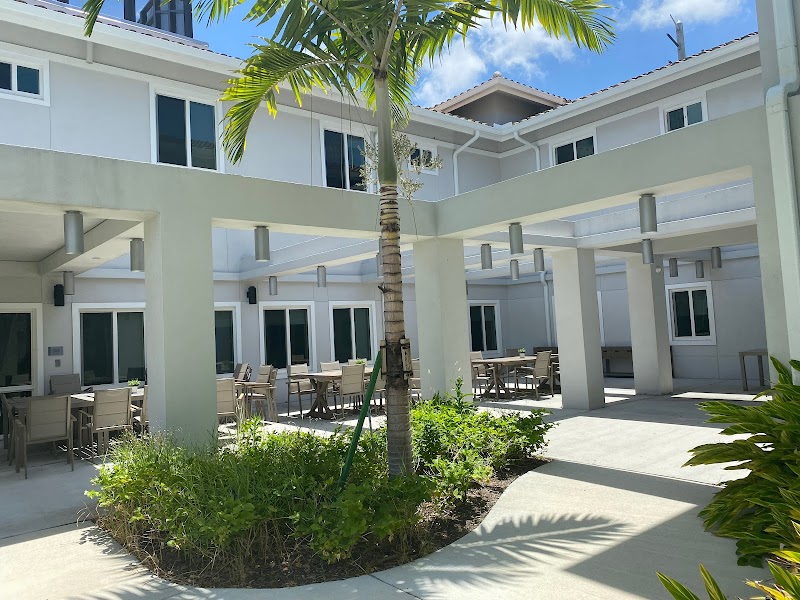
Understanding Severity Codes (click to expand)
Life-Threatening (Immediate Jeopardy)
J - Isolated K - Pattern L - Widespread
Actual Harm
G - Isolated H - Pattern I - Widespread
Potential for Harm
D - Isolated E - Pattern F - Widespread
No Harm (Minor)
A - Isolated B - Pattern C - Widespread

Questions to Ask on Your Visit

  • "What changes have you made since the serious inspection findings?"
  • "Can I speak with families of current residents?"
  • "What's your RN coverage like on weekends and overnight?"

Our Honest Assessment

Strengths
  • • 27% annual turnover. Excellent stability, 21 points below Florida's 48% average. Staff who stay learn residents' needs.
Concerns
  • • Multiple safety concerns identified: 2 life-threatening violation(s), 1 harm violation(s), $42,946 in fines. Review inspection reports carefully.
  • • 17 deficiencies on record, including 2 critical (life-threatening) violations. These warrant careful review before choosing this facility.
  • • $42,946 in fines. Higher than 94% of Florida facilities, suggesting repeated compliance issues.
  • • Grade F (34/100). Below average facility with significant concerns.
Bottom line: Trust Score of 34/100 indicates significant concerns. Thoroughly evaluate alternatives.

About This Facility

What is The Lilac At Silver Palms's CMS Rating?

CMS assigns THE LILAC AT SILVER PALMS an overall rating of 3 out of 5 stars, which is considered average nationally. Within Florida, this rating places the facility higher than 0% of the state's 100 nursing homes. This mid-range rating indicates the facility meets federal standards but may have areas for improvement.

How is The Lilac At Silver Palms Staffed?

CMS rates THE LILAC AT SILVER PALMS's staffing level at 4 out of 5 stars, which is above average compared to other nursing homes. Staff turnover is 27%, compared to the Florida average of 46%. This relatively stable workforce can support continuity of care.

What Have Inspectors Found at The Lilac At Silver Palms?

State health inspectors documented 17 deficiencies at THE LILAC AT SILVER PALMS during 2023 to 2025. These included: 2 Immediate Jeopardy (the most serious level, indicating potential for serious harm or death), 1 that caused actual resident harm, and 14 with potential for harm. Immediate Jeopardy findings are rare and represent the most serious regulatory concerns. They require immediate corrective action.

Who Owns and Operates The Lilac At Silver Palms?

THE LILAC AT SILVER PALMS is owned by a for-profit company. For-profit facilities operate as businesses with obligations to shareholders or private owners. The facility is operated by SIMCHA HYMAN & NAFTALI ZANZIPER, a chain that manages multiple nursing homes. With 104 certified beds and approximately 97 residents (about 93% occupancy), it is a mid-sized facility located in NORTH MIAMI, Florida.

How Does The Lilac At Silver Palms Compare to Other Florida Nursing Homes?

Compared to the 100 nursing homes in Florida, THE LILAC AT SILVER PALMS's overall rating (3 stars) is below the state average of 3.2, staff turnover (27%) is significantly lower than the state average of 46%, and health inspection rating (3 stars) is at the national benchmark.

What Should Families Ask When Visiting The Lilac At Silver Palms?

Based on this facility's data, families visiting should ask: "What changes have been made since the serious inspection findings, and how are you preventing similar issues?" "Can I visit during a mealtime to observe dining assistance and food quality?" "How do you handle medical emergencies, and what is your hospital transfer rate?" "Can I speak with family members of current residents about their experience?" These questions are particularly relevant given the facility's Immediate Jeopardy citations.

Is The Lilac At Silver Palms Safe?

Based on CMS inspection data, THE LILAC AT SILVER PALMS has documented safety concerns. Inspectors have issued 2 Immediate Jeopardy citations (the most serious violation level indicating risk of serious injury or death). The facility has a 3-star overall rating and ranks #100 of 100 nursing homes in Florida. Families considering this facility should ask detailed questions about what corrective actions have been taken since these incidents.

Do Nurses at The Lilac At Silver Palms Stick Around?

Staff at THE LILAC AT SILVER PALMS tend to stick around. With a turnover rate of 27%, the facility is 19 percentage points below the Florida average of 46%. Low turnover is a positive sign. It means caregivers have time to learn each resident's needs, medications, and personal preferences. Consistent staff also notice subtle changes in a resident's condition more quickly.

Was The Lilac At Silver Palms Ever Fined?

THE LILAC AT SILVER PALMS has been fined $42,946 across 2 penalty actions. The Florida average is $33,508. While any fine indicates a compliance issue, fines under $50,000 are relatively common and typically reflect isolated problems that were subsequently corrected. Families should ask what specific issues led to these fines and confirm they've been resolved.

Is The Lilac At Silver Palms on Any Federal Watch List?

THE LILAC AT SILVER PALMS is not on any federal watch list. The most significant is the Special Focus Facility (SFF) program, which identifies the bottom 1% of nursing homes nationally based on persistent, serious quality problems. Not being on this list means the facility has avoided the pattern of deficiencies that triggers enhanced federal oversight. This is a positive indicator, though families should still review the facility's inspection history directly.