NORTH PORT REHABILITATION AND NURSING CENTER
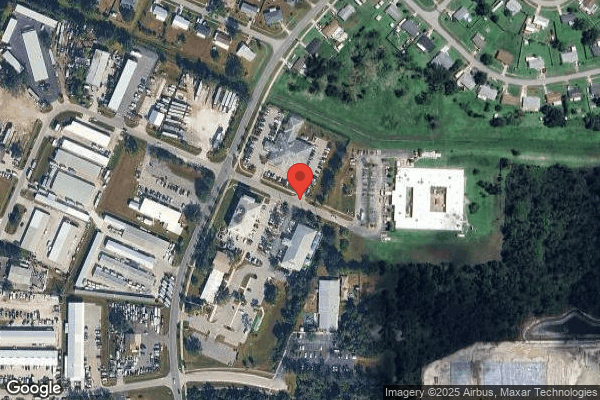
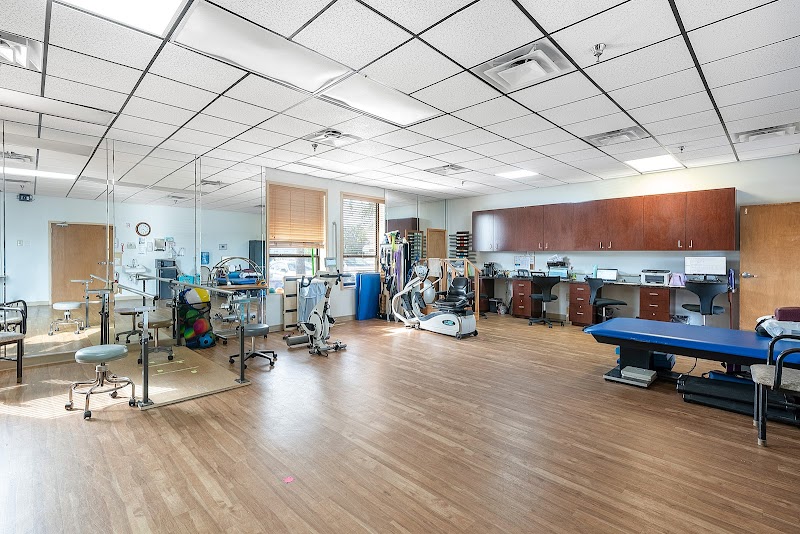
6940 OUTREACH WAY, NORTH PORT, FL 34287 (941) 426-8411
For profit - Limited Liability company 120 Beds ASTON HEALTH Data: November 2025
Trust Grade
58/100
#388 of 690 in FL
Last Inspection: July 2024

Within standard 12-15 month inspection cycle. Federal law requires annual inspections.

Overview

North Port Rehabilitation and Nursing Center has a Trust Grade of C, meaning it is average and sits in the middle of the pack for nursing homes. It ranks #388 out of 690 facilities in Florida, placing it in the bottom half, and #13 out of 30 in Sarasota County, indicating only a few local options are better. The facility is improving, as the number of issues found decreased from 18 in 2023 to 11 in 2024. Staffing is a relative strength with a rating of 3 out of 5 stars and a turnover rate of 37%, which is below the state average, suggesting that staff are relatively stable and familiar with the residents. However, the facility has faced some concerns, including a failure to maintain personal hygiene for some residents and issues with labeling personal items, which could lead to confusion and potential health risks. Additionally, it has accrued fines totaling $20,056, which is average compared to other facilities in Florida.

Trust Score
C
58/100
In Florida
#388/690
Bottom 44%
Safety Record
Low Risk
No red flags
Inspections
Getting Better
18 → 11 violations
Staff Stability
○ Average
37% turnover. Near Florida's 48% average. Typical for the industry.
Penalties
✓ Good
$20,056 in fines. Lower than most Florida facilities. Relatively clean record.
Skilled Nurses
○ Average
Each resident gets 33 minutes of Registered Nurse (RN) attention daily — about average for Florida. RNs are the most trained staff who monitor for health changes.
Violations
⚠ Watch
34 deficiencies on record. Higher than average. Multiple issues found across inspections.
★★★☆☆
3.0
Overall Rating
★★★☆☆
3.0
Staff Levels
★★★★★
5.0
Care Quality
★★☆☆☆
2.0
Inspection Score
Stable
2023: 18 issues
2024: 11 issues

The Good

  • 5-Star Quality Measures · Strong clinical quality outcomes
  • Full Sprinkler Coverage · Fire safety systems throughout facility
  • No fines on record
  • Staff turnover below average (37%)

    11 points below Florida average of 48%

Facility shows strength in quality measures, fire safety.

The Bad

3-Star Overall Rating

Near Florida average (3.2)

Meets federal standards, typical of most facilities

Staff Turnover: 37%

Near Florida avg (46%)

Typical for the industry

Federal Fines: $20,056

Below median ($33,413)

Minor penalties assessed

Chain: ASTON HEALTH

Part of a multi-facility chain

Ask about local staffing decisions and management

The Ugly 34 deficiencies on record

Jul 2024 10 deficiencies
CONCERN (D)

Potential for Harm - no one hurt, but risky conditions existed

Deficiency F0552 (Tag F0552)

Could have caused harm · This affected 1 resident

**NOTE- TERMS IN BRACKETS HAVE BEEN EDITED TO PROTECT CONFIDENTIALITY** Based on record review, resident representative and staff interviews, the facility failed to promote the residents' rights to be...

Read full inspector narrative →
**NOTE- TERMS IN BRACKETS HAVE BEEN EDITED TO PROTECT CONFIDENTIALITY** Based on record review, resident representative and staff interviews, the facility failed to promote the residents' rights to be involved in medication management, including being informed of the risks and benefits for use of psychotropic medications for 1 (Resident #20) of 5 residents reviewed for unnecessary medication use. The findings included: Review of the clinical record revealed Resident #20 was admitted to the facility on [DATE]. Diagnoses included history of Bipolar Disorder, Anxiety, Major Depressive Disorder, Unspecified Mood Disorder, Dementia with behavioral disturbance, and Confusional Arousal. The admission Minimum Data Set (MDS) dated [DATE] (Federally mandated assessment to evaluate the health and functional capabilities of residents) noted Resident #20's cognition was severely impaired with a Brief Interview for Mental Status Score of 07. The MDS noted the resident was displaying verbal (threatening others, screaming at others, cursing at others) and physical behavioral symptoms (hitting, kicking, pushing, scratching, grabbing) directed toward others one to three days. Review of the physician's orders and the Medication Administration Record (MAR) for April 2024, May 2024 and July 2024 revealed Resident #20 was administered the following psychotropic medications: Buspirone HCL 10 mg (milligrams) one tablet by mouth two times a day for antianxiety from 4/25/24 to 4/30/24. (Discontinued on 4/30/24). Depakote 125 mg one tablet by mouth two times a day for bipolar disorder from 4/26/24 through 5/5/24. (Discontinued on 5/5/24). Depakote 125 mg one tablet by mouth two times a day related to unspecified mood (affective) disorder from 5/11/24. Haloperidol 1 mg one tablet by mouth two times a day for antipsychotics/antimanic agents one dose on 4/25/24. Haloperidol (antipsychotic) 2 mg one tablet by mouth two times a day for behavior from 4/25/24 to 5/5/24. (Discontinued on 5/5/24). Risperdal (antipsychotic) 0.5 mg one tablet by mouth two times a day for bipolar with mania and agitation from 4/30/24 to 5/5/24. (Discontinued on 5/5/24). Risperdal 1 mg one tablet by mouth in the morning for Parkinson's with agitation and anxiety from 6/7/24 through 7/12/24 (Discontinued on 7/12/24). Risperdal 0.5 mg one tablet at bedtime for Parkinson's with behavioral mood and agitation on 6/6/24 through 7/12/24 (Discontinued on 7/12/24). Risperdal 1 mg one tablet by mouth two times a day for Parkinson's with agitation and anxiety starting on 7/12/24. Seroquel 50 mg one tablet by mouth two times a day for major depressive disorder, recurrent on 4/27/24 and 4/28/24. (Discontinued on 4/28/24). Seroquel 100 mg one tablet three times a day related to Bipolar Disorder on 4/28/24 through 5/3/24. (Discontinued on 5/3/24). Alprazolam 0.25 mg one tablet by mouth every eight hours as needed for anxiety for 14 days one dose on 4/25/24 and 4/26/24. (Discontinued on 4/26/24). Alprazolam 0.5 mg one tablet by mouth every eight hours as needed for anxiety for 14 days, one does on 4/27/24, 4/29/24 and 4/30/34 (Discontinued on 5/5/24). Alprazolam 0.5 mg orally every 8 hours as needed for agitation, one dose given on 7/5/24, 7/10/24, 7/14/24, 7/17/24, and two doses on 7/7/24. Haloperidol lactate 5mg per ml, 10 mg IM on 4/27/24 related to unspecified mood disorder. Haloperidol lactate 5mg per milliliter (ml), 5 mg intramuscularly (IM) on 4/28/24, and 4/30/24. The care plan initiated on 4/25/24 noted Resident #20 uses antipsychotic medications related to behavior management, diagnosis of depression. The interventions included to educate the resident/family/caregivers about risks, benefits and the side effects and/or toxic symptoms as indicated. Review of the electronic medical record showed no documentation Resident #20 or resident representative were informed of the treatment, risks and benefits related to the use of the psychotropic medications. On 7/15/24 at 2:38 p.m., in an interview Resident #20's Daughter-in-Law said she nor her husband were informed Resident #20 was receiving multiple psychotropic medications and were not informed of the risks or benefits related to the psychotropic medications. She said no one told them about Resident #20's behaviors and the multiple Haldol injections. On 7/16/24 at 1:11 p.m., in an interview the Administrator and the Director of Nursing (DON) verified Resident #20 was not capable of making informed decisions regarding her medical decisions. The DON said Resident #20's son and daughter-in-law were involved in her care. Multiple requests were made to the Director of Nursing on 7/16/24 at 1:11 p.m., 7/17/24 at approximately 11:00 a.m., and on 7/18/24 at approximately 10:30 a.m., to provide documentation Resident #20 and her family were involved in the medication management process, informed of the risks and benefits and consented to the use of psychotropic medications. As of 7/18/24 the DON failed to provide the requested information.
CONCERN (D)

Potential for Harm - no one hurt, but risky conditions existed

Deficiency F0582 (Tag F0582)

Could have caused harm · This affected 1 resident

Based on record review and interview, the facility failed to ensure 1(Resident #39) of 3 sampled residents reviewed received the Skilled Nursing Advance Beneficiary of Non-coverage (CMS-10123) to info...

Read full inspector narrative →
Based on record review and interview, the facility failed to ensure 1(Resident #39) of 3 sampled residents reviewed received the Skilled Nursing Advance Beneficiary of Non-coverage (CMS-10123) to inform the resident of potential liability for payment and related standard claim appeal rights. The findings included: Review of Resident #39's census data information revealed Resident #39's services in the facility were covered by Medicare Part A, effective 11/17/2023. Review of Resident #39's coverage notice records revealed a Notice of Medicare Non-Coverage form that documented Resident #39's skilled nursing services would end on 2/13/24. Review of the Beneficiary Protection Notification Review form completed by the Minimum Data Set Coordinator revealed the facility initiated Resident #39's discharge from Medicare Part A Services with benefit days remaining. Review of Resident #39's coverage notice records failed to reveal any documentation that Resident #39 had been provided with the Skilled Nursing Advance Beneficiary of Non-Coverage notice (CMS-10123). On 7/18/24 at10:45 a.m., in an interview the Admissions Coordinator stated, We have a corporate resource who is like a case worker who helps us if the Resident has an unusual plan or something. She stated the facility would get the formed signed denoting the conversation occurred with the Resident or responsible party but was unable to provide the signed form for Resident #39.
CONCERN (D)

Potential for Harm - no one hurt, but risky conditions existed

Deficiency F0655 (Tag F0655)

Could have caused harm · This affected 1 resident

**NOTE- TERMS IN BRACKETS HAVE BEEN EDITED TO PROTECT CONFIDENTIALITY** Based on record review, resident family and staff interviews, the facility failed to ensure the Baseline Care Plan (BCP) was pro...

Read full inspector narrative →
**NOTE- TERMS IN BRACKETS HAVE BEEN EDITED TO PROTECT CONFIDENTIALITY** Based on record review, resident family and staff interviews, the facility failed to ensure the Baseline Care Plan (BCP) was provided to the resident and their representative with a summary of the baseline care plan that included but was not limited to the initial goals of the resident, a summary of the resident's medications and dietary instructions, any services and treatments to be administered by the facility and any updated information for 1 (Resident #94) of 3 residents reviewed for BCP. The findings included: Review of Resident #94's medical record revealed she was admitted to the facility on [DATE] with admission diagnoses of altered mental status, hypertension, muscle weakness, open wound of lower leg, and paroxysmal tachycardia. The admission Nursing Evaluation dated 1/3/24 stated the BCP was reviewed by the Interdisciplinary Team (IDT) and Other, and a copy of the BCP and medication reconciliation were offered to the resident/representative/family member. The nurse also documented they had discussed the physician orders, treatment, plan of care, medications and discharge planning with the resident and/or responsible party. On 7/16/24 at 8:53 a.m., in an interview with the Minimum Data Set (MDS) Coordinator, she said the admitting nurse was responsible to complete each resident's BCP within 48 hours and was required to provide the resident and/or their representative or family a copy of the BCP which included the initial goals, a summary of the resident's medications and dietary instructions, any services and treatments in progress and any updated information. She said no residents and/or their families were provided a copy of the baseline care plan during their care plan conference attended by the resident and/or their family and the IDT which was held no later than 28 days after the resident was admitted to the facility. The MDS Coordinator confirmed Resident #94 was admitted to the facility on [DATE] and the admitting nurse documented she had completed the BCP on 1/3/24 and provided a copy to the resident/representative/family. The MDS Coordinator said Resident #94's initial admission care plan meeting was held on 2/8/24 and she was unable to find documentation Resident #94's Power of Attorney (POA) was given a copy of Resident #94's BCP as required. On 7/16/24 at 10:00 a.m., in an interview with Staff R, a Registered Nurse (RN), she said she had worked at the facility for 1.5 years. She said when a resident was admitted to the facility, the admitting nurse was required to complete the BCP which was part of the admission Nursing Evaluation. She said nursing was not required to give a copy to the resident and/or their family. Staff R stated she believed the MDS office was required to provide a copy of the BCP to the resident and/or their representative/family. On 7/16/24 at 10:10 a.m., in an interview with Staff L, Unit Manager, she said she had worked at the facility for over 6 years. She said the admission nurse was responsible for completing the BCP in the admission Nursing Evaluation within 48 hours of the resident being admitted to the facility. She said the MDS office was required to provide a copy of the BCP to the resident and/or family member. On 7/16/24 at 10:30 a.m., in an interview with Resident #94's daughter, she said her mother was admitted to the facility on [DATE] due to cognitive decline and was deemed incompetent prior to her admission to the facility. She said she was Resident #94's POA and the facility had not told her or provided her with her mother's admitting diagnoses, medication list and/or other pertinent information. She said neither she nor her brother were offered and/or provided a copy of Resident's BCP. On 7/16/24 at 11:04 a.m., in an interview with the Director of Nursing, she confirmed Resident #94 was admitted to the facility on [DATE] with a primary diagnosis of altered mental status and Resident #94's daughter is Resident #94's POA. The DON also confirmed Resident #94's admitting nurse documented in the admission Nursing Evaluation, dated 1/3/24, she had completed the BCP on 1/3/24 and offered a copy to the resident/representative/family member. The admission Nursing Evaluation did not identify who was offered a copy of the BCP whether it be the resident, their representative or the family member. The admission Nursing Evaluation noted the BCP was reviewed with the IDT and Other but did not include the Resident/Representative/Family Member or the Physician/Physician's Assistant (PA)/Advance Practice Registered Nurse (APRN). The DON said she was unable to find documentation the nursing department had provided Resident #94's daughter (her POA) a copy of Resident #94's BCP with the required information within 28 days of admission to the facility as required per federal regulation.
CONCERN (D)

Potential for Harm - no one hurt, but risky conditions existed

Quality of Care (Tag F0684)

Could have caused harm · This affected 1 resident

Based on review of the clinical record, review of facility policy and procedures and staff interviews, the facility failed to have documentation of blood sugar results as ordered for 1(Resident #53) o...

Read full inspector narrative →
Based on review of the clinical record, review of facility policy and procedures and staff interviews, the facility failed to have documentation of blood sugar results as ordered for 1(Resident #53) of 1 resident reviewed with diabetes. The findings included: The facility policy Physician Orders issued 1/1/23 documented All physician orders must be followed as prescribed, and if not followed, the reason must be recorded on the resident's medical record during that shift. Review of the clinical record revealed Resident #53 had a readmission date of 12/19/23 with diagnoses including stage 3 chronic kidney disease and type 2 diabetes. The physician orders included to inject Lantus insulin, 10 units subcutaneously at bedtime. The physician's orders dated 1/16/24 read, May obtain finger-stick blood sugar twice daily. Notify physician for results < (less than) 60 and > (greater than) 300. Review the Medication Administration Record (MAR) and the Treatment Administration Record (TAR) for April 2024, May 2024, June 2024 and July 2024 showed each day at 9:00 a.m., and 9:00 p.m., the nurses placed a check mark and their initials on the MAR indicating the blood sugar via finger-stick was obtained. The MARs did not document the blood sugar results for each finger-stick. Review of the electronic blood sugar summary for Resident #53 from 1/16/24 through 7/17/24 showed the following blood sugar results: On 2/21/24 at 10:08 p.m., 241 milligrams per deciliter (mg/dl). On 7/15/24 at 9:27 p.m., 156 mg/dl. On 7/16/24 at 5:28 a.m.,132 mg/dl. On 7/16/24 at 9:22 p.m., the blood sugar was 333 mg/dl. There was no documentation the physician was notified of the blood sugar result greater than 300 mg/dl as specified in the physician's order dated 1/16/24. On 7/17/24 at 5:38 a.m., 135 mg/dl. No other blood sugar results were documented in the clinical record. On 7/18/24 at 1:08 p.m., in an interview Licensed Practical Nurse (LPN) Staff I said all documentation is put into the computer system, we have no paper documents. The only time we would use paper is if the computer system has gone down. The LPN said for blood sugars the computer prompts the nurse to enter the blood sugar result and the amount of insulin provided for sliding scale. The results can be entered manually in the system, and if they are just getting blood sugar monitoring you can do that too, you put your initials and then put in the blood sugar. Staff I confirmed the facility did not record the blood sugar results on paper. On 7/18/24 at 1:22 p.m., in an interview Registered Nurse Staff J said, blood sugars are documented in the computer system only, there is no paper charting here, no paper charts. Everything is documented in the computer system. On 7/15/24 multiple requests were made to the Director of Nursing for documentation of blood sugar results for Resident #53 from 1/16/24 through 7/15/24 but the requested documentation was not provided. On 7/15/24 at 1:54 p.m., the facility obtained a new physician's order that read, Obtain finger-stick blood sugar twice daily. Notify physician for results < 60 or >300 two times a day for hypoglycemia.
CONCERN (E)

Potential for Harm - no one hurt, but risky conditions existed

Safe Environment (Tag F0584)

Could have caused harm · This affected multiple residents

**NOTE- TERMS IN BRACKETS HAVE BEEN EDITED TO PROTECT CONFIDENTIALITY** On 7/14/24 at 10:32 a.m., during an observation into the shared bathroom of room [ROOM NUMBER] noted on the back of the toilet t...

Read full inspector narrative →
**NOTE- TERMS IN BRACKETS HAVE BEEN EDITED TO PROTECT CONFIDENTIALITY** On 7/14/24 at 10:32 a.m., during an observation into the shared bathroom of room [ROOM NUMBER] noted on the back of the toilet there were two (2) urinals and two (2) wash basins. The items were not noted to have either resident name or room number and bed. An emesis basin was also noted to be sitting on the side of the sink with a toothbrush and toothpaste in it. These items were also not labeled with resident name or room number and bed. room [ROOM NUMBER] was occupied by two residents at the time of the observation. On 7/15/24 at 8:54 a.m., during a second observation into bathroom in room [ROOM NUMBER] the resident personal items of two (2) urinals and two (2) wash basins on the back of the toilet with no labeling observed. The 2-wash basin were different colors on pink and one was light gold. they were sitting in one another. The urinal were tucked behind the wash basins. The Emesis basin was also still on the counter beside the sink with no noted labeling as to which resident it belonged to. the sink had a cabinet below it and it had 2 door on it, but the doors had no knobs to open the cabinet to put items below the sink. On 7/17/24 at 3:10 p.m., during a third observation of the bathroom in room [ROOM NUMBER] accompanied by LPN Staff L, again we observed the 2 urinals and 2 wash basins on the back of the toilet and the emesis basin still did not have labeling on it as to which resident it belonged to. During an interview on 7/17/24 at 3:11 p.m., LPN Staff L verified the personal items in room [ROOM NUMBER] were not labeled making it impossible to know which resident they belonged to. During an interview on 7/18/24 at 1:06 p.m. Director of Nursing (DON) said the residents personal items kept in their bathrooms should be labeled with their name and room number and bed and kept separate from the other persons things in the room. DON states that like in the cabinet below the sink, one resident items she be on one side and the others on the other side and labeled. DON said that if items are found commingled together without being labeled they should be thrown away and the resident given new ones. She said what the surveyor found was cross contamination. Based on Observation, interview, and record review the facility failed to provide maintenance services to ensure a clean, safe, and comfortable environment in the residents' designated smoking area and 1 (Rosebud unit) of 1 unit observed with stained ceiling tiles, and 2 (Rooms #134 and #176) of 60 rooms observed. The findings included: On 7/14/24 at 9:26 a.m., a nursing staff member was observed wiping condensation from the air conditioner vent near the Rosebud Nursing station. Eleven of the ceiling tiles around the vent showed signs of leaking from the ceiling. An area of black growth was observed on the wall near the ceiling next to the rosebud nursing station. On 7/15/24 at 11:00 a.m., in an interview the Regional Manager of Operations said the roof was leaking. On 7/11/24 an inspector came out and was working on obtaining an estimate for the necessary repairs. She provided documentation from a roofing company describing the damage found to the roof on 7/11/23. She stated a lot of what was seen on the tiles is from condensation from the air conditioning. The Regional Manager of operations verified the black growth on the wall near the nursing station and said she was not made aware of the black organic growth on the wall. On 7/18/24 11:20 a.m., the Director of Maintenance said the facility was working on a quote to fix the roof and address the condensation on the air conditioning vents. On 7/14/24 at 1:52 p.m., in an interview Resident #6 said the tent which was the designated smoking area in the courtyard had been leaking. The resident said when it rains and they are out smoking, they get wet. On 7/17/24 at 2:19 p.m., observation of the designated smoking area in the courtyard showed the tent had a large opening directly down the middle of the roof that extended the entire length of the roof line. On 7/18/24 at 11:20 a.m., in an interview the Director Of Maintenance said he found out the tent was leaking on 7/17/24. The maintenance Director said nursing staff were supposed to use the facility's electronic system to document areas in need of repair. The Director Of Maintenance said staff needed to be instructed to enter maintenance issues in the system to ensure repairs are completed in a timely manner. On 7/14/24 at 11:20 a.m., the door to the closet next to the window in room [ROOM NUMBER] was observed in disrepair. On 7/18/24 at 11:20 a.m., the Director of Maintenance verified the closet needed to be repaired but no one had informed him of the damage to the closet door in room [ROOM NUMBER].
CONCERN (E)

Potential for Harm - no one hurt, but risky conditions existed

ADL Care (Tag F0677)

Could have caused harm · This affected multiple residents

**NOTE- TERMS IN BRACKETS HAVE BEEN EDITED TO PROTECT CONFIDENTIALITY** Based on observation, interview and record review the facility failed to provide the necessary care and services to maintain per...

Read full inspector narrative →
**NOTE- TERMS IN BRACKETS HAVE BEEN EDITED TO PROTECT CONFIDENTIALITY** Based on observation, interview and record review the facility failed to provide the necessary care and services to maintain personal hygiene for 3 (Residents #20, #33, and #167) of 8 sampled residents dependent on staff for activities of daily living, including showers, incontinent care and nail care. The findings included: 1. Record review revealed Resident #20 was admitted to the facility on [DATE]. Diagnoses included history of Bipolar Disorder, Anxiety, Major Depressive Disorder, Unspecified Mood Disorder, Dementia with behavioral disturbance, Confusional Arousal, Congestive Heart Failure, Chronic Kidney Disease, Anemia, and Hypertension. The admission Minimum Data Set (MDS) assessment dated [DATE] noted Resident #20's cognition was severely impaired with a Brief Interview for Mental Status (BIMS) score of 07. The assessment noted Resident #20 was dependent on staff for personal hygiene. On 7/15/24 at 9:28 a.m. Resident #20 was observed lying in the bed. Resident #20's left hand was contracted. Resident #20 was not able to open her left hand. The resident's fingernails to the right and left hand were long and extended approximately 1/2 inch with an accumulation of a brown substance under the nails. On 7/17/24 at 9:47 a.m., in an interview Certified Nursing Assistant (CNA) Staff T said activities staff were responsible for residents nail care. On 7/17/24 at 9:49 a.m., in an interview Licensed Practical Nurse (LPN) Staff H said the activities staff were responsible for residents' nail care. Staff H said the CNAs can also clip fingernails as needed. On 7/18/24 at 10:00 a.m., the Acting Director of Rehabilitation was observed working with Resident #20 and trying to open her left hand. In an interview, the Director verified Resident #20's nails were long and dirty. The Director said the resident's nails needed to be clipped to prevent them from digging into her left hand, and cleaned. On 7/18/24 at 10:40 a.m., during a joint observation the Director of Nursing (DON) verified Resident #20's nails needed to be clipped and cleaned. The DON said the CNAs were responsible to clip the resident's nails and keep them clean. 2. Review of the clinical record for Resident #33 revealed an admission date of 2/1/24 with a history of Dementia. The Quarterly MDS dated [DATE] noted the resident's cognition was severely impaired. Review of the care plan revealed Resident #33 had self-care deficit with Activities of Daily Living (ADLs) related to activity intolerance. The resident's ADL needs and participation varied. The interventions noted the resident was dependent on staff for bathing needs, including transfer into and out of shower. On 7/15/24 at 3:54 p.m., in an interview Resident #33's daughter said she found her mother in the hallway today soaked through with urine and feces. She said this happens all the time and she spoke to the administration. Resident #33's daughter said she had spoken with the administration verbally about the issue and it keeps happening. Resident #33's daughter said her mother does not receive showers regularly. She said her mother suffered a bacterial infection on her face because staff were not bathing her regularly. Review of the bathing history revealed Resident #33 received a total of three showers (6/22/24, 7/3/24 and 7/13/24) from 6/19/24 through 7/13/24. On 7/17/24 at 11:20 a.m., in a telephone interview CNA Staff U she said she worked at the facility until May 2024. Staff U said residents were being left soaked in urine and caked in feces. They were always short-staffed at night and she would be assigned 20 to 25 residents at night. Staff U said when she brought up her concerns to the DON and the Administrator at the time she was told to forget about it. It was not that important. She stated she felt leaving residents unchanged would cause skin breakdown and she could no longer work for the facility. On 7/17/24 at 1:35 p.m., in an interview LPN Staff I said the last couple nights CNAs have complained about the workload, they have 25 patients. Staff I said she's had CNAs complain during the morning change of shift that residents are soaked through with urine, and had to completely change the bedding of four residents as they were soaked through with urine. On 7/18/24 at 10:55 a.m., in an interview the Director of Nursing said Resident #33's daughter had not reported any care concerns to her. She said she would have written the verbal complaint as a grievance. 3. On 7/14/24 at 1:39 p.m., in an interview with Resident #167 and Resident #167's husband, they said Resident #167 had not received a shower since being admitted to the facility on [DATE]. Resident #167 said she had asked the facility staff multiple times if they could assist her with a shower but they keep telling her she had to wait until her shower day to receive her shower and get her hair washed. Resident #94's husband said he would assist his wife with her shower if he could, but his wife is unsteady on her feet, and he didn't want her to fall. They said the nursing staff promised to give her a shower tonight. On 7/15/24 at 1:46 p.m., in an interview with Resident #94 and Resident #94's granddaughter, they said the nursing staff did not give Resident #94 her shower on 7/13/24 as promised. The granddaughter said she had to give her grandmother a shower and wash her hair on the afternoon of 7/15/24 with assistance from one of the nursing staff. Resident #94 said she felt a lot better now that she had a shower and was able to get her hair washed. Review of Resident #94's medical record revealed she was admitted to the facility on [DATE] with diagnosis of polyneuropathy, low back pain, polyarthritis, syncope and collapse and a need for assistance with personal care. The Nail Care and Shower Schedule revealed Resident #94's showers are due every Wednesday and Saturday morning. Review of Resident #94's shower documentation noted Resident #94 had not received her scheduled showers on 7/3, 7/6, 7/10, and 7/13 as required. Further review of Resident #94's medical record revealed no documentation Resident #94 had refused her scheduled showers on 7/3, 7/6, 7/10, and 7/13. On 7/17/24 at 11:43 a.m., in an interview with Staff L, Unit Manager, she said all residents were scheduled for a shower 2 times a week, and the resident's Certified Nursing Assistant (CNA) were required to give the resident their shower as scheduled. She said if a resident refused their shower, the CNA was required to inform the resident's nurse. If the resident continued to refuse their shower, the CNA and nurse were required to document the refusal in the resident's medical record. She said the facility has a dedicated CNA who assisted with the resident's schedule shower each day, but it was the resident's assigned CNA who was responsible to ensure their resident received their scheduled shower each day. On 7/17/24 at 11:55 a.m., interview with Staff T, CNA, he said he was the assigned CNA to do the resident's daily shower. He said he had 18 to 20 resident showers to do each day. He said if he was assigned to another task because the facility is low on staff and/or a CNA had called off for that day, he was unable to do the resident showers and resident assigned CNA for that day was responsible to complete their resident scheduled shower for that day. Staff T said he had not given Resident #94 a shower since she was admitted to the facility. He said Resident #94 was cooperative and would not refuse care and/or a shower if it had been offered to her. On 7/17/24 at 12:19 p.m., in an interview with Staff L, Unit Manager, she confirmed after she reviewed Resident #94's medical record that Resident #94 had not received her scheduled showers on 7/3, 7/6, 7/10, and 7/13 as required, and she was unable to find the required documentation why Resident #94 had not received her required scheduled showers.
CONCERN (E)

Potential for Harm - no one hurt, but risky conditions existed

Deficiency F0698 (Tag F0698)

Could have caused harm · This affected multiple residents

**NOTE- TERMS IN BRACKETS HAVE BEEN EDITED TO PROTECT CONFIDENTIALITY** Based on interview and record review, the facility failed to provide the necessary care and services to attain or maintain the h...

Read full inspector narrative →
**NOTE- TERMS IN BRACKETS HAVE BEEN EDITED TO PROTECT CONFIDENTIALITY** Based on interview and record review, the facility failed to provide the necessary care and services to attain or maintain the highest practicable physical well-being for 1 (Resident #418) of 1 sampled resident receiving dialysis. The findings included: 1. The facility policy and procedure titled, Standards and Guidelines: Dialysis Care, with an effective date of 10/2014 and a revision date of 1/2024, stated the facility will implement individualized plans of care to include the interdisciplinary team as well as the dialysis care team in coordination with the attending physician. The Procedure included, Correspondence from the dialysis center will be addressed by facility staff and will be recorded in the plan of care as indicated; The facility will provide a snack/meal to the resident per request prior to or after dialysis appointment . Review of the clinical record revealed Resident #418 was admitted to the facility on [DATE]. Diagnoses included End Stage Renal Disease (ESRD), Hypertension (HTN), Anemia and Infrarenal abdominal aortic aneurysm. The physician's orders included hemodialysis (treatment to filter wastes and water from the blood) at a local dialysis center every Monday, Wednesday and Friday related to ESRD. Review of Resident #418's dialysis patient's information form titled, Tracking my numbers for June 2024 noted the plan for the month was, You need more protein now that you are on dialysis. The form noted the Albumin (Protein in the blood that helps fight infections and aids in healing) was 3.5. The goal was 4 or higher. The physician's orders dated 6/19/24 specified large protein portions for diet. On 6/24/24 the facility's Registered Dietitian documented in a nutritional evaluation Resident #418 may benefit from additional protein-rich foods per the diagnosis of ESRD dependence on hemodialysis three times a week. The intervention was to, Initiate large protein portions. Review of the laboratory results dated [DATE] showed the resident's albumin level was 3.5 for a reference range of 3.5 to 5.2 gram per deciliter. On 7/3/24 the Registered Dietitian (RD) from the dialysis center documented in a communication form to the facility Resident #418's albumin was 3.5. Under special instructions the RD documented to Please add daily protein supplement. The clinical record lacked documentation that a daily protein supplement was added to the resident's diet as requested by the Registered Dietitian. On 7/17/24 at 12:43 p.m., in a telephone interview the facility's Regional Registered Dietitian said she could not locate documentation showing the intervention to add large protein portions to the resident's diet had been effective. On 7/18/24 at 2:40 p.m., Licensed Practical Nurse (LPN) Staff G said she asked the Director of Nursing (DON) who verified the lack of documentation that a daily protein supplement was added to the resident's diet. 2. The facility policy Medication Administration (Revised 1/2024) documented Medications are administered in accordance with prescriber orders, including any required time frame . Only persons licensed or permitted by this state to prepare, administer, and document the administration of medications may do so . Medications errors are documented, reported, and reviewed by the QAPI [Quality Assurance and Performance Improvement] committee to inform process changes and the need for additional training . If a drug is withheld, refused or given at a time other than the scheduled time, the individual administering the medication shall document the rational in the resident's medical record and notify the physician and the responsible party if indicated . Review of the physician's orders revealed Resident #418's medications regimen included: Nifedipine ER extended release 24-hour 60 mg once daily for high blood pressure; Metoprolol 25 mg give 2 tablets by mouth two times a day for high blood pressure. Renvela oral tablet 800 mg, take two tablets three times a day with meals for control of phosphorus levels. Omeprazole capsule 40 mg give one capsule by mouth one time a day for infrarenal abdominal aortic aneurysm ruptured. Review of the Medication Administration Record (MAR) for June 2024 and July 2024 showed the scheduled 9:00 a.m. Metoprolol was not documented as administered on 6/19/24, 6/21/24, 6/28/24, 7/1/24, 7/3/24, 7/5/24, 7/8/24, 7/12/24, and 7/15/24. The scheduled 9:00 a.m. dose of Nifedipine ER 60 mg was not documented as administered on 6/19/24, 6/21/24, 6/24/24, 6/28/24, 7/1/24, 7/2/24, 7/3/24, 7/8/24, 7/12/24 and 7/15/24. The scheduled 9:00 a.m. dose of Renvela 800 mg was not documented as administered on 6/19/24, 6/21/24, 6/24/24, 6/28/24, 7/1/24, 7/2/24, 7/3/24, 7/4/24, 7/5/24, 7/8/24, 7/10/24, 7/12/24 and 7/15/24. On 7/16/24 at 8:29 a.m., in an interview Resident #418 said on dialysis days, the facility does not provide him with breakfast or lunch on dialysis days. He said they give him a diet drink which he doesn't like. Resident #418 said, Sometimes I have a protein bar. The resident verified the facility did not provide him with the Renvela to take with his food at the dialysis center. The scheduled 9:00 a.m. dose of Omeprazole was not documented as administered on 6/24/24, 6/28/24, 7/1/24, 7/2/24, 7/3/24, 7/4/24,7/5/24, 7/8/24, 7/10/24, 7/12/24, and 7/15/24. In addition, the MAR lacked documentation physician's ordered daily Aspirin, Nephro-Vite, and Zinc were administered as scheduled at 9:00 a.m. on dialysis days. On 7/10/24 the physician issued an order for Resident #418 for Vitamin D3, Give 2000 IU by mouth one time a day for Vitamin D3, result 38.1. The MAR for July 2024 lacked documentation the Vitamin D3 was administered on Friday 7/12/24 and Monday 7/15/24. On 7/17/24 at 8:59 a.m., in an interview Registered Nurse (RN) Staff J said she was assigned to Resident #418. Staff J verified Resident #418 did not get his morning medications on dialysis days when he's out of the building. RN Staff J said she has not notified the physician his orders were not followed and Resident #418 did not receive the ordered medications on dialysis days. On 7/17/24 at 9:41 a.m., in an interview the Director of Nursing said she was not aware Resident #418 was not receiving the physician's ordered medications on dialysis days. She said the medication administration time should be changed on dialysis days, and the medications can also be given at dialysis. She said any nurse could call the physician, get an order and make the changes. The Administrator was present during the interview.
CONCERN (E)

Potential for Harm - no one hurt, but risky conditions existed

Deficiency F0725 (Tag F0725)

Could have caused harm · This affected multiple residents

**NOTE- TERMS IN BRACKETS HAVE BEEN EDITED TO PROTECT CONFIDENTIALITY** Based on observation, interview and record review the facility failed to provide sufficient staffing to ensure 6 residents of 40...

Read full inspector narrative →
**NOTE- TERMS IN BRACKETS HAVE BEEN EDITED TO PROTECT CONFIDENTIALITY** Based on observation, interview and record review the facility failed to provide sufficient staffing to ensure 6 residents of 40 residents surveyed (#3, #14, #20 #33, #58, and #65) received appropriate ADL care and ensured call lights were answered in a timely manner. The findings included: On 7/15/24 at 11:47 a.m. Resident #3 said she waits an hour for staff to respond to her call light. Last night I was up all night because any time I had to urinate I would have to wait an hour to get back to bed. The aide came in and said what do you want I explained I needed wiped and assisted back to bed by lifting my legs. The aide wiped me and left the room. I put my light back on and she came back and said what do you want I explained I needed someone to lift my legs in the bed. The aide told me she had other things to do. She said she had to tell her it would only take a minute for her to lift her legs. She said it is hard when the aid does not know what you need. On 7/15/24 at 1:20 p.m. Resident #65 said when she uses her call light it takes a long time for staff to respond. She said the 11 p.m. to 7 a.m. shift is the worst. On 7/16/24 at 10:54 a.m. an emergency call light was observed sounding an alarm. Resident #58 was observed in the hallway waving his hands above his head summoning for help. Licensed Practical Nurse, Staff H came to the nurse's station and looked at the red beeping light on the emergency panel above her and sat down to chart at the computer. Resident #58's room alarm was sounding for 7 minutes and 47 seconds before a Certified Nursing Assistant walked by and assisted the resident to the bathroom. On 7/16/24 at 11:06 a.m. Resident #58 said he had put his call light on because he had to use the bathroom, Resident #58 said he waited for 15 minutes, and he had a bowel movement and had to urinate. Resident #58 said there was no one for him to talk to about the issue. The resident said if staff would come when I ask, I could make it to the bathroom. Resident #58 was asked how he felt, and he said it made him feel horrible. On 7/16/24 1:30 p.m., the Unit manager said all call lights should be responded to within 5-10 minutes. All Staff should be answering call lights. On 7/18/24 at 9:54 a.m. Licensed Practical Nurse, Staff H, said Resident #14 keeps turning his light on. Staff H said Resident #14 thinks he is the only one here. Staff H said, I go in and ask what do you want and he says I want my aide. Staff H said, I told him she will come at 10:30 a.m. but it doesn't sink in sometimes. The light keeps ringing, we go by and say to him motel 6 the light is always on. At that time a Certified Nursing Assistant came to nurse's station and told Staff H Resident #14 requested to see the nurse or the head nurse regarding his call light not being answered. Resident #20 is a [AGE] year-old female who was admitted to the facility on [DATE] with a history of Bipolar Disorder, Anxiety, Major Depressive Disorder, Unspecified Mood Disorder, Dementia with behavioral disturbance, Confusional Arousal, Congestive Heart Failure, Chronic Kidney Disease, Anemia, and Hypertension. On 7/15/24 at 2:37 p.m. in a telephone interview Resident #20's daughter said when she visits her mother they use the call light to her get up or change her brief. She said after 10 to 15 minutes she would have to stand in the hallway and try to flag a staff member down. On 7/15/24 at 9:28 a.m. Resident #20 was observed lying in the bed. Resident #20's left hand was observed to have contractures and to be unable to open her hand. The resident's fingernails on both hands were long and dirty. On 7/17/24 at 9:47 a.m. Certified Nursing Assistant (CNA), Staff T said activities staff was responsible to do nail care on the residents. On 7/17/24 at 9:49 a.m. Licensed Practical Nurse, Staff H said activities was responsible to do nail care on the residents. Staff H said the aides can clip nails as well if needed. On 7/18/24 at 10:00 a.m., The Acting Director of Rehabilitation was observed working with the resident to open her left hand. The Director verified Resident #20's nails were long and dirty. The Director said the resident had to have her nails clipped and cleaned to prevent them from digging into her left hand. On 7/18/24 at 10:40 a.m. The Director of Nursing (DON) Observed the resident's nails and verified they needed clipped and cleaned. The DON said the CNAs were responsible to clip the resident's nails and keep them clean. Review of the clinical record for Resident #33 revealed an admission date of 2/1/24 with a history of Dementia. The Quarterly MDS dated [DATE] noted the resident's cognition was severely impaired. Review of the care plan revealed Resident #33 had self-care deficit with Activities of Daily Living (ADLs) related to activity intolerance. The resident's ADL needs and participation varied. The interventions noted the resident was dependent on staff for bathing needs, including transfer into and out of shower. On 7/15/24 at 3:54 p.m., in an interview Resident #33's daughter said she found her mother in the hallway today soaked through with urine and feces. She said this happens all the time and she spoke to the administration. Resident #33's daughter said she had spoken with the administration verbally about the issue and it keeps happening. Resident #33's daughter said her mother does not receive showers regularly. She said her mother suffered a bacterial infection on her face because staff were not bathing her regularly. Review of the bathing history revealed Resident #33 received a total of three showers (6/22/24, 7/3/24 and 7/13/24) from 6/19/24 through 7/13/24. On 7/17/24 at 11:20 a.m., in a telephone interview CNA Staff U she said she worked at the facility until May 2024. Staff U said residents were being left soaked in urine and caked in feces. They were always short-staffed at night and she would be assigned 20 to 25 residents at night. Staff U said when she brought up her concerns to the DON and the Administrator at the time she was told to forget about it. It was not that important. She stated she felt leaving residents unchanged would cause skin breakdown and she could no longer work for the facility. On 7/17/24 at 1:35 p.m., in an interview LPN Staff I said the last couple nights CNAs have complained about the workload, they have 25 patients. Staff I said she's had CNAs complain during the morning change of shift that residents are soaked through with urine, and had to completely change the bedding of four residents as they were soaked through with urine.
CONCERN (E)

Potential for Harm - no one hurt, but risky conditions existed

Deficiency F0760 (Tag F0760)

Could have caused harm · This affected multiple residents

Based on observation, review of facility's policies and procedures, and staff interviews the facility failed to ensure 4 (Residents #4, #63, #67 and #418) of 5 sampled residents were free from signifi...

Read full inspector narrative →
Based on observation, review of facility's policies and procedures, and staff interviews the facility failed to ensure 4 (Residents #4, #63, #67 and #418) of 5 sampled residents were free from significant medication errors. The findings included: The facility policy Medication Administration (Revised 1/2024) documented Medications are administered in accordance with prescriber orders, including any required time frame . Only persons licensed or permitted by this state to prepare, administer, and document the administration of medications may do so . Medications errors are documented, reported, and reviewed by the QAPI [Quality Assurance and Performance Improvement] committee to inform process changes and the need for additional training . If a drug is withheld, refused or given at a time other than the scheduled time, the individual administering the medication shall document the rational in the resident's medical record and notify the physician and the responsible party if indicated . 1. On 7/15/24 at 11:43 a.m., observation of the medication cart of the rose bud unit with Licensed Practical Nurse (LPN) Staff S revealed several pills in two unlabeled plastic medication cups. One cup had three pills which LPN Staff S said were Resident #4's Carvedilol 6.25 milligrams (mg) (Blood pressure medication), Eliquis 2.5 mg (anticoagulant) and Hydroxyzine 25 mg (antianxiety). The cup was stored on an alcohol wipe labeled with Resident #4's name. LPN Staff S said the medications were scheduled to be given at 8:00 a.m. Photographic evidence obtained. Review of the clinical record for Residents #4 revealed a physician's order for Carvedilol 6.25 mg to be administered two times a day for high blood pressure. The morning dose of Carvedilol was scheduled to be administered at 8:00 a.m. The physician's order for Eliquis 2.5 mg specified to administer one tablet by mouth two times a day for atrial fibrillation (type of irregular heart rate). The morning dose of Eliquis was scheduled to be administered at 8:00 a.m. In an interview during the observation, LPN Staff S verified he did not administer the Carvedilol and the Eliquis within the required time frame. One cup had seven pills which LPN Staff S identified as Midodrine 2.5 mg ( to treat low blood pressure), Eliquis 2.5 mg, Oxcarbazepine 150 mg, Tylenol 325 mg (2 tablets) for pain and Gabapentin 300 mg (two tablets) for neuropathy. LPN Staff S said the medications belonged to Resident #63 and were scheduled to be administered at 8:00 a.m. The medication cup was stored on an alcohol pad labeled with Resident #63's name. Photographic evidence obtained. 2. Review of the clinical record for Resident #63 revealed a physician's order dated 4/8/24 to administer Midodrine 2.5 mg, one tablet by mouth in the morning for hypotension (low blood pressure) and Midodrine 5 mg, one tablet by mouth at bedtime. The morning dose of Midodrine was scheduled to be administered at 8:00 a.m. The physician's order for Eliquis 2.5 mg specified to administer one tablet by mouth two times a day for a history of DVT (Deep Vein Thrombosis). The morning dose of the Eliquis was scheduled to be administered at 8:00 a.m. The physician's order for Oxcarbazepine specified to administer one tablet by mouth two times a day for mood disorder. The morning dose of Oxcarbazepine was scheduled to be given at 8:00 a.m. The physician's order specified to administer Gabapentin 300 mg, two capsules by mouth three times a day for neuropathy (nerve pain). The medication was scheduled to be administered at 8:00 a.m., 1:00 p.m., and 5:00 p.m. LPN Staff S verified he did not administer the medications to Resident #63 within the required time frame. 3. On 7/15/24 at 2:04 p.m., Resident #67 was observed in bed. She appeared very upset. She said she did not know the nurse who was on duty today. He was trying to trick her and give her pills that she already took. Resident #67 said she always takes her morning medications with her breakfast and never in the afternoon. A medication cup with five pills was observed unsecured on the resident's bedside table. On 7/15/24 at 2:15 p.m., in an interview LPN Staff S verified he left the cup of medications unattended at the resident's bedside. LPN Staff S said he got behind with his medication administration and the medication cup contained the resident's morning medications which were scheduled to be given at 9:00 a.m. LPN Staff S said the medications left at bedside included Ferrous Sulfate, Gabapentin, Labetalol, and Keppra. Review of the Medication Administration Audit report revealed Resident #67's physician's orders included: Ferrous Sulfate 325 mg, give one tablet by mouth two times a day for supplementation medication with meals. Gabapentin capsule 100 mg, give one capsule by mouth two times a day for pain. Labetalol HCL oral tablet 200 mg, give one tablet by mouth two times a day for hypertension (High blood pressure). Keppra tablet 250 mg, give 1.5 tablet by mouth two times a day for seizure. The morning dose of Ferrous Sulfate, Gabapentin, Labetalol, and Keppra were scheduled to be administered at 9:00 a.m. The administration time documented was 2:17 p.m., 5 hours and 17 minutes beyond the scheduled time. 4. Review of the clinical record for Resident #418 revealed an admission date of 6/18/24. Diagnoses included End Stage Renal Disease (ESRD), and Hypertension. The physician's orders included hemodialysis (treatment to filter wastes and water from the blood) every Monday, Wednesday and Friday related to ESRD at a local dialysis center. The physician's ordered medications included: Nifedipine ER extended release 24-hour 60 mg once daily for high blood pressure; Metoprolol 25 mg give 2 tablets by mouth two times a day for high blood pressure. Ranvela oral tablet 800 mg, take two tablets three times a day with meals for control of phosphorus levels. Omeprazole capsule 40 mg give one capsule by mouth one time a day for infrarenal abdominal aortic aneurysm ruptured Review of the Medication Administration Record (MAR) for June 2024 and July 2024 showed on dialysis days (Mondays, Wednesdays and Fridays) the scheduled 9:00 a.m. Metoprolol was not documented as administered on 6/19/24, 6/21/24, 6/28/24, 7/1/24, 7/3/24, 7/5/24, 7/8/24, 7/12/24, and 7/15/24. The scheduled 9:00 a.m. dose of Nifedipine ER 60 mg was not documented as administered on 6/19/24, 6/21/24, 6/24/24, 6/28/24, 7/1/24, 7/2/24, 7/3/24, 7/8/24, 7/12/24 and 7/15/24. The scheduled 9:00 a.m. dose of Ranvela 800 mg was not documented as administered on 6/19/24, 6/21/24, 6/24/24, 6/28/24, 7/1/24, 7/2/24, 7/3/24, 7/4/24, 7/5/24, 7/8/24, 7/10/24, 7/12/24 and 7/15/24. The scheduled 9:00 a.m. dose of Omeprazole was not documented as administered on 6/24/24, 6/28/24, 7/1/24, 7/2/24, 7/3/24, 7/4/24,7/5/24, 7/8/24, 7/10/24, 7/12/24, and 7/15/24. On 7/16/24 at 8:29 a.m., in an interview Resident #418 said he goes to dialysis on Mondays, Wednesdays and Fridays. The resident said he leaves the facility around 5:30 a.m. and returns at approximately 2:00 p.m. Resident #418 said no one checks his blood pressure before he goes to dialysis and he does not get his morning medications on dialysis days. On 7/17/24 at 8:59 a.m., in an interview Registered Nurse (RN) Staff J said she was assigned to Resident #418. Staff J verified Resident #418 did not get his morning medications on dialysis days when he's out of the building. RN Staff J said she has not notified the physician his orders were not followed and Resident #418 did not receive the ordered medications on dialysis days. On 7/17/24 at 9:41 a.m., in an interview the Director of Nursing said she was not aware Resident #418 was not receiving the physician's ordered medications on dialysis days. She said the medication administration time should be changed on dialysis days, and the medications can also be given at dialysis. She said any nurse could call the physician, get an order and make the changes. The Administrator was present during the interview. On 7/18/24 at 10:04 a.m., in a telephone interview the Advanced Practice Registered Nurse said the standard protocol is for the provider to be notified of any missed or late medication, and document in the record. She said she would have wanted to be informed of the missed medications for Residents #4, #63, #67 and #418.
CONCERN (E)

Potential for Harm - no one hurt, but risky conditions existed

Deficiency F0761 (Tag F0761)

Could have caused harm · This affected multiple residents

Based on observation and interview, the facility failed to store medications in a safe, secure manner for 3 (Residents # 67, #4, and #63) of 3 residents reviewed for medication storage. The findings i...

Read full inspector narrative →
Based on observation and interview, the facility failed to store medications in a safe, secure manner for 3 (Residents # 67, #4, and #63) of 3 residents reviewed for medication storage. The findings included: Medication Storage and Labeling policy issued 3/2021 and Revised 1/2024 said Drugs and biologicals used in the facility must be labeled in accordance with currently accepted professional principles . Procedure noted Drugs and biologicals are stored in the packaging, containers, or other dispensing systems in which they are received . The nurse staff is responsible for maintaining medication storage and preparation areas in a clean, safe and sanitary manner. On 7/14/24 at 11:11 a.m., Resident #67 was observed in bed. Nystatin powder and multiple pills were noted in a medicine cup on her breakfast tray. Resident #67 stated the nurse leaves these here so I can take them with my breakfast. Photographic documentation obtained. On 7/15/24 at 2:04 p.m., a medication cup with five pills was observed unsecured on Resident #67's bedside table. In an interview Resident #67 said the nurse was trying to trick her into taking the medications she already took that morning. On 7/15/24 at 2:15 p.m., in an interview LPN Staff S verified he left the medications unattended at the resident's bedside. On 7/15/24 at 11:43 a.m., observation of the medication cart on the rose bud unit with Licensed Practical Nurse (LPN) Staff S revealed several pills in two unlabeled plastic medication cups placed on an alcohol wipe packet. One alcohol wipe was labeled with Resident #4's name and the other wipe was labeled with Resident #63's name. In an interview LPN Staff S said the cup with the three pills were Resident #4's morning medications and contained the resident's Carvedilol 6.25 milligrams (mg) (Blood pressure medication), Eliquis 2.5 mg (anticoagulant) and Hydroxyzine 25 mg (antianxiety). Photographic evidence obtained. LPN Staff S said the other cup contained seven pills and were Resident #63's morning medications including, Midodrine 2.5 mg ( to treat low blood pressure), Eliquis 2.5 mg, Oxcarbazepine 150 mg, Tylenol 325 mg (2 tablets) for pain and Gabapentin 300 mg (two tablets) for neuropathy. Photographic evidence obtained. LPN Staff S verified the medications were not labeled and stored in accordance with the facility's policy and procedures. He said they should have been discarded when not administered to the residents on time.
Apr 2024 1 deficiency
CONCERN (E) 📢 Someone Reported This

A family member, employee, or ombudsman was alarmed enough to file a formal complaint

Potential for Harm - no one hurt, but risky conditions existed

Notification of Changes (Tag F0580)

Could have caused harm · This affected multiple residents

**NOTE- TERMS IN BRACKETS HAVE BEEN EDITED TO PROTECT CONFIDENTIALITY** Based on staff interview and medical record review, the facility failed to notify the resident representative of significant cha...

Read full inspector narrative →
**NOTE- TERMS IN BRACKETS HAVE BEEN EDITED TO PROTECT CONFIDENTIALITY** Based on staff interview and medical record review, the facility failed to notify the resident representative of significant changes for two (Resident #4 and Resident #6) of 4 residents reviewed for significant changes. The findings included: The facility policy issued 5/2017 and revised 6/2023 for Change in Resident Condition or Status - Resident Rights Standard states the facility shall notify the resident, his or her Attending Physician, and representative of changes in the resident's medical/mental condition and/or status. Unless otherwise instructed by the resident, a nurse will notify the resident's representative when there is a significant change in the resident's physical, mental, or psychosocial status. Resident #4 was admitted to the facility on [DATE] from the hospital for rehab after Urinary Tract Infection and Cerebrovascular Accident. Her BIMS (Brief Interview for Mental Status) was 99 which indicates resident not cognitively intact. A skin check dated 3/7/24 in Resident #4's medical record read Stage 3 Pressure Injury 90% slough and 10% granulation tissue noted with moderate amount serosanguinous drainage with no odor, defined wound edges, erythema noted to peri wound, no noted tunneling, sinus tracking, or undermining. No s/s (signs or symptoms) of infection noted at this time. Resident unable to rate pain but verbalizes pain during cleansing. Treatment placed. Resident repositioned on side. There was no change in condition or notifications found for the pressure wound development in Resident #4's medical record at that time. On 4/16/24 at 12:48 a.m., in an interview Staff A, RN (Registered Nurse), accompanied by The Director of Nursing (DON) said her initial exam of Resident #4 was on 3/7/24 when she first discovered the pressure wound to her sacrum. She put in a consult to wound care at that time. She said the daughter was visiting her mother during wound care rounds on 3/11/24 and she notified her of the pressure wound at that time. She documented this in nurse progress notes. She said she notified the daughter of the new pressure wound and treatment plan. Per the DON, any wound/pressure wound would be considered a significant change in condition. She said notifications to the family should be made for all changes in conditions. Progress notes documented on 3/11/24 by Staff A showed This nurse and wound Nurse Practitioner rounded on resident. Resident has unstageable pressure injury to her sacrum. Resident #6 was readmitted to the facility on [DATE] with history of dementia and chronic kidney disease. His BIMS (Brief Interview for Mental Status) was 99 which indicates resident not cognitively intact. The facility Matrix identified Resident #6 as having a facility acquired pressure wound. Resident #6 had an Initial Wound care consult conducted on 2/13/24 documented by the Wound NP (Nurse Practitioner). There was no change in condition or notifications found for Pressure Wound development in Resident #6's medical record. On 4/16/24 at 12:21 p.m., in an interview with the Administrator and the DON, the DON said a PIP (Performance Improvement Plan) for notifying the physician and family when wounds are identified was developed yesterday. They were unable to provide any evidence or documentation for Resident #4 or Resident #6 change in conditions due to pressure wounds, or provide documentation of family notifications. The DON and Administrator said it was not completed for either resident and it should have been.
Nov 2023 2 deficiencies
CONCERN (D) 📢 Someone Reported This

A family member, employee, or ombudsman was alarmed enough to file a formal complaint

Potential for Harm - no one hurt, but risky conditions existed

Abuse Prevention Policies (Tag F0607)

Could have caused harm · This affected 1 resident

**NOTE- TERMS IN BRACKETS HAVE BEEN EDITED TO PROTECT CONFIDENTIALITY** Based on record review, review of facility's policy and procedure, resident representative and staff interview, the facility fai...

Read full inspector narrative →
**NOTE- TERMS IN BRACKETS HAVE BEEN EDITED TO PROTECT CONFIDENTIALITY** Based on record review, review of facility's policy and procedure, resident representative and staff interview, the facility failed to implement their policies and procedures, and immediately address an allegation of staff to resident abuse for 1 (Resident #1) of 3 residents reviewed for abuse. The findings included: Review of the facility's policy, Abuse, Neglect, Exploitation, Misappropriation, Mistreatment, and injury of unknown origin( ANEMMI) revision 10/2022 noted physical abuse included, Hitting, slapping, pinching, and kicking. The policy listed several criterias, including any resident or family complaint of physical harm, pain or mental anguish resulting from willful infliction from others, will be considered as possible ANEMMI. The policy specified any employee having either direct or indirect knowledge of any event that mighty consitute Abuse, Neglect, Exploitation, Misappropriation, Mistreatment, and injury of unknown origin must report the event promptly. Residents will be protected from harm during an investigation. Staff person or persons suspected of ANEMM will be suspended immediately pending result of the investigation. Review of the facility's abuse investigations revealed on 11/20/23 (Monday) at approximately 3:20 p.m., a police officer came to the facility to interview Resident #1. Resident #1 stated, sometimes yesterday [Sunday 11/19/23] someone punched him in the face. Review of the clinical record revealed Resident #1 was admitted to the facility on [DATE]. Diagnoses included Bipolar Disease, Major Depressive Disorder, Restlessness and Agitation, Anxiety, Acute pain. Resident #1 required total assistance for personal care. On Monday 11/20/23, Licensed Practical Nurse (LPN) Staff T documented a statement noting on Sunday afternoon the nurse told her Resident #1's friend said someone hit him. She went to Resident #1 and asked what had happened. Resident #1 replied nothing. The resident's friend again said Resident #1 told her someone hit him. LPN Staff T documented when she asked Resident #1 where he was hit, he said to the left side of his cheek. LPN Staff T documented she spoke to the Certified Nursing Assistant (CNA) who was taking care of the resident. The CNA said Resident #1 refused to be changed, was kicking at them, cursing them, kicking one of the CNAs on her breast, damaging her glasses. On Monday 11/20/23, LPN Staff S wrote a statement noting the nurse for the 3:00 p.m., to 11:00 p.m., shift stated Resident #1's visitor said that someone had hurt him on the face, but she did not observe any injury. On 11/26/23 at 1:20 p.m., in a telephone interview, Resident #1's friend said on Sunday 11/19/23 when she walked into the resident's room, two CNAs were providing incontinent care. He has wounds on his feet. His foot got bumped causing a lot of pain and agitated him. He was yelling and cursing at the CNAs and said that she had hit him in the left eye and pointed to just below the left eye. One of the CNAs said Resident #1 had hit her in the chest as she was bending over. The CNA did not say that she hit him, but she did not deny hitting him either. She did not say anything either way. She said she was concerned about it because he had never accused anyone of hitting him ever. She reported the incident to LPN Staff S who works on Sundays. LPN Staff S said she would notify the supervisor. Shortly after, the supervisor came in, she looked at Resident #1's eye and said she did not see any redness. She tended to side with the aides because the resident tended to get upset. She said she would go back to the CNAs and get their side of the story. Resident #1's visitor said she never heard back from anyone after that, the supervisor never came back in the room. On 11/26/23 at 2:30 p.m., in a telephone interview, LPN Staff S said on 11/19/23 Resident #1's friend said last weekend the resident's friend reported to her two CNAs were providing care, and one of them hit him in the face. The friend described the staff to her, and what they were wearing. She reported the incident to the desk nurse, LPN Staff T who got up right away and looked for the staff described. On 11/26/23 at 2:45 p.m., in an interview LPN Staff T said when LPN Staff S reported the alleged incident to her, she went in the room to speak to Resident #1. At first, the resident said, nothing happened. When asked again, he pointed to his face and said someone hit him. She said she did not see any marks or bruising. She said Resident #1 would kick or punch when he is being changed. She identified the two CNAs who were providing care to the resident but did not notify anyone about the allegation until the police came to the facility a day or two later. On 11/27/23 at 11:40 a.m., CNA Staff W said on 11/19/23 she was assisting CNA Staff V changing Resident #1. When they turned Resident #1 to his side, CNA Staff V was in front ho him. He grabbed CNA Staff V's hand and kicked her in the chest. Her glasses were hanging on her shirt, and he broke them. On 11/27/23 at 11:46 a.m., CNA Staff V verified on 11/19/23 she helped CNA Staff W providing incontinent care for Resident #1. She said Resident #1 was violent and required two CNAs and two nurses when providing care to him. She said, I do not abuse people. CNA Staff W said she rolled Resident #1 to one side, he does not like that, he wants it done quickly. She said she turned to him and put her hand on his head. Resident #1 then hit her in the chest and broke her glasses. She said she reported the incident to LPN Staff S. The CNA said the resident's friend was in the room, behind the privacy curtain when they were providing care and did not say anything. There was no documentation of steps taken by the facility on 11/19/23 to immediately report, investigate and protect Resident #1 from harm during the investigation. On 11/27/23 at 11:00 a.m., the Director of Nursing (DON) said she was not aware of the allegation of staff to resident abuse until 11/20/23 when the police officer came to the facility. She said no one called her that Sunday. On 11/27/23 at 1:25 p.m., the Administrator said no one called her on 11/19/23 to report the allegation of abuse. She said she reported it to the appropriate authorities on 11/20/23, Once the police came.
CONCERN (D) 📢 Someone Reported This

A family member, employee, or ombudsman was alarmed enough to file a formal complaint

Potential for Harm - no one hurt, but risky conditions existed

Report Alleged Abuse (Tag F0609)

Could have caused harm · This affected 1 resident

Based on record review, review of facility's policy and procedure, resident and staff interview, the facility failed to ensure the reporting of an allegation of staff to resident abuse to the State Su...

Read full inspector narrative →
Based on record review, review of facility's policy and procedure, resident and staff interview, the facility failed to ensure the reporting of an allegation of staff to resident abuse to the State Survey Agency, and Adult Protective Services within the specified timeframe for 1 resident (Resident #1) of 3 residents reviewed for abuse. The findings included: Review of the facility's policy, Abuse, Neglect, Exploitation, Misappropriation, Mistreatment, and injury of unknown origin( ANEMMI) revision 10/2022 noted, with response to allegations of abuse, neglect, exploitation, or mistreatment, the facility must: Ensure that all alleged violations involving abuse, neglect . are reported immediately, but not later than 2 hours after the allegation is made if the events that cause the allegation involve abuse OR result in bodily injury . The facility procedure noted, any and all staff observing or hearing about such events must report the event immediately to the Administrator, immediate Supervisor AND one of the following: Director of Nursing, ANEMMI Prevention Coordinator, or Risk Manager so that appropriate reporting and investigation procedures take place immediately . Review of the facility's abuse investigations revealed on 11/20/23 (Monday) at approximately 3:20 p.m., a police officer came to the facility to interview Resident #1. Resident #1 stated, sometimes yesterday [Sunday 11/19/23] someone punched him in the face. On Monday 11/20/23, Licensed Practical Nurse (LPN) Staff T documented a statement noting on Sunday afternoon the nurse told her Resident #1's friend said someone hit him. She went to Resident #1 and asked what had happened. Resident #1 replied nothing. The resident's friend again said Resident #1 told her someone hit him. LPN Staff T documented when she asked Resident #1 where he was hit, he said to the left side of his cheek. LPN Staff T documented she spoke to the Certified Nursing Assistant (CNA) who was taking care of the resident. The CNA said Resident #1 refused to be changed, was kicking at them, cursing them, kicking one of the CNAs on her breast, damaging her glasses. On 11/26/23 at 1:20 p.m., in a telephone interview, Resident #1's friend said on Sunday 11/19/23 when she walked into the resident's room, two CNAs were providing incontinent care. He has wounds on his feet. His foot got bumped causing a lot of pain and agitated him. He was yelling and cursing at the CNAs and said that she had hit him in the left eye and pointed to just below the left eye. One of the CNAs said Resident #1 had hit her in the chest as she was bending over. The CNA did not say that she hit him, but she did not deny hitting him either. She did not say anything either way. She said she was concerned about it because he had never accused anyone of hitting him ever. She reported the incident to LPN Staff S who works on Sundays. LPN Staff S said she would notify the supervisor. Shortly after, the supervisor came in, she looked at Resident #1's eye and said she did not see any redness. She tended to side with the aides because the resident tended to get upset. She said she would go back to the CNAs and get their side of the story. Resident #1's visitor said she never heard back from anyone after that, the supervisor never came back in the room. On 11/26/23 at 2:30 p.m., in a telephone interview LPN Staff S verified she worked on Sunday 11/19/23. She verified Resident #1's friend reported to her Resident #1 said two CNAs were providing care, and one of them hit him in the face. She reported the incident to the desk nurse, LPN Staff T who got up right away and looked for the staff described. On 11/26/23 at 2:45 p.m., in an interview LPN Staff T verified on 11/19/23 LPN Staff S reported to her Resident #1's friend said two CNAs were providing care, and one of them hit him in the face. She verified she did not notify anybody until the police came to the facility another day or maybe a couple of days later. There was no documentation that the allegation of staff to resident abuse was reported to the State Survey Agency or Adult Protective Services on 11/19/23 within the required time frame. The abuse investigation noted the allegation was reported to the State Survey Agency and the Abuse Registry on 11/20/23. On 11/27/23 at 11:00 a.m., the Director of Nursing (DON) said she was not aware of the allegation of staff to resident abuse until 11/20/23 when the police officer came to the facility. She said no one called her that Sunday. On 11/27/23 at 1:25 p.m., the Administrator said apparently on 11/19/23 when two CNAs were taking care of Resident #1, he hit CNA Staff V in the shoulder. She said Resident #1's friend visited every Sunday and mentioned the resident reported to the staff nurse that someone hit him. She said no one called her on 11/19/23 to report the allegation of abuse. She said she reported it to the appropriate authorities on 11/20/23, Once the police came.
Oct 2023 3 deficiencies
CONCERN (D) 📢 Someone Reported This

A family member, employee, or ombudsman was alarmed enough to file a formal complaint

Potential for Harm - no one hurt, but risky conditions existed

Deficiency F0557 (Tag F0557)

Could have caused harm · This affected 1 resident

**NOTE- TERMS IN BRACKETS HAVE BEEN EDITED TO PROTECT CONFIDENTIALITY** Based on observation, record review, staff and resident representative interviews, the facility failed to ensure 1 (Resident #8)...

Read full inspector narrative →
**NOTE- TERMS IN BRACKETS HAVE BEEN EDITED TO PROTECT CONFIDENTIALITY** Based on observation, record review, staff and resident representative interviews, the facility failed to ensure 1 (Resident #8) of 7 sampled residents was treated with dignity and respect in that the facility failed to ensure the resident was properly dressed when transported to an outside provider's appointment. The findings included: On 10/17/23 at 11:55 a.m., Resident #8 was observed in a reclining wheelchair in the lobby with her sister. She was partially covered with a blanket, and was wearing a long, short sleeved T-shirt. Resident #8's sister lifted the blanket which showed the resident was dressed in a T-shirt and incontinent brief. The shirt was not long enough to cover the brief. She was not wearing any bottoms, socks, or shoes. An orthopedic boot was observed on the resident's right lower leg. Resident #8's sister was visibly upset and speaking to the staff in a loud voice saying, I should call the police. My sister had plenty of warm clothing and you sent her out to the doctor's office with just a shirt and a diaper. It was 57 degrees this morning. On 10/17/23 at 12:10 p.m., Resident #8's sister who was her Power of Attorney said Resident #8 had been at the facility for about two weeks. She said, My sister had an appointment with her orthopedist scheduled this morning and I was concerned it would be chilly. I could not go with her to the appointment so yesterday I came with warm clothing specifically for this morning's appointment. I brought long pajamas, socks and sneakers anticipating it was going to be 57 degrees. I asked a friend to meet her at the appointment. The friend called me saying she was dressed inappropriately in just a T-shirt and incontinent brief. My sister is not cognitively intact after her stroke, but she can say if she is cold. She did say to our friend and to me that she was cold. They put something on her that wasn't even hers and sent her out to the appointment. People should not be treated that way. It was so upsetting to see her dressed like that when she came back to the facility. She can't fight for herself. I need to do it for her. Review of clinical records revealed Resident #8 was admitted to the facility on [DATE]. Diagnoses included Alzheimer's disease, and aphasia (language disorder affecting ability to communicate). The resident's care plan initiated on 10/17/23 noted the resident needs assistance with activities of daily living (ADLs). Staff was to encourage and assist with all ADLs. Review of the AccuWeather website at https://www.accuweather.com/en/us/north-port/34287/october-weather/347853 showed on 10/17/23 the weather in North Port Florida had a low of 59 degrees Fahrenheit (F) and high of 73 degrees F. On 10/17/23 at 3:50 p.m., Registered Nurse (RN) Staff D assigned to Resident #8 said she did not see what the resident was wearing when she left for the appointment. She said, It is not treating them well. It was wrong and I know. It should not have happened. I did not know what she had and what she didn't, but it isn't right that she went out dressed like that. On 10/17/23 at 4:00 p.m., RN unit manager Staff E said, the Certified Nursing Assistant (CNA) assigned to the resident did not look for clothing in her room and it was inappropriate for weather and for dignity to send the resident to an appointment dressed the way she was. On 10/18/23 at 11:45 a.m., the Director of Nursing (DON) verified the T-shirt Resident #8 wore to the doctor's appointment on 10/17/23 did not cover the incontinent brief and did not belong to her. She said the CNA did not look for appropriate clothing for the resident and did not ask anyone for clothes. On 10/18/23 at 12:30 p.m., CNA Staff M who transported Resident #8 to the doctor's appointment on 10/17/23 said, I went and picked her up from her room. I asked the CNA assigned, let's put some pants on her. The CNA said she will be ok. I knew better but I just went along with it. She was wearing a long T-shirt, but it did not cover the brief. I put a blanket on her as well, but I know she shouldn't have gone out like that. I feel bad and won't lie about it. On 10/18/23 at 12:50 p.m., CNA Staff R said she was assigned to Resident #8 on 10/17/23. She said, The nurse told me she had an appointment at 9:30 a.m. I cleaned her up. Another resident had an emergency. The driver was here, I told her she had no clothes in the closet. I knew it was cold outside. I could not find any bottoms. I know she had no clothes, and I should have gone to find some bottoms. It was cold and I know that you need to have the residents dressed appropriately. I never did this before and will never again. I know she was not dressed appropriately. I am sorry that happened yesterday.
CONCERN (E) 📢 Someone Reported This

A family member, employee, or ombudsman was alarmed enough to file a formal complaint

Potential for Harm - no one hurt, but risky conditions existed

Deficiency F0558 (Tag F0558)

Could have caused harm · This affected multiple residents

**NOTE- TERMS IN BRACKETS HAVE BEEN EDITED TO PROTECT CONFIDENTIALITY** Based on observations, records review, review of policies and procedures, the facility failed to implement their policies and pr...

Read full inspector narrative →
**NOTE- TERMS IN BRACKETS HAVE BEEN EDITED TO PROTECT CONFIDENTIALITY** Based on observations, records review, review of policies and procedures, the facility failed to implement their policies and procedures and accommodate the preferences of 4 (Residents #2, #4, #6 and #7) of 4 residents reviewed for smoking. The findings included: Review of the undated facility's document titled, Resident smoking at North Port Rehab signed by each resident who smokes noted, 1. I agree to follow the smoking schedule set forth by the facility. The times are posted on the door to the door to the courtyard. 2. I agree to follow the policy and procedure on smoking, and I am only allowed to smoke with supervision. 3. I will not smoke outside by myself. 4. I agree to smoke only in the designated smoking area only. 5. I agree I will not smoke in my room. 6. I agree I will not smoke around oxygen. 7. I agree to turn in my cigarettes and lighter or any other smoking materials to the person that is supervising me smoking. 8. I agree not to keep my smoking materials in the room. I understand that if I do not follow the above guidelines my smoking privileges may be revoked. By signing this I understand and will follow the guidelines. Review of the undated facility's policy titled, Tobacco- Restrictive Policy Acknowledgement signed by each resident who smokes noted, Policy: It is the policy of the Facility to discourage any smoking in the facility. However, we are also understanding of the fact that as a skilled nursing and rehabilitation facility, some of our residents may choose to smoke. Therefore, the facility will designate an outside smoking area to accommodate the request of those individuals . Procedure: Staff will dispense the resident's cigarettes, light the cigarette, and stay with the resident until the cigarette is properly extinguished . All residents smoke with supervision and will do so only in the designated area. All cigarettes, lighters, and any other smoking materials will be kept in the nurse's station . The bottom of the form had a space for the resident to sign acknowledging receipt of a copy of the smoking policy and a copy of the designated smoking times and place. Reviewed sign of designated smoking times which stated Courtyard Smoking Area. Staff attendance with residents who smoke. All smoking materials must be in a designated container and collected when smoking is finished. No smoking items in resident rooms. Times/ Department; 9am/ Nursing; 11am /Activity; 1pm/Activity; 4pm/ Activity; 7pm/Nursing; 9pm/Nursing. Review of the clinical records for Resident #2 documents in Minimum Data Set (MDS) dated [DATE] a Brief Interview for Mental Status (BIMS) score of 14 indicating cognitively intact. Review of clinical records for Resident #4 documents in Minimum Data Set (MDS) dated [DATE] a Brief Interview for Mental Status (BIMS) score of 15 indicating cognitively intact. Review of clinical records for Resident #6 documents in Minimum Data Set (MDS) dated [DATE] a Brief Interview for Mental Status (BIMS) score of 15 indicating cognitively intact. Review of clinical records for Resident #7 documents in Minimum Data Set (MDS) dated [DATE] a Brief Interview for Mental Status (BIMS) score of 14 indicating cognitively intact. On 10/17/23 at 10:25 a.m., Resident #2 said he was a smoker and said his only complaint about the facility was, They tell us constantly we must have someone with us to smoke but then they are not there at the scheduled time. We can't smoke until 9:00 a.m., and the last time at night is at 10:00 p.m. That is a long time for anyone who has smoked. Sometimes they don't even show up. On 10/17/23 at 11:30 a.m., Resident #4 said he is a smoker and, the facility only does a good job about smoking about 50/50. The 11:00 a.m., 1:00 p.m., and 4:00 p.m. are good. The 9:00 a.m. and 7:00 p.m. are terrible. I don't do the 9:00 p.m. round. We complain but it doesn't do any good. On 10/17/23 at 4:20 p.m., observed resident smoking time in progress. Certified Nursing Assistant (CNA) Staff M was present supervising seven smokers including Residents #2, #4, #6 and #7. Resident #6 said, Half the time they don't come out here and we miss our smoke break. There is no set person to do it. No one showed up yesterday morning at all. Resident #7 said, It isn't fair they make us follow their rules but then they don't do the things they say they will. On 10/18/23 at 8:30 a.m., Registered Nurse (RN) Unit Manager Staff F confirmed that nursing covers smoke breaks half of the time and activities the other half. Staff F said there was not a set assigned person to cover from nursing and the evening supervisor usually covered the two evening times. She said the facility did not keep track of who covered the smoking time and had no way to show the times had been accommodated. On 10/18/23 at 11:45 a.m., the Director of Nursing (DON) said regarding smoking time coverage, We did a town hall two weeks ago and they (the smokers) brought that concern. We have divided the responsibility between nursing and activities. We don't keep track of who is going, and it is not officially assigned. When asked to provide proof that the smoking times have been covered, the DON replied, No I don't have anything to show who covered each time. On 10/18/23 at 12:30 p.m., CNA Staff M said he frequently covers the smoking times, and the coverage was inconsistent. Staff M said there was no set routine or assignment for the smoking coverage. CNA Staff M said, I understand the smokers being upset. The majority of them are with it and know exactly what is going on. If they say they did not get to smoke then it is true. On 10/18/23 at 1:05 p.m., the facility Administrator confirmed that there was not an assigned person for each smoking time, and no way to show the smoking times had been conducted as scheduled.
CONCERN (E) 📢 Someone Reported This

A family member, employee, or ombudsman was alarmed enough to file a formal complaint

Potential for Harm - no one hurt, but risky conditions existed

Food Safety (Tag F0812)

Could have caused harm · This affected multiple residents

Based on observation, staff interviews and facility policy review, the facility failed to prepare food in accordance with professional standards for food service safety. This failure is evidenced by s...

Read full inspector narrative →
Based on observation, staff interviews and facility policy review, the facility failed to prepare food in accordance with professional standards for food service safety. This failure is evidenced by staff having personal drinks, personal phones, and a bucket of sanitizing agent on the food preparation counter during meal preparation. The findings included: Review of facility policy titled Food Storage with an effective date of 1/15/2021 noted, To ensure that all food served by the facility is of excellent quality and safe for consumption, all food will be stored according to the current Federal and State Food Code . Do not use or store cleaning materials or other chemicals where they might contaminate foods . On 10/17/23 at 10:00 a.m., a tour of the meal preparation area of the kitchen was done with Dietary cook/ supervisor Staff B. Staff B said, Sorry about the mess, I am making lunches now. An uncovered container of steamed whole Brussel sprouts, an uncovered container of chopped meat, and utensils were observed on the meal preparation counter. Two personal cell phone, two personal drinks and a bucket of unlabeled liquid with a cloth were also observed in the food preparation area. Staff B said the bucket contained a sanitizing agent with chemicals and should not be next to the open food items but stored under the counter. Staff B said the two drinks and the two phones were her personal items and should not be in the area with the residents' meals. Staff B said, I know they are not supposed to be there. I have just been busy. I know, I know, it is an infection control thing. I'll fix it now and remove everything. On 10/17/23 at 4:45 p.m., the observation of the personal items and the bucket of sanitizing agent stored on the counter next to the uncovered containers of Brussel sprouts and chopped meat were shared with the Dietary Manager. The dietary manager said, That is not acceptable. The bucket should be under the counter and never near food. Personal food and phones should not be near the food either. The dietary manager confirmed personal phones and drinks on the meal preparation station were an infection control issue. On 10/18/23 at 1:05 p.m., the facility Administrator confirmed the bucket of sanitizer, personal phones and personal drinks should not have been in the food preparation station in the kitchen. The Administrator said, This is not acceptable.
Mar 2023 13 deficiencies
CONCERN (D)

Potential for Harm - no one hurt, but risky conditions existed

Deficiency F0561 (Tag F0561)

Could have caused harm · This affected 1 resident

Based on record review, review of facility policy and procedure, staff and resident interviews, the facility failed to accommodate the preference for morning showers for 1(Resident #4) of 26 residents...

Read full inspector narrative →
Based on record review, review of facility policy and procedure, staff and resident interviews, the facility failed to accommodate the preference for morning showers for 1(Resident #4) of 26 residents sampled for activities of daily living (ADL'S). The findings included: The facility policy Activities of Daily Living, (revised 3/18) specified Residents will be provided with care, treatment and services as appropriate to maintain or improve good nutrition, grooming and personal hygiene . Interventions to improve or minimize a resident's functional abilities will be in accordance with the residents' assessed needs, preferences, stated goals and recognized standards of practice. Review of the clinical record revealed Resident #4 had an admission date of 7/22/22 with diagnoses including dementia, anxiety, major depressive disorder, and weakness. The Quarterly Minimum Data Set (MDS) (standardized assessment tool that measures health status in nursing home residents) with an assessment reference date of 1/25/23 documented Resident #4 required extensive assistance with transfers, personal hygiene, and bathing. The MDS noted Resident #4's cognitive skills for daily decision making was severely impaired. The plan of care initiated on 7/26/22 identified Resident #4 required assistance with ADL's due to weakness and instructed staff to assist the resident with grooming. On 3/27/23 at 12:26 p.m., in an interview Resident #4 said she has impaired vision and relies on the staff to meet her needs. The resident said I want my showers in the morning and not at night when it is late and I'm already in bed. I have asked them to change them and so has my daughter, but they said they say the schedule can't be changed. How hard can it be to give me a shower in the daytime? Review of the Nail Care and Shower Schedule showed Resident #4 was scheduled for showers on the 3-11 shift on Mondays and Thursdays. On 3/28/23 at 12:00 p.m., Licensed Practical Nurse (LPN) Staff A said the shower list can be updated if a resident wanted a different shower day or time. On 3/28/23 at 1:13 p.m., in a phone interview Resident #4's daughter said her mother does not like to take showers in the evening and will refuse because the staff come at 7:30 or 8:00 p.m., and then she does not want the shower. She said she had spoken to the Administrator and the nurse on duty several times regarding the concern. On 3/29/23 at 9:36 a.m., Certified Nursing Assistant (CNA) Staff R said the shower list was posted on each unit. Staff R said a resident wanted to change from a day to evening shower or evening to a day shift shower the process was to notify the nurse. The nurse will speak with the resident and change the schedule if that is what the resident wants. The CNA was informed of Resident #4's request to receive her showers on the day shift and said she would notify the nurse. On 3/29/23 at 1:47 p.m., LPN Staff O said if a resident wanted to change the shower schedule from evenings to days, the nurse would have to find another resident who wanted to change their shower time to evening. LPN Staff O said was not aware Resident #4 had requested to change her shower time from evening shift to day shift, and she would take care of it. Review of the CNA documentation for February 2023 documented showers were provided as scheduled for the month on the 3-11 shift. Review of the March CNA documentation showed Resident #4's scheduled shower time was on the 3-11 shift. Resident #4 declined her shower on 3/6/23 and did not receive a shower on 3/23/23. On 3/29/23 at 3:08 p.m., the Assisted Director of Nursing (ADON) said she was not aware Resident #4 wanted her showers on the day shift. The ADON said she would change the shower schedule for Resident #4 today to make sure she receives showers on the morning shift. On 3/31/23 at 9:24 a.m., Resident #4 said she did not remember if the staff had asked her about her shower schedule and said , I don't like to shower at night, I can't see well and they come and get me out of bed and I don't want to go. I know my daughter had asked them to change my time, I don't know why they can't do it. They tell me they can't change the schedule. On 3/31/23 at 10:00 a.m., review of the CNA shower scheduled documented Resident #4 was still scheduled for showers on the 3-11 shift on Monday and Thursday. On 3/31/23 at 10:10 a.m., CNA Staff F said the shower schedule was done according room and bed location, not by resident names. Staff F explained the 7-3 shift provides showers for all residents on the door side of the room and 3-11 provides showers to all residents by the window bed. CNA Staff F said to get the shower list changed if someone wanted a shower on days instead of nights, would require finding another resident to change it with, we would need to find a resident willing to change their shower time to nights. CNA Staff F confirmed resident #4 was still scheduled for showers on the 3-11 shift.
CONCERN (D)

Potential for Harm - no one hurt, but risky conditions existed

ADL Care (Tag F0677)

Could have caused harm · This affected 1 resident

Based on review of the clinical record, review of facility policy and procedures and resident and staff interviews, the facility failed to provide the necessary care and services to maintain personal ...

Read full inspector narrative →
Based on review of the clinical record, review of facility policy and procedures and resident and staff interviews, the facility failed to provide the necessary care and services to maintain personal hygiene for 1(Resident #96) of 26 residents reviewed for activities of daily living (ADL's). The findings included: The facility policy Activities of Daily Living, (revised 3/18) specified Residents will be provided with care, treatment and services as appropriate to maintain or improve good nutrition, grooming and personal hygiene. Review of the clinical record revealed Resident #96 had an admission date of 3/7/23 with diagnoses muscle weakness, need for assistance with personal care, chronic pain, falls, and atherosclerotic heart disease. The admission Minimum Data Set (MDS) (standardized assessment tool that measures health status in nursing home residents) with an assessment reference date of 3/7/23 documented Resident #96 was dependent on staff for bathing. The MDS noted Resident #96's cognitive skills for daily decision making was intact. The plan of care initiated on 3/8/23 identified Resident #96 required assistance with ADL's due to weakness, a recent illness with a hospitalization and instructed staff to assist the resident with tasks including hygiene. On 3/27/23 at 10:47 a.m., Resident #96 said she had not received her showers as scheduled twice a week. The resident said she wanted her showers but in the last few weeks she had received only two showers. Resident #96 said, I asked for my showers but they say there is not enough staff to provide the showers. On 3/29/23 at 12:10 p.m., Licensed Practical Nurse (LPN) Staff D said Resident #96 was on isolation for an infection but was still able to receive showers. LPN Staff D said the resident would need to wear a mask to come out of the room to the shower room. Review of the Certified Nursing Assistant (CNA) documentation showed Resident #96 was scheduled to receive showers on the 7:00 a.m., to 3:00 p.m., shift on Wednesdays and Saturdays. The documentation showed Resident #96 did not receive her scheduled shower on 3/11/23. On 3/22/23 and 3/25/23 the documentation recorded the code NA. On 3/30/23 at 9:29 a.m., in an interview CNA Staff E said N/A recorded on the CNA documentation means the shower was not provided as scheduled.
CONCERN (D)

Potential for Harm - no one hurt, but risky conditions existed

Deficiency F0679 (Tag F0679)

Could have caused harm · This affected 1 resident

**NOTE- TERMS IN BRACKETS HAVE BEEN EDITED TO PROTECT CONFIDENTIALITY** Based on record review, observations, staff and resident interviews, the facility failed to ensure 3 (Residents #14, #458 and #4...

Read full inspector narrative →
**NOTE- TERMS IN BRACKETS HAVE BEEN EDITED TO PROTECT CONFIDENTIALITY** Based on record review, observations, staff and resident interviews, the facility failed to ensure 3 (Residents #14, #458 and #459) of 3 dependent residents reviewed for those residents who attend activities, maintained and/or improved their psychosocial well-being and independence. The findings included: On 3/27/23 review of the Director Recreational Therapy job duties stated they were required to plan, direct, and coordinate recreation-based treatment programs to help maintain or improve a patient's physical, social, and emotional well-being. They were required to oversee day-to-day activities of residents, initiate, and promote activities within the facility and stimulate patient interests and well-being, regulate programs in accordance with the patient capabilities, and maintain all activity related records of activity assessment, progress notes, and discharge summary. 1. Review of Resident #14's medical record revealed his original admission to the facility was 3/26/2019 with a readmission on [DATE]. On 12/8/2022 an significant change activity assessment was completed noting Resident #14 enjoyed all religious services, trivia and word games, TV shows to include sports, law and order and religious shows, sitting outdoors, card games, balloon toss, and social activities. The activity assessment noted Resident #14 program activity preferences are one on one, in room, small groups, large group, outside, independent, and with friends and family. Resident #14's care plan for religion dated 1/7/2020 stated religion was very important to him, and he would like the staff to remind him of Mass, Communion, and other religious services. Resident #14's care plan activity care plan dated 11/21/22 stated he was dependent on staff for emotional, intellectual, physical, and social stimulation related to cognitive deficits. The listed interventions were to assist resident to activity functions as needed, offer 1:1 bedside/in-room visits/activities and thank the resident for attendance at activity functions. On 3/27/23 observed Resident #14 at 10:45 a.m. and 2:30 p.m., wearing a hospital gown in his room in bed without the television (TV) or radio on and/or involved in an activity program. Resident #14 was not interviewable due to cognitive impairment. On 3/28/23 observed Resident #14 at 9:05 a.m. and 12:05 p.m., wearing a hospital gown in his room in bed without the television (TV) or radio on and/or involved in an activity program. On 3/29/22 at 11:30 a.m., the Activity Director said part of her job duties were to do the admission assessment, quarterly assessment, and significant change assessment to determine a resident's likes/interests. She was also to develop an activity program to the resident's well-being, to monitor each resident's day-to-day activity to ensure they are receiving their activity of choice and to assist them in developing and maintaining an individualized activity program for each resident, in order to maintain and/or improve their psychosocial well-being and independence. The Activity Director reviewed Resident #14's medical records and confirmed he was initially admitted to the facility on [DATE]. She further said the significant change activity assessment dated [DATE] stated Resident #14 enjoyed all religious services, trivia and word games, TV shows to include sports, law and order and religious shows, sitting outdoors, card games, balloon toss, and social activities. The activity assessment also stated Resident #14's activity preferences were 1:1, in room, small groups, large group, being outside, independent, and with friends and family. The Activity Director said the activity department was only able to review 16 days of each resident's activity tracing log and was unable to go back any further to determine if Resident #14 had attended and/or been engaged in an activity of his choice. Review of Resident #14's activity tracking log from 3/14/22 to 3/26/22 revealed he had attended no religious events and one out of room activity. On 3/29/23 at approximately 11:45 a.m., during an interview with the Activity Director and Activity Assistant, Staff P said confirmed Resident #14's activity tracking log stated he had not attended any religious activities and had attended one out-of-room activity. They said they could not remember the last time Resident #14 was out of bed and dressed for the day so they could take him to a facility scheduled activity even though they have left multiple notes on Resident #14's bedside table asking the nursing staff to please get Resident #14 out of bed and dressed for the day. They both said they were unaware Resident #14 enjoyed religious services and/or gatherings but will now start assisting Resident #14 to religious services as noted in his plan of care. 2. Review of Resident #458's medical record revealed she was admitted to the facility on [DATE]. The initial admission activity assessment dated [DATE] noted the resident liked word puzzles, TV cooking shows, news, and game shows and the resident preferred 1:1 activity with facility staff. On 3/27/23, observed Resident #458 at 11:00 a.m. wearing a hospital gown in his room in bed without the television (TV) or radio on and/or involved in an activity program. Resident #458 said since her admission to the facility they had not offered and/or engaged her in a facility activity. On 3/29/22 at 11:45 a.m., during an interview with the Activity Director, she confirmed Resident #458 was admitted to the facility on [DATE] and the initial admission activity assessment dated [DATE] stated Resident #458 enjoyed word puzzles, TV cooking shows, news, and game shows and the resident preferred 1:1 activity with facility staff. The Activity Director stated after reviewing Resident #458's activity tracking log, they had documented the activity department had conducted two activity programs since Resident #458's admission with an 8-day gap between those activities. She said she was unable to find documentation they had provided a continuous activity program for Resident #458 to ensure they maintained and/or improved her psychosocial well-being and independence. 3. Review of Resident #459's medical record revealed she was admitted to the facility on [DATE]. The initial admission activity assessment dated [DATE] noted the resident liked reading, word puzzles, social clubs, crafts, TV, music, and aromatherapy, and Resident #459 preferred small group activities. On 3/27/23, observed Resident #459 at 11:16 a.m. and 2:38 p.m., wearing a hospital gown in her room in bed without the television (TV) or radio on and/or involved in an activity program. Resident #459 was not interviewable due to cognitive impairment. On 3/28/23 observed Resident #459 at 10:05 a.m. and 12:00 p.m., wearing a hospital gown in her room in bed without the television (TV) or radio on and/or involved in an activity program. On 3/29/22 at 12:15 p.m., an interview with the Activity Director confirmed Resident #459 was admitted to the facility on [DATE]. She confirmed the initial admission activity assessment was dated 3/20/23 and stated Resident #459 enjoyed reading, word puzzles, social clubs, crafts, TV, music, and aromatherapy, and Resident #459 preferred small group activities. The Activity Director said after reviewing Resident #459's activity tracking log, they had documented the activity department had conducted two activity programs since Resident #459's admission with an 8-day gap between those activities. She said she was unable to find documentation they had provided a continuous activity program for Resident #459 to ensure they maintained and/or improved her psychosocial well-being and independence. 4. On 3/29/22 at 1:00 p.m., during an interview with the Administrator, she said the Activity Director was responsible to conduct the activity program in the facility. The Activity Director was responsible for ensuring the activity program was resident centered, and individualized to each resident to ensure their psychosocial well-being was being met. She said the facility did not have an activity program policy, but they are required follow the State Operational for Long Term Care Facility section 483.24(c)(1) to ensure each resident was attending their activity of choice, in order to maintain and/or improve their psychosocial well-being and independence.
CONCERN (D) 📢 Someone Reported This

A family member, employee, or ombudsman was alarmed enough to file a formal complaint

Potential for Harm - no one hurt, but risky conditions existed

Quality of Care (Tag F0684)

Could have caused harm · This affected 1 resident

**NOTE- TERMS IN BRACKETS HAVE BEEN EDITED TO PROTECT CONFIDENTIALITY** Based on record review, and staff interview, the facility failed to coordinate care and obtain a necessary follow up appointment...

Read full inspector narrative →
**NOTE- TERMS IN BRACKETS HAVE BEEN EDITED TO PROTECT CONFIDENTIALITY** Based on record review, and staff interview, the facility failed to coordinate care and obtain a necessary follow up appointment within specified time frame for 1 (Resident #358) of 1 resident reviewed for coordination of care. The findings included: On 3/28/23, review of the clinical record revealed Resident #358 was admitted to the facility on [DATE] with diagnoses including cognitive communication deficit, mild cognitive impairment, poly-osteoarthritis, and high fall risk. Review of the Discharge Minimum Data Set (MDS) assessment dated [DATE] revealed Resident #358 was transferred to an acute care hospital. The resident returned to the facility on [DATE] with a urinary catheter (catheter inserted in the bladder to drain urine) for a diagnosis of bladder outlet obstruction. The physician's orders dated 11/19/22 included to follow up with a specific urologist in two to three weeks. The clinical record lacked documentation the urology appointment was scheduled as per the physician's orders. On 3/30/23 at 11:15 a.m., Licensed Practical Nurse (LPN) Staff O, said they had faxed a referral to the Urologist, but the urologist's office kept asking for additional information. Staff O verified Resident #358 had not seen the urologist within two weeks of his return to the facility on [DATE] as per the physician's orders. On 3/30/23 at 11:36 a.m., Unit Manager LPN Staff N said she was responsible for making follow-up appointments for residents, touching base with family members, and setting up transportation if needed. She said on March 20, 2023, she tried to schedule an appointment but did not receive confirmation from the urologist office. She said she did not inform anyone she had not been able to obtain the necessary urology appointment for the resident.
CONCERN (D)

Potential for Harm - no one hurt, but risky conditions existed

Deficiency F0685 (Tag F0685)

Could have caused harm · This affected 1 resident

**NOTE- TERMS IN BRACKETS HAVE BEEN EDITED TO PROTECT CONFIDENTIALITY** Based on observation, record review, resident and staff interview, the facility failed ensure 1 (Resident #75) of 2 sampled resi...

Read full inspector narrative →
**NOTE- TERMS IN BRACKETS HAVE BEEN EDITED TO PROTECT CONFIDENTIALITY** Based on observation, record review, resident and staff interview, the facility failed ensure 1 (Resident #75) of 2 sampled residents received prompt assistance to repair broken glasses to maintain vision ability. The findings included: Clinical record review revealed Resident #75 was admitted to the facility on [DATE]. The Quarterly Minimum Data Set (MDS) assessment dated [DATE] noted the resident used corrective lenses. On 3/28/23 at 1:49 p.m., Resident #75 said she uses bifocal corrective lenses. She said, I can't see without them. I need them to look at my phone. The resident explained a while ago, one arm broke after a staff member rolled her to her side. The staff person tried to glue it together. The arm broke again. The resident said she's been using the glasses with one arm. Resident #75 said a Certified Nursing Assistant (CNA) rolled her over yesterday afternoon. She did not take off her glasses quickly enough and the other arm broke completely. The CNA just took the broken glasses and placed them on the bedside table. On 3/28/23 at 4:40 p.m., CNA Staff P said Resident #75 showed her the broken glasses, and she let the Social Services Director (SSD) know. On 3/28/23 at 5:06 p.m., The SSD said she was only made aware on 3/28/23 the resident's glasses needed to be repaired. She said when the first arm broke they should have told her right away. If she cannot get them repaired or replaced within a week she would find a different provider.
CONCERN (D)

Potential for Harm - no one hurt, but risky conditions existed

Respiratory Care (Tag F0695)

Could have caused harm · This affected 1 resident

Based on observation, record review, resident and staff interview the facility failed to follow physician's orders for oxygen therapy for 3 (Resident #8, #17, and #23) of 4 residents reviewed for oxyg...

Read full inspector narrative →
Based on observation, record review, resident and staff interview the facility failed to follow physician's orders for oxygen therapy for 3 (Resident #8, #17, and #23) of 4 residents reviewed for oxygen administration. Failure to follow prescribed oxygen therapy may result in inadequate oxygen treatment or an increased risk of side effects and complications. The findings included: 1. Review of the clinical record for Resident #8 revealed an admission date of 2/3/23. The admission Minimum Data Set (MDS) assessment with a target date of 2/7/23 revealed Resident #8 scored a 13 on the Brief Interview for Mental Status, indicative of intact cognition. Resident #8's diagnoses included lung disease, chronic obstructive pulmonary disease, and respiratory failure with hypoxia (low level of oxygen). The physician's orders included Oxygen at 2 liters per minute via nasal cannula every shift. On 3/27/23 at 11:10 a.m., Resident #8 was observed lying in bed, the oxygen (O2) was set at one and half liter (L) per minute via nasal cannula (n/c). Resident #8 stated she uses O2 at home at 2 liters/minute via nasal cannula. On 3/28/23 at 10:25 a.m., Resident #8 was not in the room, O2 was on and set at 1 ½ L per minute. On 3/29/23 at 9:50 a.m., Resident #8 was sitting up in bed. Licensed Practical Nurse (LPN) Staff A verified the oxygen concentrator was set at 1 ½ liter. She verified the physician's order and said the oxygen should have been set at 2 liters. 2. Review of the clinical record for Resident #17 revealed an admission date of 12/10/20. The Quarterly Minimum Data Set (MDS) assessment with a target date of 3/10/23 revealed Resident #17 scored a 15 on the Brief Interview for Mental Status, indicative of intact cognition. Resident #17's diagnoses included congestive heart failure, and chronic obstructive pulmonary disease. The physician's orders included administering oxygen at 2 liters via nasal cannula continuously for shortness of breath. On 3/27/23 at 11:26 a.m., Resident #17 was observed sitting up in a wheelchair in his room. The Oxygen (O2) was set at 3 and half Liters per minute via nasal cannula. On 3/28/23 at 10:30 a.m., Resident #17 was lying in bed with oxygen on at 3 ½ liters per minute via nasal cannula. On 3/29/23 at 9:57 a.m., Resident #17 was lying in bed receiving oxygen at 3 ½ liters via nasal cannula. LPN Staff A verified the oxygen was set at 3 ½ liters. She confirmed the physician's order for the oxygen and said the setting should have been 2 liters. 3. Review of the clinical record for Resident #23 revealed an admission date of 11/25/20. The Quarterly Minimum Data Set (MDS) assessment with a target date of 2/17/23 revealed Resident #23's cognition was severely impaired. Resident #23's diagnoses included pneumonia and chronic obstructive pulmonary disease. The physician's orders included administering Oxygen continuously at 1 liter via nasal cannula for shortness of breath. Review of Resident #23 physician orders included Oxygen at 1 liter/per minute via nasal cannula On 3/27/23 at 11:44 a.m., and 3/28/23 at 10:31 a.m., Resident #23 was observed in bed watching television receiving oxygen at 0.75 liter via nasal cannula. On 3/29/23 at 10:00 a.m., Resident #23 was sitting up in bed asleep receiving Oxygen at 0.75 liter via nasal cannula. LPN Staff A verified the physician's orders specified to administer Oxygen at 1 liter via nasal cannula. She verified Resident #23 was not receiving Oxygen in accordance with the physician's order.
CONCERN (D)

Potential for Harm - no one hurt, but risky conditions existed

Drug Regimen Review (Tag F0756)

Could have caused harm · This affected 1 resident

Based on record review, policy review and staff interviews, the facility failed to ensure medication irregularities and/or concerns were addressed in a timely manner when the consulting pharmacist ide...

Read full inspector narrative →
Based on record review, policy review and staff interviews, the facility failed to ensure medication irregularities and/or concerns were addressed in a timely manner when the consulting pharmacist identified irregularities and/or medication concerns, for 1 (Resident #14) of 5 resident's medication regimen reviewed. The findings included: On 3/30/23 review of Resident #14's medication regimen revealed he was receiving Gabapentin capsule 100 mg, 2 capsules, by mouth 3 times a day for neuropathy. Gabapentin was used to prevent and control seizures and relieve nerve pain. Some of the common side effects listed with the administration of Gabapentin were drowsiness, dizziness, fatigue, loss of coordination. Review of Resident #14's medical record revealed he had 2 unwitnessed falls on 11/15/22 and 11/17/22 and 1 witness fall on 11/6/22. On 12/12/22 the Consultant Pharmacist identified a potential medication concern stating Resident #14 was currently receiving Gabapentin which had the potential for dizziness and drowsiness and increased the risk of falls. Review of Resident #14's clinical record revealed he had recent falls. The Consultant Pharmacist recommended: Please evaluate possible causal relationship between the falls and the use of the Gabapentin and consider a trial taper to discontinue the use of the Gabapentin, if appropriate. On 12/12/22 Resident #14's ARNP (Advance Registered Nurse Practitioner) checked the disagree tab and wrote control pain - will have pain management evaluate. Further review of Resident #14's medical records revealed no physician order for a pain management review of the Gabapentin, no pain management review as requested by the ARNP and no evaluation of a possible correlation between Resident #14's recent falls and the administration of the Gabapentin medication. On 3/30/23 at 11:30 a.m., during an interview with Resident #14's ARNP, she said she had read the consultant pharmacist recommendation for an evaluation to determine if the recent falls could be related to the use of the Gabapentin and if a possible tapering of the medication would be indicated. She said since she did not order the medication, she determined the pain management physician should do an evaluation to determine if the medication was needed and/or could be tapered as requested by the consultant pharmacist on 12/12/22. The ARNP said after reviewing Resident #14's medical records she was unable to find a physician order requesting a pain management evaluation for the use of the Gabapentin. She further said she was unable to find documentation that a pain management evaluation was completed related to Resident #14's falls and the administration of the Gabapentin medication as requested by the Consultant Pharmacist on 12/12/22. She said she was not aware until today her request for a pain management evaluation, to determine if the use of the Gabapentin medication could have been causing the falls and to determine if the medication could be tapered or be replaced by another medication, had not been completed. On 3/30/23 at 12:01 p.m. in an interview with the Pain Management Physician (PMP) and the Administrator, the PMP said he was not informed on 12/12/22 the ARNP had requested a pain management review of Resident #14's Gabapentin medication to determine if the medication could be tapered or discontinued due to the possible correlation of the administration of Gabapentin medication and Resident #14's recent falls identified by the Consultant Pharmacist on 12/12/22. The Administrator told the PMP he had assessed Resident #14 for pain, but the PMP didn't remember doing the assessment. The PMP told the Administrator he did not know the pharmacist consultant had concerns the Gabapentin side effects might be contributing to Resident #14's recent falls and the ARNP had requested on 12/12/22 for a pain management assessment to determine if they could taper the Gabapentin. On 3/30/23 at 1:15 p.m., in an interview with the Assistant Director of Nursing (ADON) said she reviewed Resident #14's medical records and stated the facility had acted upon the pharmacist consultant recommendation for the tapering of the Gabapentin medication and the ARNP request for a pain management consult/evaluation related to the Gabapentin medication could be contributing to Resident #14 falls. She said the PMP had written a progress note with a date of service noted as 12/17/22 upon the Administrator request but confirmed the PMP progress note did not address the possible connection that the Gabapentin medication could be causing Resident #14's recent falls which had been identified by the consultant pharmacist. This progress note was not in the medical record of Resident #14 but was presented for review after the surveyor's interview with the PMP.
CONCERN (D)

Potential for Harm - no one hurt, but risky conditions existed

Dental Services (Tag F0791)

Could have caused harm · This affected 1 resident

**NOTE- TERMS IN BRACKETS HAVE BEEN EDITED TO PROTECT CONFIDENTIALITY** Based on observation, interview, record review, and staff and resident interview, the facility failed to ensure 1 (Resident #75)...

Read full inspector narrative →
**NOTE- TERMS IN BRACKETS HAVE BEEN EDITED TO PROTECT CONFIDENTIALITY** Based on observation, interview, record review, and staff and resident interview, the facility failed to ensure 1 (Resident #75) of 1 resident received timely dental treatment to maintain her ability to chew. The findings included: Resident #75 was admitted to the facility on [DATE] with diagnoses of Cerebral Infarction, Diabetes, Hypertension, Anemia, Congestive Heart Failure, and dependence on oxygen. Section B of the Quarterly Minimum Data Set, dated [DATE] indicated the resident had no dental problems. The Brief Interview of Mental Status (BIMS) was a level 6, which meant severely impaired cognition. The clinical record review noted Resident #75 had a dental consult ordered for right cheek pain on 3/2/23. She is a Medicaid recipient. On 3/28/23 at 9:21 a.m., Resident #75 stated she does not recall seeing the dentist but has mouth pain when chewing on the right side. She has been chewing on the left side. On 3/29/23 at 11:55 a.m., the Social Services Director (SSD) stated she contacted the dental provider on 3/2/23 but had not heard back from them. On 3/29/23 at 2:54 p.m., the SSD stated she reached the dentist office and was told the resident was last seen by the dentist on January 2023 and needed extractions. She is eligible for services. The SSD stated the dentist would visit Resident #75 on 3/30/23.
CONCERN (E)

Potential for Harm - no one hurt, but risky conditions existed

Accident Prevention (Tag F0689)

Could have caused harm · This affected multiple residents

**NOTE- TERMS IN BRACKETS HAVE BEEN EDITED TO PROTECT CONFIDENTIALITY** Based on record review, review of the policies and procedures, observation, and staff interview, the facility failed to evaluat...

Read full inspector narrative →
**NOTE- TERMS IN BRACKETS HAVE BEEN EDITED TO PROTECT CONFIDENTIALITY** Based on record review, review of the policies and procedures, observation, and staff interview, the facility failed to evaluate and modify interventions to prevent avoidable accidents for 1 resident (#358) of 1 resident reviewed who was identified as being at risk for falls and sustained multiple falls while at the facility, including a fall resulting in a transfer to the hospital. The findings included: The policy and procedure for managing falls and fall risk stated the staff would identify interventions related to the residents' specific risks and causes to try to prevent the resident from falling and minimize complications from falling. The staff will implement a resident-centered fall prevention plan to reduce the specific risk factors for each resident at risk of falls or with a history of falls. The resident-centered approaches to managing fall and fall risk state if a fall recurs despite initial interventions, staff will implement additional or different interventions or indicate why the current approach remains relevant. If underlying causes cannot be readily identified or corrected, staff will try various interventions, based on the assessment of the nature or category of falling, until falling is reduced or until the reason for the continuation of the falling is identified as unavoidable. Staff will identify and implement relevant interventions (e.g., hip padding, or treatment of osteoporosis, as applicable) to try to minimize the serious consequences of falling. Resident #358 was admitted to the facility on [DATE] after a fall resulting in a lumbar (back) fracture. The 14-day minimum data set (MDS) with an assessment reference date (ARD) of 6/21/22 indicated the resident's brief interview for mental status (BIMS) score was 7. (The BIMS test is used to get a quick snapshot of how well the resident is functioning cognitively at the moment. The total BIMS score ranges from 0-15. A score of 13-15 is indicative of intact cognition. A score of 8-12 indicates moderate impaired cognition. A score of 0-7 indicates severe cognitive impairment.) The MDS indicated resident #358 required one person's physical assistance for transfers. The facility determined Resident #358 was at risk for falls related to a history of falls, cognitive impairment, impulsiveness, impaired balance, and mobility. The care plan was implemented on 6/16/2022. The interventions on 6/16/2022 included anticipating resident needs, assisting with mobility, encouraging the use of proper footwear, i.e., non-skid, well-fitted shoes, maintaining a clutter-free environment, monitoring adverse side effects of medications, placing call bell within reach, placing personal belongings within reach, provide adequate lighting, initiate a psychiatric consult. On 6/25/22, a clinical record review revealed resident #358 was found on the floor at the foot of his bed at 2:15 a.m. He told staff he was trying to use the bathroom. Resident #358 was sent to the emergency room for evaluation and admitted for a suspected acute back fracture. On 3/30/23 at 2:24 p.m., during a review of the fall investigation the Administrator said Resident #358 had a suspected lumbar fracture. The Administrator said they did not have studies from the hospital showing a diagnosis of lumbar fracture. Review of the progress notes revealed on 6/29/22, Resident #358 was observed on the floor after an unwitnessed fall. The Certified Nursing Assistant (CNA) documented in the initial report the resident stated he was going to the bathroom. A new skin tear on the left elbow was noted. Nurse assessment documented resident denied pain. New therapy interventions were added to the care plan. Resident #358 needs mod-min assistance with a four-wheel walker device, balance training, endurance training, gait training, positive reinforcement, therapeutic exercise, gait training, and verbal cues for safety sequencing and pacing. On 6/30/22 at 3:00 p.m., the nurse documented in a progress note Resident #358 had an unwitnessed fall and was observed lying on the floor. The resident was coming back from the bathroom and lost his balance. A head-to-toe assessment was completed. Resident #358 was encouraged to wear proper footwear and to call for assistance. On 3/30/23 at 2:24 p.m., during a review of the fall investigation the Assistant Director of Nursing (ADON) said the investigation did not state if the resident was using his walker, or had proper footwear at the time of the fall. The care plan was updated on 7/1/2022 with new interventions which included a floor mat on one side of the bed, the bed in the lowest position, and a toileting schedule. On 7/19/22 at 8:57 a.m., a progress note documented Resident #358 was observed on the floor to the left side of his bed. He complained of back pain at that time. On 3/30/23 at 2:24 p.m., during a review of the investigation with the Administrator and the Assistant Director of Nursing, the ADON said the investigation did not specify if the resident had access to his call bell, if he was wearing shoes, if the bed was in the lowest position or if the resident had been assisted to the toilet. No new interventions or revisions were added to the care plan to address the cause of the fall or minimize the risk of further avoidable falls. On 8/18/22 at 7:08 p.m., a progress note documented Resident #358 was observed sitting on the floor. The facility investigation noted Resident #358 spouse had visited and left him sitting in the chair. The resident said he was going to meet his wife. The investigation report noted a head-to-toe assessment was completed, the walker was to be placed within reach, and he would be referred to rehab services for screening. The facility said they educated resident #358's wife not to leave him alone. On 9/4/22 at 8:00 a.m., Resident #358 had an unwitnessed fall. The CNA alerted the nurse she observed Resident #358 on the floor on the right side of the bed. On 3/30/23 at 2:24 p.m., during a review of the investigation, the ADON said the resident's call light was not on, and the resident was wearing slip-resistant socks. The resident stated, I was all over the bed, then on the floor. The resident was assisted back to bed, a head-to-toe assessment was completed, no injuries were found, and a floor mat was in place to the right side of the bed. Neurochecks were to be implemented for 72 hours, and hourly safety checks were started. On 9/21/22 at 10:55 a.m., a progress note documented Resident #358 was found on the floor after an unwitnessed fall. The nurse reported resident was found sitting on his buttocks on the floor near his bed. Vital signs were assessed, resident denies hitting his head. He stated he was trying to use the bathroom. No injuries were noted ,and the resident was assisted back to bed. The resident was educated to use the call light as an immediate intervention, and the physician was notified. No new or changed interventions were identified or added to the care plan. On 11/12/22 at 6:33 p.m., Resident #358 was heard yelling from his room after an unwitnessed fall. Resident #358 was assessed for injuries and pain. No new interventions or care plan revisions were noted to ensure the residents' safety. On 12/4/22 at 7:00 p.m., resident #358 had a witnessed fall where she heard the resident calling out for help and sliding off the bed to the floor. The resident was assessed, and no injuries were noted other than mild back pain. He was assisted to his wheelchair. No revised or new interventions were added to the care plan to ensure the resident's safety. On 12/16/2022, the facility reported resident #358's mattress was changed to a scoop mattress, and hourly safety checks were initiated. On 3/29/23 at 2:57 p.m., the Administrator and Corporate [NAME] President stated the fall investigation was internal and could not be shared. The Corporate [NAME] President stated he would ask the Administrator to review the fall history. On 3/29/23 at 4:19 p.m., observation of Resident #358's room with Licensed Practical Nurse (LPN) Staff M failed to reveal the fall mat was in place as per the care plan. She said the resident's room had some flooding, perhaps the fall mats were removed at that time and never replaced. On 3/30/23 at 10:21 a.m., the Regional [NAME] President reviewed the hourly safety check documentation. He confirmed the flow sheets provided did not reflect Resident #358 being checked hourly. On 3/30/23 at 1:05 p.m., observation of Resident #358's bed with LPN Staff O revealed Resident #358 did not have a scoop mattress in place to prevent him from rolling out of bed as per the interventions listed in the care plan . On 3/30/23 at 2:24 p.m., the Administrator stated that most of Resident #358 falls were unwitnessed. After a resident fall, we ask what happened, question the staff, and ask them where the resident was found. Usually, the MDS coordinator will update the care plan. Resident #358 should be reevaluated, and interventions be evaluated after each fall. The ADON and regional vice president both confirmed the care plan had not been updated after each fall to ensure the resident's safety and prevent avoidable falls.
CONCERN (E)

Potential for Harm - no one hurt, but risky conditions existed

Incontinence Care (Tag F0690)

Could have caused harm · This affected multiple residents

Based on observation, review of facility policy and procedures and staff interviews, the facility failed to maintain an indwelling catheter in a safe and sanitary manner for 1 (Resident #84) of 1 resi...

Read full inspector narrative →
Based on observation, review of facility policy and procedures and staff interviews, the facility failed to maintain an indwelling catheter in a safe and sanitary manner for 1 (Resident #84) of 1 resident sampled with an indwelling catheter. This has the potential to cause injury and urinary tract infection. The findings included: Facility policy Catheter Care Urinary documented The purpose of this policy is to prevent catheter-associated urinary tract infections. Be sure the catheter tubing and drainage bag are kept off the floor. Review of Resident #84's clinical record showed an admission date of 7/11/22 with diagnoses including obstructive and reflux uropathy (urine is unable to pass through the urinary tract). The Quarterly Minimum Data Set (MDS) (standardized assessment tool that measures health status in nursing home residents) with an assessment reference date of 2/22/23 documented Resident #84 was dependent on staff for toileting needs. The MDS noted Resident #84's cognitive skills for daily decision making were severely impaired. The care plan identified Resident #84 was at risk for injury or infection related to the indwelling catheter use and instructed staff to position the catheter bag and tubing so that it promotes dignity and drainage. On 3/27/23 at 12:00 p.m., Resident #84 was observed in a wheelchair sitting in the hallway outside of her room. The resident had an indwelling catheter, and the tubing was on the floor and unsecured. The drainage bag was touching the floor. Registered Nurse Staff B confirmed the catheter tubing and drainage bag were in contact with the floor and said she would take care of it. On 3/28/23 at 8:38 a.m., Resident #84 was in a wheelchair in her room eating her morning meal. The catheter drainage bag and tubing were on the floor. On 3/29/23 at 10:50 a.m., in an interview Certified Nursing Assistant (CNA) Staff F said the urinary catheter drainage bag and tubing were to be hooked to the bed/wheelchair and be in a privacy bag. The CNA said the tubing and the bag were not to be on the floor.
CONCERN (E)

Potential for Harm - no one hurt, but risky conditions existed

Deficiency F0700 (Tag F0700)

Could have caused harm · This affected multiple residents

**NOTE- TERMS IN BRACKETS HAVE BEEN EDITED TO PROTECT CONFIDENTIALITY** Based on observation, interviews, record review and facility policy review the facility failed to review the risk and benefits o...

Read full inspector narrative →
**NOTE- TERMS IN BRACKETS HAVE BEEN EDITED TO PROTECT CONFIDENTIALITY** Based on observation, interviews, record review and facility policy review the facility failed to review the risk and benefits of bed rails, attempt alternative interventions prior to bedrail installation and failed to have a schedule for routine maintenance for 2 (Resident #68 and #308) of 7 residents reviewed for side rails. The findings included: Review of the facility policy titled Proper use of Side rails issued 09/2022 and last revised 09/2022 guidelines read: A side rail evaluation will be completed to determine the resident's need for using side rails; Alternative options may be trialed and documented prior to implementation of side rails; Side rails may be used if assessment and Interdisciplinary team review has determined that they are needed to help manage a medical symptom or condition, or to help the resident reposition or move in bed and transfer, and no other reasonable alternatives can be identified; The resident care plan will address the use of side rails when applicable; Facility will follow manufacturer recommendations and specifications for installing and maintaining side rails. 1. On 3/27/2023 at 12:35 p.m., Resident #308 said she has been at the facility for two days. Resident #308 was able to answer questions appropriately. Her bed has upper ¼ siderails raised bilaterally. She said she asked for the siderails to help her move. The resident said she could not remember staff giving her any instructions related to the siderails or signing a consent for the use of the siderails. Clinical Record review revealed Resident #308 was admitted to the facility on [DATE] and was cognitively intact. had a Brief Interview for Mental Status (BIMS) score of 15 which suggests the resident is cognitively intact. Documentation of a siderail evaluation was completed on 3/25/23 and signed by the resident on 3/26/2023. The siderail evaluation read the resident needs siderails as an enabler to promote independence and no other appropriate alternative exists. The progress notes do not mention side rails or any attempted interventions. The care plan for Resident #308 does not include any interventions for the use of side rails. There was no other documentation in the resident's clinical record regarding side rails. 2. On 3/27/23 at 12:45 p.m. Resident #68 was observed in bed with ¼ side rails raised bilaterally to the upper bed. Resident #68 said he's had the siderails since his admission to the facility approximately five months. He could not remember signing a consent for the use of the siderails. On 3/28/2023 at 1:30 p.m., observed the side rails raised on Resident #68's bed. On 3/29/2023 clinical record review for Resident #68, revealed a side rail evaluation completed on 12/1/2022 and signed by Resident #68 on 12/2/2022. The question regarding resident/representative understands the risk/benefits of the side rail and consents to the use of it was left blank. The evaluation said the resident needed the side rails as an enabler to promote independence and no other appropriate alternative exists. On 3/29/23 at 12:40 p.m., the Administrator said the only requirements for side rails were an evaluation with signed consent. On 3/29/23 3:30 p.m., the Maintenance Director stated he goes by the manufacturers recommendations when installing siderails to bed. He said he does not keep a log of residents with side rails to check rails periodically for safety. He said he does not have a kit to measure for entrapment and does not check for it.
CONCERN (E)

Potential for Harm - no one hurt, but risky conditions existed

Unnecessary Medications (Tag F0759)

Could have caused harm · This affected multiple residents

Based on observation, clinical record review and staff interviews, the facility failed to administer medications according to physician's orders and manufacturer's specification for 4(Residents #9, #1...

Read full inspector narrative →
Based on observation, clinical record review and staff interviews, the facility failed to administer medications according to physician's orders and manufacturer's specification for 4(Residents #9, #18, #41 and #509) of 5 residents observed for medication administration. Three licensed nurses on the morning shift with 26 opportunities were observed. Eleven medication errors were observed resulting in a 42.31% error rate. The findings included: 1. On 3/27/23 at 9:59 a.m., Registered Nurse (RN) Staff B was observed administering an enteric coated aspirin 81 milligrams (mg) to Resident #18. RN Staff B removed the medication from the bottle and placed it in a clear medication pouch and crushed the tablet. RN Staff B placed the crushed tablet in applesauce and administered the medication to Resident #18. Crushing enteric coated tablets may result in the drug being released too early, destroyed by stomach acid or irritating the stomach lining. 2. On 3/27/23 at 10:05 a.m., RN Staff B was observed administering 3 medications to Resident #41 including a tablet of Amantadine HCL 100 mg RN Staff B and Breo Ellipta Aerosol Powder 100-25 Microgram (mcg) inhaler. RN Staff B placed the Amantadine tablet into a clear plastic pouch, crushed the medication and placed it in applesauce. Review of the manufacturer guidelines for Amantadine HCL specified to swallow the tablets whole. (https://www.gocovri.com/pdfs/gocovri-prescribing-information.pdf) Staff B handed the inhaler to Resident #41 who inhaled 1 puff. The nurse finished the medication administration and left the room. She did not instruct the resident to rinse her mouth and spit out the water after the use of the inhaler. Review of the pharmacy label of the Breo Ellipta inhaler revealed specifications to rinse mouth thoroughly after each use. 3. On 3/27/23 at 10:10 a.m., RN Staff B was observed administering 8 medications to Resident #9 including Acetaminophen 325 mg one tablet, Depakote 125 mg 2 capsules, Famotidine 10 mg tablet, Norvasc 5 mg tablet, Gabapentin 100 mg capsule, Norvasc 5 mg tablet and Potassium Chloride 20 milli equivalent (meq) tablet. She placed the medications into a plastic pill cup. RN Staff B counted the medications in the medication cup twice and confirmed there were 8 pills in the cup. Upon reconciliation with the physician's orders, it was revealed an order to administer Tylenol 325 mg administer 2 tablets, Norvasc 5 mg administer 1 tablet. The physician's orders revealed an order to administer Atenolol 25 mg 1 tablet and Glipizide 5 mg 1 tablet that were not administered during observation of the medication administration. On 3/28/23 at 9:25 a.m., RN Staff B did not remember the observed medications errors with Resident #18, #41 and #9. RN Staff B said she was unaware the instructions for the Breo Ellipta inhaler included rinsing the mouth after use. Photographic evidence obtained. On 3/28/23 at 12:00 p.m., the Regional Nurse Consultant confirmed RN Staff B signed the medication administration record (MAR) on 3/27/23 at 9:01 a.m., for resident #9 indicating all the medications were administered, including the Atenolol 25 mg and the Glipizide 5 mg tablets, before administering the medications. 4. On 3/27/23 at 10:20 a.m., RN Staff C was observed administering eight different medications to resident #509 including, Amlodipine Besylate 1 tablet (medication used to treat hypertension), Magnesium Oxide 400 mg. The RN counted the medications in the medication cup twice and confirmed there were 8 pills in the cup before handing the medication cup to Resident #509. Resident #509 took the medication cup from the nurse and swallowed the medications with water. RN staff C returned to the medication cart and ended the medication observation before moving on to another resident. Upon reconciliation with the physician's order, it was revealed the Amlodipine Besylate was ordered for 10 mg, give 5 mg one time a day. The physician's order for the magnesium oxide specified to administer 250 mg twice a day. The physician's order specified to administer Cholecalciferol 1000 units 2 tablets daily and Lipitor 40 mg that were not administered during the medication observation. Review of the MAR revealed RN Staff C had documented all ordered medications were administered. On 3/28/23 at 9:45 a.m., in an interview RN Staff C she said she had administered 5mg of Amlodipine Besylate to Resident #509. Staff C said the Amlodipine Besylate was in a separate medication card with only pill left and she threw the medication card away after removing the medication. The RN said she gave magnesium oxide 250 mg. She said she gave all the ordered medications, and her initial pill count was not correct. Review of the medication card for Amlodipine Besylate revealed the medication dose was 10 mg. Review of the stock bottle of magnesium oxide revealed the medication dose was 400 mg per tablet. Photographic evidence obtained. On 3/28/23 at 12:00 p.m., the Regional Nurse Consultant confirmed RN Staff C had signed the MAR indicating all ordered medications were administered during the medication observation. On 3/28/23 at 12:20 a.m., in a phone interview the Pharmacist said Resident #509 had a physician order for Amlodipine 10 mg, give 5 mg daily since 12/26/22. The Pharmacist said the physician order was confusing and should have been clarified with the physician. The Pharmacist said the pharmacy had only sent Amlodipine Besylate 10 mg tabs and had never sent 5 mg tablets. The pharmacist said the Amlodipine Besylate 10 mg tablets were not scored and could not be cut in half. The Pharmacist said it was an error and confirmed Resident #509 had not received the amlodipine 5 mg tablets from the pharmacy and had received Amlodipine Besylate 10 mg tablets since 12/26/22. On 3/29/23 at 4:52 p.m., in a phone interview the Medical Director said the facility had not informed him Resident #509 had received Amlodipine Besylate 10 mg daily and not the 5 mg ordered. I was not made aware of the error; the facility did not notify me of that one. The Medical Director confirmed the facility had not informed him of the medication errors observed during the medication administration for Resident's #9, #18, #41 and #509.
CONCERN (E) 📢 Someone Reported This

A family member, employee, or ombudsman was alarmed enough to file a formal complaint

Potential for Harm - no one hurt, but risky conditions existed

QAPI Program (Tag F0867)

Could have caused harm · This affected multiple residents

**NOTE- TERMS IN BRACKETS HAVE BEEN EDITED TO PROTECT CONFIDENTIALITY** Based on observation, record review and staff and family interview the facility failed to implement effective corrective actions...

Read full inspector narrative →
**NOTE- TERMS IN BRACKETS HAVE BEEN EDITED TO PROTECT CONFIDENTIALITY** Based on observation, record review and staff and family interview the facility failed to implement effective corrective actions to maintain compliance for deficiencies identified during the recertification survey completed on 3/31/23. The findings included: 1. On 5/15/23 at 12:38 p.m., quarter bed rails were observed in the up position for Resident #501, admitted [DATE]. At the time of the observation, Resident #501 said they have been on her bed since admission and said no one discussed the risks vs benefits of side rails with her and she said she did not sign a consent for use of bed rails. Record review revealed no evidence of discussion of risks vs benefits or signed consent. There was evidence of a side rail assessment completed on 5/5/23 that noted rails were not necessary at the time. 2. On 5/15/23 at 1:20 p.m., quarter bed rails were observed in the up position for Resident #502, admitted [DATE]. At the time of the observation, Resident #502's husband said the rails have been on the bed since admission and said no one discussed the risks vs benefits of side rails with him and he said he did not sign a consent for use of bed rails. Record review revealed no evidence of discussion of risks vs benefits or signed consent. There was evidence of a side rail assessment completed on 5/6/23 that noted rails were not necessary at the time. 3. On 5/15/23 at 1:39 p.m., quarter bed rails were observed in the up position for Resident #500, admitted [DATE]. At the time of the observation, Resident #500 was unable to verbally communicate. Record review revealed no evidence of discussion of risks vs benefits or signed consent. There was evidence of a side rail assessment completed on 5/11/23 that noted rails were not necessary at the time. On 5/15/23 at approximately 2:30 p.m., during a tour, the facility Director of Nursing confirmed the quarter rails were in the up position on the beds of Resident #500, #501 and #502 and said they should not be in use. 4. On 5/15/23 at 11:04 a.m., observation revealed the Foley catheter drainage bag for Resident #500 was touching the floor in his room and was not covered with a privacy bag. Photographic evidence obtained 5. On 5/15/23 at 12:57 p.m., observation revealed the Foley catheter drainage bag for Resident #92 laying on the floor in his room and was not covered with a privacy bag. On 5/15/23 at approximately 2:30 p.m., observation revealed the Foley catheter drainage bag for Resident #92 laying on the floor in his room and was not covered with a privacy bag. 6. On 5/15/23 at 1:19 p.m., observation revealed the Foley catheter tubing for Resident #39 laying on the fall mat on the floor in her room. The catheter drainage bag was touching the floor and was not covered with a privacy bag. Photographic evidence obtained On 5/15/23 at approximately 2:30 p.m., observation revealed the Foley catheter drainage bag and tubing for Resident #39 was laying on the fall mat on the floor in her room and was not covered with a privacy bag. On 5/15/23 at approximately 2:30 p.m., during a tour, the facility Director of nursing confirmed the Foley catheter drainage bags and or tubing for Resident #92 and #39 were laying on the floor or on the floor mat and the Foley catheter bags were not covered with a privacy bag for Residents #39, #92, and #500. She said the catheter bags and/or tubing for Resident #92 and #39 were laying on the floor or fall mat because the low bed was in the low position. On 5/16 23 at approximately 1:17 p.m., the Administrator and the Director of Nursing said they had been completing weekly audits of bed rails and proper catheter care and they had been in compliance, so they switched to biweekly audits on 5/11/23.
Aug 2021 5 deficiencies
CONCERN (D)

Potential for Harm - no one hurt, but risky conditions existed

Safe Environment (Tag F0584)

Could have caused harm · This affected 1 resident

**NOTE- TERMS IN BRACKETS HAVE BEEN EDITED TO PROTECT CONFIDENTIALITY** Based on observation, resident and staff interview, and record review, the facility failed to provide a safe, sanitary, and home...

Read full inspector narrative →
**NOTE- TERMS IN BRACKETS HAVE BEEN EDITED TO PROTECT CONFIDENTIALITY** Based on observation, resident and staff interview, and record review, the facility failed to provide a safe, sanitary, and homelike environment as evidenced by dry wall damage in resident's rooms, broken and missing floor tiles, discolored floor tiles, dusty bathroom vents, missing and/or discolored caulking around the base of the toilets in the resident's room. Failure to identify and complete needed repairs could cause safety and sanitary hazards to vulnerable residents. The findings included: On 8/23/21 an environmental tour was conducted at approximately 9:00 a.m., and the following resident's room and facility damages were noted: 1. Rooms 150 to 170, the floor tiles were discolored with a thick wax build up on the bathroom tiles. The vent in the bathrooms had a thick layer of dust. 2. rooms [ROOM NUMBERS] had missing floor tiles. 3. room [ROOM NUMBER], the drywall behind the window bed was damaged and part of the caulking around the base of the toilet was missing and discolored. 4. room [ROOM NUMBER], the caulking around the base of the toilet was missing in some places and was discolored. 5. room [ROOM NUMBER], the drywall next to the bathroom door was damaged and the metal corner strip was showing. The caulking around the base of the toilet was missing in some places and was discolored. 6. room [ROOM NUMBER], the drywall across from bed A was damaged and the caulking around the base of the toilet was missing in some places and was discolored. On 8/23/21 at 12:04 p.m., in an interview Resident #53 said the drywall damage had been like that prior to him moving into the room. He also said he did not remember the last time the facility stripped and rewaxed the floor in his bedroom. On 8/23/21 at 12:29 p.m., Resident #21 said the floors had looked bad for a long time and she didn't remember the last time anyone had cleaned the bedroom and bathroom floors. On 8/24/21 at 10:36 a.m., Resident #36 said she didn't remember the last time anyone had cleaned the bedroom and bathroom floors and the caulking around the toilet base had been missing for a long time. On 8/26/21 at 10:34 a.m., License Practical Nurse (LPN) Staff J said if he saw any room or facility damage, he would tell the Maintenance Director and fill out a maintenance slip which he would leave in a basket at the nurse's station, he would not put the information into the TELS (tracking) system. On 8/26/21 at 10:40 a.m., the Activity Assistant said if she observed any room or facility damage, she would go to the front desk and let them know what she saw. She said she was not told she had to document any concerns and or room damage into the TELS system. On 8/26/21 at 10:44 a.m., Housekeeping Staff I said if she observed any room or facility damage, she would report it to the Maintenance Director. She said she was not told she had to document what she saw into the TELS system. On 8/26/21 at 10:55 a.m., the Maintenance Director said all the facility staff were required to put all room damage and/or concerns into the TELS computer system. He printed 3 copies, one for him, his assistant, and the Administrator, every morning and split the work to be done between him and his assistant. He said he also reviewed the TELS system several times a day for any other concerns that needed to be addressed. He pulled the TELS work orders for this week and proceeded to conduct an environmental tour of the facility. The Maintenance Director confirmed the rooms from 150 to 170 floor tiles were discolored with a thick wax build up on the bathroom floor tiles and the vent in the bathrooms had a thick layer of dust. rooms [ROOM NUMBERS] had missing floor tiles. room [ROOM NUMBER], the drywall behind the window bed was damaged and part of the caulking around the base of the toilet was missing and discolored. room [ROOM NUMBER], the caulking around the base of the toilet was missing in some places and was discolored. room [ROOM NUMBER], the drywall next to the bathroom door was damaged, the metal corner strip was showing, and the caulking around the base of the toilet was missing in some places and was discolored. room [ROOM NUMBER], the drywall across from bed A was damaged and the caulking around the base of the toilet was missing in some places and was discolored. He said all the areas identified were not put into the TELS system as required and he was unaware of the areas we identified during the tour. On 8/26/21 at 11:25 a.m., the Maintenance Director said he was currently the Maintenance and Housekeeping Director. He stated due to the facility being short staffed in the kitchen, he had been sending the housekeeping staff to assist in the kitchen, causing him to be short a housekeeper to maintain the floors and dusting in the resident's room. He said he had not stripped and waxed the floors in the resident's room in a long time and that he had recognized there was a problem with the floors and was working on a schedule to start addressing the wax buildup, missing floor tile, and the missing caulking and discoloration around the base of the toilets in the resident's rooms. On 8/26/21 review of the Guardian Angel Rounds policy, not dated, stated the Department Managers would be assigned a block of rooms. Three times a week they would visit the residents in their section and complete the Room Rounds form and bring the completed form to the next morning meeting for review. Any maintenance or housekeeping issues should be entered into the TELS system. Review of the Guardian Angel Room Round form dated 8/23/21, documents for rooms 160 to 168 stated the floors in those rooms needed cleaning, the paint in most rooms was scratched, room [ROOM NUMBER] needed new window blinds, there was a gap behind the air conditioner, and there were missing floor tiles in rooms [ROOM NUMBERS]. On 8/26/21 at 1:10 p.m., the Rehabilitation Director said she did the Guardian Angel Rounds for rooms 160 to 168 once a week and documented her findings on the Room Rounds form. She said she was not aware the Guardian Angel Rounds policy stated the Angel Rounds should be completed 3 times a week. She confirmed she filled out the Room Rounds form dated 8/23/21 for rooms 160 to 168. She also confirmed she had documented the floors in those rooms needed cleaning, the paint in most rooms was scratched, room [ROOM NUMBER] needed new window blinds and there was a gap behind the air conditioner and there were missing floor tiles in rooms [ROOM NUMBERS]. She said she brought the Room Round form to the morning meeting but did not document her findings in the TELS system. On 8/26/21 at 1:45 p.m., in an interview the Administrator (AD) said due to staff shortage in dietary they had been pulling the housekeeping staff to work in the kitchen. She confirmed Guardian Angel Rounds policy stated the Department Managers were required to monitor resident's rooms for cleanliness and room damage and document their findings on the back of the form. She confirmed the Room Rounds form dated 8/23/21 for rooms 160 to 168 stated the floors in those rooms need cleaning, the paint in most rooms was scratched, and there were missing floor tiles in rooms [ROOM NUMBERS]. She also confirmed the room damage and concerns were not documented in the TELS system and addressed by the Maintenance Director as required.
CONCERN (D)

Potential for Harm - no one hurt, but risky conditions existed

Deficiency F0676 (Tag F0676)

Could have caused harm · This affected 1 resident

Based on observation, interview, and record review, the facility failed to ensure 1 (Resident #55) of 2 residents reviewed for activities of daily living for grooming had nail care completed in a time...

Read full inspector narrative →
Based on observation, interview, and record review, the facility failed to ensure 1 (Resident #55) of 2 residents reviewed for activities of daily living for grooming had nail care completed in a timely manner. The lack of routine grooming could affect a resident's psychosocial well-being and the prevention of infection. The findings included: On 8/24/21 at 10:04 a.m., observed Resident #55 in bed with her feet exposed. This observation revealed, all of Resident #55's toenails were long, discolored, and thick. The right foot big toenail and 4th toenail extended approximately ½ inch from the base. The left foot big toenail extended ½ inch and curved at a 90-degree angle to the toe. On 8/26/21 review of the facility policy titled, Care of Fingernails/Toenails version 1.2, stated the purpose of this procedure was to clean the nail bed, to keep nails trimmed, and to prevent infections. Under the General Guidelines it stated nail care included daily cleaning and regular trimming. The staff were to report any changes in color of the skin around the nail bed, blueness of the nails, any signs of poor circulation, cracking of the skin between the toes, and swelling, bleeding, etc. Staff should stop and report to the nurse supervisor if evidence of ingrown nails, infections, pain, or if nails are too hard or too thick to cut with ease. On 8/25/21 at 11:45 a.m., Occupational Therapist (OT) Staff G said he had been working with Resident #55 for the past 2 weeks for positioning to her left hand and right leg. He said he had taken a picture on 8/23/21 (Monday) showing how he wanted Resident #55 positioned with the pillow between her legs. The picture showed Resident #55's right foot with the long toenails. He said Resident #55's feet had looked like that for a long time and did not remember the last time Resident #55's toenails were trimmed. On 8/25/21 at 11:58 a.m., observation of Resident #55's toenails was done with Staff G and the Director of Rehabilitation (DOR). They confirmed all of Resident #55's toenails were long, discolored, and thick. They also confirmed the left foot big toenail was approximately ½ inch long and at a 90-degree angle to the toe and the right foot big toenail and 4th toenail were also approximately ½ inch long. Resident #55 said when Staff G touched the left foot big toenail it hurt. Staff G and DOR said it appeared Resident #55's toenails had not been cut or trimmed in a long time. On 8/25/21 at 12:30 p.m., the Regional Nurse Consultant said she just did an evaluation of Resident #55's feet and confirmed all of Resident #55's toenails were long, discolored, and thick. She also confirmed the left foot big toenail was approximately ½ inch long and at a 90-degree angle to the toe and the right foot big toenail and 4th toenail were also approximately ½ inch long. She said Resident #55 told her during her evaluation of her feet, the left foot big toenail hurt when it was touched. She said she reviewed Resident #55's medical record and could not find documentation she was being seen by podiatry services. On 8/25/21 at 12:45 p.m., the Director of Nursing said after reviewing Resident #55's medical record, she was unable to find documentation the facility staff were trimming Resident #55's toenails as required in the Care of Fingernail/Toenails facility policy. She further said neither the nursing staff nor the therapy staff had reported Resident #55's long toenails to the primary care physician for referral to podiatry services to address Resident #55's toenails. On 8/26/21 at 1:30 p.m., the Administrator (AD) confirmed the facility policy, Care of Fingernails/Toenail stated staff are required to monitor resident's fingernails and toenails for changes in color, poor circulation, cracking and evidence of ingrown nails, infection, pain and if the nails are hard or too thick to cut easy. She confirmed Resident #55's toenails on both feet were thick, discolored, and long. She confirmed the facility did not keep Resident #55's toenails clean and trimmed as required to prevent infection and did not report their findings to the primary care physician and/or initiated podiatry services to address Resident #55's toenails as required.
CONCERN (D)

Potential for Harm - no one hurt, but risky conditions existed

Deficiency F0700 (Tag F0700)

Could have caused harm · This affected 1 resident

**NOTE- TERMS IN BRACKETS HAVE BEEN EDITED TO PROTECT CONFIDENTIALITY** Based on observation, staff interviews, and facility policy review, the facility failed to review the risks and benefits of bed ...

Read full inspector narrative →
**NOTE- TERMS IN BRACKETS HAVE BEEN EDITED TO PROTECT CONFIDENTIALITY** Based on observation, staff interviews, and facility policy review, the facility failed to review the risks and benefits of bed rails with the resident or resident representative and obtain informed consent prior to installation for 2 residents (Resident #4 and #17) of 3 residents reviewed for bed rails. The findings included: 1. Review of facility policy titled, Proper Use of Side Rails revised December 2016 which stated, The purpose of these guidelines are to ensure the safe use of side rails as resident mobility aids and to prohibit the use of side rails as restraints unless necessary to treat a resident's medical symptoms. And The use of side rails as an assistive device will be addressed in the resident care plan. Consent for using restrictive devices will be obtained from the resident or legal representative per facility protocol. On 8/23/21 at 10:00 a.m., Resident #4 was observed in bed asleep, with elevated side rails in use on both sides of his bed. On 8/24/21 at 10:47 a.m., Resident #4 bed observed with side rails elevated. On 8/25/21 at 8:41 a.m., Resident #4 observed awake in bed side rails elevated on both sides of bed. On 8/26/21 at 9:00 a.m., Resident#4 observed in bed side rails elevated on both sides of bed. On 8/25/21 clinical records were reviewed for Resident #4 including care plan, current orders, and consents. No documented physician order for side rails, no care plan for side rails, and no consent for side rails was present in clinical record for Resident #4. Resident #4 was admitted to facility on 2/19/21. On 8/26/21 at 9:10 a.m., interviewed Licensed Practical Nurse (LPN) Staff D, who confirmed Resident #4 had side rails the entire time he had cared for him while at the facility. On 8/26/21 at 10:03 a.m., Unit Manager Staff C confirmed the process for putting side rails on any residents' bed included a side rail assessment, obtaining consent, two copies of the consent were made, one with resident's records and one to Director of Nursing (DON). Unit Manager Staff C confirmed Resident #4 had side rails on both sides of his bed. Unit Manager Staff C was unable to find a side rail consent for resident in clinical record. On 8/26/21 at 10:44 a.m., interviewed DON who confirmed she did not have a copy of the consent for side rails for Resident #4. DON said, I looked in the electronic medical record and he does not have a consent in his file. I do not have one for him. On 8/26/21 at 11:13 a.m., interviewed Certified Nursing Assistant (CNA) Staff E who said, regarding Resident #4's side rails, He has had the side rails the entire time I have worked with him since his admission. On 8/26/21 at 12:30 p.m. interviewed Minimum Data Set (MDS) Coordinator, Staff F who said side rails should be present on the resident care plan. MDS Coordinator Staff F, said she was unable to find side rails documented on the resident care plan. MDS Coordinator Staff F said, I do not see it on his current care plan, and I do not find it on his resolved care plans. Of course, I will be adding it immediately. I see they added an order today for the side rails and that is usually what triggers us to add to the care plans. On 8/26/21 at 1:42 p.m., interviewed Assistant Director of Nursing (ADON) and DON. Both confirmed Resident #4 did not have a physician order for the side rails observed in use. Both confirmed side rail use had never been care planned for Resident #4. Both confirmed they did not have the required consent needed to use side rails at the facility. 2. On 8/23/21 at 9:41 a.m. and 3:45 p.m., observed Resident #17 in her bed with both upper side rails in the up position. On 8/24/21 at 9:00 a.m. and 3:55 p.m., observed Resident #17 in her bed with both upper side rails in the up position. On 8/25/21 at 9:05 a.m. and 3:45 p.m., observed Resident #17 in her bed with both upper side rails in the up position. On 8/25/21 review of facility policy titled, The Proper Use of Side Rails version 1.3 stated side rails are only permissible if they are used to treat a resident's medical symptoms to assist with mobility and transfer of residents. An assessment will be made to determine the resident's symptoms, risk of entrapment and reason for using side rails and will be addressed in the resident care plan. On 8/25/21 review of Resident #17's medical record revealed she was admitted to the facility 12/18/18. The Side Rail/Entrapment Evaluation form dated 11/20/19, noted side rails were not necessary at the time. The Entrapment Risk Evaluation section of the form was not completed. The Quarterly/Annual/Significant Change Nursing Evaluation form dated 5/29/21, section B stated side rails were not necessary at this time. The Entrapment Risk Evaluation section of the form was not completed. Further review of the medical record revealed no physician's order for the use of the 2 upper side rails. On 8/25/21 at 4:02 p.m., Certified Nursing Assistant (CNA) Staff H confirmed Resident #17 was in her bed, with both upper side rails in the up position. Staff H reviewed Resident #17's [NAME] and Task documentation and said Resident #17 was not coded for the use of side rails. She said Resident #17 was not care planned for the use of the side rails and they should not be in use. On 8/25/21 at 4:13 p.m., the Director of Nursing (DON) via observation confirmed Resident #17's was in her bed with both upper side rails in the up positions. The DON said prior to the use of side rails, a resident evaluation for the use of side rails and an entrapment evaluation must be completed. Then the facility would obtain a consent for the use of the side rails, a physician's order for the side rails, and the plan of care and the CNA's [NAME] would be updated to note the use of the side rails. The DON reviewed Resident #17's medical record and confirmed the Side Rail/Entrapment Evaluation form dated 11/20/19 and the Quarterly/Annual/Significant Change Nursing Evaluation form dated 5/29/21 stated, side rails were not necessary at the time. She further said they did not have a consent for the use of the side rails and a physician's order for the use of side rails for Resident #17 as required.
CONCERN (D)

Potential for Harm - no one hurt, but risky conditions existed

Deficiency F0761 (Tag F0761)

Could have caused harm · This affected 1 resident

**NOTE- TERMS IN BRACKETS HAVE BEEN EDITED TO PROTECT CONFIDENTIALITY** Based on observation, review of facility policy and procedure and staff interviews, the facility failed to assure the facility's...

Read full inspector narrative →
**NOTE- TERMS IN BRACKETS HAVE BEEN EDITED TO PROTECT CONFIDENTIALITY** Based on observation, review of facility policy and procedure and staff interviews, the facility failed to assure the facility's medication cart was locked and under direct observation of authorized staff in an area where residents and staff could access it for 1 of 2 medication carts reviewed. The findings included: Review of facility policy titled, Medication Storage in the Facility, dated April 2018, stated in policy section, Medications and biologicals are stored safely, securely and properly, following manufacturer's recommendations or those of the supplier. The medication supply is accessible only to licensed nursing personnel, pharmacy personnel, or staff members lawfully authorized to administer medications. On 8/24/21 at 3:17 p.m., medication cart C was observed unlocked and unattended with drawers facing hallway by resident room [ROOM NUMBER]. Two residents were observed independently moving via wheelchairs in hallway near cart while unattended. On 8/24/21 at 3:23 p.m., observed Licensed Practical Nurse (LPN) Staff A lock medication cart as she was preparing to leave facility. LPN Staff A confirmed the cart had been unlocked, that she had given report, gone thru the cart, and left the oncoming nurse LPN Staff B, at the open cart. On 8/24/21 at 3:29 p.m., in an interview, LPN Staff B verified she left the medication cart unlocked.
CONCERN (E)

Potential for Harm - no one hurt, but risky conditions existed

Deficiency F0909 (Tag F0909)

Could have caused harm · This affected multiple residents

Based on observation, record review, and staff interview, the facility failed to conduct regular inspection of all bed frames, mattresses, and side bed rails, as part of a regular maintenance program ...

Read full inspector narrative →
Based on observation, record review, and staff interview, the facility failed to conduct regular inspection of all bed frames, mattresses, and side bed rails, as part of a regular maintenance program to identify areas of possible entrapment. The findings included: On 8/26/21 at 10:00 a.m., the Director of Nursing (DON) said the facility staff conducted a facility wide side rail audit to determine how many facility beds had side rails attached, how many residents had side rails on the bed, and which resident had orders for the use of the side rails. She said they currently had a resident census of 80, with 41 facility beds with side rails attached and 38 residents evaluated for the use of the side rails which was confirmed via a tour of the facility. On 8/26/21 review of the facility's Bed Maintenance and Inspection policy dated 11/2017, #5 stated, bed frame, mattress, and bed rail inspections will be conducted upon each item entering the facility and then place on a regularly scheduled inspection and maintenance cycle according to the manufacture's recommendations, to include manufacturer's timeframe recommendation. The Bed Entrapment Guide by Direct Supply under Implement Quality Monitoring section, stated to reduce the risk of entrapment in a facility, it will be necessary to closely monitor plans of action to ensure your residents stay protected. Monitoring should be done on an ongoing basis. The Preventative Maintenance and Entrapment Risk Inspection dated 1/17/17 stated the purpose of the policy is to provide a safe environment for the resident to prevent entrapment risk, through initial and regular preventative maintenance and inspections of resident bed frames, mattresses, and bed rails. Under the Entrapment Inspection/Preventative Maintenance Procedure stated during the weekly and monthly preventative maintenance, the maintenance personnel will follow guidelines to inspect bed rails to note any entrapment location/measurements indicating immediate removal of equipment, corrective action. On 8/26/21 at 11:20 a.m., the Director of Maintenance (DOM) said he got notified by nursing when a bed needed side rails. He would then attach the side rails and make sure they were in good working order and within specification. He said once he attached the side rails, he didn't do anything else with the side rails unless someone told him there was an issue with a side rail and then he would check and fix the side rail issue. He said he didn't know which resident beds currently had side rails on them and would have to ask nursing to find out which beds had side rails. On 8/26/21 at 11:40 a.m., the DOM said the Bed Maintenance, Bed Entrapment Guide, and the Preventative Maintenance and Entrapment Risk Inspection policy and procedures were the facility's current policies for installing, monitoring the safety, and continued maintenance of the resident's beds with side rails attached. The DOM said he did not have a system in place or documentation for monitoring resident's bed with side rails to ensure the side rails/bedrail stayed within factory specifications on a regular inspection and maintenance schedule as required in the Bed Maintenance and Inspection policy. On 8/26/21 at 12:45 p.m. interview with the Administrator (AD) confirmed the Bed Maintenance and Inspection policy stated bed frame, mattress, and bed rail inspections would be conducted upon each item entering the facility and then placed on a regularly scheduled inspection and maintenance cycle. The AD said she was unaware the DOM was not monitoring the side rails after installation. She said administrative staff had divided up the facility and did weekly rounds in their section and were required to write down their findings on the Room Round form. She said as part of their weekly rounds they should be inspecting the side rails to ensure they remain safe for the residents to use. After reviewing the Room Rounds form, the AD stated there was not a section for the administrative staff to document they had conducted a side rails evaluation for safety, entrapment, and the side rail remaining within factory specification. On 8/26/21 at 2:07 p.m., during an interview with Rehabilitation Director, she said she was assigned to do weekly room rounds for rooms 160 to 168. She confirmed, after reviewing the Room Rounds form dated 8/23/21, it did not have a section for side rail assessment. She said she was unaware until that day they were responsible to inspect the side rails on the resident's bed for entrapment, safety, and ensure they remained within manufactures specification.
Understanding Severity Codes (click to expand)
Life-Threatening (Immediate Jeopardy)
J - Isolated K - Pattern L - Widespread
Actual Harm
G - Isolated H - Pattern I - Widespread
Potential for Harm
D - Isolated E - Pattern F - Widespread
No Harm (Minor)
A - Isolated B - Pattern C - Widespread

Questions to Ask on Your Visit

  • "Can I speak with families of current residents?"
  • "What's your RN coverage like on weekends and overnight?"

Our Honest Assessment

Strengths
  • • No major safety red flags. No abuse findings, life-threatening violations, or SFF status.
  • • 37% turnover. Below Florida's 48% average. Good staff retention means consistent care.
Concerns
  • • 34 deficiencies on record. Higher than average. Multiple issues found across inspections.
  • • $20,056 in fines. Higher than 94% of Florida facilities, suggesting repeated compliance issues.
  • • Grade C (58/100). Below average facility with significant concerns.
Bottom line: Mixed indicators with Trust Score of 58/100. Visit in person and ask pointed questions.

About This Facility

What is North Port Rehabilitation And Nursing Center's CMS Rating?

CMS assigns NORTH PORT REHABILITATION AND NURSING CENTER an overall rating of 3 out of 5 stars, which is considered average nationally. Within Florida, this rating places the facility higher than 0% of the state's 100 nursing homes. This mid-range rating indicates the facility meets federal standards but may have areas for improvement.
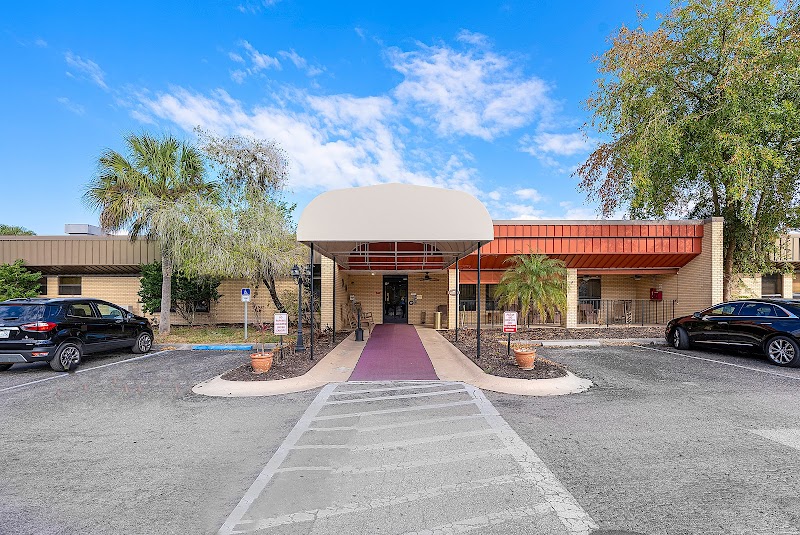
How is North Port Rehabilitation And Nursing Center Staffed?

CMS rates NORTH PORT REHABILITATION AND NURSING CENTER's staffing level at 3 out of 5 stars, which is average compared to other nursing homes. Staff turnover is 37%, compared to the Florida average of 46%. This relatively stable workforce can support continuity of care. RN turnover specifically is 56%, which is notably high. RNs provide skilled clinical oversight, so turnover in this role can affect medical care quality.

What Have Inspectors Found at North Port Rehabilitation And Nursing Center?

State health inspectors documented 34 deficiencies at NORTH PORT REHABILITATION AND NURSING CENTER during 2021 to 2024. These included: 34 with potential for harm.
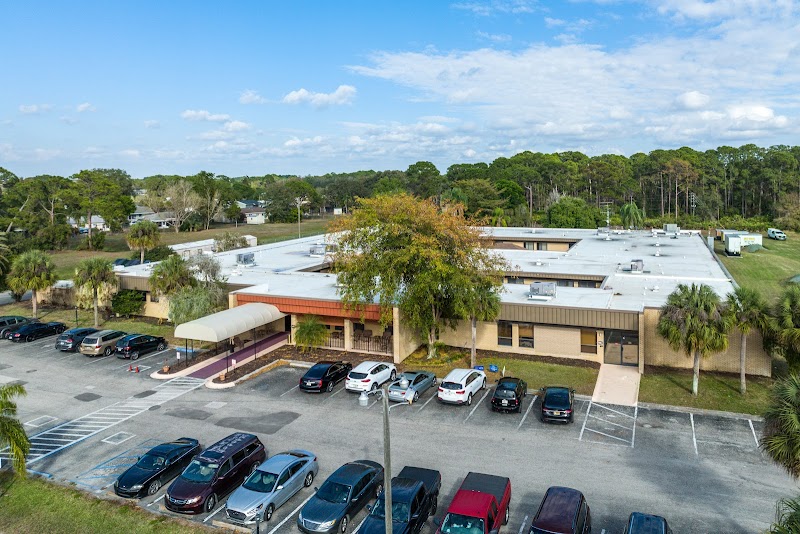
Who Owns and Operates North Port Rehabilitation And Nursing Center?

NORTH PORT REHABILITATION AND NURSING CENTER is owned by a for-profit company. For-profit facilities operate as businesses with obligations to shareholders or private owners. The facility is operated by ASTON HEALTH, a chain that manages multiple nursing homes. With 120 certified beds and approximately 103 residents (about 86% occupancy), it is a mid-sized facility located in NORTH PORT, Florida.
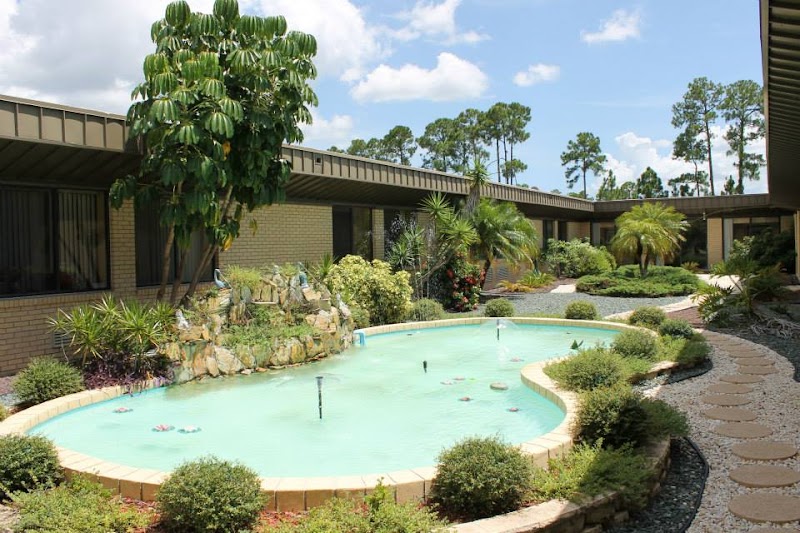
How Does North Port Rehabilitation And Nursing Center Compare to Other Florida Nursing Homes?

Compared to the 100 nursing homes in Florida, NORTH PORT REHABILITATION AND NURSING CENTER's overall rating (3 stars) is below the state average of 3.2, staff turnover (37%) is near the state average of 46%, and health inspection rating (2 stars) is below the national benchmark.

What Should Families Ask When Visiting North Port Rehabilitation And Nursing Center?

Based on this facility's data, families visiting should ask: "Can I visit during a mealtime to observe dining assistance and food quality?" "How do you handle medical emergencies, and what is your hospital transfer rate?" "Can I speak with family members of current residents about their experience?"

Is North Port Rehabilitation And Nursing Center Safe?

Based on CMS inspection data, NORTH PORT REHABILITATION AND NURSING CENTER has a clean safety record: no substantiated abuse findings (meaning no confirmed cases of resident harm), no Immediate Jeopardy citations (the most serious violation level indicating risk of serious injury or death), and is not on the Special Focus Facility watch list (a federal program monitoring the lowest-performing 1% of nursing homes). The facility has a 3-star overall rating and ranks #100 of 100 nursing homes in Florida. While no facility is perfect, families should still ask about staff-to-resident ratios and recent inspection results during their visit.

Do Nurses at North Port Rehabilitation And Nursing Center Stick Around?

NORTH PORT REHABILITATION AND NURSING CENTER has a staff turnover rate of 37%, which is about average for Florida nursing homes (state average: 46%). Moderate turnover is common in nursing homes, but families should still ask about staff tenure and how the facility maintains care continuity when employees leave.

Was North Port Rehabilitation And Nursing Center Ever Fined?

NORTH PORT REHABILITATION AND NURSING CENTER has been fined $20,056 across 2 penalty actions. This is below the Florida average of $33,279. While any fine indicates a compliance issue, fines under $50,000 are relatively common and typically reflect isolated problems that were subsequently corrected. Families should ask what specific issues led to these fines and confirm they've been resolved.

Is North Port Rehabilitation And Nursing Center on Any Federal Watch List?

NORTH PORT REHABILITATION AND NURSING CENTER is not on any federal watch list. The most significant is the Special Focus Facility (SFF) program, which identifies the bottom 1% of nursing homes nationally based on persistent, serious quality problems. Not being on this list means the facility has avoided the pattern of deficiencies that triggers enhanced federal oversight. This is a positive indicator, though families should still review the facility's inspection history directly.