AVIATA AT ARBOR SPRINGS
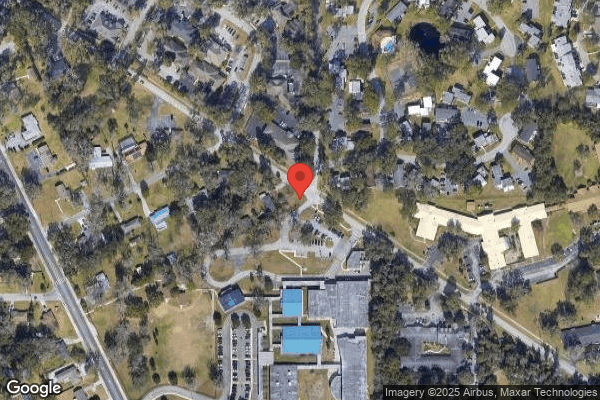
1501 SE 24TH RD, OCALA, FL 34471 (352) 629-8900
For profit - Individual 180 Beds AVIATA HEALTH GROUP Data: November 2025
Trust Grade
35/100
#599 of 690 in FL
Last Inspection: May 2024

Within standard 12-15 month inspection cycle. Federal law requires annual inspections.

Overview

Aviata at Arbor Springs has received a Trust Grade of F, indicating poor performance with significant concerns regarding care quality. Ranked #599 out of 690 facilities in Florida, they fall in the bottom half, and they are last in Marion County, ranked #11 out of 11. The facility is showing signs of improvement, reducing issues from 11 in 2024 to 6 in 2025, but it still has a very high staff turnover rate of 63%, which is concerning compared to the state average of 42%. While there have been no fines reported, the RN coverage is below average, being less than 97% of state facilities, which raises concerns about adequate nursing oversight. Specific incidents noted by inspectors include a lack of proper personal protective equipment when administering medications through a gastrostomy tube, and failures to provide required Medicare notices to two residents, which could lead to unexpected billing issues. Overall, while there are some positive trends in reducing issues, families should weigh these against the facility's low trust grade and staffing challenges.

Trust Score
F
35/100
In Florida
#599/690
Bottom 14%
Safety Record
Low Risk
No red flags
Inspections
Getting Better
11 → 6 violations
Staff Stability
⚠ Watch
63% turnover. Above average. Higher turnover means staff may not know residents' routines.
Penalties
✓ Good
No fines on record. Clean compliance history, better than most Florida facilities.
Skilled Nurses
⚠ Watch
Each resident gets only 19 minutes of Registered Nurse (RN) attention daily — below average for Florida. Fewer RN minutes means fewer trained eyes watching for problems.
Violations
⚠ Watch
40 deficiencies on record. Higher than average. Multiple issues found across inspections.
★☆☆☆☆
1.0
Overall Rating
★☆☆☆☆
1.0
Staff Levels
★★★★☆
4.0
Care Quality
★★☆☆☆
2.0
Inspection Score
Stable
2024: 11 issues
2025: 6 issues

The Good

  • 4-Star Quality Measures · Strong clinical quality outcomes
  • Full Sprinkler Coverage · Fire safety systems throughout facility
  • No fines on record

Facility shows strength in quality measures, fire safety.

The Bad

1-Star Overall Rating

Below Florida average (3.2)

Significant quality concerns identified by CMS

Staff Turnover: 63%

17pts above Florida avg (46%)

Frequent staff changes - ask about care continuity

Chain: AVIATA HEALTH GROUP

Part of a multi-facility chain

Ask about local staffing decisions and management

Staff turnover is elevated (63%)

15 points above Florida average of 48%

The Ugly 40 deficiencies on record

May 2025 4 deficiencies
CONCERN (D) 📢 Someone Reported This

A family member, employee, or ombudsman was alarmed enough to file a formal complaint

Potential for Harm - no one hurt, but risky conditions existed

Assessment Accuracy (Tag F0641)

Could have caused harm · This affected 1 resident

**NOTE- TERMS IN BRACKETS HAVE BEEN EDITED TO PROTECT CONFIDENTIALITY** Based on record review and interview, the facility failed to ensure resident assessments accurately reflected each resident's st...

Read full inspector narrative →
**NOTE- TERMS IN BRACKETS HAVE BEEN EDITED TO PROTECT CONFIDENTIALITY** Based on record review and interview, the facility failed to ensure resident assessments accurately reflected each resident's status for 1 of 3 residents reviewed for nutrition, Resident #3. Findings include: Review of Resident #3's annual Minimum Data Set (MDS) dated [DATE] showed the resident was not on a therapeutic diet while a resident at the facility under Section K- Swallowing/Nutritional Status. Review of Resident #3's physician order dated 11/18/2024 read, Regular diet Regular texture, regular/thin consistency, CCD NAS (Controlled Carbohydrate Diet No Added Salt) diet. During an interview on 5/8/2025 at 10:13 AM, the MDS Coordinator stated, [Resident #3's name] MDS will have to be modified to reflect she was on a controlled carbohydrate diet back in November. During an interview on 5/8/2025 at 10:48 AM, the Director of Nursing stated, The MDS should be accurate, reflecting the correct information pertaining to the resident.
CONCERN (D) 📢 Someone Reported This

A family member, employee, or ombudsman was alarmed enough to file a formal complaint

Potential for Harm - no one hurt, but risky conditions existed

Quality of Care (Tag F0684)

Could have caused harm · This affected 1 resident

Based on observation, interview, and record review, the facility failed to ensure residents received care and services according to professional standards of practice for 2 of 6 residents reviewed for...

Read full inspector narrative →
Based on observation, interview, and record review, the facility failed to ensure residents received care and services according to professional standards of practice for 2 of 6 residents reviewed for IV (Intravenous) therapy, Residents #6 and #3. Findings include: 1) During an observation on 5/8/2025 at 5:40 AM, Resident #6 was sleeping. The resident had a single lumen midline catheter to her left upper arm, infusing IV fluids. The transparent dressing over the midline insertion site was lifting up at the edges. Under the transparent dressing, there was a gauze that had dried blood on it; occluding the view of the insertion site. The dressing was dated 4/29/2025. Review of Resident #6's physician order dated 4/29/2025 read, Insert midline: May use 1% Lidocaine for IV insertion one time only for IV hydration for one day. Review of Resident #6's physician order dated 5/1/2025, with discontinued date of 5/2/2025 read, Change Left arm midline catheter dressing every week with transparent dressing. Review of Resident #6's medication administration record (MAR) for May 2025 showed no midline catheter dressing changes documented. During an interview on 5/8/2025 at 6:02 AM, Staff E, Registered Nurse (RN), stated, The dressing should have been changed already. I'm not sure why it wasn't. The date on it is 4/29/2025. There is blood and gauze under the dressing that makes it needed to be changed. I'm not sure why it wasn't. During an interview on 5/8/2025 at 7:30 AM, Resident #6 stated, That [the dressing] hasn't been changed at all since I got it put in. It's had blood under that since it was put in. It was bleeding a little when they put it in. I needed to get these IV fluids because my kidneys weren't working so good. During an observation on 5/8/2025 at 10:50 AM, Resident #6 was resting quietly in bed with a left midline with IV fluids infusing. The dressing was dated 4/29/2025 and was pulling up from the skin. There was a 2x2 gauze covered with dried blood under the transparent dressing. During an interview on 5/8/2025 at 12:55 PM, the Director of Nursing (DON) stated, All central line dressings need to be changed every 7 days. If there is gauze under a dressing, it should be changed every 2 days. Review of the facility policy and procedure titled Catheter Insertion and Care read, Midline dressing changes: Policy: Midline catheter dressings will be changed at specified intervals, or when needed, to prevent catheter-related infections associated with contaminated, loosened or soiled catheter-site dressings. General Guidelines: 1. Change midline catheter dressing 24 hours after catheter insertion, every 5-7 days, or if it is wet, dirty, not intact, or compromised in any way . 4. Use a sterile, transparent, semi- permeable membrane (TSM) or gauze dressing. If gauze dressing is used, cover the gauze with a TSM dressing and change the dressing every 48 hours.2) During an interview on 5/8/2025 at 6:28 AM, Resident #3 stated, The staff inserted a midline in my arm by mistake. I did not need the midline for the medication that was prescribed. I even took a picture of the midline. Then the staff had to remove the midline from my arm when they realized the medication was an injection. Review of Resident #3's physician order dated 3/27/2025 read, Ceftriaxone Sodium Intravenous Solution Reconstitued 1 GM [gram] (Ceftriaxone Sodium), Use 1 gram intravenously every 24 hours for infection/abscess for 7 days dilute with 2.1 ml [milliliters] of 1% lidocaine solution. Review of Resident #3's physician order dated 3/27/2025 read, Insert midline IV for Ceftriaxone Sodium Intravenous Solution Reconstituted 1 GM, may us 1% lidocaine STAT for antibiotic use. Review of Resident #3's physician order dated 3/27/2025 read, Ceftriaxone Sodium Solution Reconstitueted 1 GM, Inject 1 gram intramuscularly every 24 hours for infection/abscess for 7 Days Dilute with 2.1 mL of 1% lidocaine solution. Review of Resident #3's Medication Administration Record (MAR) for March 2025 showed midline was inserted on 3/27/2025 at 11:00 PM. Review of Resident #3's MAR for March 2025 showed Ceftriaxone Sodium Injection Solution was administered intramuscularly from 3/28/2025 through 3/31/2025. Review of Resident #3's MAR for April 2025 showed Ceftriaxone Sodium Injection Solution was administered intramuscularly from 4/1/2025 through 4/3/2025. Review of Resident #3 progress note dated 3/27/2025 read, resident need iv (intravenous) access for antibiotics. Review of Resident #3's progress note dated 3/28/2025 read, Received orders to remove pt [patient] midline. Old dressing was removed, site was cleansed with chlorhexidine solution, and allowed to air dry. Midline catheter was gently removed, applying pressure to the insertion site. Catheter tip was inspected for integrity, tip intact. Insertion site held with sterile gauze and hemostasis achieved within expected timeframe. Pressure bandage was applied to site. Pt was educated on dressing care and signs and symptoms to report to nurse. Review of Resident #3's progress note dated 4/3/2025 read, Plan . Abscess labia, Ceftriaxone 1 gram IM [intramuscular] daily for 3 days for a total of 10 days of therapy. During an interview on 5/8/2025 at 8:30 AM, Staff A, Licensed Practical Nurse (LPN), Unit Manager, stated, [Resident #3's name] midline was inserted accidently and it had to be removed. [Staff B, LPN's name] was the nurse who put in the order for the intravenous medication. During an interview on 5/8/2025 at 8:44 AM, Staff B, LPN, stated, I don't recall much. I do think [the Advance Registered Nurse Practitioner #1's name] called and requested a midline to be inserted. During an interview on 5/8/2025 at 8:52 AM, the Director of Nursing stated, I spoke to [Staff A's name] and he said it [inserting a midline] was a mistake and a nurse caught the mistake and they removed the midline and corrected the order. I am not sure if the doctor was notified. During an interview on 5/8/2025 at 8:54 AM, the Advance Registered Nurse Practitioner #1 stated, [Resident #3's name] Ceftriaxone was never meant to be given intravenously. [Resident #3's name] was never meant to get a midline inserted. I never gave an order to insert a midline. This was a mistake from a nurse. I was there the following day and caught the mistake and the order was corrected. [Resident #3's name] received all her doses of the mediation intramuscularly. I was not aware the midline was actually put in. I would have then not had it [the midline] removed and just change the route of the medication to intravenous. The risk was minimal for the resident. There is always risk for infection, but very minimal if any. A midline is pretty benign. During an interview on 5/9/2025 at 8:39 AM, Staff C, LPN, stated, Originally what happened was I came on shift the nurse from the prior shift told me she [Resident #3] needed a PICC [Peripherally Inserted Central Catheter] line. When they [the organization that provides intravenious catheter insertions] came in they stated it would be best for a midline. I told my supervisor, and he said to change it [the physician's order] to a midline. I believe the midline was not used [for Resident #3]. When I came back the next time, she [Resident #3] no longer had a midline. The nurse who told me she [Resident #3] needed the PICC line was [Staff B's name]. Review of the facility policy and procedure titled Insertion of Peripheral Midline or Peripherally Inserted Central Catheters revised on 1/17/2019 read, General Guidelines . 4. Placing a midline or PICC requires a provider order and a written consent from resident or legal guardian.
CONCERN (D) 📢 Someone Reported This

A family member, employee, or ombudsman was alarmed enough to file a formal complaint

Potential for Harm - no one hurt, but risky conditions existed

Deficiency F0757 (Tag F0757)

Could have caused harm · This affected 1 resident

Based on record review and interview, the facility failed to ensure residents' drug regimen were free from unnecessary antibiotic use based on adequate indications to reduce the risk of the developmen...

Read full inspector narrative →
Based on record review and interview, the facility failed to ensure residents' drug regimen were free from unnecessary antibiotic use based on adequate indications to reduce the risk of the development of antibiotic-resistant organisms for 1 of 3 residents reviewed for infection, Resident #7. Findings include: Review of Resident #7's physician order dated 5/4/2025 read, Ertapenem Sodium injection solution reconstituted 1 GM [gram], Inject 1 gram intramuscularly one time a day for UTI [Urinary Tract Infection] for 10 days. Review of Resident #7's physician order dated 5/4/2025 read, Urinalysis w [with]/reflex culture one time only related to quadriplegia, unspecified. Review of Resident #7's physician progress note dated 5/4/2025 read, Assessment/Plan: 1. Trach bleeding/Dark urine: Improved: No further episodes of bleeding from trach. Secretions are normal (pale yellow) in color, consistency. Eliquis was put on hold - but no improvement in color of urine. He has had history of UTI with brown-colored urine in March 2025. Ordered UA [urinalysis]/UC [urine culture] yesterday but do not see this. Will reorder. He was given water bolus to flush kidneys a bit but no improvement in urine color. With initial trach bleeding and concern for possible hematuria, Eliquis was put on hold. 2. Suspect UTI: As Eliquis does not seem to be cause of this (off it 40 hours without change), and with his history of UTI and he has suprapubic catheter - start Ertapenem 1 GM IV [intravenous] every 24 hours x 10 days. Primary team to be updated and to await UC results. Await labs as previously ordered. Review of Resident #7's nursing progress note dated 5/5/2025 read, Was unable to collect a urine sample. MD [Medical Doctor] has been notified. Awaiting new orders. Review of Resident #7's laboratory records showed no urinalysis or urine culture reports. Review of Resident #7's nursing progress notes from 5/5/2025 through 5/9/2025 showed no additional notes related to a urinalysis or urine culture. Review of resident #7's physician orders for 5/5/2025 through 5/9/2025 showed no additional orders for a urinalysis or urine cultures. During an interview on 5/9/2025 at 9:55 AM, the Infection Preventionist stated, This antibiotic [for Resident #7] should not have been continued. The weekend nurse practitioner started the resident on antibiotics empirically due to him having frequent UTIs. We did not get the culture and sensitivity, and we should have done this. He [Resident #7] is not having fevers. His white count was normal. He would not need this medication based on his clinical picture. During an interview on 5/9/2025 at 10:15 AM, Staff A, Licensed Practical Nurse (LPN), stated, I'm not sure why the urine was not recollected or attempted again. We should have notified the doctor or nurse practitioner and gotten that done. We should have followed up and gotten the order discontinued. During an interview on 5/9/2025 at 10:30 AM, the Director of Nursing (DON) stated, If a resident has burning on urination, sometimes the doctor will treat with wide spectrum antibiotics. We should collect a UA. We should have discontinued the antibiotic or gotten a UA. During an interview on 5/9/2025 at 10:41 AM, the Advanced Practice Registered Nurse stated, The antibiotics [for Resident #7] were prophylactic for possible symptoms [of a urinary tract infection]. We start antibiotics, get UA with culture and sensitivity. I am not sure why there wasn't a UA. I wanted the primary team to follow up on that and I guess they didn't. I would stop the antibiotic if the culture or U/A are negative or if the resident wasn't showing signs of a UTI.
CONCERN (D) 📢 Someone Reported This

A family member, employee, or ombudsman was alarmed enough to file a formal complaint

Potential for Harm - no one hurt, but risky conditions existed

Antibiotic Stewardship (Tag F0881)

Could have caused harm · This affected 1 resident

Based on record review and interview, the facility failed to implement the antibiotic stewardship program by failing to monitor the use of antibiotics to reduce the risk of the development of antibiot...

Read full inspector narrative →
Based on record review and interview, the facility failed to implement the antibiotic stewardship program by failing to monitor the use of antibiotics to reduce the risk of the development of antibiotic-resistant organisms for 1 of 3 residents reviewed for infection, Resident #7. Findings include: Review of Resident #7's admission record showed diagnoses that included, but not limited to, acute and chronic respiratory failure with hypoxia, personal history of traumatic brain injury, traumatic subarachnoid hemorrhage without loss of consciousness, tracheostomy status, gastrostomy status, neuromuscular dysfunction of bladder, post traumatic seizures, and quadriplegia. Review of Resident #7's physician order dated 5/4/2025 read, Urinalysis w [with]/reflex culture one time only related to quadriplegia, unspecified. Review of Resident #7's physician order dated 5/4/2025 read, Ertapenem Sodium injection solution reconstituted 1 GM [gram], Inject 1 gram intramuscularly one time a day for UTI [Urinary Tract Infection] for 10 days. Review of Resident #7's physician progress note dated 5/4/2025 read, Assessment/Plan: 1. Trach bleeding/Dark urine: Improved: No further episodes of bleeding from trach. Secretions are normal (pale yellow) in color, consistency. Eliquis was put on hold - but no improvement in color of urine. He has had history of UTI with brown-colored urine in March 2025. Ordered UA [urinalysis]/UC [urine culture] yesterday but do not see this. Will reorder. He was given water bolus to flush kidneys a bit but no improvement in urine color. With initial trach bleeding and concern for possible hematuria, Eliquis was put on hold. 2. Suspect UTI: As Eliquis does not seem to be cause of this (off it 40 hours without change), and with his history of UTI and he has suprapubic catheter - start Ertapenem 1 GM IV [intravenous] every 24 hours x 10 days. Primary team to be updated and to await UC results. Await labs as previously ordered. Review of Resident #7's nursing progress note dated 5/5/2025 read, Was unable to collect a urine sample. MD [Medical Doctor] has been notified. Awaiting new orders. Review of Resident #7's laboratory records showed no urinalysis or urine culture reports. Review of Resident #7's nursing progress notes from 5/5/2025 through 5/9/2025 showed no additional notes related to a urinalysis or urine culture. Review of resident #7's physician orders for 5/5/2025 through 5/9/2025 showed no additional orders for a urinalysis or urine cultures. During an interview on 5/9/2025 at 9:55 AM, the Infection Preventionist stated, This antibiotic [for Resident #7] should not have been continued. The weekend nurse practitioner started the resident on antibiotics empirically due to him having frequent UTIs. We did not get the culture and sensitivity, and we should have done this. This would not be appropriate, we need to follow our antibiotic stewardship for all antibiotics to prevent possible MDROs [multi drug resistant organisms]. He [Resident #7] is not having fevers. His white count was normal. He would not need this medication based on his clinical picture. During an interview on 5/9/2025 at 10:15 AM, Staff A, Licensed Practical Nurse (LPN), stated, I'm not sure why the urine was not recollected or attempted again. We should have notified the doctor or nurse practitioner and gotten that done. We should have followed up and gotten the order discontinued. During an interview on 5/9/2025 at 10:30 AM, the Director of Nursing (DON) stated, If a resident has burning on urination, sometimes the doctor will treat with wide spectrum antibiotics. We should collect a UA. We should follow our policies for antibiotic stewardship. We should have discontinued the antibiotic or gotten a UA. During an interview on 5/9/2025 at 10:41 AM, the Advanced Practice Registered Nurse stated, The antibiotics [for Resident #7] were prophylactic for possible symptoms [of a urinary tract infection]. We start antibiotics, get UA with culture and sensitivity. I am not sure why there wasn't a UA. I wanted the primary team to follow up on that and I guess they didn't. I would stop the antibiotic if the culture or U/A are negative or if the resident wasn't showing signs of a UTI. Review of the facility policy and procedure titled Antibiotic Stewardship read, Policy Statement: Antibiotics will be prescribed and administered to residents under the guidance of the facility's Antibiotic Stewardship Program. Policy Interpretation and Implementation: 1. The purpose of our Antibiotic Stewardship Program is to monitor the use of antibiotics in our residents . 4. If an antibiotic is indicated, prescribers will provide complete antibiotic orders including the following elements: a. Drug name; b. Dose; c. Frequency of administration; d. Duration of treatment: 1) start and stop date; or 2) number of days of therapy e. route of administration; and f. indications of use . 11. When a culture and sensitivity (C&S) is ordered lab results and the current clinical condition will be communicated to the prescriber as soon as available to determine if antibiotic therapy should be started, continued, modified or discontinued.
Mar 2025 1 deficiency
CONCERN (D) 📢 Someone Reported This

A family member, employee, or ombudsman was alarmed enough to file a formal complaint

Potential for Harm - no one hurt, but risky conditions existed

Respiratory Care (Tag F0695)

Could have caused harm · This affected 1 resident

**NOTE- TERMS IN BRACKETS HAVE BEEN EDITED TO PROTECT CONFIDENTIALITY** Based on observation, interview, and record review, the facility failed to ensure residents received the correct oxygen flow rat...

Read full inspector narrative →
**NOTE- TERMS IN BRACKETS HAVE BEEN EDITED TO PROTECT CONFIDENTIALITY** Based on observation, interview, and record review, the facility failed to ensure residents received the correct oxygen flow rate for 1 of 3 residents, Resident #6, reviewed for respiratory services. Findings include: During an observation on 3/6/2025 at 9:18 AM Resident #6 was lying in bed with oxygen being administered at 2 liters per minute via tracheotomy mask. During an observation on 3/6/2025 at 12:54 PM with the Director of Nursing (DON), Resident #6 was lying in bed. Oxygen was being administered at 2 liters via tracheostomy mask. Review of Resident #6 physician order dated 2/19/2025 read, Trach Ventilator Setting: FI027 [fraction of inspired oxygen], 5Lo2 (5 liters oxygen) humidified. Review of Resident #6 admission Record documented the resident was admitted on [DATE] with diagnosis that includes but not limited to chronic respiratory failure with hypoxia, chronic obstructive pulmonary disease, and sleep apnea. During an interview on 3/6/2025 at 12:56 PM the DON stated, Resident #6 has orders for 5 liters he was at 2 liters. Staff should review orders and verify that the resident flow rate is correct. Staff should follow physician orders. Review of the policy and procedure titled Oxygen Therapy with a revision date of 8/28/2017 read, Procedure: Review physician's order. Start O2 (oxygen) flowrate at the prescribed liter flow or appropriate flow for administration device.
Feb 2025 1 deficiency
MINOR (C) 📢 Someone Reported This

A family member, employee, or ombudsman was alarmed enough to file a formal complaint

Minor Issue - procedural, no safety impact

Staffing Information (Tag F0732)

Minor procedural issue · This affected most or all residents

Based on observation and interview, the facility failed to ensure nurse staffing information was posted on a daily basis. Findings include: During an observation on 2/6/2025 at 8:45 AM, upon entrance...

Read full inspector narrative →
Based on observation and interview, the facility failed to ensure nurse staffing information was posted on a daily basis. Findings include: During an observation on 2/6/2025 at 8:45 AM, upon entrance to the facility, the nurse staffing information posted in the front lobby was dated 2/3/2025. During an interview on 2/6/2025 at approximately 9:00 AM, the Administrator stated it was the expectation to have the staffing information posted and readily available with the correct information at the beginning of each shift, and the facility had no policy for posting the nurse staffing.
Aug 2024 4 deficiencies
CONCERN (D) 📢 Someone Reported This

A family member, employee, or ombudsman was alarmed enough to file a formal complaint

Potential for Harm - no one hurt, but risky conditions existed

Deficiency F0558 (Tag F0558)

Could have caused harm · This affected 1 resident

**NOTE- TERMS IN BRACKETS HAVE BEEN EDITED TO PROTECT CONFIDENTIALITY** Based on record review and interview, the facility failed to ensure residents were transferred out of bed using mechanical lift ...

Read full inspector narrative →
**NOTE- TERMS IN BRACKETS HAVE BEEN EDITED TO PROTECT CONFIDENTIALITY** Based on record review and interview, the facility failed to ensure residents were transferred out of bed using mechanical lift for 1 of 3 residents reviewed, Resident #4. Findings include: Review of Resident #4's admission record showed the resident was admitted on [DATE] with diagnoses including type 2 diabetes mellitus with diabetic neuropathy, essential hypertension, hyperlipidemia, obesity, depression, sleep apnea, muscle weakness, neuralgia and neuritis, Transient Ischemic Attack (TIA) and cerebral infarction, and anemia. Review of Resident #4's care plan showed the resident was at risk for decreased ability to perform ADLs (Activities of Daily Living) in bathing, grooming, personal hygiene, dressing, eating, bed mobility, transfer, locomotion and toileting related to activity intolerance, CVA (Cerebrovascular Accident), recent hospitalization, and recent illness. During an interview on 8/21/2024 at 10:00 AM, Resident #4 stated, The Hoyer lift had dead batteries for 3 days, Friday [8/16/2024], Saturday [8/17/2024], and Sunday [8/18/2024]. They were not able to get me out of bed. During an interview on 8/21/2024 at 2:15 PM, Staff H, CNA, stated, Each unit has charging stations in the clean utility room. We are having an issue with the batteries not charging. During an interview on 8/21/2024 at 2:22 PM, Staff I, CNA, stated, We check the batteries prior to using them. We are having an issue with the batteries. During an interview on 8/22/2024 at 10:10 AM, Staff J, Certified Nursing Assistant (CNA), stated that Resident #4 was assigned to her on Sunday (8/18/2024) and confirmed that she did not get the resident out of bed. She stated, I went to 3 other units looking for batteries [for mechanical lift] that were charged, and unable to find one. During an interview on 8/22/2024 at 10:19 AM, Staff K, CNA, confirmed that she did not get Resident #4 out of bed on 8/17/2024, and stated, I had him on Saturday [8/17/2024]. He has other options to get out of bed like the slide board, but he prefers to use the Hoyer. I went to another unit, the 500 Hall, but the batteries had very low charge and did not work when put on the Hoyer. During an interview on 8/22/2024 at 12:52 PM, with the Director of Nursing (DON) stated, Staff is expected to go to another area to get a battery for the Hoyer lift if the ones in their area are not functioning. I had not been informed that there was an issue.
CONCERN (D) 📢 Someone Reported This

A family member, employee, or ombudsman was alarmed enough to file a formal complaint

Potential for Harm - no one hurt, but risky conditions existed

Safe Environment (Tag F0584)

Could have caused harm · This affected 1 resident

Based on observation and interview, the facility failed to provide a clean and homelike environment (Photographic evidence obtained). Findings include: During an observation on 8/21/2024 at 10:22 AM, ...

Read full inspector narrative →
Based on observation and interview, the facility failed to provide a clean and homelike environment (Photographic evidence obtained). Findings include: During an observation on 8/21/2024 at 10:22 AM, there was a dead brown small pest in a cobweb noted high on the left side of the bed directly below the ceiling tiles in Resident #5's room. During an interview on 8/21/2024 at 10:22 AM, Resident #5 stated, I don't want bugs in my room. During an observation on 8/21/2024 at 10:41 AM, the baseboard in Resident #1's room was peeling away from the wall and there were multiple dead brown small pests inside the baseboard. There were three dead brown small pests inside the cobwebs high on the walls. There were two dead brown small pests above the windows and one on the left side of the bed below the ceiling tiles, all three in cobwebs. During an interview on 8/21/2024 at 10:41 AM, Resident #1 stated, I see live bugs crawling all over especially in the bathroom. If they sprayed in here, I don't remember. I don't know if those bugs are alive or dead bugs on the walls, but they are gross. They should clean them off. During an observation on 8/21/2024 at 10:44 AM with Staff A, Housekeeper, there was a dead small brown pest in cobweb in the corner by the head of the bed in Resident #9's room. During an interview on 8/21/2024 at 10:44 AM, Staff A, Housekeeper, acknowledged the dead small brown pest in cobweb in the corner by the head of the bed in Resident #9's room. During an observation of Resident #1's and Resident #5's rooms on 8/21/2024 at 2:54 PM, with the Housekeeping Supervisor, he confirmed the dead bugs present in the cobwebs. During an interview on 8/21/2024 at 2:54 PM, the Housekeeping Supervisor stated, The rooms need to be cleaned and dusted. The floors and any touchable areas are to be cleaned every day. Cobwebs and bugs should be dusted away every day. The staff will have to look up high. We were treating one hall at a time, and I believe that plays a role in some of the rooms having bugs. I wonder if they are going into the ceilings.
CONCERN (D) 📢 Someone Reported This

A family member, employee, or ombudsman was alarmed enough to file a formal complaint

Potential for Harm - no one hurt, but risky conditions existed

Quality of Care (Tag F0684)

Could have caused harm · This affected 1 resident

Based on interview and record review the facility failed to ensure that residents received treatment and care in accordance with professional standards of practice when a dietary supplement for wound ...

Read full inspector narrative →
Based on interview and record review the facility failed to ensure that residents received treatment and care in accordance with professional standards of practice when a dietary supplement for wound healing was not provided as ordered for 1 of 3 residents, Resident #2. Findings include: Record review of Resident #2's clinical record revealed resident was admitted with diagnosis that included pressure ulcers, paraplegia, muscle wasting, and atrophy. Review of Resident #2's physician orders dated 8/14/2024 read Juven [a supplement that provides essential nutrients for wound healing] two times a day for supplement Juven 1 packet w/(with) 8 oz (ounces) water BID (twice a day). Review of Resident #2's Medication Administration Record (MAR) dated 8/1/2024 - 8/31/2024 revealed that Juven was not documented as administered on 8/16, 8/17, 8/18 (2 doses), 8/21 (2 doses), and 8/22. There was no documentation in the chart where the doctor or nutritionist was informed that Juven was not available and was not administered. During an interview on 8/21/2024 at 2:50 PM, Resident #2 stated, I'm really worried now about my wound. I am not receiving the drink that I am supposed to get twice a day to help my wounds heal. I don't know the name, its protein or something. They said [the facility] they didn't have any. During an interview on 8/22/2024 at 2:25 PM, Staff O, LPN stated that she was assigned to [Resident #2's Name] and he was not provided Juven because she did not have it on her cart, and she did not call and notify the physician to inform him that the medication was not given. During an interview on 8/22/2024 at 2:30 PM, Staff P, Dietician, stated, I was not told that Juven was not available. If Juven or any nutritional supplement is ordered and not available, the physician and the nutritionist needs to be contacted so, if necessary, a replacement can be ordered. I was not told that Juven was not available. During an interview on 8/22/2024 the Director of Nursing stated, I expect physician orders to be followed and if the order cannot be followed the physician is to be notified.
CONCERN (D) 📢 Someone Reported This

A family member, employee, or ombudsman was alarmed enough to file a formal complaint

Potential for Harm - no one hurt, but risky conditions existed

Accident Prevention (Tag F0689)

Could have caused harm · This affected 1 resident

Based on interview and record review, the facility failed to ensure resident environment was free of accident hazards by failing to ensure locks on the beds worked for 1 of 3 residents reviewed for ac...

Read full inspector narrative →
Based on interview and record review, the facility failed to ensure resident environment was free of accident hazards by failing to ensure locks on the beds worked for 1 of 3 residents reviewed for accidents, Resident #2. Findings include: During an interview on 8/31/2024 at 2:50 PM, Resident #2 stated, I tried to transfer to the bed from the wheelchair, which I have done for years. The bed was not locked. The bed moved and I fell to the floor. The bed would not lock. It was broke. Review of Work Order #5582 for Resident #2's bed dated 8/1/2024 showed it read, Room/Area: [Resident #2's room number] . Comments: bed wheels replaced 8/2/24. Review of Work Order #5641 for Resident #2's bed dated 8/13/2024 showed it read, Notes: Resident stated that the bed is not going down. It is causing resident to be unable to on his feet. During an interview on 8/22/2024 at 12:51 PM, the Maintenance Director stated, The bed would not lock, and an order was placed in TELLS [communication tool for maintenance work orders]. I do not have a routine schedule to routinely check the beds to make sure the wheels lock or the beds are functioning appropriately and are safe. When the residents or staff find a problem, the staff just place an order in TELLS and I fix whatever needs to be fixed. During an interview on 8/22/2024 at 3:10 PM, the Director of Nursing stated, [Resident #2's name] bed would not lock. An order was placed. I'm not sure that maintenance has a routine maintenance check for bed safety. During an interview via telephone on 8/22/2024 at 3:49 PM, Staff C, Registered Nurse, stated, [Resident #2's name] uses the bed and wheelchair to move by himself. Two days after he came from the hospital, I heard him yelling out and I went in to help him. He fell trying to transfer from the wheelchair to the bed. The bed was not working. It would not lock. Honestly, I do not check the beds to see if they lock. That's maintenance or other attending staff. If someone checks the beds, I don't know who it is. During an interview on 8/22/2024 at 4:00 PM, the Director of Nursing stated, It was identified that the bed would not lock. No correction plan was initiated after discovery that the bed would not lock, and the resident fell. No action plan was initiated to check the beds routinely to prevent in the future. No education was provided to staff on bed checks for functionality.
May 2024 7 deficiencies
CONCERN (D)

Potential for Harm - no one hurt, but risky conditions existed

Comprehensive Care Plan (Tag F0656)

Could have caused harm · This affected 1 resident

**NOTE- TERMS IN BRACKETS HAVE BEEN EDITED TO PROTECT CONFIDENTIALITY** Based on observation, interview, and record review, the facility failed to develop a comprehensive care plan for language and co...

Read full inspector narrative →
**NOTE- TERMS IN BRACKETS HAVE BEEN EDITED TO PROTECT CONFIDENTIALITY** Based on observation, interview, and record review, the facility failed to develop a comprehensive care plan for language and communication for 1 of 3 residents reviewed, Resident #155. Findings include: During an interview on 5/20/2024 at 10:31 AM, Resident #155 stated in Spanish, I only speak Spanish and at times I have a hard time communicating with staff. Review of Resident #155's Medicare 5-Day Minimum Data Set (MDS) dated [DATE] showed the assessment read, Section A: Identification information. A110. Language: Spanish. Review of Resident #155's care plan did not include language or communication as a focus. During an interview on 5/22/2024 at 12:22 PM, the MDS Coordinator stated, I don't see where he is care planned for communication. I will translate for him. Nurses who take care of him and communicate with him in Spanish. The social services also speaks Spanish. We spoke to therapy to get him a picture board. Review of the facility policy and procedures titled Plans of Care with the last approval date of 12/22/2023, showed the policy read, Policy: An individualized person-centered plan of care will be established by the interdisciplinary team (IDT) with the resident and/or resident representative(s) to the extent practicable and updated in accordance with state and federal regulatory requirements . Procedure: Develop a comprehensive plan of care for each resident that includes measurable objectives and timetables to meet the resident's medical, nursing, mental and psychosocial needs that are identified in the comprehensive assessment . Review, update and/or revise the comprehensive plan of are based on changing goals, preferences and needs of the resident and in response to current interventions after completion of each OBRA [Omnibus Budget Reconciliation Act] MDS [Minimum Data Set] assessment (except discharge assessments), and as needed. The interdisciplinary team shall ensure the plan of care addresses any resident needs and that the plan is oriented toward attaining or maintaining the highest practicable physical, mental and psychosocial well-being.
CONCERN (D)

Potential for Harm - no one hurt, but risky conditions existed

Respiratory Care (Tag F0695)

Could have caused harm · This affected 1 resident

**NOTE- TERMS IN BRACKETS HAVE BEEN EDITED TO PROTECT CONFIDENTIALITY** 2. During an observation on 5/20/2024 at 9:31 AM, Resident #96 was lying in bed with a speaking cap on tracheostomy site. A nasa...

Read full inspector narrative →
**NOTE- TERMS IN BRACKETS HAVE BEEN EDITED TO PROTECT CONFIDENTIALITY** 2. During an observation on 5/20/2024 at 9:31 AM, Resident #96 was lying in bed with a speaking cap on tracheostomy site. A nasal cannula was hanging on the side of the bedrail and an oxygen concentrator was running at 3 liters per minute. During an observation on 5/21/2024 at 8:00 AM, Resident #96 was lying in bed with a speaking cap on the tracheotomy site, with oxygen being administered at 3 liters per minute via nasal cannula. Review of Resident #96's physician orders showed an order dated 4/22/2024 for administration of oxygen at 4 liters/minute via tracheostomy collar, with humidification every shift. Review of Resident #96's care plan initiated on 4/5/2024 showed the care plan read, Focus: [Resident #96's name] exhibits or is at risk for respiratory complications related to dx [diagnosis] of: pneumonia, interstitial pulmonary disease, respiratory failure with hypercapnia, tracheostomy status, personal history of COVID-19, and hx [history] of pneumonitis due to aspiration . Interventions: Administer oxygen as ordered (Refer to MAR [Medication Treatment Record] for current order. During an interview on 5/23/2024 at 7:15 AM, the DON stated, Staff should be checking the order and check the rate on the oxygen machine making sure that it matches and adjust if it has been changed. Review of the facility policy and procedures titled Oxygen Therapy with the last review of 12/22/2023, showed the policy read, Procedure: Review physician orders. Based on observation, interview, and record review, the facility failed to ensure residents received appropriate respiratory care services for 2 of 5 residents reviewed for respiratory care, Residents #91 and Resident #96. Findings include: 1. Review of Resident #91's admission record showed the resident was admitted on [DATE] with diagnoses including acute and chronic respiratory failure with hypoxia and tracheostomy status. Review of Resident #91's physician orders showed an order dated 3/28/2024 for administration of oxygen at 4 liters/minute via tracheostomy collar, with humidification every shift and as needed. Review of Resident #91's physician order dated 5/6/2024 read, Suction tracheostomy tube as needed to clear airway. Document results in PN [progress notes] as need for trach [tracheostomy] care. During an observation on 5/20/2024 at 10:30 AM, Resident #91 was in bed with a tracheostomy collar, receiving oxygen at 5 liters per minute. During an observation on 5/22/2024 at 6:02 AM, Resident #91 was in bed with a tracheostomy collar, receiving oxygen at 5 liters per minute. During an observation on 5/22/2024 at 10:45 AM, Resident #91 was in bed with a tracheostomy collar, receiving oxygen at 5 liters per minute. During an interview on 5/22/2024 at 10:50 AM, Staff D, Registered Nurse (RN), stated, His order is for 4 liters of oxygen. I don't know how that happened. During an observation on 5/22/2024 at 2:00 PM, Staff E, Licensed Practical Nurse (LPN), assembled supplies for tracheal suctioning for Resident #91. Staff E donned sterile gloves, and with the sterile gloves, turned on the suction machine with her right hand. Staff E placed the flexible suction tubing into the tracheostomy and the tubing was touching the side of the tracheostomy collar. Staff E cleaned the flexible suction catheter with normal saline. Staff E waited 30 seconds and had the flexible suction catheter curled into her right gloved hand. After 30 seconds, Staff E applied suction while inserting the flexible catheter tubing into the tracheostomy, eliciting a cough, and removing the flexible catheter removing secretions. Staff E did not assess or auscultate breath sounds prior to or after completion of suctioning. During an interview on 5/22/2024 at 2:15 PM, Staff E, LPN, stated, I didn't realize that I touched the suction machine or the edge of the trach collar. I should not have. I didn't think that I had applied the suction when going down his tube. I should have assessed his lung sounds. During an interview on 5/23/2024 at 6:20 AM, the Director of Nursing (DON) stated, I expect the nurses to follow our policies related to suctioning and oxygen. Review of the facility policy and procedures titled Suctioning- Ventilator Dependent Residents with the last revision date of 8/24/2017, and the last approval date of 12/22/2023 read, Procedure . Perform hand hygiene . Set suction appropriately, Open the catheter packet and using sterile technique, place it near the resident's head, Put on gown and assess need for mask. Put on sterile gloves and grasp the catheter, Assess breath sounds . Hold the catheter so that its natural curve is aligned with the endotracheal or tracheostomy tube. Without applying suction, quickly and gently insert the catheter through the tube until the resident coughs or a slight obstruction is felt. Never force a catheter further if an obstruction is met. Withdraw the catheter 0.5 cm [centimeters] and apply suction while rotating the catheter between the thumb and forefinger. Each pass of the catheter should be no longer than 5-10 seconds and for no longer than 5 minutes in total. Repeat Step 12 . Assess sputum: color, consistency, odor, and amount. Send specimen if indicated. Assess breath sounds.
CONCERN (E)

Potential for Harm - no one hurt, but risky conditions existed

Deficiency F0658 (Tag F0658)

Could have caused harm · This affected multiple residents

2. During an observation on 5/20/2024 at 10:04 AM, Resident #151 was sitting in a wheelchair in his room. There was a medication cup with two white circular pills on top of the bedside table. Resident...

Read full inspector narrative →
2. During an observation on 5/20/2024 at 10:04 AM, Resident #151 was sitting in a wheelchair in his room. There was a medication cup with two white circular pills on top of the bedside table. Resident #151 grabbed the two circular pills and self-administered them. During an interview on 5/20/2024 at 10:04 AM, Resident #151 stated, The two [Name of Medication] are for pain. As a matter of fact, I should drink them now. During an observation on 5/21/2204 at 12:29 PM, Staff N, Licensed Practical Nurse (LPN), was standing at Resident #96's doorway. Staff N was pouring medications into a medication cup. Staff N placed all medications into a clear sleeve and crushed all medications. Staff N entered the room with two medication cups with liquid medication and a cup with powder medication in her hand. Staff N administered medication enterally to Resident #96. During an interview on 5/23/2024 at 9:33 AM, Staff N, LPN, stated, I did crush all the medications together. I should have put each medication in an individual medication cup, crush separately and administer individually via [Resident #96's name] gastric tube. During an interview on 5/23/2024 at 9:36 AM, the DON stated, Staff should have crushed [Resident #96's name] medication individually and administering the medication via gastric tube individually, not all at once. [Resident #151's name] is not able to self-administer medication. Medication should not be left at bedside. Review of the facility policy and procedures titled General Guidelines for Administering Medication Via Enteral Tube with the last review date of 12/22/2023, showed the policy read, Policy: The facility assures the safe and effective administration of enteral formulas and medications via enteral tubes . Procedures . E . 2. Crushed medications are not mixed together. The powder from each medication is mixed with 15 ml [milliliters] of water before administration. Based on observation, interview, and record review, the facility failed to ensure medications were administered appropriately for 3 of 9 reviewed residents with enteral tube, Residents #91, #96, #151, and for 1 of 2 residents with central catheters, Resident #260. Findings include: 1. During an observation of medication administration on 5/22/2024 at 10:45 AM, Staff D, Registered Nurse (RN), prepared 5 medications for Resident #91. Staff D entered Resident #91's room and disconnected the enteral feeding from the pump and from the resident. Staff D did not verify gastrostomy tube placement and immediately administered 60 milliliters of water by pushing the piston of the feeding syringe and not letting water flow via gravity. Staff D administered all 5 medications one after the other without flushing the enteral feeding tube between medications. All 5 medications were administered by pushing down the piston of the syringe and not by gravity flow. Staff D flushed the enteral tube with 15 milliliters of water. During an interview on 5/22/2024 at 10:55 AM, Staff D, RN, stated, I should have checked for placement by checking for any residual in his stomach. I did not flush between each medication. Review of the facility policy and procedures titled Specific Medication Administration Procedures, Enteral Tube Medication Administration with the last approval date of 12/22/2023 read, Policy: The facility assures the safe and effective administration of enteral formulas and medications via enteral tubes. Selection of enteral formulas, routes and methods of administration, and the decision to administer medications via enteral tubes are based on nursing assessment of the resident's condition, in consultation with the physician, dietitian, and consultant pharmacist. Procedures . L. With clubs on, check for proper tube placement checking gastric residual volume (GRV). Never check placement with water . P. Administer each medication separately and flush the tubing between each medication: 1) Place 15 ml (or prescribed amount) of room temperature water in syringe and flush tubing using gravity flow. Clamp tubing after the syringe is empty, allowing water to remain in the tube. 2) Pour dissolved/diluted medication in syringe and unclamped tubing, allowing medication to flow by gravity. 3) Flush tube with 15 ml (or prescribed amount) of water between each medication. Pinch tubing below the syringe tip when each volume of liquid clears the syringe to avoid excessive air from entering the stomach. 2. During an observation of Intravenous (IV) medication administration via midline catheter on 5/21/2024 at 6:30 AM, Staff B, RN, assembled all supplies to administer Resident #260's IV antibiotic. Staff B cleaned the needleless connector of the right arm midline catheter for less than 2 seconds. Staff B did not visualize the insertion site of the midline catheter and attached the 10-milliliter normal saline syringe and without verifying midline placement, infused the normal saline. Staff B let go of the midline catheter line and it touched Resident #260's skin as she reached for the IV antibiotic. Staff B attached the IV antibiotic with cleaning the needleless connector and began the antibiotic infusion. During an interview on 5/22/2024 at 12:02 PM, the Director of Nursing (DON) stated, I can't find a specific central line flush policy and procedure. I expect staff to clean the connector, check for blood return, and to assess the site while they administer the medications.
CONCERN (E)

Potential for Harm - no one hurt, but risky conditions existed

Quality of Care (Tag F0684)

Could have caused harm · This affected multiple residents

**NOTE- TERMS IN BRACKETS HAVE BEEN EDITED TO PROTECT CONFIDENTIALITY** 3. During an observation on 5/20/2024 at 9:46 AM, Resident #133's right thigh dressing was dated 5/16/2024. During an interview ...

Read full inspector narrative →
**NOTE- TERMS IN BRACKETS HAVE BEEN EDITED TO PROTECT CONFIDENTIALITY** 3. During an observation on 5/20/2024 at 9:46 AM, Resident #133's right thigh dressing was dated 5/16/2024. During an interview on 5/20/2024 at 9:46 AM, Resident #133 stated, Staff should come every day to change my dressing and they have not come since last Thursday. During an observation on 5/22/2024 at 12:30 PM, with Staff M, CNA, Resident #133's right thigh dressing was dated 5/20/2024. During an interview on 5/22/2024 at 12:30 PM, Resident #133 stated, They did not come yesterday to do my wound care. I have orders for daily wound care. Review of Resident #133's physician order dated 4/26/2204 showed the order read, Gentamicin Sulfate External Ointment 0.1% (Gentamicin Sulfate (Topical)) Apply to posterial [Sic.] thigh topically every day shift for wound care. Review of Resident #133's physician order dated 5/18/2024 showed the order read, Rt [Right] posterior thigh: Clean w N/S, pat dry w [with] gauze, apply Gentamicin 1% ointment, collagen powder, calcium alginate, top w border foam dressing daily every day shift for wound care. During an interview on 5/23/2024 at 7:10 AM, the DON stated, [Resident #133's name] has orders for dressings daily. Staff should be providing treatment following the physician orders. 4. During an observation on 5/20/2024 at 10:31 AM, Resident #155 was in bed. The resident had a surgical wound in his abdomen with a visibly soiled dressing dated 5/16/2024. Resident #155 had no wound vac [vacuum] connected to wound. During an interview on 5/20/2024 at 10:31 AM, Resident #155 stated that the staff removed the wound vac three days ago. During an observation on 5/22/2024 at 9:00 AM, Resident #155 was lying in bed, with the abdominal wound dressing dated 5/20/2024. During an observation on 5/22/2024 at 1:00 PM with Staff F, LPN, Unit Manager, and Assistant Director of Nursing (ADON), they confirmed that Resident #155's dressing was dated 5/20/2024. Review of Resident #155's physician order dated 4/28/2024 showed the order read, Abdomen: clean w N/S, pat dry, apply wound vac, cover with transparent film every night shift other day for wound care, use wet to moist kerflix packing, cover w ABD [abdomen] daily for vac failure. Review of Resident #155's physician order dated 5/18/2024 showed the order read, If wound vac needs to be turned off for any care, test/procedures, or for transport, remove the dressing in its entirety, cleanse wound with NS and use wet to moist Kerflix packing w ABD daily for vac failure. Review of Resident #155's wound assessment report dated 5/16/2024 showed the assessment read, Observations: Location: abdomen, Etiology: Surgical . Wound Status: Improving with delayed wound closure . Treatment: Dressing Change Frequency: 3 times per week. Clean Wound With: Cleanse with normal saline . Other Dressings: Transparent film, use wet to moist kerflix packing and cover with ABD daily for VAC failure. Review of Resident #155's progress note dated 5/20/2024, showed the progress note read, Writer wasn't able to place wound vac on resident. Wound Vac supplies not available. Writer placed PRN [as needed] wound care order for wound vac failure. During an interview on 5/23/2024 at 7:14 AM, the DON stated, [Resident #155's name] order stated when he does not have a wound vac, dressing should follow the PRN order and do the dressing change daily. Based on observation, interview, and record review, the facility failed to ensure that residents received wound care treatment in accordance with professional standards of practice for 4 of 4 residents reviewed for wound care, Residents #91, #73, #133 and #155. Findings include: 1. Review of Resident #91's admission record showed the resident was most recently admitted on [DATE] with diagnoses including gastrostomy status, colostomy status, acute and chronic respiratory failure with hypoxia, tracheostomy status, and stage 4 pressure ulcer of sacral region. Review of Resident #91's nursing progress notes dated 5/18/2024 at 7:56 PM read, Family performed wound care on resident by themselves. Family was educated on the importance of infection control and safety precautions. During an interview on 5/21/2024 at 4:10 PM, Resident #91's Representative stated, I changed his dressing because they didn't. I told the nurse that. The dressing was in need of getting done. During an observation on 5/22/2024 at 6:40 AM, Staff G, Certified Nursing Assistant (CNA), entered Resident #91's room and donned gloves without performing hand hygiene. Staff G did not don gown and assisted Resident #91 to left side, removed brief and placed a new brief on and repositioned the resident. The resident had a sacral dressing with a large amount of drainage on the foam dressing, which was dated 7/20/2024. During an interview on 5/22/2024 at 6:40 AM, Staff G, CNA, stated, The dressing is dated 7/20/2024. It should be done every day. I'll let the nurse know. Review of Resident #91's physician order dated 5/18/2024 read, Coccyx: cleanse with N/S [normal saline], pat dry, apply Medi-honey, collagen particles, cover with Calium alginate, top with bordered foam dressing every day shift for wound care related to pressure ulcer of sacral region, stage 4 . Start Date: 5/19/2024. Review of Resident #91's Treatment Administration Record for May 2024 showed no entries documented on 5/19/2024, 5/21/2024, and 5/22/2024 for Coccyx: cleanse with N/S [normal saline], pat dry, apply Medi-honey, collagen particles, cover with Calium alginate, top with bordered foam dressing every day shift for wound care related to pressure ulcer of sacral region, stage 4. Start Date: 5/19/2024. Review of Resident #91's Treatment Administration Record for May 2024 showed no entries documented on 5/1/2024, 5/2/2024, 5/3/2024, 5/7/2024, 5/8/2024, and 5/16/2024 for Cleanse coccyx with n/s saline, pat dry, apply medi-honey and collagen particles, cover with Calium alginate, top with bordered foam dressing every day shift related to pressure ulcer of sacral region, stage 4. Start Date: 4/20/2024. During an observation on 5/22/2024 at 1:35 PM, Staff E, Licensed Practical Nurse (LPN), assembled all wound care supplies. Staff E repositioned Resident #91 and removed his brief to complete wound care. Resident #91's sacral wound had a dressing dated 7/20/2024 and there was a large amount of serosanguineous drainage on the dressing. During an interview on 5/22/2024 at 2:15 PM, Staff E, LPN, stated, The dressing is dated 7/20/2024 and should be changed daily. I don't know why it wasn't done. During an interview on 5/23/2024 at 6:15 AM, the Director of Nursing (DON) stated, All wound care dressings should be done and accurately documented in the residents record. 2. During an observation on 5/20/2024 at 10:19 AM, Resident #73 was in bed with left foot elevated on pillows. The resident's left heel dressing was dated 5/17/2024. During an interview on 5/20/2024 at 10:20 AM, Resident #73 stated, That has not been changed since a few days ago. They forget to change the dressing sometimes. They say they are too busy, or they will do it later and don't come back. During an observation on 5/22/2024 at 6:23 AM, Resident #73 was in bed, with left leg elevated on a pillow. Resident #73's left heel dressing was dated 5/20/2024. During an interview on 5/22/2024 at 7:05 AM, Staff I, LPN, stated, I see it needs to be changed. It is a daily dressing. It should have been changed. During an observation on 5/23/2024 at 7:26 AM, Resident #73 was in bed, with left leg elevated on a pillow. The resident's left heel dressing was dated 5/20/2024. During an interview on 5/23/2024 at 10:29 AM, Staff O, LPN confirmed that the date on the dressing was 5/20/2024 and stated, This is a daily dressing, and it should have been changed 2 days ago. The dressing was not changed for the last 2 days and should have been. Review of the facility policy and procedure titled Dressing Change with the last revision date of 12/6/2017 and the last approval date of 12/22/2023 read, Policy: A clean dressing will be applied by a nurse to a wound as ordered to promote healing. Sterile dressing will be used if specifically ordered. Procedure . Perform hand hygiene, apply gloves, remove and dispose of soiled dressing, remove gloves, perform hand hygiene, apply gloves, evaluate wound for type, color, amount of discharge, cleanse wound as ordered, dispose of gauze, remove gloves and perform hand hygiene, apply treatment as order [Sic.] and clean dressing, discard gloves and perform hand hygiene, document in the medical record.
CONCERN (E)

Potential for Harm - no one hurt, but risky conditions existed

Tube Feeding (Tag F0693)

Could have caused harm · This affected multiple residents

Based on observation, interview, and record review, the facility failed to ensure residents received appropriate care and services for enteral nutrition for 2 of 4 residents reviewed for gastric feedi...

Read full inspector narrative →
Based on observation, interview, and record review, the facility failed to ensure residents received appropriate care and services for enteral nutrition for 2 of 4 residents reviewed for gastric feeding tubes, Residents #96 and #151. Findings include: 1. During an observation on 5/20/2024 at 9:30 AM, Resident #96's tube feeding formula bottle and water bag were empty. The feeding machine was beeping. There was an empty Jevity 1.5 formula bottle with no labeling. During an observation on 5/21/2024 at 12:25 PM, Resident #96 was receiving Jevity 1.5 via feeding tube at 50 milliliters per hour. During an observation on 5/22/2024 at 7:30 AM, Resident #96 was receiving Jevity 1.5 via feeding tube at 50 milliliters per hour. During an observation with Staff D, Registered Nurse (RN), on 5/22/2024 at 11:55 AM, Staff D confirmed Resident #96's feeding rate was 50 ml/hr [milliliter per hour] and the auto flush rate was running at 60 ml/hr. Review of Resident #96's physician order dated 5/17/2024 showed the order read, Enteral Feed Order one time a day Jevity 1.5 @ 55 ml/hr x 20 hrs on 2 pm off 10 am. Review of Resident #96's physician order dated 5/17/2024 showed the order read, Enteral Feed Order one time a day autoflush @ [at] 40 ml/hr x 20 hrs on 2 pm off 10 am. Review of Resident #96's care plan initiated on 2/19/2024 showed the care plan read, Focus: [Resident #96's name] is at risk for nutritional problem and malnutrition . Interventions . Tube feed per order. Flushes per order. Review of Resident #96's Weight and Vitals Summary showed the resident's weight was 106.7 pounds on 5/10/2024 and 105.4 pounds on 5/22/2024, which is a -1.22% weight loss. During an interview on 5/22/2024 at 4:00 PM, the Registered Dietician stated, Weight can go up and down some but there should not be a big change. A pound or two is not worrisome. Not being on the right feeding rate could affect his weight. The autoflushes would not affect him. It is just like drinking a little extra water. During an interview on 5/23/2024 at 7:15 AM, the Director of Nursing (DON) stated, The nurse should verify the orders and the milliliters that a feeding and flush should be running. 2. During an observation on 5/20/2024 at 10:04 AM, Resident #151 was sitting in wheelchair in room. Tube feeding dressing was dated 5/13/2024. During an interview on 5/20/2024 at 10:04 AM, Resident #151 stated, They have not changed my dressing for days. I do not know why I still have the feeding tube. It was placed during my hospital stay, but I do not need it anymore. All my food is by mouth and my medication is by mouth. Review of Resident #151's physician order dated 4/8/2024 read, Regular diet, Regular texture, regular/thin consistency, for diet. Review of Resident #151's physician order dated 4/15/2024 read, Change g tube [gastric tube] dressing daily in the afternoon for g tube dressing, dysphagia, essential hypertension, generalized anxiety, restlessness and agitation. Review of Resident #151 physician order dated 5/21/2024 read, Clean gtube area with n/s [normal saline] with T drain gauze to prevent any infection every night shift. During an interview on 5/23/2024 at 7:16 AM, the DON stated, [Resident #151's name] should have been evaluated earlier when he arrived back in April [2024] but I was not here at that time. Gastric tube dressing should be changed daily and go by physician orders. Review of the facility policy and procedures titled Enteral Feeding- Enteral Nutrition Pump with the last review date of 12/22/2023 read, Policy: Nurses administer enteral feeding when volume control is indicated and as ordered by physician. Procedure: Obtain physician's order . Follow pump manufacturer's guidelines. Set pump to physician orders.
CONCERN (E)

Potential for Harm - no one hurt, but risky conditions existed

Medical Records (Tag F0842)

Could have caused harm · This affected multiple residents

**NOTE- TERMS IN BRACKETS HAVE BEEN EDITED TO PROTECT CONFIDENTIALITY** 4. During an observation on 5/20/2024 at 9:46 AM, Resident #133's right thigh dressing was dated 5/16/2024. Review of Resident #...

Read full inspector narrative →
**NOTE- TERMS IN BRACKETS HAVE BEEN EDITED TO PROTECT CONFIDENTIALITY** 4. During an observation on 5/20/2024 at 9:46 AM, Resident #133's right thigh dressing was dated 5/16/2024. Review of Resident #133's TAR for May 2024 showed staff initials for administration of care on 5/17/2024 for Rt [Right] posterior thigh: Clean w N/S, pat dry w gauze, apply Gentamicin 1% ointment, collagen powder, calcium alginate, top w bordered foam dressing daily, every night shift for wound care. Start Date: 05/10/2024. D/C Date: 05/19/2024 During an observation on 5/22/2024 at 12:30 PM with Staff M, Certified Nursing Assistant (CNA), Resident #133's right thigh dressing was dated 5/20/2024. Review of Resident #133's TAR for May 2024 showed staff initials for administration of care on 5/19/2024 for Rt posterior thigh: Clean w N/S, pat dry w gauze, apply Gentamicin 1% ointment, collagen powder, calcium alginate, top w bordered foam dressing daily, every night shift for wound care. Start Date: 05/19/2024. During an interview on 5/23/2024 at 7:10 AM, the DON stated, [Resident #133's name] has orders for dressings daily. Staff should be providing treatment following the physician orders. 5. During an observation on 5/20/2024 at 10:04 AM, Resident #151's tube feeding dressing was dated 5/13/2024. During an interview on 5/20/2024 at 10:04 AM, Resident #151 stated, They have not changed my dressing for days. I do not know why I still have the feeding tube it was placed during my hospital stay but I do not need it anymore. All my food is by mouth and my medication is by mouth. Review of Resident #151's TAR for May 2024 showed staff initials for administration of care on 5/14/2024, 5/15/2024, 5/16/2024, 5/17/2024, 5/18/2024, and 5/19/2024 for Change G tube dressing daily in the afternoon for G tube dressing. Start Date: 04/15/2024. D/C Date: 05/21/2024. During an interview on 5/23/2024 at 7:19 AM, the DON stated staff were expected to accurately document the services provided. 6. During an observation on 5/20/2024 at 10:31 AM, Resident #155 was in bed. The resident had a surgical wound in his abdomen with a visibly soiled dressing dated 5/16/2024. Resident #155 had no wound vac [vacuum] connected to wound. During an interview on 5/20/2024 at 10:31 AM, Resident #155 stated that the staff removed the wound vac three days ago. During an observation on 5/22/2024 at 9:00 AM, Resident #155 was lying in bed, with the abdominal wound dressing dated 5/20/2024. During an observation on 5/22/2024 at 1:00 PM with Staff F, LPN, Unit Manager, and Assistant Director of Nursing (ADON), they confirmed that Resident #155's dressing was dated 5/20/2024. Review of Resident #155's TAR for May 2024 showed no entries documented on 5/4/2024, 5/10/2024, 5/16/2024, and 5/18/2024 for Abdomen: clean w N/S, pat dry, apply wound vac, cover with transparent film every night shift other day for wound care, use wet to moist kerflix packing, cover w ABD daily for vac failure. Start Date: 04/28/2024. During an interview on 5/23/2204 at 7:16 AM, the DON stated, Nursing should be documenting accurately and as needed in the resident treatment record. Based on observation, record review and interview, the facility failed to ensure medical records were accurate for 4 of 4 residents reviewed for wound care, Residents #91, #73, #133 and #155, for 1 of 2 residents with central catheter, Resident #260, and for 1 of 4 residents with feeding tube, Resident #151. Findings include: 1. Review of Resident #91's admission record showed the resident was most recently admitted on [DATE] with diagnoses including gastrostomy status, colostomy status, acute and chronic respiratory failure with hypoxia, tracheostomy status, and stage 4 pressure ulcer of sacral region. Review of Resident #91's Treatment Administration Record (TAR) for May 2024 showed no entries documented on 5/1/2024, 5/2/2024, 5/3/2024, 5/7/2024, 5/8/2024, and 5/16/2024 for Cleanse coccyx with n/s [normal saline] saline, pat dry, apply medi-honey and collagen particles, cover with Calium alginate, top with bordered foam dressing every day shift related to pressure ulcer of sacral region, stage 4. Start Date: 04/20/2024. D/C [Discontinue] Date: 05/16/2024. Review of Resident #91's TAR for May 2024 showed no entries documented on 5/19/2024, 5/21/2024, and 5/22/2024 for Coccyx: cleanse with N/S, pat dry, apply Medi-honey, collagen particles, cover with Calium alginate, top with bordered foam dressing every day shift for wound care related to pressure ulcer of sacral region, stage 4. Start Date: 05/19/2024. Review of Resident #91's TAR for May 2024 showed no entries documented on 5/10/2024, 5/12/2024, 5/13/2024, 5/14/2024, 5/15/2024 and 5/17/2024 at 6:00 AM for Suction tracheostomy tube as needed to clear airway. Document results in PN [progress notes] two times a day for Trach [tracheostomy] care. Start Date: 05/06/2024. Review of Resident #91's TAR for May 2024 showed no entries documented on 5/7/2024, 5/20/2024, 5/21/2024, and 5/22/2024 at day shift for Tracheostomy site dressing change every shift for Trach care. Start Date: 05/06/2024. 2. Review of Resident #260's admission record showed the resident was most recently admitted on [DATE] with diagnoses including oral pharyngeal phase dysphagia and gastrostomy status. Review of Resident #260's TAR for May 2024 showed no entries documented on 5/8/2024, 5/20/2024, 5/21/2024, and 5/22/2024 on the day shift and on 5/13/2024 on the night shift for Sacrum: Cleanse w [with] N/s [normal saline], pat dry, apply barrier cream every shift for wound care. Start Date: 05/07/2024. Review of Resident #260's TAR for May 2024 showed no entries documented on 5/1/2024, 5/3/2024, 5/7/2024, 5/8/2024, 5/20/2024, 5/21/2024, and 5/22/2024 on the day shift and on 5/13/2024 on the night shift for Enteral Feed Order every shift enteral tube care: Inspect surrounding skin of stoma for redness, tenderness, swelling, skin irritation, purulent drainage or signs of infection. Observe for gastric ulceration. Start Date: 02/02/2024. 3. Review of Resident #73's admission record showed the resident was most recently admitted on [DATE] with diagnoses including unspecified displaced fracture of sixth cervical vertebra subsequent encounter for fracture with routine healing, wedge compression fracture of T11 through T12 vertebrae, subsequent encounter for fracture with routine healing, and diabetes mellitus due to underlying condition without complications. Review of Resident #73's TAR for May 2024 showed no entries documented on 5/11/2024, 5/12/2024, and 5/18/2024 for Lt [Left] heel: clean w N/s, pat dry, apply Medi Honey, silver alginate, abd [abdomen] pad and rolled gauze every day shift for Wound Care. Start Date: 05/18/2024. D/C Date: 05/18/2024. Review of Resident #73's TAR for May 2024 showed no entries documented on 5/21/2024, and 5/22/2024 for Lt heel: clean w N/s, pat dry, apply Medi Honey, silver alginate, abd [abdomen] pad and rolled gauze every day shift for Wound Care. Start Date: 05/19/2024. During an interview on 5/23/2024 at 10:29 AM, Staff O, Licensed Practical Nurse (LPN), stated, All wound care should be documented when we do it. During an interview on 5/23/2024 at 10:45 AM, the Director of Nursing (DON) stated, We don't have a specific policy on documentation. Nurses should follow the accepted standard and document all care they give. Review of the facility policy and procedure titled Dressing Change with the last revision date of 12/6/2017 and the last approval date of 12/22/2023 read, Policy: A clean dressing will be applied by a nurse to a wound as ordered to promote healing. Sterile dressing will be used if specifically ordered. Procedure . Perform hand hygiene, apply gloves, remove and dispose of soiled dressing, remove gloves, perform hand hygiene, apply gloves, evaluate wound for type, color, amount of discharge, cleanse wound as ordered, dispose of gauze, remove gloves and perform hand hygiene, apply treatment as order [Sic.] and clean dressing, discard gloves and perform hand hygiene, document in the medical record.
CONCERN (F)

Potential for Harm - no one hurt, but risky conditions existed

Infection Control (Tag F0880)

Could have caused harm · This affected most or all residents

**NOTE- TERMS IN BRACKETS HAVE BEEN EDITED TO PROTECT CONFIDENTIALITY** 8. During an observation on 5/22/2024 at 11:18 AM, there was no enhanced barrier precaution signage in or around Resident #127's...

Read full inspector narrative →
**NOTE- TERMS IN BRACKETS HAVE BEEN EDITED TO PROTECT CONFIDENTIALITY** 8. During an observation on 5/22/2024 at 11:18 AM, there was no enhanced barrier precaution signage in or around Resident #127's room. During an observation on 5/22/2024 at 11:18 AM, Staff J, LPN, was administering medications to Resident #127 through a gastrostomy tube. Staff J did not wear a gown. During an interview on 5/22/2024 at 11:18 AM, Staff J, LPN, stated, I would not normally gown up for gastrostomy tube medication administration. During an observation on 5/22/2024 at 11:22 AM, there was no enhanced barrier precaution signage in or near Resident #127's door. During an interview on 5/23/2024 at 7:38 AM, the DON stated, Staff would normally gown up for enhanced barrier precautions for gastrostomy tube care. During an observation on 5/23/2024 at 8:24 AM, there was no signage or equipment around or in Resident #127's room. Staff K, LPN, flushed the resident's gastrostomy tube with water, wearing gloves. Staff K did not wear any other personal protective equipment. Review of Resident #127's admission record showed the resident was admitted on [DATE] with the diagnoses including oral phase dysphagia and gastrostomy status. Review of Resident #127's physician order dated 5/12/2024 showed the order read, Enhanced Barrier Precautions due to indwelling device enteral feed device. Review of Resident #127's care plan dated 5/12/2024 showed the care plan read, Focus: The resident requires enhanced barrier precautions related to use of indwelling medical device (enteral feeding device) and is at risk for a CDC [Centers for Disease Control and Prevention] MDRO [Multidrug Resistant Organism) infection. Interventions . Signage at designated area to alert staff and visitor of enhanced barrier precautions . Staff to wear enhanced barrier precaution PPE [Personal Protective Equipment) when providing high contact direct care activities. Review of the facility policy and procedures titled Enhanced Barrier Precautions with the last approval date of 12/22/2023 read, Policy Statement: Enhanced barrier precautions (EBPs) are utilized to prevent the spread of multi-drug resistant organisms (MDROs) to residents. Policy Interpretation and Implementation: 1. Enhanced barrier precautions (EBPs) are used as an infection prevention and control intervention to reduce the spread of multi-drug resistant organisms (MDRO's) to residents. 2. EBPs employ targeted gown and glove use during high contact resident care activities when contact precautions do not otherwise apply. a. Gloves and gown are applied prior to performing the high contact resident care activity (as opposed to before entering the room) . 3. Examples of high-contact resident care activities requiring the use of gown and gloves for EBPs include . d. providing hygiene . f. changing briefs or assisting with toileting; g. device care or use (central line, urinary catheter, feeding tube, tracheostomy/ventilator, etc.); and h. Wound care (any skin opening requiring a dressing) . 5. EBPs are indicated (when contact precautions do not otherwise apply) for residents with wounds and/or indwelling medical devices regardless of MDRO colonization. 6. EBPs remain in place for the duration of the resident's stay or until resolution of the wound or discontinuation of the medical device that places them at increased risk . 10. Signs are posted in the door or wall outside the resident room indicating the type of precautions and PPE required. 11. PPE is available outside of the resident room. 5. During an observation on 5/20/2024 at 12:01 PM, the Staff Development Nurse entered Resident #96's room. Staff Development Nurse disconnected the resident's tube feeding. The Staff Development Nuese was standing at bedside holding flush syringe. Staff Development Nurse had gloves on but did not wear gown. During an observation on 5/21/2024 at 12:29 PM, Staff N, LPN, was at Resident #96's doorway, pouring medications in a medication cup. Staff N put all the medications into a clear sleeve and crushed all medications together. Staff N poured the medication powder into a medication cup. Staff N entered Resident #96's room with two medication cups with liquid medication and a cup with white powder. Staff N administered the medications via gastric tube. Staff N did not wear a gown. During an observation on 5/22/2024 at 10:31 AM, Staff L, CNA, and Staff M, CNA, entered Resident #96's room without gowning. Staff M exited the room with soiled linens in a closed clear bag. Resident #96's room door had an enhanced barrier precaution sign posted on the door. There was no personal protective equipment outside of the room. During an interview on 5/22/2024 at 11:49 AM, Staff L, CNA, stated, When I entered [Resident #96's name] room, I put on gloves and no gown. I was assisting Staff M, CNA, to provide care for [Resident #96's name]. I did get education on gowning when entering a room where a resident has an injury. [Staff M's name] did not do anything with the urinary catheter other than drain the urine in the bag. Review of Resident #96's physician order dated 5/12/2024 showed the order read, Enhanced barrier precautions due to indwelling device Gtube [gastrostomy], tracheostomy, supra pubic catheter and wounds. During an interview on 5/22/2024 at 11:52 AM, Staff M, CNA, stated, I did not wear a gown while I was providing care for [Resident #96's name]. I did empty the urinary catheter and readjusted the bag back on the rail since it was on the floor. During an interview on 5/23/2024 at 9:33 AM, Staff N, LPN, stated, I did not gown because normally there will be a sign on the door and personal protective equipment outside of the room and [Resident #96's name] did not have any of those in place. 6. During an observation on 5/22/2024 at 12:31 PM, Staff M, CNA, provided peri care to Resident #133 without donning a gown. Review of Resident #133's physician order dated 5/16/2024 showed the order read, Enhanced barrier precautions due to wound. During an interview on 5/23/2204 at 7:15 AM, the DON stated, Staff should don gown and gloves when providing care to any of the splash zone. If the residents have a MDRO [Multidrug Resistant Organisms], indwelling device and wound. 7. During an observation on 5/22/2024 at 10:58 AM, Staff F, LPN, Unit Manager, and the Assistant Director of Nursing provided wound care for Resident #96. Staff F washed her hands and donned gloves. Staff F removed the old dressing from the left heel, removed her gloves and washed her hands. Staff F donned new gloves and applied normal saline to a 4x4 gauze and cleaned wound without performing hand hygiene or changing gloves. Staff F then applied the treatment to the wound and applied new dressing. Staff F removed her gloves and washed her hands. Staff F donned new gloves. Resident #96's left lateral foot did not have a dressing in place. Staff F cleaned the area and applied treatment without performing hand hygiene. Staff F placed a new dressing to the wound. Staff F performed hand hygiene and donned gloves. Staff F removed two dressings from the right ischium and buttocks area. Staff F performed hand hygiene and cleansed the right ischium wound without performing hand hygiene. Staff F then applied the treatment to the wound and covered it with a new dressing. Staff F removed gloves and washed her hands. Staff F donned gloves and cleansed Resident #96's right buttock. Staff F, without hand hygiene, applied the treatment and new dressing. Then, Staff F performed hand hygiene and donned gloves. Staff F removed the old dressing and performed hand hygiene and donned gloves. Staff F cleansed the coccyx. The gauze was visibly soiled with serosanguinous drainage and inner section of wound came in slight contact with Resident #96's briefs. Staff F, without performing hand hygiene, applied the treatment to the wound area and applied a new dressing. Staff F washed her hands and donned new pair of gloves. Staff F removed the old dressing and performed hand hygiene. Staff F donned a new pair of gloves and cleaned wounds located on Resident #96's spine. Then, Staff F, without performing hand hygiene, applied treatment to the wound and applied a new dressing. Staff F performed hand hygiene, donned a new pair of gloves and removed the dressing on the left ischium. Staff F performed hand hygiene and donned new gloves. Staff F cleaned the wound area and, without performing hand hygiene, applied treatment and new dressing. During an interview on 5/22/2024 at 11:48 AM, Staff F, LPN, Unit Manager, stated, I did not sanitize my hands after cleaning the wounds. I missed that step. During an interview on 5/23/2024 at 7:15 AM, the DON stated, Nursing staff should be doing wound care according to policy. I would consider that nurses' hands would be contaminated after cleaning a wound. Review of the facility policy and procedure titled Dressing Change with the last revision date of 12/6/2017 and the last approval date of 12/22/2023 read, Policy: A clean dressing will be applied by a nurse to a wound as ordered to promote healing. Sterile dressing will be used if specifically ordered. Procedure . Perform hand hygiene, apply gloves, remove and dispose of soiled dressing, remove gloves, perform hand hygiene, apply gloves, evaluate wound for type, color, amount of discharge, cleanse wound as ordered, dispose of gauze, remove gloves and perform hand hygiene, apply treatment as order [Sic.] and clean dressing, discard gloves and perform hand hygiene. Based on observation, interview, and record review, the facility failed to ensure staff performed hand hygiene during medication administration, failed to ensure enhanced barrier precautions were followed and failed to ensure staff performed hand hygiene and followed infection control standards during wound care to prevent possible spread of infection and communicable diseases. Findings include: 1. During an observation on 5/21/2024 at 5:00 AM, Staff A, Registered Nurse (RN), unlocked the medication cart and obtained a blood glucose monitoring machine, blood glucose strips and alcohol wipe without performing hand hygiene. Staff A entered Resident #140's room, donned gloves without performing hand hygiene and obtained the blood glucose sample for testing. Staff A doffed gloves and exited the room without performing hand hygiene and returned to the medication cart. During an observation on 5/21/2024 at 5:05 AM, Staff A, RN, unlocked the medication cart and prepared Resident #460's medications without performing hand hygiene. Staff A entered Resident #460's room and administered the medications and exited Resident #460's room without performing hand hygiene and returned to the medication cart. During an observation on 5/21/2024 at 5:08 AM, Staff A, RN, unlocked the medication cart and prepared Resident #128's medications without performing hand hygiene. Staff A entered Resident #128's room without performing hand hygiene. Resident #128 asked for assistance with changing his colostomy bag. Staff A set medication cup on Resident #128's overbed table, donned gloves without performing hand hygiene, removed the full colostomy bag, and placed a new colostomy bag on Resident #128. Staff A then removed 2 full urinals from the overbed table, emptied them, removed a trash bag from the trach receptacle, exited Resident #128's room, leaving the medications at Resident #128's bedside unattended to dispose of the trash bag. Staff A returned to the medication cart and doffed gloves without performing hand hygiene and began preparing medication for another resident. During an observation on 5/21/2024 at 5:16 AM, Staff A, RN, unlocked the medication cart and obtained a blood glucose monitoring machine, blood glucose strips and alcohol wipe without performing hand hygiene. Staff A entered Resident #211's room and donned gloves without performing hand hygiene and obtained the blood glucose sample for testing. Staff A doffed gloves and exited the room without performing hand hygiene and returned to the medication cart. During an interview on 5/21/2024 at 5:19 AM, Staff A, RN, stated, I should have washed my hands before and after I get medication or do an accucheck [blood glucose monitoring sample]. I don't know why I didn't. During an observation on 5/21/2024 at 5:22 AM, Staff B, RN, unlocked the medication cart and prepared Resident #210's medication without performing hand hygiene. Staff B entered Resident #210's room and placed the medication cup in Resident #210's hand without performing hand hygiene. Resident #210 dropped the medication on the floor and Resident #210 picked up the medication and handed it to Staff B. Staff B took the medication into her ungloved hand and exited the room. Staff B wasted the medication. Staff B unlocked the medication cart and prepared the medication again without performing hand hygiene. Staff B entered Resident #210's room without performing hand hygiene and administered the medication and exited the room without performing hand hygiene and returned to the medication cart. During an observation on 5/21/2024 at 5:28 AM, Staff B, RN, unlocked the medication cart and obtained a blood glucose monitoring machine, blood glucose strips and alcohol wipe without performing hand hygiene. Staff B entered Resident #153's room, donned gloves, and obtained the blood glucose sample for testing without performing hand hygiene. Staff B doffed gloves and exited the room without performing hand hygiene and returned to the medication cart and began preparing medications for another resident. During an observation on 5/21/2024 at 6:30 AM, Staff B, RN, assembled all supplies and the medication for an IV (intravenous) medication administration without performing hand hygiene. Staff B entered Resident #260's room and donned gloves without performing hand hygiene. Staff B cleansed the needleless connector with alcohol for less than 2 seconds, flushed the IV midline catheter with normal saline flush and the needleless connector was touching Resident #260's skin. Staff B prepared the IV antibiotic and connected the medication to the needleless connector without cleaning the connector again. Staff B doffed gloves and exited the room without performing hand hygiene returning to the medication cart. During an interview on 5/21/2024 at 6:45 AM, Staff B, RN, stated, I should have washed my hands or used hand sanitizer. I should have cleaned the connector for longer. I didn't know that it touched his skin again after I cleaned it the first time. During an observation on 5/22/2024 at 8:06 AM, Staff C, Licensed Practical Nurse (LPN), unlocked the medication cart and prepared Resident #79's medications without performing hand hygiene. Staff C entered Resident #79's room and administered the medications without performing hand hygiene. Staff C exited the room and returned to the medication cart without performing hand hygiene. During an observation on 5/22/2024 at 8:10 AM, Staff C, LPN, unlocked the medication cart and prepared Resident #92's medication without performing hand hygiene. Staff C entered Resident #92's room, administered the medication, and exited the room without performing hand hygiene and returned to the medication cart. During an observation on 5/22/2024 at 8:15 AM, Staff C, LPN, unlocked the medication and prepared Resident #82's medication without performing hand hygiene. Staff C entered Resident #92's room and administered the medication without performing hand hygiene. Staff C exited the room and returned to the medication cart and began preparing another residents medication without performing hand hygiene. During an interview on 5/22/2024 at 8:22 AM, Staff C, LPN, stated, I really should have used hand sanitizer or washed my hands. I didn't realize I didn't. During an observation on 5/22/2024 at 10:45 AM, Staff D, RN, went to the medication cart and prepared Resident #91's medication without performing hand hygiene. Staff D entered Resident #91's room, donned gloves, and administered the medications without performing hand hygiene. Staff D doffed gloves, exited the room, returned to the medication cart, and began preparing another residents medication without performing hand hygiene. During an interview on 5/22/2024 at 11:05 AM, Staff D, RN, stated, I should have washed my hands before I gave those and after I took off my gloves. During an interview on 5/22/2024 at 11:15 AM, the Director of Nursing (DON) stated, I expect the staff to follow our infection control policies when giving medication. Review of the facility policy and procedure titled Hand Hygiene with the last revision date of 2/5/2021, and the last approval date of 12/22/2023 reads, Overview: The CDC [Centers for Disease Control and Prevention] defines hand hygiene as cleaning your hands by either handwashing (washing with soap and water), antiseptic hand wash, or antiseptic hand rubs (i.e. alcohol-based sanitizer including foam or gel). Purpose: To reduce the spread of germs in the healthcare setting. Purpose: To reduce the spread of germs in the healthcare setting. Process: Hand hygiene should be performed . Before initiating a clean procedure, Before and after patient care, After contact with blood, body fluids, or excretions, mucous membranes, non-intact skin or wound dressing, After contact with inanimate objects (including medical equipment) in the immediate patient vicinity . After glove removal. Review of the facility policy and procedures titled Medication Administration- General Guidelines with the last approval date of 12/23/2023 read, Policy: Medications are administered as prescribed in accordance with good nursing principles and practices and only by persons legally authorized to do so . Procedures: A. Preparation . 2. Hand washing and hand sanitization: The person administering medications adheres to good hand hygiene, which includes washing hands thoroughly: before beginning a medication pass, prior to handling any medication, after coming in direct contact with a resident, and before and after administration of medications via enteral tubes. B. Hand sanitization is done with an approved sanitizer. Between hand washings, when returning to the medication cart or preparation area (assuming hands have not touched a resident or potentially contaminated surface.) At regular intervals during the medication pass such as after each room, again assuming hand washing is not indicated. 2. During an observation on 5/21/2024 at 6:25 AM, Resident #260 was resting in bed. There was no signage for enhanced barrier precautions and no supplies of PPE in or near Resident #260's room. Review of Resident #260's admission record showed the resident was most recently admitted on [DATE] with diagnoses including oral pharyngeal phase dysphagia and gastrostomy status. Review of Resident #260's physician order dated 5/14/2024 showed the order read, Enhanced barrier precautions due to indwelling medical device GTUBE [gastrostomy tube]. Review of Resident #260's care plan with an implementation date of 2/12/2024 read, Focus: The resident requires enhanced barrier precautions related to use of indwelling medical device G-tube and midline for IV ABT [Intravenous Antibiotic Therapy] and is at risk for a CDC MDRO infection . Interventions . Signage at designated area to alert staff and visitor of enhanced barrier precautions . Staff to wear enhanced barrier precaution PPE when providing high contact direct care activities. During an observation on 5/21/2024 at 6:30 AM, Staff B, RN, entered Resident #260's room without performing hand hygiene, donned gloves without performing hand hygiene and did not don a gown. Staff B administered the IV medications and exited the room. During an interview on 5/21/2024 at 6:30 AM, Staff B, RN, stated, I should have used a gown and washed my hands before putting on gloves. There is no sign on the door. There are no gowns in his room and none outside his door. 3. During an observation on 5/20/2024 at 10:30 AM, Resident #91 was resting in bed with a tube feeding infusing, and with a tracheostomy. There was no signage for enhanced barrier precautions and no supplies of PPE in or near Resident #91's room. Review of Resident #91's admission record showed the resident was admitted on [DATE] with diagnoses including gastrostomy status, colostomy status, acute and chronic respiratory failure with hypoxia, tracheostomy status, and Stage 4 pressure ulcer of sacral region. Review of Resident #91's physician order dated 5/12/2024 showed the order read, Enhanced barrier precautions due to indwelling device trach [tracheostomy] and enteral feeding device. Review of Resident #91's care plan with an implementation date of 5/20/2024 read, Focus: Resident requires enhanced barrier precautions related to coccyx wound requiring a dressing/covering and is a high risk for a CDC MDRO infection . Interventions . Signage at designated area to alert staff and visitor of enhanced barrier precautions . Staff to wear enhanced barrier precaution PPE when providing high contact direct care activities. During an observation on 5/22/2024 at 6:40 AM, there was no enhanced barrier precautions signage and no supplies of PPE in or near Resident #91's room. Staff G, Certified Nursing Assistant (CNA), entered Resident #91's room and donned gloves without performing hand hygiene. Staff G did not don gown and assisted Resident #91 to left side, removed brief, placed a new brief on and repositioned the resident. Staff G doffed gloves and exited the room without performing hand hygiene. During an interview on 5/22/2024 at 6:55 AM, Staff G, CNA, stated, I don't think I need to wear a gown when I help [Resident #91's name]. He is not on isolation at all. During an observation on 5/22/2024 at 10:45 AM, there was no enhanced barrier precautions signage and no supplies of PPE in or near Resident #91's room. Staff D, RN, entered Resident #91's room and donned gloves without performing hand hygiene. Staff D did not don gown and administered the medications to Resident #91 through a gastrostomy tube. Staff D doffed her gloves without performing hand hygiene and exited the room. During an interview on 5/22/2024 at 11:05 AM, Staff D, RN, stated, I should have washed my hands before I gave those and after I took off my gloves. He is not on isolation, so I would not need to gown up to give him his medications. During an observation on 5/22/2024 at 1:35 PM, there was no enhanced barrier precautions signage and no PPE in or near Resident #91's room. Staff E, LPN, donned gloves, but did not don gown and performed wound care. Staff F, LPN, was assisting with wound care and repositioning of Resident #91. Staff F did not don a gown during the wound care procedure. During an observation on 5/22/2024 at 2:00 PM, Staff E, LPN, assembled supplies for Resident #91 for tracheostomy care and suctioning. Staff E donned gloves without performing hand hygiene and without donning a gown. Staff E suctioned Resident #91 and performed tracheostomy care. Staff F, LPN, who was assisting during the procedure did not don a gown. During an interview on 5/22/2024 at 2:15 PM, Staff E, LPN, stated, I know he should be on enhanced barrier precautions. There is no signage and there are no gowns available. During an interview on 5/22/2024 at 2:17 PM, Staff F, LPN, stated, I know he is supposed to be on barrier precautions, but we have a PIP [Performance Improvement Plan) for that. That does not mean we shouldn't follow the doctor's orders or make sure that we have the signs and gowns. During an interview on 5/23/2024 at 6:15 AM, the DON stated, We know there is a concern with enhanced barrier precautions, but we have not been able to start a PIP. We have done some education and training and we have made sure that all residents with lines or tubes have the orders in place for enhanced barrier precautions. I expect all staff will follow these policies and wear the PPE and place the signage at the doorways. 4. Review of Resident #91's admission record showed the resident was most recently admitted on [DATE] with diagnoses including gastrostomy status, colostomy status, acute and chronic respiratory failure with hypoxia, tracheostomy status, and stage 4 pressure ulcer of sacral region. Review of Resident #91's physician order dated 5/18/2024 read, Coccyx: cleanse with N/S [normal saline], pat dry, apply Medi-honey, collagen particles, cover with Calium alginate, top with bordered foam dressing every day shift for wound care related to pressure ulcer of sacral region, stage 4 . Start Date: 5/19/2024. During an observation on 5/22/2024 at 1:35 PM, Staff E, LPN, assembled all supplies for wound care on a foil barrier and placed them on Resident #91's overbed table. Staff E did not clean the overbed table. The overbed table had dried tannish material in multiple areas. Staff E opened a package of 4x4 gauze and 3/4 of the gauze was on the table and not on the foil barrier. Staff E moistened the gauze with normal saline. Staff E donned gloves without performing hand hygiene, removed Resident #91's sacral dressing that was dated 5/20/2024 and had a large amount of serosanguinous drainage on the old foam dressing. Staff E cleaned the wound with the normal saline moistened gauze and the collagen particles within the wound bed, applied medihoney to the wound bed, applied the calcium alginate and covered the wound with a bordered foam dressing. Staff E doffed her gloves and exited the room to obtain suction supplies for Resident #91 without performing hand hygiene. During an observation on 5/22/2024 at 2:00 PM, Staff E, LPN, assembled all supplies for tracheostomy suctioning for Resident #91, placed the supplies on the overbed table, and donned sterile gloves from the suction kit without performing hand hygiene. Staff E turned on the suction machine with right gloved hand. Staff E suctioned the resident, placing the flexible suction catheter into the tracheostomy until she elicited a cough and applied suction and quickly removed the flexible suction catheter. Staff E cleaned the flexible suction catheter with normal saline. The tip of the flexible suction tubing was in touch with the tracheostomy mask collar prior to the first pass to suction the resident. While waiting 30 seconds staff had the flexible suction catheter curled into her right gloved hand. Staff suctioned again applying suction while going into the tracheostomy, eliciting a cough, and removing the flexible catheter removing secretions. During an interview on 5/22/2024 at 2:15 PM, Staff E, LPN, stated, I didn't realize that I touched the suction machine or the edge of the trach collar. I should not have. During an interview on 5/22/2024 at 6:18 AM, the DON stated, All staff should observe the policies and procedures for wound care and trach care.
Jun 2023 1 deficiency
CONCERN (D) 📢 Someone Reported This

A family member, employee, or ombudsman was alarmed enough to file a formal complaint

Potential for Harm - no one hurt, but risky conditions existed

Comprehensive Care Plan (Tag F0656)

Could have caused harm · This affected 1 resident

**NOTE- TERMS IN BRACKETS HAVE BEEN EDITED TO PROTECT CONFIDENTIALITY** Based on interview and record review, the facility failed to develop and implement a comprehensive person-centered care plan tha...

Read full inspector narrative →
**NOTE- TERMS IN BRACKETS HAVE BEEN EDITED TO PROTECT CONFIDENTIALITY** Based on interview and record review, the facility failed to develop and implement a comprehensive person-centered care plan that meets the medical, nursing, and mental and psychosocial needs for 1 of 3 residents. (Resident #2) Findings include: Review of the admission record documented Resident #2's admission diagnoses included cardiomyopathy, type 2 diabetes mellitus without complications, presence of automatic implantable cardiac defibrillator, chronic viral hepatitis, alcoholic hepatitis without ascites, idiopathic peripheral autonomic neuropathy, hypothyroidism, paroxysmal atrial fibrillation, major depressive disorder, primary insomnia, atherosclerotic heart disease of native coronary artery without angina pectoris, and chronic obstructive pulmonary disease (COPD). Review of the nursing progress note for Resident #2 dated 4/14/23 at 7:34 AM reads, Resident came out of room, leaned on wall, got dizzy, fell on bottom and then hit head. Resident has a small laceration and hematoma to left side of forehead. He also has a bruise on his left side of arm. Vitals were taken notified APRN (Advanced Practice Registered Nurse) [APRN name], called emergency contact, notified ADON (Assistant Director of Nursing) resident refused to go to hospital after falling. Resident even refused in front of EMS (Emergency Medical Services). After the resident thought about it he finally went with EMS to the hospital. His breath smells like alcohol. A cup was found in his room that smells like alcohol is in it. He is alert but has some slurred speech . Review of the hospital documentation for Resident #2 present in the medical record dated 4/16/23 reads, Date of admission 4/16/2023, History of present illness: Patient is a [AGE] year-old Caucasian male who presented to the emergency department with reports of syncope. He was brought via EMS from [facility name], as he had an acute unwitnessed fall today, and was found on the floor in his room with an unknown downtime and unknown if he had any loss of consciousness, yet it is known that he struck his head as he presented to the ER (emergency room) with a laceration to his left eyebrow with active bleeding. Patient endorses during my time of interview/examination with him, that he was drinking vodka today in his room. Patient endorses current tobacco use. Onset age [AGE]. Further endorses alcohol use. He is vague with answering how much alcohol he drinks and endorses that he does typically drink on a daily basis, and that his alcohol of choice is vodka. He states he averages 1.75 L (liters) of vodka every few days. Endorses that he is at a skilled nursing facility [Facility name] and has the alcohol delivered with his groceries. emergency room work up ., Ethanol level 251 (ref range 0-10 mg/dl [milligrams per deciliter]). Assessment/Plan: unwitnessed syncope prior to hospitalization, laceration left eyebrow, initial encounter, ETOH (alcohol) intoxication, essential hypertension, paroxysmal atrial fibrillation, coronary artery disease, cardiomyopathy, COPD with exacerbation and tobacco abuse with dependency (complex). Review of the physician orders for Resident #2 documented no orders for alcohol. Review of the comprehensive person-centered care plan for Resident #2 documented no developed plan of care with interventions for alcohol use or behaviors. During a telephone interview on 6/9/23 at 5:25 PM Staff A, Licensed Practical Nurse (LPN) stated, He (Resident #2) was capable of leaving the facility and had door dash deliver alcohol to him regularly. He would get drunk and threaten staff, other residents when he was drunk. He went out to the hospital after he fell because he was drunk, he came back diagnosed with alcohol intoxication. Everyone knew that he had been drinking regularly. During an interview on 6/12/23 at 8:15 AM the Director of Nursing (DON) stated, I was aware that [Resident #2's name] was either leaving and getting alcohol or having it delivered. He was doing this since his admission and had several falls and was sent to the hospital because of this, he returned from the hospital with a diagnosis of alcohol intoxication. I see that his care plan does not address his use of alcohol or any of his behaviors related to his alcohol use. We should have updated his care plan related to the alcohol use and his behaviors related to that. We did not develop any care plan related to this and we should have done that. Review of the policy and procedure titled, Comprehensive Care Plans last revision date of 1/2023 reads, Policy: It is the policy of this facility to develop and implement a comprehensive person-centered care plan for each resident, consistent with resident rights, that includes measurable objectives and time frames to meet a resident's medical, nursing, and mental and psychosocial needs that are identified in the resident's comprehensive assessment. Policy Explanation and Compliance Guidelines: 1. The care planning process will include an assessment of the resident's strengths and needs and will incorporate the residents personal and cultural preferences in developing goals of care. Services provided or arranged by the facility, as outlined by the comprehensive care plan, shall be culturally competent and trauma informed. 2. The comprehensive care plan will be developed within 7 days after the completion of a comprehensive MDS (Minimum Data Set) assessment. All care assessment areas (CAA's) triggered by the MDS will be considered in developing the care plan. Other factors identified by the interdisciplinary team, or in accordance with resident preferences will also be addressed in the care plan. The facility's rationale for deciding whether to proceed with care planning will be evidenced in the clinical record.
May 2023 1 deficiency
CONCERN (E) 📢 Someone Reported This

A family member, employee, or ombudsman was alarmed enough to file a formal complaint

Potential for Harm - no one hurt, but risky conditions existed

Medical Records (Tag F0842)

Could have caused harm · This affected multiple residents

Based on record review and interview, the facility failed to keep an accurate record of resident treatments for 4 of 5 reviewed residents, Residents #2, #3, #4, and #5. Findings include: Review of the...

Read full inspector narrative →
Based on record review and interview, the facility failed to keep an accurate record of resident treatments for 4 of 5 reviewed residents, Residents #2, #3, #4, and #5. Findings include: Review of the physician's order for Resident #2 dated 4/5/2023 read, Left buttock: Clean w [with] N/S [Normal Saline], pat dry w gauze, apply medihoney, top w Ca [Calcium] alginate sheet, cover w bordered foam dressing daily. every day shift for wound care. Review of the Treatment Administration Record (TAR) for Resident #2 documented no wound care for the left buttock on 4/21/2023 and 4/28/2023. Review of the physician's order for Resident #3 dated 3/22/2023 read, Coccyx: Cleanse w N/S, pat dry w gauze, apply medihoney and collagen particle mixture, top w Ca alginate sheet, cover w bordered foam dressing. every day shift for Wound care. Review of the physician's order for Resident #3 dated 4/14/2023 read, Lt. [Left] lateral ankle: Clean w N/S, pat dry w gauze, apply medihoney, sprinkle with collagen particles, top w Ca alginate sheet, cover w bordered foam dressing. every day shift for Wound care . Rt. [Right] lateral ankle: Clean w N/S, pat dry w gauze, apply medihoney, sprinkle w collagen particles, top w Ca alginate sheet, cover w bordered foam dressing. every day shift for Wound care. Review of the TAR for Resident #3 documented no wound care for the coccyx on 4/4/2023, 4/21/2203, and 4/25/2023, no wound care for the left and the right lateral ankles on 4/21/2023 or 4/25/23. Review of the physician's order for Resident #4 dated 4/25/2023 read, Coccyx: Clean w N/S, pat dry w gauze, apply medihoney, pack wound w Ca alginate, top w bordered foam dressing daily. every day shift for Wound care. Review of the TAR for Resident #4 documented no wound care for the coccyx on 4/28/2023. Review of the physician's order for Resident #5 dated 4/10/2023 read Coccyx: Clean w N/S, pat dry w gauze, apply medihoney, Ca alginate, bordered foam dressing daily. Every evening shift for wound care. Review of the TAR for Resident #5 documented no wound care for the coccyx on 4/19/2023 and 4/25/2023. During an interview on 5/1/2023 at 1:20 PM, Staff A, Wound Care Nurse, stated, I complete the dressings every day except Friday and on the weekends. Friday is the day I chart on the wounds. If there is a blank on Monday through Thursday, it is because the nurse didn't chart it when I told her to because I know I did them all. If there is a blank on Friday, it is because I don't do dressings on those days and the nurse should have done it. During an interview on 5/1/2023 at 3:00 PM, the Director of Nursing stated, The residents you have shown me are missing documentation of wound care. I expect our nurses to follow physicians' orders for wound care and chart when the wound care is complete. Review of the facility policy and procedures titled Wound Treatment Management revised in January 2023 read, Policy Explanation and Compliance Guidelines . 7. Treatments will be documented on the Treatment Administration Record or in the electronic health record.
Jan 2023 7 deficiencies
CONCERN (D)

Potential for Harm - no one hurt, but risky conditions existed

Deficiency F0638 (Tag F0638)

Could have caused harm · This affected 1 resident

Based on record review and interview, the facility failed to ensure a minimum data set (MDS) assessment was completed in a timely manner for 1 of 4 residents reviewed for timely submission of the MDS,...

Read full inspector narrative →
Based on record review and interview, the facility failed to ensure a minimum data set (MDS) assessment was completed in a timely manner for 1 of 4 residents reviewed for timely submission of the MDS, Resident #116. Findings include: Review of Resident #116's MDS records showed the facility had completed an admission MDS on 9/7/2022. Further review of the records did not reveal a completed Quarter 1 MDS on 12/8/2022 when Resident #116's Quarter 1 MDS was due. Resident #116's Quarter 1 MDS was 27 days overdue on 1/18/2023. During an interview on 1/18/2023 at 12:57 PM, the MDS Coordinator verified Resident #116's Quarter 1 MDS had not been completed in a timely manner.
CONCERN (D)

Potential for Harm - no one hurt, but risky conditions existed

Medical Records (Tag F0842)

Could have caused harm · This affected 1 resident

**NOTE- TERMS IN BRACKETS HAVE BEEN EDITED TO PROTECT CONFIDENTIALITY** Based on observation, interview, and record review, the facility failed to ensure medical records were accurate and complete for...

Read full inspector narrative →
**NOTE- TERMS IN BRACKETS HAVE BEEN EDITED TO PROTECT CONFIDENTIALITY** Based on observation, interview, and record review, the facility failed to ensure medical records were accurate and complete for 4 of 7 reviewed residents (Residents #76, #107, #131, and #239). Findings include: 1. During an observation on 1/17/2023 at 9:25 AM, Resident #131 was sitting up at bed side with a single lumen midline. The dressing was dated 1/10/2023 and was covered with a transparent dressing, with gauze under the dressing. During an interview on 1/17/2023 at 9:25 AM, Resident #131 stated, Staff have not changed my IV [intravenous] dressing in a long time. The staff do not take care of it. Review of the admission record for Resident #131 revealed he was admitted to the facility on [DATE] with the diagnoses including but not limited to a history of osteomyelitis (bone infection), type 1 diabetes mellitus with foot ulcer, cardiac arrest, hereditary and idiopathic neuropathy, and sepsis, resistance to multiple antibiotics, and enterocolitis due to clostridium difficile. Review of the Treatment Administration Record (TAR) for January 2023 for Resident #131 reads, Order date 12/19/2022. Change central line catheter site dressing every week with transparent dressing in the morning every Mon [Monday]. Documentation on the TAR showed no initials on 1/2/2023 to indicate a dressing change and recorded initials confirming the dressing change was completed on 1/9/2023 and 1/16/2023. Review of the TAR for January 2023 for Resident #131 reads, Order date 12/19/2022. Change needleless access device on central line catheter in the morning every Mon. Documentation on the TAR showed no initials on 1/2/2023 to indicate the needleless access device was changed and recorded initials confirming the needleless access device was changed on 1/9/2023 and 1/16/2023. Review of the TAR for January 2023 for Resident #131 reads, Order date 12/19/2022. Observe central line catheter site during dressing changes in the morning every Mon. Documentation on the TAR showed no initials on 1/2/2023 to indicate the catheter site was observed during dressing change and recorded initials confirming the catheter site was observed during dressing change on 1/9/2023 and 1/16/2023. 2. During an observation on 1/17/2023 at 9:40 AM, Resident #107 was sitting at the edge of her bed with a single lumen PICC (peripherally inserted central catheter) on her right upper arm, with gauze under the transparent dressing dated 1/14/2023. Review of the admission record for Resident #107 revealed she was admitted to the facility on [DATE] with the diagnoses including but not limited to osteomyelitis of vertebra (bone infection), morbid (severe) obesity due to excess calories, urinary tract infection, other cirrhosis of liver, chronic obstructive pulmonary disease, and severe sepsis with septic shock. Review of the physician order for Resident #107 dated 12/16/2022 reads, Change central line catheter site dressing every week with transparent dressing every day shift every Fri [Friday]. During an interview on 1/17/2023 at 11:10 AM, the Director of Nursing (DON) confirmed Resident #107's PICC dressing was dated 1/14/2023. Review of Medication Administration Record (MAR) for Resident #107 revealed no documentation of dressing change on 1/14/2023. 3. Review of the admission record for Resident #239 revealed the resident was admitted on [DATE] with diagnoses including but not limited to mycoses (fungus that invades the tissues), wound of right arm, and cutaneous abscess of right upper limb. During an observation on 1/17/2023 at 9:00 AM, Resident #239 had a PICC in the right upper arm dated 1/16/2023 (photographic evidence obtained). During an observation on 1/18/2023 at 12:00 PM, Resident #239 had a PICC in the right upper arm dated 1/16/2023. During an observation on 1/19/2023 at 9:15 AM, Resident #239 had a PICC in the right upper arm dated 1/16/2023. Review of the Medication Administration Record (MAR) for January 2023 revealed no documentation of PICC line dressing changes. Review of the nursing progress notes from the admission date of 1/6/2023 to 1/20/2023 revealed no documentation of PICC line dressing changes. During an interview on 1/20/2023 at 9:34 AM, the DON stated, Staff are expected to document and sign off when they perform the task. 4. Review of Resident #76's medical record revealed an emergency temporary guardianship appointed by the court and an order to suspend durable power of attorney (DPOA) on 10/20/2022. Resident #76's medical record did not reflect that proper changes were made to the resident's medical record related to the removal of the DPOA information under the contacts listed for Resident #76. During an interview on 1/19/2023 at 12:00 PM, the Administrator stated, I don't see where there were any changes made. During an interview on 1/20/2023 at 09:07 AM, the Business Office Manager stated, The daughter should not be on there [the medical record] as the DPOA. Review of the facility policy and procedure titled Documentation in Medical Record last reviewed on 12/28/2022 reads, Policy: Each resident's medical record shall contain an accurate representation of actual experiences of the resident and include enough information to provide a picture of the resident's progress through complete, accurate and timely documentation. Policy Explanation and Compliance Guidelines: 1. Licensed staff and interdisciplinary team members shall document all assessments, observations, and services provided in the resident's medical record in accordance with state law and facility policy. 2. Documentation shall be completed at the time of service, but no later than the shift in which the assessment, observation, or care service occurred.
CONCERN (E)

Potential for Harm - no one hurt, but risky conditions existed

Quality of Care (Tag F0684)

Could have caused harm · This affected multiple residents

**NOTE- TERMS IN BRACKETS HAVE BEEN EDITED TO PROTECT CONFIDENTIALITY** Based on observation, interview, and record review, the facility failed to ensure residents received treatment and care in accor...

Read full inspector narrative →
**NOTE- TERMS IN BRACKETS HAVE BEEN EDITED TO PROTECT CONFIDENTIALITY** Based on observation, interview, and record review, the facility failed to ensure residents received treatment and care in accordance with professional standards of practice for 3 of 7 residents reviewed for central venous access devices (Residents #131, #107, and #239) and for 1 of 4 residents reviewed for gastrostomy tube (Resident #113). Findings include: 1. During an observation on 1/17/2023 at 9:25 AM, Resident #131 was sitting up at bed side with a single lumen midline. The dressing was dated 1/10/2023 and was covered with a transparent dressing, with gauze under the dressing. During an interview on 1/17/2023 at 9:25 AM, Resident #131 stated, Staff have not changed my IV [intravenous] dressing in a long time. The staff do not take care of it. Review of the admission record for Resident #131 revealed he was admitted to the facility on [DATE] with the diagnoses including but not limited to a history of osteomyelitis (bone infection), type 1 diabetes mellitus with foot ulcer, cardiac arrest, hereditary and idiopathic neuropathy, and sepsis, resistance to multiple antibiotics, and enterocolitis due to clostridium difficile. Review of the physician order for Resident #131 dated 1/16/2023 reads, Vancomycin HCl [hydrochloride) Oral Suspension 50 MG [milligrams]/ML [milliliters] give 5 ml by mouth every 6 hours for CDIFF [Clostridium difficile] for 5 days. Review of the Treatment Administration Record (TAR) for January 2023 for Resident #131 reads, Order date 12/19/2022. Change central line catheter site dressing every week with transparent dressing in the morning every Mon [Monday]. Review of the TAR for January 2023 for Resident #131 reads, Order date 12/19/2022. Change central line catheter site dressing PRN [Pro Re Nata] as needed. Review of the TAR for January 2023 for Resident #131 reads, Order date 12/19/2022. Change needleless access device on central line catheter in the morning every Mon. Review of the TAR for January 2023 for Resident #131 reads, Order date 12/19/2022. Observe central line catheter site during dressing changes in the morning every Mon. During an interview on 1/17/2023 at 11:34 AM, the Director of Nursing (DON) confirmed Resident #131's midline dressing was dated 1/10/2023. 2. During an observation on 1/17/2023 at 9:40 AM, Resident #107 was sitting at the edge of her bed with a single lumen PICC (peripherally inserted central catheter) on her right upper arm, with gauze under the transparent dressing dated 1/14/2023. During an interview on 1/17/2023 at 9:40 AM, Resident #107 stated, I am very concerned about my catheter dressing. Staff will not change my dressing and at times it has had blood under the dressing. They have not changed it in a timely manner. Not too long ago, I had a red line from the site. I'm concerned because that can lead to infection. Review of the admission record for Resident #107 revealed she was admitted to the facility on [DATE] with the diagnoses including but not limited to osteomyelitis of vertebra (bone infection), morbid (severe) obesity due to excess calories, urinary tract infection, other cirrhosis of liver, chronic obstructive pulmonary disease, and severe sepsis with septic shock. Review of the physician order for Resident #107 dated 12/16/2022 reads, Change central line catheter site dressing every week with transparent dressing every day shift every Fri [Friday]. Review of physician order for Resident #107 dated 1/5/2023 reads, Ceftriaxone Sodium Solution Reconstituted 2 GM [gram] use 2 gram intravenously one time a day for Discitis [a condition where the spaces between the spinal bones becomes irritated and inflamed] until 01/19/2023 23:59 [11: 59 PM]. Review of the physician order for Resident #107 dated 12/16/2022 reads, Normal Saline Flush Solution (Sodium Chloride Flush) Use 5 ml intravenously every 12 hours for minimum flush of PICC non-valved catheter Flush each PICC non-valved lumen. During an interview on 1/17/2023 at 11:10 AM, the DON confirmed Resident #107's PICC dressing was dated 1/14/2023. During an interview on 1/17/2023 at 2:47 PM, the DON stated midline and PICC line dressings should have been changed after 48 hours since there was gauze underneath the dressing. Review of the facility policy and procedure titled 005-N: Midline Dressing Changes last reviewed on 12/28/2022 reads, Policy: Midline catheter dressings will be changed at specified intervals, or when needed, to prevent catheter-related infections associated with contaminated, loosened or soiled catheter-site dressings. General Guidelines . 4. Use a sterile, transparent, semi-permeable membrane (TSM) or gauze dressing. If gauze dressing is used, cover the gauze with a TSM dressing and change the dressing every 48 hours. 3. During an observation on 1/17/2023 at 9:27 AM, Resident #113 was lying in bed in a semi-Fowlers position (a standard patient position in which the patient is seated in a semi-sitting position (45-60 degrees) and may have knees either bent or straight) with Jevity 1.5 feeding running at 70 ml/hr (hour) and auto flush 35 ml running continuously. During an observation on 1/18/2023 at 8:51 AM, Resident #113 observed lying in bed in a semi-Fowlers position with Jevity 1.5 feeding running at 70 ml/hr and auto flush 35 ml running continuously. Review of the admission record for Resident #113 revealed the resident was admitted to the facility on [DATE] with the diagnoses including but not limited to compression of brain, cerebral edema, traumatic subdural hemorrhage with loss of consciousness of unspecified duration subsequent encounter, hydrocephalus, moderate protein calorie malnutrition and tracheostomy status. Review of the physician order for Resident #113 dated 1/13/2023 reads, Enteral Feed Order One time a day Enteral 1- feeding: Administer Jevity 1.5 continuous per g-tube [gastrostomy tube] Rate: 70 mls/hour, auto flush with 50 ml/hr water starting at 0000 [12:00 AM] to 2000 [8:00 PM]. During an interview on 1/18/2023 at 1:35 PM, Staff D, Registered Nurse (RN), Unit Manager, confirmed Resident #113's auto flush was running at 35 ml/hr and had an active physician's order for 50 ml/hr. During an interview on 1/18/2023 at 1:48 PM, the DON stated that nurses were expected to follow physician orders. Review of the facility policy and procedure titled Care and Treatment of Feeding Tubes last reviewed on 12/28/2022 reads, Policy Explanation and Compliance Guidelines. 1. Feeding tubes will be utilized according to physician orders, which typically include: the kind of feeding and its calorie value, volume, duration, mechanism of administration, and frequency of flush. 4. Review of the admission record for Resident #239 revealed the resident was admitted on [DATE] with diagnoses including but not limited to mycoses (fungus that invades the tissues), wound of right arm, and cutaneous abscess of right upper limb. During an observation on 1/17/2023 at 9:00 AM, Resident #239 had a PICC in the right upper arm dated 1/16/2023 (photographic evidence obtained). During an interview on 1/17/2023 at 9:00 AM, Resident #239 stated, Yes, the nurses change the PICC line dressing every week. During an observation on 1/18/2023 at 12:00 PM, Resident #239 had a PICC in the right upper arm dated 1/16/2023. During an observation on 1/19/2023 at 9:15 AM, Resident #239 had a PICC in the right upper arm dated 1/16/2023. Review of the physician order for Resident #239 dated 1/10/2023 reads, Fluconazole in Sodium Chloride Intravenous Solution 400-0.9 mg /200 ML-% (Fluconazole in NaCl) use 400 mg intravenously one time a day for Fungemia until 02/06/2023 23:59 [11:59 PM]. Review of the physician order for Resident #239 dated 1/6/2023 reads, Change PICC line dressing q [every] week and PRN. Observe site and report to MD [Medical Doctor] any significant changes one time a day every 7-day(s) for PICC line dsg [dressing] management Alert MD to any S/S [signs/symptoms] of infection or excessive bleeding at site. Review of the physician order for Resident #239 dated 1/6/2023 reads, IV-PICC RUA [Right Upper Arm], monitor site Q shift for signs/symptoms of infection and/or infiltration every shift. Review of the Medication Administration Record (MAR) for January 2023 revealed no documentation of PICC line dressing changes. Review of the nursing progress notes from the admission date of 1/6/2023 to 1/20/2023 revealed no documentation of PICC line dressing changes. During an interview on 1/19/2023 at 9:30 AM, the DON stated, Dressings should be changed every 48 hours with the gauze underneath the dressing.
CONCERN (E)

Potential for Harm - no one hurt, but risky conditions existed

Respiratory Care (Tag F0695)

Could have caused harm · This affected multiple residents

**NOTE- TERMS IN BRACKETS HAVE BEEN EDITED TO PROTECT CONFIDENTIALITY** Based on observation, interview, and record review, the facility failed to ensure residents received respiratory care services i...

Read full inspector narrative →
**NOTE- TERMS IN BRACKETS HAVE BEEN EDITED TO PROTECT CONFIDENTIALITY** Based on observation, interview, and record review, the facility failed to ensure residents received respiratory care services in accordance with professional standards of practice for 5 of 8 residents reviewed for respiratory care (Residents #30, #81, #113, #390, #392). Findings include: 1. During an observation on 1/17/2023 at 9:13 AM, Resident #390 was lying in bed wearing a nasal cannula with oxygen running at 2 liters per minute. No time and date were noted on tubing. During an interview on 1/17/2023 at 9:13 AM, Resident #390 stated that she has used oxygen since she was admitted to the facility. During an observation on 1/18/2023 at 10:25 AM, Resident #390 was sitting in his wheelchair with oxygen running at 2 liters per minute via nasal cannula. Review of the admission record for Resident #390 revealed the resident was admitted to the facility on [DATE] with the diagnoses including but not limited to other orthopedic aftercare, fracture of orbital floor, left side, subsequent encounter for fracture with routine healing, maxillary fracture, unspecified side, subsequent encounter for fracture with routine healing, 2-part displaced fracture of surgical neck of left humerus, subsequent encounter for fracture with routine healing, unspecified fracture of left lower leg, subsequent encounter for closed fracture with routine healing, pedestrian on foot injured in collision with car, pick-up truck or van in traffic accident, and nicotine dependence. Review of the physician orders for Resident #390 showed no order for administration of oxygen at a specific rate or oxygen tubing change. During an interview on 1/18/2023 at 12:47 PM, Staff D, Registered Nurse (RN), Unit Manager, confirmed the oxygen was running at 2 liters per minute. During an interview on 1/18/2023 at 12:51 PM, Staff D, RN, Unit Manager, confirmed there was no active order in the system for Resident #390 to receive oxygen. 2. During an observation on 1/17/2023 at 9:40 AM, Resident #392 was resting with her eyes closed. Oxygen tubing was lying coiled on the floor with no date behind oxygen machine and passive nebulizer treatment mask on top of bedside table with no plastic bag and no date on tubing. During an observation on 1/18/2023 at 8:03 AM, Resident #392 was lying in bed. Oxygen tubing was lying coiled on the floor with no date behind oxygen machine and passive nebulizer treatment mask on top of bedside table with no plastic bag and no date on tubing. During an interview on 1/18/2023 at 8:03 AM, Resident #392 stated, I use oxygen at nighttime when I need it. I use the nebulizer mask for treatments the nurse gives me. Review of the admission record for Resident #392 revealed the resident was admitted to the facility on [DATE] with the diagnoses including hemiplegia and hemiparesis following cerebral infraction affecting left dominant side, polyneuropathy, unspecified, type 2 diabetes mellitus with unspecified complications, peripheral vascular disease, unspecified, acute kidney failure, chronic pain syndrome, and chronic obstructive pulmonary disease. Review of the physician orders for Resident #392 showed no order for administration of oxygen at a specific rate or oxygen tubing change. Review of the physician order for Resident #392 dated 1/16/2023 reads, Albuterol Sulfate Nebulization Solution (2.5 MG [milligrams]/3ML [milliliters]) 0.083% 3 milliliter inhale orally via nebulizer every 6 hours as needed for Shortness of Breath related to Chronic Obstructive Pulmonary Disease, Unspecified. Record review of the physician order for Resident #392 dated 1/16/2023 reads, Change neb [nebulizer] tubing (label and date tubing) and bag cover every week every night shift every Sun [Sunday]. Review of the Medication Administration Record for Resident #392 revealed staff initials on 01/18/2023 for Albuterol Sulfate Nebulization Solution (2.5 MG/3ML) 0.083% 3 milliliter inhale orally via nebulizer every 6 hours as needed for Shortness of Breath related to Chronic Obstructive Pulmonary Disease, Unspecified. During an interview on 1/18/2023 at 12:44 PM, Staff D, RN, Unit Manager, confirmed oxygen tubing was on the floor without date or bag and nebulizer mask was on the bedside table with no date or bag. Staff D stated, Tubing should be dated and bagged when not used. Nebulizer treatment mask should be cleaned and bagged after each use. [Resident #392's name] no longer received oxygen. Resident #392 corrected Staff D and stated that she used oxygen at nighttime when she needed it. During an interview on 1/18/2023 at 12:54 PM, Staff D, RN, Unit Manager, confirmed Resident #392 had no active orders for oxygen as needed. During an interview on 1/18/2023 at 1:00 PM, the Director of Nursing (DON) stated, Oxygen tubing and passive nebulizer masks should be stored in bags once treatment is finished. Tubing should be changed, and bags should be labeled. Staff are expected to follow physician orders. 3. During an observation on 1/17/2023 at 9:27 AM, Resident #113 was lying in bed resting calmly with oxygen running at 5 liters per minute via trach collar, and the tubing was not dated. During an observation on 1/18/2023 at 8:51 AM, Resident #113 was lying in bed resting with eyes closed with oxygen running at 5 liters per minute via trach collar, and the tubing was dated 1/18/2023. Review of the admission record for Resident #113 revealed the resident was admitted to the facility on [DATE] with the diagnoses including but not limited to compression of brain, cerebral edema, traumatic subdural hemorrhage with loss of consciousness of unspecified duration subsequent encounter, hydrocephalus, moderate protein calorie malnutrition and tracheostomy status. Review of the physician order for Resident #113 dated 1/13/2023 reads, Change O2 tubing (label and date tubing) and bag cover every week every night shift every Wed [Wednesday], Sun. Review of the physician order for Resident #113 dated 1/13/2023 reads, Oxygen at 4 liters/min [minute] via [specify delivery system] Trach Collar. Humidification: [specify] Yes, every shift. Review of the physician order for Resident #113 dated 1/13/2023 reads, Oxygen at 4 liters/min via [specify delivery system] Trach Collar. Humidification: [specify] Yes as needed. During an interview on 1/18/2023 at 12:46 PM, Staff D, RN, Unit Manager, confirmed that Resident #113's oxygen was running at 5 liters per minute. During an interview on 1/18/2023 at 12:48 PM, Staff D, RN, Unit Manager, confirmed that Resident #113 had an active order in the system for oxygen at 4 liters per minute and the resident's oxygen should have been running at 4 liters per minute. During an interview on 1/18/2023 at 1:00 PM, the DON stated that staff were expected to follow physician orders for oxygen administration. Review of the facility policy and procedure titled Oxygen Administration last reviewed on 12/28/2022 reads, Policy Explanation and Compliance Guidelines. 1. Oxygen is administered under orders of a physician, except in the case of an emergency. In such case, oxygen is administered and orders for oxygen are obtained as soon as practicable when the situation is under control . 5. Staff shall perform hand hygiene and don gloves when administering oxygen or when in contact with oxygen equipment. Other infection control measures include: a. Change oxygen tubing and mask/cannula weekly and as needed if it becomes soiled or contaminated . c. Keep delivery devices covered in plastic bag when not in use. 4. Review of the admission record for Resident #30 revealed the resident was admitted to the facility on [DATE] with diagnoses including but not limited to chronic obstructive pulmonary disease with acute exacerbation and shortness of breath. During an observation on 1/17/2023 at 10:50 AM, Resident #30's oxygen was set at 3.5 liters per minute and the attached nasal cannula tubing was lying across oxygen machine. The tubing was not dated. During an interview on 1/17/2023 at 10:50 AM, Resident #30 stated, I do not touch the oxygen setting but it should be set at 3 liters. I only use oxygen at night. I put it on if I need to. During an observation on 1/18/2023 at 9:23 AM, Resident #30 was sitting in her wheelchair. Oxygen tubing was lying on oxygen machine tubing. The tubing was dated 11/17/2023. The rate of oxygen flow was 3.5 liters per minute. Oxygen was not being administered to Resident #30. Review of the physician order for Resident #30 dated 12/19/2022 reads, O2 [oxygen] via Nasal cannula at 3 LPM [liters per minute] every shift. Review of the Medication Administration Record for Resident #30 for January 2023 revealed oxygen was administered each day and each shift, except for 1/4/2023 and 1/5/2023 day shift and 1/14/2023 evening shift. During an interview on 1/18/2023 at 9:23 AM, Resident #30 stated, I used oxygen last night while I was sleeping but removed it when I woke up. During an interview on 1/18/2023 at 12:33 PM, Staff E, RN, Unit Manager, confirmed that oxygen was set at 3.5 liters, was not being administered to Resident #30, and the physician order for Resident #30 was for continuous oxygen via nasal cannula at 3 LPM every shift. Staff E stated, [Resident #30's name] uses oxygen only if needed. 5. Review of the admission record for Resident #81 revealed the resident was readmitted to the facility on [DATE] with diagnoses including but not limited to systemic lupus erythematosus, rheumatoid arthritis with rheumatoid factor, and pneumonia. During an observation on 1/17/2023 at 9:55 AM, Resident #81's nebulizer tubing was lying on the floor and was not dated. During an observation on 1/17/2023 at 1:10 PM, Resident #81's nebulizer tubing was lying across the nebulizer machine and was uncovered. During an observation on 1/18/2023 at 9:22 AM, Resident #81's nebulizer mask and tubing was uncovered and undated and was lying across the nebulizer machine. Review of the Medication Administration Record (MAR) for Resident #81 for January 2023 reads Order date 12/04/2022. Ipratropium-Albuterol Solution 0.5-2.5 (3) mg/3 ml, 3 ml inhale orally via nebulizer every 6 hours for SOB [shortness of breath]. Give every 6 hours while awake. All treatments were administered from 1/1/2023 through 1/17/2023. Review of the MAR for Resident #81 revealed that nebulizer treatment was administered on 1/1/2023 through 1/16/2023, daily at 12:00 AM, 6:00 AM, 12:00 PM and 6:00 PM. Review of the physician orders for Resident #81 revealed no orders for tubing change. During an interview on 1/18/2023 at 12:33 PM, Staff E, RN, Nurse Manager, confirmed that Resident #81's nebulizer tubing was not dated and was not in a bag or container. He stated, Nebulizer tubing are changed and dated on Sunday nights.
CONCERN (E)

Potential for Harm - no one hurt, but risky conditions existed

Deficiency F0761 (Tag F0761)

Could have caused harm · This affected multiple residents

**NOTE- TERMS IN BRACKETS HAVE BEEN EDITED TO PROTECT CONFIDENTIALITY** 5. During an observation on [DATE] at 9:50 AM, Resident #32 was lying in his bed covered with blanket talking on his cell phone....

Read full inspector narrative →
**NOTE- TERMS IN BRACKETS HAVE BEEN EDITED TO PROTECT CONFIDENTIALITY** 5. During an observation on [DATE] at 9:50 AM, Resident #32 was lying in his bed covered with blanket talking on his cell phone. On the bed side table next to resident, there were drinks and a medication cup containing medications. During an interview on [DATE] at 9:50 AM, Resident #32 stated, I requested a cup with ice and the nurse went to get it for me. He just left them [medications in cup] there just now to get me the ice. Review of the facility policy and procedure titled Medication Storage last reviewed on [DATE], reads, Policy: It is the policy of this facility to ensure all medications housed on our premises will be stored in the pharmacy and or medication rooms according to the manufacture's recommendations and sufficient to ensure proper sanitation, temperature, light, ventilation, moisture control, segregation, and security. Policy Explanation and Compliance Guidelines. 1. General Guidelines: a. All drugs and biologics will be stored in locked compartments (i.e., medication carts, cabinets, drawers, refrigerators, medication rooms) under proper temperature controls . c. During a medication pass, medications must be under the direct observation of the person administering medications or locked in the medication storage area/cart . 6. Refrigerated Products: a. All medication requiring refrigeration are stored in refrigerators located in the pharmacy and at each medication room. Review of Polaris Medication Storage updated in 9/2021 revealed the expiration dates of 28 days for Humalog Kwik Pen Lantus and Novolog insulin pens, and Timolol eye drops; 42 days for Levemir Flexpen insulin pen, and Levemir and Novolin R insulin vials; Discard unused portion after therapy is completed (approx. 7 days) for Ciprodex ear drops. Based on observation, interview, and record review, the facility failed to ensure that all drugs and biologicals used in the facility were stored and labeled in accordance with professional standards in 4 of 6 medication carts (300 hall cart, 400 hall cart, south front cart and 5 acute cart) and failed to ensure medications were secured (photographic evidence obtained). Findings include: 1. On [DATE] at 8:45 AM, during an observation of the 5 acute cart with Staff A, Licensed Practical Nurse (LPN), there were one unopened Levemir flex touch pen and three Aplisol injectables that required refrigeration and expired on [DATE], [DATE] and [DATE], respectively. During an interview on [DATE] at 8:45 AM, Staff A, LPN, stated that the Levemir flex touch pen was unopened, and three Aplosol injectables should have been in the refrigerator and not in cart. 2. On [DATE] at 9:00 AM, during an observation of the 400 hall cart, there were two Timolol eye drops, one opened Ciprodex ear drops, and one opened Polymyxin eye drops, which were unlabeled. During an interview on [DATE] at 9:00 AM, Staff B, LPN, stated that two Timolol and Polymyxin eye drops were unlabeled, and Ciprodex ear drops should have been dated with open date once the medication was opened. 3. On [DATE] at 9:20 AM, during an observation of the 300 hall cart with Staff C, LPN, there were one unopened Novolog Flexpen, and two opened Novolin R insulin vials that were undated. On [DATE] at 9:25 AM, during an observation of the south front cart with Staff C, LPN, there were one Levemir flex touch pen, two Humalog Kwik pens, one Lantus Solostar, one Novolog Flexpen, two Timolol eye drops, and one Prednisolone Acetate Suspension 1% eye drops that were not labeled with an opened date. During an interview on [DATE] at 9:25 AM, Staff C, LPN, stated that all medications on the 300 hall cart should be dated once opened regardless of what they are, and the Levemir pen, two Humalog Kwik pens, Lantus Solostar, Novolog Flexpen, and two Timolol eye drops on south front cart should be dated once opened. 4. On [DATE] at 10:00 AM, during an observation of Resident #51's room, there was a bottle of Fluticasone nasal spray at the resident's bedside. On [DATE] at 10:10 AM, during an observation of Resident #23's room, there were a bottle of 0.9% Sodium Chloride, Iodoform packing strip, and wound cleanser spray at the resident's bedside. On [DATE] at 3:30 PM, during an observation of Resident #51's room, there was a bottle of Fluticasone nasal spray at the resident's bedside. On [DATE] at 3:35 PM, during an observation of Resident #23's room, there were a bottle of 0.9% Sodium Chloride, Iodoform packing strip, and wound cleanser spray at the resident's bedside. During an interview on [DATE] at 2:47 PM, the Director of Nursing (DON) stated, My expectation is for all nurses taking the cart over and when receiving medication, the nurses need to ensure that any meds that needs refrigeration be refrigerated. If the nurses open a medication, insulins or drops, the open date needs to go on the on the medication. I can see the dates on the injections. I did not expect this. No medications should be left at bedside.
CONCERN (E)

Potential for Harm - no one hurt, but risky conditions existed

Food Safety (Tag F0812)

Could have caused harm · This affected multiple residents

Based on observation, interview, and record review, the facility failed to ensure foods and beverages were stored in a safe and sanitary manner. Findings include: During the tour of the facility main...

Read full inspector narrative →
Based on observation, interview, and record review, the facility failed to ensure foods and beverages were stored in a safe and sanitary manner. Findings include: During the tour of the facility main kitchen with the Certified Dietary Manager (CDM) on 1/17/2023 beginning at 9:15 AM, there were an opened bag of raw chicken breast, an opened bag of raw beef patties, and an opened box of omelets stored in the walk-in freezer exposing the food items to drying out and freezer burn. In the main food preparation/production area, there were three serving scoops, two serving ladles, and two serving spoons observed in a utensil storage drawer that had a buildup of food residue on them. The utensil storage drawer had numerous food particles and crumbs in two of three storage drawers used for clean utensil storage. During an interview on 1/17/2023 at 9:30 AM, the CDM acknowledged the open bags of food items stored in the walk-in freezer and stated they should have been closed after the needed items were removed from the bags of raw foods. The CDM verified the dirty utensils stored in the utensil drawer as well as food particles and crumbs that were scattered throughout the drawer. On 1/18/2023 at 6:37 AM, during the tour of the kitchen, there were beef patties stored without a label and not in the original packaging that designated the name or use by date. The ice machine had a black substance around the door of the ice machine. During an interview on 1/18/2023 at 6:37 AM, the CDM confirmed the beef patties were undated and unlabeled, not in the original packaging, and there was a black substance around the door of the ice machine. On 1/19/2023 at 11:53 AM, during an observation of the North Hall nourishment room, there were two containers of Med Pass that were opened and not dated. On 1/19/2023 at 11:57 AM, during an observation of the Sub Acute Hall nourishment room, there were two thawed nutritional supplements with no thawed date or use by date stored in the refrigerator, and a container of Med Pass that was opened and not dated. During an interview on 1/19/2023 at 12:00 PM, the Regional Dietary Director acknowledged opened and undated food items stored in the nourishment room refrigerators and confirmed that the thawed nutritional supplements stored in the refrigerators did not have a thawed-on date. Review of the nutritional supplement use instructions displayed on the nutritional supplement carton showed the instructions to store the frozen thaw at or below 40 degrees Fahrenheit and use the thawed product within 14 days. Review of the facility policy and procedure titled Food Storage/Cold dated October 2019 and reviewed on 1/20/2023 reads, Policy Statement: It is the center policy to insure all Time/Temperature Control for Safety (TCS), frozen and refrigerated food items, will be appropriately stored in accordance with guidelines of the FDA [Food and Drug Administration] Food Code. Action Steps . 5. The Dining Services Director/Cook(s) insures that all food items are stored properly in covered containers, labeled and dated and arranged in a manner to prevent cross contamination. Review of the facility policy and procedure titled Sanitation Inspection dated 1/2022 reads, Policy: It is the policy of this facility, as part of the department's sanitation program, to conduct inspections to ensure food service areas are clean, sanitary and in compliance with applicable state and federal regulations. Policy Explanation and Compliance Guidelines: 1. All food service areas shall be kept clean, sanitary, free from litter, rubbish and protected from rodents, roaches, flies, and other insects . 4. Sanitation inspection will be conducted in the following manner . b. Weekly: The dietary manager shall inspect all food service areas weekly to ensure the areas are clean and comply with sanitation and food service regulations. 5. Inspections will be conducted but limited to the following areas: a. Dry storage b. Freezer c. Refrigerator d. Dish room e. Pot wash f. Main production area g. Food preparation area h. General dietary observations.
CONCERN (F)

Potential for Harm - no one hurt, but risky conditions existed

Deficiency F0582 (Tag F0582)

Could have caused harm · This affected most or all residents

Based on record review and interview, the facility failed to ensure 2 of 2 residents (Resident #21 and Resident #80) received a Skilled Nursing Facility Advance Beneficiary Notice of Non-coverage (SNF...

Read full inspector narrative →
Based on record review and interview, the facility failed to ensure 2 of 2 residents (Resident #21 and Resident #80) received a Skilled Nursing Facility Advance Beneficiary Notice of Non-coverage (SNF ABN Form 10055) as required. Findings include: 1. Review of the Notice of Medicare Non-Coverage form for Resident #21 revealed the skilled nursing services would end on 10/10/2022. Review of the Beneficiary Protection Notification Review form completed by the Social Services Director revealed the facility/provider initiated Resident #21's discharge from Medicare Part A Services when his benefit days were not exhausted. Review of Resident #21's medical records did not reveal any documentation that Resident #21 had been provided the SNF ABN Form 10055 to inform her or her representative of potential liability for payment and related standard claim appeal rights. 2. Review of the Notice of Medicare Non-Coverage form for Resident #80 revealed the skilled nursing services would end on 9/7/2022. Review of the Beneficiary Protection Notification Review form completed by the Social Services Director revealed the facility/provider initiated Resident #80's discharge from Medicare Part A Services when benefit his days were not exhausted. Review of Resident #80's medical records did not reveal any documentation that Resident #80 had been provided the SNF ABN Form 10055 to inform him or his representative of potential liability for payment and related standard claim appeal rights. During an interview on 1/18/2023 at 12:56 PM, the Social Services Director verified Resident #21 and Resident #80 had not been provided a SNF ABN Form 10055 as required. She stated she was not aware of the SNF ABN Form 10055.
Jul 2021 14 deficiencies
CONCERN (D)

Potential for Harm - no one hurt, but risky conditions existed

Deficiency F0679 (Tag F0679)

Could have caused harm · This affected 1 resident

**NOTE- TERMS IN BRACKETS HAVE BEEN EDITED TO PROTECT CONFIDENTIALITY** Based on observation, interview, and record review, the facility failed to provide an individualized activity program based on t...

Read full inspector narrative →
**NOTE- TERMS IN BRACKETS HAVE BEEN EDITED TO PROTECT CONFIDENTIALITY** Based on observation, interview, and record review, the facility failed to provide an individualized activity program based on the comprehensive assessment and care plan to meet the interests and support physical, mental, and psychosocial well-being of the residents for 1 of 4 residents reviewed for activities, choices, and behavior, Resident #9, in a total sample of 86 residents. Findings: On 7/11/2021 at 10:39 AM, Resident #9 was observed in bed, lying on her back, sleeping. On 7/11/2021 at 1:30 PM, Resident #9 was observed in bed, lying on her back. On 7/11/2021 at 3:08 PM, an interview was attempted with Resident #9. The resident did not communicate. An attempt at written communication was made, writing large print on paper. There was no response from the resident. On 7/12/2021 at 10:00 AM, 11:00 AM, and 1:57 PM, the resident was observed in bed. On 7/12/2021 at 2:10 PM, Staff R, Activity Assistant, was observed in the 300 Hallway. She was not observed entering Resident #9's room. During an interview on 7/12/2021 at 2:10 PM, Staff R, Activity Assistant stated, I do room visits every day or every other day. I wave to [Resident #9's name], who a lot of times is up in her chair, and sometimes she is in the day room. [Resident #9's name] is vision and hearing impaired. On 7/13/2021 at 8:10 AM, Resident #9 was served her breakfast meal in bed. Staff set up the resident's tray and adjusted the resident up in bed. On 7/13/2021 at 10:49 AM, 12:15 PM and 1:22 PM, Resident #9 was observed in bed. During an interview on 7/13/2021 at 10:49 AM, Staff Q, CNA (Certified Nursing Assistant), stated, I use flash cards sometimes to communicate with the resident. I turn the TV on for her. When it was pointed out that there was no TV on her side of the room, Staff Q stated the resident watched her roommate's TV. On 7/13/2021 at 10:49 AM, Resident #9's roommate's TV was observed on a dresser across from the foot of the roommate's bed. During an interview on 7/13/2021 at 11:13 AM, the Activity Director stated, When [Resident #9's name] is up, she goes to small groups. The resident cannot see an object unless it is about five inches from her face, and she is deaf. There is no documentation of activities, there is a monthly note in the clinical record. When asked about an individualized activity program for the resident due to her hearing and vision deficits, he stated he would get back to the surveyor. During an interview on 7/13/2021 at 3:40 PM, the Activity Director stated he wasn't sure what was meant by an individualized activity program for the Resident #9. During an interview on 7/14/2021 at 8:41 AM, Staff P, CNA, stated, I sometimes use flash cards to communicate with [Resident #9's name]. I did not get [Resident #9's name] out of bed on Sunday [7/12/2021]. It was crazy here that day and I meant to get [Resident #9's name] up but didn't. I did not get her up out of bed on Monday [7/13/2021] either. I don't know what [Resident #9's name] does for activities. [Resident #9's name] sleeps and watches TV. [Resident #9's name] doesn't have a TV, so she watches her roommate's TV. During an interview on 7/14/2021 at 9:42 AM, the Activity Director stated there was no activity plan of care for Resident #9 to meet her special needs related to her vision and hearing deficits. Review of Resident #9's admission records revealed the resident was admitted to the facility on [DATE] with a diagnosis to include nonexudative age-related macular degeneration and hearing loss. Review of Resident #9's Minimum Data Set (MDS), Comprehensive Annual assessment dated [DATE], revealed the resident's hearing was highly impaired, and her vision was severely impaired. The interview for activity preferences with the resident's family revealed that being around animals was very important, doing things in groups was very important, doing favorite activities was somewhat important, going outside and getting fresh air was somewhat important, and participating in religious activities was very important. Review of the activity participation progress notes dated 7/5/2021 reads, Activities will always provide person-centered activity supplies for our residents. We will also provide coordination for in-room visits and outdoor family visits if family or resident as requested. Programs of activities that is of interest of the resident needs. 1:1 bedside/in-room visits and activities will also be provided if residents are unable to attend out of room activities. The resident may at any given time choose to listen to music, look out the window, lay down/rest, meditate, pray, read, think, watch TV/movies, and be by themself [sic] in his/her bedroom as they choose for. Review of the activity participation progress notes dated 6/13/2021 reads, Activities will always provide person-centered activity supplies for our residents. We will also provide coordination for in room visits and outdoor family visits if family or resident as requested. Programs of activities that is of interest of the resident needs. 1:1 bedside/in-room visits and activities will also be provided if residents are unable to attend out of room activities. The resident may at any given time choose to listen to music, look out the window, lay down/rest, meditate, pray, read, think, watch TV/movies, and be by themself [sic] in his/her bedroom as they choose for. Review of the facility policy titled Activities, implemented on 6/22/2021, reads, Policy. It is the policy of this facility to provide an ongoing program to support residents in their choice of activities based on their comprehensive assessment, care plan, and preferences of each resident. Facility-sponsored group and individual activities and independent activities will be designed to meet the interests of and support the physical, mental, and psychosocial well-being of each resident, as well as encourage both independence and interaction within the community.
CONCERN (D)

Potential for Harm - no one hurt, but risky conditions existed

Pressure Ulcer Prevention (Tag F0686)

Could have caused harm · This affected 1 resident

Based on observation, interview, and record review, the facility failed to ensure residents received care consistent with professional standards of practice to promote healing and prevent possible inf...

Read full inspector narrative →
Based on observation, interview, and record review, the facility failed to ensure residents received care consistent with professional standards of practice to promote healing and prevent possible infection for 1 of 4 residents reviewed for skin conditions, Resident #340, in a total sample of 86 residents. Findings: Review of Resident #340's admission skin evaluation dated 6/29/2021 reads, Section skin: Skin issue #1, D: deep tissue injury. Location: right heel. Review of Resident #340's physician orders dated 6/30/2021 reads, Wound care to right heel: Apply skin protective barrier (skin prep), apply abdominal pad and wrap with kling for protection daily and when needed (PRN). An observation of Resident #340 on 7/13/2021 at 8:15 AM showed the resident's right heel had no dressing with an approximately 4-centimeter reddened, purple area. An observation of Resident #340 on 7/14/2021 at 11:00 AM showed the resident's right heel open-to-air, with no dressing present. Review of the progress notes/skin wound note dated 6/30/2021 for Resident #340 reads, Skin assessment showed deep tissue injury to right heel, redness to buttocks. MD [Medical Doctor] notified and orders given for barrier cream to buttocks and skin prep to right heel daily with protective dressing. Wound care consult also requested. Review of Resident #340's treatment administration record revealed blanks for wound care on 7/3/2021, 7/9/2021 and 7/11/2021. During an interview on 7/14/2021 at 11:00 AM, Resident #340 stated he did not have a dressing on his right heel and stated no care had been applied to his right heel since admission. During an interview on 7/14/2021 at 11:15 AM, Staff V, Licensed Practical Nurse (LPN), stated Resident #340 had a pressure injury on his right heel. According to the order the physician wrote for an abdominal pad dressing to be applied to the area of injury. Staff V stated she had not observed the resident with a dressing on that foot. During an interview on 7/14/2021 at 2:00 PM, the Director of Nursing (DON) stated it is his expectation that if a nurse documents that a wound treatment is completed, that treatment is completed as the physician order is written. Review of the facility policy titled Wound Management Program, with an approval date of 6/22/2021, reads, Purpose: The purpose of this program is to assist the facility in the care, services and documentation related to the occurrence, treatment, and prevention of pressure as well as, non-pressure related wounds. Process: 1. All residents admitted to facility will have a skin integrity risk evaluation preformed at the time of admission, in conjunction with each quarterly and annual assessment, with any significant change assessment and as deemed necessary by the interdisciplinary team; this includes the development of a newly identified pressure ulcer. The admitting nurse is responsible for initiating the form ending after they total score, sign and date. The admitting nurse will then be responsible for initiating the appropriate interventions such as ensuring treatment order(s) are in place, pressure reduction devices are ordered and or requested, i.e. specialty mattress and wheelchair cushion, and that the interim care plan is initiated.
CONCERN (D)

Potential for Harm - no one hurt, but risky conditions existed

Deficiency F0688 (Tag F0688)

Could have caused harm · This affected 1 resident

Based on record review and interview, the facility failed to ensure residents received appropriate services and assistance to maintain or improve mobility with the maximum practicable independence for...

Read full inspector narrative →
Based on record review and interview, the facility failed to ensure residents received appropriate services and assistance to maintain or improve mobility with the maximum practicable independence for 1 of 5 residents, Resident #55, in a total sample of 86 residents. Findings: Review of Resident #55's physical therapy discharge summary (Dates of Service: 5/21/2021 - 7/2/2021) revealed physical therapy discharge recommendations that included restorative nursing program ambulation to bathroom using rolling walker and restorative ambulation program. Review of Resident #55's physical therapy functional maintenance program, dated 6/29/2021, revealed Resident #55 should receive range of motion active exercises, 3 sets times 10 repetitions of knee to chest, side to side, ankle pumps and heel sides sitting in wheelchair three to five times weekly. Review of Resident #55's nursing progress note, dated 7/1/2021, revealed Resident #55 was admitted into a restorative program on 6/29/2021. The progress note documented Resident #55's restorative program included activity exercises by resident 3 sets times 10 repetitions of knee to chest, side to side, ankle pumps and heel sides to resident's tolerance while in wheelchair three to five times weekly. During interview on 7/11/2021 at 10:18 AM, Resident #55 stated she no longer qualified for rehabilitation services due to lack of insurance coverage. Resident #55 stated she did not know what restorative nursing meant. She stated she wanted to get up and get moving around. During interview on 7/13/2021 at 9:25 AM, Staff A, Restorative Nurse/Licensed Practical Nurse, stated the restorative program had not received a referral for Resident #55 to begin participation in the restorative nursing program. Staff A verified that Resident #55 was not participating in a restorative nursing program.
CONCERN (D)

Potential for Harm - no one hurt, but risky conditions existed

Deficiency F0692 (Tag F0692)

Could have caused harm · This affected 1 resident

**NOTE- TERMS IN BRACKETS HAVE BEEN EDITED TO PROTECT CONFIDENTIALITY** Based on observation, interview, and record review, the facility failed to ensure residents maintained an acceptable parameter o...

Read full inspector narrative →
**NOTE- TERMS IN BRACKETS HAVE BEEN EDITED TO PROTECT CONFIDENTIALITY** Based on observation, interview, and record review, the facility failed to ensure residents maintained an acceptable parameter of nutritional status to prevent significant weight loss for 2 of 5 residents reviewed for nutrition, Residents #45 and #19, in a total sample of 86 residents. Findings: 1. Review of Resident #45's admission records revealed the resident was admitted on [DATE] with a diagnosis to include Alzheimer's Disease, major depression, and sarcoidosis. Review of Resident #45's clinical records revealed weights documented as 1/6/2021: 175.2 pounds, 2/4/2021: 163.6 pounds, 3/17/2021: 161.2 pounds, 3/23/2021: 164.4 pounds, 4/8/2021: 150 pounds, 4/21/2021: 149.2 pounds, 5/5/2021: 148 pounds, 5/19/2021: 148 pounds, 6/15/2021: 132.4 pounds, and 7/13/2021: 125.6 pounds. Review of Resident #45's physician orders dated 2/15/2021 reads, Regular diet, regular texture, thin consistency. Review of Resident #45's physician order dated 4/9/2021 reads, Mirtazapine 15 mg [milligrams], give 7.5 mg at bedtime for depression. Review of Resident #45's nutritional assessment dated [DATE] revealed the goal weight of 170-180 pounds, IBW (Ideal Body Weight) of 172 pounds +/- 10%, and nutritional goal of maintaining weight within goal range, po [by mouth] intake > 75% and skin integrity. Review of Resident #45's nutritional assessment dated [DATE] by the Registered Dietician reads, Significant weight change, resident continues on a regular diet with mostly 100% po intake. Resident with weight loss of 8% x 90 days, but noted a significant weight loss on admission, but is now leveling off, current weight is 161# [Pounds], BMI [Body Mass Index] 22.5, meds and labs noted. Nutrition Dx [Diagnosis]: Risk of malnutrition as related to chronic illness and multiple comorbidities with decline in functional status. Goal rt (resident) will eat > 75% meals, maintain goal weight and skin integrity. Will continue current plan of care. No aggressive interventions at this time. Review of the Resident #45's quarterly nutritional assessment dated [DATE] reads, RT [Resident] recently seen in March for significant wt. [weight] loss. RT in bed, no nutrition complaints or issues per staff. Staff reports good po intake although is eating nonfood products, discussed at risk meeting. Chart noted per staff pt [Patient] with multiple behavior issues. Skin intact meds noted RT is a DNR [Do Not Resuscitate]. Current wt. 3/31: 149# 100% per ADL [Activities of Daily Living] provides estimated need. A/P: Risk of malnutrition as related to chronic illness and multiple comorbidities with decline in functional status. Goal: rt will eat > 75% meals, maintain goal weight and skin integrity, continue current plan of care. Will monitor po intake wt. changes and skin integrity as needed. Review of the Registered Dietician's note dated 6/17/2021 reads, Weight loss nutrition note secondary to significant weight change, s/p [status post] fall sent to ED [Emergency Department], meds noted, Current weight (6/15) 132# loss of 16% x 30 days, 18% x 90 days and 25% 180 days BMI 18.5. Diet is regular, finger foods with 50-100% po intake, assist with feeds. Due to age related and/or disease related changes, resident may have decline or loss of appetite, altered GI [Gastro-Intestinal] functions (chewing, swallowing difficulties, digestion, absorption, metabolism, excretion) decreased nutrient utilization that might result in vitamin/mineral deficiencies significant unintentional weight loss. Risk of malnutrition as related to chronic illness. Goal: RT will eat > 75% meals, maintain goal weight and maintain skin integrity. Will continue current plan of care. Appropriate nutrition interventions in place. During an interview on 7/14/2021 at 11:15 AM, the Director of Nursing stated, The resident has orders for a regular diet, regular texture. There are no orders for any additional nutritional supplements. No dietary preferences have been investigated. There were no additional dietary measures put in place for his weight loss. 28% is a significant weight loss and we should have informed the doctor and the family. I can't find any documentation that indicates that we did that, and we should have. We have a weight management procedure that was not followed. I 'm not sure why there were no additional measures started to see if his weight would stabilize. During an interview by telephone on 7/14/2021 at 2:00 PM, the Registered Dietician stated, He has had a 28% weight loss since January. He is very confused with behaviors and was placed on a therapeutic dose of Remeron for appetite stimulation, that was ordered in April. There have been no other interventions put into place. There are no supplements ordered, no large portions of food. I cannot give you a good answer as to why no additional interventions have been put into place. During an interview on 7/15/2021 at 8:30 AM, Resident #45's Medical Doctor (MD) stated, I was aware in April that [Resident #45's name] was losing weight and I ordered an appetite stimulant. I was not aware that he had lost additional weight. The dietician did not make any recommendations for any supplements or larger portions of food. It is customary for the dietician to make recommendations and I will 99% of the time follow them. 2. Review of Resident #19's admission records revealed the resident was admitted to the facility on [DATE] with a diagnosis to include traumatic brain injury, dementia, generalized anxiety disorder, epilepsy, and hypertension. Review of Resident #19's physician orders, dated 12/22/2020, reads, Regular diet, regular texture. Review of Resident #19's clinical records revealed the resident's weights documented as 4/8/2021: 139.1 pounds, 6/9/2021: 130.2 pounds, and 7/12/2021: 129.8 pounds. During an interview on 7/14/2021 at 2:00 PM, the Registered Dietitian stated, I am aware that this resident has sustained a slow decline in his weight. He is documented as eating 75-100% of his meals. I was not aware that he had such a weight loss in one month. During an interview on 7/14/2021 at 11:15 AM, the Director of Nursing (DON) stated, We have not followed our process for reporting weights. There is no documentation that the physician or dietician were notified of this weight loss. There are no nutritional interventions in place for the weight loss. Review of the facility policy titled Weight Monitoring, with a review date of 6/22/2021, reads, Based on the residents' comprehensive assessment, the facility will ensure that all residents maintain acceptable parameters of nutritional status, such as usual body weight or desirable body weight range and electrolyte balance, unless the residents clinical condition demonstrates that this is not possible or resident preferences indicate otherwise . 6. Weight analysis: A significant change in weight is defined as: a. 5% change in weight in 1 month (30 days), b. 7.5% change in weight in 3 months (90 days), c. 10% change in weight in 6 months (180 days). 7. Documentation: a. The physician should be informed of a significant weight change in weight and may order nutritional interventions. Review of the facility policy titled Weight Management, with an approval date 6/22/2021, reads, It is the policy of the facility to provide care and services related to weight management in accordance to State and Federal regulation. Procedure: . 5. A reweight will be obtained for any weight change of =/- (3) lbs. (pounds) from the previous weight unless other parameters have been ordered by the physician . 12. The physician and the resident or resident representative will be notified by the resident's nurse of any significant unexpected or unplanned weight changes, The nurse will document the notification in the resident's electronic medical record by completing the SBAR (Situation, Background, Assessment, and Response) - change in condition.
CONCERN (D)

Potential for Harm - no one hurt, but risky conditions existed

Pharmacy Services (Tag F0755)

Could have caused harm · This affected 1 resident

**NOTE- TERMS IN BRACKETS HAVE BEEN EDITED TO PROTECT CONFIDENTIALITY** Based on observation, interview, and record review, the facility failed to establish a system of records for disposition of all ...

Read full inspector narrative →
**NOTE- TERMS IN BRACKETS HAVE BEEN EDITED TO PROTECT CONFIDENTIALITY** Based on observation, interview, and record review, the facility failed to establish a system of records for disposition of all controlled drugs in a readily accessible form to enable an accurate reconciliation of narcotic destruction. Findings: Record review of the narcotic destruction logs revealed there was no record of the disposition of all controlled drugs readily accessible for narcotic destruction for the period of [DATE] through [DATE]. was attempted by requesting the Director of Nursing on [DATE]. Destruction logs for the period from 2/2021 through 6/2021 was provided. During an interview on [DATE] at 9:30 AM, the Director of Nursing (DON) stated, these are the only narcotic destruction logs that we have onsite. We have the other logs stored off site. We can provide them to you. No additional documentation was provided. Review of the facility policy and procedure titled Destruction of Unused Drugs with a review date of [DATE], reads, Policy: All unused, contaminated, or expired prescription drugs shall be disposed of in accordance with state laws and regulations (refer to any state-specific requirements). Policy Explanation and Compliance Guidelines: . 15. Unless otherwise required by state or federal requirements, all records required under this policy shall be maintained by the consultant pharmacist and the facility for 3 years from the date of destruction.
CONCERN (D)

Potential for Harm - no one hurt, but risky conditions existed

Deficiency F0925 (Tag F0925)

Could have caused harm · This affected 1 resident

Based on observation and interview, the facility failed to maintain an effective pest control program so that the facility is free of pests. Findings: During an initial tour of the kitchen on 7/11/20...

Read full inspector narrative →
Based on observation and interview, the facility failed to maintain an effective pest control program so that the facility is free of pests. Findings: During an initial tour of the kitchen on 7/11/2021 at 9:17 AM with the Certified Dietary Manager (CDM), when approaching the hand washing sink, a small live roach was observed as it fell from the soap dispenser covering. Another live roach was also observed on a food prep cart next to the toaster and prep table. There were three dead bugs in a storage drawer under the steam table. During an interview on 7/11/2021 at 9:19 AM, Staff M, Cook, confirmed pests are a constant ongoing problem throughout the dietary department. During an interview on 7/11/2021 at 12:45 PM, the CDM confirmed pests are a problem in the dietary department. During an interview on 7/14/2021 at approximately 1:45 PM, the Administrator confirmed the facility continues to have a pest problem with roach sightings throughout the building.
CONCERN (E)

Potential for Harm - no one hurt, but risky conditions existed

Comprehensive Care Plan (Tag F0656)

Could have caused harm · This affected multiple residents

**NOTE- TERMS IN BRACKETS HAVE BEEN EDITED TO PROTECT CONFIDENTIALITY** 6. Review of Resident #19's admission records revealed the resident was admitted to the facility on [DATE] with a diagnosis to i...

Read full inspector narrative →
**NOTE- TERMS IN BRACKETS HAVE BEEN EDITED TO PROTECT CONFIDENTIALITY** 6. Review of Resident #19's admission records revealed the resident was admitted to the facility on [DATE] with a diagnosis to include traumatic brain injury, dementia, generalized anxiety disorder, epilepsy, and hypertension. Review of Resident #19's physician orders, dated 12/22/2020, reads, Regular diet, regular texture. Review of Resident #19's clinical records revealed the resident's weights documented as 4/8/2021: 139.1 pounds, 6/9/2021: 130.2 pounds, and 7/12/2021: 129.8 pounds. Review of the facility records revealed no nutritional care plan or interventions for nutrition for Resident #19. During an interview on 7/14/2021 at 2:00 PM, the Registered Dietitian stated, I am aware that this resident has sustained a slow decline in his weight. He is documented as eating 75-100% of his meals. I was not aware that he had such a weight loss in one month. During an interview on 7/14/2021 at 11:15 AM, the Director of Nursing (DON) stated, We have not followed our process for reporting weights. There is no documentation that the physician or dietitian were notified of this weight loss. There are no nutritional interventions in place for the weight loss. There is no care plan developed for this. 7. Review of Resident #17's admission records revealed the resident was admitted with a diagnosis to include acute and chronic respiratory failure, end stage renal disease and Chronic Obstructive Pulmonary Disease (COPD). Review of Resident #17's care plan revealed no care plan implemented for respiratory care. During an observation on 7/11/2021 at 11:27 AM, Resident #17's passive nebulizer and Continuous Positive Airway Pressure (CPAP) mask were observed sitting in a drawer. The nebulizer and CPAP mask were uncovered. During an interview on 7/11/2021 at 11:30 AM, Staff L, LPN, stated, All the equipment for her oxygen should not be set in the drawers, they should put them in a plastic bag that is labeled and dated. During an interview on 7/13/2021 at 9:15 AM, the DON stated, There are no care plan interventions for her oxygen use. I expect that all staff will provide trach [tracheotomy] care and suctioning according to our policies and standards. I expect all staff to adhere to standards of practice for washing hands and for placing tubing and equipment for respiratory treatments in plastic bags. Based on observation, interview and record review, the facility failed to develop and/or implement a comprehensive person-centered care plan that included measurable objectives and timeframes to meet the residents' medical, nursing, and mental and psychosocial needs that were identified in their comprehensive assessments for 7 of 33 resident care plans reviewed, Residents #9, #17, #19, #73, #79 #188, and #189, in a total sample of 86 residents. Findings: 1. On 7/11/2021 at 11:30 AM, Resident #189 was observed sitting in her wheelchair next to her bed. She smiled and communicated very slowly. The resident had gray facial hair over her lip and on her chin about 1/4 inch long. There were white flaky substances observed on her forehead. On 7/12/2021 at 7:55 AM, Resident #189 was observed sitting in her wheelchair next to her bed. The resident had facial hair over her lip and on her chin about 1/4 inch long. There were white flaky substances observed on her forehead. During an interview on 7/12/2021 at 10:44 AM, Staff C, Certified Nursing Assistant (CNA), stated that Activities of Daily Living (ADL) care was completed by the night shift prior to her shift. On 7/13/2021 at 7:29 AM, Resident #189 was observed sitting in her wheelchair next to her bed. The resident had gray facial hair over her lip and on her chin about 1/4 inch long. There were white flaky substances observed on her forehead. During an interview on 7/13/2021 at 7:32 AM, Staff D, CNA, stated that the facial hair should be removed. During an interview on 7/13/2021 at 7:39 AM, Staff E, Licensed Practical Nurse (LPN), confirmed Resident #189 had gray facial hair on her face and dry, flaky skin on her forehead. She stated that the facial hair should have been addressed during ADL care. The dry flaky skin on her forehead needed lotion or ointment. Review of Resident #189's care plan, dated 5/21/2021, reads, Focus: Resident requires assistance with ADLs and mobility and is at further risk for decreased ability to perform ADLs and mobility related to chronic disease process and failure to thrive. Goal: Resident will maintain highest capable level of ADL ability throughout the review period as evidenced by her ability to perform ADLs and mobility. Interventions: - Arrange resident/patient environment as much as possible to facilitate ADL performance, - Evaluate and medicate for pain, as appropriate, prior to activity or rehab, - Monitor conditions that may contribute to ADL decline, including metabolic causes, respiratory problems, CVA [Cerebral Vascular Accident], delusions, hallucinations, psychiatric disorder, exacerbation of chronic disease, - Monitor for decline in ADL function, refer to rehab therapy if decline in ADLs is noted, - Monitor laboratory test results and report abnormal results to MD/ARNP [Medical Doctor/Advanced Registered Nurse Practitioner], - Provide cueing and safety and sequencing to maximize current level of function, - PT/OT/SP [Physical Therapy/Occupational Therapy/Speech Therapy] treatment as ordered by MD/ARNP . Focus: The resident has risk for skin breakdown related to failure to thrive, decreased mobility, frail skin, contractures of the right upper extremity, history of skin tears and bruising. Goal: The resident will maintain or develop clean and intact skin by the review date. Interventions: . - Keep skin clean and dry. Use lotion on dry skin. Do not apply on (Specify: site of injury). During an interview on 7/14/2021 at 1:43 PM, the Director of Nursing (DON) confirmed that Resident #189's care plan was not resident-centered with measurable goals, did not reflect her preferences, and interventions were not individualized to meet her ADL needs. He stated the care plans were a problem throughout the whole facility. Review of Resident #189's admission records revealed the resident was admitted on [DATE] with diagnosis to include hemiplegia and hemiparesis following nontraumatic subarachnoid hemorrhage affecting right dominant side, nontraumatic subdural hemorrhage, pain, weakness, and adult failure to thrive. Review of Resident #189's Minimum Data Set (MDS), Comprehensive Annual assessment dated [DATE], revealed the resident required extensive assistance (one-person physical assistance) for bed mobility, dressing, and personal hygiene. Review of the facility policy titled Comprehensive Care Plans, dated 6/22/2021, reads: Policy: It is the policy of this facility to develop and implement a comprehensive person-center care plan for each resident, consistent with resident rights, that includes measurable objectives and timeframes to meet a resident's medical, nursing, and mental and psychosocial needs that are identified in the resident's comprehensive assessment. Definitions: Person-centered care means to focus on the resident as the locus of control and support the resident in making their own choices and having control over their daily lives. 1. The care planning process will include an assessment of the resident's strengths and needs, and will incorporate the resident's personal and cultural preferences in developing goals of care. 2. The comprehensive care plan will be developed within 7 days after the completion of the comprehensive MDS assessment (Minimum Data Set). 2. On 7/11/2021 at 10:39 AM, Resident #9 was observed in bed, lying on her back, sleeping. On 7/11/2021 at 12:30 PM, Resident #9 was observed being served lunch meal in bed by staff. Staff was observed to set up her tray and cut up spaghetti for the resident. On 7/11/2021 at 1:30 PM, Resident #9 was observed in bed, lying on her back. On 7/11/2021 at 3:08 PM, an interview was attempted with Resident #9. The resident did not communicate. An attempt at written communication was made, writing large print on paper. There was no response from the resident. On 7/12/2021 at 8:30 AM, staff was observed delivering and setting up a breakfast tray, cutting French toast and sitting the resident up in bed. Staff used a normal tone of voice while communicating with resident. On 7/12/2021 at 10:00 AM, 11:00 AM, and 1:57 PM, the resident was observed in bed. On 7/12/2021 at 2:10 PM, Staff R, Activity Assistant, was observed in the 300 Hallway. She was not observed entering Resident #9's room. During an interview on 7/12/2021 at 2:10 PM, Staff R, Activity Assistant stated, I do room visits every day or every other day. I wave to [Resident #9's name], who a lot of times is up in her chair, and sometimes she is in the day room. [Resident #9's name] is vision and hearing impaired. On 7/13/2021 at 8:10 AM, Resident #9 was served her breakfast meal in bed. Staff set up the resident's tray and adjusted the resident up in bed. On 7/13/2021 at 10:49 AM, 12:15 PM and 1:22 PM, Resident #9 was observed in bed. During an interview on 7/13/2021 at 10:49 AM, Staff Q, CNA, stated, I use flash cards sometimes to communicate with the resident. I turn the TV on for her. When it was pointed out that there was no TV on her side of the room, Staff Q stated the resident watches her roommate's TV. On 7/13/2021 at 10:49 AM, Resident #9's roommate's TV was observed on a dresser across from the foot of the roommate's bed. During an interview on 7/13/2021 at 11:13 AM, the Activity Director stated, When [Resident #9's name] is up, she goes to small groups. The resident cannot see an object unless it is about five inches from her face, and she is deaf. There is no documentation of activities, there is a monthly note in the clinical record. When asked about an individualized activity program for the resident due to her hearing and vision deficits, he stated he would get back to the surveyor. During an interview on 7/13/2021 at 3:40 PM, the Activity Director stated he wasn't sure what was meant by an individualized activity program for the Resident #9. During an interview on 7/14/2021 at 8:41 AM, Staff P, CNA, stated, I sometimes use flash cards to communicate with [Resident #9's name]. I did not get [Resident #9's name] out of bed on Sunday [7/12/2021]. It was crazy here that day and I meant to get [Resident #9's name] up but didn't. I did not get her up out of bed on Monday [7/13/2021] either. I don't know what [Resident #9's name] does for activities. [Resident #9's name] sleeps and watches TV. [Resident #9's name] doesn't have a TV, so she watches her roommate's TV. During an interview on 7/14/2021 at 9:42 AM, the Activity Director stated there was no activity plan of care for Resident #9 to meet her special needs related to her vision and hearing deficits. Review of Resident #9's admission records revealed the resident was admitted to the facility on [DATE] with a diagnosis to include nonexudative age-related macular degeneration and hearing loss. Review of Resident #9's Minimum Data Set (MDS), Comprehensive Annual assessment dated [DATE], revealed the resident's hearing was highly impaired, and her vision was severely impaired. The interview for activity preferences with the resident's family revealed that being around animals was very important, doing things in groups was very important, doing favorite activities was somewhat important, going outside and getting fresh air was somewhat important, and participating in religious activities was very important. Review of the activity participation progress notes dated 7/5/2021 reads, Activities will always provide person-centered activity supplies for our residents. We will also provide coordination for in-room visits and outdoor family visits if family or resident as requested. Programs of activities that is of interest of the resident needs. 1:1 bedside/in-room visits and activities will also be provided if residents are unable to attend out of room activities. The resident may at any given time choose to listen to music, look out the window, lay down/rest, meditate, pray, read, think, watch TV/movies, and be by themself [sic] in his/her bedroom as they choose for. Review of the activity participation progress notes dated 6/13/2021 reads, Activities will always provide person-centered activity supplies for our residents. We will also provide coordination for in room visits and outdoor family visits if family or resident as requested. Programs of activities that is of interest of the resident needs. 1:1 bedside/in-room visits and activities will also be provided if residents are unable to attend out of room activities. The resident may at any given time choose to listen to music, look out the window, lay down/rest, meditate, pray, read, think, watch TV/movies, and be by themself [sic] in his/her bedroom as they choose for. Review of Resident #9's clinical records revealed no resident-centered comprehensive care plan for activities. 3. On 7/11/2021 at 10:15 AM, Resident #188 was observed sitting in her wheelchair in the day room located across from the nursing station on the South Unit. The resident's fingernails were observed to be long, with dark debris under the nail beds of both hands. On 7/12/2021 at 8:50 AM, Resident #188 was observed sitting in her wheelchair in the day room located across from the nursing station on the South Unit. Her fingernails were observed to be long, with dark debris under the nail beds of both hands. She was observed licking and chewing the ends of her fingers of her right hand. On 7/12/2021 at 9:22 AM, Resident #188 was observed sitting in her wheelchair in the day room located across from nursing station on the South Unit. The resident's fingernails were observed to be long with dark debris under the nail beds of both hands. On 7/12/2021 at 10:18 AM, Resident #188 was observed sitting in her wheelchair in the day room located across from the nursing station on the South Unit. The resident's fingernails were observed to be long with dark debris under the nail beds of both hands. The resident was eating a chocolate cookie. The resident was observed licking and sucking on her fingers and fingertips. During an interview on 7/12/2021 at 10:44 AM, Staff C, CNA, stated that ADL care was completed by night shift staff prior to her shift. During an interview on 7/13/2021 at 7:32 AM, Staff D, CNA, stated that nail care is completed with ADL care and between showers if needed. On 7/13/2021 at 7:45 AM, Resident #188 was observed in her wheelchair in the hallway outside the door of the day room located across from the nursing station on the South Unit. The resident's fingernails of both hands were observed to have dark debris under them. On 7/13/2021 at 8:01 AM, Staff O, Registered Nurse, Unit Manager, confirmed that Resident #188's fingernails were not clean. Staff O stated that she believes that nail care was supposed to be done as needed but she will check on that. During an interview on 7/13/2021 at 10:45 AM, Staff D, CNA, stated she does ADL care for Resident #188. Staff D has been off for a couple of days. Review of Resident #188's admission records revealed she was admitted to the facility on [DATE] with a diagnosis to include syncope and collapse, unspecified psychosis not due to a substance or known physiological condition, generalized anxiety disorder, and dementia with behavioral disturbance. Review of Resident #188's care plan, dated 5/16/2021, reads, Resident is at risk for decreased ability to perform ADLs in bathing, grooming, personal hygiene, dressing, eating, bed mobility, transfer, locomotion and toileting related to activity intolerance, chronic disease process, CVA, recent hospitalization, recent illness. Goal: Resident will maintain highest capable level of ADL ability throughout the next review period as evidenced by his/her ability to perform ADLs. Interventions: - Arrange resident/patient environment as much as possible to facilitate ADL performance . - Monitor conditions that may contribute to ADL decline . Monitor for SOB [Shortness of Breath], fatigue and or change of condition, adjust ADL tasks accordingly and encourage resident/patient to pace him/herself during ADL activity. Review of the policy titled Providing Nail Care, last reviewed on 6/22/2021, reads, Policy: The purpose of this procedure is to provide guidelines for the provision of care to a resident's nails for good grooming and health. Policy Explanation and Compliance Guidelines: . 2. Routine cleaning and inspection of nails will be provided on a regular schedule. 3. Routine nail care, to include trimming and filing, will be provided on a regular schedule. Nail care will be provided between scheduled occasions as the need arises. 4. Review of Resident #73's annual MDS, dated [DATE], under Section J- Health Conditions, revealed the resident had a condition of chronic disease that might result in a life expectancy of less than 6 months. Review of Resident #73's clinical records revealed a hospice services recertification statement for 60-day period that documented Resident #73 had been certified for hospice services from 5/20/2021 through 7/18/2021. Review of Resident #73's census record revealed Resident #73 was admitted with hospice Medicaid as a payor source effective 4/1/2019. On 7/12/2021, review of Resident #73's care plan, initiated on 4/2/2021, revealed the resident's receipt of hospice services and coordination of care with the hospice provider had not been included in the care plan. During an interview on 7/14/2021 at 8:59 AM, the MDS Coordinator verified that the receipt of hospice services and coordination of care with the hospice provider had not been included in Resident #73's care plan. 5. Review of Resident #79's quarterly MDS assessment, dated 3/18/2021, under Section N- Medications revealed the resident had received anticoagulant medication for 7 of 7 days. Review of Resident #79's medication administration record revealed the resident was prescribed with the anticoagulant medication, Eliquis tablet, 2.5 milligrams by mouth two times a day for atrial fibrillation, with a start date 12/29/2020. Review of Resident #79's care plan, dated 6/18/2021, revealed no documentation that the resident's use of an anticoagulant medication and the risk associated with the use of anticoagulant medication had been addressed in the care plan. During an interview on 7/14/2021 at 9:00 AM, the MDS Coordinator verified that the use of anticoagulant medication and the risks associated with the use of anticoagulant medication had not been addressed in Resident #79's care plan.
CONCERN (E)

Potential for Harm - no one hurt, but risky conditions existed

Respiratory Care (Tag F0695)

Could have caused harm · This affected multiple residents

Based on observation, interview, and record review, the facility failed to ensure respiratory care was provided consistent with professional standards of practice for 2 of 4 residents reviewed for res...

Read full inspector narrative →
Based on observation, interview, and record review, the facility failed to ensure respiratory care was provided consistent with professional standards of practice for 2 of 4 residents reviewed for respiratory care, Residents #236 and #239, in of a total sample of 86 residents. Findings: 1. Review of Resident #236's admission records revealed the resident was admitted to the facility with a diagnosis to include acute respiratory failure, s/p (status post) tracheostomy (a surgically created hole in the windpipe to provide an alternative airway for breathing), aspiration pneumonia, s/p gastrostomy tube (a tube inserted into the stomach that is used to provide food), anemia, seizure disorder and dementia. Review of Resident #236's physician orders dated 6/8/2021 reads, Suction tracheostomy tube as needed to clear airway, document results in PN [progress notes] as needed for trach care. During an observation of Resident #236 for tracheostomy suctioning on 7/13/2021 at 8:15 AM, Staff E, Licensed Practical Nurse (LPN), assembled the supplies, performed hand hygiene and donned sterile gloves. Staff E opened the supplies for the tracheostomy ties and a split gauze dressing and went to the bathroom sink to moisten a piece of gauze. When she came back to the bedside, she opened the tracheostomy kit, removed the container for the normal saline, opened the normal saline and poured it into the container. Staff E removed the paper drape from the tracheostomy kit and positioned it on the resident's chest. Staff E removed the suction catheter from the package and attached it to the suction tubing and placed the suction catheter through the open area in the tracheostomy mask touching the sides of the opening with the suction catheter. She placed the suction catheter into the tracheostomy while she was applying suction continuously when inserting and removing the suction catheter. Staff E waited ten seconds and inserted the suction catheter through the opening of the tracheostomy mask touching the sides of the mask as she inserted the catheter and when removing the suction catheter. During an interview on 7/13/2021 at 8:30 AM, Staff E, LPN, stated, I just got nervous. I should have changed my gloves before I suctioned down the trach. It could introduce bacteria into the lungs. I did it wrong. I should have removed his trach mask instead of going through it. 2. Review of Resident #239's admission records revealed the resident was admitted with a diagnosis to include cerebral infarction (stroke), s/p tracheostomy, s/p gastrostomy, epilepsy, sleep apnea and hypertension. Review of Resident #239's physician orders dated 6/8/2021 reads, Suction tracheostomy tube as needed to clear airway, document results in PN [progress notes] as needed for trach care. During an observation of Resident #239 for tracheostomy suctioning on 7/12/2021 at 8:43 AM with Staff J, LPN, the resident had a large amount of oral secretions coming from his mouth. Staff J removed a hard suction catheter from the resident's drawer not in the original packaging or a plastic bag. Staff J donned gloves without performing hand hygiene. She used the hard suction catheter to orally suction the resident and placed the catheter back in the drawer without placing the catheter in a bag. Staff J doffed gloves and opened the tracheostomy care kit, donned the sterile gloves, and attached the suction catheter to the suction tubing. She placed the suction catheter through the open area in the tracheostomy mask touching the sides of the opening with the suction catheter. She placed the suction catheter into the tracheostomy, applied intermittent suction to obtain the lung secretions and removed the suction catheter through the opening in the tracheostomy mask touching the sides of the mask as she withdrew the catheter. She waited ten seconds and placed the suction catheter through the opening in the tracheostomy mask, touching the suction catheter to the side of the opening of the tracheostomy mask, into the tracheostomy tube. During an interview on 7/12/2021 at 9:15 AM, Staff J, LPN stated, I should have gotten a new Yankauer [hard suction catheter]. We have to keep all the suction things and trach things in a bag and date them. They are not dated. I suctioned the resident through the mask. I didn't realize it was touching the sides of the mask. I should have cleaned out the suction with the sterile water before I suctioned again. I should have washed my hands before I put on gloves. During an interview on 7/13/2021 at 9:15 AM, the Director of Nursing stated, I expect that all staff will provide trach care and suctioning according to our policies and standards. We do have respiratory therapy come in five days a week. They have, in the past, provided education to the staff, but I can't find the record of that. I guess I need to ask them to start again, so I can make sure the nurses know how to do it correctly. Review of the facility policy and procedure titled Tracheostomy Care Suctioning, with an approval date of 6/22/2021, reads, Policy: The facility will ensure that residents who need respiratory care, including tracheal suctioning are provided such care consistent with professional standards of practice. the comprehensive person-centered care plan and resident goals and preferences. Tracheal suctioning is performed by a licensed nurse to clear the throat and upper respiratory tract secretions that may block the airway . 7. Using sterile technique, open the suction catheter kit and put on the sterile gloves. Consider the glove on your dominant hand sterile, and the non-dominant hand clean . 12. Insert catheter into tracheostomy tube opening gently during inspiration until resistance is felt. Do not apply suction while inserting.
CONCERN (E)

Potential for Harm - no one hurt, but risky conditions existed

Infection Control (Tag F0880)

Could have caused harm · This affected multiple residents

5. During an observation on 7/11/2021 at 9:30 AM, Staff S, Housekeeper, was observed to enter five resident rooms, Residents #31, #77, #52, #338, #336. She conducted general cleaning of the residents'...

Read full inspector narrative →
5. During an observation on 7/11/2021 at 9:30 AM, Staff S, Housekeeper, was observed to enter five resident rooms, Residents #31, #77, #52, #338, #336. She conducted general cleaning of the residents' rooms including disposal of waste and removal of laundry. All the rooms the Housekeeper entered had signage on the door which read: Enhanced Droplet and Contact Precautions. Staff S entered the residents' rooms without wearing donning PPE. Her mask was placed below her nose. The Housekeeper was observed to not conduct hand hygiene throughout the process of the cleaning of the residents' rooms. During an interview on 7/11/2021 at 9:45 AM, Staff S, Housekeeper, stated she had participated in all the training provided and felt confident she completed her duties. During an interview on 7/14/2021 at 9:00 AM, the Director of Nursing stated, Staff receive infection control and prevention training upon hire and annually. This training includes use of personal protective equipment (PPE) and hand hygiene. It is my expectation that the staff will conduct their assigned responsibilities in a manner that reflects the training they have received. Housekeeping is maintaining their infectious control standards with their use of PPE and cleaning the facility in an effort to minimize the infectious pathogens in the facility. Housekeeping is instructed to follow all infectious disease guidelines when entering a resident's room. Based on observation, interview, and record review, the facility failed to maintain an infection prevention and control program to provide a sanitary environment and to help prevent the possible development and transmission of communicable diseases and infections related to respiratory care equipment for oxygen administration, hand hygiene during respiratory care for tracheostomy suctioning, and environmental cleaning services for residents on droplet precautions. Findings: 1. Review of Resident #236's admission records revealed the resident was admitted to the facility with a diagnosis to include acute respiratory failure, s/p (status post) tracheostomy (a surgically created hole in the windpipe to provide an alternative airway for breathing), aspiration pneumonia, s/p gastrostomy tube (a tube inserted into the stomach that is used to provide food), anemia, seizure disorder and dementia. During an observation on 7/11/2021 at 10:38 AM, the hard oral suction catheter was in Resident #236's drawer, not in packaging or a bag. During an observation on 7/12/2021 at 9:30 AM, the hard oral suction catheter was in Resident #236's drawer, not in original packaging or in a bag, and the passive nebulizer was also sitting in the drawer, not in a bag. During an observation on 7/13/2021 at 7:38 AM, the passive nebulizer tubing was in the Resident #236's drawer, not in a bag. During an observation of Resident #236 for tracheostomy suctioning on 7/13/2021 at 8:15 AM, Staff E, Licensed Practical Nurse (LPN), assembled the supplies, performed hand hygiene and donned sterile gloves. Staff E opened the supplies for the tracheostomy ties and a split gauze dressing and went to the bathroom sink to moisten a piece of gauze. When she came back to the bedside, she opened the tracheostomy kit, removed the container for the normal saline, opened the normal saline and poured it into the container. Staff E removed the paper drape from the tracheostomy kit and positioned it on the resident's chest. Staff E removed the suction catheter from the package and attached it to the suction tubing and placed the suction catheter through the open area in the tracheostomy mask touching the sides of the opening with the suction catheter. She placed the suction catheter into the tracheostomy while she was applying suction continuously when inserting and removing the suction catheter. Staff E waited ten seconds and inserted the suction catheter through the opening of the tracheostomy mask touching the sides of the mask as she inserted the catheter and when removing the suction catheter. During an interview on 7/13/2021 at 8:30 AM, Staff E, LPN, stated, I just got nervous. I should have changed my gloves before I suctioned down the trach. It could introduce bacteria into the lungs. I did it wrong. I should have removed his trach mask instead of going through it. 2. Review of Resident #239's admission records revealed the resident was admitted with a diagnosis to include cerebral infarction (stroke), s/p tracheostomy, s/p gastrostomy, epilepsy, sleep apnea and hypertension. Review of Resident #239's physician orders dated 6/8/2021 reads, Suction tracheostomy tube as needed to clear airway, document results in PN [progress notes] as needed for trach care. During an observation of Resident #239 for tracheostomy suctioning on 7/12/2021 at 8:43 AM with Staff J, LPN, the resident had a large amount of oral secretions coming from his mouth. Staff J removed a hard suction catheter from the resident's drawer not in the original packaging or a plastic bag. Staff J donned gloves without performing hand hygiene. She used the hard suction catheter to orally suction the resident and placed the catheter back in the drawer without placing the catheter in a bag. Staff J doffed gloves and opened the tracheostomy care kit, donned the sterile gloves, and attached the suction catheter to the suction tubing. She placed the suction catheter through the open area in the tracheostomy mask touching the sides of the opening with the suction catheter. She placed the suction catheter into the tracheostomy, applied intermittent suction to obtain the lung secretions and removed the suction catheter through the opening in the tracheostomy mask touching the sides of the mask as she withdrew the catheter. She waited ten seconds and placed the suction catheter through the opening in the tracheostomy mask, touching the suction catheter to the side of the opening of the tracheostomy mask, into the tracheostomy tube. During an interview on 7/12/2021 at 9:15 AM, Staff J, LPN stated, I should have gotten a new Yankauer [hard suction catheter]. We have to keep all the suction things and trach things in a bag and date them. They are not dated. I suctioned the resident through the mask. I didn't realize it was touching the sides of the mask. I should have cleaned out the suction with the sterile water before I suctioned again. I should have washed my hands before I put on gloves. During an interview on 7/13/2021 at 9:15 AM, the Director of Nursing stated, I expect that all staff will provide trach care and suctioning according to our policies and standards. We do have respiratory therapy come in five days a week. They have, in the past, provided education to the staff, but I can't find the record of that. I guess I need to ask them to start again, so I can make sure the nurses know how to do it correctly. Review of the facility policy titled Tracheostomy Care Suctioning, with an approval date of 6/22/2021, reads, Policy: The facility will ensure that residents who need respiratory care, including tracheal suctioning are provided such care consistent with professional standards of practice. the comprehensive person-centered care plan and resident goals and preferences. Tracheal suctioning is performed by a licensed nurse to clear the throat and upper respiratory tract secretions that may block the airway . 7. Using sterile technique, open the suction catheter kit and put on the sterile gloves. Consider the glove on your dominant hand sterile, and the non-dominant hand clean . 12. Insert catheter into tracheostomy tube opening gently during inspiration until resistance is felt. Do not apply suction while inserting. 3. Review of Resident #237's admission records revealed the resident was admitted with a diagnosis to include atrial fibrillation, anemia, and diabetes mellitus. Review of Resident #237's physician orders dated 7/7/2021 reads, Ipratropium-Albuterol solution 0.5-2.5 mg/3 ml [milliliter], inhale orally via nebulizer every 6 hours as needed. Change O2 [oxygen] tubing (label and date) and bag cover every Wednesday. During an observation of Resident #237 on 7/11/2021 at 10:23 AM, the passive nebulizer facemask was uncovered sitting in the resident's beside drawer. During an observation of Resident #237 on 7/11/2021 at 2:45 PM, the passive nebulizer tubing was uncovered in the resident's drawer. During an observation of Resident #237 on 7/12/2021 at 8:24 AM, the passive nebulizer tubing was sitting on the resident's bed uncovered. During an interview on 7/12/2021 at 8:24 AM, Staff W, LPN, verified the nebulizer should be in a bag and not in the resident's bed. She stated, They should get rinsed and placed in a bag at the resident's bedside. 4. Review of Resident #17's admission records revealed the resident was admitted with a diagnosis to include acute and chronic respiratory failure, end stage renal disease, and chronic obstructive pulmonary disease. During an observation of Resident #17 on 7/11/2021 at 11:27 AM, the passive nebulizer was sitting uncovered in the resident's drawer. The resident's CPAP (Continuous Positive Airway Pressure) mask was also observed sitting uncovered in the drawer. During an interview on 7/11/2021 at 11:30 AM, Staff L, LPN, stated, All the equipment for her oxygen should not be set in the drawers. They should put them in a plastic bag that is labeled and dated. During an interview on 7/13/2021 at 9:15 AM, the Director of Nursing stated, I expect that all staff will provide trach care and suctioning according to our policies and standards. I expect all staff to adhere to standards of practice for washing hands and for placing tubing and equipment for respiratory treatments in plastic bags. Review of the facility policy titled Hand Hygiene, with an approval date of 6/22/2021, reads, All staff will perform proper hand hygiene procedures to prevent the spread of infection to other personnel, residents, and visitors. This applies to all staff working in all locations within the facility. Policy Explanation and Compliance Guidelines: 1. Staff will perform hand hygiene when indicated, using proper technique consistent with accepted standards of practice . 6. Additional considerations: a. Use of gloves does not replace hand hygiene. If your task requires gloves, perform hand hygiene prior to donning gloves, and immediately after removing gloves.
CONCERN (F)

Potential for Harm - no one hurt, but risky conditions existed

Deficiency F0570 (Tag F0570)

Could have caused harm · This affected most or all residents

Based on interview and record review, the facility failed to have a surety bond with the amount equal to the current total amount of resident funds. Findings: Review of the Trial Balance for resident ...

Read full inspector narrative →
Based on interview and record review, the facility failed to have a surety bond with the amount equal to the current total amount of resident funds. Findings: Review of the Trial Balance for resident funds dated 7/15/2021 revealed a balance of $106,525.71. Review of the Patient Surety Bond and the rider dated 12/22/2020 revealed a bond for $100,000.00. During an interview on 7/15/2021 at 10:32 AM, the Regional Business Office Manager stated that she knew the amount of the residents' personal funds exceeded the amount of the Surety Bond.
CONCERN (F)

Potential for Harm - no one hurt, but risky conditions existed

Comprehensive Assessments (Tag F0636)

Could have caused harm · This affected most or all residents

Based on interview and record review, the facility failed to ensure Minimum Data Set (MDS) assessments were completed and transmitted in a timely manner for 61 of 64 residents reviewed for resident as...

Read full inspector narrative →
Based on interview and record review, the facility failed to ensure Minimum Data Set (MDS) assessments were completed and transmitted in a timely manner for 61 of 64 residents reviewed for resident assessments, Residents #26, #66, #188, #78, #25, #4, #13, #43, #50, #30, #19, #136, #16, #22, #83, #39, #1, #34, #54, #35, #60, #56, #32, #79, #27, #23, #62, #239, #76, #65, #40, #69, #14, #59, #20, #3, #15, #28, #10, #24, #2, #6, #57, #70, #48, #396, #393, #29, #236, #5, #18, #7, #41, #64, #49, #237, #63, #61, #73, #58, and #12, in a total sample of 86 residents. Findings: On 7/14/2021, at 9:02 AM, resident record reviews were completed with the Minimum Data Set Coordinator to determine the completion and transmission status of the sampled residents' MDS assessments. The review revealed the following: 1. Resident #26, Assessment Type: Quarterly, Assessment Reference Date: 5/17/21, Status: 44 days overdue. 2. Resident #66, Assessment Type: Quarterly, Assessment Reference Date: 6/10/21, Status: 20 days overdue. 3. Resident #78, Assessment Type: Quarterly, Assessment Reference Date: 6/21/21, Status: 22 days overdue. 4. Resident #25, Assessment Type: Discharge Return Anticipated, Assessment Reference Date: 4/27/21, Status: Due on 5/10/21 (not completed.) 5. Resident #4, Assessment Type: Annual, Assessment Reference Date: 4/26/21, Status: Due on 5/11/21 (not completed.) 6. Resident #13, Assessment Type: Quarterly, Assessment Reference Date: 5/3/21, Status: Due on 5/17/21 (not completed.) 7. Resident #43, Assessment Type: Quarterly, Assessment Reference Date: 6/9/21, Status: 21 days overdue. 8. Resident #50, Assessment Type: Discharge, Assessment Reference Date: 6/2/21, Status: Due on 6/16/21 (not completed.) 9. Resident #30, Assessment Type: Quarterly, Assessment Reference Date: 5/21/21, Status: 39 days overdue. 10. Resident #19, Assessment Type: Quarterly, Assessment Reference Date: 5/15/21, Status: Due on 5/29/21 (not completed.) 11. Resident #136, Assessment Type: Admission, Assessment Reference Date: 6/3/21, Status: Due on 6/9/21 (not completed.) 12. Resident #16, Assessment Type: Annual, Assessment Reference Date: 5/13/21, Status: Due on 5/27/21 (not completed.) 13. Resident #22, Assessment Type: Quarterly, Assessment Reference Date: 5/31/21, Status: Due on 6/14/21 (not completed.) 14. Resident #83, Assessment Type: Quarterly, Assessment Reference Date: 6/26/21, Status: Due on 7/10/21 (not completed.) 15. Resident #188, Assessment Type: admission 5 Day, Assessment Reference Date: 5/23/21 Status: 53 days overdue. Assessment Type: Discharge Return Anticipated, Assessment, Reference Date: 6/8/21, Status: Due on 6/21/21 (not completed.) 16. Resident #39, Assessment Type: Quarterly, Assessment Reference Date: 5/31/21, Status: Due on 6/9/21 (not completed.) 17. Resident #1, Assessment Type: Quarterly, Assessment Reference Date: 5/10/21, Status: Due on 5/23/21 (not completed.) 18. Resident #34, Assessment Type: Quarterly, Assessment Reference Date: 6/1/21, Status: Due on 6/14/21 (not completed.) Assessment Type: Discharge, Assessment Reference Date: 6/22/21 Status: Due on 7/5/21 (not completed.) Assessment Type: Entry, Assessment Reference Date: 6/28/21. Completed not locked. Status: Due to be transmitted on 7/5/21 (not transmitted.) 19. Resident #54, Assessment Type: Quarterly, Assessment Reference Date: 6/3/21, Status: Due on 6/16/21 (not completed.) 20. Resident #35, Assessment Type: Discharge. Assessment Reference Date: 4/14/21, Status: Due on 4/27/21 (not completed.) 21. Resident #60, Assessment Type: Annual, Assessment Reference Date: 6/8/21, Status: Due on 6/21/21 (not completed.) 22. Resident # 56, Assessment Type: Quarterly, Assessment Reference Date: 6/4/21, Status: Due on 6/17/21 (not completed.) 23. Resident #32, Assessment Type: Quarterly, Assessment Reference Date: 5/25/21, Status: Due on 6/7/21 (not completed.) 24. Resident #79, Assessment Type: Quarterly, Assessment Reference Date: 6/18/21, Status: Due on 7/11/21 (not completed.) 25. Resident #27, Assessment Type: Quarterly, Assessment Reference Date: 5/19/21, Status: Due on 6/1/21 (not completed.) 26. Resident #23, Assessment Type: Quarterly, Assessment Reference Date: 5/16/21, Status: Due on 5/29/21 (not completed.) Assessment Type: Discharge Return Anticipated, Assessment Reference Date: 6/12/21, Status: Due on 6/25/21 (not completed.) 27. Resident #62, Assessment Type: Quarterly, Assessment Reference Date: 6/6/21, Status: Due on 6/16/21 (not completed.) 28. Resident #239, Assessment Type: Admission, Assessment Reference Date: 6/15/21, Status: Due on 6/28/21 (not completed.) 29. Resident #76, Assessment Type: Quarterly, Assessment Reference Date: 6/27/21, Status: Due on 7/10/21 (not completed.) 30. Resident #65, Assessment Type: Quarterly, Assessment Reference Date: 6/09/21, Status: Due on 6/22/21 (not completed.) 31. Resident #40, Assessment Type: Quarterly, Assessment Reference Date: 5/25/21, Status: Due on 6/7/21 (not completed.) 32. Resident #69, Assessment Type: Quarterly, Assessment Reference Date: 6/8/21, Status: Due on 6/21/21 (not completed.) 33. Resident #14, Assessment Type: Quarterly, Assessment Reference Date: 5/7/21, Status: Due on 5/21/21 (not completed.) 34. Resident #59, Assessment Type: Quarterly, Assessment Reference Date: 6/5/21, Status: Due on 6/18/21 (not completed.) 35. Resident #20, Assessment Type: Annual, Assessment Reference Date: 5/15/21, Status: Due on 5/28/21 (not completed.) 36. Resident #3, Assessment Type: Quarterly, Assessment Reference Date: 4/22/21, Status: Due on 5/5/21 (not completed.) 37. Resident #15, Assessment Type: Quarterly, Assessment Reference Date: 5/8/21, Status: Due on 5/21/21 (not completed.) 38. Resident #28, Assessment Type: Quarterly, Assessment Reference Date: 5/20/21, Status: Due on 6/2/21 (not completed.) 39. Resident #10, Assessment Type: Quarterly, Assessment Reference Date: 5/3/21, Status: Due on 5/16/21 (not completed.) 40. Resident #24, Assessment Type: Annual, Assessment Reference Date: 6/1/21, Status: Due on 6/14/21 (not completed.) 41. Resident #2, Assessment Type: Quarterly, Assessment Reference Date: 5/10/21, Status: Due on 5/23/21 (not completed.) 42. Resident #6, Assessment Type: Quarterly, Assessment Reference Date: 4/23/21, Status: Due on 5/7/21 (not completed.) 43. Resident #57, Assessment Type: Quarterly, Assessment Reference Date: 6/4/21, Status: Due on 6/18/21 (not completed.) 44. Resident #70, Assessment Type: Quarterly, Assessment Reference Date: 6/10/21, Status: Due on 6/23/21 (not completed.) 45. Resident #48, Assessment Type: Quarterly, Assessment Reference Date: 6/2/21, Status: Due on 6/15/21 (not completed.) 46. Resident #396, Assessment Type: Admission, Assessment Reference Date: 6/14/21, Status: Due on 6/20/21 (not completed.) 47. Resident #393, Assessment Type: Admission, Assessment Reference Date: 6/17/21, Status: Due on 6/30/21 (not completed.) 48. Resident #29, Assessment Type: Quarterly, Assessment Reference Date: 5/28/21, Status: Due on 6/10/21 (not completed.) 49. Resident #236, Assessment Type: Admission, Assessment Reference Date: 6/14/21, Status: Due on 6/20/21 (not completed.) 50. Resident #5, Assessment Type: Quarterly, Assessment Reference Date: 5/28/21, Status: Due on 6/10/21 (not completed.) 51. Resident #18, Assessment Type: Quarterly, Assessment Reference Date: 5/14/21, Status: Due on 5/27/21 (not completed.) 52. Resident #7, Assessment Type: Quarterly, Assessment Reference Date: 4/16/21, Status: Due on 4/29/21 (not completed.) 53. Resident #41, Assessment Type: Quarterly, Assessment Reference Date: 5/28/21, Status: Due on 6/10/21 (not completed.) 54. Resident #64, Assessment Type: Quarterly, Assessment Reference Date: 6/07/21, Status: Due on 6/20/21 (not completed.) 55. Resident #49, Assessment Type: Quarterly, Assessment Reference Date: 6/2/21, Status: Due on 6/15/21 (not completed.) 56. Resident #237, Assessment Type: Discharge, Assessment Reference Date: 6/1/21, Status: Due on 6/14/21 (not completed.) 57. Resident #63, Assessment Type: Annual, Assessment Reference Date: 6/7/21, Status: Due on 6/20/21 (not completed.) 58. Resident #61, Assessment Type: Significant Change, Assessment Reference Date: 6/5/21 Status: Due on 6/18/21 (not completed.) 59. Resident #73, Assessment Type: Quarterly, Assessment Reference Date: 6/15/21, Status: Due on 6/28/21 (not completed.) 60. Resident #58, Assessment Type: Quarterly, Assessment Reference Date: 6/5/21, Status: Due on 6/18/21 (not completed.) 61. Resident #12, Assessment Type: Quarterly, Assessment Reference Date: 5/5/21, Status: Due on 5/19/21 (not completed.) During an interview on 7/14/2021 at 9:02 AM, the Minimum Data Set Coordinator verified the completion and transmission status of each sampled resident's minimum data set assessments. She verified the resident assessments listed were overdue.
CONCERN (F)

Potential for Harm - no one hurt, but risky conditions existed

Deficiency F0761 (Tag F0761)

Could have caused harm · This affected most or all residents

2. An observation of Resident #291's room on 7/11/2021 at 10:22 AM showed an IV (intravenous) flush on the bedside table unused. Staff I, LPN, walked into the room, and placed the IV flush into her po...

Read full inspector narrative →
2. An observation of Resident #291's room on 7/11/2021 at 10:22 AM showed an IV (intravenous) flush on the bedside table unused. Staff I, LPN, walked into the room, and placed the IV flush into her pocket and left the room. During an interview on 7/11/2021 at 10:30 AM, Staff I, LPN, stated I saw the IV Flush at the bedside. I did not place it there. I know that flushes should not be left unattended. That is why I picked it up and removed it from the room. An observation of Resident #286's room on 7/11/2021 at 10:43 AM showed three IV flushes on the window ledge next to bed. A used IV bag and tubing was hanging from the IV pole at the bedside. All three flushes had caps on and were full. Two flushes were outside of the original wrapping, and one was still in the wrapping. An observation of Resident #286's room on 7/11/2021 at 12:41 PM showed three IV flushes on the window ledge next to the bed side. Review of the facility policy titled Medication Storage, with an approval date of 6/22/2021, reads, Policy: It is the policy of this facility to ensure all medications housed on our premises will be stored in the pharmacy and/or medication rooms according to the manufacturers recommendations and sufficient to ensure proper sanitation, temperature. light moisture control, segregation and security. Policy Explanation and Compliance Guidelines: 1. General Guidelines: a. All drugs and biologicals will be stored in locked compartments (i.e., medication carts, cabinets, drawers, refrigerators, medication rooms) under proper temperature controls . c. During a medication pass, medications must be under the direct observation of the person administering medications or locked in the medication storage area/cart . 6. Refrigerated Products: a. All medications requiring refrigeration are stored in refrigerators located in the pharmacy and at each medication rooms . 8. Unused medications: The pharmacy and all medication rooms are routinely inspected by the consultant pharmacist for discontinued, outdated, defective, or deteriorated medications with worn, illegible, or missing labels. These medications are destroyed in accordance with our Destruction of Unused Drugs Policy. Review of the facility policy titled Storage of Medication Requiring Refrigeration, with an approval date of 6/22/2021, reads, Policy: It's the policy of this facility to assure proper and safe storage of medication requiring refrigeration and to prevent the potential alteration of medication by exposure to improper temperature control. Policy Explanation and Compliance Guidelines: . 2. The facility will ensure that all drugs and biologicals used will be labeled in accordance with professional standards, including expiration dates (when applicable) and with appropriate accessary and precautionary instructions (such as shake well, take with meals, do not crush, special storage instructions) . 5. Staff should observe proper storage and labeling requirements for all medications and vaccines during the performance of their daily tasks and should demonstrate safety in regards to medication integrity, such duties should include but are not limited to: . c. Remove any expired medications from active stock and discard medication according to facility policy. 6. d. Date label of any multi use vial when the vial is first accessed (needle punctured), the vial should be dated and discarded within 28 days unless the manufacturers specifies a different (shorter or longer) date for that opened vial. 7. Accurate labeling of precautions and safe administration: . c. expiration date. d. Resident's name, . f. appropriate instructions/precautions. Based on observation, interview, and record review, the facility failed to ensure drugs and biologicals used in the facility were stored and labeled in accordance with currently accepted professional principles and included the expiration date when applicable in 7 of 7 medication carts reviewed for medication storage and failed to ensure all drugs and biologicals were stored in locked compartments. Findings: 1. During an observation on 7/11/2021 at 9:19 AM through 9:25 AM, there were two medication carts observed that were unlocked. One staff member and two residents were observed walking by the carts during that time. During an interview on 7/11/2021 at 9:25 AM, Staff G, Licensed Practical Nurse (LPN), stated, They should be closed and locked. I am sharing the cart with the other nurse that is here. I don't know who left it unlocked, but it shouldn't be unlocked. During an observation of the 500 Hallway medication cart on 7/11/2021 at 9:25 AM with Staff G, LPN, there was one opened Regular insulin with no opened or expiration dates, one opened Novolog insulin with no opened or expiration dates, and one Lantus insulin with no opened or expiration dates. During an observation of the 600 Hallway Medication Cart with Staff G, LPN on 7/11/2021 at 9:38 AM, there was one unopened Lantus insulin with a pharmacy instruction to refrigerate, and one opened Insulin 70/30 with no opened or expiration dates. During an interview on 7/11/2021 at 9:38 AM, Staff G, LPN, stated, All insulins should be refrigerated until they are opened, and all insulins should have the date they were opened. During an observation of the 700 Hallway medication cart on 7/11/2021 at 9:42 AM with Staff I, LPN, there were two Tubersol TB (tuberculosis) syringes that were not refrigerated per pharmacy instructions, one opened bottle of Timolol eye drops with no opened or expiration dates, two opened Glargine insulins with no opened or expiration dates, one Erythromycin ophthalmic ointment with no opened or expiration dates, one opened multidose vial of Albuterol with no resident identifier and with no opened or expiration dates and out of the original pharmacy packaging, two unopened Lantus insulins that were not refrigerated per pharmacy instructions, and one unopened Humalog insulin that was not refrigerated per pharmacy instructions. During an interview on 7/11/2021 at 9:57 AM, Staff I, LPN stated, All medications labeled refrigerate should not be on the cart. All insulins should have the date it is opened and when it expires. Erythromycin should have a date and any multidose vials should be in the pharmacy packaging and labeled when it was opened. During an observation of the 400 Hallway medication cart on 7/11/2021 at 10:04 AM with Staff H, LPN, there were one opened bottle of Systane eye drops with an expiration date of 6/20/2021, one opened bottle of Latanoprost eye drops with no opened or expiration dates, three opened bottles of Artificial tears with no opened or expiration dates, one Glargine insulin with no opened or expiration dates, and one Aspart insulin with no opened or expiration dates. During an interview on 7/11/2021 at 10:10 AM, Staff H, LPN, stated, All eye drops and insulin should be labeled when they are opened. During an observation of the 300 Hallway medication cart on 07/11/2021 at 10:18 AM with Staff J, LPN, there were one opened bottle of sterile water with no resident identifier and no opened or expiration dates, one bottle of 1% Lidocaine with no resident identifier and no opened or expiration dates, one unopened bottle of Lispro insulin that was not refrigerated per pharmacy instructions, one Lantus insulin with an expiration date of 7/1/2021, and one unopened Humalog insulin that was not refrigerated per pharmacy instructions. During an interview on 7/11/2021 at 10:28 AM, Staff J, LPN stated, I don't know who the Lidocaine and sterile water are for because they are not in the pharmacy package. They should be labeled when they were opened. The insulin should be in the refrigerator. The insulin expired on 7/1/2021 and should not be on the cart. During an observation of the 100 Hallway medication cart on 07/11/2021 at 10:36 AM with Staff K, LPN, there was one opened bottle of Novolog Insulin with no opened date and expiration date, one Levemir insulin opened on 5/28/2021 with pharmacy instructions to discard after 42 days, one Lidocaine 1% multidose vial with no resident identifier and out of the packaging with no opened or expiration dates, one unopened Glargine insulin that was not refrigerated per pharmacy instructions, and one Lispro insulin with no opened or expiration dates. During an interview on 7/11/2021 at 10:50 AM, Staff K, LPN, stated, The insulins are expired and should not be on the cart. The lidocaine should be in the package so we know who it is for and should be labeled when it was opened. Insulin is to be kept in the refrigerator until its opened, and we should label them when we open medications. During an observation of the 200 Hallway medication cart on 7/11/2021 at 10:53 AM with Staff L, LPN, there was one opened Lispro insulin with no opened or expiration dates, one unopened Lispro insulin that was not refrigerated per pharmacy instructions, one opened Brimonidine eye drops with no opened or expiration dates, two unopened latanoprost eye drops that were not refrigerated per pharmacy instructions, and one opened Alphagan eye drops with no opened or expiration dates. During an interview on 7/11/2021 at 11:00 AM, Staff L, LPN stated, All medicines that pharmacy states refrigerate should not be on the cart until they are opened. All insulins should be dated when opened, so should the eye drops.
CONCERN (F)

Potential for Harm - no one hurt, but risky conditions existed

Food Safety (Tag F0812)

Could have caused harm · This affected most or all residents

Based on observation, interview, and record review, the facility failed to ensure food was stored, prepared, and distributed in accordance with professional standards for food service safety. Findings...

Read full inspector narrative →
Based on observation, interview, and record review, the facility failed to ensure food was stored, prepared, and distributed in accordance with professional standards for food service safety. Findings: 1. During an observation on 7/11/2021 at 11:23 AM, the Certified Dietary Manager (CDM) removed the covering of the meat slicer equipment. The meat slicer had rust-colored debris and food particles on the center connector of the blade. During an interview on 7/11/2021 at 11:23 AM, the CDM confirmed that the meat slicer had rust-colored debris and food particles on the center connector of the blade. The CDM stated that a covered piece of equipment should designate that the equipment was clean and ready for use. 2. During an observation of the tray line on 7/11/2021 at 12:06 PM, Staff M, Cook, was observed placing food on the plates. He sprinkled parmesan cheese on top of the spaghetti using a gloved hand; using the same gloved hand, he picked up a bread stick and placed it on the plate. During an interview on 7/11/2021 at 12:22 PM, the Certified Dietary Manager (CDM) verified that all foods should be placed or served using proper utensils of scoops, ladles, tongs, or a spatula to prevent cross-contamination of food items. 3. On 7/11/2021 at 12:19 PM, an observation of the food carts transported to various hallways showed food trays included a lunch meal of spaghetti and meat sauce, green beans, a bread stick, and a bowl of tossed salad. The food trays were being removed from the food cart located in the hallway and being transported down the hall to the resident rooms. The tossed salad was not covered and there were no lids covering the trays being delivered. An observation of food trays being delivered on the 600 Hall on 7/13/2021 at 12:42 PM showed the frosted cake had a small thin plastic lid that covered the top portion of the cake and not the complete dessert dish. During an interview on 7/11/2021 at 12:27 PM, the CDM confirmed that the mentioned items were not covered and all foods should be covered for transportation and delivery to the residents. 4. During an observation of a designated dietary ice machine on 7/11/2021 at 11:04 AM, the lid was open and exposed and was in the CDM's office. The ice machine lid was also observed to be open on 7/12/21 and 7/14/21. During an interview on 7/11/2021 at 12:27 PM, the CDM confirmed that the ice machine lid should be closed while not in use to protect the contents from exposure to dust, pests, and any potential spills. 5. During a tour of the kitchen on 7/11/2021 at 12:35 PM with the CDM, the stove had a large buildup of burnt of a food substance and dried particles. During an interview on 7/11/2021 at 12:35 PM, the CDM confirmed that the kitchen equipment should be cleaned and not harbor a buildup or create unsanitary conditions while cooking and preparing food. 6. During a tour of three nourishment rooms on 7/12/2021 at 10:12 AM with the CDM, two of three nourishment room refrigerators had applesauce dated 7/8/2021. Two of three refrigerators had multiple spills and dried food on the shelving. A bag from Subway was stored in the nourishment refrigerator without a name or date for the contents. During an interview on 7/12/2021 at 10:12 AM, the CDM verified that two of three nourishment room refrigerators had applesauce dated 7/8/21 that should have been discarded on 7/10/2021. The CDM verified multiple spills and dried food on the shelving of the refrigerators and the unlabeled bag in the nourishment refrigerator. On 7/12/2021 at 10:11 AM, a notice was observed posted on the refrigerators of a cleaning schedule that housekeeping should do a cleaning each Monday of the week. The CDM verified that the dietary staff visits the nourishment rooms daily to stock snacks and check dates and post temperatures. The CDM verified the temperature logs did not have temperatures logged for a three day continuous period for two different times each day. 7. During an observation on 7/12/2021 at 9:08 AM, the CDM ran the dish machine three times and verified the wash cycle came to a maximum temperature of 123 degrees Fahrenheit and the rinse cycle was verified at 120 degrees. During an interview on 7/12/2021 at 9:08 AM, the CDM verified that the dish machine was a high temperature machine and did not reach the minimum acceptable temperature. 8. During an observation of the breakfast tray line on 7/12/2021 at 7:53 AM, the Certified Dietary Manager (CDM) took the temperature of the food that was in a pan on top of the steam table counter and not located in the heated well of the steam table but was being served. The food item was identified by the CDM as pureed French toast and the temperature was 130.8 degree Fahrenheit. During an interview on 7/12/2021 at 7:53 AM, the CDM verified that the food should be at a minimum of 135 degrees for holding hot foods to be served. Review of the facility policy titled Date Marking for Food Safety reads, Policy: The facility adheres to a date marking system to ensure the safety of ready-to-eat, time/temperature control for safety food . 2. The food shall be clearly marked to indicate the date or day by which the food shall be consumed or discarded . 6. The Head Cook, or designee, shall be responsible for checking the refrigerator daily for food items that are expiring, and shall discard accordingly. 7. The Dietary Manager, or designee, shall spot check refrigerators weekly for compliance, and document accordingly. corrective action shall be taken as needed. Review of the facility policy titled Food Safety Requirements reads, Policy: It is the policy of this facility to procure food from sources approved or considered satisfactory by federal, state and local authorities. Food will also be stored, prepared and served in accordance with professional standards for food service safety . 4. When preparing food, staff shall take precautions in critical control points in the food preparation process to prevent, reduce, or eliminate potential hazards . e. Ready-to-eat foods that require heating before consumption must be heated to at least 135 F. 5. Food and beverages shall be delivered to residents in a manner to prevent contamination. Strategies include, but are not limited to: a. Covering all foods with lids or plate clovers. 6. All equipment used in the handling of food shall be cleaned and sanitized, and handled in a manner to prevent contamination. a. Staff shall follow facility procedures for dishwashing and cleaning fixed cooking equipment. 7. Staff shall adhere to safe hygienic practices to prevent contamination of foods from hands or physical objects. b. Staff shall not touch food with bare hands, exhibiting appropriate use of gloves, tongs, deli paper, and spatulas. Review of the facility policy titled Dishwasher Temperature reads, Policy: It is the policy of this facility to ensure dishes and utensils are cleaned under sanitary conditions through adequate dishwasher temperatures. Policy Explanation and Compliance Guidelines: a. All items cleaned in the dishwasher will be washed in water that is sufficient to sanitize any and all items . 3. For high temperature dishwashers (heat sanitization): 1. The wash temperature shall be 150-165 F [degrees Fahrenheit]. b. The final rinse temperature shall be 180 F or above but not to exceed 194 F (165 F for stationary rack, single temperature machine).
CONCERN (F)

Potential for Harm - no one hurt, but risky conditions existed

Medical Records (Tag F0842)

Could have caused harm · This affected most or all residents

Based on record review and interview, the facility failed to ensure medical records were readily accessible and contained sufficient information for the residents discharged from the facility under an...

Read full inspector narrative →
Based on record review and interview, the facility failed to ensure medical records were readily accessible and contained sufficient information for the residents discharged from the facility under an emergency discharge. Findings: Record review for the residents discharged from the facility under emergency discharge was attempted by requesting the information from the Administrator on 7/13/2021, 7/14/2021 and 7/15/2021. Review of 33 resident records failed to identify the residents discharged from the facility under an emergency discharge. During interview on 7/15/2021 at 7:18 AM, the Administrator stated that residents discharged under an emergency discharge since the last survey could not be identified. He stated that the identification and records of residents discharged from the facility under an emergency discharge were not available for review because the records had been stored by the prior owner of the facility.
Understanding Severity Codes (click to expand)
Life-Threatening (Immediate Jeopardy)
J - Isolated K - Pattern L - Widespread
Actual Harm
G - Isolated H - Pattern I - Widespread
Potential for Harm
D - Isolated E - Pattern F - Widespread
No Harm (Minor)
A - Isolated B - Pattern C - Widespread

Questions to Ask on Your Visit

  • "Why is there high staff turnover? How do you retain staff?"
  • "Can I speak with families of current residents?"
  • "What's your RN coverage like on weekends and overnight?"

Our Honest Assessment

Strengths
  • • No major safety red flags. No abuse findings, life-threatening violations, or SFF status.
  • • No fines on record. Clean compliance history, better than most Florida facilities.
Concerns
  • • 40 deficiencies on record. Higher than average. Multiple issues found across inspections.
  • • Grade F (35/100). Below average facility with significant concerns.
  • • 63% turnover. Above average. Higher turnover means staff may not know residents' routines.
Bottom line: Trust Score of 35/100 indicates significant concerns. Thoroughly evaluate alternatives.

About This Facility

What is Aviata At Arbor Springs's CMS Rating?

CMS assigns AVIATA AT ARBOR SPRINGS an overall rating of 1 out of 5 stars, which is considered much below average nationally. Within Florida, this rating places the facility higher than 0% of the state's 100 nursing homes. A rating at this level reflects concerns identified through health inspections, staffing assessments, or quality measures that families should carefully consider.

How is Aviata At Arbor Springs Staffed?

CMS rates AVIATA AT ARBOR SPRINGS's staffing level at 1 out of 5 stars, which is much below average compared to other nursing homes. Staff turnover is 63%, which is 17 percentage points above the Florida average of 46%. High turnover can affect care consistency as new staff learn residents' individual needs. RN turnover specifically is 71%, which is notably high. RNs provide skilled clinical oversight, so turnover in this role can affect medical care quality.

What Have Inspectors Found at Aviata At Arbor Springs?

State health inspectors documented 40 deficiencies at AVIATA AT ARBOR SPRINGS during 2021 to 2025. These included: 39 with potential for harm and 1 minor or isolated issues.

Who Owns and Operates Aviata At Arbor Springs?

AVIATA AT ARBOR SPRINGS is owned by a for-profit company. For-profit facilities operate as businesses with obligations to shareholders or private owners. The facility is operated by AVIATA HEALTH GROUP, a chain that manages multiple nursing homes. With 180 certified beds and approximately 165 residents (about 92% occupancy), it is a mid-sized facility located in OCALA, Florida.

How Does Aviata At Arbor Springs Compare to Other Florida Nursing Homes?

Compared to the 100 nursing homes in Florida, AVIATA AT ARBOR SPRINGS's overall rating (1 stars) is below the state average of 3.2, staff turnover (63%) is significantly higher than the state average of 46%, and health inspection rating (2 stars) is below the national benchmark.

What Should Families Ask When Visiting Aviata At Arbor Springs?

Based on this facility's data, families visiting should ask: "How do you ensure continuity of care given staff turnover, and what is your staff retention strategy?" "Can you walk me through typical staffing levels on day, evening, and night shifts?" "Can I visit during a mealtime to observe dining assistance and food quality?" "How do you handle medical emergencies, and what is your hospital transfer rate?" These questions are particularly relevant given the facility's high staff turnover rate and the below-average staffing rating.

Is Aviata At Arbor Springs Safe?

Based on CMS inspection data, AVIATA AT ARBOR SPRINGS has a clean safety record: no substantiated abuse findings (meaning no confirmed cases of resident harm), no Immediate Jeopardy citations (the most serious violation level indicating risk of serious injury or death), and is not on the Special Focus Facility watch list (a federal program monitoring the lowest-performing 1% of nursing homes). The facility has a 1-star overall rating and ranks #100 of 100 nursing homes in Florida. While no facility is perfect, families should still ask about staff-to-resident ratios and recent inspection results during their visit.

Do Nurses at Aviata At Arbor Springs Stick Around?

Staff turnover at AVIATA AT ARBOR SPRINGS is high. At 63%, the facility is 17 percentage points above the Florida average of 46%. Registered Nurse turnover is particularly concerning at 71%. RNs handle complex medical decisions and coordinate care — frequent RN changes can directly impact care quality. High turnover means new staff may not know residents' individual needs, medications, or preferences. It can also be disorienting for residents, especially those with dementia who rely on familiar faces. Families should ask: What is causing the turnover? What retention programs are in place? How do you ensure care continuity during staff transitions?

Was Aviata At Arbor Springs Ever Fined?

AVIATA AT ARBOR SPRINGS has no federal fines on record. CMS issues fines when nursing homes fail to meet care standards or don't correct problems found during inspections. The absence of fines suggests the facility has either maintained compliance or corrected any issues before penalties were assessed. This is a positive indicator, though families should still review recent inspection reports for the full picture.

Is Aviata At Arbor Springs on Any Federal Watch List?

AVIATA AT ARBOR SPRINGS is not on any federal watch list. The most significant is the Special Focus Facility (SFF) program, which identifies the bottom 1% of nursing homes nationally based on persistent, serious quality problems. Not being on this list means the facility has avoided the pattern of deficiencies that triggers enhanced federal oversight. This is a positive indicator, though families should still review the facility's inspection history directly.